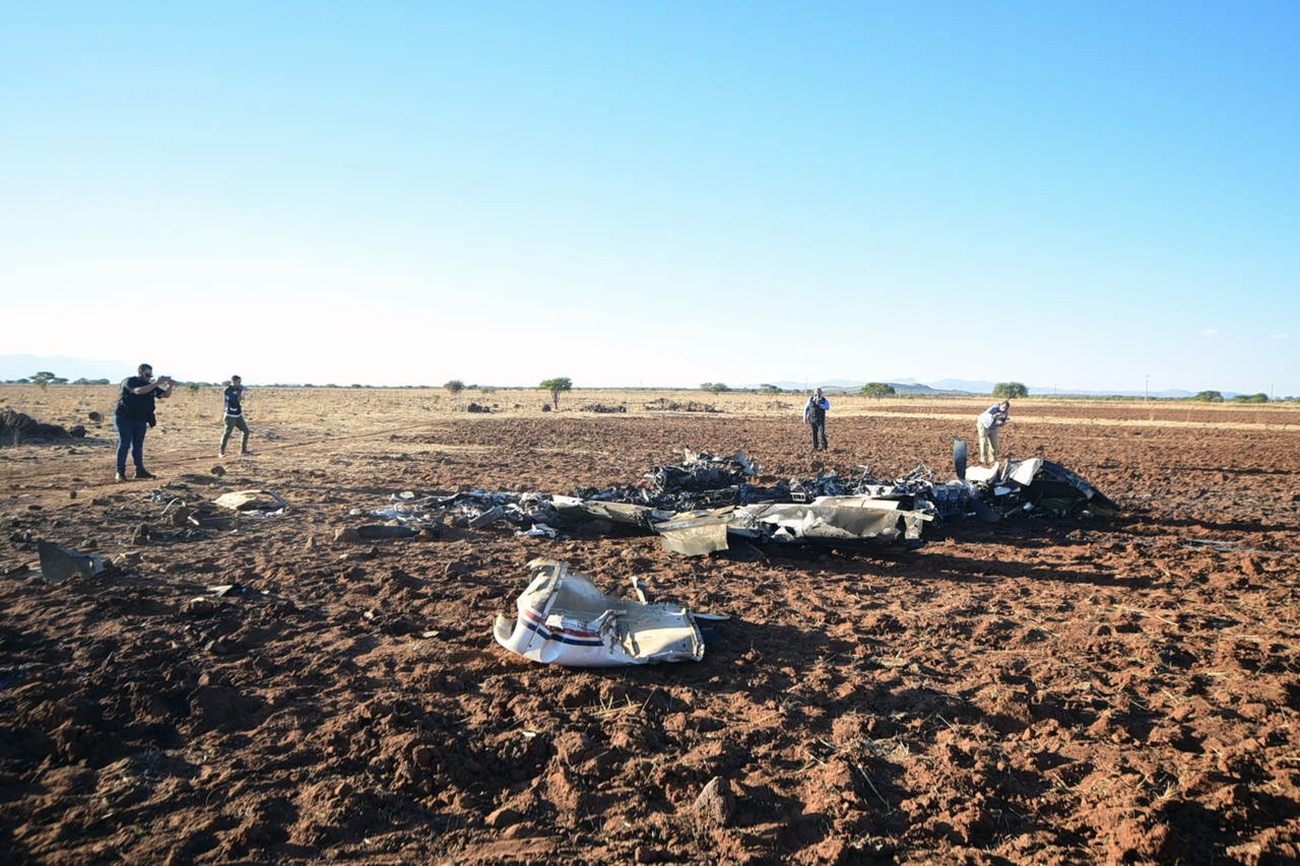
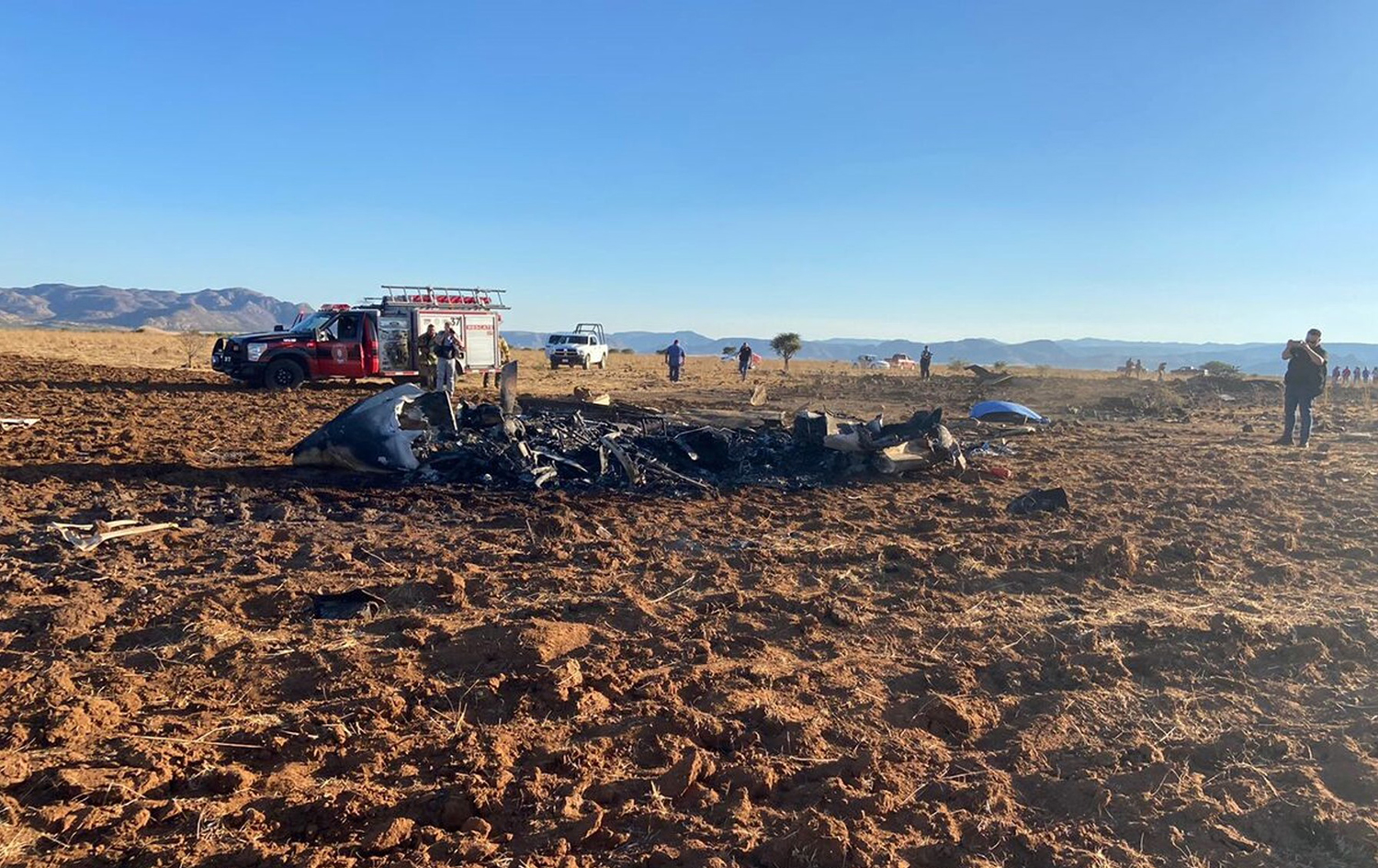
Crash of a Cirrus Vision SF50 in Kissimmee

Date & Time: Sep 9, 2022 at 1502 LT
Type of aircraft:
Operator:
Registration:
N77VJ
Flight Type:
Survivors:
Yes
Schedule:
Miami - Kissimmee
MSN:
88
YOM:
2018
Crew on board:
1
Crew fatalities:
Pax on board:
2
Pax fatalities:
Other fatalities:
Total fatalities:
0
Captain / Total flying hours:
982
Captain / Total hours on type:
325.00
Aircraft flight hours:
645
Circumstances:
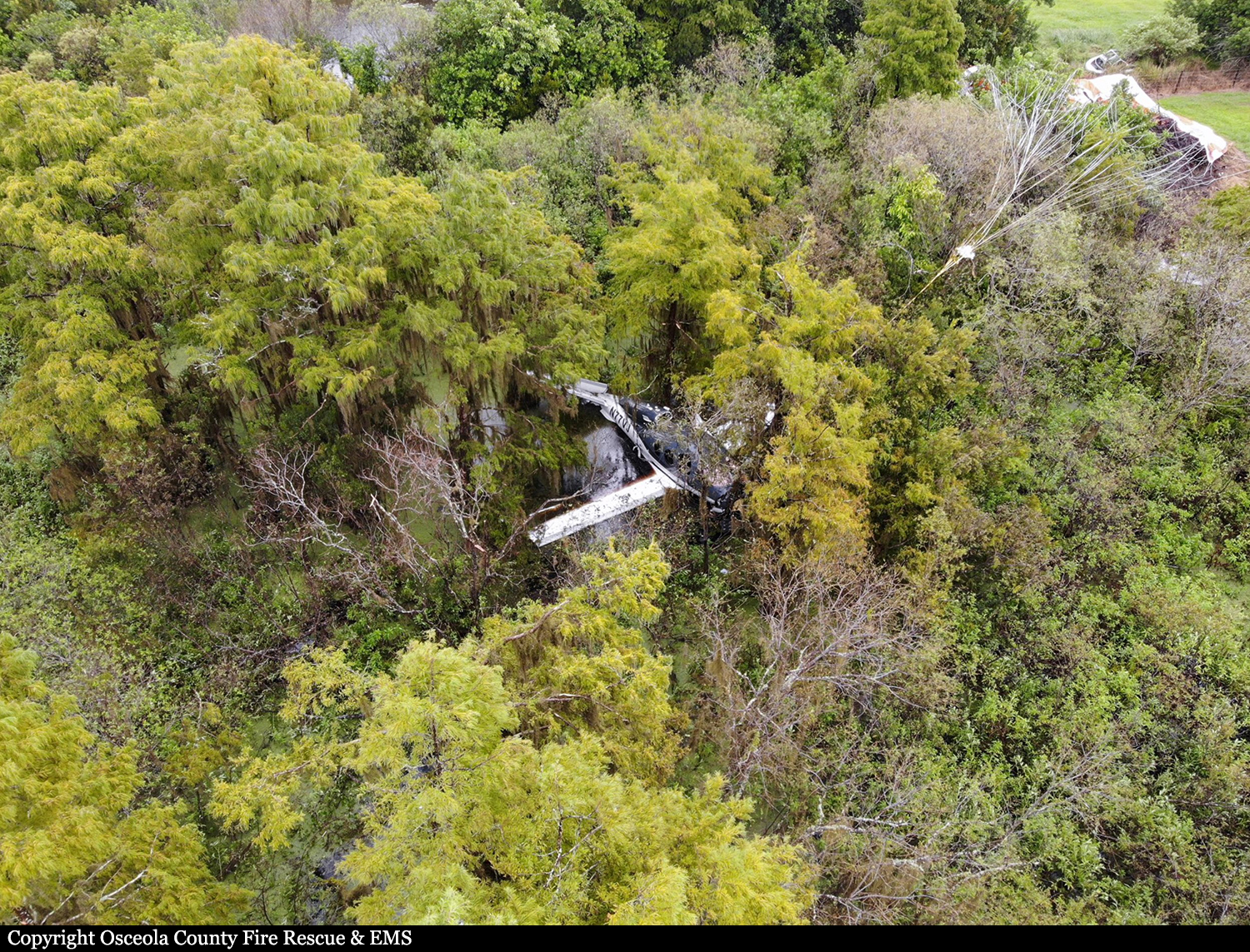
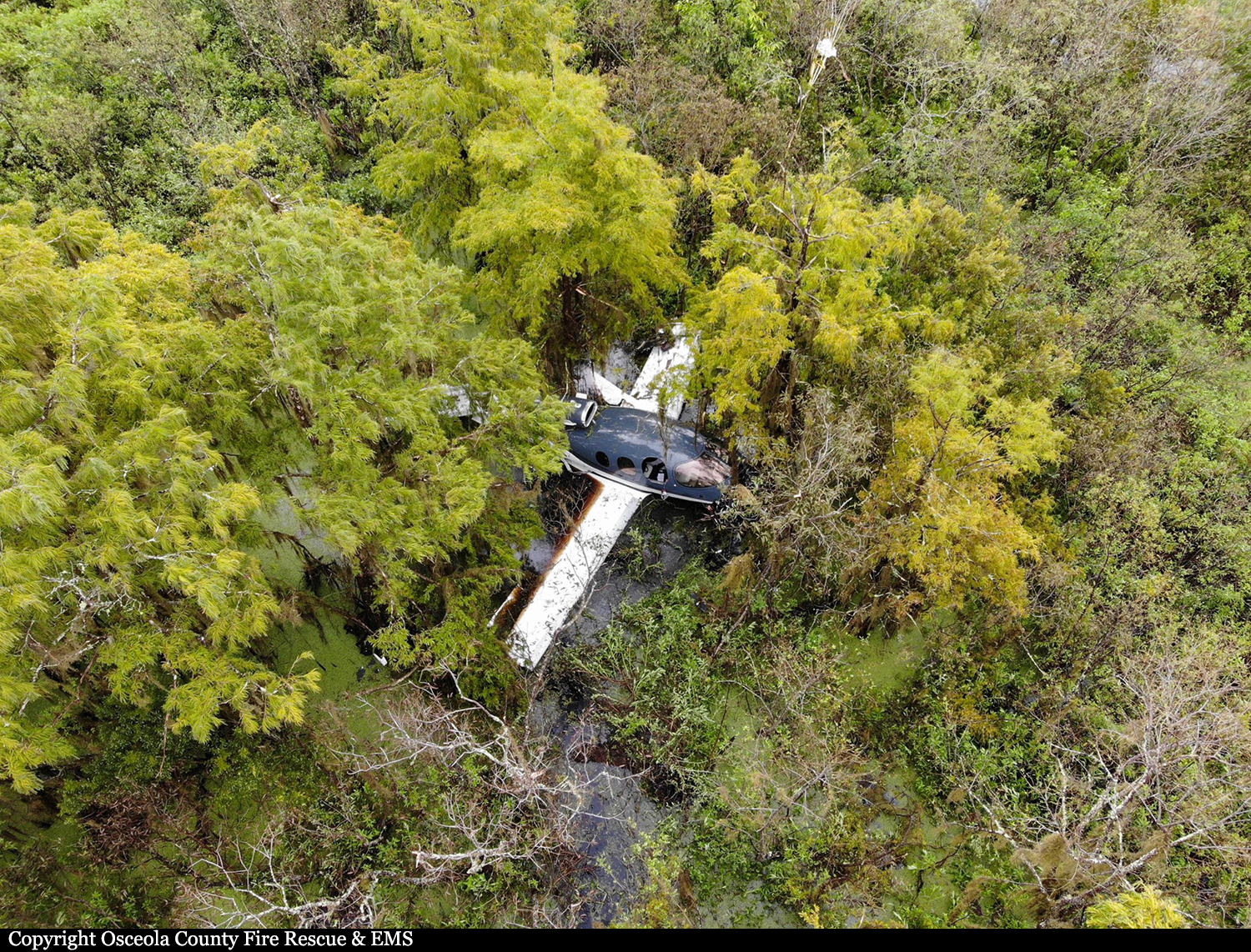
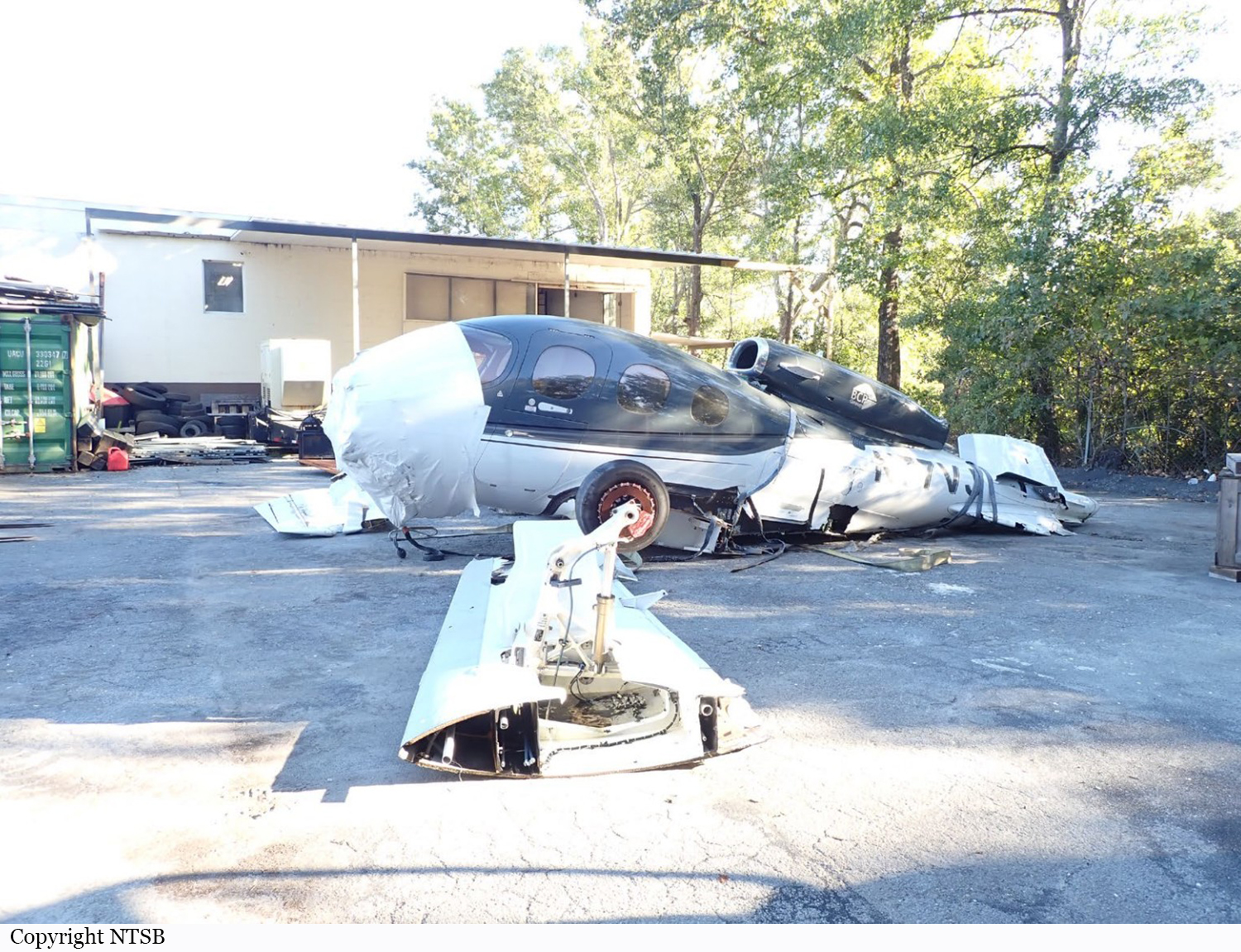
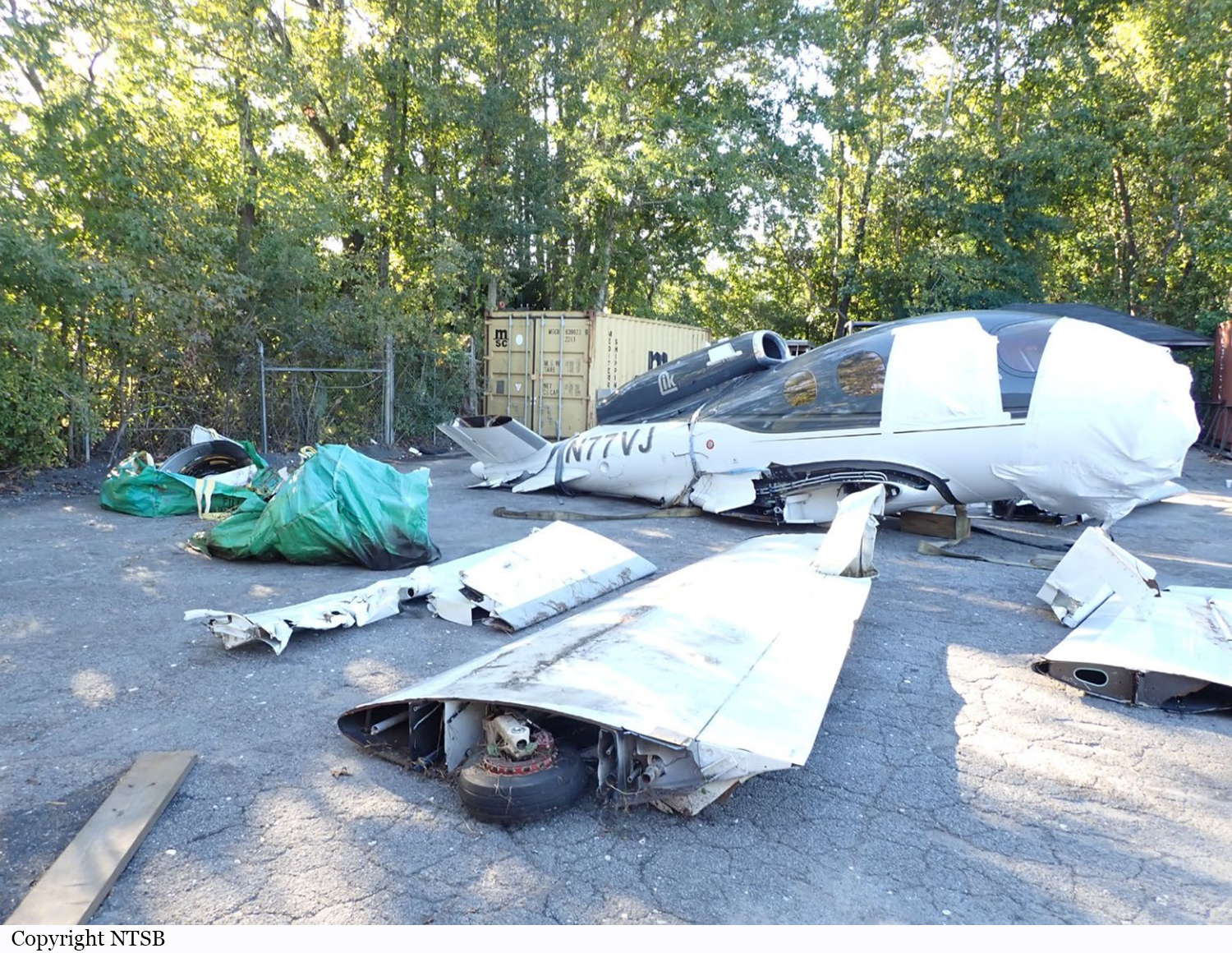
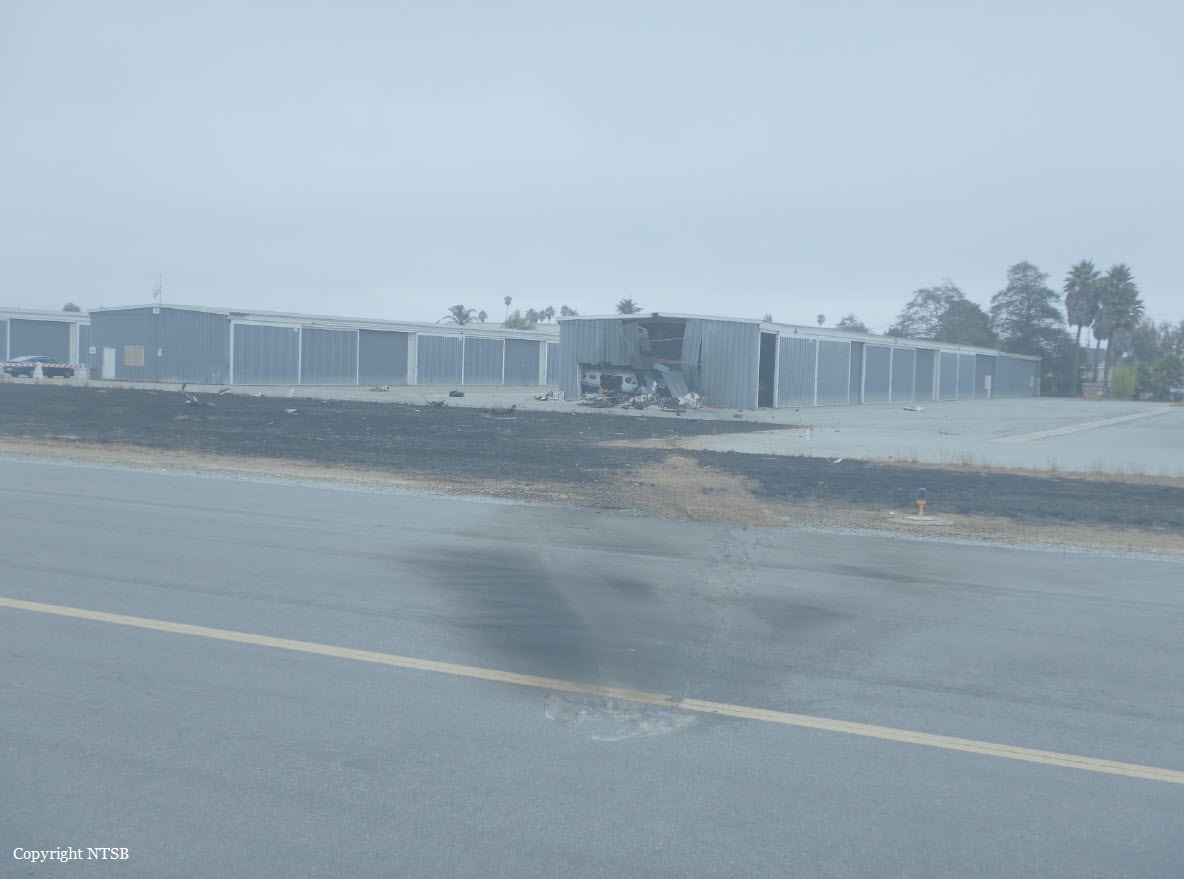
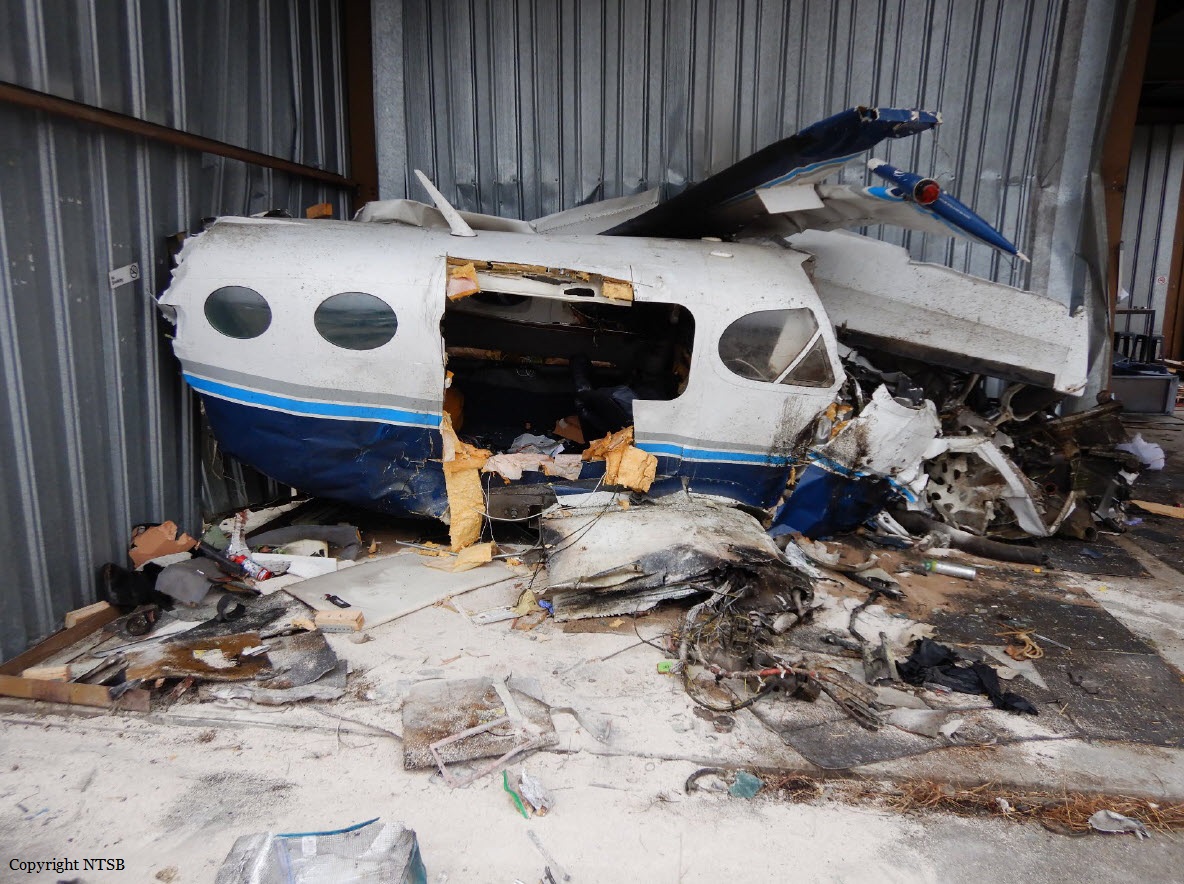
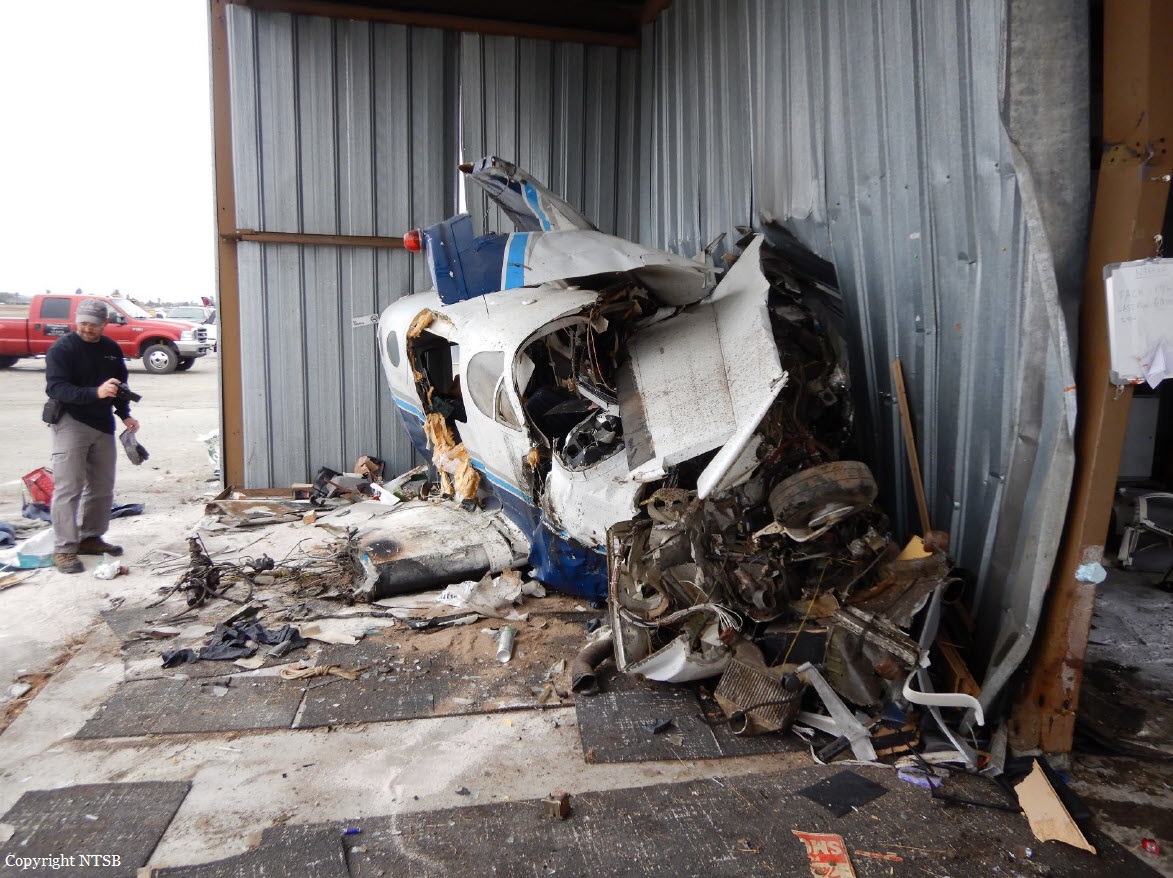
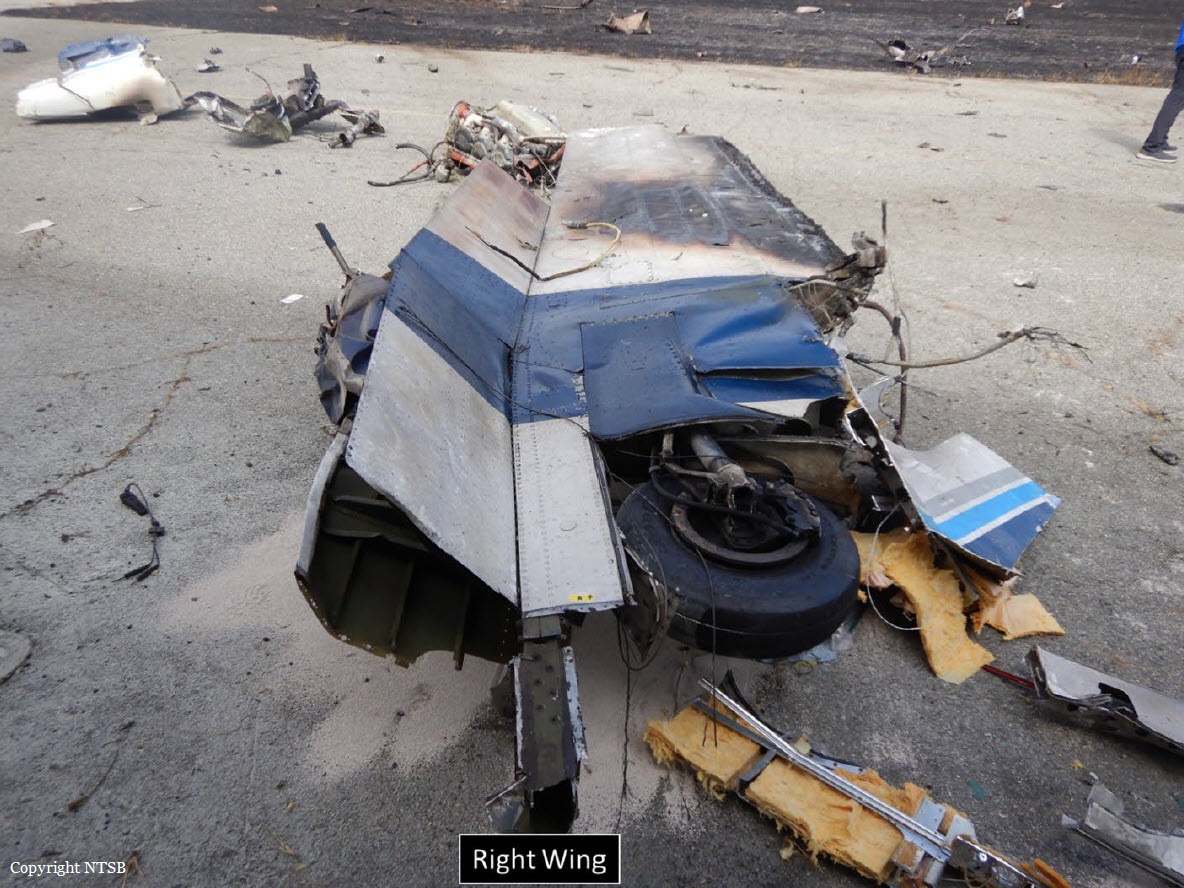
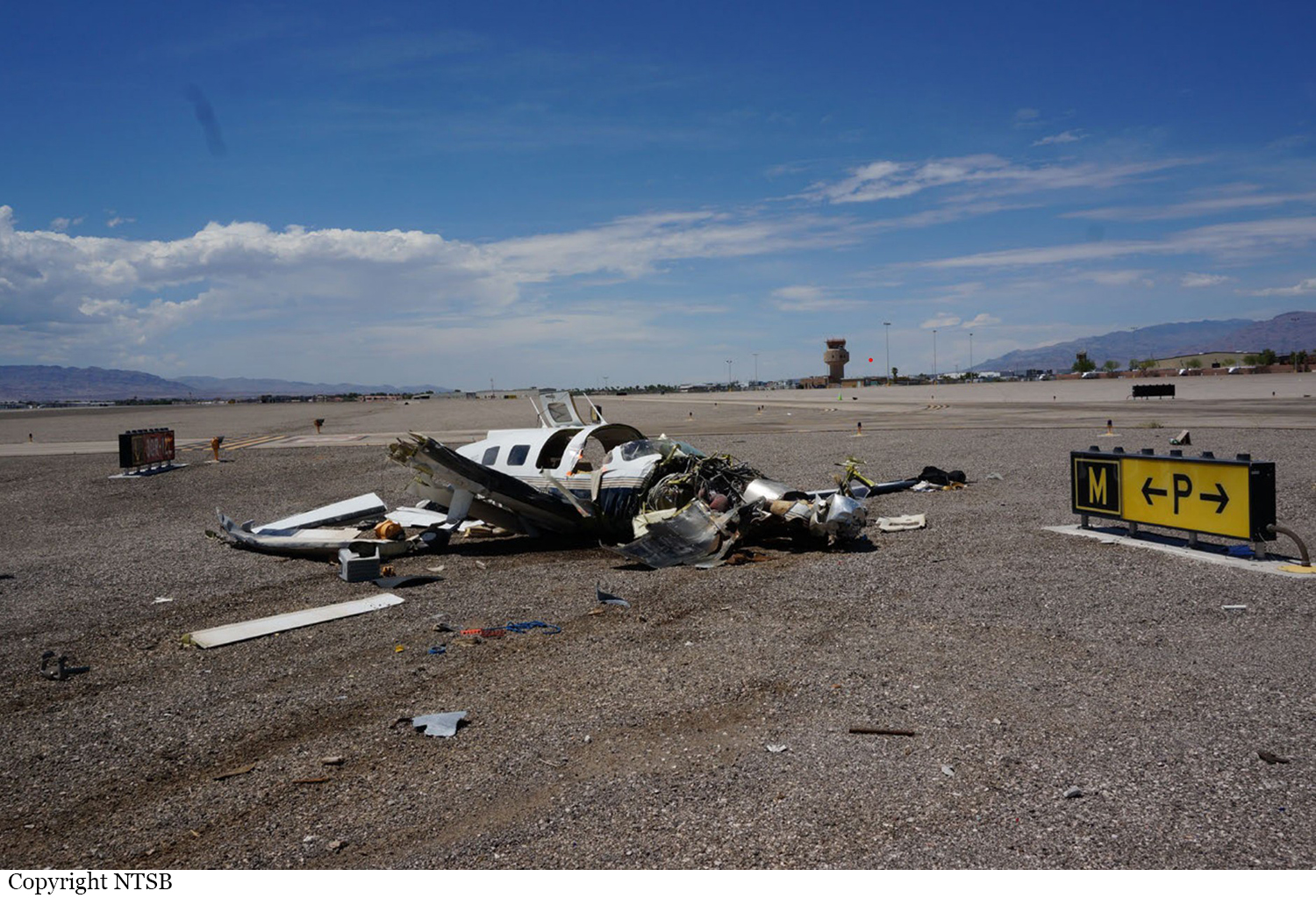
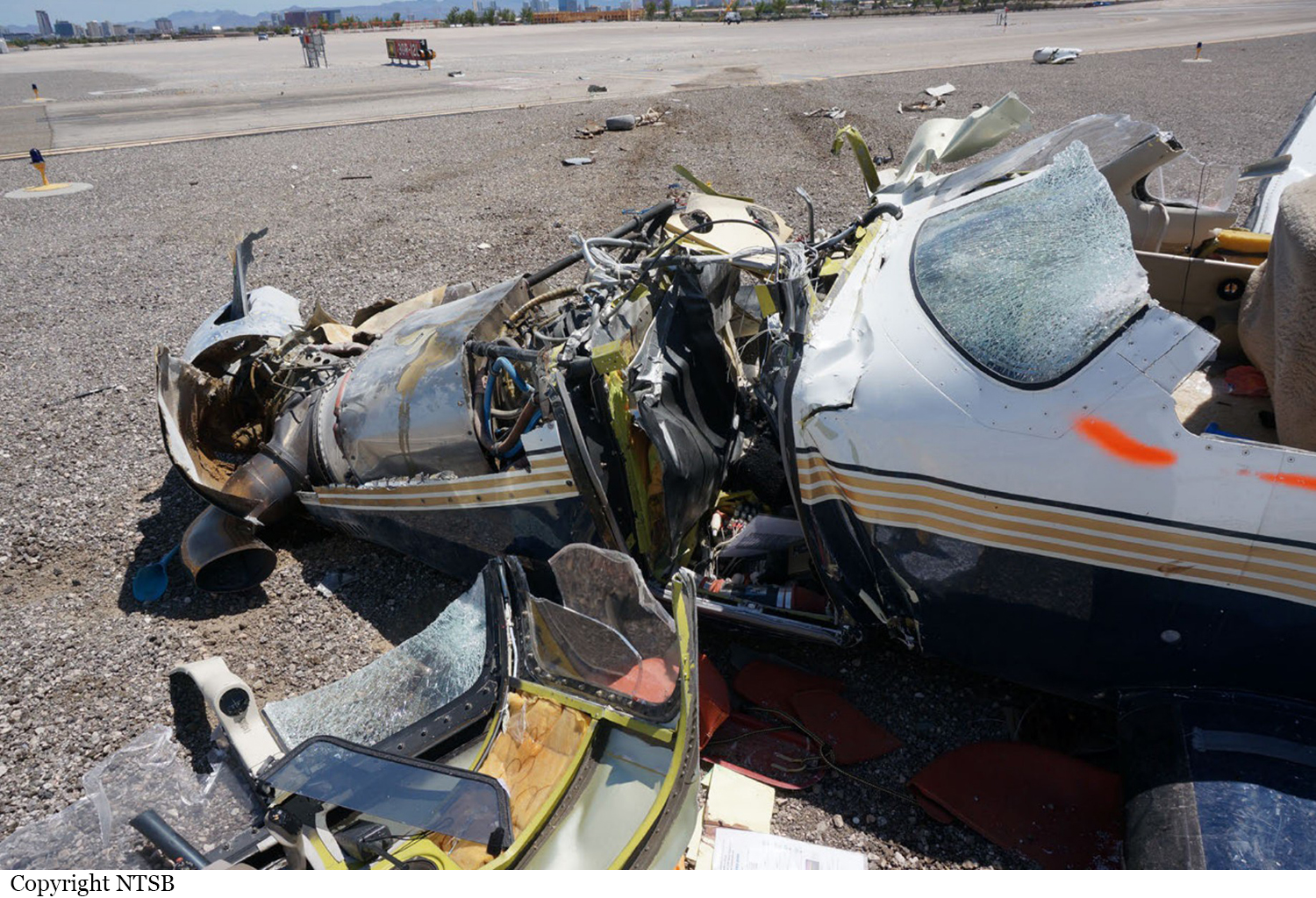
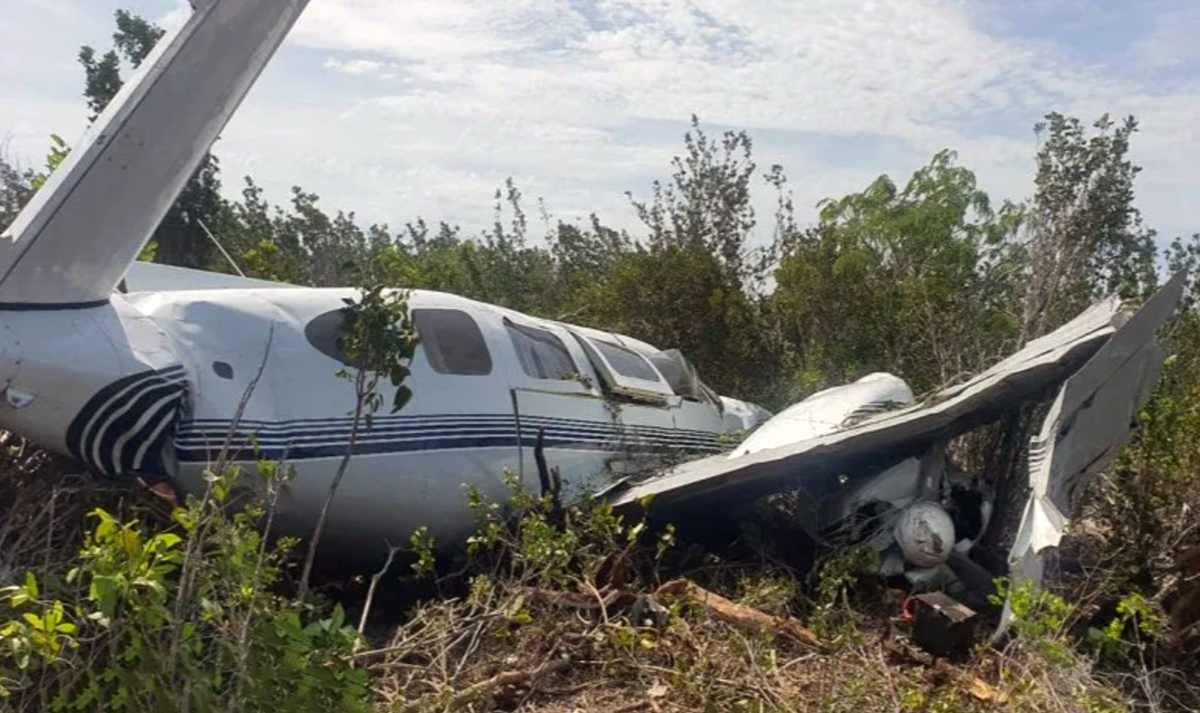
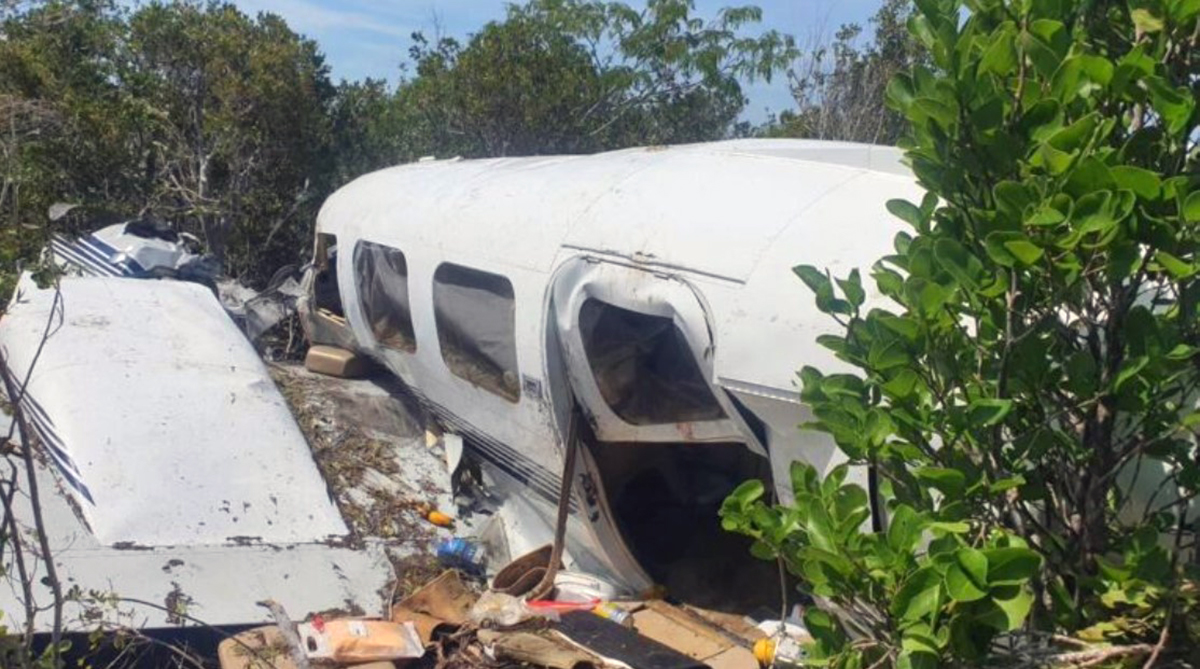
The pilot obtained multiple preflight weather briefings that resulted in him delaying the flight’s departure until the afternoon. After departure, while near his intended destination, the pilot was twice advised by air traffic controllers of adverse weather, including heavy to extreme precipitation along the intended final approach. While in visual meteorological conditions the pilot requested an RNAV approach to his destination airport. While flying towards the final approach fix at a low thrust setting the autopilot attempted to maintain 2,000 ft while pitching up and slowing to about 100 knots, causing an airspeed aural warning. The pilot applied partial thrust and while in instrument meteorological conditions the flight encountered extreme precipitation and turbulence associated with the previously reported thunderstorm. The pilot turned off the autopilot; the airplane then climbed at a rate that was well beyond the performance capability of the airplane, likely caused by updrafts from the mature thunderstorm and application of takeoff thrust. The High Electronic Stability & Protection (ESP) engaged, pitching the airplane nose-down coupled with the pilot pushing the control stick forward. The airplane then began descending followed by pitching up and climbing again. The pilot pulled the Cirrus Airframe Parachute System (CAPS) and descended under canopy into a marsh but the airplane was dragged a short distance from wind that inflated the CAPS canopy. Post accident examination of the recovered airplane revealed substantial damage to the front pressure bulkhead and to both sides of the fuselage immediately behind the front pressure bulkhead. There was no evidence of preimpact failure or malfunction of the flight controls for roll, pitch, or yaw. Data downloaded from the Recoverable Data Module (RDM) revealed no faults with the autopilot or stability protection systems until the CAPS system was activated, when those recorded faults would have been expected. Further, there were no discrepancies with the engine. Although the pilot perceived a malfunction of the autopilot at several times during the final portion of the flight, the perceived autopilot discrepancies were likely normal system responses based on the autopilot mode changes.
Probable cause:
The pilot’s continuation of the instrument approach into known extreme precipitation and turbulence associated with a thunderstorm, resulting in excessive altitude deviations that required him to activate the Cirrus Airframe Parachute System.
Final Report:

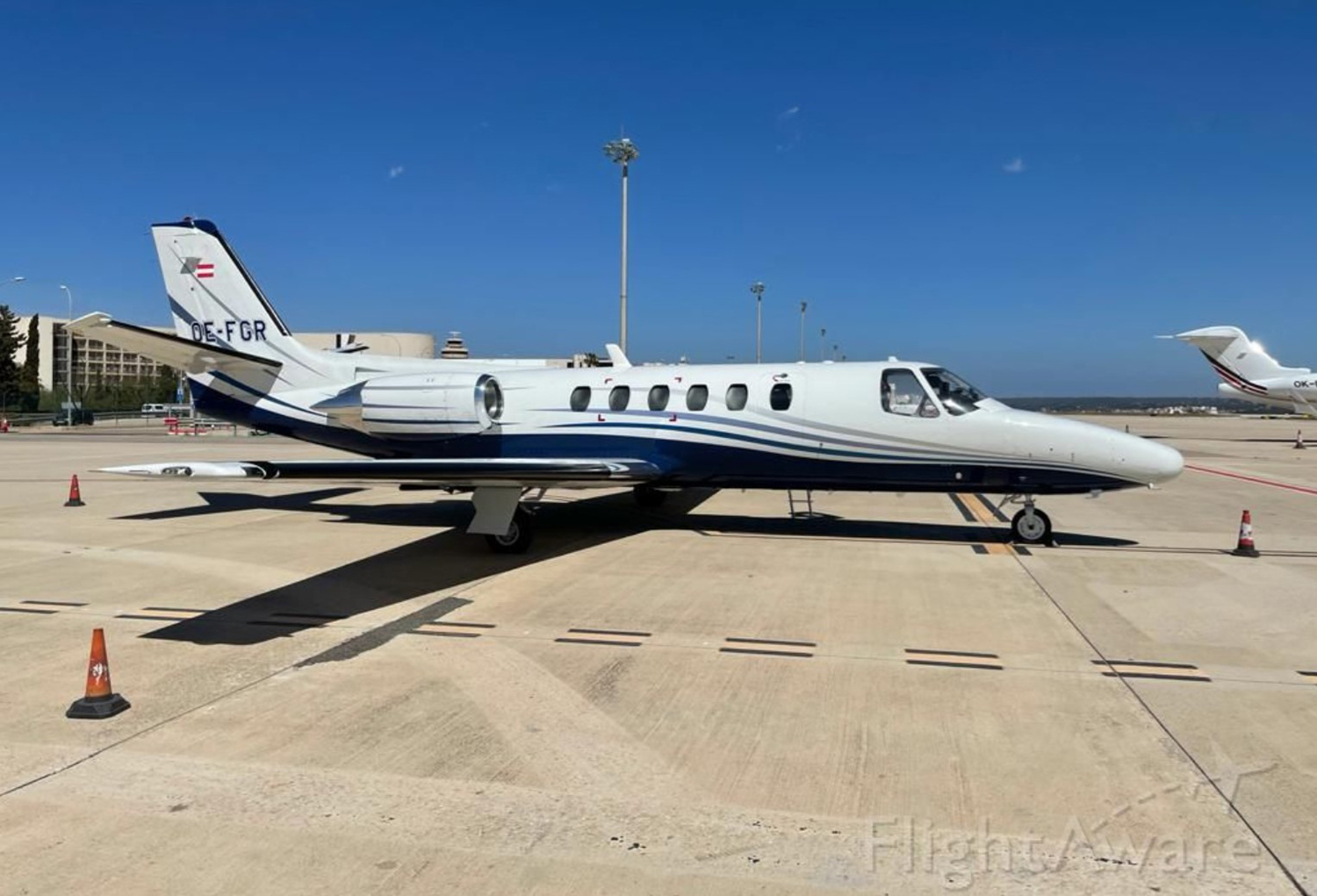
Crash of a Cessna 551 Citation II/SP off Ventspils: 4 killed

Date & Time: Sep 4, 2022 at 2044 LT
Type of aircraft:
Operator:
Registration:
OE-FGR
Flight Phase:
Flight Type:
Survivors:
No
Schedule:
Jerez - Cologne
MSN:
551-0021
YOM:
1979
Country:
Region:
Crew on board:
2
Crew fatalities:
Pax on board:
2
Pax fatalities:
Other fatalities:
Total fatalities:
4
Captain / Total flying hours:
1700
Captain / Total hours on type:
100.00
Aircraft flight hours:
8000
Circumstances:
The airplane departed Jerez-La Parra Airport at 1456LT on a flight to Cologne-Bonn Airport with four people on board. It continued at an assigned altitude of 36,000 feet until it entered the German Airspace. German ATC was unable to establish a radio contact with the crew so the decision was taken to send a Panavia Tornado of the Luftwaffe that departed Rostock-Laage AFB and intercepted the Cessna at 1815LT. The military pilot did not see any one in the cockpit and evacuated the area five minutes later. The airplane overflew Germany then entered the Swedish Airspace and continued bound to the northeast without significant change in heading, altitude or speed (365 knots). At 2028LT, the airplane started to descent and initiated a turn to the right three minutes later. At 2040LT, it entered an uncontrolled descent to the left and spiraled to the sea before crashing at 2044LT about 37 km northwest of Ventspils. Few debris and oil were found at the point of impact. The accident was not survivable.
Probable cause:
Cabin pressurization issue suspected.

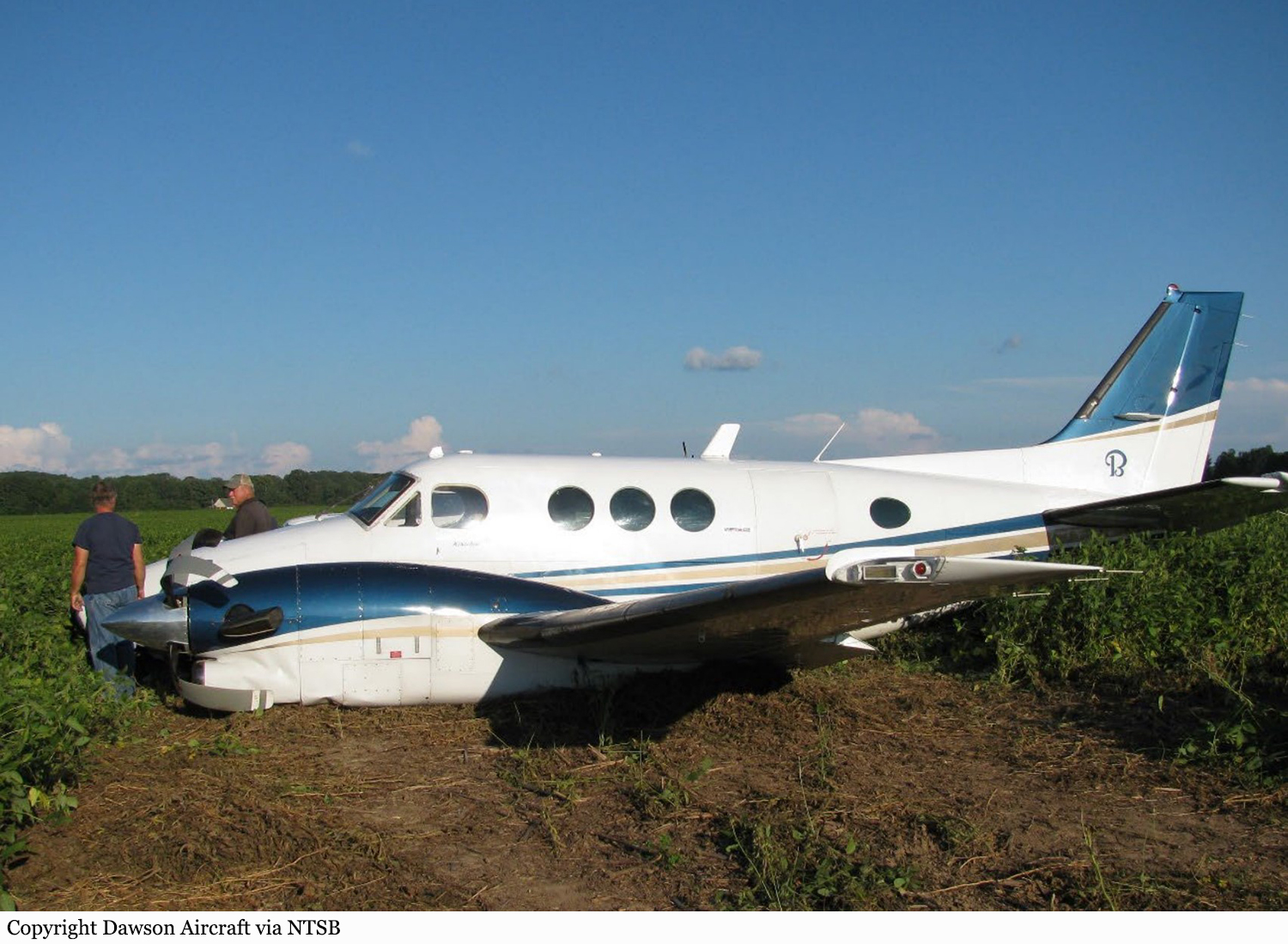
Crash of a Beechcraft C90A King Air in Gravestown

Date & Time: Sep 3, 2022 at 1021 LT
Type of aircraft:
Registration:
N342ER
Flight Phase:
Flight Type:
Survivors:
Yes
Schedule:
Tupelo - Tupelo
MSN:
LJ-1156
YOM:
1987
Crew on board:
1
Crew fatalities:
Pax on board:
0
Pax fatalities:
Other fatalities:
Total fatalities:
0
Captain / Total flying hours:
31
Circumstances:
The uncertificated pilot stole the accident airplane at Tupelo Airport with the intent of crashing it into a department store located 2 miles southeast of the airport. However, he continued to fly the airplane in the area for several hours until he performed an off-airport landing in a field 32 miles northwest of the departure airport that resulted in substantial damage to the airplane’s fuselage.
Probable cause:
The uncertificated pilot’s criminal act of stealing the airplane and later performing an off-airport landing that resulted in an impact with terrain.
Final Report:

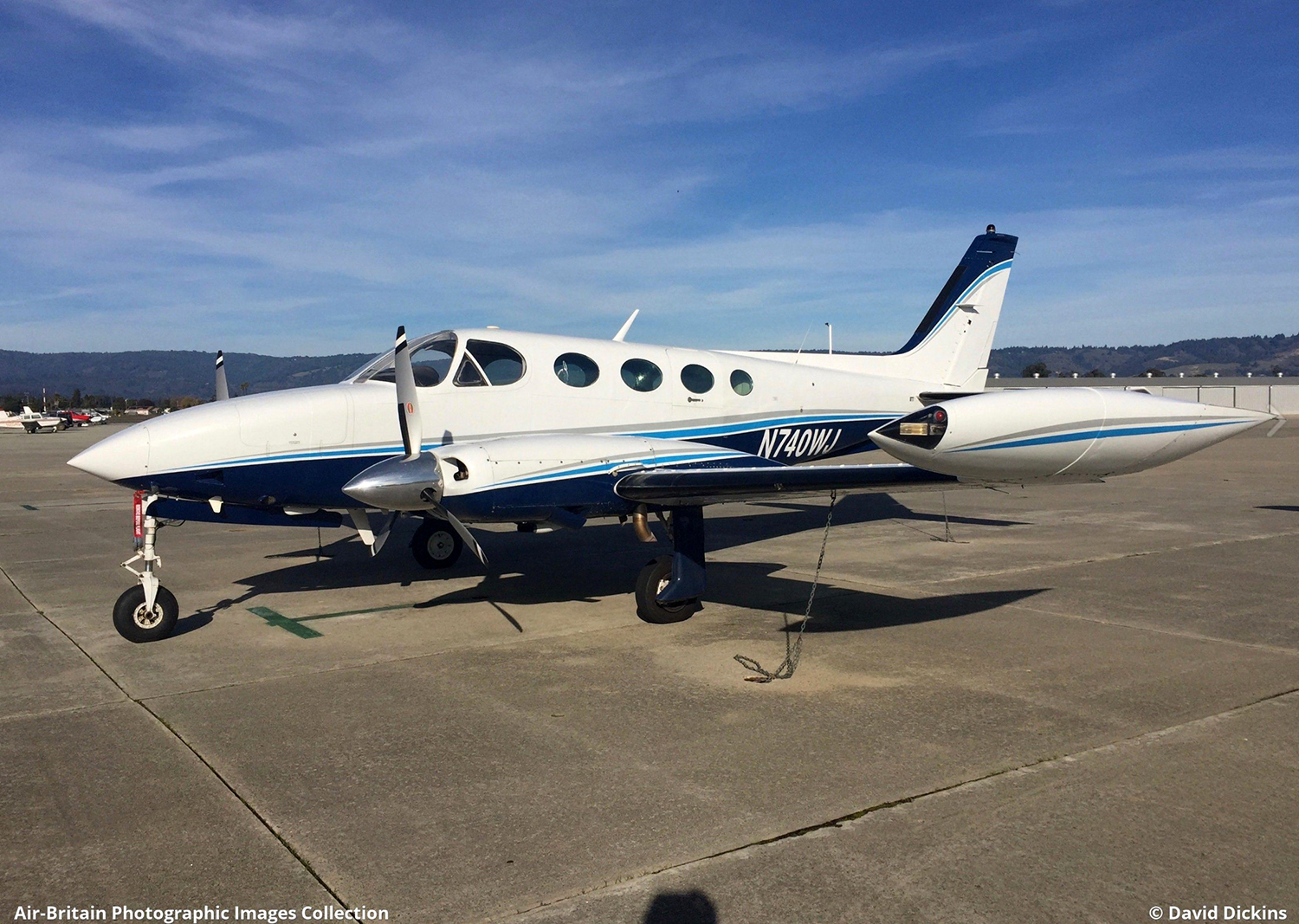
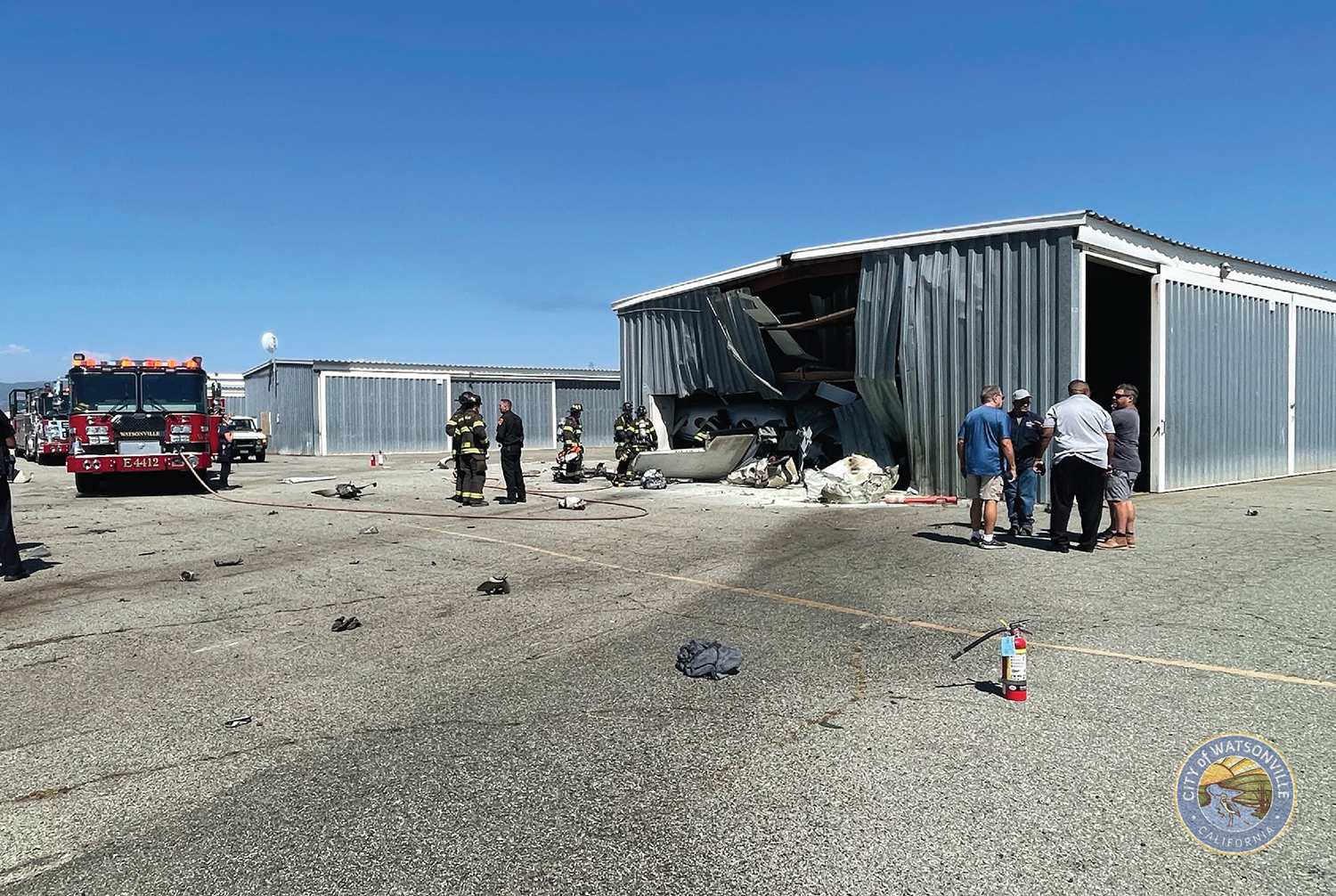
Crash of a Cessna 340A in Watsonville: 2 killed

Date & Time: Aug 18, 2022 at 1455 LT
Type of aircraft:
Operator:
Registration:
N740WJ
Flight Type:
Survivors:
No
Schedule:
Turlock – Watsonville
MSN:
340A-0740
YOM:
1979
Crew on board:
2
Crew fatalities:
Pax on board:
0
Pax fatalities:
Other fatalities:
Total fatalities:
2
Captain / Total flying hours:
111
Captain / Total hours on type:
77.00
Copilot / Total flying hours:
1200
Copilot / Total hours on type:
744
Circumstances:
The pilot of the single-engine airplane was operating in the airport traffic pattern and had been making position reports on the airport’s common traffic advisory frequency (CTAF). The pilot of the multi-engine airplane made an initial radio call on the CTAF 10 miles from the airport, announcing his intention to perform a straight-in approach for landing. Both pilots continued to make appropriate position reports, but did not communicate with each other until the multi engine airplane was about one mile from the airport and the single-engine airplane had turned onto the base leg of the traffic pattern for landing. Realizing that the multi-engine airplane was converging upon him, the pilot of the single-engine airplane announced a go-around, and the airplanes collided on final approach for the runway about 150 ft above ground level (agl). Examination of the airplanes revealed no evidence of mechanical malfunctions or anomalies that would have precluded normal operation. The multi-engine airplane’s wing flaps and landing gear were both retracted at the accident site, consistent with the pilot’s failure to configure the airplane for landing, and flight track information indicated that the pilot maintained a ground speed of about 180 knots throughout the approach until the collision occurred, which may have reduced the time available for him to see and avoid the single engine airplane. The toxicology report for the pilot of the single-engine airplane revealed THC, metabolites for THC, metabolites for cocaine, and ketamine; the low amounts of each drug were not considered causal to the accident. The toxicology report for the multi-engine airplane pilot revealed THC, and metabolites of THC; the low amounts of each drug were not considered causal to the accident.
Probable cause:
The failure of the pilot of the multi-engine airplane to see and avoid the single-engine airplane while performing a straight-in approach for landing.
Final Report:

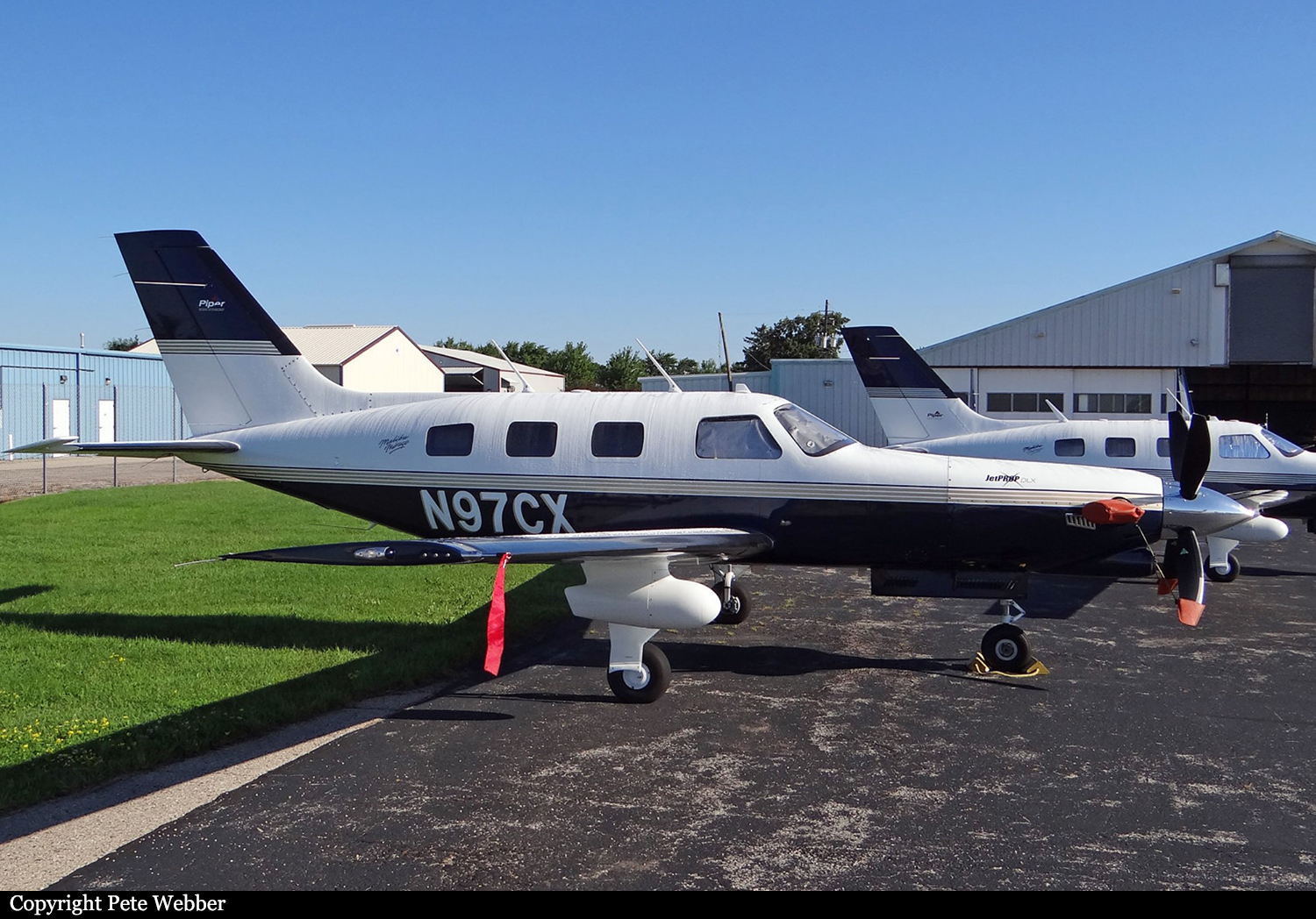
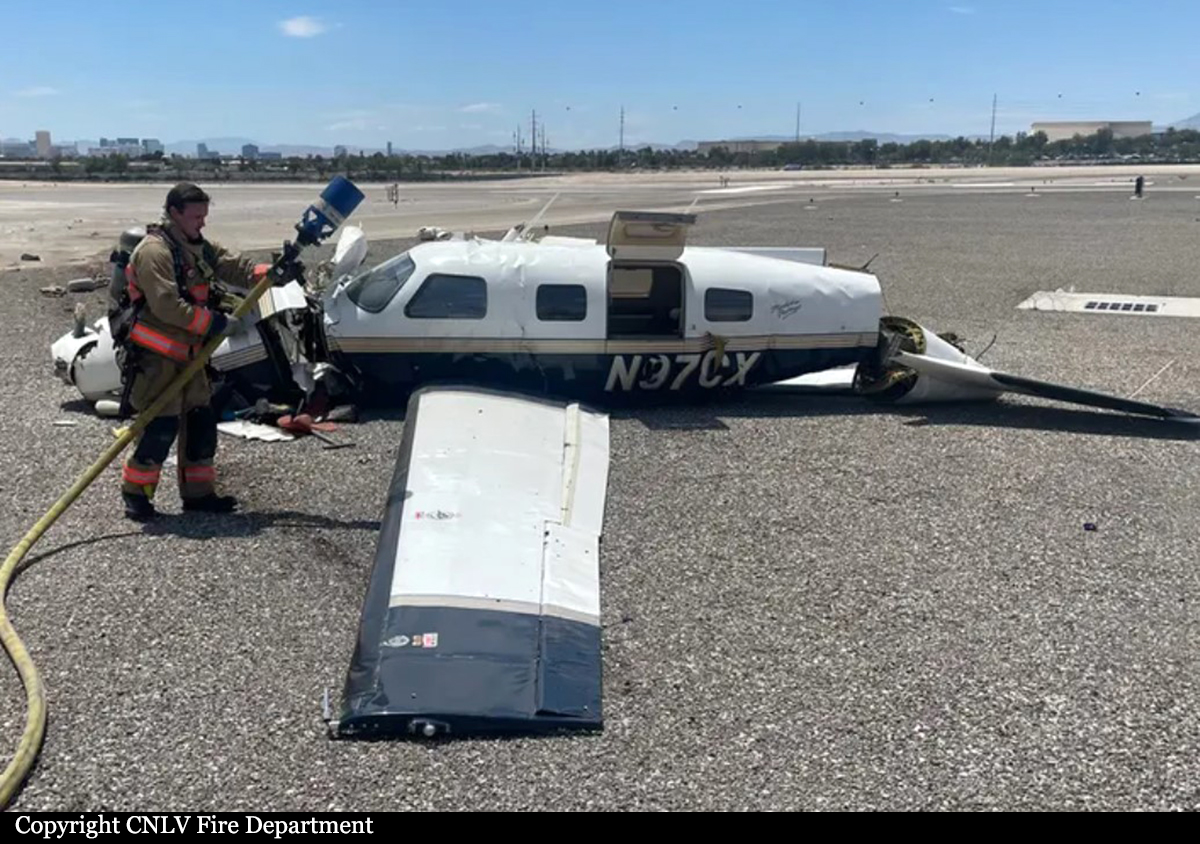
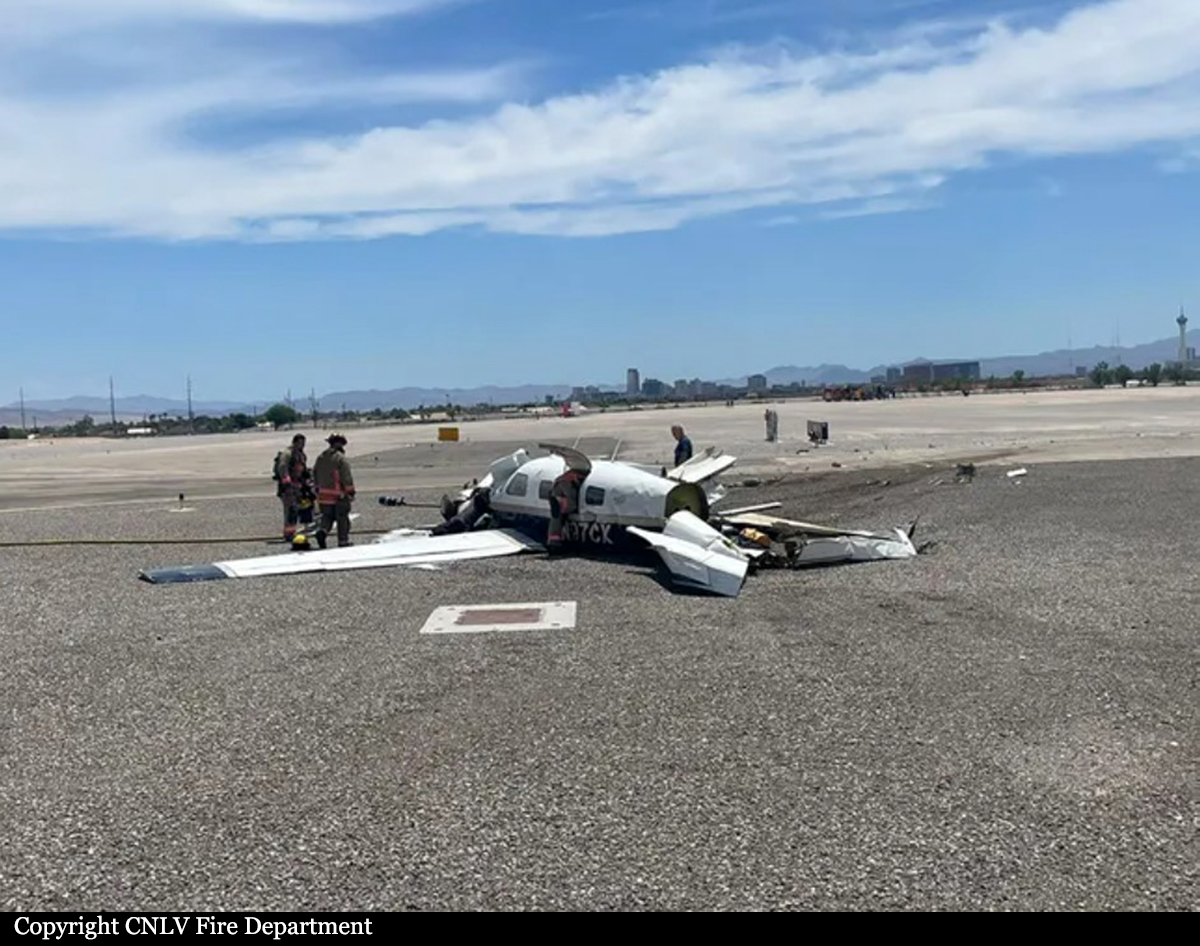
Crash of a Piper PA-46-350P Malibu Mirage in North Las Vegas: 2 killed

Date & Time: Jul 17, 2022 at 1203 LT
Registration:
N97CX
Flight Type:
Survivors:
No
Schedule:
Cœur d’Alene – North Las Vegas
MSN:
46-36128
YOM:
1997
Crew on board:
2
Crew fatalities:
Pax on board:
0
Pax fatalities:
Other fatalities:
Total fatalities:
2
Captain / Total flying hours:
6643
Copilot / Total flying hours:
1536
Copilot / Total hours on type:
280
Aircraft flight hours:
3212
Circumstances:
The commercial pilot and private-rated copilot on board the low-wing airplane were performing a visual approach to their home airport at the end of an instrument-flight-rules flight. They were instructed by the approach controller to cross the destination airport over midfield and enter the left downwind leg of the traffic pattern for landing on runway 30L. Meanwhile, the flight instructor and student pilot on board the high-wing airplane were conducting takeoffs and landings in the right traffic pattern for runway 30R and were cleared to conduct a short approach for landing on runway 30R. Upon contacting the airport tower controller, the crew of the low-wing airplane was instructed to proceed to runway 30L, and the copilot acknowledged. The controller subsequently confirmed the landing approach to runway 30L, and the copilot again acknowledged with a correct readback of the landing clearance. Automatic Dependent Surveillance-Broadcast (ADS-B) flight track data indicated that, after crossing over the runway, the low-wing airplane performed a continuous, descending turn through the final approach path for runway 30L and rolled out aligned with the final approach path for runway 30R. The airplanes collided about ¼ nautical mile from the approach end of the runway. Although day visual meteorological conditions prevailed at the airport at the time of the accident, a visibility study determined that it would have been difficult for the pilots of the two airplanes to see and avoid one another given the size of each airplane in the other’s windscreen and the complex backgrounds against which they would have appeared. The pilot of the low-wing airplane would likely have had to move his head position in the cockpit (e.g., by leaning forward) in order to see the approach ends of the runways during most of the turn. If looking in the direction of the runways, he would have been looking away from the direction of the oncoming high-wing airplane, which was also obscured from view by aircraft structure during a portion of the turn, likely including the final seconds before the collision. The visibility study indicated that sun glare was not likely a factor. The high-wing airplane was not equipped with a cockpit display of traffic information (CDTI). The low-wing airplane was equipped with a CDTI, which may have generated a visual and aural traffic alert concerning the high-wing airplane before the collision; however, this may not have provoked concern from the flight crew, since other aircraft are to be expected while operating in the airport traffic pattern environment. The circumstances of this accident underscored the difficulty in seeing airborne traffic (the foundation of the “see and avoid” concept in visual meteorological conditions), even when pilots might be alerted to traffic in the vicinity by equipment such as CDTI. Given the low-wing airplane pilots’ familiarity with the airport, it is unlikely that they misidentified the intended landing runway; however, it is possible that they were unfamiliar with their issued instructions to overfly the airport and join the traffic pattern, as this was a fairly new air traffic control procedure for routing inbound traffic to the airport that had been implemented on a test basis, for a period of about one week, about two months before the accident. Their lack of familiarity with the maneuver may have resulted in a miscalculation that resulted in the airplane rolling out of turn farther to the right of runway 30L than expected. A performance study indicated that, during the turn to final approach, the airplane was between 38 knots (kts) and 21 kts faster than its nominal landing approach speed of 85 kts. This excess speed may have contributed to the pilots’ alignment with runway 30R instead of runway 30L. Analysis of the turn radius required to align the airplane with runway 30L indicated a required roll angle of between 32° and 37° at the speeds flown; at 85 kts. While the wrong runway line up by the low-wing airplane may have been the crew’s misidentification of the runway to which they were cleared to land, it may also have been a miscalculation in performing a maneuver that was relatively new and that they may have never conducted before. Thus, resulting in a fast, short, and tight continuous descending turn to final that rolled them out farther right than expected. The high-wing configuration of the Cessna in a right turn to final, and the low-wing configuration of the Piper in a left turn to final, only exacerbated the conflict by reducing the ability of the pilots to see the other aircraft. The pilot of the low-wing airplane had cardiovascular disease that increased his risk of experiencing an impairing or incapacitating medical event, such as arrhythmia or stroke. Although such an event does not leave reliable autopsy evidence if it occurs just before death, given that the airplane was in controlled flight until the collision, and had two pilots on board, one of whom was communicating with air traffic control, it is unlikely that an incapacitating medical event occurred. The pilot also had advanced hearing impairment, which may have made it more difficult for him to discern speech; however, the circumstances of the accident are not consistent with a pilot comprehension problem; the crew correctly read back the instruction to land on runway 30L. Whether the pilot’s hearing loss impacted his ability to detect cues such as the high-wing airplane’s landing clearance to the parallel runway or a possible CDTI aural alert could not be determined based on the available information. Although both the pilot and copilot’s ages and medical conditions were risk factors for cognitive impairment, there was no specific evidence available to suggest that either of the pilots on board the low-wing airplane had cognitive impairment that contributed to the accident. Autopsy of the flight instructor on board the high-wing airplane identified some dilation of his heart ventricles; while this may have been associated with increased risk of an impairing or incapacitating cardiovascular event, given the circumstances of the accident, it is unlikely that such an event occurred. The instructor also had hydronephrosis of the left kidney, with stones in the left renal pelvis. This may have been asymptomatic (kidney stone pain typically is associated with passage of a stone through the ureter, not with stones in the renal pelvis). The instructor’s vitreous creatinine and potassium elevation cannot be clearly attributed to hydronephrosis of a single kidney. Additionally, the instructor was producing urine and had no elevation of vitreous urea nitrogen. The vitreous chemistry results should be interpreted cautiously given the extent of thermal injury. The instructor’s heart and kidney issues are unlikely to have affected his ability to see and avoid the other airplane. The student pilot on board the high-wing airplane also had heart disease identified at autopsy, including moderate coronary artery disease and an enlarged heart with dilated ventricles. While his heart disease was associated with increased risk of an impairing or incapacitating cardiovascular event, given the circumstances of the accident, it is unlikely that such an event occurred. The student pilot’s vitreous chemistry test indicated hyponatremic dehydration; however, it is unlikely that dehydration contributed to the accident. The controller did not issue traffic advisory information to either of the airplanes involved in the collision at any time during their respective approaches for landing, even though the lowing airplane crossed about 500 ft over the high-wing airplane as it descended over the airport toward the downwind leg of the traffic pattern. His reasoning for not providing advisories to the airplanes as they entered opposing base legs was that he expected the high-wing airplane to be over the runway numbers before the low-wing airplane would be able to visually acquire it; however, this was a flawed expectation that did not account for the differences in airplane performance characteristics. After clearing both airplanes for landing, he communicated with two uninvolved aircraft and did not monitor the progress of the accident airplanes to the two closely-spaced parallel runways. This showed poor judgement, particularly given that in the months before the accident, there had been a series of events at the airport in which pilots had mistakenly aligned with, landed on, or taken off from an incorrect runway. Interviews with personnel at the air traffic control tower indicated that staffing was deficient, and most staff were required to work mandatory overtime shifts, reaching an annual average of 400 to 500 hours of overtime per controller. According to the air traffic manager (ATM), the inadequate staffing had resulted in reduced training discissions, and the management team was unable to appropriately monitor employee performance. The ATM stated that everyone on the team was exhausted, and that work/life balance was non-existent. It is likely that the cumulative effects of continued deficient staffing, excessive overtime, reduced training, and inadequate recovery time between shifts took a considerable toll on the control tower workforce.
Probable cause:
The low-wing airplane pilot’s failure to ensure that the airplane was aligned with the correct runway, which resulted in a collision with the high-wing airplane on final approach. Contributing to the accident was the controller’s failure to provide timely and adequate traffic information to either airplane and his failure to recognize the developing conflict and to act in a timely manner. Also contributing was the Federal Aviation Administration’s insufficient staffing of the facility, which required excessive overtime that did not allow for proper controller training or adequate recovery time between shifts.
Final Report:

Crash of a PZL-Mielec AN-2R in Prochookopskaya: 2 killed

Date & Time: Jul 15, 2022 at 2127 LT
Type of aircraft:
Operator:
Registration:
RA-02240
Flight Type:
Survivors:
No
Schedule:
Prochookopskaya - Prochookopskaya
MSN:
1G235-11
YOM:
1989
Country:
Region:
Crew on board:
1
Crew fatalities:
Pax on board:
1
Pax fatalities:
Other fatalities:
Total fatalities:
2
Captain / Total flying hours:
6647
Captain / Total hours on type:
6647.00
Aircraft flight hours:
4871
Circumstances:
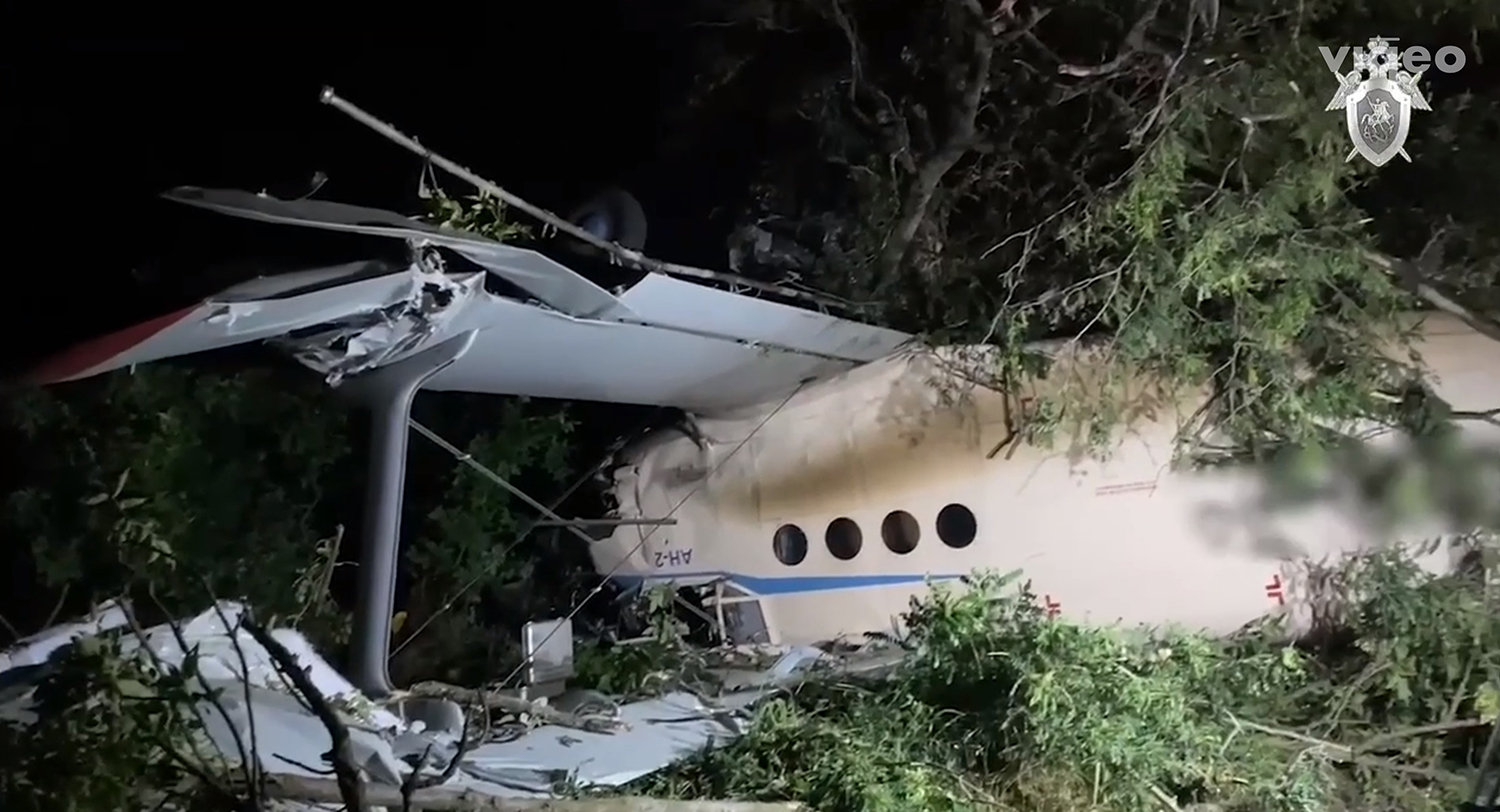
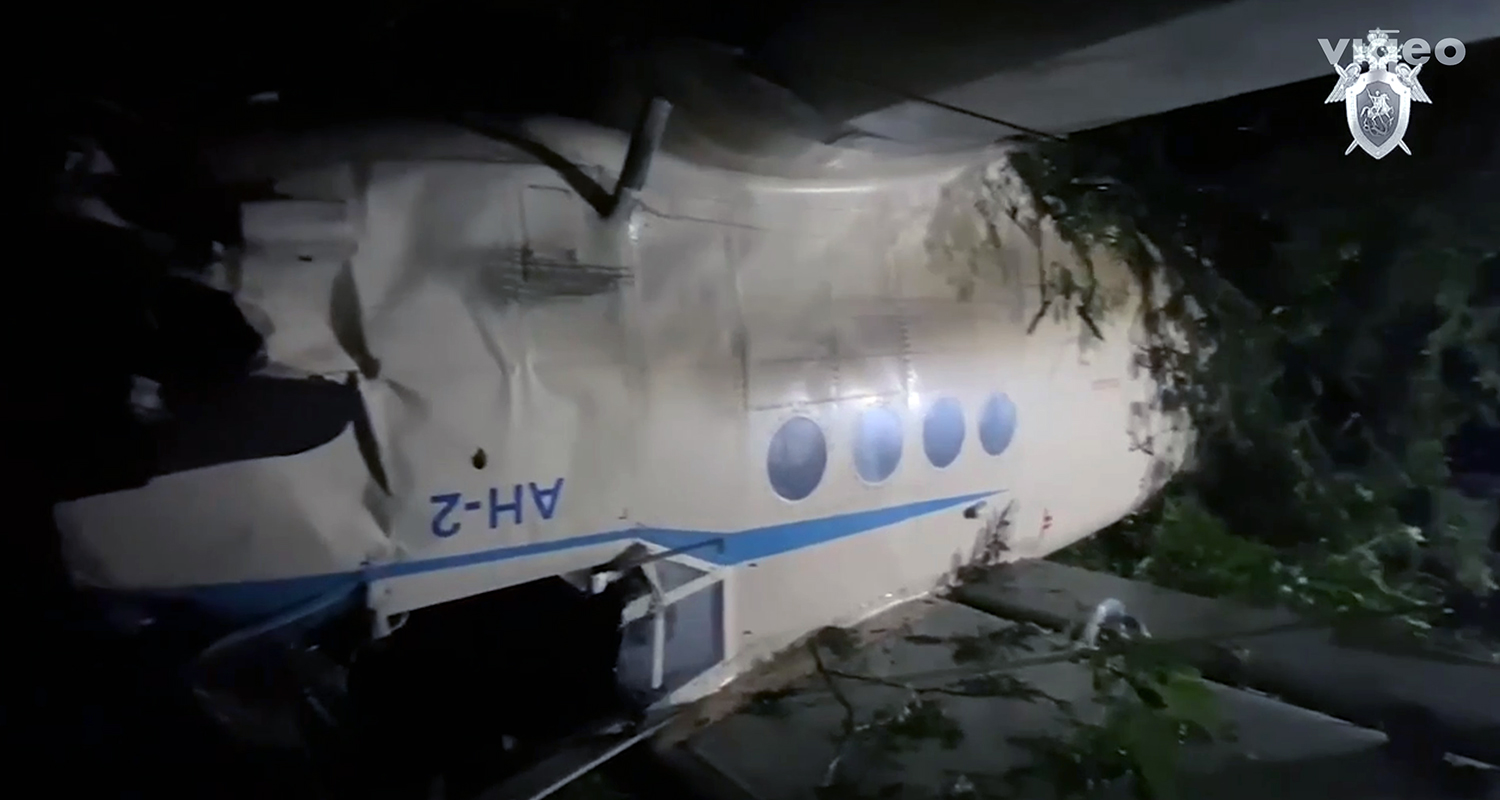
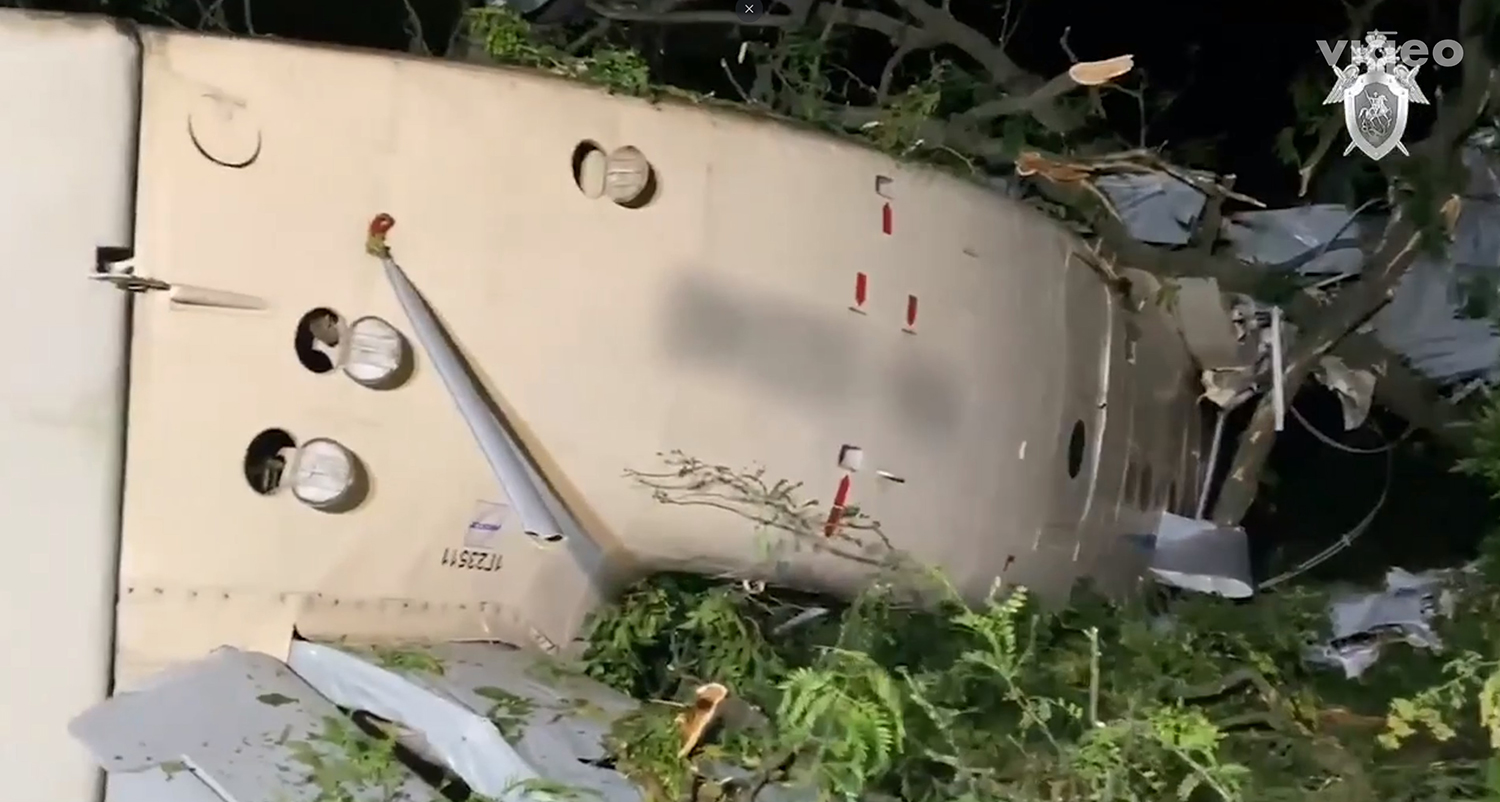
The single engine airplane was engaged in a local flight in Prochookopskaya. While attempting to land at night, the airplane collided with the cables of a power line and crashed in a wooded area, coming to rest upside down. The wreckage was found some 10 km north of the Armavir Airport. Both occupants were killed.
Probable cause:
The aircraft collided with the wires of an overhead power line, which had no night markings, with subsequent collision with trees and ground.
The following contributing factors were identified:
- Inadequate experience of the pilot in night flying conditions,
- Violation of the AN-2 flight manual, which prescribes instruments night flights,
- Decision to fly at night to a landing site without adequate light equipment,
- Flying at an altitude lower than the prescribed altitude of unlit obstacles, of which the pilot was aware,
- Decision of the pilot to perform the flight in a reduced crew configuration (without a copilot).
Final Report:

Crash of a Piper PA-31-325 Navajo in Santiago de Querétaro: 2 killed

Date & Time: Jul 13, 2022 at 1220 LT
Type of aircraft:
Registration:
N28DF
Flight Phase:
Flight Type:
Survivors:
No
Schedule:
Santiago de Querétaro – Morelia
MSN:
31-7812121
YOM:
1978
Country:
Crew on board:
1
Crew fatalities:
Pax on board:
1
Pax fatalities:
Other fatalities:
Total fatalities:
2
Circumstances:
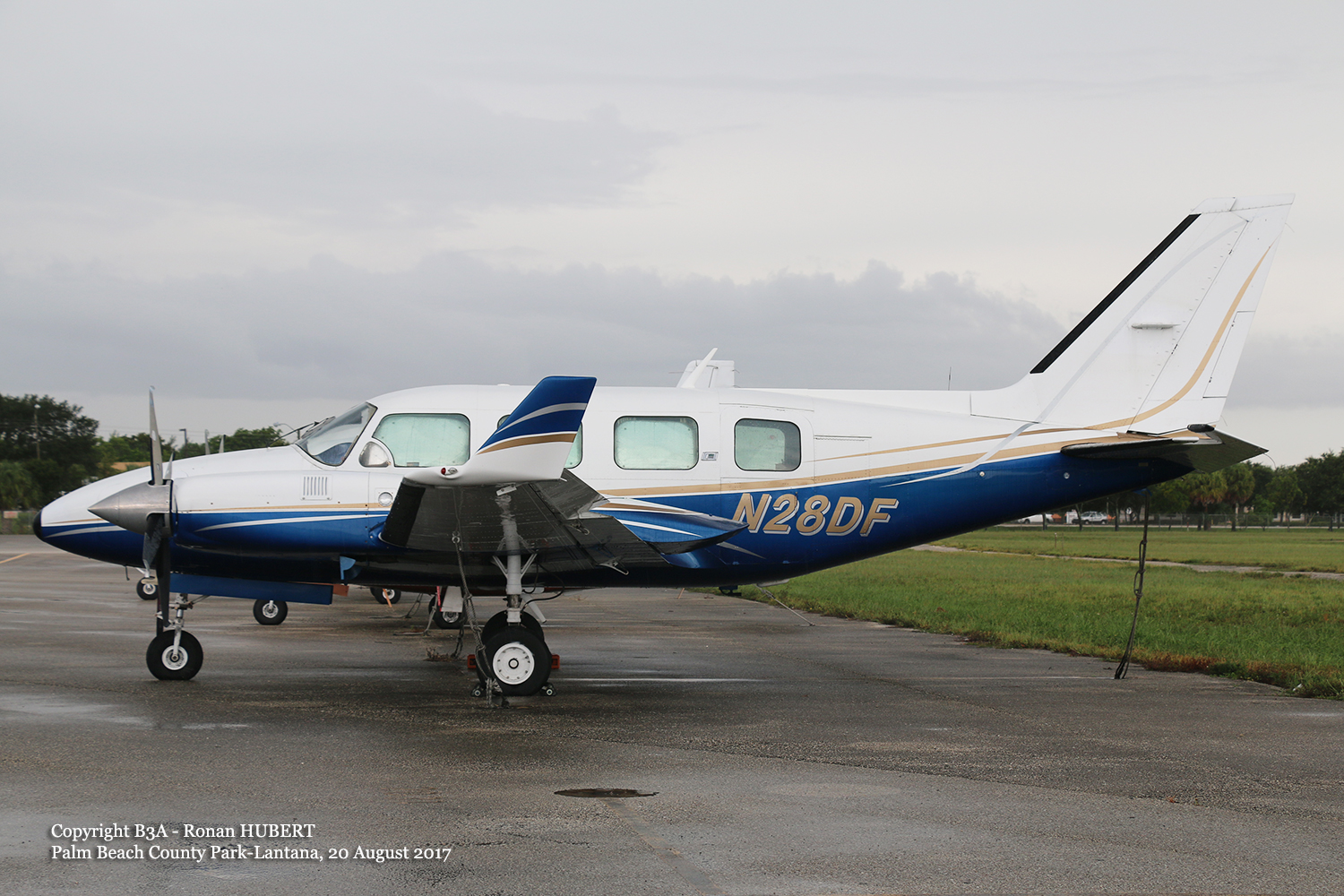
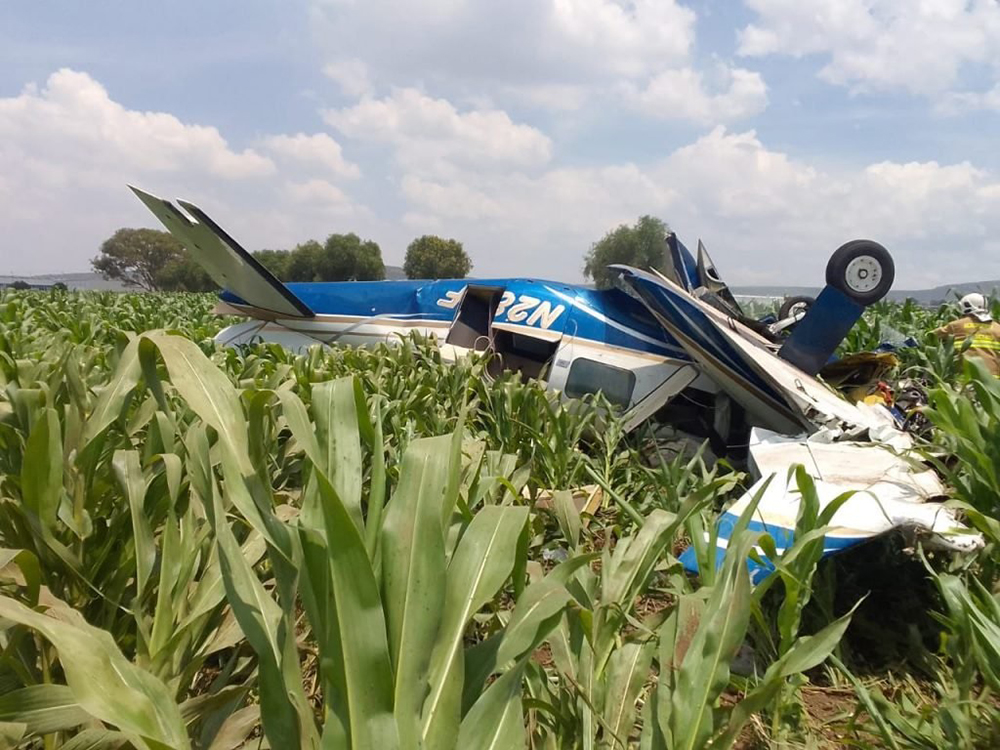
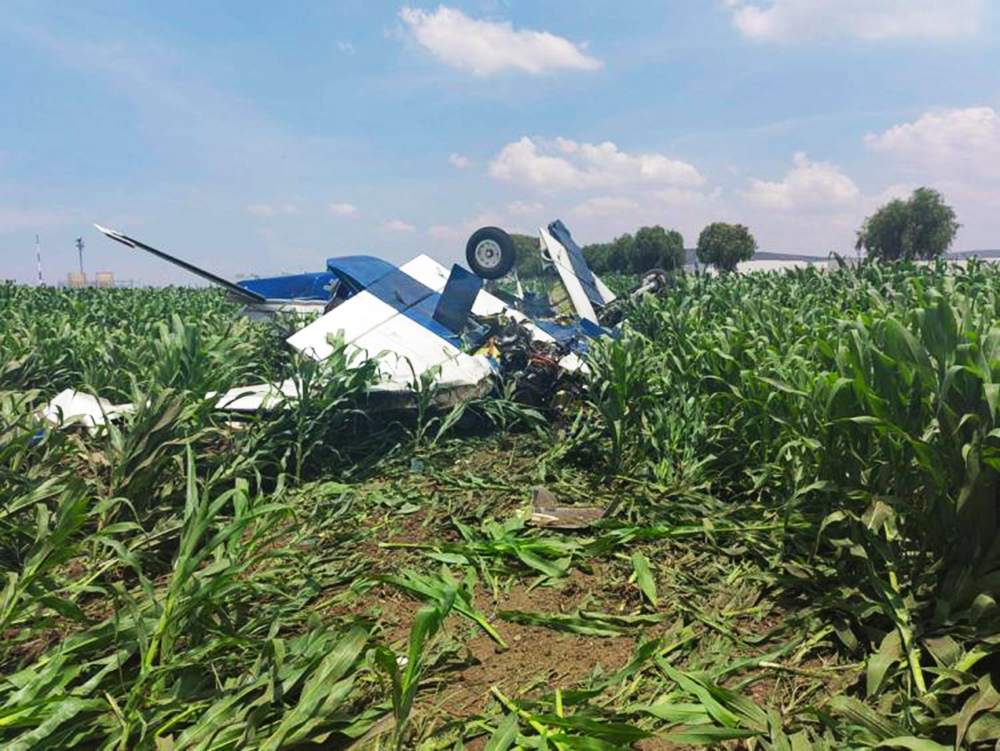
Shortly after takeoff from Santiago de Querétaro Airport, while climbing, the twin engine airplane went out of control and crashed inverted in a maize field located near the airport. The aircraft was destroyed and both occupants were killed.

Crash of a Learjet 55C Longhorn near Charallave: 6 killed

Date & Time: Jun 22, 2022 at 1937 LT
Type of aircraft:
Registration:
YV3304
Flight Type:
Survivors:
No
Site:
Schedule:
Puerto Cabello – Charallave
MSN:
55-145
YOM:
1990
Country:
Crew on board:
2
Crew fatalities:
Pax on board:
4
Pax fatalities:
Other fatalities:
Total fatalities:
6
Circumstances:
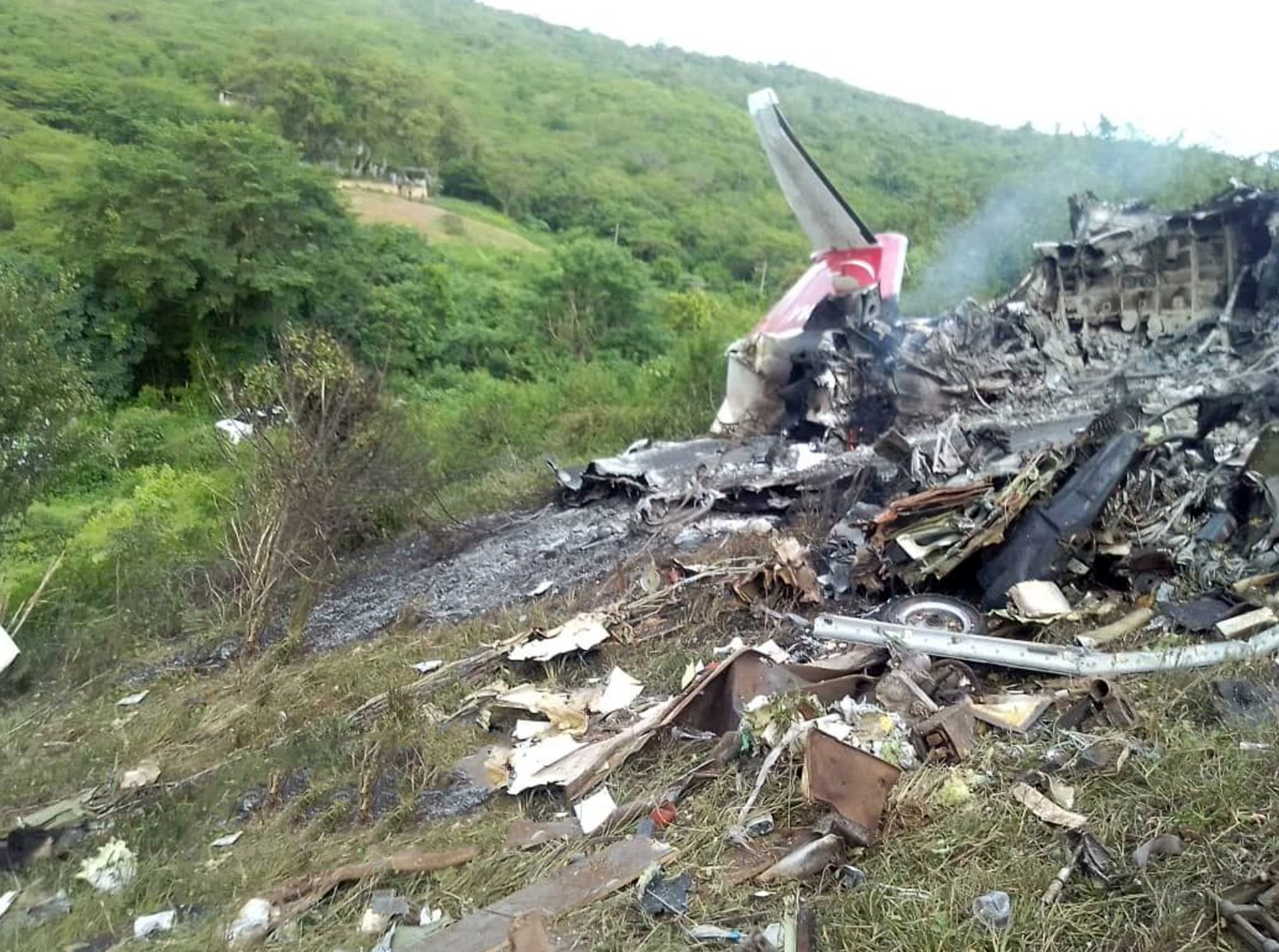
While approaching Charallave-Óscar Machado Zuloaga Airport, the crew encountered technical problems (apparently with the reversers) and declared an emergency. The captain initiated a go around procedure and completed a circuit south of the airport. During a second approach, the airplane deviated from the approach path to the south and continued until it impacted the top of a hill located 8 km south of the airport. The aircraft was destroyed by impact forces and a post crash fire and all six occupants were killed, among them Christian Toni, President of the Estudiantes de Mérida football club.

Crash of a Piper PA-31-310 in Deadmans Cay: 1 killed

Date & Time: Jun 5, 2022 at 0905 LT
Type of aircraft:
Operator:
Registration:
N711JW
Flight Phase:
Flight Type:
Survivors:
Yes
Schedule:
Deadmans Cay - Nassau
MSN:
31-7712084
YOM:
1977
Country:
Crew on board:
1
Crew fatalities:
Pax on board:
6
Pax fatalities:
Other fatalities:
Total fatalities:
1
Aircraft flight hours:
7102
Circumstances:
Shortly after takeoff from Deadmans Cay Airport Runway 09, while climbing, both engines lost power simultaneously. The airplane went out of control, impacted trees and crashed some 3 km northwest of the airfield. The airplane came to rest in bushes and was destroyed by impact forces. There was no fire. Among the seven people on board, a woman passenger was killed and six other occupants were injured.
Probable cause:
The AAIA has determined the probable cause of this accident to be Loss of Power (Dual) resulting in a loss of control inflight (LOC-I), and subsequent uncontrolled flight into terrain.
Final Report:

Crash of a Piper PA-61P Aerostar near Durango: 2 killed

Date & Time: May 23, 2022 at 1829 LT
Registration:
N66CG
Flight Phase:
Flight Type:
Survivors:
No
Schedule:
Celaya - Durango
MSN:
61-0277-061
YOM:
1976
Location:
Country:
Crew on board:
1
Crew fatalities:
Pax on board:
1
Pax fatalities:
Other fatalities:
Total fatalities:
2
Circumstances:
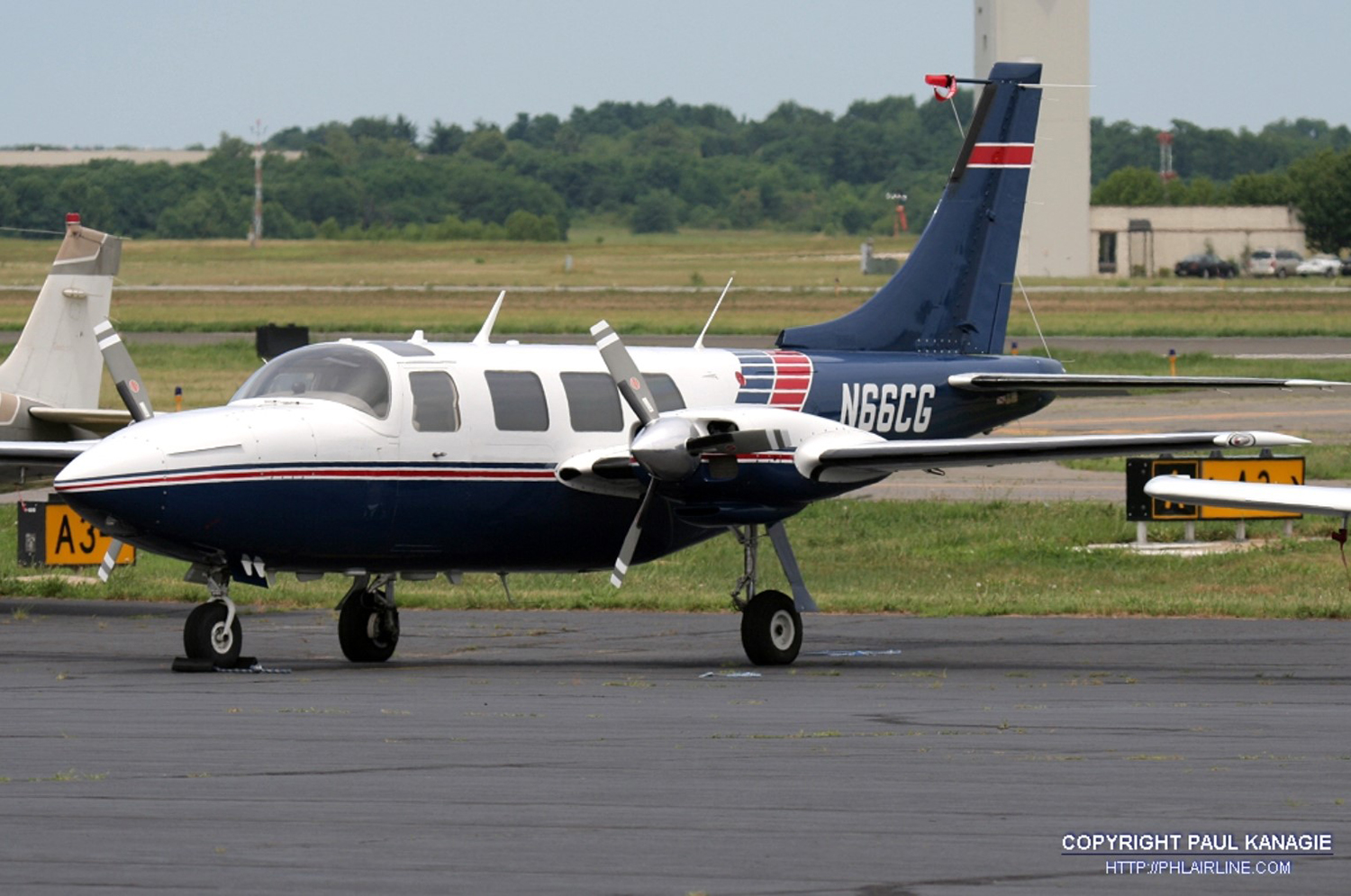
While approaching Durango Airport on a flight from Celaya, the twin engine aircraft entered an uncontrolled descent and crashed in an open field located near the village of Ceballos, about 16 km northwest of the Durango Intl Airport. The burned wreckage was found near the Peña del Aguila Dam. Both occupants were killed.