Crash of a Rockwell Aero Commander 680V in Olathe: 1 killed

Date & Time: Jan 31, 1975 at 1336 LT
Operator:

Registration:
N399T
Survivors:
No
Schedule:
Oklahoma City - Olathe
MSN:
680-1532-2
YOM:
1965
Location:
Crew on board:
1
Crew fatalities:
Pax on board:
0
Pax fatalities:
Other fatalities:
Total fatalities:
1
Captain / Total flying hours:
18843
Captain / Total hours on type:
800.00
Circumstances:
The approach to Olathe-Johnson County Airport was completed in poor weather conditions due to fog and low clouds. When the pilot passed below the clouds, the airplane was at an altitude of 400 feet just over the runway end. control was lost and the airplane crashed by the runway and was destroyed. The pilot, sole on board, was killed.
Probable cause:
The pilot failed to maintain flying speed on final approach. The following contributing factors were reported:
- Improper IFR operation,
- Failed to initiate a go-around,
- Low ceiling,
- Icing conditions including sleet and freezing rain,
- Fog,
- Moderate airframe icing in area,
- Aircraft observed to break out of overcast about 400 feet over end of runway.
Final Report:


Crash of a Cessna 402B in Dodge City

Date & Time: Jan 31, 1975 at 0911 LT
Type of aircraft:
Operator:
Registration:
N1415G
Survivors:
Yes
Schedule:
Wichita - Garden City - Dodge City - Denver
Crew on board:
2
Crew fatalities:
Pax on board:
1
Pax fatalities:
Other fatalities:
Total fatalities:
0
Captain / Total flying hours:
2600
Captain / Total hours on type:
320.00
Circumstances:
On approach to Dodge City Airport in marginal weather conditions, the the crew decided to initiate a go-around when the airplane struck power cables, stalled and crashed in an open field. All three occupants were injured and the aircraft was destroyed.
Probable cause:
The crew failed to follow the approved procedures while on an IFR approach. The following contributing factors were reported:
- Improper in-flight decisions,
- Ice on windshield,
- Airframe ice,
- Icing conditions including sleet and freezing rain,
- Disregard of good operating practice,
- Fog,
- Visibility reference established windshield deicer turned off,
- Windshield iced over,
- Unable to continue the flight due to ice accumulation.
Final Report:

Crash of a Beechcraft A90 King Air in Washington DC: 5 killed

Date & Time: Jan 25, 1975 at 1210 LT
Type of aircraft:
Operator:
Registration:
N57V
Survivors:
No
Site:
Schedule:
Columbus - Washington DC
MSN:
LJ-268
YOM:
1967
Crew on board:
2
Crew fatalities:
Pax on board:
3
Pax fatalities:
Other fatalities:
Total fatalities:
5
Captain / Total flying hours:
9745
Captain / Total hours on type:
50.00
Circumstances:
On a VOR/DME approach to Washington-National Airport, the crew encountered low clouds and failed to realize his altitude was insufficient. On final, the twin engine airplane struck a radio antenna. Upon impact, the left wing was torn off and the aircraft crashed in flames in the garden of the American University campus. The aircraft was destroyed by impact forces and a post crash fire and all five occupants were killed.
Probable cause:
The exact cause of the accident could not be determined. The following findings were reported:
- Low ceiling,
- High obstructions,
- Separation of the left wing in flight,
- Descended below minimum approach segment altitude during VOR/DME approach,
- Hit radio tower, causing the left wing to separate.
Final Report:

Crash of a Piper PA-31-310 Navajo off Fairhope: 2 killed

Date & Time: Jan 19, 1975 at 1242 LT
Type of aircraft:
Operator:
Registration:
N1FP
Survivors:
No
Schedule:
Hattiesburg - Fairhope
MSN:
31-768
YOM:
1971
Crew on board:
1
Crew fatalities:
Pax on board:
1
Pax fatalities:
Other fatalities:
Total fatalities:
2
Captain / Total flying hours:
6800
Captain / Total hours on type:
1000.00
Circumstances:
On final approach to Fairhope-H. L. Sonny Callahan Airport, the twin engine airplane went out of control and crashed into the Mobile Bay about four miles short of runway 01 threshold. The aircraft was destroyed and both occupants were killed.
Probable cause:
Uncontrolled descent on approach due to inadequate maintenance and inspection. The following contributing factors were reported:
- Aileron tab control system jammed,
- Foreign material affecting normal operations,
- A screwdriver was inserted in control chain between pins 13 & 14,
- Full right travel could and did lock aileron control.
Final Report:

Crash of a Carstedt CJ600F Jetliner in Addison

Date & Time: Jan 17, 1975 at 0229 LT
Type of aircraft:
Operator:
Registration:
N1200H
Flight Type:
Survivors:
Yes
Schedule:
Memphis - Addison
MSN:
04448
YOM:
1955
Location:
Crew on board:
2
Crew fatalities:
Pax on board:
0
Pax fatalities:
Other fatalities:
Total fatalities:
0
Captain / Total flying hours:
3800
Captain / Total hours on type:
200.00
Circumstances:
During a night approach to Addison Airport, the twin engine airplane descended below the minimum descent altitude when it struck power cables at 36 feet agl then crashed 1,5 mile short of runway threshold. Both pilots were slightly injured and the aircraft was damaged beyond repair.
Probable cause:
Improper IFR operation on part of the crew. The following contributing factors were reported:
- Improper in-flight decisions,
- Low ceiling,
- Fog,
- Instruments misread or failed to read,
- Weather below minimums.
Final Report:

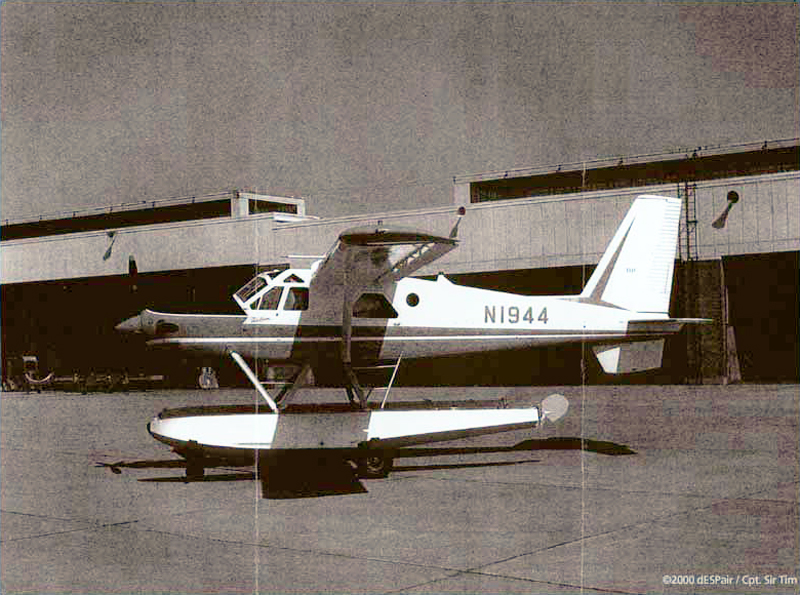
Crash of a De Havilland DHC-2 Beaver in Alaska: 5 killed

Date & Time: Jan 13, 1975 at 1700 LT
Type of aircraft:
Registration:
N1944
Flight Phase:
Survivors:
No
Site:
Schedule:
Tenakee - Juneau
MSN:
1692
YOM:
1969
Location:
Crew on board:
1
Crew fatalities:
Pax on board:
4
Pax fatalities:
Other fatalities:
Total fatalities:
5
Captain / Total flying hours:
9900
Captain / Total hours on type:
840.00
Circumstances:
Crashed in unknown circumstances somewhere in South Alaska while completing a flight from Tenakee to Juneau. No trace of the aircraft nor the five occupants was ever found.
Probable cause:
Due to lack of evidences, the cause of the accident could not be determined.
Final Report:

Crash of a Cessna 411A in Wise: 7 killed

Date & Time: Jan 12, 1975 at 1950 LT
Type of aircraft:
Operator:
Registration:
N100KC
Flight Phase:
Flight Type:
Survivors:
No
Schedule:
Savannah - Pontiac
MSN:
411A-0296
YOM:
1969
Location:
Crew on board:
2
Crew fatalities:
Pax on board:
5
Pax fatalities:
Other fatalities:
Total fatalities:
7
Captain / Total flying hours:
786
Captain / Total hours on type:
30.00
Circumstances:
While in cruising altitude over Virginia by night, the crew encountered icing conditions and requested a higher altitude but this was denied. Few minutes later, the twin engine airplane entered a dive and crashed in a near vertical attitude in a field located in Wise. The aircraft was totally destroyed upon impact and all seven occupants were killed.
Probable cause:
Loss of control following in-flight icing. The following contributing factors were reported:
- Icing conditions including sleet and freezing rain,
- Airframe ice,
- Improper in-flight decisions,
- Unable to climb to safe altitude,
- ATC failed to seek specific info regarding deterioration of pilot and aircraft abilities.
Final Report:

Crash of a Convair VT-29D off Newport News: 7 killed

Date & Time: Jan 9, 1975 at 1836 LT
Type of aircraft:
Operator:
Registration:
52-5826
Flight Type:
Survivors:
No
Schedule:
Meridian - Langley
MSN:
52-25
YOM:
1954
Flight number:
M32
Crew on board:
5
Crew fatalities:
Pax on board:
2
Pax fatalities:
Other fatalities:
Total fatalities:
7
Captain / Total flying hours:
6840
Captain / Total hours on type:
1332.00
Aircraft flight hours:
14473
Circumstances:
While approaching Langley AFB by night on a flight from Meridian, Massachusetts, the airplane collided with a Cavalier Flyers Cessna 150 registered N50430 and carrying two people. Following the collision, both aircraft crashed into the James River, about four miles west of Newport News. Both aircraft were destroyed and all nine people were killed.
Probable cause:
The human limitation inherent in the see-and-avoid concept, which can be critical in a terminal area with a combination of controlled and uncontrolled traffic. A possible contributing factor was the reduced nighttime conspicuity of the Cessna against a background of city lights. The following findings were reported:
- No controlling agency,
- Not under radar contact,
- No traffic advisory issued,
- Continued versus uncontrolled traffic.
Final Report:

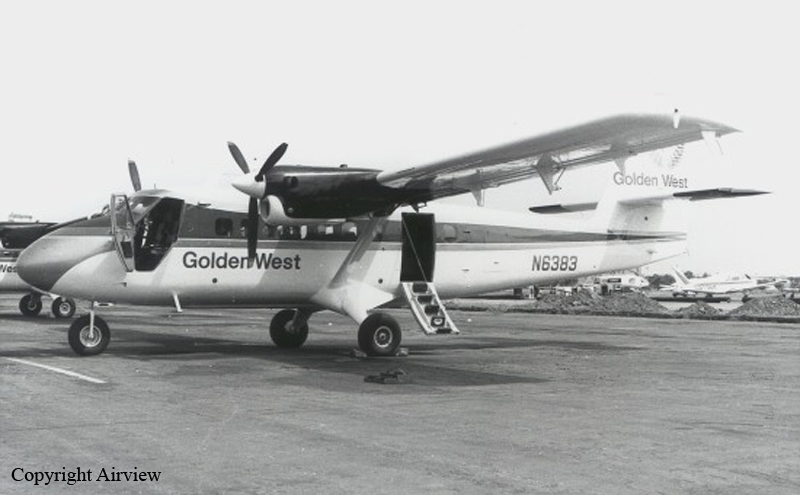
Crash of a De Havilland DHC-6 Twin Otter 200 in Whittier: 12 killed

Date & Time: Jan 9, 1975 at 1607 LT
Operator:
Registration:
N6383
Survivors:
No
Schedule:
Ontario - Los Angeles
MSN:
83
YOM:
1967
Flight number:
GW261
Crew on board:
2
Crew fatalities:
Pax on board:
10
Pax fatalities:
Other fatalities:
Total fatalities:
12
Captain / Total flying hours:
9366
Captain / Total hours on type:
2774.00
Copilot / Total flying hours:
2555
Copilot / Total hours on type:
2065
Aircraft flight hours:
10092
Circumstances:
Golden West Flight 261 departed Ontario, CA at 15:56PST for a VFR flight to Los Angeles. At 16:04 the crew contacted LAX arrival and reported over Rose Hills. The flight was then cleared for the Terminal Control Area (TCA) and no. 2 arrival to runway 24L. At 16:05 the crew were advised that they had traffic 5,5nm in front of them climbing from 1500 to 3000 feet which was a police helicopter on a VFR flight. The arrival controller transmitted another advisory about the helicopter at 16:06, but there was no response. It appeared the Twin Otter had collided in flight at 2200 feet with a Cessna 150 aircraft (N11421). The Twin Otter was flying on a 250deg heading descending 300 feet/min at 146 knots airspeed while the Cessna was flying at 94 kts; the closing speed was 174 kts. The Cessna, operated by CessnAir Aviation had departed from Long Beach on a local training flight at 15:46. Both aircraft crashed. Debris caused some damage to houses and lawns near the crash site.
Probable cause:
The failure of both flight crews to see the other aircraft in sufficient time to initiate evasive action. The Board is unable to determine why each crew failed to see an avoid the other aircraft; however, the Board believes that the ability of both crews to detect the other aircraft in time to avoid a collision was reduced because of the position of the sun, the closure angle of the aircraft, and the necessity for the Twin Otter's fight crew to acquire visual contact with radar-reported traffic directly in front of them.
Final Report:

Crash of a Beechcraft E18S in Rockford: 1 killed

Date & Time: Jan 2, 1975 at 2229 LT
Type of aircraft:
Registration:
N7581
Flight Type:
Survivors:
Yes
Schedule:
Ottumwa - Moline - Rockford
MSN:
BA-425
YOM:
1959
Crew on board:
2
Crew fatalities:
Pax on board:
1
Pax fatalities:
Other fatalities:
Total fatalities:
1
Captain / Total flying hours:
2295
Captain / Total hours on type:
383.00
Circumstances:
While on a night approach to Rockford-Greater Rockford Airport, the airplane banked sharply to the left then lost height and crashed in flames. The aircraft was destroyed and the passenger was killed while both pilots were seriously injured.
Probable cause:
Failed to maintain flying speed and failed to use or incorrectly used miscellaneous equipment. The following contributing factors were reported:
- Icing conditions including sleet and freezing rain,
- Airframe ice,
- Moderate rime ice during descent.
Final Report: