Crash of a Piper PA-31-310 Navajo in Presque Ile: 2 killed

Date & Time: Mar 1, 1998 at 0352 LT
Type of aircraft:
Operator:
Registration:
N777HM
Survivors:
No
Schedule:
Bangor - Presque Isle
MSN:
31-7812110
YOM:
1978
Crew on board:
1
Crew fatalities:
Pax on board:
1
Pax fatalities:
Other fatalities:
Total fatalities:
2
Captain / Total flying hours:
1057
Captain / Total hours on type:
440.00
Aircraft flight hours:
9318
Circumstances:
The pilot was performing a night VOR/DME approach during which instrument meteorological conditions prevailed. The airplane was equipped with VOR, LORAN, and RNAV receivers. There were two step-downs fixes on the approach. At 13 DME the minimum altitude was 1,800 feet. At 10 DME the minimum altitude was 1,040 feet. The missed approach point was at 6 DME, and the VOR/DME transmitter was located 5.5 miles beyond the airport. Radar data revealed a descent profile based upon distances from the end of the runway, rather than DME from the VOR. The airplane reached an altitude of 1,000 feet when it was 13.52 miles from the VOR, and 7.58 miles from the approach end of the runway. It subsequently impacted rising terrain at an altitude of about 900 feet, about 11.5 miles from the VOR, and 5.5 miles from the approach end of the runway. Impact damage and a post-crash fire precluded a check of the radio set up at the time of the accident. According to FAR 135 a pilot-in-command was required to have 1,200 hours total time. The investigation documented the pilot's total time as about 1,057 hours.
Probable cause:
The pilot's failure to follow the published instrument approach procedure and his descent below the minimum descent altitude. Contributing factors were the night conditions, low ceilings, and fog.
Final Report:


Crash of a Beechcraft C90 King Air in Newton: 2 killed

Date & Time: Feb 16, 1998 at 0936 LT
Type of aircraft:
Operator:
Registration:
N5WU
Flight Phase:
Flight Type:
Survivors:
No
Site:
Schedule:
Morgantown - Charleston
MSN:
LJ-635
YOM:
1974
Crew on board:
2
Crew fatalities:
Pax on board:
0
Pax fatalities:
Other fatalities:
Total fatalities:
2
Captain / Total flying hours:
12700
Captain / Total hours on type:
6155.00
Aircraft flight hours:
7523
Circumstances:
The airplane was flown from Morgantown to Charleston to drop off passengers. Once there, the pilot called the mechanic who was scheduled to replace the right transfer pump, and told him the right boost pump was also inoperative. The mechanic told the pilot, he would replace both pumps the next morning in Charleston. Adding that de-fueling the airplane would take longer than changing the pumps. The mechanic recalled that the pilot was concerned about the amount of time necessary for the repair. The airplane was then repositioned back to Morgantown for another flight the next day to Charleston. The morning of the accident, the airplane departed Morgantown, and was being vectored for the ILS approach to Charleston when the copilot declared an emergency. He then announced that they had 'a dual engine failure, two souls onboard and zero fuel.' Examination of the wreckage and both engines revealed no pre-impact failures or malfunctions. With the right transfer pump inoperative. 28 gallons of fuel in the right wing would be unusable. In addition, the flight manual states that 'both boost pumps must be operable prior to take-off.'
Probable cause:
The pilot inadequate management of the fuel system which resulted in fuel starvation to both engines. Factors in the accident were the pilot's concern about maintenance being completed prior to executing a scheduled flight later in the day, and operating the airplane with known deficiencies.
Final Report:

Crash of an Embraer ERJ-145 in Beaumont

Date & Time: Feb 11, 1998 at 1216 LT
Type of aircraft:
Operator:
Registration:
N14931
Flight Phase:
Flight Type:
Survivors:
Yes
Schedule:
Beaumont - Beaumont
MSN:
145-013
YOM:
1997
Flight number:
CO910
Crew on board:
4
Crew fatalities:
Pax on board:
0
Pax fatalities:
Other fatalities:
Total fatalities:
0
Captain / Total flying hours:
10800
Captain / Total hours on type:
800.00
Copilot / Total flying hours:
1932
Copilot / Total hours on type:
15
Aircraft flight hours:
1844
Aircraft flight cycles:
1472
Circumstances:
The pilot-in-command (PIC) was administering a proficiency check flight to the first officer (FO) in a regional jet. One of the required check items was the loss of an engine at "V1" speed. While on takeoff roll with the FO at the controls, the PIC retarded the left engine throttle to idle when "V1" speed was attained. The FO called, "check max thrust," and then called, "positive rate gear up." As the PIC reached for the gear lever, he noticed the airplane roll to the left at a rate which he felt was "excessive and dangerous." He then reached for the flight controls and felt the left rudder "go all the way to the floor." As the PIC took control of the airplane, he applied full right rudder and right aileron. The airplane began recovering from the bank and impacted the ground. Flight recorder data revealed that the time interval between the throttle retarded to idle and ground impact was about 8 seconds. The data showed that the airplane became airborne about 2 seconds after the throttle was retarded, and that the airplane had rolled to a 71 degree left bank within 6 seconds from the throttle reduction. Ground scars and wreckage distribution revealed that the left wing had contacted the ground first and then the right wing prior to the airplane coming to rest. The FO had a total of 15 hours in the type aircraft in the last 90 days. Examinations of the airframe, engines, and flight control system did not reveal any anomalies that could have contributed to the accident. Company flight training policy stated that all check airmen should be ready to take control of the airplane while practicing these types of training maneuvers.
Probable cause:
The first officer's improper use of the rudder when given a simulated engine failure on takeoff and the pilot-in-command's delayed remedial action which resulted in a loss of control. A factor was the first officer's lack of experience in the regional jet airplane.
Final Report:

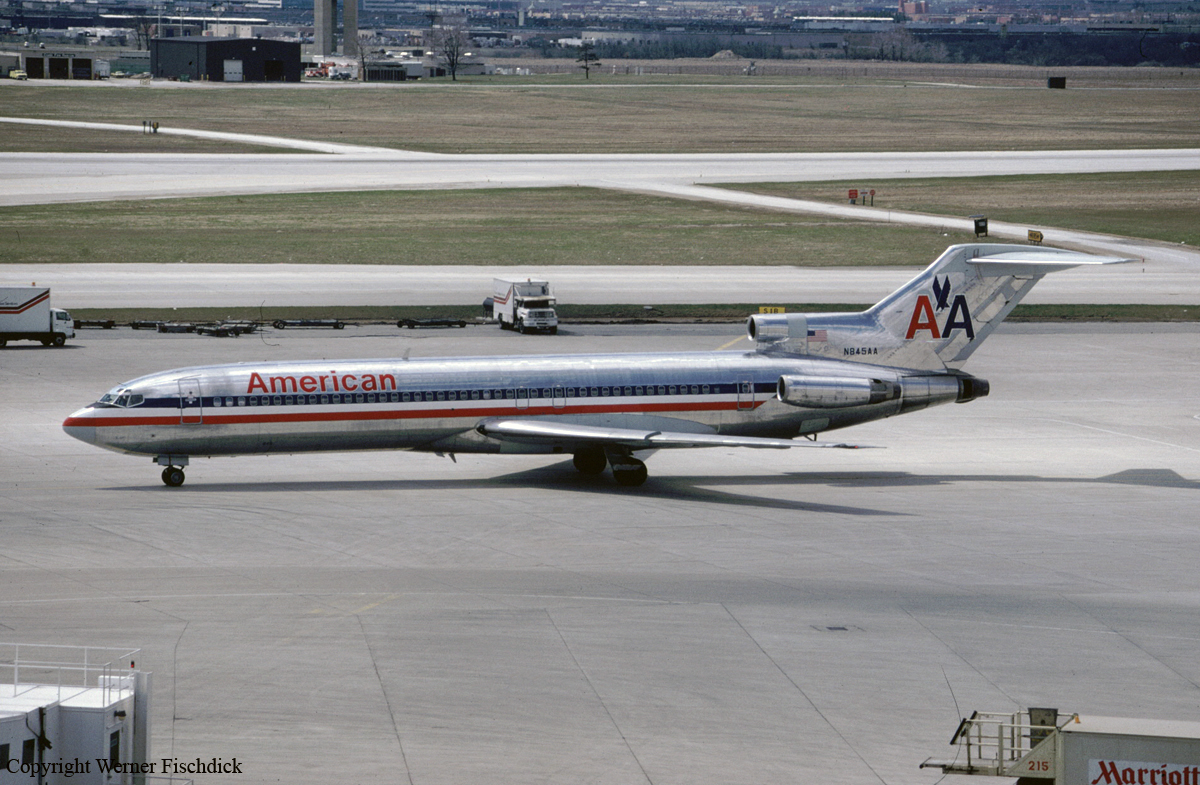
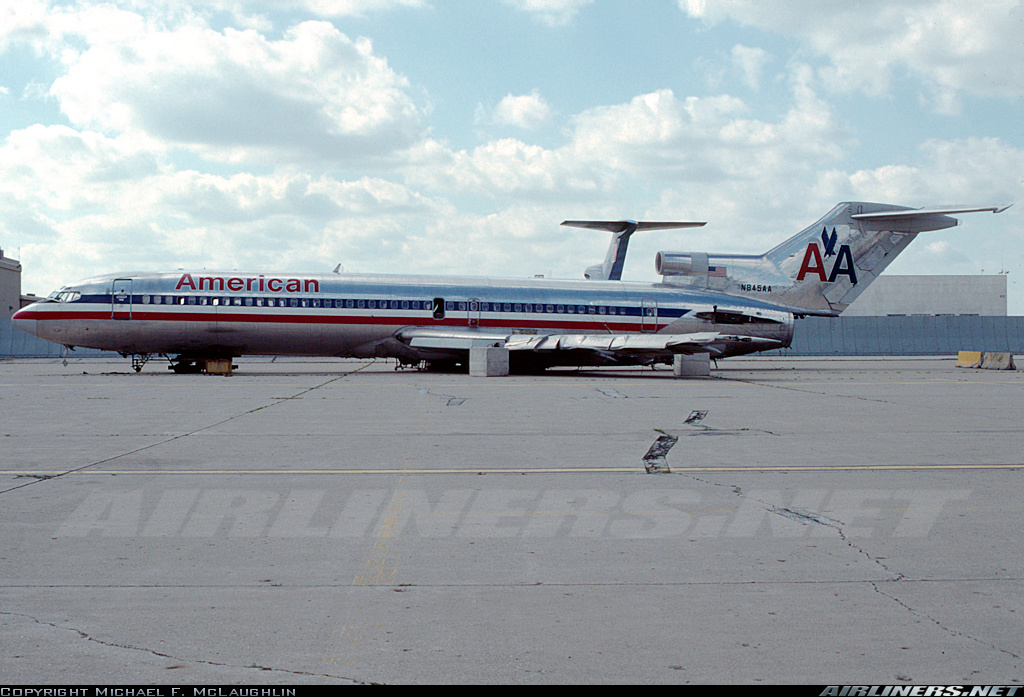
Crash of a Boeing 727-223 in Chicago

Date & Time: Feb 9, 1998 at 0954 LT
Type of aircraft:
Operator:
Registration:
N845AA
Survivors:
Yes
Schedule:
Kansas City - Chicago
MSN:
20986
YOM:
1975
Flight number:
AA1340
Crew on board:
6
Crew fatalities:
Pax on board:
115
Pax fatalities:
Other fatalities:
Total fatalities:
0
Captain / Total flying hours:
11000
Captain / Total hours on type:
1319.00
Aircraft flight hours:
59069
Circumstances:
On February 9, 1998, about 0954 central standard time (CST), a Boeing 727-223 (727), N845AA, operated by American Airlines as flight 1340, impacted the ground short of the runway 14R threshold at Chicago O'Hare International Airport (ORD) while conducting a Category II (CAT II) instrument landing system (ILS) coupled approach. Twenty-two passengers and one flight attendant received minor injuries, and the airplane was substantially damaged. The airplane, being operated by American Airlines as a scheduled domestic passenger flight under the provisions of 14 Code of Federal Regulations (CFR) Part 121, with 116 passengers, 3 flight crewmembers, and 3 flight attendants on board, was destined for Chicago, Illinois, from Kansas City International Airport (MCI), Kansas City, Missouri. Daylight instrument meteorological conditions prevailed at the time of the accident.
Probable cause:
The failure of the flight crew to maintain a proper pitch attitude for a successful landing or go-around. Contributing to the accident were the divergent pitch oscillations of the airplane, which occurred during the final approach and were the result of an improper autopilot desensitization rate.
Final Report:

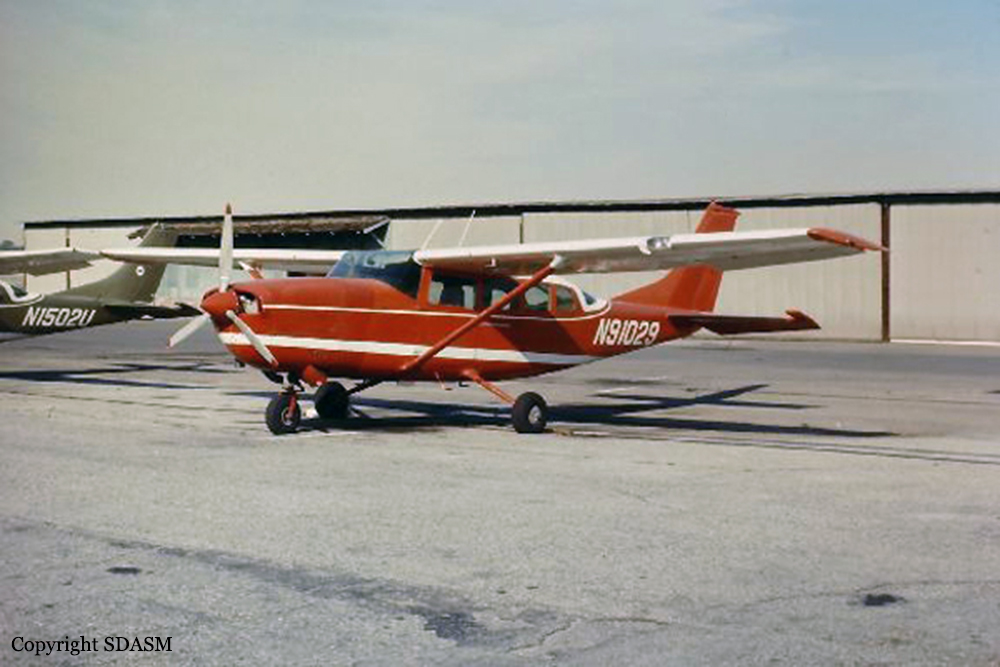
Crash of a Cessna T207 Skywagon in Homer: 1 killed

Date & Time: Feb 6, 1998 at 1245 LT
Operator:
Registration:
N91029
Flight Phase:
Flight Type:
Survivors:
No
Schedule:
Homer - English Bay
MSN:
207-0020
YOM:
1969
Location:
Crew on board:
1
Crew fatalities:
Pax on board:
0
Pax fatalities:
Other fatalities:
Total fatalities:
1
Captain / Total flying hours:
1358
Captain / Total hours on type:
48.00
Aircraft flight hours:
11192
Circumstances:
The certificated commercial pilot was departing on a 14 CFR 135 cargo flight. The airplane lifted off and climbed to about 200 feet. Instead of turning right toward the intended destination, the airplane began a left turn toward the runway. The angle of bank increased to about 45 degrees. The airplane then nosed down, and descended into snow covered terrain, about 200 yards north of the runway. Examination of the engine revealed the number six cylinder head was fractured, and slightly separated from the cylinder barrel. The area around the point of separation was blackened and oily. Similar discoloration was noted on the inside of the engine cowl. A metallurgical examination of the cylinder head revealed a fatigue fracture along a large segment of the thread root radius between the 5th and 6th threads. The engine's cylinder compression is part of the operator's approved airworthiness inspection program. The number six cylinder compression, recorded 121 hours before the accident, was noted as 60 PSI. The last engine inspection, 27 hours before the accident, did not include a record of the engine compression.
Probable cause:
A fatigue failure, and partial separation of the number 6 engine cylinder head assembly, the operator's inadequate progressive inspection performed by company maintenance personnel, and the pilot's inadvertent stall during a maneuvering turn toward an emergency landing area.
Final Report:

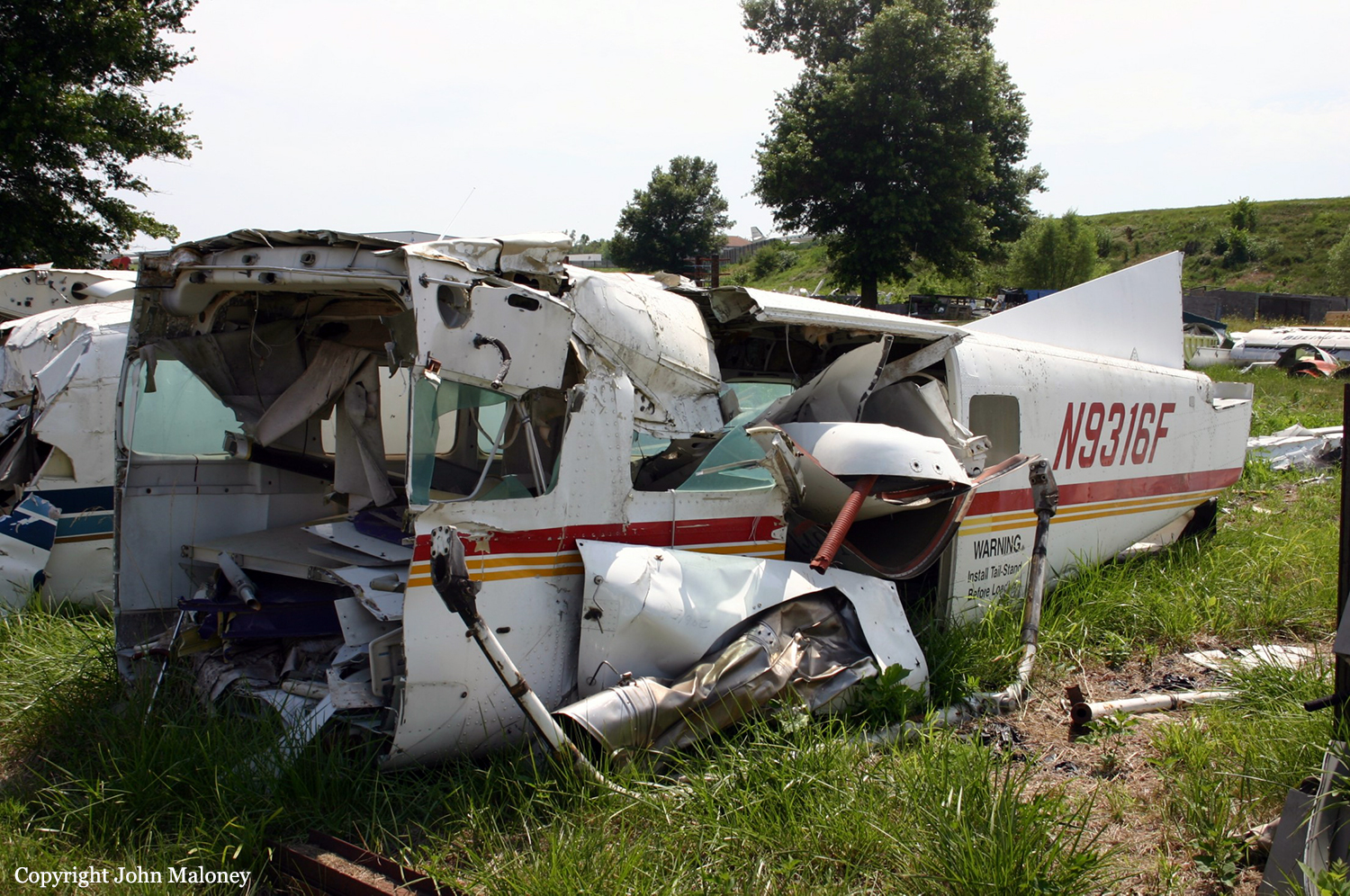
Crash of a Cessna 208 Caravan I in Port Heiden

Date & Time: Jan 30, 1998 at 1700 LT
Type of aircraft:
Operator:
Registration:
N9316F
Flight Type:
Survivors:
Yes
Schedule:
Port Heiden - Chignik
MSN:
208-0011
YOM:
1985
Crew on board:
1
Crew fatalities:
Pax on board:
0
Pax fatalities:
Other fatalities:
Total fatalities:
0
Captain / Total flying hours:
15000
Captain / Total hours on type:
4500.00
Aircraft flight hours:
13478
Circumstances:
The pilot departed in visual meteorological conditions of three to four miles visibility with high ceilings. He stated the airplane encountered freezing rain about five miles south of the airport while in cruise flight at 1,200 feet msl, and rapidly accumulated ice on the airframe, wings, and windshield. The pilot said he initially changed altitude in an attempt to exit the icing conditions. Ice accumulation continued, so he elected to return. While maneuvering to land at the airport, the airplane was unable to maintain altitude at full engine power. He said that any angle of bank resulted in the onset of pre stall buffet, so he decided to land on a frozen lake south of the airport. He said that the airplane did not reach the lake, 'mushed into the ground,' and during the flare/touchdown, the left wing stalled. The pilot did not have access to the official weather prior to departure. The National Weather Service contracted observer, made his observation from a location about five miles south of the official weather station at the airport. The FAA AWOS-3 was inoperative. Examination of the airplane after the accident revealed a 1/2 inch layer of clear ice covering all the upper and lower airfoil surfaces of the airplane, from leading edges to between 1/3 and 1/2 of the chords. All antennas were coated with approximately 1/2 inch of clear ice. The airplane was not equipped with ice protection equipment except for pitot heat and windshield heat.
Probable cause:
The pilot's inadequate in-flight decision resulting in airframe ice accumulation to the extent that degraded aircraft performance and insufficient airspeed occurred followed by a stall. Contributing factors were freezing rain and icing conditions.
Final Report:

Crash of a Beechcraft A90 King Air in Selmer

Date & Time: Jan 22, 1998 at 0730 LT
Type of aircraft:
Registration:
N911KA
Flight Type:
Survivors:
Yes
Schedule:
Nashville - Selmer
MSN:
LJ-254
YOM:
1967
Crew on board:
1
Crew fatalities:
Pax on board:
0
Pax fatalities:
Other fatalities:
Total fatalities:
0
Captain / Total flying hours:
3190
Captain / Total hours on type:
1500.00
Aircraft flight hours:
8842
Circumstances:
According to the pilot, upon landing in heavy rain, the airplane began hydroplaning. He said the airplane departed the left side of the runway, striking trees, which damaged both wings and collapsed the landing gear. A witness stated the airplane touched down in moderate rain.
Probable cause:
The loss of control on the ground, due to hydroplaning, and a collision with trees. A factor was the rain.
Final Report:

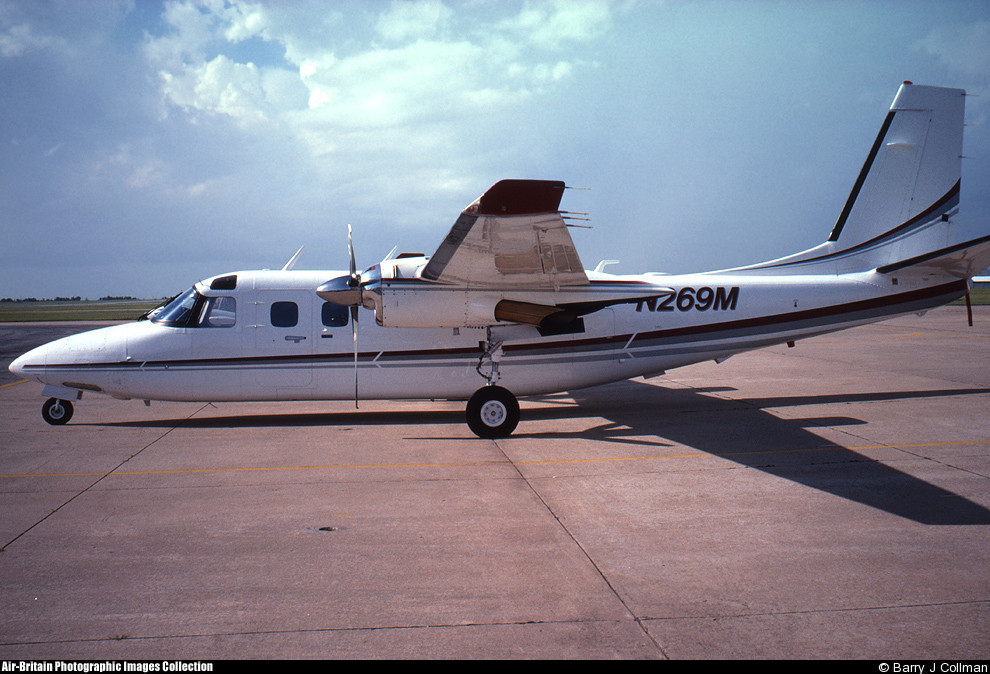
Crash of a Rockwell Gulfstream 695A Jetprop 1000 in Boca Raton: 3 killed

Date & Time: Jan 21, 1998 at 1534 LT
Registration:
N269M
Flight Phase:
Flight Type:
Survivors:
No
Schedule:
Boca Raton - Lawrenceville
MSN:
695-96098
YOM:
1985
Crew on board:
1
Crew fatalities:
Pax on board:
2
Pax fatalities:
Other fatalities:
Total fatalities:
3
Captain / Total flying hours:
1606
Captain / Total hours on type:
843.00
Aircraft flight hours:
3274
Circumstances:
The pilot had received a weather briefing and was aware of the weather conditions west and north of the airport. The pilot was issued the flight clearance as filed, and was assigned an initial altitude of 2000 feet. Approximately five minutes into the flight, the air traffic controller questioned the pilot concerning the assigned heading. The controller stated that the pilot 'sounded extremely strained' and replied, 'N269M is in trouble.' Radar altitude data showed a rapid loss of altitude for N269M; the last radar altitude data showed the flight at 2800 feet. The airplane collided with the ground in a nose low attitude. Weather radar data from the Miami Weather Surveillance Radar-1988, Doppler (WSR-88D) showed a large, intense convective cell just west of Boca Raton between 1530:15 and 1535:57. Moderate to very heavy rain showers were associated with the convective activity. A review of the radar data showed that N269M was 3.5 to 4.0 miles north of the core of the large convective cell.
Probable cause:
The pilot flew into known convective meteorological conditions and lost control of the airplane. Factors were low clouds, and moderate to heavy rain.

Crash of a Cessna 402C in Walker: 1 killed

Date & Time: Jan 17, 1998 at 1230 LT
Type of aircraft:
Operator:
Registration:
N114GP
Flight Phase:
Survivors:
Yes
Site:
Schedule:
Reno - Columbia
MSN:
402C-0085
YOM:
1979
Crew on board:
1
Crew fatalities:
Pax on board:
1
Pax fatalities:
Other fatalities:
Total fatalities:
1
Captain / Total flying hours:
3942
Captain / Total hours on type:
722.00
Aircraft flight hours:
16731
Circumstances:
The aircraft collided with trees and mountainous terrain about 9,500 feet msl. The wreckage was spread across the lee side of a mountain, in a grassy meadow surrounded by high mountainous terrain on all sides. The area, about 100 feet in front of the aircraft, was a rocky embankment which sloped upward approximately 30 degrees. About 100 feet from the tail of the aircraft, the terrain dropped off into a steep cliff, which sloped down about 65 degrees. At the base of the cliff was a valley, which was about 1/4 mile wide. The farthest piece of debris was found 410 feet away from the main wreckage site in a grove of trees. Fifteen tree disturbances were noted in the grove. The first disturbance began near the tops of the trees and continued in a descending path. Much of the airframe exhibited semicircular impressions consistent with the trunk diameters of the disturbed trees at the accident site. Organic material transfer was evident in the impressions. An analysis of the meteorological data showed that a clear or scattered cloud condition was likely in the accident area, and visibility was probably unrestricted. It also showed that an extended north-northwestward/south-southeastward cloud band was located over the Sierra Nevada Mountains about 9 to 10 miles southwest through west of the accident location around the time of the accident. The analysis estimated that the winds aloft at 10,000 to 12,000 feet msl in the mountains were from approximately 270 degrees at 40 to 45 knots. Further, moderate or greater turbulence and strong updrafts and downdrafts were reported along the pilot's route of flight. No mechanical discrepancies were found with the airframe or either engine during the postaccident examination.
Probable cause:
The pilot's encounter with a downdraft while approaching high terrain at an altitude insufficient to ensure adequate terrain or obstacle clearance.
Final Report:

Crash of a Learjet 25B in Houston: 2 killed

Date & Time: Jan 13, 1998 at 0810 LT
Type of aircraft:
Registration:
N627WS
Flight Type:
Survivors:
No
Schedule:
Houston - Fargo
MSN:
25-170
YOM:
1974
Crew on board:
2
Crew fatalities:
Pax on board:
0
Pax fatalities:
Other fatalities:
Total fatalities:
2
Captain / Total flying hours:
8777
Captain / Total hours on type:
2512.00
Aircraft flight hours:
8943
Circumstances:
The flight crew was positioning the airplane in preparation for a revenue flight when it crashed 2 nautical miles (nm) short of the runway during a second instrument landing system approach in instrument meteorological conditions. Except for the final 48 seconds of the 25- minute flight, the captain was the flying pilot, and the first officer was the nonflying pilot. When the airplane was about 0.5 nm inside the outer marker on the first approach, the compass warning flag on the captain's course deviation indicator appeared, indicating that the heading display was unreliable. The airplane deviated from the localizer centerline to the left but continued to descend. After about 1 minute, during which time the airplane's track continued to diverge from the localizer centerline, the flight crew executed a missed approach. The flight crew then unsuccessfully attempted to clear the compass flag by resetting circuit breakers. The captain directed the first officer to request a second approach. Contrary to company crew coordination procedures, the flight crew did not conduct an approach briefing or make altitude callouts for either approach. Although accurate heading information was available to the captain on his radio magnetic indicator, he experienced difficulty tracking the localizer course as the airplane proceeded past the outer marker on the second approach. The captain transferred control to the first officer when the airplane was 1.9 nm inside the outer marker. The airplane then began to deviate below the glideslope. The descent continued through the published decision height of 200 feet above ground level, and the airplane struck 80-foot-tall trees. Post accident testing revealed that the first officer's instruments were displaying a false full fly-down glideslope indication because of a failed amplifier in the navigation receiver. The glideslope deficiency was discovered 2 months before the accident by another flight crew. An FAA repair station attempted to resolve the problem and misdiagnosed it as "sticking" needles in the cockpit instruments. The operator was immediately advised of the problem. The operator's minimum equipment list for the airplane required that the problem be repaired within 10 days, but the operator improperly deferred maintenance on it for 60 days and allowed the unairworthy airplane to be flown by the accident flight crew. The airplane was not equipped with, nor was it required to be equipped with, a ground proximity warning system, which would have sounded 40 seconds before impact.
Probable cause:
The flight crew's continued descent of the airplane below the glideslope and through the published decision height without visual contact with the runway environment. Also, when the captain encountered difficulty tracking the localizer course, his improper decision to continue the approach by transferring control to the first officer instead of executing a missed approach contributed to the cause.
In addition, the following were factors to the accident:
(1) American Corporate Aviation's failure to provide an airworthy airplane to the flight crew following maintenance, resulting in a false glideslope indication to the first officer;
(2) the flight crew's failure to follow company crew coordination procedures, which called for approach briefings and altitude callouts; and
(3) the lack of an FAA requirement for a ground proximity warning system on the airplane.
Final Report: