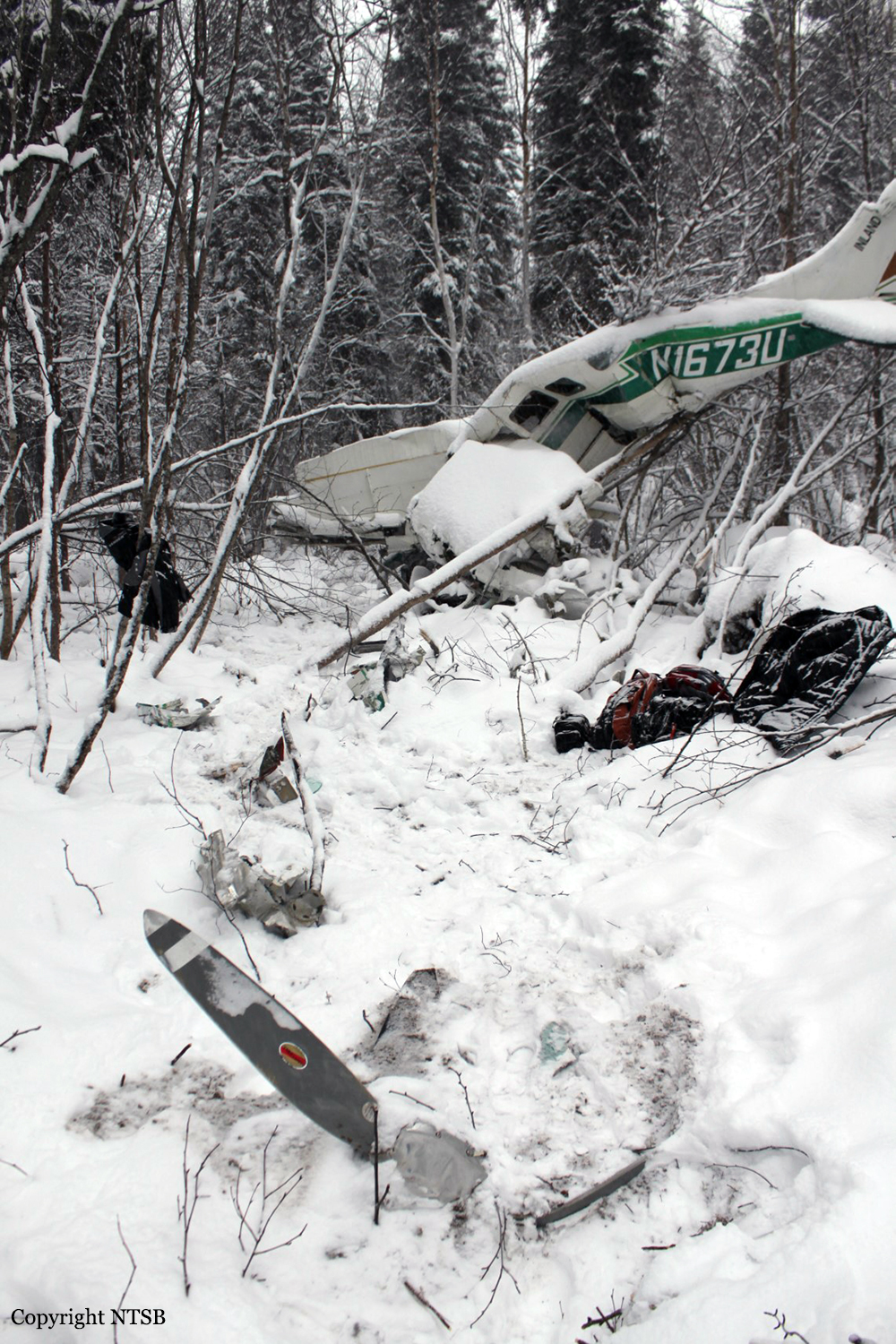
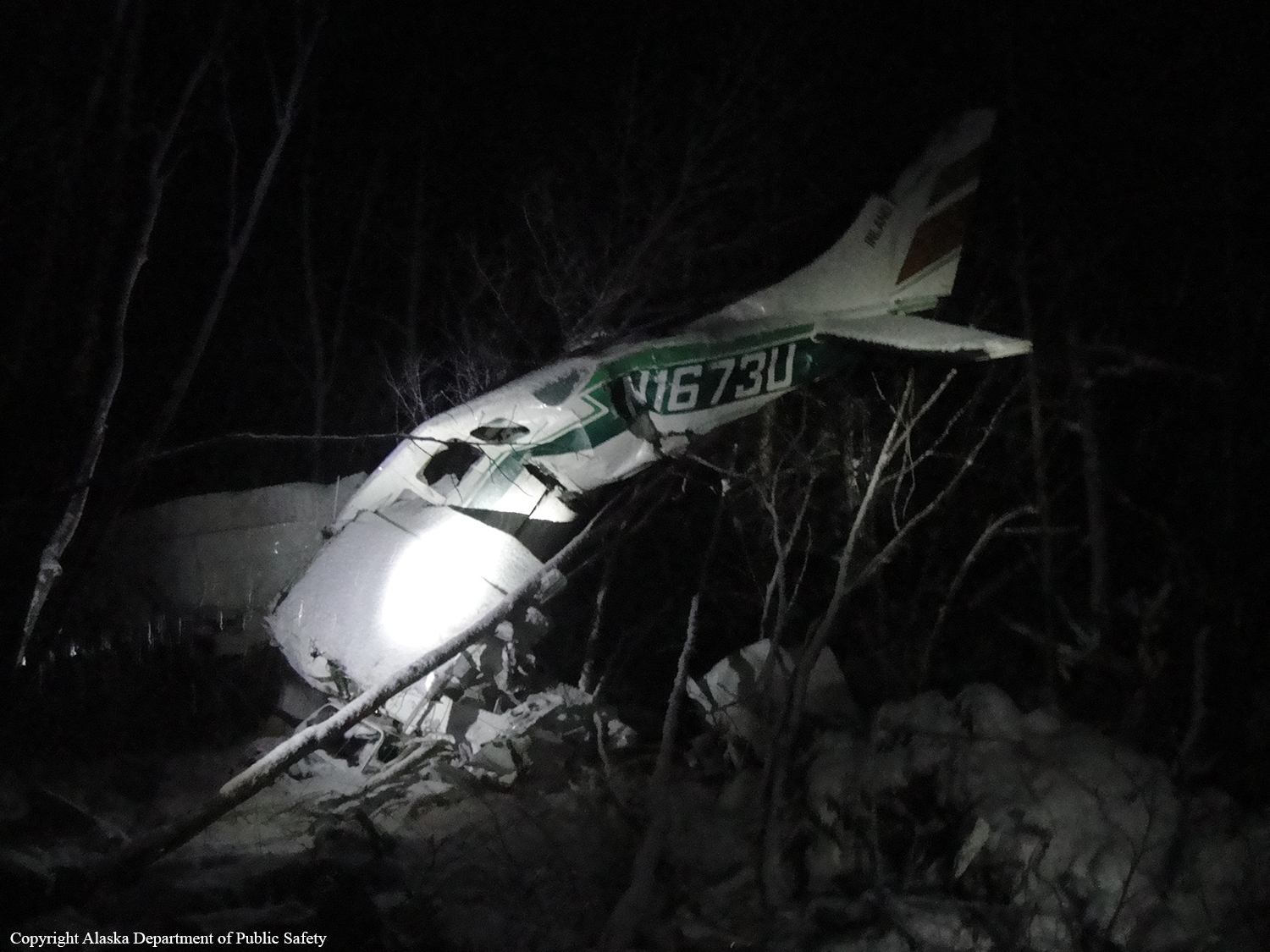
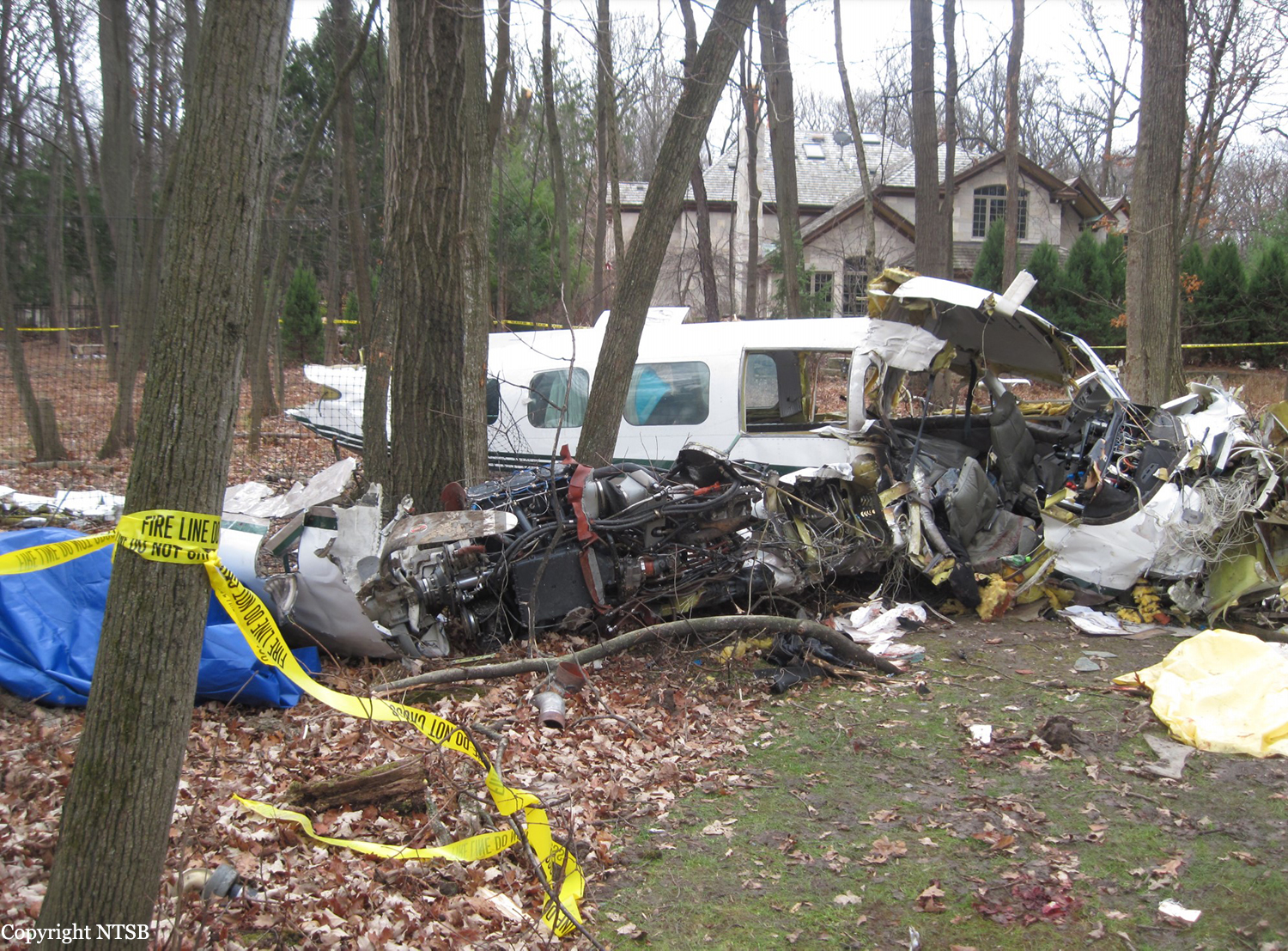
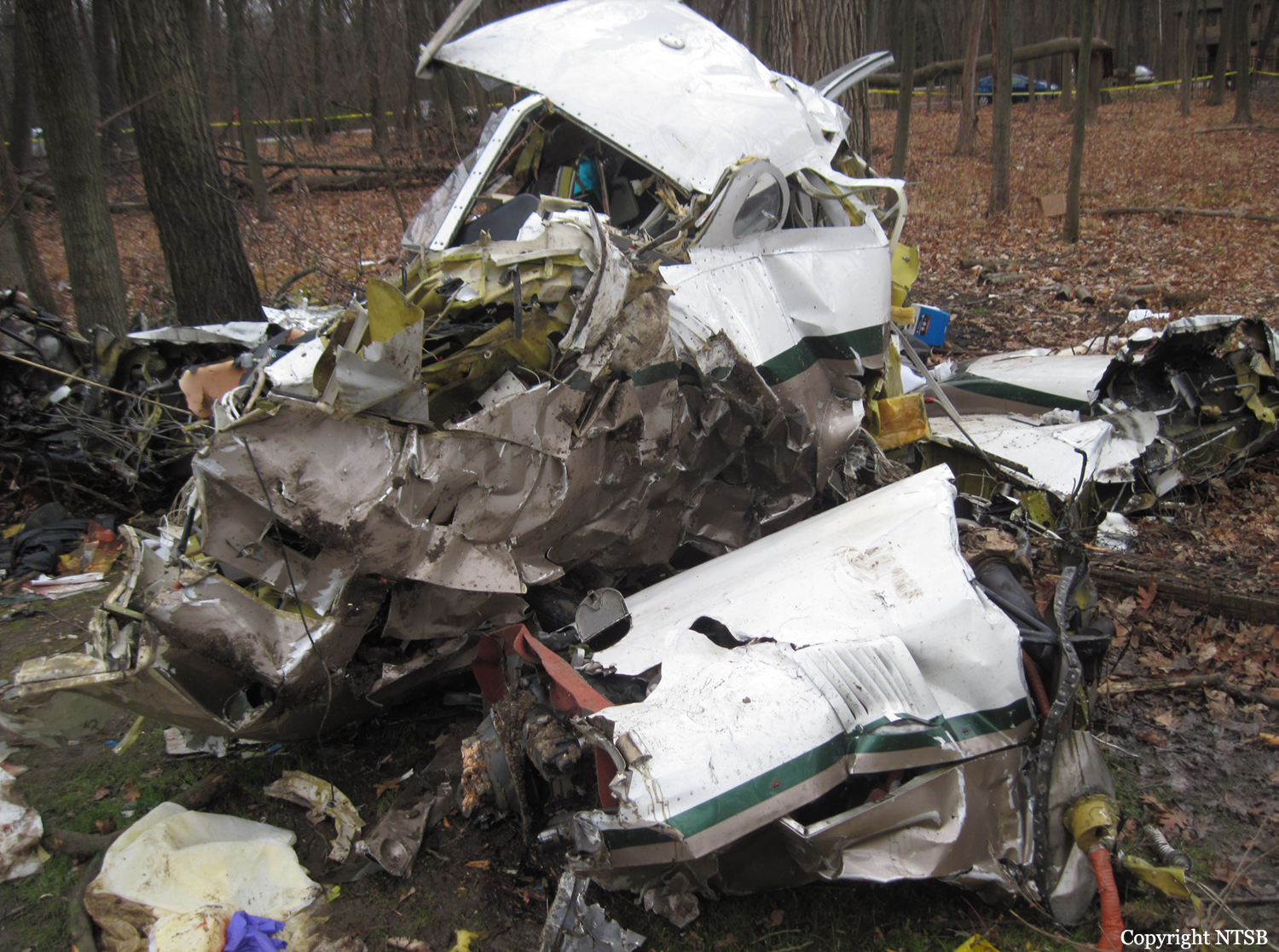
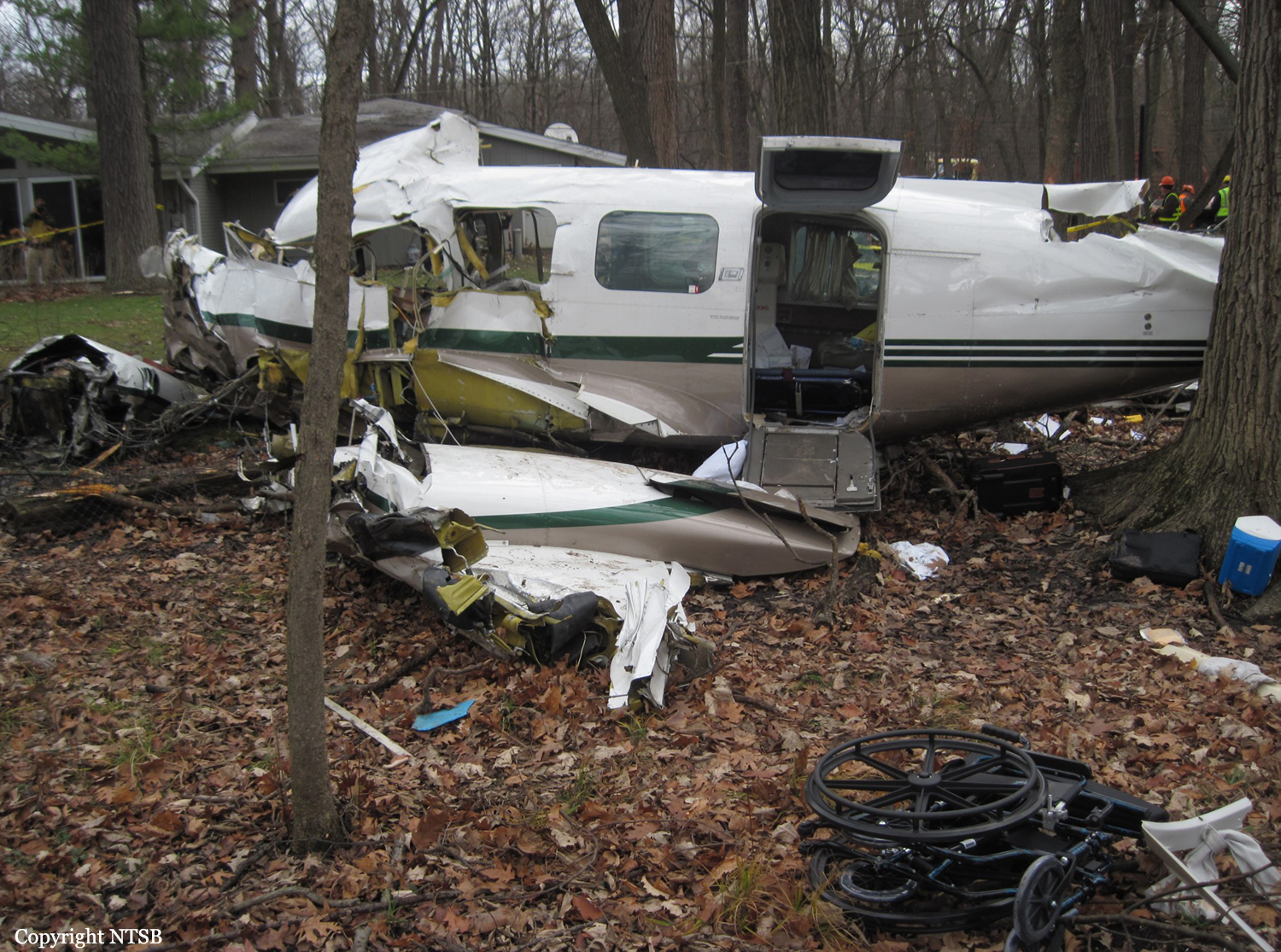
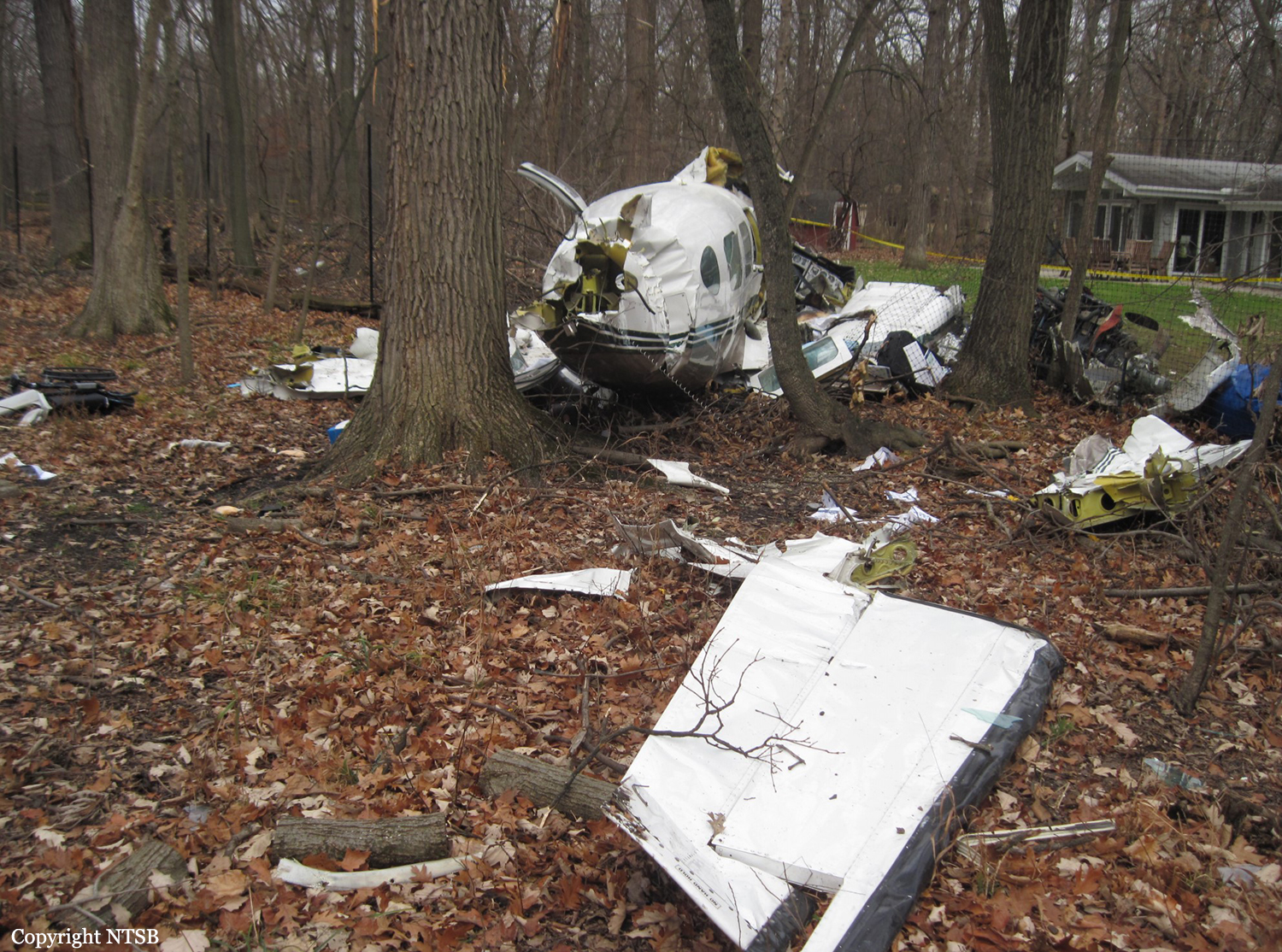
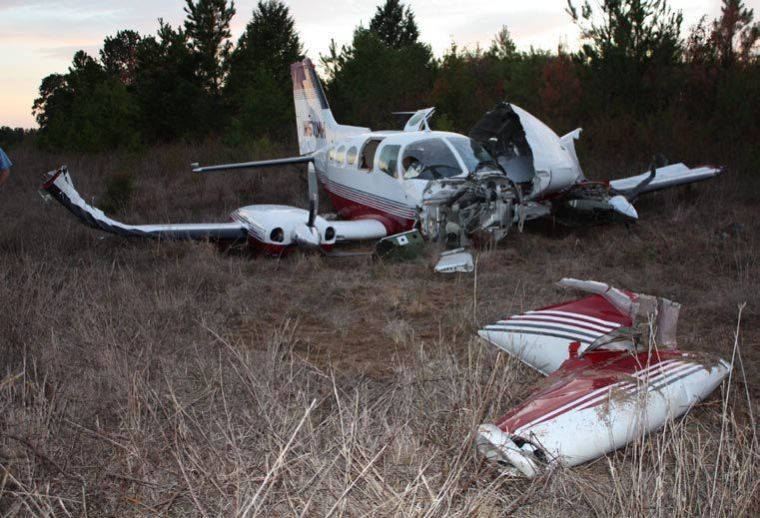
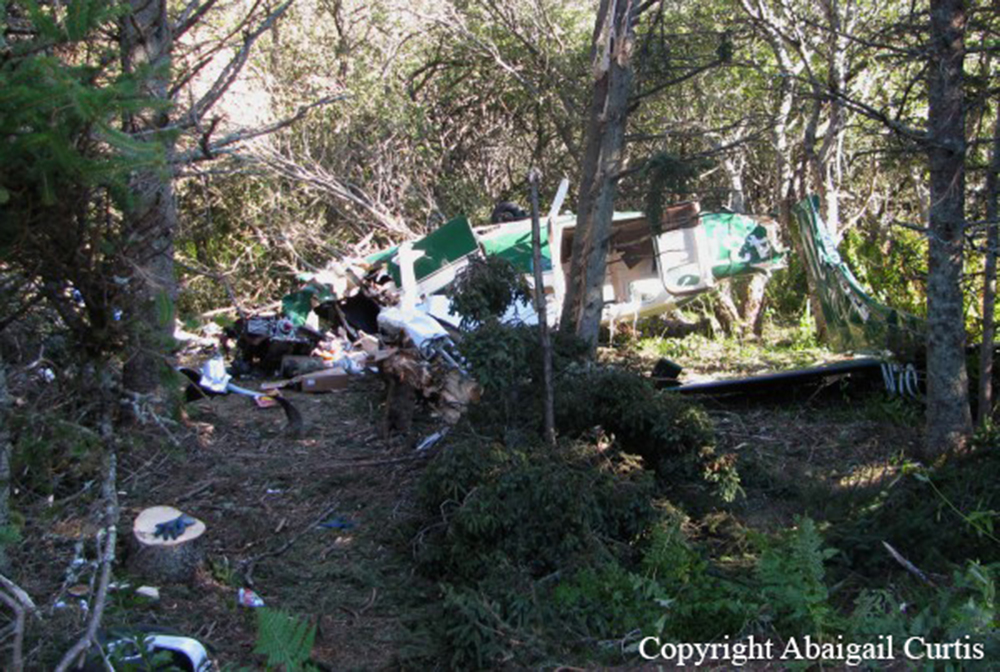
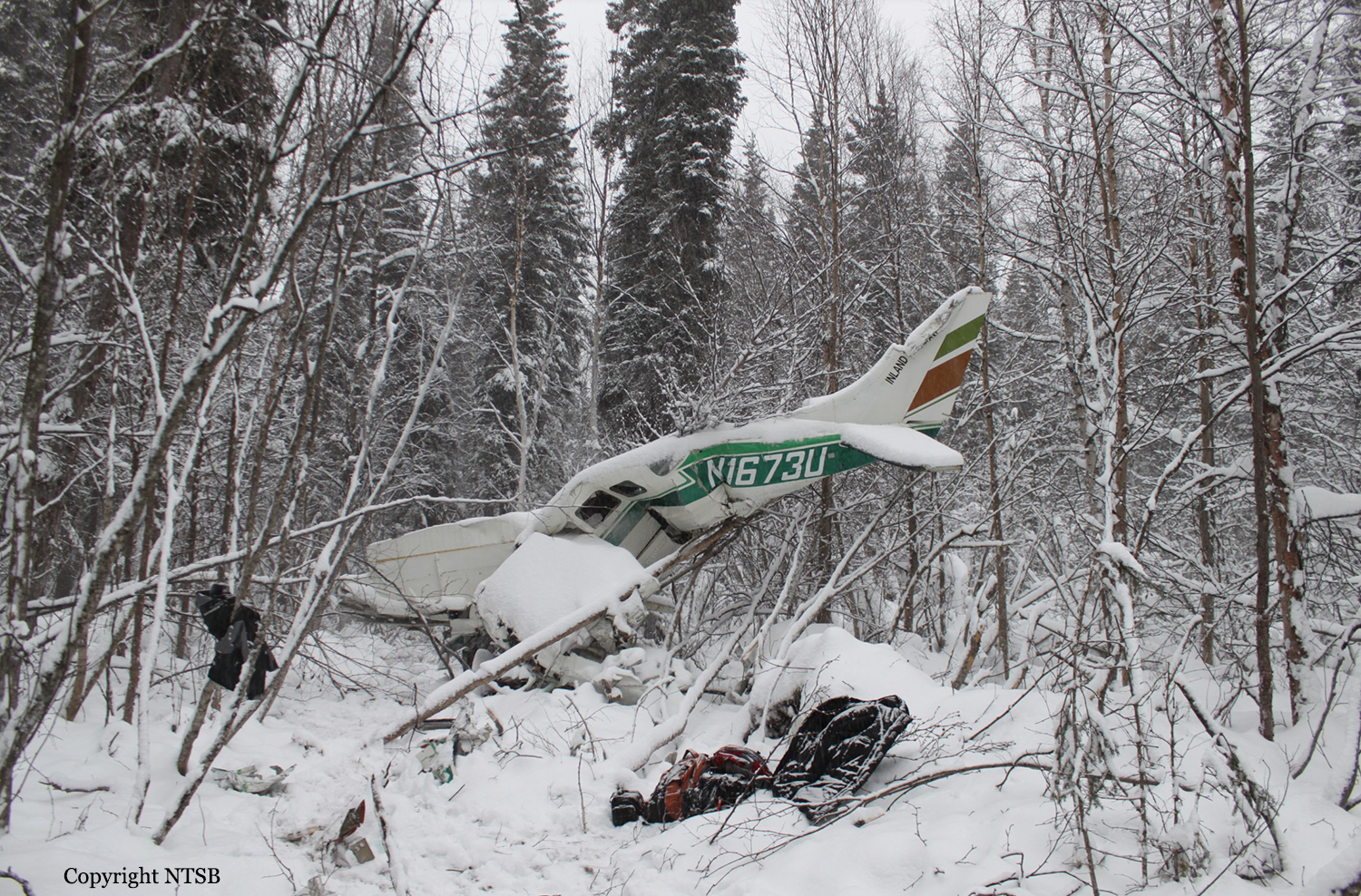
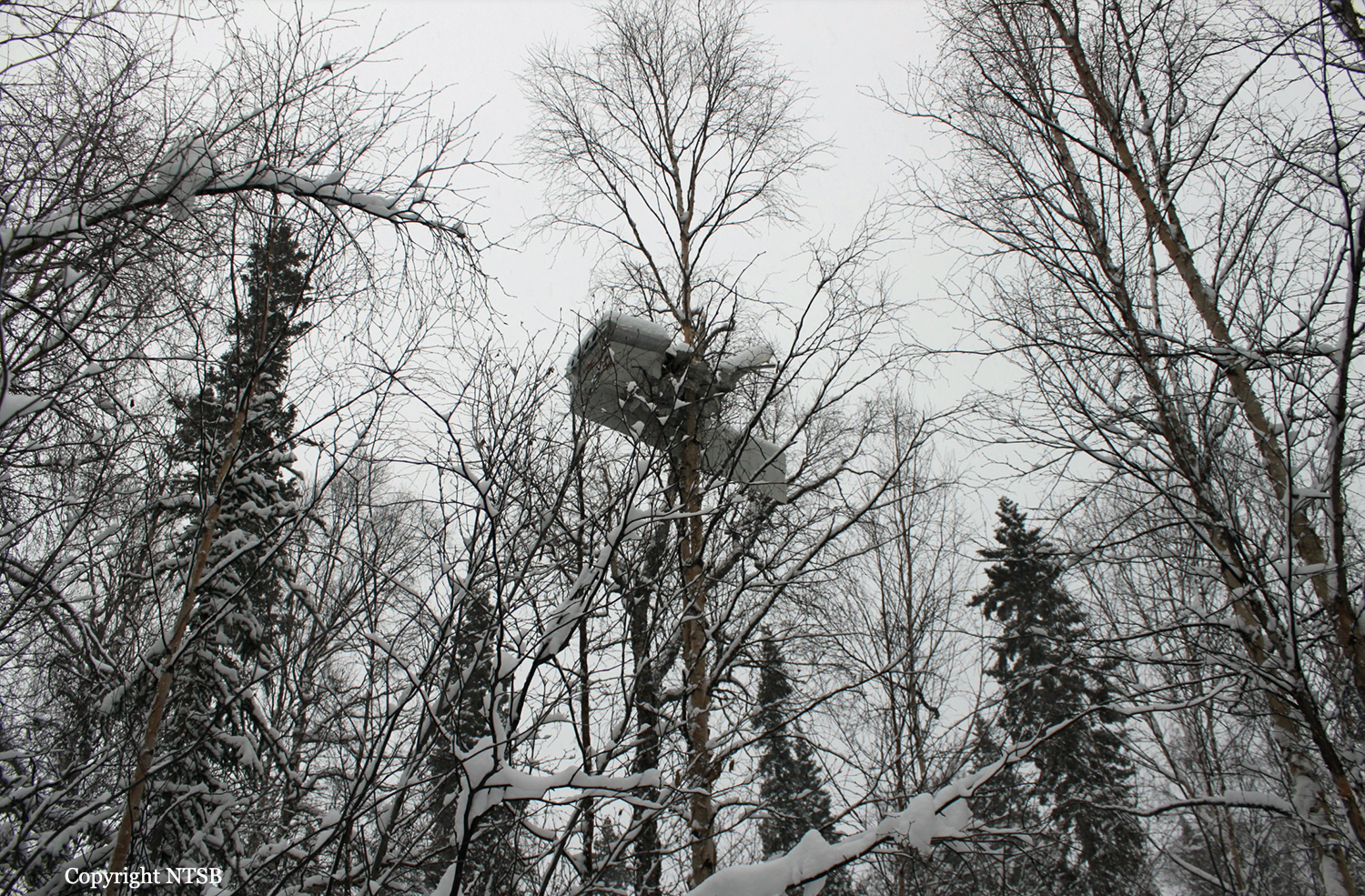
Crash of a Cessna 207 Skywagon in Chuathbaluk: 1 killed

Date & Time: Nov 29, 2011 at 1925 LT
Operator:

Registration:
N1673U
Flight Type:
Survivors:
No
Schedule:
Aniak - Chuathbaluk
MSN:
207-0273
YOM:
1974
Crew on board:
1
Crew fatalities:
Pax on board:
0
Pax fatalities:
Other fatalities:
Total fatalities:
1
Captain / Total flying hours:
10000
Aircraft flight hours:
16889
Circumstances:
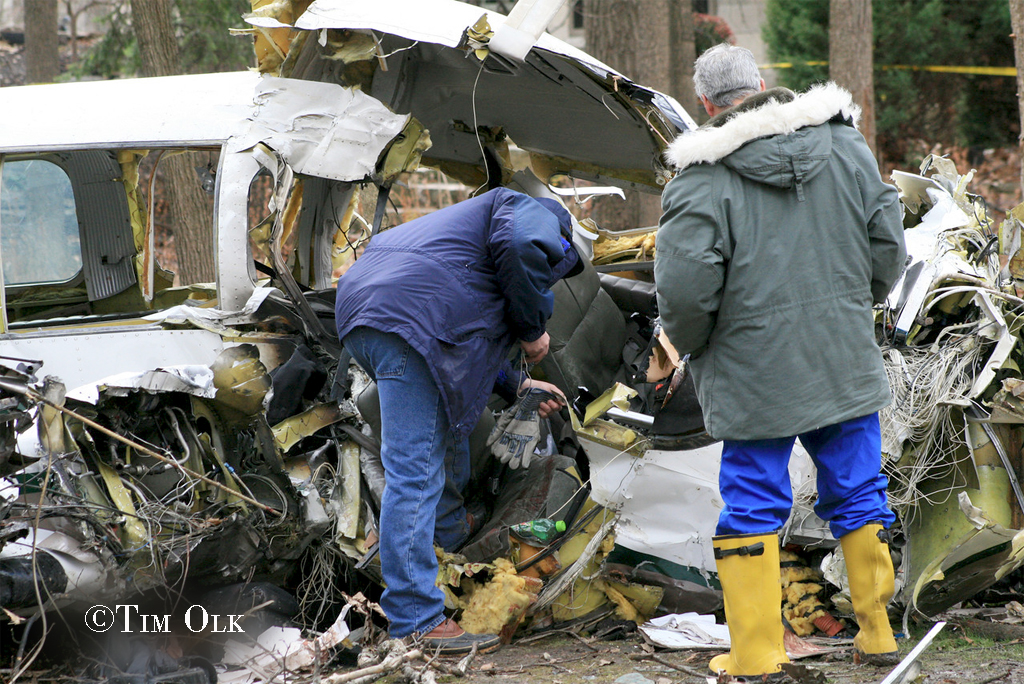
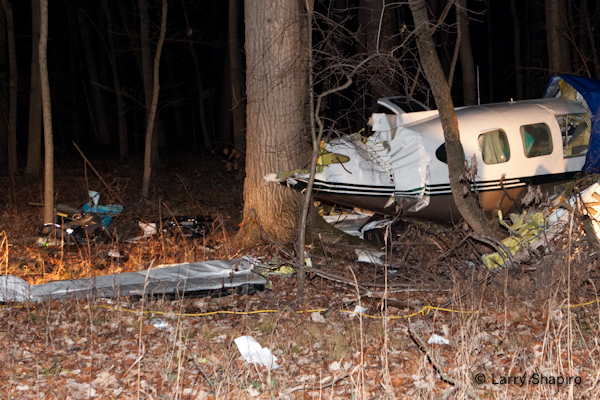
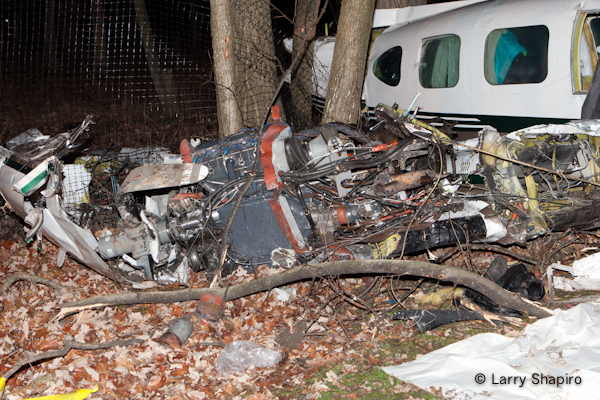
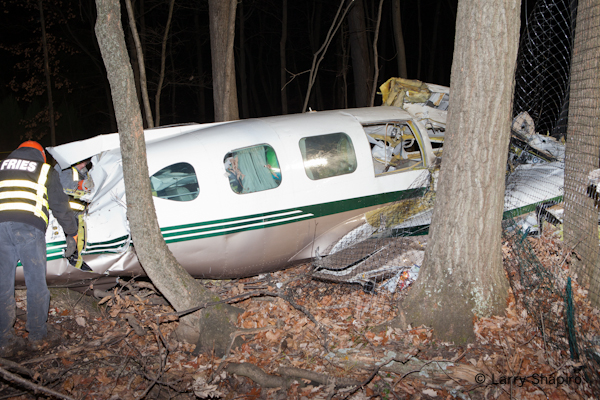
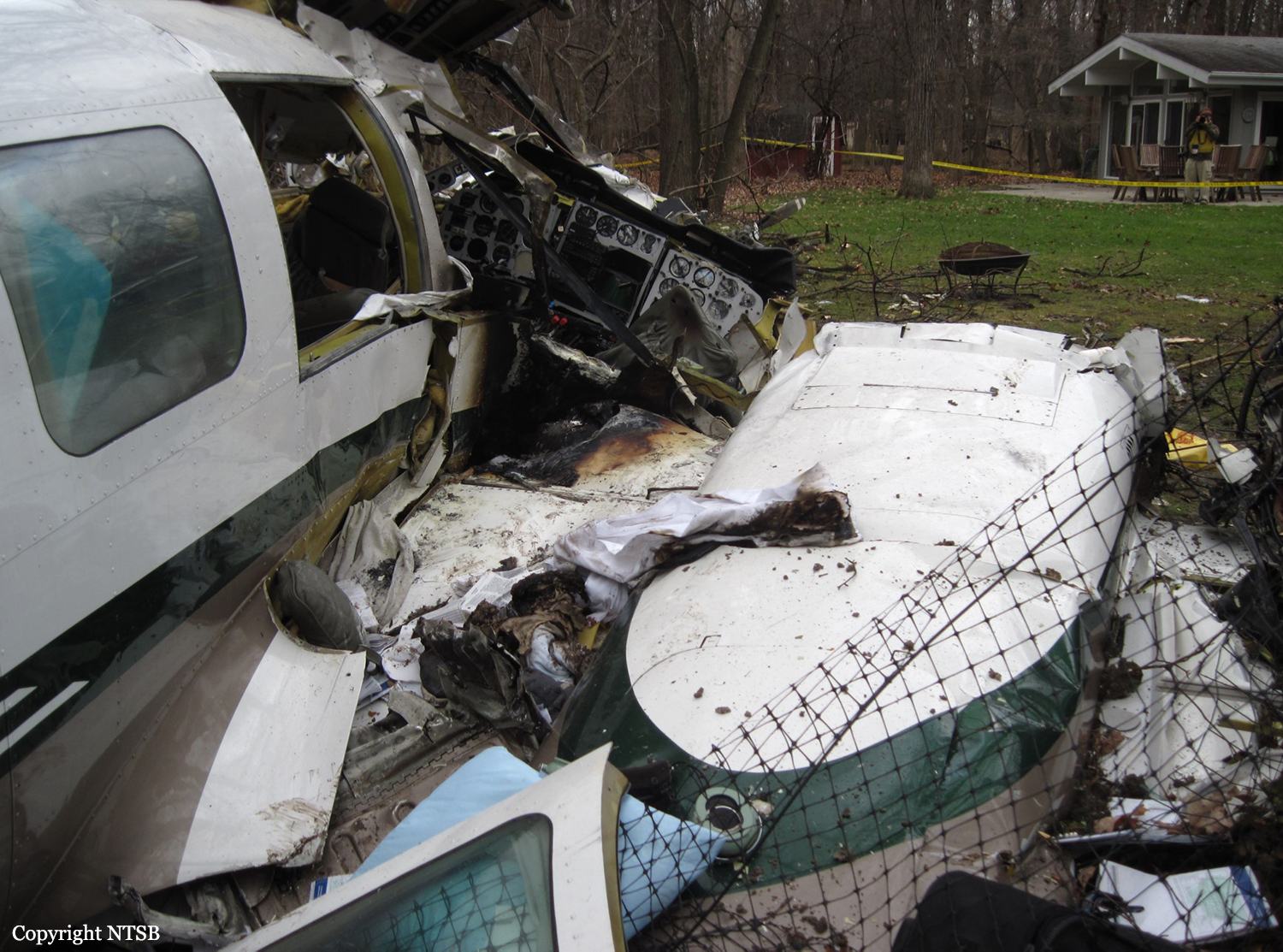
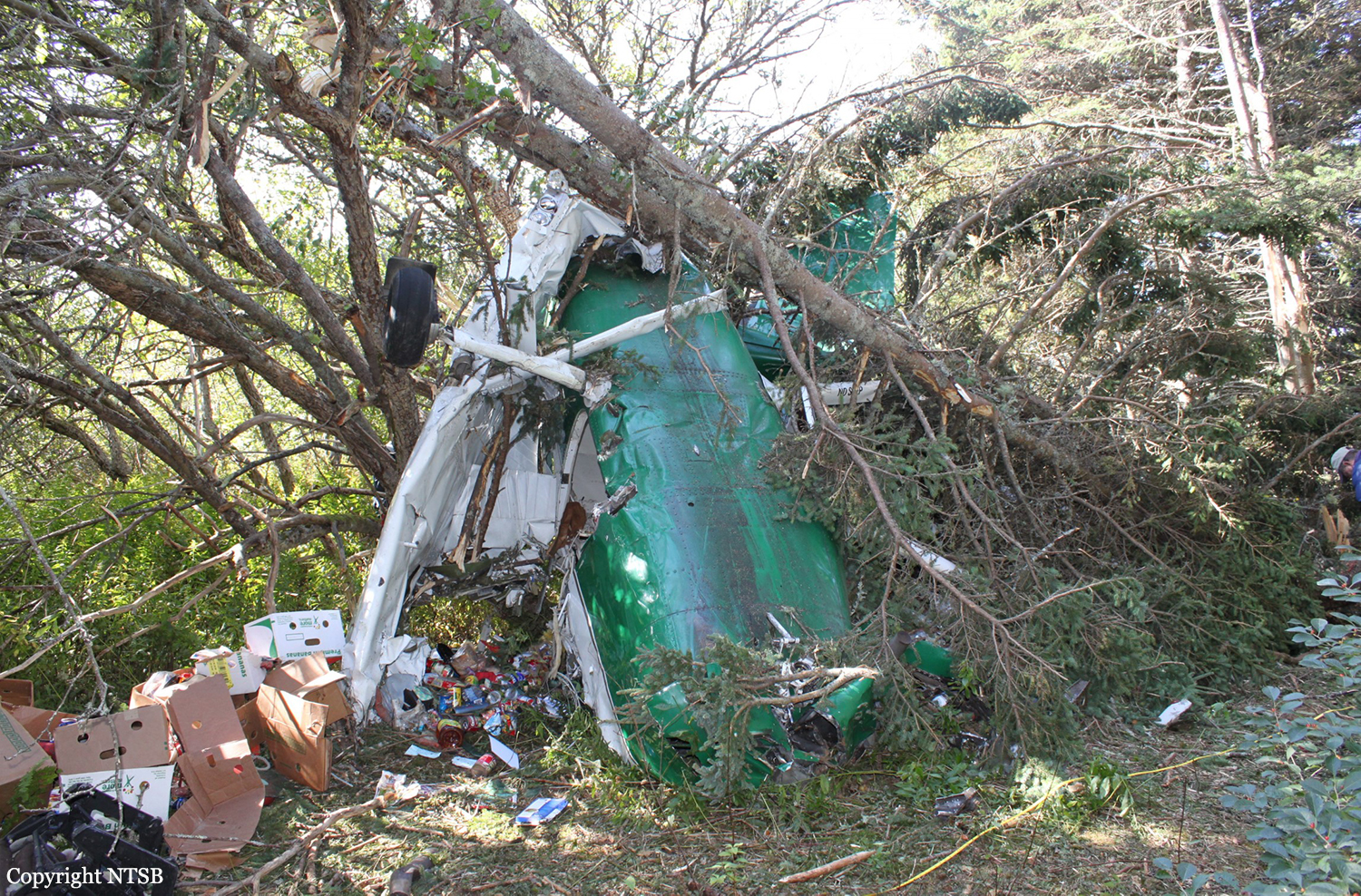
The pilot departed on a positioning flight during dark night, marginal visual meteorological conditions. A witness, who was waiting for the airplane at the destination airport, stated that shortly after the pilot-controlled airport lighting activated, a snow squall passed over the airport, greatly reducing the visibility. The accident airplane never arrived at its destination, and a search was initiated. The airplane’s fragmented wreckage was discovered early the next morning in a wooded area, about 2 miles from its destination. A review of archived automatic dependent surveillance-broadcast (ADS-B) data received from the accident airplane showed that the pilot departed, and the airplane climbed to about 700 feet above ground level. The airplane remained at about 700 feet for about 3 minutes, and then entered a shallow right-hand descending turn, until it impacted terrain. On-site examination of the airplane and engine revealed no preaccident mechanical anomalies that would have precluded normal operation. The cockpit area was extensively fragmented, thus the validity of any postaccident cockpit and instrument findings was unreliable. Likewise, structural damage to the airframe precluded the determination of flight control continuity. A postaccident examination of the engine and recovered components did not disclose any evidence of a mechanical malfunction. Given the witness account of worsening weather conditions at the airport just before the accident and the lack of mechanical anomalies with the airplane, it is likely that the accident pilot encountered heavy snow and instrument meteorological conditions while approaching the airport. It is also likely that the pilot became spatially disoriented during the unexpected weather encounter and subsequently collided with terrain.
Probable cause:
The pilot’s loss of situational awareness after an inadvertent encounter with instrument meteorological conditions, which resulted in an in-flight collision with tree-covered terrain.
Final Report:
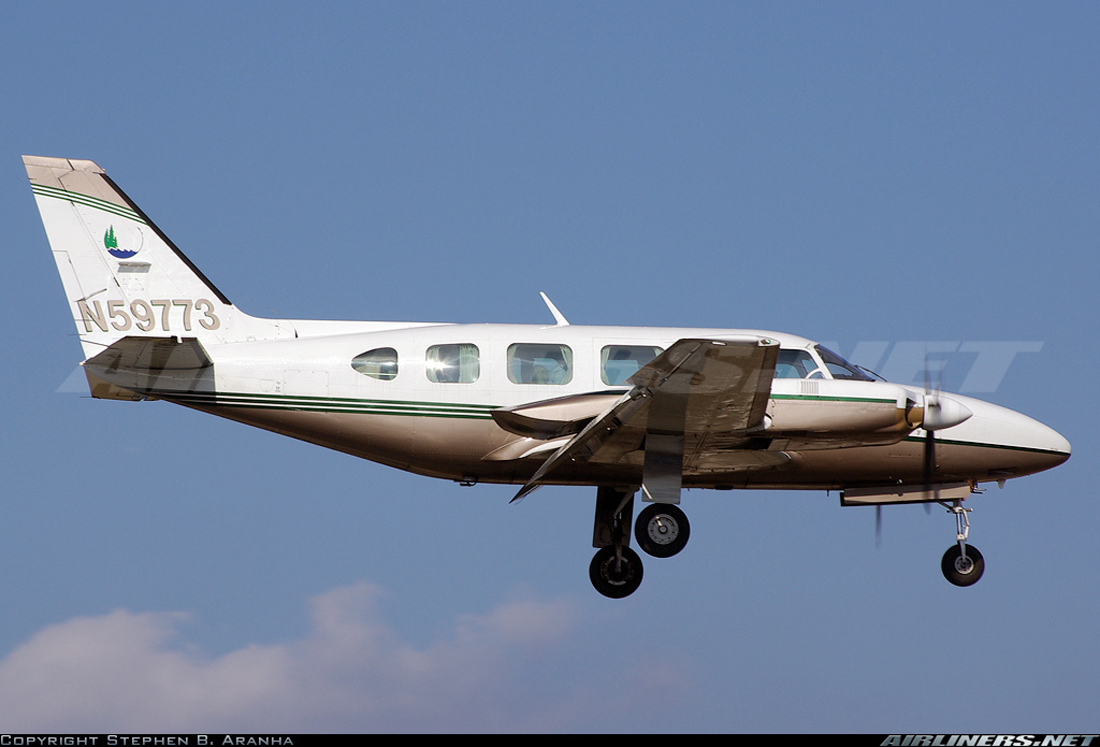
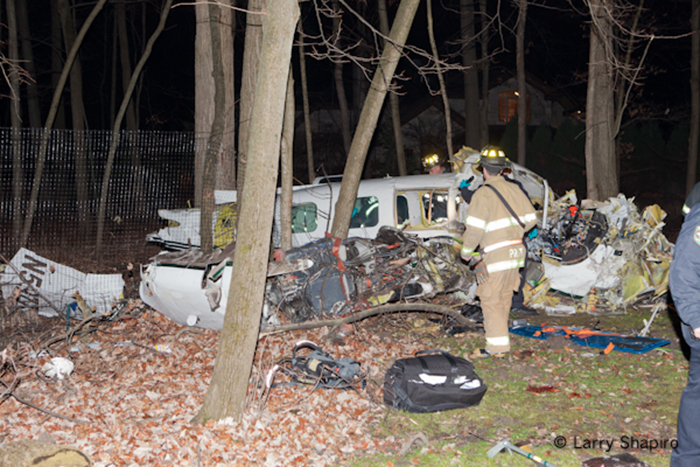
Crash of a Piper PA-31-350 Navajo Chieftain in Palwaukee: 3 killed

Date & Time: Nov 28, 2011 at 2250 LT
Registration:
N59773
Flight Type:
Survivors:
Yes
Schedule:
Jesup - Chicago
MSN:
31-7652044
YOM:
1976
Crew on board:
2
Crew fatalities:
Pax on board:
3
Pax fatalities:
Other fatalities:
Total fatalities:
3
Captain / Total flying hours:
6607
Captain / Total hours on type:
120.00
Copilot / Total flying hours:
314
Aircraft flight hours:
17630
Circumstances:
The airplane was dispatched on an emergency medical services flight. While being vectored for an instrument approach, the pilot declared an emergency and reported that the airplane was out of fuel. He said the airplane lost engine power and that he was heading toward the destination airport. The airplane descended through clouds and impacted trees and terrain short of its destination. No preimpact anomalies were found during a postaccident examination. The postaccident examination revealed about 1.5 ounces of a liquid consistent with avgas within the airplane fuel system. Based on the three previous flight legs and refueling receipts, postaccident calculations indicated that the airplane was consuming fuel at a higher rate than referenced in the airplane flight manual. Based on this consumption rate, the airplane did not have enough fuel to reach the destination airport; however, a 20-knot tailwind was predicted, so it is likely that the pilot was relying on this to help the airplane reach the airport. Regardless, he would have been flying with less than the 45-minute fuel reserve that is required for an instrument flight rules flight. The pilot failed to recognize and compensate for the airplane’s high fuel consumption rate during the accident flight. It is likely that had the pilot monitored the gauges and the consumption rate for the flight he would have determined that he did not have adequate fuel to complete the flight. Toxicology tests showed the pilot had tetrahydrocannabinol and tetrahydrocannabinol carboxylic acid (marijuana) in his system; however, the level of impairment could not be determined based on the information available. However, marijuana use can impair the ability to concentrate and maintain vigilance and can distort the perception of time and distance. As a professional pilot, the use of marijuana prior to the flight raises questions about the pilot’s decision-making. The investigation also identified several issues that were not causal to the accident but nevertheless raised concerns about the company’s operational control of the flight. The operator had instituted a fuel log, but it was not regularly monitored. The recovered load manifest showed the pilot had been on duty for more than 15 hours, which exceeded the maximum of 14 hours for a regularly assigned duty period per 14 Code of Federal Regulations Part 135. The operator stated that it was aware of the pilot’s two driving while under the influence of alcohol convictions, but the operator did not request a background report on the pilot before he was hired. Further, the operator did not list the pilot-rated passenger as a member of the flight crew, yet he had flown previous positioning legs on the dispatched EMS mission as the pilot-in-command.
Probable cause:
The pilot's inadequate preflight planning and in-flight decision-making, which resulted in a loss of engine power due to fuel exhaustion during approach. Contributing to the accident was the pilot's decision to operate an airplane after using illicit drugs.
Final Report:

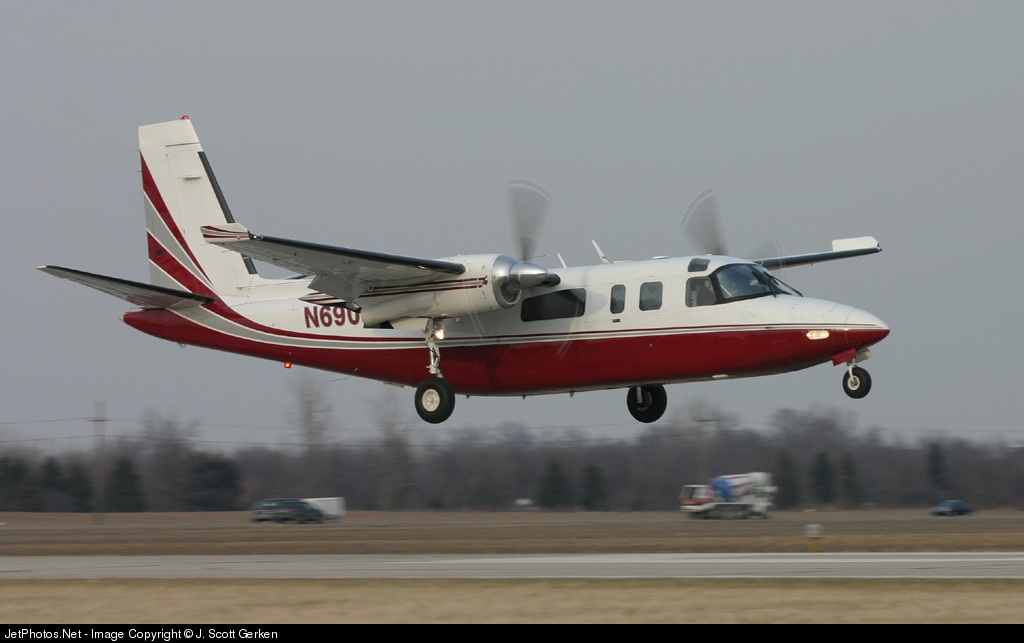
Crash of a Rockwell Grand Commander 690A near Mesa: 6 killed

Date & Time: Nov 23, 2011 at 1831 LT
Operator:
Registration:
N690SM
Flight Phase:
Flight Type:
Survivors:
No
Site:
Schedule:
Mesa - Safford
MSN:
690-11337
YOM:
1976
Crew on board:
1
Crew fatalities:
Pax on board:
5
Pax fatalities:
Other fatalities:
Total fatalities:
6
Captain / Total flying hours:
2500
Captain / Total hours on type:
951.00
Aircraft flight hours:
8188
Circumstances:
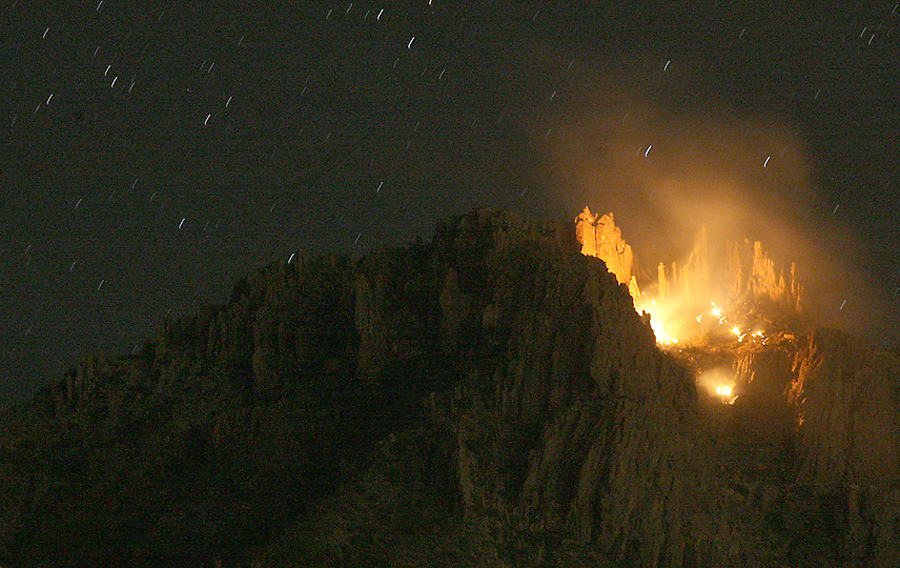
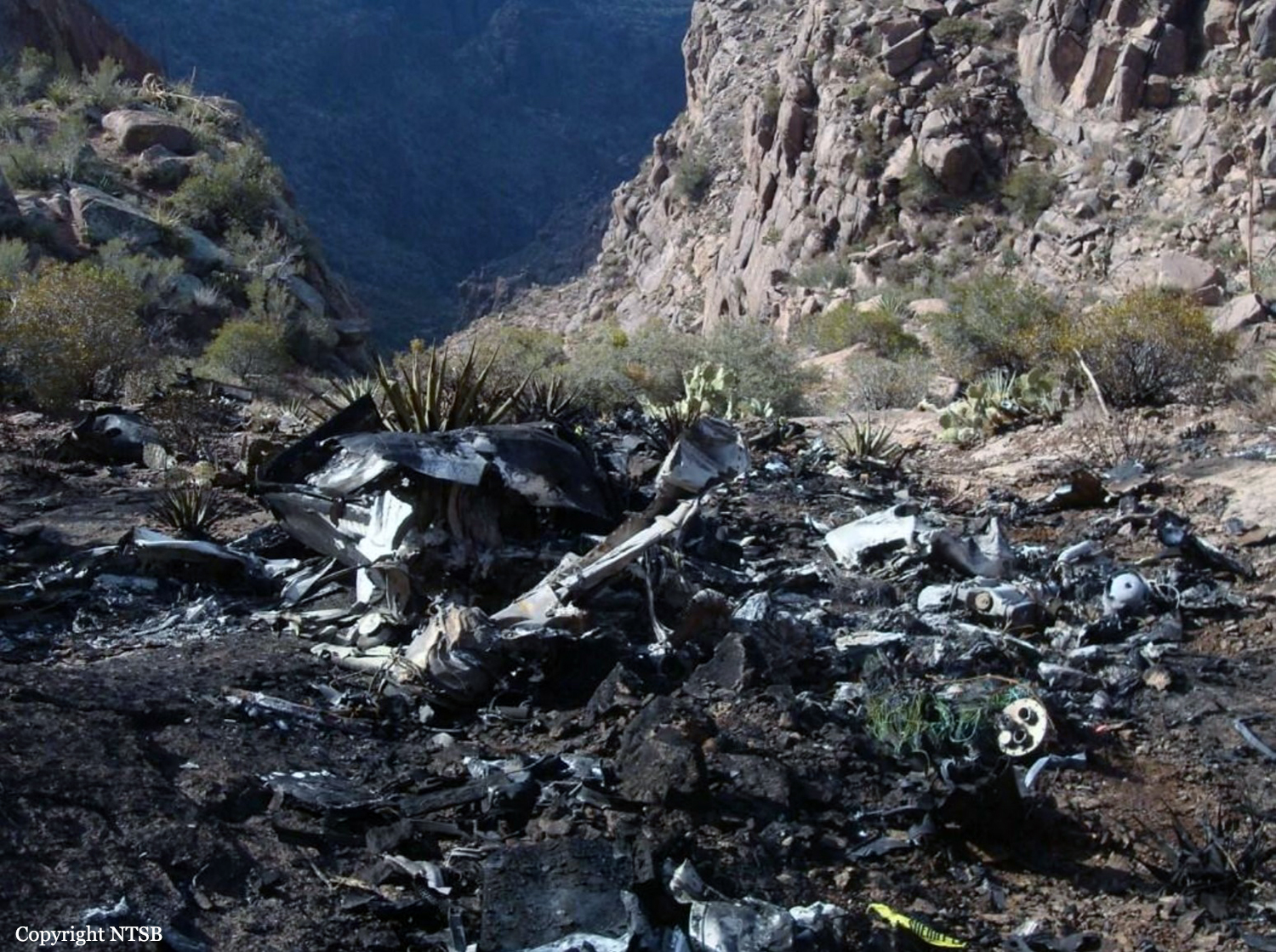
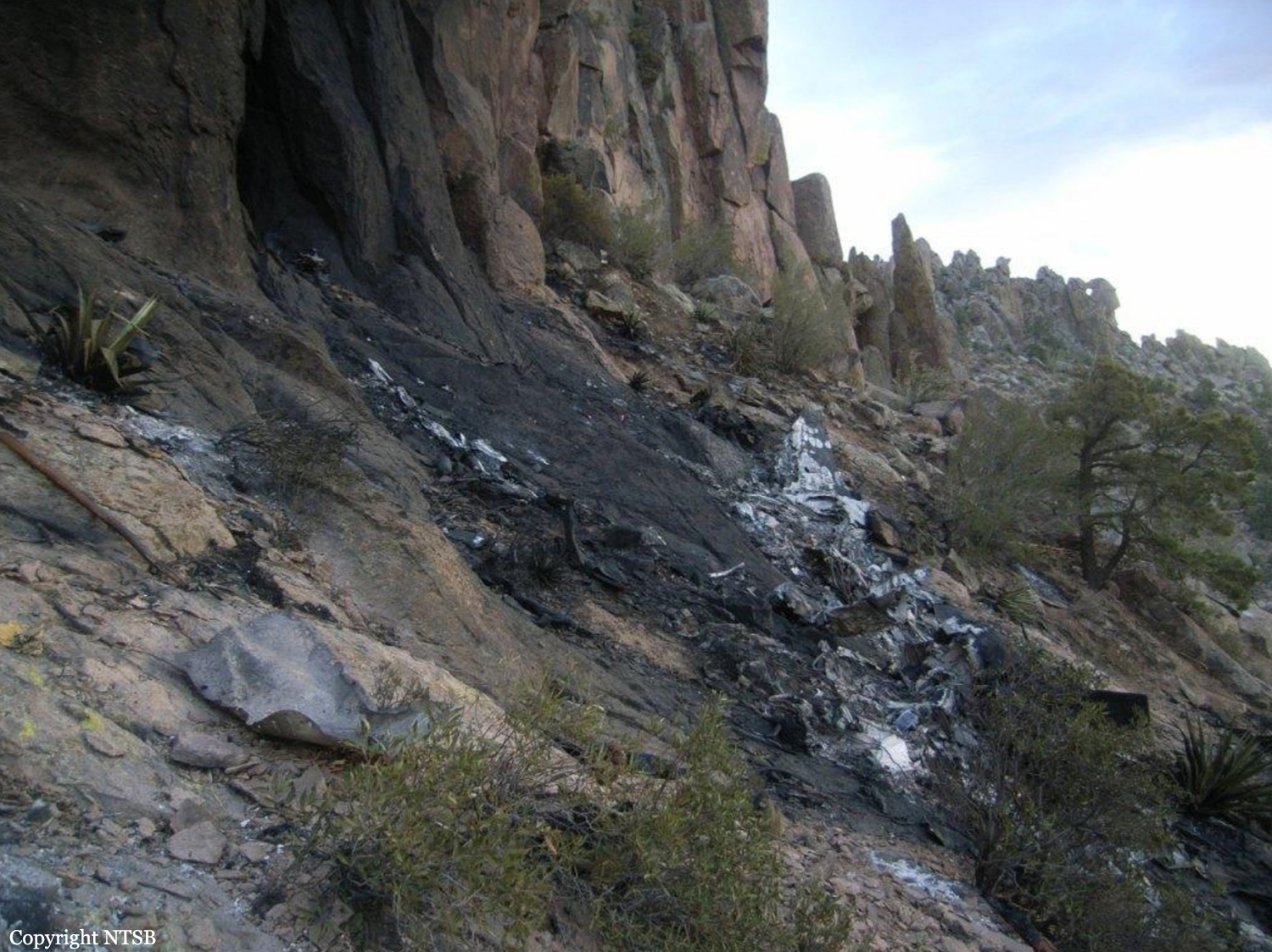
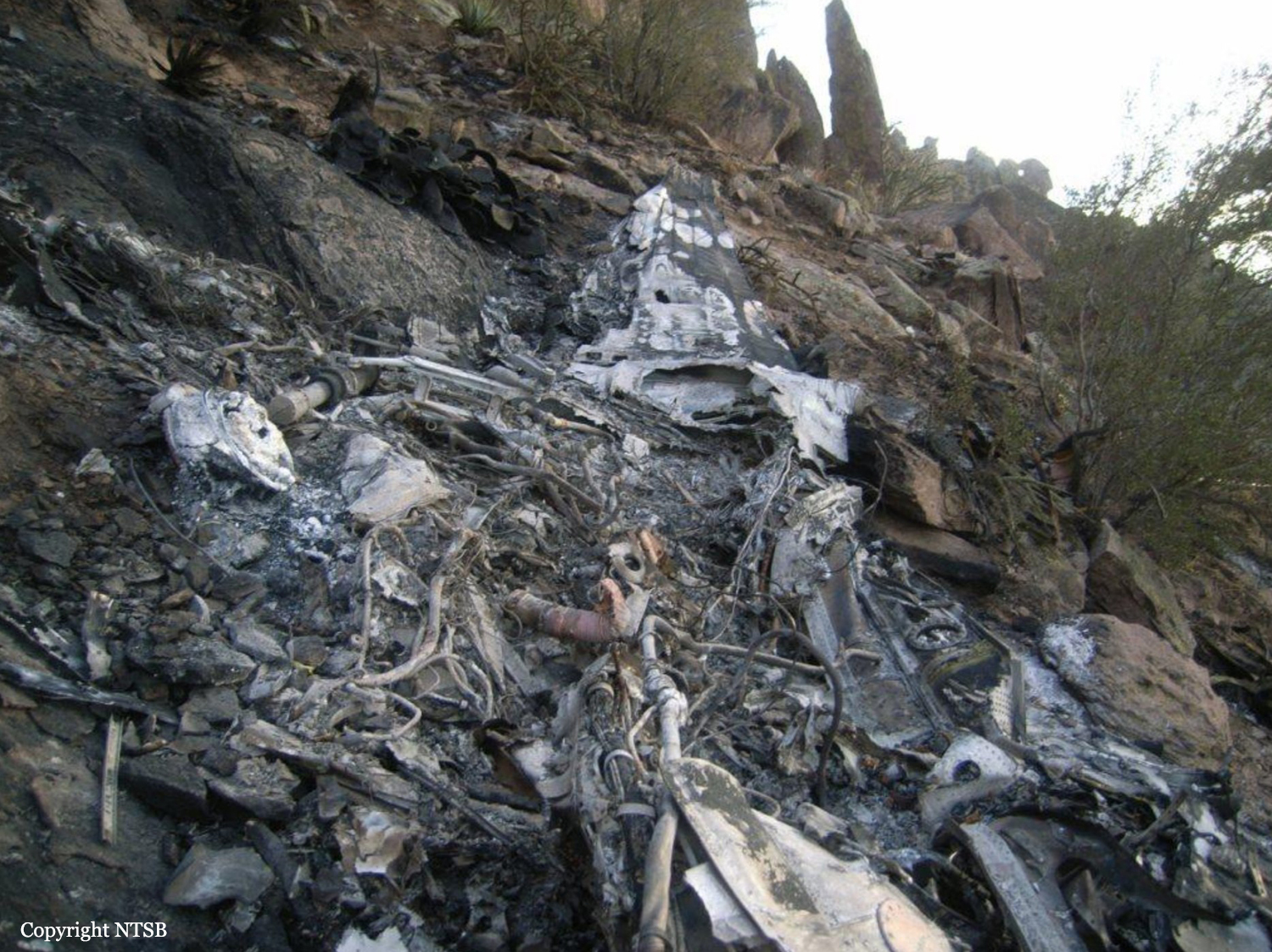
The aircraft was destroyed when it impacted terrain in the Superstition Mountains near Apache Junction, Arizona. The commercial pilot and the five passengers were fatally injured. The airplane was registered to Ponderosa Aviation, Inc. (PAI) and operated by PAI under the provisions of 14 Code of Federal Regulations (CFR) Part 91 as a personal flight. Night visual meteorological conditions (VMC) prevailed, and no flight plan was filed. The airplane had departed Falcon Field (FFZ), Mesa, Arizona, about 1825 and was destined for Safford Regional Airport (SAD), Safford, Arizona. PAI’s director of maintenance (DOM) and the director of operations (DO), who were co owners of PAI along with the president, conducted a personal flight from SAD to FFZ. The DO flew the leg from SAD to FFZ under visual flight rules (VFR) in night VMC. After arriving at FFZ and in preparation for the flight back to SAD, the DOM moved to the left front seat to act as the pilot flying. The airplane departed FFZ about 12 minutes after it arrived. According to a witness, engine start and taxi-out appeared normal. Review of the recorded communications between the pilot and the FFZ tower air traffic controllers revealed that when the pilot requested taxi clearance, he advised the ground controller that he was planning an "eastbound departure." The flight was cleared for takeoff on runway 4R, and the pilot was instructed to maintain runway heading until advised, due to an inbound aircraft. About 90 seconds later, when the airplane was about 1.1 miles from the departure end of the runway, the tower local controller issued a "right turn approved" advisory to the flight, which the pilot acknowledged. Radar data revealed that the airplane flew the runway heading for about 1.5 miles then began a right turn toward SAD and climbed through an altitude of about 2,600 feet mean sea level (msl). About 1828, after it momentarily climbed to an altitude of 4,700 feet, the airplane descended to an altitude of 4,500 feet, where it remained and tracked in an essentially straight line until it impacted the mountain. The last radar return was received at 1830:56 and was approximately coincident with the impact location. The impact location was near the top of a steep mountain that projected to over 5,000 feet msl. Witnesses reported seeing a fireball, and law enforcement helicopters were dispatched.
Probable cause:
The pilot's failure to maintain a safe ground track and altitude combination for the moonless night visual flight rules flight, which resulted in controlled flight into terrain. Contributing to the accident were the pilot's complacency and lack of situational awareness and his failure to use air traffic control visual flight rules flight following or minimum safe altitude warning services. Also contributing to the accident was the airplane's lack of onboard terrain awareness and warning system equipment.
Final Report:
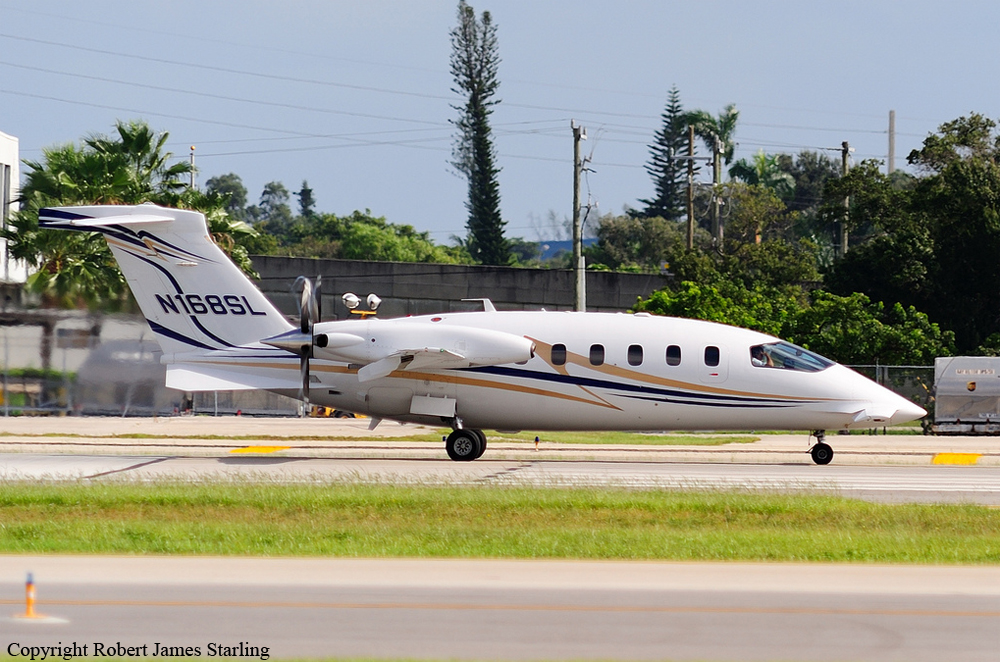
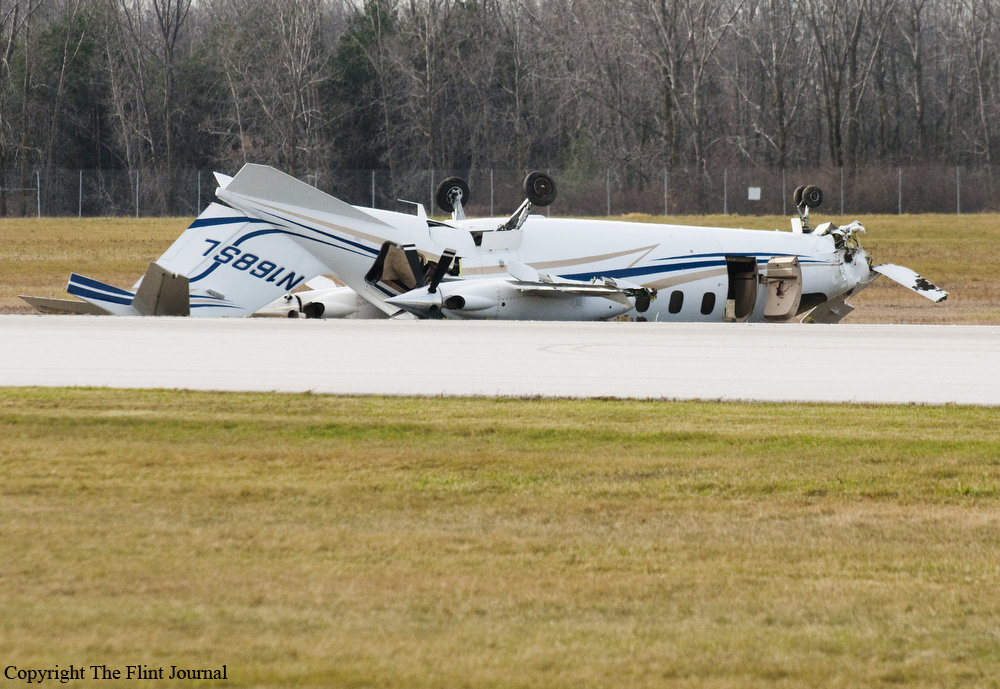
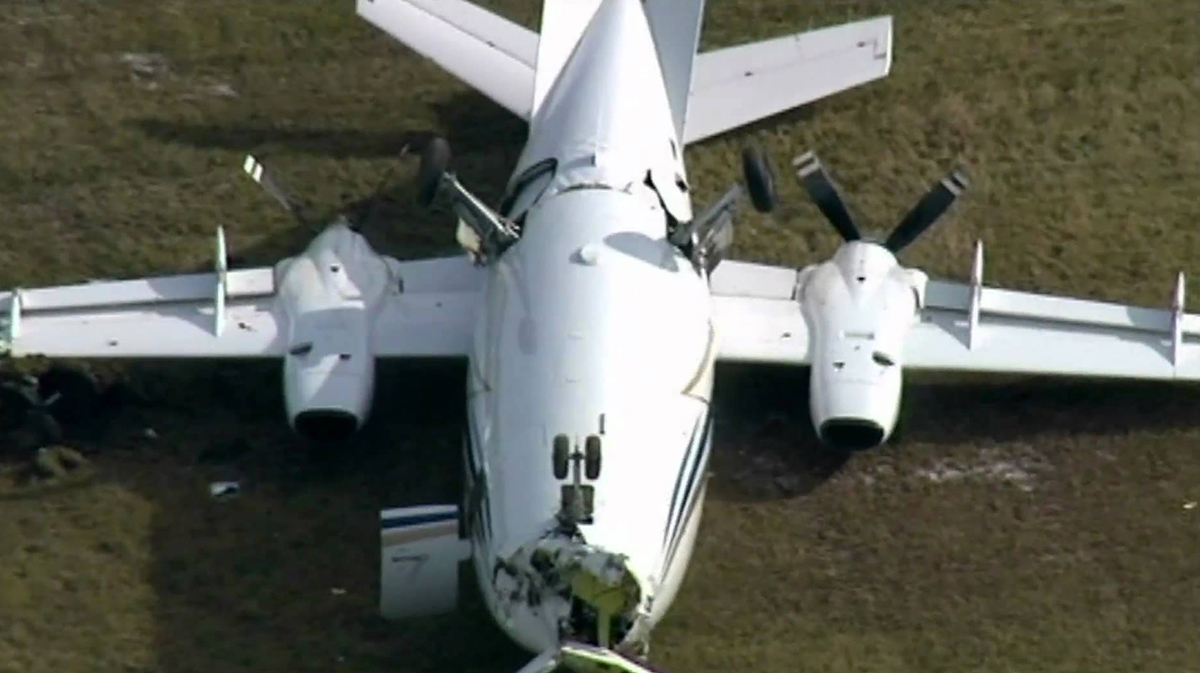
Crash of a Piaggio P.180 Avanti II in Flint

Date & Time: Nov 16, 2011 at 0940 LT
Type of aircraft:
Operator:
Registration:
N168SL
Survivors:
Yes
Schedule:
Detroit - West Bend
MSN:
1139
YOM:
2007
Flight number:
VNR168
Crew on board:
2
Crew fatalities:
Pax on board:
2
Pax fatalities:
Other fatalities:
Total fatalities:
0
Captain / Total flying hours:
3851
Captain / Total hours on type:
2023.00
Copilot / Total flying hours:
3957
Copilot / Total hours on type:
259
Aircraft flight hours:
4422
Circumstances:
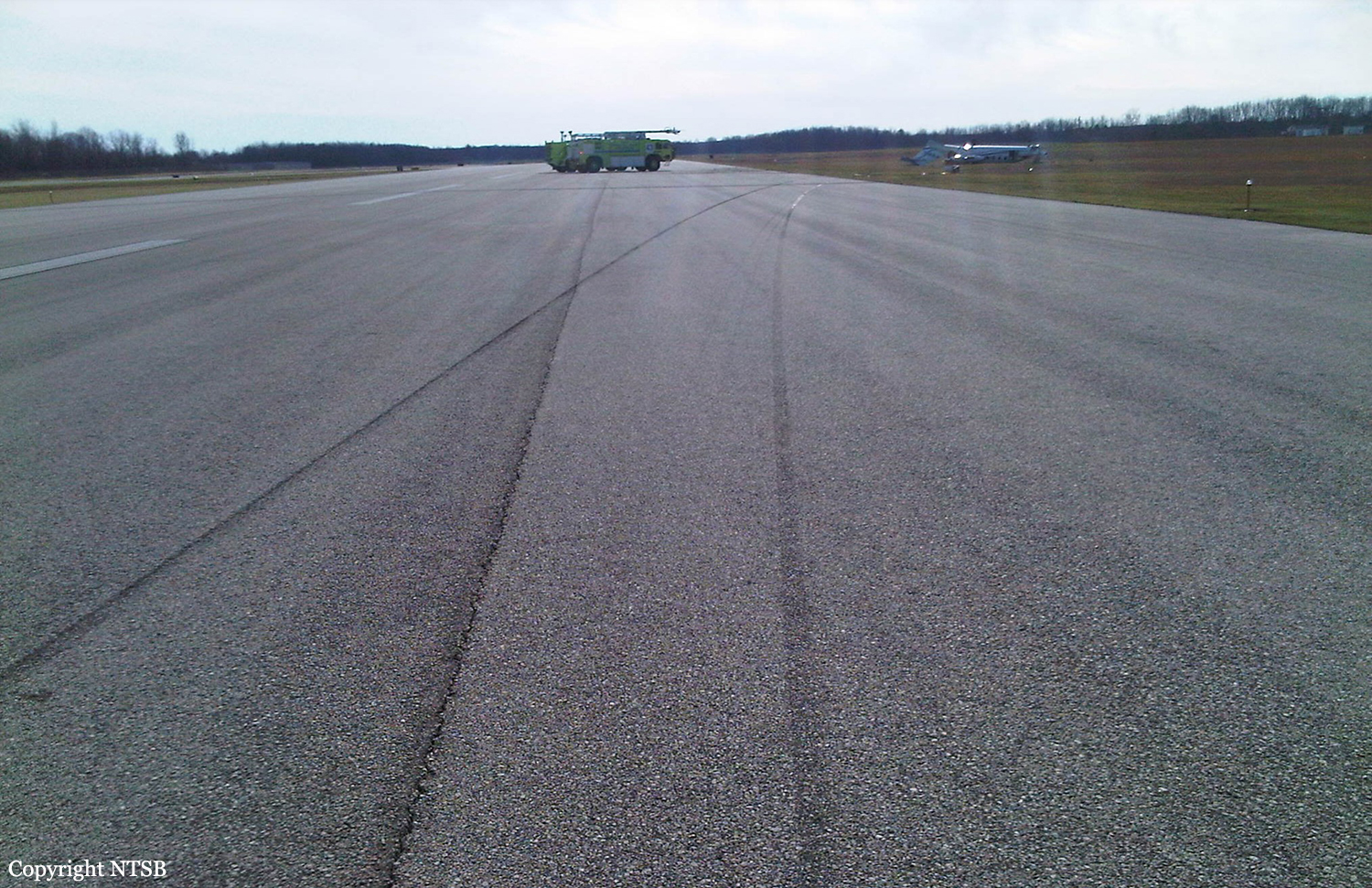
During climb to cruise, the captain increased left engine power and the engine power lever became jammed in the full forward position. This condition resulted in an engine overtorque and overtemperture condition, and the captain shut down the left engine. After the engine shutdown, both primary flight display screens went blank. The captain reset the right generator and the flight displays regained power and display. Due to the engine shutdown, the captain diverted to a nearby airport and attempted a single-engine precautionary landing in visual flight rules conditions. Based on wind conditions at the airport (290 degrees at 18 knots), runway 27 was being used for operations. During the descent, the crew became confused as to their true heading and were only able to identify runway 27 about a minute before touching down due to a 50-degree difference in heading indications displayed to the crew as a result of the instrument gyros having been reset. Accurate heading information would have been available to the crew had they referenced the airplane’s compass. Having declared an emergency, the crew was cleared to land on any runway and chose to land on runway 18. After touchdown, the captain applied reverse thrust on the right engine and the airplane veered to the right. The airplane flight manual’s single-engine approach and landing checklist indicates that after landing braking and reverse thrust are to be used as required to maintain airplane control. The airplane continued to the right, departed the runway surface, impacted terrain, flipped over, and came to rest inverted. At the point of touchdown, there was about 5,000 feet of runway remaining for the landing roll. The loss of directional control was likely initiated when the captain applied reverse thrust shortly after touchdown, and was likely aggravated by the strong crosswind. Postaccident examination of the airplane showed a clevis pin incorrectly installed by unknown maintenance personnel that resulted in a jammed left engine power lever. No additional anomalies were noted with the airplane or engines that would have precluded normal operation.
Probable cause:
The captain's failure to maintain directional control during landing with one engine inoperative. Contributing to the accident was an improperly installed clevis pin in the left engine power lever, the crew’s delay in accurately identifying their heading, and their subsequent selection of a runway with a strong crosswind.
Final Report:
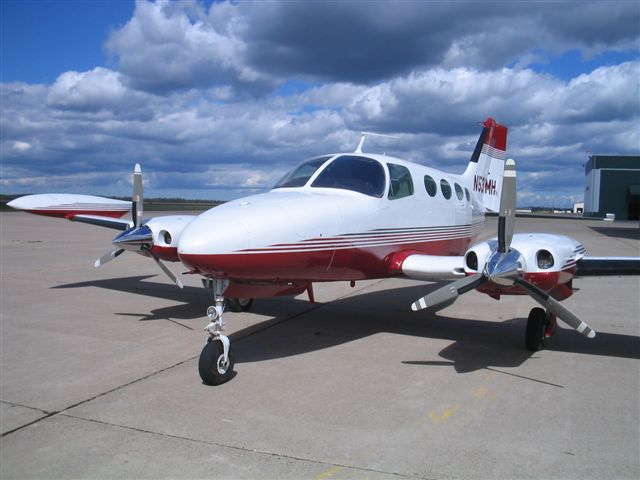
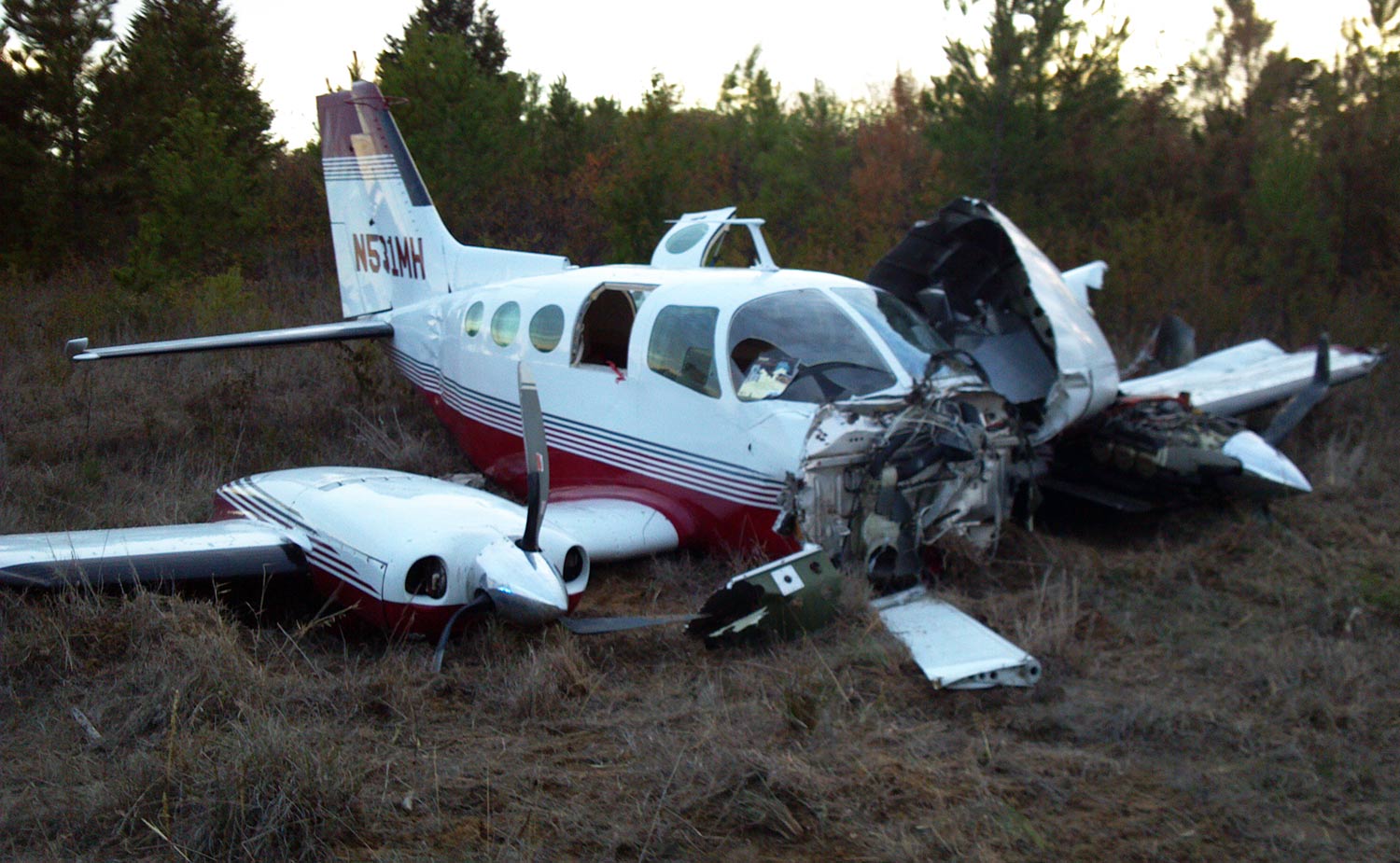
Crash of a Cessna 401A in Gladewater

Date & Time: Nov 12, 2011 at 1635 LT
Type of aircraft:
Registration:
N531MH
Flight Type:
Survivors:
Yes
Schedule:
Natchitoches - Gladewater
MSN:
401-0097
YOM:
1969
Crew on board:
1
Crew fatalities:
Pax on board:
4
Pax fatalities:
Other fatalities:
Total fatalities:
0
Captain / Total flying hours:
1241
Captain / Total hours on type:
468.00
Circumstances:
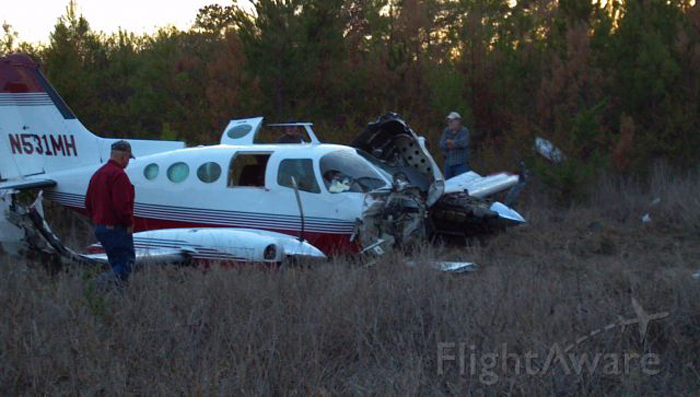
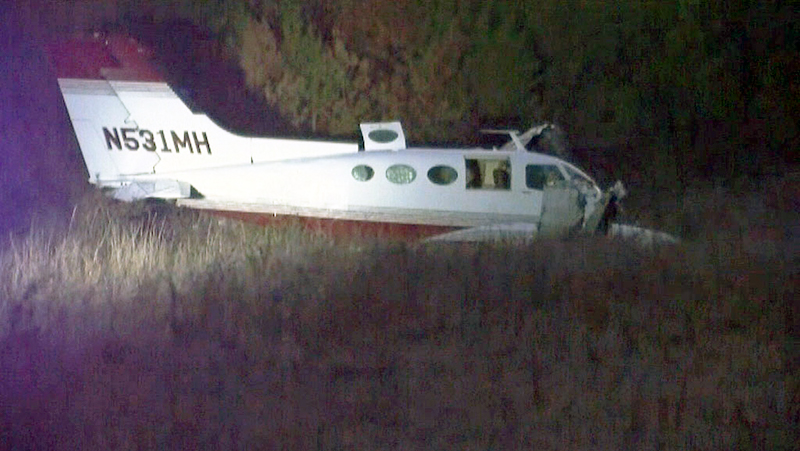
The aircraft was substantially damaged while landing at the Gladewater Municipal Airport (07F), Gladewater, Texas. The private pilot and three passengers received minor injuries, and the forth passenger was seriously injured. The airplane was registered to and operated by the pilot. Visual meteorological conditions prevailed and a visual flight rules (VFR) flight plan was filed for the 14 Code of Federal Regulations Part 91 personal flight. The cross-country flight originated from the Natchitoches Regional Airport (IER), Natchitoches, Louisiana, around 1550. While preparing to enter the traffic pattern at 1,800 feet above ground level, the pilot checked the wind on his Garmin 696 with NEXRAD and also heard a wind update on the radio for the nearest weather facility. The current wind was understood to be from 170 degrees between 20 and 25 knots. The pilot entered the pattern in a left downwind for runway 14 and began to slow the airplane down. The pilot stated he was on short final and at an airspeed of about 120 knots when a gusting crosswind pushed the airplane 30 feet right of the runway centerline and began to descend very quickly. The pilot decided to perform a go-around maneuver and added full engine power. As engine power was added, the twin-engine airplane began to roll to the right. The pilot then elected to reduce engine power and land. The airplane impacted and exited the runway before coming to rest in an upright position. Investigators from the National Transportation Safety Board, the Federal Aviation Administration, Cessna Aircraft Co., and Continental Motors, Inc. performed a post accident examination of the airplane and the engines. Examination of the airplane revealed substantial damage to the fuselage, empennage, wings, and landing gear. No preaccident mechanical malfunctions or failures were found that would have precluded normal operation. At 1553, the aviation routine weather report at East Texas Regional Airport in Longview, Texas, about 16 nautical miles southeast of the accident location was: wind 170 degrees and 16 knots gusting to 23 knots; visibility 10sm; few clouds at 4,900 feet above ground level; temperature 23 degrees Celsius and dew point 13 degrees Celsius; altimeter 29.92 inches of mercury. At 1530, the weather station reported a peak wind gust of 27 knots from 190 degrees.
Probable cause:
The pilot’s failure to maintain control of the airplane during the landing and attempted go-around in a gusty crosswind.
Final Report:
Crash of a Cessna S550 Citation S/II in Warroad

Date & Time: Nov 11, 2011 at 2130 LT
Type of aircraft:
Registration:
N600KM
Survivors:
Yes
MSN:
S550-0008
YOM:
1984
Crew on board:
0
Crew fatalities:
Pax on board:
0
Pax fatalities:
Other fatalities:
Total fatalities:
0
Circumstances:
After a night landing on runway 13 at Warroad Airport, the aircraft collided with a White-tailed deer. The crew was able to stop the aircraft that suffered structural damages to the left wing. There were no injuries but the aircraft was damaged beyond repair.
Probable cause:
No investigation was conducted by NTSB.

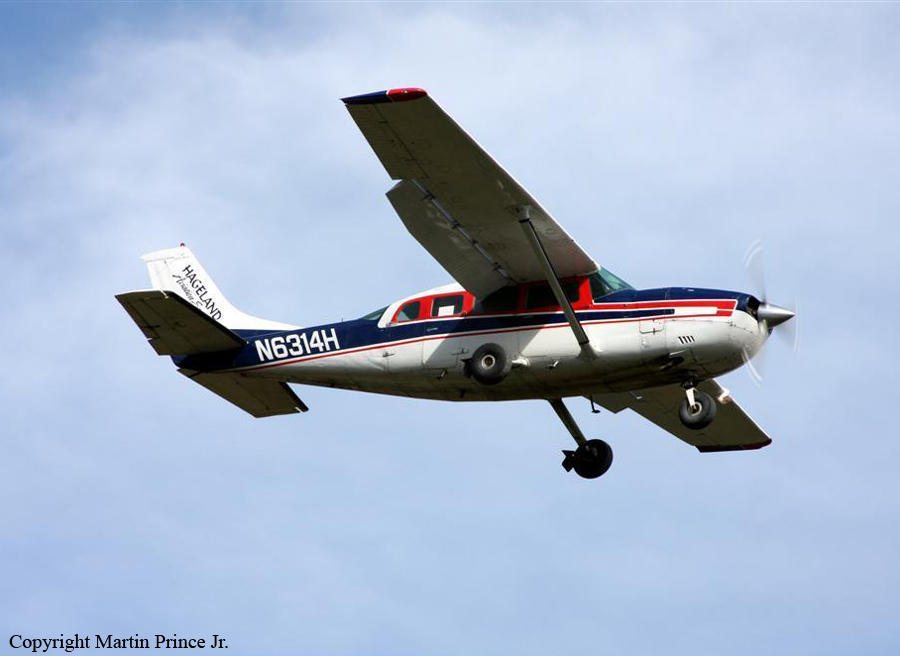
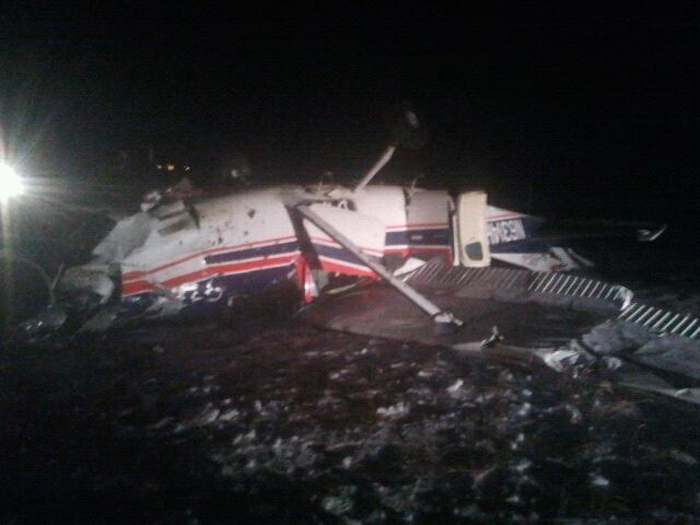
Crash of a Cessna 207A Stationair 7 II in Kwigillingok

Date & Time: Nov 7, 2011 at 1830 LT
Operator:
Registration:
N6314H
Flight Phase:
Survivors:
Yes
Schedule:
Kwigillingok – Bethel
MSN:
207-0478
YOM:
1978
Crew on board:
1
Crew fatalities:
Pax on board:
5
Pax fatalities:
Other fatalities:
Total fatalities:
0
Captain / Total flying hours:
1833
Captain / Total hours on type:
349.00
Circumstances:
The pilot departed on a scheduled commuter flight at night from an unlit, rough and uneven snow-covered runway with five passengers and baggage. During the takeoff roll, the airplane bounced twice and became airborne, but it failed to climb. As the airplane neared the departure end of the runway, it began to veer to the left, and the pilot applied full right aileron, but the airplane continued to the left as it passed over the runway threshold. The airplane subsequently settled into an area of snow and tundra-covered terrain about 100 yards south of the runway threshold and nosed over. Official sunset on the day of the accident was 48 minutes before the accident, and the end of civil twilight was one minute before the accident. The Federal Aviation Administration's (FAA) Airport/Facility Directory, Alaska Supplement listing for the airport, includes the following notation: "Airport Remarks - Unattended. Night operations prohibited, except rotary wing aircraft. Runway condition not monitored, recommend visual inspection prior to using. Safety areas eroded and soft. Windsock unreliable." A postaccident examination of the airplane and engine revealed no mechanical anomalies that would have precluded normal operation. Given the lack of mechanical deficiencies with the airplane's engine or flight controls, it is likely the pilot failed to maintain control during the takeoff roll and initial climb after takeoff.
Probable cause:
The pilot's failure to abort the takeoff when he realized the airplane could not attain sufficient takeoff and climb performance and his improper decision to depart from an airport where night operations were prohibited.
Final Report:
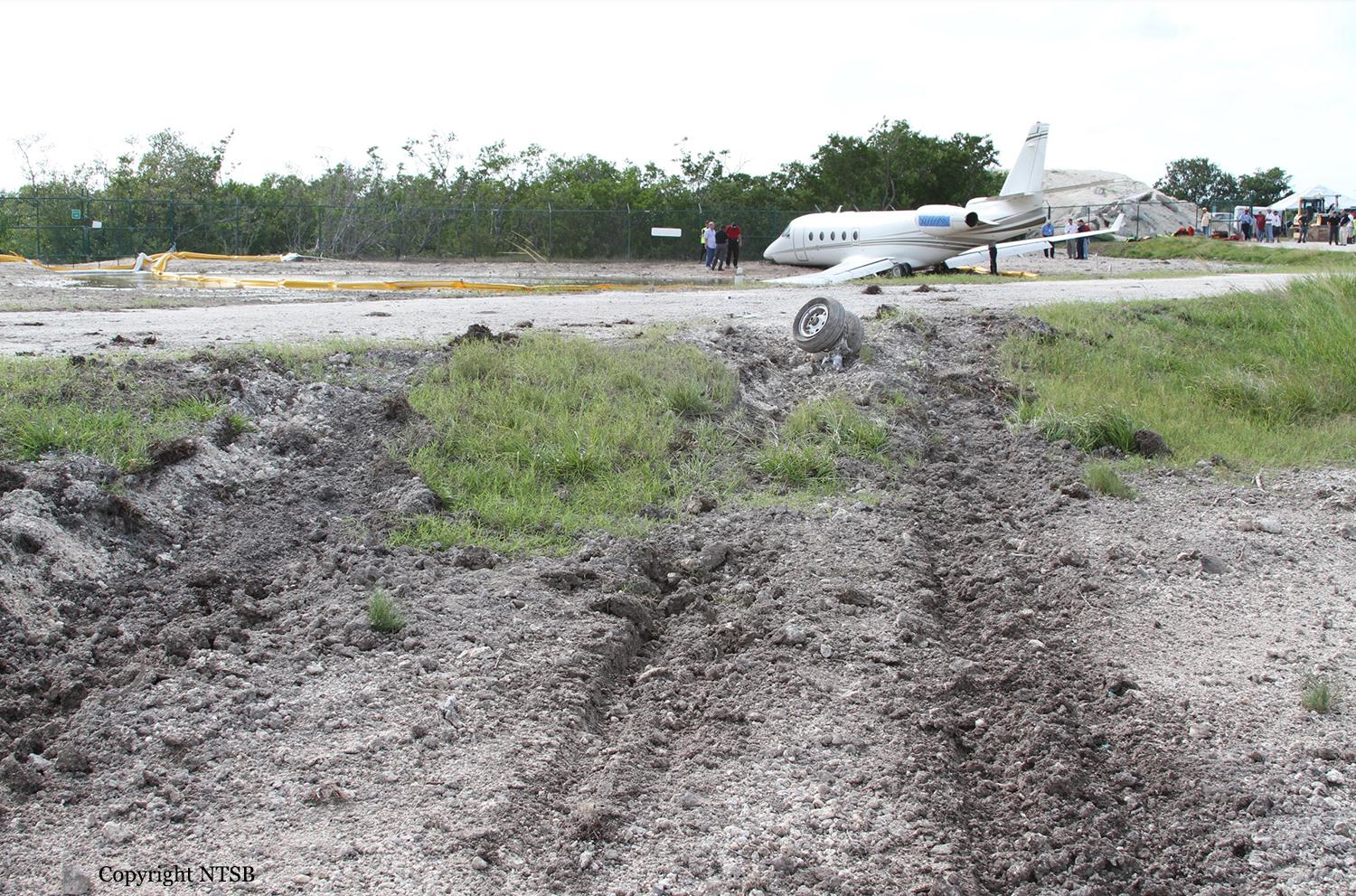
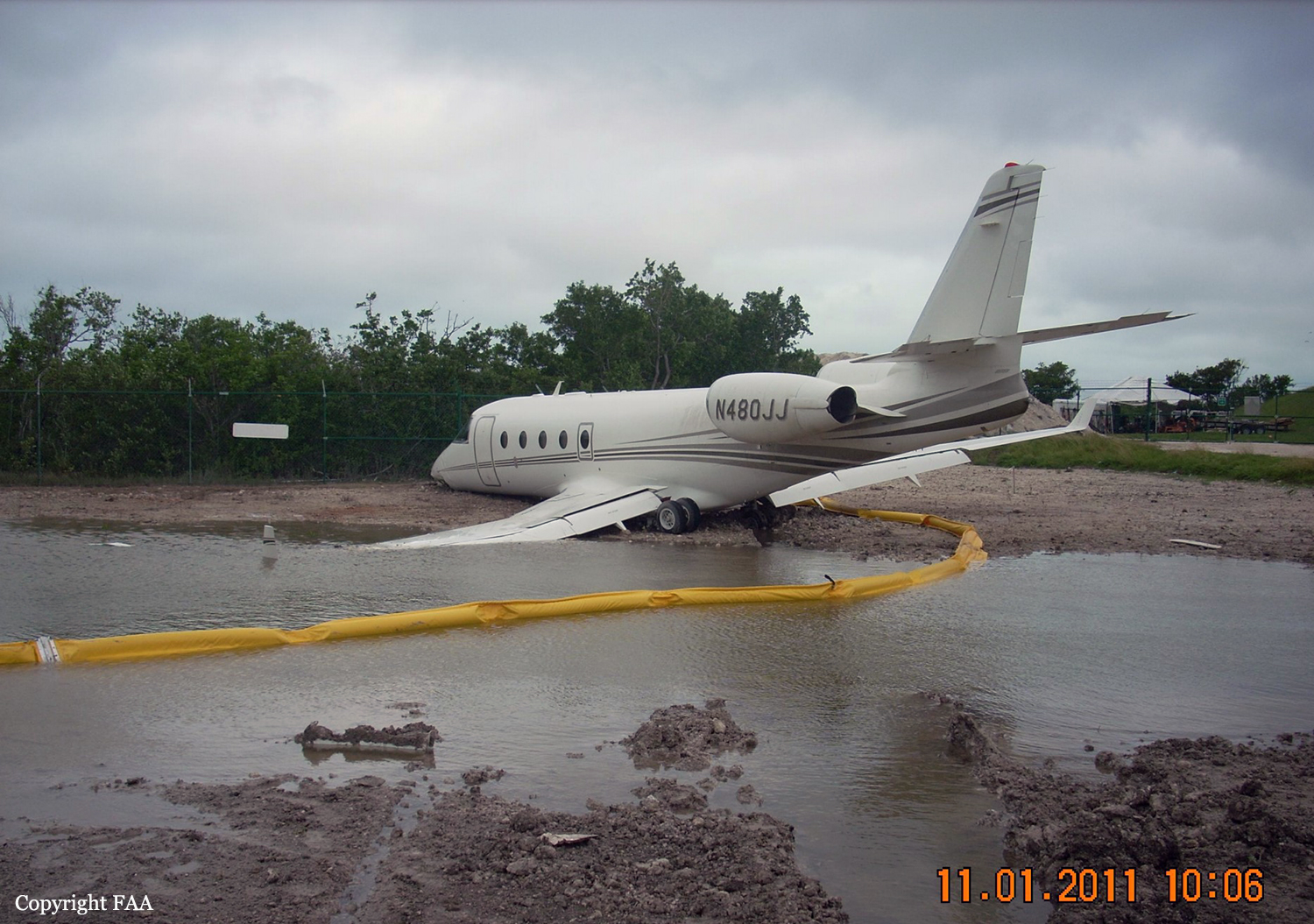
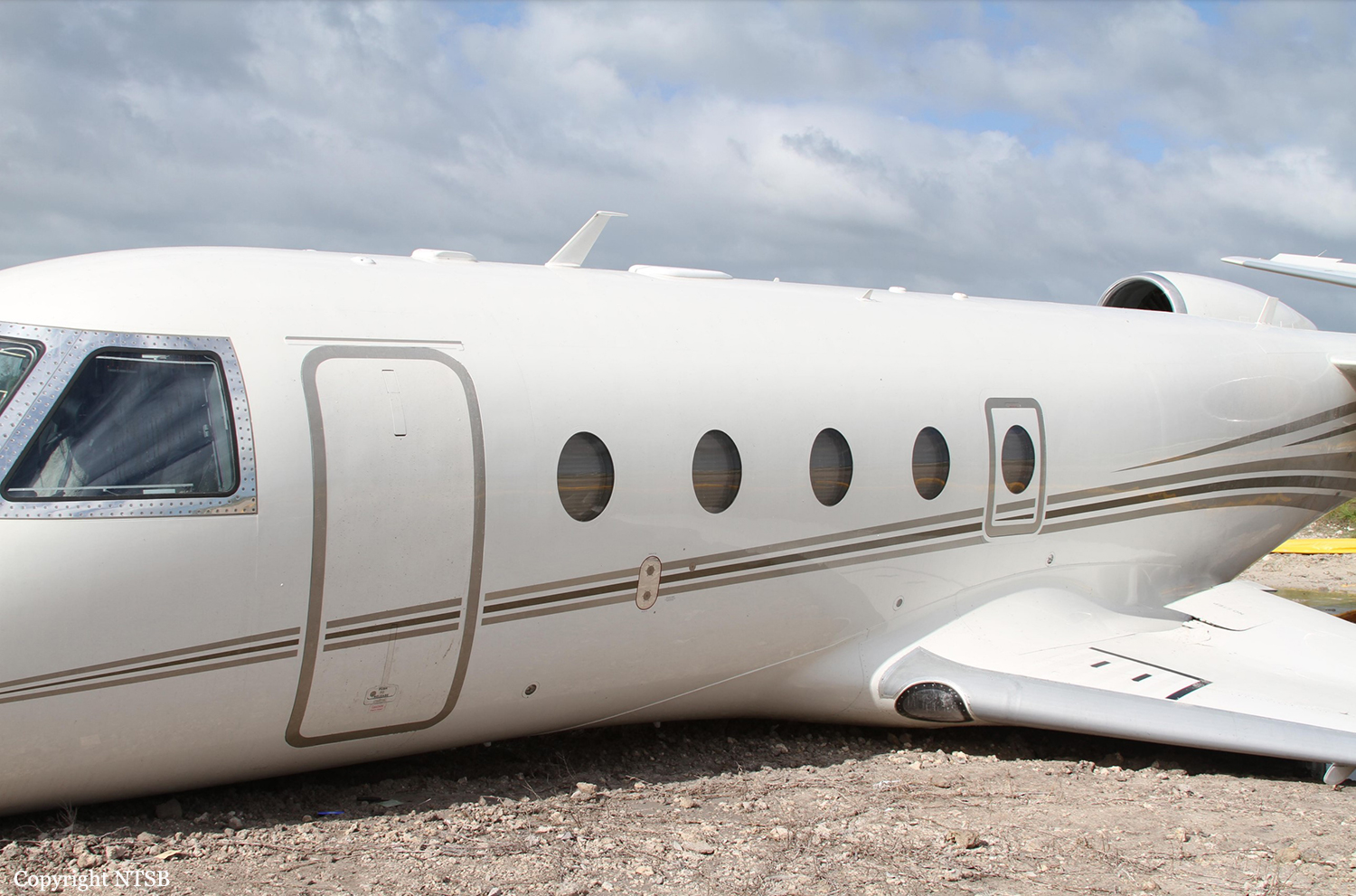
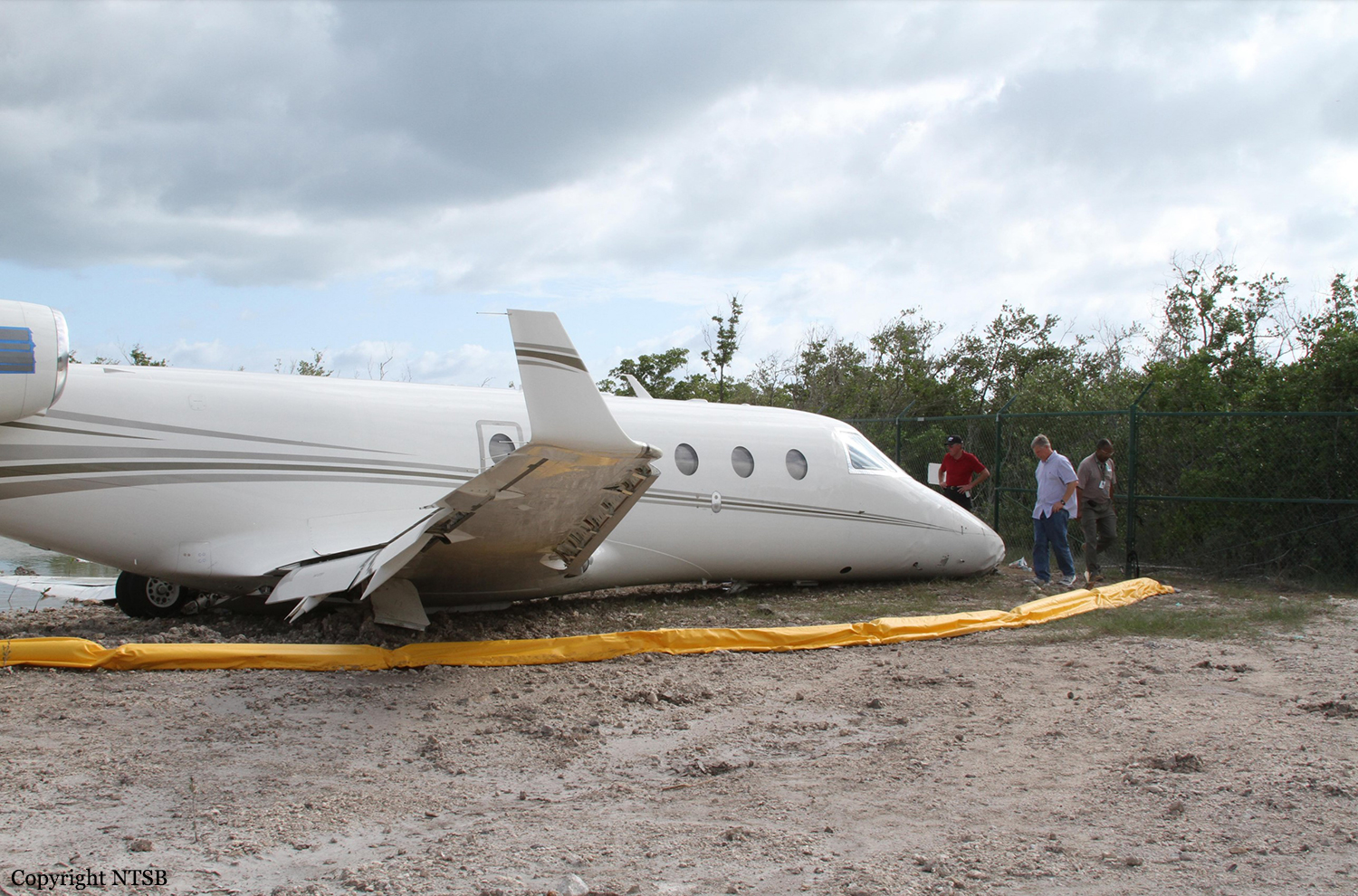
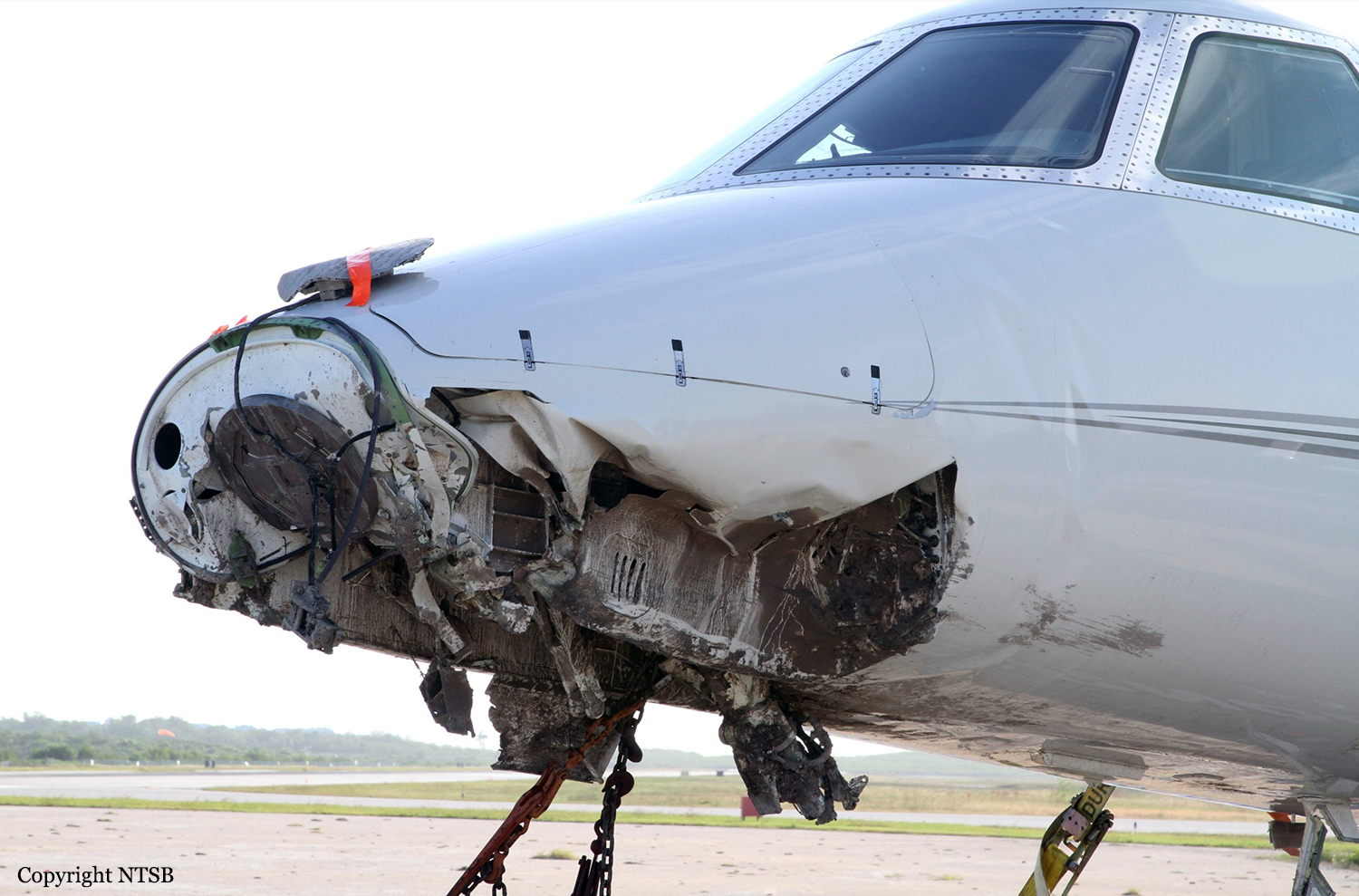
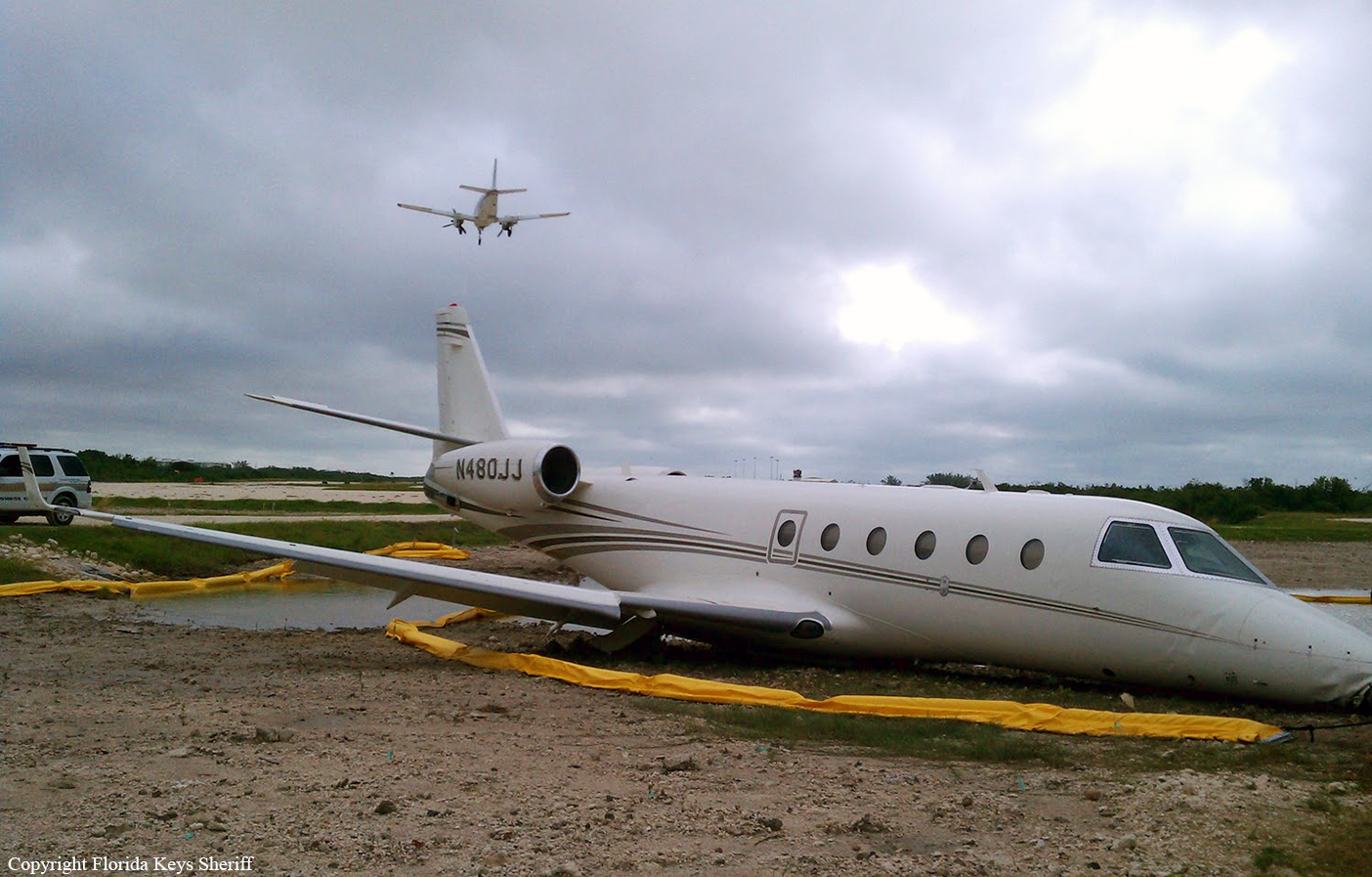
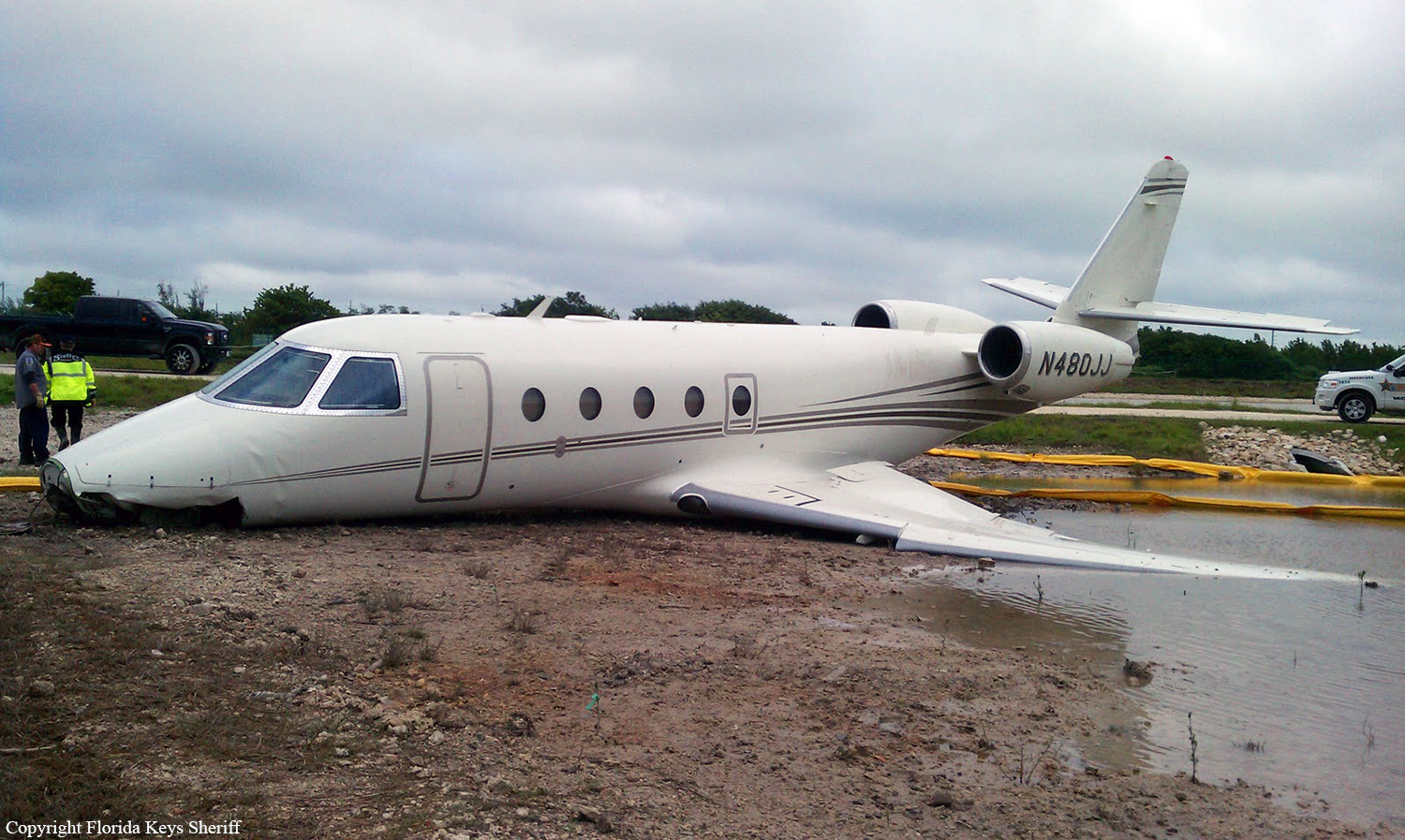
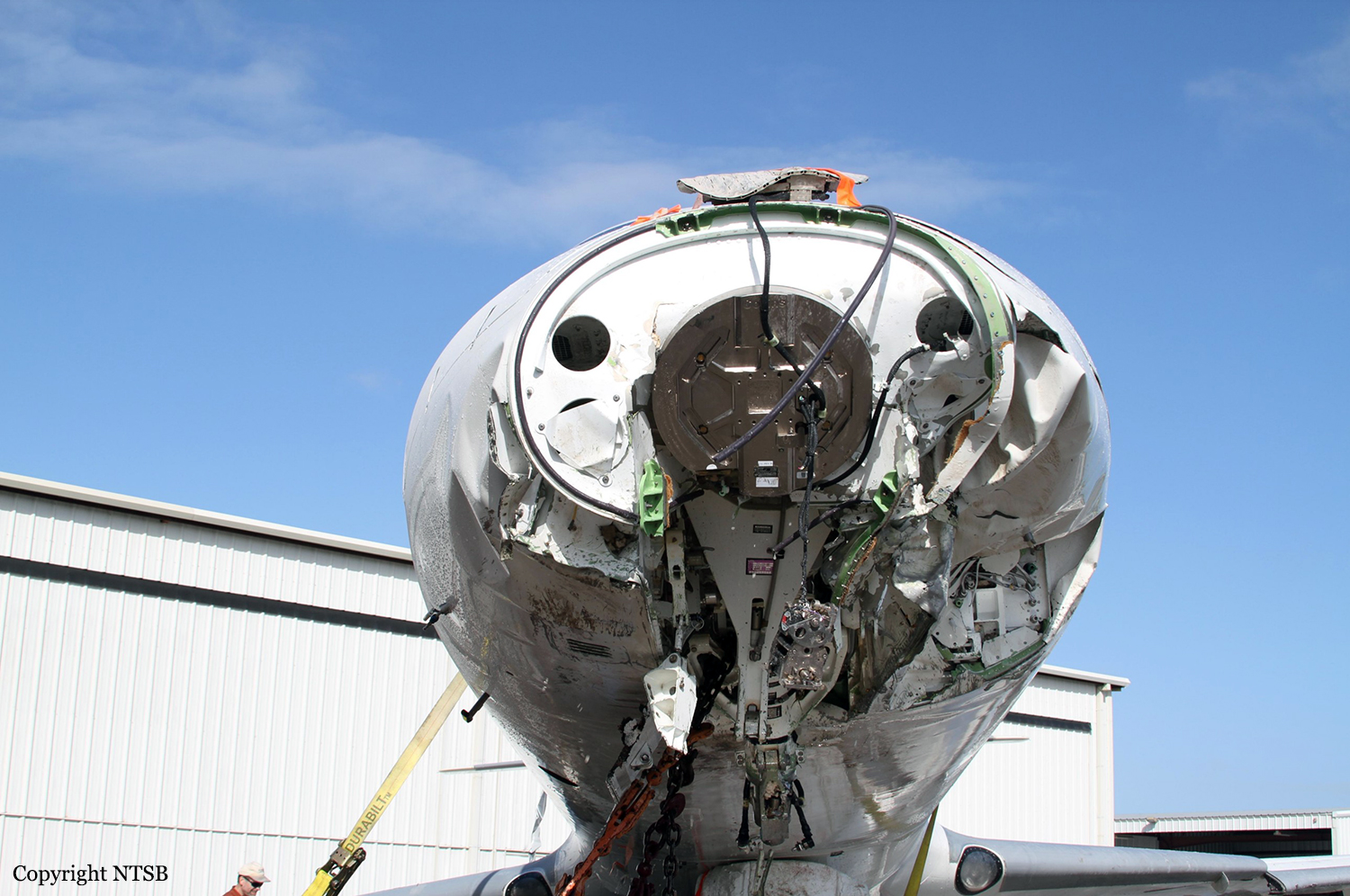
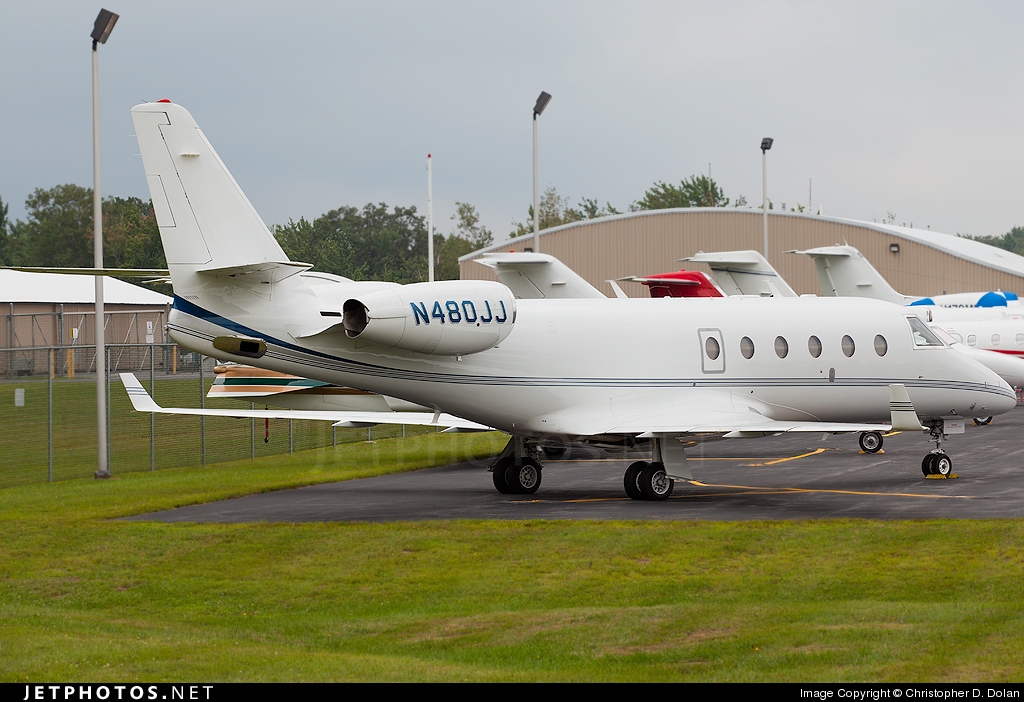
Crash of a Gulfstream G150 in Key West

Date & Time: Oct 31, 2011 at 1942 LT
Type of aircraft:
Operator:
Registration:
N480JJ
Flight Type:
Survivors:
Yes
Schedule:
Stuart - Key West
MSN:
241
YOM:
2007
Crew on board:
2
Crew fatalities:
Pax on board:
2
Pax fatalities:
Other fatalities:
Total fatalities:
0
Captain / Total flying hours:
11000
Captain / Total hours on type:
290.00
Copilot / Total flying hours:
13800
Copilot / Total hours on type:
75
Aircraft flight hours:
1190
Circumstances:
The airplane was approaching the destination airport in night visual meteorological conditions. After losing sight of the runway once and going around, they continued the approach, even though the pilot in command (PIC) stated that he thought they were going to land long. The PIC stated that the main landing gear touched down near the 1,000-foot marker of the 4,801-foot-long runway, about the landing reference speed (Vref) of 120 knots. The PIC stated that he then applied the brakes but thought they were not working; he had not yet activated the thrust reversers. He alerted the second in command (SIC), who also depressed the brake pedals with no apparent results. The PIC suggested a go-around, but the SIC responded that it was too late. The airplane subsequently traveled off the end of the runway, struck a gravel berm, and came to rest about 816 feet beyond the end of the runway. During the impact, one of the passenger seats dislodged from its seat track and was found on the cabin floor, with the passenger still in it. Review of cockpit voice recorder, video, and performance data revealed that the main landing gear touched down at Vref and about 1,650 feet beyond the approach end of the runway. The nosegear then touched down 2.4 seconds later and about 2,120 feet beyond the approach end of the runway, with about 2,680 feet of runway remaining. Digital electronic engine control data revealed that about 8 seconds after weight-on-wheels, the power levers were advanced from the idle position to the takeoff position. The power levers were then returned to the idle position 6 seconds later. The power levers were moved to the reverse thrust position 8 seconds after that and remained in that position for the duration of the accident sequence; both thrust reversers deployed when commanded. Examination and testing of the airplane systems did not reveal any evidence of preimpact mechanical malfunctions with the wheels brakes or any other systems. Although armed, the airbrakes did not deploy upon touchdown; the data available was inconclusive to determine what position the throttles were in at touchdown and why the airbrakes did not deploy. It is likely that the pilots did not detect the wheel braking because its effect was less than expected with the airplane at full power and with the airbrakes stowed. Landing distance data revealed that the airplane required about 2,551 feet to stop at its given weight in the given weather conditions. With a runway distance of 2,680 feet remaining, the airplane could have stopped or gone around uneventfully with appropriate use of all deceleration devices. The landing procedure stated to activate the thrust reversers after nosewheel touchdown and then apply the brakes, as necessary; however, the PIC only applied the brakes. Further, no callouts were made to verify ground spoiler or reverse thrust deployment. The PIC then stated that he was going to go around, but the SIC said it was too late, so the thrust levers were brought back to idle and the reversers were deployed. The PIC's delayed decision to stop or go around resulted in about a 22-second delay in thrust reverser activation, which resulted in the runway overrun. Additionally, the procedure for a (perceived) failed brake system would have been to activate the emergency brake, which neither pilot did. Examination of the seats revealed that a forward-facing seat was installed in the aft-facing position and an aft-facing seat was installed in the forward-facing position. Additionally, the ejected seat's shear plungers were found in the raised position. Had the seat been installed correctly, the plungers would have been in the lowered position, in the seat track. The improper installation most likely resulted in the passenger’s seat separating from the seat track and exacerbating his injuries.
Probable cause:
The pilot in command's failure to follow the normal landing procedures (placing engines into reverse thrust first and then brake), his delayed decision to continue the landing or go-around, and the flight crew's failure to follow emergency procedures once a perceived loss of brakes occurred. Contributing to the seriousness of the passenger's injury was the improper securing of the passenger seat by maintenance personnel.
Final Report:
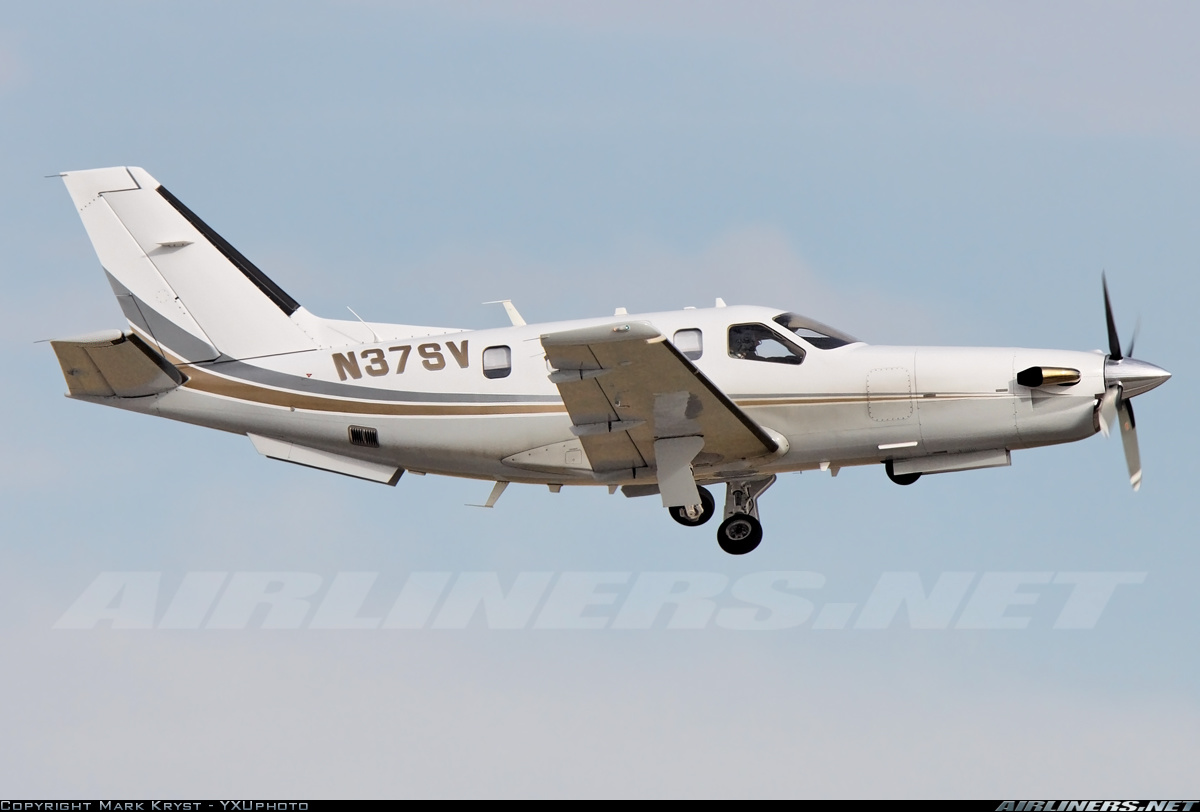
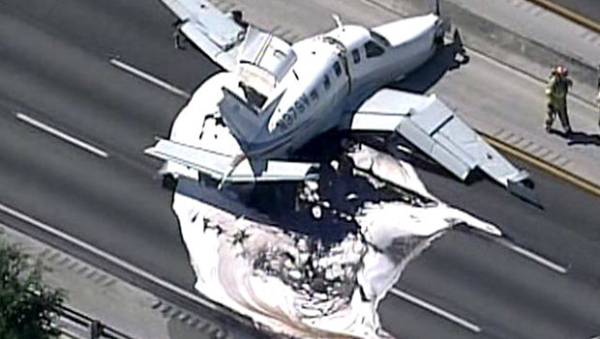
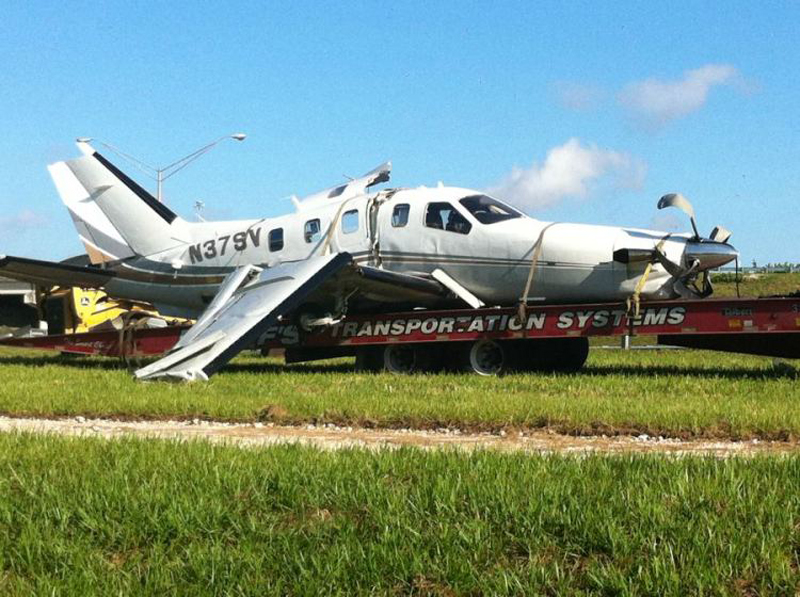
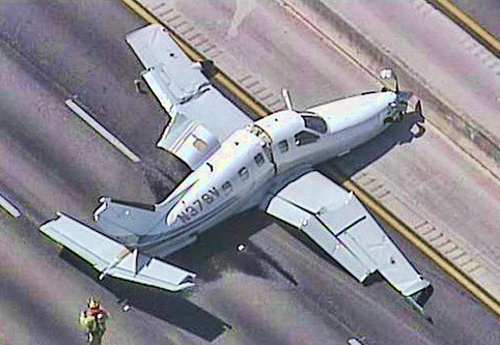
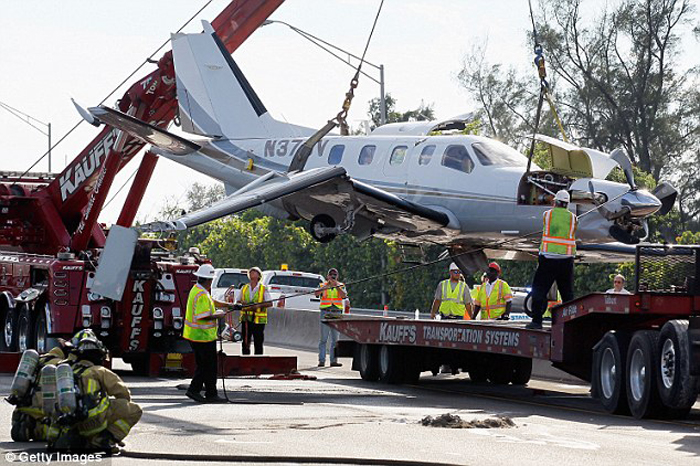
Crash of a Socata TBM-700 in Hollywood

Date & Time: Oct 12, 2011 at 1334 LT
Type of aircraft:
Operator:
Registration:
N37SV
Flight Type:
Survivors:
Yes
Site:
Schedule:
North Perry - North Perry
MSN:
441
YOM:
2008
Flight number:
SC332
Crew on board:
2
Crew fatalities:
Pax on board:
0
Pax fatalities:
Other fatalities:
Total fatalities:
0
Captain / Total flying hours:
11071
Captain / Total hours on type:
4053.00
Copilot / Total flying hours:
2500
Copilot / Total hours on type:
5
Aircraft flight hours:
593
Circumstances:
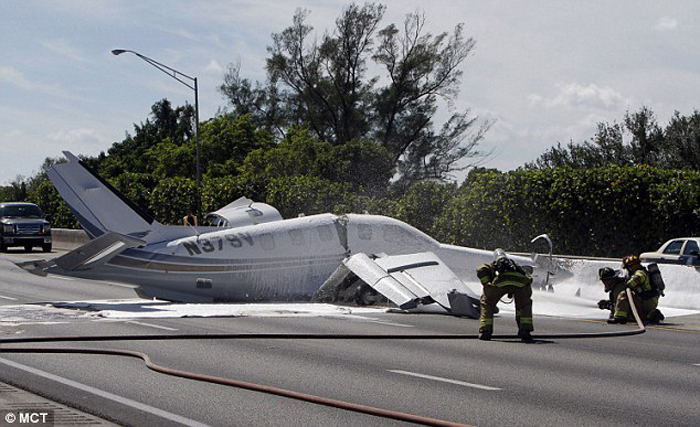
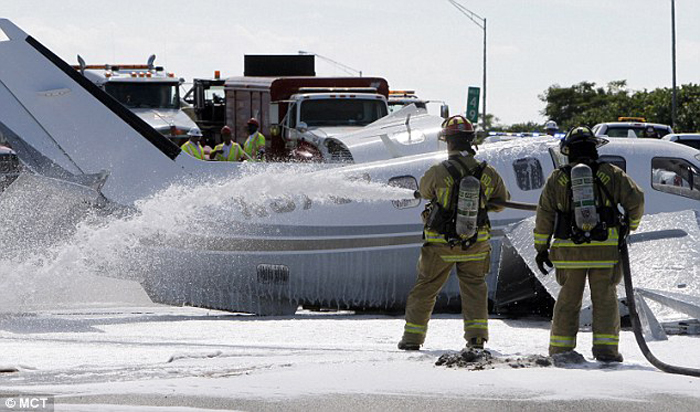
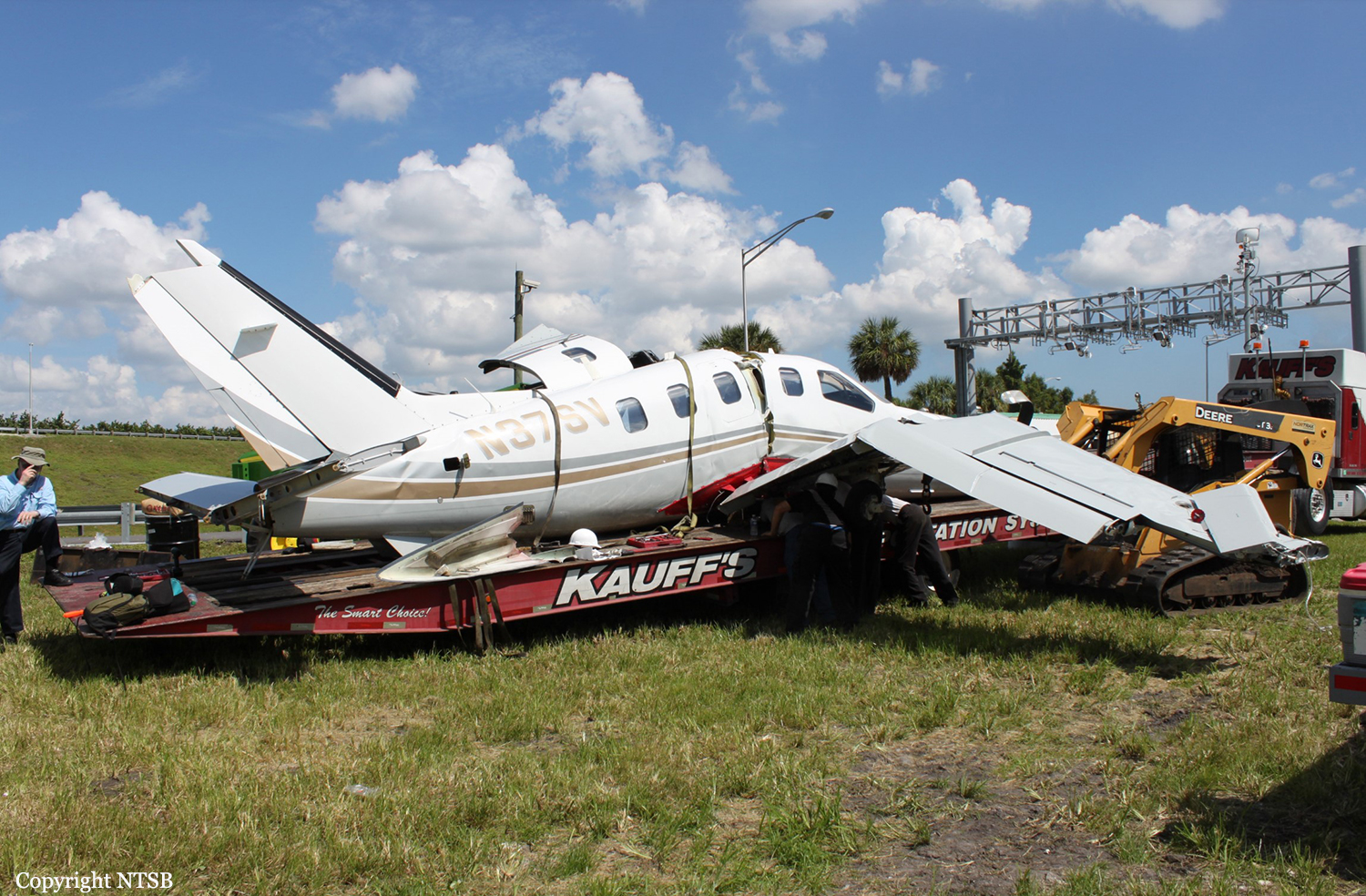
The airplane, registered to SV Leasing Company of Florida, operated by SOCATA North America, Inc., sustained substantial damage during a forced landing on a highway near Hollywood, Florida, following total loss of engine power. Visual meteorological conditions prevailed at the time and an instrument flight rules (IFR) flight plan was filed for the 14 Code of Federal Regulations (CFR) Part 91 maintenance test flight from North Perry Airport (HWO), Hollywood, Florida. The airline transport pilot and pilot-rated other crew member sustained minor injuries; there were no ground injuries. The flight originated from HWO about 1216. The purpose of the flight was a maintenance test flight following a 600 hour and annual inspection. According to the right front seat occupant, in anticipation of the flight, he checked the fuel load by applying electrical power and noted the G1000 indicated the left fuel tank had approximately 36 gallons while the right fuel tank had approximately 108 gallons. In an effort to balance the fuel load with the indication of the right fuel tank, he added 72.4 gallons of fuel to the left fuel tank. At the start of the data recorded by the G1000 for the accident flight, the recorded capacity in the left fuel tank was approximately 105 gallons while the amount in the right fuel tank was approximately 108 gallons. The PIC reported that because of the fuel load on-board, he could not see the level of fuel in the tanks; therefore, he did not visually check the fuel tanks. By cockpit indication, the left tank had approximately 105 gallons and the right tank had approximately 108 gallons. The flight departed HWO, but he could not recall the fuel selector position beneath the thrust lever quadrant. He further stated that the fuel selector switch on the overhead panel was in the "auto" position. After takeoff, the flight climbed to flight level (FL) 280, and levelled off at that altitude about 20 minutes after takeoff. While at that altitude they received a "Fuel Low R" amber warning CAS message on the G1000. He checked the right fuel gauge which indicated 98 gallons, and confirmed that the fuel selector automatically switched to the left tank. After about 10 seconds the amber warning CAS message went out. He attributed the annunciation to be associated with a failure or malfunction of the sensor, and told the mechanic to write this issue down so it could be replaced after the flight. The flight continued and they received an amber warning CAS message, "Fuel Unbalance" which the right fuel tank had more fuel so he switched the fuel selector to supply fuel from the right tank to the engine. The G1000 indicates they remained at that altitude for approximately 8 minutes. He then initiated a quick descent to 10,000 feet mean sea level (msl) and during the descent accelerated to Vmo to test the aural warning horn. They descended to and maintained 10,000 feet msl for about 15 minutes and at an unknown time, they received an amber warning CAS message "Fuel Low R." Once again he checked the right fuel gauge which indicated it had 92 gallons and confirmed that the fuel tank selector automatically switched to the left tank. After about 10 seconds the CAS message went out. Either just before or during descent to 4,000 feet, they received an amber CAS message "Fuel Unbalance." Because the right fuel gauge indicated the fullest tank was the right tank, he switched the fuel selector to supply fuel to the engine from the right tank. The flight proceeded to the Opa-Locka Executive Airport, where he executed an ILS approach which terminated with a low approach. The pilot cancelled the IFR clearance and proceeded VFR towards HWO. While in contact with the HWO air traffic control tower, the flight was cleared to join the left downwind for runway 27L. Upon entering the downwind leg they received another amber CAS message "Fuel Unbalance" and at this time the left fuel gauge indicated 55 gallons while the right fuel gauge indicated 74 gallons. Because he intended on landing within a few minutes, he put the fuel selector to the manual position and switched to the fullest (right) tank. Established on final approach to runway 27L at HWO with the gear down, flaps set to landing, and minimum speed requested by air traffic for separation (85 knots indicated airspeed). When the flight was at 800 feet, the red warning CAS message "Fuel Press" illuminated and the right seat occupant with his permission moved the auxiliary fuel boost pump switch from "Auto" to "On" while he, PIC manually moved the fuel selector to the left tank. In an effort to restore engine power he pushed the power lever and used the manual over-ride but with no change. Assured that the engine had quit, he put the condition lever to cutoff, the starter switch on, and then the condition lever to "Hi-Idle" attempting to perform an airstart. At 1332:42, a flight crew member of the airplane advised the HWO ATCT, "…just lost the engine"; however, the controller did not reply. The PIC stated that he looked to his left and noticed a clear area on part of the turnpike, so he banked left, and in anticipation of the forced landing, placed the power lever to idle, the condition lever to cutoff, the fuel tank selector to off, and put the electrical gang bar down to secure the airplane's electrical system. He elected to retract the landing gear in an effort to shorten the landing distance. The right front seat occupant reported that the airplane was landed in a southerly direction in the northbound lanes of the Florida Turnpike. There were no ground injuries.
Probable cause:
The pilot’s failure to terminate the flight after observing multiple conflicting errors associated with the inaccurate right fuel quantity indication. Contributing to the accident were the total loss of engine power due to fuel starvation from the right tank, the inadequate manufacturing of the right fuel gauge electrical harness, and failure of maintenance personnel to recognize and evaluate the reason for the changing fuel level in the right fuel tank.
Final Report:
Crash of a Cessna 207A Stationair 7 in Matinicus Island: 1 killed
Date & Time: Oct 5, 2011 at 1730 LT
Operator:
Registration:
N70437
Flight Type:
Survivors:
No
Schedule:
Rockland - Matinicus Island
MSN:
207-0552
YOM:
1980
Crew on board:
1
Crew fatalities:
Pax on board:
0
Pax fatalities:
Other fatalities:
Total fatalities:
1
Captain / Total flying hours:
3100
Aircraft flight hours:
17106
Circumstances:
About the time of departure, the wind at the departure airport was reported to be from 330 degrees at 13 knots with gusts to 22 knots. The pilot departed with an adequate supply of fuel for the intended 15-minute cargo flight to a nearby island. He entered a left traffic pattern to runway 36 at the destination airport and turned onto final approach with 30 degrees of flaps extended. Witnesses on the island reported that, about this time, a sudden wind gust from the west occurred. A witness (a fisherman by trade) at the airport estimated the wind direction was down the runway at 35 to 40 knots, with slightly higher wind gusts. After the sudden wind gust, he noted the airplane suddenly bank to the right about 80 degrees and begin descending. It impacted trees and powerlines then the ground. The same witness reported the engine sound was steady during the entire approach and at no time did he hear the engine falter. About 30 minutes before the accident, a weather observing station located about 6 nautical miles south-southeast of the accident site indicated the wind from the north-northwest at 24 knots, with gusts to 27 knots. About 30 minutes after the accident, the station indicated the wind from the northwest at 30 knots, with gusts to 37 knots. Postaccident examination of the airplane, its systems, and engine revealed no evidence of preimpact failures or malfunctions that would have precluded normal operation. The evidence is consistent with the airplane’s encounter with a gusty crosswind that led to the airplane’s right bank and the pilot’s loss of control, resulting in an accelerated stall.
Probable cause:
The pilot’s failure to maintain airplane control during the approach after encountering a gusty crosswind, which resulted in an accelerated stall and uncontrolled descent.
Final Report: