Crash of a Piper PA-31-310 Navajo C in San Andros

Date & Time: Sep 9, 1999 at 1915 LT
Type of aircraft:
Operator:
Registration:
N6579L
Flight Type:
Survivors:
Yes
Schedule:
Nassau – San Andros
MSN:
31-504
Country:
Crew on board:
1
Crew fatalities:
Pax on board:
6
Pax fatalities:
Other fatalities:
Total fatalities:
0
Circumstances:
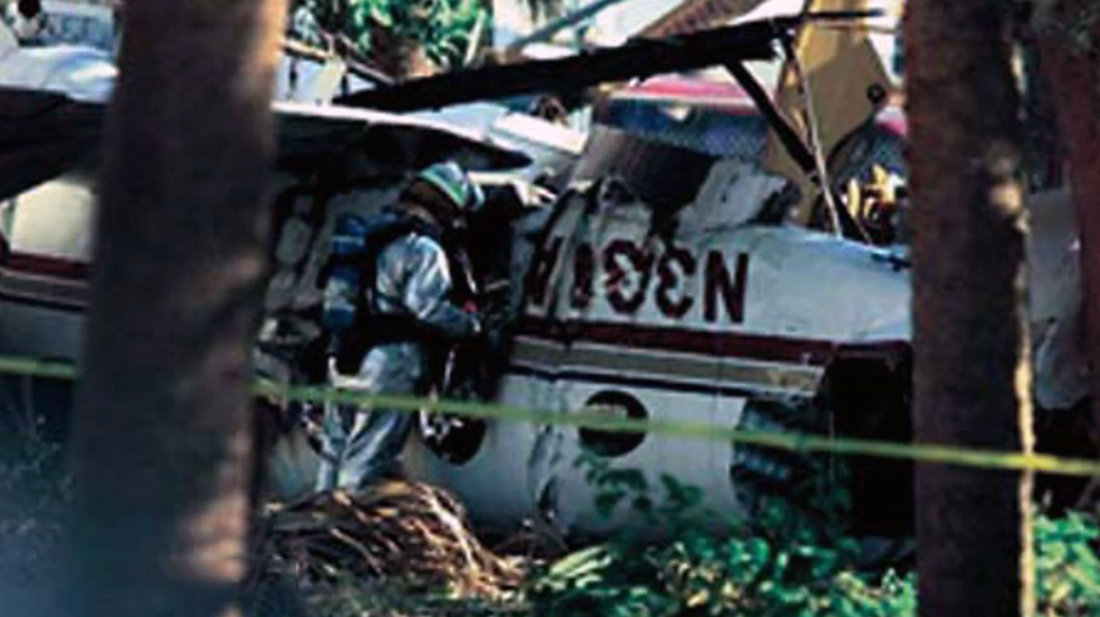
On September 9, 1999, about 1915 eastern daylight time, a Piper PA-31-310, N6579L, registered to Webs Planes, Inc., operating as a 14 CFR Part 91 personal flight, crashed about 50 yards east of San Andros Airport, Andros Island, Bahamas, following an inflight explosion and cockpit fire. Visual meteorological conditions prevailed, and a VFR flight plan was filed. The airplane was destroyed by ground fire and the commercially-rated pilot and six passengers were not injured. The flight originated from Nassau, New Providence, about 1910. According to the pilot, at about 15 miles from his destination, San Andros, he heard a loud explosion from under the floor, and then experienced fire in the cockpit. Attempts at extinguishing the fire were negative and he began to lose engine power. He tried to make the runway at San Andros, but impacted mangrove growth east of the airport, instead. He stated he thought the problem may have been a short circuit in electrical wiring under the airplane's floorboards.
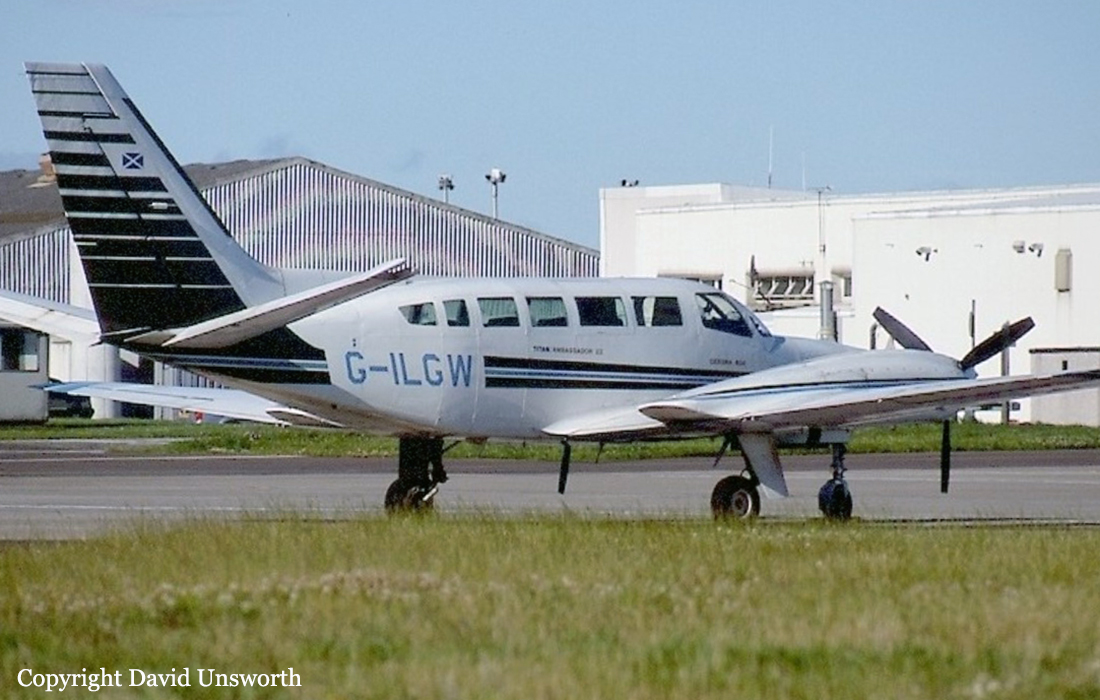
Crash of a Cessna 404 Titan II in Glasgow: 8 killed

Date & Time: Sep 3, 1999 at 1236 LT
Type of aircraft:
Registration:
G-ILGW
Flight Phase:
Survivors:
Yes
Schedule:
Glasgow – Aberdeen
MSN:
404-0690
YOM:
1980
Flight number:
Saltire 3W
Region:
Crew on board:
2
Crew fatalities:
Pax on board:
9
Pax fatalities:
Other fatalities:
Total fatalities:
8
Captain / Total flying hours:
4190
Captain / Total hours on type:
173.00
Copilot / Total flying hours:
2033
Copilot / Total hours on type:
93
Aircraft flight hours:
6532
Circumstances:
The aircraft had been chartered to transport an airline crew of nine persons from Glasgow to Aberdeen. The aircraft was crewed by two pilots and, so far as could be determined, its take-off weight was between 8,320 and 8,600 lb. The maximum permitted take-off weight was 8,400 lb. ATC clearance for an IFR departure was obtained before the aircraft taxied from the business aviation apron for take-off from runway 23, with a take-off run available of 2,658 metres. According to survivors, the take-off proceeded normally until shortly after the aircraft became airborne when they heard a thud or bang. The aircraft was then seen by external witnesses at low height, to the left of the extended runway centerline, in a wings level attitude that later developed into a right bank and a gentle descent. Witnesses reported hearing an engine spluttering and saw at least one propeller rotating slowly. There was a brief 'emergency' radio transmission from the commander and the aircraft was seen entering a steep right turn. It then entered a dive. A witness saw the wings levelled just before the aircraft struck the ground on a northerly track. Three survivors were helped from the wreckage by a nearby farm worker before flames from a severe post-impact fire engulfed the cabin.
Probable cause:
The following causal factors were identified:
- The left engine suffered a catastrophic failure of its accessory gear train leading to a progressive but complete loss of power from that engine,
- The propeller of the failed engine was not feathered and therefore the aircraft was incapable of climbing on the power of one engine alone,
- The commander feathered the propeller of the right-hand engine, which was mechanically capable of producing power resulting in a total loss of thrust,
- The commander attempted to return to the departure airfield but lost control of the aircraft during a turn to the right.
Final Report:

Crash of a Beechcraft B90 King Air in West Palm Beach: 8 killed

Date & Time: Sep 3, 1999 at 0325 LT
Type of aircraft:
Registration:
N338AS
Survivors:
No
Schedule:
Pontiac – Boca Raton
MSN:
LJ-493
YOM:
1970
Crew on board:
1
Crew fatalities:
Pax on board:
7
Pax fatalities:
Other fatalities:
Total fatalities:
8
Captain / Total flying hours:
11562
Captain / Total hours on type:
200.00
Aircraft flight hours:
8832
Circumstances:
At 0314, the pilot reported to the Air Traffic Control (ATC) Tower that he wanted to divert from his destination to land at a closer airport, and was cleared for a visual approach. At 0325, the pilot issued a "Mayday." On final approach the airplane struck a building and wires about 1/2 mile short of the runway. Witnesses that saw the airplane just before impact said that the airplane was low, there was no in-flight fire, and the engine sounds "...appeared to be a fluttering sound as if air [was] passing through the propeller." The pilot had filed for a cruise altitude of 15,000 feet, with a time en route of 5 hours, and fuel on board 6 hours. Weight and balance calculations showed that the pilot was operating about 722 pounds above the maximum gross weight for the takeoff, climb, and maximum cruise power settings. The Pilot Operating Handbook calculations showed that most of the fuel would have been used during the flight. The engine and propeller examinations revealed that both engines were not producing power at impact (windmilling). There were no discrepancies found with the engines or propellers. Examination of the propellers revealed that they were not in the feather position and they were not in beta/reverse position. Line personnel at the departure airport confirmed that all the tanks were topped off (282 gallons added). It took the flight 32 minutes to reach a cruise altitude of 15,000 feet, which calculated to about 293.3 pounds (1 gallon of Jet "A" equals 6.7 pounds), and a flight time of 4.9 hours from takeoff to impact. Sample calculations indicated that the fuel burn rate would have caused the airplane to use 2,649.3 pounds of Jet "A" turbine fuel during the flight. The flight departed with all tanks full 384 gallons usable (2,572.8 pounds), which calculates to insufficient fuel for the completion of the flight. Two gallons of fuel was drained from the right nacelle tank at the crash site, and there was no evidence of in-flight leakage. The sample calculations do not consider performance degradation for operating the airplane above the maximum allowable gross weight, which would cause the fuel consumption to go up because more power was required for the overweight conditions. The pilot's flight plan was for economy cruise, plus the airplane was over gross weight at takeoff, and there are no performance charts for that condition. So, the performance was even poorer than shown on the maximum power chart for climb and cruise. Calculations of the maximum allowable fuel that could be on board the aircraft showed that only 1851 pounds of turbine fuel could be carried to start the flight at the maximum allowable weight, or about 3.2 hours of flight. The en route winds aloft at the airplane's altitude indicated a slight tailwind for half the flight and a headwind of about 15 knots for the remainder of the flight.
Probable cause:
A total loss of engine power due to fuel exhaustion. Contributing factors in this accident were the pilot's operation of the airplane in an overweight condition, inadequate pre-flight and inflight planning.
Final Report:

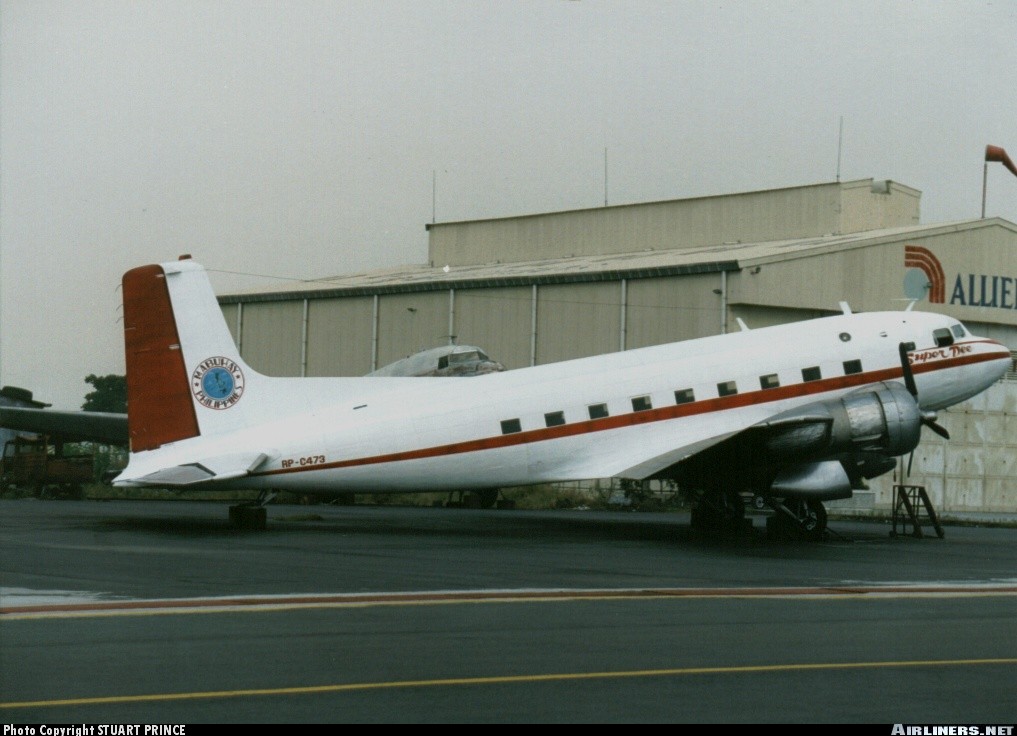
Crash of a Douglas C-117D Super DC-3S in Santa Rosa

Date & Time: Aug 30, 1999 at 1610 LT
Type of aircraft:
Operator:
Registration:
RP-C473
Flight Type:
Survivors:
Yes
Schedule:
Lipa City - Manila
MSN:
43327
YOM:
1943
Country:
Region:
Crew on board:
2
Crew fatalities:
Pax on board:
7
Pax fatalities:
Other fatalities:
Total fatalities:
0
Circumstances:
The aircraft departed Lipa City Airport on a flight to Manila and should be delivered to Crown Cargo Express for several missions. On approach to Ninoy Aquino Airport, the crew informed ATC about engine problems. The captain attempted an emergency landing when the aircraft struck power cables and crashed in a rice paddy field located in Santa Rosa, about 25 km south of the airport. All nine occupants escaped uninjured while the aircraft was damaged beyond repair.
Probable cause:
Engine problems for unknown reasons.

Crash of a Piper PA-31-350 Navajo Chieftain in Princess Harbor

Date & Time: Aug 29, 1999 at 1532 LT
Operator:
Registration:
C-GHMK
Flight Phase:
Survivors:
Yes
Schedule:
Saint Andrews - Berens River
MSN:
31-7952120
YOM:
1979
Country:
Crew on board:
1
Crew fatalities:
Pax on board:
10
Pax fatalities:
Other fatalities:
Total fatalities:
0
Circumstances:
The Piper PA-31-350 Navajo, C-GHMK, departed from St. Andrews, Manitoba, on a visual flight rules charter flight to Berens River. One pilot and ten passengers, including one infant, were on board, and a dog was stowed in the baggage compartment behind the right, rear seat. At approximately 1530 central daylight saving time (CDT), while the aircraft was at an altitude of about 2 500 feet and about 30 nautical miles south of Berens River, the pilot heard a loud sound from the left engine. He saw deformation of the left engine cowling and smoke coming from the engine, and the aircraft yawed to the left. Part of the engine cowling departed in flight. The pilot could not pull the left propeller lever beyond half of its normal travel, nor could he move it into the feather position. He set maximum power on the right engine, but the aircraft did not maintain altitude. The pilot advised company dispatch over the radio that he would attempt a forced landing, then force landed in a mossy marsh area. Everyone on board, including the dog, deplaned. Five of the passengers sustained minor injuries during the evacuation. A fire ensued, completely destroying the aircraft except for the empennage aft of the horizontal stabilizers.
Probable cause:
Findings as to Causes and Contributing Factors:
1. The number three cylinder lower forward through stud was missing its base nut, which allowed the lower rear base nut of the number two cylinder to loosen.
2. The missing base nut of the through stud indicates that the base nut did not have sufficient clamping force; however, it could not be determined if the base nut did not receive the required torque during installation or if the base nut lost its clamping force during engine operation.
3. The d-inch studs and the 2-inch through studs of the number two cylinder failed in fatigue, and the number two cylinder of the left engine separated from the crankcase.
4. The left propeller could not be feathered because of interference between the propeller governor control and the separated number two cylinder.
5. The drag from the unfeathered left propeller and the deformed left engine cowling resulted in the aircraft being incapable of maintaining its altitude.
Other Findings:
1. The pilot was certified and qualified for the accident flight.
2. The aircraft's weight and balance were within the specified limits at the time of the accident.
3. The ELT was not readily accessible without tools.
Final Report:

Crash of a BAe 125-600A in Las Vegas

Date & Time: Aug 17, 1999 at 1817 LT
Type of aircraft:
Operator:
Registration:
N454DP
Survivors:
Yes
Schedule:
Salina - Las Vegas
MSN:
256044
YOM:
1974
Crew on board:
2
Crew fatalities:
Pax on board:
6
Pax fatalities:
Other fatalities:
Total fatalities:
0
Captain / Total flying hours:
10000
Captain / Total hours on type:
275.00
Copilot / Total flying hours:
5300
Copilot / Total hours on type:
700
Aircraft flight hours:
5753
Circumstances:
The pilot landed with the landing gear in the retracted position, when both the main and auxiliary hydraulic systems failed to extend the gear. The airplane caught fire as it skidded down the runway. The left inboard main tire had blown on takeoff and a 30-inch section of tread was loose. Black marks were along the length of the landing gear strut and up into the wheel well directly above the left inboard wheel. The normal and emergency hydraulic systems both connect to a common valve body on the landing gear actuator. This valve body also had black marks on it. A gap of 0.035 inch was measured between the valve body and actuator. When either the normal or auxiliary hydraulic system was pressurized, red fluid leaked from this gap. Examination revealed that one of two bolts holding the hydraulic control valve in place had fractured and separated. The fractured bolt experienced a shear load that was oriented along the longitudinal axis of the actuator in a plane consistent with impact forces from the flapping tire tread section.. Separation of only one bolt allowed the control valve to twist about the remaining bolt in response to the load along the actuator's longitudinal axis. This led to a loss of clamping force on that side of the actuator. Hydraulic line pressure lifted the control valve, which resulted in rupture of an o-ring that sealed the hydraulic fluid passage. 14 CFR 25.739 describes the requirement for protection of equipment in wheel wheels from the effects of tire debris. The revision of this regulation in effect at the time the airplane's type design was approved by the FAA requires that equipment and systems essential to safe operation of the airplane that is located in wheel wells must be protected by shields or other means from the damaging effects of a loose tire tread, unless it is shown that a loose tire tread cannot cause damage. Examination of the airplane and the FAA approved production drawings disclosed that no shields were installed to protect the hydraulic system components in the wheel well.
Probable cause:
The complete failure of all hydraulic systems due to the effects of a main gear tire disintegration on takeoff. Also causal was the manufacturer's inadequate design of the wheel wells, which did not comply with applicable certification regulations, and the FAA's failure to ensure that the airplane's design complied with standards mandated in certification regulations.
Final Report:

Crash of a Cessna 208 Caravan I in Hillsborough

Date & Time: Aug 13, 1999 at 1311 LT
Type of aircraft:
Registration:
N193GE
Flight Phase:
Flight Type:
Survivors:
Yes
Schedule:
Manchester - Denver
MSN:
208-0193
YOM:
1991
Crew on board:
1
Crew fatalities:
Pax on board:
0
Pax fatalities:
Other fatalities:
Total fatalities:
0
Captain / Total flying hours:
10530
Captain / Total hours on type:
3000.00
Aircraft flight hours:
6132
Circumstances:
With an auxiliary fuel tank system installed, the pilot filled the tanks and departed. A few minutes later, he noticed fuel on the floor of the cabin, and tried to reach an airport. However, the fuel fumes were so strong he elected to land in an open field. After touchdown, the airplane passed through a ditch the pilot had not observed from the air. The nose landing gear collapsed and the airplane nosed over. An airborne witness reported the pilot exited the airplane after about 5 minutes, and about 5 minutes later, the airplane caught fire and burned. The post crash fire consumed the cabin. In an interview, the pilot reported that he had not initiated use of the auxiliary fuel tank system when the accident occurred. He also reported he could not see where the fuel was coming from. The investigation revealed the tank installation did not match the FAA Form 337, the instructions for use of the ferry tank system were inadequate, and the pilot had reported that the auxiliary fuel pumps were secured to a board which was not secured to the airplane.
Probable cause:
An inadequate auxiliary fuel tank installation which resulted in a leak of undetermined origin.
Final Report:

Crash of a Swearingen SA227AC Metro III off Rhodes

Date & Time: Jul 28, 1999
Type of aircraft:
Operator:
Registration:
SX-BGG
Flight Type:
Survivors:
Yes
Schedule:
Athens - Rhodes
MSN:
AC-656
YOM:
1986
Country:
Region:
Crew on board:
2
Crew fatalities:
Pax on board:
0
Pax fatalities:
Other fatalities:
Total fatalities:
0
Circumstances:
On final approach to Rhodes-Diagoras Airport, while on a cargo flight from Athens, both engines failed simultaneously. The aircraft stalled and crashed in the sea one km short of runway. Both pilots were rescued while the aircraft was damaged beyond repair.
Probable cause:
Double engine failure for unknown reasons.

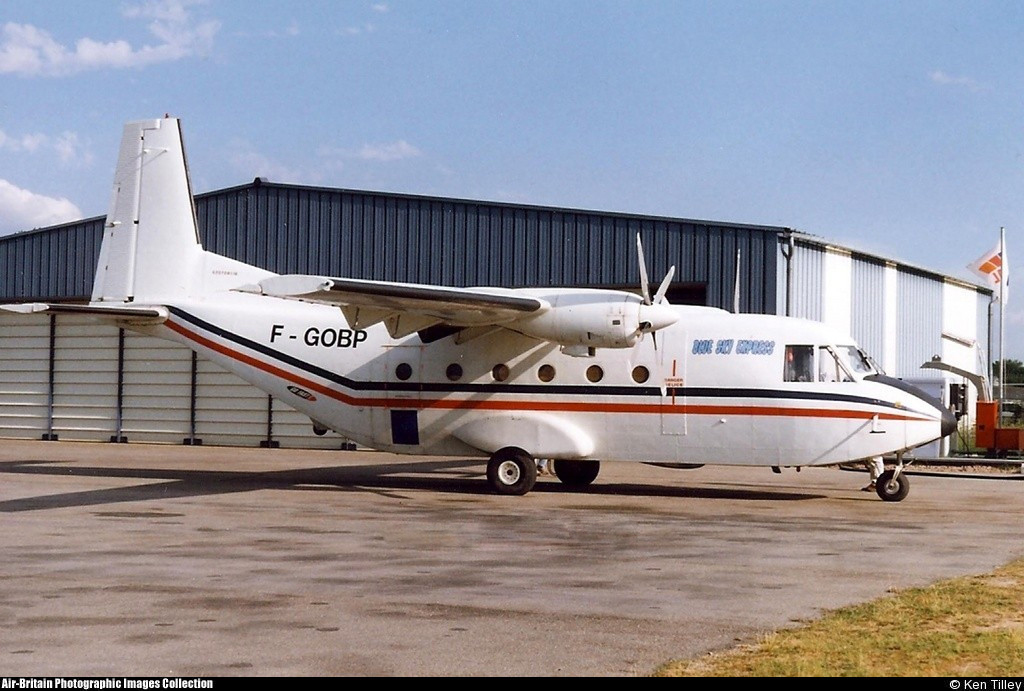
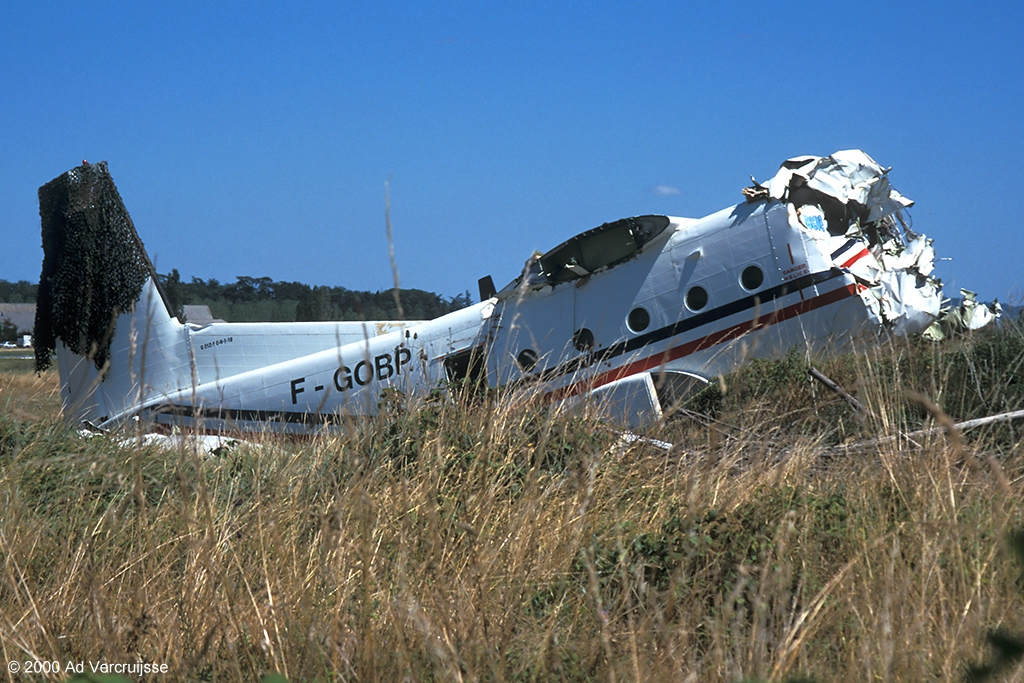
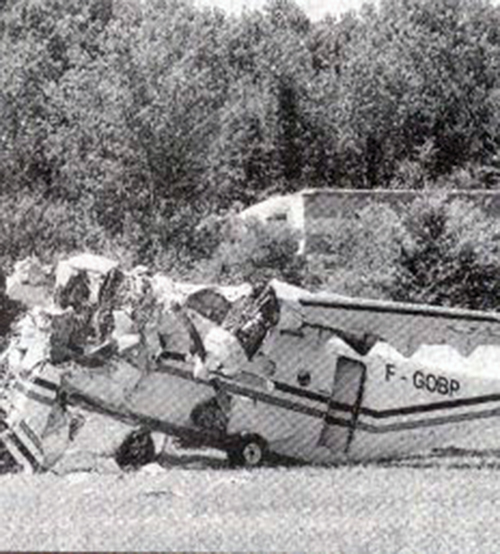
Crash of a Casa 212-CB Aviocar 100 in Agen: 2 killed

Date & Time: Jun 22, 1999
Type of aircraft:
Registration:
F-GOBP
Survivors:
No
Schedule:
Agen - Agen
MSN:
10
YOM:
1975
Country:
Region:
Crew on board:
2
Crew fatalities:
Pax on board:
0
Pax fatalities:
Other fatalities:
Total fatalities:
2
Circumstances:
The aircraft was completing skydiving missions at Agen-La Garenne Airport. Four sorties were already completed that day. At the end of the afternoon, during the fifth flight, the crew reported engine problems but was able to climb to the altitude of 15,000 feet where the 16 skydivers jumped out. The crew reduced his altitude and started a circuit to return to the airport. On short final, the aircraft nosed down and struck the top of a hill located 500 metres short of runway 11. The aircraft was destroyed and both pilots were killed.

Crash of a Cessna 421C Golden Eagle III in Concord: 4 killed

Date & Time: Jun 14, 1999 at 1257 LT
Registration:
N421LL
Flight Phase:
Survivors:
No
Schedule:
Concord – Anderson
MSN:
421C-0305
YOM:
1977
Crew on board:
1
Crew fatalities:
Pax on board:
3
Pax fatalities:
Other fatalities:
Total fatalities:
4
Captain / Total flying hours:
7500
Captain / Total hours on type:
3000.00
Aircraft flight hours:
5145
Circumstances:
An aircraft mechanic stated one of the airplanes engines was making an unusual noise during takeoff. An Air Traffic Controller stated the flight used about 4,500 feet of runway before lifting off. About 1 minute after being cleared for takeoff, the pilot reported 'were coming around were losing a right engine'. The controller and a witness observed the airplane level off, sway to the left and right, and then descend. The pilot reported he was not going to make it. The airplane was lost from sight behind trees. Post crash examination of the airplane structure, flight controls, engines, and propellers showed no evidence of pre-crash failure or malfunction that would have prevented operation. The landing gear and wing flaps were found retracted. The left and right propellers were found in the low blade angle position and had similar damage. An NTSB sound study of ATC communications showed that at the time the pilot reported they were not going to make it, a propeller signature showed 1,297 rpm and another propeller signature of 2,160 rpm. The engine inoperative procedure contained in the Pilot Operating Handbook for the Cessna 421C, calls for the throttle on the inoperative engine to be closed, the mixture placed in idle cut-off, and the propeller feathered. The Pilot Operating Handbook also showed the airplane would normally use 2,000 feet of runway for takeoff under the accident conditions.
Probable cause:
The failure of the pilot to shutdown the right engine and feather the propeller after a reported loss of power in the engine shortly after takeoff resulting in the airplane descending, colliding with trees and then the ground.
Final Report: