Crash of a Cessna 421A Golden Eagle I in Monterrey

Date & Time: May 21, 2015
Type of aircraft:
Operator:
Registration:
XB-MTC
Flight Phase:
Survivors:
Yes
Schedule:
Monterrey – Piedras Negras
Country:
Crew on board:
1
Crew fatalities:
Pax on board:
4
Pax fatalities:
Other fatalities:
Total fatalities:
0
Circumstances:
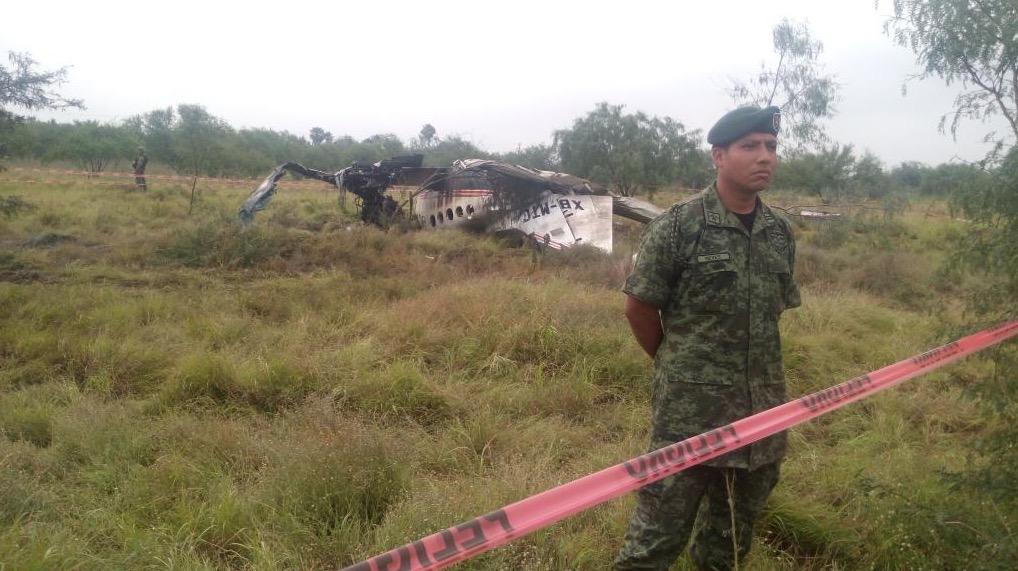
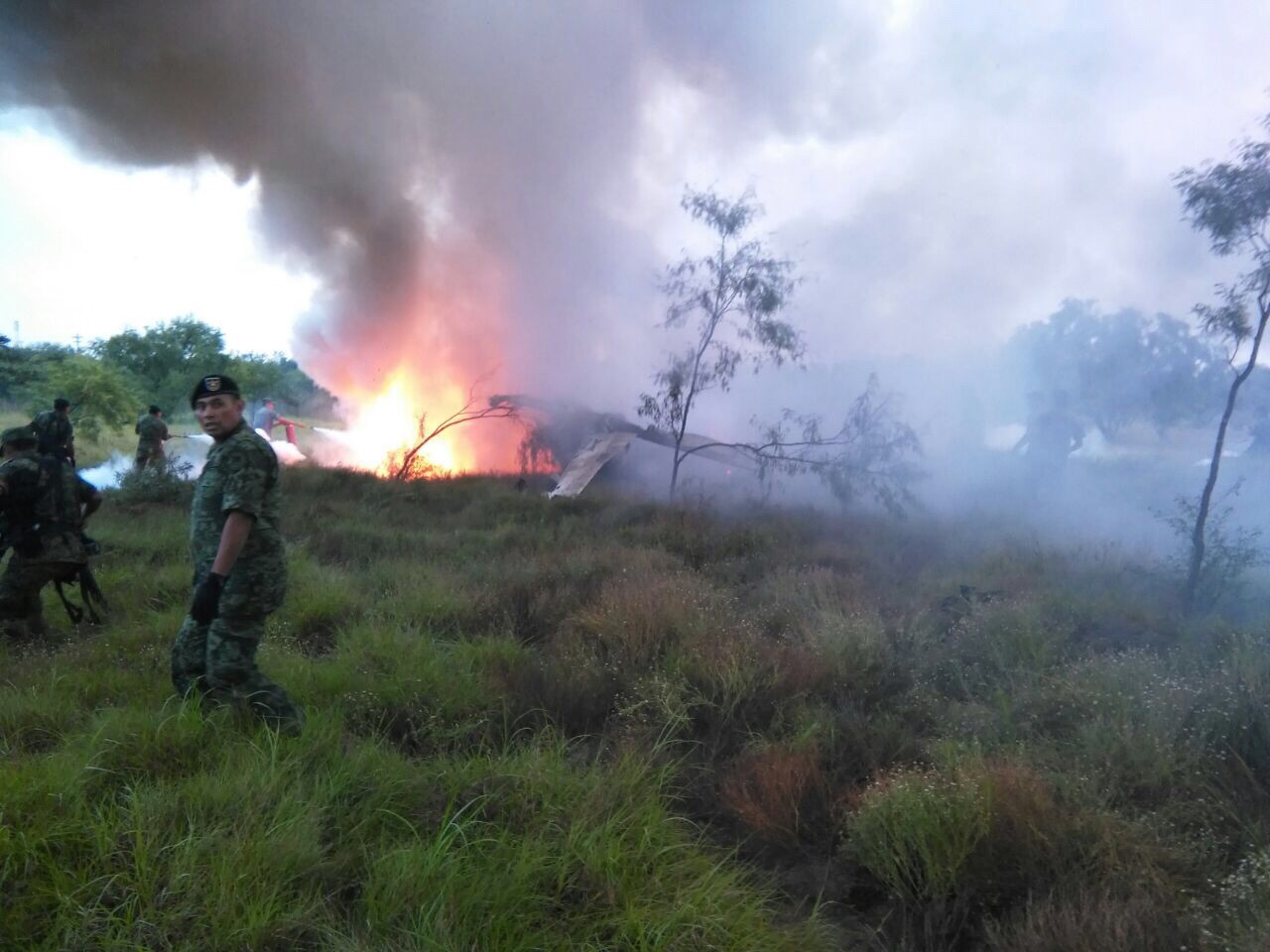
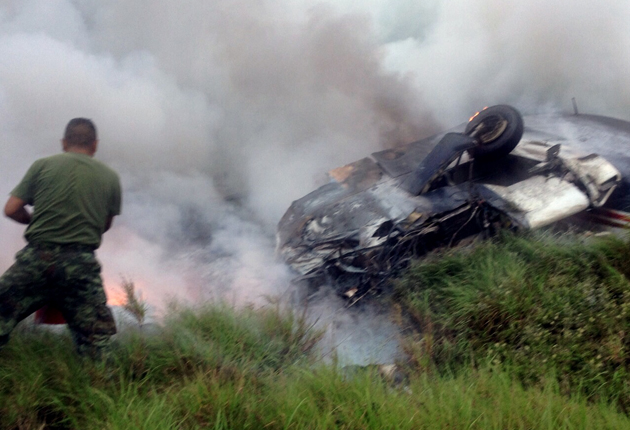
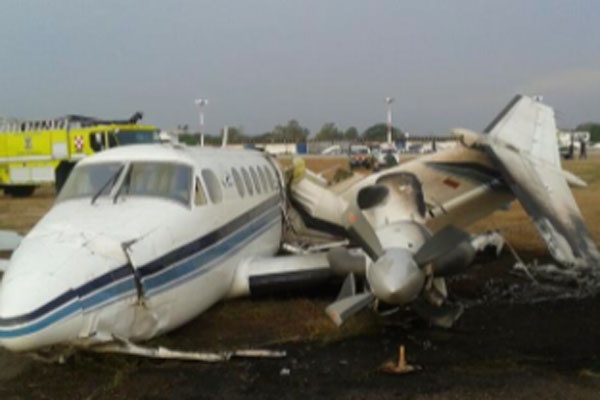
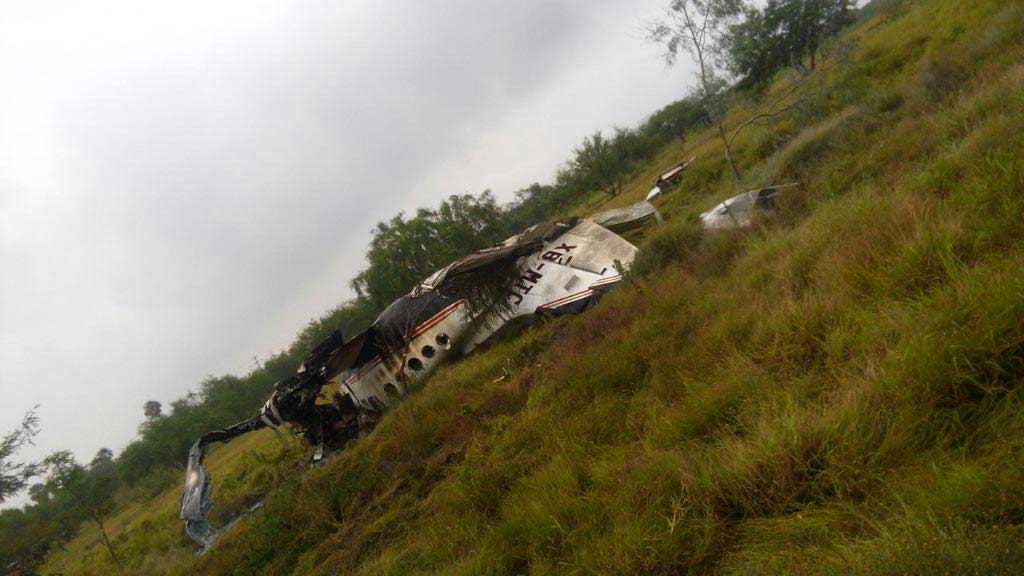
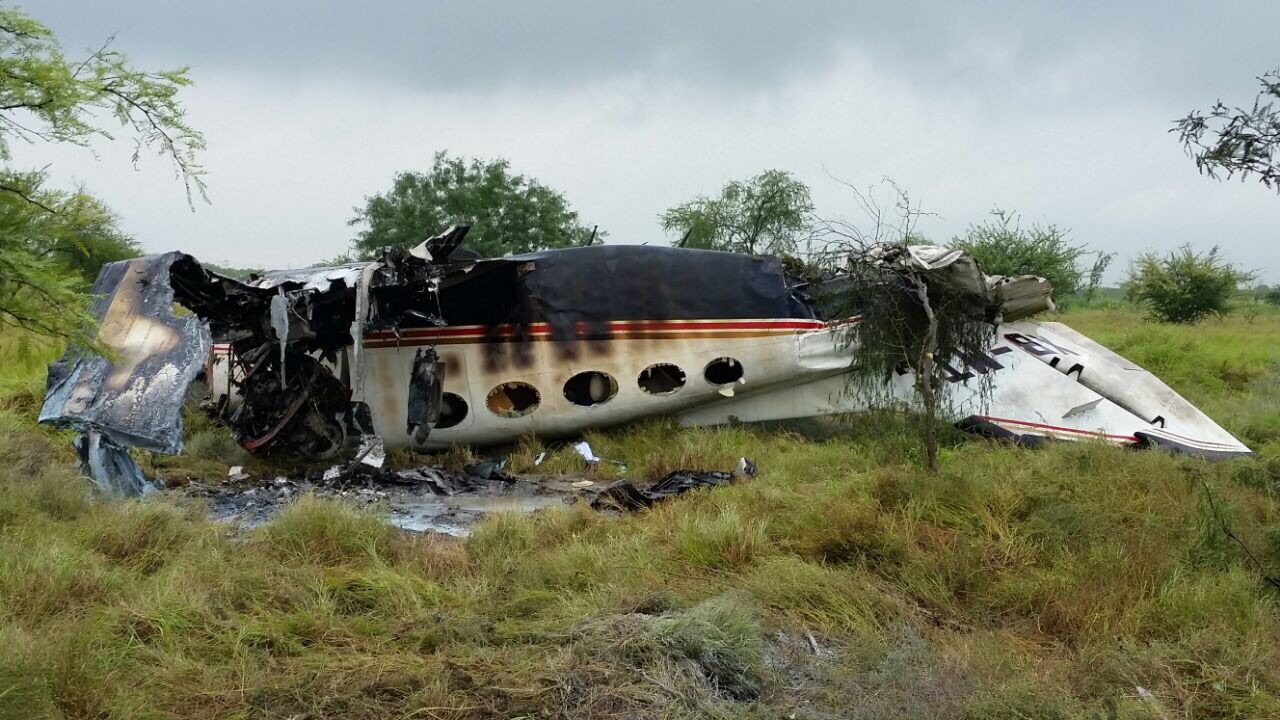
Shortly after take off from Monterrey-Del Norte Airport, while climbing, the pilot encountered unknown technical problems and attempted an emergency landing in the Seventh Military Zone of the Secretary of the National Defense located west of the airport. The aircraft crashed in a pasture and came to rest upside down, bursting into flames. All five occupants were quickly rescued by military personal while the aircraft was partially destroyed by fire.
Crash of a Cessna 208B Caravan I in Mandeng

Date & Time: May 19, 2015
Type of aircraft:
Operator:
Registration:
5Y-NKV
Survivors:
Yes
Schedule:
Juba - Mandeng
MSN:
208B-0387
YOM:
1994
Country:
Region:
Crew on board:
0
Crew fatalities:
Pax on board:
0
Pax fatalities:
Other fatalities:
Total fatalities:
0
Circumstances:
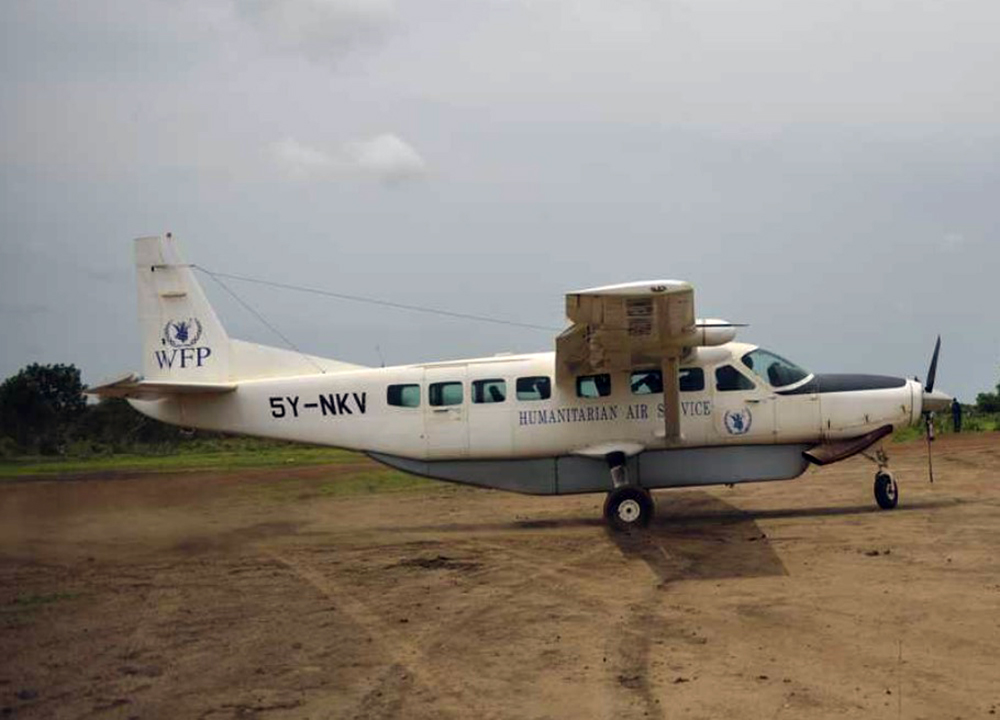
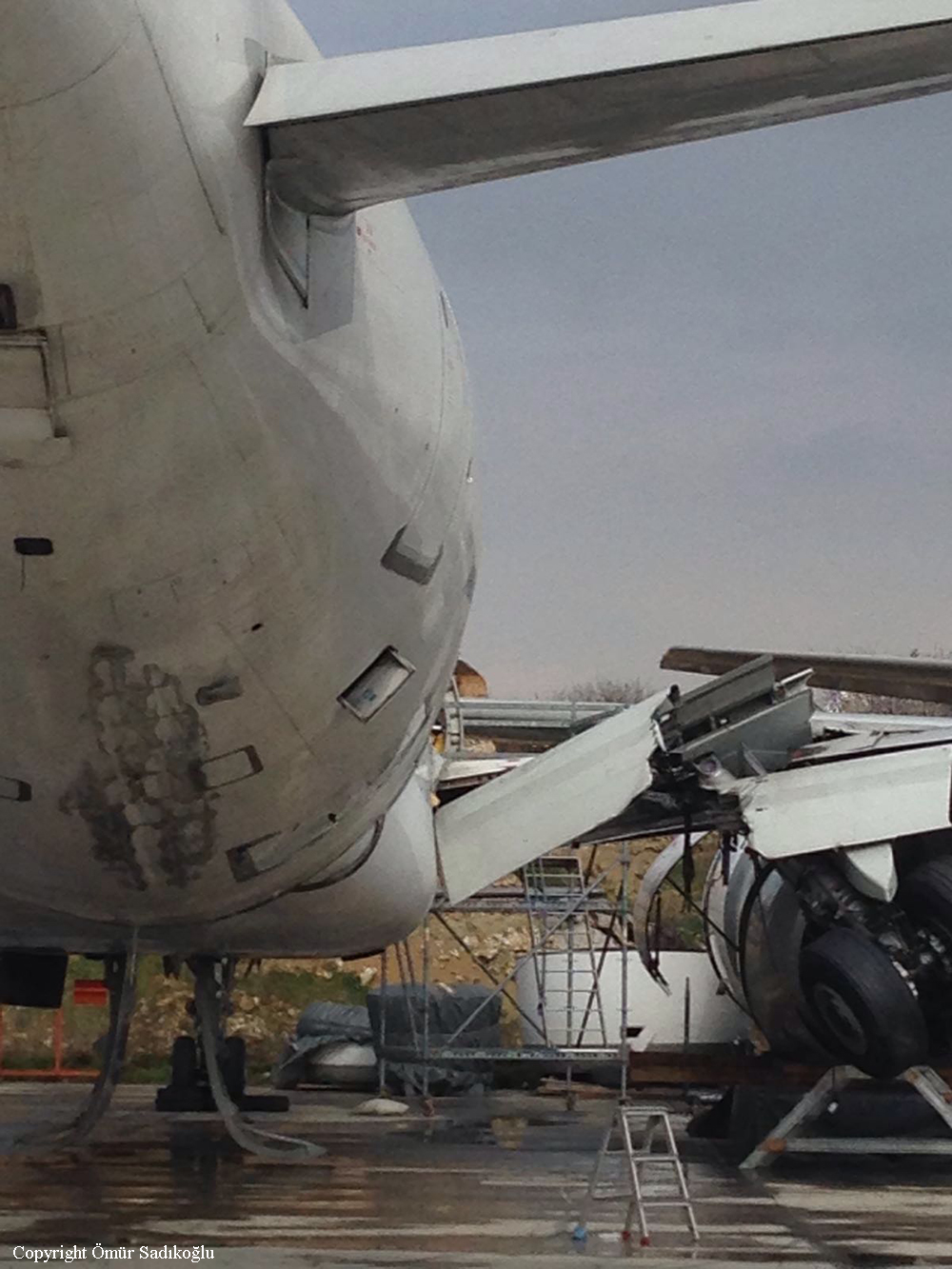
The single engine airplane suffered an accident upon landing at Mandeng Airfield. The undercarriage were torn off and the aircraft was severely damaged. There were no casualties.

Crash of a PZL-Mielec AN-2T in Azov

Date & Time: May 10, 2015 at 1433 LT
Type of aircraft:
Operator:
Registration:
RF-01159
Flight Phase:
Survivors:
Yes
Schedule:
Azov - Azov
MSN:
1G108-24
YOM:
1969
Country:
Region:
Crew on board:
1
Crew fatalities:
Pax on board:
12
Pax fatalities:
Other fatalities:
Total fatalities:
0
Circumstances:
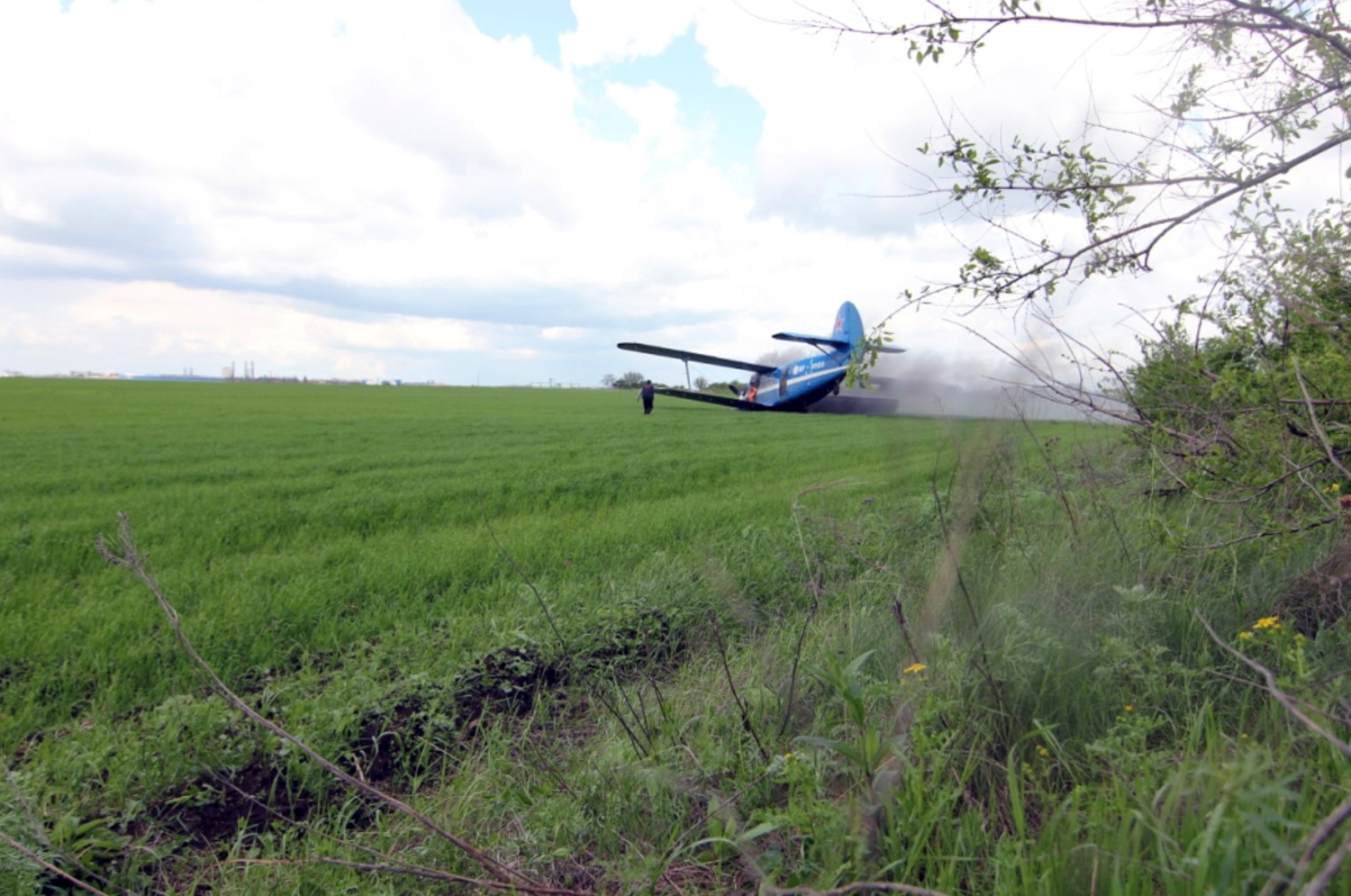
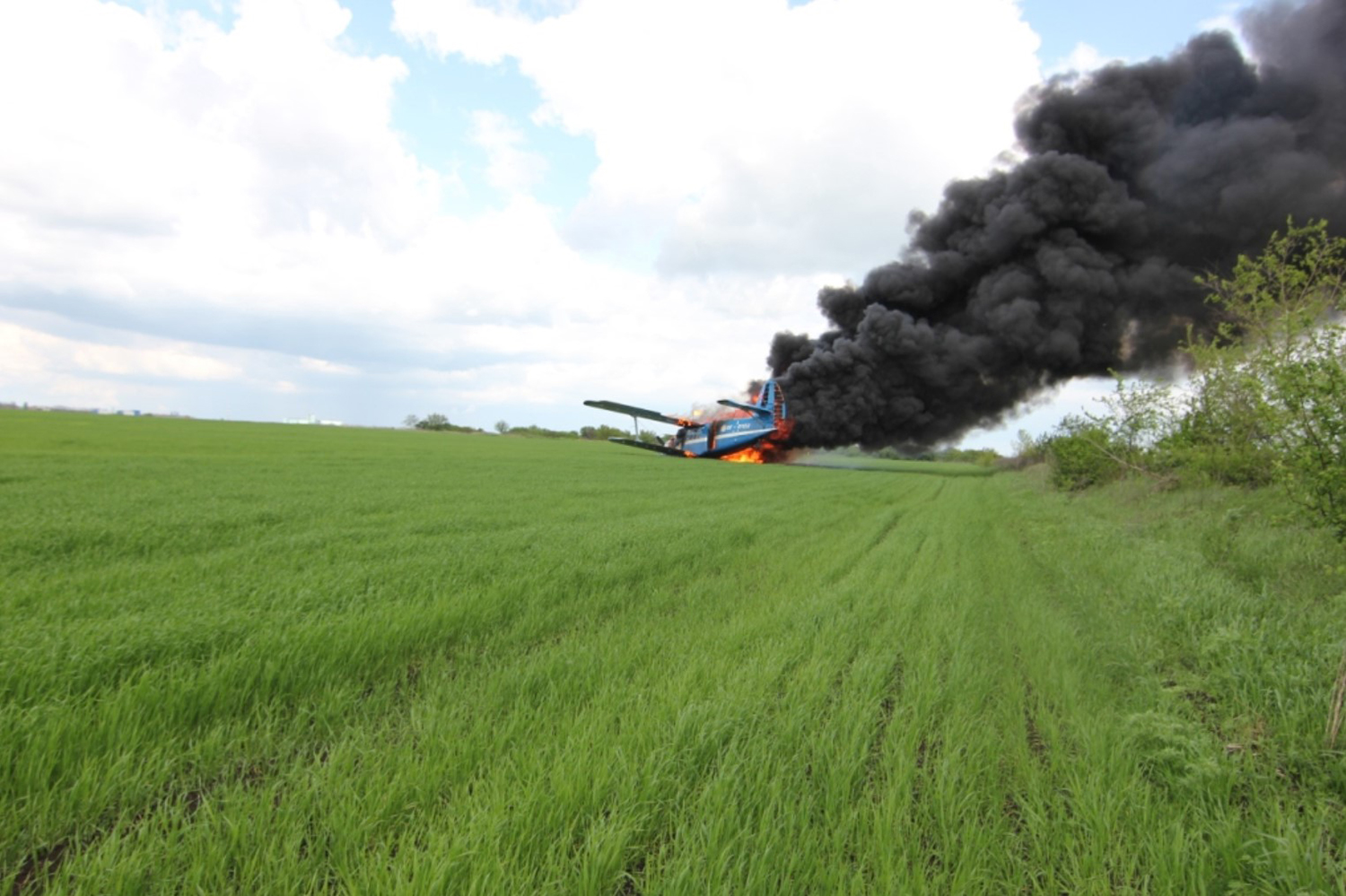
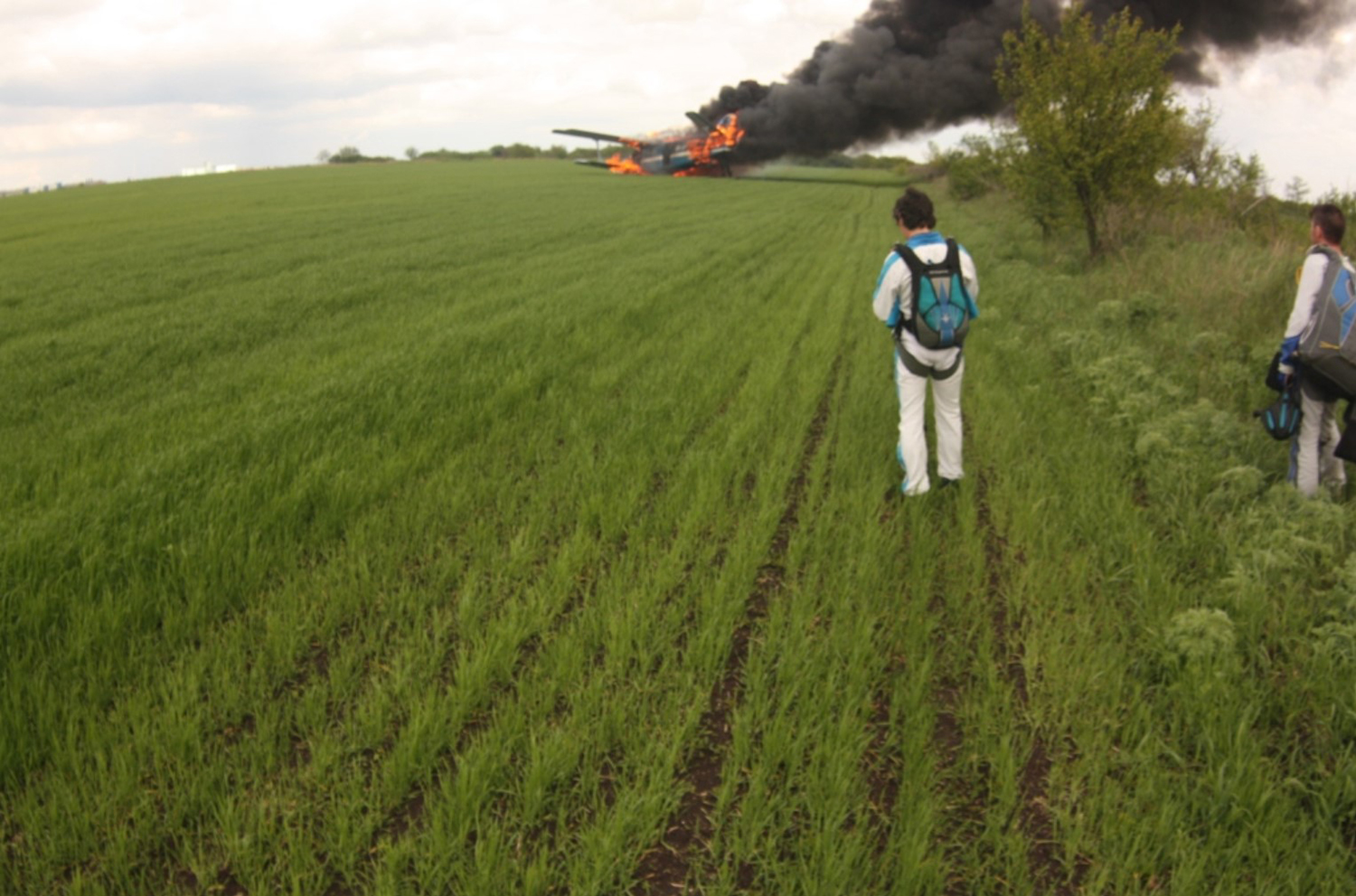
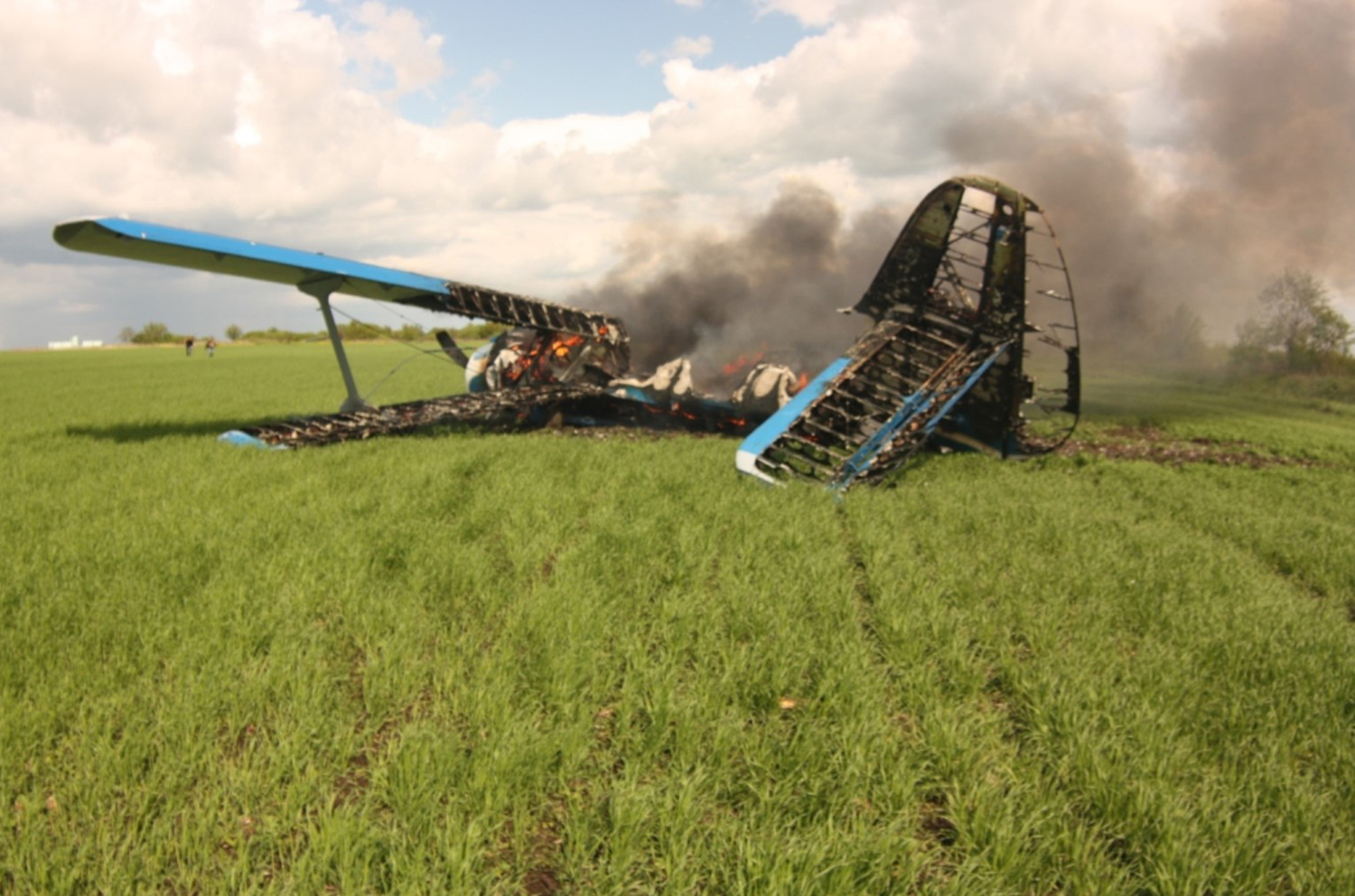
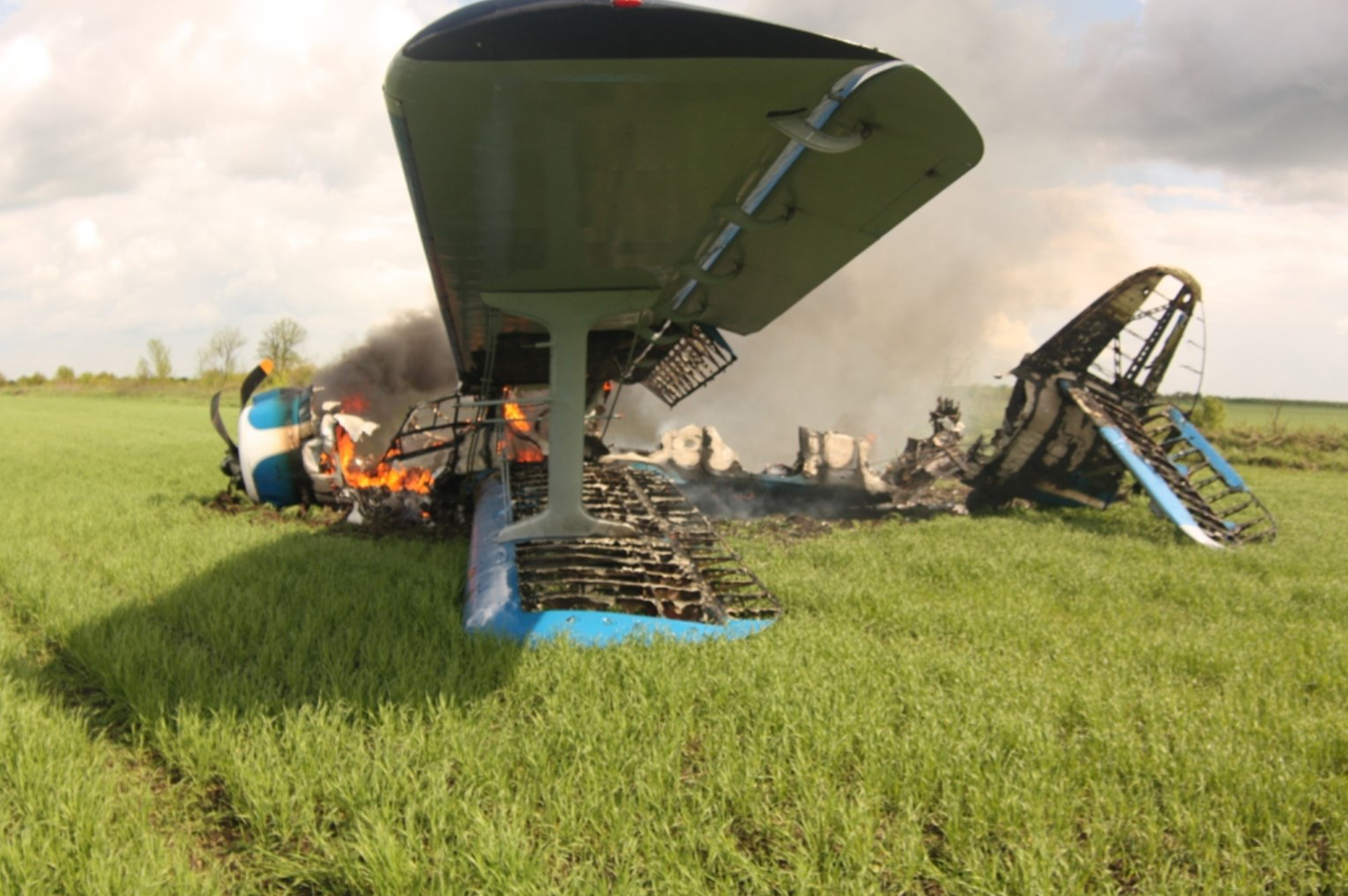
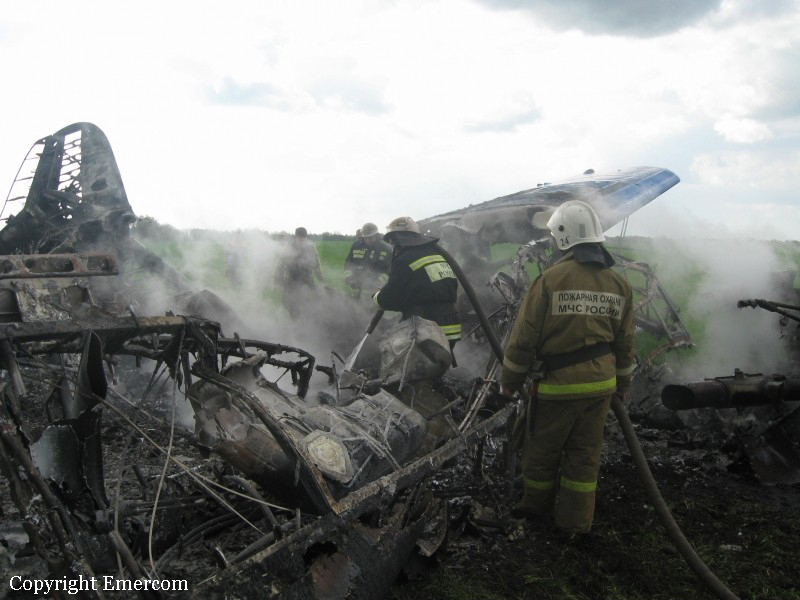
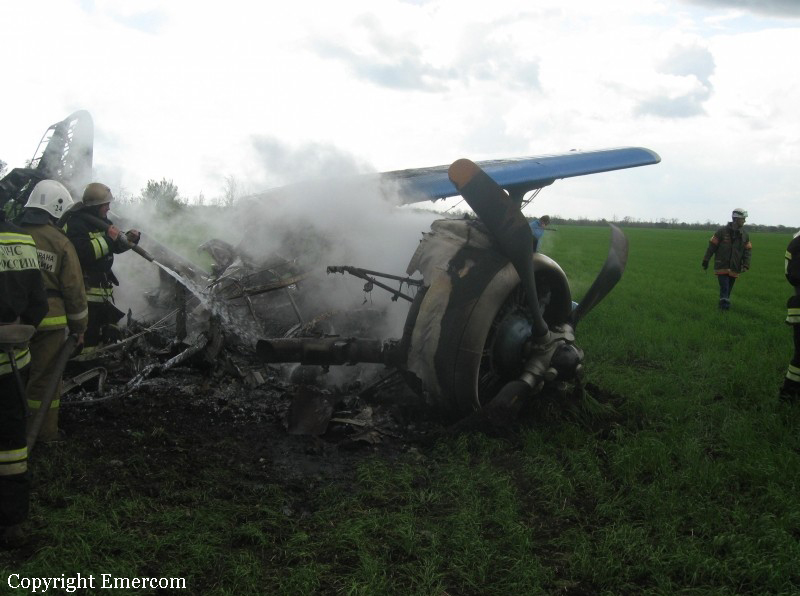
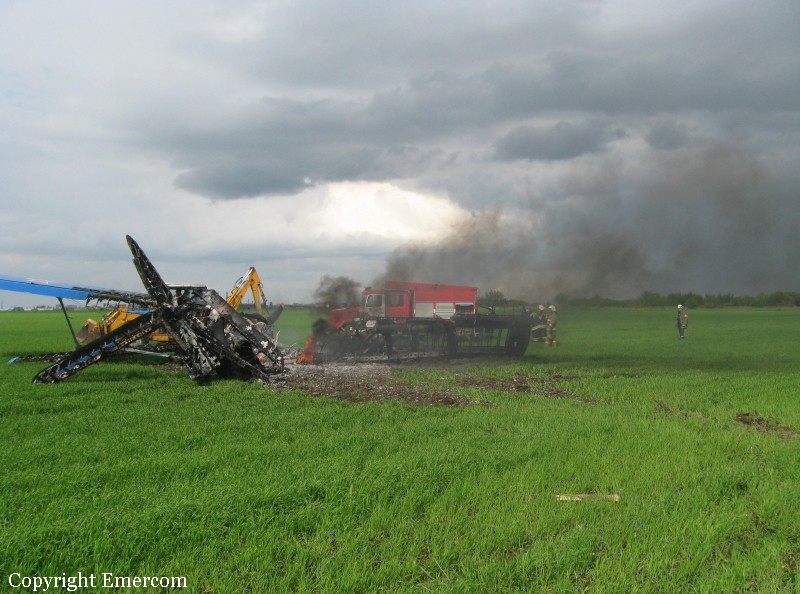
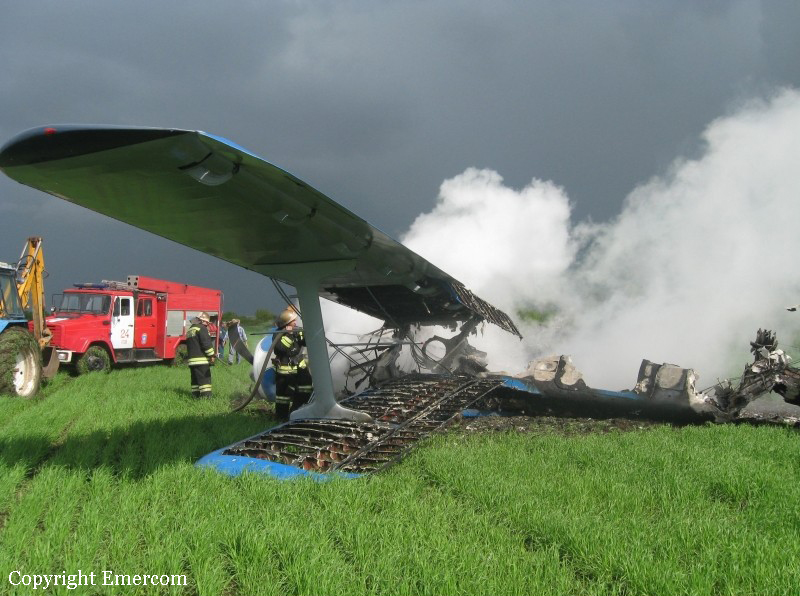
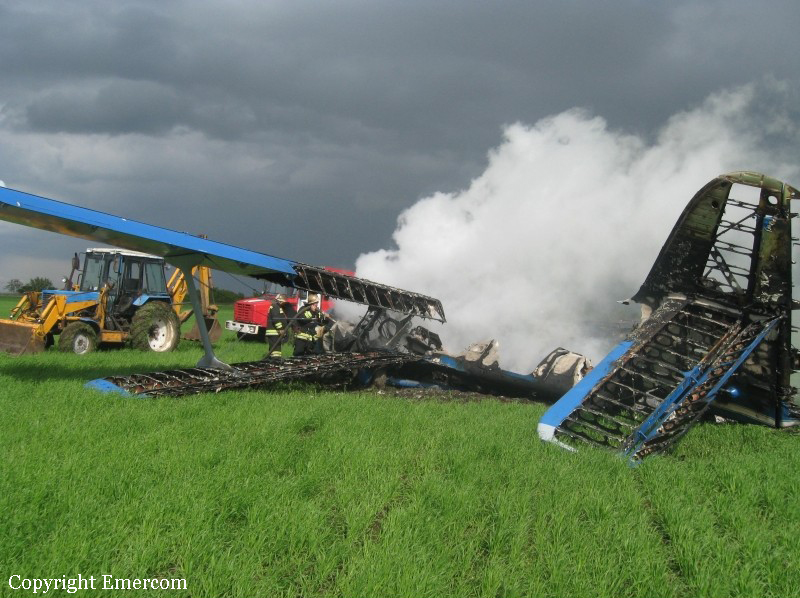
The aircraft departed Azov-Almaz Airfield on a skydiving mission, carrying 12 skydivers and one pilot on behalf of the Azov Flying Club. Shortly after takeoff, while climbing, the engine lost power. The pilot attempted to return for an emergency landing when the aircraft lost height and crashed in an open field located near the airport, bursting into flames. All 13 occupants were rescued, among them one passenger suffered minor injuries. The aircraft was totally destroyed by fire.
Probable cause:
Loss of engine power for unknown reasons.

Crash of a Xian MA60 in Fuzhou

Date & Time: May 10, 2015 at 1157 LT
Type of aircraft:
Operator:
Registration:
B-3476
Survivors:
Yes
Schedule:
Hefei – Yiwu – Fuzhou
MSN:
08 05
YOM:
2010
Flight number:
JOY1529
Location:
Country:
Region:
Crew on board:
7
Crew fatalities:
Pax on board:
45
Pax fatalities:
Other fatalities:
Total fatalities:
0
Circumstances:
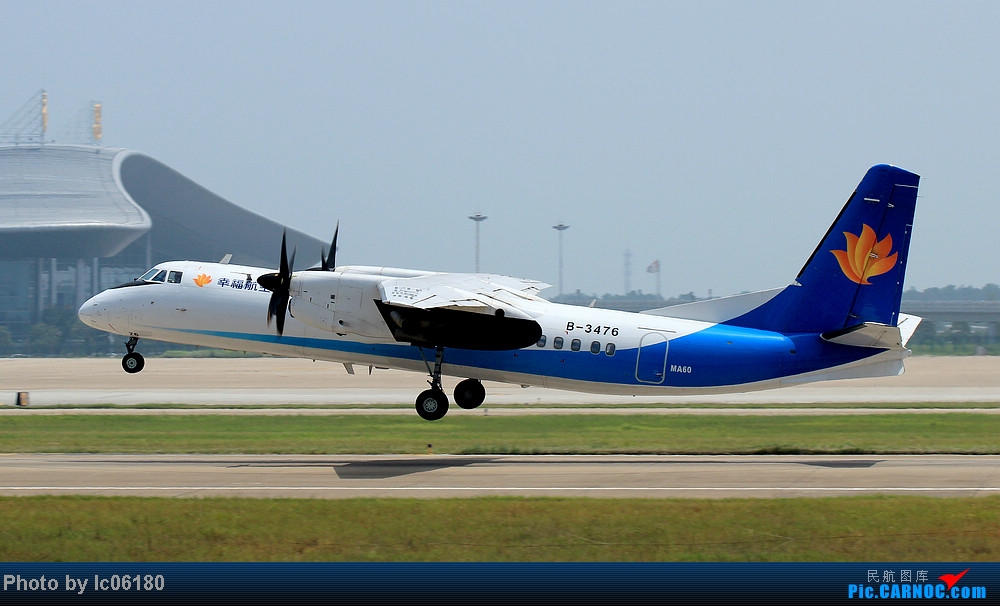
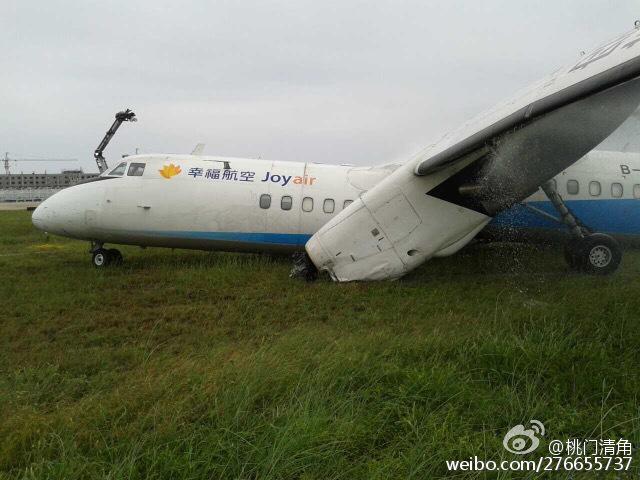
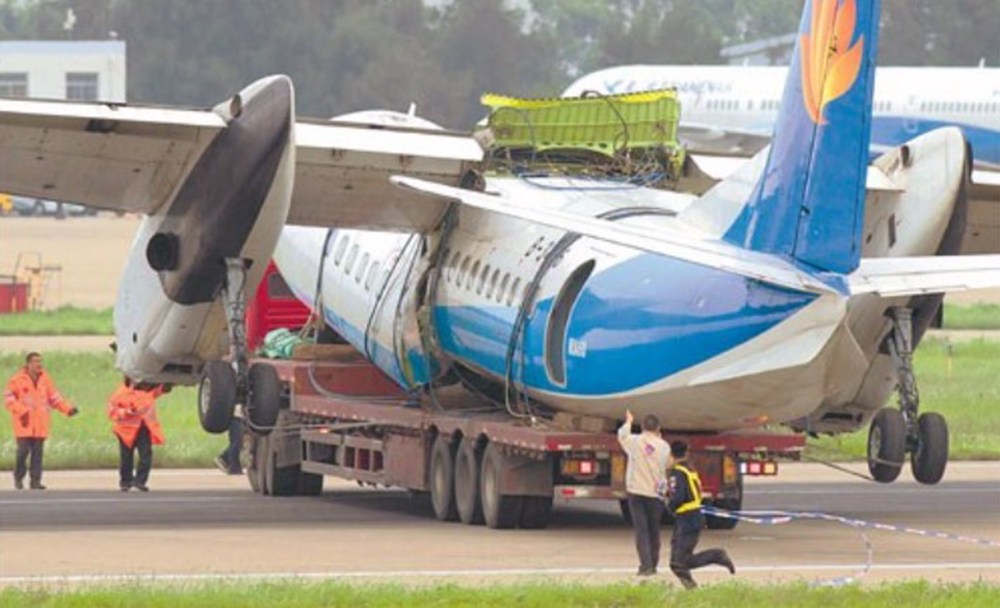
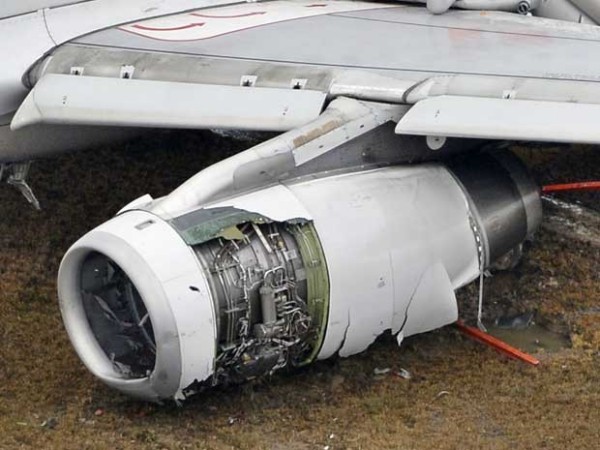
After landing on runway 03 at Fuzhou Airport, a tyre burst on the right main landing gear. The aircraft skidded, veered off runway to the right and entered a grassy area. Both wings detached from the upper side of the fuselage, causing both engines to struck the ground and the fuselage to brake in two. All 52 occupants were rescued, among them three passengers were injured.

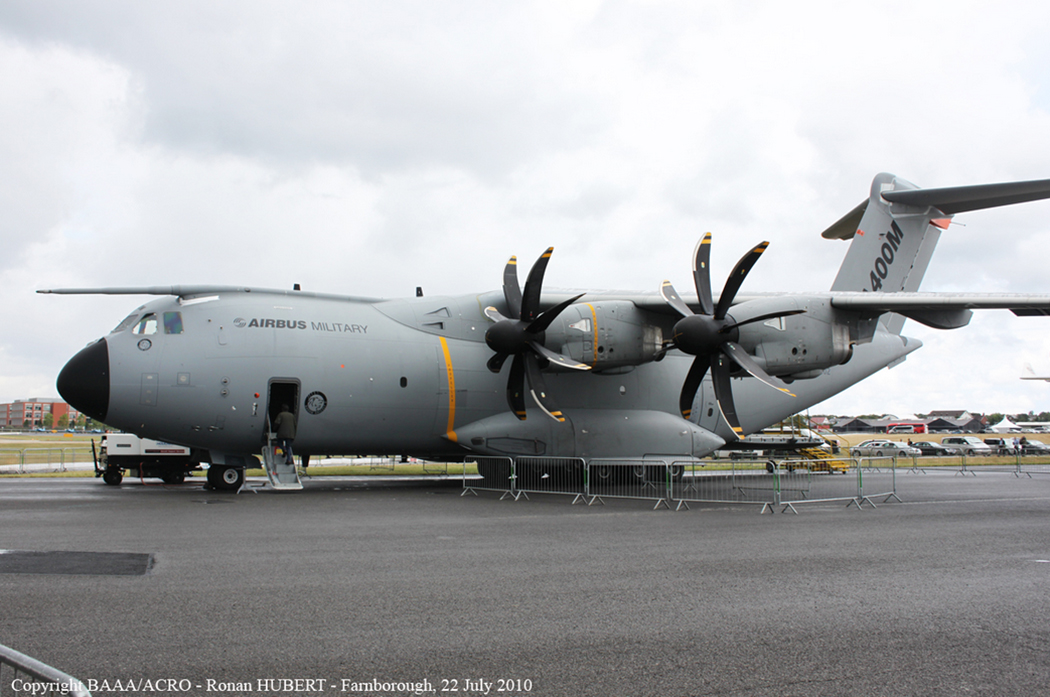
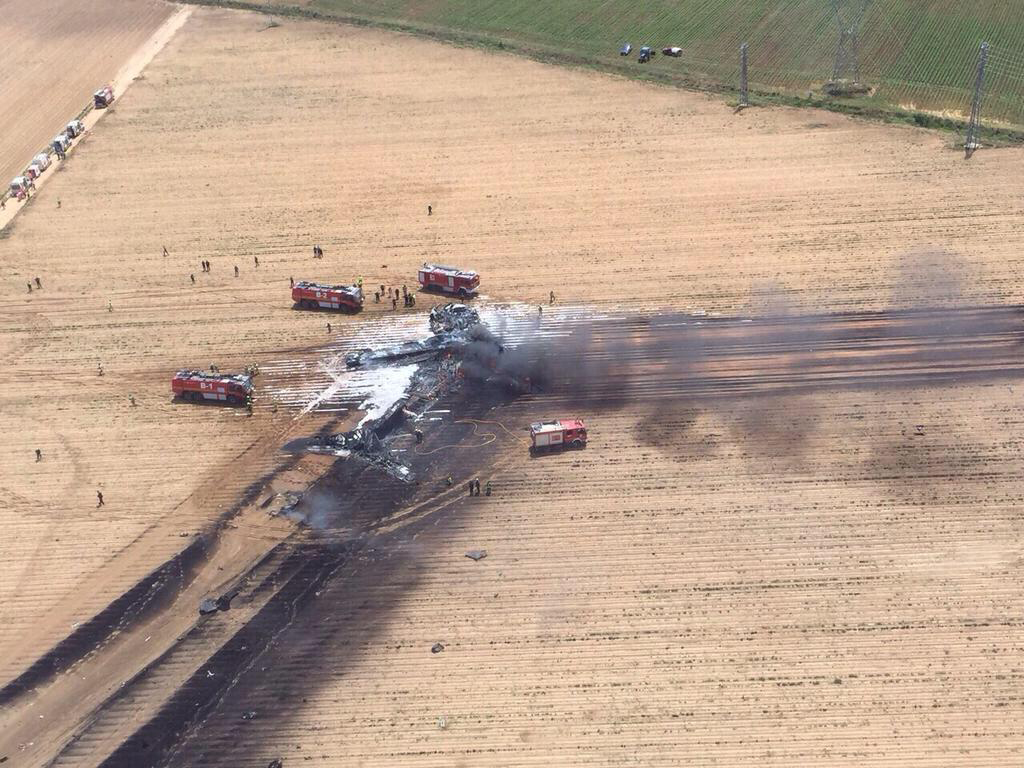
Crash of an Airbus A400M in Seville: 4 killed

Date & Time: May 9, 2015 at 1257 LT
Type of aircraft:
Operator:
Registration:
EC-403
Flight Phase:
Flight Type:
Survivors:
Yes
Schedule:
Seville - Seville
MSN:
023
YOM:
2015
Flight number:
Casa423
Country:
Region:
Crew on board:
6
Crew fatalities:
Pax on board:
0
Pax fatalities:
Other fatalities:
Total fatalities:
4
Aircraft flight hours:
0
Aircraft flight cycles:
0
Circumstances:
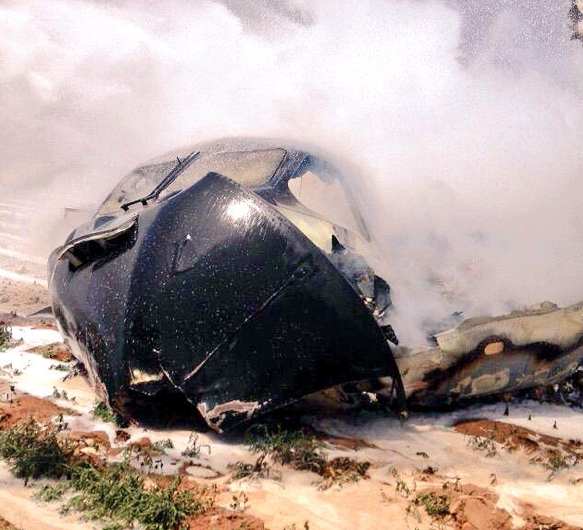
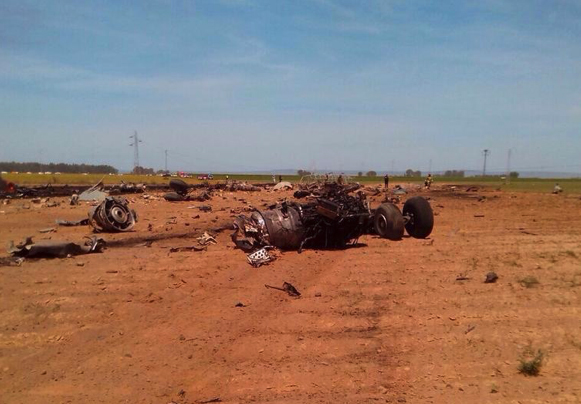
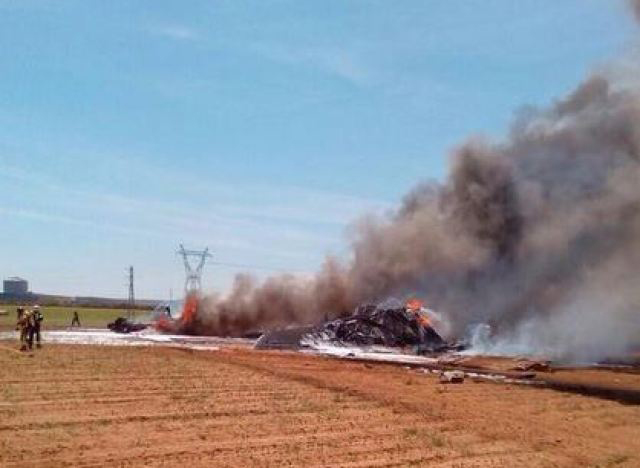
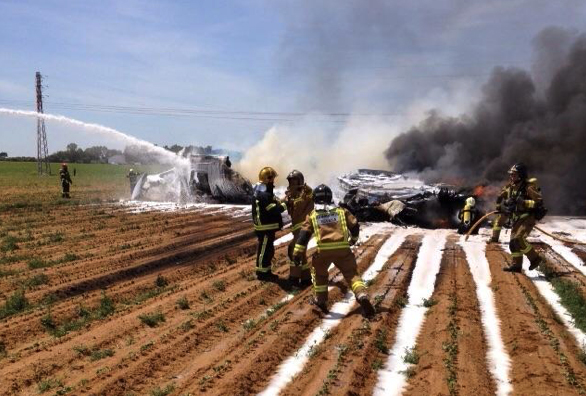
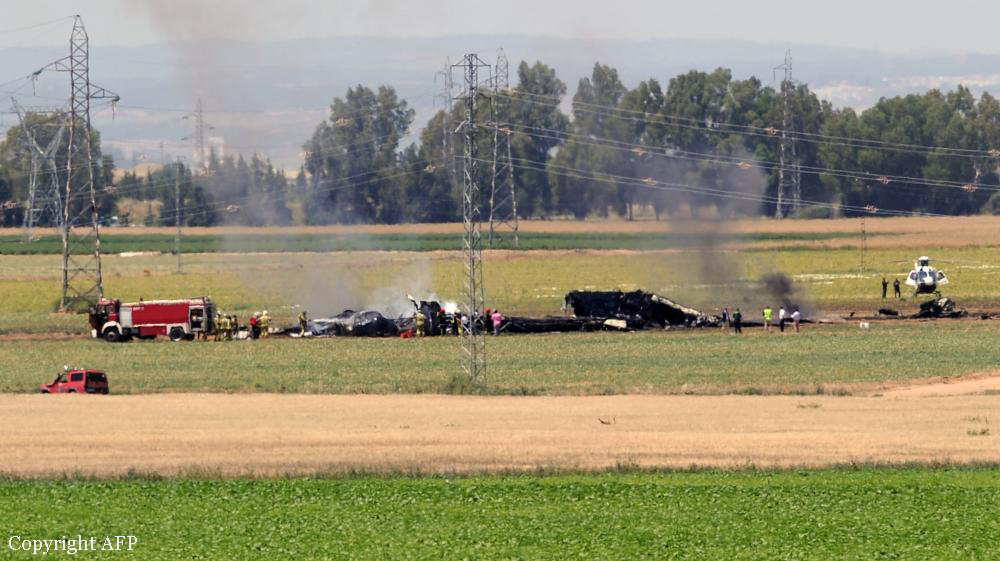
Brand new, the aircraft just came out from the manufacturer in Seville and was engaged in its first post assembly test flight. After take off from Seville-San Pablo Airport Runway 09 at 1254LT, the crew completed a 90° turn to the left bound to the north. Shortly later, three of the four engines (engines n°1, 2 and 3) got stuck at high power. The crew attempted to control the power setting to the normal mode but those three engines failed to respond. The crew reduced the engine power after selecting the thrust levers to idle. The regime of those three engines remained blocked in idle so the crew decided to return to the airport for an emergency landing. On approach, the aircraft collided with power lines, stalled and crashed in an open field located 1,6 km north of the airport, bursting into flames. Two crew members were rescued while four others were killed. The aircraft was totally destroyed by a post crash fire. The aircraft was following a test program prior to its delivery to the Turkish Air Force (Türk Hava Kuvvetleri).

Probable cause:
An Airbus official after the accident stated that engine control software was incorrectly installed during final assembly of the aircraft. This led to engine failure and the resulting crash.

Crash of a Beechcraft 200 Super King Air in Maracaibo

Date & Time: Apr 25, 2015 at 1710 LT
Registration:
YV2803
Survivors:
Yes
Schedule:
Caracas – Maracaibo
MSN:
BB-506
YOM:
1979
Country:
Crew on board:
2
Crew fatalities:
Pax on board:
3
Pax fatalities:
Other fatalities:
Total fatalities:
0
Circumstances:
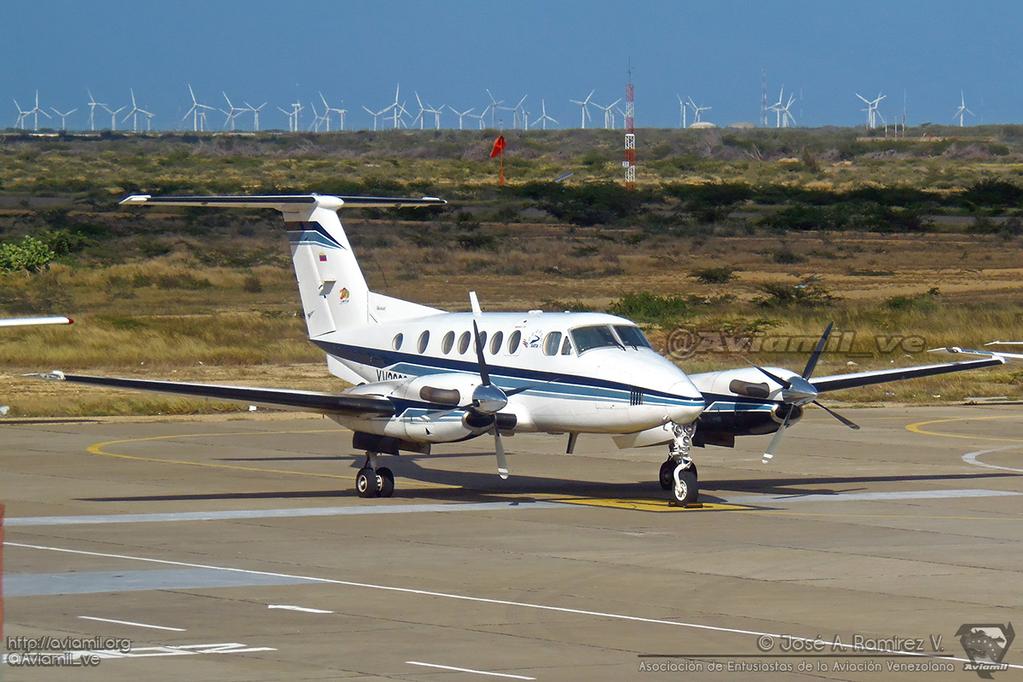
For unknown reason, the twin engine aircraft landed hard. Impact caused the tail to separate. The aircraft lost its undercarriage then slid for few dozen metres before coming to rest, bursting into flames. All five occupants evacuated safely and the aircraft was destroyed. It seems the aircraft suffered an engine failure shortly before landing.

Crash of an Airbus A320-232 in Istanbul

Date & Time: Apr 25, 2015 at 1041 LT
Type of aircraft:
Operator:
Registration:
TC-JPE
Survivors:
Yes
Schedule:
Milan – Istanbul
MSN:
2941
YOM:
2006
Flight number:
TK1878
Country:
Region:
Crew on board:
6
Crew fatalities:
Pax on board:
91
Pax fatalities:
Other fatalities:
Total fatalities:
0
Circumstances:
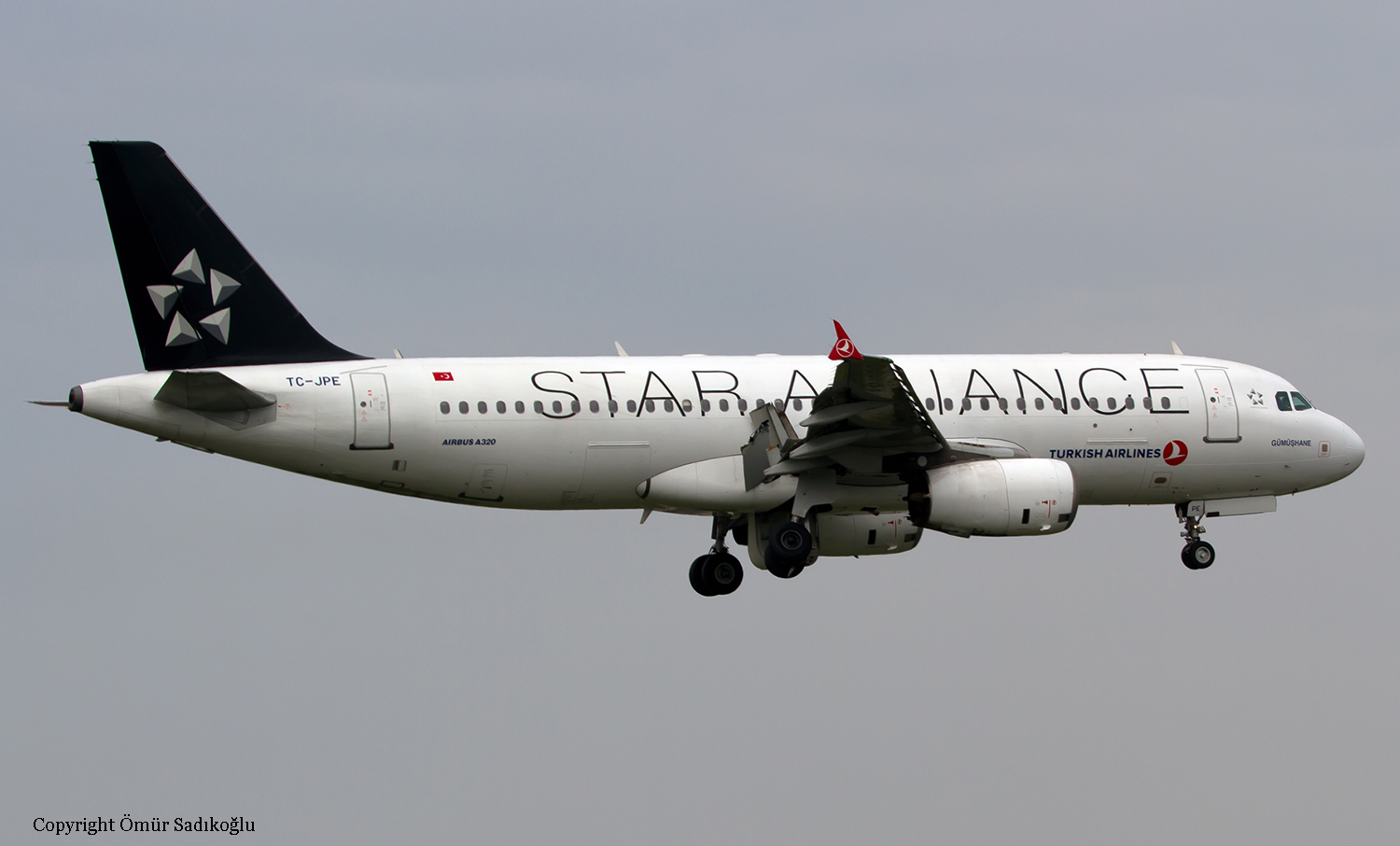
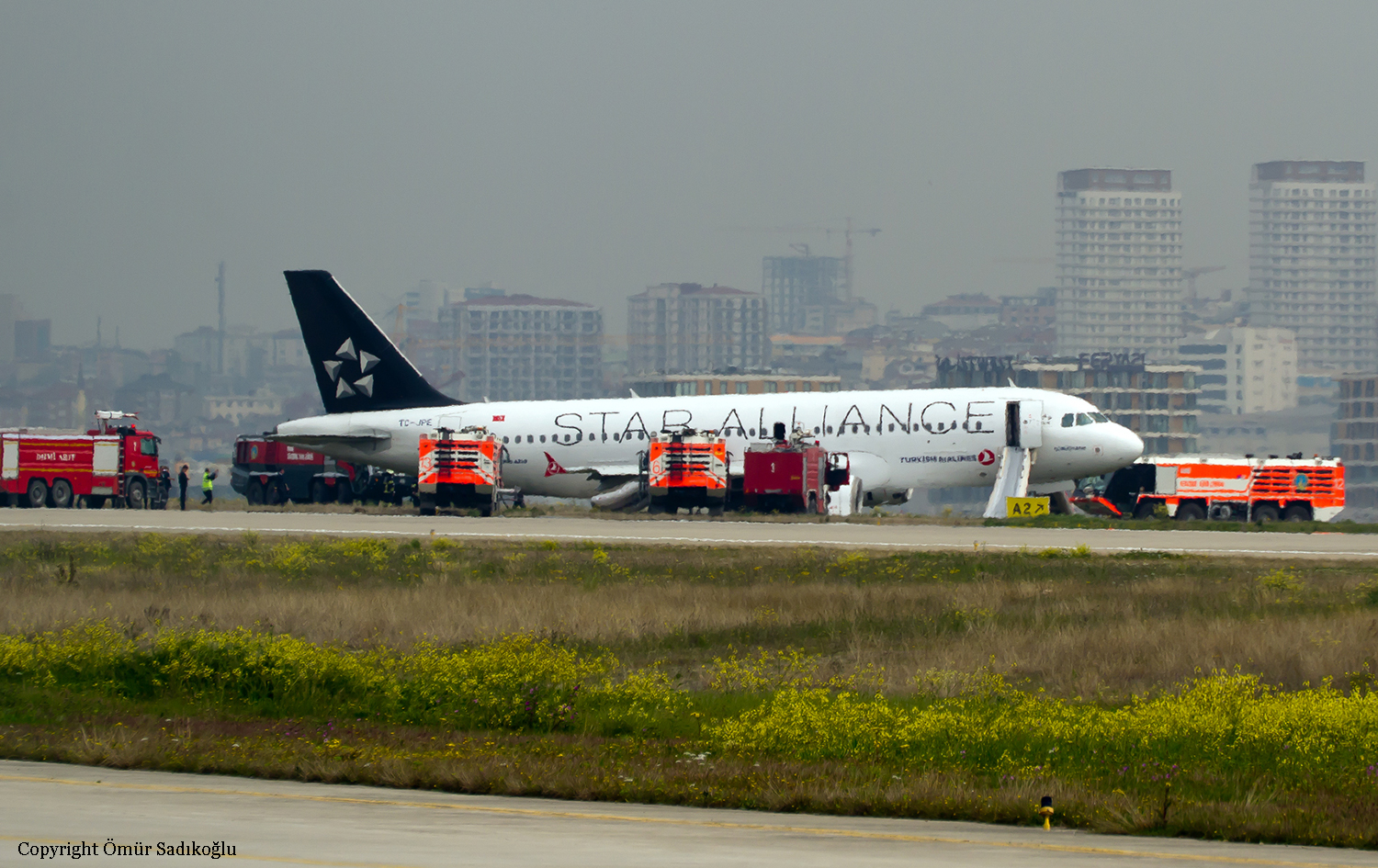
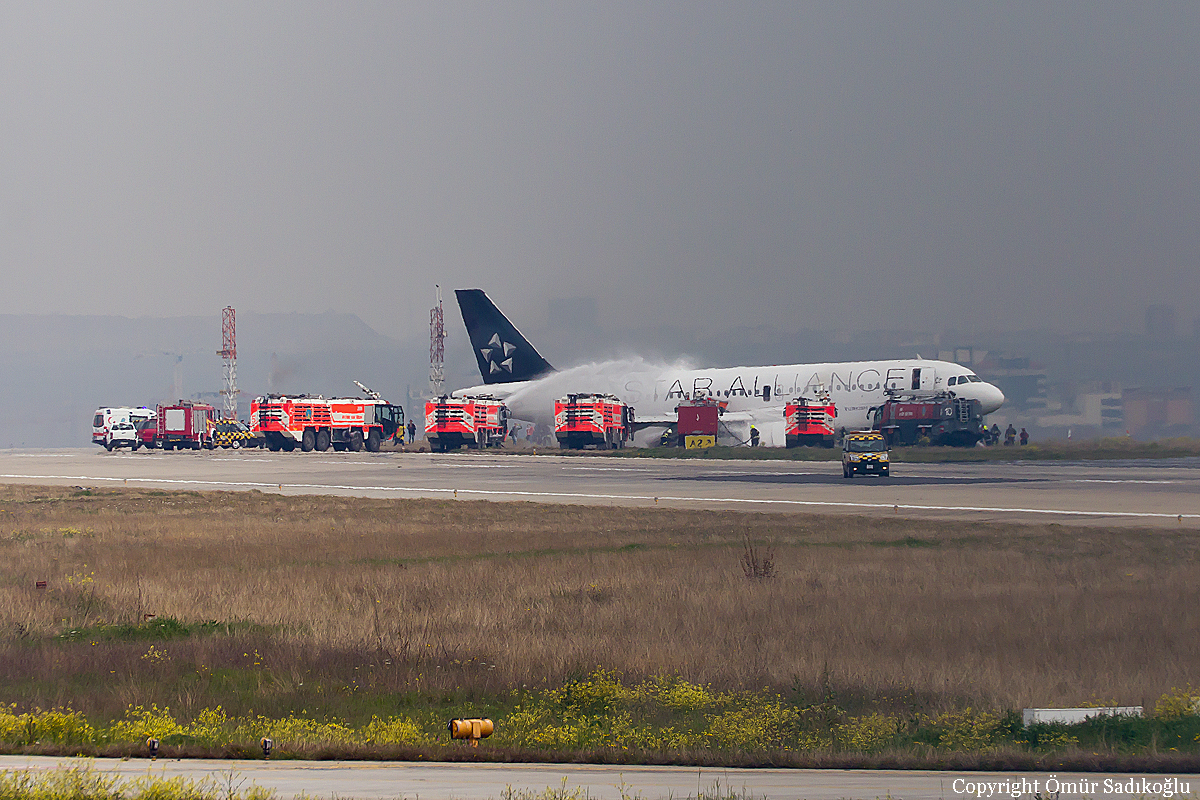
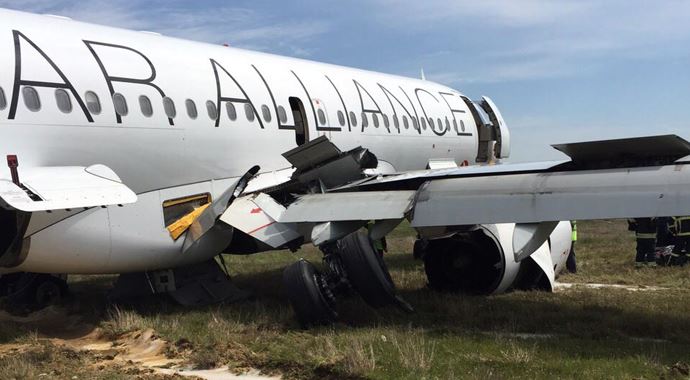
The aircraft departed Milan-Malpensa Airport at 0700LT and proceeded to the east. Following an uneventful flight, the crew initiated the approach to Istanbul-Atatürk Airport Runway 05. At a height of 100 feet above the runway, the aircraft banked to the right, stalled and struck the runway surface. On impact, the right main gear was severely damaged and punctured the right wing. In such condition, the captain decided to abandon the landing manoeuvre and initiated a go-around procedure. The aircraft climbed to an assigned altitude of 3,800 feet then the crew declared an emergency and confirmed that the right engine was out of service. Few minutes later, the right engine caught fire. The crew followed a 20-minutes holding circuit over the bay of Marmara before a second approach to runway 35L. After touchdown, the right main gear collapsed, the aircraft slid for few dozen metres then veered off runway to the right, completed a 180 turn before coming to rest in a grassy area. All 97 occupants evacuated safely while the aircraft was damaged beyond repair. According to the operator, the loss of control during the last segment was caused by turbulences from a preceding Boeing 787 that landed on the same runway 05.
Crash of a Pilatus PC-12/45 in Ciudad Acuña

Date & Time: Apr 24, 2015 at 1245 LT
Type of aircraft:
Registration:
XA-BLU
Flight Type:
Survivors:
Yes
MSN:
481
YOM:
2003
Country:
Crew on board:
1
Crew fatalities:
Pax on board:
5
Pax fatalities:
Other fatalities:
Total fatalities:
0
Aircraft flight hours:
3508
Circumstances:
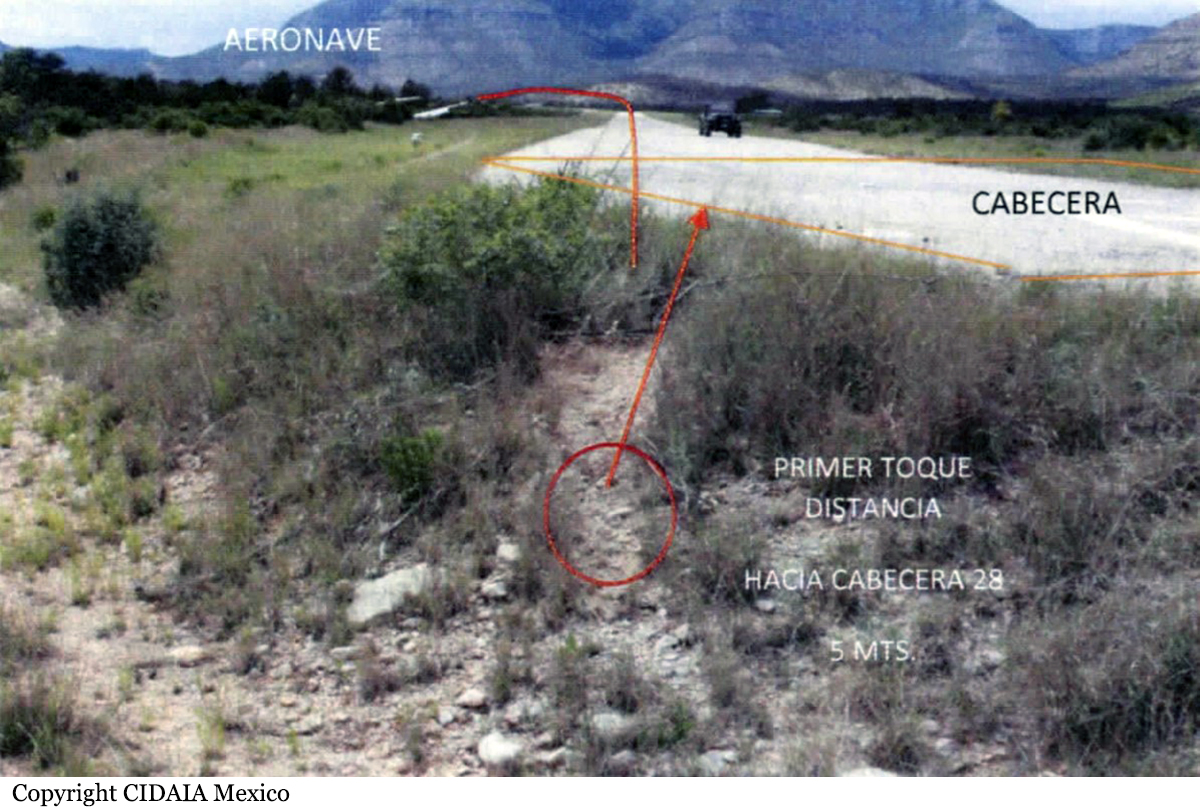
Following an uneventful flight, the pilot initiated a VFR approach to Ciudad Acuña-El Bonito Airport runway 28 in good weather conditions with 9 km visibility and an OAT of +30° C. On short final, the pilot failed to realize his altitude was too low when the aircraft impacted ground five metres short of runway. The aircraft bounced, rolled for few dozen metres then veered off runway to the left and came to rest in a wooded area. All six occupants evacuated safely and the aircraft was damaged beyond repair.
Probable cause:
The accident occurred after the pilot suffered a loss of situational awareness while completing a visual approach below the glide, causing the aircraft to struck the ground five metres short of runway 28 threshold.
The following contributing factors were identified:
- Overconfidence on part of the pilot,
- Unstabilized approach,
- Lack of visual aids.
Final Report:

Crash of an Airbus A320-232 in Hiroshima

Date & Time: Apr 14, 2015 at 2005 LT
Type of aircraft:
Operator:
Registration:
HL7762
Survivors:
Yes
Schedule:
Seoul – Hiroshima
MSN:
3244
YOM:
2007
Flight number:
OZ162
Country:
Region:
Crew on board:
8
Crew fatalities:
Pax on board:
74
Pax fatalities:
Other fatalities:
Total fatalities:
0
Captain / Total flying hours:
8242
Captain / Total hours on type:
1318.00
Copilot / Total flying hours:
1588
Copilot / Total hours on type:
1298
Aircraft flight hours:
23595
Circumstances:
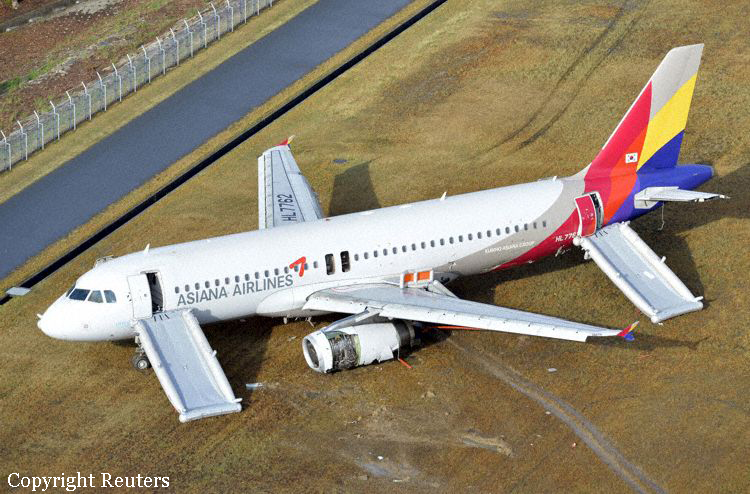
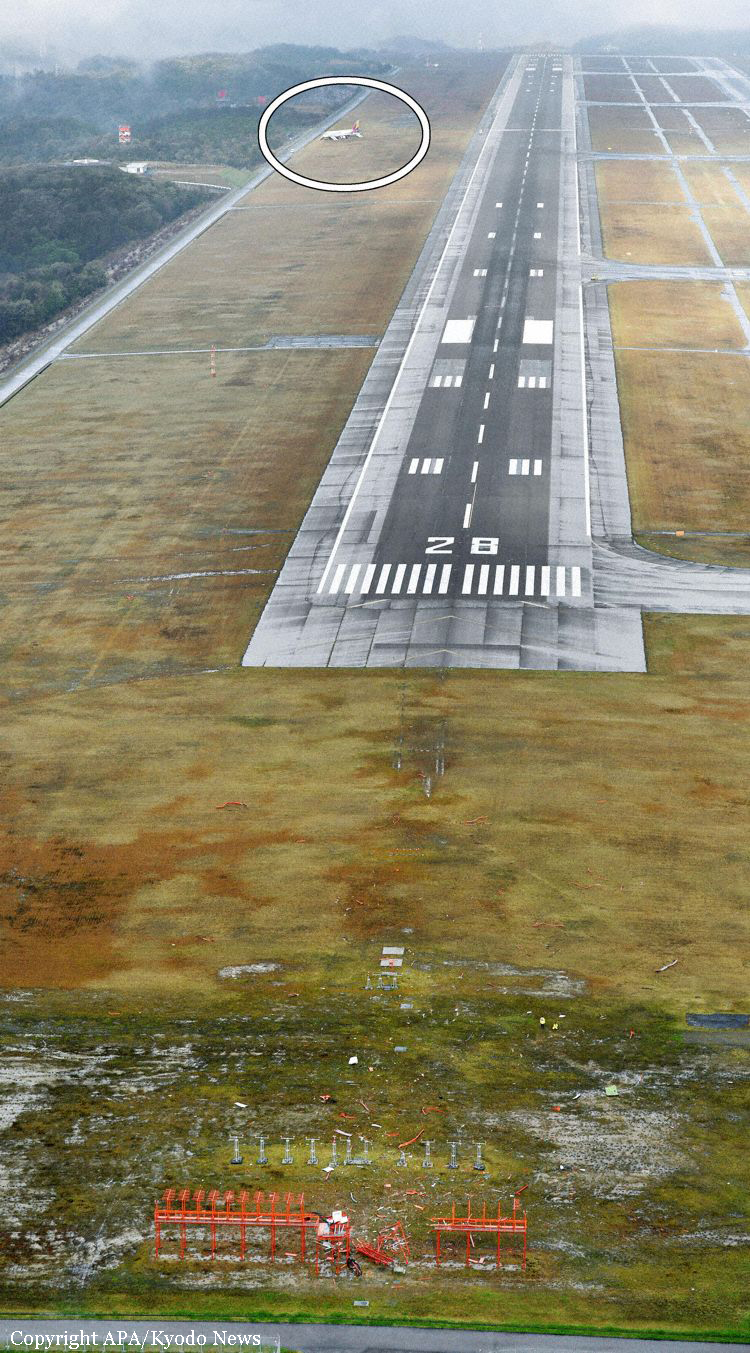
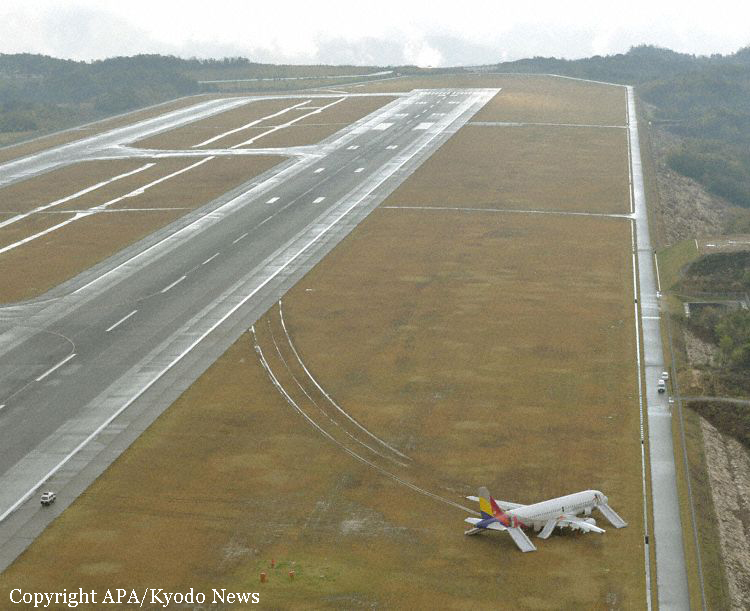
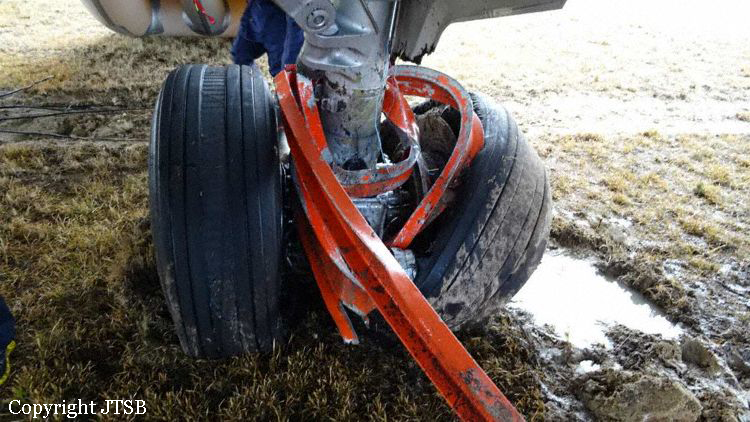
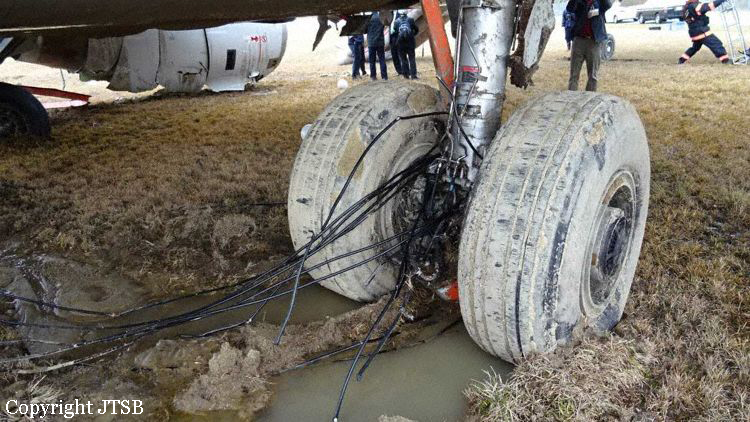
The approach to Hiroshima Airport was completed in marginal weather conditions. The autopilot was disengaged at 2,100 feet MSL when the aircraft descended below the glide path and hit approach lights and the localiser antenna located 325 meters short of runway 28. The aircraft continued the descent, hit the soft ground short of runway. Then it rolled on runway for some 1,154 meters, veered to the left, went off runway and came to rest 130 meters to the left of the concrete runway, some 1,477 meters past the runway threshold. All 82 occupants were evacuated, among them 27 (25 passengers and 2 crew members) were injured. The aircraft was considered as written off due to severe damages on both engines, ailerons, wings and the bottom of the fuselage. At the time of the accident, weather conditions were difficult with visibility up to 4 km, RVR on runway 28 variable from 300 to 1,800 meters, light rain, partial fog, one octa cloud at 0 feet, 4 octas at 500 feet, 6 octas at 1,200 feet.
Probable cause:
It is certain that when landing on RWY 28 at the Airport, the Aircraft undershot and the PIC commenced executing a go-around; however, it collided with the Aeronautical Radio Navigation Aids located in front of RWY 28 threshold, just before turning to climb. Regarding the fact that the Aircraft undershot, it is probable that there might be following aspects in causes: The PIC continued approaching without executing a go around while the position of the Aircraft could not be identified by visual references which should have been in view and identified continuously at or below the approach height threshold (Decision Altitude: DA); and as well, the FO, as pilot-monitoring who should have monitored meteorological conditions and flight operations, did not make a call-out of go-around immediately when he could not see the runway at DA. Regarding the fact that the PIC continued approaching without executing a go around while the position of the Aircraft could not be identified by visual references which should have been in view and identified continuously at or below DA, he did not comply with the regulations and SOP, and it is probable that there was a background factor that the education and trainings for compliance of rules in the Company was insufficient. In addition, regarding the fact that the FO did not make an assertion of go around, it is probable that the CRM did not function appropriately.
Final Report:

Crash of a Piper PA-31T Cheyenne I in Fort Lauderdale: 4 killed

Date & Time: Apr 12, 2015 at 1625 LT
Type of aircraft:
Operator:
Registration:
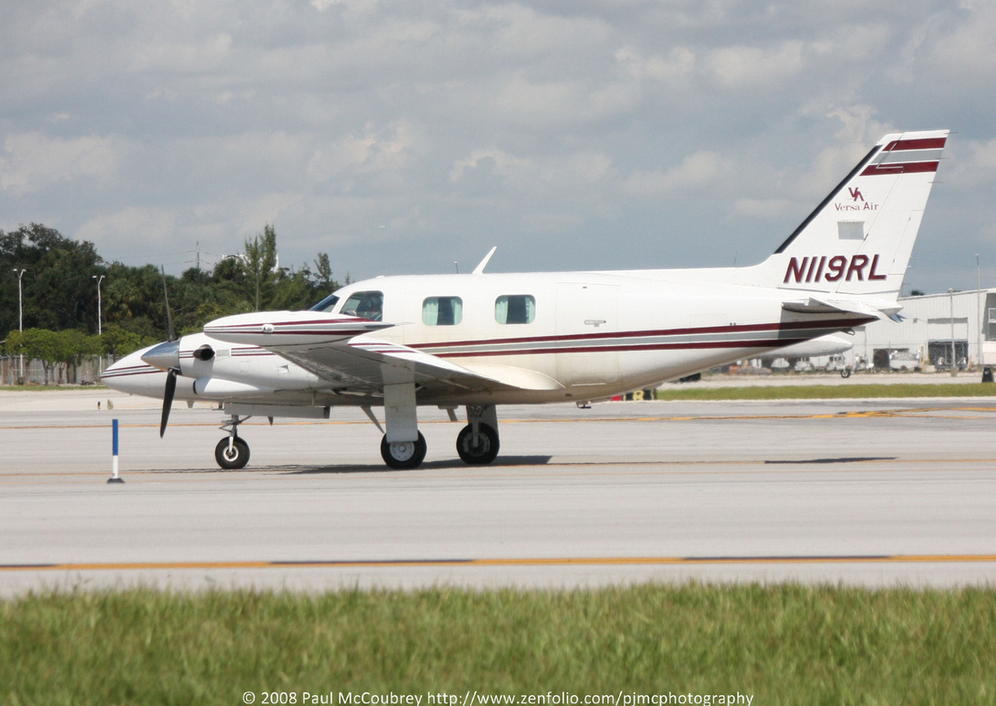
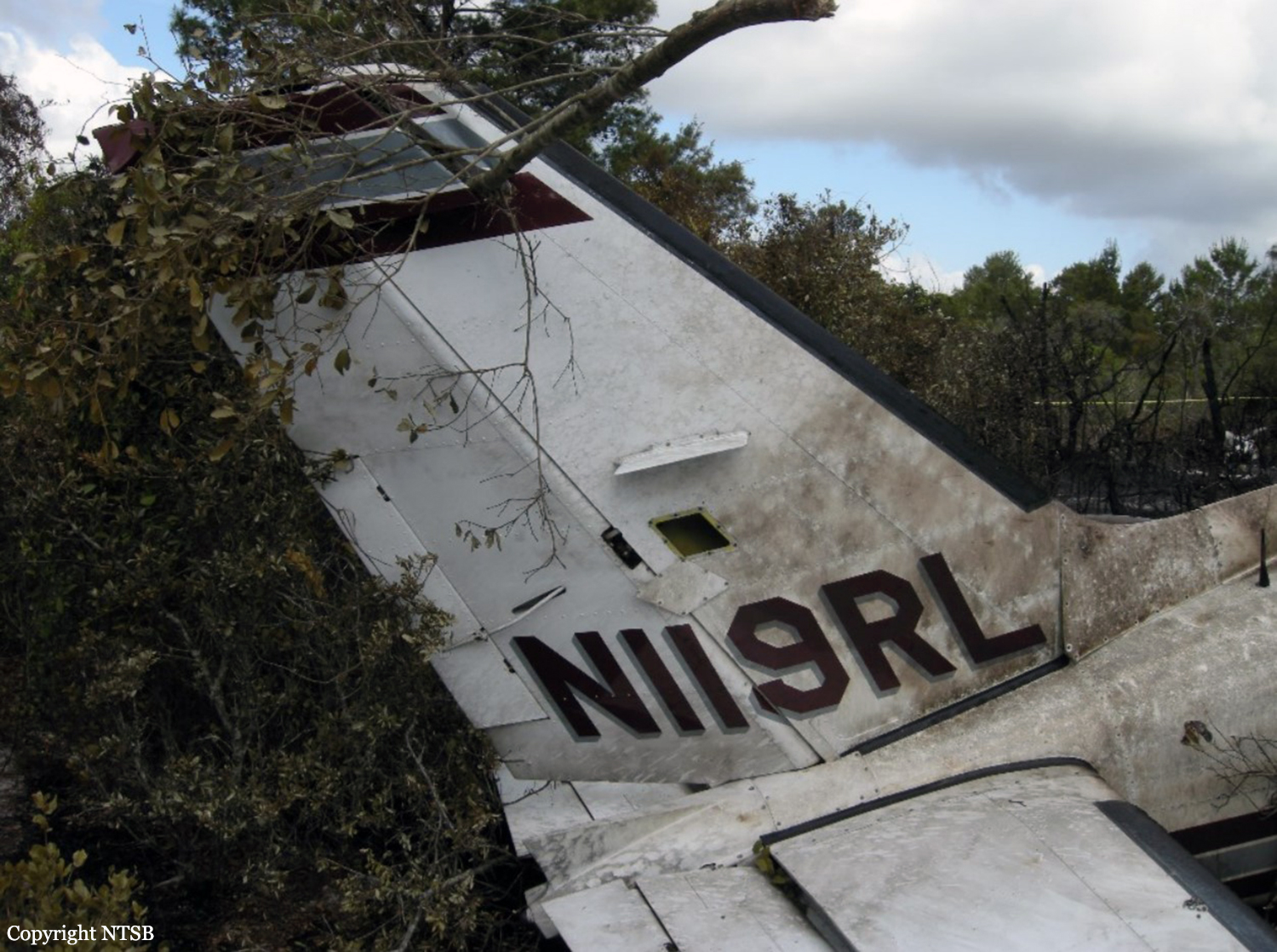
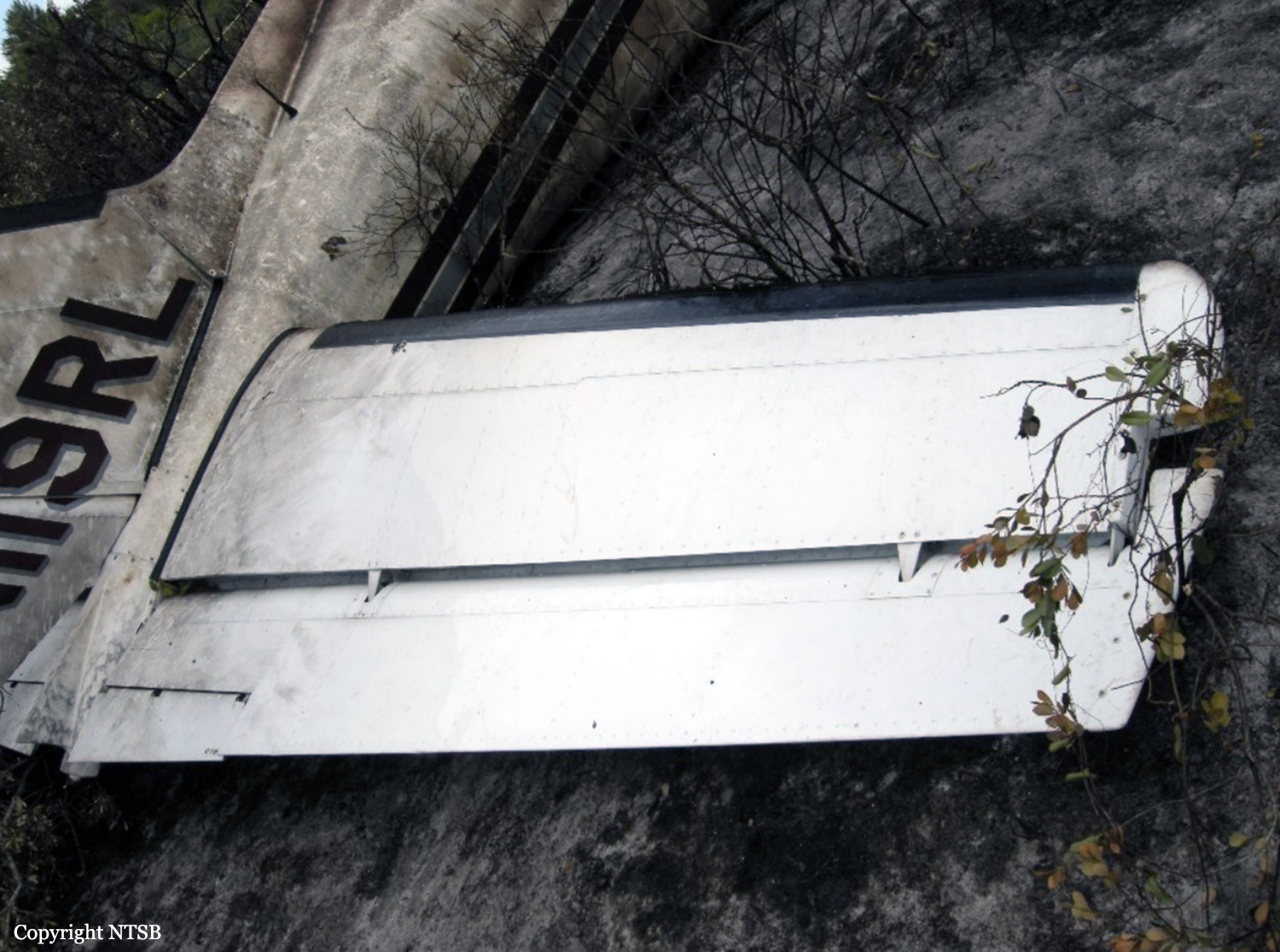
N119RL
Flight Type:
Survivors:
No
Schedule:
Orlando - Fort Lauderdale
MSN:
31T-7904002
YOM:
1979
Crew on board:
1
Crew fatalities:
Pax on board:
3
Pax fatalities:
Other fatalities:
Total fatalities:
4
Captain / Total flying hours:
1221
Aircraft flight hours:
3267
Circumstances:
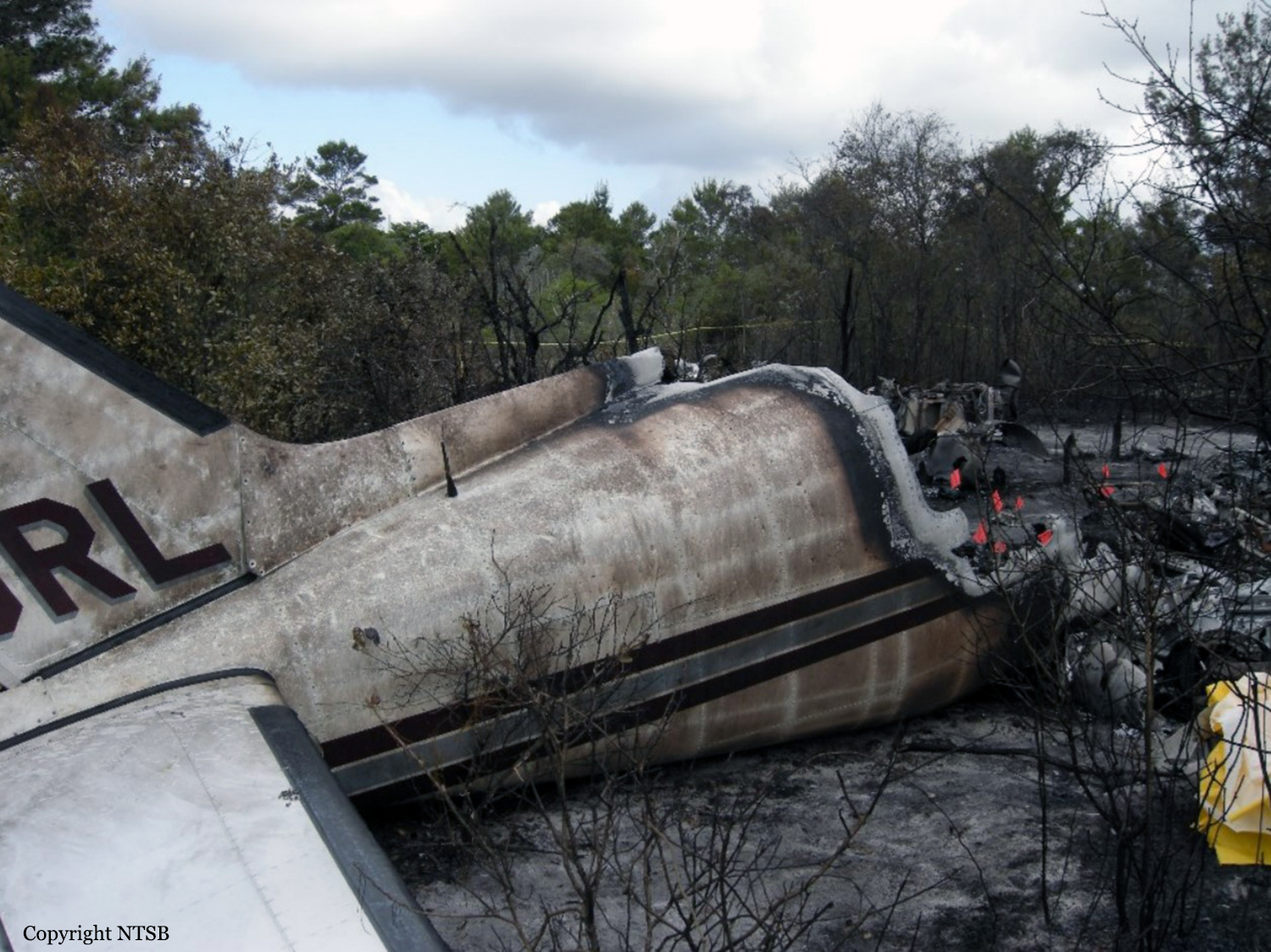
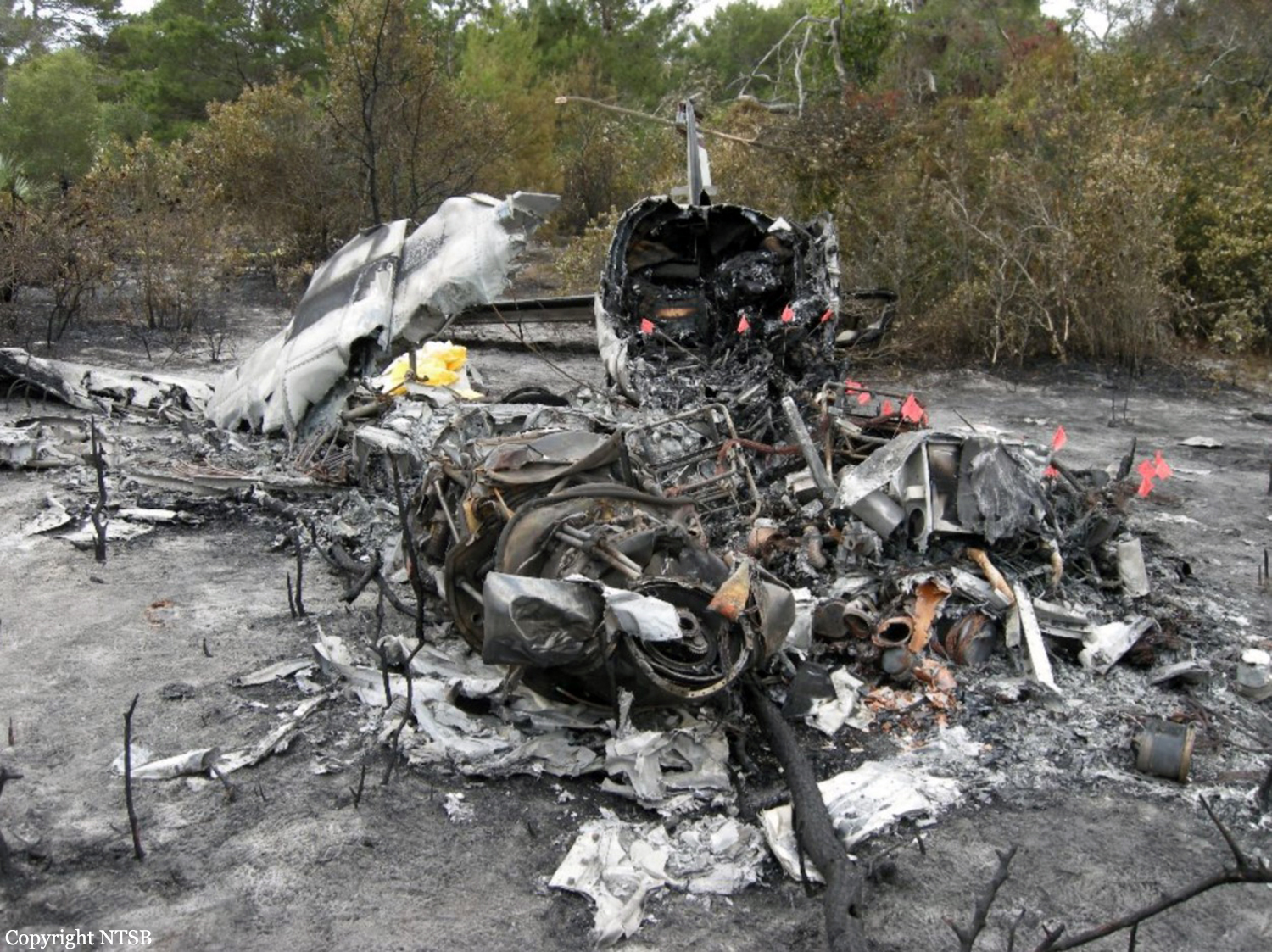
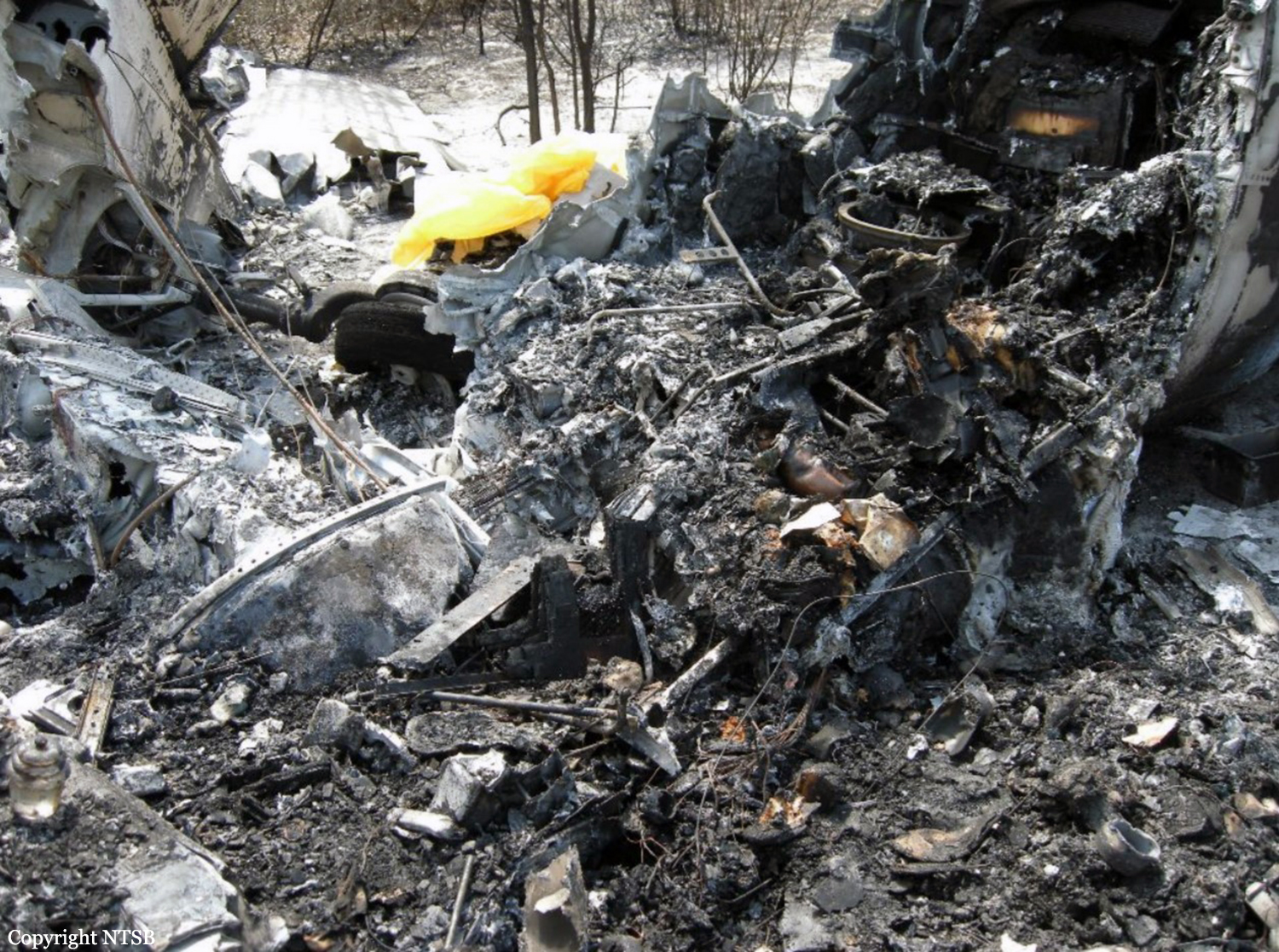
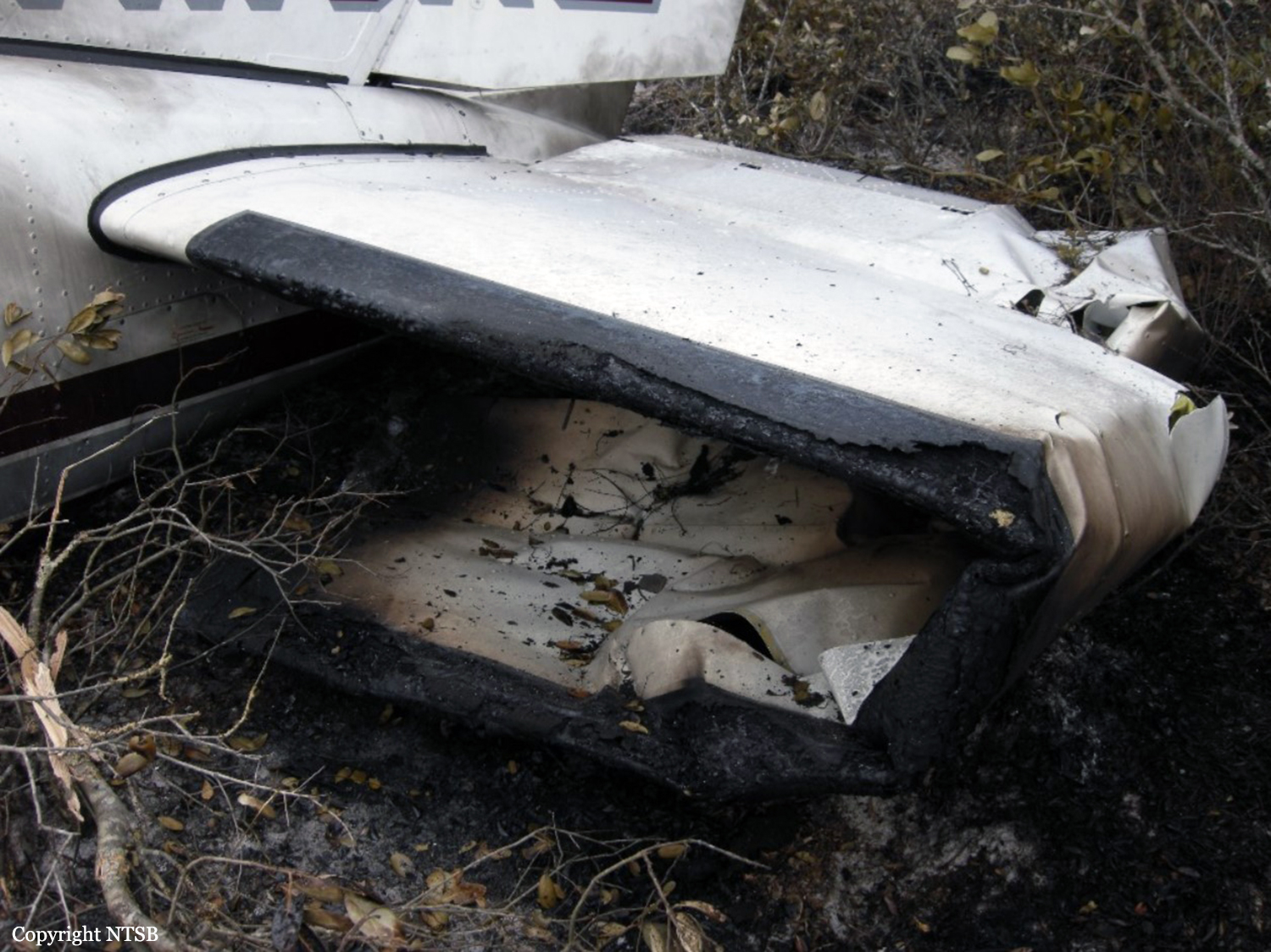
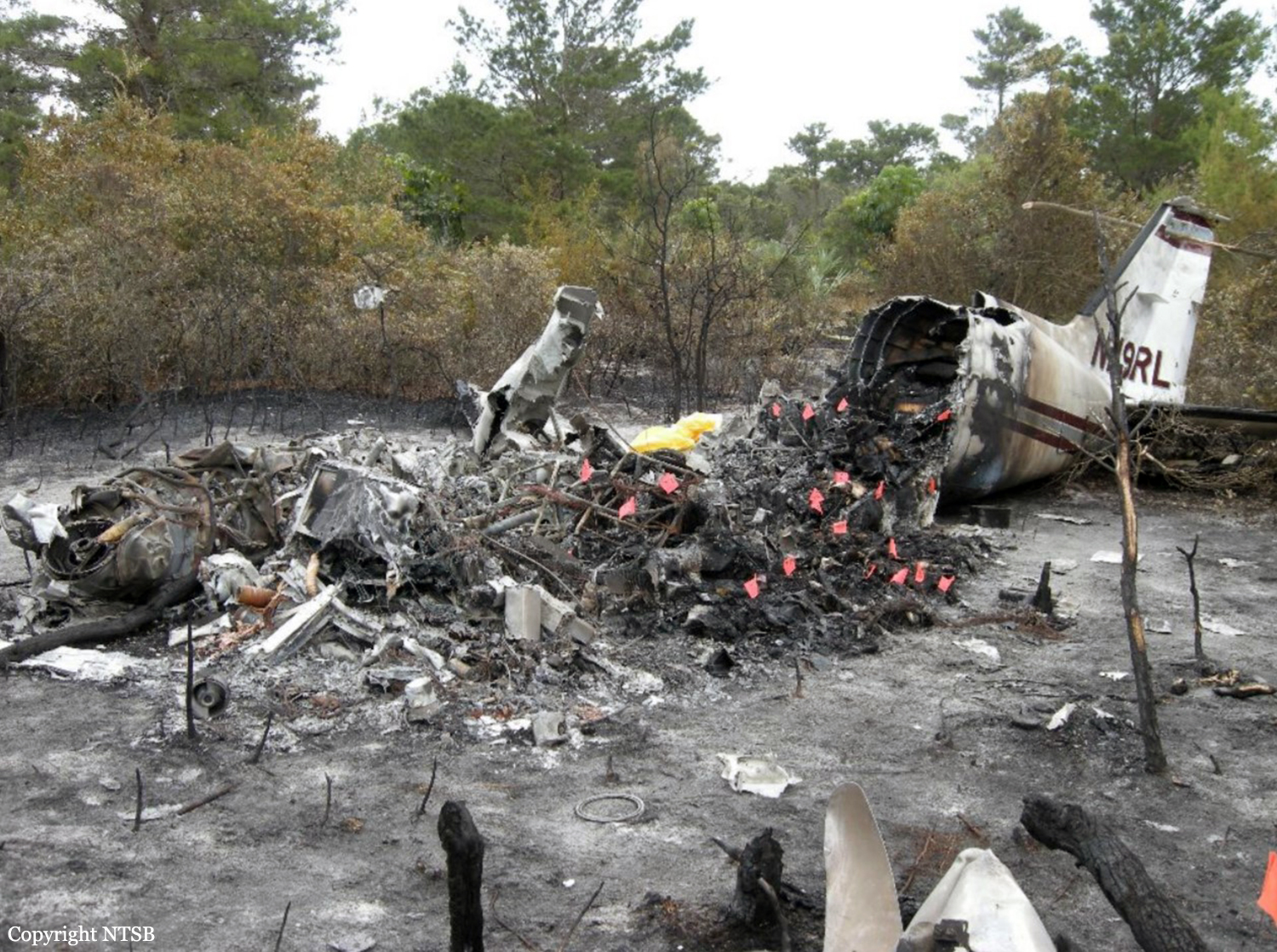
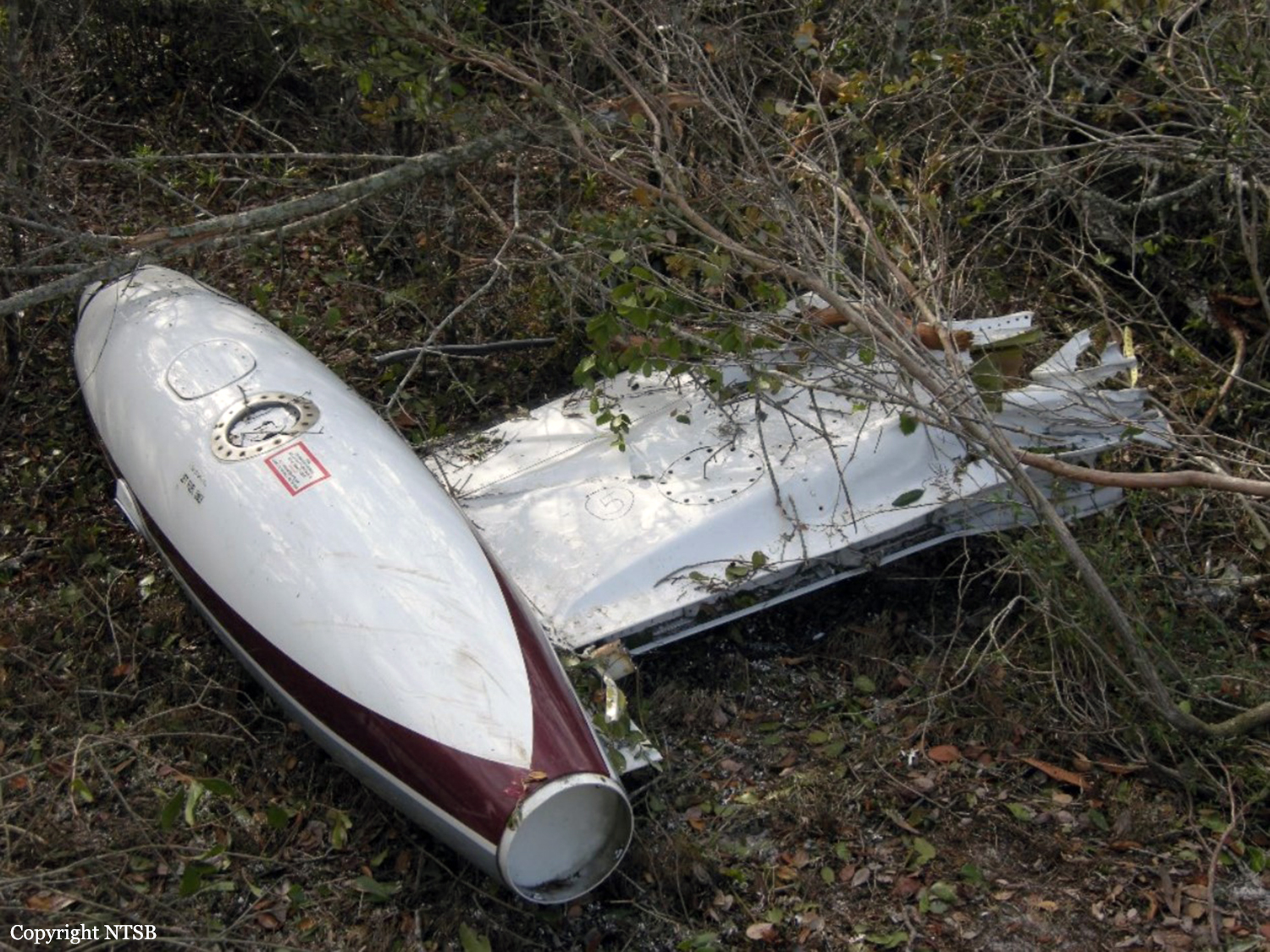
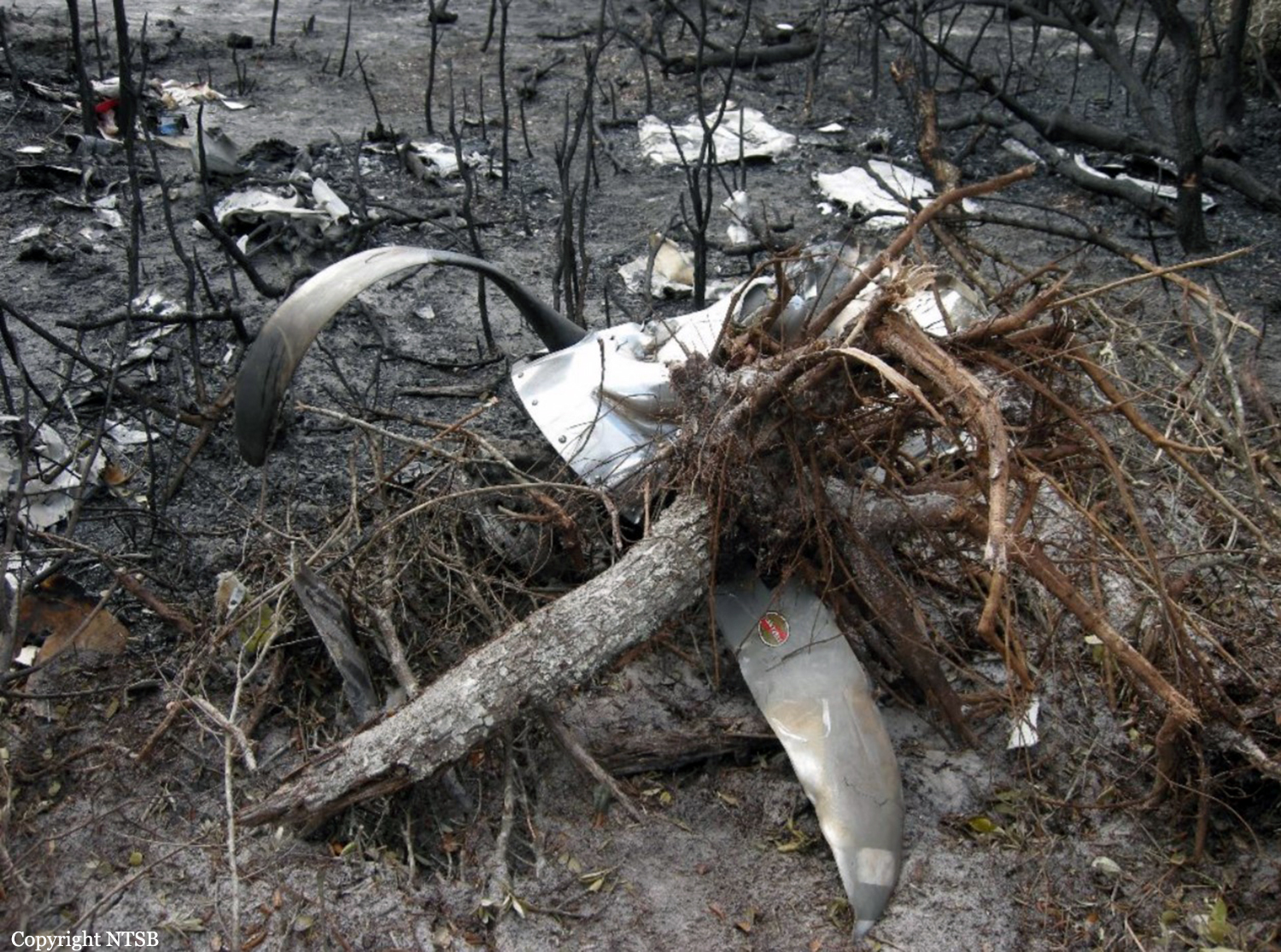
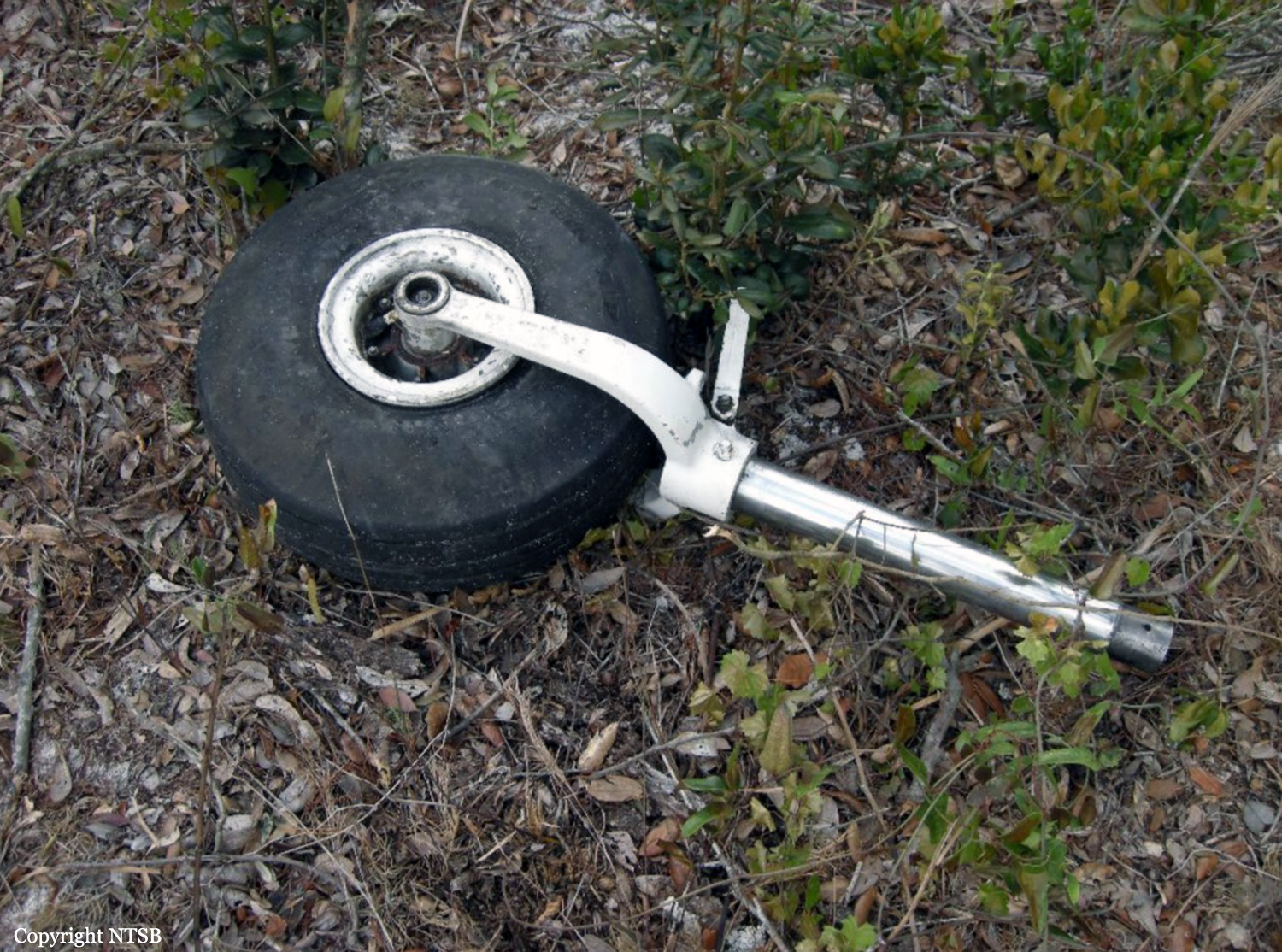
Following an uneventful personal flight, the pilot contacted the air traffic control tower controller and was immediately cleared to land. About 36 seconds later, the pilot reported "smoke in the cockpit." When asked to repeat, the pilot repeated "smoke in the cockpit." The tower controller cleared the pilot to land on any runway. About 47 seconds after the initial call of smoke, the pilot reported "mayday mayday mayday mayday mayday (unintelligible)." The airplane then crashed about ¼ mile short of the airport in a wooded area and burned. Security video showed the airplane pitch nose-down suddenly just before impact. The video revealed no visible smoke or fire trailing the airplane before ground impact. The pilot reported about 1,221 hours of total flight time on his Federal Aviation Administration first class medical certificate, issued about two months prior to the accident. He completed an initial training course for the airplane make and model 1 week before the accident. The airplane had recently undergone an annual inspection and extensive upgrades to its avionics. Both the left and right engines displayed contact signatures to their internal components characteristic of engines developing significant power at the time of impact, likely in the mid-to-high power range. The engines displayed no indications of any pre-impact anomalies or distress that would have precluded normal engine operation. Both propeller assemblies broke free from the engine during the crash sequence and the blades on both engines revealed signatures consistent with the development of power at impact. The center fuselage and cockpit areas were completely consumed in the postcrash fire. An examination of all remaining wires, wire bundles, switches, terminals, circuit breakers, electrical components, instruments, and avionics did not reveal evidence of precrash thermal distress. However, a small fire just before impact likely would not have had time to create thermal damage that would be discernable after an extensive postcrash fire.
Probable cause:
A rapid onset of smoke and/or fire inflight for reasons that could not be determined due to the postimpact fire and the condition of the wreckage.
Final Report: