Crash of an Antonov AN-2 at Seongnam AFB

Date & Time: May 4, 2009 at 1430 LT
Type of aircraft:
Operator:
Flight Type:
Survivors:
Yes
Schedule:
Seongnam - Seongnam
Country:
Region:
Crew on board:
2
Crew fatalities:
Pax on board:
0
Pax fatalities:
Other fatalities:
Total fatalities:
0
Circumstances:
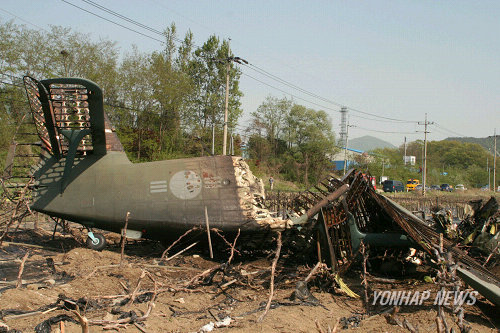
The crew was performing a training flight at Seongnam AFB. On approach, the single engine aircraft stalled and crashed in a vineyard and was destroyed by a post impact fire. Both crew members escaped with minor injuries.

Crash of a PZL-Mielec AN-2T in Pokrovsk: 3 killed

Date & Time: Apr 30, 2009 at 2325 LT
Type of aircraft:
Operator:
Registration:
RF-00842
Flight Type:
Survivors:
No
Schedule:
Krasnoyarsk - Lensk - Yakutsk
MSN:
1G195-55
YOM:
1980
Country:
Region:
Crew on board:
3
Crew fatalities:
Pax on board:
0
Pax fatalities:
Other fatalities:
Total fatalities:
3
Circumstances:
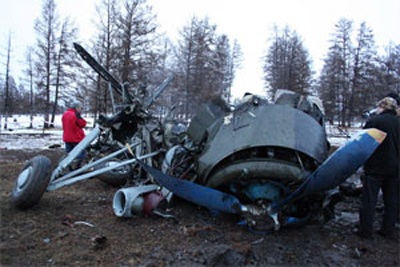
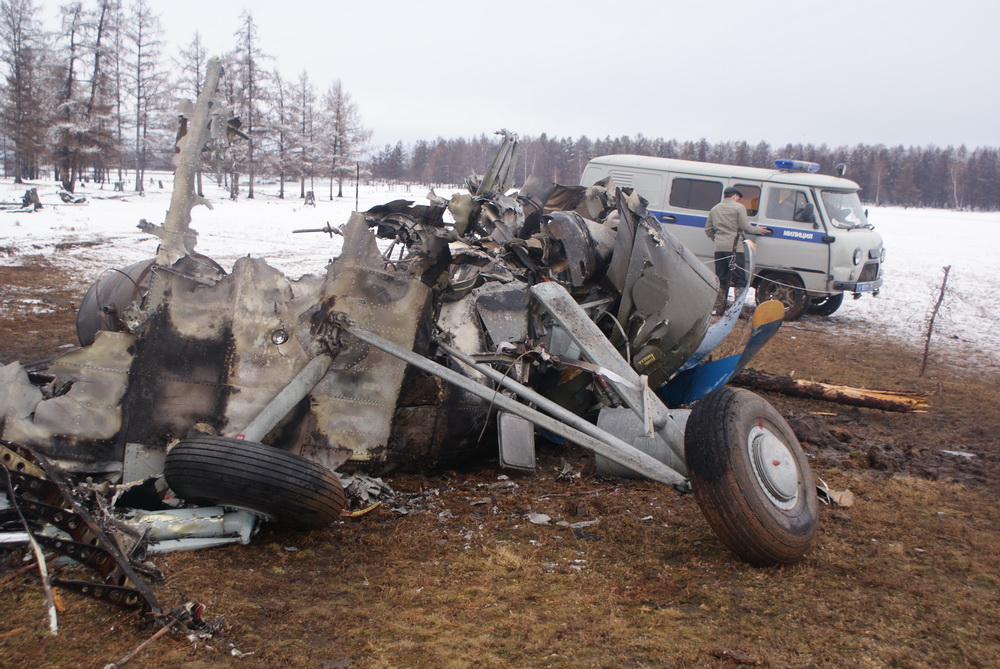
The crew was completing a positioning flight from Krasnoyarsk to Yakutsk with an intermediate stop in Lensk. The intended destination was in fact Prokovsk located about 70 km southwest of Yakutsk but the airfield was not suitable for night movements. On approach to Yakutsk-Magan Airport, the crew continued to Prokovsk where several cars were parked along the runway with their lights ON. Due to low visibility caused by night and snow falls, the crew was unable to establish a visual contact with the ground and two approaches were missed. During a third attempt to land, the aircraft collided with pine trees and power cables and crashed in an open field, bursting into flames. All three occupants were killed.
Probable cause:
The decision of the crew to land on an airfield that was not equipped for night movements.

Crash of a Boeing 737-2K9 in Guadalajara

Date & Time: Apr 27, 2009 at 1800 LT
Type of aircraft:
Operator:
Registration:
XA-MAF
Survivors:
Yes
Schedule:
Cancún – Guadalajara
MSN:
22505/815
YOM:
1981
Flight number:
GMT585
Country:
Crew on board:
8
Crew fatalities:
Pax on board:
108
Pax fatalities:
Other fatalities:
Total fatalities:
0
Circumstances:
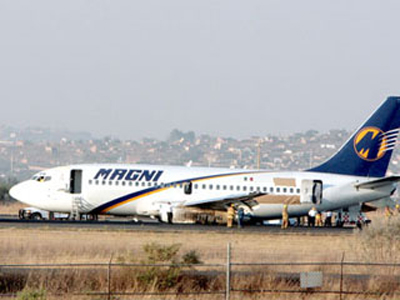
On approach to Guadalajara-Miguel Hidalgo y Costilla Airport, the pilots encountered technical problems with the landing gear and elected to perform a low pass in front of the tower. ATC confirmed that the landing gear were not fully deployed and locked. The captain decided to perform a wheels up landing. After touchdown on runway 28, the aircraft slid for few dozen metres before coming to rest. The left engine was destroyed by fire and the aircraft was damaged beyond repair. All 116 occupants escaped uninjured.

Ground fire of a Douglas DC-3C in San Juan

Date & Time: Apr 26, 2009 at 0428 LT
Type of aircraft:
Operator:
Registration:
N136FS
Flight Phase:
Flight Type:
Survivors:
Yes
Schedule:
San Juan - Charlotte Amalie
MSN:
10267
YOM:
1943
Country:
Crew on board:
2
Crew fatalities:
Pax on board:
2
Pax fatalities:
Other fatalities:
Total fatalities:
0
Captain / Total flying hours:
50233
Captain / Total hours on type:
7000.00
Copilot / Total flying hours:
957
Copilot / Total hours on type:
204
Aircraft flight hours:
19952
Circumstances:
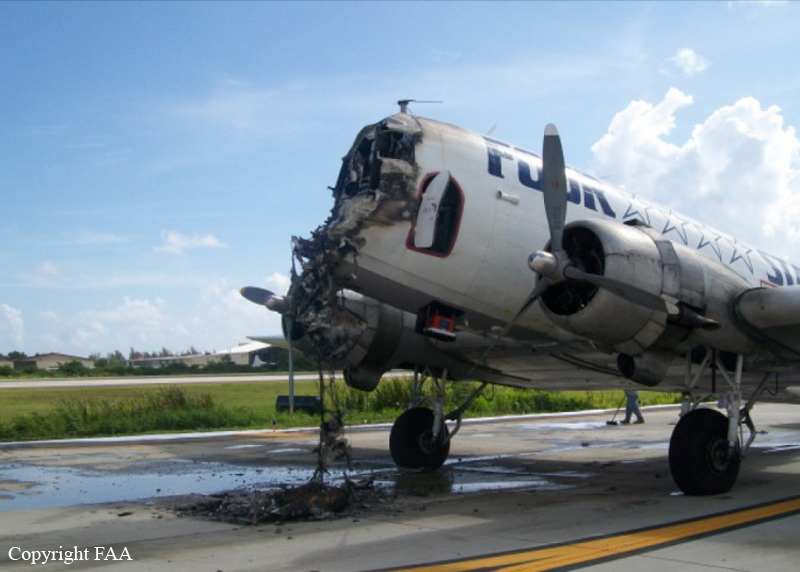
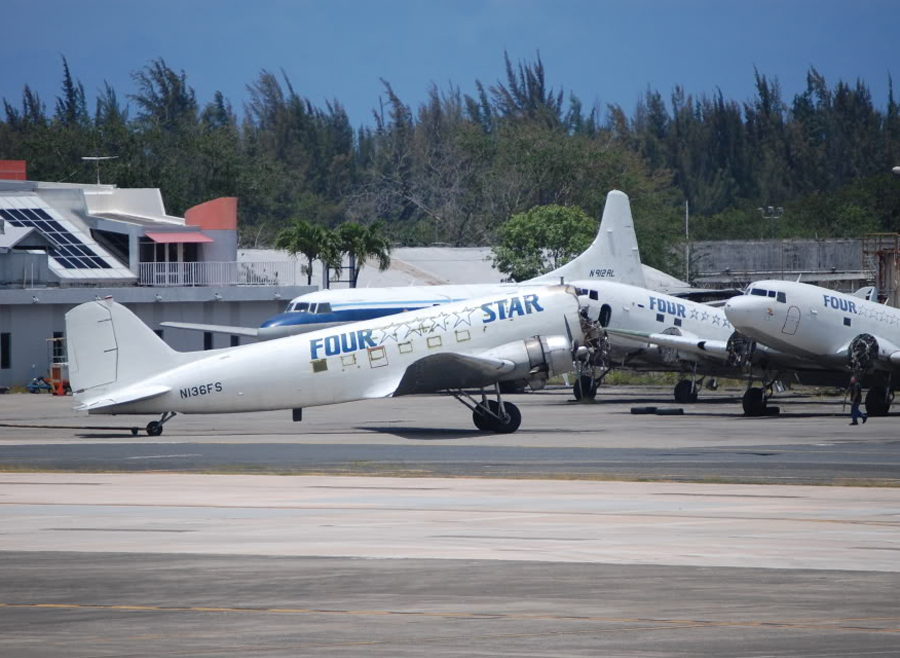
During taxi to a runway, the instrument panel and cockpit floor erupted in flames. Examination of the wreckage revealed that the majority of the wires contained inside the main junction box had very little damage except for two wires that had insulation missing. The damage appeared to be associated with the routing of the two wires. Both wires were connected to the battery relay and ran through wires in and around the exposed terminal studs. Heat damage was noted on the insulation of wires and other components that were in contact with the exposed wires. The wires ran from the battery relay to the forward section of the cockpit, where the fire started. Due to the fire damage that consumed the cockpit, the examination was unable to determine what system the wires were associated with. Further examination revealed that the fuel pressure was a direct indicating system. Fuel traveled directly to the instruments in the cockpit via rigid aluminum lines routed on the right lower side of the fuselage, where more severe fire damage was noted. Review of maintenance records did not reveal any evidence of the fuel pressure indicating system lines and hoses having ever been replaced; however, they were only required to be replaced on an as-needed basis. The electrical system, instrument lines, and hoses through the nose compartment were required to be inspected on a Phase D inspection; the airplane's last Phase D inspection was completed about 9 months prior to the accident and the airplane had accrued 313.1 hours of operation since that inspection.
Probable cause:
Worn electrical wires and a fuel pressure indicating system hose, which resulted in a ground fire during taxi.
Final Report:

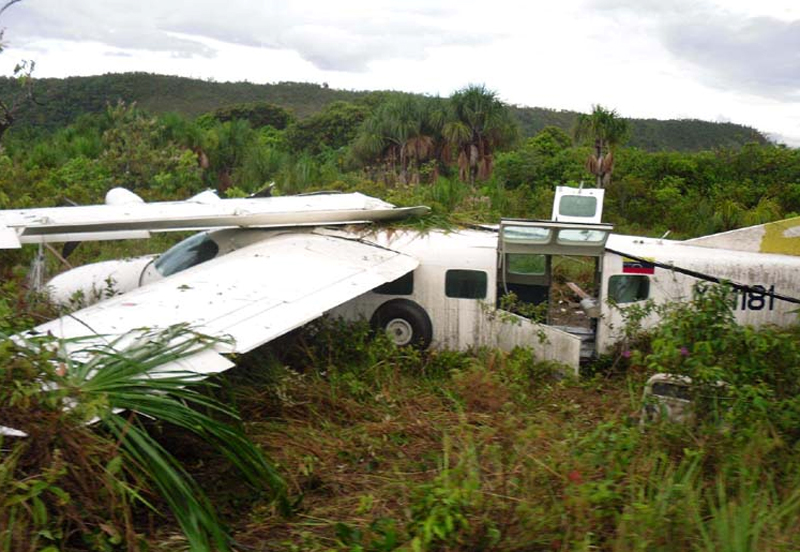
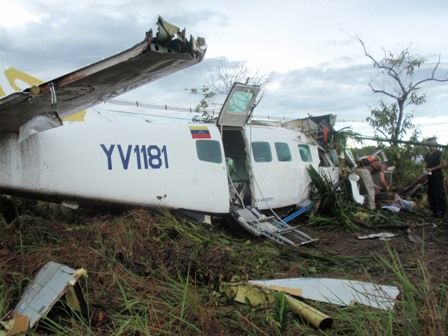
Crash of a Cessna 208B Grand Caravan in Canaima: 1 killed

Date & Time: Apr 17, 2009 at 1545 LT
Type of aircraft:
Operator:
Registration:
YV1181
Flight Phase:
Survivors:
Yes
Schedule:
Canaima – Ciudad Bolívar
MSN:
208B-0695
YOM:
1998
Country:
Crew on board:
2
Crew fatalities:
Pax on board:
10
Pax fatalities:
Other fatalities:
Total fatalities:
1
Captain / Total flying hours:
3404
Captain / Total hours on type:
1021.00
Copilot / Total flying hours:
269
Copilot / Total hours on type:
59
Aircraft flight hours:
15753
Circumstances:
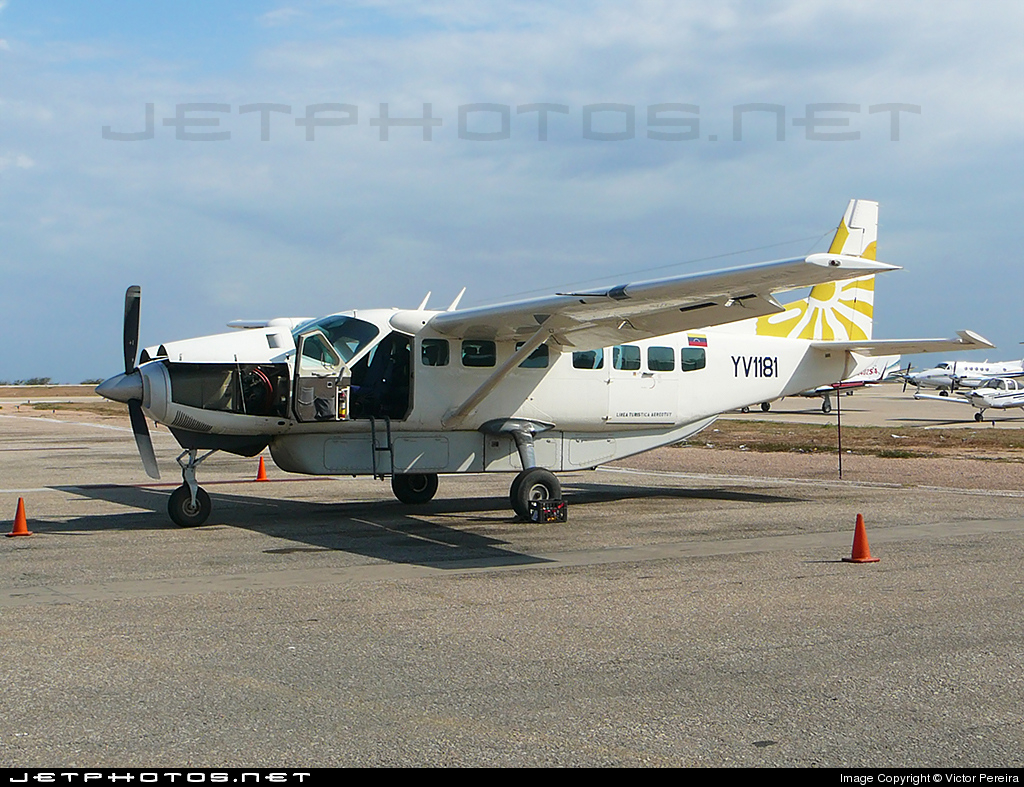
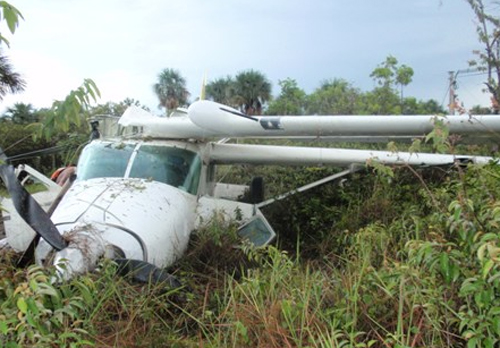
After takeoff from runway 36 at Canaima Airport, while in initial climb, the single engine aircraft encountered difficulties to gain height. It collided with power lines and crashed in bushes located 80 metres past the runway end. A young boy aged 6 was killed while all other occupants were injured, seven seriously. The aircraft was destroyed.
Probable cause:
The accident occurred as a result of the inability of the aircraft to take off, affected by the tailwind and water puddles that covered part of the runway, which did not allow speed to build up, crashing into the ground. It is considered that the most likely cause of the accident was mismanagement by the crew, in the sense of failing to make adequate planning and analysis, coupled with overconfidence and lack of identification of hazardous conditions at that time of takeoff. Based on our [JIAAC] investigations, we can infer that there were several contributing causes for the occurrence of this accident. In this order, we can state the following:
- Adverse weather and tailwind conditions associated with the phenomenon.
- Incorrect management by the crew to use only the last third of the runway with the meteorological conditions prevailing at that time.
- Failure of the aerodrome administration to identify and correct poor drainage of the runway.
- Failure of the Autoridad Aeronáutica to monitor safety.
- Rejection by the crew of the concatenated form in which the factors involved in this event developed.
After all the analysis to different causes involved in this accident, we can point to as the main Causal Factor: Human Factor, due to the mismanagement by the flight crew upon takeoff in these conditions. Physical and Material factors included everything related to the prevailing weather conditions, road conditions and lack of services at the aerodrome by the authorities; all of them are considered Contributing Factors.
Final Report:

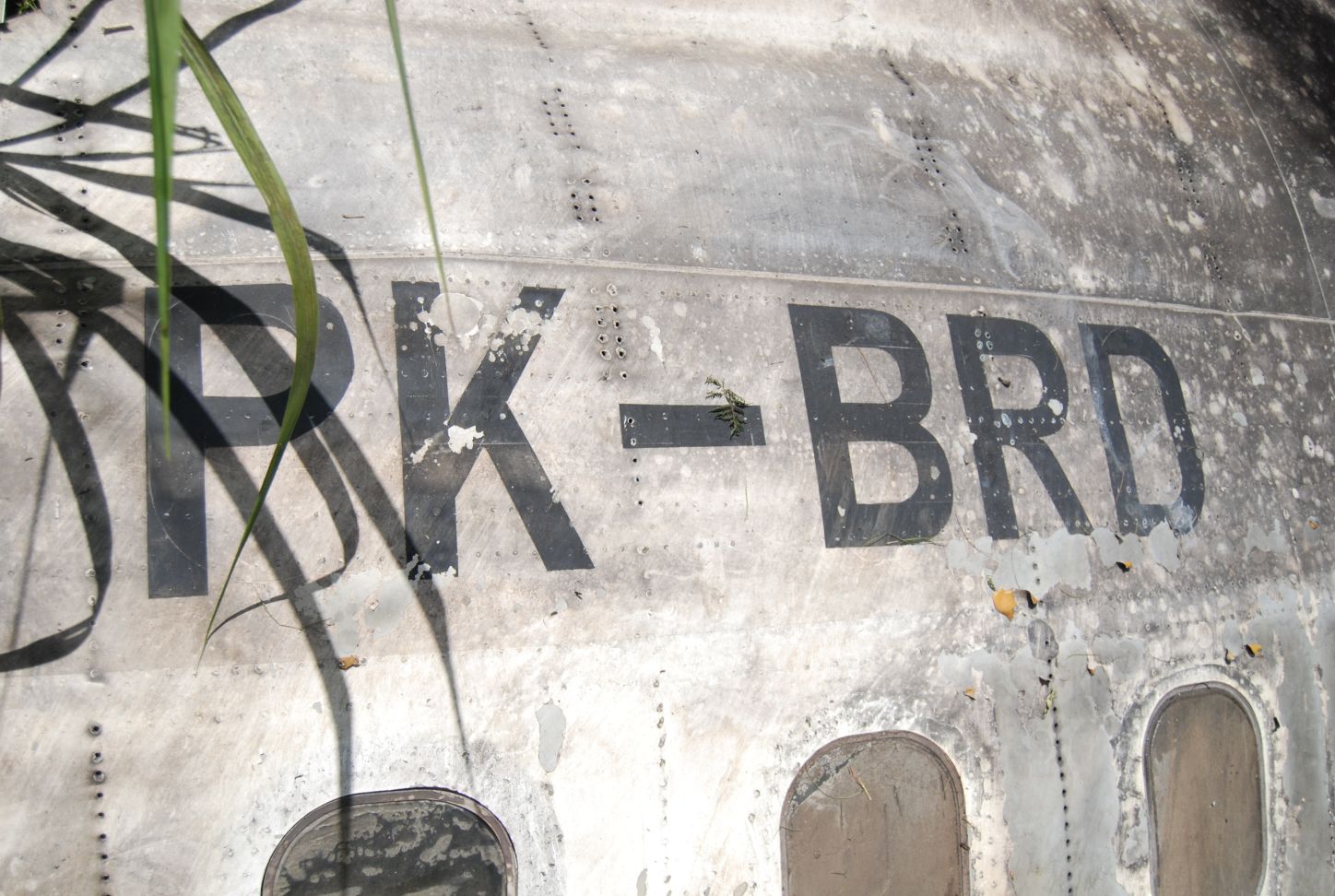
Crash of a BAe 146-300 in Wamena: 6 killed

Date & Time: Apr 9, 2009 at 0743 LT
Type of aircraft:
Operator:
Registration:
PK-BRD
Flight Type:
Survivors:
No
Schedule:
Jayapura - Wamena
MSN:
E3189
YOM:
1990
Country:
Region:
Crew on board:
6
Crew fatalities:
Pax on board:
0
Pax fatalities:
Other fatalities:
Total fatalities:
6
Captain / Total flying hours:
8305
Captain / Total hours on type:
958.00
Copilot / Total flying hours:
12389
Copilot / Total hours on type:
191
Aircraft flight hours:
22225
Circumstances:
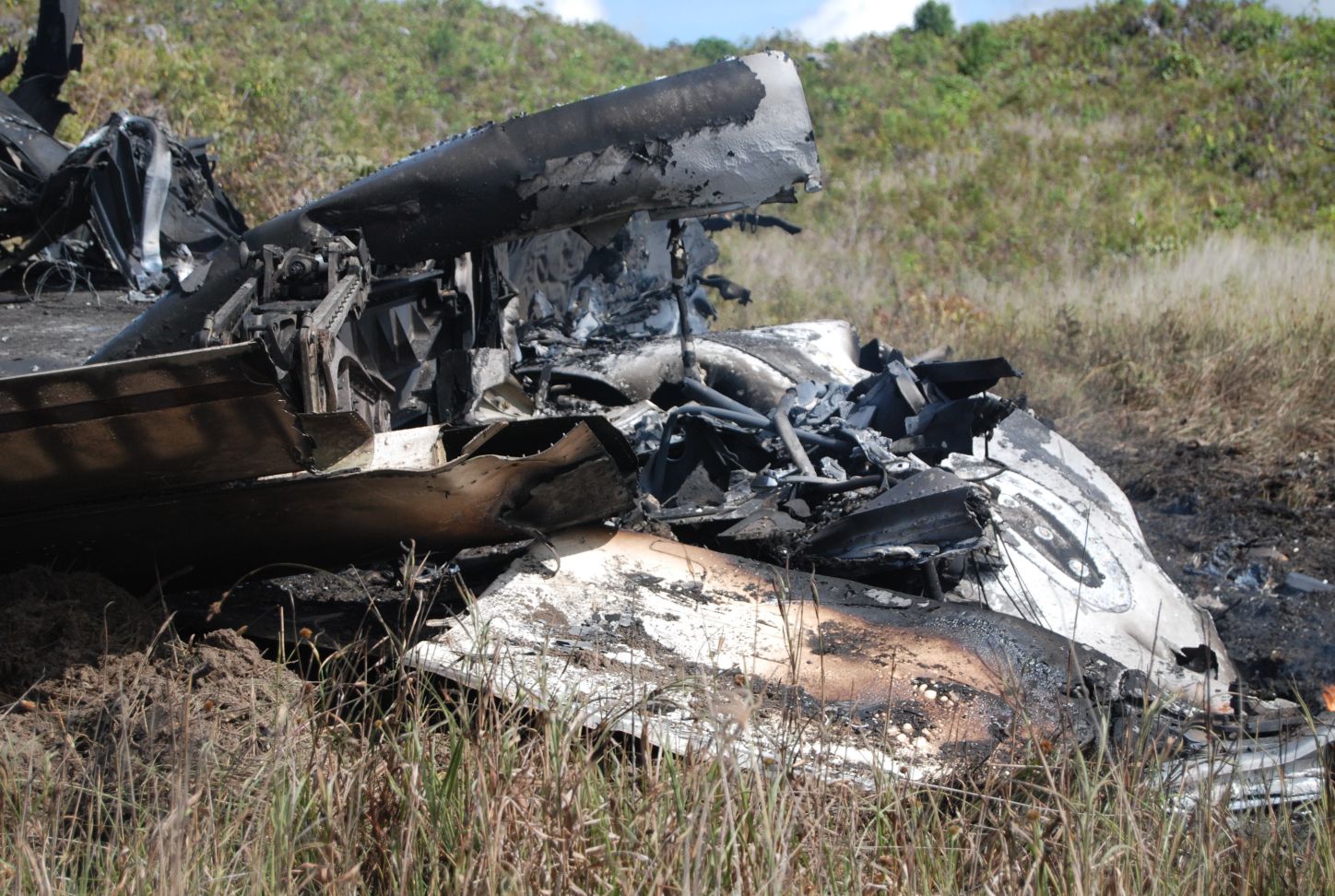
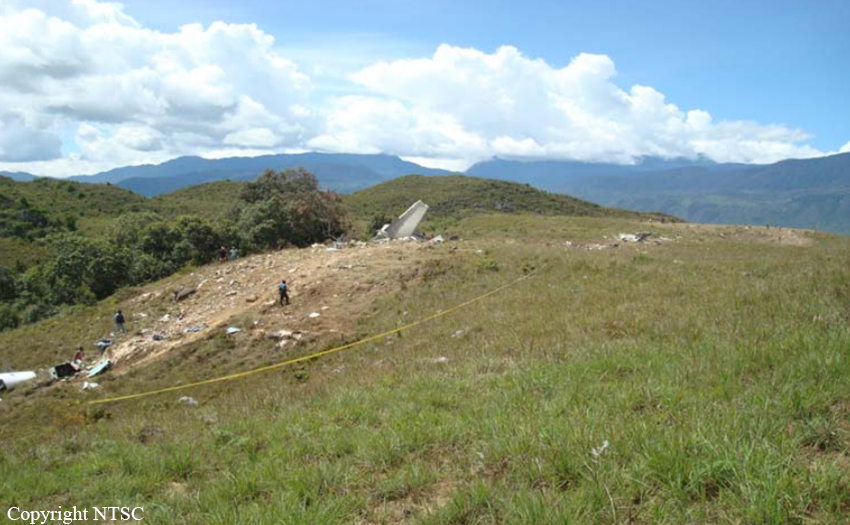
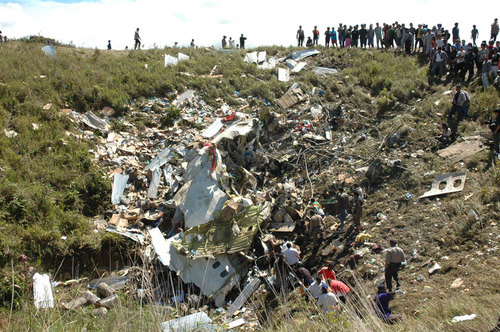
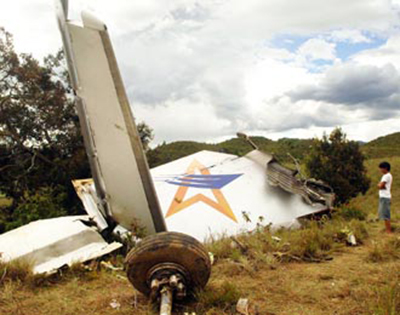
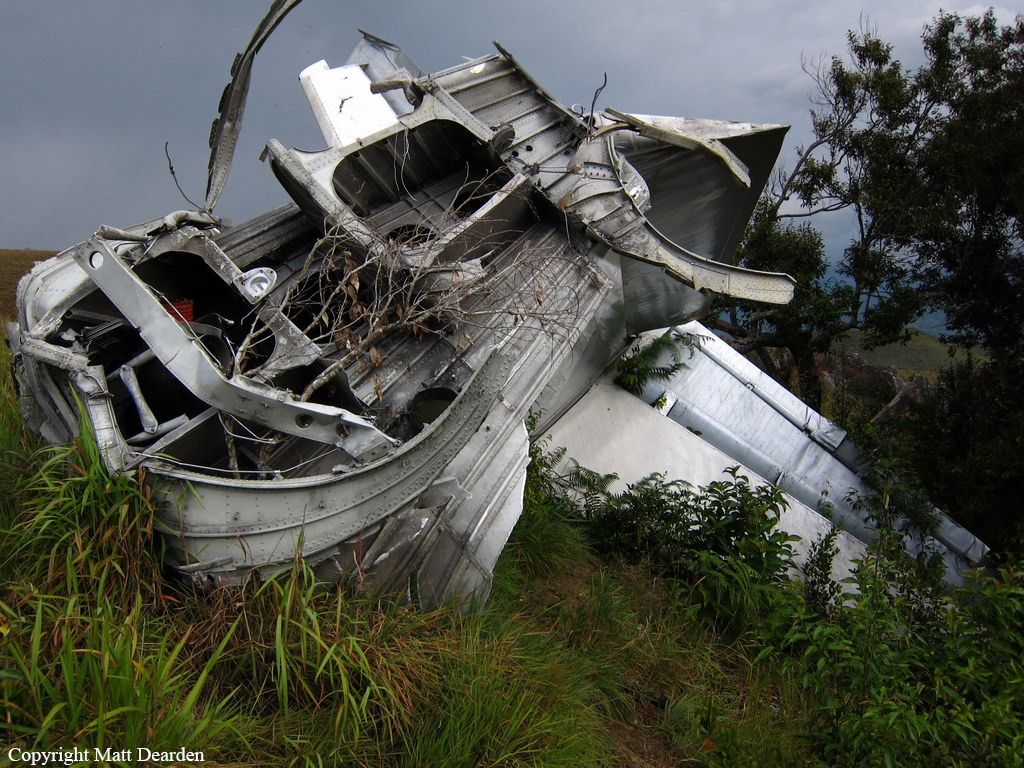
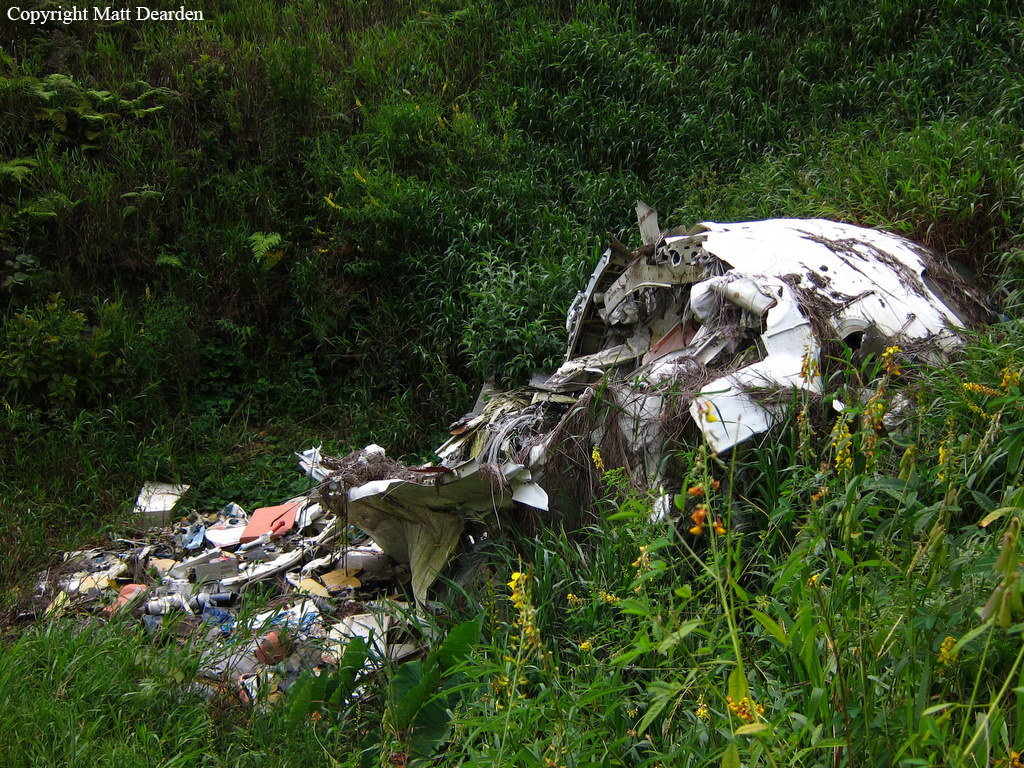
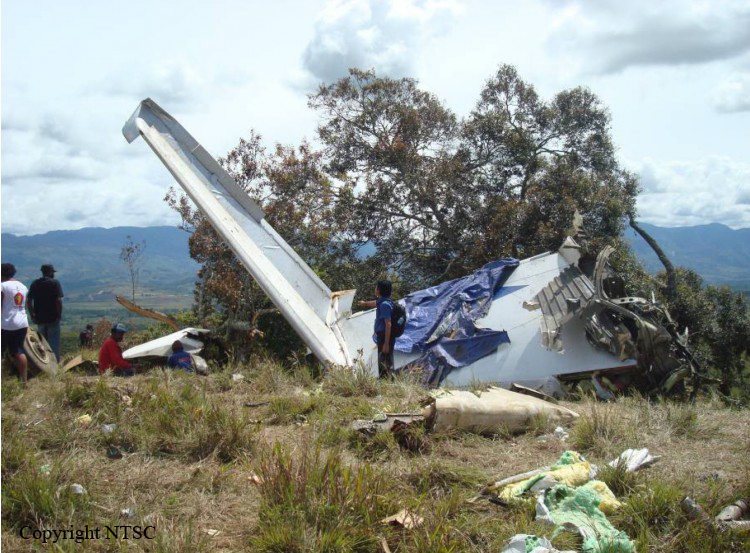
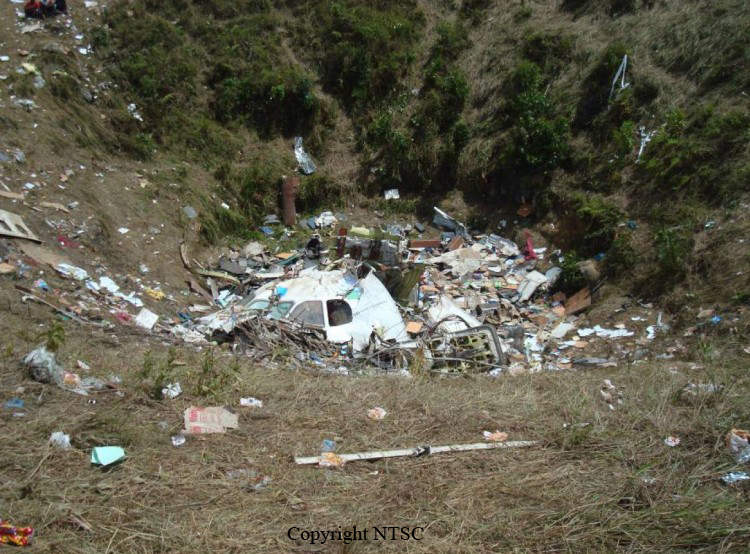
On the morning of 9 April 2009, a British Aerospace BAe 146-300 aircraft, registered PK-BRD, was being operated by PT. Aviastar Mandiri Airlines as a scheduled passenger and cargo flight from Sentani Airport to Wamena Airport, Papua. The crew consisted of two pilots, two flight attendants, an engineer, and a load master. The aircraft performed a go-around from the initial landing approach on runway 15 at Wamena. The flight crew positioned the aircraft on a right downwind leg for another landing approach. As the aircraft was turned towards the final approach for the second landing approach at Wamena it impacted terrain and was destroyed. All of the occupants were fatally injured. The Enhanced Ground Proximity Warning System (EGPWS) manufacturer performed simulations using data from the flight recorders, and two separate terrain data sources. The manufacturer informed the investigation that “the GPWS/EGPWS alerts recorded in the CVR were issued as designed”. However the enhanced Look-Ahead function appeared to have been inhibited following the go around. There was no evidence from the CVR that the crew had deliberately inhibited the terrain function of the EGPWS. The investigation determined that the EGPWS issued appropriate warnings to the flight crew, in the GPWS mode. The pilot in command did not take appropriate remedial action in response to repeated EGPWS warnings. The investigation concluded that flight crew’s lack of awareness of the aircraft’s proximity with terrain, together with non conformance to the operator’s published operating procedures, resulted in the aircraft’s impact with terrain. As a consequence of this accident, the operator took safety action to address deficiencies in its documentation for missed approach procedures at Wamena. As a result of this accident, the National Transportation Safety Committee (NTSC) also issued safety recommendations to the operator and to the Directorate General Civil Aviation (DGCA) to ensure that relevant documented safety procedures are implemented. During the investigation, safety issues were identified concerning modification of aircraft and DGCA approval of those modifications. While those safety issues did not contribute to the accident, they nevertheless are safety deficiencies. Accordingly, the NTSC report includes recommendations to address those identified safety issues.
Probable cause:
The crew did not appear to have awareness of the aircraft’s proximity with terrain until impact with terrain was imminent. The flight crew did not act on the Enhanced Ground Proximity Warning System aural warnings, and did not conform to the operator’s published operating procedures. Together, those factors resulted in the aircraft’s impact with terrain.
Final Report:


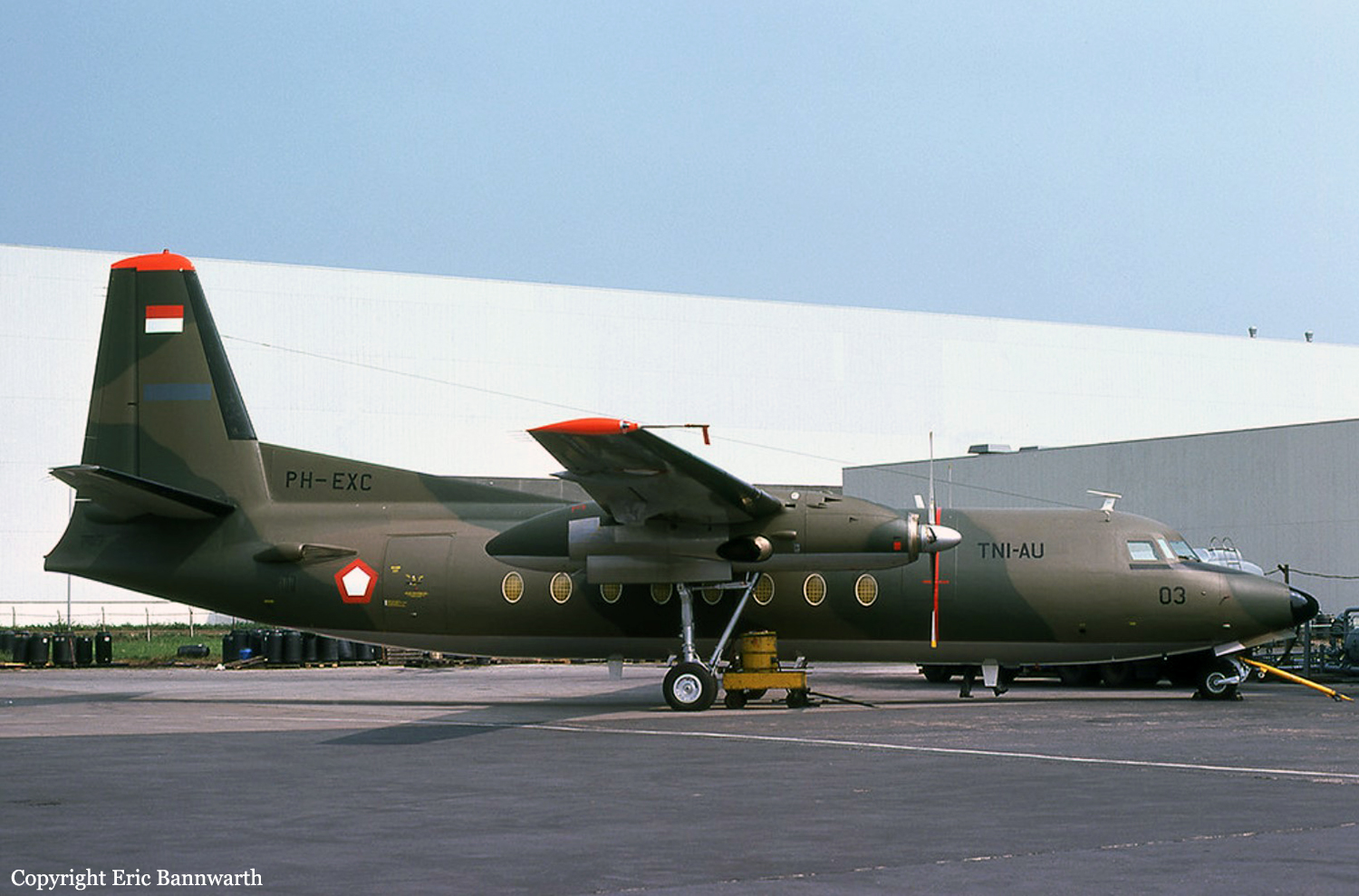
Crash of a Fokker F27 Friendship 400M in Bandung: 24 killed

Date & Time: Apr 6, 2009 at 1230 LT
Type of aircraft:

Operator:

Registration:
A-2703
Survivors:
No
Schedule:
Bandung - Bandung
MSN:
10538
YOM:
1976
Country:
Region:
Crew on board:
6
Crew fatalities:
Pax on board:
18
Pax fatalities:
Other fatalities:
Total fatalities:
24
Circumstances:
The aircraft was performing a paratroopers/skydiving mission in the region of Bandung, taking part to a military program with members of the Special Forces on board. While approaching runway 29 with 20 knots crosswind, the aircraft went out of control and crashed onto a hangar, bursting into flames. All 24 occupants were killed, among them 17 paratroopers, one instructor and 6 crew members.

Crash of a Rockwell Aero Commander 500 in Gaborone

Date & Time: Apr 6, 2009
Operator:
Registration:
A2-ATI
Flight Type:
Survivors:
Yes
Schedule:
Kasane – Gaborone
Country:
Region:
Crew on board:
1
Crew fatalities:
Pax on board:
4
Pax fatalities:
Other fatalities:
Total fatalities:
0
Circumstances:
Upon landing at Gaborone-Seretse Khama Airport, the twin engine aircraft went out of control, flipped over and crashed, coming to rest upside down on the runway edge. All five occupants were injured and the aircraft was destroyed. The aircraft type is not confirmed.

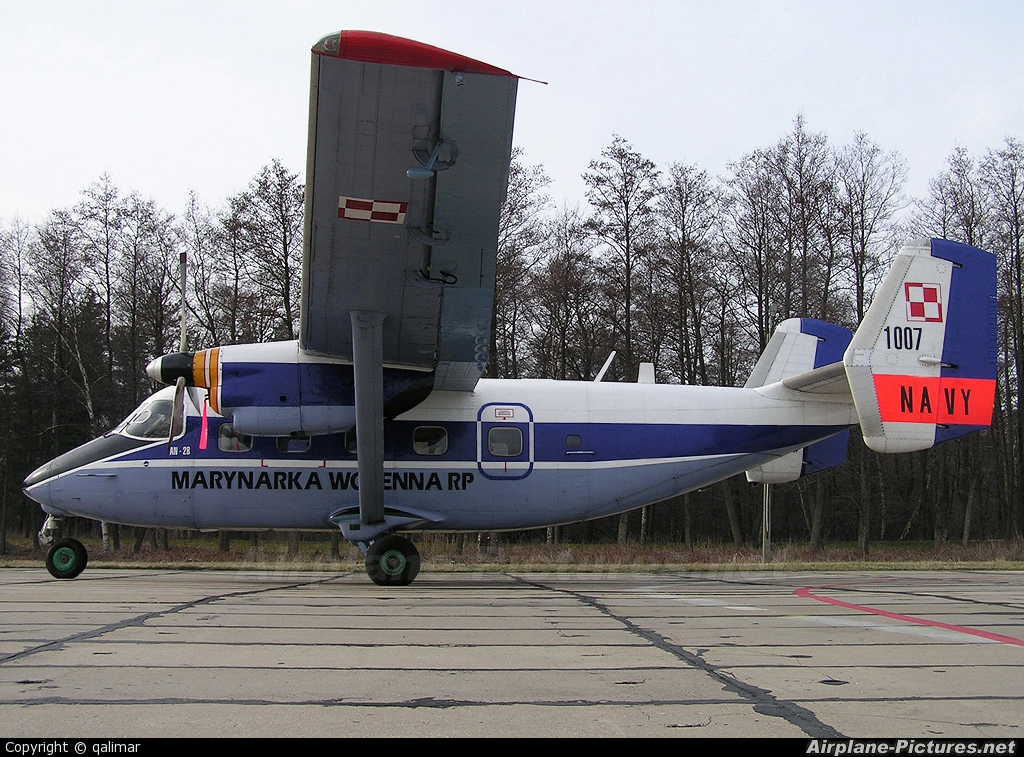
Crash of a PZL-Mielec AN-28TD in Gdynia Babie Doly AFB: 4 killed

Date & Time: Mar 31, 2009 at 1645 LT
Type of aircraft:
Operator:
Registration:
1007
Flight Type:
Survivors:
No
Schedule:
Gdynia-Babie Doły - Gdynia-Babie Doły
MSN:
AJHP1-01
YOM:
1997
Country:
Region:
Crew on board:
4
Crew fatalities:
Pax on board:
0
Pax fatalities:
Other fatalities:
Total fatalities:
4
Aircraft flight hours:
1500
Circumstances:
The crew was completing a training sortie at Gdynia-Babie Doły AFB. On final approach with one engine voluntarily inoperative, the aircraft stalled at low speed. The crew elected to make a go around but the aircraft hit trees at the end of the runway and crashed. All four occupants were killed.
Probable cause:
The pilot in command was under instruction and was joining the circle to perform the final approach with one engine inoperative. He selected full flaps on final, which is against the procedure published in the AFM that requires a maximum flaps of 25°. It was also determined that the pilot in command failed to maintain directional control when power was added to attempt a go-around procedure. On his part, the flight instructor failed to take over the control of the aircraft.

Crash of a Tupolev TU-134AK at Dolinsk-Sokol AFB

Date & Time: Mar 26, 2009
Type of aircraft:
Operator:
Registration:
RA-65981
Flight Phase:
Flight Type:
Survivors:
Yes
MSN:
63250
YOM:
1980
Country:
Region:
Crew on board:
0
Crew fatalities:
Pax on board:
0
Pax fatalities:
Other fatalities:
Total fatalities:
0
Circumstances:
On take off roll at dusk during heavy snow falls, the aircraft veered off runway to the left and collided with a snow mound (1,2 meter high). The nose gear was torn off while both main gears collapsed. All occupants escaped uninjured while the aircraft was damaged beyond repair. It was used for the Far East Command.
Probable cause:
It appears that runway was not properly cleaned from snow prior to takeoff.