Crash of a BAe 3201EP Jetstream 32 in El Estrecho: 1 killed

Date & Time: Sep 20, 2022 at 0853 LT
Type of aircraft:
Operator:
Registration:
OB-2152
Flight Phase:
Survivors:
Yes
Schedule:
El Estrecho – Iquitos
MSN:
941
YOM:
1991
Country:
Crew on board:
2
Crew fatalities:
Pax on board:
15
Pax fatalities:
Other fatalities:
Total fatalities:
1
Captain / Total flying hours:
11088
Captain / Total hours on type:
454.00
Copilot / Total flying hours:
936
Copilot / Total hours on type:
628
Aircraft flight hours:
26267
Aircraft flight cycles:
34966
Circumstances:
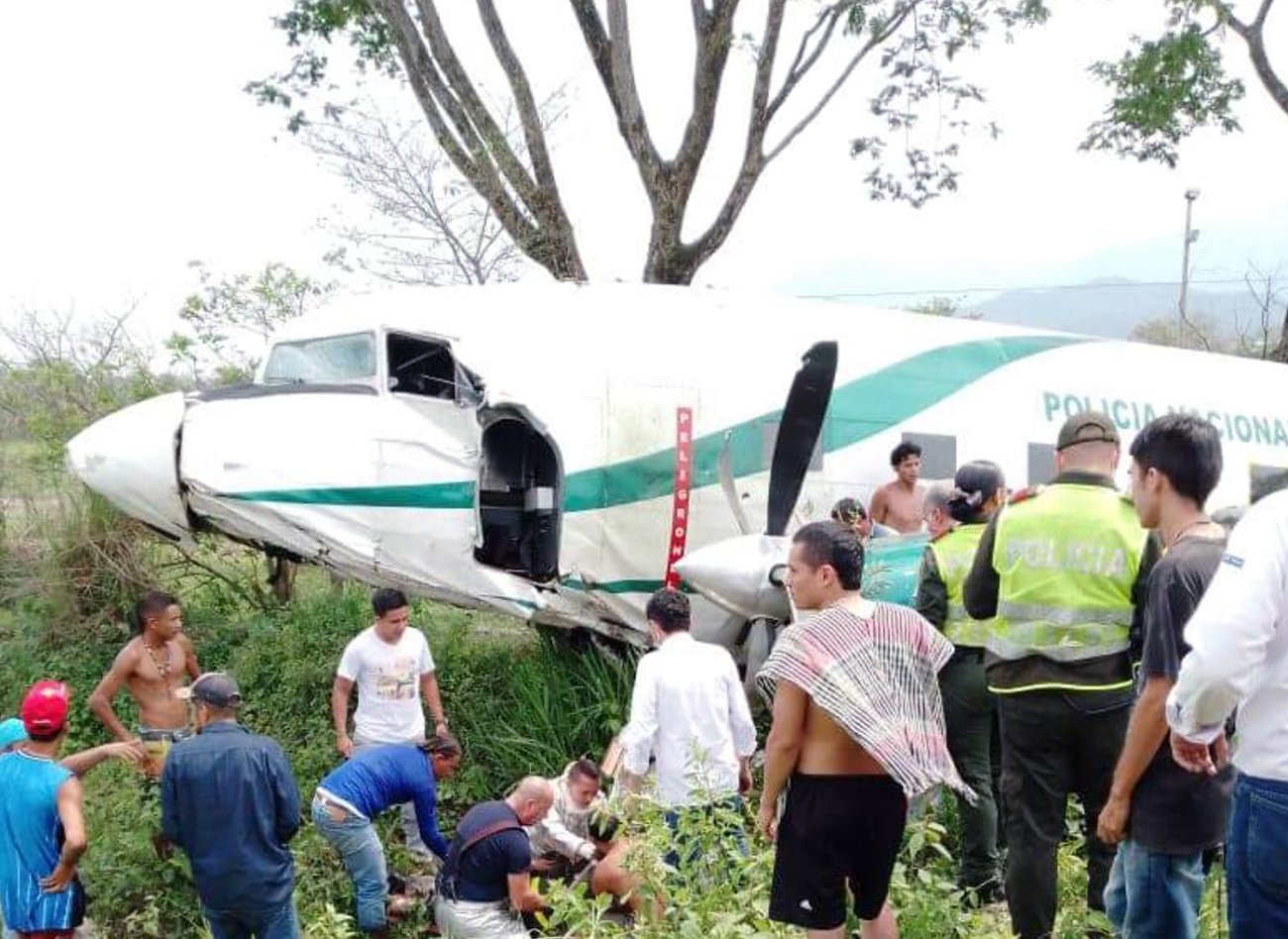
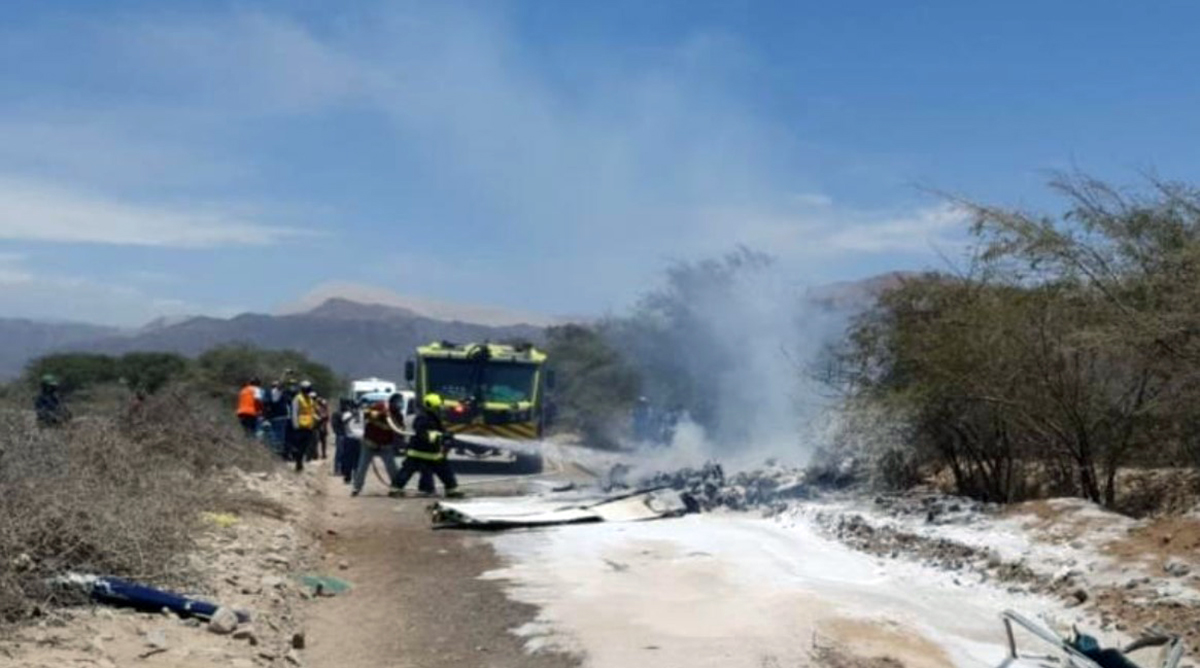
During the takeoff run from runway 31 at El Estrecho Airport, when the aircraft reached a speed of 80 knots, the captain handed over control to the first officer to complete the takeoff maneuver. However, after traveling approximately 1,000 metres down the runway without being able to lift off, the First Officer decided, without communicating this to the Captain, to abort the takeoff, for which he reduced power by braking the aircraft. Upon feeling the reduction in power, the Captain took the controls, applied reverse thrust to the engines, and simultaneously applied the brakes. The aircraft overshot the end of the runway by approximately 50 metres, causing a Runway Excursion, colliding with and coming to an abrupt stop on a mound of earth and vegetation in the runway extension, leaving the aircraft partially destroyed and causing the death of one of the passengers, as well as injuries to the rest of the occupants.
Probable cause:
Loss of directional control of the aircraft and a subsequent Runway Excursion, resulting from a combination of errors in takeoff planning and execution, incorrect configuration of the RPM throttles levers, failure to comply with standard procedures and poor cockpit resource management (CRM).
The following contributing factors were identified:
- The inappropriate decision to abort takeoff at a speed higher than that described in the performance tables significantly increased the required braking distance.
- Ineffective communication between flight crew members, especially during the critical takeoff phase, creating confusion and incorrect decision-making.
- The ASDA (Accelerate-Stop Distance Available) and takeoff speed calculations used by the crew were significantly higher, increasing the distance and speed required for a safe takeoff.
Final Report:


Crash of a Cessna 208B Grand Caravan in Porto Trombetas: 1 killed

Date & Time: Sep 10, 2022
Type of aircraft:
Operator:
Registration:
PT-MES
Flight Phase:
Survivors:
Yes
Schedule:
Porto Trombetas - Ayaramã
MSN:
208B-0507
YOM:
1996
Country:
Crew on board:
1
Crew fatalities:
Pax on board:
4
Pax fatalities:
Other fatalities:
Total fatalities:
1
Circumstances:
After takeoff from Porto Trombetas Airport, the pilot encountered engine problems and attempted an emergency landing. The airplane crashed in a wooded area and was destroyed. The pilot was killed and all four passengers were injured. They were en route to Ayaramã to provide dental assistance to locals. On board were one dentist, one assistant, one nurse and one employee of the Brazilian Institute for Geography and Statistics.

Crash of a IAI 1124 Westwind in Goiânia

Date & Time: Aug 7, 2022 at 1050 LT
Type of aircraft:
Operator:
Registration:
PR-OMX
Flight Type:
Survivors:
Yes
Schedule:
Goiânia - Goiânia
MSN:
363
YOM:
1981
Country:
Crew on board:
3
Crew fatalities:
Pax on board:
0
Pax fatalities:
Other fatalities:
Total fatalities:
0
Circumstances:
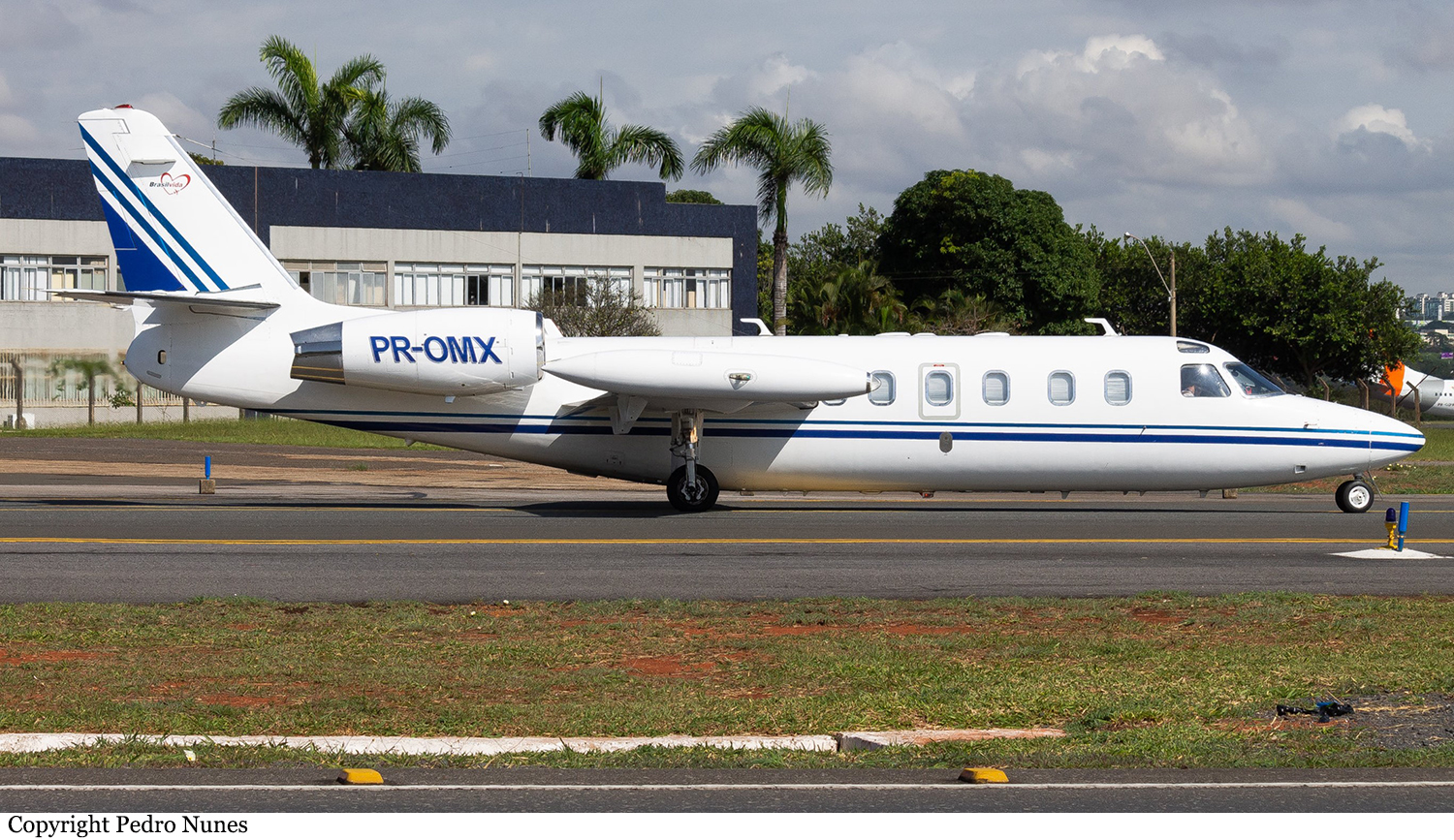
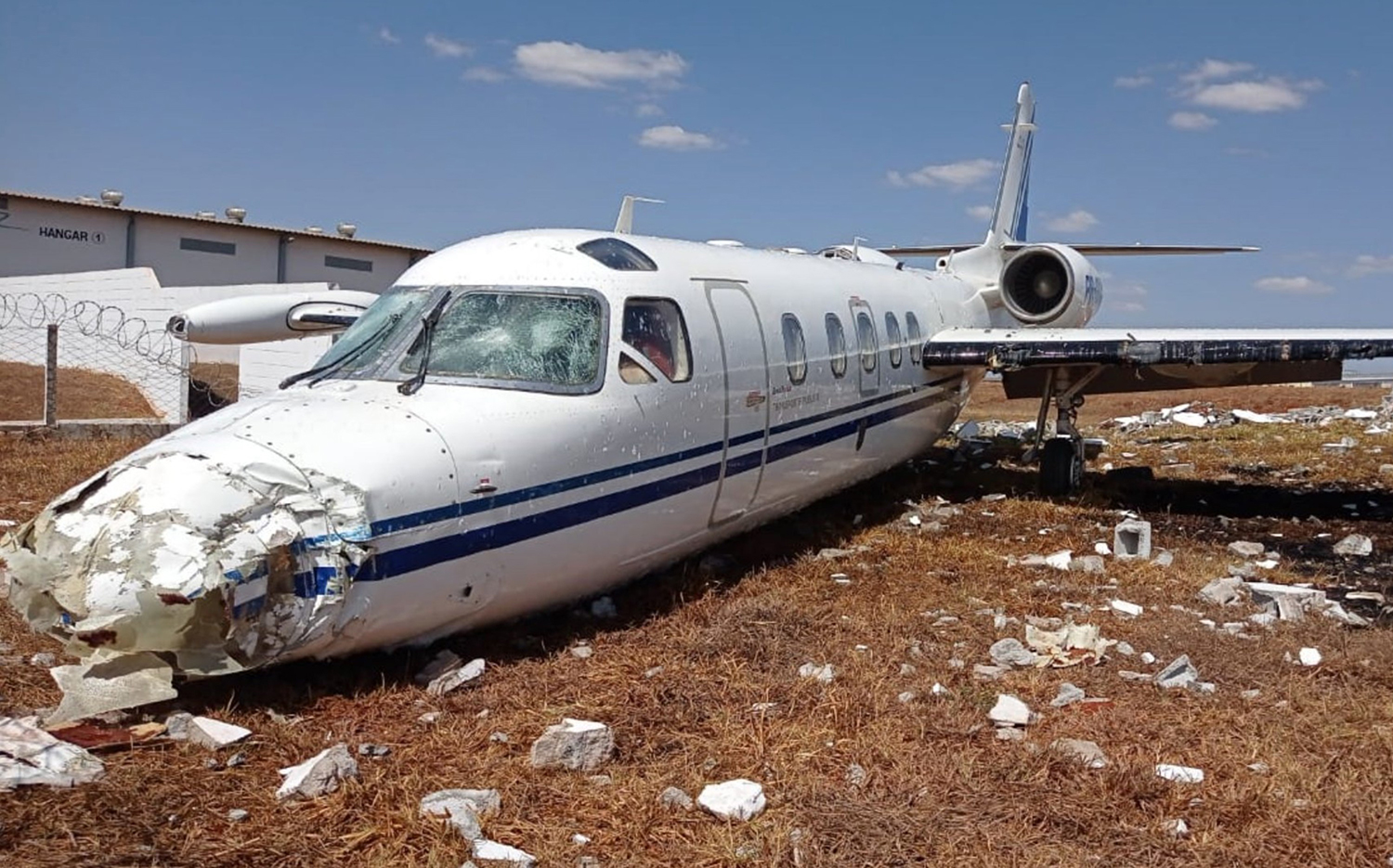
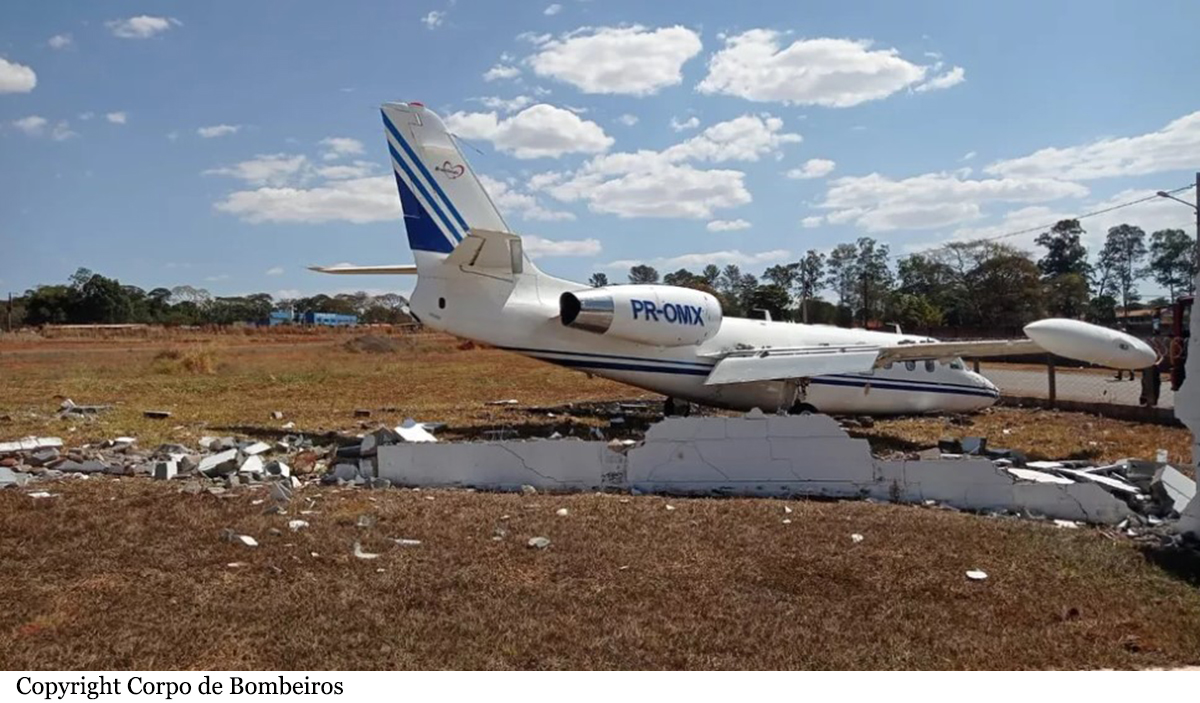
The aircraft departed Goiânia-Nacional de Aviação Airport Runway 14 at 1012LT on a local test flight with three crew members on board. After reaching FL340, several tests were completed then the crew made a high speed descent before landing on runway 32. After touchdown and a course of about 700 metres, the airplane veered off runway to the right, collided with a concrete wall, lost its nose gear and came to rest near the perimeter fence. All three occupants evacuated safely.

Crash of a Learjet 35A in Río Grande: 4 killed

Date & Time: Jul 1, 2022 at 1410 LT
Type of aircraft:
Operator:
Registration:
LV-BPA
Flight Phase:
Flight Type:
Survivors:
No
Schedule:
Río Grande – San Fernando
MSN:
35-143
YOM:
1978
Country:
Crew on board:
2
Crew fatalities:
Pax on board:
2
Pax fatalities:
Other fatalities:
Total fatalities:
4
Captain / Total flying hours:
9338
Captain / Total hours on type:
2122.00
Copilot / Total flying hours:
6913
Copilot / Total hours on type:
717
Aircraft flight hours:
13917
Aircraft flight cycles:
13170
Circumstances:
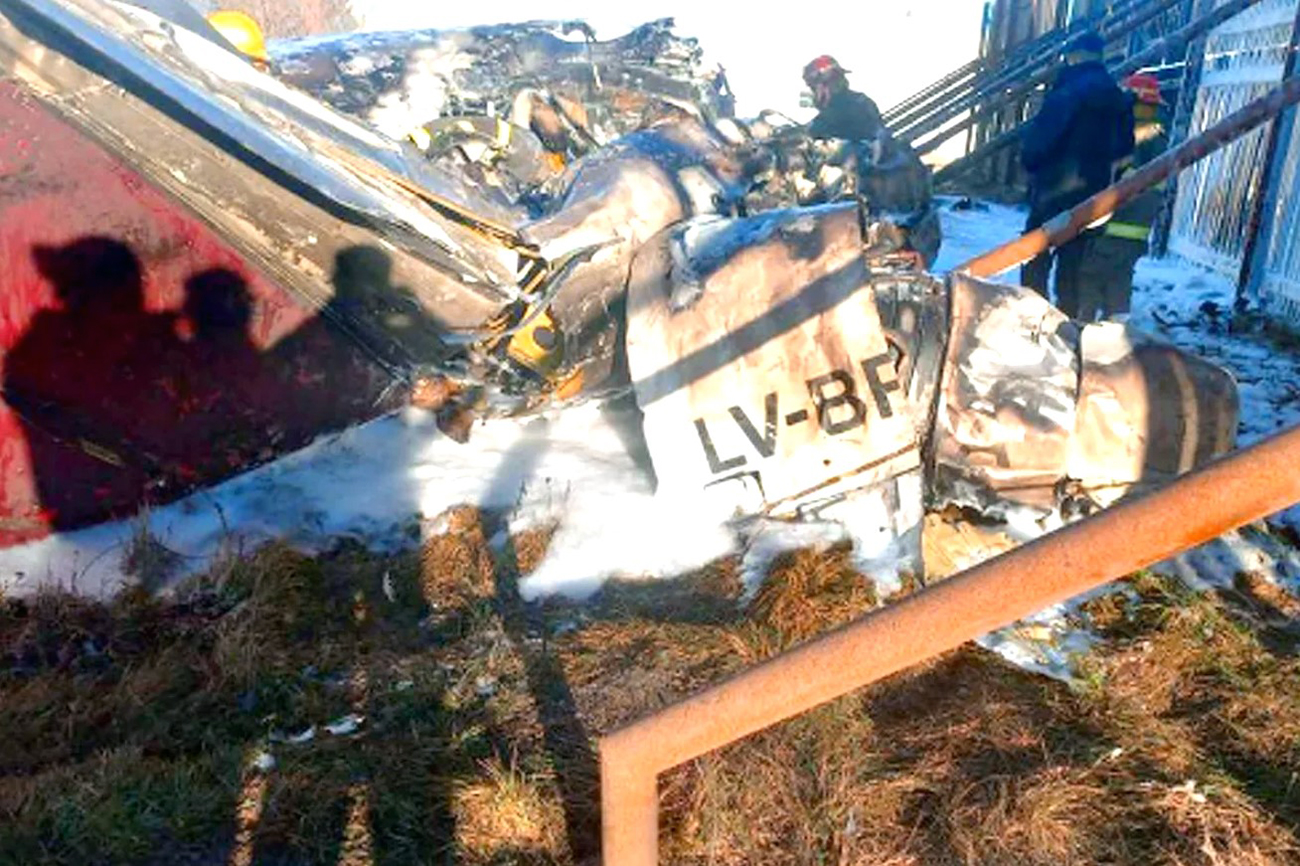
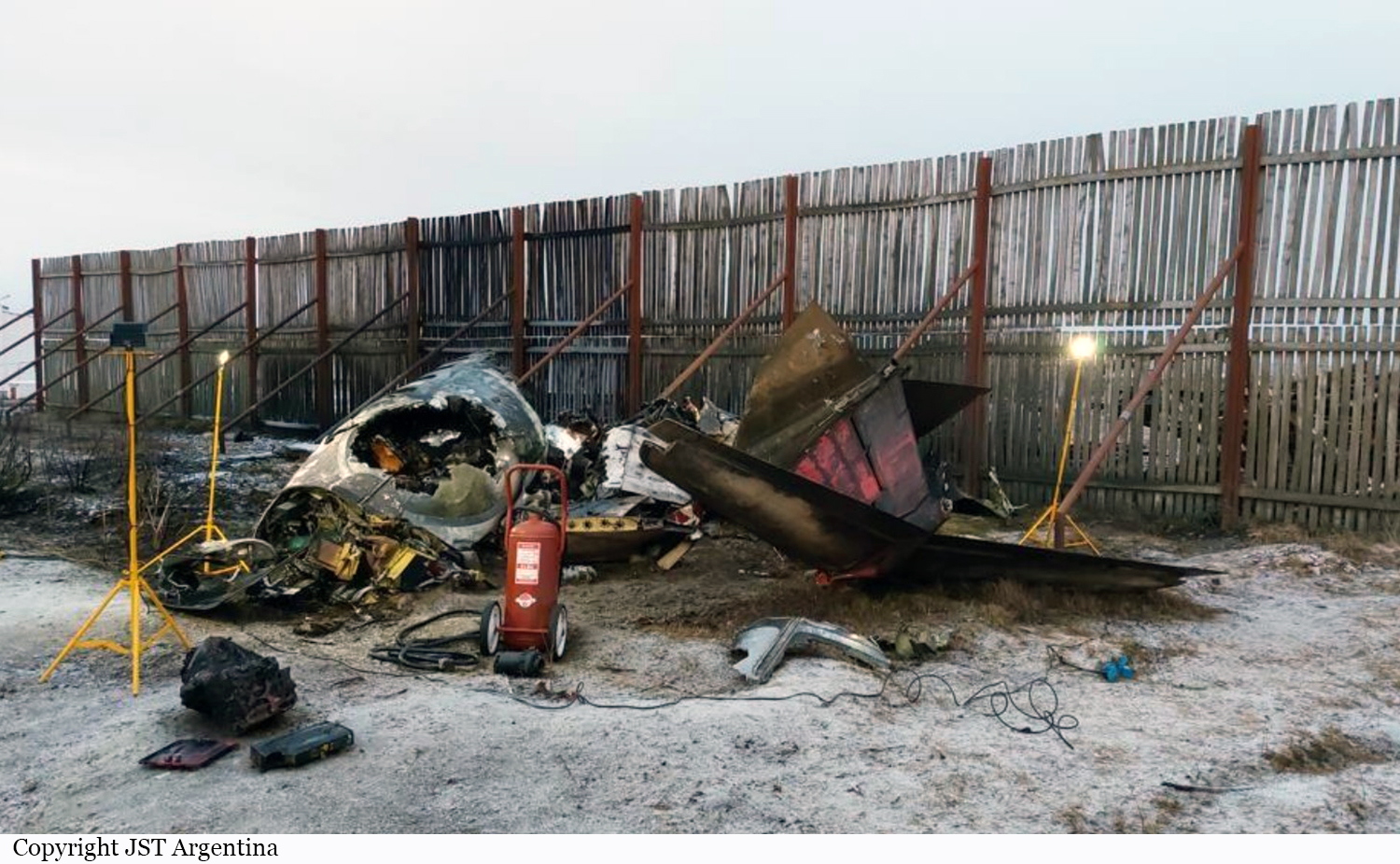
The airplane was returning to its base in San Fernando following an ambulance flight from Comodoro Rivadavia to Río Grande. Shortly after takeoff from Río Grande-Gobernador Ramón Trejo Noel Airport Runway 26, while in initial climb, the airplane rolled to the left, stabilized momentarily then rolled again to the left, lost lift and crashed in a huge explosion 1,870 metres pas the runway end and 300 metres to its left. The airplane was destroyed by impact forces and a post crash fire and all four occupants were killed.
Crew:
Claudio Canelo, pilot,
Héctor Vittore, copilot.
Passengers:
Diego Ciolfi, doctor,
Denise Torres Garcá, nurse.
Probable cause:
During the climb, immediately after takeoff, the aircraft rolled to the left, stabilized momentarily, and then rolled again to the same side. The second roll caused excessive bank, resulting in localized lift loss on the left wing, which led to a loss of altitude until impact with the ground. Information obtained during the investigation suggests that the aileron interconnection cable was disconnected at the time of the accident. Disconnection of the aileron interconnection cable causes a loss of synchronization between the left (pilot) and right (copilot) controls, allowing only right turns from the left control and left turns from the right control. This disconnection likely generated asymmetrical responses in the control inputs, making it difficult to control the aircraft and contributing to the loss of control. Cockpit conversations suggest that the copilot, seated on the right, began the takeoff run and, after the second left bank, transferred control to the pilot, seated on the left. At low altitude, the attempt to correct the left wing tilt, once in a stall situation, proved ineffective. According to the aircraft's maintenance records, the last replacement of the aileron interconnection cable was performed at 13,217.5 total flight hours July 18, 2016. The procedure for replacing the aileron interconnection cable did not clearly establish the removal and installation of the locking clips. The procedure for checking the tension of the aileron system cables, carried out on February 28, 2020, at 13,695.7 flight hours, did not clearly establish the installation of the locking clips. It is reasonable to conclude that the cable became disconnected due to the absence of the locking clips, which would have allowed the tensioner to gradually unscrew under the dynamic loads resulting from successive flights. The conclusion that the cable detachment was due to the absence of the locking clip suggests shortcomings in the training of the personnel responsible for inspecting the aircraft, as well as in the supervision of maintenance tasks by the maintenance manager. No evidence of failure of other flight control components that could have contributed to the accident was found.
Final Report:
Crash of a Learjet 55C Longhorn near Charallave: 6 killed

Date & Time: Jun 22, 2022 at 1937 LT
Type of aircraft:
Registration:
YV3304
Flight Type:
Survivors:
No
Site:
Schedule:
Puerto Cabello – Charallave
MSN:
55-145
YOM:
1990
Country:
Crew on board:
2
Crew fatalities:
Pax on board:
4
Pax fatalities:
Other fatalities:
Total fatalities:
6
Circumstances:
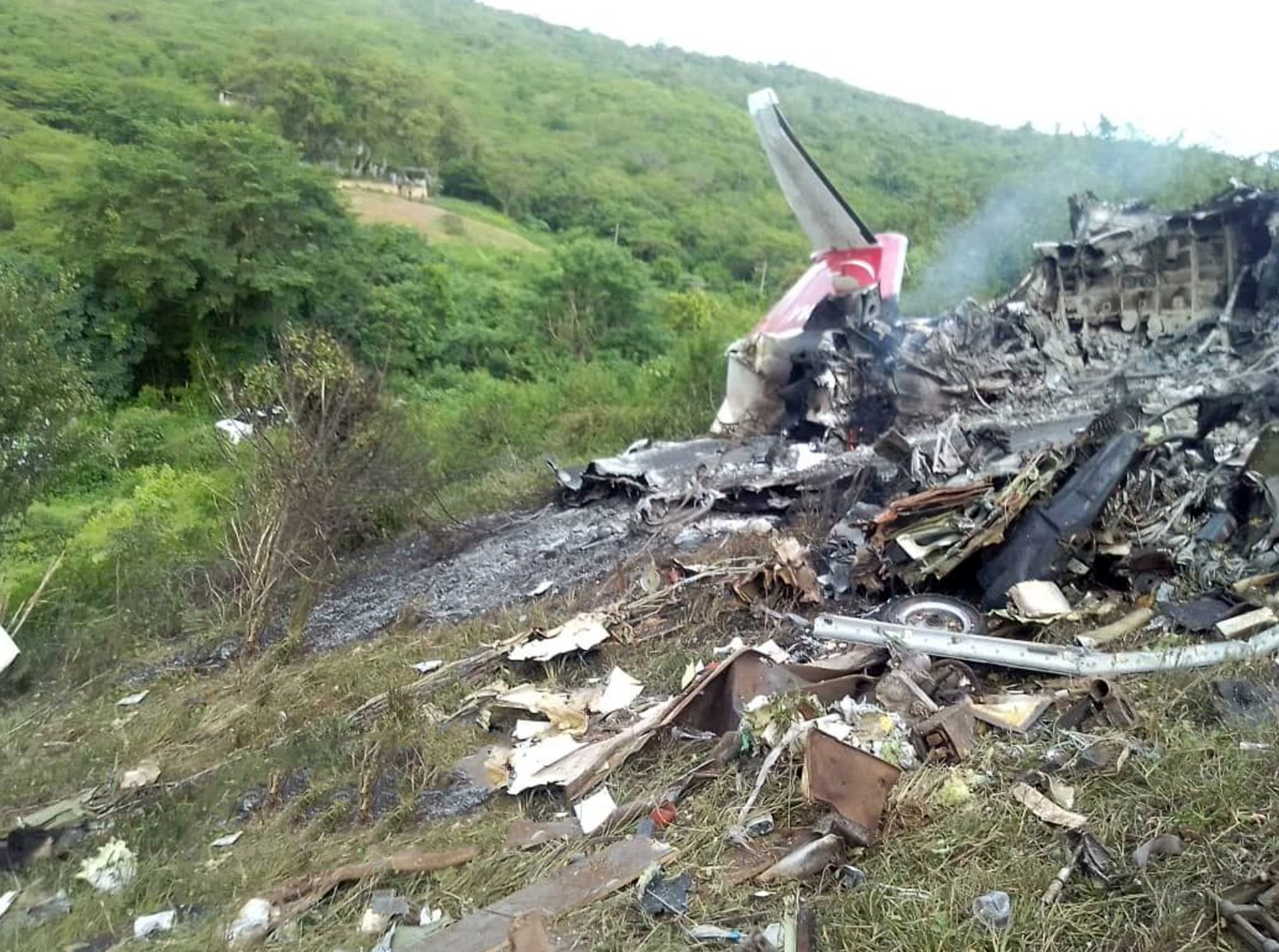
While approaching Charallave-Óscar Machado Zuloaga Airport, the crew encountered technical problems (apparently with the reversers) and declared an emergency. The captain initiated a go around procedure and completed a circuit south of the airport. During a second approach, the airplane deviated from the approach path to the south and continued until it impacted the top of a hill located 8 km south of the airport. The aircraft was destroyed by impact forces and a post crash fire and all six occupants were killed, among them Christian Toni, President of the Estudiantes de Mérida football club.

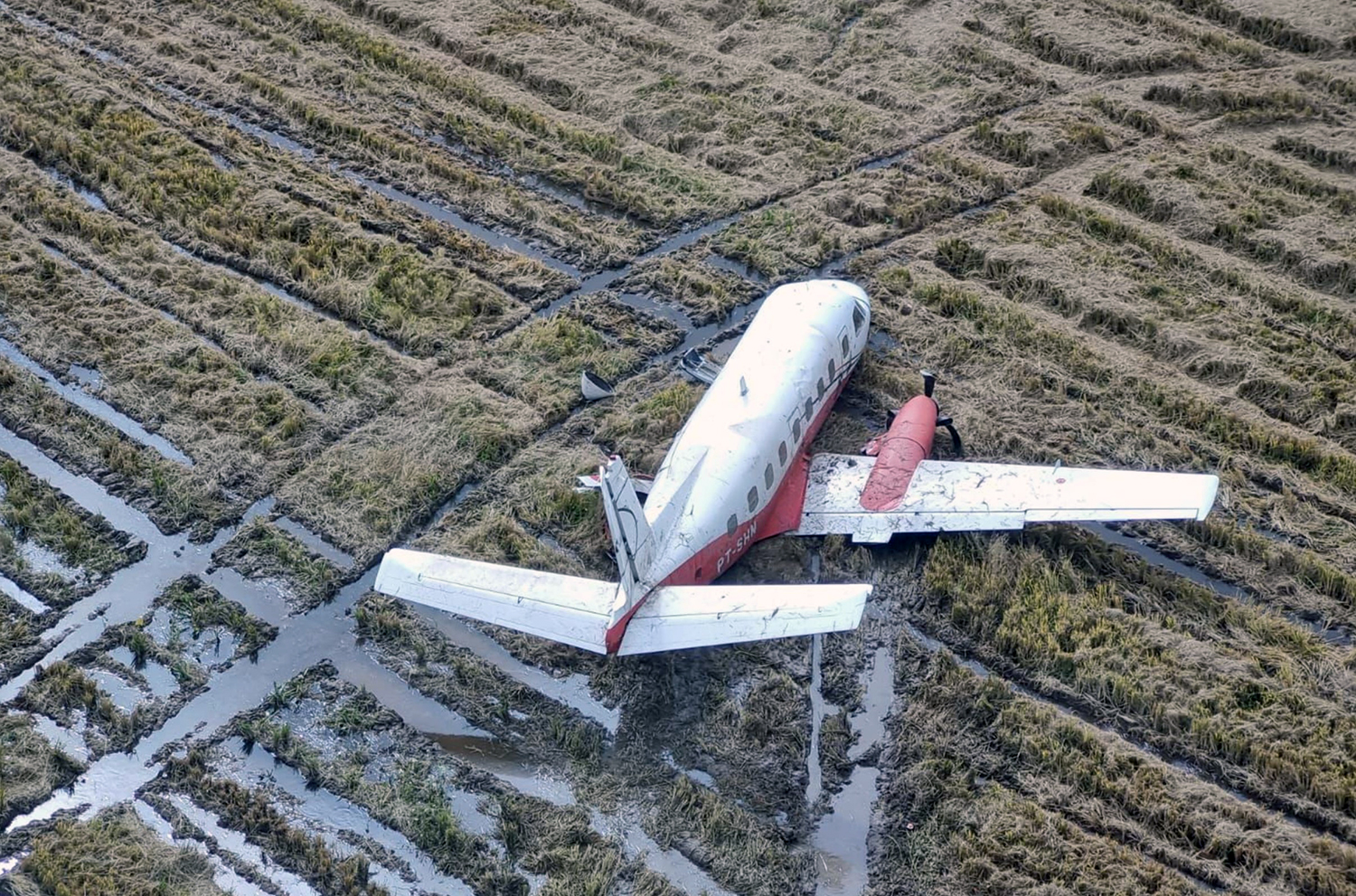
Crash of an Embraer EMB-110P1 Bandeirante in Eldorado do Sul

Date & Time: May 20, 2022
Operator:
Registration:
PT-SHN
Flight Type:
Survivors:
Yes
Schedule:
Jundiaí – Eldorado do Sul
MSN:
110-460
YOM:
1985
Country:
Crew on board:
2
Crew fatalities:
Pax on board:
0
Pax fatalities:
Other fatalities:
Total fatalities:
0
Circumstances:
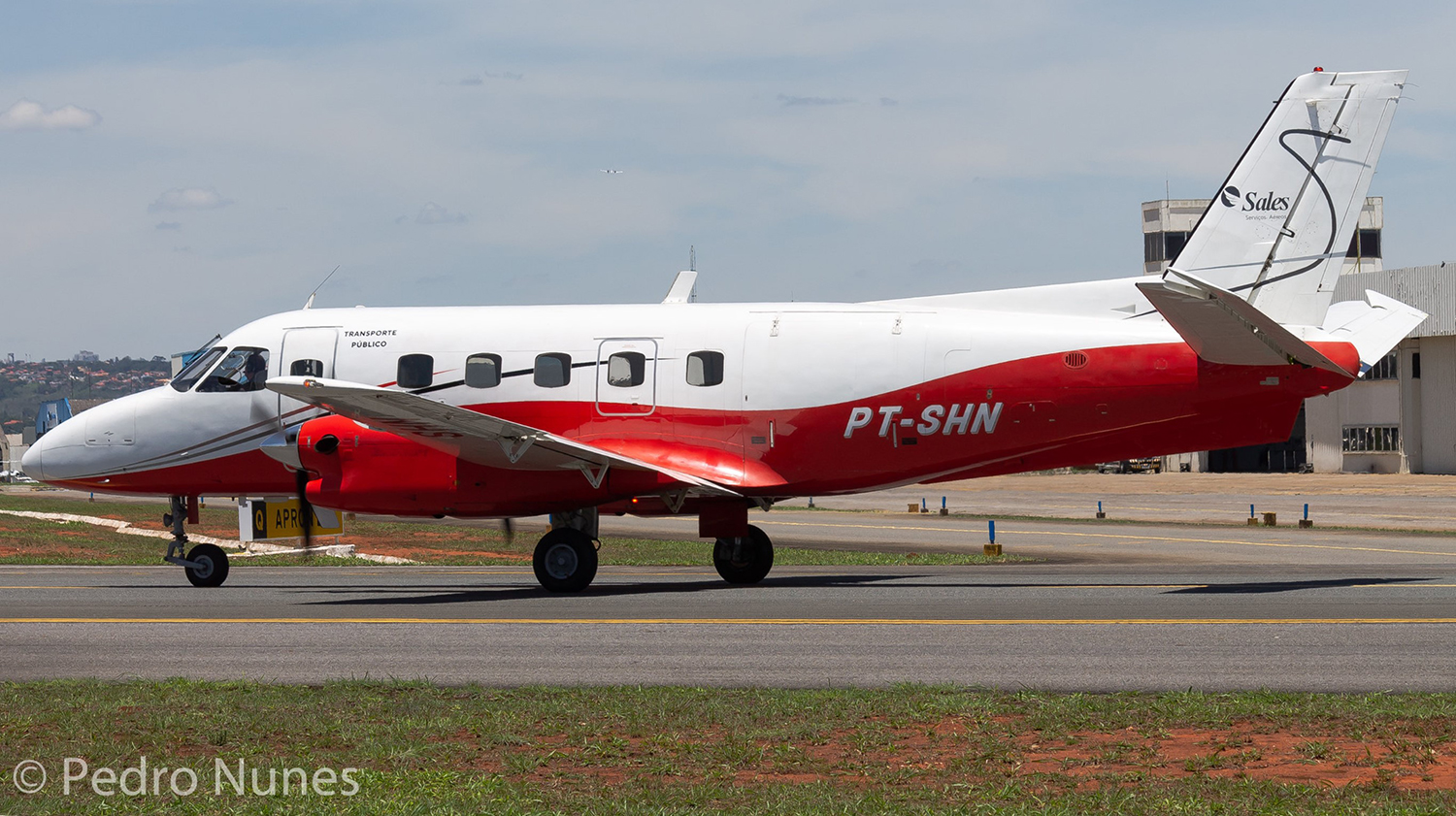
The airplane departed Jundiaí on a cargo flight to Eldorado do Sul, carrying two pilots and a load of automotive parts. On final approach, the airplane crash landed in a rice paddy field and came to rest with its left wing detached. Both pilots were slightly injured.

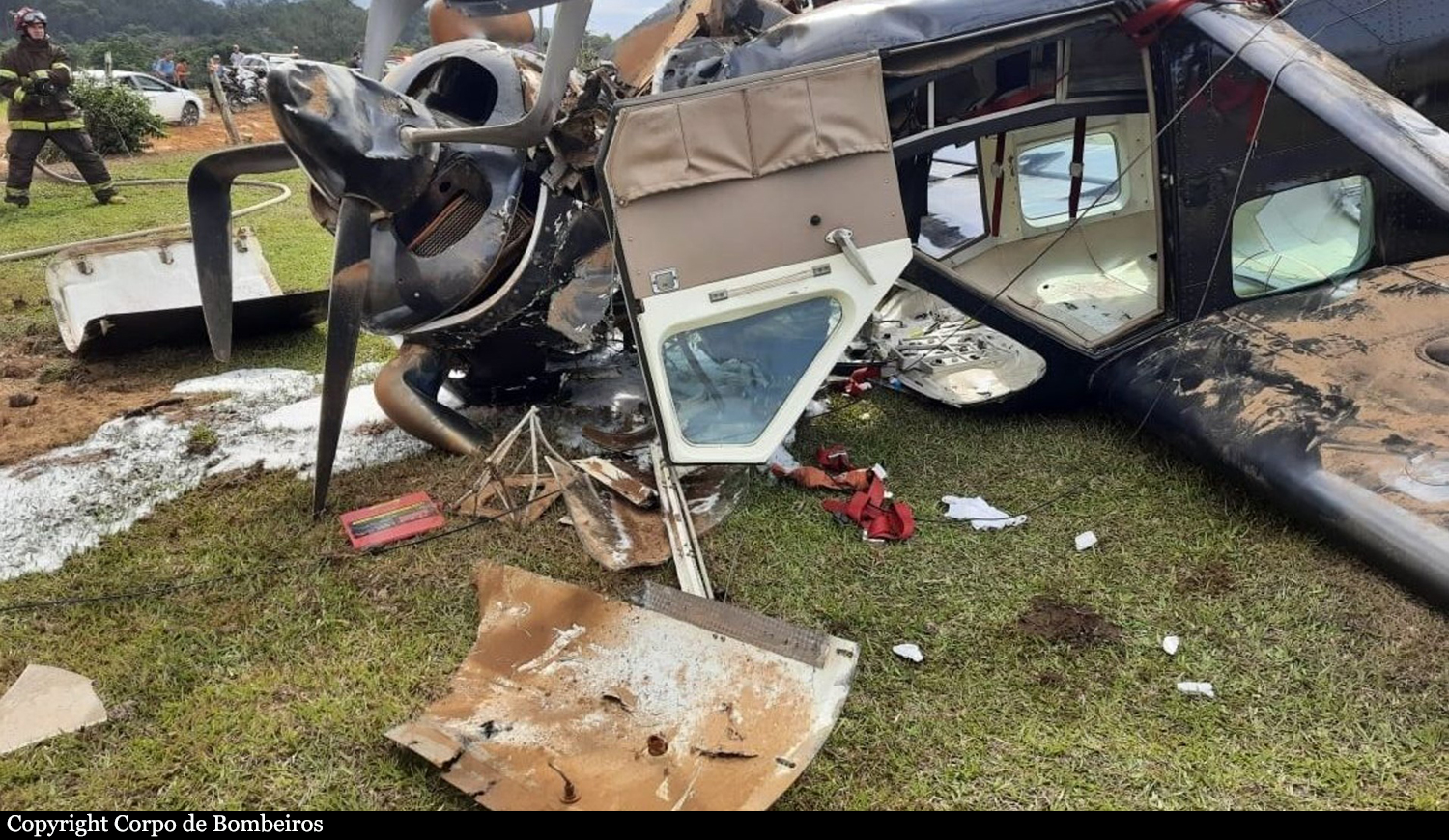
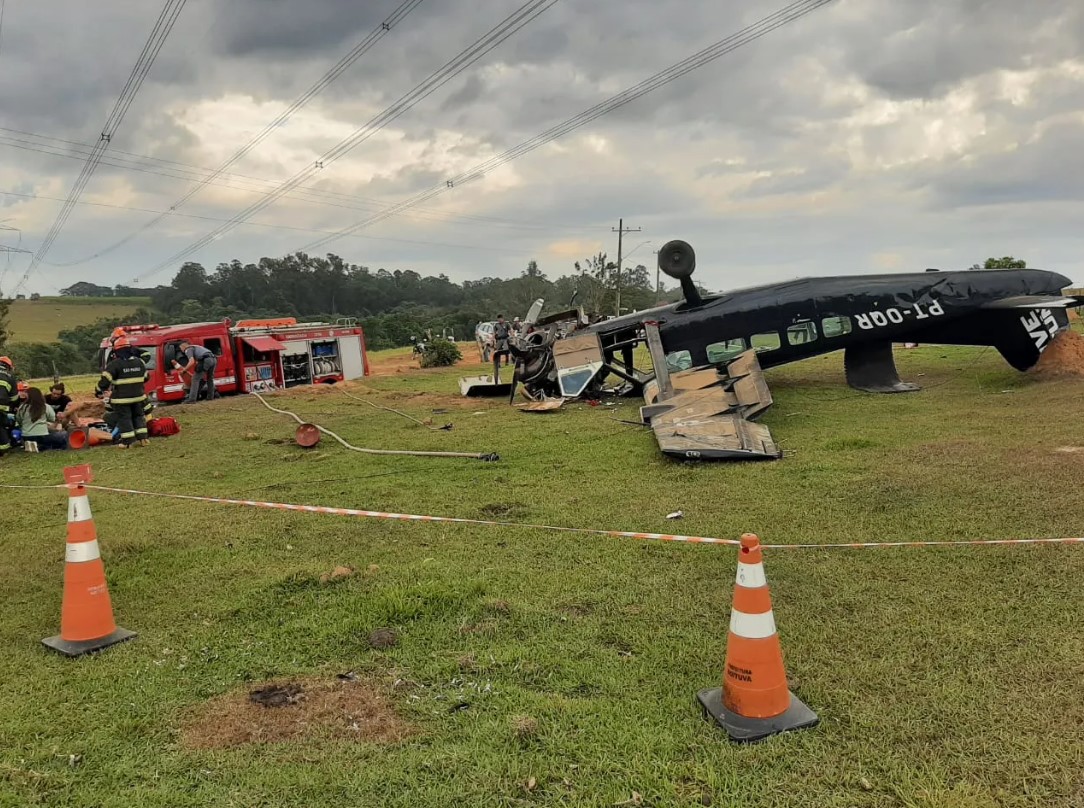
Crash of a Cessna 208 Caravan I in Boituva: 2 killed

Date & Time: May 11, 2022 at 1205 LT
Type of aircraft:
Operator:
Registration:
PT-OQR
Flight Phase:
Survivors:
Yes
Schedule:
Boituva - Boituva
MSN:
208-0219
YOM:
1992
Country:
Crew on board:
1
Crew fatalities:
Pax on board:
15
Pax fatalities:
Other fatalities:
Total fatalities:
2
Captain / Total flying hours:
2712
Captain / Total hours on type:
1861.00
Aircraft flight hours:
9530
Circumstances:
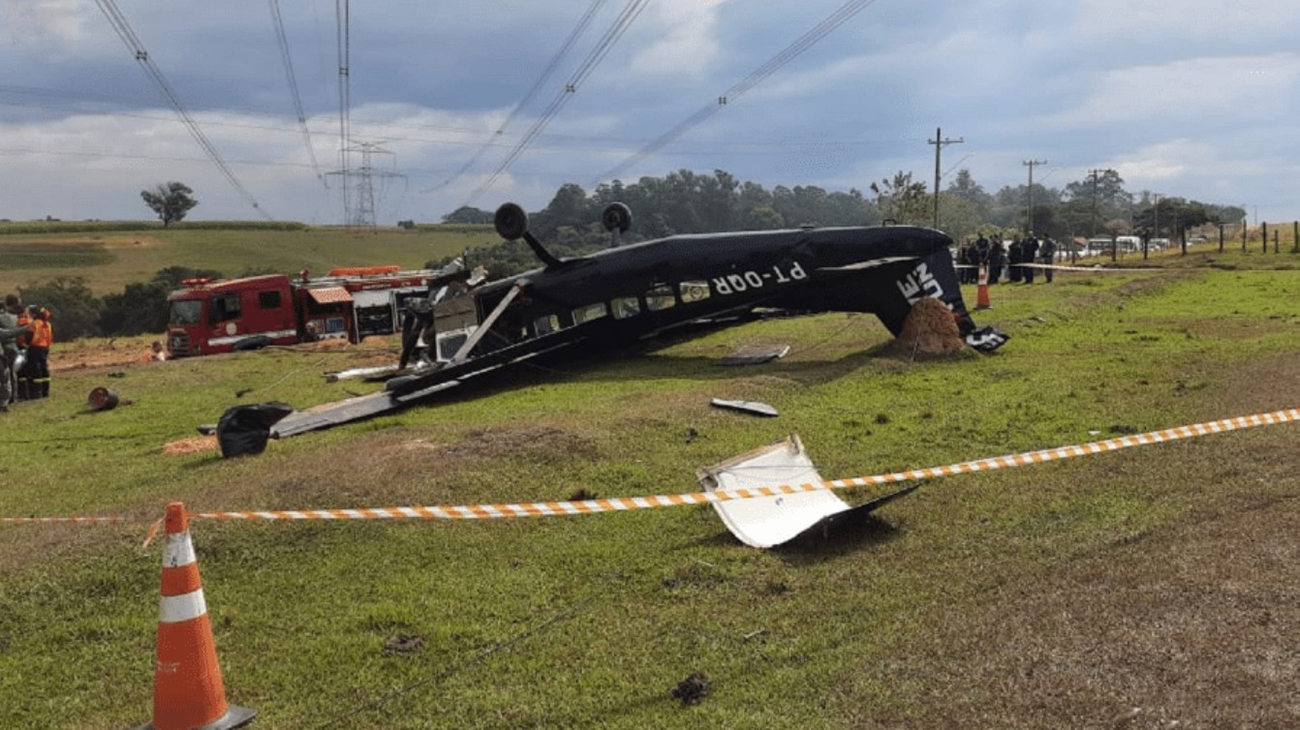
The single engine airplane departed Boituva Aerodrome on a local skydiving flight, carrying 15 skydivers and one pilot. After takeoff, while climbing, the pilot encountered engine problems. He attempted an emergency landing in an open field when the airplane successively impacted an embankment and a fence before coming to rest upside down in a grassy area. Two passengers were killed, nine were injured and five escaped unhurt. The airplane was damaged beyond repair.
Probable cause:
Contributing factors:
- Training – undetermined.
The frequent and improper use of the EPL (Emergency Power Lever) during emergency landing training throughout the aircraft’s operation may have contributed to engine degradation.
- Work-group culture – undetermined.
The recurring improper use of the EPL by multiple pilots during the operation of the aircraft may have contributed to engine degradation.
- Handling of aircraft flight controls – undetermined.
It is possible that the pilot's use of the aircraft’s EPL was inappropriate and contributed to the severity of the accident.
- Aircraft maintenance – a contributor.
Given the large number of seat belts that detached as a result of the shearing of their floor attachment brackets and their corroded condition, it was determined that the maintenance actions were not effective in ensuring the integrity and reliability of these materials, which contributed to the injuries sustained by the parachutists during the emergency landing.
- Managerial oversight – a contributor.
The oversight of the operational procedures related to the use of the EPL was not effective in identifying the risks associated with its use in disagreement with the aircraft manufacturer’s specifications.
Final Report:

Crash of a Basler BT-67 in Villavicencio

Date & Time: Apr 13, 2022 at 1303 LT
Type of aircraft:
Operator:
Registration:
PNC-0257
Flight Type:
Survivors:
Yes
Schedule:
Florencia – Villavicencio
MSN:
9670
YOM:
1943
Country:
Crew on board:
4
Crew fatalities:
Pax on board:
10
Pax fatalities:
Other fatalities:
Total fatalities:
0
Circumstances:
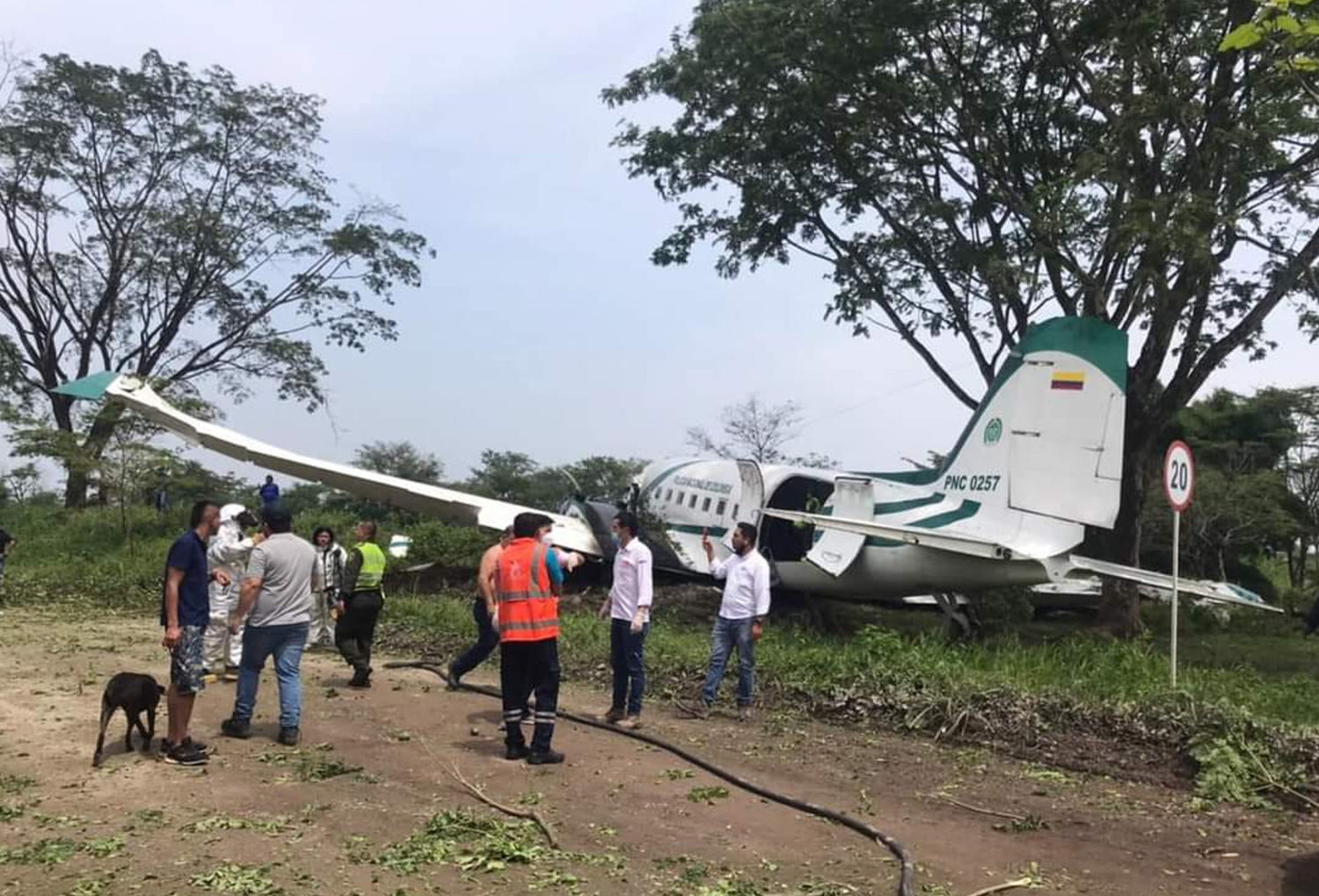
After landing on runway 23 at Villavicencio-La Vanguardia Airport, the airplane veered off runway to the left and entered a grassy area. It rolled for few hundred metres then the pilot attempted to takeoff when the left wing dropped. The aircraft stalled, impacted trees and crashed about 200 metres to the right of the runway 05 threshold. All 14 occupants were rescued, among them few were injured.

Crash of a Cessna T207A Stationair 8 in Nazca: 7 killed

Date & Time: Feb 4, 2022 at 1214 LT
Operator:
Registration:
OB-2179
Flight Phase:
Survivors:
No
Schedule:
Nazca - Nazca
MSN:
207-0428
YOM:
1978
Country:
Crew on board:
2
Crew fatalities:
Pax on board:
5
Pax fatalities:
Other fatalities:
Total fatalities:
7
Captain / Total flying hours:
1429
Captain / Total hours on type:
400.00
Copilot / Total flying hours:
291
Copilot / Total hours on type:
45
Aircraft flight hours:
26888
Circumstances:
The single engine airplane departed Nazca-María Reiche Neuman Airport on a local sightseeing flight, carrying five passengers and two crew members. During the rotation phase, the aircraft presented mechanical failures evidenced by unusual noises and a progressive decrease in engine power. The crew continued the takeoff without reaching the necessary speed and altitude for a safe climb. The pilot reported he was returning to the airport when the aircraft entered into a loss of aerodynamic lift, violently impacting the ground. The strong impact caused multiple serious injuries to the occupants and triggered a fire that destroyed a large part of the aircraft. All seven occupants were killed.
Probable cause:
Progressive loss of engine power due to the malfunction of the combustion system from the beginning of the takeoff, which significantly compromised the aircraft's performance in flight, as it was unable to maintain the proper speed and altitude to return to the airport, entering into a sudden loss of lift and the subsequent collision with ground.
Final Report:
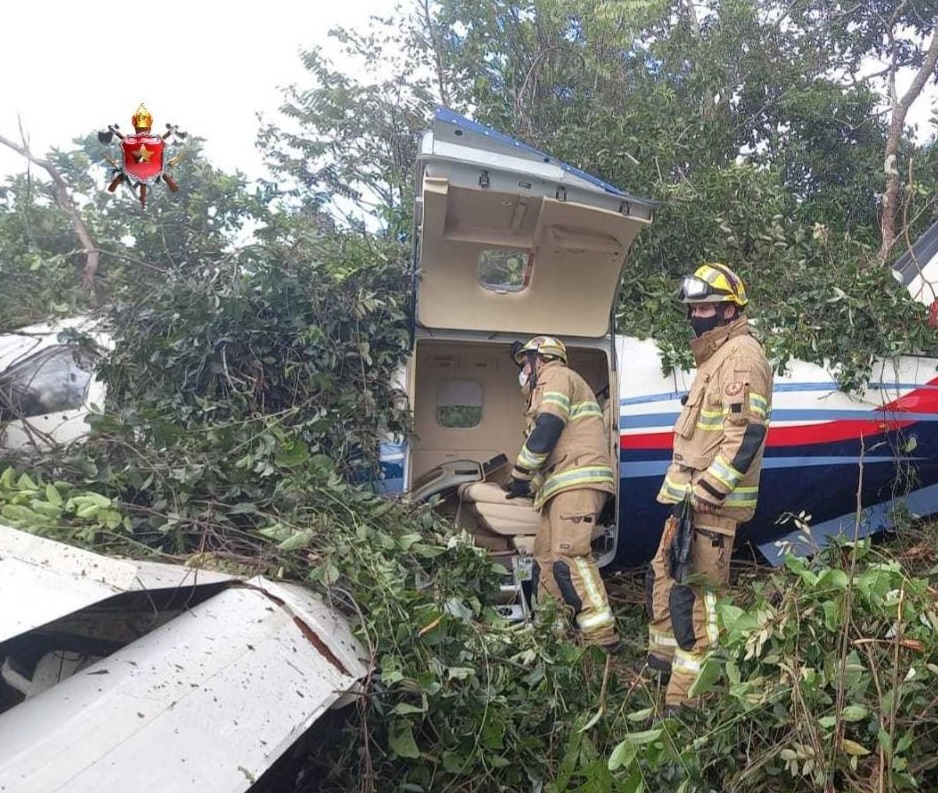
Crash of a Socata TBM-700 in Brasília

Date & Time: Jan 31, 2022 at 0935 LT
Type of aircraft:
Operator:
Registration:
PP-INQ
Flight Type:
Survivors:
Yes
Schedule:
Fazenda Santa Maria - Brasília
MSN:
558
YOM:
2010
Country:
Crew on board:
1
Crew fatalities:
Pax on board:
4
Pax fatalities:
Other fatalities:
Total fatalities:
0
Captain / Total flying hours:
9500
Captain / Total hours on type:
60.00
Circumstances:
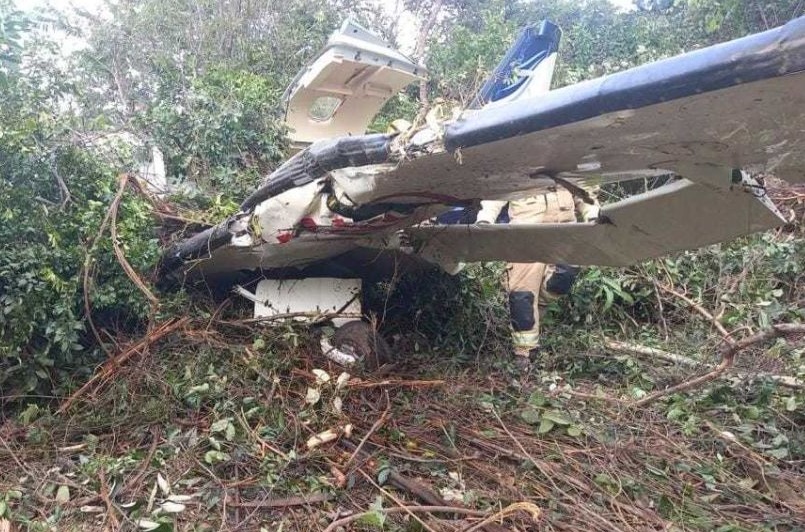
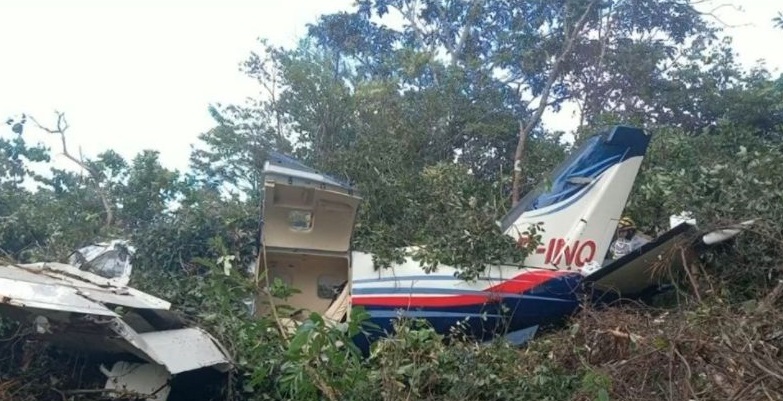
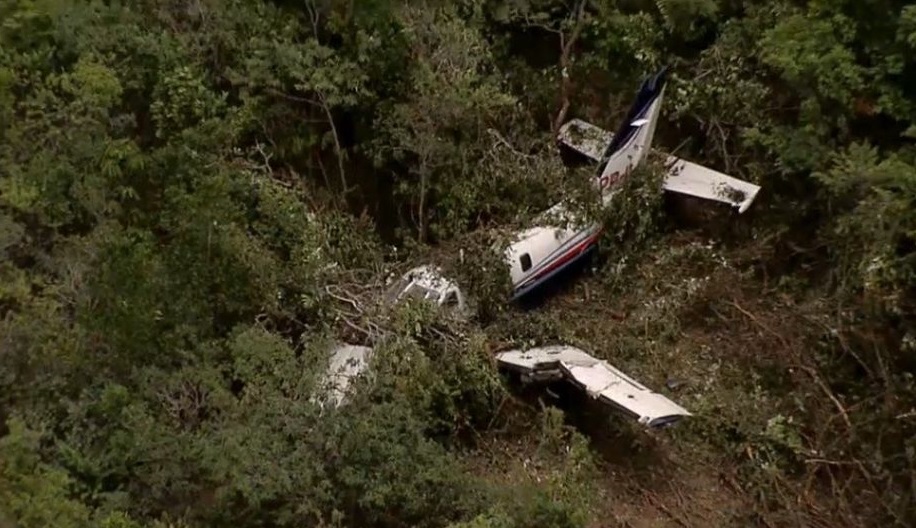
The single engine airplane departed Fazenda Santa Maria Airfield located 116 km west of Formosa do Rio Preto, Bahia, on a flight to Brasília, carrying four passengers and one pilot. On final approach to Brasília-Nelson Piquet Airport runway 28, the pilot encountered marginal weather conditions with crosswind. The airplane impacted the ground in the grassy area, approximately 3 metres beyond the lateral edge of runway 28 with no evidence of prior ground contact or impact. The terrain alongside the runway sloped downward and was covered with native vegetation (cerrado biome). The pilot attempted a go around procedure but the airplane veered off runway to the left at a speed of 70 knots and collided with trees, coming to rest 120 metres further. The airplane was destroyed and all five occupants escaped unhurt.
Probable cause:
Contributing factors:
- Adverse meteorological conditions – a contributor.
The significant weather, indicated with the proximity qualifier “vicinity” in the METAR for SBBR, encompassed the SSGP region and affected the aircraft’s stability on short final, requiring the pilot to perform additional control inputs compared to normal operating
conditions.
- Handling of aircraft flight controls – a contributor.
The improper use of flight controls during heading correction on final approach - due to wind gusts - and the failure to effectively neutralize the aircraft’s rolling tendency during the go-around maneuver contributed to destabilization on final and to the unsuccessful go around.
- Piloting judgment – a contributor.
The application of rudder to correct for lateral wind deviation, based on the belief that using aileron would result in loss of lift, reflected an inadequate assessment.
- Perception – undetermined.
It is possible that situational awareness was reduced due to the wind gust occurring near touchdown, where increased workload may have led to delayed or selective perception of the required action, in this case, the go-around procedure.
- Decision-making process – a contributor.
The decision to continue the approach, followed by exposure to another wind gust during a critical phase (low altitude and left of runway centerline), resulted in a delayed execution of the go-around procedure, highlighting difficulty in perceiving, analyzing, and
selecting appropriate alternatives for the situation encountered.
Final Report: