Crash of a Socata TBM-700 in Brasília
Date & Time:
Jan 31, 2022 at 0935 LT
Registration:
PP-INQ
Survivors:
Yes
Schedule:
Fazenda Santa Maria - Brasília
MSN:
558
YOM:
2010
Crew on board:
1
Crew fatalities:
Pax on board:
4
Pax fatalities:
Other fatalities:
Total fatalities:
0
Captain / Total hours on type:
60.00
Circumstances:
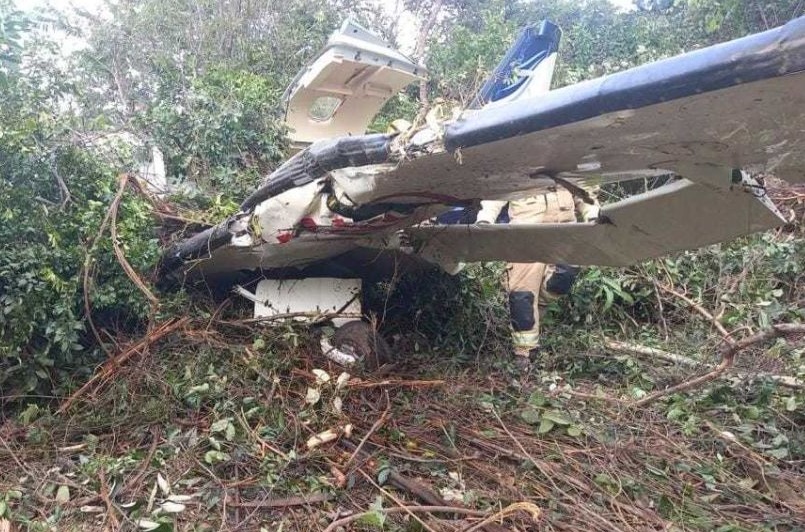
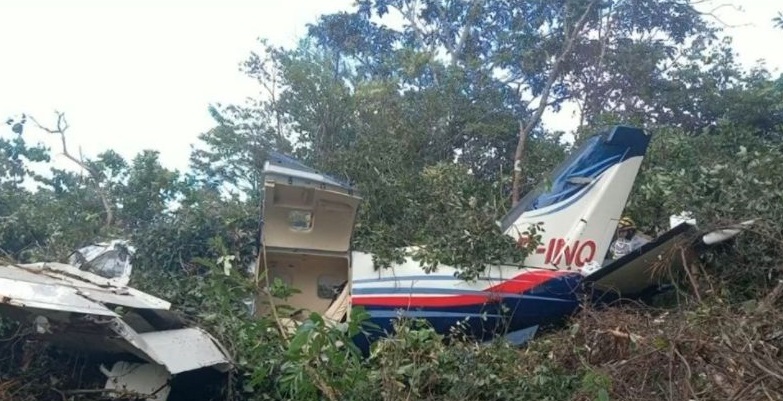
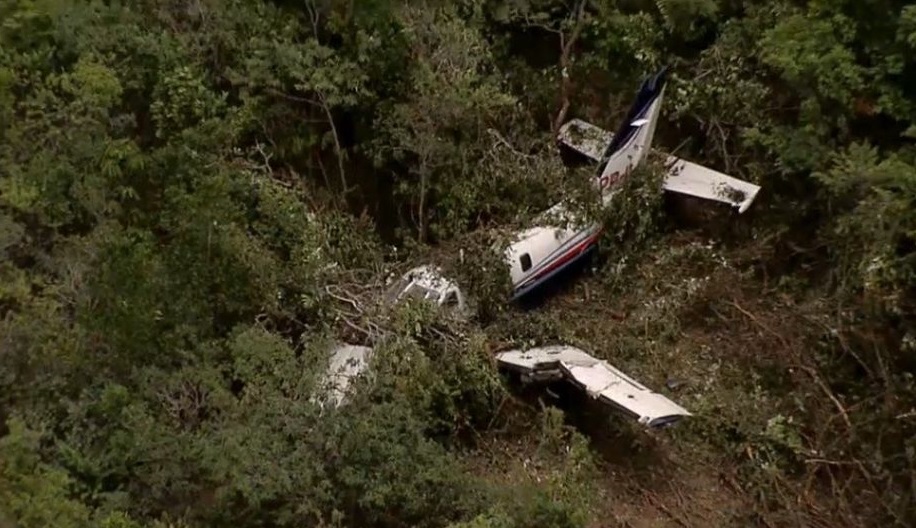
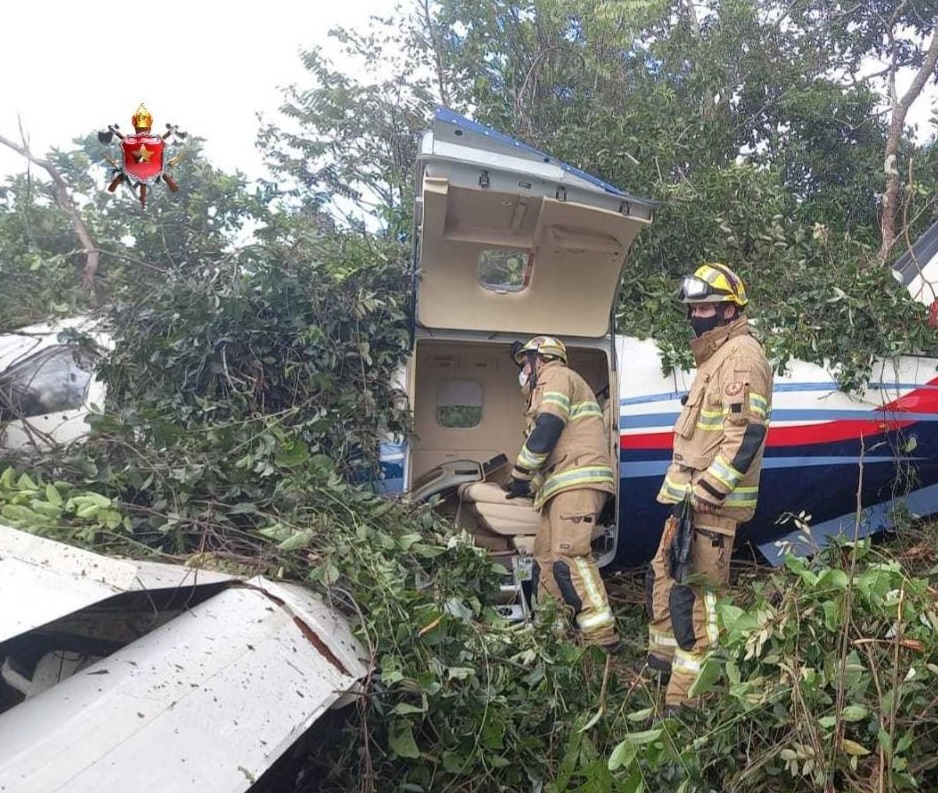
The single engine airplane departed Fazenda Santa Maria Airfield located 116 km west of Formosa do Rio Preto, Bahia, on a flight to Brasília, carrying four passengers and one pilot. On final approach to Brasília-Nelson Piquet Airport runway 28, the pilot encountered marginal weather conditions with crosswind. The airplane impacted the ground in the grassy area, approximately 3 metres beyond the lateral edge of runway 28 with no evidence of prior ground contact or impact. The terrain alongside the runway sloped downward and was covered with native vegetation (cerrado biome). The pilot attempted a go around procedure but the airplane veered off runway to the left at a speed of 70 knots and collided with trees, coming to rest 120 metres further. The airplane was destroyed and all five occupants escaped unhurt.
Probable cause:
Contributing factors:
- Adverse meteorological conditions – a contributor.
The significant weather, indicated with the proximity qualifier “vicinity” in the METAR for SBBR, encompassed the SSGP region and affected the aircraft’s stability on short final, requiring the pilot to perform additional control inputs compared to normal operating
conditions.
- Handling of aircraft flight controls – a contributor.
The improper use of flight controls during heading correction on final approach - due to wind gusts - and the failure to effectively neutralize the aircraft’s rolling tendency during the go-around maneuver contributed to destabilization on final and to the unsuccessful go around.
- Piloting judgment – a contributor.
The application of rudder to correct for lateral wind deviation, based on the belief that using aileron would result in loss of lift, reflected an inadequate assessment.
- Perception – undetermined.
It is possible that situational awareness was reduced due to the wind gust occurring near touchdown, where increased workload may have led to delayed or selective perception of the required action, in this case, the go-around procedure.
- Decision-making process – a contributor.
The decision to continue the approach, followed by exposure to another wind gust during a critical phase (low altitude and left of runway centerline), resulted in a delayed execution of the go-around procedure, highlighting difficulty in perceiving, analyzing, and
selecting appropriate alternatives for the situation encountered.
- Adverse meteorological conditions – a contributor.
The significant weather, indicated with the proximity qualifier “vicinity” in the METAR for SBBR, encompassed the SSGP region and affected the aircraft’s stability on short final, requiring the pilot to perform additional control inputs compared to normal operating
conditions.
- Handling of aircraft flight controls – a contributor.
The improper use of flight controls during heading correction on final approach - due to wind gusts - and the failure to effectively neutralize the aircraft’s rolling tendency during the go-around maneuver contributed to destabilization on final and to the unsuccessful go around.
- Piloting judgment – a contributor.
The application of rudder to correct for lateral wind deviation, based on the belief that using aileron would result in loss of lift, reflected an inadequate assessment.
- Perception – undetermined.
It is possible that situational awareness was reduced due to the wind gust occurring near touchdown, where increased workload may have led to delayed or selective perception of the required action, in this case, the go-around procedure.
- Decision-making process – a contributor.
The decision to continue the approach, followed by exposure to another wind gust during a critical phase (low altitude and left of runway centerline), resulted in a delayed execution of the go-around procedure, highlighting difficulty in perceiving, analyzing, and
selecting appropriate alternatives for the situation encountered.
Final Report: