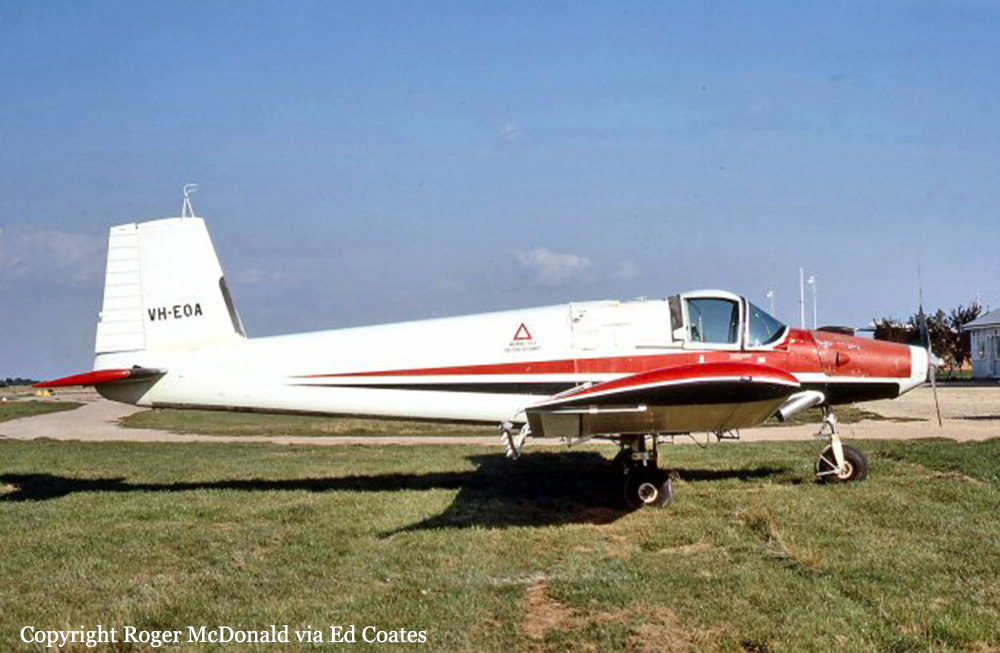
Crash of a Fletcher FU-24 in Yass

Date & Time: Dec 31, 1980
Type of aircraft:
Operator:
Registration:
VH-EOA
Flight Phase:
Survivors:
Yes
MSN:
43
YOM:
1957
Country:
Region:
Crew on board:
1
Crew fatalities:
Pax on board:
0
Pax fatalities:
Other fatalities:
Total fatalities:
0
Circumstances:
Crashed in unknown circumstances in Yass while engaged in a crop spraying mission. The pilot, sole on board, was injured.

Crash of a Partenavia P.68B in Bankstown

Date & Time: Dec 23, 1980
Type of aircraft:
Operator:
Registration:
VH-IYO
Flight Phase:
Flight Type:
Survivors:
Yes
Country:
Region:
Crew on board:
1
Crew fatalities:
Pax on board:
0
Pax fatalities:
Other fatalities:
Total fatalities:
0
Circumstances:
Shortly after takeoff from Bankstown Airport, while climbing, the twin engine airplane stalled and crashed in a camping lot. The pilot, sole on board, was injured. There were no injuries on ground.

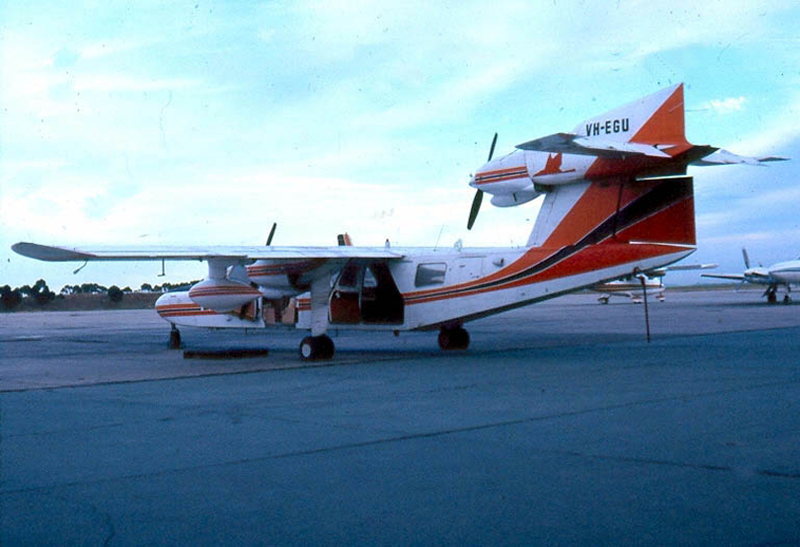
Crash of a Britten-Norman BN-2A Trislander Mk.III-2 near Tumut: 2 killed

Date & Time: Dec 16, 1980
Type of aircraft:
Registration:
VH-EGU
Flight Phase:
Flight Type:
Survivors:
No
Site:
Schedule:
Bankstown - Melbourne
MSN:
1030
YOM:
1976
Country:
Region:
Crew on board:
1
Crew fatalities:
Pax on board:
1
Pax fatalities:
Other fatalities:
Total fatalities:
2
Circumstances:
While flying over the Snowy Mountains on a cargo flight from Bankstown to Melbourne, the pilot reported icing conditions. Shortly later, the three engine airplane went out of control and crashed in a wooded area. The aircraft was destroyed and both occupants were killed. It was later reported that a cold front was coming across the area with low temperatures and icing conditions.
Probable cause:
It is believed that the loss of control was the consequence of an excessive accumulation of ice on airframe as well as on carburetors.

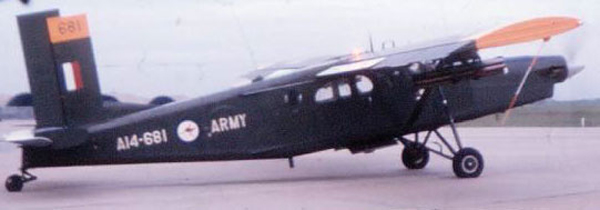
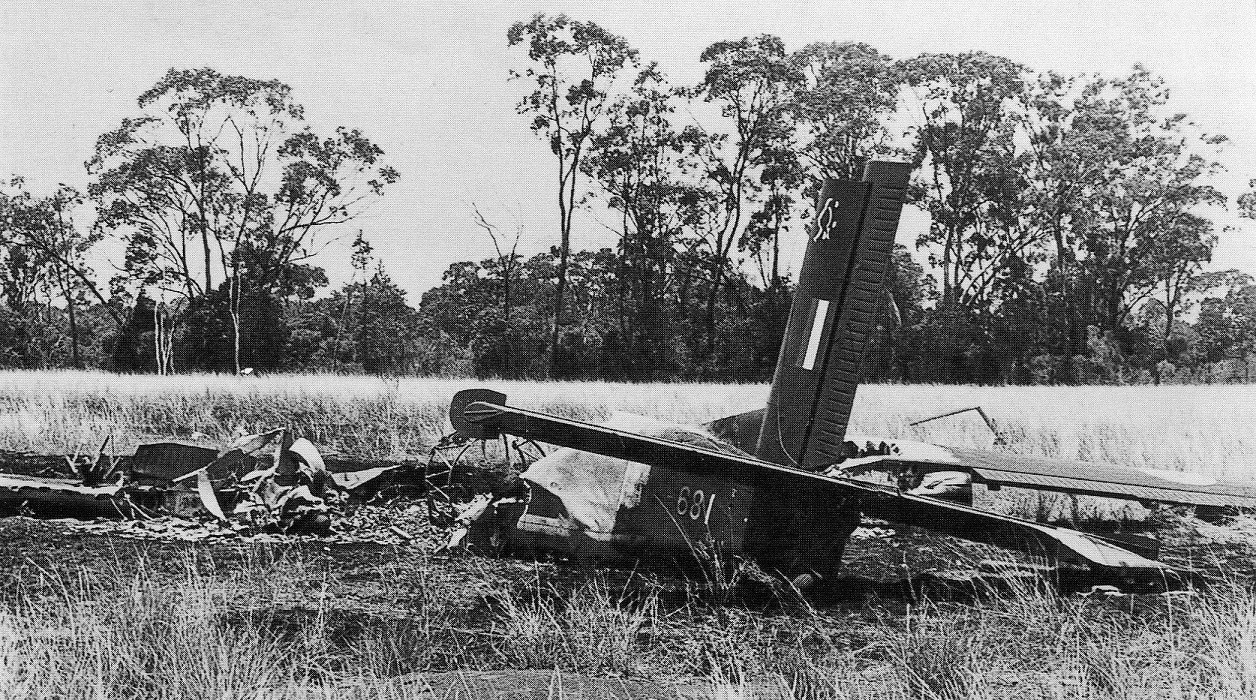
Crash of a Pilatus PC-6/B1-H2 Turbo Porter near Oakey

Date & Time: Nov 28, 1980
Operator:
Registration:
A14-681
Flight Phase:
Flight Type:
Survivors:
Yes
MSN:
681
YOM:
1968
Country:
Region:
Crew on board:
0
Crew fatalities:
Pax on board:
0
Pax fatalities:
Other fatalities:
Total fatalities:
0
Aircraft flight hours:
5840
Circumstances:
While flying at low height, the single engine airplane struck power cables and crashed in an open field, bursting into flames. All occupants escaped with minor injuries while the aircraft was destroyed by fire.

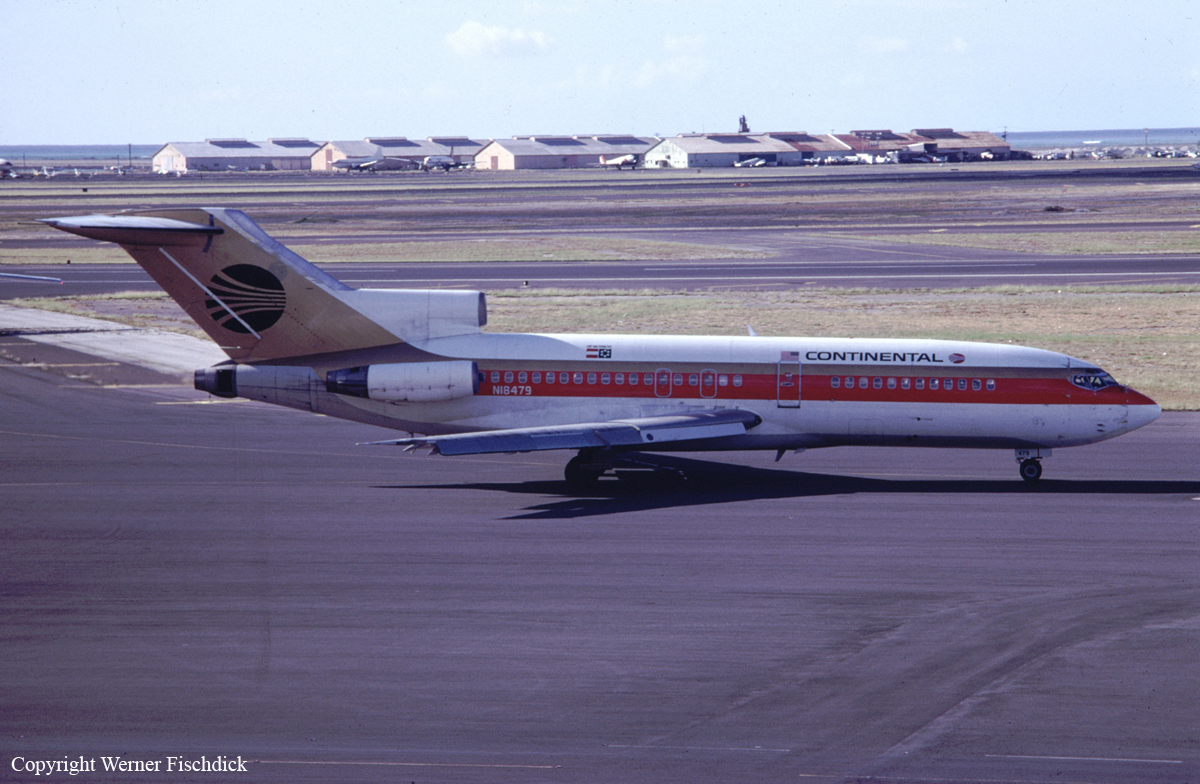
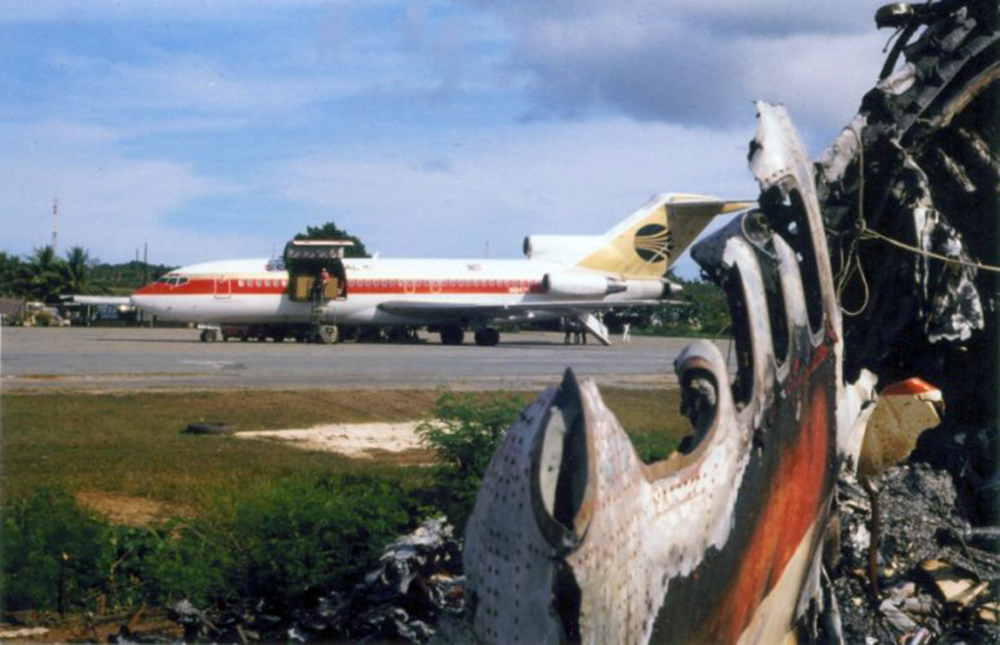
Crash of a Boeing 727-92C on Yap Island

Date & Time: Nov 21, 1980 at 0952 LT
Type of aircraft:
Operator:
Registration:
N18479
Survivors:
Yes
Schedule:
Saipan – Agana – Yap – Palau
MSN:
19174
YOM:
1966
Flight number:
CO614
Region:
Crew on board:
6
Crew fatalities:
Pax on board:
67
Pax fatalities:
Other fatalities:
Total fatalities:
0
Captain / Total flying hours:
14000
Captain / Total hours on type:
700.00
Copilot / Total flying hours:
7000
Copilot / Total hours on type:
5500
Aircraft flight hours:
30878
Aircraft flight cycles:
20788
Circumstances:
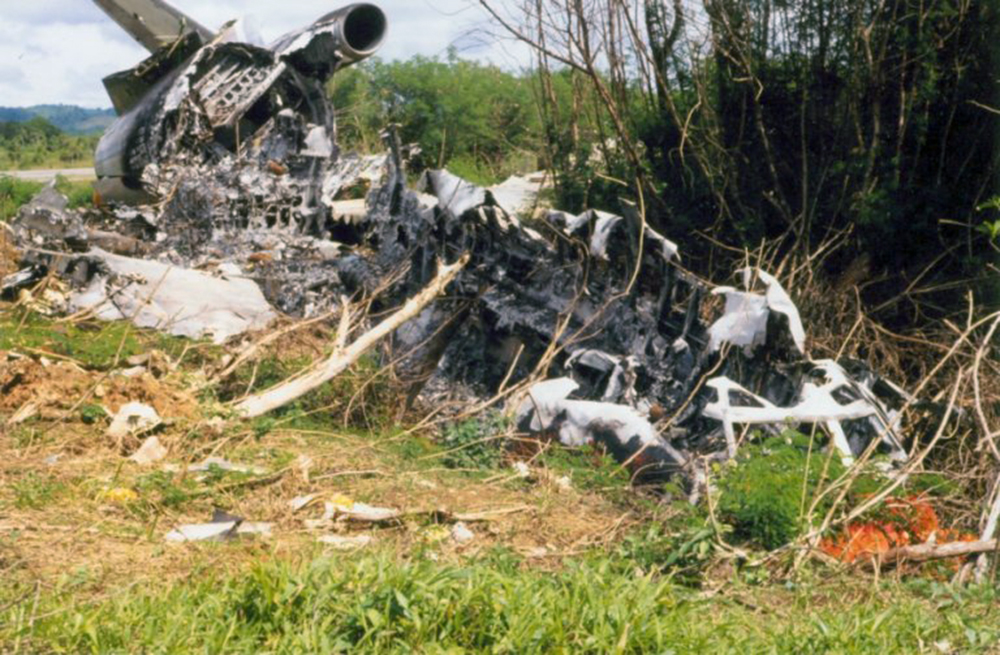
Air Micronesia Flight 614 departed Saipan at 07:30 for a flight to Palau with intermediate stops in Guam and Yap, Western Caroline Islands. The aircraft departed Guam at 08:30 and climbed to FL350. An en route descent to Yap was made from the north through broken to scattered clouds and the captain, who was flying the aircraft, turned onto a downwind leg at the northeast portion of the airport. The downwind leg was flown at an altitude of 600 feet above the runway 07 elevation while the crew checked to see if the runway was clear, to see if the fire truck was in place, and to see the direction of the windsock. The flaps were set at 30° on the base leg. Abeam the approach end of runway 07, the captain began a right 90° and a left turn manoeuvre to align the aircraft with the final approach to runway 07. During a portion of the downwind leg, the captain relinquished control of the aircraft to the first officer while the captain took pictures of the airport. He then resumed control and passed the camera to the second officer and asked him to take pictures of the runway. As the aircraft passed through 90deg from the runway heading, it had descended to about 300 feet above the runway elevation of 52 feet msl. When the aircraft was aligned with the runway heading, it was about 480 feet above runway elevation at a point 1.5 miles from the approach end of the runway. At 09:52 the aircraft touched down 13 feet short of runway 07. The right main landing gear immediately separated from the aircraft. The aircraft gradually veered off the runway and came to rest in the jungle about 1,700 feet beyond the initial touchdown. A severe ground fire erupted immediately along the right side of the aircraft as it came to rest. All occupants had evacuated within about 1 minute after the aircraft came to rest.
Probable cause:
The Captain's premature reduction of thrust in combination with flying a shallow approach slope angle to an improper touchdown aim point. These actions resulted in a high rate of descent and a touchdown on upward sloping terrain short of the runway threshold, which generated loads that exceeded the design strength and failed the right-hand landing gear. Contributing to the accident were the Captain's lack of recent experience in the B-727 aircraft and a transfer of his DC-10 aircraft landing habits and techniques to the operation of the B-727 aircraft.
Final Report:


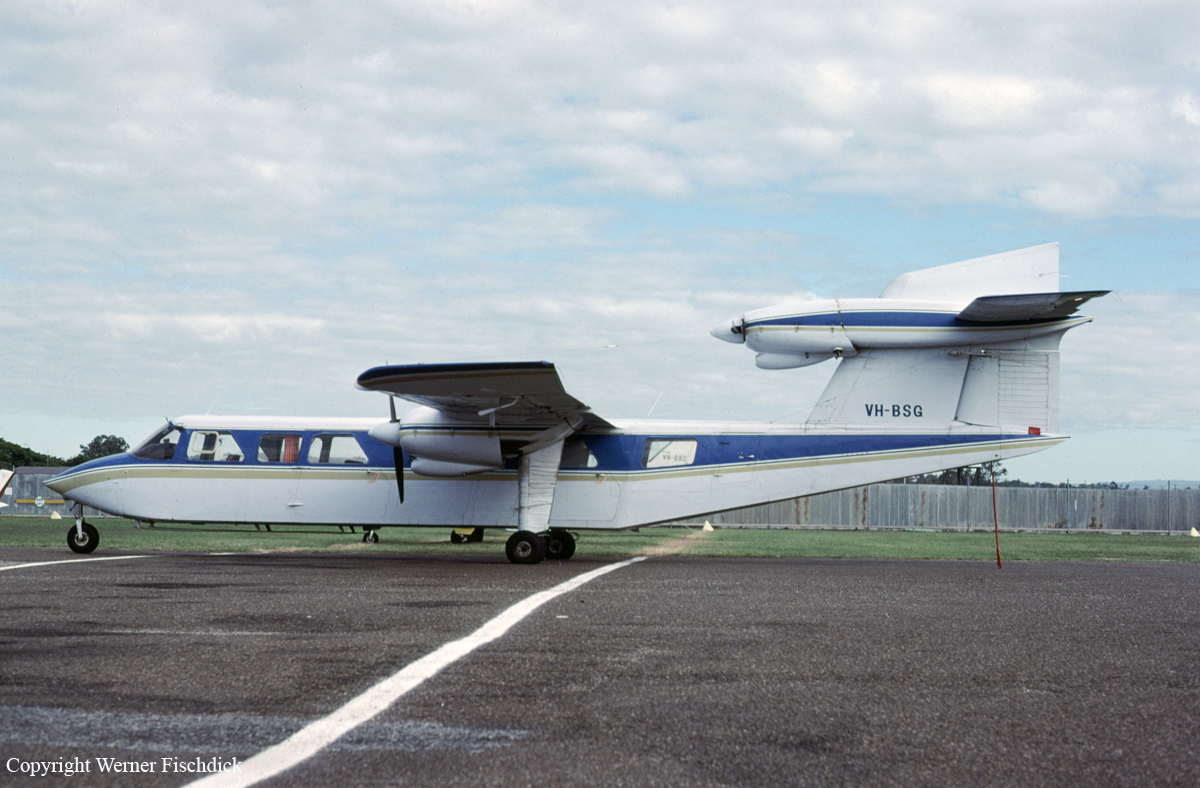
Crash of a Britten-Norman BN-2A Trislander III in Annanberg: 4 killed

Date & Time: Nov 17, 1980
Type of aircraft:
Registration:
VH-BSG
Flight Phase:
Survivors:
Yes
MSN:
279
YOM:
1971
Region:
Crew on board:
1
Crew fatalities:
Pax on board:
15
Pax fatalities:
Other fatalities:
Total fatalities:
4
Circumstances:
After liftoff from Annanberg Airfield, the three engine airplane encountered difficulties to gain height, stalled and crashed in the Ramu River. Four passengers were drowned while 12 other occupants were injured. The aircraft was destroyed.
Probable cause:
The aircraft was overloaded for such takeoff configuration, terrain and airfield.

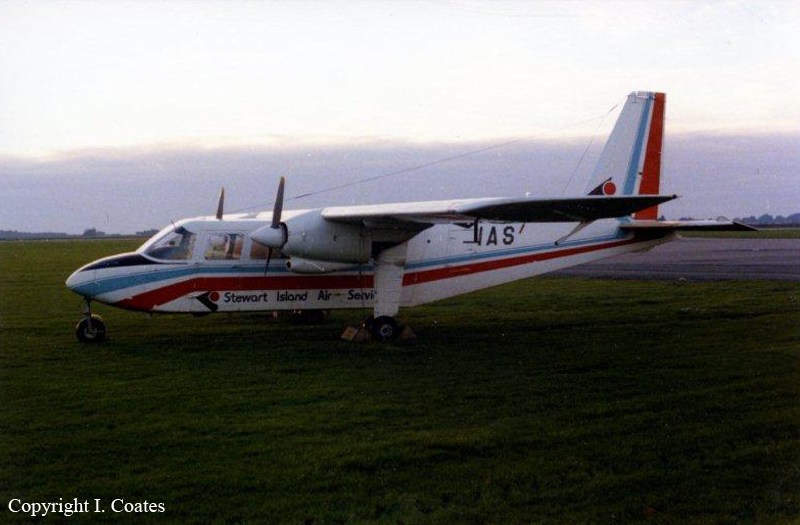
Crash of a Britten-Norman BN-2A-7 Islander in Ryans Creek

Date & Time: Oct 27, 1980
Type of aircraft:
Operator:
Registration:
ZK-IAS
Flight Type:
Survivors:
Yes
Schedule:
Invercargill - Ryans Creek
MSN:
182
YOM:
1970
Country:
Region:
Crew on board:
1
Crew fatalities:
Pax on board:
0
Pax fatalities:
Other fatalities:
Total fatalities:
0
Circumstances:
On final approach to Ryans Creek Aerodrome on a cargo flight from Invercargill, the twin engine airplane lost height and crashed short of runway. The pilot, sole on board, was injured and the airplane was written off.
Probable cause:
Loss of control on final approach after the airplane encountered windshear and turbulences.

Crash of a Beechcraft D18S off Yap Island

Date & Time: Jul 18, 1980 at 1730 LT
Type of aircraft:
Registration:
N1824D
Flight Phase:
Survivors:
Yes
Schedule:
Woleai Atoll - Yap Island
MSN:
A-0812
YOM:
1952
Region:
Crew on board:
1
Crew fatalities:
Pax on board:
6
Pax fatalities:
Other fatalities:
Total fatalities:
0
Captain / Total flying hours:
3214
Captain / Total hours on type:
193.00
Circumstances:
En route from Woleai Atoll to Yap Island, the pilot encountered marginal weather conditions and became lost. In adverse winds aloft (winds gusting up to 30 knots), both engines failed due to fuel exhaustion. The pilot attempted an emergency landing about 80 km east of Yap Island. All seven occupants were quickly rescued while the aircraft sank and was lost.
Probable cause:
Engine failure in normal cruise and subsequent ditching due to fuel exhaustion after the pilot became lost/disoriented. The following contributing factors were reported:
- Adverse winds aloft,
- Wind gusting up to 30 knots,
- Complete failure of both engines,
- Weather slightly worse than forecast,
- Forced landing off airport on water.
Final Report:

Crash of a Fletcher FU-24-950M near Kaikohe: 1 killed

Date & Time: Jul 18, 1980 at 1155 LT
Type of aircraft:
Operator:
Registration:
ZK-CRP
Flight Phase:
Flight Type:
Survivors:
No
Schedule:
Kaitaia – Whangarei
MSN:
125
YOM:
1966
Country:
Region:
Crew on board:
1
Crew fatalities:
Pax on board:
0
Pax fatalities:
Other fatalities:
Total fatalities:
1
Captain / Total hours on type:
16.00
Circumstances:
The single engine airplane departed Kaitaia at 1134LT being ferried to Whangarei. En route, the pilot made a low pass over his parent's house located in the Mataraua Valley then completed a 360° probably to gain height when the airplane crashed in the bush about 8 miles southwest of Kaikohe. The aircraft was destroyed and the pilot, sole on board, was killed.
Probable cause:
The probable cause of this accident was the inability of the pilot to recover from a stall incurred while manoeuvering an aircraft with unfamiliar performance characteristics at a low level in hilly terrain.

Crash of a Piper PA-61 Aerostar (Ted Smith 601P) in Teutonic Bore: 1 killed

Date & Time: May 28, 1980 at 1137 LT
Operator:
Registration:
VH-KXY
Flight Phase:
Survivors:
Yes
Schedule:
Teutonic Bore – Leonora – Perth
Country:
Region:
Crew on board:
1
Crew fatalities:
Pax on board:
2
Pax fatalities:
Other fatalities:
Total fatalities:
1
Captain / Total flying hours:
2810
Captain / Total hours on type:
149.00
Circumstances:
The aircraft was engaged on the return segment of a flight from Perth to Teutonic Bore, with an intended refuelling stop at Leonora. After embarking the two passengers and their baggage, the pilot started the engines and taxied for a take-off into the north, on the 1350 metre long main strip. The weather conditions were fine with a northerly surface wind of about 7 knots. The initial part of the take-off run was apparently normal but, after travelling some 400 metres and at about the point of rotation, one of the passengers noted an engine power surge. The take-off was continued, the aircraft became airborne and shortly afterwards the landing gear was retracted. After the aircraft had slowly climbed straight ahead to an altitude of about 200-300 feet above ground level, the passenger heard a marked change in the engine noise and felt the aircraft decelerating. The extent of the power loss and the absence of any yawing force indicated both engines had lost power simultaneously. Level flight straight ahead was reportedly maintained for an estimated 10 seconds and then the aircraft entered a descending left turn. At about this time the pilot, in response to a query from the passenger, advised that he intended to return to the airstrip but then stated "we're going down", or words to that effect. The terrain in the area was generally firm and flat. It was lightly covered with scrub and there was occasional small trees but a safe landing with only minimal damage was possible. When VH-KXY struck the ground the gear and flaps were retracted and the rate of descent was high. The aircraft was in a level attitude but yawed approximately 45 degrees to the right. After the initial impact, the aircraft slid across the ground on a track of 220 degrees magnetic for 67 metres before coming to rest. There was no post-impact fire. One passenger was able to exit via the cabin door by his own efforts. The other occupants were trapped in the wreckage and were rescued some 30 minutes later by persons who attended the accident. The pilot died shortly after being removed from the aircraft.
Probable cause:
The probable cause of the accident was that, following a substantial loss of power by both engines, the pilot did not carry out the procedures necessary for a safe forced landing. The cause of the loss of power by both engines has not been determined.
Final Report: