Ground accident of a Sud-Aviation SE-210 Caravelle III in Milan

Date & Time: Jul 2, 1983
Operator:

Registration:
F-BHRS
Flight Phase:
Survivors:
Yes
Schedule:
Milan - London
MSN:
54
YOM:
1960
Country:
Region:
Crew on board:
7
Crew fatalities:
Pax on board:
82
Pax fatalities:
Other fatalities:
Total fatalities:
0
Circumstances:
During the takeoff roll at Milan-Malpensa Airport runway 17R, at a speed of 75-80 knots, the right engine failed, exploded and caught fire. The captain abandoned the takeoff procedure, initiated an emergency braking maneuver and vacated runway via intersection 8 before stopping the aircraft by the fire brigade building. All 89 occupants evacuated safely while the aircraft was considered as damaged beyond repair.
Probable cause:
The uncontained failure of the right engine during takeoff roll was the consequence of the disintegration of the 14th stage of the high pressure compressor.

Crash of a Hawker-Siddeley H.S.125-1A-522 in Houston: 2 killed

Date & Time: Jun 29, 1983 at 1447 LT
Type of aircraft:
Operator:
Registration:
N125E
Flight Phase:
Flight Type:
Survivors:
Yes
Schedule:
Houston - Beaumont
MSN:
25110
YOM:
1966
Crew on board:
2
Crew fatalities:
Pax on board:
0
Pax fatalities:
Other fatalities:
Total fatalities:
2
Captain / Total flying hours:
9500
Captain / Total hours on type:
5000.00
Aircraft flight hours:
5283
Circumstances:
The Grumman American AA-5A, N9844U, had just landed. While taxing, the aircrew stopped short of runway 13R as Beechcraft. Hawker BH-125, N125E, was taking off. The rated student in N125E, who was on a training flight, was at the controls and began the takeoff. The power-up and takeoff roll were normal. Rotation was described as normal and the left throttle was retarded to idle at 110 knots, as pre-briefed, to simulate an engine failure. The instructor pilot (IP) stated that the lift off appeared normal and directional control was good up to an alt of 10 to 20 feet. The left wing then started to drop and the student applied right aileron, but did not stop the roll. The IP began advancing the left throttle, but did not get on the flight controls. The left wing hit the runway and the aircraft veered left and settled to the ground. At impact, both main gear mounts failed, a fuel tank ruptured and a fire started. N125E then slid into N9844U and both aircraft burned. BH-125 flight man recommends IP follow thru, max bank 5° and cautions negative wxvaning in crosswind. BH-125 rudder bias engaged. AA-5A crew thrown out, seatbelts unlatched.
Probable cause:
Occurrence #1: loss of control - in flight
Phase of operation: takeoff - initial climb
Findings
1. (c) supervision - inadequate - pilot in command (CFI)
2. (f) weather condition - crosswind
3. (c) directional control - not maintained - dual student
4. (f) lack of total experience in type operation - dual student
5. (c) remedial action - inadequate - pilot in command (CFI)
6. (f) overconfidence in aircraft's ability - pilot in command (CFI)
----------
Occurrence #2: in flight collision with terrain/water
Phase of operation: takeoff
Findings
7. Clearance - not maintained
----------
Occurrence #3: on ground/water collision with object
Phase of operation: other
Findings
8. (f) object - aircraft parked/standing
Final Report:

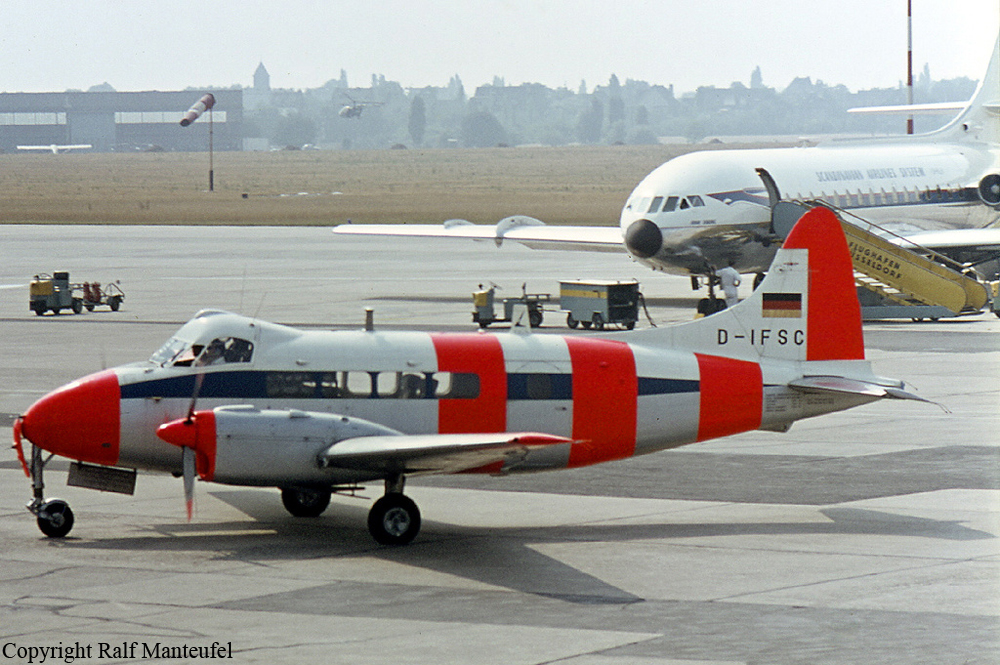
Crash of a De Havilland DH.104 Dove 7XC in Munich

Date & Time: Jun 24, 1983
Type of aircraft:
Registration:
D-IFSC
Flight Phase:
Survivors:
Yes
MSN:
04527
Country:
Region:
Crew on board:
0
Crew fatalities:
Pax on board:
0
Pax fatalities:
Other fatalities:
Total fatalities:
0
Circumstances:
At liftoff, the twin engine airplane suffered an engine failure, stalled and crashed. There were no casualties.
Probable cause:
Engine failure at takeoff for unknown reasons.

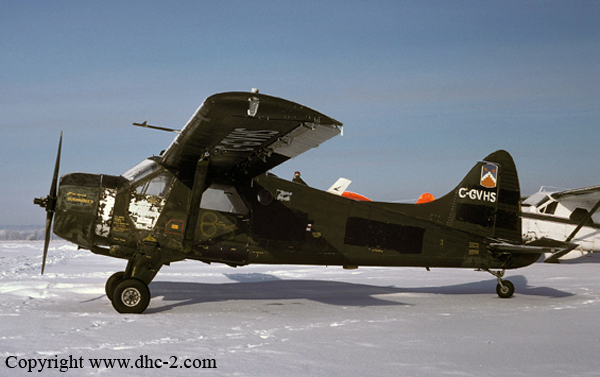
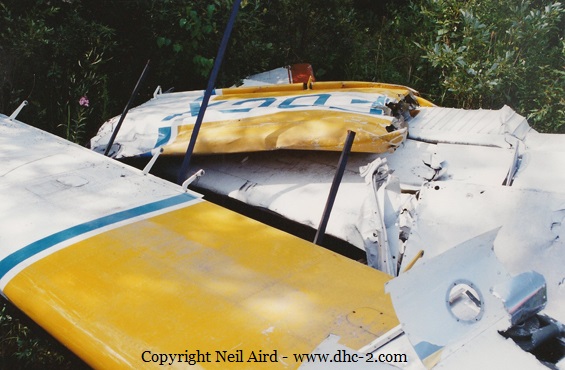
Crash of a De Havilland DHC-2 Beaver in Bonner Lake: 1 killed

Date & Time: Jun 21, 1983
Type of aircraft:
Registration:
C-GVHS
Flight Phase:
Survivors:
Yes
MSN:
733
YOM:
1954
Country:
Crew on board:
1
Crew fatalities:
Pax on board:
2
Pax fatalities:
Other fatalities:
Total fatalities:
1
Circumstances:
The pilot was attempting to take off from a confined lake. The aircraft was near maximum weight and the temperature was high. He had planned a “go, no go” position and reported that the aircraft was on the step by this point. He realised himself that the takeoff would be successful. The pilot initiated a climb before a safe speed was reached and the aircraft did not accelerate properly. In order to avoid high terrain the pilot commenced a turn to the right. The aircraft began to mush and then stalled on the lake surface. The passengers stated that because there were no seats available they sat on top of the cargo.
Source: www.dhc-2.com

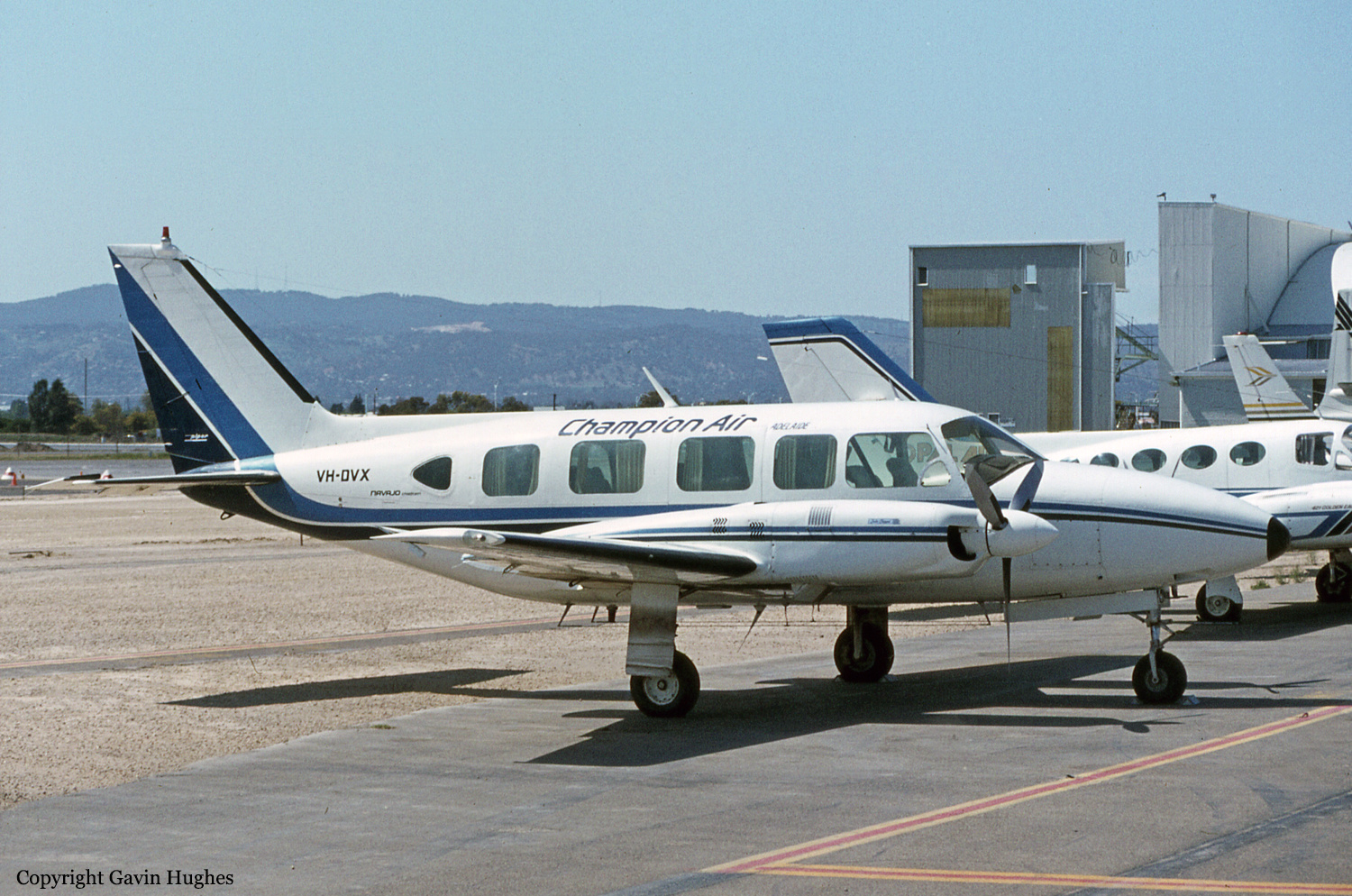
Crash of a Piper PA-31-350 Navajo Chieftain in Moomba: 1 killed

Date & Time: Jun 15, 1983 at 1140 LT
Operator:
Registration:
VH-DVX
Flight Phase:
Survivors:
Yes
Schedule:
Adelaide – Moomba – Dullingari
MSN:
31-7405425
YOM:
1974
Country:
Region:
Crew on board:
1
Crew fatalities:
Pax on board:
3
Pax fatalities:
Other fatalities:
Total fatalities:
1
Circumstances:
The aircraft was engaged on a charter flight from Adelaide to Moomba and Dullingari. The flight from Adelaide to Moomba was without incident and after landing the pilot parked the aircraft adjacent to the refuelling cabinets. He then assisted the passengers from the aircraft and removed baggage from the nose locker. During this period a conversation took place between the pilot and the aircraft refueller. The exact content of that conversation could not positively be determined but it appears that the pilot did not specify the type of fuel to be placed in the aircraft, only which tanks were to be fuelled. As the refueller was fuelling the aircraft, the pilot accompanied his passengers to the airport terminal. When the fuelling was completed the pilot returned, with his passengers, to the aircraft. He signed the fuel release note which showed that 263 litres of Jet A-1 (Aviation turbine fuel) had been supplied, then completed a check of the aircraft's fuel tanks to ensure no water was present in the fuel. The pilot reported that the fuel sample taken was free of water and appeared to him to be the normal fuel used by the PA-31 aircraft, AVGAS (Aviation Gasoline). The pilot and the passengers then boarded the aircraft, the engines were started and the aircraft taxied for a DEPARTURE on runway 12. During the taxiing phase the pilot completed the pre-take-off checks, these including a check that the temperatures and pressure relevant to the operation of the engine were within limits. The pilot subsequently advised that the take-off was normal and after the landing gear was raised, engine power was reduced to the standard settings for the climb. However, at about 500 feet above ground level the pilot sensed a loss of performance and noted that the indicated airspeed was 115 knots, 5 knots lower than normal. He then noticed a further decay in airspeed, accompanied by the onset of engine surging and rough running. He was unable to diagnose the cause of the loss of performance and commenced a turn back towards the aerodrome. Shortly after entering the turn the right hand engine began to misfire and feathering action was initiated for the propeller. At about this time the indicated airspeed had reduced to 85 knots, the aircraft had developed a high rate of sink and the pilot realised that impact with the ground was imminent. The aircraft initially struck the ground with the right wing, then the nose section before the fuselage made heavy contact in a flat attitude, sliding about 45 metres before coming to rest. The aircraft caught fire during the impact sequence and was completely burnt out. The pilot and two of the passengers escaped from the wreckage but attempts to assist the third passenger were thwarted by the fire.
Probable cause:
The investigation established that JET-A1 fuel had been added to the fuel tanks of VH-DVX, and of the total fuel in the tank approximately 68 percent was JET-A1 fuel. The type of engine fitted to VH-DVX is not compatible with the use of JET-A1 fuel.
Final Report:

Crash of a Fairchild C-119G Flying Boxcar off Kinmen: 38 killed

Date & Time: Jun 7, 1983 at 1240 LT
Operator:
Registration:
3197
Flight Phase:
Flight Type:
Survivors:
Yes
Schedule:
Kinmen - Taipei
Country:
Region:
Crew on board:
8
Crew fatalities:
Pax on board:
39
Pax fatalities:
Other fatalities:
Total fatalities:
38
Circumstances:
Shortly after takeoff from Kinmen-Shang Yi Airport (Quemoy Island), while climbing, the right engine caught fire. The aircraft lost height and crashed into the sea few hundred meters off shore. Nine occupants were rescued while 31 others were killed.
Probable cause:
Engine fire during initial climb for unknown reasons.

Crash of a De Havilland DHC-2 Beaver in Dasent Lake: 5 killed

Date & Time: Jun 6, 1983
Type of aircraft:
Registration:
C-FOCX
Flight Phase:
Survivors:
No
MSN:
78
YOM:
1950
Country:
Crew on board:
1
Crew fatalities:
Pax on board:
4
Pax fatalities:
Other fatalities:
Total fatalities:
5
Circumstances:
The float plane was observed on take-off and initial climb before it disappeared behind a point of land. Shortly after, it impacted the surface of the lake in a left wing low attitude with considerable slip to the left. Reports describing the noises coming from the engine immediately before impact, are conflicting. Examination of the propeller indicated there was little or no power being developed at impact. Engine examination indicated it capable of producing power at impact. (lp 233/83 refers). The aircraft was fitted with an external fuel tank underneath the fuselage, but the log books and the weight and balance did not reflect this addition. An unapproved bench was installed in the centre cabin area, and the aircraft had no visible means of load restraint.
Source: www.dhc.2.com
Probable cause:
The cause of the accident remains undetermined. The pilot and four passengers were killed. The aircraft was reported as destroyed, although some parts may still exist.

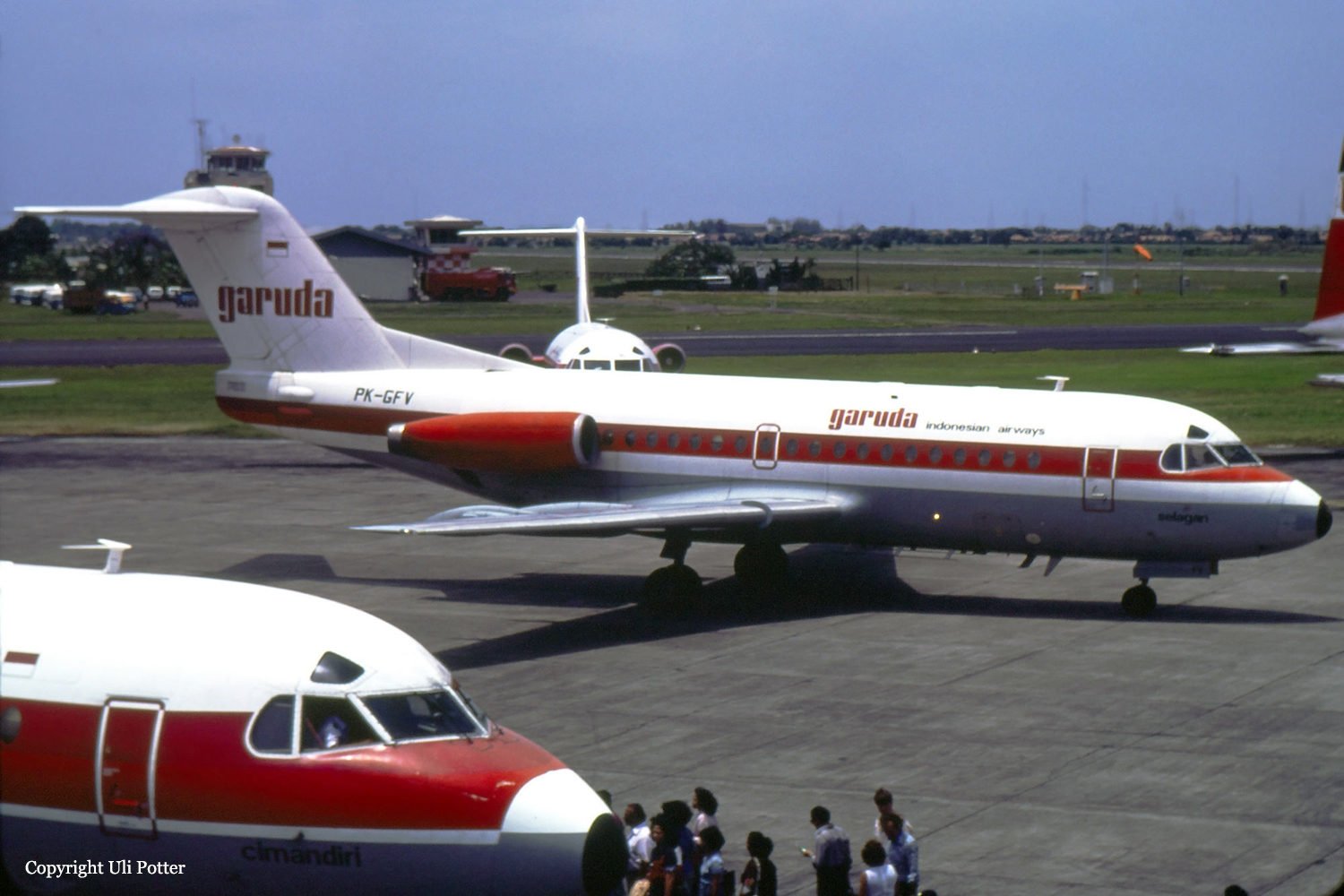
Crash of a Fokker F28 Fellowship 3000 in Bandar Lampung: 3 killed

Date & Time: Jun 2, 1983 at 0850 LT
Type of aircraft:
Operator:
Registration:
PK-GFV
Flight Phase:
Survivors:
Yes
Schedule:
Bandar Lampung - Jakarta
MSN:
11132
YOM:
1978
Country:
Region:
Crew on board:
4
Crew fatalities:
Pax on board:
57
Pax fatalities:
Other fatalities:
Total fatalities:
3
Aircraft flight hours:
9334
Aircraft flight cycles:
9227
Circumstances:
At liftoff from Bandar Lampung-Branti Airport runway 14, the captain realized that one of the engine failed. He abandoned the takeoff procedure and landed back onto runway. Unable to stop within the remaining distance, the airplane overran, struck a concrete wall and crashed on a small hill located 138 meters past the runway end. Both pilot and a passenger were killed while 12 occupants were injured and 46 others escaped uninjured. The aircraft was destroyed.
Probable cause:
It was determined that none of the engine failed at takeoff. Following a poor flight preparation, the crew failed to follow the pre-takeoff checklist and adopted a wrong takeoff configuration.

Crash of a Piper PA-31-350 Navajo Chieftain in Chingaza: 9 killed

Date & Time: Jun 2, 1983
Registration:
HK-2456P
Flight Phase:
Flight Type:
Survivors:
No
Site:
MSN:
31-8052145
YOM:
1980
Country:
Crew on board:
1
Crew fatalities:
Pax on board:
8
Pax fatalities:
Other fatalities:
Total fatalities:
9
Circumstances:
Few minutes after takeoff from Bogotá-Guaymaral Airport, while climbing, the pilot encountered technical problems and lost control of the airplane that crashed in hilly terrain located near Chingaza, about 40 km southeast of Bogotá. All nine occupants were killed.

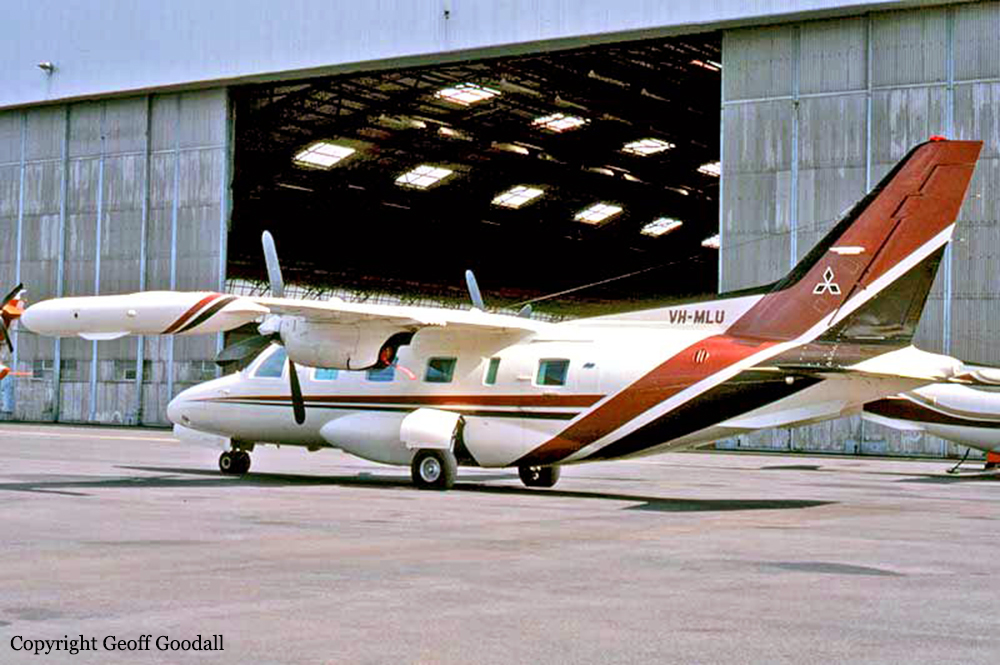
Crash of a Mitsubishi MU-2B-60 Marquise in Bargo: 1 killed

Date & Time: May 24, 1983 at 0433 LT
Type of aircraft:
Operator:
Registration:
VH-MLU
Flight Phase:
Flight Type:
Survivors:
No
Schedule:
Sydney - Melbourne
MSN:
1527
YOM:
1981
Country:
Region:
Crew on board:
1
Crew fatalities:
Pax on board:
0
Pax fatalities:
Other fatalities:
Total fatalities:
1
Circumstances:
The aircraft was cleared via a Standard Instrument DEPARTURE with an unrestricted climb to Flight Level (FL) 220. The aircraft climbed on track at an average rate of 1300 ft/min until FL130. The rate of climb then reduced to 350 ft/min until FL140, when the rate of climb increased to 1800 ft/min. At FL160 the aircraft entered a near vertical descent and radar contact was lost one minute later at 3100 feet. The aircraft impacted the ground in a near vertical attitude. The pilot, sole on board, was killed.
Probable cause:
Despite an extensive investigation, the reason for the loss of control leading to this accident could not be determined. There have been several other reported occurrences involving sudden loss of control in this aircraft type and the United States Federal Aviation Administration has conducted a certification review of the type. The results of that review do not appear to indicate any factors relevant to this particular accident.
Final Report: