Crash of a Cessna 421C Golden Eagle III in Centerton

Date & Time: Aug 16, 1983 at 0725 LT
Operator:
Registration:
N386G
Flight Phase:
Survivors:
Yes
Schedule:
Indianapolis - Washington
MSN:
421C-0251
YOM:
1977
Crew on board:
1
Crew fatalities:
Pax on board:
7
Pax fatalities:
Other fatalities:
Total fatalities:
0
Captain / Total flying hours:
4138
Captain / Total hours on type:
97.00
Aircraft flight hours:
1484
Circumstances:
The pilot reported that during a climb after takeoff, he engaged the autopilot. While making an entry on a trip sheet, he felt a bump and noted that the aircraft had started to descend. He disengaged the autopilot and the nose pitched down violently. Reducing power had an adverse effect, so he increased power again. He finally leveled the aircraft just prior to impacting in a field at cruise power. The elevator trim tab cables were found to have been crossed between the tab actuator and the pulley in the tail cone. The tab was also found fully trimmed nose down. The aircraft had just been given an annual inspection during which the elevator trim actuator had been removed, inspected and lubricated. This was the first flight since the inspection. All eight occupants escaped with minor injuries.
Probable cause:
Occurrence #1: loss of control - in flight
Phase of operation: climb - to cruise
Findings
1. (c) flt control system, elevator trim/tab control - incorrect
2. (c) maintenance, installation - improper - company maintenance personnel
3. (f) aircraft handling - uncontrolled - pilot in command
----------
Occurrence #2: in flight collision with terrain/water
Phase of operation: other
Final Report:

Crash of a Yakovlev Yak-40K in Omsukchan

Date & Time: Aug 15, 1983
Type of aircraft:
Operator:
Registration:
CCCP-87201
Flight Phase:
Flight Type:
Survivors:
Yes
MSN:
9 74 12 56
YOM:
1977
Country:
Region:
Crew on board:
4
Crew fatalities:
Pax on board:
5
Pax fatalities:
Other fatalities:
Total fatalities:
0
Circumstances:
The aircraft was engaged in a cargo flight, carrying five passengers, four crew members and a load of 1,930 kilos of fish. Prior to departure, the crew allowed illegal passengers to board as well as additional cargo that was not weighted. During the takeoff roll, the captain realized he would not be able to takeoff so he decided to abandon the takeoff procedure and initiated an emergency braking manoeuvre. For unknown reasons, the crew started to brake two seconds later and reduced the speed lever seven seconds later only. Unable to stop within the remaining distance (reversers activated too late), the aircraft overran and came to a halt 200 meters further. A passenger was injured while eight other occupants were unhurt. The aircraft was damaged beyond repair (irreparable structural damages).
Probable cause:
The crew failed to prepare the flight properly and the aircraft was overloaded at the time of the accident with a CofG that was too far front. The crew was aware of the situation prior to takeoff.

Crash of a Beechcraft G18S in Evart: 2 killed

Date & Time: Aug 11, 1983 at 1745 LT
Type of aircraft:
Registration:
N400NA
Flight Phase:
Survivors:
No
Schedule:
Evart - Kenosha
MSN:
BA-591
YOM:
1961
Crew on board:
2
Crew fatalities:
Pax on board:
0
Pax fatalities:
Other fatalities:
Total fatalities:
2
Captain / Total flying hours:
8000
Aircraft flight hours:
13983
Circumstances:
The aircraft collided with a utility pole and a large tree during a forced landing after a power loss on takeoff. Witnesses heard the aircraft backfiring and the ground run was excessively long. Immediately after takeoff the aircraft went through the tops of pine trees. The backfiring and smoke stopped after the collision with the pine trees and the aircraft started a descent toward a street. It maneuvered as if to avoid a collision with cars. After the accident the spark plugs from the right engine were tested and all but #5 front plug would not spark. However during a subsequent test the spark plugs, with the exception of #5, did test properly. A complete engine teardown did not reveal evidence of mechanical failure or pre-impact engine discrepancy.
Probable cause:
Occurrence #1: in flight collision with object
Phase of operation: takeoff - initial climb
Findings
1. (f) object - tree(s)
2. (c) reason for occurrence undetermined
----------
Occurrence #2: forced landing
Phase of operation: landing - flare/touchdown
Findings
3. (f) object - utility pole
4. (f) terrain condition - high obstruction(s)
Final Report:

Crash of a Douglas VC-47B in Ubon Ratchathani: 9 killed

Date & Time: Aug 9, 1983
Operator:
Registration:
L2-30/07
Flight Phase:
Flight Type:
Survivors:
No
MSN:
15457/26902
YOM:
1944
Country:
Region:
Crew on board:
5
Crew fatalities:
Pax on board:
0
Pax fatalities:
Other fatalities:
Total fatalities:
9
Circumstances:
After takeoff, the twin engine airplane lost height and crashed onto several houses. All five crew members as well as four people on the ground were killed.

Crash of a Rockwell Grand Commander 680 in Bayport: 2 killed

Date & Time: Jul 28, 1983 at 1515 LT
Operator:
Registration:
N6878S
Flight Phase:
Flight Type:
Survivors:
No
Schedule:
Bayport - Islip
MSN:
680-409-85
YOM:
1956
Crew on board:
1
Crew fatalities:
Pax on board:
1
Pax fatalities:
Other fatalities:
Total fatalities:
2
Captain / Total flying hours:
4000
Aircraft flight hours:
4967
Circumstances:
At about 60 feet agl black smoke was observed coming from the left engine. The aircraft continued a climb in a nose high attitude and the nose pitched down and the aircraft rolled inverted. Engine teardown revealed extensive damage to the supercharger assembly. The impeller shaft was bent and its associated bearing damaged. The aircraft had not flown for about 14 years. Engine service instructions describe pre-oiling of the supercharger drive shaft bearing after any prolonged period of inactivity. The owner, a paraplegic, was seated in the left seat. The pilot seated in the right seat had a history of heart and pulmonary disease. The gear and flaps were in the down position. Prior to departure, a witness asked the owner 'are you doing the elevators and ailerons and is he your rudders.' the owner responded with 'we have an arrangement'. Both occupants were killed.
Probable cause:
Occurrence #1: loss of engine power(total) - mechanical failure/malfunction
Phase of operation: takeoff - initial climb
Findings
1. (c) maintenance, service bulletin/letter - not followed - company maintenance personnel
2. (c) engine assembly, blower/impeller/integral supercharger - failure, total
3. (c) maintenance, lubrication - not performed - company maintenance personnel
----------
Occurrence #2: loss of control - in flight
Phase of operation: takeoff - initial climb
Findings
4. (c) aircraft handling - uncontrolled - pilot in command
5. (c) incapacitation (other cardiovascular) - pilot in command
6. (c) airspeed (VMC) - not possible - unqualified person
----------
Occurrence #3: in flight collision with terrain/water
Phase of operation: takeoff - initial climb
Final Report:

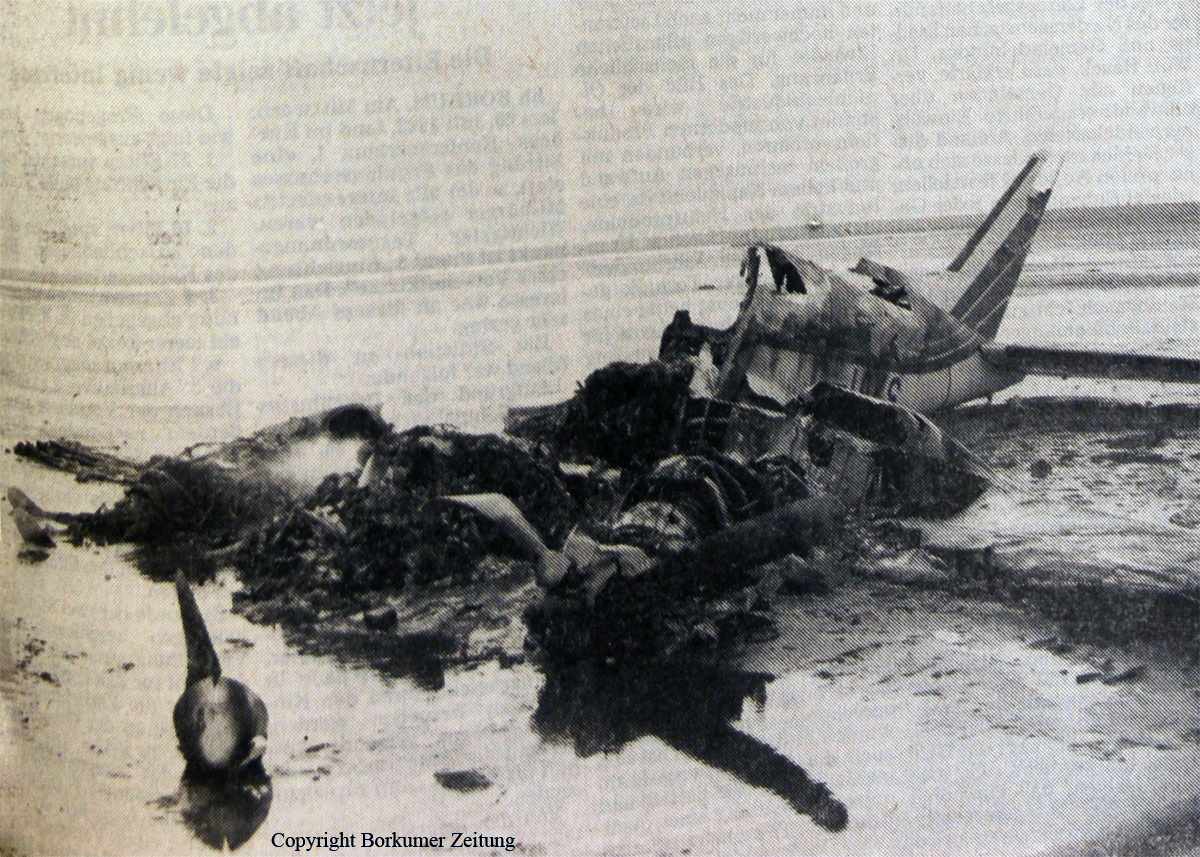
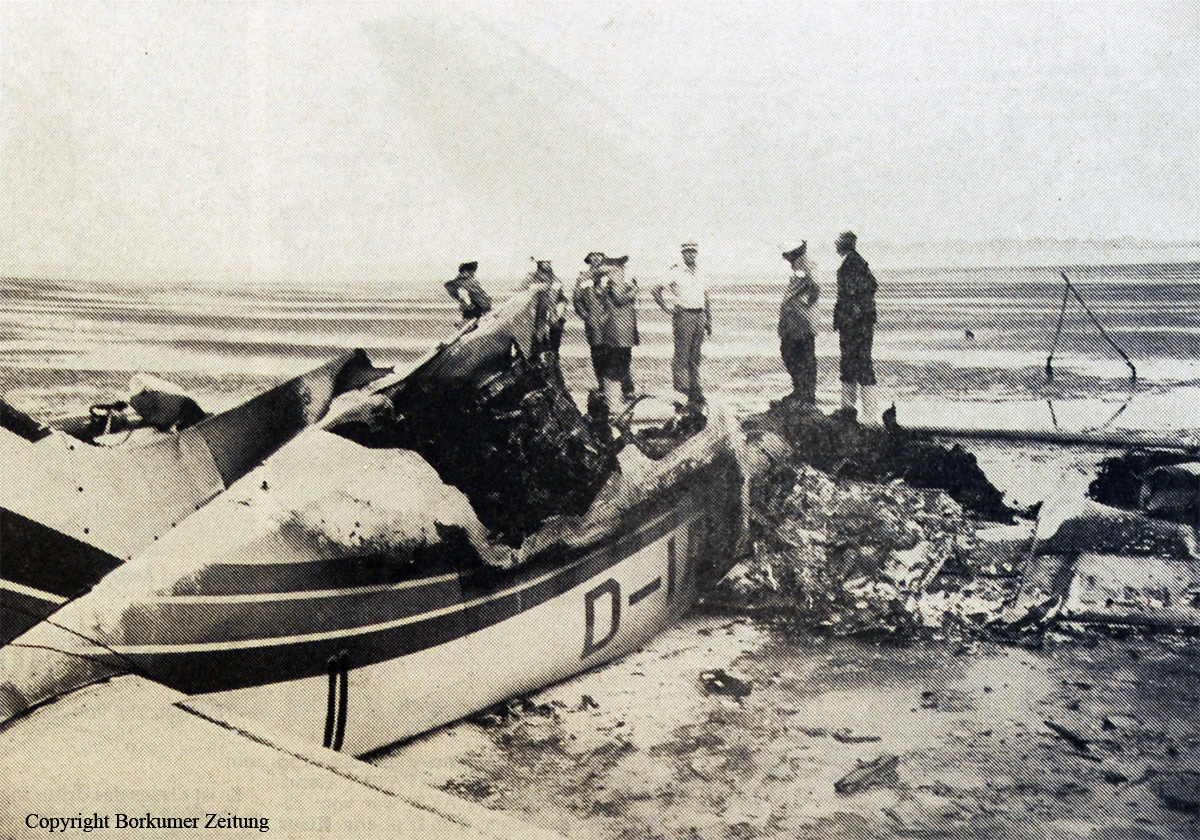
Crash of a Piper PA-31T Cheyenne II off Borkum Island: 8 killed

Date & Time: Jul 23, 1983 at 1900 LT
Type of aircraft:
Registration:
D-IAKS
Flight Phase:
Survivors:
No
MSN:
31-7820048
YOM:
1978
Country:
Region:
Crew on board:
1
Crew fatalities:
Pax on board:
7
Pax fatalities:
Other fatalities:
Total fatalities:
8
Circumstances:
Shortly after takeoff from Borkum Island Airport, while in initial climb, the twin engine airplane lost height and crashed in the Sea of Wadden, bursting into flames. The wreckage was found about 2 km offshore and all eight occupants were killed.

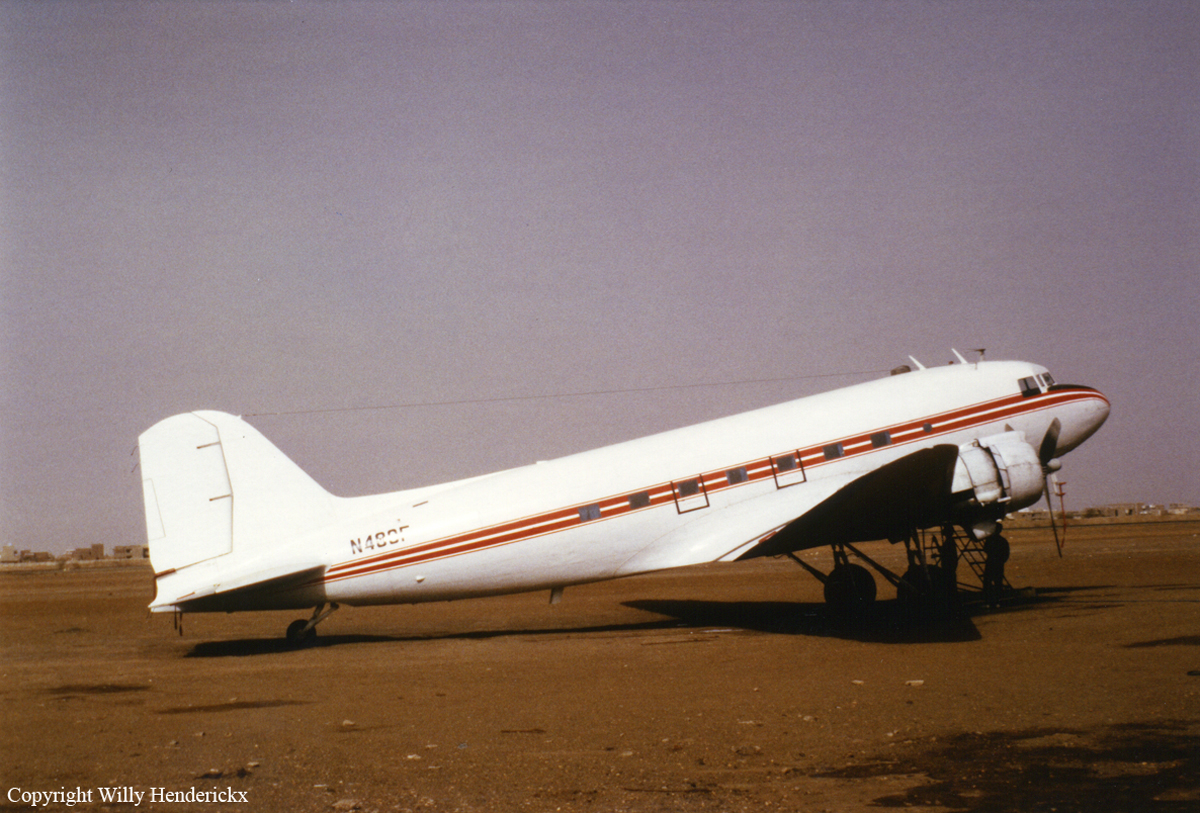
Crash of a Douglas C-47A-35-DL in Khartoum

Date & Time: Jul 19, 1983
Operator:
Registration:
N480F
Flight Phase:
Survivors:
Yes
MSN:
9719
YOM:
1943
Country:
Region:
Crew on board:
3
Crew fatalities:
Pax on board:
21
Pax fatalities:
Other fatalities:
Total fatalities:
0
Circumstances:
After takeoff from Khartoum-Haj Yusuf Airport, while climbing, the right engine malfunctioned. The pilot decided to shut it down and to feather its propeller. Few seconds later, the left engine lost power and decision was taken to attempt an emergency landing. The crew completed a belly landing in a wasteland located few km from the airport. The aircraft slid for few dozen meters before coming to rest. All 24 occupants escaped uninjured while the aircraft was damaged beyond repair.
Probable cause:
It was determined that the fuel was contaminated with water, causing the engine to lose power and/or malfunction.

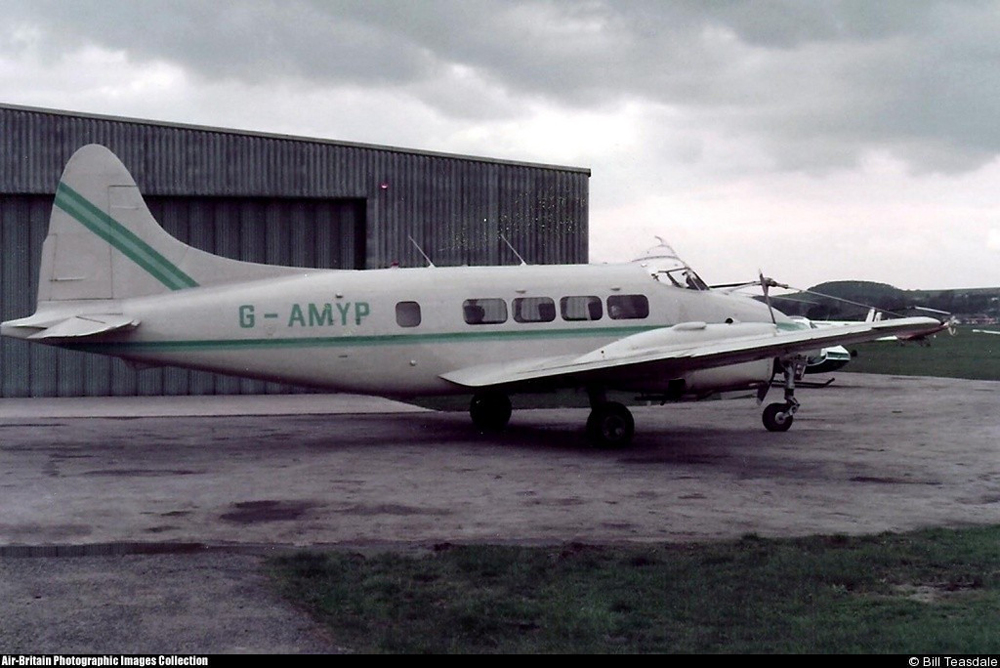
Crash of a De Havilland DH.104 Dove 2A in Shoreham-by-Sea: 1 killed

Date & Time: Jul 9, 1983 at 1005 LT
Type of aircraft:
Registration:
G-AMYP
Flight Phase:
Flight Type:
Survivors:
No
Schedule:
Shoreham-by-Sea - Shoreham-by-Sea
MSN:
04421
YOM:
1953
Region:
Crew on board:
1
Crew fatalities:
Pax on board:
0
Pax fatalities:
Other fatalities:
Total fatalities:
1
Captain / Total flying hours:
602
Captain / Total hours on type:
13.00
Circumstances:
The pilot, also owner of the aircraft, elected to make a post-engine change test flight himself. After takeoff from Shoreham-by-Sea Airport runway 07 in good weather, eye-witnesses considered that the take-off and initial climb were normal except that intermittent puffs of dark smoke were seen coming from the right engine. At about 600 feet above ground level the aircraft was seen to roll to the right then turn on to its back and spin to the ground. After a short pause the aircraft burst into flames and was largely consumed by an intense fire. The pilot, sole on board, was killed.
Probable cause:
Examination of the wreckage revealed that the aircraft impacted with the sloping side of the west flood bank of the River Adur. At impact the aircraft was 60° nose down, rolled to the right, and was yawing to the right. Both engines were rotating, with the left engine developing more power than the right. Detailed wreckage examination at the AIB engineering facility at Farnborough showed that the rudder was approximately fully left and the elevator fully up. Engine strip examination yielded no evidence of any pre-crash defect in the left engine, but severe corrosion was found in the fuel control boost capsule (Part n° CH 90274) of the right engine. Tests were carried out on an engine test bed to examine the effects of boost capsule perforation. It was found that such a fault would induce power fluctuations, and that the engine could experience a rich cut when the throttle was retarded. Research into previous incidents on the same type of aircraft revealed two occasions during which fluctuating boost and rpm had been experienced after take-off and later attributed to boost capsule perforation.
Final Report:

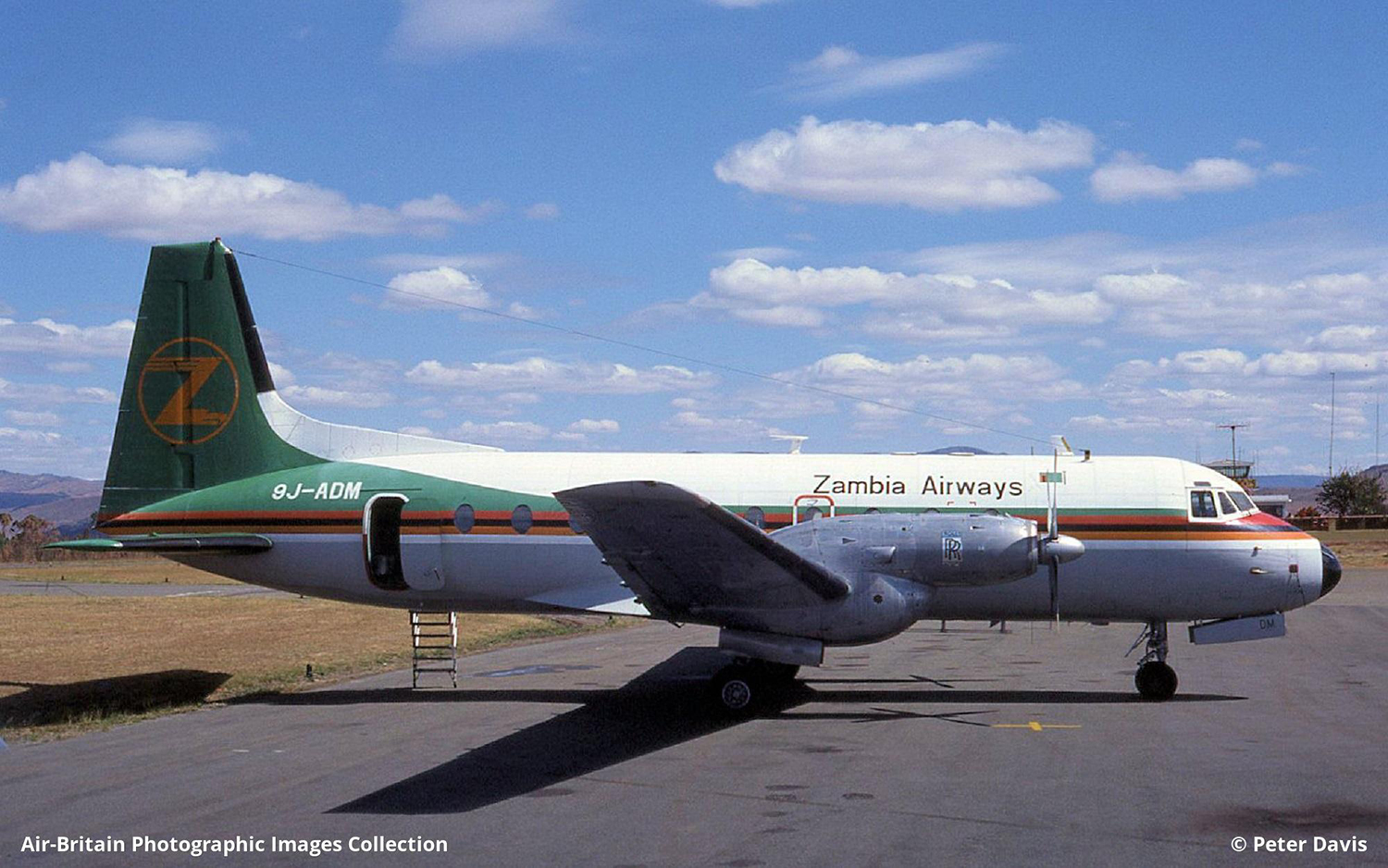
Crash of an Avro 748-263-2A in Kasaba Bay

Date & Time: Jul 4, 1983
Type of aircraft:
Operator:
Registration:
9J-ADM
Flight Phase:
Survivors:
Yes
Schedule:
Kasaba Bay - Lusaka
MSN:
1706
YOM:
1971
Country:
Region:
Crew on board:
4
Crew fatalities:
Pax on board:
42
Pax fatalities:
Other fatalities:
Total fatalities:
0
Circumstances:
During the takeoff roll at Kasaba Bay Airport, the left engine suffered unknown problems. The captain decided to abandon the takeoff procedure and initiated an emergency braking maneuver. Unable to stop within the remaining distance, the aircraft overran and came to a stop. All 46 occupants escaped uninjured while the aircraft was damaged beyond repair.

Crash of an Antonov AN-12 in Jalalabad: 5 killed

Date & Time: Jul 2, 1983
Type of aircraft:
Operator:
Flight Phase:
Flight Type:
Survivors:
No
Schedule:
Jalalabad - Kabul
Country:
Region:
Crew on board:
5
Crew fatalities:
Pax on board:
0
Pax fatalities:
Other fatalities:
Total fatalities:
5
Circumstances:
After takeoff from Jalalabad Airport, while in initial climb, the four engine aircraft was shot down by ground fire and crashed near the airport, bursting into flames. All five crew members were killed. The aircraft was en route to Kabul, carrying a load of construction materials, oil drums and barbed wire.
Probable cause:
Shot down by ground fire.