Crash of a Beechcraft 200C Super King Air in Uncía: 6 killed

Date & Time: Nov 26, 1995
Operator:
Registration:
EB-002
Flight Phase:
Flight Type:
Survivors:
No
MSN:
BL-33
YOM:
1981
Location:
Country:
Crew on board:
2
Crew fatalities:
Pax on board:
4
Pax fatalities:
Other fatalities:
Total fatalities:
6
Circumstances:
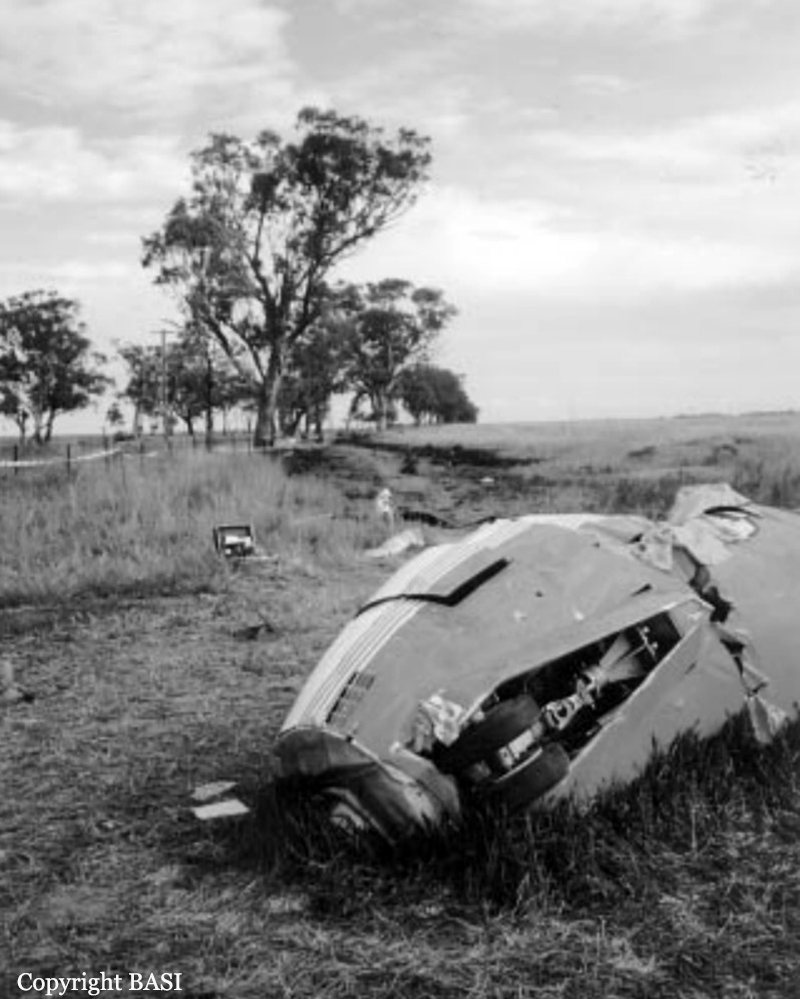
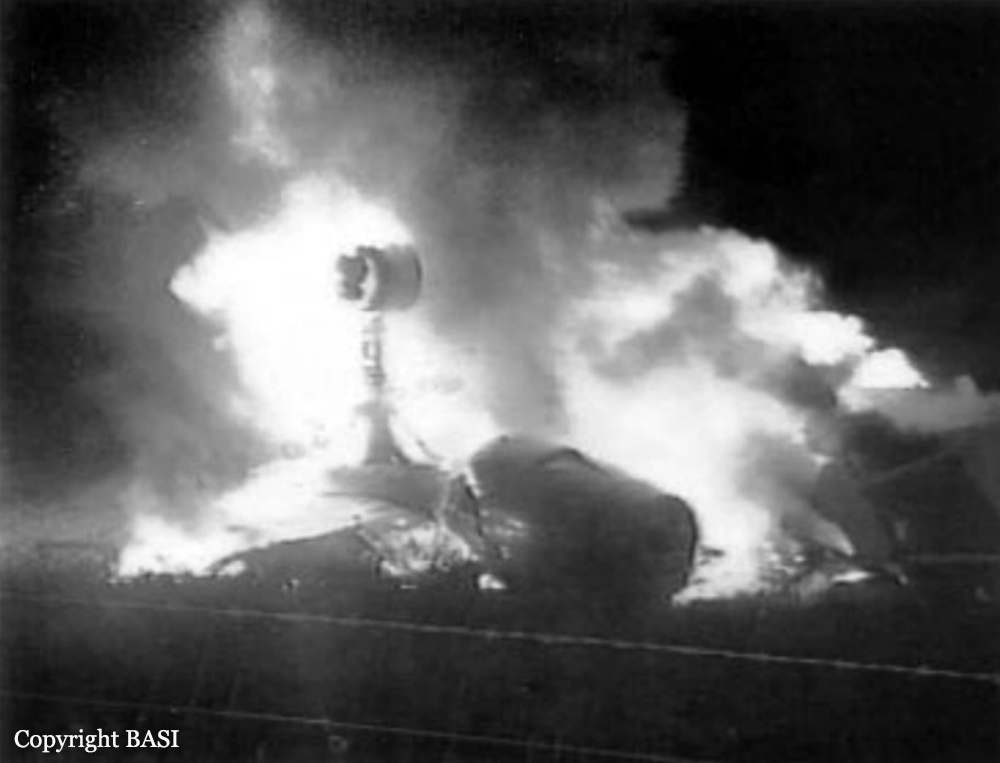
After takeoff, while in initial climb, the twin engine aircraft went out of control and crashed in a huge explosion near the runway end. All six occupants were killed.

Crash of a Piper PA-31-325 Navajo in Wollaston Lake

Date & Time: Nov 25, 1995 at 2325 LT
Type of aircraft:
Registration:
C-GOLM
Flight Phase:
Flight Type:
Survivors:
Yes
Schedule:
Wollaston Lake – La Ronge
MSN:
31-7712050
YOM:
1977
Country:
Crew on board:
1
Crew fatalities:
Pax on board:
3
Pax fatalities:
Other fatalities:
Total fatalities:
0
Captain / Total flying hours:
4920
Captain / Total hours on type:
450.00
Aircraft flight hours:
7056
Circumstances:
The Eagle Air Services Piper PA-31-325 Navajo, C-GOLM, departed runway 34 at Wollaston Lake, Saskatchewan, at 2325 central standard time (CST), on a medical evacuation (MEDEVAC) flight to La Ronge. The flight was arranged by the Wollaston nursing station to transport a patient to a hospital in La Ronge. The patient was accompanied on the flight by her mother and a nurse from the nursing station. The aircraft was observed to climb at an unusually shallow angle after take-off, and, when efforts by company personnel to reach the pilot by radio were unsuccessful, a ground search was commenced. The aircraft was found about five minutes after the accident, located on the ice- and snow-covered surface of Wollaston Lake, about 0.75 nautical miles (nm) from the departure end of the runway, and about 1.3 nm from the point of commencement of the take-off roll. The pilot and the patient suffered serious injuries. The other two occupants sustained minor injuries. The accident occurred during the hours of darkness at latitude 58°6.98'N, longitude 103°10.79'W, at an elevation of 1,300 feet above sea level (asl). The temperature was about -25°/C.
Probable cause:
After take-off, the left propeller was likely on its start locks, which, as the airspeed increased, allowed the propeller to overspeed. The pilot was unable to resolve the situation in time to prevent the aircraft from striking the surface of Wollaston Lake. Contributing to the severity of the patient's injuries were the inadequate restraint provided by the stretcher and its restraining strap, the lack of standards regarding stretchers used in aircraft, and the lack of standards as to the operation of MEDEVAC flights.
Final Report:

Crash of a Partenavia P.68B in Tangalooma

Date & Time: Nov 22, 1995 at 2110 LT
Type of aircraft:
Registration:
VH-TLQ
Flight Phase:
Survivors:
Yes
Schedule:
Tangalooma – Coolangatta
MSN:
33
YOM:
1975
Country:
Region:
Crew on board:
1
Crew fatalities:
Pax on board:
4
Pax fatalities:
Other fatalities:
Total fatalities:
0
Captain / Total flying hours:
905
Captain / Total hours on type:
57.00
Circumstances:
The aircraft was the second to take off in a stream of six on a night flight from the Tangalooma Resort strip to Coolangatta aerodrome. Shortly after takeoff it struck the ground, nosed over and was consumed by a fuel-fed fire. The take-off run appeared normal but the initial climb was shallow according to the witnesses, some of whom were pilots waiting their turn to take off. At about 150 ft above ground level the aircraft entered a descent which continued until ground impact, 164 m beyond the departure end of the strip. The nose gear collapsed at impact but the aircraft remained upright and skidded along the ground on its main gear and front fuselage. It traversed a low sand dune, fell 10 ft to the beach and overturned. The aircraft came to rest 112 m beyond the first ground contact. All four passengers were able to evacuate the aircraft which had started to burn. The pilot was rescued by her passengers.
Probable cause:
The following factors were reported:
1. The takeoff direction was dark and had no visible horizon.
2. The elevator trim was not set for takeoff.
3. The elevator load on takeoff was high.
4. The pilot did not monitor the aircraft attitude after lift-off.
5. The flap was retracted in one movement, increasing the elevator load.
6. The pilot may have been affected by somatogravic illusion to the extent that she thought the climb attitude was adequate.
Final Report:

Crash of a Beechcraft E90 King Air at La Carlota AFB: 7 killed

Date & Time: Nov 13, 1995
Type of aircraft:
Operator:
Registration:
YV-O-NCE-2
Flight Phase:
Flight Type:
Survivors:
No
Schedule:
La Carlota – Maracay
MSN:
LW-201
YOM:
1976
Country:
Crew on board:
2
Crew fatalities:
Pax on board:
5
Pax fatalities:
Other fatalities:
Total fatalities:
7
Circumstances:
The twin engine aircraft was completing a flight from La Carlota to the El Libertador AFB in Maracay on behalf of the National Institute for Cooperation and Education. Shortly after takeoff from La Carlota-General Francisco de Miranda AFB, while climbing, the aircraft rolled to the right, lost height and crashed, bursting into flames. All seven occupants were killed.
Probable cause:
Failure of the right engine shortly after takeoff for unknown reasons.

Crash of a Rockwell Grand Commander 680F in Bogotá: 5 killed

Date & Time: Oct 24, 1995 at 0645 LT
Registration:
HK-913-P
Flight Phase:
Flight Type:
Survivors:
No
Schedule:
Bogotá-El Dorado – Bogotá-Guaymaral
MSN:
680-1234-120
YOM:
1963
Country:
Crew on board:
2
Crew fatalities:
Pax on board:
3
Pax fatalities:
Other fatalities:
Total fatalities:
5
Captain / Total flying hours:
612
Circumstances:
The twin engine aircraft departed Bogotá-El Dorado Airport at 0638LT. While climbing, the crew reported technical problems with the right engine and was cleared to return for an emergency landing. While completing a left turn, the crew lost control of the airplane that crashed near Empresa Triturados del Tolima, about 5 km north of the airport, some 7 minutes after takeoff. The aircraft was destroyed and all five occupants were killed.
Probable cause:
Loss of control while completing a turn to return to the airport because the crew failed to recognize the aircraft's limits. Lack of crew training and experience was a contributing factor.
Final Report:

Crash of a Transall C-160D off Ponta Delgada: 7 killed

Date & Time: Oct 22, 1995
Type of aircraft:
Operator:
Registration:
50+43
Flight Phase:
Flight Type:
Survivors:
No
Schedule:
Ponta Delgada - Saint John's
MSN:
D65
YOM:
1969
Country:
Region:
Crew on board:
7
Crew fatalities:
Pax on board:
0
Pax fatalities:
Other fatalities:
Total fatalities:
7
Circumstances:
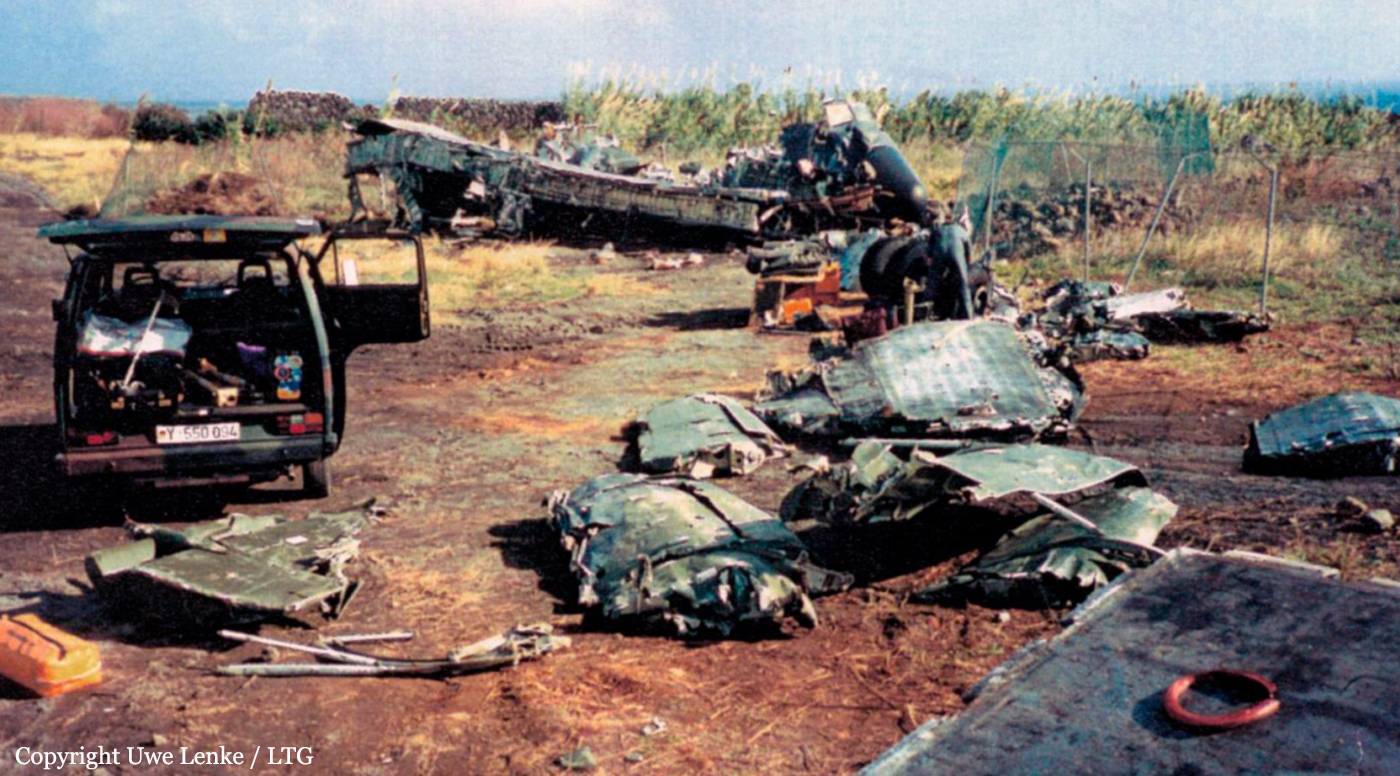
After takeoff from Ponta Delgada-Nordela Airport, the aircraft encountered difficulties to gain height. It collided with power lines, stalled and crashed in the sea few dozen metres offshore. All seven crew members were killed.
Probable cause:
It was reported that one of the engine failed after Vr but before rotation. It was apparently too late for the crew to abort the takeoff procedure. Due to insufficient power, the aircraft was unable to gain height.

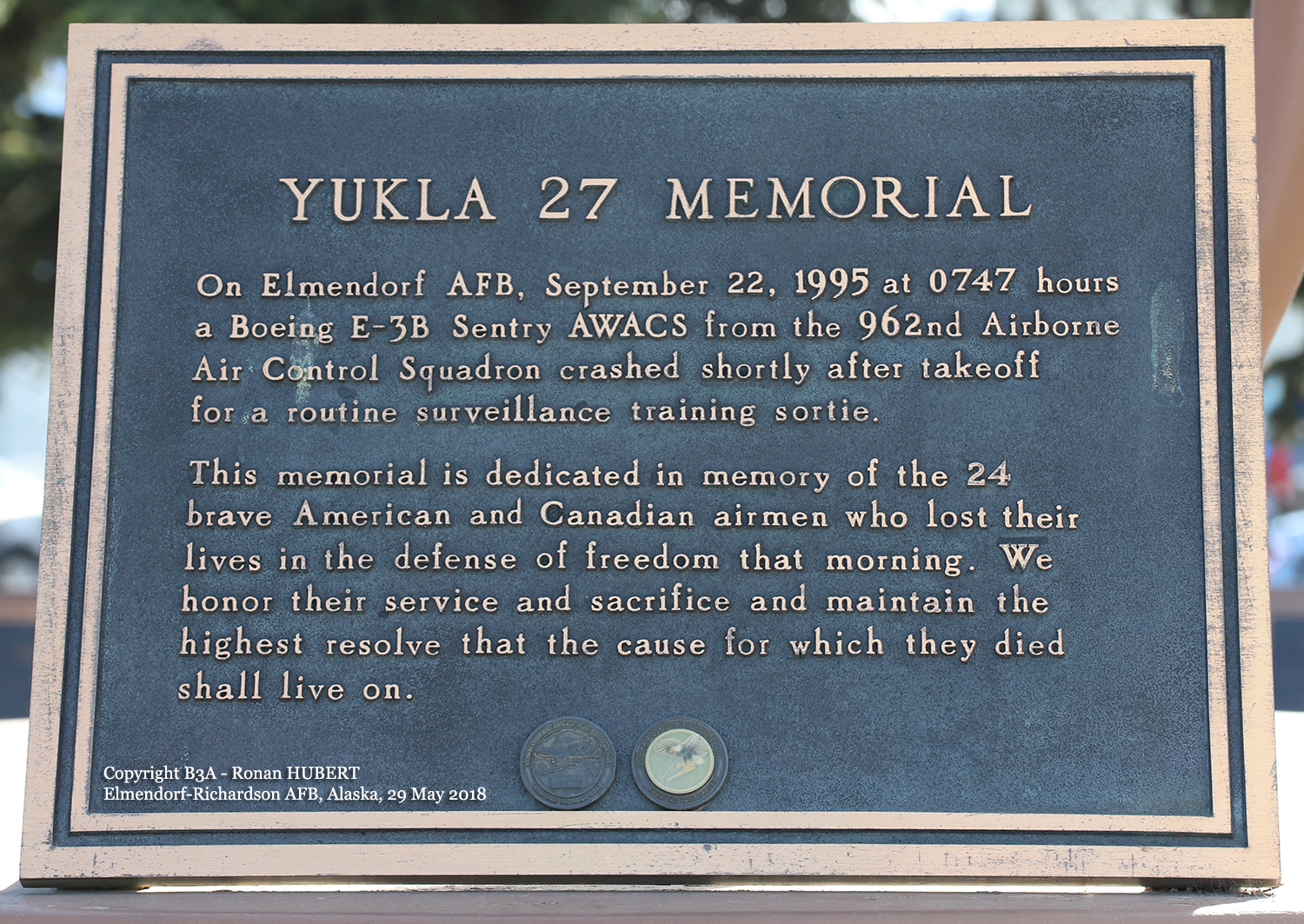
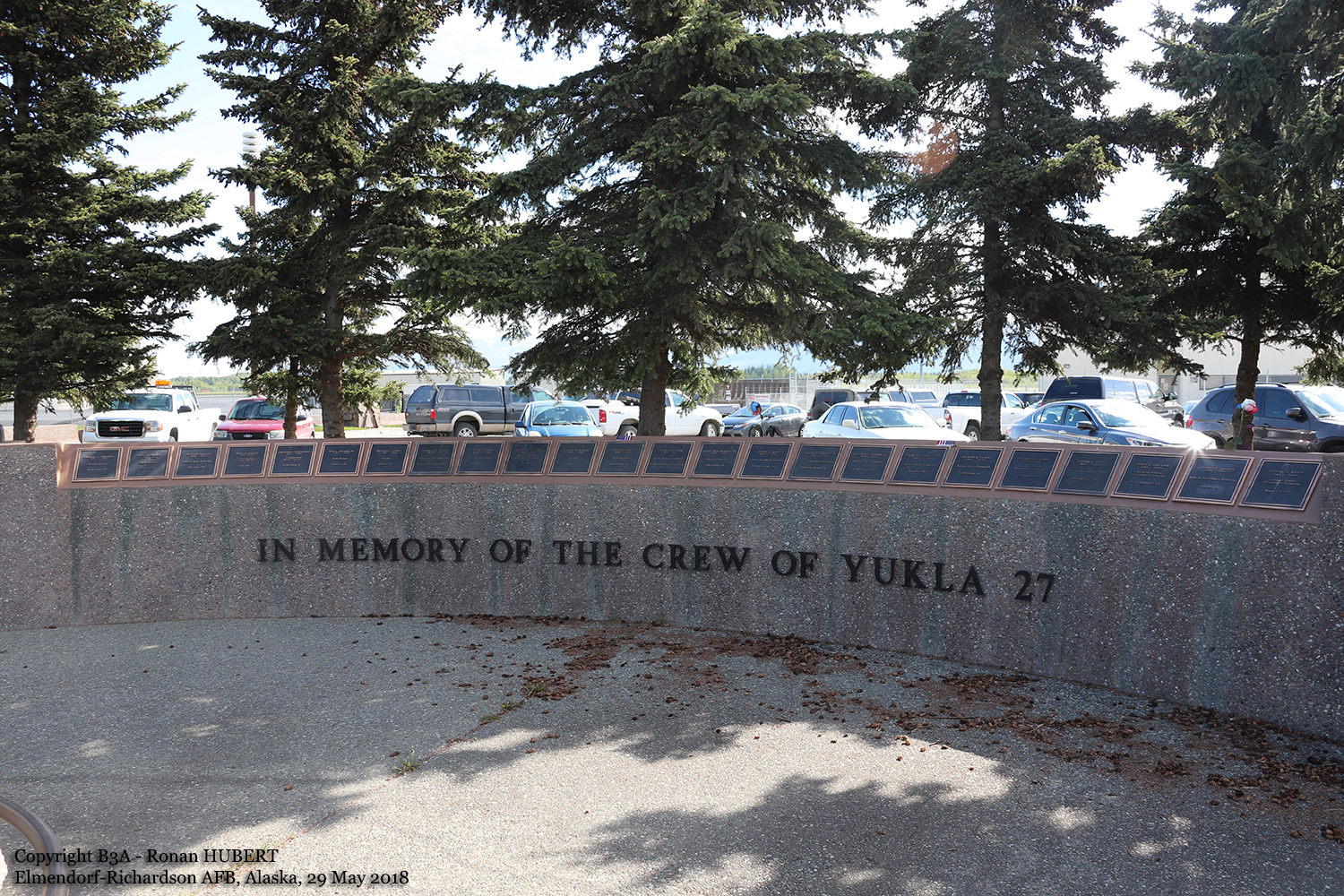
Crash of a Boeing E-3B Sentry at Elmendorf AFB: 24 killed

Date & Time: Sep 22, 1995 at 0747 LT
Type of aircraft:
Operator:
Registration:
77-0354
Flight Phase:
Survivors:
No
Schedule:
Elmendorf - Elmendorf
MSN:
21554
YOM:
1978
Flight number:
Yukla 27
Crew on board:
4
Crew fatalities:
Pax on board:
20
Pax fatalities:
Other fatalities:
Total fatalities:
24
Circumstances:
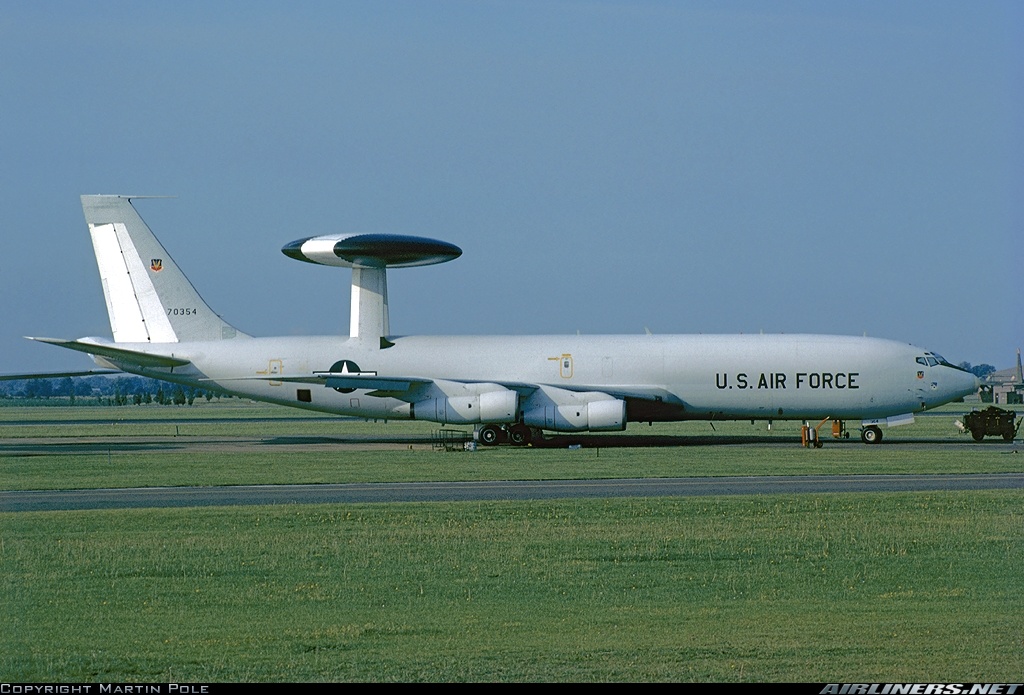
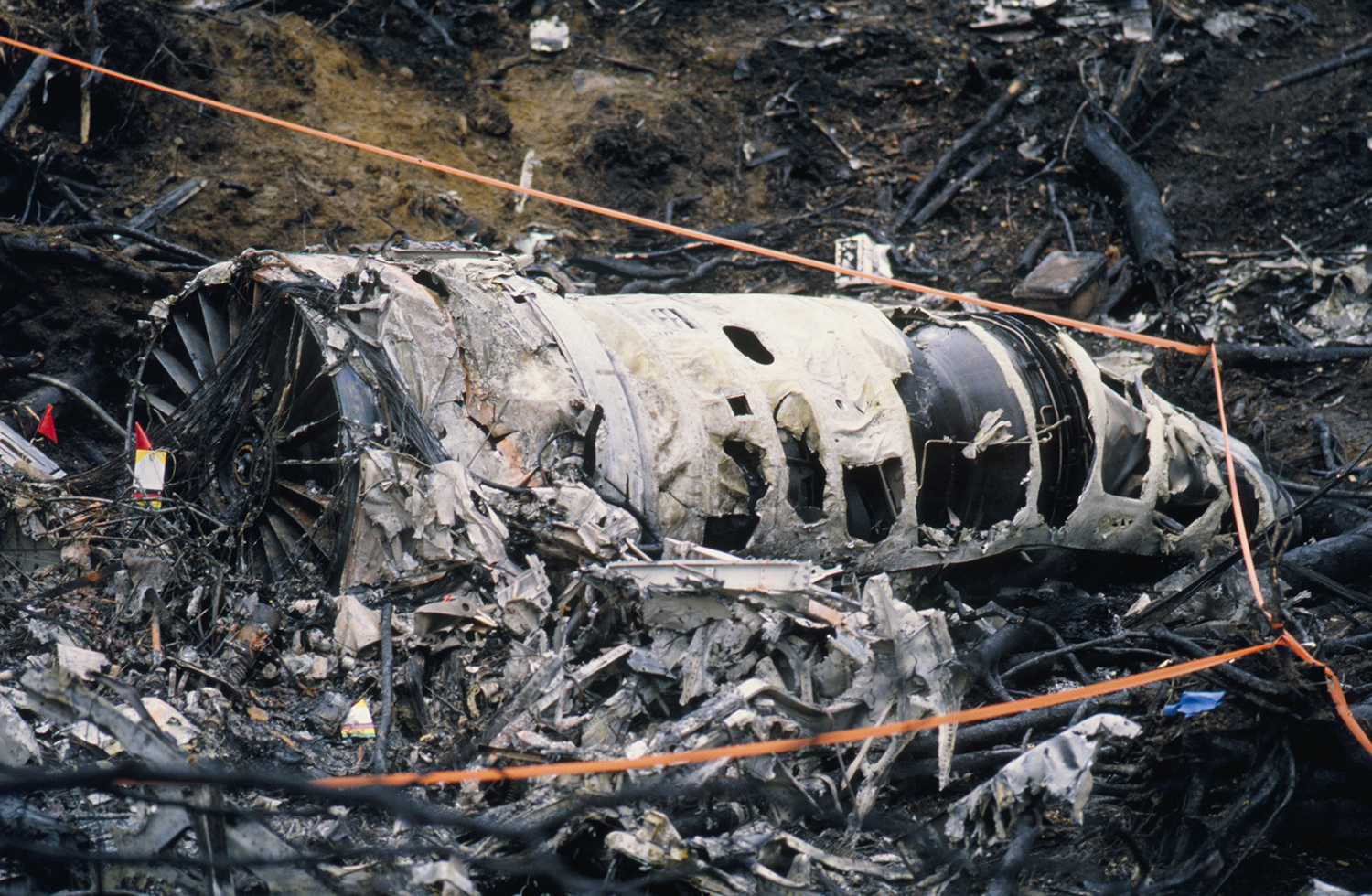
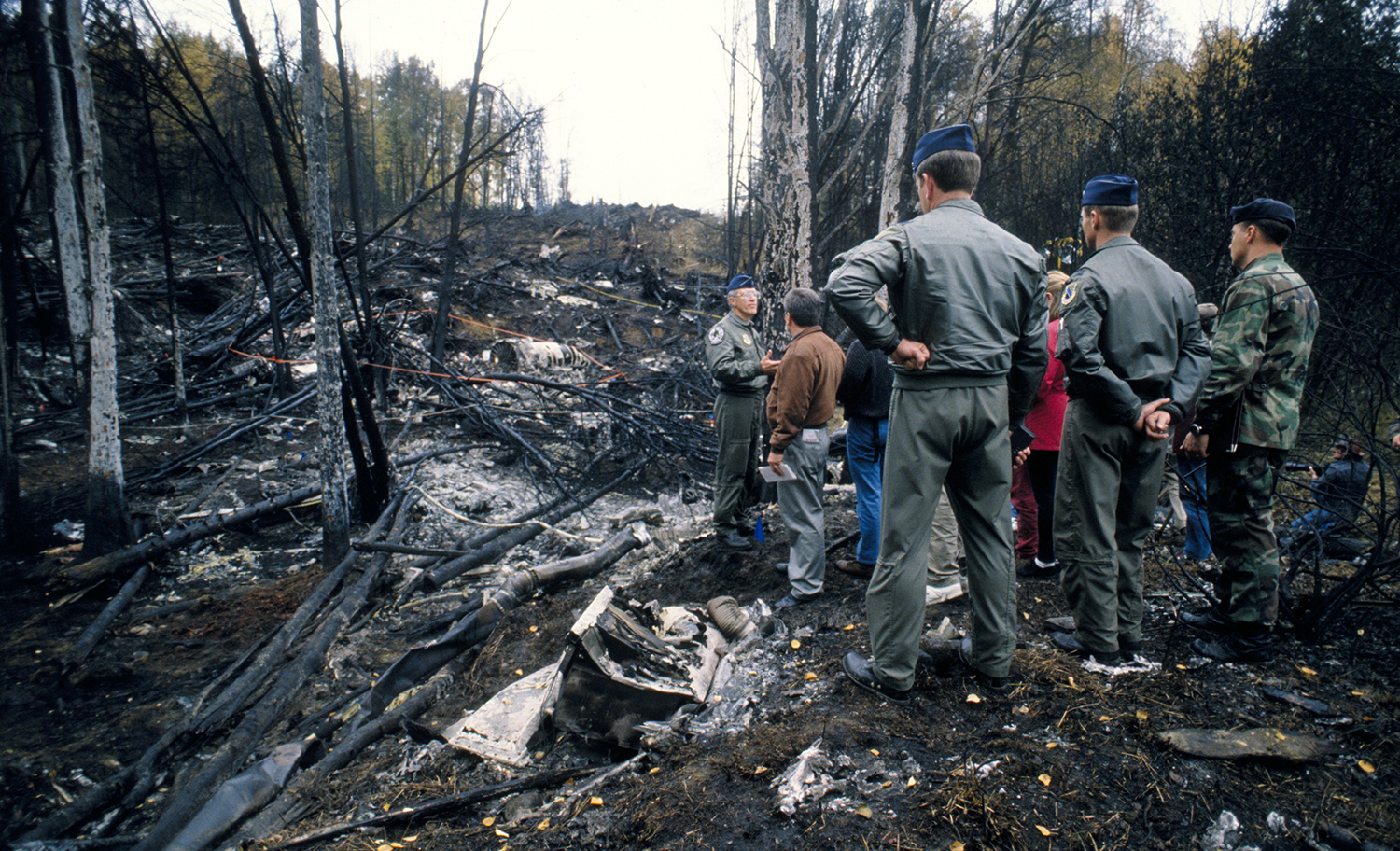
The aircraft was dispatched out from Elmendorf AFB on an AWACS survey mission under call sign Yukla 27, carrying 20 passengers and four crew members. Shortly after takeoff from runway 05, while in initial climb, the aircraft collided with a flock of Canada geese that struck both left engines n°1 and 2. The aircraft climbed to a maximum height of about 250 feet when the engine n°1 failed and the engine n°2 exploded. The aircraft entered an uncontrolled left roll, causing the left wing to struck trees. Out of control, it crashed in a huge explosion in a wooded area located about a mile from the runway end. The aircraft disintegrated on impact and all 24 occupants were killed. Numerous dead geese were found at the crash site.
Probable cause:
It was determined that the loss of control and subsequent crash was the consequence of a collision with Canada geese during initial climb. Investigations revealed that a USAF Lockheed C-130 just took off from the same runway about two minutes prior to the accident. At that time, numerous geese were standing near the runway end and were probably disturbed by the C-130 low pass. All geese took off and remained hovering at low height. This phenomenon was spotted by the tower controller who failed to warn the Sentry crew accordingly. It was also determined that there was no efficient program to detect and deter bird hazard at Elmendorf AFB.

Crash of a Cessna 421B Golden Eagle II in Coldwater: 1 killed

Date & Time: Sep 21, 1995 at 1145 LT
Operator:
Registration:
N14A
Flight Phase:
Survivors:
No
Schedule:
Coldwater - Elkhart
MSN:
421B-0373
YOM:
1973
Crew on board:
1
Crew fatalities:
Pax on board:
0
Pax fatalities:
Other fatalities:
Total fatalities:
1
Captain / Total flying hours:
1984
Captain / Total hours on type:
203.00
Aircraft flight hours:
5044
Circumstances:
The pilot obtained a preflight briefing and indicated that he would obtain an IFR clearance after becoming airborne; however, he took off and did not activate a flight plan. Witnesses observed the airplane flying north (away from the destination) about 200 to 300 feet above the ground below a low overcast sky condition. One witness said the airplane was flying very slow; he said he was almost able to keep up with it in his vehicle. The witnesses said they saw the airplane roll rapidly to the right and descend toward the ground. It collided with the ground in an approximate 50 degree pitch down attitude. An on-scene examination did not reveal any airframe or control anomaly that would have resulted in the accident. The engines and propellers were disassembled for inspection. Examination of the engines revealed they were capable of producing power. Examination of the propellers revealed both were operating at low pitch settings. About 25 miles north-northwest at Battle Creek, MI, the 1145 edt weather was, in part: 500 feet overcast, visibility 2 miles with fog, wind from 050 degrees at 10 knots.
Probable cause:
Failure of the pilot to maintain adequate airspeed, while maneuvering (turning) at low altitude, which resulted in an inadvertent stall and collision with the terrain. Factors relating to the accident were: the adverse weather conditions, and the lack of altitude for recovery from the stall.
Final Report:

Crash of a Mitsubishi MU-2B-35 Marquise in Smyrna

Date & Time: Sep 21, 1995 at 0425 LT
Type of aircraft:
Registration:
N309MA
Flight Phase:
Flight Type:
Survivors:
Yes
Schedule:
Smyrna - Louisville
MSN:
602
YOM:
1973
Crew on board:
1
Crew fatalities:
Pax on board:
1
Pax fatalities:
Other fatalities:
Total fatalities:
0
Captain / Total flying hours:
2140
Captain / Total hours on type:
112.00
Aircraft flight hours:
4304
Circumstances:
A witness stated he observed the airplane on climbout from runway 32. The airplane started a right turn estimated at about 30 to 45° angle of bank. The airplane stopped climbing and began descending. Subsequently, it collided with a tree line, while in a right bank, and then it impacted the ground. Weather conditions at the time of accident were described by the witness as very dark, with no ambient light or visible horizon. Examination of the airframe, flight control system, engine assembly, and propeller assembly revealed no evidence of a precrash failure or malfunction. The autopilot was found in the off position, and the autopilot circuit breakers were not tripped. The pilot and passenger were seriously injured and had no memory of the flight. A radio transcript revealed that after taking off, the flight had made one radio transmission to request an ifr clearance.
Probable cause:
Failure of the pilot to maintain a proper climb rate after takeoff, and his inadvertent entry in a descending spiral, which he failed to correct. Factors relating to the accident were: darkness, and the pilot becoming spatially disoriented during the initial climb while attempting to obtain an ifr clearance.
Final Report:

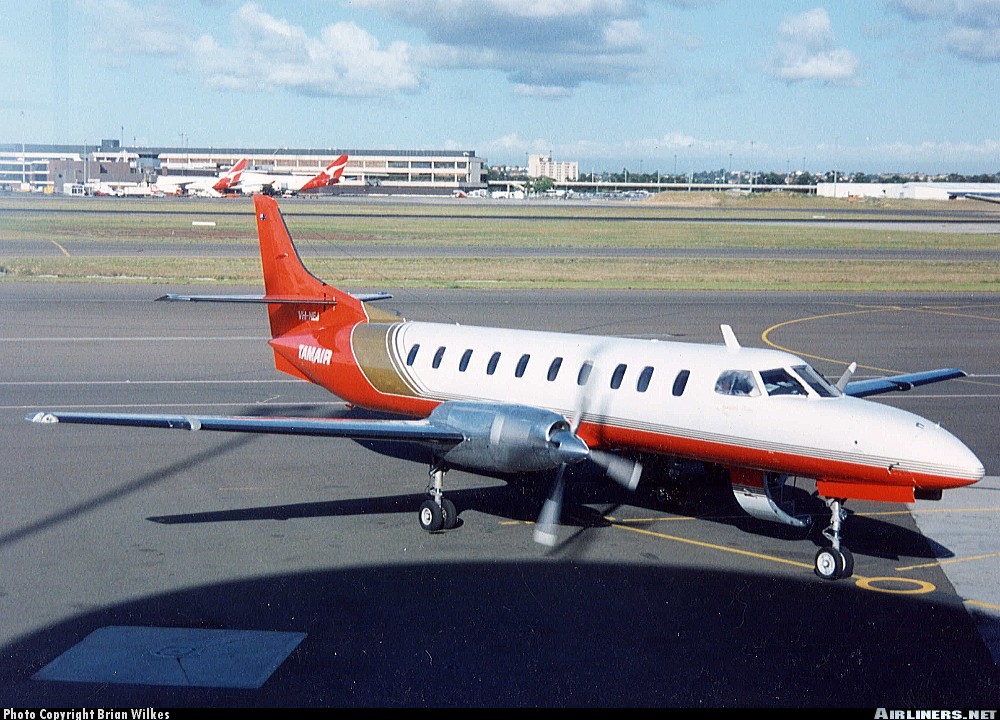
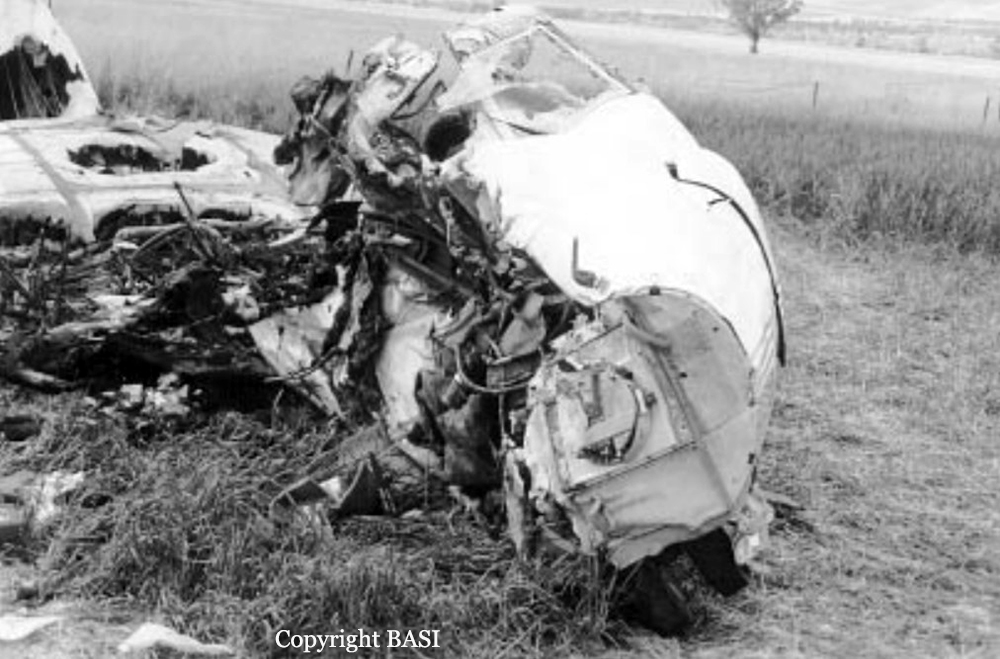
Crash of a Swearingen SA227AC Metro III in Tamworth: 2 killed

Date & Time: Sep 16, 1995 at 1957 LT
Type of aircraft:
Operator:
Registration:
VH-NEJ
Flight Phase:
Flight Type:
Survivors:
Yes
Schedule:
Tamworth - Tamworth
MSN:
AC-629B
YOM:
1985
Country:
Region:
Crew on board:
3
Crew fatalities:
Pax on board:
0
Pax fatalities:
Other fatalities:
Total fatalities:
2
Captain / Total flying hours:
4132
Captain / Total hours on type:
1393.00
Copilot / Total flying hours:
1317
Copilot / Total hours on type:
1
Aircraft flight hours:
15105
Circumstances:
Two company pilots were undergoing first officer Metro III type-conversion flying training. Both had completed Metro III ground school training during the week before the accident. A company check-and-training pilot was to conduct the type conversions. This was his first duty period after 2 weeks leave. Before commencing leave, he had discussed the training with the chief pilot. This discussion concerned the general requirements for a co-pilot conversion course compared to a command pilot course but did not address specific sequences or techniques. The three pilots met at the airport at about 1530 EST on 16 September 1995. During the next 2 hours and 30 minutes approximately, the check-and-training pilot instructed the trainees in daily and pre-flight inspections, emergency equipment and procedures, and cockpit procedures and drills (including the actions to be completed in the event of an engine failure), as they related to the aircraft type. The briefing did not include detailed discussion of aircraft handling following engine failure on takeoff. The group began a meal break at 1800 and returned to the aircraft at about 1830 to begin the flying exercise. The check-and-training pilot was pilot in command for the flight and occupied the left cockpit seat. One trainee occupied the right (co-pilot) cockpit seat while the other probably occupied the front row passenger seat on the left side. This person had the use of a set of head-phones to listen to cockpit talk and radio calls. The aircraft departed Tamworth at 1852, some 40 minutes after last light. Witnesses described the night as very dark, with no moon. Under these conditions, the Tamworth city lighting, which extended to the east from about 2 km beyond the end of runway 12, was the only significant visual feature in the area. The co-pilot performed the takeoff, his first in the Metro III. For about the next 30 minutes, he completed various aircraft handling exercises including climbing, descending, turning (including steep turns), and engine handling. No asymmetric flight exercises were conducted. The check-and-training pilot then talked the co-pilot through an ILS approach to runway 30R with an overshoot and landing on runway 12L. The landing time was 1940. The aircraft had functioned normally throughout the flight. After clearing the runway, the aircraft held on a taxiway for 6 minutes, with engines running. During this period, the crew discussed the next flight which was to be flown by the same co-pilot. The check-and-training pilot stated that he was going to give the co-pilot a V1 cut. The co-pilot objected and then questioned the legality of night V1 cuts. The check-and-training pilot replied that the procedure was now legal because the company operations manual had been changed. The co-pilot made a further objection. The check-and-training pilot then said that they would continue for a Tamworth runway 30R VOR/DME approach and asked the co-pilot to brief him on this approach. The crew discussed the approach and the check-and-training pilot then requested taxi clearance. The aircraft was subsequently cleared to operate within a 15-NM radius of Tamworth below 5,000 ft. The crew then briefed for the runway 12L VOR/DME approach. The plan was to reconfigure the aircraft for normal two-engine operations after the V1 cut and then complete the approach. The crew completed the after-start checks, the taxi checks, and then the pre-take-off checks. The checks included the co-pilot calling for one-quarter flap and the check-and-training pilot responding that one-quarter flap had been selected. The crew briefed the take-off speeds as V1 = 100 kts, VR = 102 kts, V2 = 109 kts, and Vyse = 125 kts for the aircraft weight of 5,600 kg. Take-off torque was calculated as 88% and watermethanol injection was not required. The aircraft commenced the take-off roll at 1957.05. About 25 seconds after brakes release, the check-and-training pilot called 'V1', and less than 1 second later, 'rotate'. The aircraft became airborne at 1957.32. One second later, the check-and-training pilot reminded the co-pilot that the aircraft attitude should be 'just 10 degrees nose up'. After a further 3 seconds, the check-and-training pilot retarded the left engine power lever to the flight-idle position. Over the next 4 seconds, the recorded magnetic heading of the aircraft changed from 119 degrees to 129 degrees. The co-pilot and then the check-and-training pilot called that a positive rate of climb was indicated and the landing gear was selected up 15 seconds after the aircraft became airborne. The landing gear warning horn began to sound at approximately the same time. After 19 seconds airborne, and again after 30 seconds, the check-and-training pilot reminded the co-pilot to hold V2. Three seconds later, the check-and-training pilot said that the aircraft was descending. The landing gear warning horn ceased about 1 second later. By this time, the aircraft had gradually yawed left from heading 129 degrees, through the runway heading of 121 degrees, to 107 degrees. After being airborne for 35 seconds, the aircraft struck a tree approximately 350 m beyond, and 210 m left of, the upwind end of runway 12L. It then rolled rapidly left, severed power lines and struck other trees before colliding with the ground in an inverted attitude and sliding about 70 m. From the control tower, the aerodrome controller saw the aircraft become airborne. As it passed abeam the tower, the controller directed his attention away from the runway. A short time later, all lighting in the tower and on the airport failed and the controller noticed flames from an area to the north-east of the runway 30 threshold. Within about 30 seconds, when the emergency power supply had come on line, the controller attempted to establish radio contact with the aircraft. When no response was received, he initiated call-out of the emergency services.
Probable cause:
The following factors were reported:
1. There was no enabling legislative authority for AIP (OPS) para. 77.
2. CASA oversight, with respect to the company operations manual and specific guidance concerning night asymmetric operations, was inadequate.
3. The company decided to conduct V1 cuts at night during type-conversion training.
4. The check-and-training pilot was assigned a task for which he did not possess adequate experience, knowledge, or skills.
5. The check-and-training pilot gave the co-pilot a night V1 cut, a task which was inappropriate for the co-pilot's level of experience.
6. The performance of the aircraft during the flight was adversely affected by the period the landing gear remained extended after the simulated engine failure was initiated and by the control inputs of the co-pilot.
7. The check-and-training pilot did not recognise that the V1 cut exercise should be terminated and that he should take control of the aircraft.
Final Report: