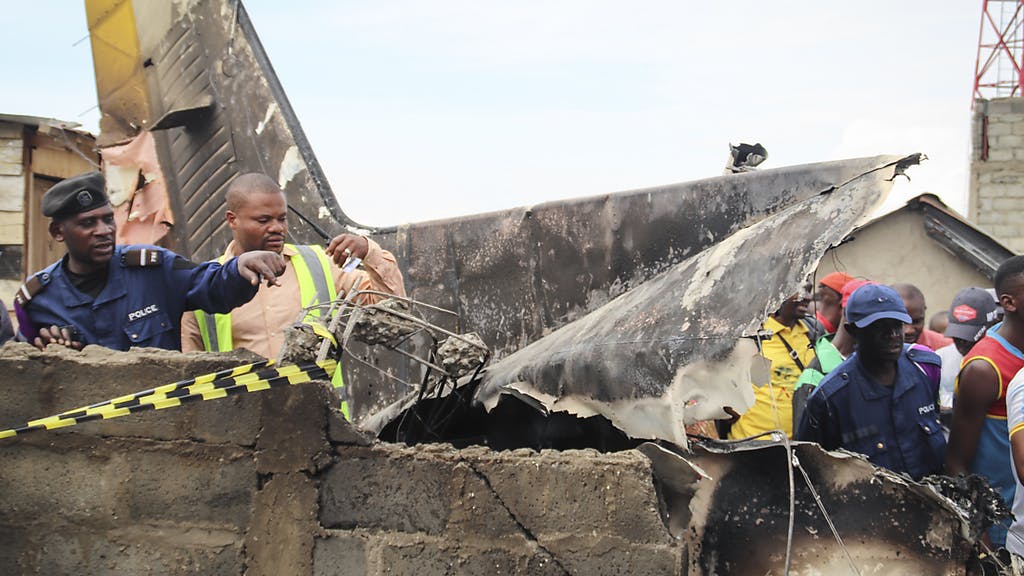
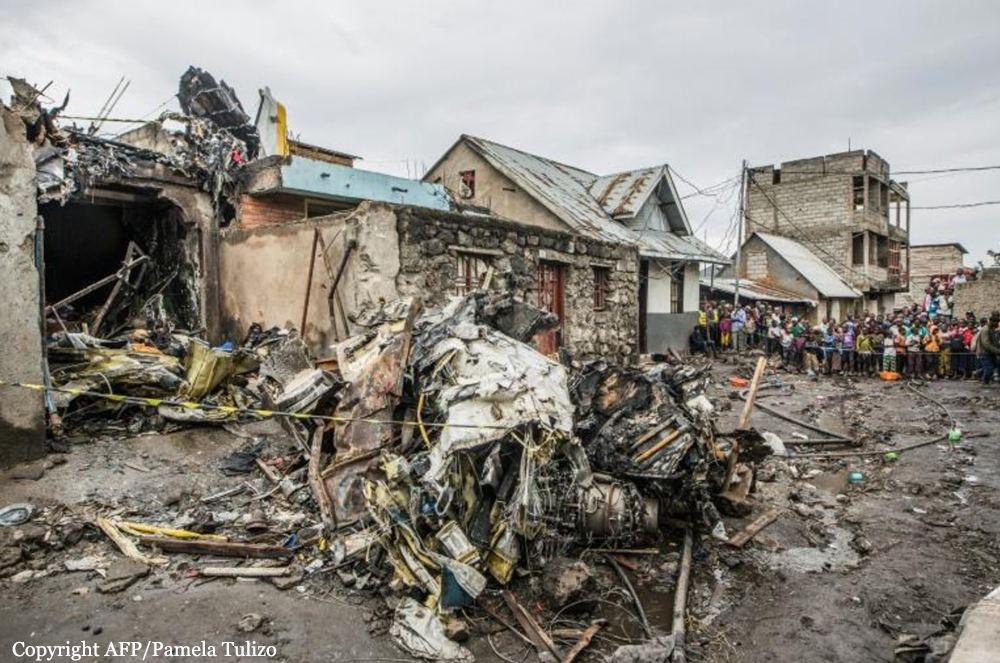
Crash of a Let L-410UVP-E3 on Mt Kahuzi: 4 killed

Date & Time: Aug 13, 2020 at 1535 LT
Type of aircraft:
Operator:
Registration:
9S-GEN
Flight Phase:
Survivors:
No
Site:
Schedule:
Kalima – Bukavu
MSN:
89 23 25
YOM:
1989
Region:
Crew on board:
2
Crew fatalities:
Pax on board:
2
Pax fatalities:
Other fatalities:
Total fatalities:
4
Captain / Total flying hours:
24000
Captain / Total hours on type:
23000.00
Copilot / Total flying hours:
600
Copilot / Total hours on type:
450
Aircraft flight hours:
8487
Aircraft flight cycles:
12461
Circumstances:
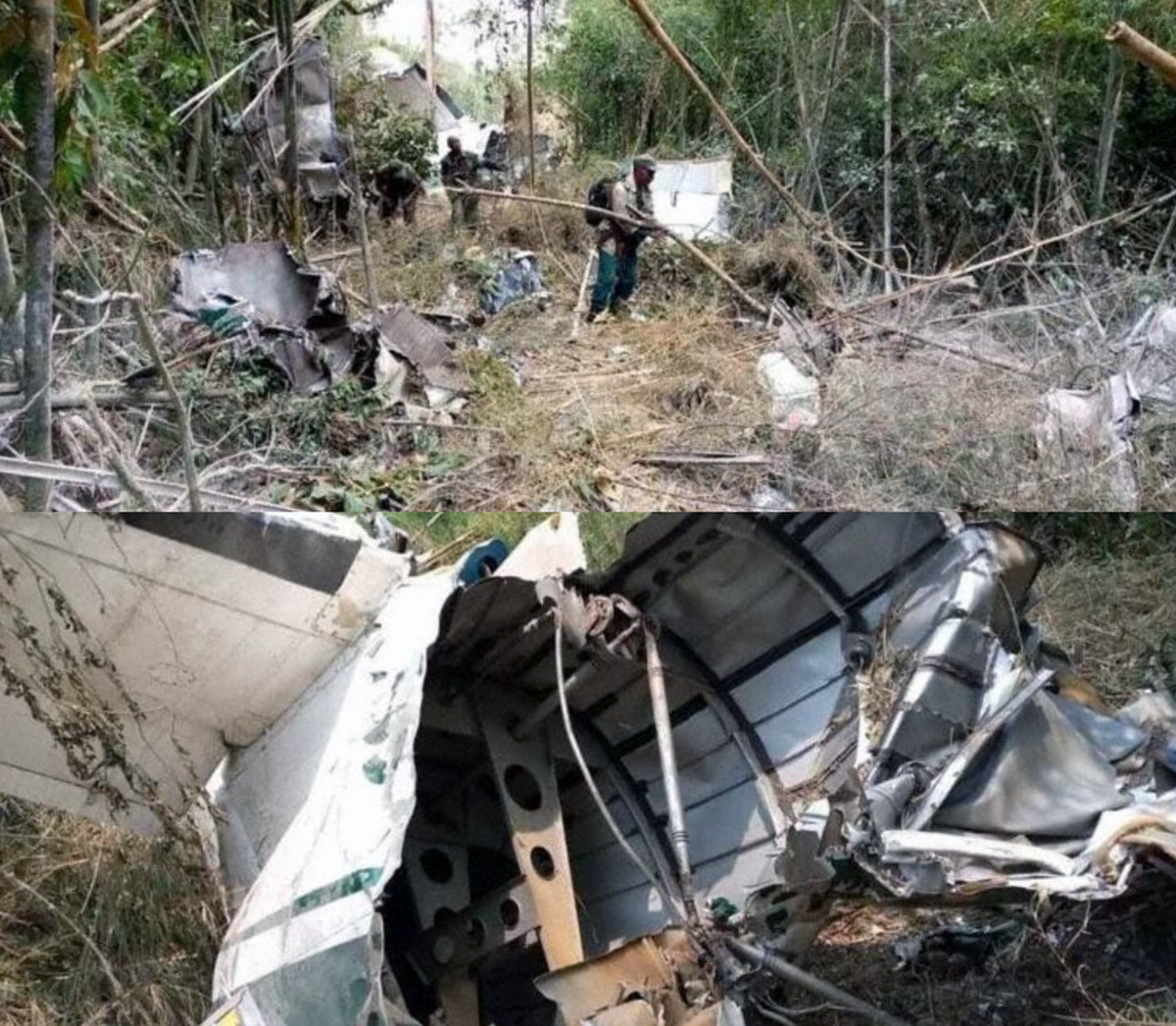
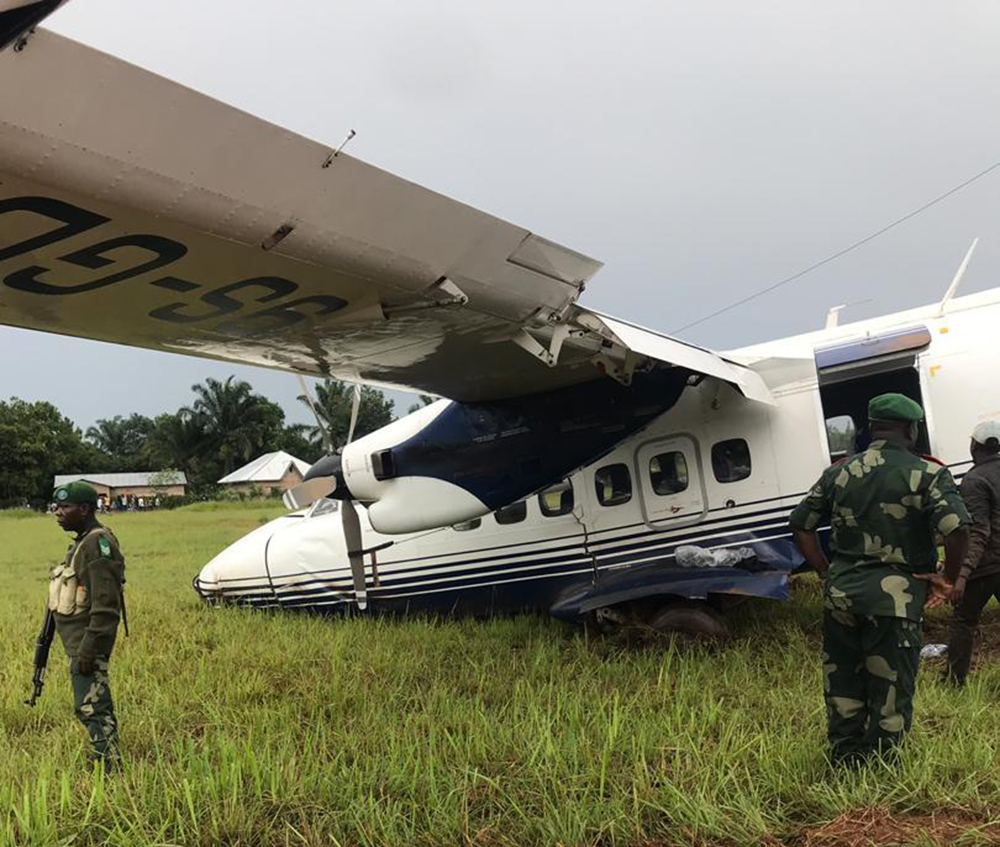
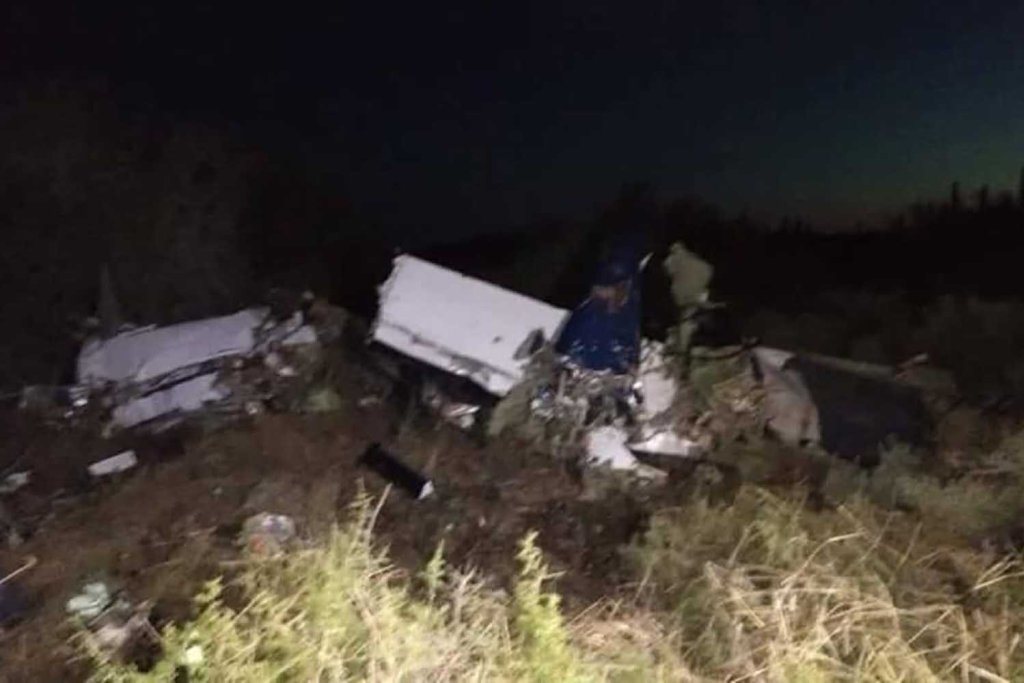
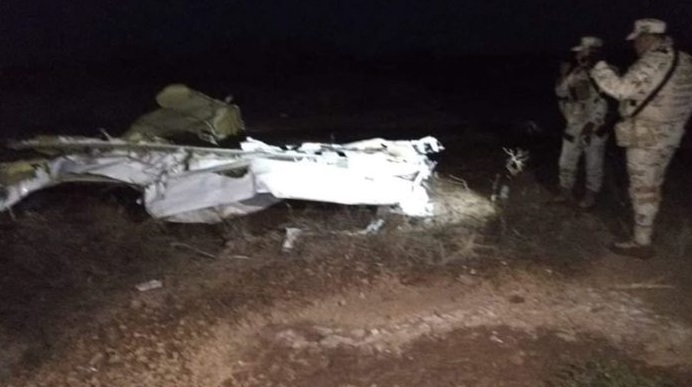
The airplane departed Kalima Airport on a schedule service to Bukavu, carrying two passengers and two pilots. While approaching Bukavu, the crew encountered poor visibility due to dry mist. Seven minutes prior to ETA, the airplane impacted trees and crashed in a wooded area located on Mt Kahuzi (3,317 metres high), in the Kahuzi-Miega National Park. The wreckage was found about 15 km northwest of the airport. All four occupants were killed.
Probable cause:
Probable causes:
- A human error,
- A non-compliance with meteorological alerts,
- A non-compliance with the specified flight altitude for this mountainous area because, in the case of dry mist during the dry season (from the beginning of June to the end of August each year), the visibility can be zero in this area.
The following contributing factors were identified:
- A sudden break in communication between the controller and the pilot just after the first contact without any prior reason "I am 15 nautical miles from your station (Airport) and I estimate arrival at 1342 TU." This was his first contact during the flight from KALIMA, but also his last contact and his final flight.
- Probable fuel shortage,
- Excessive workload for the crew members.
Final Report:
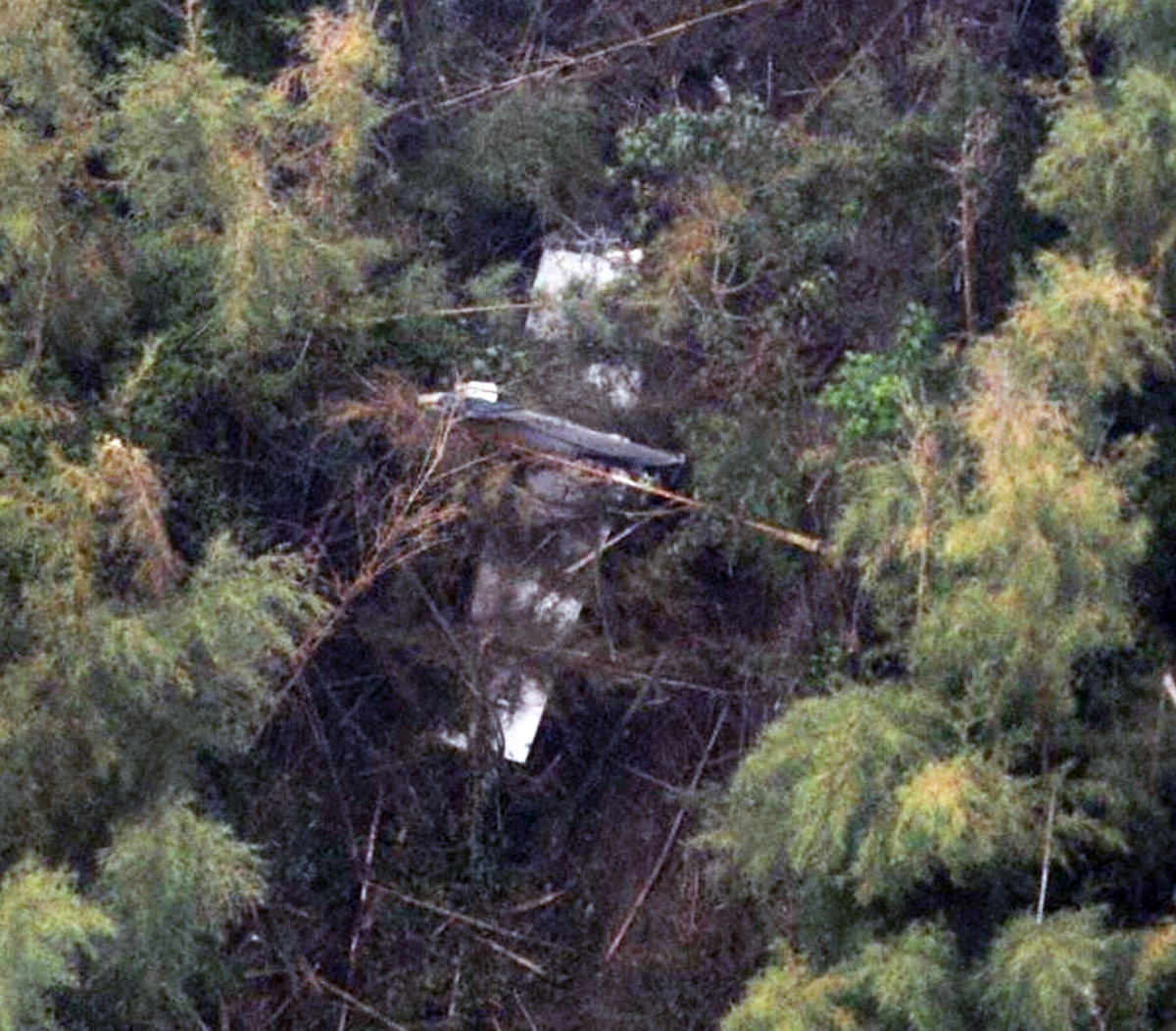
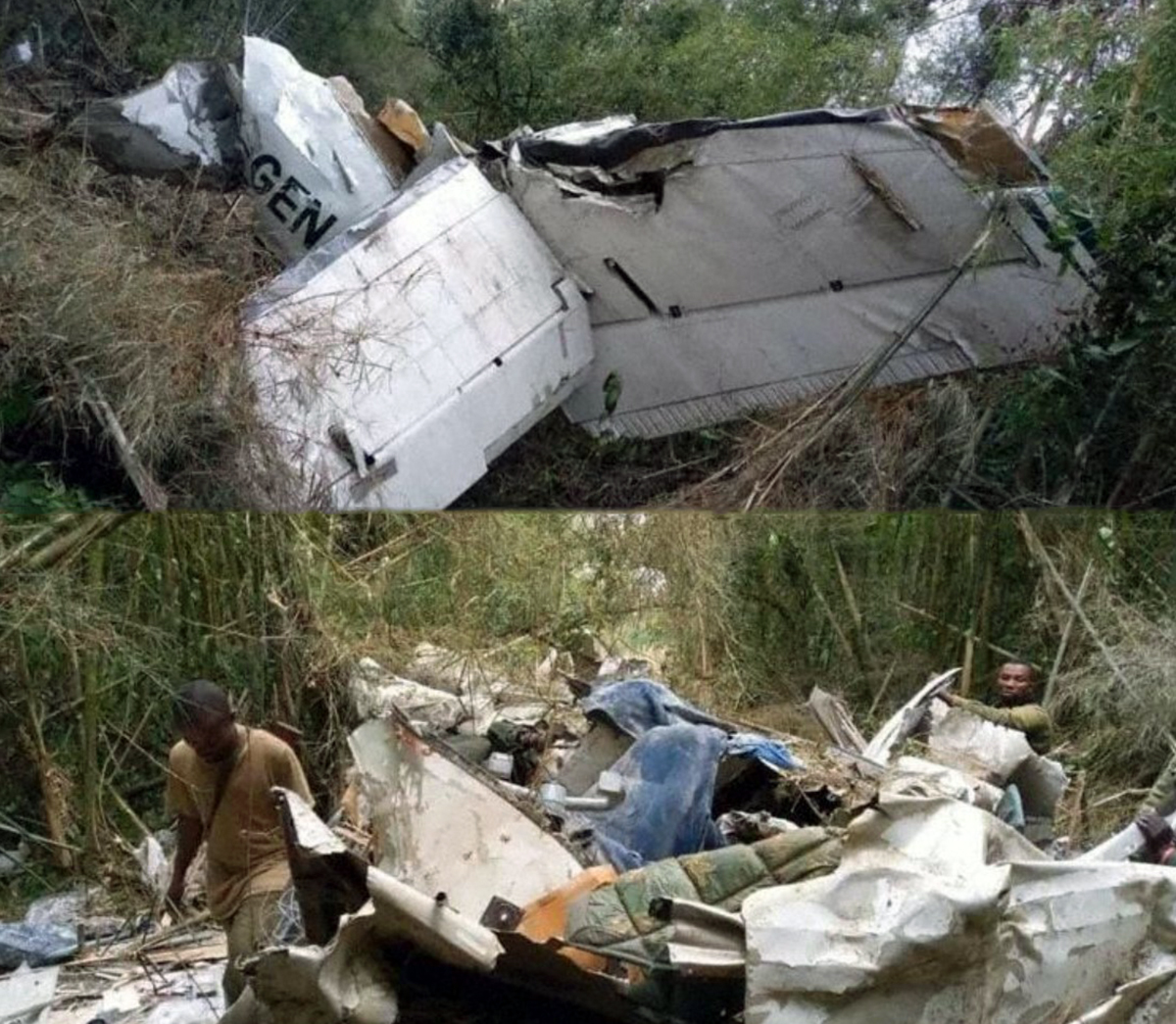
Crash of an Airbus A320-214 in Karachi: 98 killed

Date & Time: May 22, 2020 at 1440 LT
Type of aircraft:
Operator:
Registration:
AP-BLD
Survivors:
Yes
Site:
Schedule:
Lahore - Karachi
MSN:
2274
YOM:
2004
Flight number:
PK8303
Country:
Region:
Crew on board:
8
Crew fatalities:
Pax on board:
91
Pax fatalities:
Other fatalities:
Total fatalities:
98
Captain / Total flying hours:
17252
Captain / Total hours on type:
4783.00
Copilot / Total flying hours:
2291
Copilot / Total hours on type:
1504
Aircraft flight hours:
47124
Aircraft flight cycles:
25866
Circumstances:
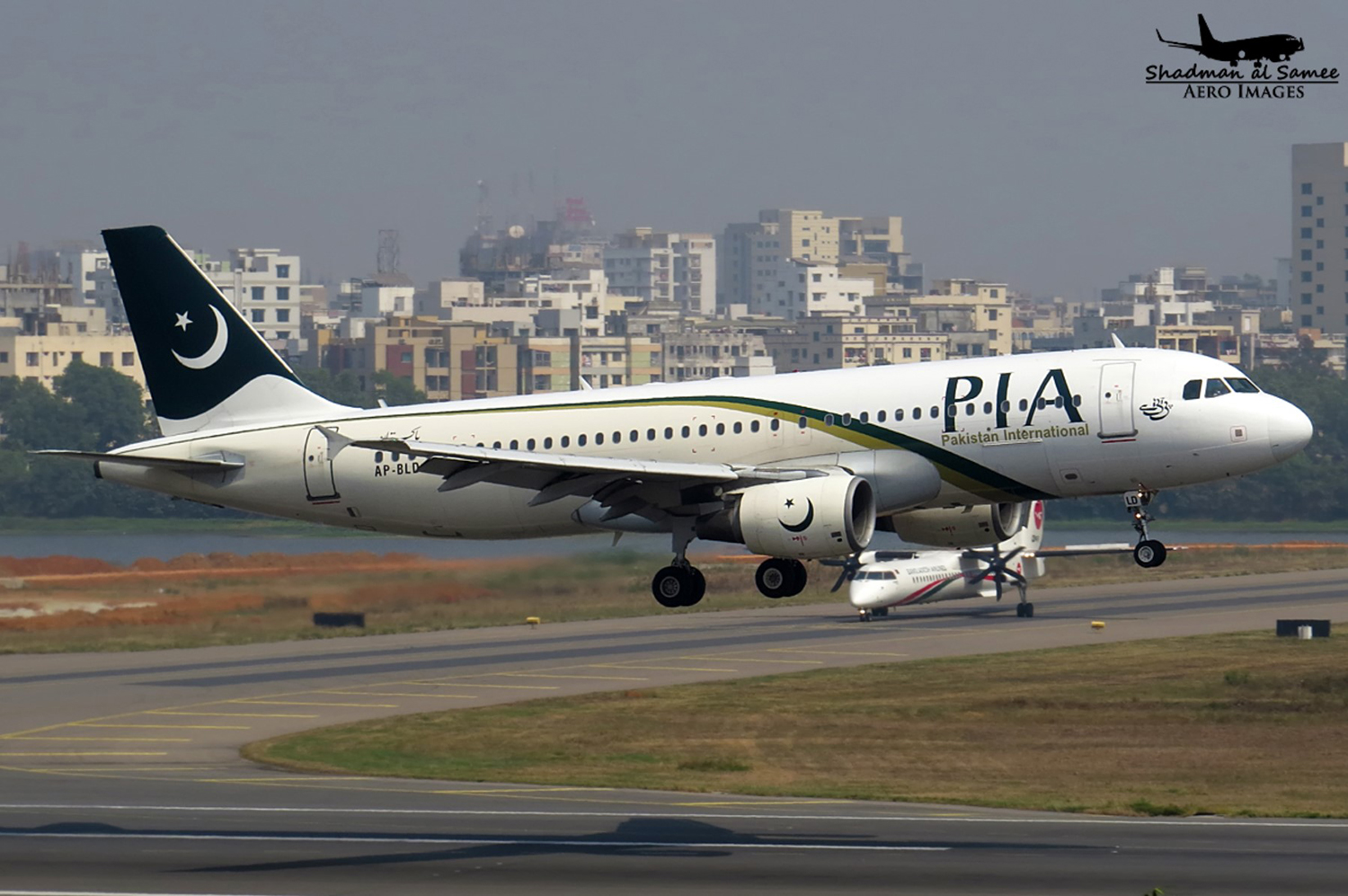
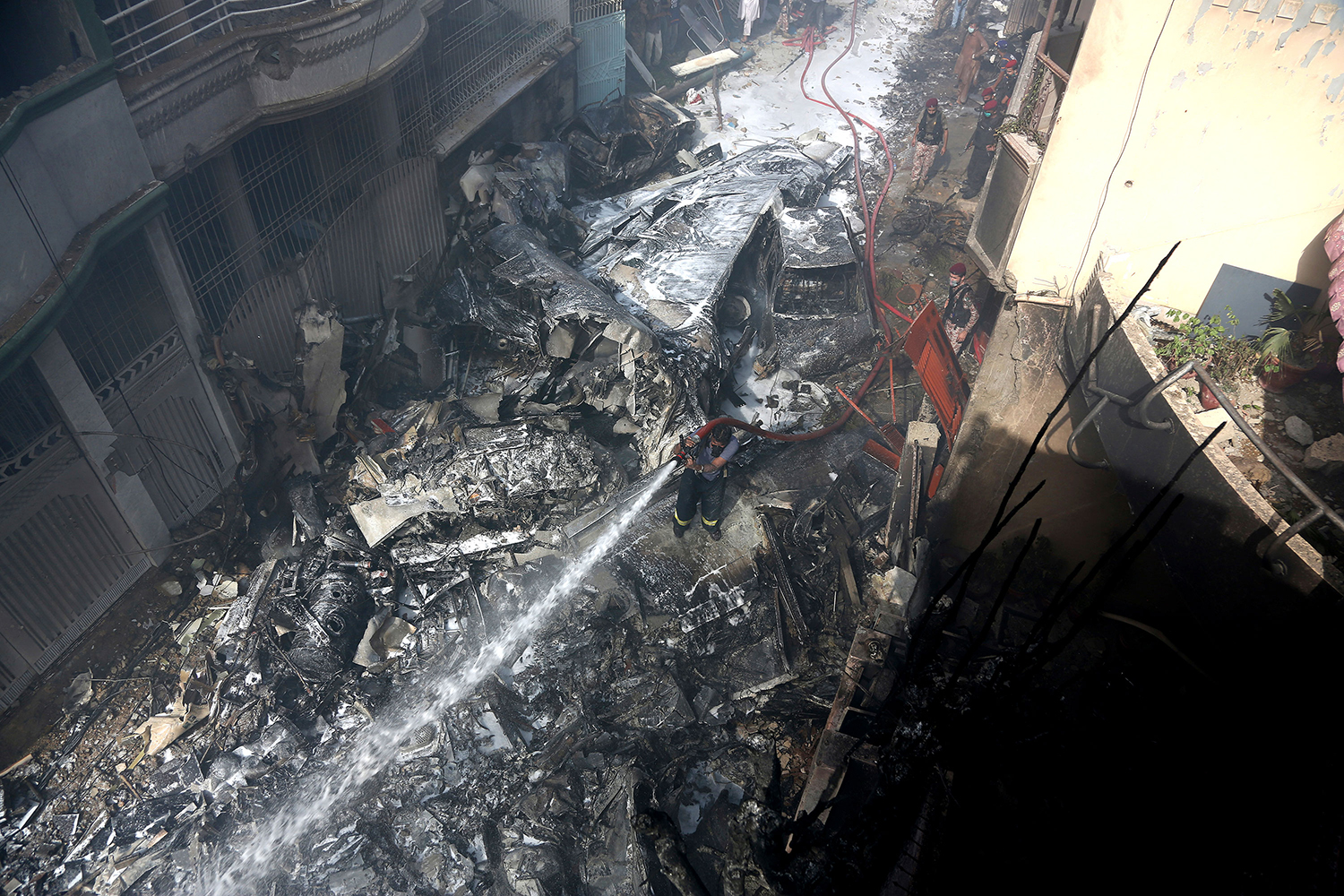
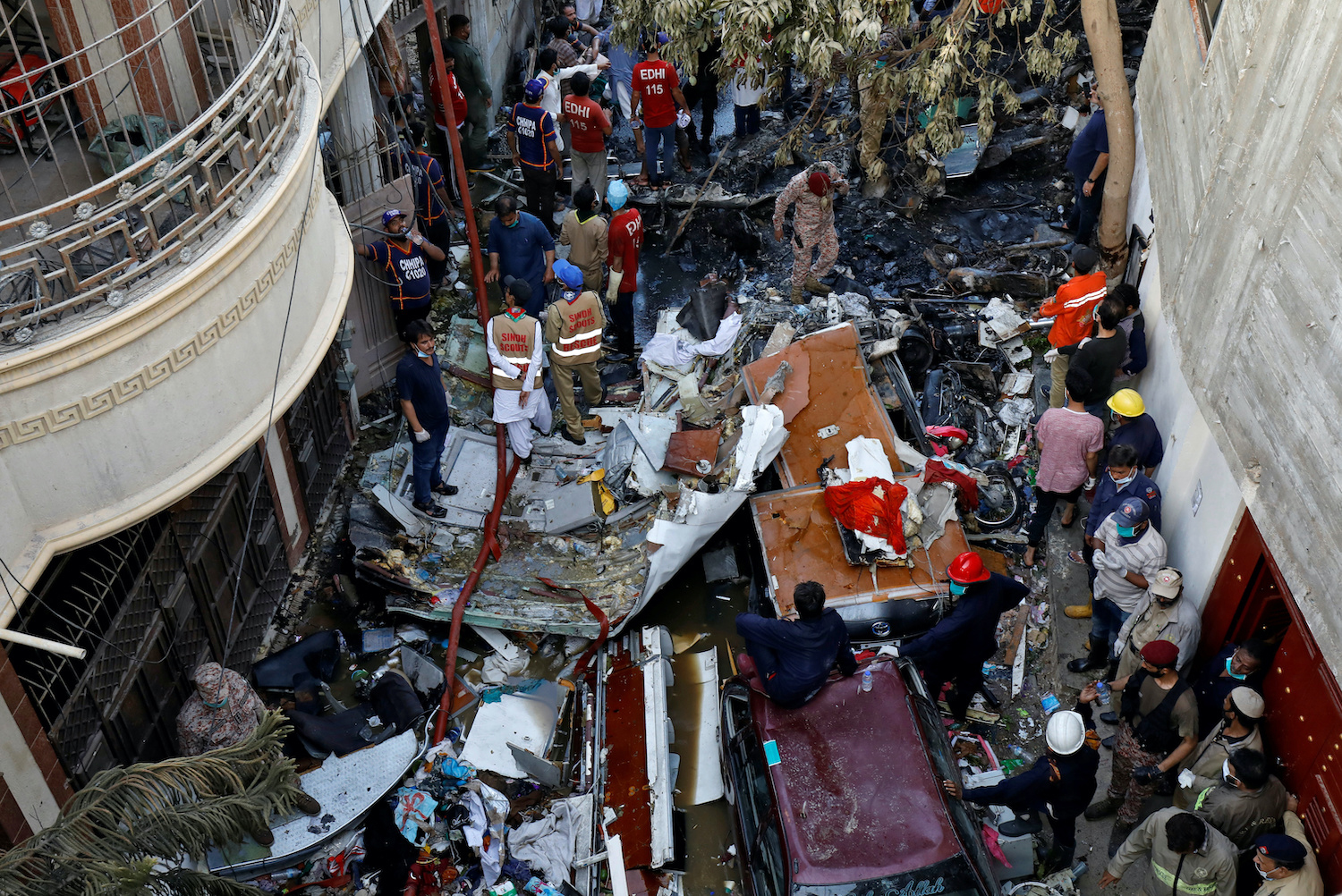
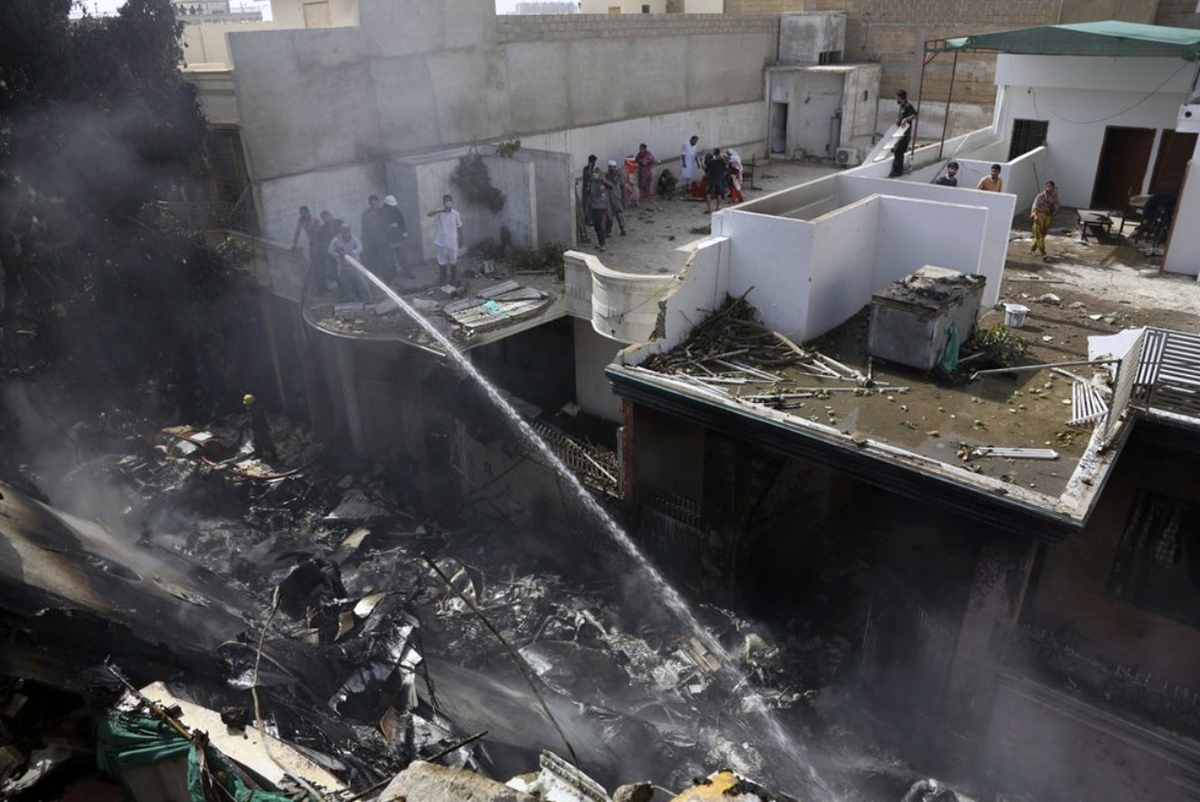
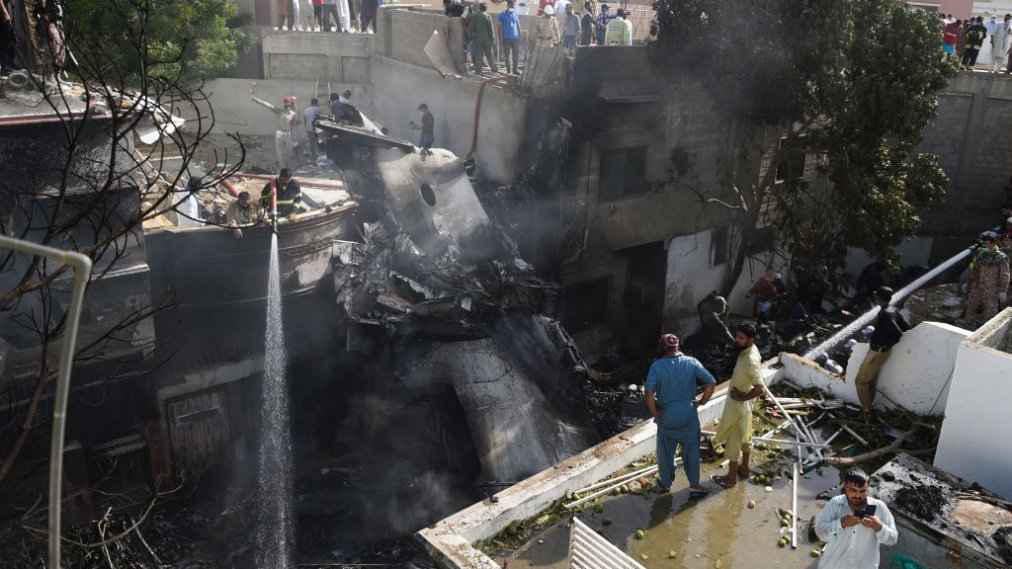
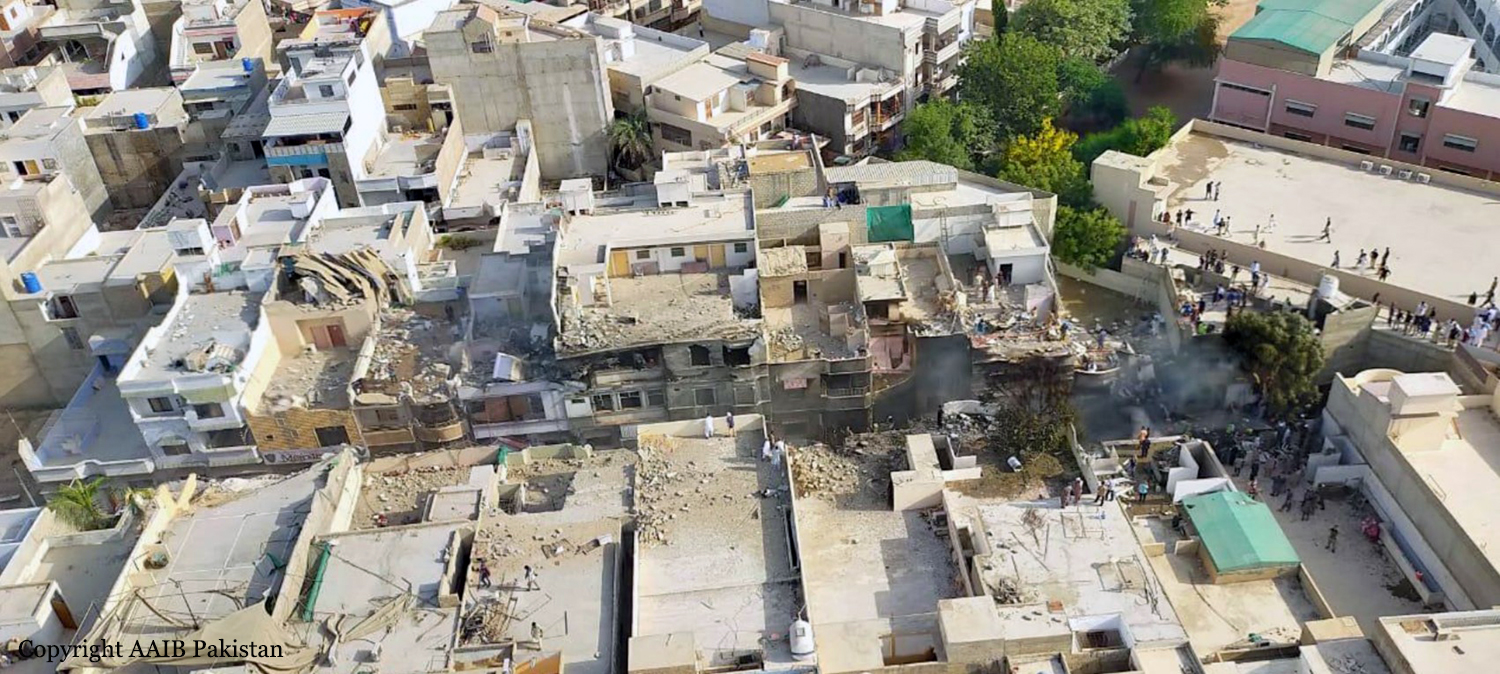
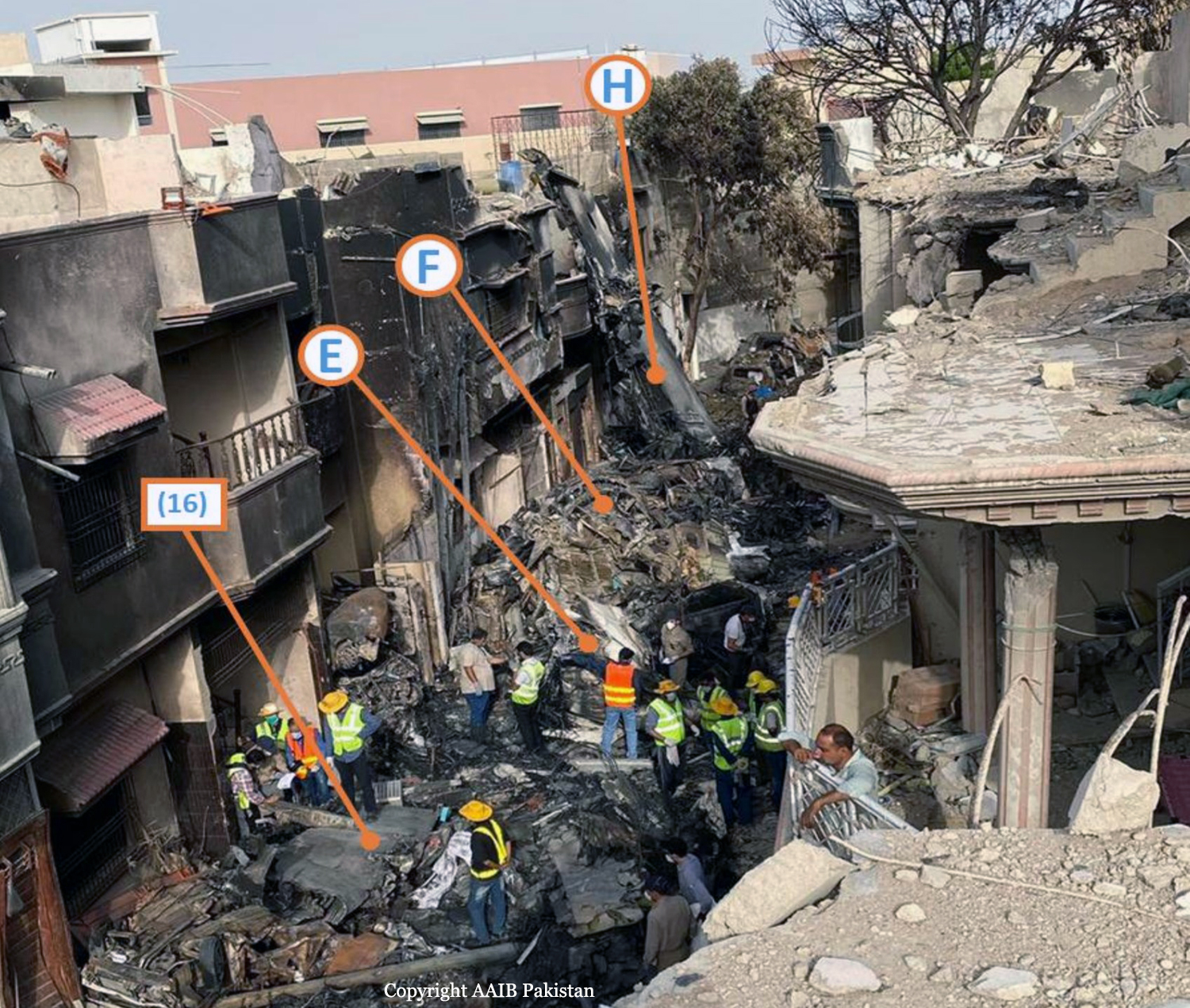
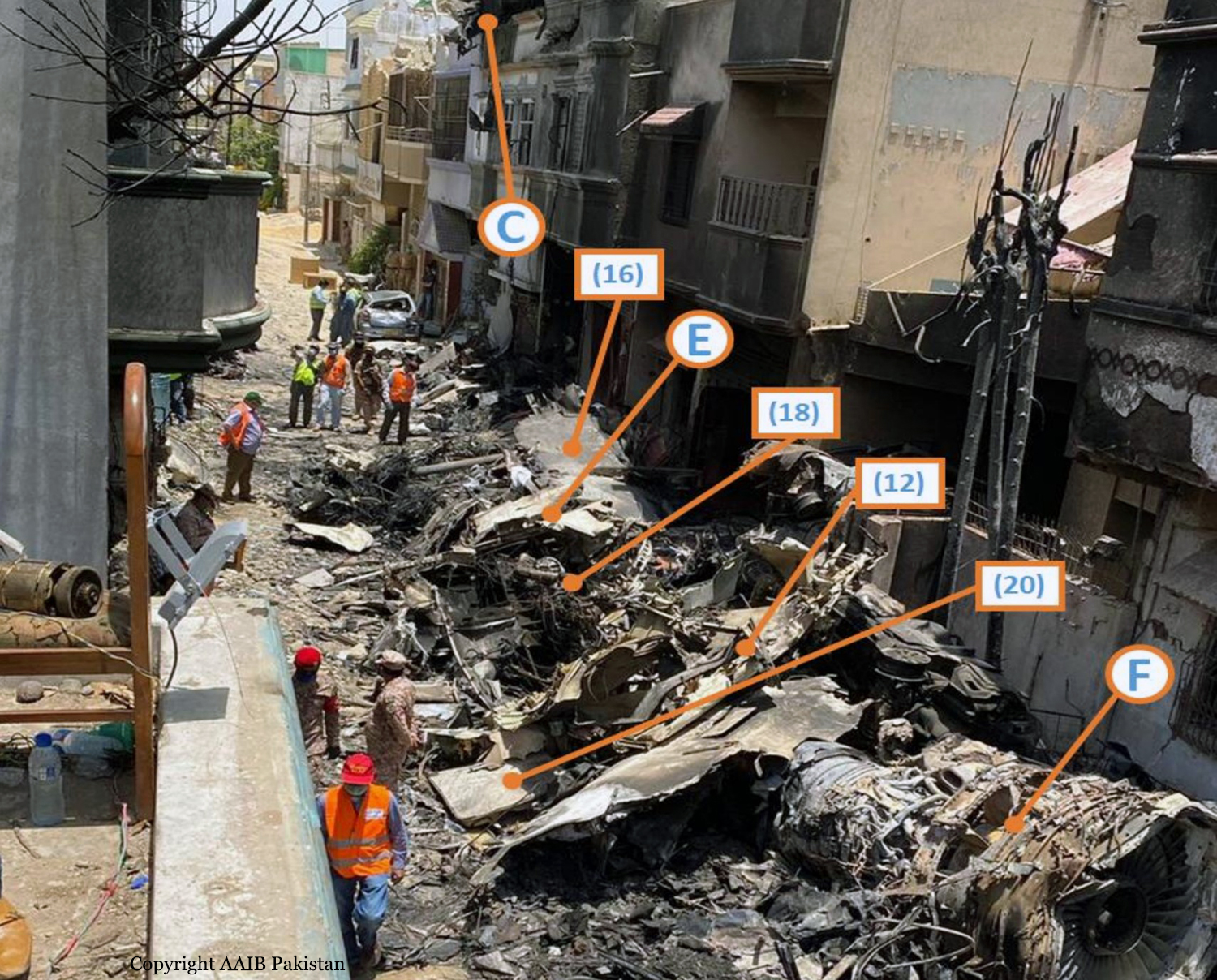
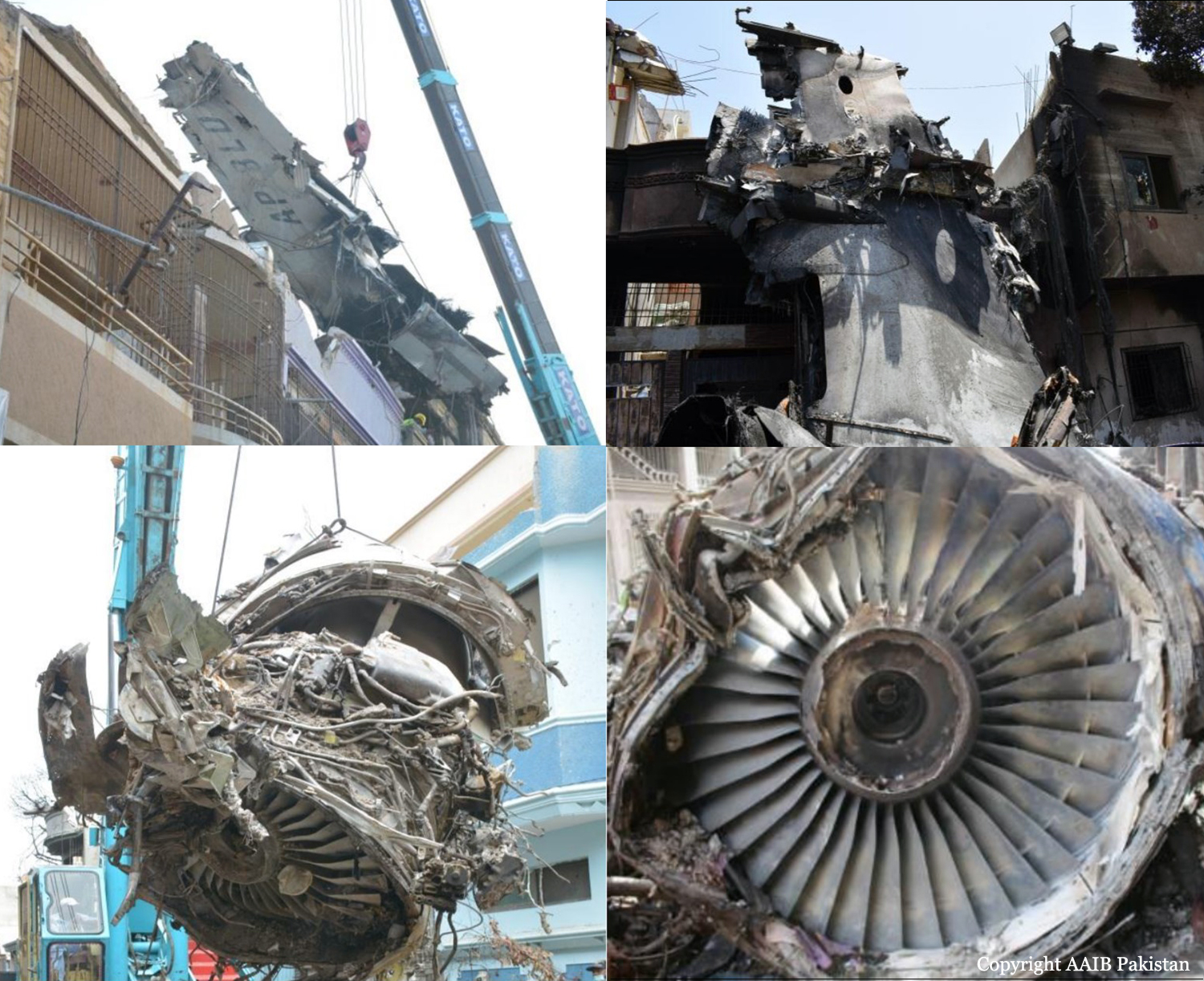
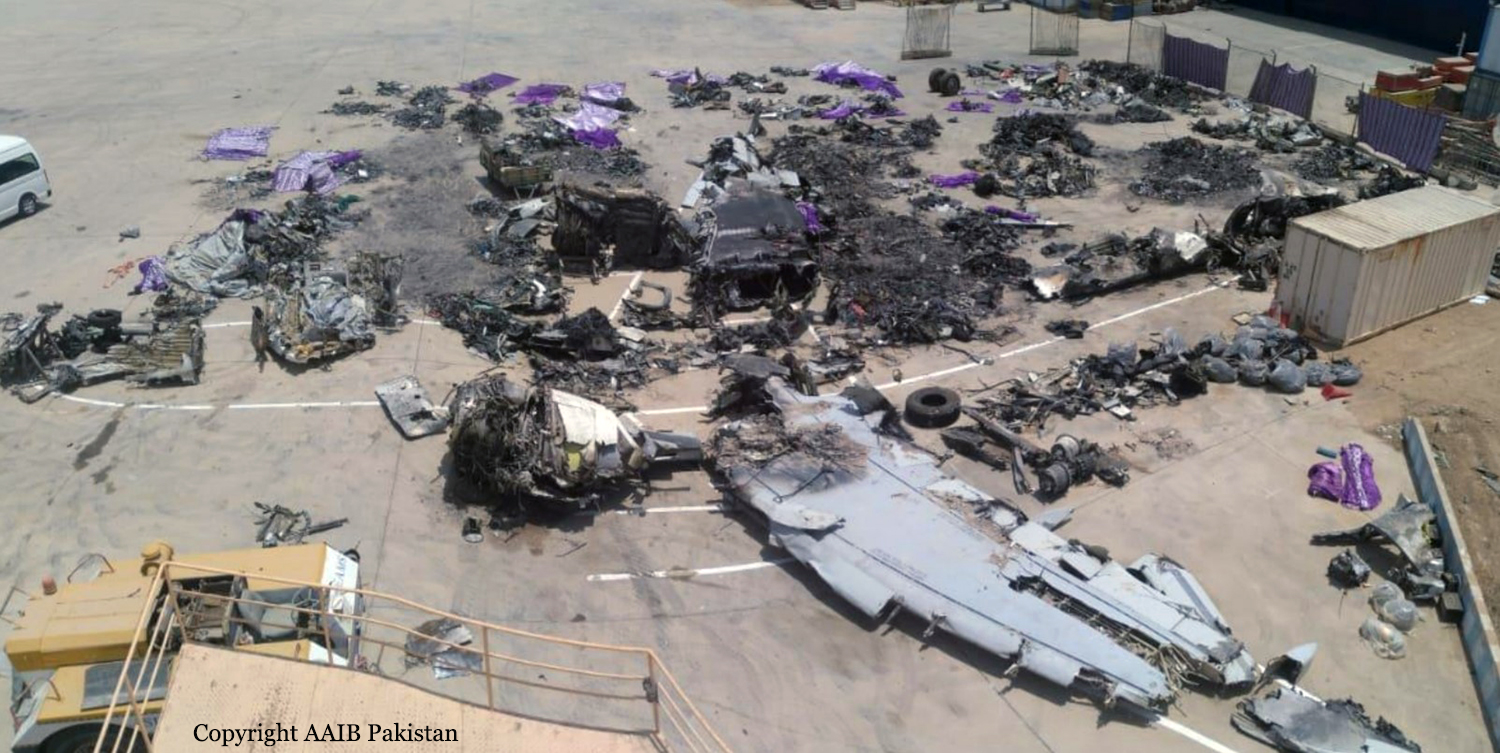
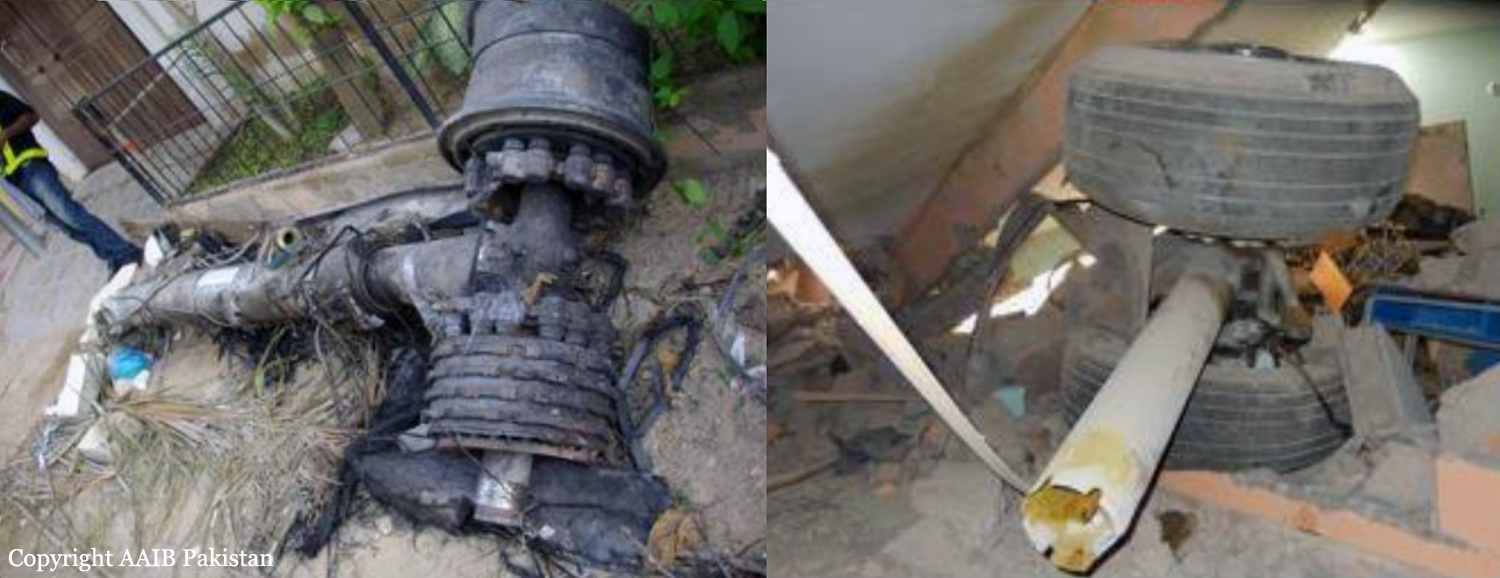
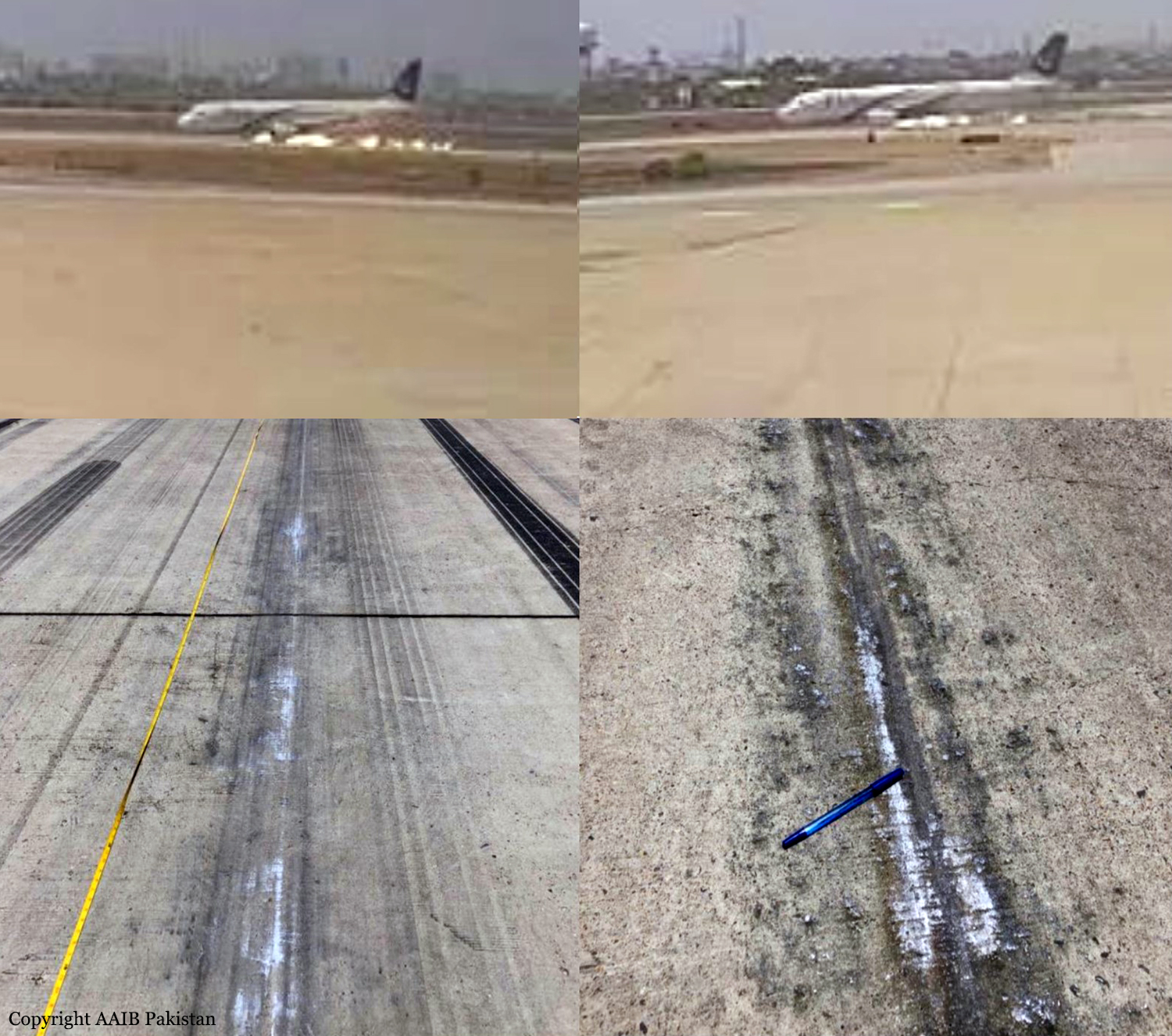
On 22nd May, 2020 at 08:05:30 Universal Time Coordinated (UTC), PIA Airbus A320-214 aircraft Reg. No. AP-BLD, took off from Allama Iqbal International Airport (AIIAP) Lahore, Pakistan to perform a regular commercial passenger flight (PIA 8303) to JIAP Karachi, Pakistan with 08 crew members [Captain, First Officer (FO) and 06 flight attendants] and 91 passengers. At 09:15:38 UTC, descent for Approach was initiated. Flight was cleared for an Instrument Landing System (ILS) Approach Runway (R/W) 25L. Aircraft altitude was around 9,000 feet (ft) instead of 3,000 ft at 15 Nautical Mile (NM) from touchdown. Speed Brakes and Landing Gears were extended. Aircraft was significantly above the published vertical approach path. Around 5 NM from the touchdown, both Speed Brakes and Landing Gears were retracted. Several Warnings, cockpit indications and Air Traffic Control (ATC) instructions were disregarded by flight crew and the Unstabilized Approach was continued. At 09:34:28 UTC, aircraft touched almost 4,500 ft down the R/W 25L with Landing Gears retracted. Flight crew initiated a Go-Around. Both Engines were damaged during the contact with the R/W. The resultant loss of Engine oil and subsequent lack of lubrication resulted in failure of both Engines. Around 2,000 ft, flight crew announced that they have lost Engines, followed by a MAYDAY call. Aircraft started to lose height and crashed at 09:40:18 UTC in a populated area 1,340 meters (m) short of R/W 25L. Out of 99 persons on-board, 97 were fatally injured whereas 02 passengers survived. On ground 04 persons were injured, out of them 01 expired later in the hospital.
Probable cause:
It was determined that the aircraft made gears up landing where both engines’ nacelle made contact with runway. Both engines were damaged causing loss of engine oil and lubrication which resulted in failure of both engines during go-around. Non-adherence to SOPs and disregard of ATC instructions during the event flight. Lack of communication between the ATC and the flight crew regarding gears up landing particularly once aircraft was on the runway.
The following contributing factors were identified:
- Ineffective implementation of FDA program.
- Flight Data Analysys (FDA) regulatory oversight program was ineffective in producing sufficient and timely improvement.
- Lack of clear and precise regulations to restrict flying while fasting.
- Inadequate level of crew resources management (CRM) application during the event flight.
Final Report:

Crash of a Boeing 737-524 in Usinsk

Date & Time: Feb 9, 2020 at 1227 LT
Type of aircraft:
Operator:
Registration:
VQ-BPS
Survivors:
Yes
Schedule:
Moscow - Usinsk
MSN:
28909/2960
YOM:
1997
Flight number:
UT595
Country:
Region:
Crew on board:
6
Crew fatalities:
Pax on board:
94
Pax fatalities:
Other fatalities:
Total fatalities:
0
Captain / Total flying hours:
17852
Captain / Total hours on type:
7672.00
Copilot / Total flying hours:
6595
Copilot / Total hours on type:
4989
Aircraft flight hours:
57410
Aircraft flight cycles:
29162
Circumstances:
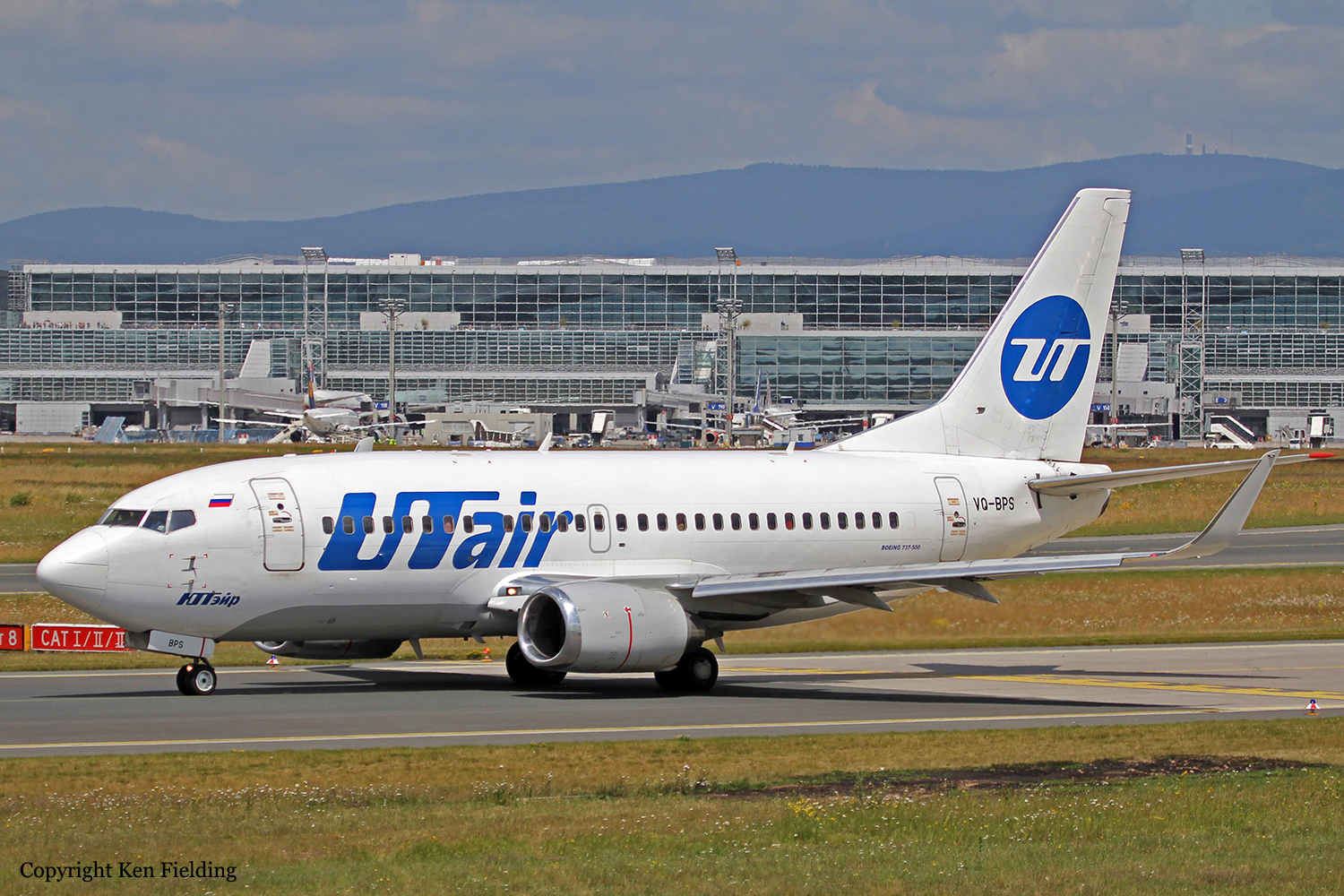
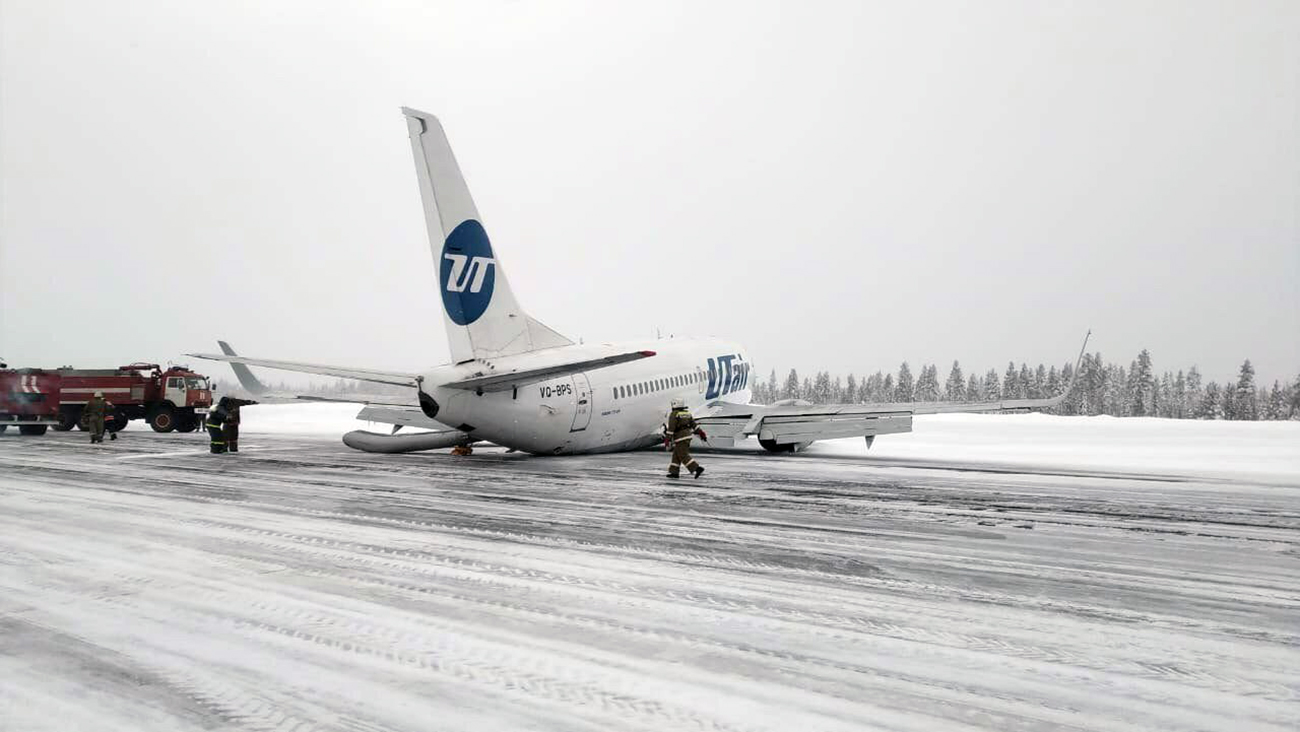
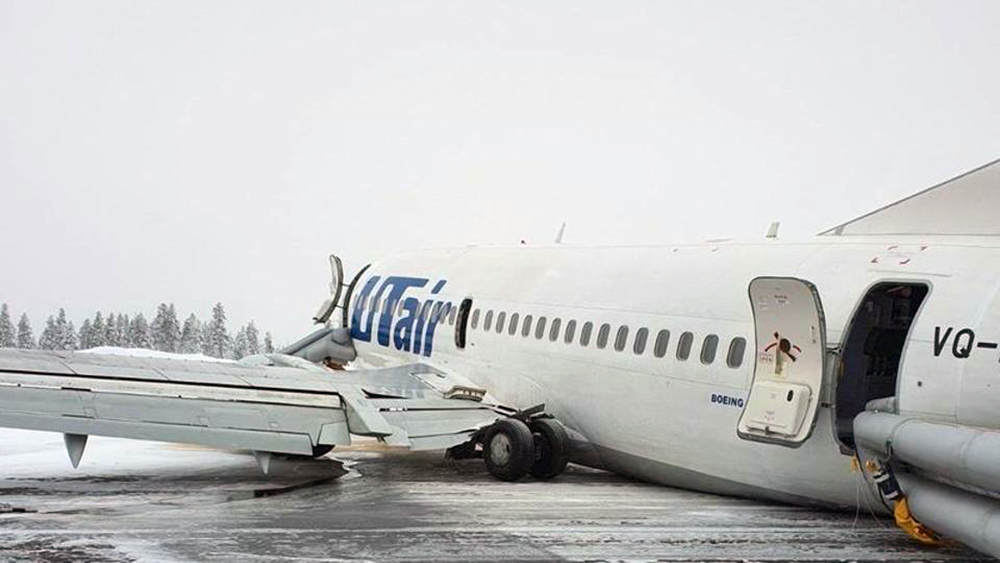
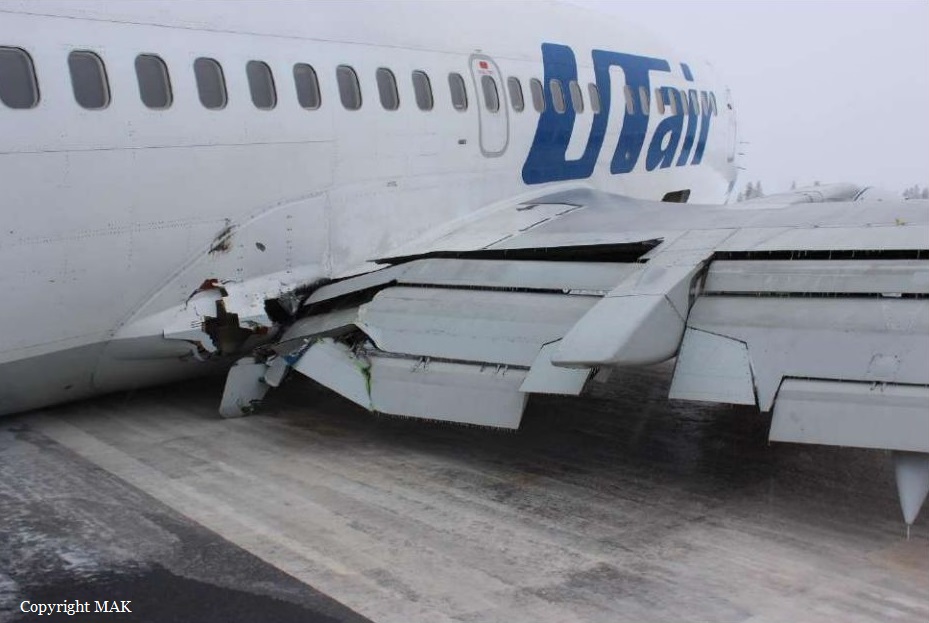
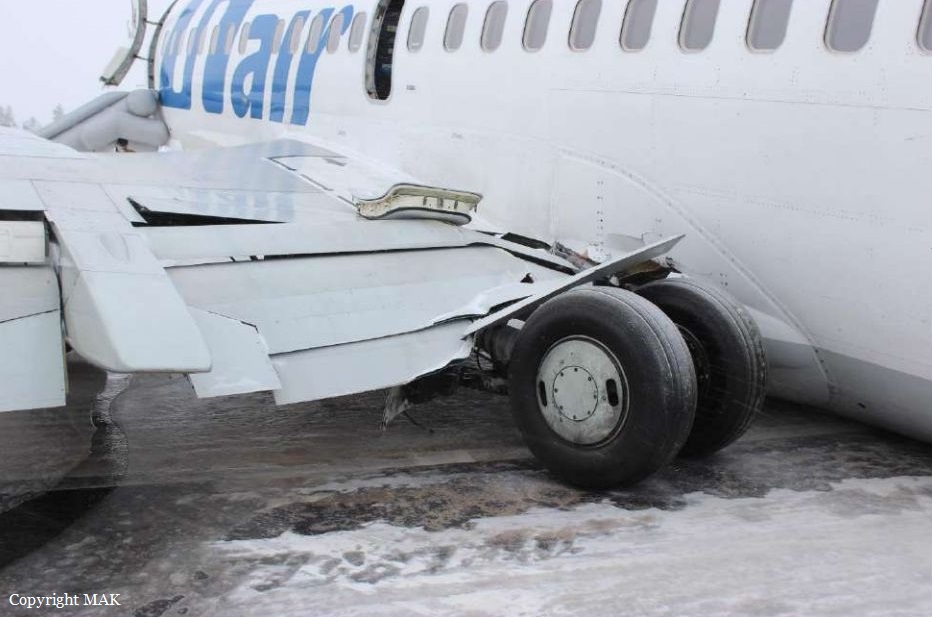
Following an uneventful flight from Moscow-Vnukovo Airport, the crew initiated the descent to Usinsk Airport Runway 13. On short final, the aircraft hit a snow bank (1,1 metre high) located 32 metres short of runway threshold, still on the concrete zone. Upon impact, both main gears were torn off and the airplane belly landed and slid for few hundred metres before coming to rest. All 100 occupants evacuated safely and the aircraft was damaged beyond repair.
Probable cause:
The accident with the Boeing 737-500 VQ-BPS aircraft occurred during the landing as a result of a collision of the aircraft with a snow parapet 1.1 m high at a distance of 32 m to the runway threshold (within the paved section of the runway), which resulted in damage to the main landing gear and their subsequent "folding" in the process of moving along the runway.
The accident was caused by a combination of the following factors:
- the presence of contradictions in the Federal Aviation Rules for flights in the airspace of the Russian Federation, the airline's radio control system and the aircraft operational documentation regarding the need and procedure for introducing temperature corrections to the readings of barometric altimeters at low ambient temperatures;
- Failure by the operator of the Usinsk aerodrome to comply with the FAP-262 requirements for the maintenance of the aerodrome, which resulted in the presence of snow parapets on the paved section of the landing strip;
- the operator of the Usinsk aerodrome did not eliminate the shortcomings in the winter maintenance of the aerodrome, noted based on the results of the inspection by the Rosaviatsia commission on January 22, 2020;
- lack of risk assessment in the airline associated with the execution of approaches in the baro-VNAV mode in the presence of factors that impede such approaches (low ambient temperatures, snow-covered underlying surface, drifting snow (snowstorm), significant changes in the relief in front of the runway end, lack of PAPI-type lights), as well as appropriate recommendations to the crews on the specifics of such approaches, including after the transition to visual flight, and crew training;
- insufficient assessment by the crew during the preparation of the existing threats (hazard factors) and making an insufficiently substantiated decision to perform an RNAV (GNSS) approach (under the control of the autopilot in LNAV/VNAV mode) without introducing a correction for low outside air temperature in altitude overflying waypoints, which led to a flight below the established glide path;
- performing a flight along the "extended glide path" after turning off the autopilot and switching to manual piloting without attempting to enter the set glide path;
- the PIC may have had a visual illusion of a "high glide path" due to a snow-covered underlying surface, a snowstorm and the presence of a ravine directly in front of the runway end in the absence of PAPI type lights, which led to an incorrect assessment of the aircraft's flight altitude after switching to manual piloting, lack of reaction to timely and correct warnings of the co-pilot and exit to the runway end at a height significantly less than the established one.
Final Report:

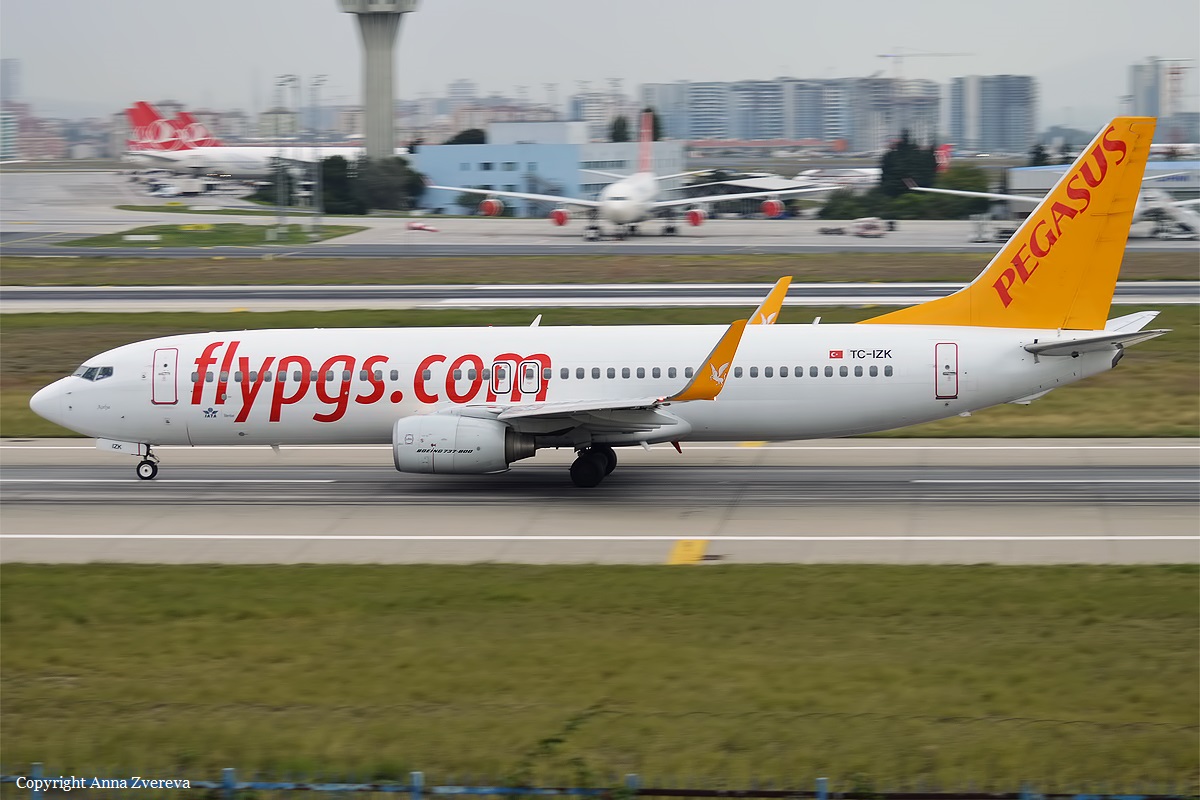
Crash of a Being 737-86J in Istanbul: 3 killed

Date & Time: Feb 5, 2020 at 1820 LT
Type of aircraft:
Operator:
Registration:
TC-IZK
Survivors:
Yes
Schedule:
Izmir - Istanbul
MSN:
37742
YOM:
2009
Flight number:
PC2193
Country:
Region:
Crew on board:
6
Crew fatalities:
Pax on board:
177
Pax fatalities:
Other fatalities:
Total fatalities:
3
Copilot / Total flying hours:
400
Circumstances:
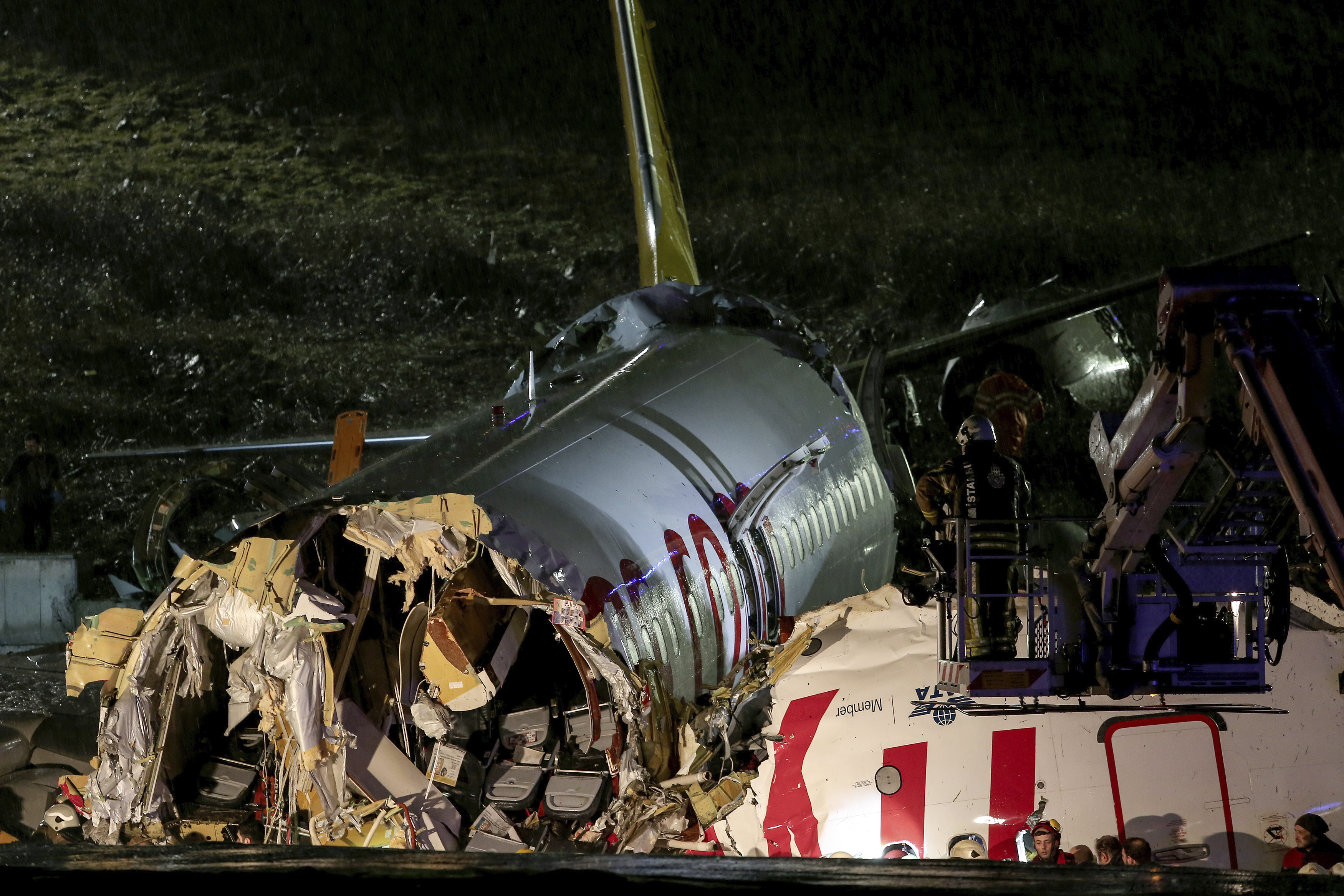
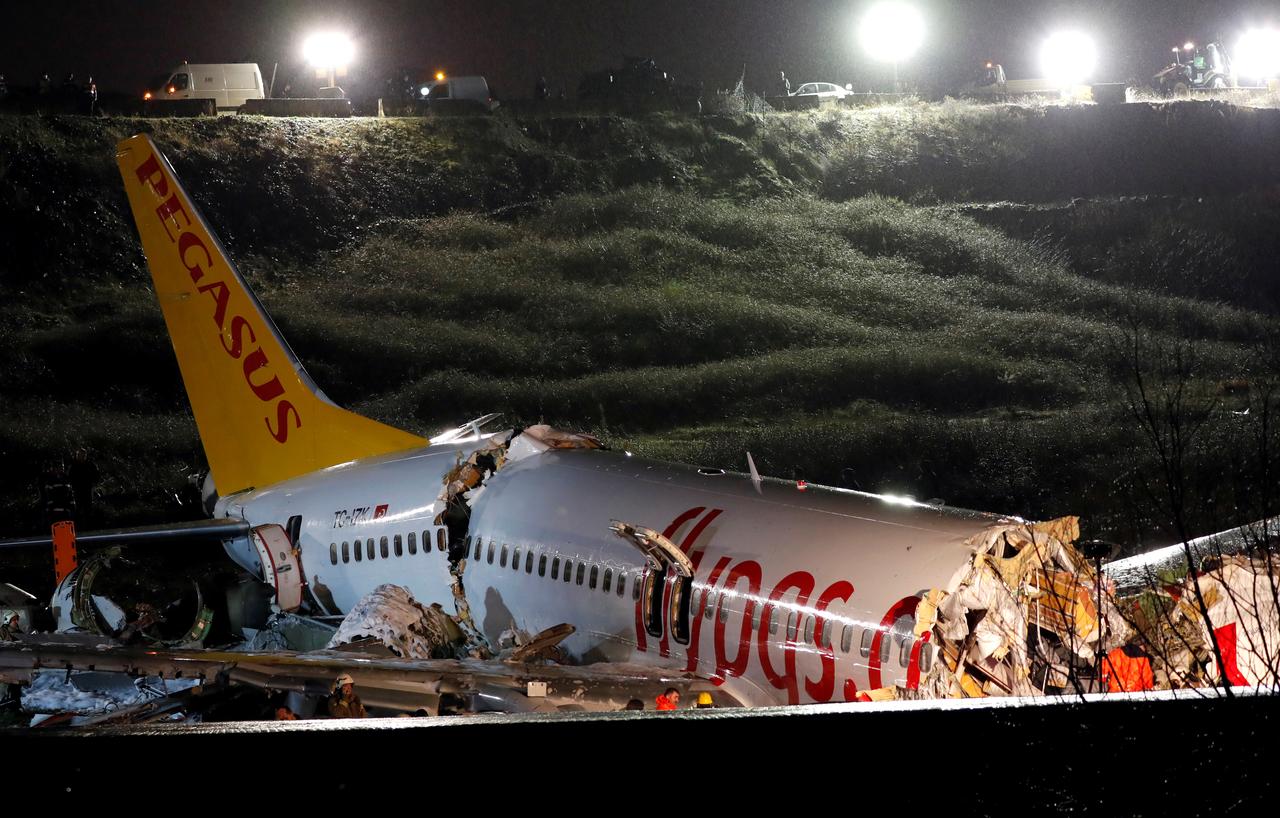
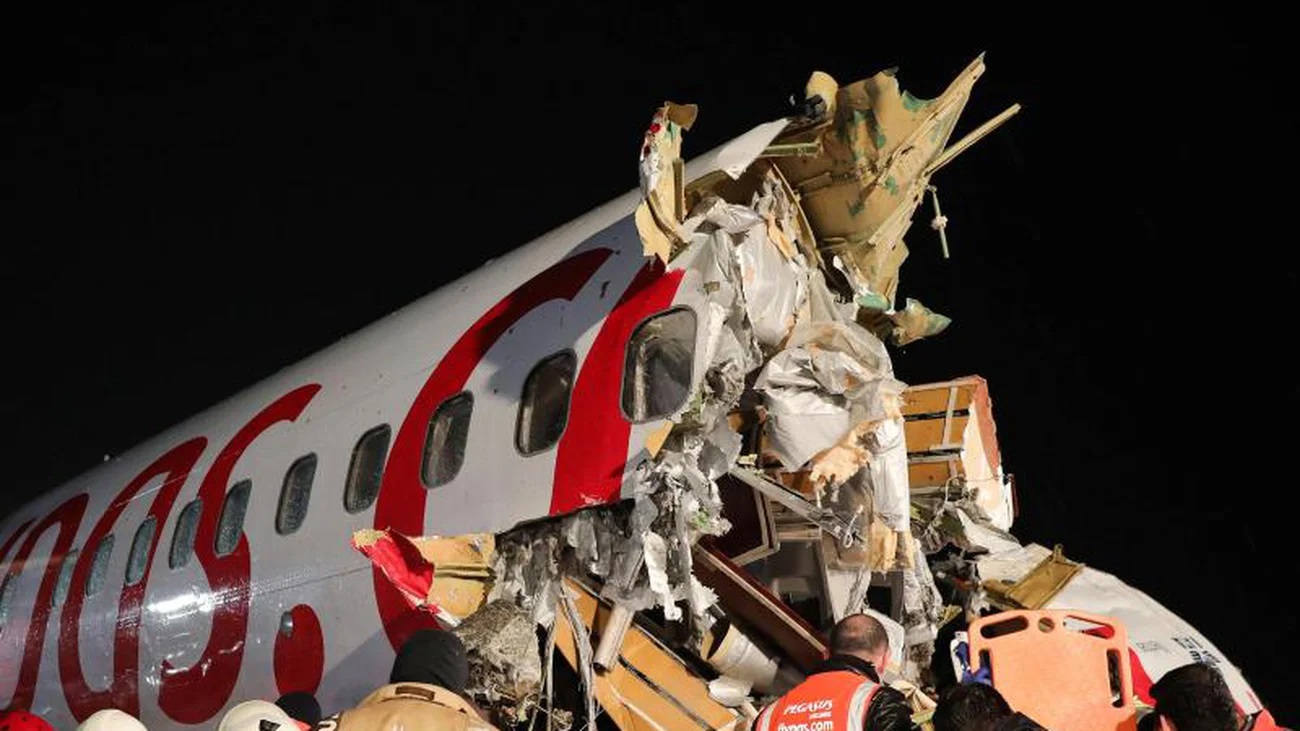
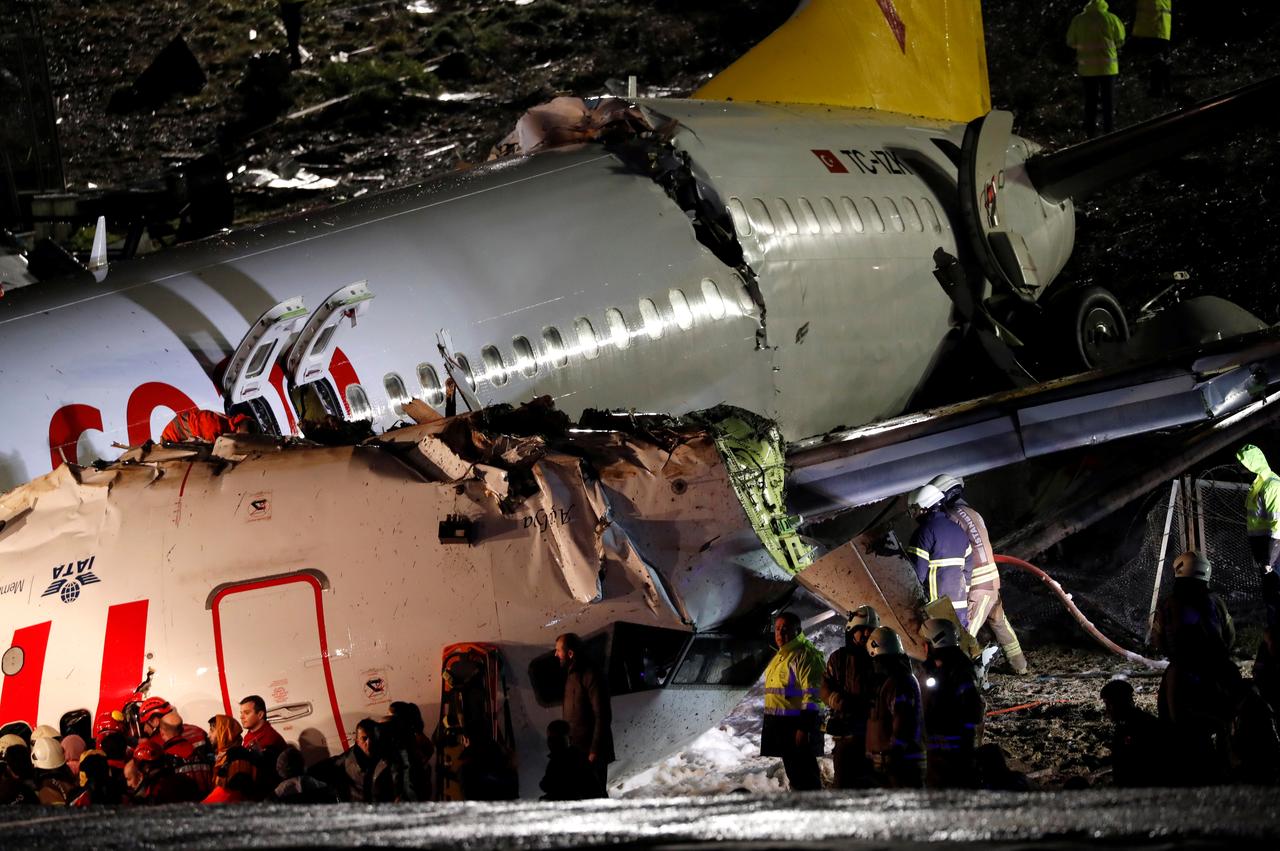
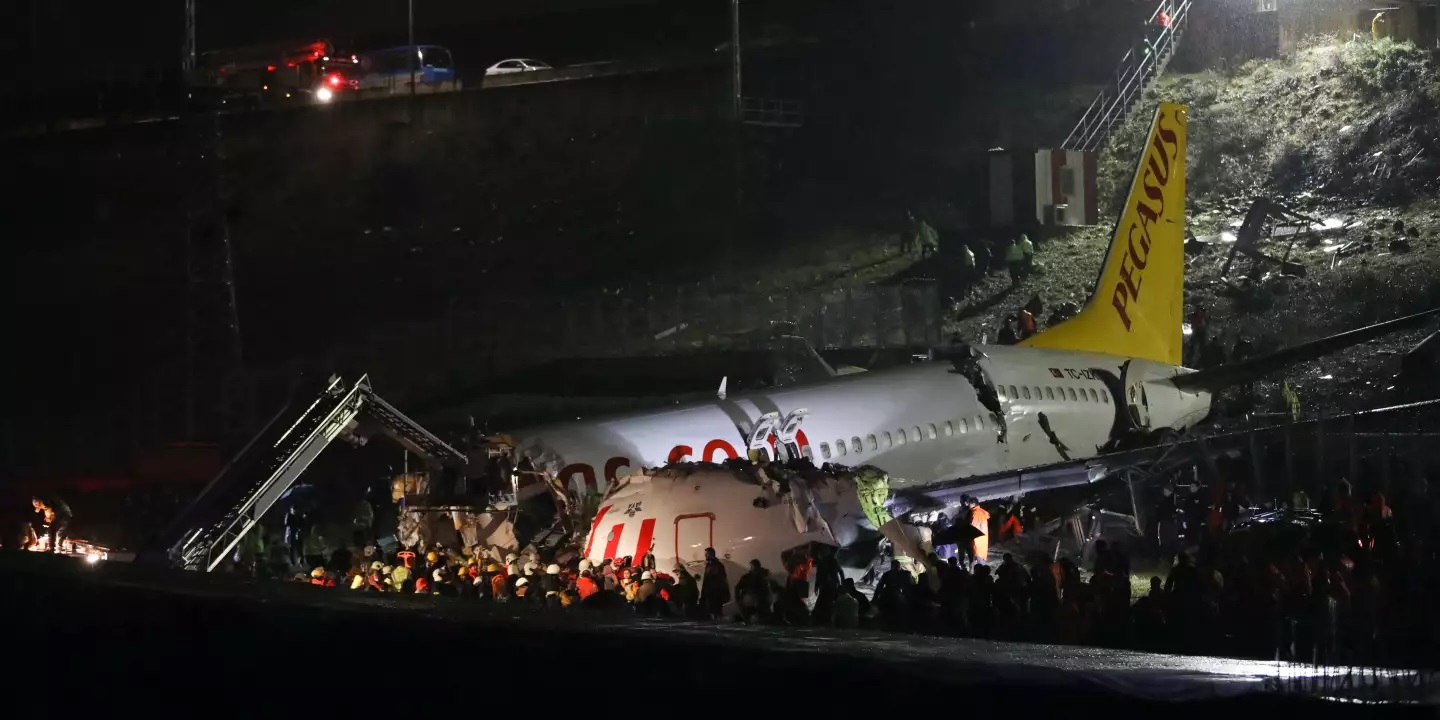
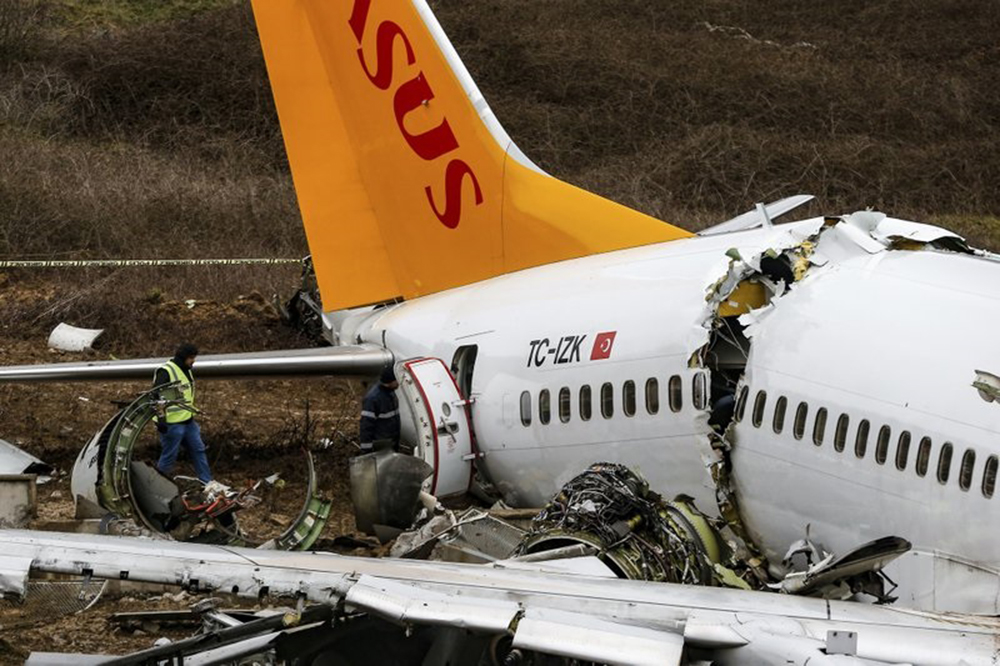
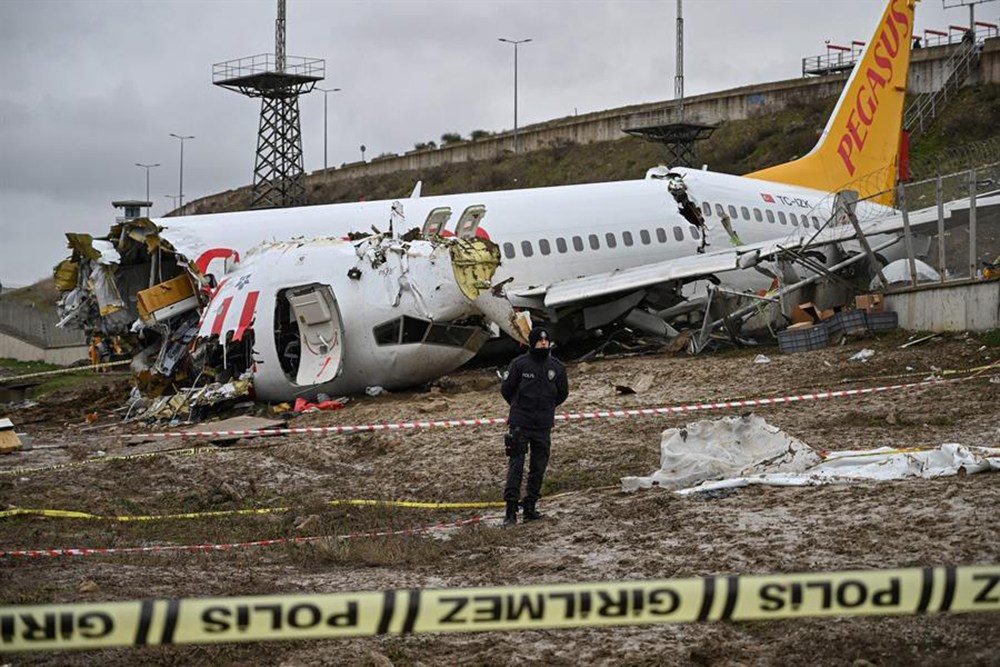
Following an uneventful flight from Izmir-Adnan Menderes Airport, the crew initiated the approach to Istanbul-Sabiha Gökçen Airport runway 06. Weather conditions were poor with thunderstorm activity, rain, CB's and a wind from 290 gusting to 37 knots. After touchdown on a wet runway, the airplane was unable to stop within the remaining distance. It overran, turned slightly to the left then went down an embankment (25 meters high) and came to rest, broken in three. Three passengers were killed while all 180 other occupants were evacuated to local hospitals with various injuries. It is understood that the airplane apparently landed 1,500 meters past the runway threshold (runway 06 is 3,000 meters long) with a non negligible tailwind component that must be confirmed.

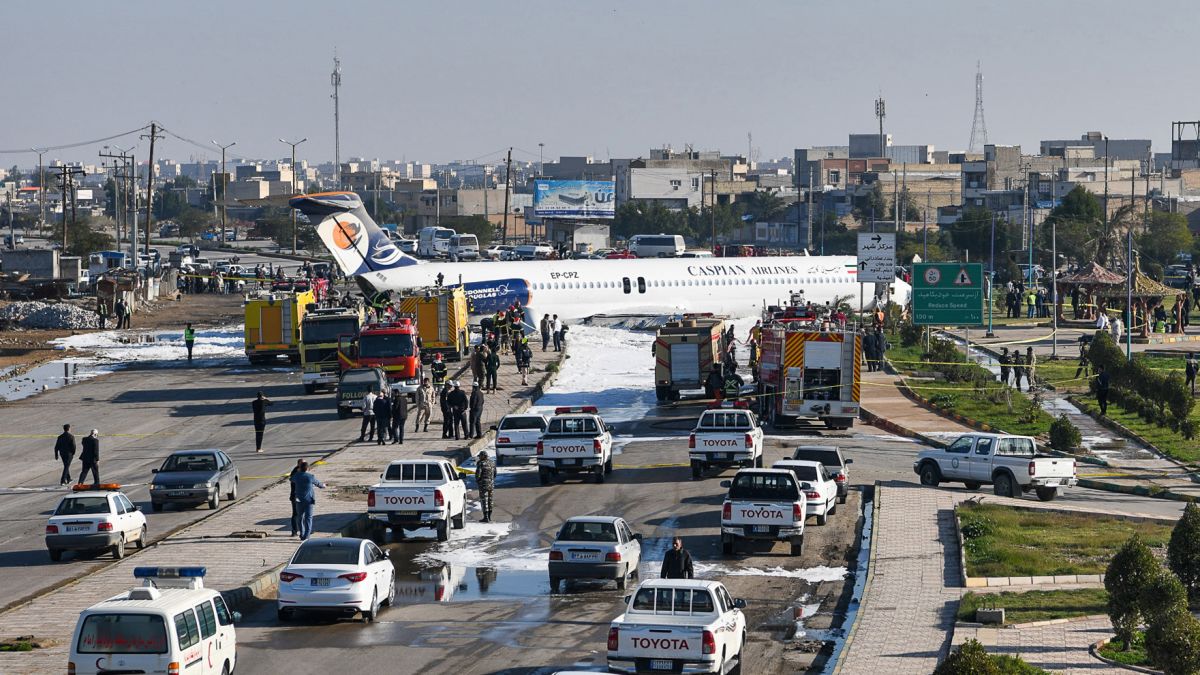
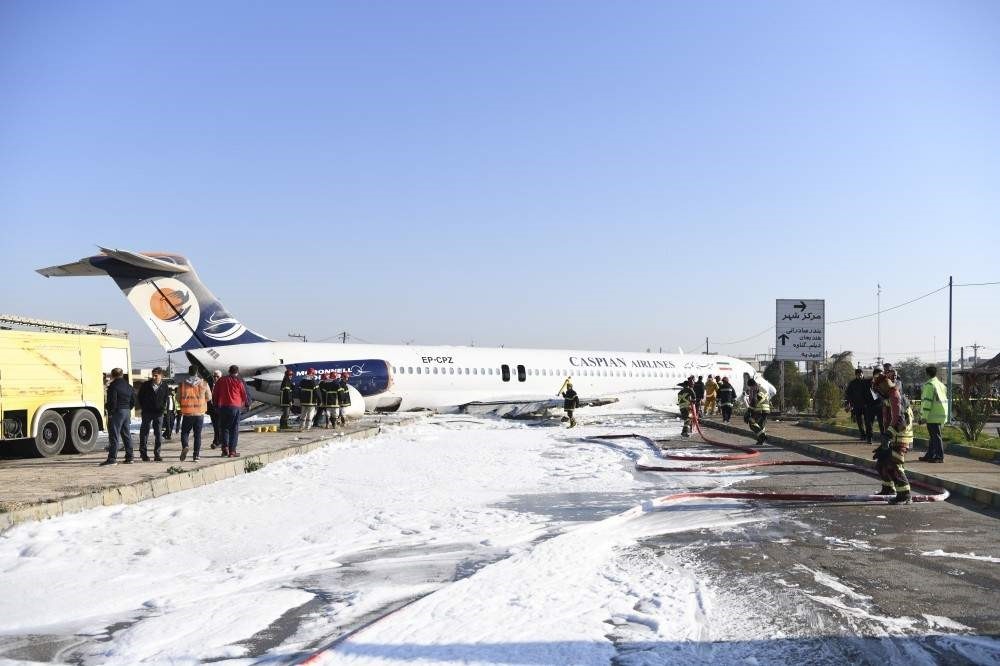
Crash of a McDonnell Douglas MD-83 in Bandar-e Mahshahr

Date & Time: Jan 27, 2020 at 0736 LT
Type of aircraft:
Operator:
Registration:
EP-CPZ
Survivors:
Yes
Schedule:
Tehran - Bandar-e Mahshahr
MSN:
53464
YOM:
1994
Flight number:
RV6936
Country:
Region:
Crew on board:
8
Crew fatalities:
Pax on board:
136
Pax fatalities:
Other fatalities:
Total fatalities:
0
Captain / Total flying hours:
18430
Captain / Total hours on type:
7840.00
Copilot / Total flying hours:
300
Copilot / Total hours on type:
124
Circumstances:
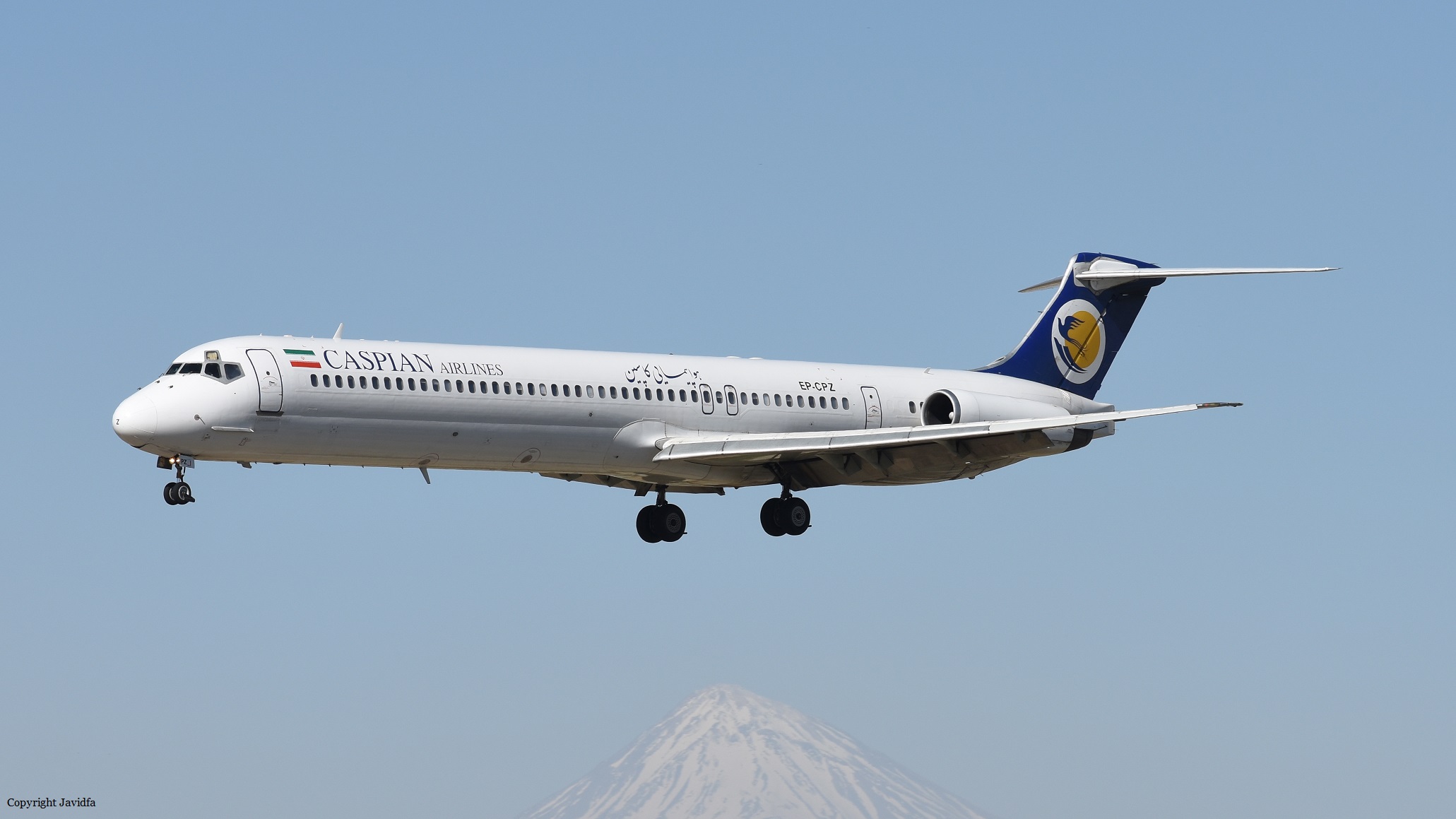
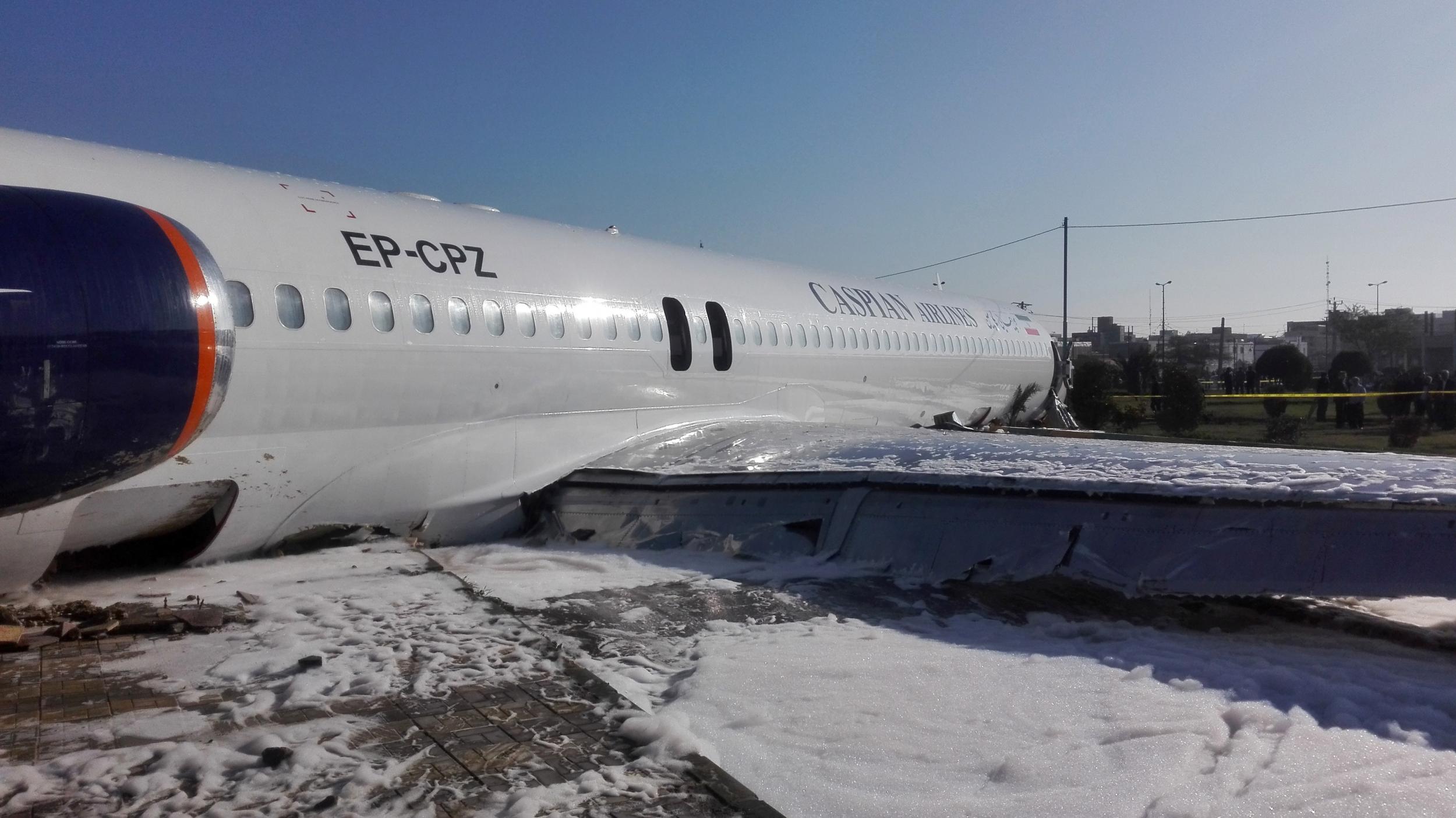
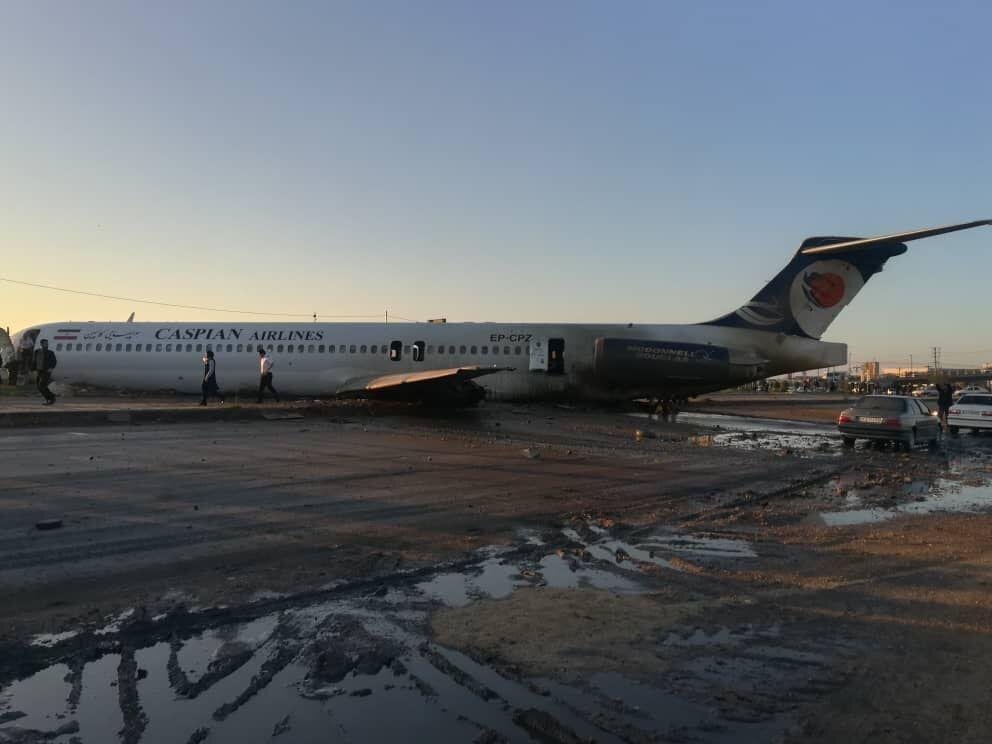
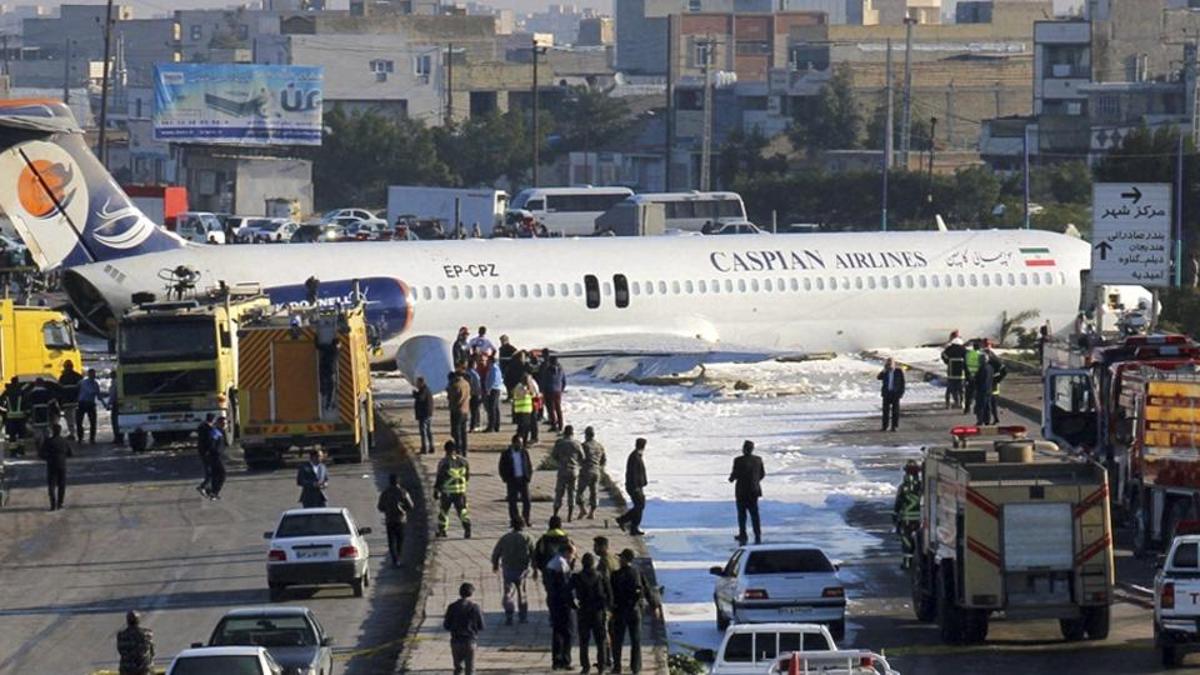
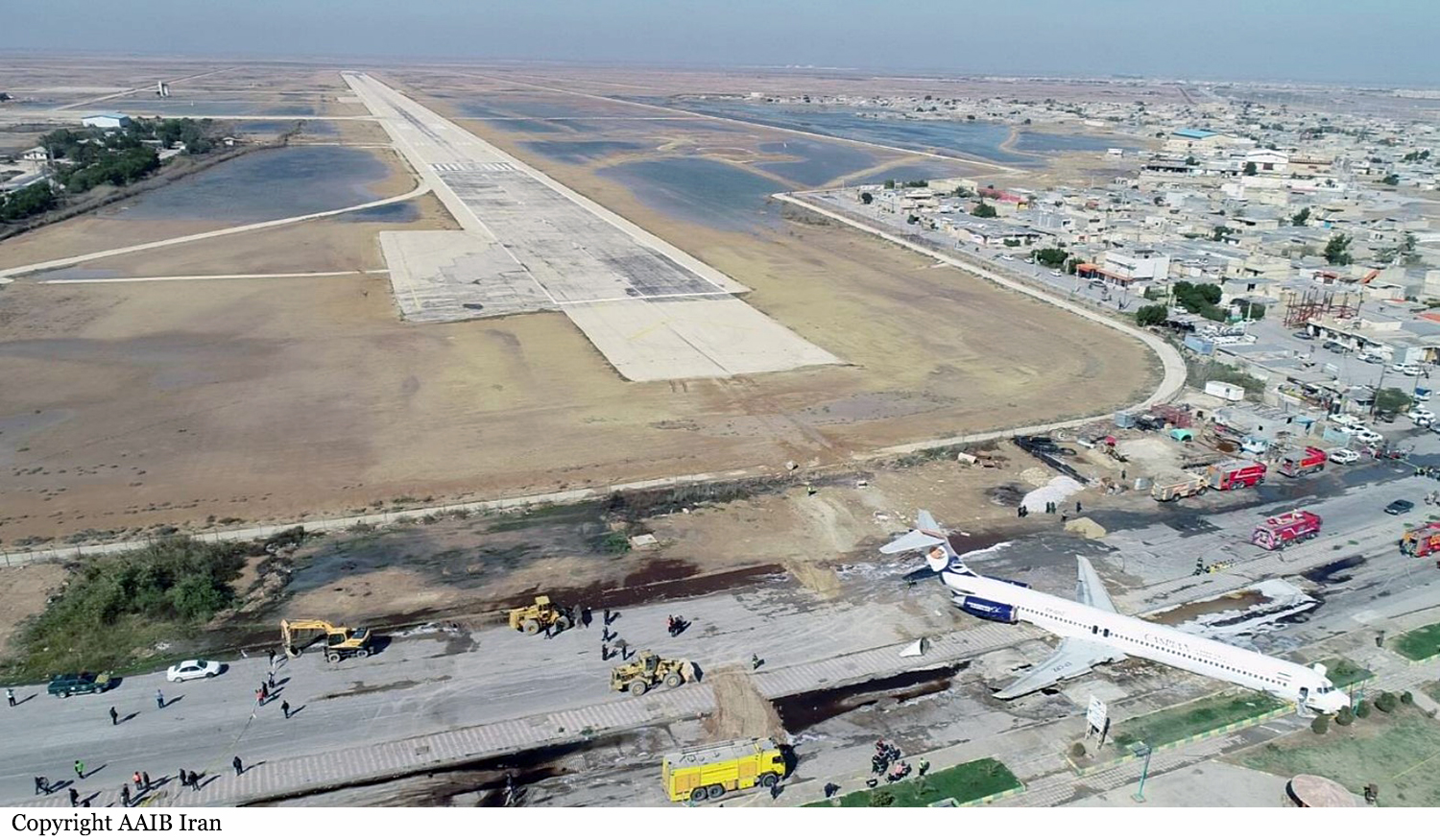
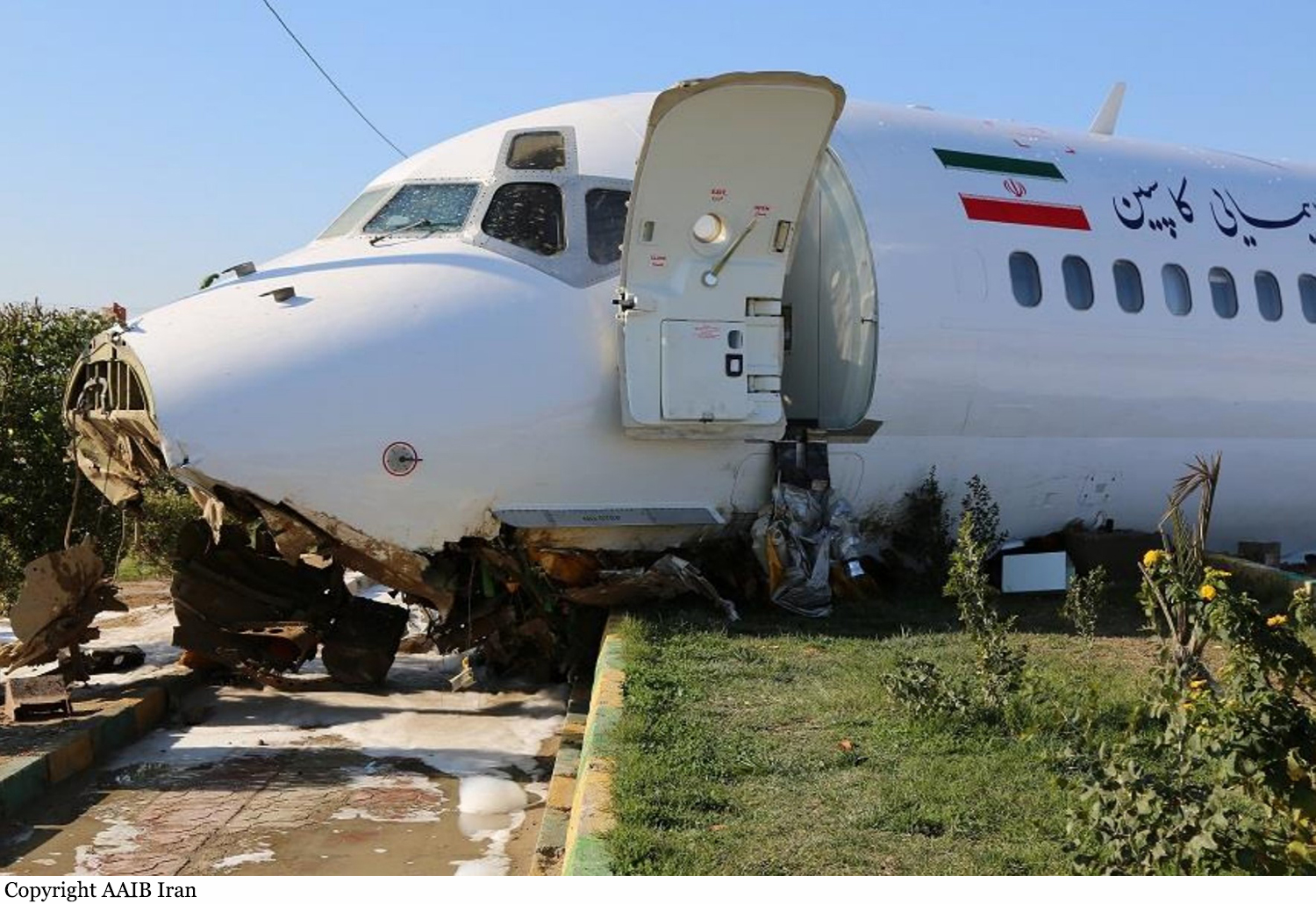
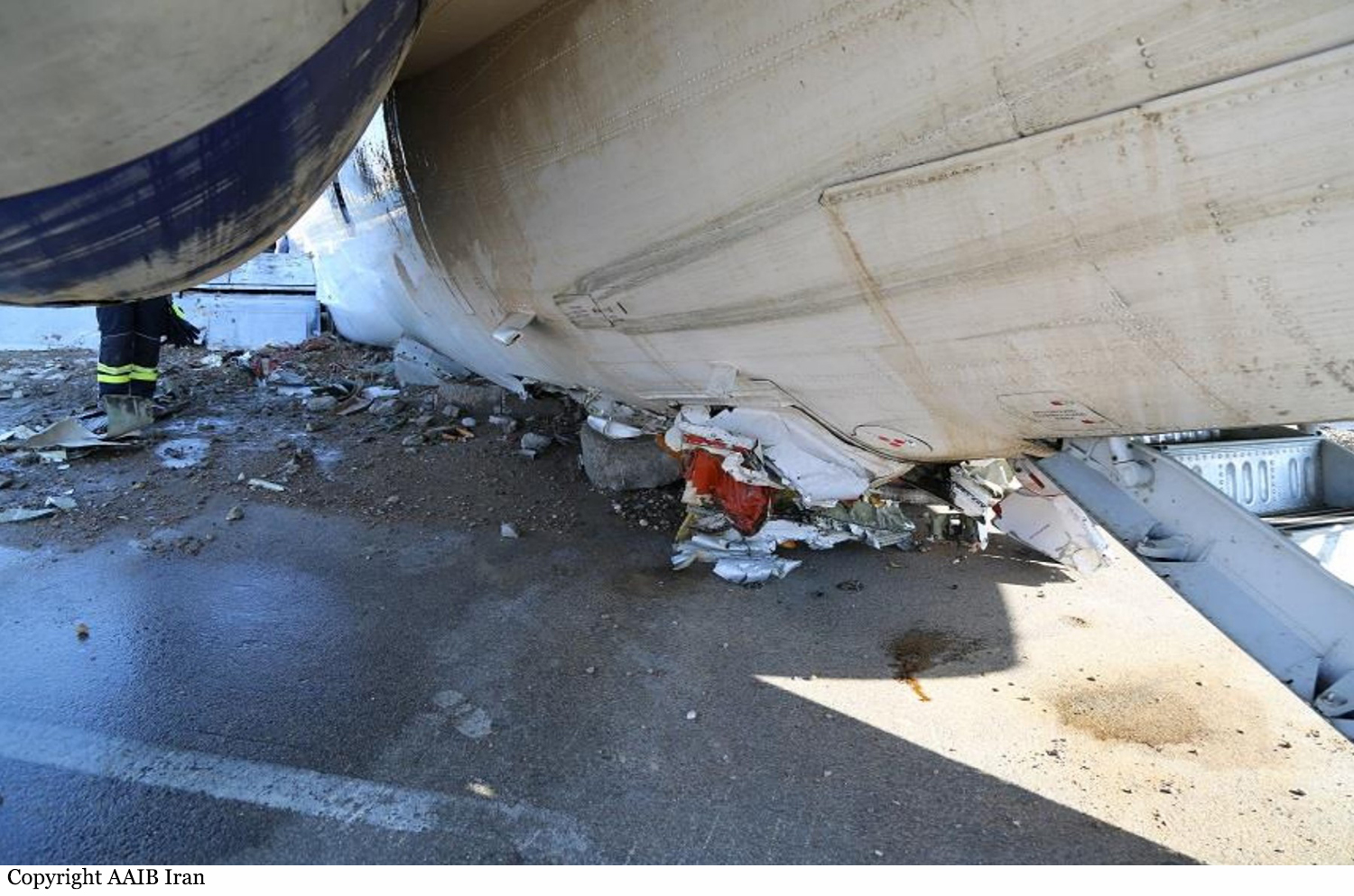
On Jan. 27, 2020, at 03:12 UTC Caspian Airlines (CPN) Flight 6936, an MD83, EP-CPZ took off from Mehrabad International Airport and climbed to FL320 as final cruising level. At about 03:45:37 UTC, the aircraft was flying according to the flight plan route on Airway B417 at an assigned FL320. Due to another traffic departing flight, an A320, IRA356 from Abadan Airport (OIAA) to destination Mashhad International Airport (OIMM), the ACC controller issued direct routing to the flight CPN 6936 position GODMO. At 03:49:34 UTC, CPN6936 requested descent clearance, so the flight was cleared to FL100. At 03:52:30 UTC, the pilot called Mahshahr AFISO and reported position 50 nm inbound GODMO and estimated time over GODMO at 03:59 UTC. At 03:52:51 UTC, Mahshahr AFISO reported necessary information as below: "RWY active is 31; wind is now 280/08kts, CAVOK, temperature +06, DP 04 and QNH 1023, expected VOR approach RWY 31 via GODMO 1E ARRIVAL" At 03:53: 33 UTC, the pilot requested RWY 13 and Mahshahr AFISO performed VOR/DME approach RWY 13, via GODMO 1F arrival. At 03:59:39 UTC, the pilot reported, “we are approaching position GODMO in contact with destination Mahshahr.” At 04:00:41UTC, the pilot reported his position “GODMO” to Mahshahr AFISO. At 04:02:46 UTC, the pilot reported leaving of IAF and received landing clearance for RWY13. Finally, at 04:06:11 UTC, the aircraft landed on RWY 13, passed two-thirds of RWY length and ran off the end of runway13 after landing at Mahshahr Airport at 04:06 UTC, Khuzestan province. The accident flight was being operated on an Instrument Flight Rules (IFR) flight plan in a Visual Meteorological Condition (VMC). The main door of the accident aircraft was opened in emergency condition, but the slide skid did not operate automatically. The cabin floor was just too close to the ground (grass surface) due to the impact of the nose and main landing gears strut which were broken after the runway overrun. The evacuation was performed from the main door, and all 136 passengers and 8 crew members disembarked.
Probable cause:
The Aircraft Accident Investigation Board determines that the probable causes of this accident were the pilots’ failures below, resulting in a runway overrun:
- Poor decision-making for acceptance of the risk of high-speed landing;
- Un-stabilized approach against the normal flight profile;
- Poor CRM in the cockpit; and
- Poor judgment and not accomplishing go-around while performing an unstabilized approach.

Contributing Factors:
- Loading of 5 tons of extra fuel, which increased the landing distance required.
- Decision to make a landing on RWY 13 with tailwind.
- Inability of the copilot (PM) to take control of the aircraft and proper action to execute goaround.
Final Report:

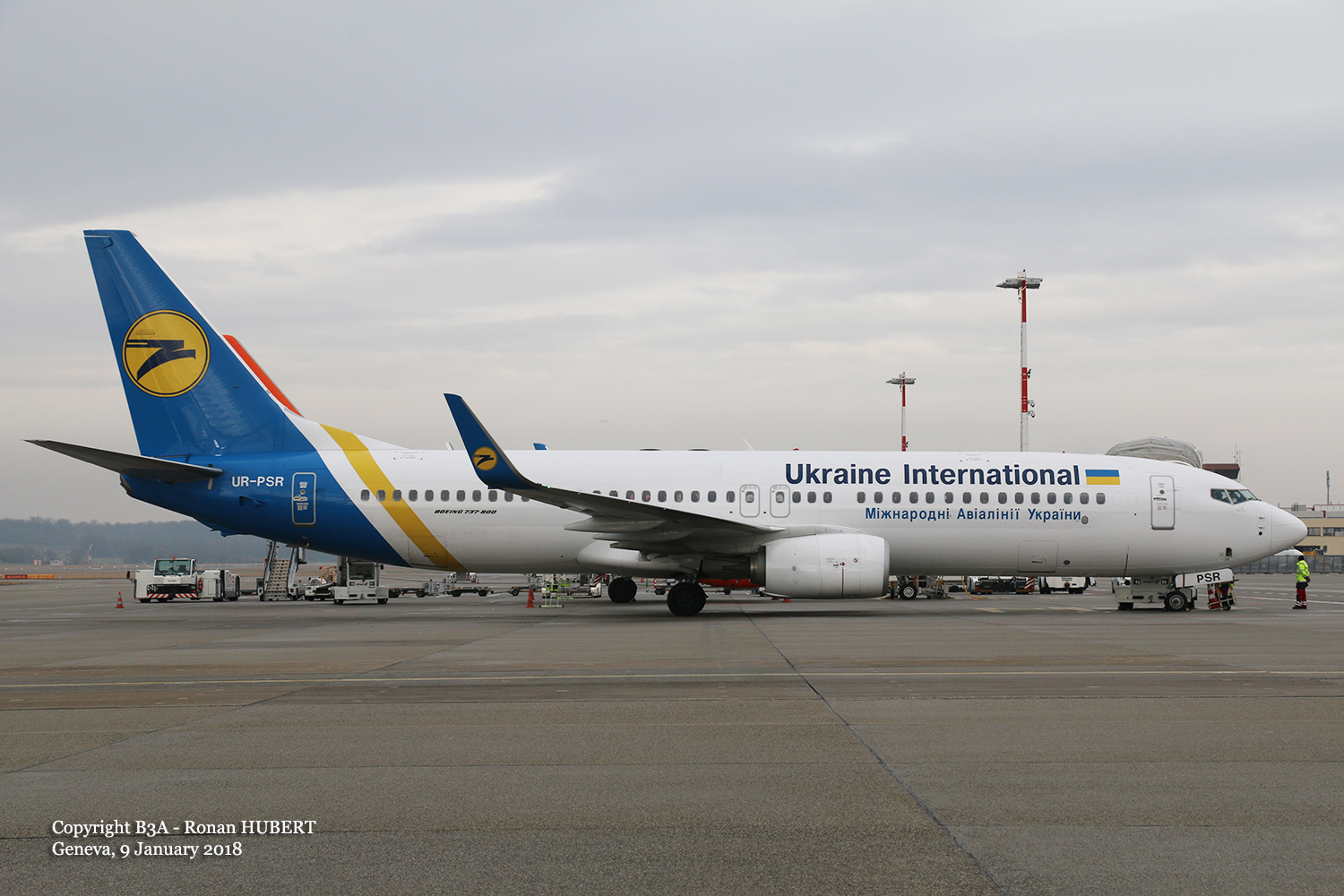
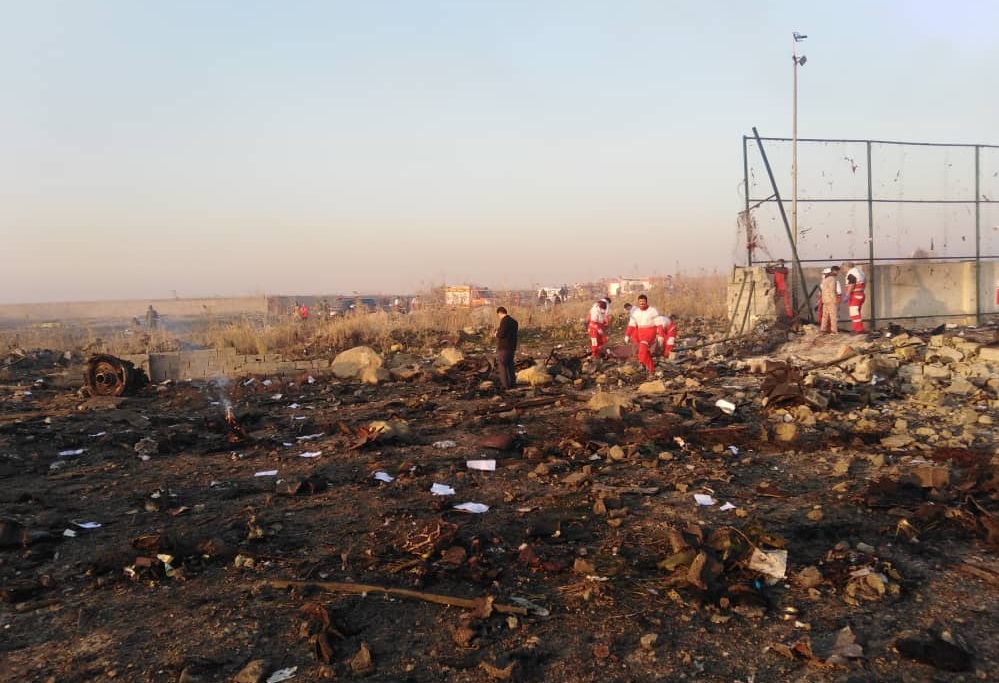
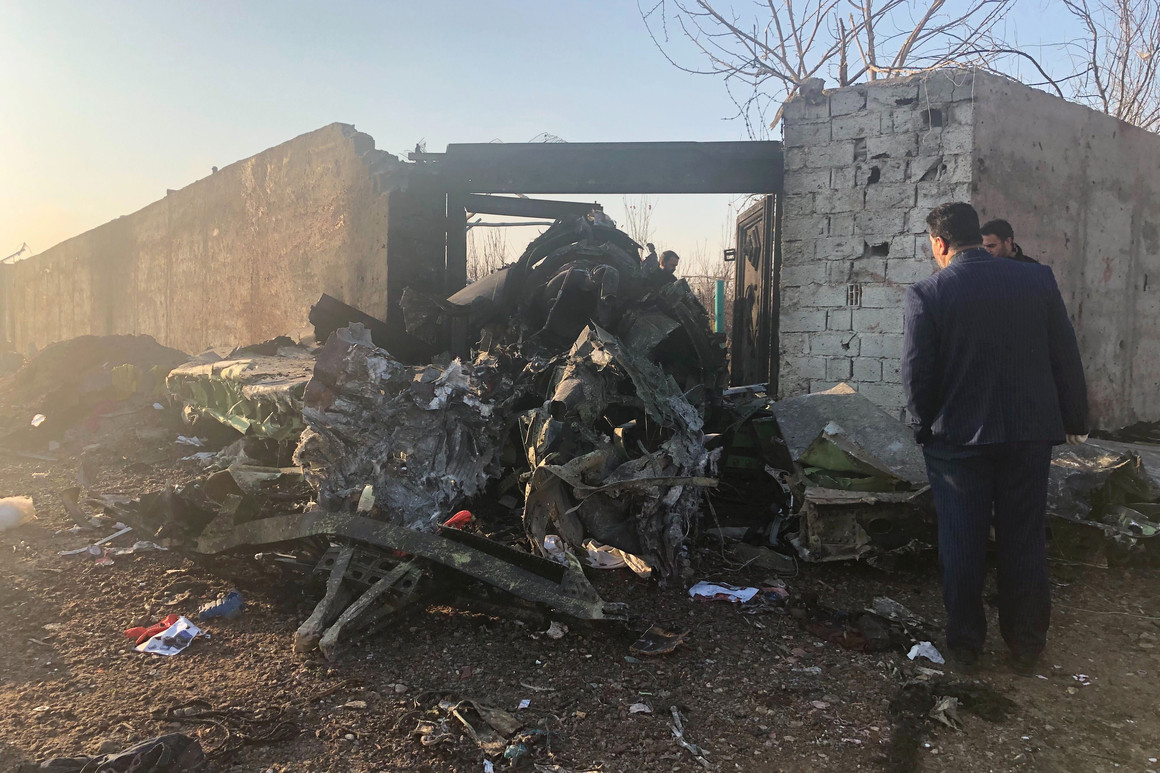
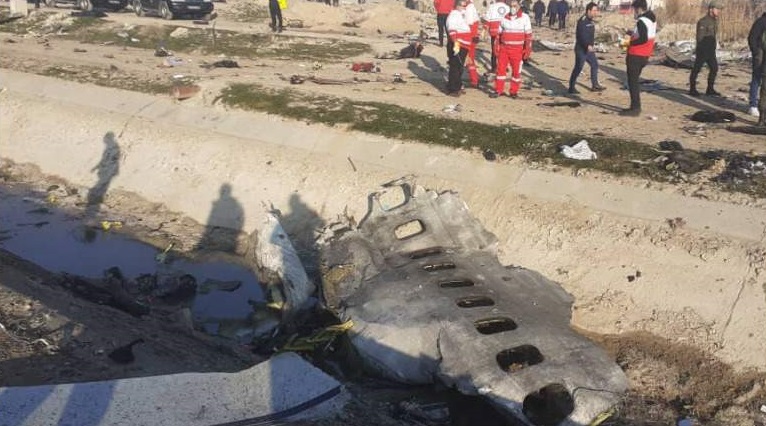
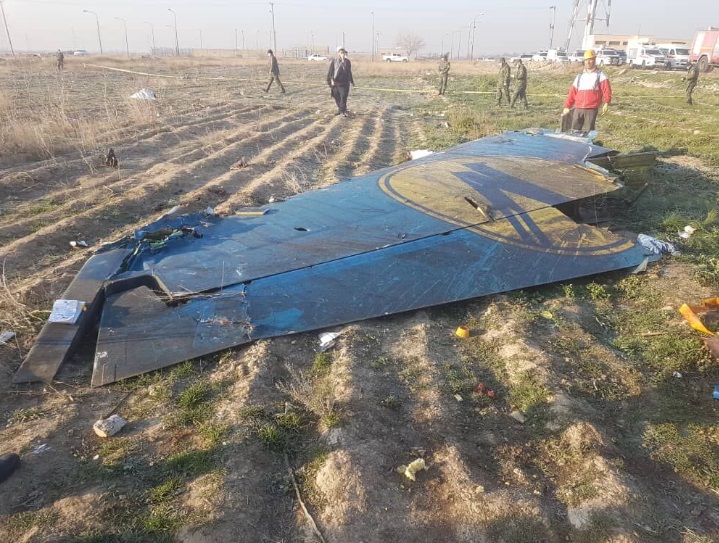
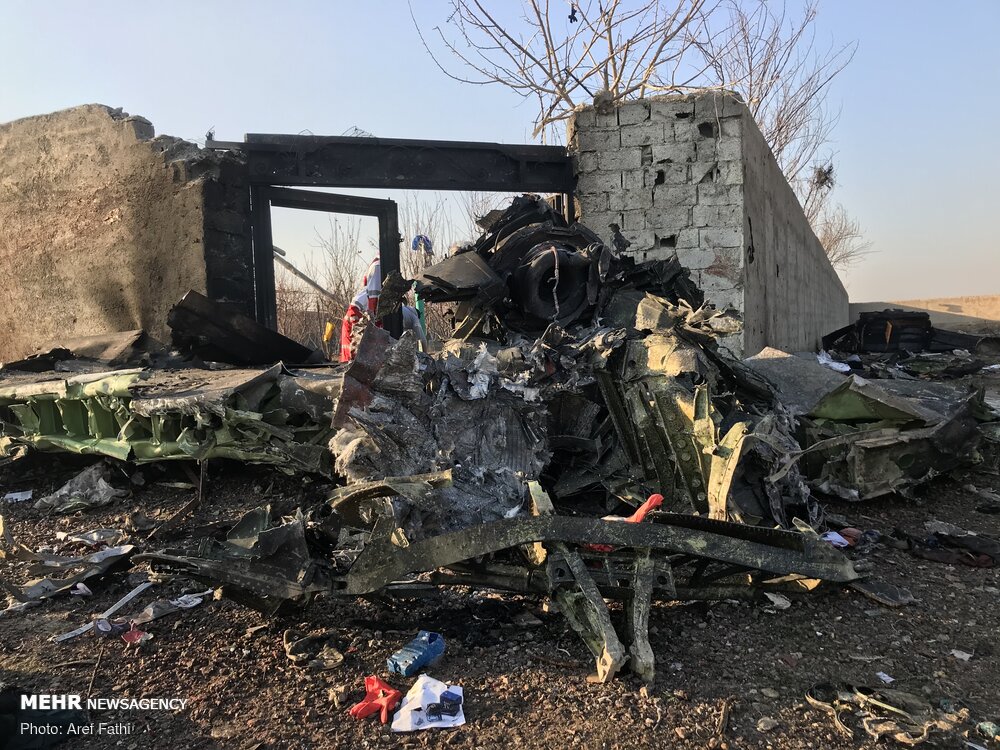
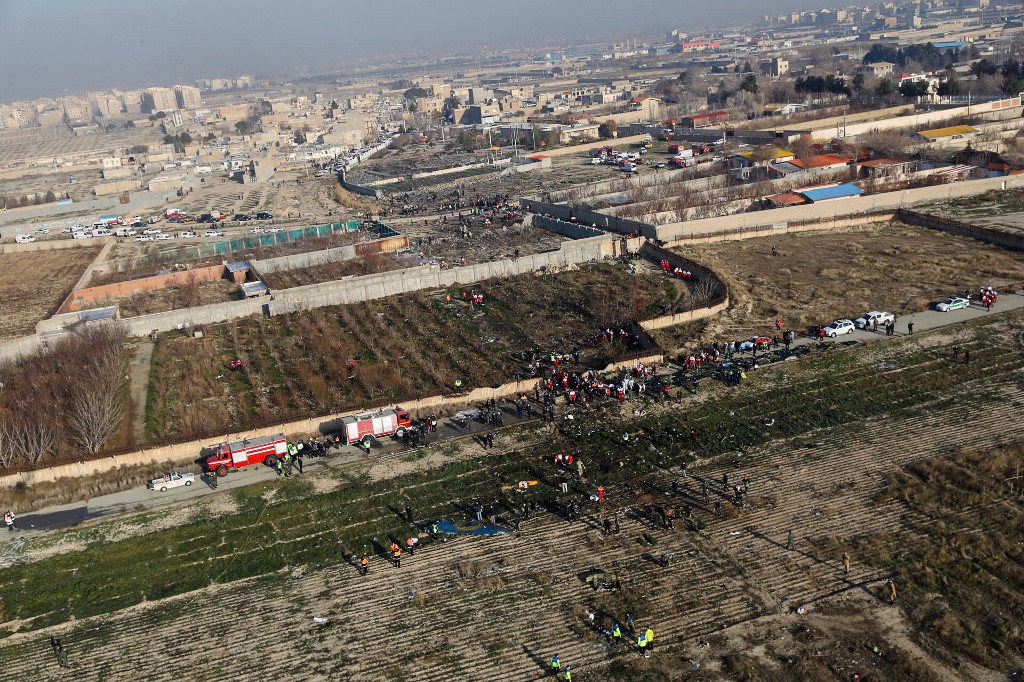
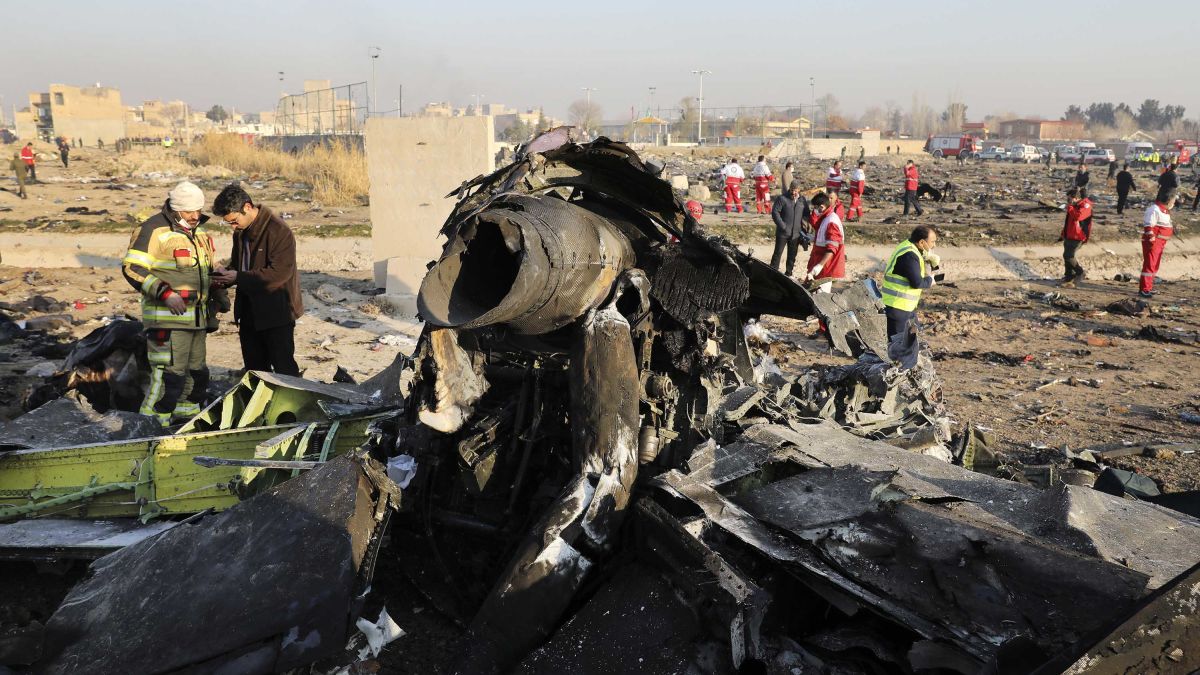
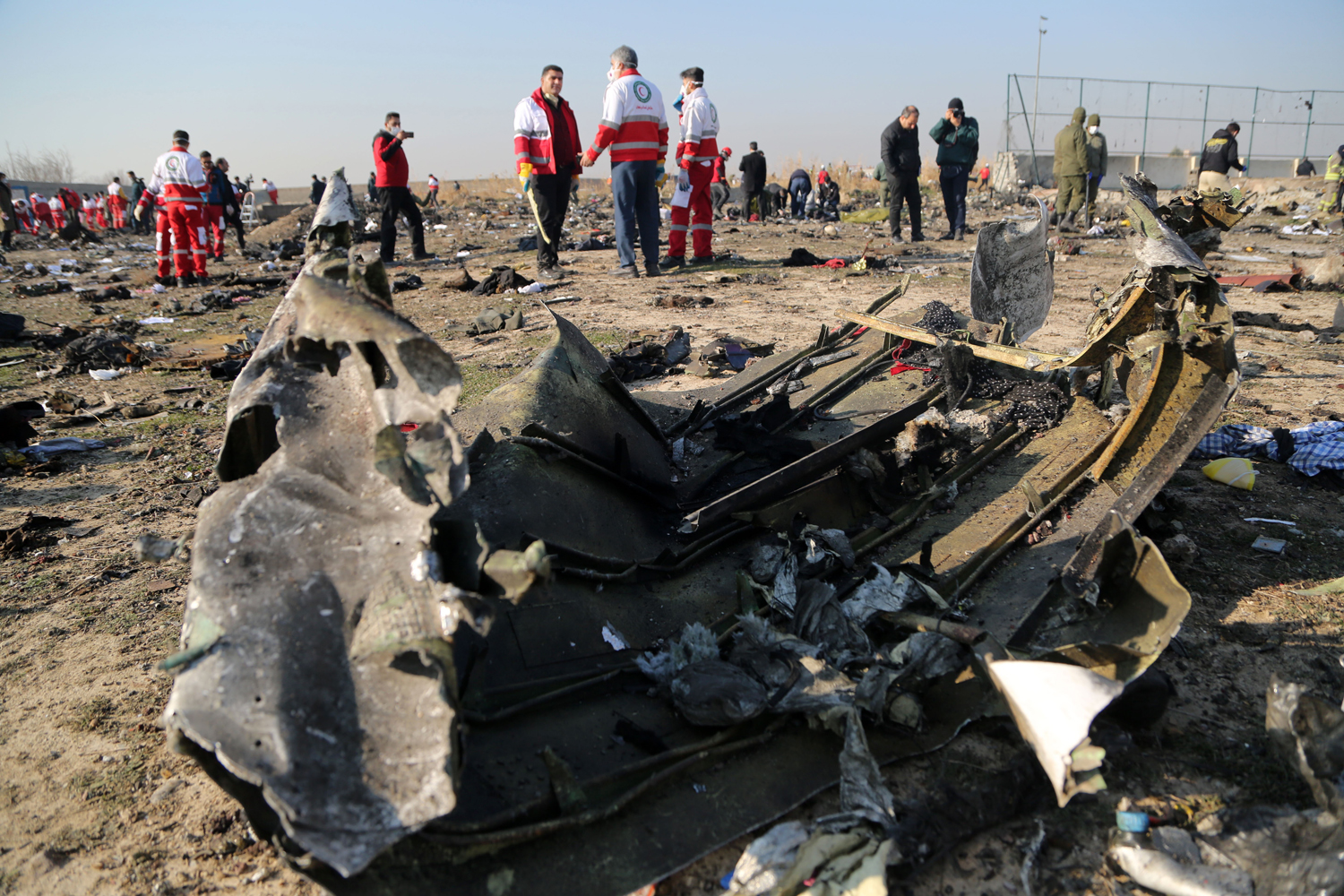
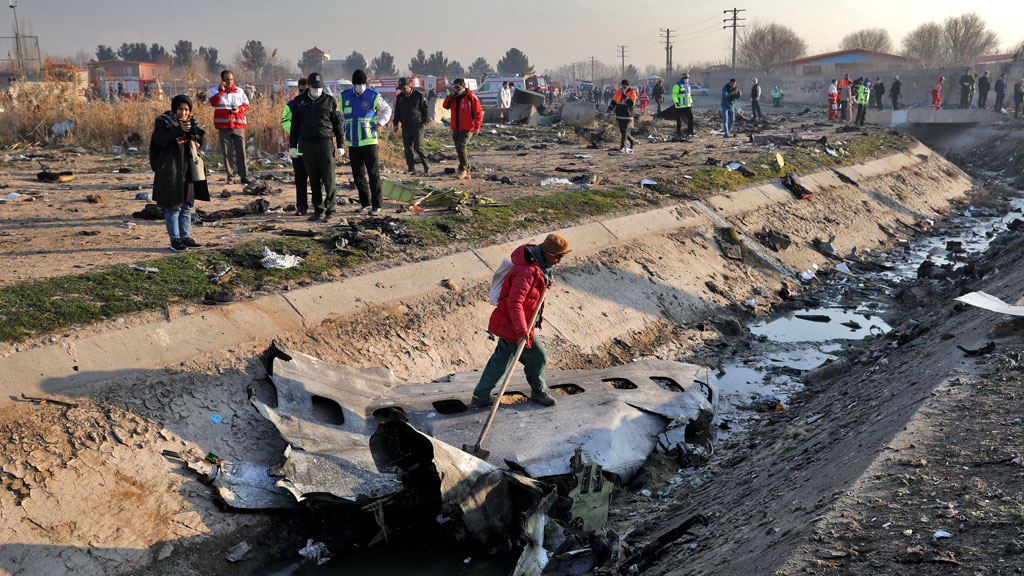
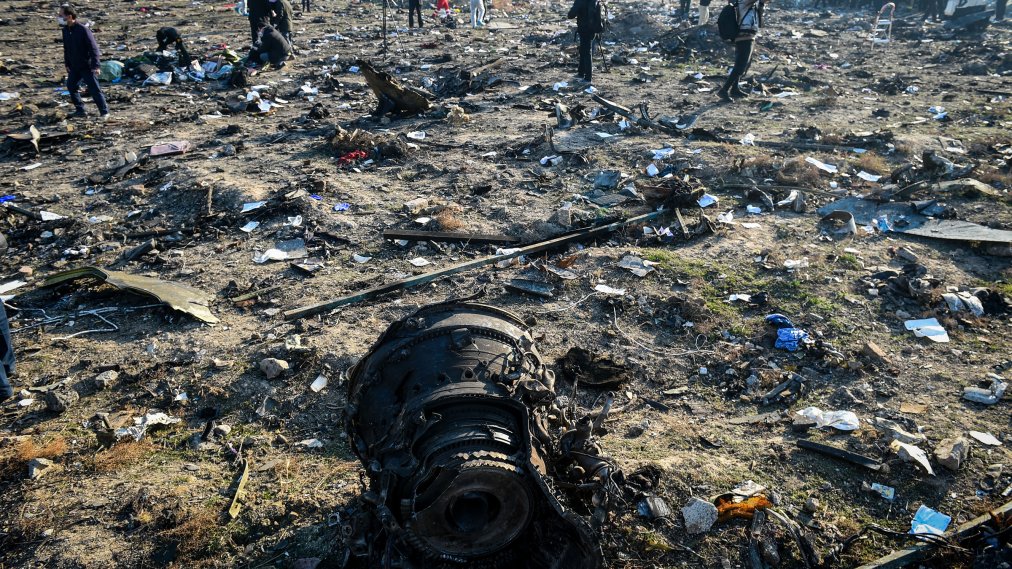
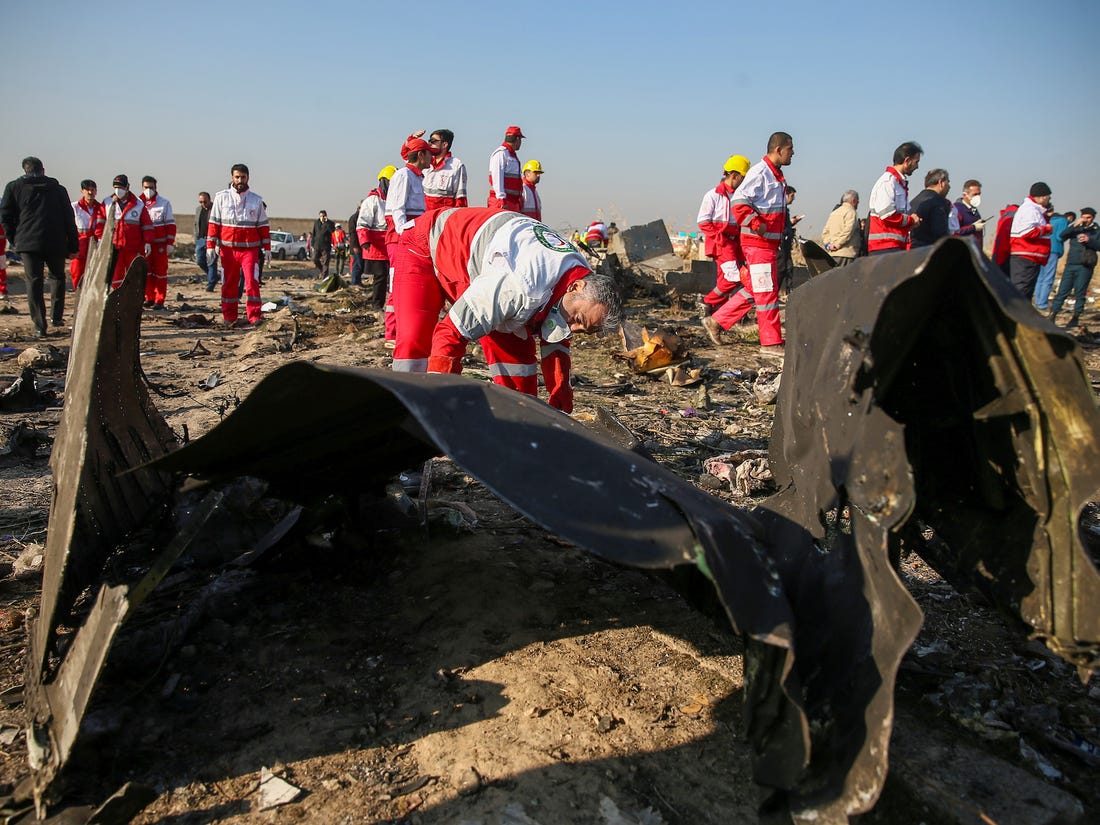
Crash of a Boeing 737-8KV in Sabashahr: 176 killed

Date & Time: Jan 8, 2020 at 0618 LT
Type of aircraft:
Operator:
Registration:
UR-PSR
Flight Phase:
Survivors:
No
Schedule:
Tehran - Kiev
MSN:
38124
YOM:
2016
Flight number:
PS752
Country:
Region:
Crew on board:
9
Crew fatalities:
Pax on board:
167
Pax fatalities:
Other fatalities:
Total fatalities:
176
Captain / Total flying hours:
11590
Captain / Total hours on type:
8428.00
Copilot / Total flying hours:
7633
Copilot / Total hours on type:
3642
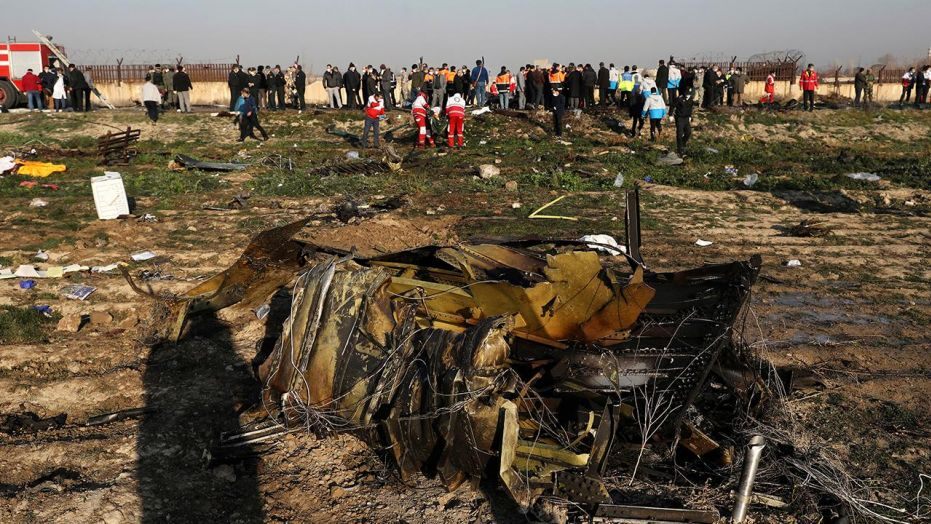
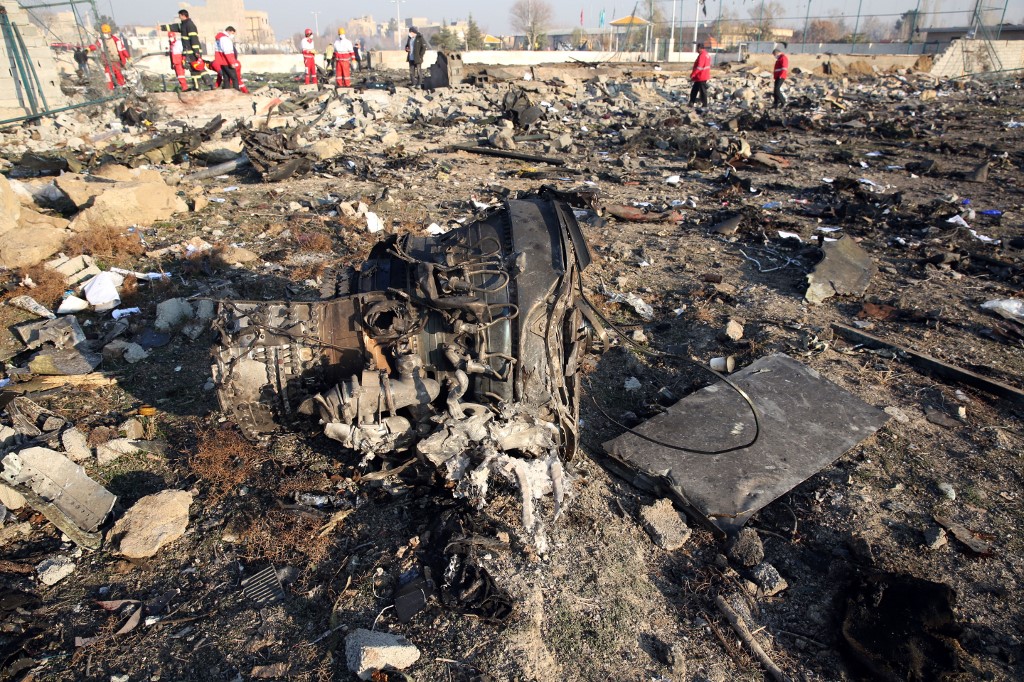
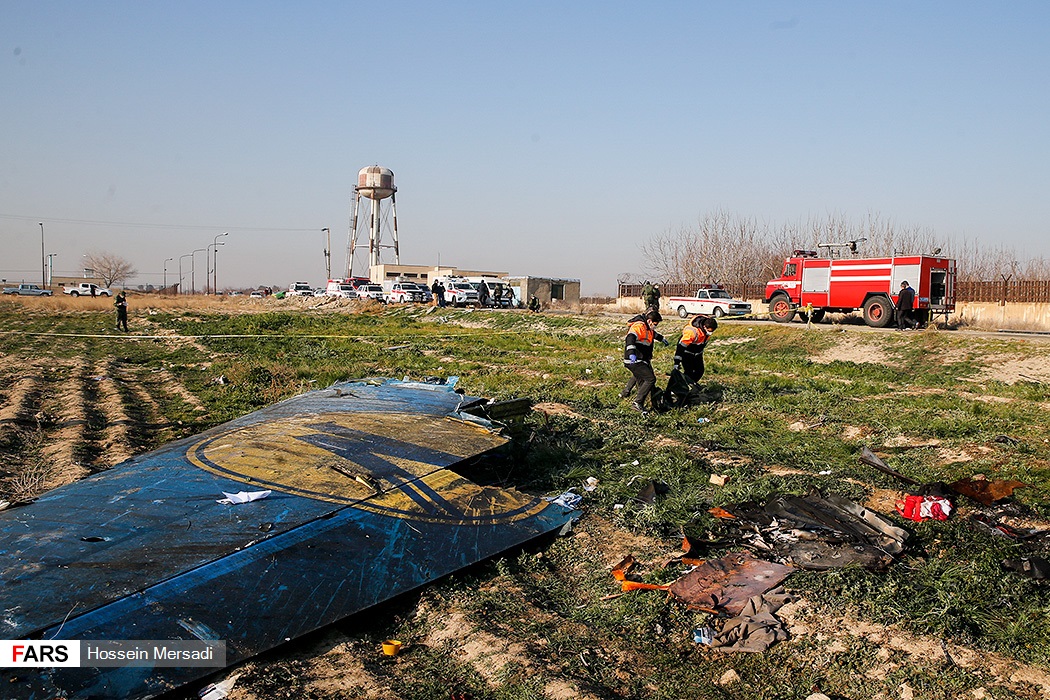
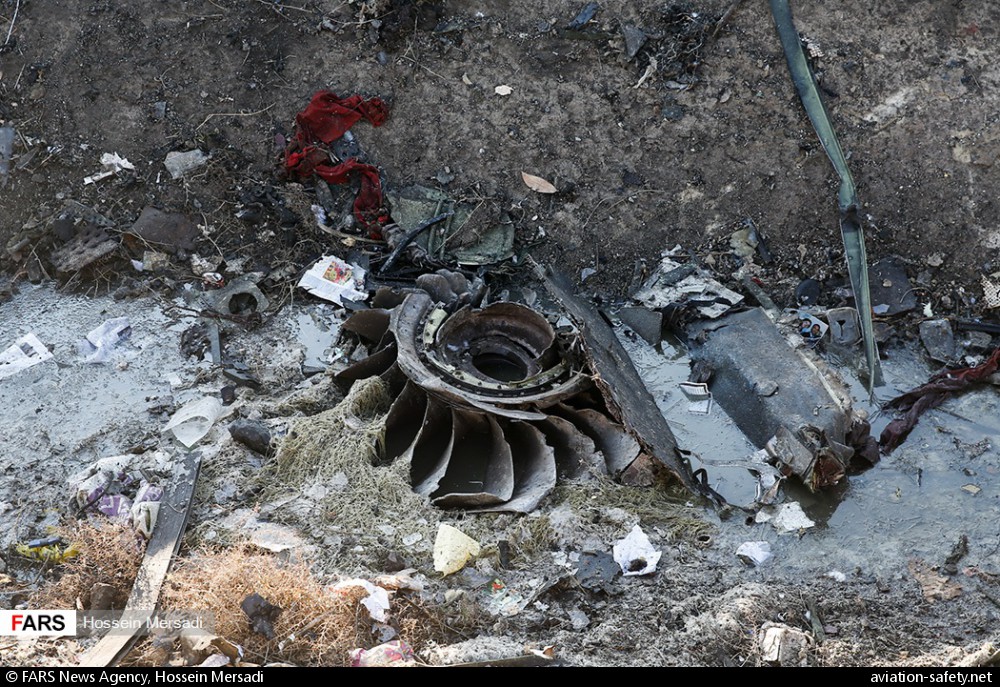
Circumstances:
On Wednesday, January 08, 2020, at 00:53, the inbound flight No. 751 of Ukraine International, Boeing 737-800, UR-PSR, en route to Tehran Imam Khomeini INTL. Airport from Kyiv Boryspyl INTL. Airport was cleared for landing, and after four minutes landed on the IKA runway. After disembarking 58 passengers and refueling, the flight crew went on to check into the hotel located at IKA. From 01:16 to 01:38, the aircraft was refueled with 9510 kg (11800 liters) of fuel. Once the total weight of the cargo received from passengers (310 packages weighing 6794 kg) was determined, in order to comply with the maximum takeoff weight allowed for aircraft, 82 packages in 2094 kg in weight, were separated by Airport Service Company, that is, they were not loaded. Initially, 78 packages of the passenger's luggage were not loaded first, then due to the large volume of passengers' hand luggage, the flight attendants passed some of them on to the Airport Service Company personnel to be placed in the aircraft cargo. After that, 4 packages belonging to the passengers were removed from the aft cargo door, where the hand luggage was placed. At 04:35, the flight crew embarked on the aircraft. After checking the aircraft and cabin, boarding was announced at 04:45, and passengers started to board the plane. Based on the available documents, 167 passengers proceeded to the Airport Services Co. counter at the airport terminal, all of whom went on board. Only one of the passengers who received the boarding pass online the night before the flight, due to the delay in arriving in Tehran from another city did not go to the airport in person, and therefore had been removed from the list of passengers provided by the UIA. At 05:13, the pilot made his first radio contact with the IKA's control tower ground unit and requested the initial clearance for flying, which was issued by the controller subsequently. At 05:48, all the aircraft documents required to start the flight operations were filled out, and all the doors were then closed at 05:49. The flight was initially scheduled for 05:15, and based on the flight coordinator's report form, the reason given for its delay was the aircraft being overweight and the decision not to load the passengers' lugga for reducing the aircraft weight. At 05:51 the pilot notified his position at the airport parking, declared his readiness to exit the parking and start up the aircraft. The IKA tower asked him to wait for receiving the clearance since they wanted to make the coordination required with other relevant units. At 05:52, the IKA tower made the necessary coordination with the Mehrabad approach unit, who contacted Tehran ACC asking for clearance. Accordingly, the controller in ACC made coordination on Ukrainian flight clearance with the CMOCC. The clearance was issued by the CMOCC. At 05:54, the Mehrabad approach unit, received the FL260 clearance for the flight AUI752 from ACC, and forwarded it to IKA via the telecommunication system. Flight no. 752 was detached from the A1 Jet Bridge and at about 05:55 started to leave its parking position, NO 116 on the right, by a pushback truck. Following that, at 05:55 the ground controller cleared the AUI752 flight for startup and exiting the parking, which was read back by the pilot. At 06:12, the aircraft took off from the Runway 29 Right of IKA and was delivered to the Mehrabad approach unit. The pilot contacted the approach unit, and announced the IKA 1A radar procedure as SID procedure. Next, the Mehrabad approach identified and cleared the flight to climb to FL260. The controller instructed the pilot to turn to the right after 6,000 feet, and continue straight to PAROT. After it was read back by the pilot, the controller again instructed the pilot to continue to PAROT point once passing the 6000-foot altitude, which was read back by the pilot. From 06:17 onwards, upon the disappearance of the PS752 information from the radarscope, the controller called the captain repeatedly, but received no response. According to the data extracted from the surveillance systems and FDR, the aircraft climbed to an altitude of 8,100 feet; thereafter, the label including the call sign and altitude of aircraft disappeared from the radarscope, yet no radio contact indicating unusual conditions was received from the pilot. FDR recording terminated at 06:14:56. This time corresponds to the termination of Secondary Surveillance Radar (SSR) and ADS-B information. After the mentioned time, the aircraft was still being detected by the Primary Surveillance Radar (PSR), according to which the aircraft veered right and after approximately three minutes of flying, it disappeared from the PSR at 06:18 too. The aircraft was conducting the flight under the Instrument Flight Rules (IFR) and the accident occurred around half an hour before the sunset.
Probable cause:
Cause of the Accident:
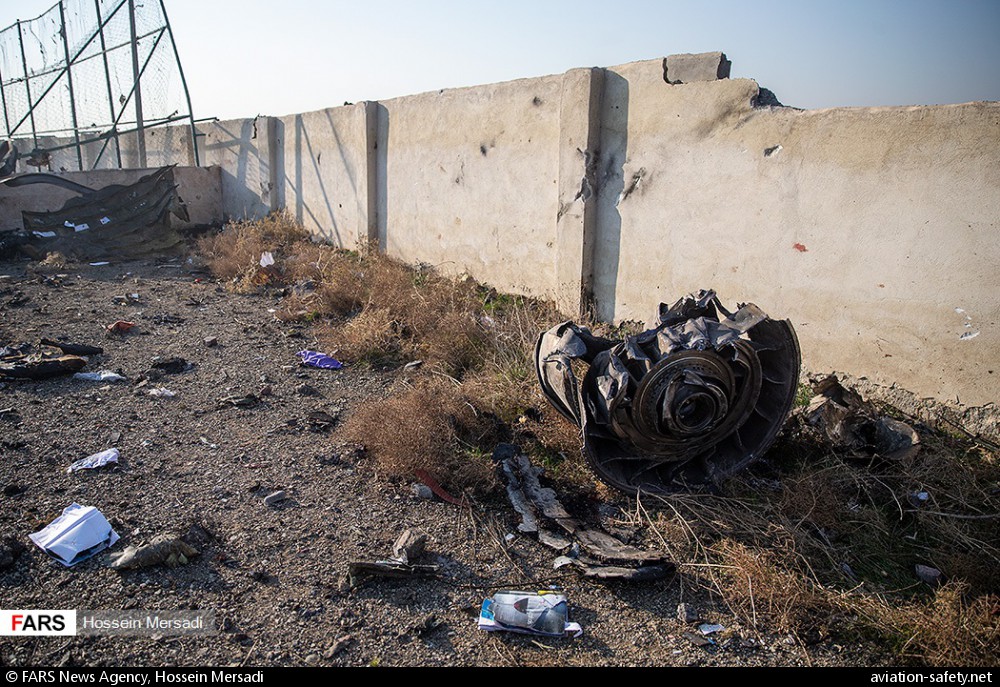
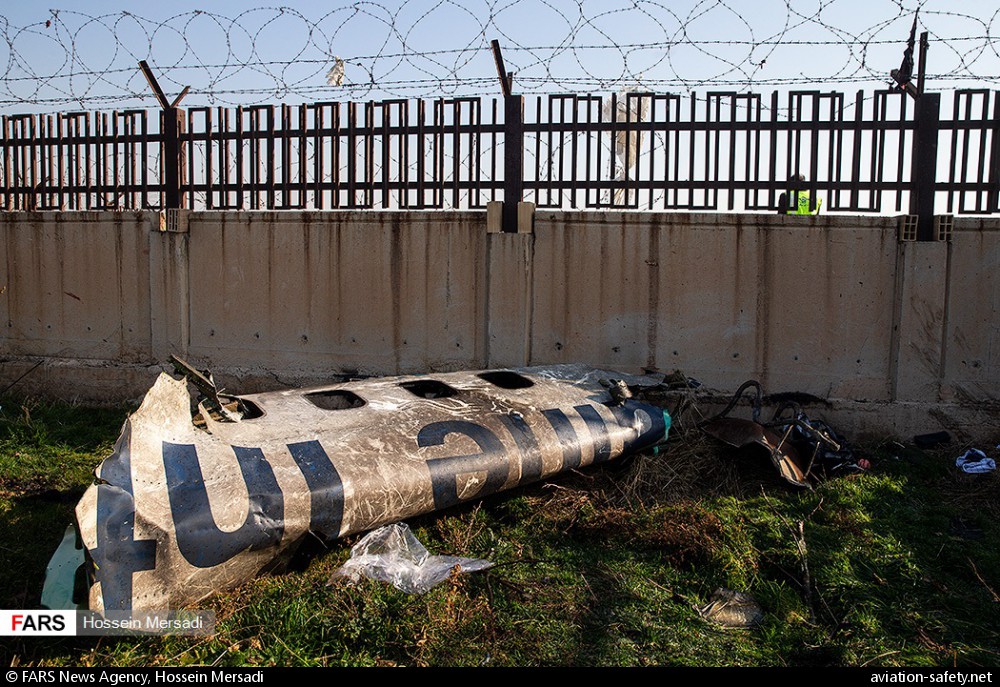
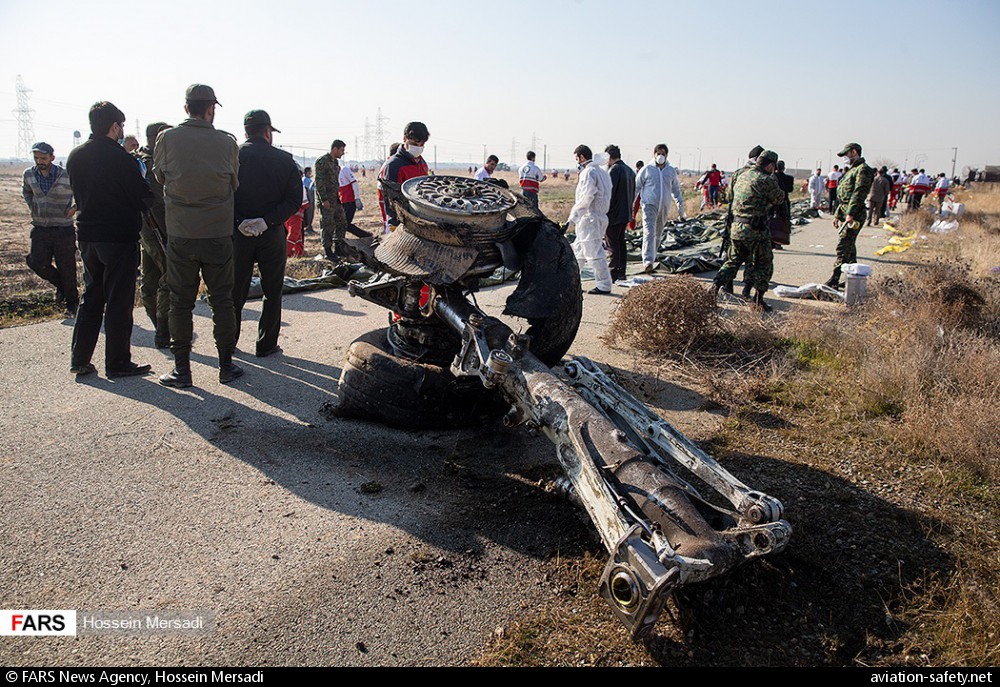
- The air defense's launching two surface-to-air missiles at the flight PS752, UR-PSR aircraft the detonation of the first missile warhead in proximity of the aircraft caused damage to the aircraft systems and the intensification of damage led the aircraft to crash into the ground and explode instantly.

Other Contributing Factors:
- The mitigating measures and defense layers in risk management proved to be ineffective due to the occurrence of an unanticipated error in threat identifications, and ultimately failed to protect the flight safety against the threats caused by the alertness of defense forces.
Final Report:
Crash of a Let L-410UVP-E10 in Kamina

Date & Time: Dec 28, 2019 at 1434 LT
Type of aircraft:
Operator:
Registration:
9S-GDX
Survivors:
Yes
Schedule:
Lubumbashi – Kamina
YOM:
1987
Location:
Region:
Crew on board:
2
Crew fatalities:
Pax on board:
16
Pax fatalities:
Other fatalities:
Total fatalities:
0
Circumstances:
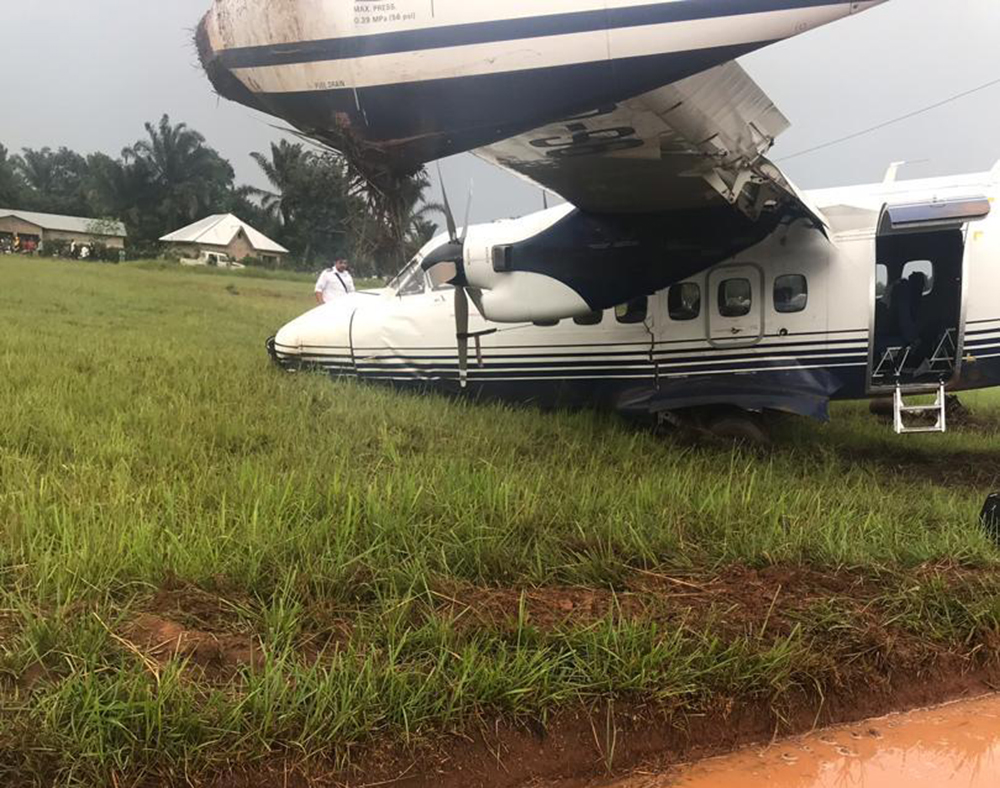
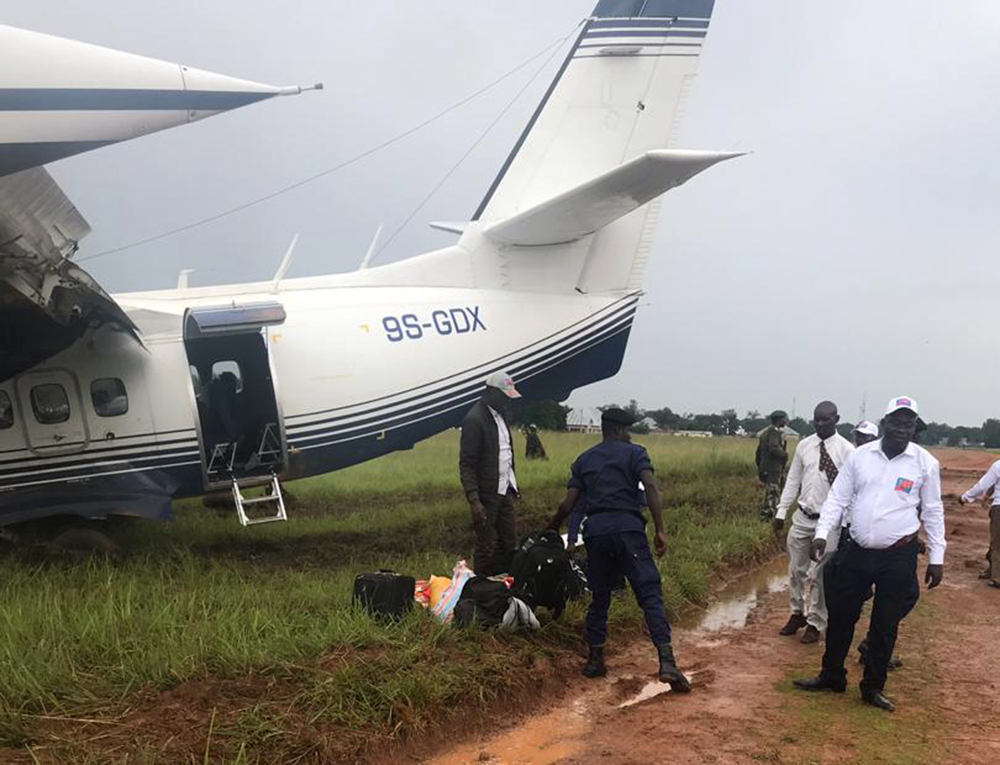
After touchdown on a wet earth runway, the airplane went out of control. It veered off runway to the right, struck a shoulder and lost its nose gear before coming to rest. All 18 occupants escaped uninjured while the airplane was substantially damaged.

Crash of a Fokker 100 in Almaty: 12 killed

Date & Time: Dec 27, 2019 at 0721 LT
Type of aircraft:
Operator:
Registration:
UP-F1007
Flight Phase:
Survivors:
Yes
Schedule:
Almaty – Nursultan
MSN:
11496
YOM:
1996
Flight number:
Z92100
Country:
Region:
Crew on board:
5
Crew fatalities:
Pax on board:
93
Pax fatalities:
Other fatalities:
Total fatalities:
12
Captain / Total flying hours:
20141
Captain / Total hours on type:
3956.00
Copilot / Total flying hours:
11544
Copilot / Total hours on type:
4144
Aircraft flight hours:
44632
Aircraft flight cycles:
52771
Circumstances:
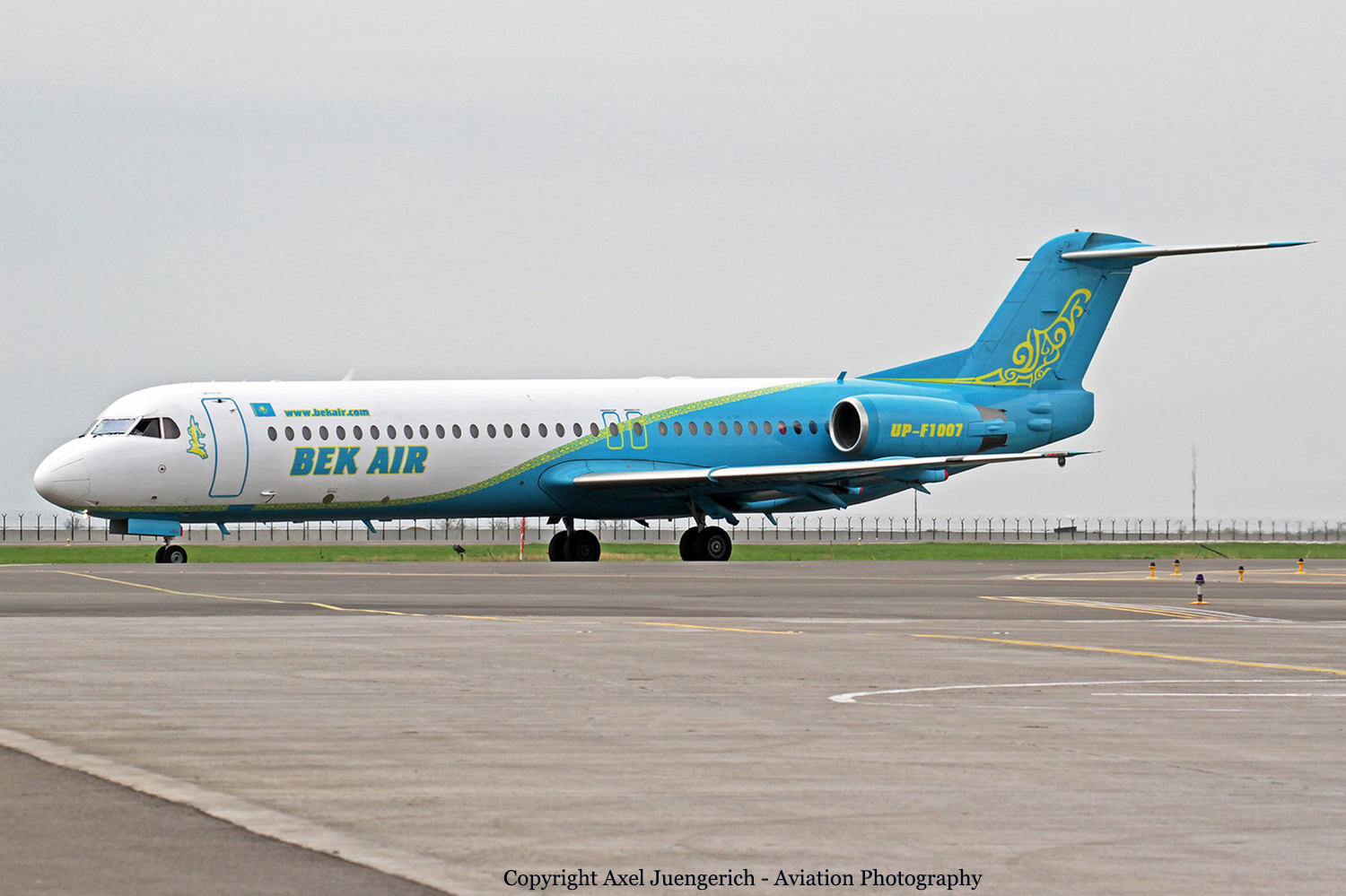
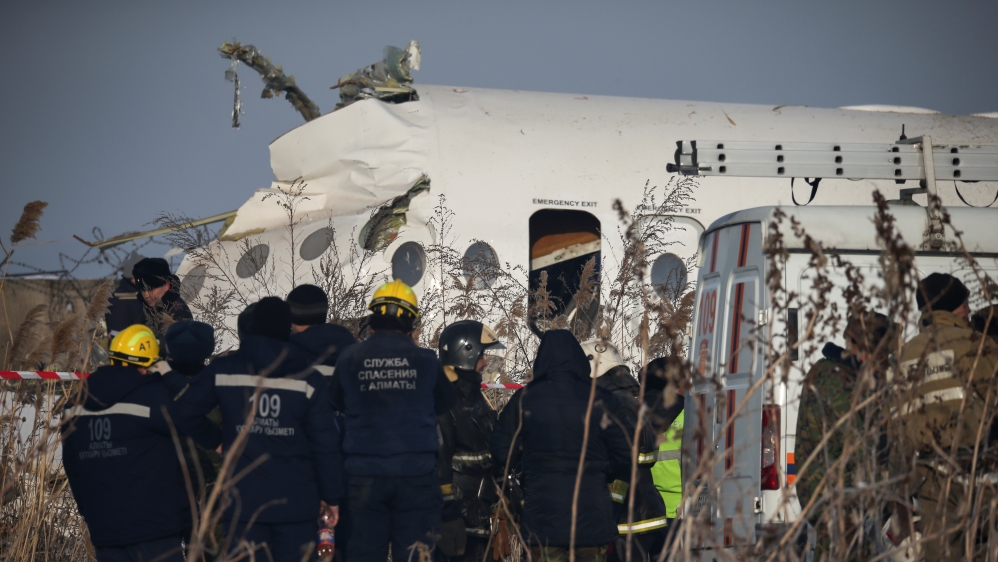
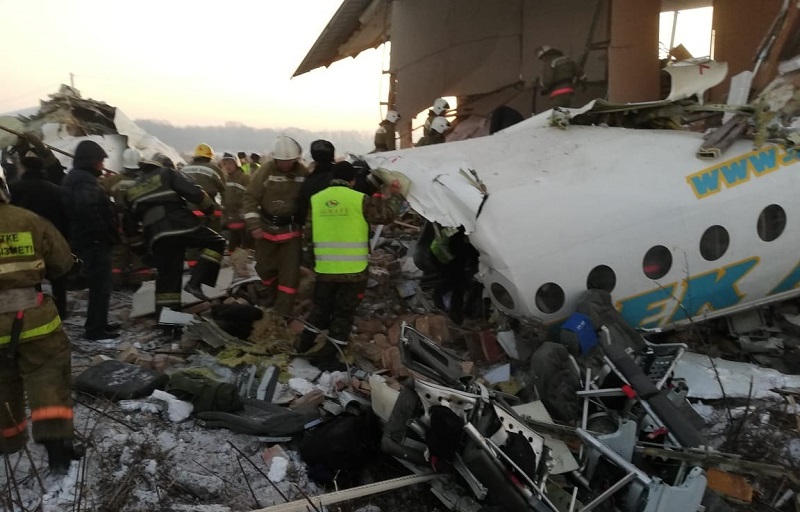
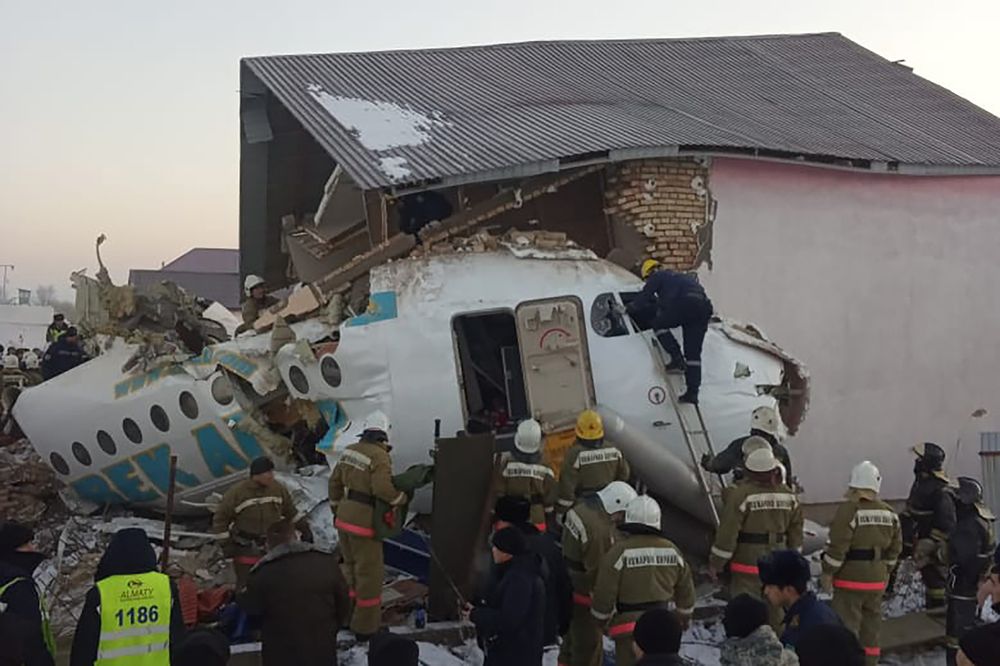
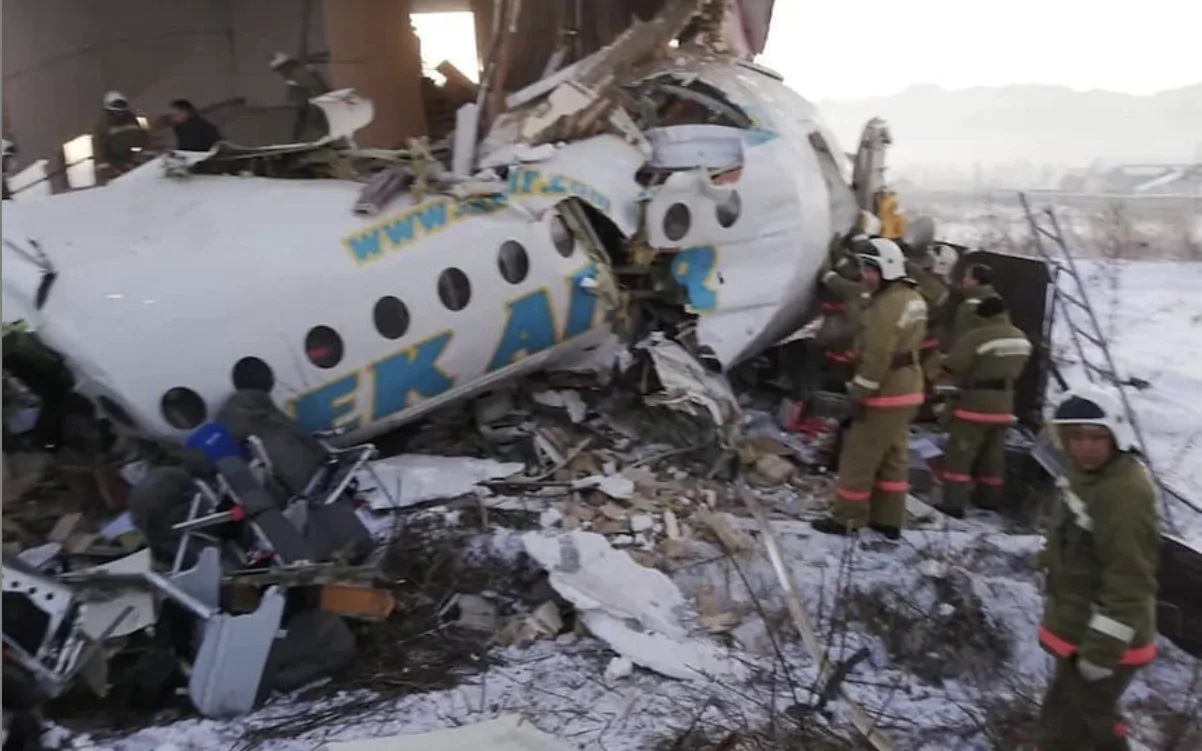
The Fokker 100 departed Almaty Airport on a regular schedule service (flight Z92100) to Astana-Nursultan Nazarbayev Airport, carrying 93 passengers and a crew of five. During the takeoff roll on runway 05R with flaps at zero, after a course of 36 seconds and at a speed of 148 knots, the crew started the rotation. Immediately after liftoff, the airplane rolled to the right at an angle of 5° then to the left at an angle of 19° without an increase of the indicated airspeed. After reaching the height of 20 feet in a pitch angle of 14°, the airplane started to descend then hit the runway surface with the base of the tail. It landed on its main landing gear and rolled for about 15 seconds with the nose gear still in the air. The airplane took off again at a speed of 138 knots then the crew retracted the landing gear. In a pitch angle of 19°, the airplane lost speed (130 knots), veered to the right, belly landed and slid for about 850 metres, went through a fence and eventually crashed into a house located near the perimeter fence, some 80 metres to the right of the extended center line. 47 occupants were injured, 39 escaped unhurt and 12 others were killed, among them the captain. The aircraft was destroyed. There was not fire.
Probable cause:
The accident was the consequence of an asymmetrical loss of wing lift properties at the stage of takeoff, which resulted in the aircraft crashing down immediately after leaving the runway and rolling to the right on the snowy ground, breaching the airport perimeter fence and colliding with a two-story private building located 9-10 m from the fence. As a result of collision, 11 passengers and one crew member died and 47 passengers received different injuries because of overloading, striking, destruction and crushing of the aircraft structure. The cause of the loss of wing lift properties was most likely the effect of ground icing.
Contributing factors:
- The crew, after analyzing the actual meteorological situation at Almaty airport, may not have drawn sufficient conclusions to better inspect the entire aircraft and especially (tactile method) the leading edge of the wing;
- The Flight Safety Management System (FMS) of Beck Air JSC contains mainly only general provisions and specific actions that were not adapted for implementation, which did not allow timely identification and elimination of existing risks affecting flight safety.
- Collision of the aircraft with a two-storey private structure, which affected the severity of the consequences.
Final Report:

Crash of a Cessna 208B Grand Caravan near Tastiota: 2 killed

Date & Time: Dec 24, 2019 at 0730 LT
Type of aircraft:
Operator:
Registration:
XA-TWN
Flight Phase:
Survivors:
No
Schedule:
Hermosillo - Guerrero Negro
MSN:
208B-0931
YOM:
2003
Flight number:
CFV872
Location:
Country:
Crew on board:
1
Crew fatalities:
Pax on board:
1
Pax fatalities:
Other fatalities:
Total fatalities:
2
Circumstances:
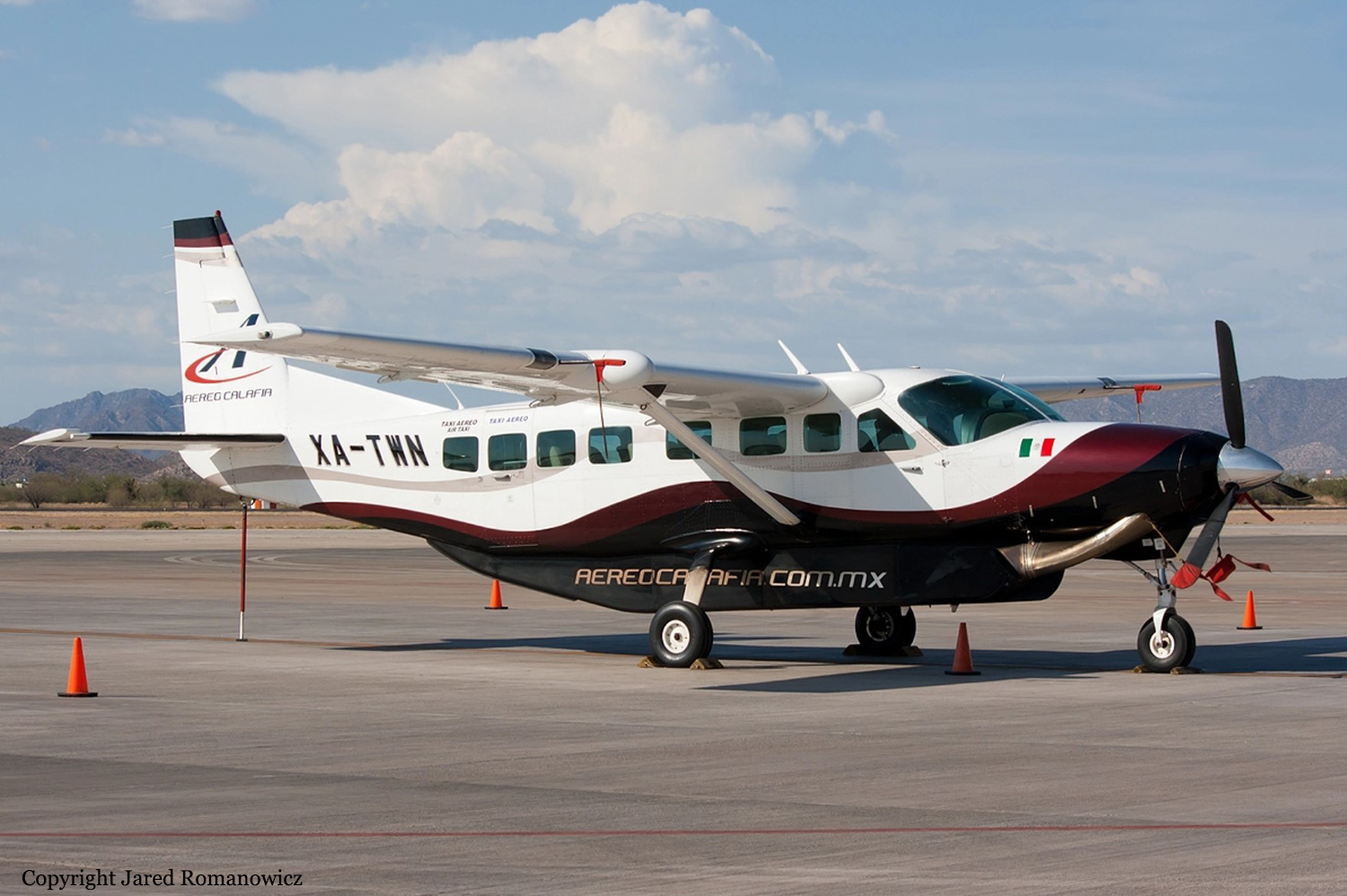
The single engine airplane departed Hermosillo-General Ignacio Pesqueira García Airport at 0700LT on a schedule service (CFV872) to Guerrero Negro, Baja California del Sur, with one passenger and one pilot on board. About half an hour into the flight, radio and radar contact were lost with the airplane. Debris were found two days later in an uninhabited area located in the region of Tastiota, about 30 km southwest of Miguel Alemán. The aircraft was totally destroyed upon impact and both occupants were killed.

Crash of a Dornier DO228-200 in Goma: 27 killed

Date & Time: Nov 24, 2019 at 0908 LT
Type of aircraft:
Operator:
Registration:
9S-GNH
Flight Phase:
Survivors:
Yes
Site:
Schedule:
Goma - Butembo
MSN:
8030
YOM:
1984
Location:
Region:
Crew on board:
2
Crew fatalities:
Pax on board:
20
Pax fatalities:
Other fatalities:
Total fatalities:
27
Aircraft flight hours:
23990
Aircraft flight cycles:
36980
Circumstances:
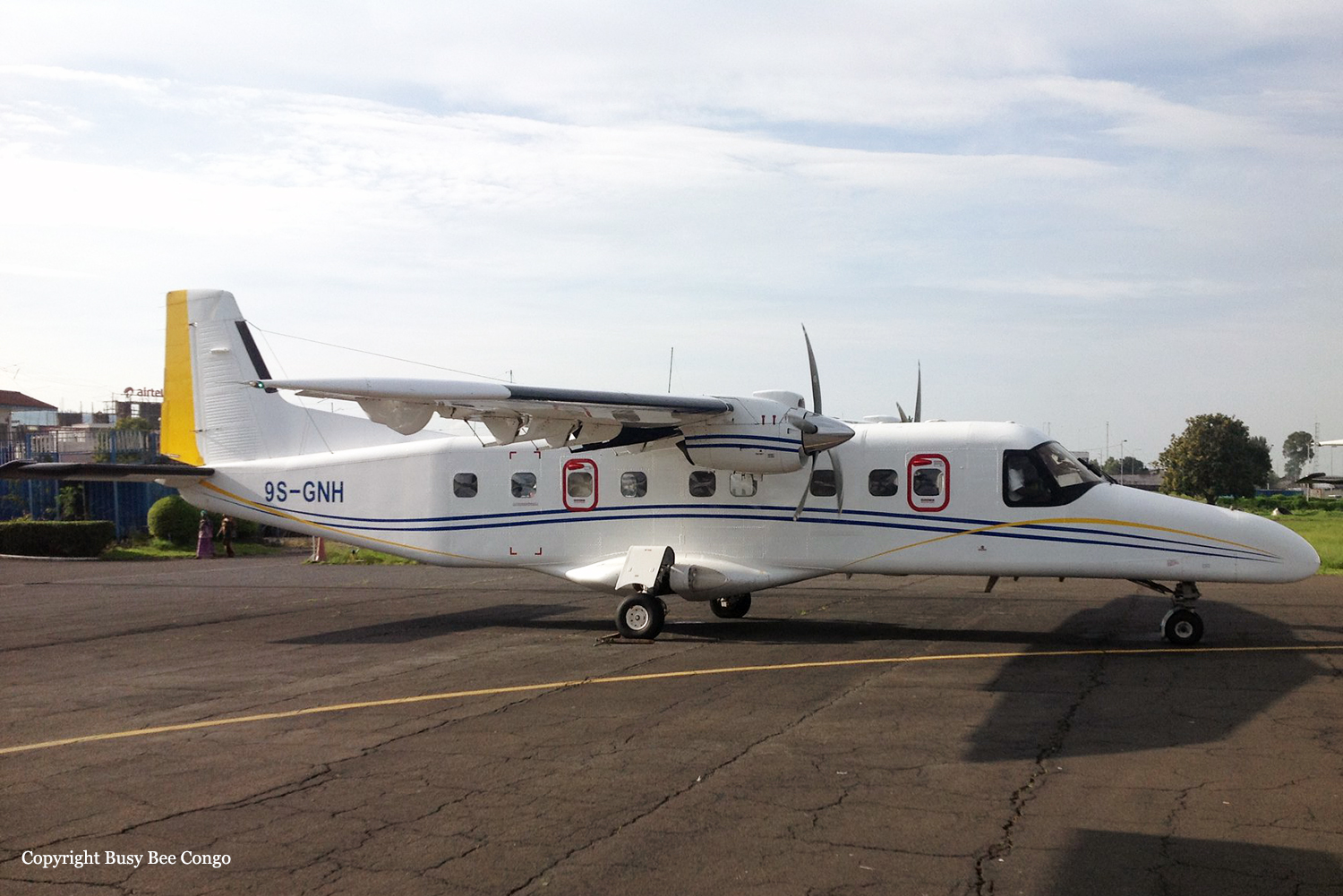
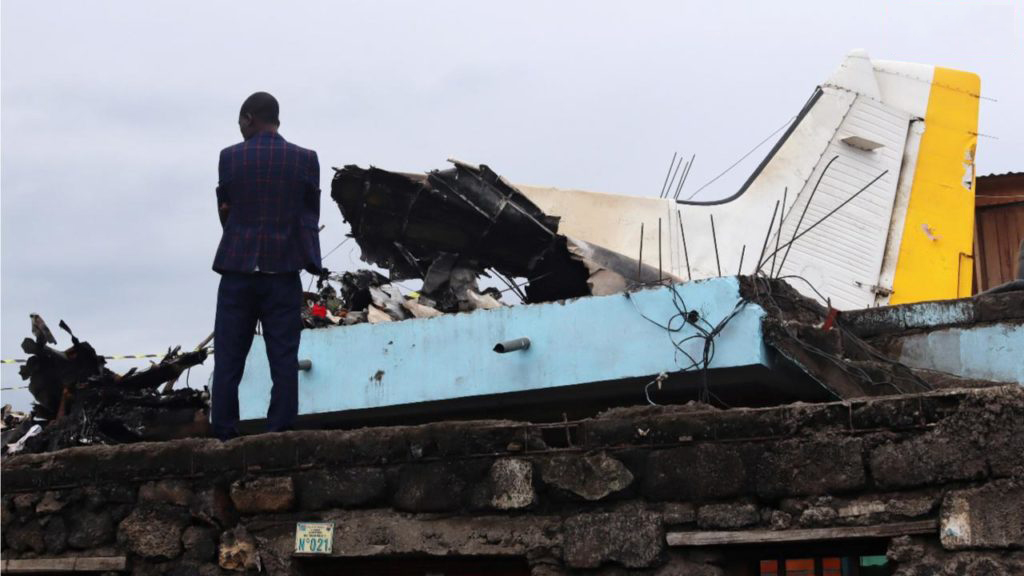
The twin engine airplane departed runway 17 at Goma International Airport on a schedule service to Butembo (first service of the day). After takeoff, while in initial climb, the crew contacted ATC and requested to return to land on runway 35. Shortly later, the airplane lost height and crashed onto several houses located in the district of Birere, south of the airport, bursting into flames. A passenger was seriously injured while 21 other occupants were killed as well as six people on the ground. The air traffic controller reported that he noticed the wings were rocking shortly after the aircraft became airborne.