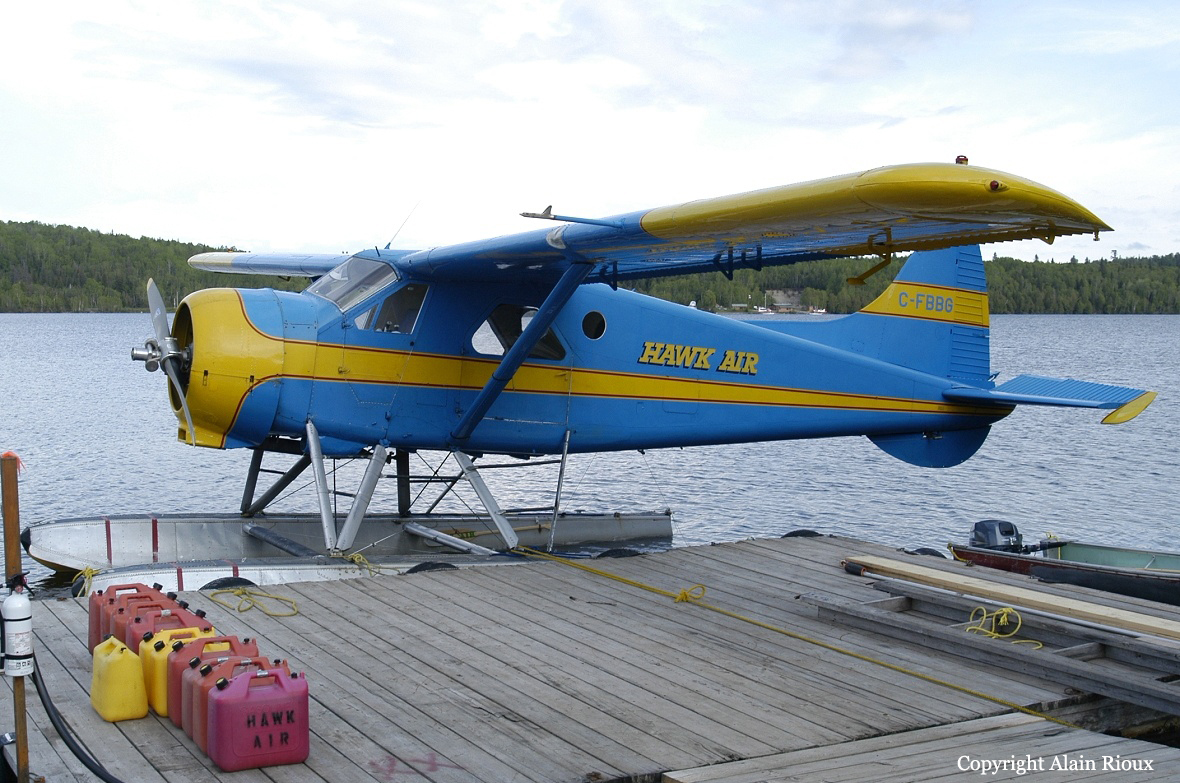
Crash of a De Havilland DHC-2 Beaver in Hawk Junction: 2 killed

Date & Time: Jul 11, 2019 at 0853 LT
Type of aircraft:
Operator:
Registration:
C-FBBG
Flight Phase:
Flight Type:
Survivors:
No
Schedule:
Hawk Junction - Oba Lake
MSN:
358
YOM:
1952
Country:
Crew on board:
1
Crew fatalities:
Pax on board:
1
Pax fatalities:
Other fatalities:
Total fatalities:
2
Captain / Total flying hours:
1231
Captain / Total hours on type:
409.00
Aircraft flight hours:
17804
Circumstances:
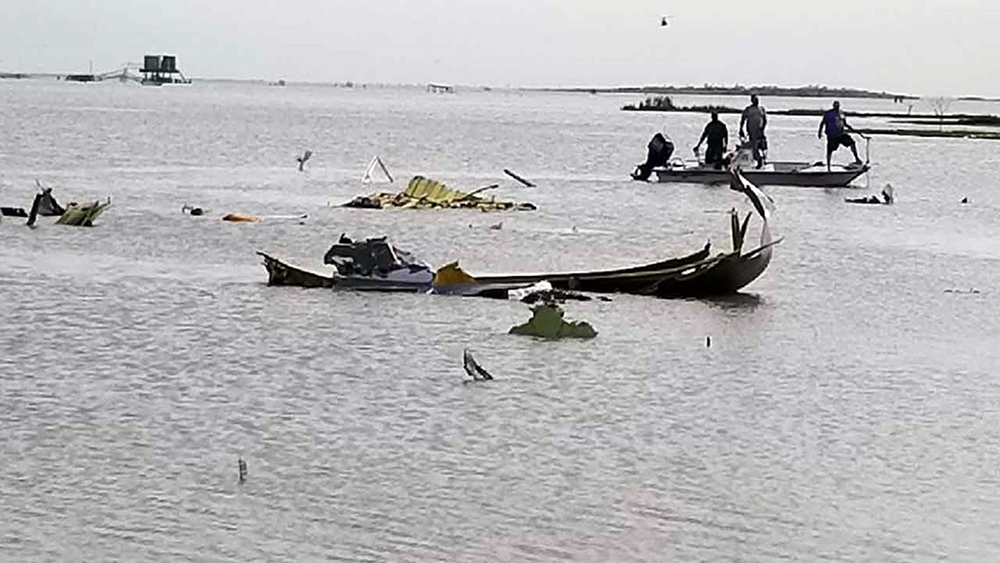
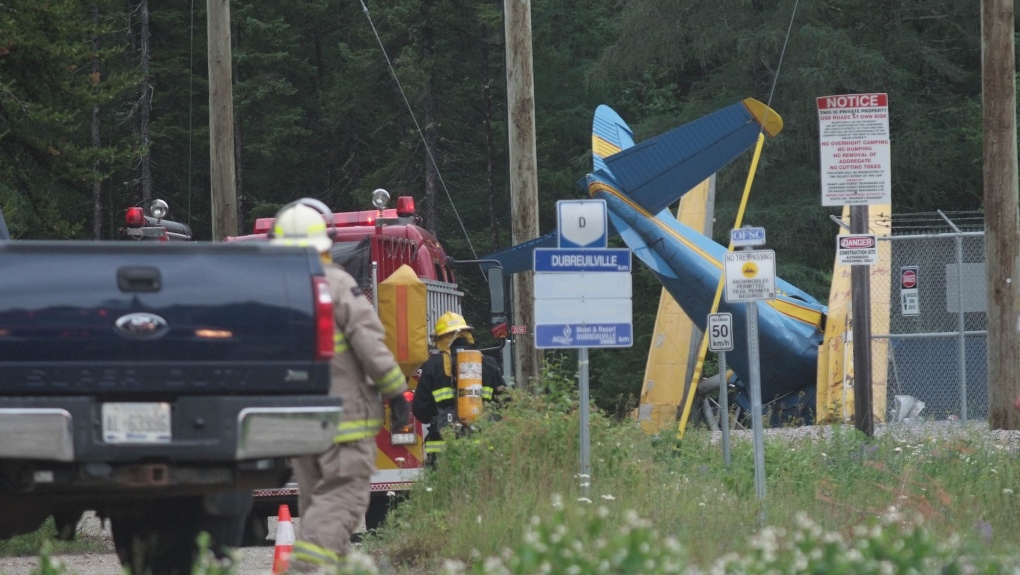
On 11 July 2019, at approximately 0852 Eastern Daylight Time, the float-equipped de Havilland DHC-2 Mk. I Beaver aircraft (registration C-FBBG, serial number 358), operated by Hawk Air, departed from the Hawk Junction Water Aerodrome, on Hawk Lake, Ontario. The aircraft, with the pilot and 1 passenger on board, was on a daytime visual flight rules charter flight. The aircraft was going to drop off supplies at an outpost camp on Oba Lake, Ontario, approximately 35 nautical miles north-northeast of the Hawk Junction Water Aerodrome. The aircraft departed heading northeast. Shortly after takeoff, during the initial climb out, just past the northeast end of Hawk Lake, the aircraft crashed in a steep nose-down attitude, severing a power line immediately before impact, and coming to rest next to a hydro substation. The pilot and the passenger received fatal injuries. The aircraft was destroyed as a result of the impact, but there was no post-impact fire.
Probable cause:
Findings as to causes and contributing factors:
These are conditions, acts or safety deficiencies that were found to have caused or contributed to this occurrence.
1. The aircraft likely departed with the fuel selector set to the rear tank position,which did not contain sufficient fuel for departure. As a result, the engine lost power due to fuel starvation shortly after takeoff during the initial climb.
2. After a loss of engine power at low altitude, a left turn was likely attempted in an effort to either return to the departure lake or head toward more desirable terrain for a forced landing. The aircraft stalled aerodynamically, entered an incipient spin, and subsequently crashed.

Findings as to risk:
These are conditions, unsafe acts or safety deficiencies that were found not to be a factor in this occurrence but could have adverse consequences in future occurrences.
1. If aircraft are not equipped with a stall warning system, pilots and passengers who travel on these aircraft will remain exposed to an elevated risk of injury or death as a result of a stall at low altitude.
2. If air-taxi training requirements do not address the various classes of aircraft and operations included in the sector, there is a risk that significant type-, class-, or operation-specific emergency procedures will not be required to be included in training programs.
3. If seasonal air operators conduct recurrent training at the end of the season rather than at the beginning, there is a risk that pilots will be less familiar with required emergency procedures.
4. If air operators do not tailor their airborne training programs to address emergency procedures that are relevant to their operation, there is a risk that pilots will be unprepared in a real emergency.
5. If pilots and passengers do not use available shoulder harnesses, there is an increased risk of injury in the event of an accident.
Final Report:
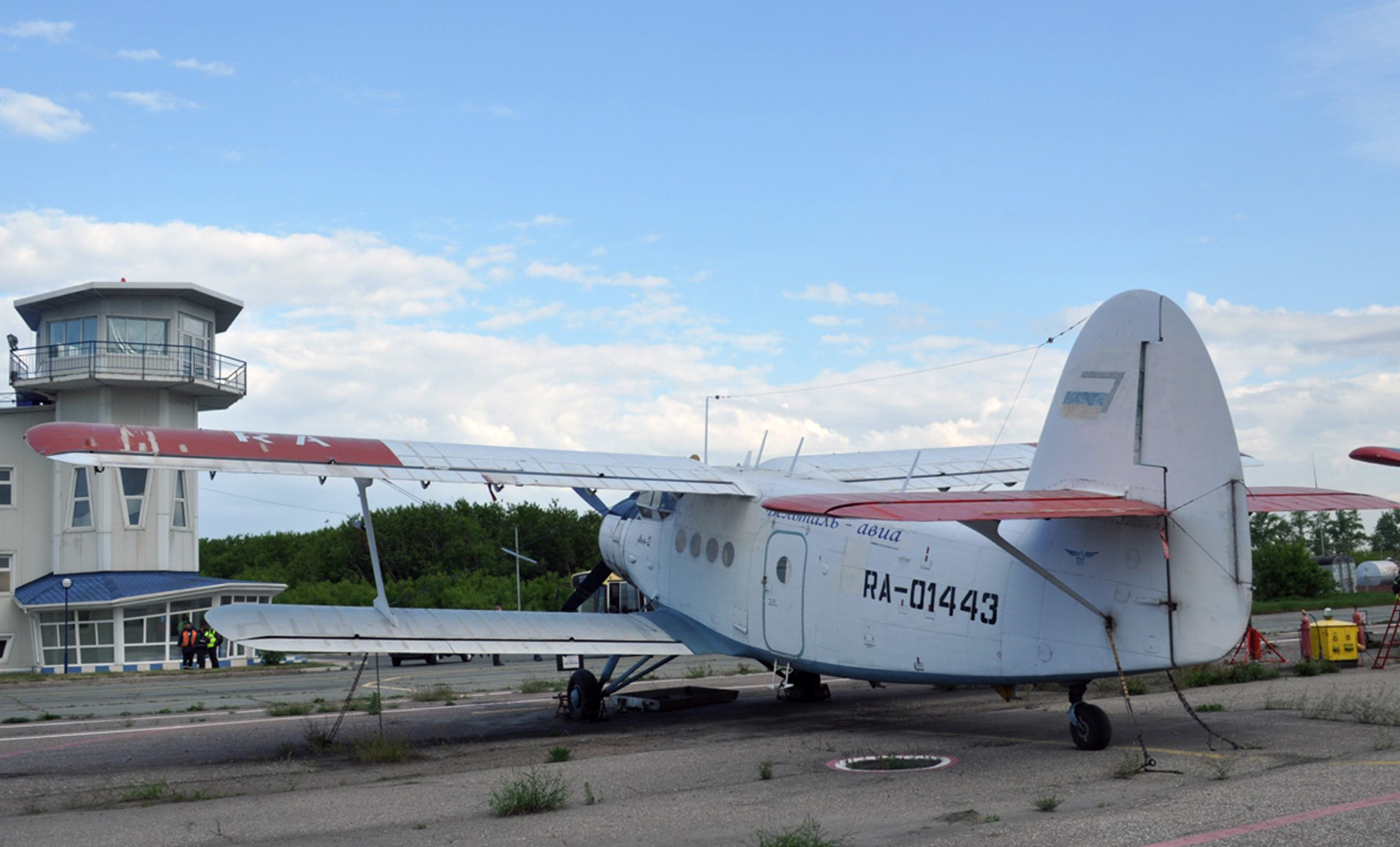
Crash of a PZL-Mielec AN-2R in Vyun

Date & Time: May 4, 2019 at 1335 LT
Type of aircraft:
Registration:
RA-01443
Flight Type:
Survivors:
Yes
Schedule:
Ust-Nera - Vyun
MSN:
1G231-24
YOM:
1988
Country:
Region:
Crew on board:
2
Crew fatalities:
Pax on board:
0
Pax fatalities:
Other fatalities:
Total fatalities:
0
Captain / Total flying hours:
9700
Aircraft flight hours:
6305
Circumstances:
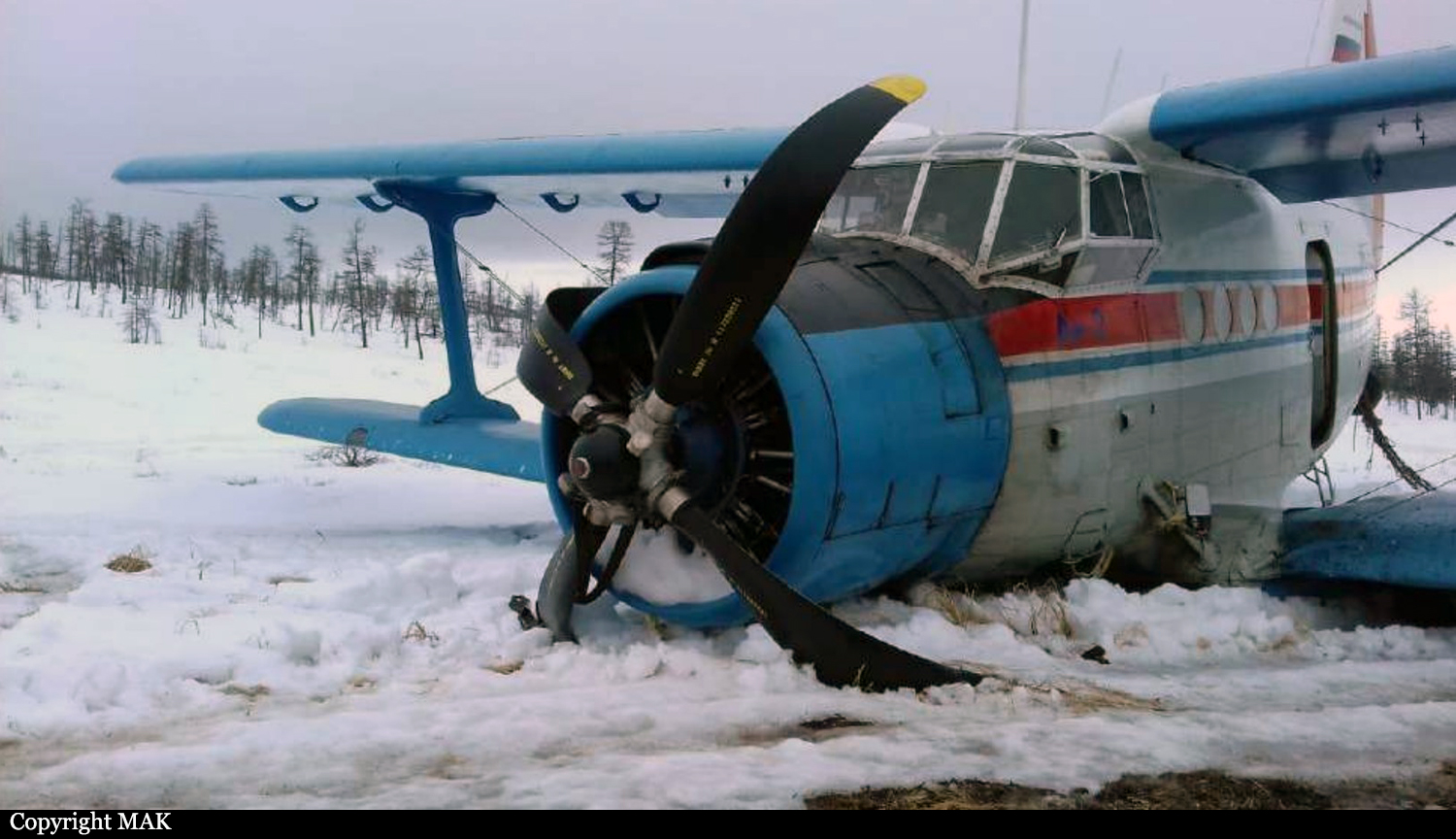
The single engine airplane departed Ust-Nera on a cargo flight to Vyun, carrying two pilots and a load of various equipment destined for the employees of a local gold mine. Upon landing on an unprepared terrain, the undercarriage collapsed. The airplane slid on its belly and came to rest. Both pilots escaped uninjured and the aircraft was damaged beyond repair. The accident occurred at location N 65° 54' E 138° 20'.
Probable cause:
The accident was the result of the destruction of the right main landing gear strut upon landing.
The following contributing factors were identified:
- Unsatisfactory performance of the welded joint in the manufacture of the strut with the formation of welding cracks in one of the most stressed zones of the strut,
- Pilot errors, which led to an early landing of the aircraft, possibly rough, on an unprepared (uncleared) area with possible obstacles.
Final Report:

Crash of a Boeing 767-375ER off Anahuac: 3 killed

Date & Time: Feb 23, 2019 at 1239 LT
Type of aircraft:
Operator:
Registration:
N1217A
Flight Phase:
Flight Type:
Survivors:
No
Schedule:
Miami - Houston
MSN:
25685/430
YOM:
1992
Flight number:
5Y3591
Location:
Crew on board:
3
Crew fatalities:
Pax on board:
0
Pax fatalities:
Other fatalities:
Total fatalities:
3
Captain / Total flying hours:
11172
Captain / Total hours on type:
1252.00
Copilot / Total flying hours:
5073
Copilot / Total hours on type:
520
Aircraft flight hours:
91063
Aircraft flight cycles:
23316
Circumstances:
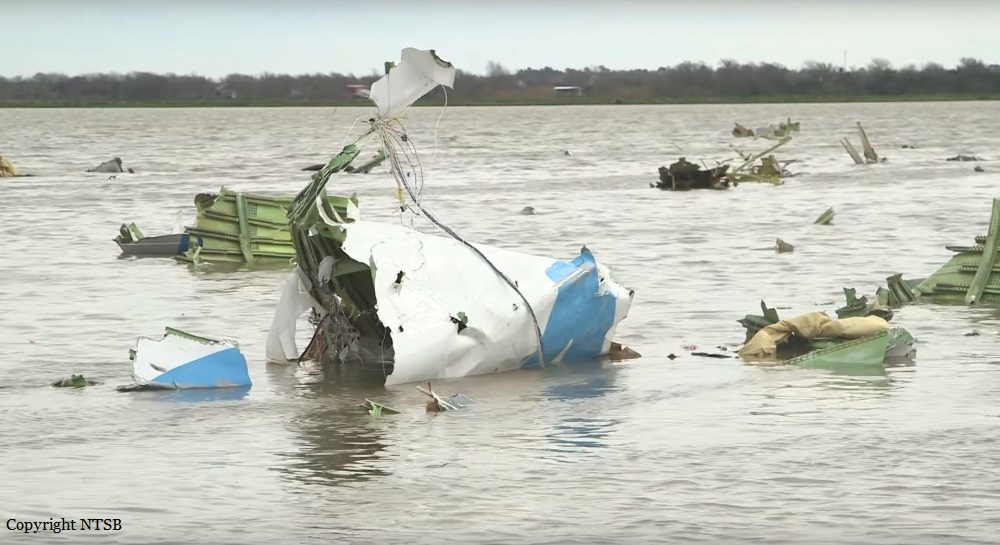
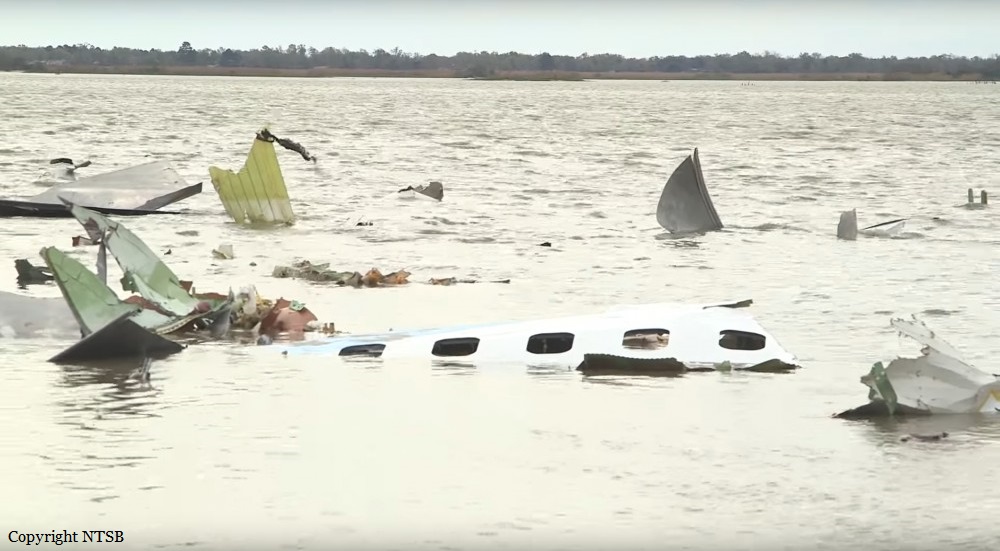
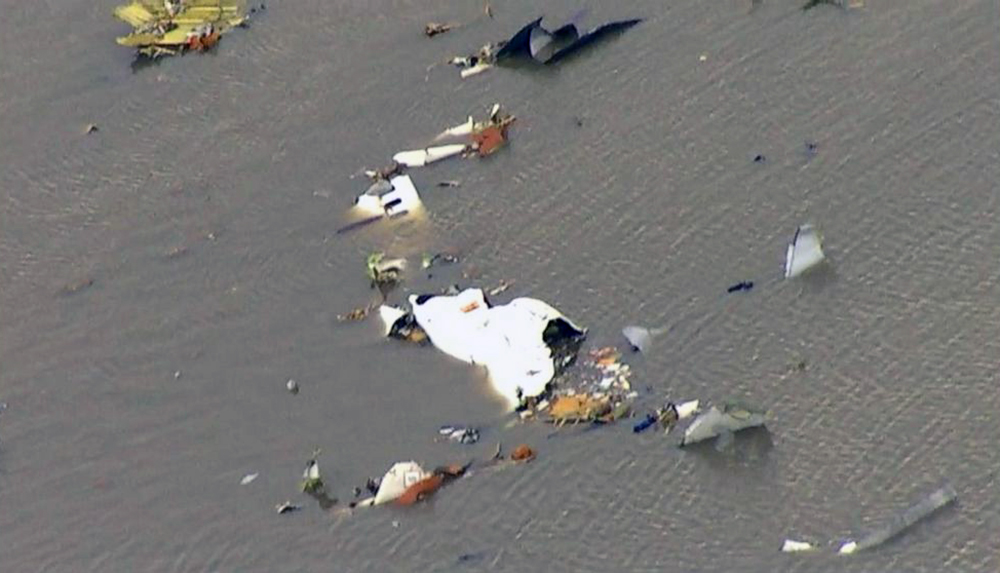
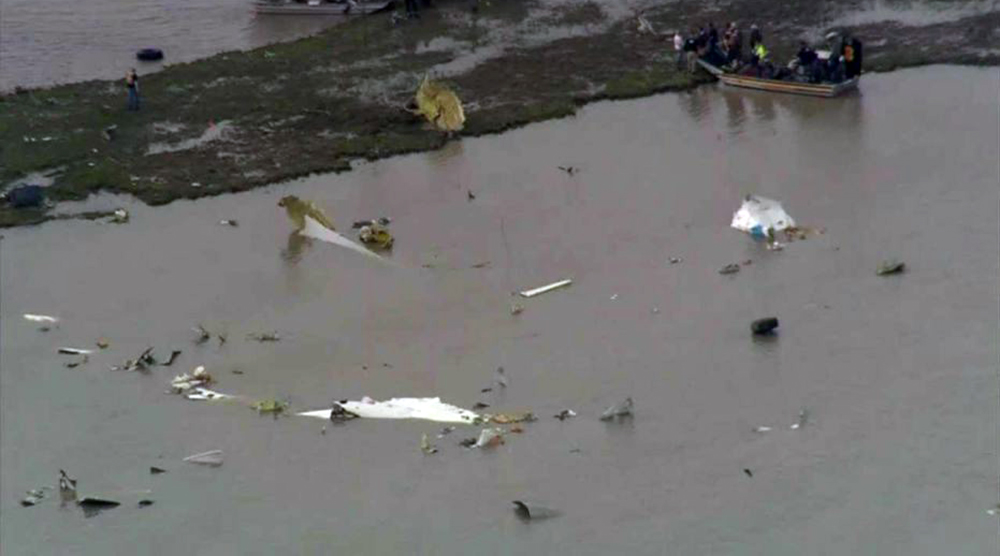
On February 23, 2019, at 1239 central standard time, Atlas Air Inc. (Atlas) flight 3591, a Boeing 767-375BCF, N1217A, was destroyed after it rapidly descended from an altitude of about 6,000 ft mean sea level (msl) and crashed into a shallow, muddy marsh area of Trinity Bay, Texas, about 41 miles east-southeast of George Bush Intercontinental/Houston Airport (IAH), Houston, Texas. The captain, first officer (FO), and a nonrevenue pilot riding in the jumpseat died. Atlas operated the airplane as a Title 14 Code of Federal Regulations Part 121 domestic cargo flight for Amazon.com Services LLC, and an instrument flight rules flight plan was filed. The flight departed from Miami International Airport (MIA), Miami, Florida, about 1033 (1133 eastern standard time) and was destined for IAH. The accident flight’s departure from MIA, en route cruise, and initial descent toward IAH were uneventful. As the flight descended toward the airport, the flight crew extended the speedbrakes, lowered the slats, and began setting up the flight management computer for the approach. The FO was the pilot flying, the captain was the pilot monitoring, and the autopilot and autothrottle were engaged and remained engaged for the remainder of the flight. Analysis of the available weather information determined that, about 1238:25, the airplane was beginning to penetrate the leading edge of a cold front, within which associated windshear and instrument meteorological conditions (as the flight continued) were likely. Flight data recorder data indicated that, during the time, aircraft load factors consistent with the airplane encountering light turbulence were recorded and, at 1238:31, the airplane’s go-around mode was activated. At the time, the accident flight was about 40 miles from IAH and descending through about 6,300 ft msl toward the target altitude of 3,000 ft msl. This location and phase of flight were inconsistent with any scenario in which a pilot would intentionally select go-around mode, and neither pilot made a go-around callout to indicate intentional activation. Within seconds of go-around mode activation, manual elevator control inputs overrode the autopilot and eventually forced the airplane into a steep dive from which the crew did not recover. Only 32 seconds elapsed between the go-around mode activation and the airplane’s ground impact.
Probable cause:
The NTSB determines that the probable cause of this accident was the inappropriate response by the first officer as the pilot flying to an inadvertent activation of the go-around mode, which led to his spatial disorientation and nose-down control inputs that placed the airplane in a steep descent from which the crew did not recover. Contributing to the accident was the captain’s failure to adequately monitor the airplane’s flightpath and assume positive control of the airplane to effectively intervene. Also contributing were systemic deficiencies in the aviation industry’s selection and performance measurement practices, which failed to address the first officer’s aptitude-related deficiencies and maladaptive stress response. Also contributing to the accident was the Federal Aviation Administration’s failure to implement the pilot records database in a sufficiently robust and timely manner.
Final Report:

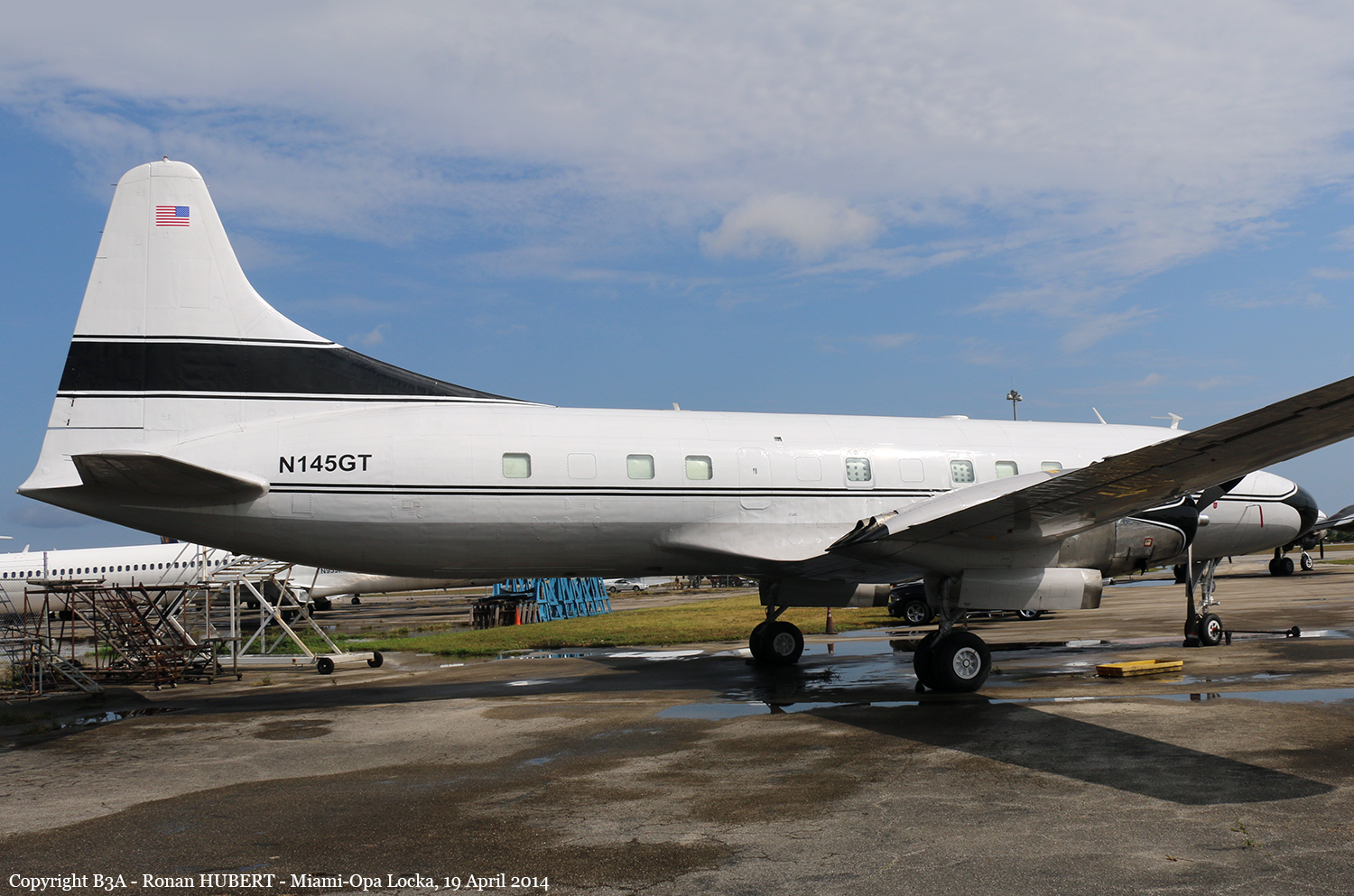
Crash of a Convair C-131B Samaritan off Miami: 1 killed

Date & Time: Feb 8, 2019 at 1216 LT
Type of aircraft:
Operator:
Registration:
N145GT
Flight Phase:
Flight Type:
Survivors:
Yes
Schedule:
Nassau - Miami
MSN:
256
YOM:
1955
Flight number:
QAI504
Location:
Crew on board:
2
Crew fatalities:
Pax on board:
0
Pax fatalities:
Other fatalities:
Total fatalities:
1
Captain / Total flying hours:
23000
Captain / Total hours on type:
725.00
Copilot / Total flying hours:
650
Copilot / Total hours on type:
305
Aircraft flight hours:
12701
Circumstances:
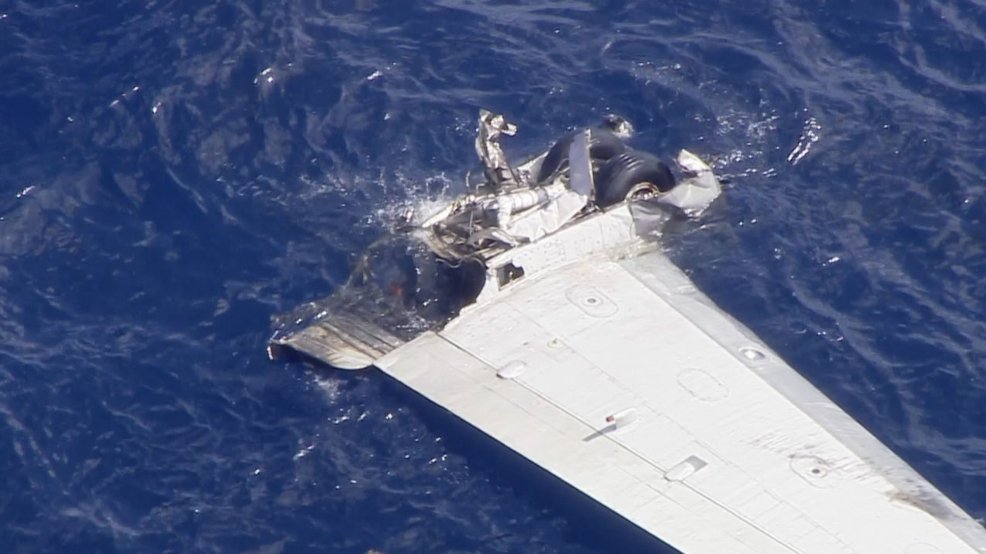
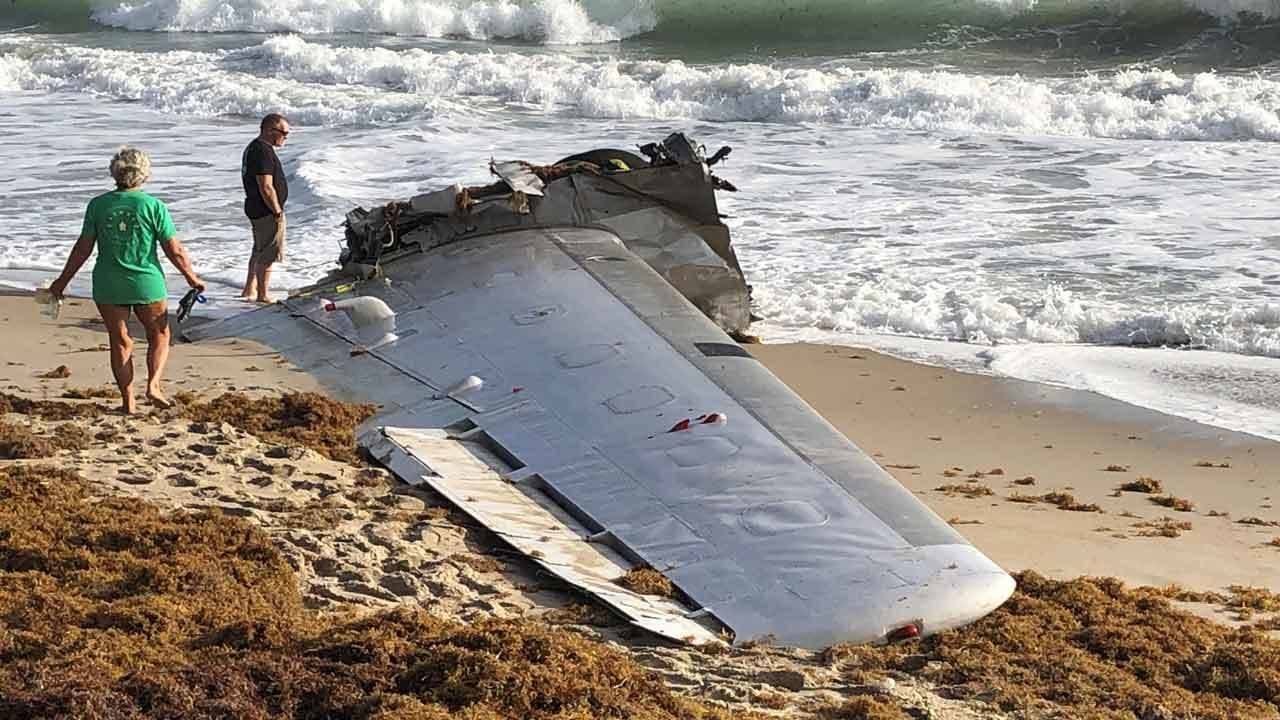
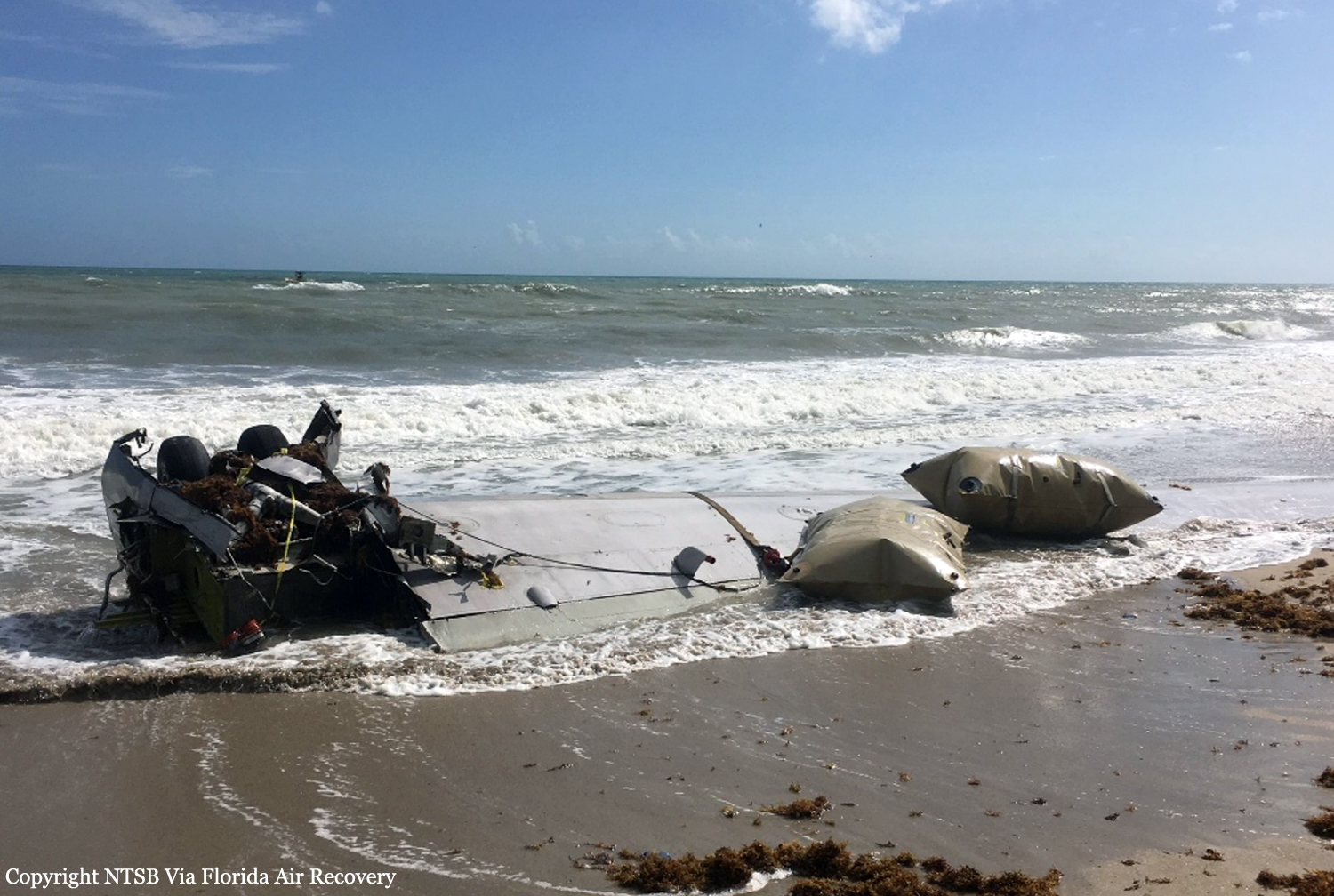
According to the first officer, during the first cargo flight of the day, the left engine propeller control was not working properly and the captain indicated that they would shut down the airplane and contact maintenance if the left engine propeller control could not be reset before the return flight. For the return flight, the engines started normally, and both propellers were cycled. The captain and the first officer were able to reset the left propeller control, so the airplane departed with the first officer as the pilot flying. The takeoff and initial climb were normal; however, as the airplane climbed through 4,000 ft, the left engine propeller control stopped working and the power was stuck at 2,400 rpm. The captain tried to adjust the propeller control and inadvertently increased power to 2,700 rpm. The captain then took control of the airplane and tried to stabilize the power on both engines. He leveled the airplane at 4,500 ft, canceled the instrument flight rules flight plan, and flew via visual flight rules direct toward the destination airport. The first officer suggested that they return to the departure airport, but the captain elected to continue as planned (The destination airport was located about 160 nautical miles from the departure airport). The first officer's postaccident statements indicated that he did not challenge the captain's decision. When the flight began the descent to 1,500 ft, the right engine began to surge and lose power. The captain and the first officer performed the engine failure checklist, and the captain feathered the propeller and shut down the engine. Shortly afterward, the left engine began to surge and lose power. The captain told the first officer to declare an emergency. The airplane continued to descend, and the airplane impacted the water "violently," about 32 miles east of the destination airport. The captain was unresponsive after the impact and the first officer was unable to lift the captain from his seat. Because the cockpit was filling rapidly with water, the first officer grabbed the life raft and exited the airplane from where the tail section had separated from the empennage. The first officer did not know what caused both engines to lose power. The airplane was not recovered from the ocean, so examination and testing to determine the cause of the engine failures could not be performed. According to the operator, the flight crew should have landed as soon as practical after the first sign of a mechanical issue. Thus, the crew should have diverted to the closest airport when the left engine propeller control stopped working and not continued the flight toward the destination airport.
Probable cause:
The captain's decision to continue with the flight with a malfunctioning left engine propeller control and the subsequent loss of engine power on both engines for undetermined reasons, which resulted in ditching into the ocean. Contributing to the accident was the first officer's failure to challenge the captain's decision to continue with the flight.
Final Report:
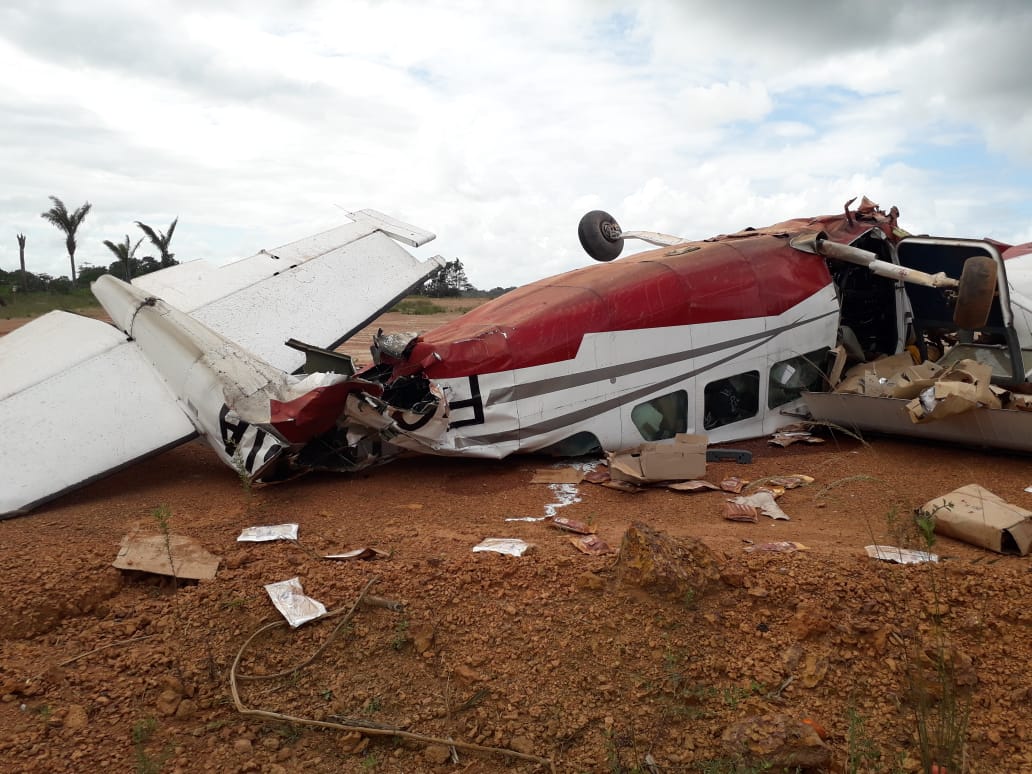
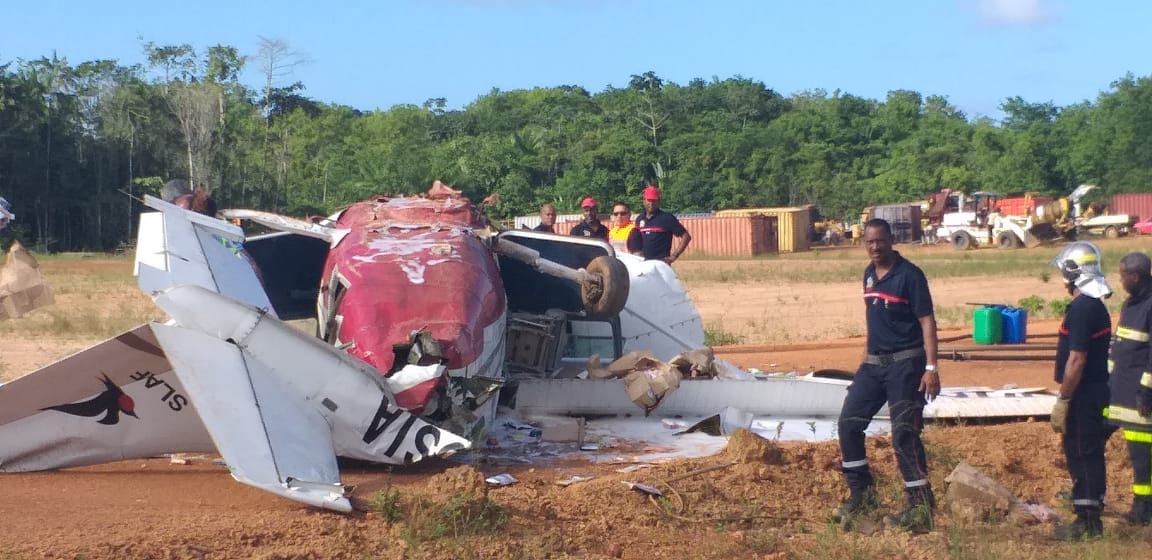
Crash of a Cessna 207 Stationair 7 in Cayenne

Date & Time: Jan 25, 2019 at 1435 LT
Operator:
Registration:
F-OSIA
Flight Phase:
Flight Type:
Survivors:
Yes
Schedule:
Cayenne – Maripasoula
MSN:
207-0042
YOM:
1969
Crew on board:
1
Crew fatalities:
Pax on board:
0
Pax fatalities:
Other fatalities:
Total fatalities:
0
Captain / Total flying hours:
3620
Circumstances:
The single engine airplane departed Cayenne-Rochambeau-Félix Eboué Airport on a cargo flight to Maripasoula, carrying a load of foods on behalf of a restaurant. The pilot was sole on board. Shortly after takeoff, while in initial climb, the engine lost power. The pilot reduced his altitude and attempted an emergency landing on a known open area located near the airport. But on short final, the aircraft struck a embankment and came to rest upside down. The pilot was seriously injured and the aircraft was destroyed.
Probable cause:
The flight was undertaken with an airplane whose center of gravity was beyond the rear center of gravity limits and a mass greater than the maximum take-off mass. The load was not secured. As a result, the performance of the aircraft was degraded and piloting made more difficult. The BEA investigation did not reveal any major failure that could explain a loss of power. Engine performance may have been lower than the manufacturer's standards, due in particular to improper adjustment of the mechanical fuel pump, probably resulting from unsuitable maintenance. This defect was most likely already present on previous flights. It is likely that the power required for the initial climb was greater than what the engine could deliver. This brought the aircraft into a situation where the speed gradually decreased. When the pilot turned, the stall warning sounded and the pilot sensed the engine was losing power.
Final Report:
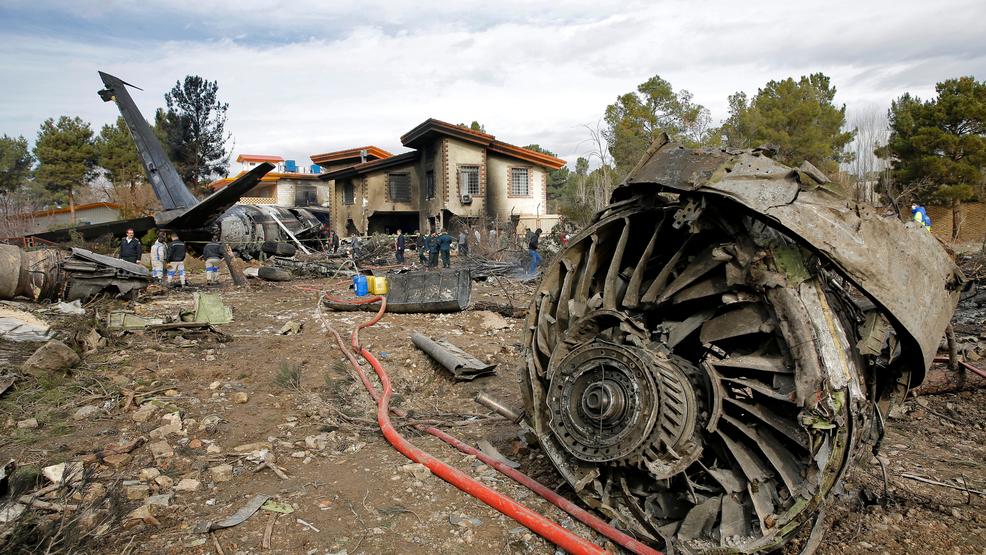
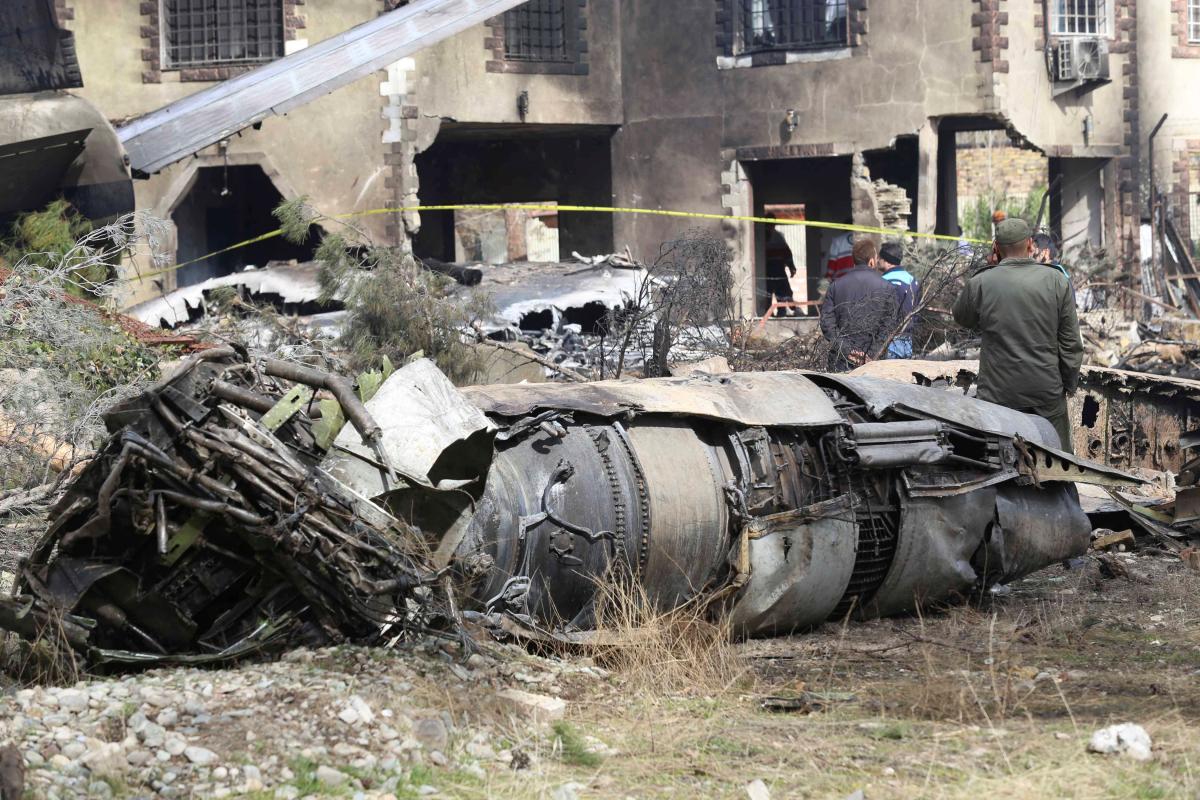
Crash of a Boeing 707-3J9C in Fath: 15 killed

Date & Time: Jan 14, 2019 at 0830 LT
Type of aircraft:
Operator:
Registration:
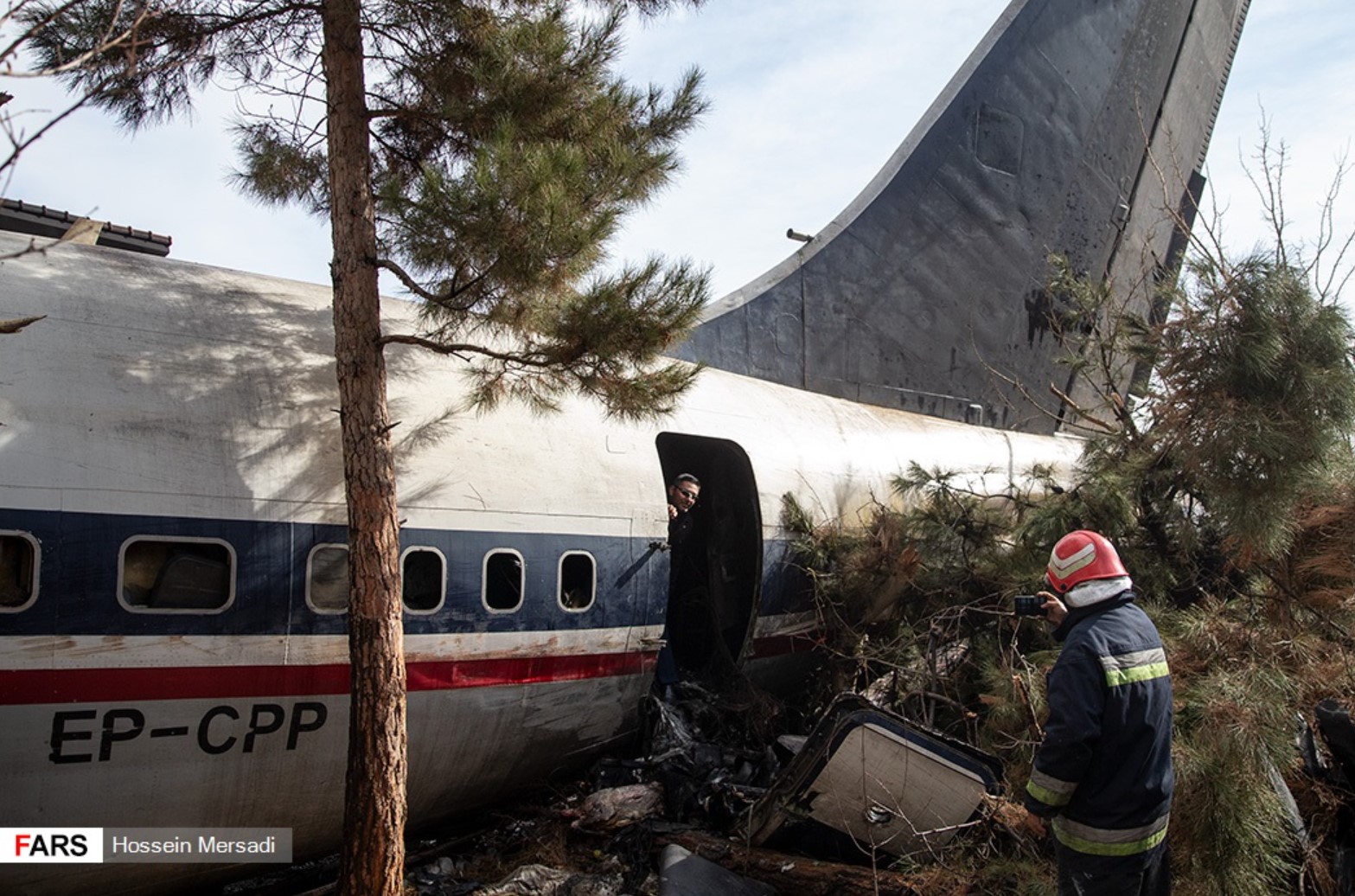
EP-CPP
Flight Type:
Survivors:
Yes
Site:
Schedule:
Bishkek - Payam
MSN:
21128/917
YOM:
1976
Country:
Region:
Crew on board:
16
Crew fatalities:
Pax on board:
0
Pax fatalities:
Other fatalities:
Total fatalities:
15
Circumstances:
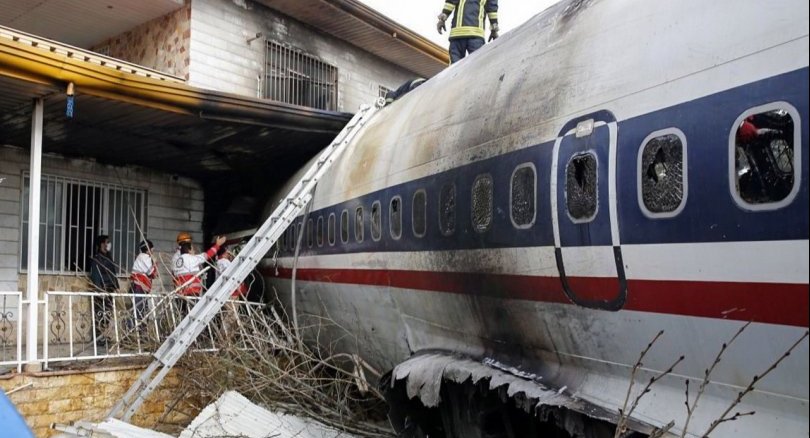
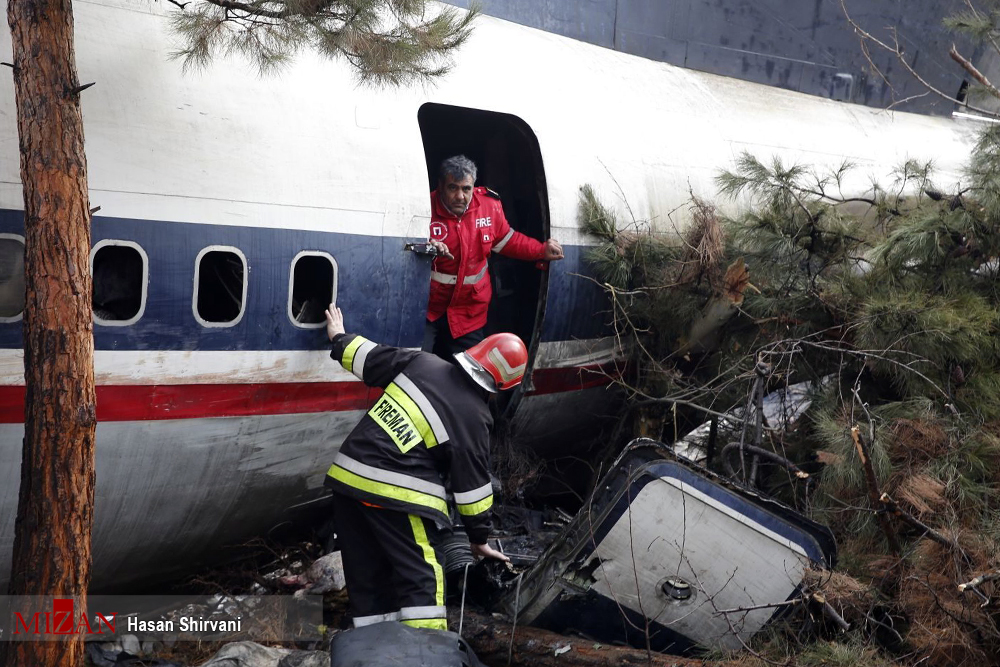
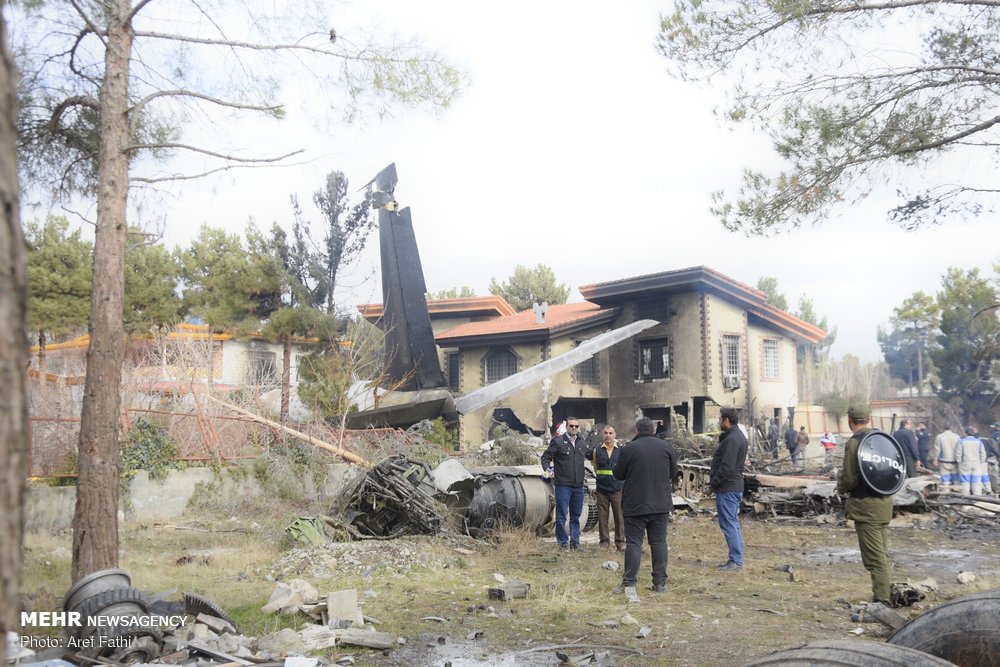
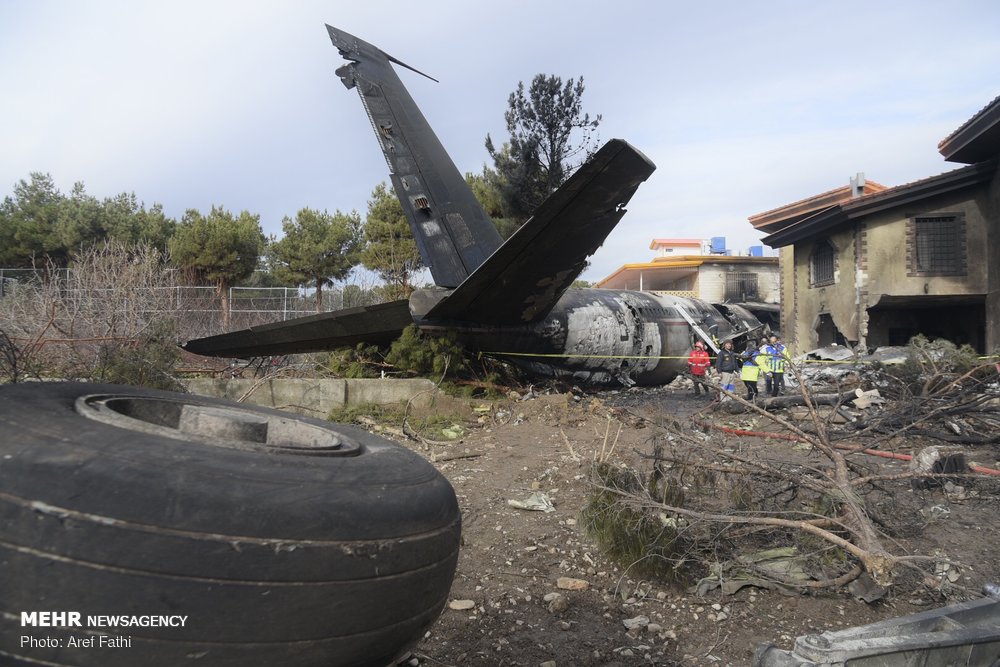
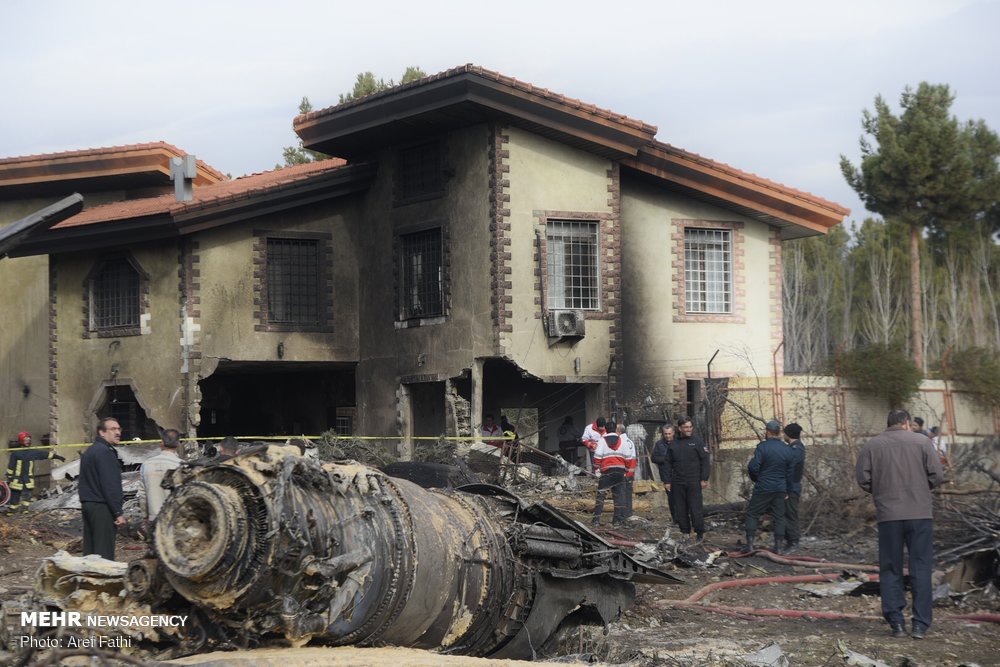
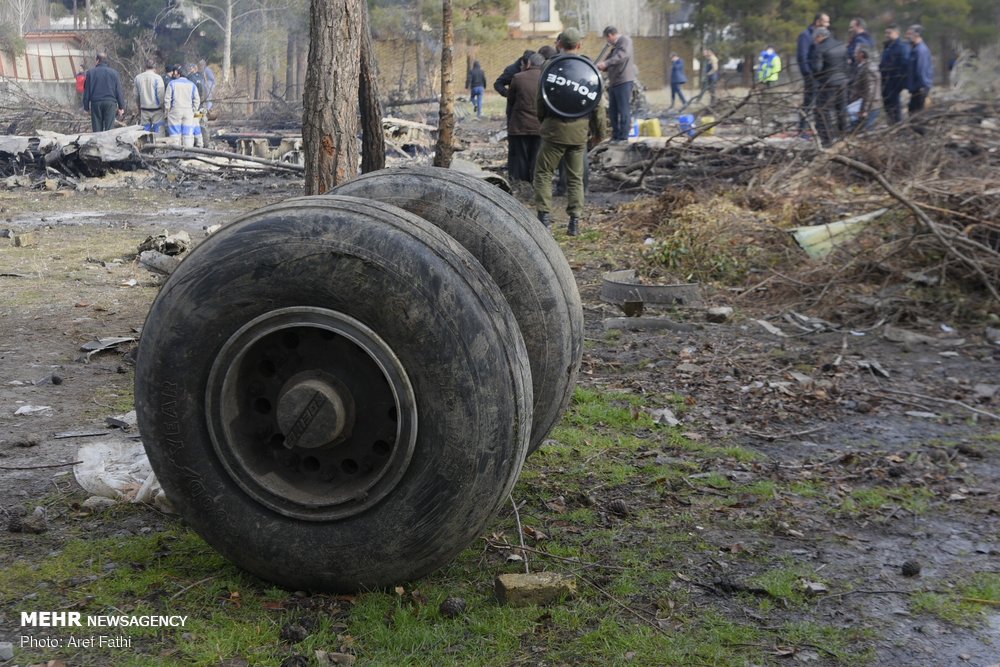
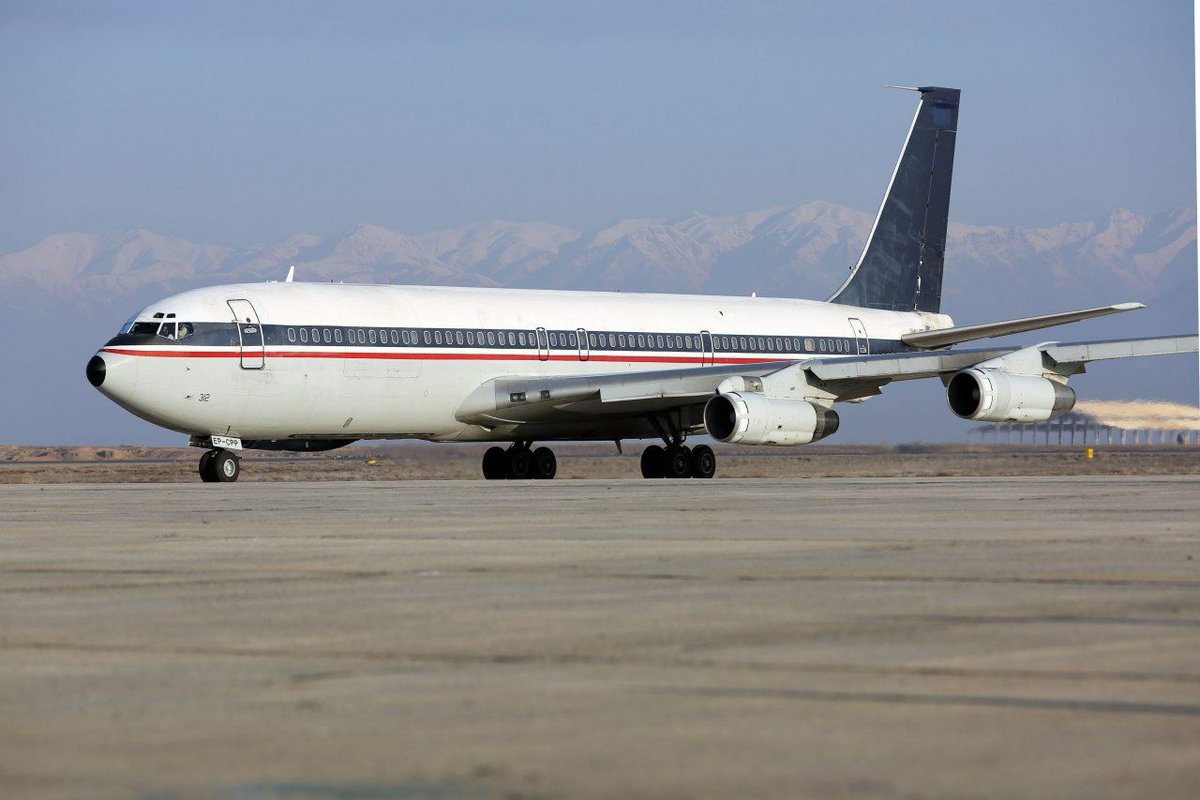
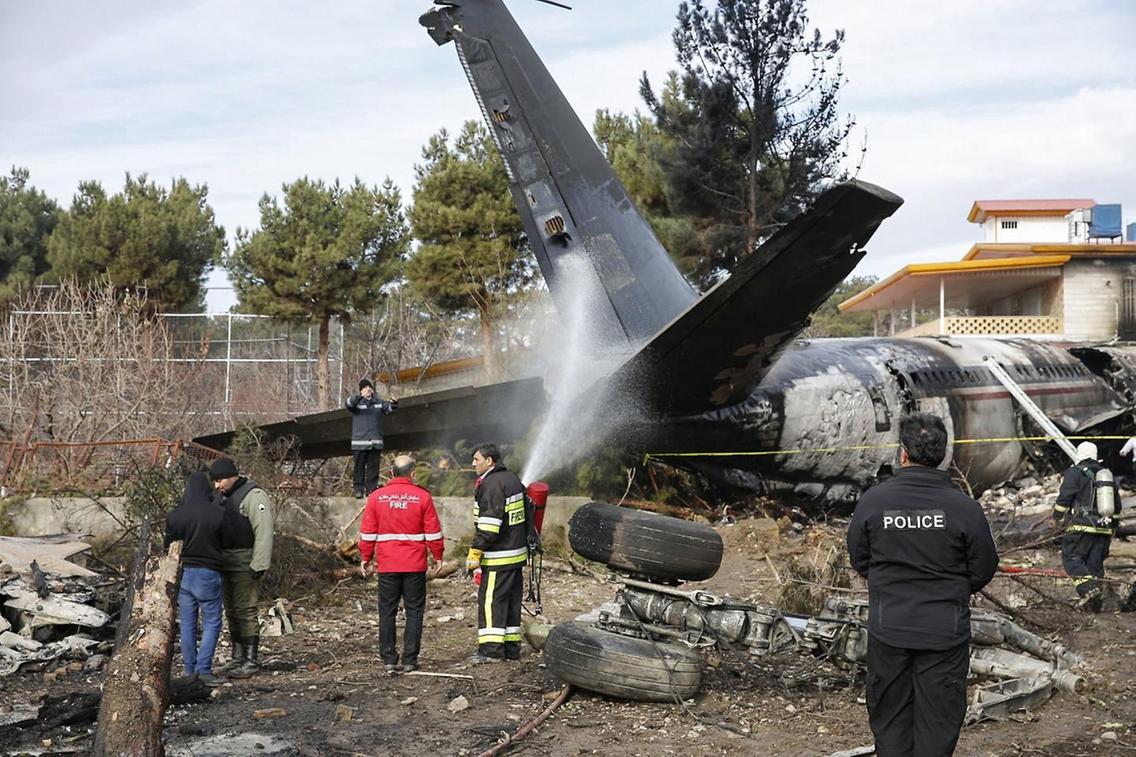
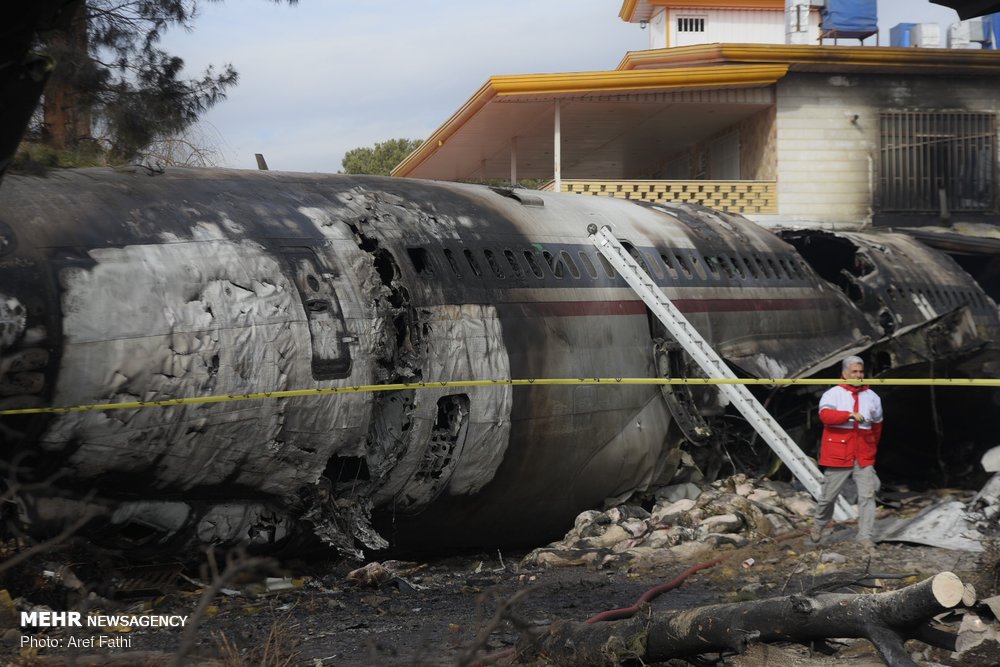
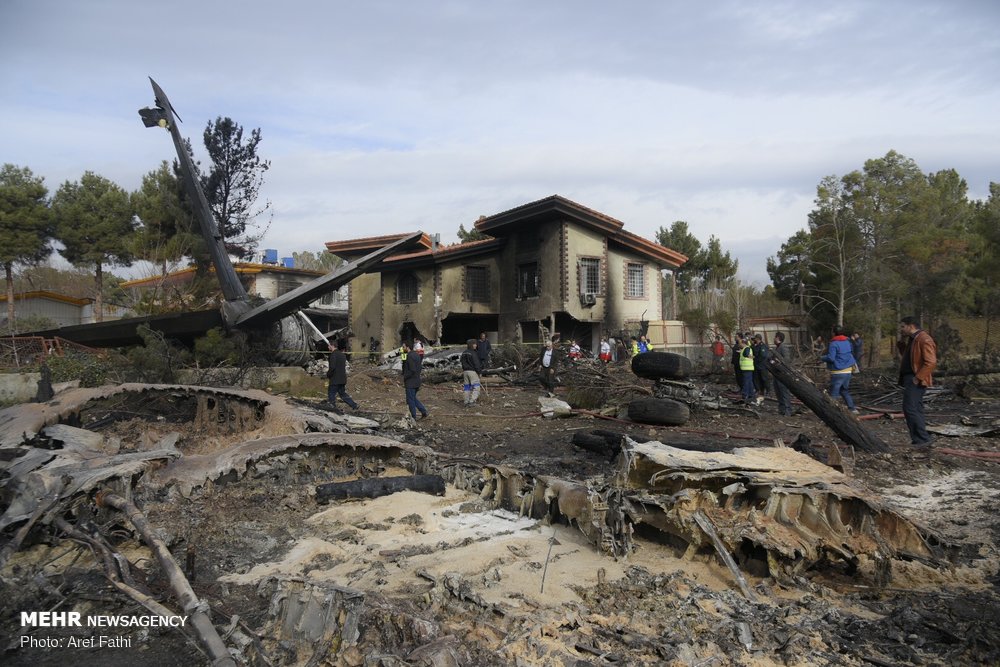
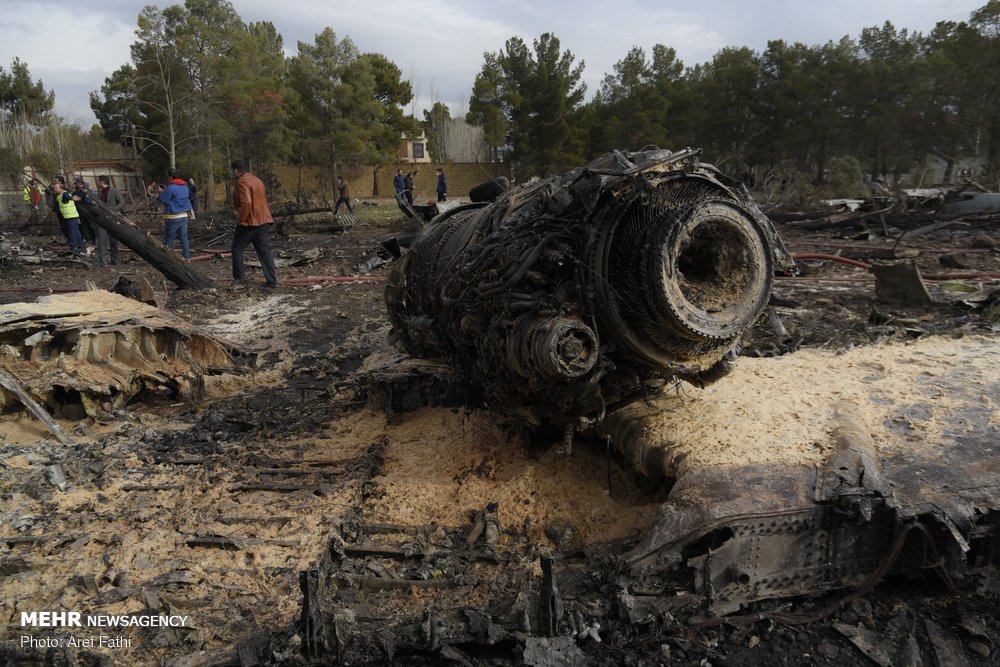
The airplane, owned by the Islamic Republic of Iran Air Force (IRIAF) was completing a cargo flight from Bishkek, Kyrgyzstan, on behalf of Saha Airlines, and was supposed to land at Payam Airport located southwest of Karaj, carrying a load of meat. On approach, the crew encountered marginal weather conditions and the pilot mistakenly landed on runway 31L at Fath Airport instead of runway 30 at Payam Airport which is located 10 km northwest. After touchdown, control was lost and the airplane was unable to stop within the remaining distance (runway 31L is 1,140 meters long), overran and crashed in flames into several houses located past the runway end. The aircraft was destroyed by fire as well as few houses. The flight engineer was evacuated while 15 other occupants were killed.

Crash of an Antonov AN-26B in Kinshasa: 7 killed

Date & Time: Dec 20, 2018 at 1000 LT
Type of aircraft:
Operator:
Registration:
9S-AGB
Flight Type:
Survivors:
No
Schedule:
Tshikapa – Kinshasa
MSN:
13402
YOM:
1984
Region:
Crew on board:
7
Crew fatalities:
Pax on board:
0
Pax fatalities:
Other fatalities:
Total fatalities:
7
Circumstances:
The crew was returning to Kinshasa after delivering election equipments and materials in Tshikapa on behalf of the Independent National Election Commission. The crew was cleared to descend to 5,000 feet on approach to runway 06 at Kinshasa-N'Djili Airport but encountered poor weather conditions with rain falls. In limited visibility, the airplane crashed on a hilly terrain located about 35 km west of the airport. The wreckage was found few hours later and all seven occupants were killed.

Crash of a Boeing 747-412F in Halifax

Date & Time: Nov 7, 2018 at 0506 LT
Type of aircraft:
Operator:
Registration:
N908AR
Flight Type:
Survivors:
Yes
Schedule:
Chicago – Halifax
MSN:
28026/1105
YOM:
1997
Flight number:
KYE4854
Country:
Crew on board:
3
Crew fatalities:
Pax on board:
1
Pax fatalities:
Other fatalities:
Total fatalities:
0
Captain / Total flying hours:
21134
Captain / Total hours on type:
166.00
Copilot / Total flying hours:
7404
Copilot / Total hours on type:
1239
Aircraft flight hours:
92471
Aircraft flight cycles:
16948
Circumstances:
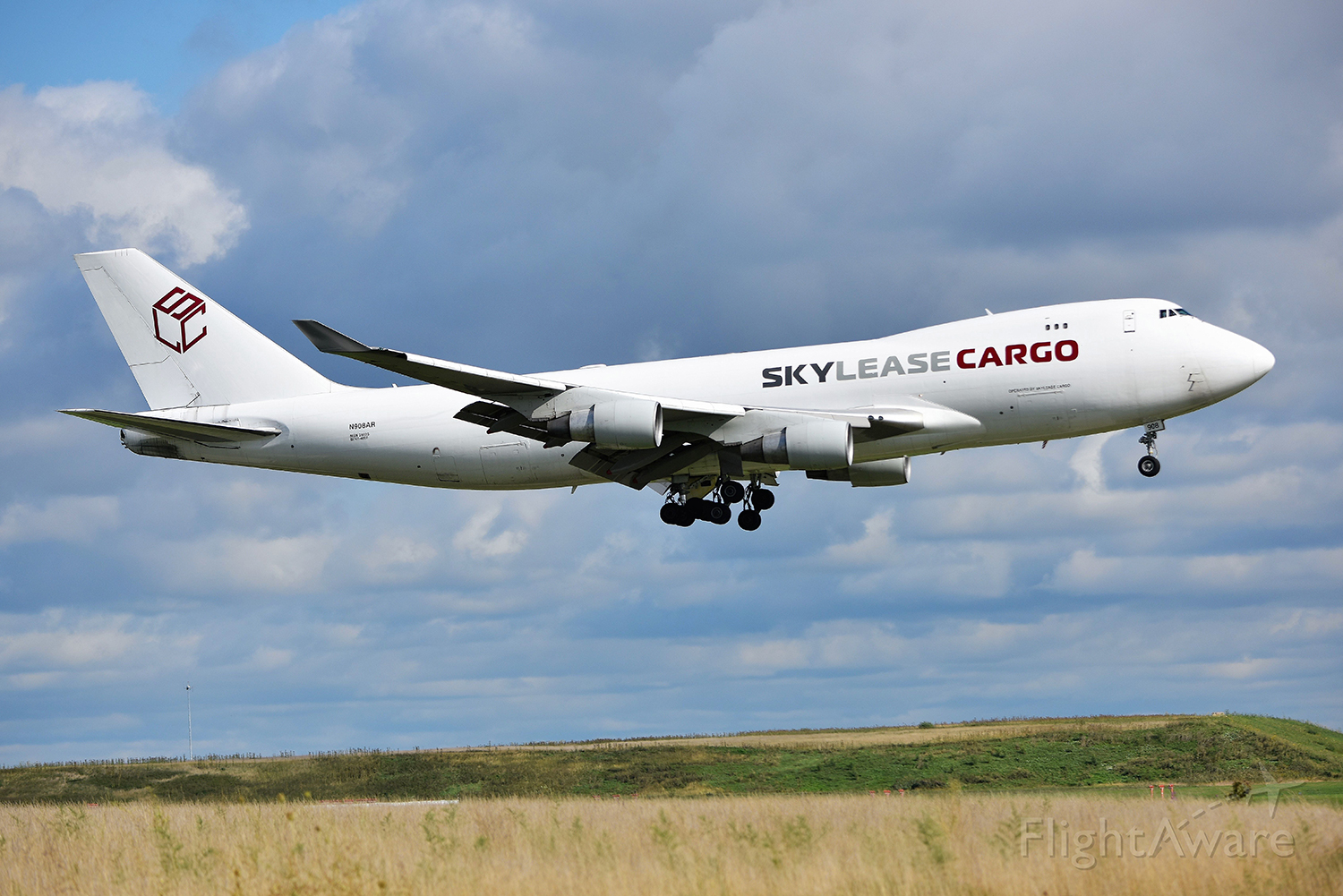
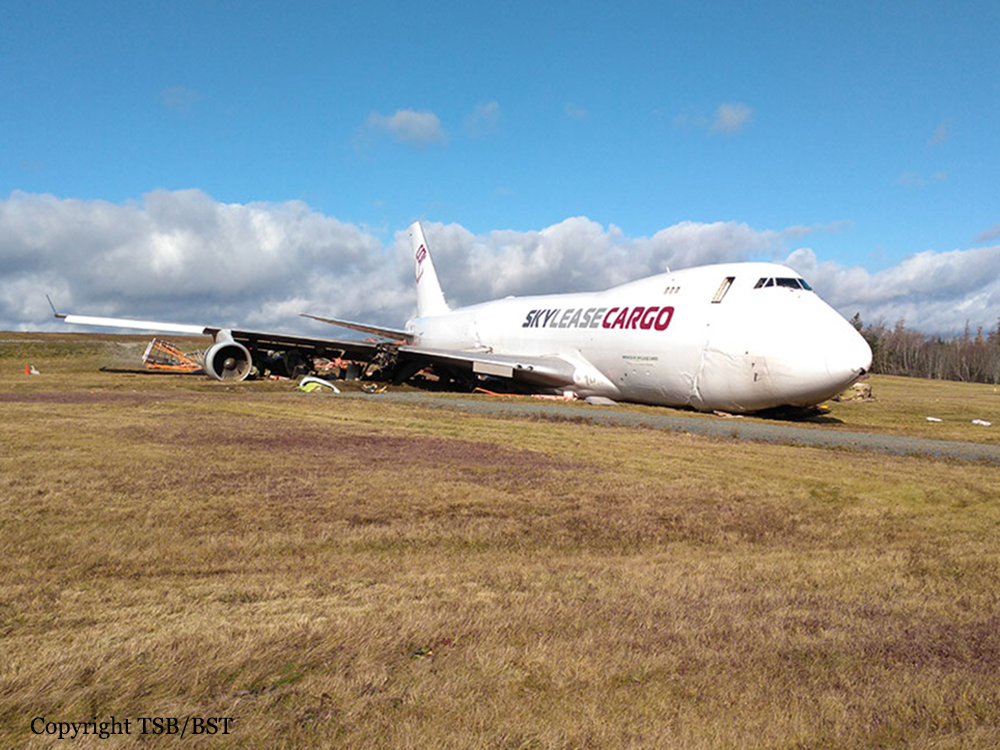
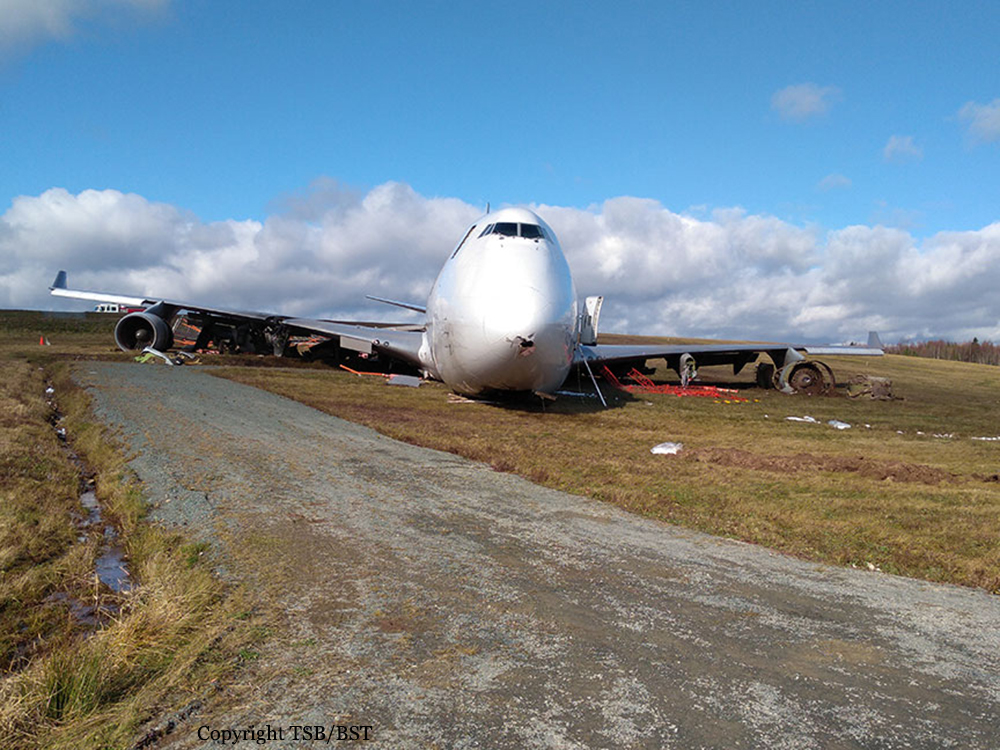
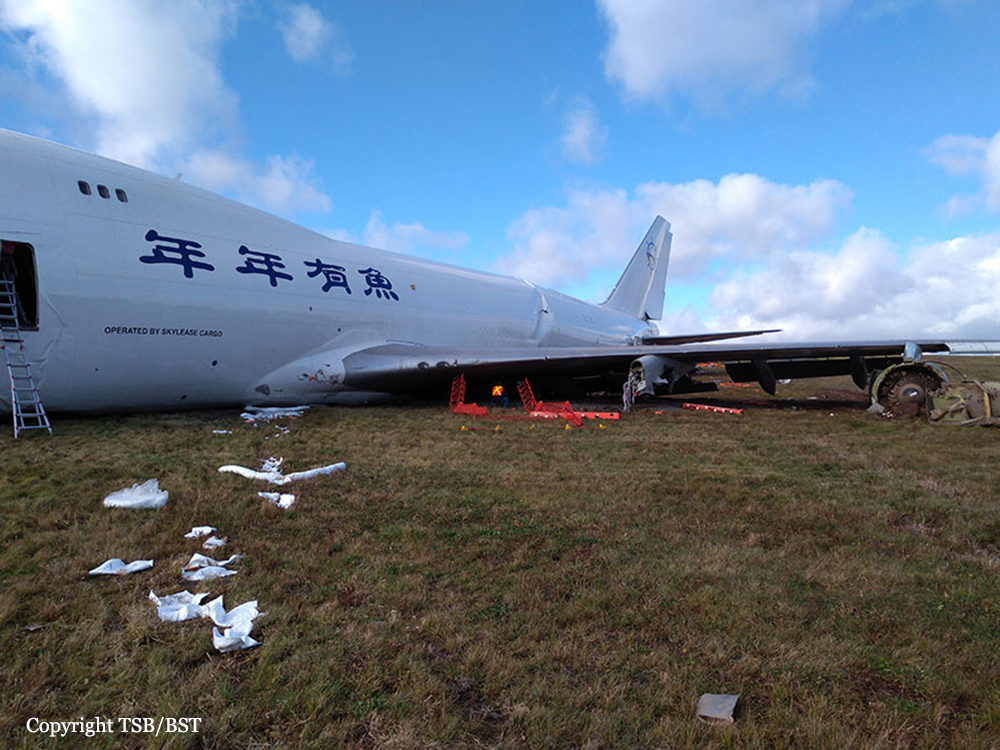
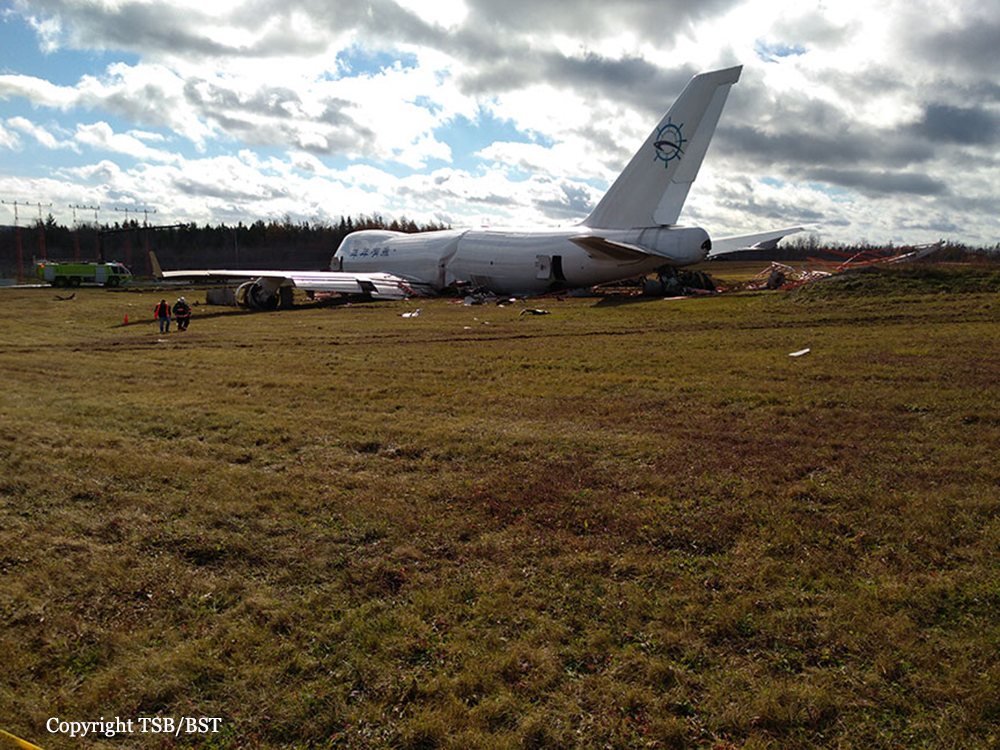
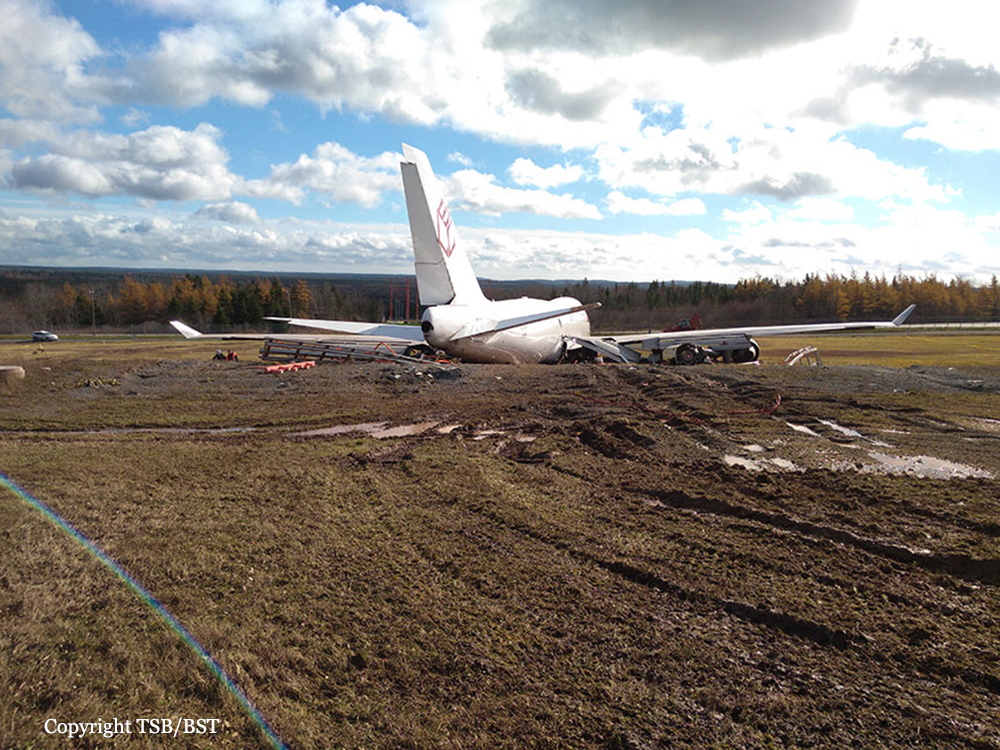
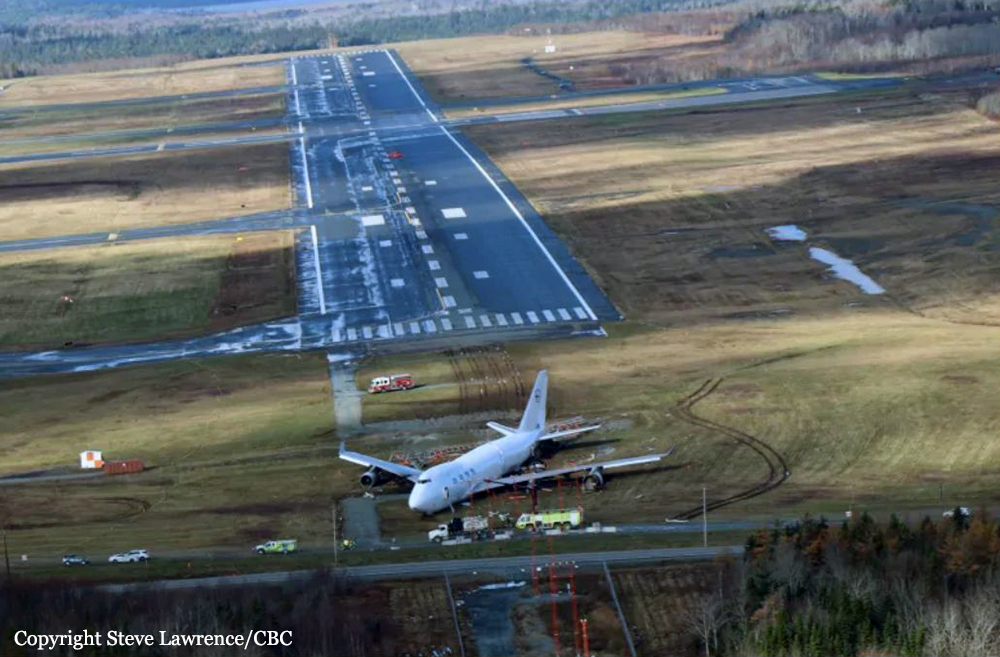
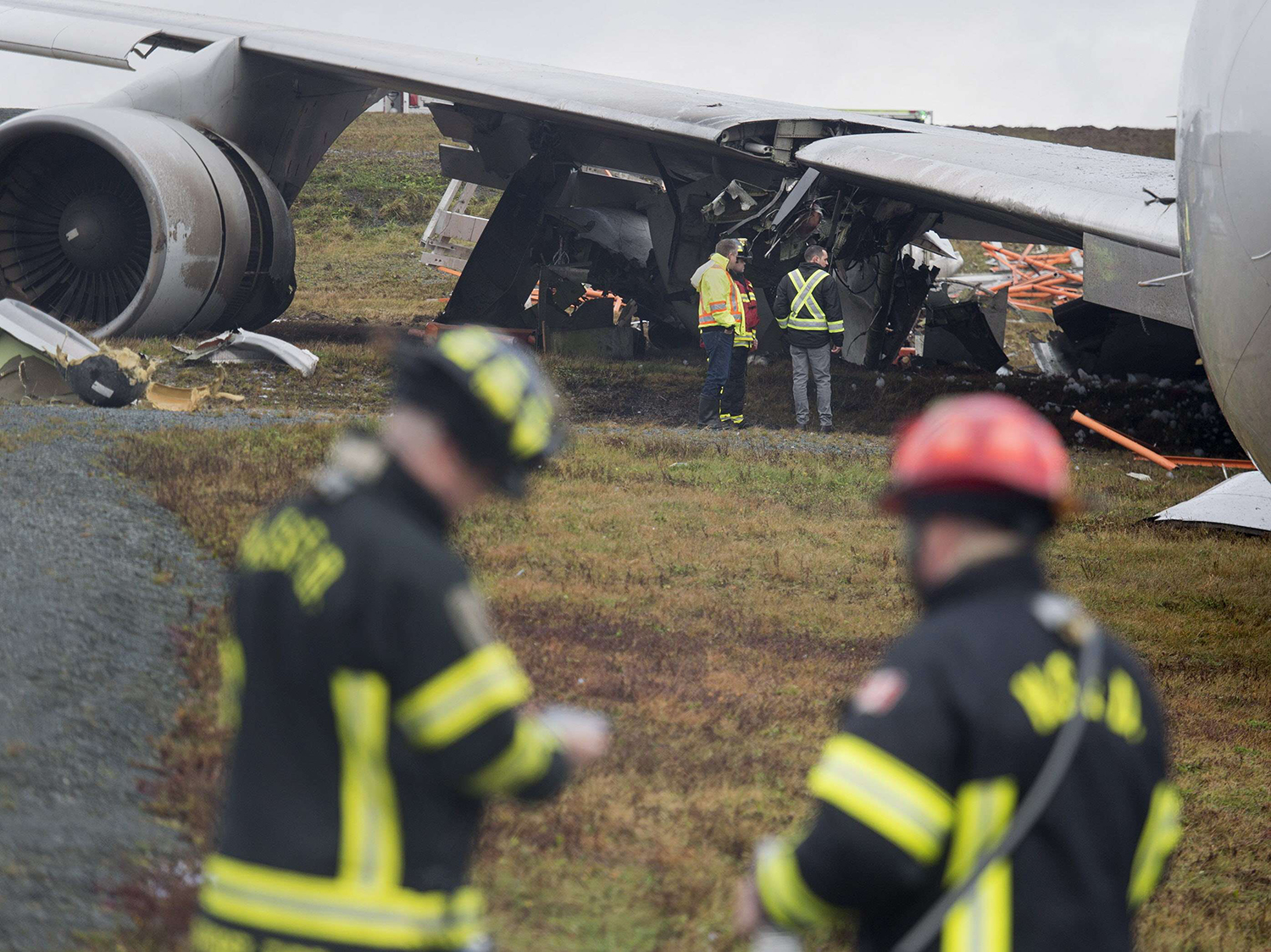
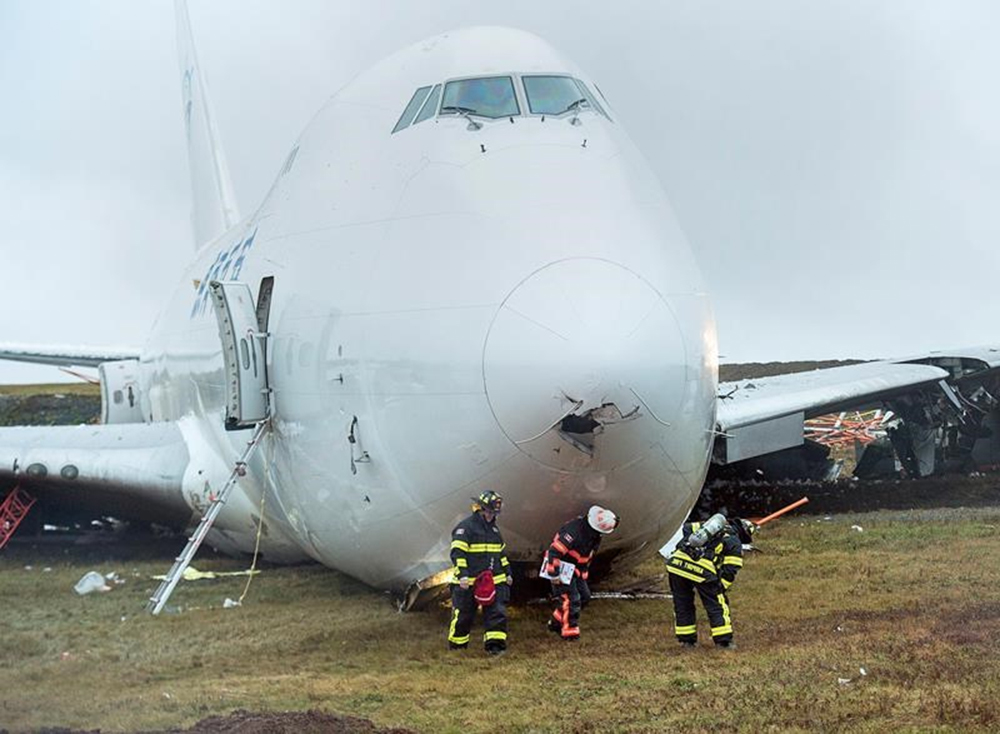
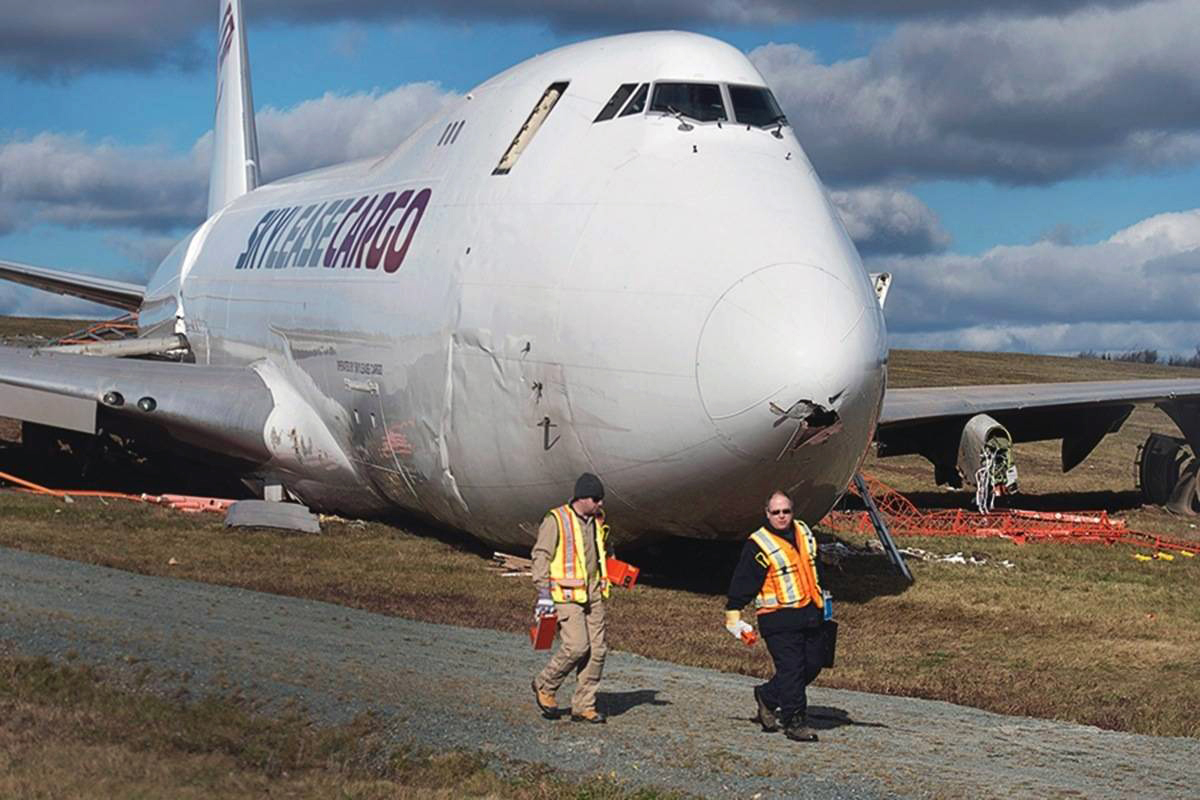
The Sky Lease Cargo Boeing 747-412F aircraft (U.S. registration N908AR, serial number 28026) was conducting flight 4854 (KYE4854) from Chicago/O’Hare International Airport, Illinois, U.S., to Halifax/Stanfield International Airport, Nova Scotia, with 3 crew members, 1 passenger, and no cargo on board. The crew conducted the Runway 14 instrument landing system approach. When the aircraft was 1 minute and 21 seconds from the threshold, the crew realized that there was a tailwind; however, they did not recalculate the performance data to confirm that the landing distance available was still acceptable, likely because of the limited amount of time available before landing. The unexpected tailwind resulted in a greater landing distance required, but this distance did not exceed the length of the runway. The aircraft touched down firmly at approximately 0506 Atlantic Standard Time, during the hours of darkness. After the firm touchdown, for undetermined reasons, the engine No. 1 thrust lever was moved forward of the idle position, causing the speed brakes to retract and the autobrake system to disengage, increasing the distance required to bring the aircraft to a stop. In addition, the right crab angle (4.5°) on initial touchdown, combined with the crosswind component and asymmetric reverser selection, caused the aircraft to deviate to the right of the runway centreline. During the landing roll, the pilot monitoring’s attention was focused on the lateral drift and, as a result, the required callouts regarding the position of the deceleration devices were not made. Although manual brake application began 8 seconds after touchdown, maximum braking effort did not occur until 15 seconds later, when the aircraft was 800 feet from the end of the runway. At this position, it was not possible for the aircraft to stop on the runway and, 5 seconds later, the aircraft departed the end of the runway at a speed of 77 knots and came to a stop 270 m (885 feet) past the end. The aircraft struck the approach light stanchions and the localizer antenna array. The No. 2 engine detached from its pylon during the impact sequence and came to rest under the left horizontal stabilizer, causing a fire in the tail section following the impact. The emergency locator transmitter activated. Aircraft rescue and firefighting personnel responded. All 3 crew members received minor injuries and were taken to the hospital. The passenger was not injured. During the overrun, the aircraft crossed a significant drop of 2.8 m (9 feet) approximately 166 m (544 feet) past the end of the runway and was damaged beyond repair.
Probable cause:
Findings as to causes and contributing factors:
These are conditions, acts or safety deficiencies that were found to have caused or contributed to this occurrence.
1. The ineffective presentation style and sequence of the NOTAMs available to the crew and flight dispatch led them to interpret that Runway 23 was not available for landing at Halifax/Stanfield International Airport.
2. The crew was unaware that the aircraft did not meet the pre-departure landing weight requirements using flaps 25 for Runway 14.
3. Due to the timing of the flight during the nighttime circadian trough and because the crew had had insufficient restorative sleep in the previous 24 hours, the crew was experiencing sleep-related fatigue that degraded their performance and cognitive functioning during the approach and landing.
4. Using unfactored (actual) landing distance charts may have given the crew the impression that landing on Runway 14 would have had a considerable runway safety margin, influencing their decision to continue the landing in the presence of a tailwind.
5. When planning the approach, the crew calculated a faster approach speed of reference speed + 10 knots instead of the recommended reference speed + 5 knots, because they misinterpreted that a wind additive was required for the existing conditions.
6. New information regarding a change of active runway was not communicated by air traffic control directly to the crew, although it was contained within the automatic terminal information service broadcast; as a result, the crew continued to believe that the approach and landing to Runway 14 was the only option available.
7. For the approach, the crew selected the typical flap setting of flaps 25 rather than flaps 30, because they believed they had a sufficient safety margin. This setting increased the landing distance required by 494 feet.
8. The crew were operating in a cognitive context of fatigue and biases that encouraged anchoring to and confirming information that aligned with continuing the initial plan, increasing the likelihood that they would continue the approach.
9. The crew recognized the presence of a tailwind on approach 1 minute and 21 seconds from the threshold; likely due to this limited amount of time, the crew did not recalculate the performance data to confirm that the runway safety margin was still acceptable.
10. An elevated level of stress and workload on short final approach likely exacerbated the performance-impairing effects of fatigue to limit the crew’s ability to determine the effect of the tailwind, influencing their decision to continue the approach.
11. The higher aircraft approach speed, the presence of a tailwind component, and the slight deviation above the glideslope increased the landing distance required to a distance greater than the runway length available.
12. After the firm touchdown, for undetermined reasons, the engine No. 1 thrust lever was moved forward of the idle position, causing the speed brakes to retract and the autobrake system to disengage, increasing the distance required to bring the aircraft to a stop.
13. The right crab angle (4.5°) on initial touchdown, combined with the crosswind component and asymmetric reverser selection, caused the aircraft to deviate to the right of the runway centreline.
14. During the landing roll, the pilot monitoring’s attention was focused on the lateral drift and, as a result, the required callouts regarding the position of the deceleration devices were not made.
15. The pilot flying focused on controlling the lateral deviation and, without the benefit of the landing rollout callouts, did not recognize that all of the deceleration devices were not fully deployed and that the autobrake was disengaged.
16. Although manual brake application began 8 seconds after touchdown, maximum braking effort did not occur until 15 seconds later, when the aircraft was 800 feet from the end of the runway. At this position, it was not possible for the aircraft to stop on the runway and, 5 seconds later, the aircraft departed the end of the runway at a speed of 77 knots and came to a stop 270 m (885 feet) past the end of the runway.
17. During the overrun, the aircraft crossed a significant drop of 2.8 m (9 feet) approximately 166 m (544 feet) past the end of the runway and was damaged beyond repair. While this uneven terrain was beyond the 150 m (492 feet) runway end safety area proposed by Transport Canada, it was within the recommended International Civil Aviation Organization runway end safety area of 300 m (984 feet).

Findings as to risk:
These are conditions, unsafe acts or safety deficiencies that were found not to be a factor in this occurrence but could have adverse consequences in future occurrences.
1. If the pilot monitoring does not call out approach conditions or approach speed increases, the pilot flying might not make corrections, increasing the risk of a runway overrun.

Other findings:
These items could enhance safety, resolve an issue of controversy, or provide a data point for future safety studies.
1. The investigation concluded that there was no reverted rubber hydroplaning and almost certainly no dynamic hydroplaning during this occurrence.
2. Although viscous hydroplaning can be expected on all wet runways, the investigation found that when maximum braking effort was applied, the aircraft braking was consistent with the expected braking on Runway 14 under the existing wet runway conditions.
Final Report:
Crash of a Dassault Falcon 20D in San Luis Potosí

Date & Time: Aug 7, 2018 at 0110 LT
Type of aircraft:
Operator:
Registration:
N961AA
Flight Type:
Survivors:
Yes
Schedule:
Santiago de Querétaro - Laredo
MSN:
205
YOM:
1969
Country:
Crew on board:
2
Crew fatalities:
Pax on board:
0
Pax fatalities:
Other fatalities:
Total fatalities:
0
Circumstances:
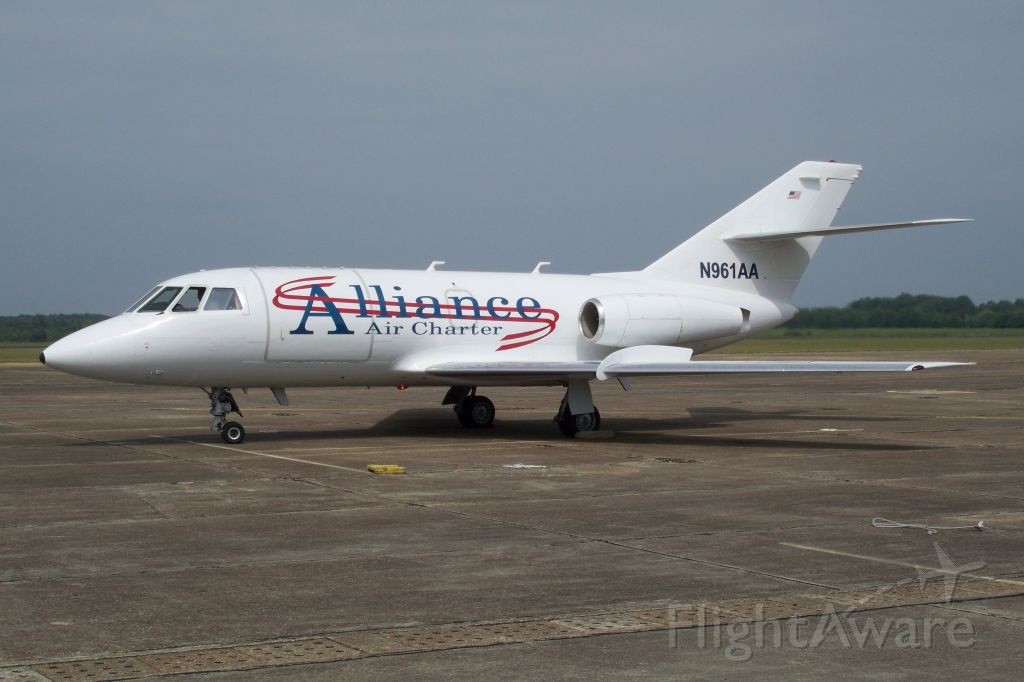
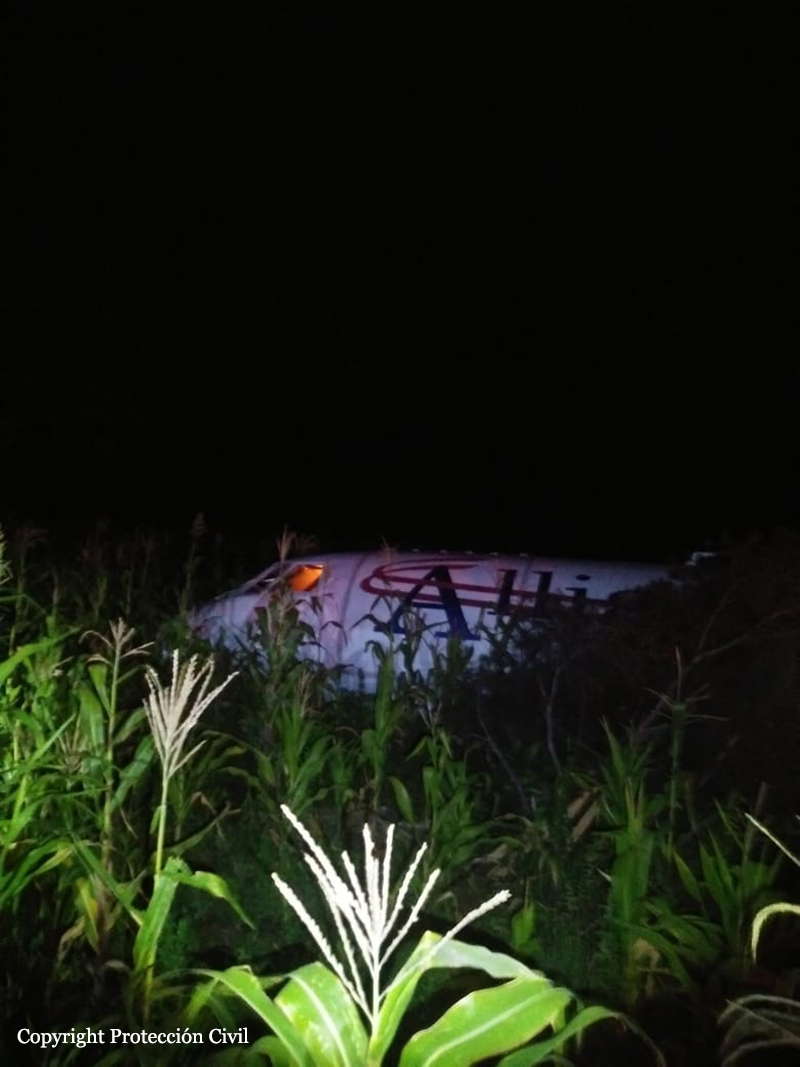
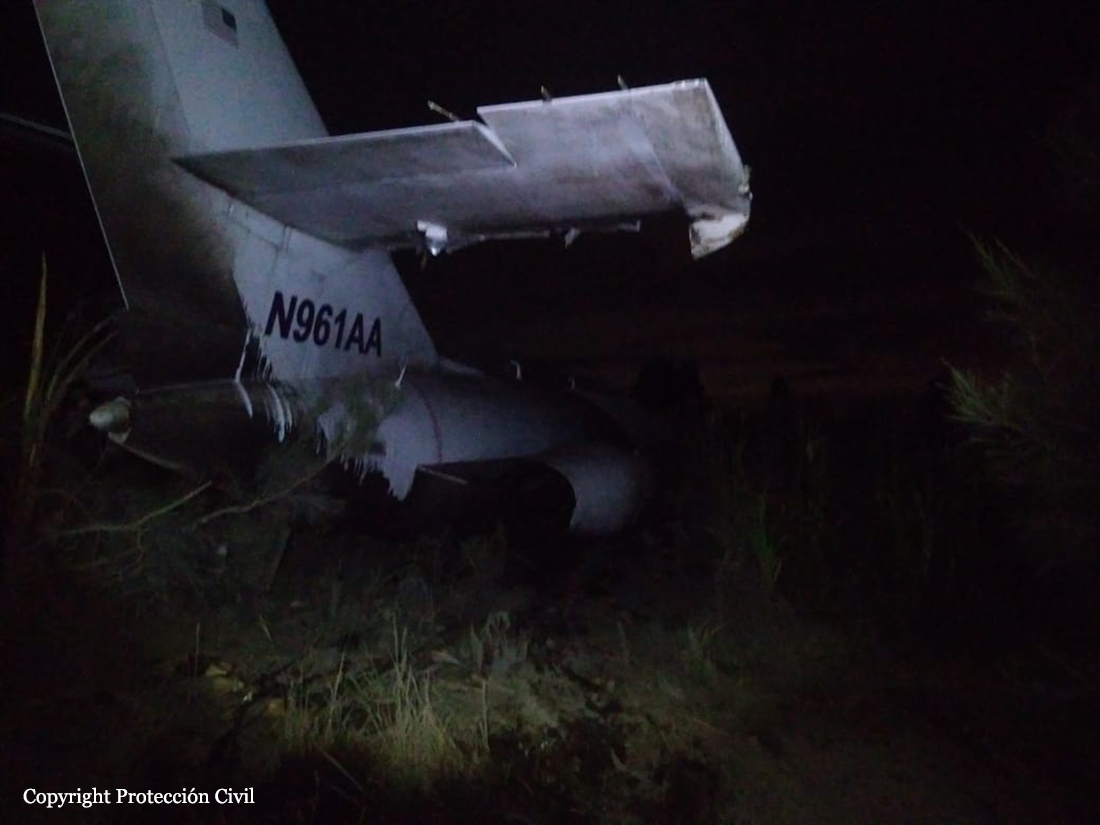
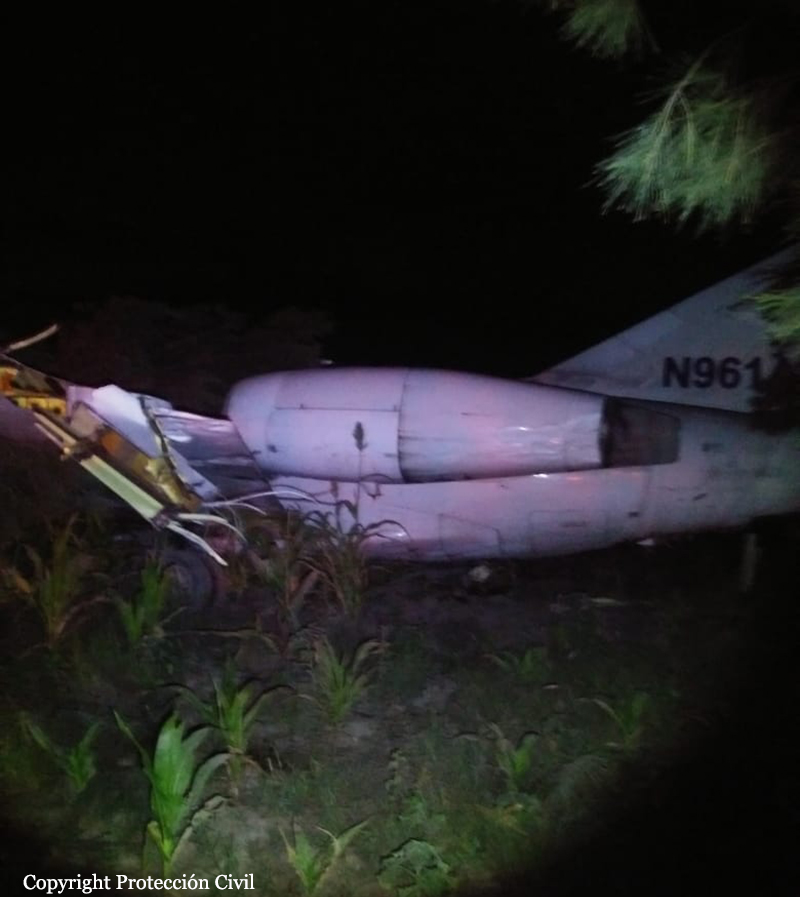
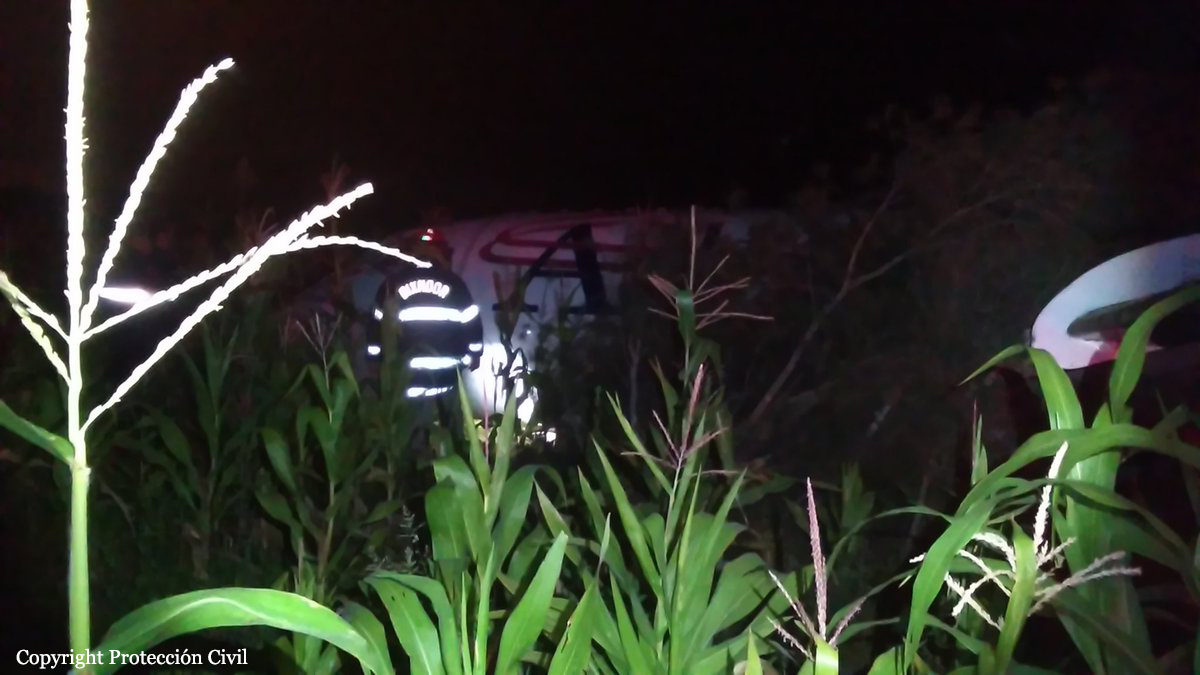
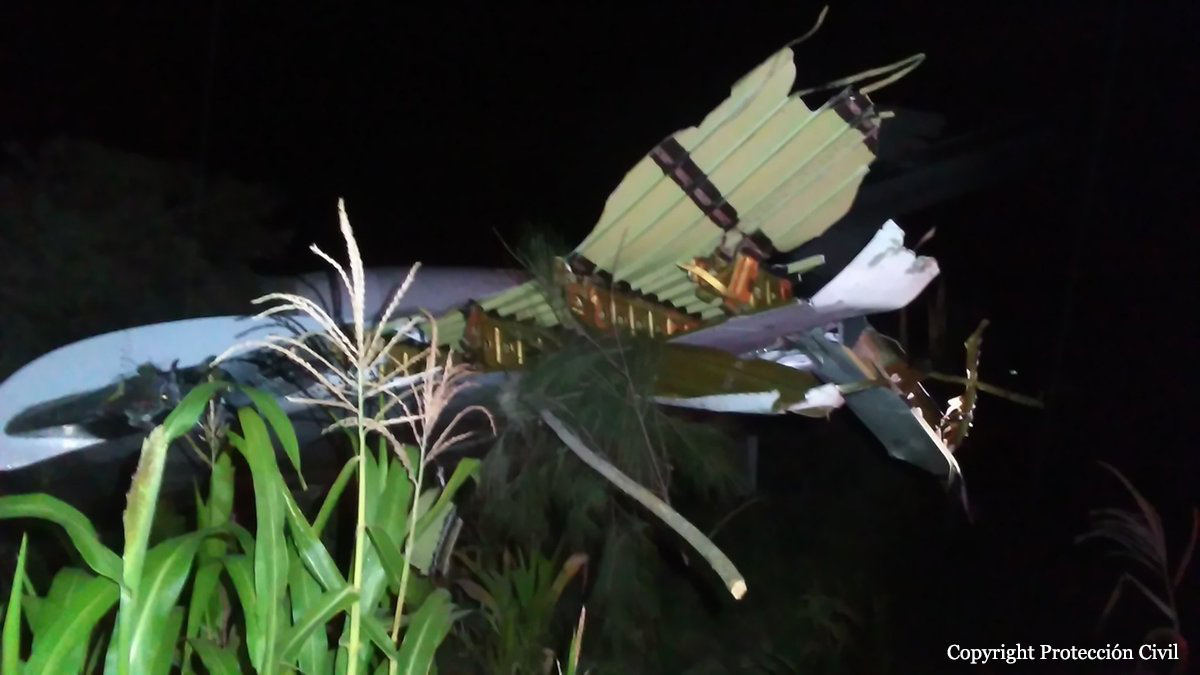
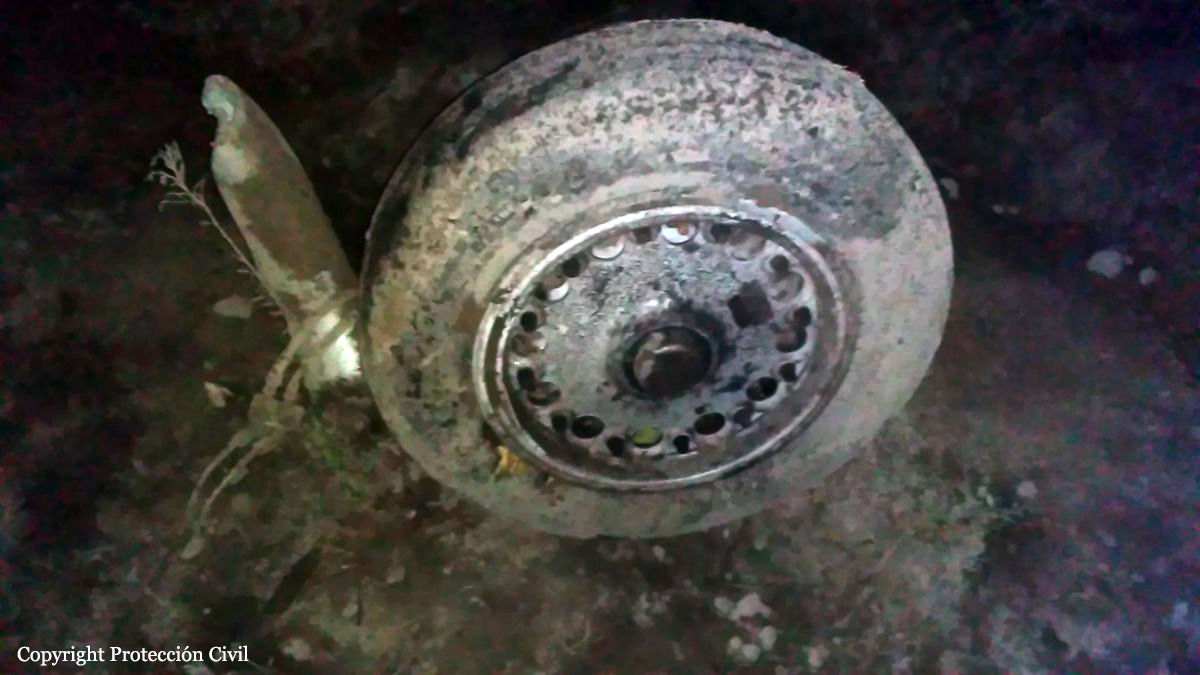
The aircraft departed Santiago de Querétaro Airport on a night cargo flight to Laredo, Texas, carrying two pilots and a load consisting of automotive parts. En route, the crew encountered engine problems and was clearted to divert to San Luis Potosí-Ponciano Arriaga Airport for an emergency landing. On approach, the crew realized he could not make it and decided to attempt an forced landing. The airplane struck the ground, lost its undercarriage and came to rest in an agricultural area located in Peñasco, about 6 km northeast of runway 14 threshold. The left wing was bent and partially torn off. Both crew members escaped with minor injuries and the aircraft was damaged beyond repair.

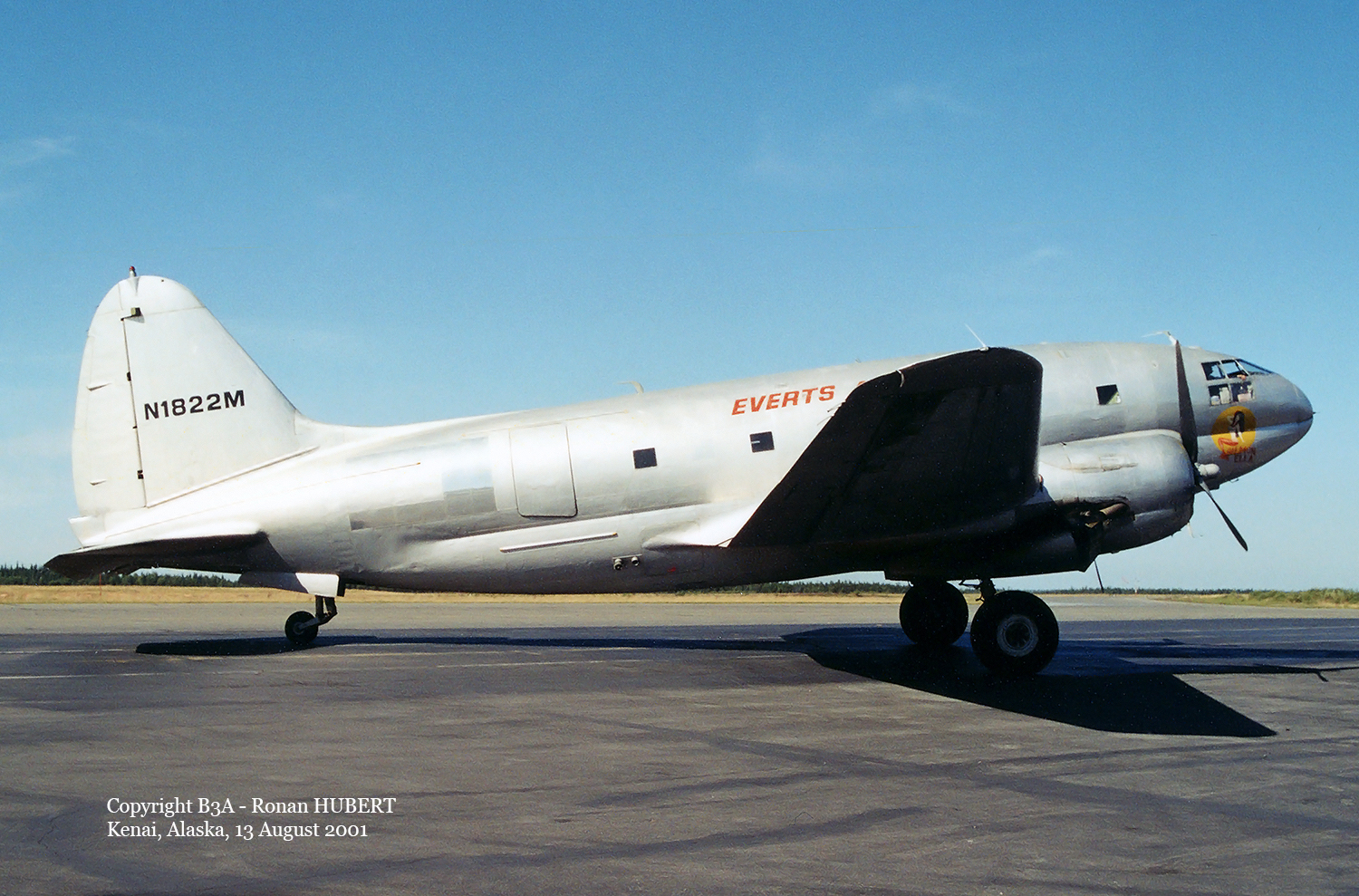
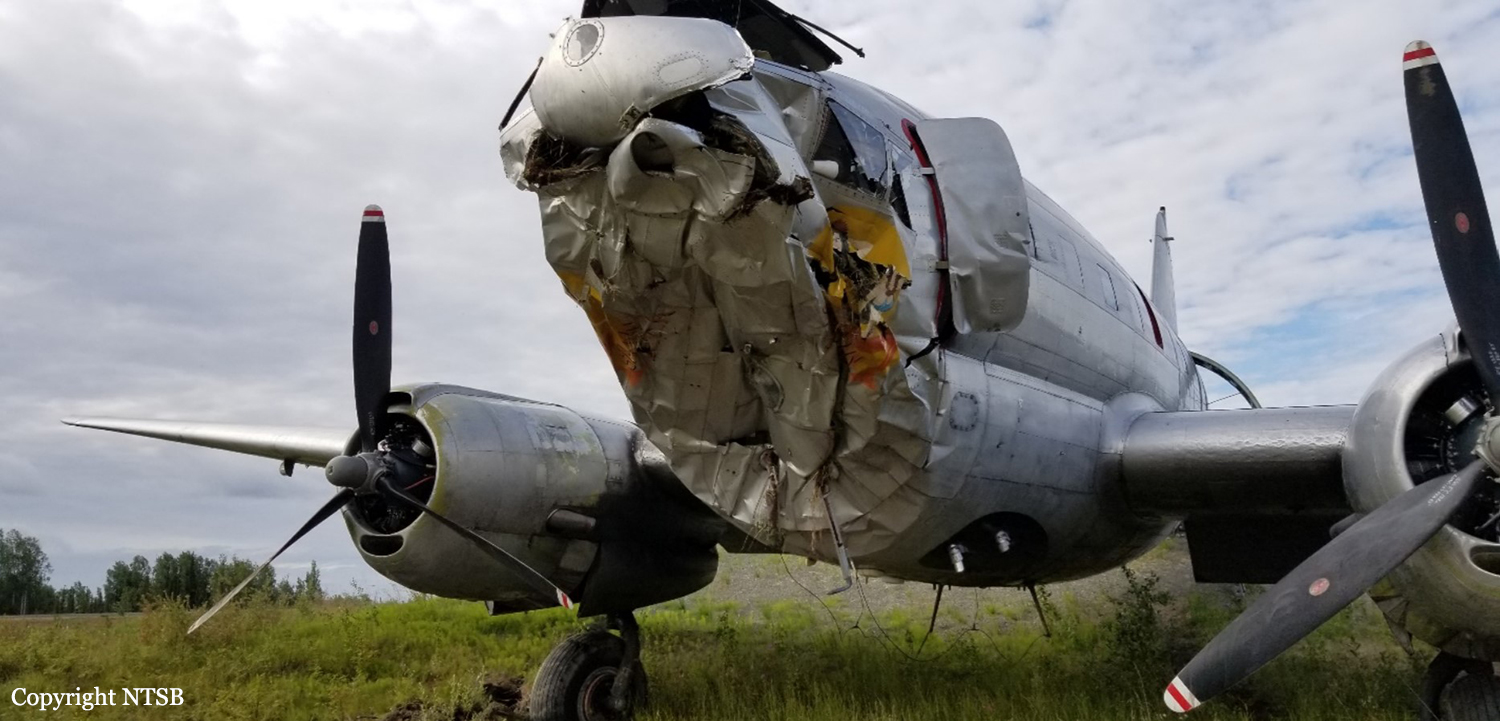
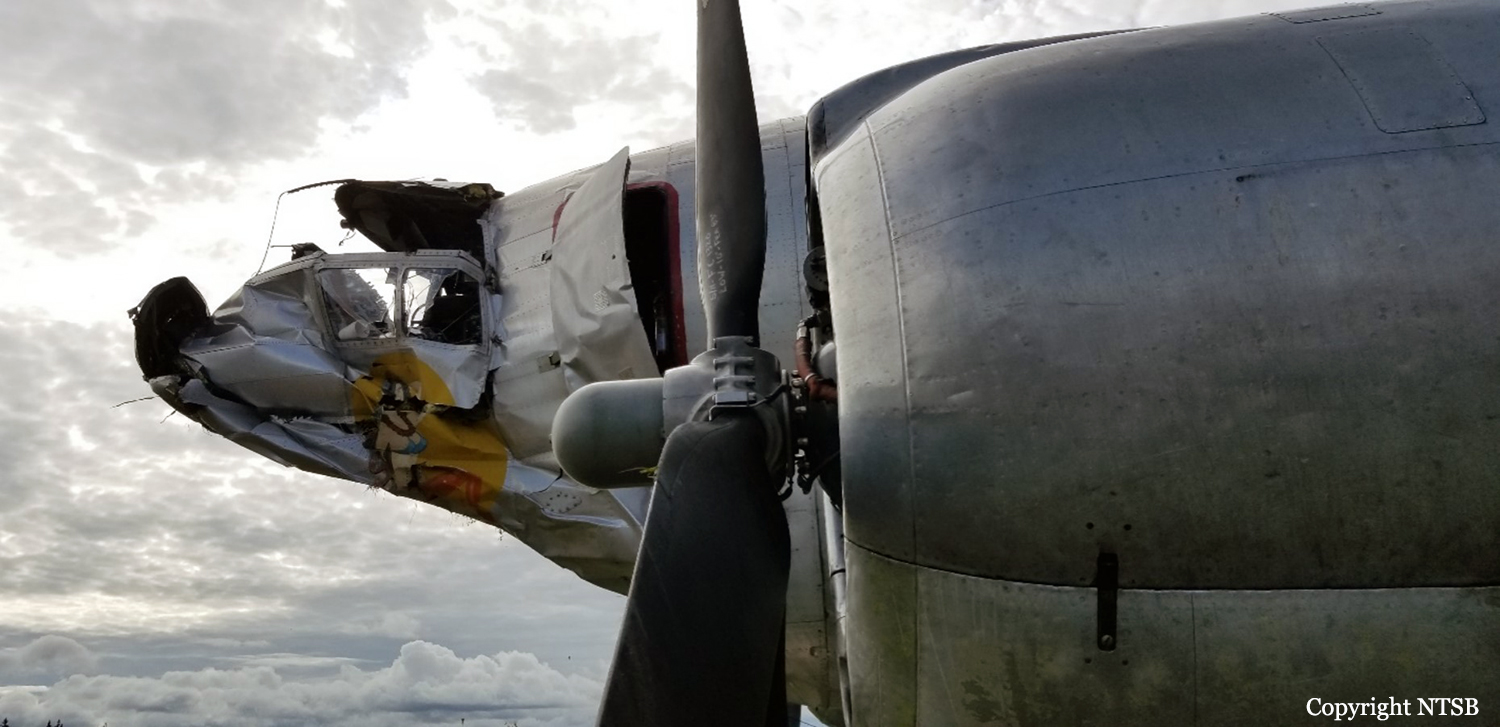
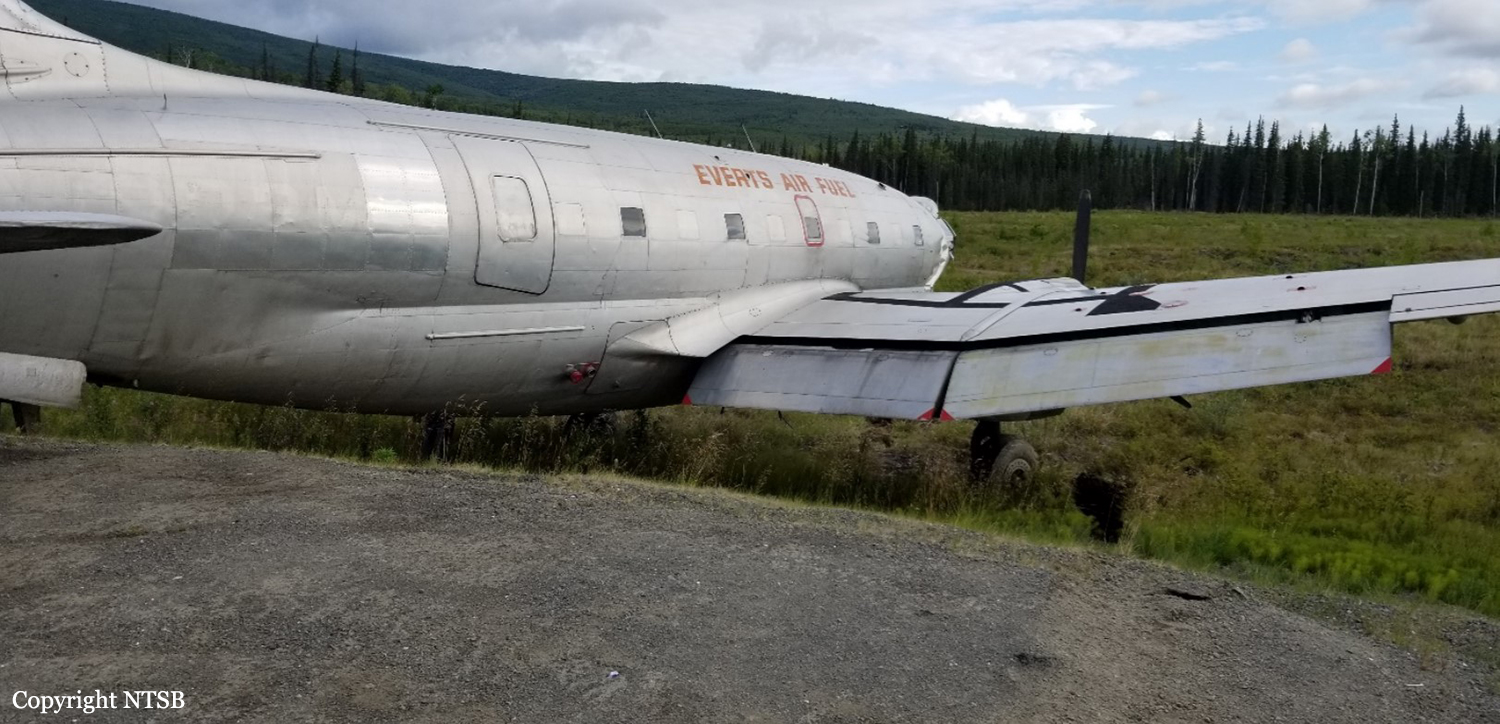
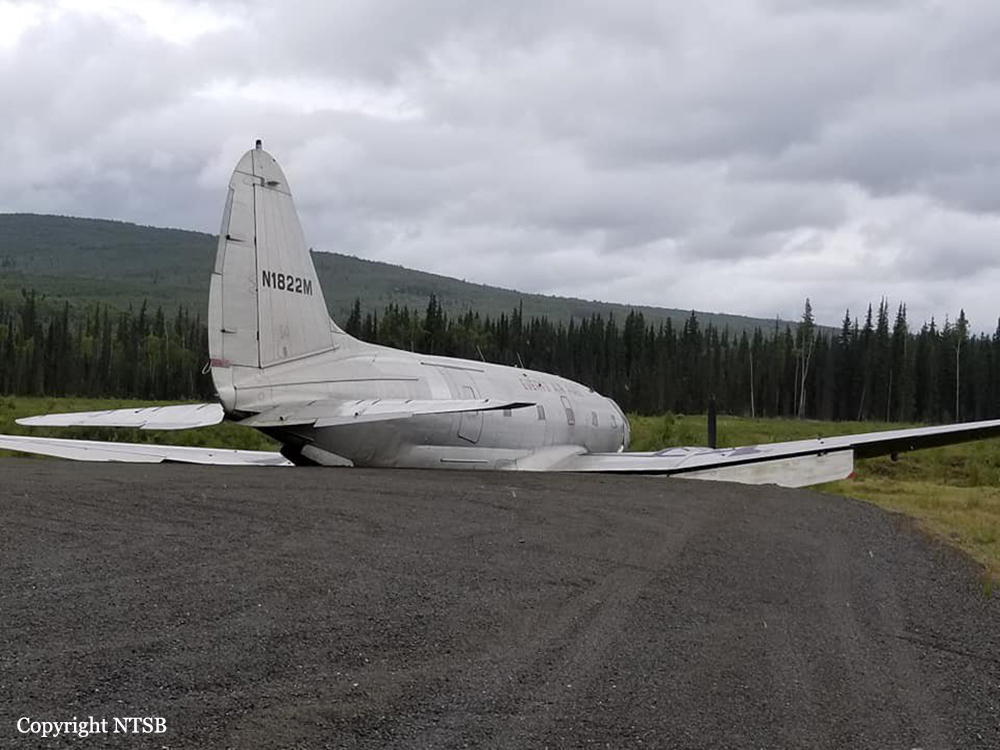
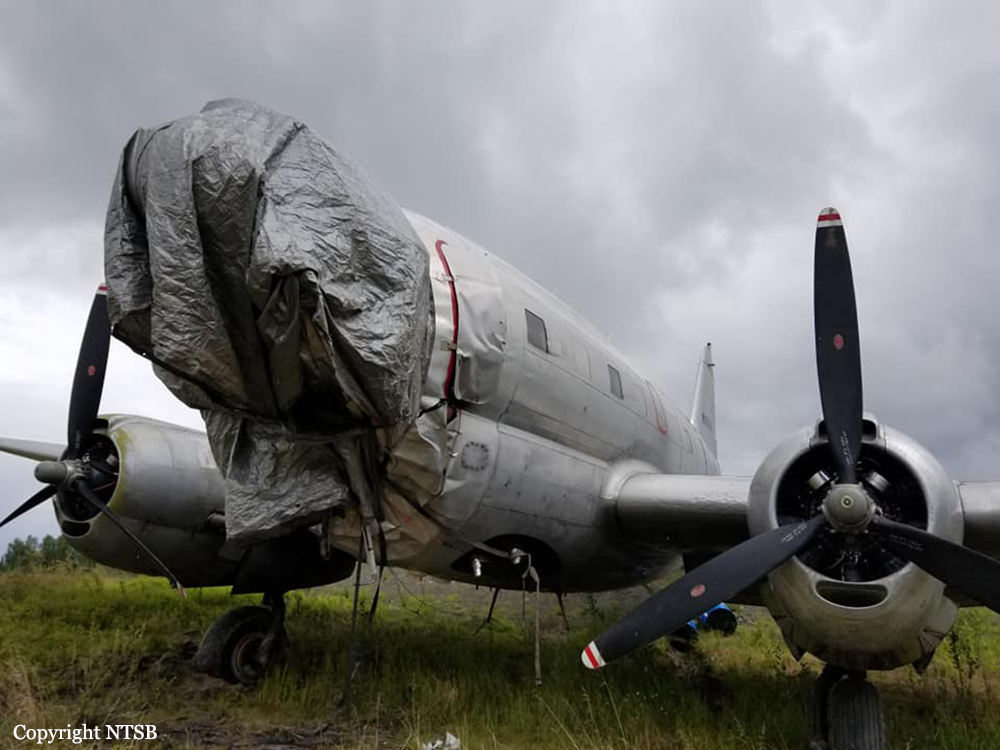
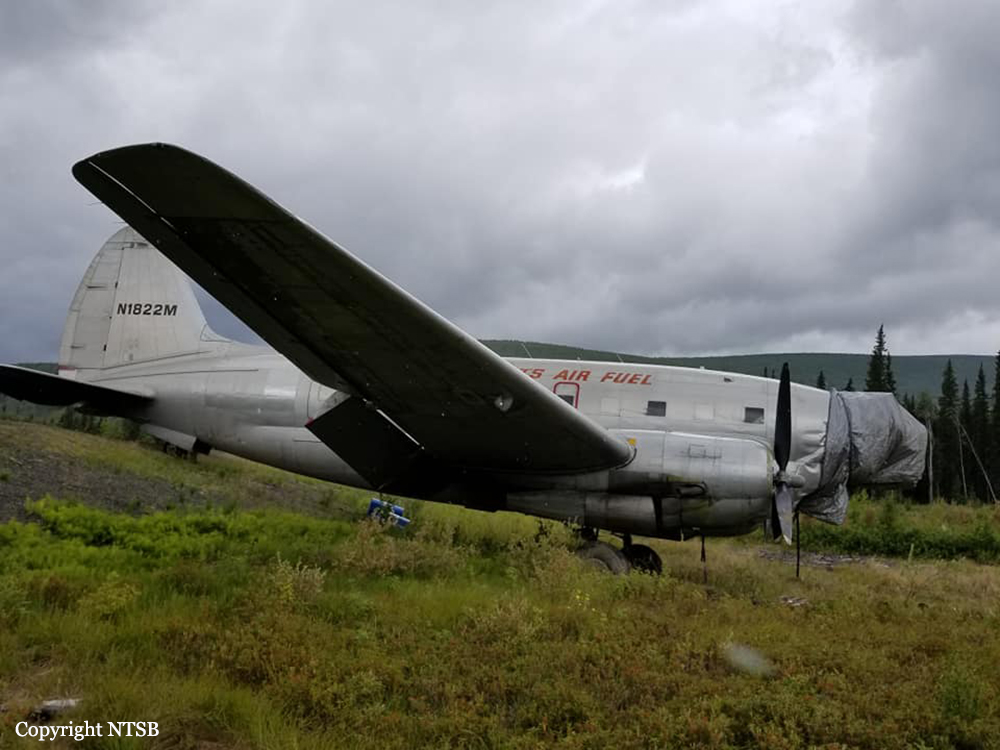
Crash of a Curtiss C-46F-1-CU Commando in Manley Hot Springs

Date & Time: Jul 16, 2018 at 0925 LT
Type of aircraft:
Operator:
Registration:
N1822M
Flight Type:
Survivors:
Yes
Schedule:
Fairbanks – Kenai
MSN:
22521
YOM:
1945
Crew on board:
2
Crew fatalities:
Pax on board:
0
Pax fatalities:
Other fatalities:
Total fatalities:
0
Captain / Total flying hours:
6500
Captain / Total hours on type:
3500.00
Copilot / Total flying hours:
300
Copilot / Total hours on type:
135
Aircraft flight hours:
37049
Circumstances:
The pilot reported that, following a precautionary shutdown of the No. 2 engine, he diverted to an alternate airport that was closer than the original destination. During the landing in tailwind conditions, the airplane touched down "a little fast." The pilot added that, as the brakes faded from continuous use, the airplane was unable to stop, and it overran the end of the runway, which resulted in substantial damage to the fuselage. The pilot reported that there were no mechanical malfunctions or failures with the airplane that would have precluded normal operation.
Probable cause:
The pilot's failure to attain the proper touchdown speed and his decision to land with a tailwind without ensuring that there was adequate runway length for the touchdown.
Final Report: