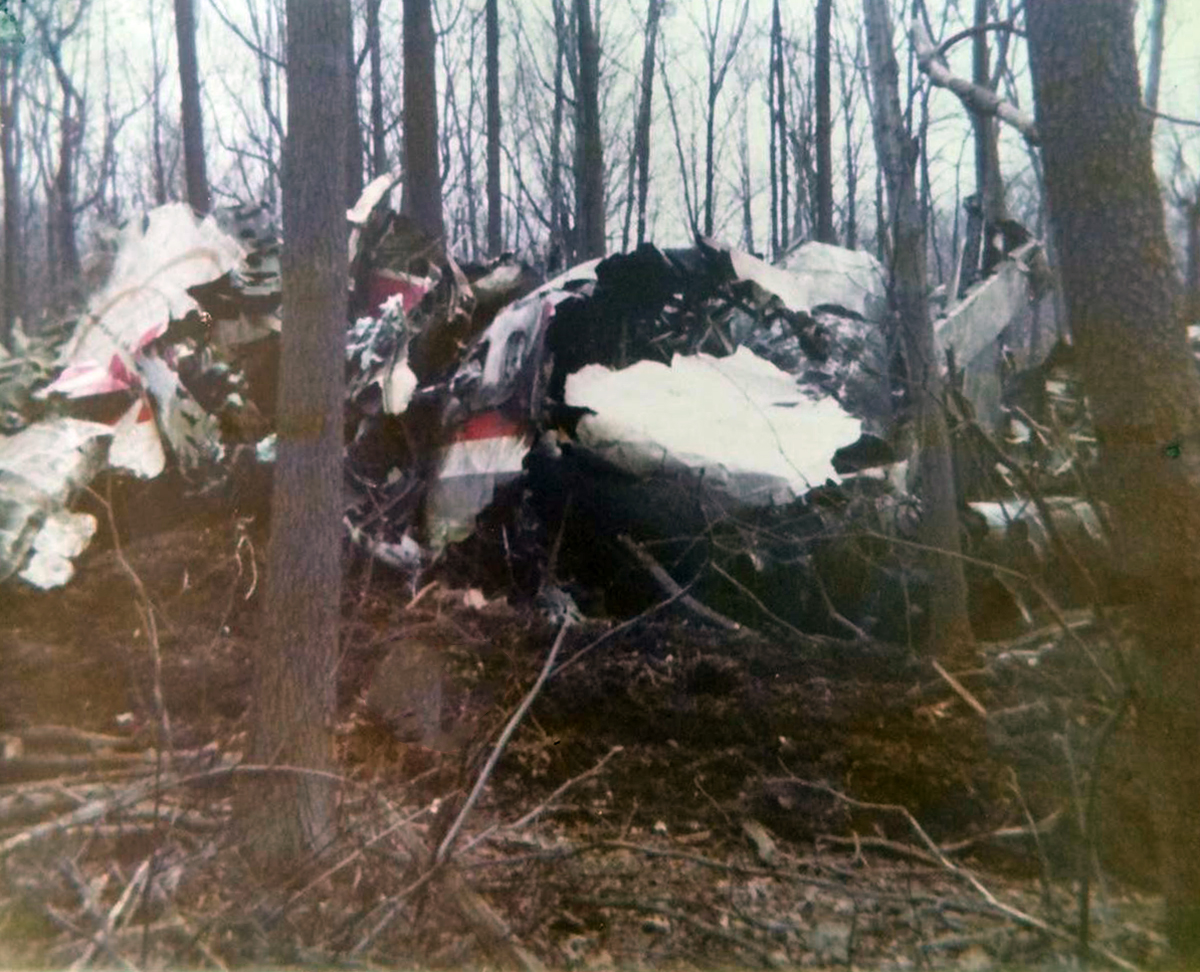
Crash of a Lockheed L-188AF Electra in Deadhorse

Date & Time: Dec 10, 1974 at 2015 LT
Type of aircraft:
Operator:
Registration:
N400FA
Flight Type:
Survivors:
Yes
Schedule:
San Francisco - Fairbanks - Deadhorse
MSN:
1064
YOM:
1959
Crew on board:
3
Crew fatalities:
Pax on board:
0
Pax fatalities:
Other fatalities:
Total fatalities:
0
Captain / Total flying hours:
7400
Captain / Total hours on type:
33.00
Circumstances:
The airplane was completing a cargo flight from San Francisco to Deadhorse with an intermediate stop in Fairbanks, carrying a crew of three and 17,000 liters of fuel. After touchdown on a gravel runway covered by snow and ice, control was lost. The airplane veered off runway to the left, contacted an embankment then came to rest on a road. All three crew members escaped uninjured while the aircraft was partially destroyed by fire.
Probable cause:
Failed to maintain directional control after touchdown. The following contributing factors were reported:
- Improper operation of powerplant controls,
- Lack of familiarity with aircraft,
- Thrust reversal asymmetrical,
- Overload failure,
- Airport conditions with ice/slush on runway,
- Gravel runway covered with compacted snow and ice,
- Hit five feet road bank.
Final Report:

Crash of a Cessna 414 Chancellor in Pine Bluff: 4 killed

Date & Time: Dec 6, 1974 at 1930 LT
Type of aircraft:
Registration:
N44JG
Flight Type:
Survivors:
No
Schedule:
New Orleans - Pine Bluff
MSN:
414-0019
YOM:
1969
Crew on board:
2
Crew fatalities:
Pax on board:
2
Pax fatalities:
Other fatalities:
Total fatalities:
4
Captain / Total flying hours:
1886
Captain / Total hours on type:
22.00
Circumstances:
While approaching Pine Bluff-Grider Field by night, the crew encountered poor visibility due to fog and low clouds. Decision was taken to initiate a go-around. Few minutes later, while on a second approach, the twin engine airplane descended too low, struck trees and crashed in flames in a wooded area located few miles from the airport. The aircraft was destroyed and all four occupants were killed.
Probable cause:
Improper IFR operation on part of the crew on final approach. The following contributing factors were reported:
- Low ceiling,
- Fog,
- High obstructions,
- Weather slightly worse than forecast,
- Weather below minimums,
- Descended below MDA during night VOR approach,
- Second approach, first missed,
- PIC in right front seat,
- Pilot at controls unknown.
Final Report:

Crash of a Mitsubishi MU-2B-35 Marquise in Deadhorse

Date & Time: Dec 2, 1974 at 1515 LT
Type of aircraft:
Operator:
Registration:
N959L
Flight Phase:
Flight Type:
Survivors:
Yes
Schedule:
Deadhorse - Anchorage
MSN:
570
YOM:
1972
Crew on board:
1
Crew fatalities:
Pax on board:
2
Pax fatalities:
Other fatalities:
Total fatalities:
0
Captain / Total flying hours:
4477
Captain / Total hours on type:
676.00
Circumstances:
During the takeoff roll, the right engine lost power. The pilot lost control of the airplane that veered off runway and collided with a snow bank. All three occupants were injured and the aircraft was damaged beyond repair.
Probable cause:
Powerplant failure for undetermined reason. The following contributing factors were reported:
- Failed to obtain/maintain flying speed,
- Exercised poor judgment,
- Airport facilities, runway lighting,
- Engine lost power about liftoff,
- Aircraft veered to right of runway into snow,
- Runway light inoperative,
- Dark,
- Ice fog in area.
Final Report:

Crash of a Beechcraft 100 King Air in Birmingham: 2 killed

Date & Time: Dec 1, 1974 at 2032 LT
Type of aircraft:
Registration:
N50PC
Survivors:
Yes
Schedule:
Chantilly - Birmingham
MSN:
B-19
YOM:
1970
Crew on board:
2
Crew fatalities:
Pax on board:
2
Pax fatalities:
Other fatalities:
Total fatalities:
2
Captain / Total flying hours:
4393
Captain / Total hours on type:
1991.00
Circumstances:
On a night approach to Birmingham Airport, the crew reported trim trouble to ATC and decided to initiate a go-around. While trying to gain altitude, the crew lost control of the airplane that stalled and crashed near the airport. Both pilots were killed while both passengers were seriously injured.
Probable cause:
The crew failed to obtain/maintain flying speed, causing the aircraft to stall. The following contributing factors were reported:
- Improper in-flight decisions or planning,
- Airframe ice,
- Icing conditions including sleet and freezing rain,
- Ice engine,
- The pilot commenced a go-around, reported trim trouble and lost control in steep nose up attitude.
Final Report:

Crash of a Boeing 727-251 near Thiells: 3 killed

Date & Time: Dec 1, 1974 at 1926 LT
Type of aircraft:
Operator:
Registration:
N274US
Flight Phase:
Flight Type:
Survivors:
No
Schedule:
New York - Buffalo
MSN:
20296/777
YOM:
1969
Flight number:
NW6231
Crew on board:
3
Crew fatalities:
Pax on board:
0
Pax fatalities:
Other fatalities:
Total fatalities:
3
Captain / Total flying hours:
7434
Captain / Total hours on type:
1973.00
Copilot / Total flying hours:
1938
Copilot / Total hours on type:
1611
Aircraft flight hours:
10289
Circumstances:
Flight NW6231 departed New York-JFK at 19:14 for a ferry flight to Buffalo and was cleared by departure control to climb to FL140. At 19:21 the flight was cleared to climb to FL310. The aircraft began to climb 2,500 fpm at an airspeed of 305 knots. As the aircraft climbed through FL160, both the airspeed and the rate of climb began to increase. Reaching FL230, the airspeed had reached 405 knots and the rate of climb had exceeded 6,500 fpm. The overspeed warning horn sounded a little later, followed 10 seconds later by a stick shaker stall warning. The aircraft then leveled at 24800 feet with a speed of 420 knots until it turned rapidly to the right, 13 seconds later. The airplane started to descend out of control, reaching a vertical acceleration of +5g until it struck the ground in a slightly nose down and right wing-down attitude. The aircraft had descended from 24000 feet to 1090 feet in 83 seconds.
Probable cause:
The loss of control of the aircraft because the flight crew failed to recognize and correct the aircraft's high-angle-of-attack, low-speed stall and its descending spiral. The stall was precipitated by the flight crew's improper reaction to erroneous airspeed and Mach indications which had resulted from a blockage of the pitot heads by atmospheric icing. Contrary to standard operational procedures, the flight crew had not activated the pitot head heaters.
Final Report:

Crash of a Cessna 421B Golden Eagle II in Mount Vernon

Date & Time: Dec 1, 1974 at 1730 LT
Operator:
Registration:
N3368Q
Flight Phase:
Survivors:
Yes
Schedule:
Mount Vernon - Cincinnati
MSN:
421B-0252
YOM:
1972
Crew on board:
1
Crew fatalities:
Pax on board:
3
Pax fatalities:
Other fatalities:
Total fatalities:
0
Captain / Total flying hours:
4030
Captain / Total hours on type:
250.00
Circumstances:
The takeoff was attempted from a runway contaminated with snow windrows. During takeoff roll, the twin engine airplane was unstable and the pilot decided to lift off prematurely. The aircraft stalled then collided with a snow bank and crashed in flames. All four occupants were injured, two of them seriously.
Probable cause:
Stall during initial climb after the pilot failed to maintain directional control. The following contributing factors were reported:
- Failed to abort takeoff,
- Failed to maintain flying speed,
- Premature lift off,
- Snow on runway,
- Snow windrows.
Final Report:

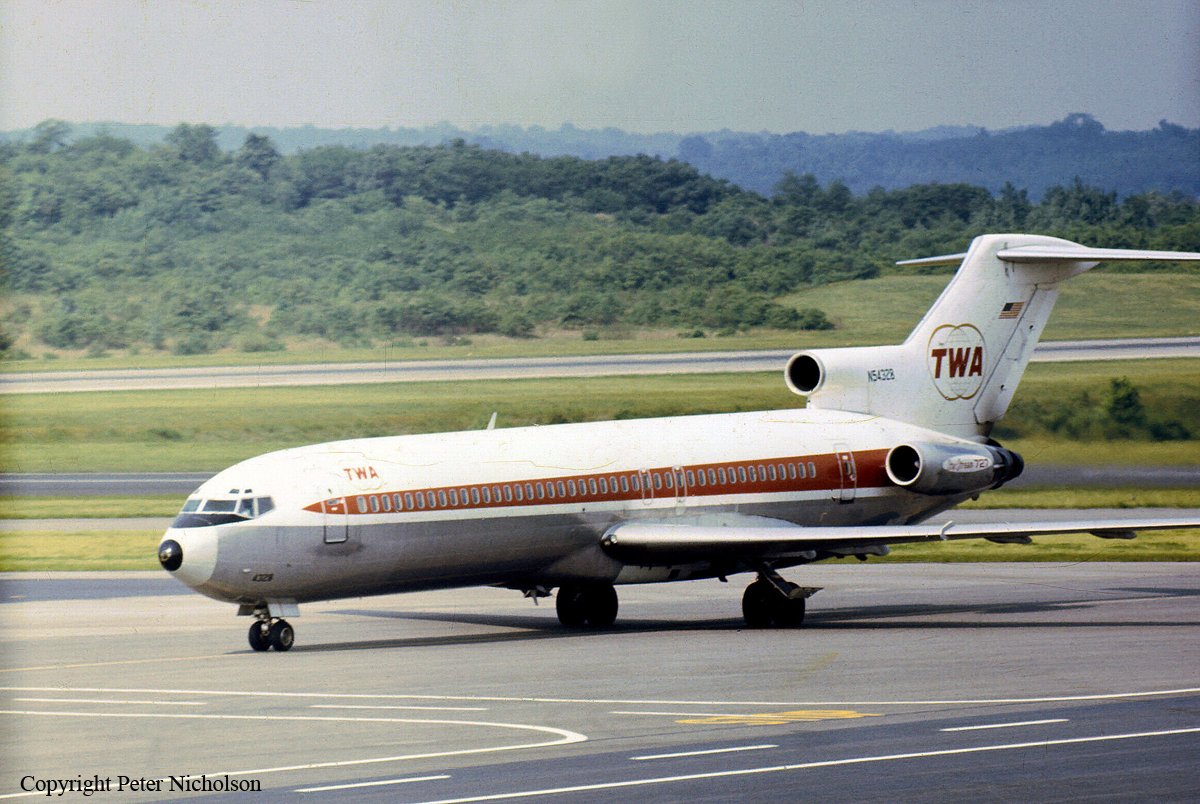
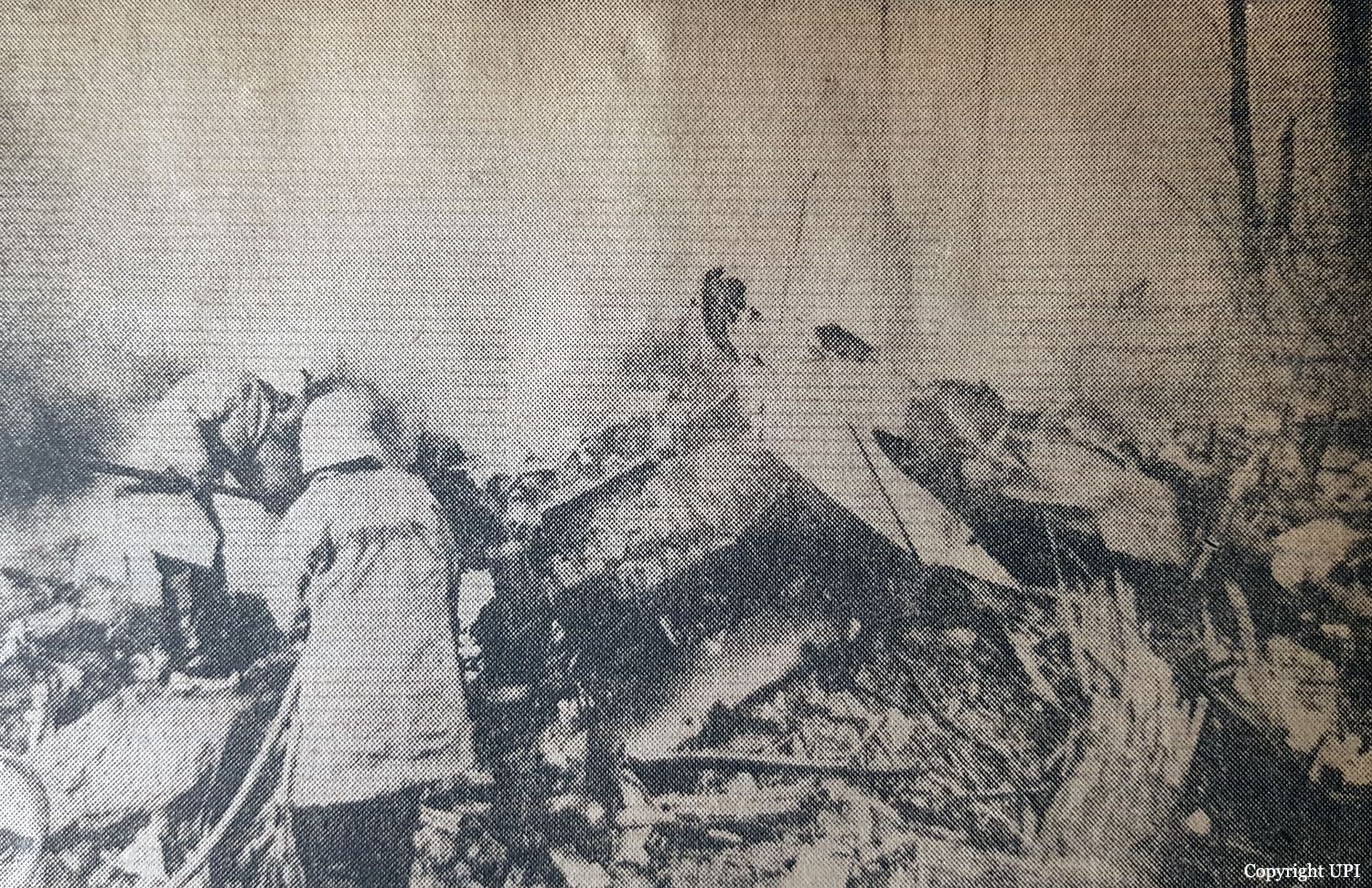
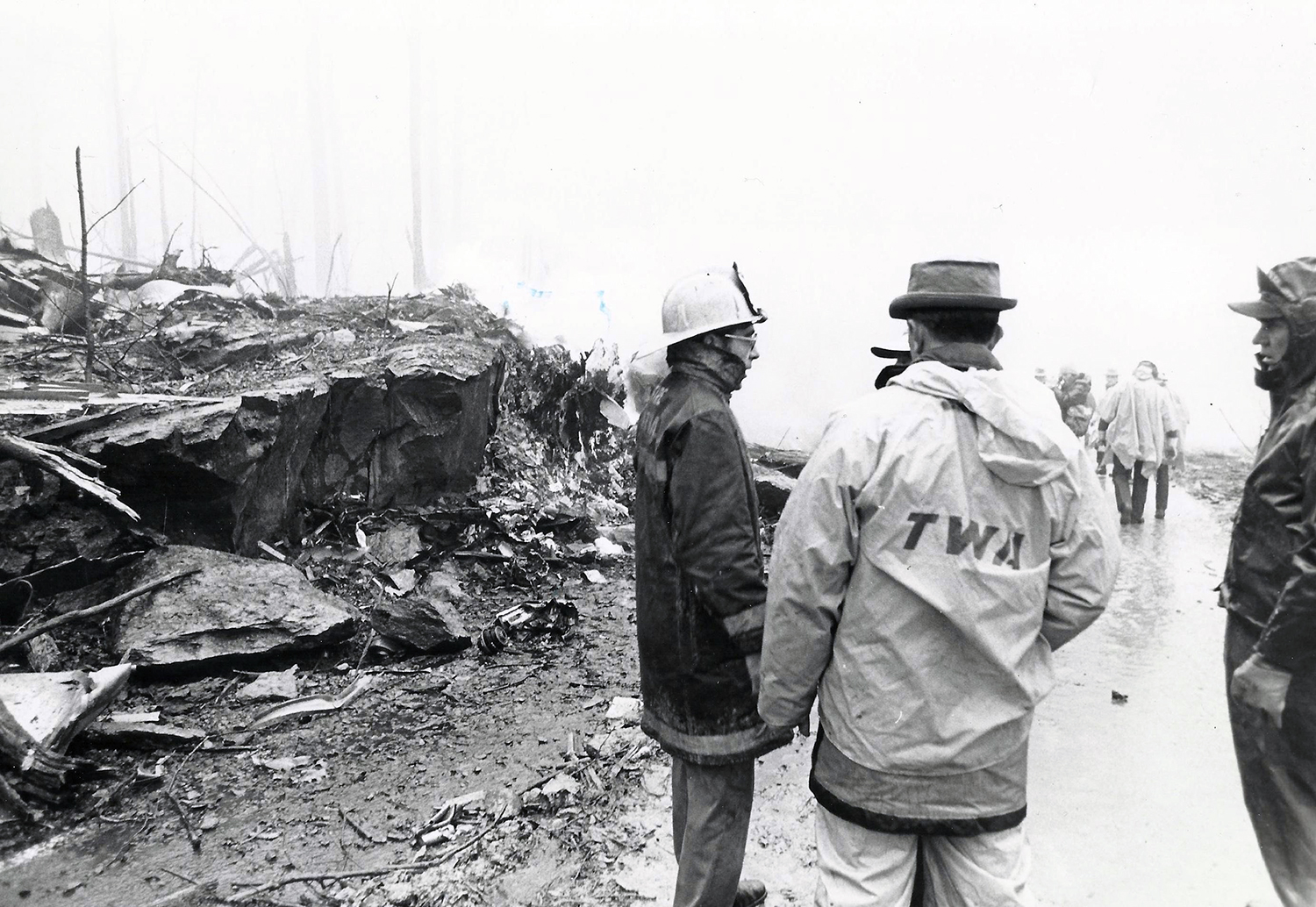
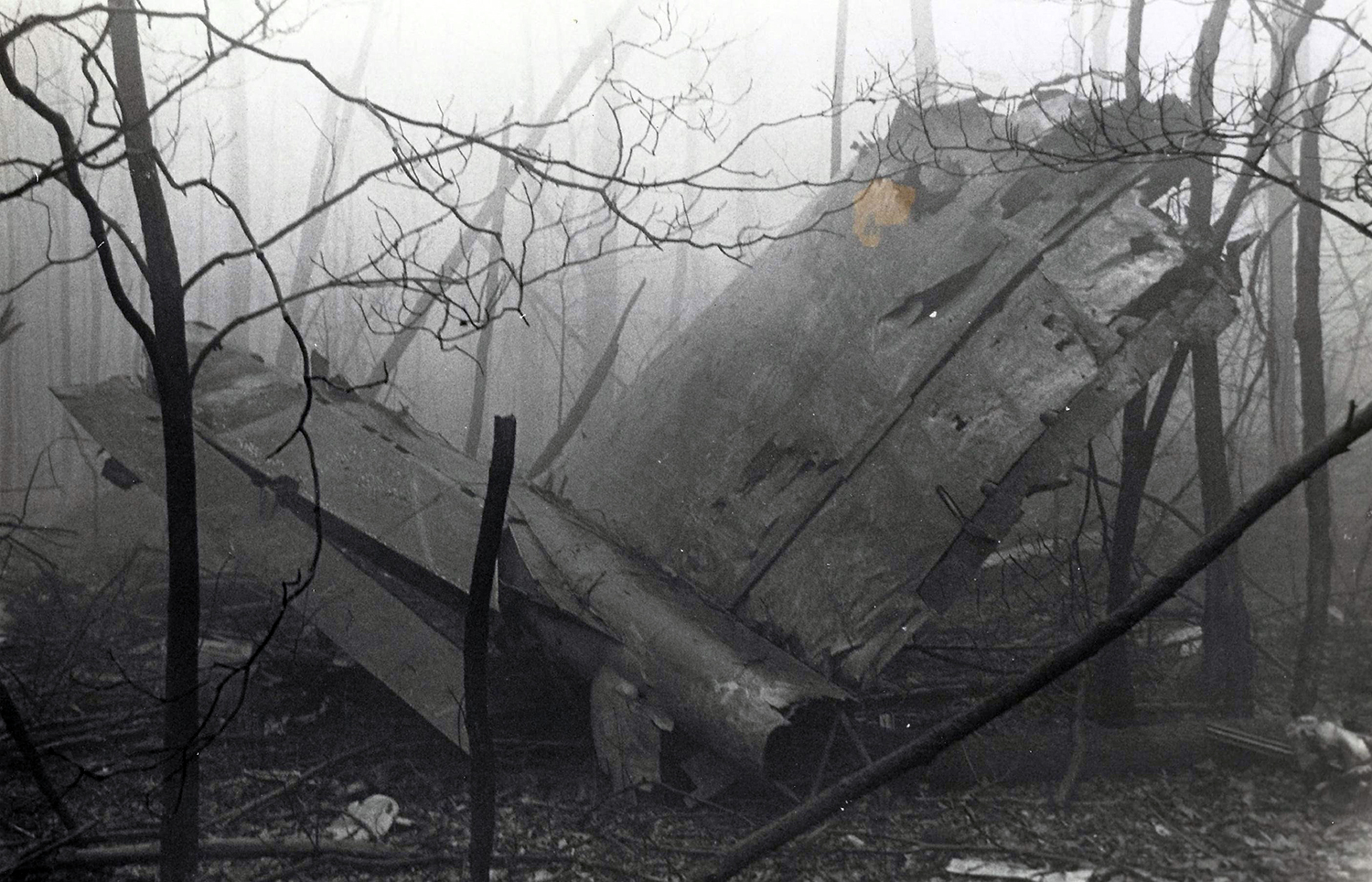
Crash of a Boeing 727-231 on Mt Weather: 92 killed

Date & Time: Dec 1, 1974 at 1110 LT
Type of aircraft:
Operator:
Registration:
N54328
Survivors:
No
Site:
Schedule:
Indianapolis - Columbus - Washington DC
MSN:
20306/791
YOM:
1970
Flight number:
TW514
Crew on board:
7
Crew fatalities:
Pax on board:
85
Pax fatalities:
Other fatalities:
Total fatalities:
92
Captain / Total flying hours:
3765
Captain / Total hours on type:
2899.00
Copilot / Total flying hours:
6205
Copilot / Total hours on type:
1160
Aircraft flight hours:
11997
Circumstances:
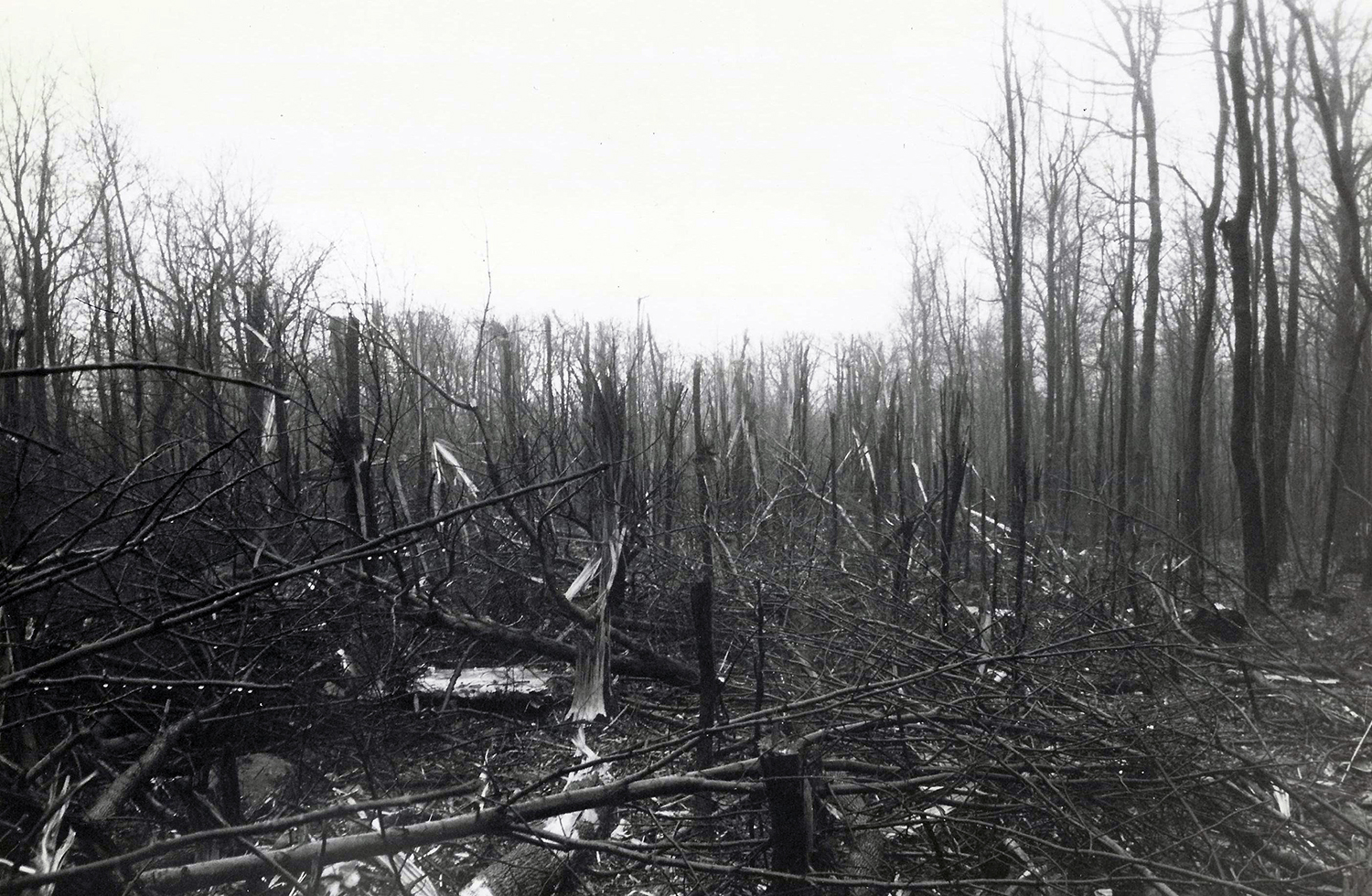
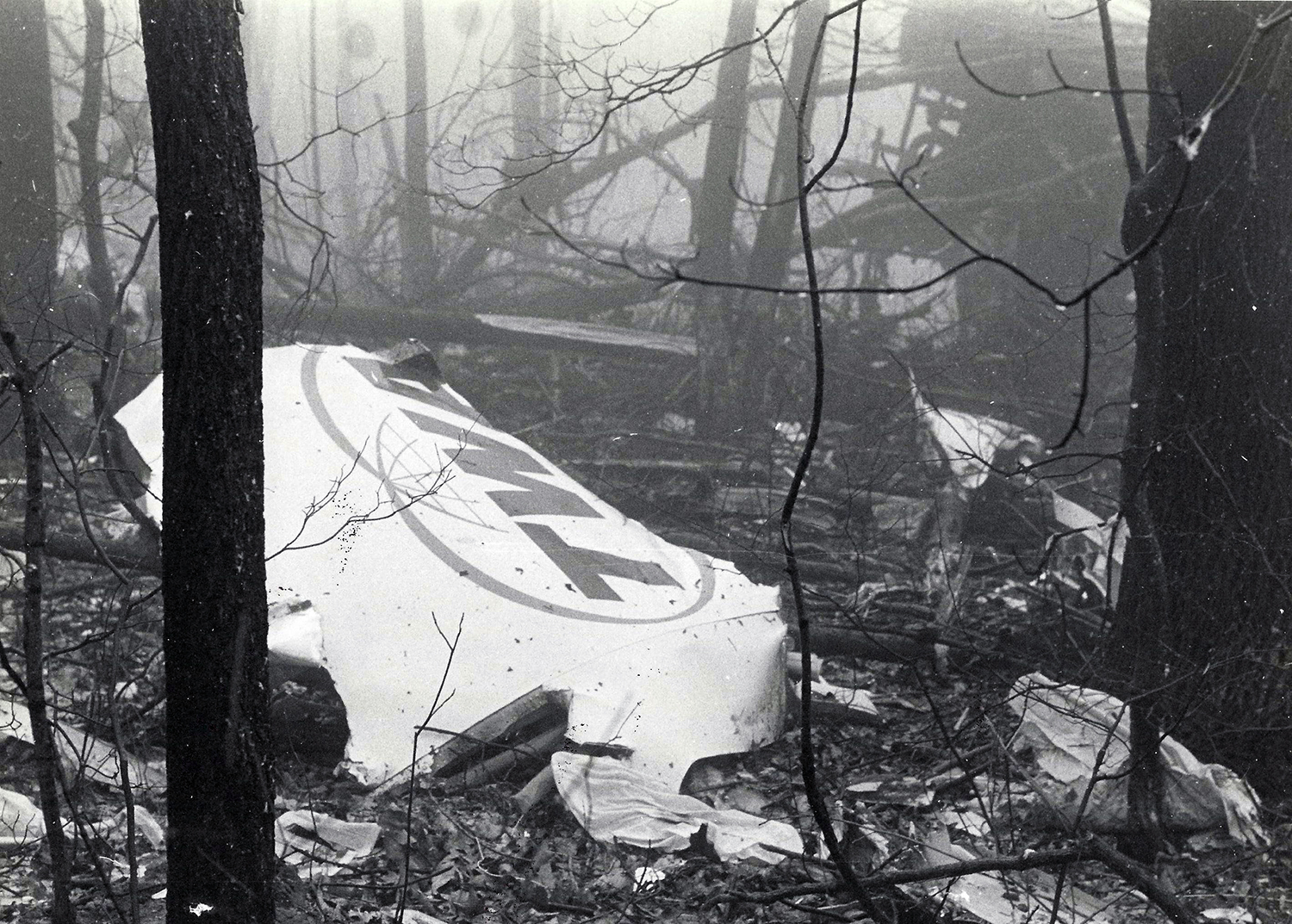
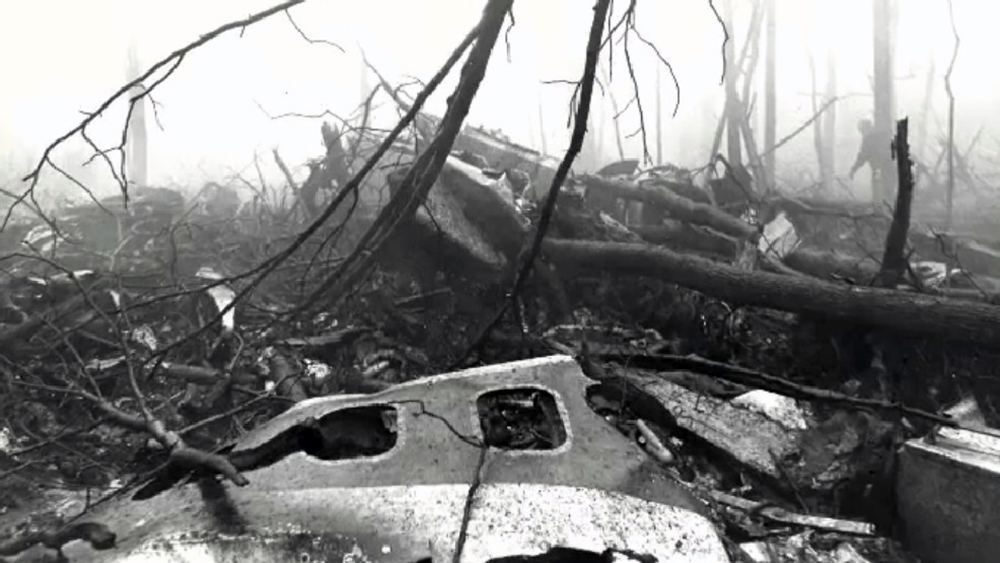
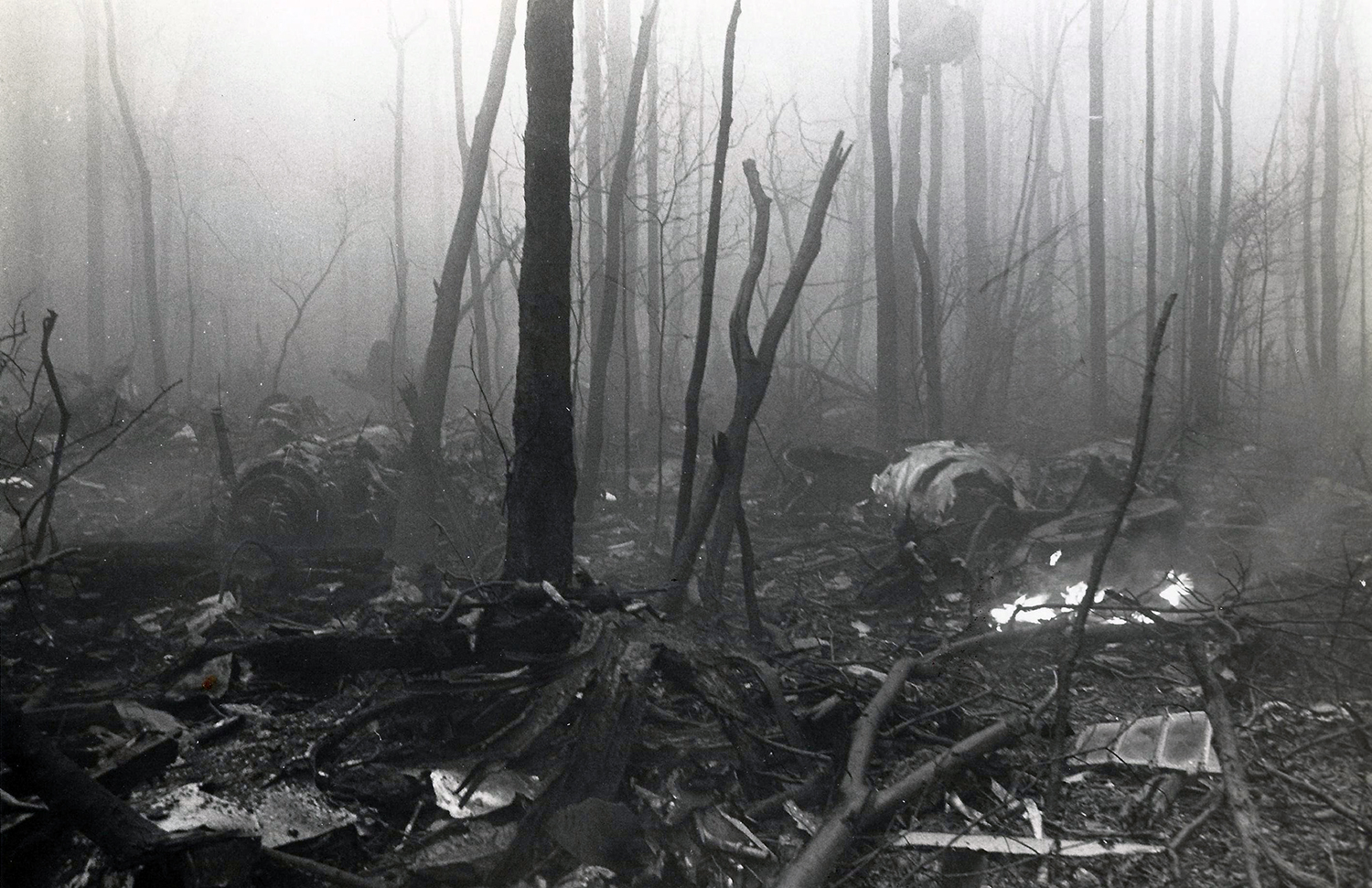
Trans World Airlines Flight TW514 was a regularly scheduled flight from Indianapolis, IN (IND), to Washington-National Airport, DC (DCA), with an intermediate stop at Columbus-Port Columbus International Airport, OH (CMH). Flight 514 departed Indianapolis at 08:53 EST and arrived in Columbus at 09:32. The Boeing 727 departed Columbus at 10:24, eleven minutes late. There were 85 passengers and 7 flight crew members aboard the aircraft when it departed Columbus. At 10:36, the Cleveland Air Route Traffic Control Center (ARTCC) informed the crew of Flight 514 that no landings were being made at Washington National Airport because of high crosswinds, and that flights destined for that airport were either being held or being diverted to Dulles International Airport (IAD). At 10:38, the captain of Flight 514 communicated with the dispatcher in New York and advised him of the information he had received. The dispatcher, with the captain's concurrence, subsequently amended Flight 514's release to allow the flight to proceed to Dulles. At 10:42, Cleveland ARTCC cleared Flight 514 to Dulles Airport via the Front Royal VOR, and to maintain FL290. One minute later, the controller cleared the flight to descend to FL230 and to cross a point 40 miles west of Front Royal at that altitude. Control of the flight was then transferred to the Washington ARTCC and communications were established with that facility at 10:48. In the meantime, the flightcrew discussed the instrument approach to runway 12, the navigational aids, and the runways at Dulles, and the captain turned the flight controls over to the first officer. When radio communications were established with Washington ARTCC, the controller affirmed that he knew the flight was proceeding to Dulles. Following this contact, the crew discussed the various routings they might receive to conduct a VOR/DME approach to runway 12 at Dulles. At 10:51, the Washington ARTCC controller requested the flight's heading. After being told that the flight was on a heading of 100 degrees, the controller cleared the crew to change to a heading of 090°, to intercept the 300° radial of the Armel VOR, to cross a point 25 miles northwest of Armel to maintain 8,000 feet, "...and the 300° radial will be for a VOR approach to runway 12 at Dulles." He gave the crew an altimeter setting of 29.74 for Dulles. The crew acknowledged this clearance. The pilots again discussed the VOR/DME approach At 10:55, the landing preliminary checklist was read by the flight engineer and the other crewmembers responded to the calls. A reference speed of 127 kts was calculated and set on the airspeed indicator reference pointers. The altimeters were set at 29.74. The crew then again discussed items on the instrument approach chart including the Round Hill intersection, the final approach fix, the visual approach slope indicator and runway lights, and the airport diagram. At 10:59, the captain commented that the flight was descending from 11,000 feet to 8,000 feet. He then asked the controller if there were any weather obstructions between the flight and the airport. The controller replied that he did not see any significant weather along the route. The captain replied that the crew also did not see any weather on the aircraft weather radar. At 11:01, the controller cleared the flight to descend to and maintain 7,000 feet and to contact Dulles approach control. Twenty-six seconds later, the captain initiated a conversation with Dulles approach control and reported that the aircraft was descending from 10,000 feet to maintain 7,000 feet. He also reported having received the information "Charlie" transmitted on the ATIS broadcast. The controller replied with a clearance to proceed inbound to Armel and to expect a VOR/DME approach to runway 12. The controller then informed the crew that ATIS information Delta was current and read the data to them. The crew determined that the difference between information Charlie and Delta was the altimeter setting which was given in Delta as 29.70. There was no information on the CVR to indicate that the pilots reset their altimeters from 29.74. At 11:04, the flight reported it was level at 7,000 feet. Five seconds after receiving that report, the controller said, "TWA 514, you're cleared for a VOR/DME approach to runway 12." This clearance was acknowledged by the captain. The CVR recorded the sound of the landing gear warning horn followed by a comment from the captain that "Eighteen hundred is the bottom." The first officer then said, "Start down." The flight engineer said, "We're out here quite a ways. I better turn the heat down." At 11:05:06, the captain reviewed the field elevation, the minimum descent altitude, and the final approach fix and discussed the reason that no time to the missed approach point was published. At 11:06:15, the first officer commented that, "I hate the altitude jumping around. Then he commented that the instrument panel was bouncing around. At 11:06:15, the captain said, "We have a discrepancy in our VOR's, a little but not much." He continued, "Fly yours, not mine." At 11:06:27, the captain discussed the last reported ceiling and minimum descent altitude. concluded, "...should break out." At 11:06:42, the first officer said, "Gives you a headache after a while, watching this jumping around like that." At 11:07:27, he said, "...you can feel that wind down here now." A few seconds later, the captain said, "You know, according to this dumb sheet it says thirtyfour hundred to Round Hill --- is our minimum altitude." The flight engineer then asked where the captain saw that and the captain replied, "Well, here. Round Hill is eleven and a half DME." The first officer said, "Well, but ---" and the captain replied, "When he clears you, that means you can go to your ---" An unidentified voice said, "Initial approach, and another unidentified voice said, "Yeah!" Then the captain said "Initial approach altitude." The flight engineer then said, "We're out a --- twenty-eight for eighteen." An unidentified voice said, "Right, and someone said, "One to go." At 11:08:14, the flight engineer said, "Dark in here," and the first officer stated, "And bumpy too." At 11:08:25, the sound of an altitude alert horn was recorded. The captain said, "I had ground contact a minute ago," and the first officer replied, "Yeah, I did too." At 11:08:29, the first officer said, "...power on this.... " The captain said "Yeah --- you got a high sink rate." "Yeah," the first officer replied. An unidentified voice said, "We're going uphill, " and the flight engineer replied, "We're right there, we're on course." Two voices responded, "Yeah!" The captain then said, "You ought to see ground outside in just a minute -- Hang in there boy." The flight engineer said, "We're getting seasick." At 1108:57, the altitude alert sounded. Then the first officer said, "Boy, it was --- wanted to go right down through there, man," to which an unidentified voice replied, "Yeah!" Then the first officer said, "Must have had a # of a downdraft." At 1109:14, the radio altimeter warning horn sounded and stopped. The first officer said, "Boy!" At 11:09:20, the captain said, "Get some power on." The radio altimeter warning horn sounded again and stopped. At 11:09:22, the sound of impact was recorded. After the aircraft left 7,000 feet, the descent was continuous with little rate variation until the indicated altitude was about 1,750 feet. increased about 150 feet over a 15-second period and then decreased about 200 feet during a 20-second period. The recorded altitude remained about 1,750 feet until the airplane impacted the west slope of Mount Weather, Virginia, about 25 nmi from Dulles, at an elevation of about 1,670 feet (509 m). The aircraft was totally destroyed by impact forces and a post crash fire and all 92 occupants were killed.
Probable cause:
The National Transportation Safety Board determines that the probable cause of the accident was the crew's decision to descend to 1,800 feet before the aircraft had reached the approach segment where that minimum altitude applied result of inadequacies and lack of clarity in the air traffic control procedures which led to a misunderstanding on the part of the pilots and of the controllers regarding each other's responsibilities during operations in terminal areas under instrument meteorological conditions. Nevertheless, the examination of the plan view of the approach chart should have disclosed to the captain that a minimum altitude of 1,800 feet was not a safe altitude.
The following contributing factors were reported:
- The failure of the FAA to take timely action to resolve the confusion and misinterpretation of air traffic terminology although the Agency had been aware of the problem for several years,
- The issuance of the approach clearance when the flight was 44 miles from the airport on an unpublished route without clearly defined minimum altitudes,
- Inadequate depiction of altitude restrictions on the profile view of the approach chart for the VOR/DME approach to runway 12 at Dulles International Airport.
Final Report:

Crash of a Beechcraft D18S in Santa Ana: 3 killed

Date & Time: Nov 22, 1974 at 0204 LT
Type of aircraft:
Operator:
Registration:
N2085D
Survivors:
No
Schedule:
Phoenix - Santa Ana
MSN:
A-958
YOM:
1953
Crew on board:
1
Crew fatalities:
Pax on board:
2
Pax fatalities:
Other fatalities:
Total fatalities:
3
Captain / Total flying hours:
1098
Captain / Total hours on type:
28.00
Circumstances:
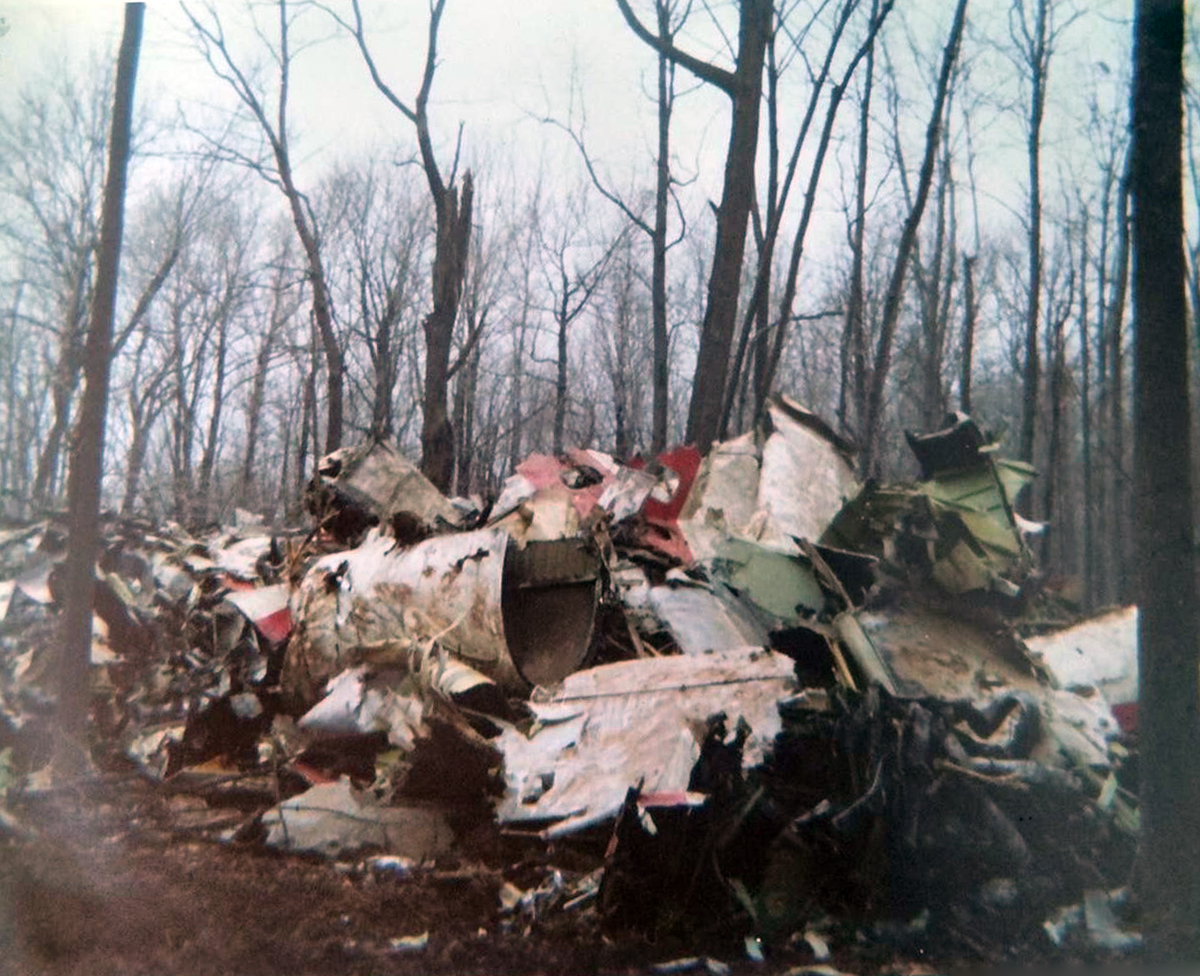
The pilot initiated the descent to Santa Ana-John Wayne Airport by night and poor weather conditions with a limited visibility due to rain showers. On final, the airplane was too low, struck the ground and crashed in flames in Tustin, few miles from the runway threshold. The aircraft was destroyed and all three occupants were killed.
Probable cause:
Improper operation on part of the pilot who descended below the published minimum altitude. The following contributing factors were reported:
- Low ceiling,
- Rain,
- High obstructions,
- The glide slope receiver was reported inoperative since one week prior to the accident.
Final Report:

Crash of a De Havilland DHC-2 Beaver in Hoonah: 4 killed

Date & Time: Nov 15, 1974 at 1300 LT
Type of aircraft:
Registration:
N9770Z
Flight Phase:
Survivors:
No
Schedule:
Juneau - Tenakee
MSN:
376
YOM:
1952
Location:
Crew on board:
1
Crew fatalities:
Pax on board:
3
Pax fatalities:
Other fatalities:
Total fatalities:
4
Captain / Total flying hours:
2864
Captain / Total hours on type:
300.00
Circumstances:
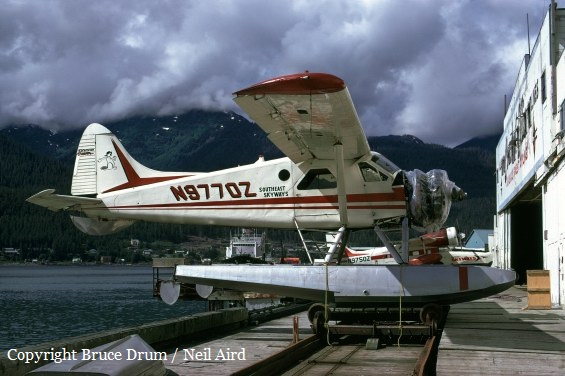
En route from Juneau to Tenakee, the pilot encountered bad weather conditions with low clouds and heavy snow falls. While cruising at low height under VFR mode, the seaplane crashed into the bay off Hoonah and sank. All four occupants were killed.
Probable cause:
Improper in-flight decisions as the pilot continued VFR flight into adverse weather conditions. The following contributing factors were reported:
- Low ceiling and snow.
Final Report:

Crash of a Rockwell Grand Commander 690A in Kingston: 1 killed

Date & Time: Nov 12, 1974 at 1804 LT
Operator:
Registration:
N40MP
Flight Phase:
Flight Type:
Survivors:
No
Schedule:
Phoenix - Butte
MSN:
690-11116
YOM:
1973
Location:
Crew on board:
1
Crew fatalities:
Pax on board:
0
Pax fatalities:
Other fatalities:
Total fatalities:
1
Captain / Total flying hours:
2754
Captain / Total hours on type:
200.00
Circumstances:
While cruising by night at an altitude of 17,500 feet on a ferry flight from Phoenix to Butte, the twin engine airplane collided with a USAF General Dynamics F-111A Aardvark registered 67-0055. Following the collision, both aircraft entered a dive and crashed in flames near Kingston. The pilot of the Commander was killed while both military pilots were seriously injured.
Probable cause:
The collision occurred by night when the aircraft was not under radar contact with no control. It is understood that the F-111 crew had a rendezvous with the crew of a USAF Boeing KC-135 refueling plane for a night exercise but he mistook the Commander that was struck from the rear with a 0-10° angle.
Final Report: