Crash of a Pilatus PC-12/47E off Beaufort: 8 killed

Date & Time: Feb 13, 2022 at 1402 LT
Type of aircraft:
Registration:
N79NX
Flight Phase:
Flight Type:
Survivors:
No
Schedule:
Engelhard - Beaufort
MSN:
1709
YOM:
2017
Crew on board:
2
Crew fatalities:
Pax on board:
6
Pax fatalities:
Other fatalities:
Total fatalities:
8
Captain / Total flying hours:
3000
Copilot / Total flying hours:
97
Copilot / Total hours on type:
21
Aircraft flight hours:
1367
Circumstances:
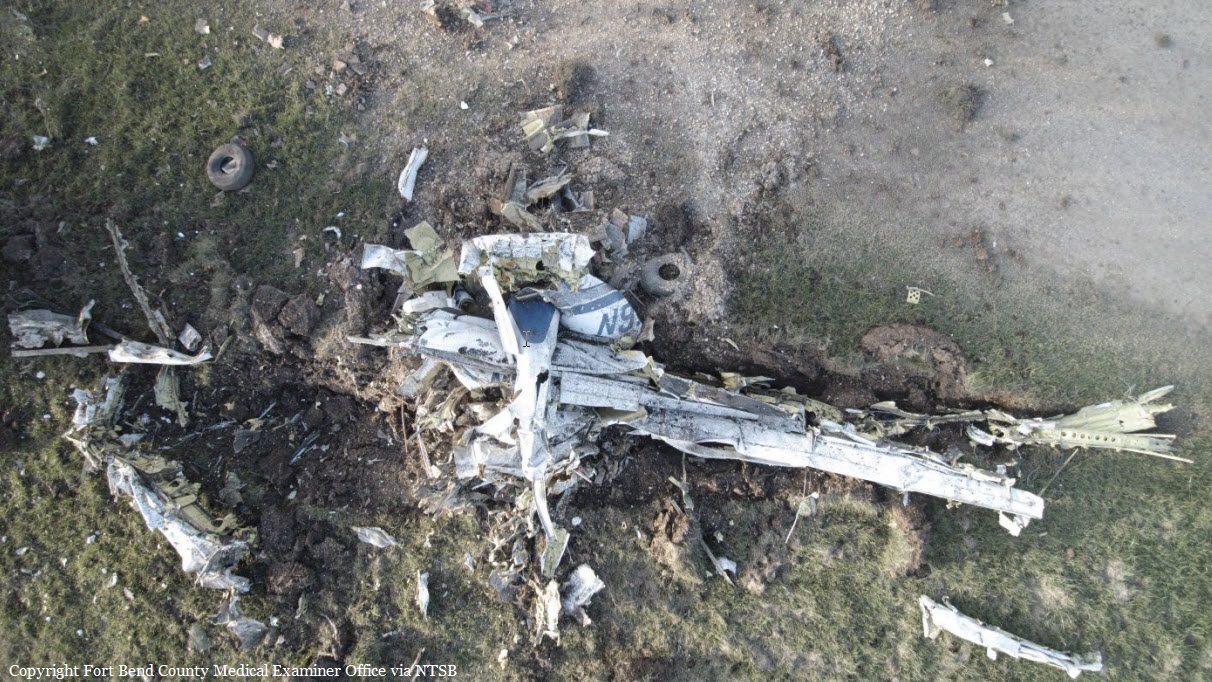
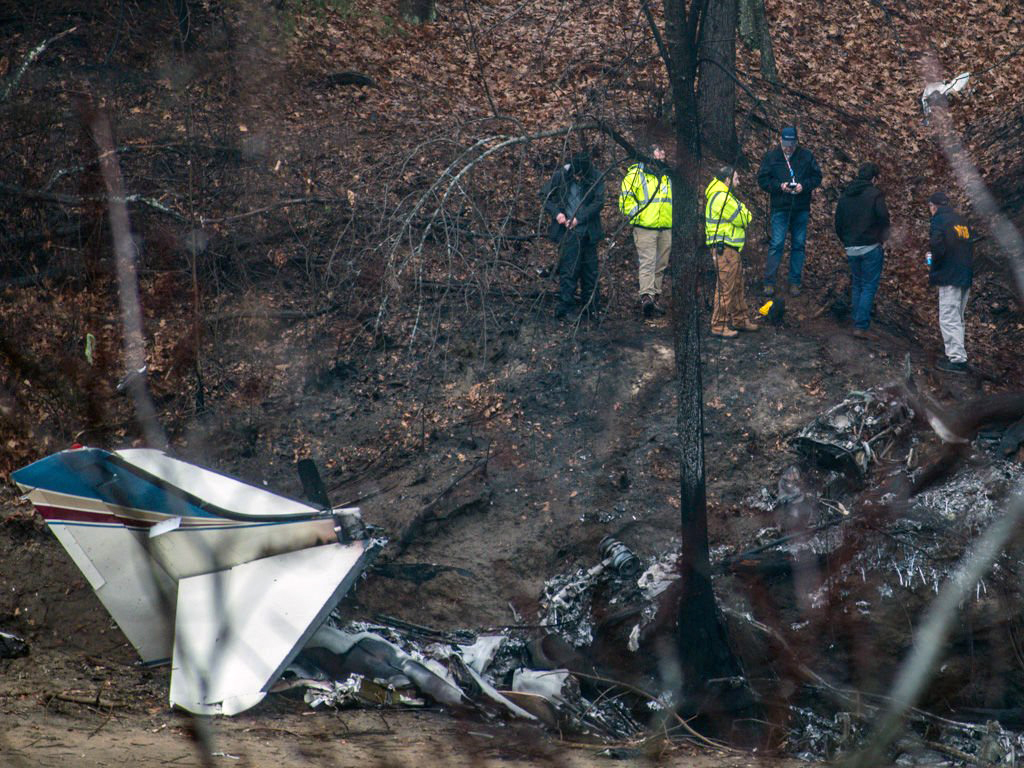
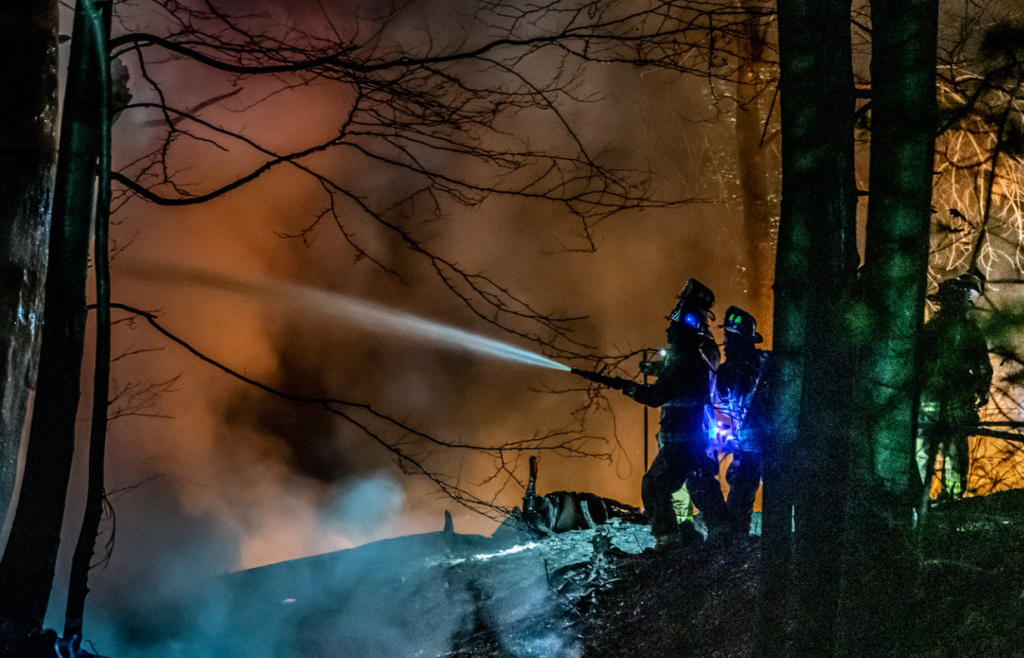
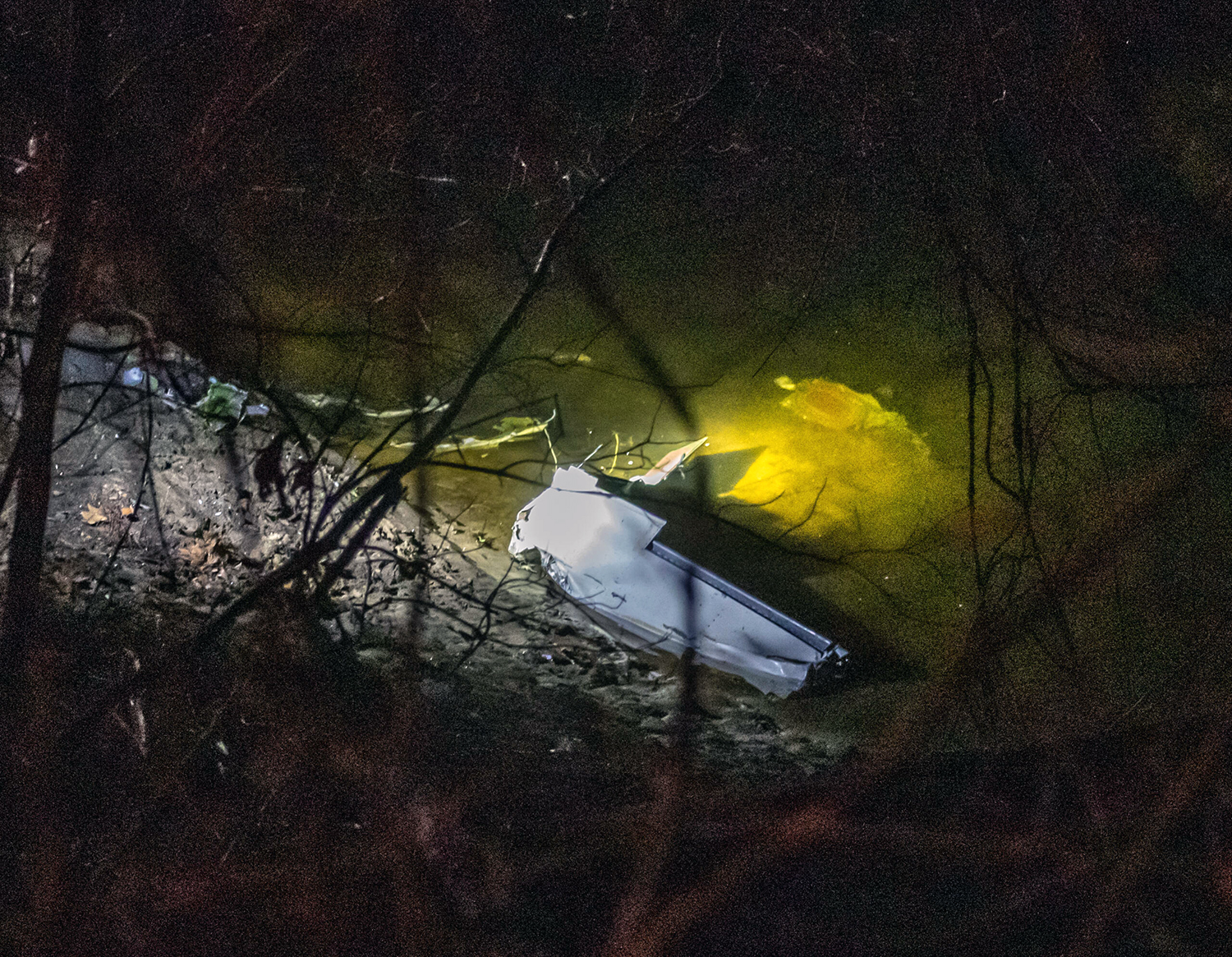
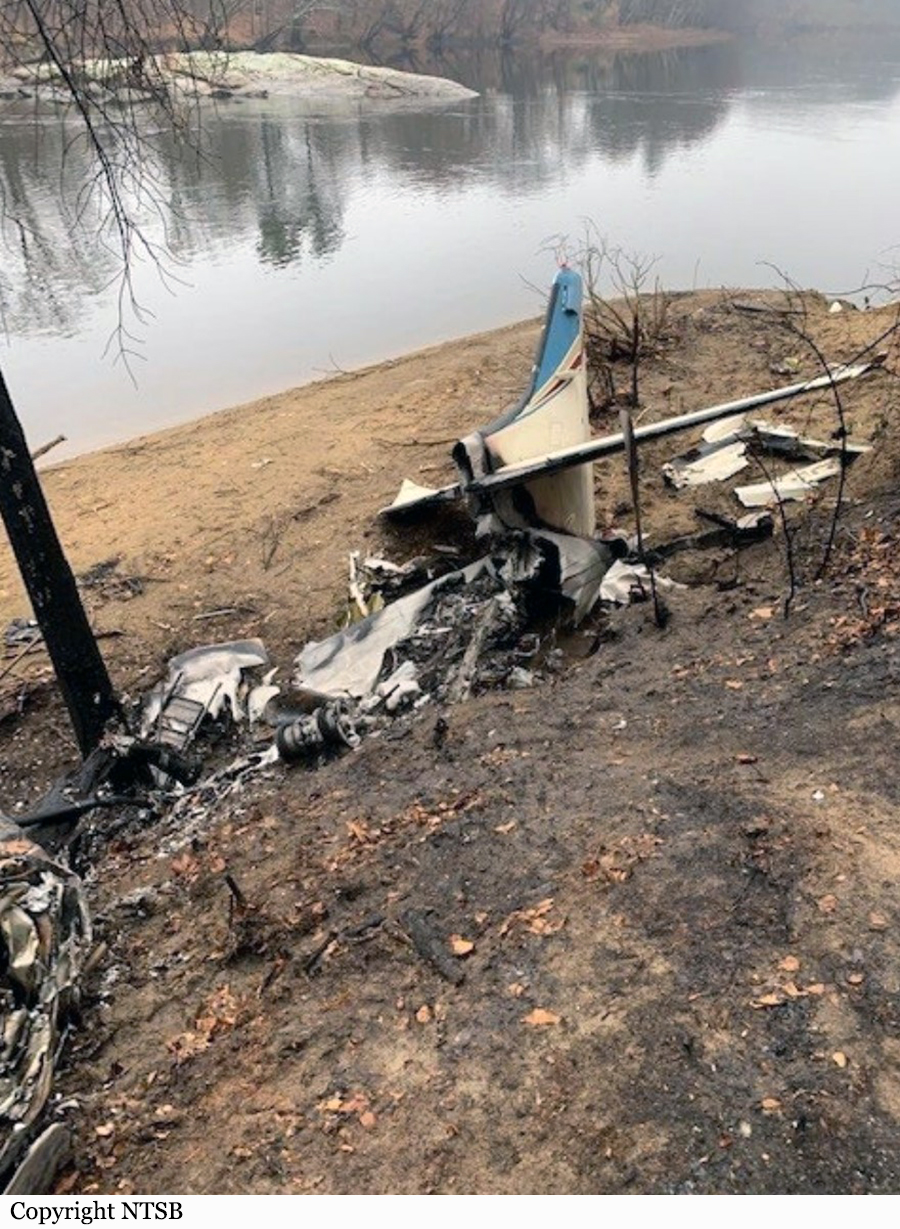
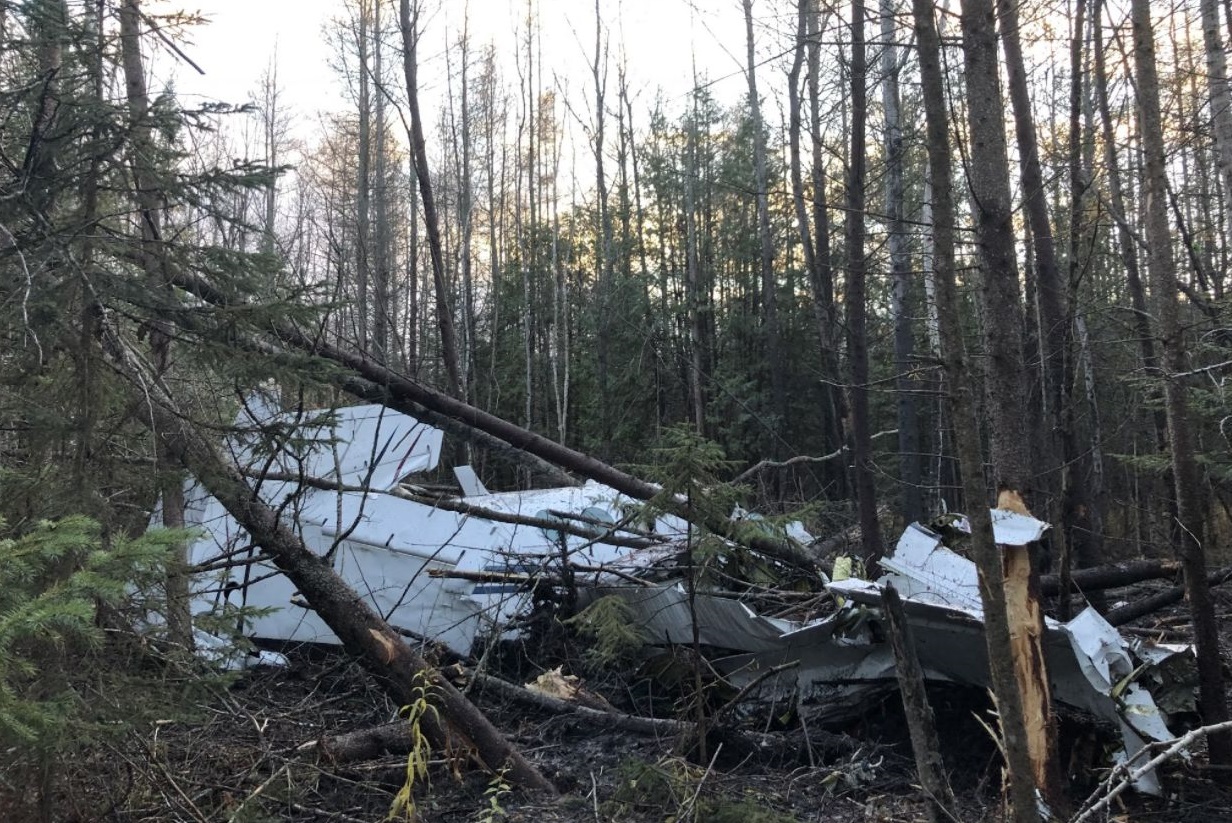
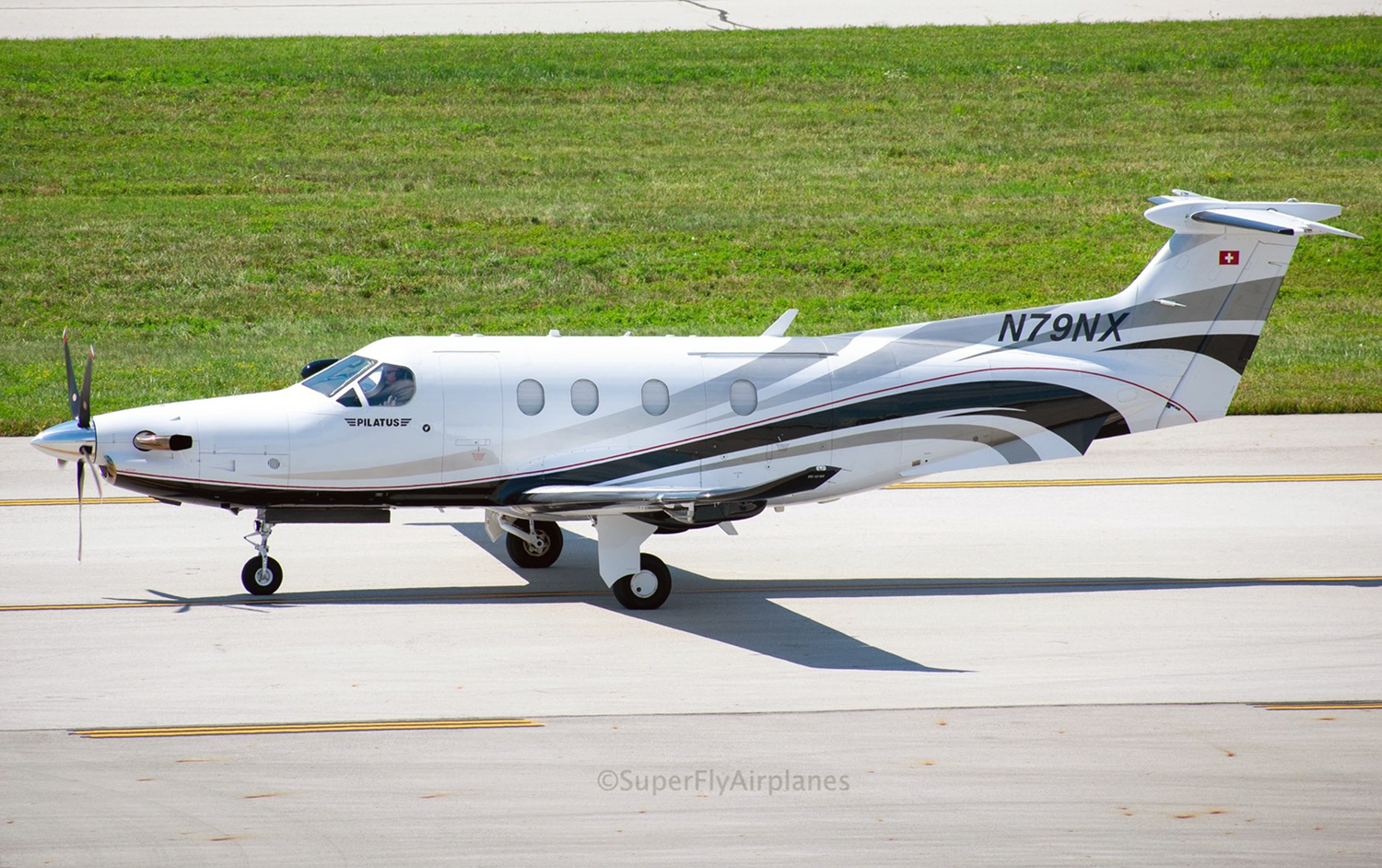
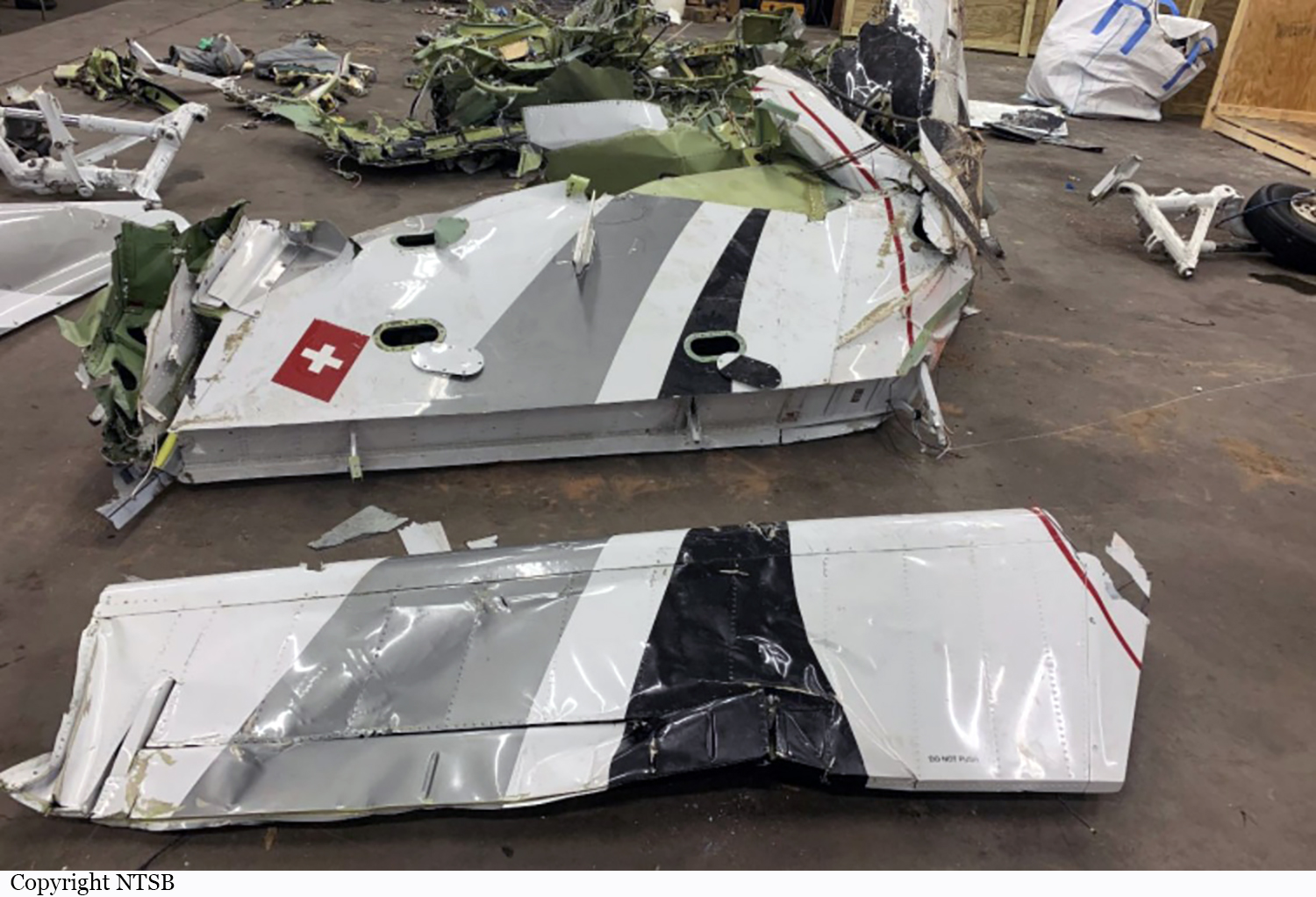
Before departing on the flight, the pilot of the turbo-propeller-equipped, single-engine airplane and student pilot-rated passenger seated in the right front seat of the airplane attempted to enter a flight plan into the airplane’s integrated flight management system. They ultimately did not complete this task prior to takeoff with the pilot remarking, “we’ll get to it later.” The pilot subsequently departed and climbed into instrument meteorological conditions (IMC) without an instrument flight rules (IFR) flight plan. After entering IMC, he contacted air traffic control and asked for visual flight rules (VFR) flight following services and an IFR clearance to the destination airport. From shortly after when the airplane leveled after takeoff through the final seconds of the flight, the pilot attempted to program, delete, reprogram, and activate a flight plan into the airplane’s flight management system as evidenced by his comments recorded on the airplane’s cockpit voice recorder (CVR). After departing, the pilot also attempted to navigate around restricted airspace that the airplane had flown into. The CVR audio showed that during the final 10 minutes of the flight, the pilot was unsure of the spelling of the fix he should have been navigating to in order to begin the instrument approach at the destination airport, and more generally expressed frustration and confusion while attempting to program the integrated flight management system. As the pilot continued to fixate on programming the airplane’s flight management system and change the altimeter setting, the airplane’s pitch attitude increased to 10° nose up, while the airspeed had decayed to 109 knots. As a result of his inattention to this airspeed decay, the stall warning system activated and the autopilot disconnected. During this time the airplane began climbing and turning to the right and then to the left before entering a steep descending right turn that continued until the airplane impacted the ocean. For the final 2 and 1/2 minutes of the flight, the pilot was provided with stall warnings, stick shaker activations, autopilot disconnect warnings, and terrain avoidance warning system alerts. The airplane impacted the ocean about 3 miles from the coast. Examination of the recovered sections of the airplane did not reveal evidence of any mechanical failures or malfunctions of the airframe or engine that would have precluded normal operation. The instrument meteorological conditions present in the area at the time of the accident were conducive to the development of spatial disorientation. The airplane’s erratic flight track in the final 2 minutes of flight, culminating in the final rapidly descending right turn, were consistent with the known effects of spatial disorientation. It is likely that the pilot’s inadequate preflight planning, and his subsequent distraction while he unsuccessfully attempted to program the airplane’s flight management system during the flight resulted in his failure to adequately monitor the airplane’s speed. This led to the activation of the airplane’s stall protection and warning systems as the airplane approached and entered an aerodynamic stall. The resulting sudden deactivation of the autopilot, combined with his inattention to the airplane’s flight attitude and speed, likely surprised the pilot. Ultimately, the pilot failed to regain control of the airplane following the aerodynamic stall, likely due to spatial disorientation. The pilot had a history of mantle cell lymphoma that was in remission and his maintenance treatment with a rituximab infusion was over 60 days prior to the accident. The pilot also had a history of back pain and had received steroid injections and nonsteroidal anti-inflammatory drugs. By self-report, he had taken oxycodone for pain management; it is unknown how frequently he used this medication or if he had used the medication on the day of the accident. While oxycodone can result in fatigue and dizziness, and may interfere with reaction time, given the information from the CVR, it could not be determined if the pilot had these side effects. A few weeks prior to the accident, the pilot reported having COVID-19 and receiving a 5-day treatment course of hydroxychloroquine and ivermectin. While there are some impairing side effects associated with the use of those medications, enough time had elapsed that no adverse effects would be expected. There is an increased risk of a sudden incapacitating cardiovascular event such as a dysrhythmia, stroke, or pulmonary embolism in people who have recovered from their COVID-19 infection. The risk is slight for those not hospitalized for the infection. The pilot did not have an underlying cardiovascular disease that would pose an increased risk for a sudden incapacitating event and the CVR did not provide evidence of a sudden incapacitating event occurring. Thus, it could not be determined if the pilot’s medical conditions of mantle cell lymphoma, back pain, and recent history of COVID-19 and the medications used to treat these conditions, including rituximab, oxycodone, hydroxychloroquine, and ivermectin, were contributing factors to this accident.
Probable cause:
The pilot’s inadequate preflight planning, inadequate inflight monitoring of the airplane’s flight parameters, and his failure to regain control of the airplane following entry into an inadvertent aerodynamic stall. The pilot’s likely spatial disorientation following the aerodynamic stall also contributed to the outcome.
Final Report:
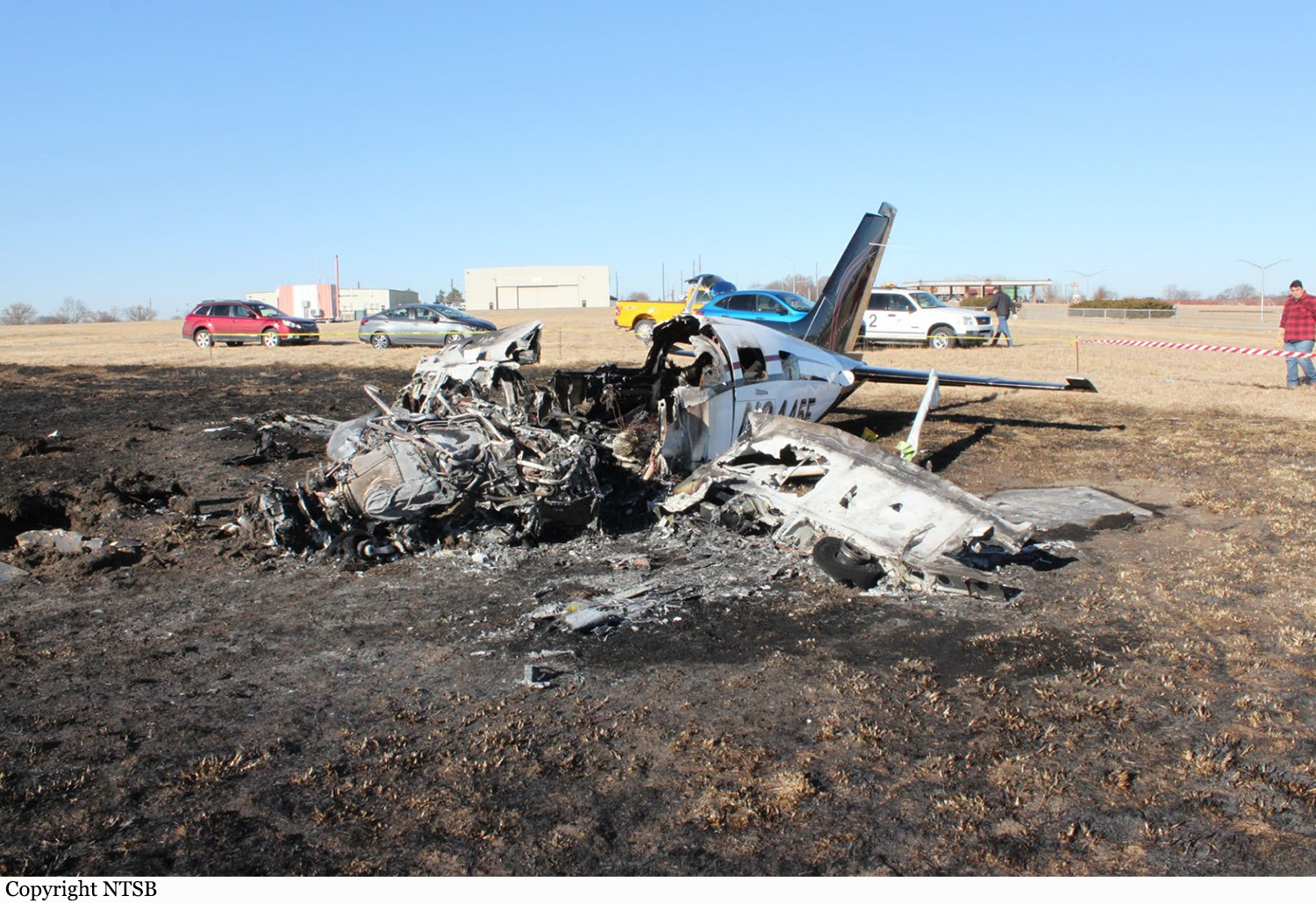
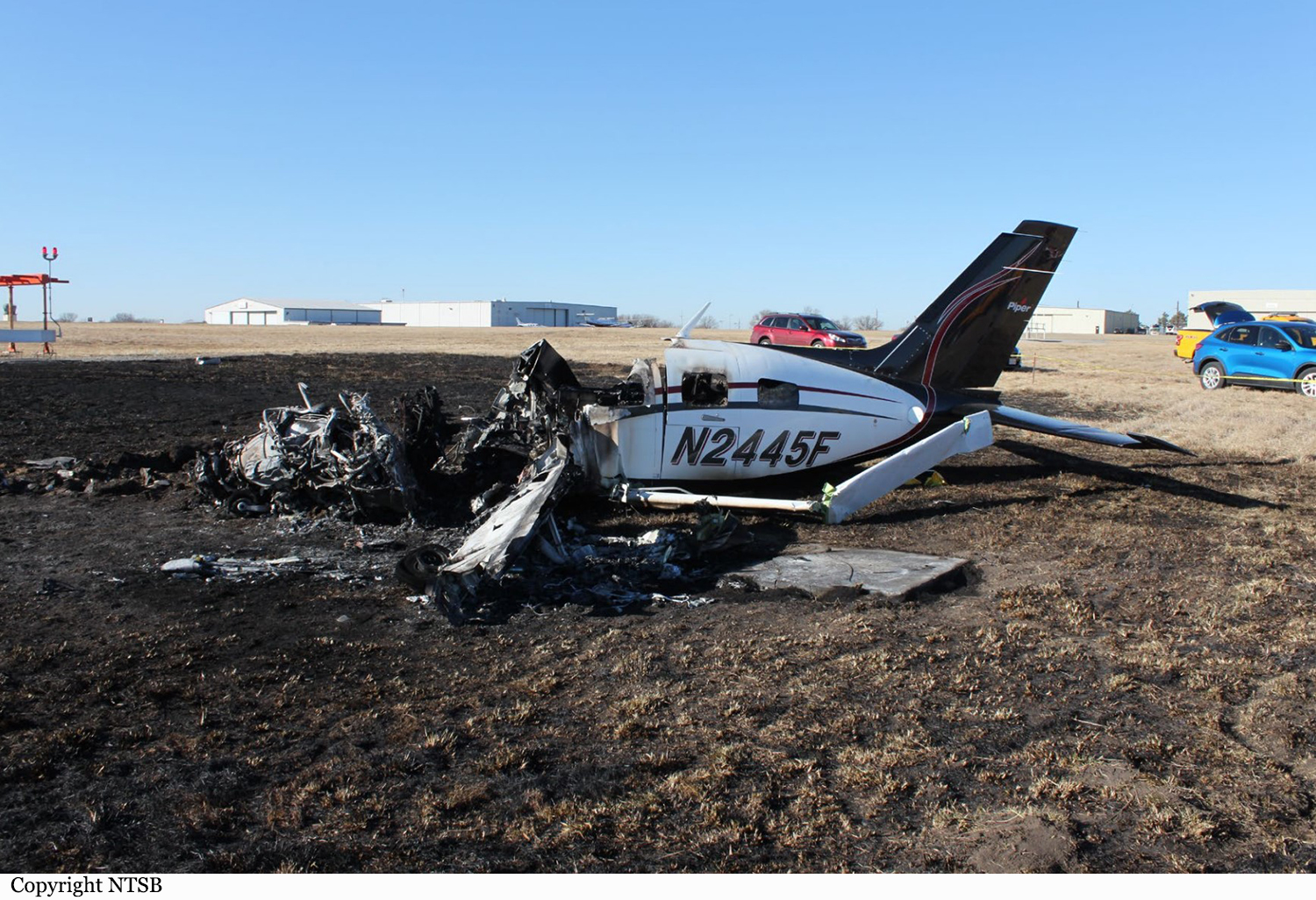
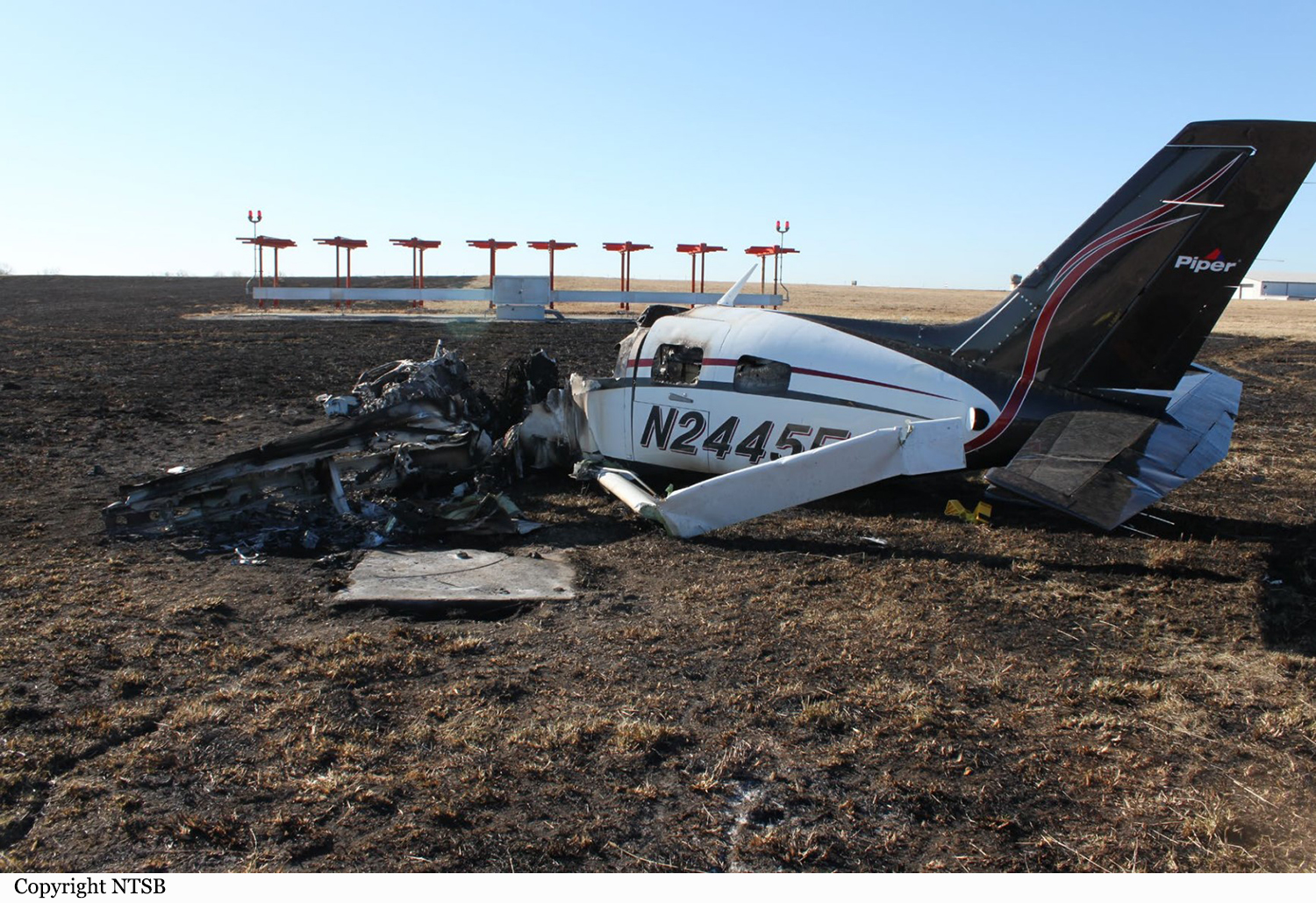
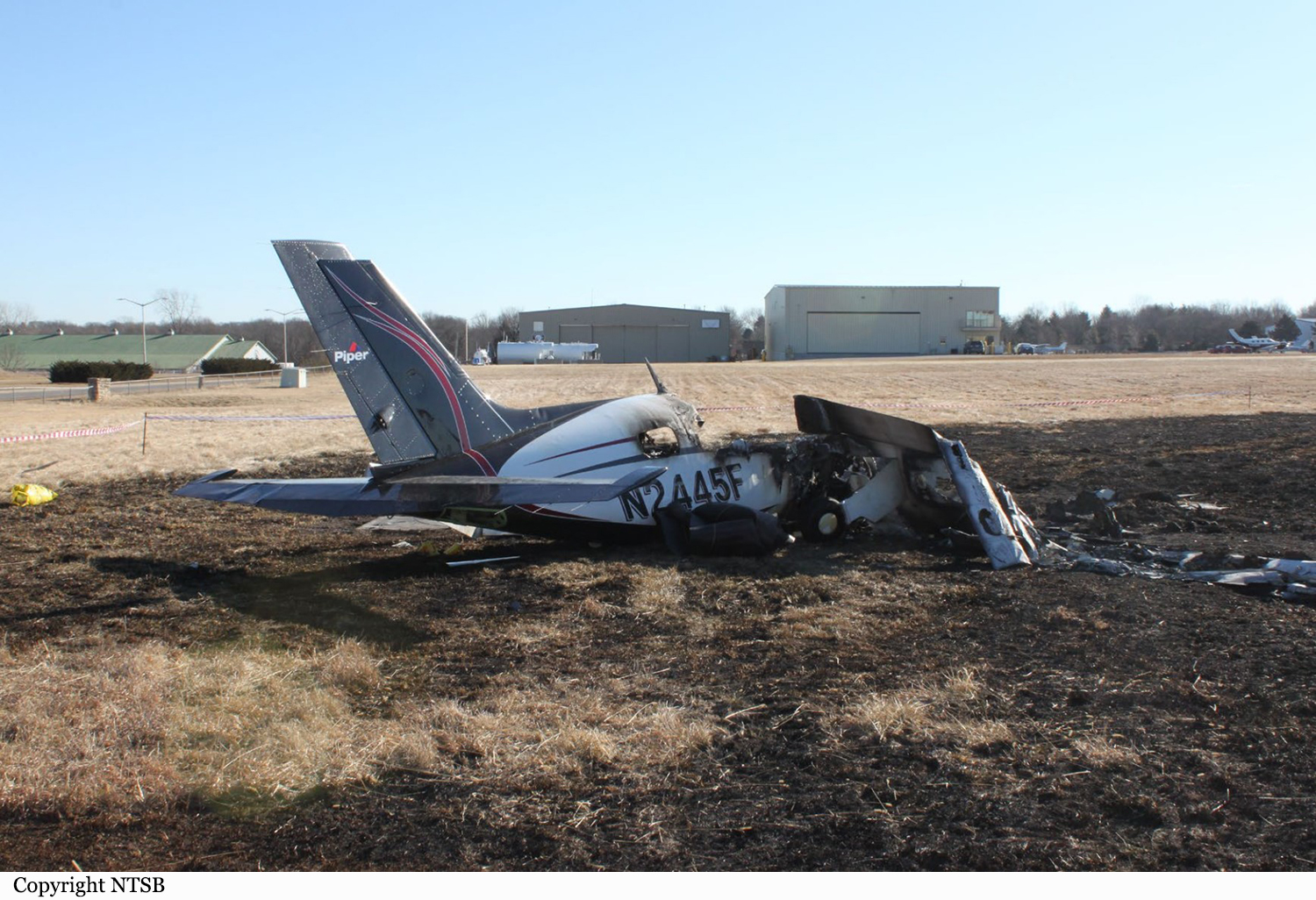
Crash of a Piper PA-46-500TP Malibu Meridian in Olathe: 1 killed

Date & Time: Feb 13, 2022 at 1020 LT
Registration:
N2445F
Flight Phase:
Flight Type:
Survivors:
No
Schedule:
Olathe - Albuquerque
MSN:
46-97480
YOM:
2012
Crew on board:
1
Crew fatalities:
Pax on board:
0
Pax fatalities:
Other fatalities:
Total fatalities:
1
Captain / Total flying hours:
354
Aircraft flight hours:
2170
Circumstances:
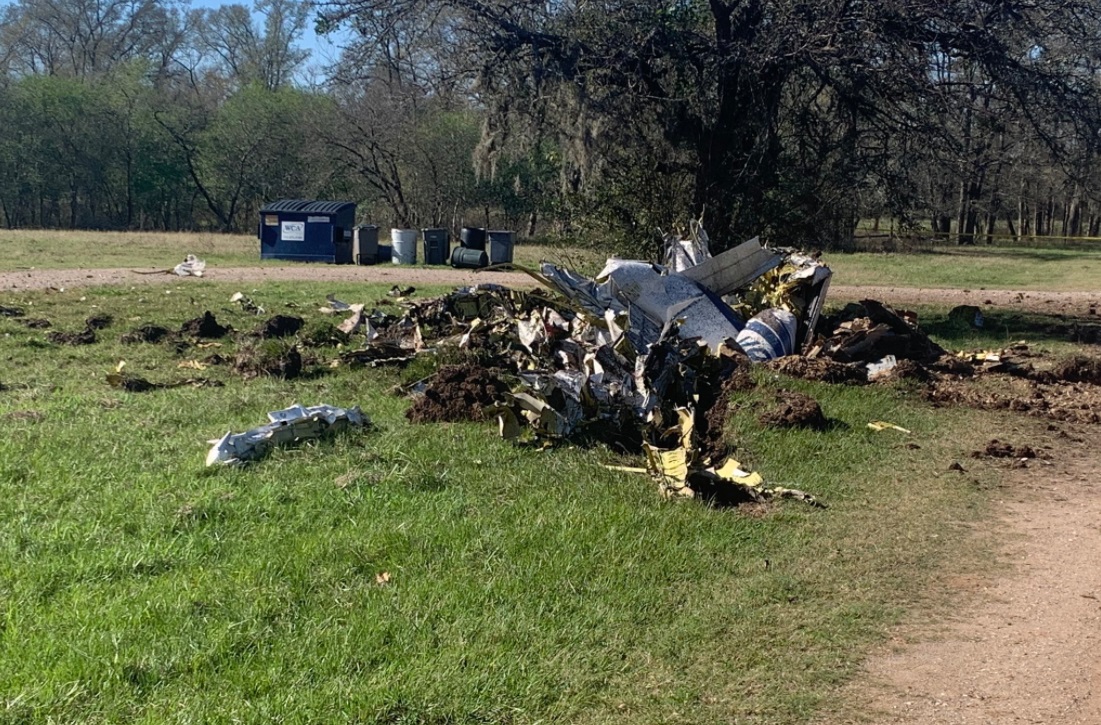
The airplane had recently undergone an annual inspection, and the pilot planned to fly the airplane back to his home base. After receiving clearance from air traffic control, the pilot proceeded to take off. The airplane accelerated and reached a peak groundspeed of 81 kts about 2,075 ft down the 4,097-ft runway. Once airborne, the airplane drifted slightly to the right and the pilot radioed an urgent need to return to the airport. The controller cleared the airplane to land and no further transmissions were received from the accident airplane. The airplane’s flight path showed that it slowed before turning back toward the left and the airplane’s speed continued to decrease throughout the remainder of the data. The final data point recorded the airplane at a groundspeed of 45 kts. The groundspeed would equate to 60 kts airspeed when considering the 15-kt headwind. The stall speed chart for the airplane listed the minimum stall speed for any configuration as 64 kts. Postaccident examinations of the airframe and engine revealed no evidence of mechanical malfunctions or failures that would have precluded normal operation. External and internal engine damage indicated that the engine was producing power at the time of impact, but the amount of power output could not be determined. Based on the available information, the pilot perceived an urgent need to return the airplane to the airport; however, due to the amount of damage from the impact and postimpact fire, the reason that the pilot was returning to the airport could not be determined. Stall speed information for the airplane, the recorded winds, and flight track data, indicated that the airplane encountered an aerodynamic stall before impacting the ground near the departure end of the runway. Since the airplane stalled and impacted the ground before reaching the perimeter of the airport, the pilot may not have had sufficient altitude to execute a forced landing to the empty field off the departure end of the runway.
Probable cause:
The unknown emergency that warranted a return to the airport and the airspeed decay which resulted in an aerodynamic stall.
Final Report:

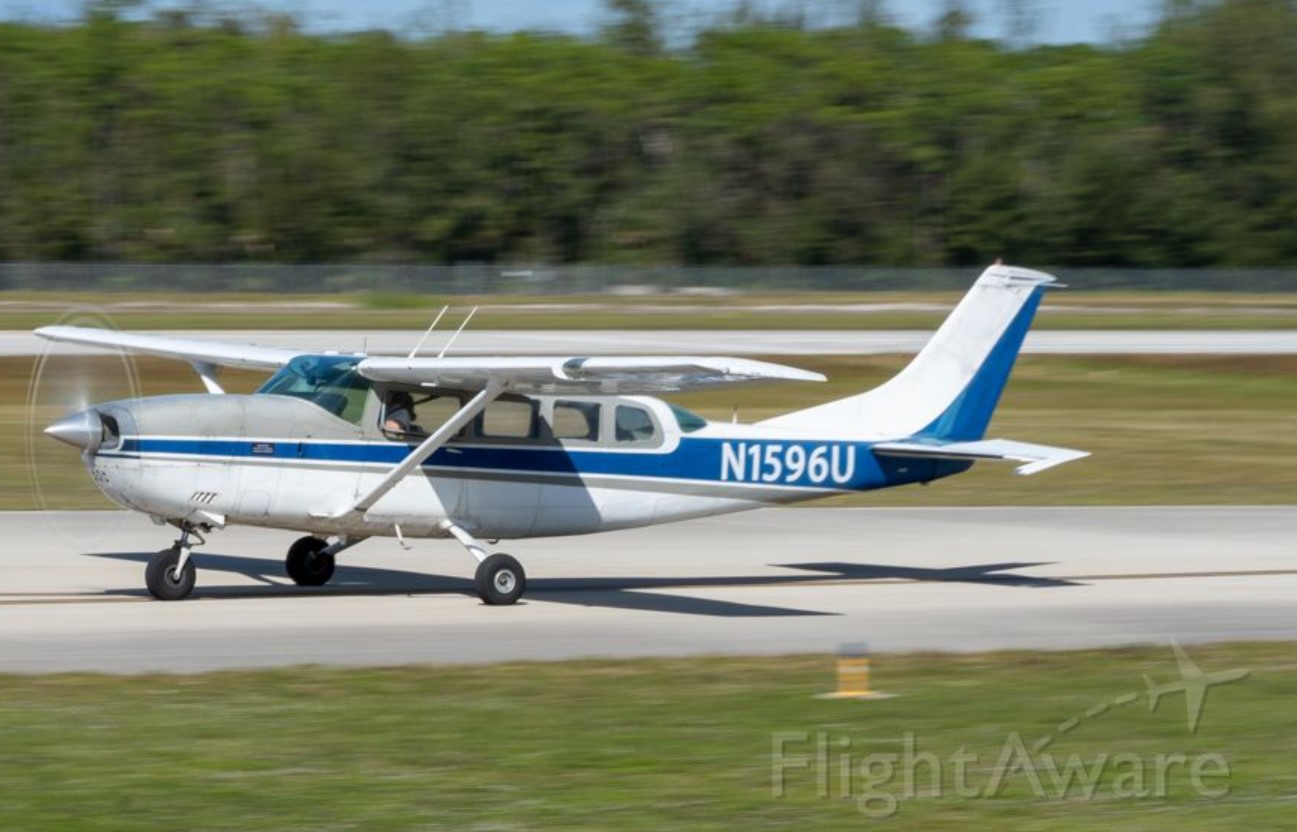
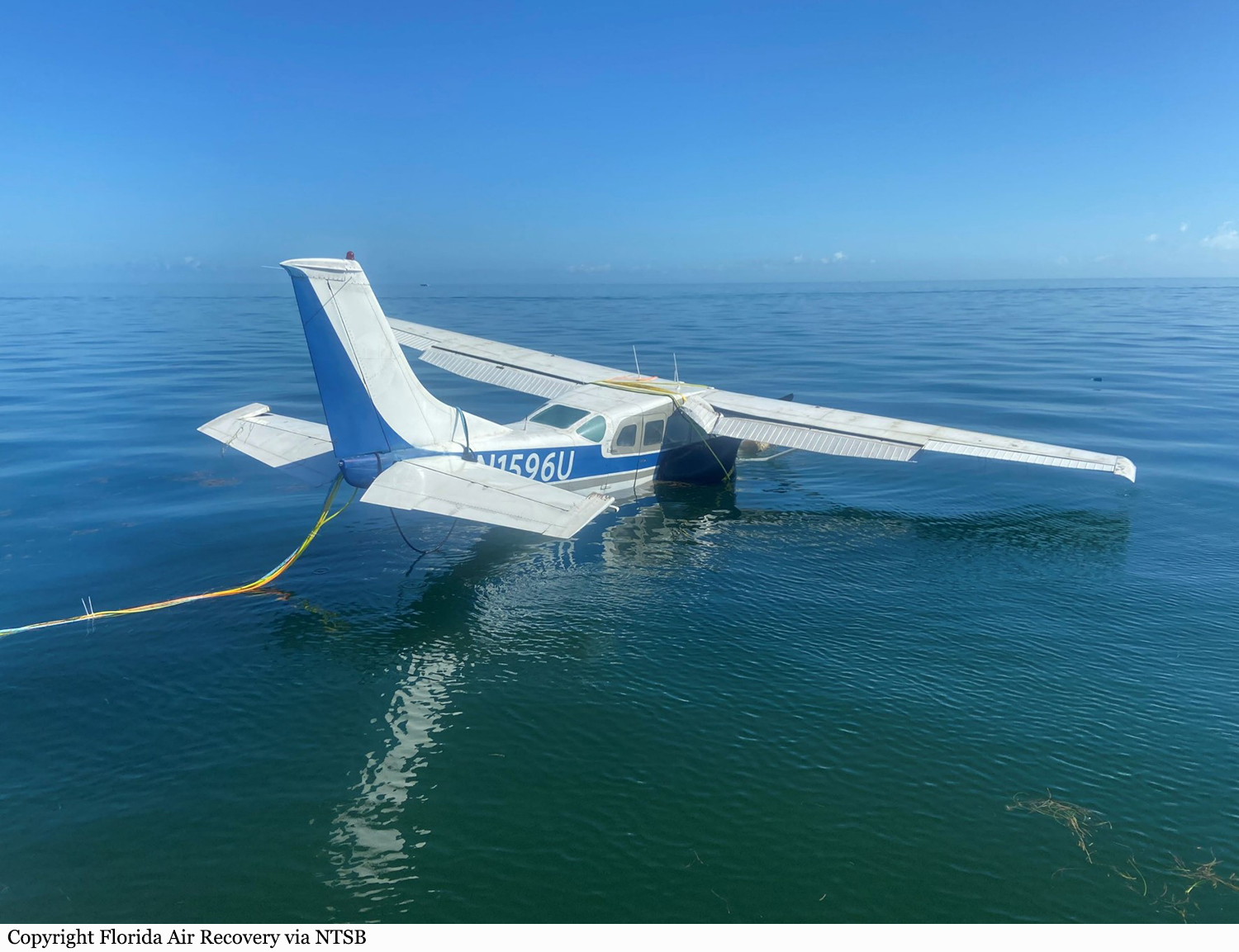
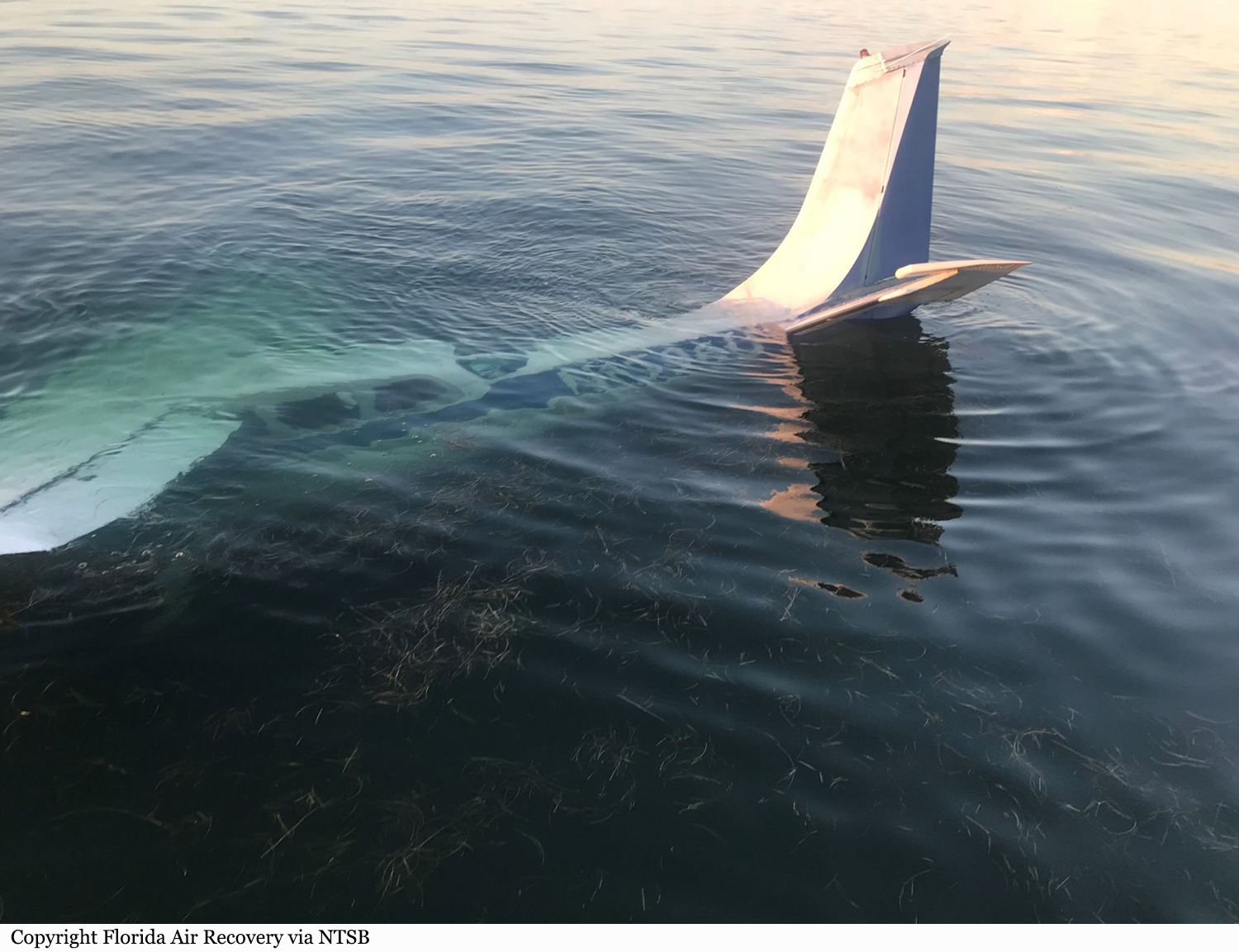
Crash of a Cessna 207 Skywagon off Marathon

Date & Time: Dec 29, 2021 at 1622 LT
Operator:
Registration:
N1596U
Flight Phase:
Survivors:
Yes
Schedule:
Marathon - Naples
MSN:
207-0196
YOM:
1971
Crew on board:
1
Crew fatalities:
Pax on board:
2
Pax fatalities:
Other fatalities:
Total fatalities:
0
Captain / Total flying hours:
1463
Captain / Total hours on type:
176.00
Aircraft flight hours:
13496
Circumstances:
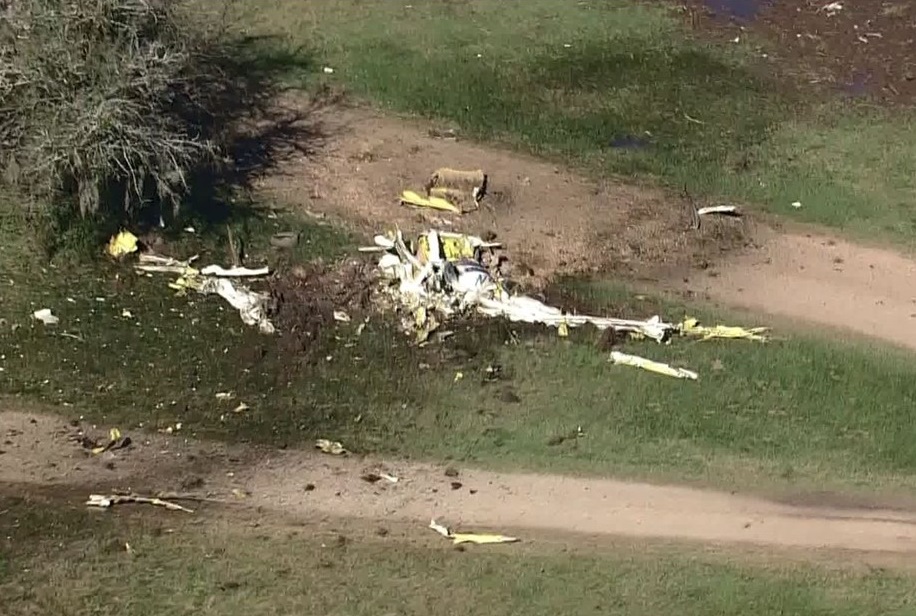
Shortly after departure, the engine lost total power and the pilot was forced to ditch in open water; the occupants egressed and were subsequently rescued by a recreational vessel. Examination of the engine revealed a fracture hole near the n°2 cylinder, which was likely the result of the n°2 cylinder connecting rod fracturing in fatigue as a result of high heat and high stress associated with failure of the n°2 bearing. The fatigue fracture displayed multiple origins consistent with relatively high cyclic stress, which likely occurred as excessive clearances developed between the bearing and the crankshaft journal. The n°2 connecting rod bearing may have failed due to a material defect in the bearing itself or due to a disruption in the oil lubrication supply to the bearing/journal interface. Either situation can cause similar damage patterns to develop, including excessive heating and subsequent bearing failure.
Probable cause:
A total loss of engine power due to the failure of the No. 2 bearing, which resulted in the n°2 connecting rod failing due to fatigue, high heat, and stress.
Final Report:

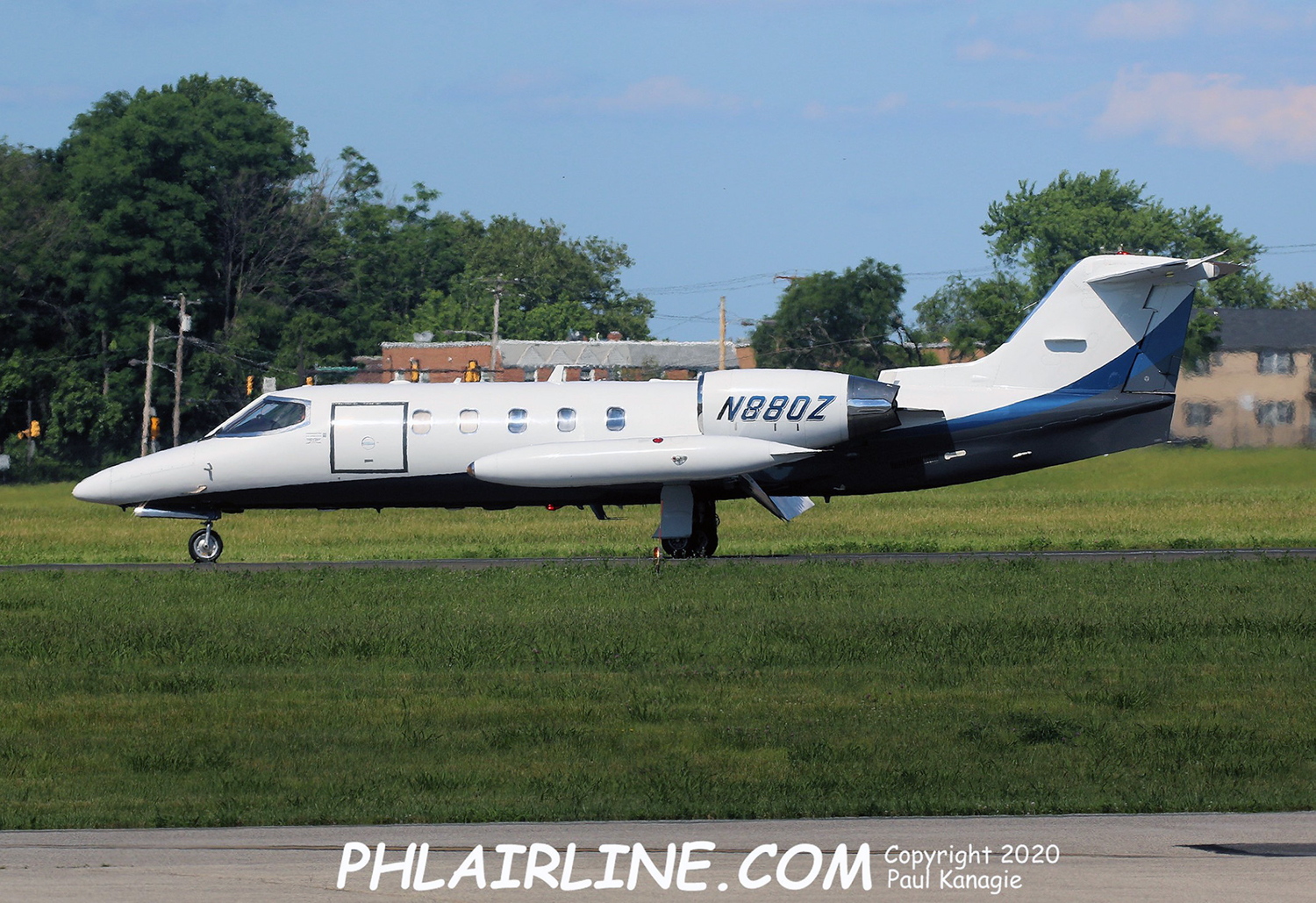
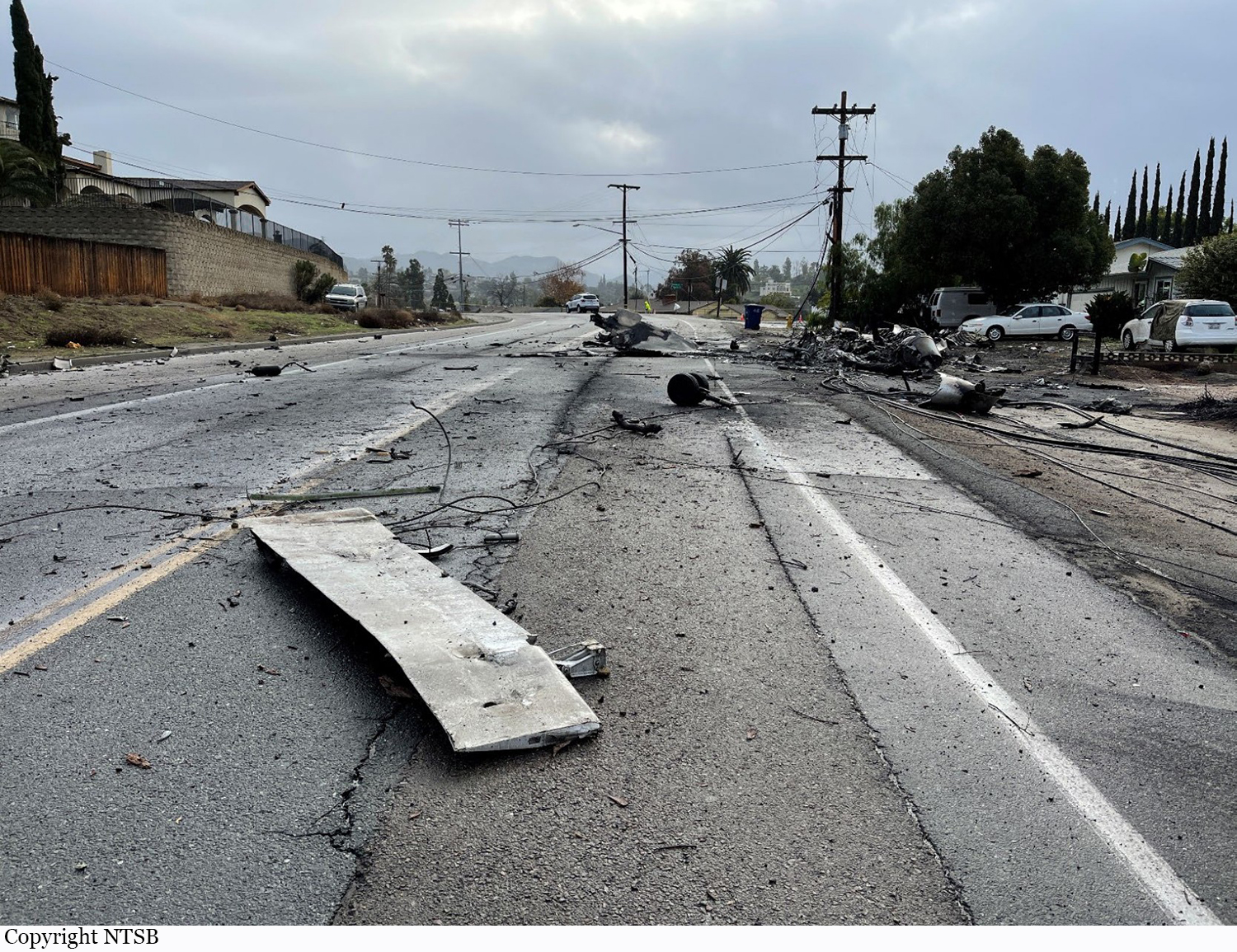
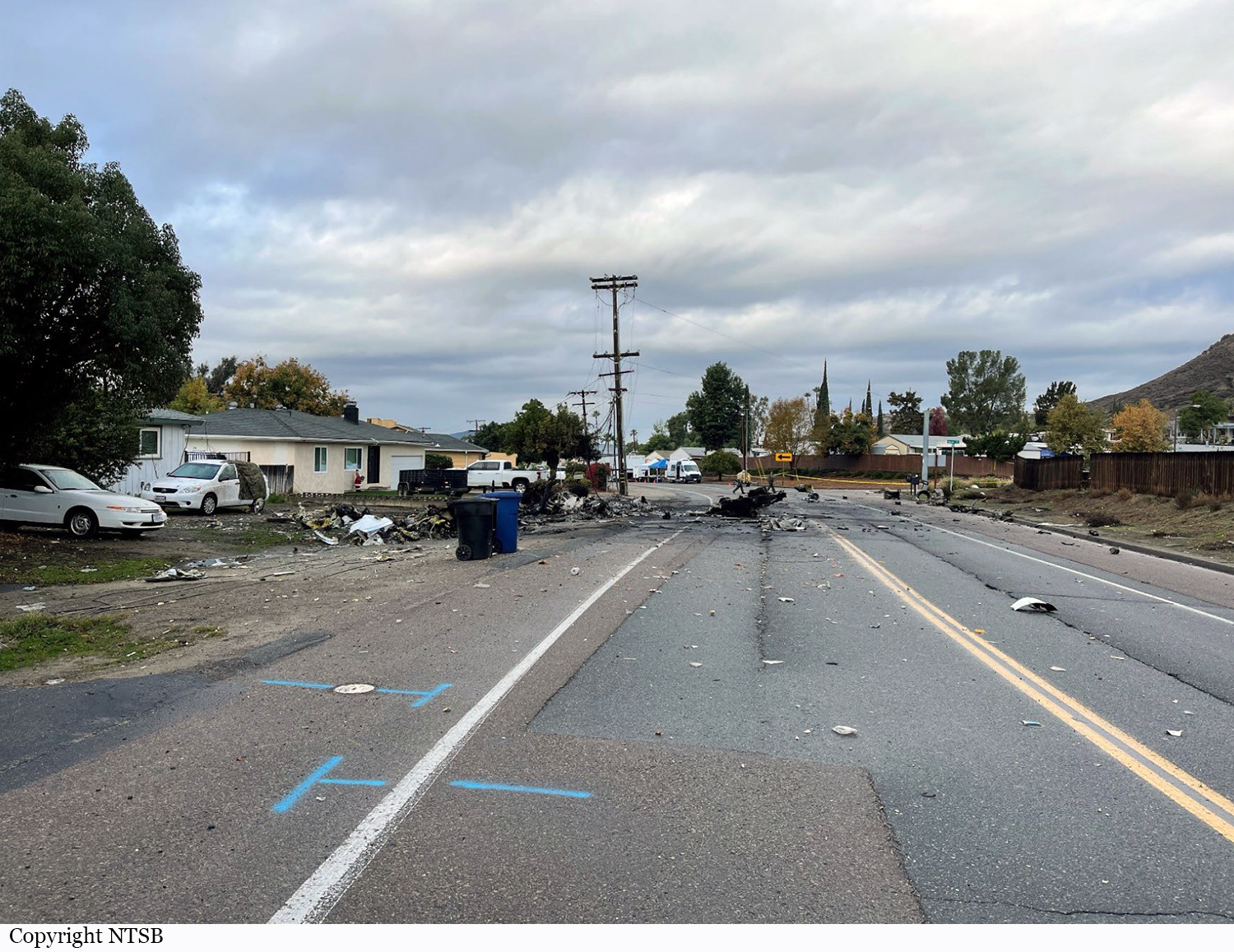
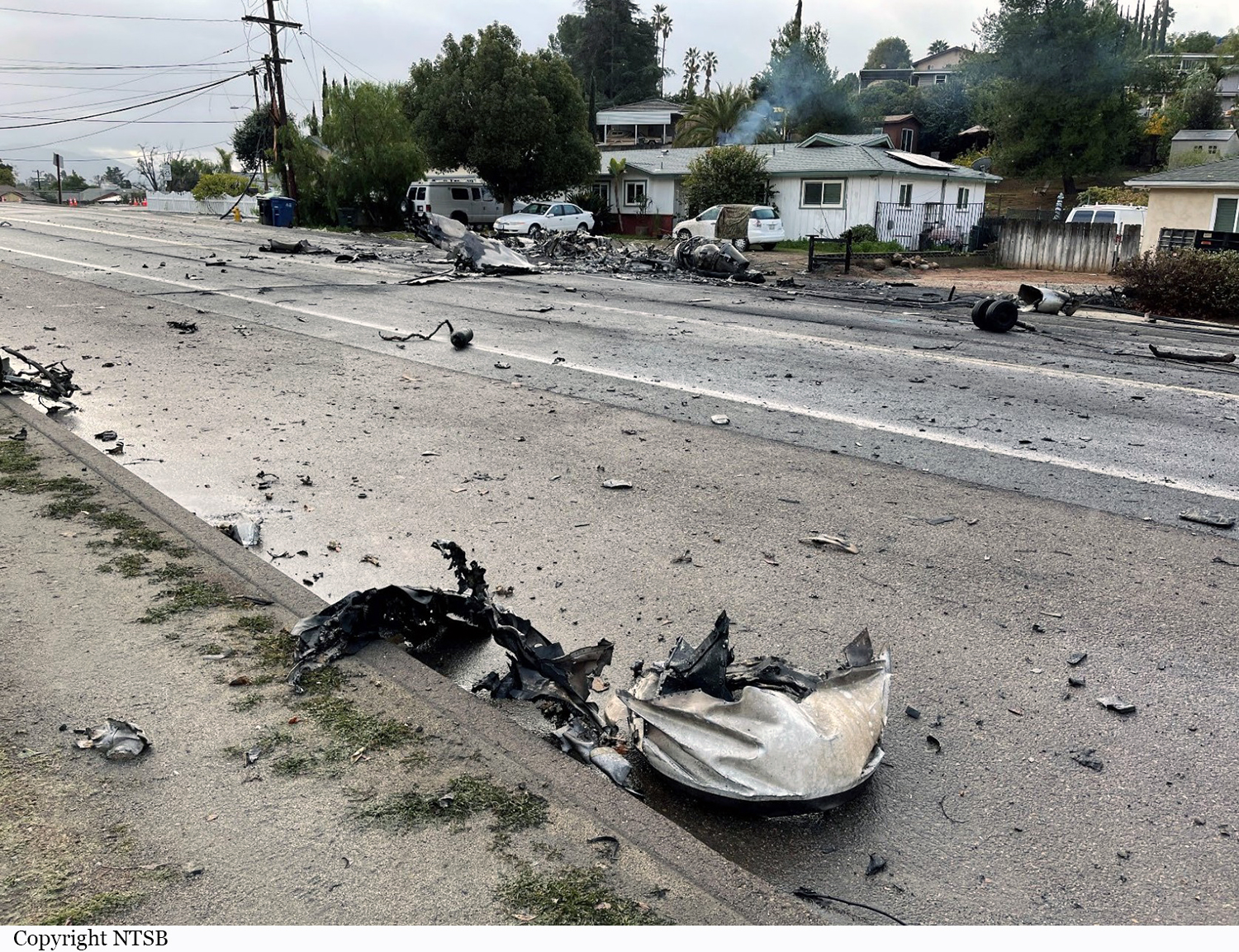
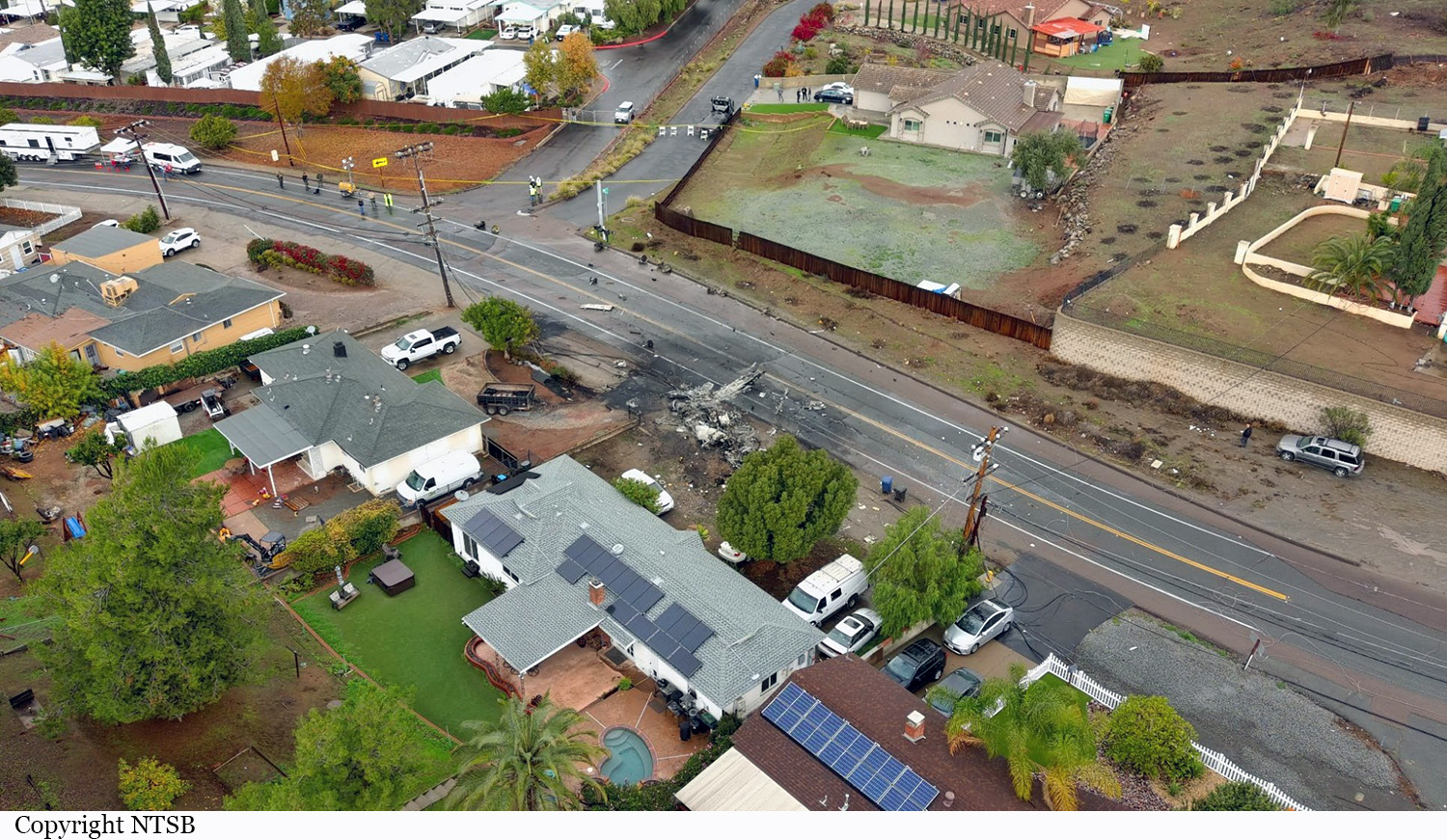
Crash of a Learjet 35A in Santee: 4 killed

Date & Time: Dec 27, 2021 at 1914 LT
Type of aircraft:
Operator:
Registration:
N880Z
Flight Type:
Survivors:
No
Site:
Schedule:
Santa Ana - Santee
MSN:
35A-591
YOM:
1985
Crew on board:
2
Crew fatalities:
Pax on board:
2
Pax fatalities:
Other fatalities:
Total fatalities:
4
Captain / Total flying hours:
2200
Copilot / Total flying hours:
1244
Aircraft flight hours:
13582
Circumstances:
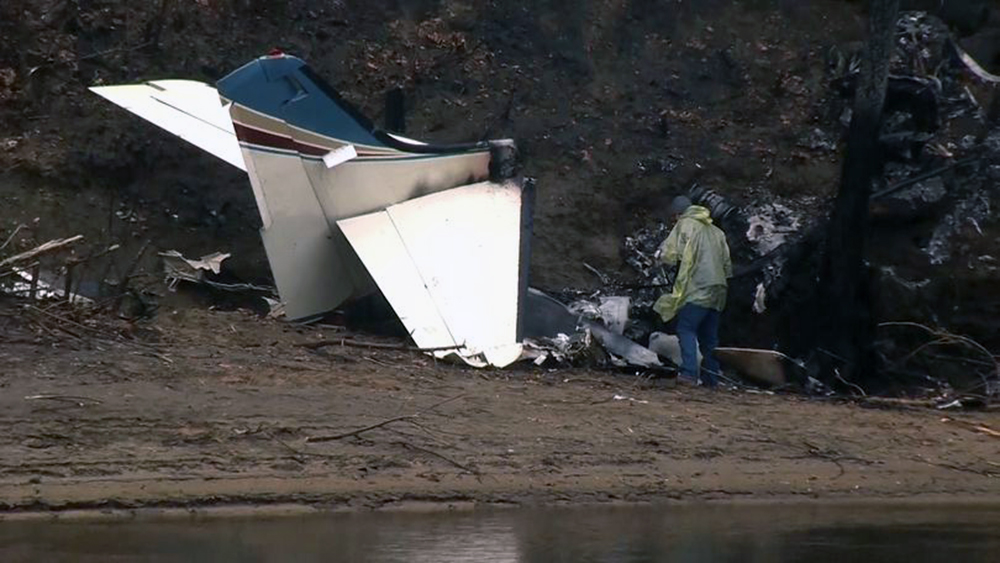
Earlier on the day of the accident, the flight crew had conducted a patient transfer from a remote airport to another nearby airport. Following the patient transfer, the flight crew departed under night conditions to return to their home base. Review of air traffic control (ATC) communication, as well as cockpit voice recorder (CVR) recordings, showed that the flight crew initially was cleared on the RNAV (GPS) runway 17 instrument approach. The approach plate for the instrument approach stated that circling to runway 27R and 35 was not authorized at night. Following the approach clearance, the flight crew discussed their intent to cancel the approach and circle to land on runway 27R. Additionally, the flight crew discussed with each other if they could see the runway. Once the flight crew established visual contact with the runway, they requested to squawk VFR, then the controller cleared them to land on runway 17. The flight crew then requested to land on runway 27. The controller asked the pilot if they wanted to cancel their instrument flight rules (IFR) flight plan, to which the pilot replied, “yes sir.” The controller acknowledged that the IFR cancellation was received and instructed the pilot to overfly the field and enter left traffic for runway 27R and cleared them to land. Shortly after, the flight crew asked the controller if the runway lights for runway 27R could be increased; however, the controller informed them that the lights were already at 100 percent. Just before the controller’s response, the copilot, who was the pilot flying, then asked the captain “where is the runway.” As the flight crew maneuvered to a downwind leg, the captain told the copilot not to go any lower; the copilot requested that the captain tell him when to turn left. The captain told him to turn left about 10 seconds later. The copilot stated, “I see that little mountain, okay” followed by both the captain and co-pilot saying, “woah woah woah, speed, speed” 3 seconds later. During the following 5 seconds, the captain and copilot both stated, “go around the mountain” followed by the captain saying, “this is dicey” and the co-pilot responding, “yeah it’s very dicey.” Shortly after, the captain told the copilot “here let me take it on this turn” followed by the co-pilot saying, “yes, you fly.” The captain asked the copilot to watch his speed, and the copilot agreed. About 1 second later, the copilot stated, “speed speed speed, more more, more more, faster, faster… .” Soon after, the CVR indicated that the airplane impacted the terrain. Automatic dependent surveillance – broadcast (ADS-B) data showed that at the time the flight crew reported the runway in sight, they were about 360 ft below the instrument approach minimum descent altitude (MDA), and upon crossing the published missed approach point they were 660 ft below the MDA. The data showed that the flight overflew the destination airport at an altitude of about 775 ft mean sea level (msl), or 407 ft above ground level (agl), and entered a left downwind for runway 27R. While on the downwind leg, the airplane descended to an altitude of 700 ft msl, then ascended to an altitude of 950 ft msl while on the base leg. The last recorded ADS-B target was at an altitude of 875 ft msl, or about 295 ft agl.
Probable cause:
The flight crew’s decision to descend below the published MDA, cancel their IFR clearance to conduct an unauthorized circle-to-land approach to another runway while the airport was in nighttime IFR conditions, and the exceedance of the airplane’s critical angle of attack, and subsequently entering an aerodynamic stall at a low altitude. Contributing to the accident was the tower crew’s failure to monitor and augment the airport weather conditions as required, due in part to, the placement of the AWOS display in the tower cab and the lack of audible AWOS alerting.
Final Report:

Crash of a Cessna 208B Grand Caravan in Fulshear: 2 killed

Date & Time: Dec 21, 2021 at 0926 LT
Type of aircraft:
Operator:
Registration:
N1116N
Flight Phase:
Flight Type:
Survivors:
No
Schedule:
Houston - Victoria
MSN:
208B-0417
YOM:
1994
Flight number:
MRA685
Location:
Crew on board:
1
Crew fatalities:
Pax on board:
0
Pax fatalities:
Other fatalities:
Total fatalities:
2
Captain / Total flying hours:
3500
Aircraft flight hours:
13125
Circumstances:
A Cessna 208B airplane collided with a powered paraglider during cruise flight at 5,000 feet mean sea level (msl) in Class E airspace. Based on video evidence, the powered paraglider operator impacted the Cessna’s right wing leading edge, outboard of the lift strut attachment point. The outboard 10 ft of the Cessna’s right wing separated during the collision. The Cessna impacted terrain at high vertical speed in a steep nose-down and inverted attitude. The powered paraglider operator was found separated from his seat style harness. The paraglider wing, harness, and emergency parachute were located about 3.9 miles south of the Cessna’s main wreckage site. Based on video evidence and automatic dependent surveillance-broadcast (ADS-B) data, the Cessna and the powered paraglider converged with a 90° collision angle and a closing speed of about 164 knots. About 8 seconds before the collision, the powered paraglider operator suddenly turned his head to the right and about 6 seconds before the collision, the powered paraglider maneuvered in a manner consistent with an attempt to avoid a collision with the converging Cessna. Research indicates that about 12.5 seconds can be expected to elapse between the time that a pilot sees a conflicting aircraft and the time an avoidance maneuver begins. Additionally, research suggests that general aviation pilots may only spend 30-50% of their time scanning outside the cockpit. About 8 seconds before the collision (when the powered paraglider operator’s head suddenly turned to the right), the Cessna would have appeared in the powered paraglider operator’s peripheral view, where research has demonstrated visual acuity is very poor. Additionally, there would have been little apparent motion because the Cessna and the powered paraglider were on a collision course. Under optimal viewing conditions, the powered paraglider may have been recognizable to the Cessna pilot about 17.5 seconds before the collision. However, despite the powered paraglider’s position near the center of his field of view, the Cessna pilot did not attempt to maneuver his airplane to avoid a collision. Further review of the video evidence revealed that the powered paraglider was superimposed on a horizon containing terrain features creating a complex background. Research suggests that the powered paraglider in a complex background may have been recognizable about 7.4 seconds before the collision. However, the limited visual contrast of the powered paraglider and its occupant against the background may have further reduced visual detection to 2-3 seconds before the collision. Thus, after considering all the known variables, it is likely that the Cessna pilot did not see the powered paraglider with sufficient time to avoid the collision. The Cessna was equipped with a transponder and an ADS-B OUT transmitter, which made the airplane visible to the air traffic control system. The operation of the powered paraglider in Class E airspace did not require two-way radio communication with air traffic control, the use of a transponder, or an ADS-B OUT transmitter and therefore was not visible to air traffic control. Neither the Cessna nor the powered paraglider were equipped with ADS-B IN technology, cockpit display of traffic information, or a traffic alerting system. Postmortem toxicological testing detected the prescription antipsychotic medication quetiapine, which is not approved by the Federal Aviation Administration (FAA), in the Cessna pilot’s muscle specimen but the test results did not provide sufficient basis for determining whether he was drowsy or otherwise impaired at the time of the collision (especially in the absence of any supporting details to suggest quetiapine use). Testing also detected ethanol at a low level (0.022 g/dL) in the Cessna pilot’s muscle specimen, but ethanol was not detected (less than 0.01 g/dL) in another muscle specimen. Based on the available results, some, or all of the small amount of detected ethanol may have been from postmortem production, and it is unlikely that ethanol effects contributed to the accident. The Cessna pilot likely did not have sufficient time to see and avoid the powered paraglider (regardless of whether he was impaired by the quetiapine) and, thus, it is unlikely the effects of quetiapine or an associated medical condition contributed to the accident.
Probable cause:
The limitations of the see-and-avoid concept as a method for self-separation of aircraft, which resulted in an inflight collision. Contributing to the accident was the absence of collision avoidance technology on both aircraft.
Final Report:

Crash of a Swearingen SA226AT Merlin IV in Manchester: 1 killed

Date & Time: Dec 10, 2021 at 2330 LT
Operator:
Registration:
N54GP
Flight Type:
Survivors:
No
Schedule:
Fairfield – Manchester
MSN:
AT-34
YOM:
1975
Flight number:
CSJ921
Crew on board:
1
Crew fatalities:
Pax on board:
0
Pax fatalities:
Other fatalities:
Total fatalities:
1
Captain / Total flying hours:
2257
Captain / Total hours on type:
118.00
Aircraft flight hours:
10633
Circumstances:
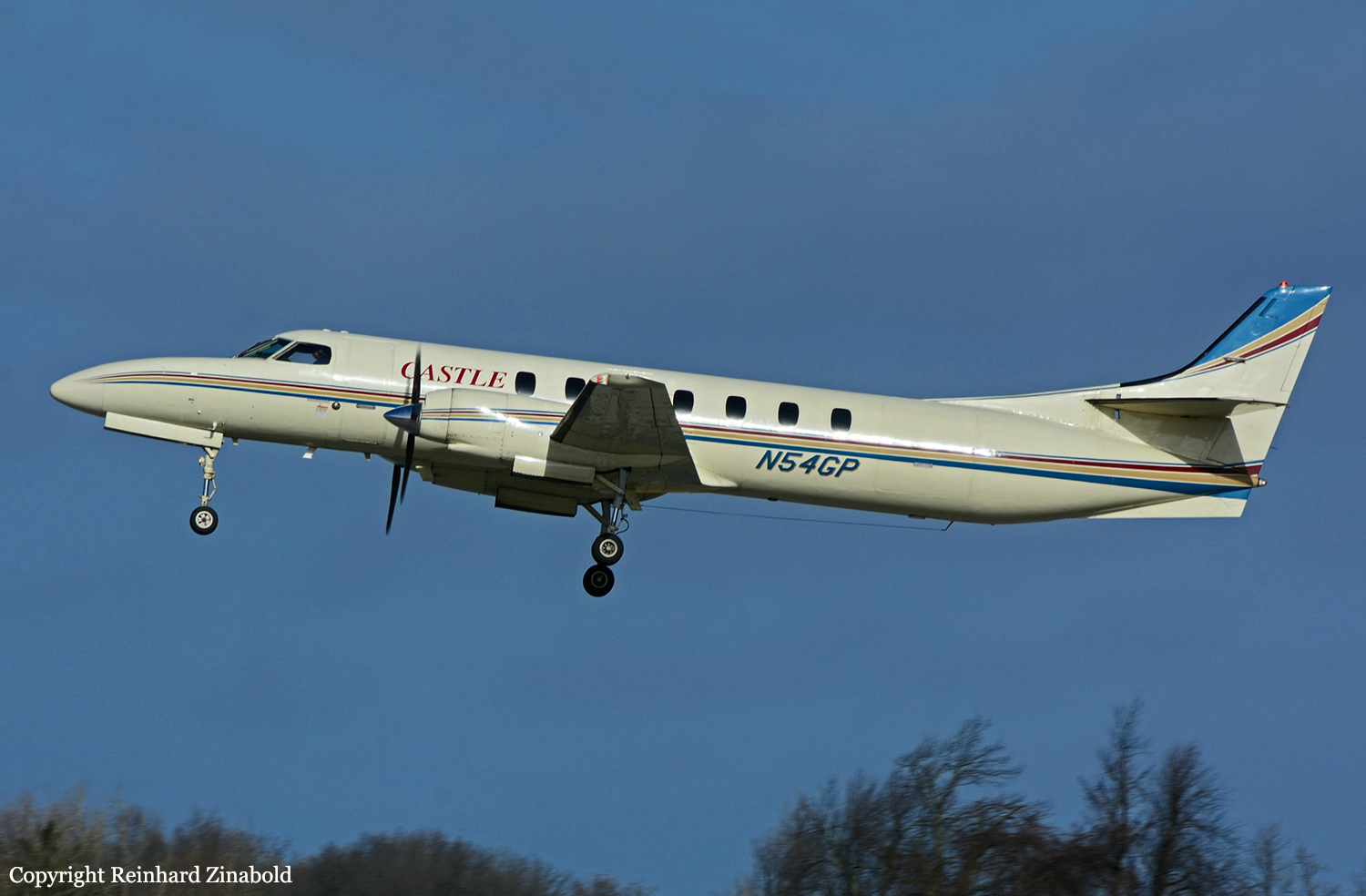
During an instrument approach at night in a twin-engine turboprop airplane, the pilot reported an engine failure, but did not specify which engine. About 9 seconds later, the airplane impacted terrain about ¼-mile short of the runway and a postcrash fire consumed a majority of the wreckage. During that last 9-second period of the flight, the airplane’s groundspeed slowed from 99 kts to 88 kts, as it descended about 400 ft in a slight left turn to impact (the airplane’s minimum controllable airspeed was 92 kts). The slowing left turn, in conjunction with left wing low impact signatures observed at the accident site were consistent with a loss of control just prior to impact. Postaccident teardown examination of the left engine revealed that the 1st stage turbine rotor had one blade separated at the midspan. The blade fracture surface had varying levels of oxidation and the investigation could not determine if the 1st stage turbine blade separation occurred during the accident flight or a prior flight. The 2nd stage turbine was operating at temperatures higher than the 1st stage turbine, which was consistent with engine degradation over a period of time. Additionally, the 2nd stage turbine stator assembly was missing vane material from the 6 to 12 o’clock positions, consistent with thermal damage. All of these findings would have resulted in reduced performance of the left engine, but not a total loss of left engine power. The teardown examination of the right engine did not reveal evidence of any preimpact anomalies that would have precluded normal operation. Examination of both propellers revealed that all blade angles were mid-range and exhibited evidence of little to no powered rotation. Neither propeller was in a feathered position, as instructed by the pilot operating handbook for an engine failure. If the pilot had perceived that the left engine had failed, and had he secured the engine and feathered its propeller (both being accomplished by pulling the red Engine Stop and Feather Control handle) and increased power on the right engine, the airplane’s performance should have been sufficient for the pilot to complete the landing on the runway.
Probable cause:
The pilot’s failure to secure and feather the left engine and increase power on the right engine after a perceived loss of engine power in the left engine, which resulted in a loss of control and impact with terrain just short of the runway. Contributing to the accident was a reduction in engine power from the left engine due to a 1st stage turbine blade midspan separation and material loss in the 2nd stage stator that were the result of engine operation at high temperatures for an extended period of time.
Final Report:

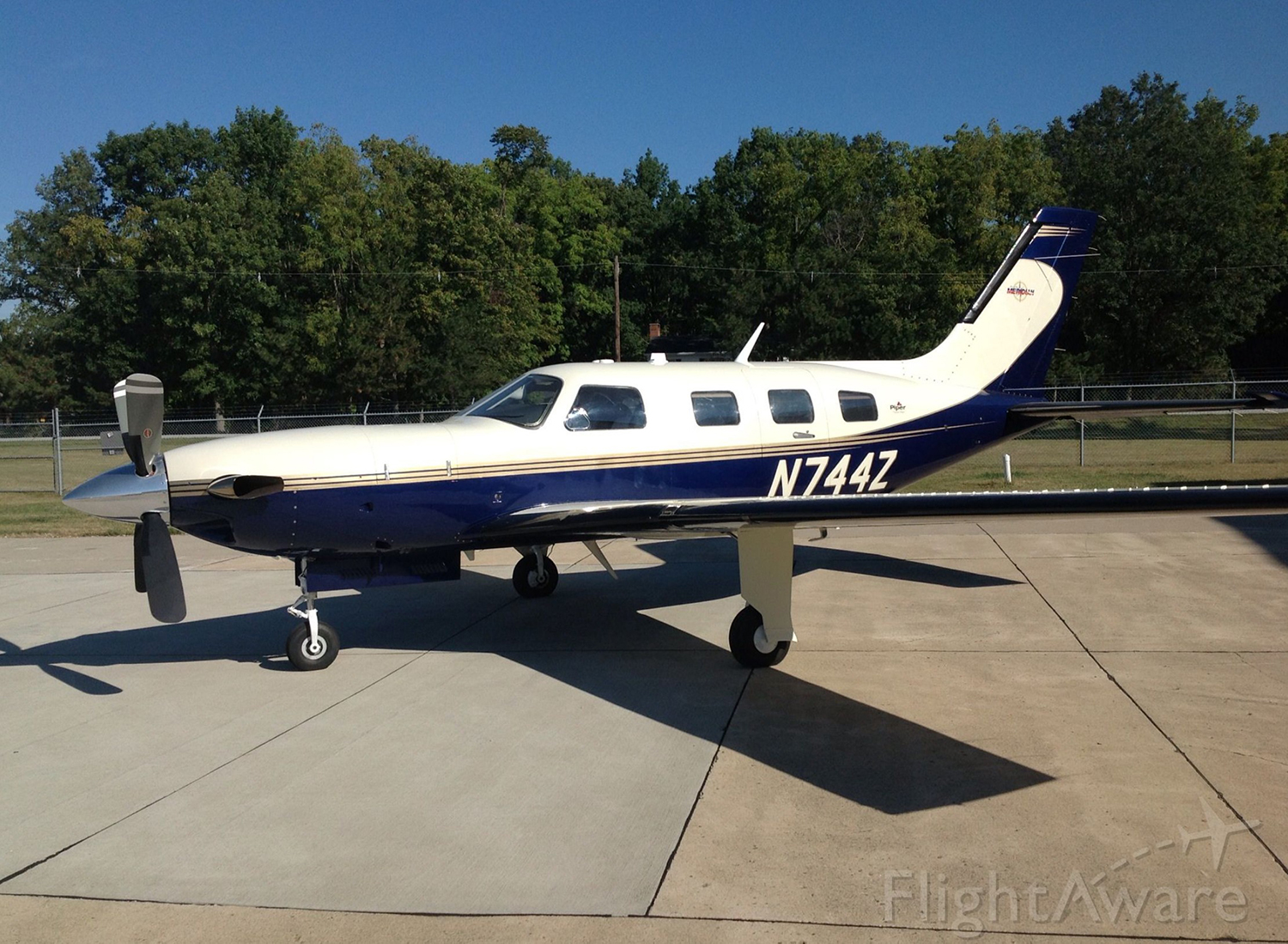
Crash of a Piper PA-46-500TP Malibu Meridian in Steamboat Springs: 1 killed

Date & Time: Dec 10, 2021 at 1809 LT
Operator:
Registration:
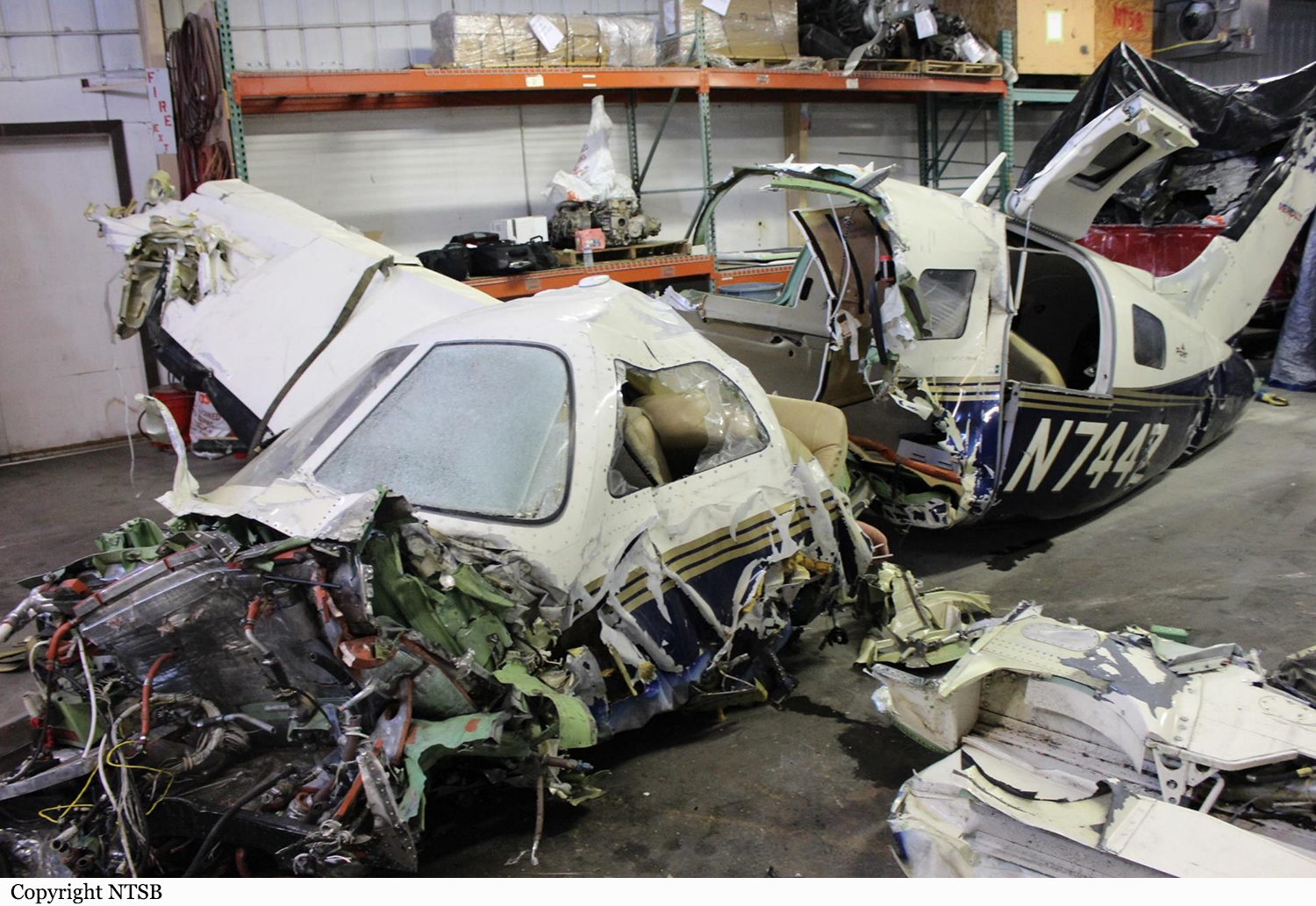
N744Z
Flight Type:
Survivors:
No
Site:
Schedule:
Cody – Steamboat Springs
MSN:
46-97134
YOM:
2002
Crew on board:
1
Crew fatalities:
Pax on board:
0
Pax fatalities:
Other fatalities:
Total fatalities:
1
Captain / Total flying hours:
581
Circumstances:
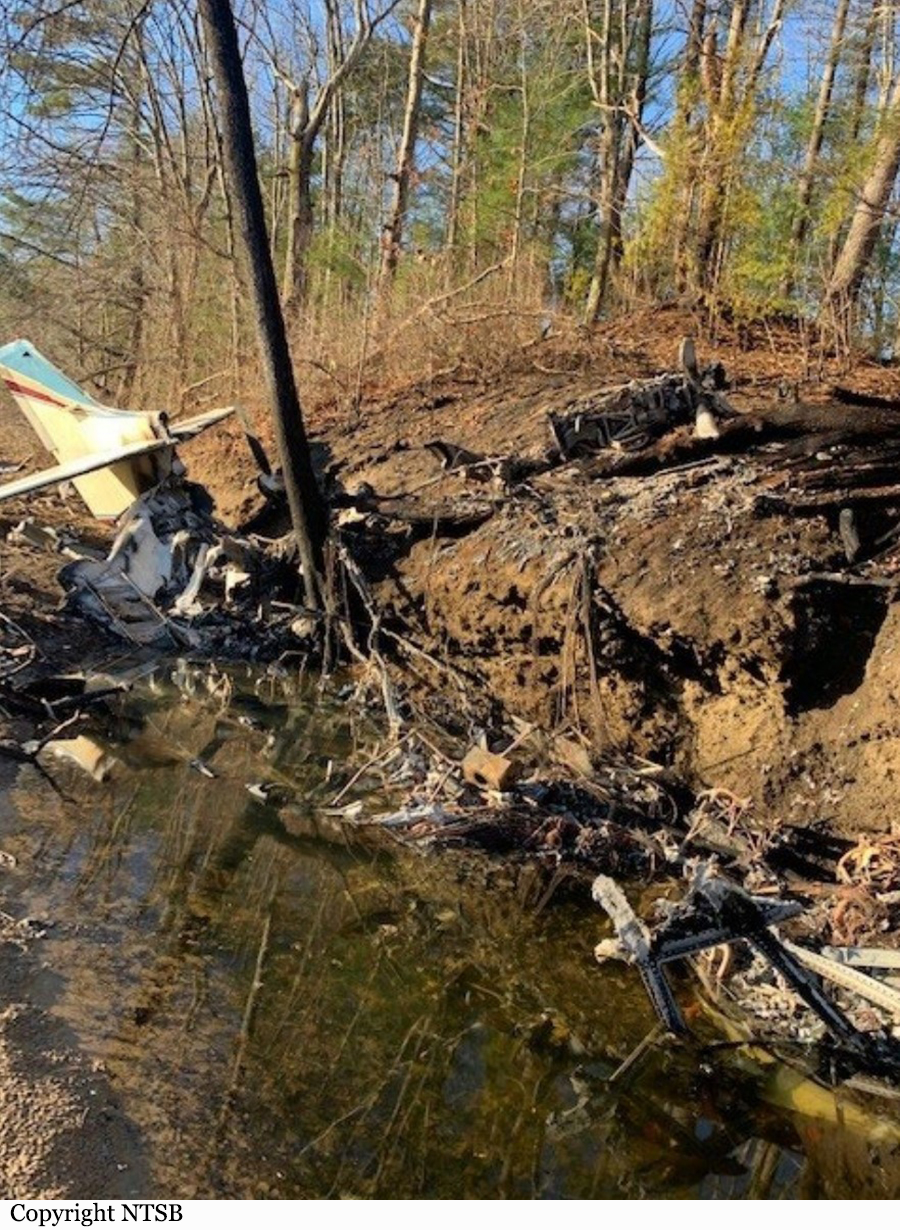
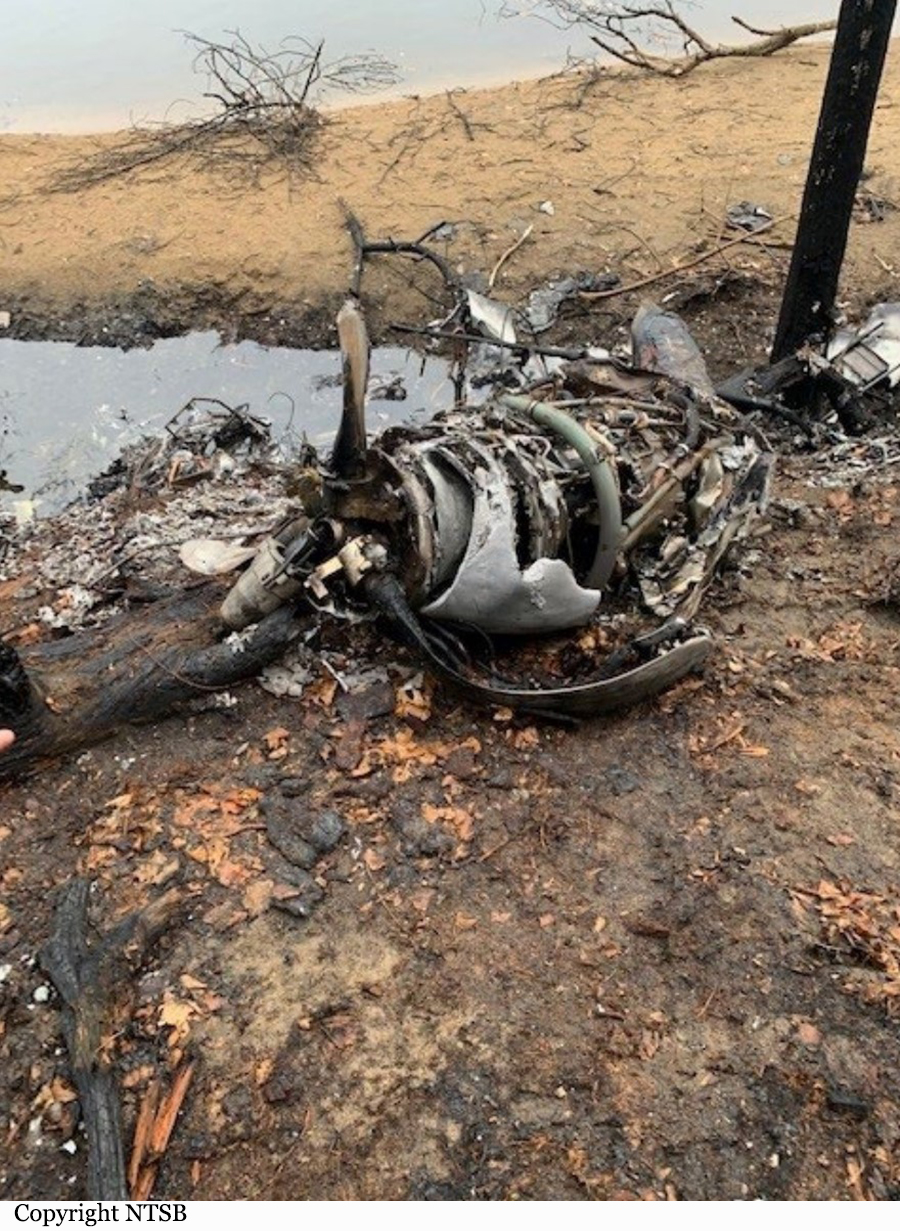
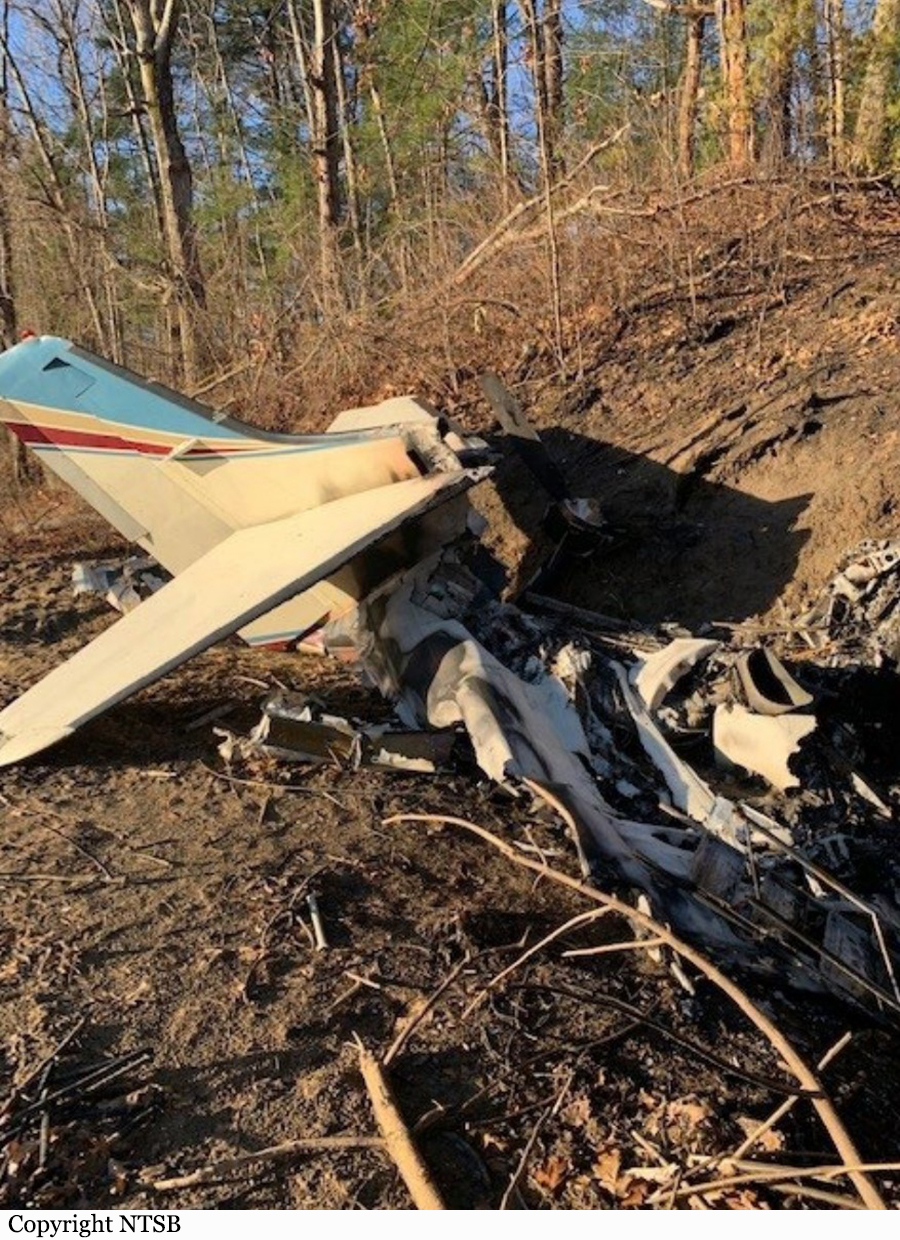
The pilot was conducting a solo night cross-country flight in low visibility through mountainous terrain. The pilot was then cleared by an air traffic controller to conduct a RNAV (GPS)-E instrument approach into the destination airport. After passing the final approach fix and before the missed approach point, the pilot, for an unknown reason, executed a left turn, consistent with the missed approach procedure. During the turn toward the holding waypoint, the airplane did not climb. Shortly thereafter, the airplane impacted steep rising terrain The local weather at the time of the accident indicated a cloud ceiling of 1,200 ft above ground level and 1 statute mile visibility, which was below the weather minimums for the approach. Data retrieved from the onboard avionics revealed that although the pilot flew the published route in accordance with the instrument approach procedure, the minimum required altitudes were not adhered to. A review of the ForeFlight weather briefing data indicated that a route weather briefing had been generated by the pilot with the filing of the instrument flight rules (IFR) flight plan. While no weather imagery was reviewed during the period, the pilot had checked METARs for the destination and another nearby airport before departure and viewed the RNAV (GPS)-E approach procedure at the destination airport. A review of the data that was presented to the pilot indicated that visual flight rules conditions prevailed at the destination with light snow in the vicinity at the time it was generated. Based on the preflight weather briefing the pilot obtained, he was likely unaware of the IFR conditions and below minimum weather conditions at the destination until he descended into the area and obtained the current local weather during the flight. It is probable that, based upon the weather and flight track information, as the pilot was on the instrument approach, he became aware of the below minimum weather conditions and elected to initiate the missed approach, as evident by the turn away from the airport similar to the missed approach procedure and the flaps and landing gear being in transition. This investigation was unable to determine why the missed approach procedure was prematurely initiated and why the airplane failed to climb. Additionally, there were no preimpact mechanical malfunctions or anomalies found during a postaccident examination that would have precluded normal operation.
Probable cause:
The pilot’s failure to adhere to the published instrument approach procedure, which resulted in controlled flight into terrain.
Final Report:

Crash of a Piper PA-31-350 Navajo Chiefain in Medford: 1 killed

Date & Time: Dec 5, 2021 at 1652 LT
Registration:
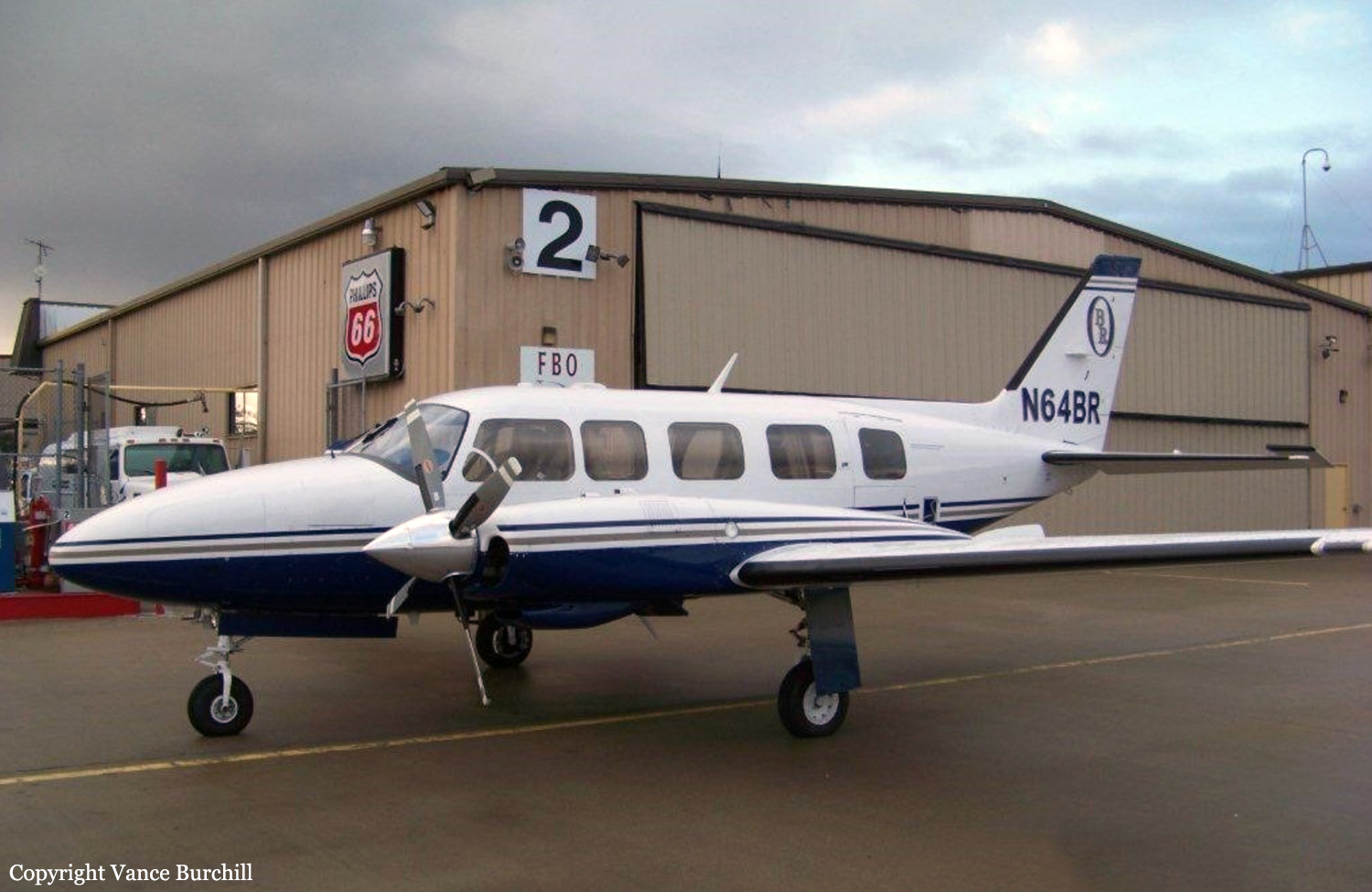
N64BR
Flight Phase:
Flight Type:
Survivors:
No
Schedule:
Medford - Fallon
MSN:
31-7752124
YOM:
1977
Crew on board:
1
Crew fatalities:
Pax on board:
0
Pax fatalities:
Other fatalities:
Total fatalities:
1
Captain / Total flying hours:
2167
Captain / Total hours on type:
1520.00
Aircraft flight hours:
8809
Circumstances:
The airplane was departing into instrument meteorological conditions using a standard instrument departure. The takeoff instructions consisted of making a climbing right turn direct to a nondirectional beacon. After departing, the pilot made a radio communication to an air traffic controller asking if he will tell him when to turn. The controller replied that he would not be calling his turn and that the pilot should fly the departure as published making a climbing right turn to overfly the approach end of the runway. The pilot acknowledged the communication, which was his last transmission. The airplane made a 360° turn and descended below the cloud layer. The airplane then climbed back into the cloud layer and made an inverted loop, descending into the ground in a near-vertical attitude. A postaccident examination of the airplane revealed no evidence of preimpact mechanical malfunctions or failures. Recorded audio of the airplane before the accident was consistent with the engines operating. The signatures on both propellers were consistent with one another and consistent with the engines operating at a similar rpm. The pilot was qualified and recently underwent recurrent training. The reasons the pilot became spatially disoriented could not definitely determined. The pilot left the anti-collision lights on while in the clouds, which may have resulted in him having flicker vertigo.
Probable cause:
The pilot’s failure to maintain aircraft control during the initial climb into clouds due to spatial disorientation, which resulted in an uncontrolled descent and collision with terrain.
Final Report:

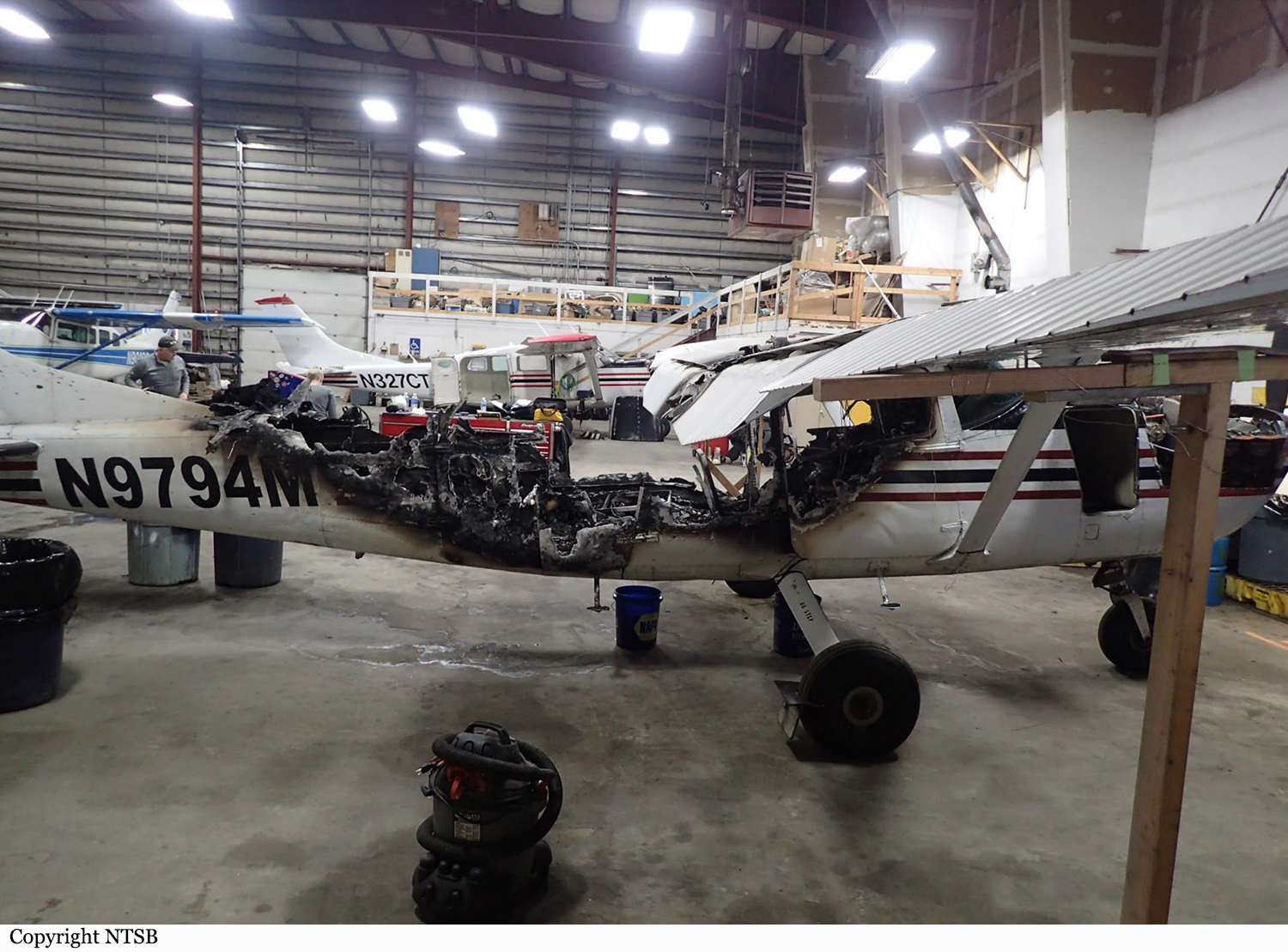
Crash of a Cessna 207 Stationair 8 in Bethel

Date & Time: Nov 20, 2021 at 1755 LT
Operator:
Registration:
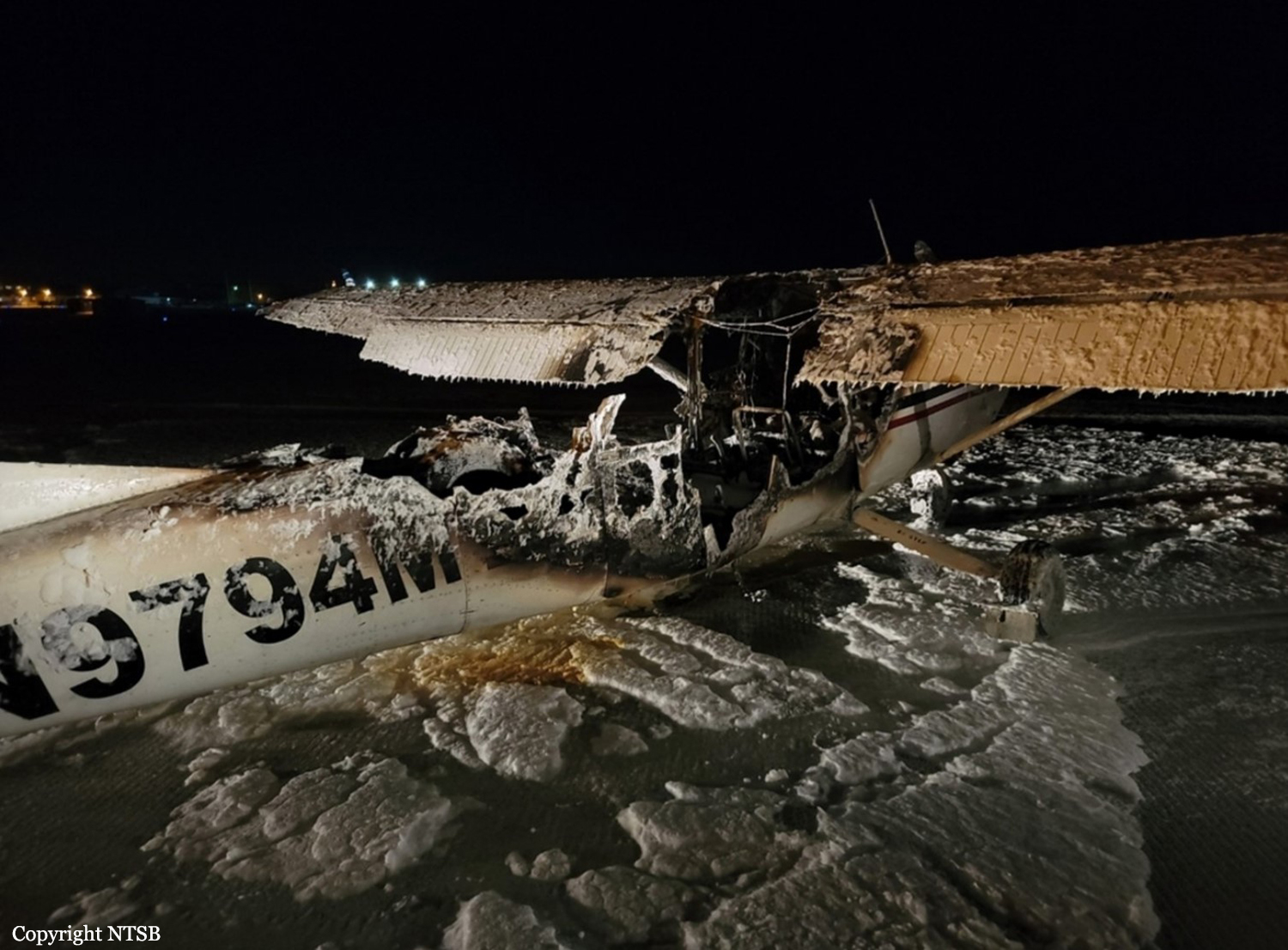
N9794M
Survivors:
Yes
Schedule:
Bethel – Kwethluk
MSN:
207-0730
YOM:
1981
Location:
Crew on board:
1
Crew fatalities:
Pax on board:
5
Pax fatalities:
Other fatalities:
Total fatalities:
0
Captain / Total flying hours:
1480
Captain / Total hours on type:
659.00
Aircraft flight hours:
15727
Circumstances:
The pilot was conducting a scheduled air taxi flight with five passengers onboard. Shortly after departure, the pilot began to smell an electrical burn odor, and he elected to return to the airport. About 1 minute later, the electrical burn smell intensified, which was followed by visible smoke in the cockpit, and the pilot declared an emergency to the tower. After landing and all the passengers had safely departed the airplane, heavy smoke filled the cockpit and passenger compartment, and the pilot saw a candle-like flame just behind the pilot and co-pilot seats, just beneath the floorboards of the airplane. Moments later, the airplane was engulfed in flames. Postaccident examination of the airframe revealed the origin of the fire to be centered behind the pilot’s row of seats, where a wire harness was found improperly installed on top of the aft fuel line from the left tank. Examination of the wire harness found a range of thermal and electrical damage consistent with chafing from the fuel line. It is likely that the installation of the wire harness permitted contact with the fuel line, which resulted in chafing, arcing, and the subsequent fire.
Probable cause:
The improper installation of an avionics wire harness over a fuel line, which resulted in chafing of the wire harness, arcing, and a subsequent fire.
Final Report:
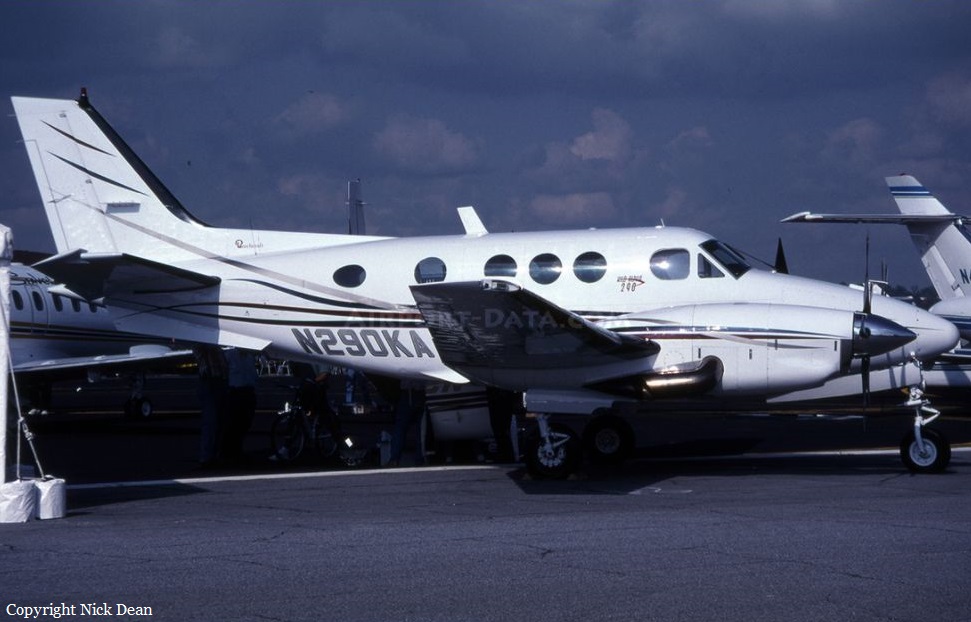
Crash of a Beechcraft E90 King Air in Boyne City: 2 killed

Date & Time: Nov 15, 2021 at 1245 LT
Type of aircraft:
Operator:
Registration:
N290KA
Flight Type:
Survivors:
No
Schedule:
Pontiac - Boyne City
MSN:
LW-59
YOM:
1973
Crew on board:
1
Crew fatalities:
Pax on board:
1
Pax fatalities:
Other fatalities:
Total fatalities:
2
Captain / Total flying hours:
13000
Captain / Total hours on type:
700.00
Aircraft flight hours:
10491
Circumstances:
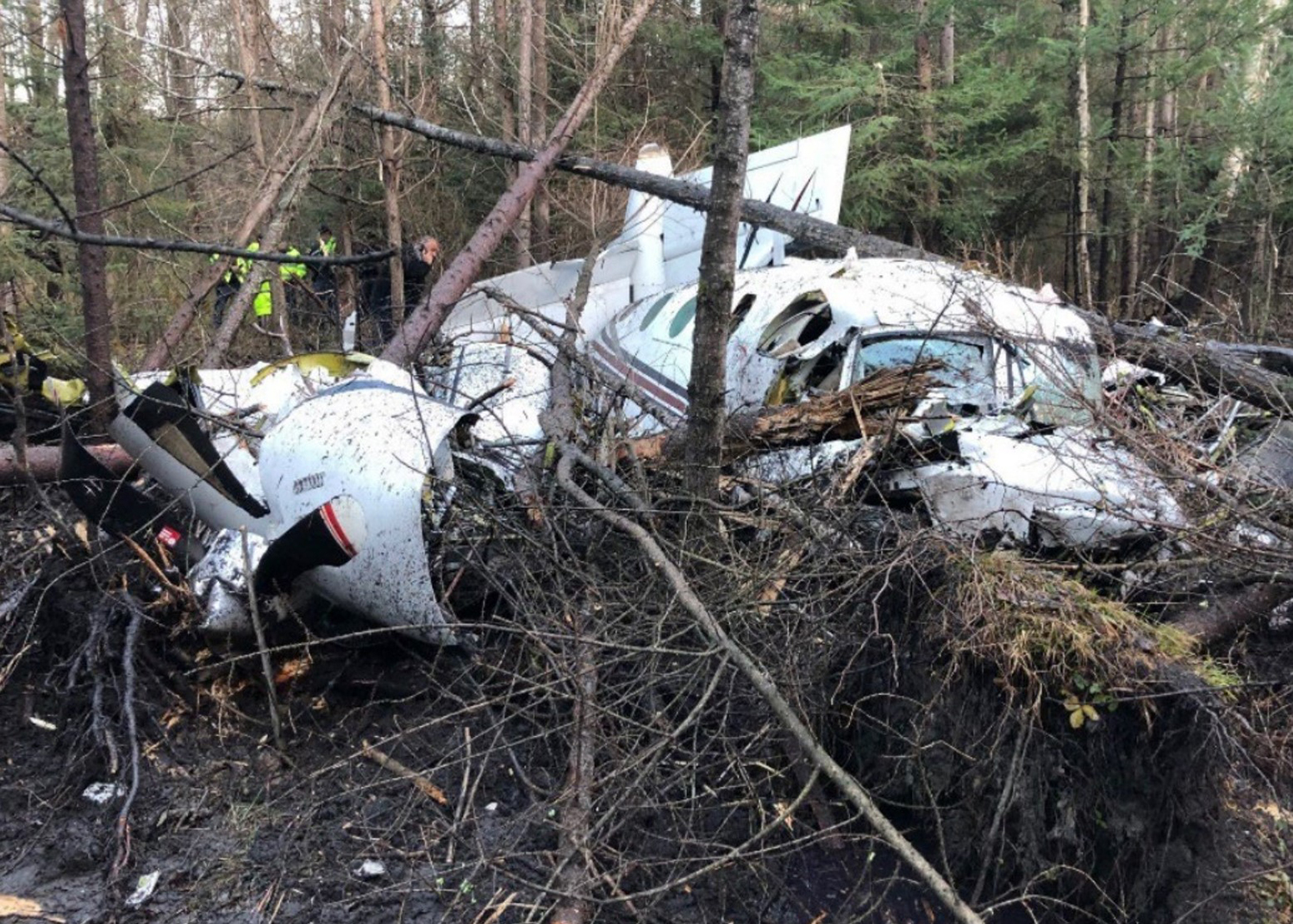
While on final approach, the airplane gradually slowed to near its stall speed. About 600 ft beyond the last recorded data, the airplane impacted the ground in a nose-down attitude that was consistent with a stall. Postaccident examination revealed no preaccident mechanical failures or malfunctions that would have contributed to the accident. Witnesses near the accident site reported very heavy sleet with low visibility conditions, whereas a witness located near the final approach flightpath, about 2 miles before the accident site observed the airplane fly by below an overcast cloud layer with no precipitation present. Based on the witness accounts and weather data, the airplane likely entered a lake effect band of heavy sleet during the final portion of the flight. The airplane was modified with 5-bladed propellers, and other pilots reported it would decelerate rapidly, especially when the speed/propeller levers were moved to the high rpm (forward) position. The pilot usually flew a larger corporate jet and had not flown the accident airplane for 8 months. The passenger was a student pilot with an interest in becoming a professional pilot. The pilot’s poor airspeed control on final approach was likely influenced by a lack of recency in the turboprop airplane. The workload of inflight deicing tasks may have also contributed to the poor airspeed control. The aerodynamic effects of the heavy sleet that was encountered near the accident site likely contributed to the stall to some degree.
Probable cause:
The pilot’s failure to maintain sufficient airspeed and his exceedance of the airplane’s critical angle of attack while in icing conditions, which resulted in an aerodynamic stall and subsequent ground impact.
Final Report: