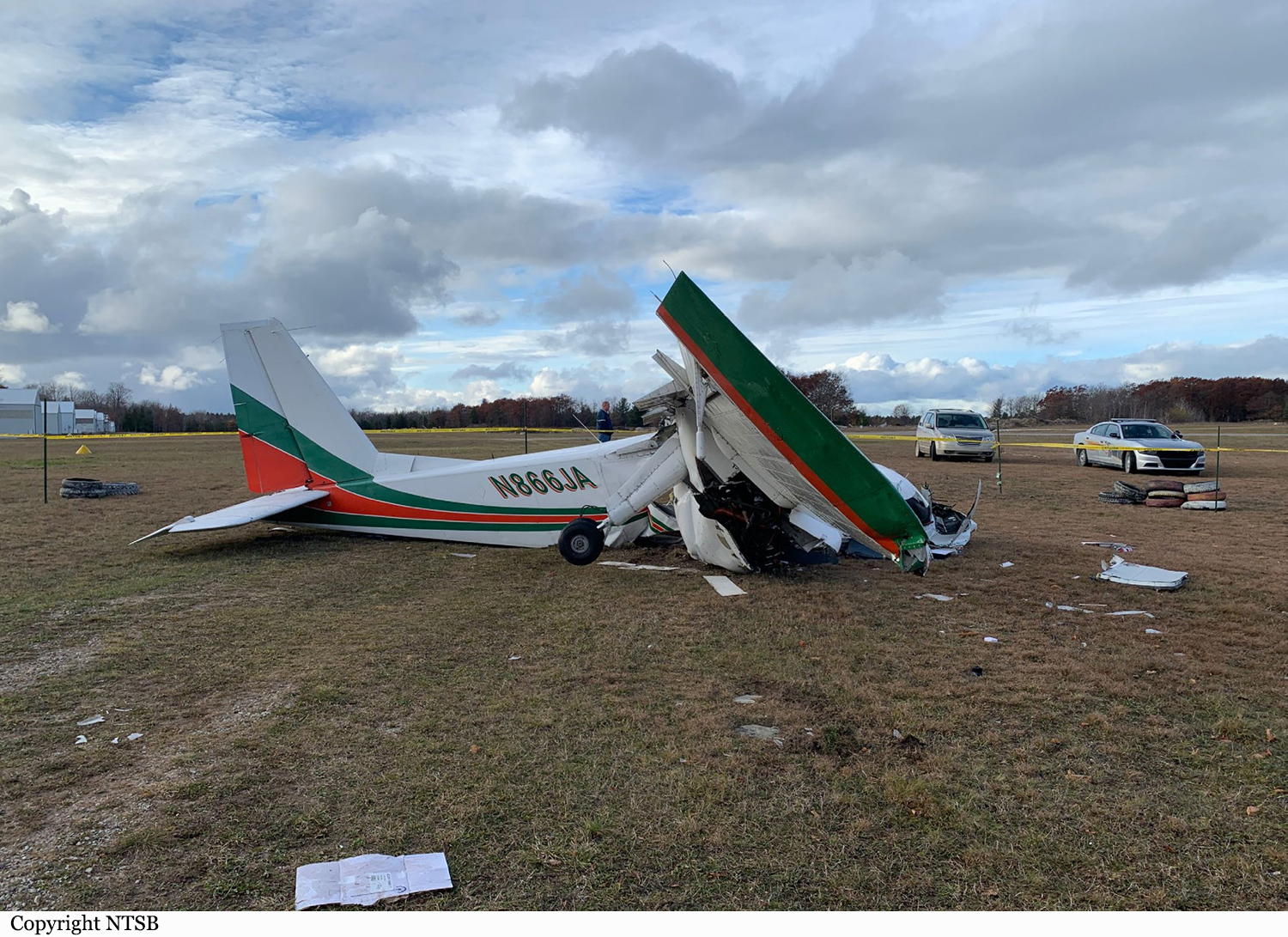
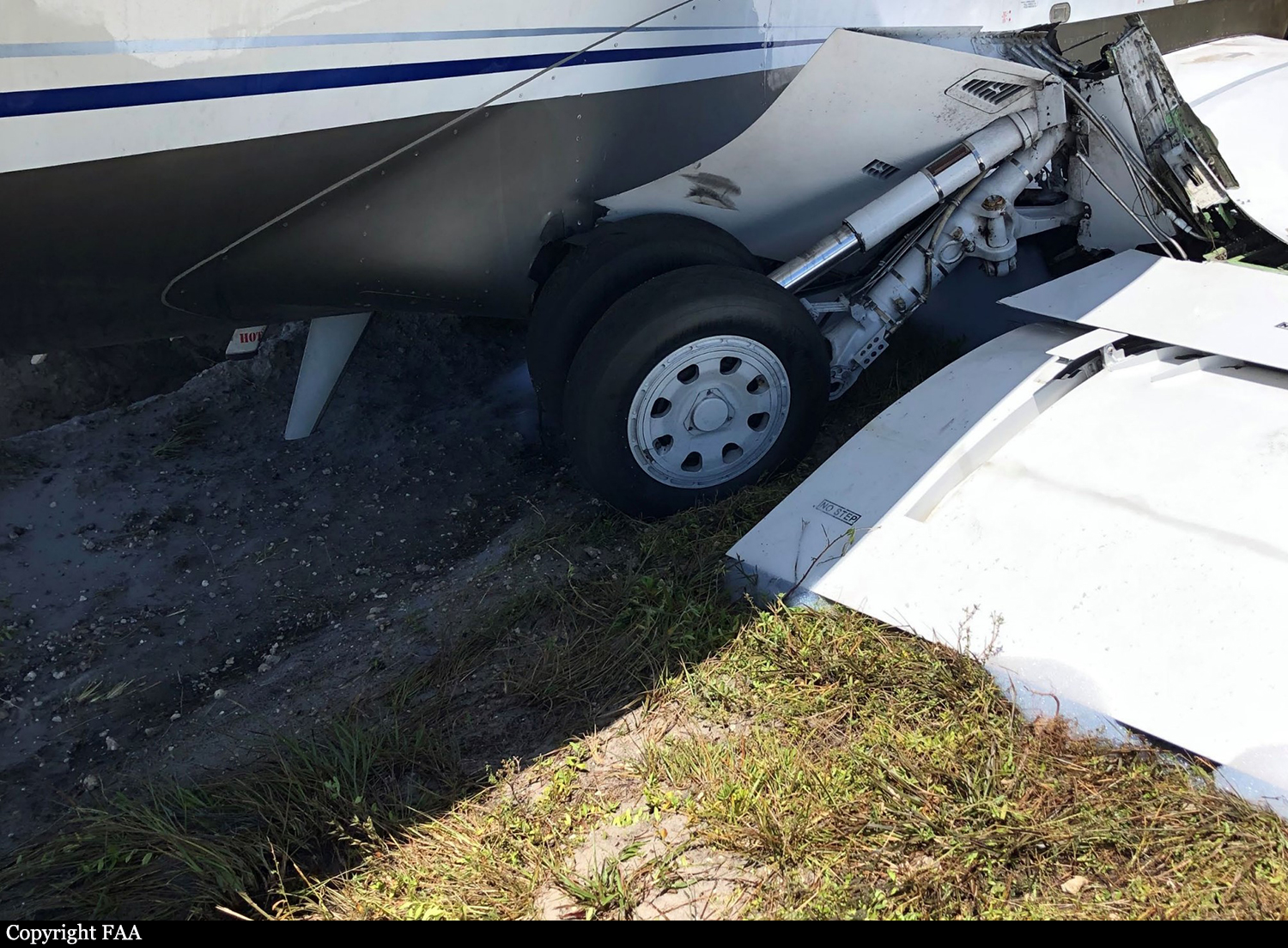
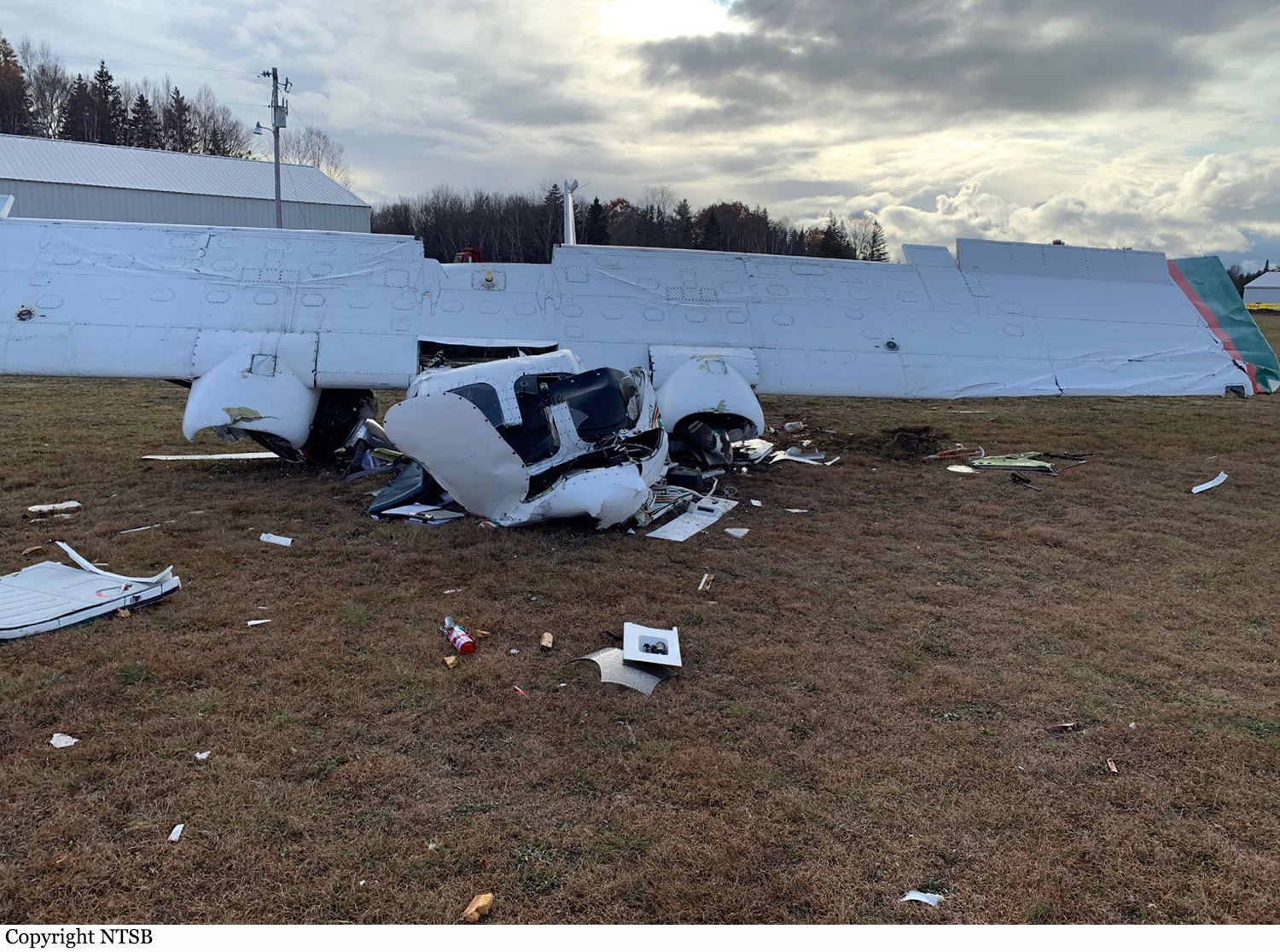
Crash of a Britten Norman BN-2A-6 Islander in Beaver Island: 4 killed

Date & Time: Nov 13, 2021 at 1349 LT
Type of aircraft:
Operator:
Registration:
N866JA
Survivors:
Yes
Schedule:
Charlevoix – Beaver Island
MSN:
185
YOM:
1970
Crew on board:
1
Crew fatalities:
Pax on board:
4
Pax fatalities:
Other fatalities:
Total fatalities:
4
Captain / Total flying hours:
2949
Captain / Total hours on type:
136.00
Aircraft flight hours:
20784
Circumstances:
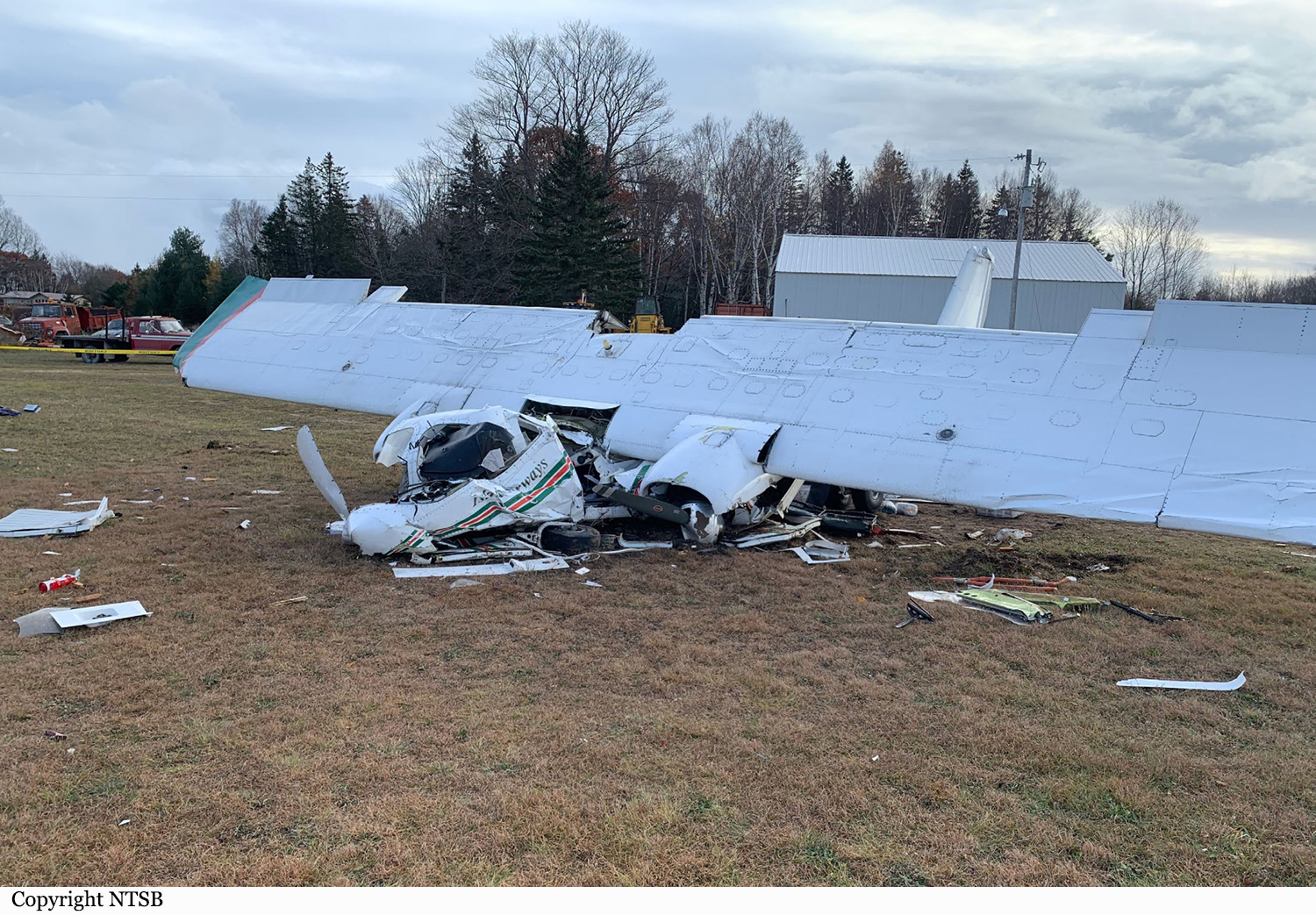
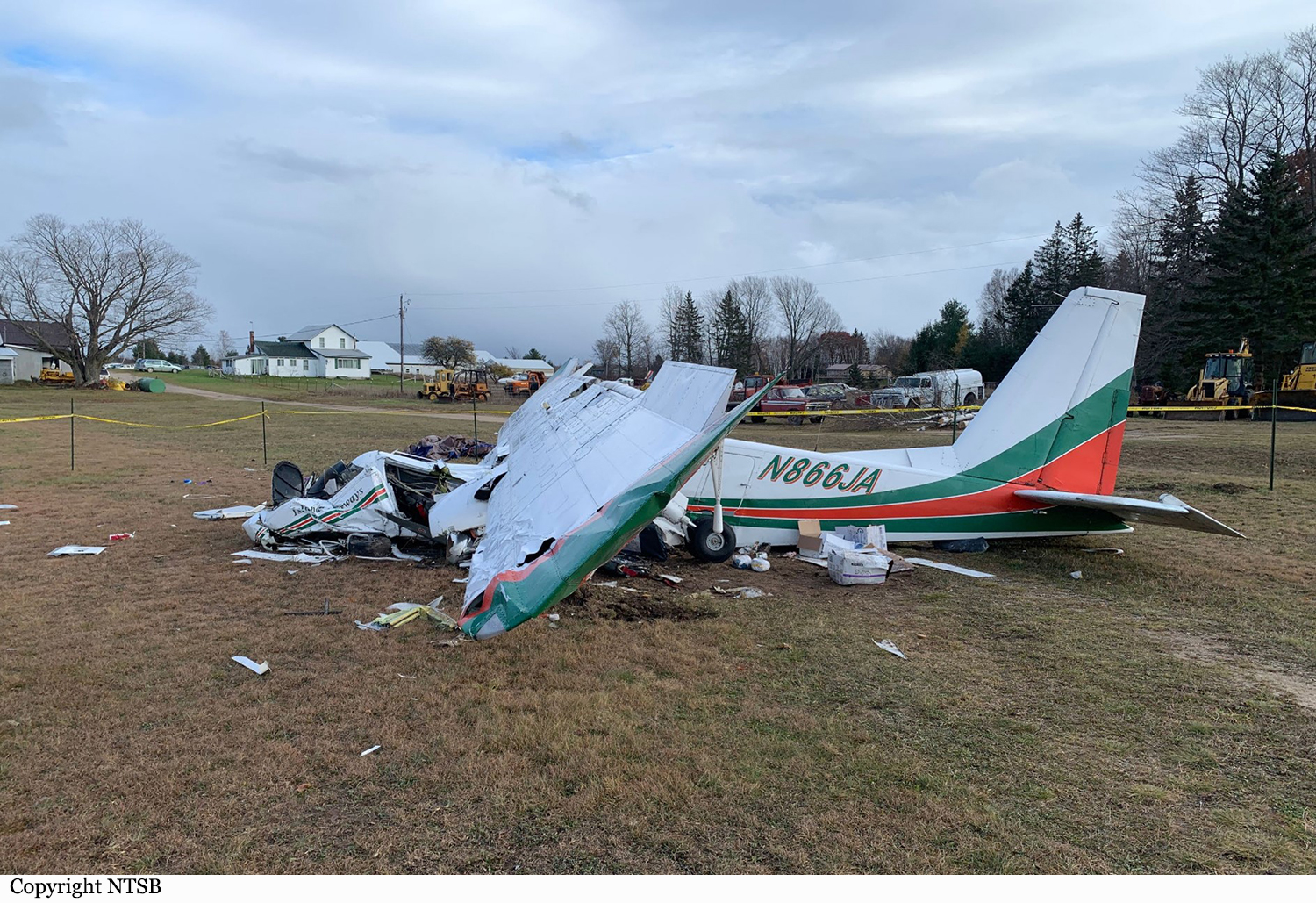
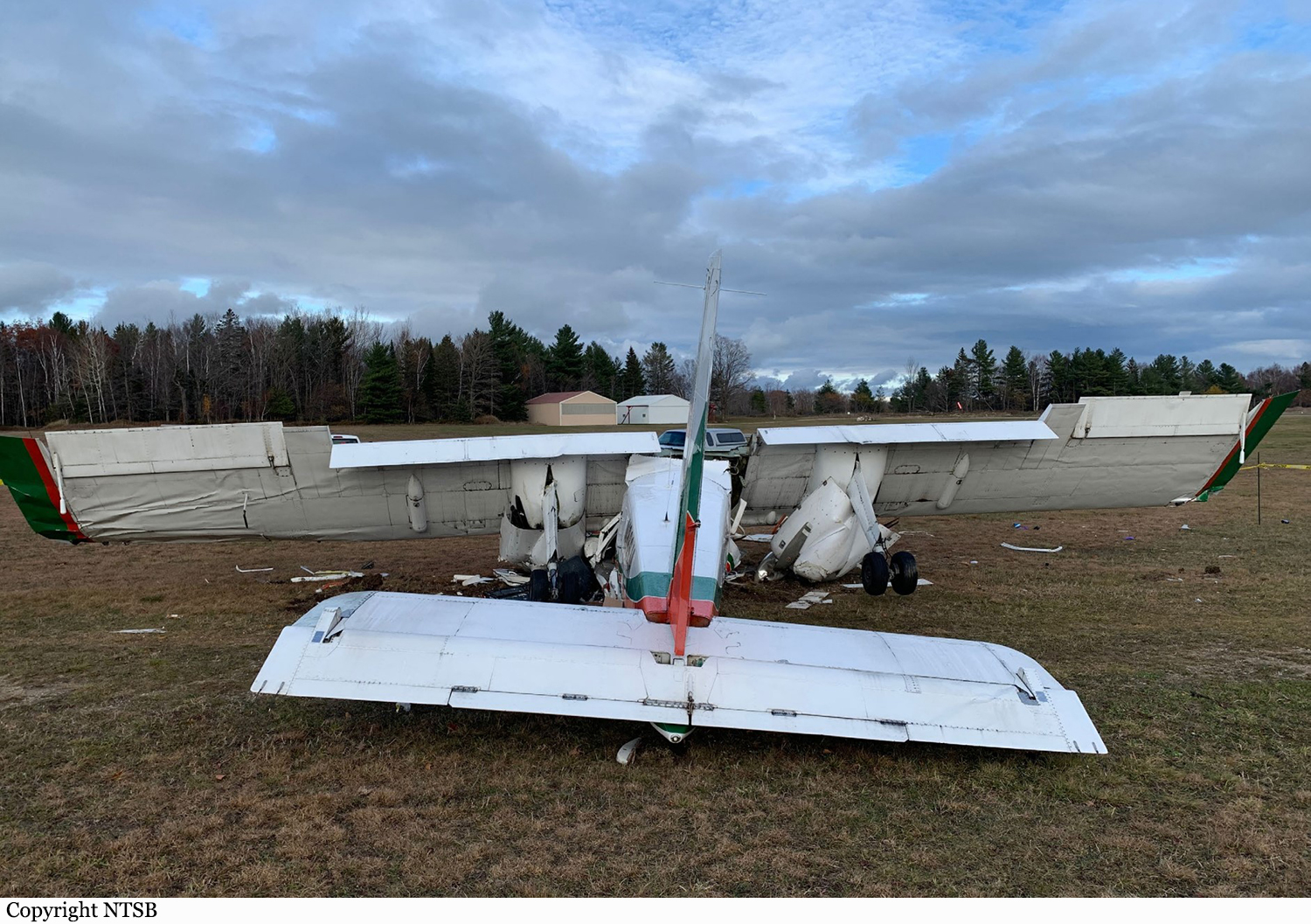
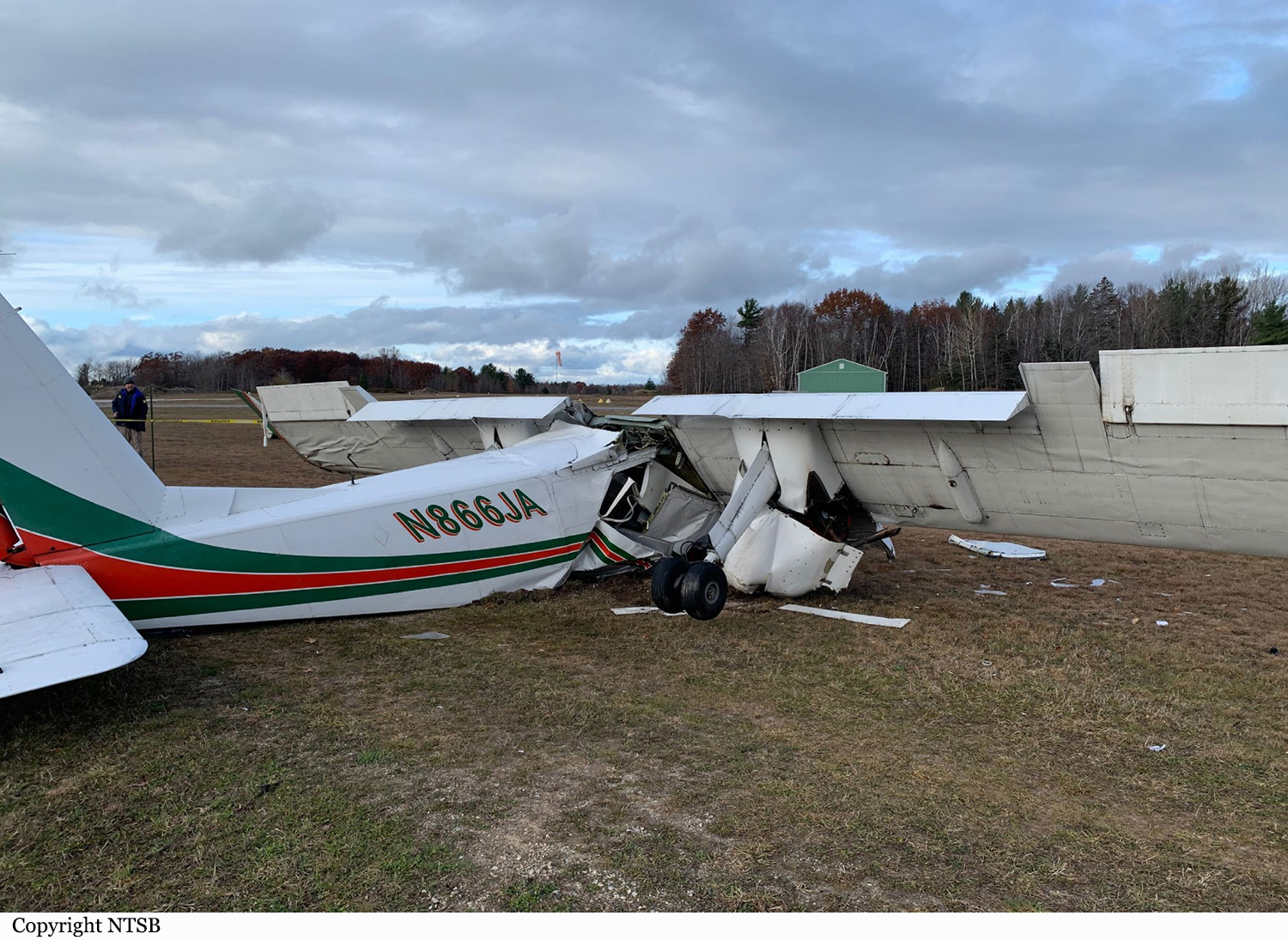
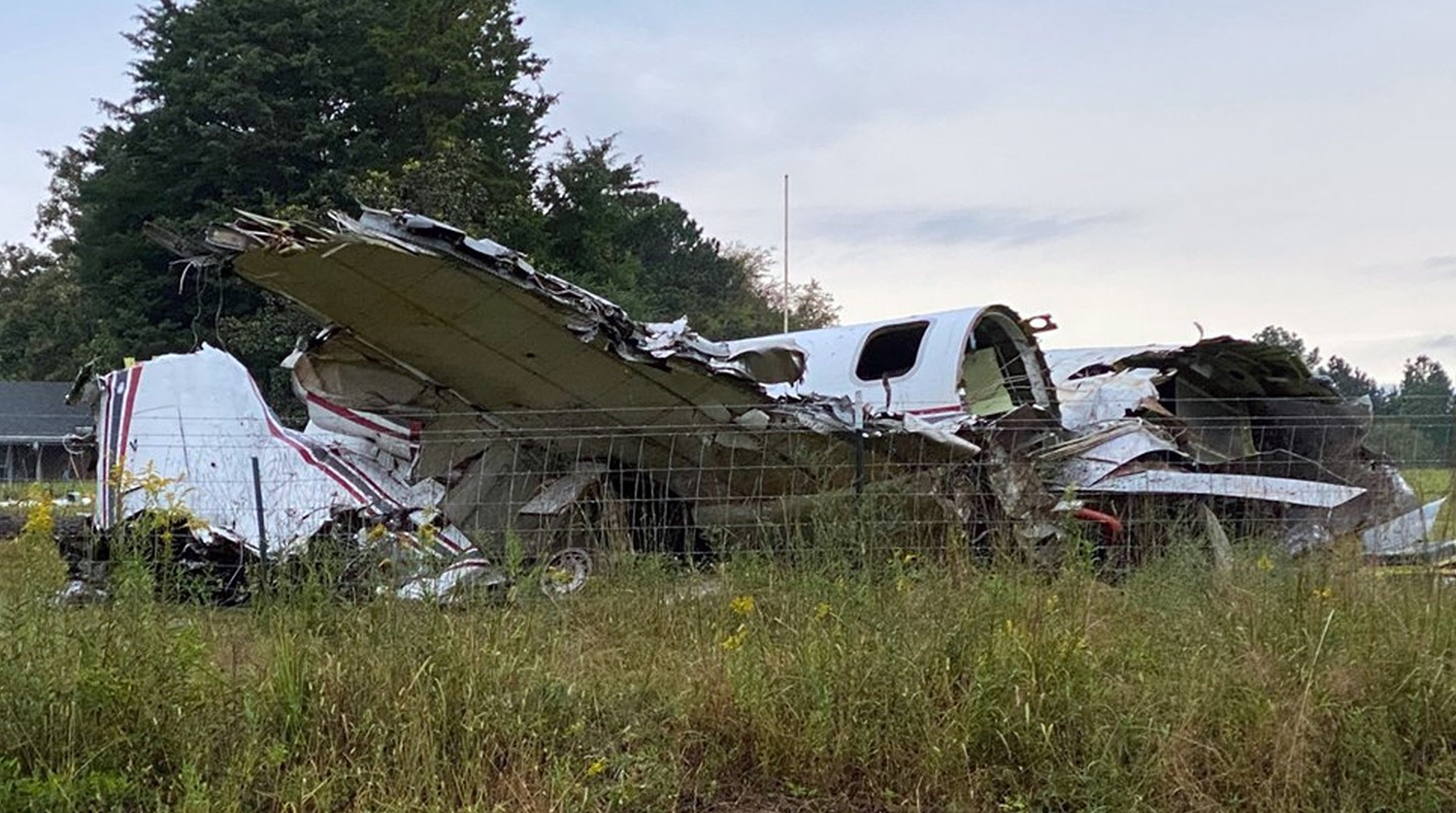
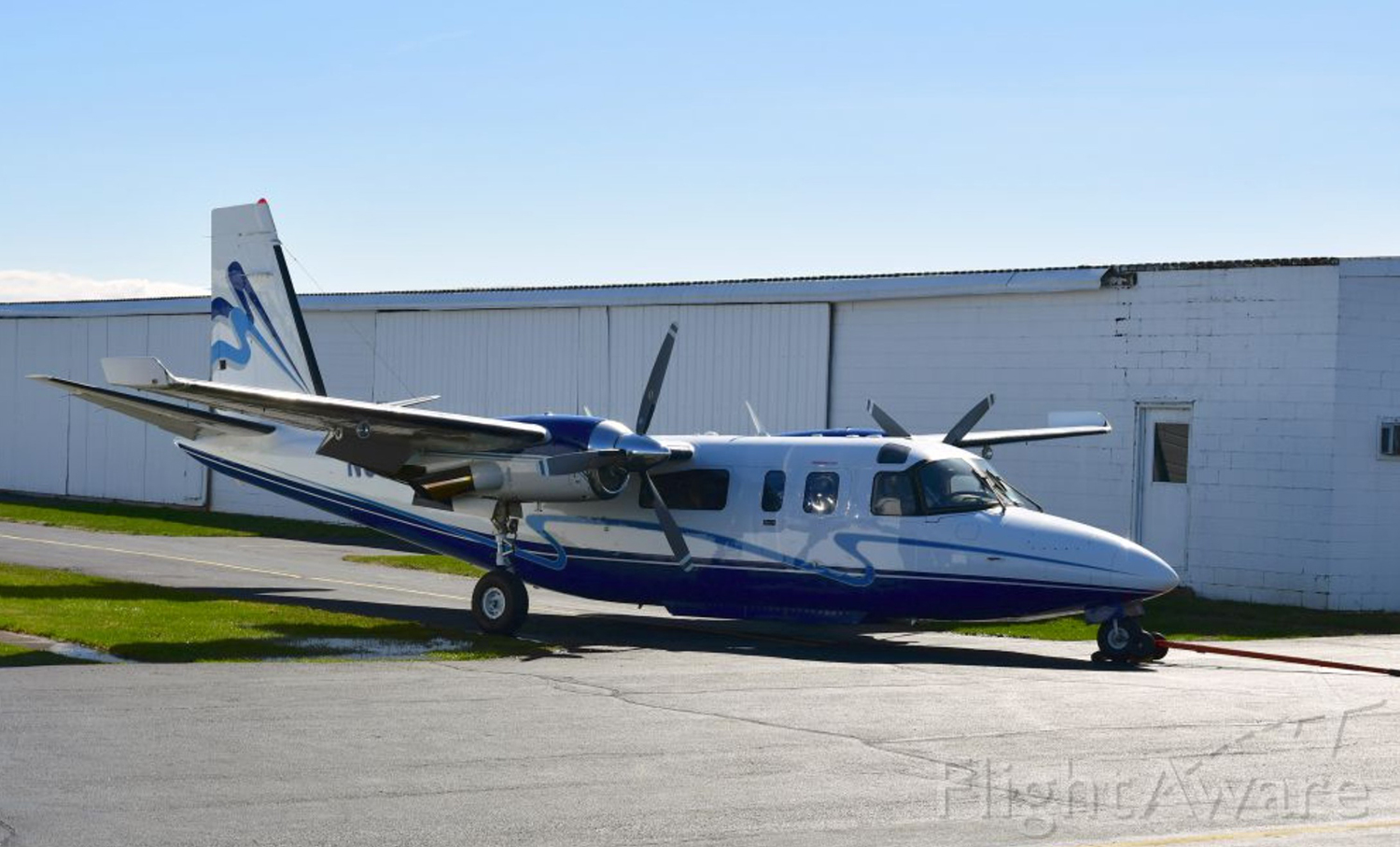
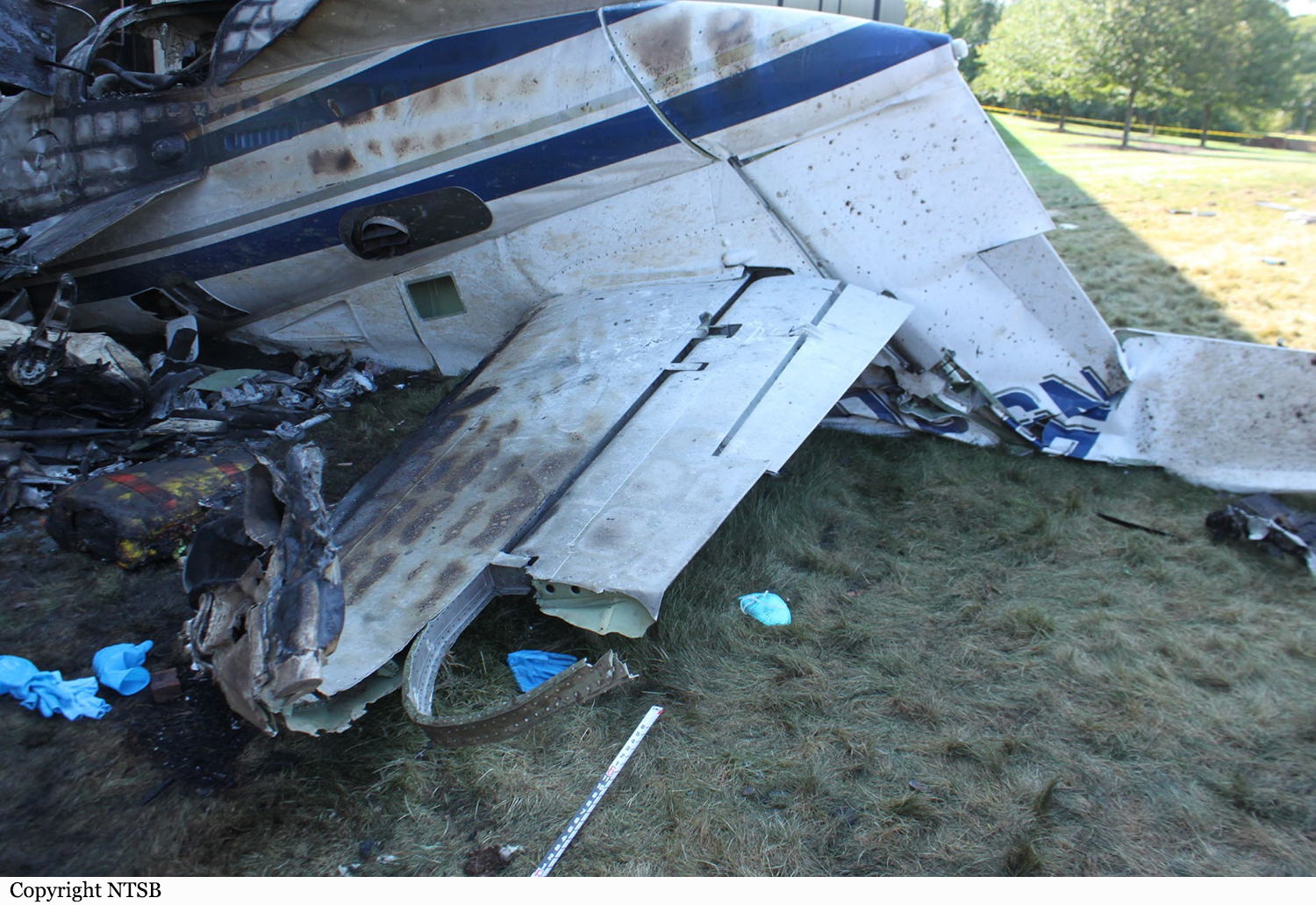
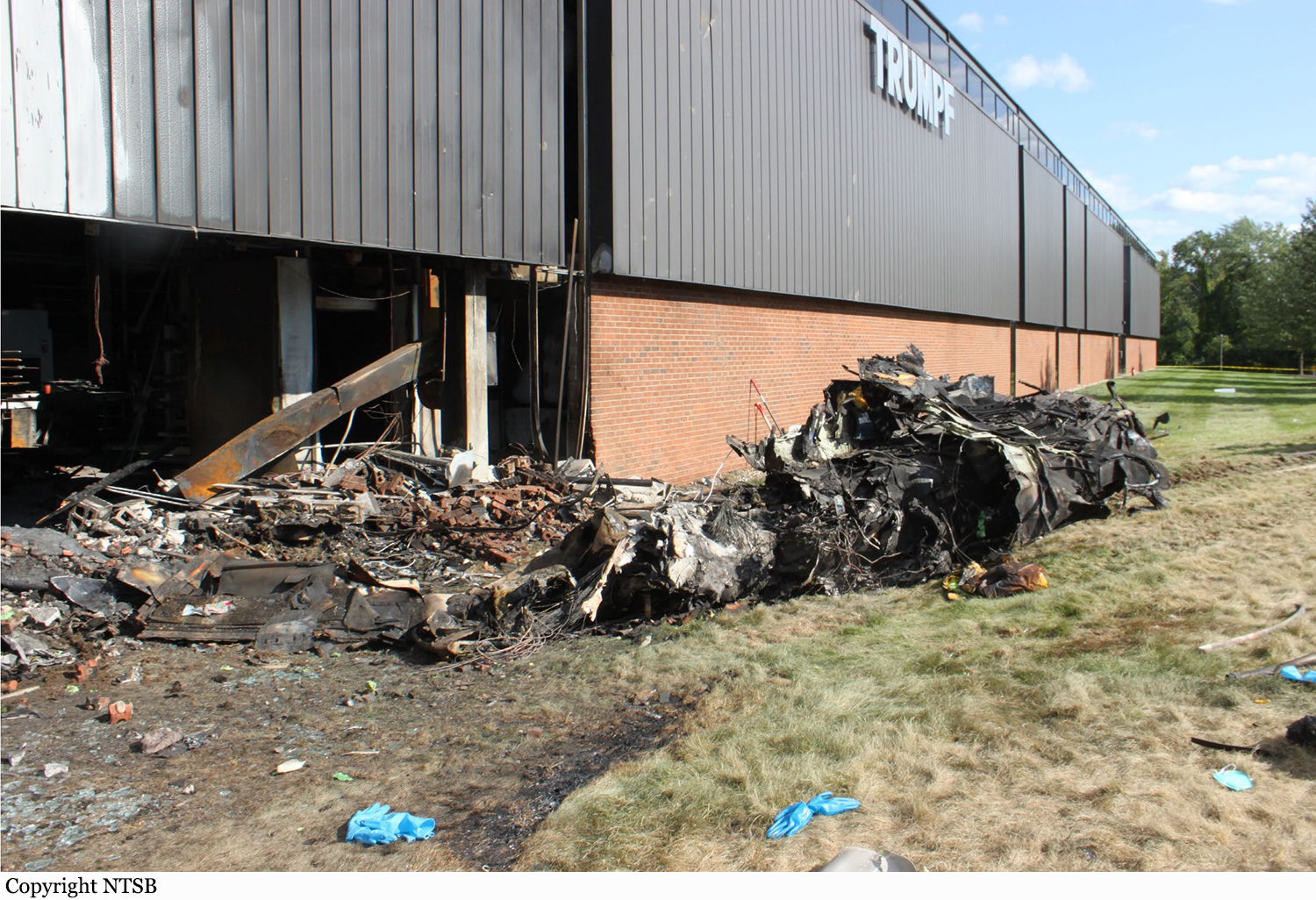
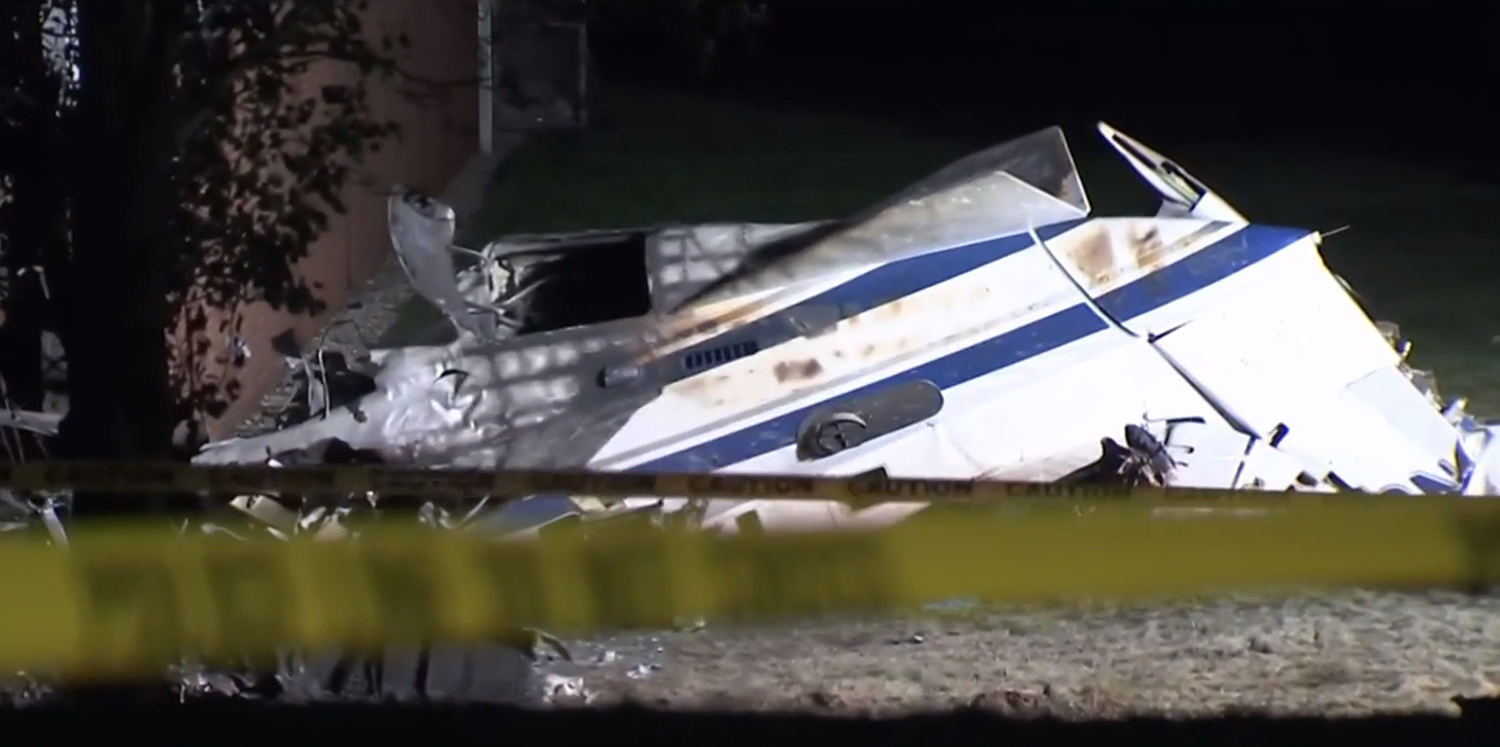
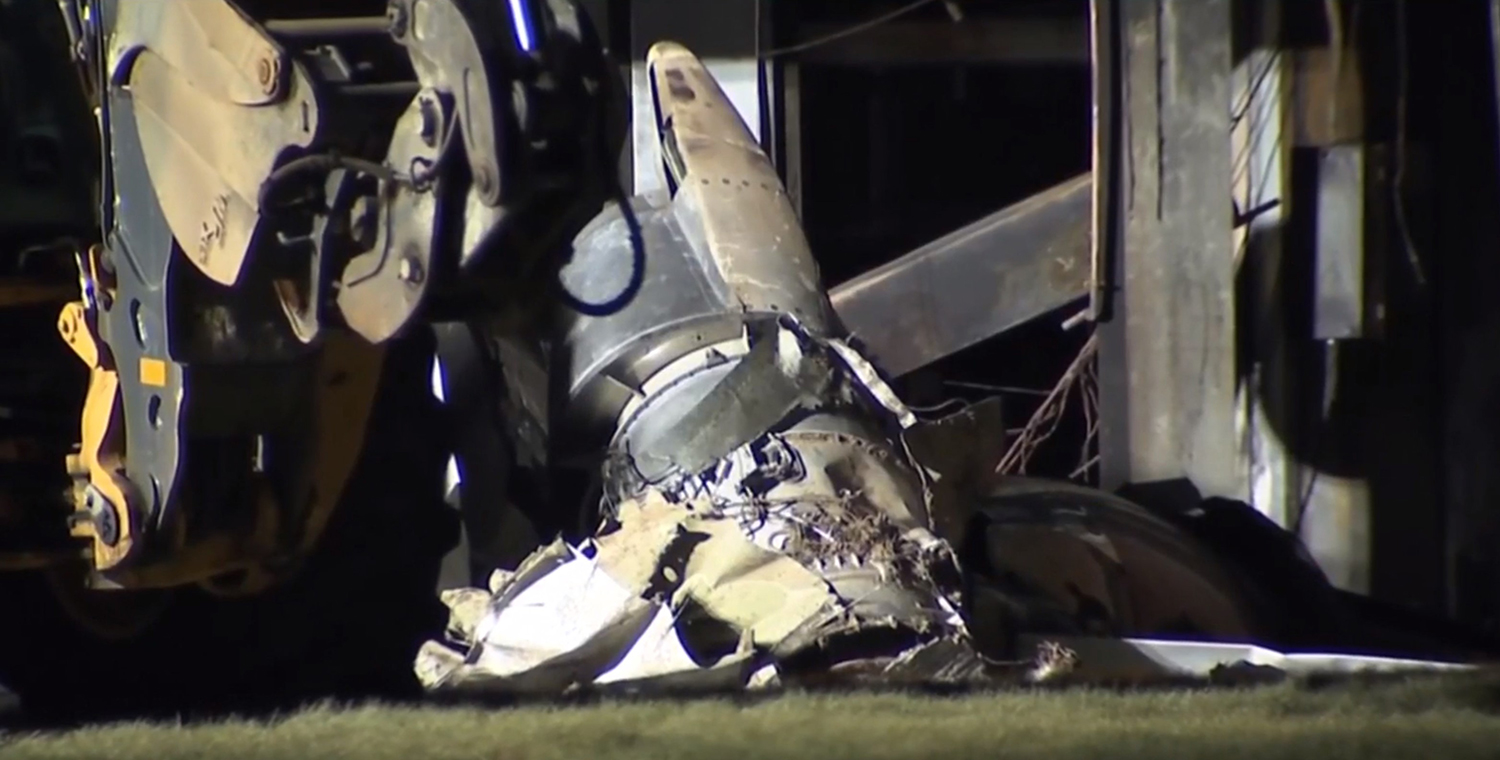
A pilot-rated witness observed the airplane during the final approach to the destination airport and stated that the airplane was flying slowly, with a high pitch attitude, and was “wallowing” as if nobody was flying. The airplane stalled and impacted the ground about 300 ft from the runway. GPS and automatic dependent surveillance-broadcast (ADS-B) data captured the accident flight, but the ADS-B data ended about 0.24 miles before the accident. GPS data showed that the airplane’s speed was at or near the published stall speed for the airplane’s given loading condition. The airplane sustained substantial damage to the fuselage and both wings. Examination of the airplane verified flight and engine control continuity. No preimpact anomalies were found with respect to the airplane, engines, or systems. The pilot allowed the airspeed to decrease during the approach, increased pitch attitude, and exceeded critical angle of attack, which resulted in an aerodynamic stall and spin into terrain.
Probable cause:
The pilot's exceedance of the airplane's critical angle of attack during final approach, which resulted in an aerodynamic stall and loss of control at an altitude too low to recover.
Final Report:
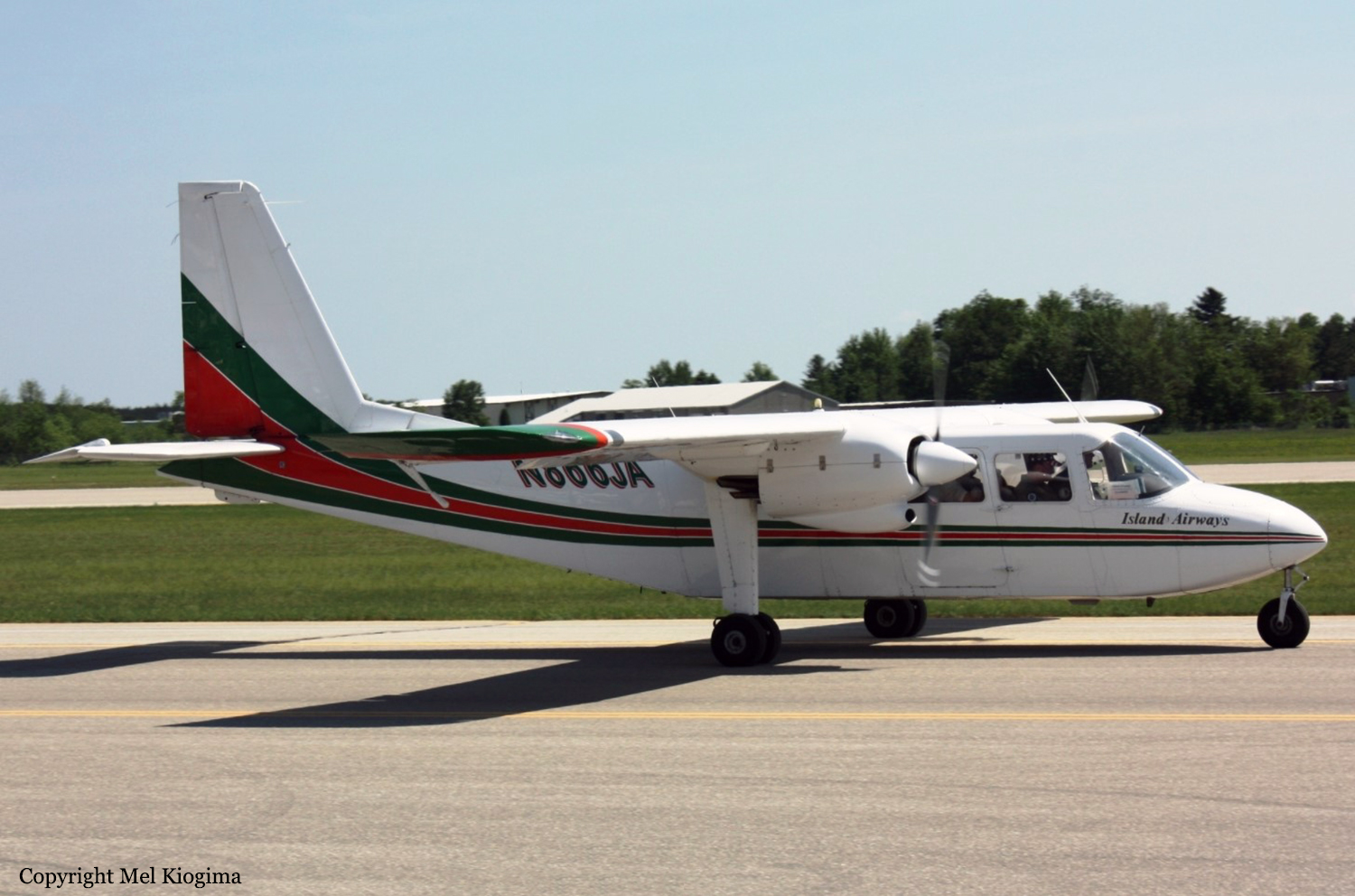
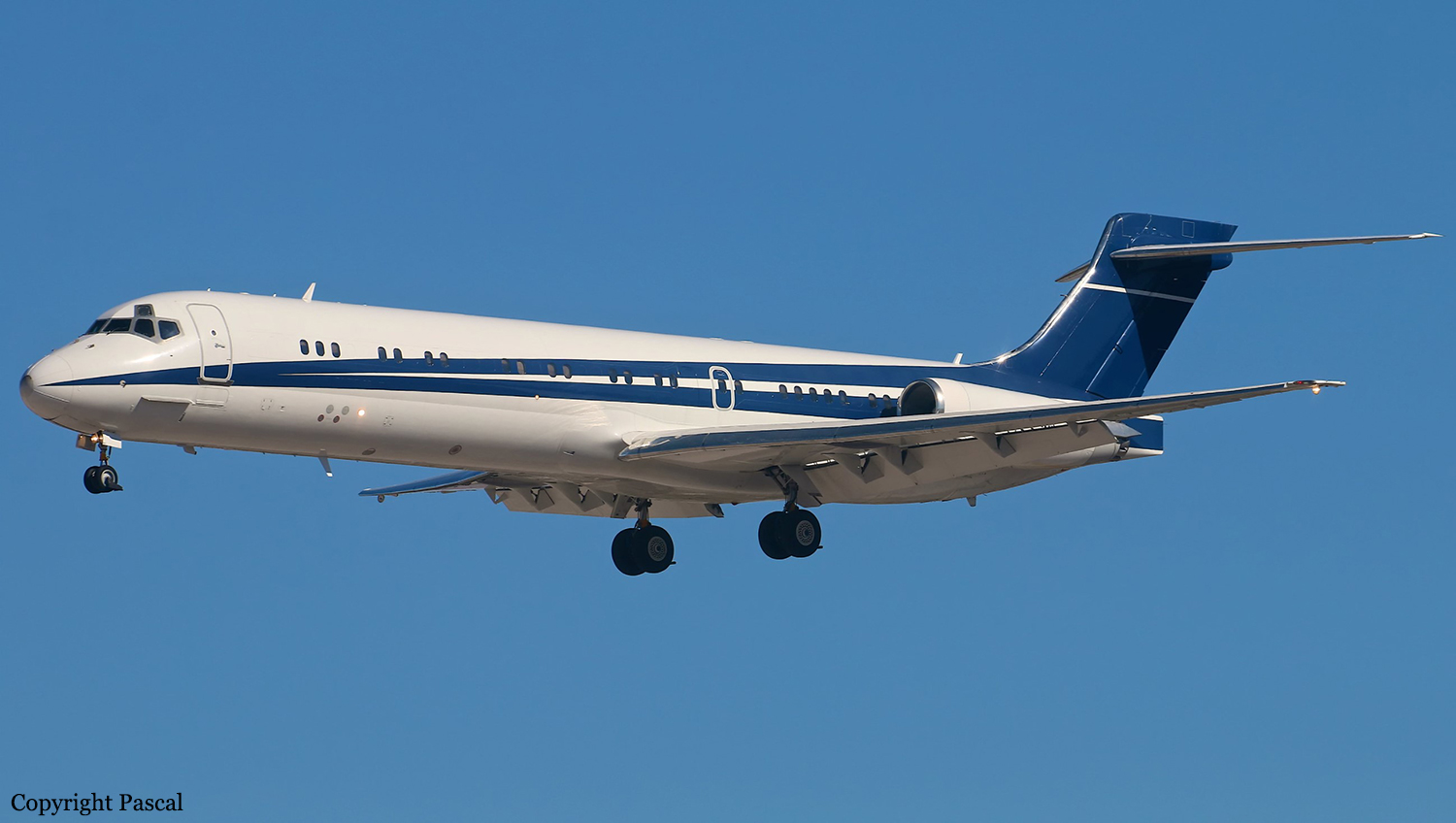
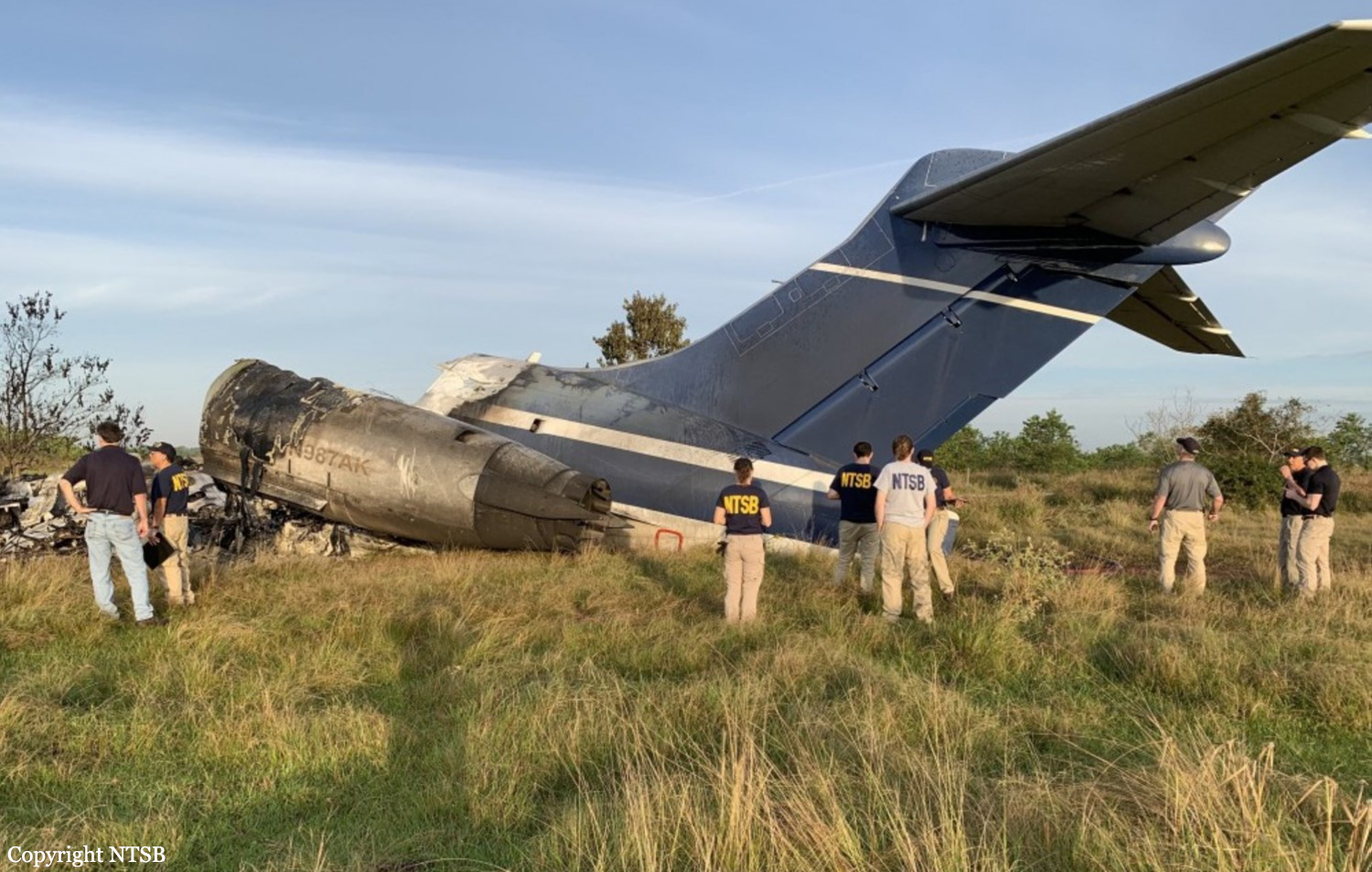
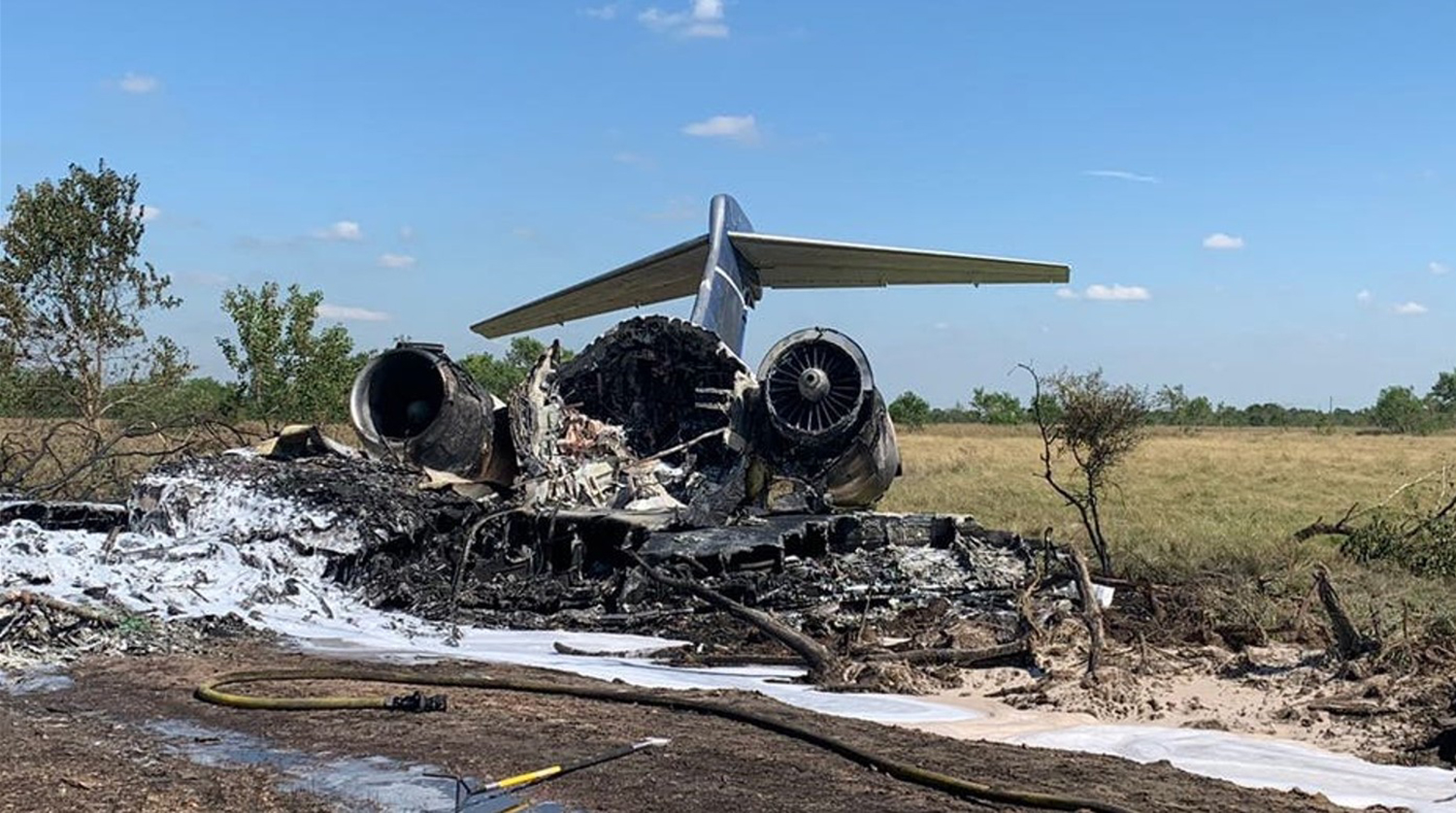
Crash of a McDonnell Douglas MD-87 in Houston

Date & Time: Oct 19, 2021 at 1000 LT
Type of aircraft:
Registration:
N987AK
Flight Phase:
Flight Type:
Survivors:
Yes
Schedule:
Houston - Bedford
MSN:
49404/1430
YOM:
1987
Crew on board:
4
Crew fatalities:
Pax on board:
19
Pax fatalities:
Other fatalities:
Total fatalities:
0
Captain / Total flying hours:
22000
Captain / Total hours on type:
4000.00
Copilot / Total flying hours:
10000
Copilot / Total hours on type:
700
Aircraft flight hours:
49566
Circumstances:
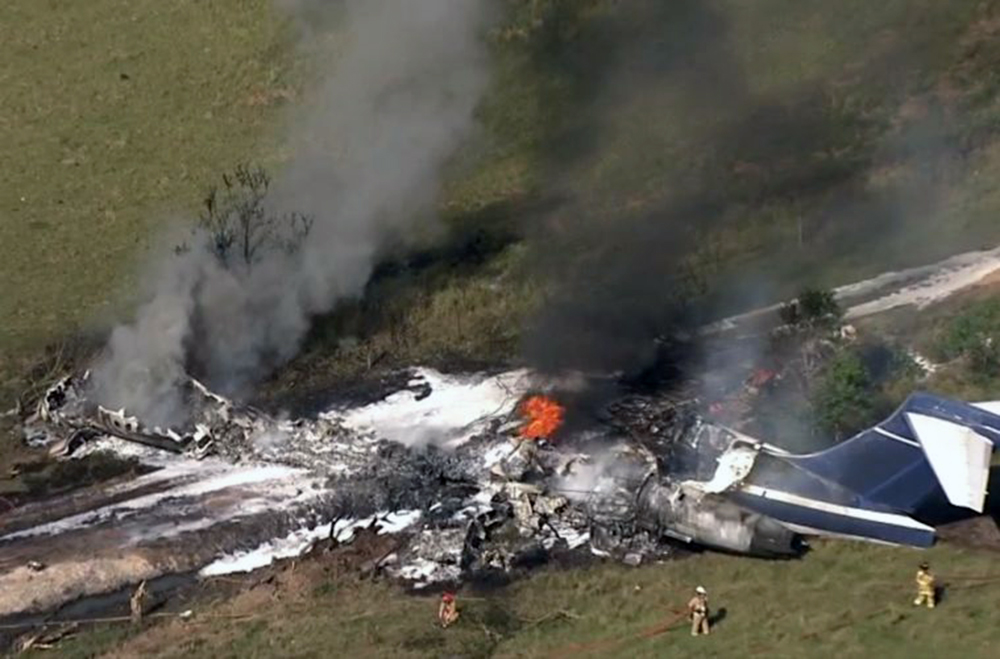
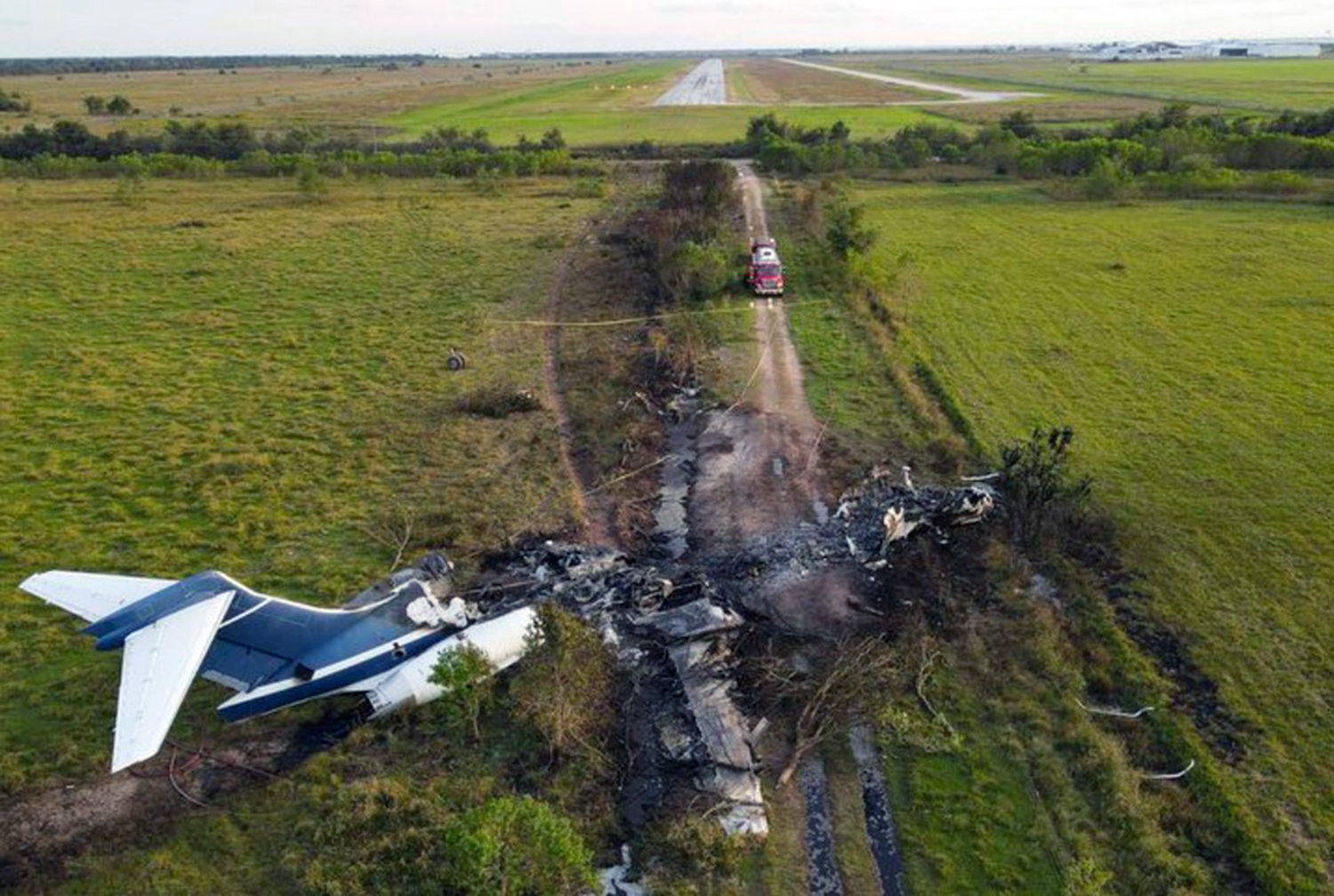
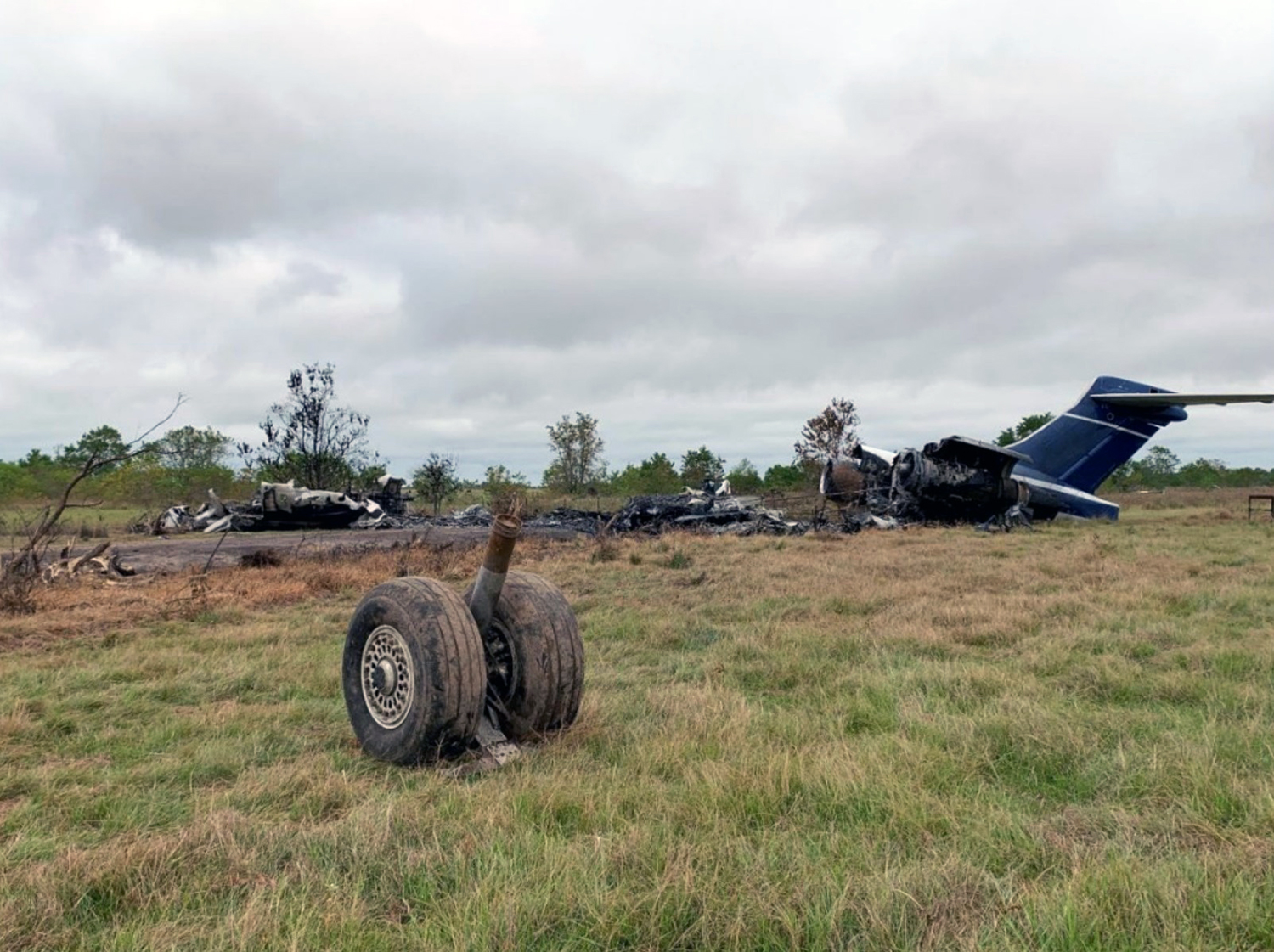
The captain (who was the pilot flying) initiated the takeoff roll, and the airplane accelerated normally. According to the cockpit voice recorder (CVR) transcript, the first officer made the “V1” and then “rotate” callouts. According to the captain (in a postaccident interview), when he pulled back on the control column to rotate the airplane, “nothing happened,” and the control column felt like it “was in concrete” and “frozen.” The CVR captured that the first officer subsequently made the “V2” callout, then the captain said “come on” in a strained voice. Both pilots recalled in postaccident interviews that they both attempted to pull back on the controls, but the airplane did not rotate. The CVR captured that the first officer called out “abort.” The first officer pulled the thrust levers to idle and applied the brakes, and the captain deployed the thrust reversers. (See “Execution of Rejected Takeoff” for more information.) The airplane overran the departure end of the runway and continued through the airport perimeter fence and across a road, striking electrical distribution lines and trees before coming to rest in a pasture, where a postcrash fire ensued. The pilots, two additional crewmembers, and all passengers evacuated the airplane. Two passengers received serious injuries, and one received a minor injury. The airplane was totally destroyed by a post crash fire.
Probable cause:
The jammed condition of both elevators, which resulted from exposure to localized, dynamic high wind while the airplane was parked and prevented the airplane from rotating during the takeoff roll. Also causal was the failure of Everts Air Cargo, the pilots’ primary employer, to maintain awareness of Boeing-issued, required updates for its manuals, which resulted in the pilots not receiving the procedures and training that addressed the requirement to visually verify during the preflight checks that the elevators are not jammed.
Final Report:
Crash of a PZL-Mielec AN-2T in Alta Mesa

Date & Time: Oct 14, 2021 at 1600 LT
Type of aircraft:
Operator:
Registration:
N857PF
Flight Phase:
Flight Type:
Survivors:
Yes
Schedule:
Alta Mesa – Reno
MSN:
1G108-57
YOM:
1969
Crew on board:
1
Crew fatalities:
Pax on board:
3
Pax fatalities:
Other fatalities:
Total fatalities:
0
Captain / Total flying hours:
9811
Captain / Total hours on type:
70.00
Aircraft flight hours:
3500
Circumstances:
The pilot stated that the departure started normally but that, after becoming airborne, the airplane controls were not responding to his inputs as expected. The airplane continued to pitch up in a nose-high attitude and he was unable to push the control yoke forward, which he described as feeling like he was “stretching” cables with forward pressure. With the airplane’s pitch uncontrollable, he elected to make a rapid maneuver toward an unpopulated area. The airplane descended into trees; after coming to a stop, a fire erupted. A postaccident examination of the flight control system revealed no definitive evidence of preimpact mechanical malfunctions or failures. Because the elevator system was extensively damaged and was partially consumed by fire, the investigation was not able to determine the cause of the pitch control anomaly. The airplane’s weight and center of gravity (CG) could not be confirmed. The burned remains of items found in the airplane could not be identified and the location of those items at impact could not be confirmed.
Probable cause:
The pilot’s inability to control the airplane’s pitch during departure for reasons that could not be determined because of the extensive fragmentation and thermal damage the airplane sustained in the accident sequence.
Final Report:
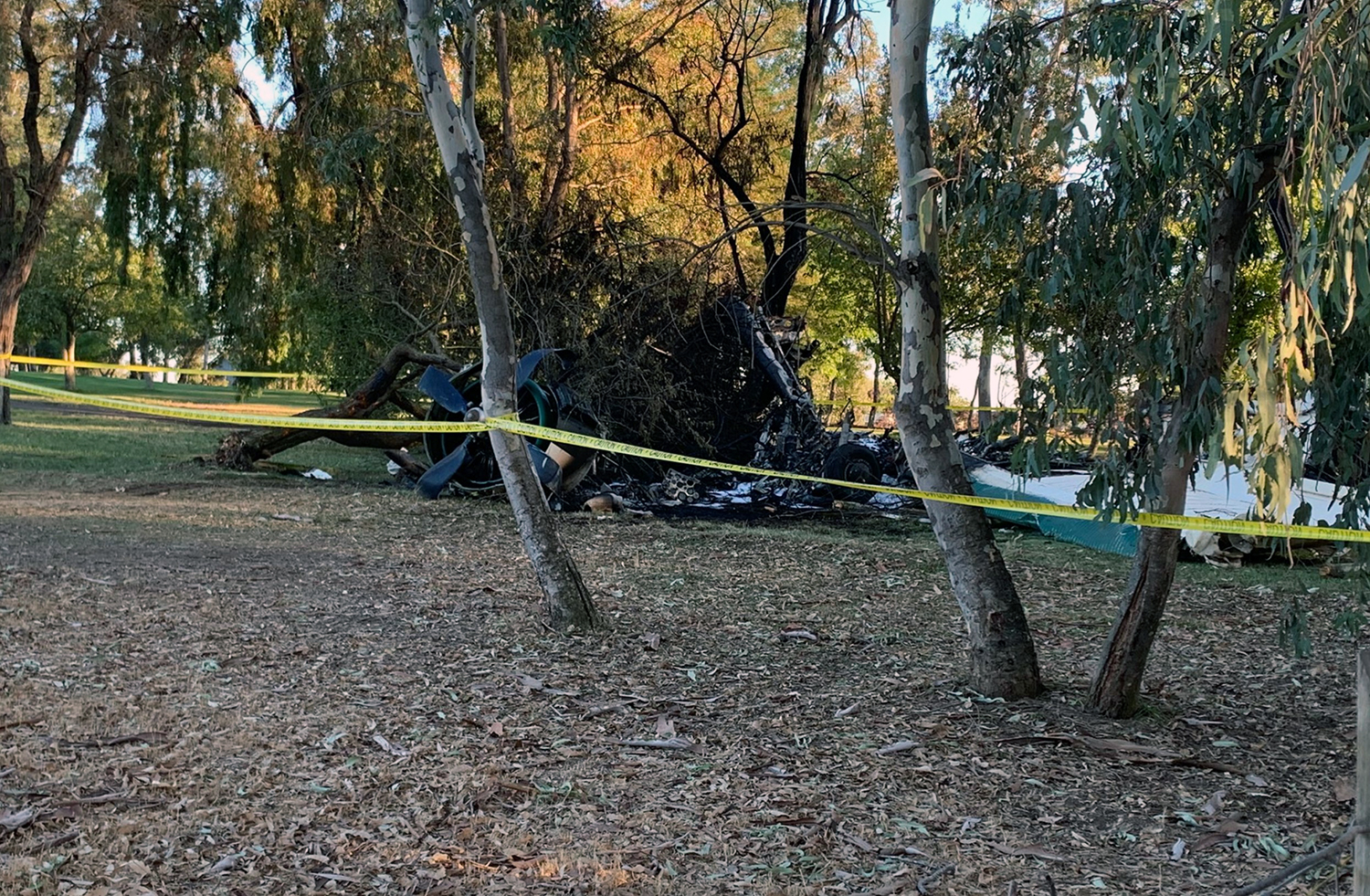
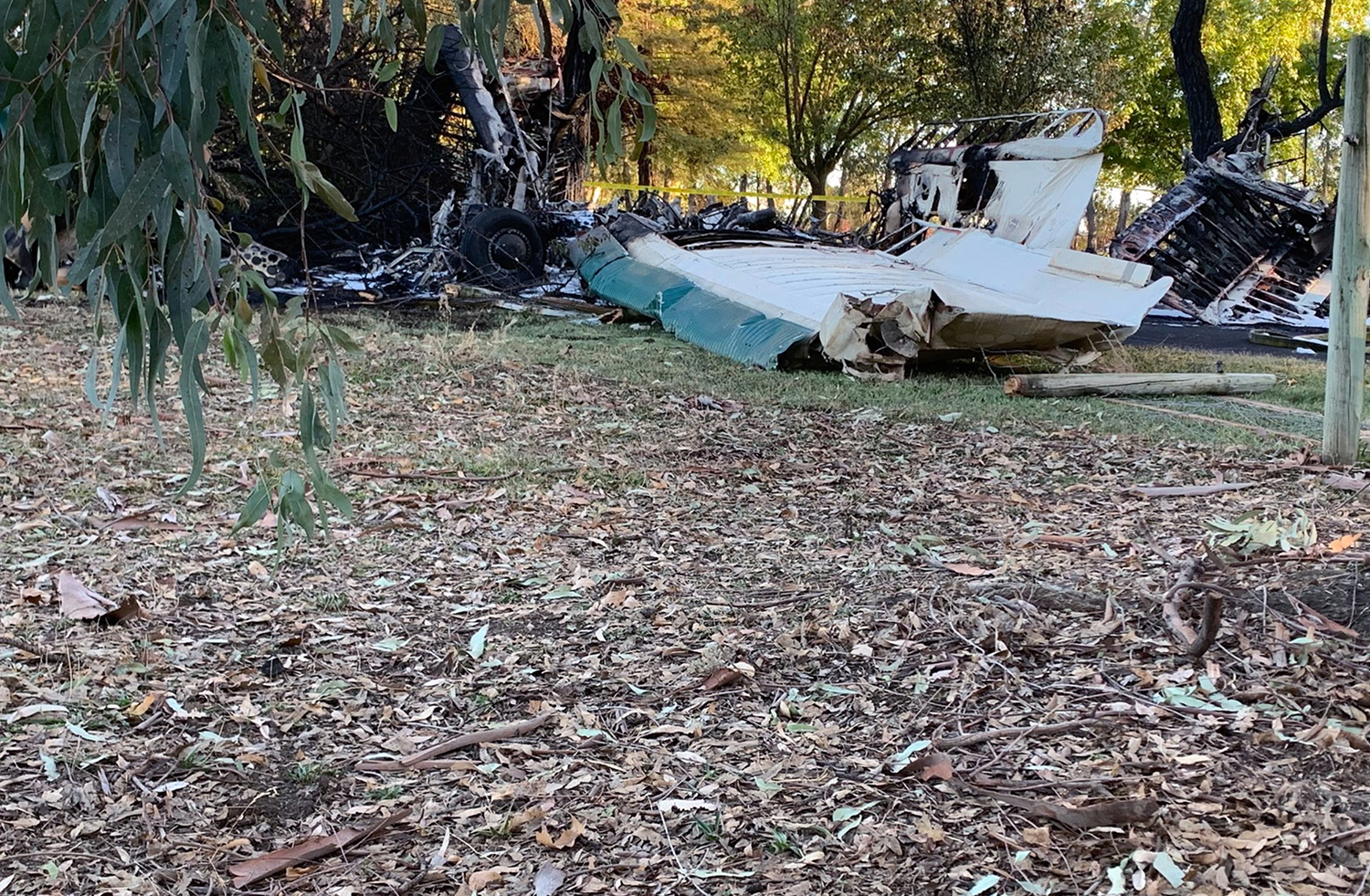
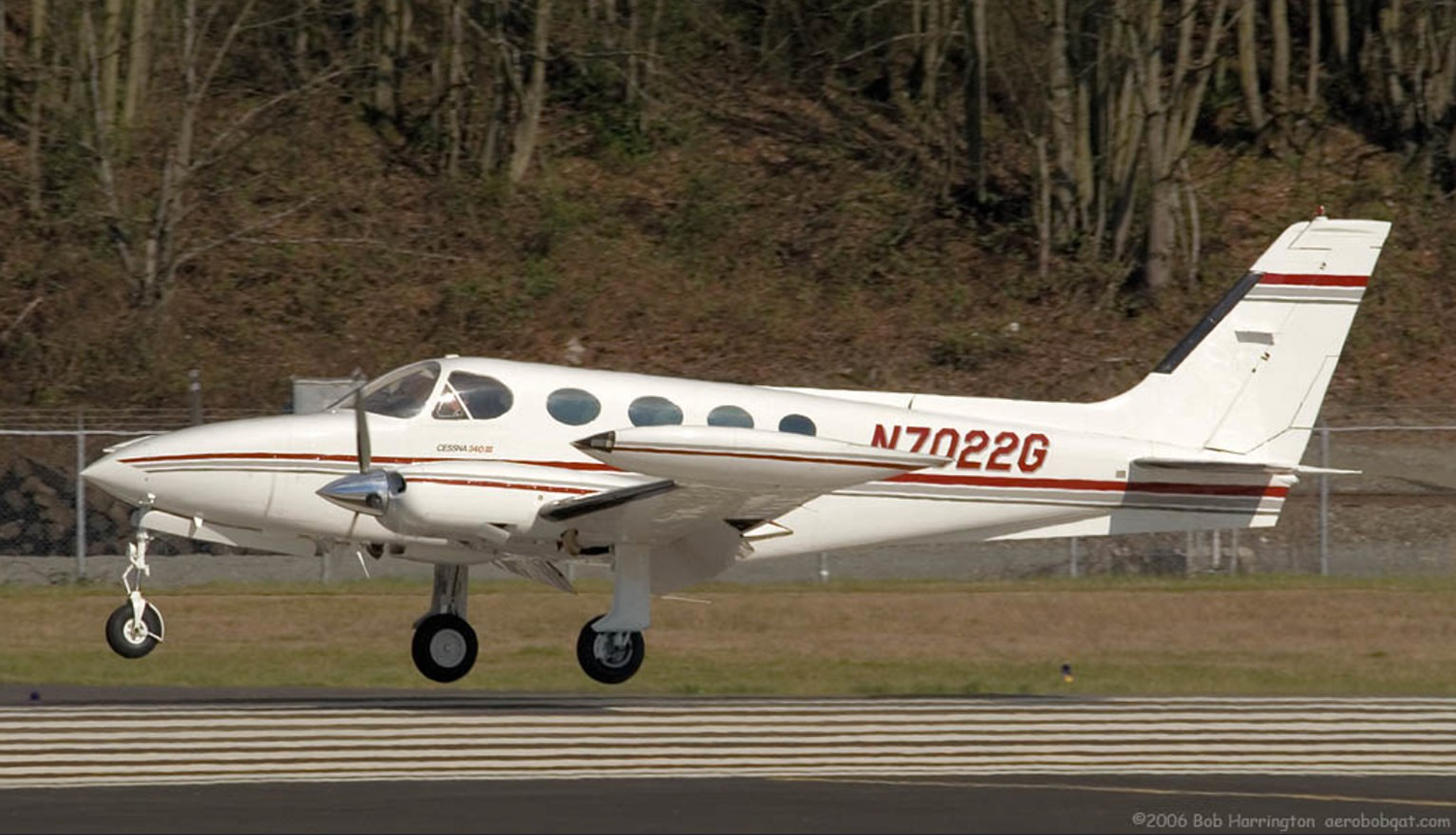
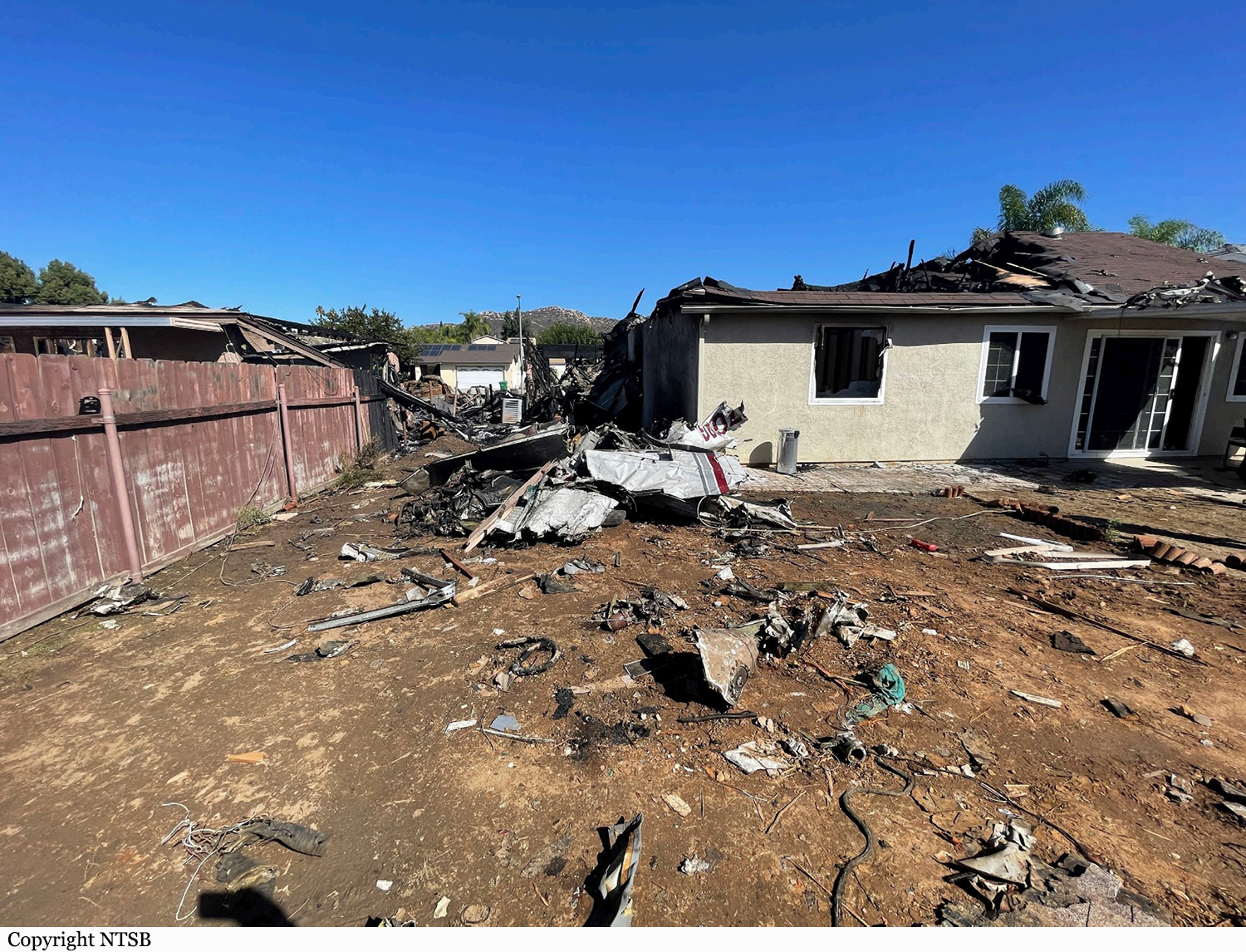
Crash of a Cessna 340A in Santee: 2 killed

Date & Time: Oct 11, 2021 at 1214 LT
Type of aircraft:
Registration:
N7022G
Flight Type:
Survivors:
No
Site:
Schedule:
Yuma – San Diego
MSN:
340A-0695
YOM:
1979
Crew on board:
1
Crew fatalities:
Pax on board:
0
Pax fatalities:
Other fatalities:
Total fatalities:
2
Captain / Total flying hours:
1566
Circumstances:
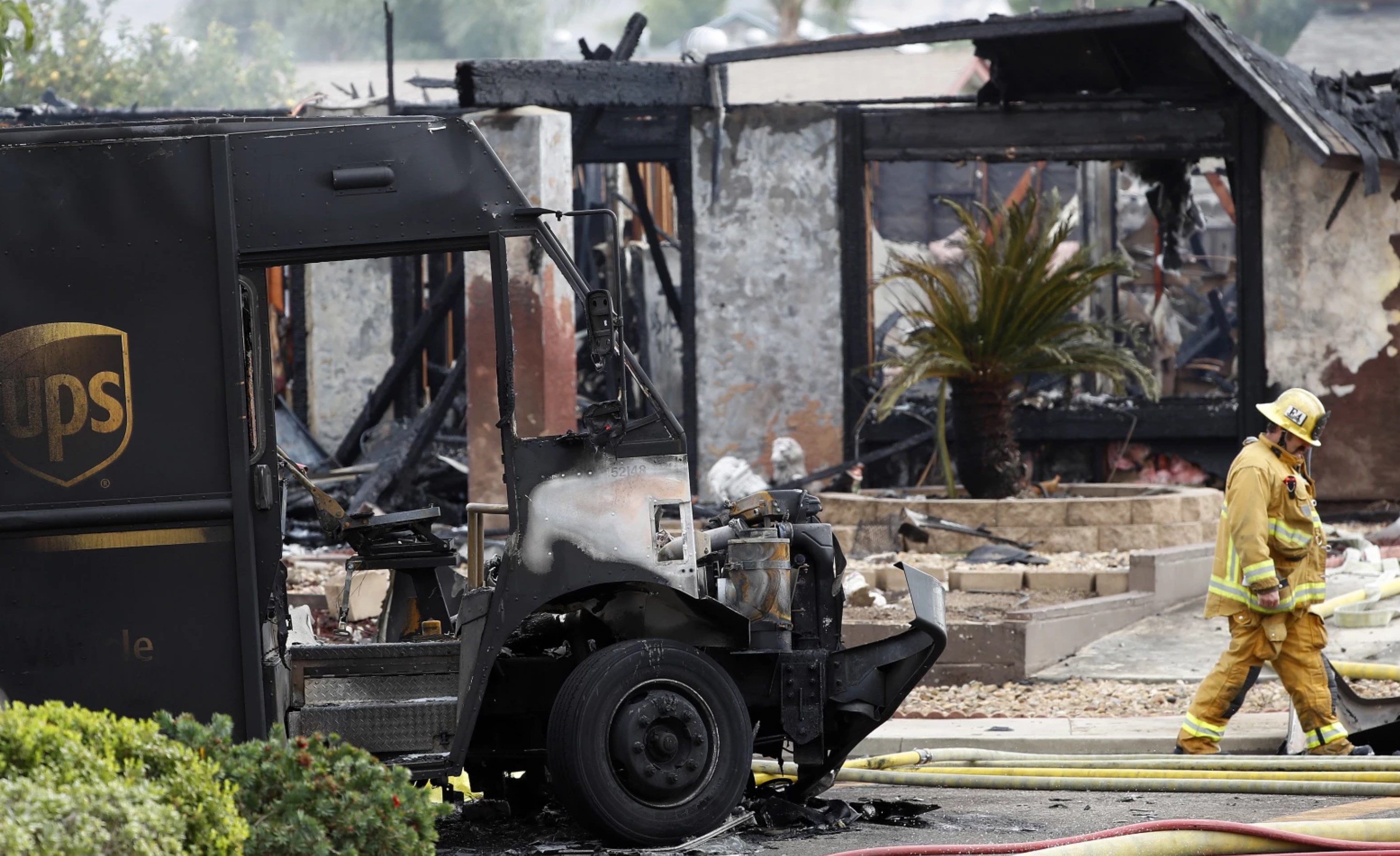
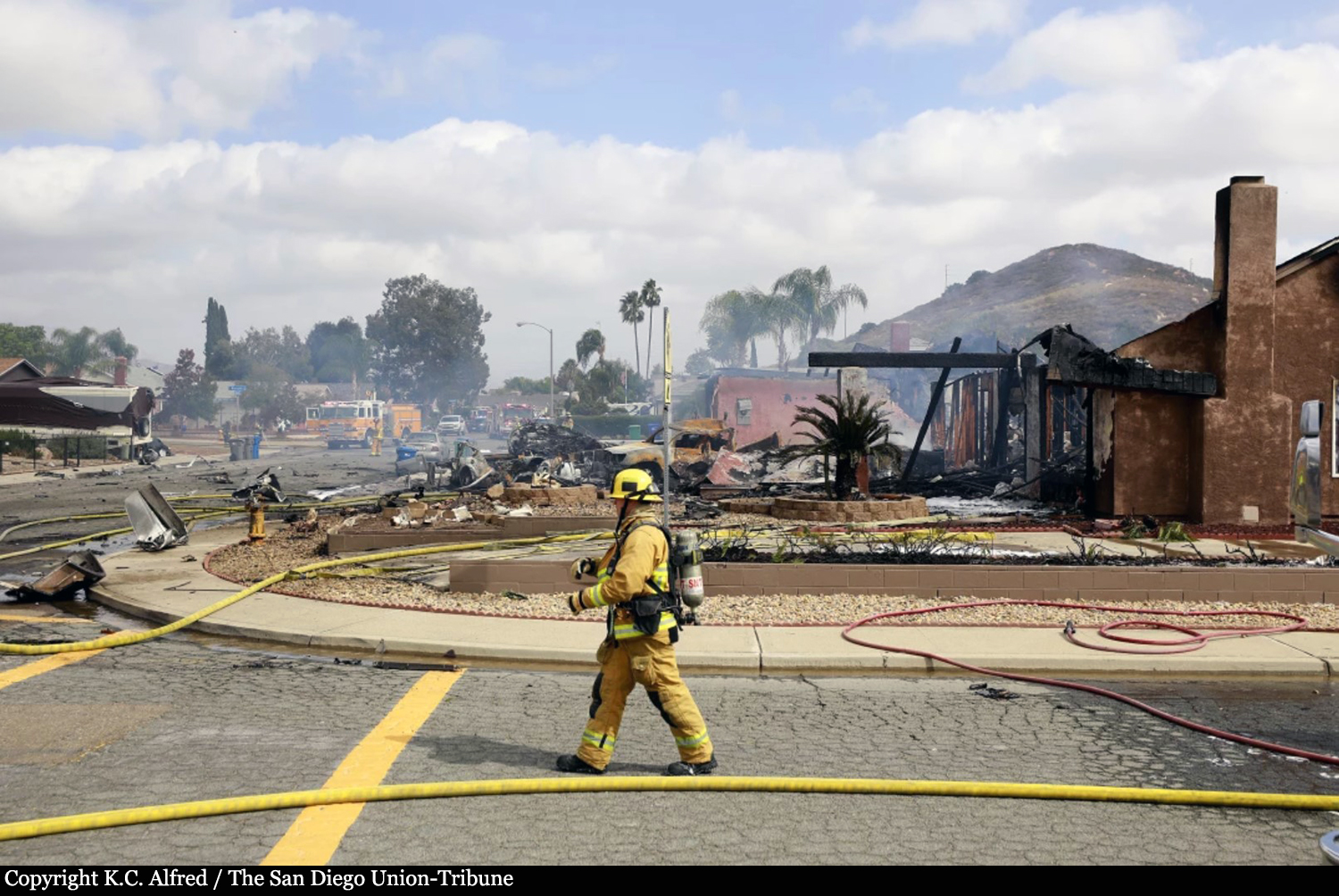
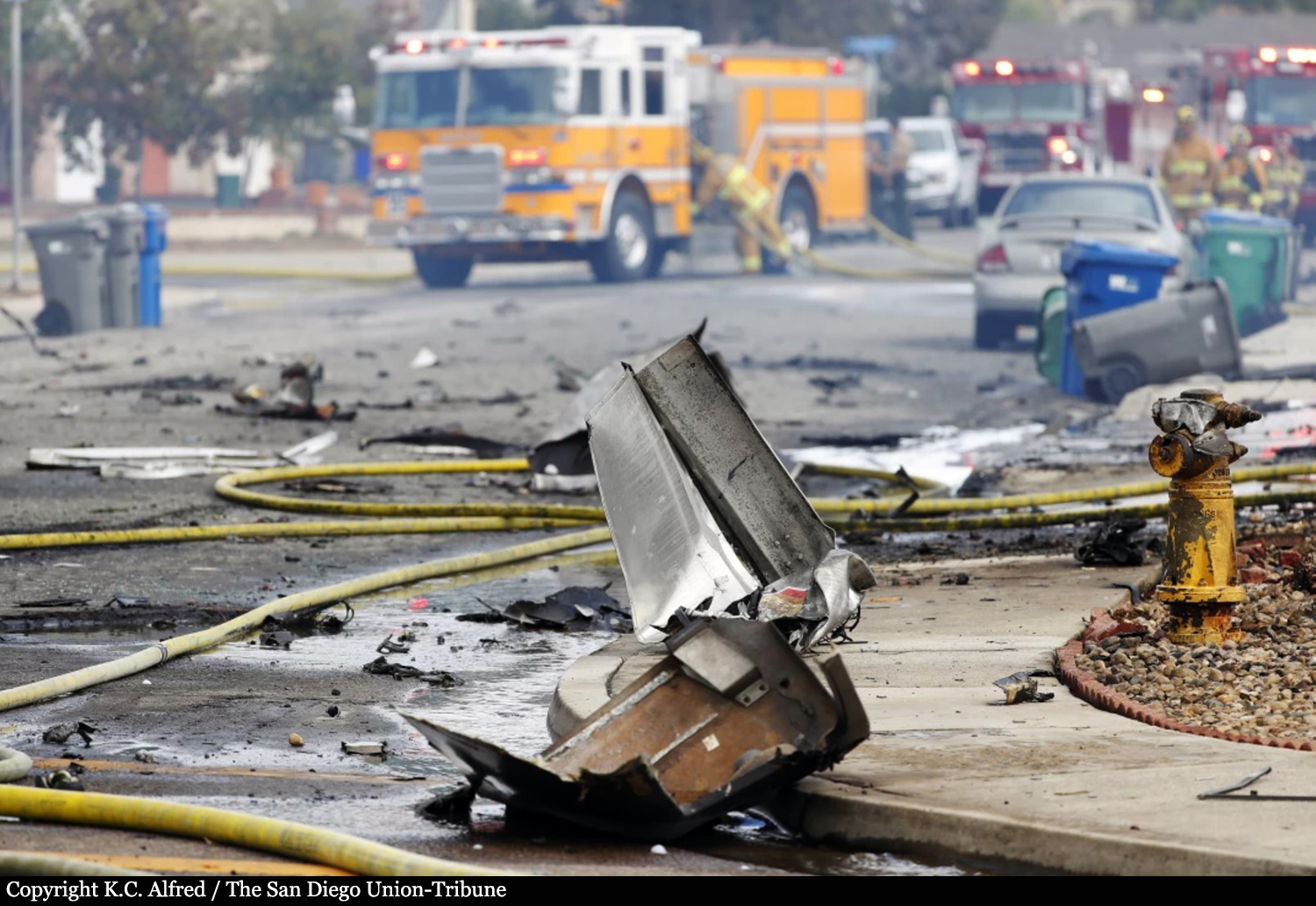
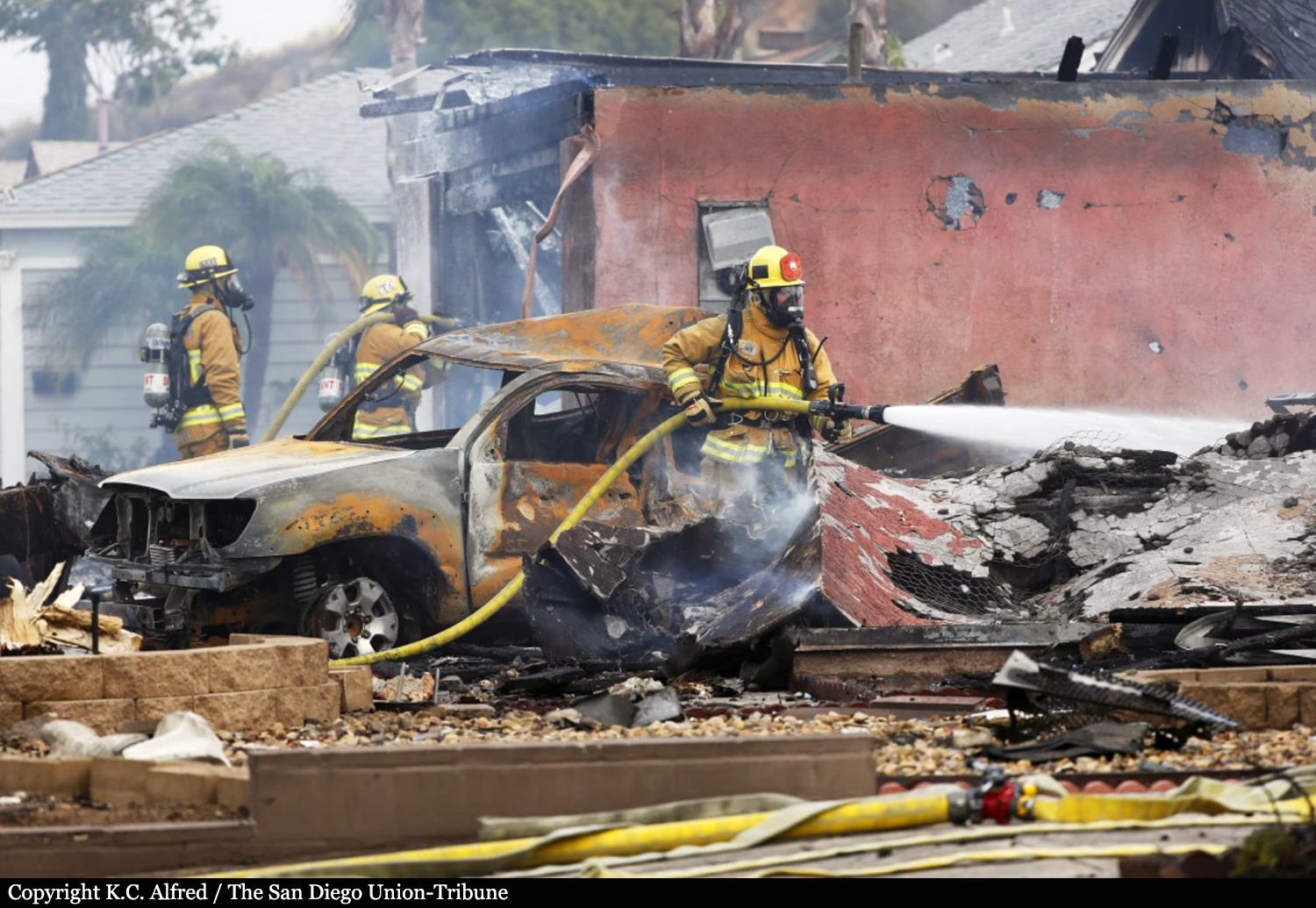
The pilot was on a cross-country flight, receiving vectors for an instrument approach while in instrument meteorological conditions (IMC). The approach controller instructed the pilot to descend to 2,800 ft mean sea level (msl) until established on the localizer, and subsequently cleared the flight for the instrument landing system (ILS) approach to runway 28R, then circle to land on runway 23. About 1 minute later, the controller told the pilot that it looked like the airplane was drifting right of course and asked him if he was correcting back on course. The pilot responded “correcting, 22G.” About 9 seconds later, the pilot transmitted “SoCal, is 22G, VFR runway 23” to which the controller told the pilot that the airplane was not tracking on the localizer and subsequently canceled the approach clearance and instructed the pilot to climb and maintain 3,000 ft. As the pilot acknowledged the altitude assignment, the controller issued a low altitude alert, and provided the minimum vectoring altitude in the area. The pilot acknowledged the controller’s instructions shortly after. At this time, recorded advanced dependent surveillance-broadcast (ADS-B) data showed the airplane on a northwesterly heading at an altitude of 2,400 ft msl. Over the course of the following 2 minutes, the controller issued multiple instructions for the pilot to climb to 4,000 ft, which the pilot acknowledged; however, ADS-B data showed that the airplane remained between 2,500 ft and 3,500 ft. The controller queried the pilot about his altitude and the pilot responded, “2,500 ft, 22G.” The controller subsequently issued a low altitude alert and advised the pilot to expedite the climb to 5,000 ft. No further communication was received from the pilot despite multiple queries from the controller. ADS-B data showed that the airplane had begun to climb and reached a maximum altitude of 3,500 ft before it began a descending right turn. The airplane remained in the right descending turn at a descent rate of about 5,000 ft per minute until the last recorded target at 900 ft msl, located about 1,333 ft northwest of the accident site. The airplane and two houses were destroyed. The pilot and the driver of a UPS truck were killed. Two other people on the ground were injured.
Probable cause:
Loss of control due to spatial disorientation.
Final Report:
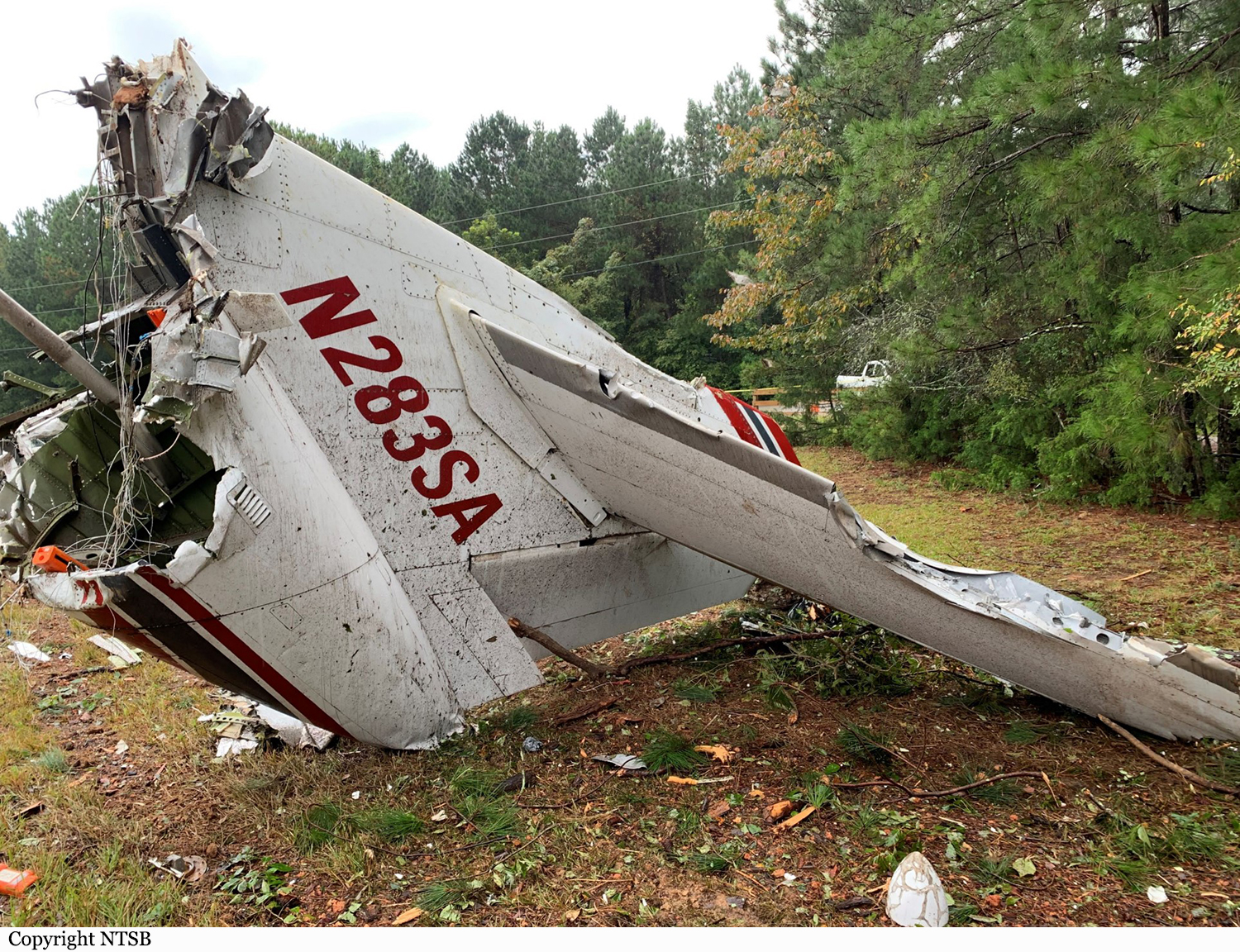
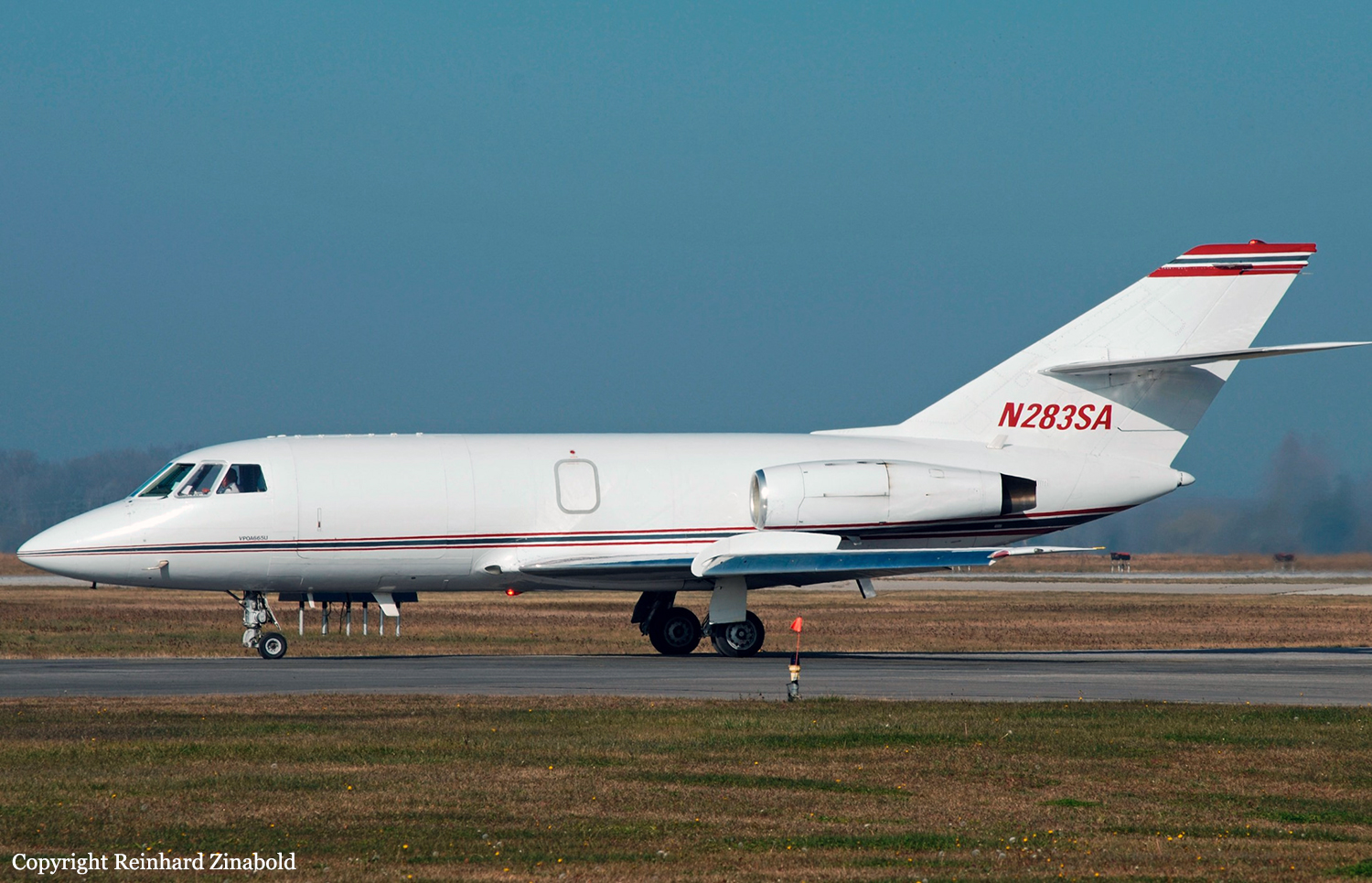
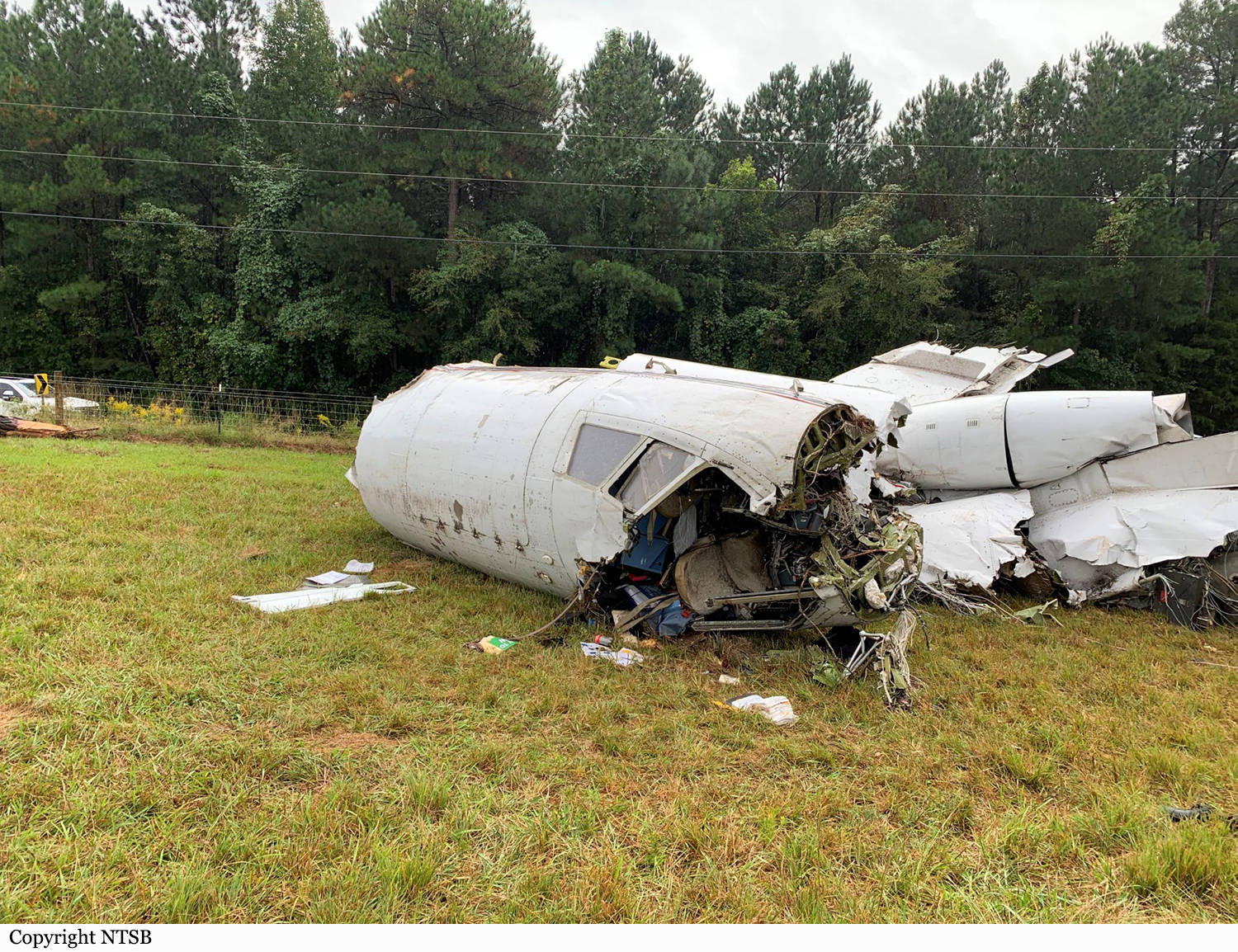
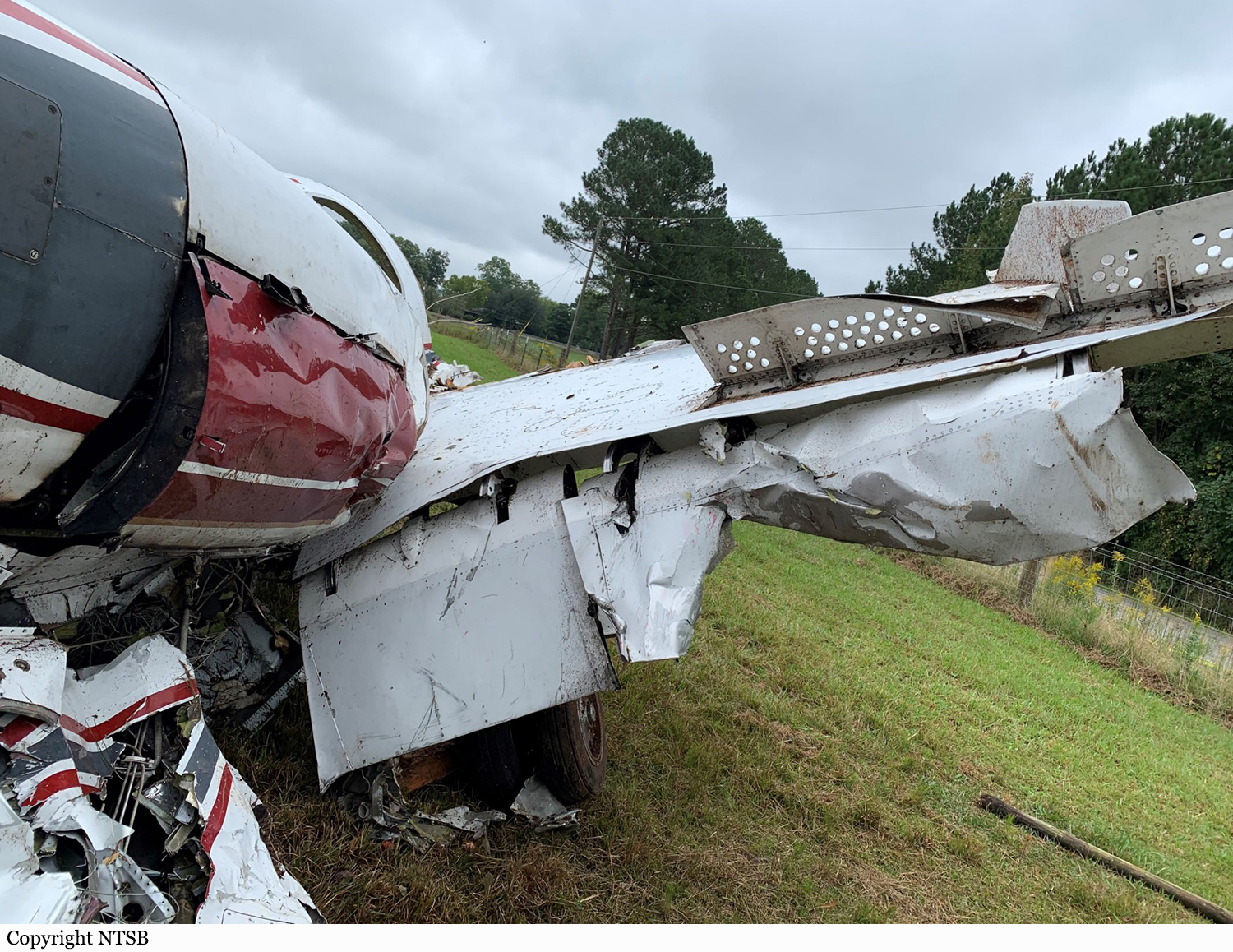
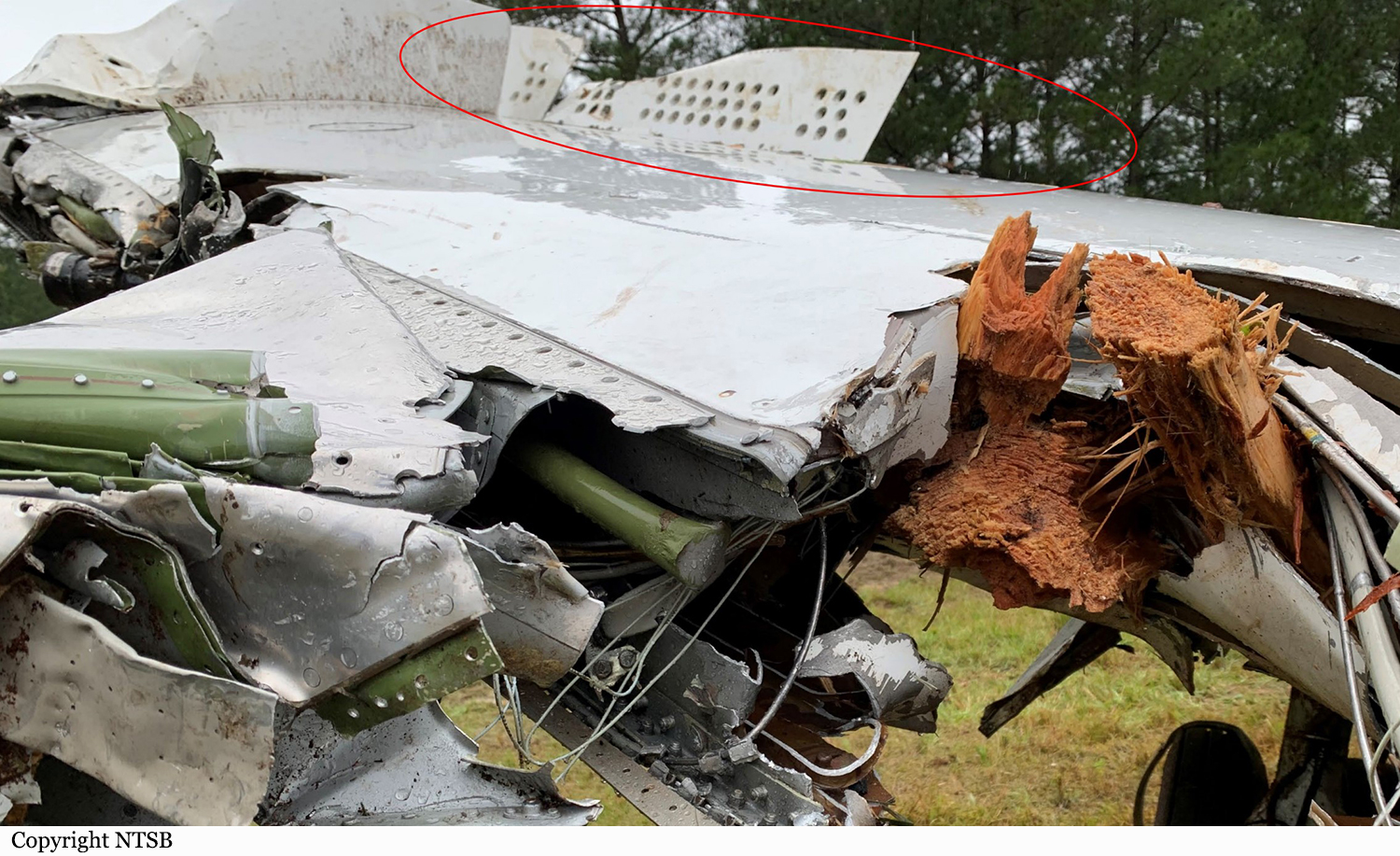
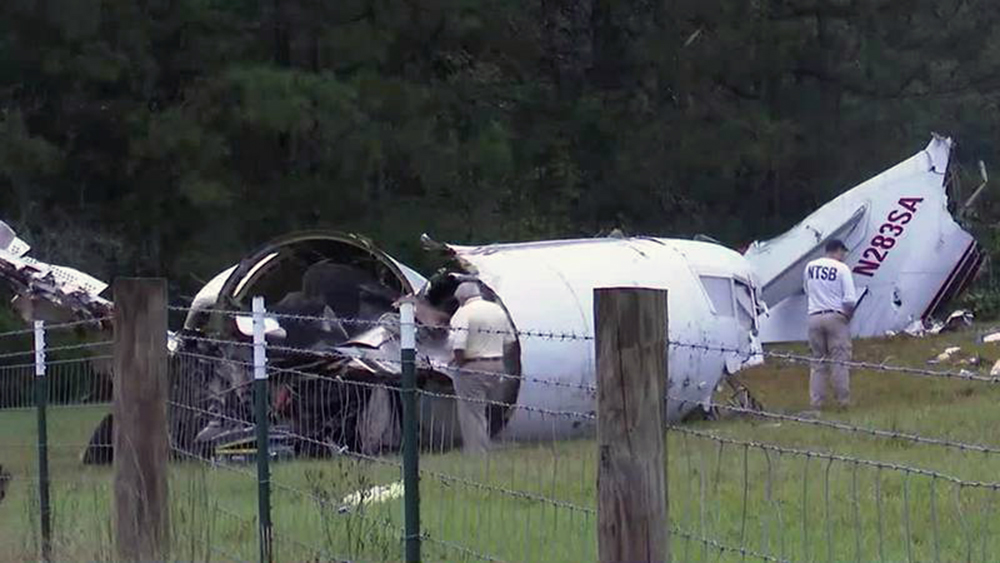
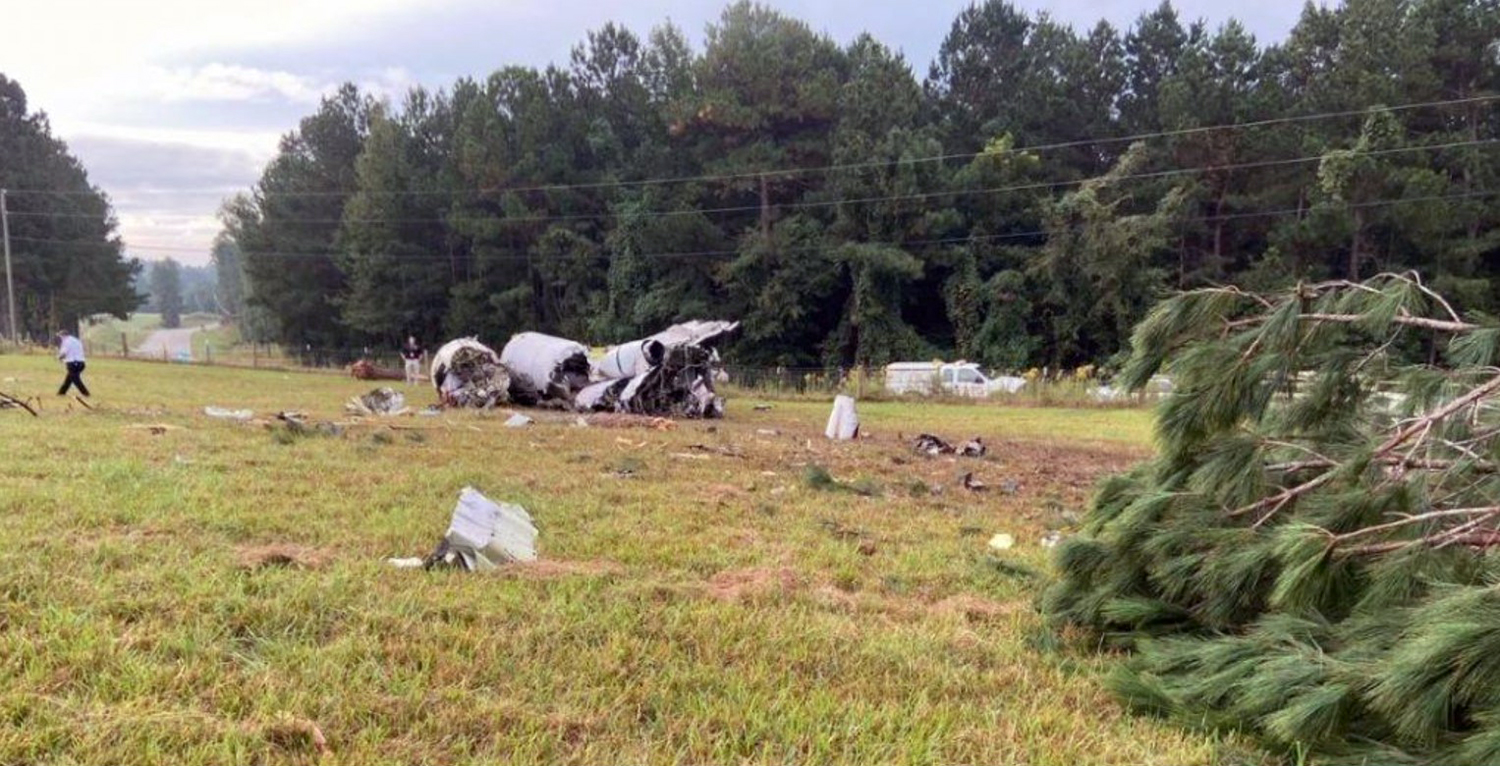
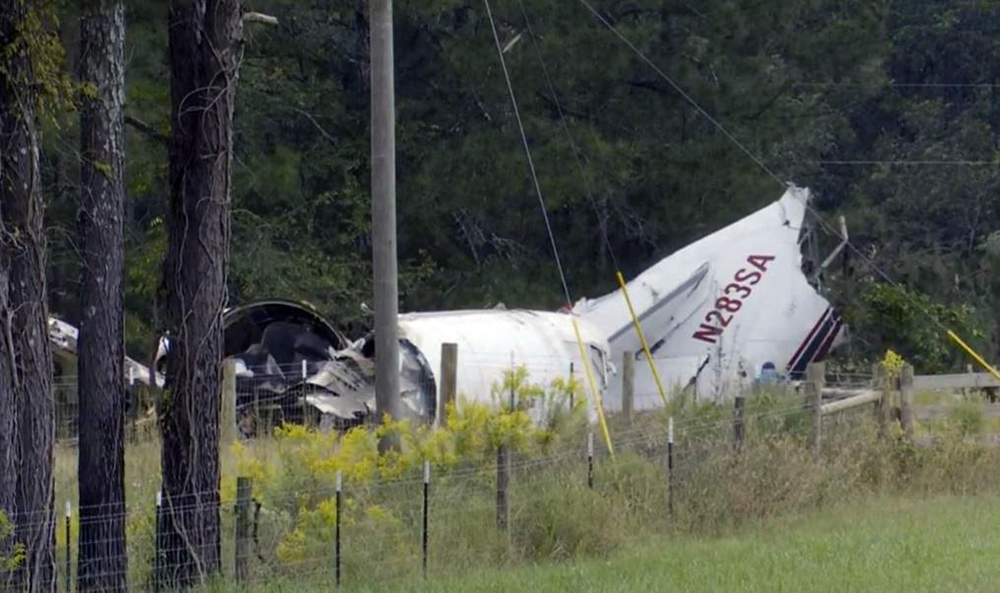
Crash of a Dassault Falcon 20CC in Thomson: 2 killed

Date & Time: Oct 5, 2021 at 0544 LT
Type of aircraft:
Registration:
N283SA
Flight Type:
Survivors:
No
Schedule:
Lubbock - Thomson
MSN:
83
YOM:
1967
Flight number:
PKW887
Crew on board:
2
Crew fatalities:
Pax on board:
0
Pax fatalities:
Other fatalities:
Total fatalities:
2
Captain / Total flying hours:
11955
Captain / Total hours on type:
1665.00
Copilot / Total flying hours:
10908
Copilot / Total hours on type:
1248
Aircraft flight hours:
18798
Circumstances:
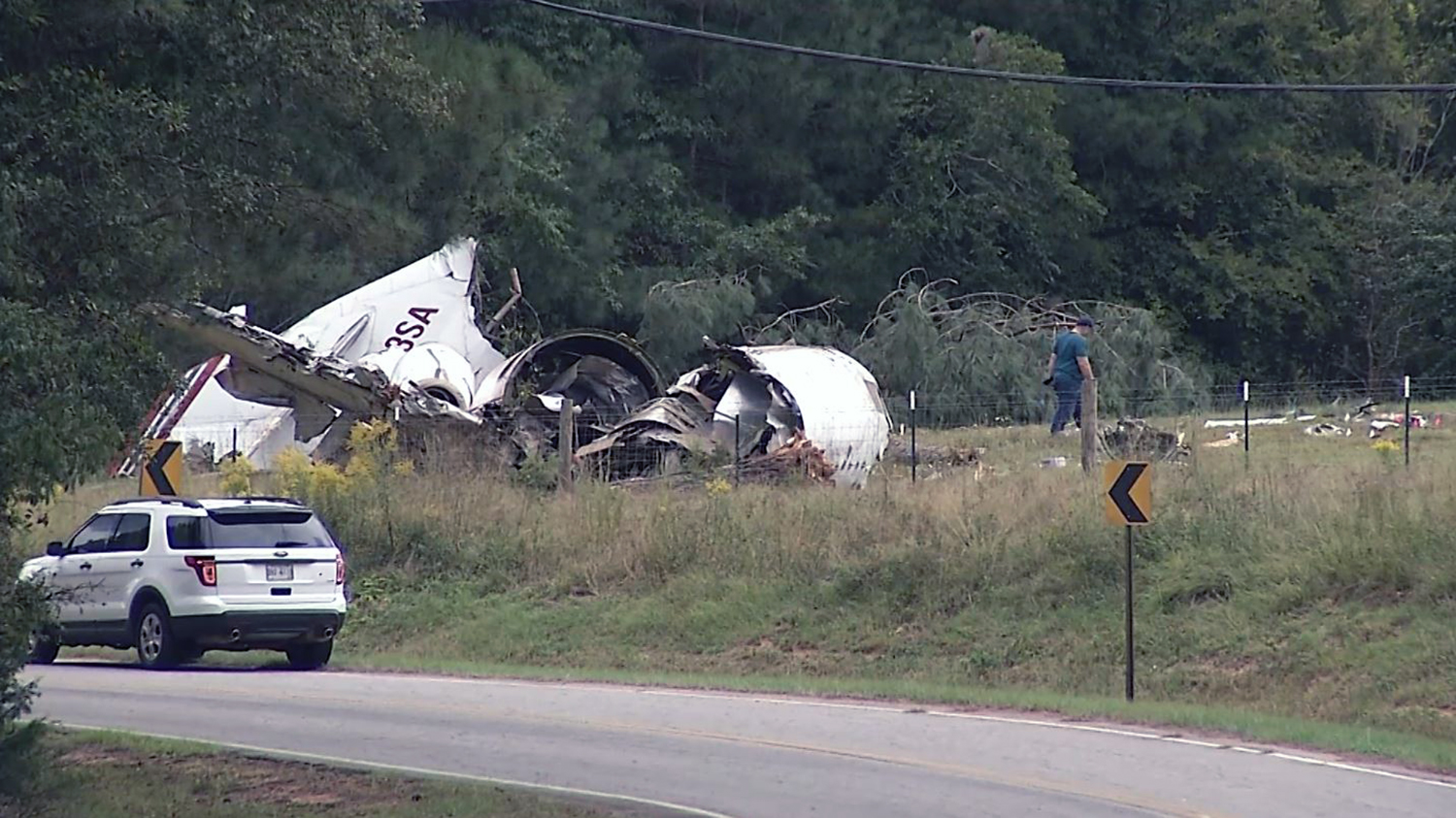
The captain and first officer were assigned a two-leg overnight on-demand cargo flight. The flight crew were accustomed to flying night cargo flights, had regularly flown together, and were experienced pilots. The first leg of the trip was uneventful and was flown by the captain; however, their trip was delayed 2 hours and 20 minutes at the intermediate stop due to a delay in the freight arriving. The flight subsequently departed with the first officer as the pilot flying. While enroute, about forty minutes from the destination, the flight crew asked the air traffic controller about the NOTAMs for the instrument landing system (ILS) instrument approach procedure at the destination. The controller informed the flight crew of two NOTAMs: the first pertained to the ILS glidepath being unserviceable and the second applied to the localizer being unserviceable. When the controller read the first NOTAM, he stated he did not know what “GP” meant, which was the abbreviation for the glideslope/glidepath on the approach. The controller also informed the flight crew that the localizer NOTAM was not in effect until later in the morning after their expected arrival, which was consistent with the published NOTAM. The flight crew subsequently requested the ILS approach and when the flight was about 15 miles from the final approach fix, the controller cleared the flight for the ILS or localizer approach, to which the captain read back that they were cleared for the ILS approach. As the flight neared the final approach fix, the captain reported that they had the airport in sight; he cancelled the instrument flight rules flight plan, and the flight continued flying towards the runway. The airplane crossed the final approach fix off course, high, and fast. The cockpit voice recorder (CVR) transcript revealed that the captain repeatedly instructed the first officer to correct for the approach path deviations. Furthermore, the majority of the approach was conducted with a flight-idle power setting and no standard altitude callouts were made during the final approach. Instead of performing a go-around and acknowledging the unstable approach conditions, the captain instructed the first officer to use the air brakes on final approach to reduce the altitude and airspeed. Shortly after this comment was made, the captain announced that they were low on the approach and a few seconds later the captain announced that trees were observed in their flight path. The CVR captured sounds consistent with power increasing; however, the audible stall warning tone was also heard. Subsequently, the airplane continued its descent and impacted terrain about .70 nautical mile from the runway. The airplane was destroyed by impact forces and both occupants were killed.
Probable cause:
The flight crew’s continuation of an unstable dark night visual approach and the captain’s instruction to use air brakes during the approach contrary to airplane operating limitations, which resulted in a descent below the glide path, and a collision with terrain. Contributing to the accident was the captain’s poor crew resource management and failure to take over pilot flying responsibilities after the first officer repeatedly demonstrated deficiencies in flying the airplane, and the operator’s lack of safety management system and flight data monitoring program to proactively identify procedural non-compliance and unstable approaches.
Final Report:
Crash of a Rockwell 690B Turbo Commander near Hiles: 3 killed

Date & Time: Sep 28, 2021 at 0900 LT
Operator:
Registration:
N690LS
Flight Phase:
Survivors:
No
Schedule:
Rhinelander - Rhinelander
MSN:
690-11475
YOM:
1978
Location:
Crew on board:
1
Crew fatalities:
Pax on board:
2
Pax fatalities:
Other fatalities:
Total fatalities:
3
Captain / Total flying hours:
1019
Captain / Total hours on type:
300.00
Aircraft flight hours:
7854
Circumstances:
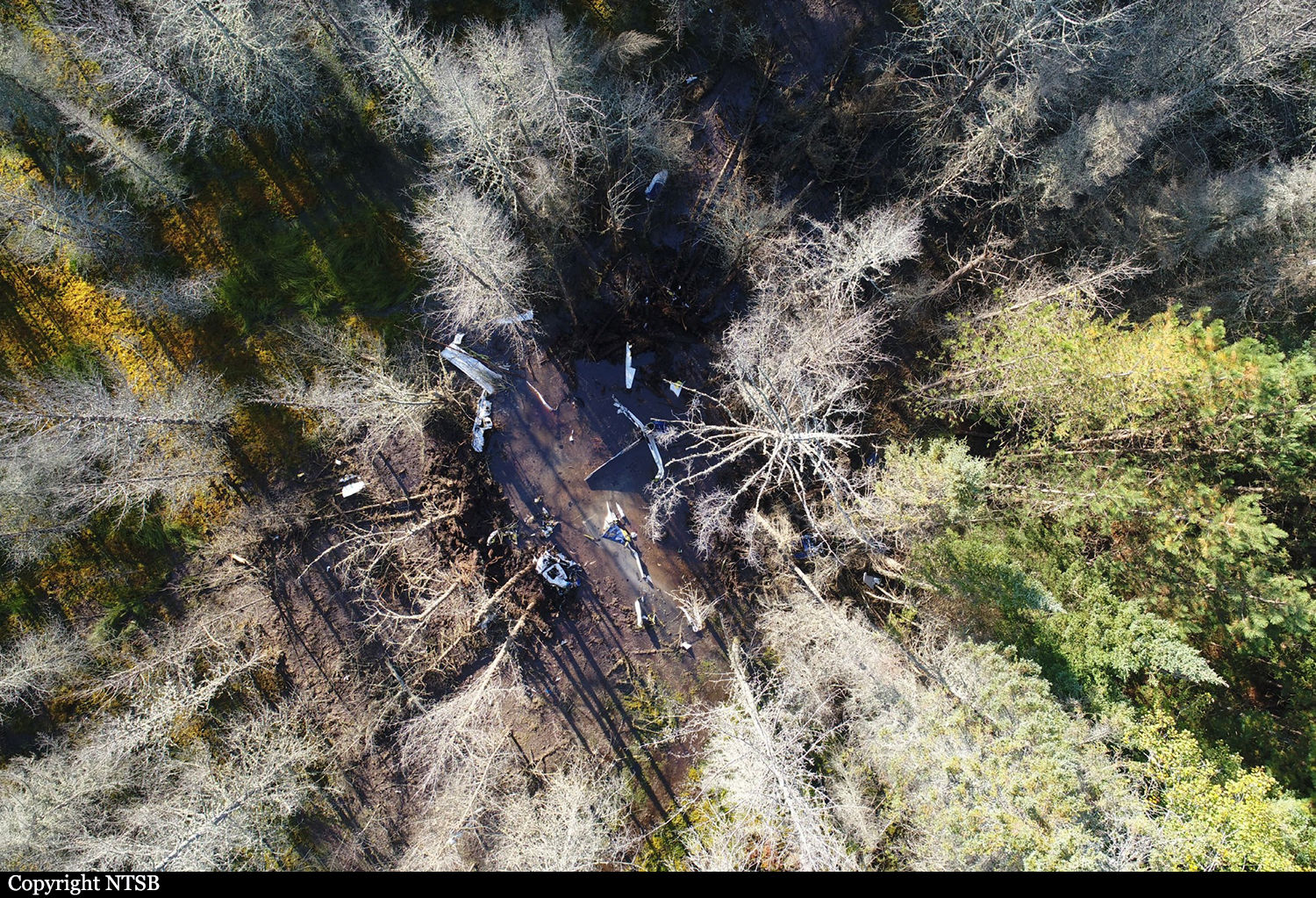
The company pilot and two employees had departed on an aerial imagery survey flight of forest vegetation. The airplane began to level off at an altitude of about 16,100 ft mean sea level (msl) and accelerated to a maximum recorded groundspeed of 209 knots. Less than 2 minutes later, the groundspeed decreased to about 93 knots, and the airplane descended about 500 ft while on a steady heading. The airplane subsequently entered a rapid descent and a right turn, and “mayday, mayday, mayday” and “we’re in a spin” transmissions were broadcast to air traffic control (ATC). A witness, who was located near the accident site, noticed the airplane nose down at high rate of speed and then saw the airplane spinning rapidly about its longitudinal axis. The airplane wreckage was located in remote wetlands and wooded terrain. Postaccident examination revealed that the airplane impacted the ground in a nose-low vertical attitude and at high speed. All major components of the airplane were located at the accident site. Examination of the airframe, engines, and propellers revealed no preimpact mechanical malfunctions or failures that would have precluded normal operation. According to the aircraft performance study for this accident, when the airplane pitched down, the normal load factor decreased rapidly from about 1.6 to less than 1 G. A rapid decrease in normal load factor is consistent with a stall when the wing exceeds its critical angle of attack. At that point, the air flow becomes separated at the wing, and the wing can no longer generate the necessary lift. If the airplane is in uncoordinated flight at the stall, a spin can result. Thus, the pilot likely did not maintain adequate airspeed, causing the airplane to exceed its critical angle of attack and enter a stall and spin. An important but unknown factor before and during the initial stall was the behavior of the pilot regarding his flight control inputs, including his possible attempt to recover. The airplane’s Pilot Operating Handbook states that spins are not authorized and does not include a procedure for inadvertent spin recovery.
Probable cause:
The pilot’s failure to maintain adequate airspeed, which caused the airplane to exceed its critical angle of attack and enter an inadvertent stall and spin.
Final Report:
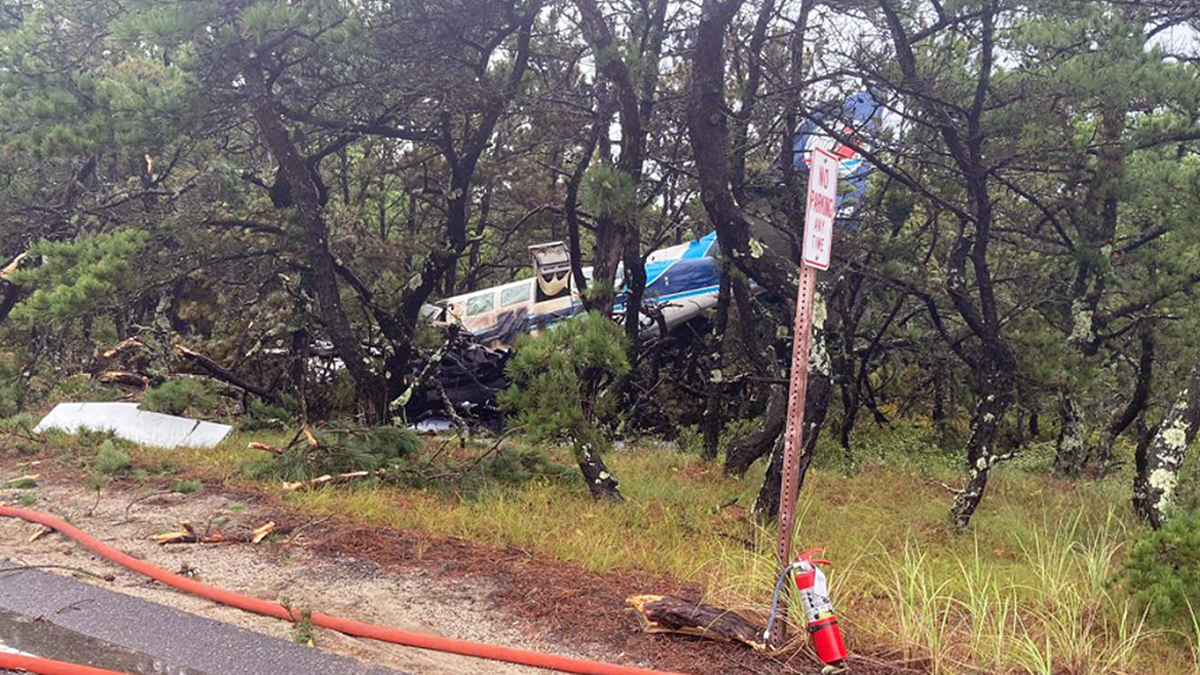
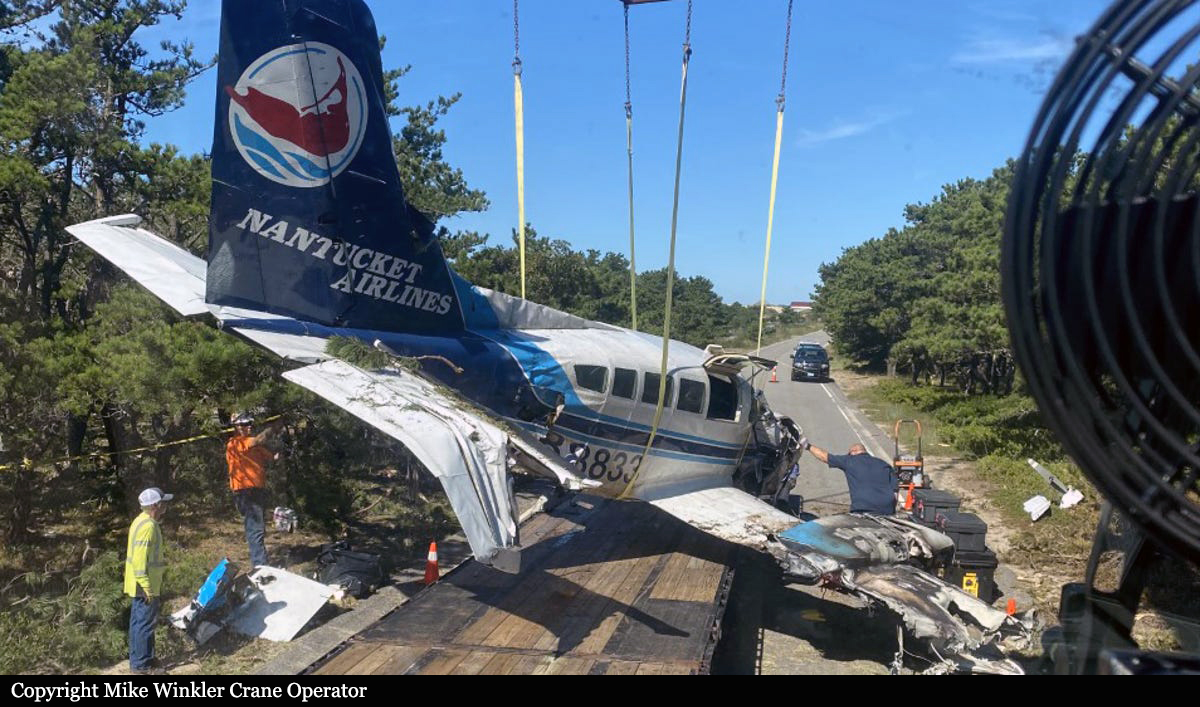
Crash of a Cessna 402C in Provincetown

Date & Time: Sep 9, 2021 at 1600 LT
Type of aircraft:
Operator:
Registration:
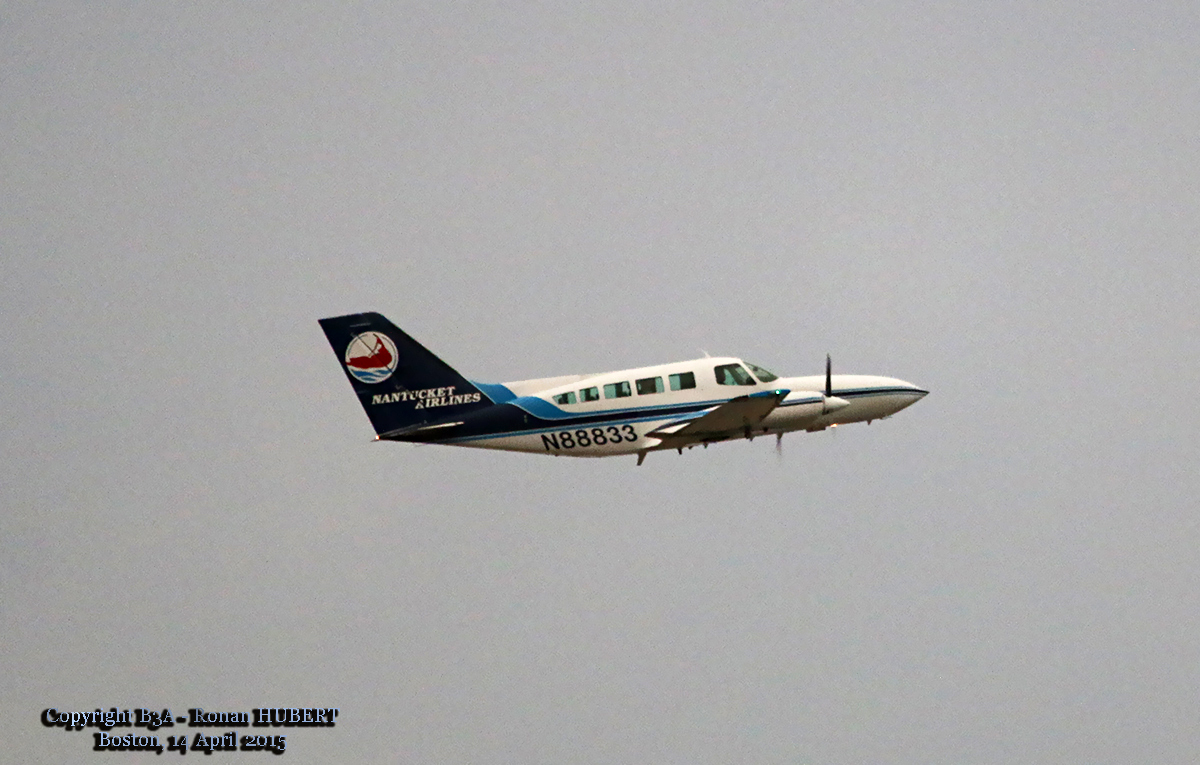
N88833
Survivors:
Yes
Schedule:
Boston – Provincetown
MSN:
402C-0265
YOM:
1979
Flight number:
9K2072
Crew on board:
1
Crew fatalities:
Pax on board:
6
Pax fatalities:
Other fatalities:
Total fatalities:
0
Captain / Total flying hours:
17617
Captain / Total hours on type:
10000.00
Aircraft flight hours:
36722
Circumstances:
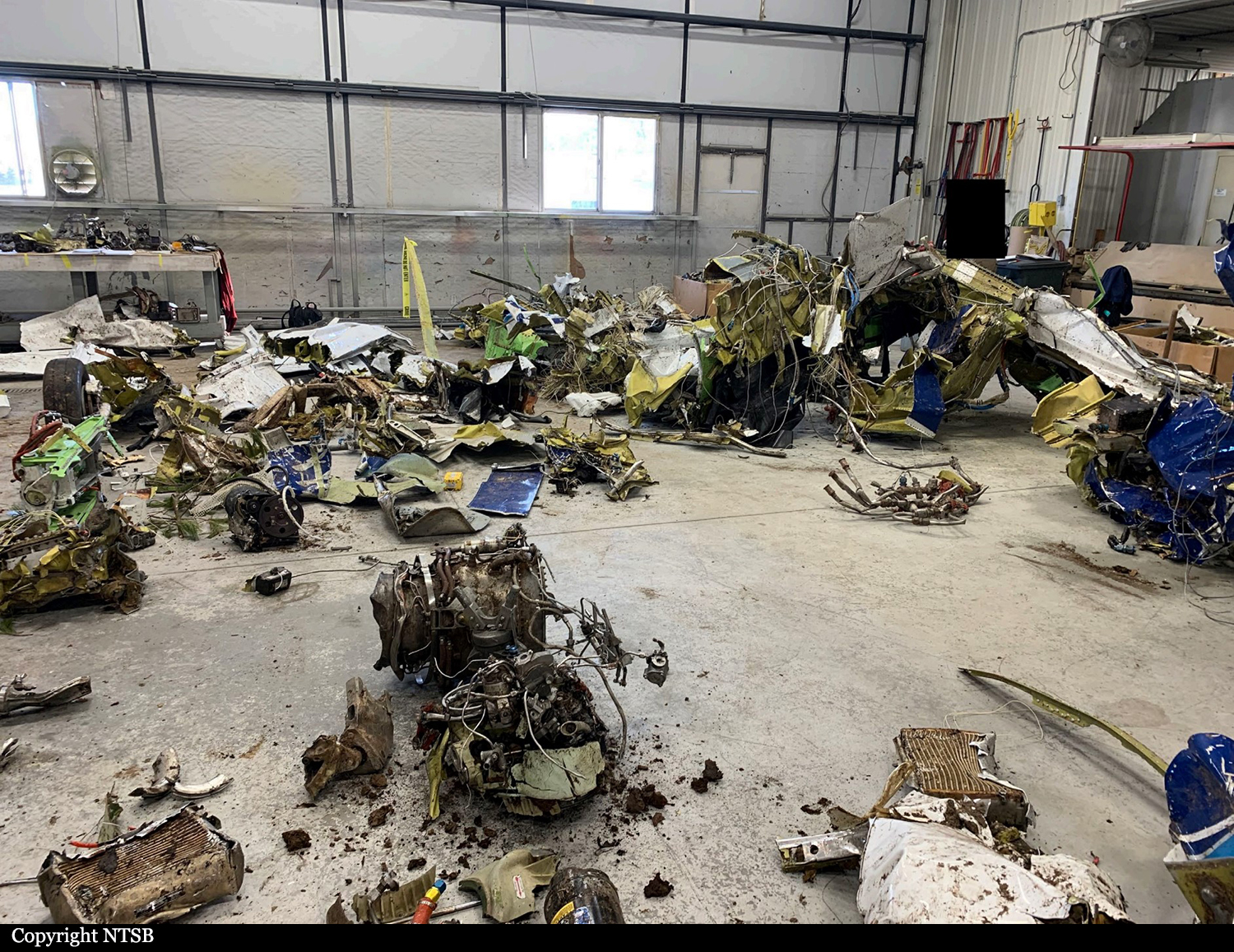
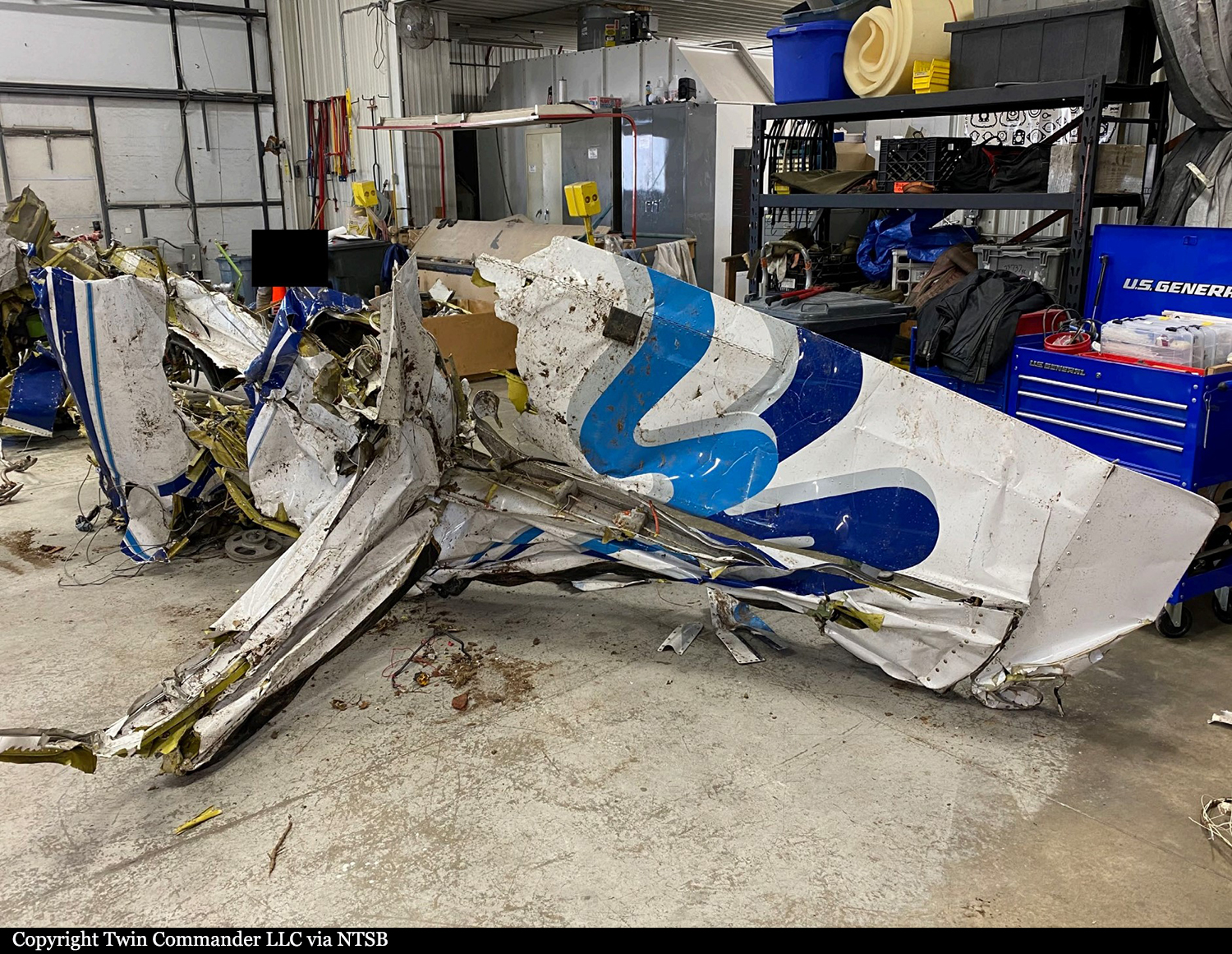
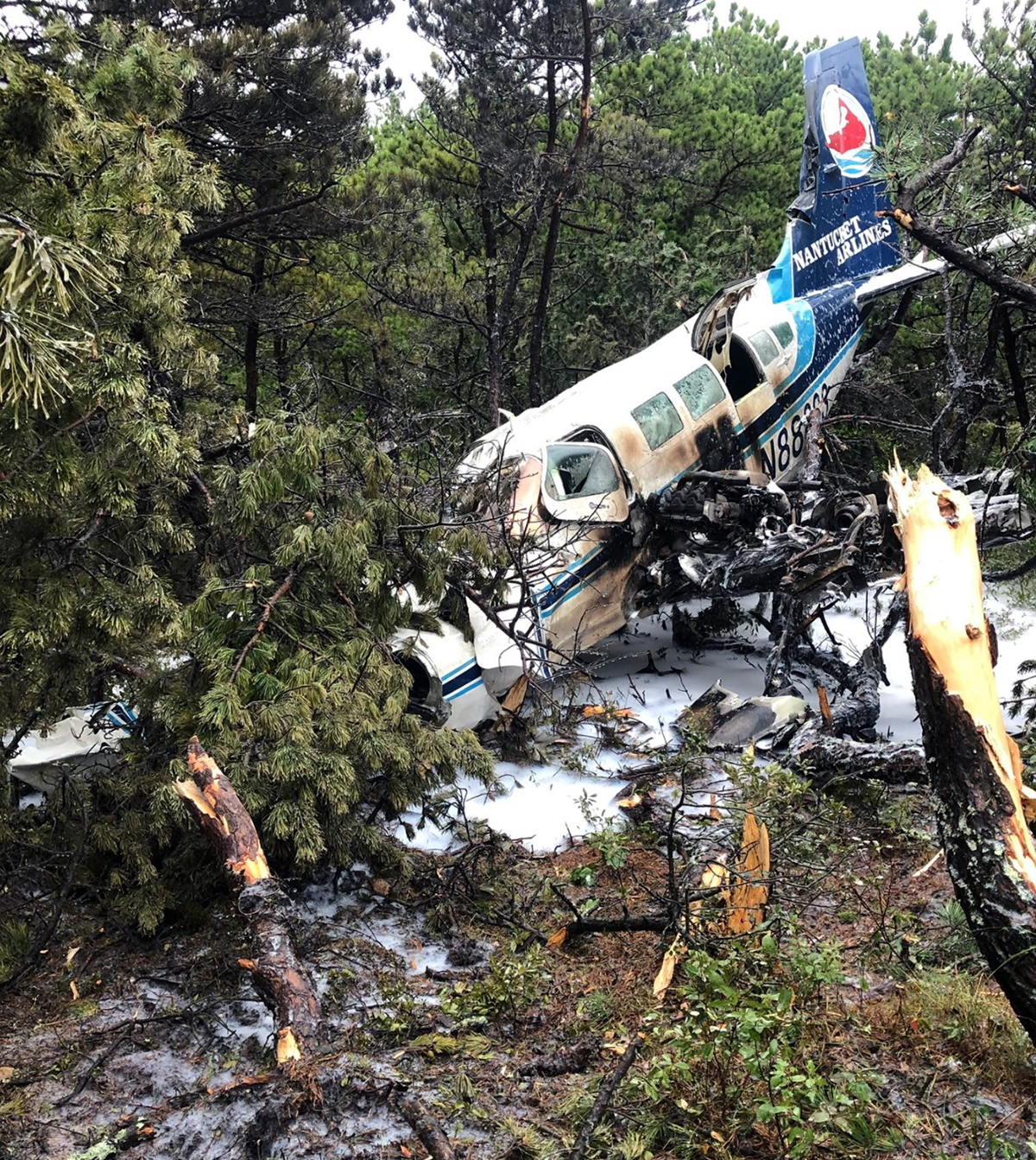
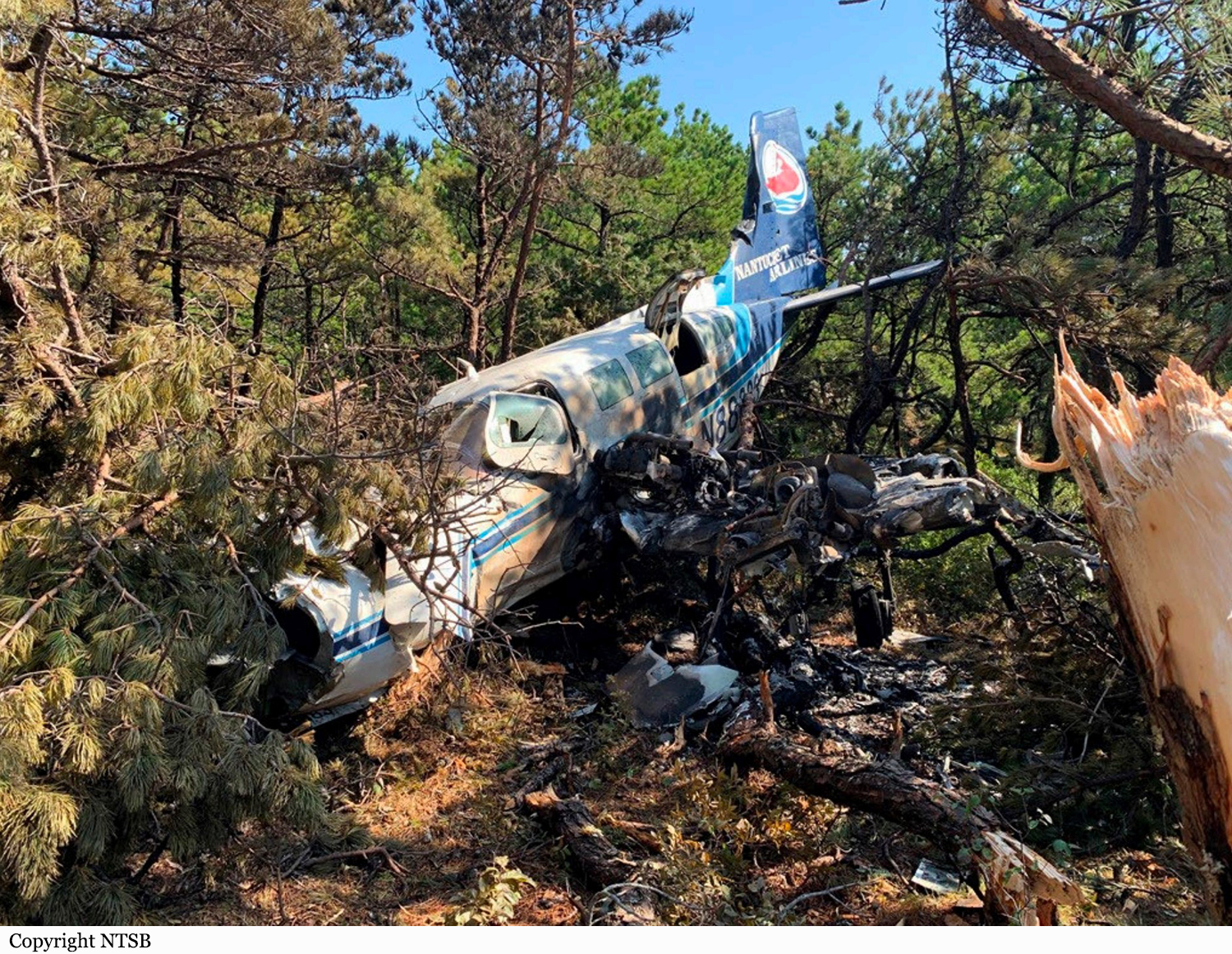
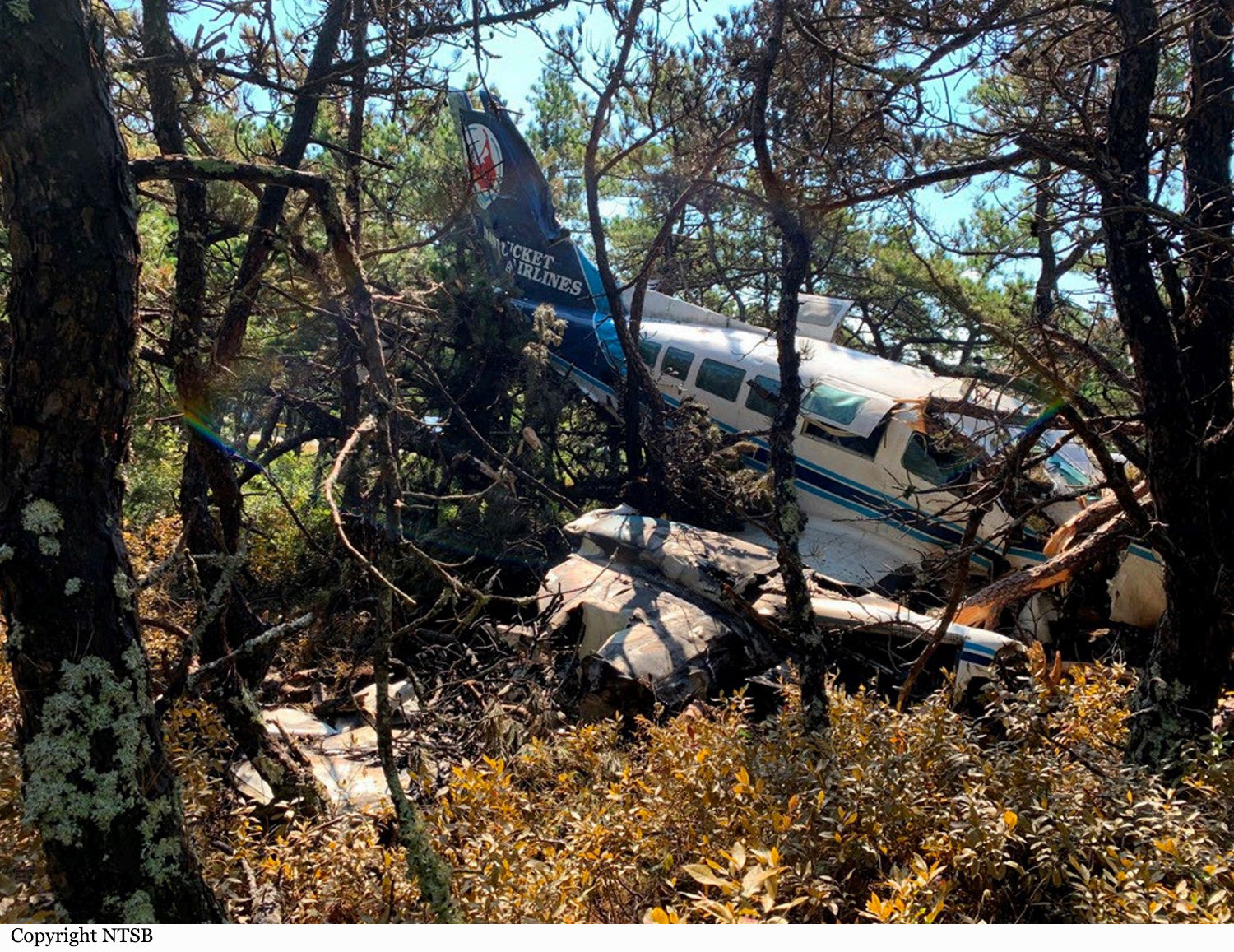
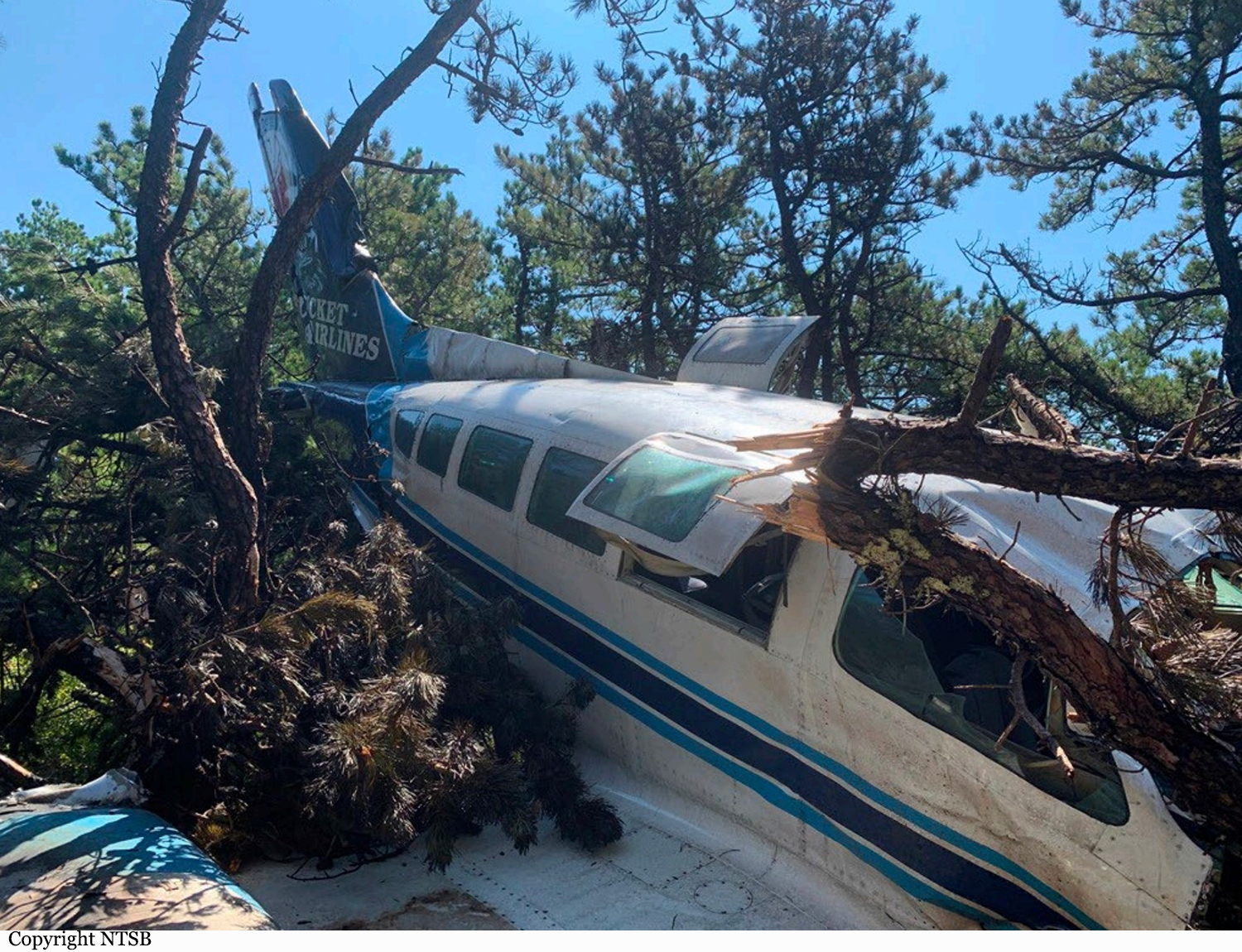
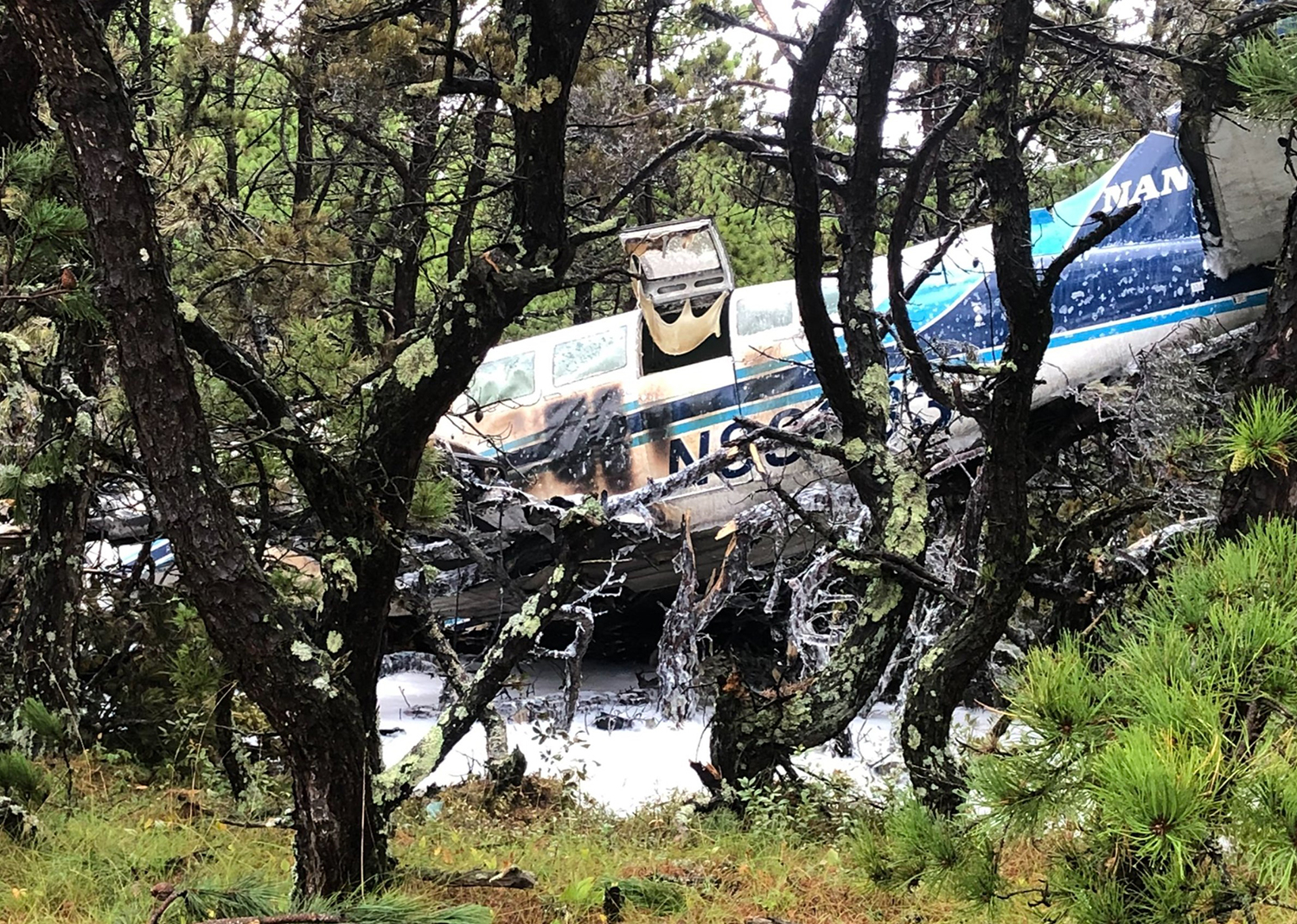
The pilot was transporting six passengers on a scheduled revenue flight in instrument meteorological conditions. The pilot familiarized himself with the weather conditions before departure and surmised that he would be executing the instrument landing system (ILS) instrument approach for the landing runway at the destination airport. The operator prohibited approaches to runways less than 4,000 ft long if the tailwind component was 5 knots or more. The landing runway was 498 ft shorter than the operator-specified length. The pilot said he obtained the automated weather observing system (AWOS) data at least twice during the flight since he was required to obtain it before starting the instrument approach and then once again before he crossed the approach’s final-approach-fix (FAF). Though the pilot could not recall when he checked the AWOS, he said the conditions were within the airplane and company performance limits and he continued with the approach. A review of the wind data at the time he accepted the approach revealed the tailwind component was within limitations. As the airplane approached the FAF, wind speed increased, and the tailwind component ranged between 1 and 7 knots. Since the exact time the pilot checked the AWOS is unknown, it is possible that he obtained an observation when the tailwind component was within operator limits; however, between the time that the airplane crossed over the FAF and the time it landed, the tailwind component increased above 5 knots. The pilot said the approach was normal until he encountered a strong downdraft when the airplane was about 50 to 100 ft above the ground. He said that the approach became unstabilized and that he immediately executed a go-around; the airplane touched down briefly before becoming airborne again. The pilot said he was unable to establish a positive rate of climb and the airplane impacted trees off the end of the runway. The accident was captured on three airport surveillance cameras. A study of the video data revealed the airplane made a normal landing and touched down about 500 ft from the beginning of the runway. It was raining heavily at the time. The airplane rolled down the runway for about 21 seconds, and then took off again. The airplane entered a shallow climb, collided with trees, and caught on fire. All seven occupants were seriously injured and the airplane was destroyed.
Probable cause:
The pilot’s delayed decision to perform an aborted landing late in the landing roll with insufficient runway remaining. Contributing to the accident was the pilot’s failure to execute a go-around once the approach became unstabilized, per the operator’s procedures.
Final Report:
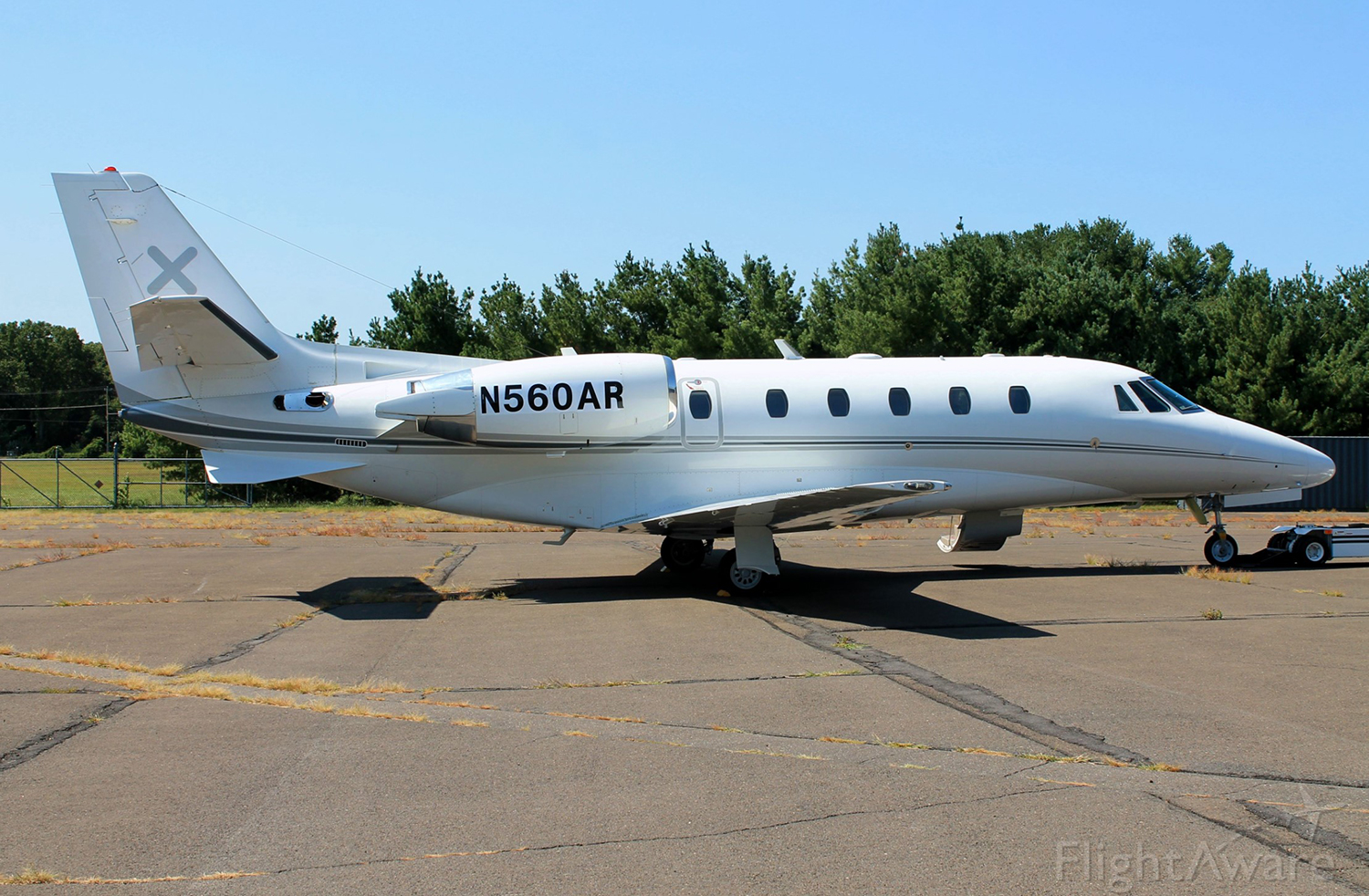
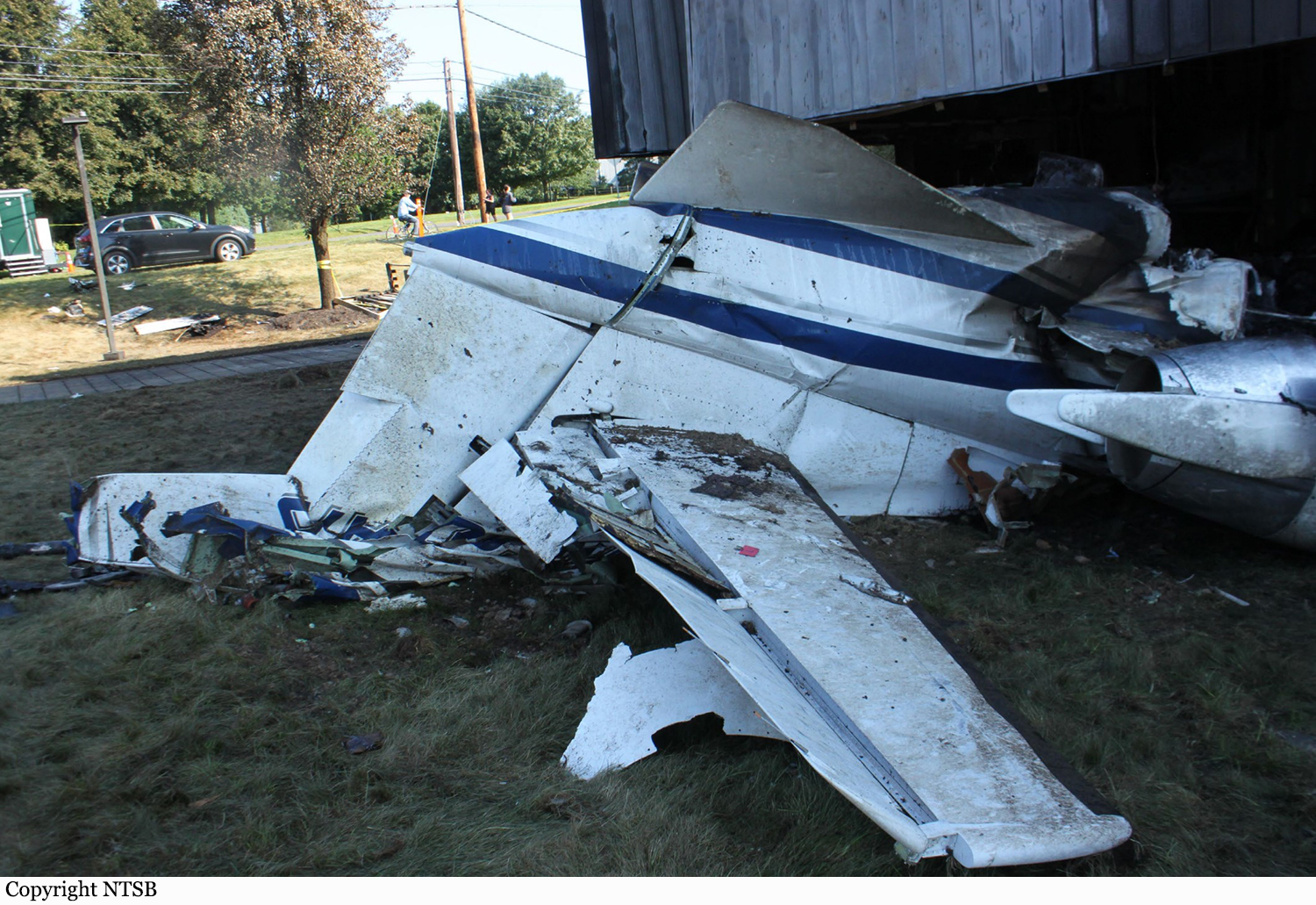
Crash of a Cessna 560XLS+ Citation Excel in Plainville: 4 killed

Date & Time: Sep 2, 2021 at 0951 LT
Registration:
N560AR
Flight Phase:
Flight Type:
Survivors:
No
Site:
Schedule:
Plainville – Manteo
MSN:
560-6026
YOM:
2009
Crew on board:
2
Crew fatalities:
Pax on board:
2
Pax fatalities:
Other fatalities:
Total fatalities:
4
Captain / Total flying hours:
17400
Copilot / Total flying hours:
5594
Aircraft flight hours:
2575
Circumstances:
The flight crew was conducting a personal flight with two passengers onboard. Before departure, the cockpit voice recorder (CVR) captured the pilots verbalizing items from the before takeoff checklist, but there was no challenge response for the taxi, before takeoff, or takeoff checklists. Further, no crew briefing was performed and neither pilot mentioned releasing the parking brake. The left seat pilot, who was the pilot flying (PF) and pilot-in-command (PIC), initiated takeoff from the slightly upsloping 3,665-ft-long asphalt runway. According to takeoff performance data that day and takeoff performance models, the airplane had adequate performance capability to take off from that runway. Flight data recorder (FDR) data indicated each thrust lever angle was set and remained at 65° while the engines were set and remained at 91% N1. During the takeoff roll, the CVR recorded the copilot, who was the pilot monitoring (PM) and second-in-command (SIC), making callouts for “airspeed’s alive,” “eighty knots cross check,” “v one,” and “rotate.” A comparison of FDR data from the accident flight with the previous two takeoffs showed that the airplane did not become airborne at the usual location along the runway, and the longitudinal acceleration was about 33% less. At the time of the rotate callout, the airspeed was about 104 knots calibrated airspeed, and the elevator was about +9° airplane nose up (ANU). Three seconds after the rotate callout, the CVR recorded the sound of physical straining, suggesting the pilot was likely attempting to rotate the airplane by pulling the control yoke. The CVR also captured statements from both the copilot and pilot expressing surprise that the airplane was not rotating as they expected. CVR and FDR data indicated that between the time of the rotate callout and the airplane reaching the end of the airport terrain, the airspeed increased to about 120 knots, the weight-on-wheels (WOW) remained in an on-ground state, and the elevator position increased to a maximum value of about +16° ANU. However, the airplane’s pitch attitude minimally changed. After the airplane cleared the end of the airport terrain where the ground elevation decreased 20 to 25 ft, FDR data indicate that the WOW transitioned to air mode with near-full ANU elevator control input, and the airplane pitched up nearly 22° in less than 2 seconds. FDR data depicted forward elevator control input in response to the rapid pitch-up, and the CVR recorded a stall warning then stick shaker activation. An off airport witness reported seeing the front portion of the right engine impact a nearby pole past the departure end of the runway. The airplane then rolled right to an inverted attitude, impacted the ground, then impacted an off airport occupied building. The airplane was destroyed by impact forces and a post crash fire and all four occupants were killed. On ground, four other people were injured, one seriously.
Probable cause:
The pilot-in-command’s failure to release the parking brake before attempting to initiate the takeoff, which produced an unexpected retarding force and airplane-nose-down pitching moment that prevented the airplane from becoming airborne within the takeoff distance available and not before the end of the airport terrain. Contributing to the accident were the airplane’s lack of a warning that the parking brake was not fully released and the Federal Aviation Administration’s process for certification of a derivative aircraft that did not identify the need for such an indication.
Final Report:
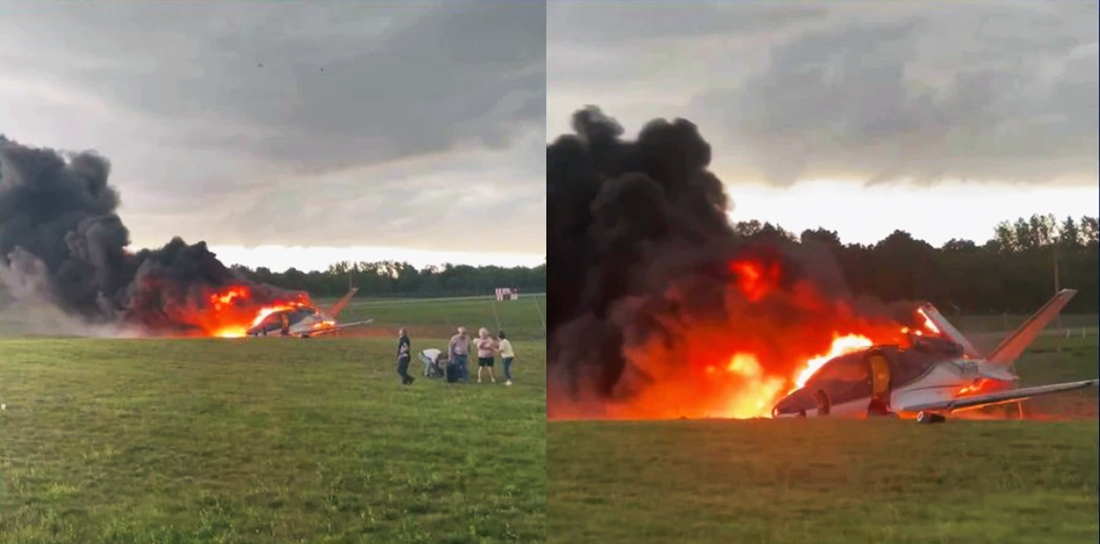
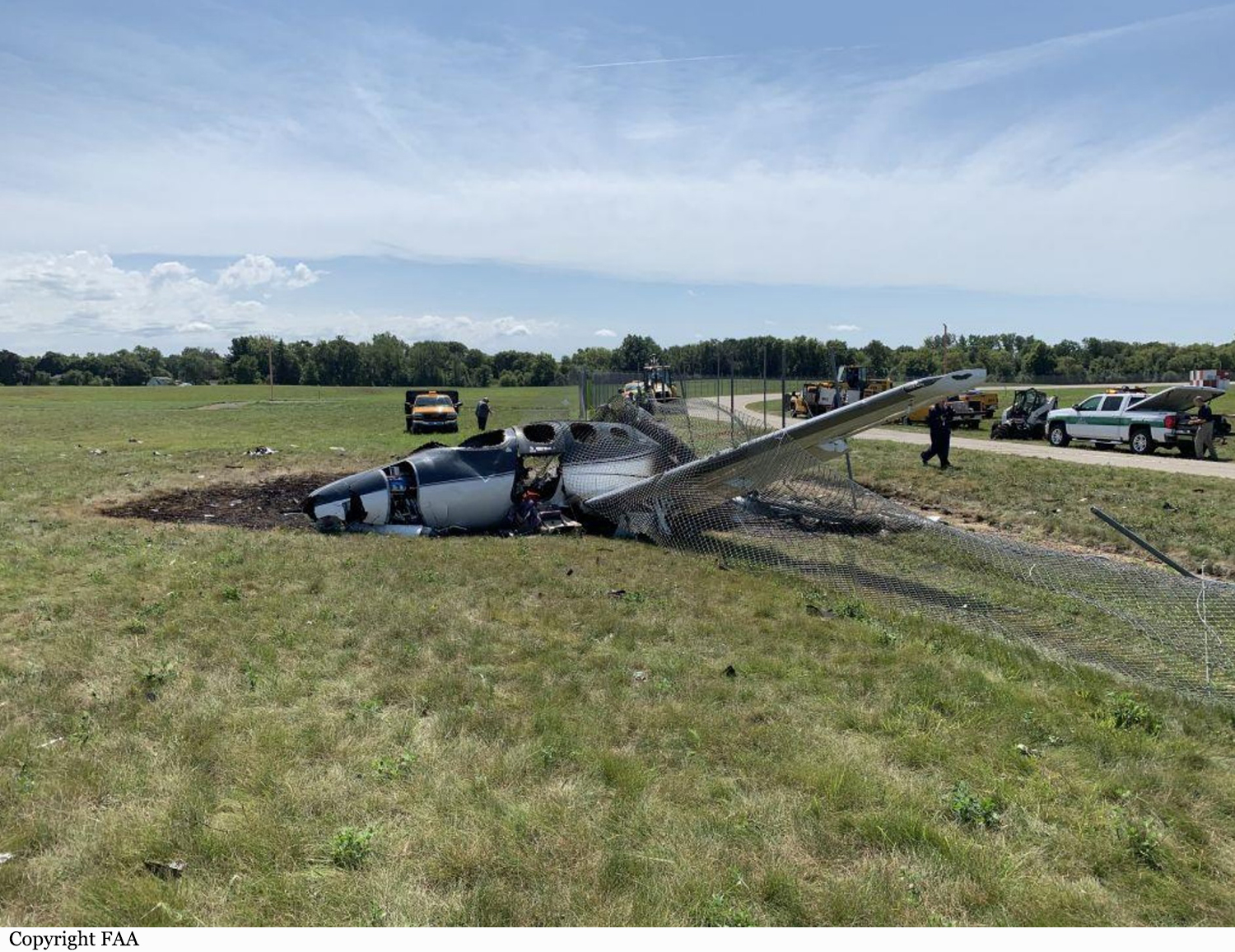
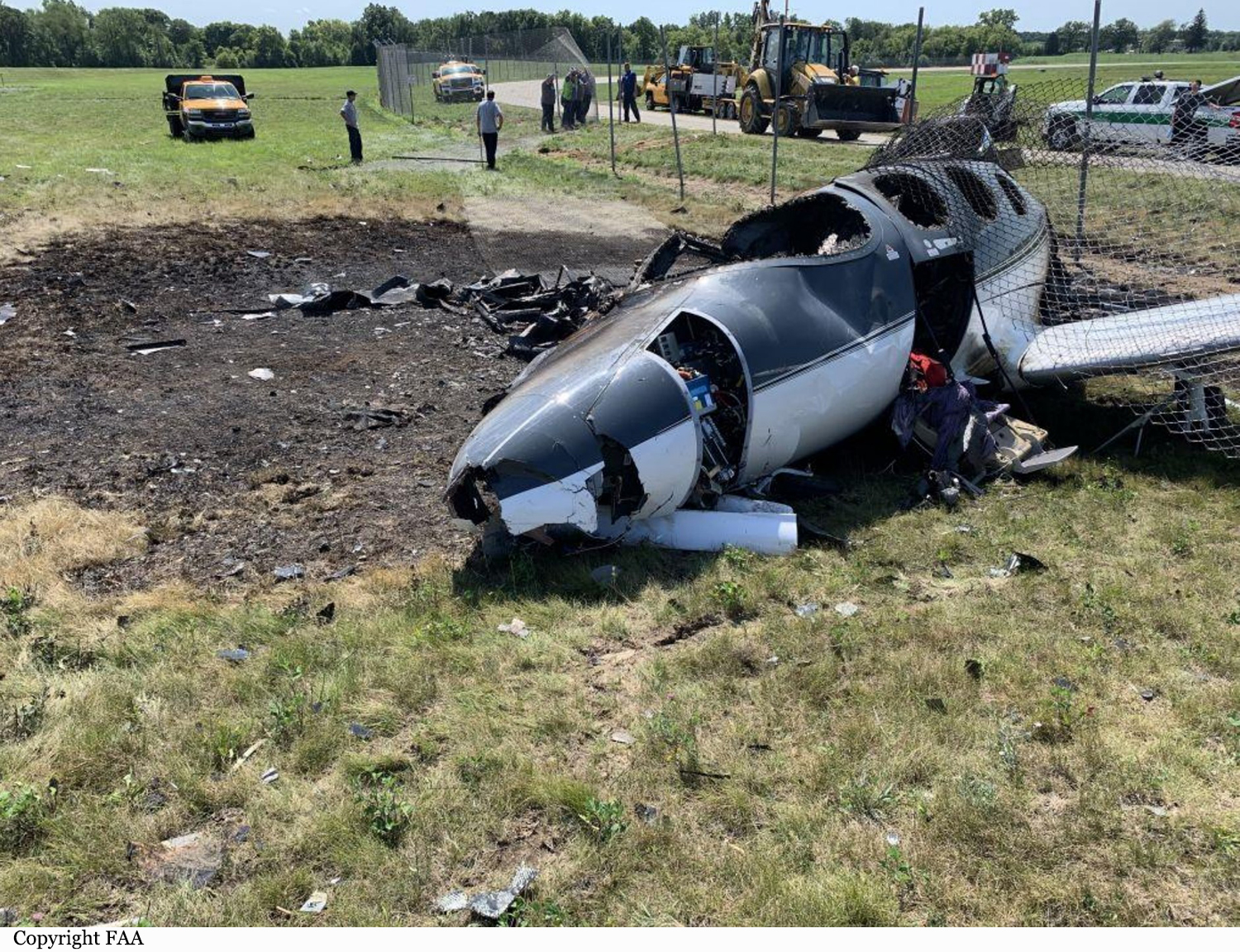
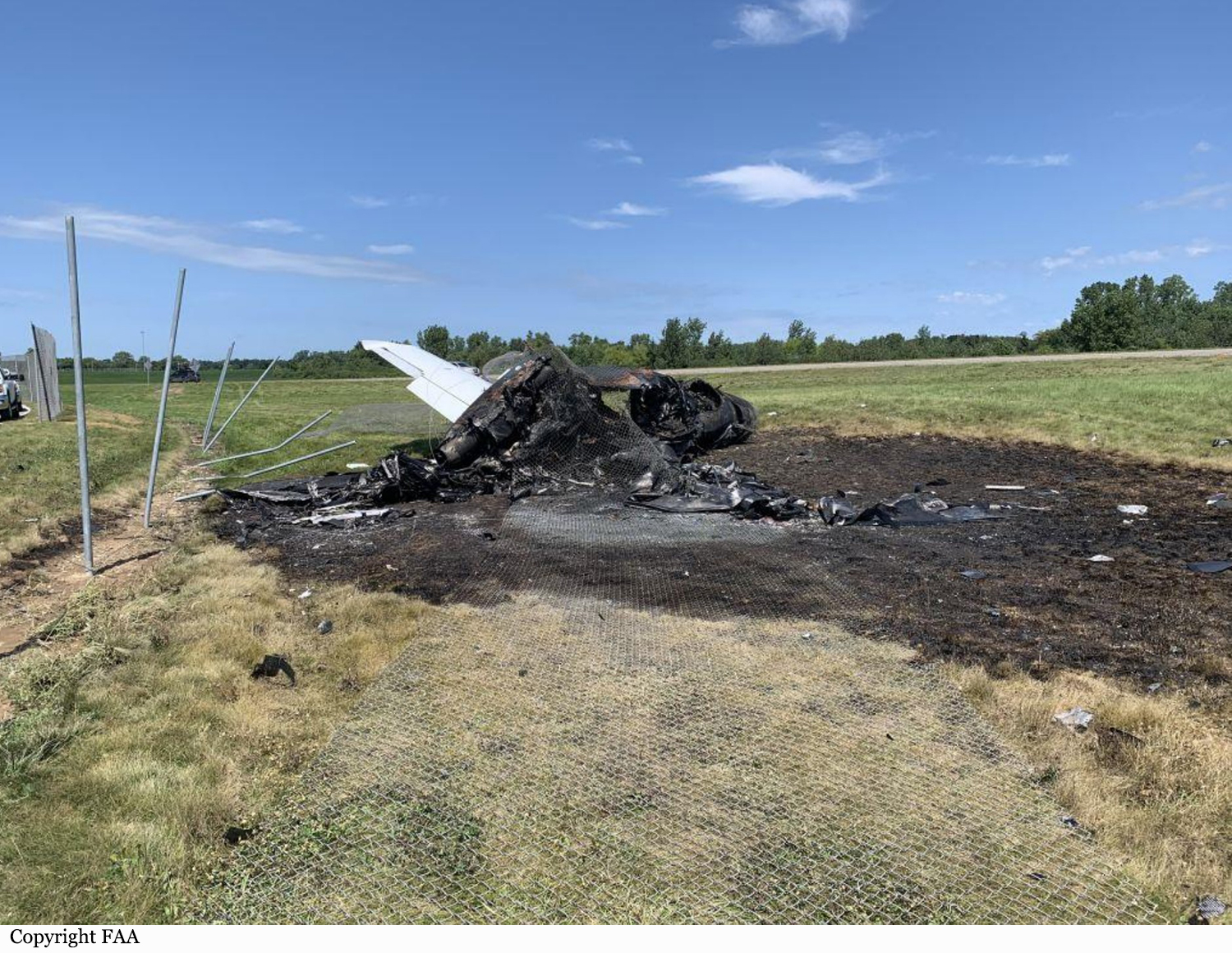
Crash of a Cirrus Vision SF50 in Lansing

Date & Time: Aug 24, 2021 at 1858 LT
Type of aircraft:
Operator:
Registration:
N1GG
Flight Phase:
Flight Type:
Survivors:
Yes
Schedule:
Lansing – Melbourne
MSN:
0202
YOM:
2020
Crew on board:
1
Crew fatalities:
Pax on board:
3
Pax fatalities:
Other fatalities:
Total fatalities:
0
Captain / Total flying hours:
2000
Captain / Total hours on type:
600.00
Aircraft flight hours:
293
Circumstances:
The airport tower controller initially assigned the pilot to take off from runway 28L, which presented a 7-knot headwind. Shortly afterward, the controller informed the pilot of “a storm rolling in . . . from west to east,” and offered runway 10R. The pilot accepted the opposite direction runway for departure and added, “we’re ready to go when we get to the end . . . before the storm comes.” About 4 seconds after the airplane began accelerating during takeoff, the controller advised the pilot of a wind shear alert of plus 20 knots (kts) at a 1-mile final for runway 28L, and the pilot acknowledged the alert. In a postaccident statement, the pilot stated that departing with a 7-kt tailwind was within the operating and performance limitations of the airplane. The pilot reported that after a takeoff ground roll of about 4,000 ft “the left rudder didn’t seem to be functioning properly” and he decided to reject the takeoff. However, when he applied full braking, the airplane tended to turn to the right. He used minimal braking consistent with maintaining directional control of the airplane. The airplane ultimately overran the runway, impacted the airport perimeter fence, and encountered a ditch before it came to a rest. A postimpact fire ensued and consumed a majority of the fuselage. All four occupants evacuated safely.
Probable cause:
The pilot’s decision to depart with a tailwind as a thunderstorm approached, which resulted in a loss of airplane performance due to an encounter with a significant tailwind gust and a subsequent runway excursion.
Final Report:
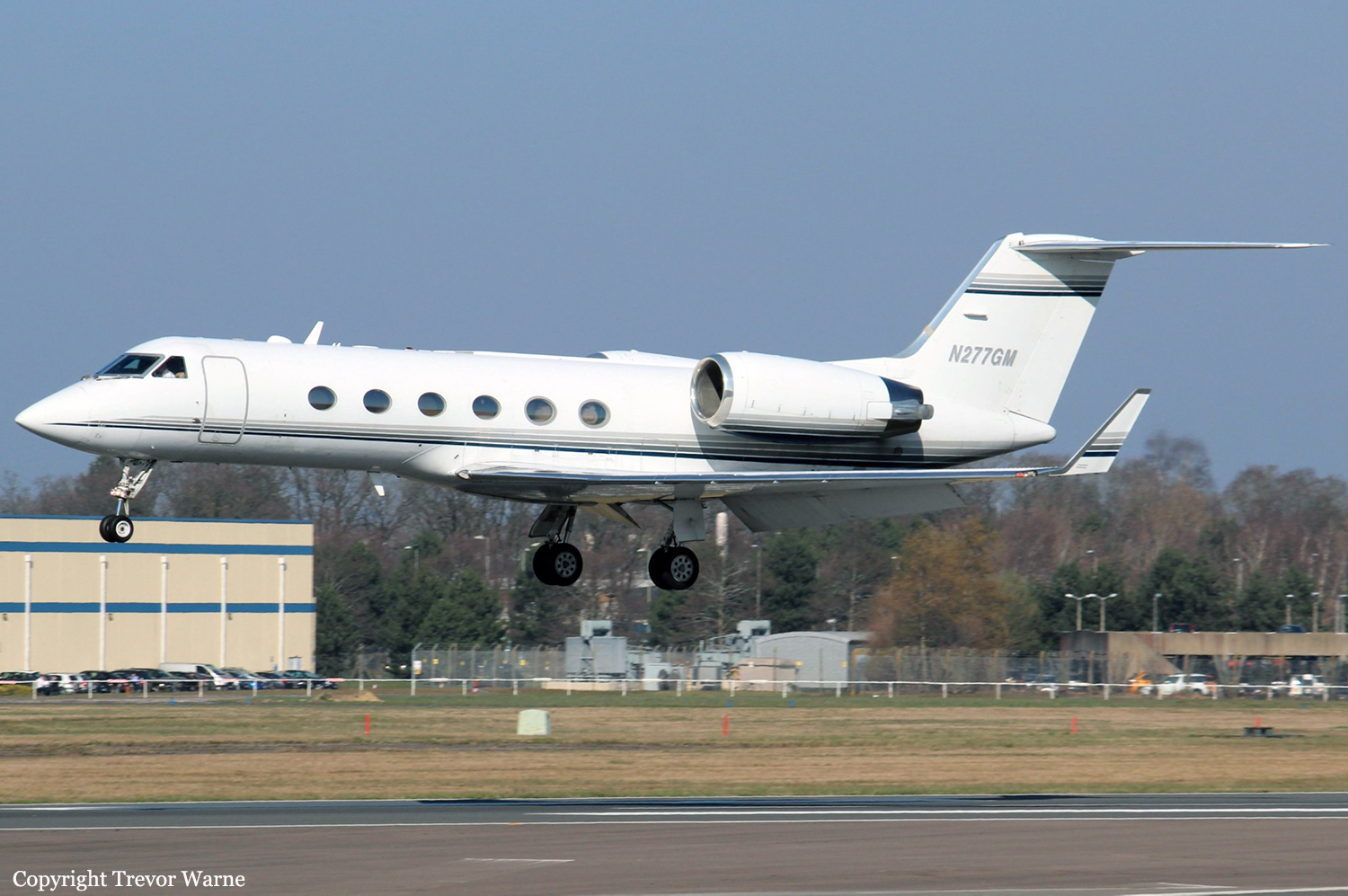
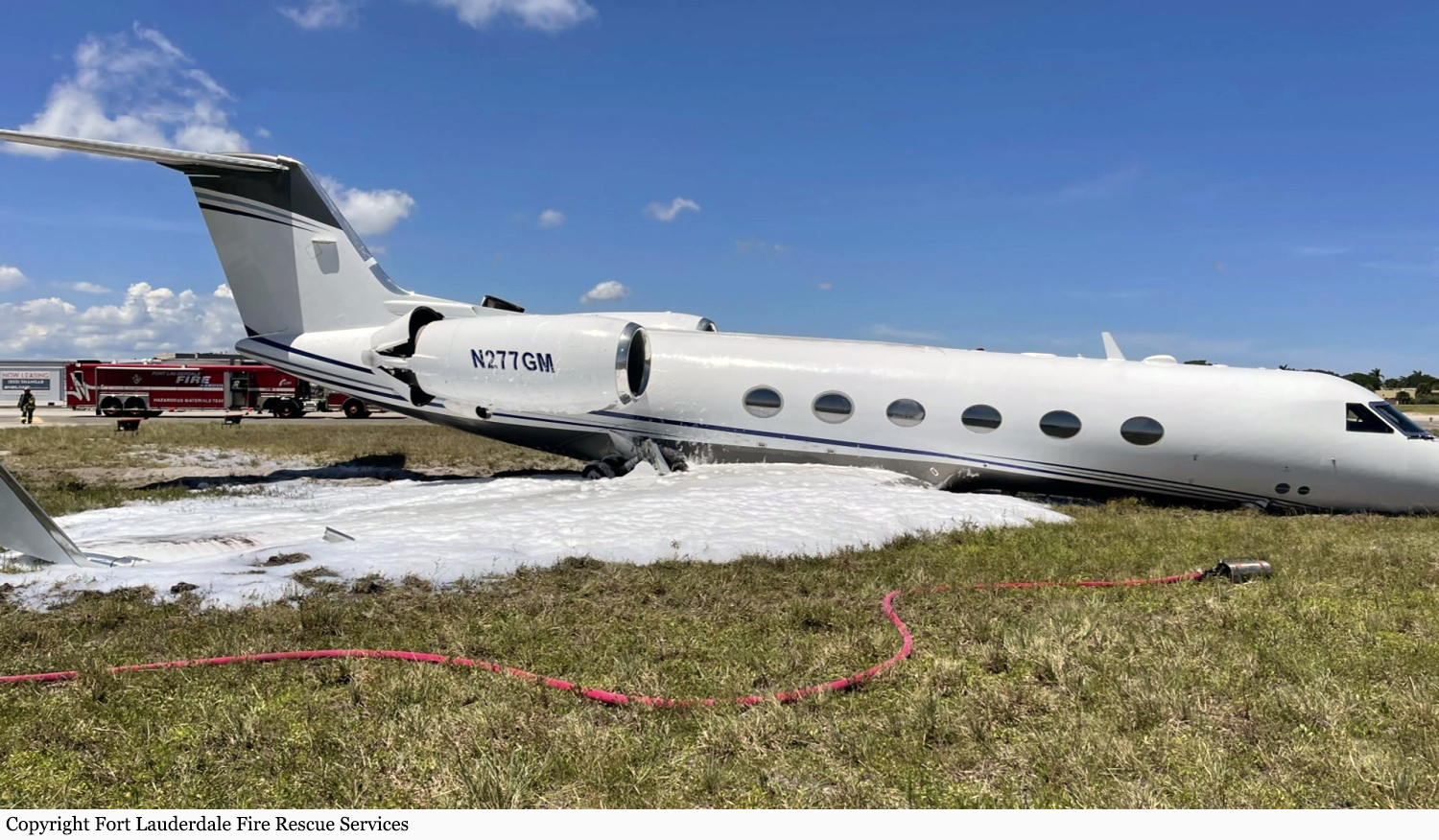
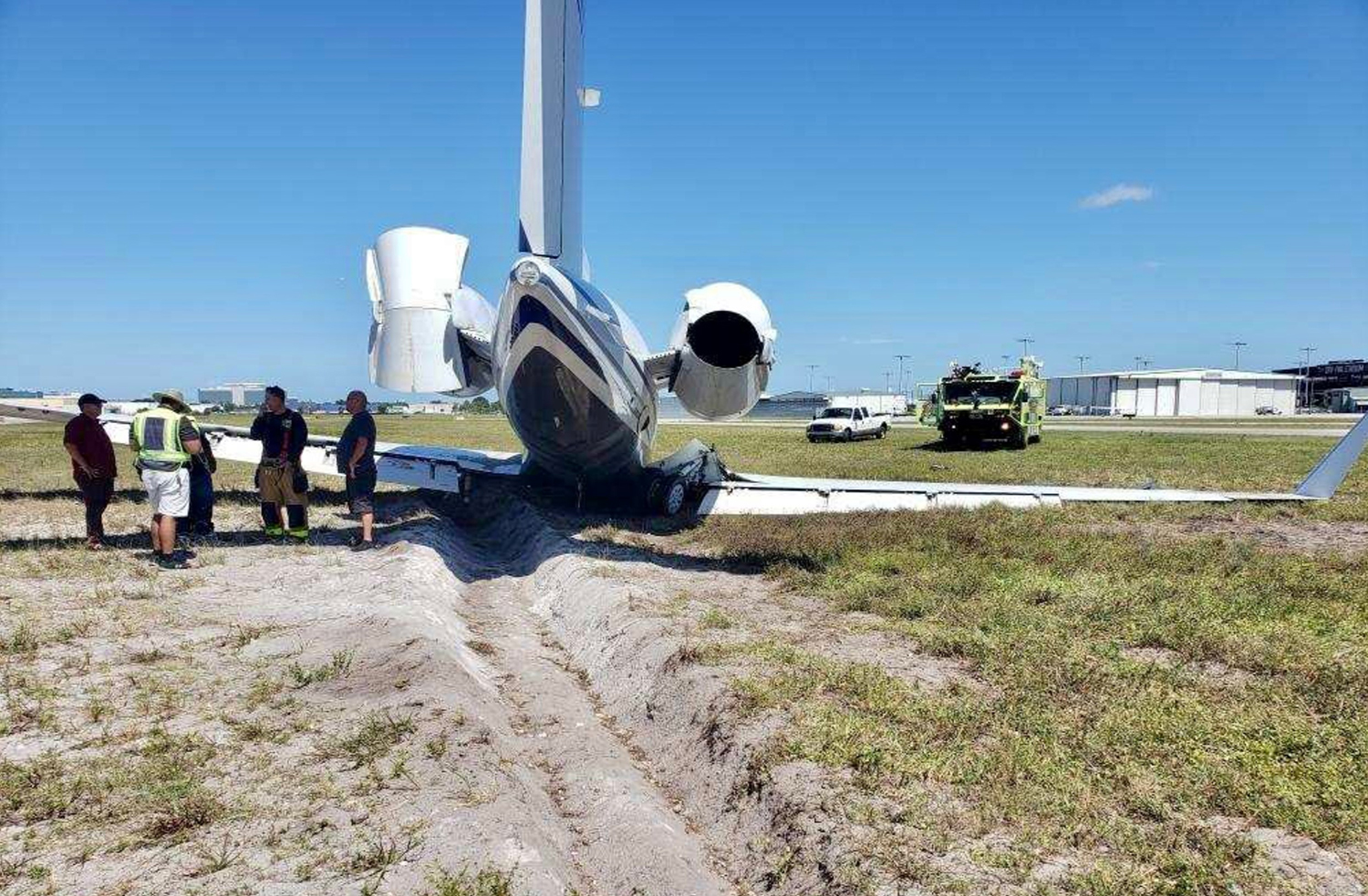
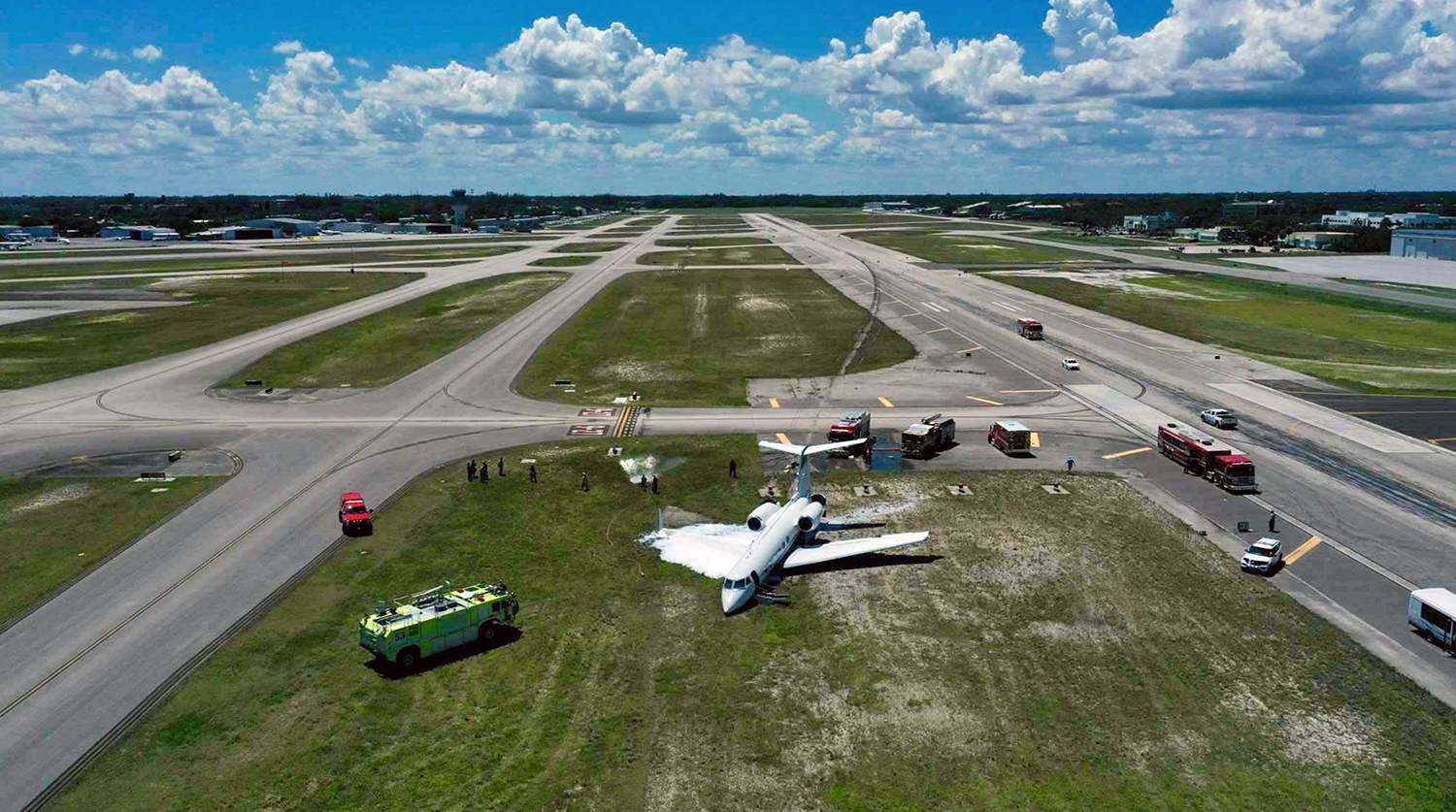
Crash of a Gulfstream GIV in Fort Lauderdale

Date & Time: Aug 21, 2021 at 1340 LT
Type of aircraft:

Operator:

Registration:
N277GM
Flight Phase:
Survivors:
Yes
Schedule:
Fort Lauderdale – Las Vegas
MSN:
1124
YOM:
1989
Crew on board:
4
Crew fatalities:
Pax on board:
10
Pax fatalities:
Other fatalities:
Total fatalities:
0
Captain / Total flying hours:
20053
Captain / Total hours on type:
3120.00
Copilot / Total flying hours:
1617
Copilot / Total hours on type:
204
Aircraft flight hours:
12990
Circumstances:
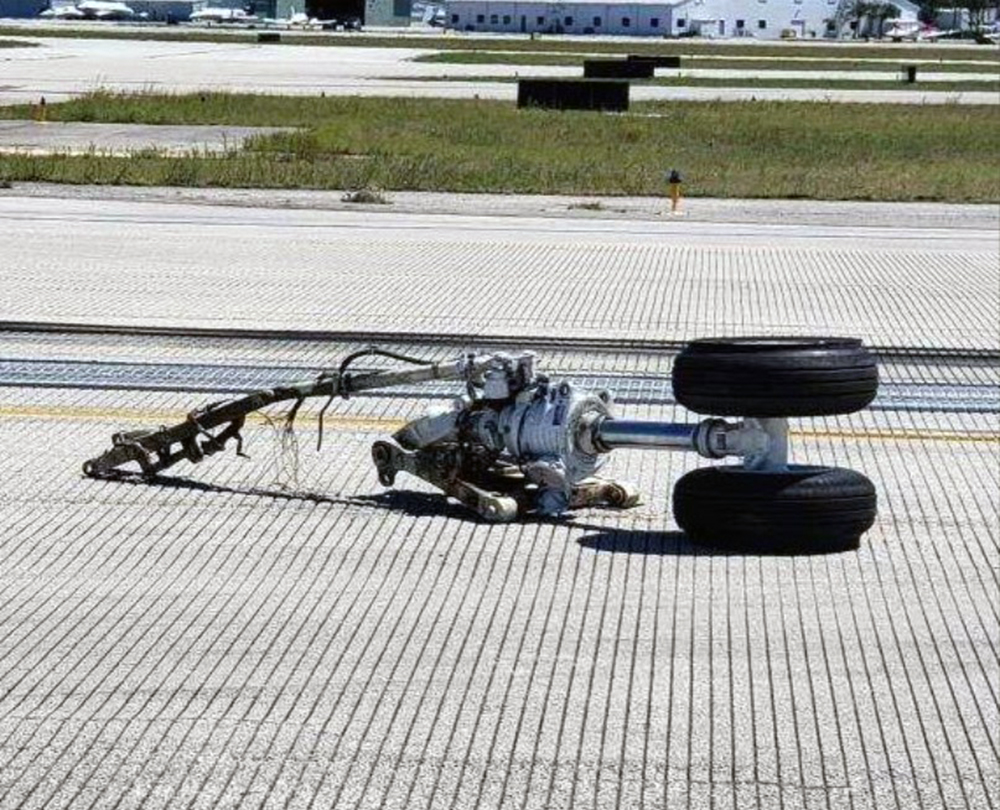
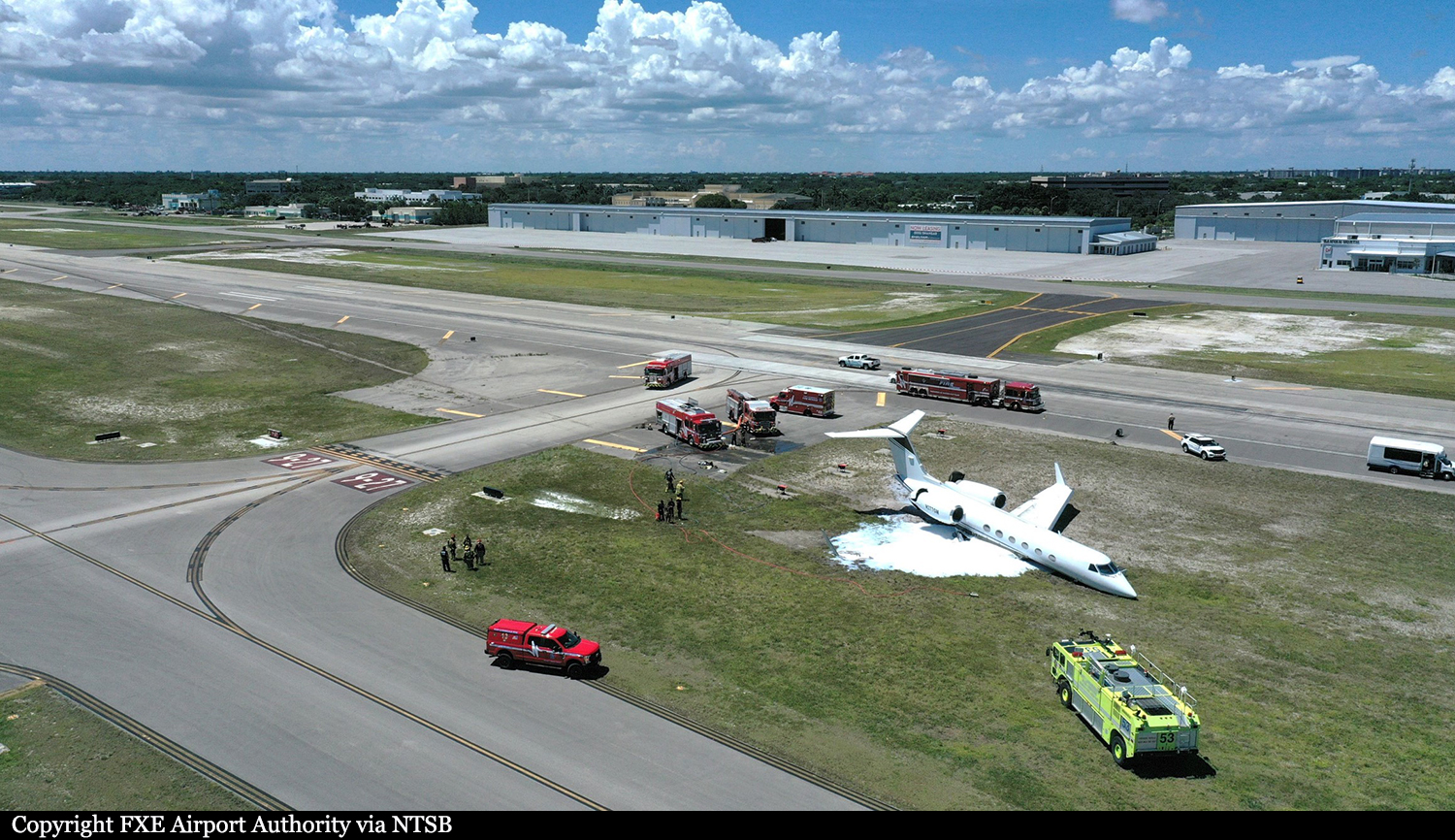
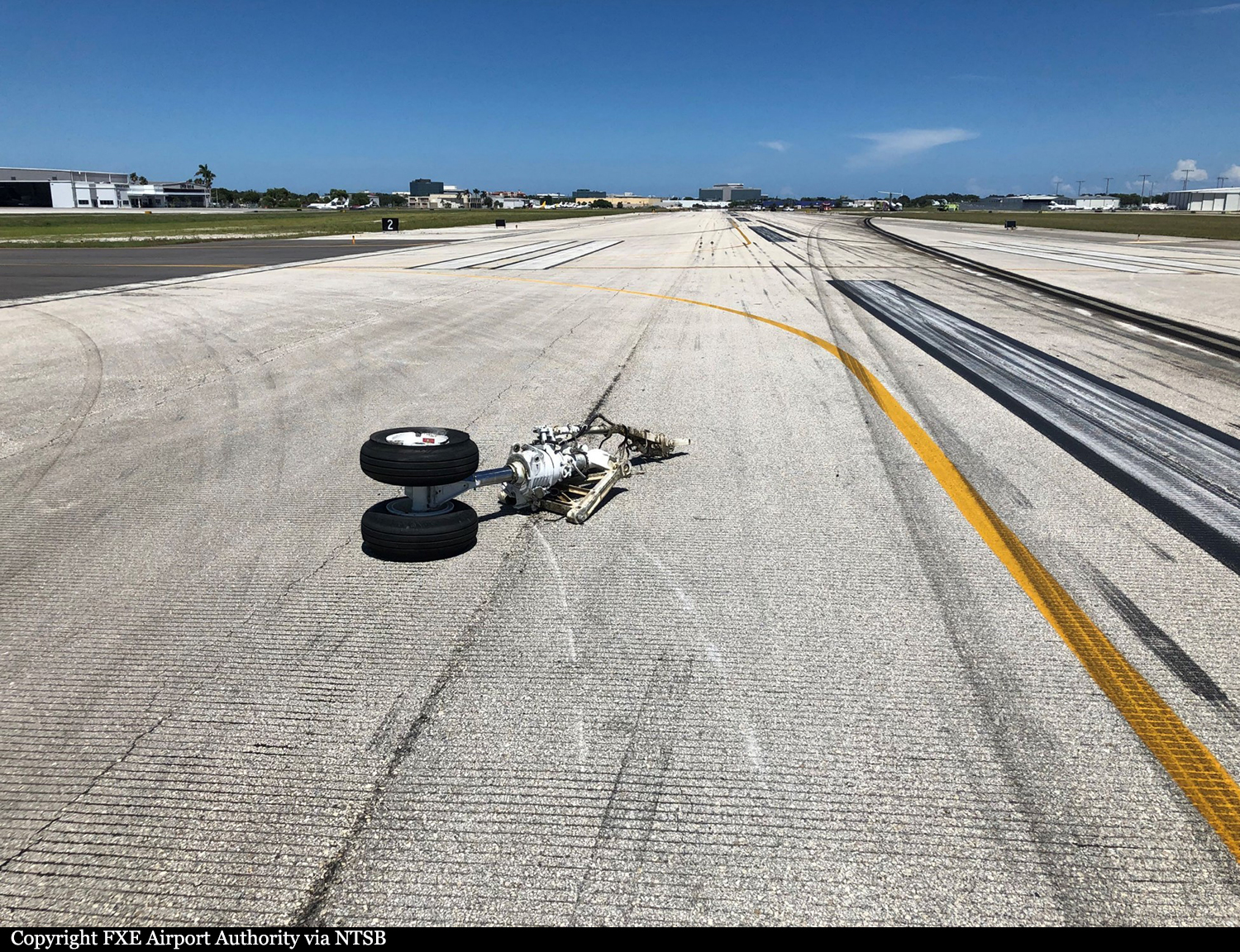
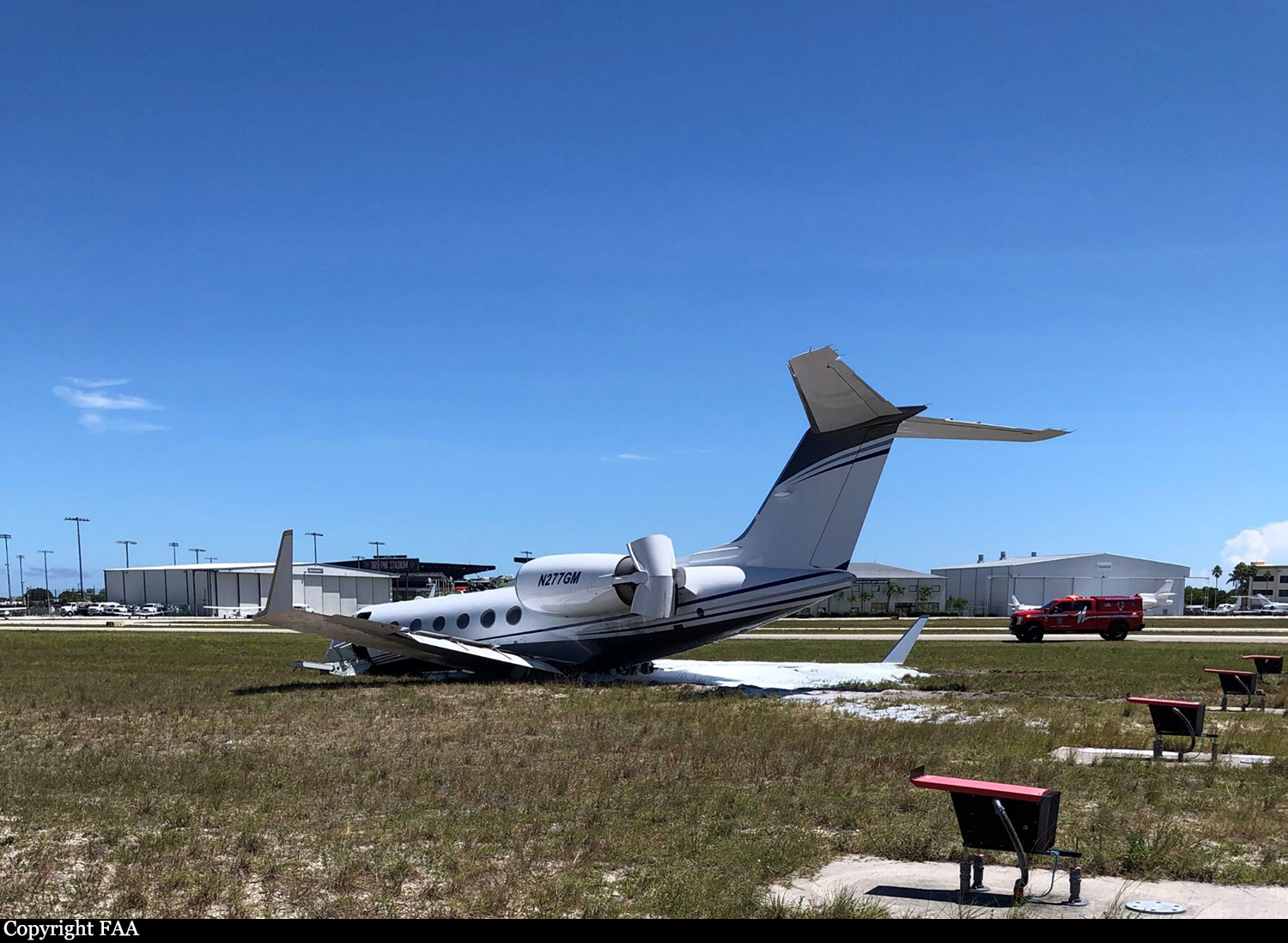
The flight crew, which consisted of the pilot- and second-in-command (PIC and SIC), and a non-type-rated observer pilot, reported that during takeoff near 100 knots a violent shimmy developed at the nose landing gear (NLG). The PIC aborted the takeoff and during the abort procedure, the NLG separated. The airplane veered off the runway, and the right wing and right main landing gear struck approach lights, which resulted in substantial damage to the fuselage and right wing. The passengers and flight crew evacuated the airplane without incident through the main cabin door. Postaccident interviews revealed that following towing operations prior to the flight crew’s arrival, ground personnel were unable to get the plunger button and locking balls of the NLG’s removable pip pin to release normally. Following a brief troubleshooting effort by the ground crew, the pip pin’s plunger button remained stuck fully inward, and the locking balls remained retracted. The ground crew re-installed the pip pin through the steering collar with the upper torque link arm connected. However, with the locking balls in the retracted position, the pin was not secured in position as it should have been. Further, the ground personnel could not install the safety pin through the pip pin because the pin’s design prevented the safety pin from being inserted if the locking balls and plunger were not released. The ground personnel left the safety pin hanging from its lanyard on the right side of the NLG. The ground personnel subsequently informed their ramp supervisor of the anomaly. The supervisor reported that he informed the first arriving crewmember at the airplane (the observer pilot) that the nose pin needed to be checked. However, all three pilots reported that no ground crewmember told them about any issues with the NLG or pins. Examination of the runway environment revealed that the first item of debris located on the runway was the pip pin. Shortly after this location, tire swivel marks were located near the runway centerline, which were followed by large scrape and tire marks, leading to the separated NLG. The safety pin remained attached to the NLG via its lanyard and was undamaged. Postaccident examination and testing of the NLG and its pins revealed no evidence of preimpact mechanical malfunctions or failures. The sticking of the pip pin plunger button that the ground crew reported experiencing could not be duplicated during postaccident testing. When installed on the NLG, the locking ball mechanism worked as intended, and the pip pin could not be removed by hand. Although the airplane’s preflight checklist called for a visual check of the NLG’s torque link to ensure that it was connected to the steering collar by the pip pin and that the safety pin was installed, it is likely that none of the pilots noticed that the pip pin did not have its safety pin installed during preflight. Subsequently, during the takeoff roll, without the locking balls extended, the pip pin likely moved outward and fell from its position holding the upper torque link arm. This allowed the upper torque link arm to move freely, which resulted in the violent shimmy and NLG separation. The location of the debris on the runway, tire marks, and postaccident examination and testing support this likely chain of events. Contributing to the PIC and SIC’s omission during preflight was the ground crew’s failure to directly inform the PIC or SIC that there was a problem with the NLG pip pin. The ground crew also failed to discard the malfunctioning pip pin per the airplane’s ground handling procedures and instead re-installed the pip pin. Although the observer pilot was reportedly informed of an issue with a nose gear pin, he was not qualified to act as a required flight crewmember for the airplane and was on his cell phone when he was reportedly informed of the issue by the ramp supervisor. These factors likely contributed to the miscommunication and the PIC’s and SIC’s subsequent lack of awareness of the NLG issue.
Probable cause:
The pilot-in-command’s (PIC) and second-in-command’s (SIC) failure during preflight inspection to ensure that the nose landing gear’s pip pin was properly installed, which resulted in separation of the pip pin during takeoff. Contributing to the accident was the ground crew supervisor’s failure to inform the PIC or SIC of the anomaly concerning the pip pin following a towing operation.
Final Report: