Crash of a Let L-410UVP in Lineynoye

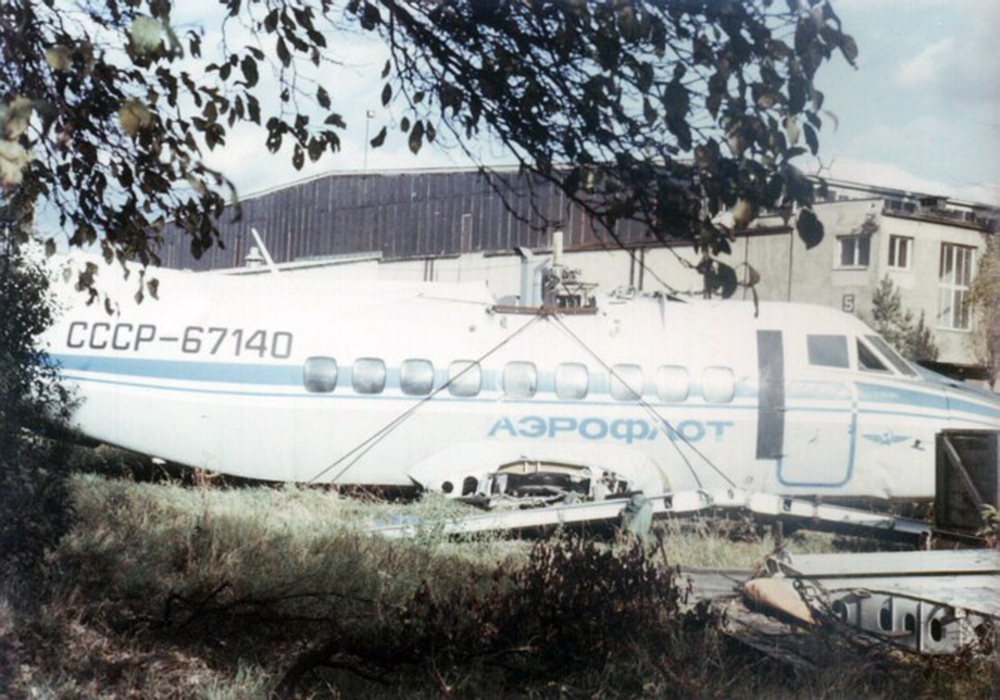
Date & Time: Dec 29, 1984
Type of aircraft:
Operator:
Registration:
CCCP-67140
Flight Phase:
Survivors:
Yes
MSN:
80 04 06
YOM:
1980
Country:
Region:
Crew on board:
0
Crew fatalities:
Pax on board:
0
Pax fatalities:
Other fatalities:
Total fatalities:
0
Circumstances:
En route, both engines failed due to fuel exhaustion. The crew completed an emergency landing in a prairie near Lineynoye. The aircraft was damaged beyond repair and there were no casualties.
Probable cause:
It was determined that after the fueling process, the crew forgot to properly close the fuel filler cap, causing the fuel to leak during flight.

Crash of a Tupolev TU-154B-2 in Krasnoyarsk: 110 killed

Date & Time: Dec 23, 1984 at 1815 LT
Type of aircraft:
Operator:
Registration:
CCCP-85338
Survivors:
Yes
Schedule:
Krasnoarsk - Irkutsk
MSN:
79A338
YOM:
1979
Flight number:
SU3519
Country:
Region:
Crew on board:
7
Crew fatalities:
Pax on board:
104
Pax fatalities:
Other fatalities:
Total fatalities:
110
Aircraft flight hours:
8955
Aircraft flight cycles:
3581
Circumstances:
After takeoff from Krasnoyarsk-Cheremshanka Airport, while climbing to an altitude of 2,040 meters at a speed of 480 km/h, the right engine (engine n°3) suffered an uncontained failure and caught fire. The crew declared an emergency and was cleared to return for an emergency landing. On final approach, the aircraft banked right then nosed down and crashed at a speed of 425 km/h 3,200 meters short of runway threshold and disintegrated on impact, some 11 seconds prior to landing. A passenger was seriously injured while 110 other occupants were killed.
Probable cause:
It was determined that the failure of the right engine was the consequence of a fatigue failure of the first stage low pressure compressor disk due to metallurgical and manufacture defect. A fire erupted in the right engine and quickly spread to the right wing and the engine n°2 because the crew forgot to close the fuel valve.

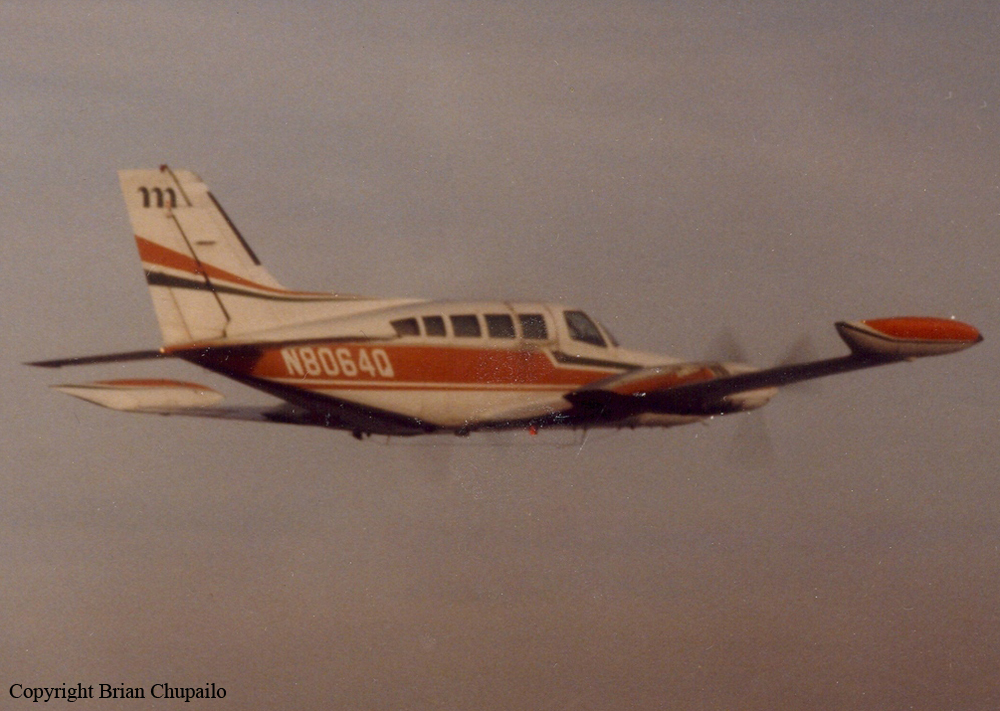
Crash of a Cessna 402B in Rochester: 1 killed

Date & Time: Dec 22, 1984 at 1733 LT
Type of aircraft:
Operator:
Registration:
N8064Q
Flight Phase:
Survivors:
No
Schedule:
Rochester - Teterboro
MSN:
402-0400
YOM:
1973
Crew on board:
1
Crew fatalities:
Pax on board:
0
Pax fatalities:
Other fatalities:
Total fatalities:
1
Captain / Total flying hours:
2066
Aircraft flight hours:
6194
Circumstances:
Prior to takeoff the pilot was informed of wind shear as centerfield winds as 270° at 25 knots gust to 46 knots and northwest boundary winds as 280° at 13 knots. During takeoff the pilot reported an opened door and requested to return to land. The aircraft turned left and descended to the ground. Examination of the aircraft did not disclose evidence of malfunction. Examination of the aircraft doors revealed the right side cargo door securing mechanisms were relatively undamaged. Flight test conducted to evaluate the effects of a opened door disclosed in part the following. The door will open and remain open during rotation; results in noise and vibration; no abnormal flight characteristics; no significant change in multi-engine climb performance. Pilot landing in jet aircraft prior to accident reported moderate turbulence with a plus or minus 10 to 15 knots change in airspeed from 2,000 feet msl to the surface. The pilot, sole on board, was killed.
Probable cause:
Occurrence #1: miscellaneous/other
Phase of operation: takeoff - initial climb
Findings
1. (f) door, cargo/baggage - fire
2. (c) preflight planning/preparation - inadequate - pilot in command
----------
Occurrence #2: loss of control - in flight
Phase of operation: takeoff - initial climb
Findings
3. (f) weather condition - windshear
4. (f) weather condition - unfavorable wind
5. (c) airspeed - not maintained - pilot in command
6. (c) inattentive - pilot in command
7. (c) stall - inadvertent - pilot in command
----------
Occurrence #3: on ground/water encounter with terrain/water
Phase of operation: descent
Final Report:

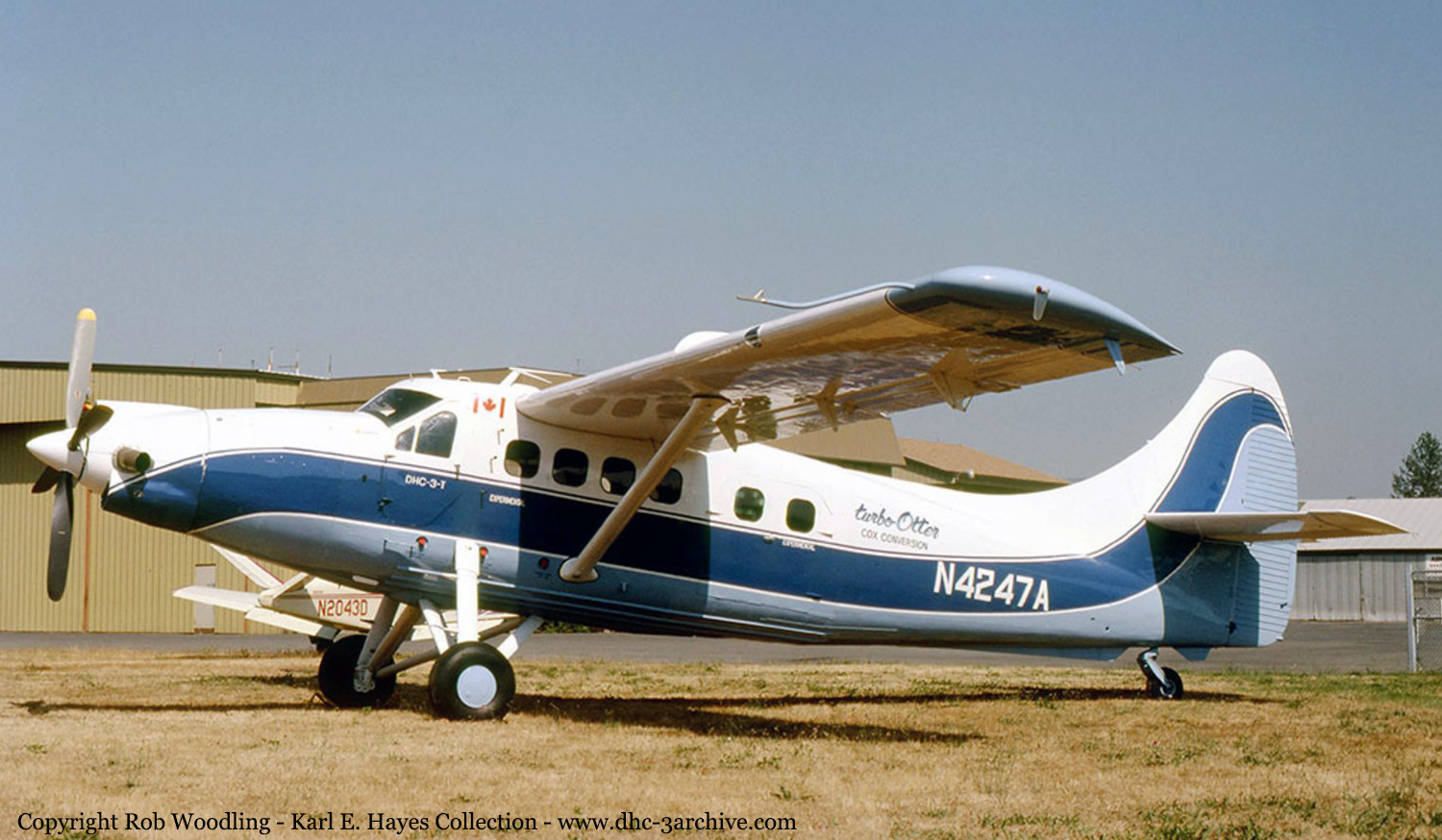
Crash of a De Havilland DHC-3T Otter in Seattle

Date & Time: Dec 19, 1984 at 1108 LT
Type of aircraft:
Registration:
N4247A
Flight Phase:
Flight Type:
Survivors:
Yes
Schedule:
Seattle - Seattle
MSN:
421
YOM:
1964
Crew on board:
1
Crew fatalities:
Pax on board:
2
Pax fatalities:
Other fatalities:
Total fatalities:
0
Captain / Total flying hours:
8500
Captain / Total hours on type:
15.00
Aircraft flight hours:
7445
Circumstances:
Aircraft was performing test flight maneuvers when problems with the modified fuel system occurred. Ice blocking a fuel vent line caused a partial collapse of the main (engine feed) fuel cell which produced an erroneous fuel quantity reading. In addition, the main tank overflow shut off valve was leaking, so tank overflow occurred. The fuel overflow caution light illuminated and auxiliary tank fuel pump feed to main automatically shut down. Due to miscalibration, this system overrode pilot attempts to restart aux fuel pumps. Pilot remained in test area troubleshooting rather than immediate return to base, finally noted main tank gage continuing to read 'full.' En route to Boeing Field, fuel starvation occurred. Pilot opted to attempt forced landing in small athletic field in residential area rather than ditch in puget sound. The aircraft touched down in intended landing area, then bounced across an adjacent street. The arresting action of telephone wires on the vertical fin brought the aircraft to rest in a residential backyard. All three occupants were injured, one seriously.
Probable cause:
Occurrence #1: airframe/component/system failure/malfunction
Phase of operation: maneuvering
Findings
1. (c) fuel system, vent - blocked (total)
2. (f) fuel system, tank - distorted
3. (f) engine instruments, fuel quantity gage - false indication
4. (f) fuel system, fuel shutoff - leak
----------
Occurrence #2: airframe/component/system failure/malfunction
Phase of operation: maneuvering
Findings
5. Fuel system, pump - switched off
6. Remedial action - not possible
----------
Occurrence #3: loss of engine power (total) - nonmechanical
Phase of operation: cruise
Findings
7. (f) precautionary landing - delayed - pilot in command
8. (f) fuel supply - misjudged - pilot in command
9. (c) fluid, fuel - starvation
----------
Occurrence #4: forced landing
Phase of operation: descent - emergency
----------
Occurrence #5: in flight collision with terrain/water
Phase of operation: landing
Findings
10. (f) terrain condition - none suitable
Final Report:

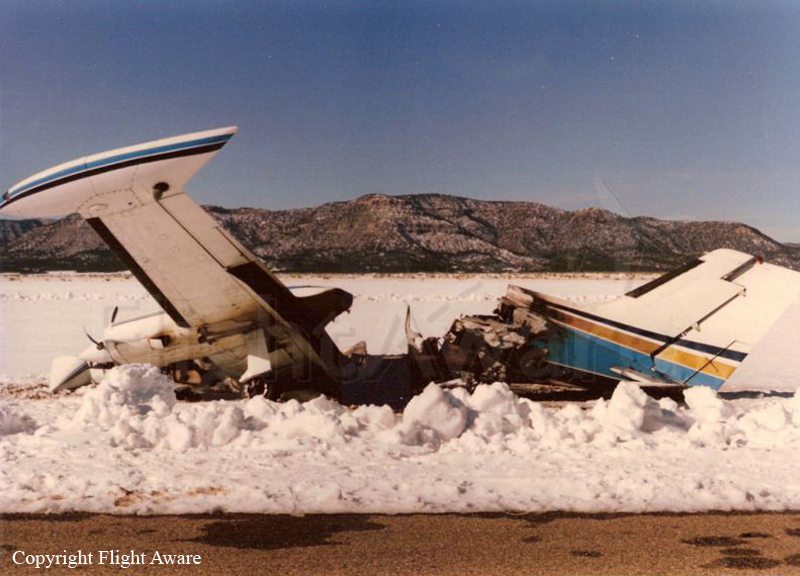
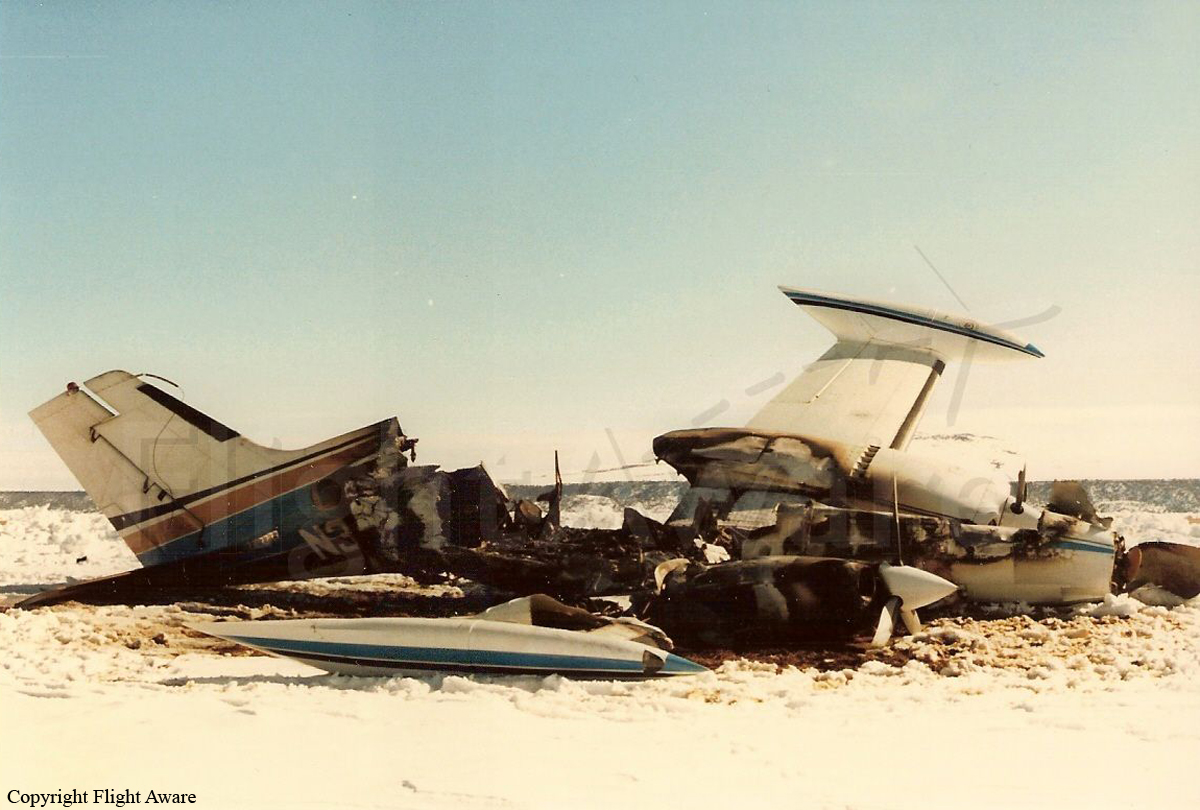
Crash of a Cessna 401A in Raton

Date & Time: Dec 17, 1984 at 1030 LT
Type of aircraft:
Registration:
N365AA
Survivors:
Yes
Schedule:
North Platte - Albuquerque
MSN:
401A-0047
YOM:
1969
Crew on board:
1
Crew fatalities:
Pax on board:
2
Pax fatalities:
Other fatalities:
Total fatalities:
0
Captain / Total flying hours:
4256
Captain / Total hours on type:
460.00
Aircraft flight hours:
47426
Circumstances:
About 2 hours after departure, at 13,000 feet, the right engine fuel flow went to zero. The engine continued to operate indicating 24 inches of manifold pressure. All other instruments were normal but what looked like a brown stain developed on top of the right wing along the spar cap near the tip tank. Artcc was advised that a precautionary landing would be made at Raton and a rapid descent was begun. On final the right engine nacelle and wing locker turned brown. As the aircraft landed flames appeared on the right side of the fuselage and smoke entered the cabin. Both engines were secured and brakes applied. The brakes were inoperative therefore, the pilot steered the aircraft off the runway into a snowbank collapsing the nose gear. Within 15 mins most of the wreckage was consumed by the fire. Ignition source and fire origination point were not determined. All three occupants escaped uninjured.
Probable cause:
Occurrence #1: loss of engine power(partial) - mech failure/malf
Phase of operation: cruise - normal
Findings
1. (f) engine instruments, fuel flow gage - no pressure
2. (f) engine instruments, manifold pressure gage - loss, partial
----------
Occurrence #2: fire/explosion
Phase of operation: cruise - normal
Findings
3. (f) wing, skin - burned
----------
Occurrence #3: forced landing
Phase of operation: descent - emergency
Findings
4. (c) precautionary landing - performed - pilot in command
5. (c) landing gear, normal brake system - failure, total
----------
Occurrence #4: on ground/water collision with object
Phase of operation: landing - roll
Findings
6. (f) terrain condition - snowbank
7. (c) ground loop/swerve - intentional - pilot in command
----------
Occurrence #5: nose gear collapsed
Phase of operation: landing - roll
Findings
8. (f) landing gear, nose gear assembly - overload
Final Report:

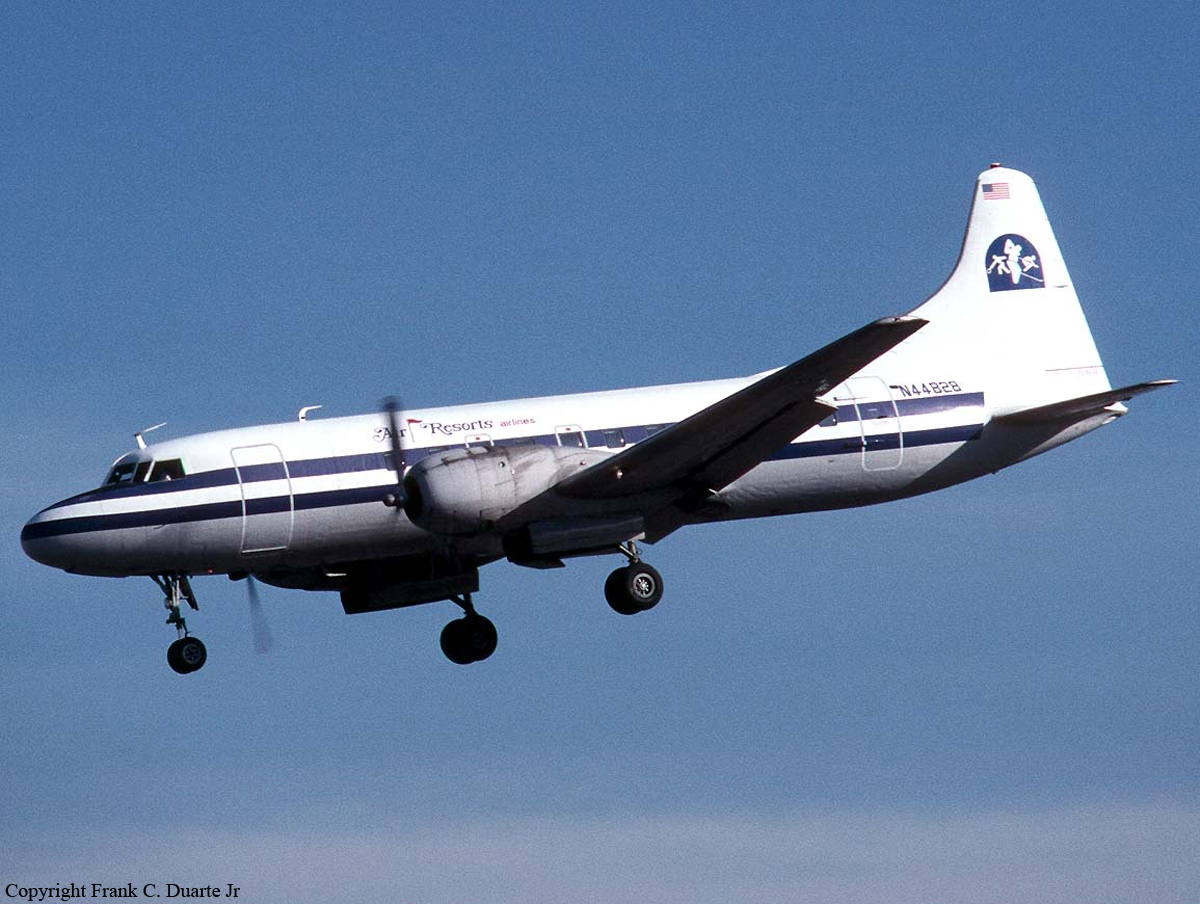
Crash of a Convair CV-440-62 Metropolitan in Jasper

Date & Time: Dec 16, 1984 at 1230 LT
Operator:
Registration:
N44828
Survivors:
Yes
Schedule:
Birmingham - Oxford
MSN:
468
YOM:
1958
Flight number:
UZ953
Crew on board:
5
Crew fatalities:
Pax on board:
34
Pax fatalities:
Other fatalities:
Total fatalities:
0
Captain / Total flying hours:
3500
Circumstances:
Shortly after climbing and leveling at 6,000 feet, the right engine bmep gage indicated a rapid power loss and the right engine rpm 'increased out of control' to about 3,100 rpm. The aircrew retarded the right throttle and reduced the right engine to 2,100 rpm by using the prop increase/decrease toggle switch. The aircrew were unable to feather the right propeller or maintain altitude, so they diverted to the nearest airport (Walker County). While turning downwind for runway 09, the right engine fire indicator activated and the copilot confirmed a fire. Both fire bottles were discharged and the right propeller stopped rotating. Injection water for the left engine was exhausted and the left engine began backfiring. The captain then maneuvered and landed on runway 27. After touchdown, the right main tires failed, the aircraft veered off the right side of the runway and hit a ditch and the gear collapsed. An exam revealed the #6 cylinder link rod and/or piston in the right engine had failed, resulting in further damage to the engine and #6 cylinder. Subsequently, fire and heat caused the right engine to seize and also damaged the right main tires which failed at touchdown. All 39 occupants were evacuated, among them two passengers were seriously injured.
Probable cause:
Occurrence #1: loss of engine power
Phase of operation: cruise
Findings
1. (f) engine assembly, connecting rod - failure, total
2. (f) engine assembly, piston - failure, total
3. (c) engine assembly - failure, total
4. (f) propeller feathering - not possible
----------
Occurrence #2: fire
Phase of operation: cruise
Findings
5. (c) engine assembly - fire
6. Fire extinguishing equipment - selected
7. (f) landing gear, tire - overtemperature
----------
Occurrence #3: forced landing
Phase of operation: landing
Findings
8. Fluid, adi fluid - exhaustion
----------
Occurrence #4: loss of control - on ground/water
Phase of operation: landing - roll
Findings
9. (c) landing gear, tire - failure, total
10. (f) directional control - not possible
11. (f) ground loop/swerve - uncontrolled
----------
Occurrence #5: on ground/water encounter with terrain/water
Phase of operation: landing - roll
Findings
12. (f) terrain condition - ditch
13. Landing gear - overload
Final Report:

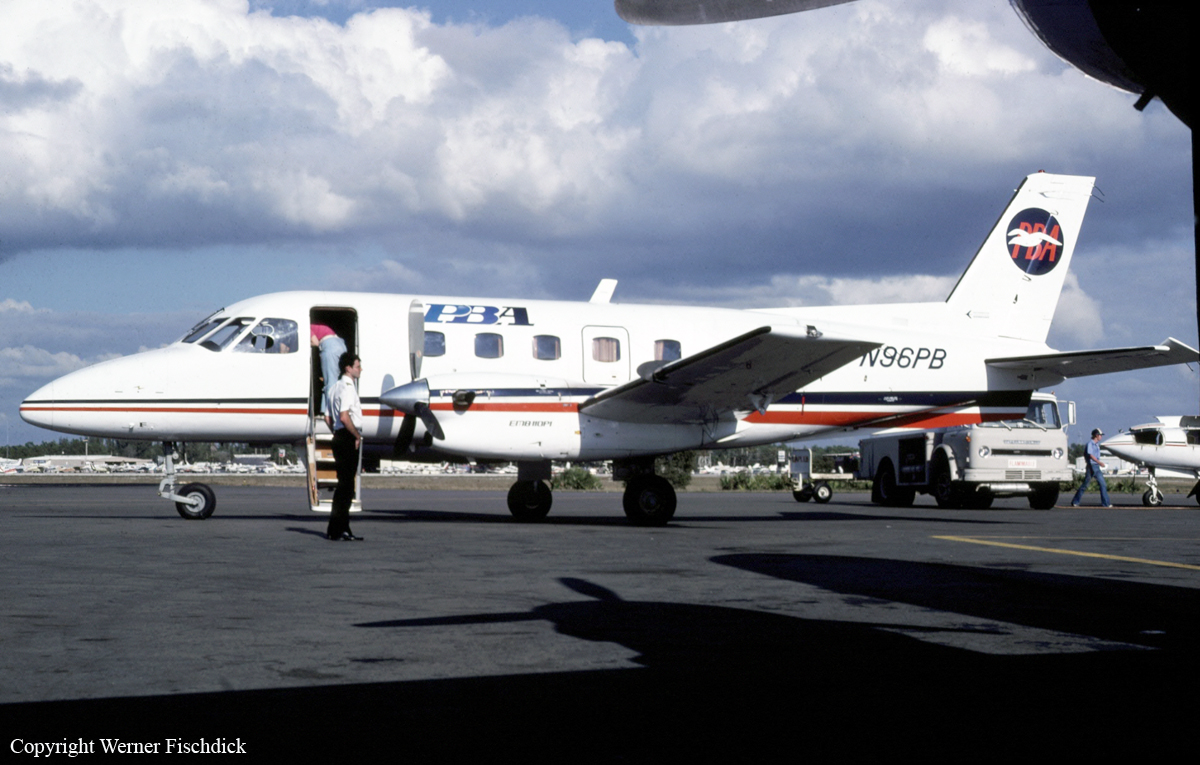
Crash of an Embraer EMB-110P1 Bandeirante in Jacksonville: 13 killed

Date & Time: Dec 6, 1984 at 1814 LT
Operator:
Registration:
N96PB
Flight Phase:
Survivors:
No
Schedule:
Jacksonville - Tampa
MSN:
110-365
YOM:
1981
Flight number:
PT1039
Crew on board:
2
Crew fatalities:
Pax on board:
11
Pax fatalities:
Other fatalities:
Total fatalities:
13
Captain / Total flying hours:
10000
Captain / Total hours on type:
400.00
Copilot / Total flying hours:
3000
Copilot / Total hours on type:
500
Aircraft flight hours:
5662
Aircraft flight cycles:
7858
Circumstances:
At 18:12, flight 1039 was cleared for takeoff from runway 31. At 18:13, while over the departure end of the runway and climbing through 600 feet, the crew acknowledged a frequency change. Thirty seconds later, the airplane was seen in a steep a descent near the extended centerline of the runway. The Bandeirante struck the ground 7,800 feet beyond the departure end of runway 31 and 85 feet to the right of the extended runway centerline in an inverted nose down attitude, after which it caught fire and burned. Before ground impact, the horizontal stabilizer, including bulkhead No. 36, had separated from the fuselage. Both elevators and elevator tips, the tail cone assembly, and the aft portion of the ventral fin also had separated in flight. All 13 occupants were killed.
Probable cause:
A malfunction of either the elevator control system or elevator trim system, which resulted in an airplane pitch control problem. The reaction of the flight crew to correct the pitch control problem overstressed the left elevator control rod, which resulted in asymmetrical elevator deflection and overstress failure of the horizontal stabilizer attachment structure. The Safety Board was not able to determine the precise problem with the pitch control system.
Final Report:

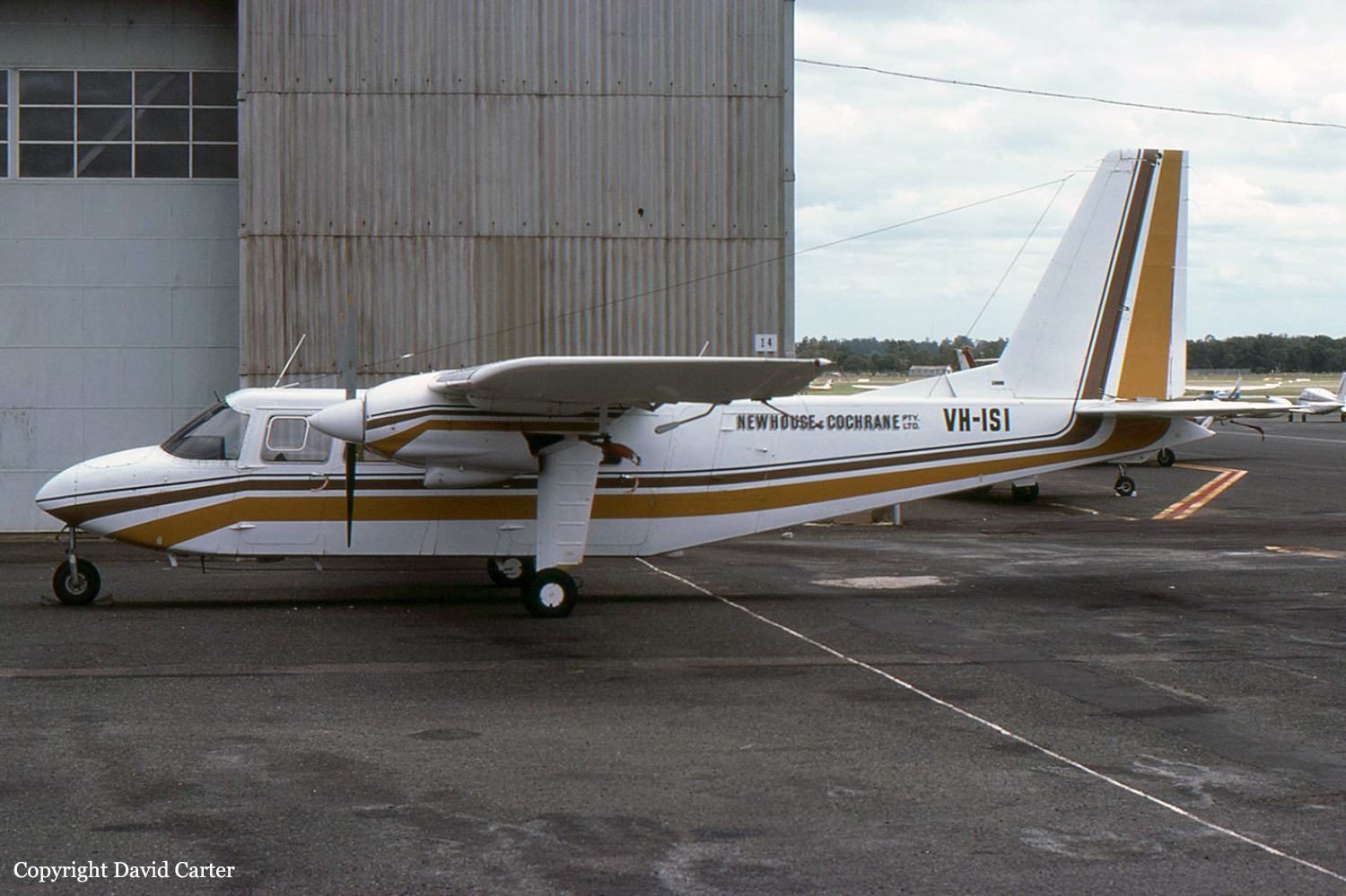
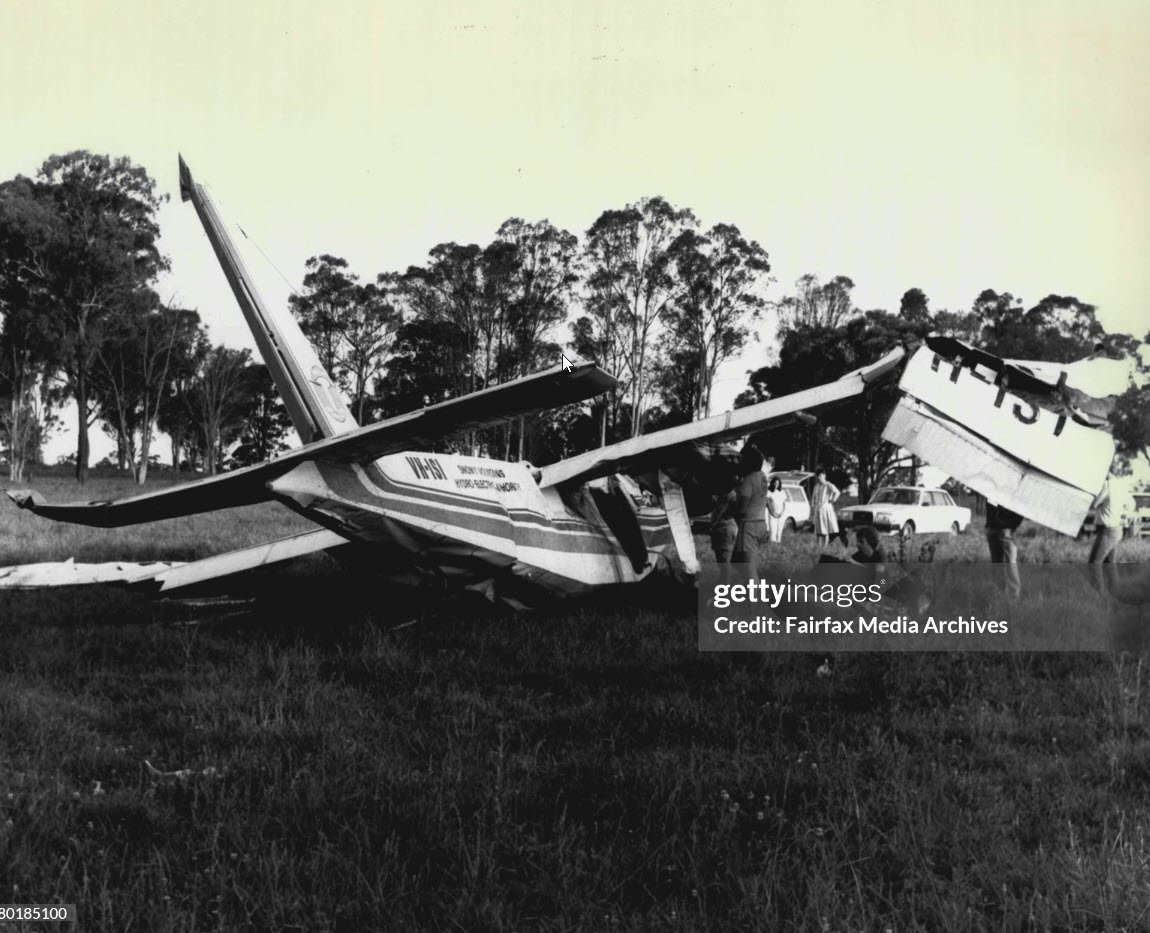
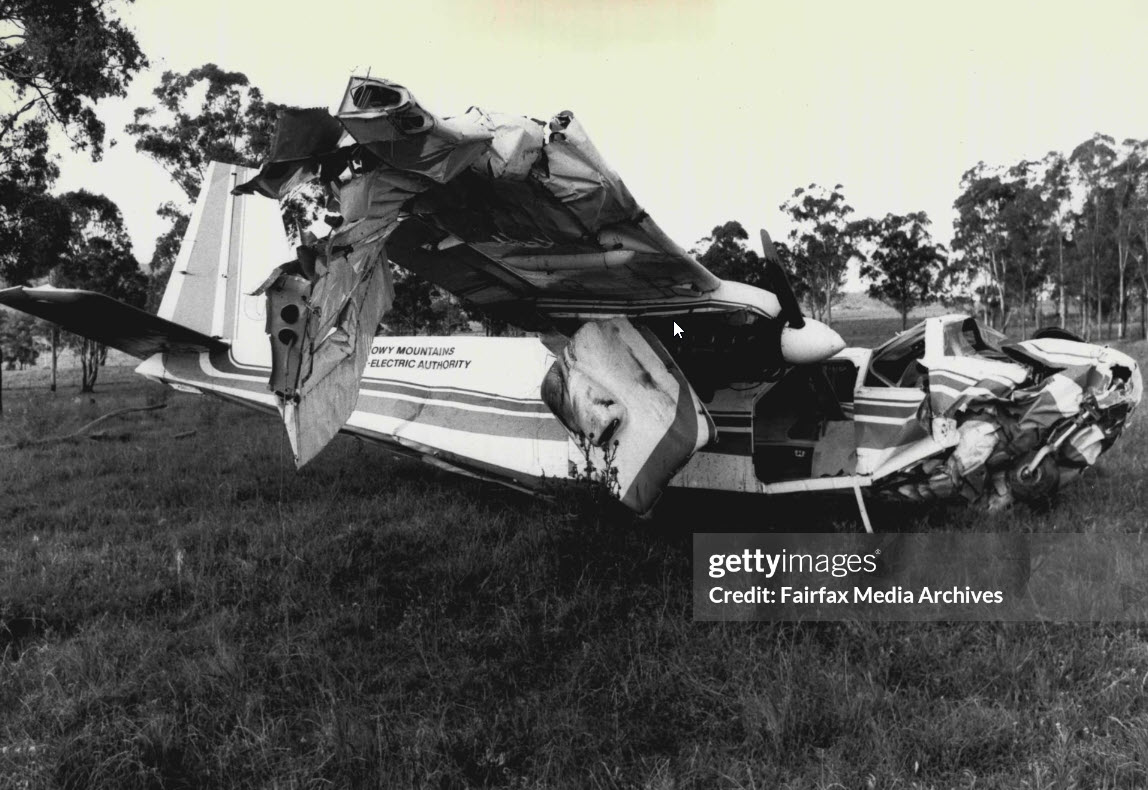
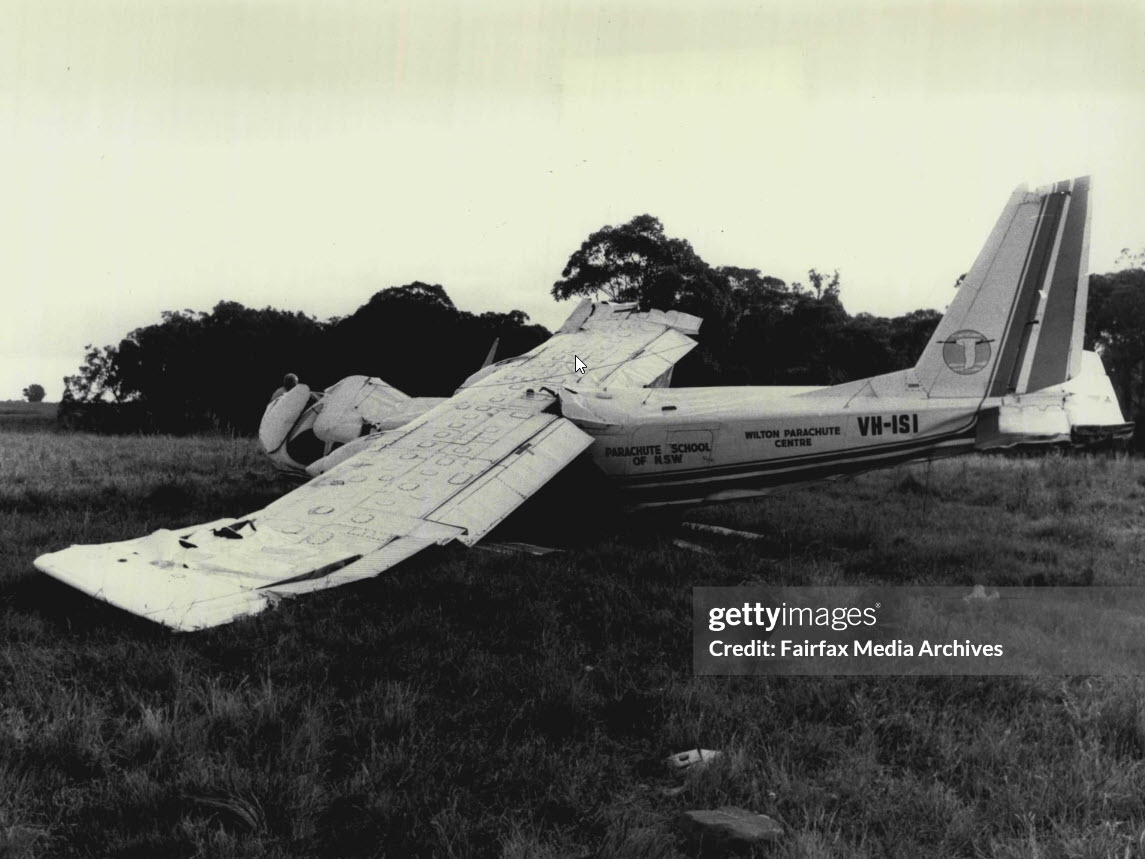
Crash of a Britten-Norman BN-2A-21 Islander in Wilton

Date & Time: Nov 25, 1984 at 1248 LT
Type of aircraft:
Operator:
Registration:
VH-ISI
Flight Phase:
Survivors:
Yes
Schedule:
Wilton - Wilton
MSN:
329
YOM:
1973
Country:
Region:
Crew on board:
1
Crew fatalities:
Pax on board:
12
Pax fatalities:
Other fatalities:
Total fatalities:
0
Circumstances:
At a height of about 200 feet after take-off the right engine lost power. The pilot feathered the propeller and commenced a gentle left turn in order to return to the strip. He later advised that the aircraft began to sink towards some large trees and he was forced to increase the angle of bank in an effort to avoid them. Shortly afterwards the aircraft struck the ground heavily in an adjacent paddock about 1 kilometre from the strip.
Probable cause:
The engine failure was caused by jamming of accessory drive gearing as a result of the effects of excessive wear within a magneto. It was probable that a mandatory inspection of the magneto which fell due 84 flying hours before the accident, was not conducted. On take-off the aircraft weight exceeded the authorised limit, however following the engine failure the pilot was able to maintain straight and level flight. A cleared area of ground lay ahead and just to the left of the flight path but the pilot had considered the aircraft had sufficient performance capability to permit a return to the trip.
Final Report:

Crash of a Rockwell Grand Commander 690B in Eastbourne: 9 killed

Date & Time: Nov 13, 1984 at 1841 LT
Registration:
EI-BGL
Flight Phase:
Survivors:
No
Schedule:
Dublin - Paris
MSN:
690-11507
YOM:
1977
Region:
Crew on board:
1
Crew fatalities:
Pax on board:
8
Pax fatalities:
Other fatalities:
Total fatalities:
9
Captain / Total flying hours:
10256
Captain / Total hours on type:
150.00
Aircraft flight hours:
2390
Circumstances:
The aircraft was flying from Dublin to Paris (Le Bourget) at a height of 25,000 feet. In the area of Petersfield, Hampshire, the aircraft began a gentle turn to the left from a south easterly heading. After the radar controller queried the departure from the expected heading the commander reported that the autopilot had 'dropped out', and the south easterly heading was resumed. Approximately 7 minutes later, the radar recording shows that the aircraft again began to turn left and started to lose height. After the aircraft had reached a northerly heading it began to lose height rapidly following which secondary radar returns were lost and the primary returns became fragmented before they also disappeared. The aircraft suffered an in-flight disintegration at approximately 19,000 feet and all 9 occupants were killed. A positive cause of the accident was not determined but there was evidence that a part of the aircraft's electrical supply had been lost. This would have caused the autopilot to disengage and also have resulted in the failure of the commander's flight director indicator. It was concluded that, following the disengagement of the autopilot, the aircraft probably entered a steep spiral dive and that the disintegration of the aircraft occurred as recovery was attempted.
Probable cause:
The in-flight disintegration of the aircraft was probably caused by over-stressing during an attempted recovery from an extreme attitude in a spiral dive. A probable contributory factor was the commander's lack of awareness of the loss of the 26 volt AC supply to the autopilot and flight director system.
Final Report:

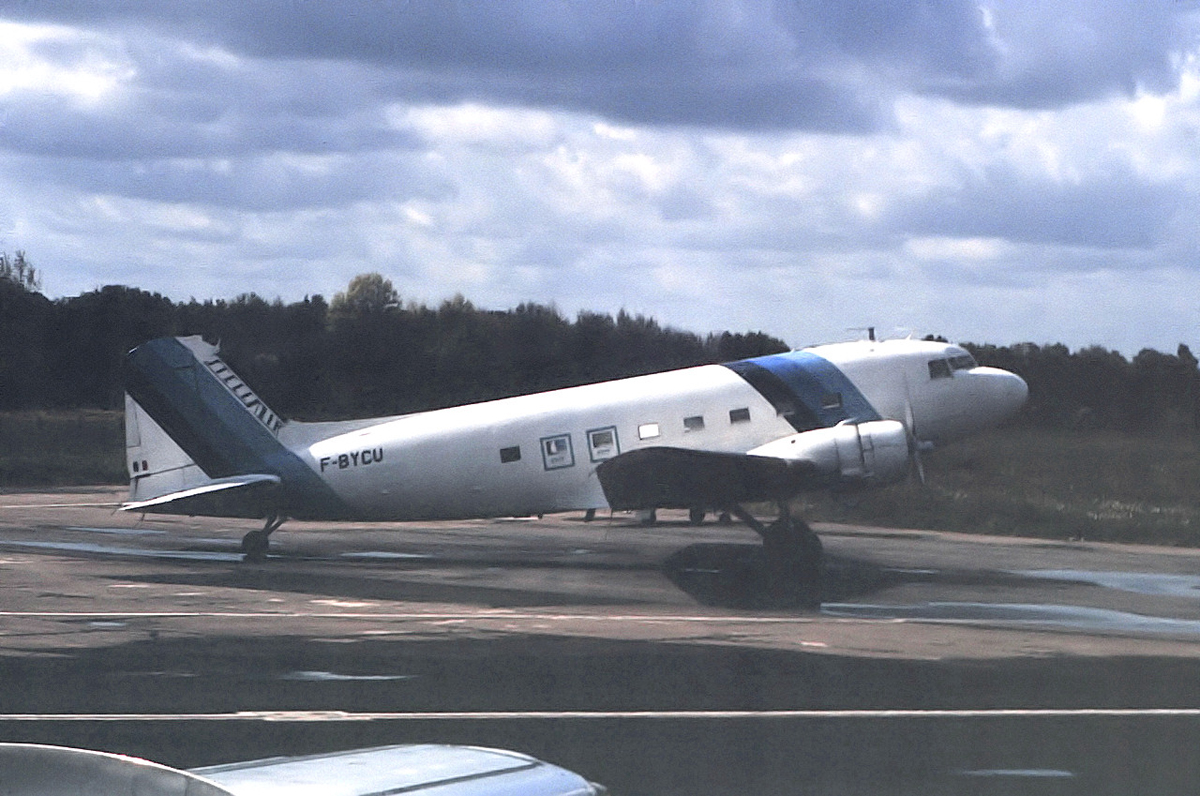
Crash of a Douglas C-47A-15-Dk in Tangier

Date & Time: Nov 11, 1984
Operator:
Registration:
F-BYCU
Flight Phase:
Flight Type:
Survivors:
Yes
MSN:
12720
YOM:
1944
Country:
Region:
Crew on board:
0
Crew fatalities:
Pax on board:
0
Pax fatalities:
Other fatalities:
Total fatalities:
0
Circumstances:
While on a cargo flight, the crew got lost after he encountered a sandstorm. When both engines failed due to fuel exhaustion, the crew was forced to make an emergency landing. There were no casualties while the aircraft was damaged beyond repair.