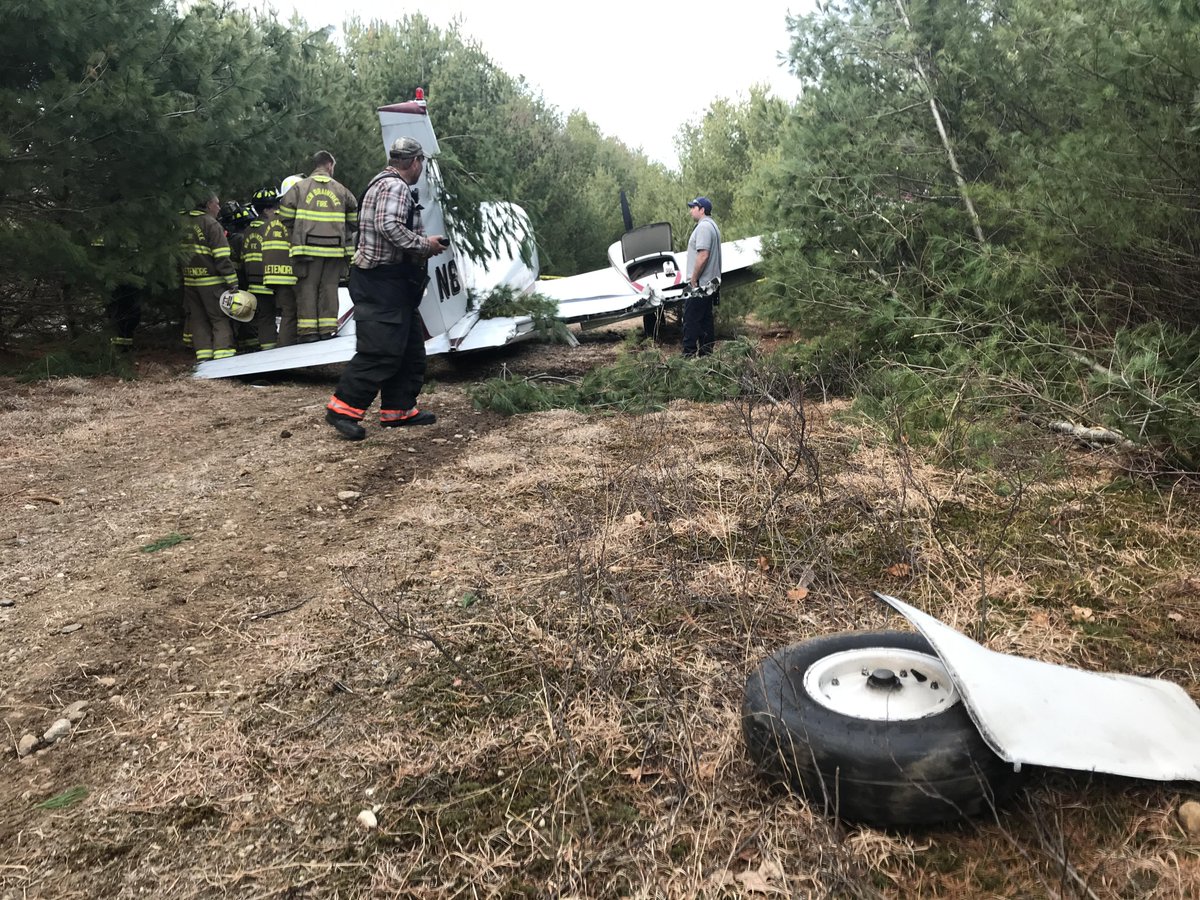
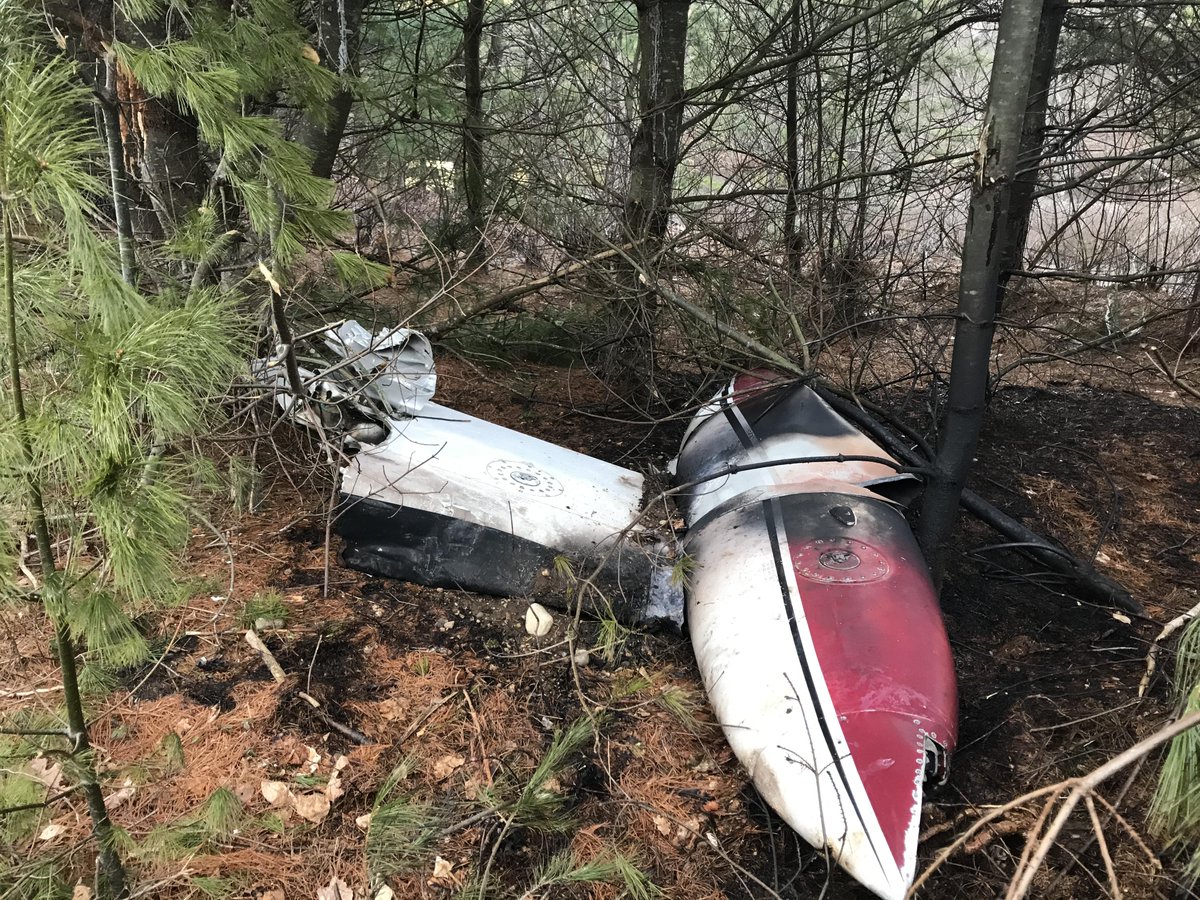
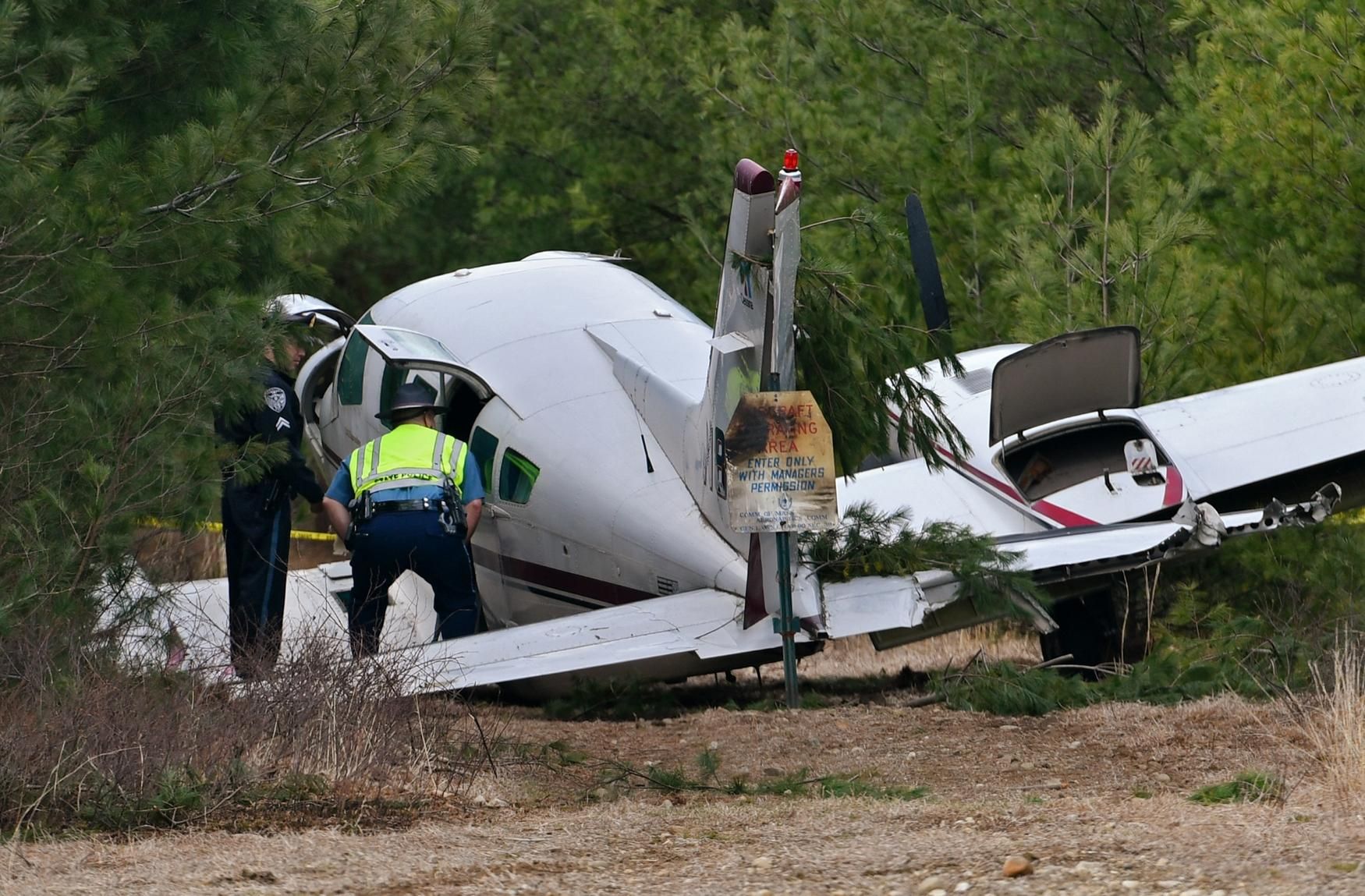
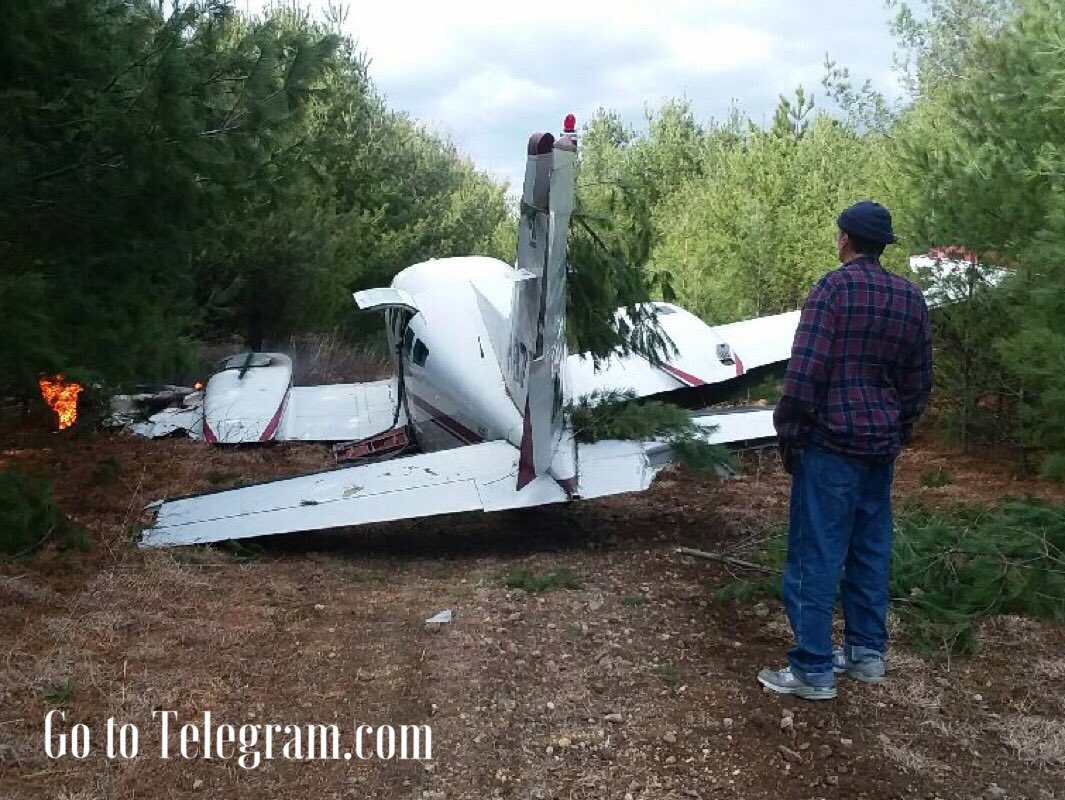
Crash of a GippsAero GA10 Airvan near Mojave

Date & Time: Jun 4, 2018 at 1152 LT
Type of aircraft:
Operator:
Registration:
VH-XMH
Flight Phase:
Flight Type:
Survivors:
Yes
Schedule:
Mojave - Mojave
MSN:
GA10-TP450-16-101
YOM:
2016
Crew on board:
2
Crew fatalities:
Pax on board:
0
Pax fatalities:
Other fatalities:
Total fatalities:
0
Captain / Total flying hours:
9767
Captain / Total hours on type:
46.00
Copilot / Total flying hours:
10980
Copilot / Total hours on type:
287
Aircraft flight hours:
113
Circumstances:
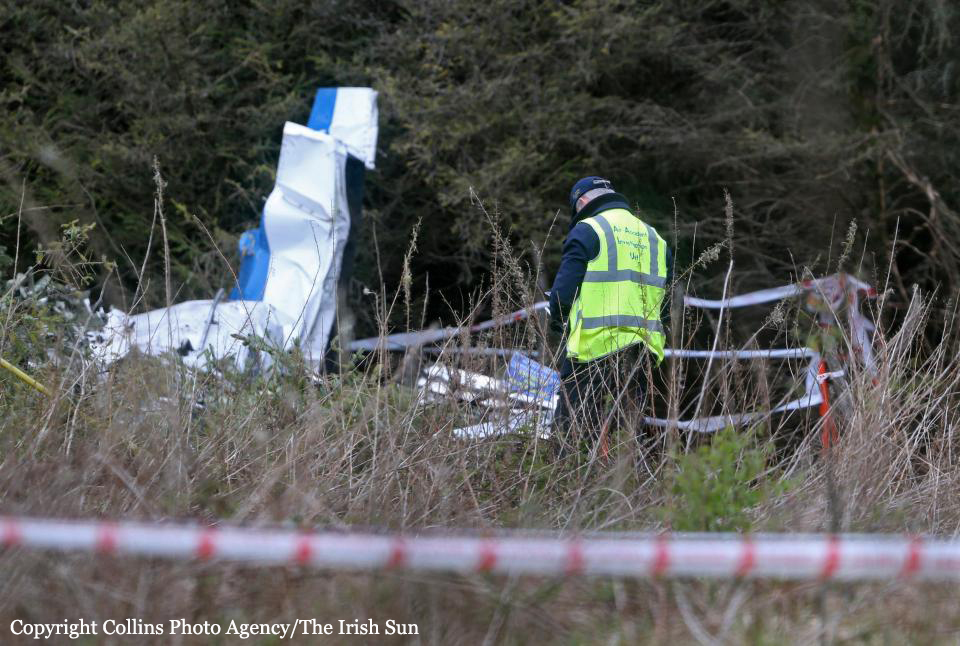
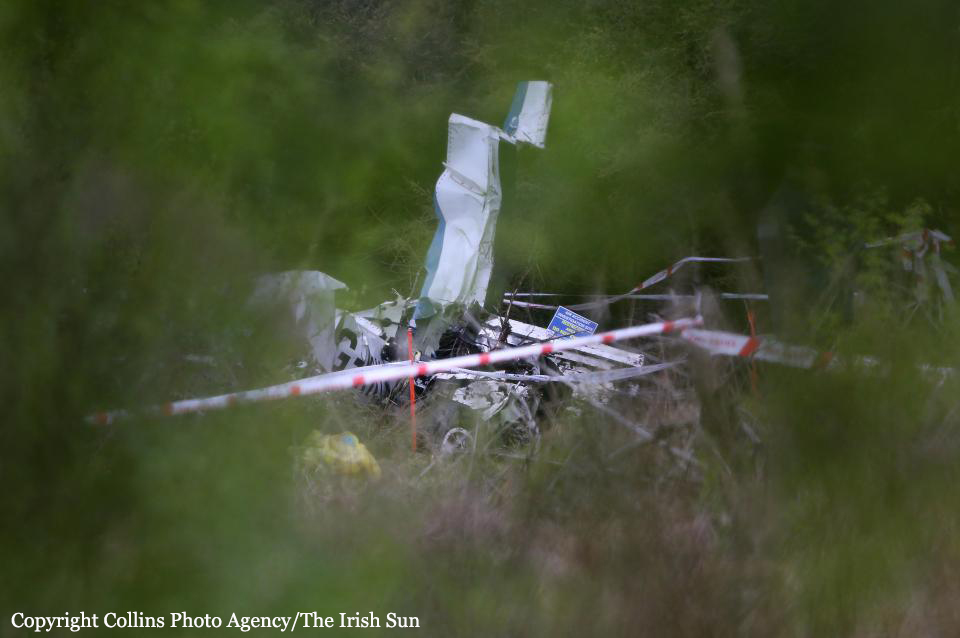
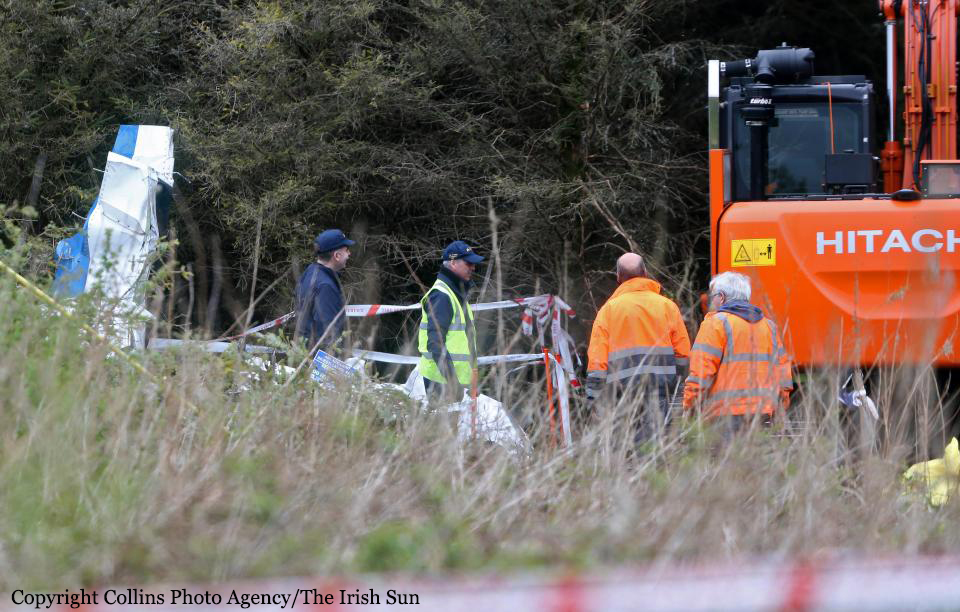
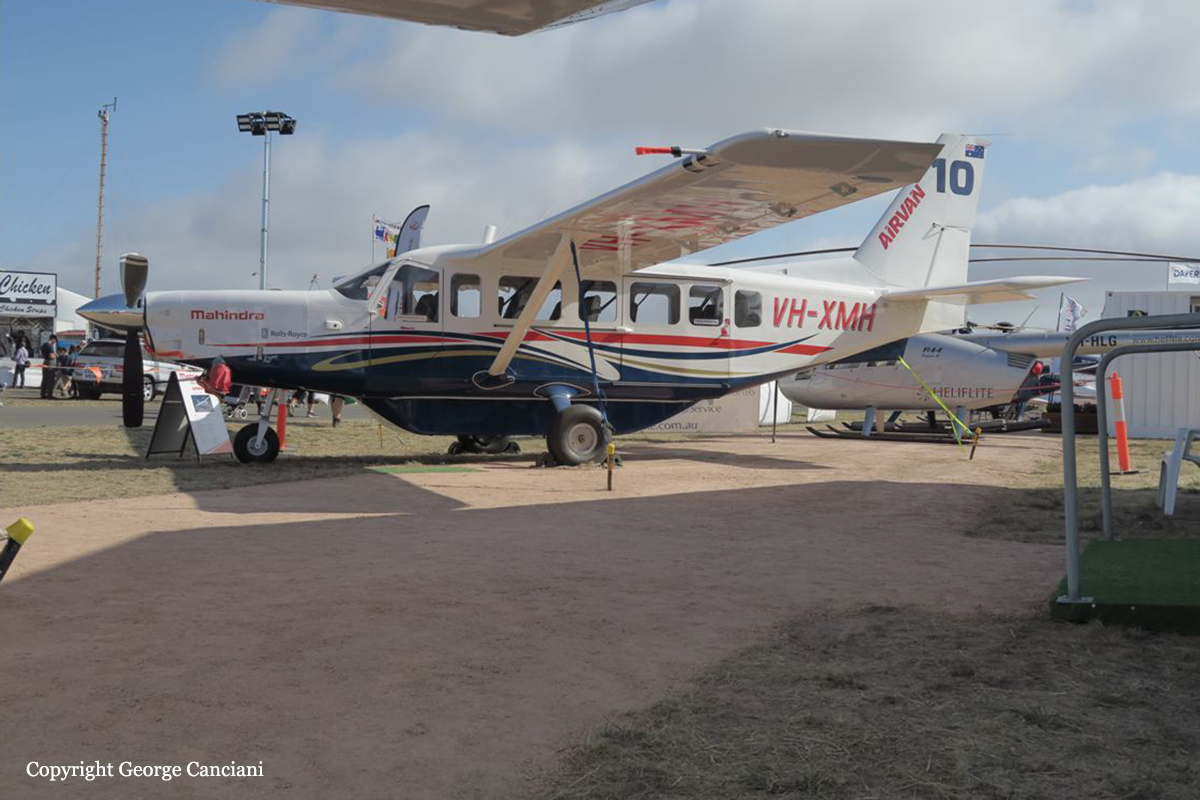
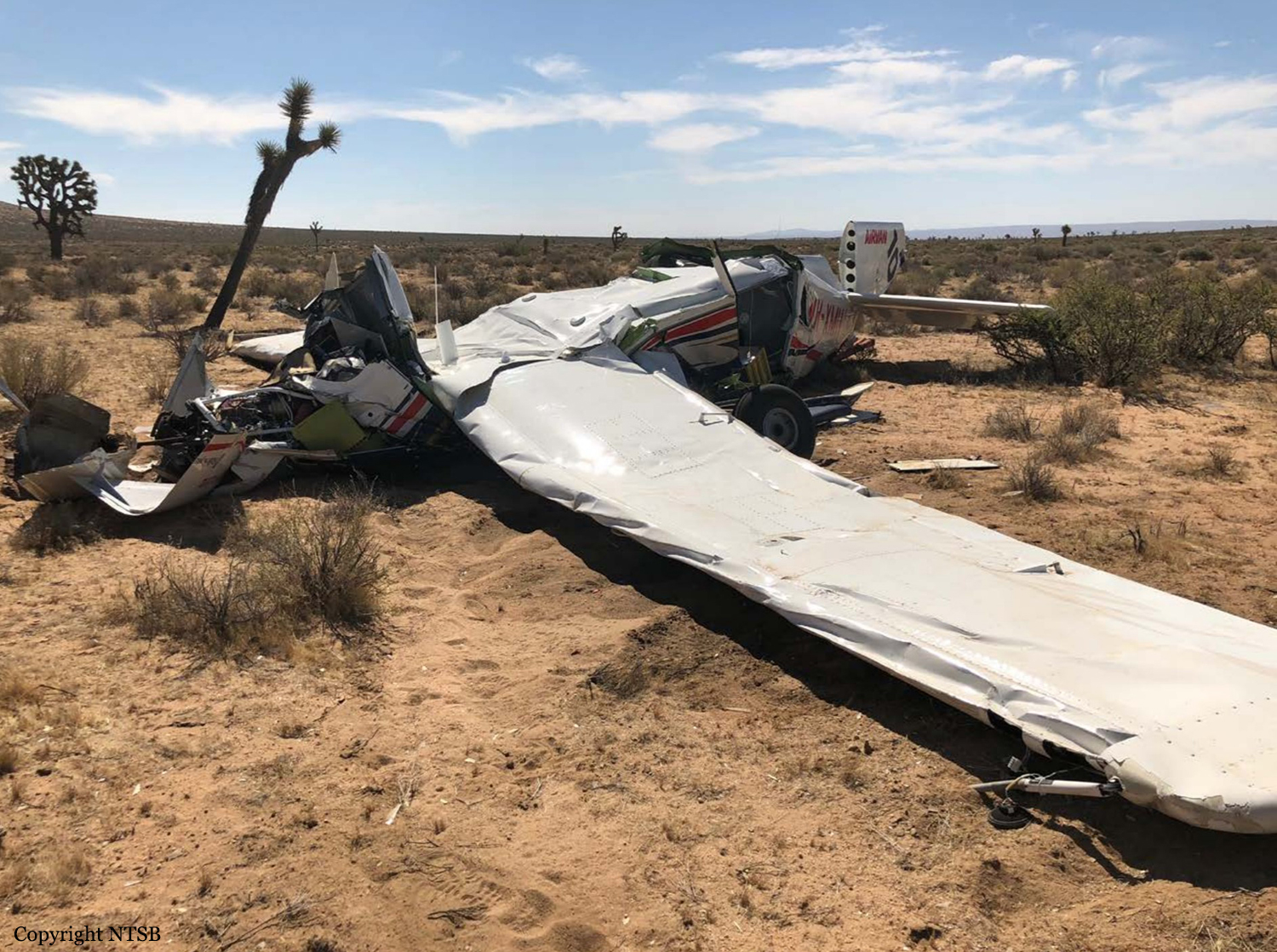
The airplane manufacturer was conducting spin flight testing for the installation of a cargo pod when the airplane exhibited aberrant behavior and the testing was halted. The chief design engineer (CDE) was consulted, and, to provide a margin of safety for further flights, a forward center of gravity position was authorized for flaps up and flaps takeoff entries to gain more insight into the airplane's behavior on the previous flight. At the final briefing, before the next flight, the flight crew added spins with flaps in the landing configuration (flaps landing) into the test plan without the CDE's consultation or authorization. According to the pilot flying, after two wings-level, power on, flaps landing spins with left rudder and right aileron, a third spin entry was flown in the same configuration except that the entry was from a 30° left-bank turn. The airplane entered a normal spin, and, at one turn, flight controls were inputted for a normal recovery; however, the airplane settled into a fully developed spin. When recovery attempts failed, the decision was made to deploy the anti-spin parachute. After repeated unsuccessful attempts to deploy the anti-spin parachute, and when the airplane's altitude reached about 500 ft above the briefed minimum bailout altitude, both pilots called for and executed a bailout. The airplane impacted the ground and was destroyed. A postaccident examination of the anti-spin parachute system revealed that half of the connector hook had opened, which allowed the activation pin lanyard for the anti-spin parachute to become disengaged. Based on the airplane's previous aberrant behavior and the conservative parameters that the CDE had previously set, it is not likely that the CDE would have authorized abused spin entries without a prior testing buildup to those entries. Thus, the flight crew made an inappropriate decision to introduce flaps landing entry spin testing, and the failure of the anti-spin parachute contributed to the accident.
Probable cause:
The flight crew's inappropriate decision, without authorization or consultation from the manufacturer's chief design engineer, to introduce flaps in the landing configuration into the entry spin testing, which resulted in an unrecoverable spin and impact with the ground. Contributing to the accident was the failure of the anti-spin parachute.
Final Report:
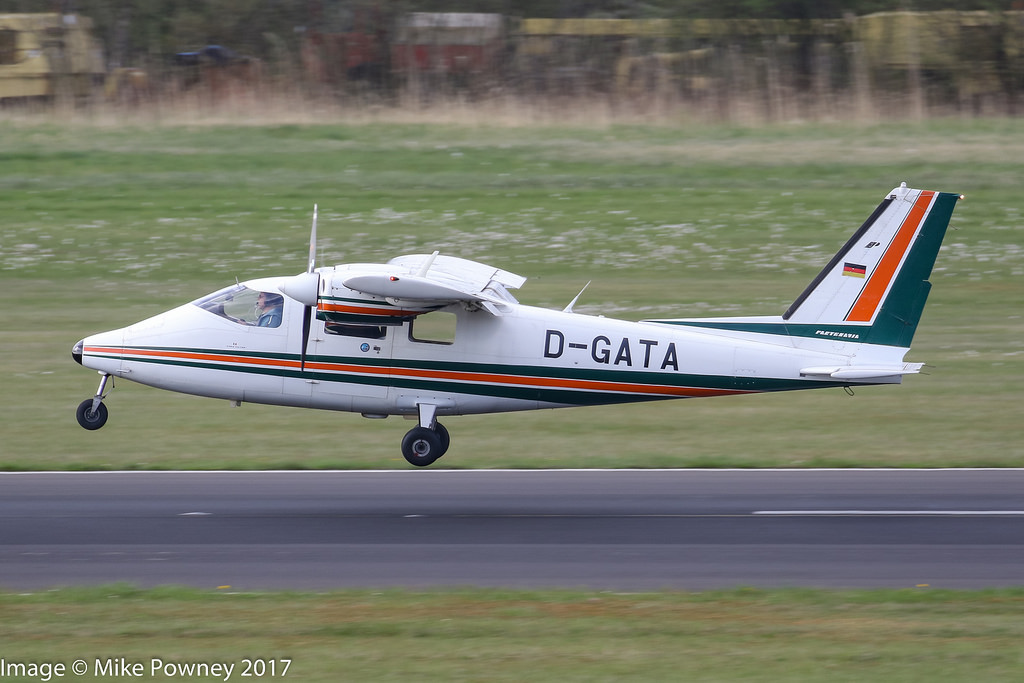
Crash of a Partenavia P.68B Victor on Endelave Island

Date & Time: Jun 3, 2018 at 1422 LT
Type of aircraft:
Operator:
Registration:
D-GATA
Flight Type:
Survivors:
Yes
Schedule:
Rendsburg - Endelave Island
MSN:
82
YOM:
1977
Country:
Region:
Crew on board:
1
Crew fatalities:
Pax on board:
3
Pax fatalities:
Other fatalities:
Total fatalities:
0
Captain / Total flying hours:
950
Captain / Total hours on type:
70.00
Aircraft flight hours:
3260
Circumstances:
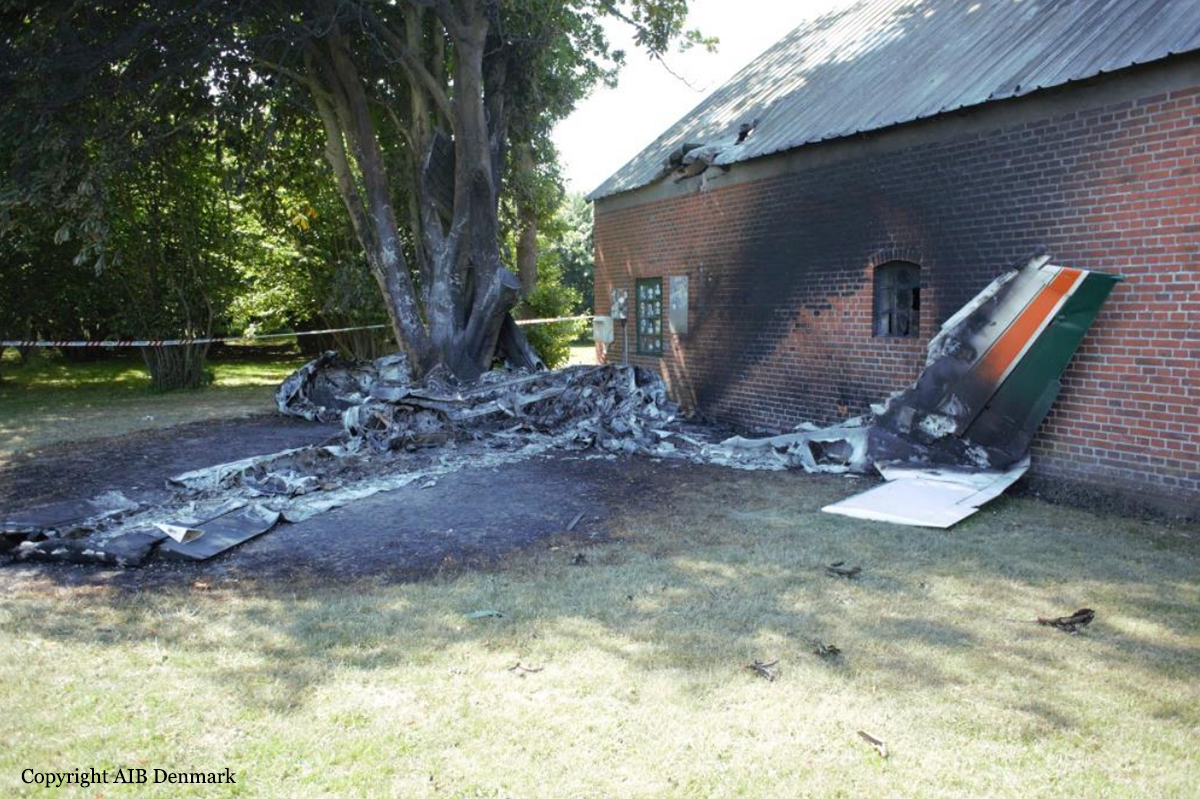
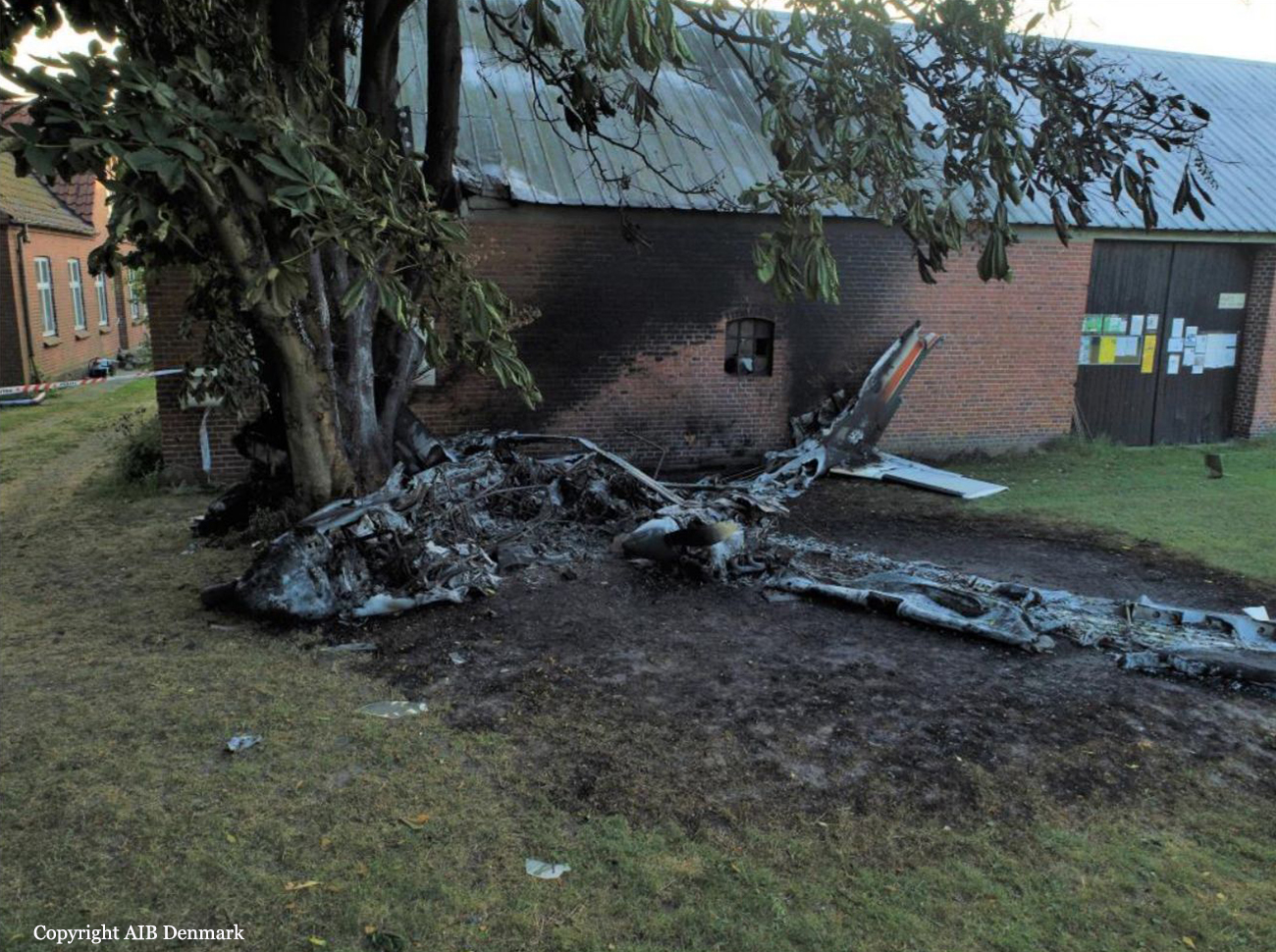
The accident occurred during a private VFR flight from EDXR (Rendsburg-Schachtholm) to Endelave (EKEL). When arriving overhead EKEL, the pilot made a visual inspection of the airstrip conditions. Upon a low approach at a shallow angle to runway 29 at EKEL, the pilot on short final reduced engine power and initiated the flare. Approximately 10 meters in front of the beginning of runway 29, the aircraft landed in a wheat field, and the main landing gear touched down at and collided with an upslope roadside next to a road crossing perpendicularly to the beginning of runway 29. When colliding with the upslope roadside, the left main landing gear collapsed. The aircraft started veering uncontrollably to the left and ran off the side of the airstrip. In the grass parking area next to the airstrip, the left wing of the aircraft collided with the nose landing gear of a parked aircraft. The aircraft continued veering to the left, impacted with a tree and a farm building, and came to rest. After impact with the tree and the farm building, the aircraft caught an explosive fire. Witnesses observing the landing and the impact with the tree and the farm building initiated a rescue mission. The aircraft was totally destroyed by a post crash fire and all four occupants were injured.
Probable cause:
An undershoot landing and touchdown at an upslope roadside next to a road crossing perpendicularly to the beginning of runway 29 resulted in a left main landing gear collapse. The aircraft uncontrollably veered to the left, ran off the side of the airstrip, collided with a parked aircraft, and impacted with a tree and a farm building. The aircraft caught an explosive fire. The resolute actions by witnesses and the local community in combination with an effective rescue mission were the difference between fatal and serious injuries.
Final Report:
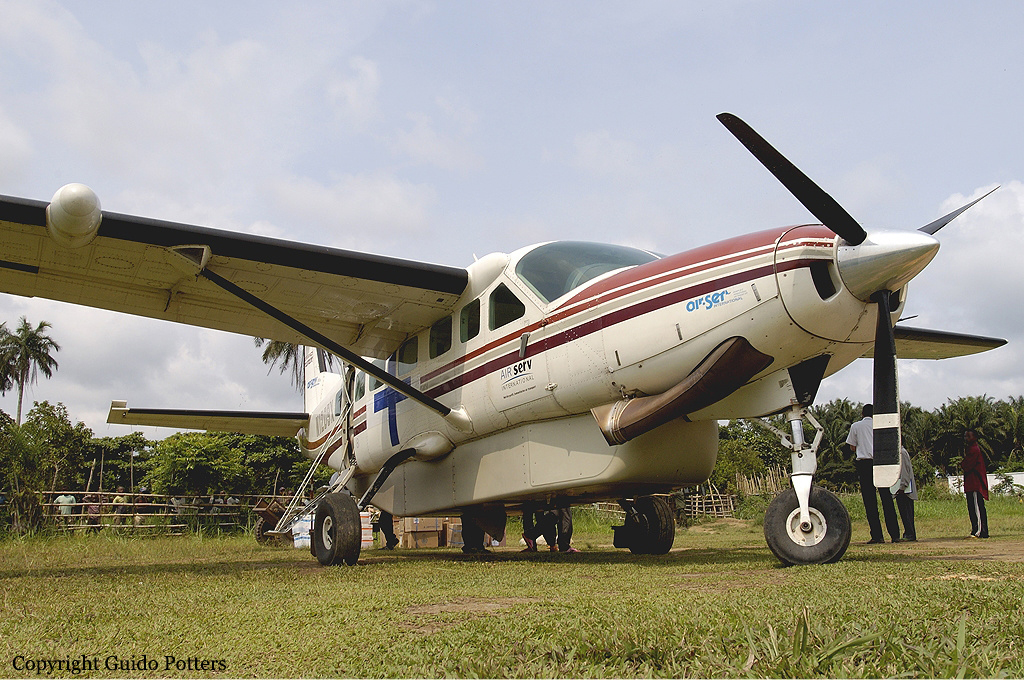
Crash of a Cessna 208B Grand Caravan in Kamonia

Date & Time: May 30, 2018 at 1518 LT
Type of aircraft:
Operator:
Registration:
5X-MRH
Flight Phase:
Flight Type:
Survivors:
Yes
Schedule:
Kamonia – Kamako
MSN:
208B-2386
YOM:
2012
Flight number:
UNO212H
Region:
Crew on board:
2
Crew fatalities:
Pax on board:
3
Pax fatalities:
Other fatalities:
Total fatalities:
0
Captain / Total flying hours:
3668
Captain / Total hours on type:
3385.00
Copilot / Total flying hours:
1373
Copilot / Total hours on type:
970
Circumstances:
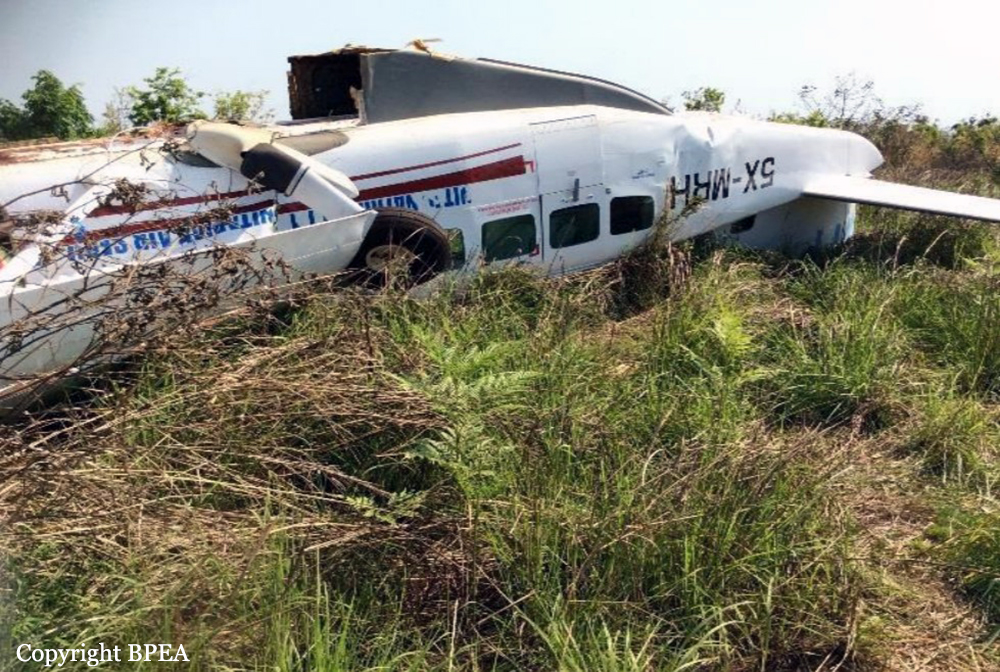
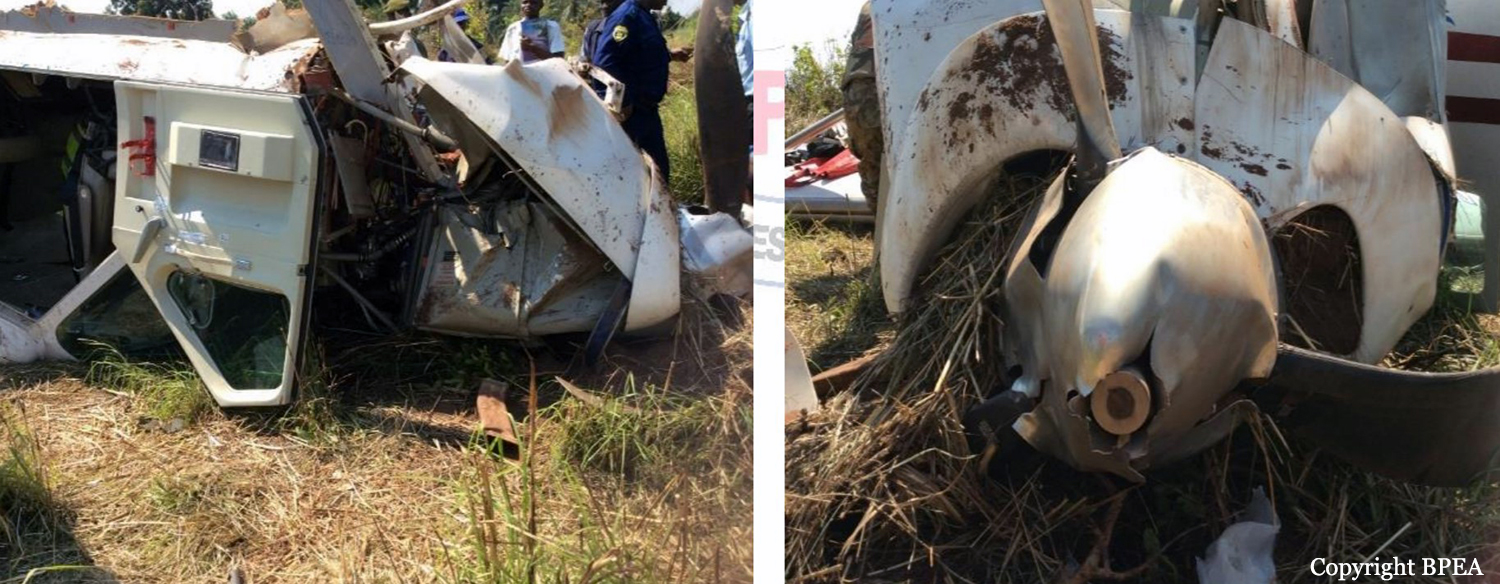
The single engine aircraft departed Kamonia on a special flight to Kamako on behalf of the United Nations Humanitarian Air Service (UNHAS), carrying three passengers and two pilots. During the takeoff roll from runway 34, the pilot-in-command started the rotation but the aircraft encountered difficulties to gain height. The nose gear and the cargo pod impacted an embankment located at the end of the runway and the aircraft flipped over and came to rest upside down. All five occupants escaped with minor injuries and the aircraft was destroyed.
Probable cause:
It was determined that the aircraft failed to gain sufficient speed during the last portion of the runway due to an excessive accumulation of sand on the ground. The pilot-in-command elected to rotate when the aircraft impacted terrain.
The two following factors were identified:
- The pilot's ability to make a timely decision,
- Lack of coordination between the two CRM (standard call out) pilots during takeoff manoeuvres.
Final Report:

Crash of a Gulfstream G200 in Tegucigalpa

Date & Time: May 22, 2018 at 1119 LT
Type of aircraft:
Operator:
Registration:
N813WM
Survivors:
Yes
Schedule:
Austin – Tegucigalpa
MSN:
54
YOM:
2001
Country:
Crew on board:
2
Crew fatalities:
Pax on board:
4
Pax fatalities:
Other fatalities:
Total fatalities:
0
Captain / Total flying hours:
5400
Aircraft flight hours:
5299
Circumstances:
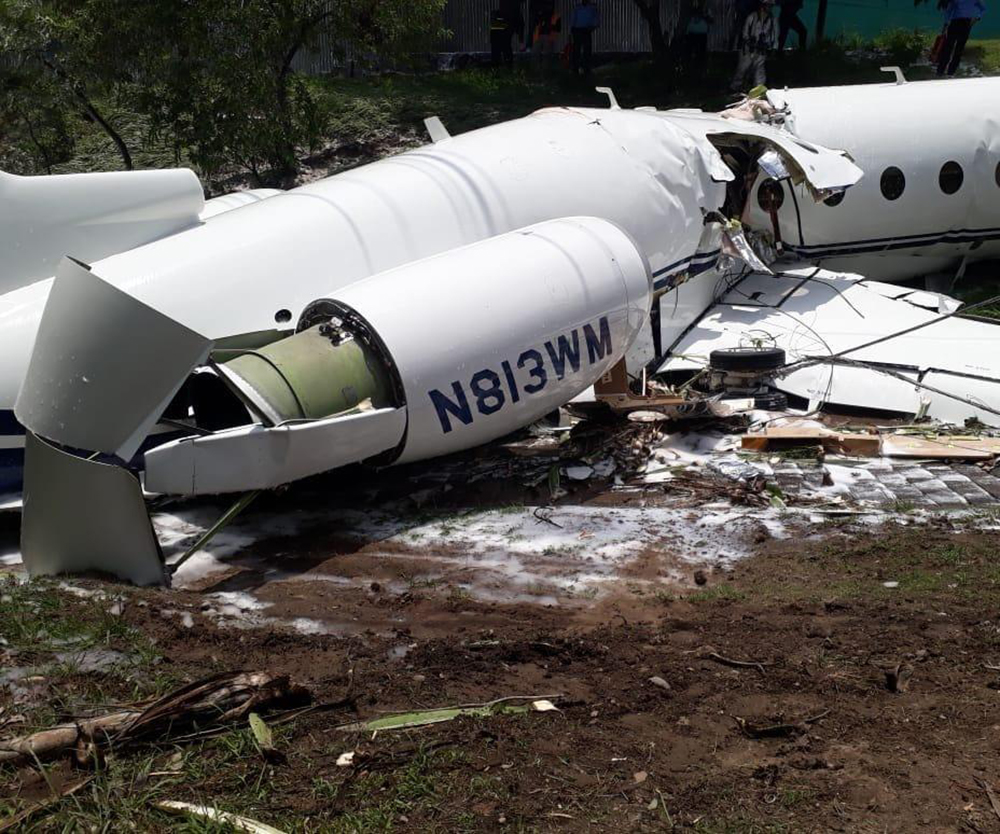
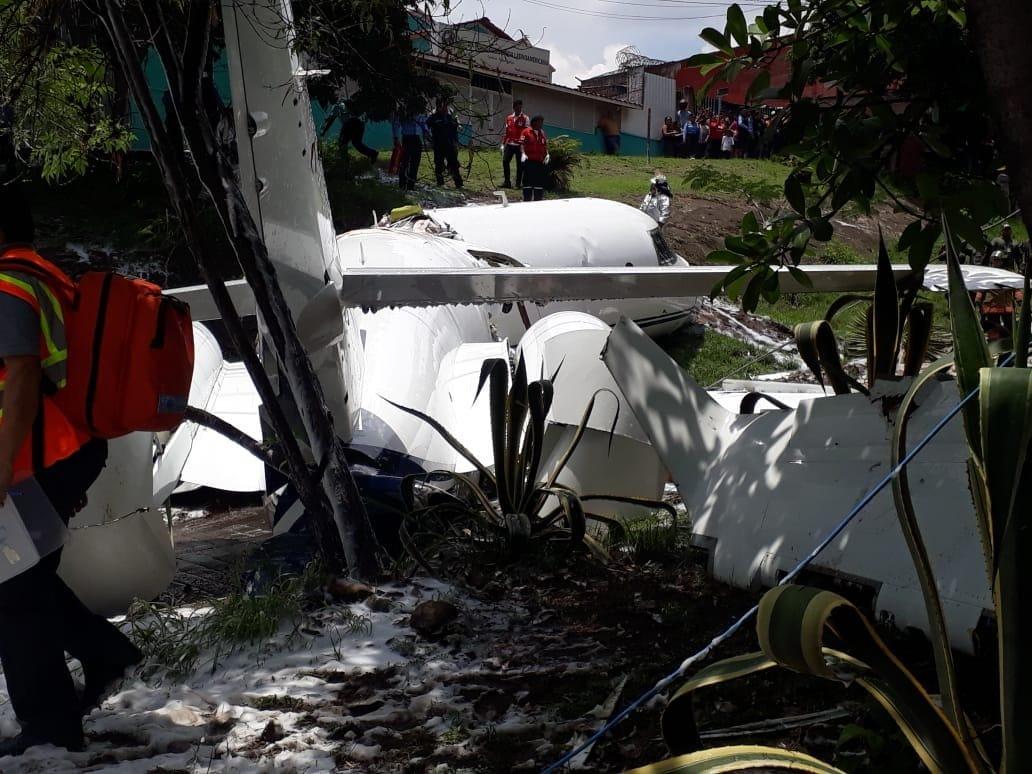
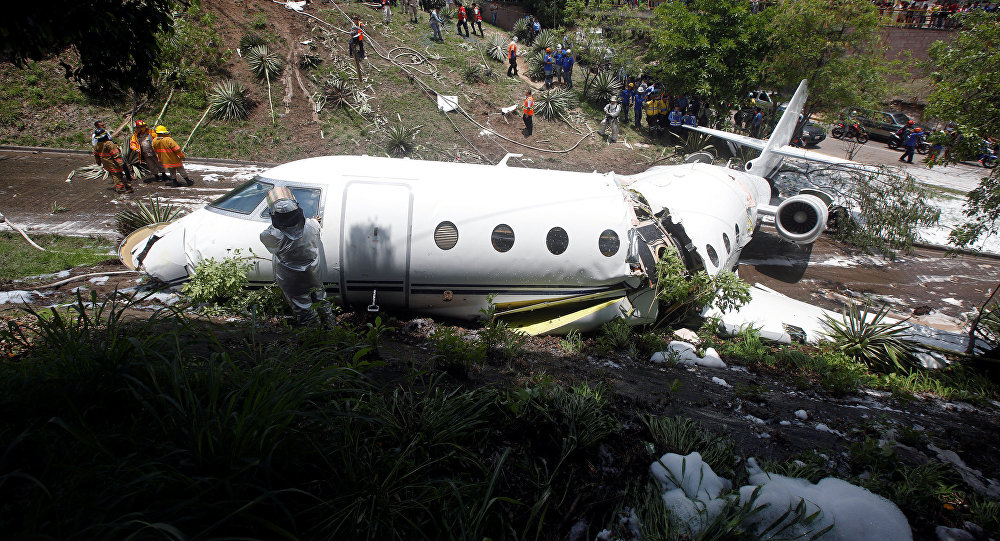
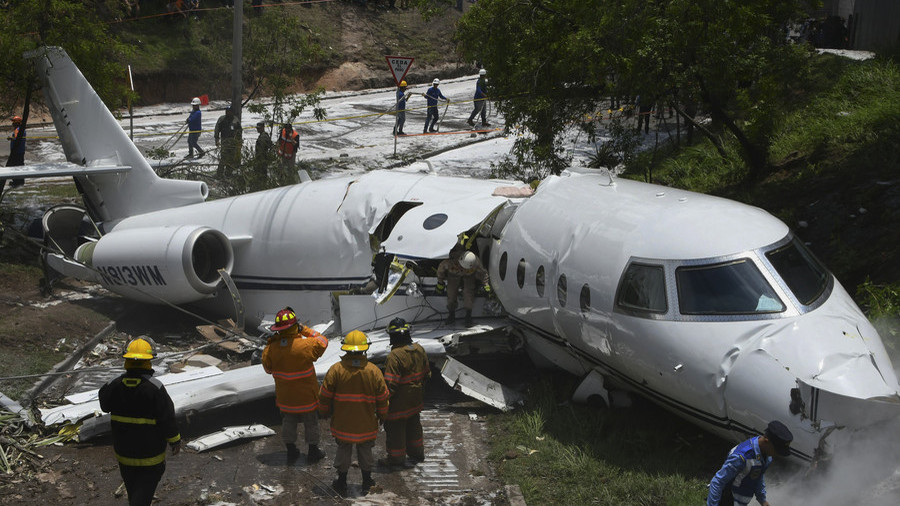
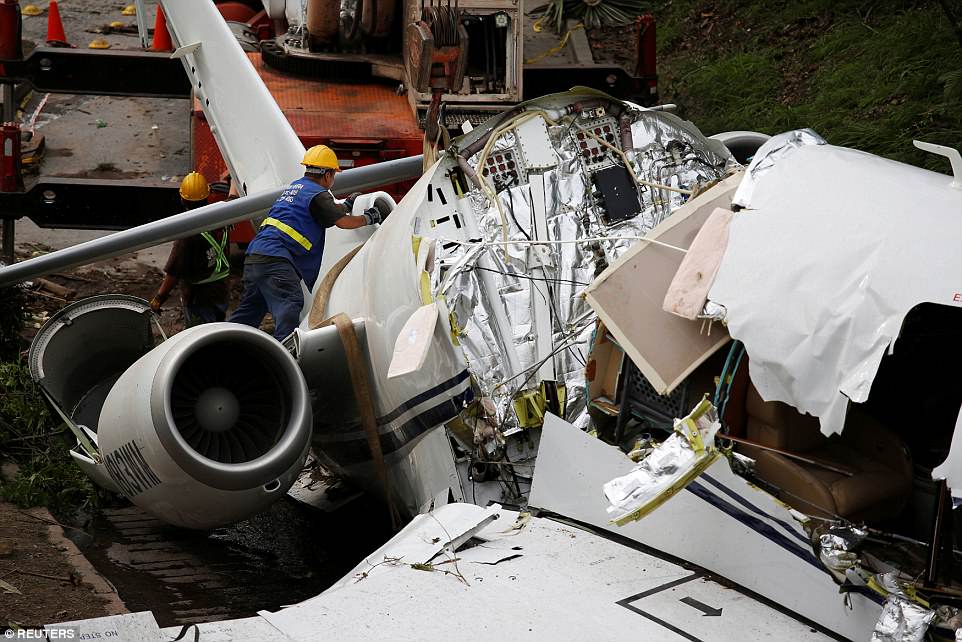
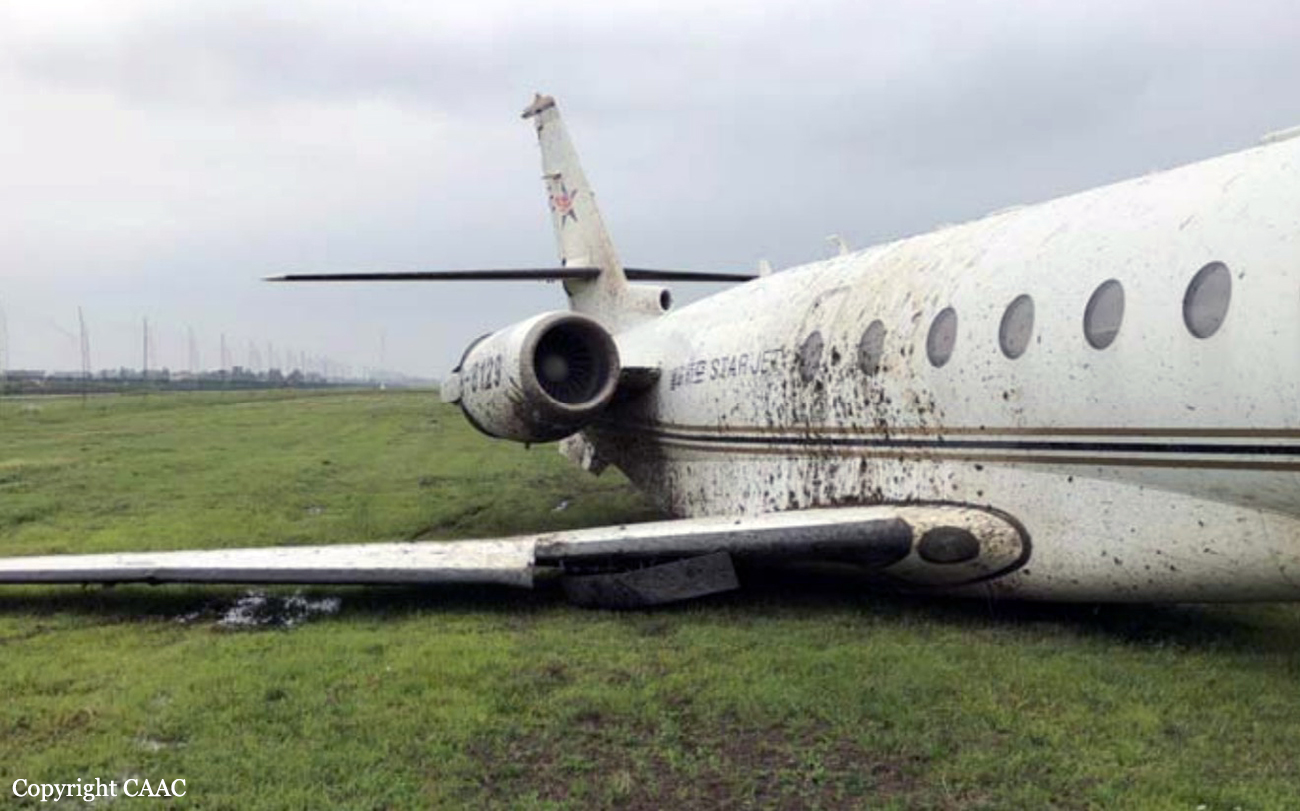
On final approach to runway 02, the copilot informed the captain about the fact that the approach speed was too high by 20 knots to the reference speed. The captain replied he would correct this but the airplane landed too far down runway 02, about 993 metres before the end of the runway which is 2,010 metres long but with a displaced threshold, giving a landing distance available of 1,700 metres. Upon touchdown, the aircraft's speed was 142 knots, about 14 knots above the speed reference according to existing conditions and weight and balance. Unable to stop within the remaining distance, the airplane overran, went down an embankment, crossed a road and came to rest against a second embankment, broken in two. All six occupants were slightly injured and the aircraft was destroyed. Owned by TVPX, it was operated by Silver Air.
Probable cause:
The accident was the consequence of the followings:
- The crew completed an approach at a speed higher than the reference speed for weight and balance specified in the aircraft checklist,
- Lack of specific information on the length of the runway at Toncontín International Airport by the crew for the approach to runway 02, when landing almost halfway down the runway leaving little distance for effective braking of the systems,
- A late activation of the thrust reverser systems about 0:13 seconds after touchdown was considered as a contributing factor,
- Existing weather conditions were not considered as a contributing factor.
Final Report:
Crash of a Gulfstream G200 in Yangzhou

Date & Time: May 20, 2018 at 1507 LT
Type of aircraft:
Operator:
Registration:
B-8129
Flight Type:
Survivors:
Yes
Schedule:
Yangzhou - Yangzhou
MSN:
134
YOM:
2006
Country:
Region:
Crew on board:
3
Crew fatalities:
Pax on board:
0
Pax fatalities:
Other fatalities:
Total fatalities:
0
Captain / Total flying hours:
16075
Captain / Total hours on type:
1181.00
Copilot / Total flying hours:
538
Copilot / Total hours on type:
246
Aircraft flight hours:
2235
Aircraft flight cycles:
1114
Circumstances:
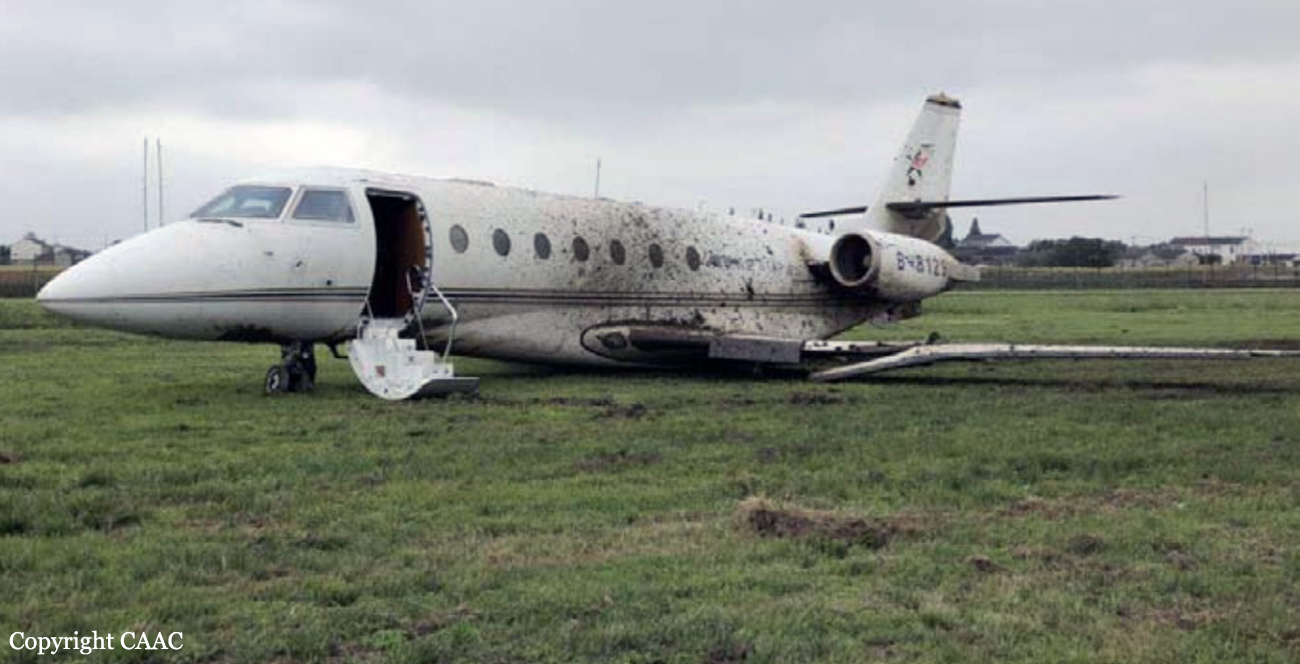
The aircraft departed Yanzhou-Taizhou Airport runway 35 at 1359LT on a local training flight, carrying two pilots under supervision and one instructor. The crew completed six landings without any incidents. and then changed seats, the instructor seating in the left front seat and the pilot under training in the right front seat. On final approach to runway 35, at a height of about 50 feet, the aircraft followed a steep descent and landed 500 metres past the runway threshold to the right of the runway centerline with a 4,5° deviation to the right. The copilot elected to correct this when the aircraft veered to the left, exited the runway then deviated to the right and came back on the runway. Then it veered off runway to the right, lost its both main gears and came to rest in a grassy area. All thre crew members evacuated safely and the aircraft was damaged beyond repair.
Probable cause:
The accident was the consequence of a series of errors on part of the crew. The following findings were identified:
- The rate of descent on short final was escessive (sink rate),
- The aircraft landed to the right of the runway centerline with a 4,5° deviation to the right,
- The copilot actions were excessives and the aircraft veered to the left,
- The instructor did not intervene in due time to expect recovery.
Final Report:
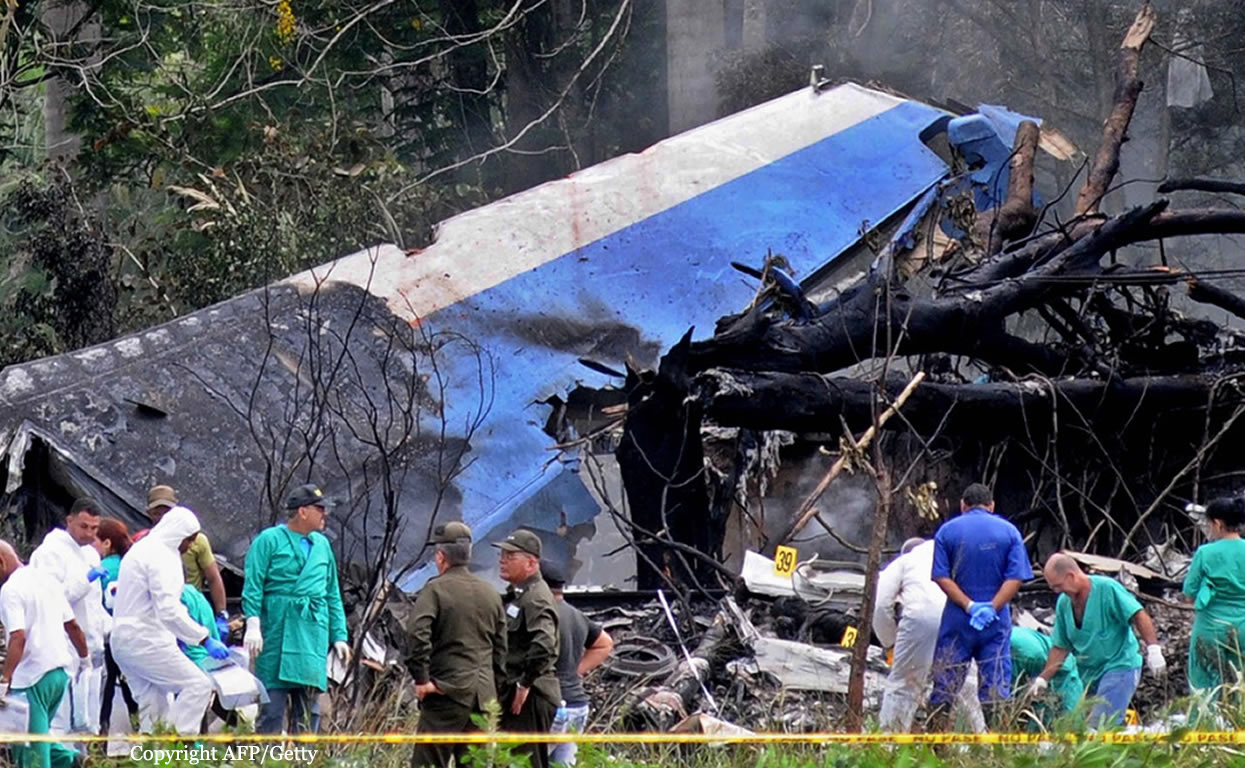
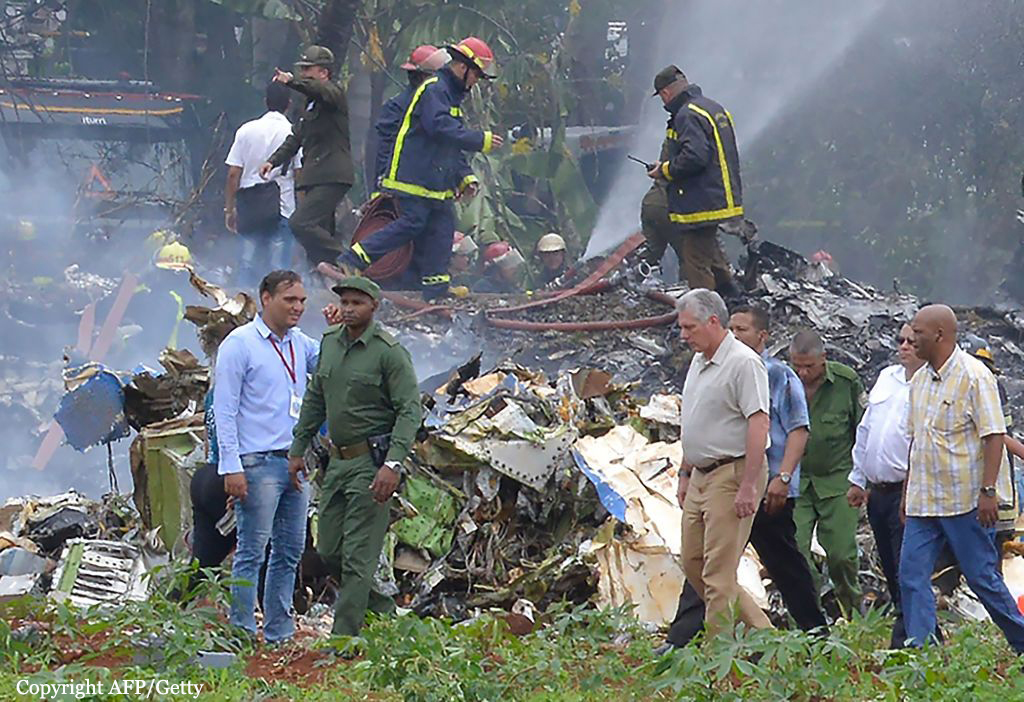
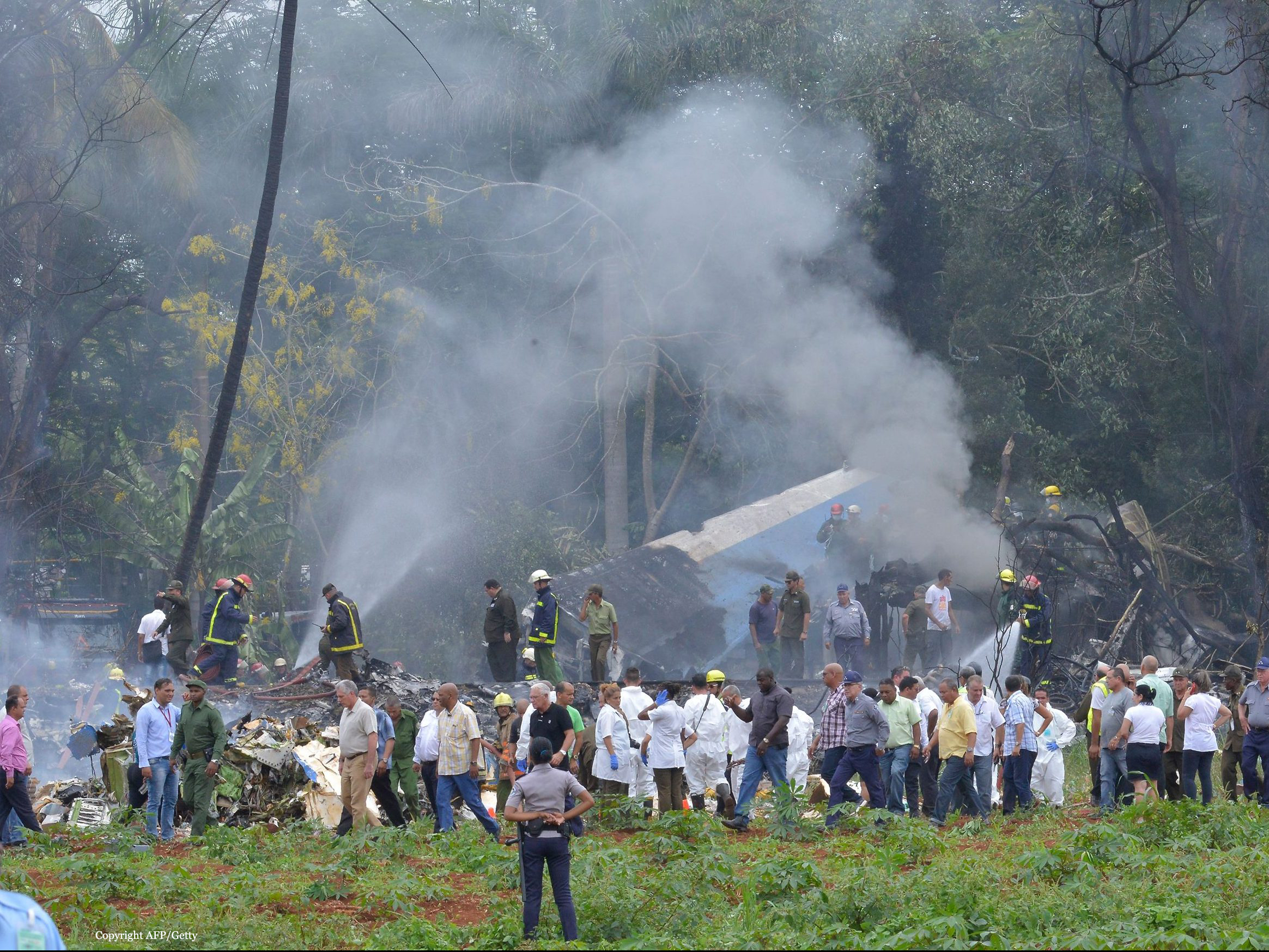
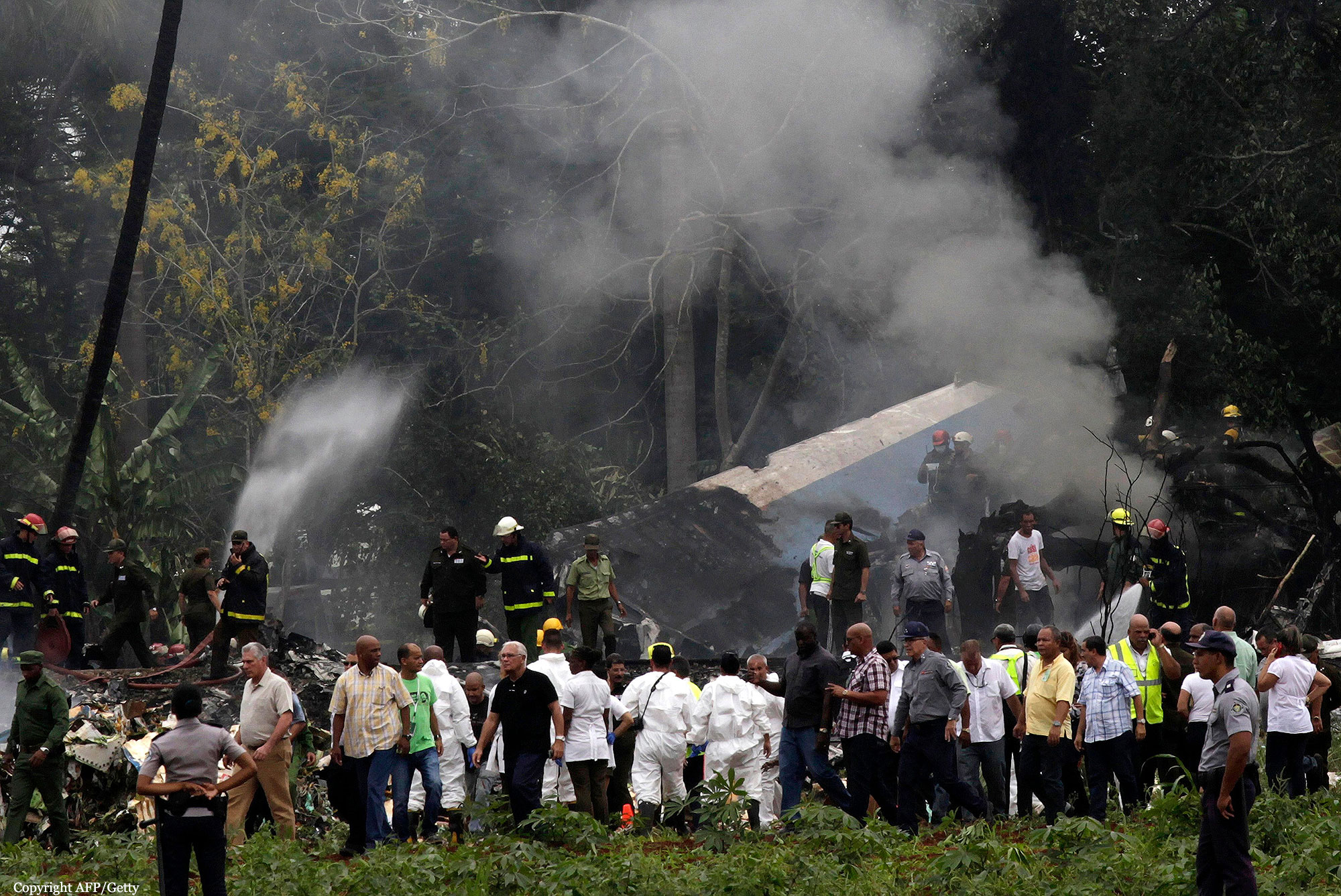
Crash of a Boeing 737-201 in Havana: 112 killed

Date & Time: May 18, 2018 at 1210 LT
Type of aircraft:
Operator:
Registration:
XA-UHZ
Flight Phase:
Survivors:
Yes
Schedule:
Havana – Holguín
MSN:
21816/592
YOM:
1979
Flight number:
DMJ972
Country:
Crew on board:
6
Crew fatalities:
Pax on board:
107
Pax fatalities:
Other fatalities:
Total fatalities:
112
Captain / Total flying hours:
16655
Copilot / Total flying hours:
2314
Aircraft flight hours:
69596
Aircraft flight cycles:
70651
Circumstances:
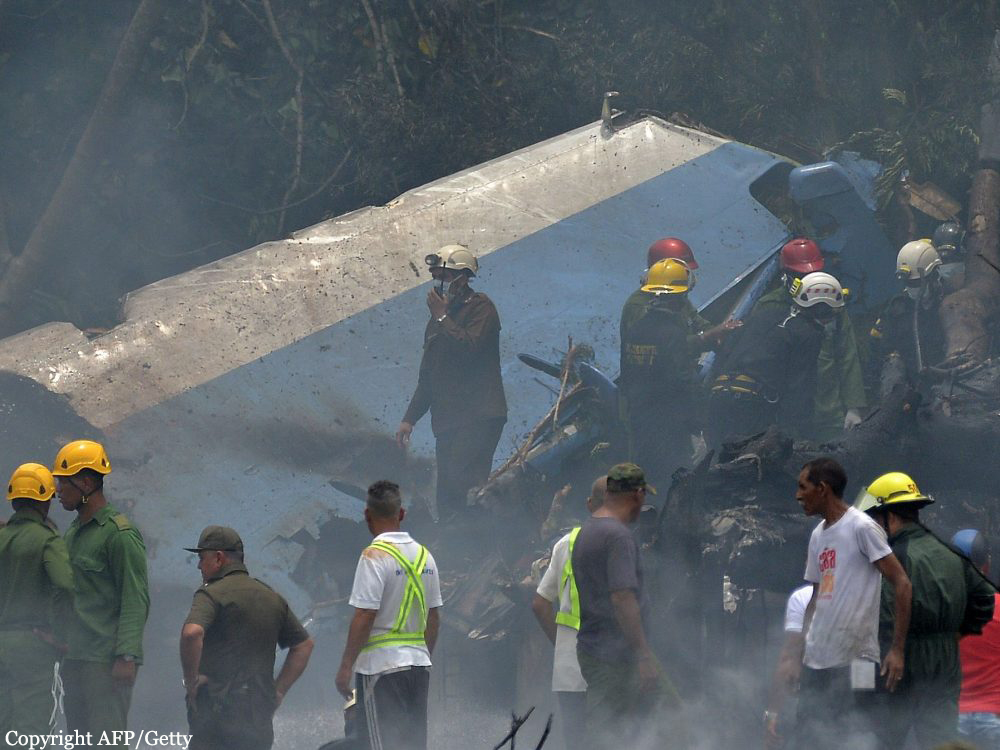
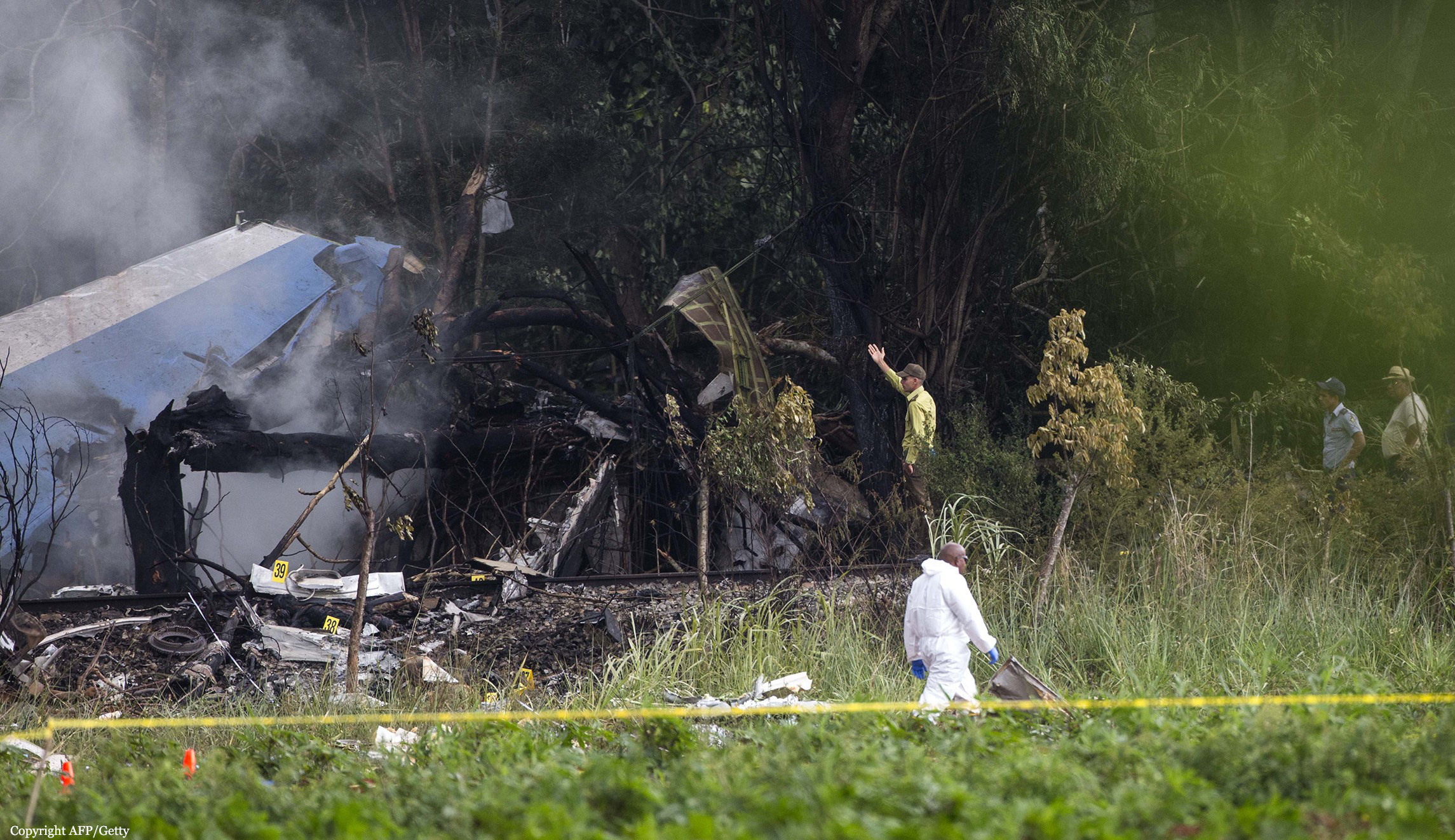
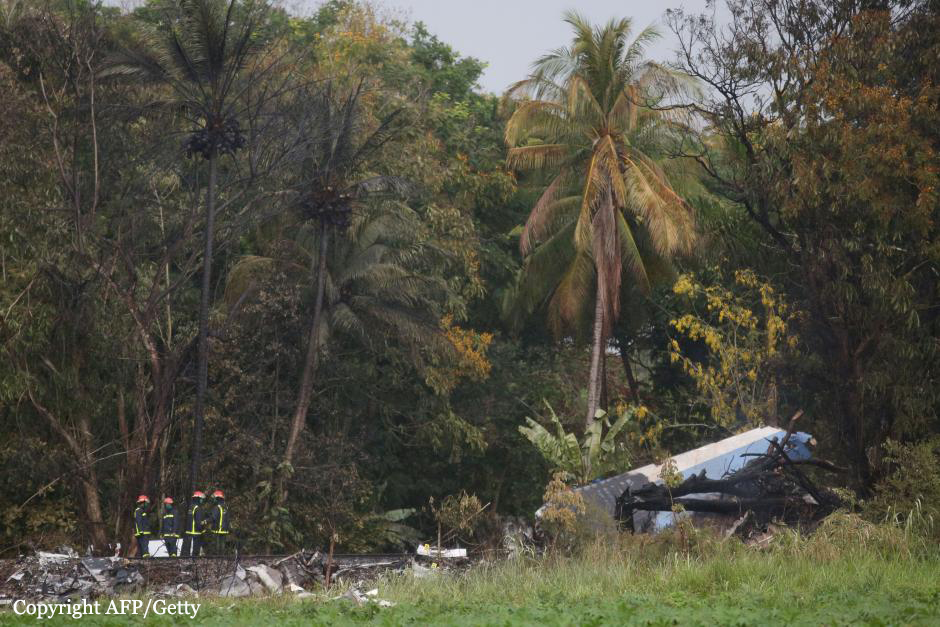
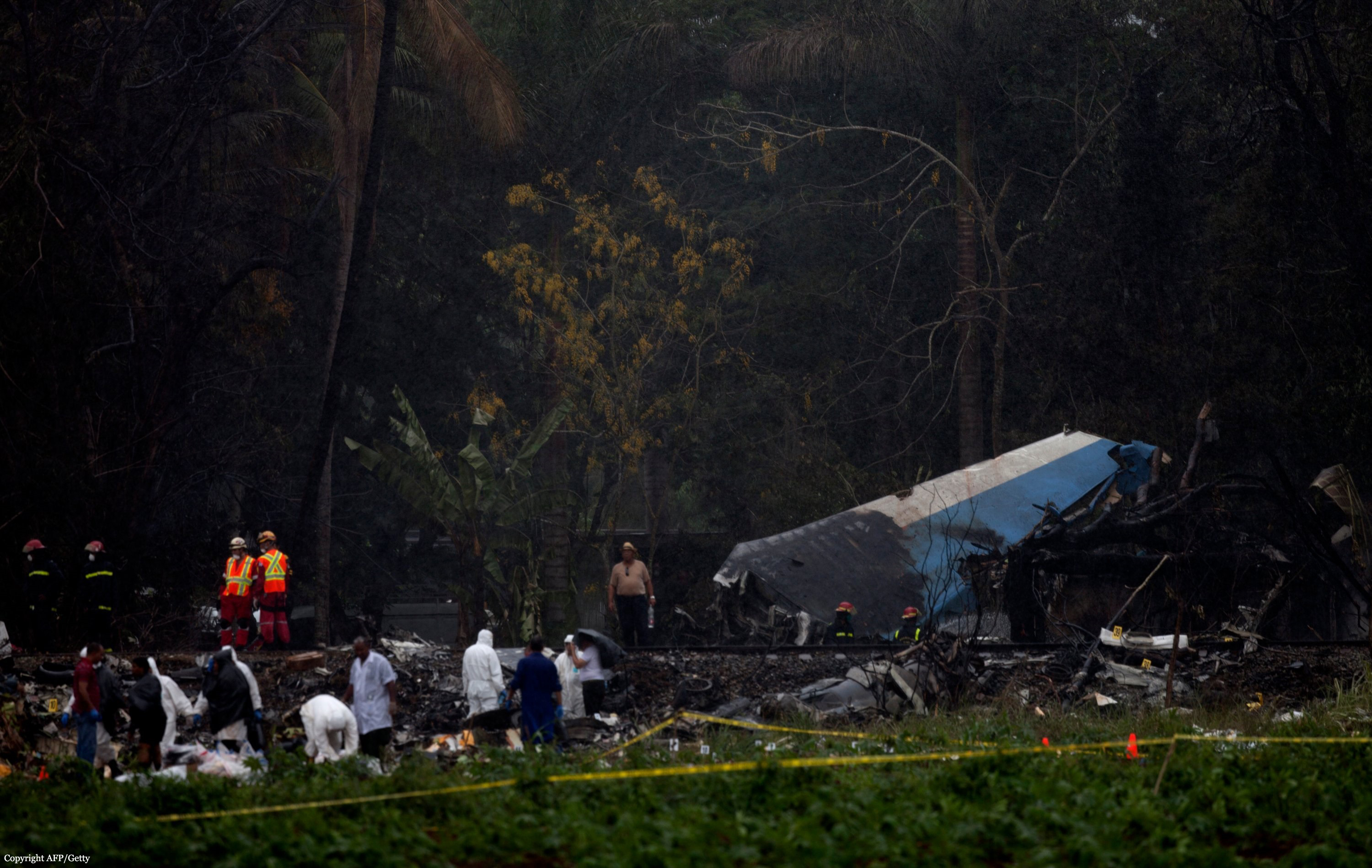
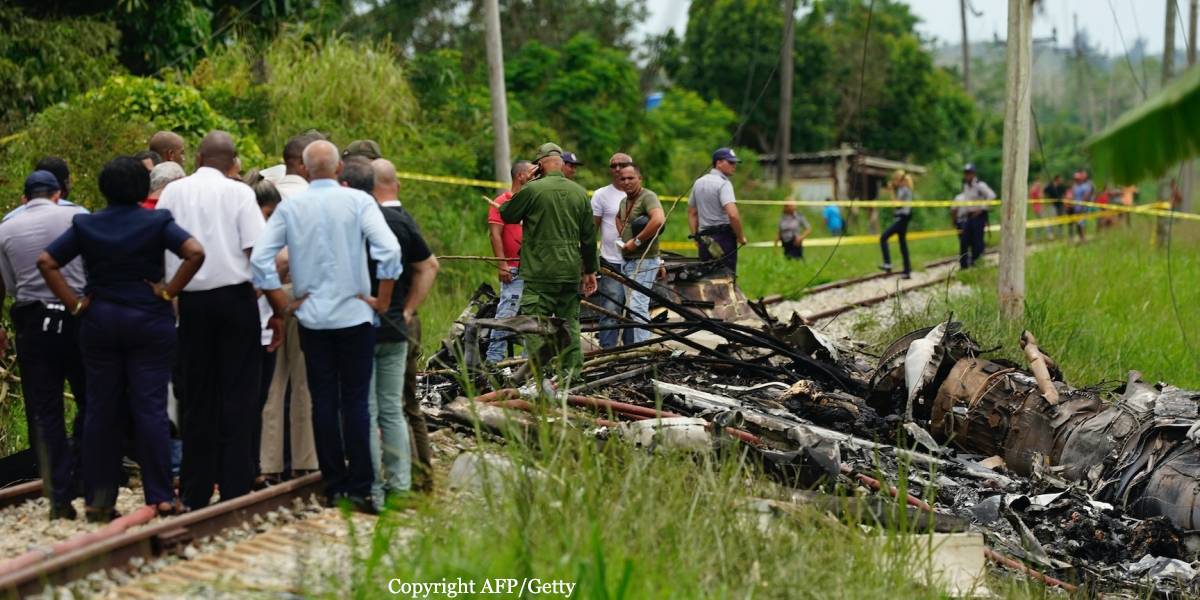
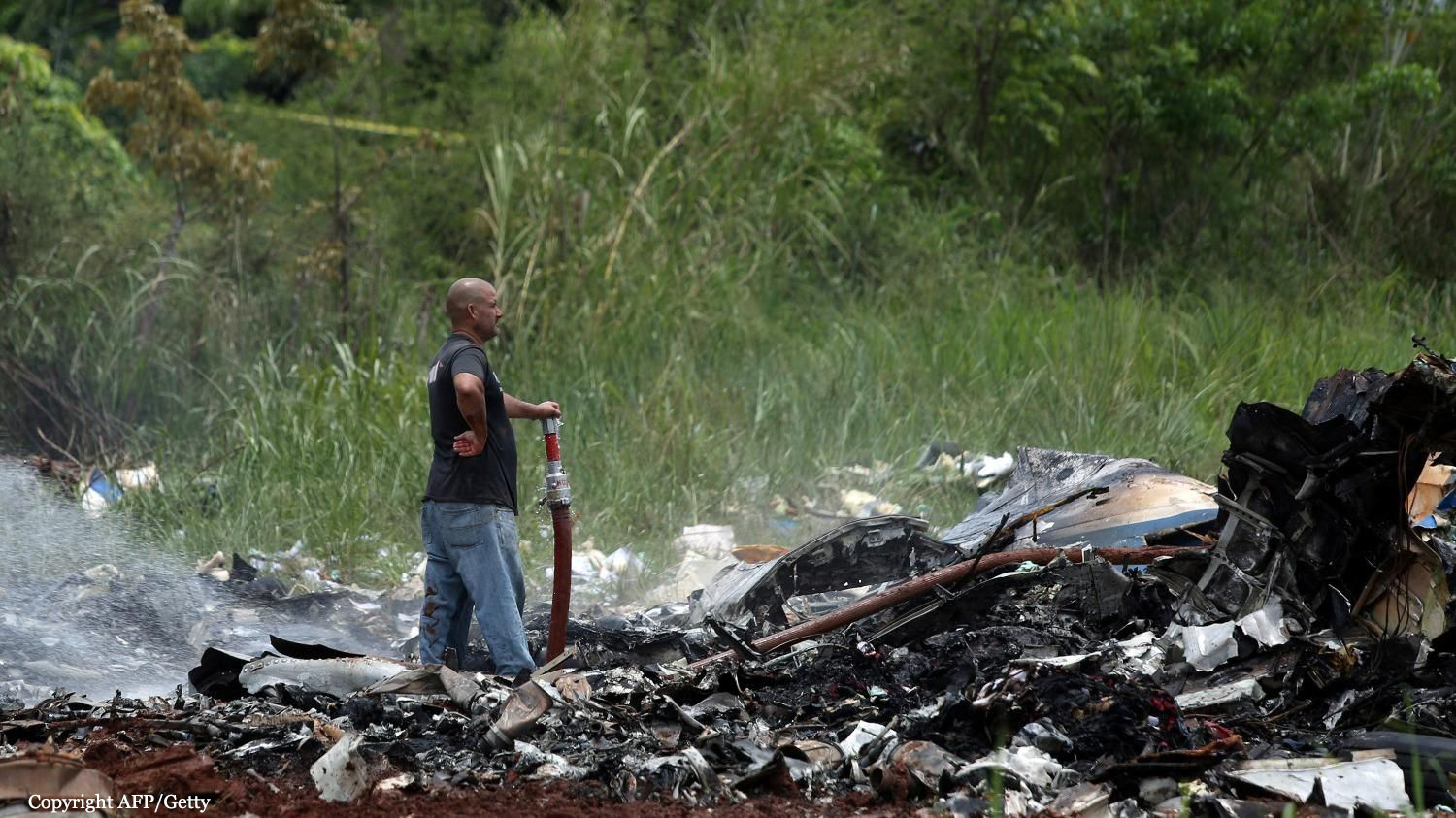
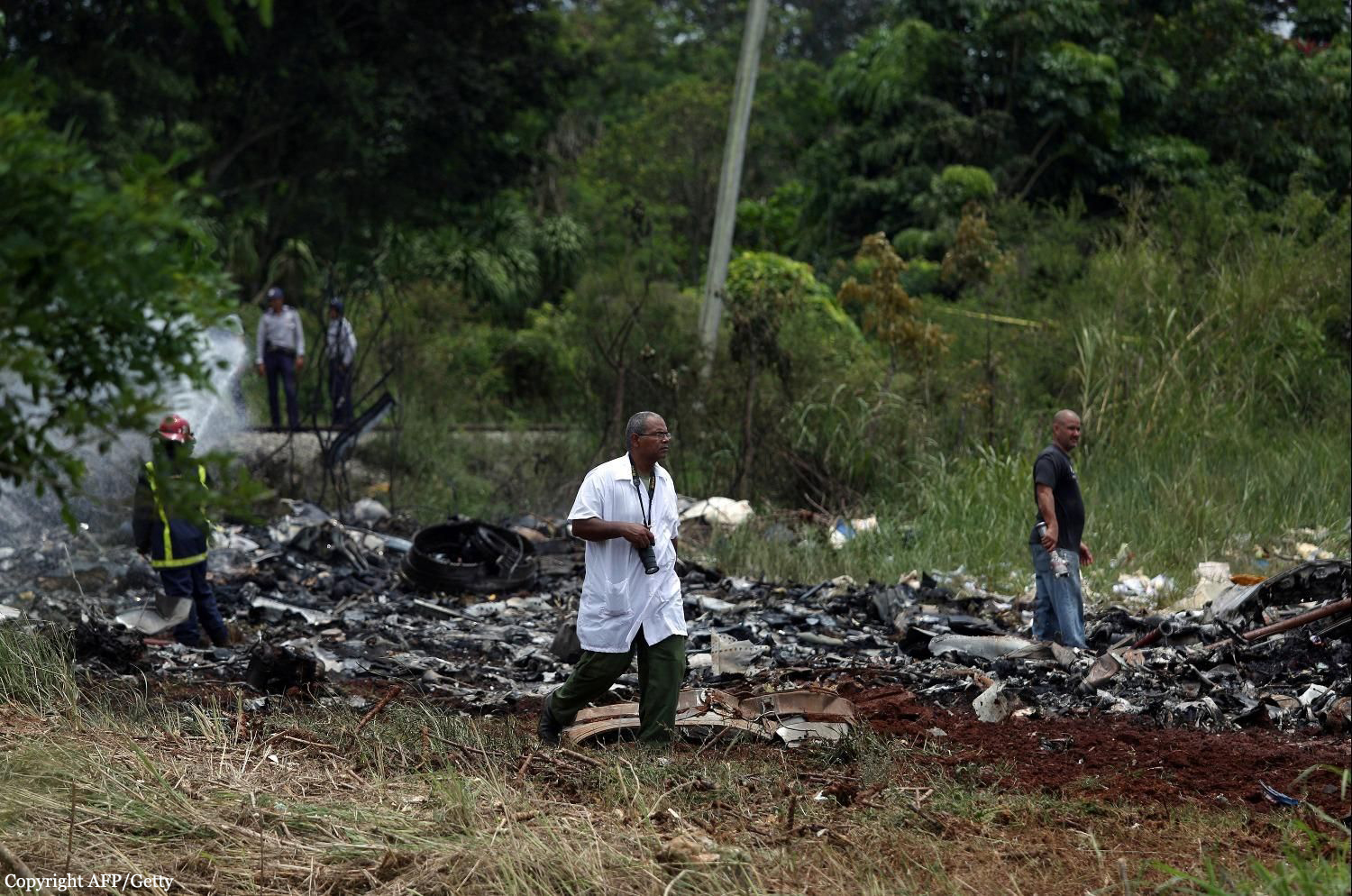
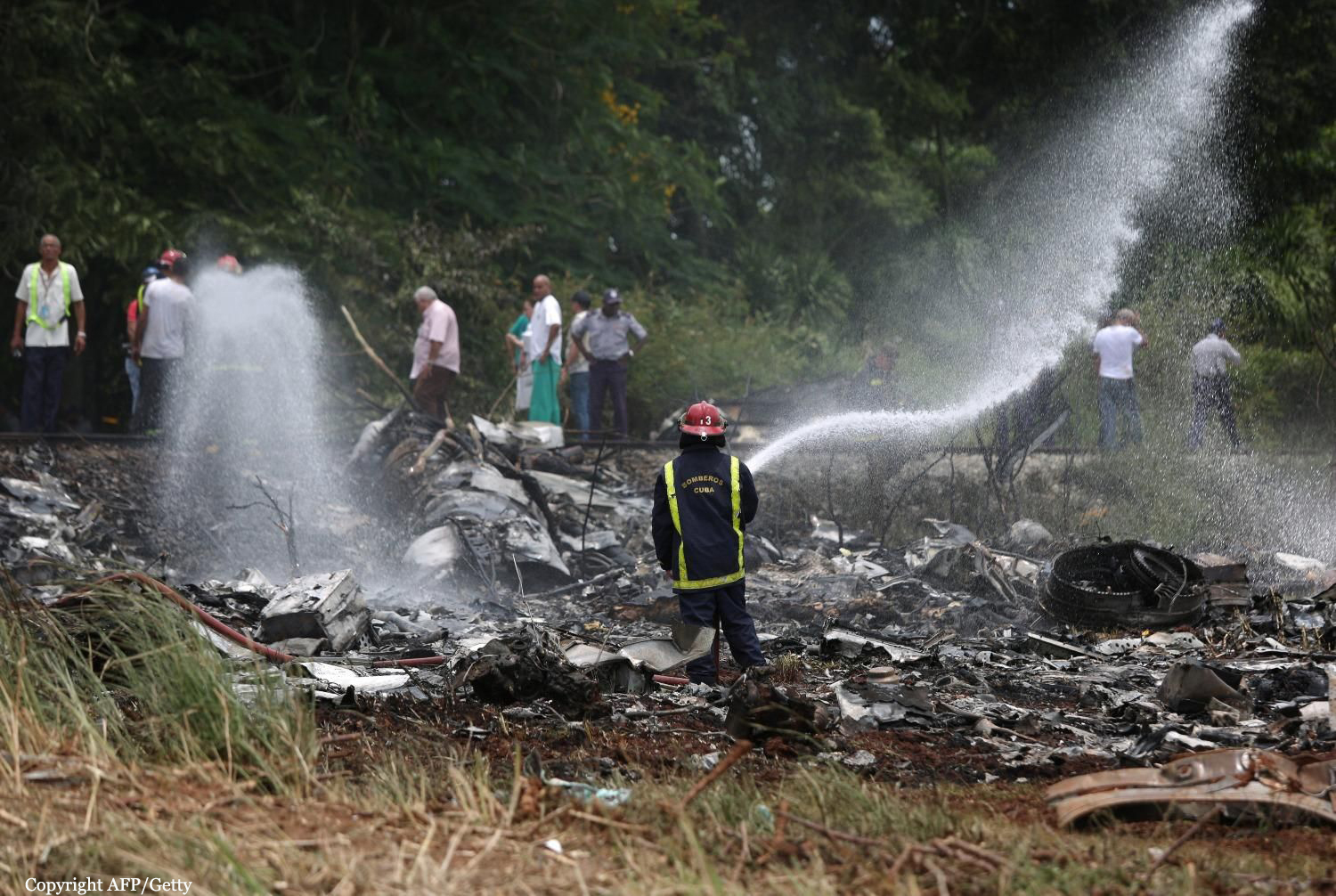
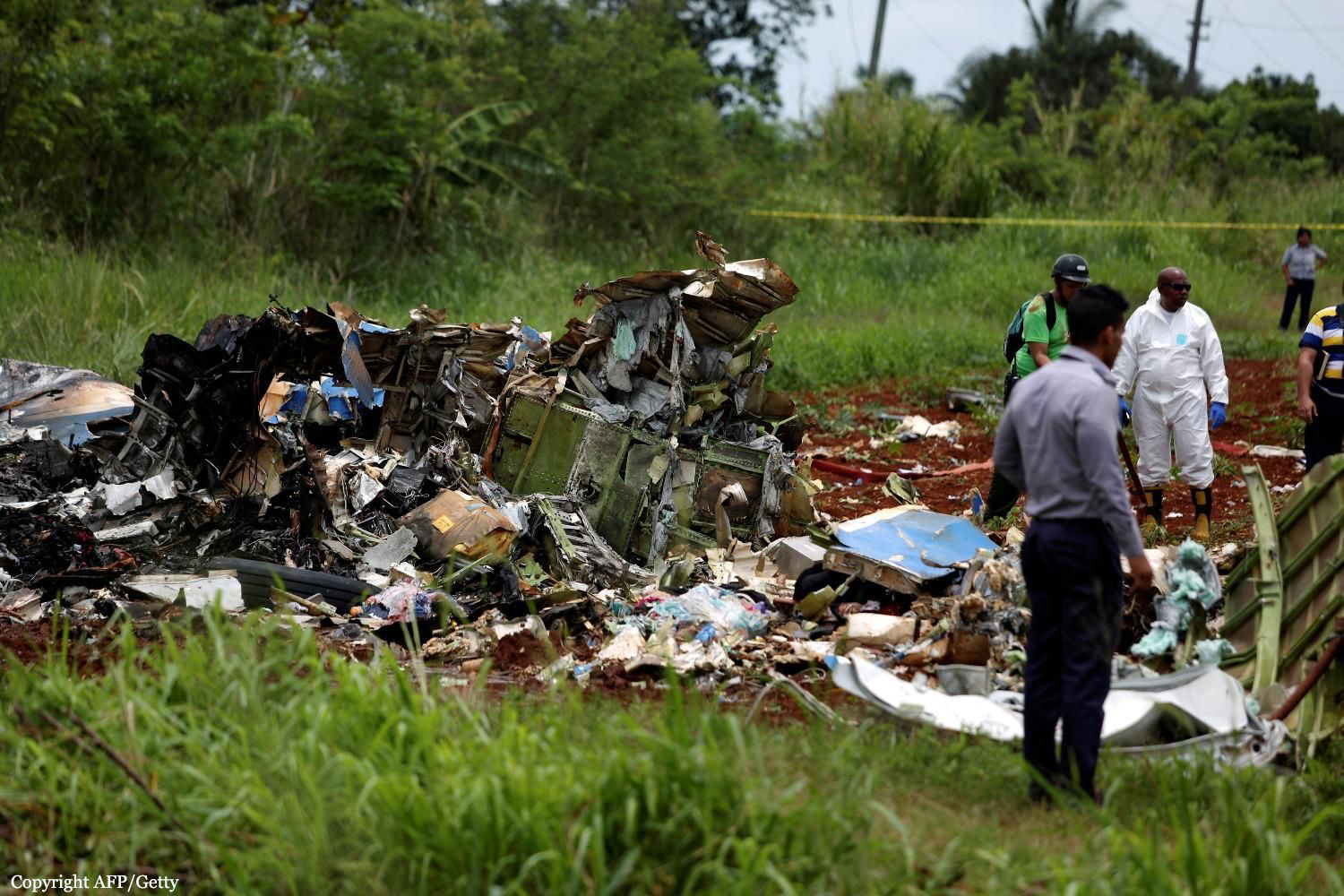
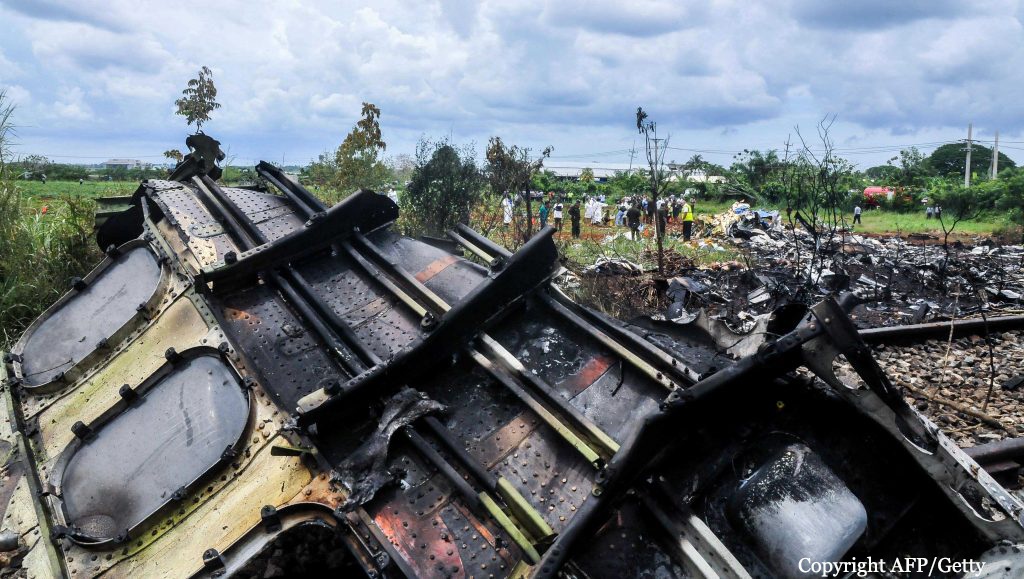
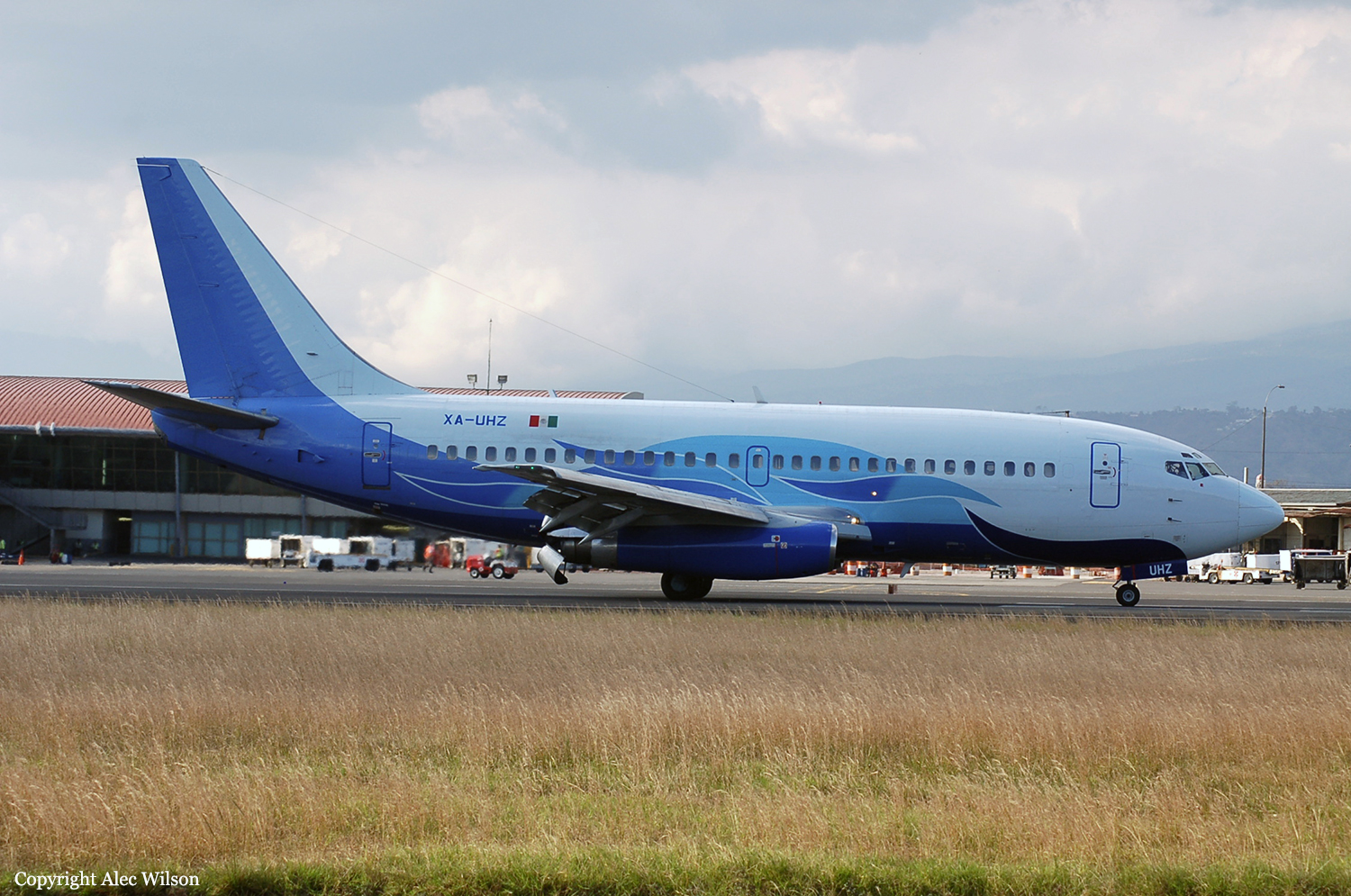
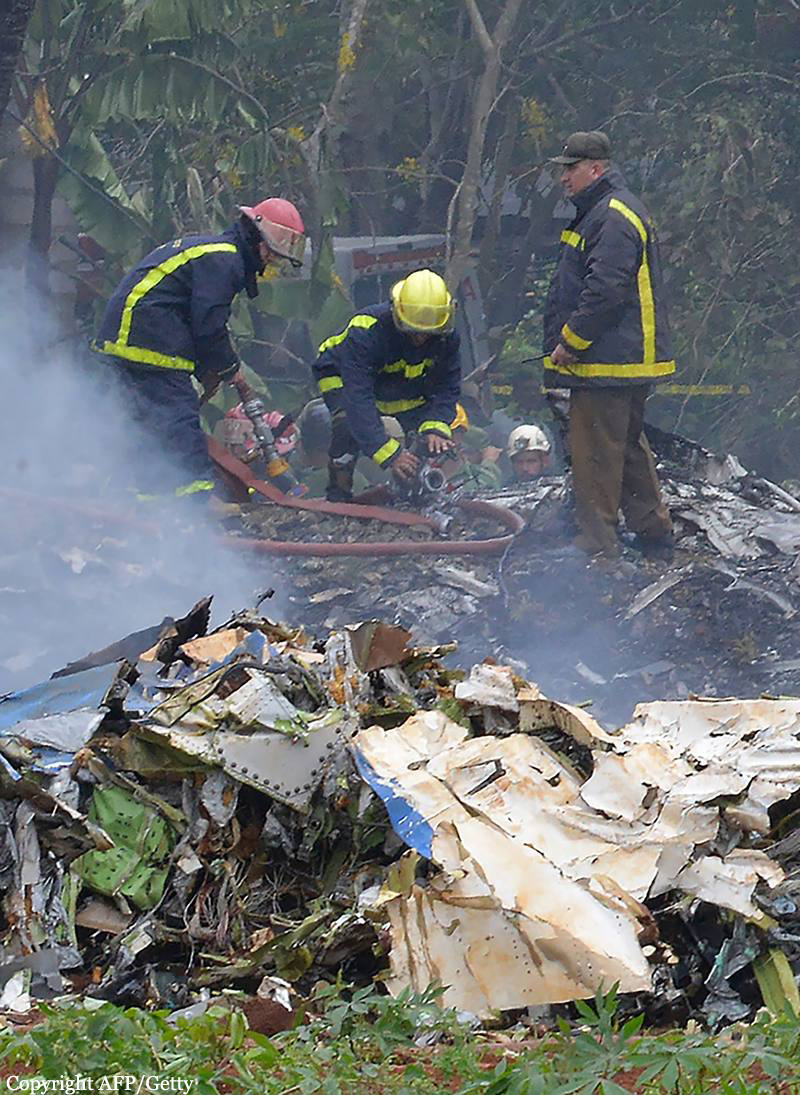
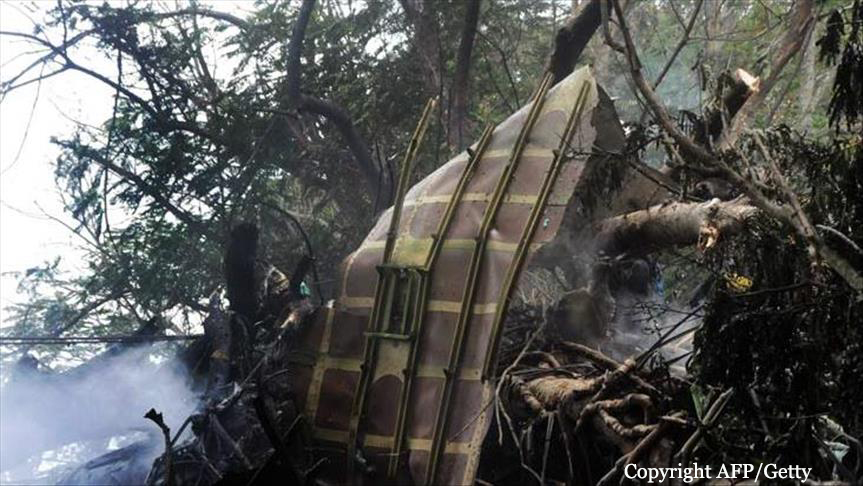
After takeoff from runway 06 at Havana-José Martí Airport, while in initial climb, the undercarriage were raised when the aircraft entered an excessive nose-up angle of 30°. It rolled to the right then descended until it struck power cables and a railway track before it disintegrated in a field located less than one km east from the airport. Three female passengers were seriously injured while 110 other occupants were killed, among them 102 Cubans, 6 Mexicans (crew) and 2 Argentinians. Three days after the accident, one of the three survivors died from her injuries. A second survivor died one week later, on May 25. The aircraft was operated by Cubana de Aviacíon under a wet lease contract from the Mexican operator Global Air (Damojh Aéreolíneas), and the service was operated under callsign DMJ972.
Probable cause:
Loss of control of the aircraft during initial climb following a chain of human errors in the preparation of the flight and the weight and balance calculation. It was determined that the crew calculated the CofG to be 17,4% while it was actually 28,5%, about 0,5% below the rear limit of 29%. Consequently, the horizontal stabilizer trim was set at 5 3/4 units instead of 3 1/4 units. This caused the aircraft to enter an excessive nose up attitude immediately after liftoff.
The following contributing factors were identified:
- Inconsistencies in crew training,
- Errors in weight and balance calculations,
- Low operational standards manifested in flight.
Final Report:

Crash of a Cessna 208B Grand Caravan near Simikot: 2 killed

Date & Time: May 16, 2018 at 0645 LT
Type of aircraft:
Operator:
Registration:
9N-AJU
Flight Phase:
Flight Type:
Survivors:
No
Site:
Schedule:
Surkhet – Simikot
MSN:
208B-0770
YOM:
1999
Location:
Country:
Region:
Crew on board:
2
Crew fatalities:
Pax on board:
0
Pax fatalities:
Other fatalities:
Total fatalities:
2
Captain / Total hours on type:
414.00
Copilot / Total hours on type:
461
Aircraft flight hours:
15757
Aircraft flight cycles:
31540
Circumstances:
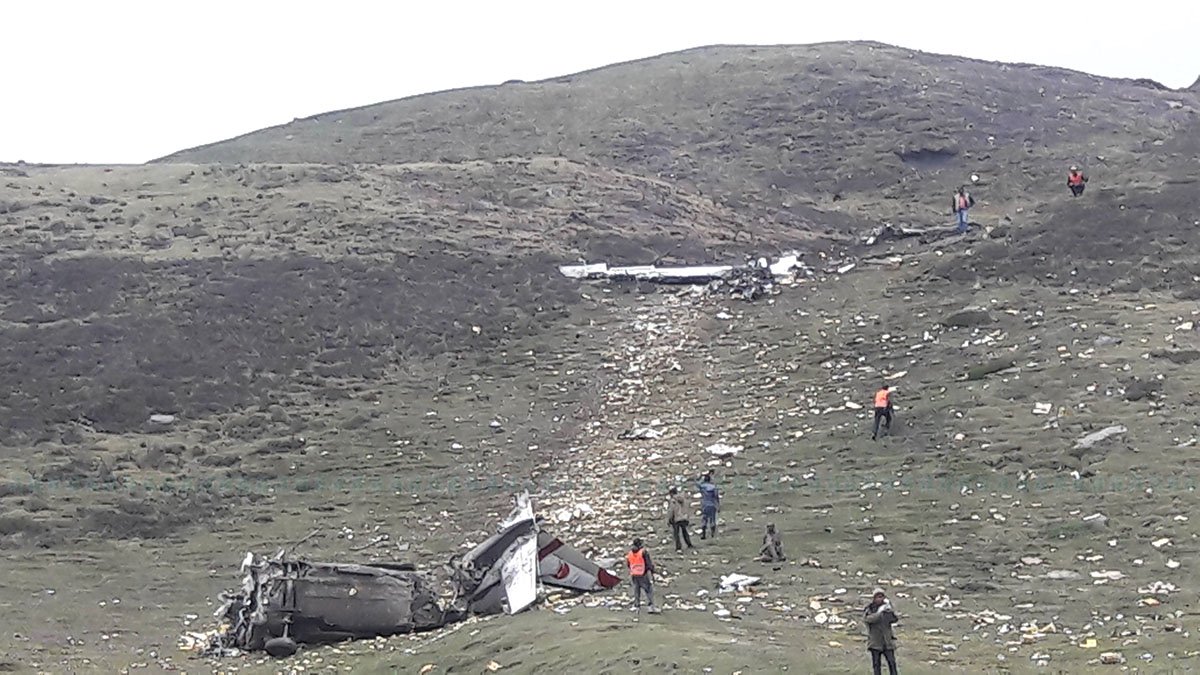
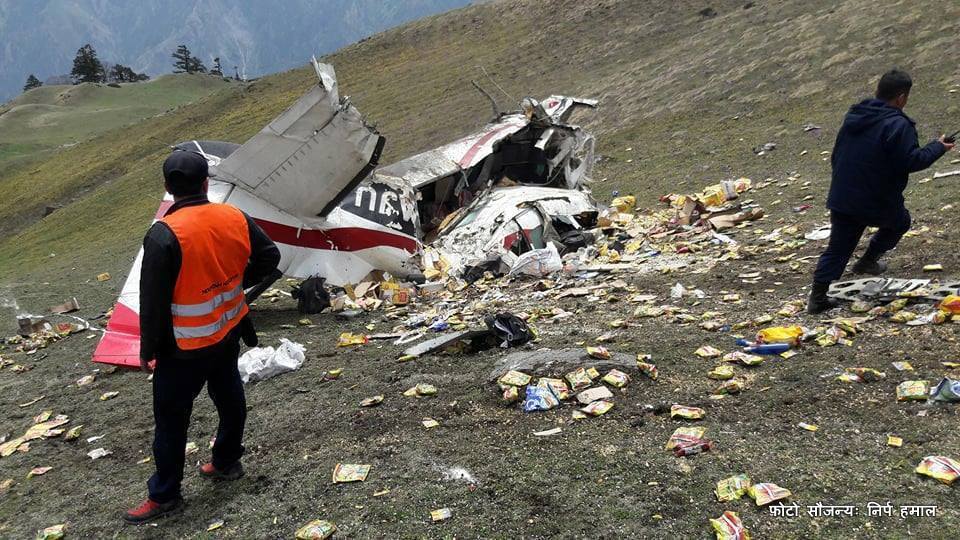
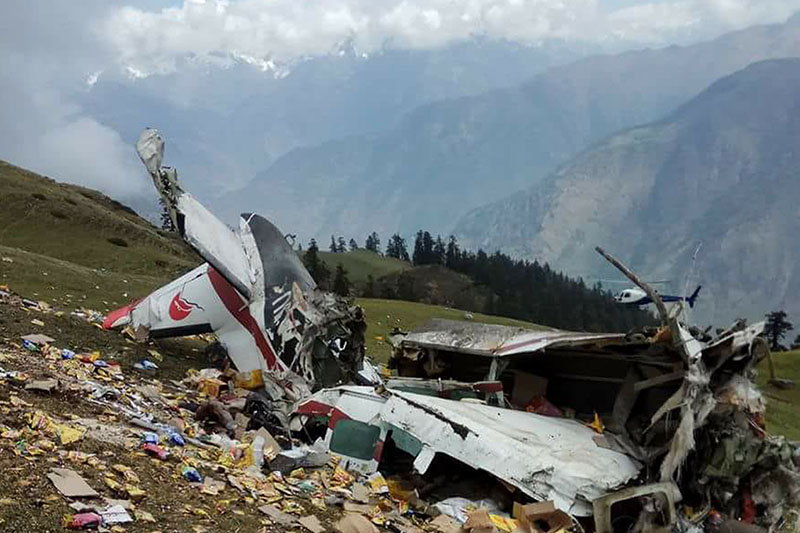
The single engine aircraft departed Surkhet Airport at 0612LT on a cargo flight to Simikot. At 0627LT, the crew made his last radio transmission with Nepalgunj Tower. About 18 minutes later, while cruising by night at an altitude of 12,800 feet, the airplane struck the slope of a mountain located near the Simikot Pass, some 12 km from Simikot Airport. The airplane disintegrated on impact and both crew members were killed.
Probable cause:
The Commission determines the most probable cause of this accident was to continue the flight despite unfavorable weather conditions resulting inadvertent flight into instrument
meteorological conditions and there by deviating from the normal track due to loss of situational awareness that aggravated the spatial disorientation leading to CFIT accident. The following contributing factors were reported:
- Possible effect of hypoxia due to flight for prolonged period in high altitude without oxygen supplement,
- Ineffective safety management of the company which prevented the organization from identifying and correcting latent deficiencies in risk management and inadequacies in pilot training.
Final Report:
Crash of a Cessna 208B Grand Caravan in Clonbullogue: 2 killed

Date & Time: May 13, 2018 at 1438 LT
Type of aircraft:
Operator:
Registration:
G-KNYS
Survivors:
No
Schedule:
Clonbullogue - Clonbullogue
MSN:
208B-1146
YOM:
2005
Country:
Region:
Crew on board:
1
Crew fatalities:
Pax on board:
1
Pax fatalities:
Other fatalities:
Total fatalities:
2
Captain / Total flying hours:
2157
Aircraft flight hours:
4670
Aircraft flight cycles:
6379
Circumstances:
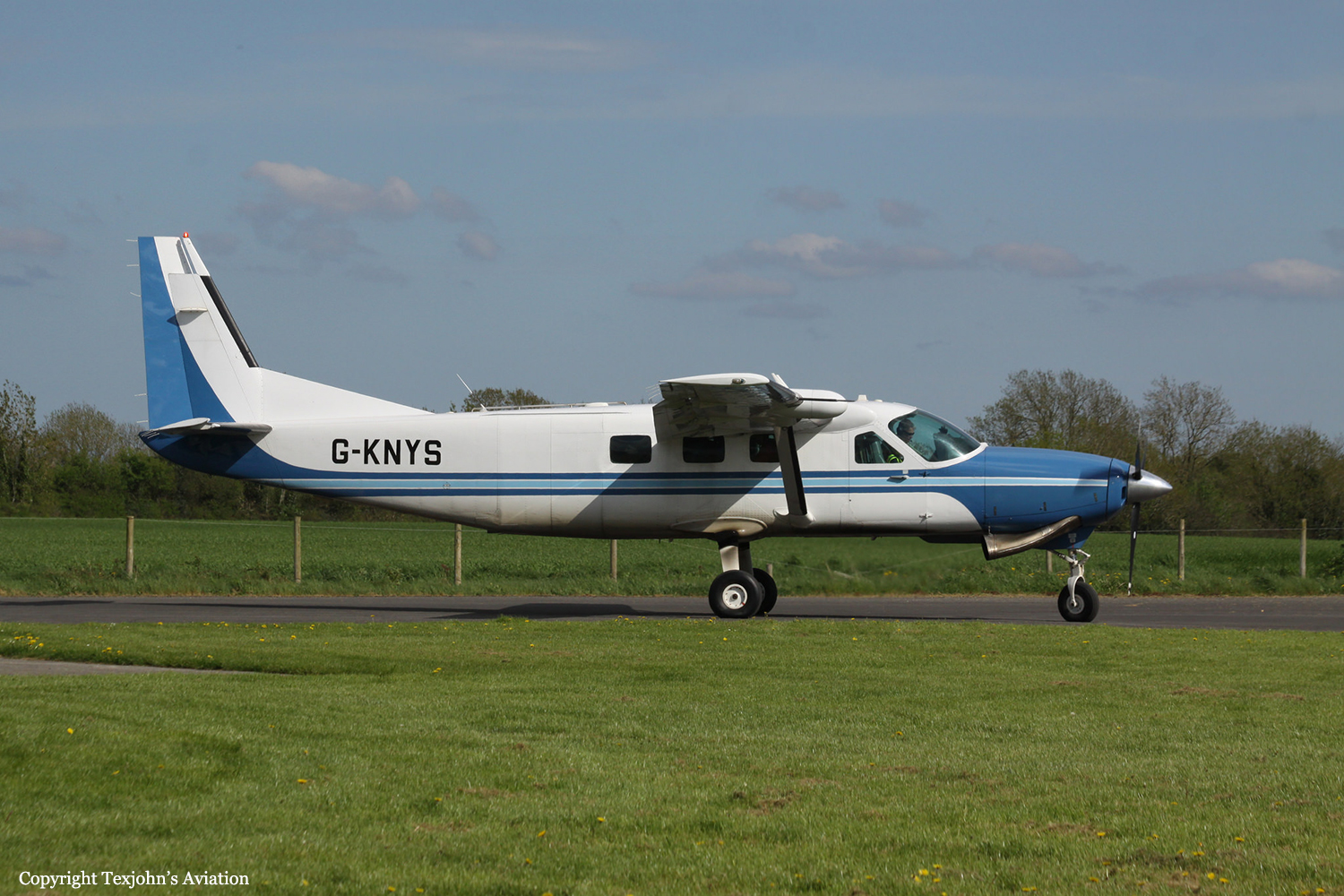
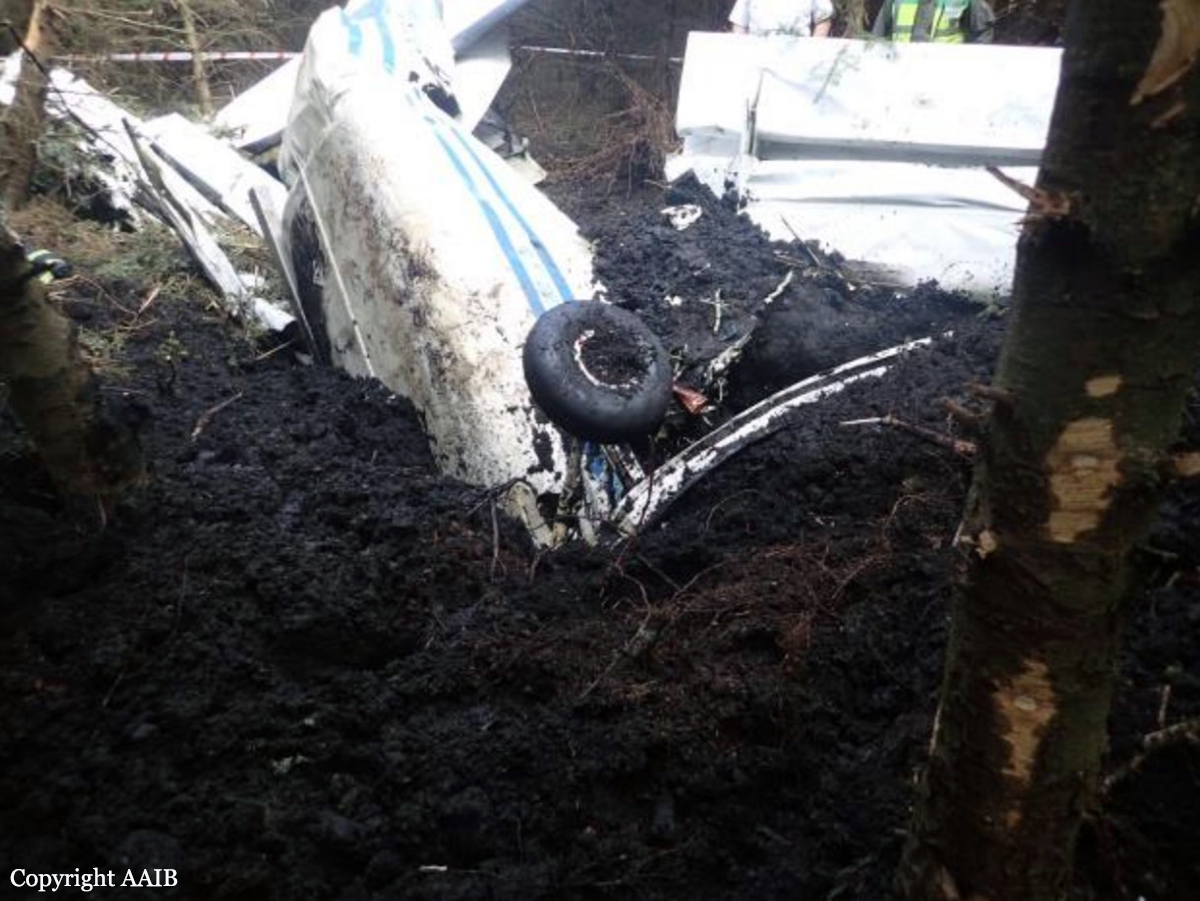
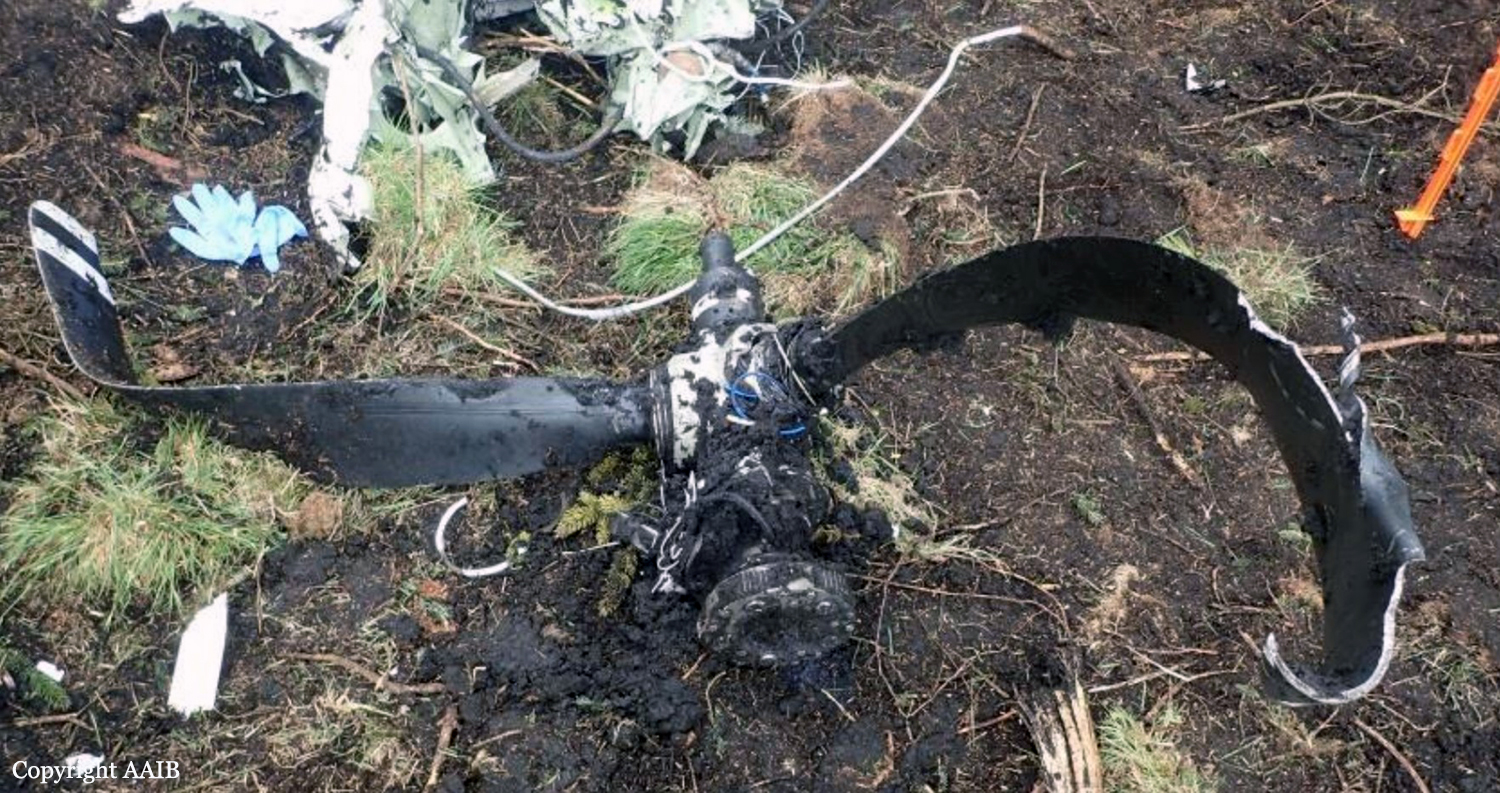
The Cessna 208B aircraft took off from Runway 27 at Clonbullogue Airfield (EICL), Co. Offaly at approximately 13.14 hrs. On board were the Pilot and a Passenger (a child), who were seated in the cockpit, and 16 skydivers, who occupied the main cabin. The skydivers jumped from the aircraft, as planned, when the aircraft was overhead EICL at an altitude of approximately 13,000 feet. When the aircraft was returning to the airfield, the Pilot advised by radio that he was on ‘left base’ (the flight leg which precedes the approach leg and which is normally approximately perpendicular to the extended centreline of the runway). No further radio transmissions were received. A short while later, it was established that the aircraft had impacted nose-down into a forested peat bog at Ballaghassan, Co. Offaly, approximately 2.5 nautical miles (4.6 kilometres) to the north-west of EICL. The aircraft was destroyed. There was no fire. The Pilot and Passenger were fatally injured.
Probable cause:
Impact with terrain following a loss of control in a steeply banked left-hand turn. The following contributing factors were reported:
- The steeply banked nature of the turn being performed,
- Propeller torque reaction following a rapid and large increase in engine torque,
- The aircraft’s speed while manoeuvring during the steeply banked turn,
- Insufficient height above ground to effect a successful recovery.
Final Report:
Crash of a Lockheed WC-130H Hercules in Savannah: 9 killed

Date & Time: May 2, 2018 at 1127 LT
Type of aircraft:
Operator:
Registration:
65-0968
Flight Phase:
Flight Type:
Survivors:
No
Schedule:
Savannah – Davis-Monthan
MSN:
4110
YOM:
1965
Crew on board:
5
Crew fatalities:
Pax on board:
4
Pax fatalities:
Other fatalities:
Total fatalities:
9
Captain / Total hours on type:
2070.00
Copilot / Total hours on type:
9
Circumstances:
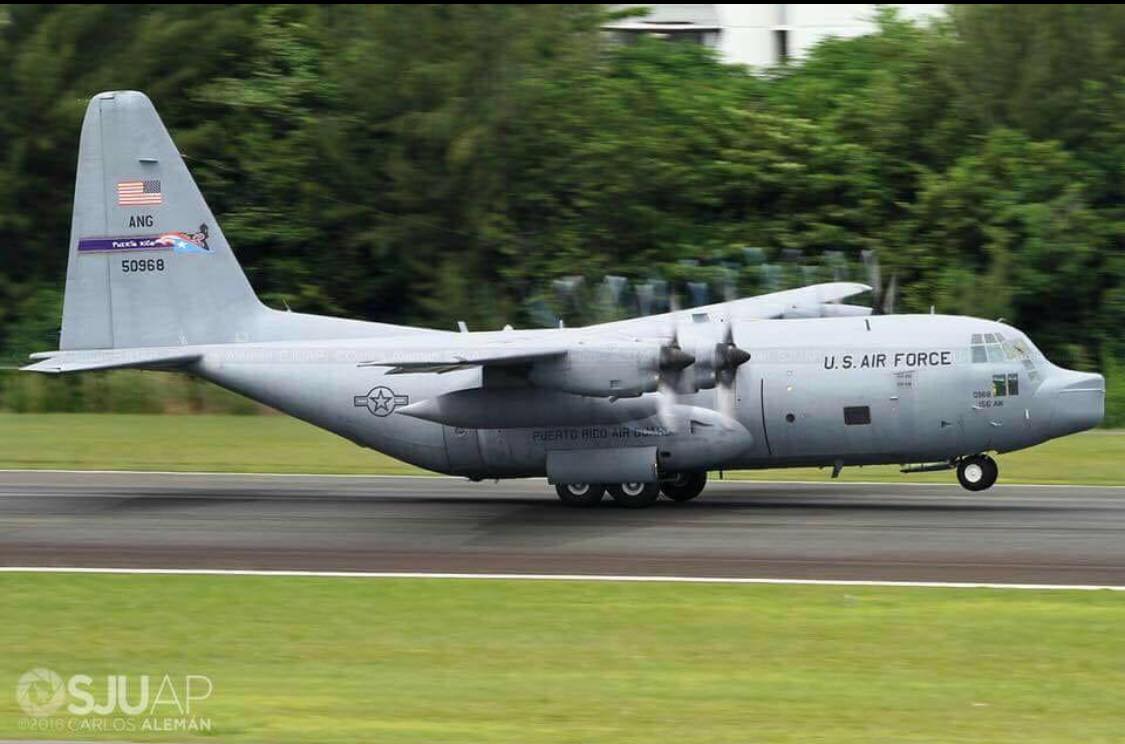
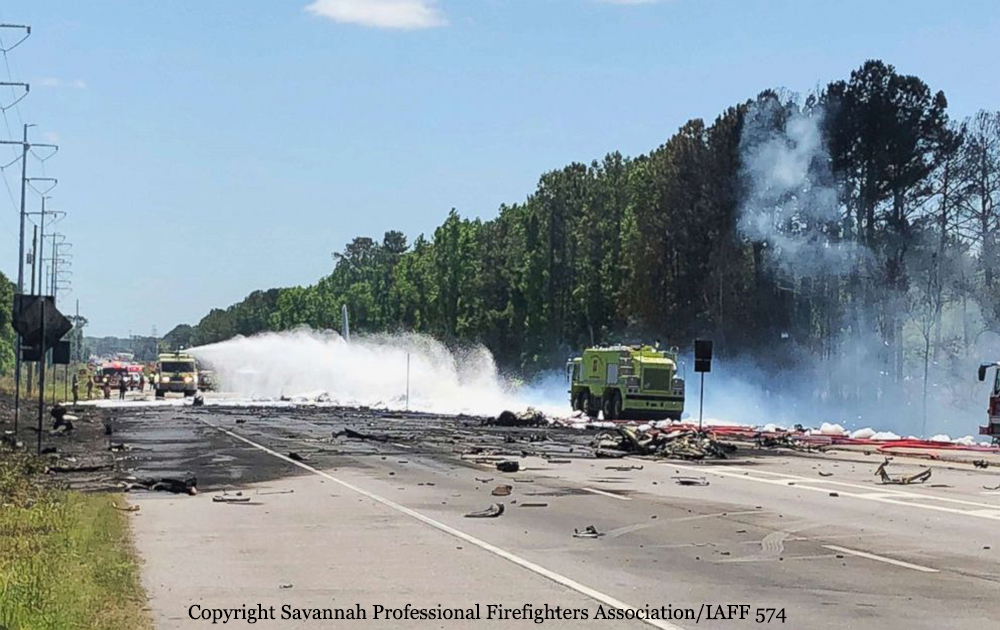
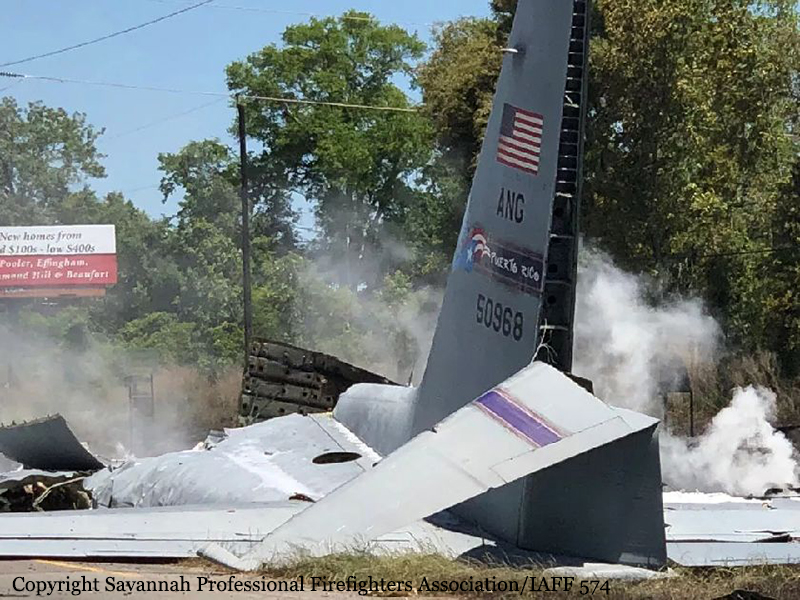
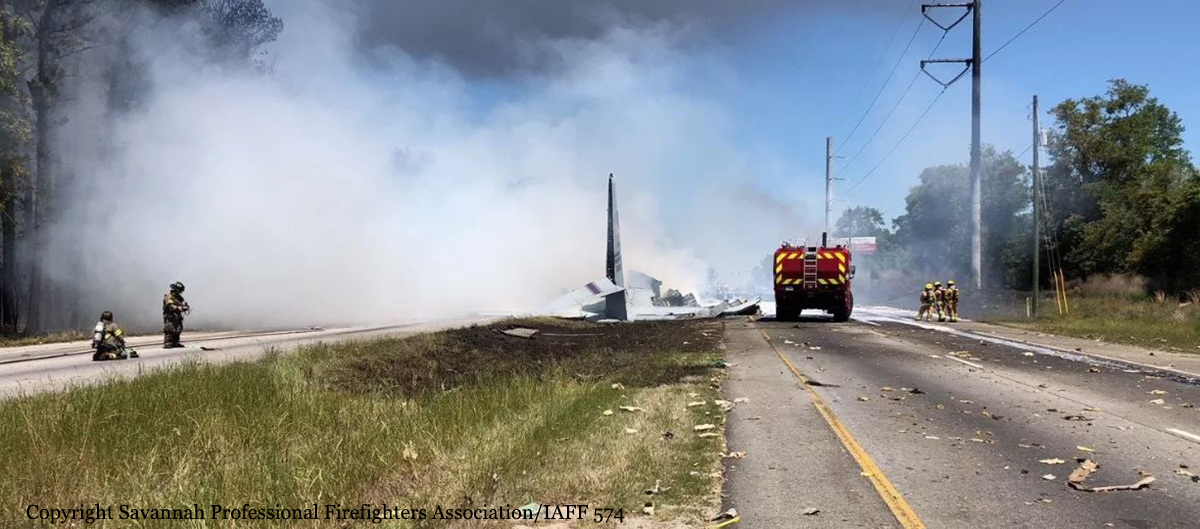
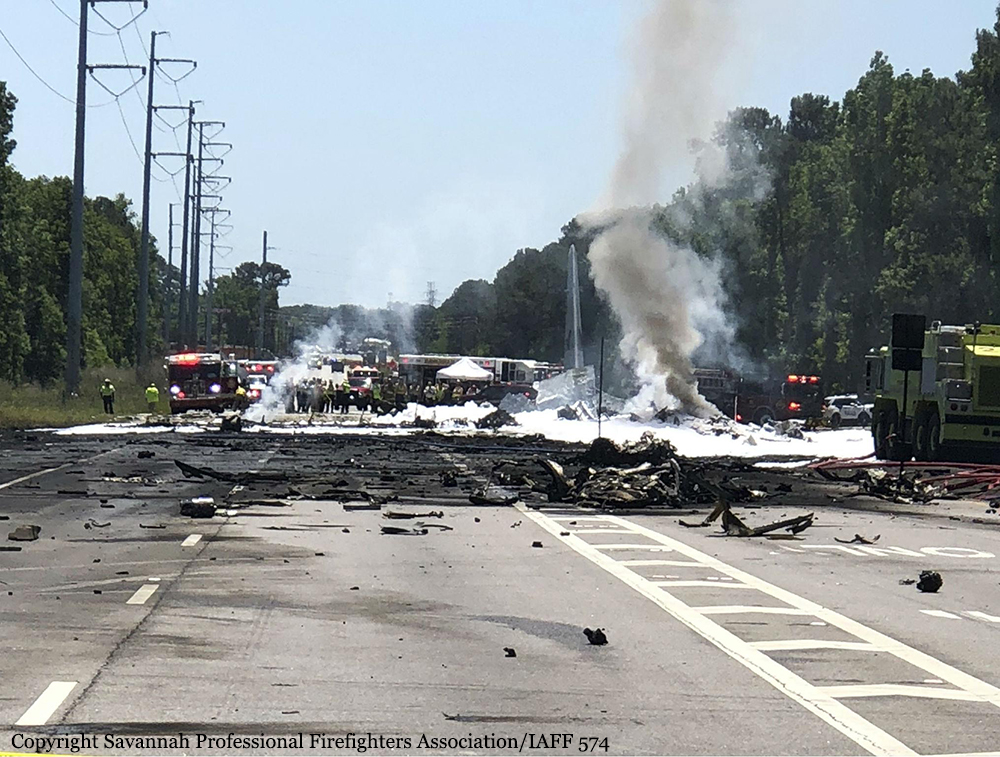
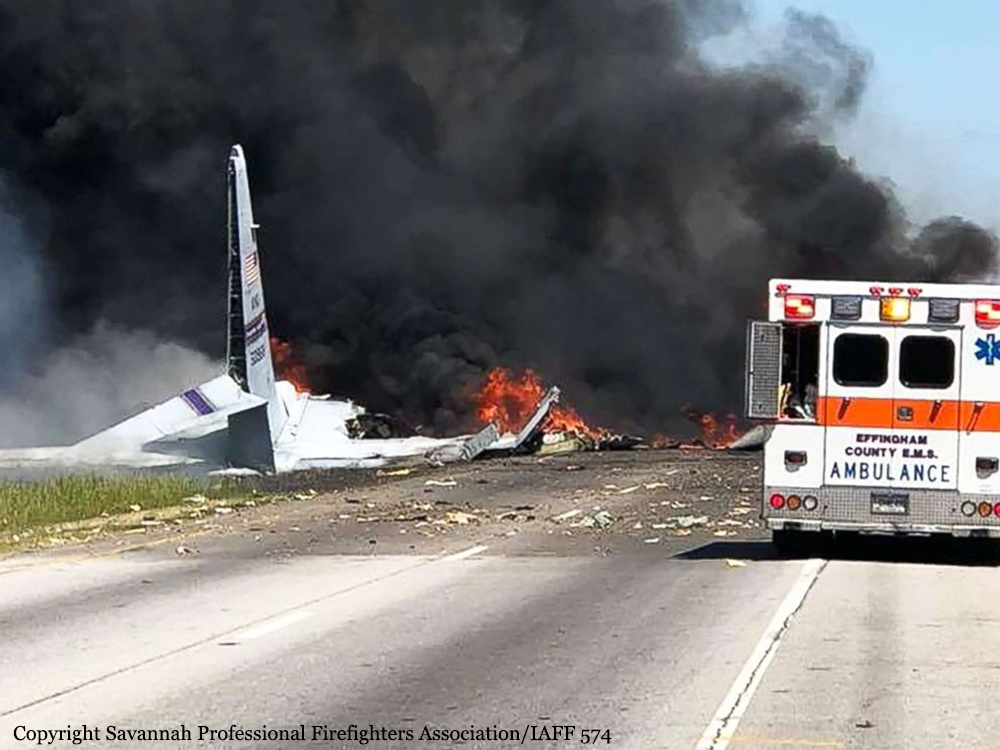
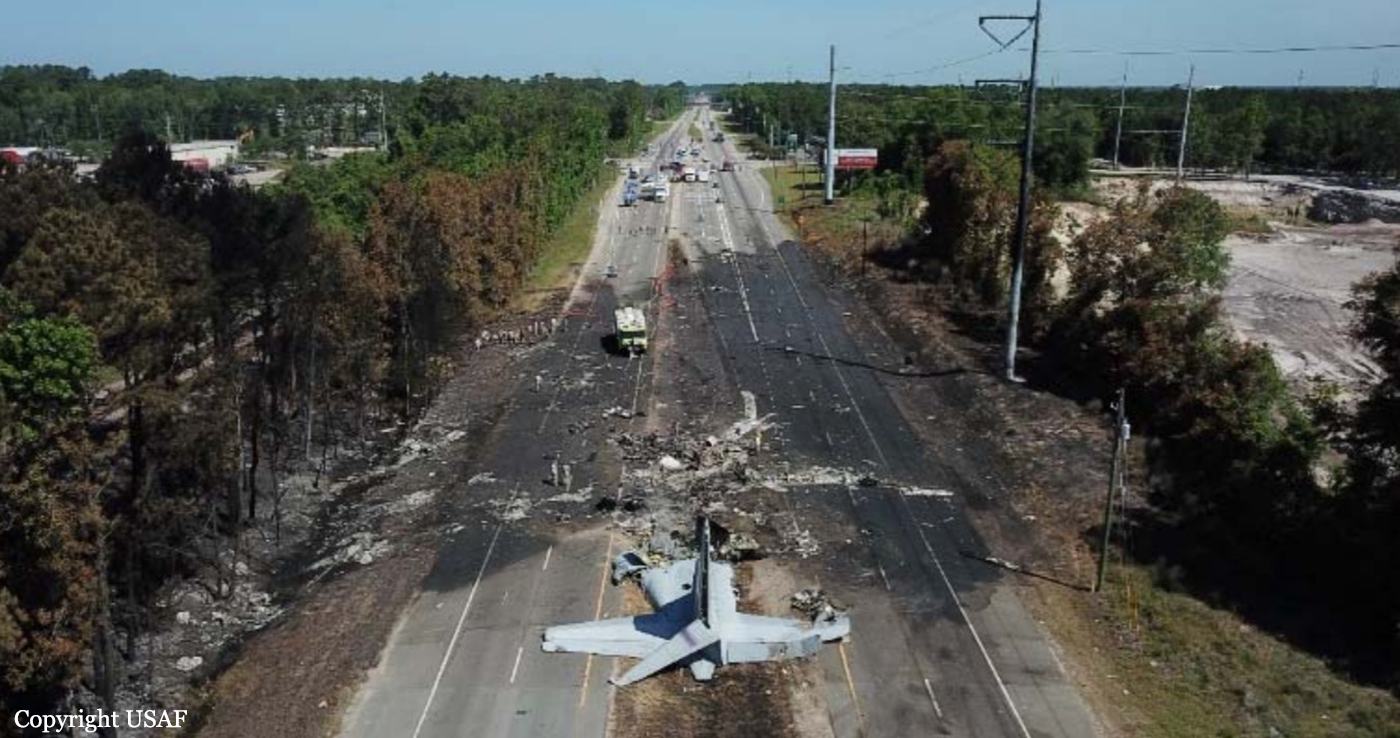
On 2 May 2018, at approximately 1127 hours local time (L), the Mishap Aircraft (MA), a WC-130H, tail number 65-0968, assigned to the Puerto Rico Air National Guard, 156th Airlift Wing (156 AW), located at Muñiz Air National Guard Base, Puerto Rico, crashed approximately 1.5 miles northeast of Savannah/Hilton Head International Airport (KSAV), Georgia. All nine members aboard the MA—Mishap Pilot 1 (MP1), Mishap Pilot 2, Mishap Navigator, Mishap Flight Engineer, and Mishap Loadmaster (collectively the “Mishap Crew (MC)”), and four mission essential personnel, Mishap Airman 1, 2, 3, and 4—perished during the accident. The MC’s mission was to fly the MA to the 309th Aerospace Maintenance and Regeneration Group at Davis-Monthan Air Force Base, Arizona (commonly referred to as the “Boneyard”), for removal from service. The MA had been at KSAV for almost a month, since 9 April 2018, to undergo prescheduled fuel cell maintenance and unscheduled work on engine number one by 156 AW maintenance personnel using the facilities of the 165th Airlift Wing. During takeoff roll, engine one revolutions per minute (RPM) fluctuated and did not provide normal RPM when MP1 advanced the throttle lever into the flight range for takeoff. Approximately eight seconds prior to aircraft rotation, engine one RPM and torque significantly decayed, which substantially lowered thrust. The fluctuation on roll and significant performance decay went unrecognized by the MC until rotation, when MP1 commented on aircraft control challenges and the MA veered left and nearly departed the runway into the grass before it achieved flight. The MA departed KSAV at approximately 1125L. As the MC retracted the landing gear, they identified the engine one RPM and torque malfunction and MP1 called for engine shutdown. However, the MC failed to complete the Takeoff Continued After Engine Failure procedure, the Engine Shutdown procedure, and the After Takeoff checklist as directed by the Flight Manual, and the MA’s flaps remained at 50 percent. Additionally, MP1 banked left into the inoperative engine, continued to climb, and varied left and right rudder inputs. At an altitude of approximately 900 feet mean sea level and 131 knots indicated air speed, MP1 input over nine degrees of left rudder, the MA skidded left, the left wing stalled, and the MA departed controlled flight and impacted the terrain on Georgia State Highway 21.
Probable cause:
The board president found, by a preponderance of the evidence, the cause of the mishap was MP1’s improper application of left rudder, which resulted in a subsequent skid below three-engine minimum controllable airspeed, a left-wing stall, and the MA’s departure from controlled flight. Additionally, the board president found, by a preponderance of the evidence, the MC’s failure to adequately prepare for emergency actions, the MC’s failure to reject the takeoff, the MC’s failure to properly execute appropriate after takeoff and engine shutdown checklists and procedures, and the Mishap Maintainers’ failure to properly diagnose and repair engine number one substantially contributed to the mishap.
Final Report:
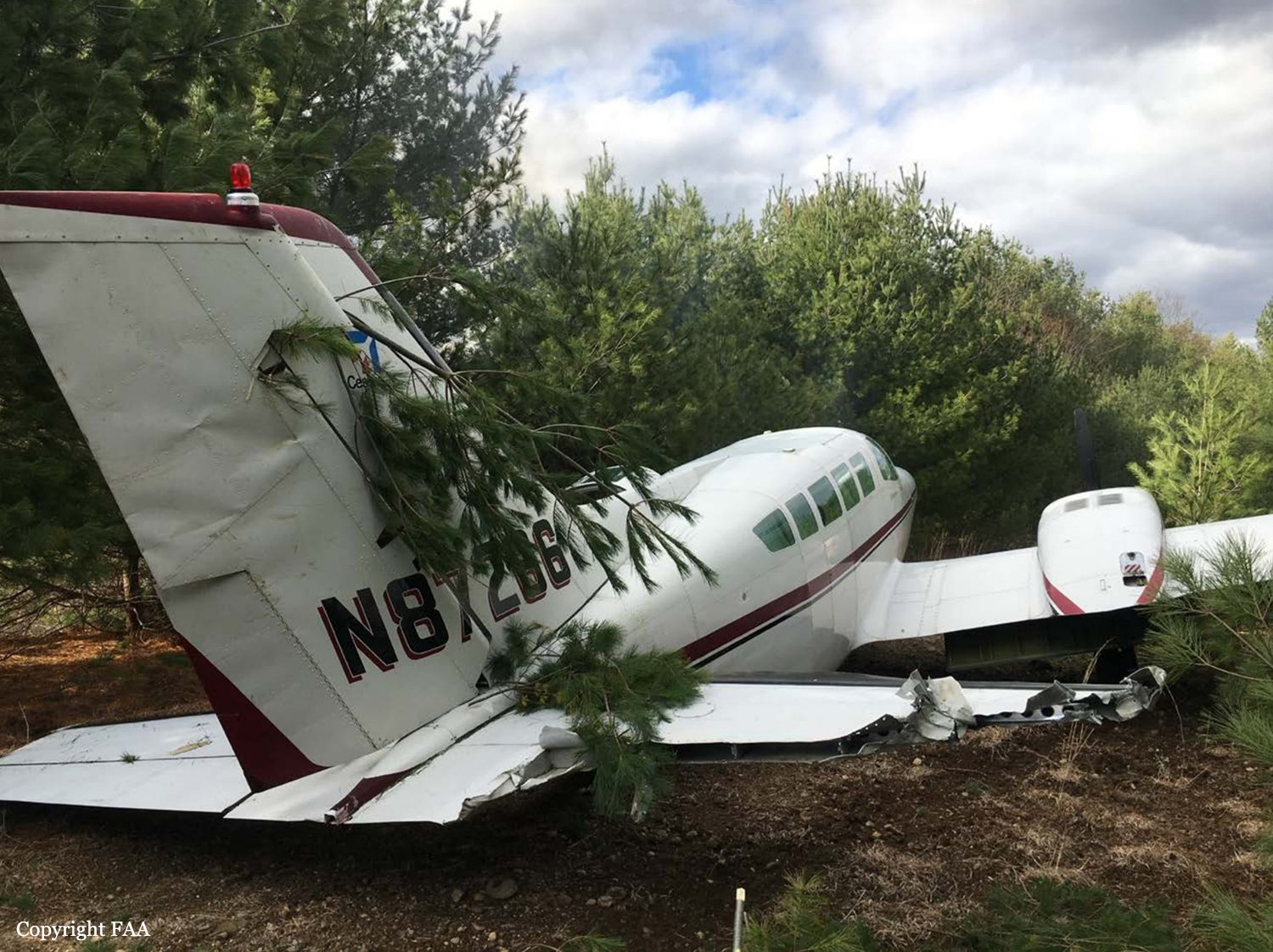
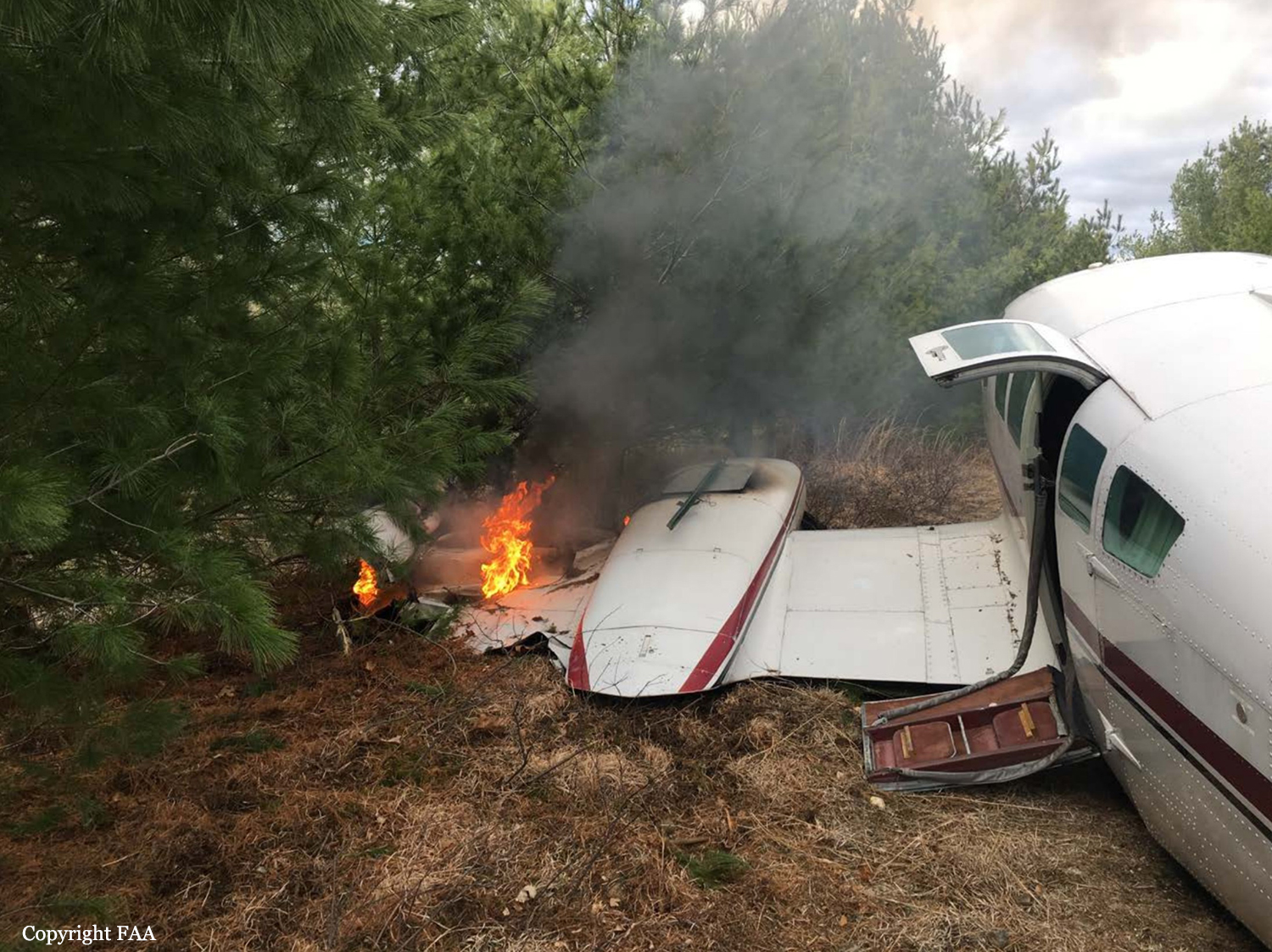
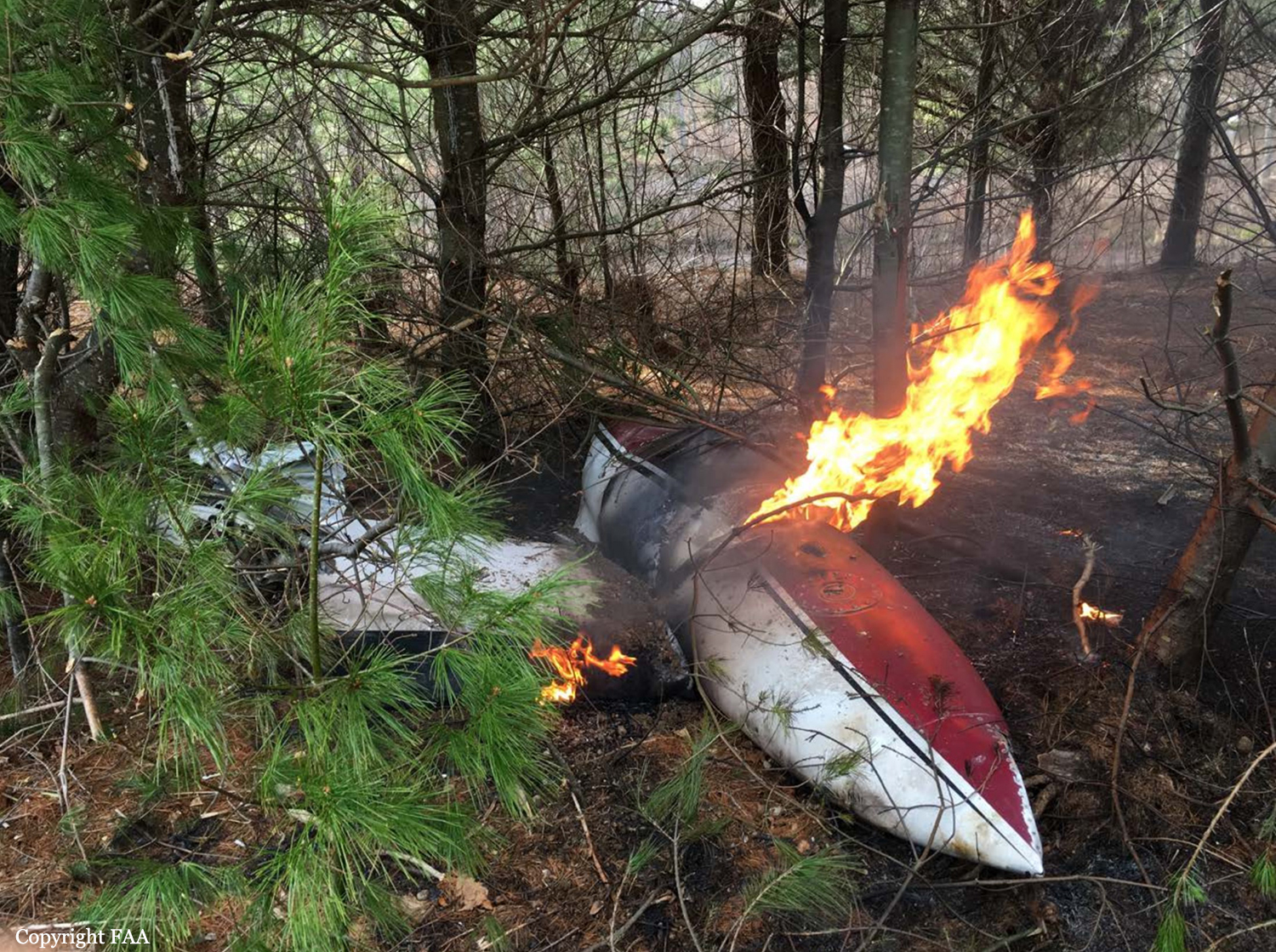
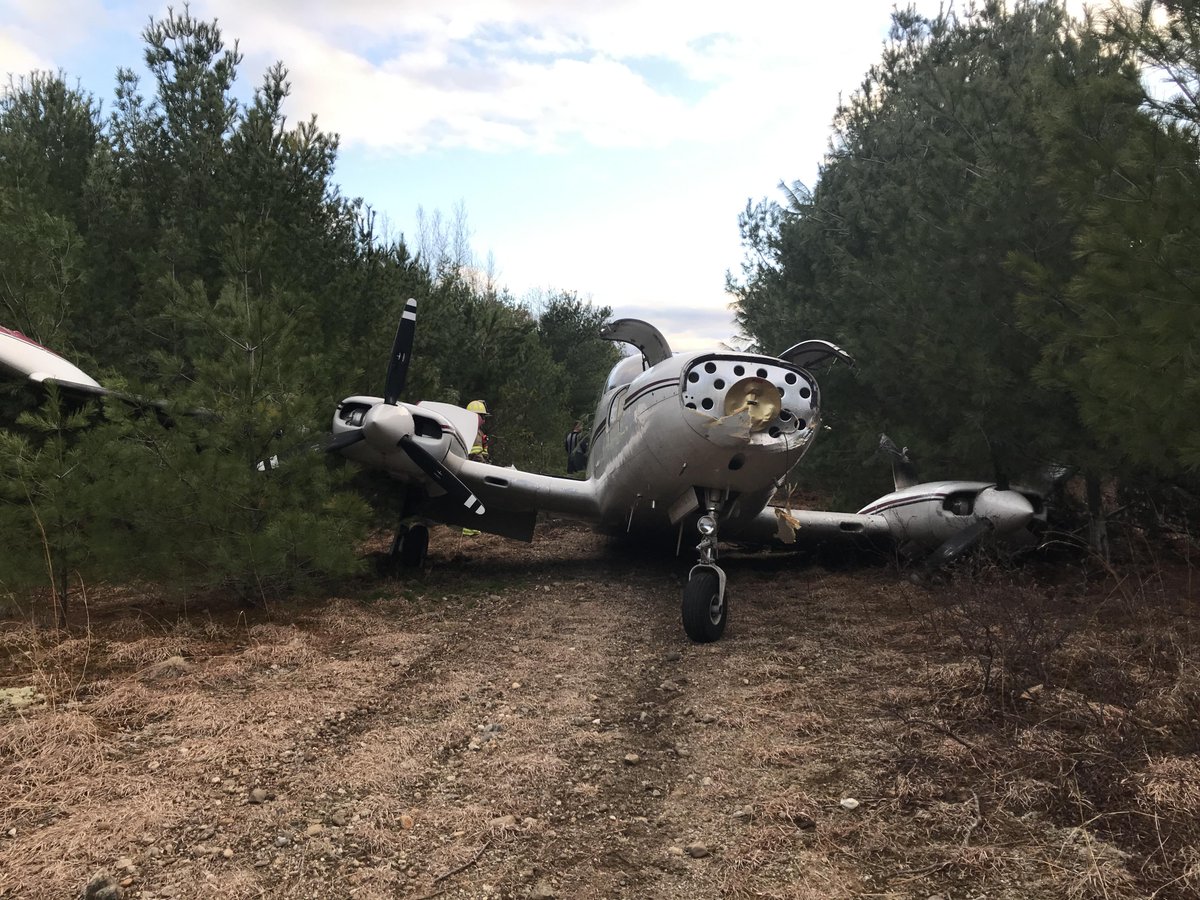
Crash of a Cessna 402B in Tanner-Hiller

Date & Time: Apr 26, 2018 at 1715 LT
Type of aircraft:
Registration:
N87266
Flight Type:
Survivors:
Yes
Schedule:
Keene - Tanner-Hiller
MSN:
402B-1097
YOM:
1976
Crew on board:
1
Crew fatalities:
Pax on board:
2
Pax fatalities:
Other fatalities:
Total fatalities:
0
Captain / Total flying hours:
330
Aircraft flight hours:
9193
Circumstances:
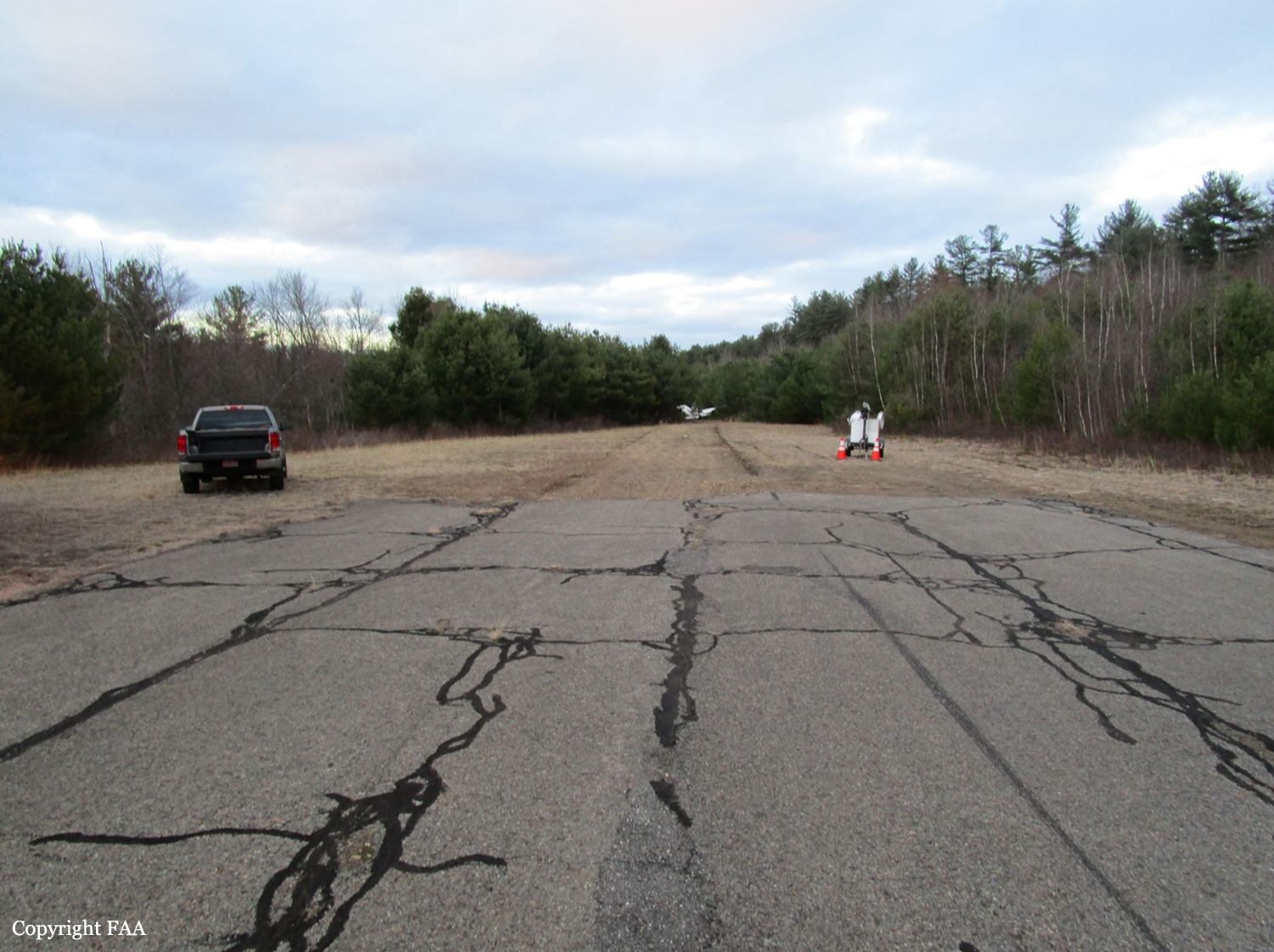
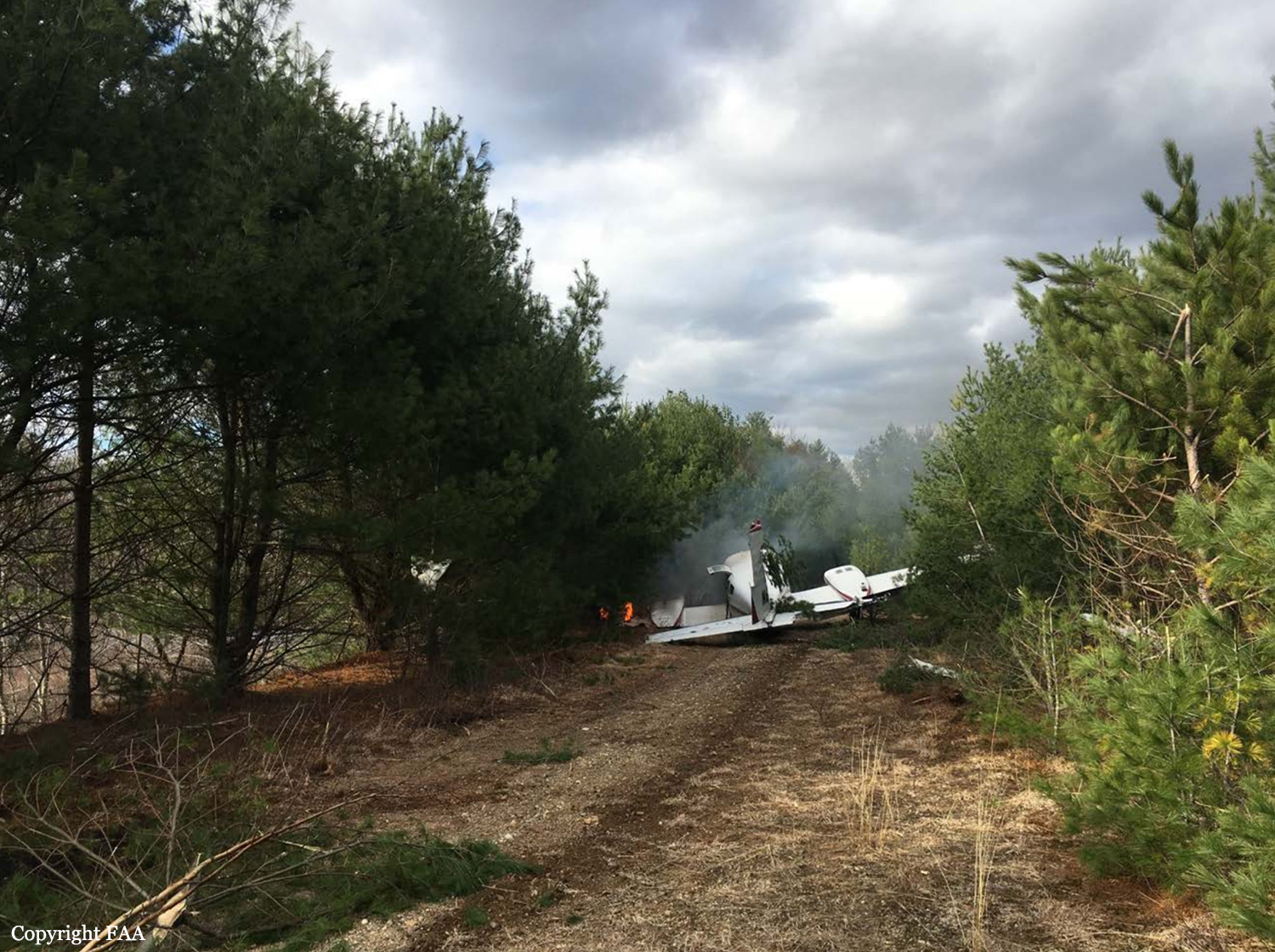
The private pilot was conducting a local, personal flight. The pilot reported that he checked the weather conditions at three local airports before the flight but stated that he did not trust the wind reports. He added that he did not get a preflight weather briefing. Once at the destination airport, he conducted two go-arounds due to gusting wind conditions. During the third attempted landing, he made a steep approach at a normal approach speed and flared the airplane about midway down the 3,000-ft-long runway. The airplane floated down the runway for much longer than the pilot expected before touching down. Despite applying maximum braking, there was insufficient remaining runway to stop, and the airplane skidded off the runway, impacted trees, and subsequently caught fire, which resulted in substantial damage to the airframe. The wind conditions reported at an airport located about 13 miles away included a tailwind of 16 knots, gusting to 27 knots. Given the tailwind conditions reported at this airport and the pilot's description of the approach and landing, it is likely that the pilot conducted the approach to the runway in a tailwind that significantly increased the airplane's groundspeed, which resulted in a touchdown with insufficient runway remaining to stop the airplane, even with maximum braking.
Probable cause:
The pilot's improper decision to land with a tailwind, which resulted in a touchdown with insufficient runway remaining to stop the airplane.
Final Report: