Crash of a De Havilland DHC-6 Twin Otter 100 off Victoria

Date & Time: Dec 16, 1976
Operator:
Registration:
C-FAJB
Survivors:
Yes
Schedule:
Vancouver - Victoria
MSN:
19
YOM:
1966
Country:
Crew on board:
2
Crew fatalities:
Pax on board:
14
Pax fatalities:
Other fatalities:
Total fatalities:
0
Circumstances:
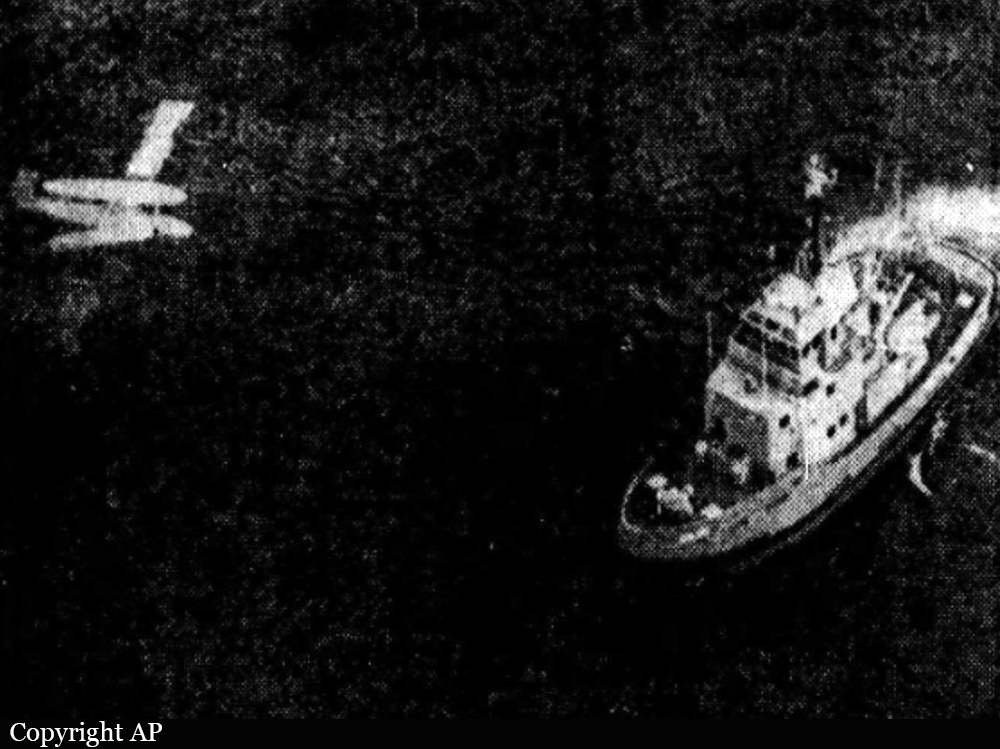
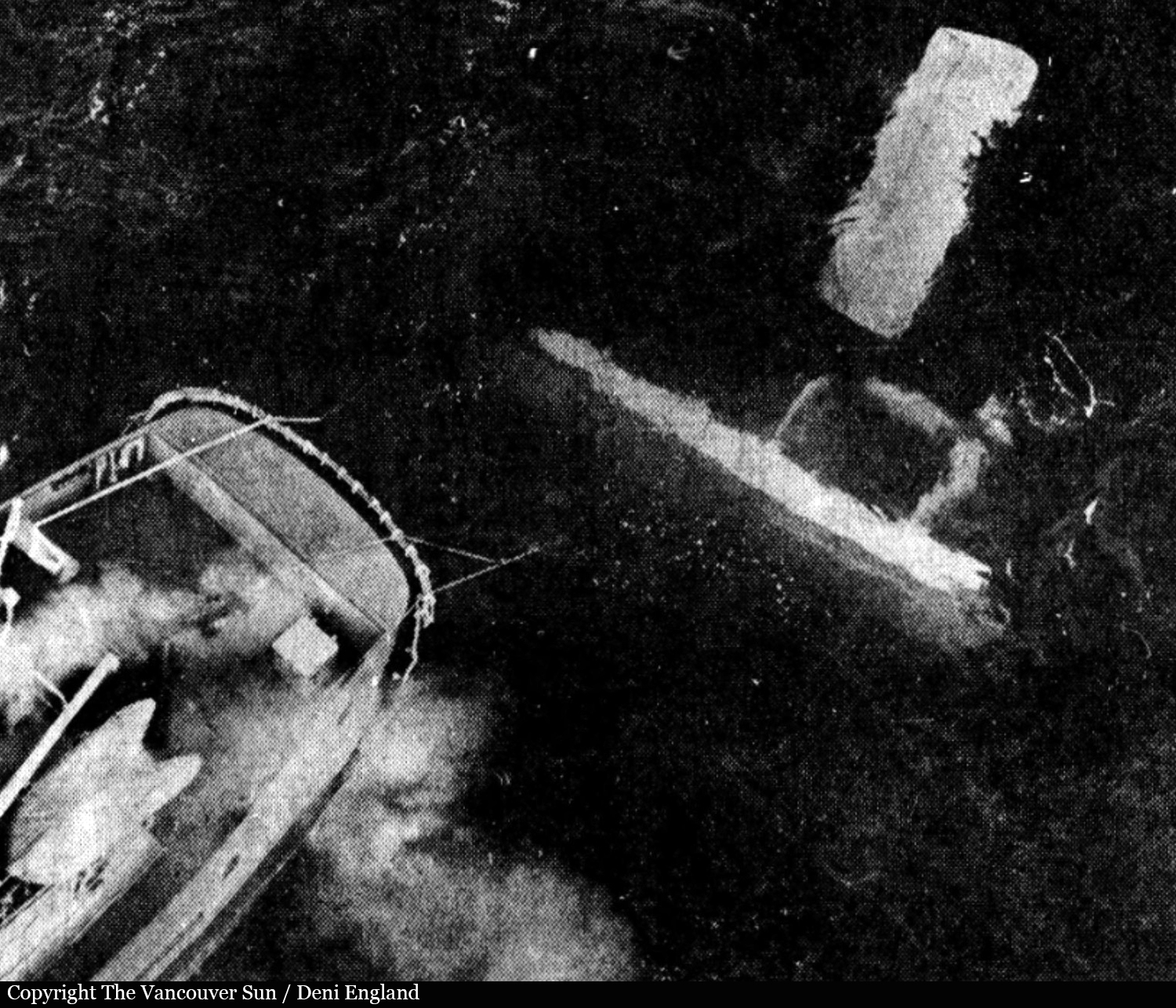
Approaching Victoria on a flight from Coal Harbour in Vancouver, the crew encountered limited visibility due to foggy conditions. The seaplane landed hard, causing both floats to be damaged. All 16 occupants were evacuated safely while the aircraft sank in the Juan de Fuca Strait, by a depth of 300 feet, about 4 miles south of Victoria Harbour.

Crash of a De Havilland DHC-6 Twin Otter 100 in Mosher Creek: 1 killed

Date & Time: Sep 22, 1976
Operator:
Registration:
C-FAWF
Flight Phase:
Survivors:
Yes
Site:
Schedule:
Bella Bella - Babine Lake
MSN:
67
YOM:
1967
Country:
Crew on board:
2
Crew fatalities:
Pax on board:
17
Pax fatalities:
Other fatalities:
Total fatalities:
1
Circumstances:
While cruising at an altitude of 4,200 feet over mountainous area, the crew elected to gain height but the decision was too late. The airplane struck tree tops and crashed in a wooded area located about 80 km northeast of Bella Coola. A passenger was killed while 18 other occupants were injured.

Crash of a De Havilland DHC-2 Beaver off Ucluelet: 1 killed

Date & Time: Feb 25, 1976
Type of aircraft:
Registration:
C-FRJG
Survivors:
Yes
MSN:
1550
YOM:
1964
Country:
Crew on board:
1
Crew fatalities:
Pax on board:
3
Pax fatalities:
Other fatalities:
Total fatalities:
1
Circumstances:
The aircraft swerved to the left and struck the water while skidding to the right while avoiding a cement channel mark in reduced visibility. A passenger drowned while three other occupants were rescued.

Crash of a De Havilland DHC-6 Twin Otter 200 near Kluatantan: 7 killed

Date & Time: Sep 30, 1975 at 1325 LT
Operator:
Registration:
CF-MHU
Flight Phase:
Survivors:
No
Site:
Schedule:
Prince George - Kluatantan - Dease Lake
MSN:
142
YOM:
1968
Country:
Crew on board:
2
Crew fatalities:
Pax on board:
5
Pax fatalities:
Other fatalities:
Total fatalities:
7
Captain / Total flying hours:
2350
Captain / Total hours on type:
600.00
Copilot / Total flying hours:
270
Copilot / Total hours on type:
200
Aircraft flight hours:
8496
Circumstances:
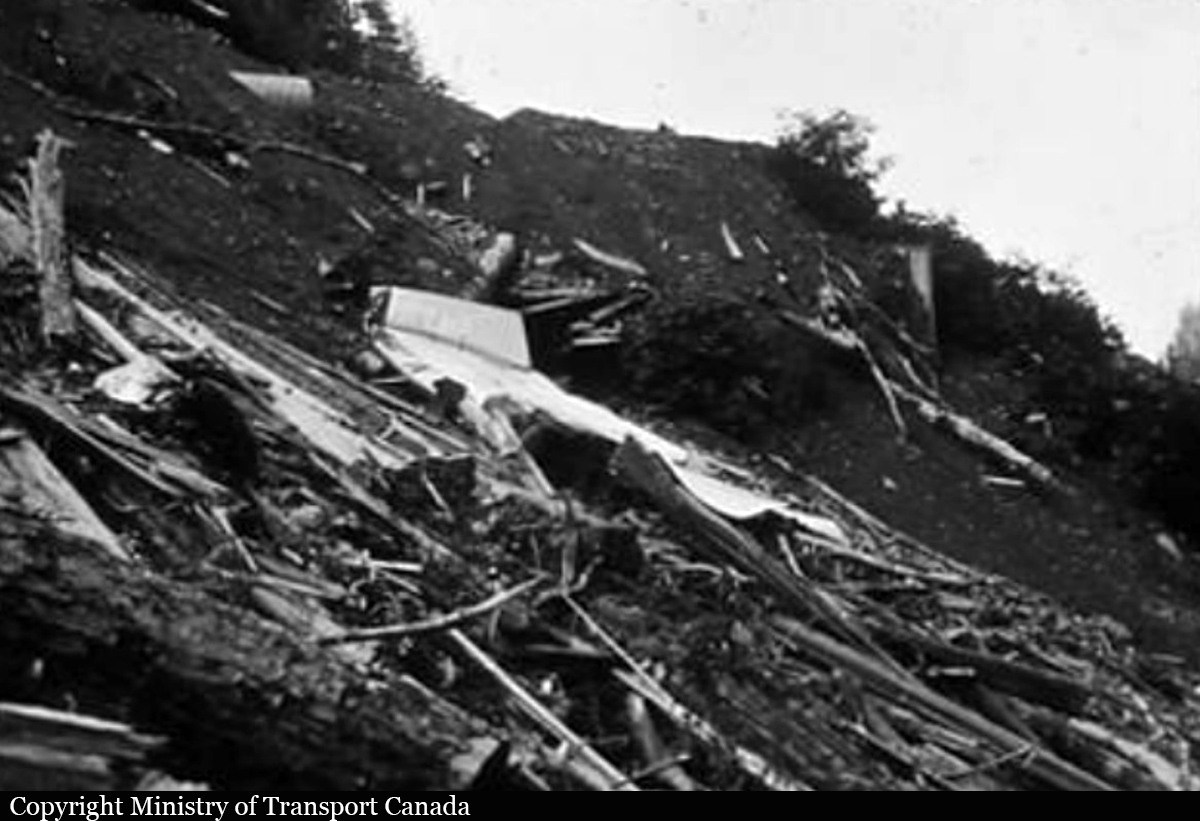
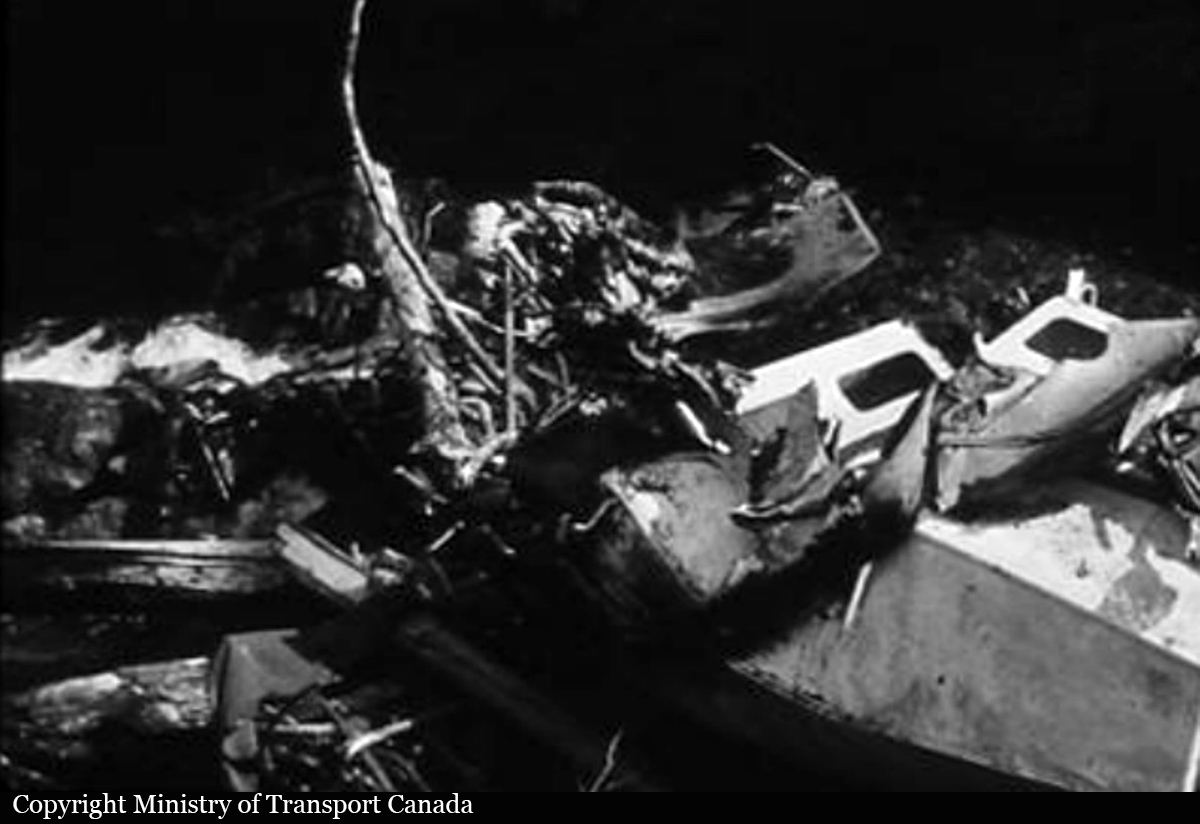
While transporting passengers and cargo on a scheduled flight from Prince George to Dease Lake via others points, the flight, operating VFR, encountered poor weather soon after takeoff from Kluatantan airstrip. About 23 miles north of the takeoff point, the aircraft crashed against the side of a ridge at the 5,200 foot level. The airplane was destroyed by impact forces and a post crash fire. All seven occupants were killed.
Probable cause:
The accident was the consequence of the following factors:
- The pilot continued the flight along a narrow valley into deteriorating weather conditions below the altitude required for safe terrain clearance.
- The pilot's forward visibility was hampered by an ineffective windshield wiper system.
- The pilot, after losing visual references, attempted to obtain safe terrain clearance by climbing into the cloud layer.
- The pilot for undetermined reasons, did not initiate or maintain a maximum rate of climb to clear enroute terrain.
- Accurate and up-dated presentation of forecast or actual weather conditions in the accident area was not available to the pilot prior to his departure from Prince George due in part to the lack of reporting points.
Final Report:

Crash of a De Havilland DHC-2 Beaver near Prince Rupert: 3 killed

Date & Time: Sep 18, 1975
Type of aircraft:
Operator:
Registration:
CF-FHN
Flight Phase:
Survivors:
No
MSN:
47
YOM:
1949
Country:
Crew on board:
1
Crew fatalities:
Pax on board:
2
Pax fatalities:
Other fatalities:
Total fatalities:
3
Circumstances:
While cruising at low altitude, the single engine airplane struck tree tops, lost its left wing and crashed upside down in a wooded area located about 31 km southeast of Prince Rupert. All three occupants were killed.

Crash of a Rockwell Grand Commander 680 in Vancouver

Date & Time: Sep 5, 1975
Operator:
Registration:
CF-XYA
Survivors:
Yes
Country:
Crew on board:
0
Crew fatalities:
Pax on board:
0
Pax fatalities:
Other fatalities:
Total fatalities:
0
Circumstances:
On final approach to Vancouver Airport, the left engine failed. The airplane lost height and crashed about 1,200 meters short of runway threshold. There were no casualties.
Probable cause:
Failure of the left engine on final approach for undetermined reasons.

Crash of a Consolidated PB4Y-2 Privateer off Port Hardy

Date & Time: Aug 9, 1975 at 0015 LT
Operator:
Registration:
N6813D
Flight Type:
Survivors:
Yes
Schedule:
Anchorage - Ketchikan - Greybull
MSN:
59876
YOM:
1943
Flight number:
Tanker 125
Country:
Crew on board:
2
Crew fatalities:
Pax on board:
0
Pax fatalities:
Other fatalities:
Total fatalities:
0
Aircraft flight hours:
1482
Circumstances:
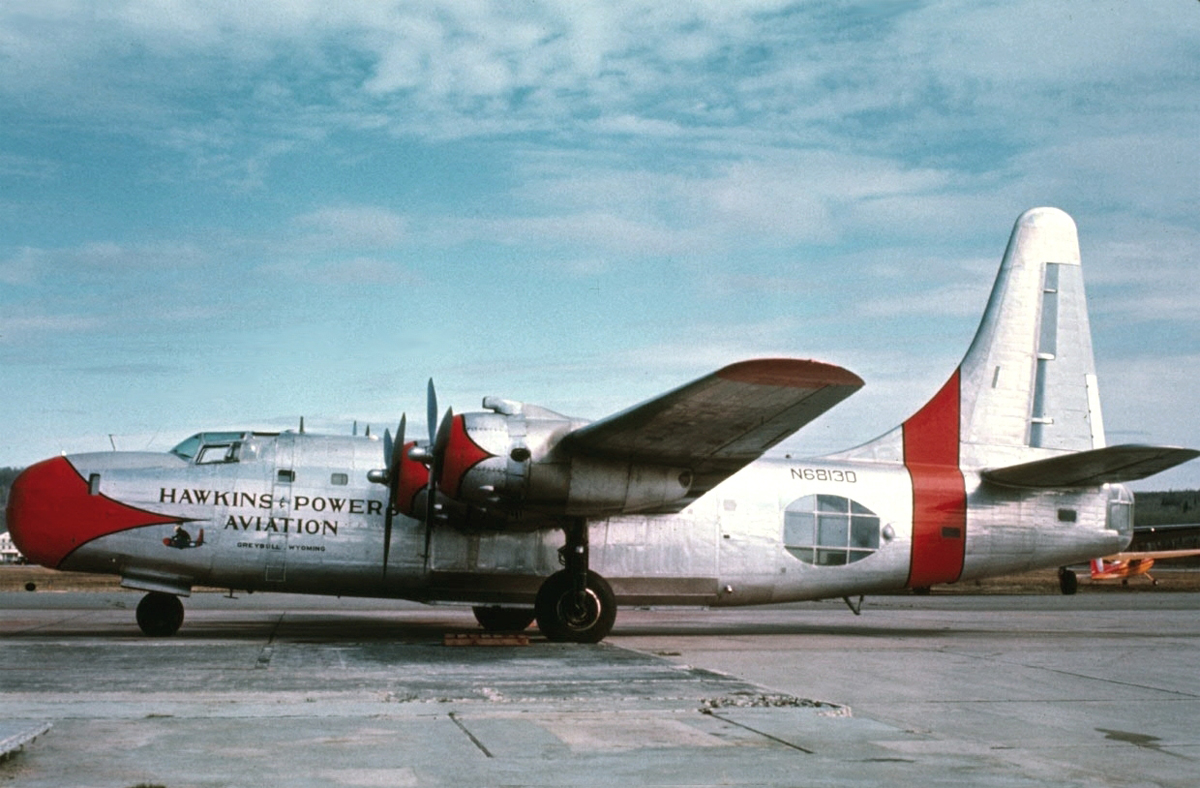
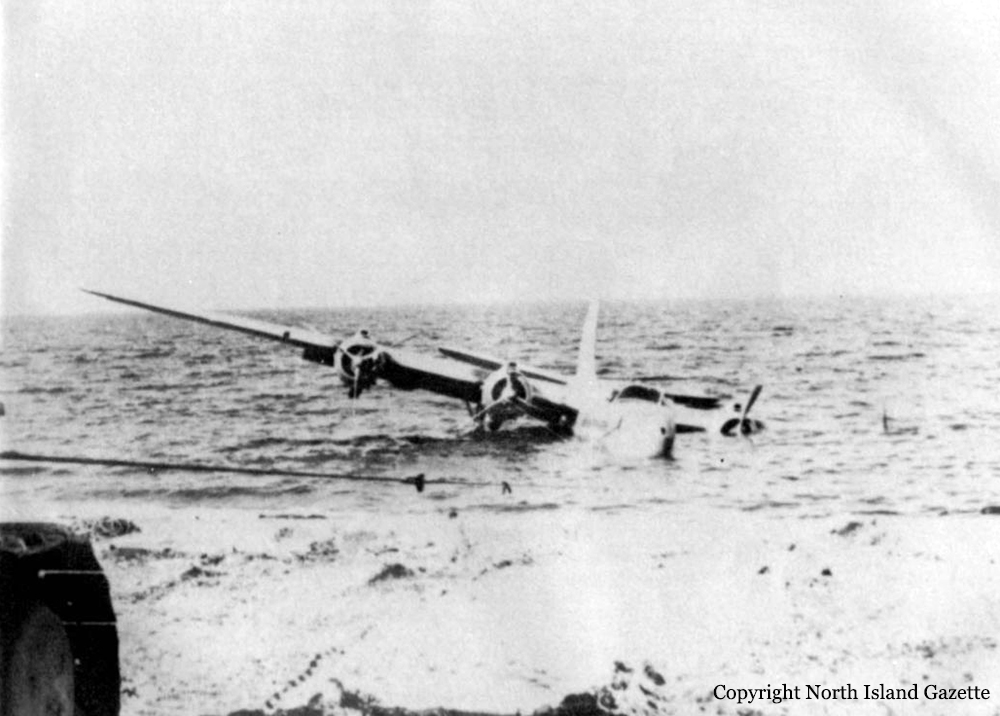
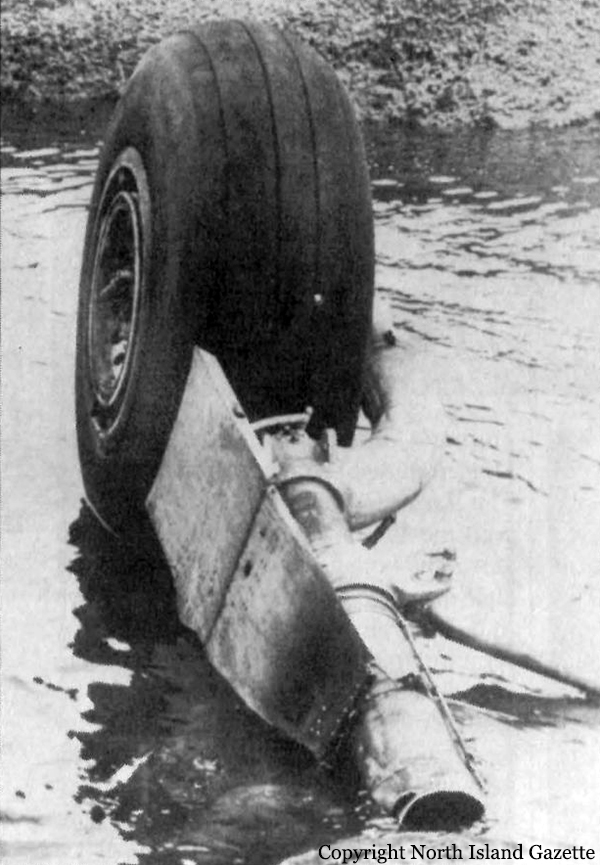
During 1975, '13D was under contract to the US Department of the Interior and based at Anchorage, Alaska. Total flight time was approximately 1475 hours. On Friday, 8 August 197 5, the aircraft was being flown back to the lower 48 States from Anchorage with an eventual destination of Greybull, Wyoming. One engine had been shut down due to its running rough, and we understand that a planned fuel stop at Ketchikan, Alaska, was missed because of bad weather. Shortly after midnight on Saturday, 9 August, after seven hours of flight, BuNo 59876 ran out of fuel, and the engines that were still in operation began to quit! Luckily, they were over the northern tip of Vancouver Island, British Columbia, Canada, and below was the 5000 foot paved runway at Port Hardy. Unbelievably , during final approach with only one engine still running, the pilot considered he was too high to land and attempted to go-around! The aircraft struck the ground during the turn, crashed through the airport perimeter fence, crossed the rock and driftwood strewn beach, and came to rest in the ocean, approximately 100 yards offshore! When the radio operator in the control tower lost contact with the plane, he immediately sounded the alarm in the airport fire station. Since no aircraft, nor fire, could be seen, it was felt the plane must have gone down short of the airport, and a search was started in that area. When the aircraft finally came to a stop, the two-man crew was unsure of where they were and what had happened. Almost immediately, the cockpit started to fill with water, and the men struggled to climb out a roof escape hatch. After standing on top of the aircraft for a short while, they spotted a seat cushion floating by, grabbed it, and swam the hundred or so yards to shore. When they arrived on land, their legs were so cold they could not stand. After a short rest, the crew scrambled in the dark over logs and through bushes, and made it to the airport boundary fence. During this same time period, the fire and rescue crews decided the plane must have gone off the runway and into the ocean, so they returned to the airport to resume their search. As the pilot and copilot approached the fence, they saw an emergency vehicle speed toward them down the runway and then continue on by until it stopped at the hole in the fence where the plane had crashed through on its way to the ocean. A short time later, another truck arrived. They were able to get the attention of the driver by shouting and waving. The flight crew was taken to the fire hall where they were given blankets and hot drinks until an ambulance took them to the hospital for examination. Both the pilot and copilot received only minor injuries during their ordeal. The pilot was fired by H&P, but the copilot remained with the company, only to be killed in the crash of a C119 during 1980. N6813D received substantial damage to its nose gear and underbelly, and the left wing tip and flap were destroyed.
Source: http://pb4y-2.org/pdf/all.pdf
Probable cause:
Fuel exhaustion.

Crash of a Douglas A-26C-15-DT Invader near Gates Lake: 1 killed

Date & Time: Jul 2, 1975
Type of aircraft:
Operator:
Registration:
C-GHLM
Flight Phase:
Flight Type:
Survivors:
No
MSN:
18820
YOM:
1943
Flight number:
Tanker 24
Country:
Crew on board:
1
Crew fatalities:
Pax on board:
0
Pax fatalities:
Other fatalities:
Total fatalities:
1
Circumstances:
The pilot, sole on board, was engaged in a fire fighting mission under call sign 'Tanker 24' in the region of Gates Lake, about 21 km northeast of Pemberton. The airplane crashed in unknown circumstances, killing the pilot.

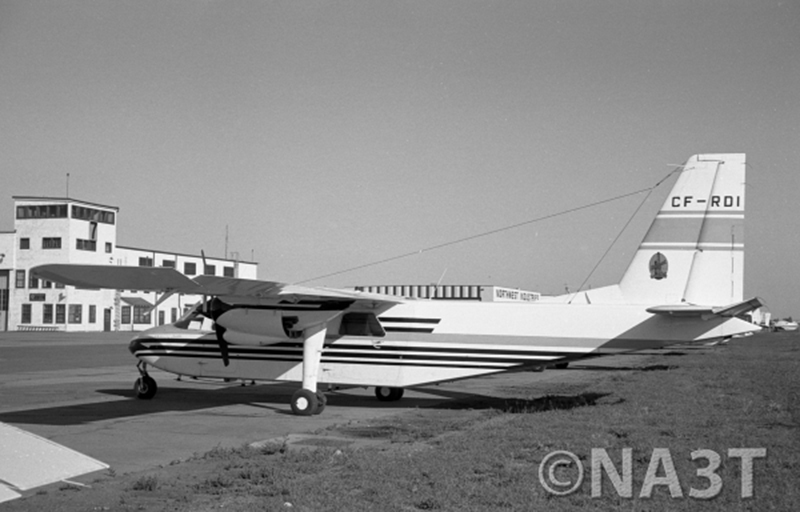
Crash of a Britten-Norman BN-2A Islander in Williams Lake

Date & Time: Jun 15, 1975
Type of aircraft:
Operator:
Registration:
CF-RDI
Flight Phase:
MSN:
35
YOM:
1968
Country:
Crew on board:
0
Crew fatalities:
Pax on board:
0
Pax fatalities:
Other fatalities:
Total fatalities:
0
Circumstances:
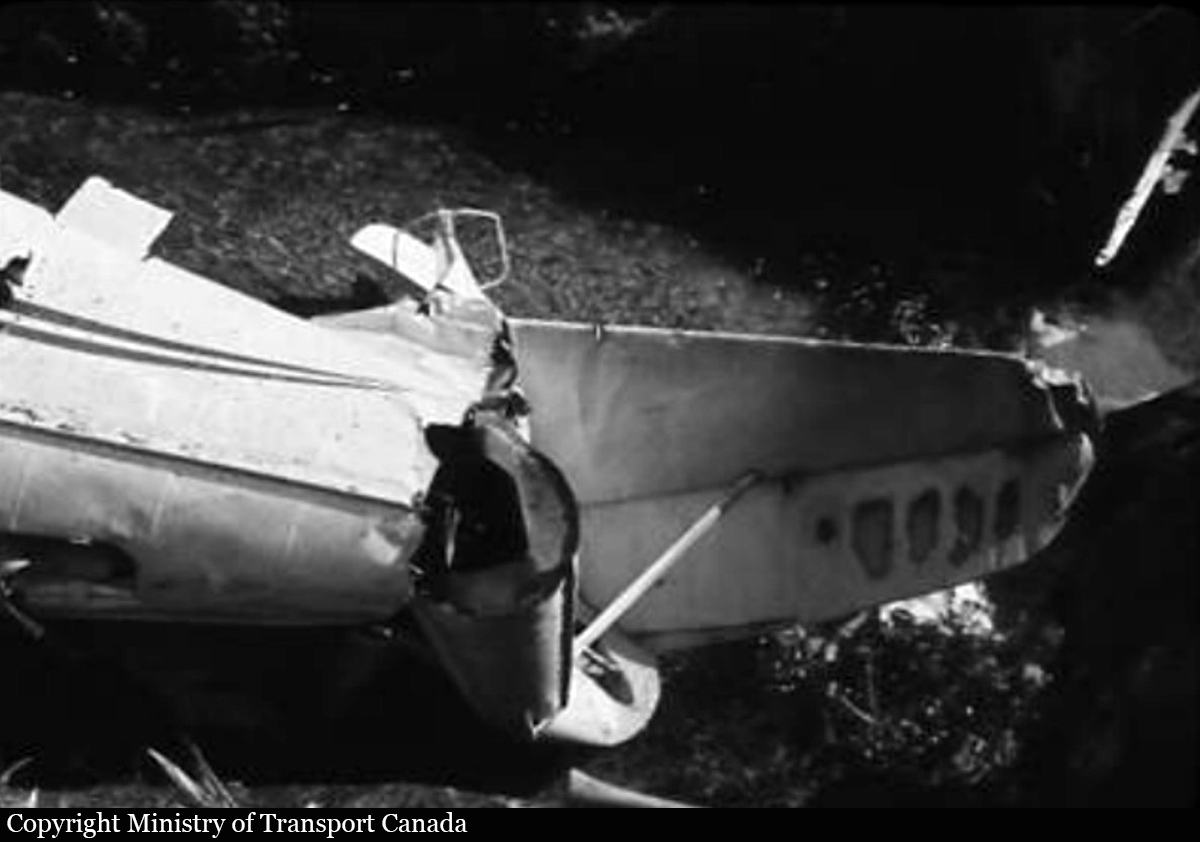
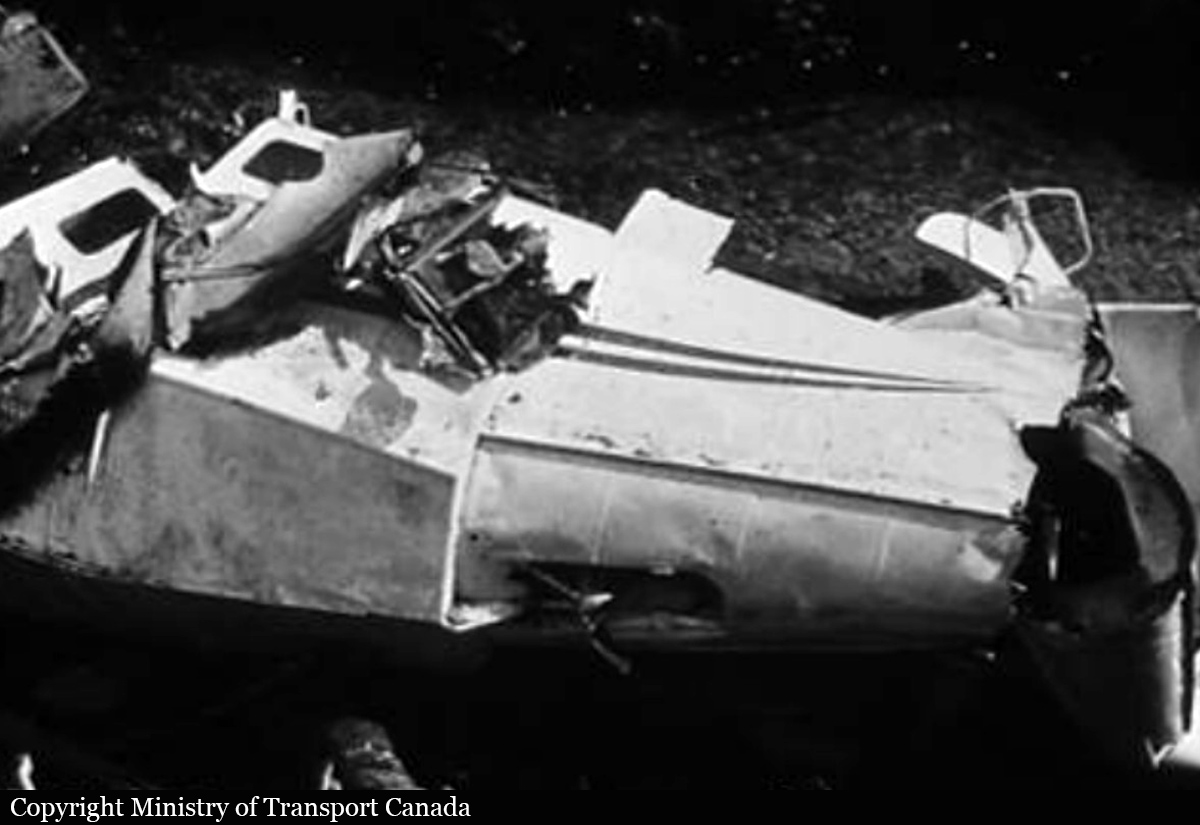
Crashed in unknown circumstances in Williams Lake somewhere in June 1975 (exact date unknown). The occupant's fate remains unknown as well.

Crash of a Grumman G-21A Goose near Mt Hooper: 11 killed

Date & Time: Sep 9, 1974 at 1215 LT
Type of aircraft:
Registration:
C-FPVE
Flight Phase:
Survivors:
No
Site:
Schedule:
Tofino - Vancouver
MSN:
1200
YOM:
1942
Country:
Crew on board:
1
Crew fatalities:
Pax on board:
10
Pax fatalities:
Other fatalities:
Total fatalities:
11
Captain / Total flying hours:
3750
Captain / Total hours on type:
450.00
Circumstances:
The flight was a VFR scheduled flight from Tofino to Vancouver. The airplane was carrying 10 passengers and one pilot. While cruising southwest of Nanaimo, the pilot encountered marginal weather conditions with a cloud ceiling at 2,800 feet. The airplane entered a valley then the pilot attempted a steep right turn at 45° when the airplane impacted trees and crashed in hilly terrain some 5 km west of Mt Hooper. The airplane was destroyed and all 11 occupants were killed.
Crew:
J. R. Ferguson, pilot.
Probable cause:
It is concluded that:
- The pilot entered the valley at a lower altitude than normal due to a low ceiling and that he expected to find the pass open.
- He commenced his turn immediately on viewing the pass area; being at a high cruise speed and with flaps up his turning radius was high and brought him into a part of the valley where a 250° turn was necessary to leave the valley.
- The pilot lowered the nose of the aircraft during the turn to avoid a stall. The aircraft lost height due to the turn, and struck the ground after 250° of a turn was completed.
Final Report: