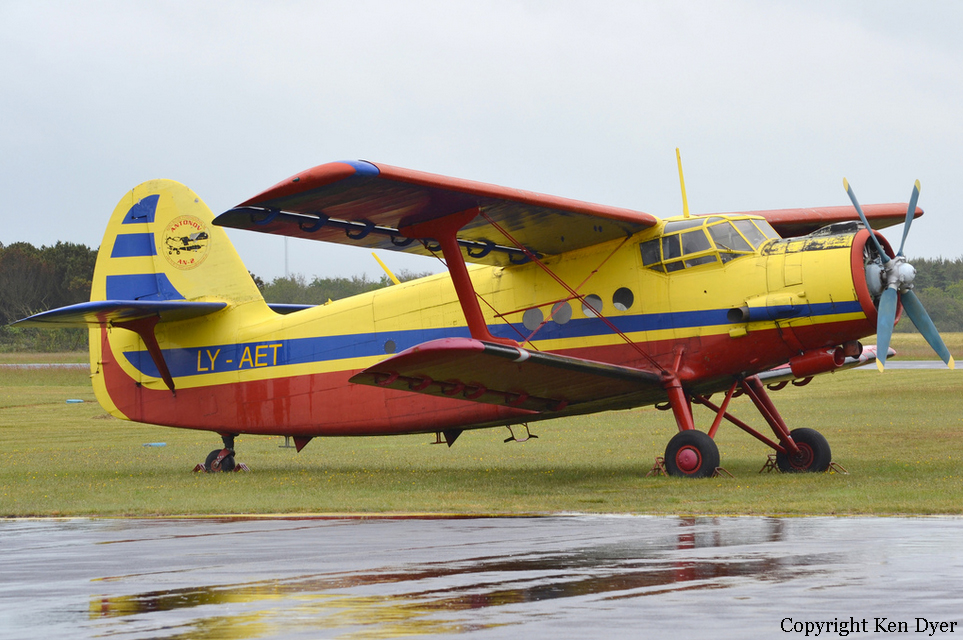
Crash of a PZL-Mielec AN-2R in the Baltic Sea: 2 killed

Date & Time: May 16, 2015 at 1535 LT
Type of aircraft:
Operator:
Registration:
LY-AET
Flight Phase:
Flight Type:
Survivors:
No
Schedule:
Stauning – Kattleberg – Klaipėda
MSN:
1G192-07
YOM:
1981
Country:
Region:
Crew on board:
2
Crew fatalities:
Pax on board:
0
Pax fatalities:
Other fatalities:
Total fatalities:
2
Captain / Total flying hours:
9006
Captain / Total hours on type:
8995.00
Copilot / Total flying hours:
15349
Copilot / Total hours on type:
12553
Aircraft flight hours:
6920
Aircraft flight cycles:
26031
Circumstances:
The crew was performing a delivery flight from Stauning (Denmark) to Klaipėda with an intermediate stop in Kattleberg, Sweden. Recently acquired by the company for agricultural purposes, the single engine aircraft departed Kattleberg Airfield at 1312LT with an ETA in Klaipėda at 1720LT. En route, the crew informed ATC about their position at 1508LT. Less than half an hour later, the aircraft entered an uncontrolled descent and crashed in unknown circumstances in the Baltic Sea, some 111 km off Klaipėda. The crew of a Lithuanian Marine vessel located the wreckage three days later at a depth of 124 meters. A dead body was found on May 21. The second pilot was not found.
Final Report:

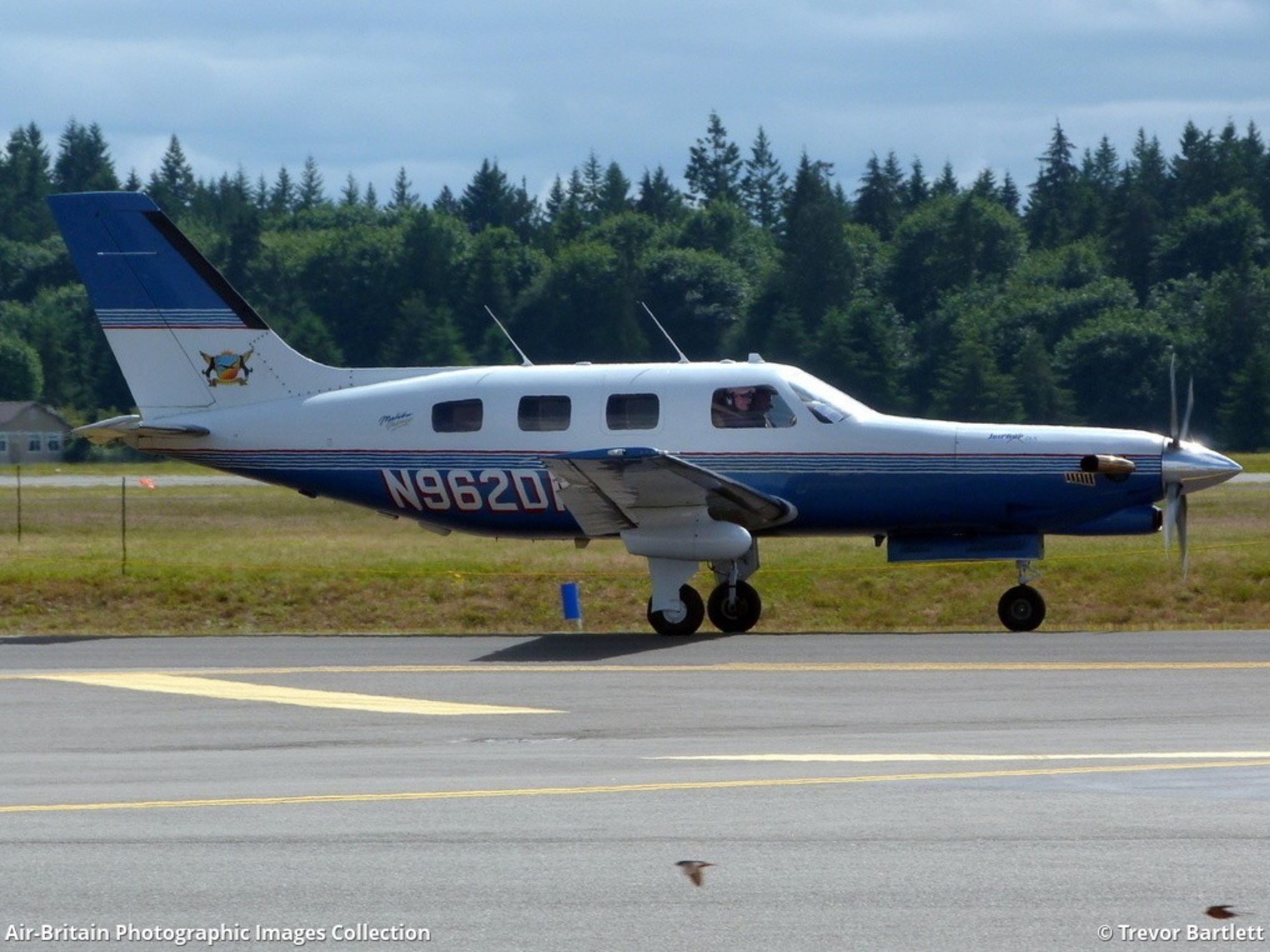
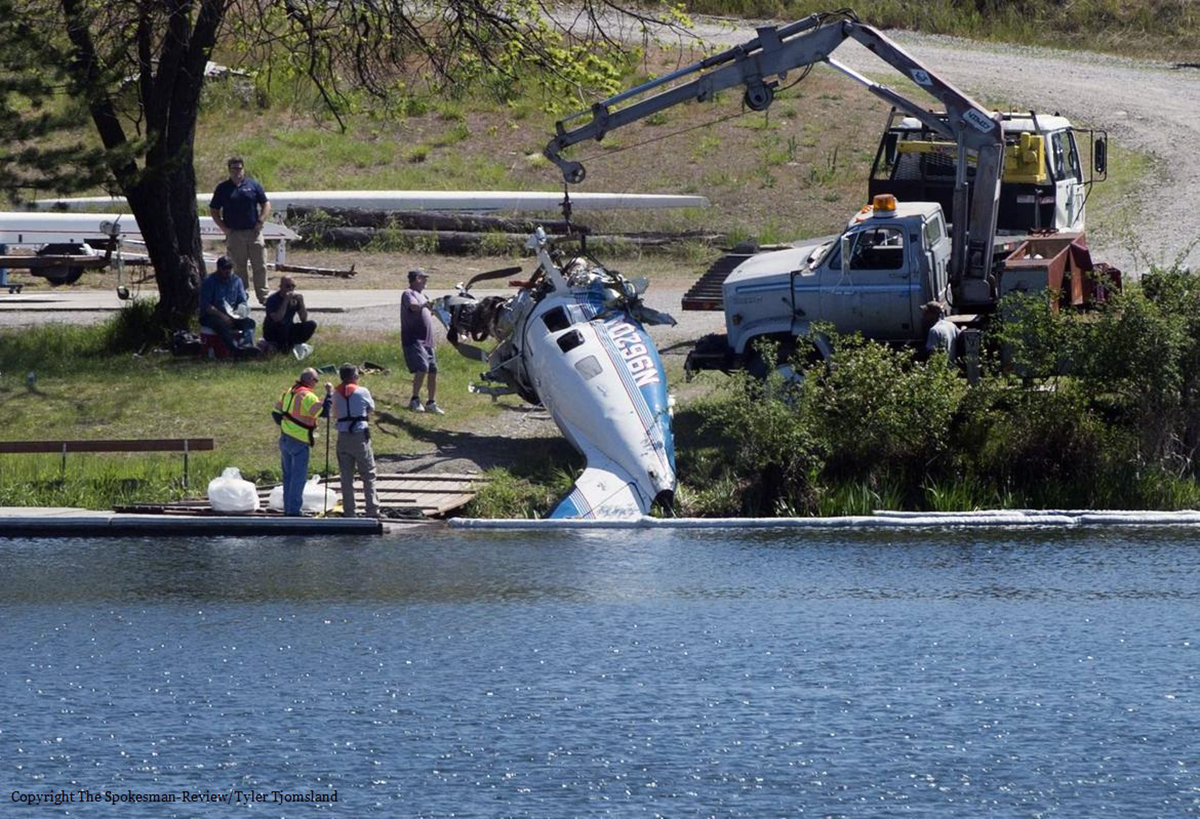
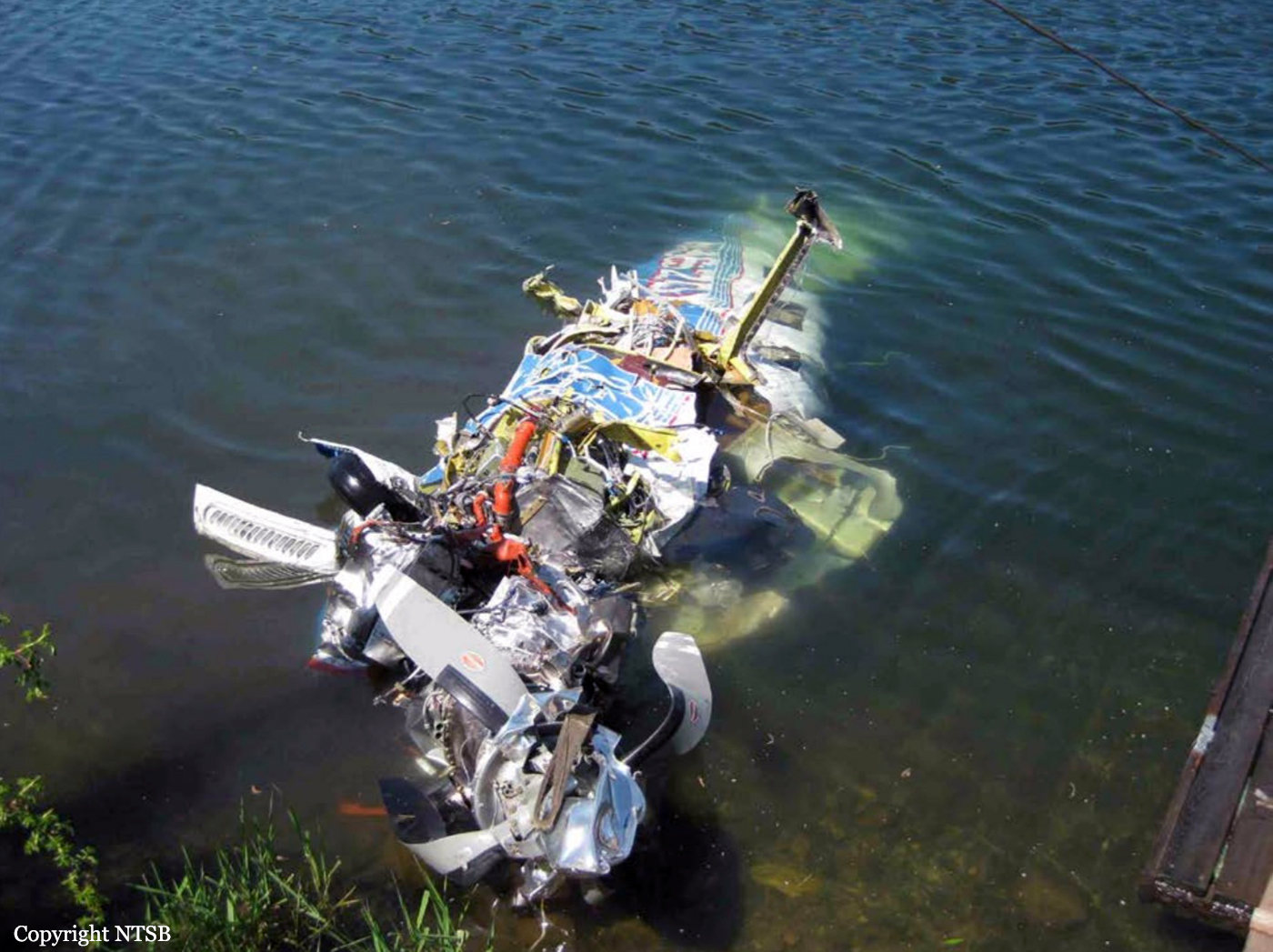
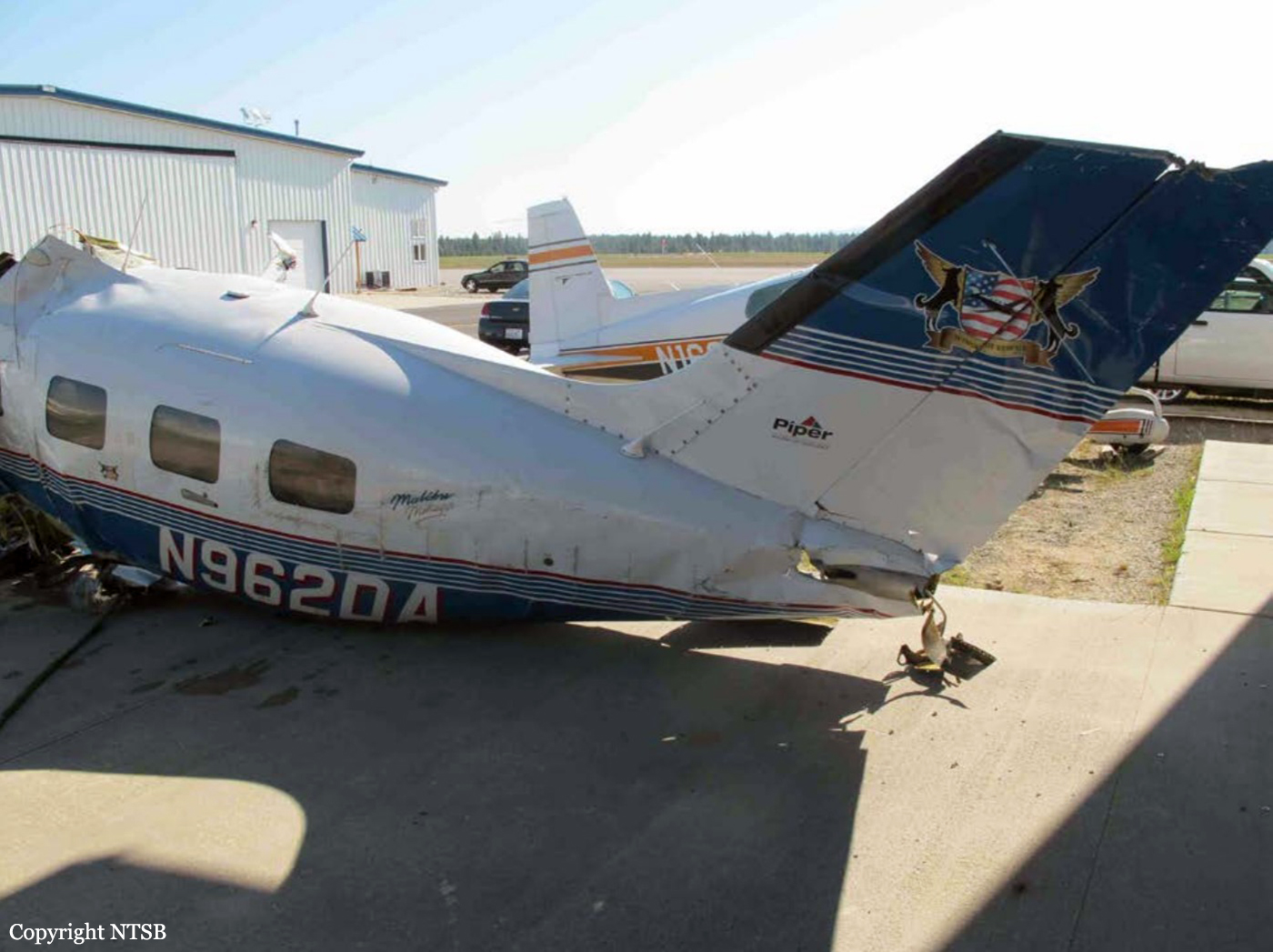
Crash of a Piper PA-46-350P Malibu Mirage in Spokane: 2 killed

Date & Time: May 7, 2015 at 1604 LT
Operator:
Registration:
N962DA
Flight Phase:
Flight Type:
Survivors:
No
Schedule:
Spokane - Spokane
MSN:
46-36031
YOM:
1996
Crew on board:
1
Crew fatalities:
Pax on board:
1
Pax fatalities:
Other fatalities:
Total fatalities:
2
Captain / Total flying hours:
5800
Captain / Total hours on type:
950.00
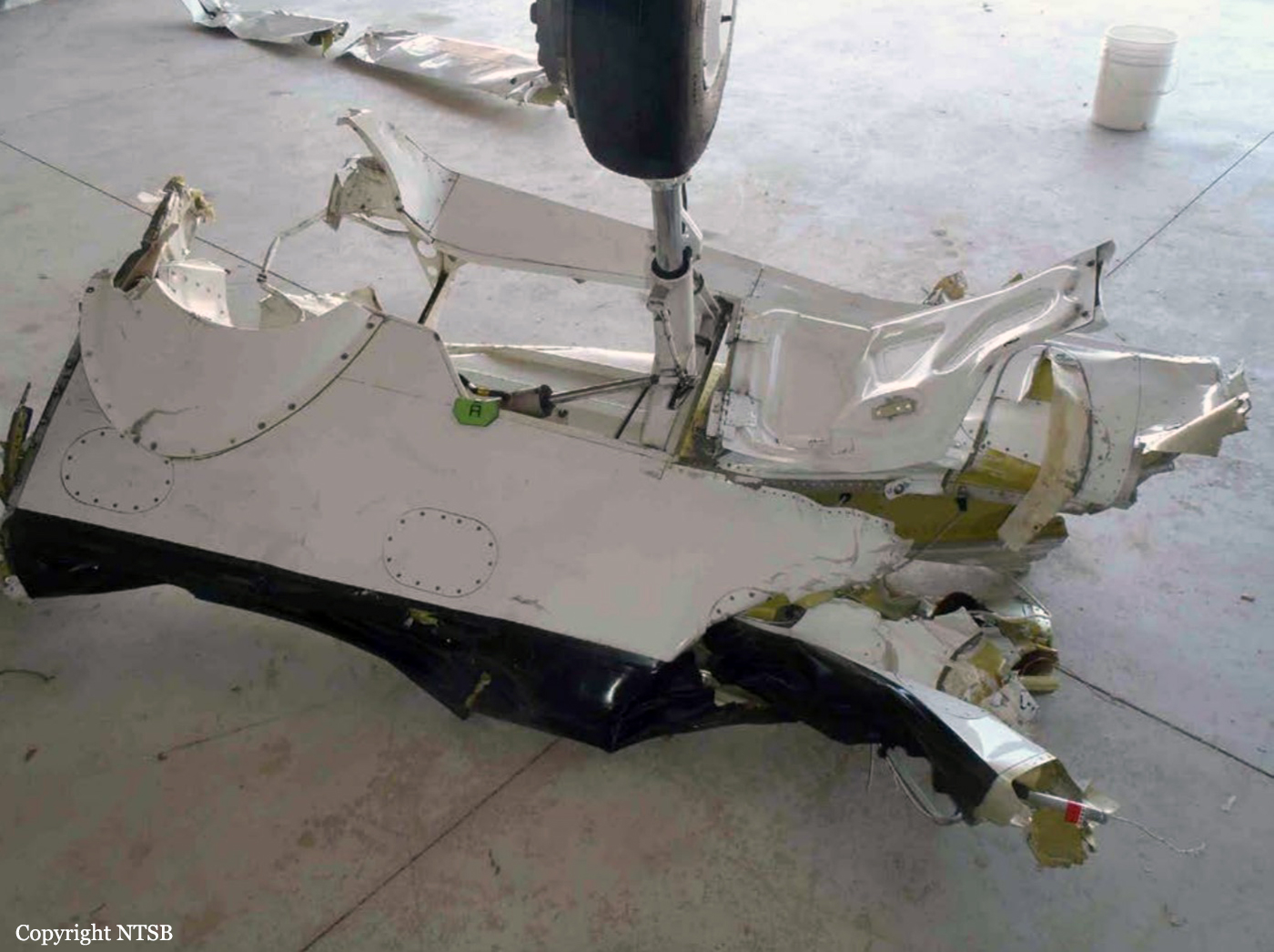
Circumstances:
The commercial pilot was departing on a local post-maintenance test flight in the single-engine airplane; Four aileron cables had been replaced during the maintenance. Shortly after takeoff, the airplane began to roll right. As the climb progressed, the roll became more pronounced, and the airplane entered a spiraling dive. The pilot was able to maintain partial control after losing about 700 ft of altitude; he guided the airplane away from the airport and then gradually back for a landing approach. During this period, he reported to air traffic control personnel that the airplane had a "heavy right aileron." As the airplane passed over the runway threshold, it rolled right and crashed into a river adjacent to the runway. The aircraft was destroyed and both occupants were killed.
Probable cause:
The mechanic's incorrect installation of two aileron cables and the subsequent inadequate functional checks of the aileron system before flight by both the mechanic and the pilot, which prevented proper roll control from the cockpit, resulting in the pilot's subsequent loss of control during flight. Contributing to the accident was the mechanic's and the pilot's self-induced pressure to complete the work that day.
Final Report:

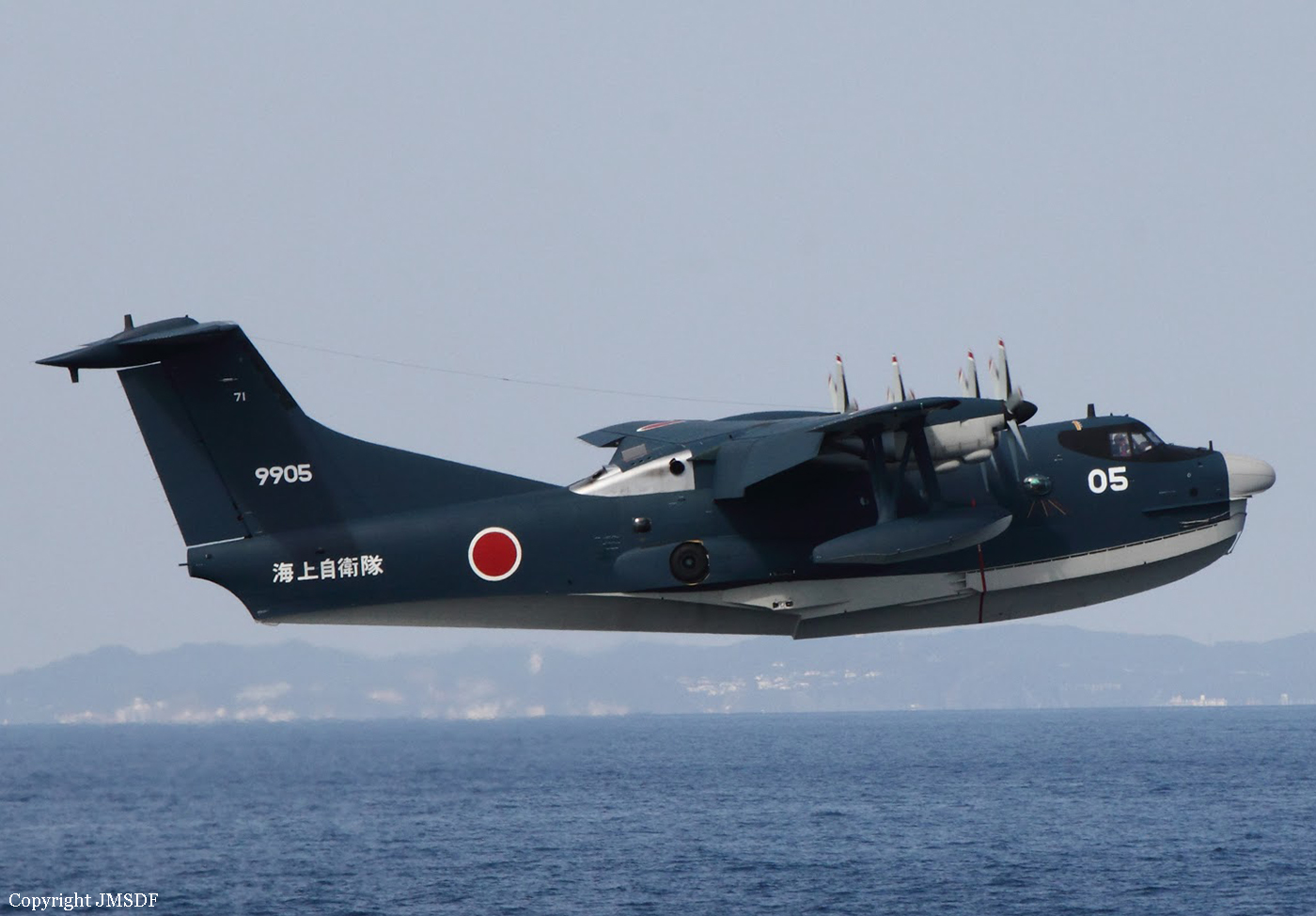
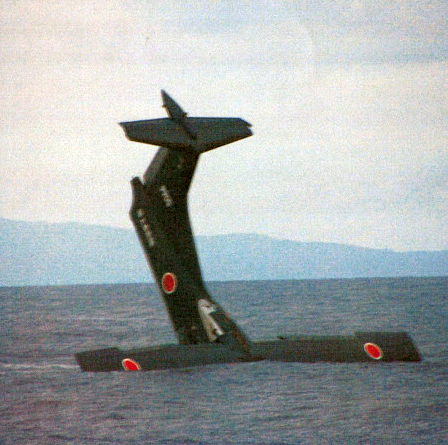
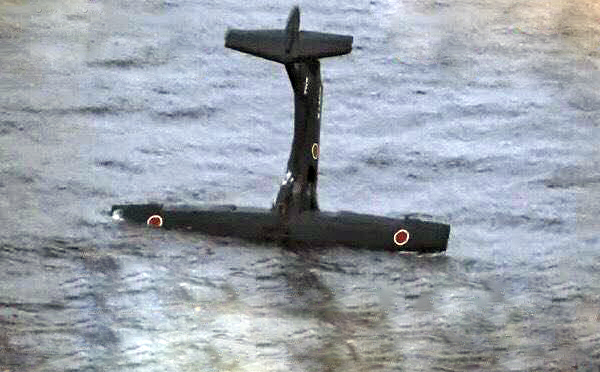
Crash of a Shin Meiwa US-2 off Cape Ashizuri

Date & Time: Apr 28, 2015 at 1455 LT
Type of aircraft:
Operator:
Registration:
9905
Flight Phase:
Flight Type:
Survivors:
Yes
Schedule:
Iwakuni - Iwakuni
MSN:
4005
Country:
Region:
Crew on board:
19
Crew fatalities:
Pax on board:
0
Pax fatalities:
Other fatalities:
Total fatalities:
0
Circumstances:
The four engine seaplane departed Iwakuni AFB to conduct a training mission over the sea, carrying 19 crew members from the 31st Squadron. For unknown reasons, the crew was apparently forced to attempt an emergency landing when the aircraft crashed in the sea some 40 km northeast of Cape Ashizuri. The aircraft lost an engine and a float and came to rest partially submerged. All 19 occupants were rescued, among them four were injured. The aircraft was damaged beyond repair.

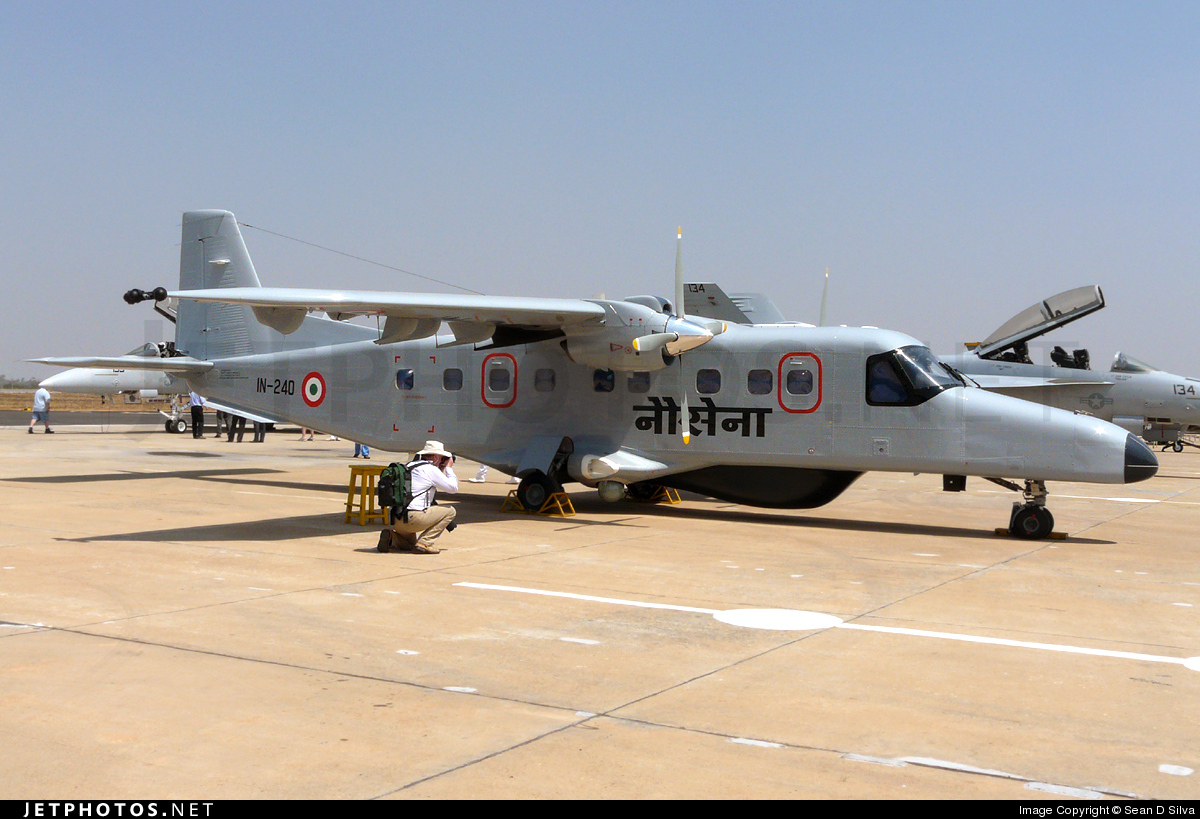
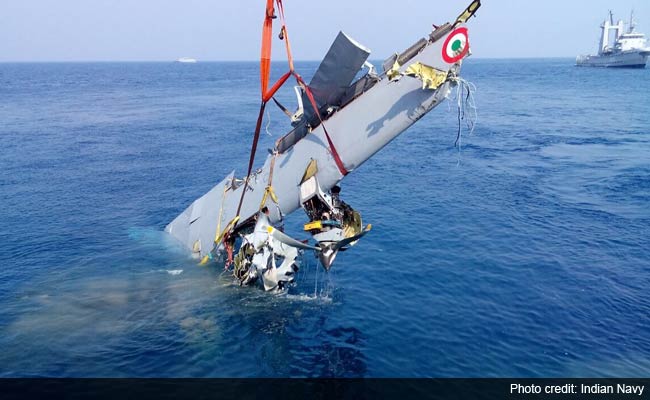
Crash of a Dornier DO228-201 off Dabolim: 2 killed

Date & Time: Mar 24, 2015 at 2208 LT
Type of aircraft:
Operator:
Registration:
IN-240
Flight Phase:
Flight Type:
Survivors:
Yes
Schedule:
Dabolim - Dabolim
MSN:
4079
YOM:
2009
Location:
Country:
Region:
Crew on board:
3
Crew fatalities:
Pax on board:
0
Pax fatalities:
Other fatalities:
Total fatalities:
2
Circumstances:
The crew was completing a training sortie from the Dabolim-Hansa Naval Air Station, State of Goa, on behalf of the 310th Naval Air Squadron. While flying by night, the twin engine aircraft crashed in the Indian Ocean about 45 km southwest of Dabolim Airport. A pilot was rescued and both other occupants (a second pilot and an observer) were killed.

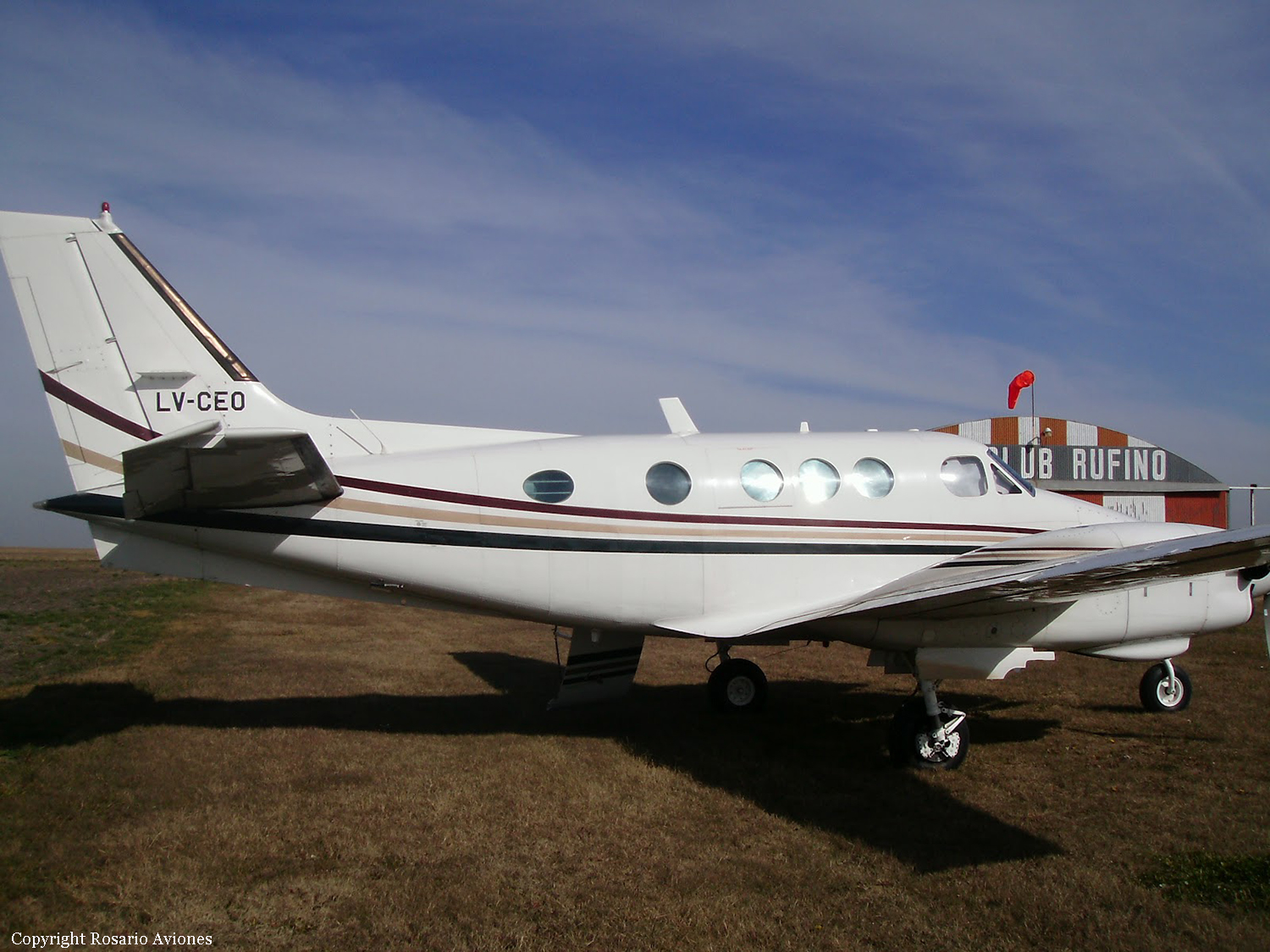
Crash of a Beechcraft B90 King Air in Laguna del Sauce: 10 killed

Date & Time: Mar 19, 2015 at 2038 LT
Type of aircraft:
Operator:
Registration:
LV-CEO
Flight Phase:
Survivors:
No
Schedule:
Laguna del Sauce – San Fernando
MSN:
LJ-454
YOM:
1969
Country:
Crew on board:
2
Crew fatalities:
Pax on board:
8
Pax fatalities:
Other fatalities:
Total fatalities:
10
Captain / Total flying hours:
9348
Copilot / Total flying hours:
5095
Aircraft flight hours:
10319
Circumstances:
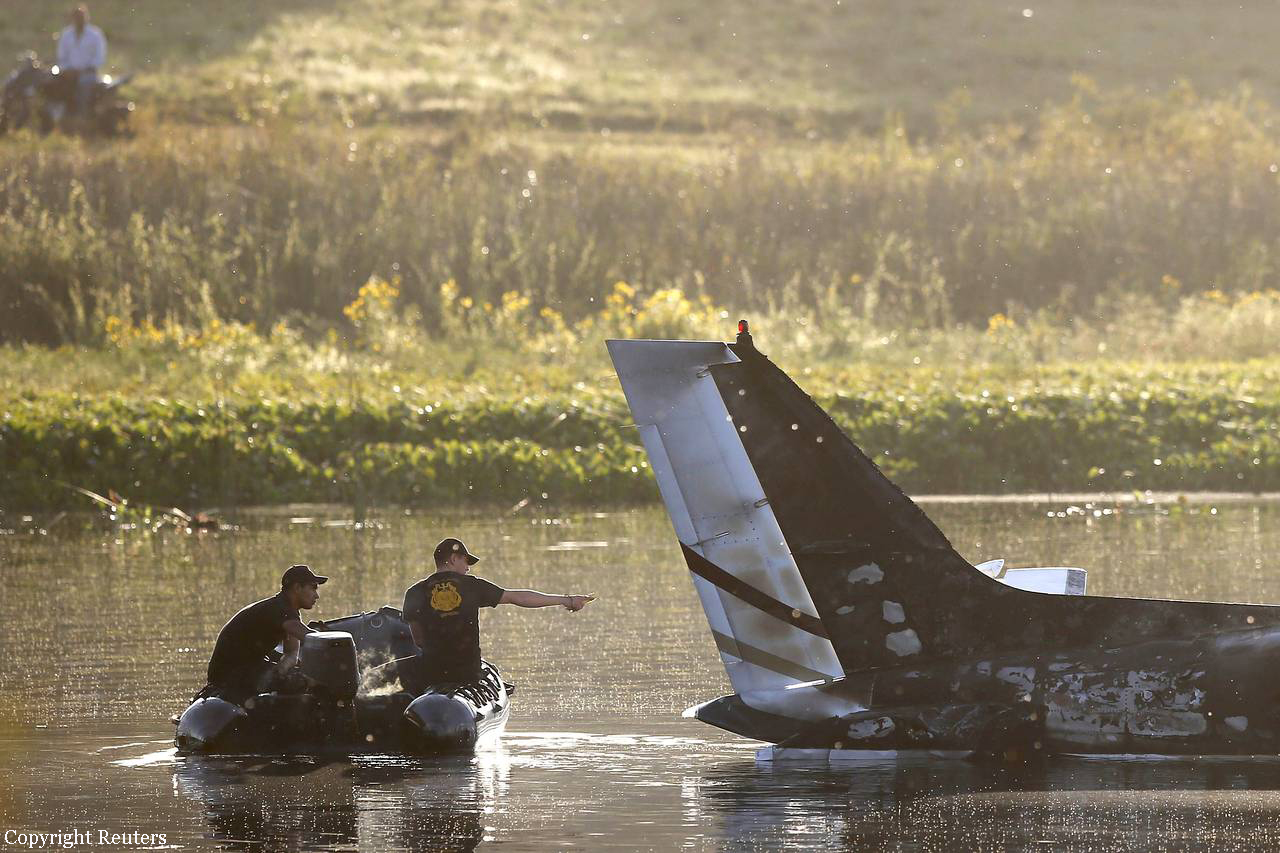
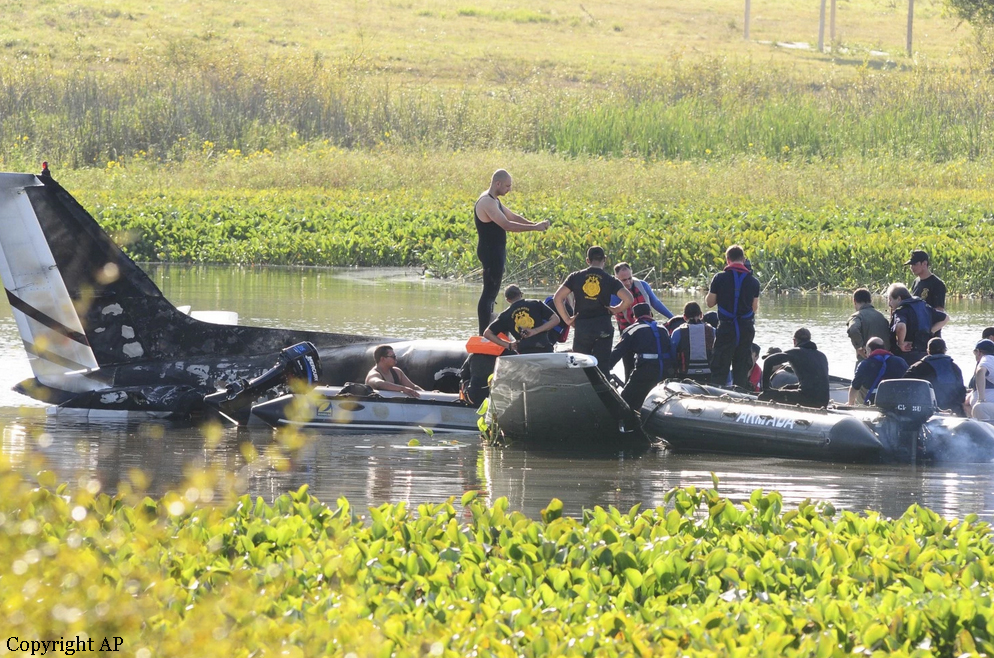
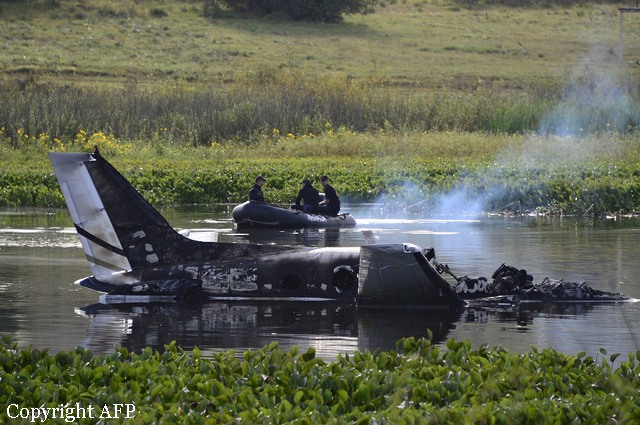
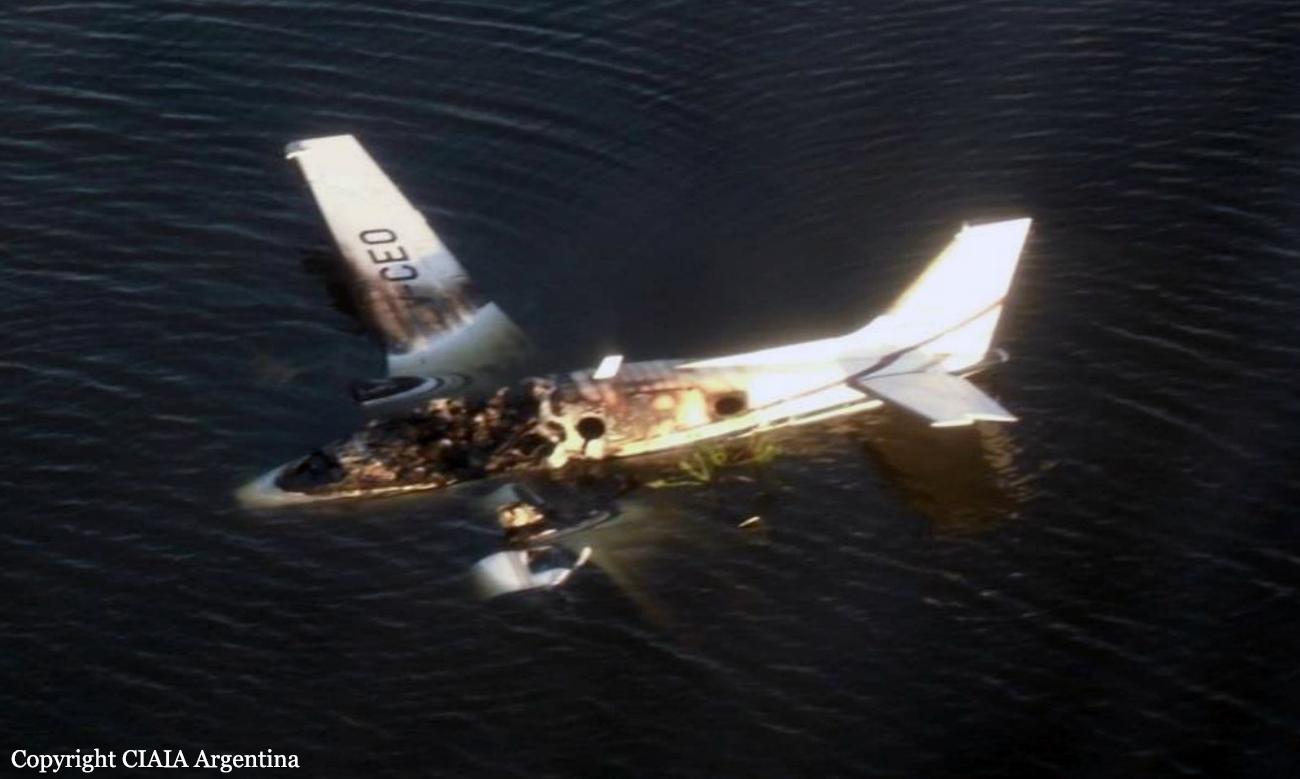
The twin engine airplane departed Laguna del Sauce Airport on a charter flight to San Fernando Airport near Buenos Aires, carrying eight passengers and two pilots. Shortly after a night takeoff from Laguna del Sauce Airport runway 01, the aircraft entered a controlled descent and crashed in shallow water some 2 km northwest of the airport, bursting into flames. The aircraft was destroyed by a post crash fire and all 10 occupants were killed.
Probable cause:
The accident resulted from impact with the ground without loss of control due to the combination of the following factors:
- The aircraft's climb profile did not meet the manufacturer's recommendations for speed and rate of climb,
- The center of gravity was outside the flight envelope,
- The total weight of the aircraft at the time of the accident was 124 kilos above the MTOW,
- Both pilots were tired due to a lack of rest time and a shift of more than 18 hours,
- The captain did not fly this type of aircraft since 1997 and was used to flying jets,
- The copilot had no experience on this type of aircraft despite being in possession of a valid license,
- The pilots' knowledge and understanding of the aircraft's systems and operation was inadequate,
- The operational checklists found on board the aircraft were not up to date,
- The pilots flew for the first time at night on this aircraft and for the second time together,
- The aircraft was operated under commercial rules on behalf of a travel agency while it could only fly privately,
- The instructor in charge of the training of both pilots and the person in charge of scheduling the flight refused to be questioned by the board of inquiry,
- An excessive workload for the crew and a lack of rest contributed to the pilots' loss of situational awareness,
- Both engines' compressors were running at low speed on impact,
- Both engines' propellers were turning at a speed close to low pitch,
- No mechanical anomalies were found on the engines and their components,
- Insufficient qualifications of the crew to fly on this type of aircraft,
- Pressure from the aircraft's owner to complete the flight,
- Crew fatigue and stress,
- Inadequate maintenance of the aircraft.
Final Report:

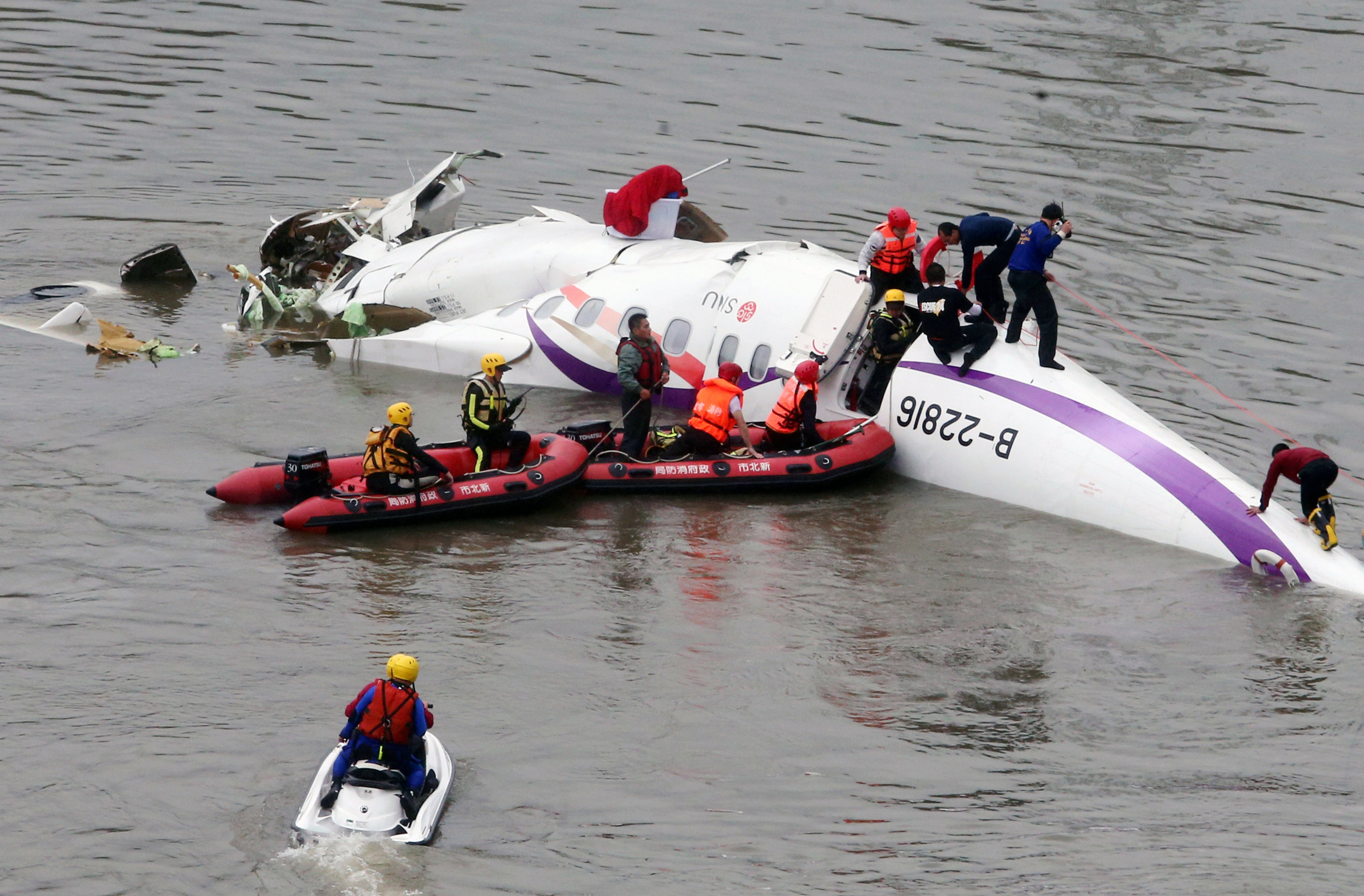
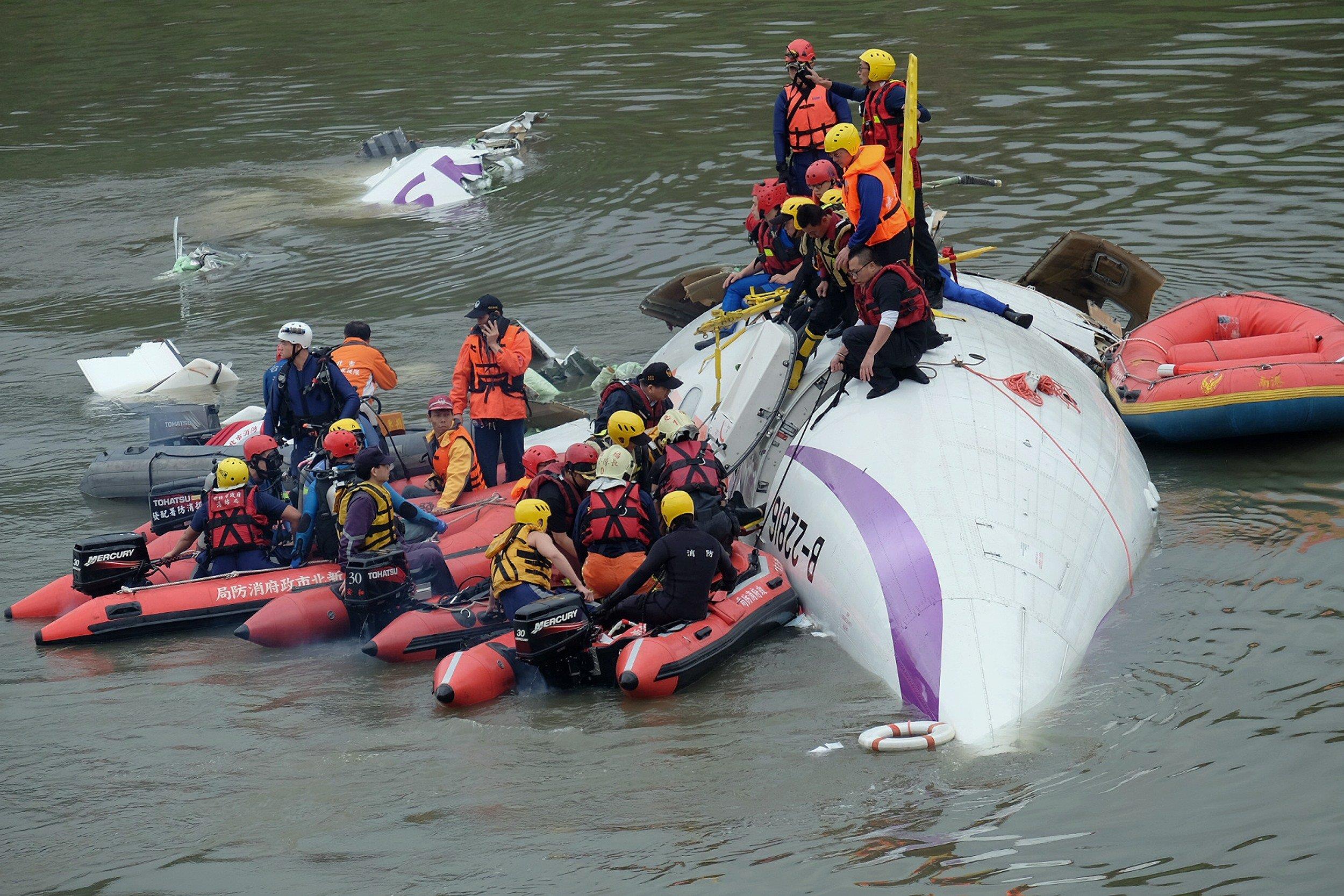
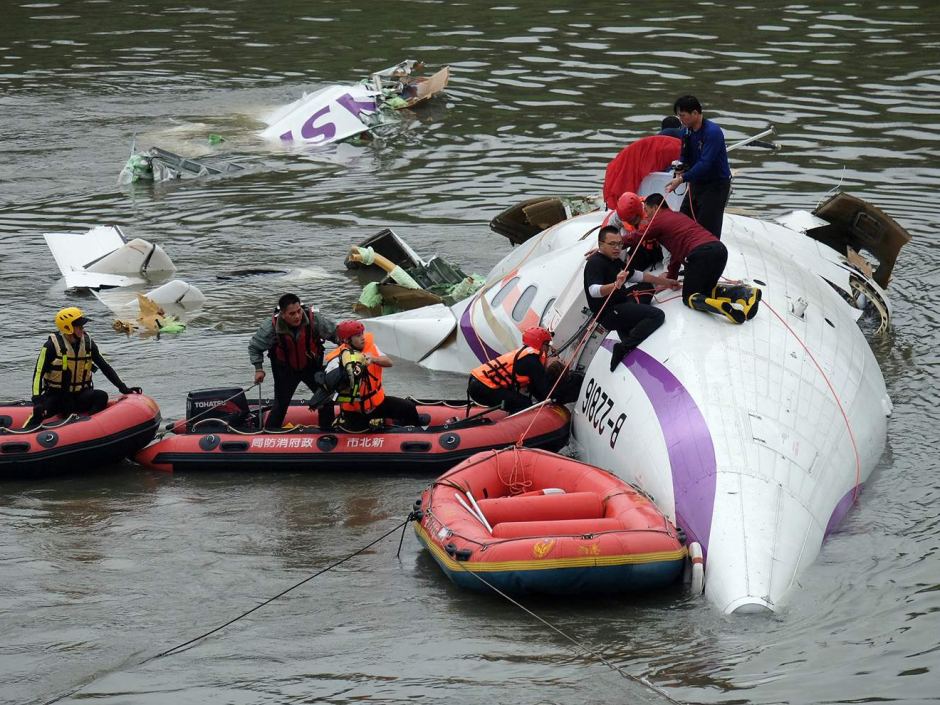
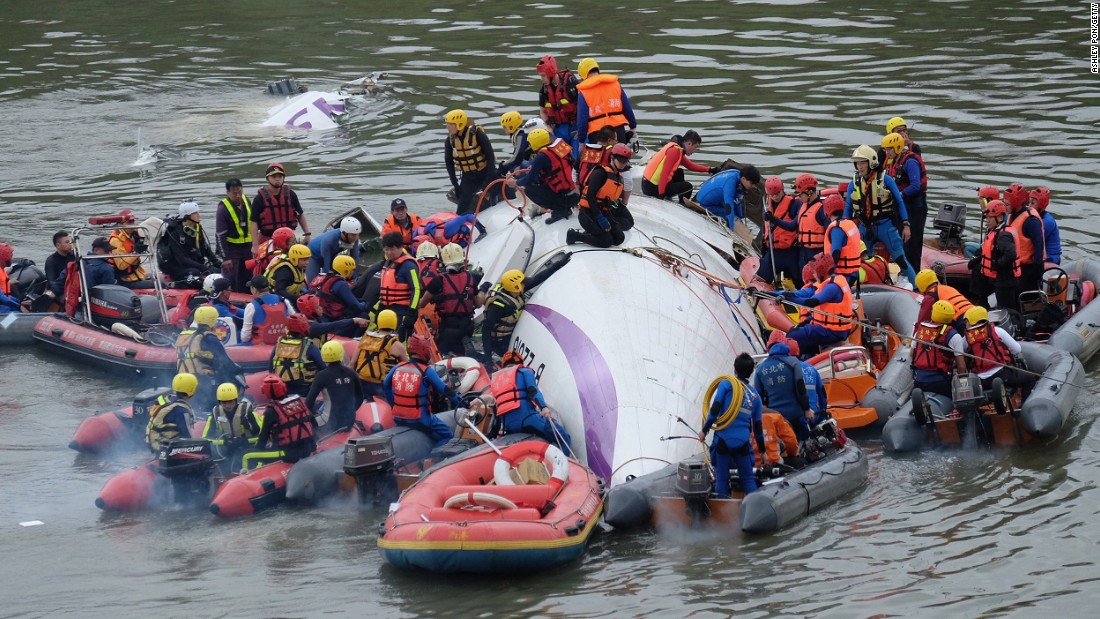
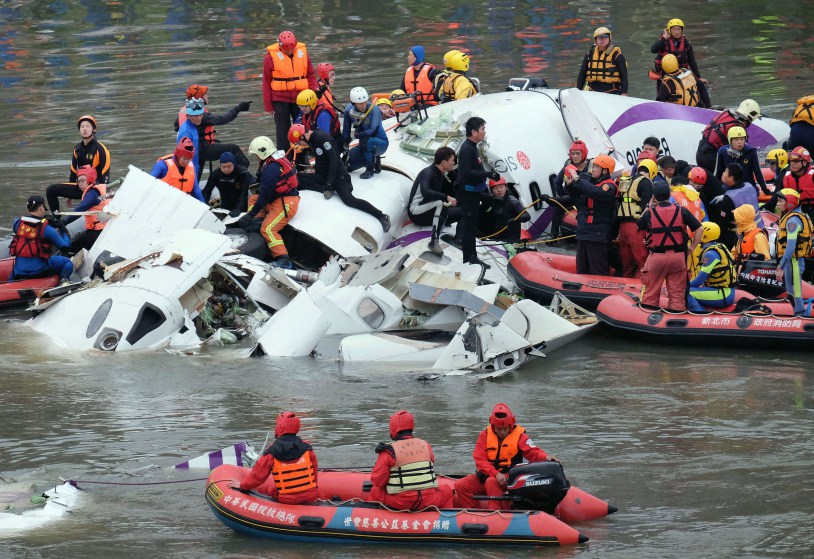
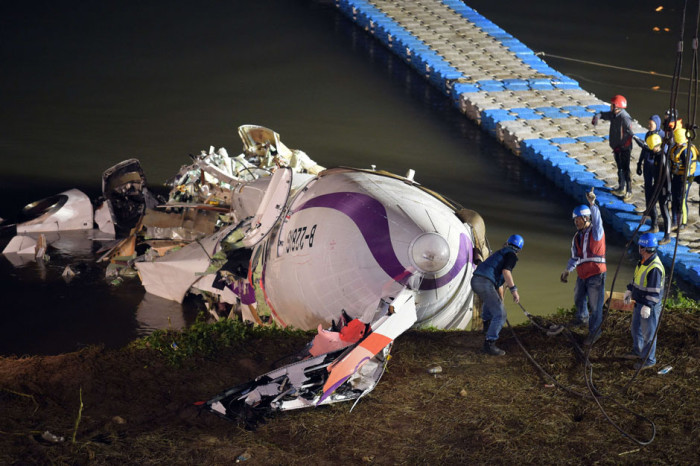
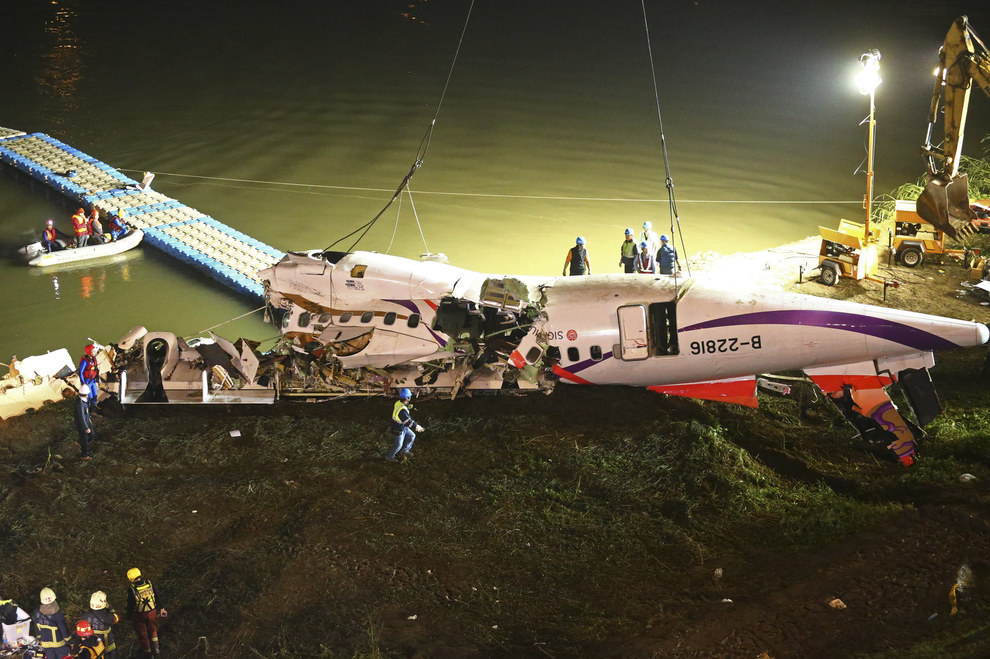
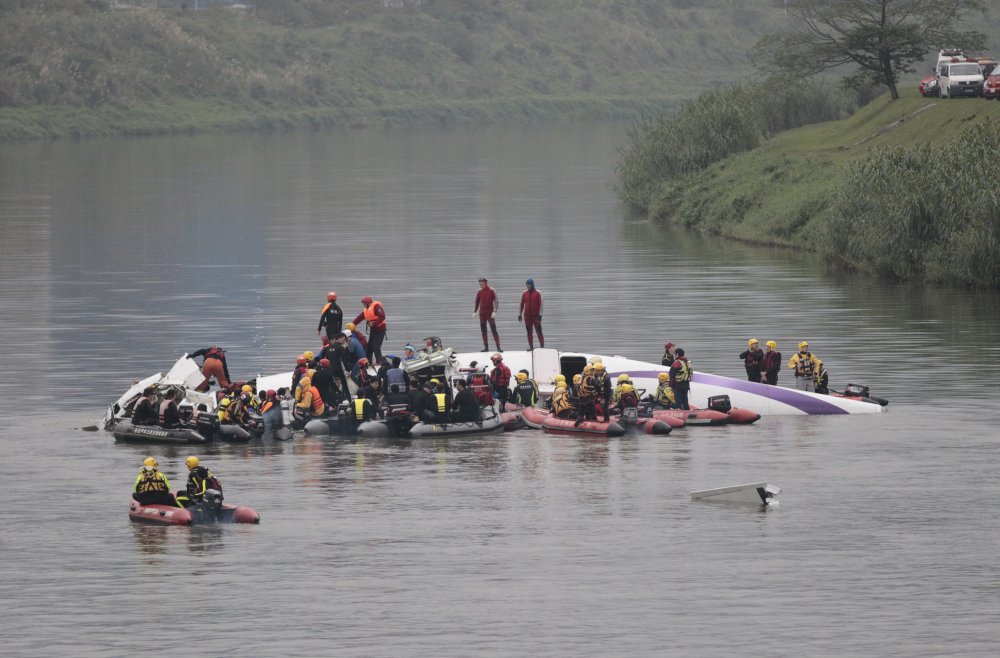
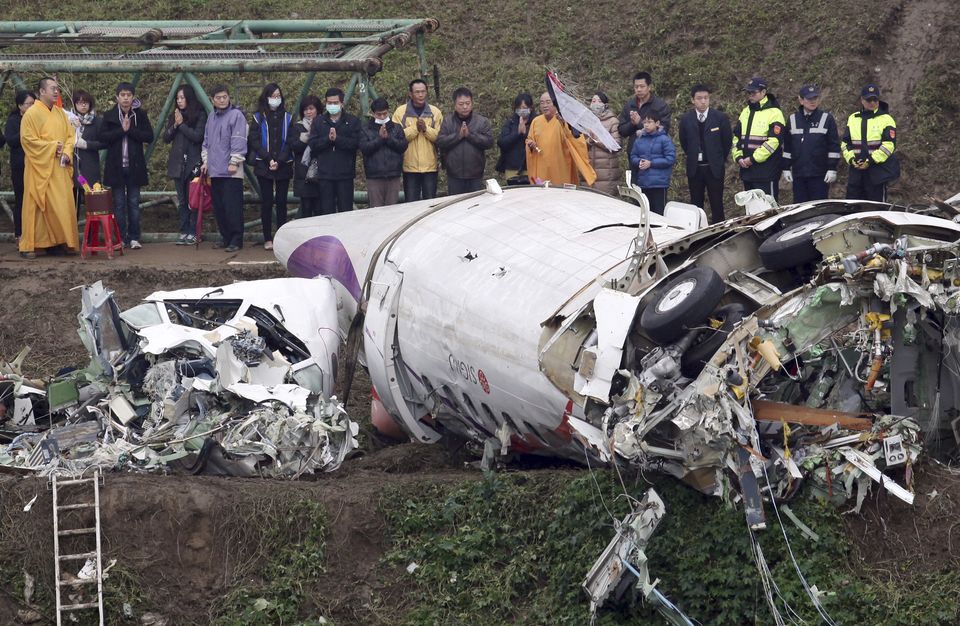
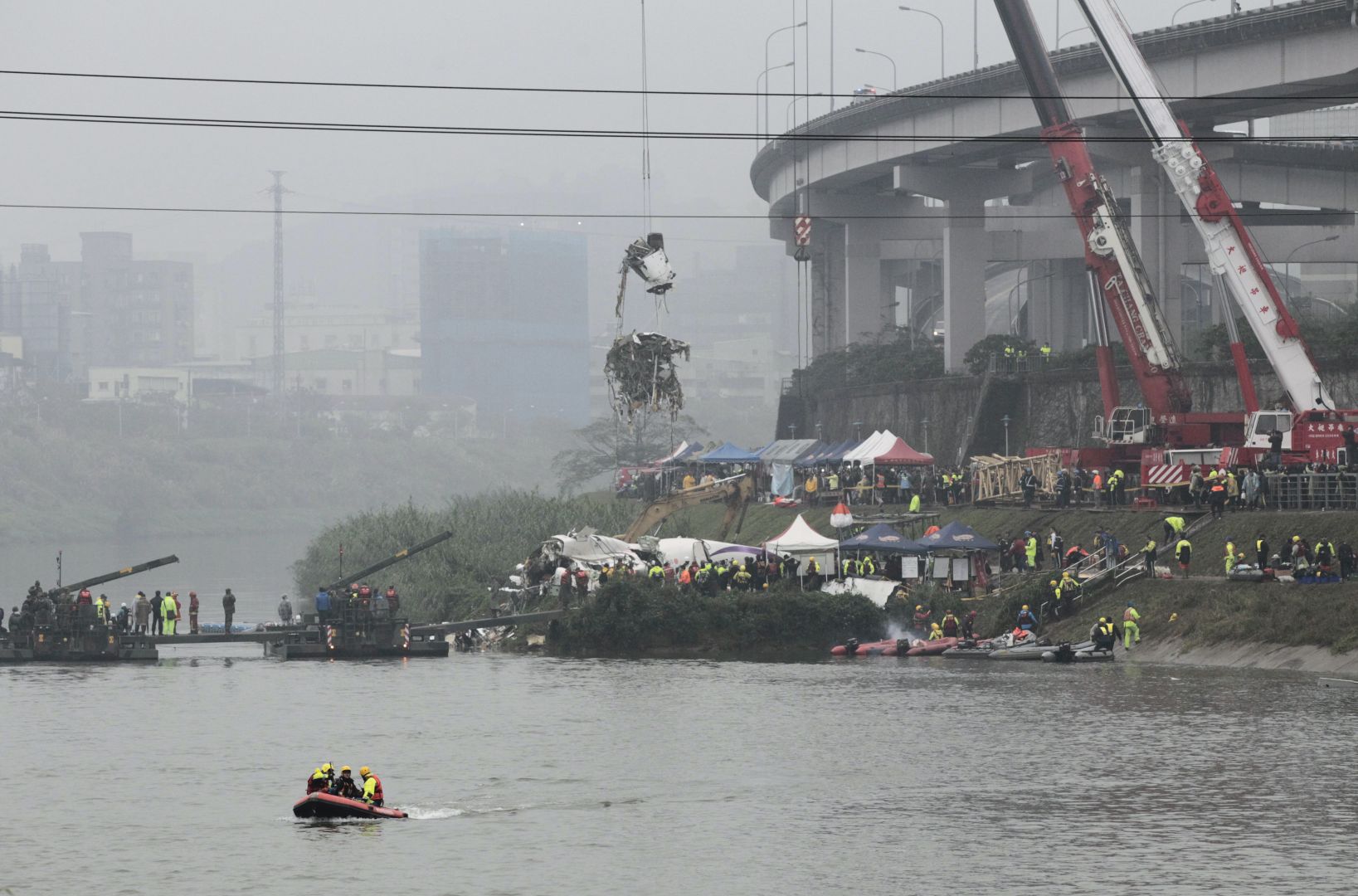
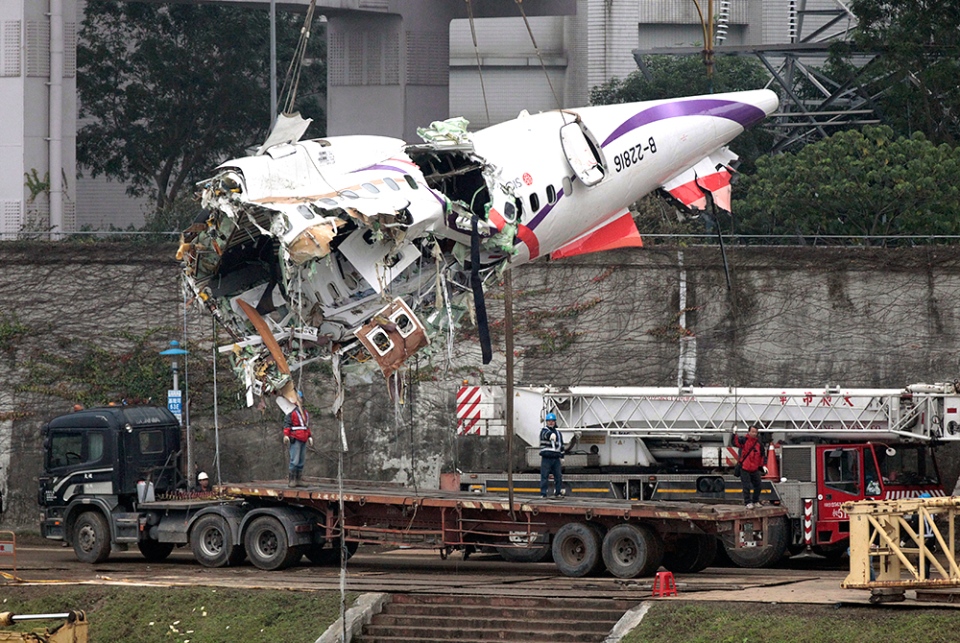
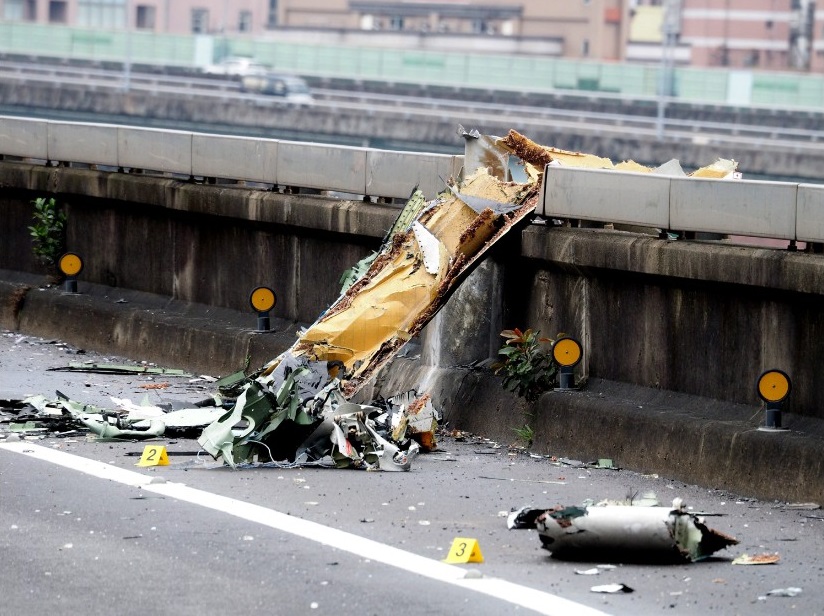
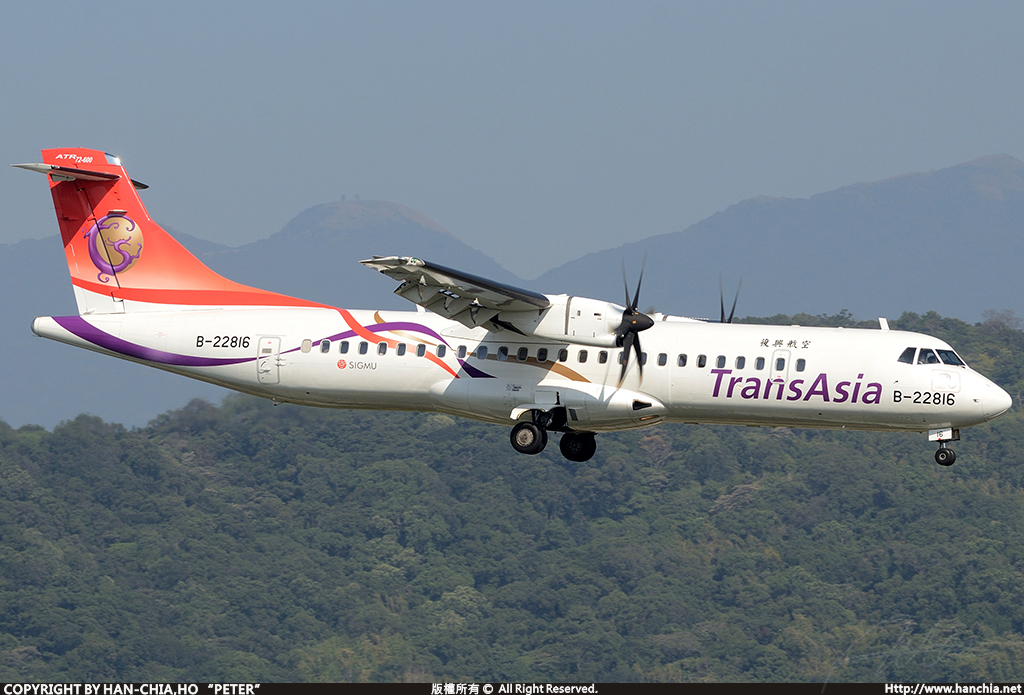
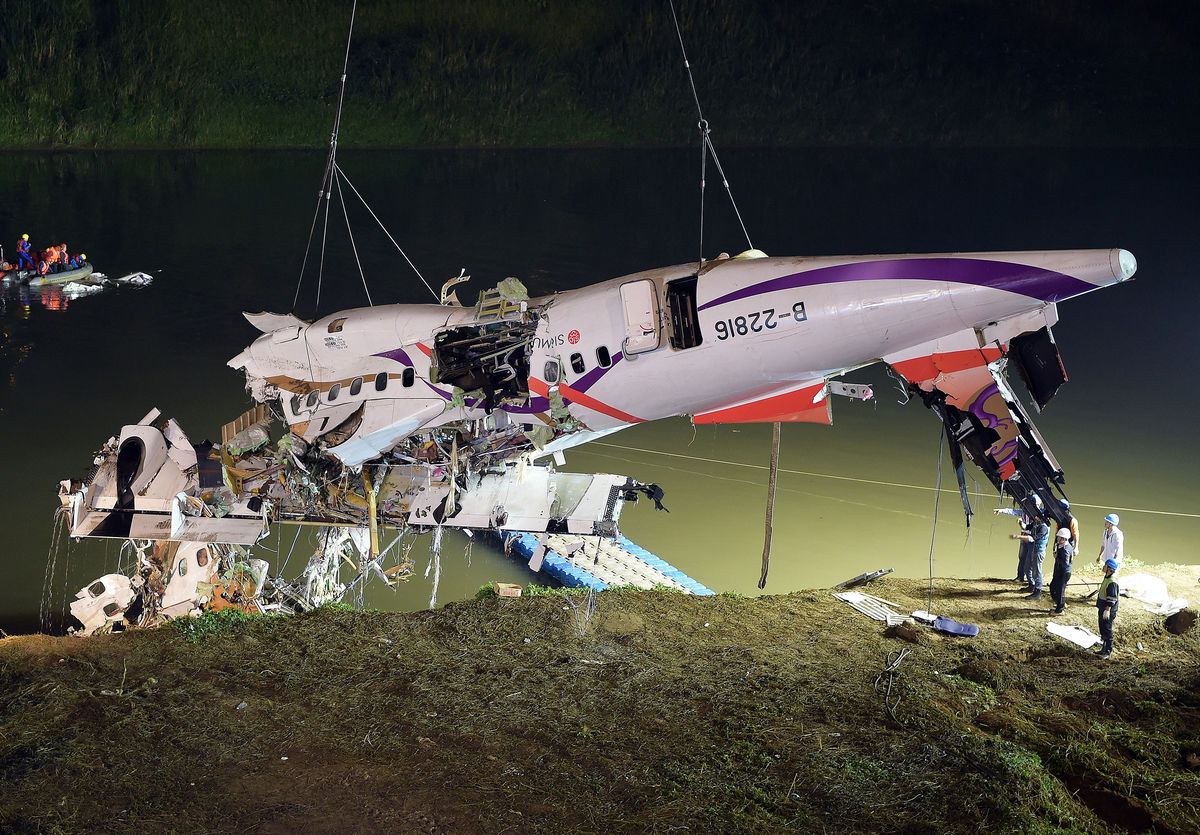
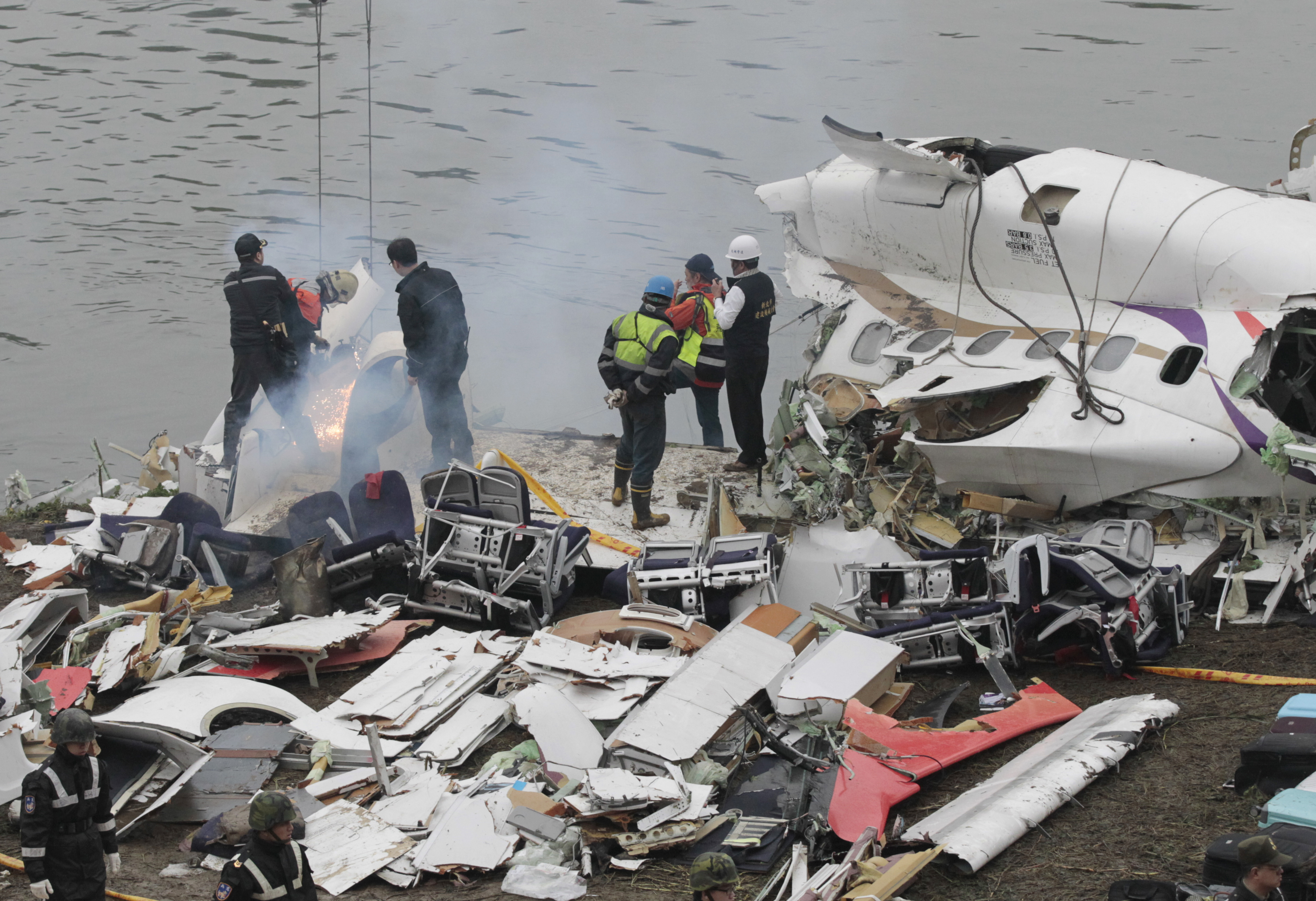
Crash of an ATR72-600 in Taipei: 43 killed

Date & Time: Feb 4, 2015 at 1054 LT
Type of aircraft:
Operator:
Registration:
B-22816
Flight Phase:
Survivors:
Yes
Schedule:
Taipei - Kinmen
MSN:
1141
YOM:
2014
Flight number:
GE235
Country:
Region:
Crew on board:
5
Crew fatalities:
Pax on board:
53
Pax fatalities:
Other fatalities:
Total fatalities:
43
Captain / Total flying hours:
4914
Captain / Total hours on type:
3151.00
Copilot / Total flying hours:
6922
Copilot / Total hours on type:
5687
Aircraft flight hours:
1627
Aircraft flight cycles:
2356
Circumstances:
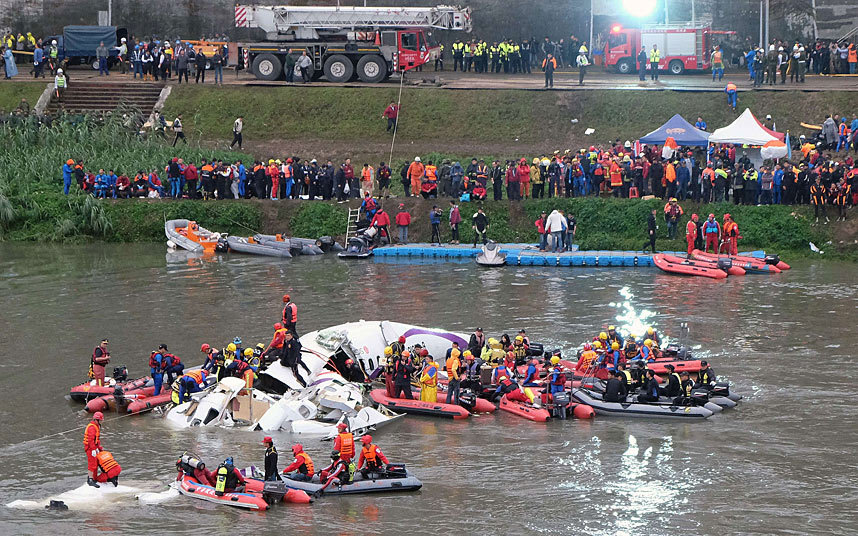
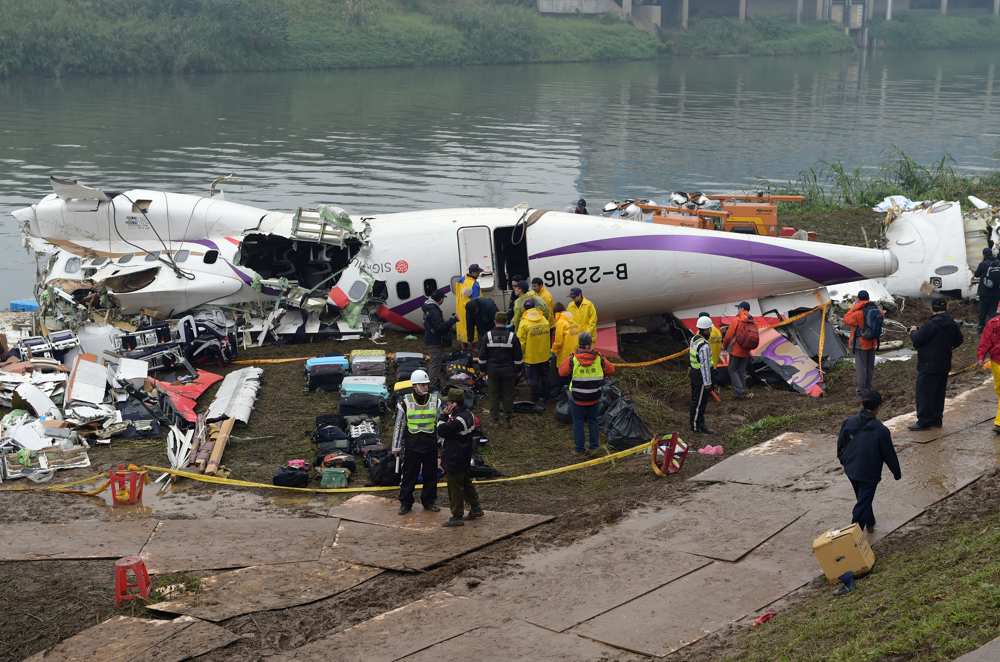
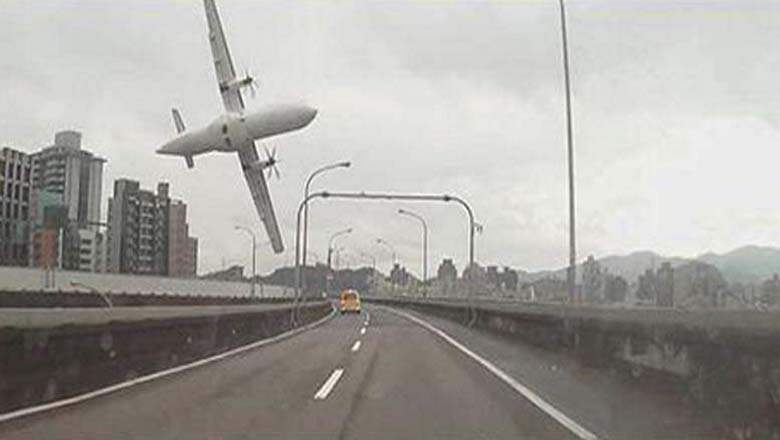
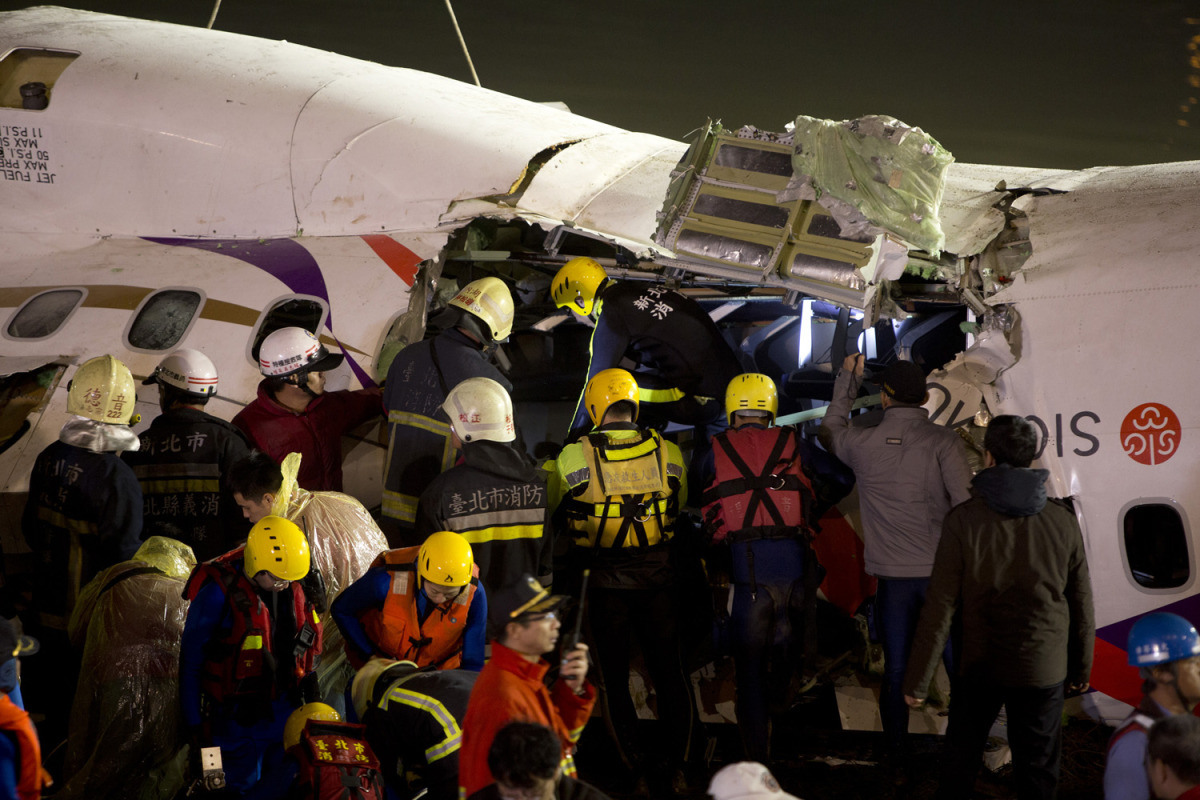
The twin turboprop took off from runway 10 at 1052LT. While climbing to a height of 1,200 feet, the crew sent a mayday message, stating that an engine flamed out. Shortly later, the aircraft stalled and banked left up to an angle of 90° and hit the concrete barrier of a bridge crossing over the Keelung River. Out of control, the aircraft crashed into the river and was destroyed. It has been confirmed that 40 occupants were killed while 15 others were rescued. Three occupants remains missing. A taxi was hit on the bridge and its both occupants were also injured. According to the images available, it appears that the left engine was windmilling when the aircraft hit the bridge. First investigations reveals that the master warning activated during the initial climb when the left engine was throttled back. Shortly later, the right engine auto-feathered and the stall alarm sounded.
Probable cause:
The accident was the result of many contributing factors which culminated in a stall-induced loss of control. During the initial climb after takeoff, an intermittent discontinuity in engine number 2’s auto feather unit (AFU) may have caused the automatic take off power control system (ATPCS) sequence which resulted in the uncommanded autofeather of engine number 2 propellers. Following the uncommanded autofeather of engine number 2 propellers, the flight crew did not perform the documented abnormal and emergency procedures to identify the failure and implement the required corrective actions. This led the pilot flying (PF) to retard power of the operative engine number 1 and shut down it ultimately. The loss of thrust during the initial climb and inappropriate flight control inputs by the PF generated a series of stall warnings, including activation of the stick shaker and pusher. After the engine number 1 was shut down, the loss of power from both engines was not detected and corrected by the crew in time to restart engine number 1. The crew did not respond to the stall warnings in a timely and effective manner. The aircraft stalled and continued descent during the attempted engine restart. The remaining altitude and time to impact were not enough to successfully restart the engine and recover the aircraft.
The following findings related to probable causes were noted:
An intermittent signal discontinuity between the auto feather unit (AFU) number 2 and the torque sensor may have caused the automatic take off power control system (ATPCS):
- Not being armed steadily during takeoff roll,
- Being activated during initial climb which resulted in a complete ATPCS sequence including the engine number 2 autofeathering.
The available evidence indicated the intermittent discontinuity between torque sensor and auto feather unit (AFU) number 2 was probably caused by the compromised soldering joints inside the AFU number 2.
The flight crew did not reject the take off when the automatic take off power control system ARM pushbutton did not light during the initial stages of the take off roll.
TransAsia did not have a clear documented company policy with associated instructions, procedures, and notices to crew for ATR72-600 operations communicating the requirement to reject the take off if the automatic take off power control system did not arm.
Following the uncommanded autofeather of engine number 2, the flight crew failed to perform the documented failure identification procedure before executing any actions. That resulted in pilot flying’s confusion regarding the identification and nature of the actual propulsion system malfunction and he reduced power on the operative engine number 1.
The flight crew’s non-compliance with TransAsia Airways ATR72-600 standard operating procedures - Abnormal and Emergency Procedures for an engine flame out at take off resulted in the pilot flying reducing power on and then shutting down the wrong engine.
The loss of engine power during the initial climb and inappropriate flight control inputs by the pilot flying generated a series of stall warnings, including activation of the stick pusher. The crew did not respond to the stall warnings in a timely and effective manner.
The loss of power from both engines was not detected and corrected by the crew in time to restart an engine. The aircraft stalled during the attempted restart at an altitude from which the aircraft could not recover from loss of control.
Flight crew coordination, communication, and threat and error management (TEM) were less than effective, and compromised the safety of the flight. Both operating crew members failed to obtain relevant data from each other regarding the status of both engines at different points in the occurrence sequence. The pilot flying did not appropriately respond to or integrate input from the pilot monitoring.
The engine manufacturer attempted to control intermittent continuity failures of the auto feather unit (AFU) by introducing a recommended inspection service bulletin at 12,000 flight hours to address aging issues. The two AFU failures at 1,624 flight hours and 1,206 flight hours show that causes of intermittent continuity failures of the AFU were not only related to aging but also to other previously undiscovered issues and that the inspection service bulletin implemented by the engine manufacturer to address this issue before the occurrence was not sufficiently effective. The engine manufacturer has issued a modification addressing the specific finding of this investigation. This new modification is currently implemented in all new production engines, and another service bulletin is available for retrofit.
Pilot flying’s decision to disconnect the autopilot shortly after the first master warning increased the pilot flying’s subsequent workload and reduced his capacity to assess and cope with the emergency situation.
The omission of the required pre-take off briefing meant that the crew were not as mentally prepared as they could have been for the propulsion system malfunction they encountered after takeoff.
Final Report:


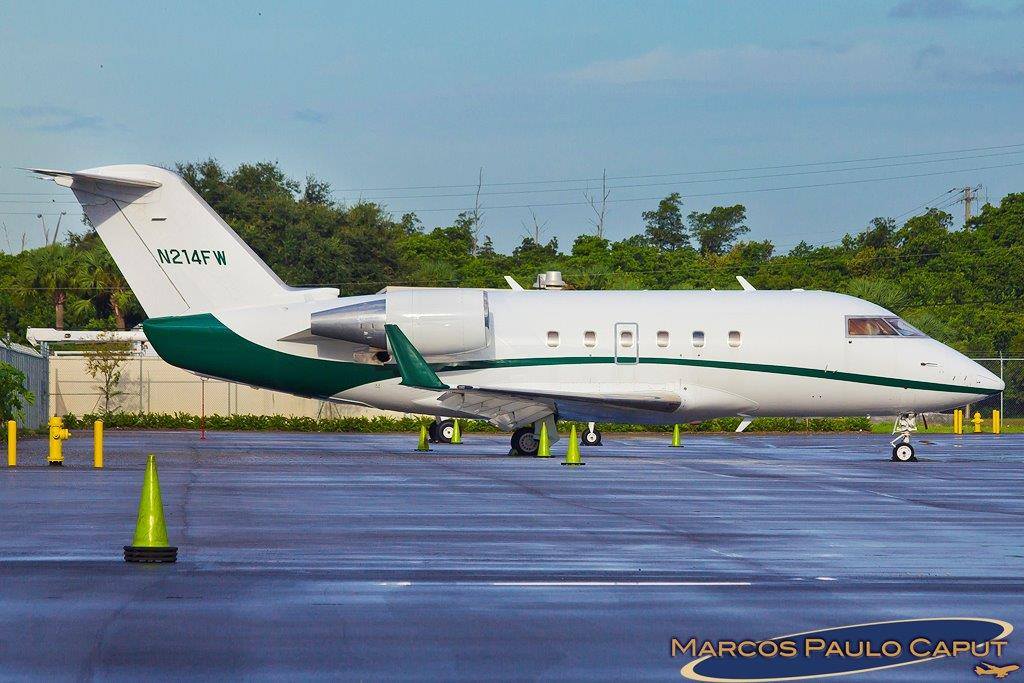
Crash of a Canadair CL-601 Challenger off Aruba: 3 killed

Date & Time: Jan 29, 2015
Type of aircraft:
Operator:
Registration:
N214FW
Flight Phase:
Flight Type:
Survivors:
No
MSN:
3008
YOM:
1983
Crew on board:
3
Crew fatalities:
Pax on board:
0
Pax fatalities:
Other fatalities:
Total fatalities:
3
Circumstances:
The aircraft left an airfield located somewhere in the State of Apure, Venezuela, apparently bound for the US with three people on board. While flying north of Punto Fijo, above the sea, the crew was contacted by ATC but failed to respond. Convinced this was an illegal flight, the Venezuelan Authorities decided to send a fighter to intercept the Challenger that was shot down. Out of control, it dove into the Caribbean Sea and crashed off the coast of Aruba Island. All three occupants were killed and on site, more than 400 boxes containing cocaine were found.
Probable cause:
Shot down by the pilot of a Venezuelan Air Force fighter.

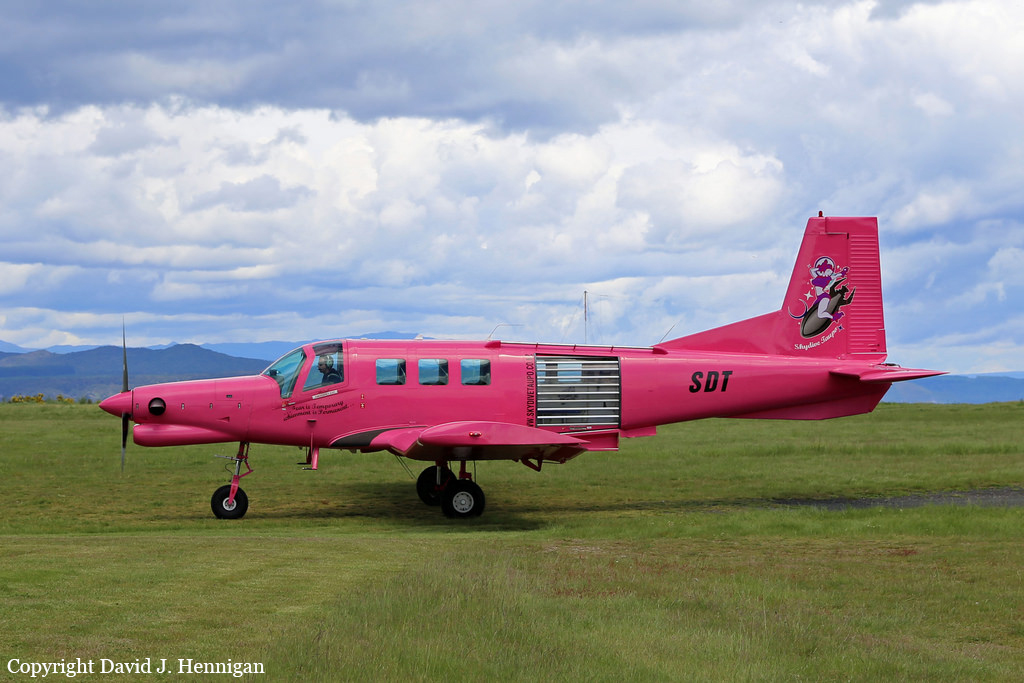
Crash of a Pacific Aerospace PAC 750XL in Taupo Lake

Date & Time: Jan 7, 2015 at 1216 LT
Operator:
Registration:
ZK-SDT
Flight Phase:
Survivors:
Yes
Schedule:
Taupo - Taupo
MSN:
122
YOM:
2005
Country:
Region:
Crew on board:
1
Crew fatalities:
Pax on board:
12
Pax fatalities:
Other fatalities:
Total fatalities:
0
Captain / Total flying hours:
588
Captain / Total hours on type:
14.00
Circumstances:
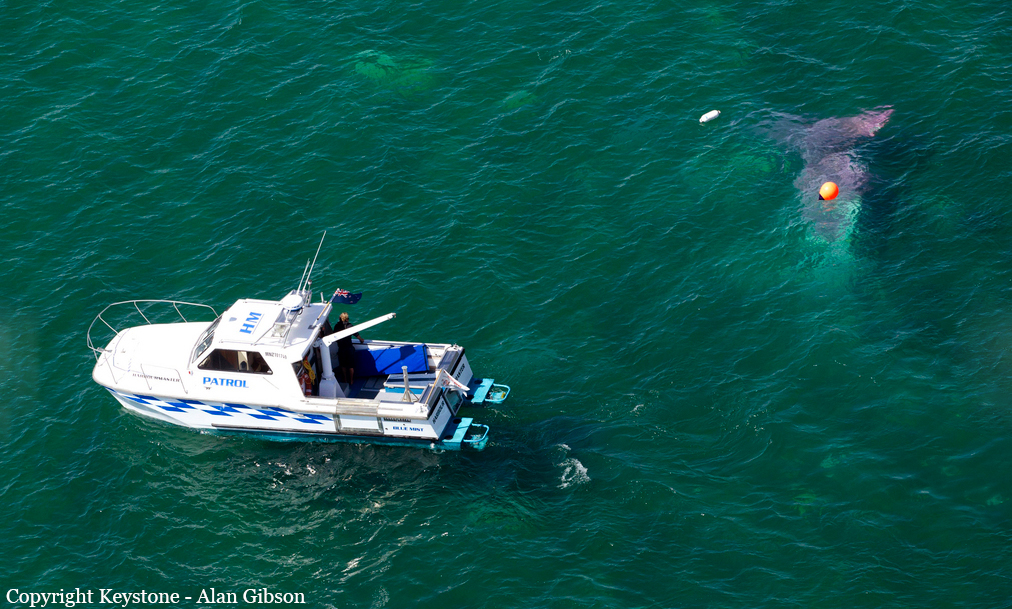
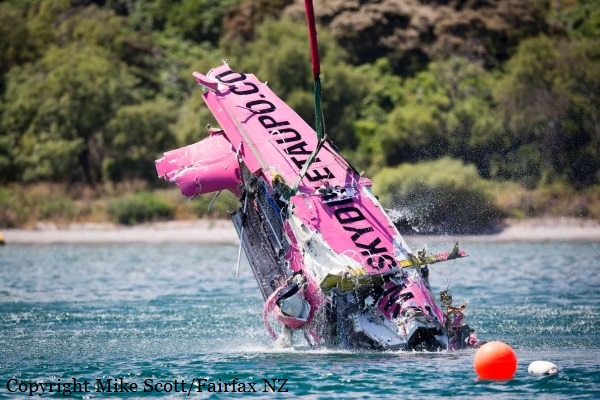
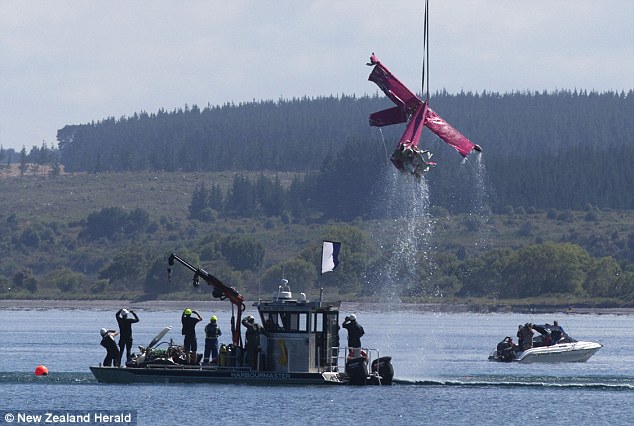
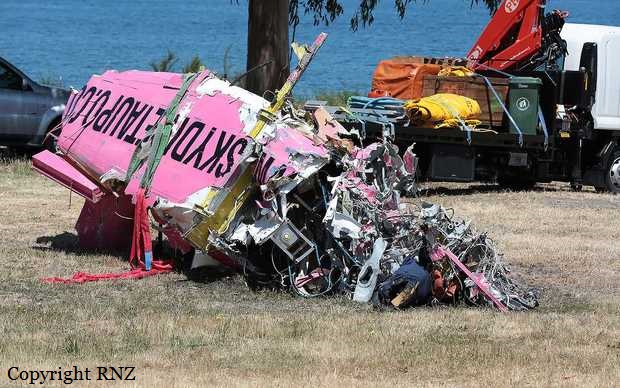
On 7 January 2015 a Pacific Aerospace Limited 750XL aeroplane was being used for tandem parachuting (or ‘skydiving’) operations at Taupō aerodrome. During the climb on the fourth flight of the day, the Pratt & Whitney Canada PT6A-34 engine failed suddenly. The 12 parachutists and the pilot baled out of the aeroplane and landed without serious injury. The aeroplane crashed into Lake Taupō and was destroyed.
Probable cause:
The following findings were identified:
- The first compressor turbine blade failed after a fatigue crack, which had begun at the trailing edge, propagated towards the leading edge. The blade finally fractured in tensile overload. The separated blade fragment caused other blades to fracture and the engine to stop.
- The fatigue crack in the trailing edge of the blade was likely initiated by the trailing edge radius having been below the specification for a new blade.
- The P&WC Repair Requirement Document 725009-SRR-001, at the time the blades were overhauled, had generic requirements for trailing edge thickness inspections but did not specify a minimum measurement for the trailing edge radius.
- The higher engine power settings used by the operator since August 2014 were within the flight manual limits. Therefore it was unlikely that the operator’s engine handling policy contributed to the engine failure.
- The operator had maintained the engine in accordance with an approved, alternative maintenance programme, but the registration of the engine into that programme had not been completed. The administrative oversight did not affect the reliability of the engine or contribute to the blade failure.
- It was likely that the maintenance provider had not followed fully the engine manufacturer’s recommended procedure for inspecting the compressor turbine blades. It could not be determined whether the crack might have been present, and potentially detectable, at the most recent borescope inspection.
- The operator had not equipped its pilots with flotation devices to cover the possibility of a ditching or an emergency bale-out over or near water.
- The pilot had demonstrated that he was competent and he had the required ratings. However, it was likely that the operator’s training of the pilot in emergency procedures was inadequate. This contributed to the pilot making a hasty exit from the aeroplane that jeopardized others.
Final Report:
Crash of an Airbus A320-216 into the Java Sea: 162 killed

Date & Time: Dec 28, 2014 at 0618 LT
Type of aircraft:
Operator:
Registration:
PK-AXC
Flight Phase:
Survivors:
No
Schedule:
Surabaya – Singapore
MSN:
3648
YOM:
2008
Flight number:
QZ8501
Country:
Region:
Crew on board:
6
Crew fatalities:
Pax on board:
156
Pax fatalities:
Other fatalities:
Total fatalities:
162
Captain / Total flying hours:
20537
Captain / Total hours on type:
4687.00
Copilot / Total flying hours:
2247
Copilot / Total hours on type:
1367
Aircraft flight hours:
23039
Aircraft flight cycles:
13610
Circumstances:
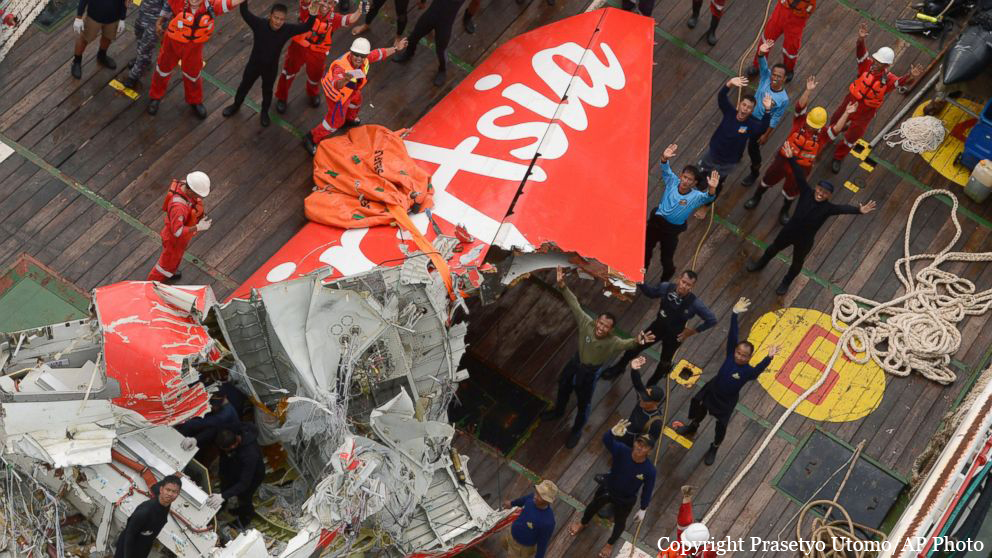
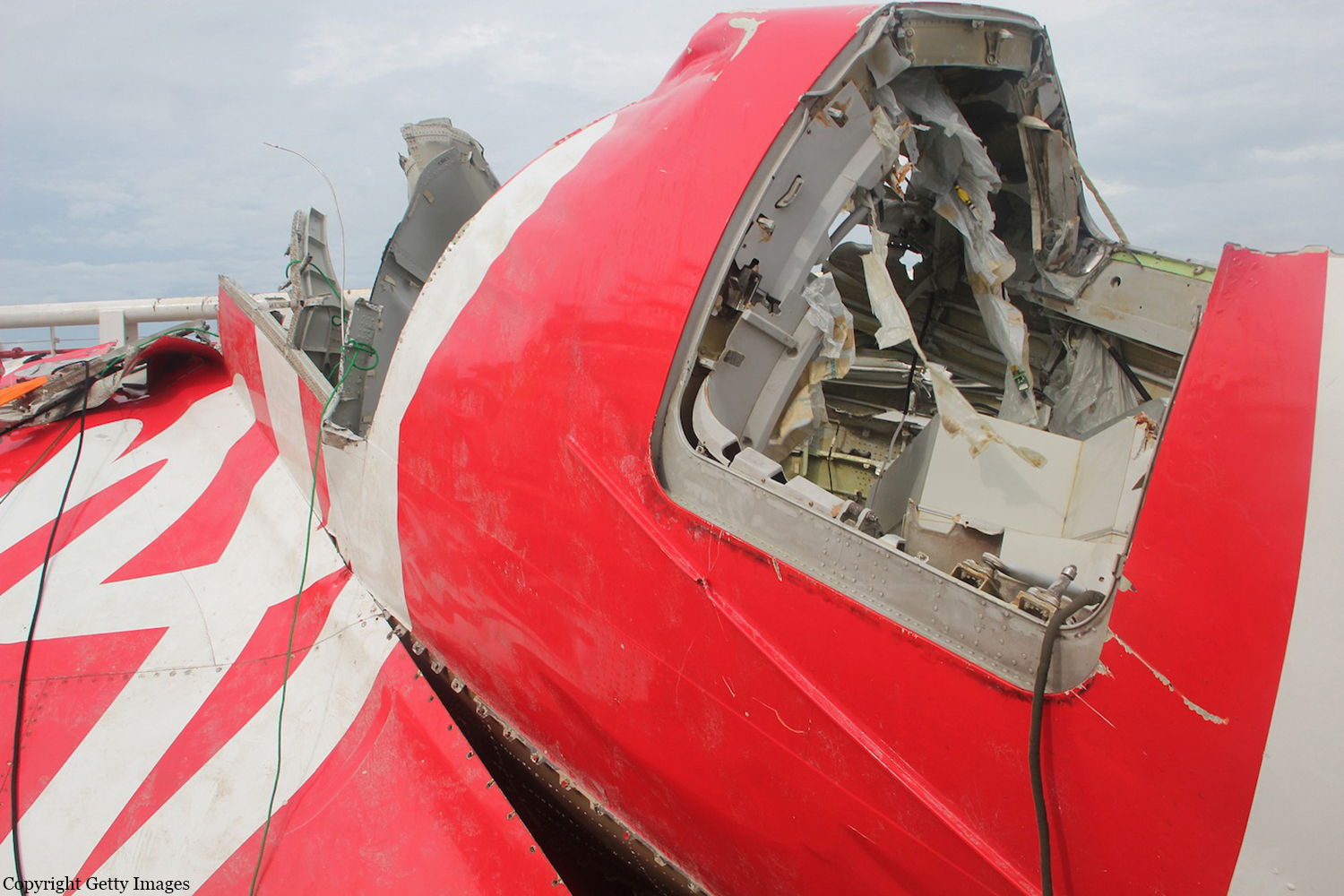
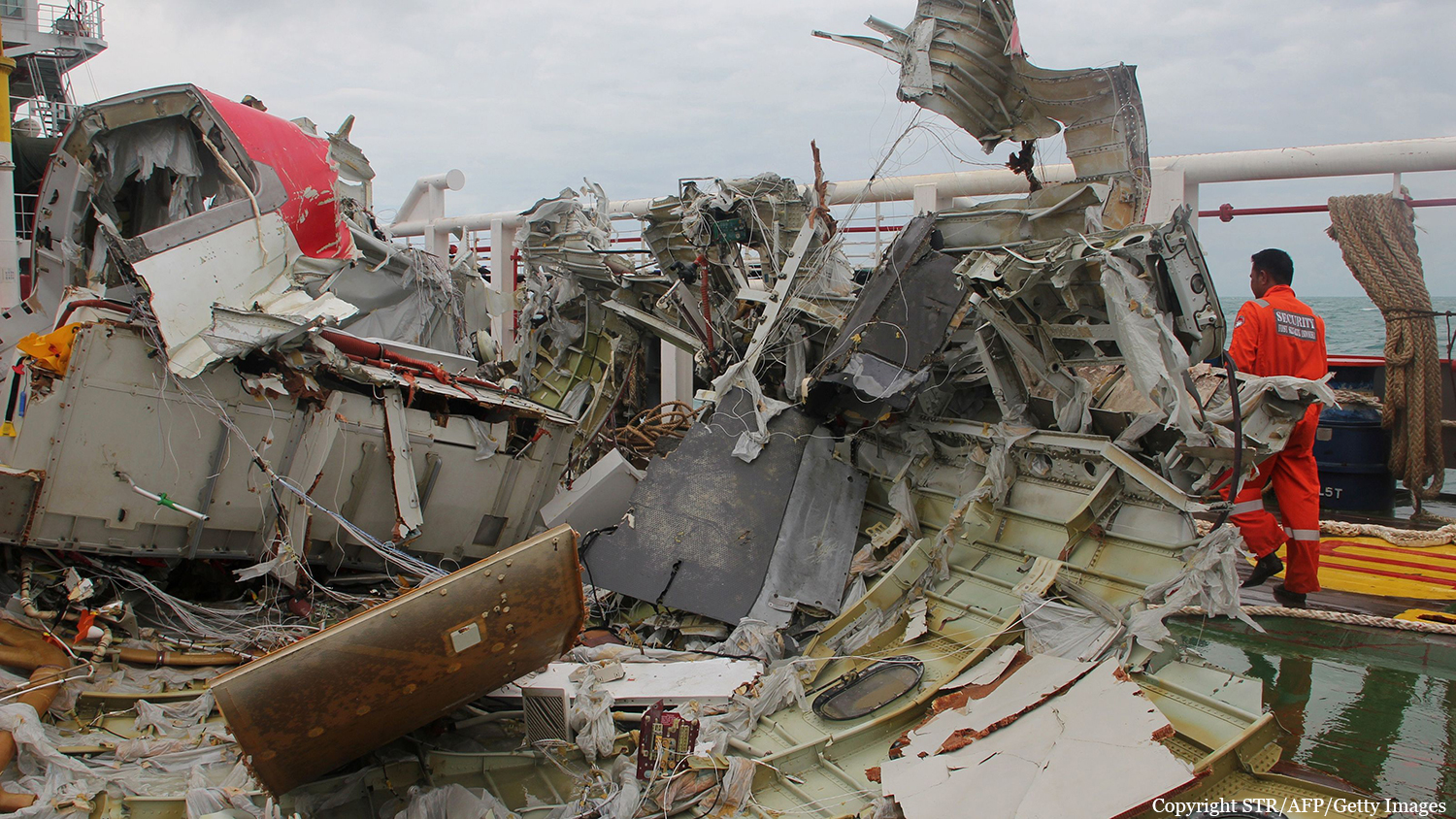
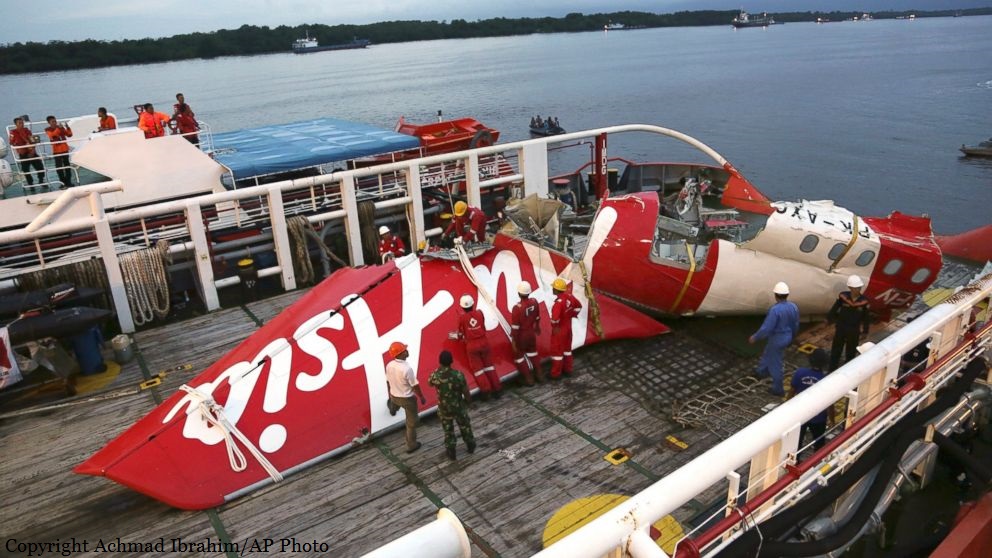
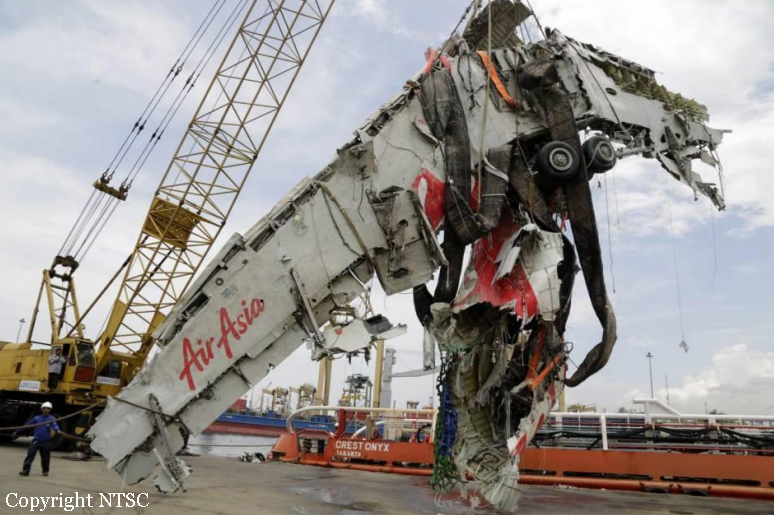
The aircraft left Surabaya-Juanda Airport at 0535LT and climbed to its assigned altitude of FL320 that he reached 19 minutes later. The crew contacted ATC to obtain the authorization to climb to FL380 and to divert to 310° due to bad weather conditions. At 0617, the radio contact was lost with the crew and a minute later, the transponder stopped when the aircraft disappeared from the radar screen. At this time, the aircraft was flying at the altitude of 36,300 feet and its speed was decreasing to 353 knots. It is believed the aircraft crashed some 80 nautical miles southeast off the Pulau Belitung Island, some 200 km from the Singapore Control Area. The Indonesian Company confirmed there were 156 Indonesian Citizens on board, three South Korean, one Malaysian, one Singapore and one French (the copilot) as well. At the time of the accident, the weather conditions were marginal with storm activity, rain falls and turbulence in the area between Pulau Belitung and Kalimantan. First debris were spotted by the Indonesian Navy some 48 hours later, about 150 NM east-south-east off the Pulau Belitung Island. About forty dead bodies were found up to December 30. The tail was recovered on January 10, 2015 and the black boxes were localized a day later. On January 12 and 13 respectively, the DFDR and the CVR were out of water and sent to Jakarta for analysis and investigations.
Probable cause:
The cracking of a solder joint of both channel A and B resulted in loss of electrical continuity and led to RTLU (rudder travel limiter unit) failure.
The existing maintenance data analysis led to unresolved repetitive faults occurring with shorter intervals. The same fault occurred 4 times during the flight.
The flight crew action to the first 3 faults in accordance with the ECAM messages. Following the fourth fault, the FDR recorded different signatures that were similar to the FAC CB‟s being reset resulting in electrical interruption to the FAC‟s.
The electrical interruption to the FAC caused the autopilot to disengage and the flight control logic to change from Normal Law to Alternate Law, the rudder deflecting 2° to the left resulting the aircraft rolling up to 54° angle of bank.
Subsequent flight crew action leading to inability to control the aircraft in the Alternate Law resulted in the aircraft departing from the normal flight envelope and entering prolonged stall condition that was beyond the capability of the flight crew to recover.
Final Report:
Crash of a Cessna 208B Grand Caravan off Belize City

Date & Time: Dec 4, 2014 at 1420 LT
Type of aircraft:
Operator:
Registration:
V3-HHU
Survivors:
Yes
Schedule:
San Pedro – Belize City
MSN:
208B-2025
YOM:
2008
Flight number:
9N281
Country:
Crew on board:
1
Crew fatalities:
Pax on board:
5
Pax fatalities:
Other fatalities:
Total fatalities:
0
Circumstances:
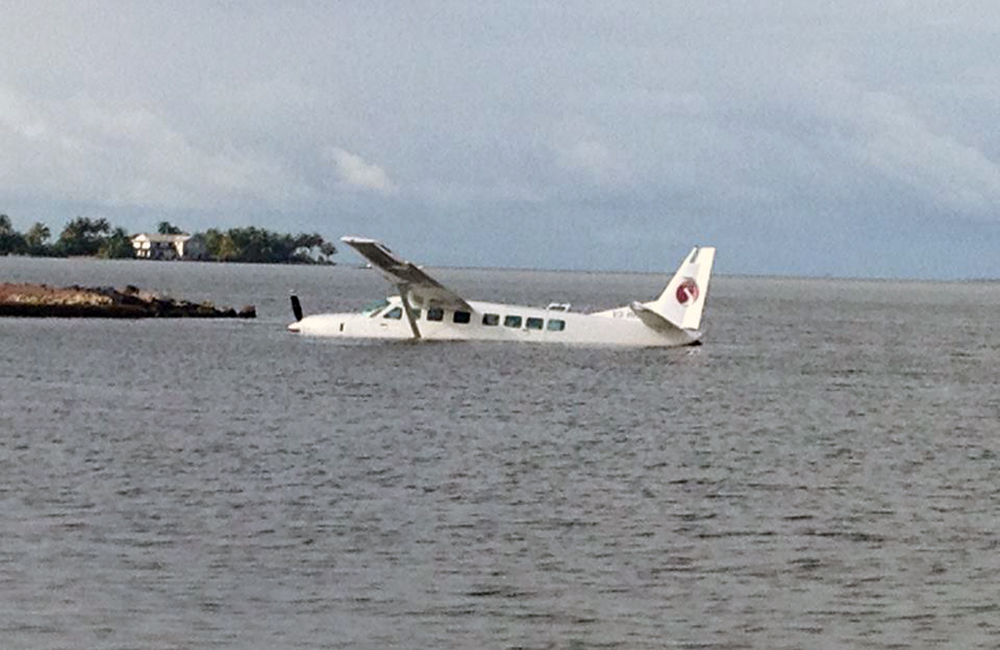
After landing at Belize City-Sir Barry Bowen Municipal Airport in marginal weather conditions, the single engine aircraft was unable to stop within the remaining distance. It overran, lost its right main gear, plunged into the sea and came to rest in shallow water. All six occupants were rescued and the aircraft was damaged beyond repair.