Crash of a Cessna 402B off Barcelona

Date & Time: Dec 28, 2015 at 1115 LT
Type of aircraft:
Operator:
Registration:
YV3101
Flight Phase:
Flight Type:
Survivors:
Yes
Schedule:
Porlamar – Charallave
Country:
Crew on board:
1
Crew fatalities:
Pax on board:
2
Pax fatalities:
Other fatalities:
Total fatalities:
0
Circumstances:
En route from Porlamar to Charallave, while cruising at an altitude of 3,000 feet, both engines failed simultaneously. The pilot reduced his altitude and ditched the aircraft 33 km north of Barcelona. All three occupants evacuated safely and found refuge in a lifeboat. They were rescued an hour later by Venezuelan coastguard. The aircraft sank and was lost.

Crash of a BAe 125-700B off Dakar: 7 killed

Date & Time: Sep 5, 2015 at 1812 LT
Type of aircraft:
Operator:
Registration:
6V-AIM
Flight Phase:
Flight Type:
Survivors:
No
Schedule:
Ouagadougou - Dakar
MSN:
257062
YOM:
1979
Country:
Region:
Crew on board:
3
Crew fatalities:
Pax on board:
4
Pax fatalities:
Other fatalities:
Total fatalities:
7
Captain / Total flying hours:
7658
Captain / Total hours on type:
2158.00
Copilot / Total flying hours:
3339
Aircraft flight hours:
13279
Aircraft flight cycles:
11877
Circumstances:
The airplane departed Ouagadougou Airport at the end of the afternoon on an ambulance flight to Dakar-Léopold Sédar Senghor Airport with one patient, one doctor, two nurses and three crew members on board. After entering in contact with Dakar Control, the crew was cleared to FL340, an altitude that was confirmed by the crew at 1801LT. But the airplane continued and climbed to FL350. At 1812LT, the aircraft collided with a Boeing 737-8FB operated by Ceiba Intercontinental. Registered 3C-LLY, the B737 was operating the flight CEL071 Dakar - Cotonou - Malabo with 104 passengers and 8 crew members on board. Immediately after the collision, the BAe 125 entered an uncontrolled descent and crashed in the Atlantic Ocean about 111 km off Dakar. The pilot of the Boeing 737 informed ATC about a possible collision and continued to Malabo without further problem. Nevertheless, the top of the right winglet of the Boeing 737 was missing. SAR operations were suspended after a week and no trace of the BAe 125 nor the 7 occupants was ever found.
Probable cause:
The collision was the consequence of an error on part of the crew of the BAe 125 who failed to follow his assigned altitude at FL340 and continued to FL350 which was the assigned altitude for the Boeing 737. The captain of the B737 confirmed that he have seen the aircraft descending to him. Only the flight recorders could have helped to determine how such a situation could have occurred; Unfortunately they disappeared with the plane. There was a difference of 1,000 feet in the indications of both captain/copilot altimeters.
Final Report:

Crash of a Piper PA-46-350P Malibu Mirage off Cannes

Date & Time: Aug 31, 2015 at 0855 LT
Operator:
Registration:
D-ESPE
Flight Phase:
Flight Type:
Survivors:
Yes
Schedule:
Cannes – Triengen
MSN:
46-22063
YOM:
1989
Country:
Region:
Crew on board:
1
Crew fatalities:
Pax on board:
1
Pax fatalities:
Other fatalities:
Total fatalities:
0
Captain / Total flying hours:
18213
Captain / Total hours on type:
900.00
Circumstances:
The single engine aircraft departed Cannes-Mandelieu Airport on a private flight to Triengen, Switzerland, with one passenger and one pilot on board. Shortly after takeoff from runway 17, while in initial climb, the pilot noticed engine troubles and the speed dropped. He was able to maintain a straight-in path and eventually ditched the airplane few hundred metres offshore. Both occupants were slightly injured and the aircraft sank and was lost.
Probable cause:
The engine failure was the result of an incorrect refueling, due to an intake initial order probably incorrect that the incomplete application of procedures by the operator in charge of refueling and the lack of attention of the pilot did not allow recovery. The quantity of 100LL present in the feeders and the pipes allowed the taxiing and the take-off run, without the pilot noticing any anomaly. Once this quantity of 100LL consumed, the JET A1 present in the lower part of the tanks fed the engine and caused the power decrease.
Contributed to the accident:
- Coordination between the aerodrome operator and its subcontractors during the fuel order taken by the ramp agent, who does not encourage the operator in charge of refueling to confirm the type of fuel in a service carried out under strong time constraints,
- A usual practice for refueling certain types of helicopters, whose reservoir ports are not compatible with the dimensions of the standard refueling nozzles, which trivialize the change of nozzle for the refueling of JET A1, occasionally leading to the filling of order confirmation vouchers, thus reducing the effectiveness of the manifest safety for the operator through the presence of keying devices specific to each fuel,
- The ineffectiveness of the fuel type check item of the pre-flight procedure.
Final Report:

Crash of a Cessna 208B Super Cargomaster off Saba Island

Date & Time: Aug 12, 2015 at 1205 LT
Type of aircraft:
Operator:
Registration:
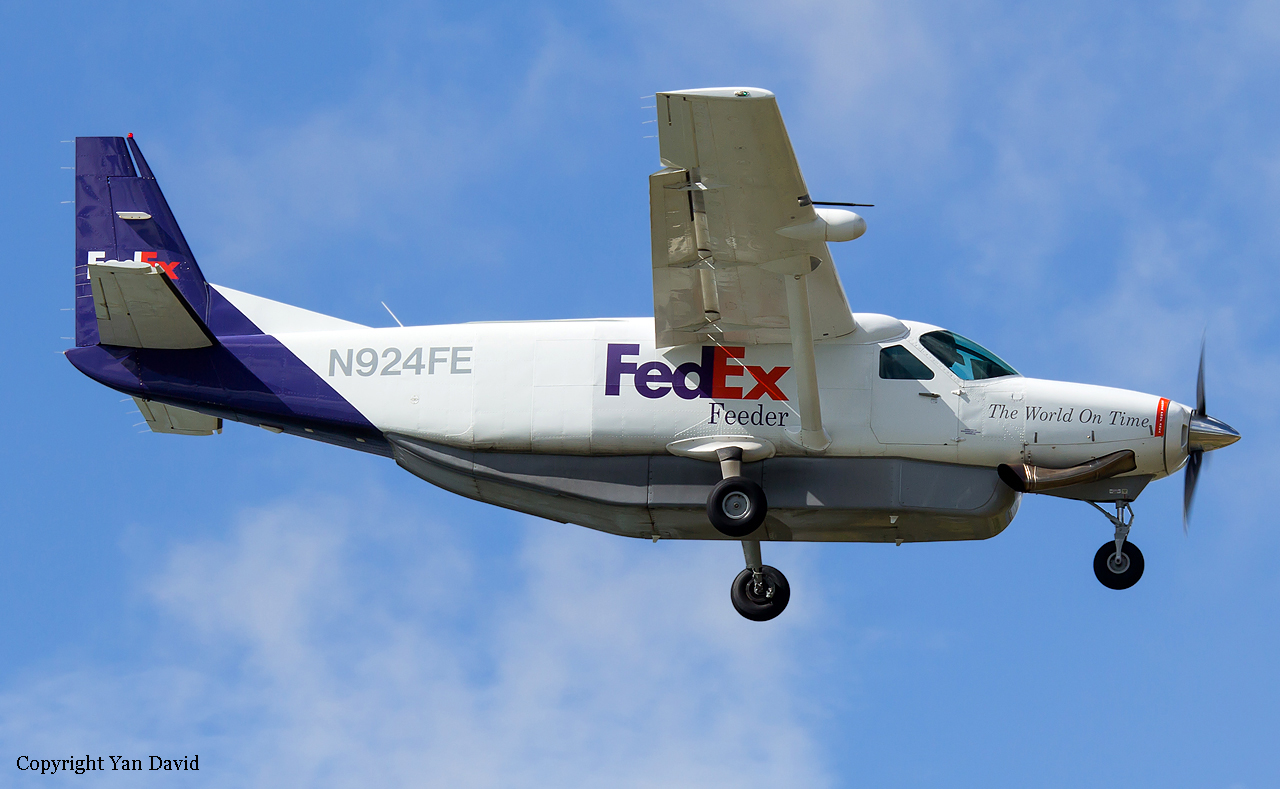
N924FE
Flight Phase:
Flight Type:
Survivors:
Yes
Schedule:
San Juan – Basseterre
MSN:
208B-0024
YOM:
1987
Flight number:
FDX8124
Crew on board:
1
Crew fatalities:
Pax on board:
0
Pax fatalities:
Other fatalities:
Total fatalities:
0
Circumstances:
The pilot departed San Juan-Luis Muñoz Marín Airport at 1049LT on a cargo flight to Basseterre-Robert L. Bradshaw International Airport, Saint Kitts & Nevis. The flight was performed by Mountain Air Cargo on behalf of FedEx. The pilot continued the flight at FL110 until 1139LT, reduced his altitude down to FL100 and maintained this level until 1153LT. At this moment, the aircraft was descending between 600 and 800 feet per minute and the pilot decided to divert to the Juancho E. Yrausquin Airport located on Saba Island, Dutch Antilles. While approaching to island from the south, the pilot realized he would not make it, so he attempted to ditch the aircraft some 900 metres off shore. The pilot evacuated the cabin and was quickly rescued while the aircraft sank by a depth of about 1,500 feet. According to the pilot, he decided to divert to the nearest airport due to a loss of engine power.

Crash of a De Havilland DHC-6 Twin Otter 300 off Kuredu Island

Date & Time: Jul 2, 2015 at 1733 LT
Operator:
Registration:
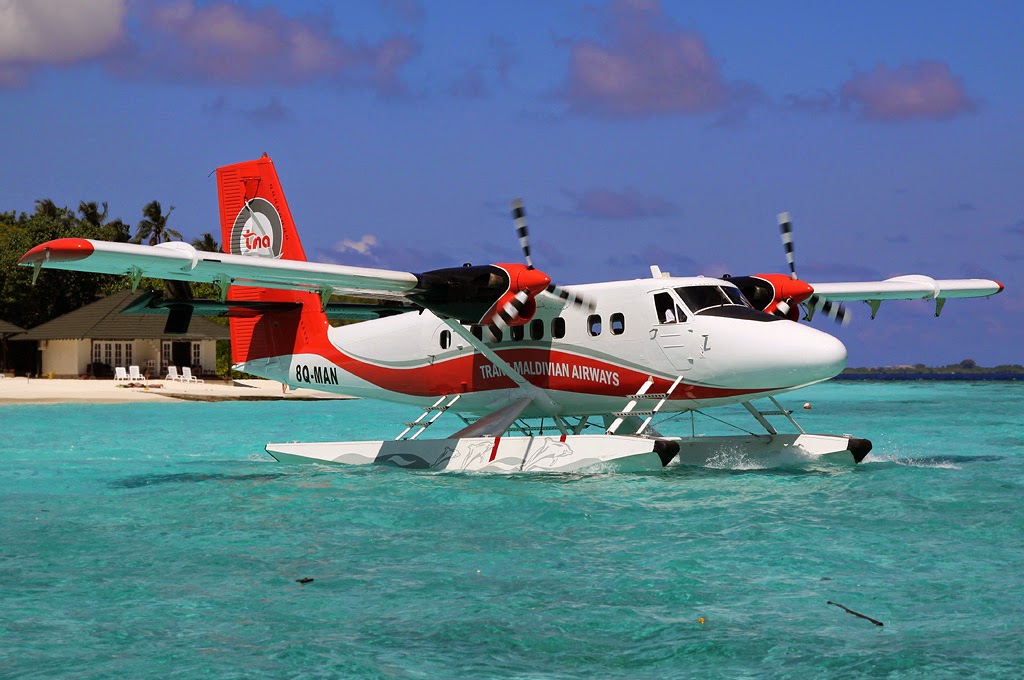
8Q-MAN
Survivors:
Yes
Schedule:
Male - Kuredu Island
MSN:
435
YOM:
1974
Region:
Crew on board:
3
Crew fatalities:
Pax on board:
11
Pax fatalities:
Other fatalities:
Total fatalities:
0
Captain / Total flying hours:
5075
Captain / Total hours on type:
4200.00
Copilot / Total flying hours:
988
Copilot / Total hours on type:
705
Aircraft flight hours:
24132
Circumstances:
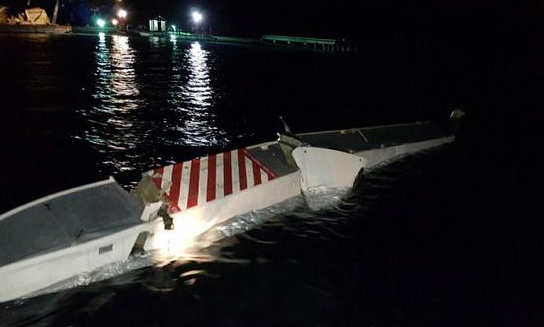
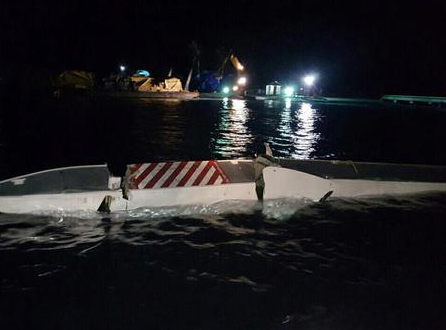
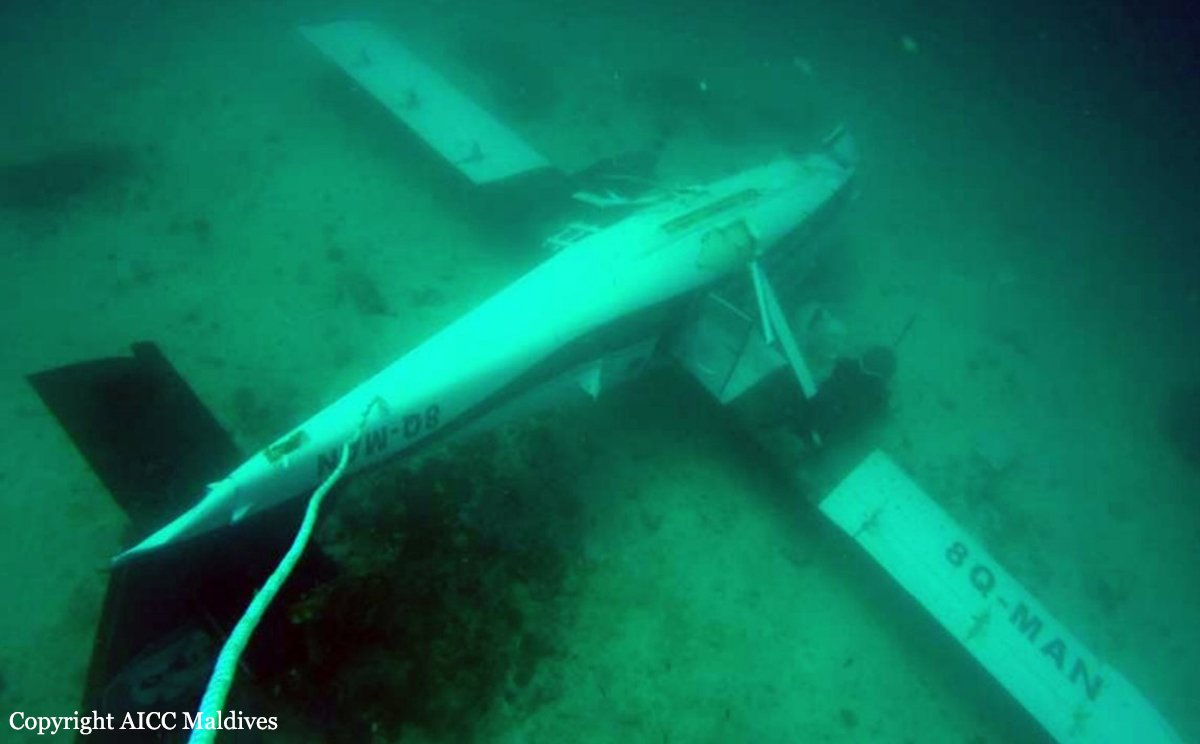
Flight FLT371301, a Viking Air (De Havilland) DHC-6-300 aircraft with registration mark 8Q-MAN, crashed into the sea approximately 3 km southeast of Kuredu (KUR) at 1733 hrs on 2 July 2015. The aircraft was flying under visual flight rules (VFR) on a charter flight, carrying 11 passengers from Komandoo (KOM) to Kuredu (KUR). According to the operating crew, the aircraft was on final approach, northwest bound, to land at KUR. At approximately 400 feet, on selection of flaps to the fully down position, the aircraft pitched up and the aircraft was vibrating. The pilot flying (PF) could not control the aircraft and asked the PIC to take over the controls. The aircraft was in a nose-high attitude when the PIC took over the controls. The stall warning light illuminated. The PIC applied full left rudder, moved the control column forward and put the power levers to idle to recover the aircraft. The aircraft, however, did not respond to these actions. Flaps were then moved to the fully up position. The PIC was gaining some control at this stage but the aircraft continued turning right, losing height and impacted the sea before he could regain full control of the aircraft. On initial impact the left float detached. The aircraft then bounced and landed on the right float causing the right float to also detach from the aircraft. The right float was, however, trapped between the airframe and the engine for several minutes. With both floats detached from the aircraft and the right float still trapped between the airframe and engine, the aircraft stayed afloat until all passengers and crew evacuated. At the same time the aircraft started tilting left causing water to rush inside and started sinking. All 11 passengers and three crew were able to evacuate the aircraft without injury, before the aircraft completely sank. The accident was notified to the Aircraft Accident Investigation Committee (AICC) at 1750 hrs. Investigation began on the same day. Inspectors arrived at the scene at 2300 hrs, about five and a half hours after the accident occurred.
Probable cause:
The investigation identified the following causes:
a. The aircraft was operated outside the centre of gravity limitations on the sector in which the accident occurred.
b. The load distribution errors went undetected because the mass and balance calculations were not carried out in accordance with the approved procedures, prior to the accident flight.
c. The co-pilot (PF) was not alerted to the impending stall as she neither saw the stall warning light illuminated nor heard the aural stall warning.
d. The PIC was not able to gain control of aircraft as developing stall was not recognized and incorrect recovery procedures were applied.
Final Report:

Crash of an Antonov AN-2 in Okcheon

Date & Time: Jun 25, 2015 at 1309 LT
Type of aircraft:
Operator:
Registration:
HL1090
Flight Phase:
Flight Type:
Survivors:
Yes
Schedule:
Okcheon - Okcheon
Country:
Region:
Crew on board:
4
Crew fatalities:
Pax on board:
0
Pax fatalities:
Other fatalities:
Total fatalities:
0
Circumstances:
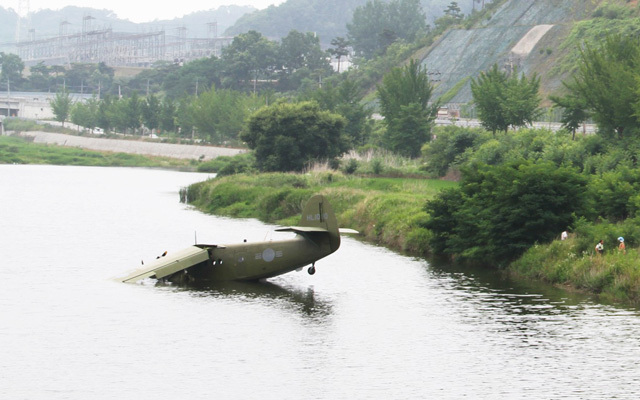
While performing a training mission in the vicinity of Okcheon, the aircraft suffered an engine failure. The pilot-in-command decided to ditch the aircraft in a river located in the suburb of Okcheon. Upon landing, both left wings were partially torn off and the aircraft came to rest in shallow water. All four crew members evacuated safely and the airplane was damaged beyond repair.
Probable cause:
Engine failure.

Crash of a Dornier DO228-101 off Pichavaram: 3 killed

Date & Time: Jun 8, 2015 at 2123 LT
Type of aircraft:
Operator:
Registration:
CG791
Flight Phase:
Survivors:
No
Schedule:
Chennai - Chennai
MSN:
4114
YOM:
2014
Country:
Region:
Crew on board:
3
Crew fatalities:
Pax on board:
0
Pax fatalities:
Other fatalities:
Total fatalities:
3
Circumstances:
The crew departed Chennai NAS at 1730LT on a maritime patrol flight along the Tamil Nadu coast and over the Palk Bay. The last radio contact was established at 2100LT and the last radar contact was observed at 2123LT while the aircraft was cruising at an altitude of 9,000 feet some 176 km offshore. SAR operations were initiated and some debris were found the following morning. All three occupants, two pilots and one observer, were killed. On July 10, the wreckage was found at a depth of 995 metres some 30 km off Pichavaram.

Crash of a Piper PA-31T Cheyenne II off Barcelona

Date & Time: May 30, 2015 at 1635 LT
Type of aircraft:
Registration:
YV2761
Flight Type:
Survivors:
Yes
Schedule:
Charallave – Barcelona
MSN:
31-8120055
YOM:
1981
Country:
Crew on board:
1
Crew fatalities:
Pax on board:
3
Pax fatalities:
Other fatalities:
Total fatalities:
0
Circumstances:
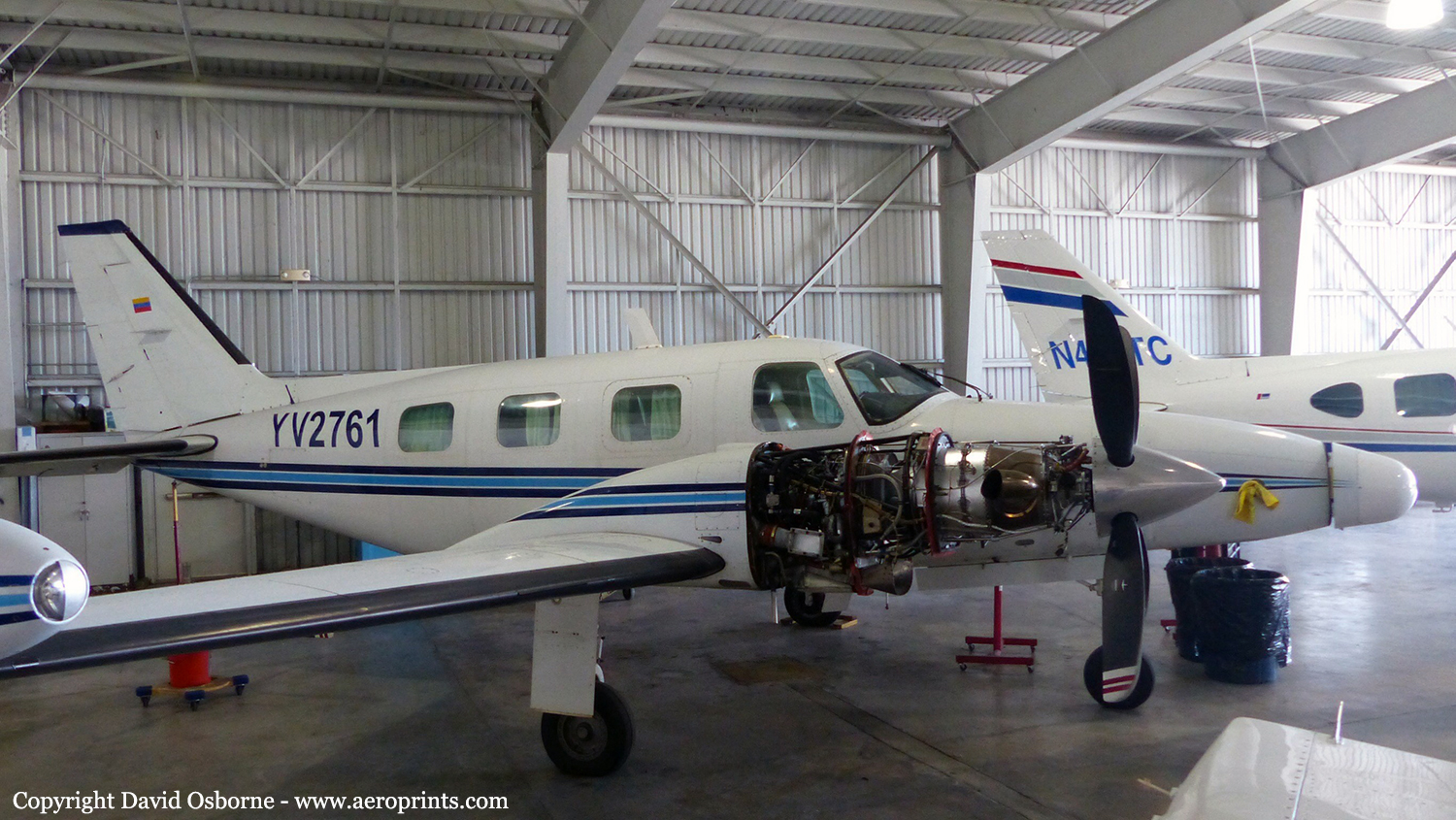
Following an uneventful flight from Charallave, the pilot initiated the descent to Barcelona-Jose Antonio Anzoátegui Airport in poor weather conditions. On final, in a flat attitude, the twin engine aircraft impacted the water surface and came to rest some 3,7 km short of runway 15. All four occupants evacuated the cabin and took place in a lifeboat. Slightly injured, they were rescued two hours later. The aircraft sank and was lost.

Crash of a Cessna 207 Skywagon near Bethel: 1 killed

Date & Time: May 30, 2015 at 1130 LT
Operator:

Registration:
N1653U
Flight Phase:
Flight Type:
Survivors:
No
Schedule:
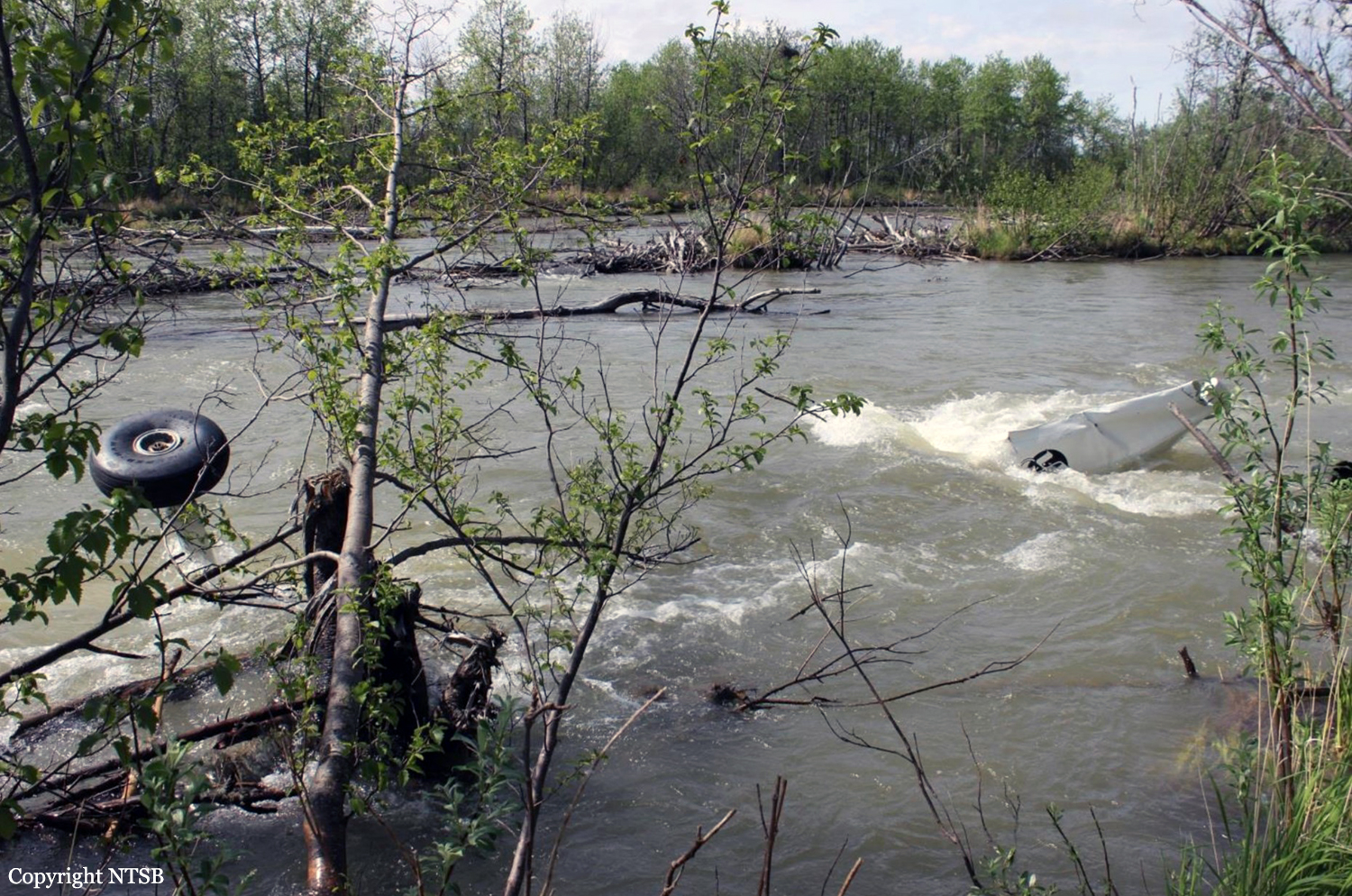
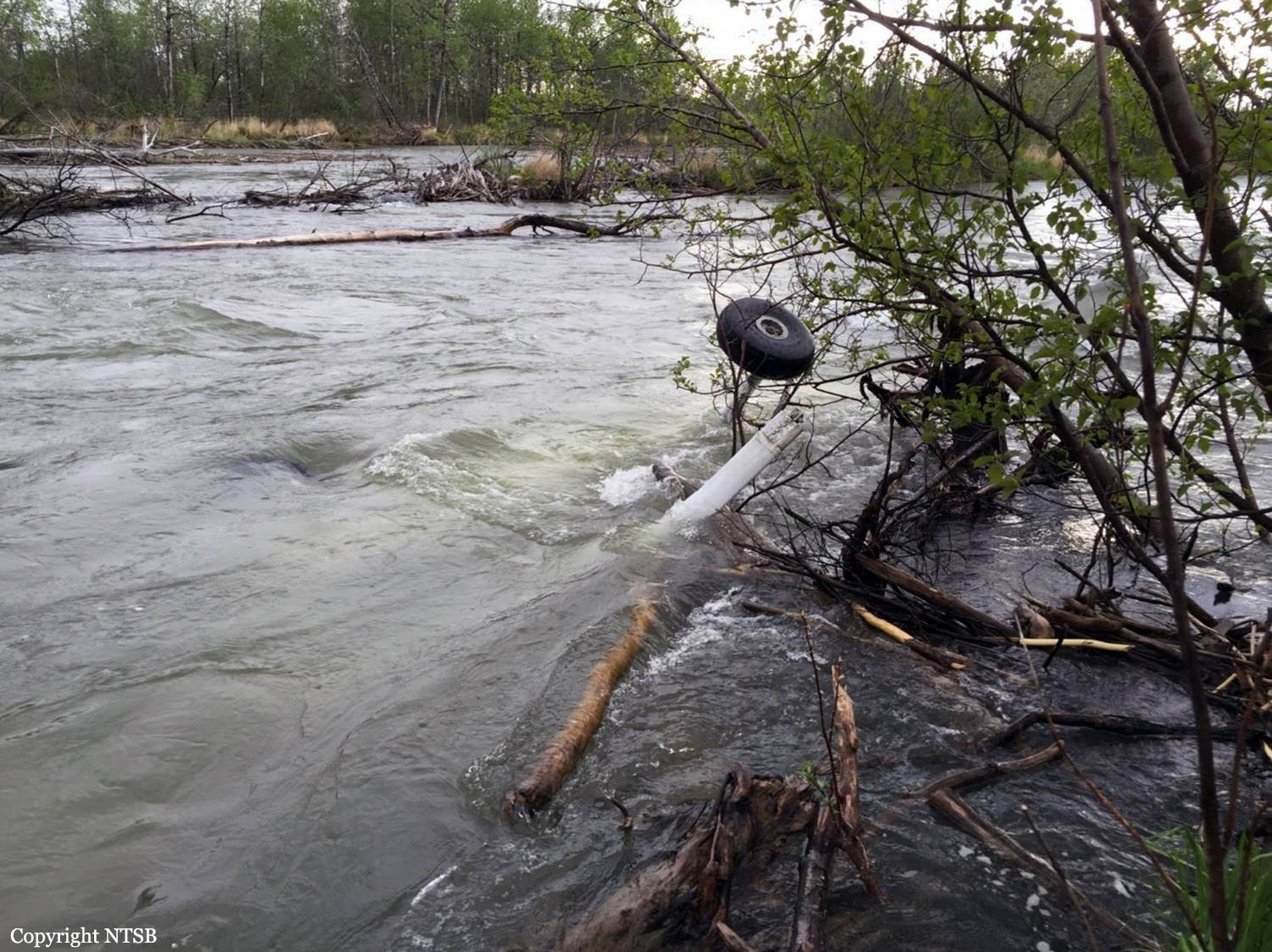
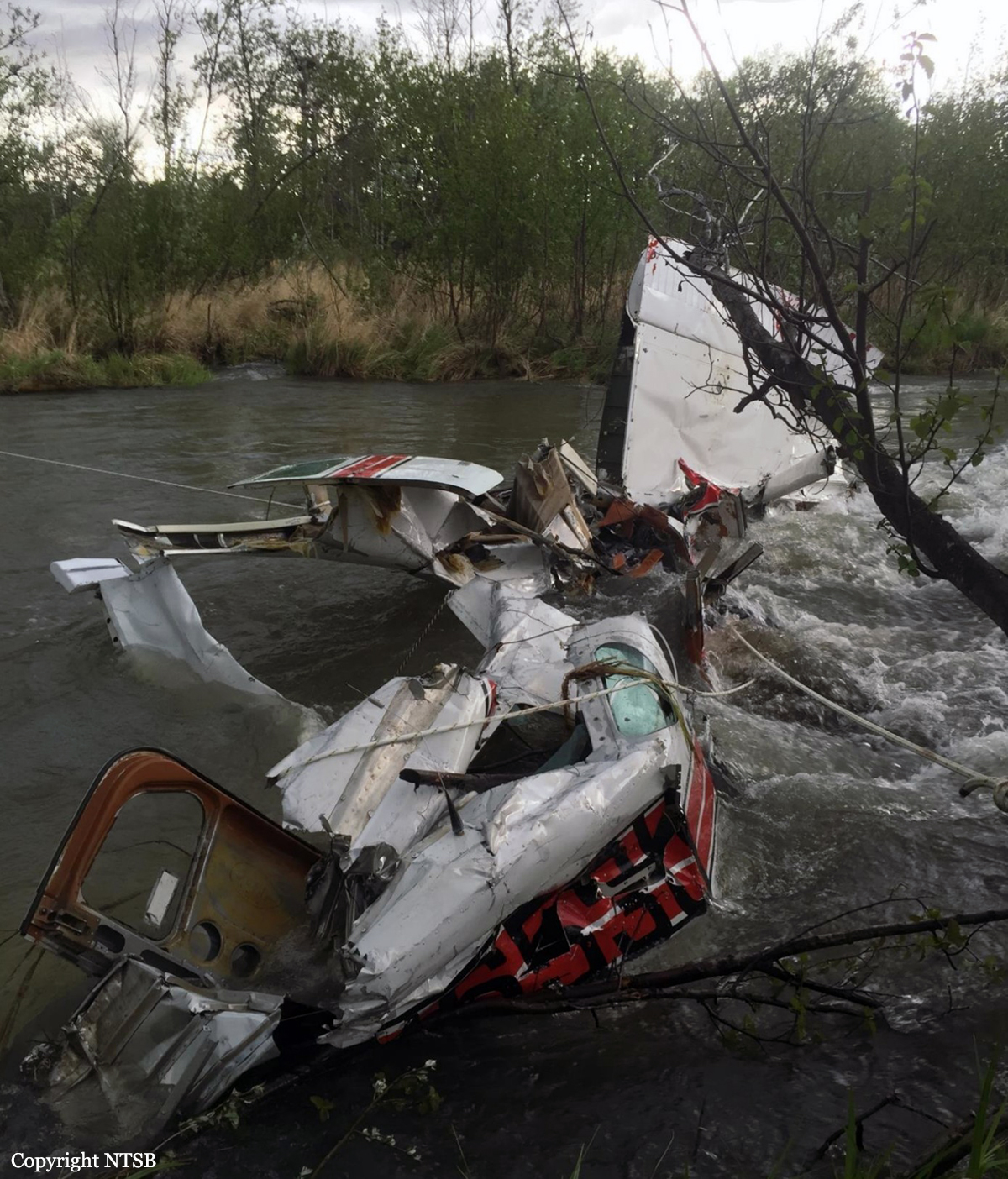
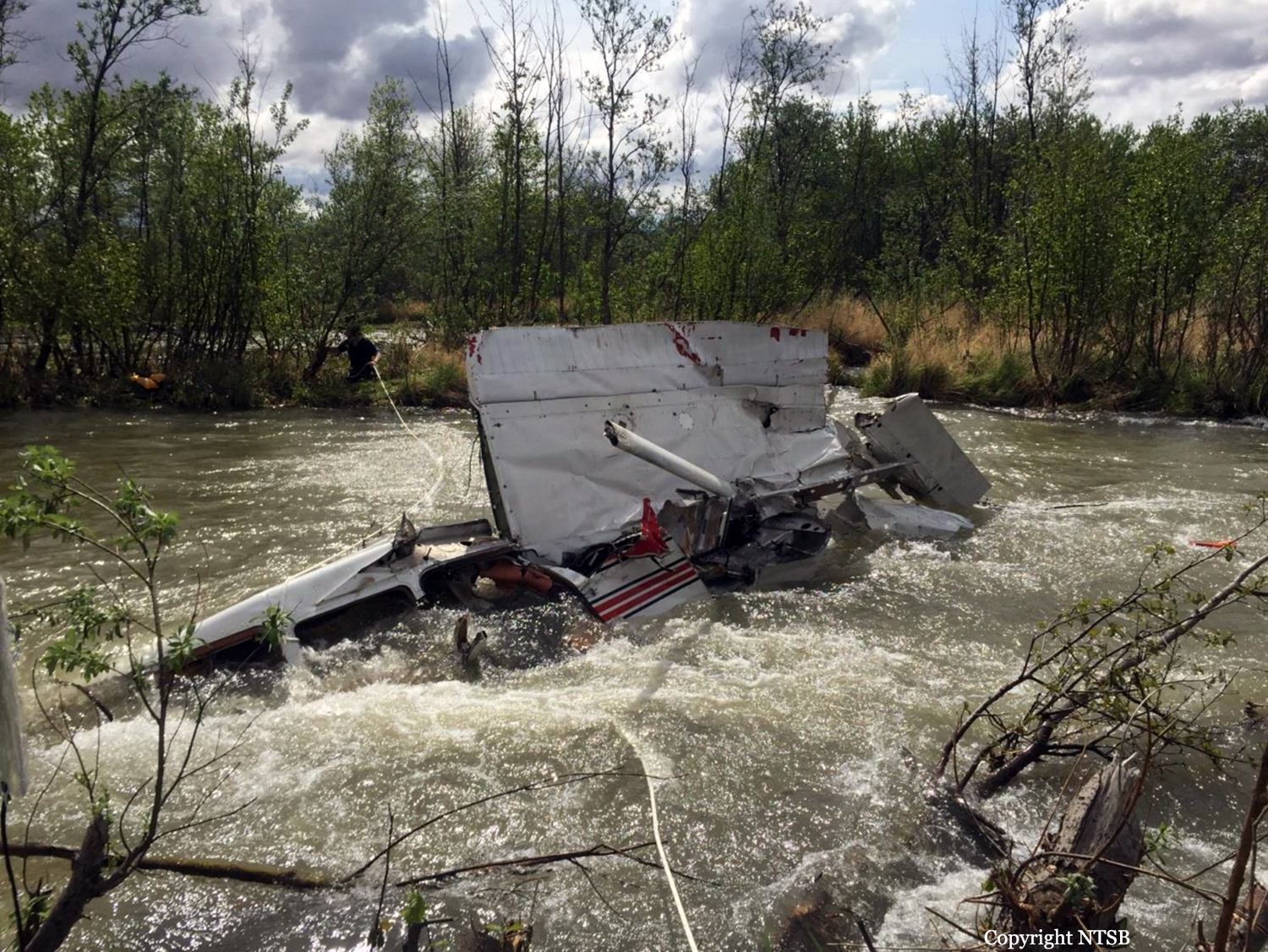
Bethel - Bethel
MSN:
207-0253
YOM:
1974
Location:
Crew on board:
1
Crew fatalities:
Pax on board:
0
Pax fatalities:
Other fatalities:
Total fatalities:
1
Captain / Total flying hours:
7175
Captain / Total hours on type:
6600.00
Aircraft flight hours:
28211
Circumstances:
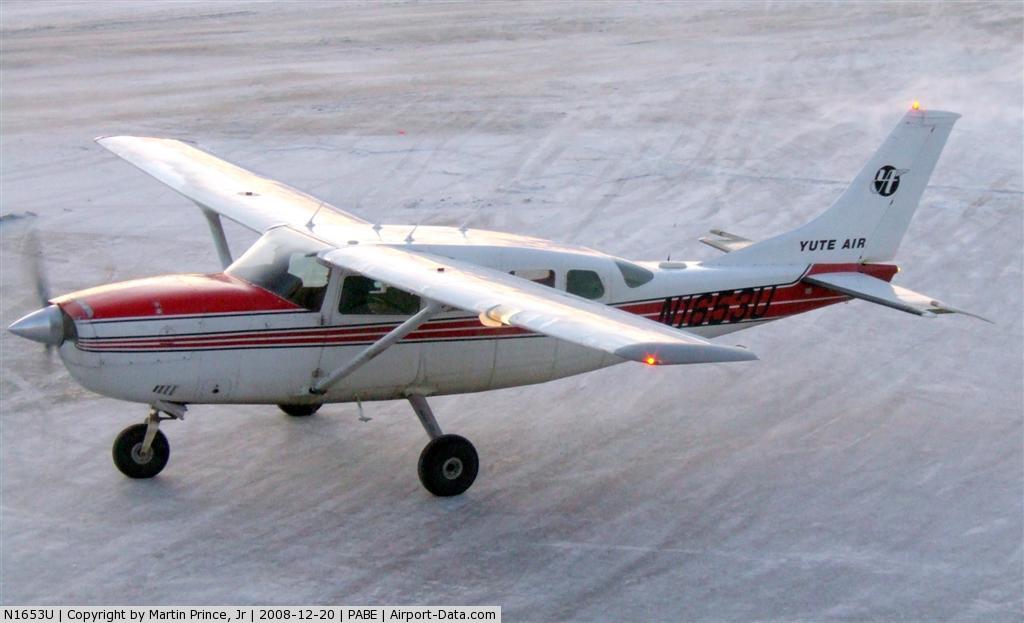
The pilot departed on a postmaintenance test flight during day visual meteorological conditions. According to the operator, the purpose of the flight was to break in six recently installed engine cylinders, and the flight was expected to last 3.5 hours. Recorded automatic dependent surveillance-broadcast data showed that the airplane was operating at altitudes of less than 500 ft mean sea level for the majority of the flight. The data ended about 3 hours after takeoff with the airplane located about 23 miles from the accident site. There were no witnesses to the accident, which occurred in a remote area. When the airplane did not return, the operator reported to the Federal Aviation Administration that the airplane was overdue. Searchers subsequently discovered the fragmented wreckage submerged in a swift moving river, about 40 miles southeast of the departure/destination airport. Postmortem toxicology tests identified 21% carboxyhemoglobin (carbon monoxide) in the pilot's blood. The pilot was a nonsmoker, and nonsmokers normally have no more than 3% carboxyhemoglobin. There was no evidence of postimpact fire; therefore, it is likely that the pilot's elevated carboxyhemoglobin level was from acute exposure to carbon monoxide during the 3 hours of flight time before the accident. As the pilot did not notify air traffic control or the operator's home base of any problems during the flight, it is unlikely that he was aware that there was carbon monoxide present. Early symptoms of carbon monoxide exposure may include headache, malaise, nausea, and dizziness. Carboxyhemoglobin levels between 10% and 20% can result in confusion, impaired judgment, and difficulty concentrating. While it is not possible to determine the exact symptoms the pilot experienced, it is likely that the pilot had symptoms that may have been distracting as well as some degree of impairment in his judgment and concentration. Given the low altitudes at which he was operating the airplane, he had little margin for error. Thus, it is likely that the carbon monoxide exposure adversely affected the pilot's performance and contributed to his failure to maintain clearance from the terrain. According to the operator, the airplane had a "winter heat kit" installed, which modified the airplane's original cabin heat system. The modification incorporated an additional exhaust/heat shroud system designed to provide increased cabin heat during wintertime operations. Review of maintenance records revealed that the modification had not been installed in accordance with Federal Aviation Administration field approval procedures. Examination of the recovered wreckage did not reveal evidence of any preexisting mechanical anomalies that would have precluded normal operation of the airplane. Examination of the airplane's right side exhaust/heat exchanger did not reveal any leaks or fractures that would have led to carbon monoxide in the cabin. Because the left side exhaust/heat exchanger was
not recovered, it was not possible to determine whether it was the source of the carbon monoxide.
Probable cause:
The pilot's failure to maintain altitude, which resulted in collision with the terrain. Contributing to the accident was the pilot's impairment from carbon monoxide exposure in flight. The source of the carbon monoxide could not be determined because the wreckage could not be completely recovered.
Final Report:


Crash of a BAe 125-700A off Puerto Colombia: 4 killed

Date & Time: May 20, 2015
Type of aircraft:
Operator:
Registration:
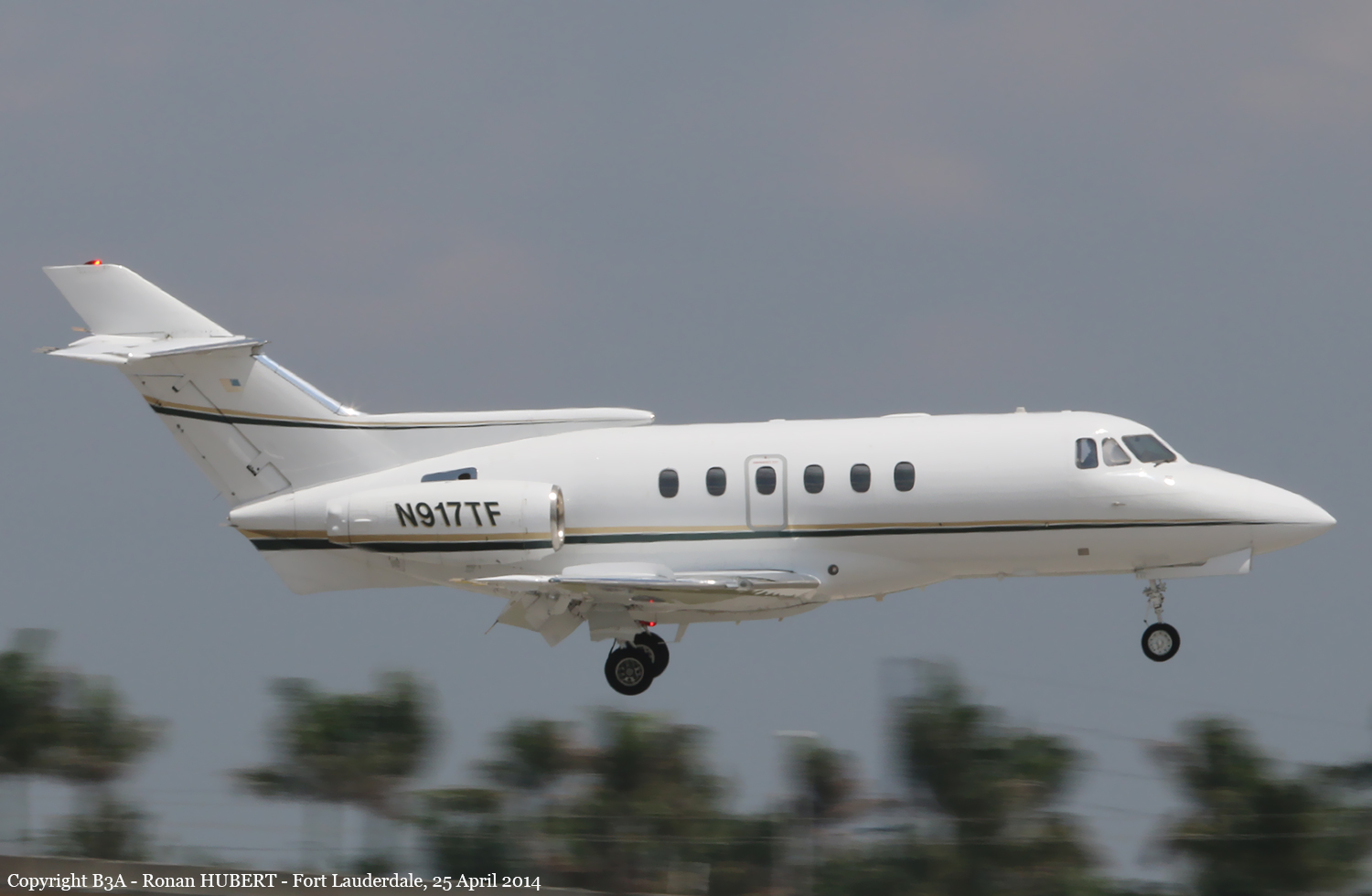
N917TF
Flight Phase:
Flight Type:
Survivors:
No
MSN:
257138
YOM:
1981
Country:
Crew on board:
2
Crew fatalities:
Pax on board:
2
Pax fatalities:
Other fatalities:
Total fatalities:
4
Circumstances:
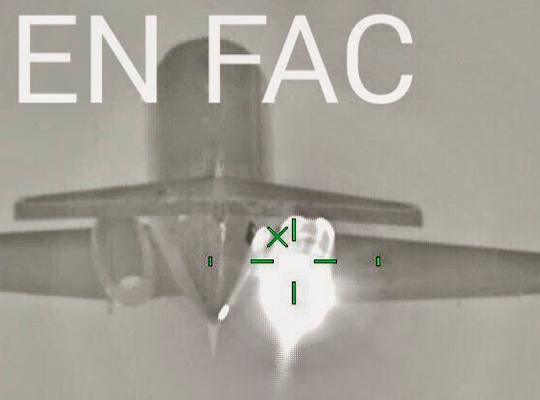
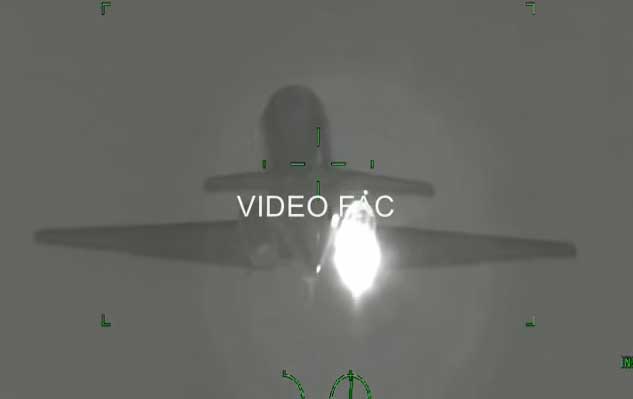
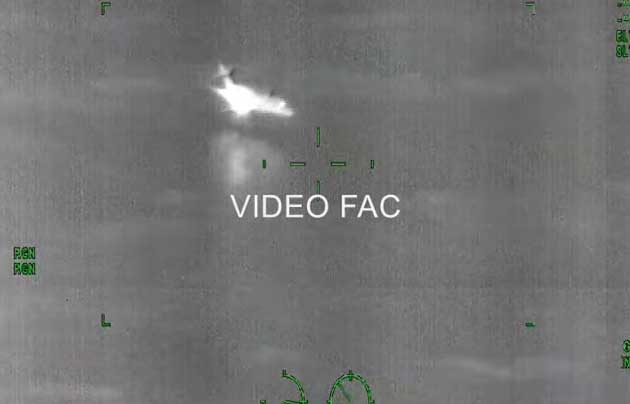
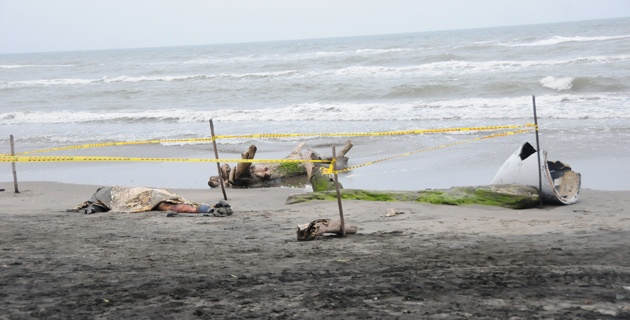
The aircraft took off in the day from an airfield located in Venezuela with two passengers, two pilots and a load of 1,3 ton of narcotics, en route to Central America. While cruising over the Caribbean Sea off the Colombian coast, the aircraft was intercepted by a Colombian Air Force fighter. In unclear situation, the right engine of the Hawker caught fire (shot down ?). The crew descended in a low nose down attitude until the aircraft impacted the sea and disintegrated. All four occupants were killed and the load of narcotics was found floating on water. Three dead bodies and some debris of the aircraft were found few days later on a beach located northeast of Puerto Colombia. The aircraft was identified as N917TF which departed Fort Lauderdale-Executive Airport, Florida for Toluca, Mexico on May 1, 2015. It was formally cancelled from the U.S. register on June 2, 2015 as exported to Mexico.
Probable cause:
Shot down by the pilot of a Colombian Air Force fighter.