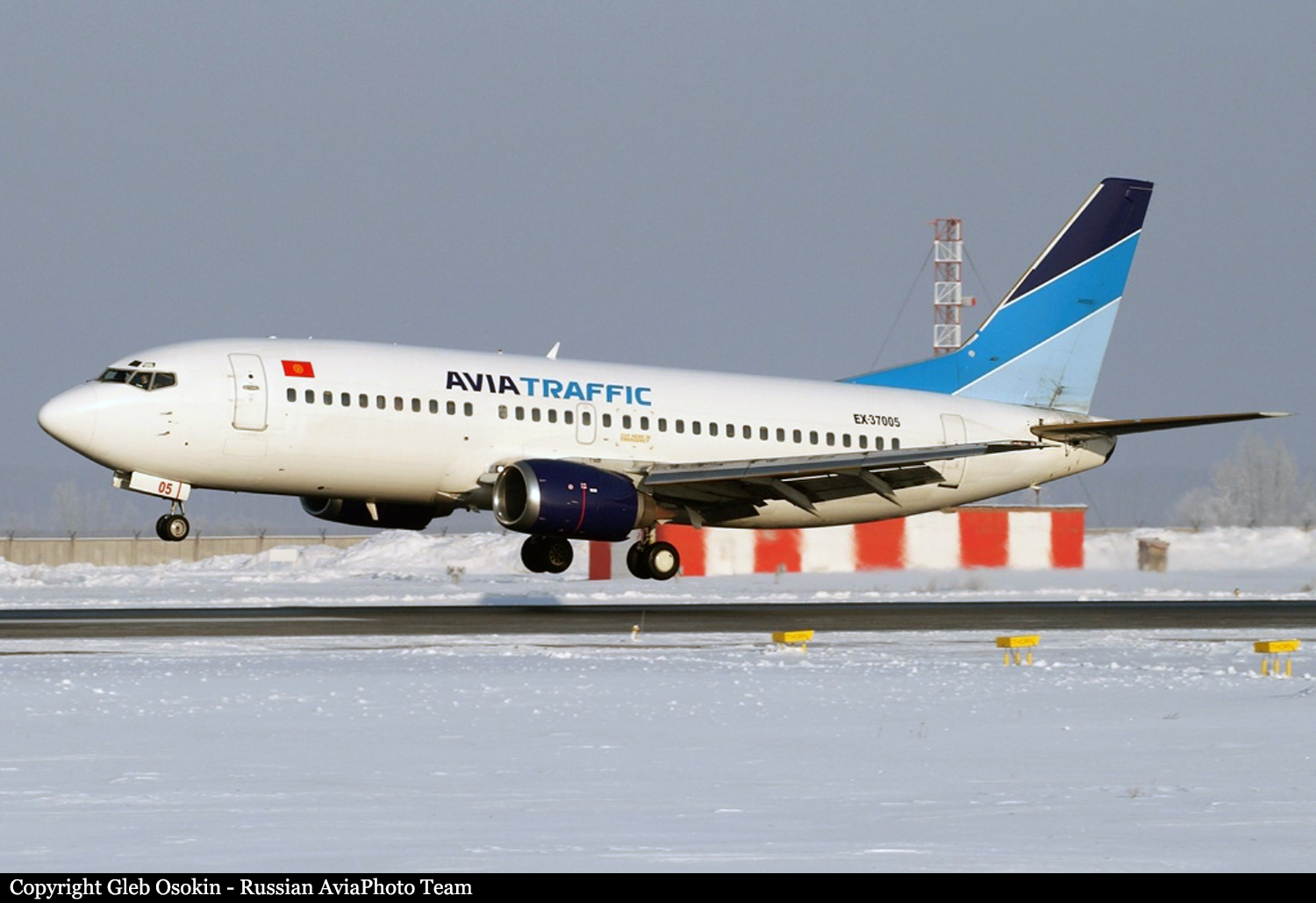
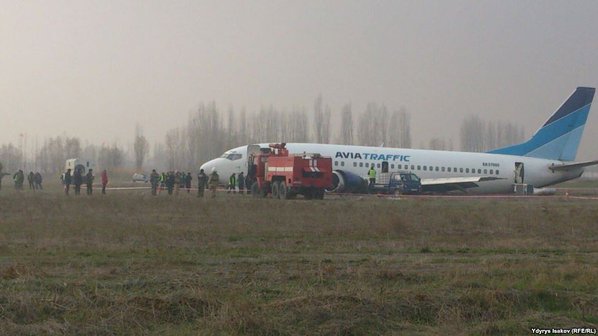
Crash of a Boeing 737-3Y0 in Osh

Date & Time: Nov 22, 2015 at 0800 LT
Type of aircraft:
Operator:
Registration:
EX-37005
Survivors:
Yes
Schedule:
Krasnoyarsk – Osh
MSN:
24681/1929
YOM:
1990
Flight number:
AVJ768
Location:
Country:
Region:
Crew on board:
6
Crew fatalities:
Pax on board:
148
Pax fatalities:
Other fatalities:
Total fatalities:
0
Captain / Total flying hours:
10600
Captain / Total hours on type:
6362.00
Copilot / Total flying hours:
16400
Copilot / Total hours on type:
3731
Aircraft flight hours:
50668
Aircraft flight cycles:
43958
Circumstances:
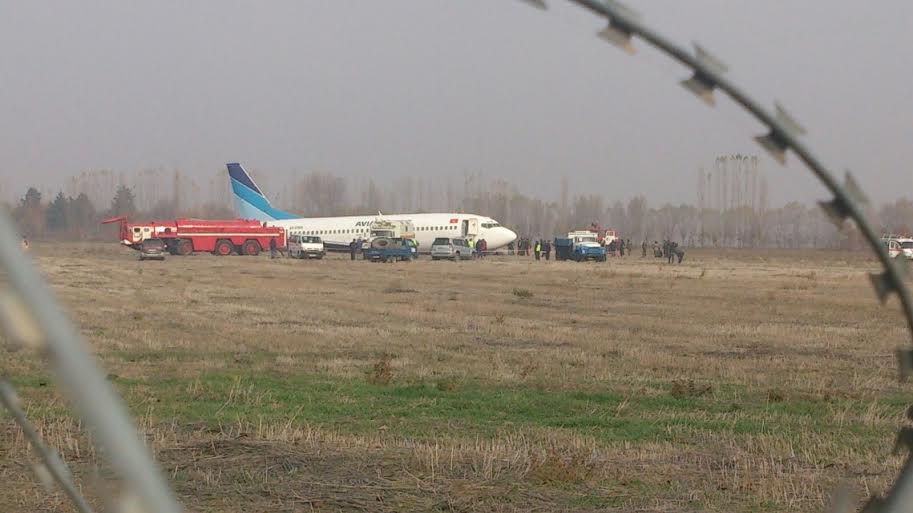
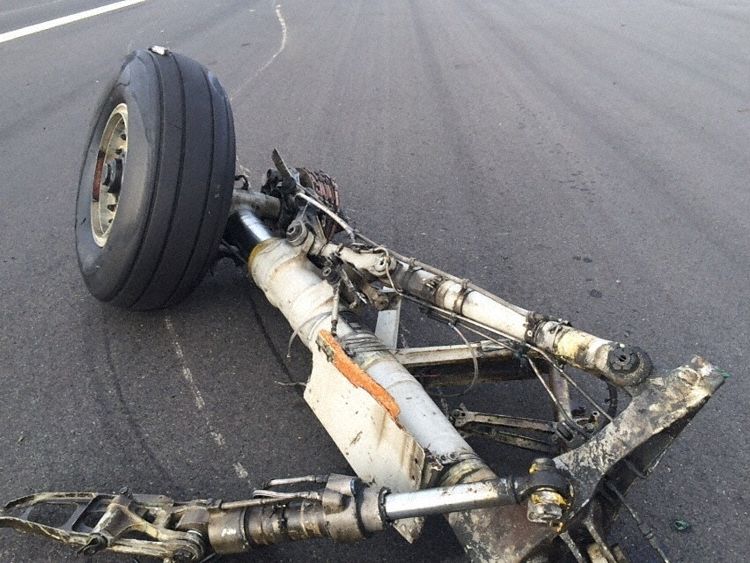
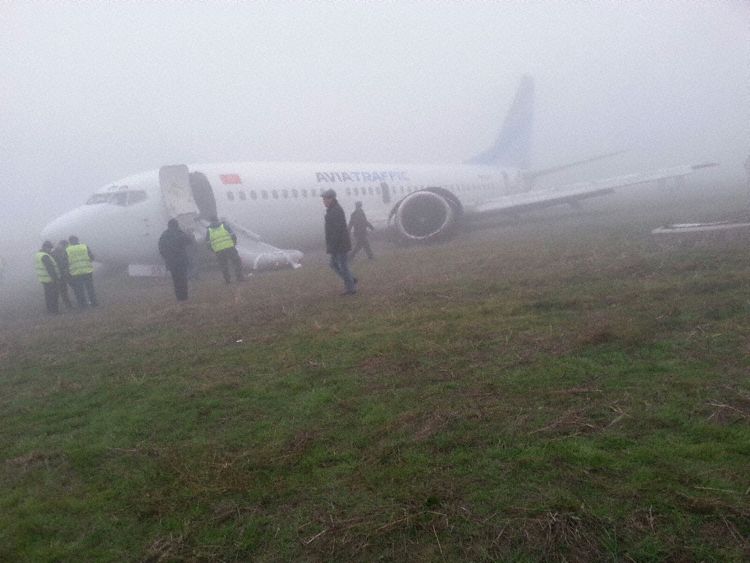
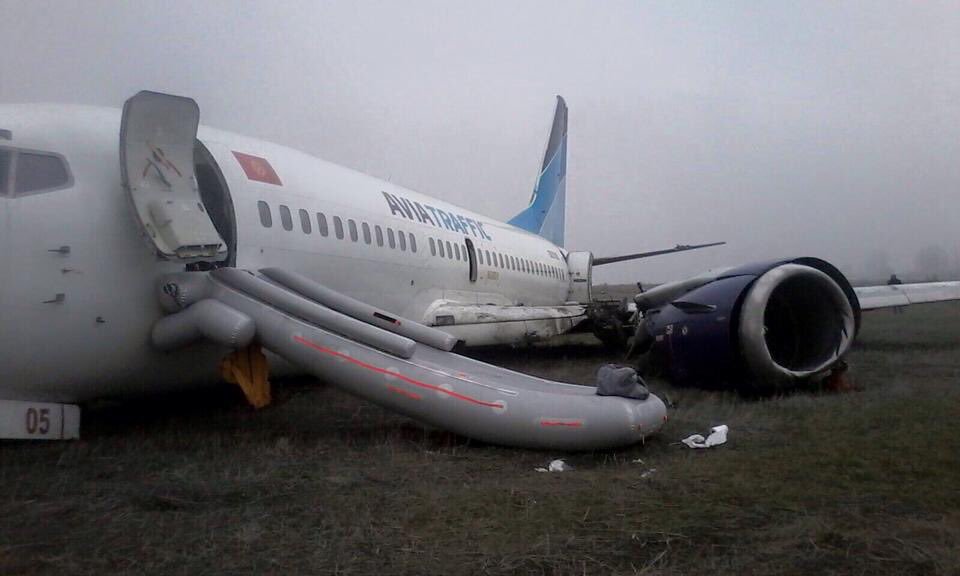
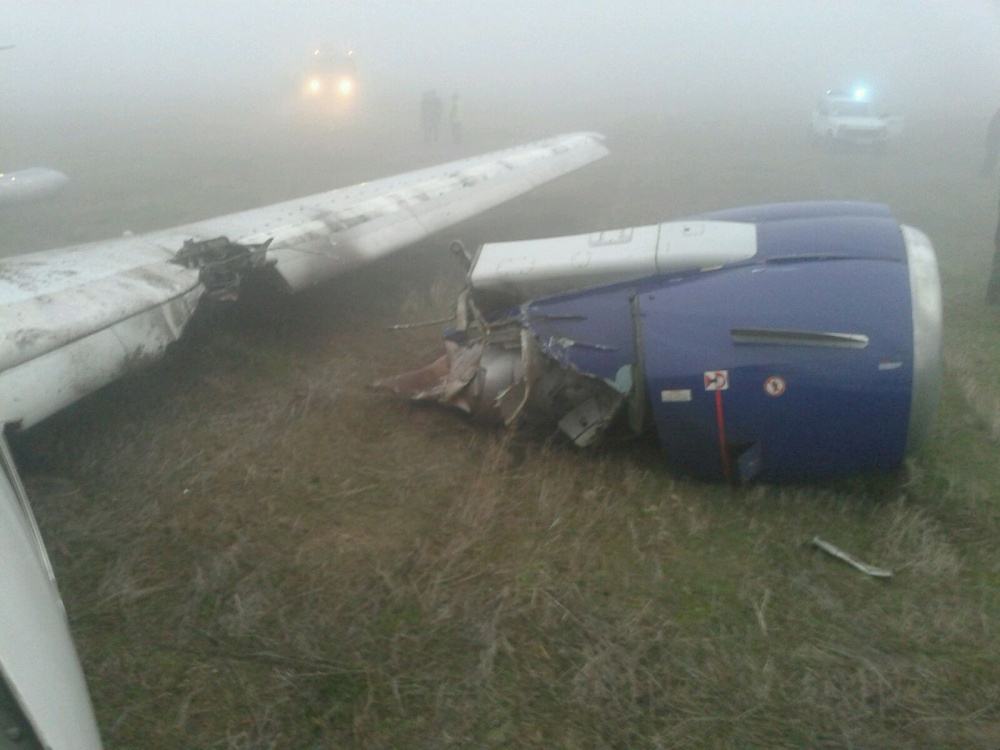
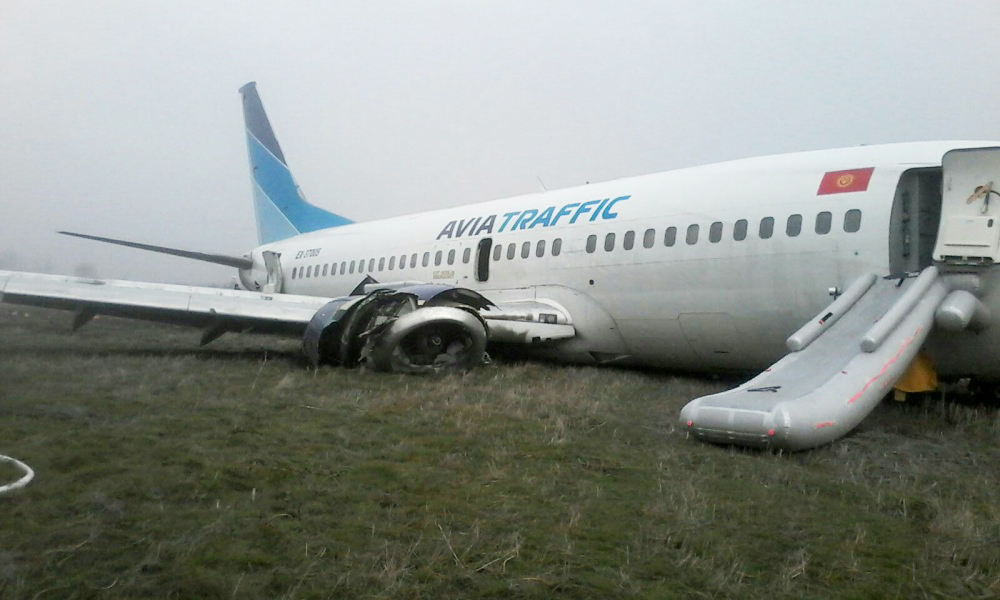
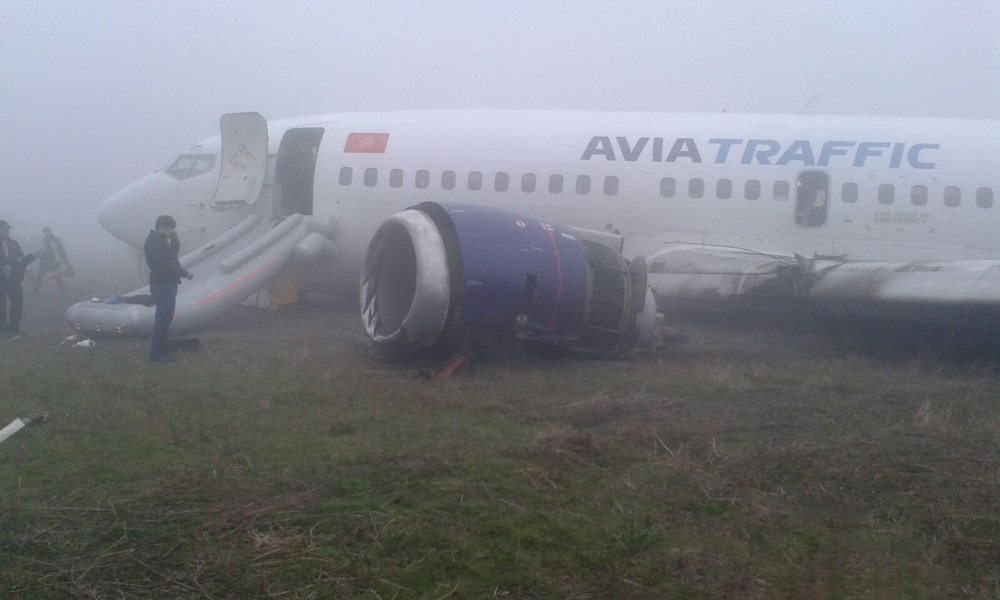
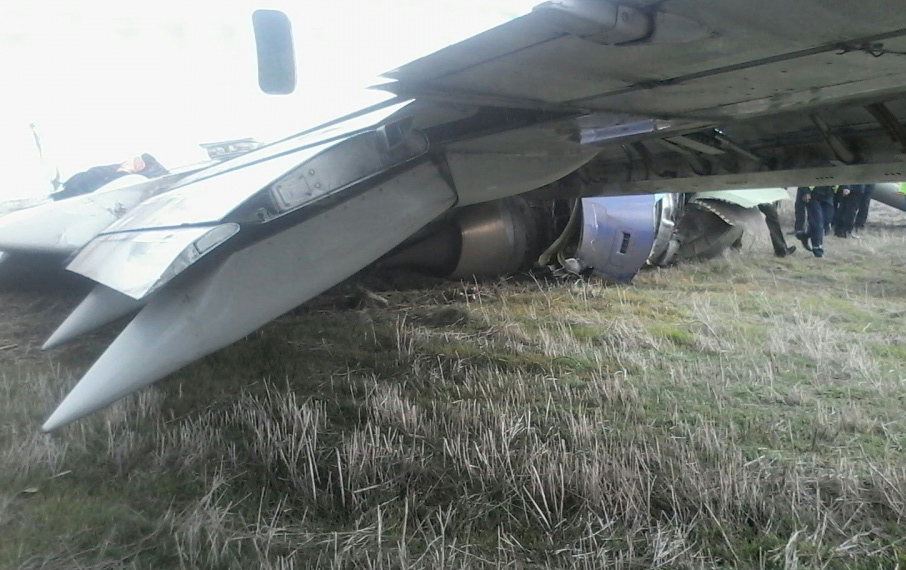
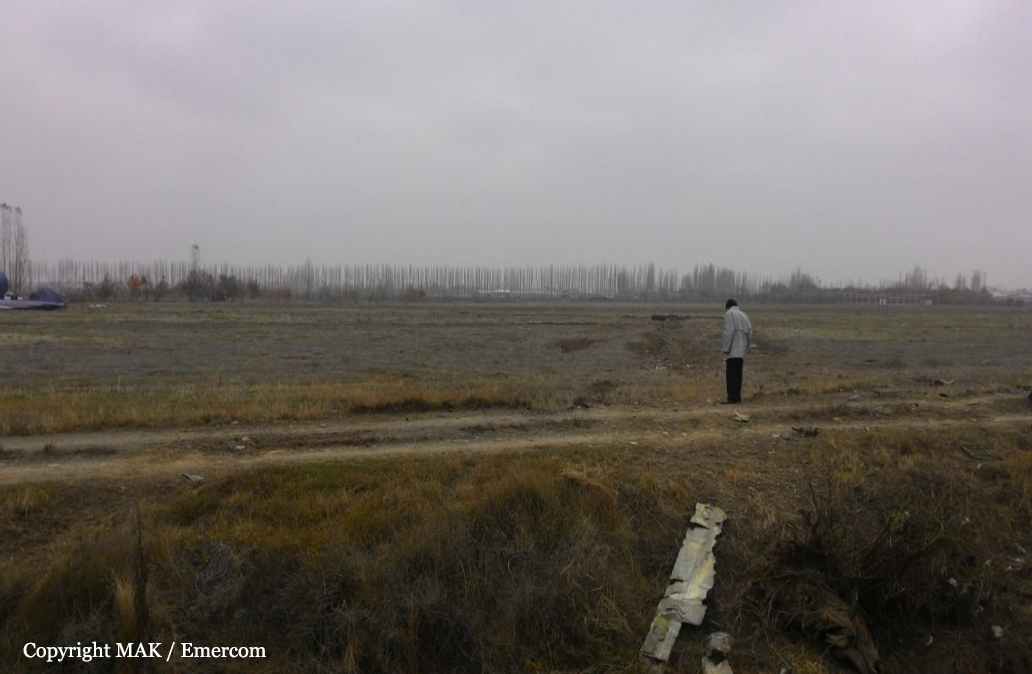
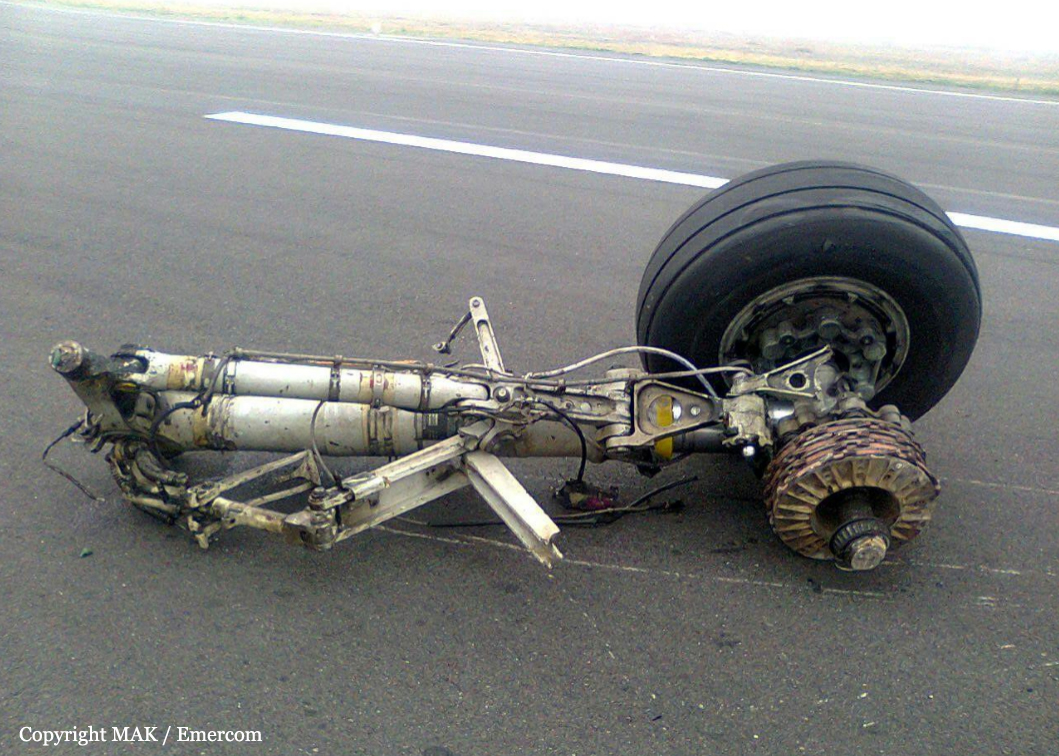
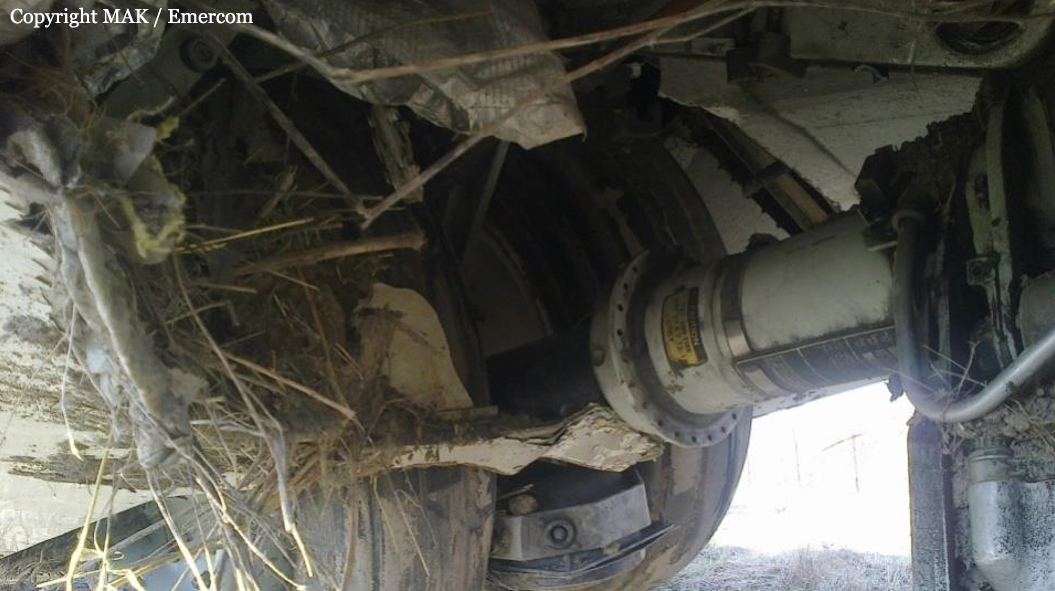
The crew departed Krasnoyarsk-Yemilianovo Airport on a night flight to Osh, Kyrgyzstan. En route, he was informed that a landing in Osh was impossible to due low visibility caused by foggy conditions. The captain decided to divert to Bishkek-Manas Airport where the aircraft landed safely at 0520LT. As weather conditions seems to improve at destination, the crew left Bishkek bound for Osh some ninety minutes later. On approach to Osh, the vertical visibility was reduced to 130 feet when the aircraft hit violently the runway 12 surface. Upon impact, the left main gear was sheared off, the aircraft slid for several yards, overran, hit obstacles and came to rest in a field located 529 meters past the runway end with its left engine detached and its right engine destroyed. All 154 occupants were evacuated, ten passengers were injured, six of them seriously. The aircraft was damaged beyond repair.
Probable cause:
It was determined that the accident occurred in poor weather conditions with an horizontal visibility reduced to 50 meters and a vertical visibility limited to 130 feet. It was reported that the accident was caused by the combination of the following factors:
- the crew decided to leave Bishkek Airport for Osh without taking into consideration the weather forecast and the possibility of deteriorating weather,
- the competences of the captain for a missed approach procedure in poor weather conditions were limited to a simulator training despite the fact that he was certified for Cat IIIa approaches,
- failure of the crew to comply with the standard operating procedures for a missed approach,
- wrong actions on part of the pilot in command while crossing the runway threshold at a height of 125 feet and about five seconds after the initiation of the TOGA procedure, disrupting the go around trajectory and causing the aircraft to continue the descent,
- lack of reaction of the copilot who did not try to correct the wrong actions of the pilot in command,
- lack of concentration on part of the crew who failed to control the approach speed and failed to recognize the pitch angle that was increasing,
- it is possible that the crew suffered somatogravic illusions caused by fatigue due to a duty time period above 13 hours,
- a non proactive reaction of the crew when the GPWS alarm sounded.
Final Report:
Crash of a Learjet 60 in Zihuatanejo

Date & Time: Nov 16, 2015 at 1622 LT
Type of aircraft:
Operator:
Registration:
XA-UQP
Flight Type:
Survivors:
Yes
Schedule:
Toluca - Zihuatanejo
MSN:
60-202
YOM:
2001
Country:
Crew on board:
2
Crew fatalities:
Pax on board:
0
Pax fatalities:
Other fatalities:
Total fatalities:
0
Captain / Total flying hours:
7673
Captain / Total hours on type:
1360.00
Copilot / Total flying hours:
9592
Copilot / Total hours on type:
3100
Aircraft flight hours:
3676
Circumstances:
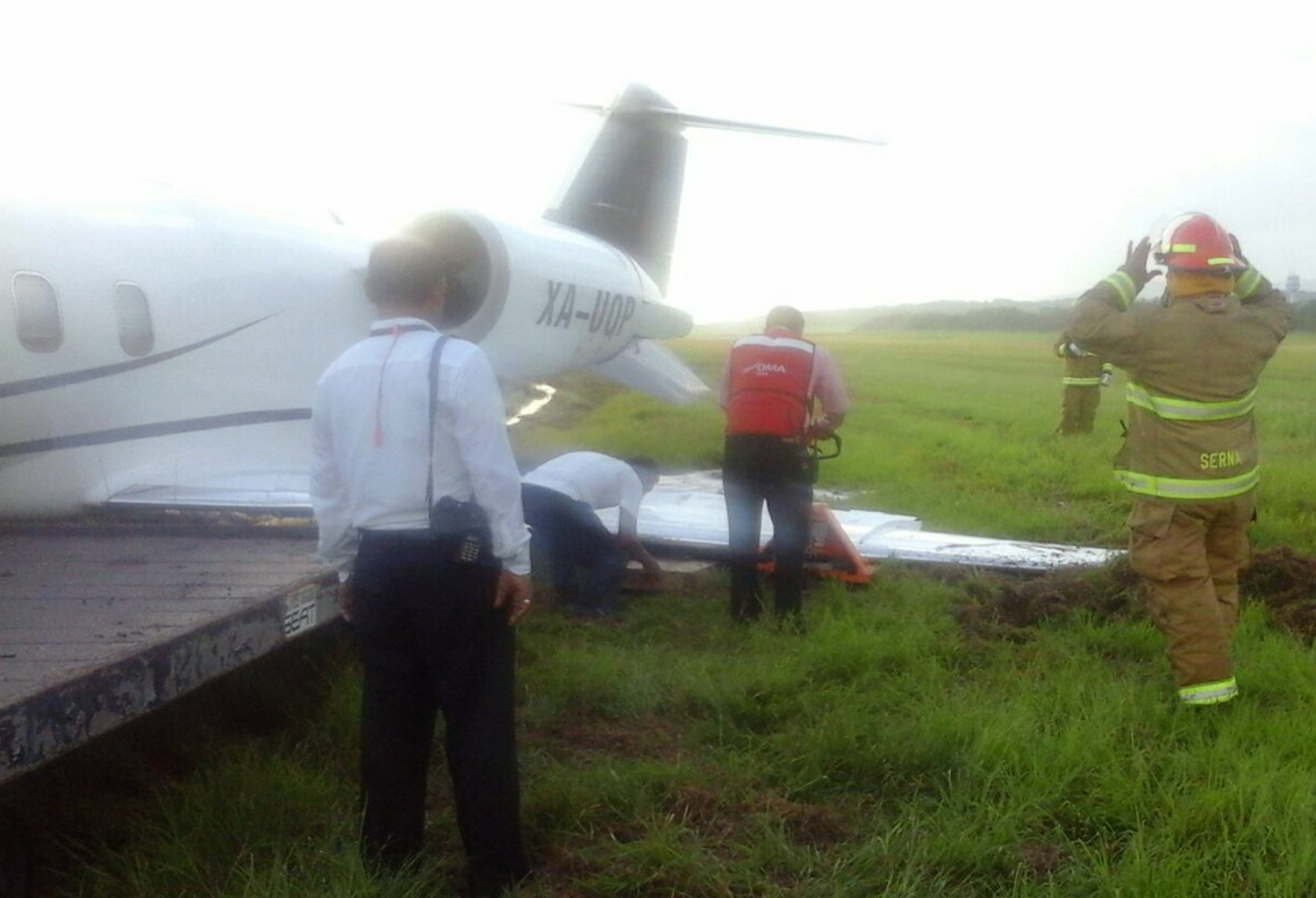
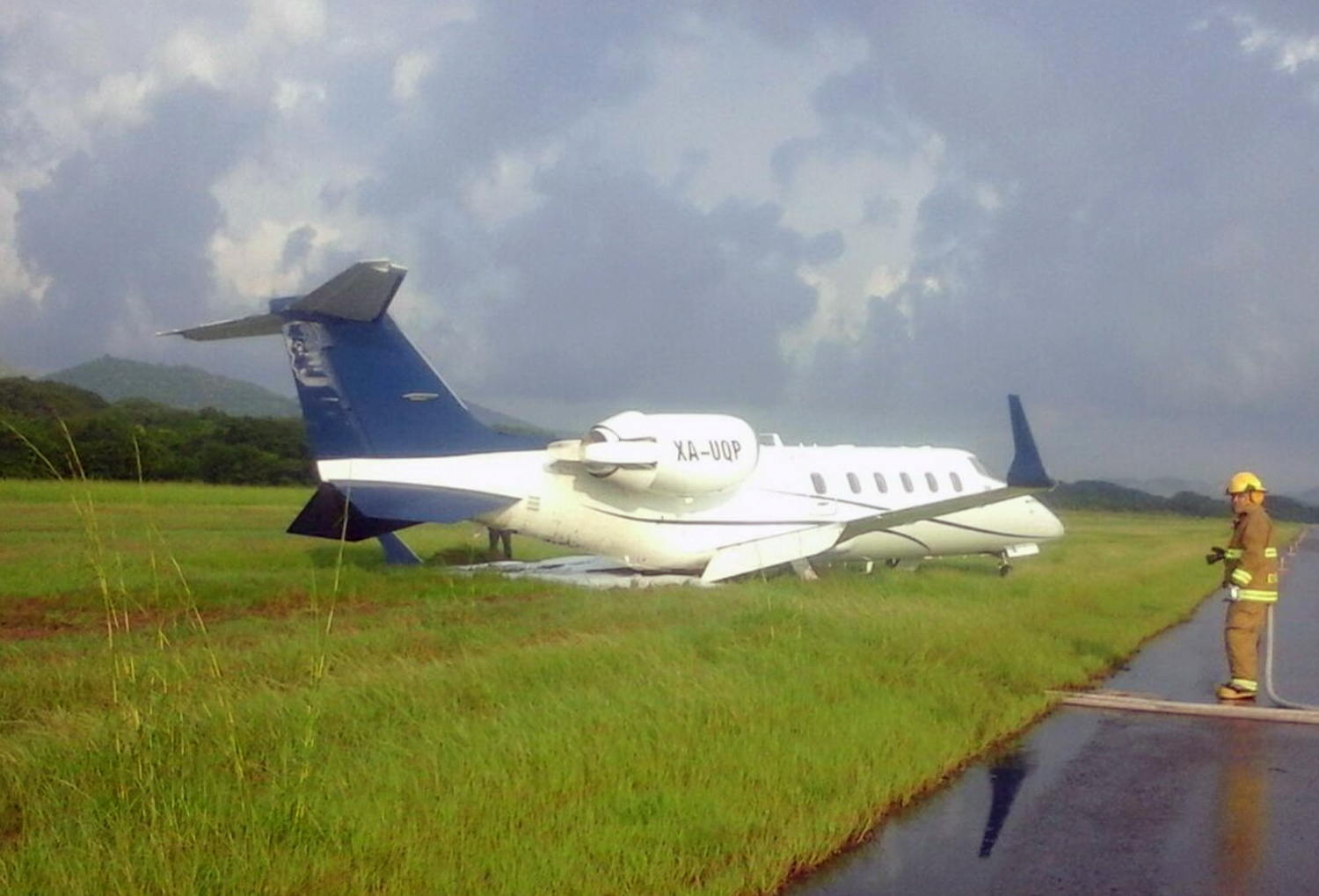
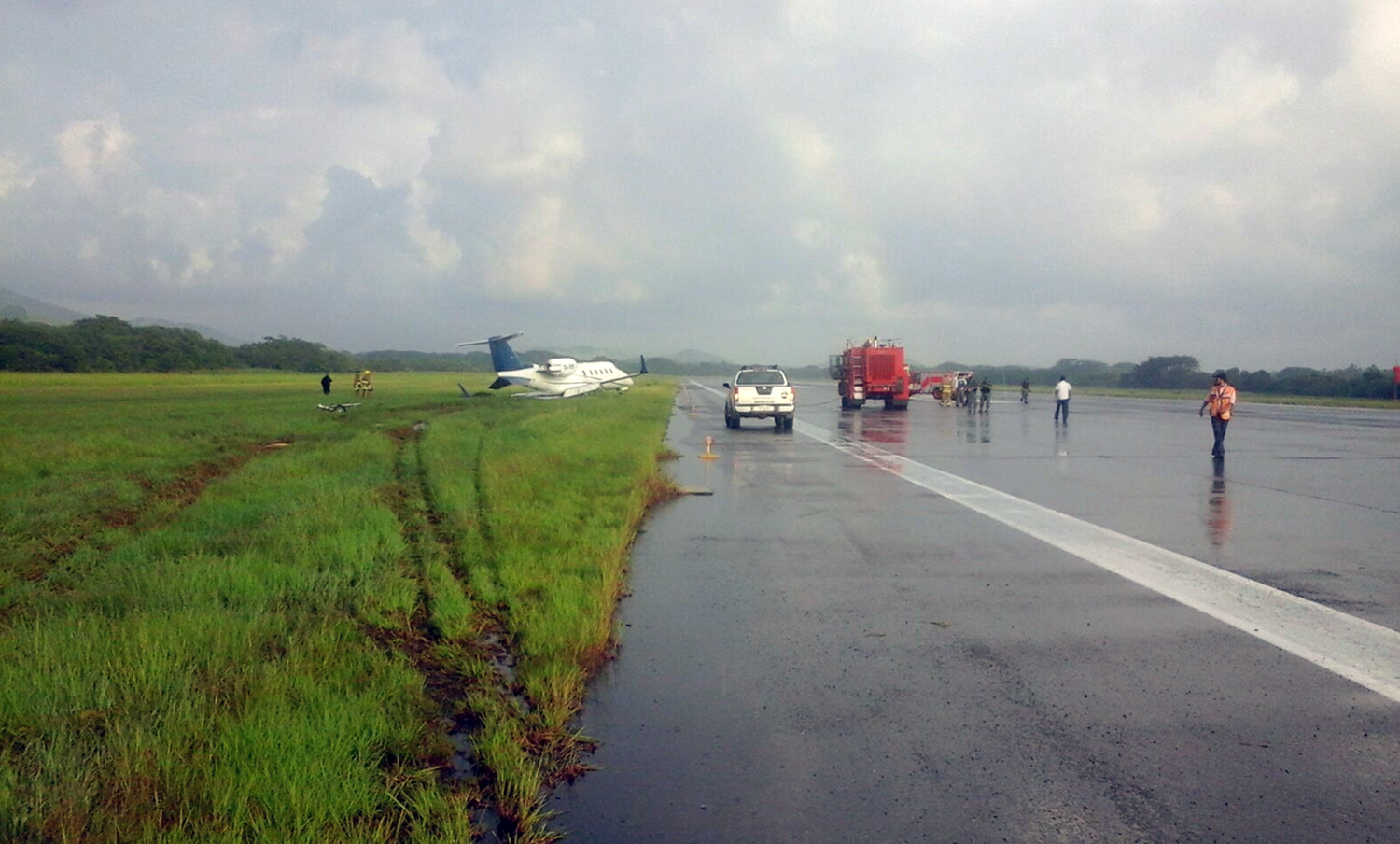
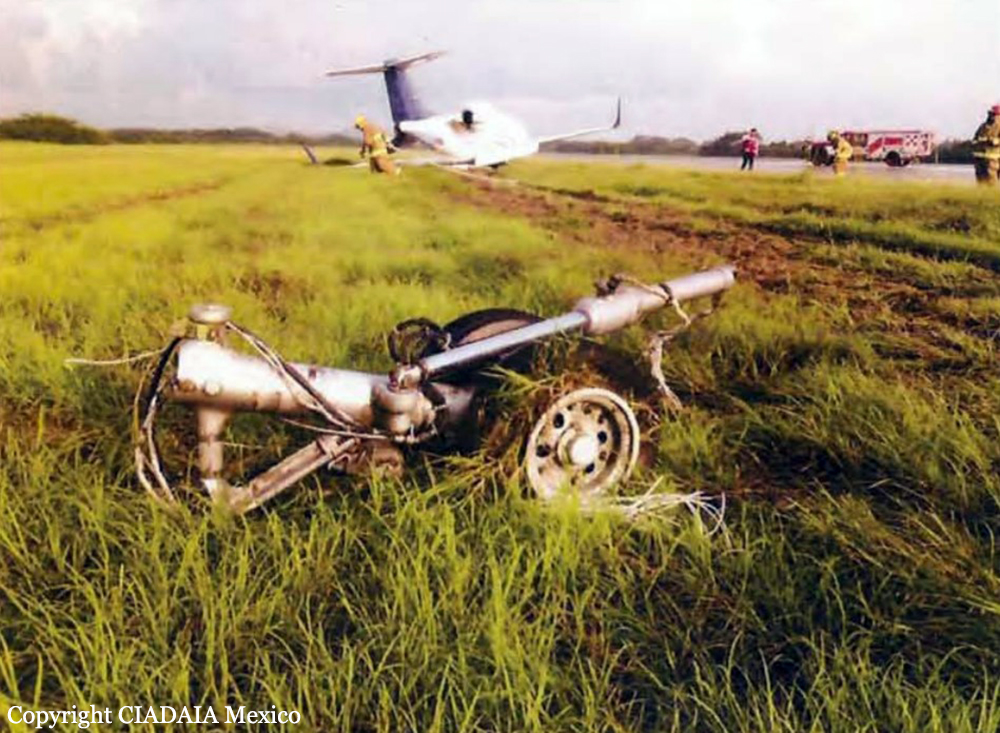
The crew departed Toluca Airport on a positioning flight to Zihuatanejo. Following an uneventful flight, the crew was cleared for a VOR approach to runway 26. Due to the formation of clouds in the vicinity of the airport, ATC changed the clearance and instructed the crew for a VOR/DME approach to runway 08. Following an unstabilized approach, the aircraft landed on a wet runway. After touchdown, the aircraft skidded and veered off runway to the left. In a grassy area, the left main gear impacted a concrete block hosting the electrical system for the runway and was torn off. Then the aircraft slid for few dozen metres before coming to rest. Both pilots evacuated safely and the aircraft was damaged beyond repair.
Probable cause:
Runway excursion due to loss of directional control of the aircraft during the landing run on an unstabilized approach.
The following contributing factors were identified:
a) Unstabilized approach,
b) Adverse atmospheric conditions in the "W" area of the airport,
c) Change of designation of runway in use for landing,
d) Lack of adherence to standard operating procedures "SOPS",
e) Lack of adherence to the concepts of "CRM" resource management in the cockpit,
f) Decreased situational awareness on the part of the commander of the aircraft,
g) Flying the approach and descent visually, following an IFR descent within IMC conditions (Instrument Meteorological Conditions),
h) Wet track,
i) Lack of crew coordination,
j) Poor judgement and incorrect decision,
k) Existence of a concrete marker with a level of 10cms protruding above the road surface in the runway safety zone.
Final Report:
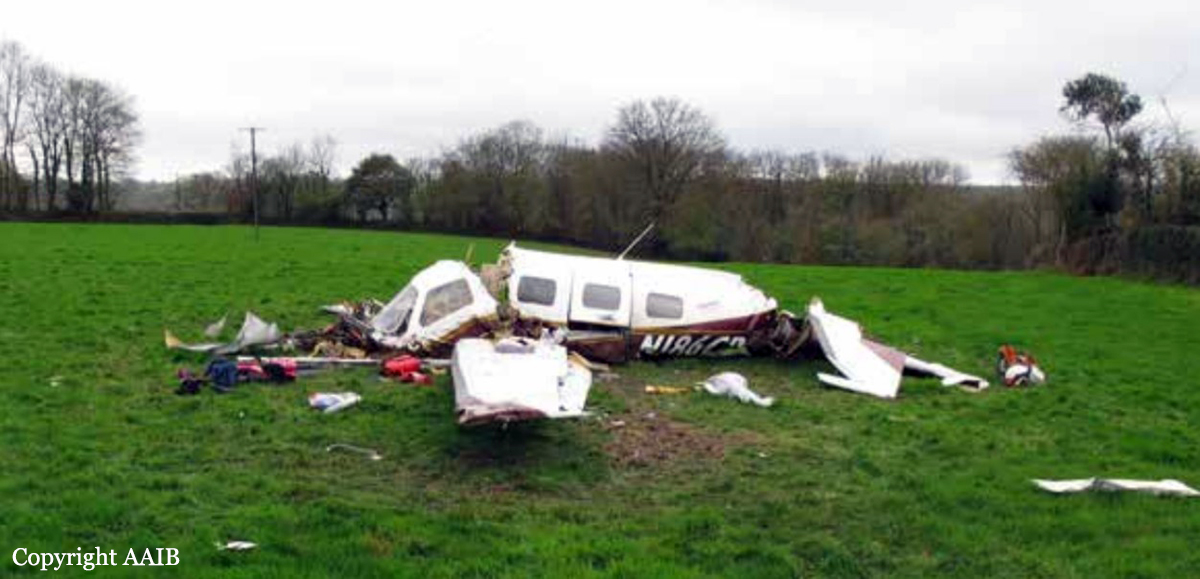
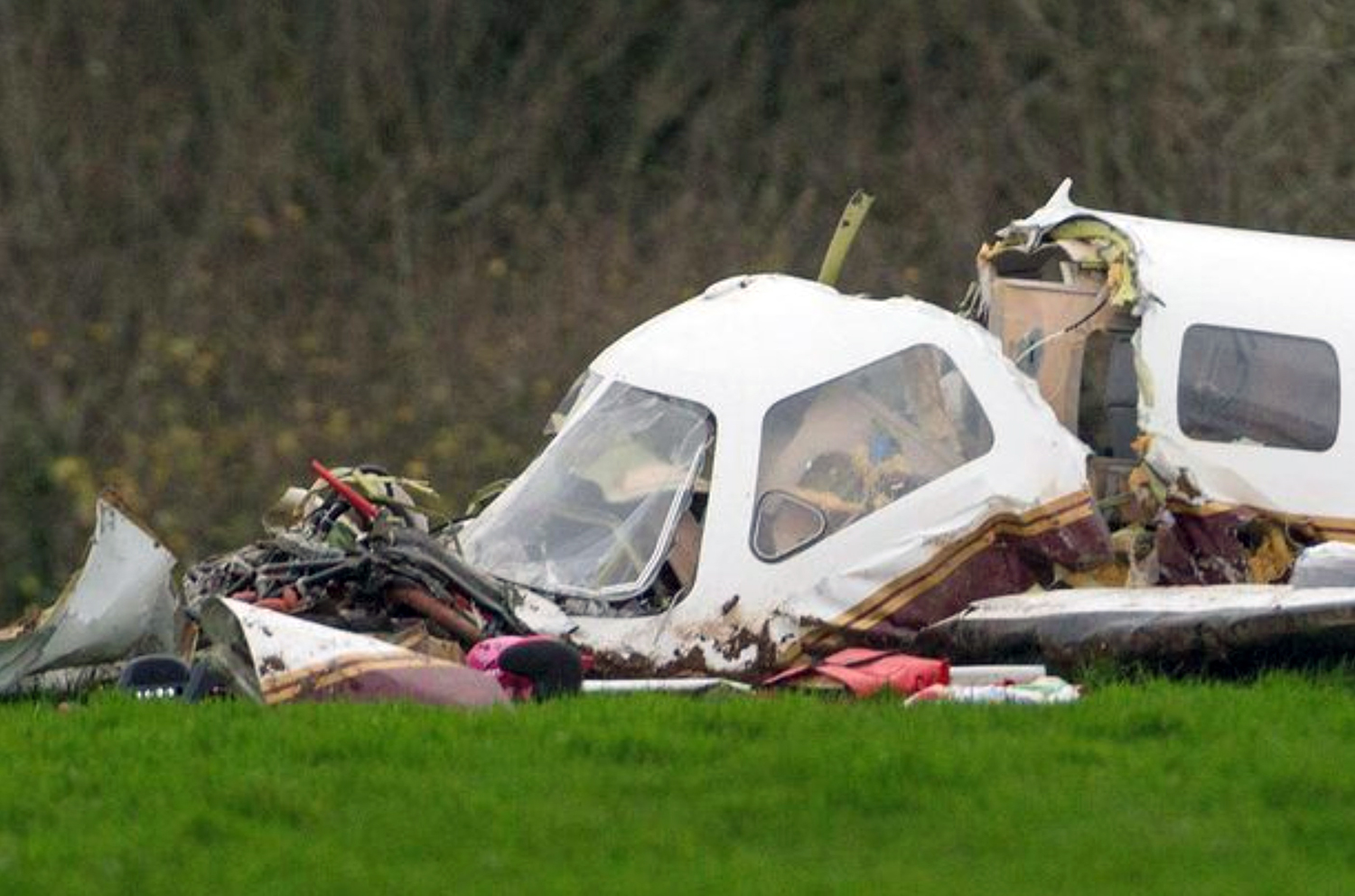
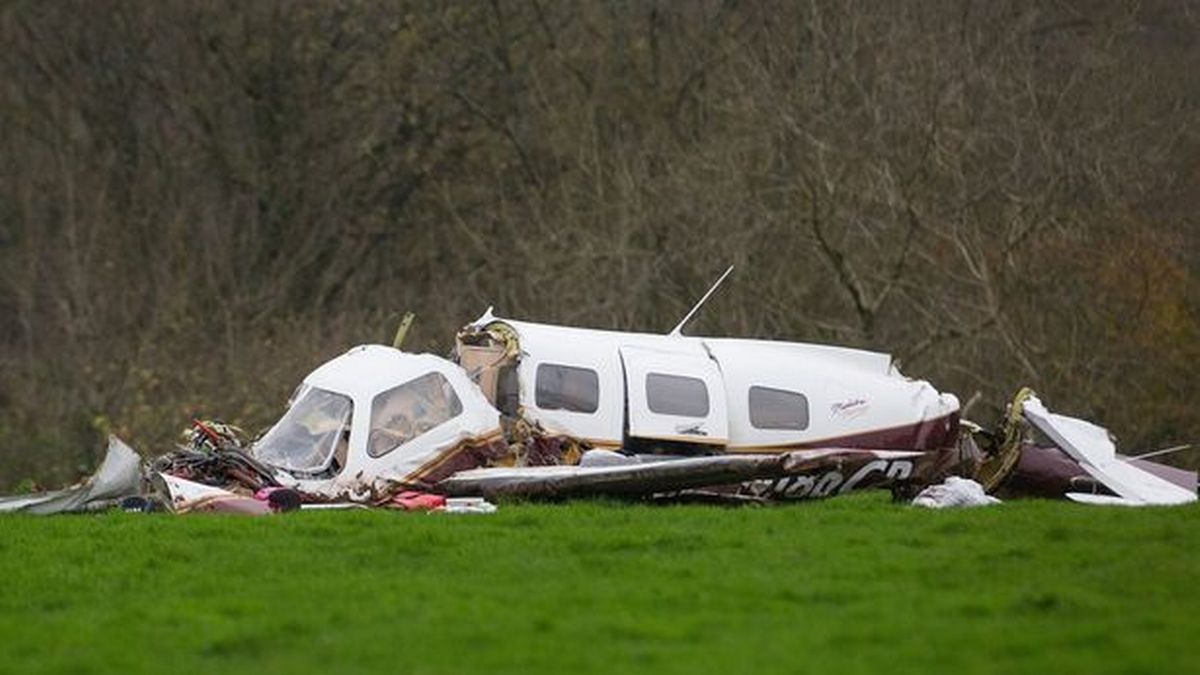
Crash of a Piper PA-46-350P Malibu Mirage in Buttles Farm: 4 killed

Date & Time: Nov 14, 2015 at 1134 LT
Registration:
N186CB
Flight Type:
Survivors:
No
Schedule:
Fairoaks – Dunkeswell
MSN:
46-22085
YOM:
1989
Region:
Crew on board:
1
Crew fatalities:
Pax on board:
3
Pax fatalities:
Other fatalities:
Total fatalities:
4
Captain / Total flying hours:
600
Captain / Total hours on type:
260.00
Circumstances:
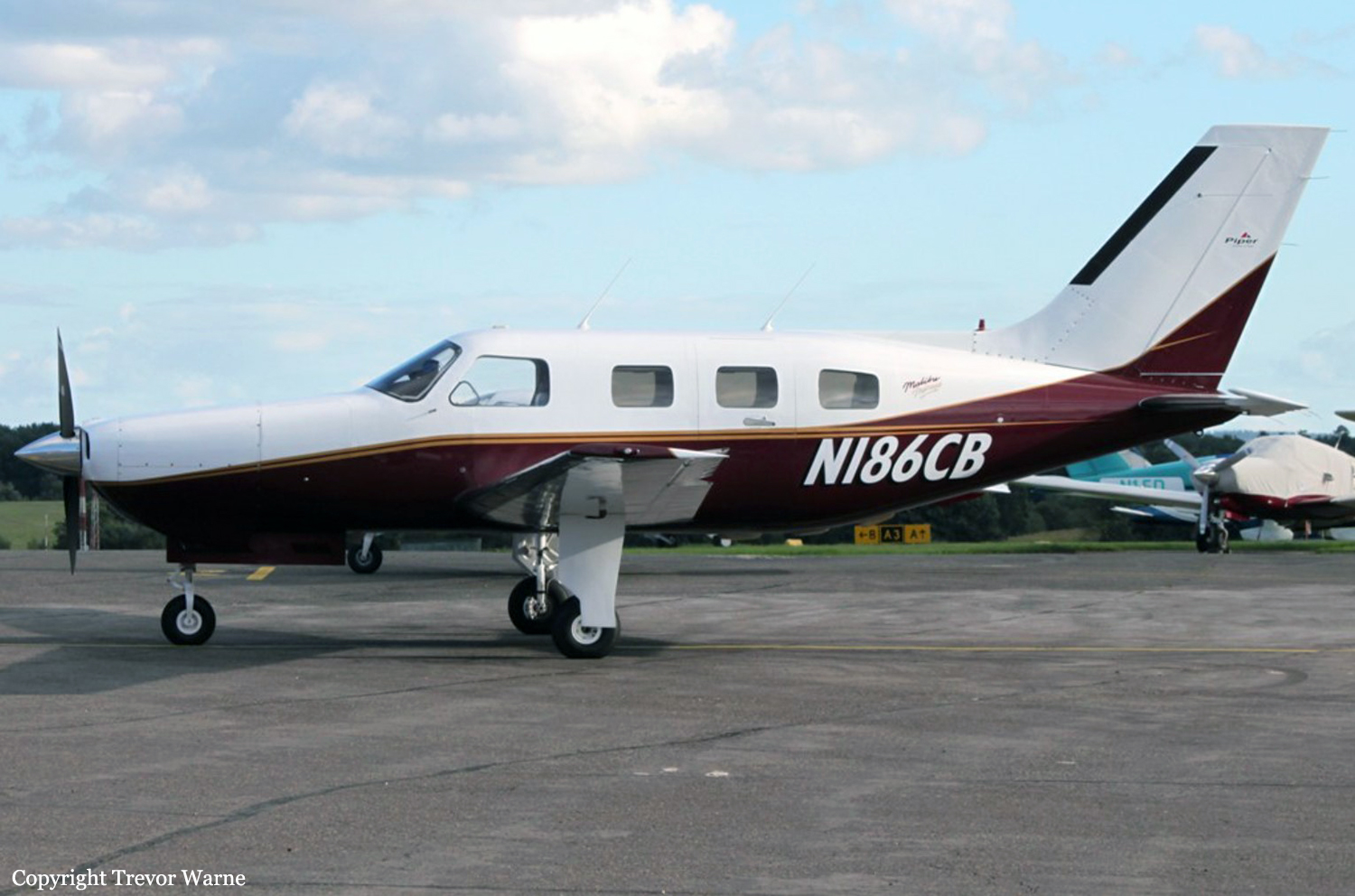
The aircraft was approaching Dunkeswell Airfield, Devon after an uneventful flight from Fairoaks, Surrey. The weather at Dunkeswell was overcast, with rain. The pilot held an IMC rating but there is no published instrument approach procedure at Dunkeswell. As the aircraft turned onto the final approach, it commenced a descent on what appeared to be a normal approach path but then climbed rapidly, probably entering cloud. The aircraft then seems to have stalled, turned left and descended to “just below the clouds”, before it climbed steeply again and “disappeared into cloud”. Shortly after, the aircraft was observed descending out of the cloud in a steep nose-down attitude, in what appears to have been a spin, before striking the ground. All four occupants were fatally injured.
Probable cause:
Whilst positioning for an approach to Dunkeswell Airfield, the aircraft suddenly pitched nose-up and entered cloud. This rapid change in attitude would have been disorientating for the pilot, especially in IMC, and, whilst the aircraft was probably still controllable, recovery from this unusual attitude may have been beyond his capabilities. The aircraft appears to have stalled, turned left and descended steeply out of cloud, before climbing rapidly back into cloud. It probably then stalled again and entered a spin from which it did not recover. All four occupants were fatally injured when the aircraft struck the ground. The investigation was unable to determine with certainty the reason for the initial rapid climb. However, it was considered possible that the pilot had initiated the preceding descent by overriding the autopilot. This would have caused the autopilot to trim nose-up, increasing the force against the pilot’s manual input. Such an out-of-trim condition combined with entry into cloud could have contributed to an unintentional and disorientating pitch-up manoeuvre.
Final Report:

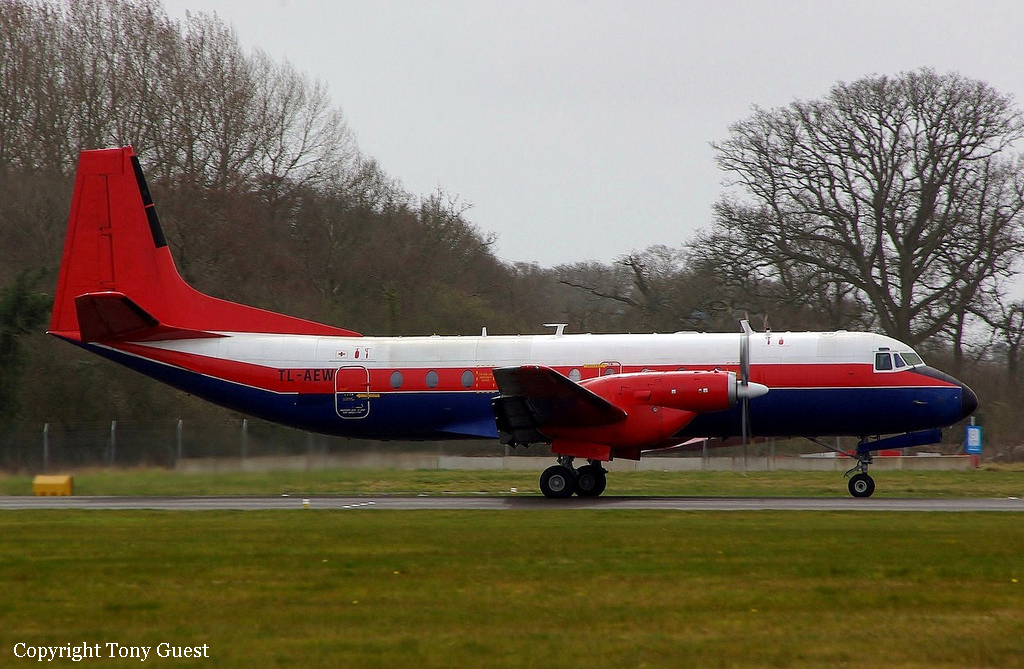
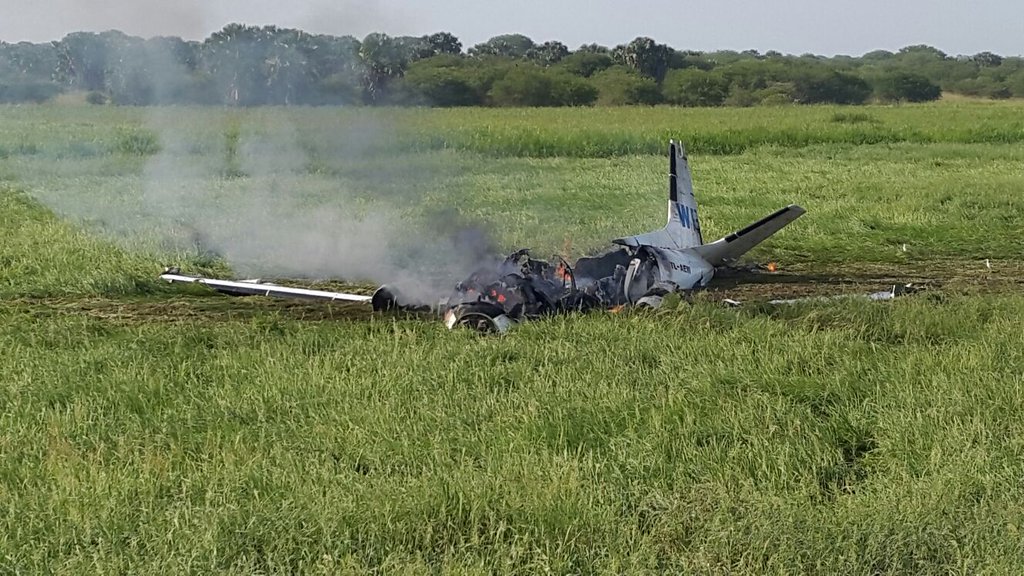
Crash of a Hawker-Siddeley HS.780 Andover C.1 in Malakal

Date & Time: Nov 10, 2015
Operator:
Registration:
TL-AEW
Flight Phase:
Flight Type:
Survivors:
Yes
Schedule:
Malakal – Wau
MSN:
Set13
YOM:
1966
Country:
Region:
Crew on board:
4
Crew fatalities:
Pax on board:
0
Pax fatalities:
Other fatalities:
Total fatalities:
0
Circumstances:
The crew was performing a flight from Malakal to Wau on behalf of the World Food Program. Shortly after takeoff, during initial climb, an unexpected situation forced the captain to attempt an emergency landing. The aircraft crash landed in a field past the runway end, slid for few dozen metres and came to rest, bursting into flames. All four crew members evacuated safely and the aircraft was totally destroyed by a post crash fire.

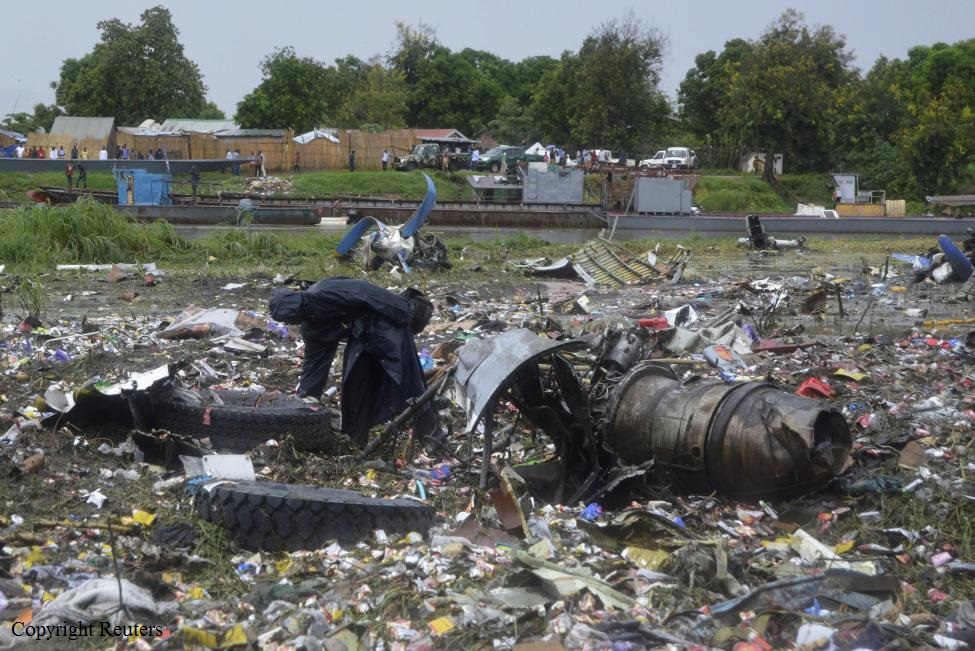
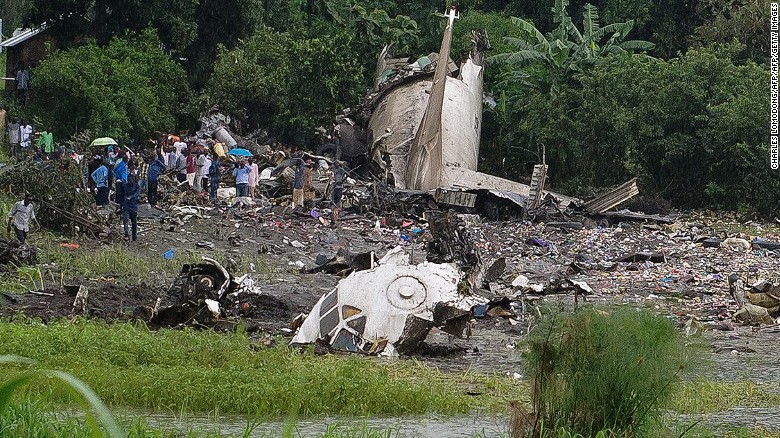
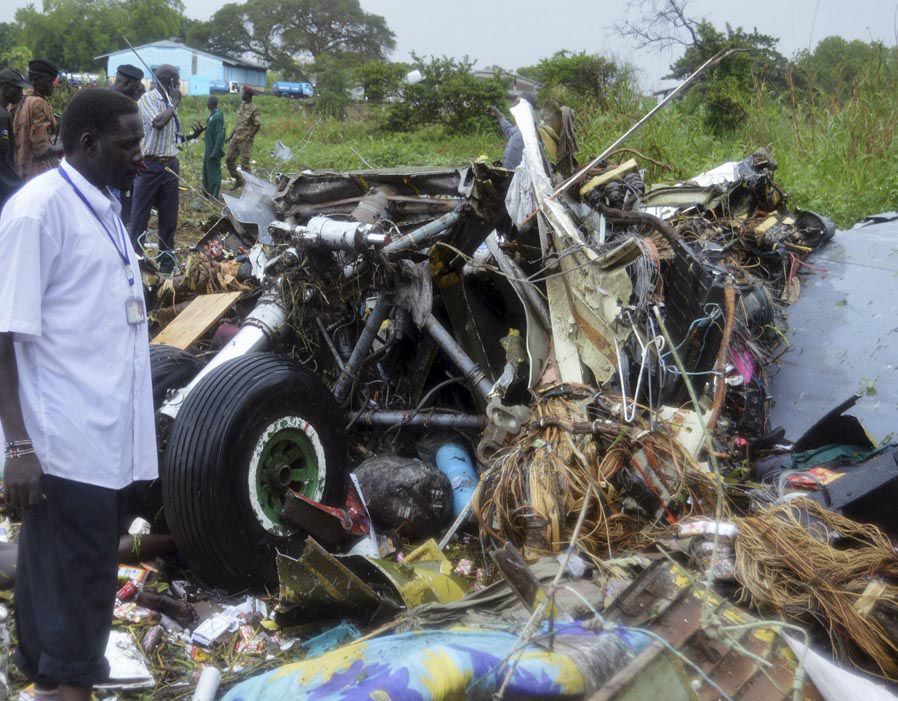
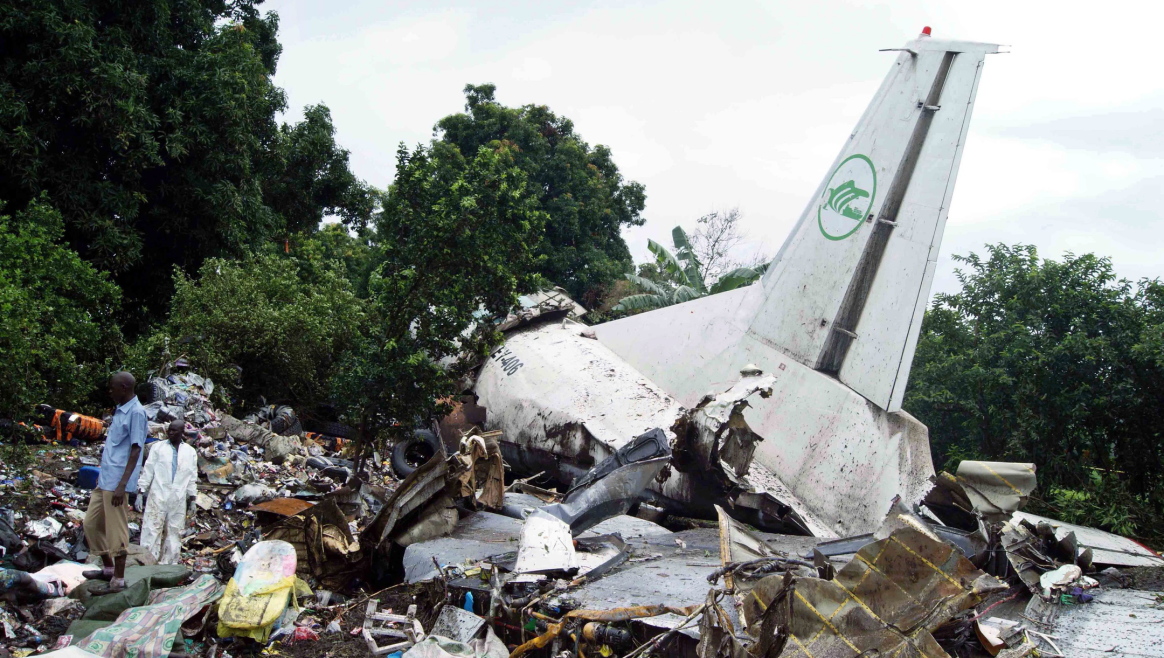
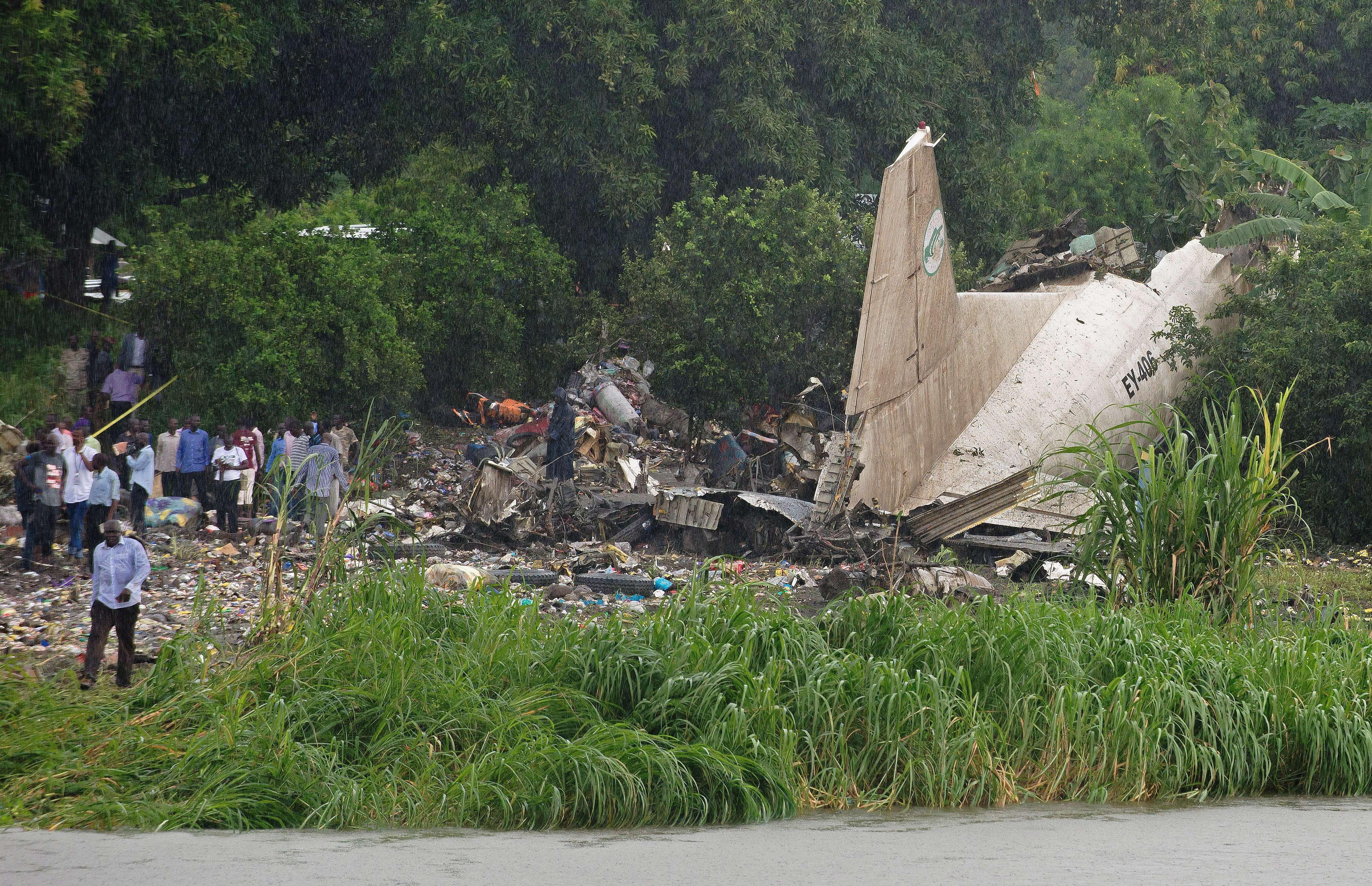
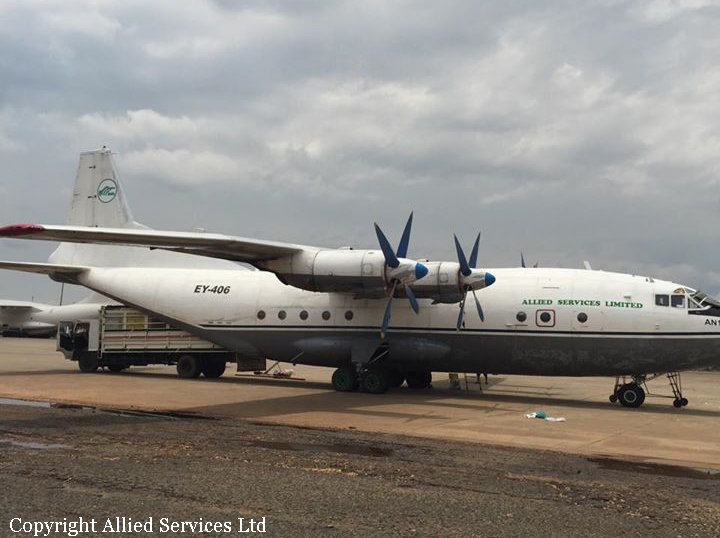
Crash of an Antonov AN-12BK in Juba: 41 killed

Date & Time: Nov 4, 2015 at 0900 LT
Type of aircraft:
Operator:
Registration:
EY-406
Flight Phase:
Flight Type:
Survivors:
Yes
Schedule:
Juba – Paloich
MSN:
01 34 77 04
YOM:
1971
Country:
Region:
Crew on board:
6
Crew fatalities:
Pax on board:
37
Pax fatalities:
Other fatalities:
Total fatalities:
41
Circumstances:
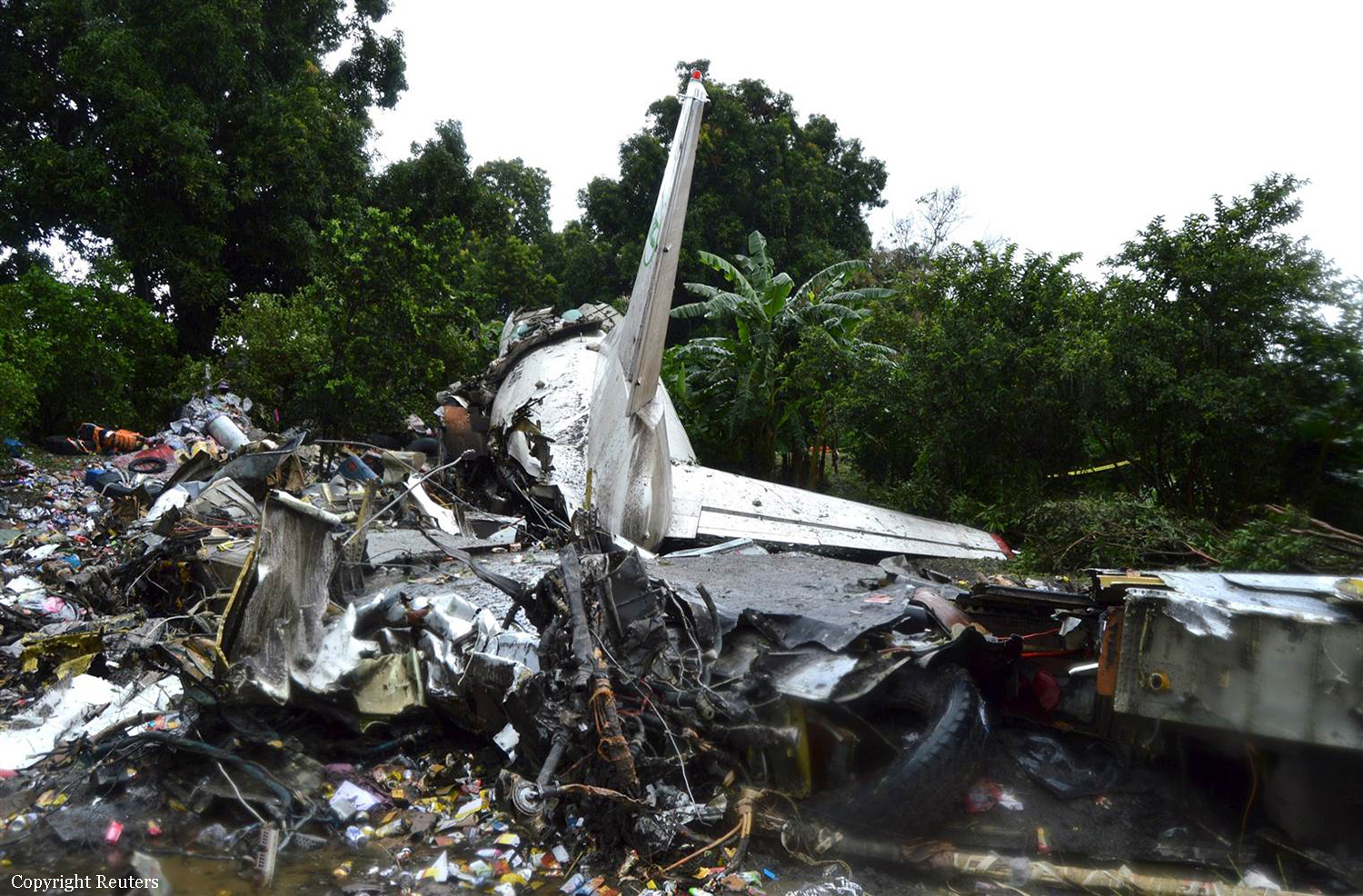
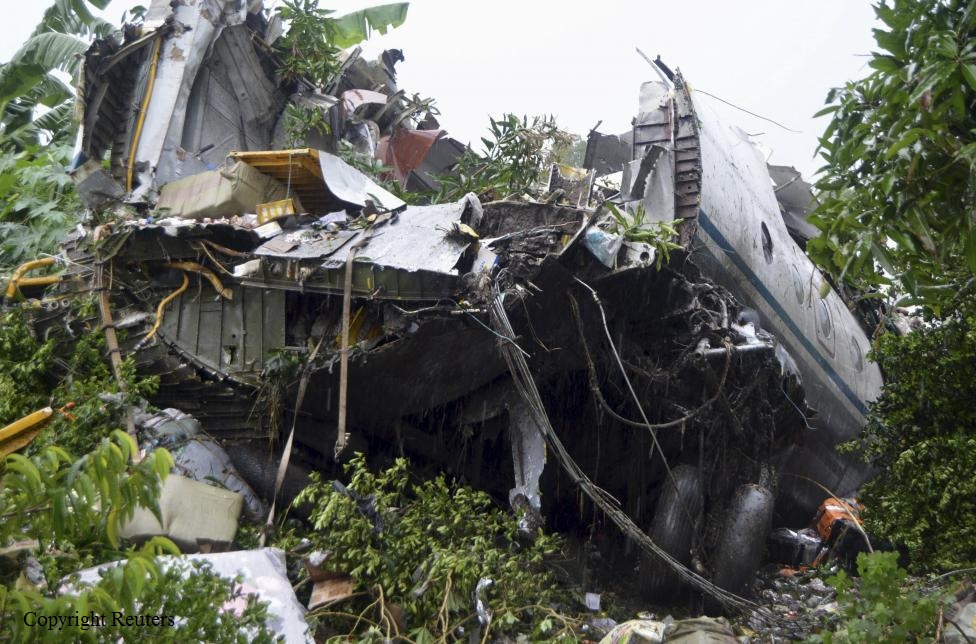
After takeoff from Juba Airport Runway 13, the four engine aircraft encountered difficulties to gain height. After a distance of some 800 metres, the aircraft impacted a hill and crashed on the shore of the White Nile. Two passengers were seriously injured while 41 other occupants were killed, among them all six crew members. Weather conditions at the time of the accident were marginal with rain showers. South Sudan Authorities reported the aircraft was unable to climb because it was overloaded, and the captain reported to ATC prior to departure he was carrying 12 passengers. According to Antonov, the aircraft was not airworthy at the time of the accident because its owner, Tajik Asia Airways, was not compliant with published procedures.

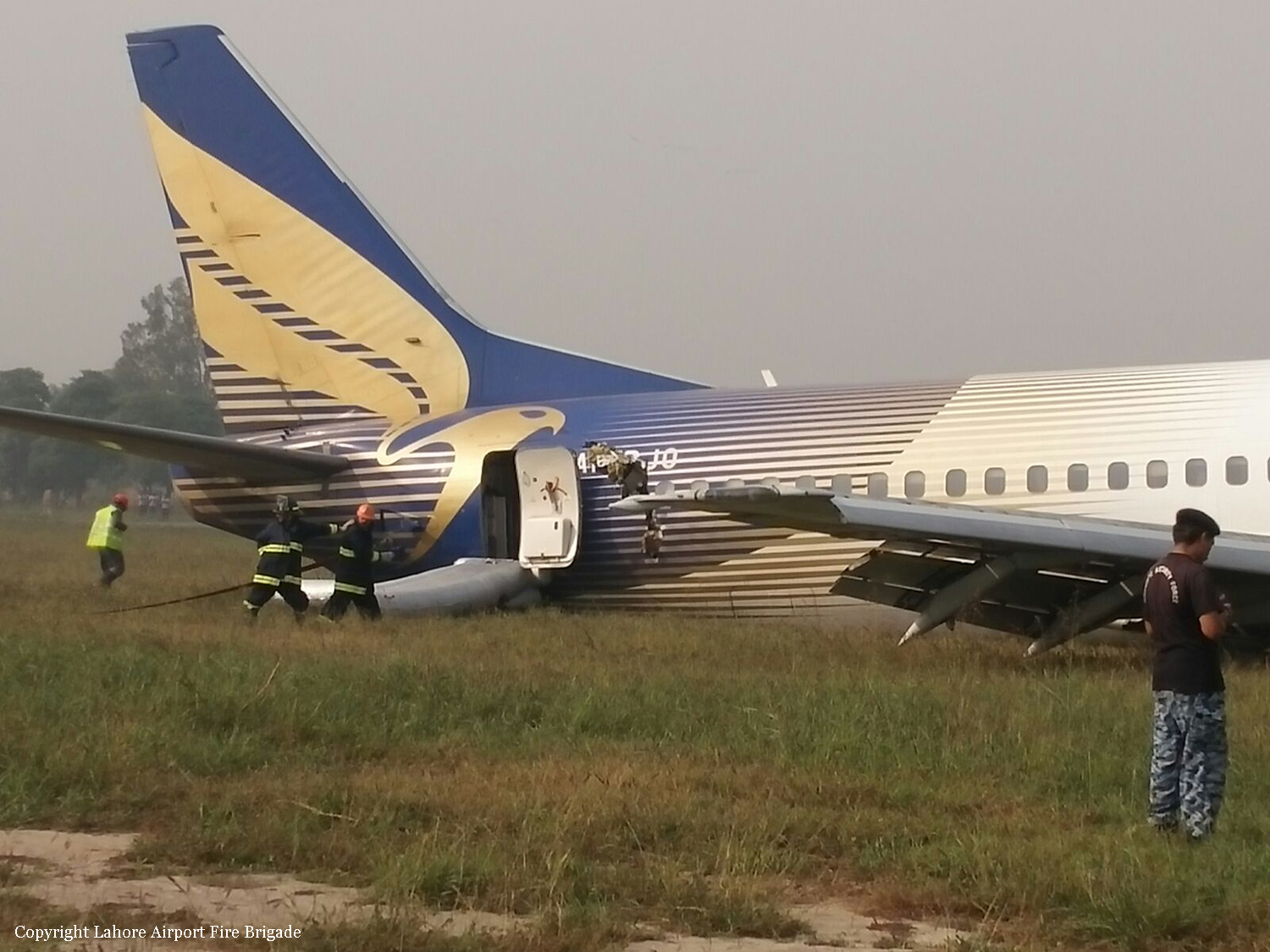
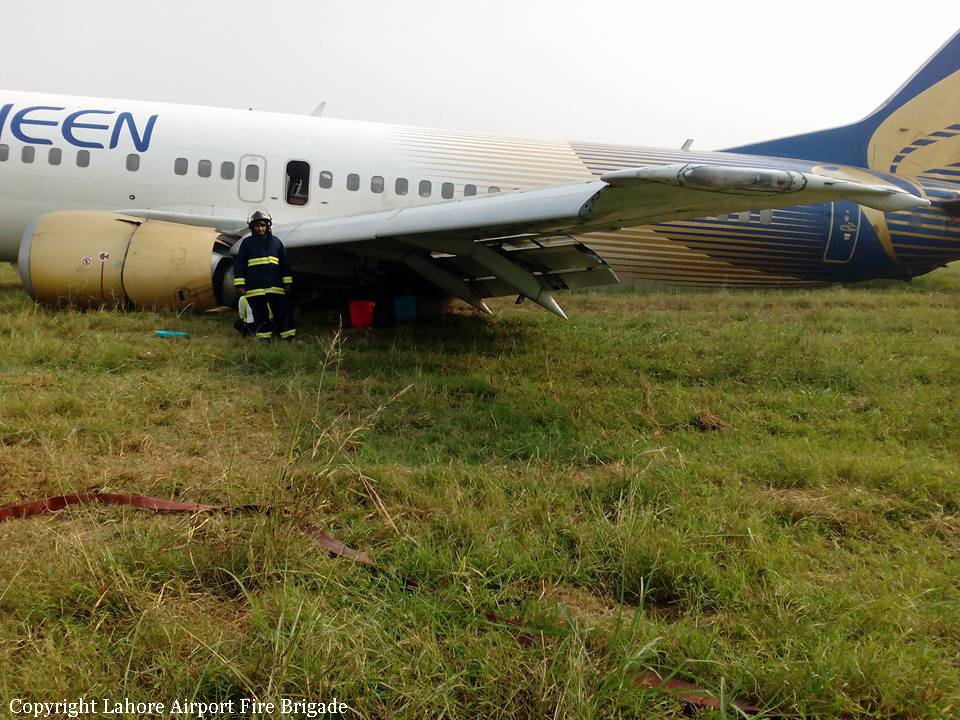
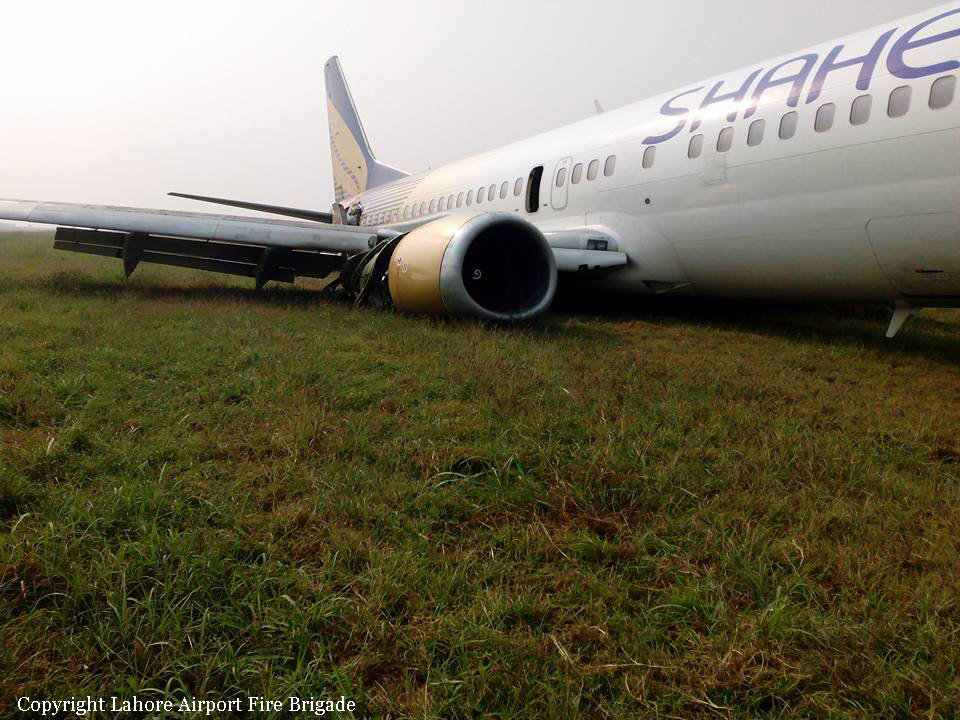
Crash of a Boeing 737-4H6 in Lahore

Date & Time: Nov 3, 2015 at 0926 LT
Type of aircraft:
Operator:
Registration:
AP-BJO
Survivors:
Yes
Schedule:
Karachi – Lahore
MSN:
27166/2410
YOM:
1992
Flight number:
NL142
Country:
Region:
Crew on board:
7
Crew fatalities:
Pax on board:
114
Pax fatalities:
Other fatalities:
Total fatalities:
0
Captain / Total flying hours:
19302
Captain / Total hours on type:
4859.00
Copilot / Total flying hours:
2076
Copilot / Total hours on type:
410
Aircraft flight hours:
51585
Aircraft flight cycles:
46547
Circumstances:
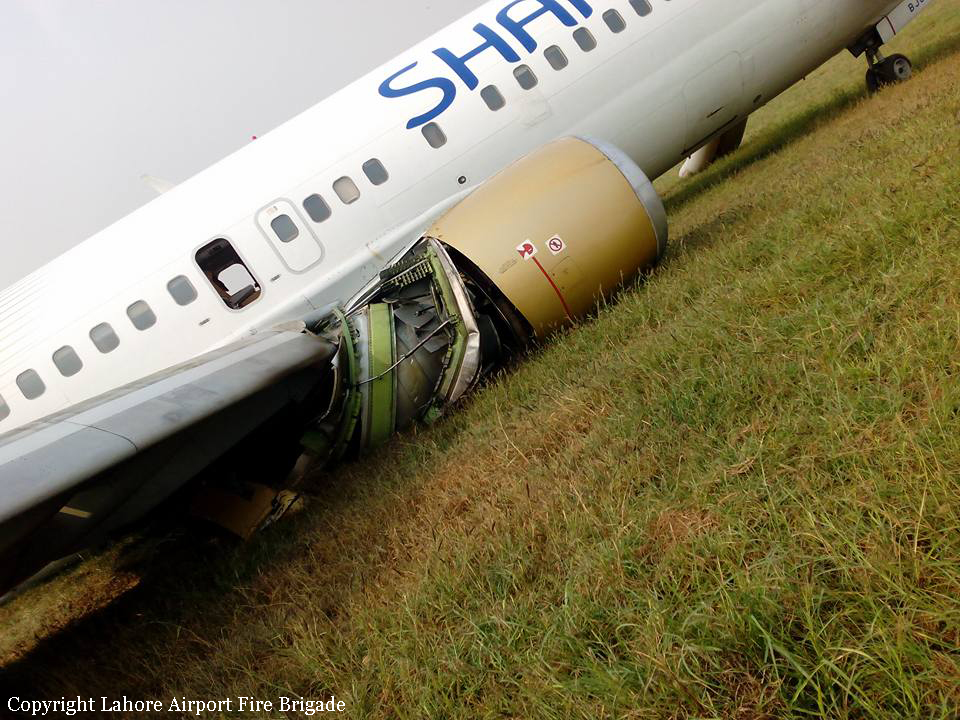
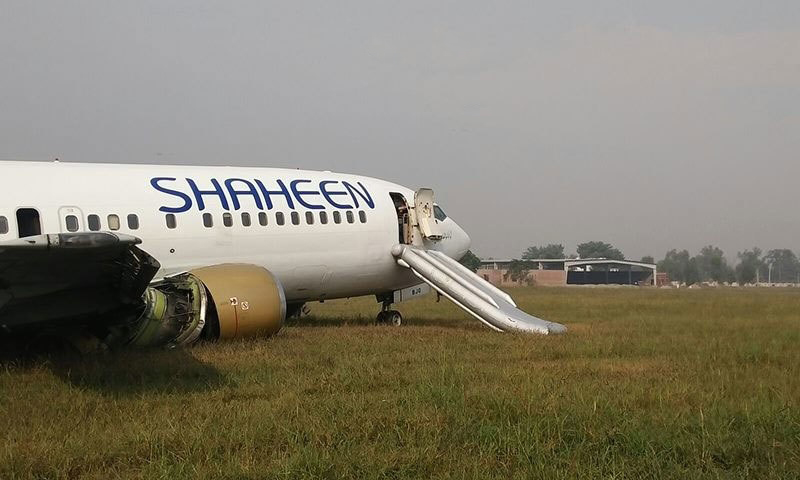
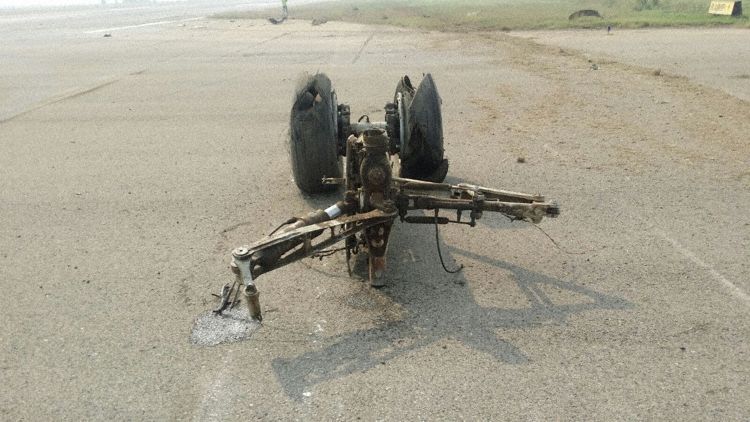
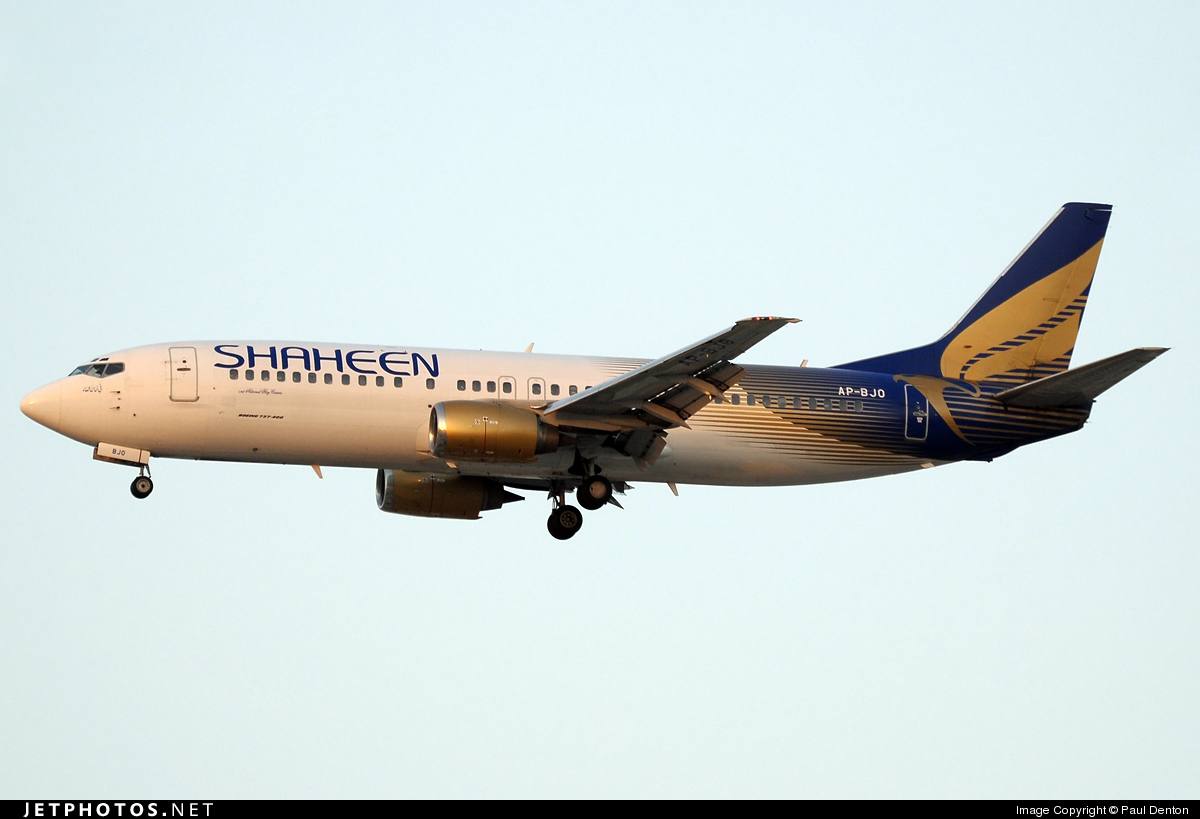
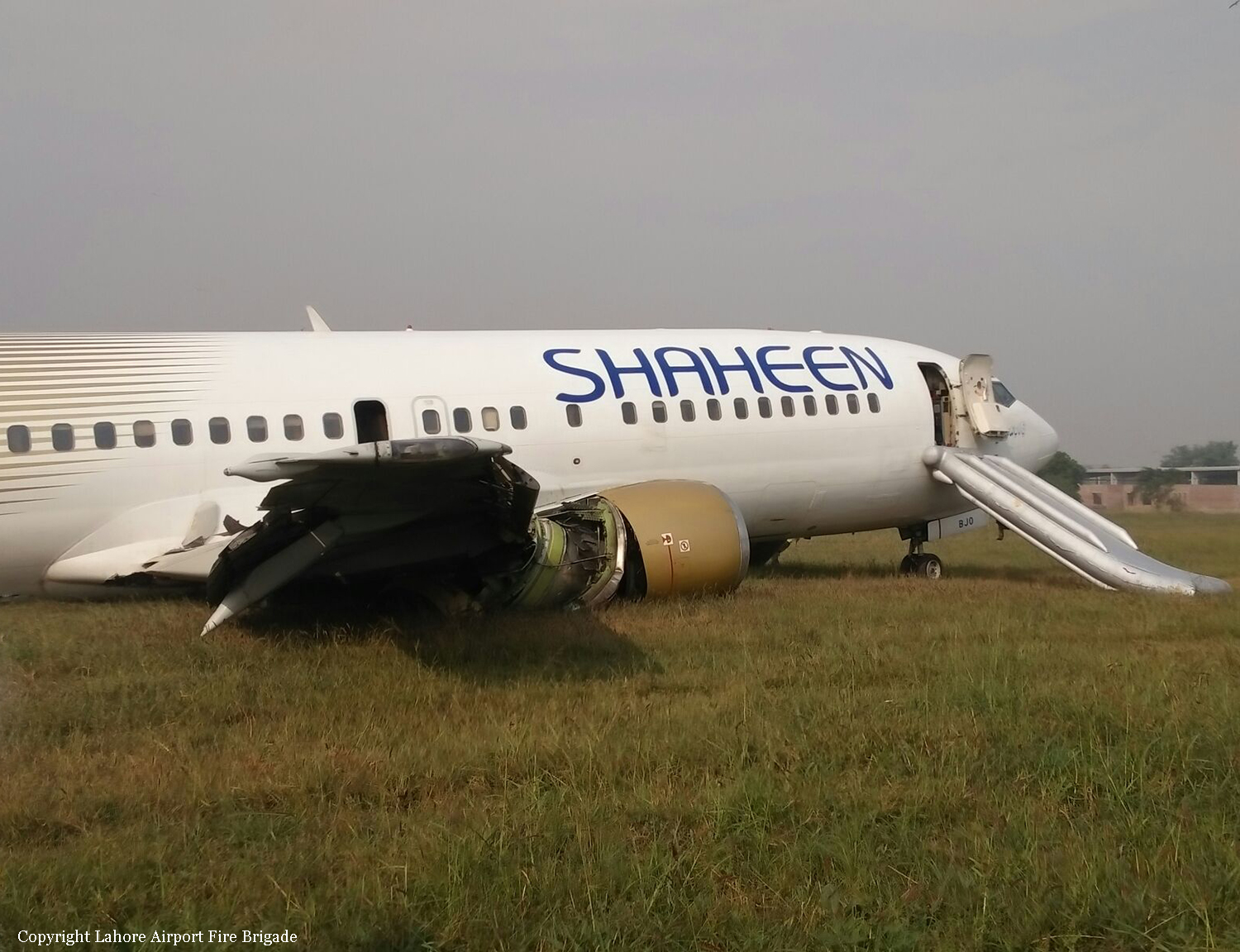
On 03rd November 2015, M/s Shaheen Air International Flight NL-142, Boeing 737-400 aircraft Reg # AP-BJO, was on a scheduled passenger flight from Karachi to Lahore. The flight landed on Runway 36L as Runway 36R was not available due to ILS CAT-III up-gradation. After touchdown, both main landing gears broke one after the other. Subsequently, the aircraft departed runway while resting on both engines and stopped 8302 ft from Runway Threshold (RWT), 197ft left of runway centreline. The nose landing gear, however, remained intact. All the passengers were safely evacuated through emergency procedure.
Probable cause:
The accident took place due to:
- Cockpit crew landing the aircraft through unstabilized approach (high ground speed and incorrect flight path).
- Low sink rate of left main landing gear (LMLG) as it touched down and probable presence of (more than the specified limits) play in the linkages of shimmy damper mechanism. This situation led to torsional vibrations / breakage of shimmy damper after touchdown. The resultant torsional excitation experienced by the LMLG due to free pivoting of wheels (along vertical axis) caused collapse of LMLG.
- The RMLG collapsed due to overload as the aircraft moved on unprepared surface.
Final Report:
Crash of a Grumman G-159 Gulfstream I in Kinshasa

Date & Time: Nov 1, 2015
Type of aircraft:
Operator:
Registration:
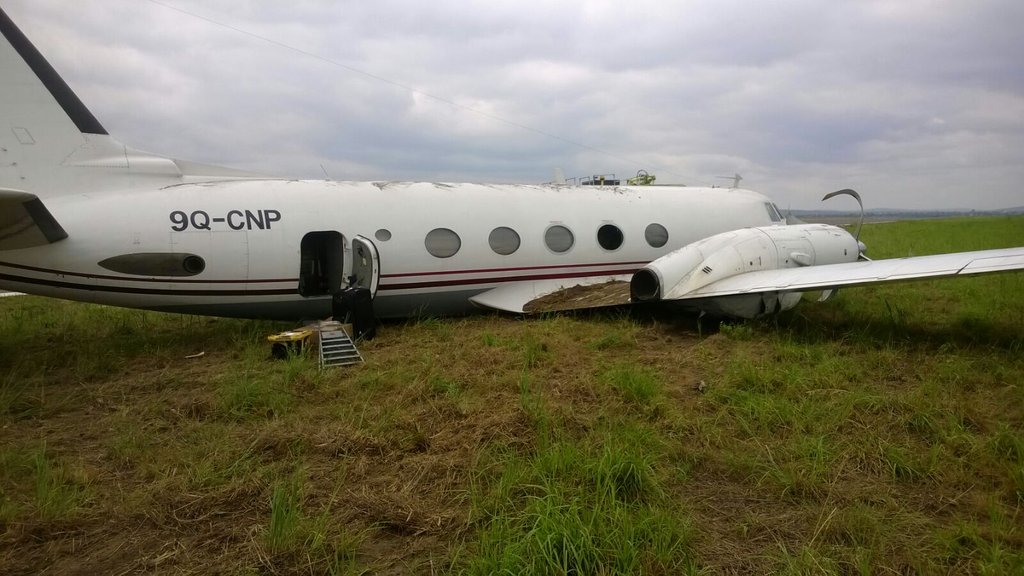
9Q-CNP
Survivors:
Yes
MSN:
164
YOM:
1965
Region:
Crew on board:
4
Crew fatalities:
Pax on board:
22
Pax fatalities:
Other fatalities:
Total fatalities:
0
Circumstances:
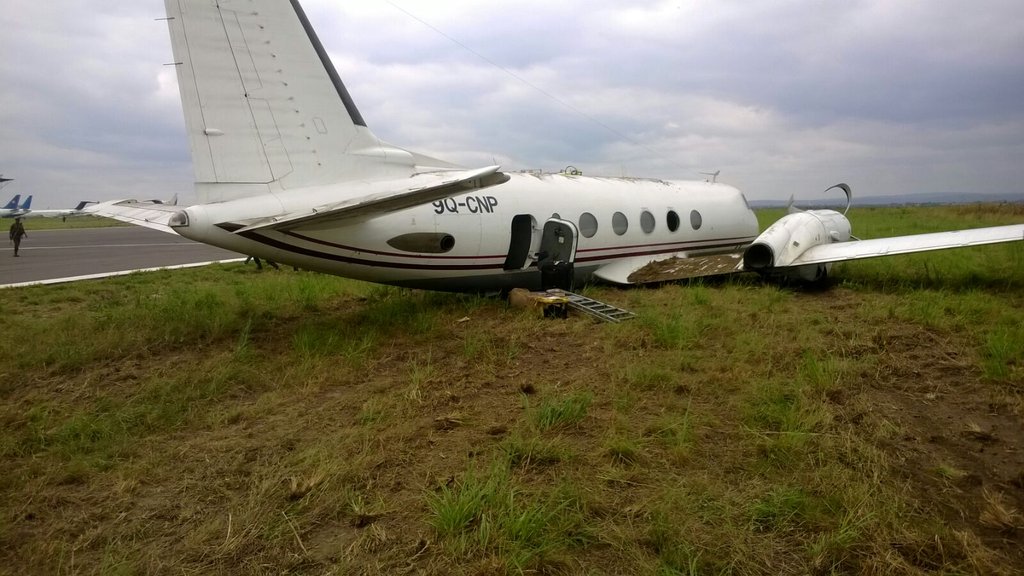
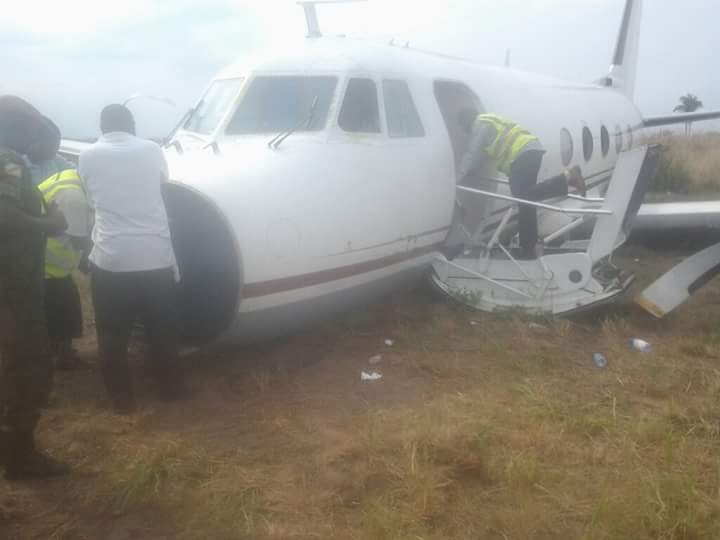
After takeoff from Kinshasa-Ndolo Airport, the crew reported technical problems with the undercarriage and was cleared to divert to Kinshasa-N'Djili Airport. A belly landing was completed on runway 24 and the aircraft slid for few dozen metres then veered off runway to the right and came to rest in a grassy area. All 26 occupants evacuated safely and the aircraft was damaged beyond repair. It is believed that the left main gear was torn off upon takeoff from Kinshasa-Ndolo Airport for unknown reasons.

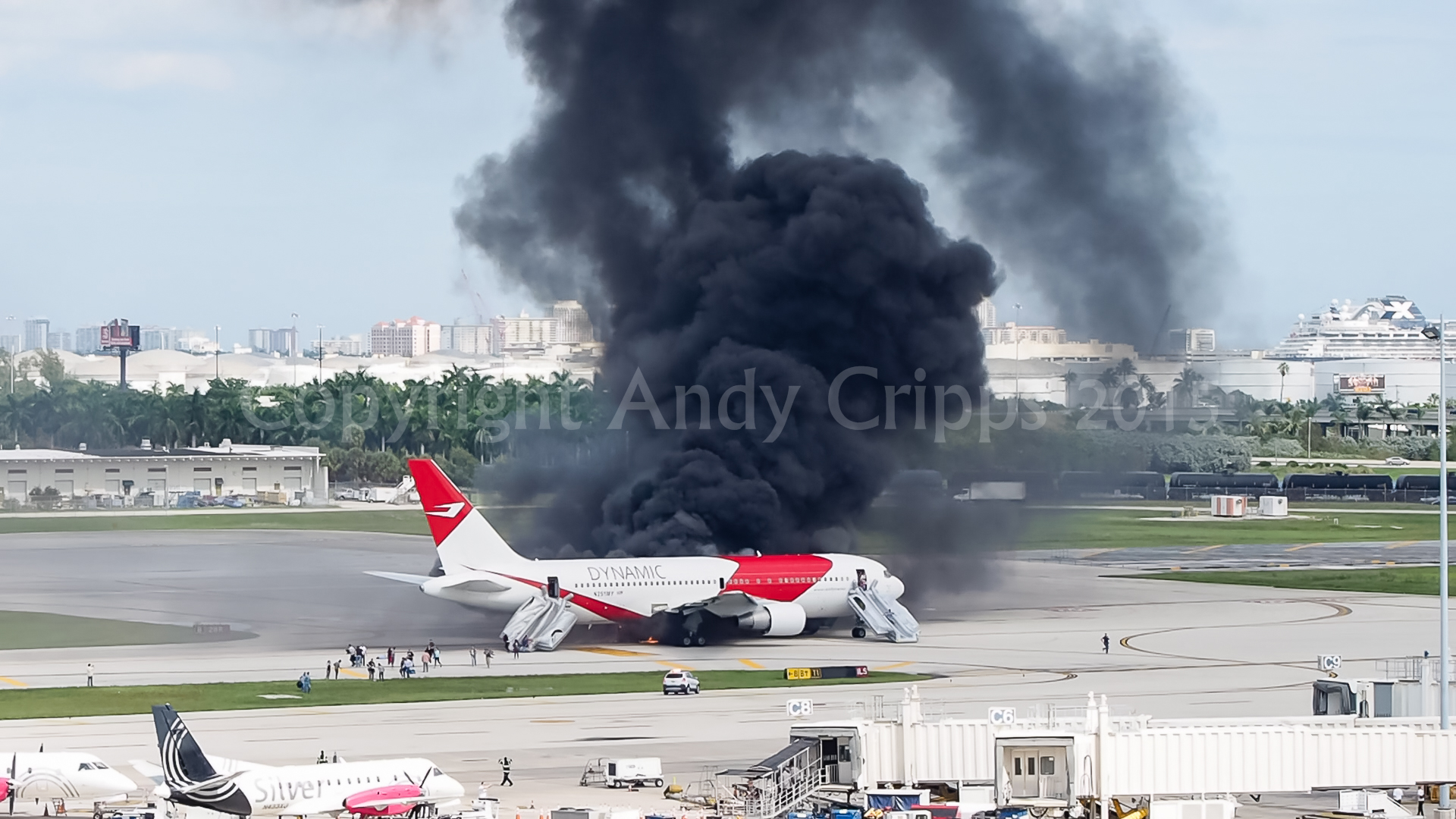
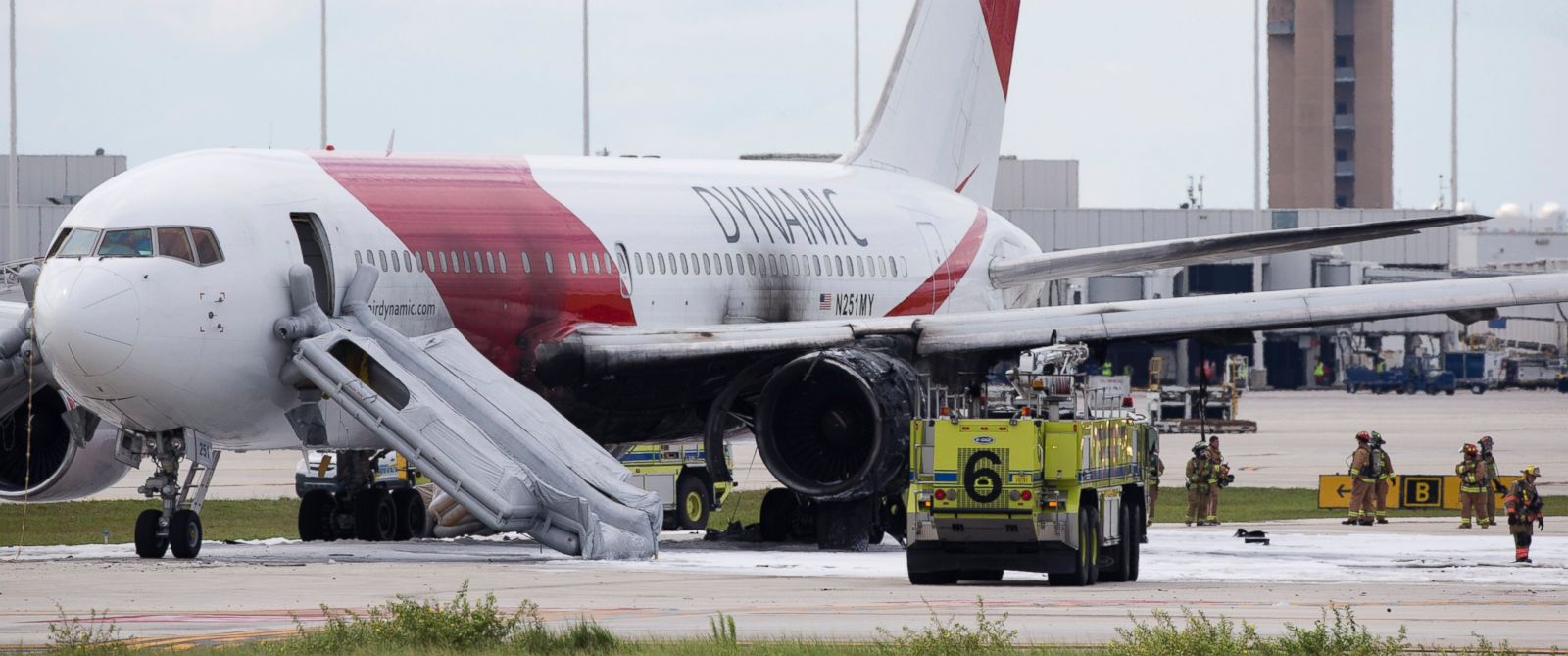
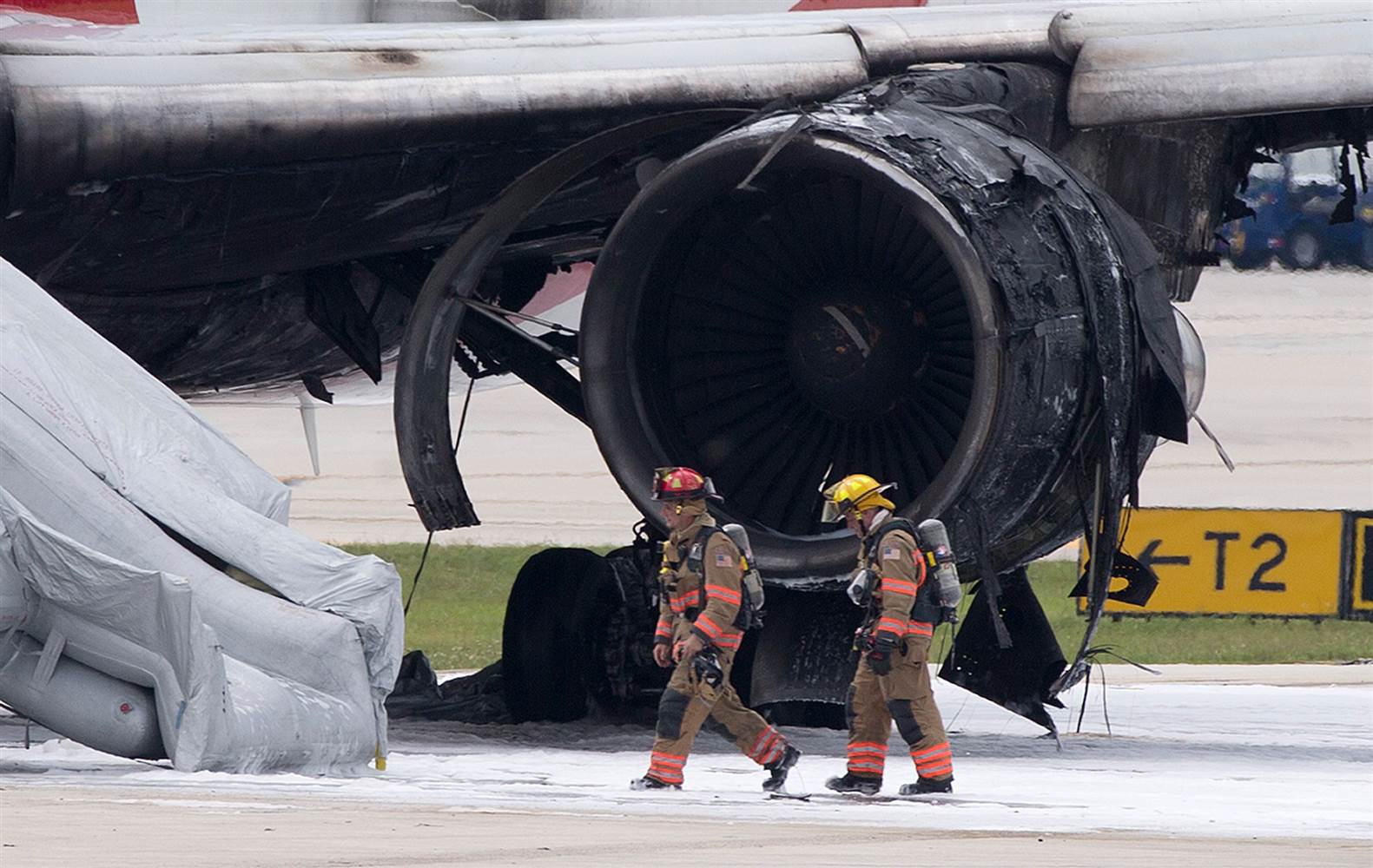
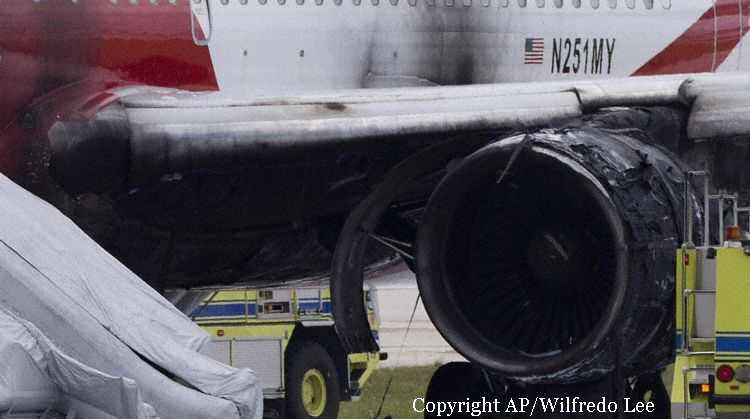
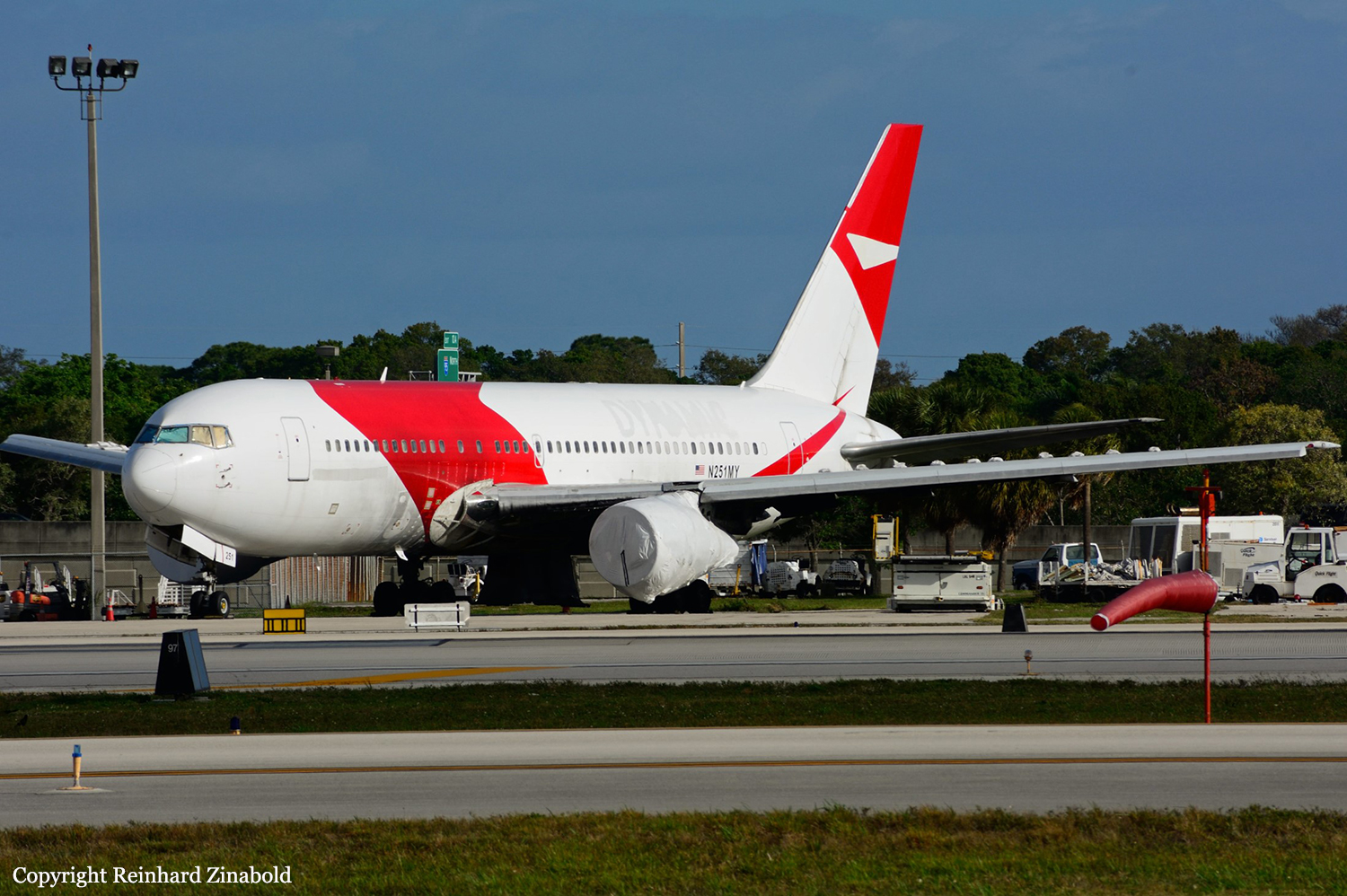
Ground fire of a Boeing 767-269ER in Fort Lauderdale

Date & Time: Oct 29, 2015 at 1233 LT
Type of aircraft:
Operator:
Registration:
N251MY
Flight Phase:
Survivors:
Yes
Schedule:
Fort Lauderdale - Caracas
MSN:
23280/131
YOM:
1986
Flight number:
DYA405
Crew on board:
11
Crew fatalities:
Pax on board:
90
Pax fatalities:
Other fatalities:
Total fatalities:
0
Captain / Total flying hours:
15700
Copilot / Total flying hours:
4140
Aircraft flight hours:
30108
Aircraft flight cycles:
9986
Circumstances:
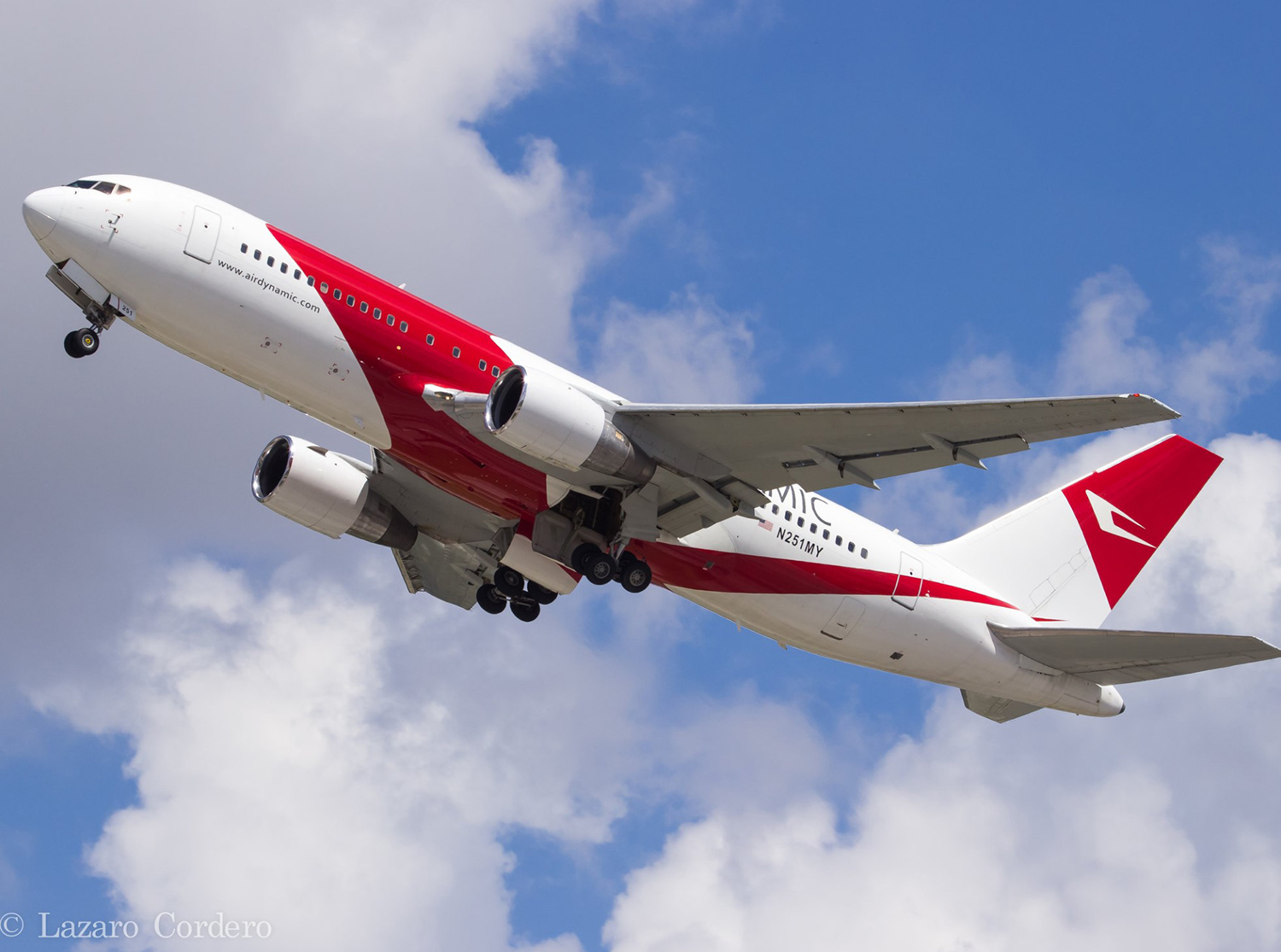
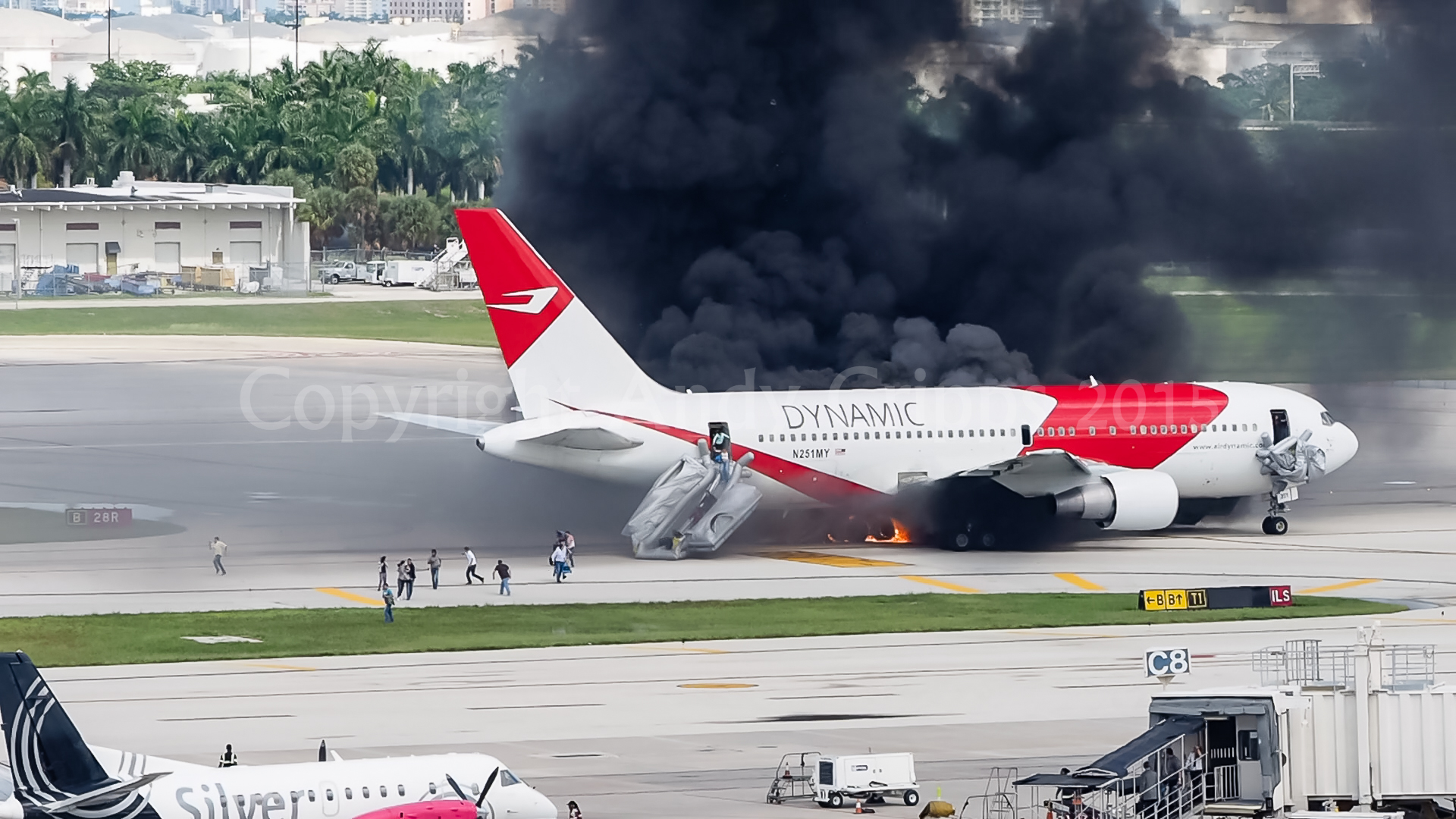
On October 29, 2015, about 12:33 pm eastern daylight time (EDT), Dynamic International Airways flight 405, a Boeing 767-200ER, N251MY, experienced a fuel leak and subsequent fire while taxiing for departure at the Fort Lauderdale-Hollywood International Airport, Florida (FLL). Of the 101 passengers and crew onboard, one passenger received serious injuries. The airplane sustained substantial damage from the fire. The flight was operating under the provisions of 14 Code of Federal Regulations Part 121 supplemental as a scheduled charter from FLL to Maiquetía Simón Bolívar International Airport (CCS), Caracas, Venezuela. A significant fuel leak and subsequent fire occurred in the left engine strut and nacelle during taxi, resulting in substantial damage to the airplane. The fuel leak was the result of a fuel line flexible coupling (Wiggins fitting) loosening and becoming disengaged due to the lack of a safety lockwire on the coupling as required by the maintenance manual. The leaking fuel contacted hot engine case surfaces which ignited the fire. Records indicate that maintenance was conducted on this fitting in October of 2012 at the 4C check prior to the airplane being prepared for storage. The area would also have been subject to a visual inspection when the airplane was brought out of storage in 2015. The same maintenance facility conducted both of these activities. About 240 flight hours were logged between the aircraft returning to service and the accident. The leak occurred after the coupling loosened due to the missing safety wire which was the result of an error by the third-party maintenance provider. The flight crew promptly shut down the left engine using the fire handle, and requested fire equipment. As the airplane stopped on the taxiway, passengers saw the fire and insisted that the cabin crew initiate an evacuation. One passenger opened an overwing exit on his own, and the slide did not deploy. The cabin crew initiated the evacuation without coordination with the flight crew. After the evacuation had already begun, the flight crew advised over the PA to evacuate out the right side of the airplane. The flight crew did not immediately shut down the right engine and an evacuating passenger ran behind the engine and was blown to the pavement resulting in serious injuries. The lack of coordination between the flight crew and cabin crew resulted in the evacuation initiating while the right engine was still running.
Probable cause:
The separation of the flexible fuel line coupling and subsequent fuel leak due to the failure of maintenance personnel to install the required safety lockwire. Contributing to the severity of the accident was the initiation of the evacuation before the right engine was shut down which led to the passenger's injury.
Final Report:
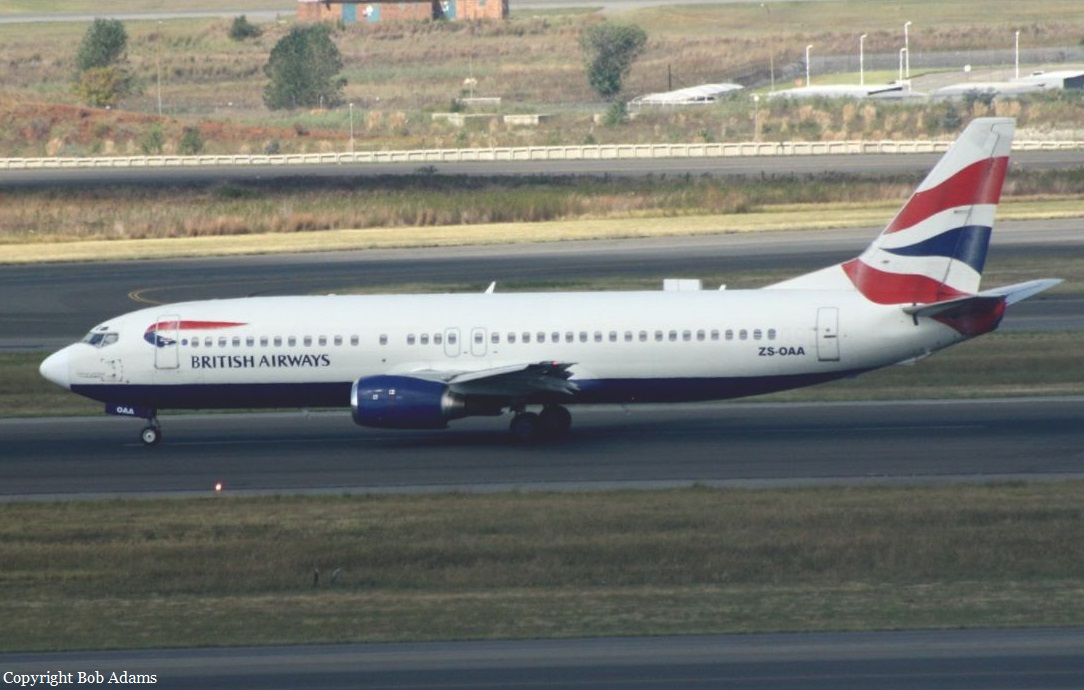
Crash of a Boeing 737-4L7 in Johannesburg

Date & Time: Oct 26, 2015 at 1206 LT
Type of aircraft:
Operator:
Registration:
ZS-OAA
Survivors:
Yes
Schedule:
Port Elizabeth - Johannesburg
MSN:
26960/2483
YOM:
1993
Flight number:
BA6234
Country:
Region:
Crew on board:
6
Crew fatalities:
Pax on board:
94
Pax fatalities:
Other fatalities:
Total fatalities:
0
Captain / Total flying hours:
9186
Captain / Total hours on type:
2899.00
Copilot / Total flying hours:
5817
Copilot / Total hours on type:
480
Aircraft flight hours:
57543
Circumstances:
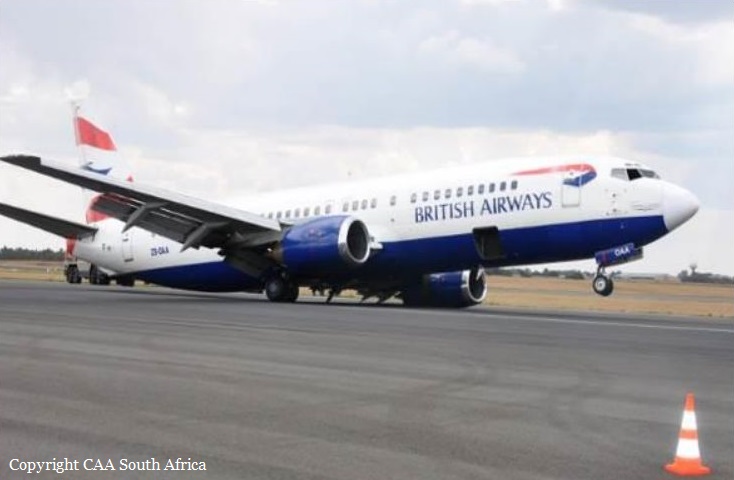
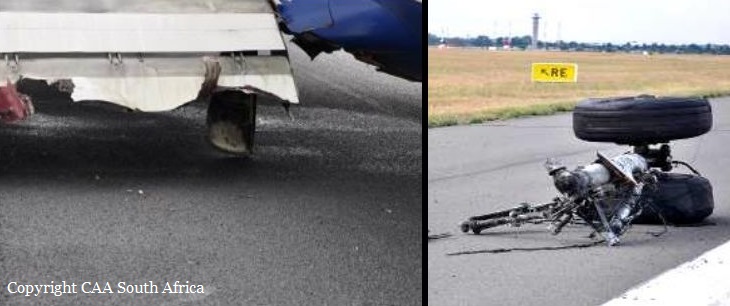
The aircraft Boeing 737-400, operated by Comair, flight number BA6234, was on a scheduled domestic flight operated under the provisions of Part 121 of the Civil Aviation Regulations (CARs). The aircraft was on the third leg for the day, after it had performed two uneventful legs. According to their recorded flight plan, the first leg departed from King Shaka International Airport (FALE) to O.R. Tambo International Airport (FAOR), the second leg was from FAOR to Port Elizabeth International Airport (FAPE) on the same day, during which the Captain was flying. During this third leg, the aircraft departed from FAPE at 0820Z on an instrument flight plan rule for FAOR. On board were six (6) crew members, ninety four (94) passengers and two (2) live animals. The departure from FAPE was uneventful, whereby the first officer (FO) was the flying pilot (FP) for this leg. During the approach to FAOR, the aircraft was cleared for landing on runway 03R. The accident occurred at approximately 1 km past the threshold. The crew stated that a few seconds after a successful touchdown, they felt the aircraft vibrating, during which they applied brakes and deployed the reverse thrust. The vibration was followed by the aircraft rolling slightly low to the left. It later came to a full stop slightly left of the runway centre line, resting on its right main landing gear and the number one engine, with the nose landing gear in the air. The crash alarm was activated by the FAOR Air Traffic Controller (ATC). The Airport Rescue and Fire Fighting (ARFF) personnel responded swiftly to the scene of the accident. The accident site was then secured with all relevant procedures put in place. The aircraft sustained substantial damage as the number one engine scraped along the runway surface when the landing gear detached from the fuselage. ARFF personnel had to prevent an engine fire in which they saw smoke as a result of runway contact. The occupants were allowed to disembark from the aircraft via the left aft door due to the attitude in which the aircraft came to rest. The accident occurred during daylight meteorological conditions on Runway 03R at O.R. Tambo International Airport (FAOR) located at GPS reading as: S 26°08’01.30” E 028°14’32.34” and the field elevation 5558 ft.
Probable cause:
Unstable approach whereby the aircraft was flared too high with high forward speed resulting with a low sink rate in which during touch down the left landing gear
experienced excessive vibration and failed due to shimmy events.
The following findings were identified:
- According to the FDR recordings, the aircraft flare was initiated earlier at 65ft than at 20ft as recommended by aircraft manufacture, which contributed to the low sink rate.
- The shimmy damper failed the post-accident lab-test and fluid was found in the thermal relief valve, which could have contributed to the shimmy damper failure.
- According to the lab results, significant wear was found on the upper torsion link bushing and flange, which could have contributed to undamped vibration
continuation.
- The aircraft had a tailwind component during landing, which could have prolonged the landing distance.
Final Report:
Crash of a Boeing 737-3K2 in Cuzco

Date & Time: Oct 23, 2015 at 1115 LT
Type of aircraft:
Operator:
Registration:
OB-2040-P
Survivors:
Yes
Schedule:
Lima - Cuzco
MSN:
24329/1858
YOM:
1990
Flight number:
P9216
Country:
Crew on board:
6
Crew fatalities:
Pax on board:
133
Pax fatalities:
Other fatalities:
Total fatalities:
0
Captain / Total flying hours:
6352
Captain / Total hours on type:
1971.00
Copilot / Total flying hours:
1455
Copilot / Total hours on type:
1219
Aircraft flight hours:
74018
Aircraft flight cycles:
42389
Circumstances:
Following an uneventful flight from Lima, the crew started the descent to Cuzco-Alejandro Velasco Astete Airport Runway 28. On approach, the aircraft was configured for landing and flaps were deployed to 15°. Following a smooth landing, the crew started the braking procedure when, eight seconds after touchdown, he noticed vibrations coming from the left main gear. At a speed of 100 knots, the right main gear collapsed. The aircraft rolled for few hundred metres then came to a halt on the runway. All 139 occupants evacuated safely and the aircraft was damaged beyond repair.
Probable cause:
Unstable approach and inadequate landing technique for high altitude fields, which resulted in increased landing speed, the start of the flare manoeuvre at higher altitude, and low descent speed, which made the OB-2040-P aircraft make soft contact with the runway, causing inefficiency in operation of the shimmy damper, which did not prevent uncontrolled oscillation of the shock absorbers.
Contributing factors:
- Lack of instruction and training in simulators that include techniques and maneuvers of landing at high altitude fields, with emphasis on speed control at landing.
- Lack of a performance analysis process, through the use of flight recorders or other installed data recording equipment and flight parameters, by the operating company, to enable supervision, control and corrective measures in the operational use of its aircraft.
Final Report: