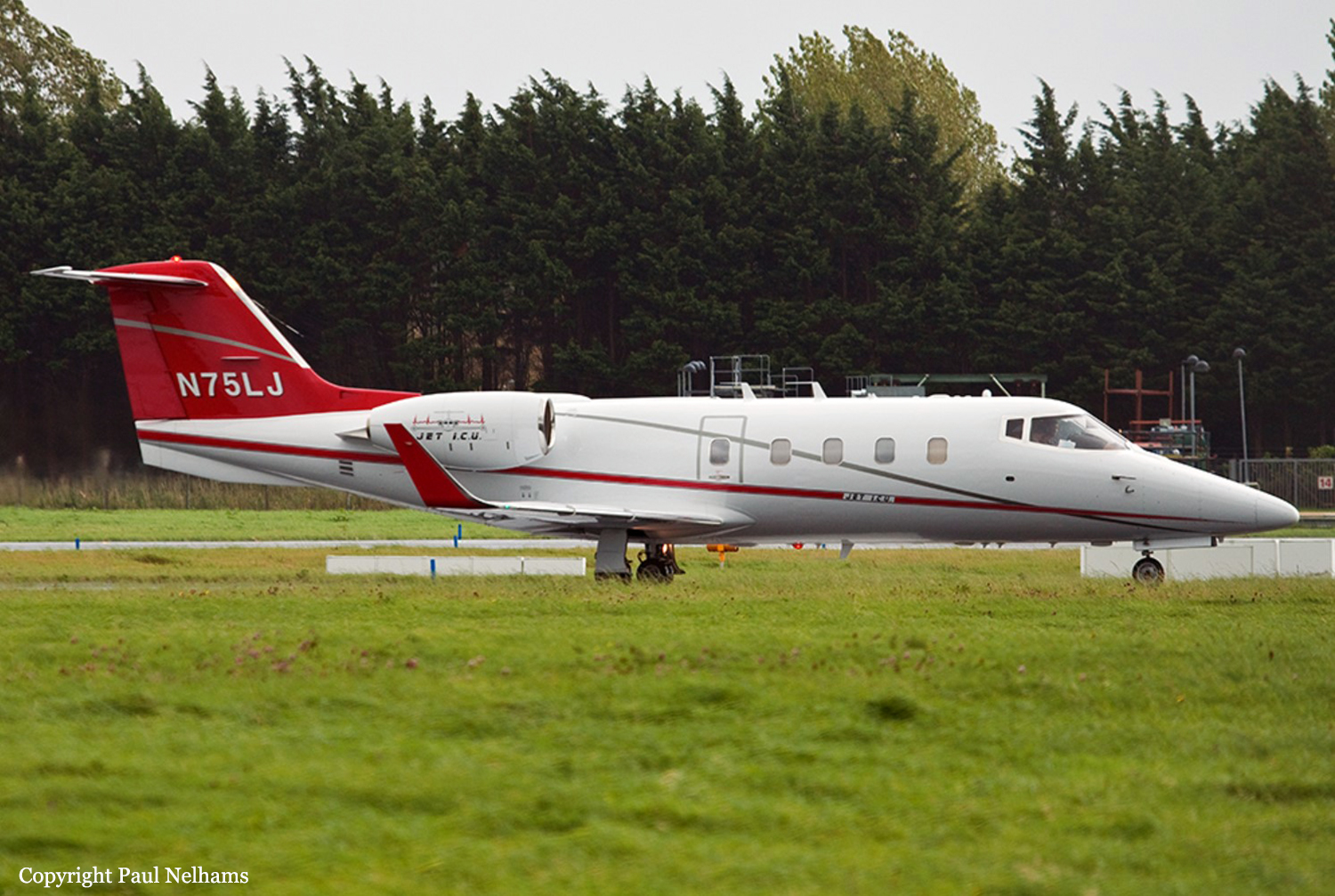
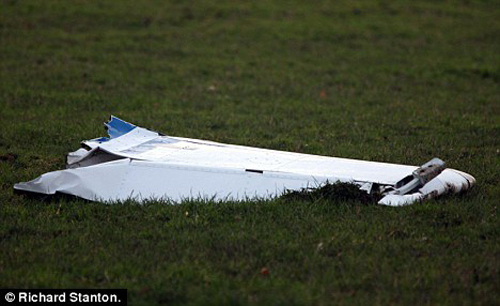
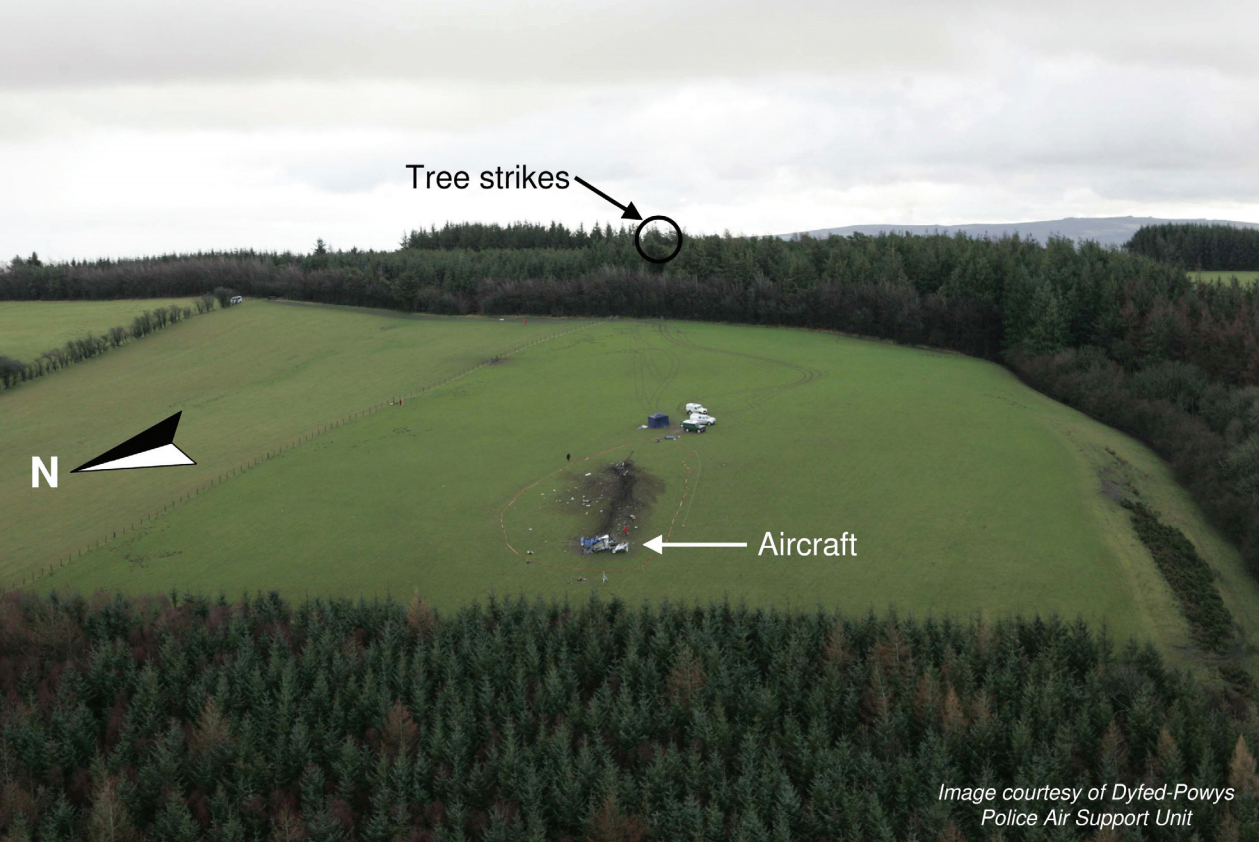
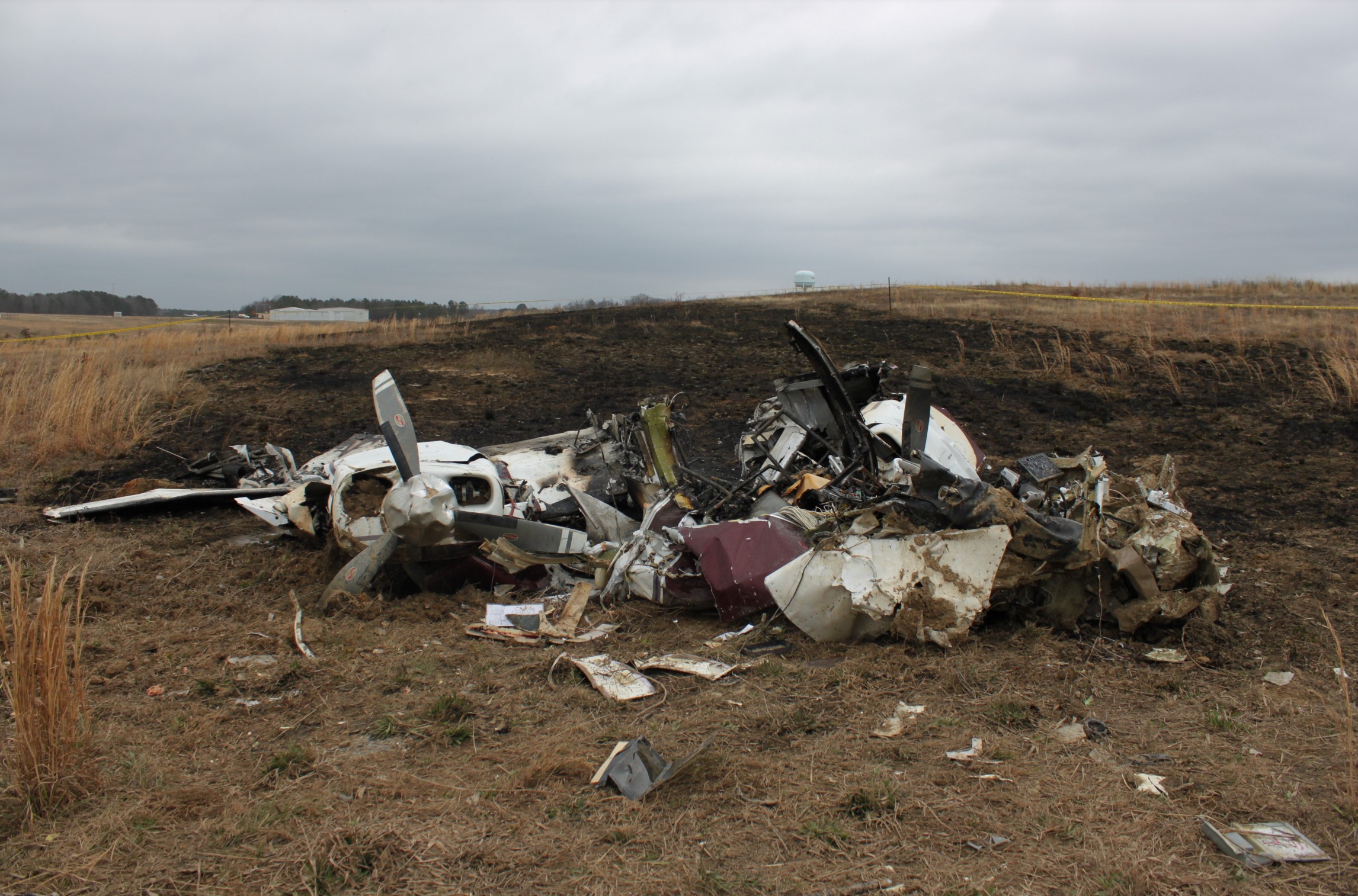
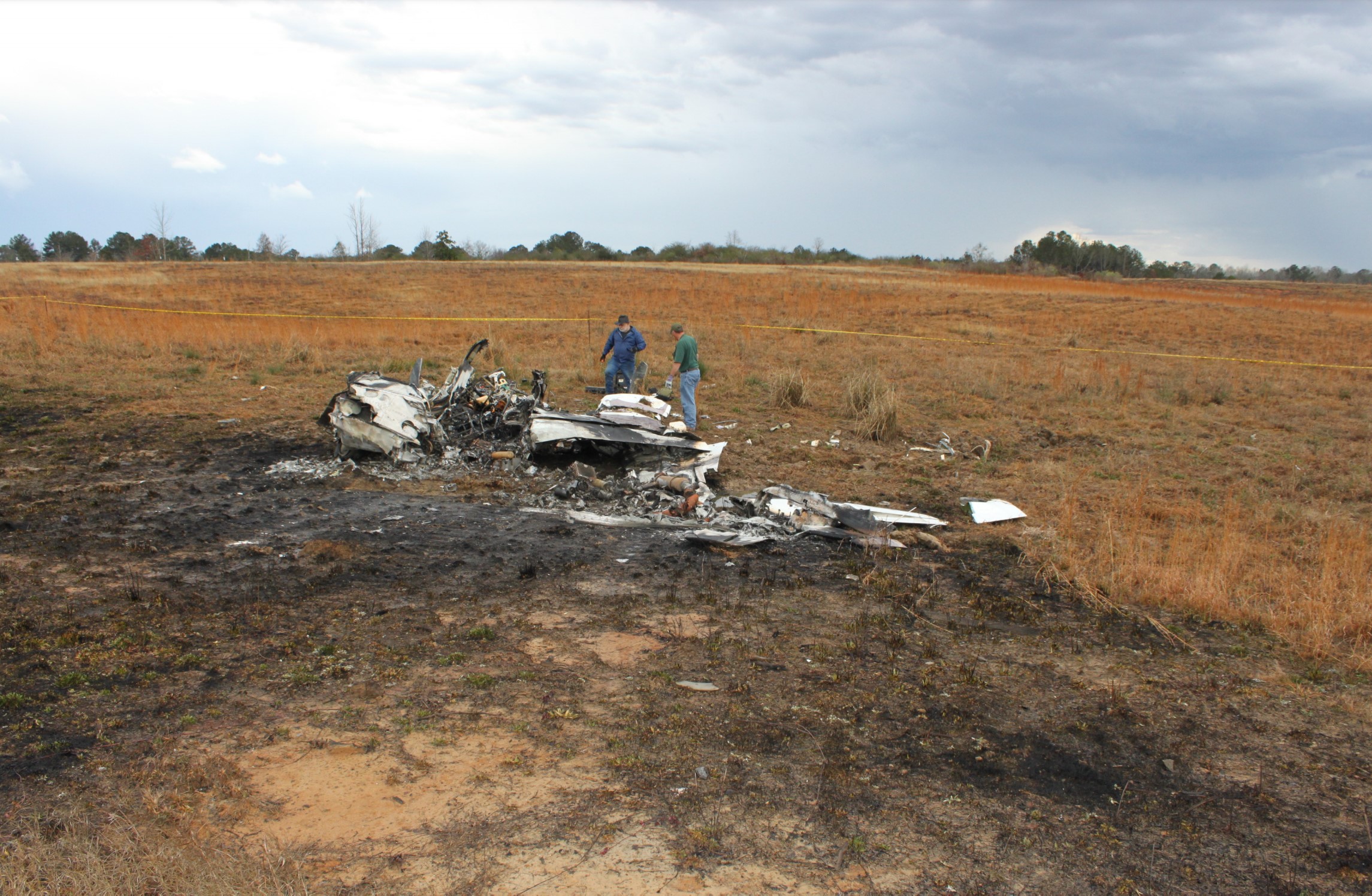
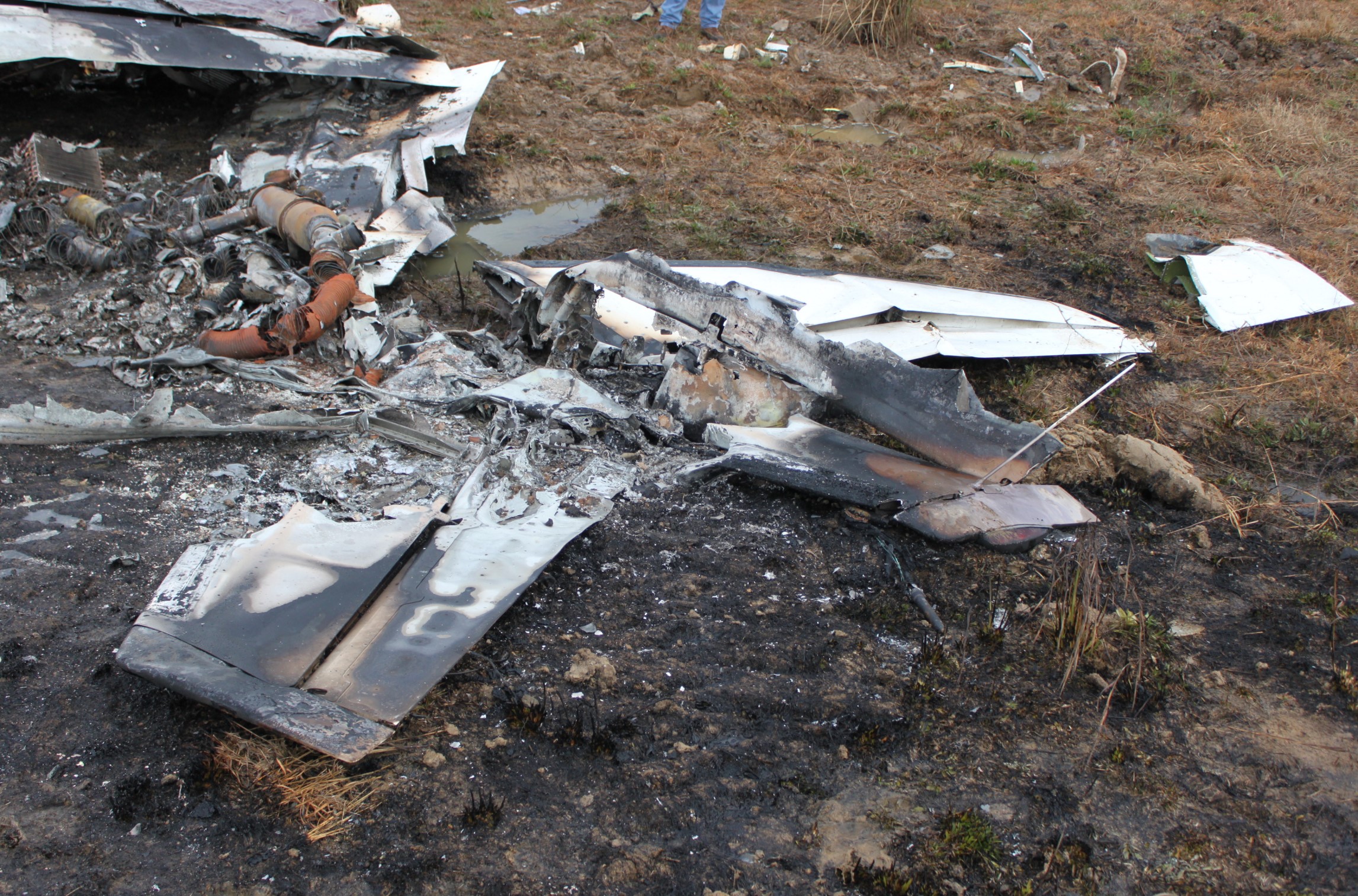
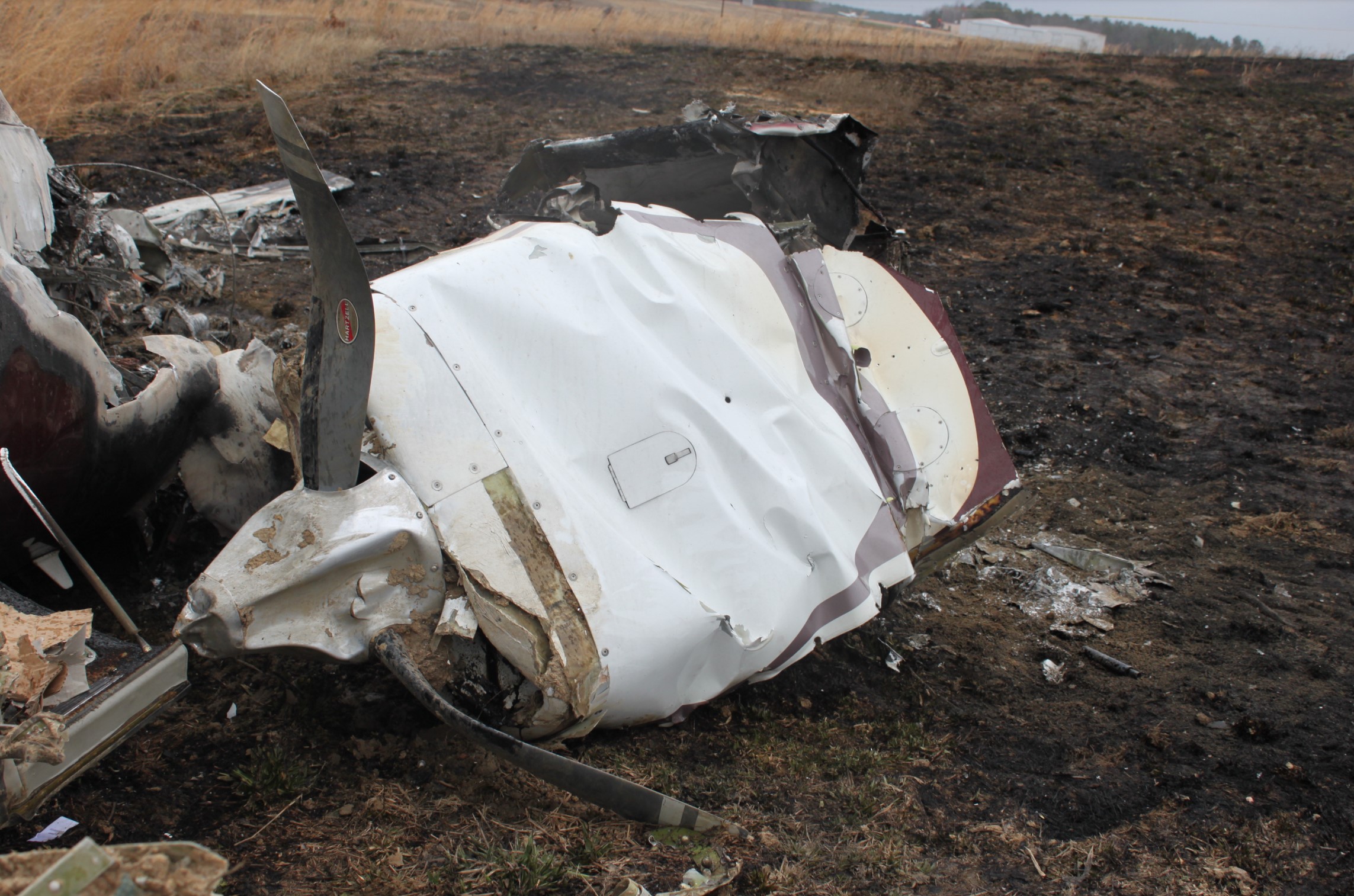
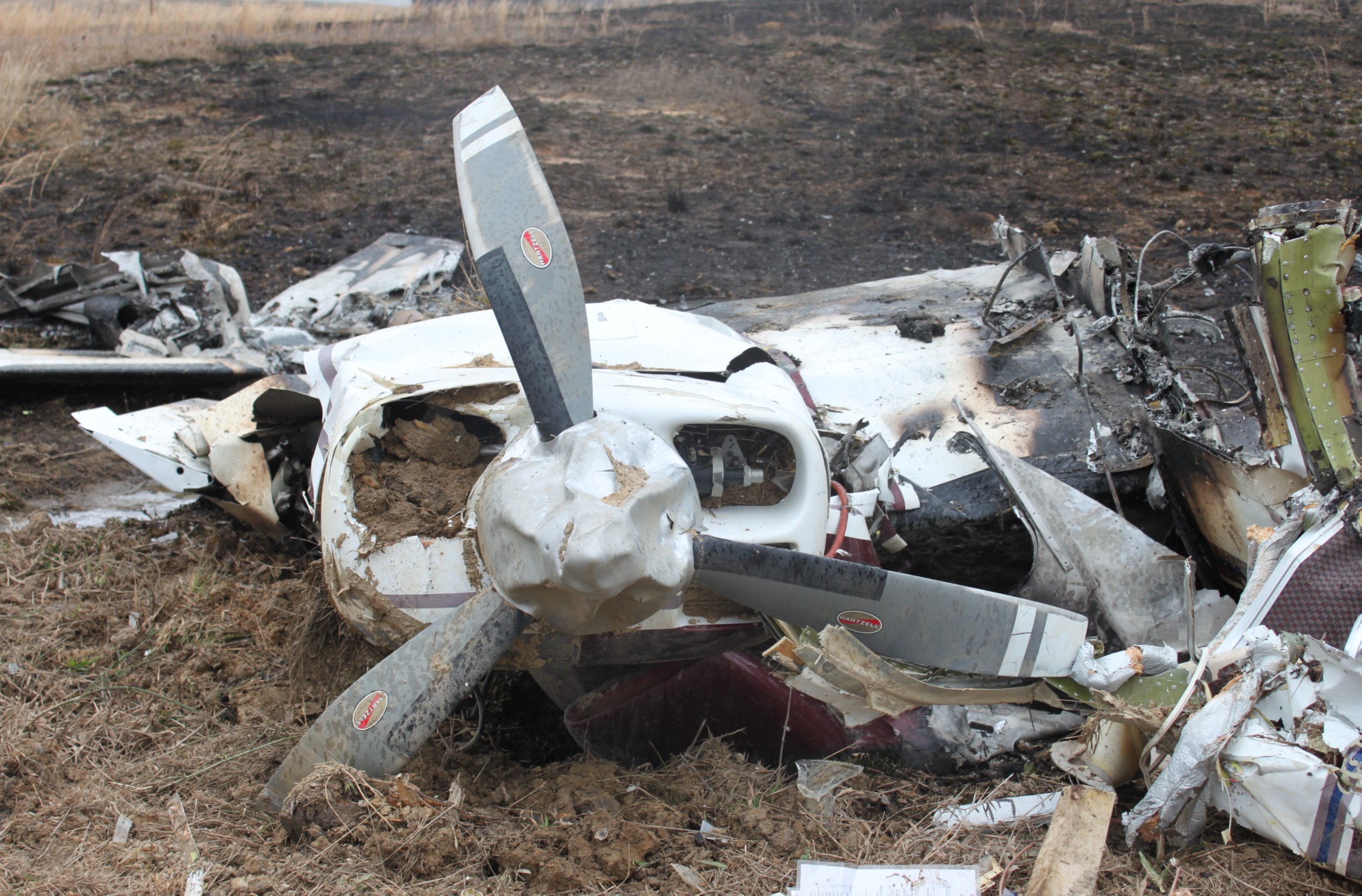
Crash of a Learjet 55 Longhorn in Brooksville

Date & Time: Feb 13, 2012 at 2200 LT
Type of aircraft:
Operator:
Registration:
N75LJ
Flight Phase:
Flight Type:
Survivors:
Yes
Schedule:
Brooksville - Houston
MSN:
55-065
YOM:
1982
Crew on board:
3
Crew fatalities:
Pax on board:
0
Pax fatalities:
Other fatalities:
Total fatalities:
0
Circumstances:
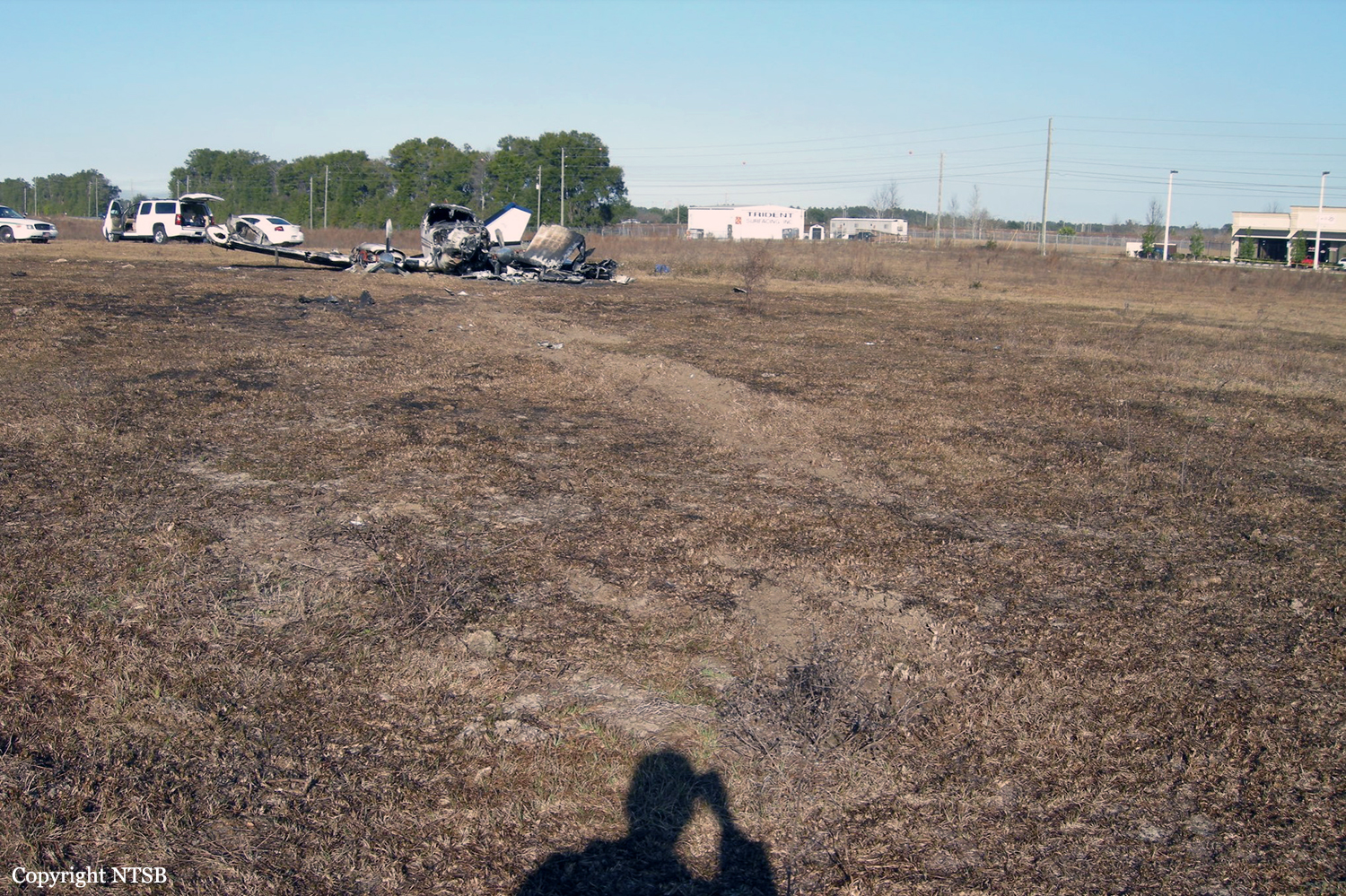
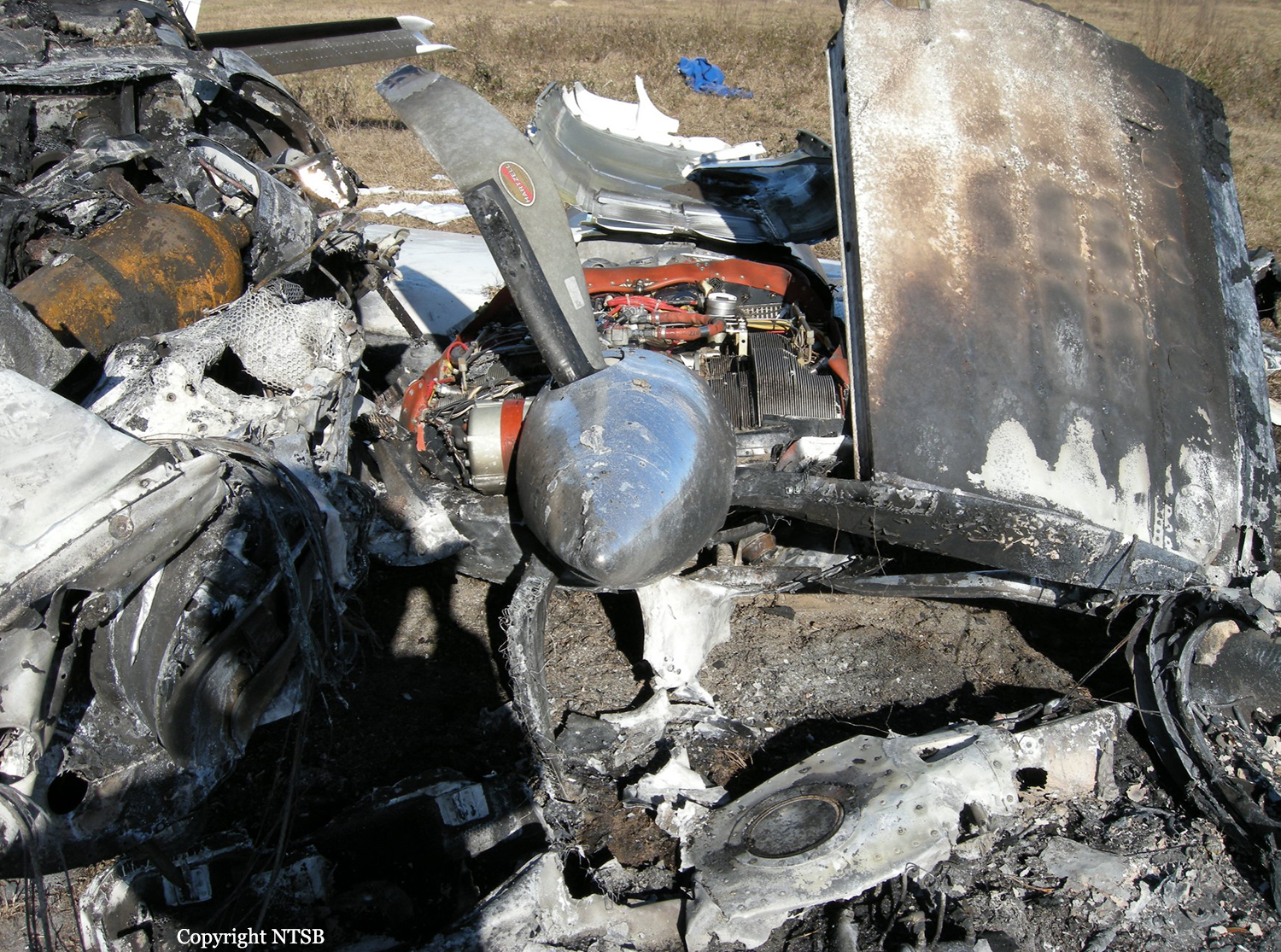
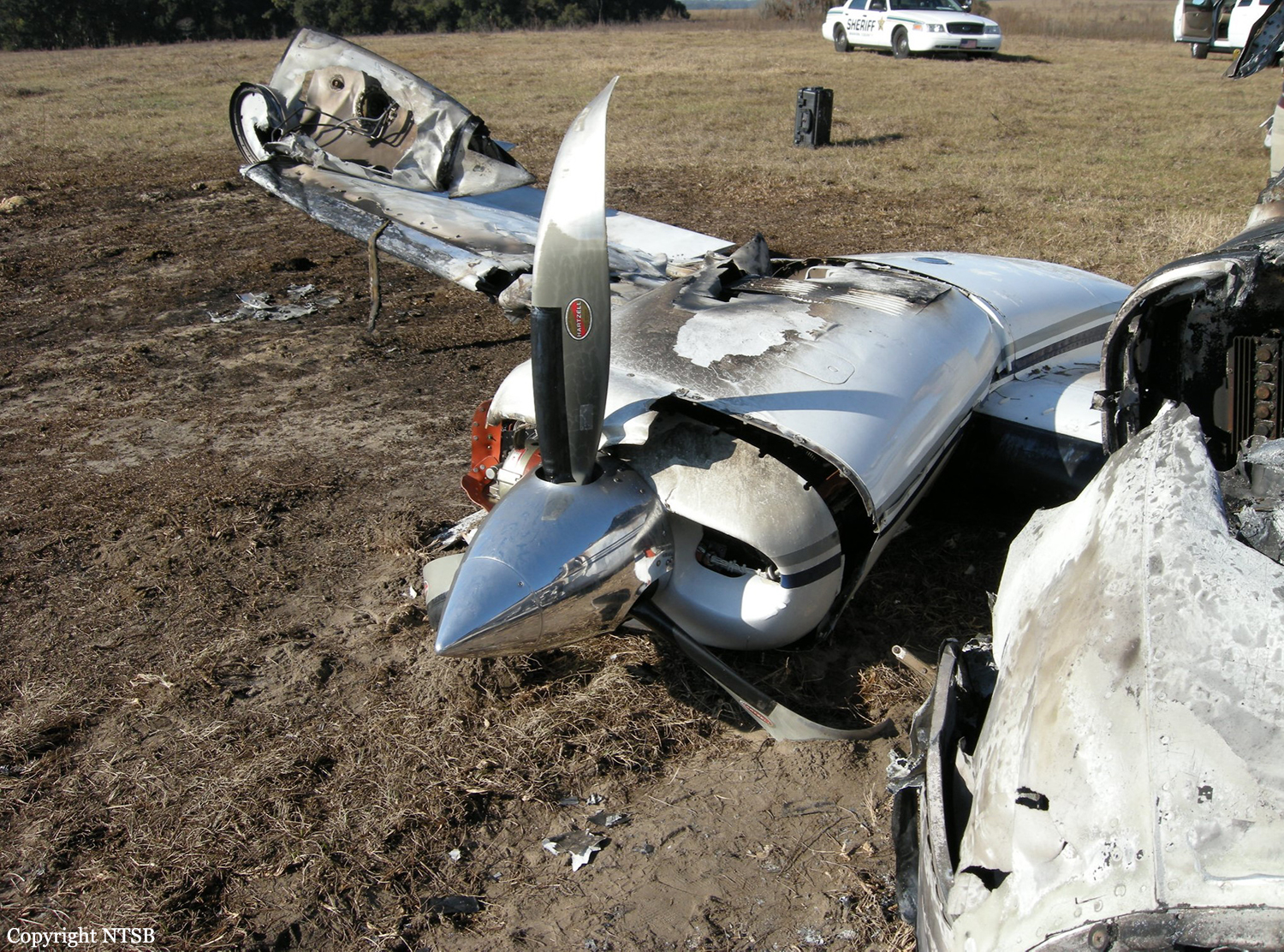
During the takeoff roll from runway 27 at Brooksville-Hernando County Airport, control was lost. The aircraft veered off runway and came to rest. All three crew members escaped uninjured while the aircraft was damaged beyond repair.
Probable cause:
NTSB did not proceed to any investigation regarding this incident.

Crash of a Saab 2000 in Craiova

Date & Time: Feb 13, 2012 at 1108 LT
Type of aircraft:
Operator:
Registration:
YR-SBK
Flight Phase:
Survivors:
Yes
Schedule:
Craiova – Timişoara
MSN:
33
YOM:
1996
Flight number:
KRP2385
Location:
Country:
Region:
Crew on board:
4
Crew fatalities:
Pax on board:
51
Pax fatalities:
Other fatalities:
Total fatalities:
0
Captain / Total flying hours:
6623
Copilot / Total flying hours:
700
Circumstances:
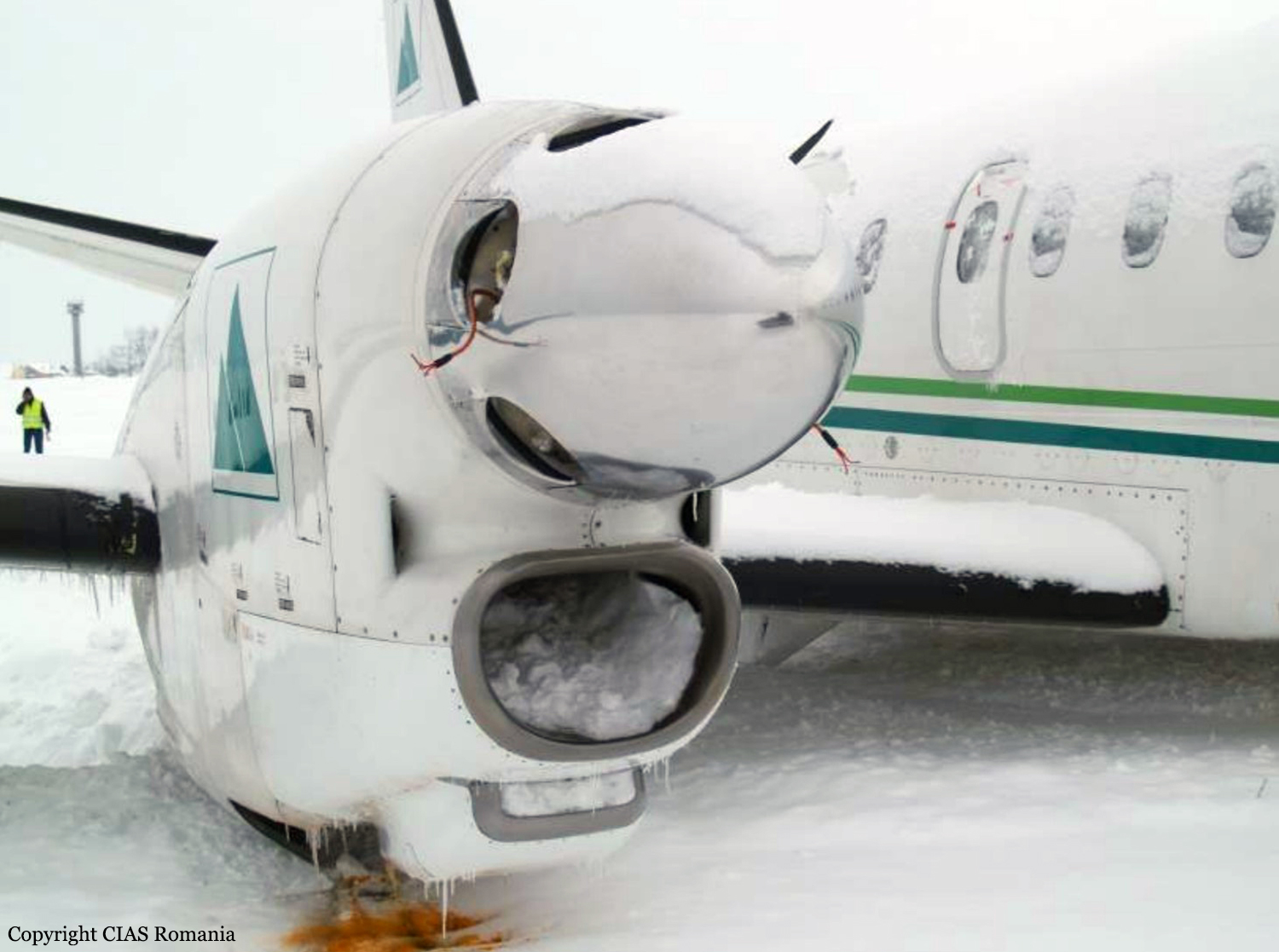
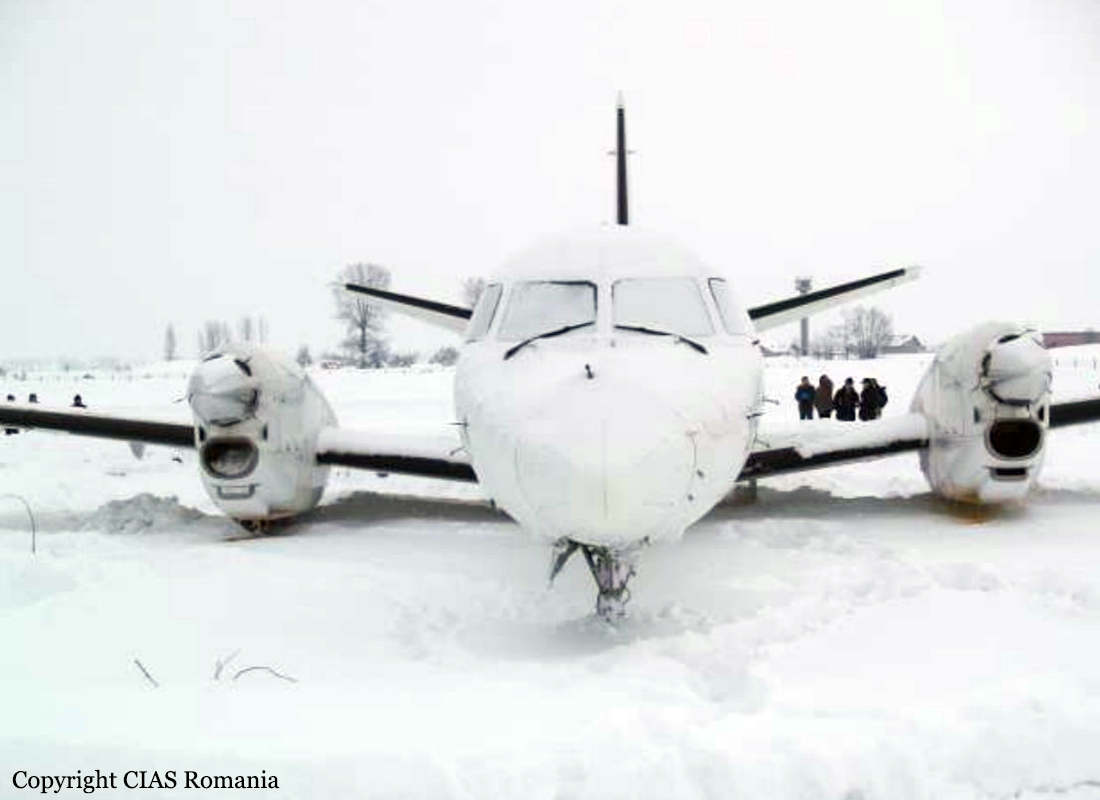
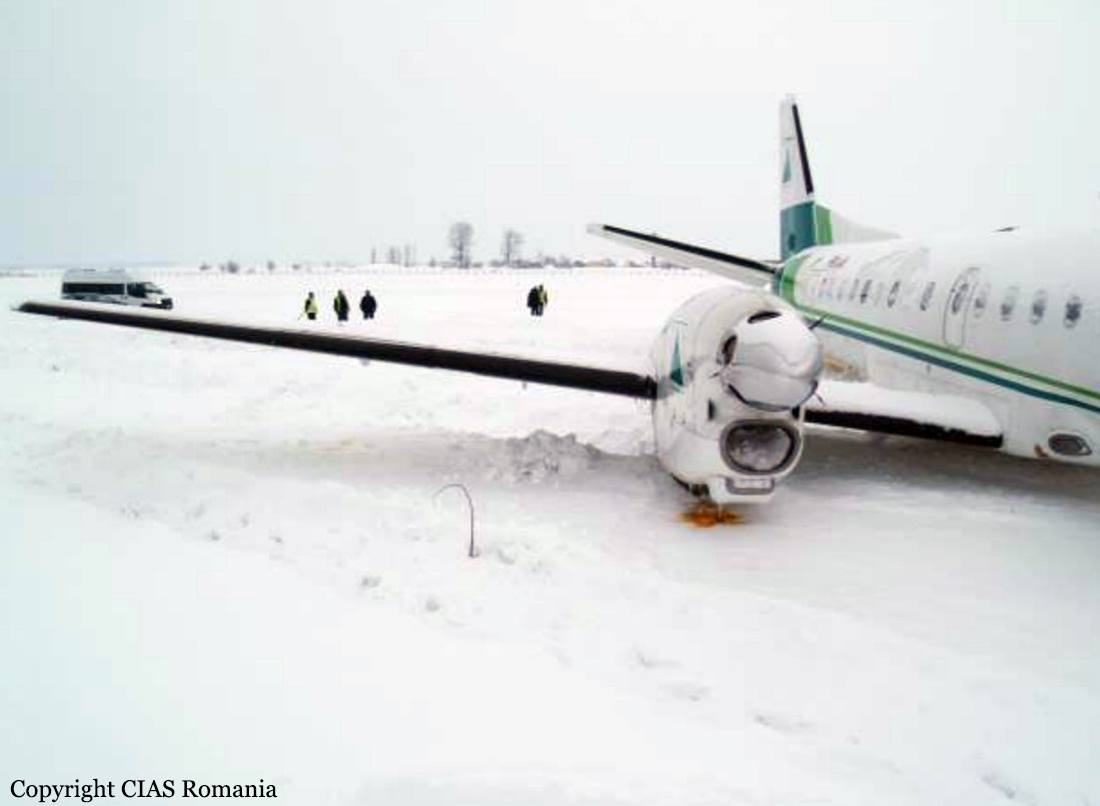
The crew started the takeoff procedure from runway 09 at Craiova Airport in a visibility of 500 metres due to freezing fog. During the course, the aircraft deviated to the right, causing the right engine to struck a snow berm (one meter high). The right propeller was torn off then aircraft rolled for few metres before coming to rest in snow. All 55 occupants evacuated safely while the aircraft was damaged beyond repair.
Probable cause:
It was determined that the runway has not been properly cleared of snow prior to takeoff. This caused the lights ont both edges to be not visible to the crew. The crew failed to assess the takeoff conditions, the runway conditions and weather conditions.
The following contributing factors were identified:
- The takeoff conditions exceeded the training level of the crew,
- Change of takeoff procedure without prior training.
Final Report:

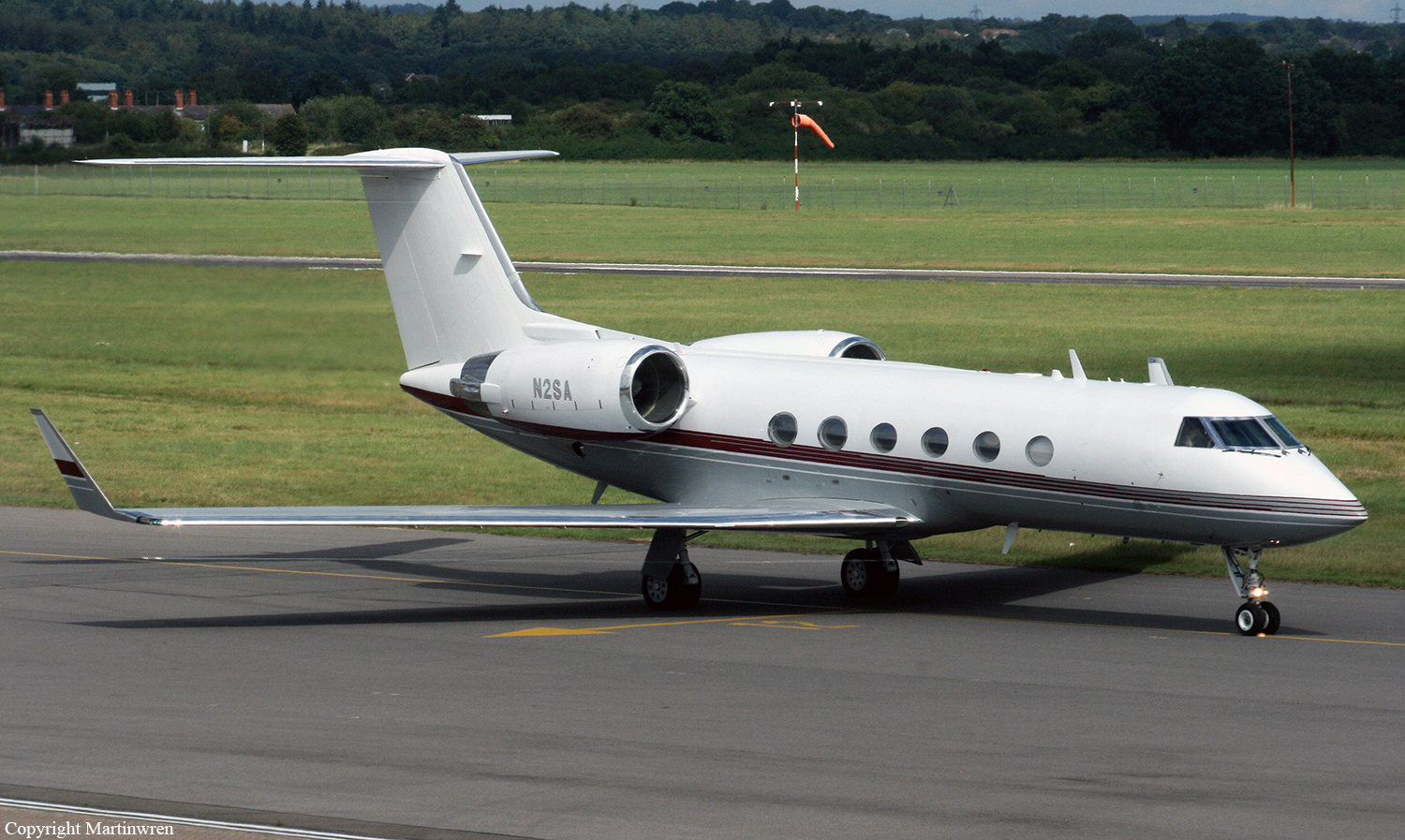
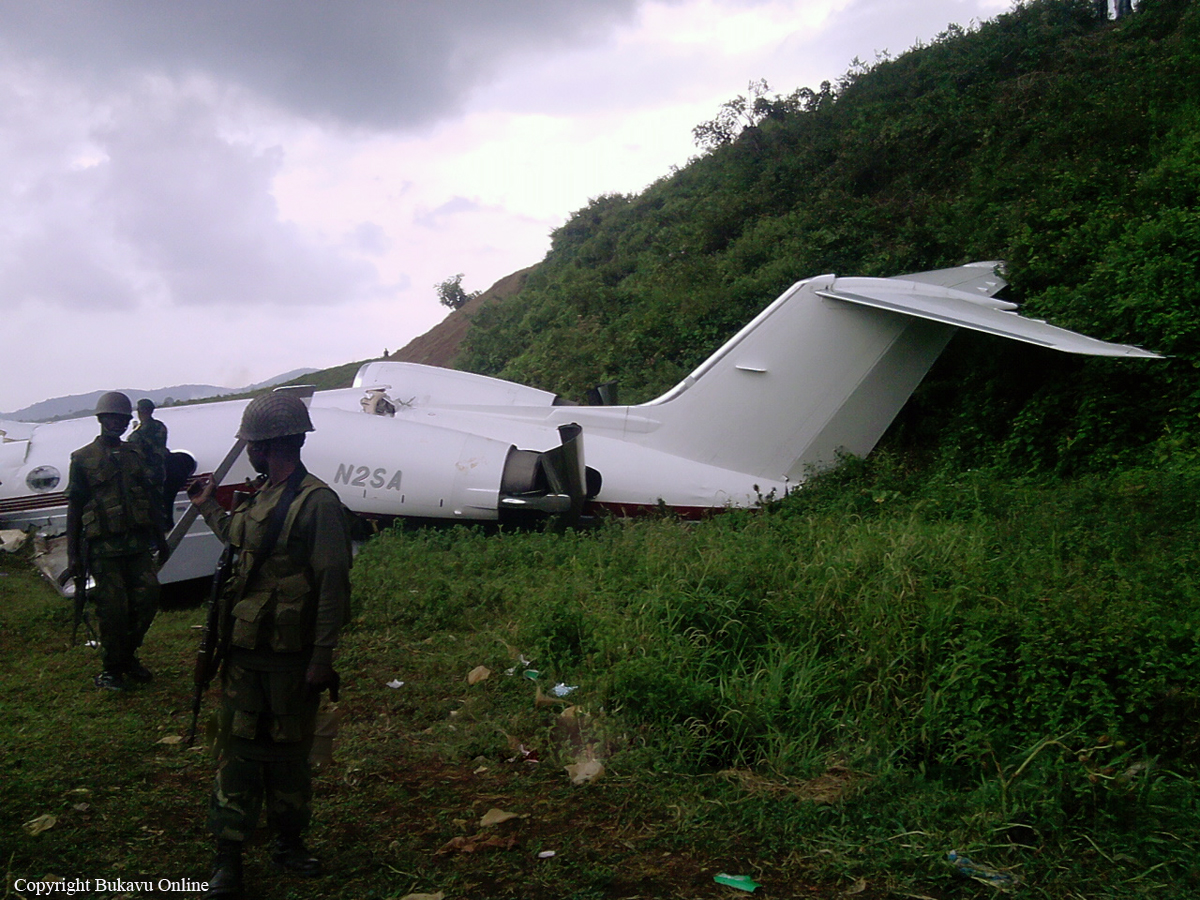
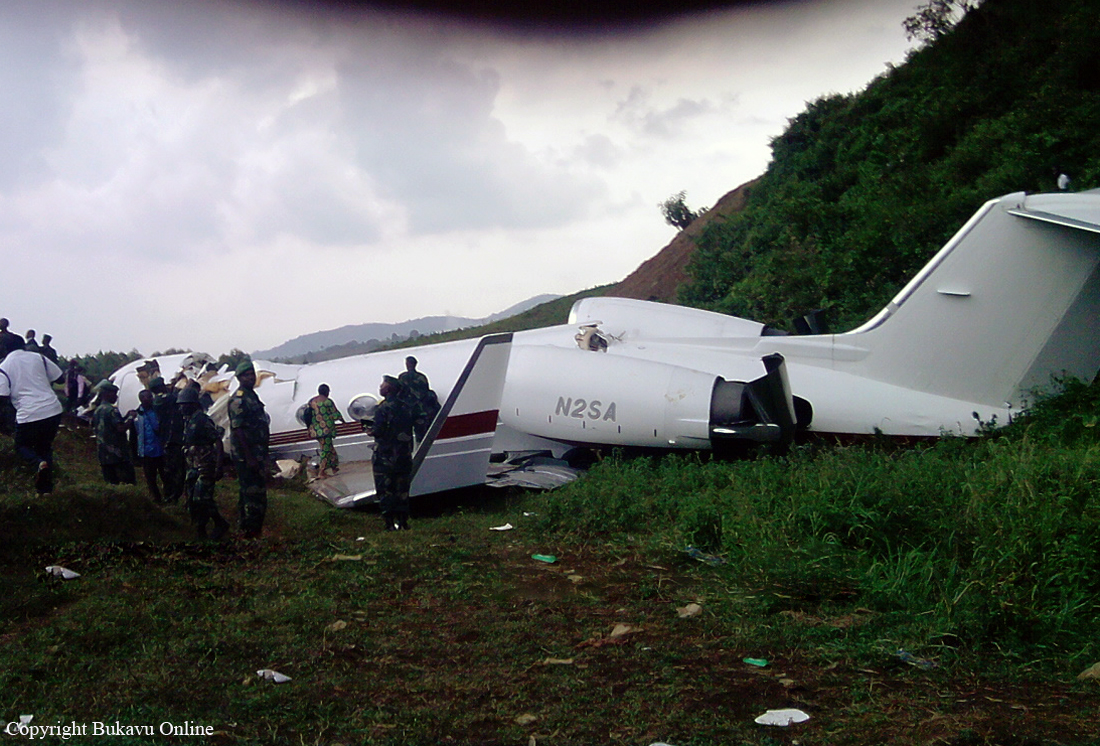
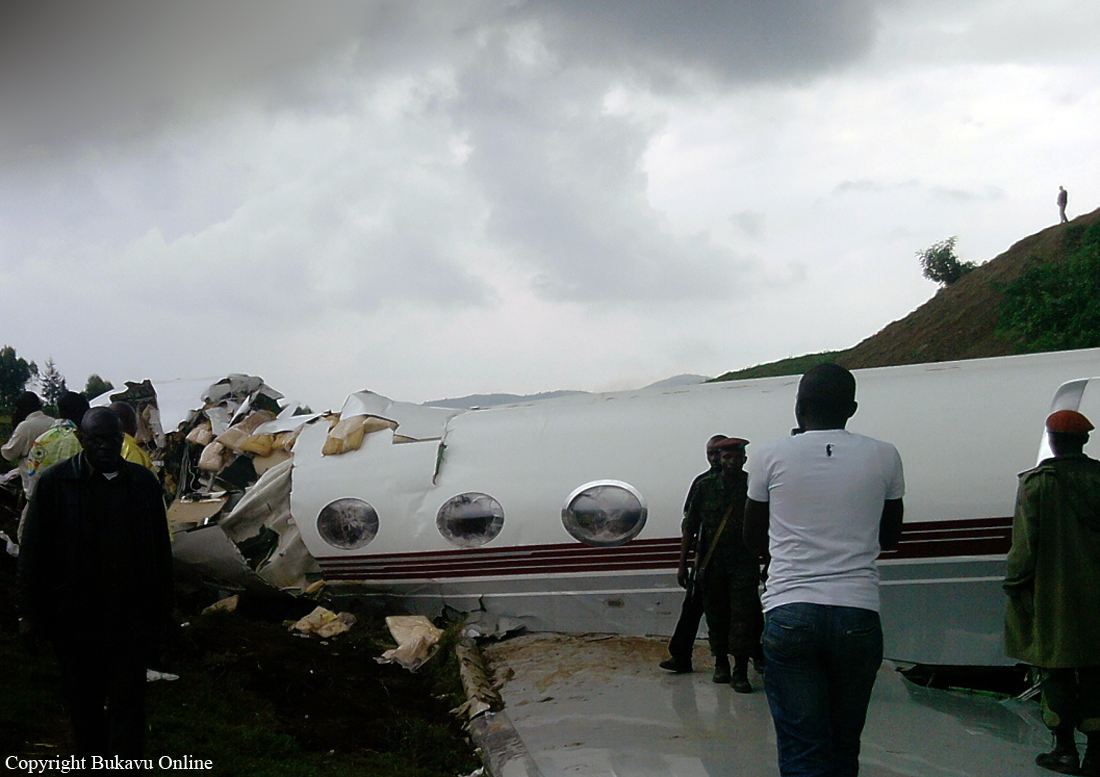
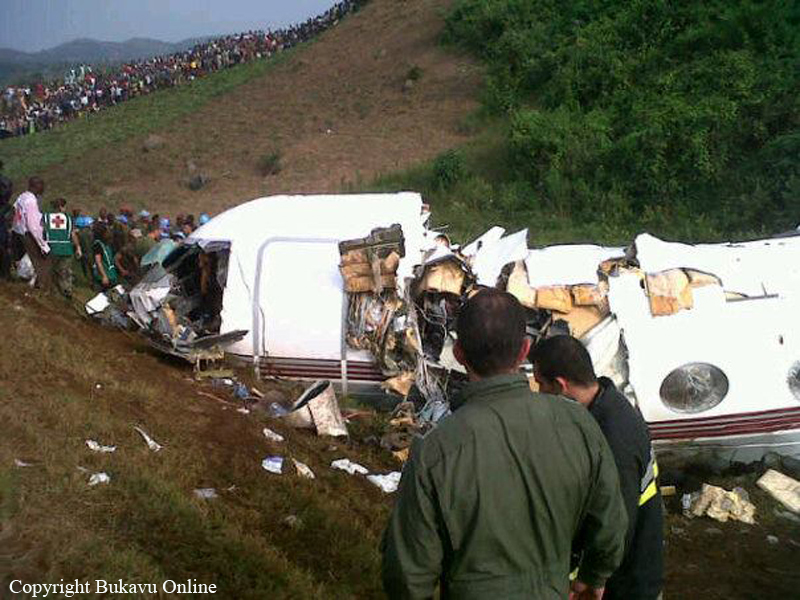
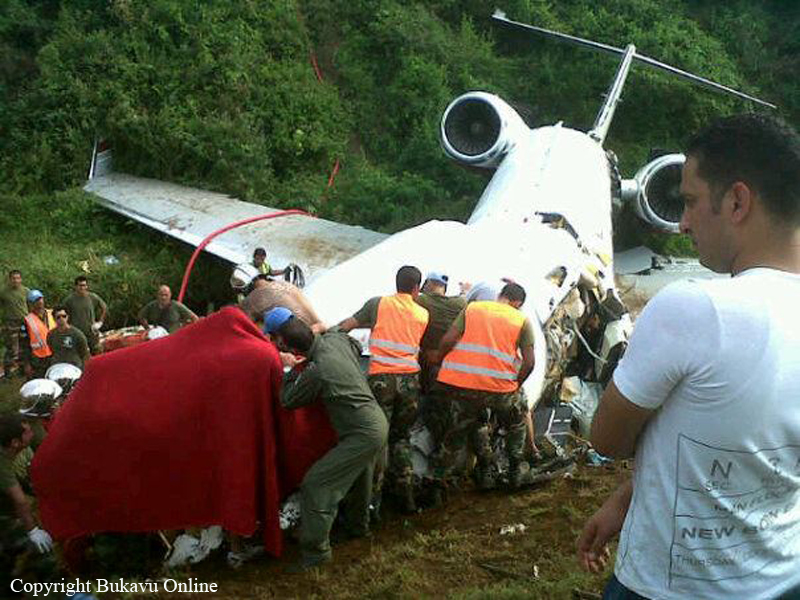
Crash of a Gulfstream GIV in Bukavu: 6 killed

Date & Time: Feb 12, 2012 at 1300 LT
Type of aircraft:
Registration:
N2SA
Flight Type:
Survivors:
Yes
Schedule:
Kinshasa - Goma - Bukavu
MSN:
1104
YOM:
1989
Location:
Region:
Crew on board:
2
Crew fatalities:
Pax on board:
7
Pax fatalities:
Other fatalities:
Total fatalities:
6
Circumstances:
The aircraft was performing a flight from Kinshasa to Bukavu with an intermediate stop in Goma on behalf of the DRC Government. After touchdown at Bukavu-Kavumu Airport, the aircraft failed to stop within the remaining distance. It veered off runway to the left, went down 20 metres high embankment before coming to rest, broken in two. There was no fire. Both pilots, a passenger and two people on the ground were killed. All others occupants were seriously injured. Fifteen days later, on 27FEB2012, a second passenger died from his injuries. The Governor of Katanga Katumba Mwanke was killed as well as the Deputy of Lukunga District Oscar Gema di Mageko who died on 27FEB2012. The survivors were the Finance Minister Matata Ponyo, the Governor of Sud-Kivu Marcelin Cishambo and the Ambassador of the President Antoine Ghonda.
Probable cause:
It was determined that the crew was not focused on the landing procedure during the approach, causing the aircraft to be well above the glide. In such conditions, the aircraft landed 1,200 metres past the runway threshold (the runway is 2,000 metres long). After touchdown, the crew activated the reverse thrust systems on both engines but the spoilers were not used. With a landing distance of about 800 metres, the aircraft could not be stopped in a safely manner and the crew failed to initiate a go-around procedure.

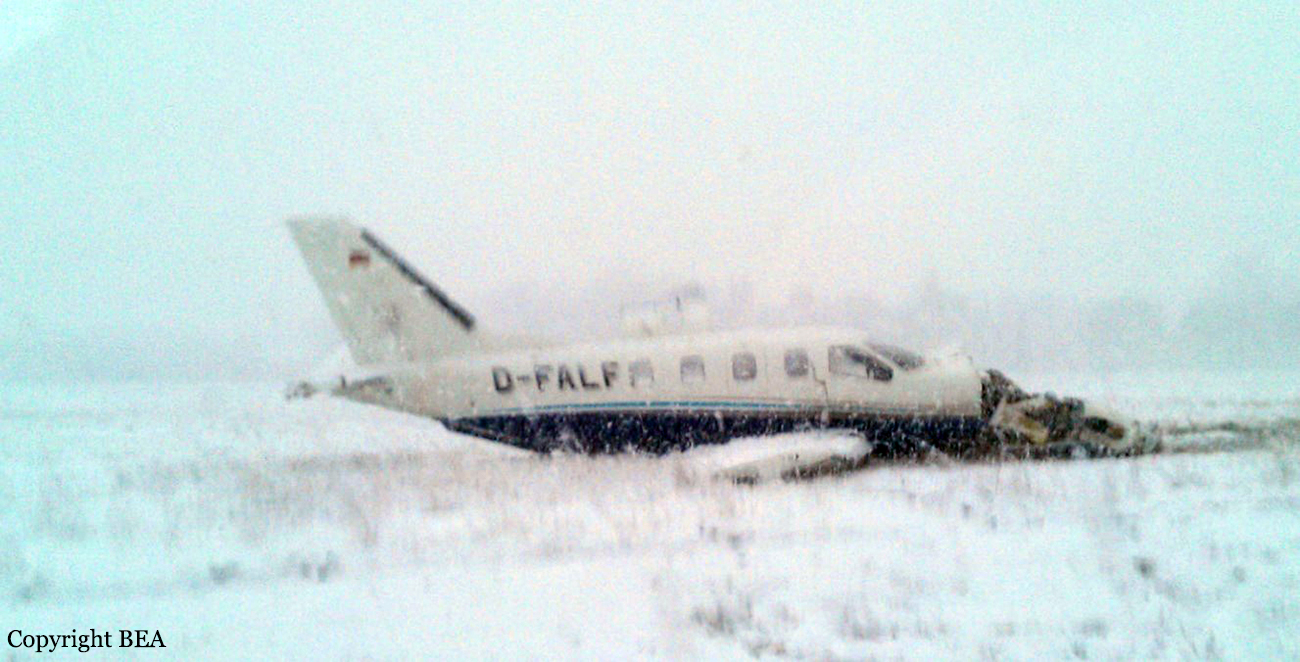
Crash of a Socata TBM-700 in Cuers

Date & Time: Feb 10, 2012 at 1715 LT
Type of aircraft:
Operator:
Registration:
D-FALF
Flight Type:
Survivors:
Yes
Schedule:
Maribo – Cuers
MSN:
157
YOM:
1999
Location:
Country:
Region:
Crew on board:
1
Crew fatalities:
Pax on board:
2
Pax fatalities:
Other fatalities:
Total fatalities:
0
Captain / Total flying hours:
8000
Captain / Total hours on type:
6000.00
Circumstances:
The pilot took off at around 14 h 45 from Maribo aerodrome (Denmark) bound for Cuers. He filed an IFR flight plan that he cancelled(2) at 17 h 15 near the St Tropez VOR (83). He explained that he had overflown the installations at Cuers at 1,500 ft and started an aerodrome circuit via the north for runway 11. He was visual with the ground and noted the presence of snow showers. He reckoned that these conditions made it possible to continue the approach. At about 600 ft, he went into a snow shower. At about 400 ft, he noticed that the horizontal visibility was zero and that he had lost all external visual references. He tried to make a go-around but didn’t feel any increase in engine power. At about 200 ft, he saw that he was to the right of the runway and decided to make an emergency landing. The aeroplane struck the ground on the right side of the runway. It slid for 150 metres and swung around before stopping. All three occupants escaped with minor injuries and the aircraft was damaged beyond repair.
Probable cause:
The accident was linked to the pilot’s to continue his approach under VFR, even though the meteorological conditions made it impossible. Coming out of an area of thick snowfall at 200 ft, he was unable to control the bank angle or the flight path of the aeroplane. The investigation was unable to determine if this bank angle was linked to inadequate control during an attempt to go around without external visual references(3) or a late attempt to reach the centre of the runway. Overconfidence in his abilities to pass through a snow shower, as well as a determination to land, may have contributed to the accident.
Final Report:

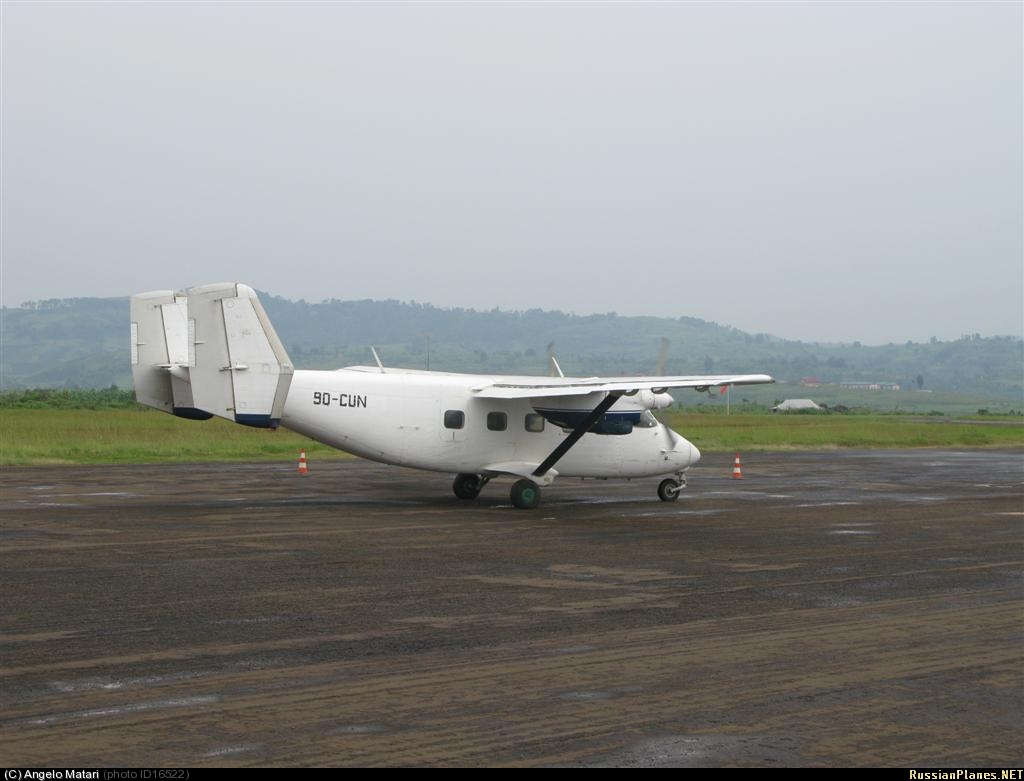
Crash of a PZL-Mielec AN-28 in Namoya: 3 killed

Date & Time: Jan 30, 2012 at 0845 LT
Type of aircraft:
Operator:
Registration:
9Q-CUN
Flight Type:
Survivors:
Yes
Schedule:
Bukavu – Namoya
MSN:
1AJ006-11
YOM:
1989
Location:
Region:
Crew on board:
2
Crew fatalities:
Pax on board:
3
Pax fatalities:
Other fatalities:
Total fatalities:
3
Circumstances:
The twin engine aircraft departed Bukavu-Kavumu Airport at 0745LT for a one-hour cargo flight to Namoya. On approach, the crew encountered marginal weather conditions when the aircraft crashed in a dense wooded area located 10 km short of runway threshold. Two passengers among them a 60 years old women were seriously injured while three other occupants were killed, among them both pilots, a Russian captain and an Indian copilot.

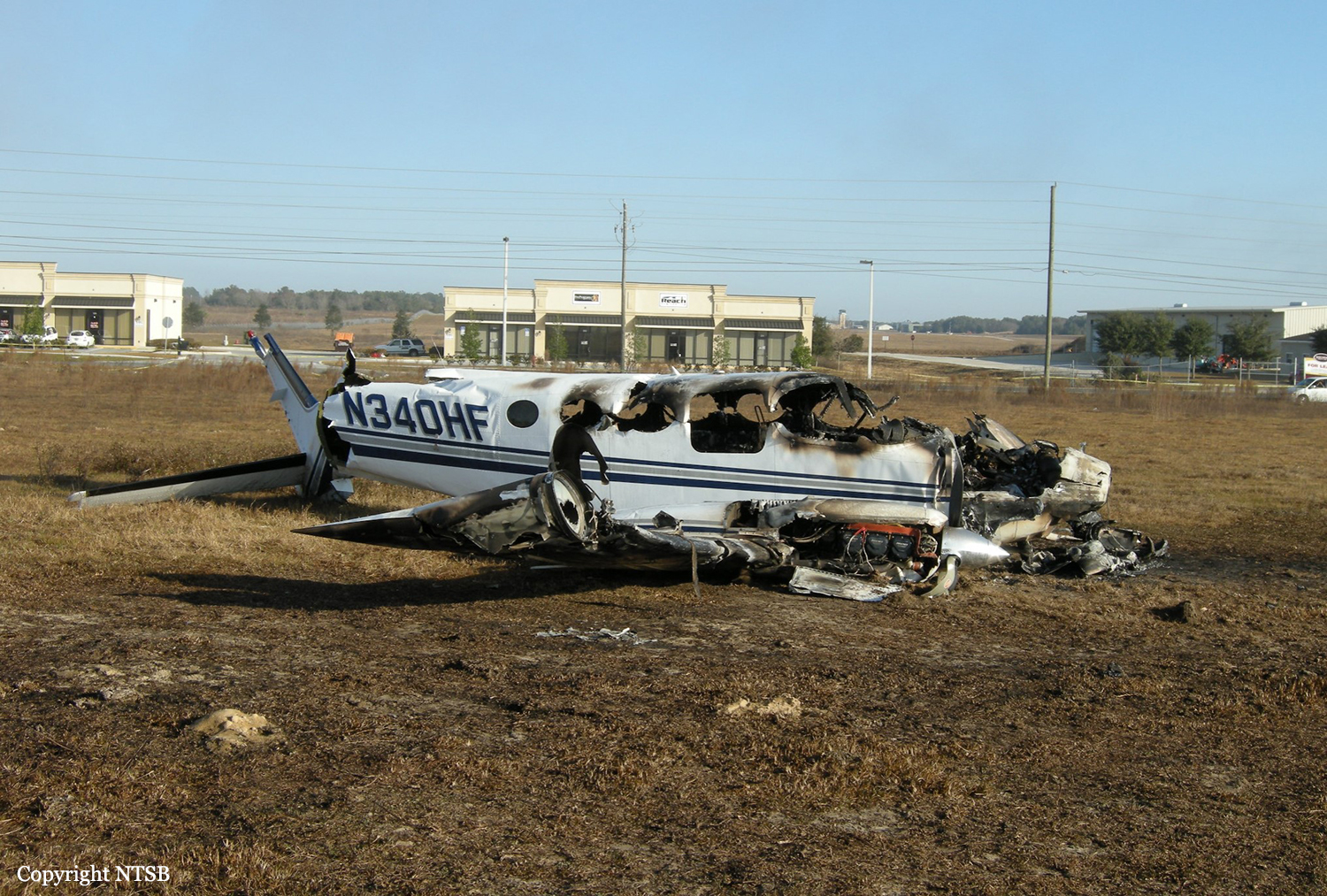
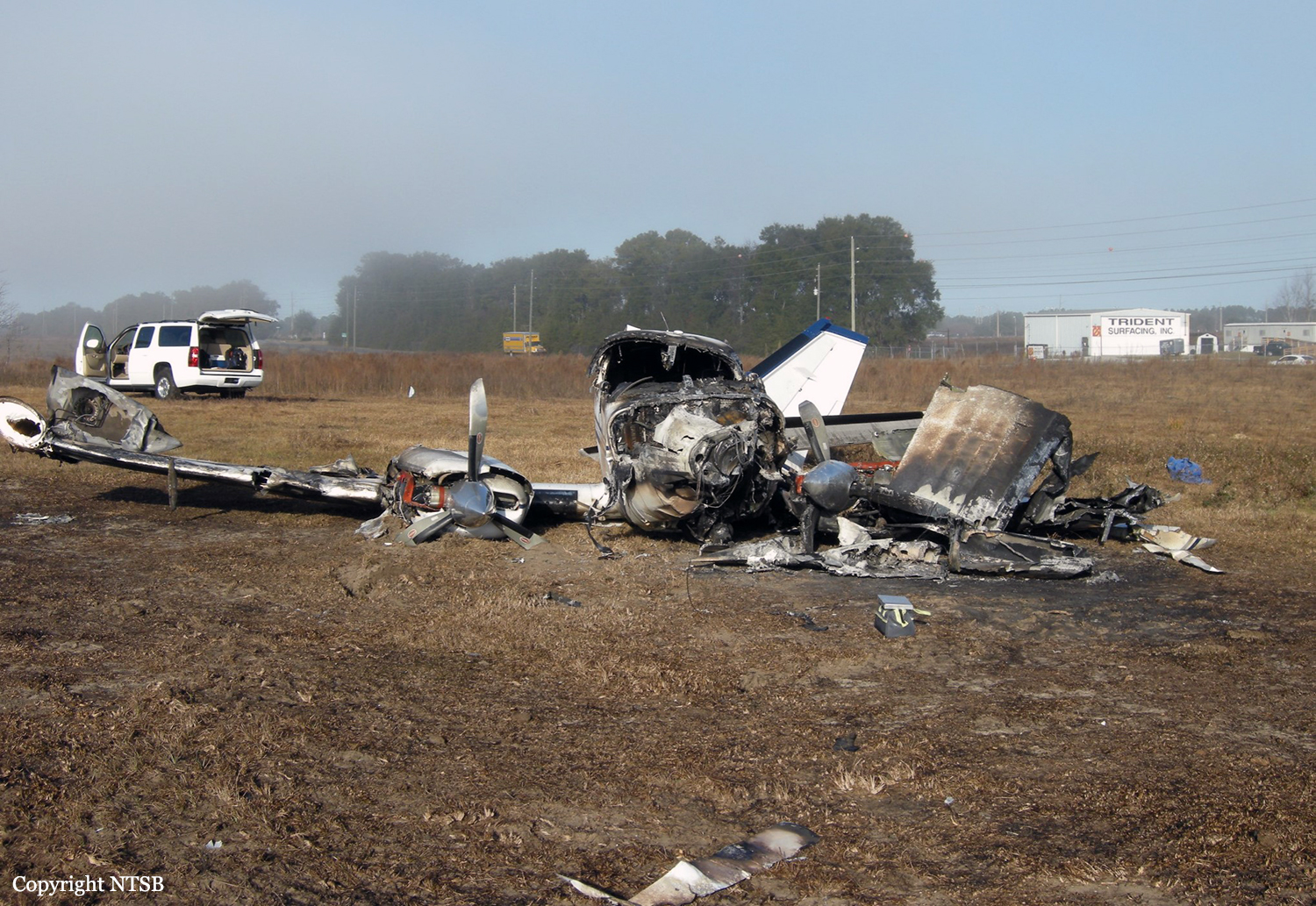
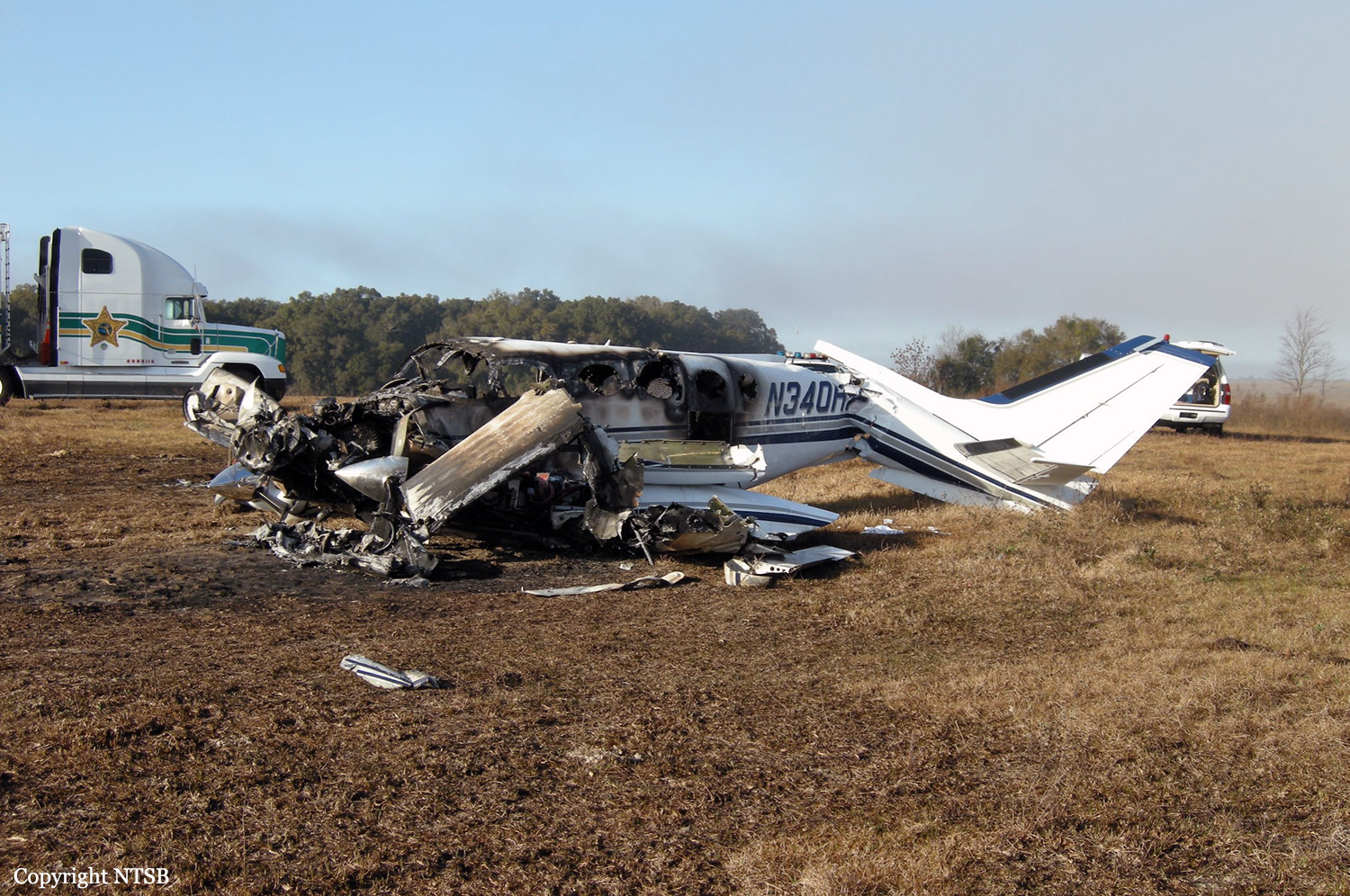
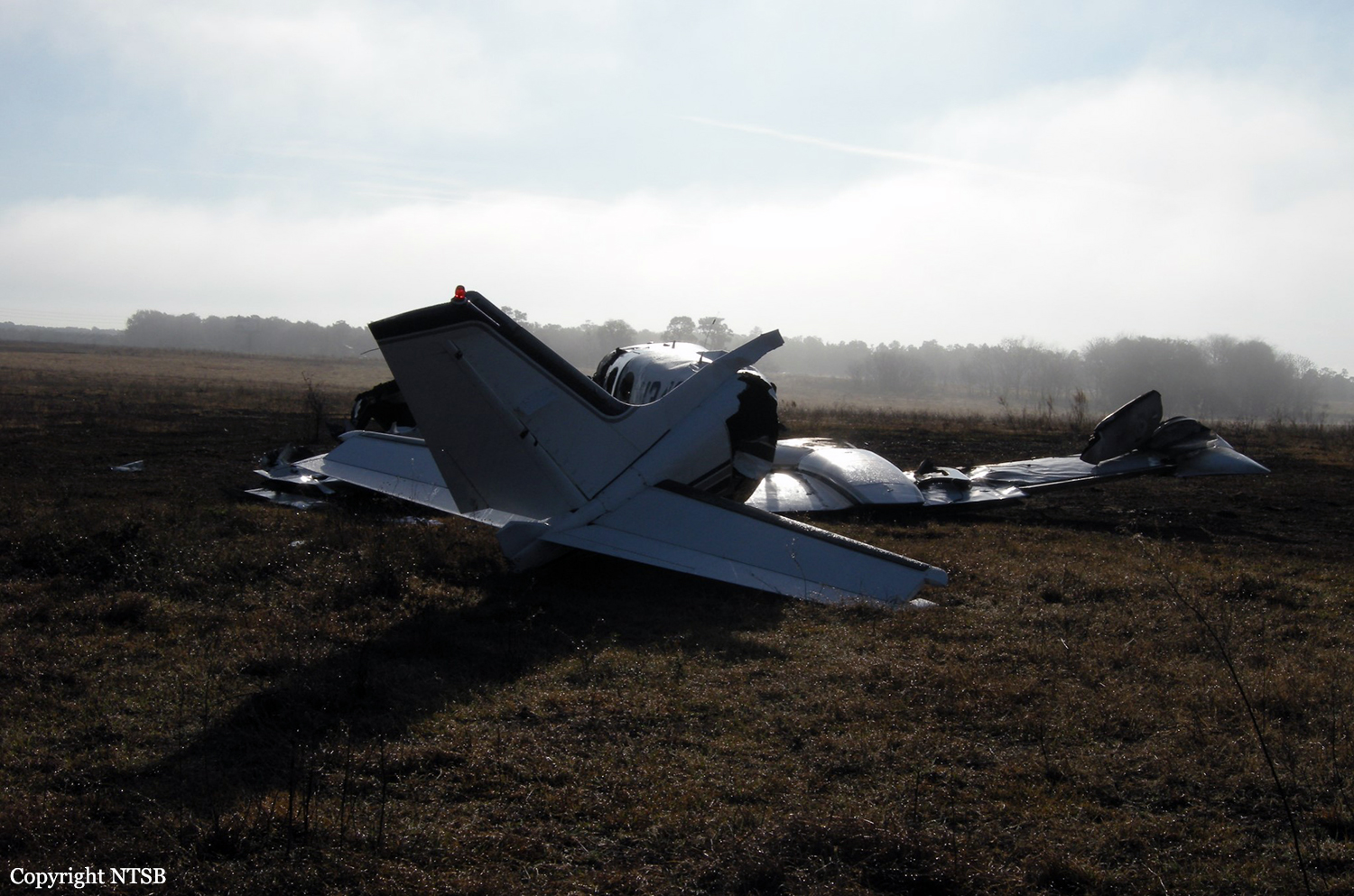
Crash of a Cessna 340A in Ocala: 1 killed

Date & Time: Jan 27, 2012 at 1227 LT
Type of aircraft:
Registration:
N340HF
Flight Type:
Survivors:
Yes
Schedule:
Macon - Ocala
MSN:
340A-0624
YOM:
1978
Location:
Crew on board:
1
Crew fatalities:
Pax on board:
1
Pax fatalities:
Other fatalities:
Total fatalities:
1
Captain / Total flying hours:
1048
Aircraft flight hours:
5057
Circumstances:
The pilot entered the left downwind leg of the traffic pattern to land to the north. A surface wind from the west prevailed with gusts to 15 knots. Radar data revealed that the airplane was on final approach, about 1.16 miles from the runway and about 210 feet above the ground. The airplane then crashed in a pasture south of the airport, in a slight left-wing-low attitude, and came to rest upright. The cockpit and cabin were consumed in a postcrash fire. The pilot's wife, who was in the aft cabin and survived the accident, recalled that it was choppy and that they descended quickly. She recalled hearing two distinct warning horns in the cockpit prior to the crash. The airplane was equipped with two aural warning systems in the cockpit: a landing gear warning horn and a stall warning horn. The pilot likely allowed the airspeed to decay while aligning the airplane on final approach and allowed the airplane to descend below a normal glide path. Examination of the wreckage revealed that the landing gear were in transit toward the retracted position at impact, indicating that the pilot was attempting to execute a go-around before the accident. The pilot made no distress calls to air traffic controllers before the crash. The pilot did not possess a current flight review at the time of the accident. Examination of the wreckage, including a test run of both engines, revealed no evidence of a pre-existing mechanical malfunction or failure that would have precluded normal operation of the airplane.
Probable cause:
The pilot's failure to maintain adequate airspeed and altitude on final approach, resulting in an impact with terrain short of the airport.
Final Report:

Crash of a McDonnell Douglas MD-83 in Kandahar

Date & Time: Jan 24, 2012 at 0828 LT
Type of aircraft:
Operator:
Registration:
EC-JJS
Survivors:
Yes
Schedule:
Dubai - Kandahar
MSN:
49793/1656
YOM:
1989
Flight number:
SWT094
Country:
Region:
Crew on board:
5
Crew fatalities:
Pax on board:
86
Pax fatalities:
Other fatalities:
Total fatalities:
0
Captain / Total flying hours:
4946
Captain / Total hours on type:
3228.00
Copilot / Total flying hours:
2881
Copilot / Total hours on type:
2222
Circumstances:
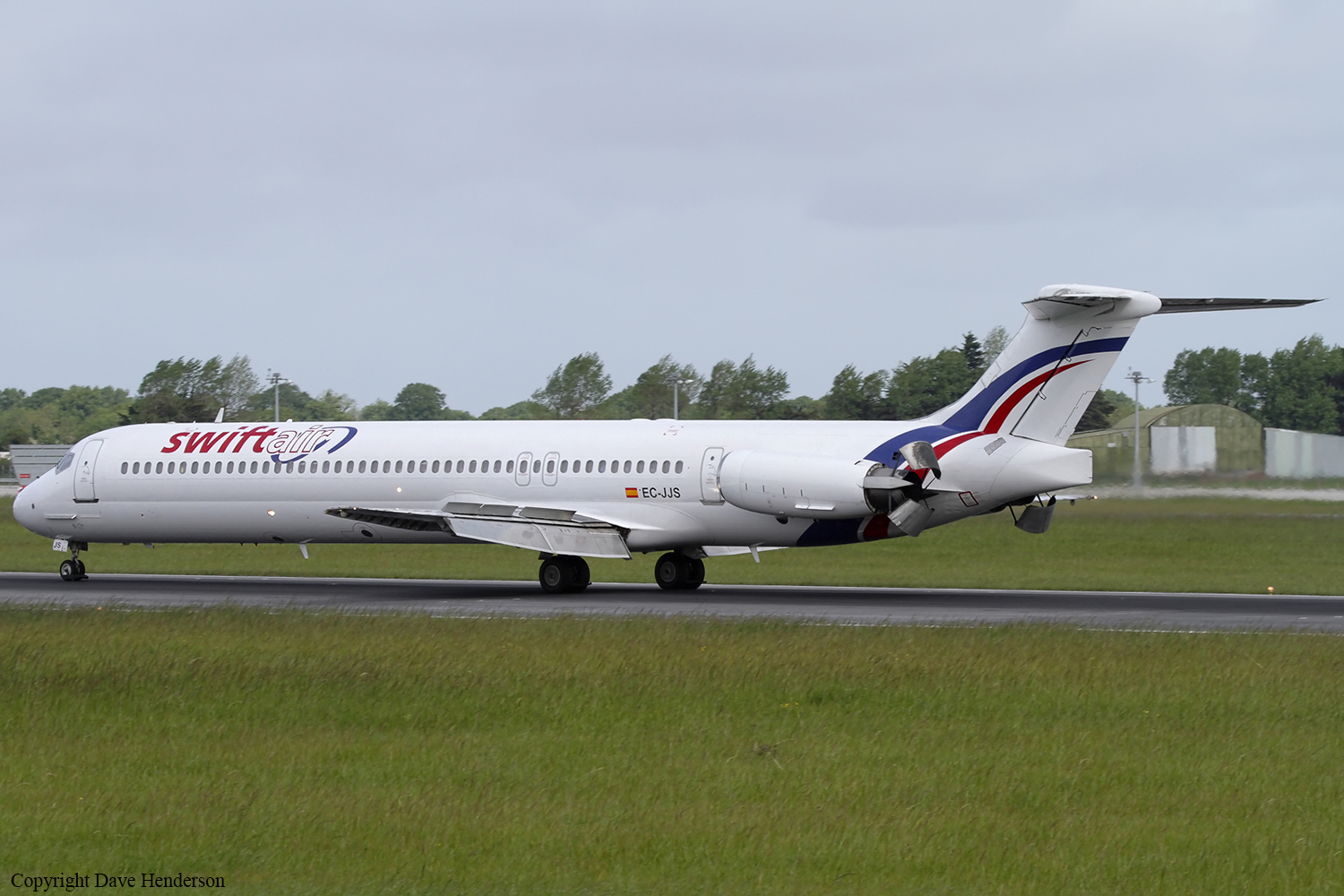
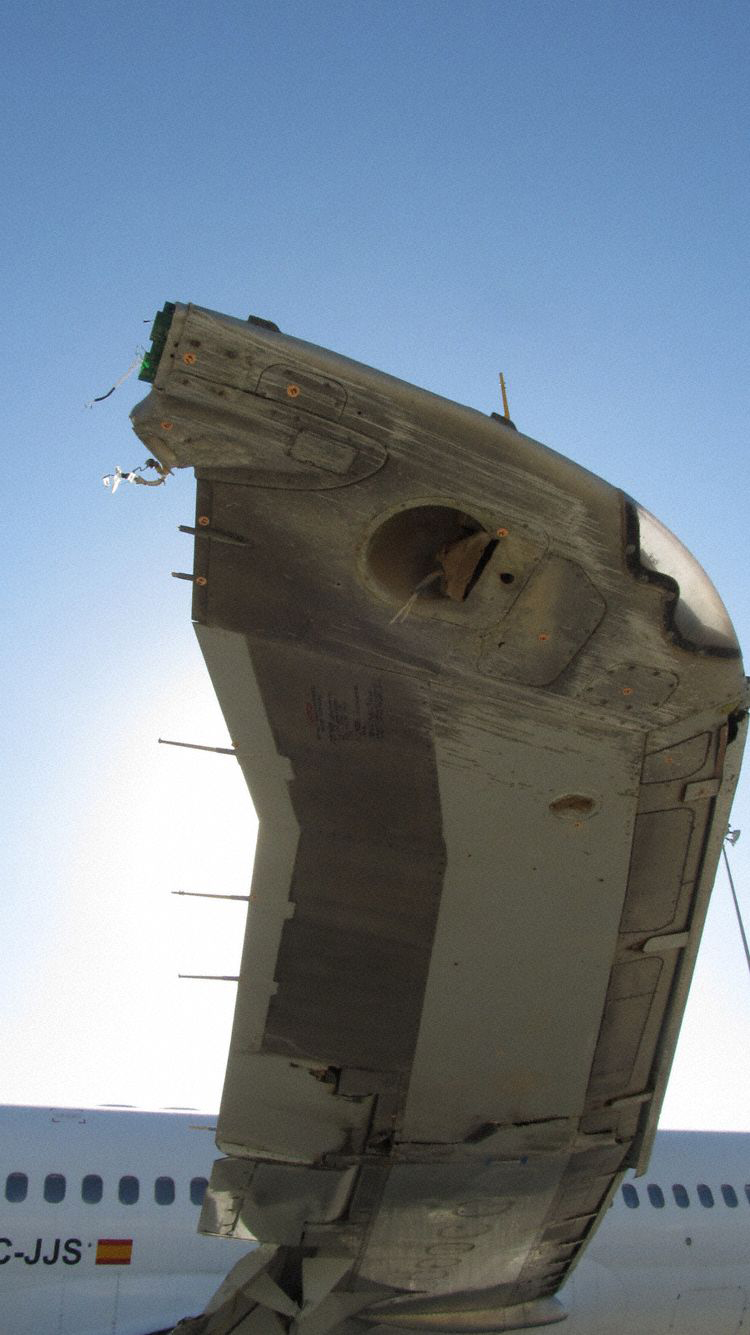
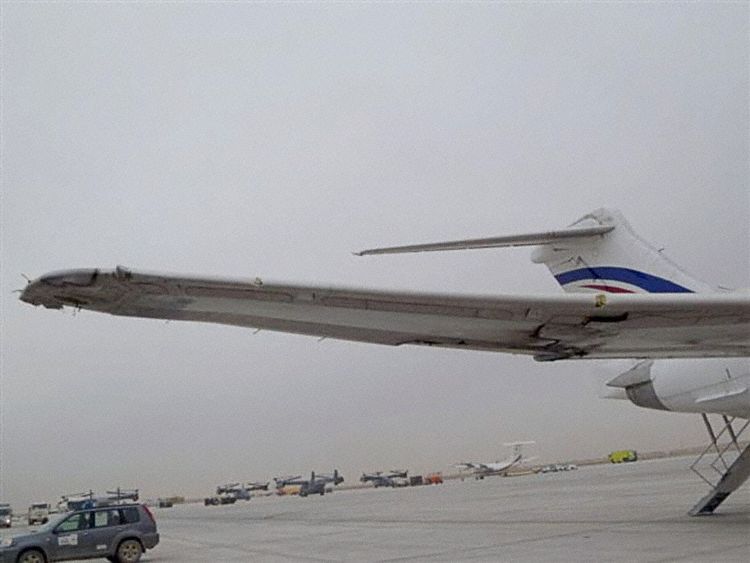
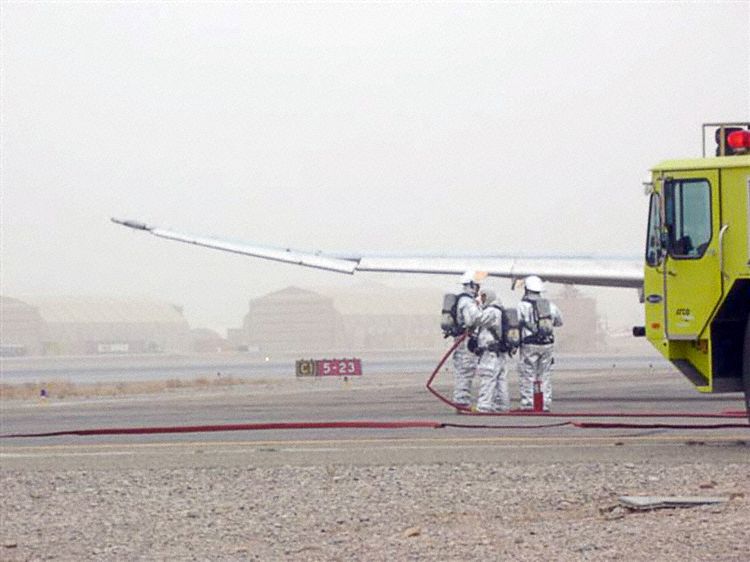
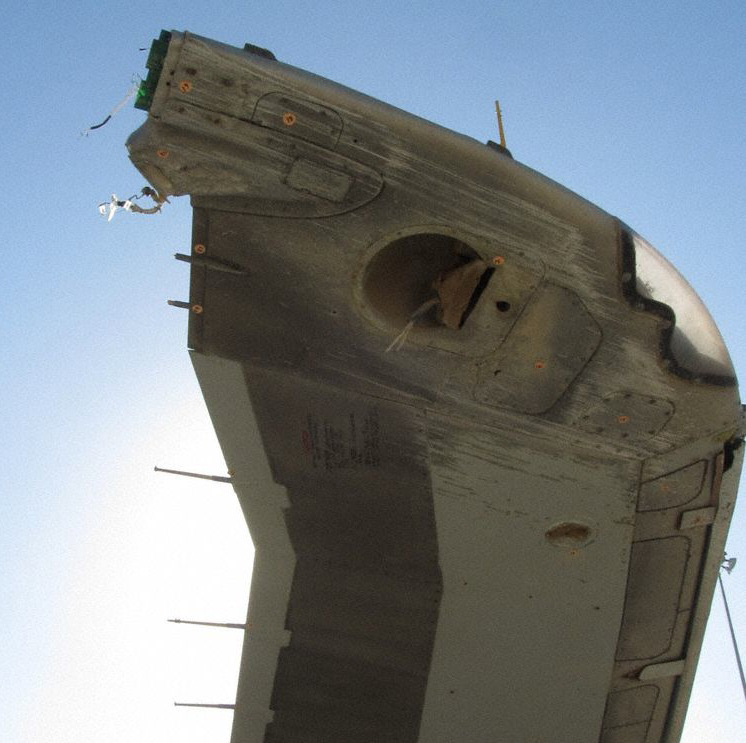
On Tuesday, 24 January 2012, a McDonnell Douglas MD-83, registration EC-JJS and operated by Swiftair, took off from the Dubai Airport (United Arab Emirates) at 02:08 UTC on a scheduled flight to the Kandahar Airport (Afghanistan). Its callsign was SWT094 and there were 86 passengers (one of them a company mechanic), three flight attendants and two cockpit crew onboard. Swiftair, S.A. was operating this regularly scheduled passenger flight under an ACMI arrangement with the South African company Gryphon Airlines. The crew was picked up at its usual hotel in the emirate of Ras al-Khaimah (United Arab Emirates) at 21:00. The airplane was parked in the Ras al-Khaimah airport and had to be flown empty to the Dubai Airport. This flight departed at 00:20 UTC en route to Dubai. Once there, an agent for Gryphon Airlines gave the crew the documentation for the flight to Kandahar. They went through customs at the Dubai Airport, boarded the passengers and the cargo and refueled the airplane with enough fuel to make the return the flight, a typical practice so as to avoid refueling in Kandahar. The airplane took off from runway 30R at the Dubai Airport at 02:08 on standard instrument departure RIKET2D and climbed to flight level FL290. The first officer was the pilot flying. At 03:42, while over SERKA, they were transferred to Kabul control, which instructed them to descend to FL280. The crew reported its ISAF callsign (ISF39RT) to this ATS station, which allowed the aircraft to fly over Afghan airspace, and entered the new stipulated squawk code. Kabul Control instructed the crew to follow some radar vectors that took them to point SODAS, where they were transferred to Kandahar Control at 03:46. The crew reduced the airspeed to 250 kt above this point. Kandahar Control cleared them for an RNAV (GPS) approach to runway 05, providing a direct vector to point FALOD (the IAF), and to descend to 6,000 ft. The weather information provided on the ATIS “F” broadcast was runway in use 05, wind from 060º at 17 kt gusting to 24 kt, visibility 1,200 m, scattered clouds at 2,700 ft and broken clouds at 3,000 ft, temperature 1 ºC, dewpoint -7 ºC and QNH 30.06 in Hg (1,018 mbar). This information was practically the same as that radioed to the crew by the Kandahar control tower a few minutes before landing: wind from 060 at 15 kt gusting to 21 kt. They reached point FALOD (IAF) under cloud cover (and thus in IMC conditions). They did not exit the clouds until 1,500 ft before minimums which, for this approach, according to the associated chart, was an altitude of 3,700 ft, or 394 ft AGL. They established visual contact with the runway 500 ft above minimums and noted that they were a little right of the runway centerline. Since the captain had more operational experience at the destination airfield, he decided to take over the controls and fly the last phase of the approach maneuver. The PAPI was out of service, meaning that in final approach they only had visual references to the runway and over the ground. During short final they corrected the deviation from the runway centerline by adjusting their path from right to left. They landed at 03:58. During the flare, the crew noticed the airplane was shifting to the left, threatening to take them off the runway, as a result of which the captain applied a right roll angle. This caused the right wing tip to strike the ground before the wheels made contact with the ground. The captain regarded the maneuver as a hard landing, although the first officer thought they might have struck the runway. The autopilot was engaged until visual contact was established with the runway and the auto-throttle until the landing. On exiting the runway, the airport control tower personnel (who had witnessed the contact with the ground) ordered the crew to stop and informed them of the damage they had seen during the landing. They dispatched the emergency services (firefighters), which forced them to turn off their engines. Once it was confirmed that there was no fuel leak or damage to the wheels or brakes, they allowed the crew to restart the engines and proceed to the stand. The wing made contact with the ground some 20 m prior to the threshold, resulting in five threshold lights being destroyed by the aircraft and in damage to the aircraft’s right wing. According to the crew’s statement, the passengers were not really aware of the contact between the wing and the ground and they were subsequently disembarked normally.
Probable cause:
The accident was likely caused by the failure to observe the company's operating procedures and not executing a go-around when the approach was clearly not stabilized. Moreover, the operator lacked the authorization (and the crew the training) to carry out the RNAV (GPS) approach maneuver that was conducted at RWY 05 of the Kandahar Airport.
Contributing to the accident was:
The inoperable status of the PAPI at runway 05 of the Kandahar Airport, which was thus unable to aid the crew to establish the aircraft on the correct descent slope.
Final Report:

Crash of a Piper PA-31T Cheyenne II in Puerto Montt

Date & Time: Jan 19, 2012 at 2100 LT
Type of aircraft:
Operator:
Registration:
CC-PLL
Survivors:
Yes
Schedule:
Santiago – Puerto Montt
MSN:
31-7920005
YOM:
1979
Country:
Crew on board:
1
Crew fatalities:
Pax on board:
7
Pax fatalities:
Other fatalities:
Total fatalities:
0
Captain / Total flying hours:
30353
Captain / Total hours on type:
972.00
Aircraft flight hours:
6989
Circumstances:
The twin engine aircraft departed Santiago-Eulogio Sánchez Errázuriz-Tobalaba Airport at 1815LT on a flight to Puerto Montt, carrying seven passengers and one pilot. On approach to Puerto Montt-Marcel Marchant Airport runway 19, his attention was focused on the GPS and he forgot to lower the landing gear. The aircraft belly landed and slid for few dozen metres before coming to rest on the main runway. All eight occupants escaped uninjured while the aircraft was damaged beyond repair.
Probable cause:
Belly landing on runway 19 after the pilot forgot to lower the landing gear while approaching the airport.
The following contributing factors were identified:
- Probable distraction of the pilot by keeping his attention mainly on the GPS equipment to maintain the flight path and avoid unnecessary engine power adjustments,
- The pilot failed to follow the approach and landing checklist,
- The pilot failed to check the three gear lights on the cockpit panel,
- The pilot performed an unstabilized approach without completing the pre-landing checklist and eventually stabilized the airplane at a height of 500 feet.
Final Report:

Crash of a Piper PA-31-325 Navajo C/R in Welshpool: 2 killed

Date & Time: Jan 18, 2012 at 1117 LT
Type of aircraft:
Operator:
Registration:
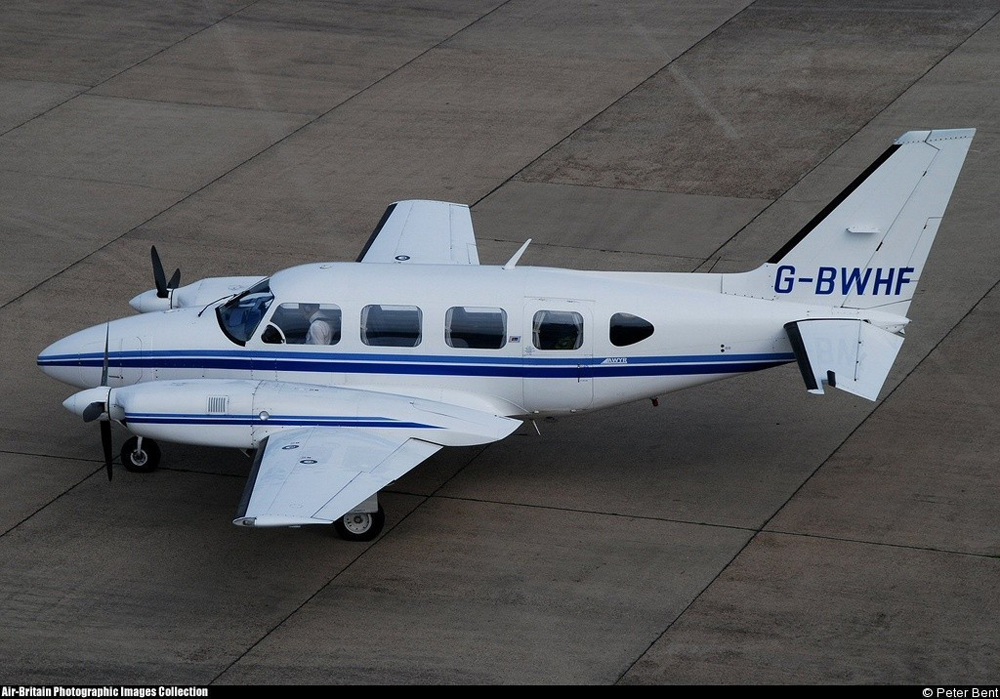
G-BWHF
Flight Type:
Survivors:
No
Schedule:
Welshpool - Welshpool
MSN:
31-7612076
YOM:
1976
Location:
Region:
Crew on board:
2
Crew fatalities:
Pax on board:
0
Pax fatalities:
Other fatalities:
Total fatalities:
2
Captain / Total flying hours:
11164
Captain / Total hours on type:
375.00
Copilot / Total flying hours:
17590
Copilot / Total hours on type:
2177
Circumstances:
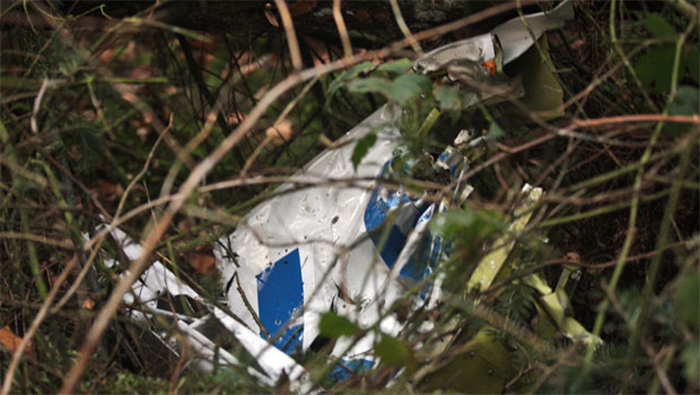
The commander had retired from flying Commercial Air Transport operations with an airline in August 2011. He had recently renewed his single pilot Instrument Rating and Multi Engine Piston (Land) planes rating and his intention was to continue flying part-time. He had been invited to fly G‑BWHF, which was privately operated for business purposes, but his last flight in this aircraft was on 10 November 1998. Accordingly, he planned to conduct a re-familiarisation flight. The commander was accompanied by another pilot who was not a flight instructor but had recent experience of flying the aircraft and was familiar with the aerodrome. A webcam recorded the pilots towing the aircraft to the refuelling point, refuelling it and carrying out pre‑flight preparations. There were no witnesses to any briefings which may have taken place. The commander first started the right engine, which initially ran roughly and backfired before running smoothly. The left engine started normally. The second pilot took his place in the front right seat. The aircraft taxied to the holding point of Runway 22, and was heard by witnesses to be running normally. A witness who lived adjacent to the airfield but could not see the aircraft heard the power and propeller checks being carried out, three or four times instead of once per engine as was usual. The engines were heard to increase power and the witness observed the aircraft accelerate along the runway and takeoff at 1105 hrs. It climbed straight ahead and through a small patch of thin stratus cloud, the base of which the witness estimated was approximately 1,000 ft aal. The aircraft remained visible as it passed through the cloud and continued climbing. The witness turned away from the aircraft to continue working but stated that apart from the unusual number of run-up checks, the aircraft appeared and sounded normal. The pilot of a Robinson R22 helicopter which departed Welshpool at 1015 hrs described weather to the south of the aerodrome as drizzle with patches of broken stratus at 600-700 ft aal. He was able to climb the helicopter between the patches of stratus until, at 1,500 ft, he was above the tops of the cloud. Visibility below the cloud was approximately 5-6 km but, above the cloud, it was in excess of 10 km. He noted that the top of Long Mountain was in cloud and his passenger took a photograph of the Long Mountain area The R22 returned to the airfield and joined left hand downwind for Runway 22. As it did so, its pilot heard a transmission from the pilot of the PA-31 stating that he was rejoining for circuits. The R22 pilot transmitted his position in order to alert the PA-31, then continued around the circuit and called final before making his approach to the runway, landing at about 1115 hrs. After passing overhead Welshpool, it made a descending left circuit, becoming established on a left hand, downwind leg for Runway 22. A witness approximately 3.5 nm northeast of the accident site saw the aircraft coming towards him with both propellers turning. It made a turn to the left with the engines apparently at a high power setting and, as it passed over Long Mountain, commenced a descent. He could not recall whether he could still hear the engines as the aircraft descended. He then lost sight of it behind the rising ground of Long Mountain. A search was initiated when the aircraft failed to return to Welshpool. Its wreckage was located in an open field on the west slope of Long Mountain. There were no witnesses to the actual impact with the trees or surface of the field but the sound was heard by a witness in the wood who stated that the engines were audible immediately prior to impact. The accident, which was not survivable, occurred at 1117 hrs. Both pilots were fatally injured.
Probable cause:
The aircraft struck the tops of the trees located on the upper slope of Long Mountain, while descending for a visual approach to land on Runway 22 at Welshpool Airport. The trees were probably not visible to the pilots because of cloud covering the upper slopes.
Final Report:

Crash of a Piper PA-61P Aerostar (Ted Smith 601P) in Philadelphia

Date & Time: Jan 16, 2012 at 1242 LT
Operator:
Registration:
N700PS
Flight Phase:
Flight Type:
Survivors:
No
Schedule:
Philadelphia – Meridian
MSN:
61-0427-157
YOM:
1977
Crew on board:
1
Crew fatalities:
Pax on board:
0
Pax fatalities:
Other fatalities:
Total fatalities:
1
Captain / Total flying hours:
6200
Aircraft flight hours:
2857
Circumstances:
On the day of the accident, a mechanic taxied the airplane onto the runway and performed a full power check of both engines, exercised both propellers, and checked each magneto drop with no discrepancies reported. Following the engine run, the mechanic taxied the airplane to the fuel ramp where the fuselage fuel tank was filled; after fueling, the fuselage tank had 41.5 gallons of usable fuel. The mechanic then taxied the airplane to the ramp where the engines were secured and the fuel selector switches were placed to the off position. The mechanic reported that, at that time, the left fuel tank had 4 to 5 gallons of fuel, while the right fuel tank had about 2 to 3 gallons of fuel; the unusable fuel amount for each wing tank is 3 gallons. The pilot taxied the airplane to the approach end of runway 18 and was heard to apply takeoff power. A pilot-rated witness noted that, at the point of rotation, the airplane pitched up fairly quickly to about 20 degrees and rolled left to about 10 to 15 degrees of bank. The airplane continued rolling left to an inverted position and impacted the ground in a 40 degree nose-low attitude. A postcrash fire consumed most of the cockpit, cabin, both wings, and aft fuselage, including the vertical stabilizer, rudder, and fuselage fuel tank. Postaccident inspection of the flight controls, which were extensively damaged by impact and fire, revealed no evidence of preimpact failure or malfunction. Although the flap actuators were noted to be asymmetrically extended and no witness marks were noted to confirm the flap position, a restrictor is located at each cylinder’s downline port by design to prevent a rapid asymmetric condition. Therefore, it is likely that the flap actuators changed positions following impact and loss of hydraulic system pressure and did not contribute to the left roll that preceded the accident. Examination of the engines and propellers revealed no evidence of preimpact failure or malfunction that would have precluded normal operation. Postaccident examination of the fuselage fuel sump revealed the left fuel selector was in the crossfeed position, while the right fuel selector was likely positioned to the on position. (The as-found positions of the fuel selector knobs were unreliable due to postaccident damage.) The starting engines checklist indicates that the pilot is to move both fuel selectors from the on position to the crossfeed position, and back to the on position while listening for valve actuation/movement. The before takeoff checklist indicates that the pilot is to verify that the selectors are in the on position. Although the left engine servo fuel injector did not meet flow tests during the postaccident investigation, this was attributed to postaccident heat damage. Calculations to determine engine rpm based on ground scars revealed that the left engine was operating just above idle, and the right engine was operating about 1,315 rpm, which is consistent with a left engine loss of power and the pilot reducing power on the right engine during the in-flight loss of control. Examination of both propellers determined that neither was feathered at impact. Although the as-found position of the left fuel selector knob could be considered unreliable because of impact damage during the accident sequence, given that right wing fuel tank had no usable fuel, it is unlikely that the experienced pilot would have moved the left fuel selector to the crossfeed position in response to the engine power loss. It is more likely that the pilot failed to return the left fuel selector to the on position during the starting engines checklist and also failed to verify its position during the before takeoff checklist; thus, the left engine was being fed only from the right fuel tank, which had very little fuel. There was likely enough fuel in the right tank and lines for the pilot to taxi and takeoff before the left engine failed, causing the airplane to turn to the left, from which the pilot did not recover.
Probable cause:
The pilot’s failure to maintain directional control during takeoff following loss of power to the left engine due to fuel starvation. Contributing to the loss of control was the pilot’s failure to feather the left propeller following the loss of left engine power.
Final Report: