Crash of a Cessna 550 Citation II in Cocal do Sul: 2 killed

Date & Time: Aug 15, 1997 at 1925 LT
Type of aircraft:
Operator:
Registration:
PT-LML
Flight Phase:
Flight Type:
Survivors:
No
Schedule:
Porto Alegre - Rio de Janeiro
MSN:
550-0013
YOM:
1978
Country:
Crew on board:
2
Crew fatalities:
Pax on board:
0
Pax fatalities:
Other fatalities:
Total fatalities:
2
Circumstances:
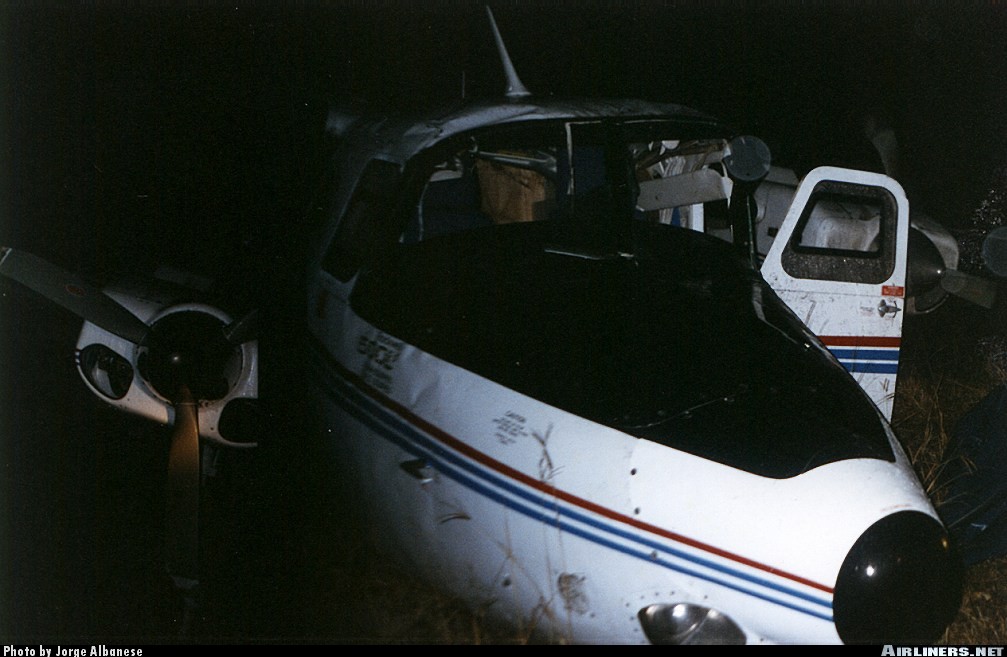
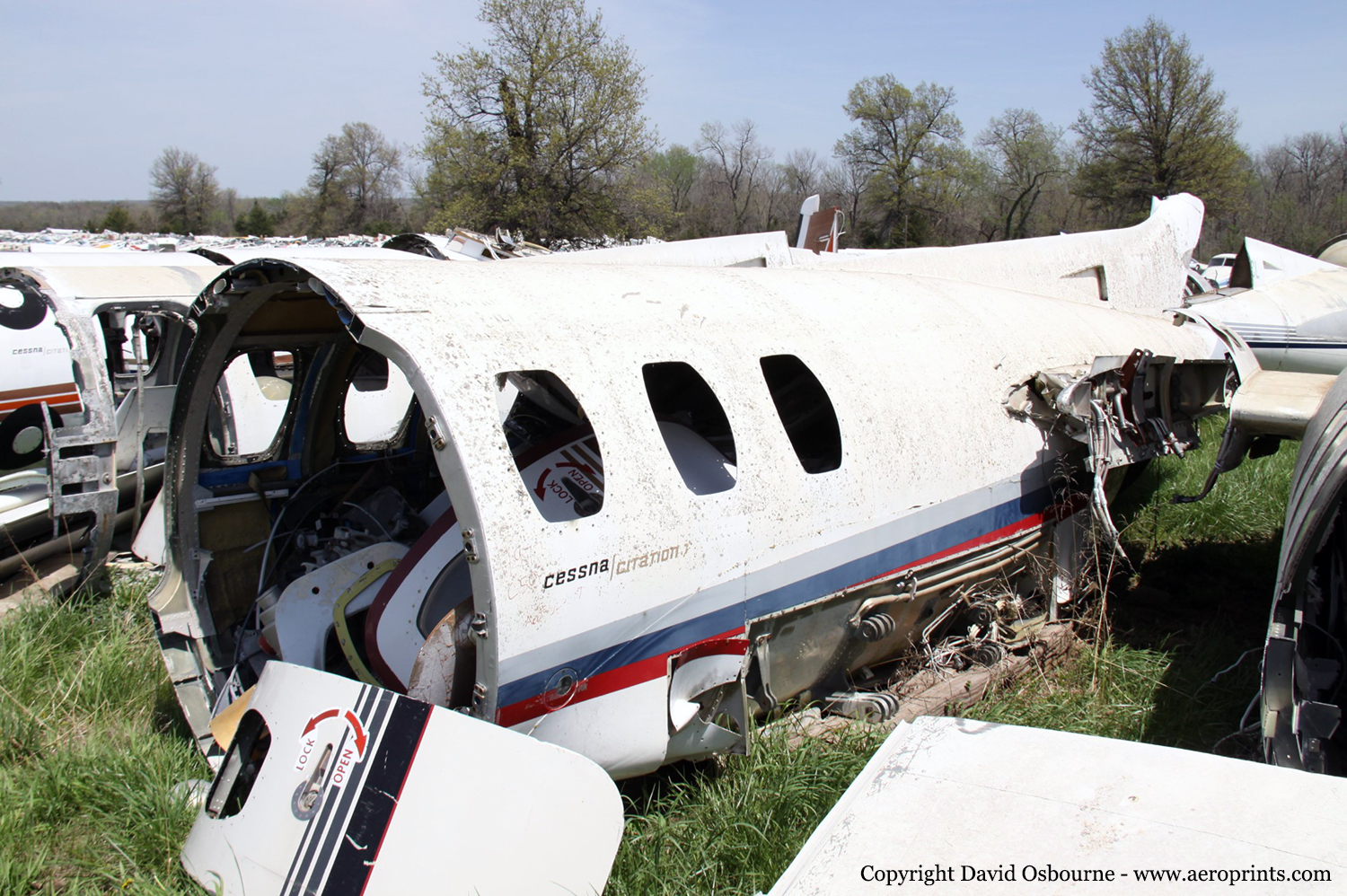
On a flight from Porto Alegre to Rio de Janeiro, while cruising at an altitude of 33,000 feet, the aircraft entered an uncontrolled descent. The crew did not send any distress call. The aircraft descended with a rate of 20,000 feet per minute. At an altitude of 1,500 feet, it disintegrated in the air and eventually crashed. Both pilots were killed.
Probable cause:
It is believed that the crew failed to prepare the flight according to published procedures, did not follow the pre-departure checklist and failed to verify the position of the pressurization mode selector prior to take off. At an altitude of 33,000 feet, after suffering hypoxia, both pilot lost consciousness and situational awareness. Maybe one of them fell and the control column, causing the aircraft to enter an uncontrolled descent.
Final Report:

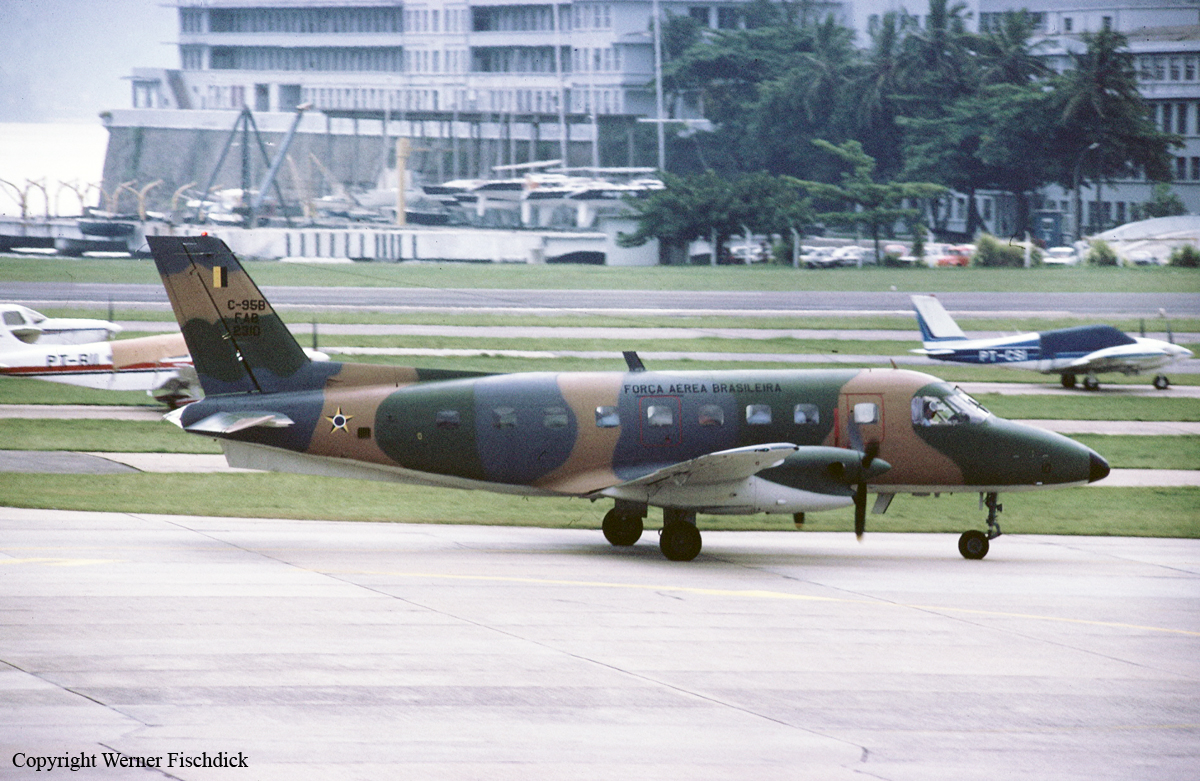
Crash of an Embraer C-95B Bandeirante in Delfim Moreira: 4 killed

Date & Time: Jul 23, 1997 at 1015 LT
Type of aircraft:
Operator:
Registration:
2310
Flight Phase:
Flight Type:
Survivors:
No
Site:
Schedule:
Resende - Guaratinguetá
MSN:
110-317
YOM:
1980
Country:
Crew on board:
4
Crew fatalities:
Pax on board:
0
Pax fatalities:
Other fatalities:
Total fatalities:
4
Circumstances:
The twin engine aircraft departed Resende Airport with 12 paratroopers and four crew members on board. Few minutes after takeoff, all 12 passengers jumped out and the crew continued to Guaratinguetá. While descending to Guaratinguetá Airport, the crew was informed by ATC about poor weather conditions at destination and was instructed to divert to São José dos Campos Airport. The crew initiated a go-around procedure but failed to follow the published go-around procedure and initiated a turn to the wrong direction when the aircraft struck the slope of Mt Alto Cerco (1,500 metres high) located about 30 km north of Guaratinguetá Airport. The aircraft was destroyed and all four occupants were killed.
Probable cause:
Controlled flight into terrain after the crew failed to follow the published procedures and initiated a turn to the wrong direction for unknown reasons. The lack of visibility due to mist was considered as a contributing factor.

Crash of a Rockwell Shrike Commander 500U in Córdoba

Date & Time: Jul 8, 1997
Operator:
Registration:
LV-IYO
Flight Type:
Survivors:
Yes
Schedule:
La Rioja - Buenos Aires
MSN:
500-1673-19
YOM:
1967
Country:
Crew on board:
1
Crew fatalities:
Pax on board:
3
Pax fatalities:
Other fatalities:
Total fatalities:
0
Circumstances:
While on a cargo flight from La Rioja to Buenos Aires, the pilot encountered engine problems and decided to divert to Córdoba-Ambrosio Taravella Airport. On final approach, both engines failed and the pilot attempted an emergency landing when the aircraft crash landed in a field located 1,200 metres short of runway. It slid for few dozen metres before coming to rest in a grassy area. All four occupants escaped with minor injuries and the aircraft was damaged beyond repair.
Probable cause:
It was determined that both engines failed due to the malfunction of the fuel supply system due to poor maintenance.

Crash of a Cessna 500 Citation I in Rio de Janeiro

Date & Time: Jul 3, 1997 at 1000 LT
Type of aircraft:
Operator:
Registration:
PT-ILJ
Flight Phase:
Survivors:
Yes
Schedule:
Rio de Janeiro – São José dos Campos
MSN:
500-0057
YOM:
1973
Country:
Crew on board:
2
Crew fatalities:
Pax on board:
3
Pax fatalities:
Other fatalities:
Total fatalities:
0
Circumstances:
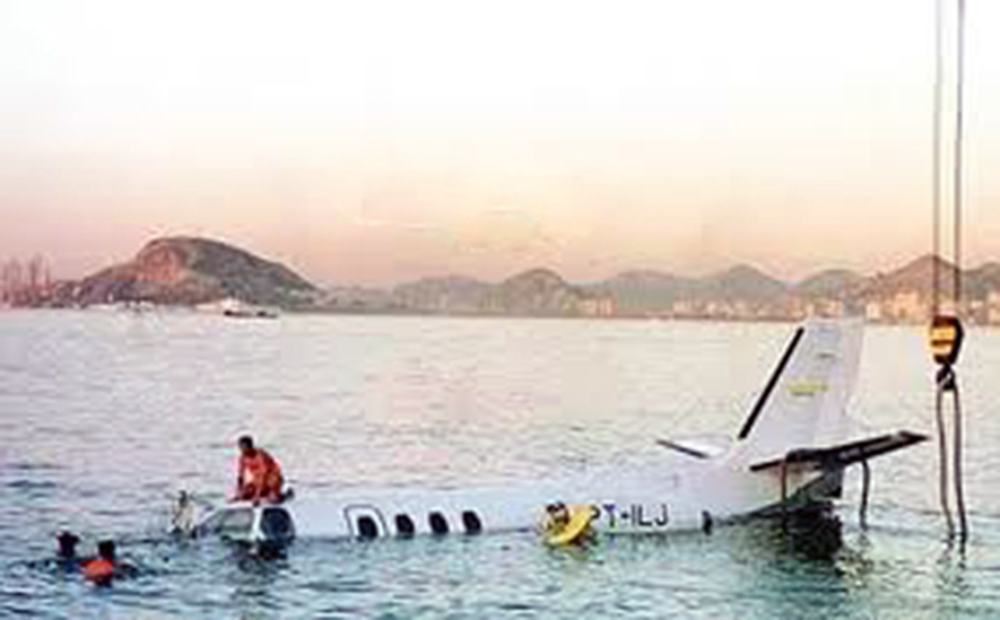
During the takeoff roll at Rio de Janeiro-Santos Dumont Airport, the captain realized that all conditions were not met for a safe takeoff and decided to abort. Unable to stop within the remaining distance, the aircraft overran and came to rest in the Guanabara Bay. All five occupants escaped with minor injuries and the aircraft was damaged beyond repair.

Crash of a Boeing 727-21F in Bogotá

Date & Time: Jun 25, 1997 at 0122 LT
Type of aircraft:
Operator:
Registration:
HK-1717
Flight Phase:
Flight Type:
Survivors:
Yes
Schedule:
Bogotá – Barranquilla
MSN:
18993/215
YOM:
1965
Country:
Crew on board:
3
Crew fatalities:
Pax on board:
3
Pax fatalities:
Other fatalities:
Total fatalities:
0
Captain / Total flying hours:
20067
Captain / Total hours on type:
8664.00
Copilot / Total flying hours:
4854
Copilot / Total hours on type:
292
Aircraft flight hours:
51014
Circumstances:
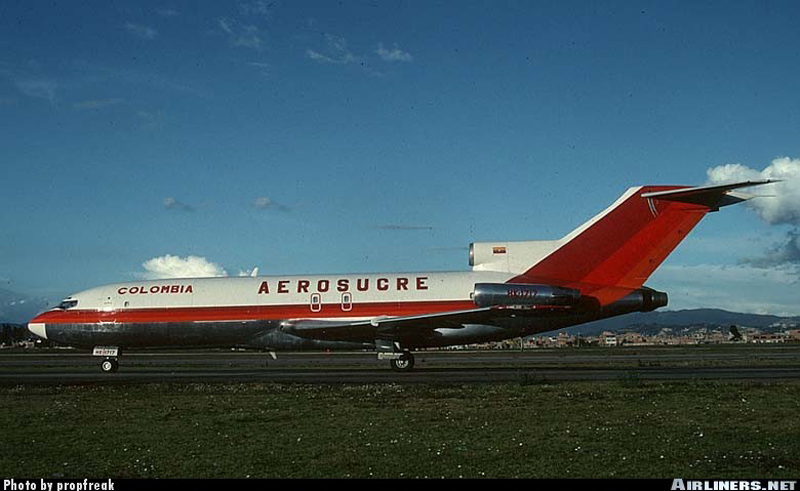
During the takeoff roll un runway 31 at Bogotá-El Dorado Airport, at a speed of 130 knots, the crew heard two explosions. As the aircraft started to vibrate, the captain decided to abandon the takeoff procedure and initiated an emergency braking manoeuvre. Unable to stop within the remaining distance, the aircraft overran, rolled for 497 metres then lost its nose gear and came to rest. All six occupants escaped uninjured while the aircraft was damaged beyond repair.
Probable cause:
It was determined that the tread on the left front tyre (nose gear) deflated and broke off during takeoff, causing severe vibrations. This caused the antiskid system to be unserviceable and the aircraft could not be stopped on the remaining distance as the runway surface was humid. It was also reported that no information were available from both CVR and FDR systems. At the time of the accident, the total weight of the aircraft was 1,461 kilos above MTOW, making the decision speed (V1) to be higher by reducing the stopping distance, which was insufficient when discontinuing the pilot controls takeoff in wet runway conditions.
Final Report:

Crash of a Rockwell Grand Commander 690A in Garuva: 5 killed

Date & Time: Jun 7, 1997 at 1000 LT
Operator:
Registration:
PT-OFG
Survivors:
No
Schedule:
Curitiba - Joinville
MSN:
690-11274
YOM:
1975
Country:
Crew on board:
2
Crew fatalities:
Pax on board:
3
Pax fatalities:
Other fatalities:
Total fatalities:
5
Captain / Total flying hours:
1102
Captain / Total hours on type:
525.00
Copilot / Total flying hours:
578
Copilot / Total hours on type:
398
Circumstances:
While approaching Joinville Airport at an altitude of 7,000 feet, the crew canceled his IFR flight plan and continued under VFR mode. Few minutes later, the crew encountered atmospheric turbulences and lost control of the aircraft that crashed near Gavura, about 24 km northwest of Joinville Airport. The aircraft was destroyed and all five occupants were killed.
Probable cause:
The following factors were identified:
- Weather conditions were marginal with atmospheric turbulences,
- Loss of control after the captain exercised poor judgment about weather conditions and demonstrated overconfidence as he was trying to beat his speed record on this leg,
- Lack of administrative, technical and operational crew surveillance by the operator,
- Poor crew coordination,
- Excessive speed on descent,
- The radiosonde from the meteorology surveillance center based in Curitiba was unserviceable.
Final Report:

Crash of an Embraer EMB-820C Navajo in Jacobina: 4 killed

Date & Time: Jun 5, 1997 at 1245 LT
Operator:
Registration:
PT-ENI
Flight Phase:
Survivors:
No
Schedule:
Jacobina - Salvador
MSN:
820-068
YOM:
1978
Location:
Country:
Crew on board:
2
Crew fatalities:
Pax on board:
2
Pax fatalities:
Other fatalities:
Total fatalities:
4
Captain / Total hours on type:
180.00
Copilot / Total hours on type:
133
Circumstances:
Shortly after takeoff from Jacobina Airport, while in initial climb, the left engine lost power. The crew initiated a sharp turn to the left when the aircraft lost height, struck an electric pole and crashed near the runway end. The aircraft was destroyed and all four occupants were killed.
Probable cause:
The following findings were identified:
- Poor crew training,
- Pool fuel consumption calculation on part of the crew,
- Wrong crew's decision to fly on one engine,
- Inappropriate of aircraft controls,
- Poor crew coordination,
- Poor flight planning.
Final Report:

Crash of a Beechcraft E90 King Air in Huaypetue

Date & Time: Mar 28, 1997 at 0803 LT
Type of aircraft:
Operator:
Registration:
N90DA
Survivors:
Yes
Schedule:
Cuzco - Huaypetue
MSN:
LW-22
YOM:
1972
Country:
Crew on board:
1
Crew fatalities:
Pax on board:
6
Pax fatalities:
Other fatalities:
Total fatalities:
0
Circumstances:
On March 28, 1997, about 0803 eastern standard time, a Beech E-90, N90DA, registered to a private individual, landed short of the runway at Huaypetue Airport, Choque, Peru, while on a foreign air taxi flight. Visual meteorological conditions prevailed at the time and a visual flight rules flight plan was filed. The aircraft received substantial damage and the airline transport-rated pilot and six passengers were not injured. The flight originated from Cuzco, Peru, the same day, about 0700. Civil Aviation Authorities stated that while on approach to land the pilot misjudged the distance from the runway and touched down short of the runway. Postcrash examination of the aircraft showed no evidence of precrash mechanical failure or malfunction.

Crash of a Cessna 500 Citation I near La Felisa: 2 killed

Date & Time: Mar 7, 1997 at 0934 LT
Type of aircraft:
Registration:
HK-3885
Flight Phase:
Survivors:
No
Site:
Schedule:
Pereira - Medellín
MSN:
500-0135
YOM:
1973
Country:
Crew on board:
2
Crew fatalities:
Pax on board:
0
Pax fatalities:
Other fatalities:
Total fatalities:
2
Captain / Total flying hours:
3048
Copilot / Total flying hours:
173
Aircraft flight hours:
6274
Circumstances:
After takeoff from Pereira-Matecaña Airport, while climbing, the copilot declared an emergency and reported problems. Shortly later, the aircraft entered an uncontrolled descent and crashed near La Felisa. The aircraft was destroyed and both pilots were killed.
Probable cause:
In-flight braking and subsequent separation of both wing tips due to positive wing loading imposed by the unqualified crew exceeding the structural limit stipulated by the manufacturer.
Final Report:

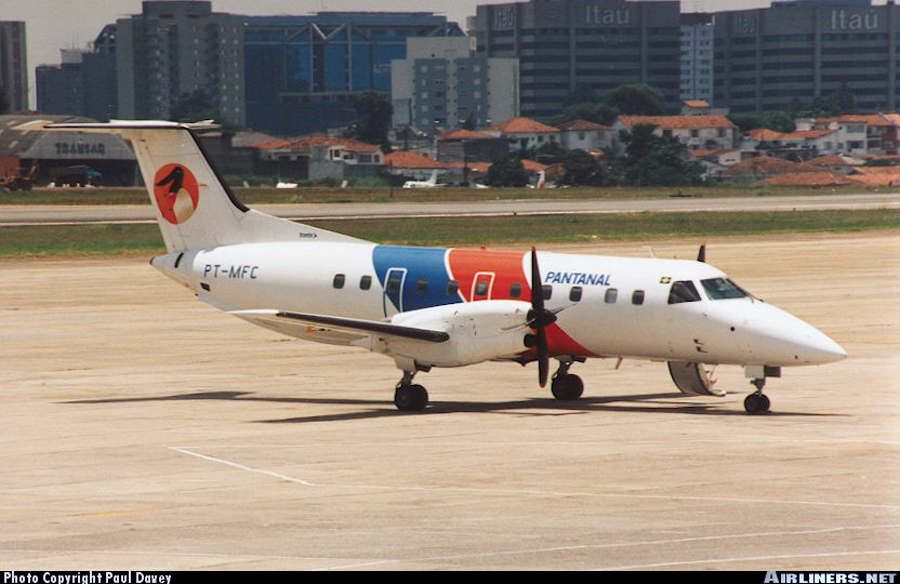
Crash of an Embraer EMB-120RT Brasília in Vilhena

Date & Time: Mar 3, 1997 at 0044 LT
Type of aircraft:
Operator:
Registration:
PT-MFC
Survivors:
Yes
Schedule:
Campo Grande - Vilhena
MSN:
120-206
YOM:
1990
Flight number:
PTN126
Country:
Crew on board:
3
Crew fatalities:
Pax on board:
13
Pax fatalities:
Other fatalities:
Total fatalities:
0
Captain / Total flying hours:
9280
Captain / Total hours on type:
2501.00
Copilot / Total flying hours:
4153
Copilot / Total hours on type:
1988
Circumstances:
En route from Campo Grande to Vilhena, while in cruising altitude, the crew received the last weather bulletin about Vilhena with conditions below minimums. The copilot (under line check on this flight) suggested to divert to the alternate airport but the captain/instructor preferred to attempt an approach via Echo 1 and the NDB for runway 03. If visual contact would not be established at decision height, the crew would divert to the alternate airport. Then the copilot set the decision height at 2,500 feet which was wrong as the correct decision height was fixed at 2,560 feet. Nor the copilot nor the captain realized this mistake prior to start the descent to Vilhena Airport. On approach, the copilot was told by captain to monitor the horizon. He focused his attention on the horizon and failed to monitor the altimer. On his side, the captain elected to establish a visual contact with the ground and the runway light but is was later confirmed that the city of Vilhena suffered a general blackout. On final, the aircraft descended below MDA then struck trees and crashed less than one km from the runway threshold, bursting into flames. All 16 occupants evacuated safely while the aircraft was destroyed by fire.
Probable cause:
The following findings were identified:
- Poor crew coordination,
- Wrong approach configuration,
- The crew's attention was focused on their respective tasks without monitoring the approach configuration, causing the aircraft to descent below the glide,
- The captain/instructor failed to supervise properly the copilot's manoeuvres,
- No approach briefing,
- Lack of visibility due to a general blackout.

Final Report: