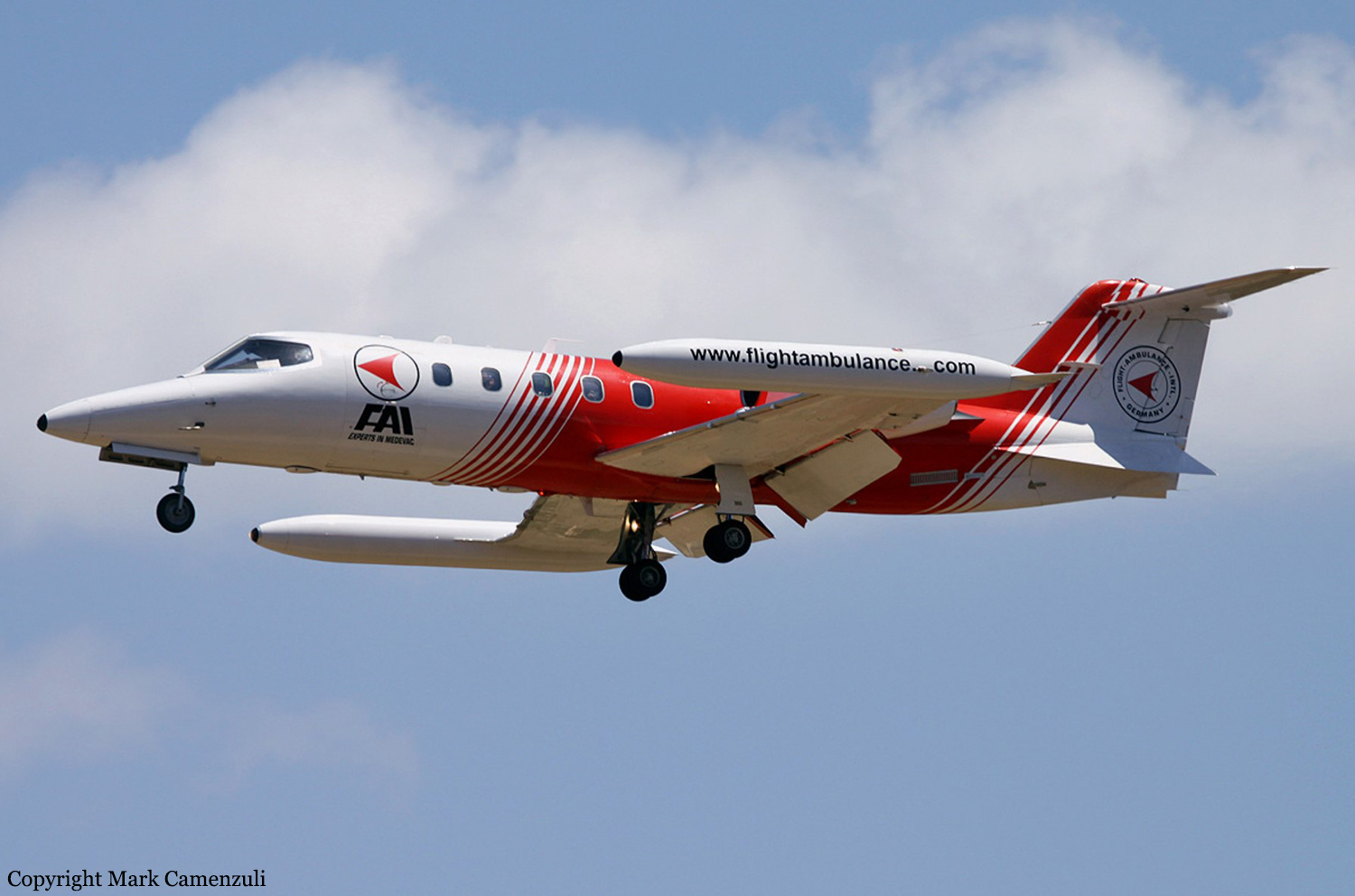
Crash of a Learjet 35A in Tamanrasset

Date & Time: Oct 25, 2014 at 1513 LT
Type of aircraft:
Operator:
Registration:
D-CFAX
Flight Phase:
Flight Type:
Survivors:
Yes
Schedule:
Tamanrasset – Bata
MSN:
35-135
YOM:
1977
Country:
Region:
Crew on board:
2
Crew fatalities:
Pax on board:
2
Pax fatalities:
Other fatalities:
Total fatalities:
0
Circumstances:
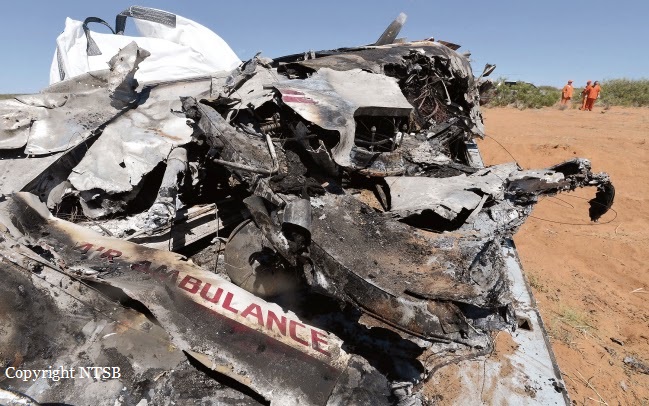
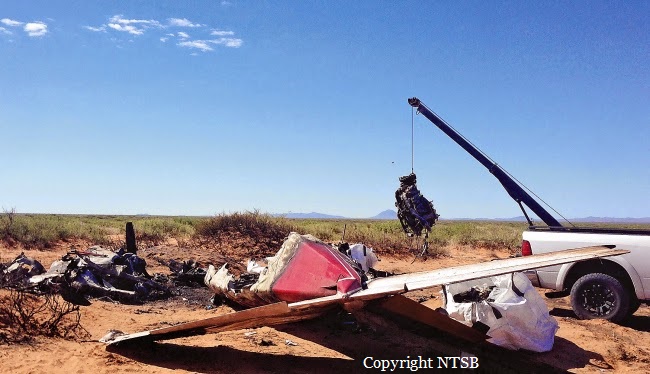
The airplane was completing an ambulance flight (positioning) from Europe to Bata, Equatorial Guinea, with an intermediate stop in Tamanrasset, carrying a medical team of two doctors and two pilots. During the takeoff roll from Tamanrasset-Aguenar Airport, the crew heard a loud noise and decided to abort. Unable to stop within the remaining distance, the aircraft overran and came to rest. All four occupants escaped uninjured and the aircraft was damaged beyond repair.

Crash of a Cessna 208 Caravan I in the Laguna de Tres Palos

Date & Time: Oct 24, 2014 at 1600 LT
Type of aircraft:
Operator:
Registration:
XA-WET
Flight Phase:
Flight Type:
Survivors:
Yes
Schedule:
Laguna de Tres Palos - Acapulco
MSN:
208-0294
YOM:
1998
Country:
Crew on board:
2
Crew fatalities:
Pax on board:
0
Pax fatalities:
Other fatalities:
Total fatalities:
0
Captain / Total flying hours:
5240
Captain / Total hours on type:
201.00
Copilot / Total flying hours:
23837
Aircraft flight hours:
1760
Aircraft flight cycles:
1105
Circumstances:
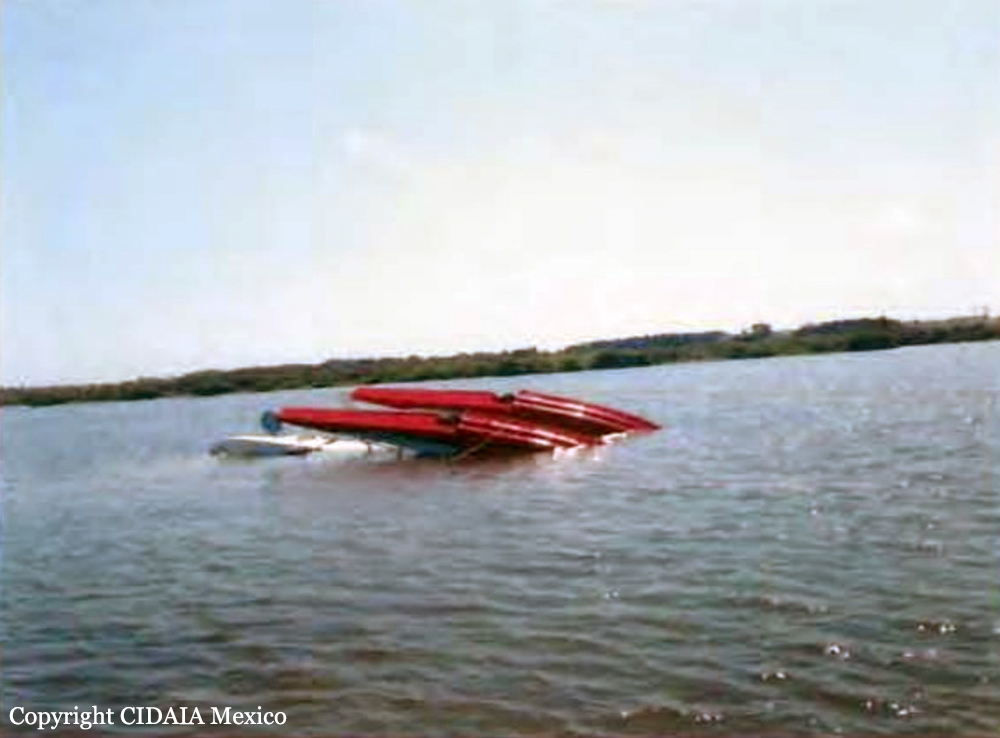
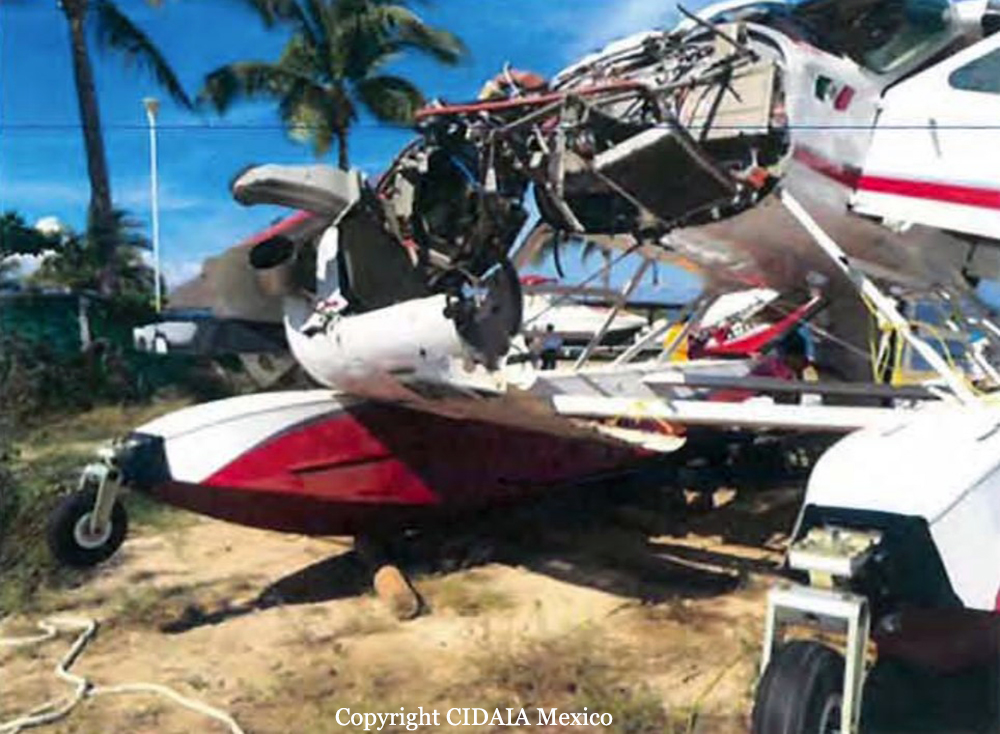
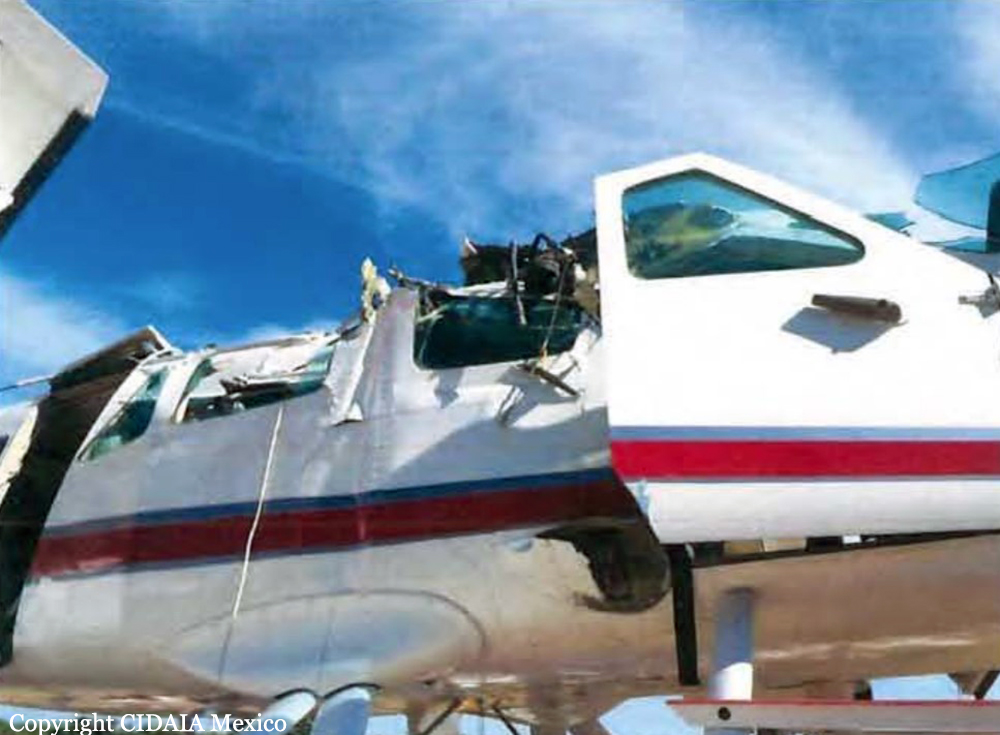
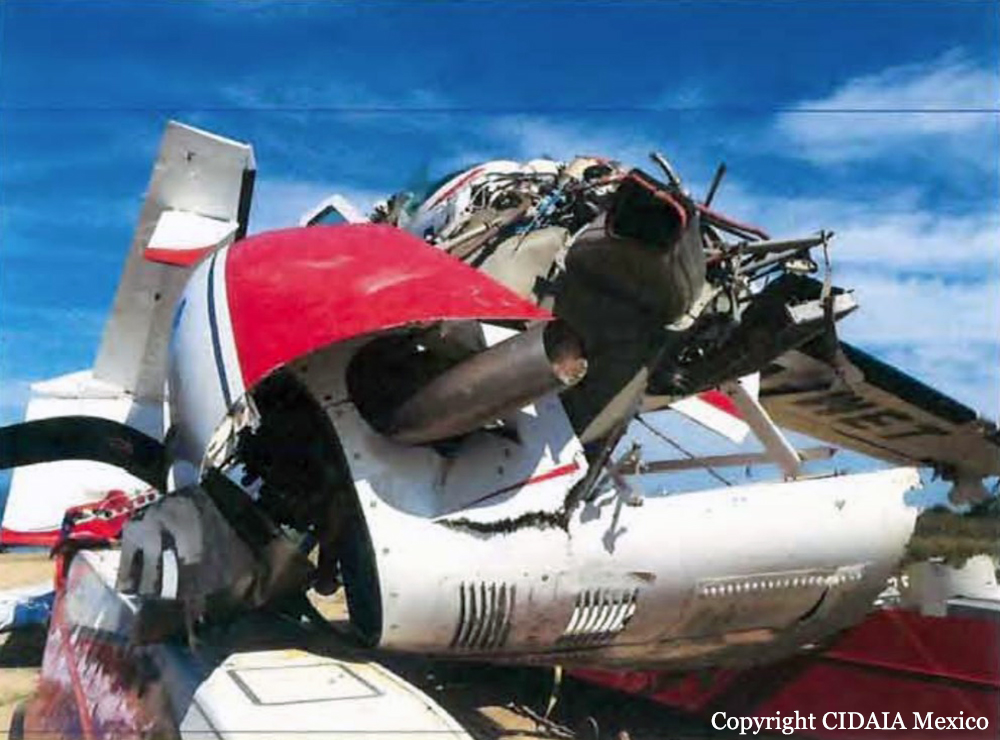
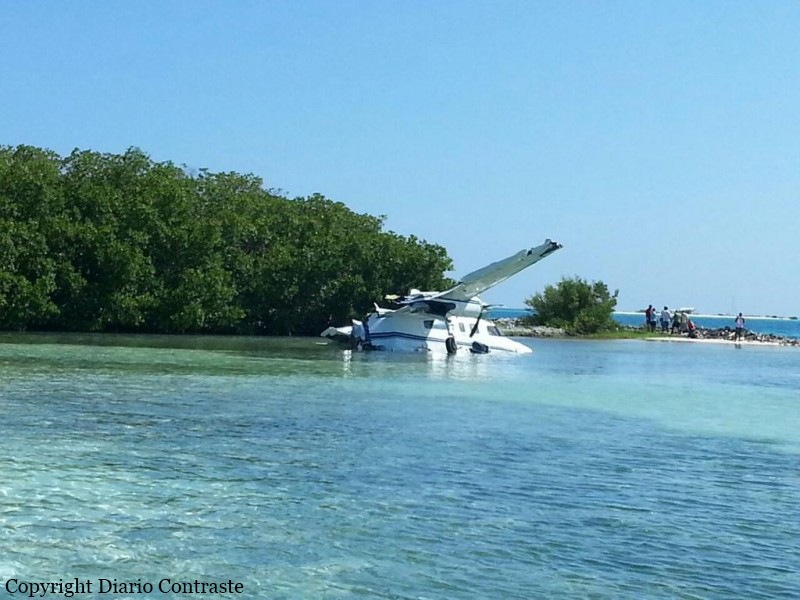
The crew departed Laguna de Tres Palos on a positioning flight to the Acapulco-General Juan N. Álvarez International Airport. During the takeoff procedure, the seaplane started to oscillate from left to right. At a speed of about 45 knots, the crew abandoned the takeoff procedure when the aircraft nosed down, plunged into water and came to rest, inverted and submerged. Both pilots evacuated safely while the aircraft was damaged beyond repair.
Probable cause:
Loss of control of the aircraft during a takeoff run from a watery surface due to cross winds.
Final Report:

Crash of a Dassault Falcon 50EX in Moscow-Vnukovo: 4 killed

Date & Time: Oct 20, 2014 at 2357 LT
Type of aircraft:
Operator:
Registration:
F-GLSA
Flight Phase:
Survivors:
No
Schedule:
Moscow - Paris
MSN:
348
YOM:
2006
Flight number:
LEA074P
Country:
Region:
Crew on board:
3
Crew fatalities:
Pax on board:
1
Pax fatalities:
Other fatalities:
Total fatalities:
4
Captain / Total flying hours:
6624
Captain / Total hours on type:
1266.00
Copilot / Total flying hours:
1478
Copilot / Total hours on type:
246
Aircraft flight hours:
2197
Aircraft flight cycles:
1186
Circumstances:
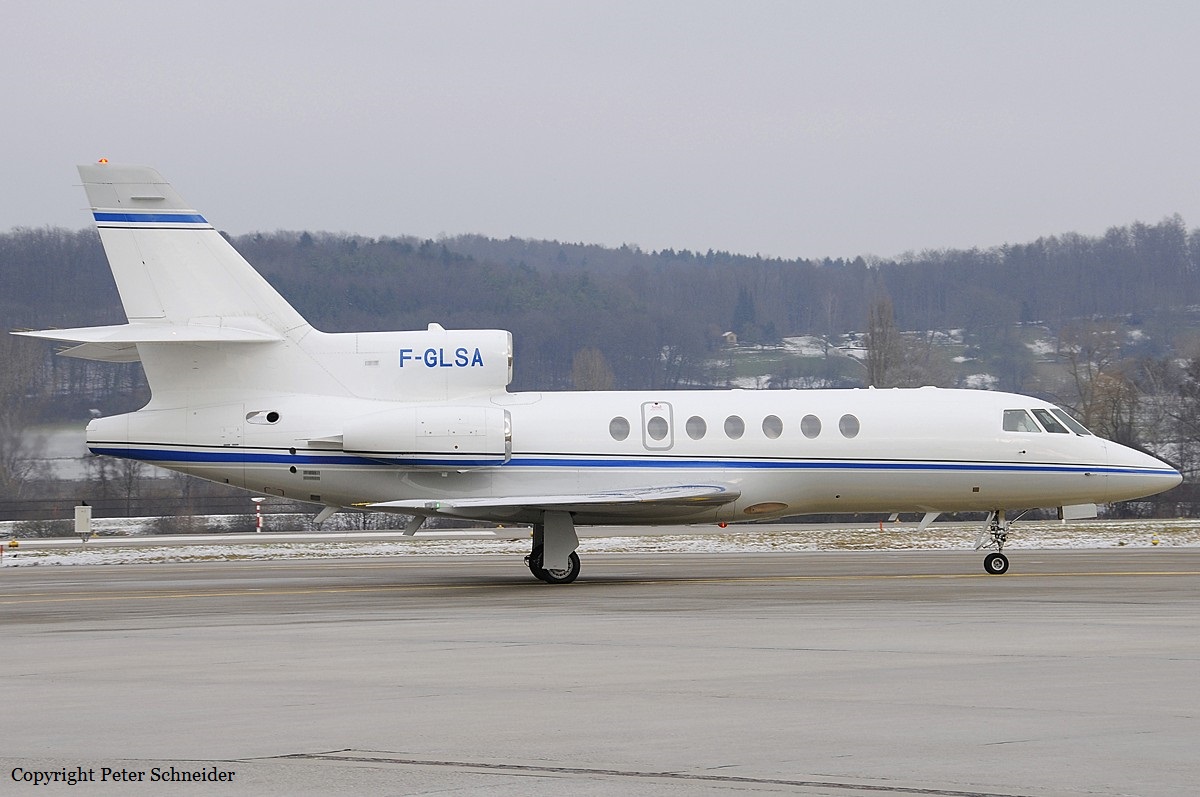
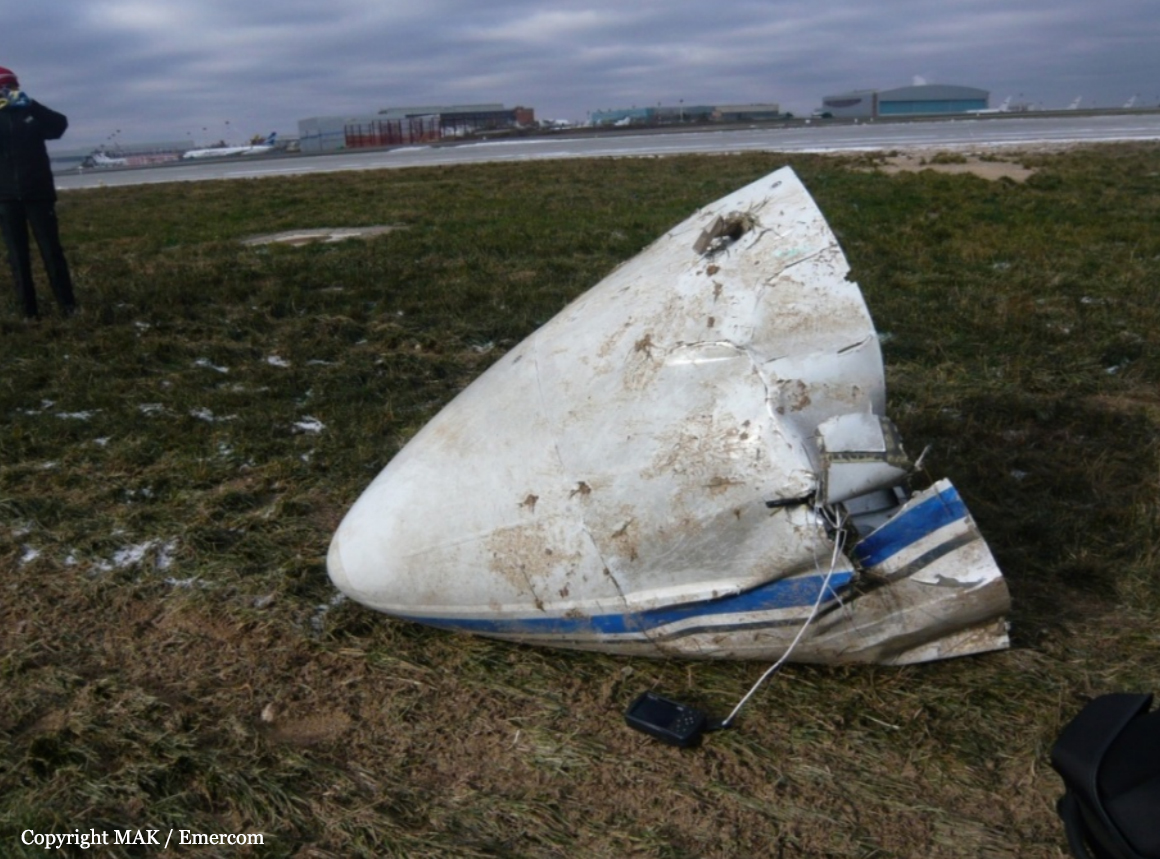
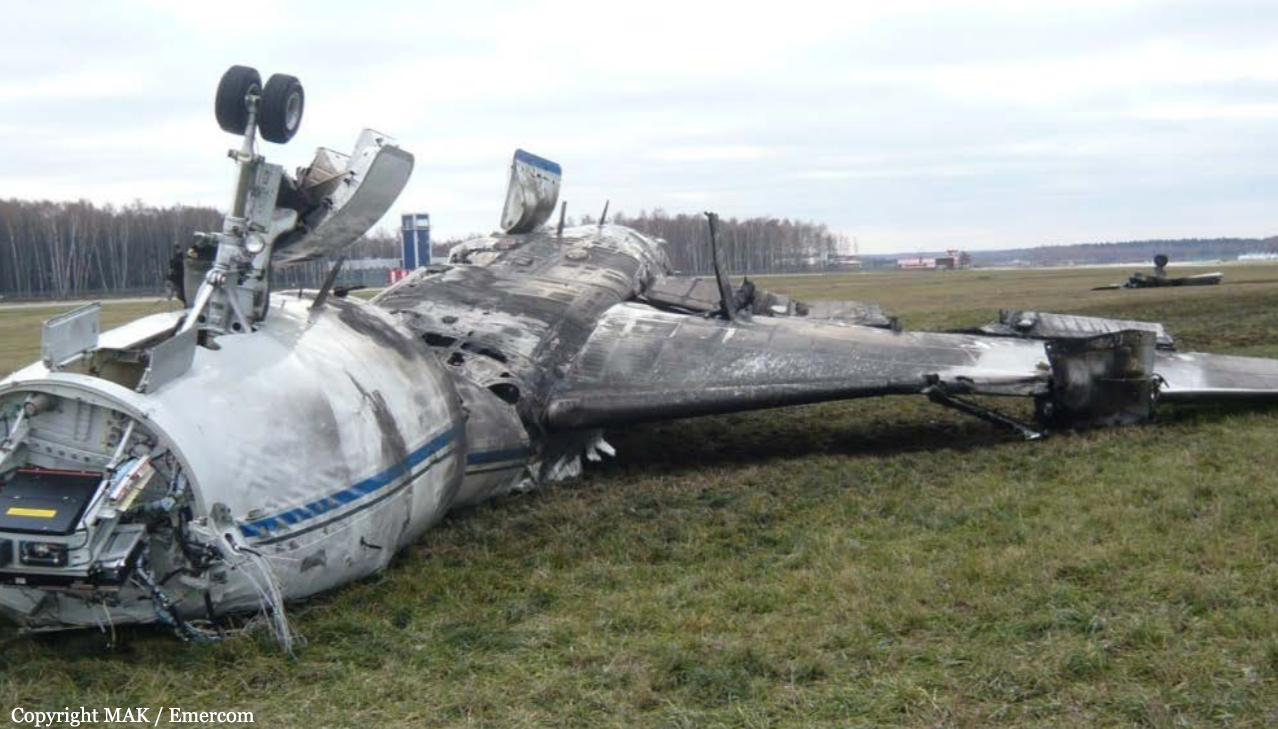
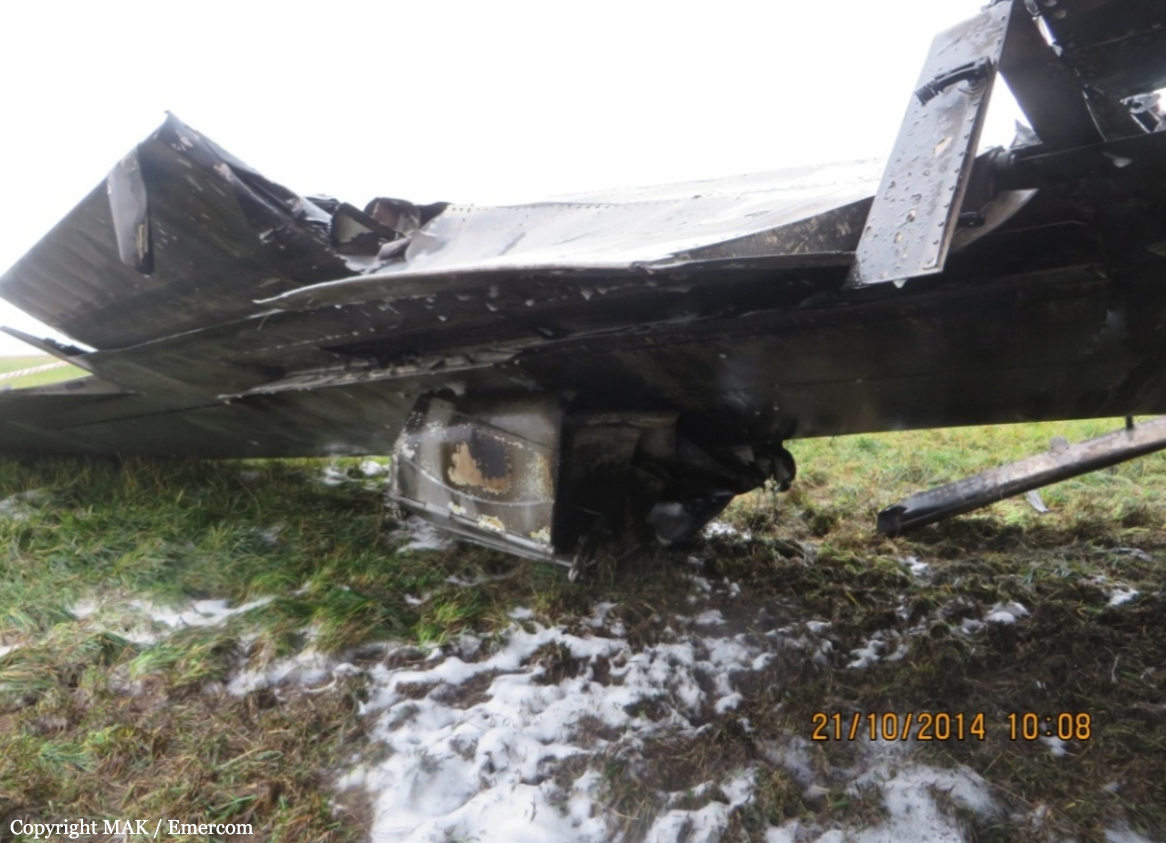
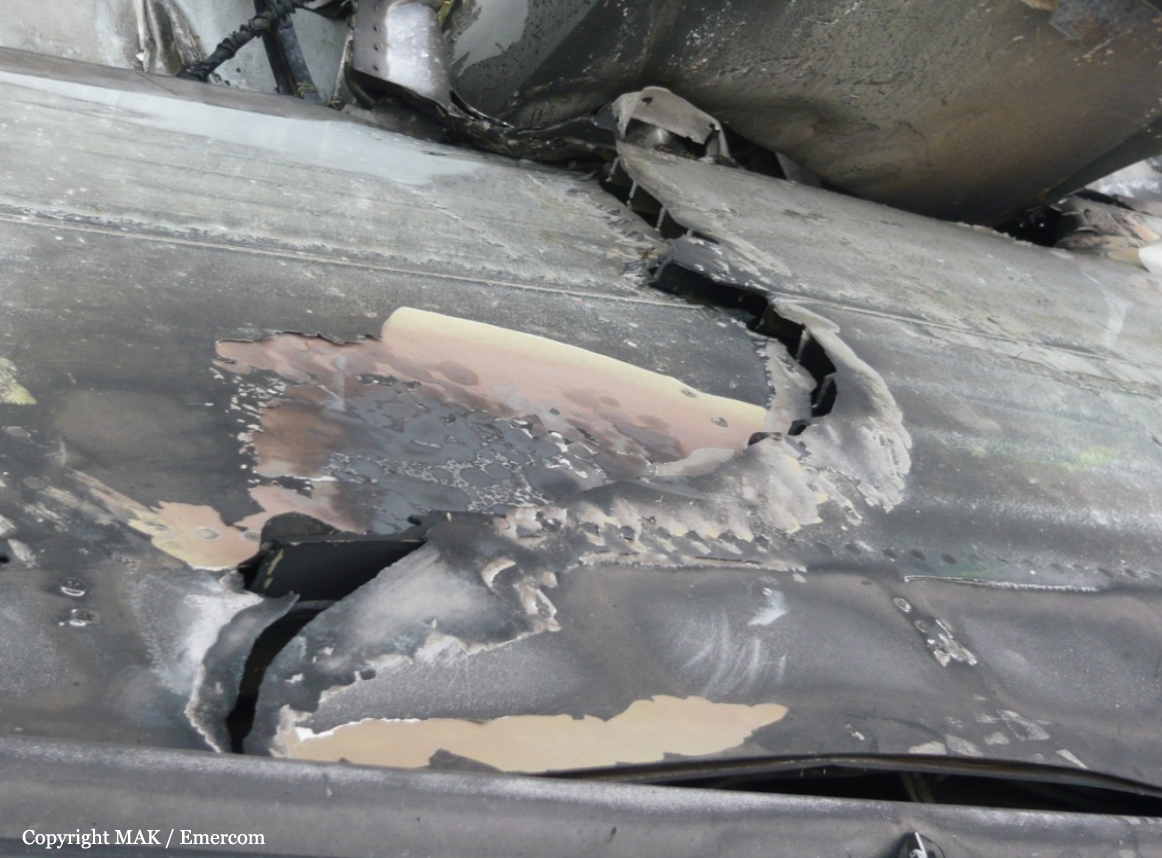
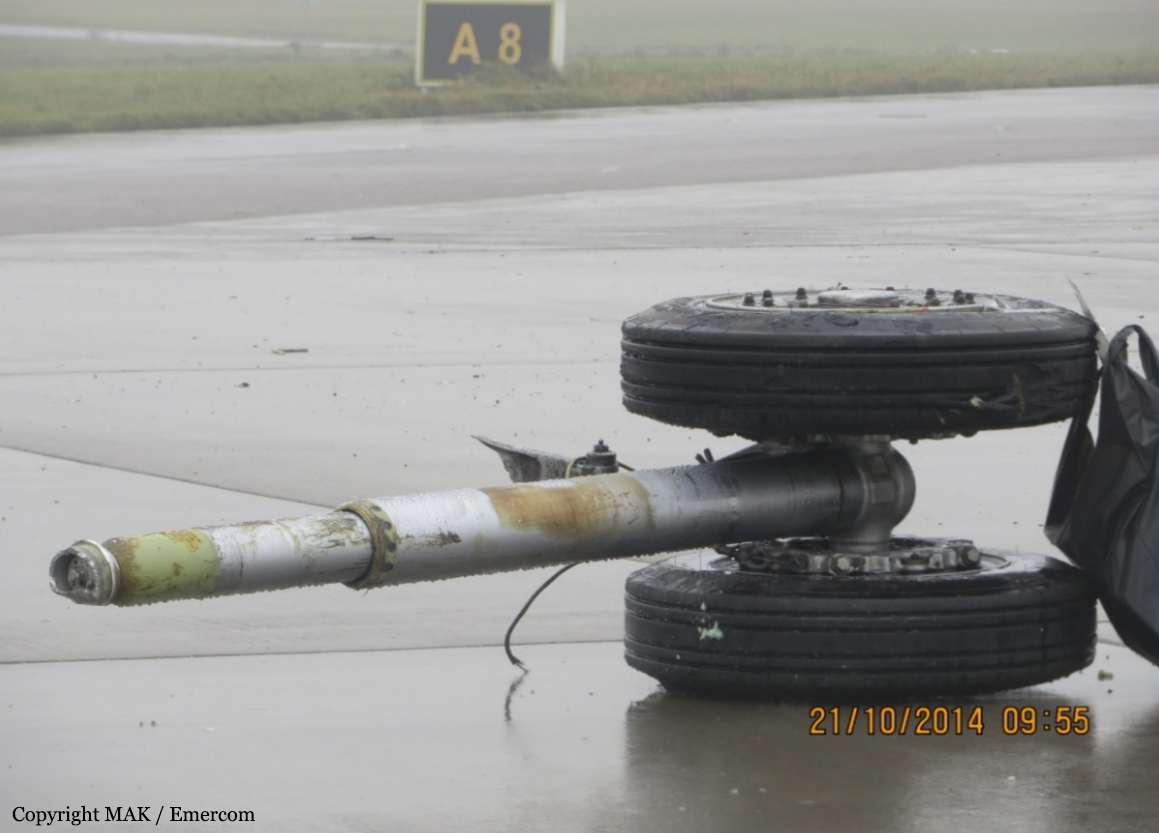
During the takeoff run on runway 06 at Moscow-Vnukovo Airport, the three engine aircraft hit a snowplow with its left wing. The aircraft went out of control, rolled over and came to rest upside down in flames. All four occupants were killed, three crew members and Mr. Christophe de Margerie, CEO of the French Oil Group Total, who was returning to France following a meeting with the Russian Prime Minister Dmitry Medvedev. At the time of the accident, the RVR on runway 06 was estimated at 350 meters due to foggy conditions. The pilot of the snow-clearing vehicle was slightly injured.
Probable cause:
The accident occurred at nighttime under foggy conditions while it was taking off after cleared by the controller due to collision with the snowplow that executed runway incursion and stopped on the runway. Most probably, the accident was caused by the combination of the following contributing factors:
- lack of guidance on loss of control over an airdrome vehicle and/or situational awareness on the airfield in pertinent documents defining the duties of airdrome service personnel (airdrome shift supervisor and vehicle drivers);
- insufficient efficiency of risk mitigation measures to prevent runway incursions in terms of airdrome peculiarilies that is two intersecling runways;
- lack of proper supervision from the airdrome service shift supervisor, alcohol detected in his organism, over the airfield operations: no report to the ATM or request to the snowplow driver as he lost visual contact with the snowplow;
- violation by the airdrome service shift supervisor of the procedure for airdrome vehicles operations, their entering the runway (RWY 2) out of operation (closed for takeoff and landing operations) without requesting and receiving clearance from the ground controller;
- violations by the medical personnel of Vnukovo AP of vehicle driver medical check requirements by performing formally (only exterior assessment) the mandatory medical check of drivers after the duty, which significantly increased the risk of drivers consuning alcohol during the duty. The measures and controls applied at Vnukovo Airport to mitigate the risk of airdrome drivers doing their duties under the influence of alcohol were not effective enough;
- no possibility for the snowplow drivers engaged in airfield operations (due to lack of pertinent equipment on the airdrome vehicles) to continuously listen to the radio exchange at the Departure Control frequency, which does not comply with the Interaction Procedure of the Airdrome Service with Vnukovo ATC Center.
- loss of situational awareness by the snowplow driver, alcohol detected in his organism, while perfonning airfield operations that led to runway incursion and stop on the runway in use.
His failure to contact the airdrome service shift supervisor or ATC controllers after situational awareness was lost;
- ineffective procedures that resulted in insufficiently trained personnel using the airfield surveillance and control subsystem A3000 of A-SMGCS at the Vnukovo ATC Center, for air traffic management;
- no recommendation in the SOP of ATM personnel of Vnukovo ATC Center on how to set up the airfield surveillance and control subsystem A3000, including activation and deactivation of the Reserved Lines and alerts (as a result, all alerts were de-activated at the departure controller and ground controller's working positions) as well as how to operate the system including attention allocation techniques during aircraft takeoff and actions to deal with the subsystem messages and alerts;
- the porting of the screen second input of the A3000 A-SMGCS at the ATC shift supervisor WP for the display of the weather information that is not envisaged by the operational manual of the airfield surveillance and control subsystem. When weather information is selected to be displayed the radar data and the light alerts (which were present during the accident takeoff) become un available for the specialist that occupies the ATC shift supervisor's working position;
- the ATC shift supervisor's decision to join the sectors at working positions of Ground and Departure Control without considering the actual level of personnel training and possibilities for them to use the information of the airfield surveillance and control system (the criteria for joining of sectors are not defined in the Job Description of ATC shift supervisor, in particular it does not take into account the technical impossibility to change settings of the airfield surveillance and control system);
- failure by the ground controller to comply with the SOPs, by not taking actions to prevent the incursion of RWY 2 that was closed for takeoff and landing operations by the vehicles though having radar information and alert on the screen of the airfield surveillance and control system;
- failure by the out of staff instructor controller and trainee controller (providing ATM under the supervision of the instructor controller) to detect two runway incursions by the snowplow on the runway in use, including after the aircrew had been cleared to take off (as the clearance was given, the runway was clear), provided there was pertinent radar information on the screen of the airfield surveillance and control subsystem and as a result failure to inform the crew about the obstacle on the runway;
- lack of recommendations at the time of the accident in the Operator's (Unijet) FOM for flight crews on actions when external threats appear (e.g. foreign objects on the runway) during the takeoff;
- the crew failing to take measures to reject takeoff as soon as the Captain mentioned «the car crossing the road». No decision to abort takeoff might have been caused by probable nonoptimal psycho-emotional status of the crew (the long wait for the departure at an unfamiliar airport and their desire to fly home as soon as possible), which might have made it difficult for them to assess the actual threat level as they noticed the snowplow after they had started the takeoff run;
- the design peculiarity of the Falcon 50EX aircraft (the nose wheel steering can only be controlled from the LH seat) resulting in necessity to transfer aircraft control at a high workload phase of the takeoff roll when the FO (seated right) performs the takeoff.
Final Report:


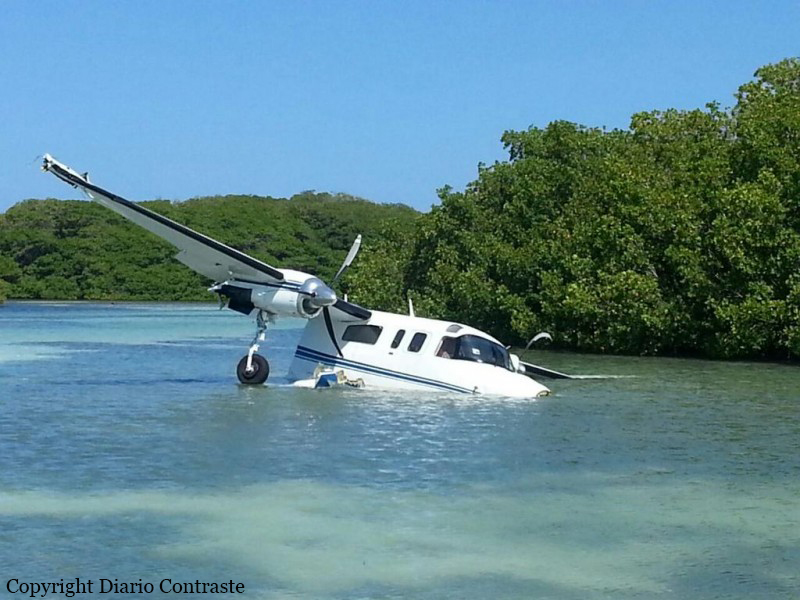
Crash of a Rockwell 690C Jetprop 840 off Los Roques

Date & Time: Oct 10, 2014 at 1000 LT
Operator:
Registration:
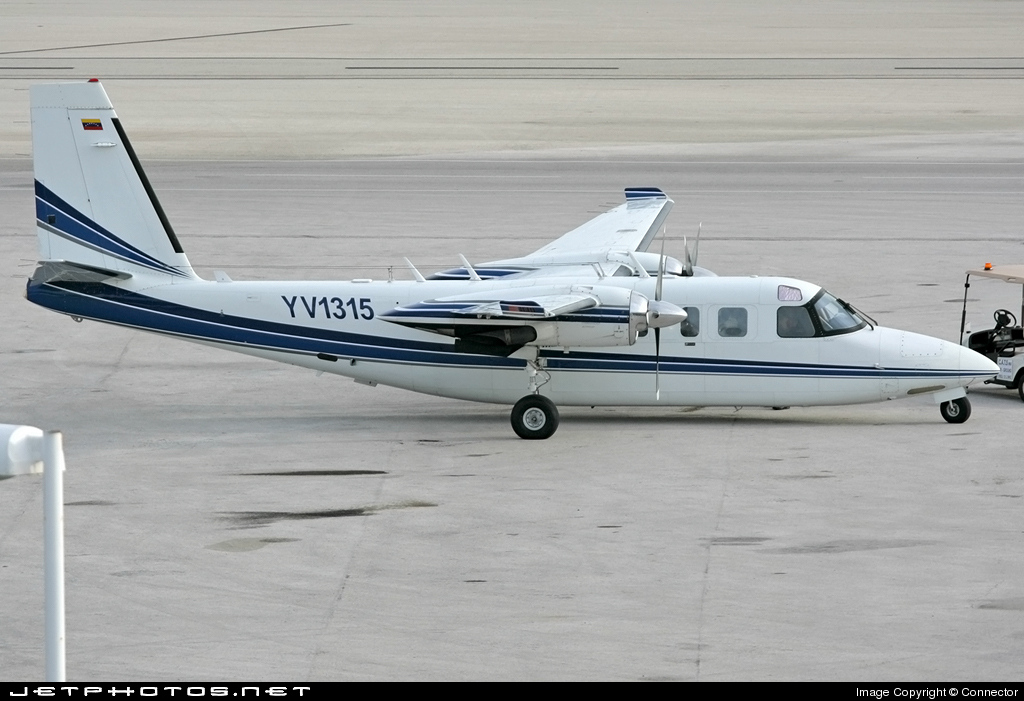
YV1315
Flight Phase:
Flight Type:
Survivors:
Yes
Schedule:
Los Roques - Charallave
MSN:
690-11618
YOM:
1980
Country:
Crew on board:
2
Crew fatalities:
Pax on board:
5
Pax fatalities:
Other fatalities:
Total fatalities:
0
Circumstances:
The twin engine aircraft was performing a private flight from the island of Los Roques to Charallave-Óscar Machado Zuloaga Airport. Shortly after take off, while in initial climb, the aircraft went out of control and crashed in a lagoon, few metres off shore. All seven occupants evacuated and were slightly injured while the aircraft broke in two in shallow water.

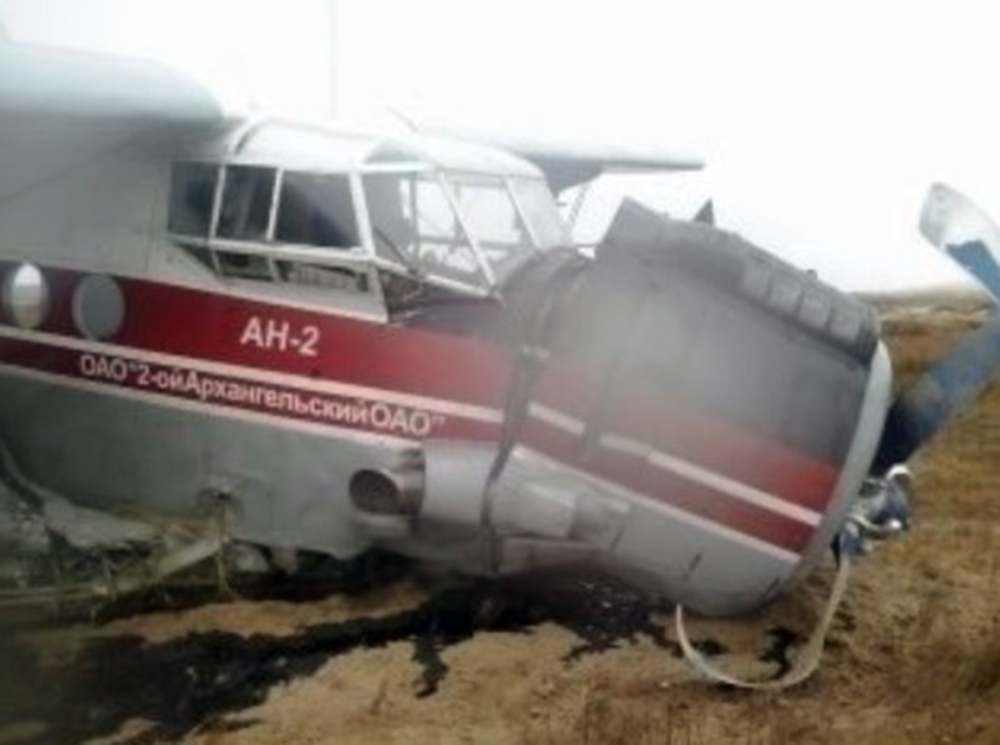
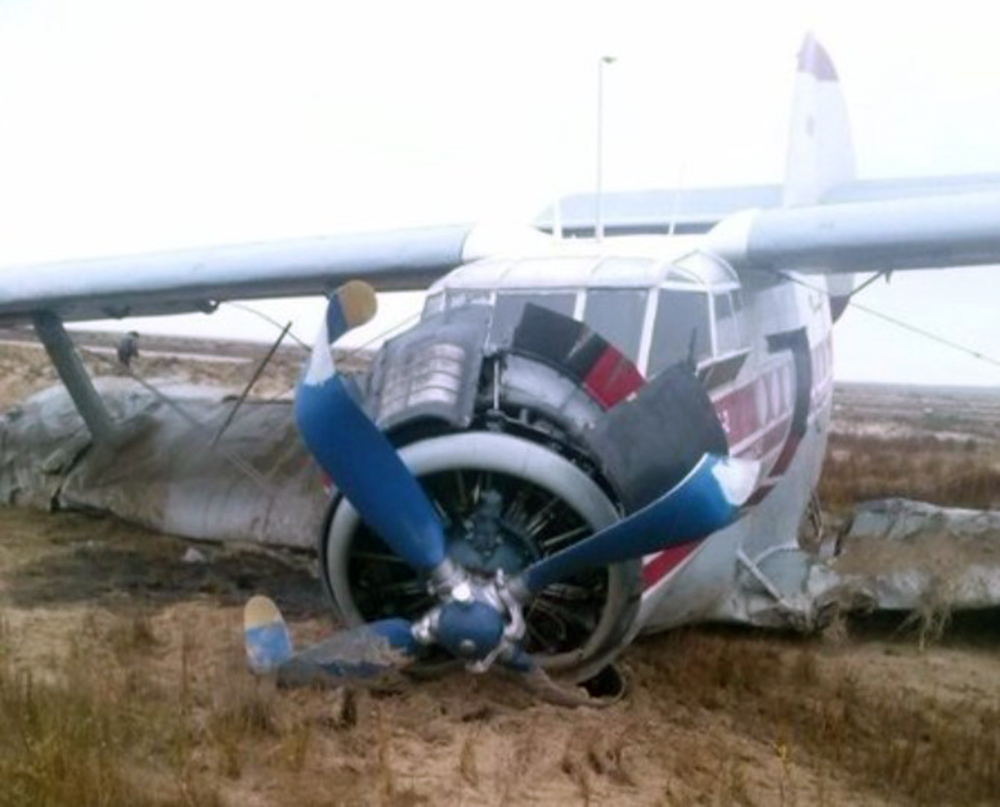
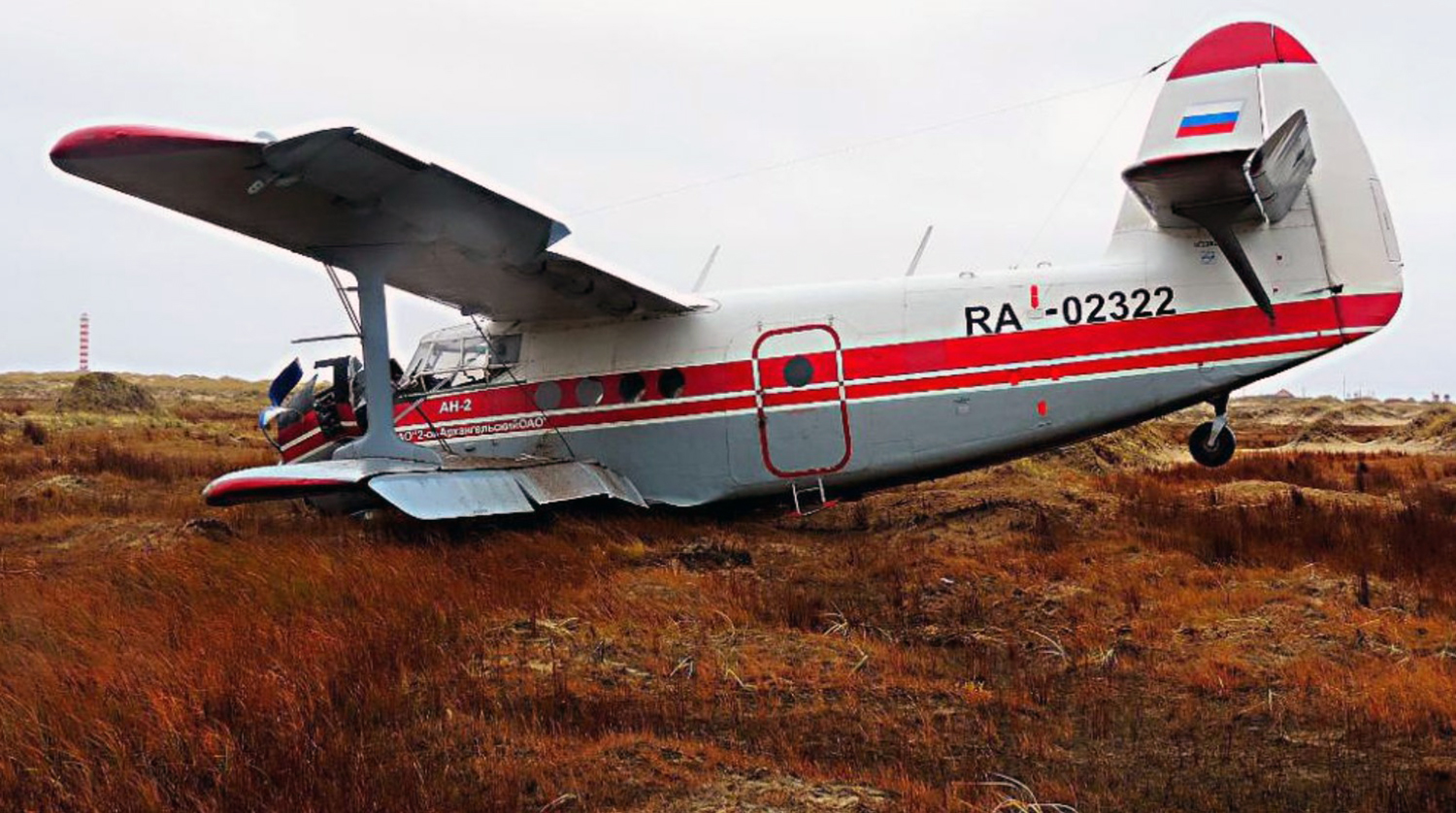
Crash of a PZL-Mielec AN-2 in Shoyna

Date & Time: Sep 24, 2014 at 1225 LT
Type of aircraft:
Operator:
Registration:
RA-02322
Flight Phase:
Survivors:
Yes
Schedule:
Shoyna – Arkhangelsk
MSN:
1G239-26
YOM:
1990
Flight number:
OAO718
Country:
Region:
Crew on board:
2
Crew fatalities:
Pax on board:
8
Pax fatalities:
Other fatalities:
Total fatalities:
0
Circumstances:
The single engine aircraft departed Shoyna Airport on a regular schedule service to Arkhangelsk-Vaskovo Airport, carrying eight passengers and two pilots. At liftoff, the aircraft banked right, causing the right lower wing to struck the ground. The right main gear was torn off upon impact. Out of control, the aircraft veered off runway and came to rest in a grassy area. All 10 occupants were rescued, among them three were slightly injured. The aircraft was damaged beyond repair. It is believed that the crew encountered strong cross winds upon takeoff.

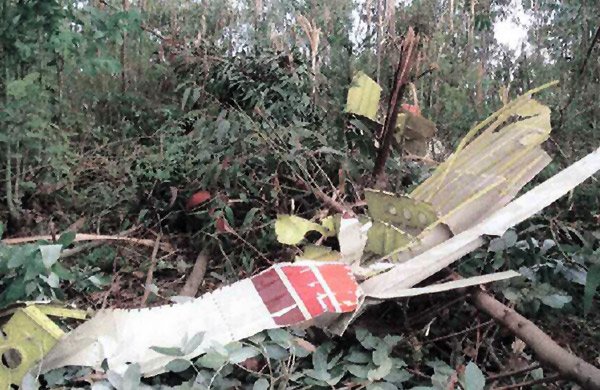
Crash of a Piper PA-31-350 Navajo Chieftain in Araracuara: 10 killed

Date & Time: Sep 6, 2014 at 1505 LT
Operator:
Registration:
HK-4755
Flight Phase:
Survivors:
No
Schedule:
Araracuara – Florencia
MSN:
31-7952044
YOM:
1979
Country:
Crew on board:
2
Crew fatalities:
Pax on board:
8
Pax fatalities:
Other fatalities:
Total fatalities:
10
Captain / Total flying hours:
792
Captain / Total hours on type:
523.00
Copilot / Total flying hours:
211
Aircraft flight hours:
14601
Circumstances:
The twin engine aircraft departed Araracuara Airport runway 09 at 1503LT on a charter flight to Florencia, carrying eight passengers and two pilots. During initial climb, the right engine failed. The crew lost control of the airplane that stalled and crashed in a wooded area. The wreckage was found 8,2 km from the airport. The airplane disintegrated on impact and all 10 occupants were killed, among them a Swiss citizen.
Probable cause:
Loss of control during initial climb following the failure of the right engine for undetermined reasons.
The following contributing factors were identified:
- The crew failed to follow the published procedures when the right engine failed,
- The aircraft was likely operated with a total weight above MTOW,
- A poor risk assessment while performing an operation outside of the aircraft's performance limits.
Final Report:
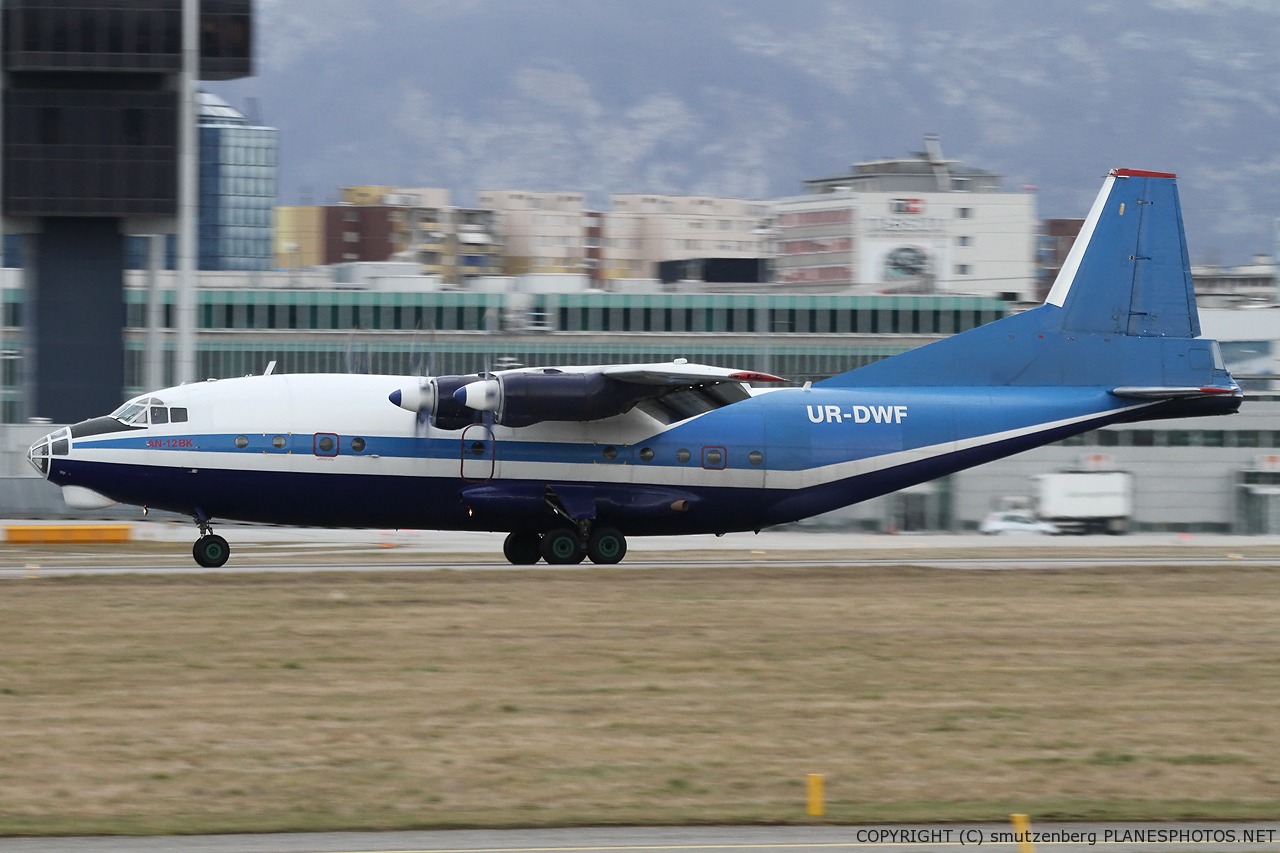
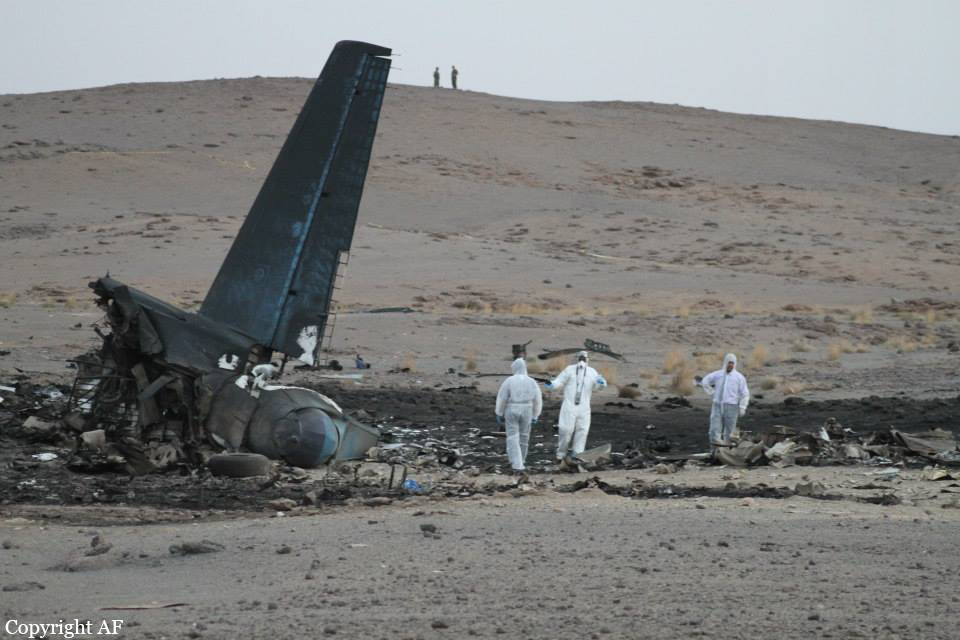
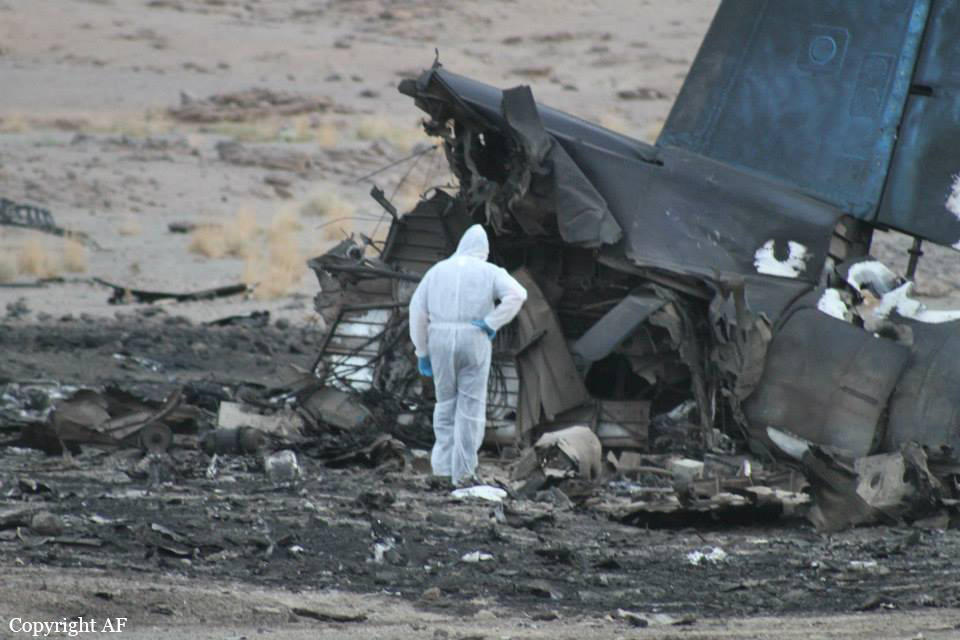
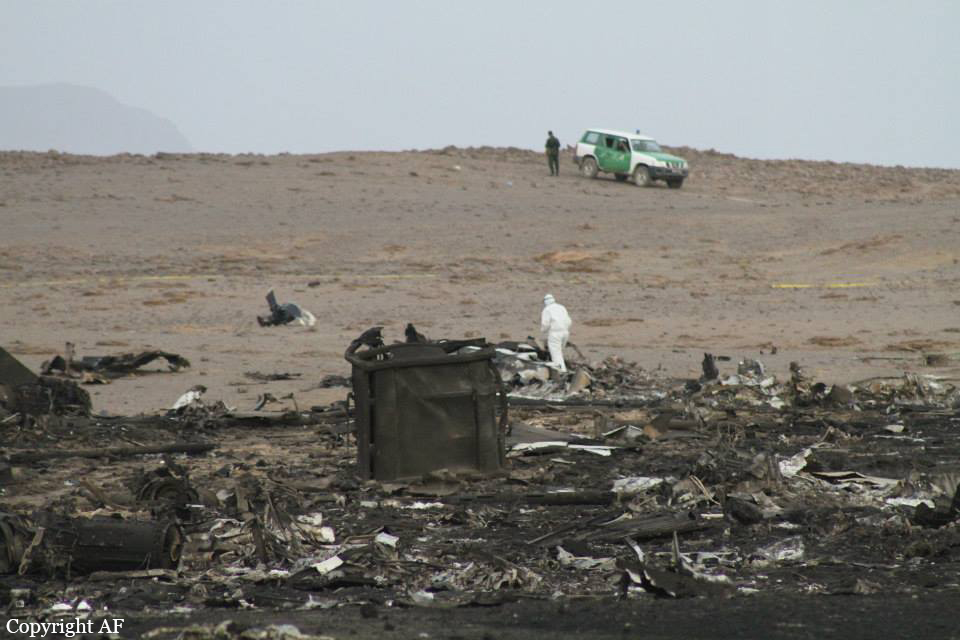
Crash of an Antonov AN-12BK in Tamanrasset: 7 killed

Date & Time: Aug 30, 2014 at 0244 LT
Type of aircraft:
Operator:
Registration:
UR-DWF
Flight Phase:
Flight Type:
Survivors:
No
Site:
Schedule:
Glasgow – Ghardaïa – Tamanrasset – Malabo
MSN:
8 3 458 02
YOM:
1968
Flight number:
UKL4061
Country:
Region:
Crew on board:
7
Crew fatalities:
Pax on board:
0
Pax fatalities:
Other fatalities:
Total fatalities:
7
Circumstances:
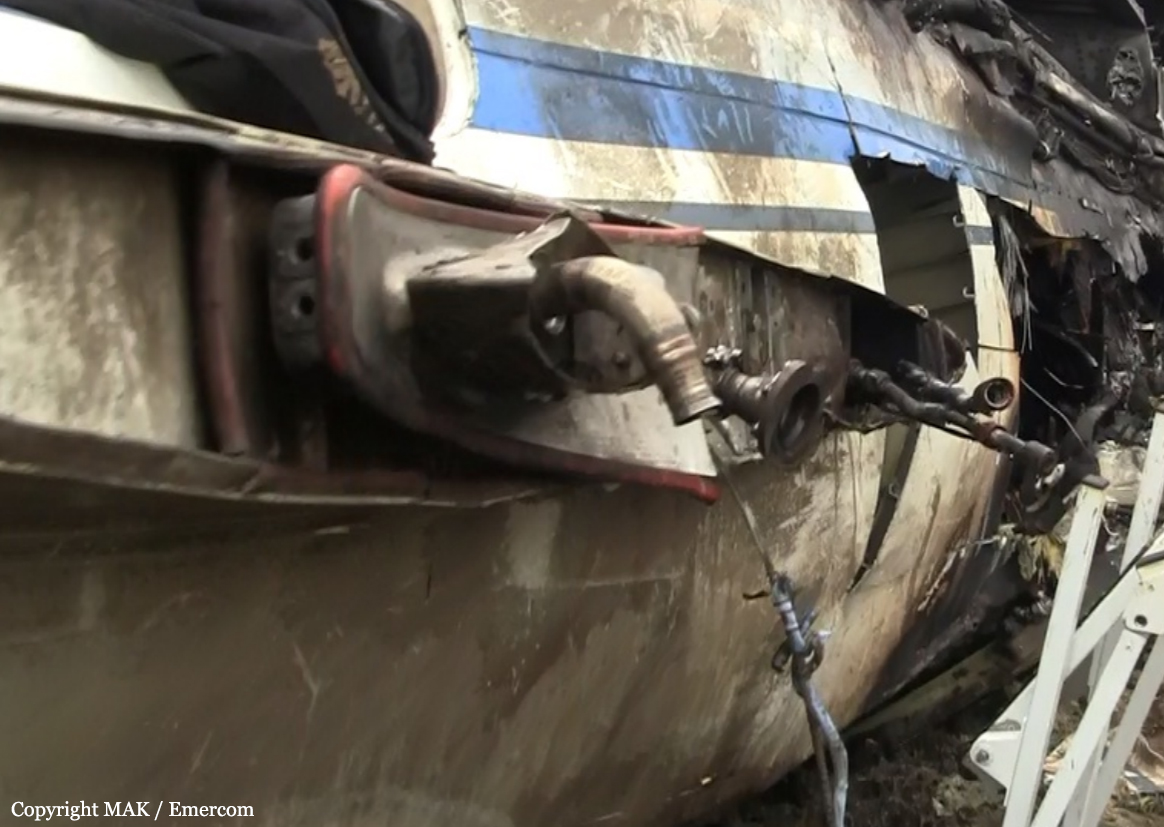
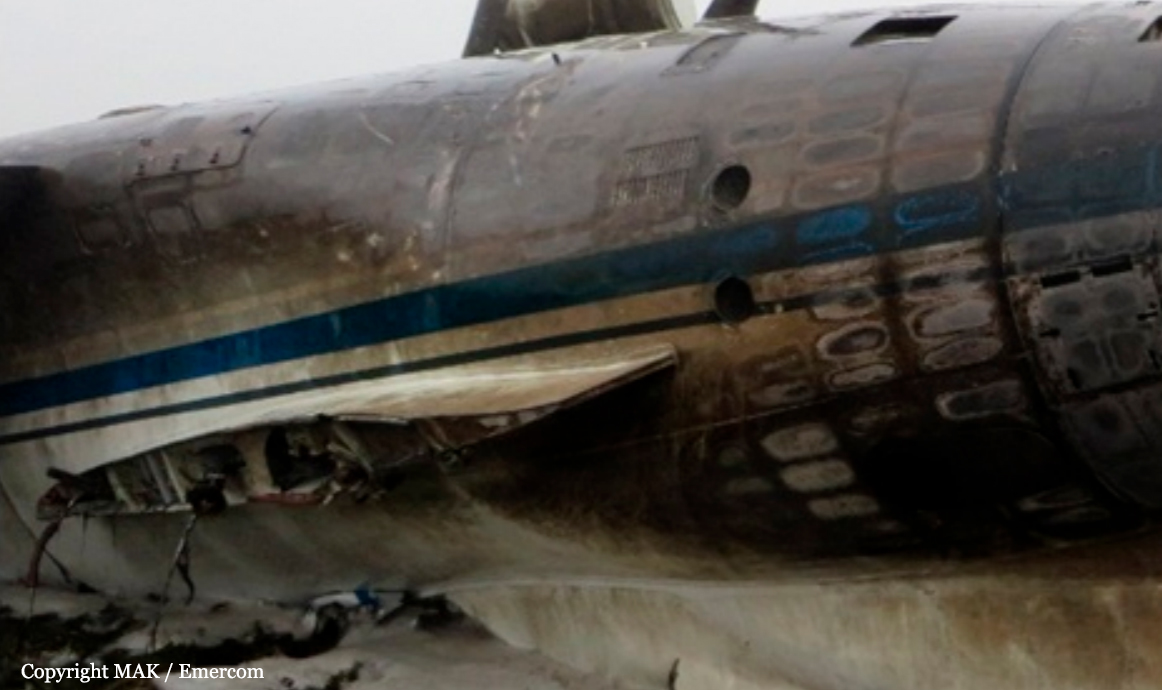
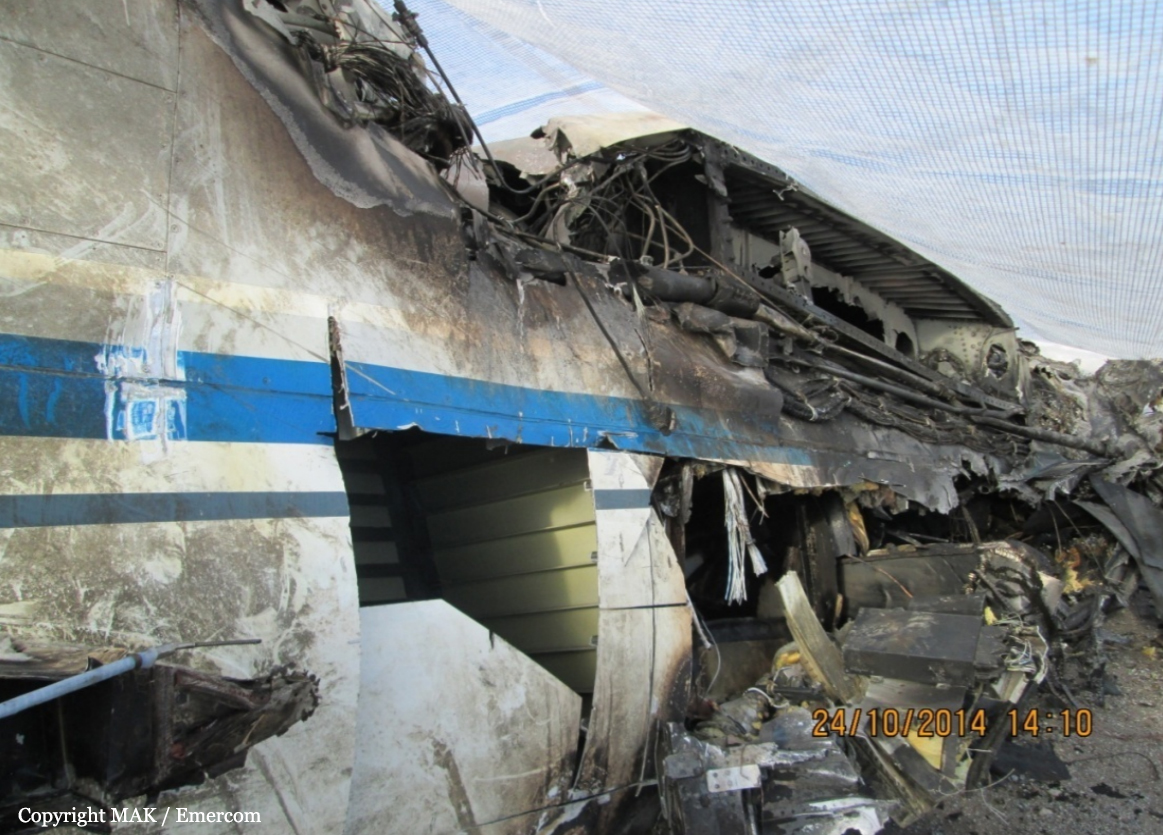
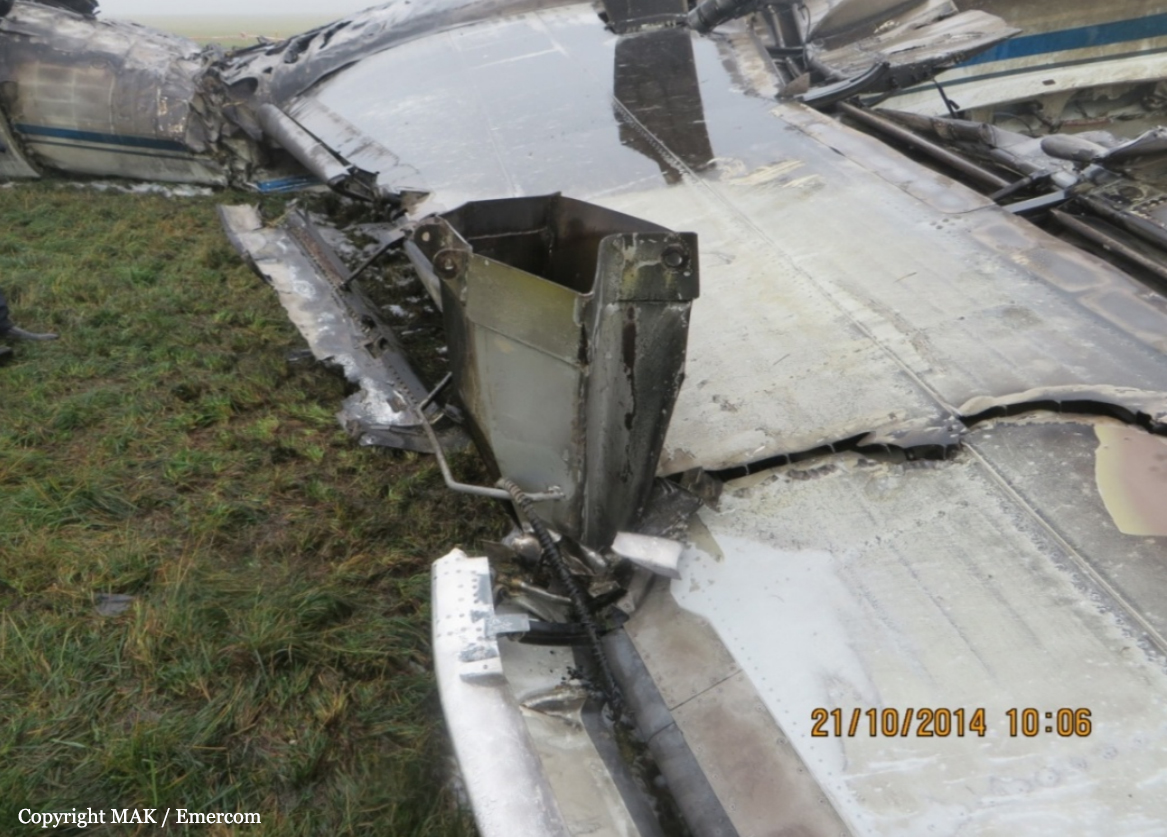
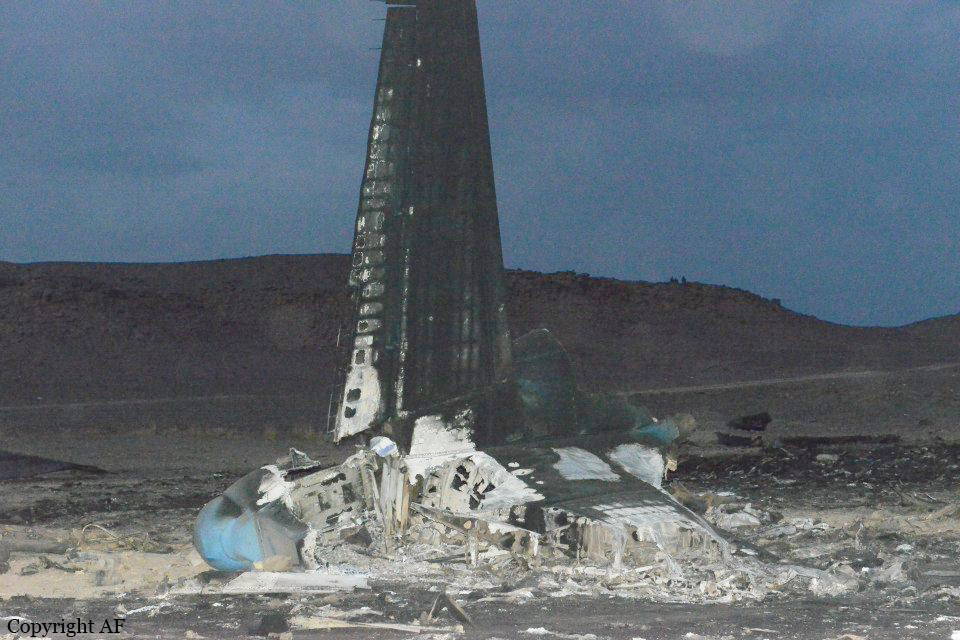
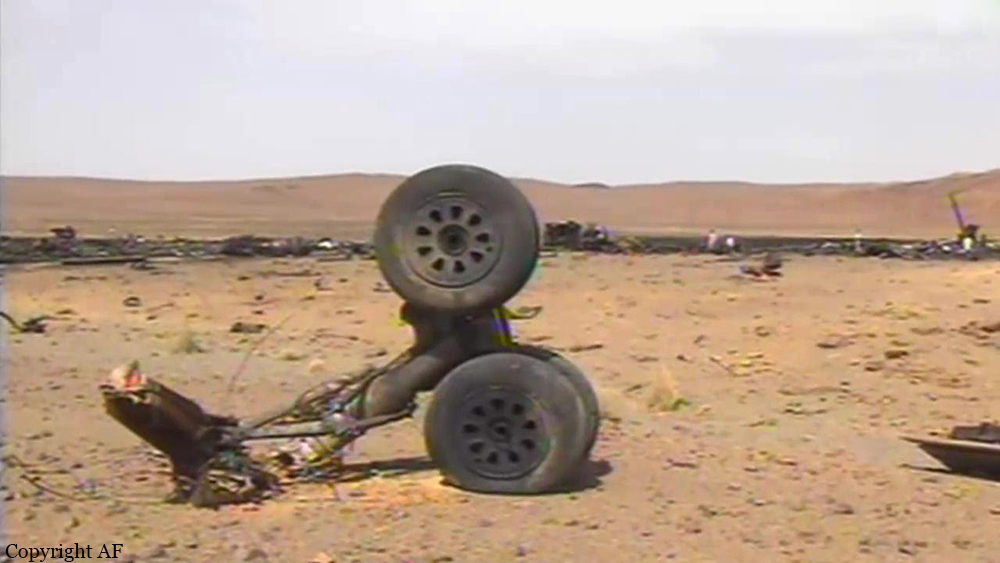
The four engine aircraft was performing a cargo flight from Glasgow-Prestwick to Malabo, Equatorial Guinea, with intermediate stops in Ghardaïa and Tamanrasset. On board were seven crew members and a load consisting of oil equipment. About three minutes after takeoff from Tamanrasset-Aguenar-Hadj Bey Akhamok Airport, radio contact was lost when the aircraft crashed in a mountainous terrain located some 15 km south of the airport. The wreckage was found few hours later. The aircraft was destroyed by impact forces and a post crash fire and all seven crew members (six Ukrainians and one Russian) were killed.

Crash of a Cessna 421C Golden Eagle III in Las Cruces: 4 killed

Date & Time: Aug 27, 2014 at 1903 LT
Registration:
N51RX
Flight Phase:
Flight Type:
Survivors:
No
Schedule:
Las Cruces – Phoenix
MSN:
421C-0871
YOM:
1974
Crew on board:
1
Crew fatalities:
Pax on board:
3
Pax fatalities:
Other fatalities:
Total fatalities:
4
Captain / Total flying hours:
2432
Captain / Total hours on type:
52.00
Aircraft flight hours:
8181
Circumstances:
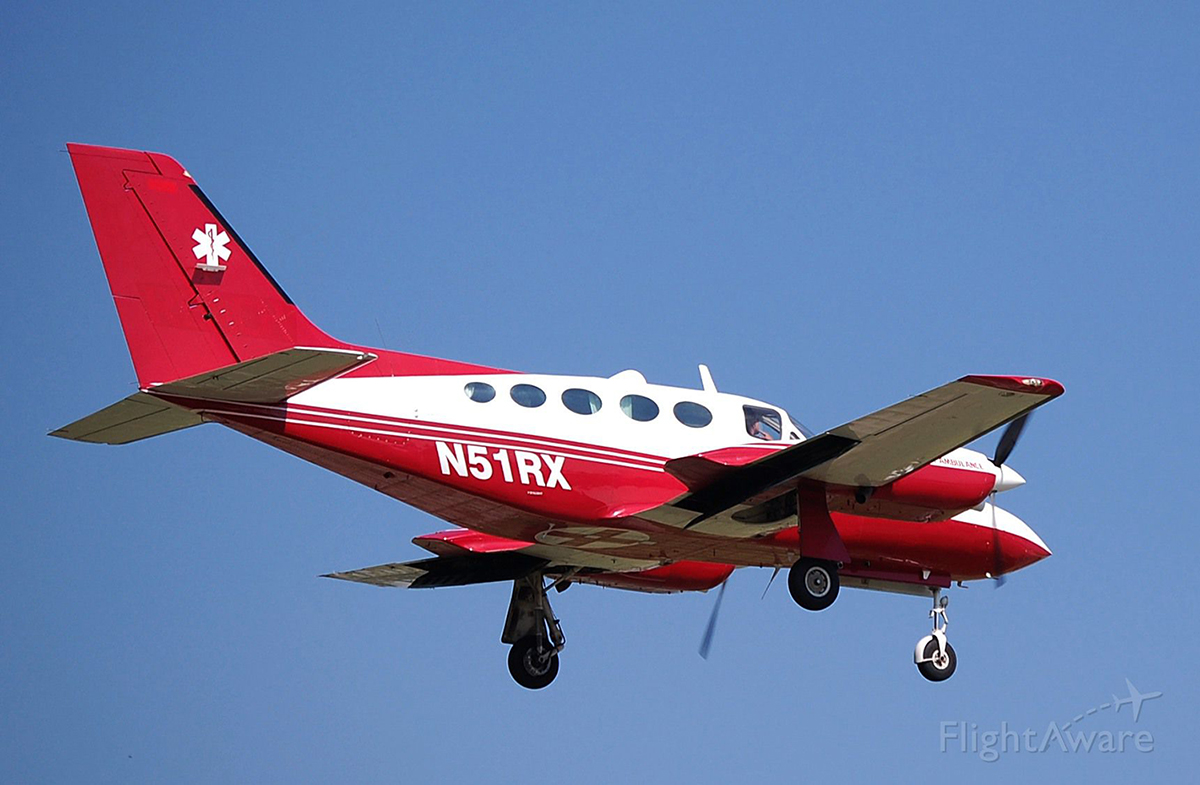
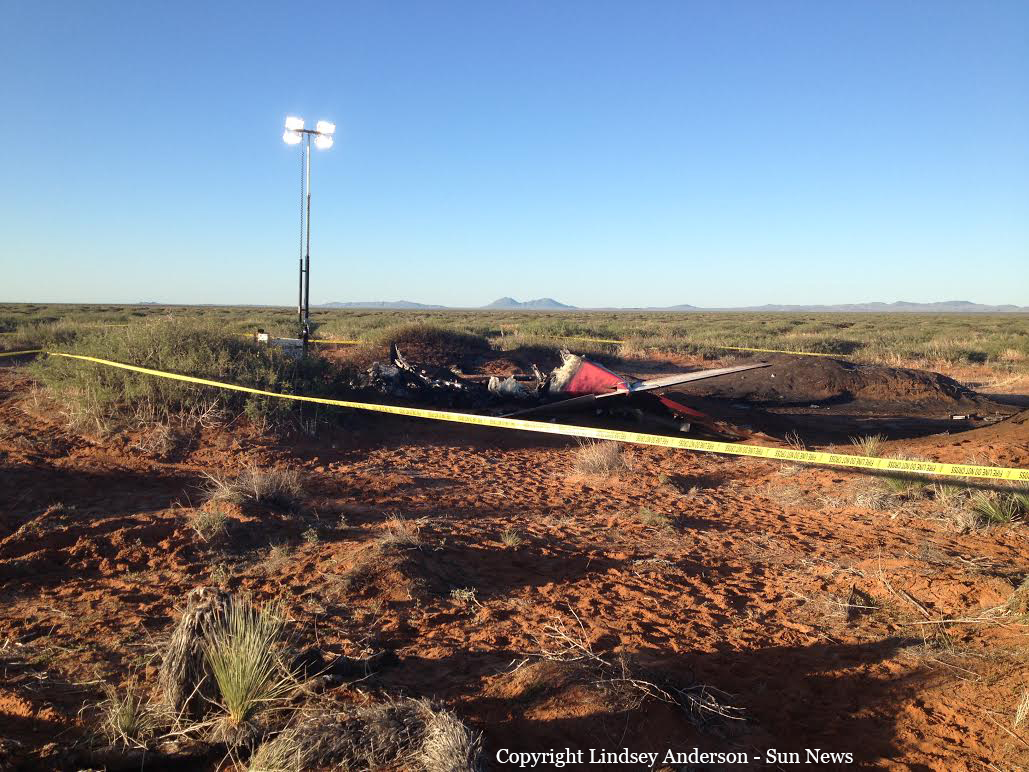
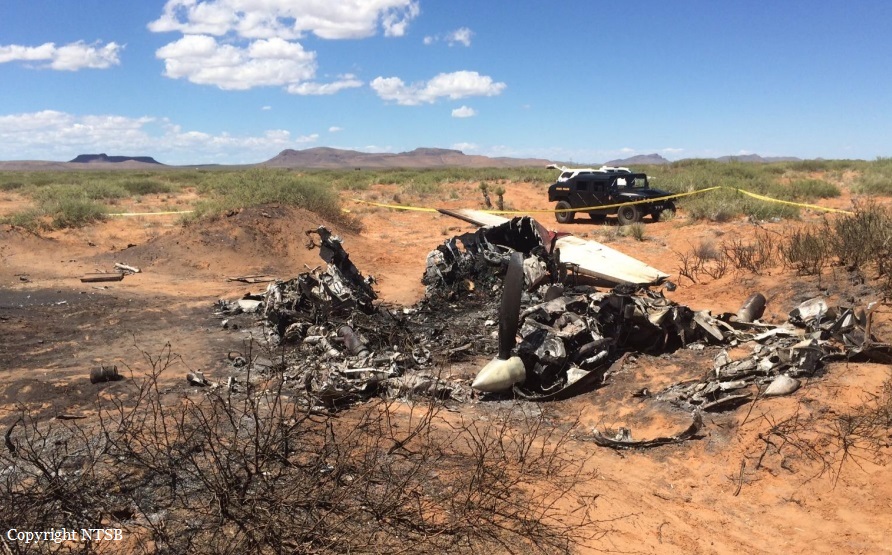
According to the line service technician who worked for the fixed-base operator (FBO), before taking off for the air ambulance flight with two medical crewmembers and one patient onboard, the pilot verbally asked him to add 40 gallons of fuel to the airplane, but the pilot did not specify the type of fuel. The line service technician drove a fuel truck to the front of the airplane and added 20 gallons of fuel to each of the multiengine airplane's wing tanks. The pilot was present during the refueling and helped the line service technician replace both fuel caps. Shortly after takeoff, a medical crewmember called the company medical dispatcher and reported that they were returning to the airport because smoke was coming from the right engine. Two witnesses reported seeing smoke from the airplane Several other witnesses reported seeing or hearing the impact and then immediately seeing smoke or flames. On-scene evidence showed the airplane was generally eastbound and upright when it impacted terrain. A postimpact fire immediately ensued and consumed most of the airplane. Investigators who arrived at the scene the day following the accident reported clearly detecting the smell of jet fuel. The airplane, which was equipped with two reciprocating engines, should have been serviced with aviation gasoline, and this was noted on labels near the fuel filler ports, which stated "AVGAS ONLY." However, a postaccident review of refueling records, statements from the line service technician, and the on-scene smell of jet fuel are consistent with the airplane having been misfueled with Jet A fuel instead of the required 100LL aviation gasoline, which can result in detonation in the engine and the subsequent loss of engine power. Postaccident examination of the engines revealed internal damage and evidence of detonation. It was the joint responsibility of the line technician and pilot to ensure that the airplane was filled with aviation fuel instead of jet fuel and their failure to do so led to the detonation in the engine and the subsequent loss of power during initial climb.In accordance with voluntary industry standards, the FBO's jet fuel truck should have been equipped with an oversized fuel nozzle; instead, it was equipped with a smaller diameter nozzle, which allowed the nozzle to be inserted into the smaller fuel filler ports on airplanes that used aviation gasoline. The FBO's use of a small nozzle allowed it to be inserted in the accident airplane's filler port and for jet fuel to be inadvertently added to the airplane.
Probable cause:
The misfueling of the airplane with jet fuel instead of the required aviation fuel, and the resultant detonation and a total loss of engine power during initial climb. Contributing to the accident were the line service technician's inadvertent misfueling of the airplane, the pilot's inadequate supervision of the fuel servicing, and the fixed-base operator's use of a small fuel nozzle on its jet fuel truck.
Final Report:

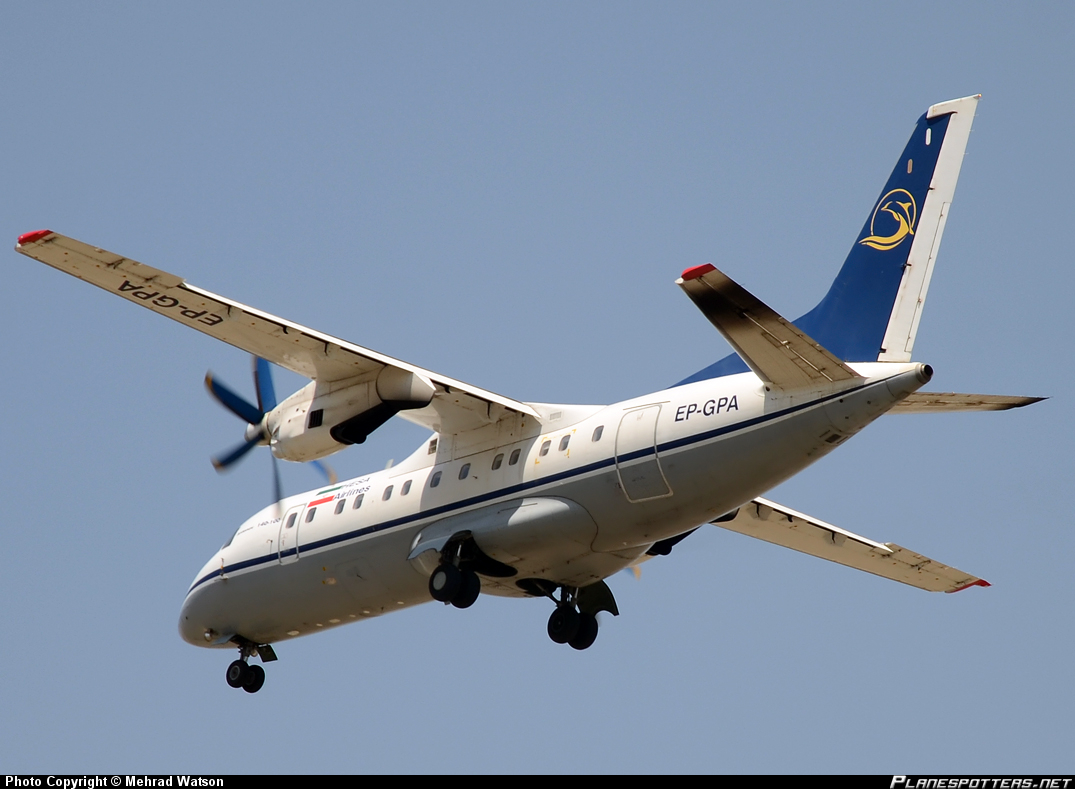
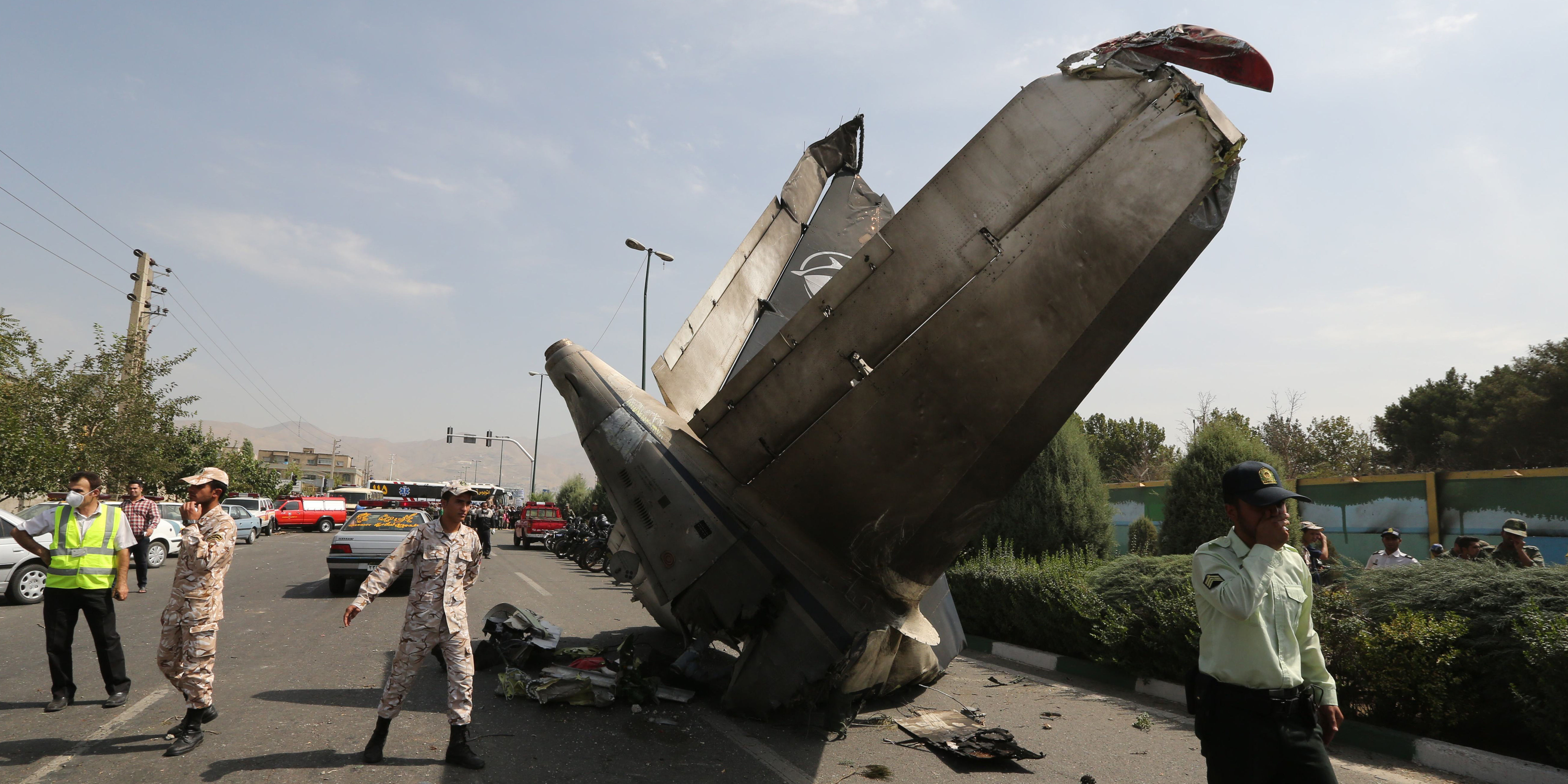
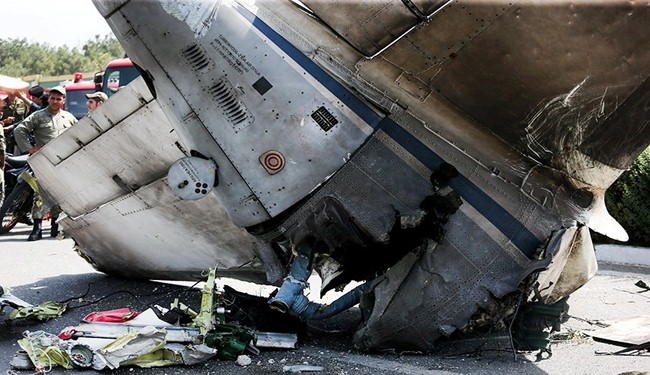
Crash of a HESA IrAn-140-100 in Tehran: 40 killed

Date & Time: Aug 10, 2014 at 0921 LT
Type of aircraft:
Operator:
Registration:
EP-GPA
Flight Phase:
Survivors:
No
Schedule:
Tehran – Tabas
MSN:
90-05
YOM:
2008
Flight number:
SPN5915
Country:
Region:
Crew on board:
6
Crew fatalities:
Pax on board:
42
Pax fatalities:
Other fatalities:
Total fatalities:
40
Captain / Total flying hours:
9478
Captain / Total hours on type:
2000.00
Copilot / Total flying hours:
572
Copilot / Total hours on type:
400
Aircraft flight hours:
1405
Aircraft flight cycles:
1058
Circumstances:
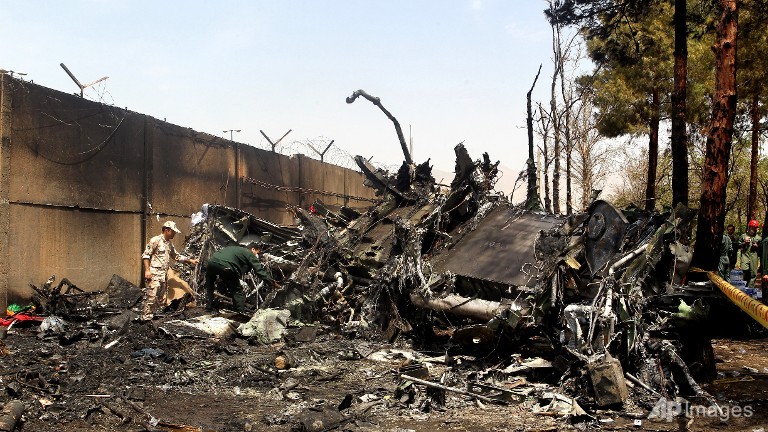
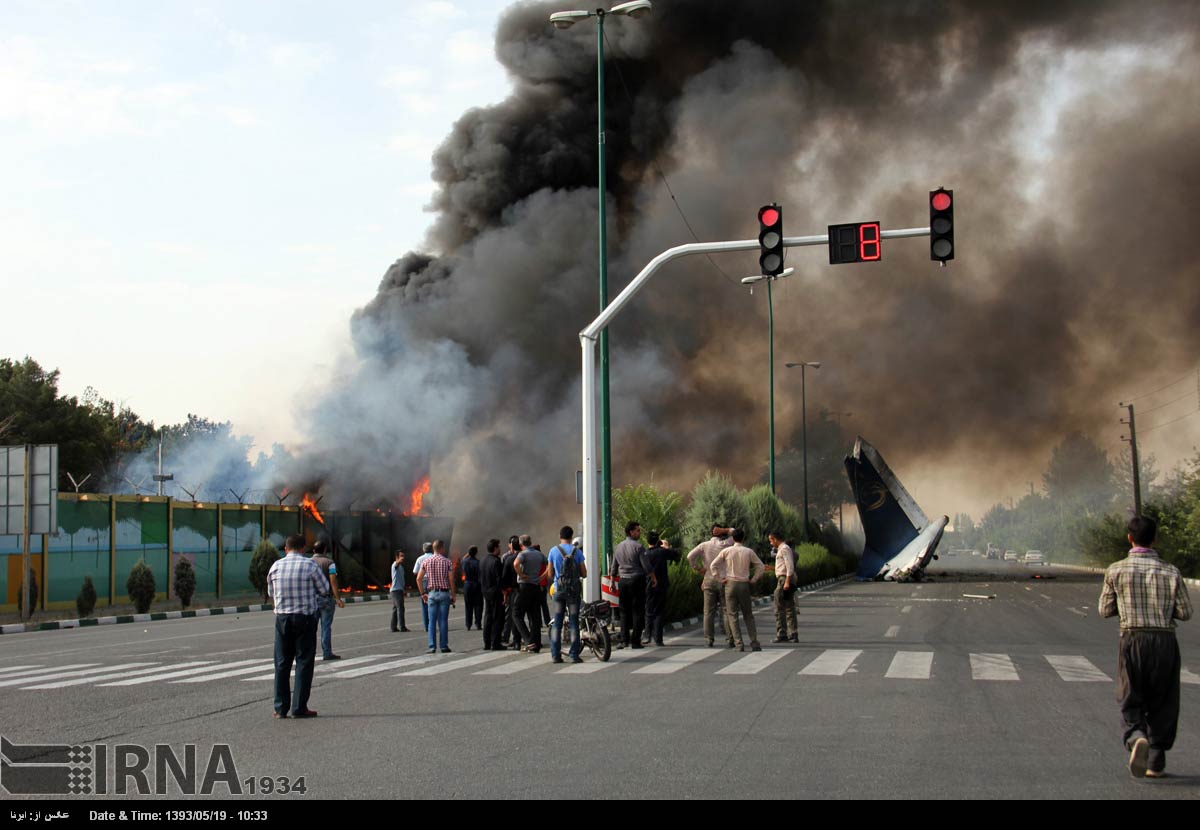
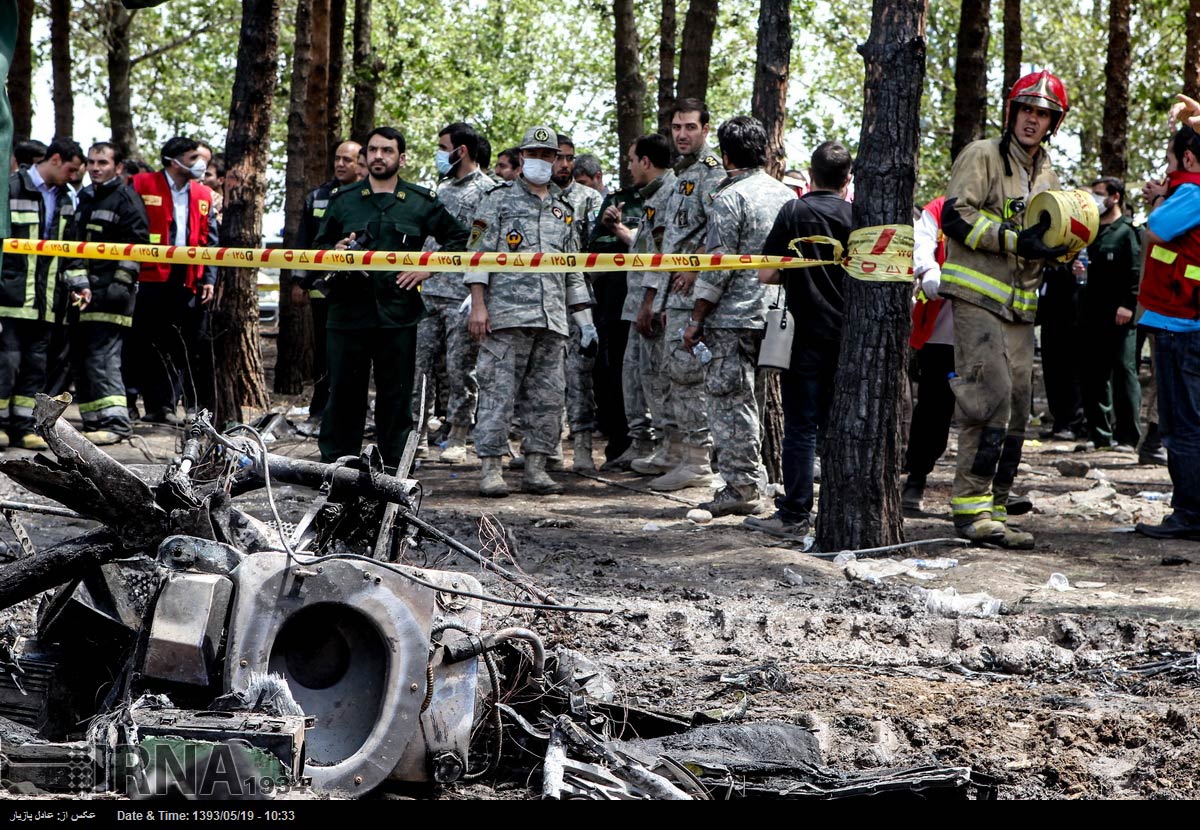
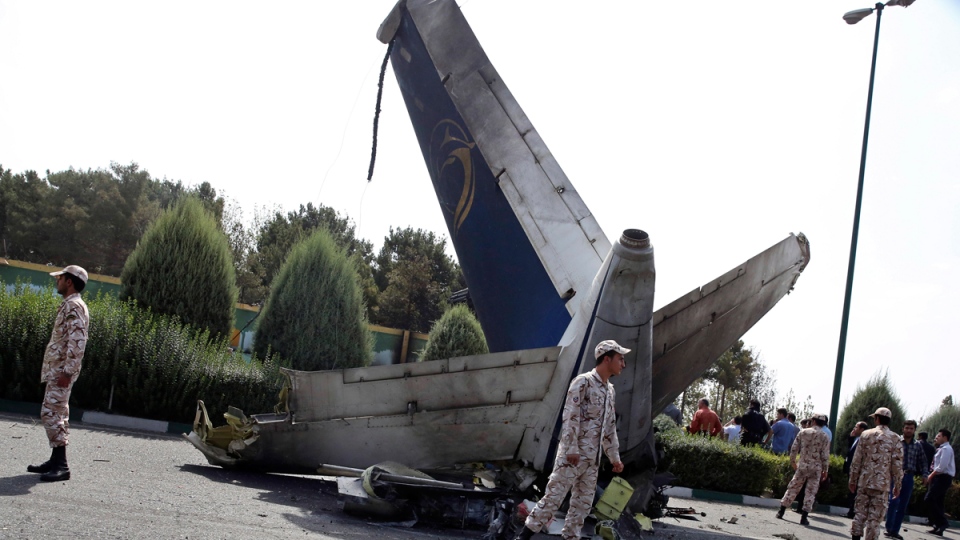
On August 10,2014, at 04:52 UTC daylight time, an AN-140-100 aircraft , Iranian registration EP-GPA ( MSN 90-05), operated by Sepahan Airlines flight # 5915, experienced engine number 2 shutdown just about 2 seconds before lift-off and crashed shortly after take-off nearby Mehrabad International Airport (THR), TEHRAN; IR. Of IRAN; the aircraft was on lift off from runway 29L. The airplane was completely destroyed by impact forces and post-crash fire. Fatality incorporates 34 of the 40 passengers; 4 of the 4 flight attendants, and 2 of the 2 flight crewmembers. The 11 passengers received serious injuries, which finally as a result of that accident there are 40 fatalities and 8 passengers recovered from injury. Sepahan Airline was operating under the provisions of CAO.IRI operational requirement for commercial air transport. Before the accident flight the airplane dispatch from Isfahan and arrived at Tehran about 03:30. The dispatcher and PIC perform the load calculation using the aircraft FM performance charts. Because of load limitation for 15° flap position, load sheet change and re-write with 10° flap position and re-calculated MTOM. The aircraft was enrouted to Airport Tabbas Visual meteorological conditions (VMC) prevailed, and an instrument flight rules (IFR) flight plan was filed. Figure 1 below is a map showing the location of the accident and the aircraft flight path. Figure 2 shows THR runway 29L SID and figure 3 show timeline of event in the flight path. According to overview of flight crew performance, it is indicated that the crewmembers were provided with the flight release paperwork, which included weather information, notices to airmen (NOTAM), and the flight plan.
Probable cause:
The accident investigation team determined that the main cause of this accident was combination of:
1. Electronic engine control (SAY-2000) failure simultaneously with engine No: 2 shutdown, just about 2 seconds before aircraft lift-off.
2. AFM Confusing performance chart resulted the pilots relying on performance calculation that, significantly over-estimate the aircraft MTOM.
Contributing Factors to the accident were:
1. Aircraft flight manual unclear procedure, including the procedure for calculating maximum allowable take-off weight, VR and V2 and ambiguity in the climb segment definition and applications.
2. Crew performance, including:
- PIC rotated the aircraft at the speed of about 219 km/h (whereas 224 km/h is the speed recommended by the AFM table 4.2.3),
- The crew failed to perform the manual propeller feathering procedure for the failed engine,
- The PIC's decision to fly with the aircraft, notwithstanding, had about 190 kgf overweight,
- Aircraft fuel was about 500 kg more than required fuel for the accident flight.
3. The appearance of negative thrust from the unfeathered propeller blades at takeoff were not considered during the aircraft certification tests, as it was considered improbable. However, in
the accident flight the negative thrust did appear and affected the flight performance.
Final Report:
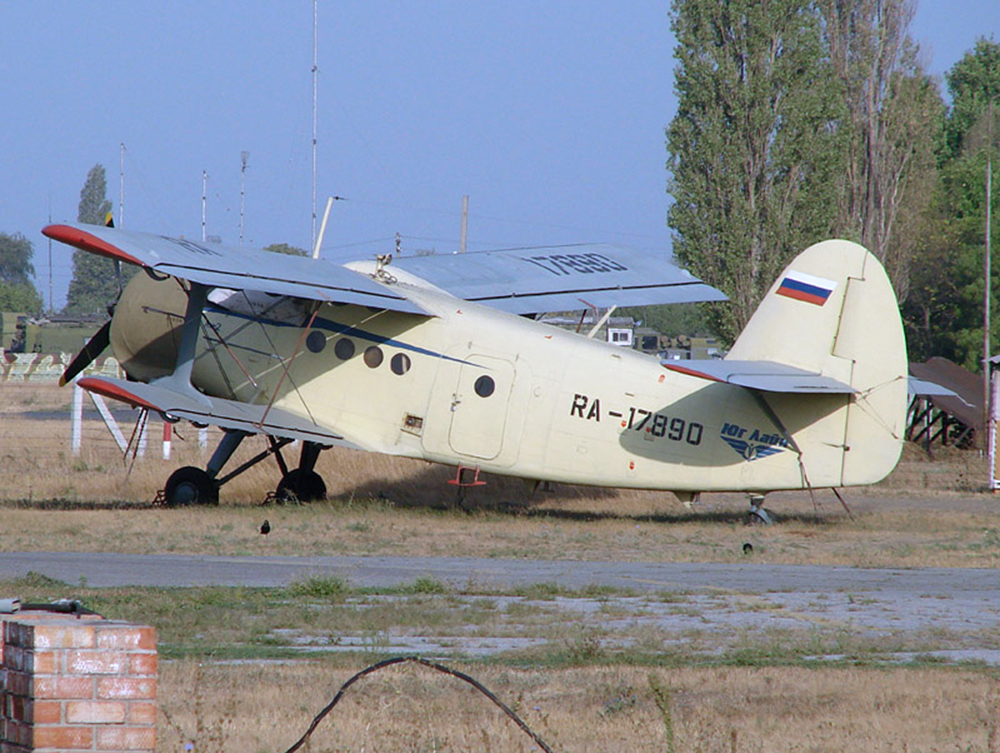
Crash of a PZL-Mielec AN-2R in Prototskiye

Date & Time: Aug 6, 2014 at 0715 LT
Type of aircraft:
Operator:
Registration:
RA-17890
Flight Phase:
Survivors:
Yes
Schedule:
Prototskiye - Prototskiye
MSN:
1G205-31
YOM:
1983
Country:
Region:
Crew on board:
2
Crew fatalities:
Pax on board:
0
Pax fatalities:
Other fatalities:
Total fatalities:
0
Aircraft flight hours:
7503
Aircraft flight cycles:
38974
Circumstances:
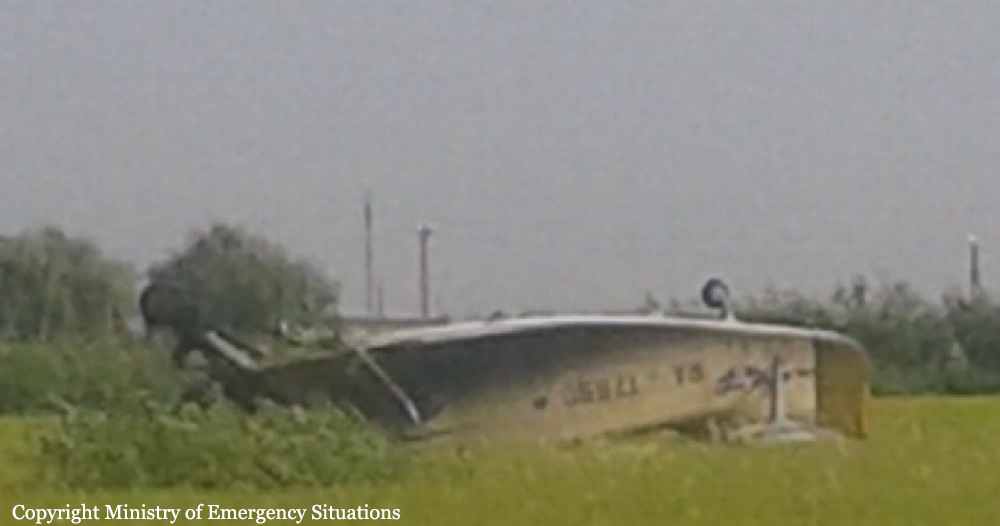
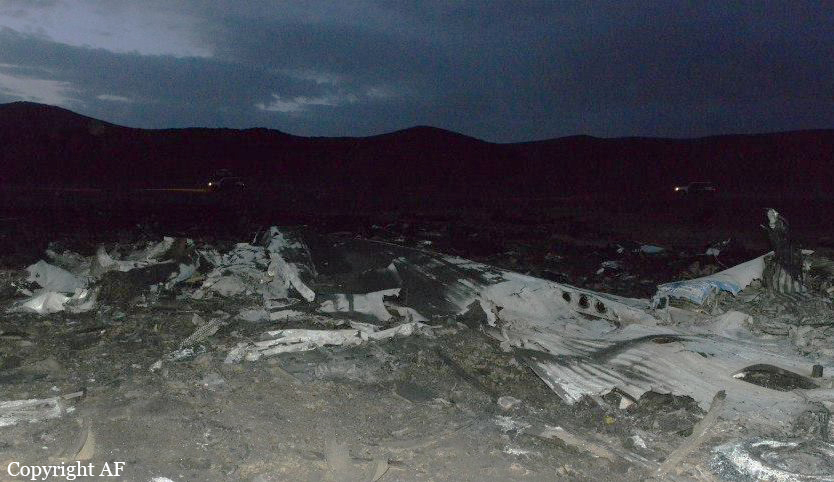
The crew was engaged in a crop spraying mission on rice paddy field located in Prototskiye (Krasnoarmeisk district of the Krasnodar region). Two minutes after takeoff, while flying at a height of about 50 metres, the engine lost power. The captain attempted an emergency landing when the aircraft nosed over and came to rest upside down, some 2 km east of Prototskiye. Those parts of the fuselage which were above the water were consumed by the erupting fire and both pilots escaped uninjured.
Probable cause:
The accident with An-2 RA-17890 aircraft was caused by its nosing-over during the emergency landing at the submerged rice bay. The emergency landing was due to the engine power loss in flight caused by the destruction of the can type combustor of the exhaust collector and burnout of the carburetor intake valve with the following high-temperature gases ingestion in the intake areas of the engine carburetor. The fatigue destruction of the can type combustor of the exhaust collector was caused along the main crack near the intake flex socket, it started from the surface of the damaged inlet port under the tube attachment pin towards the exhaust collector. By the moment of the main crack formation both inlet ports in left can type combustor under the tube attachment pin towards the exhaust collector had intolerable damage and size. During the last overhaul of the engine exhaust system of An-2 RA-17890 aircraft the left can type combustor had intolerable damage in its attaching lug to the exhaust collector which wasn't eliminated. The destruction of the inlet port valve was caused by the fusion of the boundaries of it material grains in conditions of acute temperature exposure induced by the destruction of the left can type combustor wall towards the main crack. Inadequate material (aluminum alloy D-16) of the valve specified by the drawing of aluminum allow AL-9T contributed to the valve destruction.