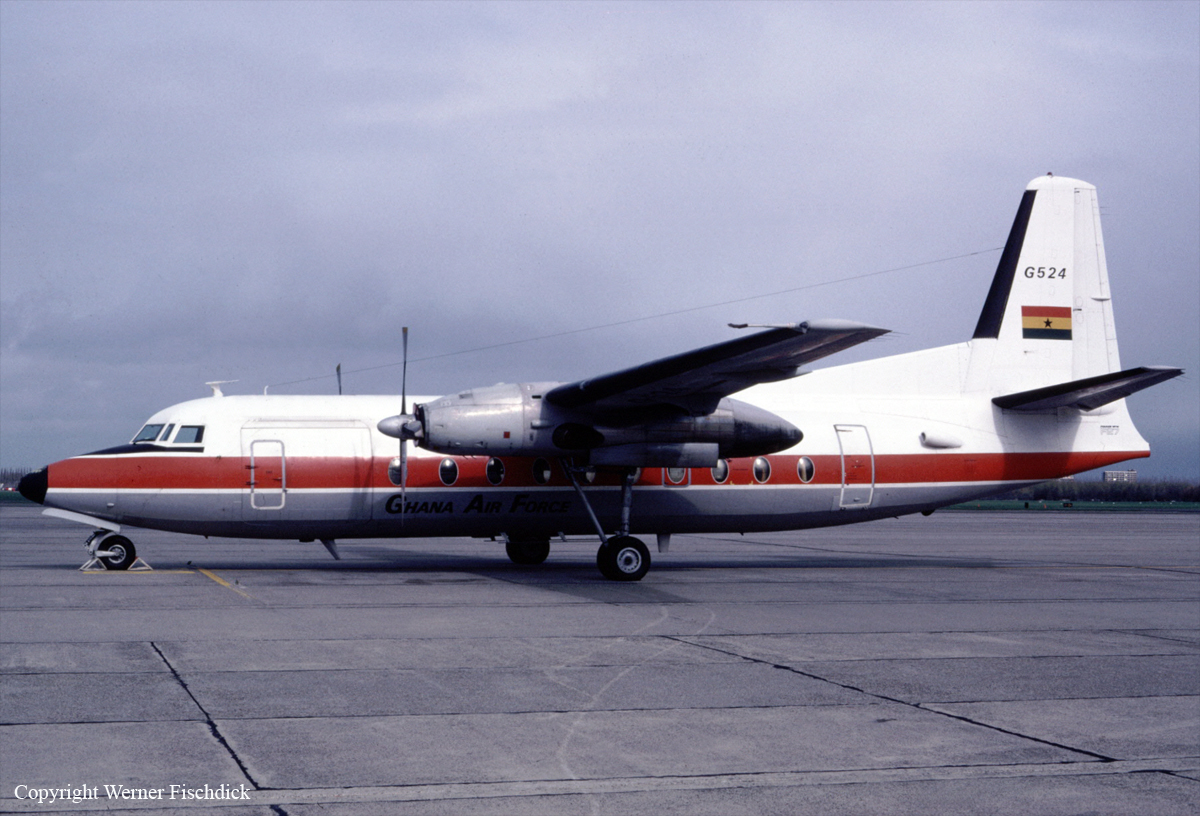
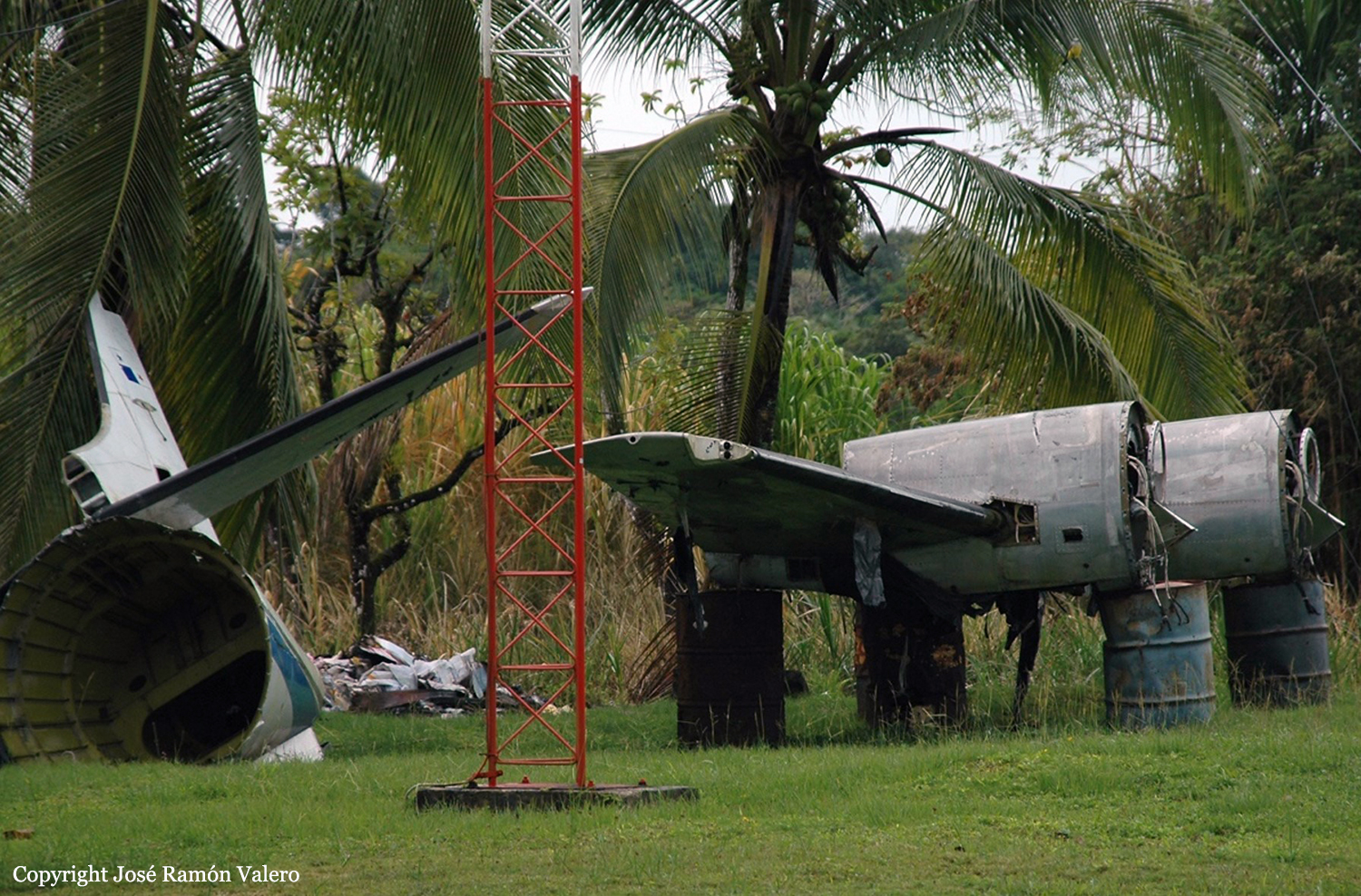
Crash of a Fokker F27 Friendship 600 in Accra: 7 killed

Date & Time: Jun 5, 2000 at 1135 LT
Type of aircraft:
Operator:
Registration:
G524
Survivors:
Yes
Schedule:
Tamale - Accra
MSN:
10535
YOM:
1976
Flight number:
GH200
Country:
Region:
Crew on board:
10
Crew fatalities:
Pax on board:
44
Pax fatalities:
Other fatalities:
Total fatalities:
7
Circumstances:
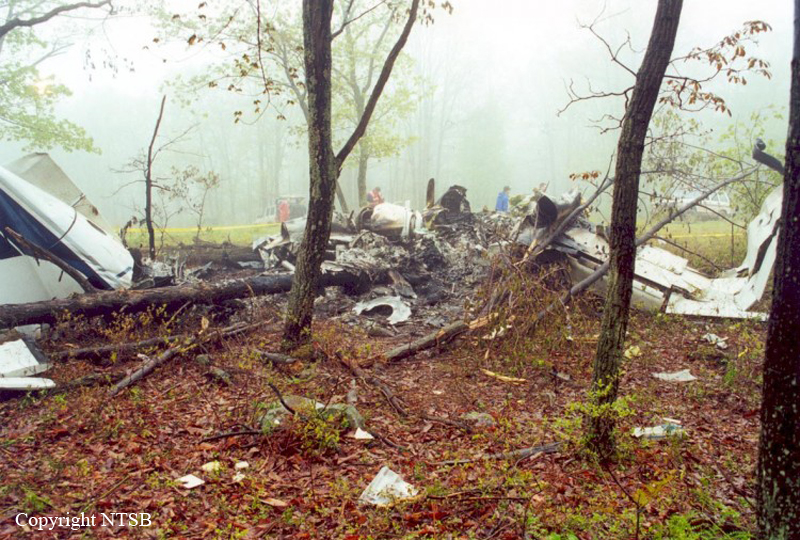
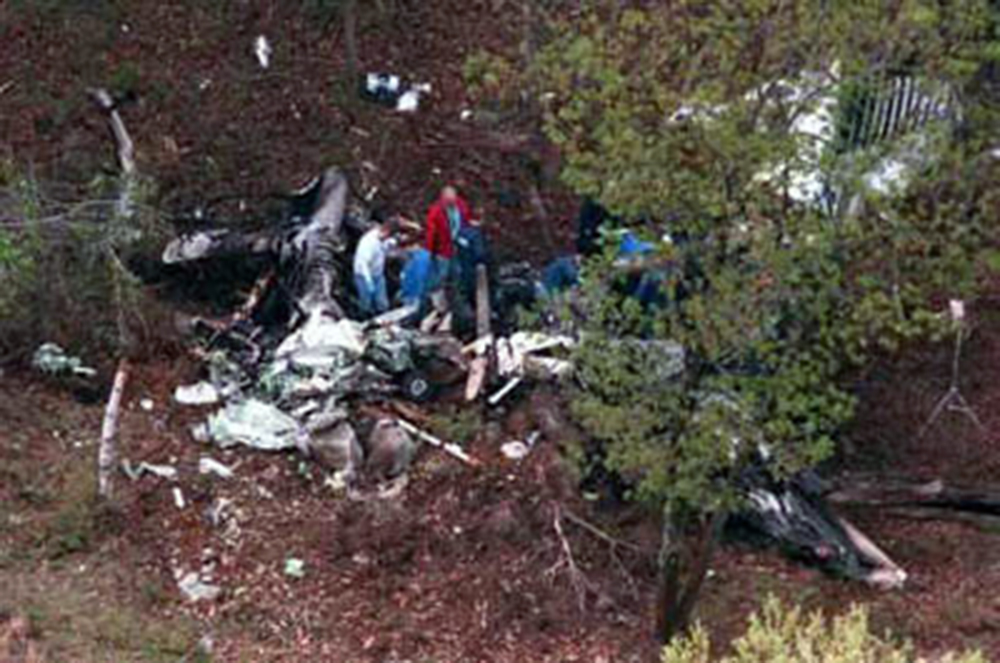
The aircraft was completing a schedule service (flight GH200) from Tamale to Accra on behalf of the Ghana Air Force. On final approach to Accra-kotoka Airport, the crew encountered poor weather conditions with limited visibility due to heavy rain falls. In a nose down attitude, the aircraft landed hard on runway 21, nose first. Upon impact, the aircraft broke in two and came to rest. Seven passengers were killed while several others were injured, some seriously.

Crash of a Piper PA-31-350 Navajo Chieftain off Whyalla: 8 killed

Date & Time: May 31, 2000 at 1905 LT
Operator:
Registration:
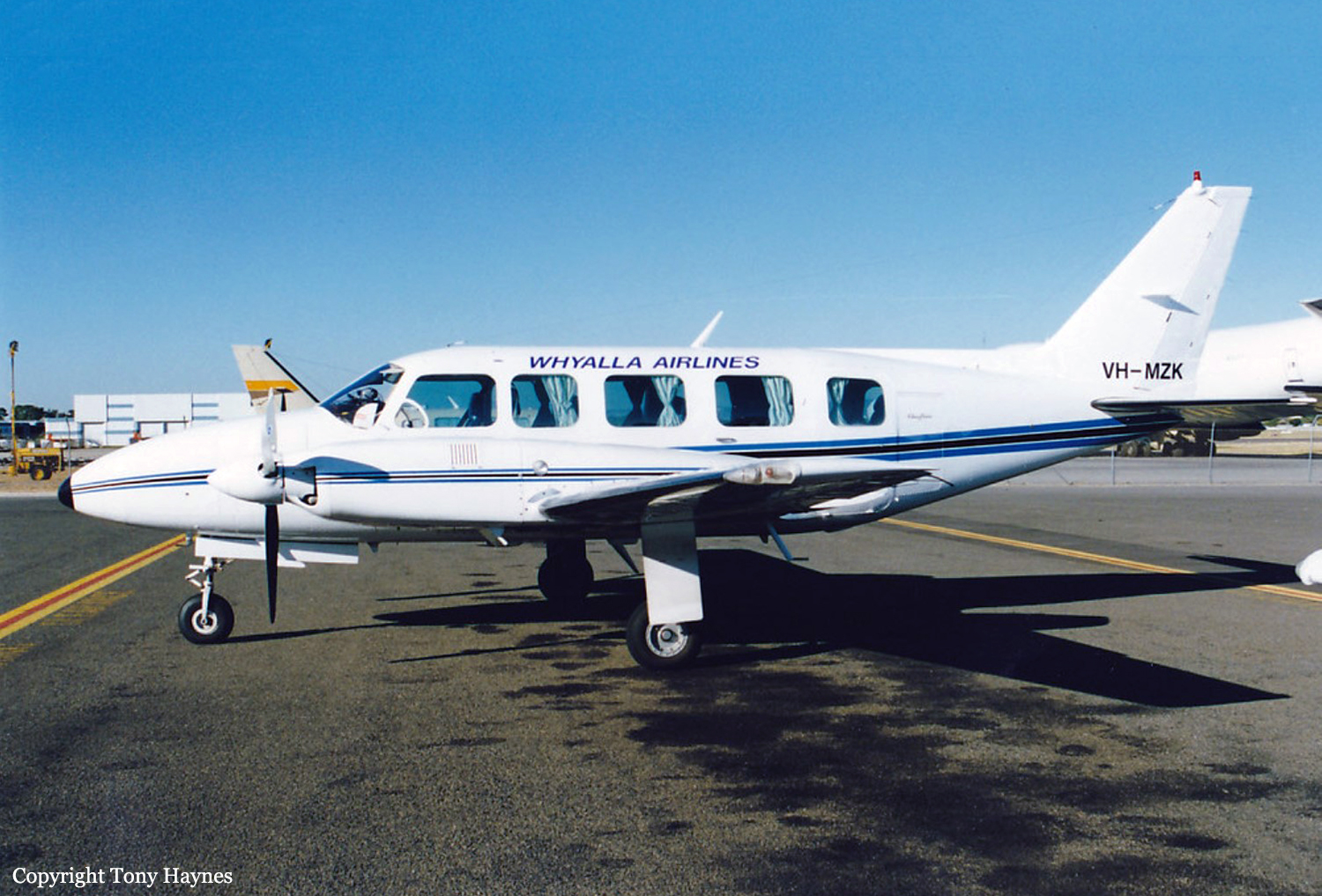
VH-MZK
Survivors:
No
Schedule:
Adelaide - Whyalla
MSN:
31-8152180
YOM:
1981
Flight number:
WW904
Country:
Region:
Crew on board:
1
Crew fatalities:
Pax on board:
7
Pax fatalities:
Other fatalities:
Total fatalities:
8
Captain / Total flying hours:
2211
Captain / Total hours on type:
113.00
Aircraft flight hours:
11837
Circumstances:
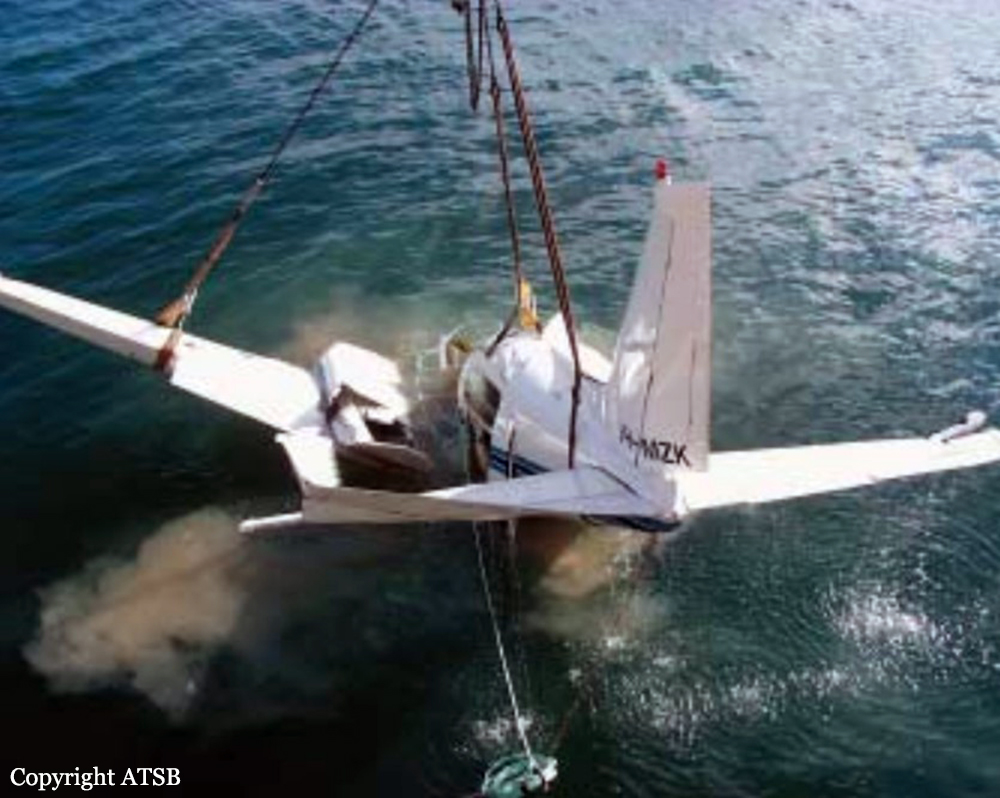
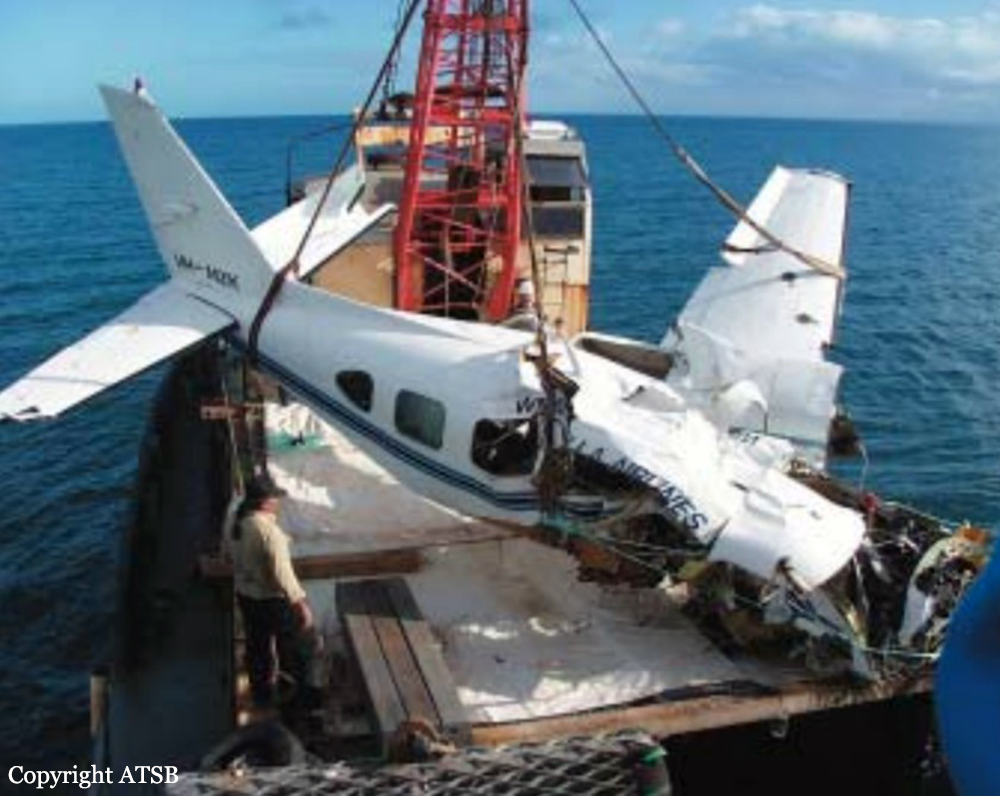
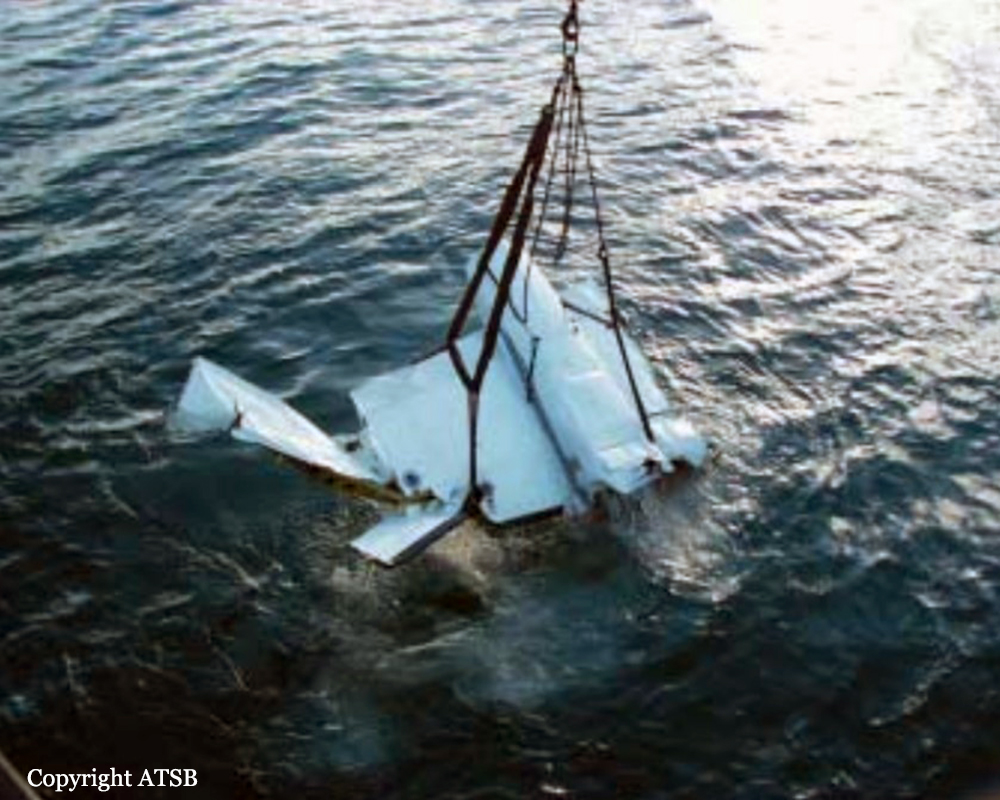
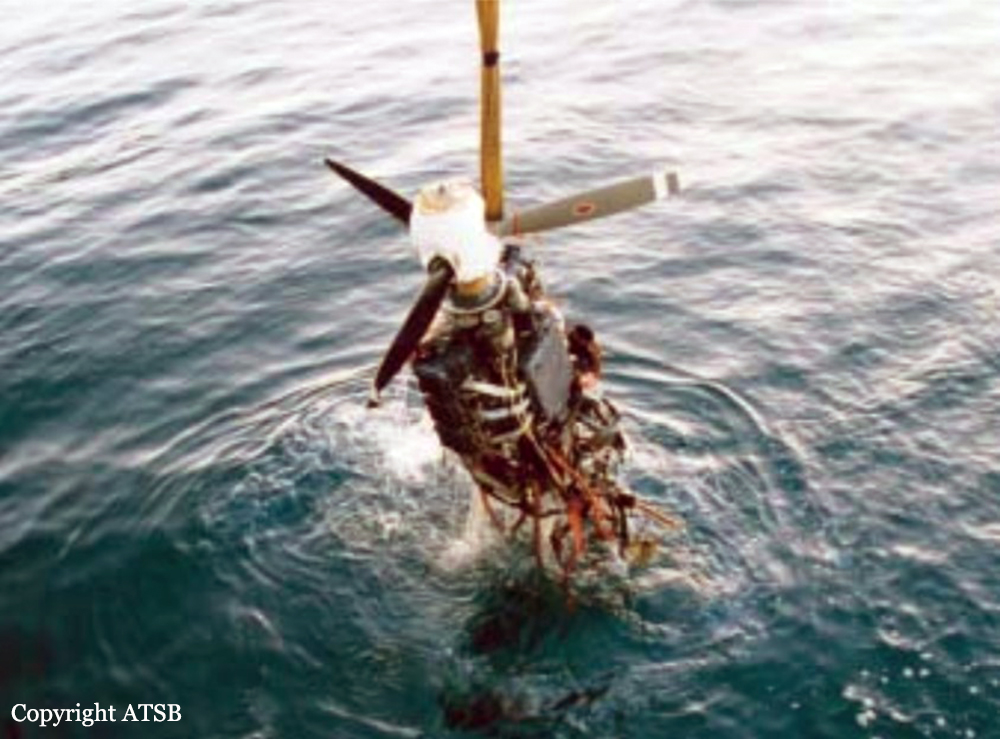
On the evening of 31 May 2000, Piper Chieftain, VH-MZK, was being operated by Whyalla Airlines as Flight WW904 on a regular public transport service from Adelaide to Whyalla, South Australia. One pilot and seven passengers were on board. The aircraft departed at 1823 central Standard Time (CST) and, after being radar vectored a short distance to the west of Adelaide for traffic separation purposes, the pilot was cleared to track direct to Whyalla at 6,000 ft. A significant proportion of the track from Adelaide to Whyalla passed over the waters of Gulf St Vincent and Spencer Gulf. The entire flight was conducted in darkness. The aircraft reached 6,000 ft and proceeded apparently normally at that altitude on the direct track to Whyalla. At 1856 CST, the pilot reported to Adelaide Flight Information Service (FIS) that the aircraft was 35 NM south-south-east of Whyalla, commencing descent from 6,000 ft. Five minutes later the pilot transmitted a MAYDAY report to FIS. He indicated that both engines of the aircraft had failed, that there were eight persons on board and that he was going to have to ditch the aircraft, but was trying to reach Whyalla. He requested that assistance be arranged and that his company be advised of the situation. About three minutes later, the pilot reported his position as about 15 NM off the coast from Whyalla. FIS advised the pilot to communicate through another aircraft that was in the area if he lost contact with FIS. The pilot’s acknowledgment was the last transmission heard from the aircraft. A few minutes later, the crew of another aircraft heard an emergency locater transmitter (ELT) signal for 10–20 seconds. Early the following morning, a search and rescue operation located two deceased persons and a small amount of wreckage in Spencer Gulf, near the last reported position of the aircraft. The aircraft, together with five deceased occupants, was located several days later on the sea–bed. One passenger remained missing.
Probable cause:
Engine operating practices:
• High power piston engine operating practices of leaning at climb power, and leaning to near ‘best economy’ during cruise, may result in the formation of deposits on cylinder and piston surfaces that could cause preignition.
• The engine operating practices of Whyalla Airlines included leaning at climb power and leaning to near ‘best economy’ during cruise.
Left engine:
The factors that resulted in the failure of the left engine were:
• The accumulation of lead oxybromide compounds on the crowns of pistons and cylinder head surfaces.
• Deposit induced preignition resulted in the increase of combustion chamber pressures and increased loading on connecting rod bearings.
• The connecting rod big end bearing insert retention forces were reduced by the inclusion, during engine assembly, of a copper–based anti-galling compound.
• The combination of increased bearing loads and decreased bearing insert retention forces resulted in the movement, deformation and subsequent destruction of the bearing inserts.
• Contact between the edge of the damaged Number 6 connecting rod bearing insert and the Number 6 crankshaft journal fillet resulted in localised heating and consequent cracking of the nitrided surface zone.
• Fatigue cracking in the Number 6 journal initiated at the site of a thermal crack and propagated over a period of approximately 50 flights.
• Disconnection of the two sections of the journal following the completion of fatigue cracking in the journal and the fracture of the Number 6 connecting rod big end housing most likely resulted in the sudden stoppage of the left engine.
Right engine:
The factors that were involved in the damage/malfunction of the right engine following the left engine malfunction/failure were:
• Detonation of combustion end-gas.
• Disruption of the gas boundary layers on the piston crowns and cylinder head surface increasing the rate of heat transfer to these components.
• Increased heat transfer to the Number 6 piston and cylinder head resulted in localised melting.
• The melting of the Number 6 piston allowed combustion gases to bypass the piston rings.
The flight:
The factors that contributed to the flight outcome were:
• The pilot responded to the failed left engine by increasing power to the right engine.
• The resultant change in operating conditions of the right engine led to loss of power from, and erratic operation of, that engine.
• The pilot was forced to ditch the aircraft into a 0.5m to 1m swell in the waters of Spencer Gulf, in dark, moonless conditions.
• The absence of upper body restraints, and life jackets or flotation devices, reduced the chances of survival of the occupants.
• The Emergency Locator Transmitter functioned briefly on impact but ceased operating when the aircraft sank.
Final Report:

Crash of a Beechcraft E90 King Air near Goiânia

Date & Time: May 30, 2000 at 1620 LT
Type of aircraft:
Operator:
Registration:
PP-EFC
Flight Type:
Survivors:
Yes
Schedule:
Itapuranga - Goiânia
MSN:
LW-15
YOM:
1972
Location:
Country:
Crew on board:
2
Crew fatalities:
Pax on board:
7
Pax fatalities:
Other fatalities:
Total fatalities:
0
Captain / Total flying hours:
5756
Captain / Total hours on type:
2000.00
Copilot / Total flying hours:
13000
Copilot / Total hours on type:
500
Circumstances:
The twin engine aircraft departed a private strip in Itapuranga on a flight to Goiânia, carrying seven passengers and two pilots. About 10 minutes after takeoff, while in cruising altitude, the captain informed ATC about the failure of the right engine. Because the flight was short (25 minutes in total), he decided to continue to Goiânia. Twelve minutes later, the left engine failed as well. The crew declared an emergency and as he was unable to reach Goiânia Airport, he attempted an emergency landing in a pasture. The aircraft crash landed 13 km short of runway 14 threshold. All nine occupants were rescued, among them seven were injured, three seriously.
Probable cause:
Both engines failed 12 minutes apart due to fuel exhaustion. The following contributing factors were identified:
- Fuel tanks were empty,
- The fuel quantity was insufficient to cover the requested flying distance,
- Poor flight preparation and planning,
- Complacency on part of the copilot,
- Wrong decisions on part of the captain,
- Failures in the organization of flights within the operations of the Government of the State of Goiás,
- Miscalculations in fuel consumption.
- Operating an airplane with faulty fuel gauges,
- Failures in monitoring related to flight safety culture,
- Poor crew resources management,
- Poor crew coordination,
- Lack of crew interactions.
Final Report:

Crash of a BAe Jetstream 31 in Wilkes-Barre: 19 killed

Date & Time: May 21, 2000 at 1148 LT
Type of aircraft:
Operator:
Registration:
N16EJ
Survivors:
No
Schedule:
Atlantic City – Wilkes-Barre
MSN:
834
YOM:
1988
Crew on board:
2
Crew fatalities:
Pax on board:
17
Pax fatalities:
Other fatalities:
Total fatalities:
19
Captain / Total flying hours:
8500
Captain / Total hours on type:
1874.00
Copilot / Total flying hours:
1282
Copilot / Total hours on type:
742
Aircraft flight hours:
13972
Aircraft flight cycles:
18503
Circumstances:
On May 21, 2000, about 1128 eastern daylight time (EDT), a British Aerospace Jetstream 3101, N16EJ, operated by East Coast Aviation Services (doing business as Executive Airlines) crashed
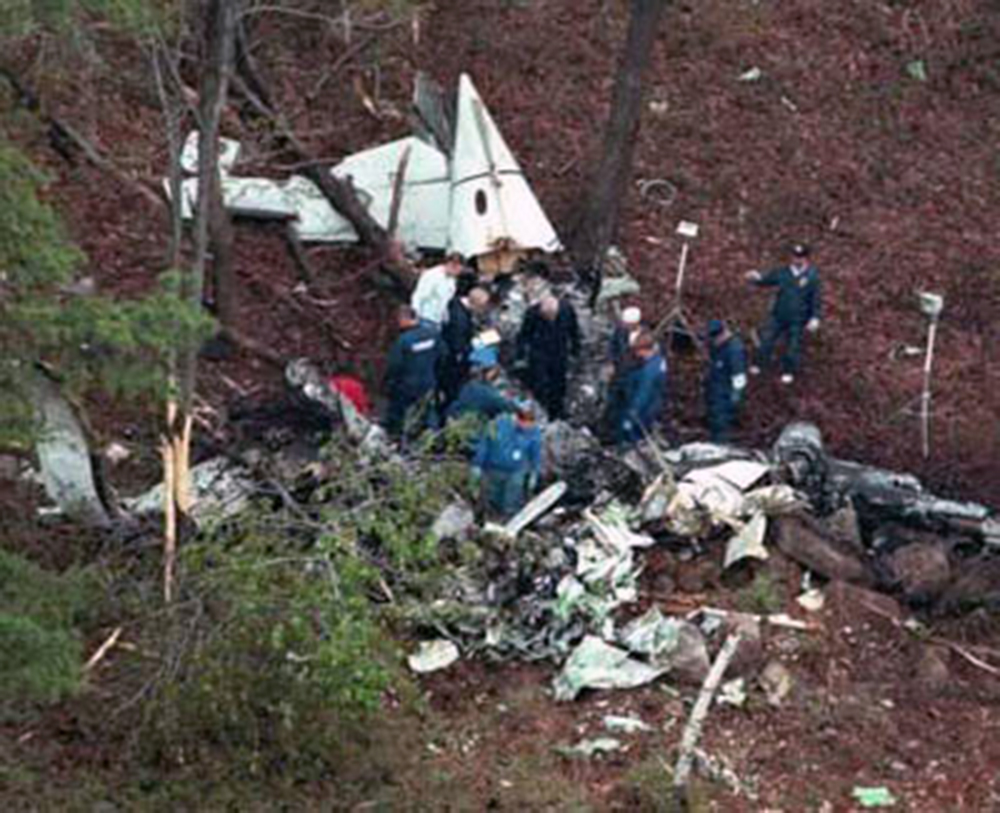
about 11 miles south of Wilkes-Barre/Scranton International Airport (AVP), Wilkes-Barre, Pennsylvania. The airplane was destroyed by impact and a post crash fire, and 17 passengers and two flight crewmembers were killed. The flight was being conducted under 14 Code of Federal Regulations (CFR) Part 135 as an on-demand charter flight for Caesar’s Palace Casino in Atlantic City, New Jersey. An instrument flight rules (IFR) flight plan had been filed for the flight from Atlantic City International Airport (ACY) to AVP. The captain checked in for duty about 0800 at Republic Airport (FRG) in Farmingdale, New York, on the day of the accident. The airplane was originally scheduled to depart FRG at 0900 for ACY and to remain in ACY until 1900, when it was scheduled to return to FRG. While the pilots were conducting preflight inspections, they received a telephone call from Executive Airlines’ owner and chief executive officer (CEO) advising them that they had been assigned an additional flight from ACY to AVP with a return flight to ACY later in the day, instead of the scheduled break in ACY. Fuel records at FRG indicated that 90 gallons of fuel were added to the accident airplane’s tanks before departure to ACY. According to Federal Aviation Administration (FAA) air traffic control (ATC) records, the flight departed at 0921 (with 12 passengers on board) and arrived in ACY at 0949. According to passenger statements, the captain was the pilot flying from FRG to ACY. After arrival in ACY, the flight crew checked the weather for AVP and filed an IFR flight plan. Fuel facility records at ACY indicated that no additional fuel was added. The accident flight to AVP, which departed ACY about 1030, had been chartered by Caesar’s Palace. According to ATC records, the flight to AVP was never cleared to fly above 5,000 feet mean sea level (msl). According to ATC transcripts, the pilots first contacted AVP approach controllers at 1057 and were vectored for an instrument landing system (ILS) approach to runway 4. The flight was cleared for approach at 1102:07, and the approach controller advised the pilots that they were 5 nautical miles (nm) from Crystal Lake, which is the initial approach fix (IAF) for the ILS approach to runway 4. The pilots were told to maintain 4,000 feet until established on the localizer. At 1104:16, the approach controller advised that a “previous landing…aircraft picked up the airport at minimums [decision altitude].” The pilots were instructed to contact the AVP local (tower) controller at 1105:09, which they did 3 seconds later. The airplane then descended to about 2,200 feet, flew level at 2,200 feet for about 20 seconds, and began to climb again about 2.2 nm from the runway threshold when a missed approach was executed (see the Airplane Performance section for more information). At 1107:26 the captain reported executing the missed approach but provided no explanation to air traffic controllers. The tower controller informed the North Radar approach controllers of the missed approach and then instructed the accident flight crew to fly runway heading, climb to 4,000 feet, and contact approach control on frequency 124.5 (the procedure published on the approach chart). The pilots reestablished contact with the approach controllers at 1108:04 as they climbed through 3,500 feet to 4,000 feet and requested another ILS approach to runway 4. The flight was vectored for another ILS approach, and at 1110:07 the approach controller advised the pilots of traffic 2 nm miles away at 5,000 feet. The captain responded that they were in the clouds. At 1014:38, the controller directed the pilots to reduce speed to follow a Cessna 172 on approach to the airport, and the captain responded, “ok we’re slowing.” The flight was cleared for a second approach at 1120:45 and advised to maintain 4,000 feet until the airplane was established on the localizer. At 1123:49 the captain transmitted, “for uh one six echo juliet we’d like to declare an emergency.” At 1123:53, the approach controller asked the nature of the problem, and the captain responded, “engine failure.” The approach controller acknowledged the information, informed the pilots that the airplane appeared to be south of the localizer (off course to the right), and asked if they wanted a vector back to the localizer course. The flight crew accepted, and at 1124:10 the controller directed a left turn to heading 010, which the captain acknowledged. At 1124:33, the controller asked for verification that the airplane was turning left. The captain responded, “we’re trying six echo juliet.” At 1124:38, the controller asked if a right turn would be better. The captain asked the controller to “stand by.” At 1125:07, the controller advised the pilots that the minimum vectoring altitude (MVA) in the area was 3,300 feet. At 1125:12, the captain transmitted, “standby for six echo juliet tell them we lost both engines for six echo juliet.” At that time, ATC radar data indicated that the airplane was descending through 3,000 feet. The controller immediately issued the weather conditions in the vicinity of the airport and informed the flight crew about the location of nearby highways. At 1126:17, the captain asked, “how’s the altitude look for where we’re at.” The controller responded that he was not showing an altitude readout from the airplane and issued the visibility (2.5 miles) and altimeter setting. At 1126:43, the captain transmitted, “just give us a vector back to the airport please.” The controller cleared the accident flight to fly heading 340, advised the flight crew that radar contact was lost, and asked the pilots to verify their altitude. The captain responded that they were “level at 2,000.” At 1126:54, the controller again advised the flight crew of the 3,300-foot MVA and suggested a 330° heading to bring the airplane back to the localizer. At 1127:14 the controller asked, “do you have any engines,” and the captain responded that they appeared to have gotten back “the left engine now.” At 1127:23, the controller informed the pilots that he saw them on radar at 2,000 feet and that there was a ridgeline between them and the airport. The captain responded, “that’s us” and “we’re at 2,000 feet over the trees.” The controller instructed the pilots to fly a 360° heading and advised them of high antennas about 2 nm west of their position. At 1127:46, the captain transmitted, “we’re losing both engines.” Two seconds later the controller advised that the Pennsylvania Turnpike was right below the airplane and instructed the flight crew to “let me know if you can get your engines back.” There was no further radio contact with the accident airplane. The ATC supervisor initiated emergency notification procedures. A Pennsylvania State Police helicopter located the wreckage about 1236, and emergency rescue units arrived at the accident site about 1306. The accident occurred in daylight instrument meteorological conditions (IMC). The location of the accident was 41° 9 minutes, 23 seconds north latitude, 75° 45 minutes, 53 seconds west longitude, about 11 miles south of the airport at an elevation of 1,755 feet msl.
Probable cause:
The flight crew’s failure to ensure an adequate fuel supply for the flight, which led to the stoppage of the right engine due to fuel exhaustion and the intermittent stoppage of the left engine due to fuel starvation. Contributing to the accident were the flight crew's failure to monitor the airplane’s fuel state and the flight crew's failure to maintain directional control after the initial engine stoppage.
Final Report:

Crash of a Beechcraft 1900C-1 in Moanda: 3 killed

Date & Time: May 18, 2000 at 0947 LT
Type of aircraft:
Operator:
Registration:
TR-LFK
Survivors:
Yes
Schedule:
Libreville - Moanda
MSN:
UC-133
YOM:
1990
Country:
Region:
Crew on board:
2
Crew fatalities:
Pax on board:
8
Pax fatalities:
Other fatalities:
Total fatalities:
3
Circumstances:
The twin engine aircraft departed Libreville on a charter flight to Moanda, carrying employees of the Société d’Électricité et d’Énergie du Gabon (S.E.E.G.). While approaching Moanda, the crew was cleared to descent to 4,100 feet and encountered poor visibility due to fog. On short final, the aircraft struck the ground and crashed 1,600 metres short of runway 14. A pilot and two passengers were killed while seven other occupants were injured.
Probable cause:
Controlled flight into terrain after the crew continued the approach after passing the MDA until the aircraft impacted ground. Poor visibility due to foggy conditions was a contributing factor.

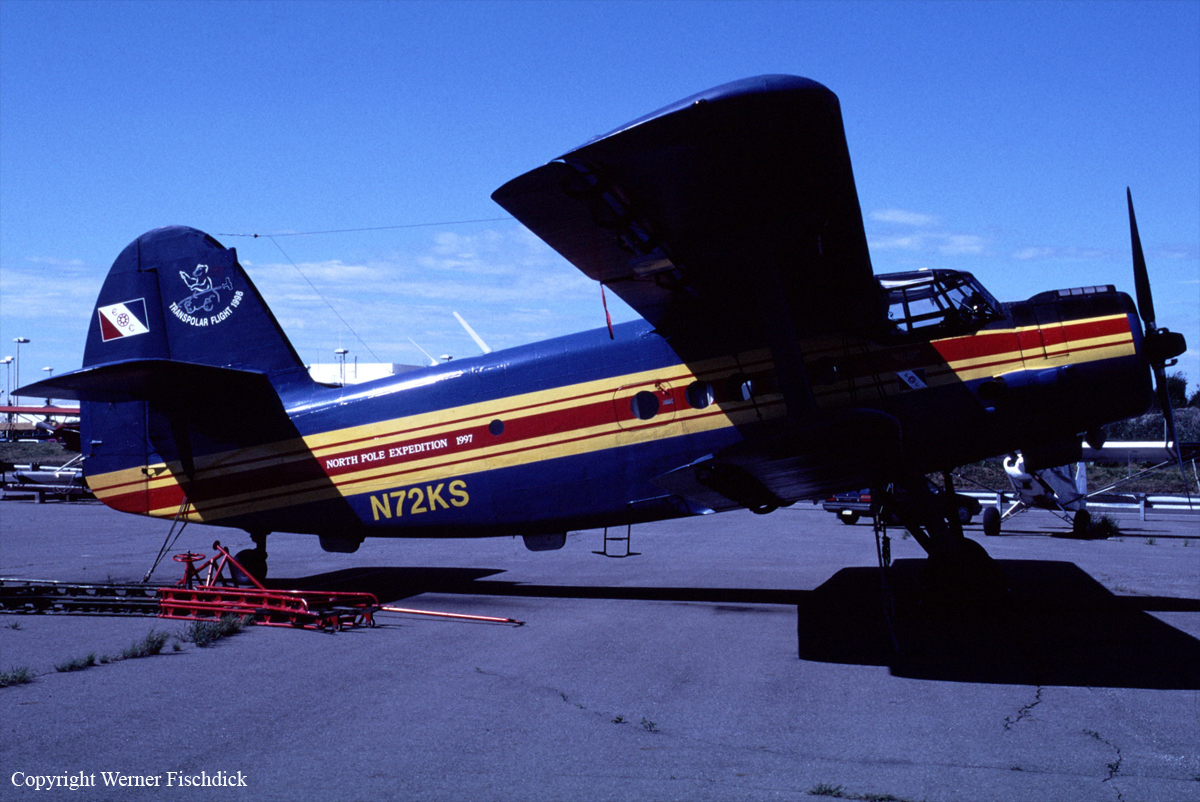
Crash of a PZL-Mielec AN-2T on the North Pole

Date & Time: May 15, 2000
Type of aircraft:
Registration:
N72KS
Flight Type:
Survivors:
Yes
Schedule:
Longyearbyen - Barrow
MSN:
1G237-32
YOM:
1989
Location:
Country:
Region:
Crew on board:
2
Crew fatalities:
Pax on board:
3
Pax fatalities:
Other fatalities:
Total fatalities:
0
Circumstances:
The aircraft was engaged in an expedition over the Arctic and was completing a flight from Longyearbyen (Spitzberg Islands) to Barrow, Alaska, with another Cessna 185. The crew of the Cessna landed first to check the ice thickness. When the AN-2 landed, the ice started to crack. The pilot attempted to takeoff but the undercarriage went through the ice and the aircraft came to rest partially submerged in water. All five occupants escaped uninjured while the aircraft was damaged beyond repair.

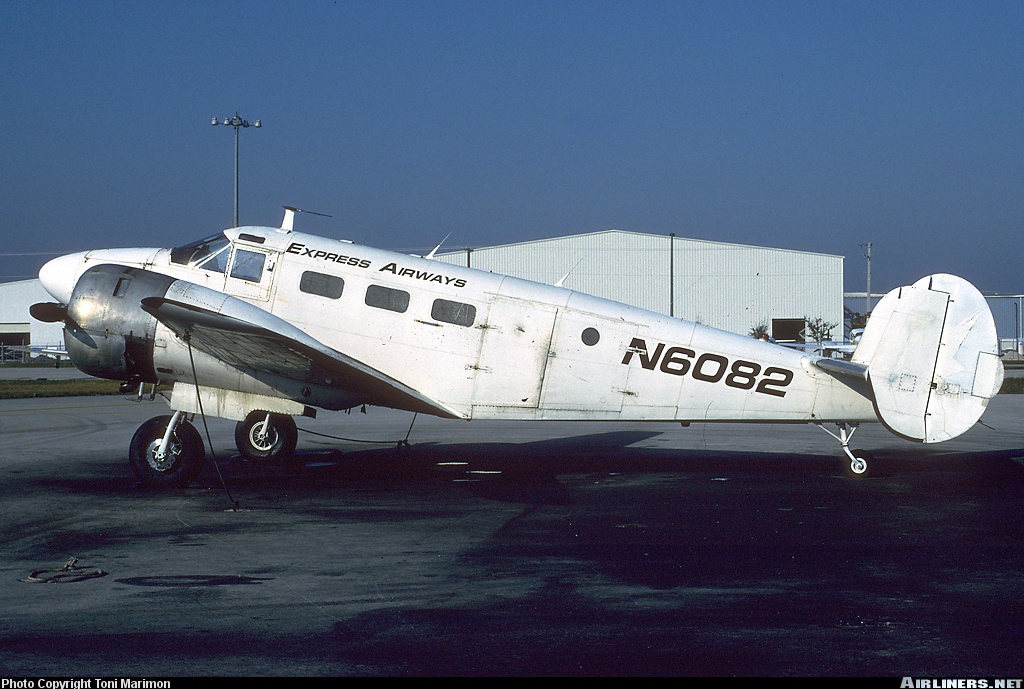
Crash of a Beechcraft C-45 Expeditor in Monroe

Date & Time: May 14, 2000 at 1600 LT
Type of aircraft:
Operator:
Registration:
N6082
Flight Type:
Survivors:
Yes
Schedule:
Pell City - Monroe
MSN:
5512
YOM:
1943
Crew on board:
1
Crew fatalities:
Pax on board:
0
Pax fatalities:
Other fatalities:
Total fatalities:
0
Captain / Total flying hours:
1302
Captain / Total hours on type:
37.00
Circumstances:
The airplane bounced on landing and started to swerve on the landing roll. The pilot attempted a go-around. The left engine hesitated and the right engine developed power. The pilot lost directional control, the airplane went off the left side of the runway and collapsed the left main landing gear.
Probable cause:
The pilot's failure to maintain directional control during an attempted go-around, resulting in a loss of directional control, and subsequent collapse of the left main landing gear after the airplane departed the runway.
Final Report:

Crash of a Rockwell Sabreliner 65 in Molokai: 6 killed

Date & Time: May 10, 2000 at 2031 LT
Type of aircraft:
Registration:
N241H
Survivors:
No
Schedule:
Papeete – Christmas Island – Kahului – Molokai
MSN:
465-5
YOM:
1979
Location:
Crew on board:
2
Crew fatalities:
Pax on board:
4
Pax fatalities:
Other fatalities:
Total fatalities:
6
Captain / Total flying hours:
12775
Captain / Total hours on type:
1370.00
Copilot / Total flying hours:
1725
Aircraft flight hours:
7934
Circumstances:
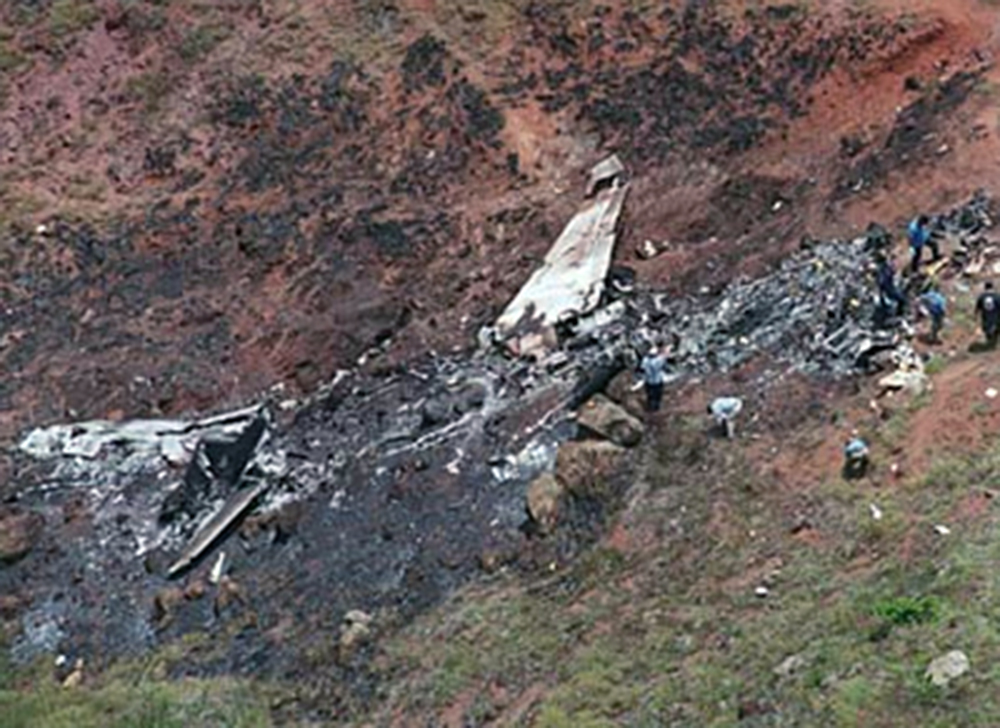
The airplane collided with mountainous terrain after the flight crew terminated the instrument approach and proceeded visually at night. The flight crew failed to brief or review the instrument approach procedure prior to takeoff and exhibited various cognitive task deficiencies during the approach. These cognitive task deficiencies included selection of the wrong frequency for pilot controlled lighting, concluding that the airport was obscured by clouds despite weather information to the contrary, stating inaccurate information regarding instrument approach headings and descent altitudes, and descending below appropriate altitudes during the approach. This resulted in the crew's lack of awareness regarding terrain in the approach path. Pilots approaching a runway over a dark featureless terrain may experience an illusion that the airplane is at a higher altitude that it actually is. In response to this illusion, referred to as the featureless terrain illusion or black hole phenomenon, a pilot may fly a lower than normal approach potentially compromising terrain clearance requirements. The dark visual scene on the approach path and the absence of a visual glideslope indicator were conducive to producing a false perception that the airplane was at a higher altitude. A ground proximity warning device may have alerted the crew prior to impact. However, the amount of advanced warning that may have been provided by such a device was not determined. Although the flight crew's performance was consistent with fatigue-related impairment, based on available information, the Safety Board staff was unable to determine to what extent the cognitive task deficiencies exhibited by the flight crew were attributable to fatigue and decreased alertness.
Probable cause:
Inadequate crew coordination led to the captain's decision to discontinue the instrument approach procedure and initiate a maneuvering descent solely by visual references at night in an area of mountainous terrain. The crew failed to review the instrument approach procedure and the copilot failed to provide accurate information regarding terrain clearance and let down procedures during the instrument approach.
Final Report:

Crash of a Swearingen SA226TC Metro II in Bocas del Toro

Date & Time: May 10, 2000 at 1009 LT
Type of aircraft:
Operator:
Registration:
HP-1364MAM
Survivors:
Yes
MSN:
TC-324
YOM:
1980
Country:
Crew on board:
2
Crew fatalities:
Pax on board:
6
Pax fatalities:
Other fatalities:
Total fatalities:
0
Circumstances:
Upon landing at Bocas del Toro, in unclear circumstances, the aircraft went out of control and veered off runway. It lost its undercarriage and came to rest in a sugarcane field. All eight occupants escaped uninjured while the aircraft was damaged beyond repair.

Crash of a Cessna T303 Crusader in Rottweil

Date & Time: May 7, 2000 at 1859 LT
Type of aircraft:
Operator:
Registration:
D-IFKL
Flight Type:
Survivors:
Yes
Schedule:
Schwenningen - Rottweil
MSN:
303-00261
YOM:
1983
Country:
Region:
Crew on board:
1
Crew fatalities:
Pax on board:
0
Pax fatalities:
Other fatalities:
Total fatalities:
0
Circumstances:
Upon landing at Rottweil-Zepfenhan Airport, during the last segment, at a height of about 5-10 metres, the aircraft rolled to the left. The pilot initiated a go-around procedure when control was lost. The aircraft crashed and burned. The pilot was injured.