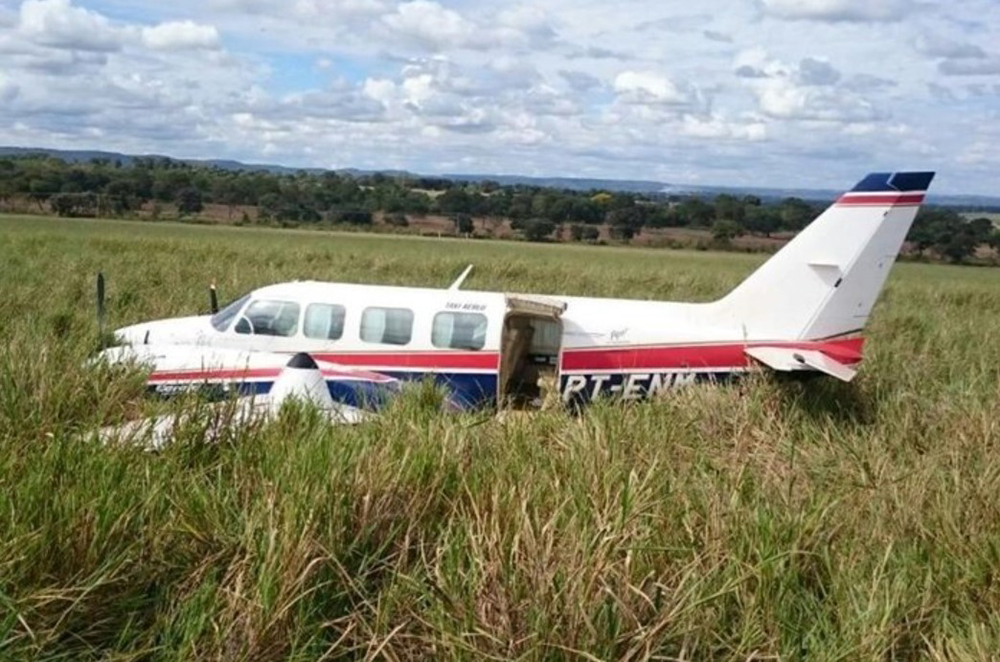
Crash of a Embraer EMB-821 Carajá in Rochedo

Date & Time: May 24, 2015 at 0953 LT
Operator:
Registration:
PT-ENM
Flight Phase:
Survivors:
Yes
Schedule:
Miranda – Campo Grande
MSN:
820-072
YOM:
1978
Country:
Crew on board:
2
Crew fatalities:
Pax on board:
7
Pax fatalities:
Other fatalities:
Total fatalities:
0
Captain / Total flying hours:
8378
Captain / Total hours on type:
470.00
Copilot / Total flying hours:
1006
Copilot / Total hours on type:
4
Circumstances:
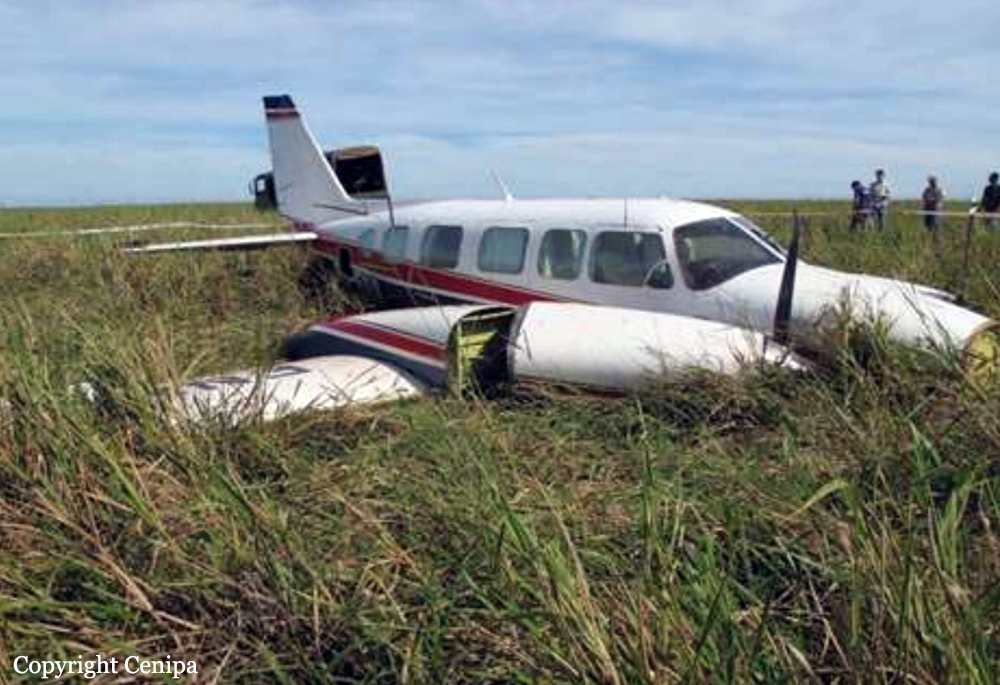
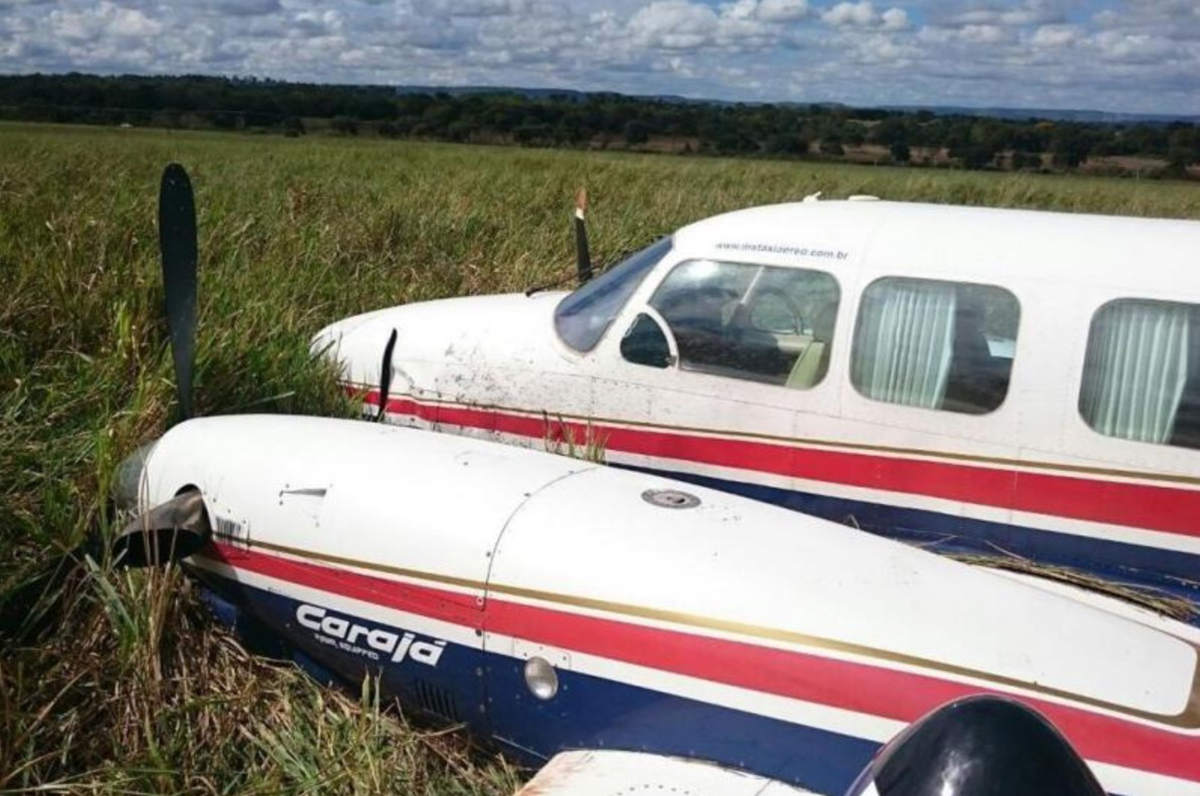
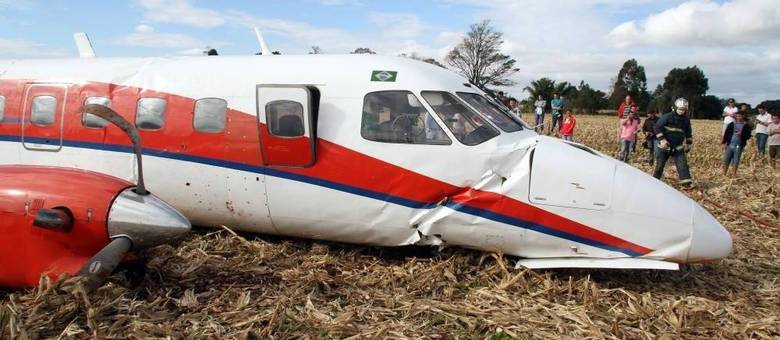
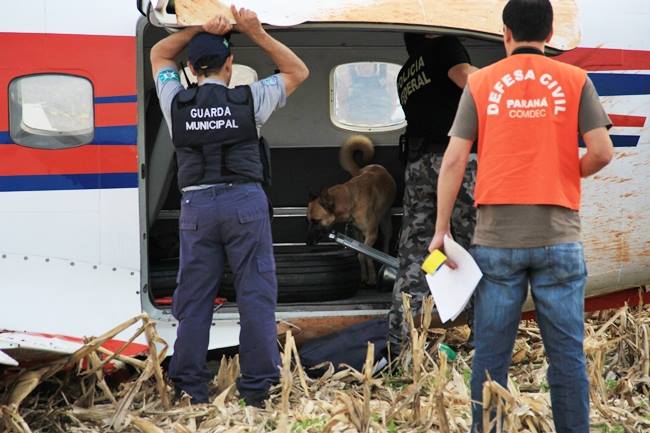
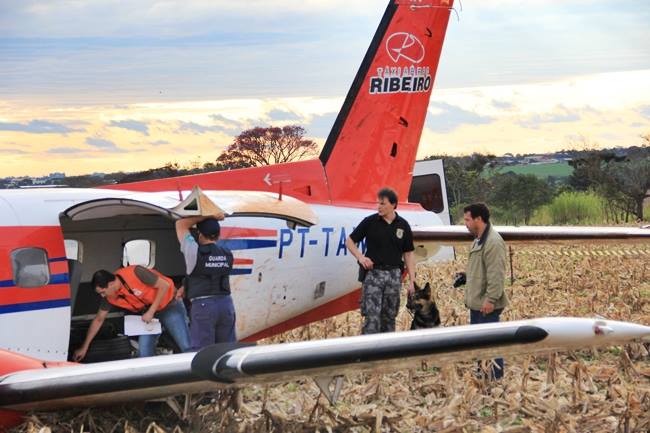
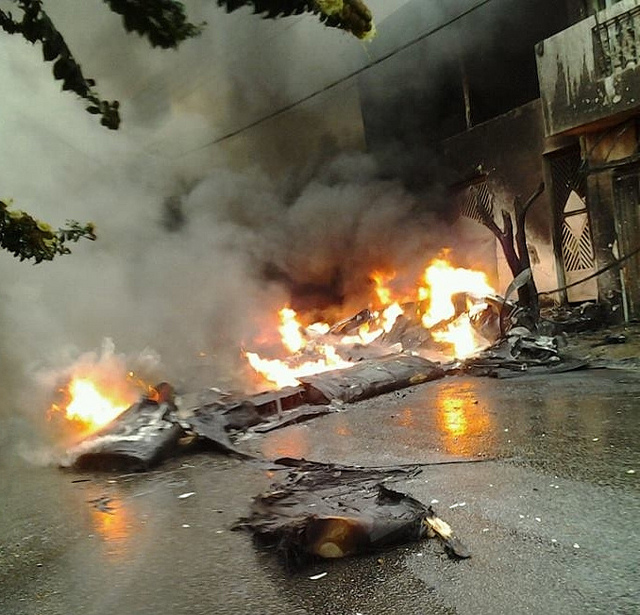
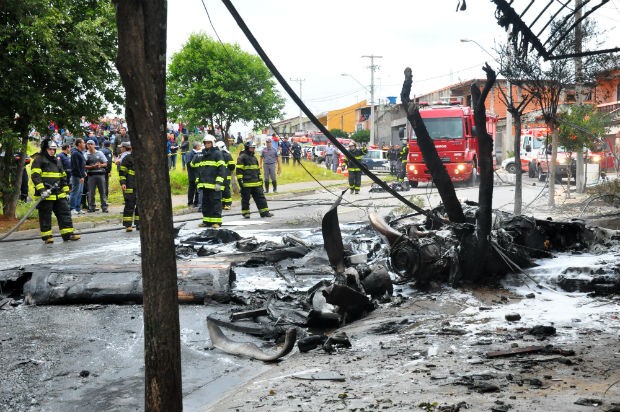
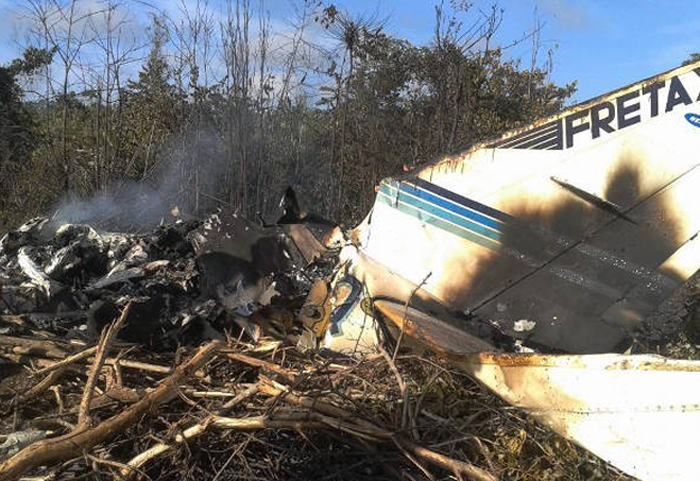
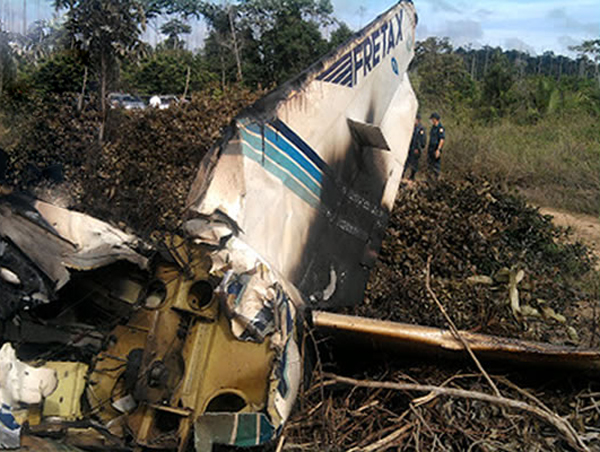
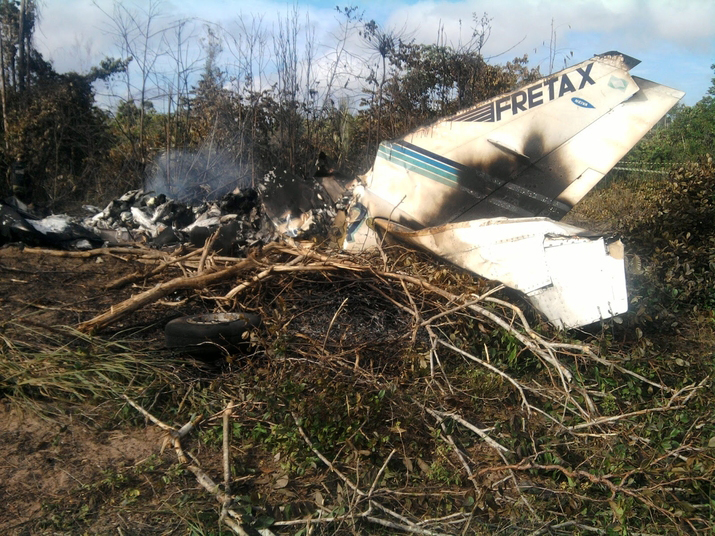
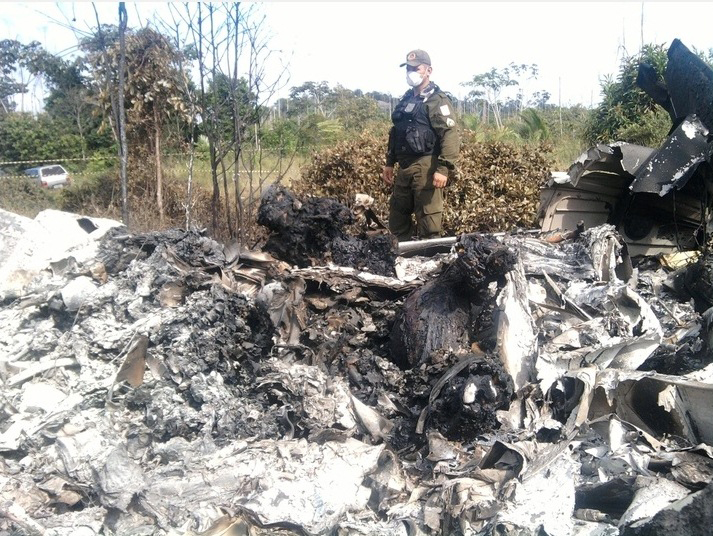
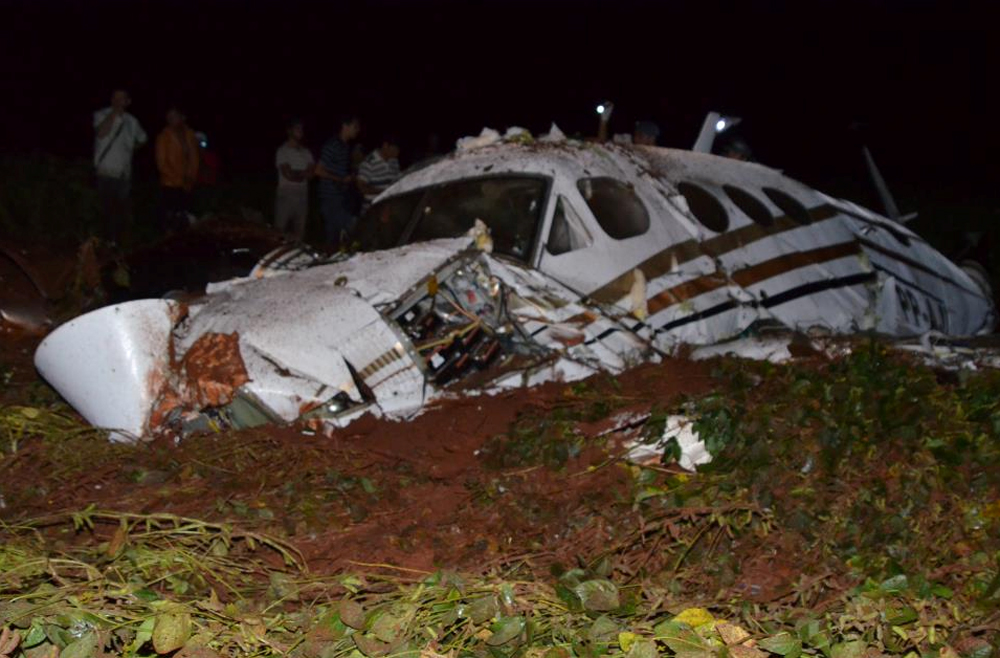
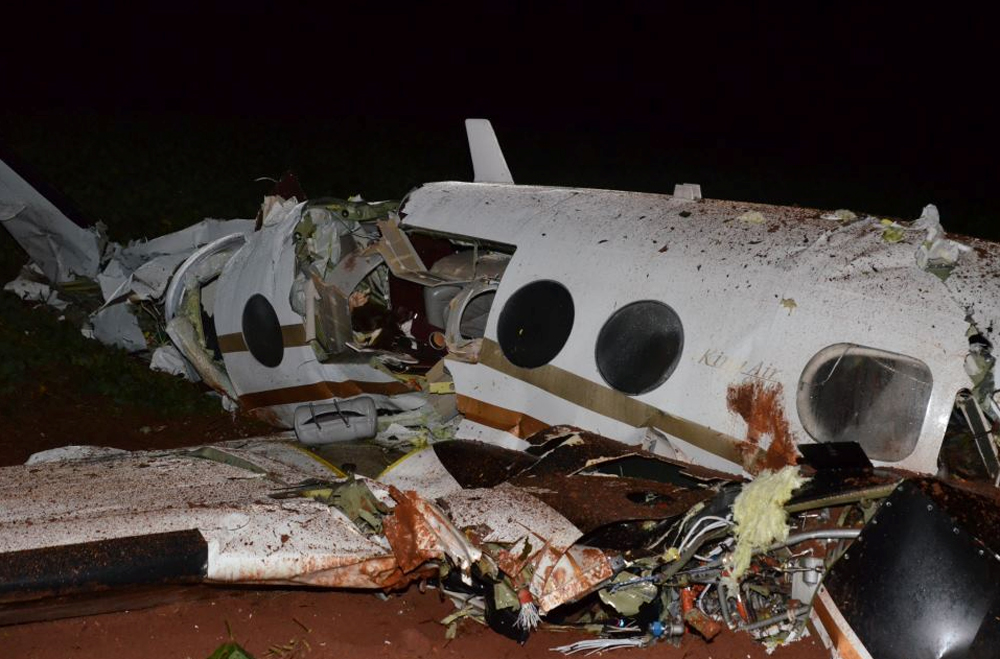
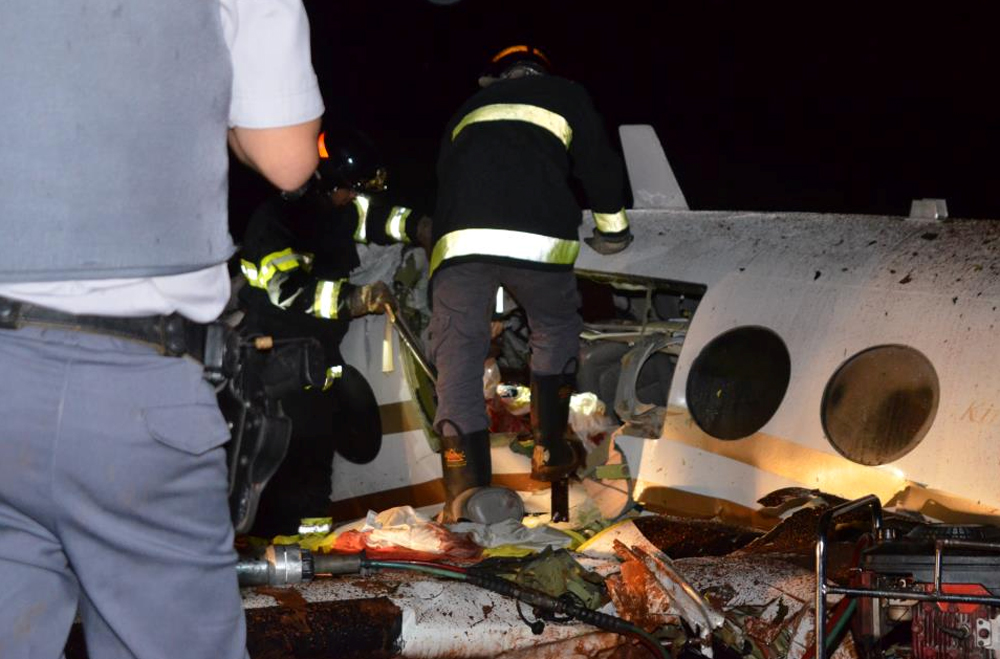
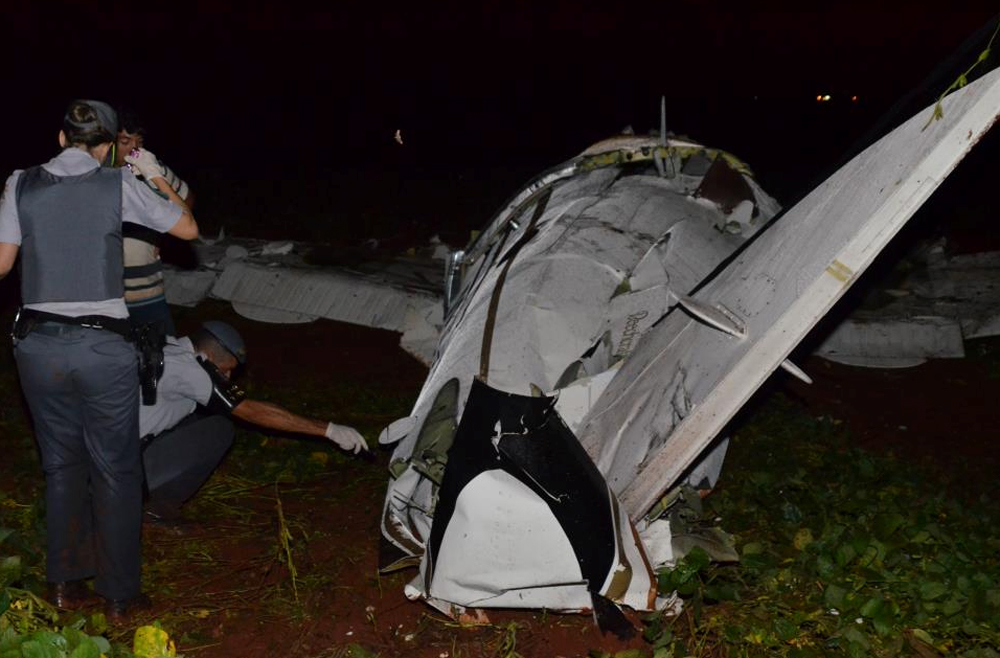
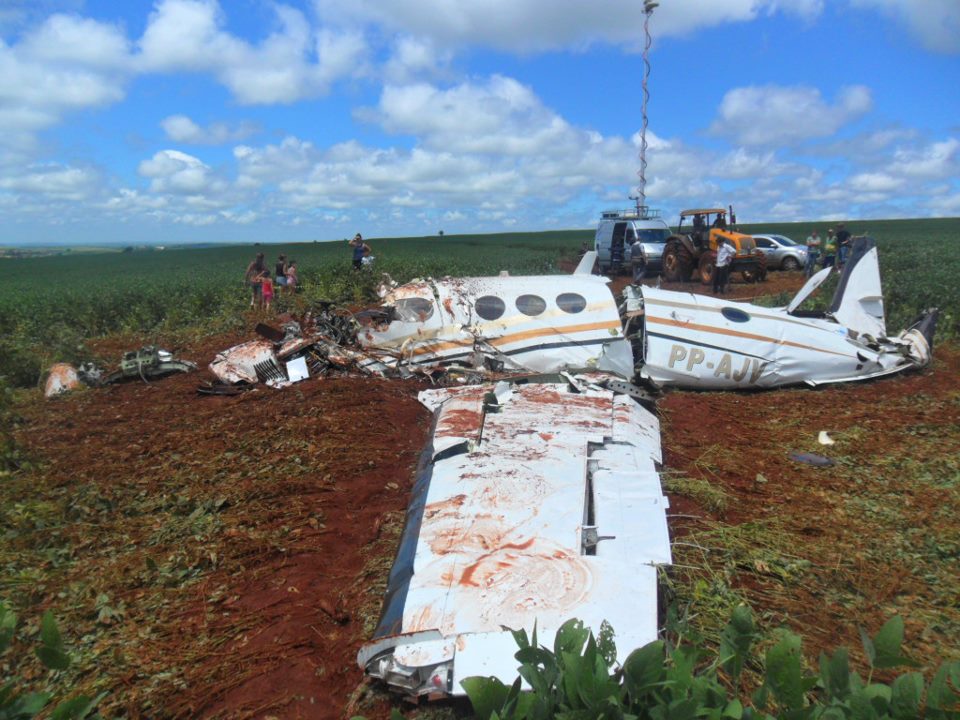
The twin engine airplane departed Miranda-Estância Caimam Airfield at 0915LT on a charter flight to Campo Grande, carrying seven passengers and two pilots. About 35 minutes into the flight, while flying 79 km from the destination in good weather conditions, the left engine failed. The crew was unable to feather the propeller and to maintain a safe altitude, so he decided to attempt an emergency landing. The aircraft belly landed in an agriculture area, slid for few dozen metres and came to rest. All nine occupants suffered minor injuries and the aircraft was damaged beyond repair.
Probable cause:
Failure of the left engine in flight due to fuel exhaustion. The following findings were identified:
- The fuel tanks in the left wing were empty while a quantity of 320 litres of fuel was still present in the fuel tanks of the right wing,
- The crew was unable to maintain altitude because he could not feather the left propeller,
- The pilots were misled by a false indication of the fuel gauge coupled to the left wing tank which displayed a certain value while the tank was actually empty. This error was caused by the fuel sensors for the left wing tanks being installed inverted,
- The aircraft was not airworthy at the time of the accident due to several defects,
- The Minimum Equipment List (MEL) was not up to date,
- The Cockpit Voice Recorder (CVR) was unserviceable,
- The automatic propeller feathering system was out of service,
- The fuel sensors for the left wing tanks had been installed inverted,
- Bad contact with the right wing fuel sensor connector plug,
- The pilots failed to follow the published procedures related to an engine failure,
- Poor flight preparation,
- Crew complacency,
- The crew training program by the operator was inadequate,
- Lack of supervision on part of the operator.
Final Report:

Crash of a Cessna 560XLS Citation Excel in Santos: 7 killed

Date & Time: Aug 13, 2014 at 1003 LT
Operator:
Registration:
PR-AFA
Survivors:
No
Site:
Schedule:
Rio de Janeiro – Santos
MSN:
560-6066
YOM:
2011
Country:
Crew on board:
2
Crew fatalities:
Pax on board:
5
Pax fatalities:
Other fatalities:
Total fatalities:
7
Captain / Total flying hours:
6235
Captain / Total hours on type:
130.00
Copilot / Total flying hours:
5279
Copilot / Total hours on type:
95
Aircraft flight hours:
434
Aircraft flight cycles:
392
Circumstances:
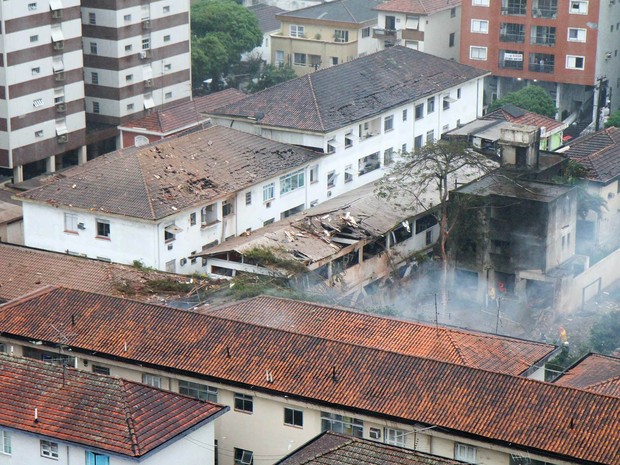
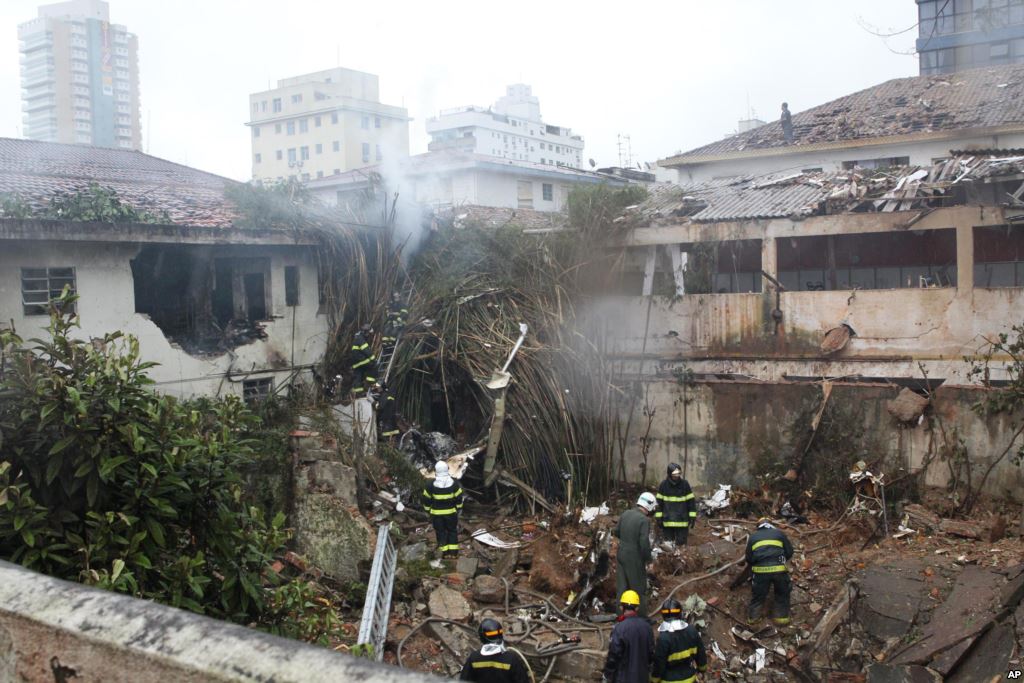
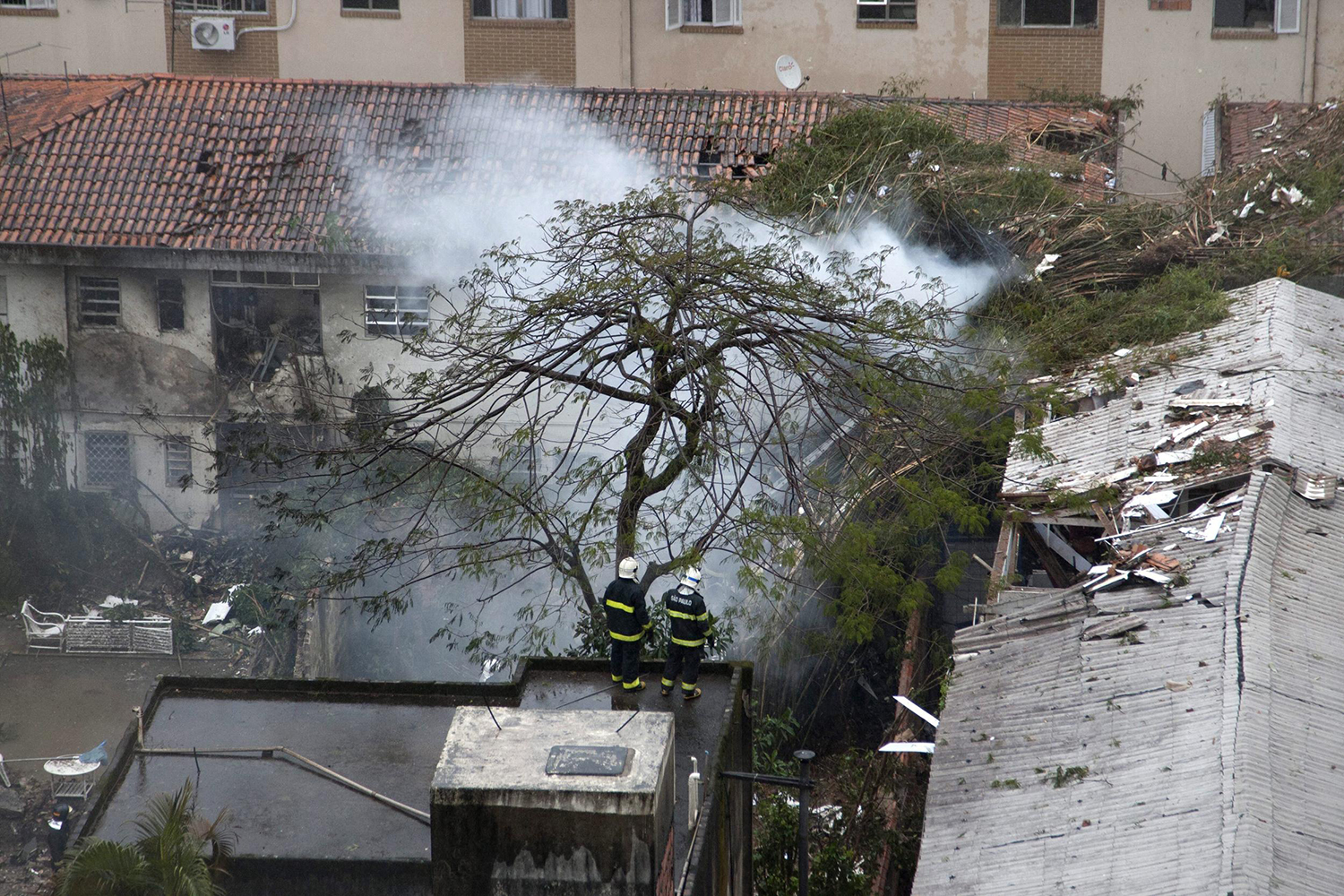
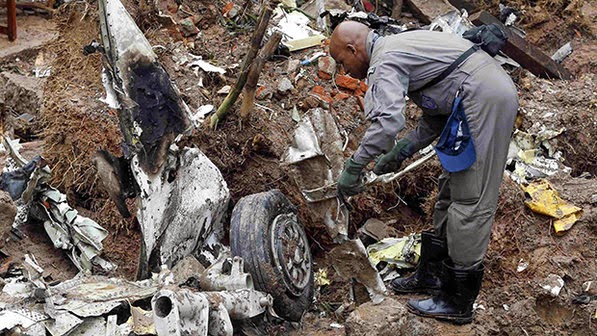
The aircraft took off from Santos Dumont Airport (SBRJ) at 12:21 UTC, on a transport flight bound for Santos Aerodrome (SBST), with two pilots and five passengers on board. During the enroute phase of the flight, the aircraft was under radar coverage of the approach control units of Rio de Janeiro and São Paulo (APP-RJ and APP-SP, respectively), and no abnormalities were observed. Upon being released by APP-SP for descent and approach toward SBST, the aircraft crew, already in radio contact with Santos Aerodrome Flight Information Service (Santos Radio), reported their intention to perform the IFR ECHO 1 RWY 35 NDB approach chart profile. After reporting final approach, the crew informed that they would make a go-around followed by a holding procedure, and call Santos Radio again. According to an observer that was on the ground awaiting the arrival of the aircraft at Santos Air Base (BAST) and to another observer at the Port of Santos, the aircraft was sighted flying over the aerodrome runway at low height, and then making a turn to the left after passing over the departure end of the runway, at which point the observers lost visual contact with the aircraft on account of the weather conditions. Moments later, the aircraft crashed into the ground. All seven occupants were killed.
Probable cause:
The following factors were identified:
- Considering the pronounced angle formed between the trajectory of the aircraft and the terrain, as well as the calculated speed (which by far exceeded the aircraft operating limit) moments before the impact, it is possible to infer that, from the moment the aircraft disappeared in the clouds, it could only have reached such speed and flown that trajectory if it had climbed considerably, to the point of being detected by the radar. Such condition presented by the aircraft may have been the result of an exaggerated application of controls.
- The making of an approach with a profile different from the one prescribed shows lack of adherence to procedures, which, in this case, may have been influenced by the self-confidence of the pilot on his piloting ability, given his prior experiences.
- Despite the lack of pressure on the part of the passengers to force compliance with the agenda, it is a known fact that this type of routine creates in the crew a self-pressure, most of the time unconscious, for accomplishing the flight schedule on account of the commitments undertaken by the candidate in campaign, and, therefore, the specific characteristics of this type of flight pose demands in terms of performance that may have influenced the pilots to operate with reduced safety margins.
- The meteorological conditions were close to the safety minimums for the approach and below the minimums for the circle-to-land procedure prescribed in the ECHO 1 approach. However, such conditions, by themselves, would not represent risk for the operation, if the profile of the ECHO 1 procedure was performed in accordance with the parameters established in the aeronautical publications and the flight parameters defined by the aircraft manufacturer. Upon verifying that the above mentioned parameters were not complied with, one observes that the meteorological conditions became a complicating factor for flying the aircraft, rendering it difficult to be stabilized on the final approach, and a go-around became necessary, as a result.
- In the scenario of the aircraft collision with the ground, there were aspects favorable to the occurrence of spatial disorientation, such as: reduction of the visibility on account of meteorological conditions, stress and workload increase due to the missed approach procedure, maneuvers with a G-load above 1.15G, and a possible loss of situational awareness. The large pitch-down angle, the high speed, and the power developed by the engines at the moment of impact are also evidence compatible with incapacitating disorientation, and point towards a contribution of this factor.
- The integration between the pilots may have been hindered by their little experience working together as one crew, and also by their different training background. In addition, the personal characteristics of the captain, as a more impositive and confident person, in contrast with the more passive posture of the copilot, may also have hampered the crew dynamics in the management of the flight.
- In the seven days preceding the day of the accident, the crew was in conformity with the Law 7183 of 5 April 1984 in relation to both duty time and rest periods. However, the analysis of copilot’s voice, speech, and language indicated compatibility with fatigue and somnolence, something that may have contributed to the degradation of the crew’s performance.
- Their lack of training of missed approach procedures in CE 560XLS+ aircraft may have demanded from the crew a higher cognitive effort in relation to the conditions required for the aircraft model, since they possibly did not have conditioned behaviors for controlling the flight and that could otherwise provide them with more agility with regard to the cockpit actions. Thus, they probably missed the skills, knowledge, and attitudes that would allow them to more adequately perform their activities in that operational context.
- Even though Santos Radio reported, in the first contact with the aircraft, that the aerodrome was operating IFR, the messages transmitted to the aircraft did not include the conditions of ceiling, visibility, and SIGMET information (ICA 100-37). This may have contributed to reducing the crew’s situational awareness, since the last information accessed by them was probably the 11:00 UTC SBST METAR, which reported VMC conditions for operation in the aerodrome. Thus, the pilots may have built a mental model of unreal SBST meteorological conditions more favorable to the operation.
- After coordination of the descent, the PR-AFA aircraft made a left turn and, for an unknown reason, deviated from the W6-airway profile, reporting six positions that were not compatible with the real flight path until the moment it started a final approach. This approach was different from the trajectory of the final approach defined for the ECHO 1 procedure, and was flown with speed parameters different from those recommended by the aircraft manufacturer. These aspects reduced the chances of the aircraft to align with the final approach in a stabilized manner. The fact that the aircraft made a low pass over the runway and then a left turn at low altitude in weather conditions below the minimum established in the circle-to-land procedure instead of performing the profile prescribed in the ECHO 1 approach chart also resulted in risks to the operation, and created conditions which were conducive to spatial disorientation.
- Since the captain had already conducted FMS visual approaches on other occasions, his acquired work-memory may have strengthened his confidence in performing the procedure again, even though in another scenario, on account of the human being tendency to rely on previous successful experiences.
- A poor perception on the part of the pilots relative to the real meteorological conditions on the approach may have compromised their level of situational awareness, thus leading the aircraft to a condition of operation below the safe minimums.
- The TAF/GAMET weather prognostics with validity up to 12:00 UTC, and available to the crew at the time the flight plan was filed at the AIS-RJ, indicated a possibility of degradation of the ceiling and visibility parameters on account of rain associated with mist, encompassing the duration of the aforementioned flight, especially in the area of SBST. The 11:00 UTC satellite image and the SIGMET valid from 10:30 UTC to 13:30 UTC, also showed an active cold front in the Southeast with stratiform cloud layers over SBST and a forecast of convective cells with northeasterly movement at an average speed of 12kt. Despite the availability of such information, the crew may not have made a more accurate analysis showing the swift deterioration of the weather conditions in the period between their takeoff from SBRJ and the approach to SBST, and thus may have failed to plan their conduct of the flight in accordance with the weather conditions forecast by the meteorological services.
- Despite having the C560 qualification required to operate the CE 560XLS+aircraft, the pilots were not checked by the employers as to their previous experience on this kind of equipment, or as to the need of transition training and/or specific formation to fly the PRAFA aircraft. The adoption of a formal process for the recruitment, selection, monitoring and evaluation of the performance of the professionals could have identified their training needs for that type of aircraft.
- Although the RBAC 61 requires pilots to undergo flight instruction and proficiency checks to switch between models of the CE 560XL family, the need of specific training was only clarified on 4 July 2014, with the publication of the ANAC Supplementary Instruction (IS 61-004, Revision A). Until that date, this need could only be determined by means of consultation of the FSB Report, made available only on the FAA website. In this context, the PR-AFA pilots would only be evaluated on the CE 560XLS+ aircraft on the occasion of their type revalidation, which would take place shortly before the expiration date of their C560 qualifications, which were valid until October 2014 (captain), and May 2015 (copilot). The fact that there was a qualification (C560) that was shared for the operation of C560 Citation V, C560 Encore, C560 Encore+, CE 560XL, CE 560XLS, or CE 560XLS + aircraft was not enough to make the DCERTA system refuse flight plans filed by pilots who lacked proper training to operate one of the aforementioned aircraft models. The RBAC 67 contained physical and mental health requirements which were not clear, inducing physicians to resort to other publications for guidance and support of their decisions and judgments relative to the civil aviation personnel. The absence of clear requirements to be adopted as the acceptable minimum for the exercise of the air activity, led the physicians responsible for judging the pilots’ health inspections’ to use their own discretion on the subject, opening gaps that could allow professionals not fully qualified to perform functions in flight below the minimum acceptable safety levels.
- Considering the possibility that the captain accumulated tasks as a result of a possible difficulty of the copilot in assisting him at the beginning of the missed approach procedure, such accumulation may have exceeded his ability to deal with the tasks, leading him to committing piloting errors and/or experiencing spatial disorientation.
Final Report:

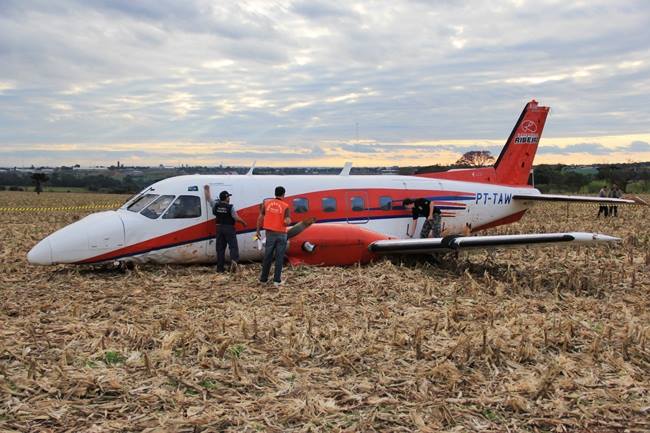
Crash of an Embraer EMB-110P1 Bandeirante in Foz do Iguaçu

Date & Time: Jul 28, 2014 at 1500 LT
Operator:
Registration:
PT-TAW
Flight Phase:
Survivors:
Yes
Schedule:
Foz do Iguaçu - Curitiba
MSN:
110-258
YOM:
1980
Country:
Crew on board:
2
Crew fatalities:
Pax on board:
2
Pax fatalities:
Other fatalities:
Total fatalities:
0
Circumstances:
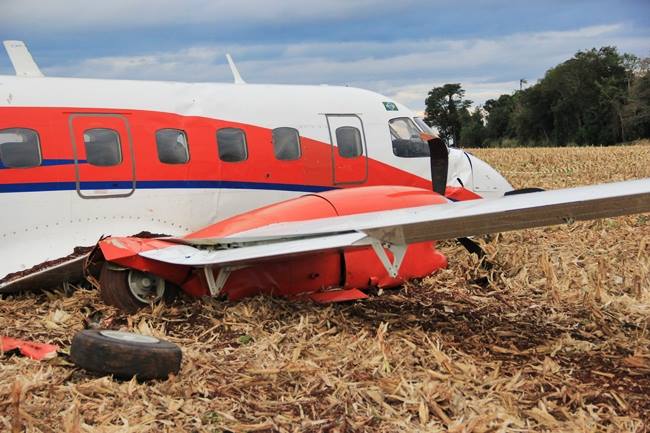
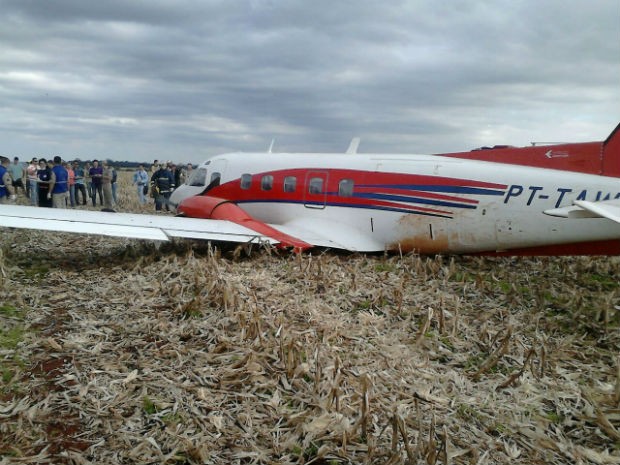
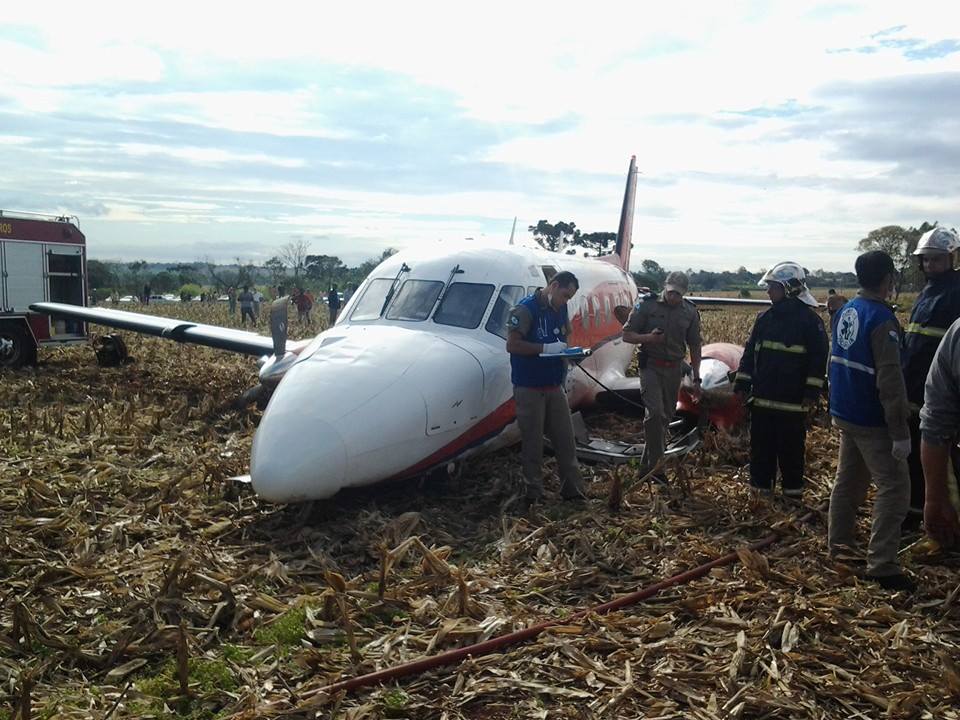
Shortly after takeoff from Foz do Iguaçu-Cataratas Airport, while climbing, the crew reported technical problems and elected to return. The crew realized he could not make it so he attempted an emergency landing in a corn field. Upon landing, the aircraft lost its undercarriage and slid for few dozen metres before coming to rest. Among the four occupants, one passenger was slightly injured and the aircraft was damaged beyond repair.

Crash of a Cessna 525 CitationJet CJ1 in Aruanã

Date & Time: Jun 13, 2014 at 0747 LT
Type of aircraft:
Operator:
Registration:
PP-PIM
Survivors:
Yes
Schedule:
Goiânia – Aruanã
MSN:
525-0548
YOM:
2005
Location:
Country:
Crew on board:
2
Crew fatalities:
Pax on board:
5
Pax fatalities:
Other fatalities:
Total fatalities:
0
Captain / Total flying hours:
17000
Captain / Total hours on type:
38.00
Copilot / Total flying hours:
1078
Copilot / Total hours on type:
4
Aircraft flight hours:
3517
Circumstances:
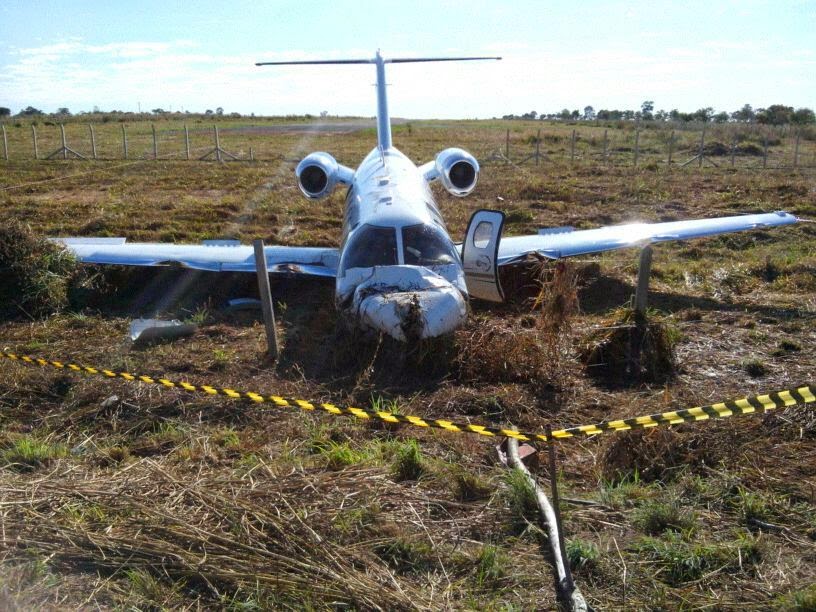
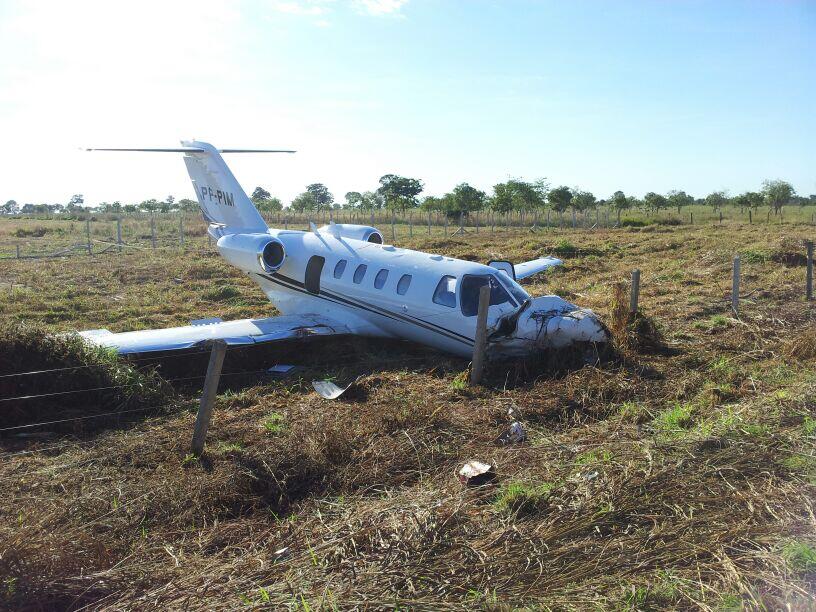
The aircraft departed Goiânia on a flight to Aruanã, carrying two pilots and five passengers who should take part to the funeral of former football player Fernandão who died in an helicopter crash. Following an uneventful flight, the crew completed the landing on runway 24 which is 1,280 metres long. After touchdown, the aircraft was unable to stop within the remaining distance and overran. While contacting soft ground, the nose gear collapsed then the aircraft collided with a concrete fence and came to a halt 150 metres further against a second fence. All seven occupants were injured, the captain seriously. The aircraft was damaged beyond repair.
Probable cause:
The following findings were identified:
- The copilot was not certified in the C525 type aircraft,
- The aircraft was above the maximum landing weight limit, but within the balance limit,
- On 13JUN2014, there was a NOTAM in force, informing the prohibition of jet aircraft operation in SWNH,
- The pilot acted incorrectly on the handle of the auxiliary gear control, thinking that he was applying the emergency brake, making the braking of the aircraft impossible.
- The activation of the incorrect lever for the emergency braking of the aircraft was due to insufficient training received by the pilot for the use of the system in question, thus compromising the proper management of the abnormal condition.
- The emergency brake actuator handle of the aircraft was located outside the pilot's sight field, which, together with the lack of knowledge about the correct lever to be activated for emergency braking, favored the pilot's automatic response in triggering the lever that was most adjusted and visually available on the panel - the emergency landing gear drive lever.
- The instruction that the pilot received to operate the Cessna aircraft, model 525 did not emphasize in the theoretical phase the proper use of the emergency brake, nor contemplated training for the use of this system.
- Despite having a lot of experience in aviation, the pilot was little experienced in the aircraft and still did not know basic functionalities like the use of the emergency brake and the engine shutdown through the evacuation checklist procedure.
Final Report:

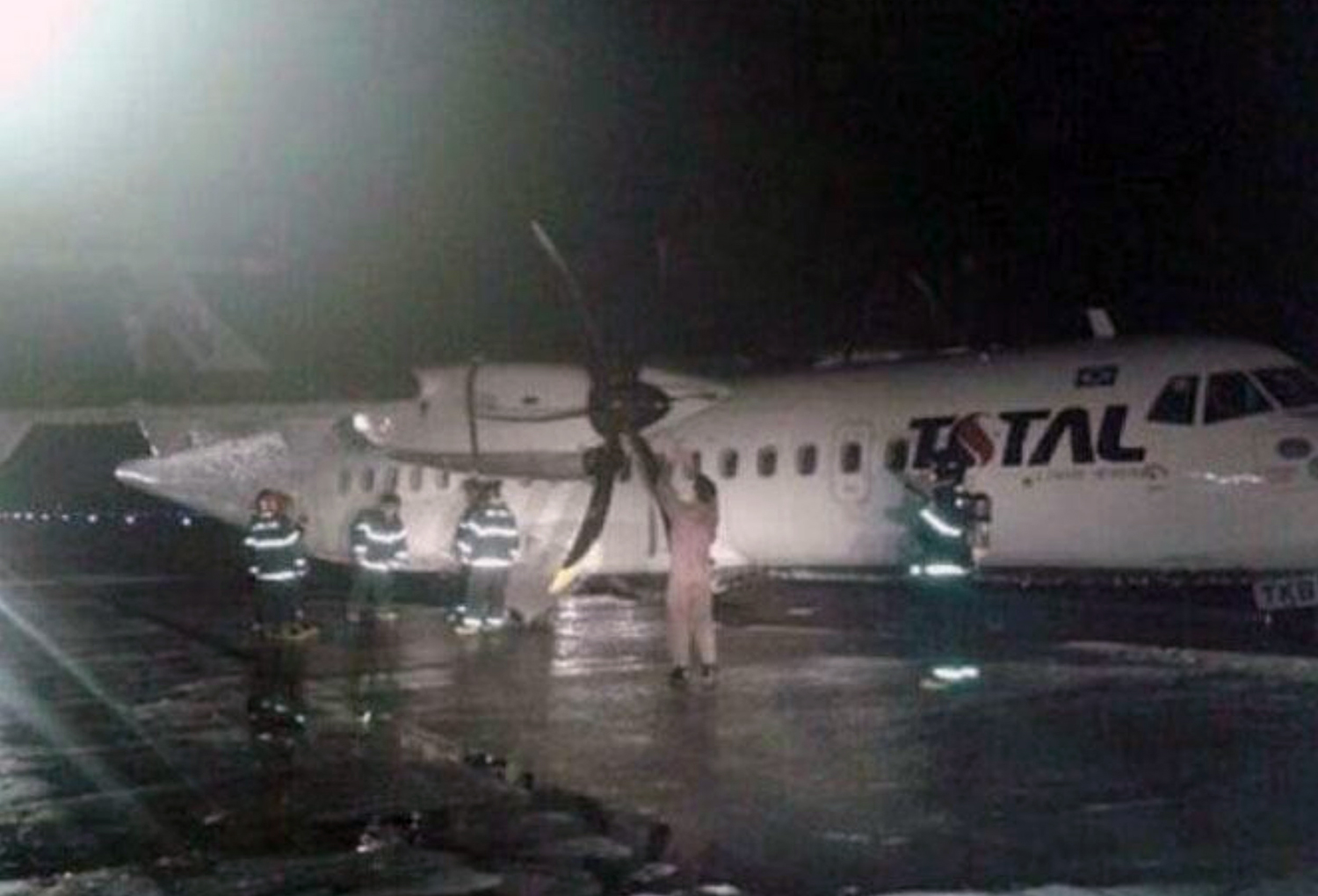
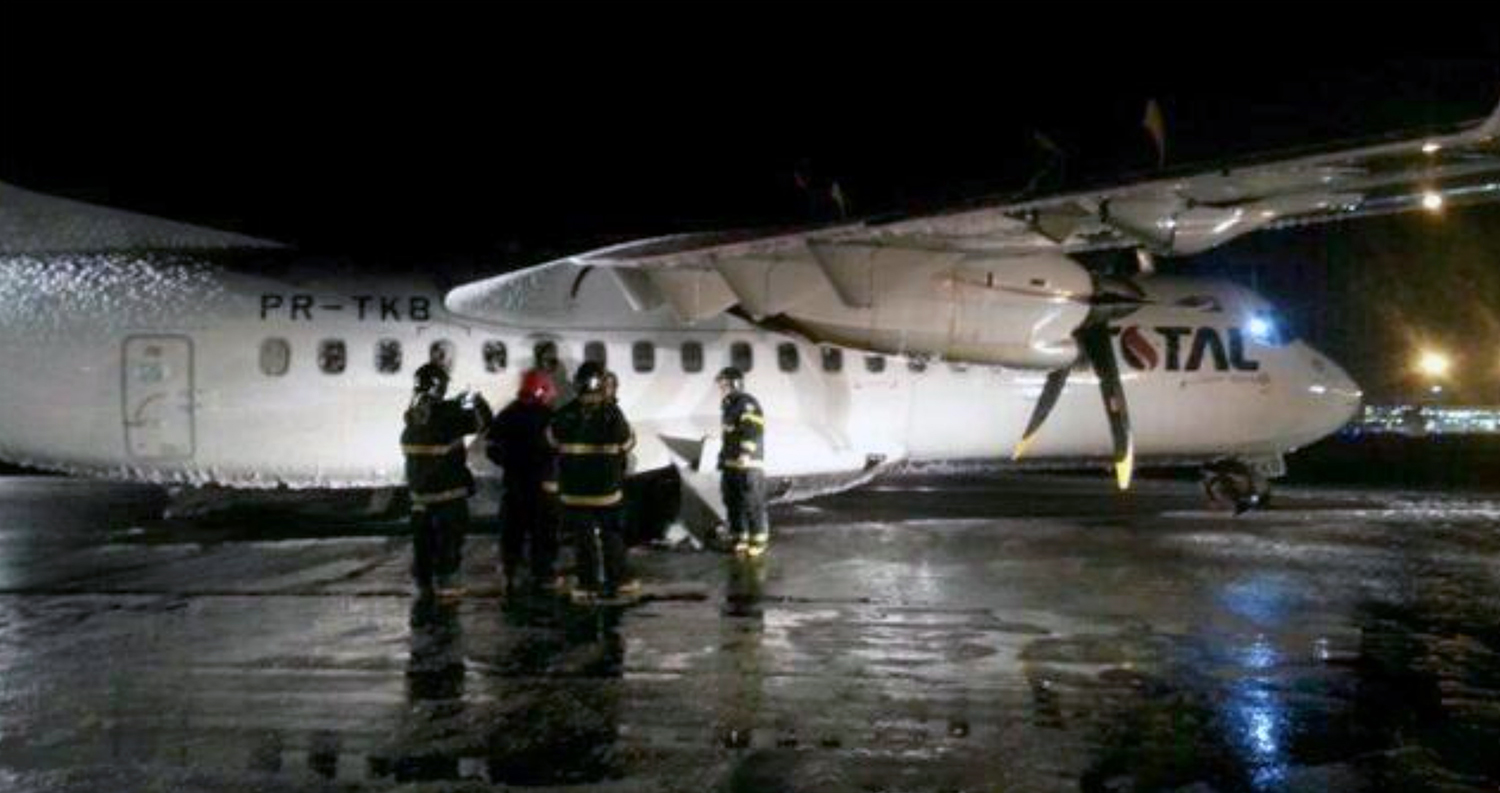
Crash of an ATR42-500 in Coari

Date & Time: May 30, 2014 at 2055 LT
Type of aircraft:
Operator:
Registration:
PR-TKB
Flight Phase:
Survivors:
Yes
Schedule:
Coari - Manaus
MSN:
610
YOM:
2000
Location:
Country:
Crew on board:
4
Crew fatalities:
Pax on board:
45
Pax fatalities:
Other fatalities:
Total fatalities:
0
Captain / Total hours on type:
2601.00
Copilot / Total flying hours:
5898
Copilot / Total hours on type:
548
Circumstances:
During the takeoff roll from Coari-Urucu Airport by night, the aircraft collided with a tapir that struck the right main gear. The crew continued the takeoff procedure and the flight to Manaus. After two hours and burning fuel, the aircraft landed at Manaus-Eduardo Gomes Airport. Upon touchdown, the right main gear collapsed and the aircraft veered to the right and came to rest. All 49 occupants evacuated safely while the aircraft was damaged beyond repair.
Probable cause:
Collision with a tapir during takeoff, causing severe damages to the right main gear.
The following findings were identified:
- The lack of isolation of the operational area allowed the land animal to enter the runway for landings and takeoffs, contributing to the accident.
- The crew did not notice the presence of the land animal on the runway early enough to abort the takeoff without extrapolating the runway limits and avoiding collision.
- The presence of the land animal (Tapirus terrestris) interfered with the operation and led to the collision of the right main landing gear.
Final Report:

Crash of a Fokker 100 in Brasília

Date & Time: Mar 28, 2014 at 1742 LT
Type of aircraft:
Operator:
Registration:
PR-OAF
Survivors:
Yes
Schedule:
Petrolina – Brasília
MSN:
11415
YOM:
1992
Flight number:
OC6393
Country:
Crew on board:
5
Crew fatalities:
Pax on board:
44
Pax fatalities:
Other fatalities:
Total fatalities:
0
Captain / Total flying hours:
4993
Captain / Total hours on type:
3060.00
Copilot / Total flying hours:
3357
Copilot / Total hours on type:
2844
Aircraft flight hours:
44449
Aircraft flight cycles:
32602
Circumstances:
The aircraft took off from the Senador Nilo Coelho Aerodrome (SBPL), Petrolina - PE, to Presidente Juscelino Kubitschek International Airport (SBBR), Brasilia - DF, at 1752 (UTC), in order to complete the scheduled cargo and personnel flight O6 6393, with 5 crewmembers and 44 passengers on board. During the level flight, thirty minutes after takeoff, the aircraft presented low level in the hydraulic system 1. The crew performed the planned operational procedures and continued the flight to Brasilia, with the hydraulic system degraded. During the SBBR landing procedures, the crew used the alternative system for lowering the landing gears. The main landing gears lowered and locked, the nose landing gear unlocked, but did not lower. After coordination with the air traffic control, the aircraft was instructed to land on SBBR runway 11R. The landing took place at 2042 (UTC). After the touchdown, the aircraft covered a total distance of 900 meters until its full stop. The initial 750 meters were with the aircraft supported only by the main landing gears and the last 150 meters were with the aircraft supported by the main landing gears and by the lower part of the front fuselage. The aircraft stopped on the runway. Substantial damage to structural elements of the aircraft occurred near the nose section. The evacuation of the crewmembers and passengers was safe and orderly. The copilot suffered fractures in the thoracic spine. The other crewmembers and passengers left unharmed.
Probable cause:
The following findings were identified:
- It was found that there was a restriction on the articulation movement of the right nose landing gear door and that the weight of this landing gear was not sufficient to overcome such restriction.
Upon inspecting the hinges, it was found that there were no signs of recent lubrication, allowing the hypothesis of occurrence of any deviation or non-adherence to the inspection and lubrication requirements established by the manufacturer leading to a the scenario favorable to the right door movement restriction. The issue of the maintenance could also be related to some deviation, or nonadherence to the requirements established for the service of widening the holes of the hinges concerning the coating and corrosion protection of the worked surface. As a result, the area could have been more susceptible to corrosive processes.
- The maintenance program, established by the manufacturer, may have contributed to the occurrence by not establishing adequate preventive maintenance parameters for the landing gear doors that were modified by reworking the hinges, incorporating larger radial pins and widening the lobe holes.
- It was not possible to determine the causal root of the EDP1 gasket extrusion, which caused the leakage of hydraulic oil that caused the hydraulic system 1 to fail.
Final Report:

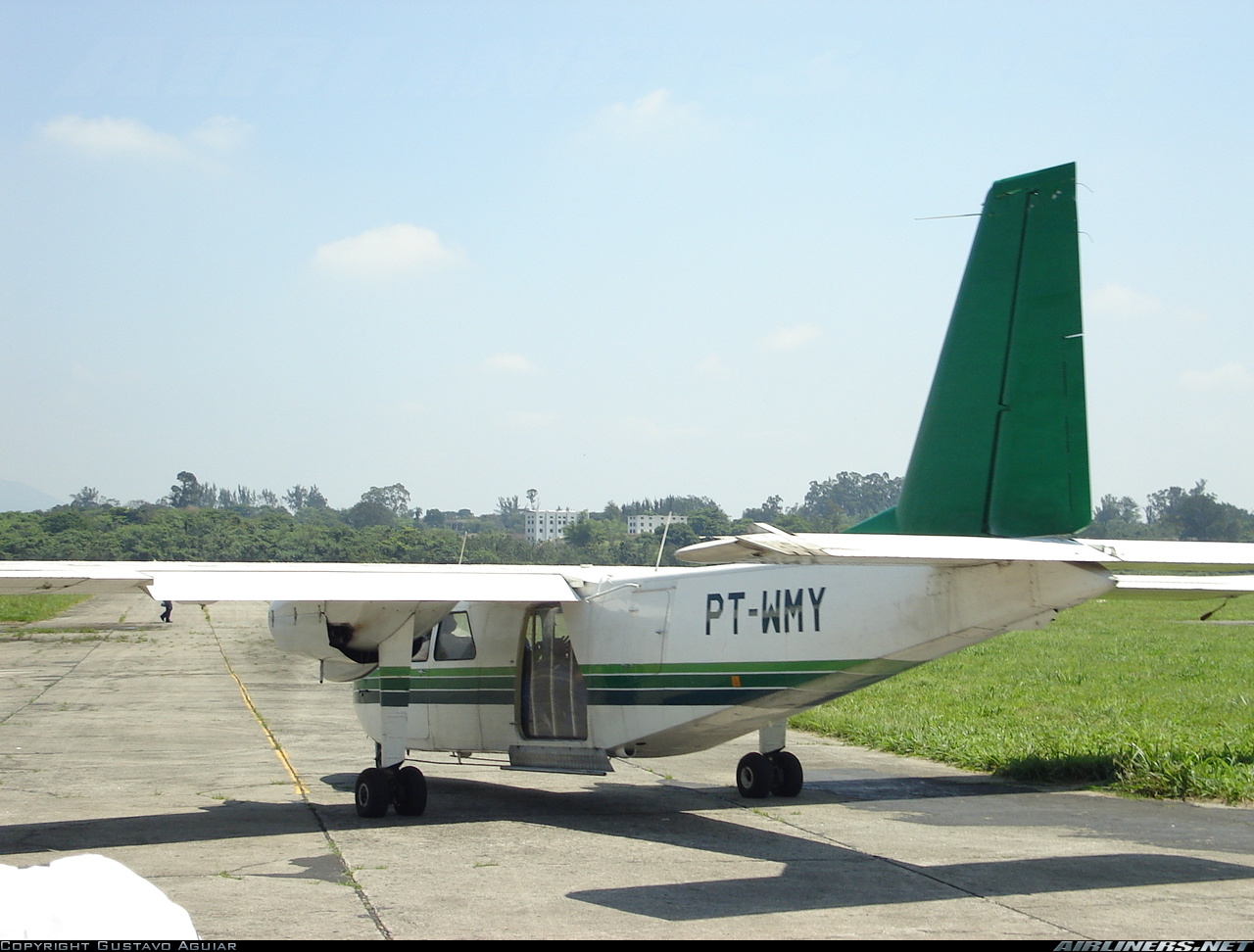
Crash of a Britten Norman BN-2A-3 Islander in Aldeia Pikany: 5 killed

Date & Time: Dec 4, 2013 at 1130 LT
Type of aircraft:
Operator:
Registration:
PT-WMY
Flight Phase:
Flight Type:
Survivors:
No
Schedule:
Aldeia Pikany – Novo Progresso
MSN:
314
YOM:
1974
Country:
Crew on board:
1
Crew fatalities:
Pax on board:
4
Pax fatalities:
Other fatalities:
Total fatalities:
5
Captain / Total flying hours:
530
Captain / Total hours on type:
58.00
Circumstances:
Shortly after takeoff from The Pikany Indian Reserve Airfield, while in initial climb, the twin engine aircraft lost height, collided with trees and crashed in a wooded area located on km from the airstrip. The aircraft was destroyed and all five occupants were killed, among them Indian Kayapo who were flying to Novo Progresso to have urgent care.
Probable cause:
The following factors were identified:
- The utilization of an aircraft not included in the Operating Specifications and of a runway neither registered nor approved, with a pilot who did not have the amount of hours necessary nor specific training, disclose a culture based on informal practices, which led to operation below the minimum safety requirements.
- It is possible that the pilot forgot to verify the quantity of fuel in the tanks of the aircraft before takeoff.
- The lack of specific training for the pilot and for the coordinator who, possibly, assumed the function of instructor may have compromised their operational performance during the preparation and conduction of the flight, since they were not effectively prepared for the activity.
- It is possible that the pilot failed to comply with the prescriptions of the legislation relatively to the minimum amount of fuel required for the flight leg. The operation of the aircraft by a pilot with expired qualifications and without the required training goes against the prescriptions at the time, but it was not determined whether this pilot (coordinator) was in the aircraft controls at the moment of the accident. The transport of a cylinder onboard the aircraft also configures flight indiscipline, since it goes against the legislation which prohibits the transport of such material.
- The lack of training of the differences may have contributed to the forgetting to verify the fuel tanks, a procedure that is prescribed in the aircraft manual. Likewise, lack of training may have deprived the pilots from acquiring proficiency for the operation of the aircraft in a single engine condition.
- The fact of conducting a flight to provide assistance in an emergency situation may have contributed to the pilot having forgotten to check safety parameters, such as the amount of fuel necessary.
- The pilot’s intention to earn his operational promotion may have stimulated him excessively, to the point of disregarding the minimum safety requirements for the operation. In addition, the emergency nature of the flight request possibly added to the motivation of the pilot and the coordinator.

- It is possible that, due to having little total experience either both of flight and in the aircraft, the pilot lost control of the aircraft when faced with the situation of in-flight engine failure after the takeoff.
- It is possible that the pilot and the coordinator prioritized the emergency requirement of the situation, failing to evaluate other aspects relevant for the safety of the flight, such as planning, for example.
- The lack of control on the part of the company’s management in relation to the flights operating outside of the main base allowed the pilot and the base manager to conduct a flight without the operating sector authorization. The lack of supervision of the air transport service provision by the contracting organizations allowed the company to provide services without the minimum conditions required by the legislation. Such conditions exposed the passengers to the risks of an irregular operation.

Final Report:

Crash of a Comp Air CA-8 in Sorocaba: 2 killed

Date & Time: May 29, 2013 at 1540 LT
Type of aircraft:
Operator:
Registration:
PP-XLR
Flight Phase:
Flight Type:
Survivors:
No
Site:
Schedule:
Sorocaba - Jundiaí
MSN:
0204CA8
YOM:
2006
Country:
Crew on board:
1
Crew fatalities:
Pax on board:
1
Pax fatalities:
Other fatalities:
Total fatalities:
2
Circumstances:
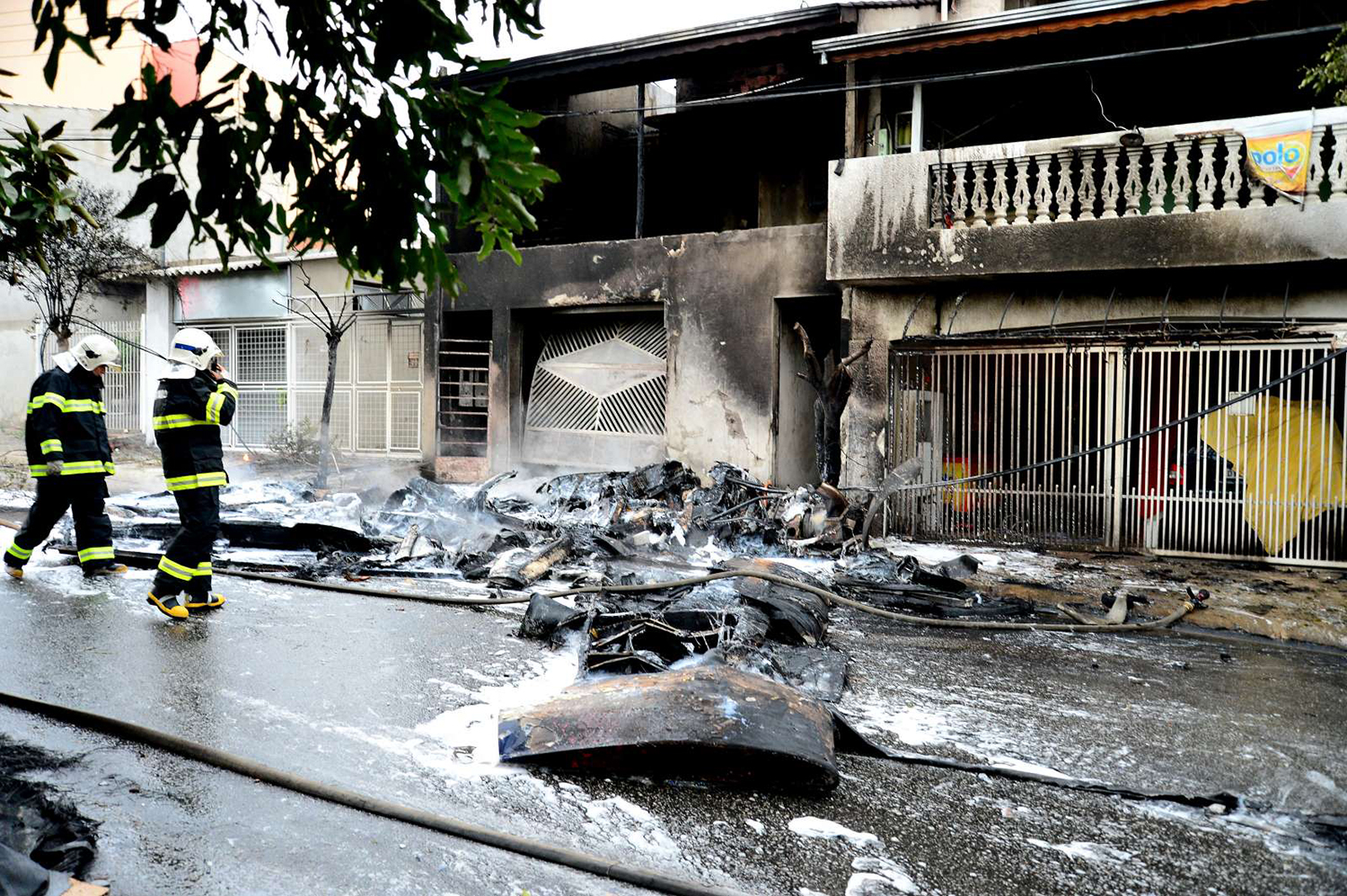
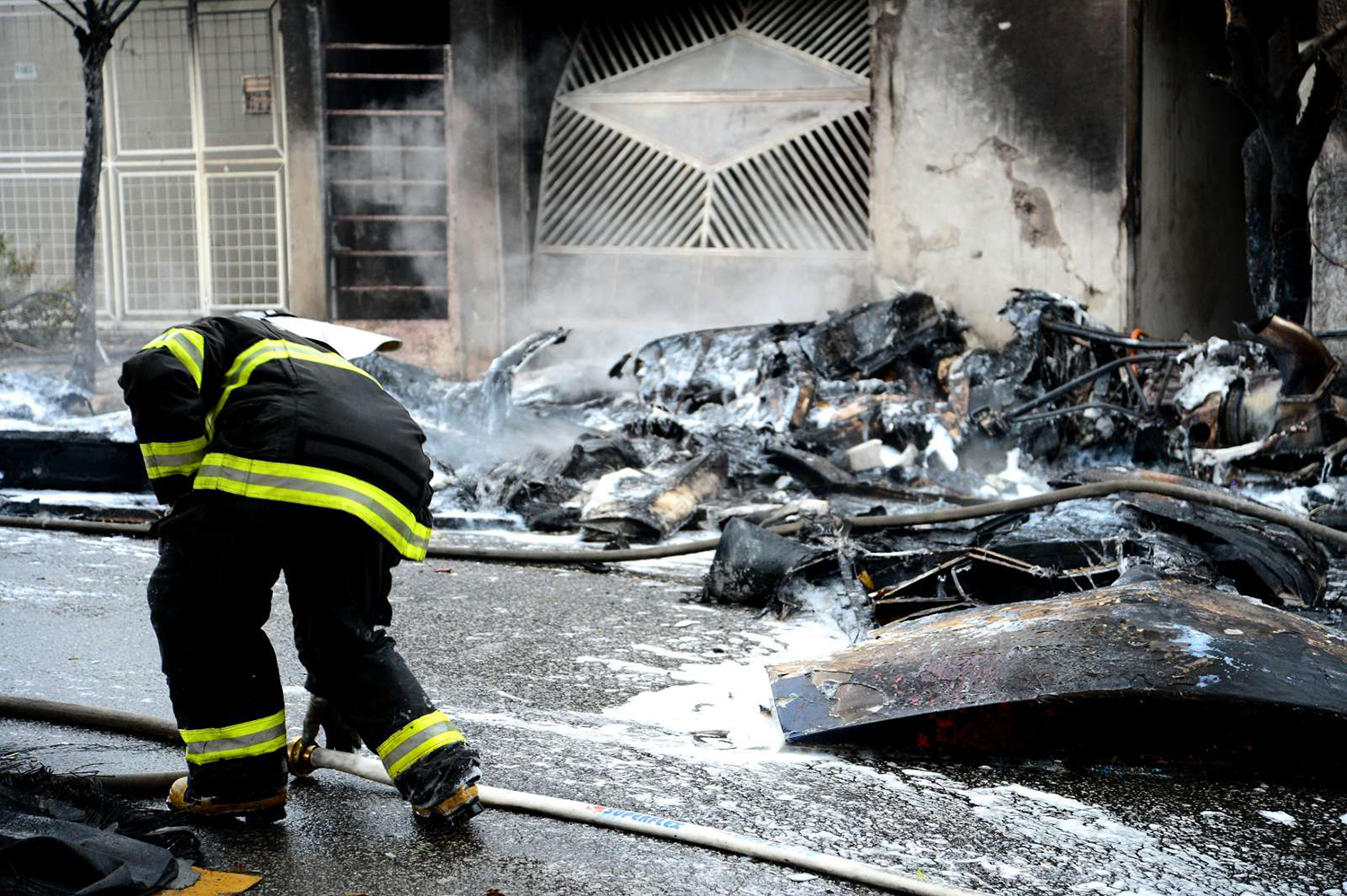
Shortly after take off from Sorocaba Airport, while climbing, the pilot encountered technical problems and elected to return. While trying to land in a wasteland, the single engine aircraft crashed in a street and was destroyed by impact forces and a post impact fire. Both occupants were killed as a house was also destroyed.

Crash of an Embraer EMB-820C Carajá in Almeirim: 10 killed

Date & Time: Mar 12, 2013 at 2030 LT
Operator:
Registration:
PT-VAQ
Survivors:
No
Schedule:
Belém - Almeirim
MSN:
820-140
YOM:
1986
Location:
Country:
Crew on board:
1
Crew fatalities:
Pax on board:
9
Pax fatalities:
Other fatalities:
Total fatalities:
10
Captain / Total flying hours:
1300
Captain / Total hours on type:
70.00
Circumstances:
The twin engine aircraft departed Belém-Val de Cans-Júlio Cezar Ribeiro Airport at 1907LT on a flight to Almeirim, carrying one pilot and nine employees of a company taking part to the construction of a hydro-electric station in the area. Following an eventful flight at FL85, the pilot started the descent to Almeirim and contacted ground at 2023LT. On final approach by night, the aircraft descended too low, impacted ground and crashed 5 km short of runway, bursting into flames. The aircraft was destroyed and all 10 occupants were killed.
Probable cause:
The following findings were identified:
- The pilot took the risks inherent to that flight when he accepted to be the only crewmember on a night-time flight with an aircraft in which he lacked enough experience. It is therefore considered that the pilot was complacent when he accepted to fly the aircraft under those circumstances, taking the risks associated with the operation.
- The fact that the pilot made a phone call to his father, to tell that he was feeling insecure for conducting the flight, may be considered an indication that he was not confident, and this condition may have influenced negatively his operational performance during the descent procedure.
- It is possible that the motivation of the pilot in making a fast progress in his career contributed to his acceptance of the challenge to operate the flight, even if he was not feeling fully confident.
- It is possible that the characteristics related to the type of flight, regions, time of the day, in addition to the fact that the pilot was flying the aircraft alone for the first time, contributed to an unclear perception of the relevant elements around him, leading him to a mistaken comprehension, which resulted in the deterioration of his ability to foresee the events.
- The operational progress of the pilot in the company was expedited and, therefore, it is possible that for this reason he did not gather the necessary experience for conducting that type of flight.
- It is possible that the way the work was organized within the company, with designation of pilots not readapted in the aircraft for night-time flights without artificial horizon, and for takeoffs with an aircraft weight above the one prescribed in the manual contributed to the event that resulted in the accident.
- It is possible that the prioritization of the financial sector, in detriment of operational safety, contributed to the designation of a single pilot with short experience for transporting nine passengers.
- It is probable that the pilot, during the preparation of the aircraft for landing, allowed the its speed and power to drop to a value below the minima required for maintenance of level flight on the downwind leg.
- It is possible that the location of the runway in an isolated area of the Amazonian jungle region, without visual references in a night-time flight, contributed to the pilot’s difficulty maintaining a sustained flight.
- It is possible that the training done by the pilot in a shortened manner deprived him from the knowledge and other technical abilities necessary for flying the aircraft.
- The decisions of the company operation sector to designate a short-experienced pilot without a copilot for a night flight destined for an aerodrome located in a jungle region without visual reference with the terrain increased the risk of the operation. Therefore, the risk management process was probably inappropriate.
- It was the first time the pilot was flying the aircraft on a night-time flight without a copilot. Since he had only little experience in the aircraft, it is possible that his operational performance was hindered in the management of tasks, weakening his situational awareness.
- It was not possible to determine whether the company chose to dispense with the copilot on account of the need to transport a ninth passenger and, thus, did not consider in a conservative manner the prescription contained in the aircraft airworthiness certificate by designating just one pilot for the flight.
Final Report:

Crash of a Beechcraft King Air C90A in Cândido Mota: 5 killed

Date & Time: Feb 3, 2013 at 2030 LT
Type of aircraft:
Registration:
PP-AJV
Flight Phase:
Survivors:
No
Schedule:
Maringá – São Paulo
MSN:
LJ-1647
YOM:
2001
Country:
Crew on board:
1
Crew fatalities:
Pax on board:
4
Pax fatalities:
Other fatalities:
Total fatalities:
5
Captain / Total hours on type:
441.00
Aircraft flight hours:
3137
Circumstances:
The twin engine aircraft departed Maringá Airport at 1837LT on a flight to São Paulo, carrying four passengers and one pilot. 35 minutes into the flight, about five minutes after he reached its assigned altitude of 21,000 feet, the aircraft stalled and entered an uncontrolled descent. The pilot was unable to regain control, the aircraft partially disintegrated in the air and eventually crashed in a flat attitude in a field. The aircraft was destroyed and all five occupants were killed.
Probable cause:
The following findings were identified:
- The lack of a prompt identification of the aircraft stall by the captain may have deprived him of handling the controls in accordance with the prescriptions of the aircraft emergency procedures, contributing to the aircraft entry in an abnormal attitude.
- The captain’s attention was focused on the passengers sitting in the rear seats, in detriment of the flight conditions under which the aircraft was flying. This had a direct influence on the maintenance of a poor situational awareness, which may have made it difficult for the captain to immediately identify that the aircraft was stalling.
- There was complacency when the copilot functions were assumed by a person lacking due professional formation and qualification for such. Even under an adverse condition, the prescribed procedure was not performed, namely, the use of the aircraft checklist.
- The fact that the aircraft was flying under icing conditions was confirmed by a statement of the female passenger in the cockpit (CVR). The FL210 (selected and maintained by the captain) gave rise to conditions favorable to severe icing on the aircraft structure. If the prevailing weather conditions are correlated with reduction of speed (attested by the radar rerun), the connection between loss of control in flight and degraded aircraft performance is duly established.
- The rotation of the aircraft after stalling may have contributed to the loss of references of the captain’s balance organs (vestibular system), making it impossible for him to associate the side of the turn made by the aircraft with the necessary corrective actions.
- The non-adherence to the aircraft checklists on the part of the captain, in addition to the deliberate adoption of non-prescribed procedures (disarmament of the starter and “seven killers”) raised doubts on the quality of the instruction delivered by the captain.
- The captain made an inappropriate flight level selection for his flight destined for São Paulo. Even after a higher flight level was offered to him, he decided to maintain FL 210. Also, after being informed about icing on the aircraft, he did not activate the Ice Protection System, as is expressly determined by the flight manual.
- The captain had the habit of making use of a checklist not prescribed for the aircraft, and this may have influenced his actions in response to the situation he was experiencing in flight.
- His recently earned technical qualification in the aircraft type; his inattention and distraction in flight; his attitude of non-compliance with operations and procedures prescribed in manuals; all of this contributed to the captain’s poor situational awareness.
- The flight plan was submitted via telephone. Therefore, it was not possible to determine the captain’s level of awareness of the real conditions along the route, since he did not report to the AIS office in SBMG. In any event, the selection of a freezing level for the flight, considering that the front was moving along the same proposed route, was indication of inappropriate planning.
- The investigation could neither determine the whole experience of the aircraft captain, nor whether his IFR flight experience was sufficient for conducting the proposed flight, since he made decisions which went against the best practices, such as, for example, selecting a flight level with known icing.
- With a compromised situational awareness, the pilot failed to correctly interpret the information available in the aircraft, as well as the information provided by the female passenger sitting in the cockpit, and he chose to maintain the flight level under inadequate weather conditions.
- The lack of monitoring/supervision of the activities performed by the captain allowed that behaviors and attitudes contrary to flight safety could be adopted in flight, as can be observed in this occurrence.
- Apparently, there was lack of an effective managerial supervision on the part of the aircraft operator, with regard to both the actions performed by the captain and the correction of the aircraft problems.
Final Report: