Crash of a Piper PA-31-310 Navajo in Carnarvon

Date & Time: Aug 18, 1989 at 1856 LT
Type of aircraft:
Operator:
Registration:
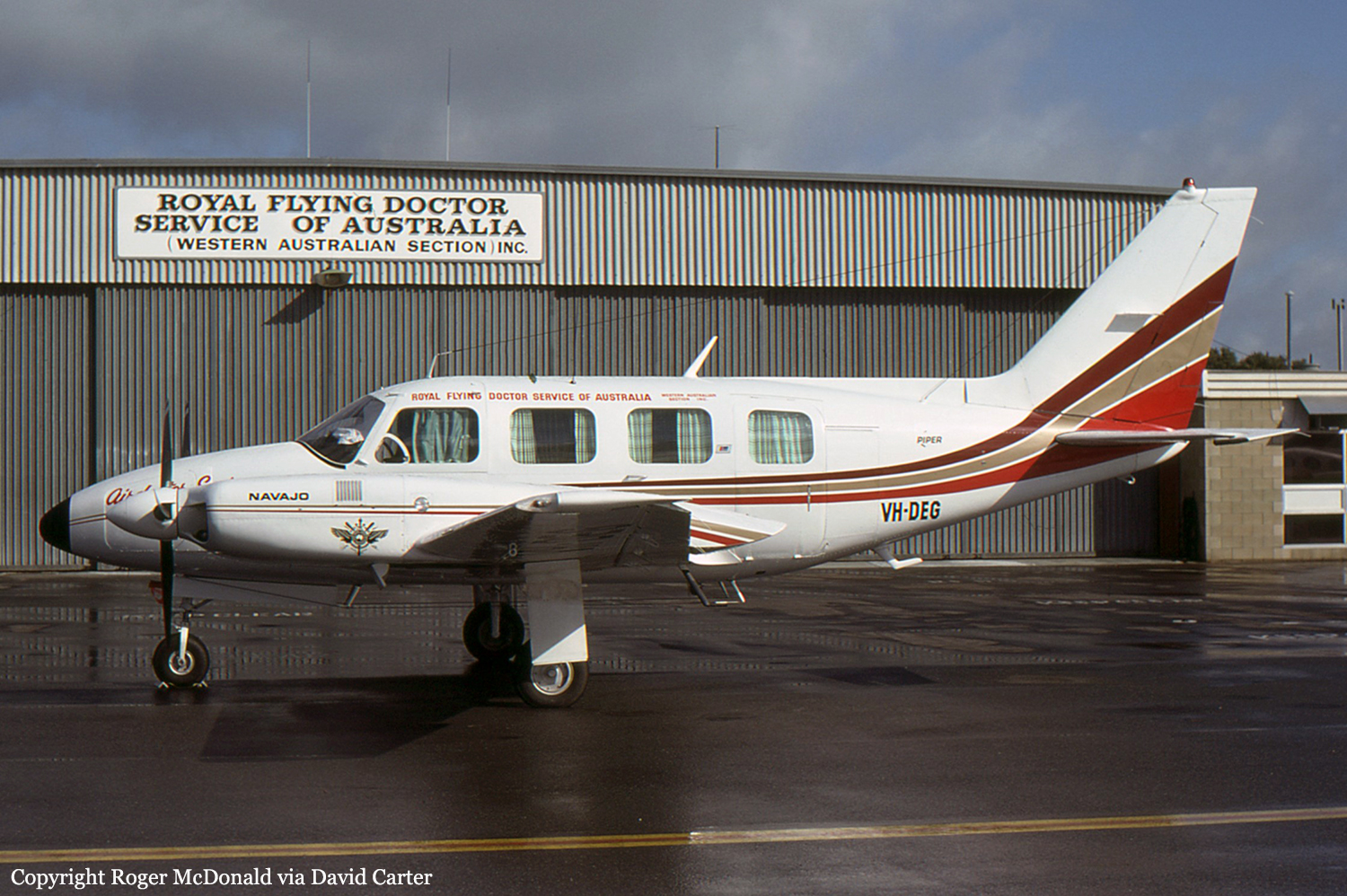
VH-DEG
Flight Type:
Survivors:
Yes
Schedule:
Geraldton – Carnarvon
MSN:
31-7812098
YOM:
1978
Country:
Region:
Crew on board:
1
Crew fatalities:
Pax on board:
1
Pax fatalities:
Other fatalities:
Total fatalities:
0
Circumstances:
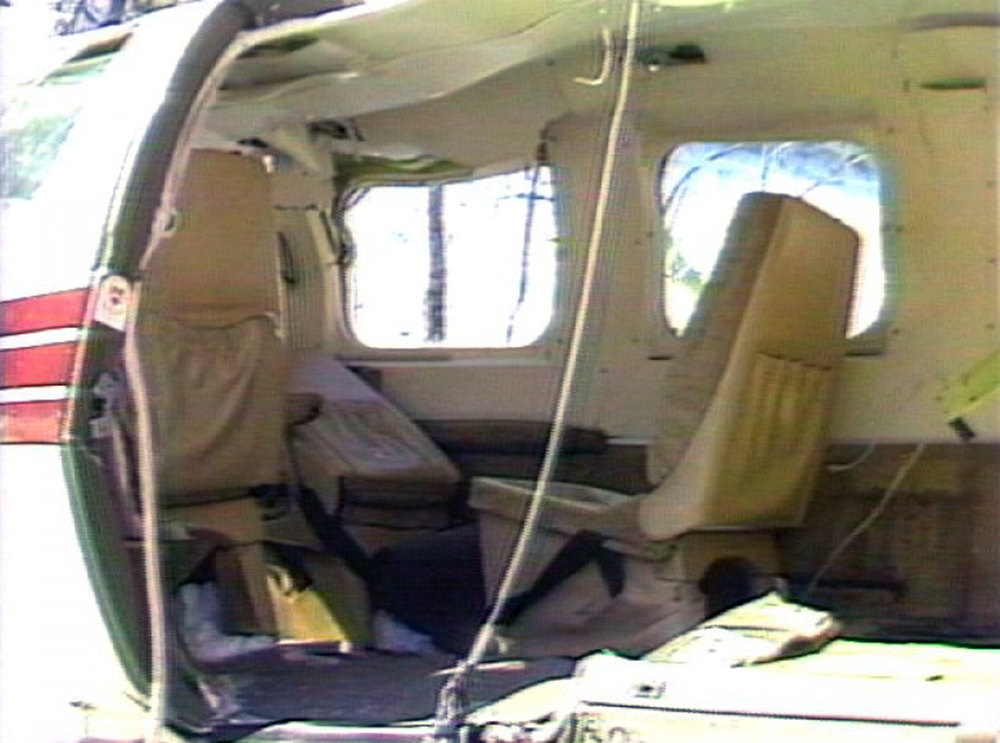
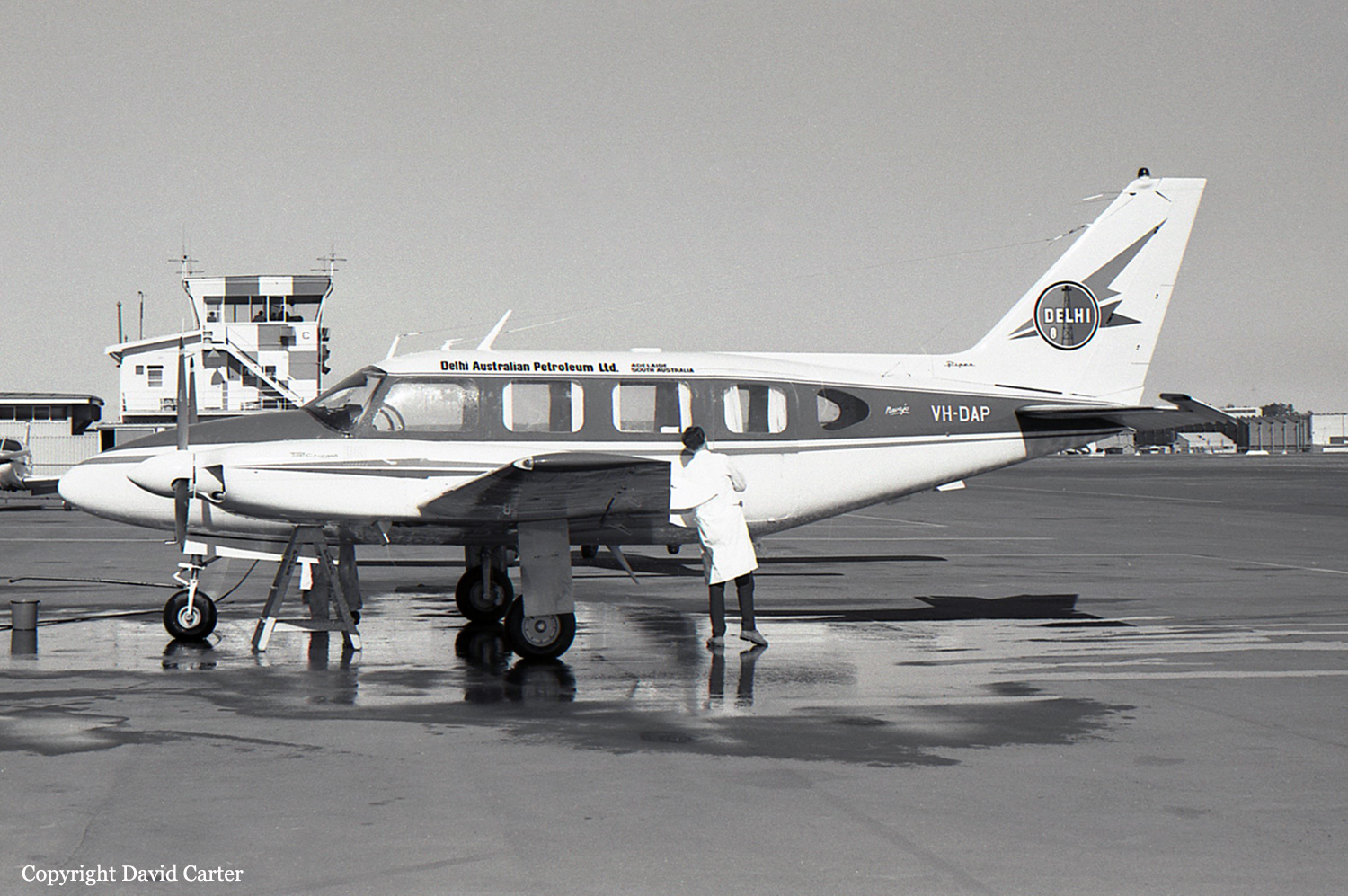
At approximately 1809, (23 minutes before last light) during final approach to landing at Carnarvon, the pilot noticed that the landing gear had not extended correctly. The aircraft remained in the circuit area whilst the pilot attempted to lower the landing gear using both manual and emergency methods. He also sought assistance from the company's, Perth based, duty pilot and Carnarvon based engineers. After exhausting all possible methods of lowering the gear the pilot decided to land with the landing gear and flaps retracted. The pilot rejected a landing on the sealed runways because he was apprehensive that it would cause unnecessary damage to the aircraft and could result in a fire. He considered landing in a riverbed (rejected by the Senior Operational Controller), alongside one of the sealed runways (the surface was unsuitable) and on one of the dirt strips. The pilot was offered a flare path on dirt runway 27 however, he declined and indicated that he would try to land using the available light. At 1856 (last light was at 1832) the pilot attempted a landing on runway 27. On late final approach the aircraft collided with a one and a half metre high levy bank, 270 metres short and 115 metres to the right of the threshold. The pilot was trapped in the wreckage for some time after the aircraft came to a stop. While the passenger was slightly injured, the pilot was seriously wounded.
Probable cause:
The landing gear problem arose when the left main landing gear would not lower. Examination of the aircraft revealed that both hinges fitted to the inboard landing gear door had fractured. The forward hinge had fractured as a result of fatigue and the rear hinge as a result of overload. The fatigue crack initiation had occurred at a sharp edged, prominent forging flash on the inner radius of the hinge and had grown over approximately 4000 load cycles. A similar fatigue problem had been identified on an earlier version of the hinge (part number 46653-00), however, regular inspections for fatigue cracking were discontinued when hinges with part number 47529-32 (as fitted to VH-DEG) were introduced in 1980. Similar fatigue cracking was found in the forward door hinge of another PA31 during the investigation. The fractured hinges jammed the left main landing gear mechanism and neither the normal or emergency extension systems could extend the gear. The pilot was apprehensive about wheels up landings. Much of his decision making was aimed at reducing the risk of fire and minimising the damage the aircraft would sustain during the landing. eg. Selection of a dirt runway instead of the sealed strip, landing with flaps retracted etc. During the pilot's attempts to rectify the landing gear problem, and up until the time of his touchdown, he was subjected to considerable radio transmission traffic involving questions, directions and suggestions which distracted him from his primary tasks. The pilot indicated on at least two occasions that he was ready to land, however, each time advice and questions from the ground personnel involved overrode his intentions. When the pilot was asked if he wanted a flare path on runway 27 there was still some natural light available and he was intending to land. However, by the time he was able to make his final approach it was dark and he was unable to see the ground. Studies have shown that aircrew subjected to high levels of stress can suffer skill fatigue and cognitive task saturation, which in turn can lead to a breakdown in the decision making process. It was apparent from the pilot's radio transmissions and the quality of the decisions made in the latter part of the flight that his information processing and decision making abilities had been degraded by the stress of continuous radio transmissions and continuous, and sometimes conflicting, instructions. As a result, what should have been a relatively simple wheels up landing in daylight was turned into an extremely difficult wheels up landing at night. With the landing gear retracted the aircraft's taxi and landing lights were not available to the pilot.
The following factors were considered relevant to the development of the accident:
1. Manufacturing defect. A forging flash created a stress concentration which led to fatigue cracking.
2. Inadequate inspection procedures. Previous inspection procedures introduced to disclose similar cracking were withdrawn on the introduction of later part numbered hinges.
3. Apprehension of the pilot. The pilot was apprehensive about apparently significant dangers of landing an aircraft, wheels up, on a sealed runway.
4. Inordinate interference in aircraft operations by ground based advisors. The ground advisors input overrode the pilot's decision on a number of occasions with the result that a simple exercise became very complicated.
5. Cognitive task saturation and skill fatigue. The amount of information, advice and suggestions being passed via the radio communications system overloaded the pilot decision making abilities.
6. Improper in-flight decisions. As a result of task saturation the final decision made by the pilot to attempt a night landing on an unlighted strip was incorrect.
7. The pilot did not see and therefore was unable to avoid the levy bank.
Final Report:
Crash of a Piper PA-31-310 Navajo near Carleton: 1 killed

Date & Time: Apr 4, 1989 at 1150 LT
Type of aircraft:
Operator:
Flight Phase:
Survivors:
Yes
Site:
Schedule:
Quebec - Bonaventure
Location:
Country:
Crew on board:
1
Crew fatalities:
Pax on board:
5
Pax fatalities:
Other fatalities:
Total fatalities:
1
Circumstances:
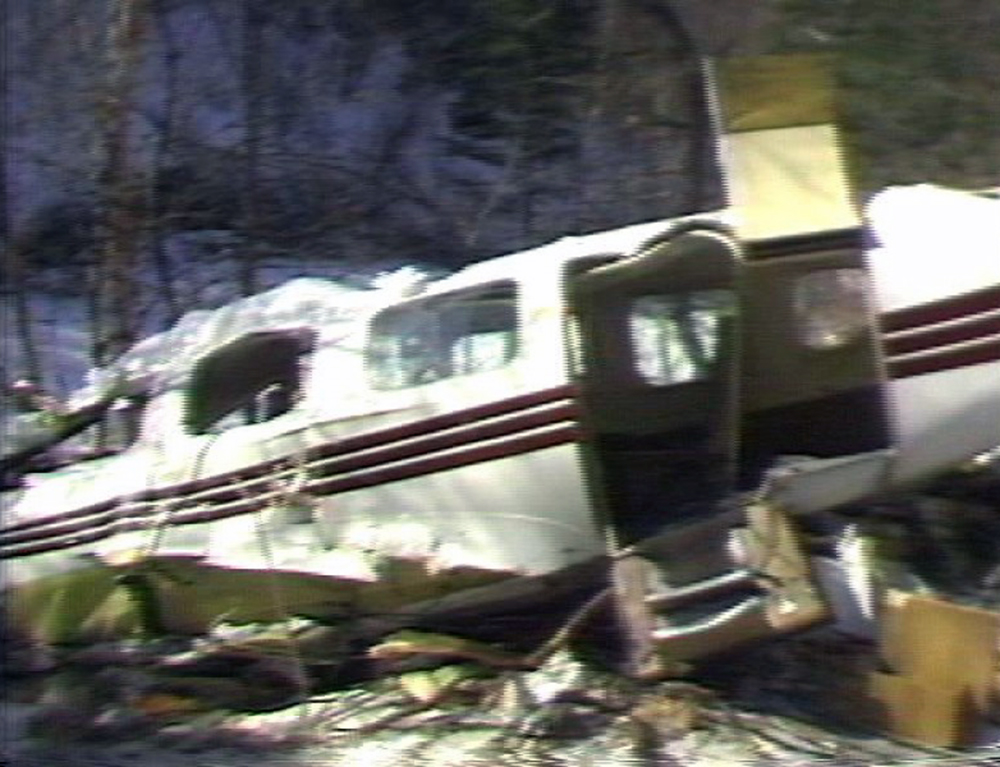
The twin engine aircraft was completing a charter flight from Quebec City to Bonaventure, carrying five passengers and one pilot. Just before noon, while cruising in poor visibility due to low clouds, the aircraft struck trees, stalled and crashed in a wooded area located on Mt Saint-Joseph, about 4 km north of Carleton. The pilot was killed instantly and all five passengers were injured, three of them seriously. Both passengers who were slightly injured decided to walk away to find help and walked for about 7 hours before reaching Carleton. Rescue teams arrived on scene the next morning to evacuate the last three passengers.

Crash of a Piper PA-31-310 Navajo in Sparks

Date & Time: Jan 31, 1989 at 2159 LT
Type of aircraft:
Registration:
N88RG
Flight Type:
Survivors:
Yes
Schedule:
Sparks – Long Beach
MSN:
31-667
YOM:
1970
Location:
Crew on board:
1
Crew fatalities:
Pax on board:
1
Pax fatalities:
Other fatalities:
Total fatalities:
0
Captain / Total flying hours:
2200
Captain / Total hours on type:
200.00
Circumstances:
During the climbout, in night visual meteorological conditions, the aircraft lost right engine power. The pilot was initially cleared for one runway, but was unable to get a safe gear indication. The pilot made a 180° turn to land on the opposite runway while attempting to get a safe gear indication. On turn from base to final, with the gear down and locked, the pilot overshot final approach. The pilot then chose an unlit parking lot to make an off-airport landing. The aircraft struck a tree and a power line. The aircraft struck several parked unoccupied vehicles during the landing. The faa reported that an on-site inspection revealed a failed right turbocharger. Both occupants were seriously injured.
Probable cause:
The pilot's misjudgement of the forced landing profile. Contributing to the accident was the failure of the right turbocharger and the pilot's improper handling of the landing gear system. Occurrence #1: loss of engine power (partial) - mech failure/malf
Phase of operation: climb
Findings
1. 1 engine
2. (f) exhaust system, turbocharger - failure, total
----------
Occurrence #2: airframe/component/system failure/malfunction
Phase of operation: approach - vfr pattern - downwind
Findings
3. (f) landing gear, normal retraction/extension assembly - improper
----------
Occurrence #3: in flight collision with object
Phase of operation: approach
Findings
4. (f) light condition - dark night
5. (c) planned approach - misjudged - pilot in command
6. (f) object - tree(s)
7. (f) object - wire, static
----------
Occurrence #4: on ground/water collision with object
Phase of operation: landing - flare/touchdown
Findings
8. Object - vehicle
Final Report:

Crash of a Piper PA-31-310 Navajo in Springfield: 1 killed

Date & Time: Jan 3, 1989 at 0812 LT
Type of aircraft:
Operator:
Registration:
N9034Y
Flight Type:
Survivors:
No
Site:
Schedule:
Indianapolis - Columbus
MSN:
31-47
YOM:
1967
Crew on board:
1
Crew fatalities:
Pax on board:
0
Pax fatalities:
Other fatalities:
Total fatalities:
1
Captain / Total flying hours:
1041
Captain / Total hours on type:
57.00
Aircraft flight hours:
5906
Circumstances:
The pilot was making a contract cargo flight under far 91 rules and had experienced icing enroute. When just past Dayton, he indicated that he 'had a little fuel problem' and needed to get into OSU without delays. A short time later he indicated that he needed to go to the nearest airport. He was vectored toward SGH for landing. He then indicated that he had lost an engine and a short time later indicated that he had lost the other engine. The aircraft crashed in a residential area. There was no fire and only residual fuel was found in the airplane. The company president indicated that he did not encourage his pilots to carry 'excess fuel'. It was reported that this pilot, along with others, had been 'chewed out' for carrying 'excess fuel'. The operation should have been conducted under far 135 rules since the company had retained operational control of the operation. The pilot, sole on board, was killed.
Probable cause:
Fuel exhaustion precipitated by the inadequate fuel consumption calculations performed by the pilot, pressure from the company president to not carry excess fuel and improper in-flight planning/decisions by the pilot by not refueling enroute before fuel was exhausted. Contributing to the accident was the inadequate surveillance and certification of the operator by the FAA.
Occurrence #1: loss of engine power (total) - nonmechanical
Phase of operation: descent
Findings
1. (c) fuel consumption calculations - inadequate - pilot in command
2. (c) company-induced pressure - company/operator management
3. (c) inadequate surveillance of operation - faa (organization)
4. (c) fluid, fuel - exhaustion
5. (c) aircraft preflight - inadequate - pilot in command
6. (c) inadequate certification/approval - faa (organization)
7. (c) refueling - not performed - pilot in command
8. (c) in-flight planning/decision - inadequate - pilot in command
----------
Occurrence #2: forced landing
Phase of operation: descent - emergency
----------
Occurrence #3: in flight collision with terrain/water
Phase of operation: descent - uncontrolled
Final Report:

Crash of a Piper PA-31-310 Navajo off Stanwell Park: 3 killed

Date & Time: Nov 1, 1988 at 1740 LT
Type of aircraft:
Registration:
VH-DAP
Flight Phase:
Flight Type:
Survivors:
No
Schedule:
Nowra - Nowra
MSN:
31-364
YOM:
1968
Country:
Region:
Crew on board:
3
Crew fatalities:
Pax on board:
0
Pax fatalities:
Other fatalities:
Total fatalities:
3
Circumstances:
The aircraft had been modified by the installation of an air driven winch for the purpose of towing gunnery targets and was operating in conjunction with a warship for scheduled sea/air gunnery practise. Weather conditions in the area were reported as overcast at 4000 feet, wind 060 degrees / 15-20 knots and visibility of 15-20 kilometres. At about 1717 hours the aircraft was instructed to commence carrying out gunnery tracking runs at an altitude of 1000 feet with the sleeve target not deployed. Between 1720 and 1735 hours the aircraft carried out two such runs from the west and east. The aircraft then tracked to the south, away from the ship, to a distance of about 10 kilometres. At about 1738 the aircraft was instructed to turn inbound for a run from astern. At about 1739 hours the pilot reported engine problems and about one minute later advised "I've got problems, Mayday, I'm going in". Crewmen stationed near the stern of the ship, reported seeing the aircraft dive into the sea. The warship was immediately turned back towards the crash position. Other warships and aircraft were also ordered to the crash position. The only wreckage sighted was at the crash datum and was believed to have been a section of wing. This wreckage was located about two metres below the surface and sank before it could be recovered. The approximate depth of water at the crash position is 450 fathoms. No trace of the aircraft or its occupants has been discovered to date.
Probable cause:
The subsequent investigation established that the flight crew were properly qualified to conduct the flight, and that the aircraft was appropriately certified and maintained. The flight was conducted in accordance with the conditions of the operating contract. At the time of the occurrence the aircraft had not deployed the sleeve target and no firing was being carried out. No evidence was found to suggest an in-flight structural failure or fire. The installation of the target towing equipment was not considered to have been a factor in the development of the accident. There was a loss of control of the aircraft following an apparent engine malfunction. The precise reasons for the accident have not been established.
The following factors were considered relevant to the development of the accident:
1. Apparent engine failure or malfunction.
2. Control of the aircraft was lost for reasons which have not been determined.
Final Report:

Crash of a Piper PA-31-310 Navajo in Edinburg

Date & Time: Oct 16, 1988 at 1635 LT
Type of aircraft:
Registration:
N91BB
Flight Phase:
Survivors:
Yes
Schedule:
McAllen - Houston
MSN:
31-141
YOM:
1968
Location:
Crew on board:
1
Crew fatalities:
Pax on board:
6
Pax fatalities:
Other fatalities:
Total fatalities:
0
Captain / Total flying hours:
2925
Captain / Total hours on type:
195.00
Aircraft flight hours:
6373
Circumstances:
Aircraft experienced a double engine failure. Pilot stated that immediately after the left engine failed, in climb to cruise, the aircraft rolled left, the stall warning activated, and the aircraft entered a left spiral. The right engine failed during the two-turn spiral. Pilot's attempts to restart the engines were unsuccessful. Pilot subsequently made a successful gear up emergency landing on a road, however, the aircraft was destroyed by post-crash fire. Investigation revealed that both engine fuel systems were contaminated with water and dissolved solids. Aircraft had just been refueled at a foreign airport. All seven occupants were uninjured.
Probable cause:
Occurrence #1: loss of engine power (total) - nonmechanical
Phase of operation: climb - to cruise
Findings
1. 1 engine
2. (c) fluid, fuel - contamination
3. (c) fluid, fuel - water
4. (c) maintenance, service of aircraft/equipment - improper - fbo personnel
----------
Occurrence #2: loss of control - in flight
Phase of operation: climb - to cruise
Findings
5. (c) airspeed (vmc) - not maintained - pilot in command
6. Spiral - uncontrolled
----------
Occurrence #3: loss of engine power (total) - nonmechanical
Phase of operation: descent - uncontrolled
Findings
7. All engines
8. (c) fluid, fuel - contamination
9. (c) fluid, fuel - water
----------
Occurrence #4: forced landing
Phase of operation: descent - emergency
----------
Occurrence #5: in flight collision with terrain/water
Phase of operation: landing - roll
Findings
10. Wheels up landing - performed - pilot in command
Final Report:

Crash of a Piper PA-31-310 Navajo near Santiago de Chile: 1 killed

Date & Time: Sep 20, 1988
Type of aircraft:
Operator:
Registration:
CC-CBO
Flight Phase:
Survivors:
No
Site:
Country:
Crew on board:
1
Crew fatalities:
Pax on board:
0
Pax fatalities:
Other fatalities:
Total fatalities:
1
Circumstances:
Crashed in unknown circumstances in a mountainous area near Santiago. The pilot, sole on board, was killed.

Crash of a Piper PA-31P Pressurized Navajo in Miami: 1 killed

Date & Time: Jun 17, 1988 at 1927 LT
Type of aircraft:
Registration:
N560JB
Flight Type:
Survivors:
Yes
Schedule:
Miami - Miami
MSN:
31-7400195
YOM:
1974
Crew on board:
2
Crew fatalities:
Pax on board:
1
Pax fatalities:
Other fatalities:
Total fatalities:
1
Captain / Total flying hours:
3444
Captain / Total hours on type:
270.00
Aircraft flight hours:
1750
Circumstances:
The instructor (cfi), who survived, was flying the aircraft from the right front seat while the owner/pilot was in the left seat. The flight had progressed normally until the pilots returned to the airport to land. Clearance was received to land on runway 09L. According to the cfi, he lowered the landing gear, selected 10° of flaps and noted he needed excessive back pressure on the control yoke to keep the aircraft from descending. Also, he stated he was unable to relieve the pressure with electrical or manual trim. He asked the pilot/owner to use his electrical trim (on the left yoke), but this did not help. The cfi stated he retracted the flaps and increased power, but the aircraft continued to settle. Subsequently, it hit a tree and a pole, then impacted the ground and struck a vehicle before stopping. A fire erupted and all 3 occupants were burned while evacuating the aircraft. The pilot/owner died from his injuries. No preimpact part failure or malfunction was found during the investigation. Flight test data concerning thrust-drag ratio showed that induced drag increases rapidly below 90 knots. Witnesses said the aircraft was low/slow on final approach.
Probable cause:
Occurrence #1: in flight collision with object
Phase of operation: approach - vfr pattern - final approach
Findings
1. (c) in-flight planning/decision - improper - pilot in command (cfi)
2. Descent - inadvertent
3. (c) airspeed - not maintained - pilot in command (cfi)
4. (c) proper altitude - not maintained - pilot in command (cfi)
5. (f) object - tree(s)
6. (f) object - utility pole
----------
Occurrence #2: in flight collision with terrain/water
Phase of operation: descent - uncontrolled
Findings
7. Object - vehicle
Final Report:

Crash of a Piper PA-31-325 Navajo C/R in West Seneca

Date & Time: Apr 8, 1988 at 0230 LT
Type of aircraft:
Operator:
Registration:
N59845
Flight Type:
Survivors:
Yes
Schedule:
Buffalo - Jamestown
MSN:
31-7612054
YOM:
1976
Crew on board:
1
Crew fatalities:
Pax on board:
0
Pax fatalities:
Other fatalities:
Total fatalities:
0
Captain / Total flying hours:
3050
Captain / Total hours on type:
410.00
Aircraft flight hours:
2040
Circumstances:
The flight departed Buffalo under IFR conditions to Jamestown, New York. Several approaches were made to land but due to the weather conditions, the pilot elected to return to Buffalo still under IFR. During initial contact with control tower, the pilot advised them that he was low on fuel and requested direct flight to Buffalo. About 5 miles south-southwest of Buffalo both engines quit and the pilot advised that he was not going to make it. At this time the flight was issued emergency vector to Buffalo, but the aircraft crashed adjacent to route 400 in West Seneca, New York.
Probable cause:
Loss of power due to fuel starvation. Contributing factor was adverse weather conditions.
Occurrence #1: loss of engine power
Phase of operation: approach
Findings
1. Weather condition - low ceiling
2. (c) preflight planning/preparation - inaccurate - pilot in command
3. Fluid, fuel - exhaustion
----------
Occurrence #2: forced landing
Phase of operation: descent - emergency
----------
Occurrence #3: in flight collision with terrain/water
Phase of operation: landing
Final Report:

Crash of a Piper PA-31-325 Navajo C/R in Orinda: 5 killed

Date & Time: Apr 3, 1988 at 1906 LT
Type of aircraft:
Registration:
N6ET
Flight Phase:
Flight Type:
Survivors:
No
Site:
Schedule:
Redding - San Jose
MSN:
31-7612012
YOM:
1976
Crew on board:
1
Crew fatalities:
Pax on board:
4
Pax fatalities:
Other fatalities:
Total fatalities:
5
Captain / Total flying hours:
6500
Circumstances:
Before the accident, witnesses observed the aircraft circling in a valley beneath a low cloud layer and below the surrounding hilltops. They estimated the ceiling was 400 feet obscured. Two witnesses said the aircraft entered clouds before it crashed. A 3rd witness, who was a pilot, said the aircraft was at a very low altitude when it approached rising/mountainous terrain; he said the aircraft then entered a steep climbing turn and stalled after making two complete turns. Impact occurred in a nose low, left wing down attitude. No preimpact mechanical problem was found. The FAA had issued the pilot a special 3rd class medical certificate after he had quintuple heart bypass surgery. He was reported to have gotten 'quite angry' before the flight, when 2 passengers were late. A pathologist believed the pilot's death may have been due to arteriosclerotic heart disease; however, this was not verified. The pilot did not have an instrument rating and no record of a preflight weather briefing was found. All five occupants were killed.
Probable cause:
Occurrence #1: in flight encounter with weather
Phase of operation: cruise
Findings
1. (f) preflight planning/preparation - inadequate - pilot in command
2. (f) terrain condition - mountainous/hilly
3. (f) weather condition - low ceiling
4. (f) weather condition - fog
5. (f) vfr flight into imc - continued - pilot in command
----------
Occurrence #2: loss of control - in flight
Phase of operation: maneuvering
Findings
6. Maneuver - initiated
7. (c) airspeed - not maintained - pilot in command
8. (c) stall - inadvertent - pilot in command
----------
Occurrence #3: in flight collision with terrain/water
Phase of operation: descent - uncontrolled
Final Report: