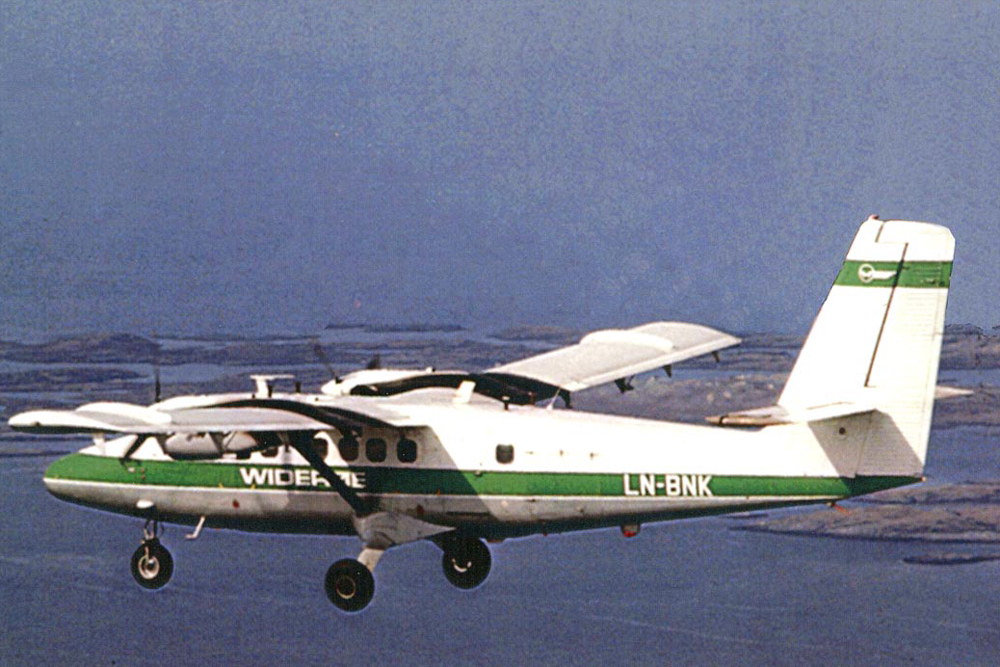
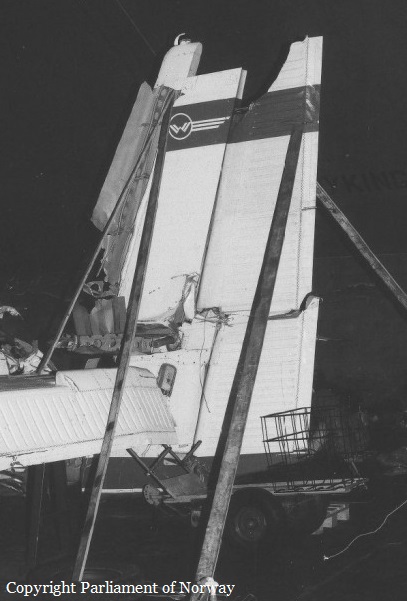
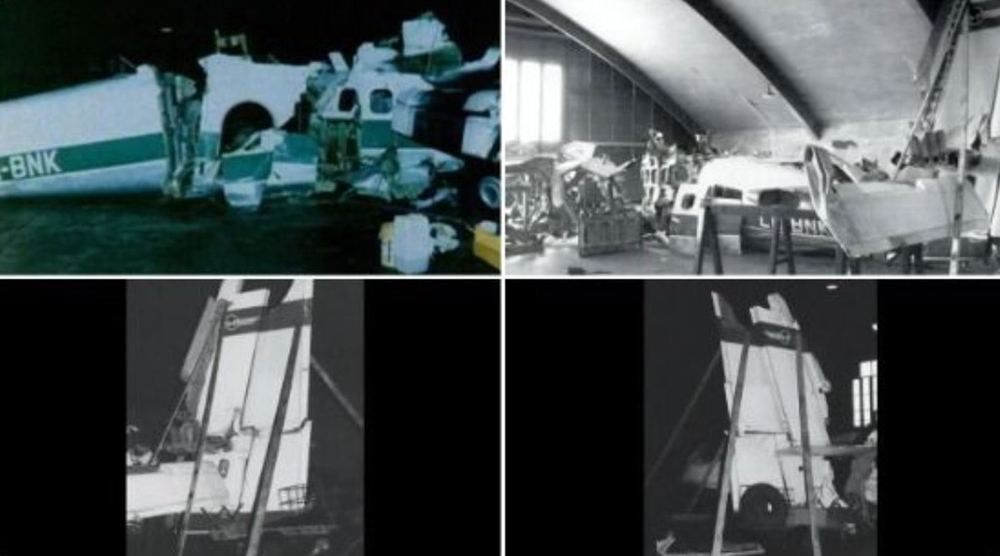
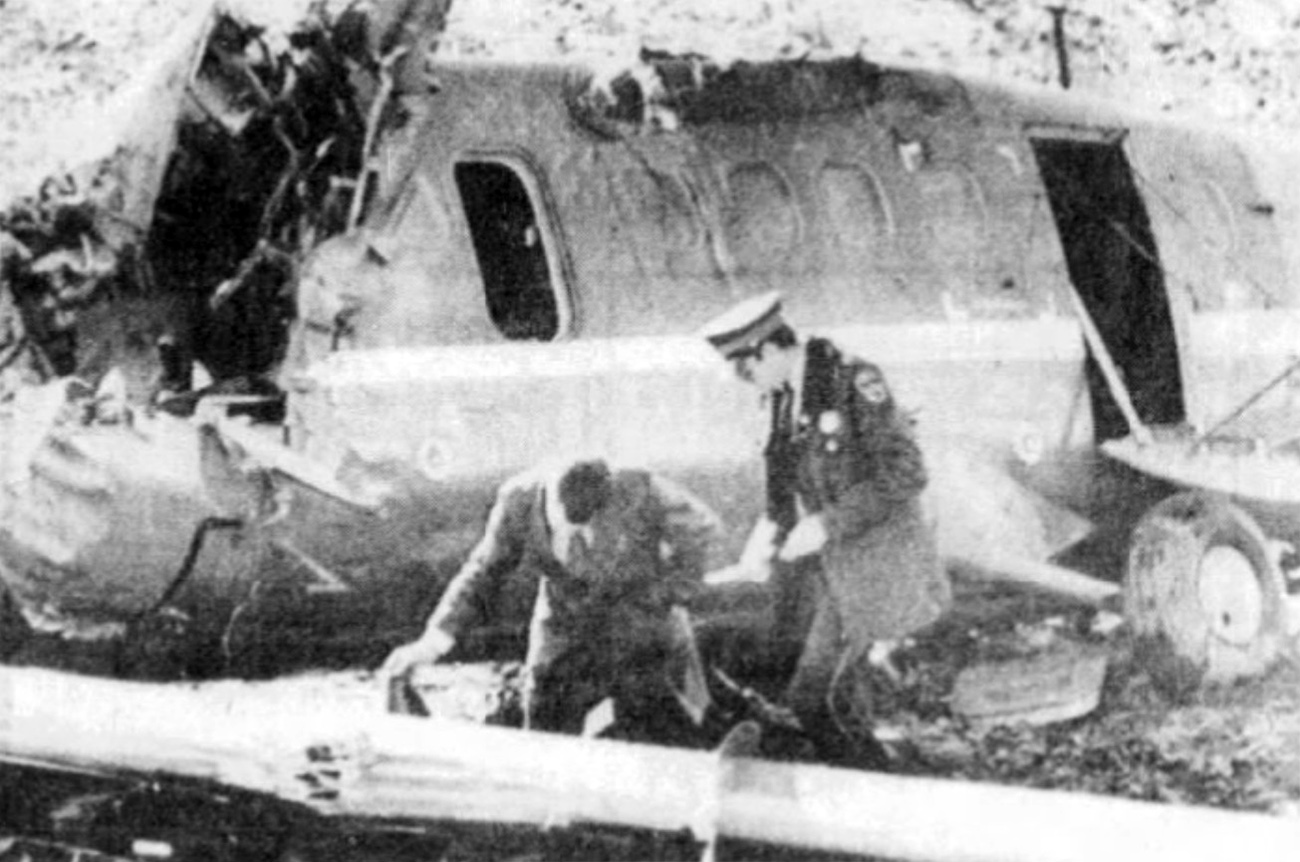
Crash of a De Havilland DHC-6 Twin Otter 300 near Gamvik: 15 killed

Date & Time: Mar 11, 1982 at 1327 LT
Operator:

Registration:
LN-BNK
Flight Phase:
Survivors:
No
Schedule:
Kirkenes – Vadsø – Vardø – Båtsfjord – Berlevåg – Mehamn – Honningsvåg – Alta
MSN:
568
YOM:
1977
Flight number:
WF933
Location:
Country:
Region:
Crew on board:
2
Crew fatalities:
Pax on board:
13
Pax fatalities:
Other fatalities:
Total fatalities:
15
Captain / Total flying hours:
8474
Captain / Total hours on type:
5011.00
Copilot / Total flying hours:
1830
Copilot / Total hours on type:
918
Aircraft flight hours:
9925
Aircraft flight cycles:
20953
Circumstances:
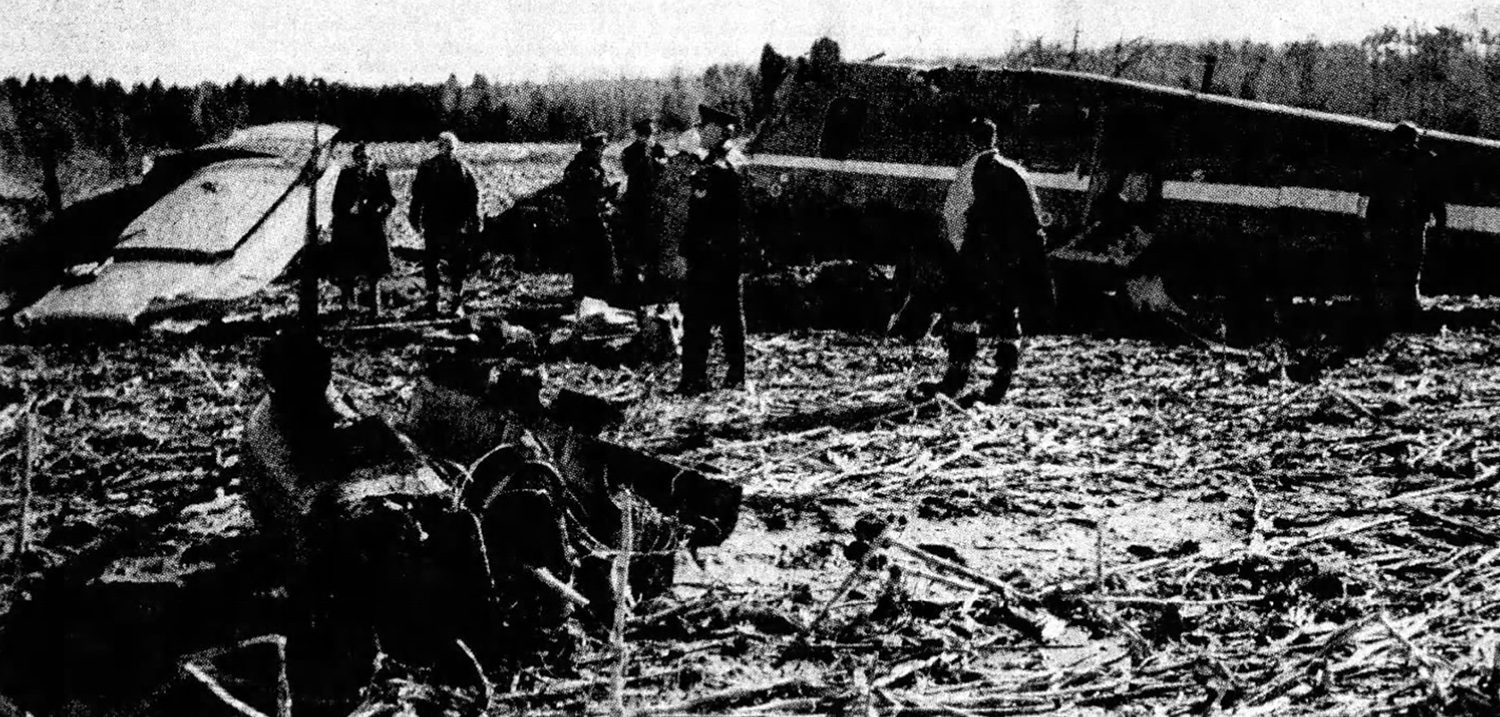
The twin engine airplane departed Kirkenes on a regular schedule service (flight WF933) to Alta with intermediate stops in Vadsø, Vardø, Båtsfjord, Berlevåg, Mehamn and Honningsvåg. The aircraft departed Berlevåg Airport at 1319LT and the crew reported to Mehamn Aerodrome Flight Information Service (AFIS) at 1322 that he was at an altitude of 2,000 feet over the Tanafjord with an ETA in Mehamn at 1333LT. Mehamn AFIS called flight 933 at 1335 but did not receive any answer. As the aircraft failed to arrive in Mehamn, SAR operations were initiated. The wreckage was located two days later in the Tanafjord mouth, at a depth of 40 meters, about 6 km southeast of Gamvik. All 15 occupants were killed.
Probable cause:
The exact cause of the accident could not be determined with certainty. However, it is believed that the accident was the consequence of a loss of control in-flight after the vertical stabilizer failed due to the combination of altitude turbulences, strong winds, unfavorable atmospheric currents and inappropriate reaction on part of the flying crew.

The accident occurred during a NATO military exercise, within a self-declared no-fly zone for allied military aircraft. A report in 1987 that radar had observed an unidentified aircraft which was on a collision course with the Twin Otter caused a second investigation to be started. It was concluded that the existence of other aircraft in the area could be ruled out; and that no other airborne objects could have caused the accident. The debate about the accident resurfaced in 1997 when several sources claimed there was new or overlooked evidence of the involvement of NATO aircraft. The Accident Investigation Board Norway (AIBN) decided in 1997 to investigate the new claims and concluded that there was no evidence to support these claims. The accident was ordered investigated again in November 2002 after a retired Norwegian air traffic controller said one of the Harrier pilots, involved in a mission about the time of the accident, had requested an immediate landing because of technical problems. The report was published on 20 September 2005. It fully supported the findings of all three previous reports and found no evidence for an impact with a Harrier or any other aircraft.
Final Report:


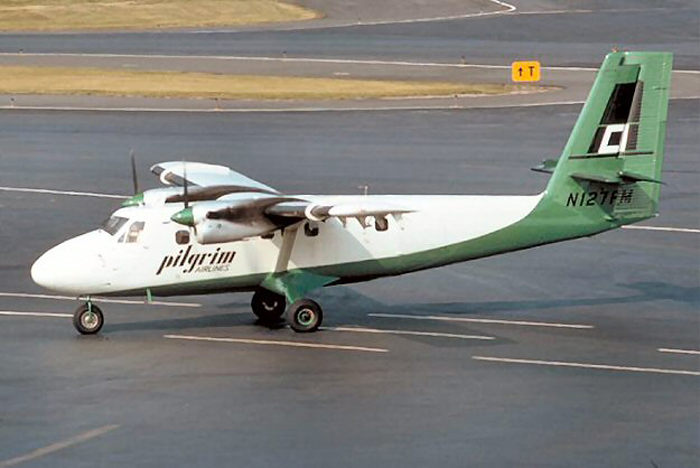
Crash of a De Havilland DHC-6 Twin Otter 300 near Providence: 1 killed

Date & Time: Feb 21, 1982 at 1533 LT
Operator:
Registration:
N127PM
Flight Phase:
Survivors:
Yes
Schedule:
Groton - Boston
MSN:
105
YOM:
1968
Flight number:
PM458
Crew on board:
2
Crew fatalities:
Pax on board:
10
Pax fatalities:
Other fatalities:
Total fatalities:
1
Captain / Total flying hours:
6500
Captain / Total hours on type:
2700.00
Copilot / Total flying hours:
2100
Copilot / Total hours on type:
400
Aircraft flight hours:
27015
Circumstances:
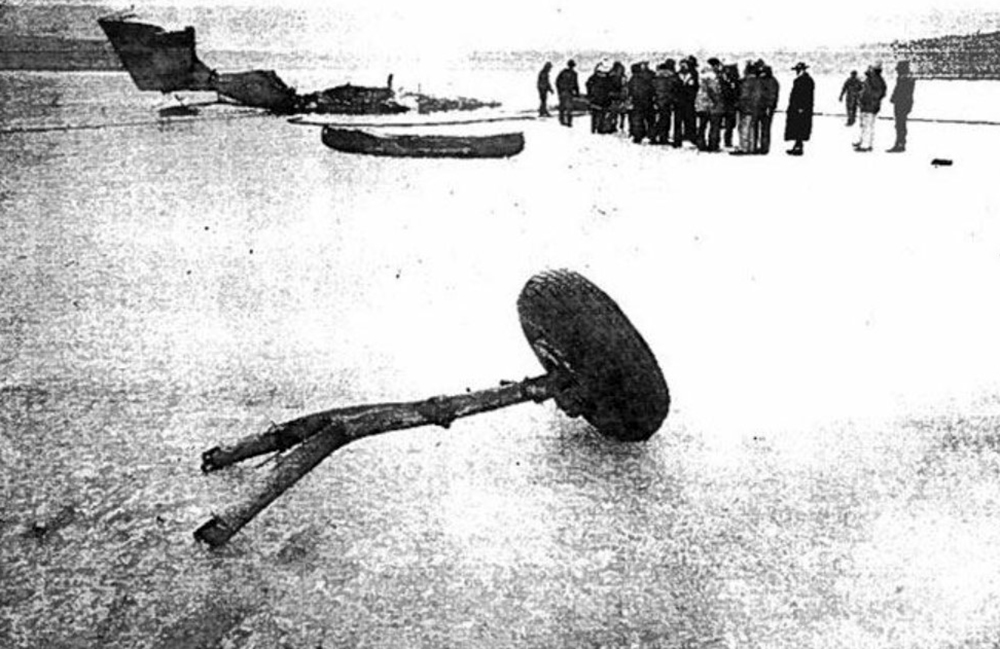
At 4,000 feet light icing on the windshield was noted, and the deicing system was activated. After two cycles of deicing, alcohol was smelled in the cockpit, and smoke was coming up from the control yoke. An emergency landing was attempted at Providence, RI, but smoke and flames forced the crew to land on 10-12 inch thick ice on a reservoir. By then, heavy black smoke poured in the cockpit and fire was seen. Upon landing, the left main gear collapsed and the right wing was sheared off. Eleven occupants escaped and were injured while a passenger was killed.
Probable cause:
The deficient design of the isopropyl alcohol windshield washer/deicer system and the inadequate maintenance of the system which resulted in an in-flight fire. The ignition source of the fire was not determined.
Final Report:
Crash of a De Havilland DHC-6 Twin Otter 300 in San Antero: 13 killed

Date & Time: Dec 18, 1981 at 1306 LT
Operator:
Registration:
HK-2216
Survivors:
No
Site:
Schedule:
Medellín – Coveñas
MSN:
609
YOM:
1979
Country:
Crew on board:
2
Crew fatalities:
Pax on board:
11
Pax fatalities:
Other fatalities:
Total fatalities:
13
Circumstances:
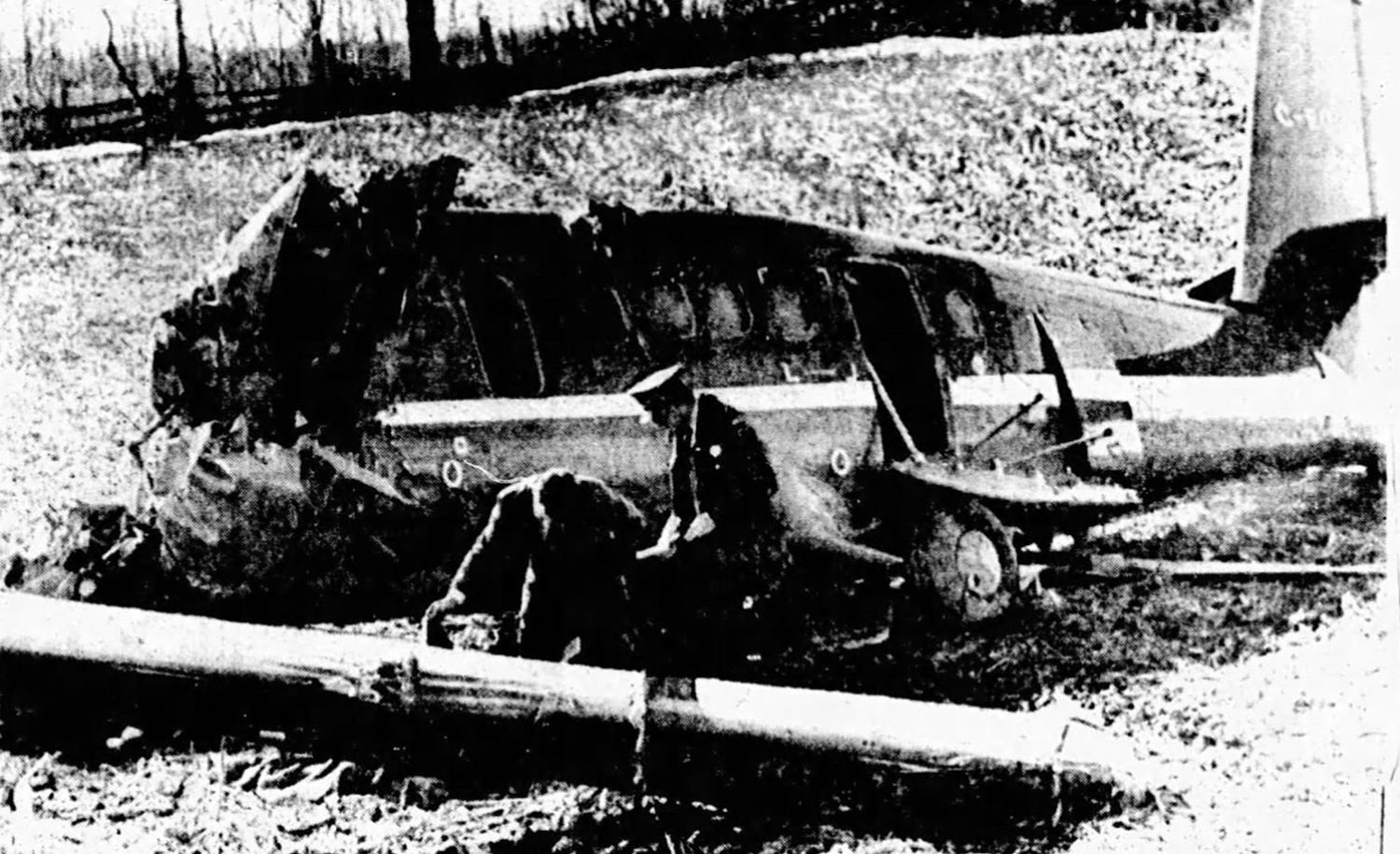
While approaching Coveñas Airport on a flight from Medellín, the twin engine airplane struck a hill and crashed near San Antero, about 7 km southwest of runway 06 threshold. The aircraft was destroyed and all 13 occupants were killed.

Crash of a De Havilland DHC-6 Twin Otter 300 in Bafoussam: 1 killed

Date & Time: Oct 31, 1981
Operator:
Registration:
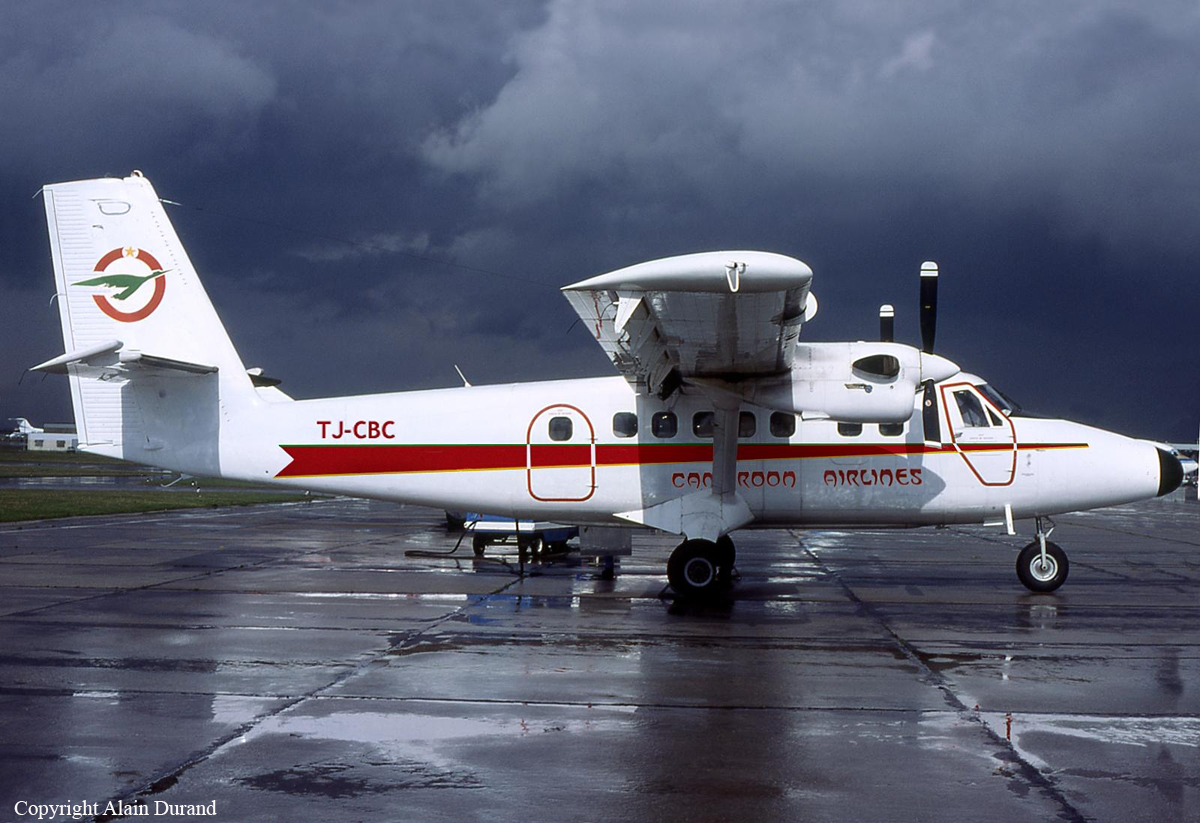
TJ-CBC
Flight Phase:
Survivors:
Yes
Schedule:
Bafoussam – Douala
MSN:
416
YOM:
1974
Country:
Region:
Crew on board:
2
Crew fatalities:
Pax on board:
22
Pax fatalities:
Other fatalities:
Total fatalities:
1
Circumstances:
After takeoff from Bafoussam-Bamougoum Airport, the twin engine airplane encountered difficulties to gain height. It stalled and crash landed, overran and came to rest 43 meters past the runway end. A passenger was killed while all other occupants were injured.
Probable cause:
It was determined that the aircraft was overloaded at the time of the accident. It was also reported that the crew failed to prepare the flight according to procedures and failed to follow the pre-takeoff checklist.

Crash of a De Havilland DHC-6 Twin Otter 300 in Coclecito: 7 killed

Date & Time: Jul 31, 1981 at 1200 LT
Operator:
Registration:
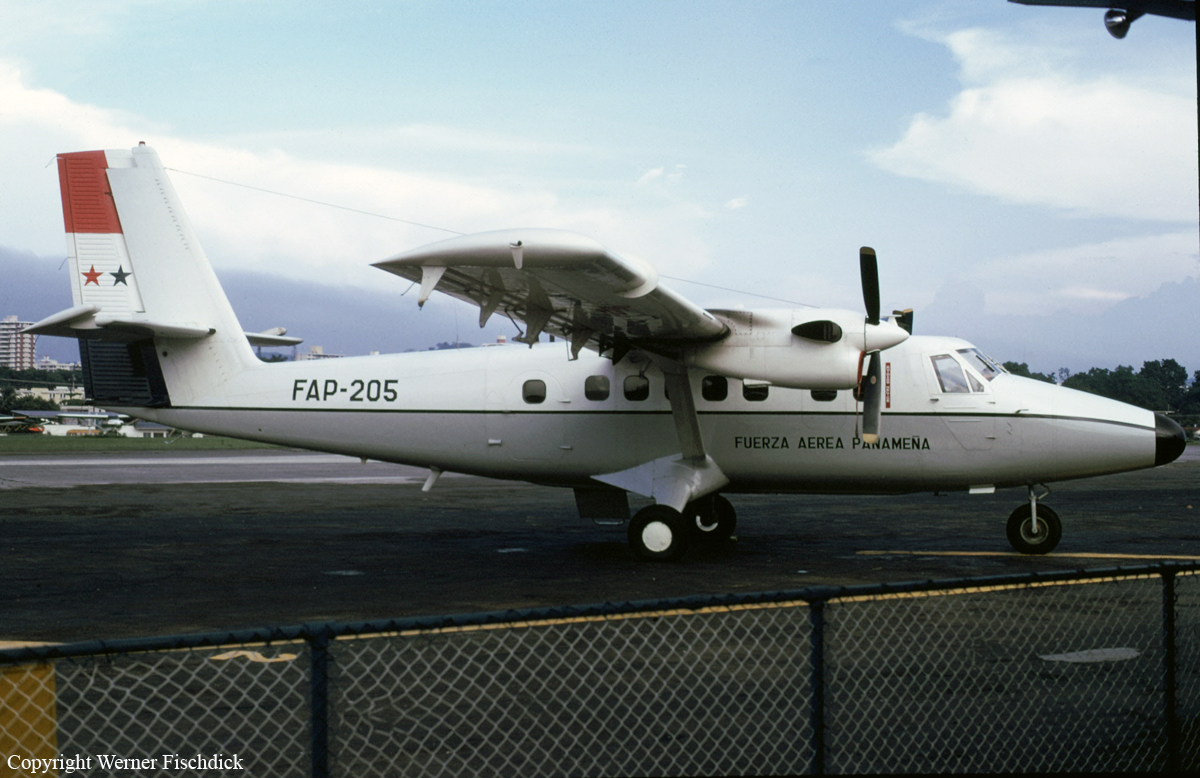
FAP-205
Flight Phase:
Flight Type:
Survivors:
No
Site:
Schedule:
Río Hato – Penonomé – Coclecito
MSN:
284
YOM:
1970
Country:
Crew on board:
2
Crew fatalities:
Pax on board:
5
Pax fatalities:
Other fatalities:
Total fatalities:
7
Circumstances:
The twin engine airplane departed Río Hato Airport at 1044LT and landed at Penonomé at 1055LT. Following a stop of 45 minutes, the airplane took off bound to the north to Coclecito. While cruising at an altitude of 3,400 feet in poor weather conditions, the airplane struck the slope of a mountain and crashed. All seven occupants were killed, among them General Omar Efraín Torrijos, President of the Republic of Panama.
Probable cause:
It is believed that the accident was the consequence of a controlled flight into terrain while flying in low clouds and foggy conditions.

Crash of a De Havilland DHC-6 Twin Otter 300 near Maroantsetra: 19 killed

Date & Time: Jul 24, 1981
Operator:
Registration:
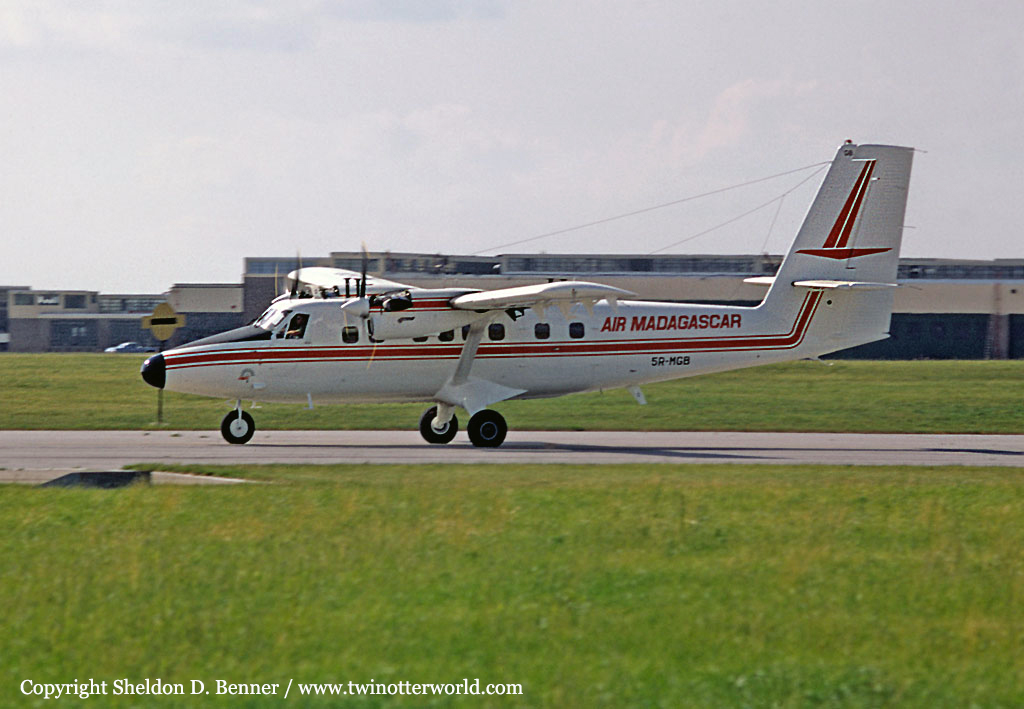
5R-MGB
Flight Phase:
Survivors:
No
Site:
Schedule:
Mandritsara – Maroantsetra – Antalaha – Andapa – Doany – Sambava
MSN:
327
YOM:
1971
Flight number:
MD112
Country:
Region:
Crew on board:
2
Crew fatalities:
Pax on board:
17
Pax fatalities:
Other fatalities:
Total fatalities:
19
Circumstances:
On the leg from Maroantsetra to Andalaha, while in cruising altitude in marginal weather conditions, the twin engine airplane struck the slope of a mountain located northeast of Maroantsetra. The wreckage was found few hours later and all 19 occupants were killed.
Probable cause:
Controlled flight into terrain.

Crash of a De Havilland DHC-6 Twin Otter 300 in Macara: 18 killed

Date & Time: May 22, 1981 at 1500 LT
Operator:
Registration:
FAE457
Flight Type:
Survivors:
No
Site:
Schedule:
Quito - Macará
MSN:
457
YOM:
1975
Location:
Country:
Crew on board:
2
Crew fatalities:
Pax on board:
16
Pax fatalities:
Other fatalities:
Total fatalities:
18
Circumstances:
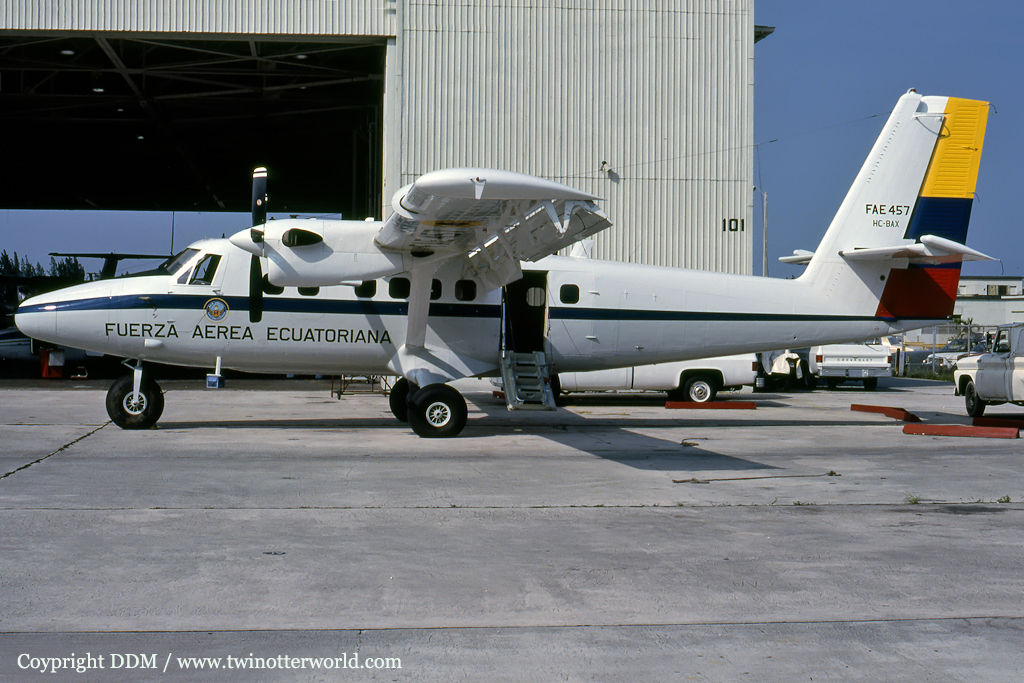
The airplane was completing a flight from Quito to Macará, carrying members of the Ecuadorian government, Army Officers and journalists who were flying to the south of the country, taking part to the next official visit of the President of the Republic of Ecuador Jaime Roldós Aguilera. While descending to Macará, the crew encountered poor weather conditions with low clouds and rain showers. Too low, the airplane struck the slope of a mountain and crashed few km from Macará. The aircraft was destroyed upon impact and all 18 occupants were killed. The airplane had a dual registration FAE457 and HC-BAX.
Probable cause:
Controlled flight into terrain.

Crash of a De Havilland DHC-6 Twin Otter at North Station

Date & Time: Mar 15, 1981
Operator:
Registration:
CF-DHT
Survivors:
Yes
MSN:
130
YOM:
1968
Country:
Region:
Crew on board:
0
Crew fatalities:
Pax on board:
0
Pax fatalities:
Other fatalities:
Total fatalities:
0
Circumstances:
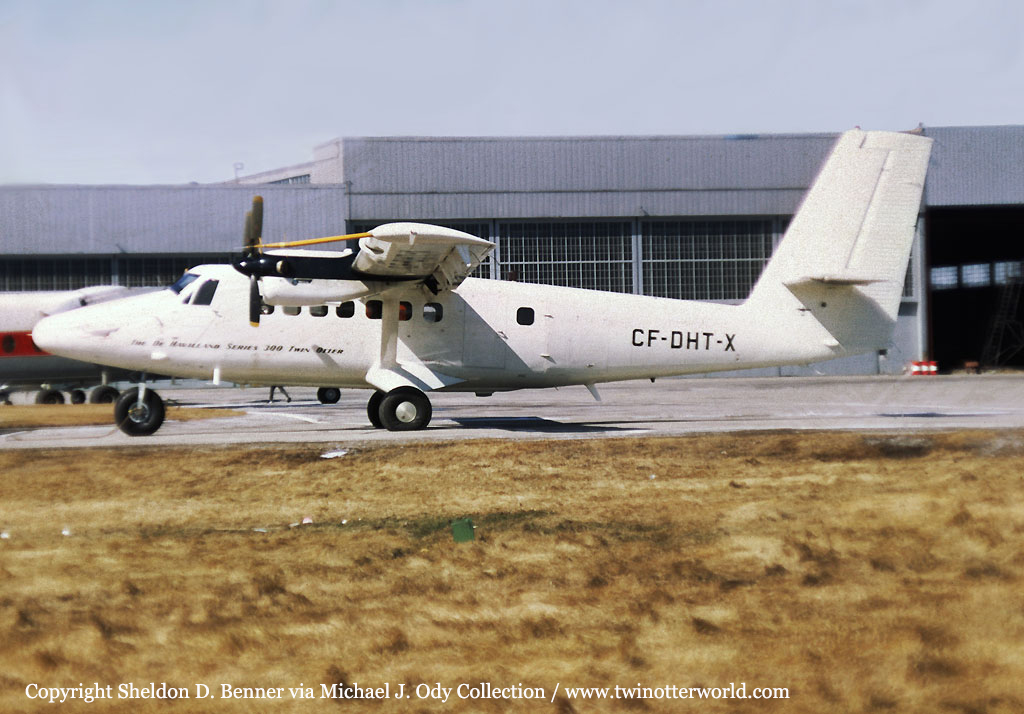
Upon landing about 35 miles east of North Ice Camp, one of the wheels broke through the ice. The aircraft came to rest and was abandoned. No one was injured. The airplane was engaged in a scientific mission on behalf of the University of Washington.

Crash of a De Havilland DHC-6 Twin Otter 300 in Galt: 2 killed

Date & Time: Feb 27, 1981
Operator:
Registration:
C-FCSV
Flight Phase:
Flight Type:
Survivors:
Yes
MSN:
354
YOM:
1973
Location:
Country:
Crew on board:
3
Crew fatalities:
Pax on board:
0
Pax fatalities:
Other fatalities:
Total fatalities:
2
Circumstances:
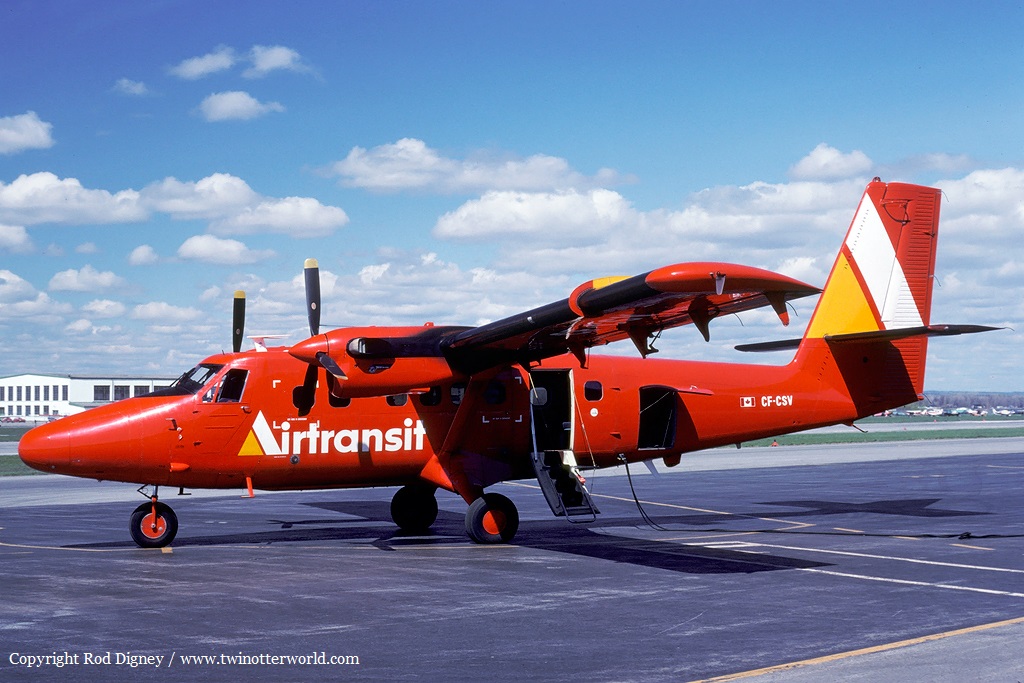
The crew was completing a training flight on behalf of the Canadian Department of Transport. While flying at an altitude of 3,000 feet, the crew encountered engine problems. The airplane lost speed and height then struck trees and crashed in a wooded area. A crew member was seriously injured while two others were killed. It was reported that the right propeller was feathered at impact while smoke was coming from the left engine.