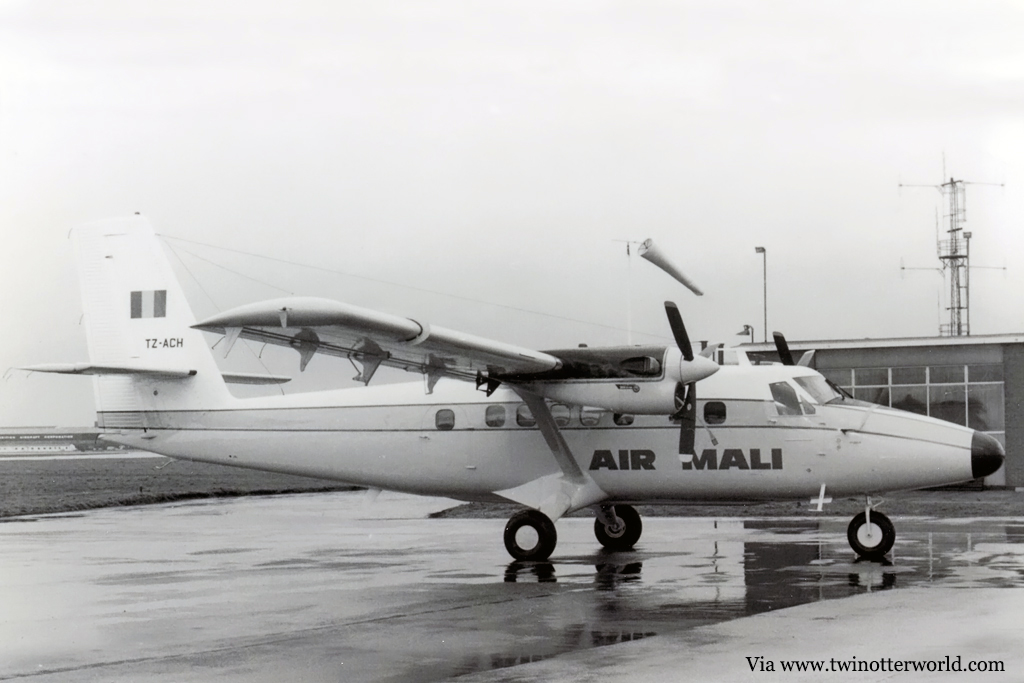
Crash of a De Havilland DHC-6 Twin Otter 300 in Bamako: 7 killed

Date & Time: Jun 21, 1983
Operator:
Registration:
TZ-ACH
Survivors:
No
MSN:
394
YOM:
1973
Country:
Region:
Crew on board:
2
Crew fatalities:
Pax on board:
5
Pax fatalities:
Other fatalities:
Total fatalities:
7
Circumstances:
On final approach to Bamako-Senou Airport, the twin engine airplane crashed in unknown circumstances near Niéla, about 5 km short of runway. All seven occupants were killed.

Crash of a De Havilland DHC-6 Twin Otter 310 in Flotta

Date & Time: Apr 20, 1983 at 1300 LT
Operator:
Registration:
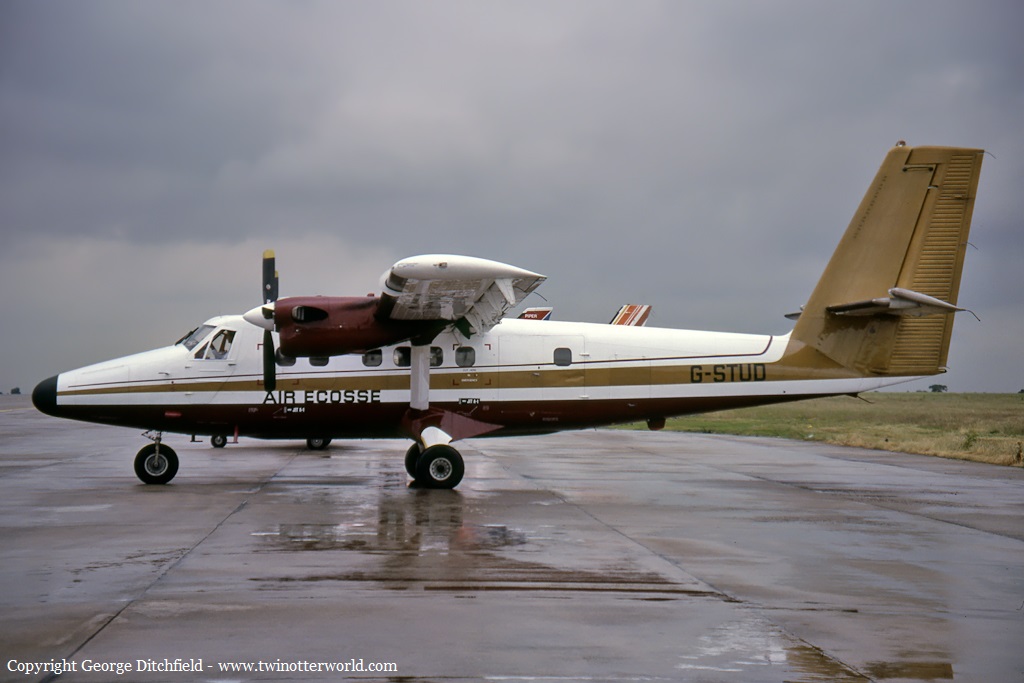
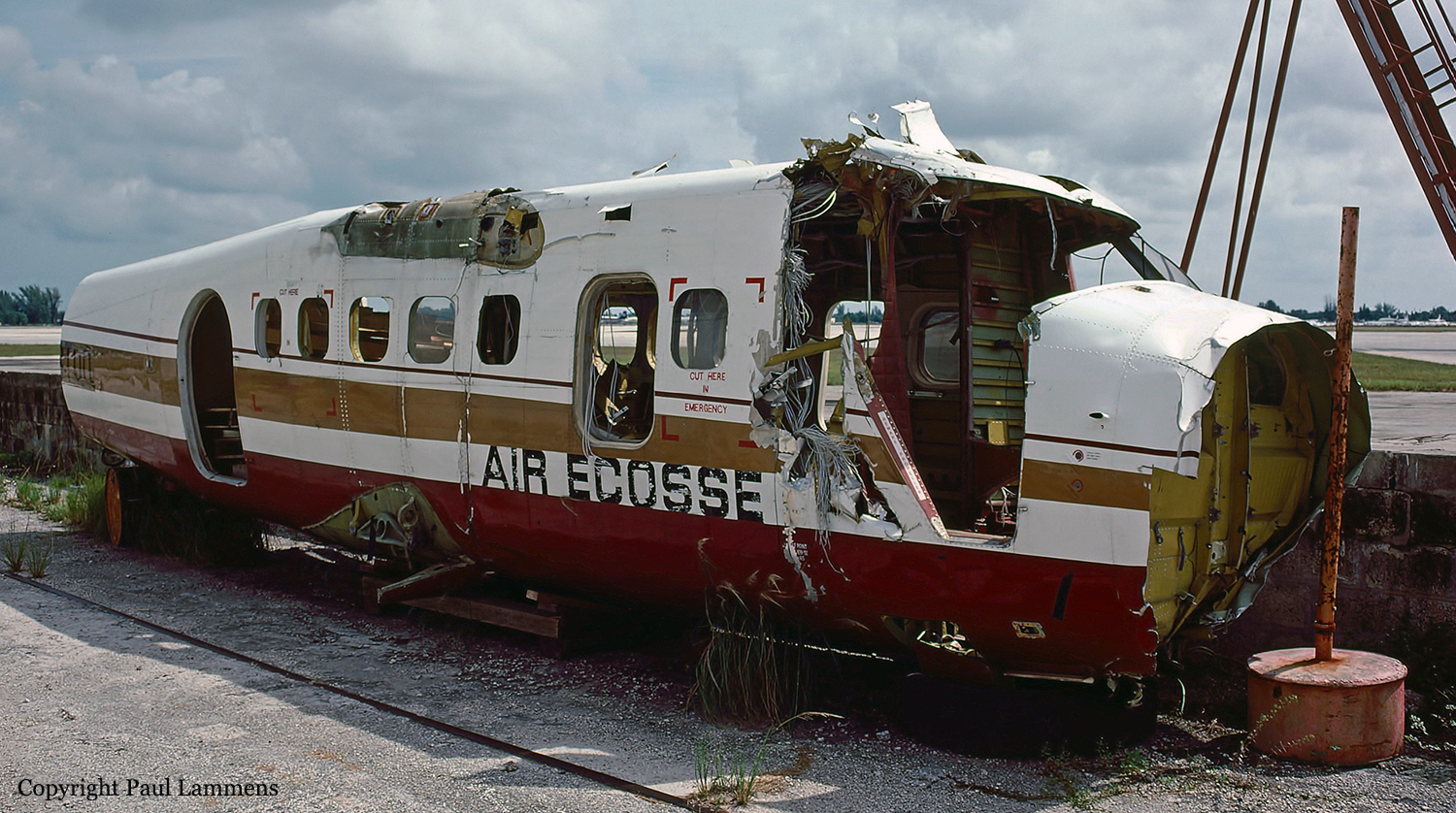
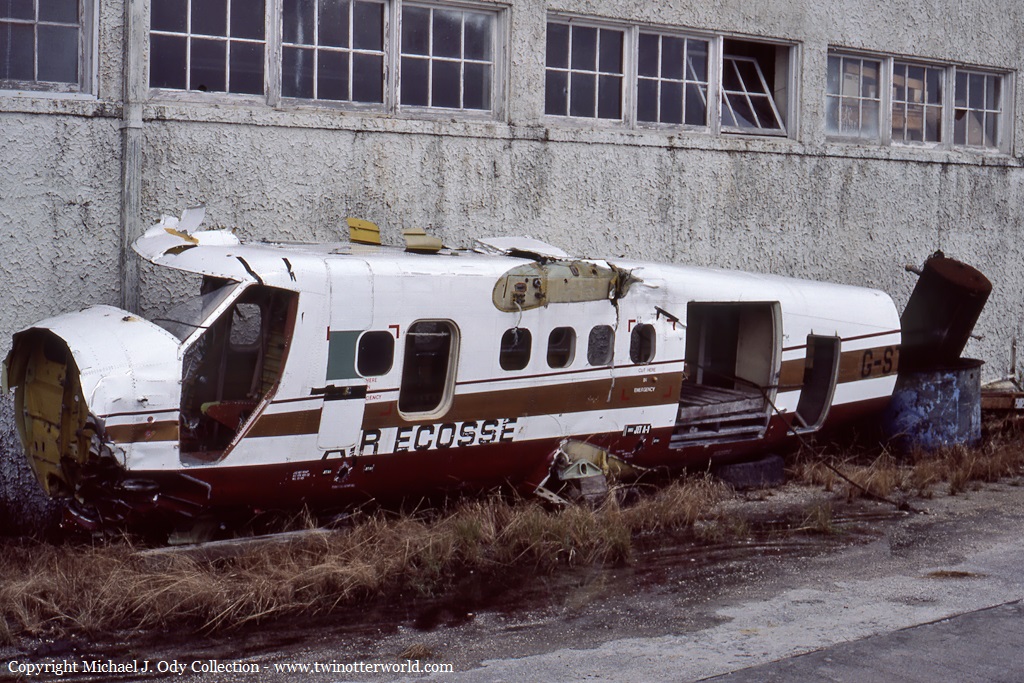
G-STUD
Survivors:
Yes
Schedule:
Aberdeen - Flotta
MSN:
545
YOM:
1977
Location:
Region:
Crew on board:
2
Crew fatalities:
Pax on board:
10
Pax fatalities:
Other fatalities:
Total fatalities:
0
Captain / Total flying hours:
9010
Captain / Total hours on type:
1503.00
Copilot / Total flying hours:
184
Copilot / Total hours on type:
100
Aircraft flight hours:
7000
Circumstances:
Strong winds were reported at Flotta as the Twin Otter approached Orkney Island. The aircraft first contacted the airport at 11:56, and was informed that the surface wind was indicating 260°/26 knots. The pilot accordingly elected to make a straight in approach to runway 35. The pilot preferred the cross-wind to come from his left-hand side, so that he could 'see' the left main wheel onto the runway. The aircraft touched down left main wheel first, then on the right main wheel and, as the nosewheel touched, the commander selected reverse thrust from the propellers. As the aircraft touched down, the audible stall warning sounded momentarily. Shortly after reverse thrust from the propellers had been selected and achieved, the aircraft’s left wing started to rise. The captain applied full left wing down aileron and full left rudder, then cancelling reverse thrust from the right-hand propeller and increasing forward power on that engine. However, he was still unable to prevent the left wing from rising further. The right-hand wing-tip contacted the ground, the aircraft yawed to the right and then fell back momentarily onto the main wheels before ‘cartwheeling’ through an aerodrome boundary fence and coming to rest on its left side, with both wings detached. All 12 occupants escaped uninjured while the airplane was damaged beyond repair.
Probable cause:
The accident was caused by a loss of control, shortly after touchdown, following a strong lateral gust which was in excess of the maximum cross-wind capability of the aircraft. The lack of accurate surface wind information at the runway threshold was a contributory factor.
Final Report:

Crash of a De Havilland DHC-6 Twin Otter 300 in Shashgow Ghazni: 19 killed

Date & Time: Mar 10, 1983
Operator:
Registration:
YA-GAZ
Flight Phase:
Survivors:
No
Site:
Schedule:
Tarinkot - Kabul
MSN:
395
YOM:
1974
Country:
Region:
Crew on board:
2
Crew fatalities:
Pax on board:
17
Pax fatalities:
Other fatalities:
Total fatalities:
19
Circumstances:
After departure from Tarinkot (Urozgan) Airport bound for Kabul, weather conditions deteriorated. The crew decided to climb to an altitude of 18,500 feet under VFR mode. While flying in poor weather conditions, the crew lost control of the airplane that crashed on the slope of a mountain located in Shashgow Ghazni. All 19 occupants were killed.
Probable cause:
Loss of control after the crew continued under VFR mode in adverse weather conditions. It was also determined that the crew suffered physical impairment due to a lack of oxygen while flying at high altitude.

Crash of a De Havilland DHC-6 Twin Otter 300 near Bétérou

Date & Time: Feb 24, 1983
Operator:
Registration:
TY-BBL
Flight Phase:
Survivors:
Yes
MSN:
737
YOM:
1981
Country:
Region:
Crew on board:
0
Crew fatalities:
Pax on board:
0
Pax fatalities:
Other fatalities:
Total fatalities:
0
Circumstances:
Crashed in unknown circumstances in Koko, in the region of Bétérou. There were no casualties.

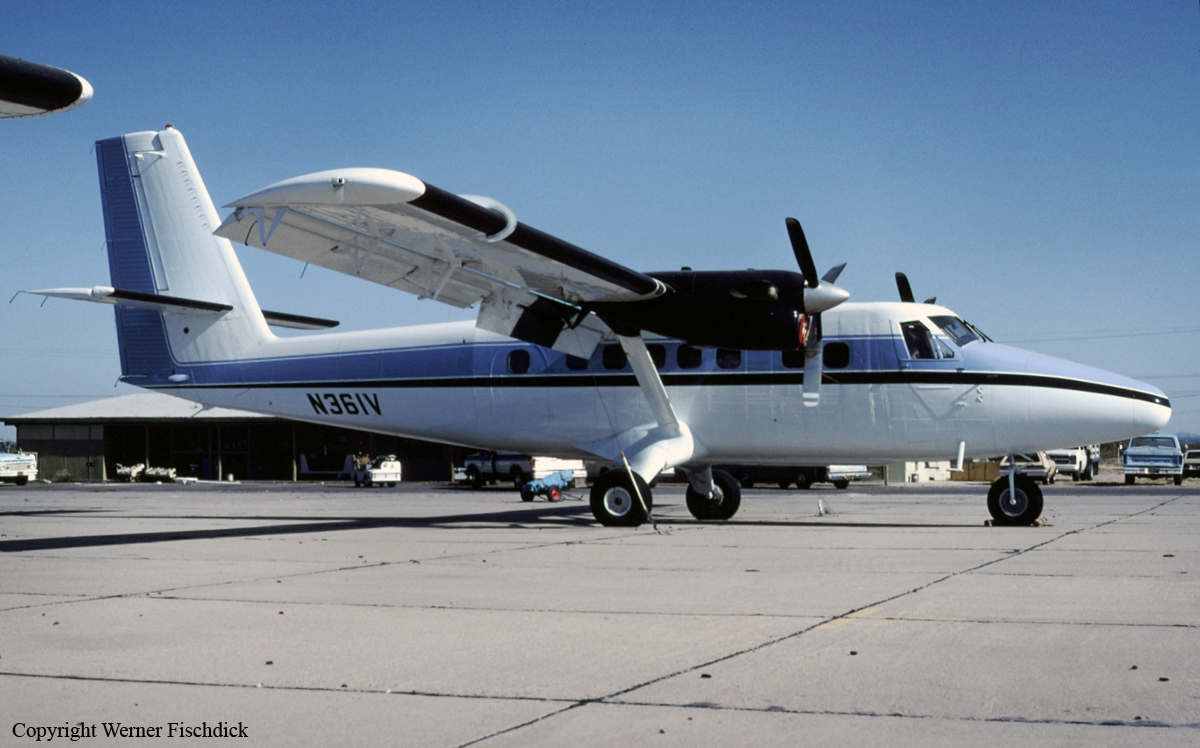
Crash of a De Havilland DHC-6 Twin Otter 300 in Hailey

Date & Time: Feb 15, 1983 at 1102 LT
Operator:
Registration:
N361V
Survivors:
Yes
Schedule:
Boise - Hailey
MSN:
361
YOM:
1973
Flight number:
SPA868
Crew on board:
2
Crew fatalities:
Pax on board:
6
Pax fatalities:
Other fatalities:
Total fatalities:
0
Captain / Total flying hours:
12000
Captain / Total hours on type:
1000.00
Copilot / Total flying hours:
275
Copilot / Total hours on type:
100
Aircraft flight hours:
4767
Circumstances:
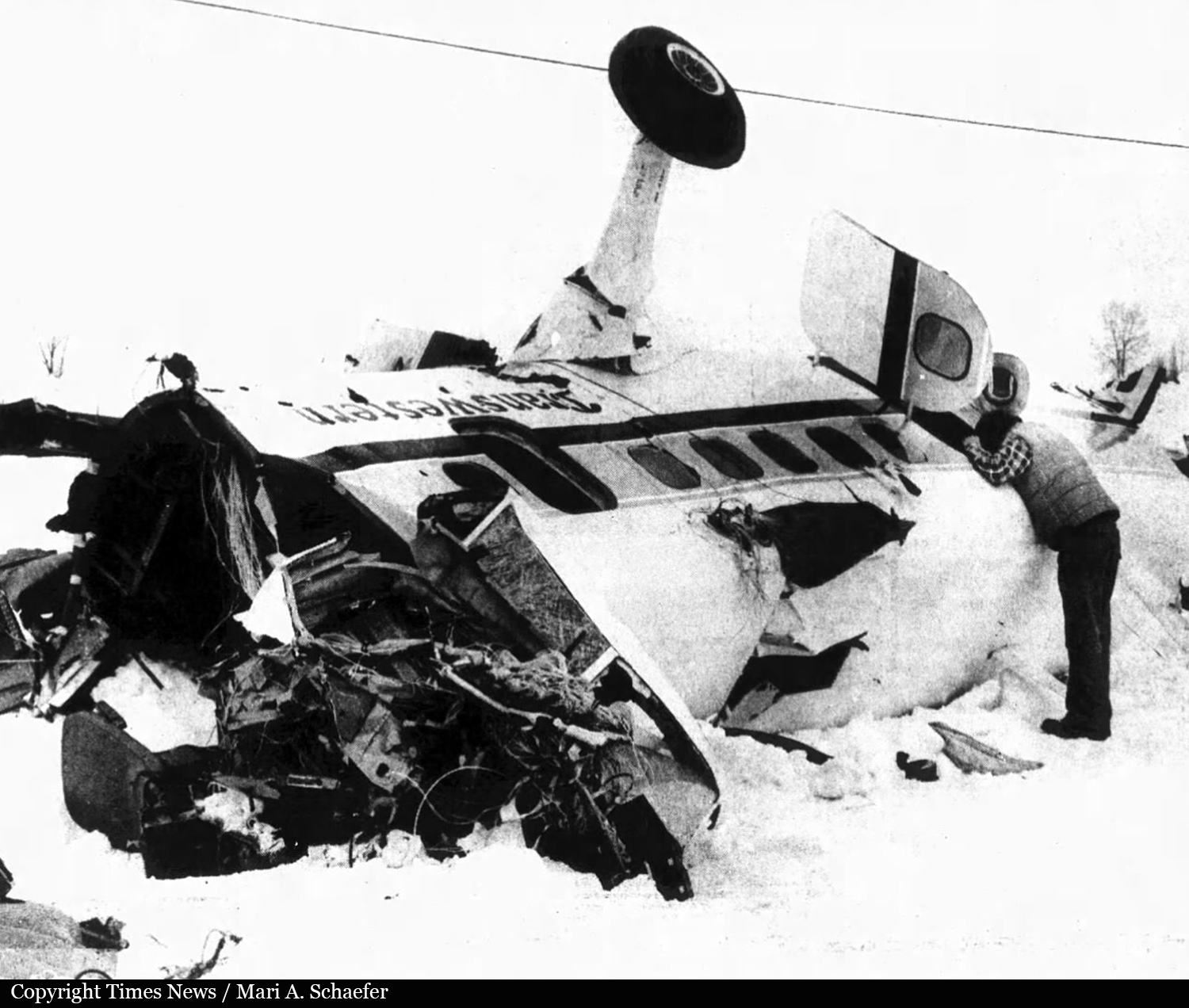
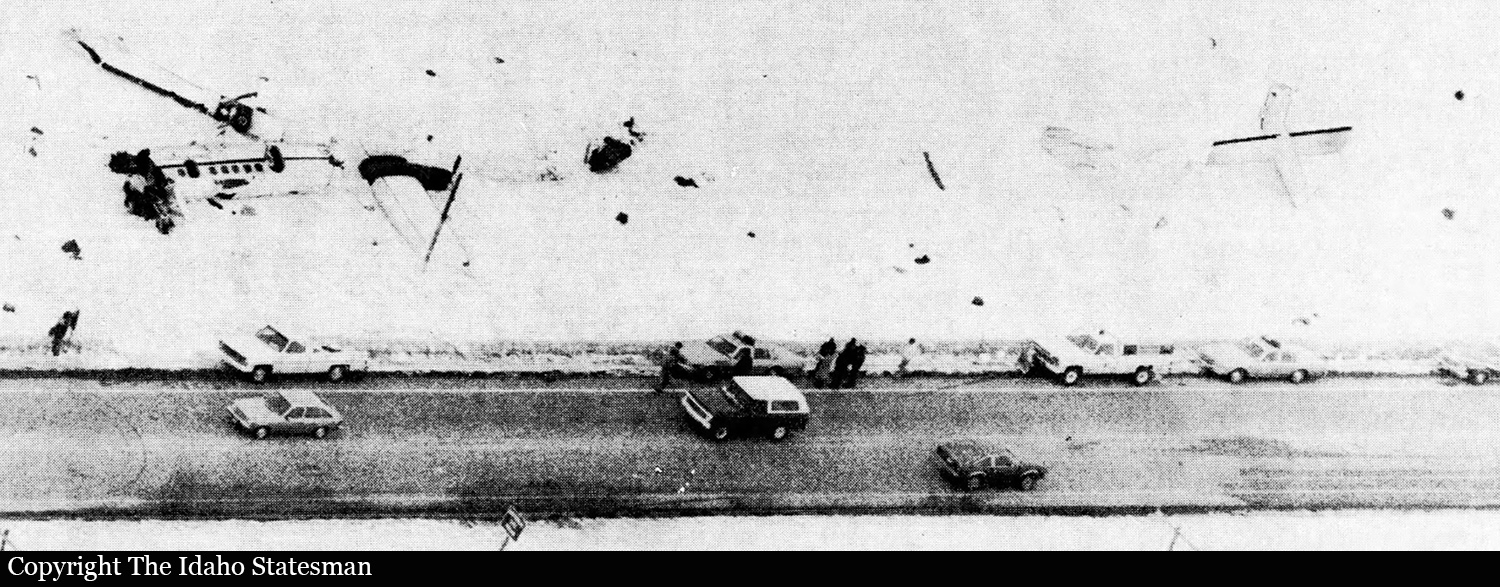
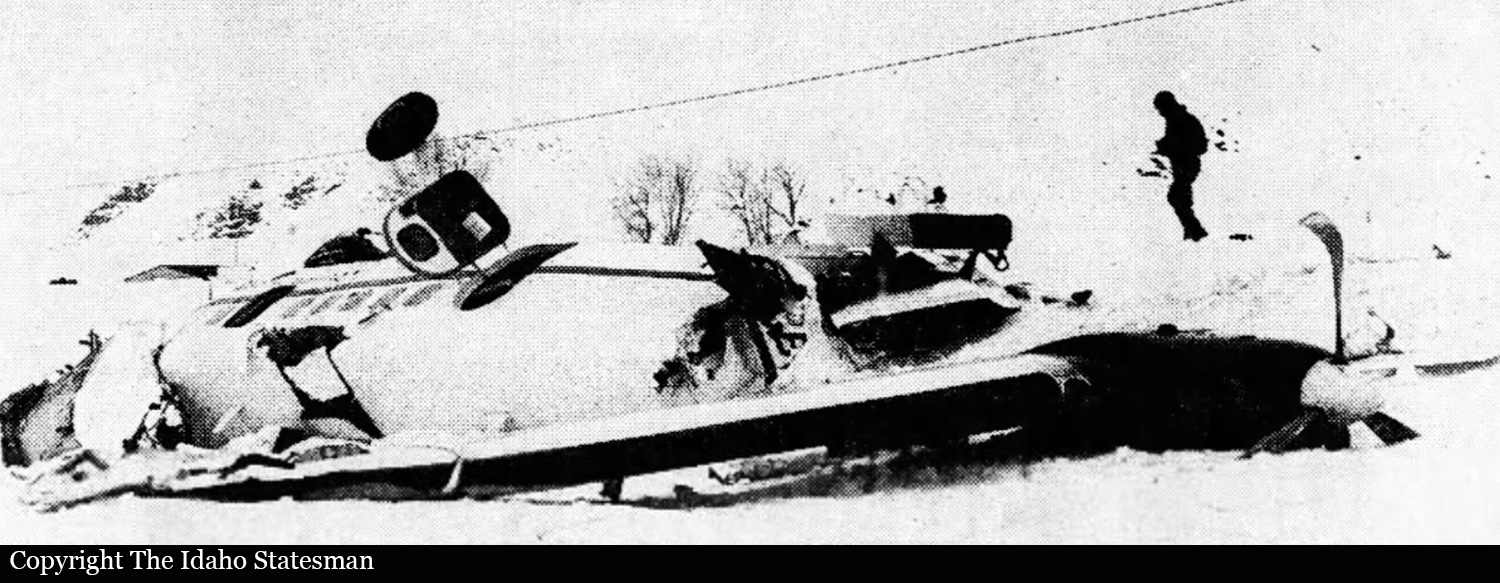
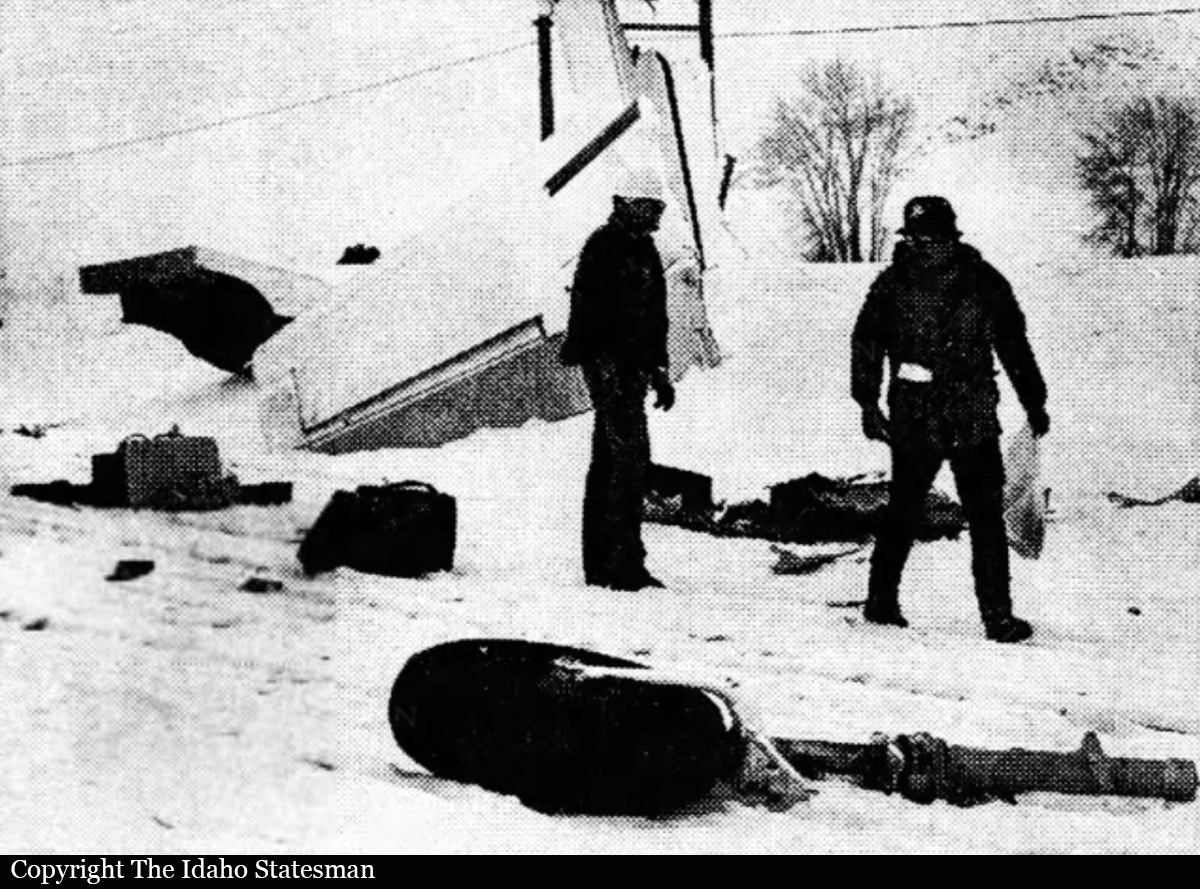
About 1100 mst, on February 15,1983, a Sierra Pacific Airlines DHC-6, operating as Transwestern Flight 868, crashed during its final approach to a landing on runway 31, 1.7 mile south of the Friedman Memorial Airport at Hailey, Idaho. Flight 868 was a regularly scheduled commuter passenger flight between Boise and Hailey, Idaho. There were two flightcrew members and six passengers on board the flight. One passenger escaped with minor injuries, but all the other occupants sustained serious injuries in the accident. There was no fire. About 800 feet above the small town of Bellevue, 2 miles south of the airport, the captain reduced power in order to configure the airplane for its final approach. Immediately afterward, the captain realized that he had lost eleva control of the airplane. The airplane nosed over and descended steeply. The captain attempted to control the pitch of the airplane by adding power; it began to recover but it crash landed on a highway in a slight nosedown attitude, with the right wing slightly down The airplane then veered off the highway, struck a 4-foot-high snowbank, and broke apart.
Probable cause:
The in-flight loss of elevator control following separation of the control rod from the torque tube at a connection where the company's maintenance department had used a non-standard, unsecured bolt, which the company's inspection department had failed to detect. Contributing to the accident was the company's failure to maintain the separation of maintenance and inspection functions required by the maintenance program approved by the Federal Aviation Administration, and the failure of the FAA to detect the company's deviation from approved maintenance procedures during surveillance inspection.
Final Report:

Crash of a De Havilland DHC-6 Twin Otter 300 in Libya

Date & Time: Dec 31, 1982
Registration:
5A-DCW
Flight Type:
Survivors:
Yes
MSN:
639
YOM:
1979
Location:
Country:
Region:
Crew on board:
0
Crew fatalities:
Pax on board:
0
Pax fatalities:
Other fatalities:
Total fatalities:
0
Circumstances:
Suffered an accident somewhere in Libya in 1982. Exact date unknown. The aircraft was operated by the Libyan Ministry for Agriculture.

Crash of a De Havilland DHC-6 Twin Otter 300 near Quetame: 22 killed

Date & Time: Nov 29, 1982
Operator:
Registration:
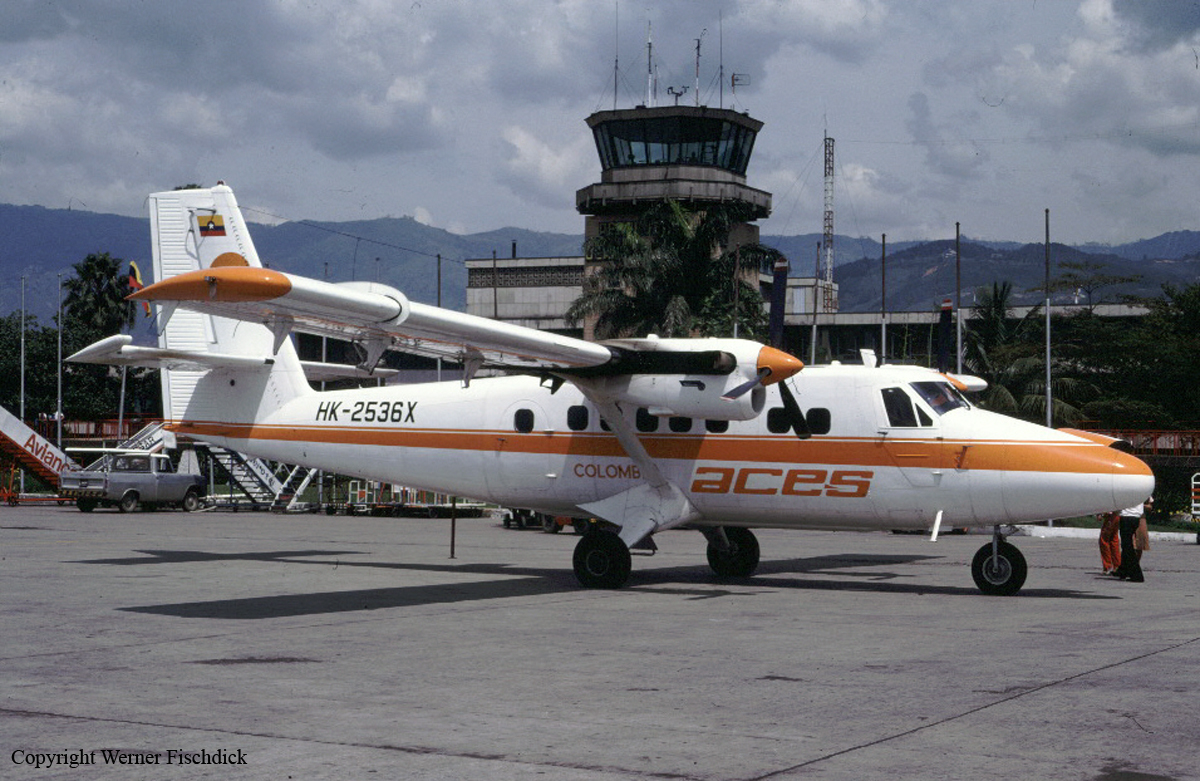
HK-2536
Flight Phase:
Survivors:
No
Site:
Schedule:
San José del Guaviare - Bogotá
MSN:
713
YOM:
1980
Flight number:
VX189
Country:
Crew on board:
2
Crew fatalities:
Pax on board:
20
Pax fatalities:
Other fatalities:
Total fatalities:
22
Circumstances:
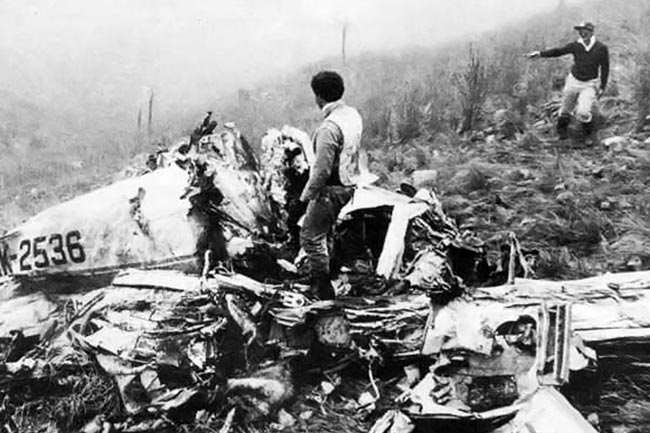
While cruising under VFR mode in poor weather conditions, the aircraft struck the slope of a mountain located near Quetame. The aircraft was destroyed upon impact and all 22 occupants were killed.
Probable cause:
Controlled flight into terrain after the crew decided to continue under VFR mode into adverse weather conditions (IMC). En route navigation errors on part of the crew and inadequate training procedures were considered as contributing factors.

Crash of a De Havilland DHC-6 Twin Otter in Mindat: 8 killed

Date & Time: Aug 12, 1982
Operator:
Registration:
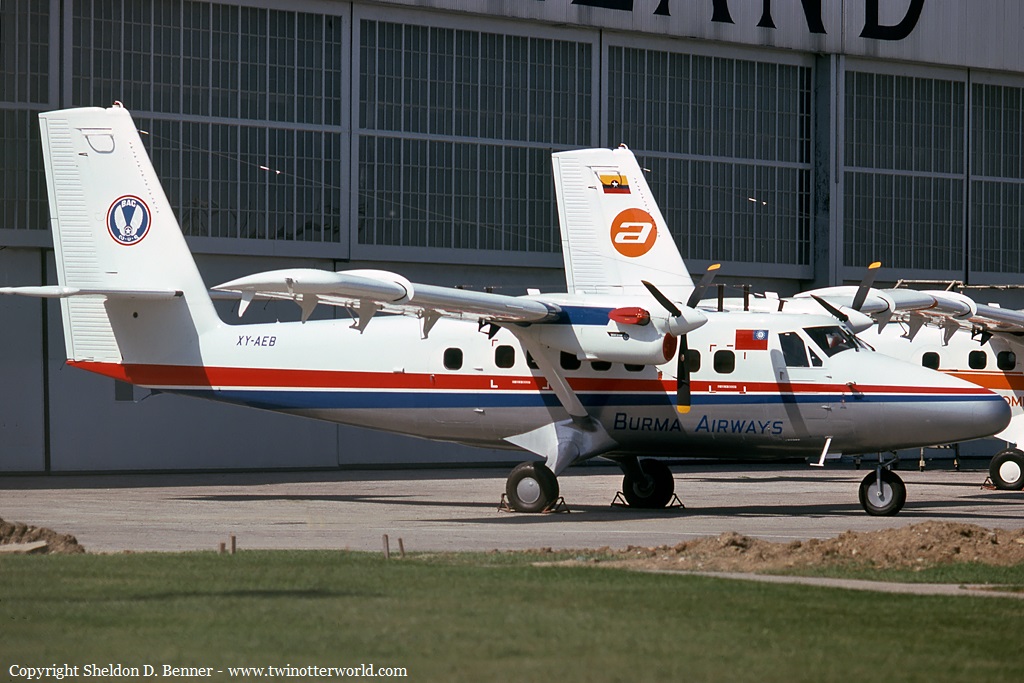
XY-AEB
Flight Phase:
Survivors:
No
Site:
MSN:
501
YOM:
1976
Country:
Region:
Crew on board:
3
Crew fatalities:
Pax on board:
5
Pax fatalities:
Other fatalities:
Total fatalities:
8
Circumstances:
En route, weather conditions deteriorated with thunderstorm activity and heavy rain falls. While cruising in clouds, the twin engine airplane struck the slope of a mountain near Mindat. All eight occupants were killed.

Crash of a De Havilland DHC-6 Twin Otter 200 in Hooper Bay

Date & Time: May 16, 1982 at 1015 LT
Operator:
Registration:
N103AQ
Survivors:
Yes
Schedule:
Bethel - Chevak - Scammon Bay - Hooper Bay
MSN:
183
YOM:
1968
Flight number:
GFF517
Crew on board:
2
Crew fatalities:
Pax on board:
6
Pax fatalities:
Other fatalities:
Total fatalities:
0
Captain / Total flying hours:
4550
Captain / Total hours on type:
1990.00
Copilot / Total flying hours:
1850
Copilot / Total hours on type:
300
Aircraft flight hours:
15267
Circumstances:
The aircraft crashed while attempting to land at Hooper Bay, Alaska. The airplane crashed 1,320 feet short of the threshold of runway 13 during an approach in visual meteorological conditions. The airplane was substantially damaged when it crashed onto hard-packed snow and ice about 700 feet from the edge of the Bering Sea. There was no fire. The two pilots and six passengers sustained serious injuries in the accident.
Probable cause:
The National Transportation Safety Beard determines that the probable cause of this accident was the flightcrew's failure to compute and properly interpret the airplane's weight and balance and their operation of the airplane with the center of gravity substantially aft of its authorized limit which resulted in loss of control of the airplane during a landing attempt.
Final Report:

Crash of a De Havilland DHC-6 Twin Otter 300 near the North Pole

Date & Time: May 9, 1982
Operator:
Registration:
C-GKBO
Survivors:
Yes
MSN:
547
YOM:
1977
Location:
Country:
Region:
Crew on board:
2
Crew fatalities:
Pax on board:
7
Pax fatalities:
Other fatalities:
Total fatalities:
0
Circumstances:
After landing on an icy area located near the North Pole, one of the ski went through the ice and the airplane came to rest. All nine occupants, among them seven tourists, evacuated the cabin safely. The aircraft later sank and was lost.