Crash of a De Havilland DHC-6 Twin Otter 300 near Tame: 6 killed

Date & Time: Jun 11, 1989 at 1015 LT
Operator:
Registration:
HK-2486
Flight Phase:
Survivors:
Yes
Site:
Schedule:
Yopal - Tame
MSN:
676
YOM:
1980
Location:
Country:
Crew on board:
2
Crew fatalities:
Pax on board:
20
Pax fatalities:
Other fatalities:
Total fatalities:
6
Circumstances:
While descending to Tame-Gustavo Vargas Santos Airport in IMC conditions, the crew failed to realize his altitude was too low when the aircraft struck a mountain located few km from Tame. Six passengers were killed while 16 other occupants were injured.

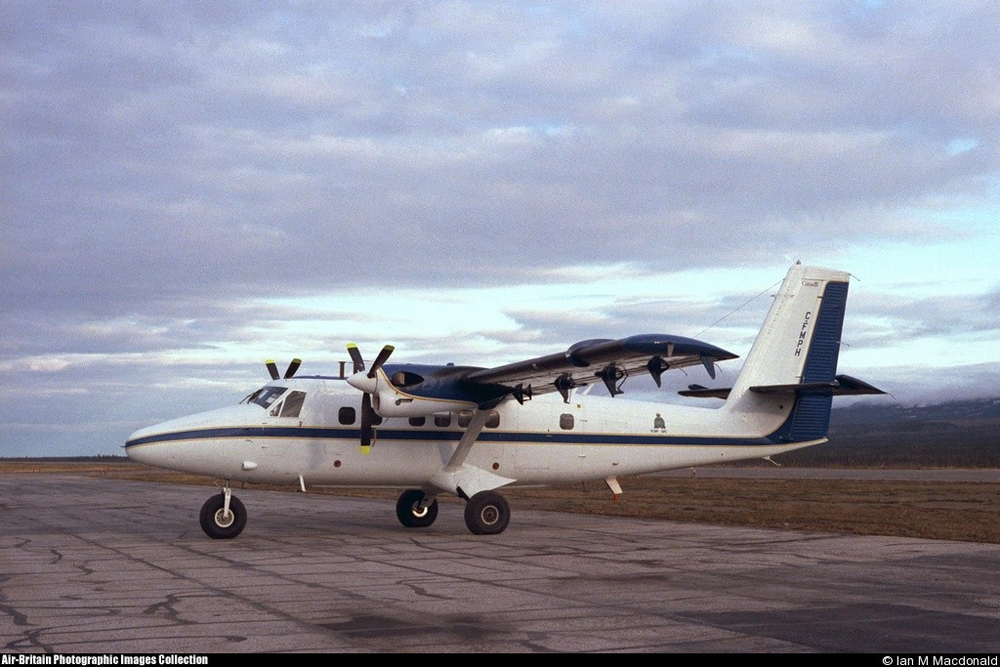
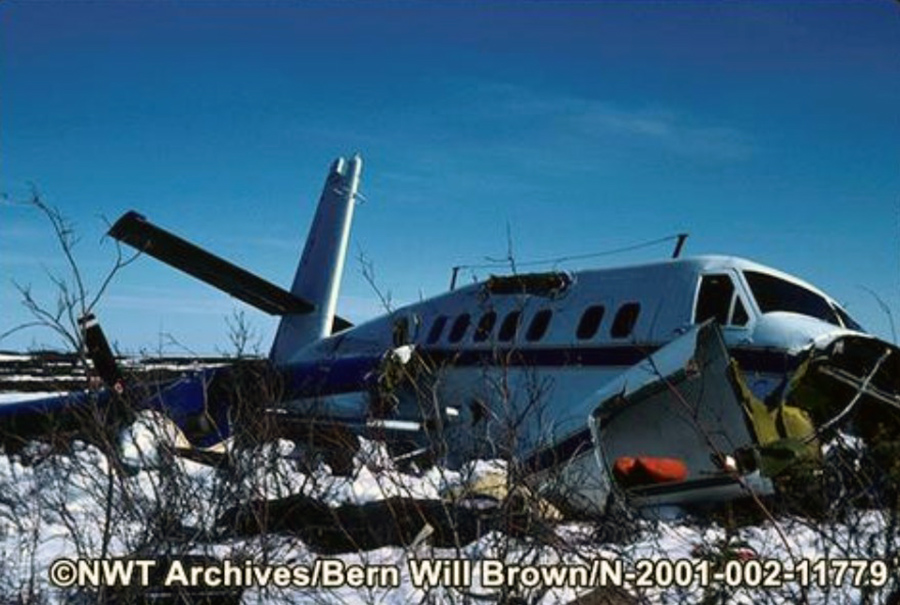
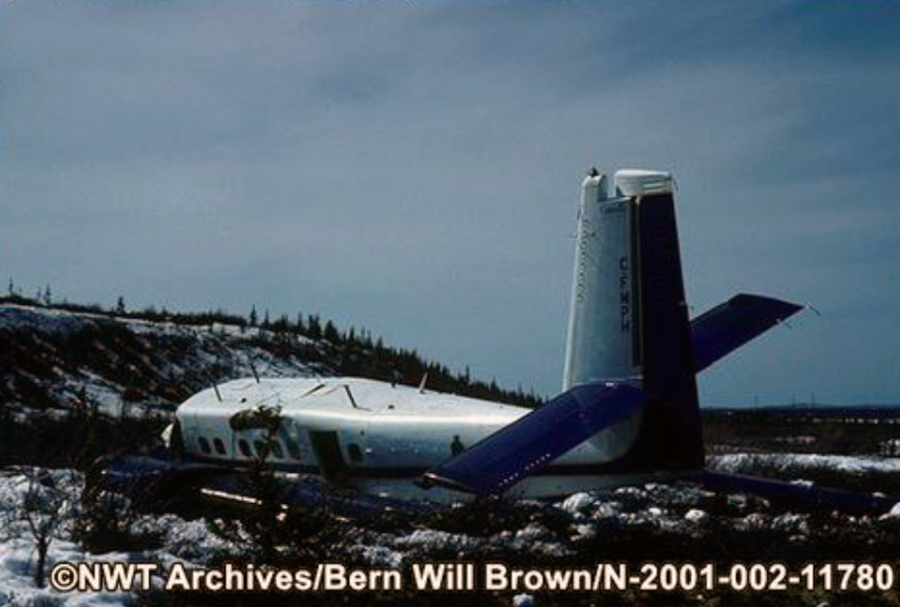
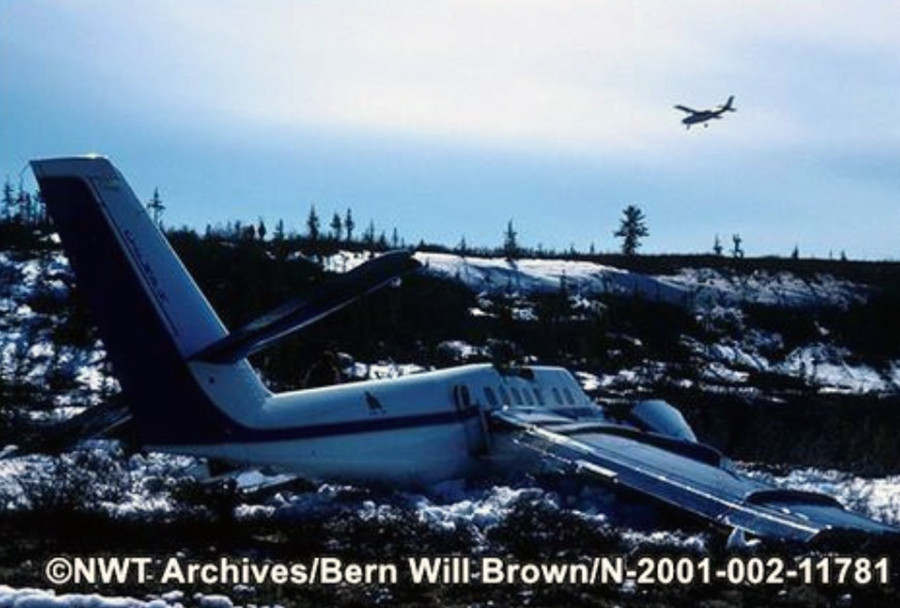
Crash of a De Havilland DHC-6 Twin Otter 300 in Colville Lake

Date & Time: May 27, 1989 at 1130 LT
Operator:
Registration:
C-FMPH
Flight Phase:
Flight Type:
Survivors:
Yes
Schedule:
Colville Lake - Fort Good Hope
MSN:
319
YOM:
1971
Country:
Crew on board:
1
Crew fatalities:
Pax on board:
4
Pax fatalities:
Other fatalities:
Total fatalities:
0
Circumstances:
While taking off from a gravel airstrip at Colville Lake, the twin engine aircraft went out of control, veered off runway and collided with an airport building. All five occupants were rescued and the aircraft was damaged beyond repair.

Crash of a De Havilland DHC-6 Twin Otter 300 in Hamada al Hamra: 14 killed

Date & Time: Nov 30, 1988 at 0720 LT
Registration:
5A-DDD
Survivors:
No
Schedule:
Hamada al Hamra - Tripoli
MSN:
670
YOM:
1980
Country:
Region:
Crew on board:
2
Crew fatalities:
Pax on board:
12
Pax fatalities:
Other fatalities:
Total fatalities:
14
Circumstances:
The twin engine aircraft departed Hamada al Hamra Airport at 0705LT bound for Tripoli carrying two pilots and 12 employees of the Arabian Gulf Oil Company and Halliburton Company. Few minutes after takeoff, the crew was instructed to return because military activity en route was ongoing. Unfortunately, the visibility at Hamada al Hamra Airport dropped due to fog. Following a short holding circuit, the crew attempted to land when, on short final, the aircraft struck successively a concrete pipeline bridge and a wooden electrical pylon then crashed few hundred meters short of runway, bursting into flames. The aircraft was destroyed and all 14 occupants were killed.
Probable cause:
It is possible that the pilot-in-command suffered an optical illusion on short final and mistook the the concrete pipeline bridge for the runway.

Crash of a De Havilland DHC-6 Twin Otter 300 in Dori

Date & Time: Oct 8, 1988
Operator:
Registration:
XT-AAX
Flight Phase:
Survivors:
Yes
MSN:
490
YOM:
1976
Country:
Region:
Crew on board:
0
Crew fatalities:
Pax on board:
0
Pax fatalities:
Other fatalities:
Total fatalities:
0
Circumstances:
Crashed on takeoff. There were no casualties.

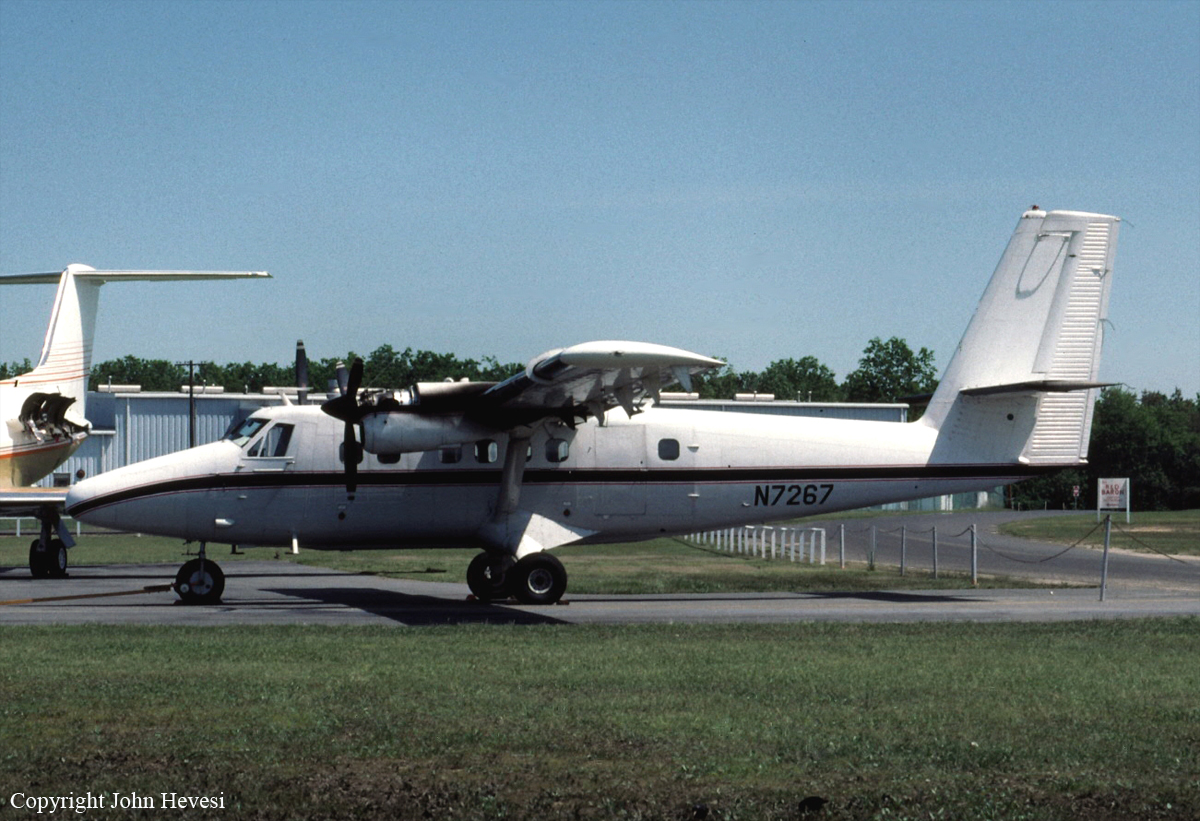
Crash of a De Havilland DHC-6 Twin Otter 200 in Washington-Dulles: 1 killed

Date & Time: Jul 20, 1988 at 1608 LT
Registration:
N7267
Flight Phase:
Flight Type:
Survivors:
No
Schedule:
Washington - Washington
MSN:
195
YOM:
1969
Crew on board:
1
Crew fatalities:
Pax on board:
0
Pax fatalities:
Other fatalities:
Total fatalities:
1
Captain / Total flying hours:
12400
Aircraft flight hours:
10513
Circumstances:
This was the first flight after a maintenance inspection. The flaps were left full down after a post-inspection by company mechanics, before the flight. Witnesses stated the flaps were down when the aircraft taxied to takeoff on runway 19L. Witnesses stated the aircraft climbed steeply after it lifted off with a pitch attitude up to 60°. According to witnesses, the aircraft climbed to 200 to 500 feet agl, before it stalled and descended nose down in a left turn. The aircraft crashed about 300 ft left of and 2000 ft down the rwy. Examination of the aircraft revealed the flaps were full down. The scroll type checklist was positioned at the beginning of the takeoff check. The flight manual recommends a 10 degree flap setting for takeoff and prohibits flap full down takeoff. Review of previous DHC-6 accidents involving flap full down resulted in a steep takeoff climb and excessive pitch attitude followed by a stall. The position of the control lock suggests it may have been in the locked position during the takeoff. The pilot, sole on board, was killed.
Probable cause:
The pilot inadvertently misused the flaps, by failing to set the flaps to the proper setting. The flaps were set full down. This caused the aircraft to pitch up steeply after liftoff. Additionally, the flight control lock was probably installed during some portion, if not the entire flight, which prevented flight control operation. The pilot subsequently failed to maintain adequate flying speed and the aircraft stalled. Contributing factors are the pilot's inattention and his failure to adequately use the checklist.
Findings:
Occurrence #1: loss of control - in flight
Phase of operation: takeoff - initial climb
Findings
1. (c) raising of flaps - not performed - pilot in command
2. (f) inattentive - pilot in command
3. (f) checklist - not used - pilot in command
4. (f) procedures/directives - not followed - pilot in command
5. (f) removal of control/gust lock(s) - inadvertent use - pilot in command
----------
Occurrence #2: in flight collision with terrain/water
Phase of operation: descent - uncontrolled
Final Report:

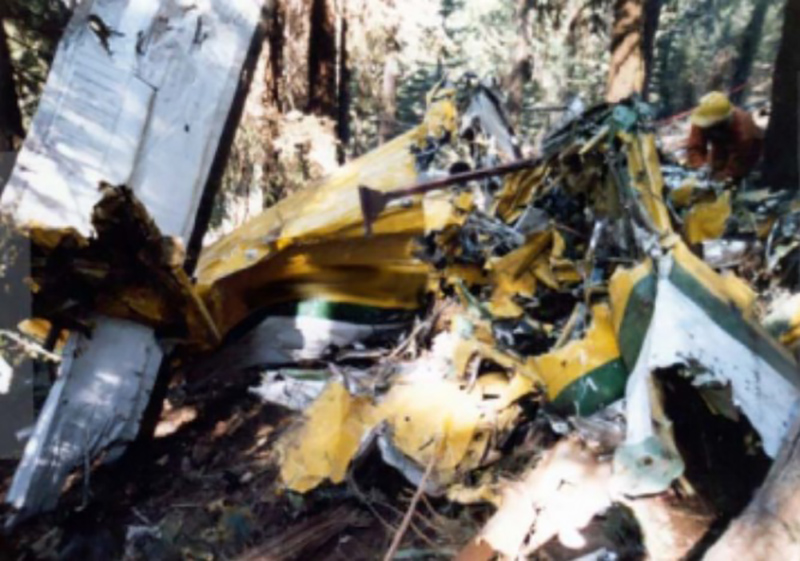
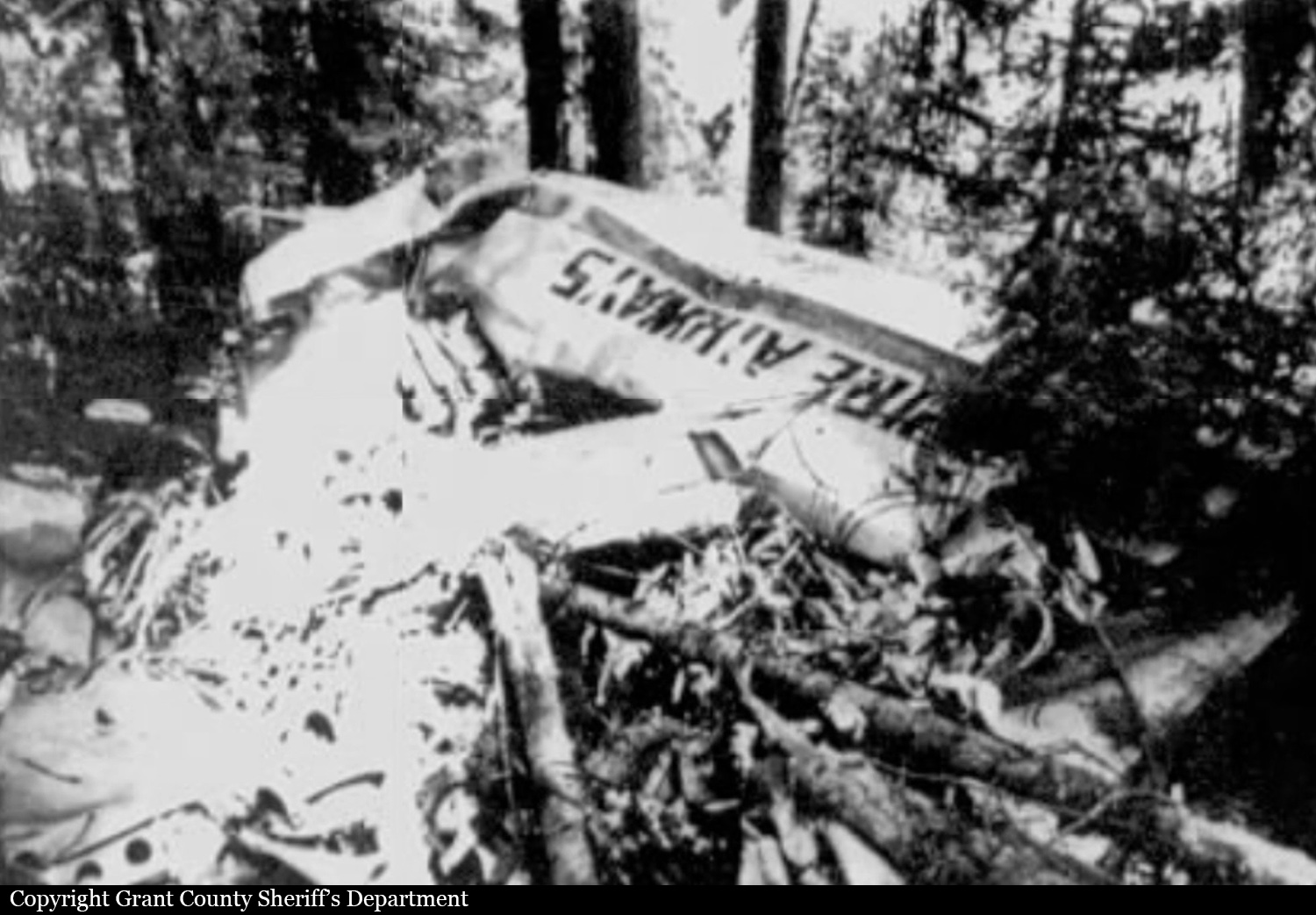
Crash of a De Havilland DHC-6 Twin Otter 200 on Mt Battle Creek: 1 killed

Date & Time: Jul 14, 1988 at 1140 LT
Operator:
Registration:
C-GKBM
Flight Phase:
Flight Type:
Survivors:
No
Site:
Schedule:
Redmond - John Day
MSN:
417
YOM:
1974
Crew on board:
1
Crew fatalities:
Pax on board:
0
Pax fatalities:
Other fatalities:
Total fatalities:
1
Circumstances:
The DHC-6 Twin Otter, C-GKBM, was under contract to the U.S. Forest Service. It was to be repositioned to John Day, OR to pick up passengers. At 11:35 PDT, the pilot checked in with John Day Dispatch and transmitted his expected time of arrival would be 12:15 PDT. About 11:40 the aircraft contacted three trees with the right wing at the 5,000-foot level of Battle Creek Mountain. This impact separated the wing into three sections before the aircraft "exited" over the mountain edge. The final impact site was on this ridgeline with the aircraft coming to final rest in a steep canyon to the east. There was a high mountain further east on the flight path that also needed to be crossed before a descent to John Day, Oregon could be commenced. The pilot's medical records indicated the he had been having medical problems, some of which he did not want brought to the attention of the Medical Doctor (MD) designated by the FAA to do flight physicals. In addition, he did not tell his supervisor that he was having medical problems. It was noted that he had complaints of chronic muscular neck pains, back problems, falling asleep, allergy problems, numbness in the top of his feet, feeling tired and run down, and pain in his legs. The flight track showed a gradual descent of about 400 feet per minute. He was off course to the right for about five minutes before impacting with trees. This flight tract strongly supported a very high probability of sleep-induced unconsciousness.
Probable cause:
The most probable cause of this mishap was determined to be the pilot’s acute in-flight incapacitation due to sleep.

Crash of a De Havilland DHC-6 Twin Otter 100 in Tau

Date & Time: Jun 17, 1988 at 1036 LT
Operator:
Registration:
N202RH
Survivors:
Yes
Schedule:
Pago Pago - Tau
MSN:
68
YOM:
1967
Region:
Crew on board:
2
Crew fatalities:
Pax on board:
14
Pax fatalities:
Other fatalities:
Total fatalities:
0
Captain / Total flying hours:
19455
Captain / Total hours on type:
3393.00
Aircraft flight hours:
18403
Circumstances:
The captain, who was flying the Twin Otter from the right seat, entered a right hand traffic pattern for landing. A left quartering, 15 knot headwind, was gusting across the airport. Upon turning to the final approach the captain reduced the aircraft's engine power to the low speed range for the visual approach. As the aircraft neared the runway the rate of descent accelerated. The captain's application of full engine power failed to arrest the aircraft's rate of descent and the aircraft impacted the ground short of the runway. All 16 occupants were injured.
Probable cause:
Occurrence #1: undershoot
Phase of operation: approach - vfr pattern - final approach
Findings
1. (c) planned approach - improper - pilot in command
2. (f) weather condition - turbulence
3. (f) weather condition - gusts
4. (c) powerplant controls - delayed - pilot in command
5. Stall/mush - inadvertent - pilot in command
----------
Occurrence #2: in flight collision with terrain/water
Phase of operation: approach - vfr pattern - final approach
Final Report:

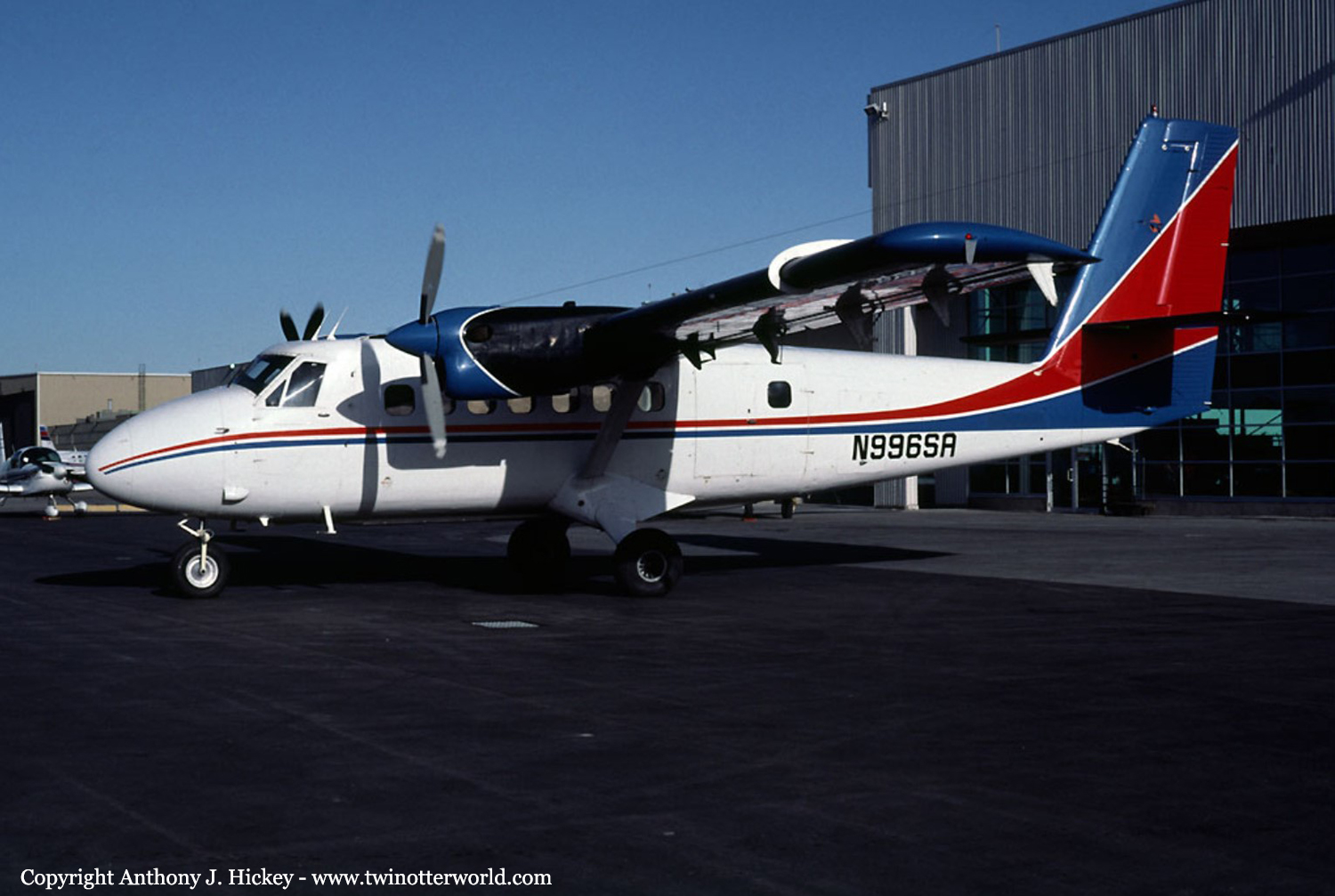
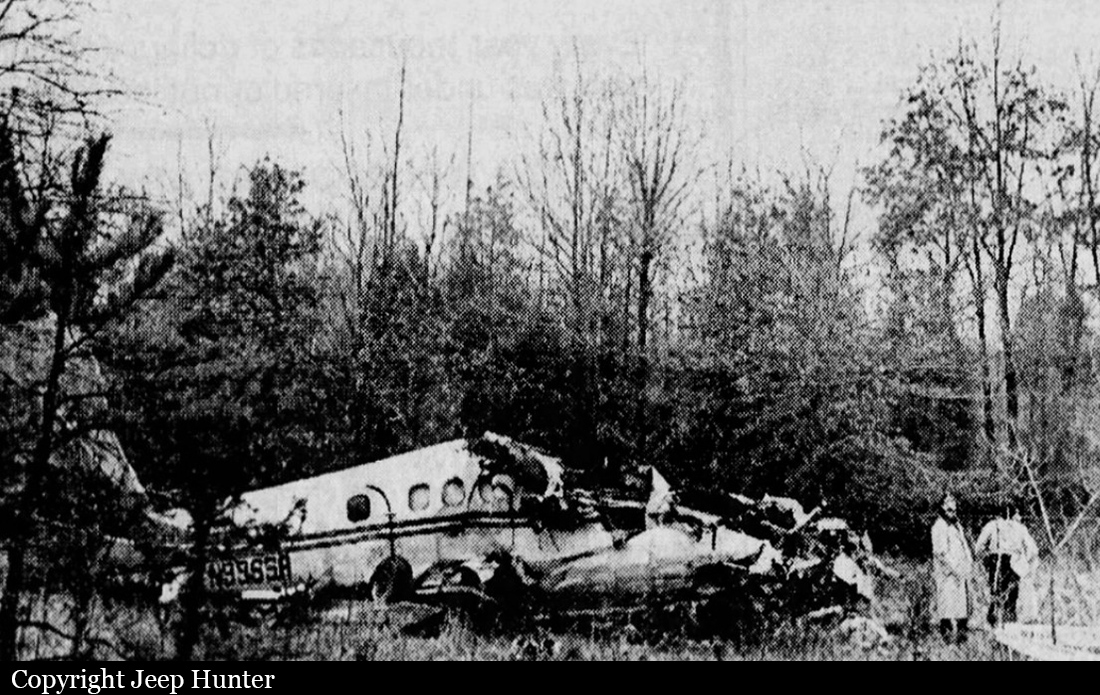
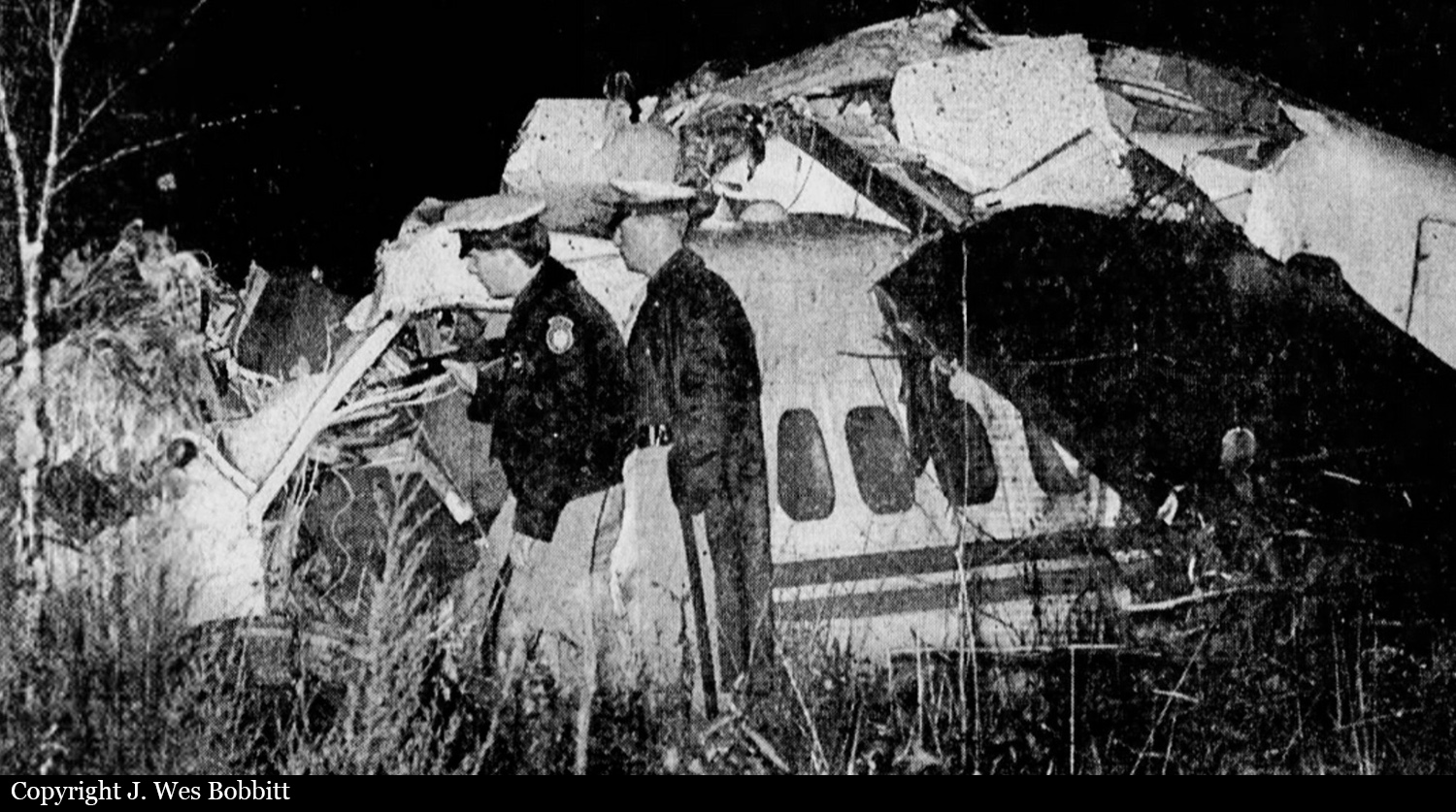
Crash of a De Havilland DHC-6 Twin Otter 200 in Charlotte

Date & Time: Jan 19, 1988 at 1913 LT
Operator:
Registration:
N996SA
Flight Type:
Survivors:
Yes
Schedule:
Erie - Charlotte
MSN:
159
YOM:
1968
Crew on board:
1
Crew fatalities:
Pax on board:
0
Pax fatalities:
Other fatalities:
Total fatalities:
0
Captain / Total flying hours:
8900
Captain / Total hours on type:
320.00
Circumstances:
During the final approach on the instrument landing system, the pilot descended below the glidepath. The aircraft collided with a tree and struck the ground short of the runway threshold. The pilot was seriously injured.
Probable cause:
Occurrence #1: in flight collision with object
Phase of operation: approach - faf/outer marker to threshold (ifr)
Findings
1. Object - tree(s)
2. (c) ifr procedure - not followed - pilot in command
3. (f) weather condition - below approach/landing minimums
Final Report:

Crash of a De Havilland DHC-6 Twin Otter 300 off Samarinda: 17 killed

Date & Time: Dec 30, 1987
Operator:
Registration:
PK-NUY
Flight Phase:
Survivors:
No
Schedule:
Samarinda - Berau
MSN:
459
YOM:
1975
Country:
Region:
Crew on board:
3
Crew fatalities:
Pax on board:
14
Pax fatalities:
Other fatalities:
Total fatalities:
17
Circumstances:
After takeoff from Samarinda, while climbing, the twin engine airplane went out of control, entered a dive and crashed in the sea few km offshore. All 17 occupants were killed.

Crash of a De Havilland DHC-6 Twin Otter 300 in El Poleo: 2 killed

Date & Time: Oct 11, 1987
Operator:
Registration:
HK-2920
Survivors:
Yes
Schedule:
Ocaña – El Poleo
MSN:
419
YOM:
1974
Country:
Crew on board:
2
Crew fatalities:
Pax on board:
7
Pax fatalities:
Other fatalities:
Total fatalities:
2
Circumstances:
While approaching El Poleo, the crew encountered limited visibility due to poor weather conditions. On final, the aircraft was too low and struck the top of a hill located few km from the landing area. Both pilots were killed while all seven passengers were rescued.