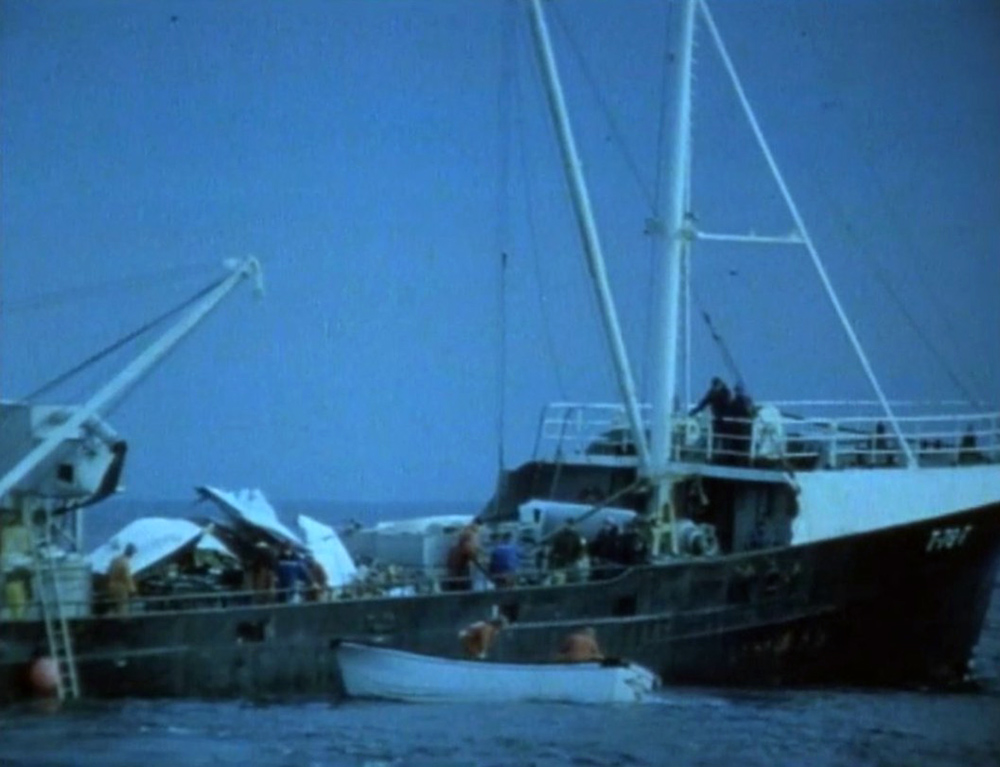
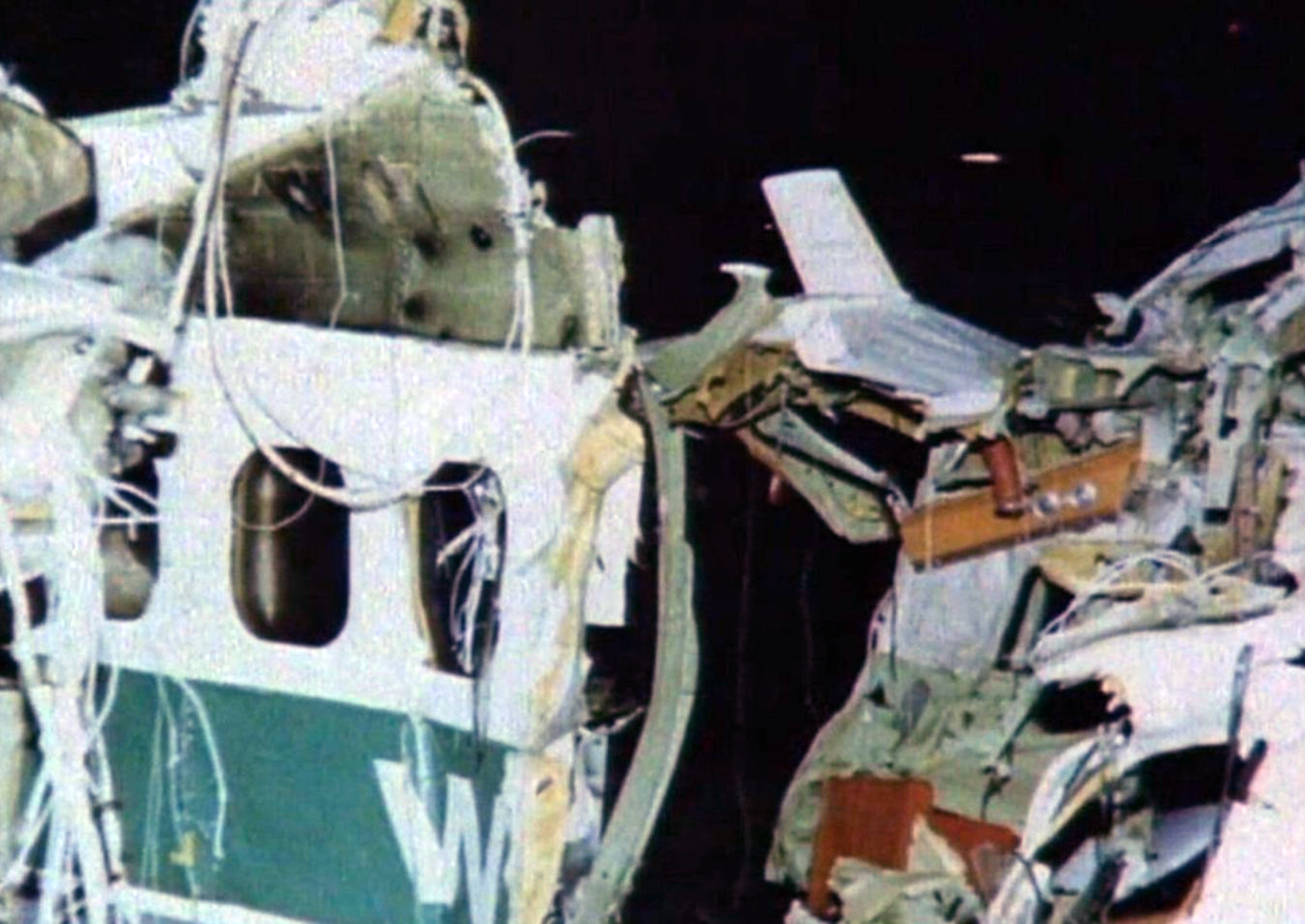
Crash of a De Havilland DHC-6 Twin Otter 300 off Værøy: 5 killed

Date & Time: Apr 12, 1990 at 1444 LT
Operator:

Registration:
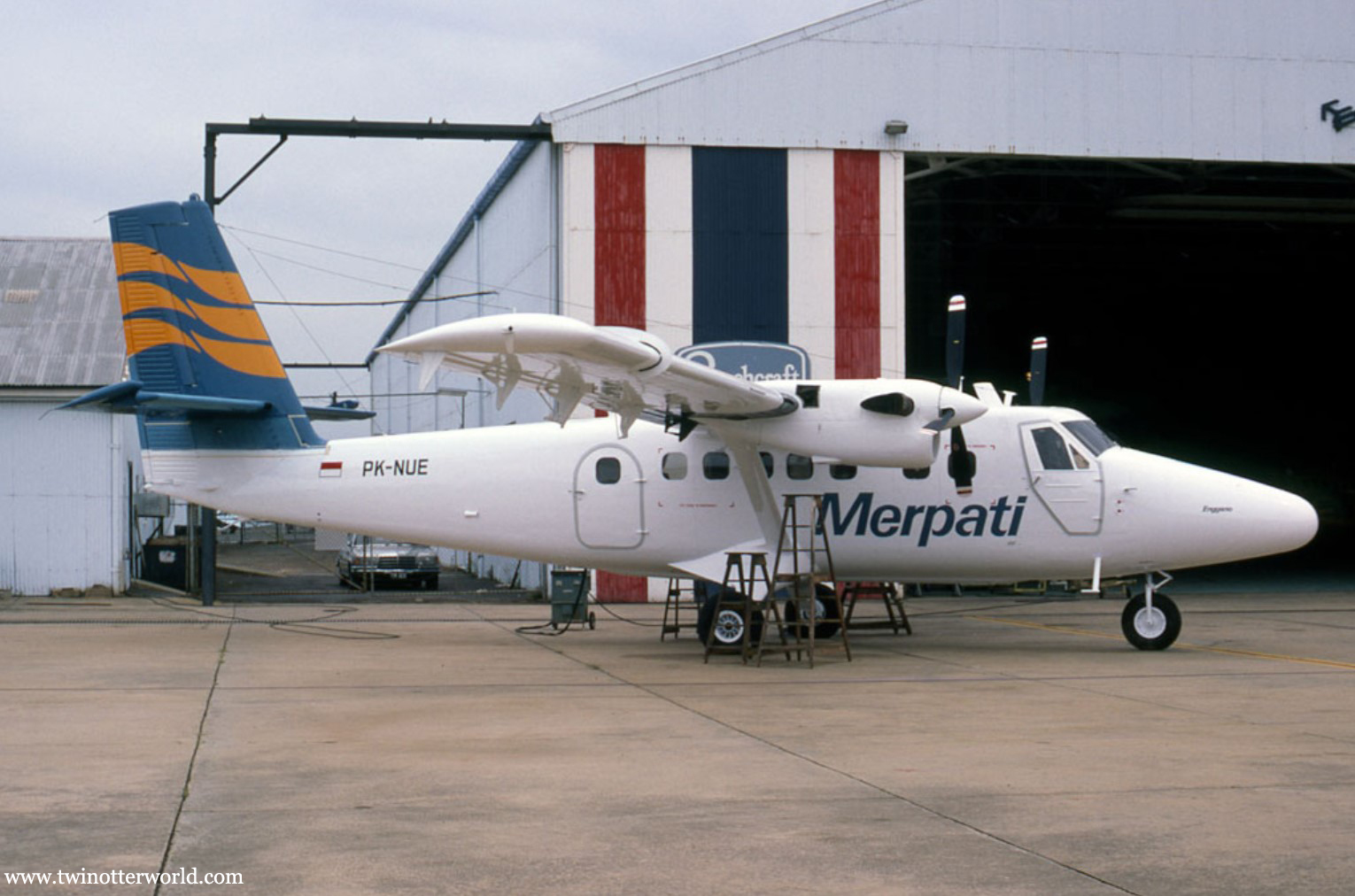
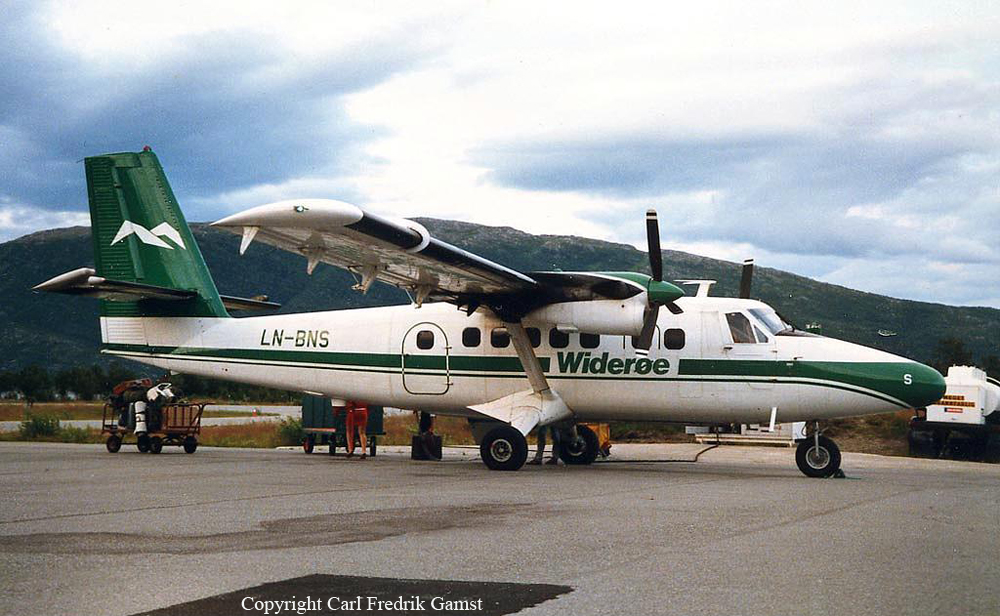
LN-BNS
Flight Phase:
Survivors:
No
Schedule:
Værøy – Bodø
MSN:
536
YOM:
1977
Flight number:
WF839
Country:
Region:
Crew on board:
2
Crew fatalities:
Pax on board:
3
Pax fatalities:
Other fatalities:
Total fatalities:
5
Captain / Total flying hours:
5534
Captain / Total hours on type:
1269.00
Copilot / Total flying hours:
1370
Copilot / Total hours on type:
354
Aircraft flight hours:
27304
Aircraft flight cycles:
58709
Circumstances:
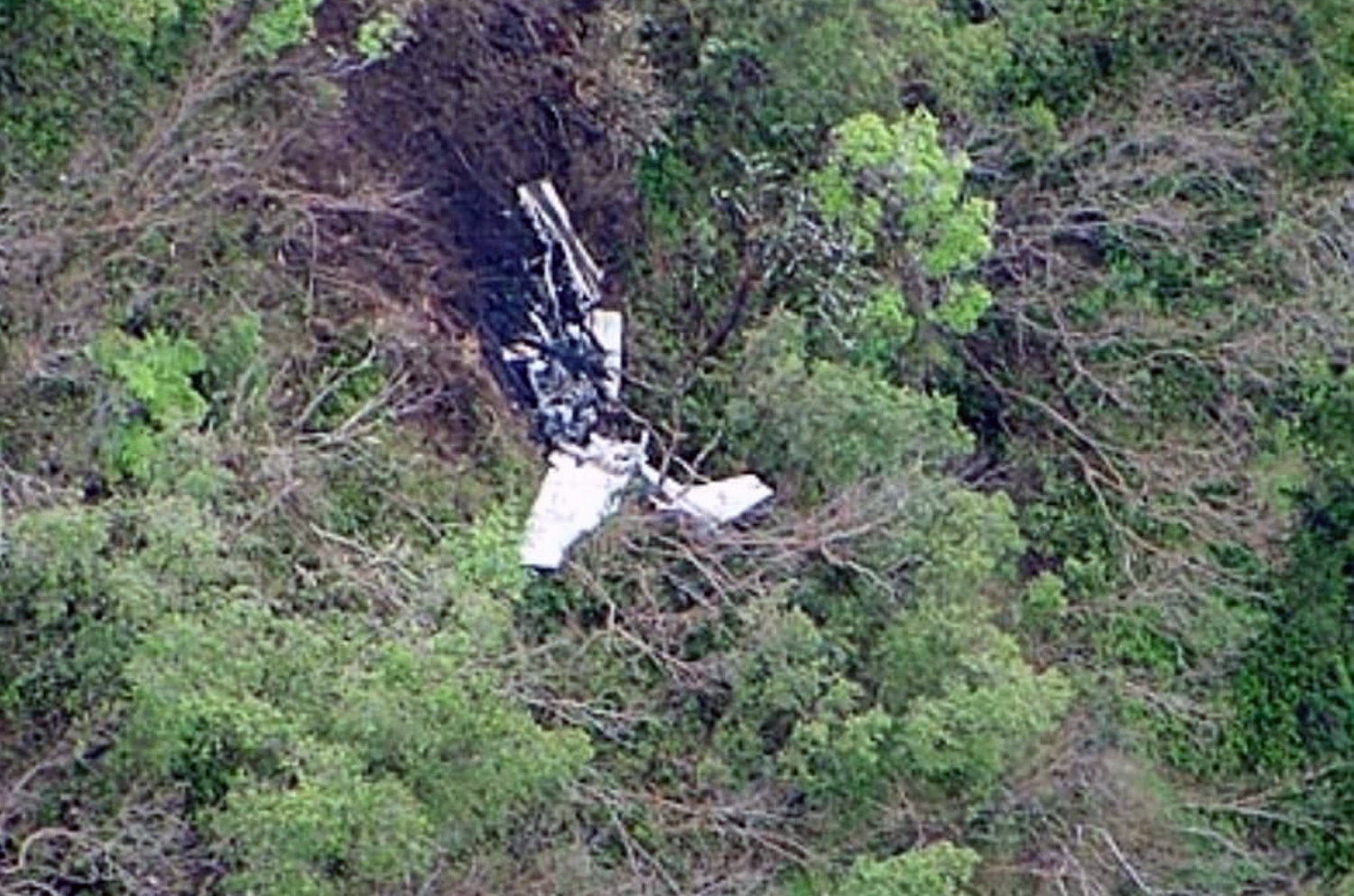
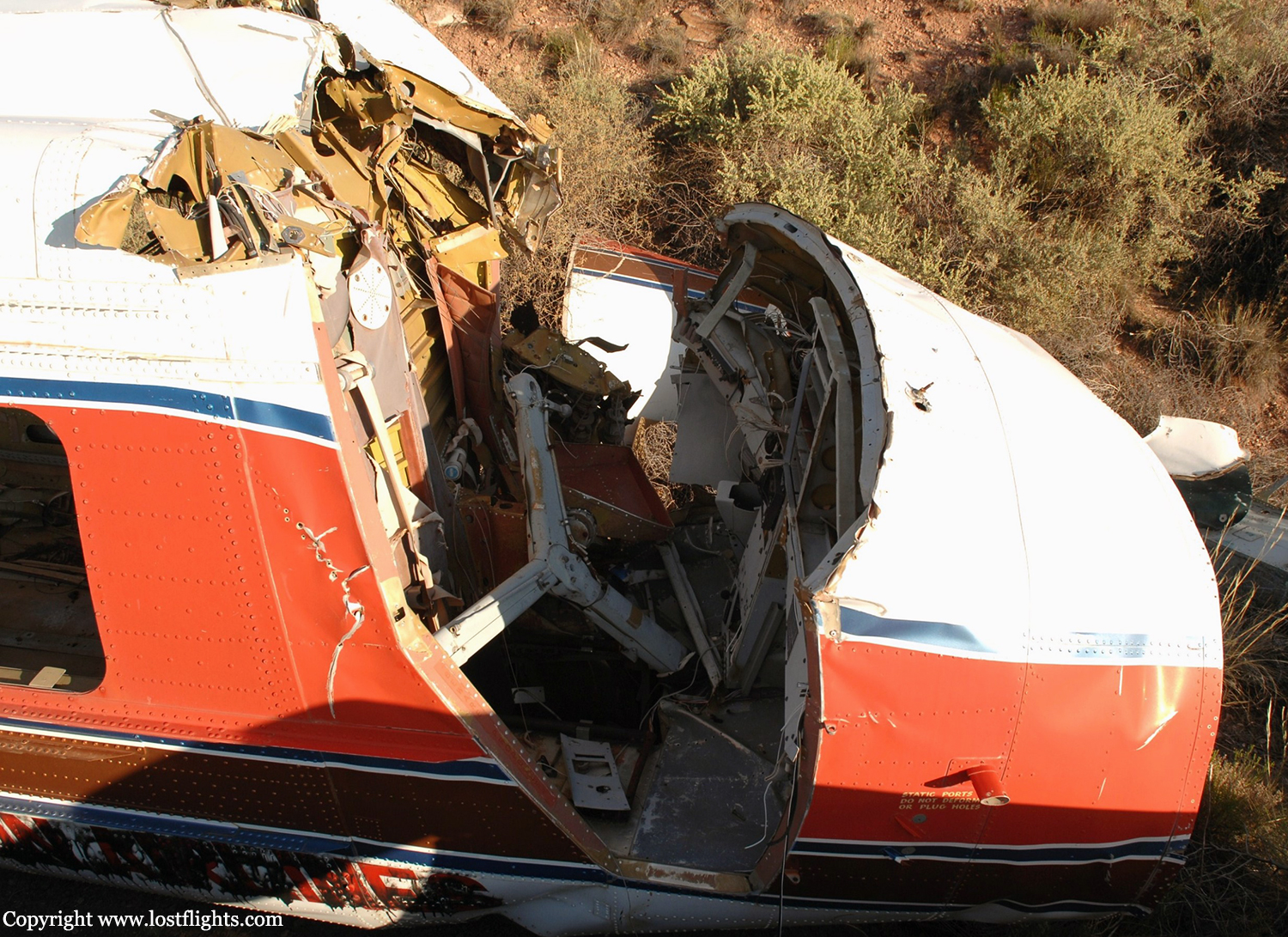
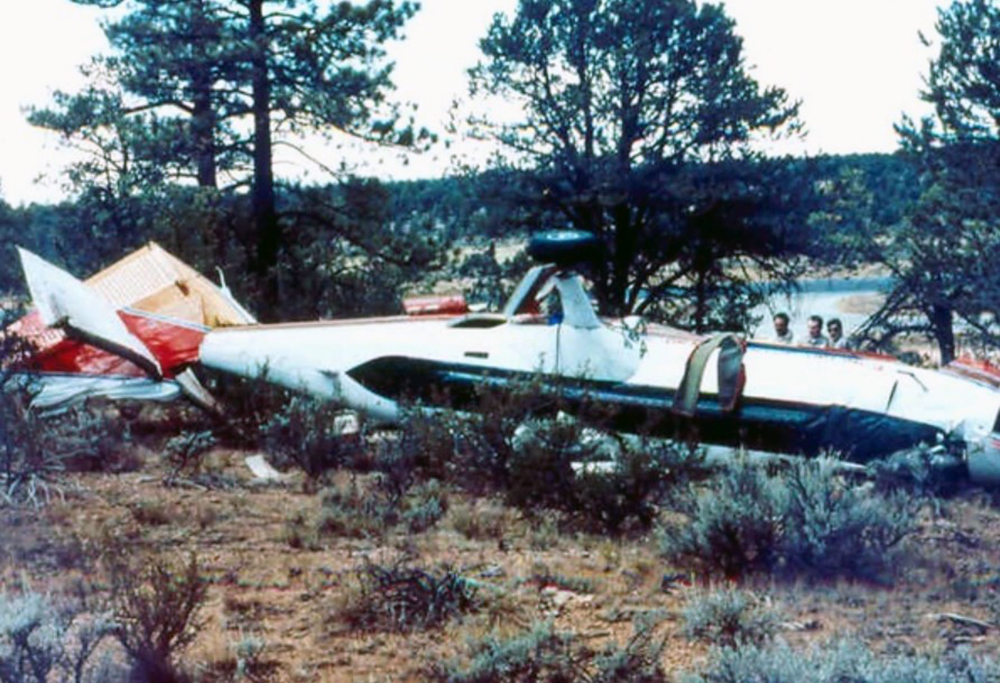
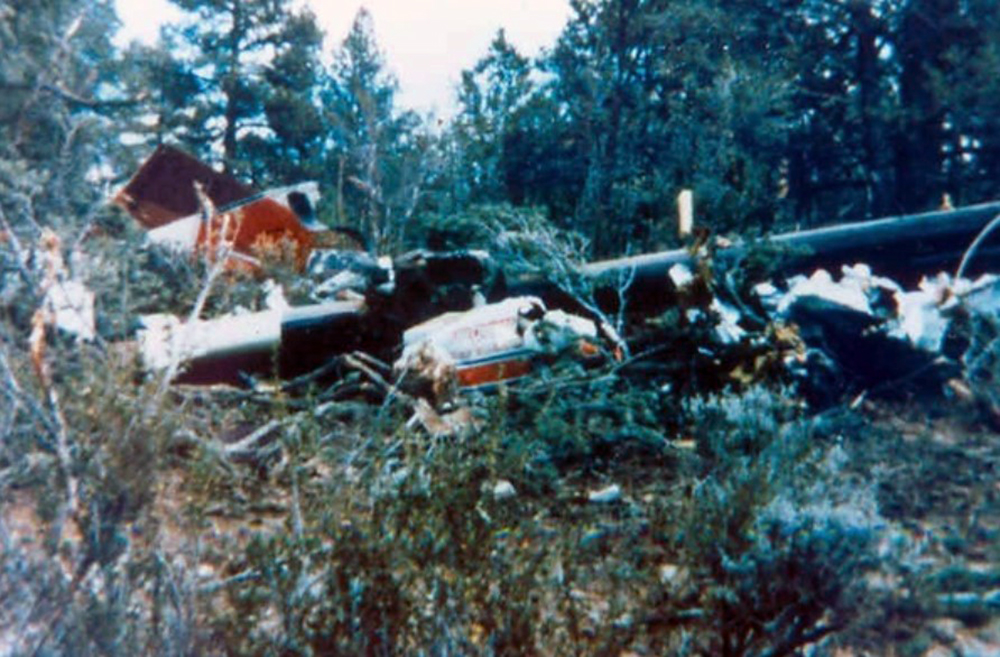
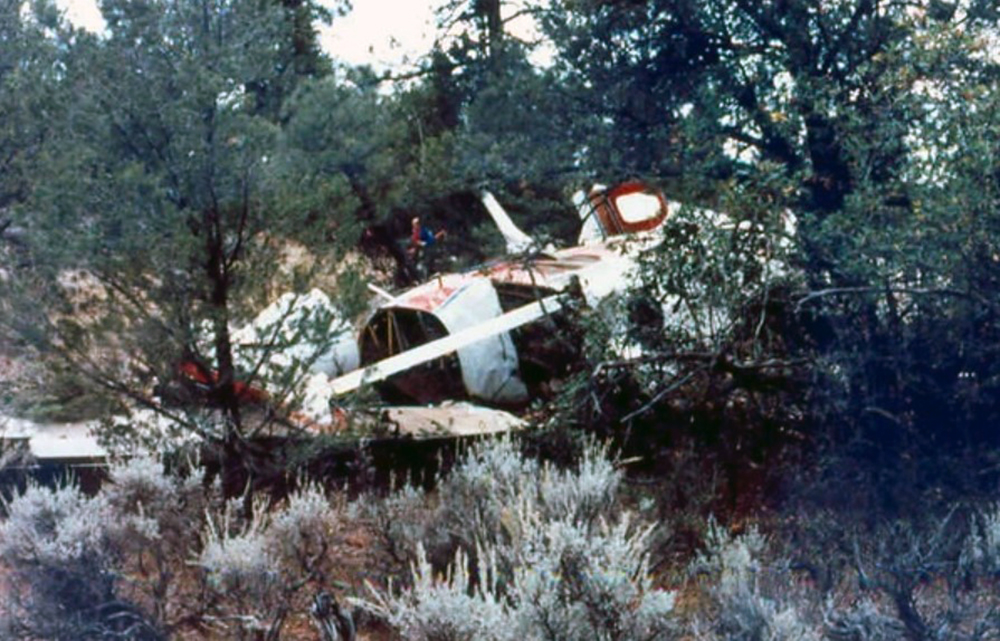
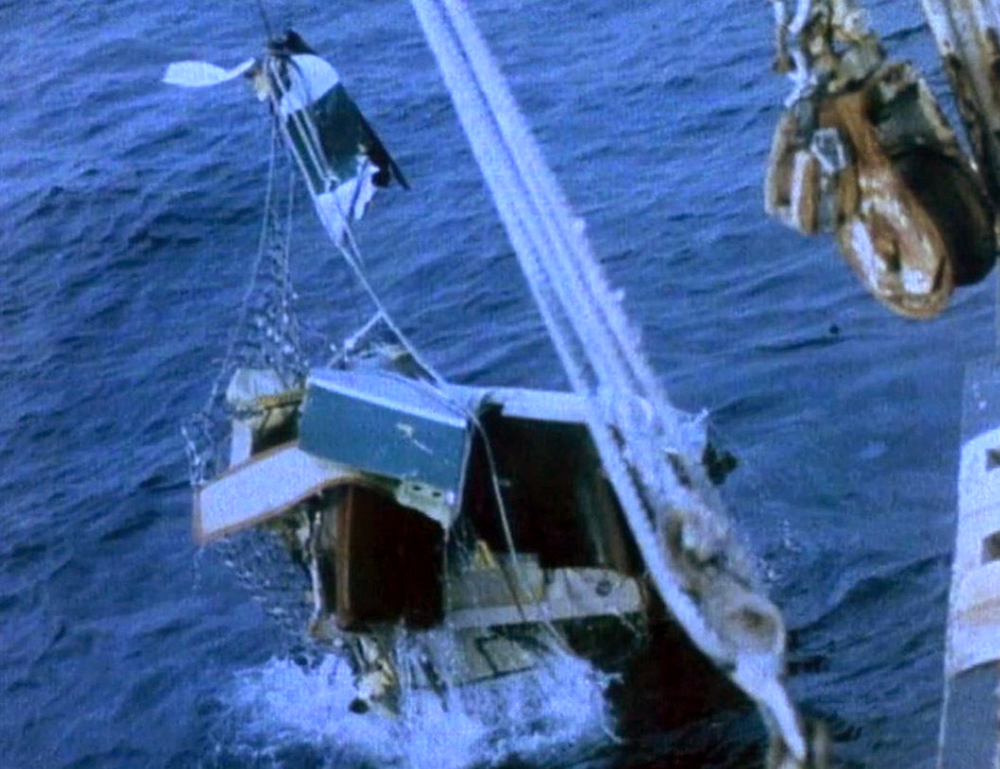
Less than two minutes after takeoff from Værøy Airport runway 25, while climbing in marginal weather conditions, the aircraft banked left then entered an uncontrolled descent and crashed in the sea in a near vertical attitude about 1,8 km from the airport. The aircraft was destroyed and all five occupants were killed. When the crew started to roll at the airport, the wind was gusting to 57 knots which was 7 knots above the maximum allowable limit for ground operations. After takeoff, the aircraft encountered wind gusting to 34 knots which was 14 knots above the maximum allowable limit for flight operations. Excessive wind component caused the stabilizers/elevator to fail, causing the aircraft to enter an uncontrolled descent and to crash in the sea.
Probable cause:
The cause of the accident was that the plane during departure came into the wind that exceeded the aircraft's design criteria. Thus there was a break in the horizontal stabilizer / elevator which meant that the plane could no longer be controlled.
Final Report:
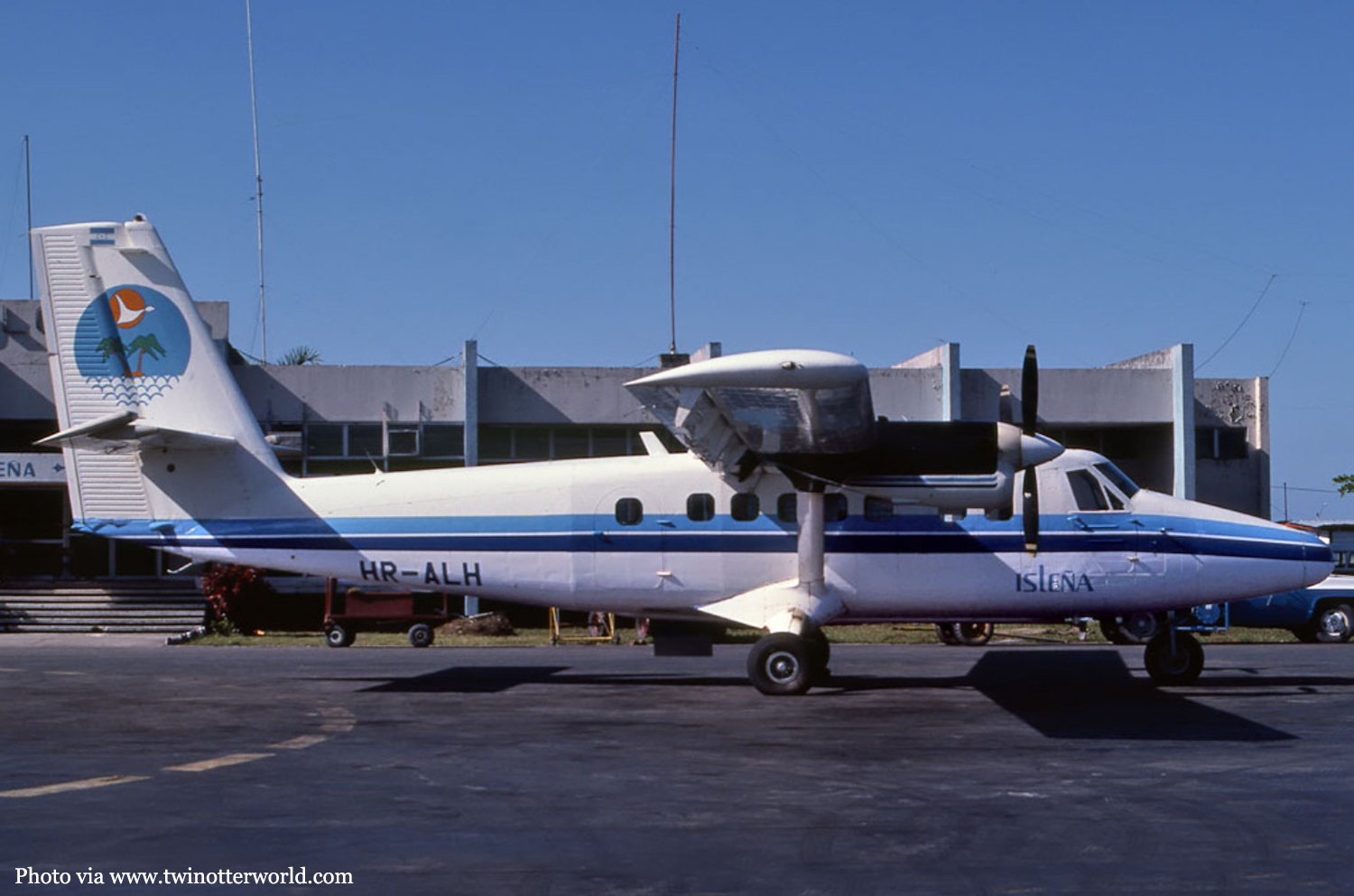
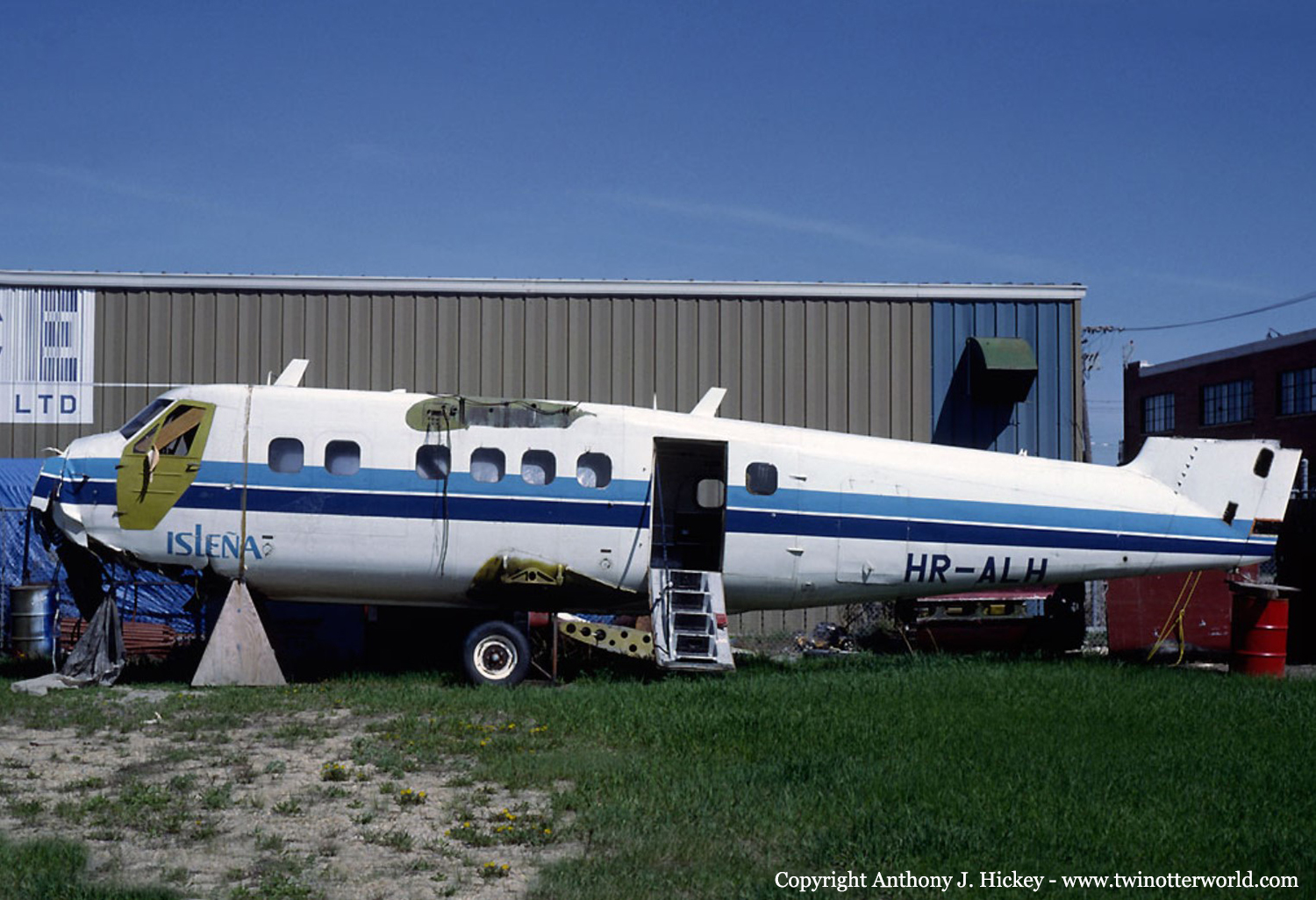
Crash of a De Havilland DHC-6 Twin Otter 300 off Utila

Date & Time: Apr 4, 1990
Operator:
Registration:
HR-ALH
Survivors:
Yes
Schedule:
La Ceiba – Útila
MSN:
180
YOM:
1968
Country:
Crew on board:
2
Crew fatalities:
Pax on board:
18
Pax fatalities:
Other fatalities:
Total fatalities:
0
Circumstances:
On final approach to Útila Airport runway 25, the crew was blinded by the low sun position and failed to realize his altitude was insufficient. The aircraft struck the water surface and crashed in the sea about 50 meters offshore and less than 300 meters short of runway 25 threshold. All 20 occupants were evacuated safely while the aircraft was damaged beyond repair.

Crash of a De Havilland DHC-6 Twin Otter 300 in Labuan Bajo

Date & Time: Apr 3, 1990
Operator:
Registration:
PK-NUQ
Flight Phase:
Survivors:
Yes
Schedule:
Labuan Bajo – Denpasar
MSN:
488
YOM:
1976
Country:
Region:
Crew on board:
3
Crew fatalities:
Pax on board:
14
Pax fatalities:
Other fatalities:
Total fatalities:
0
Circumstances:
After liftoff from Labuan Bajo-Mutiara Airport, while in initial climb, the left engine oversped. The crew elected to make an emergency landing when the aircraft struck rocks then crashed in a ravine. All 17 occupants were injured.
Probable cause:
Loss of control during initial climb after the left engine oversped for unknown reasons.

Crash of a De Havilland DHC-6 Twin Otter 300 in Al Gora

Date & Time: Nov 8, 1989
Operator:
Registration:
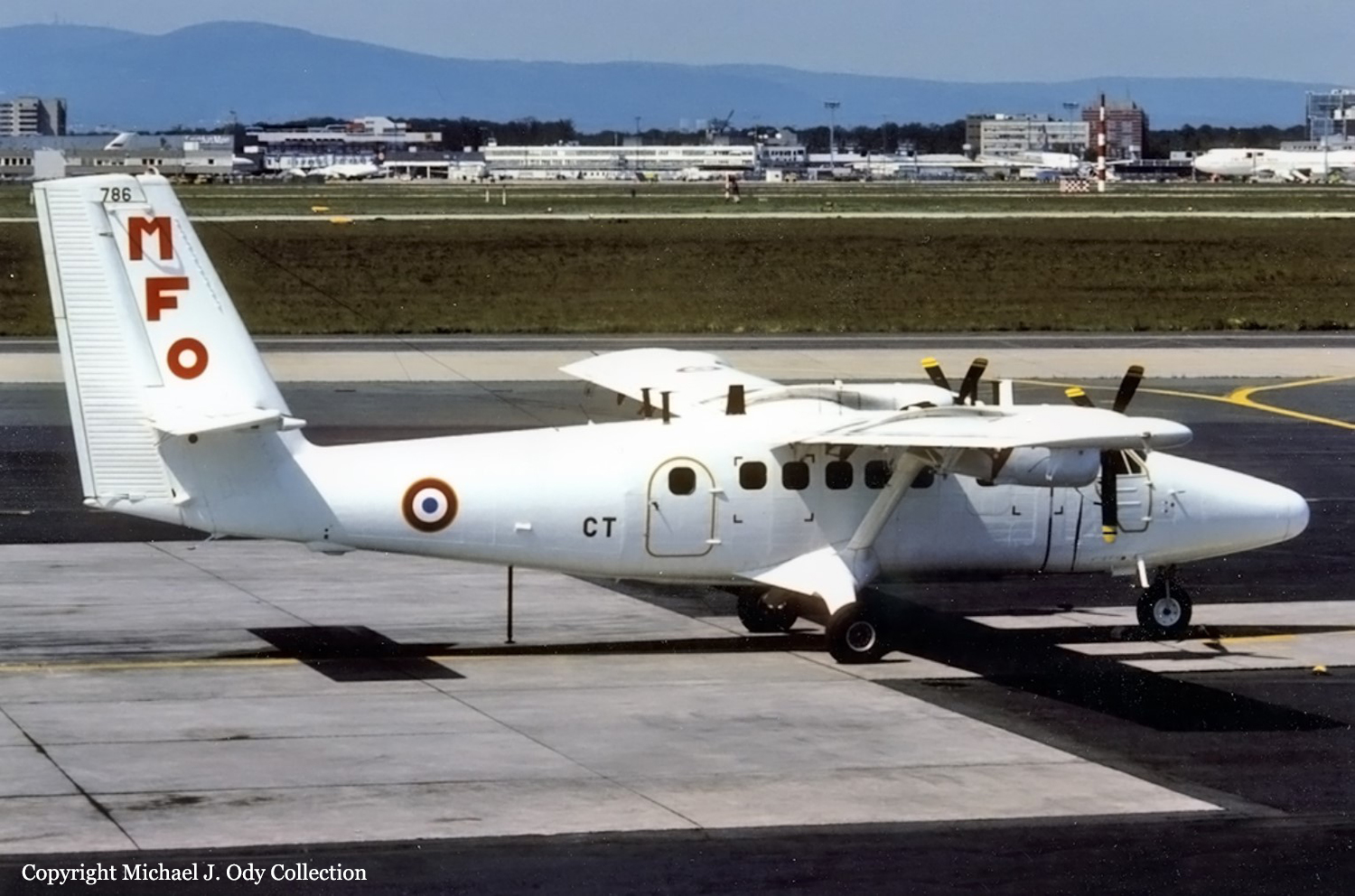
786/F-RAVV
Flight Phase:
Flight Type:
Survivors:
Yes
MSN:
786
YOM:
1982
Country:
Region:
Crew on board:
0
Crew fatalities:
Pax on board:
0
Pax fatalities:
Other fatalities:
Total fatalities:
0
Circumstances:
Crashed in unknown circumstances while engaged in a mission on behalf of the Multinational Force Observers (MFO) based in Al Gora. There were no casualties.

Crash of a De Havilland DHC-6 Twin Otter 300 in Molokai: 20 killed

Date & Time: Oct 28, 1989 at 1837 LT
Operator:
Registration:
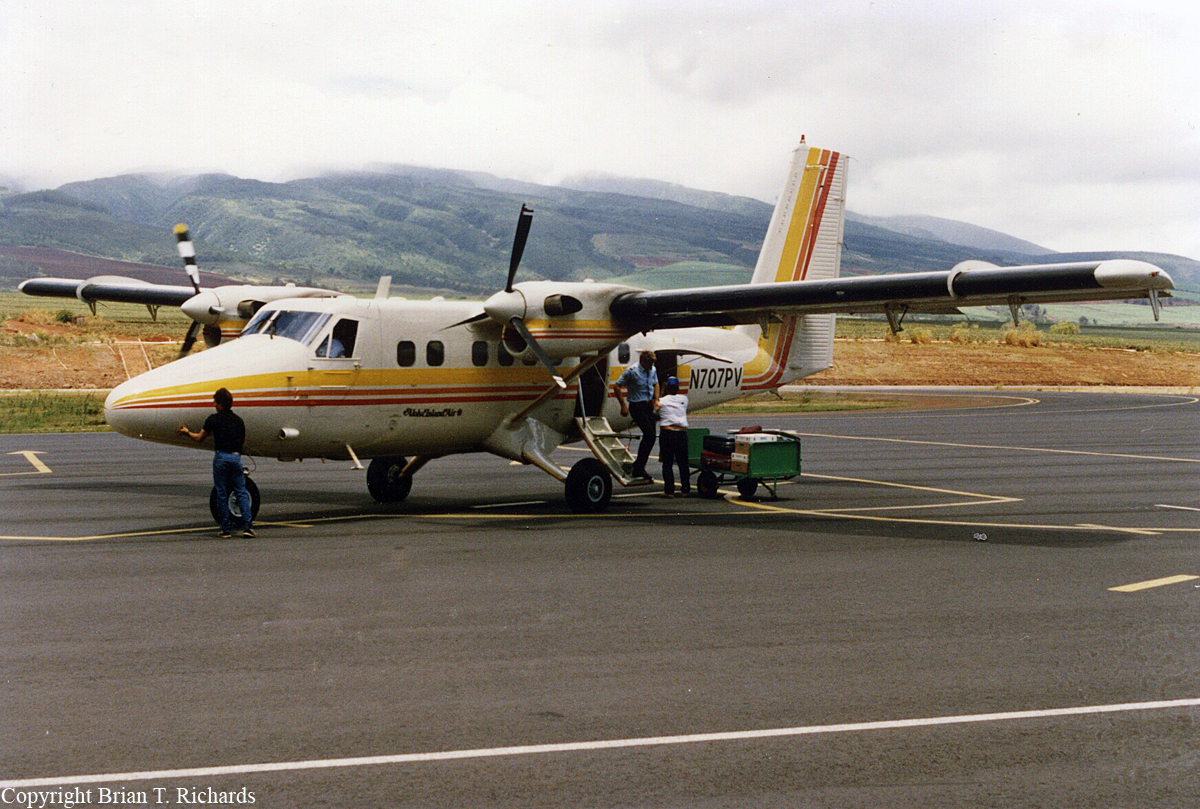
N707PV
Survivors:
No
Site:
Schedule:
Kahului - Molokai
MSN:
400
YOM:
1973
Flight number:
WP1712
Location:
Crew on board:
2
Crew fatalities:
Pax on board:
18
Pax fatalities:
Other fatalities:
Total fatalities:
20
Captain / Total flying hours:
3542
Captain / Total hours on type:
1668.00
Copilot / Total flying hours:
425
Copilot / Total hours on type:
189
Aircraft flight hours:
19875
Aircraft flight cycles:
30139
Circumstances:
De Havilland DHC-6, N707PV (Aloha Islandair flight 1712), collided with mountainous/hilly terrain near Halawa Bay, HI, while en route on a scheduled passenger flight at night from Maui to Molokai, HI. Impact occurred at an elevation of about 500 feet, shortly after the aircraft had descended over water, then crossed the shoreline. There was evidence that the captain had made a navigational error and mistakenly believed that he was circumnavigating the northern portion of Molokai Island. The aircraft crashed while on a heading that was parallel with the island's northern shoreline. Low clouds obscured the mountain tops in the area of the accident. There was also evidence of inadequate supervision of personnel, training and operations by Aloha Islandair management and insufficient oversight of Aloha Islandair by the FAA during a period of Aloha Islandair's rapid operational expansion. All 20 occupants were killed.
Probable cause:
The airplane's controlled flight into terrain as a result of the decision of the captain to continue flight under visual flight rules at night into instrument meteorological conditions (IMC), which obscured rising mountainous terrain. Contributing to the accident was: the inadequate supervision of personnel, training, and operations by aloha islandair management and insufficient oversight of Aloha Islandair by the Federal Aviation Administration particularly during a period of rapid operational expansion.
Final Report:

Crash of a De Havilland DHC-6 Twin Otter 300 in Kangiqsujuaq

Date & Time: Oct 26, 1989 at 1126 LT
Operator:
Registration:
C-GBJE
Survivors:
Yes
Schedule:
Quaqtaq - Kangiqsujuaq
MSN:
566
YOM:
1978
Country:
Crew on board:
2
Crew fatalities:
Pax on board:
11
Pax fatalities:
Other fatalities:
Total fatalities:
0
Circumstances:
After touchdown, the crew lost control of the airplane that veered off runway, struck a ditch and came to rest. All 13 occupants evacuated safely while the aircraft was damaged beyond repair.
Probable cause:
It was determined that the loss of control upon touchdown was the consequence of strong crosswinds.

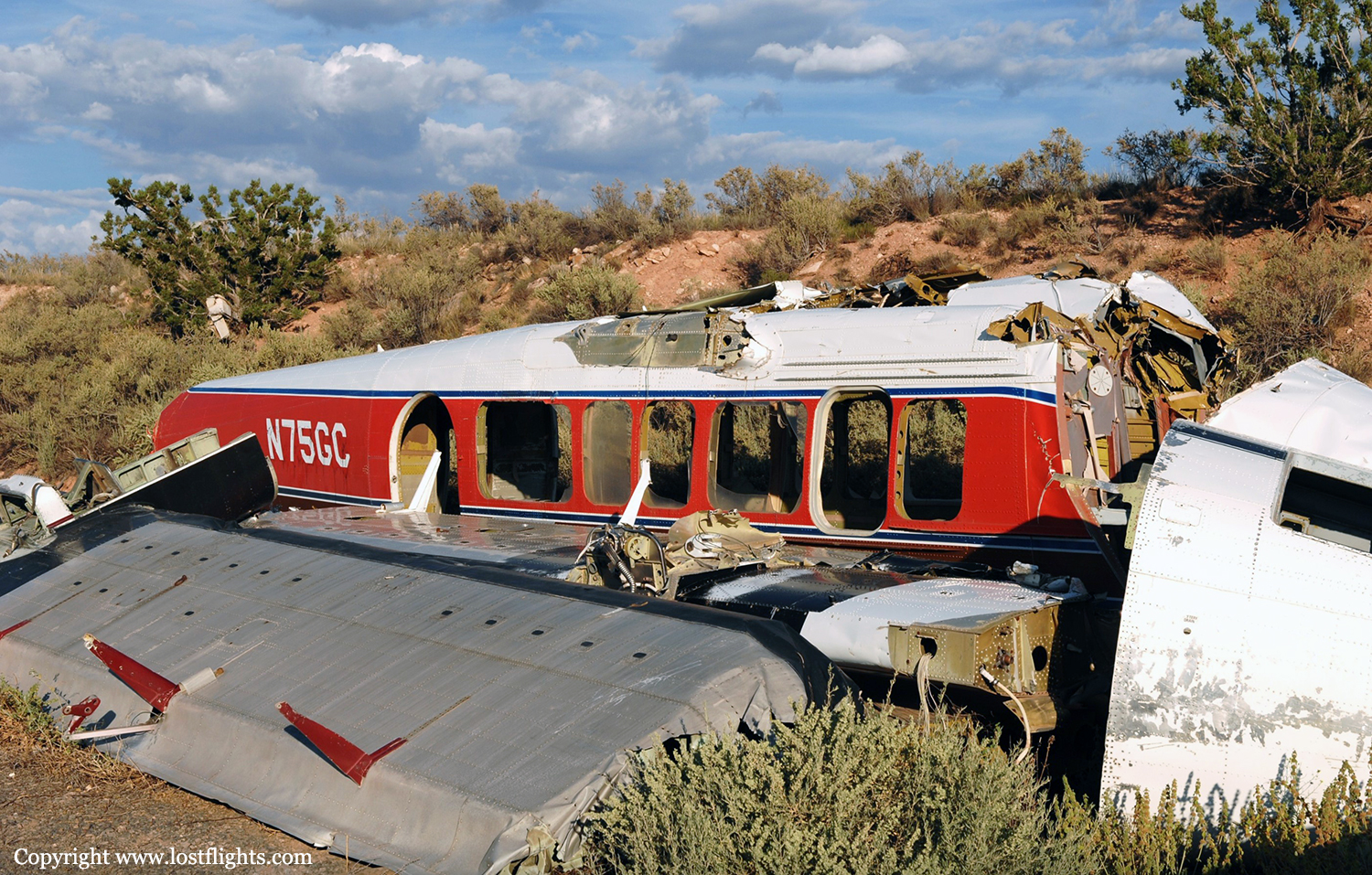
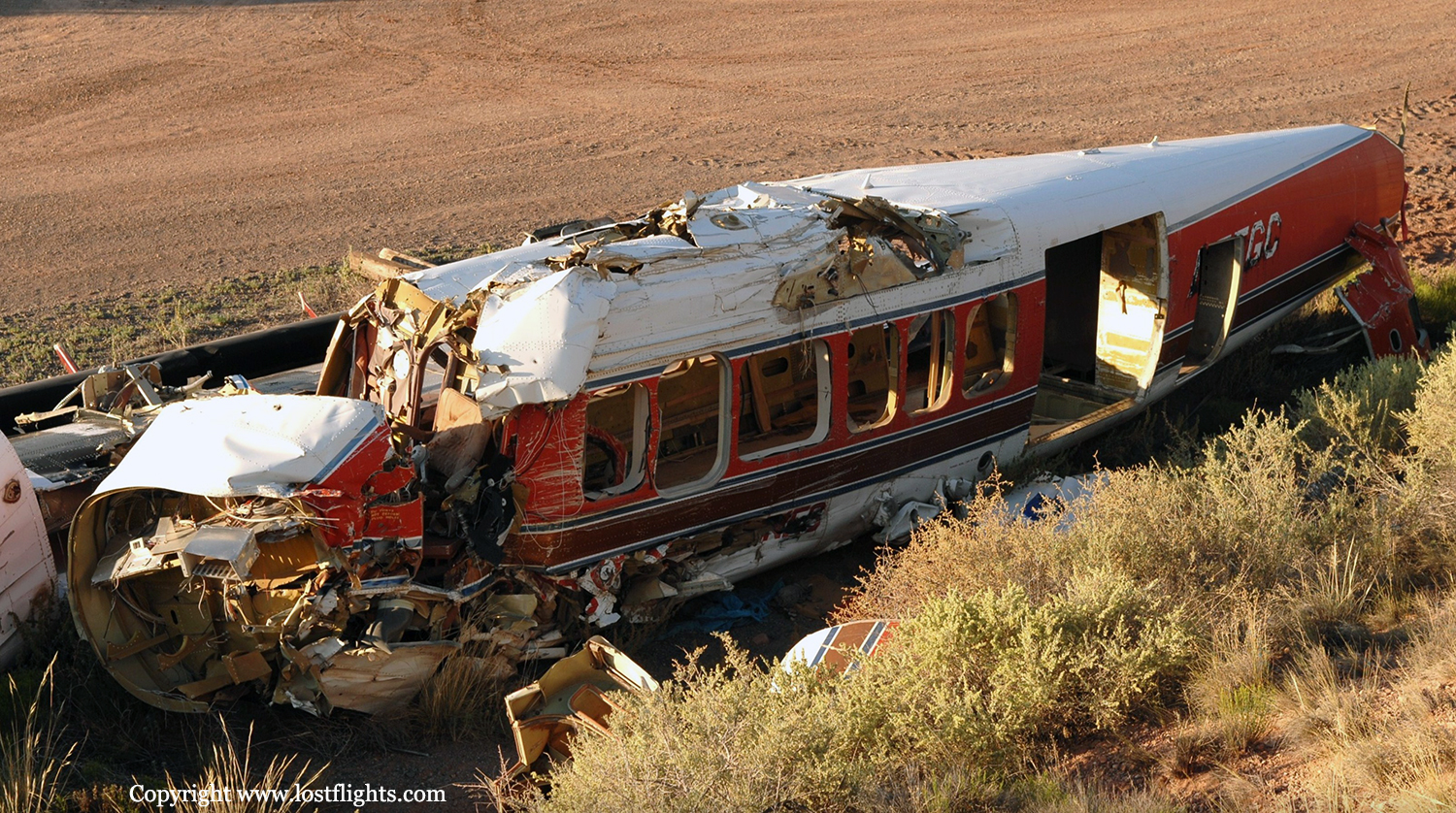
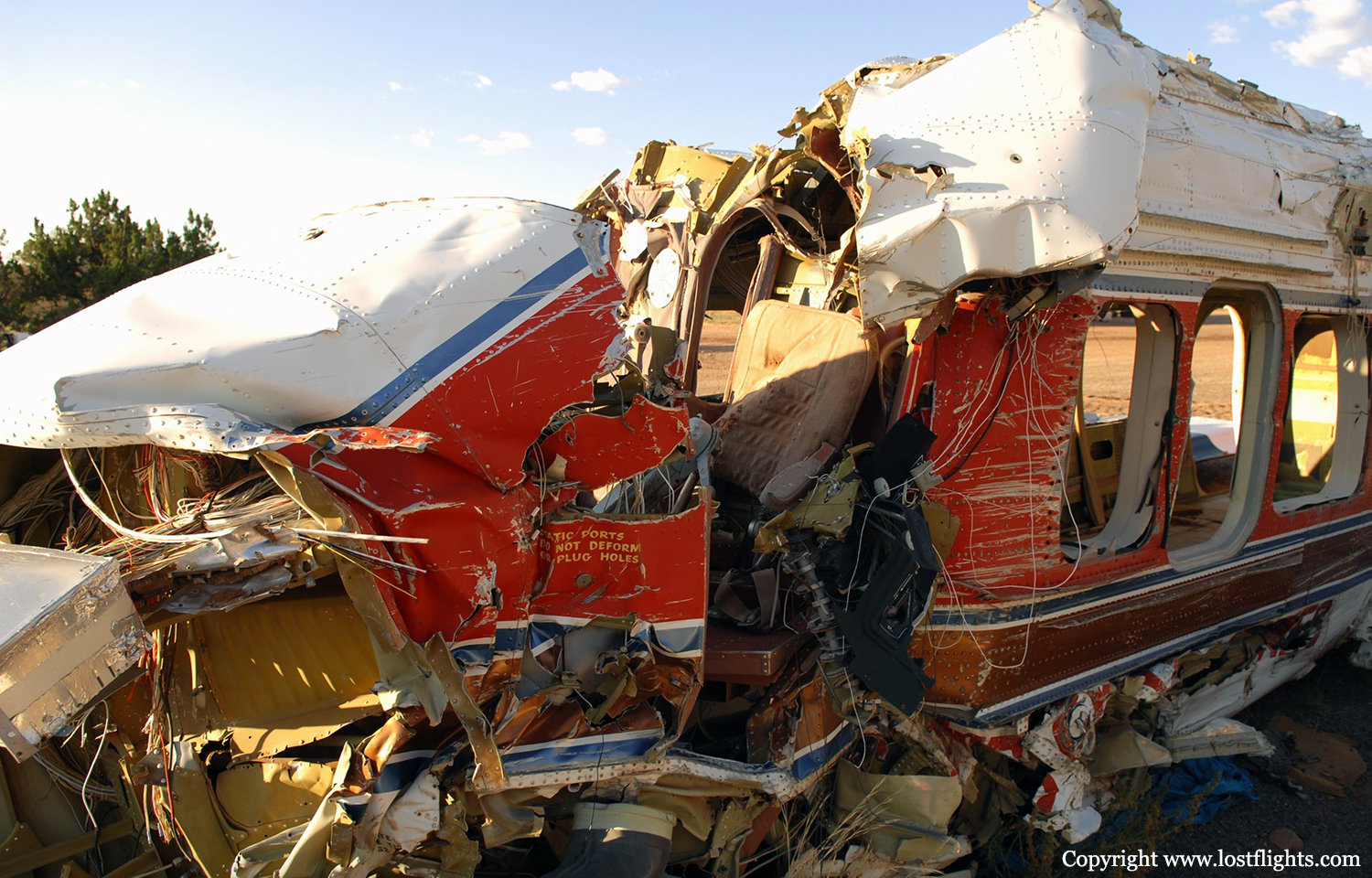
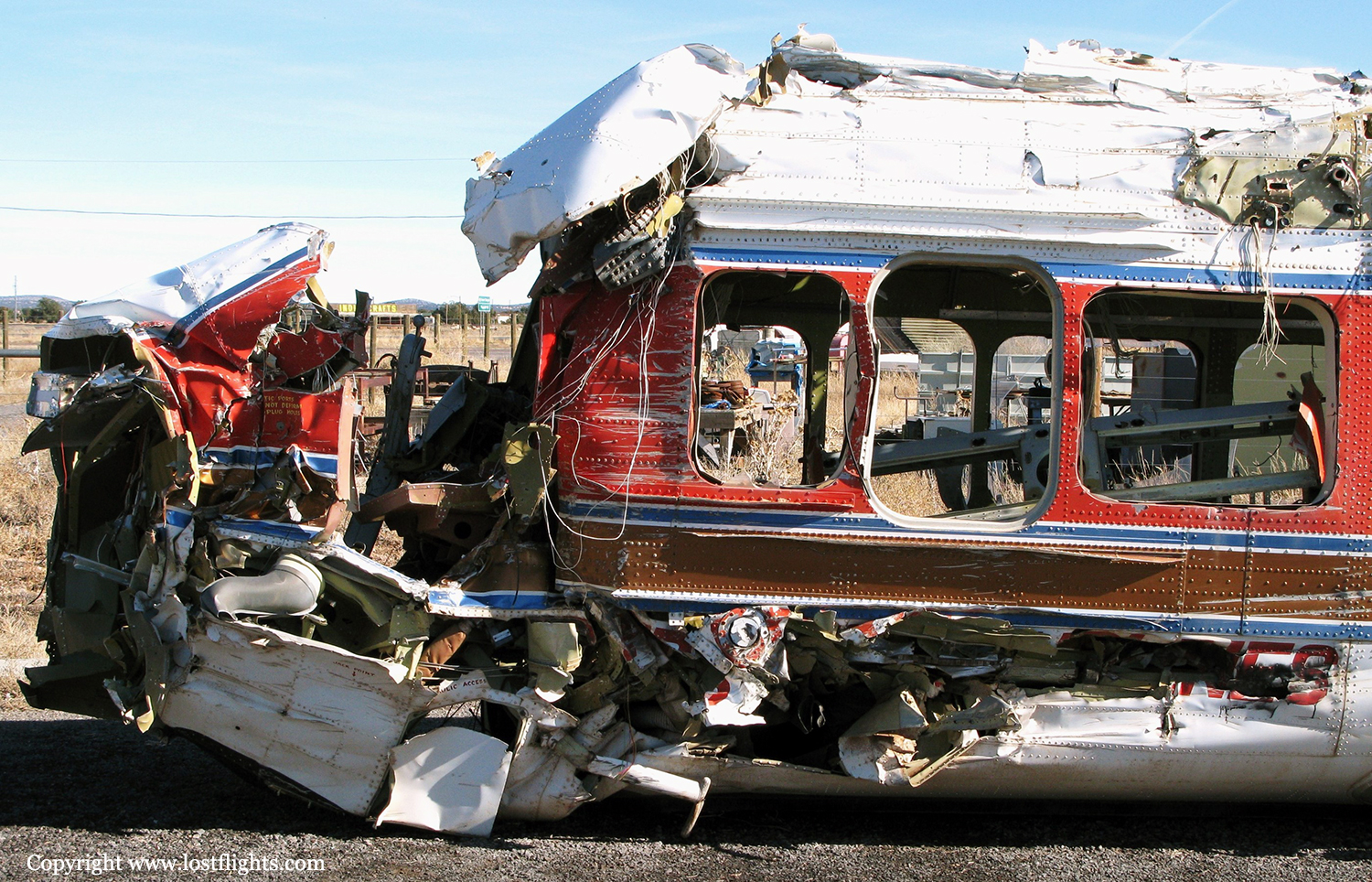
Crash of a De Havilland DHC-6 Vista Liner 300 in Grand Canyon: 10 killed

Date & Time: Sep 27, 1989 at 0953 LT
Operator:
Registration:
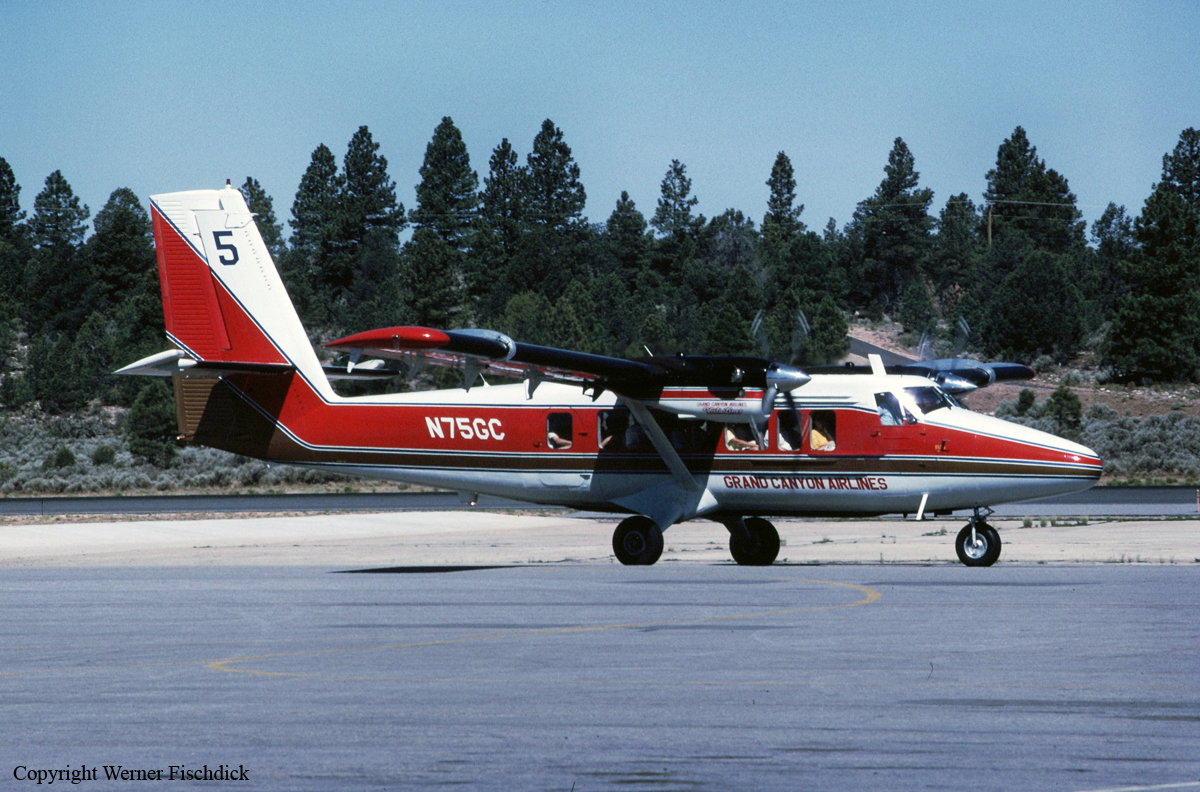
N75GC
Survivors:
Yes
Schedule:
Grand Canyon - Grand Canyon
MSN:
439
YOM:
1974
Flight number:
YR05
Crew on board:
2
Crew fatalities:
Pax on board:
19
Pax fatalities:
Other fatalities:
Total fatalities:
10
Captain / Total flying hours:
4120
Captain / Total hours on type:
2610.00
Copilot / Total flying hours:
1309
Copilot / Total hours on type:
339
Aircraft flight hours:
11180
Circumstances:
Grand Canyon Airlines flight 5 (De Havilland DHC-6, N75GC) departed Grand Canyon National Park Airport on a local part 135, sightseeing flight. After returning from a normal trip, the flight was cleared to land on runway 21. Observers reported the approach to the airport was normal, but the aircraft traveled about 1,000 feet down the runway at an altitude of about 5 feet before touchdown. Reportedly, it bounced and traveled another 1,000 feet before touching down again. The aircraft then veered to the right and the flight crew initiated a go around (aborted landing). The aircraft climbed in a nose high altitude to about 150 feet to 200 feet agl, then it rolled to the left and crashed onto a wooded hill about 120 feet left of the runway. A power line was severed during impact, which interrupted electrical power to the airport and delayed emergency response to the crash. Surviving passengers reported the right seat pilot was flying the aircraft, while the left seat pilot narrated the tour; but after a hard touchdown, the left seat pilot took control of the aircraft and applied full power for a go-around. A scrape mark was found where the right wingtip scraped the runway during the 2nd touchdown. Both pilots and eight passengers were killed while 11 other passengers were injured, nine of them seriously.
Probable cause:
Improper pilot techniques and crew coordination during the landing attempt, bounce, and attempted go-around.
Final Report:
Crash of a De Havilland DHC-6 Twin Otter 300 in Bintuni: 22 killed

Date & Time: Sep 15, 1989
Operator:
Registration:
PK-NUE
Survivors:
No
Schedule:
Manokwari - Bintuni
MSN:
345
YOM:
1972
Country:
Region:
Crew on board:
3
Crew fatalities:
Pax on board:
19
Pax fatalities:
Other fatalities:
Total fatalities:
22
Circumstances:
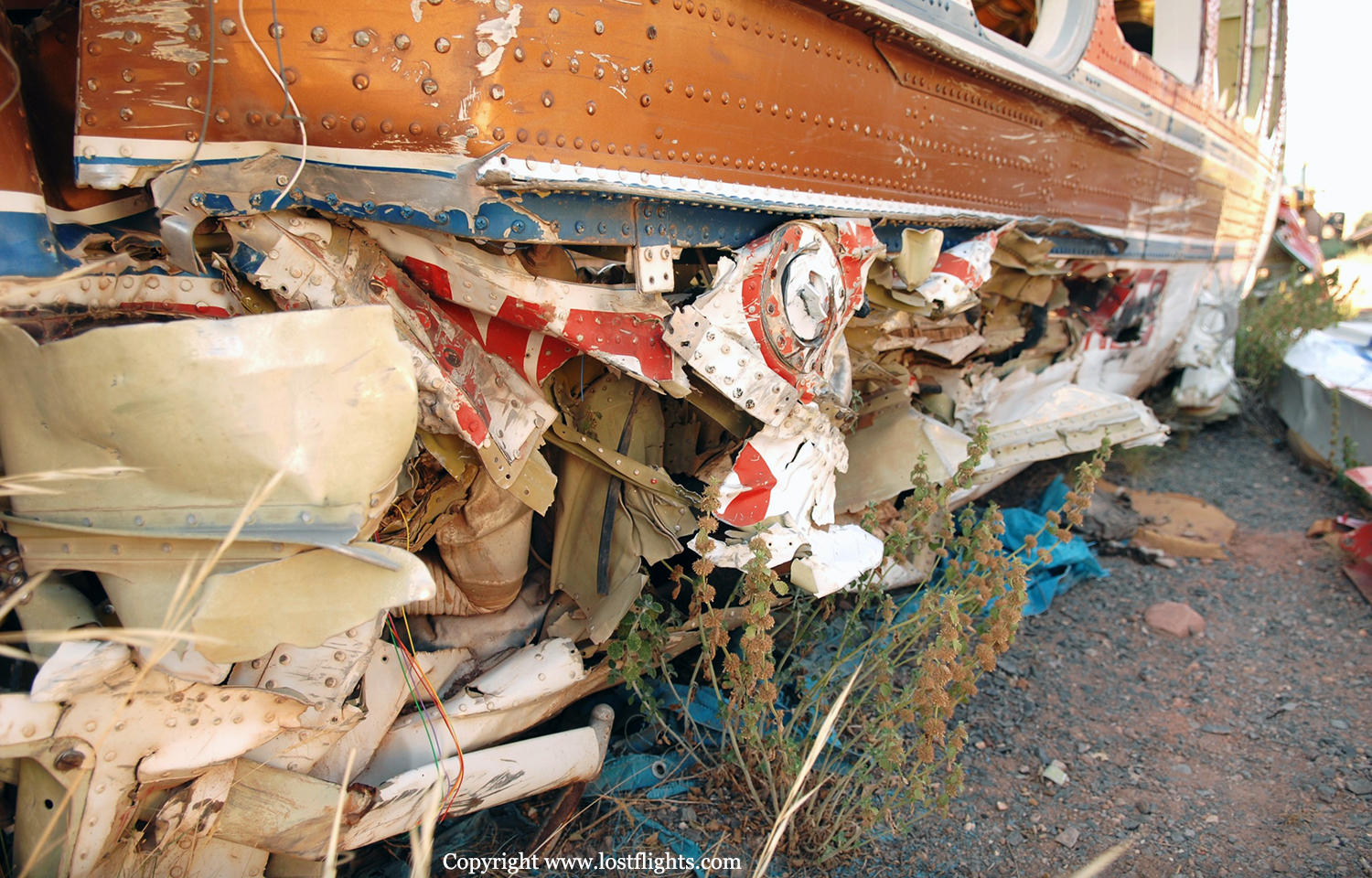
While approaching Bintuni Airport, the crew encountered poor weather conditions when the aircraft struck a mountain located few km from the airfield. All 22 occupants were killed.

Crash of a De Havilland DHC-6 Twin Otter 300 near Gambela: 16 killed

Date & Time: Aug 7, 1989 at 1210 LT
Registration:
ET-AIL
Flight Phase:
Flight Type:
Survivors:
No
Site:
Schedule:
Addis Ababa - Funyido
MSN:
699
YOM:
1980
Location:
Country:
Region:
Crew on board:
3
Crew fatalities:
Pax on board:
13
Pax fatalities:
Other fatalities:
Total fatalities:
16
Circumstances:
The twin engine aircraft was on its way from Addis Ababa to a refugee camp in Funyido on a humanitarian mission (food program in Ethiopia). About an hour and thirty minutes into the flight, the aircraft entered an area of poor weather conditions over mountainous terrain. While cruising at an altitude of 3,600 feet, it struck the slope of a mountain located about 30 km southeast from Gambela. As the aircraft failed to arrive at destination, SAR operations were initiated but the wreckage was found a week later in an isolated area. The aircraft was totally destroyed and all 16 occupants were killed, among them Thomas Mickey Leland, US Secretary of State.
Probable cause:
It was determined that the crew was flying under VFR mode in IMC conditions.

Crash of a De Havilland DHC-6 Twin Otter 300 in Porgera: 3 killed

Date & Time: Jul 21, 1989
Operator:
Registration:
P2-RDW
Survivors:
Yes
Schedule:
Mount Hagen – Porgera
MSN:
366
YOM:
1973
Location:
Region:
Crew on board:
2
Crew fatalities:
Pax on board:
20
Pax fatalities:
Other fatalities:
Total fatalities:
3
Circumstances:
On final approach to Porgera Airfield, the twin engine airplane struck trees and crashed in a dense wooded area. Both pilots and a passenger were killed while 19 other occupants were injured.