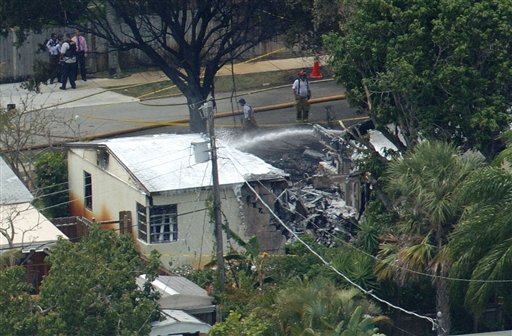
Crash of a Cessna 421B Golden Eagle II in Ozren: 1 killed

Date & Time: Sep 24, 2015 at 1230 LT
Operator:

Registration:
YU-BSW
Flight Phase:
Survivors:
Yes
Site:
Schedule:
Banja Luka – Tuzla
MSN:
421B-0248
YOM:
1972
Region:
Crew on board:
1
Crew fatalities:
Pax on board:
2
Pax fatalities:
Other fatalities:
Total fatalities:
1
Circumstances:
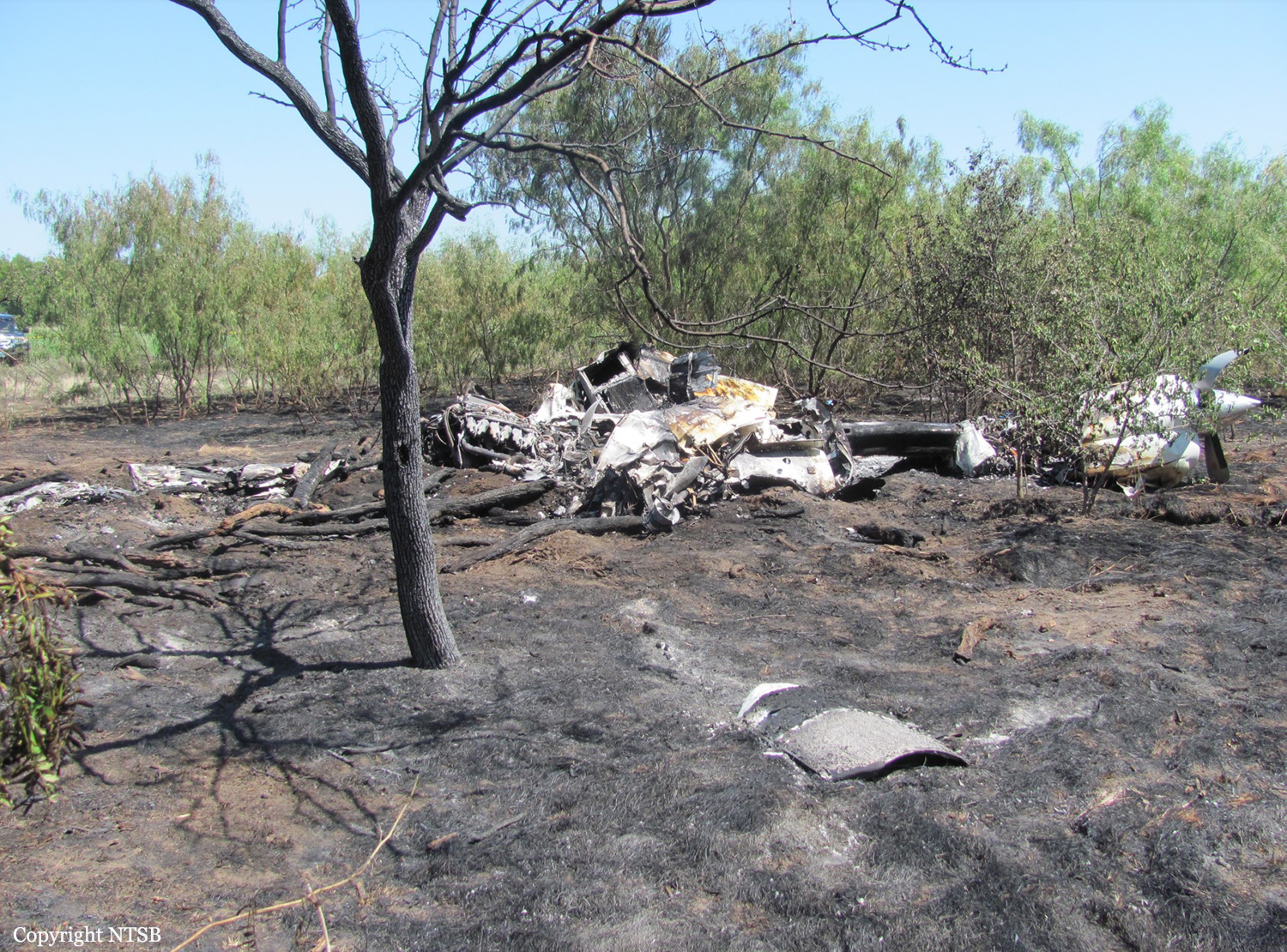
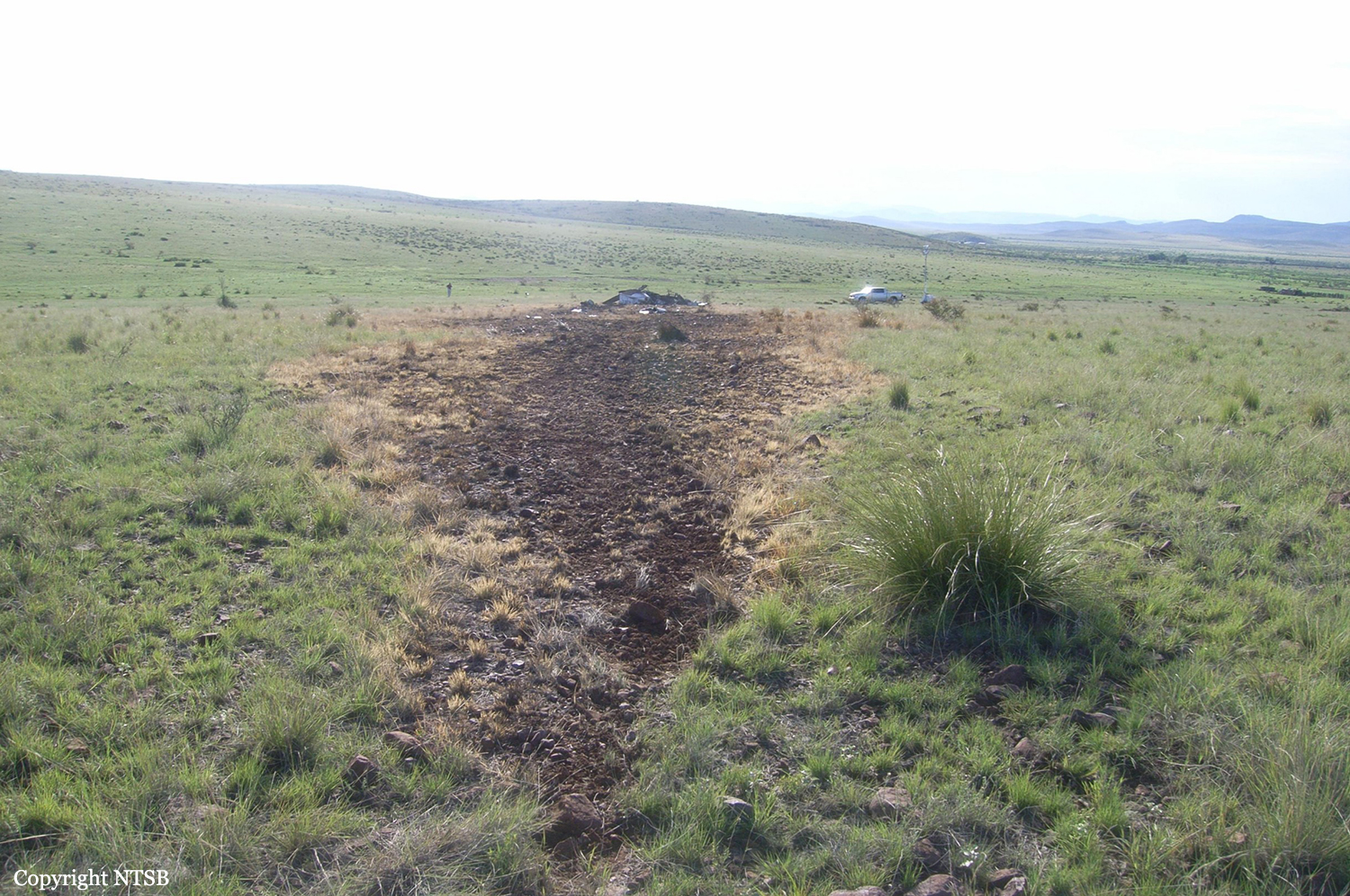
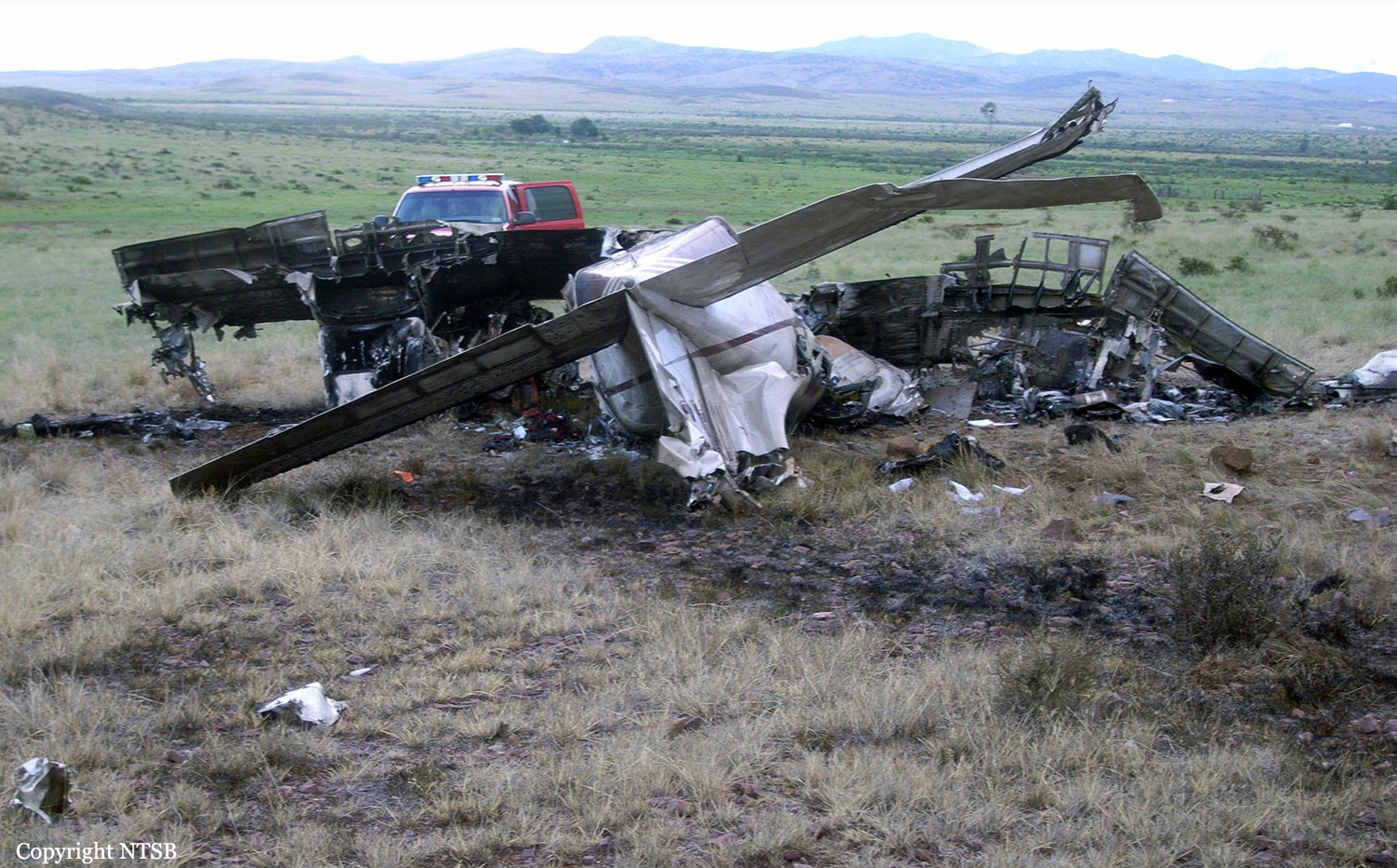
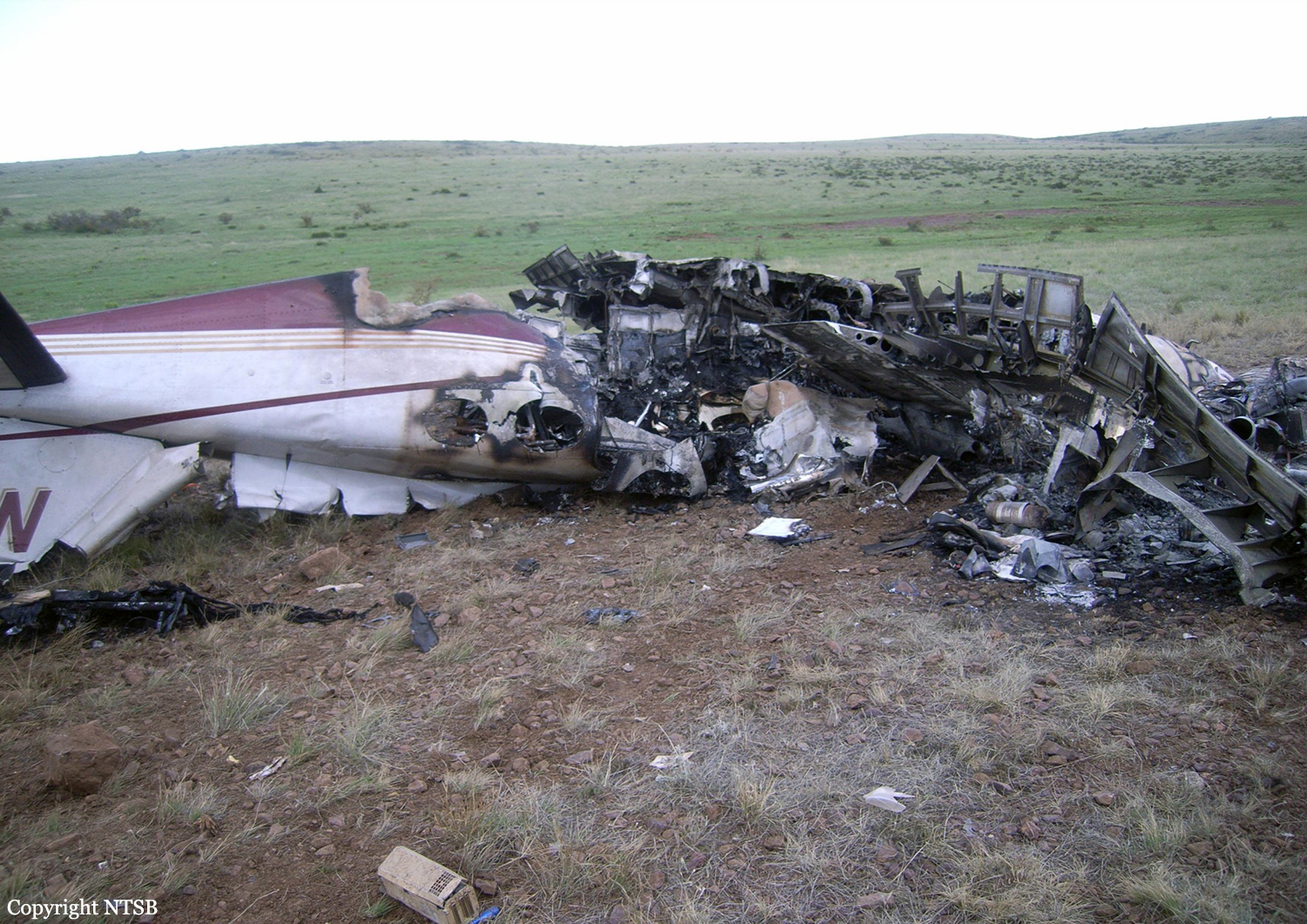
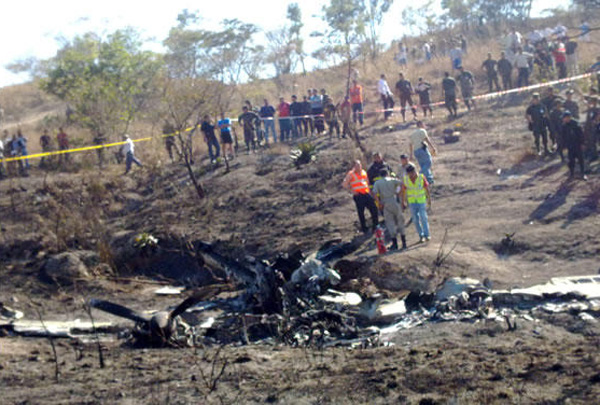
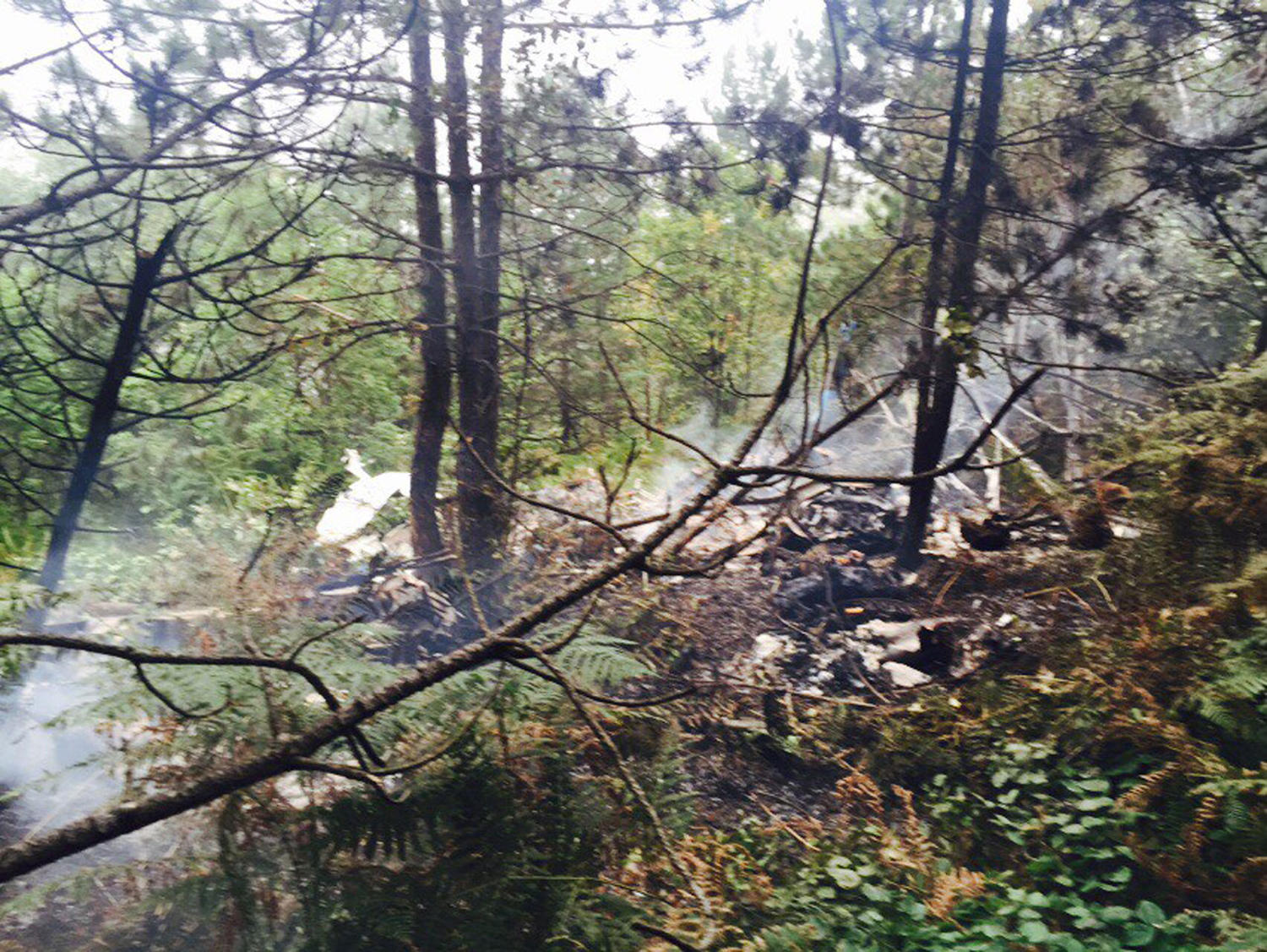
The twin engine aircraft, operated by STS Avijacija (STS Aviation), departed Banja Luka on a charter flight to Tuzla, carrying two passengers and one pilot taking part to a foxes vaccination program. While cruising at low altitude, the airplane entered an area of clouds when it impacted trees and crashed on the slope of a mountain located near the Monastery of Ozren, southeast part of the Serbian Republic of Bosnia, bursting into flames. Both passengers were seriously injured and the pilot was killed.
Probable cause:
The root cause of the accident is the entry of the aircraft into the cloud at a low altitude, in conditions of increased cloudiness, which led to the impact of the aircraft in the ground. The accident is caused by inadequate preparation of the crew for the flight, deviation of the crew from the planned and approved route by location (diversion from the given route) and flight height (flight at a lower altitude than the approved one), as well as not taking timely procedures to return to the given route and flight height, as well as incorrect actions in case of encountering a deteriorated weather situation on the route under VFR flight conditions.
The accident was affected by:
a) The decision of the manager on the manner of execution of the flight,
b) Ignoring information about the meteorological situation and weather forecast,
c) Inadequate preparation of the crew for the execution of the flight at a low altitude and in conditions of fire of the meteorological situation,
d) Non-compliance with VFR rules for minimum flight height and meteorological minimum for airspace class “F” and “G”,
e) Loss of visual contact with the ground.

Crash of a Cessna 421B Golden Eagle II in Clovis

Date & Time: Aug 9, 2015 at 0925 LT
Registration:
N726JB
Flight Type:
Survivors:
Yes
Schedule:
Melrose – Clovis
MSN:
421B-0020
YOM:
1970
Crew on board:
1
Crew fatalities:
Pax on board:
0
Pax fatalities:
Other fatalities:
Total fatalities:
0
Captain / Total flying hours:
3700
Captain / Total hours on type:
300.00
Circumstances:
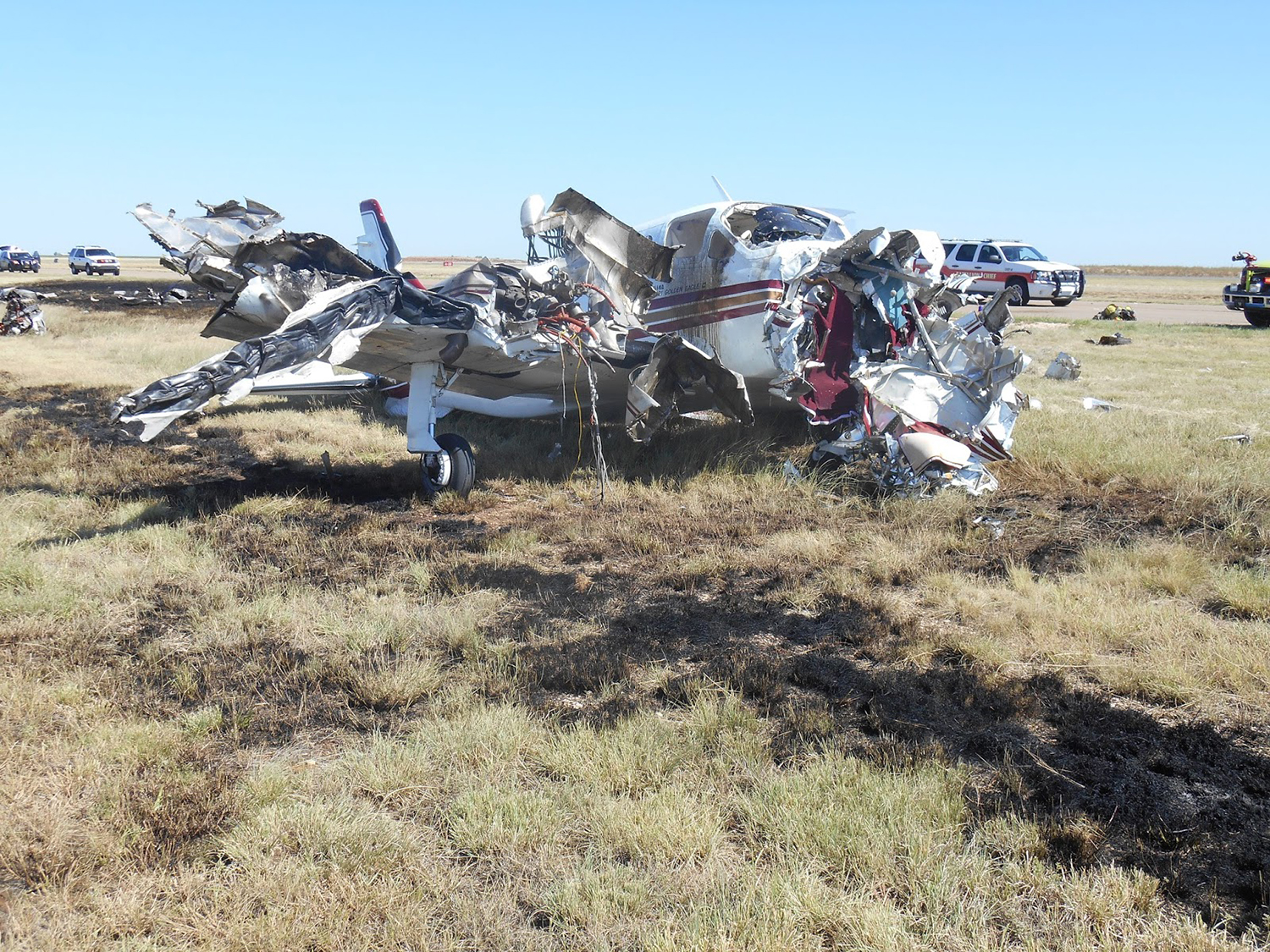
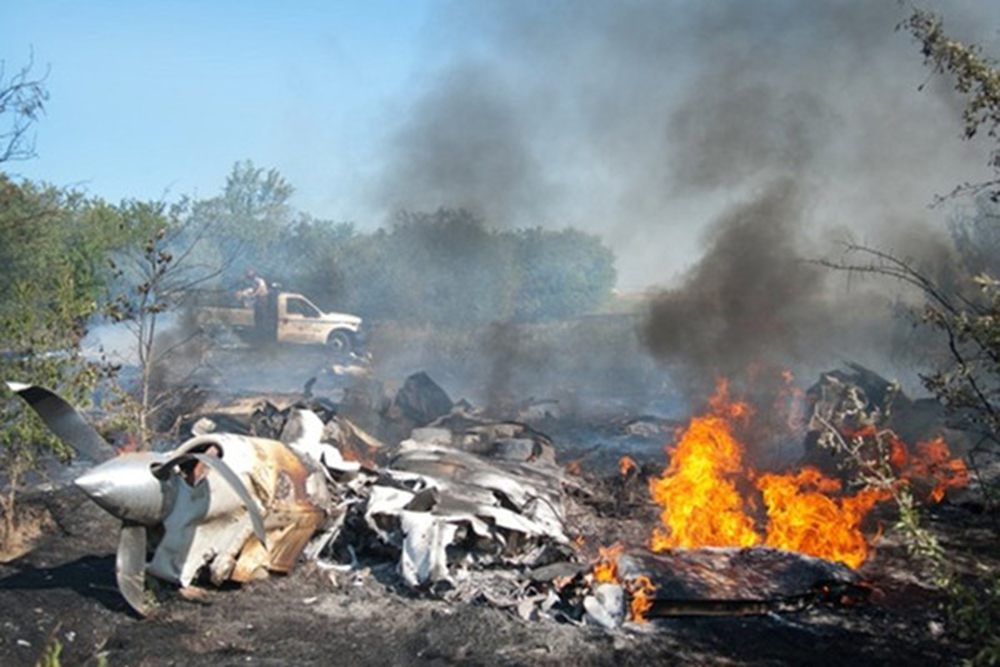
The private pilot reported that he was approaching the airport for landing in the multi-engine airplane when both engines began to surge. The pilot attempted to switch to the auxiliary fuel tanks, but inadvertently switched the left engine fuel selector to the off position. The left engine subsequently experienced a total loss of engine power. On final approach for landing, the airplane impacted terrain and was subsequently consumed by a postimpact fire; the fuel onboard the airplane at the time of the accident could not be determined. An examination of the airplane's engines and systems revealed no mechanical anomalies that would have precluded normal operation.
Probable cause:
The pilot's improper management of fuel to the left engine during approach for landing, which resulted in a total loss of left engine power due to fuel starvation, and his subsequent failure to maintain control during the final landing approach, which resulted in collision with terrain.
Final Report:

Crash of a Cessna 421B Golden Eagle II on Vargas Island: 2 killed

Date & Time: Dec 14, 2013 at 1425 LT
Operator:
Registration:
C-GFMX
Flight Type:
Survivors:
No
Site:
Schedule:
Abbotsford - Tofino
MSN:
421B-0939
YOM:
1975
Country:
Crew on board:
1
Crew fatalities:
Pax on board:
1
Pax fatalities:
Other fatalities:
Total fatalities:
2
Aircraft flight hours:
8500
Circumstances:
The twin engine aircraft was performing a flight from Abbotsford to Tofino with two people on board (a father aged 51 and his son aged 25). On approach to Tofino Airport, on Vancouver Island, the aircraft impacted ground and crashed on Vargas Island, off Tofino. The burnt wreckage was found the following day and both occupants were killed.

Crash of a Cessna 421B Golden Eagle II in Morelia

Date & Time: Apr 6, 2013 at 1200 LT
Operator:
Registration:
XB-LBY
Flight Type:
Survivors:
Yes
Schedule:
Cuernavaca - Guadalajara
MSN:
421B-0336
YOM:
1973
Country:
Crew on board:
1
Crew fatalities:
Pax on board:
5
Pax fatalities:
Other fatalities:
Total fatalities:
0
Circumstances:
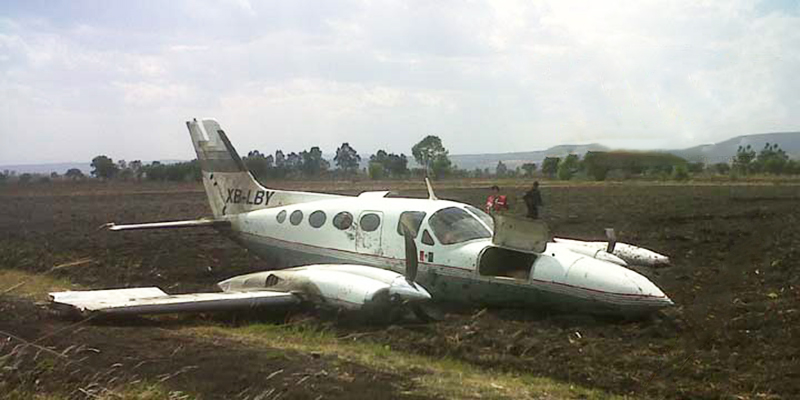
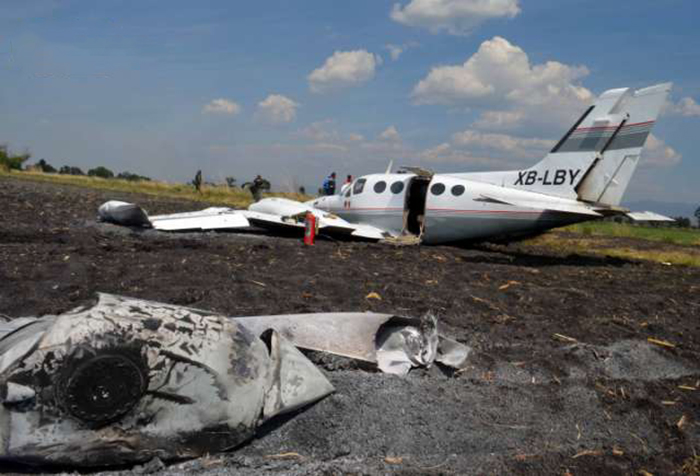
En route from Cuernavaca to Guadalajara, while in cruising altitude, the pilot informed ATC about technical problems with the right engine. He was cleared to divert to Morelia Airport for an emergency landing. On final approach to runway 05, the twin engine aircraft crashed in an open field located about 2 km short of runway. All six occupants evacuated with minor injuries and the aircraft was damaged beyond repair.

Crash of a Cessna 421B Golden Eagle II in Fort Worth

Date & Time: Sep 5, 2012 at 0949 LT
Operator:
Registration:
N69924
Flight Phase:
Flight Type:
Survivors:
Yes
Schedule:
Fort Worth - San Antonio
MSN:
421B-0553
YOM:
1973
Crew on board:
2
Crew fatalities:
Pax on board:
0
Pax fatalities:
Other fatalities:
Total fatalities:
0
Captain / Total flying hours:
3800
Captain / Total hours on type:
897.00
Aircraft flight hours:
10056
Circumstances:
The commercial pilot was distracted by the nose cargo door popping open during takeoff; the airplane stalled and collided with trees off the end of the runway. The pilot said there were no mechanical problems with the airplane or engines and that he was fixated on the cargo door and lost control of the airplane. He also said that due to stress, he was not mentally prepared to handle the emergency situation.
Probable cause:
The pilot's failure to maintain airplane control on takeoff, which resulted in an inadvertent stall. Contributing to the accident were the unlatched nose cargo door, the pilot’s diverted attention, and the pilot's mental ability to handle the emergency situation.
Final Report:

Crash of a Cessna 421B Golden Eagle II in Castries

Date & Time: Apr 13, 2011 at 1140 LT
Operator:
Registration:
N511LC
Flight Type:
Survivors:
Yes
Schedule:
Bridgetown – Castries
MSN:
421B-0423
YOM:
1973
Country:
Crew on board:
1
Crew fatalities:
Pax on board:
0
Pax fatalities:
Other fatalities:
Total fatalities:
0
Circumstances:
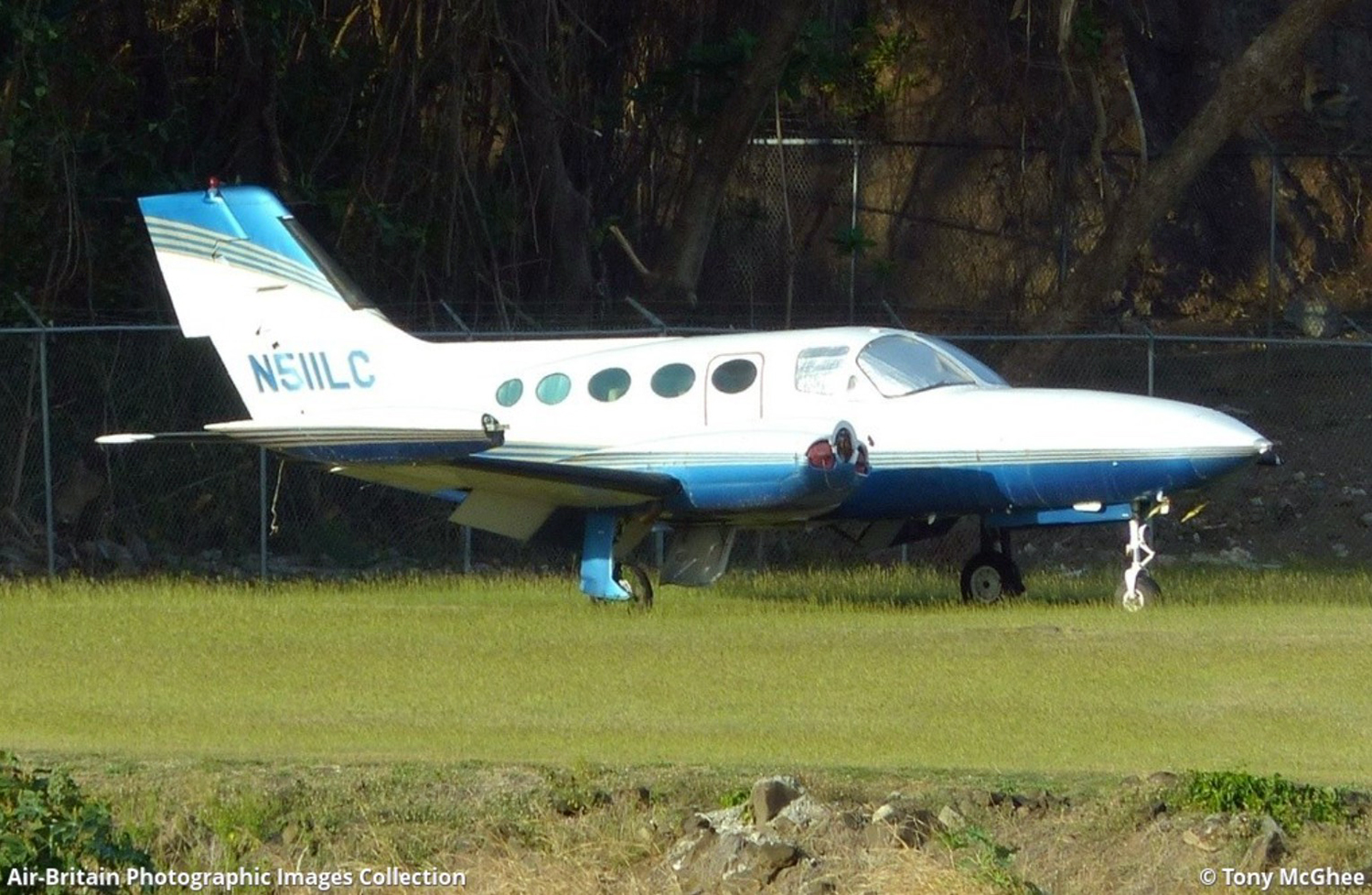
Following an uneventful flight from Bridgetown-Grantley Adams Airport, the pilot landed at Castries-George F. L. Charles (Vigie) Airport. Upon touchdown, the left main gear collapsed. The aircraft veered off runway and came to rest against a fence. The pilot was uninjured and the aircraft was damaged beyond repair.

Crash of a Cessna 421B Golden Eagle II in Alpine: 5 killed

Date & Time: Jul 4, 2010 at 0015 LT
Operator:
Registration:
N31AS
Flight Phase:
Flight Type:
Survivors:
No
Schedule:
Alpine - Odessa
MSN:
421B-0473
YOM:
1973
Crew on board:
2
Crew fatalities:
Pax on board:
3
Pax fatalities:
Other fatalities:
Total fatalities:
5
Captain / Total flying hours:
1650
Captain / Total hours on type:
160.00
Aircraft flight hours:
2302
Circumstances:
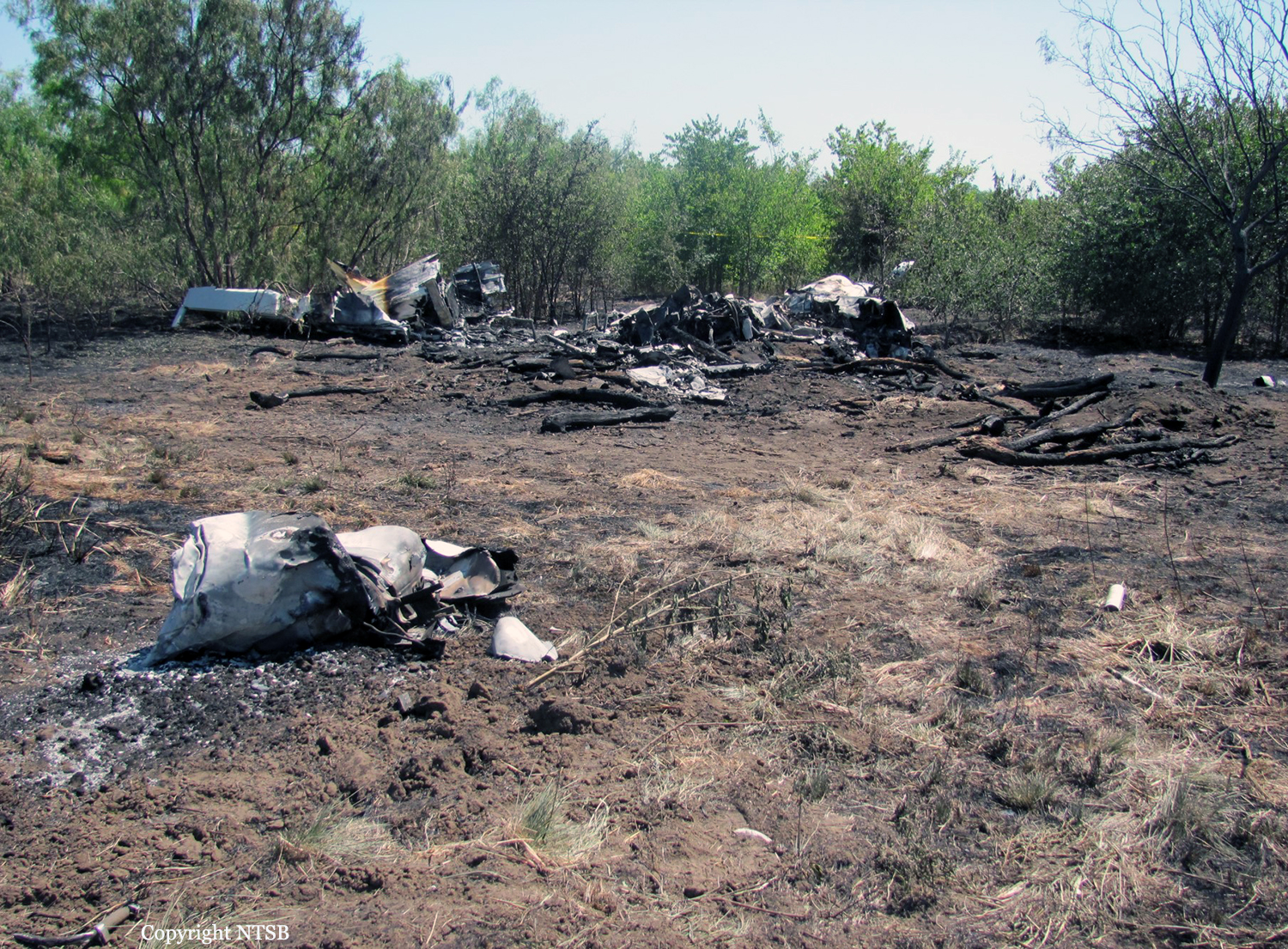
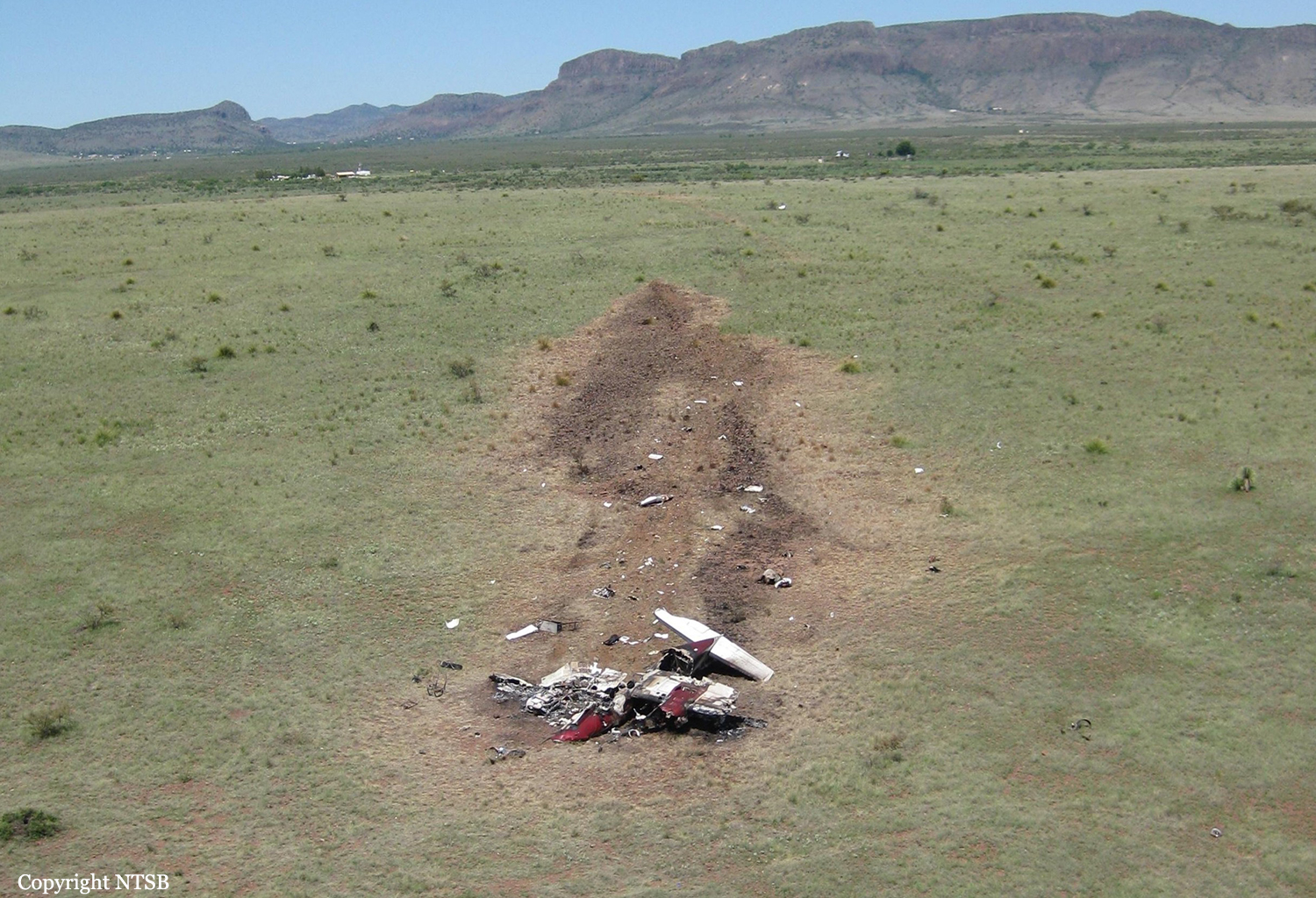
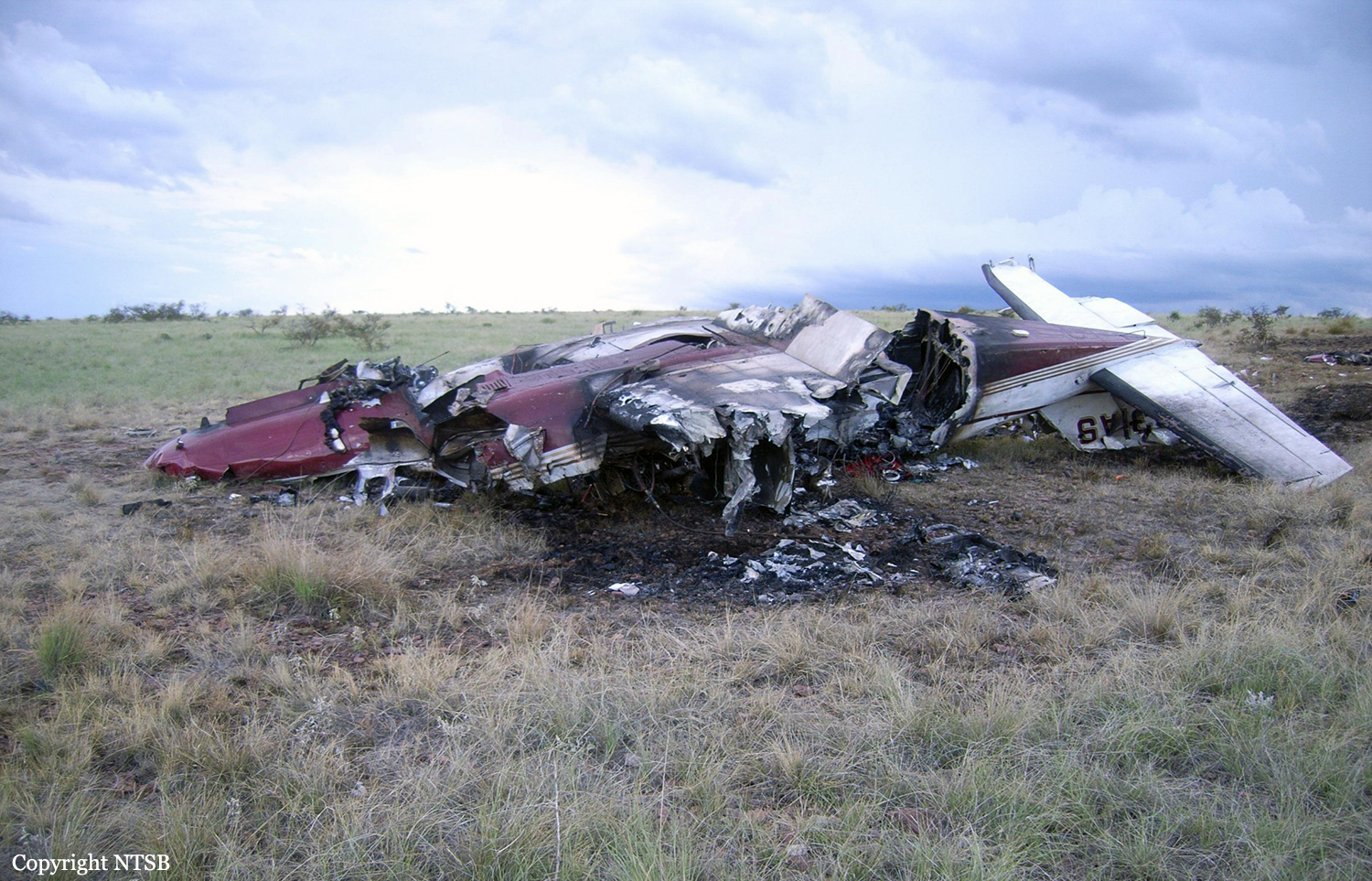
The airplane impacted terrain shortly after takeoff. The wreckage distribution was consistent with a high airspeed, low angle-of-attack impact. Examination of the ground scars and wreckage indicated that the landing gear was down, the flaps were down, and the engines were operating at a high power setting at the time of impact. An examination of the airframe, engines, and related systems revealed no mechanical malfunctions or failures. According to the owner’s manual for the airplane, the flaps should have been retracted and the landing gear should have been brought up as soon as a climb profile was established. Based upon the location of the wreckage, the direction of the impact, and the location of the airport, it is likely that the airplane crashed within one or two minutes after takeoff. The extended landing gear and flaps degraded the climb performance of the airplane. The pilot held an airline transport pilot certificate and had recent night flight experience. Toxicological results were positive for azacyclonol and ibuprofen but were not at levels that would have affected his performance. According to family members, the pilot normally slept from 2230 or 2300 to 0700; the accident occurred at 0015. Although the investigation was unable to determine how long the pilot had been awake before the accident or his sleep schedule in the three days prior to the accident, it is possible that the pilot was fatigued, as the accident occurred at a time when the pilot was normally asleep. The company did not have, and was not required to have guidance or a policy addressing fatigue management.
Probable cause:
The degraded performance of the airplane due to the pilot not properly setting the flaps and retracting the landing gear after takeoff. Contributing to the accident was the pilot’s fatigue.
Final Report:

Crash of a Cessna 421B Golden Eagle II in Tegucigalpa: 3 killed

Date & Time: Mar 10, 2010 at 1405 LT
Operator:
Registration:
TG-JYM
Flight Phase:
Flight Type:
Survivors:
No
Schedule:
Tegucigalpa – La Mesa
MSN:
421B-0403
YOM:
1973
Country:
Crew on board:
1
Crew fatalities:
Pax on board:
2
Pax fatalities:
Other fatalities:
Total fatalities:
3
Circumstances:
Three minutes after takeoff from Tegucigalpa-Toncontin Airport, while in initial climb, the twin engine aircraft went out of control and crashed few km from the airport, bursting into flames. The aircraft was totally destroyed and all three occupants were killed.

Crash of a Cessna 421B Golden Eagle II in Fort Lauderdale: 1 killed

Date & Time: Apr 17, 2009 at 1115 LT
Operator:
Registration:
N1935G
Flight Phase:
Flight Type:
Survivors:
No
Site:
Schedule:
Fort Lauderdale - Fernandina Beach
MSN:
421B-0836
YOM:
1974
Crew on board:
1
Crew fatalities:
Pax on board:
0
Pax fatalities:
Other fatalities:
Total fatalities:
1
Captain / Total flying hours:
23000
Captain / Total hours on type:
5000.00
Circumstances:
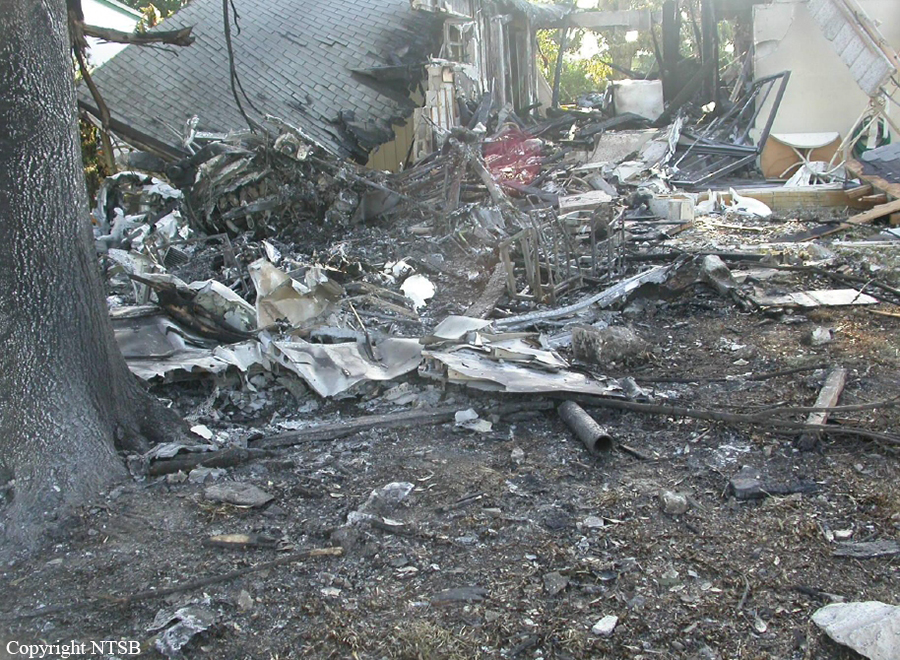
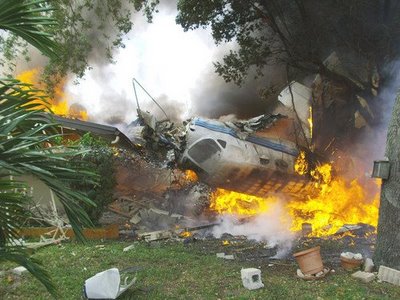
Prior to the accident flight witnesses observed the pilot "haphazardly" pouring oil into the right engine. The pilot then ran the engines at mid-range power for approximately 20 minutes. The airplane subsequently taxied out of the ramp area and departed. Fire was observed emanating from the right engine after rotation. The airplane continued in a shallow climb from the runway, flying low, with the right engine on fire. The airplane then banked right to return to the airport and descended into a residential area. Examination of the right engine revealed an exhaust leak at the No. 4 cylinder exhaust riser flange. Additionally, one of the flange boltholes was elongated, most likely from the resulting vibration. The fuel nozzle and B-nut were secure in the No. 4 cylinder; however, its respective fuel line was separated about 8 inches from the nozzle. No determination could be made as to when the fuel line separated (preimpact or postimpact) due to the impact and postcrash fire damage. Examination of the right engine turbocharger revealed that the compressor wheel exhibited uniform deposits of an aluminum alloy mixture, consistent with ingestion during operation, and most likely from the melting of the aluminum fresh air duct. Additionally, the right propeller was found near the low pitch position, which was contrary to the owner's manual emergency procedure to secure the engine and feather the propeller in the event of an engine fire.
Probable cause:
The pilot's failure to maintain aircraft control and secure the right engine during an emergency return to the airport after takeoff. Contributing to the accident was an in-flight fire of the right engine for undetermined reasons.
Final Report:

Crash of a Cessna 421B Golden Eagle near San Antonio del Bravo: 4 killed

Date & Time: Sep 14, 2008 at 1318 LT
Registration:
N7560Q
Flight Phase:
Survivors:
No
Site:
Schedule:
El Paso - Presidio
MSN:
421B-0346
YOM:
1973
Country:
Crew on board:
1
Crew fatalities:
Pax on board:
3
Pax fatalities:
Other fatalities:
Total fatalities:
4
Circumstances:
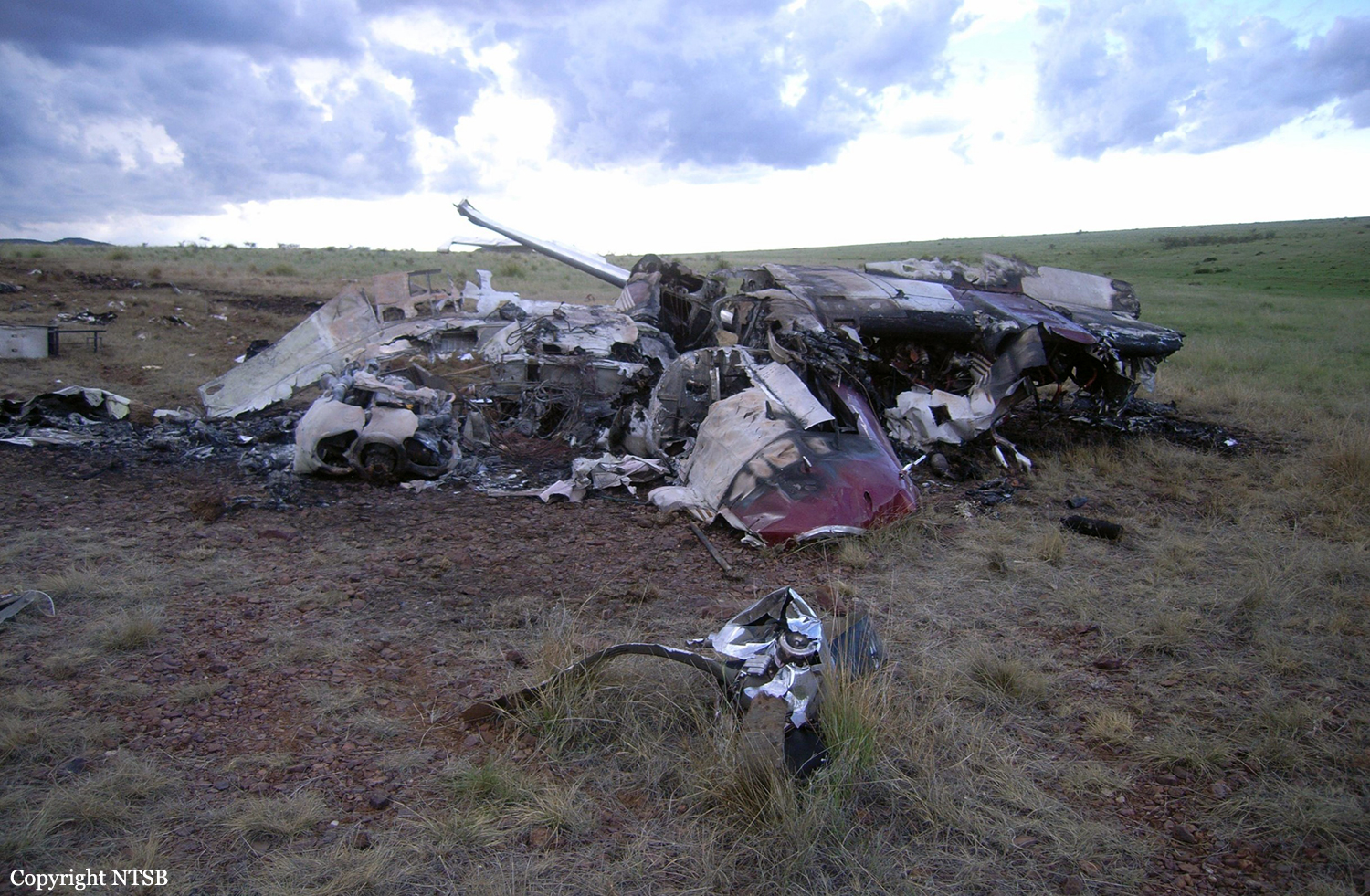
On September 15, 2008 Cessna 421B, N7560Q, was substantially damaged after it collided with mountainous terrain approximately 28 miles northwest of Ojinaga, Mexico, near the border town of Presidio, Texas. The air transport rated pilot and the three passengers were fatally injured. The pilot contacted the Fort Worth Automated Flight Service Station (AFSS), Fort Worth, Texas, at 1016, approximately 15 minutes after he departed El Paso International Airport, El Paso, Texas, and filed a visual flight rules flight plan to Presidio, Texas. The pilot informed an AFSS specialist that he intended to enter Mexican airspace for the purpose of flying over the Luis Leon Dam, but had no intentions of landing in Mexico. The pilot did not request a weather briefing for the flight however, he was informed by the specialist that visual flight rules were not recommended due to mountain obscuration. Onboard the airplane were the pilot, the United States and Mexican Commissioners of the International Boundary and Water Commission (IBWC), and the Executive Director for the Rio Grande Council of Governments. The purpose of the flight was to assess Rio Grande flood conditions at Presidio-Ojinaga and to coordinate joint US-Mexican efforts with local officials to address flood control concerns in the area due to heavy inflows to the Rio Grande from reservoirs inside Mexico as a result of recent storms. The airplane wreckage was located on September 17, 2008, by the Marfa Sector of the US Customs and Border Protection Air and Marine Division, on the west side of the Sierra Grande Mountains, at an approximate elevation of 6,500 feet mean sea level (msl). The airplane came to rest approximately 100-150 feet below the top of a ridgeline on a heading of 055 degrees along victor-airway V81.