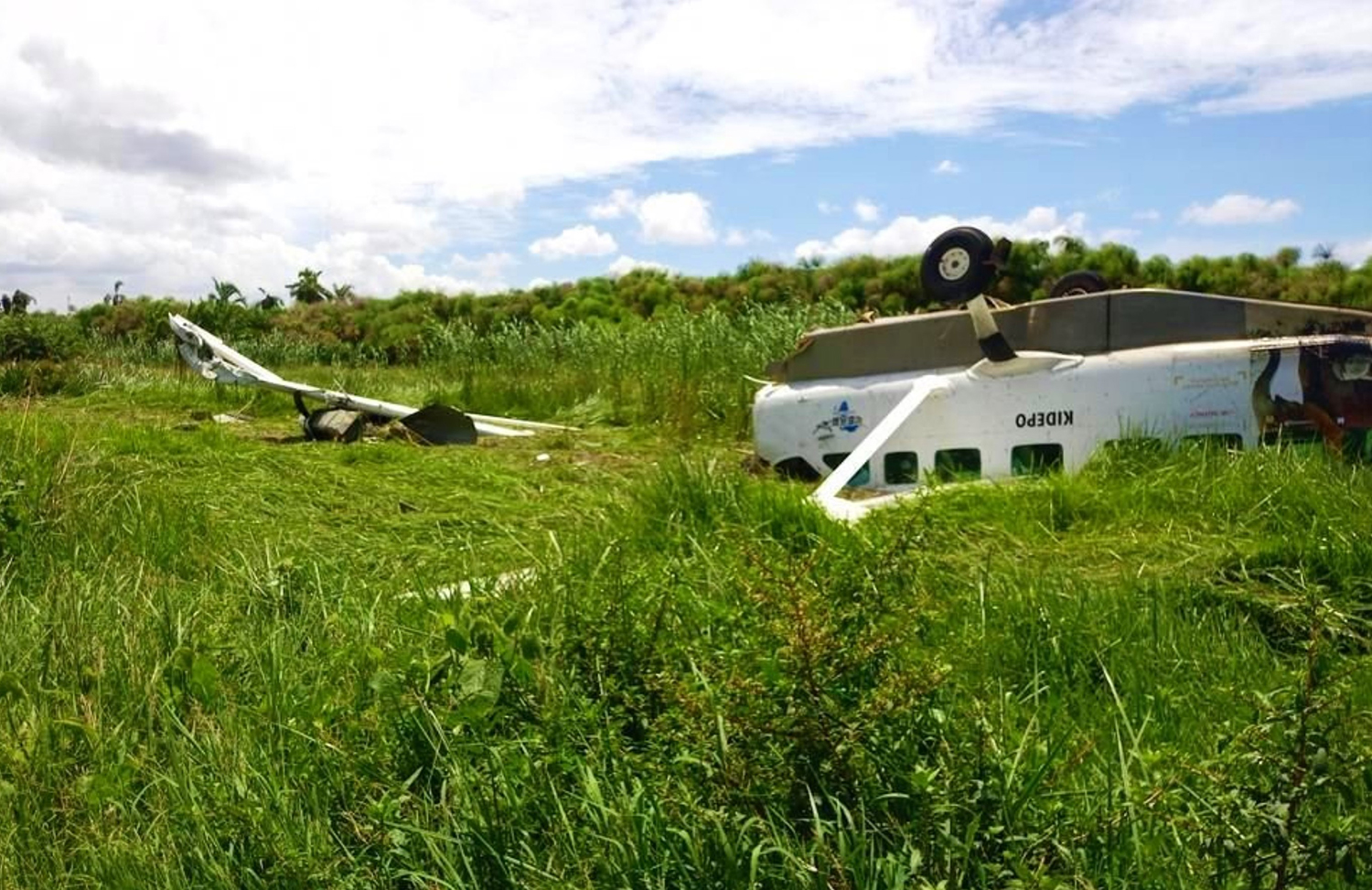
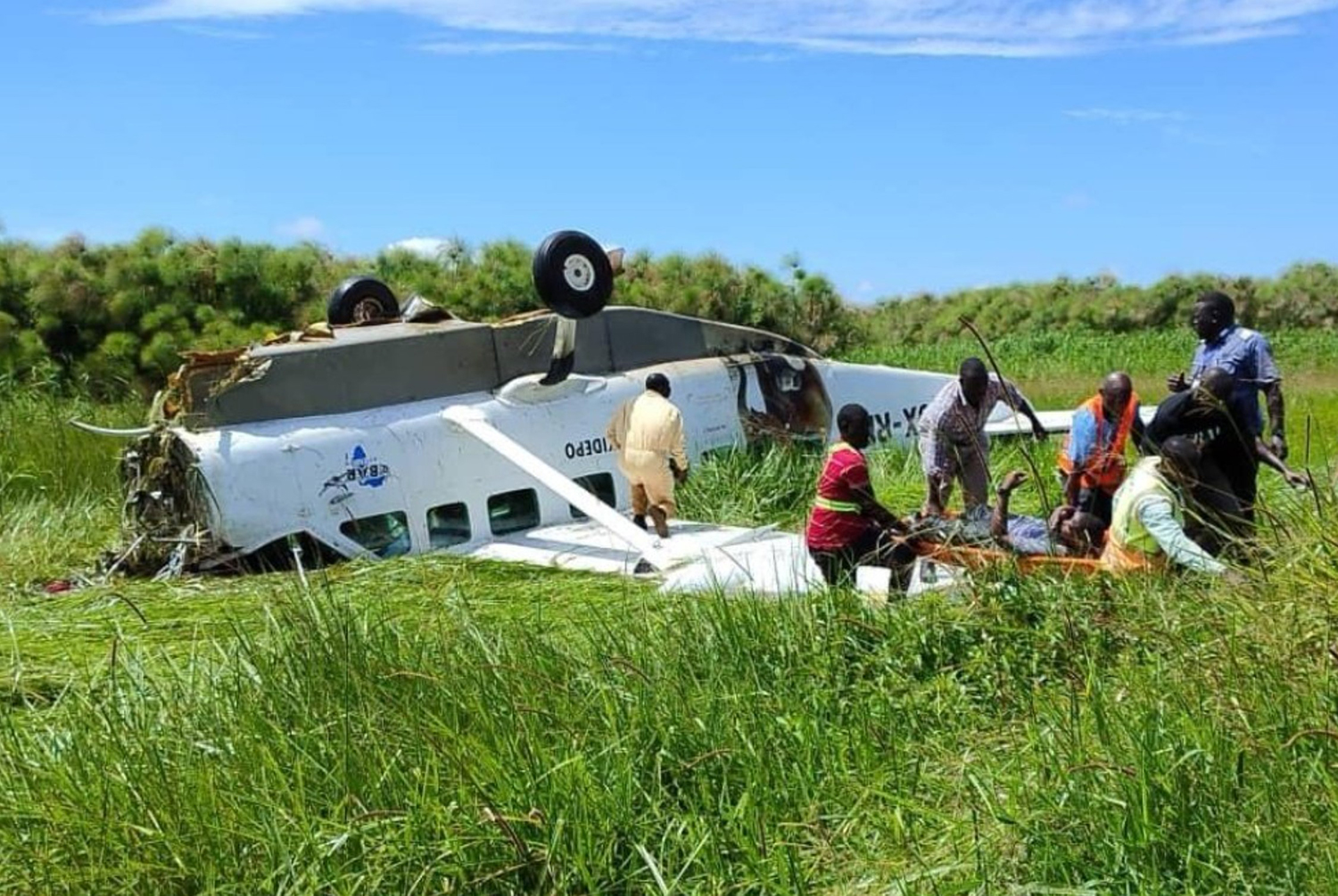
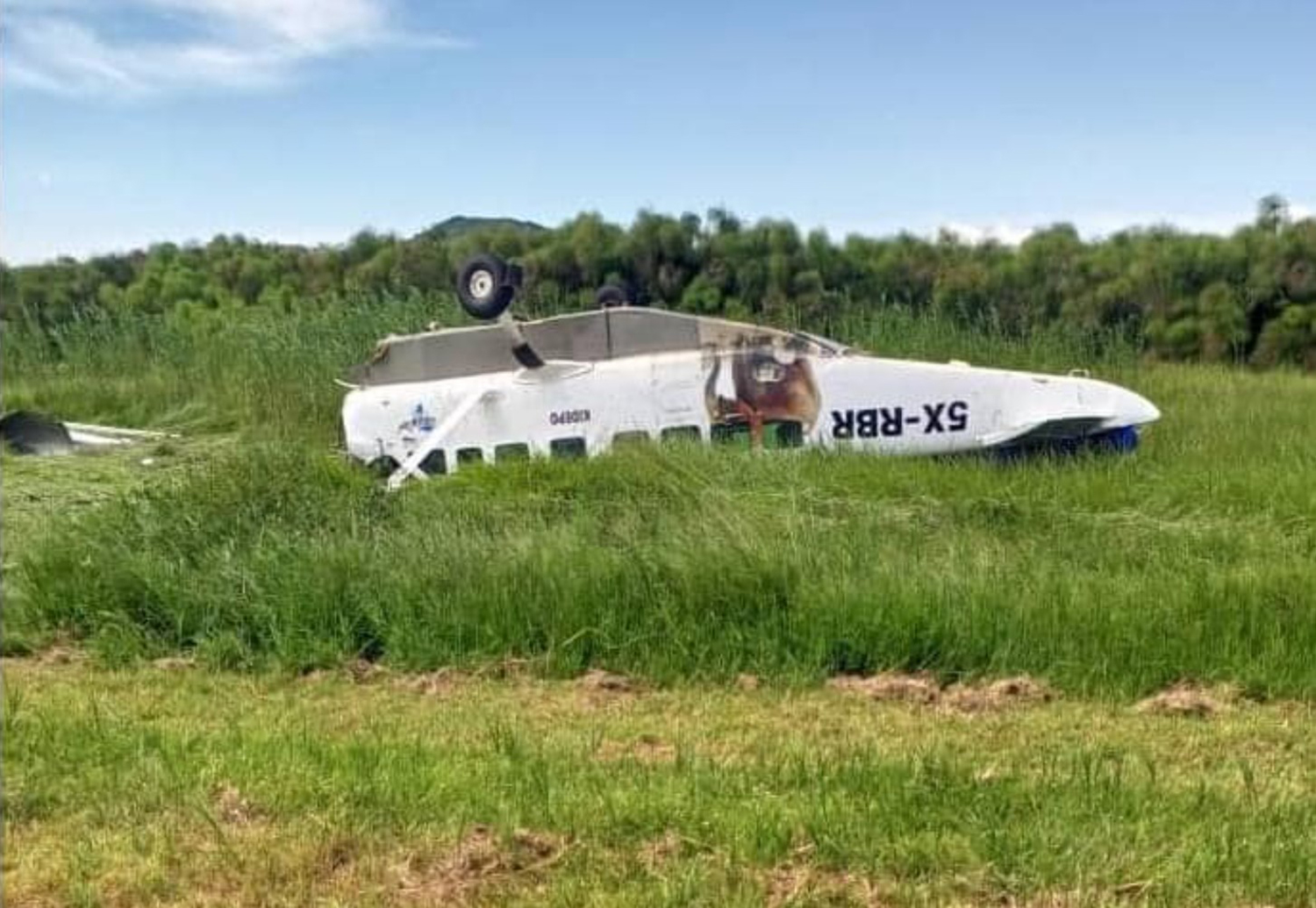
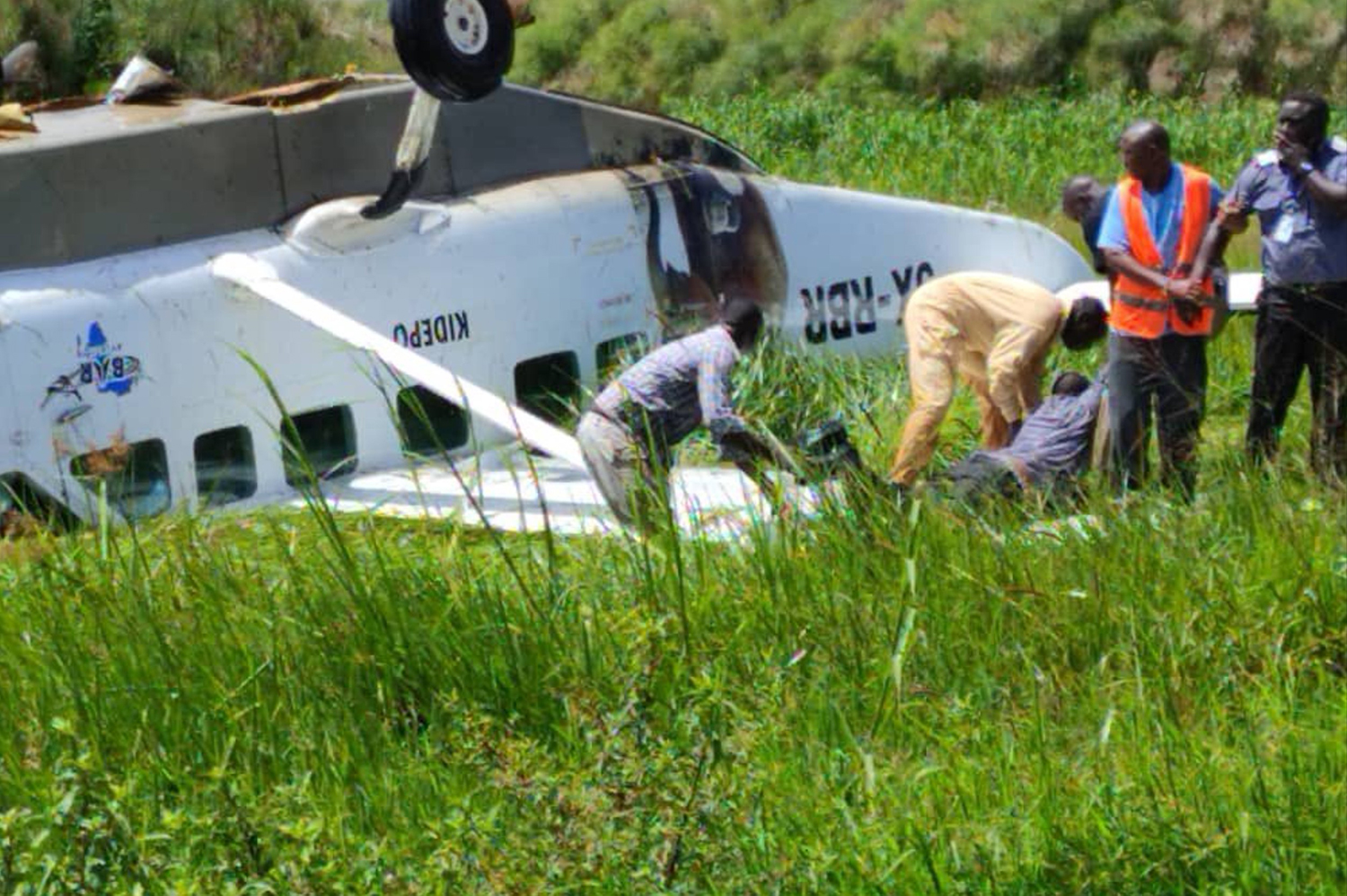
Crash of a Cessna 208B Grand Caravan in Kampala

Date & Time: May 12, 2023 at 1219 LT
Type of aircraft:
Operator:
Registration:
5X-RBR
Flight Type:
Survivors:
Yes
Schedule:
Kampala - Mweya
MSN:
208B-1291
YOM:
2007
Country:
Region:
Crew on board:
2
Crew fatalities:
Pax on board:
0
Pax fatalities:
Other fatalities:
Total fatalities:
0
Circumstances:
Shortly after takeoff from Kampala-Kajjansi Airport, the crew encountered technical issues and elected to return for an emergency landing. Upon touchdown, the single engine airplane went out of control, lost its left wing and engine before coming to rest upside down in a grassy area. Both pilots were rescued, the copilot was slightly injured and the captain was seriously injured. The crew departed Kajjansi Airfield on a positioning flight to Mweya to pick up passengers to Entebbe.

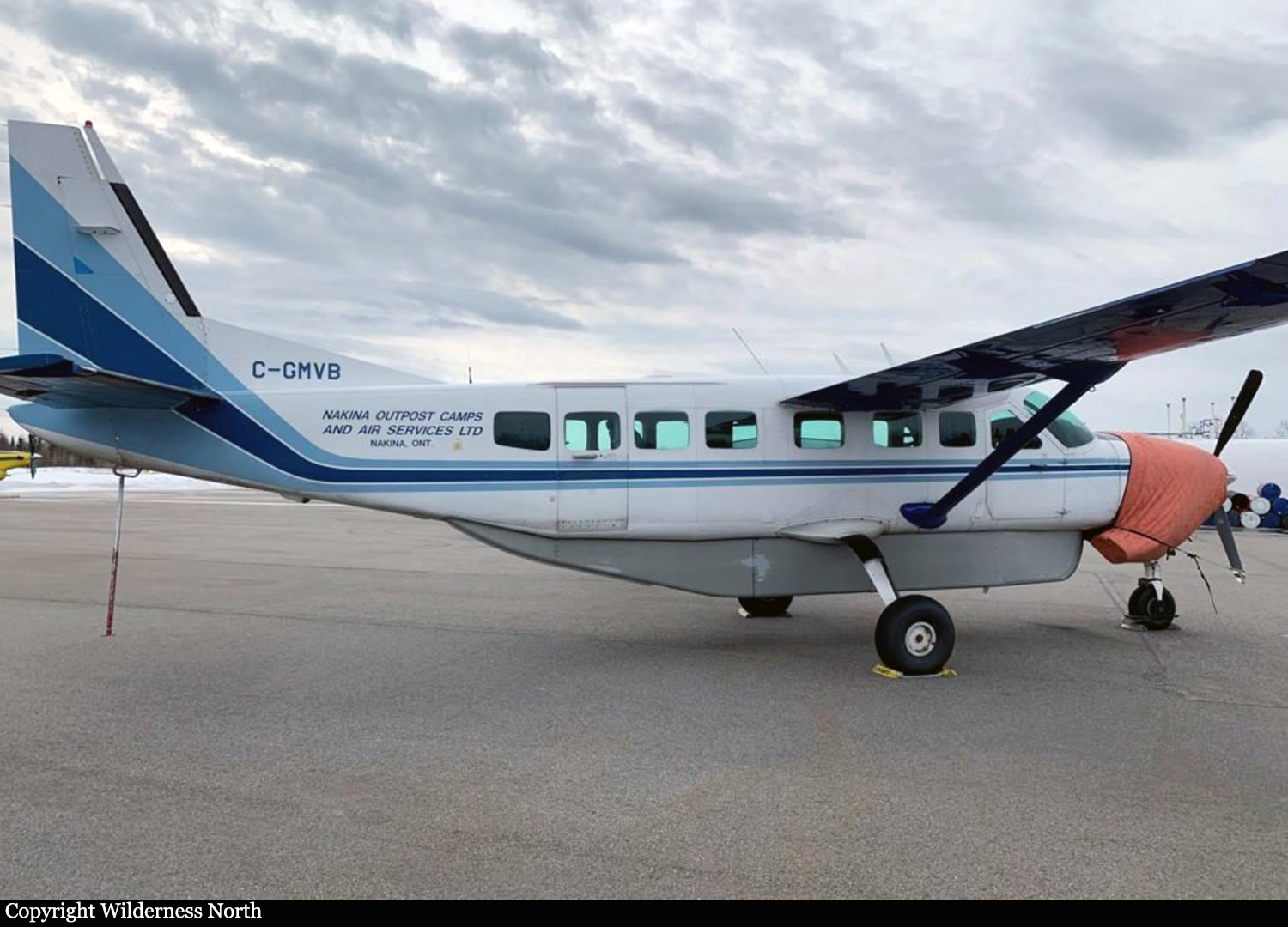
Crash of a Cessna 208B Grand Caravan near Nakina: 2 killed

Date & Time: Feb 28, 2023
Type of aircraft:
Operator:
Registration:
C-GMVB
Flight Phase:
Flight Type:
Survivors:
No
Schedule:
Nakina – Fort Hope
MSN:
208B-0317
YOM:
1992
Location:
Country:
Crew on board:
2
Crew fatalities:
Pax on board:
0
Pax fatalities:
Other fatalities:
Total fatalities:
2
Captain / Total flying hours:
325
Captain / Total hours on type:
103.00
Copilot / Total flying hours:
2570
Copilot / Total hours on type:
662
Aircraft flight hours:
28262
Circumstances:
On 28 February 2023, the Cessna 208B Caravan (208B) aircraft (registration C-GMVB) operated by 1401380 Ontario Limited, doing business as Wilderness North Air (WNA), was scheduled for 2 cargo flights from Nakina Airport (CYQN), Ontario, to Fort Hope Airport (CYFH), Ontario. The occurrence pilot, who had recently been promoted to pilot-in-command (PIC) on the 208B aircraft, was scheduled to fly alone in daytime visual flight rules (VFR) conditions. After reviewing the weather information with his colleagues at their morning briefing, he assessed that the weather was satisfactory for the flight and noted that the winds were forecast to be gusty. A pilot who was present at the briefing but was not scheduled for flight duty that day offered to accompany him. For all flights that day, the occurrence pilot would be the PIC and occupy the left seat, and the 2nd pilot went along as an extra crew member without any assigned duties, occupying the right seat. The cargo was loaded onto the aircraft, and the 1st flight of the day departed CYQN at 1020 and landed in CYFH at 1055. After unloading the cargo, they departed CYFH at 1120 and returned to CYQN at 1156. The pilots loaded the aircraft with cargo for their 2nd flight to CYFH. According to the load sheet, there were 3320 pounds of groceries and household goods on board. The pilots refuelled the aircraft and departed from Runway 27 at approximately 1245. A few minutes after departure, it was reported that they made a radio call on the aerodrome traffic frequency, indicating their location and an estimated time of arrival at CYFH of 1330. Approximately 30 minutes after the occurrence flight departed, a 2nd 208B aircraft (registration C-FUYC) operated by WNA departed also from CYQN to CYFH, with cargo for a different customer. The flight crew encountered snow showers en route, and shortly after they arrived at CYFH at 1400, there was a snow squall, which significantly reduced visibility. At that time, 2 customers were waiting at CYFH for their cargo, and it soon became apparent that the occurrence aircraft had not yet arrived. At approximately 1430, WNA personnel at CYQN were informed that the occurrence aircraft had not arrived at 1330 as expected. At 1445, management at WNA notified the Joint Rescue Coordination Centre (JRCC), in Trenton, Ontario, that the aircraft was overdue. WNA began its own aerial search along the flight path using C-FUYC, which departed CYFH at 1510 with 2 crew members on board, flew along the direct route of flight of the missing aircraft, and returned to CYQN at 1546. They refuelled the aircraft and departed on another search flight at 1620, with 2 additional pilots in the back to act as spotters. They searched along the route of flight until 1840 and returned to CYQN. JRCC had initiated its response at 1500, and the first tasked aircraft arrived in the search area at 1700. The search continued over the following 4 days. The occurrence aircraft was found on 04 March 2023, 30.8 nautical miles north-northwest of CYQN along the direct track to CYFH. Both pilots were fatally injured. The aircraft was destroyed by impact forces. There was no post-crash fire. There was no emergency locator transmitter (ELT) on the occurrence aircraft because it had been removed for recertification.
Probable cause:
During the en-route portion of the flight, over a remote area, the pilot lost control of the aircraft for an unknown reason, which resulted in the collision with terrain.
Final Report:

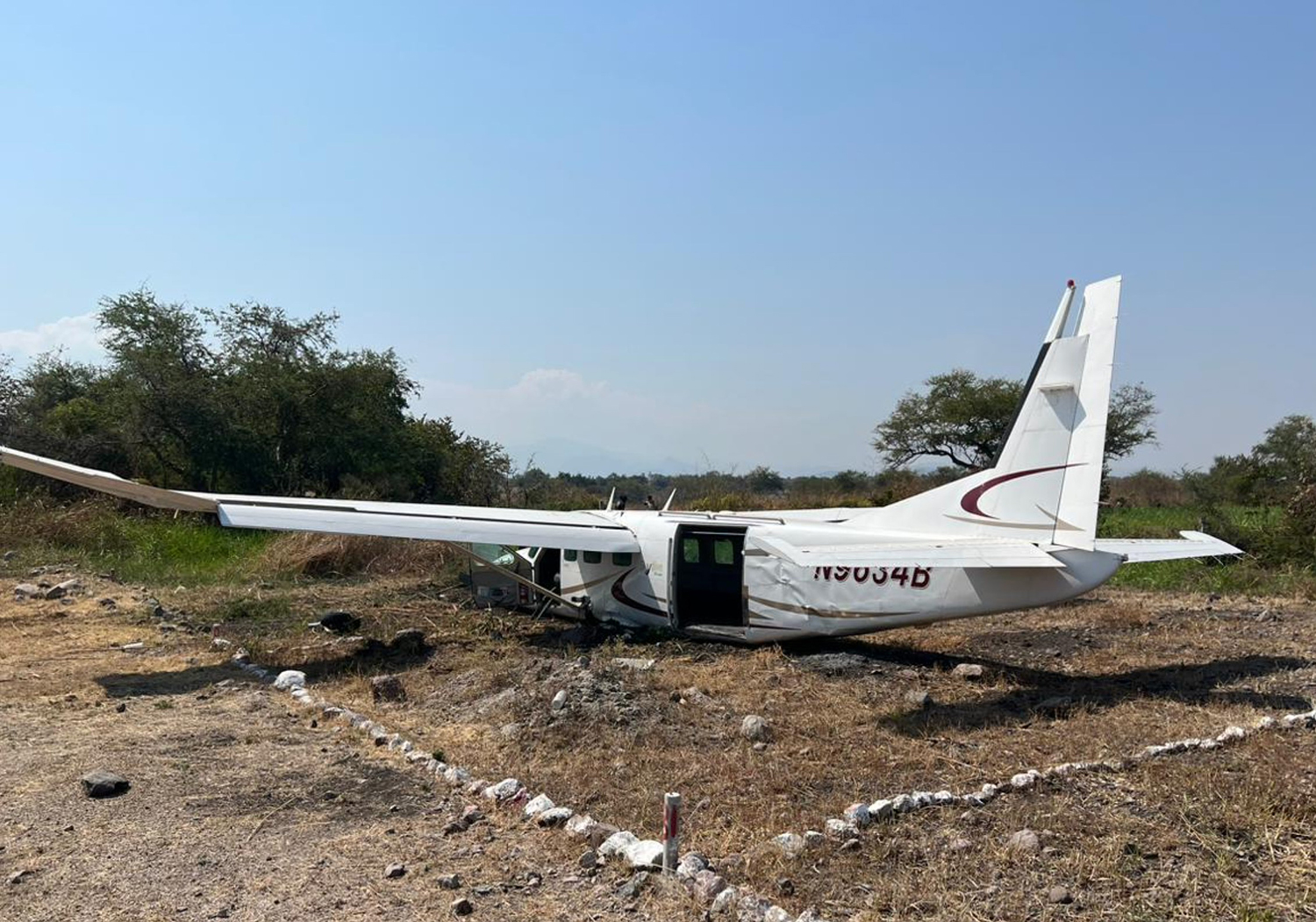
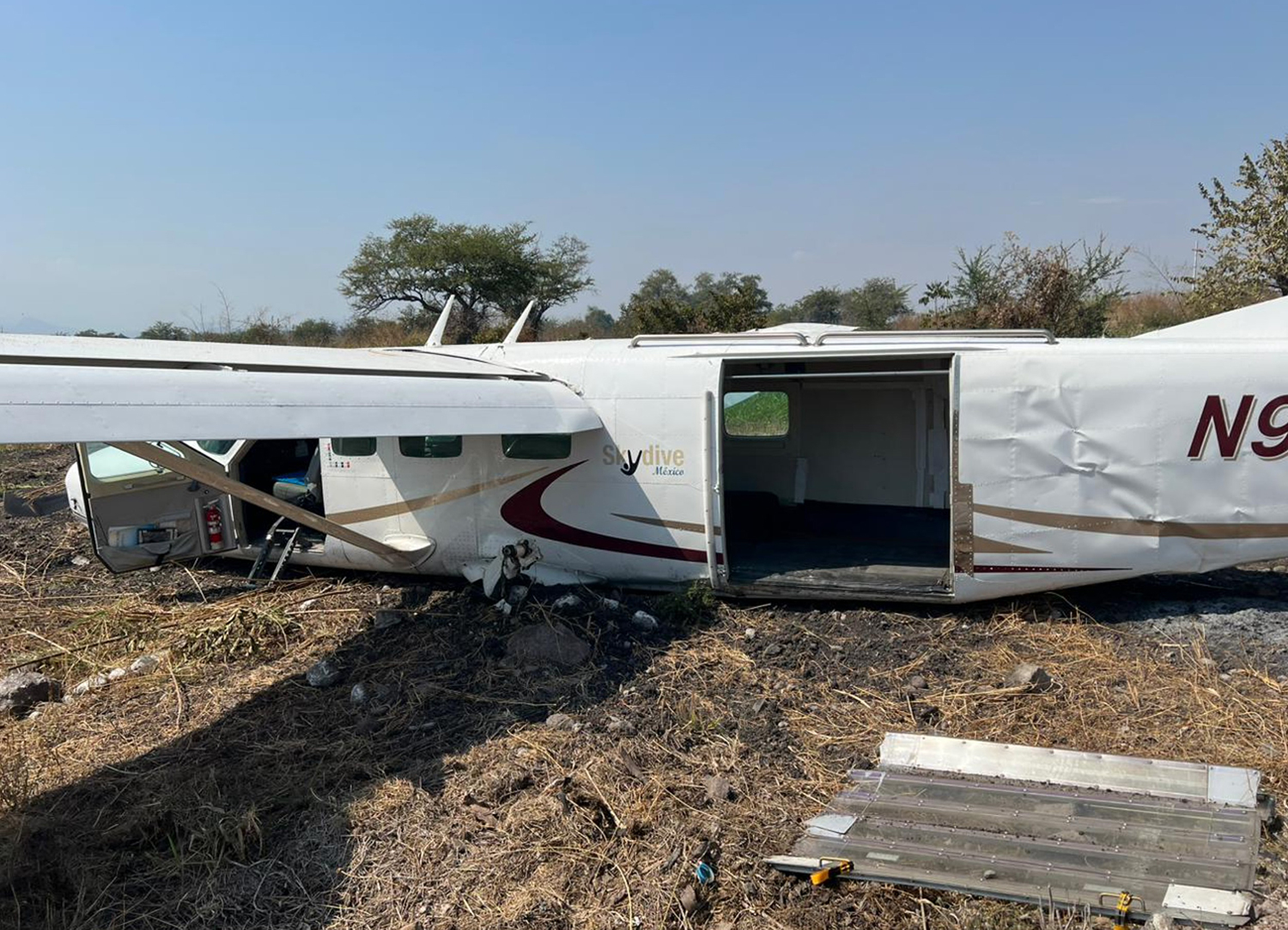
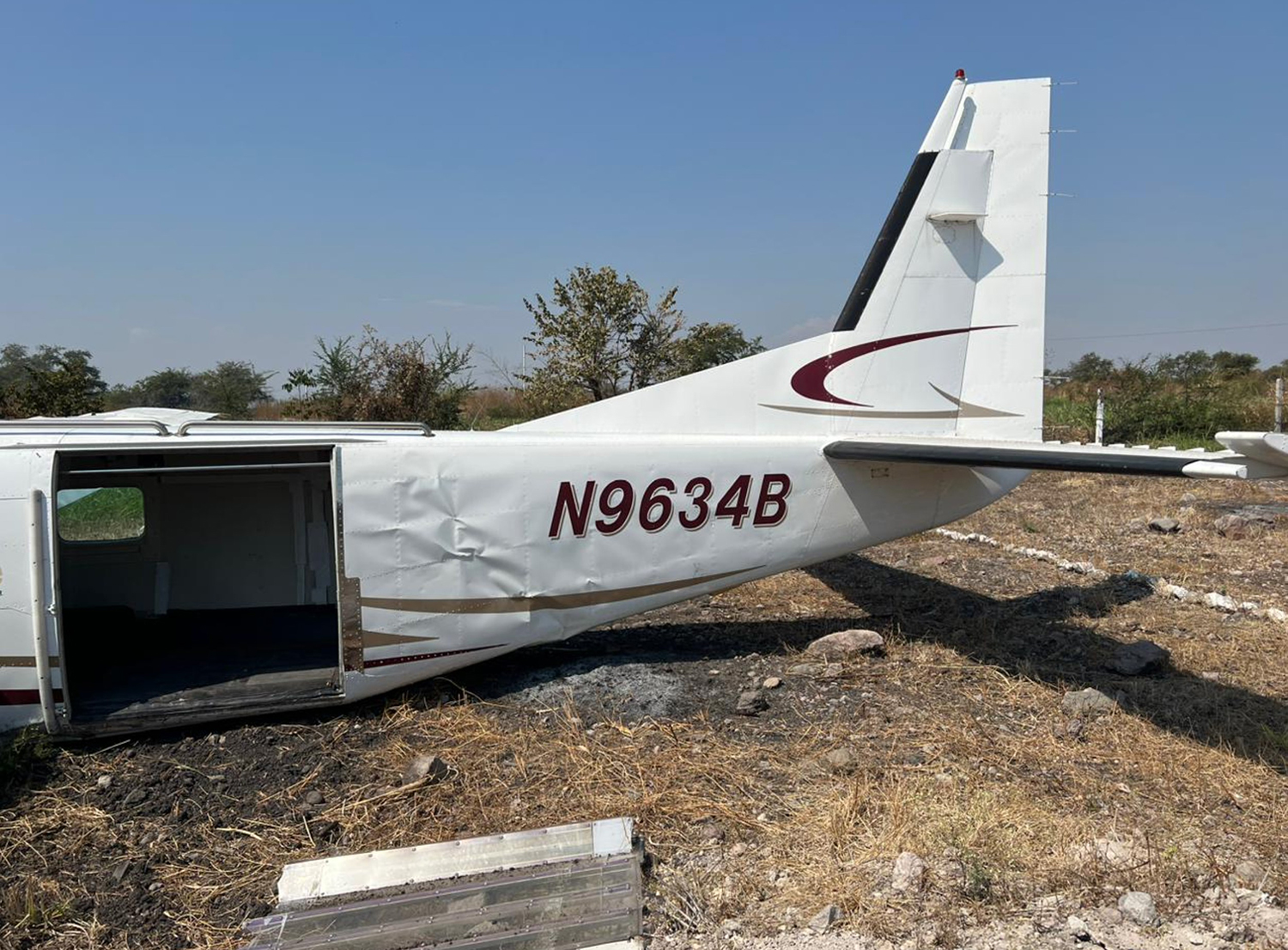
Crash of a Cessna 208B Grand Caravan in Puente de Ixtla

Date & Time: Feb 10, 2023 at 1300 LT
Type of aircraft:
Operator:
Registration:
N9634B
Flight Phase:
Survivors:
Yes
Schedule:
Tequesquitengo - Tequesquitengo
MSN:
208B-0141
YOM:
1988
Country:
Crew on board:
1
Crew fatalities:
Pax on board:
1
Pax fatalities:
Other fatalities:
Total fatalities:
0
Circumstances:
The airplane suffered an engine failure in flight and the pilot attempted an emergency landing. The airplane crash landed, lost its undercarriage and came to rest with its left wing and fuselage bent. Both occupants were injured.

Crash of a Cessna 208B Grand Caravan in Nasir: 1 killed

Date & Time: Feb 6, 2023
Type of aircraft:
Operator:
Registration:
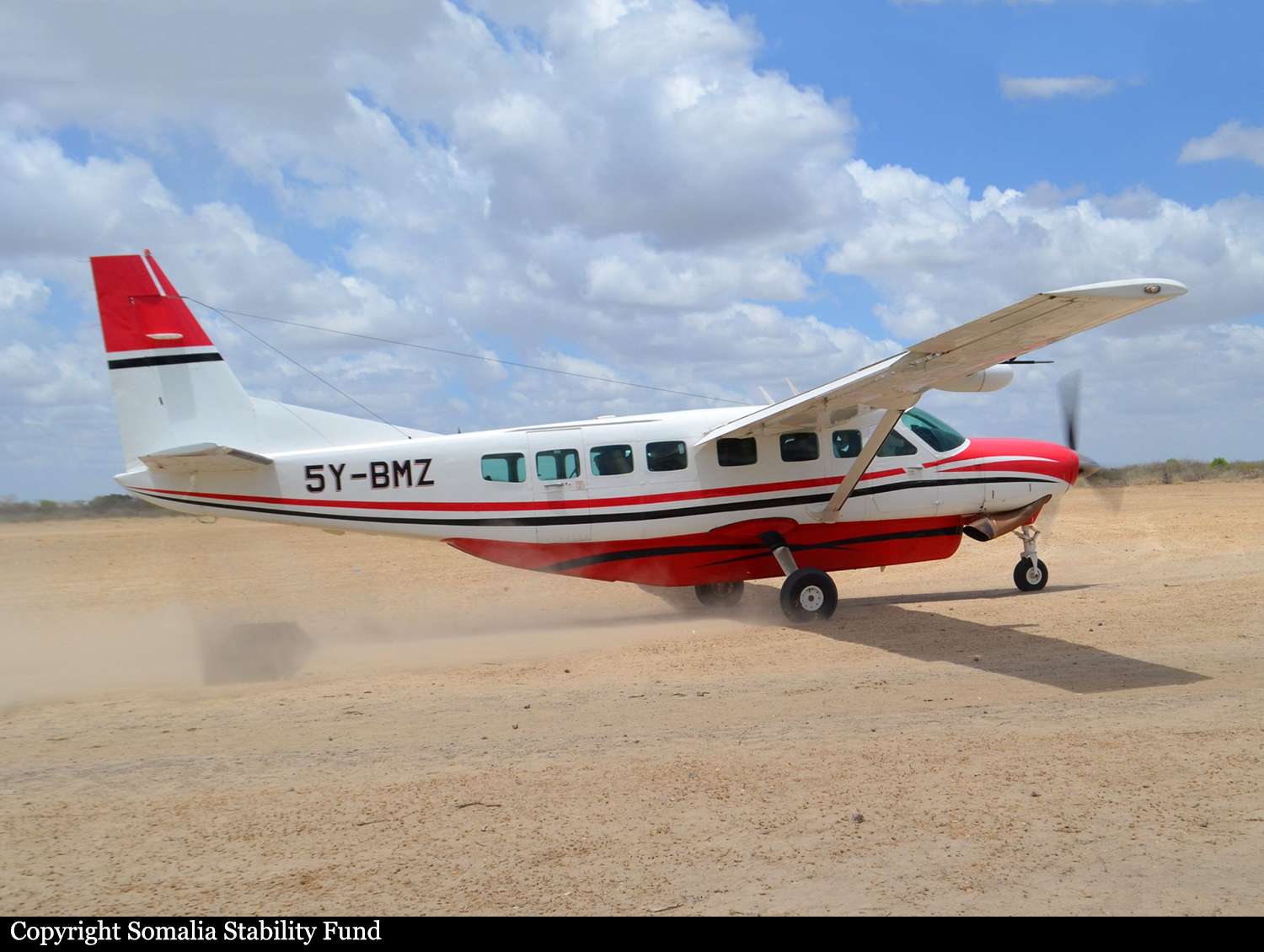
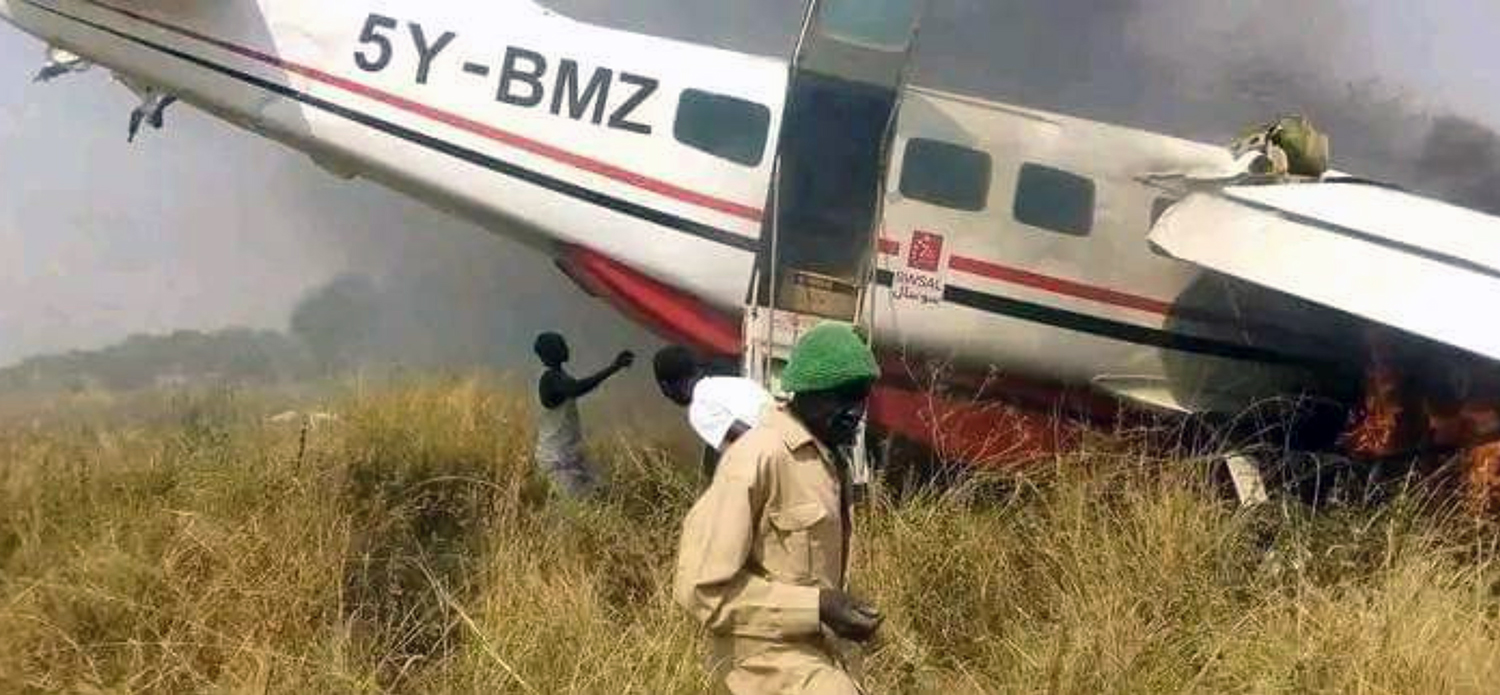
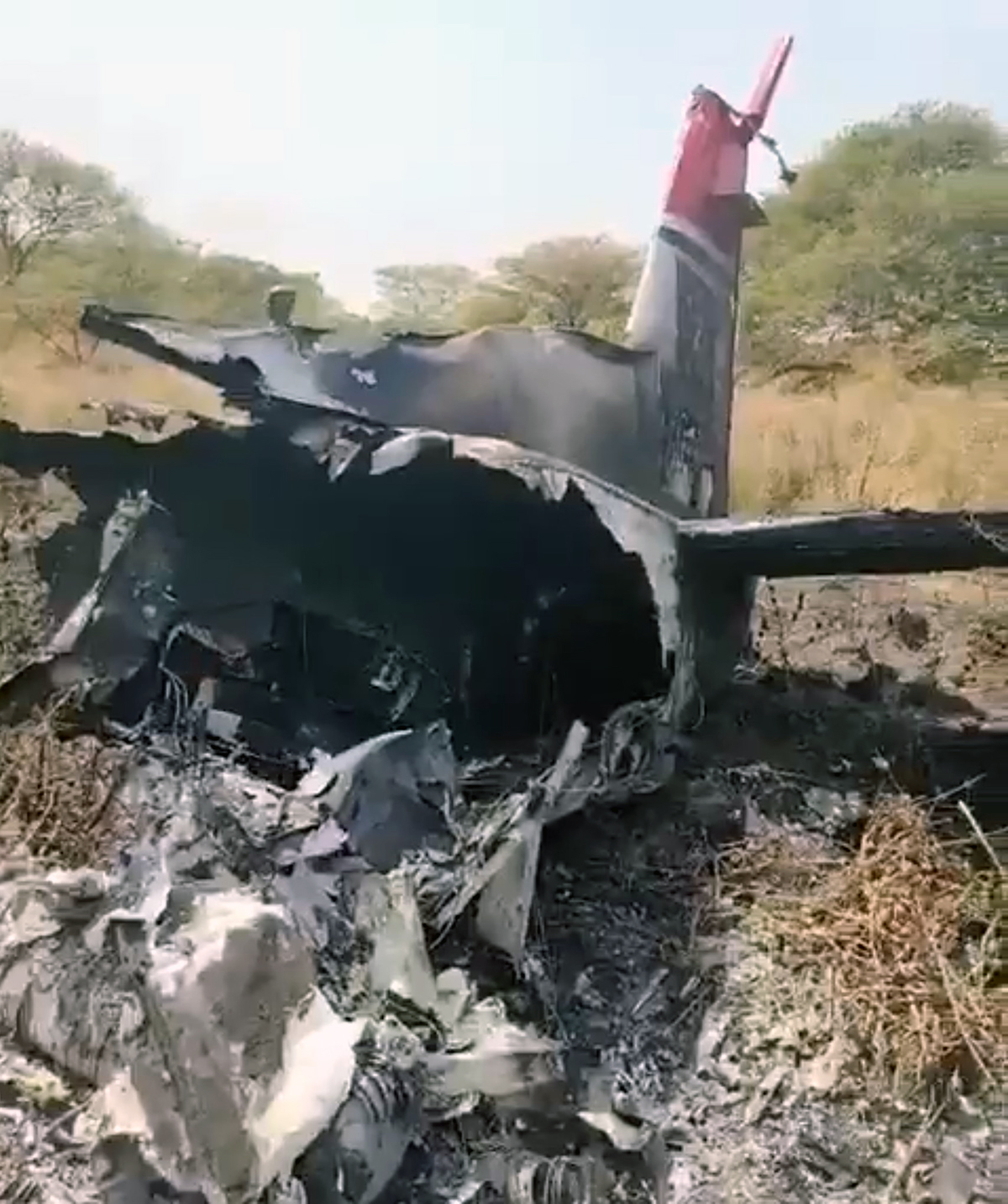
5Y-BMZ
Flight Phase:
Survivors:
Yes
MSN:
208B-0367
YOM:
1994
Country:
Region:
Crew on board:
0
Crew fatalities:
Pax on board:
0
Pax fatalities:
Other fatalities:
Total fatalities:
1
Circumstances:
After liftoff from Nasir Airfield, the single engine airplane encountered difficulties to gain height. It rolled to the right, impacted terrain and crashed in an open field, bursting into flames. All occupants evacuated but an elderly passenger later died from injuries sustained. The airplane was totally destroyed by a post crash fire.

Crash of a Cessna 208B Grand Caravan in Mweya

Date & Time: Dec 31, 2022 at 1315 LT
Type of aircraft:
Operator:
Registration:
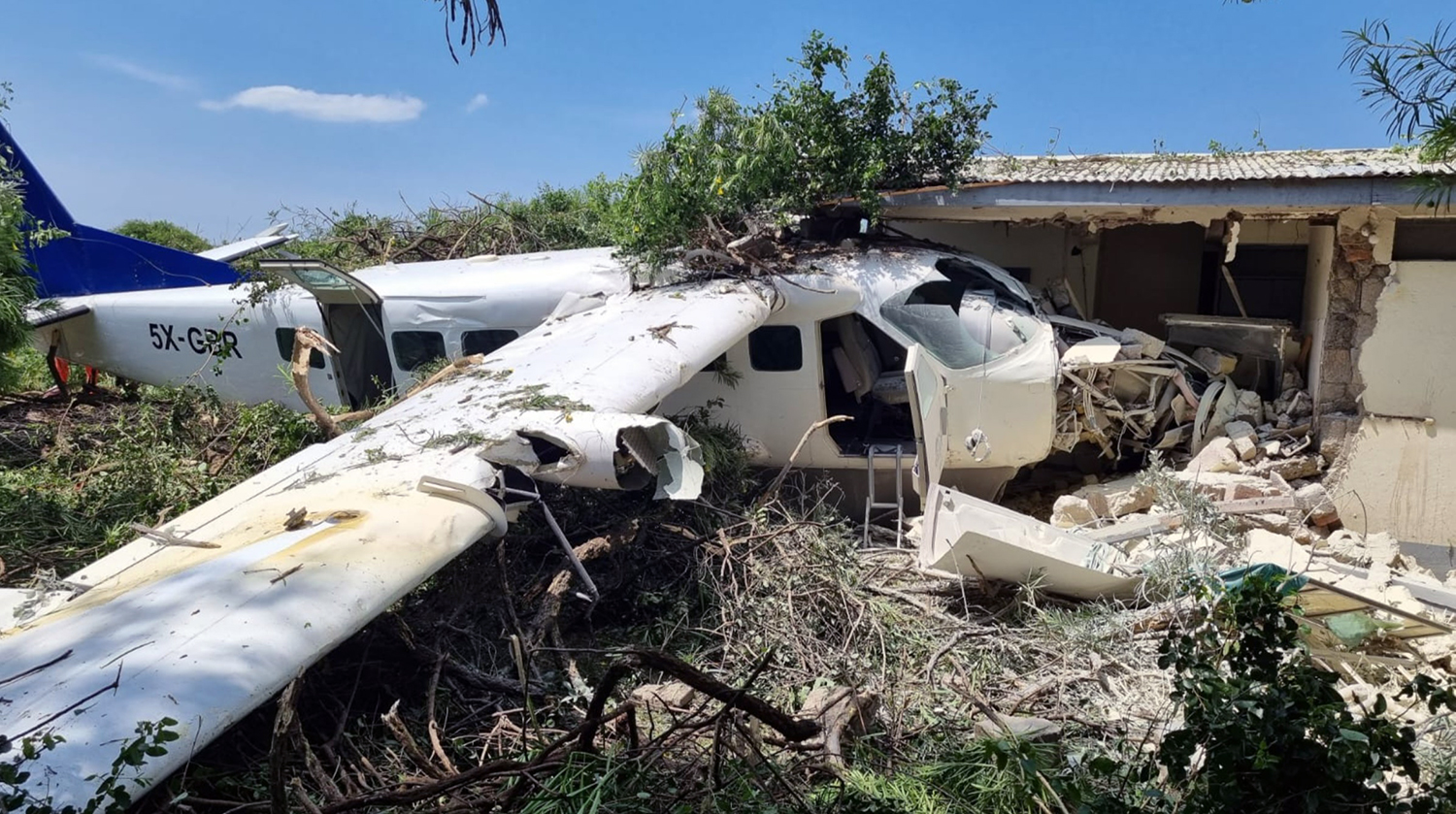
5X-GBR
Survivors:
Yes
Location:
Country:
Region:
Crew on board:
2
Crew fatalities:
Pax on board:
3
Pax fatalities:
Other fatalities:
Total fatalities:
0
Circumstances:
After landing at Mweya Airstrip located in the Queen Elizabeth National Park, the single engine airplane was unable to stop within the remaining distance. It overran and collided with a house. All five occupants escaped uninjured and the aircraft was damaged beyond repair. It just completed a charter flight with three European citizens and two pilots on board.

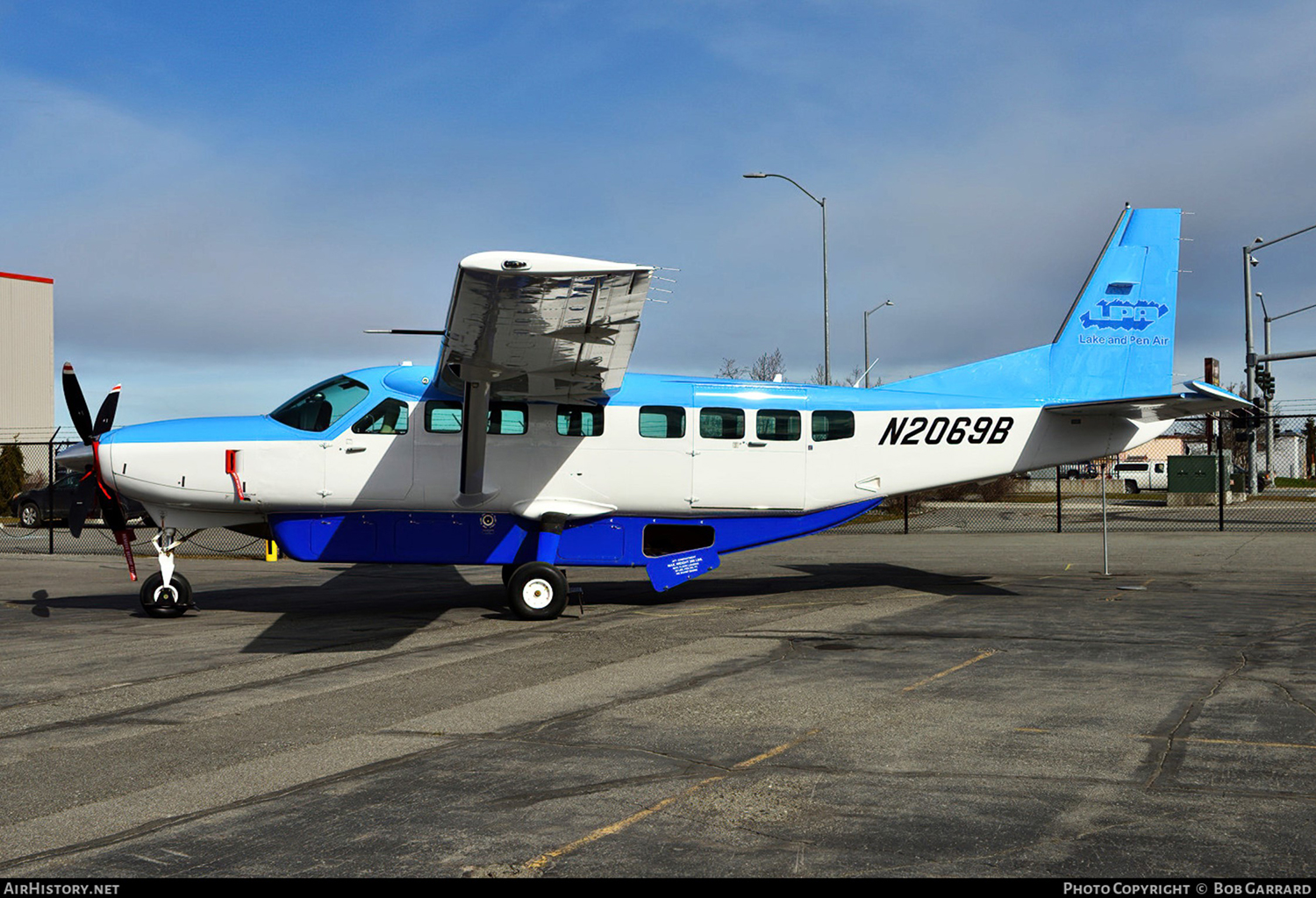
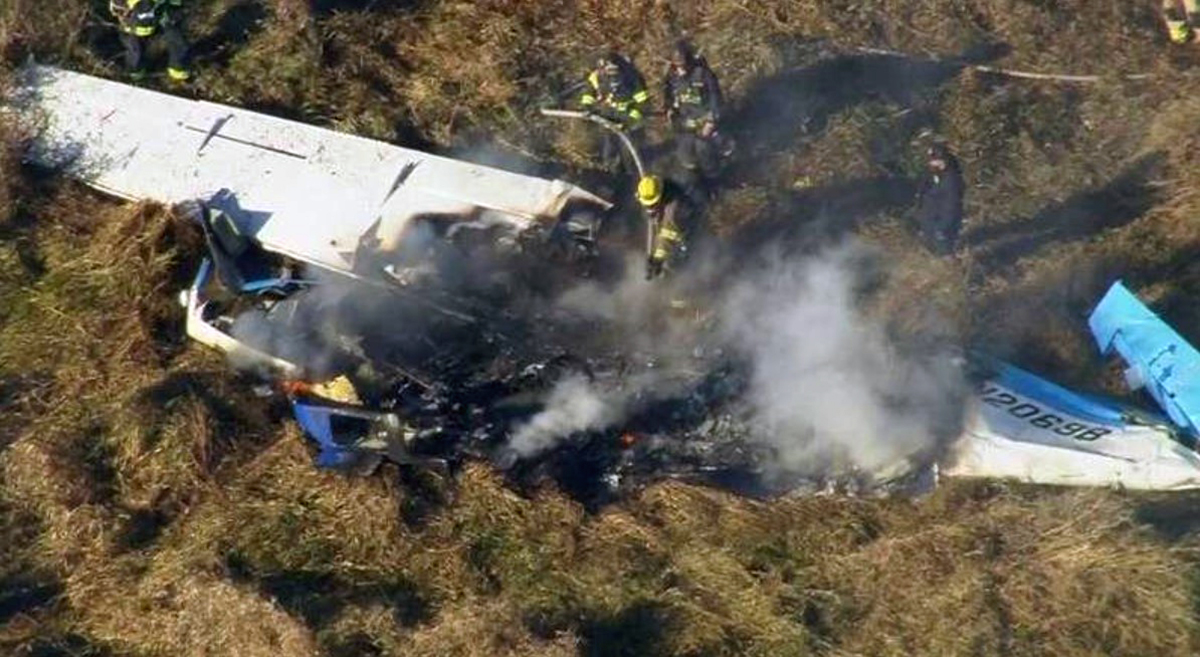
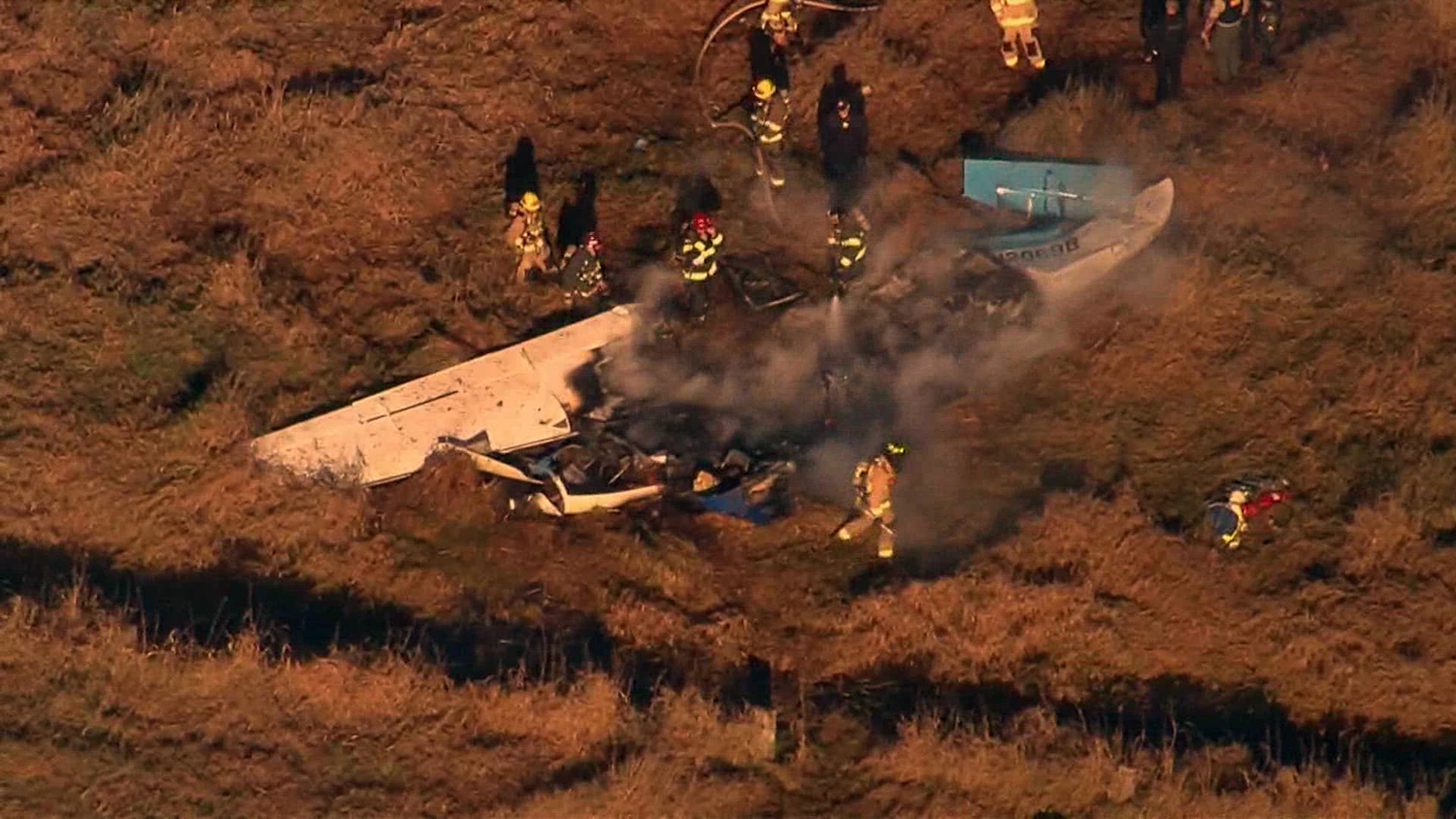
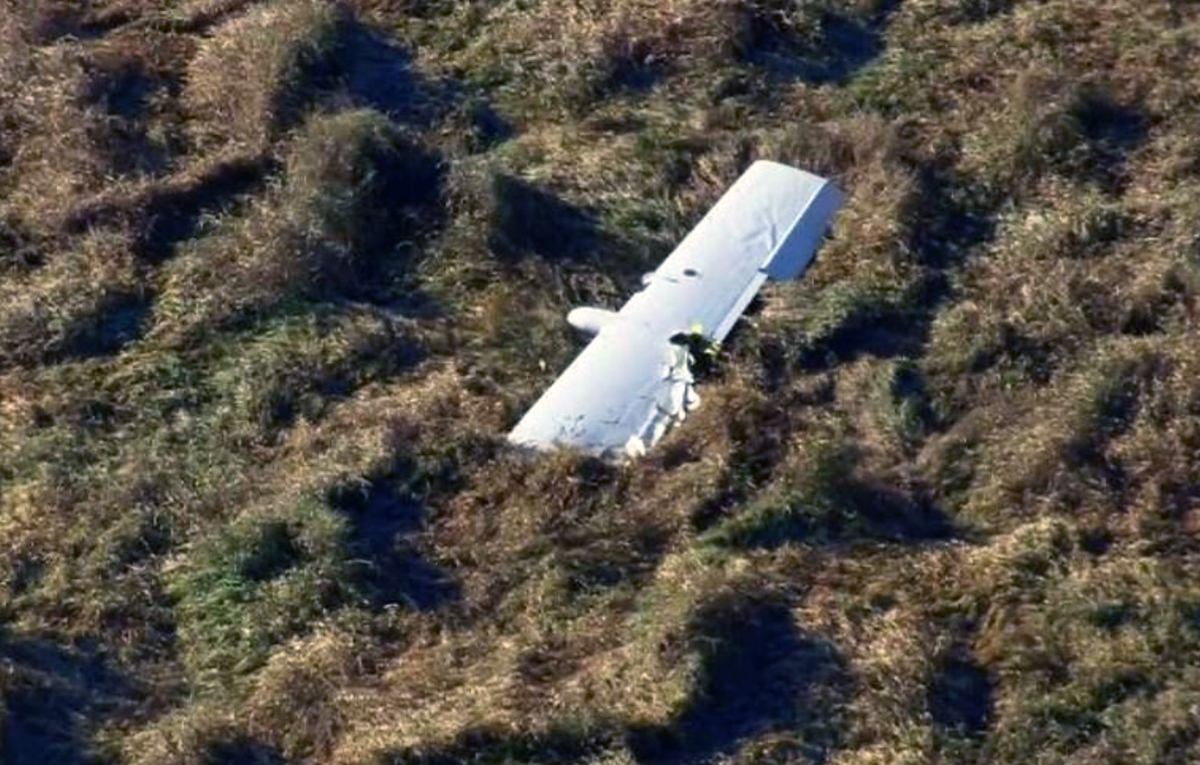
Crash of a Cessna 208B Grand Caravan EX in Snohomish: 4 killed

Date & Time: Nov 18, 2022 at 1019 LT
Type of aircraft:
Registration:
N2069B
Flight Phase:
Flight Type:
Survivors:
No
Schedule:
Renton - Renton
MSN:
208B-5657
YOM:
2021
Crew on board:
4
Crew fatalities:
Pax on board:
0
Pax fatalities:
Other fatalities:
Total fatalities:
4
Circumstances:
The pilot and three other crew members were performing flight testing for a new Supplemental Type Certificate (STC) for the single-engine turboprop-powered airplane. After departure, the pilot performed several maneuvers from the test card, then configured the airplane with the flaps extended for an intentional accelerated stall in a 30° left bank with the engine torque set to 930 ft-lb. Analysis of ADS-B data combined with a simulation matching the recorded trajectory of the accident maneuver revealed that, after the stall, the airplane rapidly rolled to the left, reaching a roll angle of 120° while the pitch angle decreased to 60° nose down. The airspeed rapidly increased, exceeding both the maximum flaps-extended speed (Vfe) and the airplane’s maximum operating speed (Vmo). Recorded engine data indicated that, after the stall, the engine torque increased. ADS-B data was lost at an altitude about 7,000 ft above ground level; the final track data indicated an approximate 8,700 ft/min rate of descent. Witnesses observed the airplane break up in flight and subsequently spiral to the ground. The wreckage was found in a rural field distributed over a distance of about 1,800 ft. Analysis of the aerodynamic loads in an overspeed condition showed that the wing design stress limit loads would be exceeded at high speeds with full flaps. The simulation of the stall maneuver indicated that reducing engine power to idle after the nose dropped could have reduced the rate at which the airspeed and associated aerodynamic loads increased, and would have likely given the pilot more time to recover. The airplane was equipped with an Electronic Stability and Protection (ESP) system, which was designed to deter attitude and airspeed exceedances during hand-flying and maintain stable flight by applying an opposite force to the direction of predetermined travel. It was designed to provide a light force that can be overcome by the pilot. To deactivate the ESP, the pilot needed to navigate to a specific page in the primary function display (PFD). Although the accident pilot was an experienced test pilot and qualified to operate the airplane, his experience with the accident airplane’s avionics system could not be determined. Videos of his previous flights in the airplane suggested that he was unfamiliar with the ESP system, as he did not deactivate it before the flight nor discuss the forces it was applying during the flight. Onboard video recording from a test flight the day before the accident indicated that, while performing a turning stall at idle power and 30° of left bank with the wing flaps extended, the airplane rapidly entered a left roll to a maximum of 83° before the pilot recovered to a wingslevel attitude. After recovery, the pilot pitched the airplane’s nose down about 25° in order to “get some airspeed back,” during which the ESP activated the autopilot to effect recovery to a level attitude. The airplane continued to gain airspeed, exceeding the Vmo of 175 knots and reaching 183 knots indicated airspeed, before pilot arrested the airplane’s acceleration and disconnected the autopilot. These two exceedances illustrated shortcomings in the test execution. First, although the 83° roll exceeded the allowable roll limit during this maneuver, the crew failed to identify this exceedance even though they discussed what angle had been reached and had a data acquisition system on board, which they could have consulted to determine the maximum roll angle reached during the maneuver. Correctly identifying the roll exceedance would have resulted in a “failed” test. In accordance with risk mitigation procedures for the test plan, the test buildup should have been stopped after roll limits were exceeded in order to determine the reasons for the exceedance and to implement corrective actions before proceeding with higher-risk conditions in the test plan. Secondly, after exceeding Vmo, the crew did not remark upon the exceedance, and even though the exceedance met the requirements for an overspeed inspection as described in the airplane’s maintenance manual, there was no indication that this inspection was completed. The accident flight simulation indicated that, during the stall immediately preceding the accident, it is likely that the ESP activated as the airplane pitched in excess of 19° nose-up. This would have required the pilot to apply more aft force on the control column in order to induce the stall. After the stall, the ESP would have activated at 45° bank, then deactivated as the airplane quickly exceeded 75°. The extent to which the control forces from the ESP, or the potential distraction due to the system’s engagement and disengagement, may have contributed to the pilot’s failure to recover from the nose-low attitude following the stall could not be determined. FAA guidance warns of the risks associated with upset events during stall maneuvers and advises against performing accelerated stalls with flaps deployed due to the increased risk of exceeding the airplane’s limitations in this configuration. Following a nose-low departure from controlled flight, reducing the power to idle immediately is crucial to avoid exceeding airspeed limitations and overstressing the airplane. The circumstances of the accident flight are consistent with the pilot’s improper recovery from a nose-low attitude following an intentional aerodynamic stall. Whether the increase in torque following the stall was the result of intentional application of power by the pilot could not be determined; however, the pilot’s failure to reduce engine power to idle following the airplane’s departure from controlled flight was contrary to published guidance as well as test flight hazard mitigation procedures. It is likely that this resulted in the airplane’s rapid exceedance of its airspeed limitations, and subsequently, a structural failure and inflight breakup.
Probable cause:
The pilot’s improper recovery following a departure from controlled flight after an intentional aerodynamic stall, which resulted in an exceedance of airspeed limitations, airframe overstress, and a subsequent inflight breakup.
Final Report:

Crash of a Cessna 208B Grand Caravan in Puerto Ayacucho: 5 killed

Date & Time: Nov 6, 2022 at 0656 LT
Type of aircraft:
Operator:
Registration:
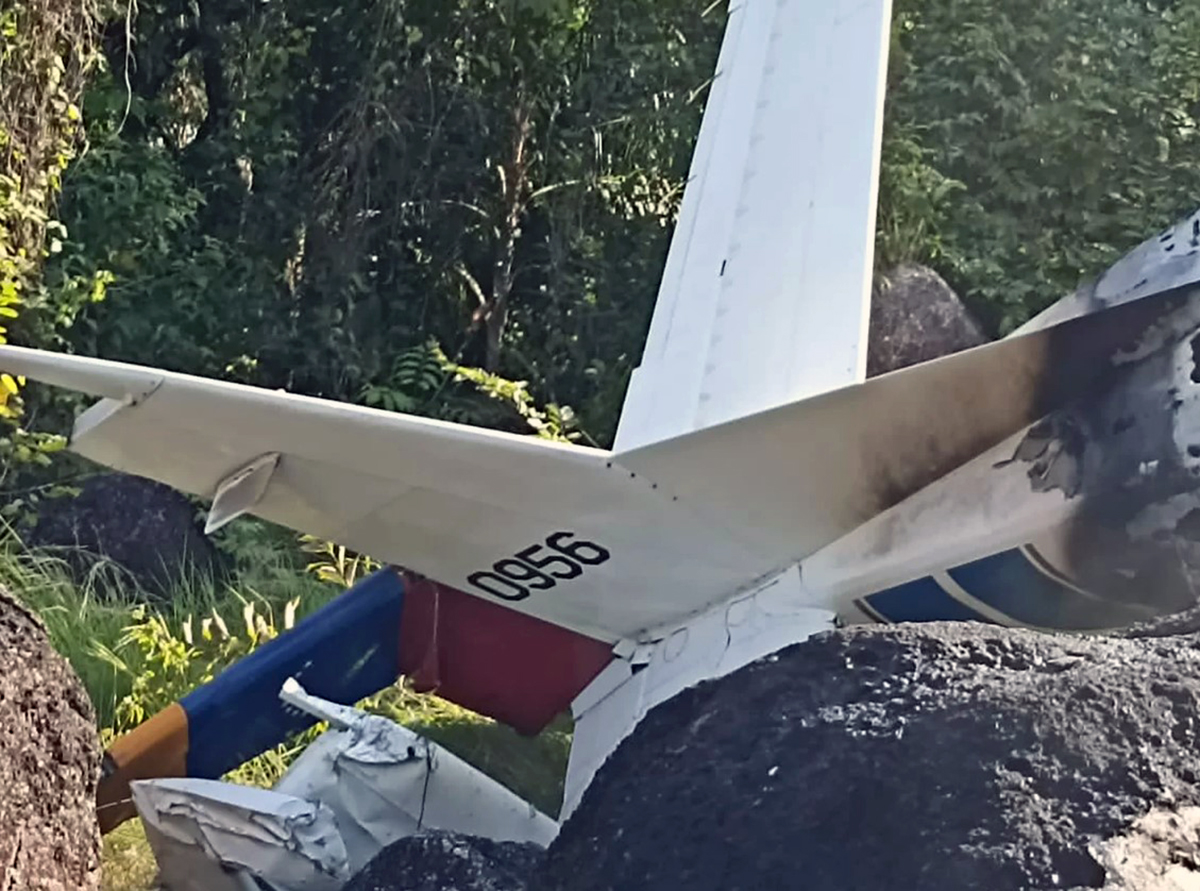
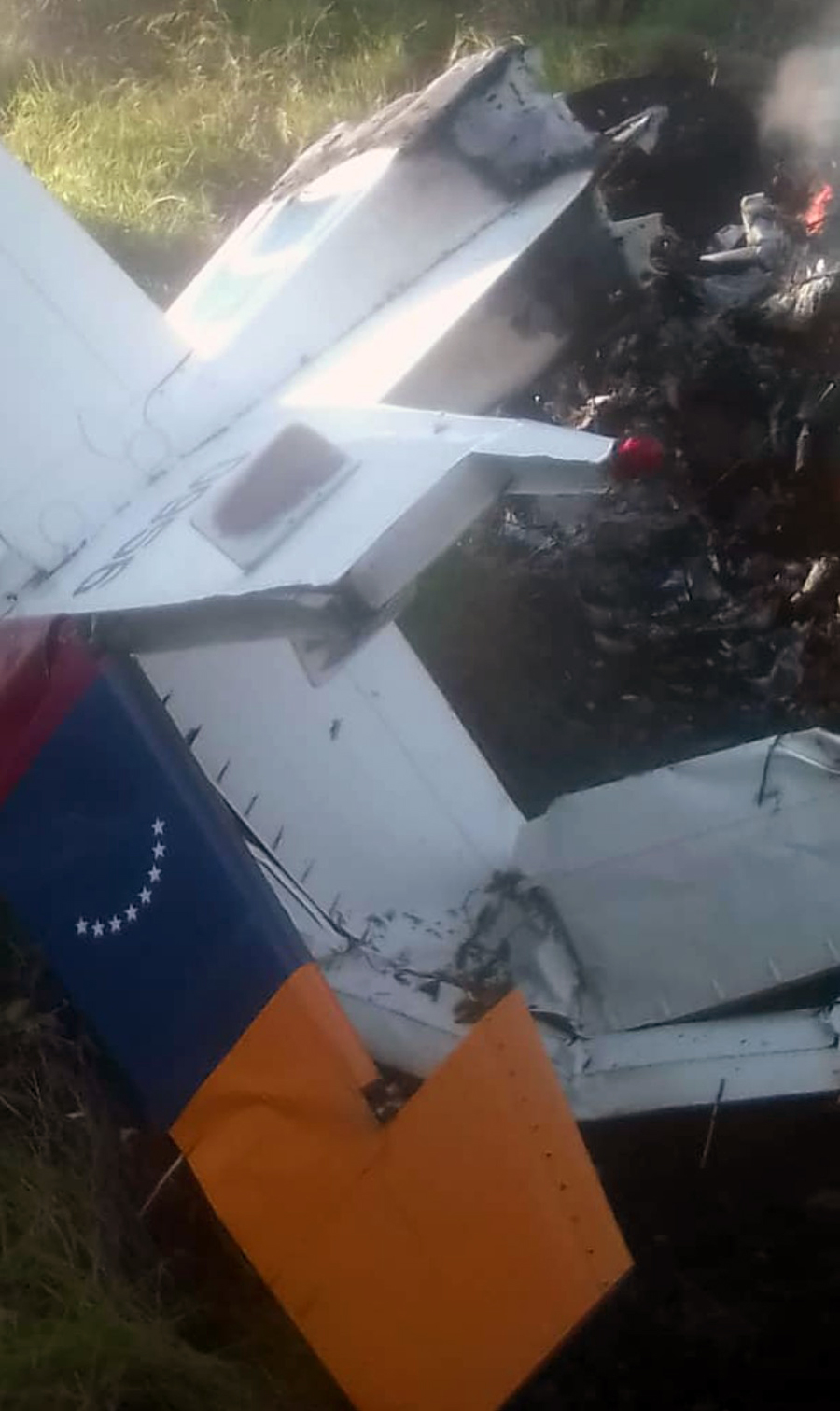
AMB-0956
Flight Type:
Survivors:
No
Schedule:
Puerto Ayacucho - Puerto Ayacucho
MSN:
208B-0977
YOM:
2002
Country:
Crew on board:
5
Crew fatalities:
Pax on board:
0
Pax fatalities:
Other fatalities:
Total fatalities:
5
Circumstances:
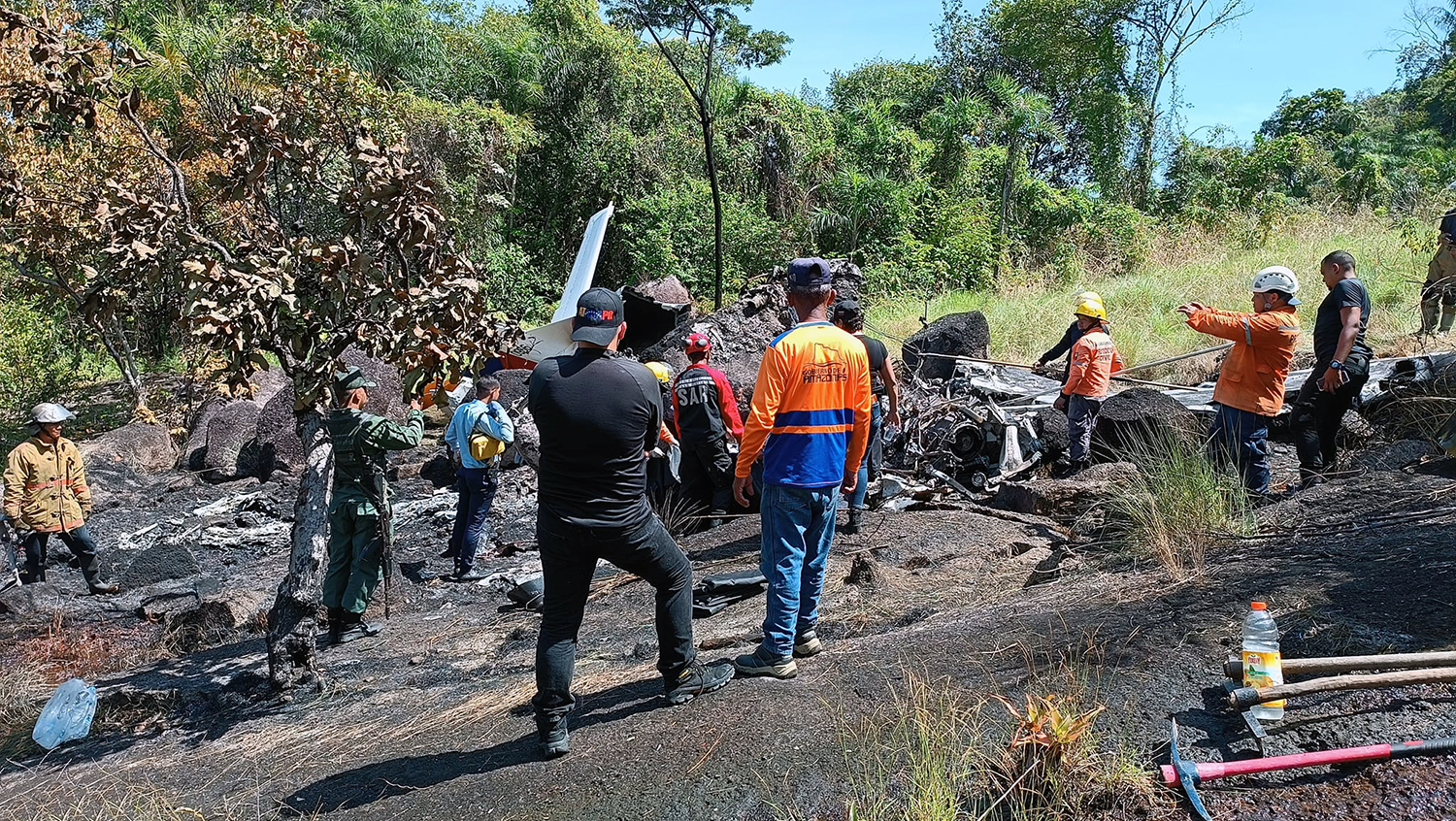
The single engine airplane was engaged in a local training flight at Puerto Ayacucho Airport, carrying five pilots. While completing a turn on approach to runway 04, the airplane went out of control and crashed in a wooded area located about 3 km south of the airport, bursting into flames. The airplane was totally destroyed by impact forces and a post crash fire and all five occupants were killed. Puerto Ayacucho Airport is named Cacique Aramare but the military side is named José Antonio Páez.
Crew:
Cpt José Castillo Tovar,
Cpt Jefferson Aular,
1st Lt Roberto Aponte,
Lt Santiago Collado,
Lt Joé Rivas.

Crash of a Cessna 208B Grand Caravan near San Lorenzo

Date & Time: Oct 13, 2022 at 0915 LT
Type of aircraft:
Operator:
Registration:
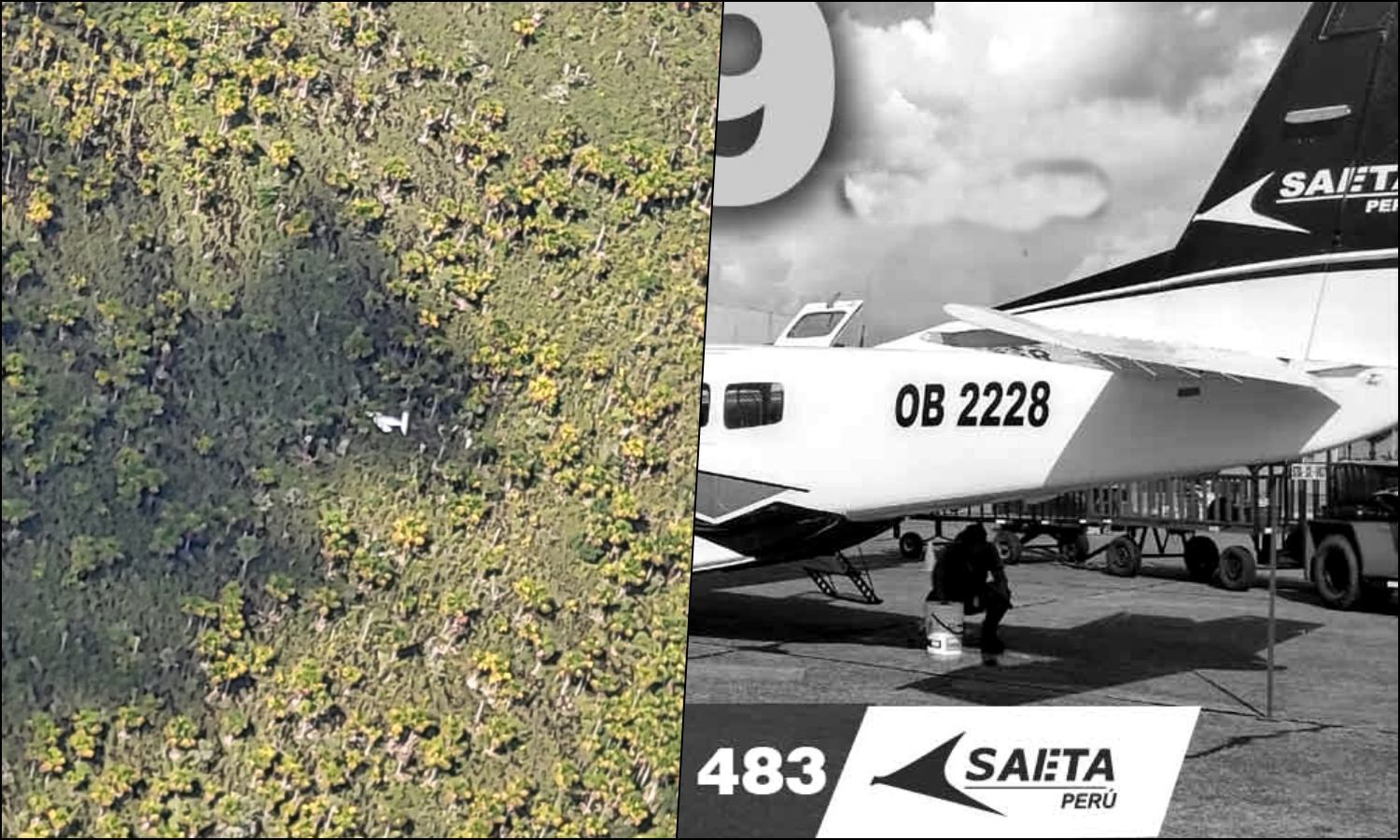
OB-2228
Flight Phase:
Survivors:
Yes
Schedule:
San Lorenzo – Tarapoto
MSN:
208B-0802
YOM:
2000
Country:
Crew on board:
2
Crew fatalities:
Pax on board:
10
Pax fatalities:
Other fatalities:
Total fatalities:
0
Circumstances:
The single engine airplane departed San Lorenzo at 0900LT on a flight to Tarapoto, carrying 10 passengers and two pilots. About 15 minutes into the flight, the crew encountered technical problems with the engine and attempted an emergency landing when the aircraft crash landed in a wooded area located some 15 km southeast of San Lorenzo. All 12 occupants were rescued and the aircraft was damaged beyond repair.

Crash of a Cessna 208B Grand Caravan in Porto Trombetas: 1 killed

Date & Time: Sep 10, 2022
Type of aircraft:
Operator:
Registration:
PT-MES
Flight Phase:
Survivors:
Yes
Schedule:
Porto Trombetas - Ayaramã
MSN:
208B-0507
YOM:
1996
Country:
Crew on board:
1
Crew fatalities:
Pax on board:
4
Pax fatalities:
Other fatalities:
Total fatalities:
1
Circumstances:
After takeoff from Porto Trombetas Airport, the pilot encountered engine problems and attempted an emergency landing. The airplane crashed in a wooded area and was destroyed. The pilot was killed and all four passengers were injured. They were en route to Ayaramã to provide dental assistance to locals. On board were one dentist, one assistant, one nurse and one employee of the Brazilian Institute for Geography and Statistics.

Crash of a Cessna 208B Grand Caravan in Oceanside: 1 killed

Date & Time: Jun 3, 2022 at 1347 LT
Type of aircraft:
Operator:
Registration:
N7581F
Survivors:
Yes
Schedule:
Oceanside - Oceanside
MSN:
208B-0389
YOM:
1994
Crew on board:
2
Crew fatalities:
Pax on board:
0
Pax fatalities:
Other fatalities:
Total fatalities:
1
Captain / Total flying hours:
6880
Captain / Total hours on type:
161.00
Copilot / Total flying hours:
805
Copilot / Total hours on type:
25
Aircraft flight hours:
13379
Circumstances:
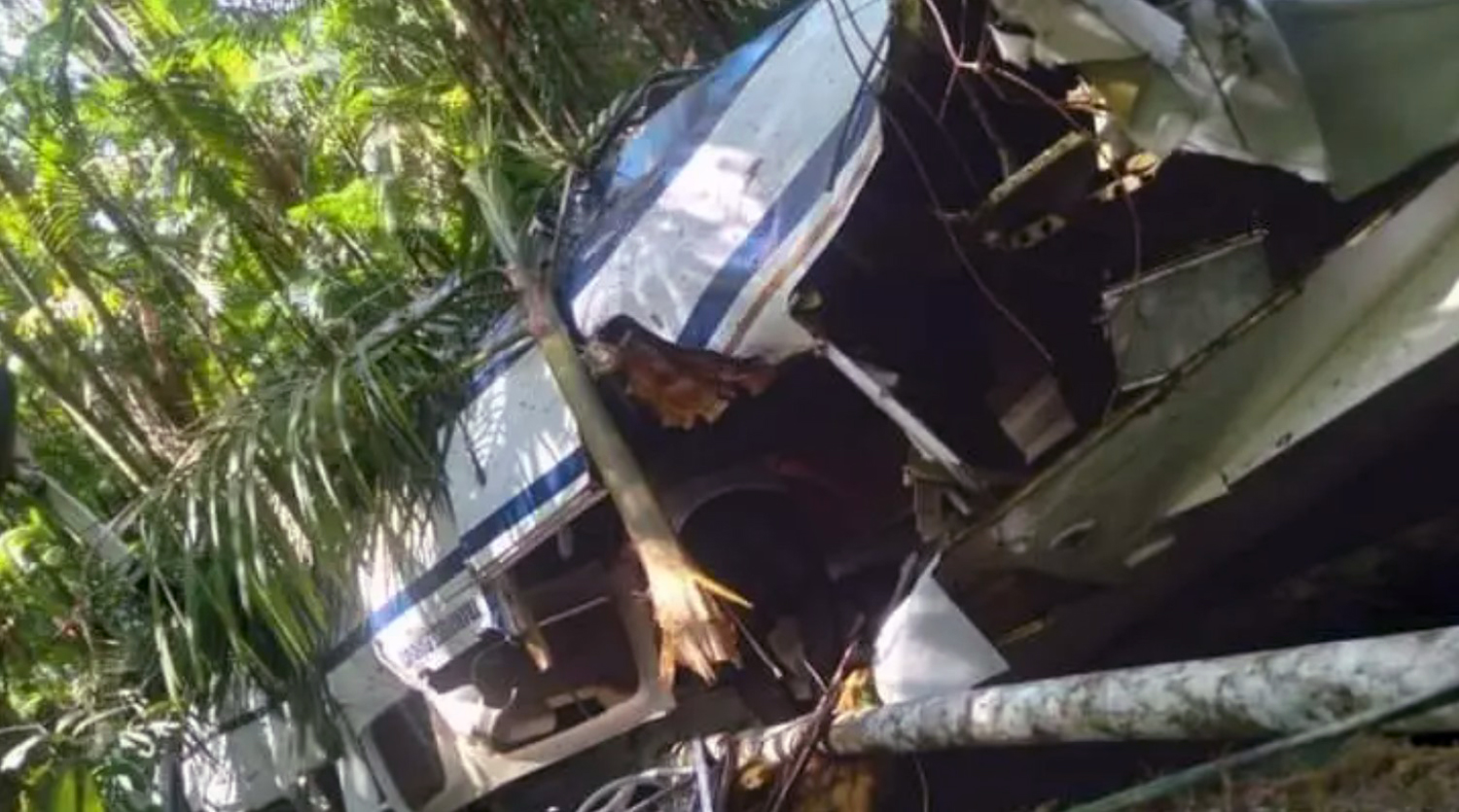
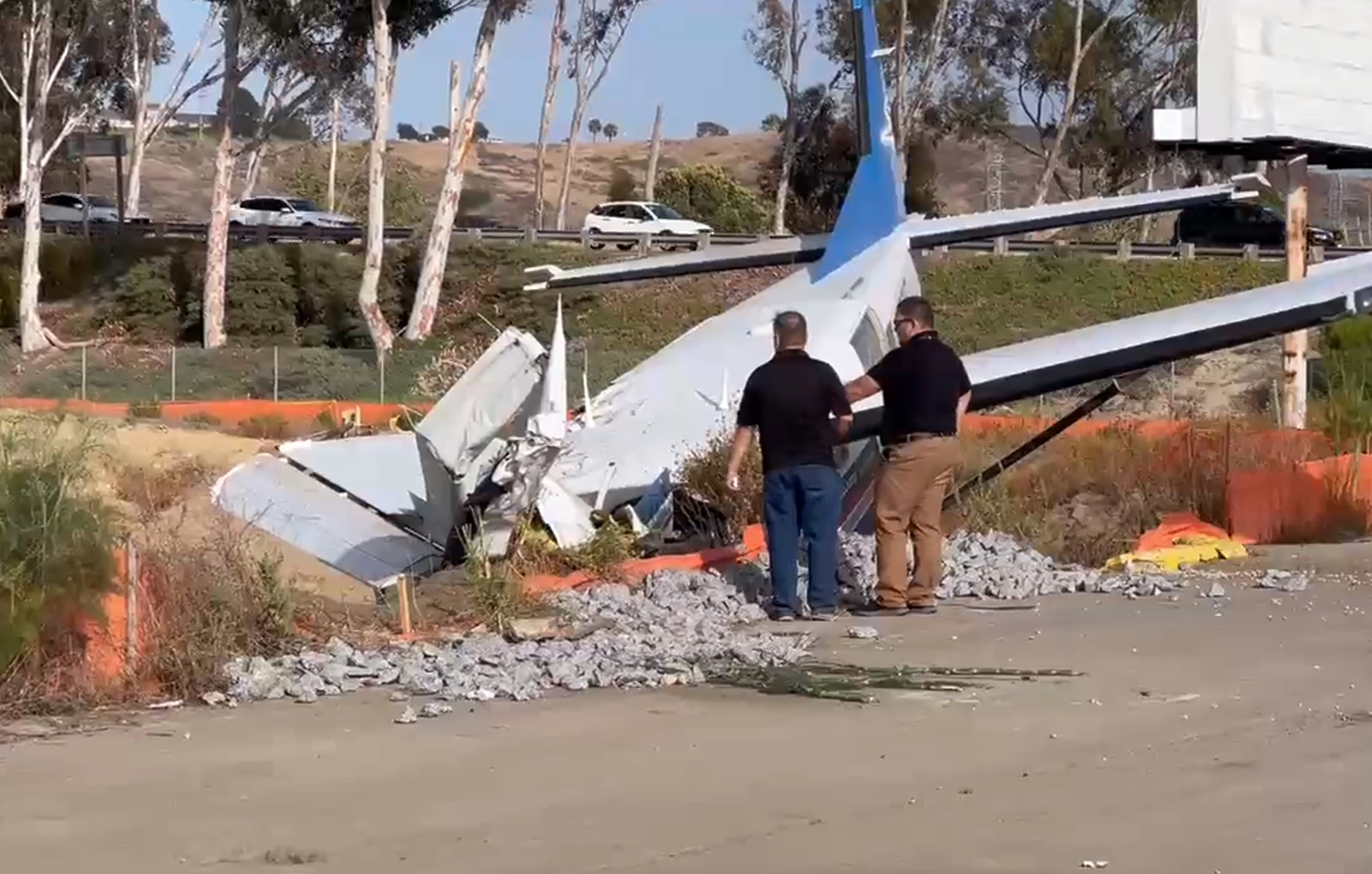
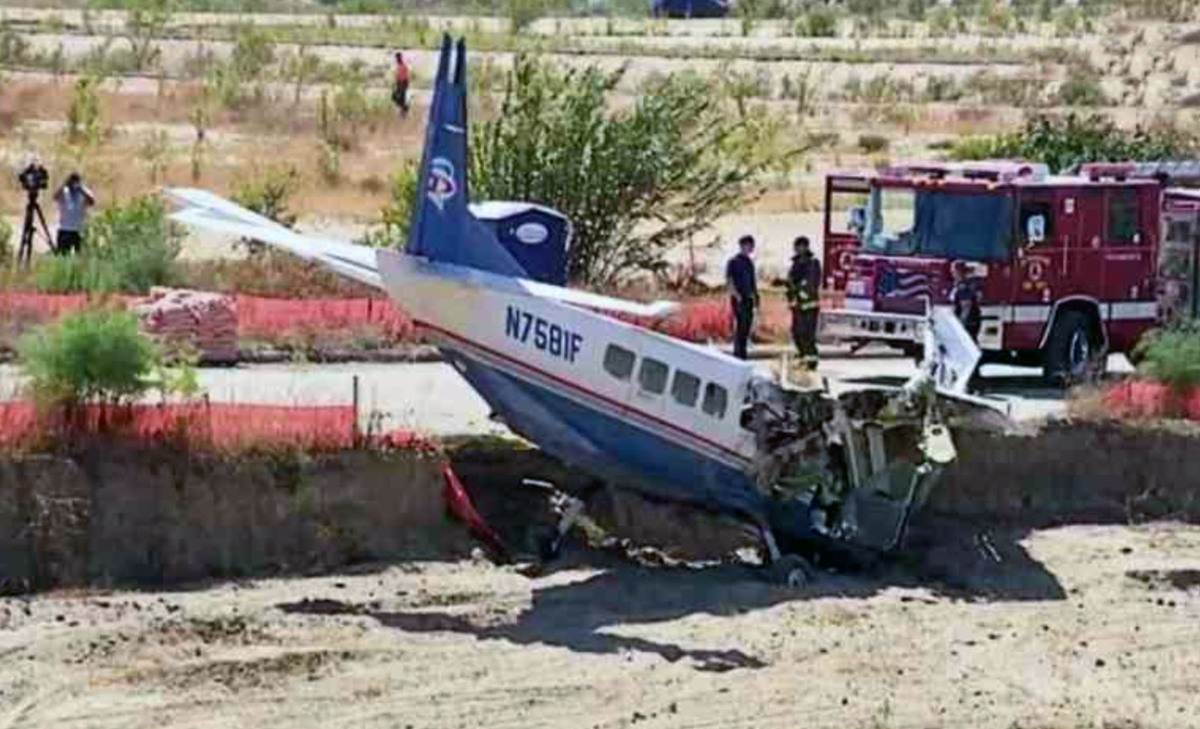
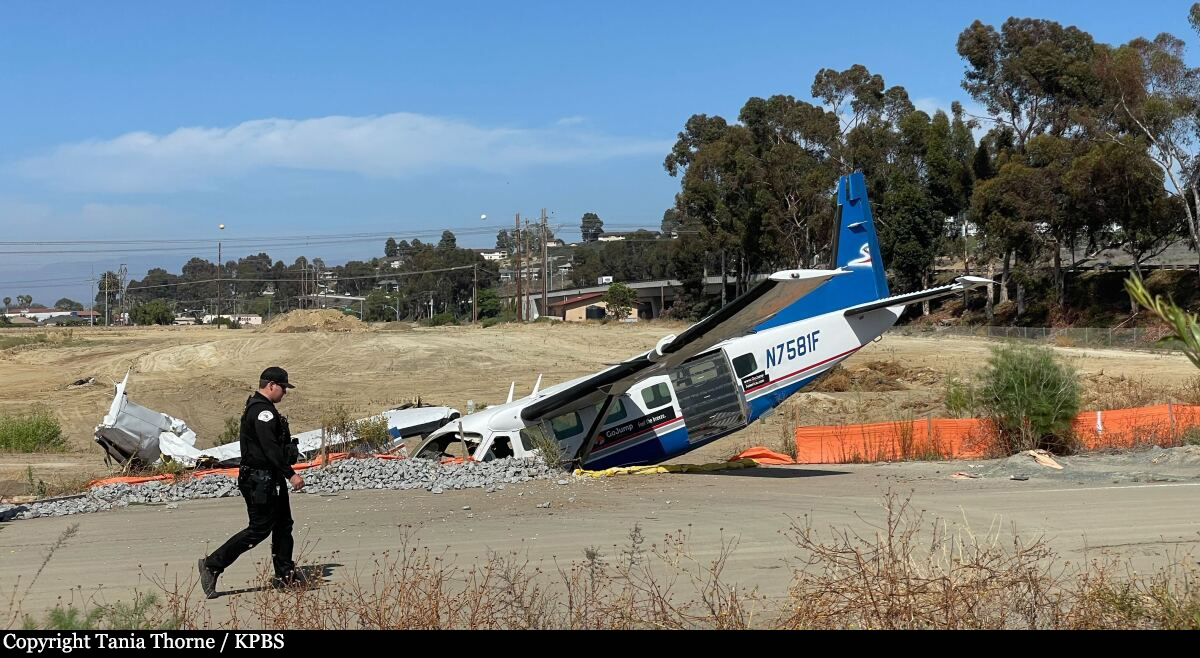
The pilots were performing skydiving flights while the right-seated pilot was training the left-seated pilot on the operation. The pilots completed six flights without incident and completed the drop of the skydivers on the accident flight normally. The right-seated pilot could not completely recollect the minutes leading up to the accident due to his injuries. He did recall that airplane was descending as expected with the power at idle. The recorded ADS-B data revealed that after turning onto final approach, the airplane then completed a right 360° turn presumably because the altitude was too high. The right-seated pilot attempted to increase the power by slightly nudging the throttle forward and thought the engine power did not increase as expected. A performance study revealed that in the last 70 seconds of recorded data, the airplane underwent a series of speed and thrust oscillations consistent with a pilot increasing and then decreasing the power lever. The right seat pilot recalls aiming for an open dirt field and observing a berm in the immediate flight path. In an effort to avoid the berm, he maneuvered the airplane into a right turn. The airplane landed short of the runway, resulting in a collision with the berm. The engine was producing power at the time of impact. Postaccident examination of the airplane revealed no evidence of mechanical malfunctions or failures that would have precluded normal operation. The right-seated pilot was in the process of training the left-seated pilot and stated that he took over the controls during the final approach. It is unknown when he took over the controls, so it is unknown which pilot was at the controls during the speed oscillations. The right-seated pilot likely took over the controls too late and the airplane impacted the terrain. The left-seated pilot’s ability to hear the changes in engine power might have been hindered because she was listening to music through her headset at an elevated decibel level. The airplane was modified by a Supplemental Type Certificate that replaces the original Pratt & Whitney PT-6 turbine engine with a Honeywell TPE331 turbine engine. The TPE331 engine’s characteristics are such that if the airplane is on final approach with the power near idle, the throttle sensitivity (change in thrust per unit of power lever movement) increases around the transition between the propellergoverning and underspeed-governing modes of the engine, which corresponds to a zero-thrust condition. Near this transition point, small movements of the power lever (about ¼ to ½ inch of deflection) can result in relatively large thrust changes that can surprise pilots inexperienced with this behavior and result in pilot-induced oscillations (PIO). Given the thrust oscillations observed shortly before the end of the ADS-B data, it is likely that the left-seated pilot was at the controls and experienced such a PIO on a short final approach to land.
Probable cause:
The right-seated pilot’s failure to correct the left-seated pilot’s mismanagement of the engine thrust, which resulted in undesired speed and thrust oscillations during the final approach and a subsequent descent into terrain.
Final Report: