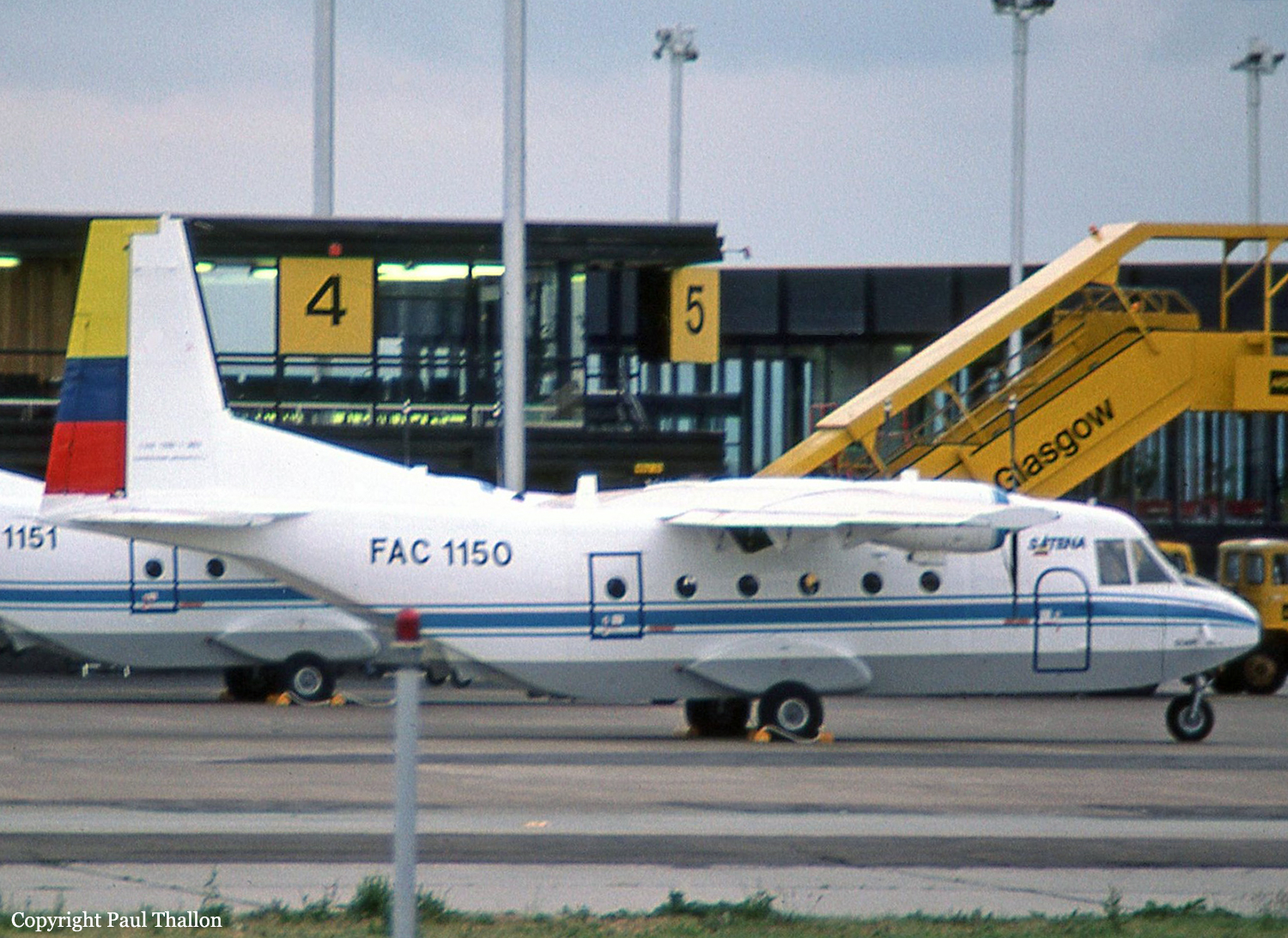
Crash of a Casa 212 Aviocar 200 on Mt San Nicolás: 16 killed

Date & Time: Nov 18, 1990 at 1300 LT
Type of aircraft:
Operator:
Registration:
FAC-1150
Flight Phase:
Survivors:
No
Site:
Schedule:
Quibdó – Bogotá
MSN:
303
YOM:
1983
Country:
Crew on board:
4
Crew fatalities:
Pax on board:
12
Pax fatalities:
Other fatalities:
Total fatalities:
16
Circumstances:
The twin engine aircraft christened 'El Isleño' departed Quibdó-El Caraño Airport at 1243LT on a flight to Bogotá, carrying 12 passengers and for crew members. While cruising at an altitude of 11,500 pieds, the crew encountered poor weather conditions when the aircraft struck the slope of Mt San Nicolás. The wreckage was found few hours later and all 16 occupants were killed.
Probable cause:
Controlled flight into terrain after the crew may have got disoriented while flying in poor weather conditions.

Crash of a Casa 212M Aviocar 300 near Kuito: 25 killed

Date & Time: Mar 27, 1990
Type of aircraft:
Operator:
Registration:
T-410
Flight Phase:
Flight Type:
Survivors:
No
Schedule:
Kuito - Huambo
MSN:
384
YOM:
1988
Location:
Country:
Region:
Crew on board:
5
Crew fatalities:
Pax on board:
20
Pax fatalities:
Other fatalities:
Total fatalities:
25
Circumstances:
After takeoff from Kuito Airport, while climbing, the twin engine airplane was shot down by a surface-to-air missile and crashed 30 km from the airport. All 25 occupants were killed.
Probable cause:
Shot down by a surface-to-air missile by UNITA rebels.

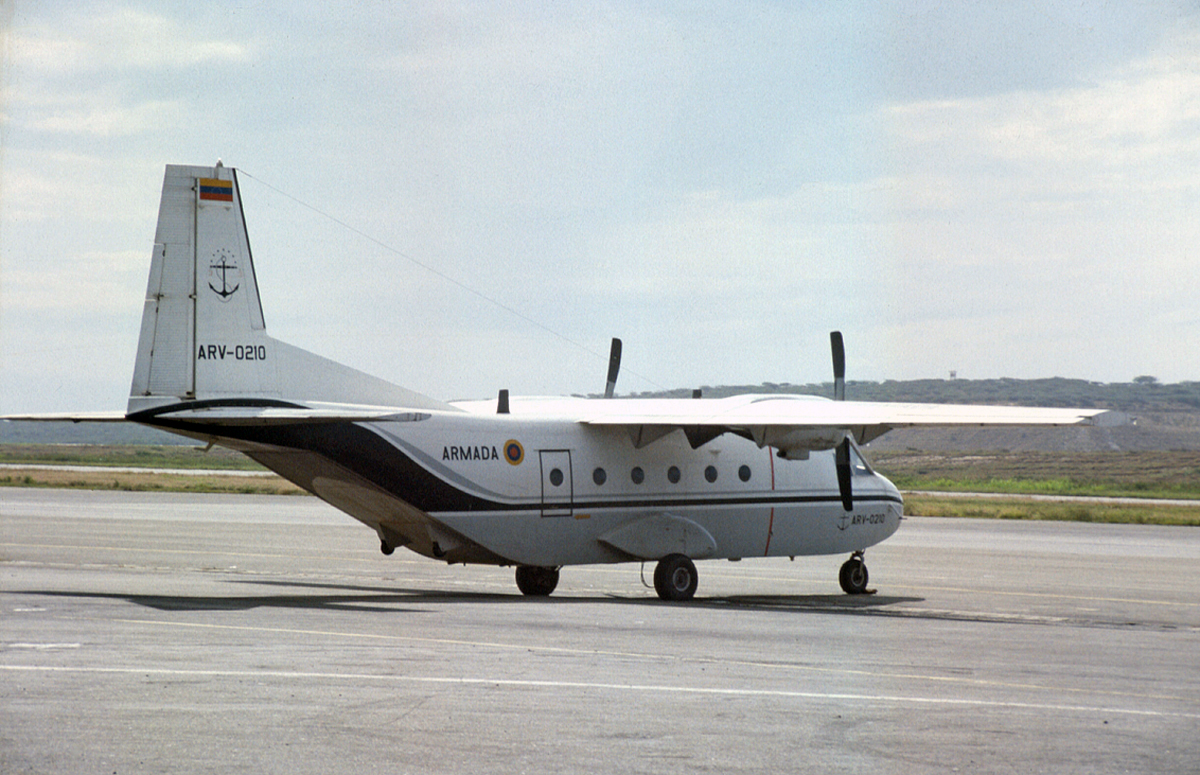
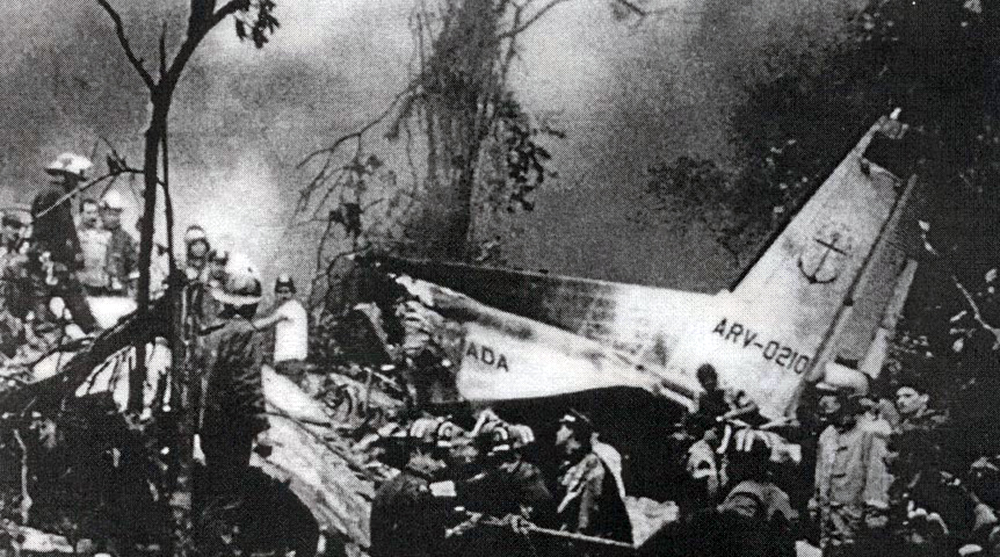
Crash of a Casa 212 Aviocar 200 near Caracas: 25 killed

Date & Time: Jan 23, 1990 at 0745 LT
Type of aircraft:
Operator:
Registration:
ARV-0210
Flight Phase:
Flight Type:
Survivors:
No
Site:
Schedule:
Caracas - Puerto Ayacucho
MSN:
268
YOM:
1982
Country:
Crew on board:
3
Crew fatalities:
Pax on board:
22
Pax fatalities:
Other fatalities:
Total fatalities:
25
Circumstances:
After takeoff from Caracas-Maiquetía-Simon Bolivar Airport, the crew encountered poor weather conditions with heavy rain falls. In limited visibility, the aircraft struck the slope of Mt El Junquito located near the village of La Sabaneta, about 25 km from the airport. The aircraft was destroyed and all 25 occupants were killed, among them several civilians.
Probable cause:
Controlled flight into terrain after the crew seemed to lost his orientation while climbing in poor weather conditions.

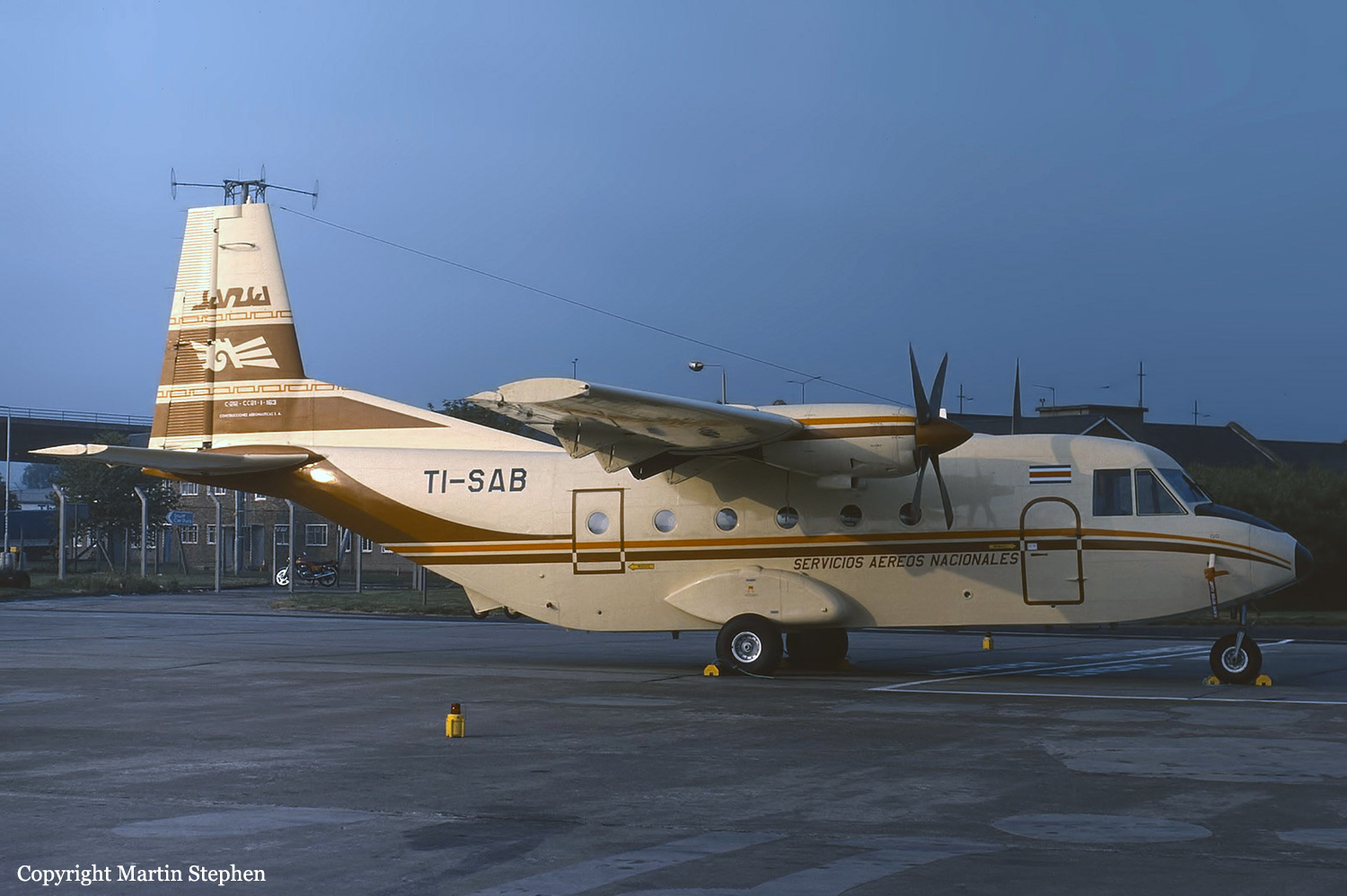
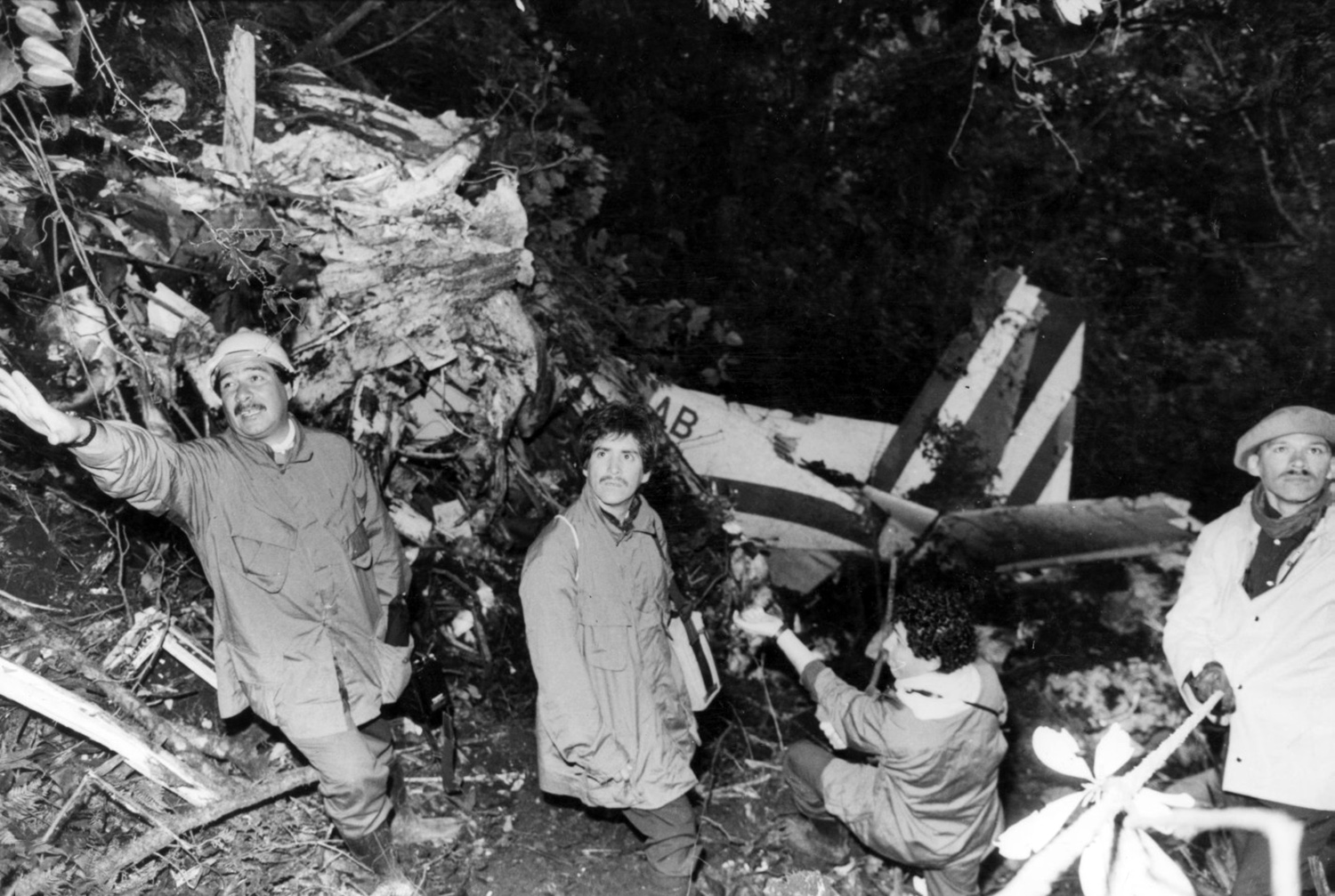
Crash of a Casa 212 Aviocar 200 near San José: 23 killed

Date & Time: Jan 15, 1990 at 0829 LT
Type of aircraft:
Operator:
Registration:
TI-SAB
Flight Phase:
Survivors:
No
Site:
Schedule:
San José - Palmar Norte - Golfito
MSN:
163
YOM:
1980
Flight number:
BB032
Country:
Crew on board:
3
Crew fatalities:
Pax on board:
20
Pax fatalities:
Other fatalities:
Total fatalities:
23
Captain / Total flying hours:
4822
Captain / Total hours on type:
2253.00
Aircraft flight hours:
3589
Aircraft flight cycles:
7217
Circumstances:
The twin engine aircraft departed San José-Tobías Bolaños Airport in relative good weather conditions. While climbing to an altitude of 6,000 feet, the aircraft struck the slope of the White Peak (2,438 meters high) located about 20 km southeast of the airport. The wreckage was found about 600 meters from the summit and all 23 occupants were killed. At the time of the accident, the visibility was good but some atmospheric turbulences were reported in the vicinity of the mountains.
Probable cause:
Loss of control caused by atmospheric turbulences. At the time of the accident, the crew was tired which was considered as a contributing factor as well as the fact that the operator failed to issue a valid flight safety program.

Crash of a Casa 212 Aviocar 200 in the Banten Bay: 9 killed

Date & Time: Jan 2, 1990 at 1340 LT
Type of aircraft:
Operator:
Registration:
PK-PCM
Flight Phase:
Survivors:
Yes
Schedule:
Palembang – Jakarta
MSN:
217/57N
YOM:
1983
Country:
Region:
Crew on board:
3
Crew fatalities:
Pax on board:
13
Pax fatalities:
Other fatalities:
Total fatalities:
9
Circumstances:
En route from Palembang to Jakarta, while cruising at an altitude of 9,500 feet, the right engine failed. As the crew was unable to maintain the assigned altitude, luggages and cargos were jettisoned but the aircraft continued to descent. Eventually, the crew was forced to ditch the aircraft that crashed in the Banten Bay, few km offshore. Seven people were rescued while nine others including both pilots were killed.
Probable cause:
It is understood that the takeoff weight on departure from Palembang was 18,192 lb, which was over the 16,160 lb maximum takeoff weight. The weight of two ground fire extinguishers and a GPU which were carried on board as cargo were probably underestimated.

Crash of a Casa 212 Aviocar 200 off Patuxent River NAS: 5 killed

Date & Time: Dec 1, 1989 at 0930 LT
Type of aircraft:
Operator:
Registration:
N296CA
Flight Type:
Survivors:
No
Schedule:
Fort Belvoir - Patuxent River
MSN:
296
YOM:
1983
Crew on board:
5
Crew fatalities:
Pax on board:
0
Pax fatalities:
Other fatalities:
Total fatalities:
5
Circumstances:
Following an uneventful flight from Davison AAF (Fort Belvoir), the aircraft was approaching Patuxent River NAS when, at a height of about 800 feet, the aircraft entered an uncontrolled descent and crashed in the Chesapeake Bay. The wreckage sank by a depth of 45 feet and was found less than 100 yards offshore. All five crew members were killed. The aircraft was operated by the US Army Intelligence and Security Command (INSCOM) and carried both civil N296CA and military 88-0321 registrations.
Probable cause:
It was determined that the crew mistakenly selected beta range on the propellers on final approach at an altitude of 800 feet, causing the aircraft to enter an uncontrolled descent.

Crash of a Casa 212M Aviocar 300 on Mt Maluti: 18 killed

Date & Time: Nov 10, 1989
Type of aircraft:
Operator:
Registration:
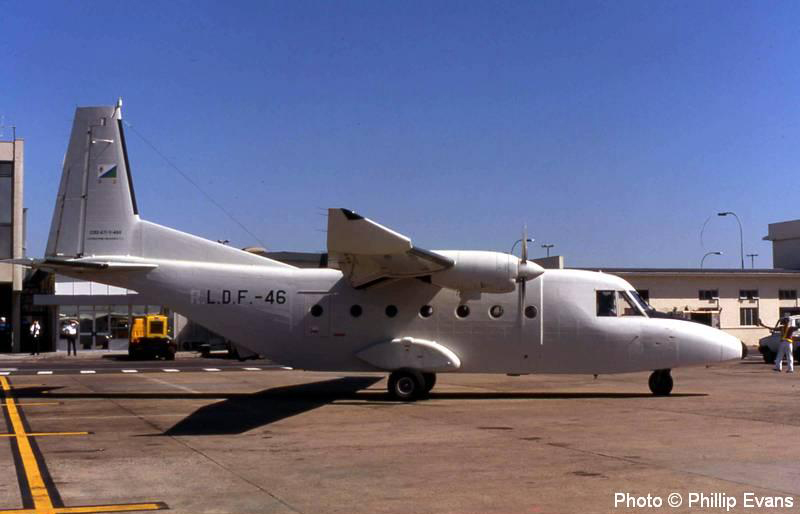
LDF-46
Flight Phase:
Flight Type:
Survivors:
No
Site:
Schedule:
Qacha’s Nek – Maseru
MSN:
389
YOM:
1989
Country:
Region:
Crew on board:
2
Crew fatalities:
Pax on board:
16
Pax fatalities:
Other fatalities:
Total fatalities:
18
Circumstances:
While cruising in poor weather conditions, the twin engine struck the slope of Mt Maluti. All 18 occupants were killed.
Probable cause:
Controlled flight into terrain.

Crash of a Casa 212 Aviocar 200 in Reykjavik: 3 killed

Date & Time: Aug 2, 1988 at 1742 LT
Type of aircraft:
Operator:
Registration:
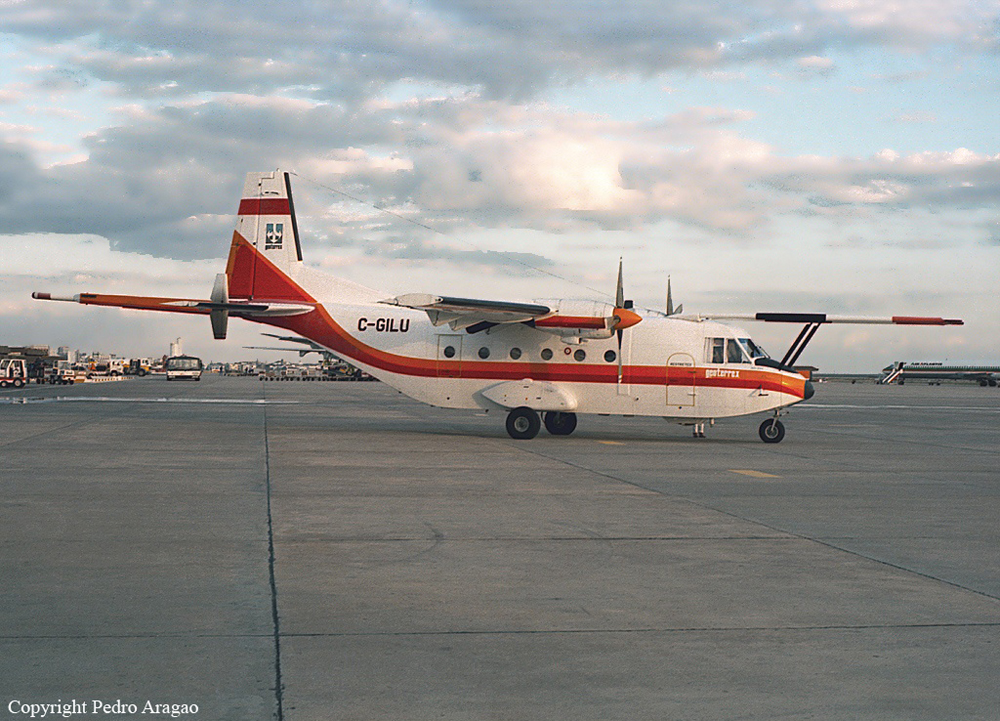
C-GILU
Flight Type:
Survivors:
No
Schedule:
Ottawa – Goose Bay – Narsarsuaq – Reykjavik – Nantes
MSN:
245
YOM:
1982
Country:
Region:
Crew on board:
3
Crew fatalities:
Pax on board:
0
Pax fatalities:
Other fatalities:
Total fatalities:
3
Aircraft flight hours:
4049
Circumstances:
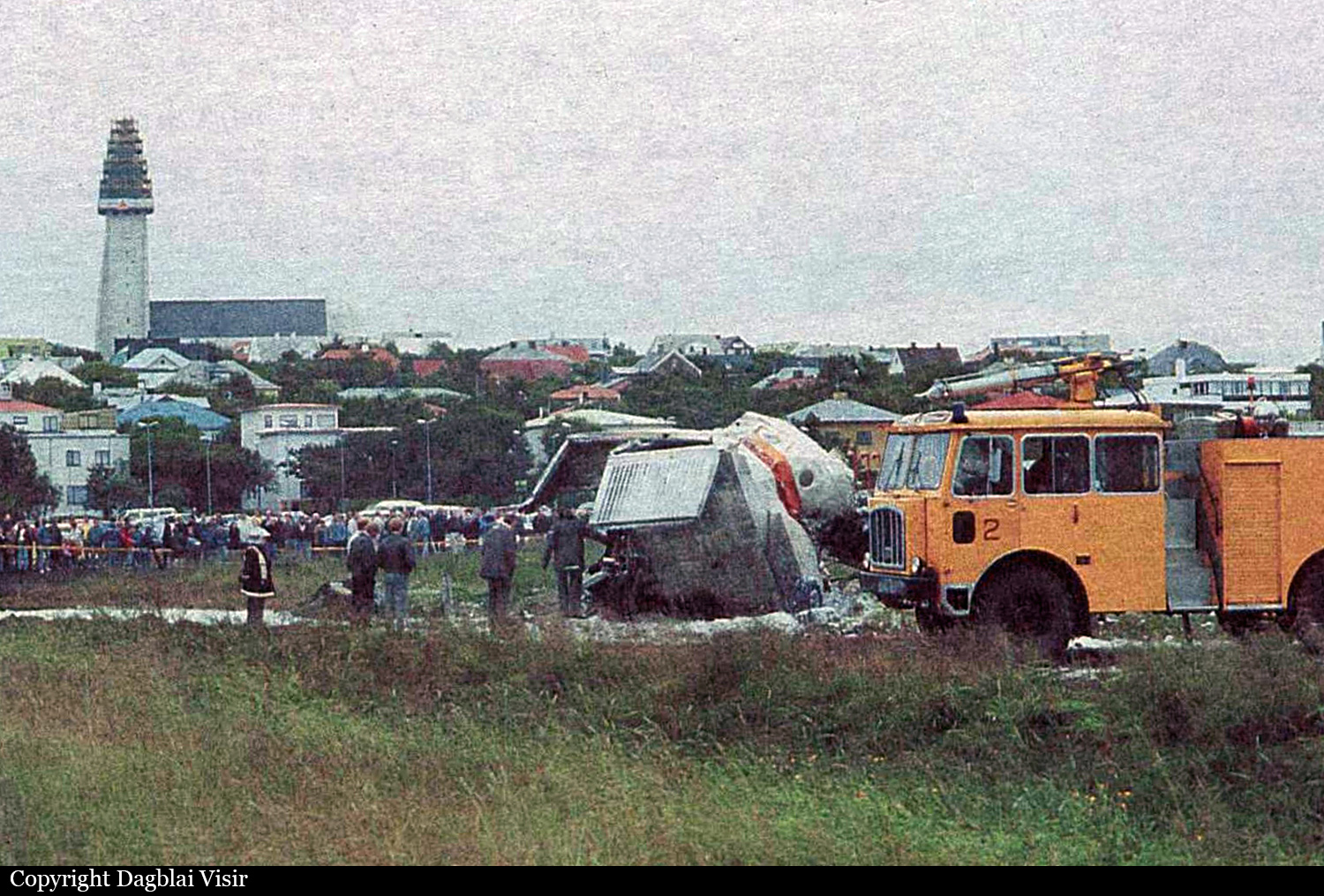
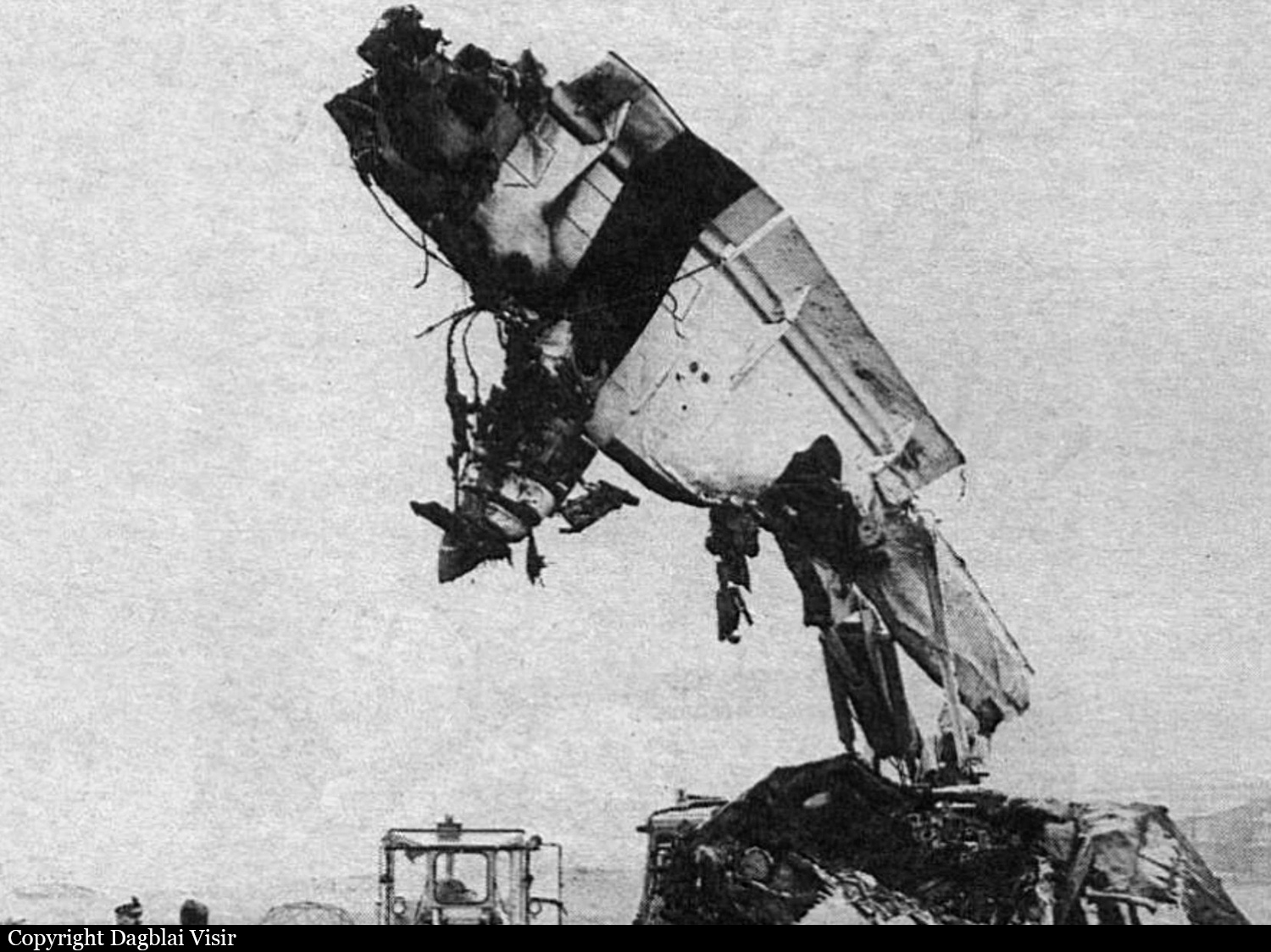
The CASA 212 was bought by Geoterrex in 1983 and registered in Canada in 1985. The plane had been extensively modified for aerial survey work. These modifications consisted of two probes mounted on the fuselage above the cockpit and extending 10 feet in front of the aircraft nose, a l6-foot tail boom, and two wing tip pylons. The probes, pylons, and tail boom served to support a wire loop antenna which ran around the aircraft. In July 1988 the plane was prepared for a ferry flight across the Atlantic to Nantes, France. For the purposes of this ferry trip, the survey loop antenna and the wing tip pylons had been removed and stowed in the main cabin area. For this configuration a special ferry permit was necessary, but the company did not apply for one. On July 31, 1988 the aircraft departed Ottawa and arrived at Goose Bay later that day. On 2 August 1988, the aircraft departed Goose Bay at 09:05 UTC and arrived at Narsarsuaq, Greenland at 12:50 UTC. The aircraft was refuelled and departed one hour later at 13:50 UTC for Reykjavik, Iceland, at a planned altitude of FL130. Although the pilot’s instrument rating had expired and the co-pilot did not possess one, the crew filed an IFR flight plan to Reykjavik. The weight of the aircraft was about 3,000 pounds above the maximum authorized takeoff weight on takeoff from Narsarsuaq. At Reykjavik, the crew flew an ILS approach to runway 20. During the approach, the flaps were set at approximately 25 degrees, 15 degrees above the approved maximum of 10 degrees. Approximately one-half mile from the runway threshold, the aircraft entered a steep turn to the right, and the nose of the aircraft dropped sharply. The aircraft continued to turn to the right through 270 degrees and descended rapidly until it struck the ground approximately 900 feet short of the runway threshold. The aircraft burst into flames shortly after impact.
Probable cause:
The crew lost control of the aircraft most probably because of large fluctuations in the power output of the right engine caused by the shift of an incorrectly installed speeder spring in the right propeller governor.

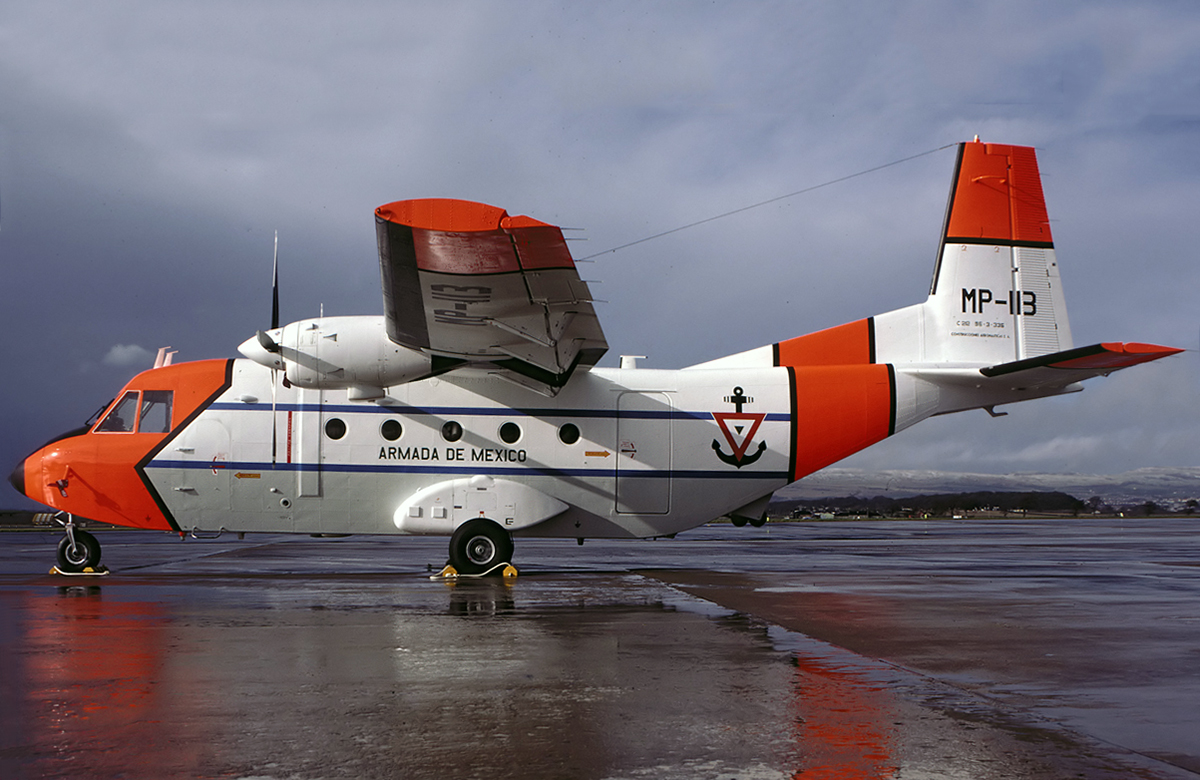
Crash of a Casa 212 Aviocar 200 in Campeche: 6 killed

Date & Time: Feb 19, 1988
Type of aircraft:
Operator:
Registration:
MP-113
Flight Phase:
Flight Type:
Survivors:
No
MSN:
345
YOM:
1986
Country:
Crew on board:
6
Crew fatalities:
Pax on board:
0
Pax fatalities:
Other fatalities:
Total fatalities:
6
Circumstances:
Crashed in unknown circumstances near the Campeche Airport, killing all six occupants.

Crash of a Casa 212 Aviocar 200 in Panama: 16 killed

Date & Time: Jan 31, 1988
Type of aircraft:
Operator:
Registration:
FAP-215
Flight Phase:
Flight Type:
Survivors:
No
Site:
MSN:
237
YOM:
1982
Country:
Crew on board:
2
Crew fatalities:
Pax on board:
14
Pax fatalities:
Other fatalities:
Total fatalities:
16
Circumstances:
The aircraft departed Panama City-Tocumen on a flight to a remote airstrip located in the Darién Province near the border with Colombia. On board were two pilots and 14 passengers, civilians and military personnel. While flying over Darién Province, weather conditions deteriorated when the aircraft struck the slope of a mountain. As it failed to arrive at destination, SAR operations were initiated and the wreckage was found about two weeks later. All 16 occupants were killed.