Country
code

São Paulo

Crash of a Fokker F27 Friendship 200 in Bauru: 3 killed

Date & Time: Feb 12, 1990 at 0929 LT
Type of aircraft:
Operator:
Registration:
PT-LCG
Survivors:
Yes
Schedule:
São Paulo – Bauru – Araçatuba
MSN:
10206
YOM:
1962
Country:
Crew on board:
3
Crew fatalities:
Pax on board:
38
Pax fatalities:
Other fatalities:
Total fatalities:
3
Circumstances:
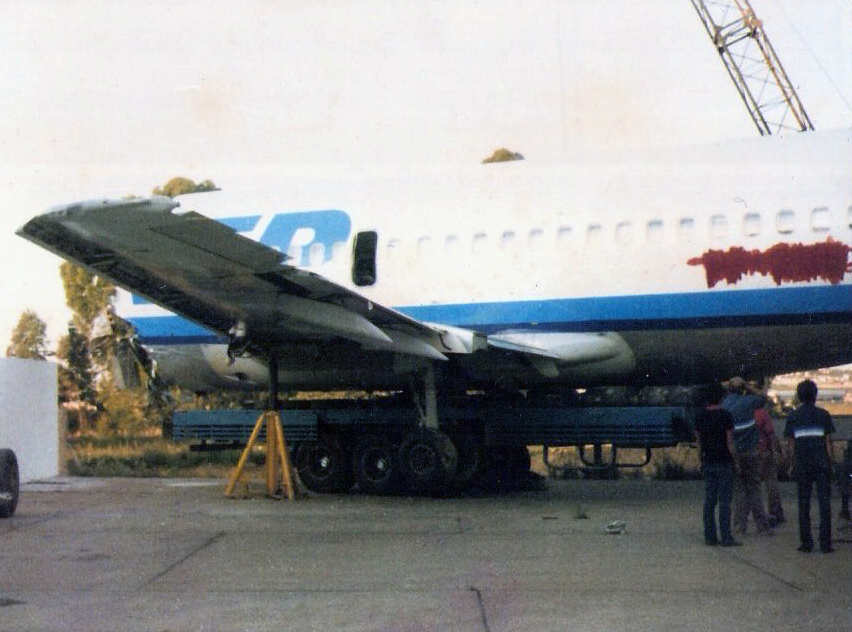
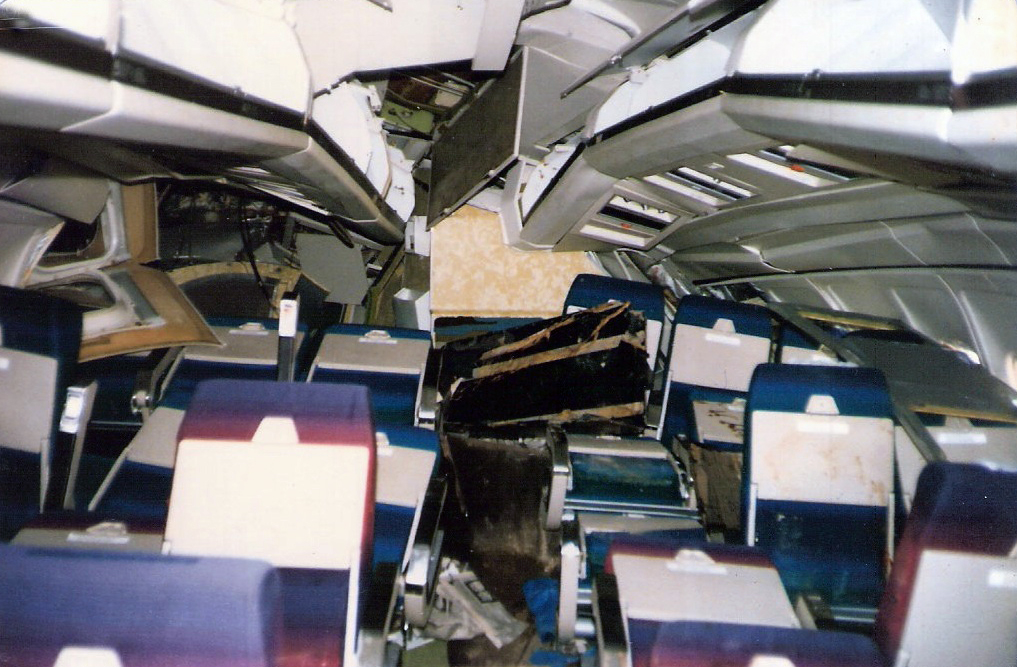
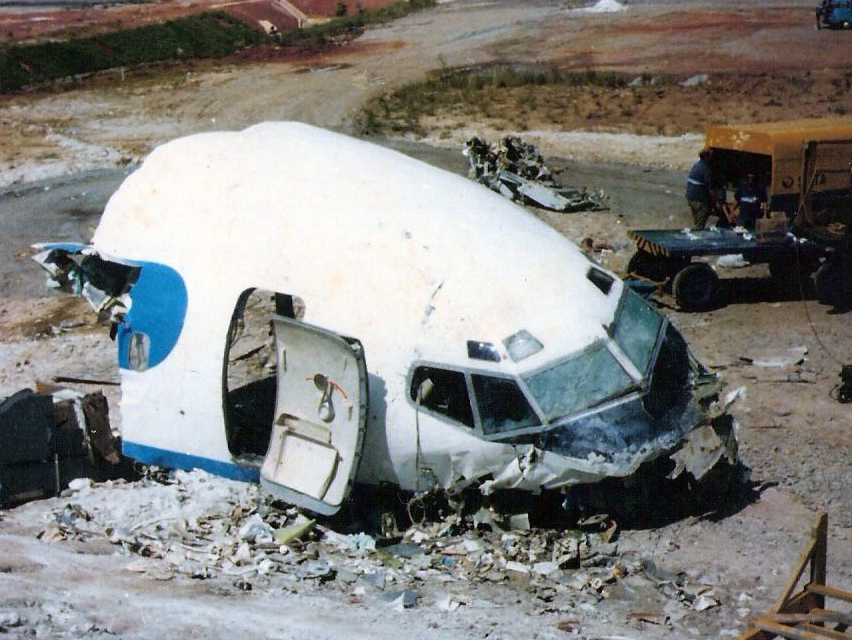
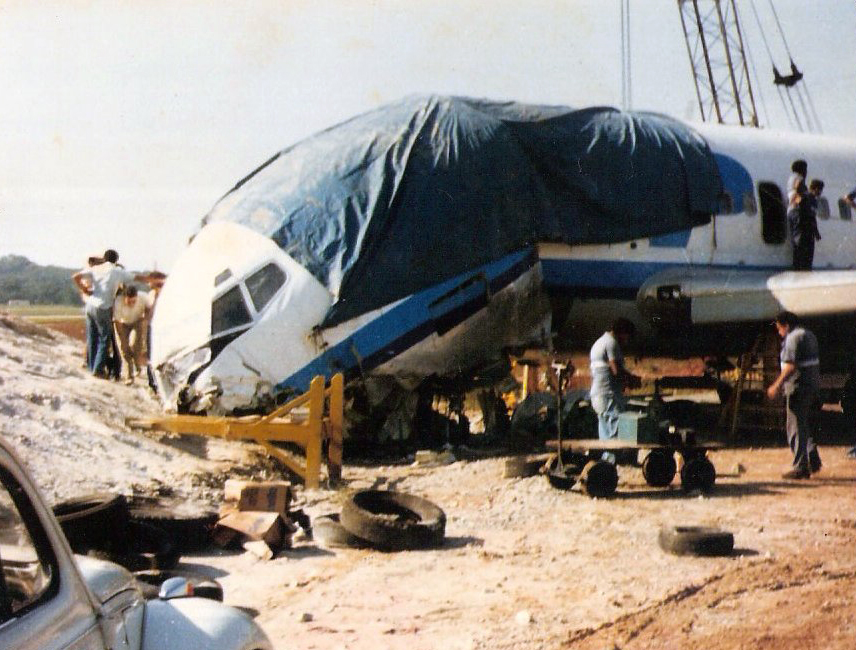
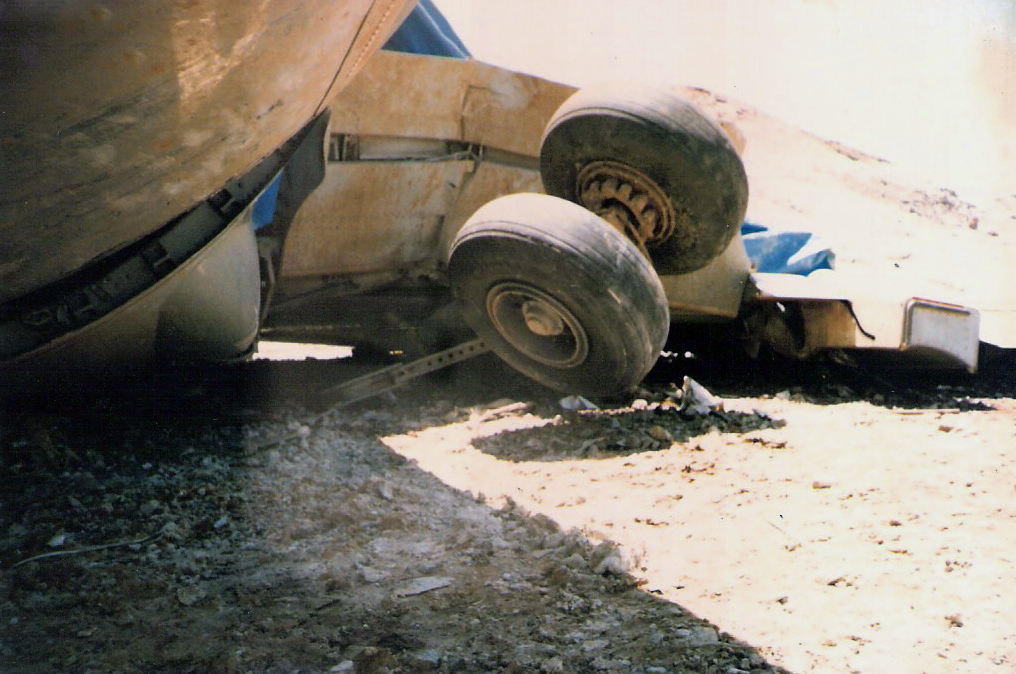
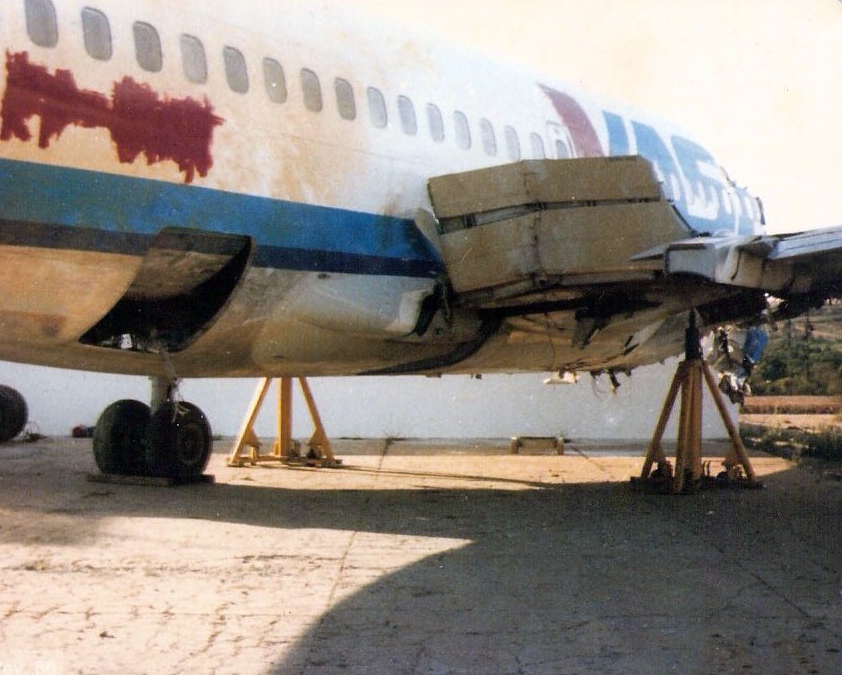
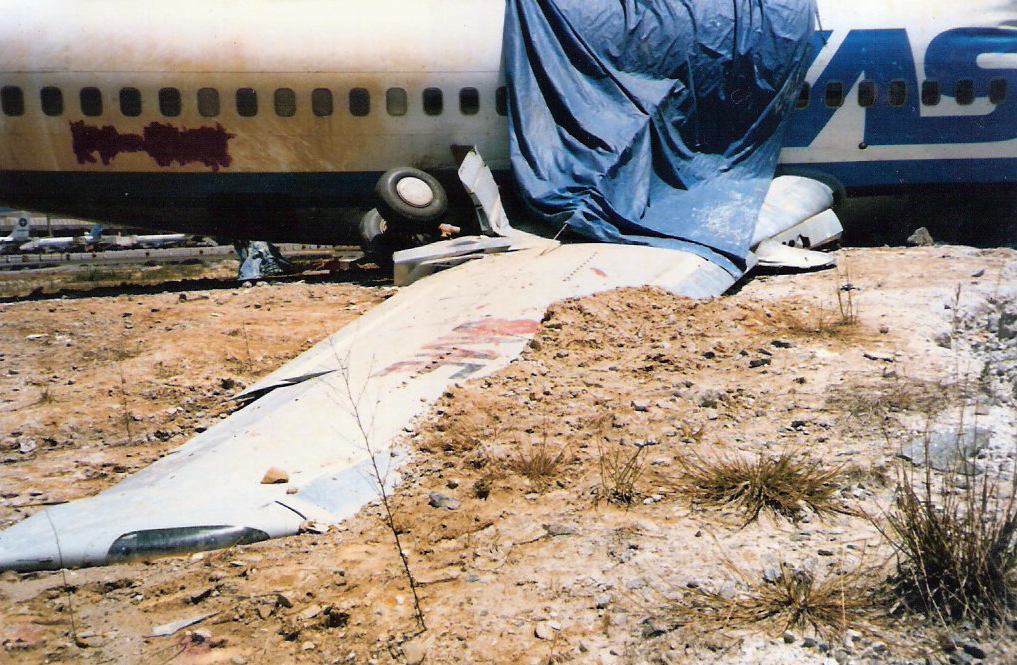
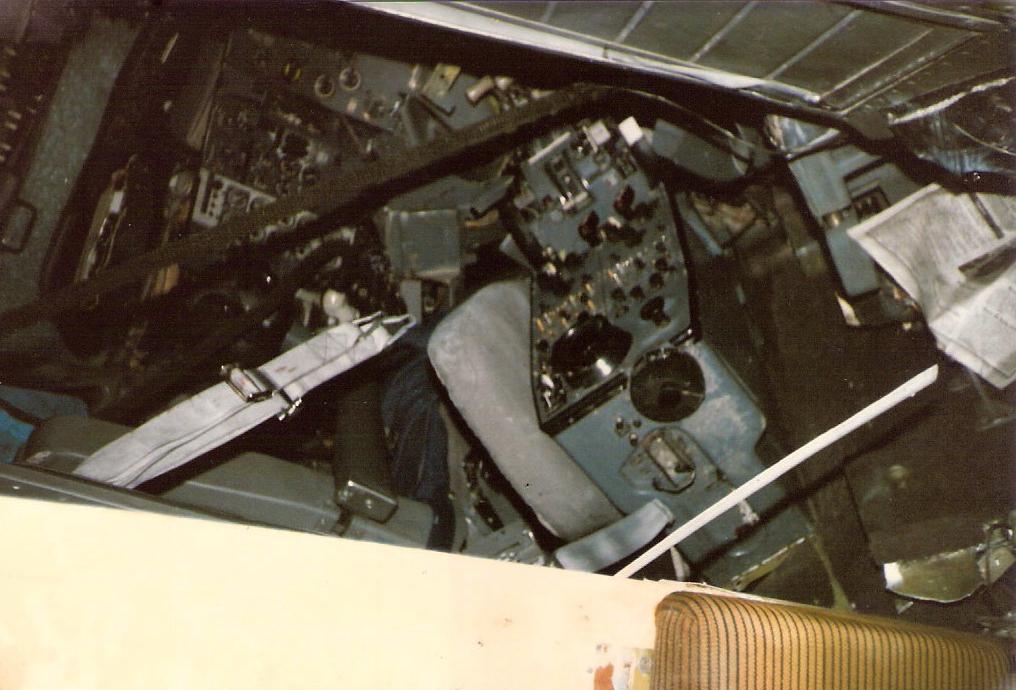
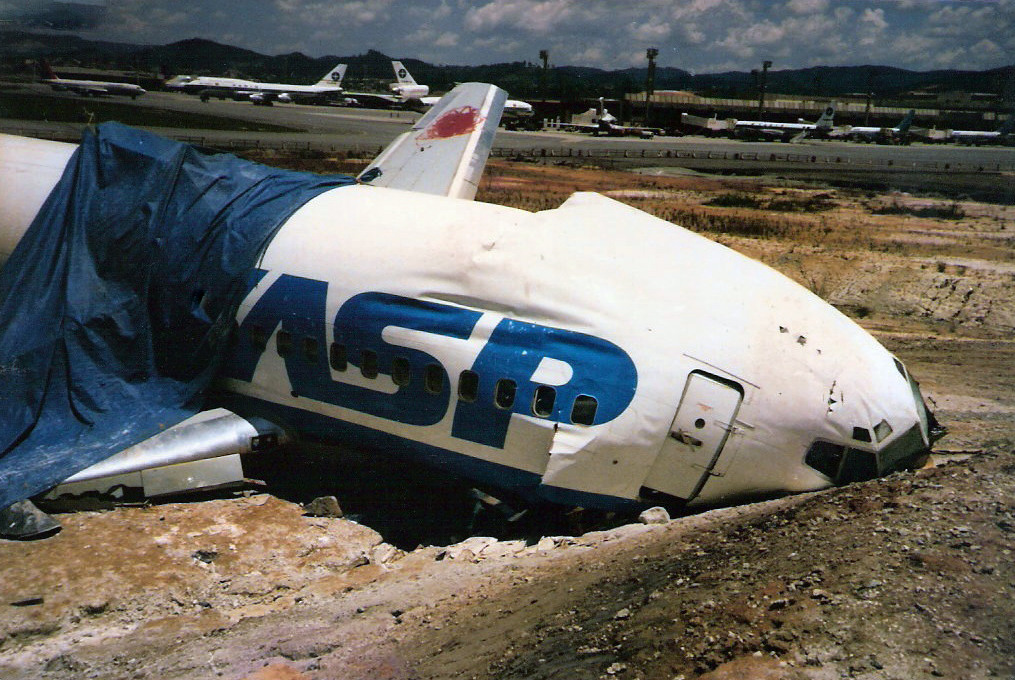
The aircraft departed São Paulo-Congonhas Airport on a domestic schedule flight to Araçatuba with an intermediate stop in Bauru. The pilot-in-command was a captain under training, accompanied by an instructor and a third pilot. Because the Brasilia ARTCC frequency was congested, the crew was cleared to initiate the descent from FL140 at a distance of 50 km from Bauru Airport instead of the standard 74 km. This caused the aircraft to approach at an excessive speed and as the captain estimated the situation as unsafe, he prefered to initiate a go-around but the instructor decided to continue. Due to a lack of coordination between the captain and the instructor, it was not clear who would perform the landing but finally, the instructor took over control. Following a rate of descent of 2,500 feet per minute, the aircraft landed at a speed of 130 knots some 775 meters past the runway 32 threshold. After touchdown, the aircraft floated, causing the left and right main gear to land alternatingly. The instructor realized that he would not be able to stop the aircraft within the remaining distance so he decided to initiate a go-around procedure and added full power. As this was against the published procedure and due to a lack of sufficient air in the engine in combination with a high angle of attack, the aircraft stalled after the engine failed to develop enough power. The aircraft crashed 600 meters past the runway end, struck vehicles and houses and came to rest in flames. One of the pilot and two people in car were killed. All other occupants were rescued, among them three were seriously injured. The aircraft was destroyed.
Probable cause:
The accident was the consequence of a poor approach planning and wrong approach configuration.
The following contributing factors were reported:
- Deficiencies in crew training,
- Deficiencies in flight controls,
- Poor crew coordination,
- Poor judgment,
- Poor planning,
- Lack of supervision.

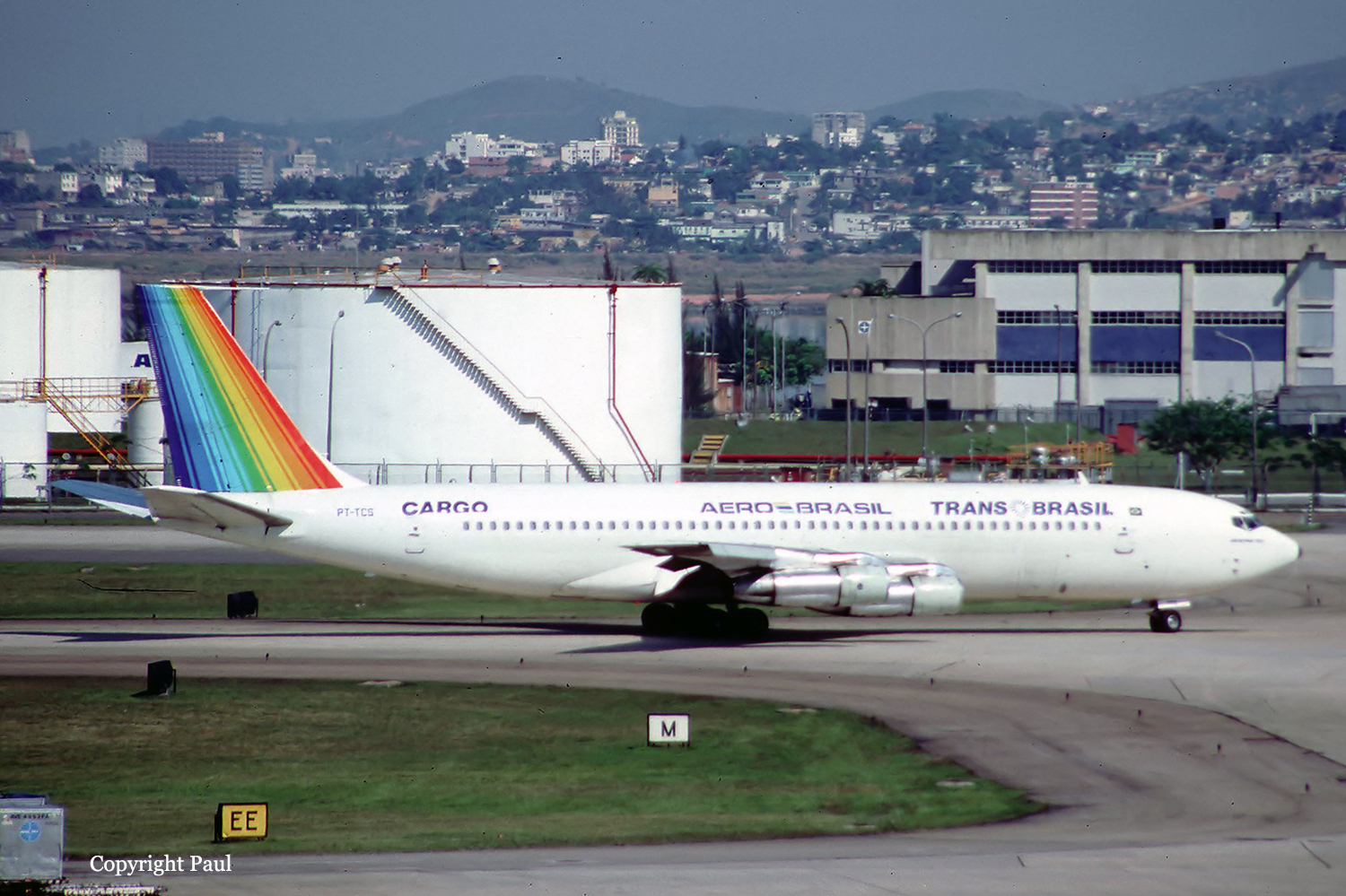
Crash of a Boeing 707-349C in São Paulo: 25 killed

Date & Time: Mar 21, 1989 at 1155 LT
Type of aircraft:
Operator:
Registration:
PT-TCS
Flight Type:
Survivors:
No
Site:
Schedule:
Manaus – São Paulo
MSN:
19354
YOM:
1966
Flight number:
TR801
Country:
Crew on board:
3
Crew fatalities:
Pax on board:
0
Pax fatalities:
Other fatalities:
Total fatalities:
25
Captain / Total flying hours:
10731
Captain / Total hours on type:
1458.00
Copilot / Total flying hours:
2265
Copilot / Total hours on type:
21
Aircraft flight hours:
61053
Circumstances:
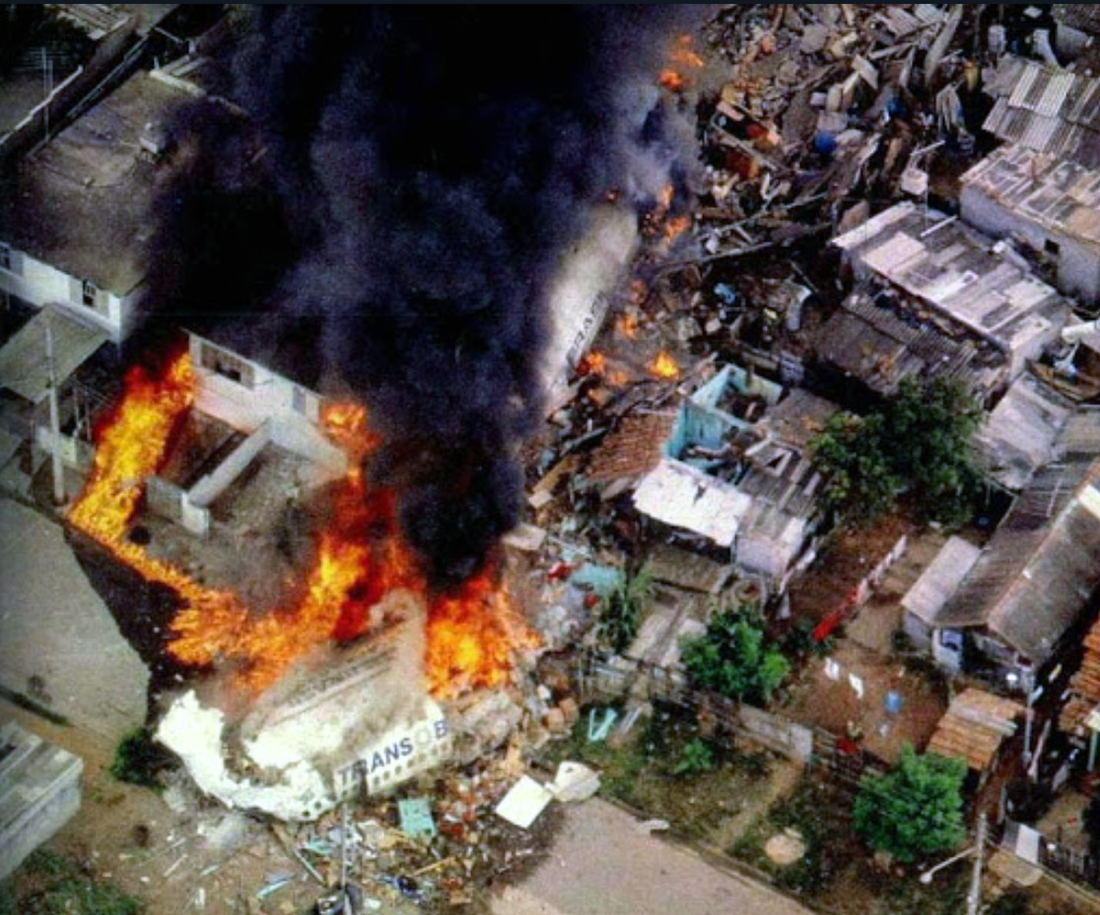
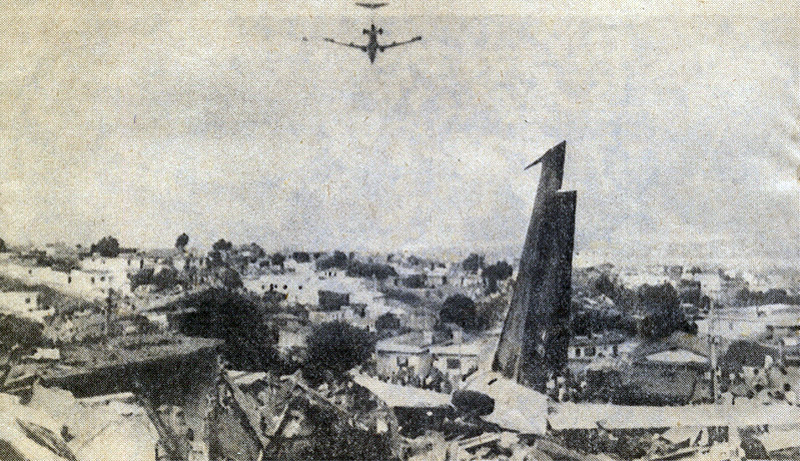
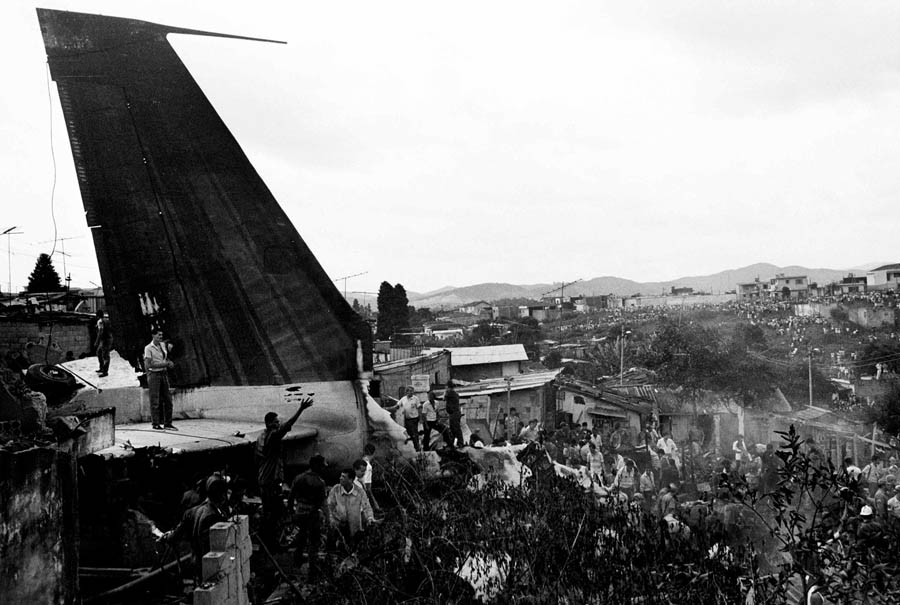
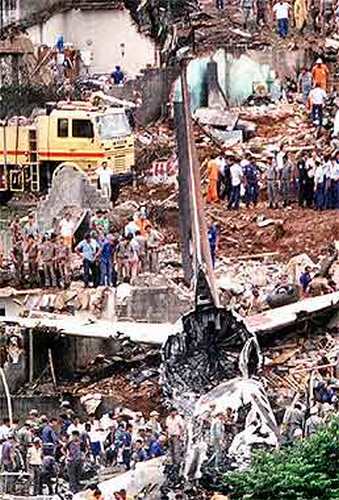
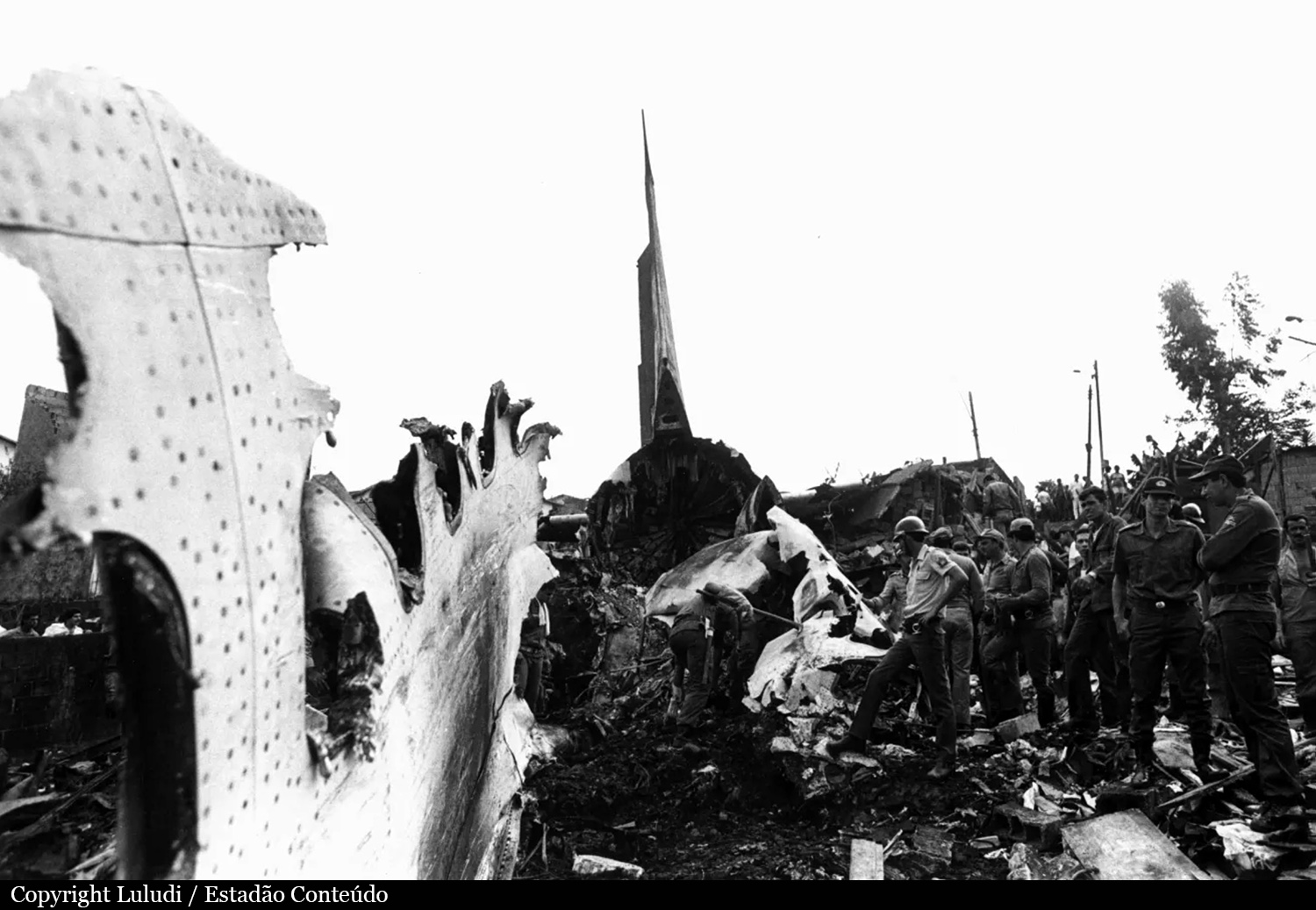
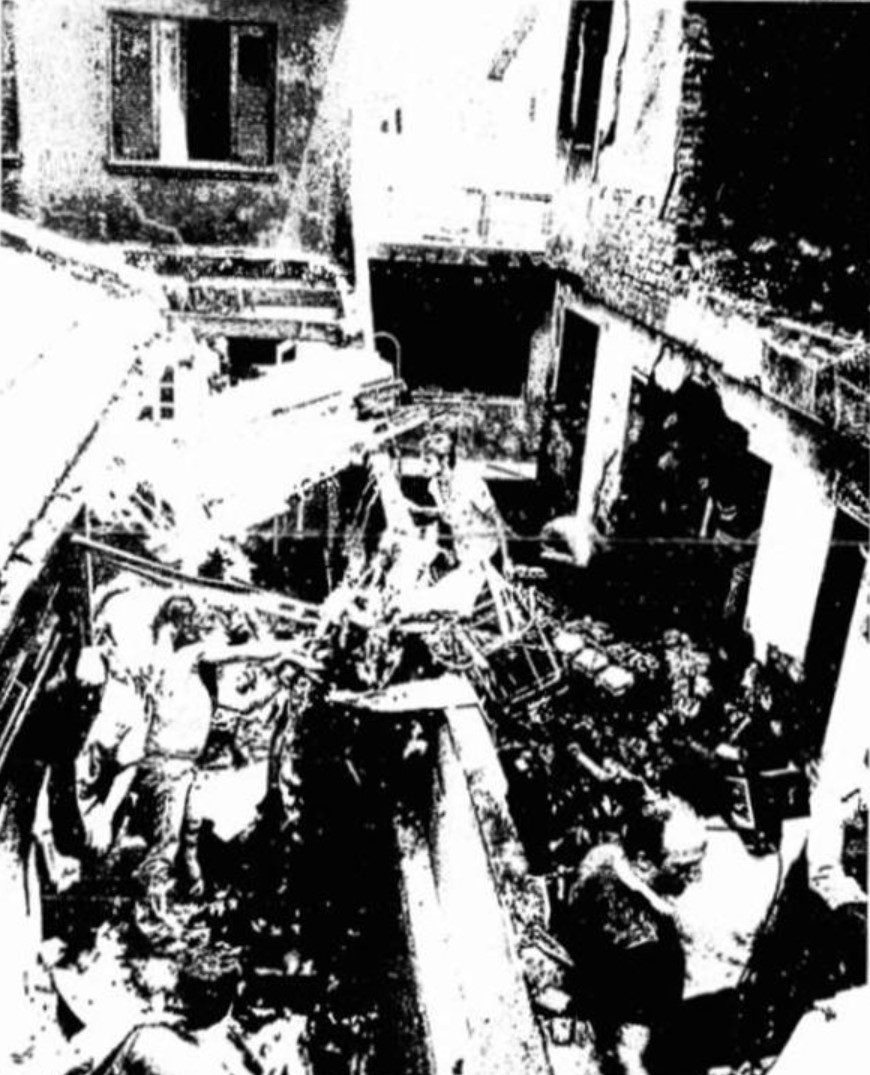
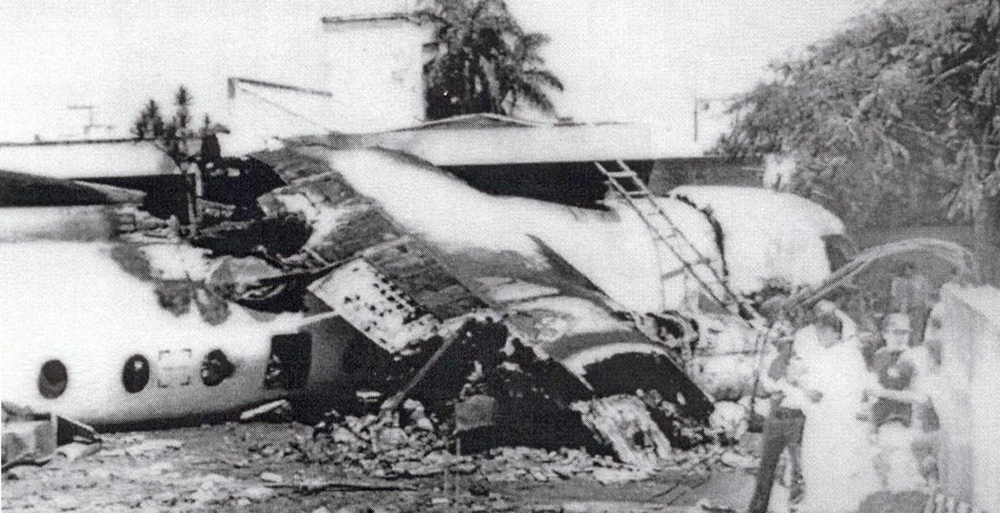
The crew (one captain under training, one instructor and one flight engineer) was completing a cargo flight from Manaus to São Paulo and the aircraft was carrying a load of 26 tons of electronic equipments. Initially cleared for an approach to runway 09L, the crew was instructed to change to runway 09R as runway 09L was blocked by an aircraft. The crew was aware of a notam saying that runway 09R would be closed to all traffic starting 1200LT due to maintenance. In such conditions, the instructor rushed the approach procedure, interrupted the instruction to the captain under supervision and commanded flaps and speed brake at the same time, causing the aircraft to descend. The left wing struck the roof of a house then crashed in a residential area located about 2,7 km short of runway, bursting into flames. All three crew members and 22 people on the ground were killed. 47 other people on the ground were seriously injured.
Probable cause:
The accident was the consequence of the combination of the following factors (findings):
- The imminent interruption of operations in the aerodrome that would be used for landing the aircraft (closure of runway 09R due to works) stimulated the instructor to make a hurried descent, characterizing a potential state of anxiety,
- Probable crew fatigue,
- The instruction given to the pilot was discontinued and the local flight did not comply with the minima provided in RAC 3211,
- The failures found in the instruction were due to poor supervision of the Company's operations sector,
- Poor crew coordination,
- During the descent procedure when working checklist, the instructor broke the sequence of standardized procedures, thus stopping the instruction and consequently, the student's core handling of the flight,
- The instructor, without the student being informed beforehand, commanded the flaps together with the speed brakes. This action configured an abnormal attitude that contributed, without the pilots identifying, to the loss of control of the aircraft,
- The flight engineer also failed to meet the checklist items,
- The instructor did not follow the standardization of the instruction, when he executed a decision in a hurry,
- The crew did not respond to the sinking and pull up warnings,
- Error in the application of flight controls,
- The crew did not operate in accordance with the operational standard issued by the manufacturer and endorsed by the company,
- The air traffic controller contributed to the increase of the crew anxiety level by using non standard phraseology.
Final Report:

Crash of an Embraer VC-97 Brasilía in São José dos Campos: 5 killed

Date & Time: Jul 8, 1988 at 1600 LT
Type of aircraft:
Operator:
Registration:
2001
Flight Phase:
Flight Type:
Survivors:
Yes
Schedule:
São José dos Campos -São José dos Campos
MSN:
120-029
YOM:
1987
Country:
Crew on board:
2
Crew fatalities:
Pax on board:
7
Pax fatalities:
Other fatalities:
Total fatalities:
5
Circumstances:
The crew was completing a local training flight at São José dos Campos Airport. While circling with one engine out, the pilot-in-command lost control of the airplane that crashed near the runway. Five occupants were killed and four others were injured.

Crash of an Embraer EMB-120RT Brasília near São Francisco Xavier: 5 killed

Date & Time: Sep 19, 1986 at 1458 LT
Type of aircraft:
Operator:
Registration:
N219AS
Flight Phase:
Flight Type:
Survivors:
No
Site:
Schedule:
São Jose dos Campos - Brasília - Manaus - Caracas - Fort Lauderdale - Atlanta
MSN:
120-019
YOM:
1986
Country:
Crew on board:
3
Crew fatalities:
Pax on board:
2
Pax fatalities:
Other fatalities:
Total fatalities:
5
Captain / Total flying hours:
10880
Captain / Total hours on type:
550.00
Copilot / Total flying hours:
11490
Copilot / Total hours on type:
480
Aircraft flight hours:
12
Circumstances:
Brand new, the aircraft was took over by ASA crew to be delivered to Atlanta, Georgia. He was cleared by the São José Tower controller to follow the 010° radial to the SJC VOR, and cross the VOR at 5,000 feet. Some time after takeoff São José Tower instructed the flight to climb to FL280 out of 5,000 feet and intercept the 352 radial of the SJC VOR. The flight crew failed to follow the instructions and continued at an altitude of 5,000 feet. In limited visibility due to low clouds, the airplane struck the slope of a mountain located in the Mantiqueira Mountain Range. The wreckage was found 700 feet below the summit. All five occupants were killed.
Probable cause:
The following findings were reported:
- The pilots did not plan the flight properly, though there was an AIS room with the necessary sources of consultation. Maintaining altitude of 5000 feet for too long a time, subject to the minimum safe altitudes in the are area in the available publications, and the discrepancies found in the flight plan confirm this thesis.
- The pilot did not properly collated the guidelines issued by the tower and remained incompatible altitude with instructions issued by the control.
- There are strong indications that the flight proceeded under instrument flight conditions.
- There was no proper coordination between the ACC BS and TWR SJ regarding the transference and control of the air traffic nor did TWR SJ requested receipt of the messages.
Final Report:

Crash of a Boeing 737-2A1 in São Paulo: 1 killed

Date & Time: Jan 28, 1986 at 0732 LT
Type of aircraft:
Operator:
Registration:
PP-SME
Flight Phase:
Survivors:
Yes
Schedule:
São Paulo – Belo Horizonte
MSN:
20096
YOM:
1969
Flight number:
VP210
Country:
Crew on board:
5
Crew fatalities:
Pax on board:
67
Pax fatalities:
Other fatalities:
Total fatalities:
1
Circumstances:
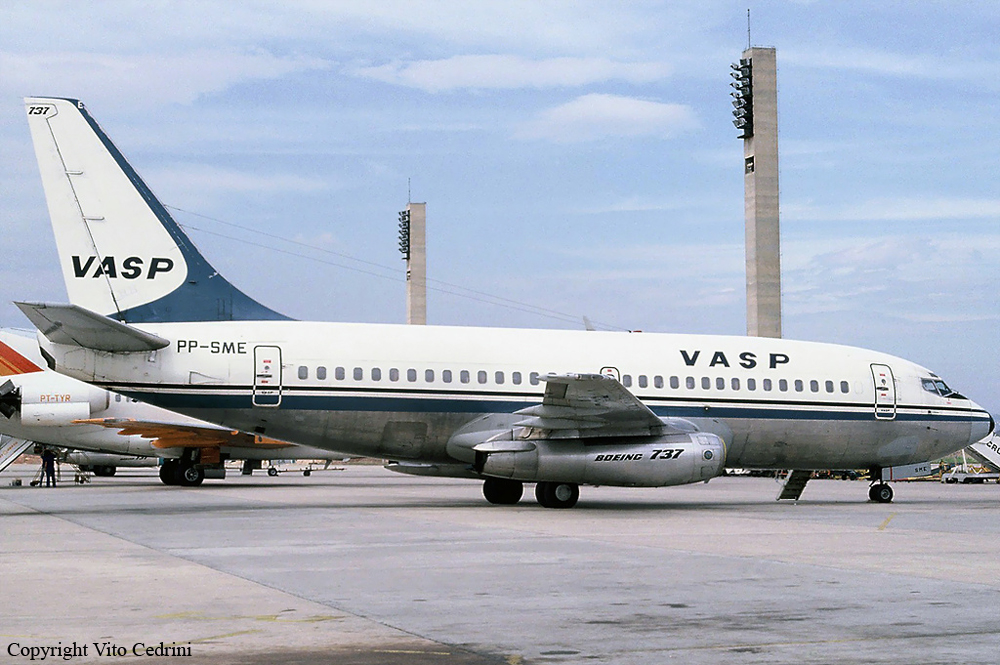
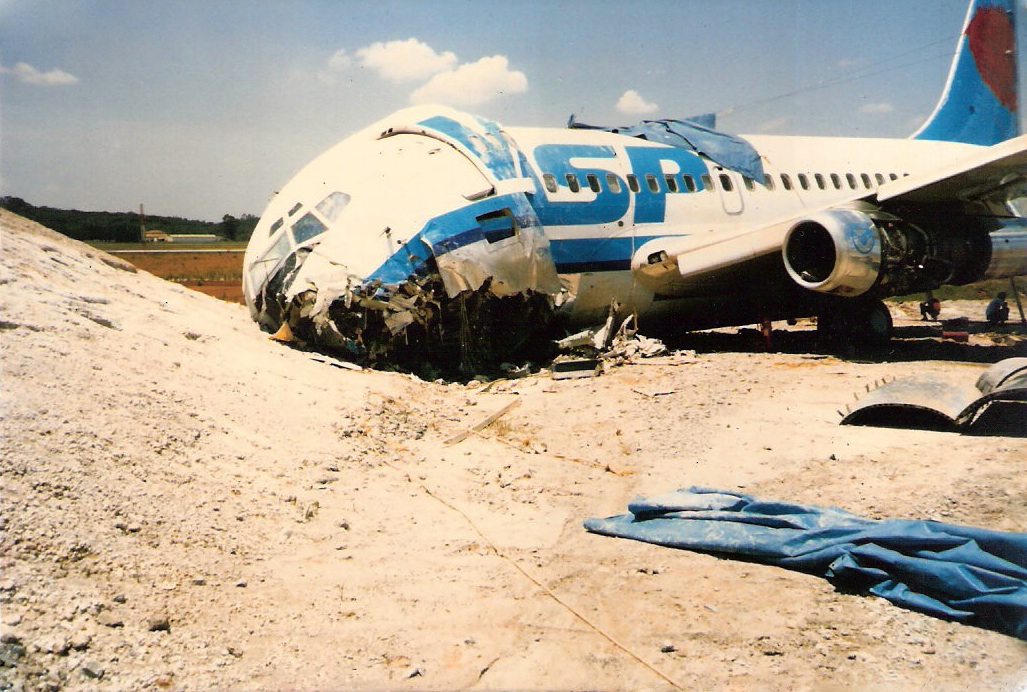
The crew left the apron and taxied to the runway threshold for takeoff on a regular schedule service VP210 to Belo Horizonte. Due to foggy conditions, the visibility was nil and the crew mistakenly lined up on the 'threshold' of the taxiway instead of the runway. Unaware of the wrong position of the aircraft, the crew was cleared for takeoff by ATC and started the takeoff procedure. After few seconds, the captain realize the situation and initiated an emergency braking maneuver. Unable to stop within the remaining distance, the aircraft overran, struck an embankment and came to rest, broken in two. A passenger was killed, 20 other occupants were injured and the aircraft was destroyed.
Probable cause:
Failure of the crew to recognize that he was lined up on a taxiway and not the active runway. Poor visibility due to foggy conditions was a contributing factor.

Crash of a Piper PA-31-310 Navajo in Campo de Marte: 7 killed

Date & Time: Jan 17, 1984 at 1030 LT
Type of aircraft:
Registration:
PT-IMF
Flight Phase:
Survivors:
Yes
Site:
Schedule:
Campo de Marte – São José do Rio Preto – Porto Velho
Country:
Crew on board:
2
Crew fatalities:
Pax on board:
8
Pax fatalities:
Other fatalities:
Total fatalities:
7
Circumstances:
The twin engine airplane was engaged in a charter flight from Campo de Marte to Porto Velho with an intermediate stop in São José do Rio Preto, carrying six passengers and a crew of two. After takeoff from runway 12, while in initial climb, the aircraft banked left, nosed down and crashed into several houses located in the district of Carandiru, bursting into flames. Both pilots, four passengers and one people in the ground were killed while four other passengers were seriously injured.
Probable cause:
It is believed that the loss of control was caused by the failure of a blade on the left engine.

Crash of an Embraer EMB-110C Bandeirante in Araçatuba: 7 killed

Date & Time: Oct 7, 1983 at 1730 LT
Operator:
Registration:
PP-SBH
Survivors:
Yes
Schedule:
Campo Grande - Araçatuba
MSN:
110-026
YOM:
1974
Country:
Crew on board:
2
Crew fatalities:
Pax on board:
13
Pax fatalities:
Other fatalities:
Total fatalities:
7
Captain / Total flying hours:
2882
Captain / Total hours on type:
1246.00
Copilot / Total flying hours:
2339
Copilot / Total hours on type:
1745
Circumstances:
On approach to Araçatuba Airport runway 22, the crew encountered poor weather conditions with heavy rain falls. After the approach was abandoned twice, the crew initiated a go around and attempted to land on runway 04. Completing a last turn to the left at very low altitude under VFR mode in IMC conditions, the airplane struck the ground with its left wingtip and crashed few hundred metres short of runway. Both pilots and five passengers were killed while eight other occupants were injured.
Probable cause:
The review of all data reveals that upon arrival at destination, the pilots encountered adverse weather conditions. A pilot from the airline, who was near the radio station, informed them that the airport was operating under Instrument Flight Rules (IFR) and that the runway was very wet. Given the intensity of the rainfall, some witnesses believe the airfield should have been closed. The absence of a meteorologist allowed information to be relayed to the crews, who then made unsuccessful approach attempts when they should have diverted to the alternate airport. According to the statement of the captain of the other aircraft flying over the airfield, at the critical moment of the procedure, he had no visual contact with the ground. During the go around procedure, while flying over the airport, he spotted the second half of runway 22, which led him to attempt a visual approach to runway 04. During this attempt, which essentially consisted of a 180° turn, the pilot again sought to establish visual contact in difficult landing conditions (aircraft altitude and immediate proximity of the runway) and aborted the landing. Based on the evidence gathered, it has been concluded that the crew involved in the accident attempted a similar procedure, abandoned the approach and elected to establish a visual contact with the ground. During the final turn completed at low altitude in a steep left bank, despite the crew not having established visual contact, the aircraft struck the ground with its left wingtip and crashed. From the perspective of human error, it should be noted that the pilots had been away from home for five days and that after landing at this airport, they were to complete their mission and be flown back to São Paulo by the second aircraft that was also attempting to land. This situation must have caused them some anxiety about their desire to land, leading them to accept the risks of a perilous operation. The fact that the captain was seated on the right may have contributed to hindering his piloting, allowing the copilot to attempt a visual approach when such a procedure was impossible.
Final Report:

Crash of an Embraer C-95 Bandeirante at Campo de Marte AFB

Date & Time: Oct 14, 1980
Type of aircraft:
Operator:
Registration:
2143
Flight Phase:
Flight Type:
Survivors:
Yes
Schedule:
Campo de Marte - Natal
MSN:
110-029
YOM:
1974
Country:
Crew on board:
3
Crew fatalities:
Pax on board:
1
Pax fatalities:
Other fatalities:
Total fatalities:
0
Circumstances:
During the takeoff roll at Campo de Marte AFB runway 12, the right engine lost power. The crew decided to abandon the takeoff procedure and initiated an emergency braking manoeuvre. Unable to stop within the remaining distance, the airplane overran, struck a perimeter fence, crossed a road and came to rest. All four occupants escaped uninjured while the aircraft was damaged beyond repair.
Probable cause:
Loss of power on the right engine during takeoff for unknown reasons.

Crash of a Britten-Norman BN-2A-6 Islander near Campinas: 7 killed

Date & Time: May 13, 1980 at 1245 LT
Type of aircraft:
Operator:
Registration:
PT-KHK
Flight Phase:
Survivors:
No
Schedule:
Rio de Janeiro - Campinas
MSN:
208
YOM:
1970
Country:
Crew on board:
1
Crew fatalities:
Pax on board:
6
Pax fatalities:
Other fatalities:
Total fatalities:
7
Circumstances:
The twin engine airplane departed Rio de Janeiro-Santos Dumont Airport at 1231LT on a special flight to Campinas-Viracopos, carrying six passengers and a pilot. The goal of the mission was a survey flight on behalf of the 'Rondon Project (Projeto Rondon) of the Ministry of Defence. At 1251LT, the pilot cancelled his IFR flight plan and informed ATC he was continuing under VFR mode. This was the last radio contact. As the airplane failed to land at Viracopos Airport, SAR operations were initiated but eventually abandoned 19 days later as no trace of the aircraft nor the 7 occupants was found.

Crash of a Embraer EMB-820C Navajo in Brotas: 2 killed

Date & Time: Sep 15, 1979 at 1300 LT
Operator:
Registration:
PT-EDG
Flight Type:
Survivors:
Yes
Schedule:
São Paulo – Brotas – Brasilia
MSN:
820-015
YOM:
1975
Country:
Crew on board:
1
Crew fatalities:
Pax on board:
2
Pax fatalities:
Other fatalities:
Total fatalities:
2
Circumstances:
The twin engine airplane was completing a flight from São Paulo to Brasilia with an en route stop at Brotas, carrying two engineers and one pilot. While approaching Brotas, the pilot encountered poor weather conditions and lost control of the airplane that crashed on a hill. A passenger was injured while both other occupants were killed.
Probable cause:
Pilot error.