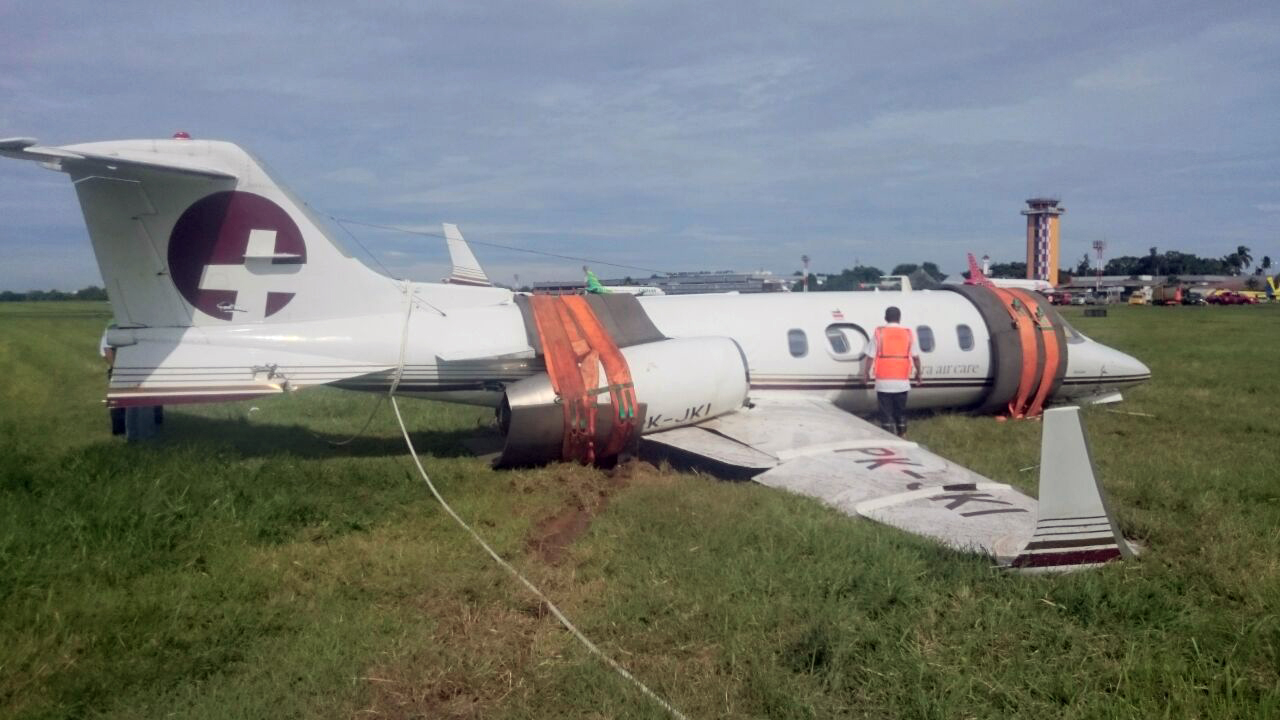
Crash of a Cessna 208B Grand Caravan in Akobo

Date & Time: Jun 3, 2016 at 1000 LT
Type of aircraft:
Operator:
Registration:
5Y-JLL
Flight Phase:
Survivors:
Yes
Schedule:
Akobo - Juba
MSN:
208B-2158
YOM:
2009
Country:
Region:
Crew on board:
1
Crew fatalities:
Pax on board:
4
Pax fatalities:
Other fatalities:
Total fatalities:
0
Circumstances:
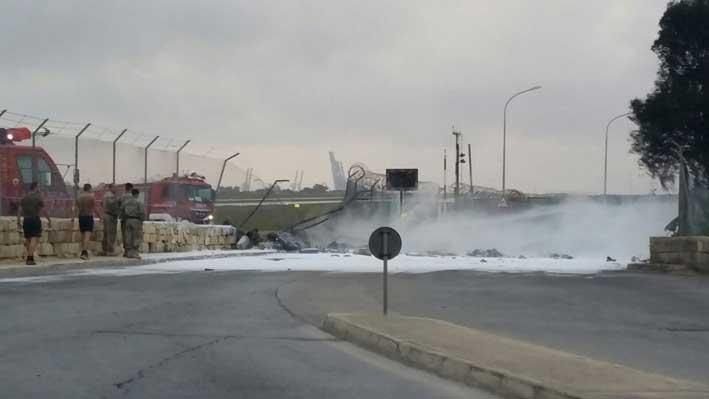
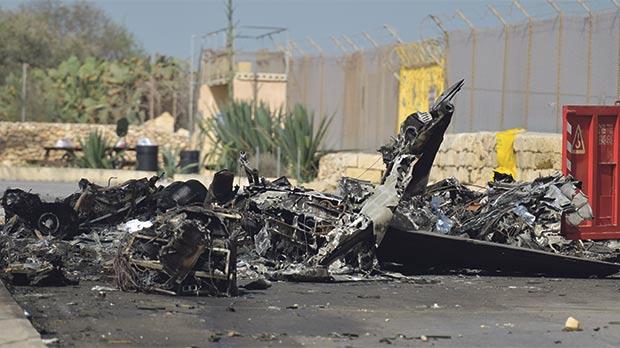
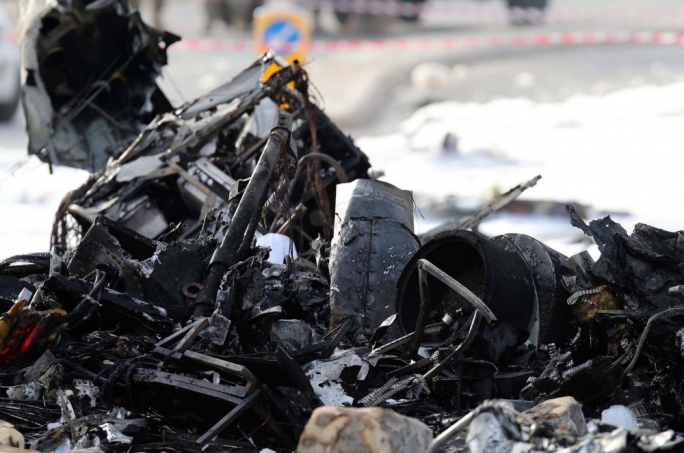
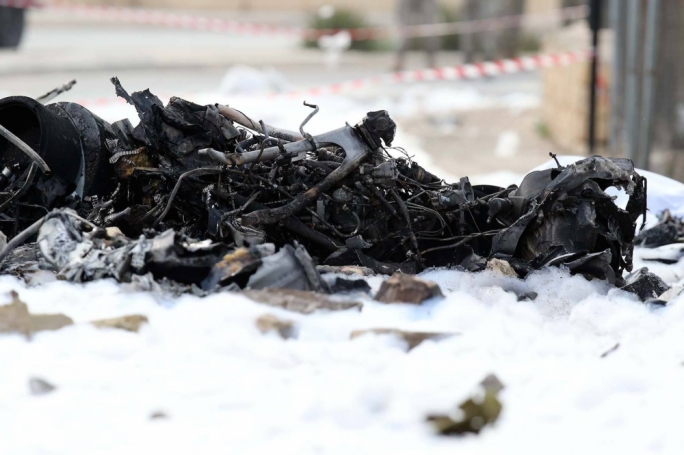
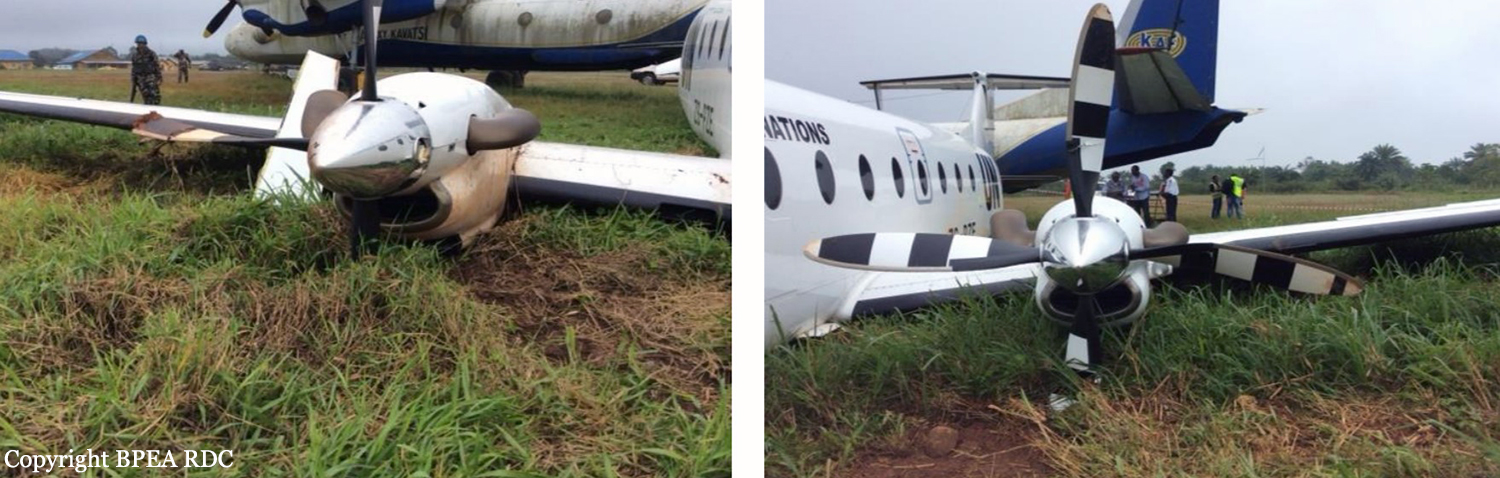
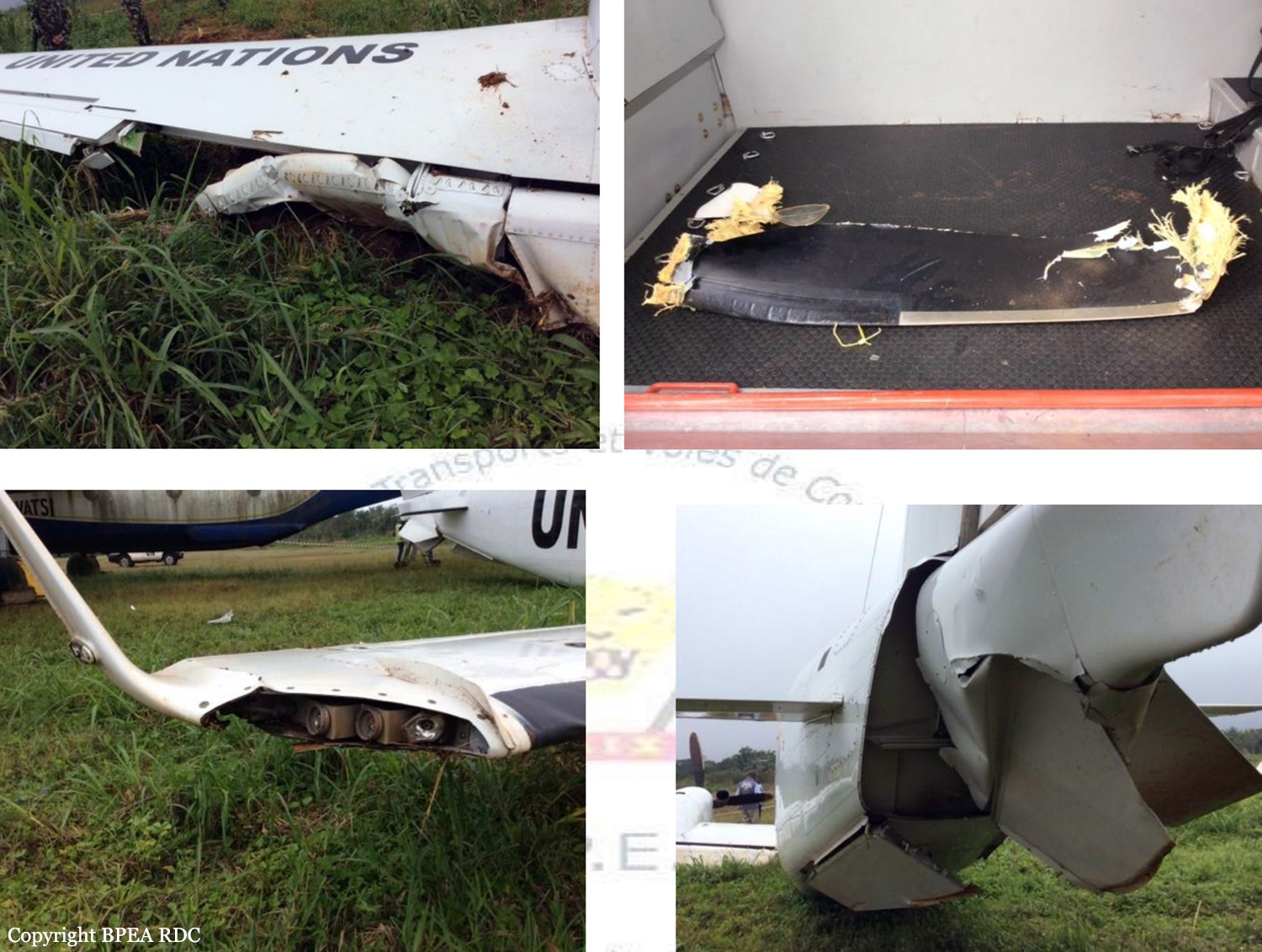
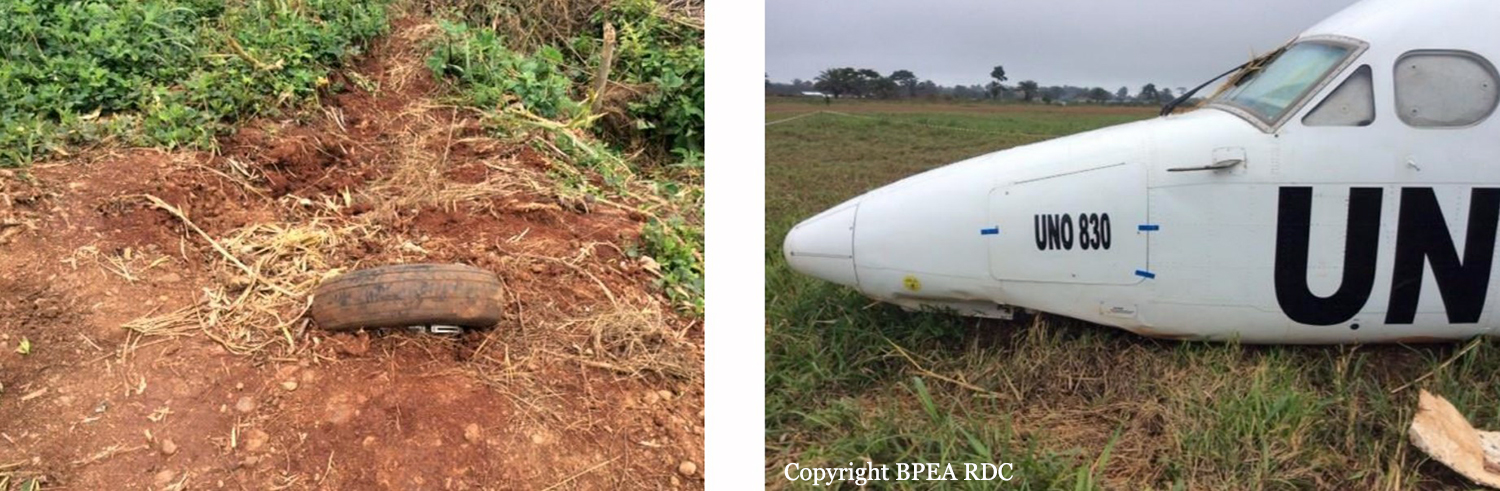
On 3 June 2016, a Cessna 208B of registration 5Y-JLL and serial number 2158 was conducting a charter passenger flight from Akobo Airstrip to Juba with 4 passengers and one flight crew member on board. According to the operator, during takeoff from Akobo Airstrip at approximately 10 a.m. Local Time, the pilot executed a premature takeoff due to animal incursion on the runway. The airplane's right main landing gear clipped the Airstrip perimeter fence and the aircraft crash-landed onto grass-thatched houses and trees near the end of the runway. Damage was substantial with no reported injuries. The runway was reported to have been wet at the time of occurrence.
Final Report:

Crash of a Boeing B-52H-155-BW Stratofortress at Andersen AFB

Date & Time: May 19, 2016 at 0830 LT
Type of aircraft:
Operator:
Registration:
60-0047
Flight Phase:
Flight Type:
Survivors:
Yes
Schedule:
Andersen - Andersen
MSN:
474412
YOM:
1960
Country:
Region:
Crew on board:
7
Crew fatalities:
Pax on board:
0
Pax fatalities:
Other fatalities:
Total fatalities:
0
Captain / Total flying hours:
796
Captain / Total hours on type:
387.00
Copilot / Total flying hours:
420
Copilot / Total hours on type:
195
Circumstances:
On 19 May 2016, at 0832 hours local time (L), a B-52H, tail number 60-0047 [Mishap Aircraft (MA)], assigned to the 69th Expeditionary Bomb Squadron, 5th Bomb Wing, Andersen Air Force Base, Guam, departed the prepared-surface overrun of Runway 06 Left (RWY 06L) during a highspeed, heavy-weight, aborted takeoff. The Mishap Crew (MC), which consisted of the Mishap Pilot (MP), Mishap Co-Pilot (MCP), Mishap Radar Navigator (MRN), Mishap Navigator (MN), Mishap Electronic Warfare Officer (MEW), an augment pilot occupying the Mishap Gunner (MG) station, and an Instructor Weapon System Officer occupying the Mishap Instructor Pilot (MIP) jump seat, were conducting a Higher Headquarters Directed mission. The MC were treated for minor injuries consistent with a ground egress. The MA sustained total damage with a loss valued at $112M. There was no damage to private property. The MC were cleared for takeoff at 0831L. The MA accelerated within performance standards verified by takeoff and landing data calculated performance for S1 timing and S1 decision speed. Approximately three to five seconds after reaching the S1 speed of 111 knots, the MP, MCP, and MN observed birds in front of the MA at wing level. Shortly thereafter, the MP and MCP observed engine indications for numbers 5, 6, and 7 “quickly spooling back” from the required takeoff setting. The MP also observed high oil pressure indications on the number 8 engine and a noticeable left-to-right yawing motion. Accelerating through approximately 142 knots, the MP simultaneously announced and initiated aborted takeoff emergency procedures. With the throttles set to idle thrust and airbrakes set to six, the MP initiated continuous braking pressure. The MCP deployed the drag chute at 135 knots. The drag chute failed to inflate properly. At 2,500 feet runway remaining, the MP shut off the outboard engines (numbers 1/2 and 7/8). Shortly thereafter, the MP announced the MA and MC were going to depart the prepared surface. The MEW jettisoned the defensive compartment, starboard-side hatch and the MP shut off the inboard engines (numbers 3/4 and 5/6). The MA departed the prepared surface shearing the main landing gear. The MA finally came to a rest slightly canted from runway centerline, right wing down approximately 300 feet from the runway, and subsequently caught on fire. The MC performed emergency aircraft shutdown procedures and safely egressed the MA through the MEW hatch.
Probable cause:
The Accident Investigation Board (AIB) President found by a preponderance of the evidence the cause of the mishap was the MP analyzed visual bird activity and perceived cockpit indications as a loss of symmetric engine thrust required to safely attain flight and subsequently applied abort procedures after S1 timing. The AIB President also found by a preponderance of the evidence the following factors substantially contributed to the mishap: drag chute failure on deployment and exceeding brake-energy limits resulting in brake failure.
Final Report:

Crash of an Antonov AN-12B in Camp Dwyer: 7 killed

Date & Time: May 18, 2016 at 1407 LT
Type of aircraft:
Operator:
Registration:
4K-AZ25
Flight Phase:
Flight Type:
Survivors:
Yes
Schedule:
Camp Dwyer – Mary – Baku
MSN:
3 3 412 09
YOM:
1963
Country:
Region:
Crew on board:
9
Crew fatalities:
Pax on board:
0
Pax fatalities:
Other fatalities:
Total fatalities:
7
Captain / Total flying hours:
22628
Captain / Total hours on type:
3953.00
Copilot / Total flying hours:
4625
Copilot / Total hours on type:
836
Aircraft flight hours:
19828
Aircraft flight cycles:
9107
Circumstances:
On May 18, 2016 the crew of An-12B 4K-AZ25 aircraft operated by Silk Way Airlines including the Captain, First Officer, navigator, flight mechanic, flight radio operator and loadmaster was planned to fly via route Baku (Azerbaijan) - Bagram (Afghanistan) - Dwyer (Afghanistan) - Mary (Turkmenistan) - Baku. There were also two maintenance mechanics and an engineer on board the a/c. The preliminary training of the crew was conducted on 29.12.2015 by the Chief Navigator of Silk Way Airlines. The pre-flight briefing was conducted on 18.05.2016 by a captain-instructor and a navigator-instructor. The following has been determined so far. According to the information available at the moment the flight to Dwyer aerodrome was conducted in an acceptable way. At 09:11:27 the crew started up the engines at Dwyer aerodrome, Engine #2 was the last to be started up at 09:47:37. Before the takeoff the Captain distributed the duties within the crew, nominating the FO as the PF, and himself as PM. After the engine startup the crew initiated taxiing to perform takeoff with heading 229°. The concrete RWY of Dwyer aerodrome is measured 2439 m by 37 m. The a/c TOW and CG were within the AFM limitations. In the course of the takeoff, at 09:57:56 the flight mechanic reported an increase in MGT of Engine #3 above the acceptable level: "Engine #3, look, engine temperature over six hundred, over seven hundred", which was confirmed by the FO: "Yes, it's getting temperature" while the Captain asked to be more attentive. According to the crew reports the takeoff was performed with Flaps 15. As the checklist was being read, the Captain ordered to lock the propellers. After the Captain's order to lock the propellers a slight increase in torque-measuring device values was recorded on Engine #1 and #4, and in 17 seconds also Engine #2, which indirectly implies that propellers #1, #2 and #4 were at stops. There is no evidence that propeller of Engine #3 was locked. At 09:59:42 the crew initiated the takeoff. Before the takeoff the ATC advised the crew on the wind direction and speed on the RWY: 280° 14 knots (7 m/sec) gusting 26 knots (13 m/sec). Thus it was quartering headwind and the headwind component might have been 5 to 9 m/sec. While performing takeoff the crew first increased thrust on Engines #1 and #4 and then on Engine #2 after 10 seconds. The thrust of the three engines was about 50 kg/sq.cm as per torque indicator (lower than takeoff mode). The third engine was still operating in the ground idle mode, though the CVR did not record any crew callouts concerning Engine #3 operation parameters. Based on the CCTV system of Dwyer aerodrome the takeoff roll was initiated almost from the RWY threshold and was conducted to the left of the RWY centerline. No significant deviations from the takeoff course during the takeoff roll were recorded. During the takeoff roll the rudder was deflected left close to extreme. Probably the pilots were also applying differential control on Engine #2 to decrease the right torque moment. At 10:00:14 at approximately 120 km/h IAS the "Engine #3 negative thrust" signal was started to be recorded and was recorded on up to the end of the record. At that time the a/c was about 430 m away from the start of the takeoff roll. At 10:00:42 Engines #1 and #4 thrust was increased up to 63 kg/sq.cm as per torque indicator (consistent with takeoff mode for the actual flight conditions). At that time the IAS was about 150 km/h Engine #2 thrust was increased up to the same value only 23 seconds later at about 200 km/h IAS. At that time the a/c was about 840 m away from the RWY end. Engine #3 was still operating in ground idle mode. Approximately 260 m before the RWY end at a speed of 220 km/h IAS (maximum speed reached) the FDR recorded the start of nose up input on the control column. The a/c did not lift off After rolling all along the RWY the a/c overran the RWY onto the ground at a speed of 220 km/h While moving on the ground the aircraft sustained significant damage, which led to post-crash fire that destroyed most of the aircraft structures. Out of the nine persons on board seven were killed and two were seriously injured and taken to hospital.
Final Report:

Crash of a Cessna 208B Grand Caravan in Lodi

Date & Time: May 12, 2016 at 1413 LT
Type of aircraft:
Registration:
N1114A
Flight Phase:
Survivors:
Yes
Schedule:
Lodi - Lodi
MSN:
208B-0309
YOM:
1992
Location:
Crew on board:
1
Crew fatalities:
Pax on board:
17
Pax fatalities:
Other fatalities:
Total fatalities:
0
Captain / Total flying hours:
7050
Captain / Total hours on type:
253.00
Aircraft flight hours:
12848
Circumstances:
The commercial pilot reported that, after takeoff on the local skydiving flight, the engine experienced a total loss of power. He initiated a turn toward the airport, but realized the airplane would not reach the runway and chose to perform a forced landing to an open field. During the landing roll, the airplane exited the field, crossed a road, impacted a truck, and continued into a vineyard, where it nosed over. Postaccident examination of the engine revealed that the fuel pressure line that connects the fuel control unit to the airframe fuel pressure transducer was fractured below the fuel control unit fitting's swaged seat. In addition, a supporting clamp for the fuel pressure fuel line was fractured and separated. The operator reported that the fractured fuel line had been replaced the night before the accident and had accumulated about 4 hours of operational time. The previously-installed line had also fractured. Metallurgical examination of the two fractured fuel lines revealed that both fuel lines fractured due to reverse bending fatigue through the tube wall where a ferrule was brazed to the outside of the tube. There were no apparent anomalies or defects at the crack initiation sites. Examination of the supporting clamp determined that it fractured due to unidirectional bending fatigue where one of the clamp's tabs met the clamp loop, with the crack initiating along the inward-facing side of the clamp. The orientation of the reverse bending fatigue cracks and the spacing of the fatigue striations on the tube fracture surfaces were consistent with high-cycle bending fatigue due to a vibration of the tube. The cushioned support clamp is designed to prevent such vibrations from occurring. However, if the clamp tab is fractured, it cannot properly clamp the tube and will be unable to prevent the vibration. The presence of the fractured clamp combined with the fact that the two pressure tubes failed in similar modes in short succession indicated that the clamp most likely failed first, resulting in the subsequent failure of the tubes. Since the clamp was likely fractured when the first fractured fuel pressure line was replaced, the clamp was either not inspected or inadequately inspected at the time of the maintenance.
Probable cause:
A total loss of engine power due to a fatigue fracture of the fuel pressure line that connected the fuel control unit and the fuel flow transducer due to vibration as the result of a fatigue fracture of an associated support clamp. Contributing to the accident was the mechanic's inadequate inspection of the fuel line support clamp during the previous replacement of the fuel line.
Final Report:

Crash of a PZL-Mielec AN-2R in San Bernardino

Date & Time: May 6, 2016 at 1200 LT
Type of aircraft:
Operator:
Registration:
N2AN
Flight Type:
Survivors:
Yes
Schedule:
Upland - San Bernardino
MSN:
1G210-55
YOM:
1985
Crew on board:
1
Crew fatalities:
Pax on board:
1
Pax fatalities:
Other fatalities:
Total fatalities:
0
Captain / Total flying hours:
3350
Captain / Total hours on type:
58.00
Aircraft flight hours:
2924
Circumstances:
The commercial pilot was entering the airport traffic pattern for landing during a familiarization flight. He reported that he turned on the carburetor heat, switched the fuel tank selector to the right fuel tank, and shortly thereafter, the engine experienced a total loss of power. The pilot attempted numerous times to restart the engine but was unsuccessful. After realizing that he would not be able to reach the runway, he decided to make a forced landing to a small field. During the landing approach, the airplane contacted a power line, nosed over, and came to rest inverted, resulting in substantial damage to the wings and fuselage. During the postaccident examination of the airplane, about 16 ounces of water were removed from the fuel system. Water was present in the lower gascolator, the fine fuel filter (upper gascolator), and subsequent fuel line to the carburetor inlet. A brass screen at the carburetor inlet and 2 carburetor fuel bowl thumb screens also contained corrosion, water, and rust. The approved aircraft inspection checklist called for washing the carburetor and main fuel filter every 50 hours and cleaning and/or replacing the fine fuel filter every 100 hours. The fine fuel filter is not easily accessible and not able to be drained during a preflight inspection. The mechanic who completed the most recent inspection stated that he did not drain or check the fine fuel filter. The last logbook entry that specifically stated the fuel filters were cleaned was about 4 years before the accident.
Probable cause:
The mechanic's failure to inspect the fine fuel filter gascolator as required during the most recent inspection, which resulted in a total loss of engine power due to fuel contamination.
Final Report:
Crash of a Convair CV-580 in Manning

Date & Time: May 5, 2016 at 1611 LT
Type of aircraft:
Operator:
Registration:
C-FEKF
Flight Type:
Survivors:
Yes
Schedule:
Manning - Manning
MSN:
80
YOM:
1953
Flight number:
Tanker 45
Location:
Country:
Crew on board:
2
Crew fatalities:
Pax on board:
0
Pax fatalities:
Other fatalities:
Total fatalities:
0
Circumstances:
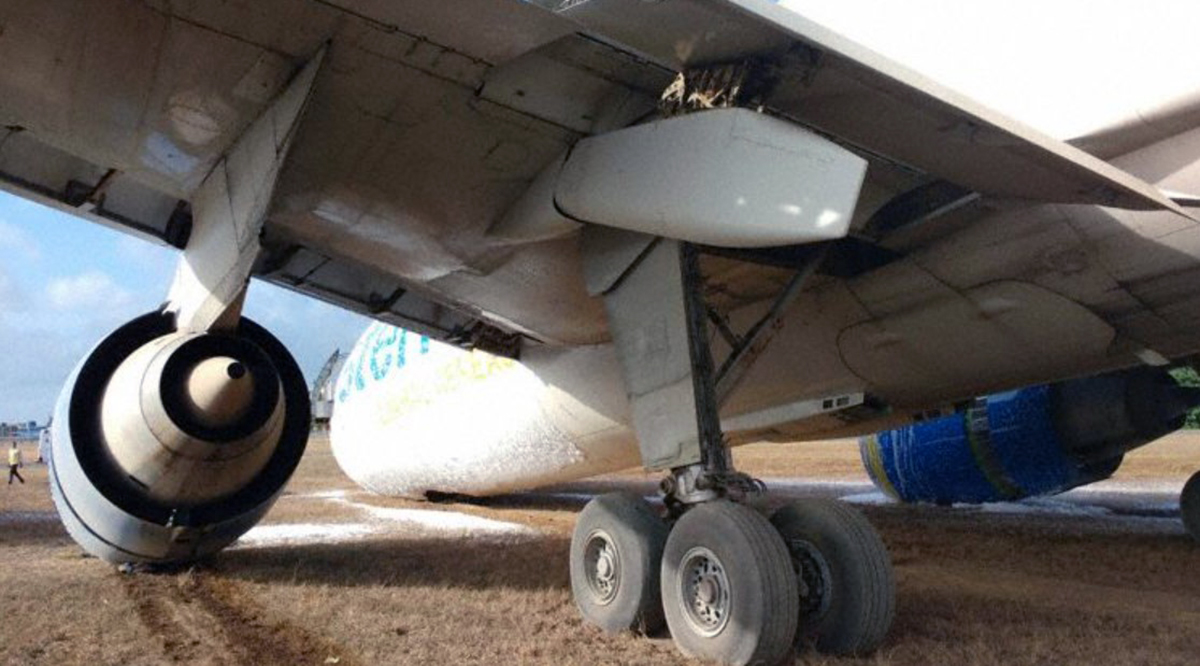
The aircraft was engaged in a fire fighting mission over the Fort McMurray area as 'Tanker 45'. Following an uneventful mission, the crew returned to Manning Airport. After landing on runway 25, the aircraft suffered directional control problems and veered off runway to the right. It collided with a drainage ditch, lost its nose gear and came to rest in a grassy area. The propeller separated from the right engine while the propeller on the left engine was bent. The fuselage broke in two just behind the cockpit area. Both pilots evacuated with minor injuries.

Crash of a Fokker 50 in Catania

Date & Time: Apr 30, 2016 at 1135 LT
Type of aircraft:
Operator:
Registration:
SE-LEZ
Survivors:
Yes
Schedule:
Rimini – Catania
MSN:
20128
YOM:
1988
Flight number:
RVL233
Location:
Country:
Region:
Crew on board:
3
Crew fatalities:
Pax on board:
18
Pax fatalities:
Other fatalities:
Total fatalities:
0
Captain / Total flying hours:
6850
Captain / Total hours on type:
781.00
Copilot / Total flying hours:
2680
Copilot / Total hours on type:
10
Circumstances:
On April 30, 2016, the aircraft Fokker F27 MK50 registration marks SE-LEZ, operating Air Vallee flight number RVL233, took off from Rimini airport at 06.48 hrs with 18 passengers and 3 crew on board. During the final approach to Catania airport, with the aircraft stabilized on ILS Z RWY 08, the crew noticed that the right and left main landing gear lights were green but the nose landing gear light was amber. The crew informed the ATS (Catania APP) that they were in contact with the problem and informed them of their intention to continue the approach to perform a low pass on the runway followed by a standard missed approach procedure, in order to request a visual verification from the control tower of the actual extension of the nose gear. During the low passage, the control tower informed the crew that the nose gear was not extended despite the opening of the nose gear compartment. After the passage, all lights, including the amber light of the nose landing gear, went off. The aircraft proceeded to the INDAX point to perform a holding at an altitude of 3000 feet as agreed with ATS during which the crew applied the abnormal procedures for nose gear unsafe down after selection and alternate down procedures. Both procedures were unsuccessful and the crew declared an "emergency" informing ATS of their intention to perform a final maneuver (leveled 2G turn). The captain of the flight, who had been PNF up to that moment, took the controls as PF and executed the turn: also in this case without any positive outcome. The crew informed ATS of the situation, stating the number of passengers, the amount of fuel on board and the absence of dangerous goods. The crew decided to follow a VOR procedure for RWY26 followed by a visual approach in order to make a last low passage to check the condition of the nose gear. After this second missed approach, the aircraft was instructed to perform an ILS procedure for RWY 08. Landing took place at 09:34 hrs with the main gear properly extracted and locked, the nose gear in "up" position and the doors open. The following is a sequence of pictures taken from a video of the accident, acquired by ANSV through the Catania airport operator, in which the aircraft is seen landing with the nose landing gear not extended and touching the ground only when it reached the speed necessary to sustain it in the absence of nose landing gear support. After completion of the landing run, with the aircraft remaining in the middle of the runway, the engines were shut down and passengers and crew disembarked without further incident. Some of the passengers were transferred to the airport emergency room and subsequently some of them were sent to hospital for further examination; no passenger was reported to have sustained injuries as a result of the event.
Probable cause:
The accident was caused by the failure of the nose landing gear (nose gear up) due to over-extension of the shock absorber which caused interference between the tires and the NLG compartment and locked the NLG in a retracted position. The over-extension was caused by the incorrect installation of some internal components of the shock absorber during the replacement of the internal seals the day before the accident.
The following factors contributed significantly to the improper activity conducted at maintenance:
- the insufficient experience of technical personnel in carrying out the maintenance tasks conducted on the NLG;
- the lack of controls on the operations carried out, deemed unnecessary by the CAMO engineering department;
- the lack of definition of roles and tasks during the planning phase of the maintenance work;
- the operational pressure on maintenance personnel, arising from the need to conclude maintenance operations quickly in order not to penalize the management of the aircraft;
- the insufficient clarity and lack of sensitive information in the maintenance tasks and related figures contained in the AMM, regarding the replacement of internal shock absorber seals, subsequently made clearer by the manufacturer;
- the reported black and white printing of the applied AMM procedures, which could have made the warnings in the manual barely legible.
Final Report:
Crash of an Antonov AN-26 in El Obeid: 5 killed

Date & Time: Apr 30, 2016
Type of aircraft:
Operator:
Flight Type:
Survivors:
No
Country:
Region:
Crew on board:
5
Crew fatalities:
Pax on board:
0
Pax fatalities:
Other fatalities:
Total fatalities:
5
Circumstances:
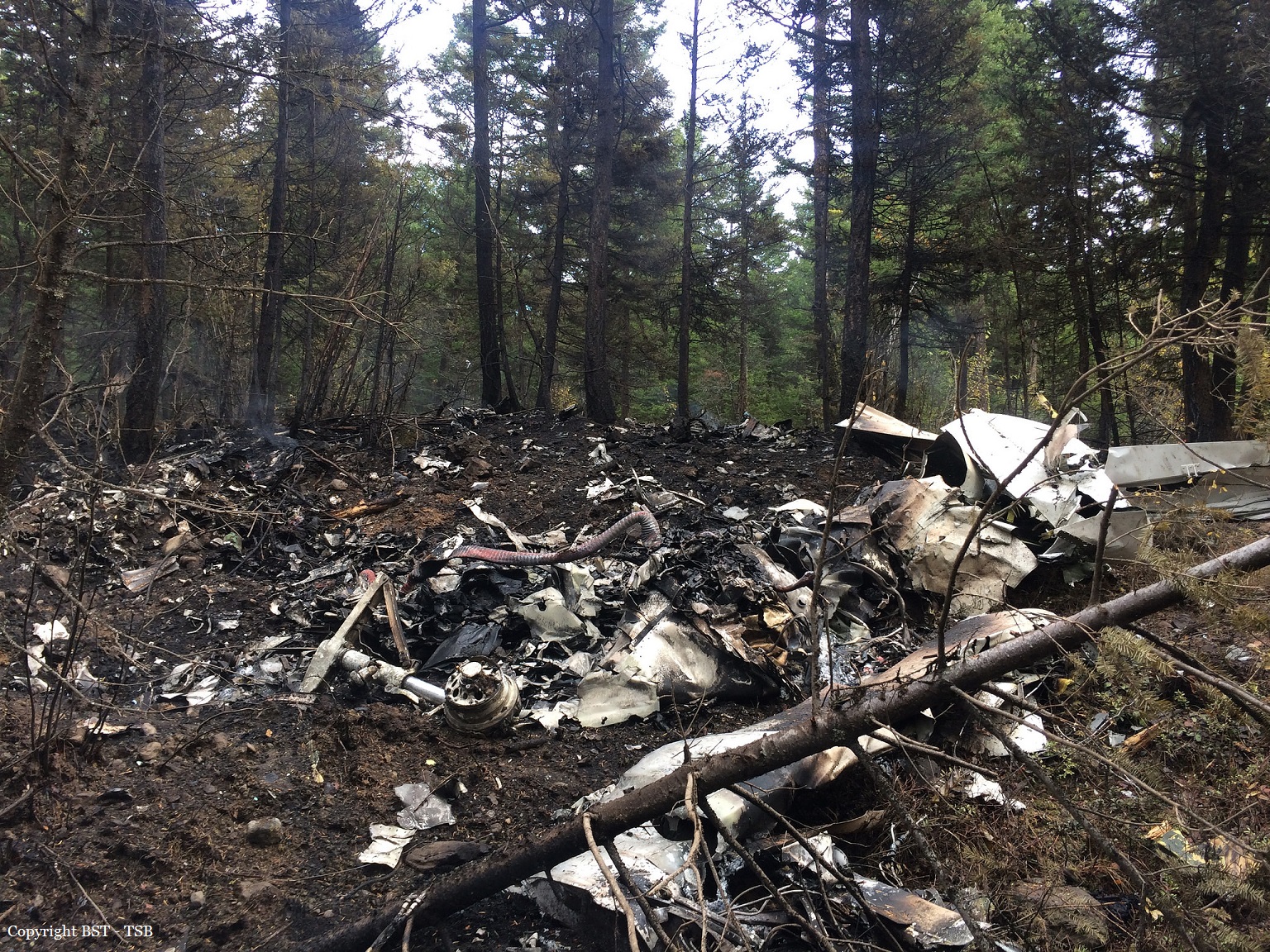
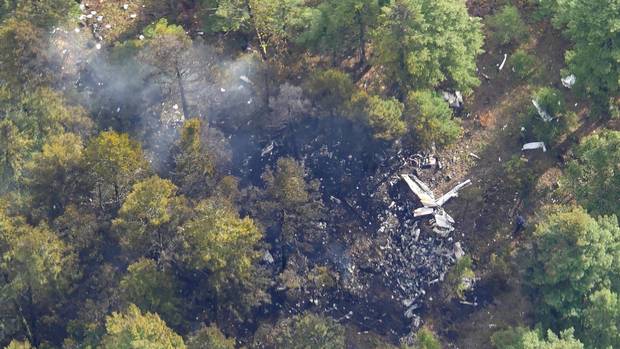
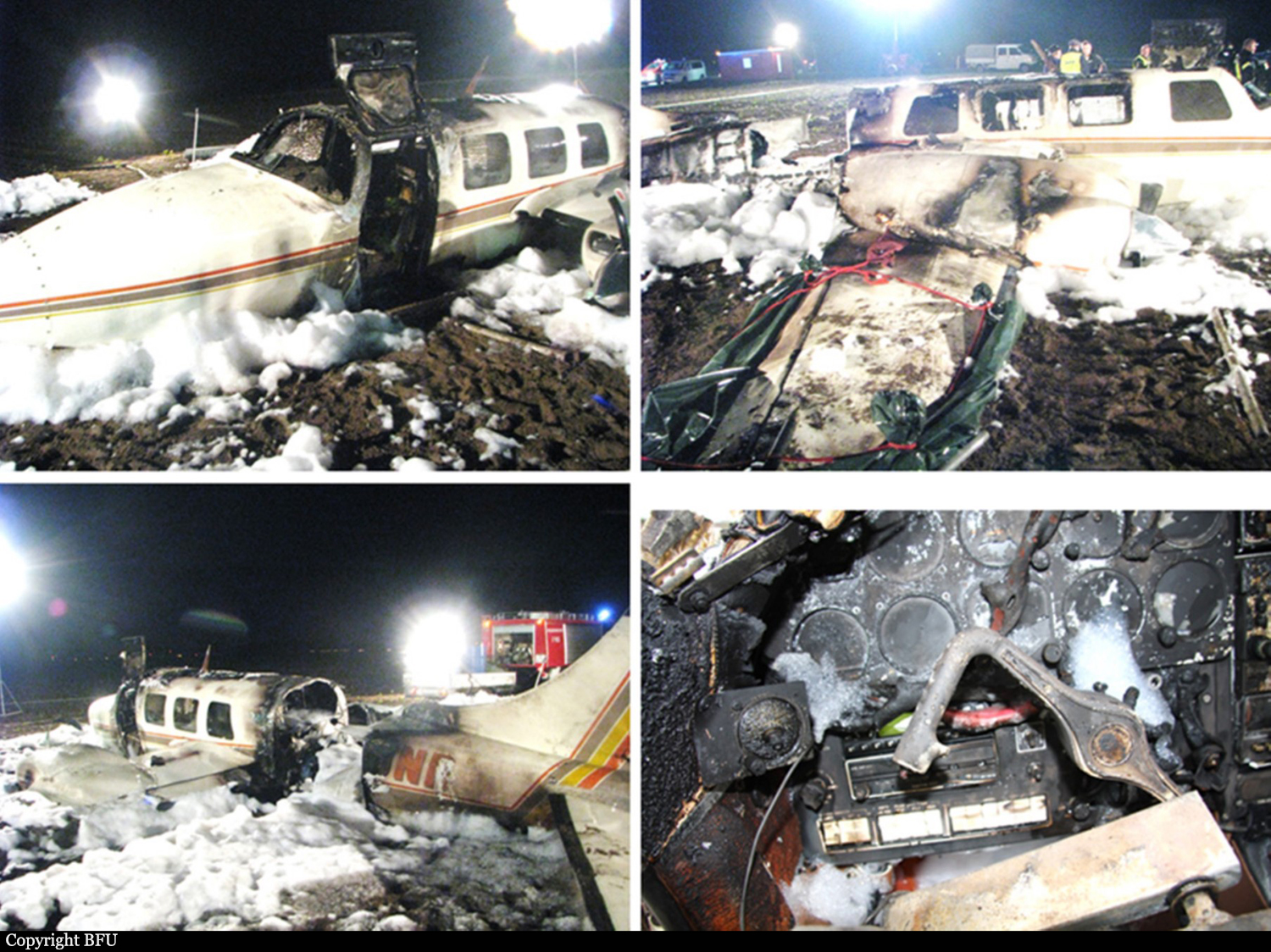
Crashed on final approach to El Obeid Airport, killing all five crew members. The accident was caused by a technical failure according to the Sudanese Air Force while local rebels claimed they shot down the aircraft with a mortar shell.

Crash of an Embraer ERJ-190-100AR in Cuenca

Date & Time: Apr 28, 2016 at 0751 LT
Type of aircraft:
Operator:
Registration:
HC-COX
Survivors:
Yes
Schedule:
Quito – Cuenca
MSN:
190-00372
YOM:
2010
Flight number:
EQ173
Country:
Crew on board:
6
Crew fatalities:
Pax on board:
87
Pax fatalities:
Other fatalities:
Total fatalities:
0
Captain / Total flying hours:
17523
Captain / Total hours on type:
2113.00
Copilot / Total flying hours:
3545
Copilot / Total hours on type:
2077
Aircraft flight hours:
11569
Aircraft flight cycles:
9707
Circumstances:
Following en uneventful flight from Quito, the crew initiated the descent to Cuenca-Mariscal La Mar Airport Runway 23. Weather conditions at destination were poor with rain falls and a contaminated runway. The pilot-in-command continued the approach below the glide and the aircraft passed over the runway threshold at a height of 37 feet instead the recommended 50 feet. The airplane landed 277 metres past the runway threshold at a speed of 127 knots and the crew activated the spoilers and the reverse thrust systems. Due to poor braking action, the captain activated the autobrake system, without success. As the aircraft could not be stopped within the remaining distance, the captain intentionally turn to the right when the aircraft ground looped, overran and came to rest in a grassy area. All 93 occupants were rescued, among them two passengers were slightly injured. The aircraft was damaged beyond repair.
Probable cause:
The following findings were identified:
- The condition of the runway at Cuenca airport, which at the time of the plane's landing was contaminated with water and slippery.
- The landing was made after a non-stabilized approach with a tailwind.
- During seven seconds, the crew continued the approach with an excessive rate of descent of 1,186 feet, 186 feet above the limit of 1,000 feet.
- The non-application of the Maximum Performance Landing procedure recommended by the aircraft manufacturer for landing on contaminated runways.
- The dispatch of the flight with 1,500 kg of fuel more than the amount of fuel usually used for this flight.
- Omission of the runway length calculation necessary to perform the landing using the braking efficiency information.
- The crew's decision to make the final approach with three red and one white lights, using the PAPI system, induced by the information in the Terminal Information document issued by the company, which authorized this procedure.
- The use of confusing terminology in the Terminal Information document, which used terms applicable to the Airbus fleet, instead of Embraer's.
- The crew's decision not to perform the thwarted approach maneuver after the maximum allowable vertical speed was exceeded and visibility was apparently limited after the minima were exceeded.
- Incorrect use of aircraft braking aids, in this case reverse braking aids
- The application of the emergency brake that inhibits the antiskid system.
- Lack of implementation of adequate management of crew resources, particularly within the cockpit.
- Lack of training in the use of tables for track distance calculation.
- In reference to landing conditions, the aircraft needed a runway length of 2,122 metres while the available distance was 1,900 metres.
Final Report:
Crash of a Swearingen SA226T Merlin III in Andorra

Date & Time: Apr 26, 2016 at 1535 LT

Operator:
Registration:
N125WG
Flight Type:
Survivors:
Yes
Schedule:
Alicante - Andorra
MSN:
T-250
YOM:
1974
Country:
Region:
Crew on board:
1
Crew fatalities:
Pax on board:
4
Pax fatalities:
Other fatalities:
Total fatalities:
0
Captain / Total flying hours:
4750
Captain / Total hours on type:
1200.00
Circumstances:
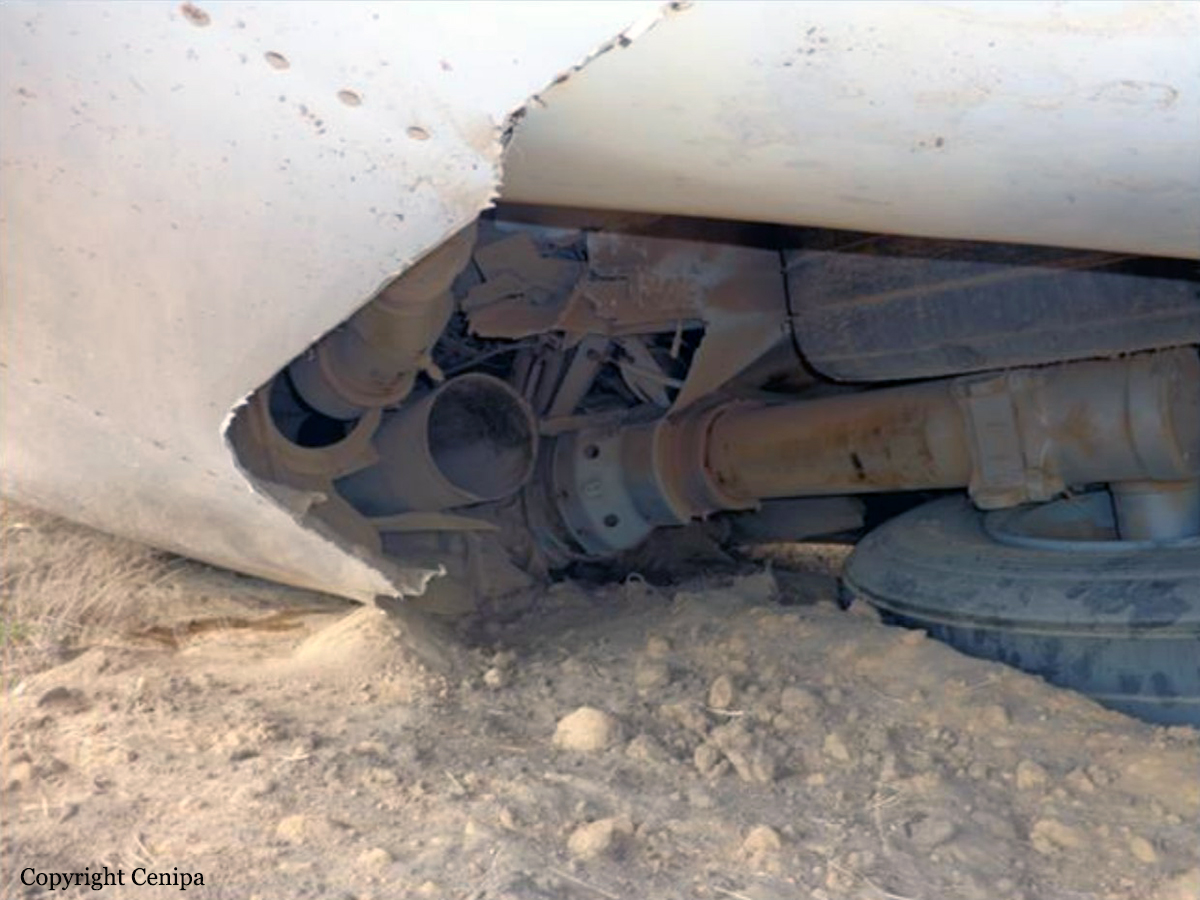
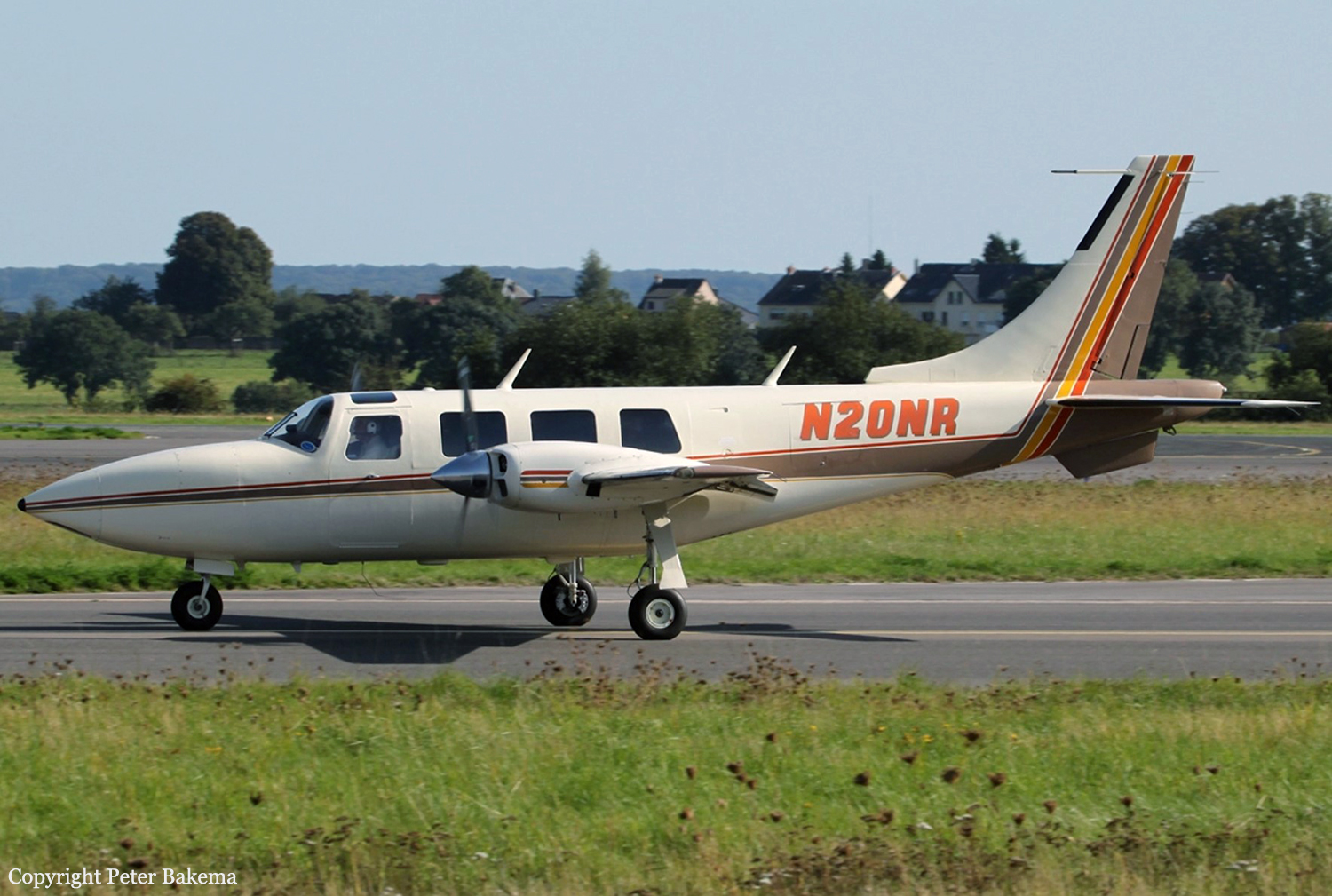
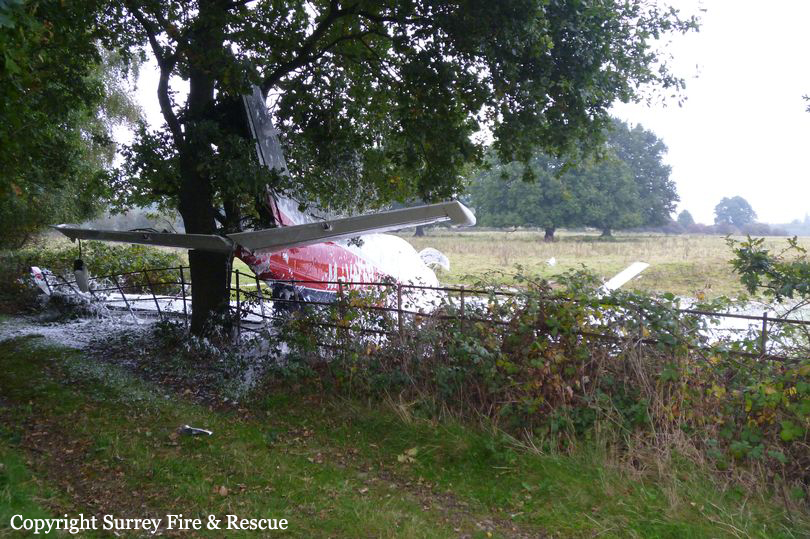
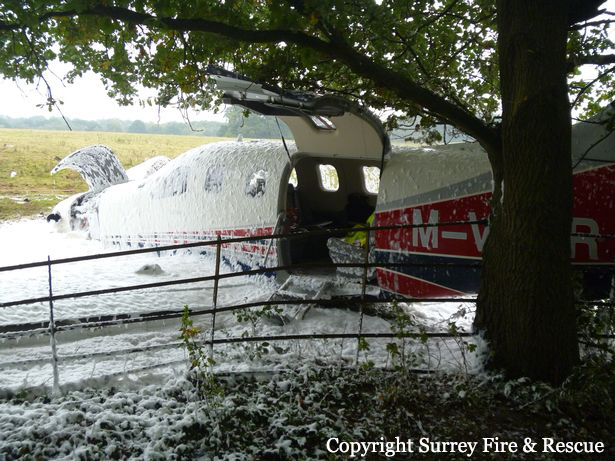
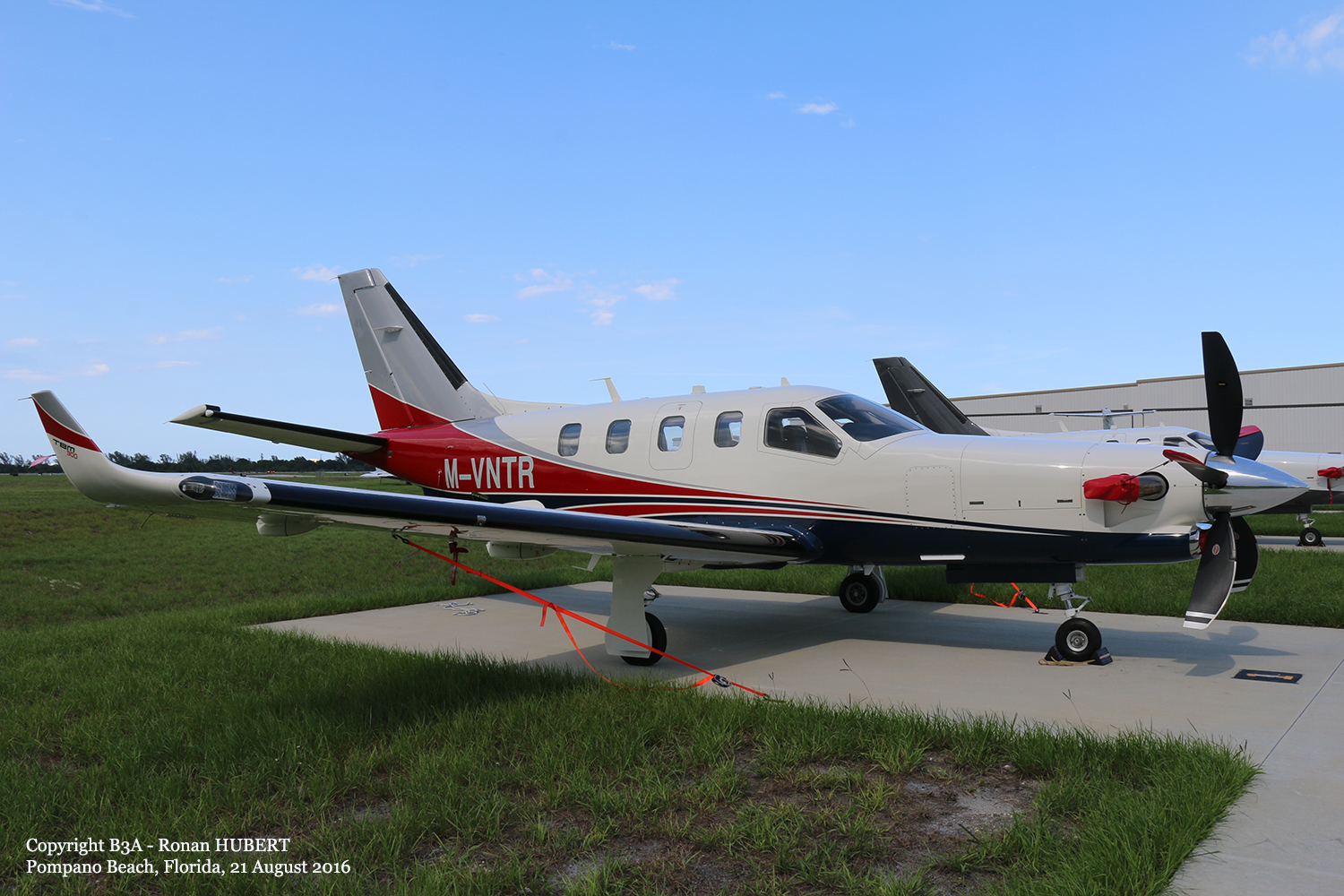
The twin engine airplane departed Alicante-Mutxamel Airport at 1221LT on a private flight to Andorra, carrying four passengers and one pilot. Following an uneventful flight at an altitude of 12,500 feet, the pilot informed ATC about electrical problems then initiated the descent to Andorra. About two minutes later, the electrical system totally failed. The pilot continued the approach to Andorra-La Seu d'Urgell Airport. After touchdown on runway 21, the undercarriage collapsed. The aircraft veered off runway to the right and came to rest in a grassy area. All five occupants evacuated safely and the aircraft was damaged beyond repair.
Probable cause:
It is considered that the accident was caused by an error in the application of the emergency extension procedure of the landing gear following a total failure of the electrical system.
Contributing factors :
- Start a visual flight with a deferred pending repair in the electrical system, specifically with the generator on the right side.
- Lack of recent training and simulation with emergency procedures.
- The versatility of the pilot and diversity of different aircraft types flown.
- The non-activation of the warning light on the left-hand side of the cockpit panel when the electrical system failed about 30 minutes prior to the total exhaustion of all batteries.
Final Report: