Crash of a Rockwell Grand Commander 690A in Taos: 1 killed

Date & Time: Mar 29, 1992 at 1900 LT
Registration:
N111FL
Flight Phase:
Flight Type:
Survivors:
Yes
Schedule:
Taos - Tulsa
MSN:
690-11163
YOM:
1974
Location:
Crew on board:
1
Crew fatalities:
Pax on board:
5
Pax fatalities:
Other fatalities:
Total fatalities:
1
Captain / Total flying hours:
2200
Captain / Total hours on type:
120.00
Aircraft flight hours:
3404
Circumstances:
The airplane impacted slightly rising terrain in a 15° left bank, slight nose up attitude while descending shortly after takeoff in dark night IMC. There were rain and snow showers in the area and it was devoid of visible ground reference lights. The difference between the takeoff heading and the impact heading was 75° and the airplane had traveled 3,987 feet from the departure end of the runway at initial impact. The wreckage subsequently traveled an additional 837 feet through the brush. The pilot stated that the takeoff was normal in all aspects and all of the airplane systems were operating normally. He stated that the last thing he remembered was passing through 8,500 feet with a rate of climb of 1,500 feet per minute. The airport elevation was 7,091 feet. He did not recall the radio altimeter alert or the warning light activating. No evidence of pre-impact failure or malfunction was found during the investigation. Rescue of the occupants were delayed due to the weather, darkness, and spurious elt signals masked by the wreckage.
Probable cause:
The pilot in command's failure to maintain the climb after departing the runway environment. Factors were the weather conditions and the dark night.
Final Report:
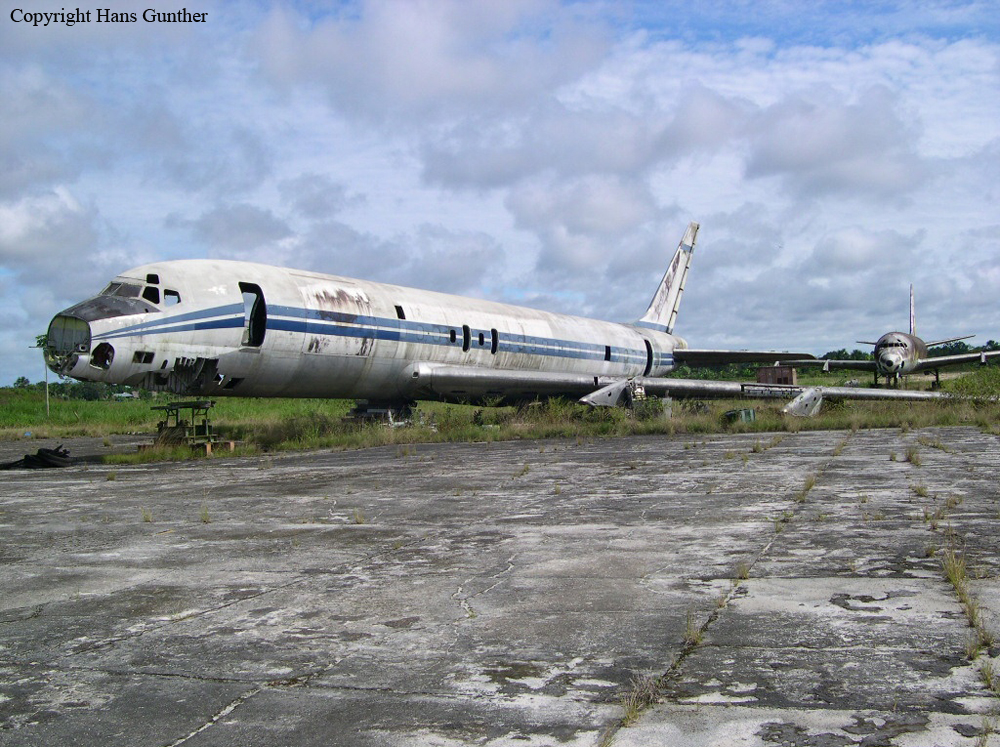
Crash of a Douglas DC-8-33AF in Iquitos

Date & Time: Mar 28, 1992
Type of aircraft:
Registration:
OB-1456
Flight Type:
Survivors:
Yes
MSN:
45272
YOM:
1960
Country:
Crew on board:
3
Crew fatalities:
Pax on board:
3
Pax fatalities:
Other fatalities:
Total fatalities:
0
Circumstances:
After landing at Iquitos-Coronel Francisco Secada Vignetta runway 06, the crew started the braking procedure when, at a speed of about 100 knots, the nose gear collapsed. The aircraft slid for few dozen metres before coming to rest. All six occupants escaped uninjured and the aircraft was damaged beyond repair.
Probable cause:
Failure of the nose gear due to the fracture of the upper cap of the nose gear shock strut which in turn led to the failure of the control arms of the down lock safety mechanism.

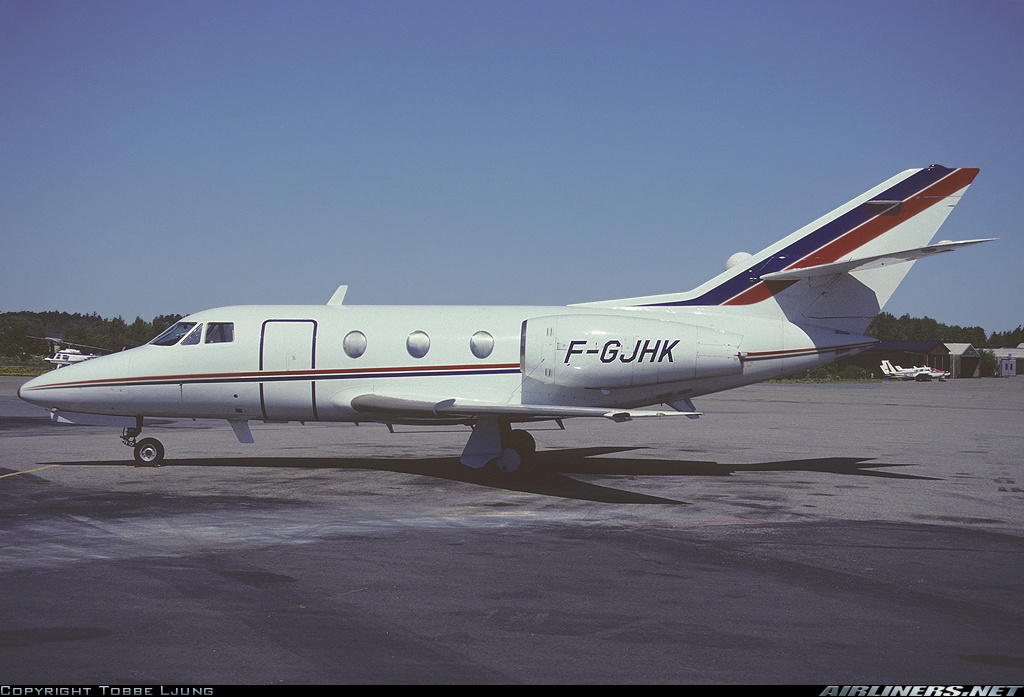
Crash of a Dassault Falcon 10 in Brest

Date & Time: Mar 26, 1992
Type of aircraft:
Registration:
F-GJHK
Survivors:
Yes
MSN:
108
YOM:
1977
Country:
Region:
Crew on board:
0
Crew fatalities:
Pax on board:
0
Pax fatalities:
Other fatalities:
Total fatalities:
0
Circumstances:
Suffered a landing accident at Brest-Guipavas Airport. There were no casualties.

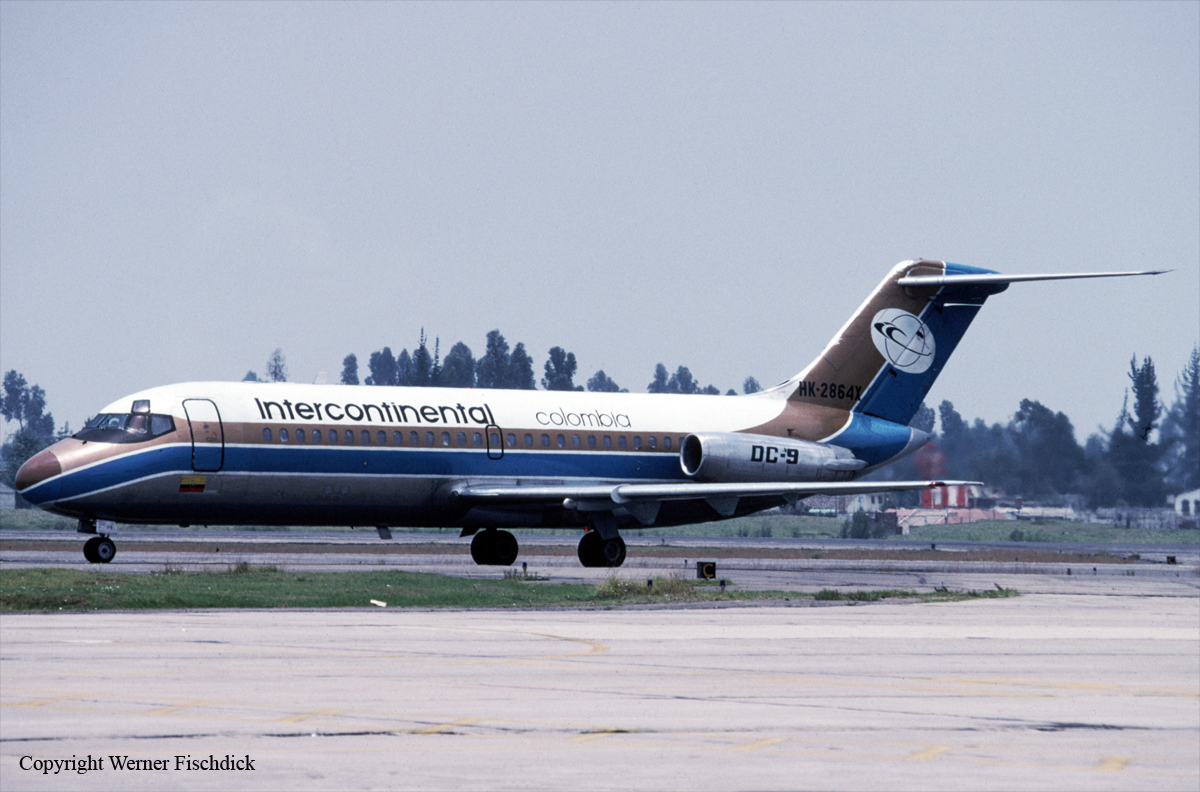
Crash of a Douglas DC-9-15 in Tumaco

Date & Time: Mar 26, 1992
Type of aircraft:
Operator:
Registration:
HK-2864X
Survivors:
Yes
Schedule:
Bogotá – Cali – Tumaco – Pasto
MSN:
45721
YOM:
1966
Flight number:
RS201
Country:
Crew on board:
4
Crew fatalities:
Pax on board:
88
Pax fatalities:
Other fatalities:
Total fatalities:
0
Circumstances:
On approach to Tumaco-La Florida Airport, at a height of about 100 feet, the aircraft entered an uncontrolled descent and struck the runway surface. The crew was able to complete the braking procedure, vacated the runway and stopped the aircraft on the apron. All 92 occupants evacuated when the right wing partially failed. Few passengers were injured and the aircraft was later considered as damaged beyond repair.
Probable cause:
It was determined that on short final, during the last segment, the copilot inadvertently extended the spoilers, causing the aircraft to enter a rapid descent until it impacted the runway surface with a positive acceleration that exceeded its certification. Presence of corrosion in the wing's root was reported as a contributing factor. Lack of crew coordination and poor planned approach also contributed to the mishap.

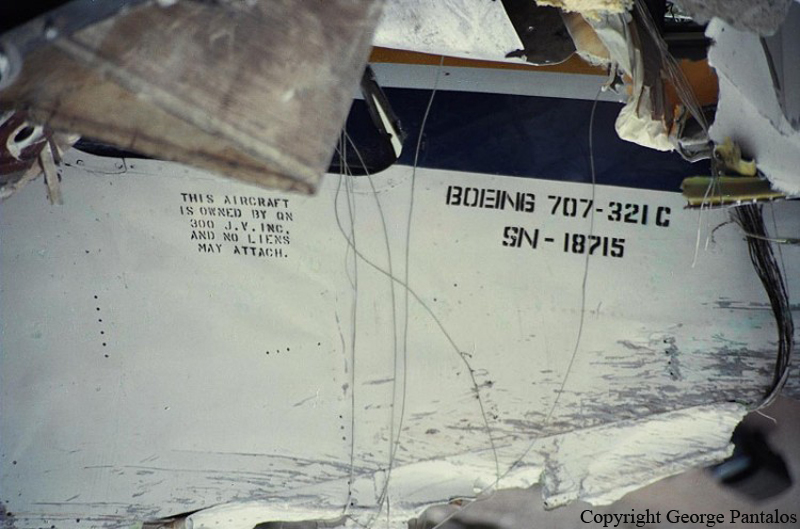
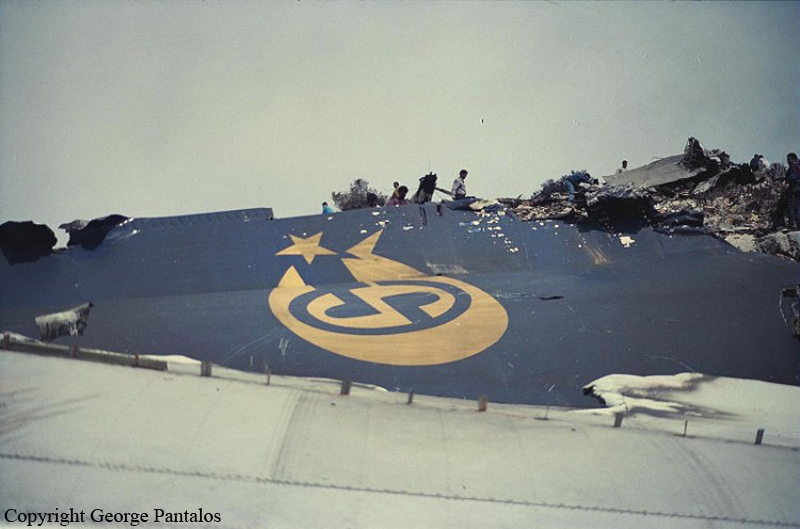
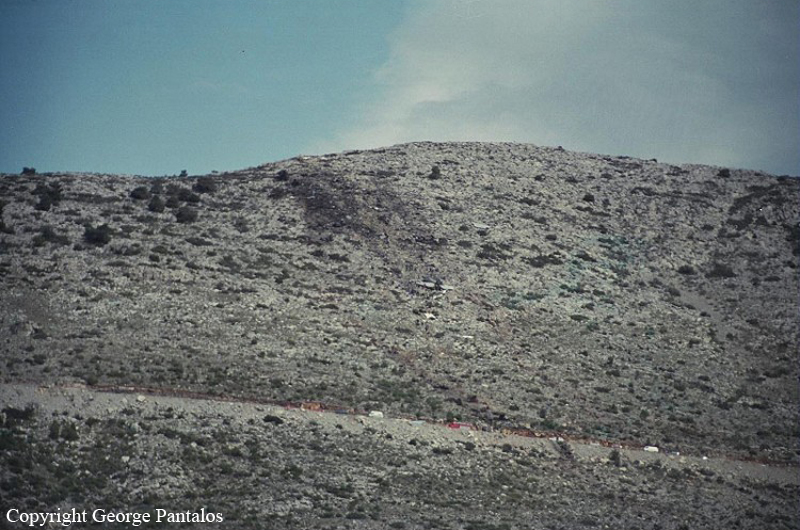
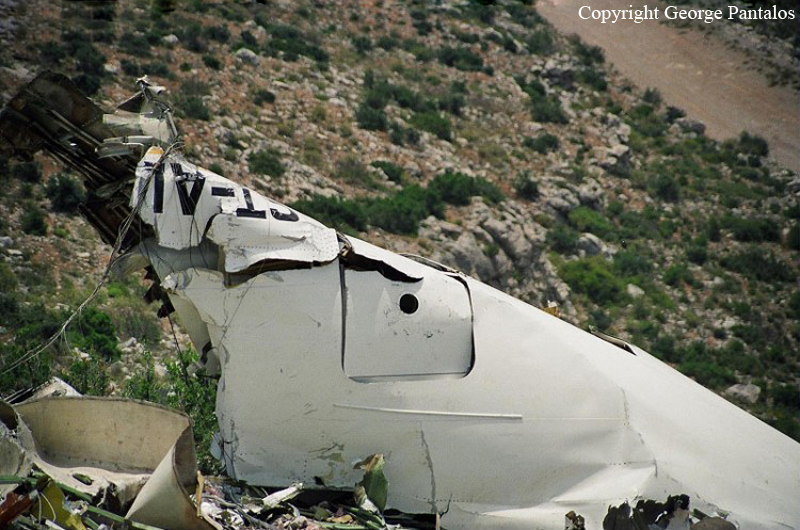
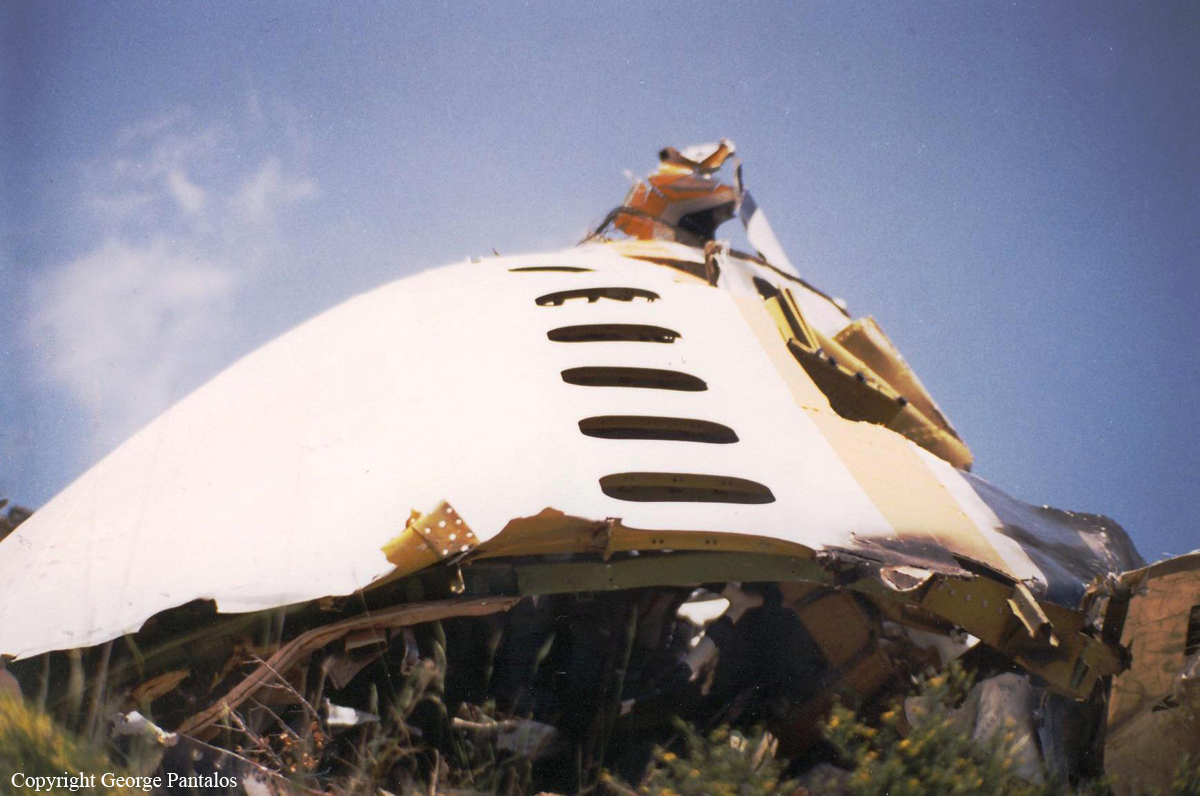
Crash of a Boeing 707-321C in Athens: 7 killed

Date & Time: Mar 24, 1992 at 0702 LT
Type of aircraft:
Operator:
Registration:
ST-ALX
Flight Type:
Survivors:
No
Schedule:
Amsterdam – Athens – Khartoum
MSN:
18715
YOM:
1964
Country:
Region:
Crew on board:
3
Crew fatalities:
Pax on board:
4
Pax fatalities:
Other fatalities:
Total fatalities:
7
Circumstances:
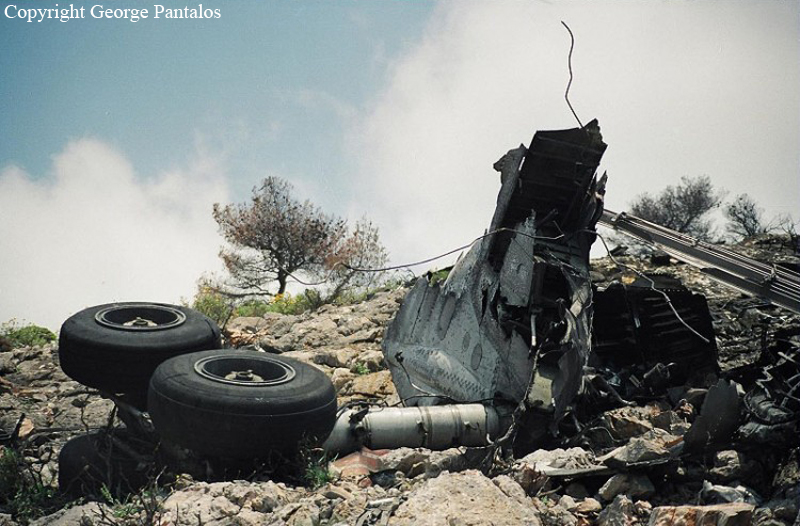
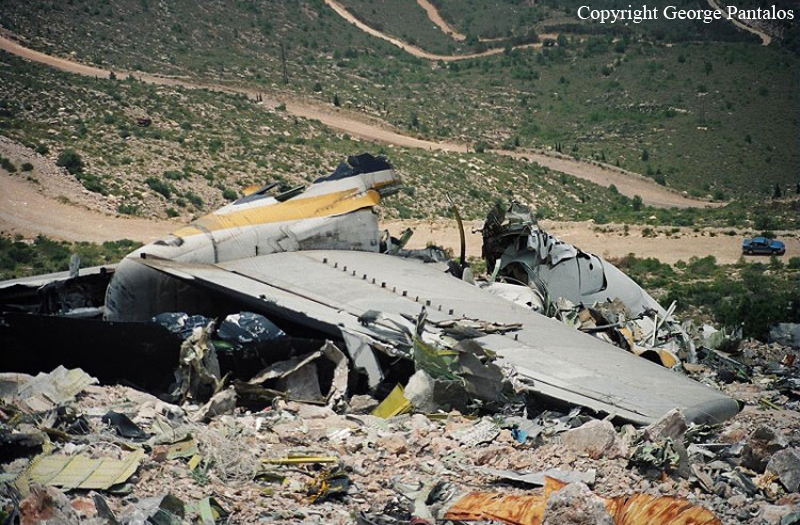
The descent to Athens-Ellinikon was initiated by night and marginal weather conditions with mist. On approach, the captain informed ATC he was established on the ILS runway 33R when he realized something was wrong and initiated a go-around. This decision was too late and the aircraft struck the slope of Mt Hymettus (2,000 feet high) located 4,8 km southeast of the airport. The aircraft disintegrated on impact and all seven occupants were killed.
Probable cause:
The captain decided to initiate the approach to Athens Airport under VFR mode while the visibility was limited. It was determined that the aircraft was not established on the ILS runway 33R at the time of the accident and deviated from the prescribed approach path following a wrong approach configuration on part of the crew who failed to comply with published approach procedures.

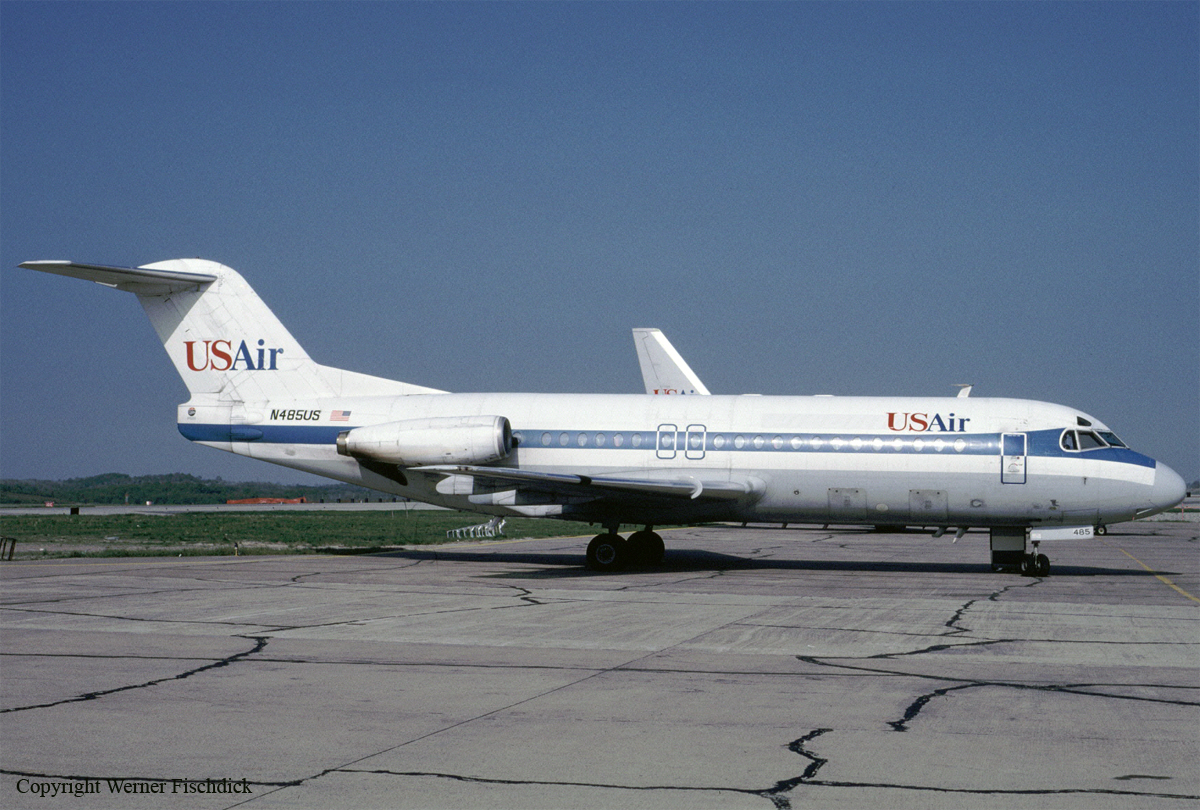
Crash of a Fokker F28 Fellowship 4000 in New York: 27 killed

Date & Time: Mar 22, 1992 at 2135 LT
Type of aircraft:
Operator:
Registration:
N485US
Flight Phase:
Survivors:
Yes
Schedule:
Jacksonville – New York – Cleveland
MSN:
11235
YOM:
1986
Flight number:
US405
Crew on board:
4
Crew fatalities:
Pax on board:
47
Pax fatalities:
Other fatalities:
Total fatalities:
27
Captain / Total flying hours:
9820
Captain / Total hours on type:
2200.00
Copilot / Total flying hours:
4507
Copilot / Total hours on type:
29
Aircraft flight hours:
12462
Aircraft flight cycles:
16280
Circumstances:
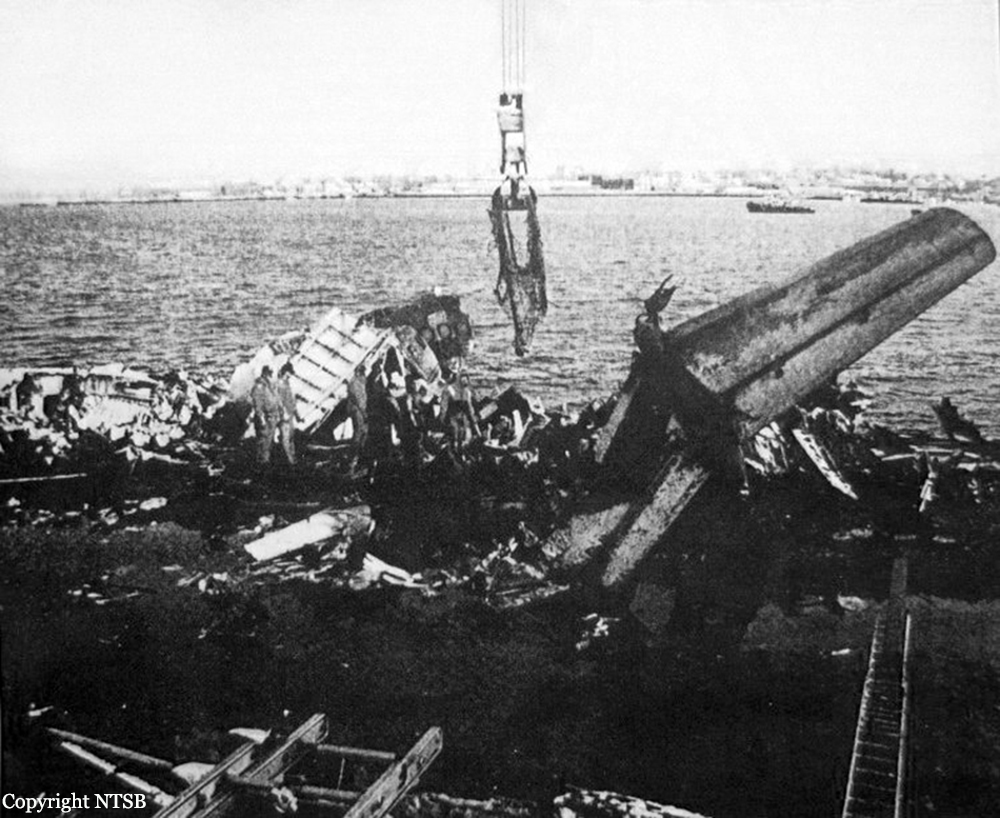
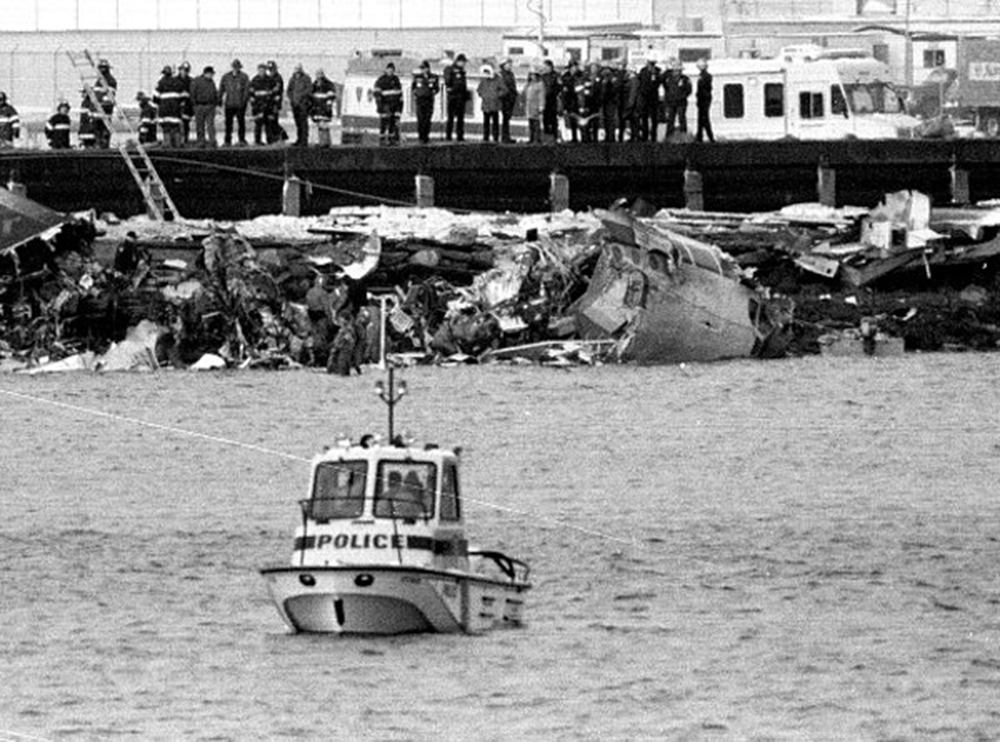
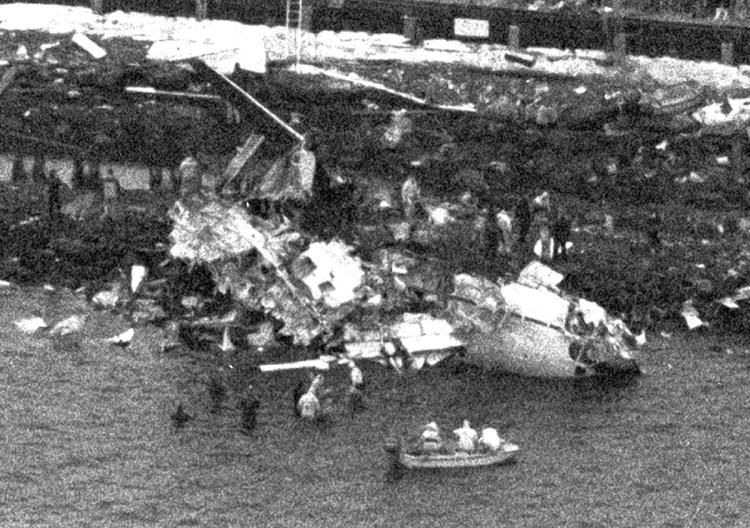
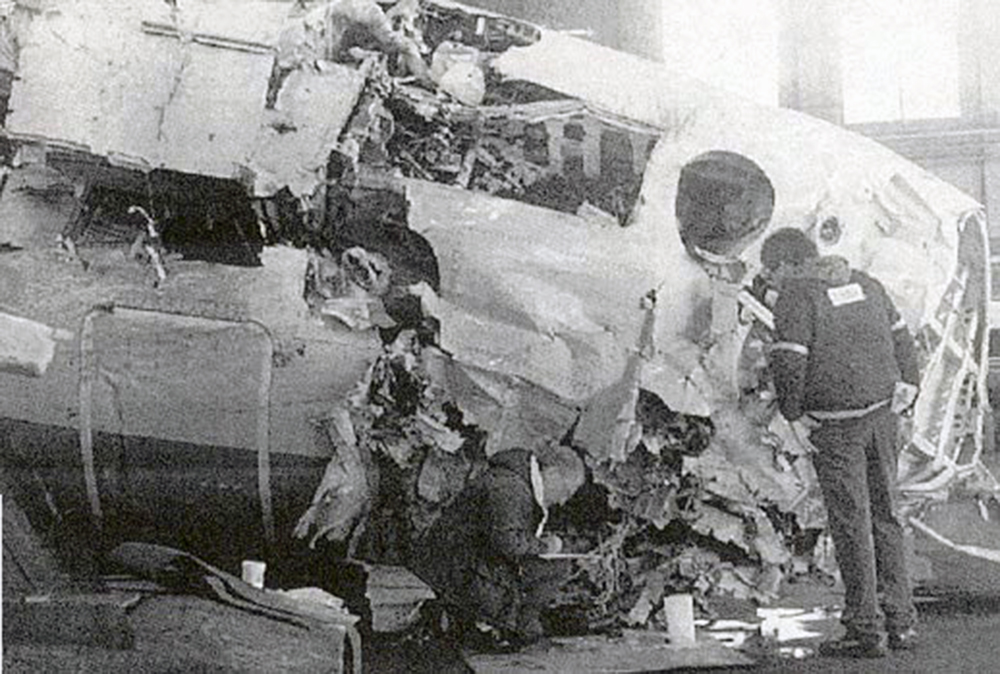
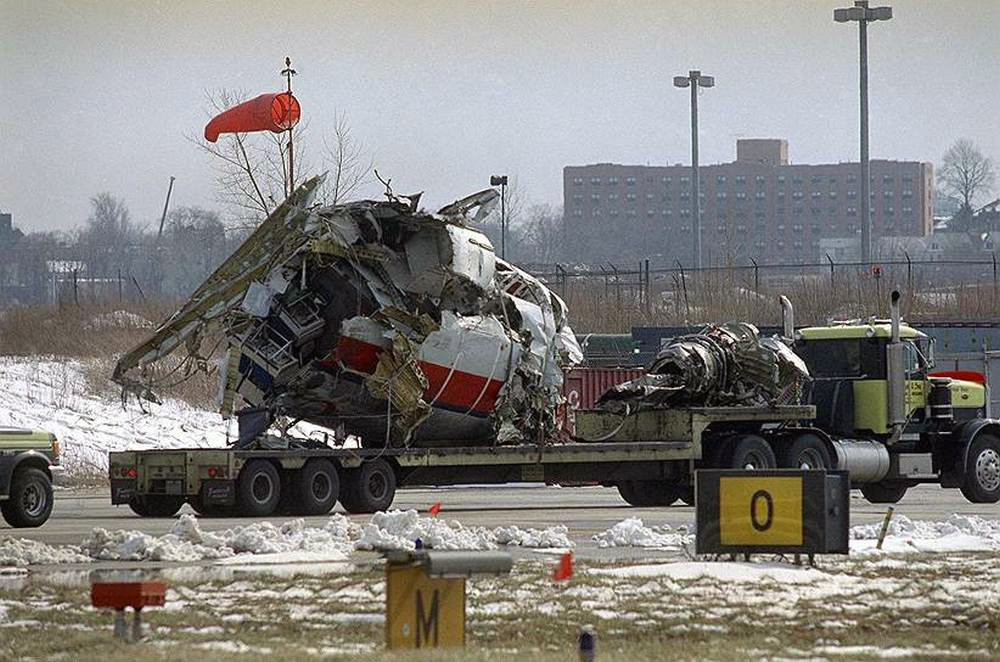
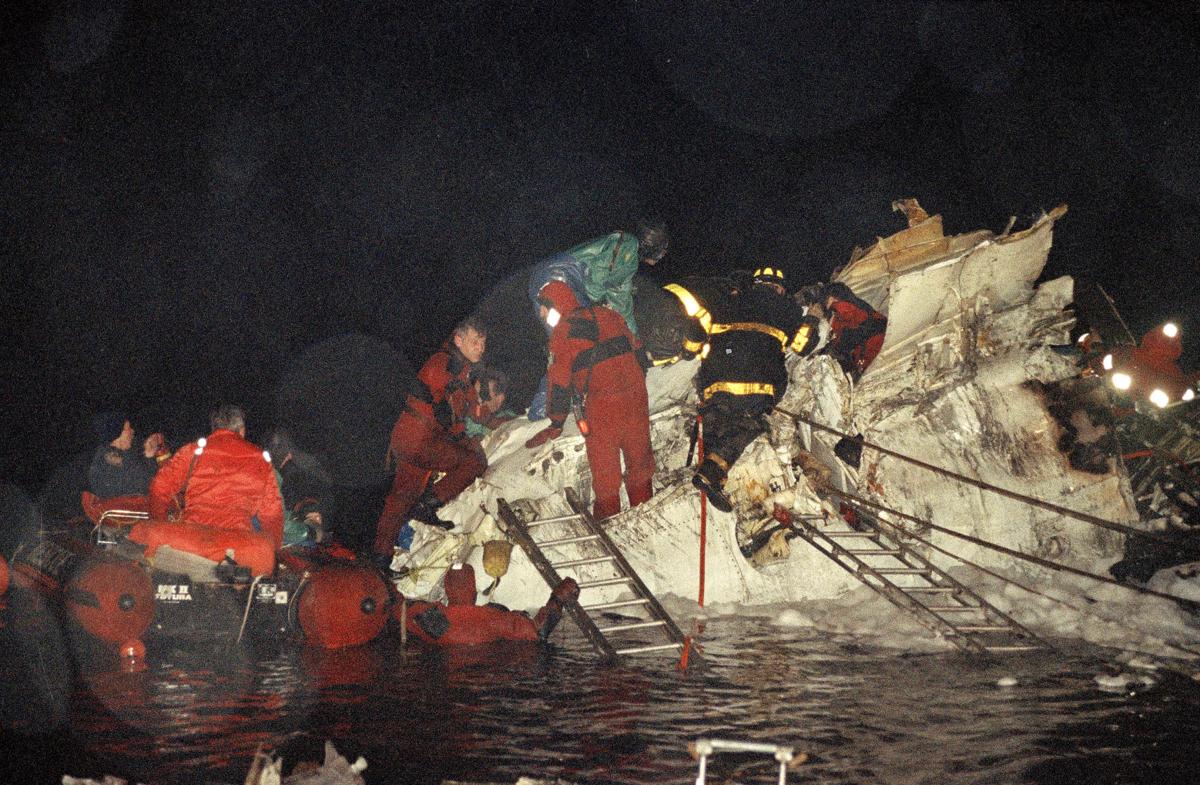
USAir flight 405 was scheduled to depart Jacksonville, FL (JAX) at 16:35 but was given a ground delay because of poor weather in the New-York-LaGuardia (LGA) area and was further delayed in order to remove the baggage of a passenger who chose to deplane. The Fokker F-28 jet departed Jacksonville at 17:15 and was cleared into the LaGuardia area without significant additional delays. The first officer accomplished an ILS approach to LaGuardia's runway 04 to minimums and initiated braking on the landing roll. Ramp congestion delayed taxiing to the parking gate. The airplane was parked at Gate 1 at approximately 19:49, 1 hour and 6 minutes behind schedule. After the airplane was parked at Gate 1, the line mechanic who met the flight was advised by the captain that the aircraft was "good to go." The captain left the cockpit and the first officer prepared for the next leg to Cleveland , OH (CLE) that had originally been scheduled to depart at 19:20. Snow was falling as the F-28 was prepared for departure. The airplane was de-iced with Type I fluid with a 50/50 water/glycol mixture, using two trucks. After the de-icing, about 20:26, one of the trucks experienced mechanical problems and was immobilized behind the airplane, resulting in a pushback delay of about 20 minutes. The captain then requested a second de-icing of the airplane. The airplane was pushed away from the gate to facilitate de-icing by one de-icing truck. The second de-icing was completed at approximately 21:00. At 21:05:37, the first officer contacted the LaGuardia ground controller and requested taxi clearance. The airplane was cleared to taxi to runway 13. At 21:07:12, the flightcrew switched to the LaGuardia ground sequence controller, which they continued to monitor until changing to the tower frequency at 21:25:42. The before-takeoff checklist was completed during the taxi. Engine anti-ice was selected for both engines during taxi. The captain announced that the flaps would remain up during taxi, and he placed an empty coffee cup on the flap handle as a reminder. The captain announced they would use US Air's contaminated runway procedures that included the use of 18 degrees flaps. They would use a reduced V1 speed of 110 knots. The first officer used the ice (wing) inspection light to examine the right wing a couple of times. He did not see any contamination on the wing or on the black strip and therefore did not consider a third de-icing. Flight 405 was cleared into the takeoff and hold position on runway 13 at 21:33:50. The airplane was cleared for takeoff at 21:34:51. The takeoff was initiated and the first officer made a callout of 80 knots, and, at 21:35:25, made a V1 callout. At 21:35:26, the first officer made a VR callout. Approximately 2.2 seconds after the VR callout, the nose landing gear left the ground. Approximately 4.8 seconds later, the sound of stick shaker began. Six stall warnings sounded. The airplane began rolling to the left. As the captain leveled the wings, they headed toward the blackness over the water. The crew used right rudder to maneuver the airplane back toward the ground and avoid the water. They continued to try to hold the nose up to impact in a flat attitude. The airplane came to rest partially inverted at the edge of Flushing Bay, and parts of the fuselage and cockpit were submerged in water. After the airplane came to rest, several small residual fires broke out on the water and on the wreckage debris.
Probable cause:
The failure of the airline industry and the Federal Aviation Administration to provide flight crews with procedures, requirements, and criteria compatible with departure delays in conditions conducive to airframe icing and the decision by the flight crew to take off without positive assurance that the airplane's wings were free of ice accumulation after 35 minutes of exposure to precipitation following de-icing. The ice contamination on the wings resulted in an aerodynamic stall and loss of control after lift-off. Contributing to the cause of the accident were the inappropriate procedures used by, and inadequate coordination between, the flight crew that led to a takeoff rotation at a lower than prescribed air speed.
Final Report:
Crash of a Let L-410UVP-E in Žilina

Date & Time: Mar 13, 1992
Type of aircraft:
Operator:
Registration:
OK-PDI
Survivors:
Yes
Schedule:
Prague – Žilina
MSN:
85 15 27
YOM:
1985
Country:
Region:
Crew on board:
5
Crew fatalities:
Pax on board:
4
Pax fatalities:
Other fatalities:
Total fatalities:
0
Circumstances:
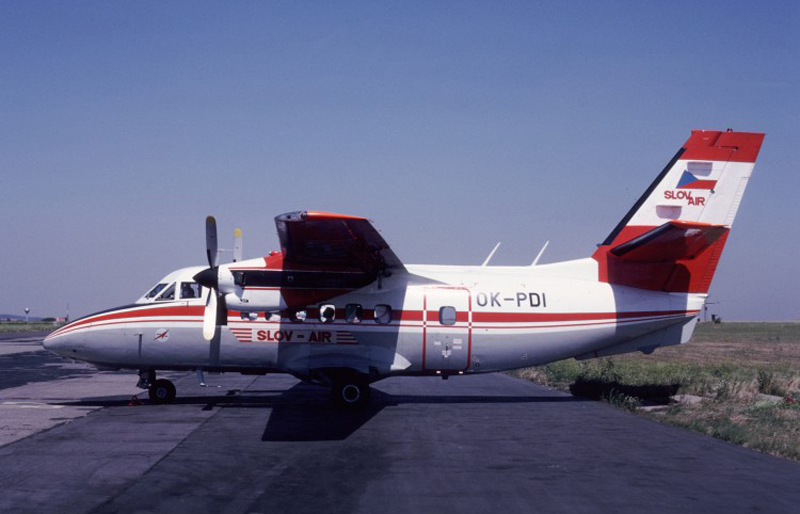
The crew completed a non precision approach to Žilina Airport in rainy conditions with a strong tailwind. As the aircraft was too long for landing, the crew decided to force the aircraft to land when it struck the runway surface and bounced to a height of 7 metres. It came down again and the nose gear touched the ground first and was torn off upon impact. Out of control, the aircraft veered to the right and came to rest in a grassy area. All nine occupants were rescued and the aircraft was damaged beyond repair.
Probable cause:
Wrong approach configuration on part of the crew who completed a non precision approach with an excessive tailwind component. The following contributing factors were reported:
- Wrong evaluation of the situation,
- Poor judgment,
- Poor crew coordination and lack of mutual checks,
- Poor approach and landing planning,
- The crew failed to initiate a go-around procedure,
- Excessive tailwind component,
- Poor weather conditions.

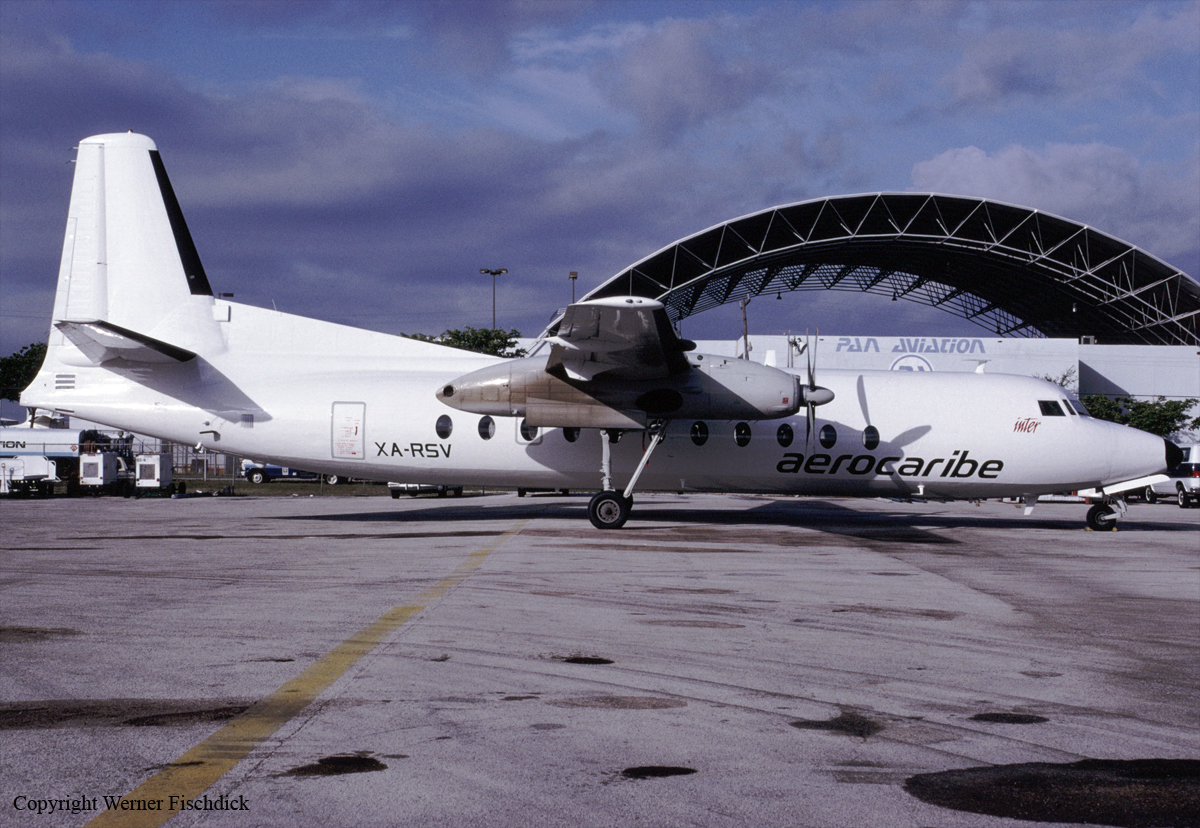
Crash of a Fairchild-Hiller FH-227C in Acapulco

Date & Time: Mar 13, 1992
Type of aircraft:
Operator:
Registration:
XA-RSV
Survivors:
Yes
MSN:
510
YOM:
1966
Country:
Crew on board:
4
Crew fatalities:
Pax on board:
10
Pax fatalities:
Other fatalities:
Total fatalities:
0
Circumstances:
Upon landing, the left main gear collapsed. The aircraft slid for few dozen metres before coming to rest. All 14 occupants escaped uninjured while the aircraft was damaged beyond repair.
Probable cause:
Failure of the left main gear upon touchdown for unknown reasons.

Crash of a BAe 3101 Jetstream 31 in Knoxville: 2 killed

Date & Time: Mar 12, 1992 at 0013 LT
Type of aircraft:
Operator:
Registration:
N165PC
Flight Phase:
Flight Type:
Survivors:
No
Schedule:
Knoxville - Knoxville
MSN:
683
YOM:
1985
Crew on board:
2
Crew fatalities:
Pax on board:
0
Pax fatalities:
Other fatalities:
Total fatalities:
2
Captain / Total flying hours:
4929
Captain / Total hours on type:
4400.00
Aircraft flight hours:
10607
Circumstances:
After a series of instrument procedures, the flight returned to Knoxville and landed. On the next takeoff, the first officer dropped the airplane's checklist and the check airman elected to continue the flight without using the checklist. On the next visual approach, the check airman and first officer attempted a landing without lowering the landing gear. The airplane touched down and both propeller assemblies struck the concrete runway surface. The pilot reported the gearup touchdown to the control tower and elected to go around. During the climbout the check airman lowered the landing gear, established a teardrop pattern for the opposite runway and feathered the right propeller. Crash fire rescue (cfr) equipment was alerted and was in position for the second landing attempt. While on short final, the check airman called for max power, a reduction in the flap setting, and initiated a single engine go-around below 200 feet. There is no operational procedure for a single engine go-around below 200 feet. The airplane climbed briefly and crashed inverted about 7,500 feet from the approach end of the runway. Both pilots were killed.
Probable cause:
The pilot's failure to use the airplane checklist which resulted in a gear up landing; and the pilot's failure to maintain flying speed which resulted in an uncontrolled collision with the ground.
Final Report:

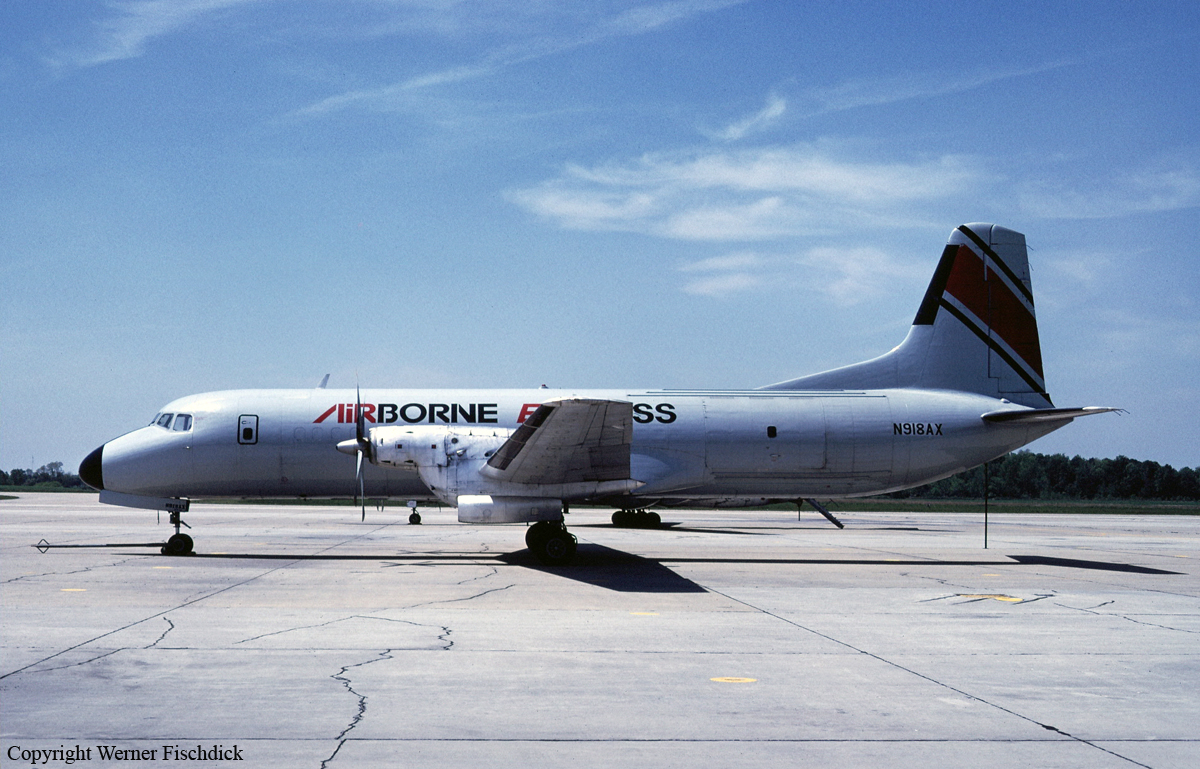
Crash of a NAMC YS-11A-205 in Wilmington

Date & Time: Mar 6, 1992
Type of aircraft:
Operator:
Registration:
N918AX
Flight Type:
Survivors:
Yes
Schedule:
Wilmington - Wilmington
MSN:
2112
YOM:
1969
Location:
Crew on board:
3
Crew fatalities:
Pax on board:
0
Pax fatalities:
Other fatalities:
Total fatalities:
0
Circumstances:
The crew departed Wilmington-Air park (Clinton County Airport) on a local training flight. On final approach to runway 22, the crew forgot to lower the undercarriage and the aircraft landed on its belly. It slid for few dozen yards and came to rest on the main runway. All three occupants escaped uninjured while the aircraft was damaged beyond repair.
Probable cause:
It was determined that the crew was focused on a flapless landing configuration and failed to follow the approach checklist and forgot to lower the landing gear.