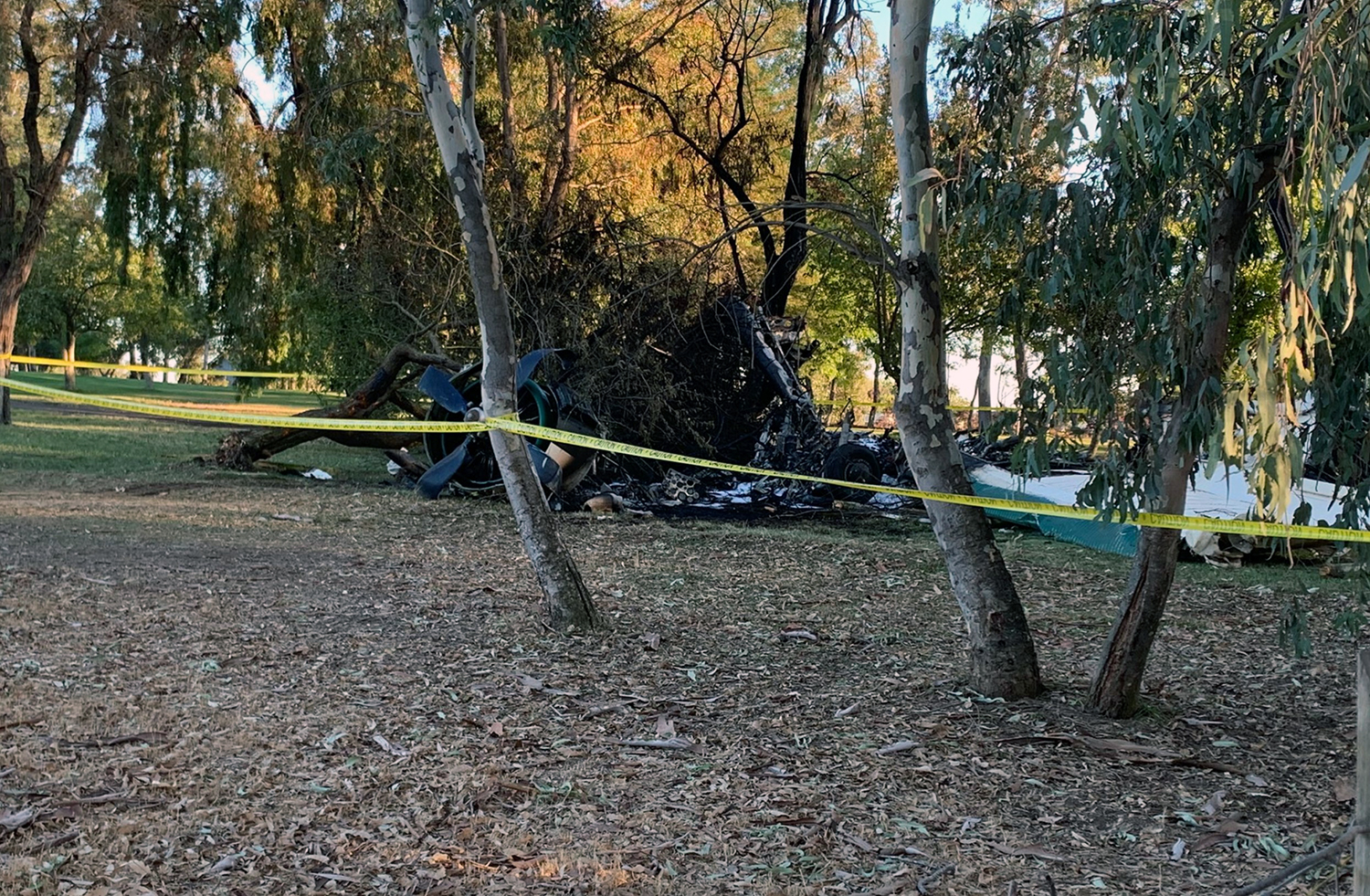
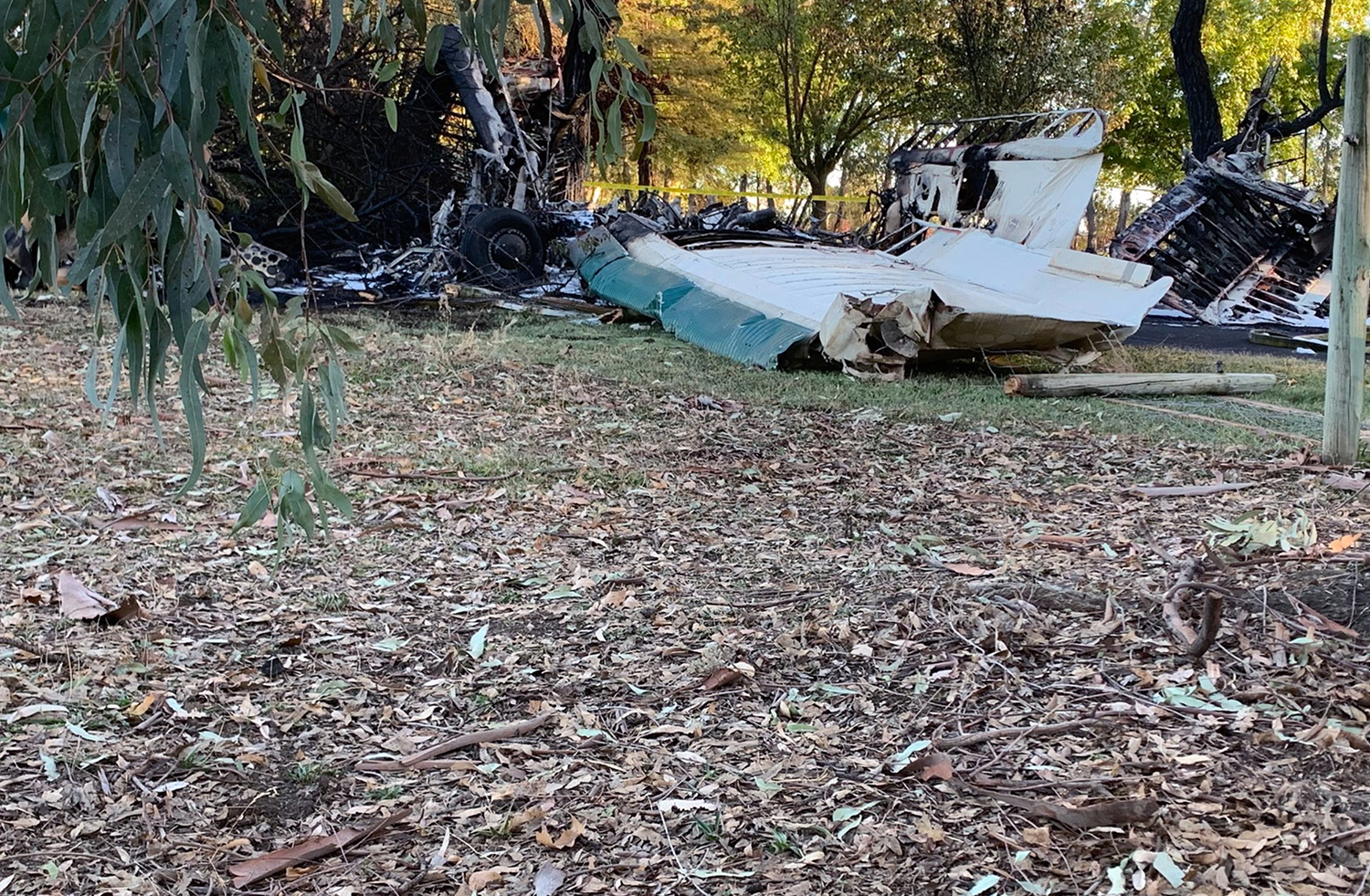
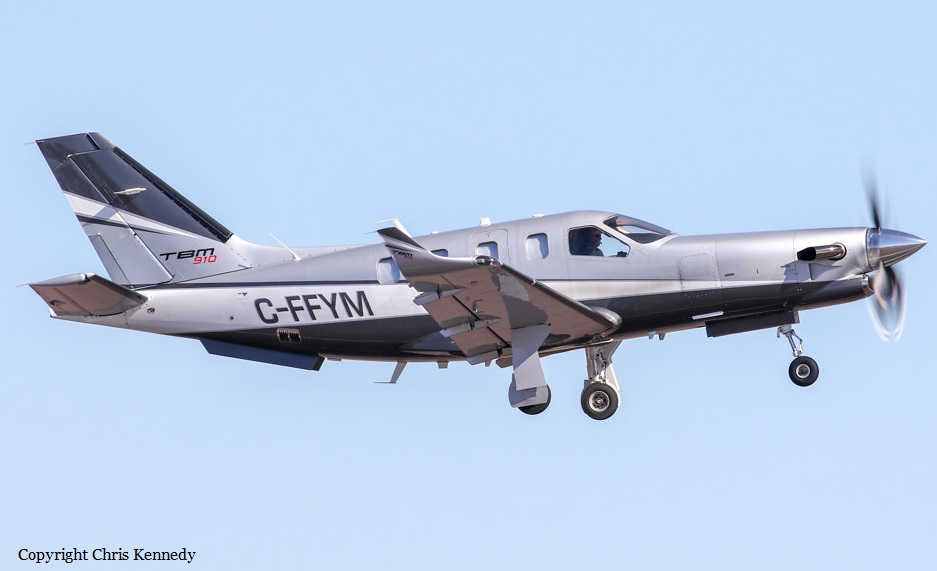
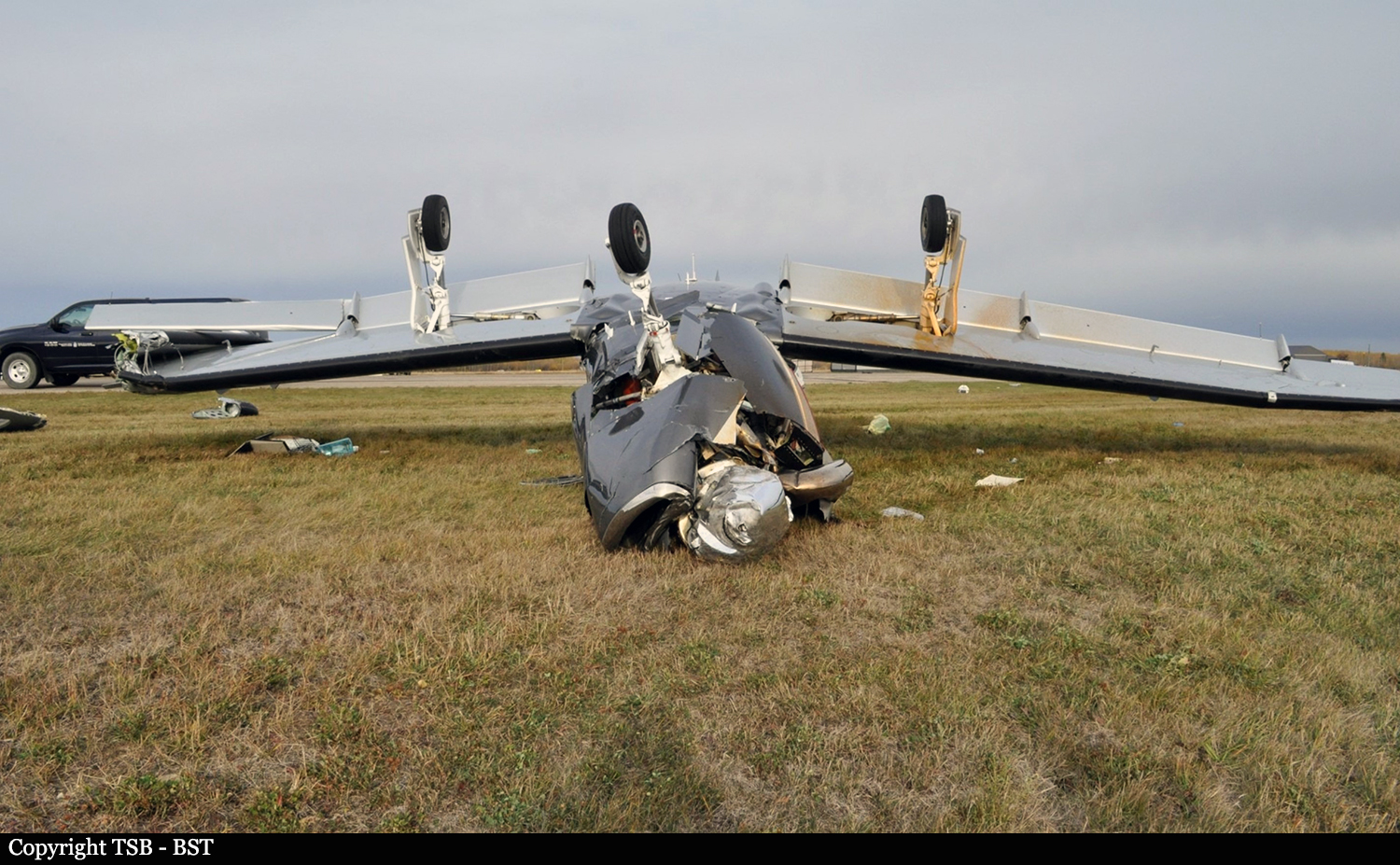
Crash of a Piper PA-60 Aerostar (Ted Smith 600) in Wichita

Date & Time: Jul 1, 2021 at 1908 LT
Operator:
Registration:
N10HK
Flight Type:
Survivors:
Yes
Schedule:
Sioux Falls – Wichita
MSN:
60-0715-8061222
YOM:
1980
Crew on board:
1
Crew fatalities:
Pax on board:
0
Pax fatalities:
Other fatalities:
Total fatalities:
0
Captain / Total flying hours:
420
Captain / Total hours on type:
95.00
Aircraft flight hours:
2744
Circumstances:
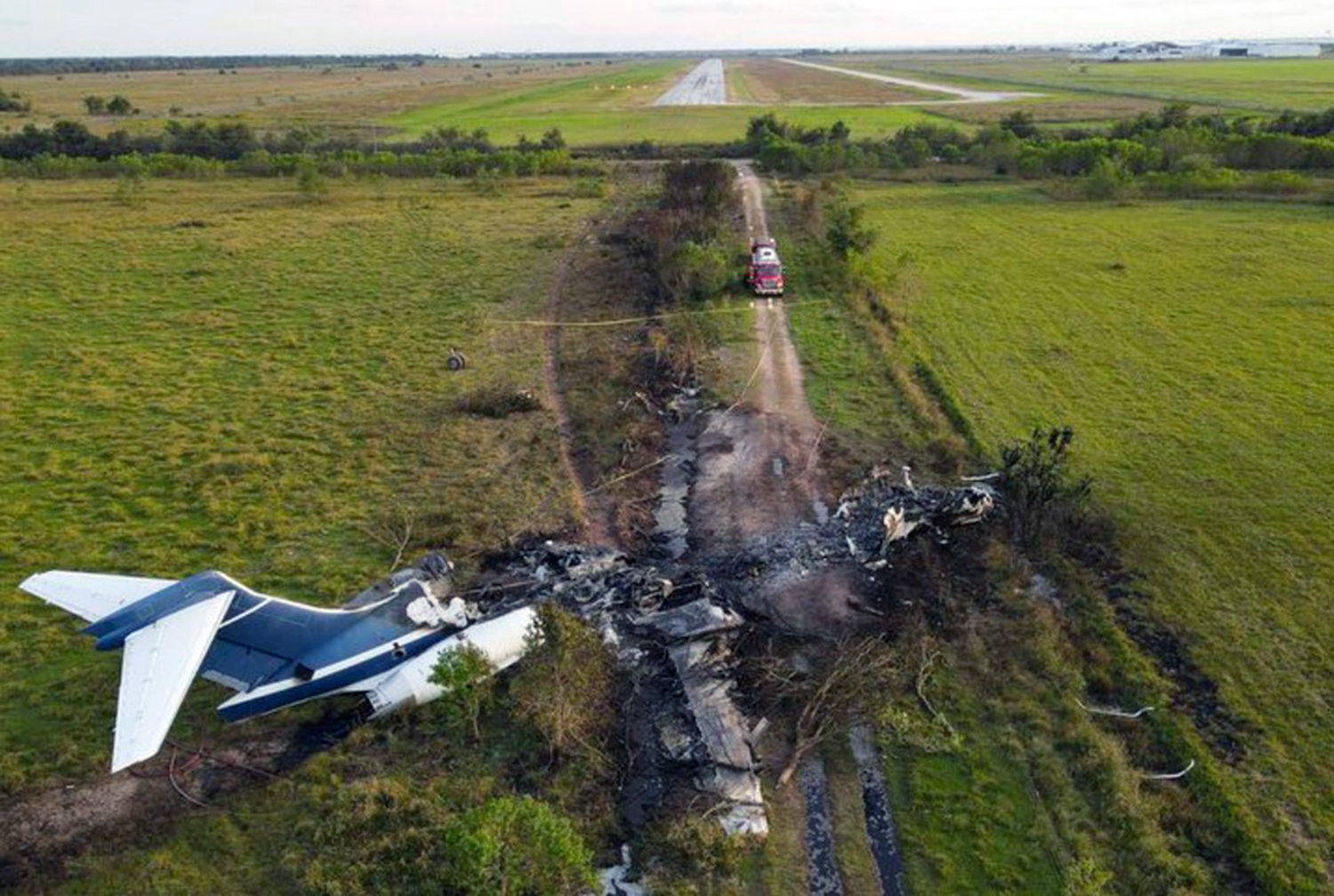
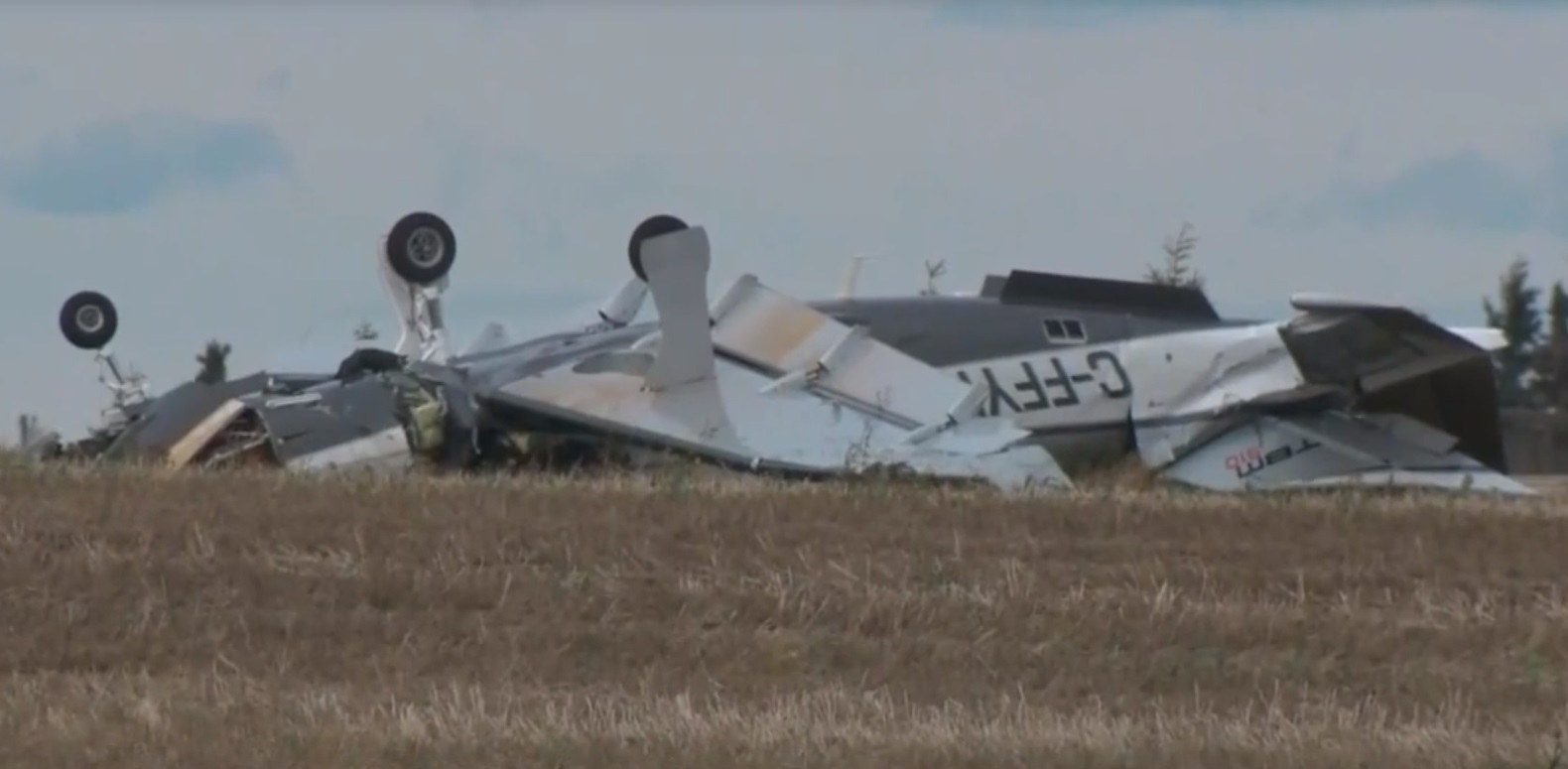
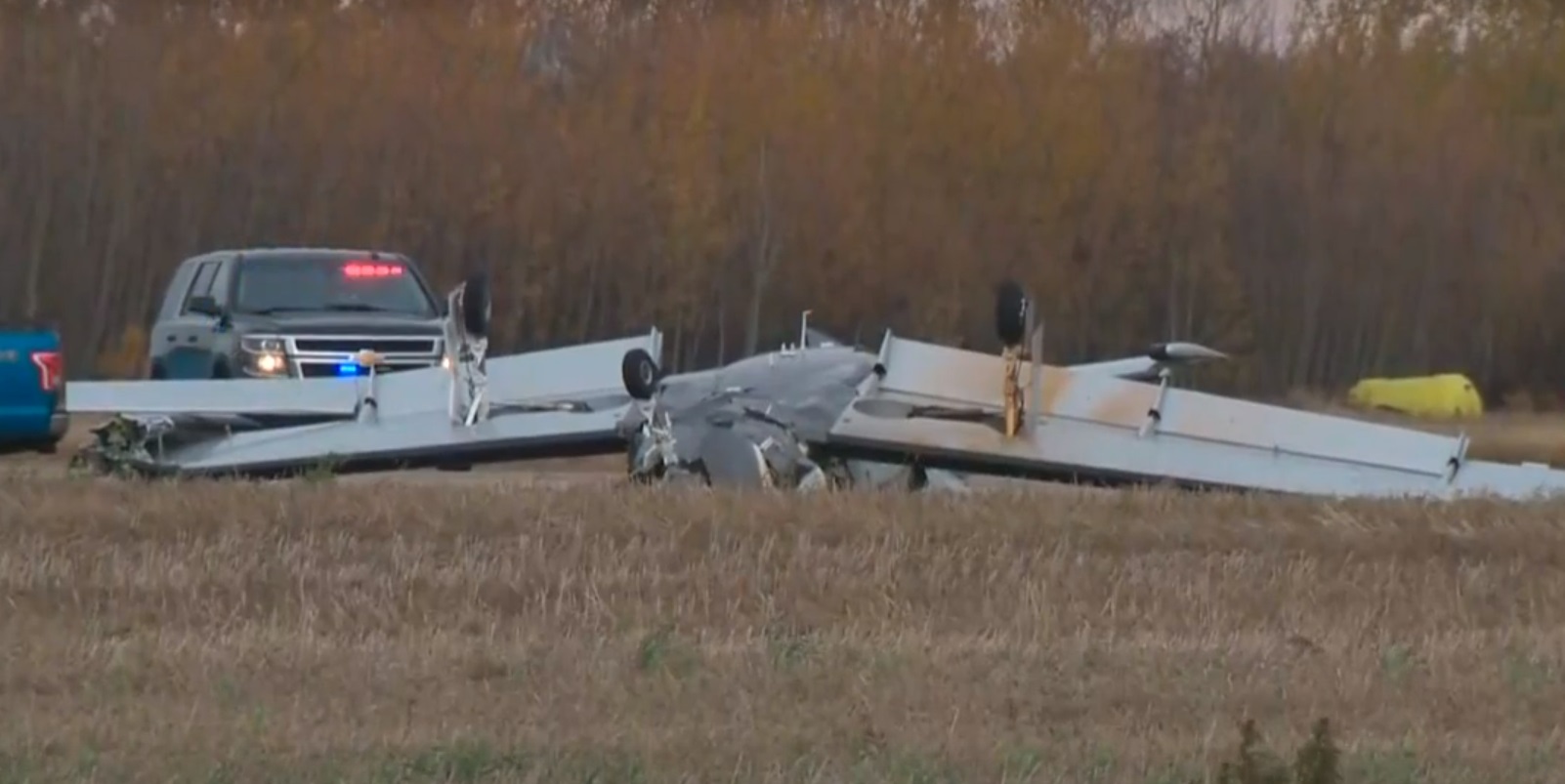
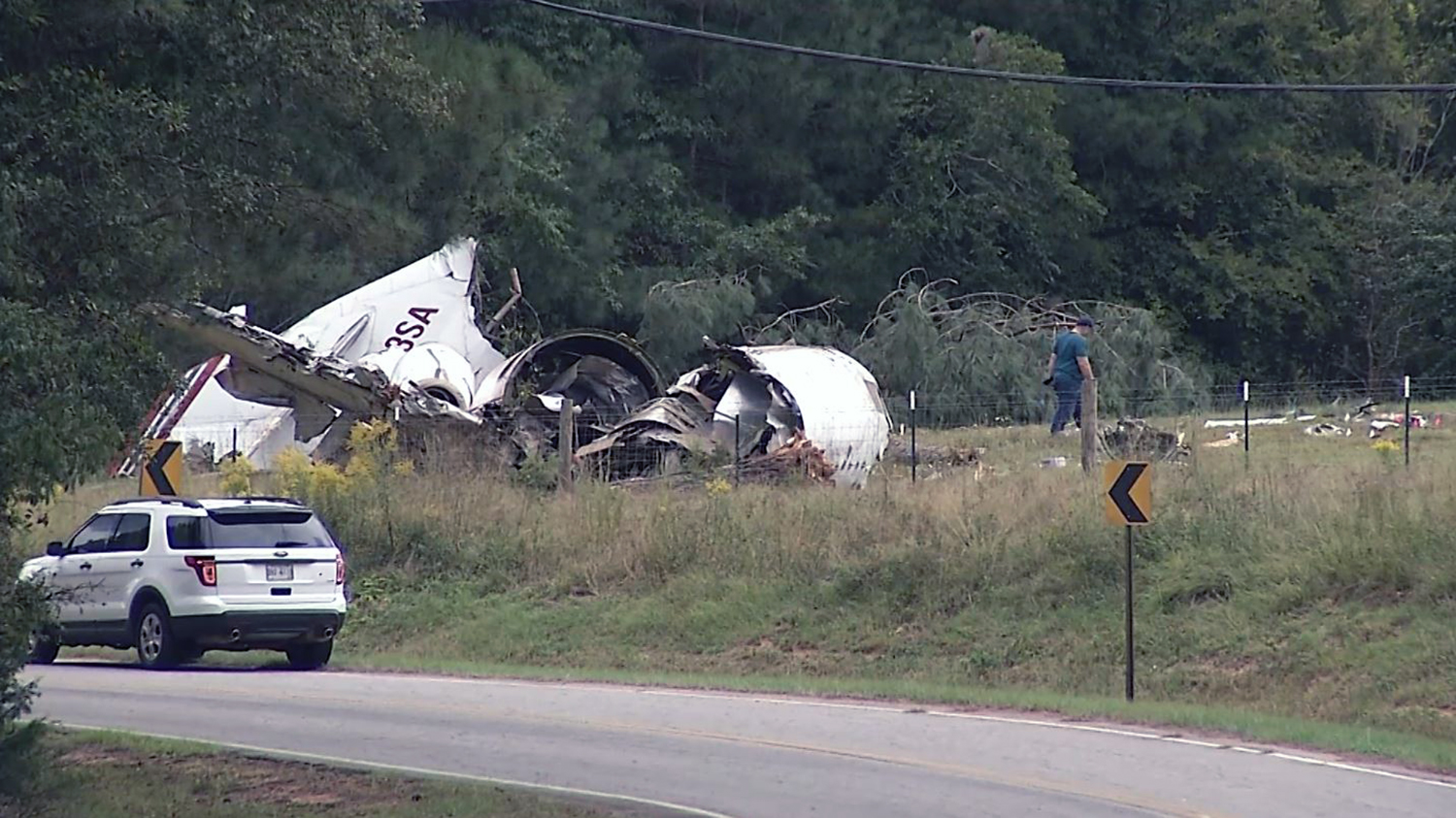
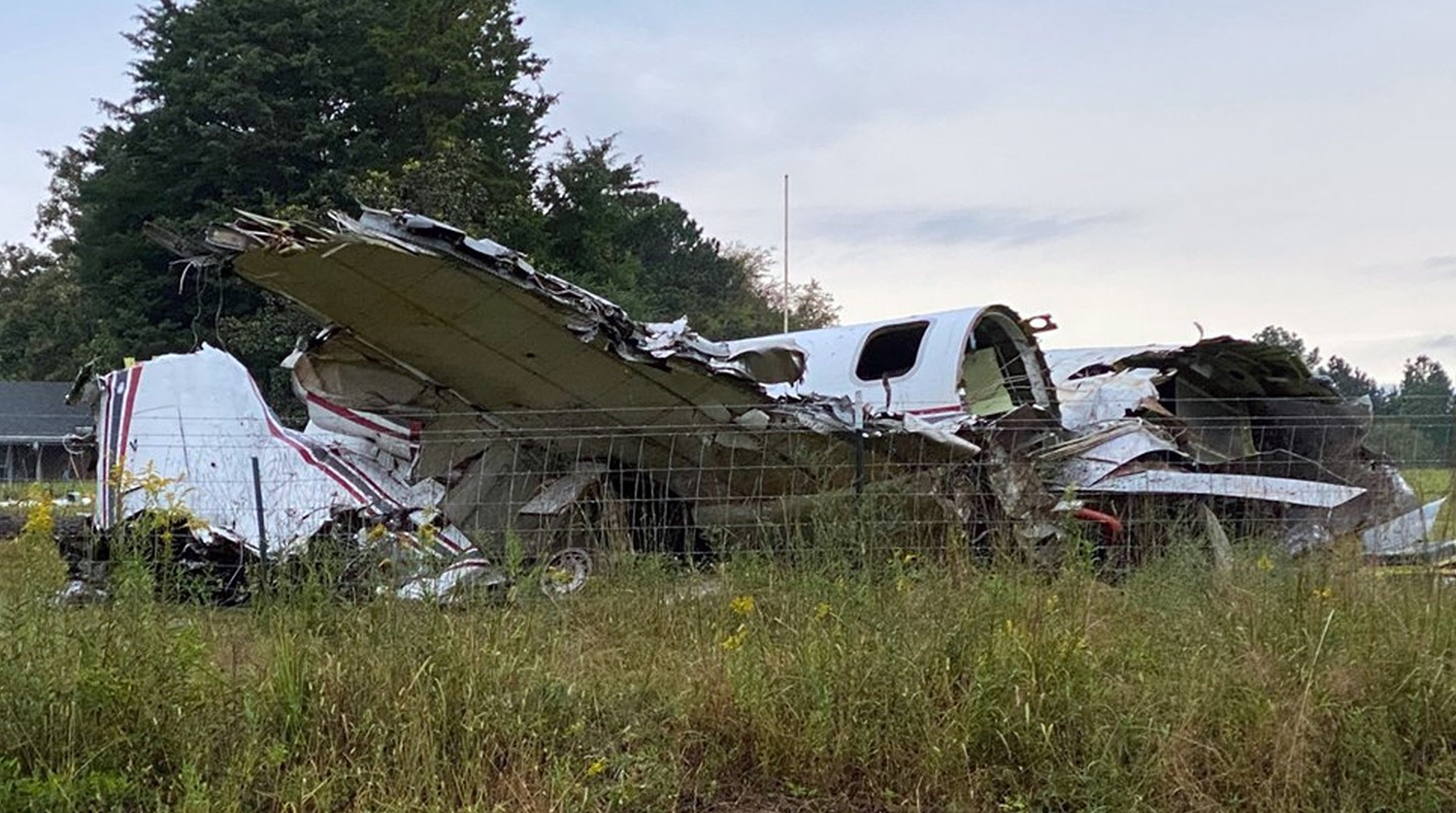
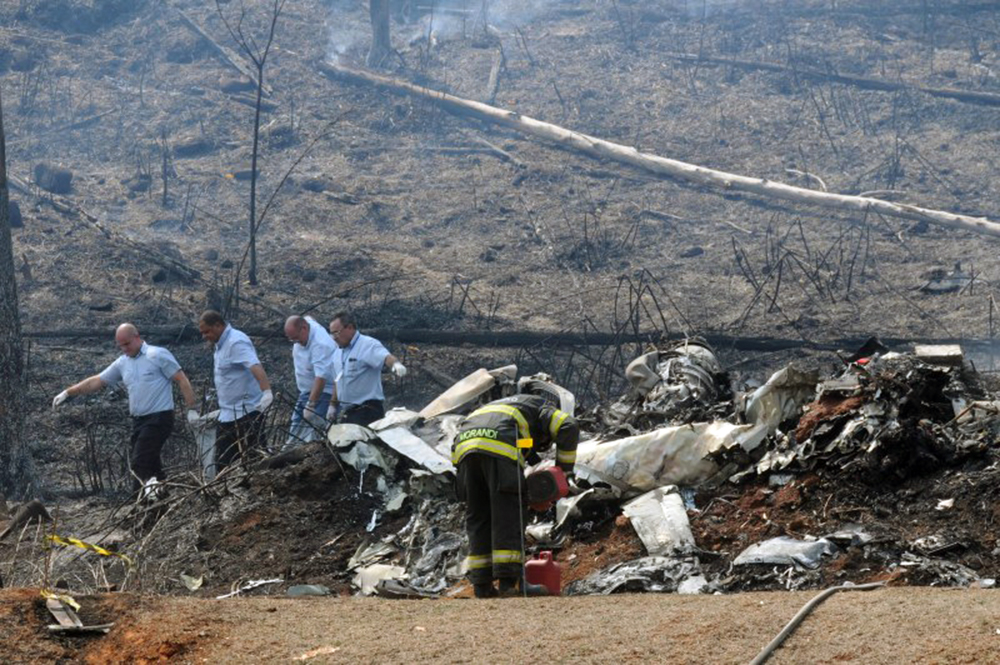
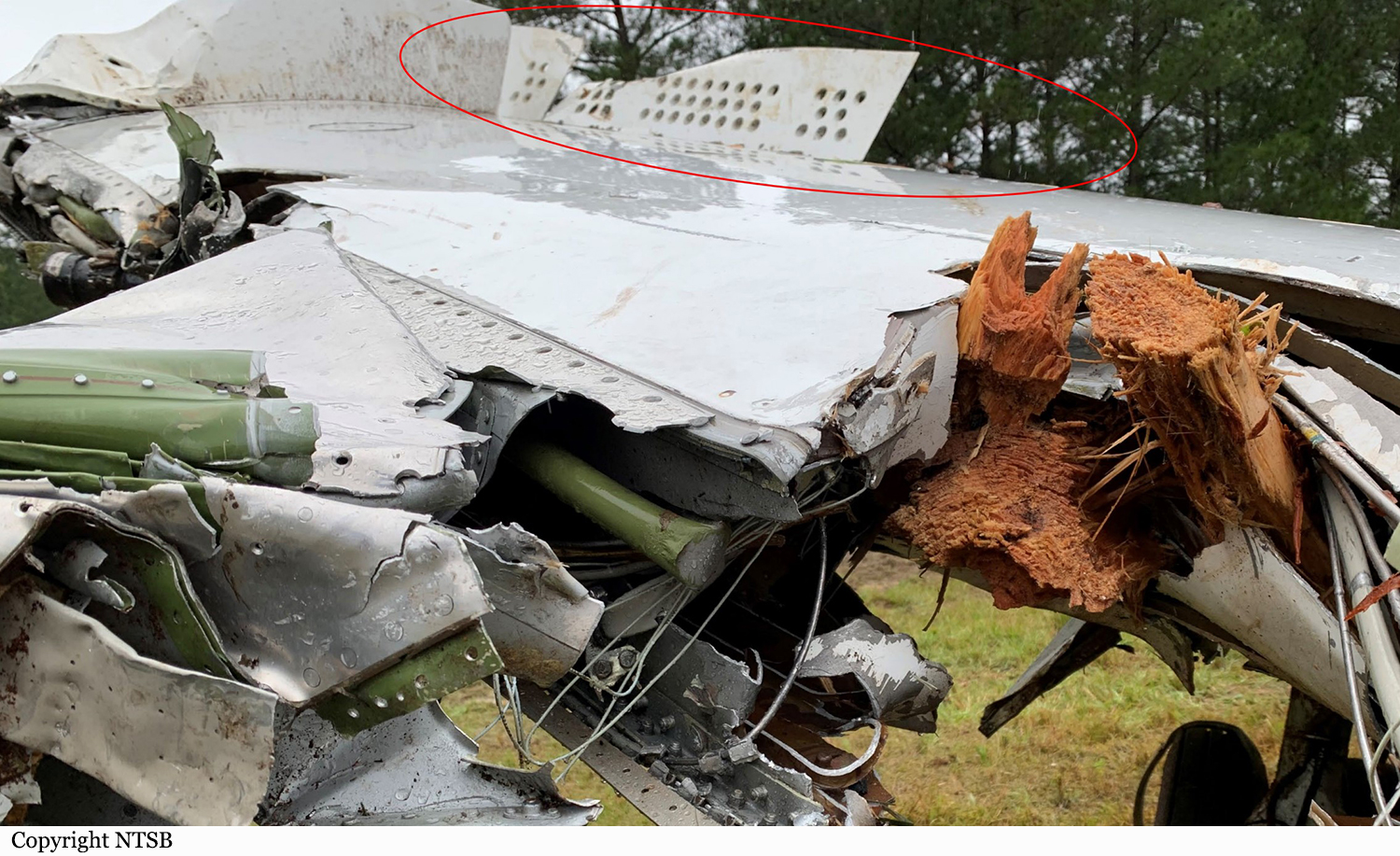
The pilot was conducting a cross-country flight when, about 8 miles north of his intended destination, he reduced engine power, pitched for level flight, and waited for indicated airspeed to drop below 174 kts to add 20° of flaps. As soon as the drag was introduced, the airplane began to “buck back and forward,” and the two engines were “throttling up and down on their own.” He noted that the right engine seemed to be “sputtering and popping” more than the left engine, so he decided to raise the flaps and to shut down and feather the right engine. He declared an emergency to air traffic control. The pilot then noticed that the left engine was “slowly spooling down” and the airplane was not able to maintain airspeed and altitude. The pilot performed a forced landing to a flat, muddy wheat field about 4 nautical miles from the airport. The airplane sustained substantial damage to the fuselage and to both wings. A Federal Aviation Administration inspector traveled to the accident site to examine the airplane. Flight control and engine control continuity were confirmed. The master switch was turned on and the fuel gauges showed a zero indication. There was no evidence of fuel at the accident site or in the airplane. During the recovery of the airplane from the field, no fuel was found in the three intact fuel tanks, nor in any of the engine fuel lines. The pilot later stated that he ran the airplane out of fuel during the accident flight. The pilot reported that, during the preflight checks and twice during the accident flight, he activated the low fuel warning light, and no anomalies were noted. Postaccident testing of the low fuel warning light in an exemplar Piper Aerostar 602P revealed no anomalies.
Probable cause:
The pilot’s improper fuel planning and management, which resulted in a total loss of engine power due to fuel exhaustion.
Final Report:
Crash of a Cessna 208 Supervan 900 in Teuge

Date & Time: Jun 25, 2021 at 0933 LT
Type of aircraft:
Operator:
Registration:
PH-FST
Flight Phase:
Survivors:
Yes
Schedule:
Teuge - Teuge
MSN:
208B-0823
YOM:
2000
Country:
Region:
Crew on board:
1
Crew fatalities:
Pax on board:
17
Pax fatalities:
Other fatalities:
Total fatalities:
0
Captain / Total flying hours:
6115
Aircraft flight hours:
9251
Circumstances:
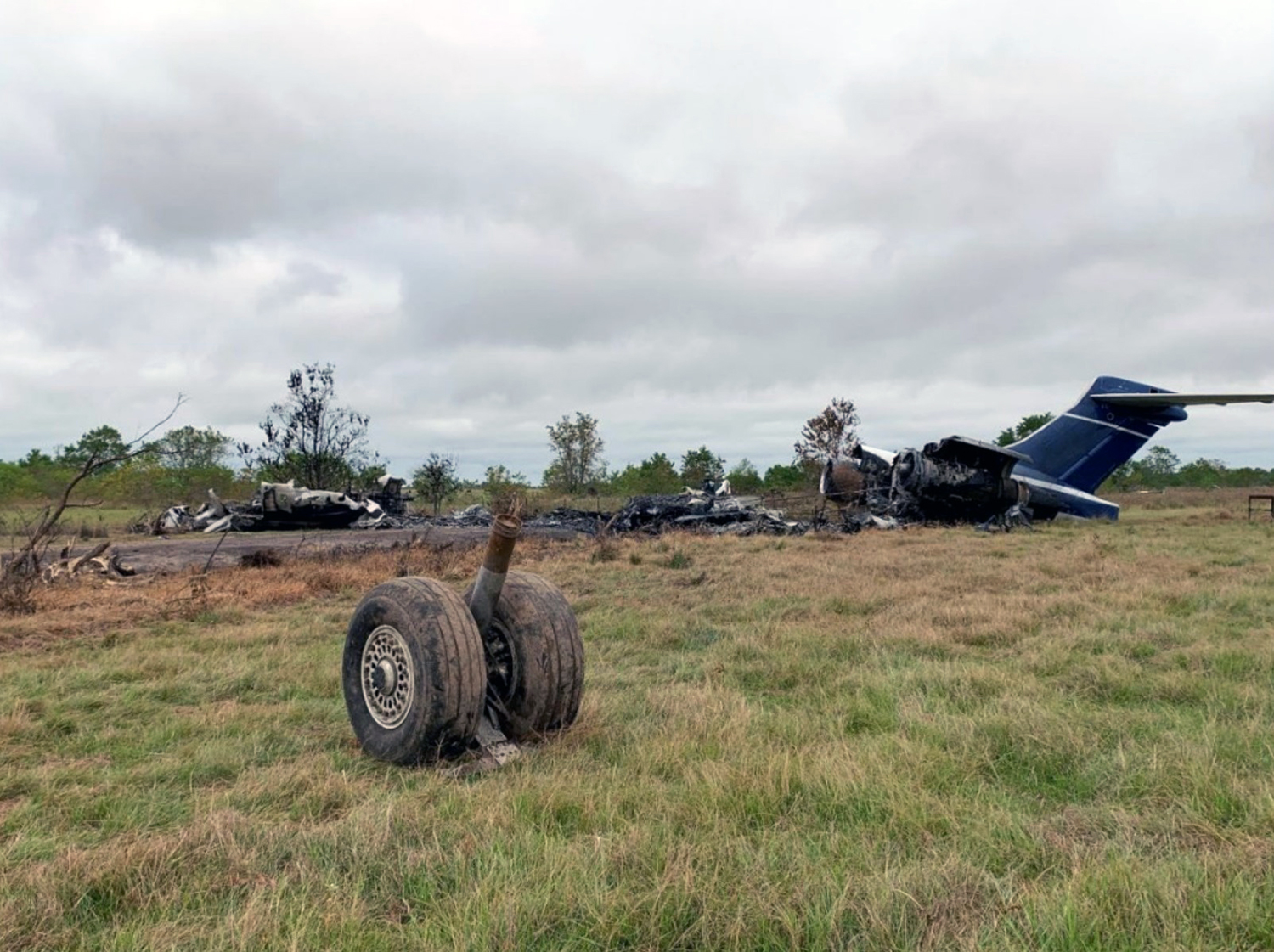
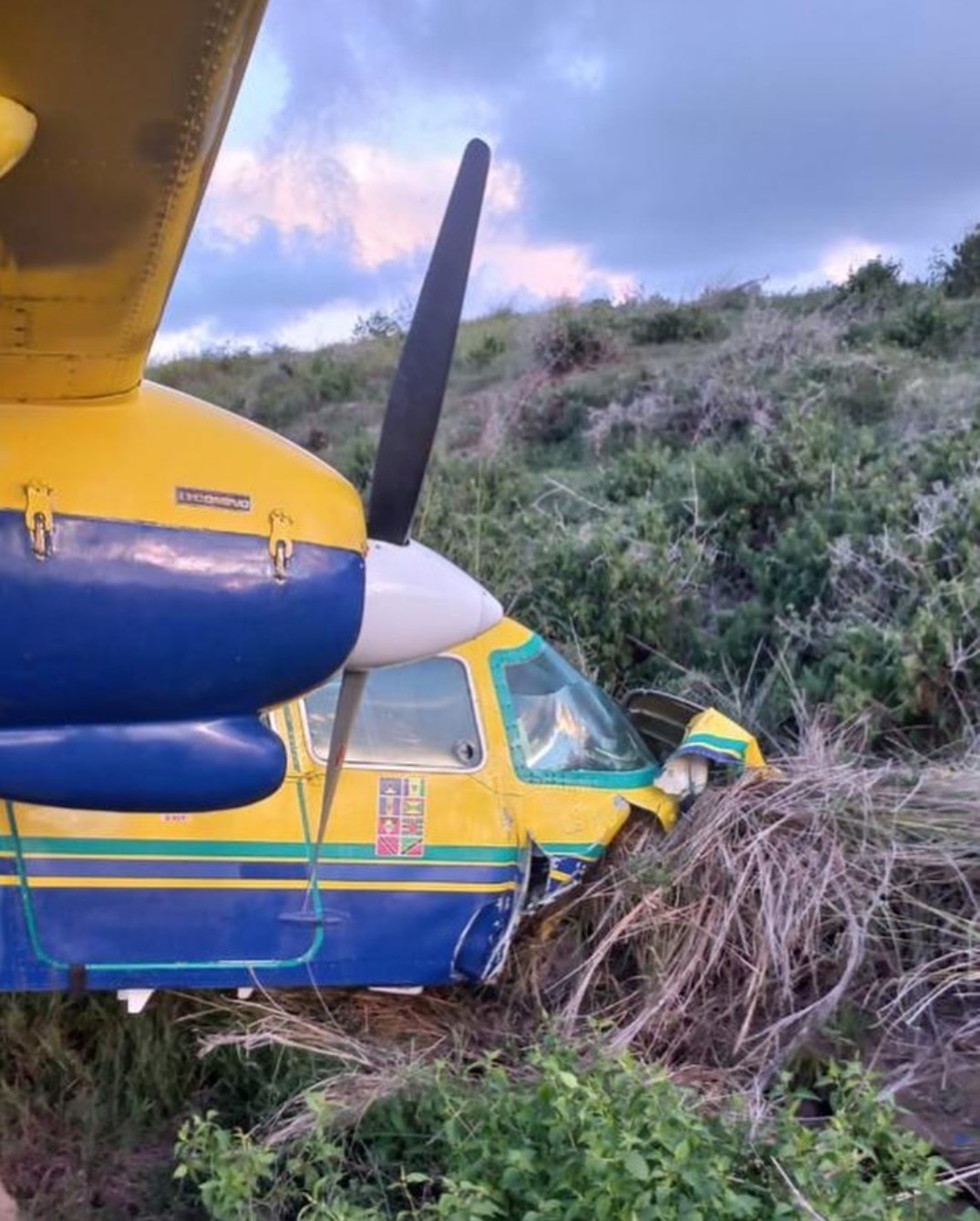
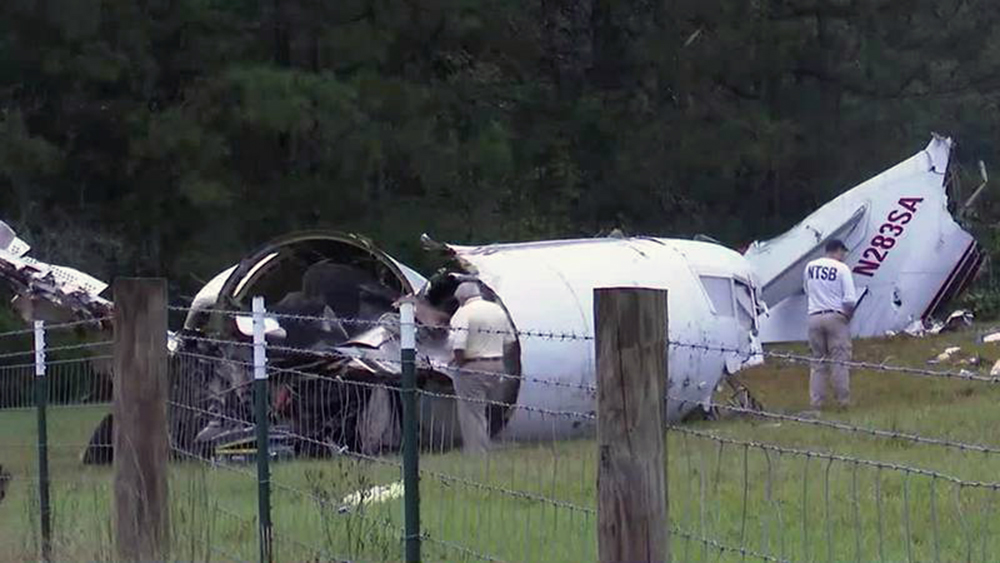
On the morning of 25 June 2021, the Cessna 208B with registration PH-FST was parked inside the hangar of a maintenance organization. The organization performed maintenance tasks on the aircraft on a regular basis. The maintenance organization had scheduled to perform a maintenance task before the planned flights that day. When the aircraft was on ground with the engine off, erratic and high engine Exhaust Gas Temperature (EGT) readings were reported. The maintenance organization suspected a faulty magnetic pick-up in the engine’s propeller governor to be the cause of these erratic EGT readings. A mechanic under supervision of a licensed engineer was tasked to replace the magnetic pick-up. After removal of the old magnetic pick-up, the mechanic followed steps one through four of the maintenance manual to install the new magnetic pick-up. Steps five through eight, a system voltage test to check correct installation, were not noticed by the mechanic and as a result not carried out. After connecting the wiring and tightening the lock nut, the mechanic, together with the pilot, did a static engine test run and performed the Single Red Line (SRL) check to verify the system and EGT readings. After the system was found to be functioning correctly, the mechanic left the aircraft and the pilot taxied to the skydive organization's building to pick up parachutists. Following the boarding of seventeen parachutists, the pilot taxied to runway 26 and commenced the takeoff roll. Shortly after takeoff, without any warning, the engine lost power at approximately 400 feet above field level. The pilot made an emergency landing in a field whereby the aircraft sustained substantial damage to the fuselage, wings, landing gear and propeller. One parachutist suffered minor injuries.
Probable cause:
During the initial climb after takeoff, the aircraft suffered a complete loss of engine power as a result of the uncommanded feathering of the propeller. This feathering was the result of damage that occurred within the propeller governor. Most probably, the incorrect installation of the magnetic pick-up in the propeller governor prior to the accident flight led to contact damage between the pick-up and the rotating toothed gear. Debris restricted the free movement of the ball head assembly in the governor housing, allowing all oil to drain from the propeller dome and causing the propeller to continuously move to the feather position and eventually cease rotation. The increasing pitch of the propeller led to a power reduction of the engine which reinforced itself. The distorted output signal of the damaged magnetic pick-up did not cause the engine flame out. The design of the propeller governor’s toothed gear makes it possible to position the magnetic pick-up in between its teeth. The maintenance procedure for the replacement of the magnetic pick-up did not specifically mention or address this. The final steps of this procedure, a voltage check to verify the correct placement of the pick-up, were not performed by the maintenance staff. The design of the toothed gear in combination with the procedure in the maintenance manual allowed for the incorrect installation.
Final Report:
Crash of a Let L-410UVP-E in Tanay: 4 killed

Date & Time: Jun 19, 2021 at 1000 LT
Type of aircraft:
Operator:
Registration:
RF-94603
Flight Phase:
Survivors:
Yes
Schedule:
Tanay - Tanay
MSN:
892328
YOM:
1989
Country:
Region:
Crew on board:
2
Crew fatalities:
Pax on board:
17
Pax fatalities:
Other fatalities:
Total fatalities:
4
Circumstances:
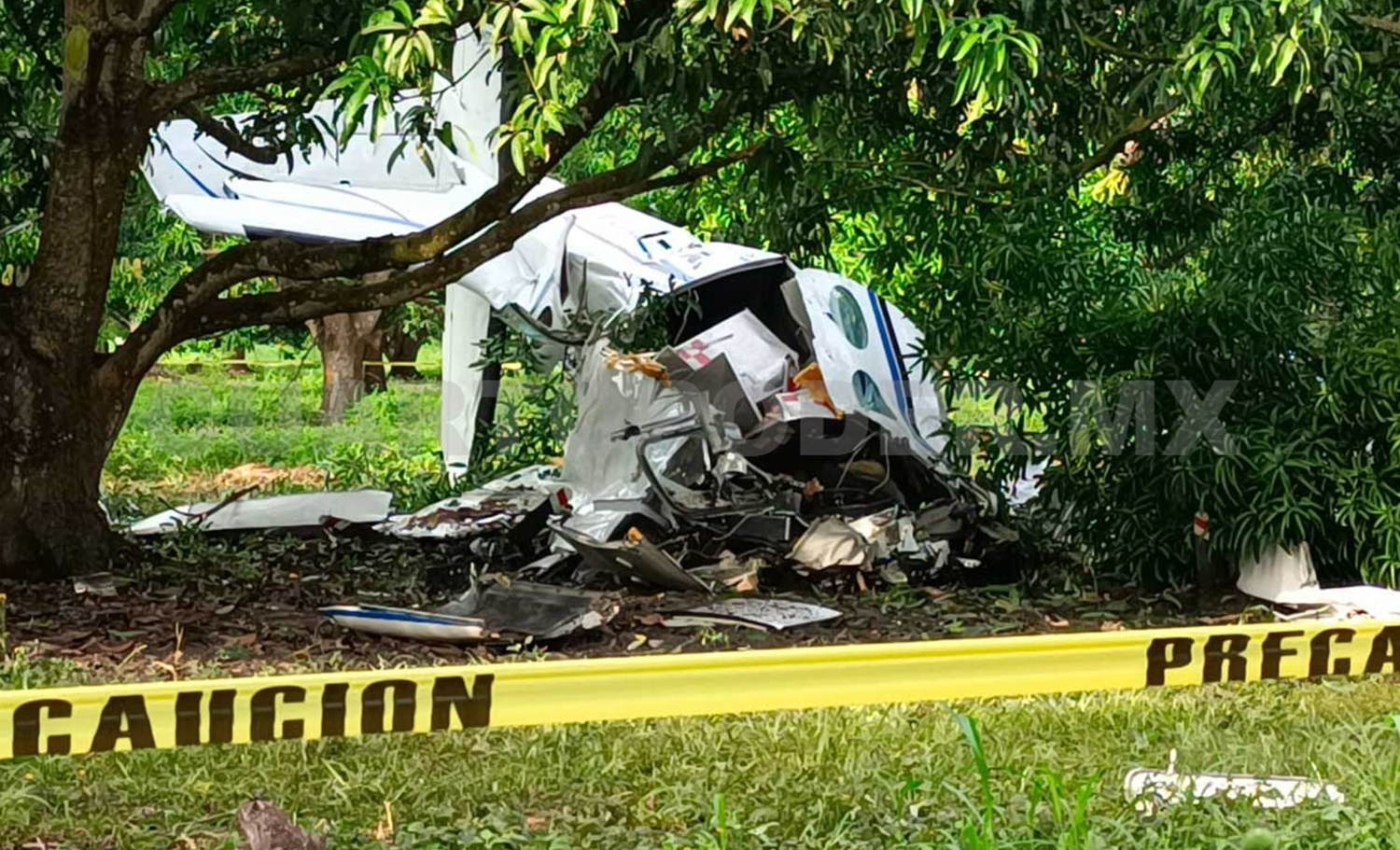
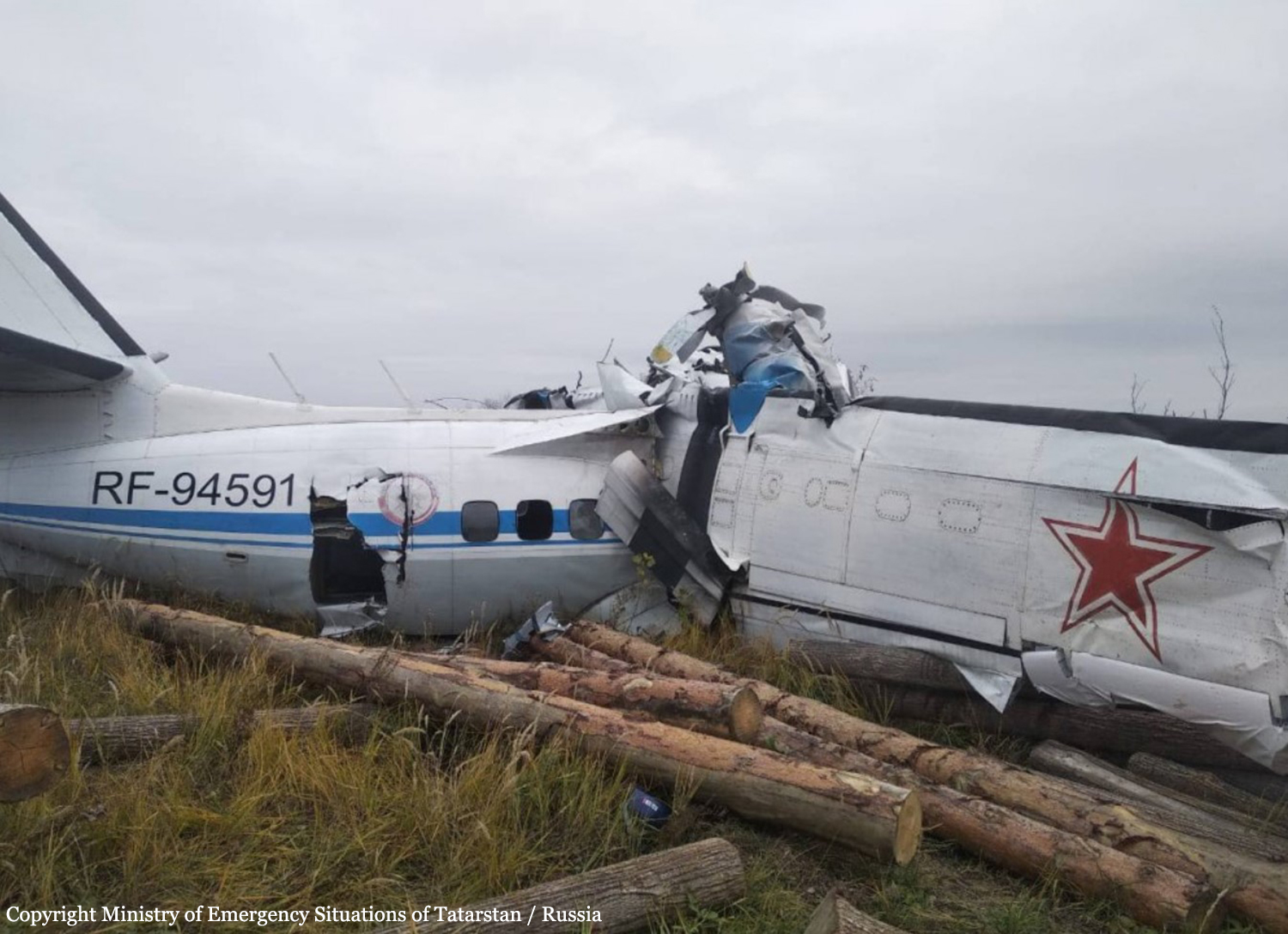
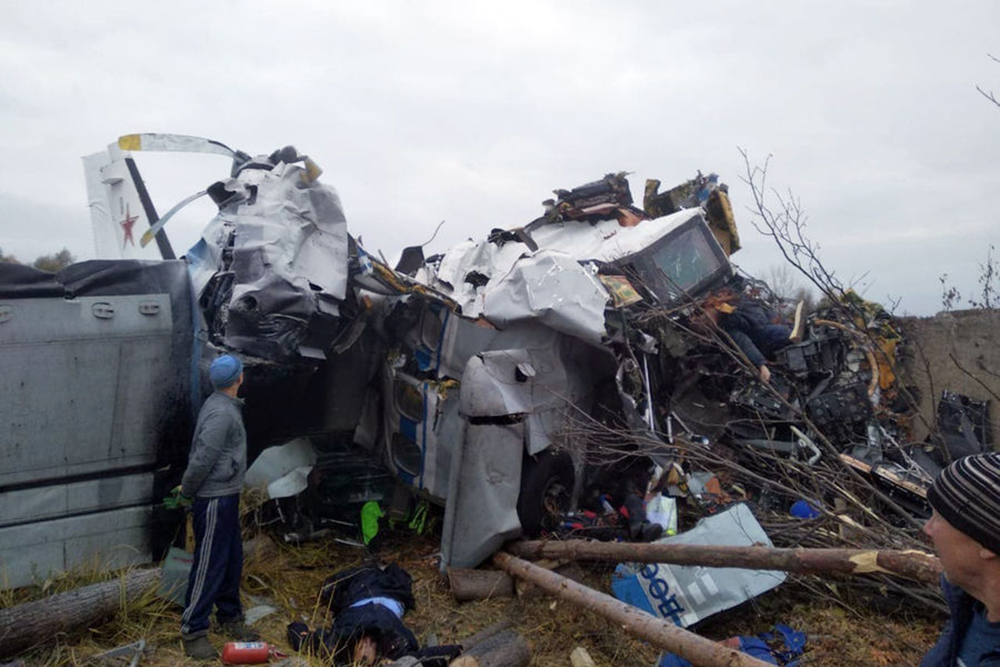
The twin engine aircraft was engaged in a local skydiving mission in Tanay, Kemerovo oblast. On board were 17 skydivers and two pilots. Shortly after takeoff, while in initial climb, the aircraft stalled and crashed in a grassy area. Both pilots and two passengers were killed while 15 other occupants were injured. The aircraft was totally destroyed. It is believed that the right engine suffered a power loss.

Crash of a Let L-410UVP-E in Bukavu: 3 killed

Date & Time: Jun 16, 2021 at 1115 LT
Type of aircraft:
Operator:
Registration:
9S-GRJ
Flight Phase:
Flight Type:
Survivors:
No
Schedule:
Bukavu - Shabunda
MSN:
872006
YOM:
1987
Location:
Region:
Crew on board:
2
Crew fatalities:
Pax on board:
1
Pax fatalities:
Other fatalities:
Total fatalities:
3
Circumstances:
The twin engine aircraft departed Bukavu-Kavumu Airport on a cargo flight to Shabunda, carrying one passenger, two pilots and a load consisting of 1,600 kg of metal sheet. Shortly after takeoff, while in initial climb, the aircraft went out of control and crashed in a prairie located near the airport. The aircraft was totally destroyed and all three occupants were killed.

Crash of a Beechcraft 1900D in Pyin Oo Lwin: 12 killed

Date & Time: Jun 10, 2021
Type of aircraft:
Operator:
Registration:
4610
Flight Type:
Survivors:
Yes
Schedule:
Naypyidaw – Pyin Oo Lwin
MSN:
UE-325
YOM:
1998
Country:
Region:
Crew on board:
2
Crew fatalities:
Pax on board:
14
Pax fatalities:
Other fatalities:
Total fatalities:
12
Circumstances:
The twin engine aircraft departed Naypyidaw on a flight to Pyin Oo Lwin, carrying 14 passengers and two pilots, among them high ranking officers and monks. On final approach to Pyin Oo Lwin-Anisakan Airport runway 21, the aircraft collided with obstacles and crashed near a steel plant located about 3 km short of runway threshold. A pilot and three passengers were injured while 12 other occupants were killed. Development will follow.

Crash of a Piper PA-31P-425 Pressurized Navajo in Myrtle Beach: 1 killed

Date & Time: May 21, 2021 at 1814 LT
Type of aircraft:
Operator:
Registration:
N575BC
Flight Phase:
Flight Type:
Survivors:
No
Schedule:
Myrtle Beach - North Myrtle Beach
MSN:
31-7730003
YOM:
1977
Crew on board:
1
Crew fatalities:
Pax on board:
0
Pax fatalities:
Other fatalities:
Total fatalities:
1
Captain / Total flying hours:
20000
Aircraft flight hours:
4826
Circumstances:
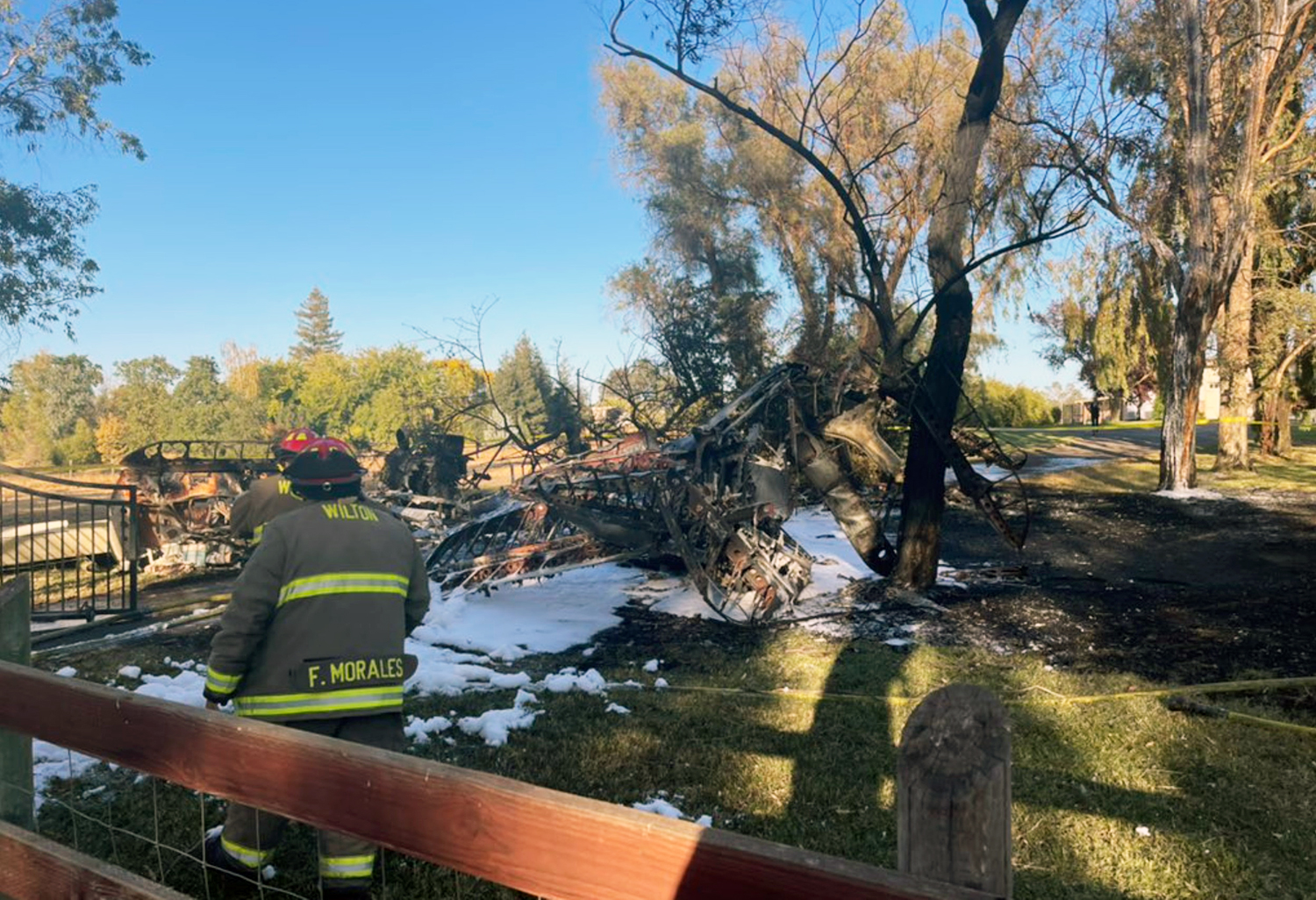
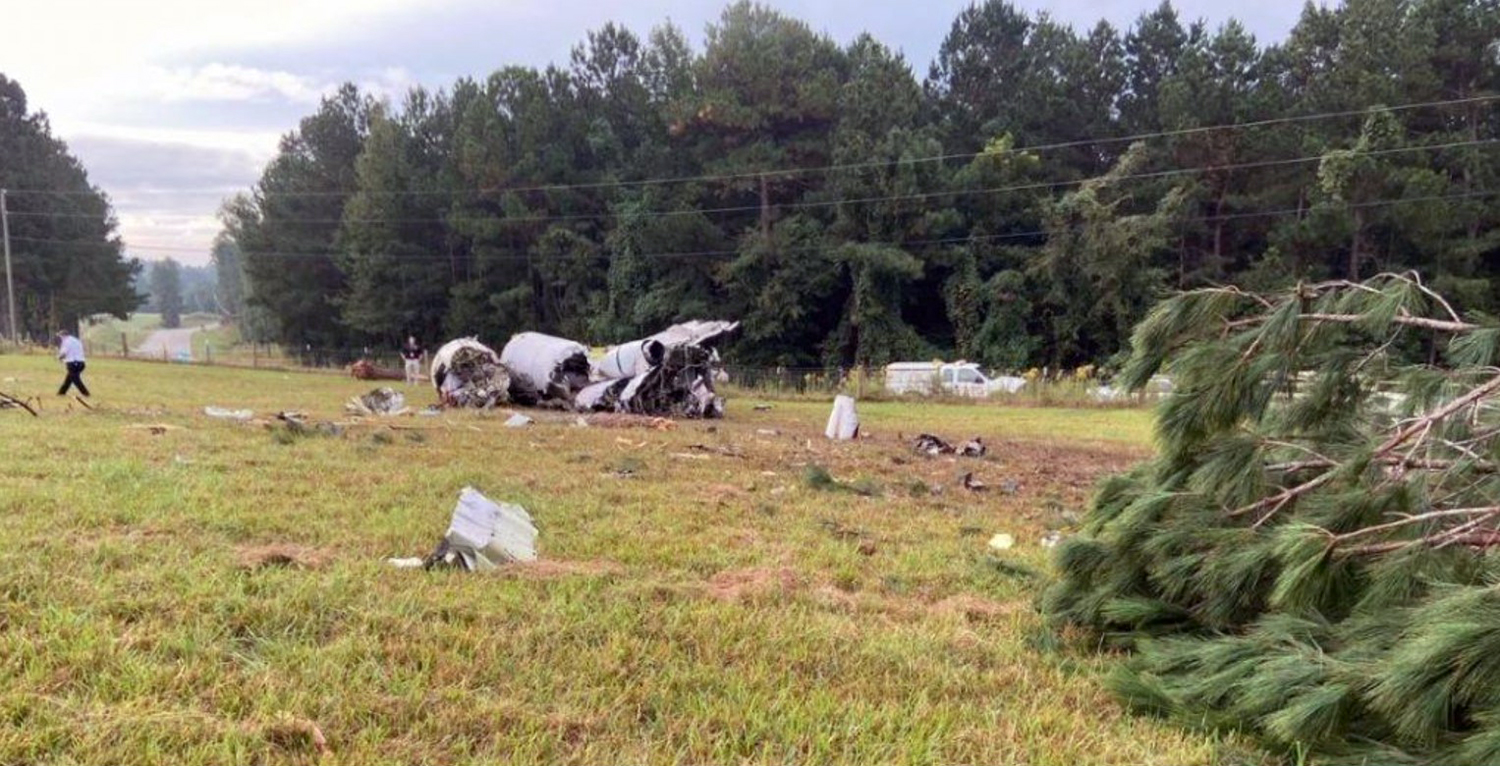
The airplane departed Myrtle Beach International Airport (MYR), Myrtle Beach, South Carolina, at 1812, with the intended destination of Grand Strand Airport (CRE), North Myrtle Beach, South Carolina. According to automatic dependent surveillance-broadcast and air traffic control (ATC) communications information, the pilot established contact with ATC and reported that he was ready for departure from runway 18. He was instructed to fly runway heading, climb to 1,700 ft mean sea level (msl), and was cleared for takeoff. Once airborne, the controller instructed the pilot to turn left; however, the pilot stated that he needed to return to runway 18. The controller instructed the pilot to enter a right closed traffic pattern at 1,500 ft msl. As the airplane continued to turn to the downwind leg of the traffic pattern, it reached an altitude of about 1,000 ft mean sea level (msl). While on the downwind leg of the traffic pattern, the airplane descended to 450 ft msl, climbed to 700 ft msl, and then again descended to 475 ft msl before radar contact was lost. About 1 minute after the pilot requested to return to the runway, the controller asked if any assistance was required, to which the pilot replied, “yes, we’re in trouble.” There were no further radio communications from the pilot. The airplane crashed in a field and was destroyed by impact forces and a post crash fire. The pilot, sole on board, was killed.
Probable cause:
The mechanic’s inadvertent installation of the elevator trim tabs in reverse, which resulted in the pitch trim system operating opposite of the pilot’s input and the pilot’s subsequent loss of control.
Final Report:
Crash of a Beechcraft 350 Super King Air in Kaduna: 11 killed

Date & Time: May 21, 2021 at 1800 LT
Operator:
Registration:
NAF203
Flight Type:
Survivors:
No
MSN:
FL-891
YOM:
2013
Country:
Region:
Crew on board:
4
Crew fatalities:
Pax on board:
7
Pax fatalities:
Other fatalities:
Total fatalities:
11
Circumstances:
On final approach to Kaduna Airport in poor weather conditions, the twin engine aircraft crashed, bursting into flames. The aircraft was totally destroyed by impact forces and a post crash fire. All 11 occupants were killed, among them General Ibrahim Attahiru, Chief of Staff of the Nigerian Army. He was returning to Kaduna with a delegation of six other Army officers, among them three Brigadier General.
Crew:
F/Lt T. Asaniyi,
F/Lt A. Olufade,
Sgt Adesina,
Acm Oyedepo.
Passengers:
Lt General Ibrahim Attahiru,
Br/Gen M. Abdulkadir,
Br/Gen Olayinka,
Br/Gen Kuliya,
Maj Lawal Hayat,
Maj Hamza,
Sgt Umar.

Crash of a Pilatus PC-6/B2-H4 Turbo Porter in Ravenna: 2 killed

Date & Time: May 14, 2021 at 1140 LT
Operator:
Registration:
I-HSKC
Flight Phase:
Flight Type:
Survivors:
No
Schedule:
Ravenna - Ravenna
MSN:
779
YOM:
1977
Country:
Region:
Crew on board:
2
Crew fatalities:
Pax on board:
0
Pax fatalities:
Other fatalities:
Total fatalities:
2
Circumstances:
The crew departed Ravenna-La Spreta Airport in the morning on a local training flight consisting of a licence renewal for one of the pilots. En route, in unclear circumstances, the single engine aircraft went out of control and crashed at the bottom of a building located about 1,400 metres south of the airfield. The aircraft was totally destroyed by impact forces and a post crash fire and both occupants were killed.

Crash of a Swearingen SA226TC Metro II in Denver

Date & Time: May 12, 2021 at 1023 LT
Type of aircraft:
Operator:
Registration:
N280KL
Flight Type:
Survivors:
Yes
Schedule:
Salida – Denver
MSN:
TC-280
YOM:
1978
Flight number:
LYM970
Crew on board:
1
Crew fatalities:
Pax on board:
0
Pax fatalities:
Other fatalities:
Total fatalities:
0
Captain / Total flying hours:
11184
Captain / Total hours on type:
2656.00
Aircraft flight hours:
29525
Circumstances:
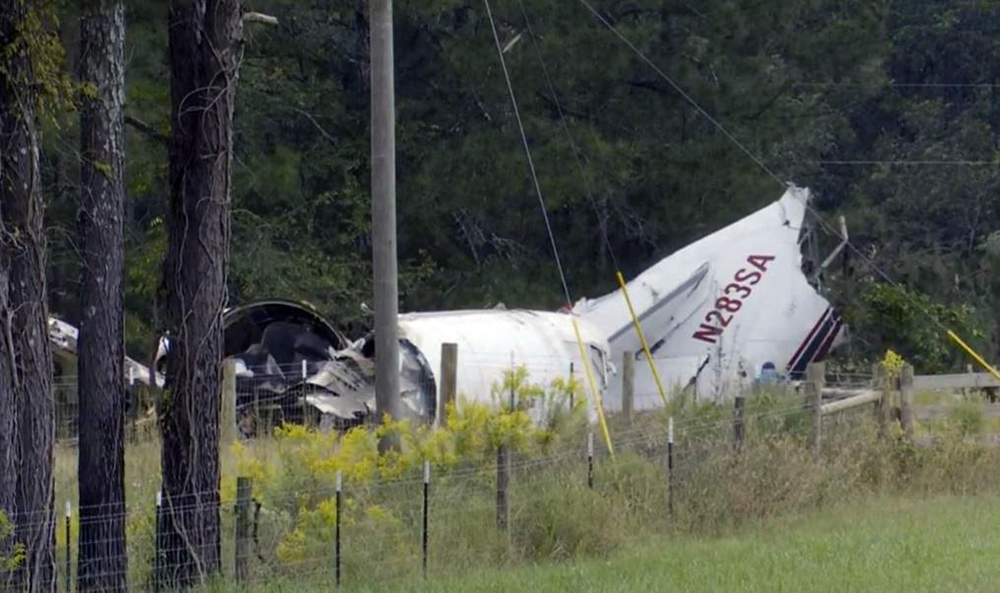
A Cirrus SR22 and a Swearingen AS226TC were approaching to land on parallel runways and being controlled by different controllers on different control tower frequencies. The pilot of the Swearingen was established on an extended final approach for the left runway, while the pilot of the Cirrus was flying a right traffic pattern for the right runway. Data from an on-board recording device showed that the Cirrus’ airspeed on the base leg of the approach was more than 50 kts above the manufacturer’s recommended speed of 90 to 95 kts. As the Cirrus made the right turn from the base leg to the final approach, its flight path carried it through the extended centerline for the assigned runway (right), and into the extended centerline for the left runway where the collision occurred. At the time of the collision, the Cirrus had completed about ½ of the 90° turn from base to final and its trajectory would have taken it even further left of the final approach course for the left runway. The pilot of the Swearingen landed uneventfully; the pilot of the Cirrus deployed the airframe parachute system, and the airplane came to rest upright about 3 nautical miles from the airport. Both airplanes sustained substantial damage to their fuselage. During the approach sequence the controller working the Swearingen did not issue a traffic advisory to the pilot regarding the location of the Cirrus and the potential conflict. The issuance of traffic information during simultaneous parallel runway operations was required by Federal Aviation Administration Order JO 7110.65Y, which details air traffic control procedures and phraseology for use by persons providing air traffic control services. The controller working the Cirrus did issue a traffic advisory to the Cirrus pilot regarding the Swearingen on the parallel approach. Based on the available information, the pilot of the Cirrus utilized a much higher than recommended approach speed which increased the airplane’s radius of turn. The pilot then misjudged the airplane’s flight path, which resulted in the airplane flying through the assigned final approach course and into the path of the parallel runway. The controller did not issue a traffic advisory to the pilot of Swearingen regarding the location of the Cirrus. The two airplanes were on different tower frequencies and had the controller issued an advisory, the pilot of the Swearingen may have been able to identify the conflict and maneuver his airplane to avoid the collision.
Probable cause:
The Cirrus pilot’s failure to maintain the final approach course for the assigned runway, which resulted in a collision with the Swearingen which was on final approach to the parallel runway. Contributing to the accident was the failure of the controller to issue a traffic advisory to the Swearingen pilot regarding the location of Cirrus, and the Cirrus pilot’s decision to fly higher than recommended approach speed which resulted in a larger turn radius and contributed to his overshoot of the final approach course.
Final Report:
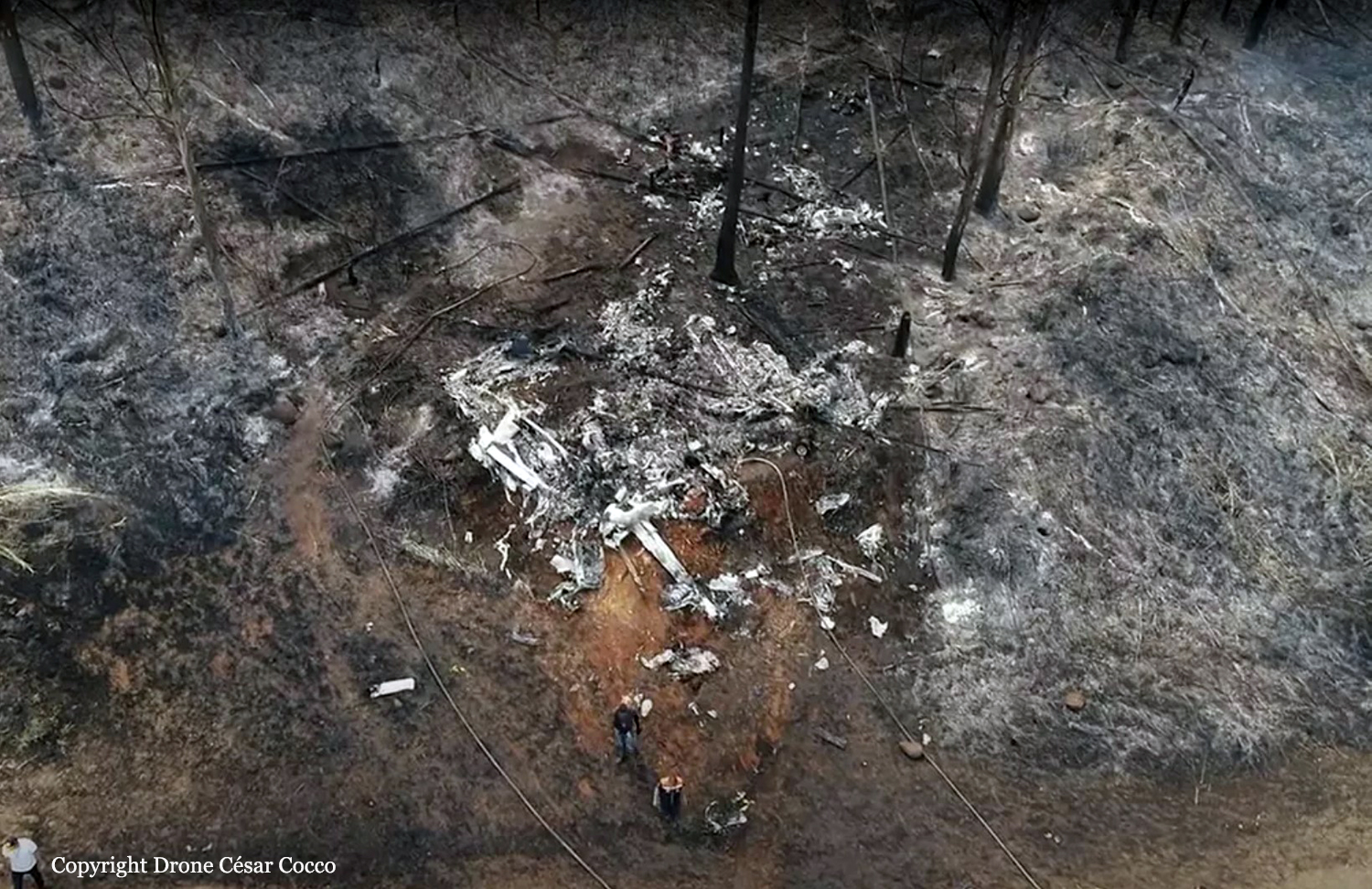
Crash of a Beechcraft B250GT Super King Air in Gwalior

Date & Time: May 6, 2021 at 2115 LT
Operator:
Registration:
VT-MPQ
Flight Type:
Survivors:
Yes
Schedule:
Indore - Gwalior
MSN:
BY-373
YOM:
2020
Country:
Region:
Crew on board:
2
Crew fatalities:
Pax on board:
1
Pax fatalities:
Other fatalities:
Total fatalities:
0
Captain / Total flying hours:
12324
Captain / Total hours on type:
9362.00
Copilot / Total flying hours:
5135
Copilot / Total hours on type:
50
Aircraft flight hours:
49
Circumstances:
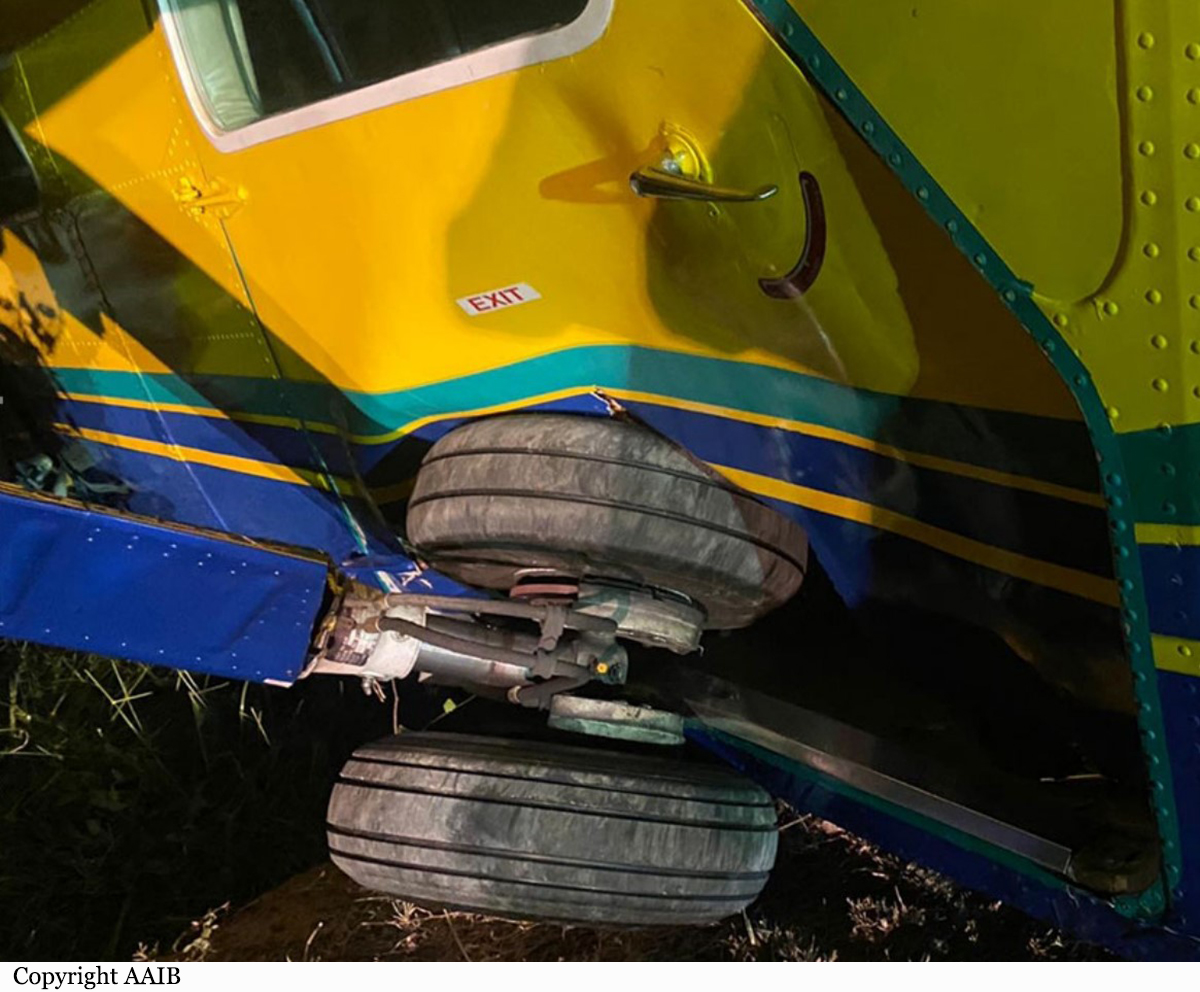
Beechcraft Super King Air B200GT aircraft, VT-MPQ belonging to the Directorate of Aviation, Government of Madhya Pradesh (DoA,GoMP) was involved in an accident on 06.05.2021 while operating a flight from Indore Airport to Gwalior. The flight was under the command of an ATPL holder with another CPL holder as Co-Pilot. There was one passenger on board in addition. The flight crew contacted ATC Indore for clearance to operate the flight to Gwalior. The aircraft was cleared for Gwalior via airway W10N and FL270. Aircraft departed from RWY25 at Indore and climbed to FL 270. Aircraft descended into Gwalior in coordination with Delhi and Gwalior. Approaching Gwalior the crew were advised by the ATC that RWY24L was in use. ATC then asked the crew if they would like to carry out a VOR approach for the opposite RWY 06R. The crew requested for a visual approach for RWY 06R in the night time and were cleared to descend 2700 ft and called field in sight at 25 NM. Crew then requested for right base RWY 06R and were cleared to circuit altitude. Crew called turning right base with field visual and were cleared to land which the crew acknowledged. Just before landing the aircraft and short of the threshold, the main gear collided with the raised arrester barrier and came to a halt on the Runway 06R just beyond the threshold markings at 1515 UTC. The aircraft was substantially damaged, however there was no post impact fire. The 2 crew and 1 passenger received minor to serious injuries.
Probable cause:
The PIC (PF) carrying out a visual approach at night and knowingly deviated below the visual approach path profile (3°) while disregarding the PAPI indications, thereby the aircraft collided with the raised Arrester Barrier. Lack of assertiveness on the part of the copilot (PM).
The following contributing factors were identified:
- Non-Compliance to the SOP of “Change of Runway Checklist” by the ATC staff leading to the 'Arrester Barrier' remaining in a 'Raised Position' while the aircraft (VT-MPQ) came in for landing on runway 06R.
- Non-essential conversation by the flight crew during the final approach for landing causing distraction leading to a delayed sighting of the raised Arrester Barrier.
- Systemic failure at various levels at the Gwalior Air Force Base to ensure that the 'Arrester Barrier Position Indicator Lights and Integral Panel Lights' were not rectified in a stipulated time period.
- A robust alternate procedure was not defined when the 'Arrester Barrier Position Indicator Lights and Integral Panel Lights' were unserviceable.
- The Gwalior Airforce Base authorities did not install 'Red Obstacle Lights' on the Arrester Barrier Poles to indicate the position of the obstacle on the date of the accident as per the DGCA requirements (CAR Section 4, Series B, Part 1).
Final Report: