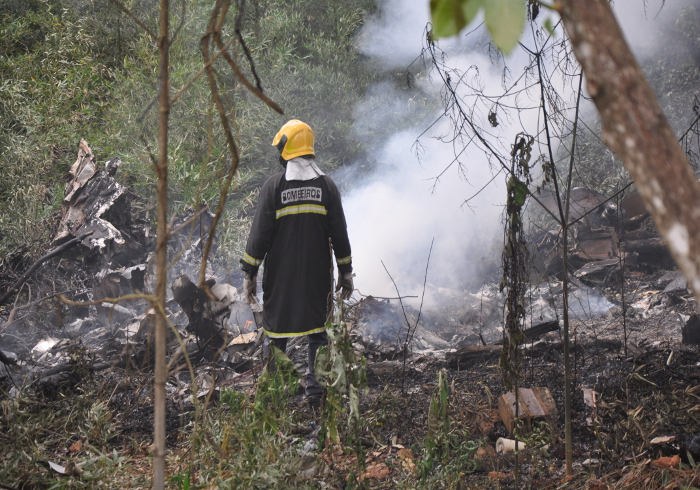
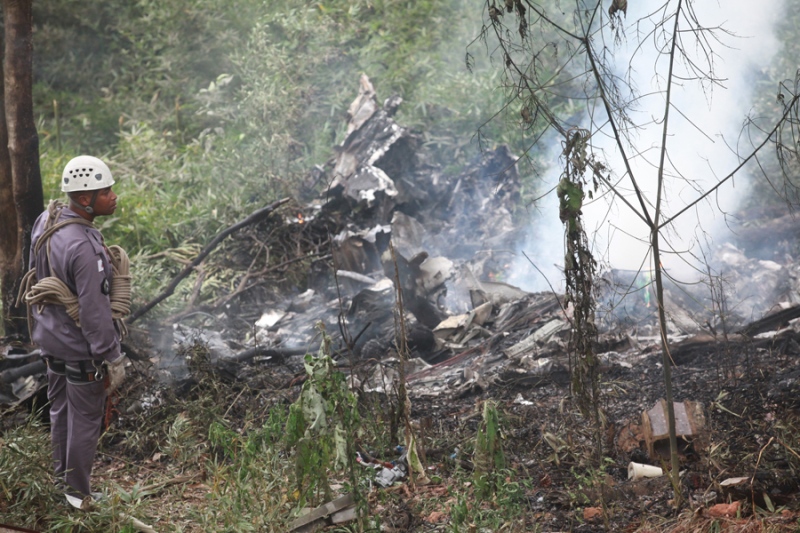
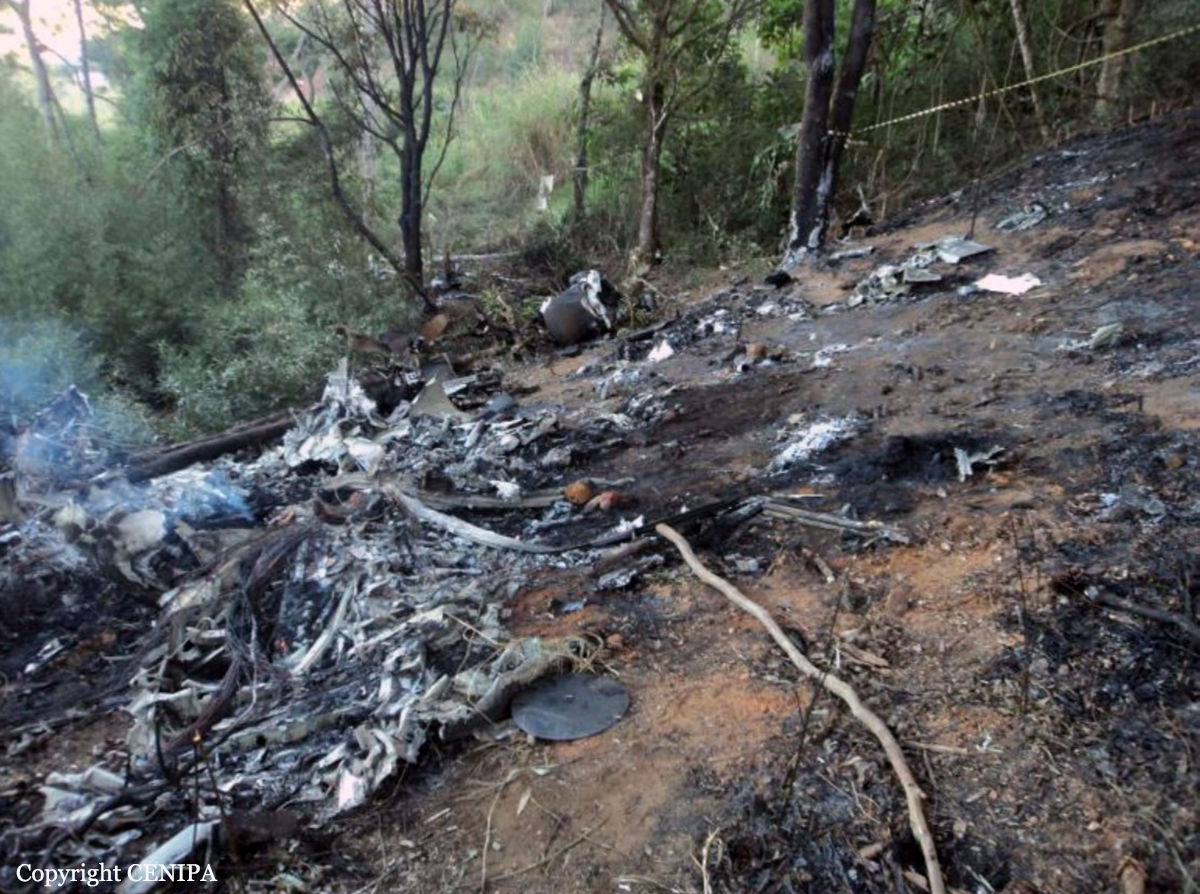
Crash of a PZL-Mielec AN-28 in Palana: 10 killed

Date & Time: Sep 12, 2012 at 1220 LT
Type of aircraft:
Operator:
Registration:
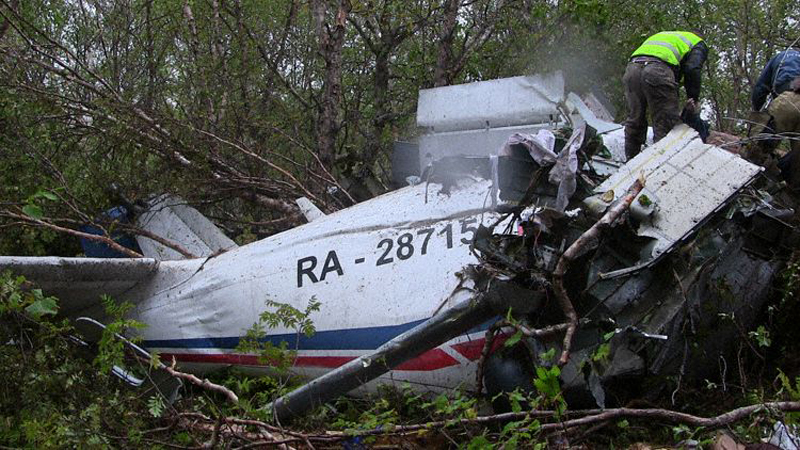
RA-28715
Survivors:
Yes
Schedule:
Petropavlovsk-Kamchatsky - Palana
MSN:
1AJ006-25
YOM:
1989
Flight number:
PTK251
Country:
Region:
Crew on board:
2
Crew fatalities:
Pax on board:
12
Pax fatalities:
Other fatalities:
Total fatalities:
10
Captain / Total flying hours:
8955
Captain / Total hours on type:
7732.00
Copilot / Total flying hours:
6543
Copilot / Total hours on type:
6347
Aircraft flight hours:
11947
Aircraft flight cycles:
8891
Circumstances:
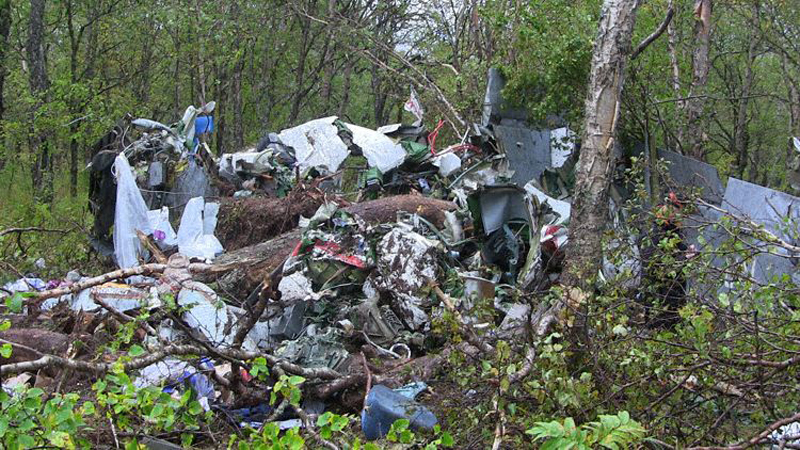
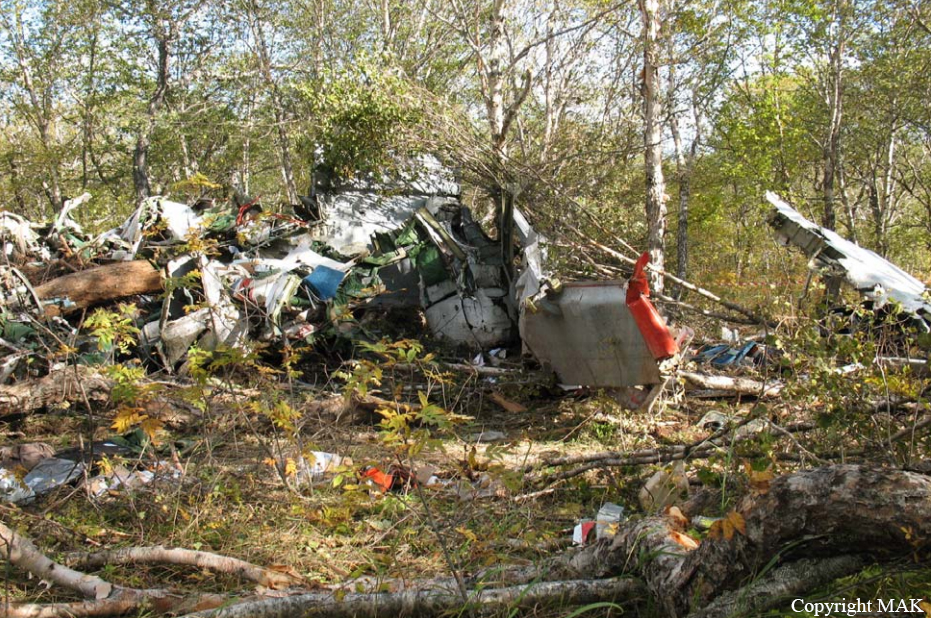
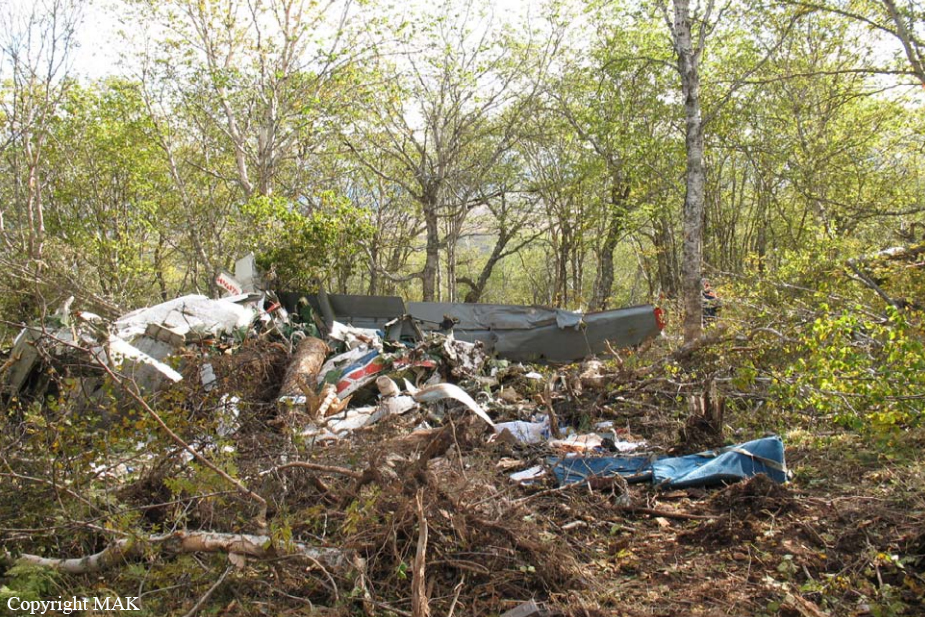
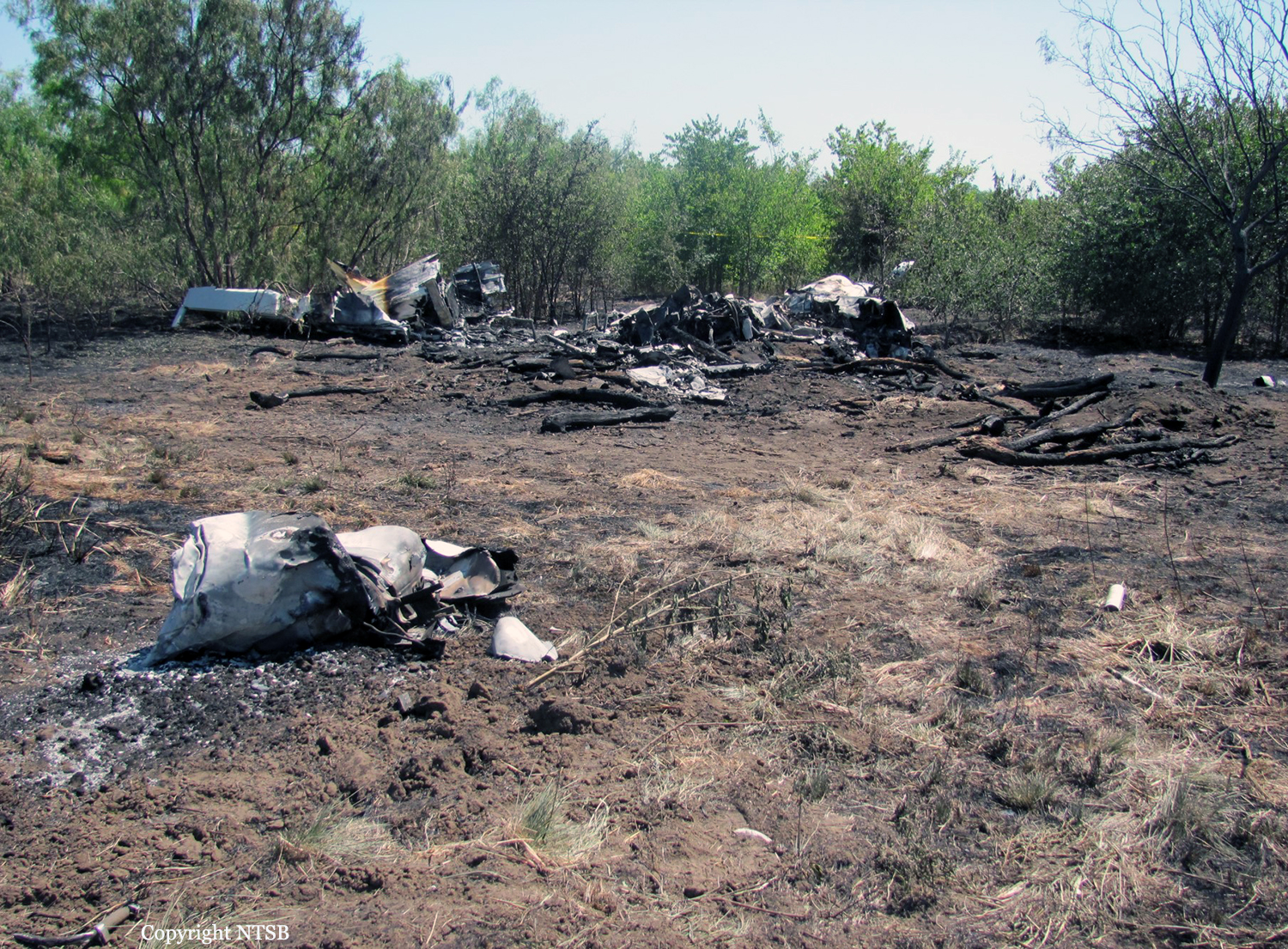
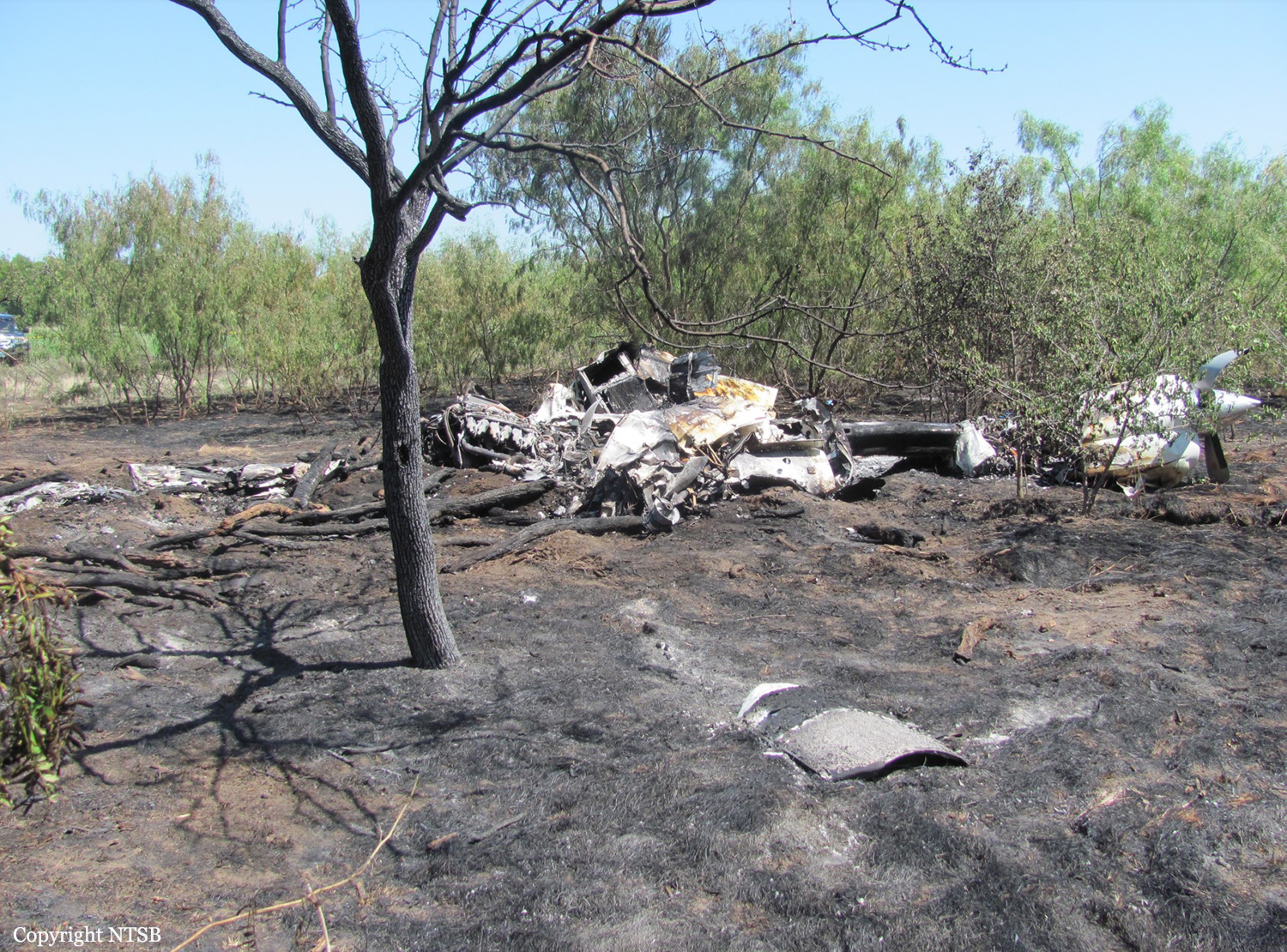
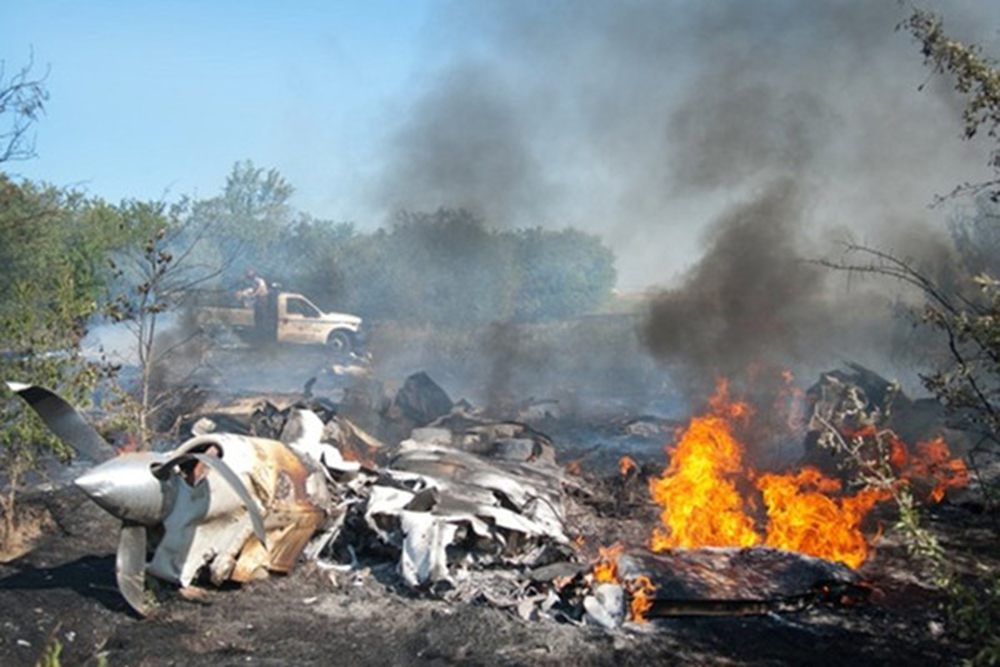
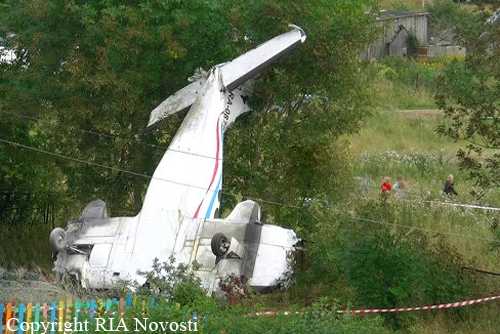
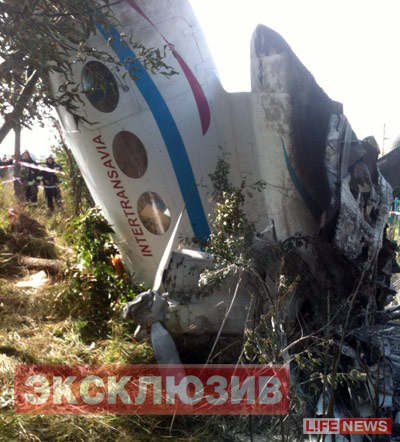
Following an uneventful flight from Petropavlovsk-Kamchatsky, the crew started the descent to Palana Airport Runway 11 from the south. In marginal weather conditions, the twin engine aircraft descended too low, impacted trees and crashed in a wooded area located on Mt Pyatibratka. The wreckage was found at a height of 216 meters some 10 km south of the airport. Both pilots and 8 passengers were killed while four other passengers were seriously injured. Thea aircraft was destroyed by impact forces.
Probable cause:
The fatal accident with An-28 RA-28715 aircraft was caused by violation of specified approach pattern in Palan Airport resulted in outbound track and premature descending up to unauthorized low altitude performing flight in mountainous terrain in weather conditions excluding sustained visual reference with ground references resulted in aircraft collision with mountain slope, its destruction and crew and passengers fatality. Alcohol was detected in blood of both crew members.
Contributing factors were:
- Low level of discipline of personnel in Petropavlovsk-Kamchatsky Air Enterprise and inadequate flight methodical work in enterprises in a part of crew preflight training and approach patterns monitoring.
- Crew inaction when the radio altimeter altitude alert was actuated.
- Ground Proximity Warning System at An-28 aircraft could probably prevent the accident.
Final Report:

Crash of a Beechcraft King Air 90 in Lohegaon

Date & Time: Sep 7, 2012 at 2000 LT
Type of aircraft:
Operator:
Registration:
VT-KPC
Flight Type:
Survivors:
Yes
Schedule:
Lohegaon - Lohegaon
MSN:
LJ-1696
YOM:
2005
Country:
Region:
Crew on board:
3
Crew fatalities:
Pax on board:
0
Pax fatalities:
Other fatalities:
Total fatalities:
0
Circumstances:
The crew was completing a local training mission at Lohegaon Airport. On final approach to runway 28, the aircraft impacted ground, teared off several runway lights and came to rest. All three occupants escaped uninjured while the aircraft was damaged beyond repair.

Crash of a Cessna 402B in Rome: 2 killed

Date & Time: Sep 7, 2012 at 1300 LT
Type of aircraft:
Operator:
Registration:
I-ERJA
Flight Phase:
Flight Type:
Survivors:
No
Schedule:
Rome - Brescia
MSN:
402B-0918
YOM:
1975
Country:
Region:
Crew on board:
2
Crew fatalities:
Pax on board:
0
Pax fatalities:
Other fatalities:
Total fatalities:
2
Circumstances:
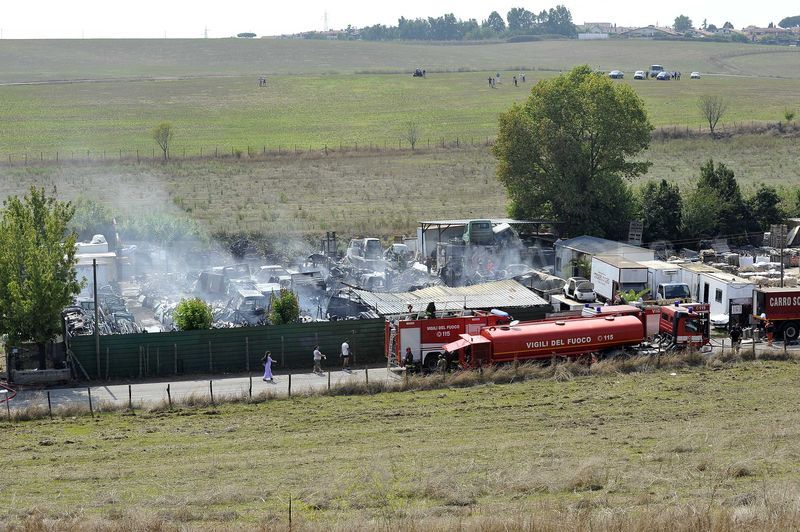
Shortly after takeoff from Rome-Ciampino Airport, while in initial climb, the twin engine aircraft went out of control and crashed in a car demolition, bursting into flames. The aircraft was totally destroyed by impact forces and a post impact fire as well as more than 30 cars. Both crew were killed.

Crash of a Cessna 421B Golden Eagle II in Fort Worth

Date & Time: Sep 5, 2012 at 0949 LT
Operator:
Registration:
N69924
Flight Phase:
Flight Type:
Survivors:
Yes
Schedule:
Fort Worth - San Antonio
MSN:
421B-0553
YOM:
1973
Crew on board:
2
Crew fatalities:
Pax on board:
0
Pax fatalities:
Other fatalities:
Total fatalities:
0
Captain / Total flying hours:
3800
Captain / Total hours on type:
897.00
Aircraft flight hours:
10056
Circumstances:
The commercial pilot was distracted by the nose cargo door popping open during takeoff; the airplane stalled and collided with trees off the end of the runway. The pilot said there were no mechanical problems with the airplane or engines and that he was fixated on the cargo door and lost control of the airplane. He also said that due to stress, he was not mentally prepared to handle the emergency situation.
Probable cause:
The pilot's failure to maintain airplane control on takeoff, which resulted in an inadvertent stall. Contributing to the accident were the unlatched nose cargo door, the pilot’s diverted attention, and the pilot's mental ability to handle the emergency situation.
Final Report:
Crash of an ATR42-500 in Lahore

Date & Time: Aug 31, 2012 at 1510 LT
Type of aircraft:
Operator:
Registration:
AP-BHJ
Survivors:
Yes
Schedule:
Islamabad - Lahore
MSN:
657
YOM:
2006
Flight number:
PK653
Country:
Region:
Crew on board:
4
Crew fatalities:
Pax on board:
42
Pax fatalities:
Other fatalities:
Total fatalities:
0
Circumstances:
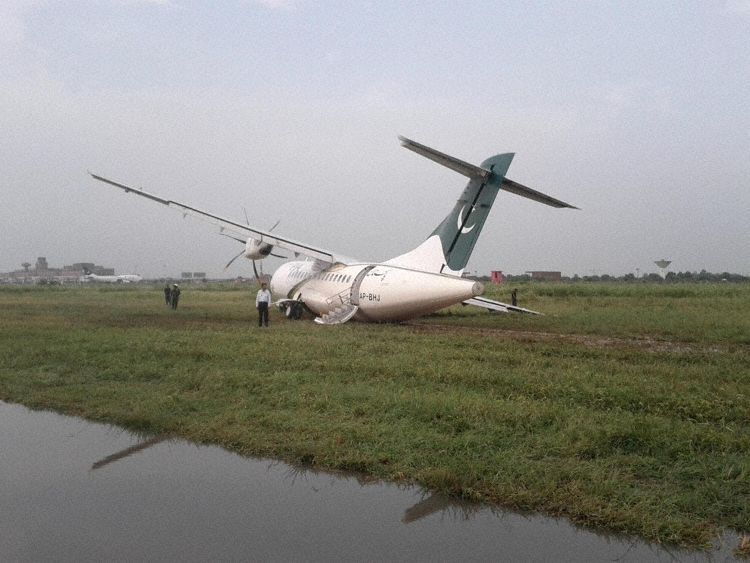
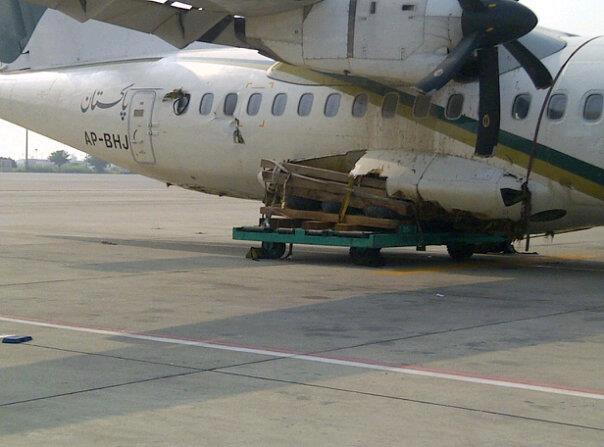
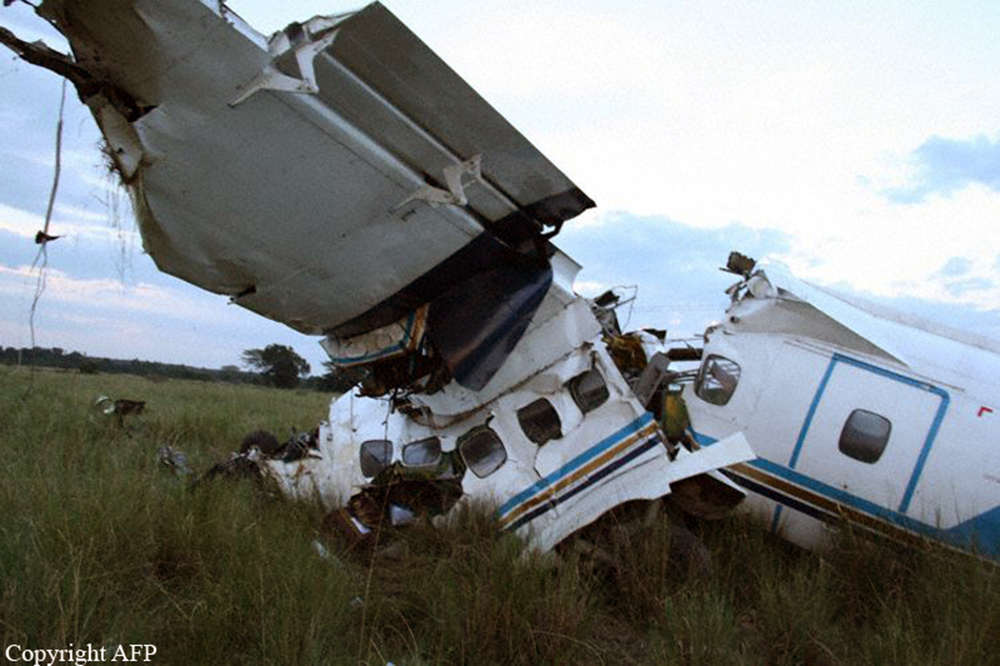
Following an uneventful flight from Islamabad, the crew started the descent to runway 36R in marginal weather conditions. Upon touchdown on a wet runway, the right main gear collapsed. The aircraft slid for about 1,700 feet before exiting the runway to the right and coming to rest 60 feet further on. All 46 occupants were unhurt while the aircraft was considered as damaged beyond repair. Five minutes after the accident, the weather briefing was as follow: OPLA 311015Z 16009KT 3000 RA BKN040 OVC100 29/24 Q1003. But ten minutes prior to the crash, the weather briefing was as follow: OPLA 311000Z 33008KT 4000 -RA SCT040 BKN100 32/24 Q1002 TEMPO 31030KT 2000 TSRA FEW030CB. Thus, the conditions were considered as marginal with turbulences, wind to 30 knots and CB's at 3,000 feet. On 11SEP2012, the French BEA reported that the aircraft touched down just at the beginning of the paved surface (undershoot area) to the right of the extended runway 36R centerline, causing the right main gear to collapse. It was reported that the aircraft was unstable on short final and that the crew failed to initiate a go-around procedure while the aircraft was too low on the glide.

Crash of a Cessna 421A Golden Eagle I at Annino AFB: 2 killed

Date & Time: Aug 22, 2012 at 1517 LT
Type of aircraft:
Operator:
Registration:
RA-0879G
Flight Phase:
Flight Type:
Survivors:
No
Schedule:
Annino - Annino
MSN:
421A-0075
YOM:
1968
Country:
Region:
Crew on board:
2
Crew fatalities:
Pax on board:
0
Pax fatalities:
Other fatalities:
Total fatalities:
2
Circumstances:
In the afternoon, the crew departed Annino AFB (Gorelovo) to complete a local training mission consisting of touch-and-go maneuvers. After two circuits, the aircraft landed normally and the crew took off and started the rotation without informing ATC. After liftoff, at a height of about 10-15 metres, the aircraft rolled to the right to an angle of 70° then stalled and crashed in a kindergarten located one km from the airport, bursting into flames. The aircraft was destroyed and both pilots were killed.
Probable cause:
Most probably the accident with С-421 (FVSP) RA-0879G aircraft was caused by right and then left engine flameout during touch-and-go landing, flight speed decrease and aircraft stall entry resulted in aircraft ground impact with bank angle over 70°. Most probably engines flameout midair was caused by fuel-air mixture depletion due to low level of fuel in aircraft tanks that in combination with its inadequate quality resulted in engines trouble.
Combination of the following factors could contribute to the accident:
- Flight operation with low level of fuel on board.
- Inadequate fuel quality.
- Inadequate crew training for forthcoming flight.
- Inadequate maintenance prior to aircraft familiarization flight after its long-term parking.
- Touch-and-go landing and continued takeoff with engines trouble during run operation.
- Non-feathering of switched-off engine propeller midair (non compliance with requirement of clause "2" of subsection 3 of «ENGINE INOPERATIVE PROCEDURE» section aircraft FOM).
- Possible on position failure of fuel booster pump switches by crew before aircraft take-off.
- Inadequate flight operation management, aircraft maintenance and efficiency discipline in "Aviator" Airclub" LLC, weak monitoring from senior staff over maintenance operation on accident prevention.
- The flight was performed by crew on aircraft without airworthiness certificate (violation of clause 1 article 35 of Air Code of RF and clause 1 of FAR-118).

Crash of a Let L-410UVP-E9 in Ngerende: 4 killed

Date & Time: Aug 22, 2012 at 1220 LT
Type of aircraft:
Operator:
Registration:
5Y-UVP
Flight Phase:
Survivors:
Yes
Schedule:
Amboseli – Ngerende – Mara North – Ukunda – Mombasa
MSN:
91 26 27
YOM:
1991
Country:
Region:
Crew on board:
2
Crew fatalities:
Pax on board:
11
Pax fatalities:
Other fatalities:
Total fatalities:
4
Captain / Total flying hours:
7480
Captain / Total hours on type:
1150.00
Copilot / Total flying hours:
312
Circumstances:
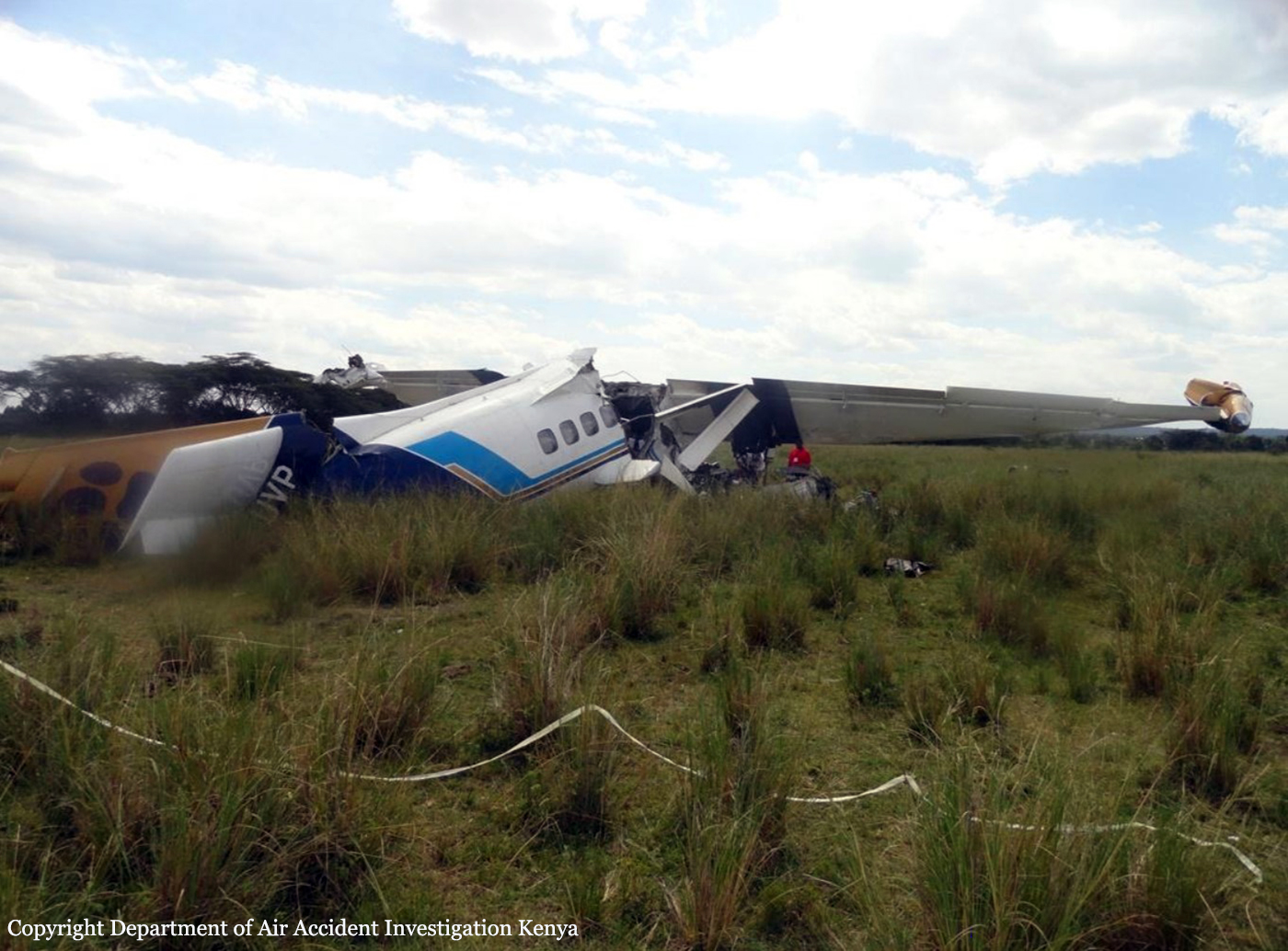
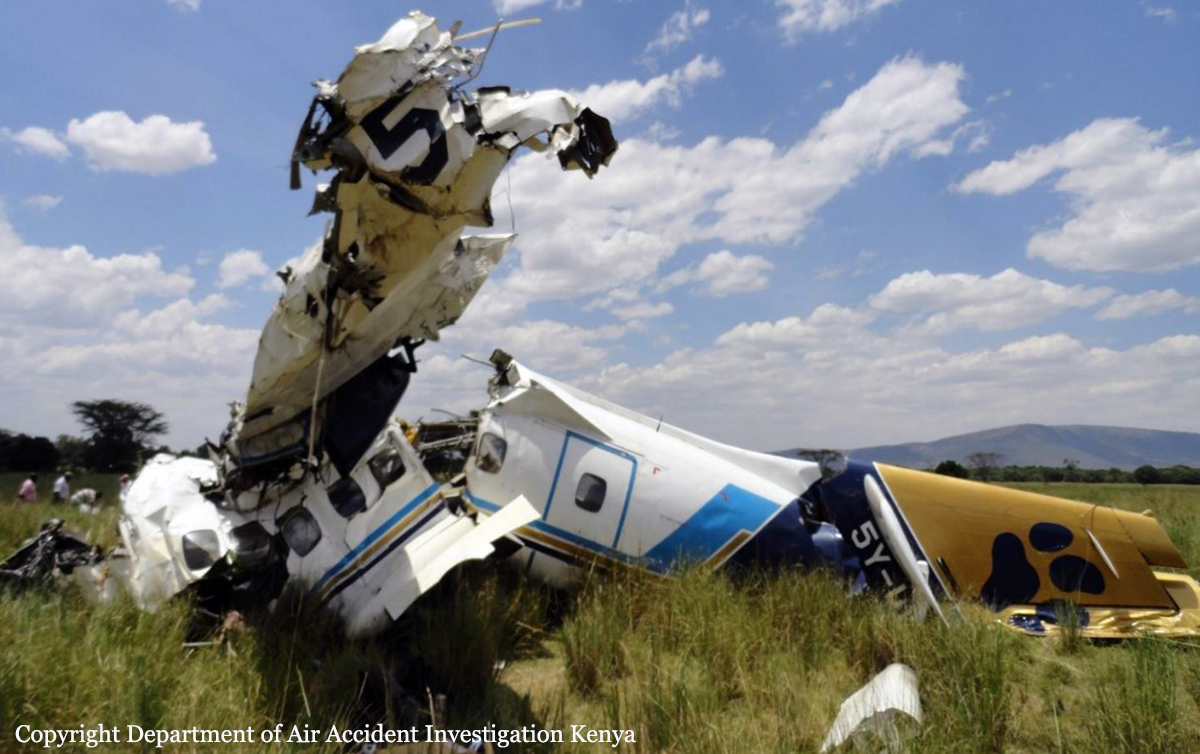
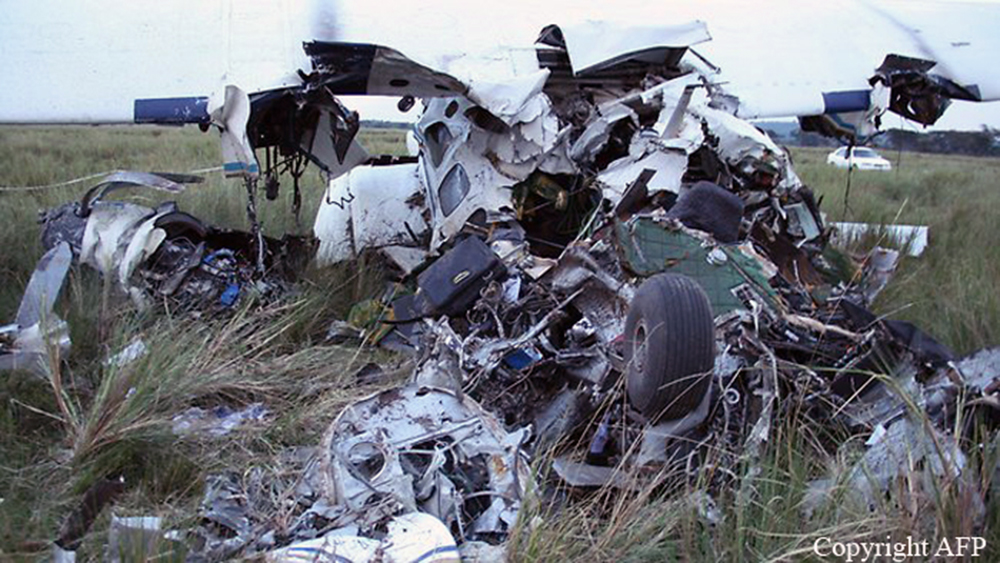
This was a commercial non scheduled flight which was being operated for air transport for local flights. The operator is based in Mombasa and mostly executes passenger flights to the Masai Mara and other game parks and reserves within the Republic of Kenya. On 22nd Aug 2012, the aircraft was scheduled to carry out a flight to the Masai Mara, do several sectors to pick and drop passengers and return to Moi international Airport via Ukunda Airport. The call sign was 5Y-UVP. The last point of departure was Ngerende Airstrip in the Masai Mara at 0917 with intention of onward flight to Mara North airstrip in the Masai Mara. The flight had earlier left Amboseli Airstrip with two crew, and 17 passengers for Ngerende Airstrip. 6 passengers had disembarked at Ngerende and the remaining 11 passengers were continuing to other destinations. No additional passengers or cargo was picked up from Ngerende airstrip. No refueling was done at the airstrip. The airfield is an unmanned airfield, with crew executing unmanned airfield communication procedures to execute approach and landings and also during takeoff. There is however a ground time keeper and a fueling bay at the airfield. Due to terrain and prevailing winds at the time of the flight, Runway 28 was in use. The crew was using unmanned airfield procedures and after the drop-off of 6 passengers, the aircraft lined up runway 28 and proceeded with the take off run. Ground staff at the airstrip reported a normal takeoff run and rotation. During the initial climb, the ground staff still had the aircraft in sight and reported to have seen the aircraft veer sharply to the left and then disappear behind terrain. Shortly afterwards, a loud sound was heard followed by dust in the air. Emergency SAR was initiated with the airport and hotel staff rushing to the accident site. The location of the accident was about 310 meters from the threshold of Runway 10, offset 30° to the left of the extended center line Runway 28. GPS coordinates (figure 1.2) 01.084189° S, 35.1781127° E, Ngerende airstrip. The accident occurred at 0917 UTC on 22nd Aug 2012, during daytime.
Probable cause:
The following findings were identified:
- The left engine was most probably not developing power at the time of impact,
- The left engine propeller was most probably in feather at the time of impact,
- Both CVR and FDR were unserviceable at the time of the accident,
- AAID was unable to determine origin of contaminant found in the left engine Fuel Control Unit,
- Sufficient oversight was not exercised over the Operator,
- High turnover of the Operator’s staff.
Final Report:
Crash of an Embraer EMB-505 Phenom 300 in Altenrhein

Date & Time: Aug 6, 2012 at 1540 LT
Type of aircraft:
Operator:
Registration:
CN-MBR
Survivors:
Yes
Schedule:
Geneva - Altenrhein
MSN:
505-00025
YOM:
2011
Flight number:
DLI211
Country:
Region:
Crew on board:
2
Crew fatalities:
Pax on board:
1
Pax fatalities:
Other fatalities:
Total fatalities:
0
Captain / Total flying hours:
7025
Captain / Total hours on type:
75.00
Copilot / Total flying hours:
5854
Copilot / Total hours on type:
465
Aircraft flight hours:
510
Circumstances:
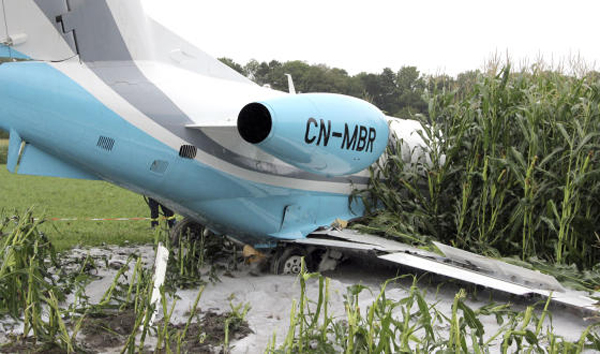
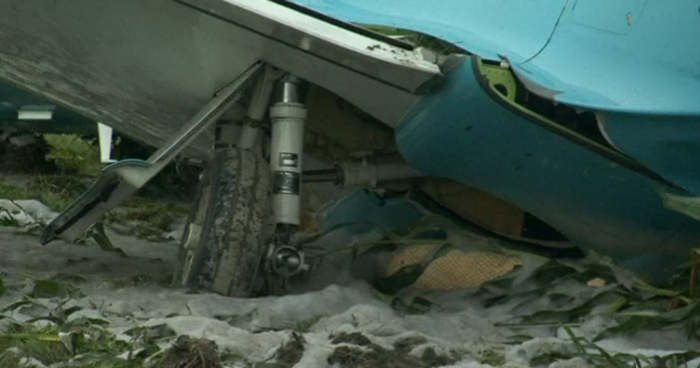
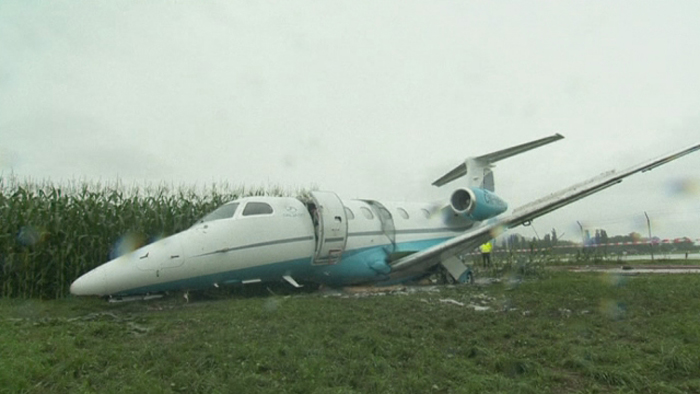
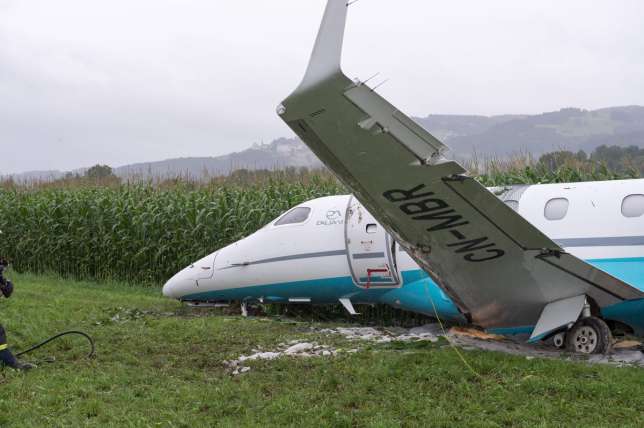
On 6 August 2012 the Embraer EMB-505 Phenom 300 aircraft, registration CN-MBR, took off at 12:59 UTC from Geneva (LSGG) on a commercial flight to St. Gallen-Altenrhein (LSZR). After the initial call to the aerodrome control centre St. Gallen tower, the crew quickly decided, after an enquiry from the air traffic controller, on a direct approach on the runway 10 instrument landing system (ILS). Shortly thereafter, the landing gear and flaps were extended. The flaps jammed at approximately 10 degrees and the FLAP FAIL warning message was displayed. The crew carried out a go-around shortly before landing. The landing gear subsequently remained extended. The flaps remained jammed for the remainder of the flight. The crew decided immediately on a second ILS approach with jammed flaps, which according to the manufacturer's information required an increased approach speed. During the approach, the crew had difficulty in reducing the airspeed to this increased approach speed. At 13:40 UTC, the aircraft subsequently touched down on the wet runway at an indicated air speed of 136 kt, approximately 290 m after the runway threshold, and could not be brought to a standstill on the remaining length of runway. The aircraft then rolled over the end of runway 10, broke through the aerodrome perimeter fence and overrun the road named Rheinholzweg running perpendicular to the runway centreline, on which a public transport bus was travelling. The aircraft rolled very close behind the bus and came to a standstill in a maize field, approximately 30 m from the end of the runway. The female passenger and the two pilots were not injured in the accident. The aircraft was badly damaged. There was crop damage and damage to the aerodrome perimeter fence.
Probable cause:
The accident is attributable to the fact that the aircraft touched down late and at an excessively high speed on the wet runway after an unstabilized final approach and consequently rolled over the end of the runway.
The following factors contributed to the accident:
- The insufficient teamwork and deficient situation analysis by the crew.
- The flaps remained jammed at approximately 10 degrees, a position that is almost consistent with the flaps 1 position.
- Late initiation of full brake application after landing.
Final Report:

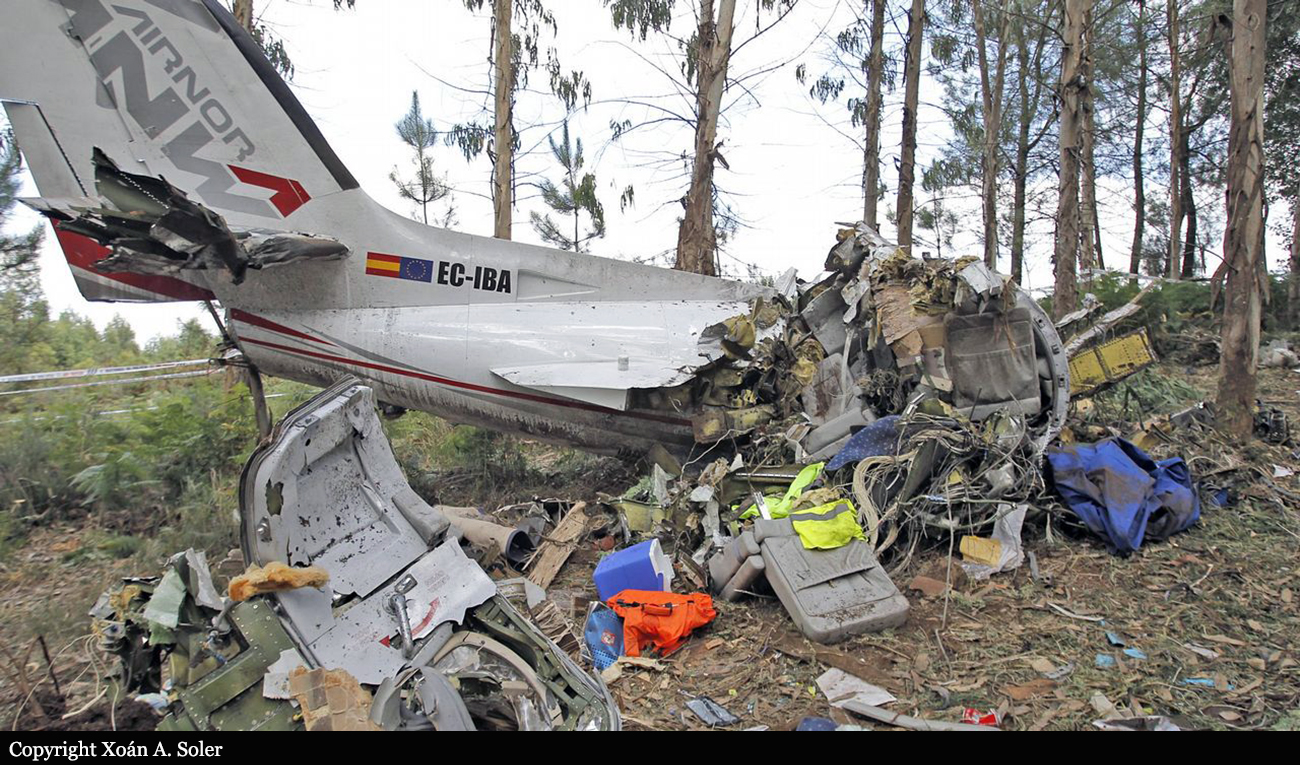
Crash of a Cessna 500 Citation I in Santiago de Compostela: 2 killed

Date & Time: Aug 2, 2012 at 0618 LT
Type of aircraft:
Operator:
Registration:
EC-IBA
Flight Type:
Survivors:
No
Schedule:
Oviedo - Santiago de Compostella
MSN:
500-0178
YOM:
1974
Country:
Region:
Crew on board:
2
Crew fatalities:
Pax on board:
0
Pax fatalities:
Other fatalities:
Total fatalities:
2
Captain / Total flying hours:
3600
Captain / Total hours on type:
500.00
Copilot / Total flying hours:
678
Copilot / Total hours on type:
412
Aircraft flight hours:
9460
Circumstances:
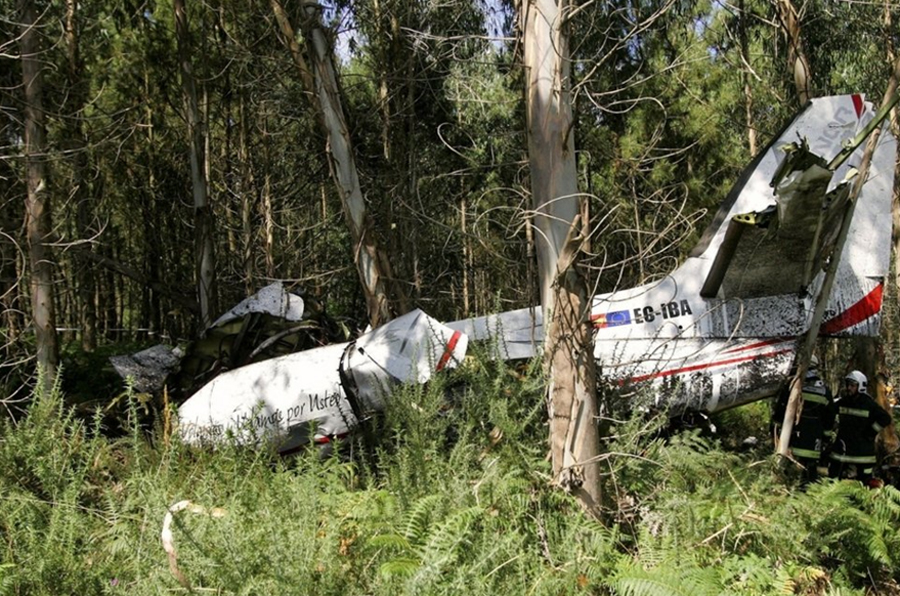
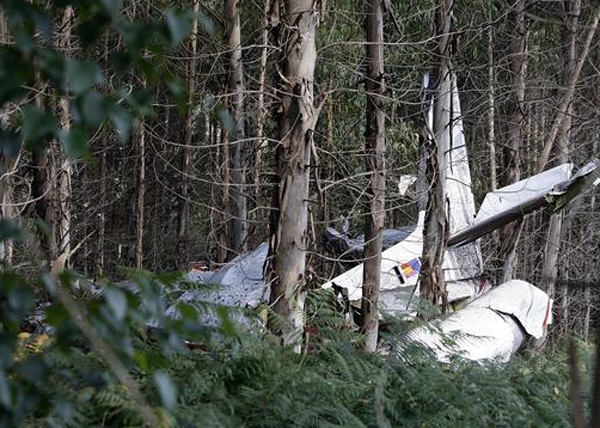
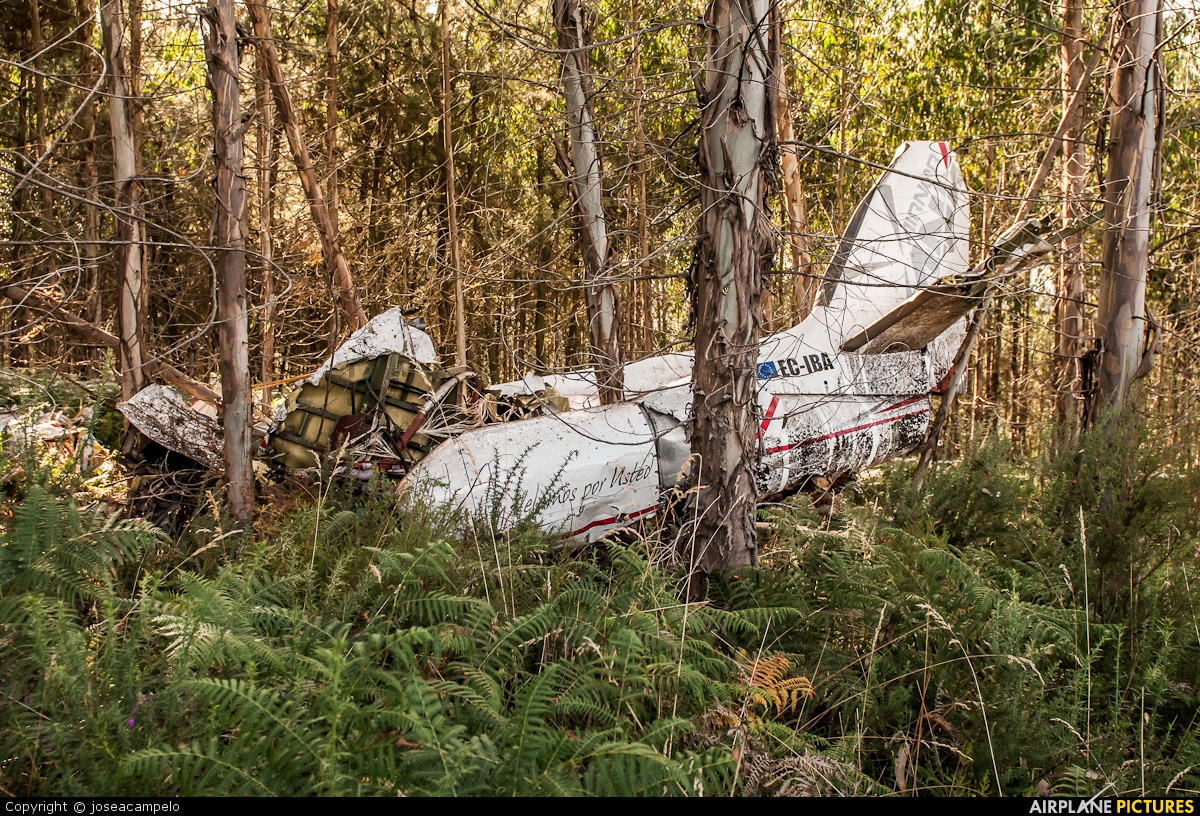
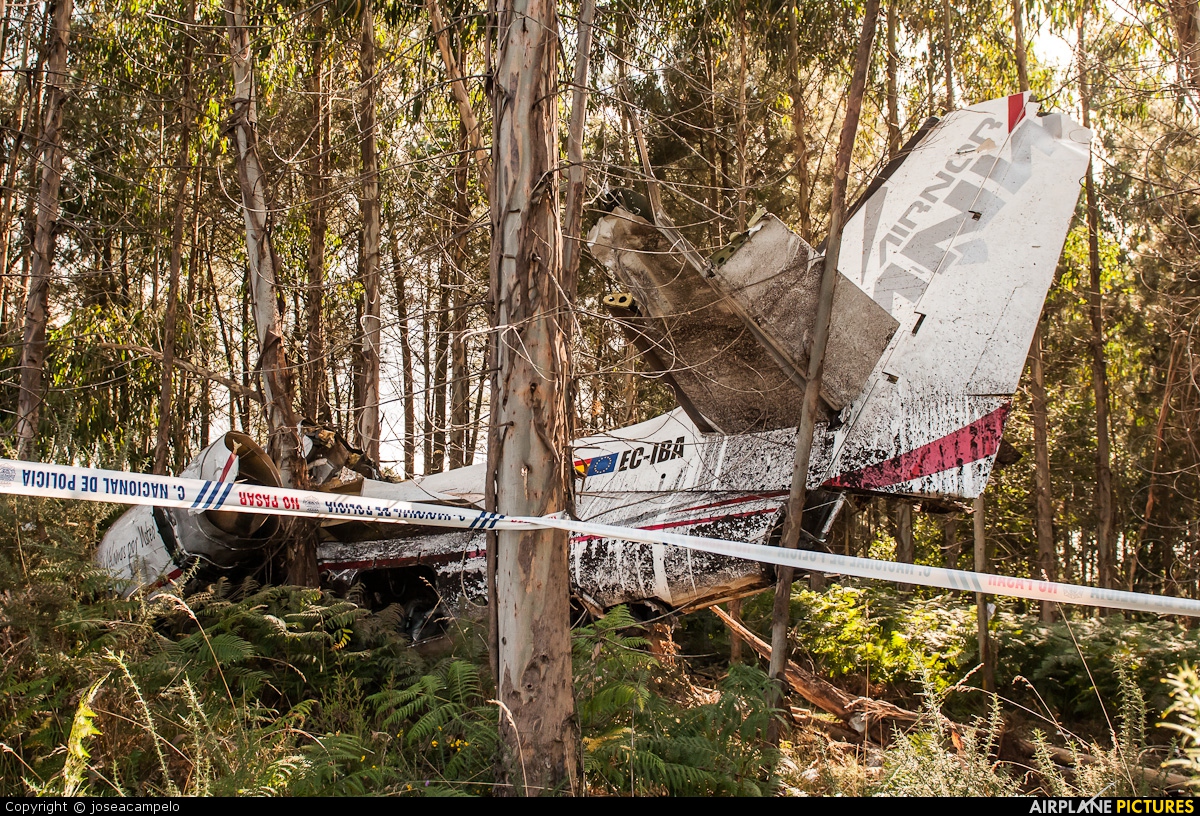
Based on the information available, at 20:40 the ONT (National Transplant Organization) informed the Santiago Airport (LEST) that they were going to make a “hospital flight”. The aircraft was refueled at the Santiago Airport with 1062 liters of fuel. According to communications, the crew of aircraft EC-IBA contacted the Santiago tower at 21:46 to request permission to start up and information on the weather and the runway in use at Asturias. At 21:54 they were cleared to take off. According to the airport operations office, the aircraft landed in Asturias (LEAS) at 22:27. The hospital flight service commenced at 22:15. The RFFS accompanied the ambulance to the aircraft at 22:30 and at 22:44 the aircraft took off en route to Porto. The aircraft was transferred from Madrid control to Santiago approach at 22:52 at flight level 200 and cleared straight to Porto (LPPR). Based on the information provided by Porto Airport, the aircraft landed at 23:40. While waiting for the medical team to return, the crew remained in the airport’s facilities. According to some of the personnel there, the crew made some comments regarding the bad weather. There was fog, especially on the arrival route. At 01:34 and again at 02:01 the crew was supplied with the flight plan information, information from the ARO-LPPR office and updated weather data. The aircraft was refueled at the Porto Airport with 1,000 l of fuel and took off at 02:34. At 02:44 the aircraft contacted approach control at Santiago to report its position. Four minutes later the crew contacted the Santiago tower directly to ask about the weather conditions at the field (see Appendix C). The aircraft landed once more in Asturias at 03:28. At 03:26 the RFFS was again activated to escort the ambulance to the aircraft. The service was deactivated at 04:00. The crew requested updated weather information from the tower, which provided the information from the 03:00 METAR. According to the flight plan filed, the estimated off-block time (EOBT) for departing from the Asturias Airport was 03:45, with an estimated flight time to Santiago of 40 minutes. The alternate destination airport was Vitoria (LEVT). The aircraft took off from Asturias at 03:38. At 03:56 the crew established contact with Santiago approach control, which provided the crew with the latest METAR from 03:30, which informed that the runway in use was 17, winds were calm, visibility was 4,000 m with mist, few clouds at 600 ft, temperature and dew point of 13° and QNH of 1,019. The aircraft was then cleared to conduct an ILS approach to runway 17 at the Santiago Airport. At 04:15 the crew contacted the tower controller, who reported calm winds and cleared them to land on runway 17. At 04:18 the COSPAS-SARSAT system detected the activation of an ELT. The system estimated the position for the beacon as being in the vicinity of the LEST airport. At 04:38 the tower controller informed airport operations of a call he had received from SAR that a beacon was active in the vicinity of the airport, and requested that a marshaller go to the airport where the airplane normally parked to see if it was there. At 04:44 the marshaller confirmed that the aircraft was not in its hangar and the emergency procedure was activated, with the various parties involved in the search for the airplane being notified. At 05:10 the control tower called the airport to initiate the preliminary phase (Phase I) before activating the LVP. At 05:15 the RFFS reported that the aircraft had been found in the vicinity of the VOR. At 05:30 the LVP was initiated (Phase II). At 07:51 the LVP was terminated. The last flight to arrive at the Santiago Airport before the accident had landed at 23:33, and the next flight to arrive following the accident landed at 05:25.
Probable cause:
The ultimate cause of the accident could not be determined. In light of the hypothesis considered in the analysis, the most likely scenario is that the crew made a non-standard precision approach in manual based primarily on distances. The ILS frequency set incorrectly in the first officer’s equipment and the faulty position indicated on the DME switch would have resulted in the distance being shown on the captain’s HSI as corresponding to the VOR and not to the runway threshold. The crew shortened the approach maneuver and proceeded to a point by which the aircraft should already have been established on the localizer, thus increasing the crew’s workload. The crew then probably lost visual contact with the ground when the aircraft entered a fog bank in the valleys near the airport and did not realize they were making an approach to the VOR and not to the runway.
The contributing factors were:
- The lack of operational procedures of an aircraft authorized to be operated by a single pilot operated by a crew with two members.
- The overall condition of the aircraft and the instruments and the crew’s mistrust of the onboard instruments.
- The fatigue built up over the course of working at a time when they should have been sleeping after an unplanned duty period.
- The concern with having to divert to the alternate without sufficient fuel combined with the complacency arising from finally reaching their destination.
Final Report:

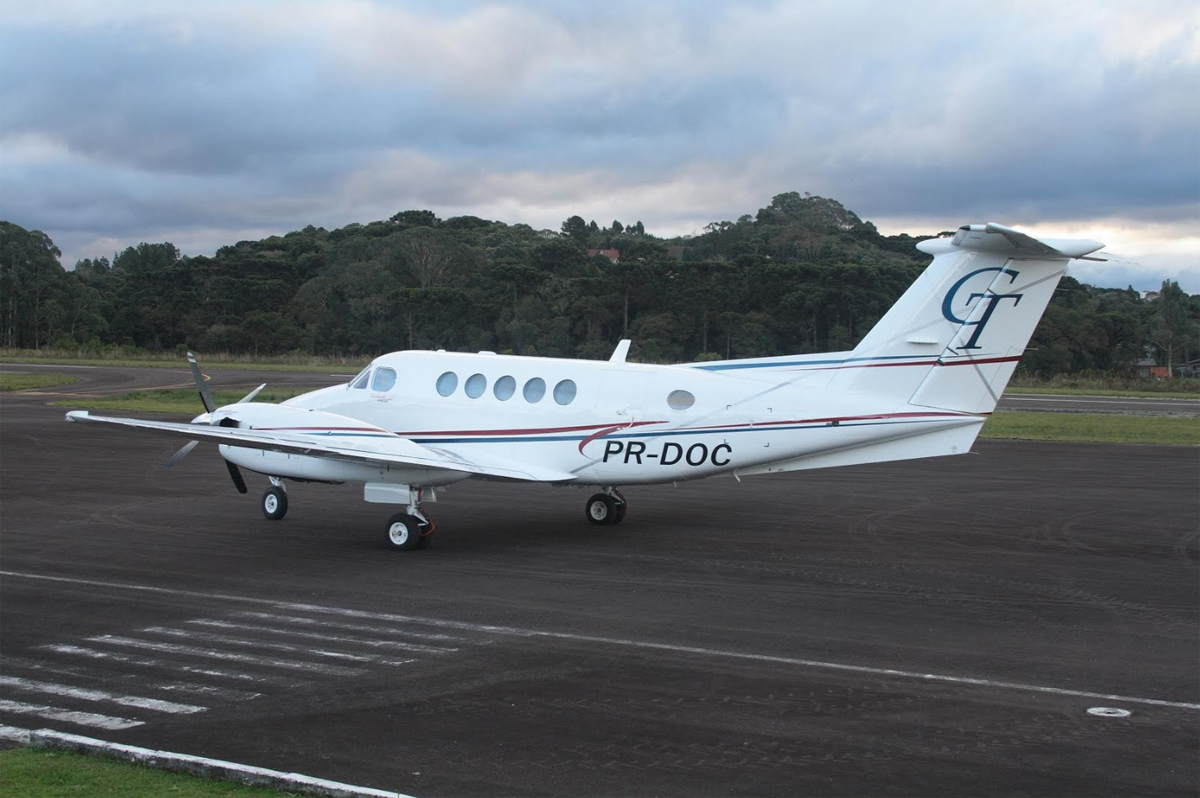
Crash of a Beechcraft B200 Super King Air in Juiz de Fora: 8 killed
Date & Time: Jul 28, 2012 at 0745 LT
Operator:
Registration:
PR-DOC
Survivors:
No
Schedule:
Belo Horizonte - Juiz de Fora
MSN:
BY-51
YOM:
2009
Country:
Crew on board:
2
Crew fatalities:
Pax on board:
6
Pax fatalities:
Other fatalities:
Total fatalities:
8
Captain / Total flying hours:
14170
Captain / Total hours on type:
2170.00
Copilot / Total flying hours:
730
Copilot / Total hours on type:
415
Aircraft flight hours:
385
Aircraft flight cycles:
305
Circumstances:
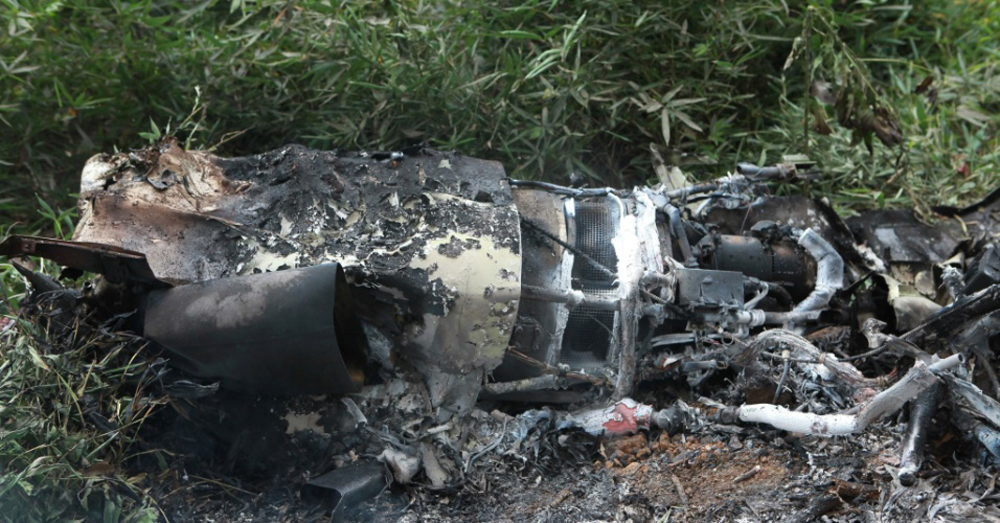
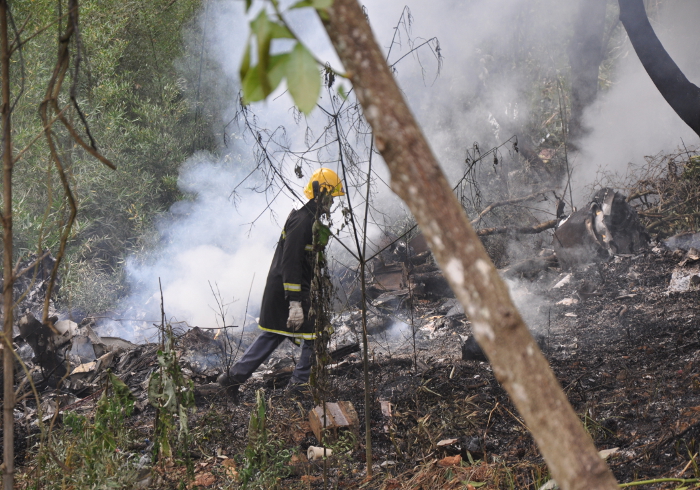
The twin engine aircraft departed Belo Horizonte-Pampulha Airport at 0700LT on a flight to Juiz de Fora, carrying six passengers and two pilots. In contact with Juiz de Fora Radio, the crew learned that the weather conditions at the aerodrome were below the IFR minima due to mist, and decided to maintain the route towards the destination and perform a non-precision RNAV (GNSS) IFR approach for landing on runway 03. During the final approach, the aircraft collided first with obstacles and then with the ground, at a distance of 245 meters from the runway 03 threshold, and exploded on impact. The aircraft was totally destroyed and all 8 occupants were killed, among them both President and Vice-President of the Vilmas Alimentos Group.
Probable cause:
The following factors were identified:
- The pilot may have displayed a complacent attitude, both in relation to the operation of the aircraft in general and to the need to accommodate his employers’ demands for arriving in SBJF. It is also possible to infer a posture of excessive self-confidence and confidence in the aircraft, in spite of the elements which signaled the risks inherent to the situation.
- It is possible that the different levels of experience of the two pilots, as well as the copilot’s personal features (besides being timid, he showed an excessive respect for the captain), may have resulted in a failure of communication between the crewmembers.
- It is possible that the captain’s leadership style and the copilot’s personal features resulted in lack of assertive attitudes on the part of the crew, hindering the exchange of adequate information, generating a faulty perception in relation to all the important elements of the environment, even with the aircraft alerts functioning in a perfect manner.
- The meteorological conditions in SBJF were below the minima for IFR operations on account of mist, with a ceiling at 100ft.
- The crew did not inform Juiz de Fora Radio about their passage of the MDA and, even without visual contact with the runway, deliberately continued in their descent, not complying with the prescriptions of the items 10.4 and 15.4 of the ICA 100-12 (Rules of the Air and Air Traffic Services).
- The crew judged that it would be possible to continue descending after the MDA, even without having the runway in sight.
Final Report: