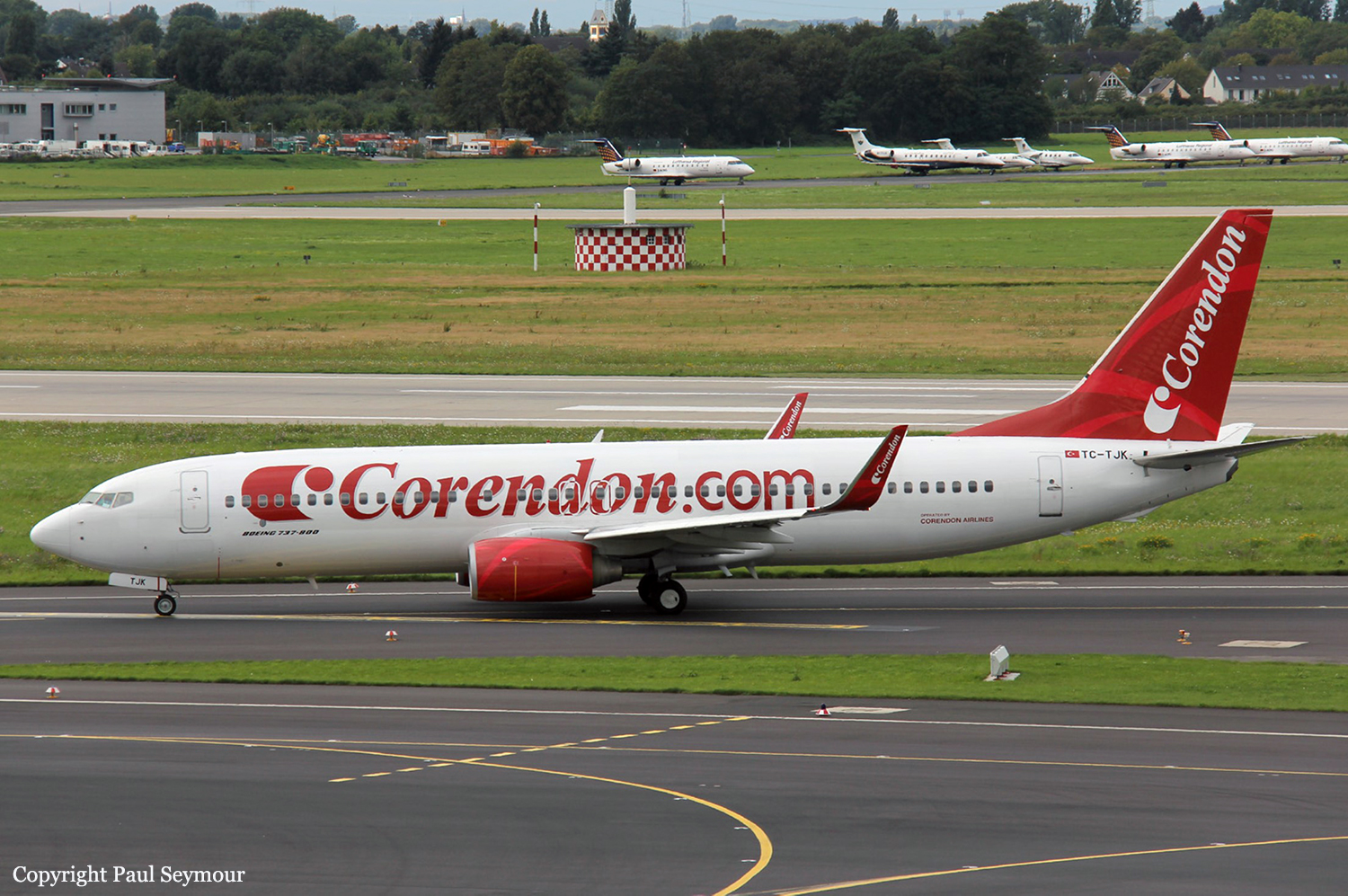
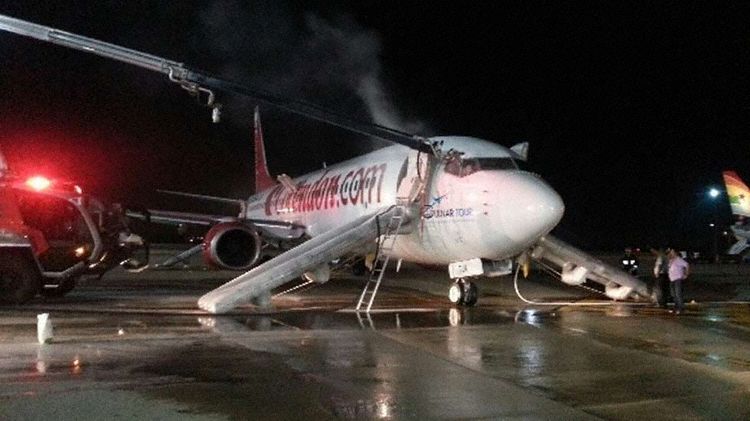
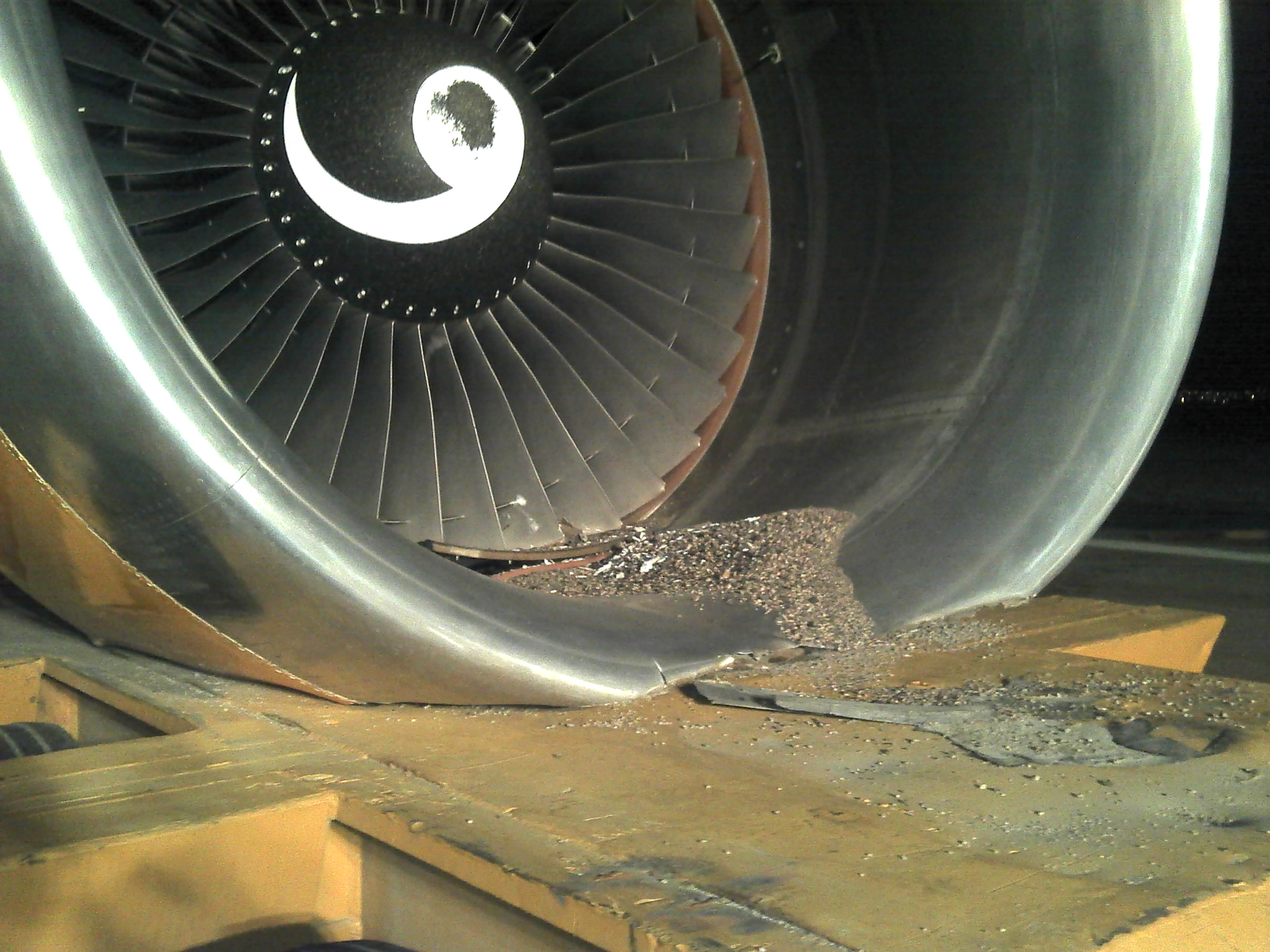
Ground fire of a Boeing 737-8KN in Antalya

Date & Time: Oct 14, 2012 at 0400 LT
Type of aircraft:
Operator:
Registration:
TC-TJK
Flight Phase:
Survivors:
Yes
Schedule:
Antalya - Trondheim
MSN:
35794/2794
YOM:
2009
Flight number:
CAI773
Country:
Region:
Crew on board:
7
Crew fatalities:
Pax on board:
189
Pax fatalities:
Other fatalities:
Total fatalities:
0
Circumstances:
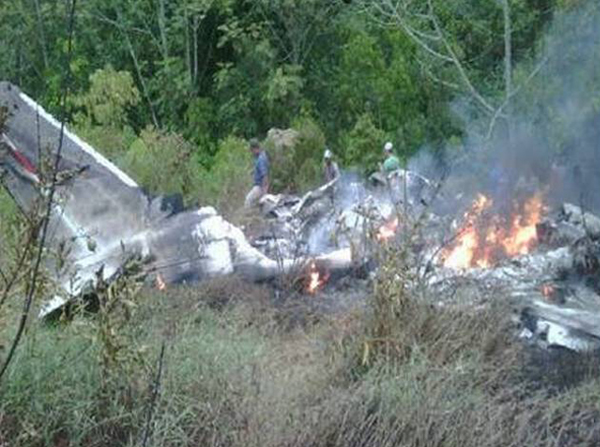
During the push back process, the pilots noticed smoke spreading in the cockpit and in the cabin and stopped the aircraft. All 196 occupants were evacuated but some were standing on wings and jumped down to the tarmac. 27 passengers were injured, some of them seriously. The aircraft was considered as damaged beyond repair due to smoke.
Probable cause:
It is believed that a short circuit occurred in the cockpit panel, on the captain side, most probably in the vicinity of the oxygen system.

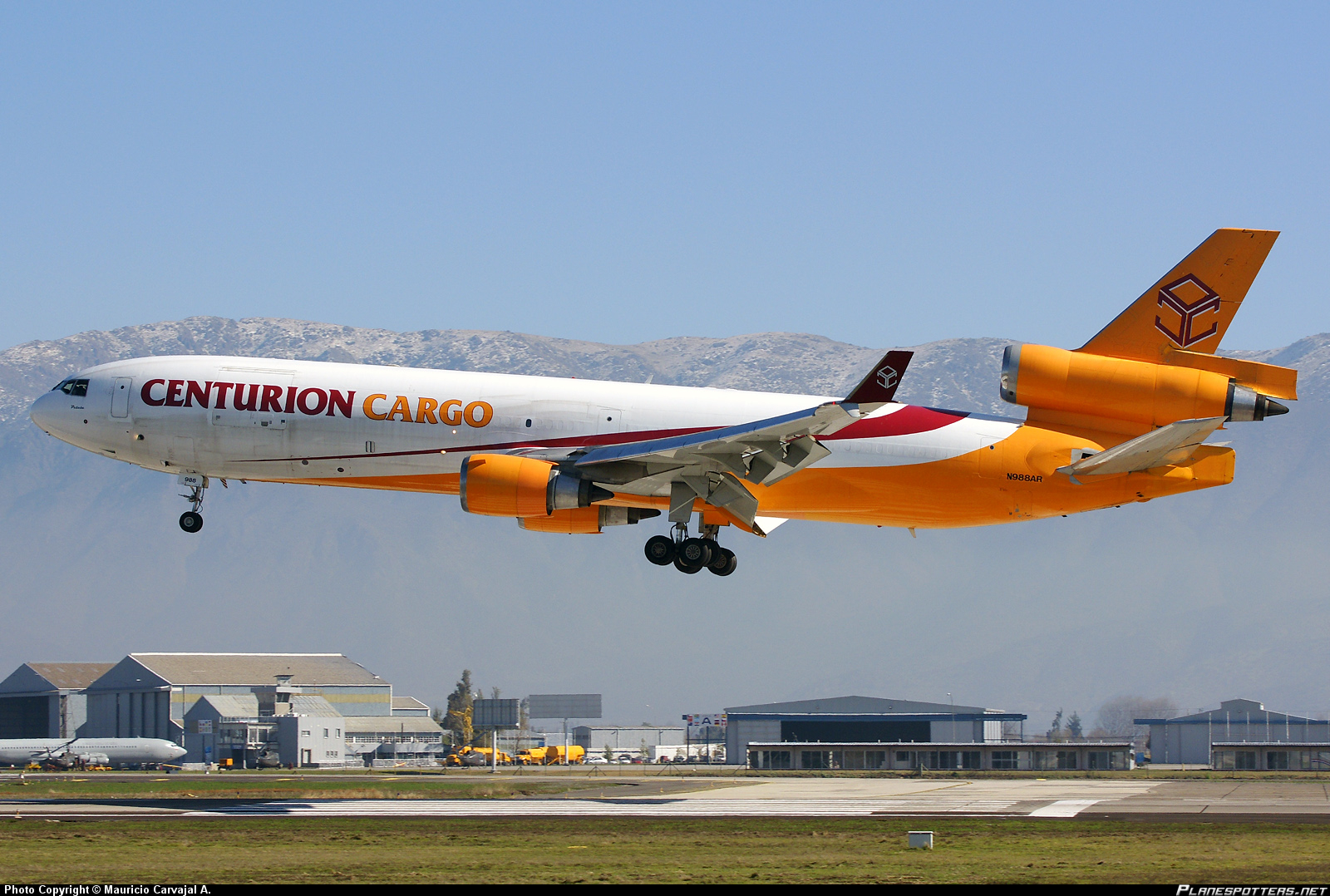
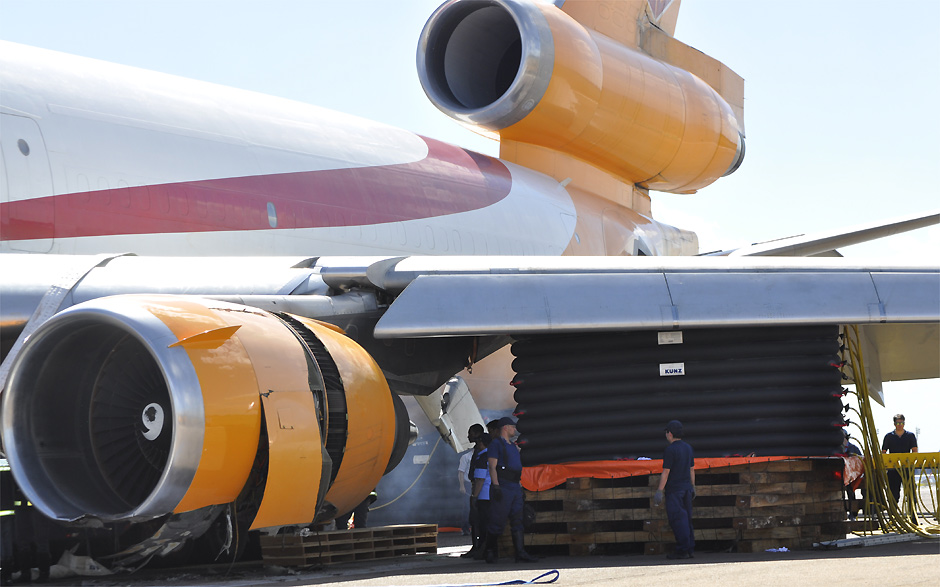
Crash of a McDonnell Douglas MD-11F in Campinas

Date & Time: Oct 13, 2012 at 1852 LT
Type of aircraft:
Operator:
Registration:
N988AR
Flight Type:
Survivors:
Yes
Schedule:
Miami - Campinas
MSN:
48434/476
YOM:
1991
Flight number:
CWC425
Country:
Crew on board:
3
Crew fatalities:
Pax on board:
0
Pax fatalities:
Other fatalities:
Total fatalities:
0
Captain / Total flying hours:
12900
Copilot / Total flying hours:
5198
Copilot / Total hours on type:
1368
Circumstances:
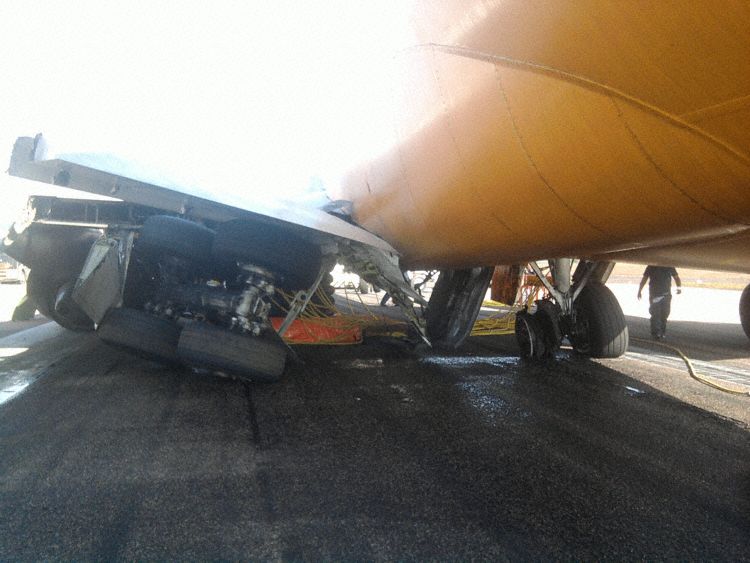
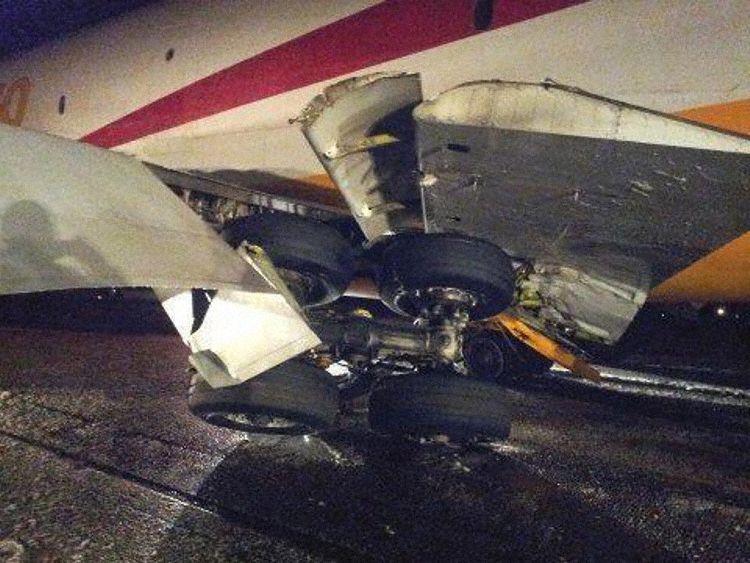
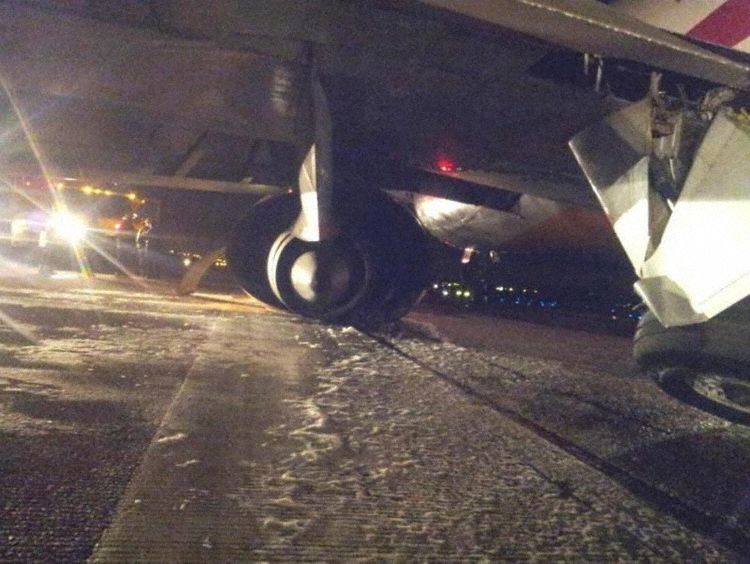
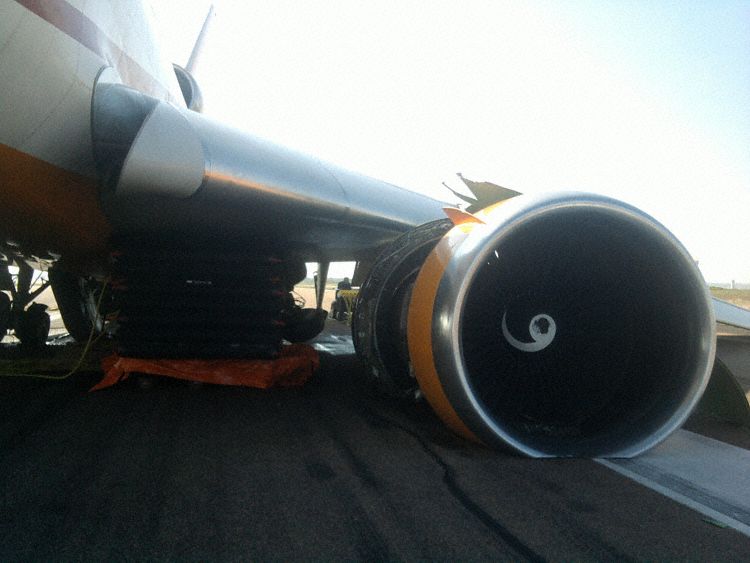
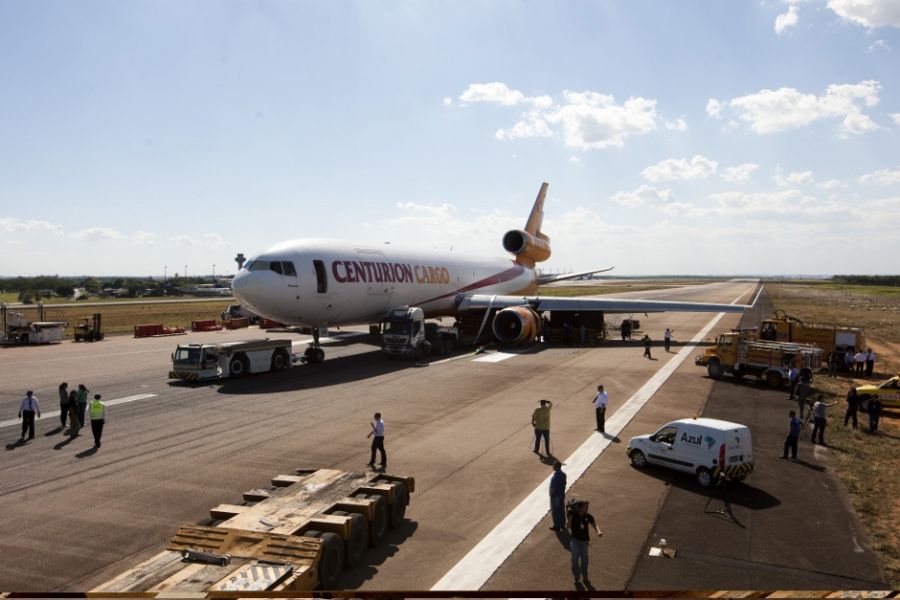
The airplane took off from Miami International Airport (KMIA), destined for Viracopos Airport (SBKP), with two pilots and a mechanic on board, on a non-regular cargo transport flight. The flight was uneventful up to the moment its landing in SBKP. On the approach for landing on runway 15, the crew performed the IFR ILS Z procedure. The weather conditions were VMC, with the wind coming from 140º at 19kt. When the aircraft was granted clearance to land, the wind strength was 20kt, gusting up to 29kt. The copilot was the Pilot Flying (PF), and the captain was the Pilot Monitoring (PM) at the moment of landing. When the aircraft touched down on the runway after the flare, the left main landing gear collapsed, causing the aircraft to skid on the runway for approximately 800 meters before stopping. There was substantial damage to the left main gear assembly, to the left wing, and left engine. The aircraft stopped within the runway limits. All three crew members were uninjured.
Probable cause:
It was determined that the “the landing gear failed due to overload in the cylinder structure”. The fracture started in the rear section of the cylinder in a connection hole which served as a tension concentration point, and ended in the front part of the cylinder with its breakage into two parts. Following a failure of the right main gear upon landing in Montevideo on 20 October 2009, the right main landing gear was replaced by VARIG Engineering & Maintenance (VEM), but the organization responsible for the research of damage, the specification of the services necessary for the restoration of airworthiness, and the provision of the services that enabled the restoration of the aircraft to an airworthy condition was not identified. The same aircraft parts were subjected to metallurgical analysis at the Boeing Long Beach Materials, Processing and Physics [MP&P] Laboratories, in Huntington Beach, California, USA; and the technical report issued by Boeing highlighted that in one of the points of origin of the failure, the analysis had identified characteristics similar to a pre-crack point, which would have begun earlier, probably due to overload. In the tasks that led to the restoration of the aircraft airworthiness after the accident in Uruguay in 2009 (Hard-Landing), and also in subsequent periodic inspections, the existence of pre-crack traces resulting from a previous overload condition may not have been identified, something that could have resulted in a point of stress concentration.
Final Report:

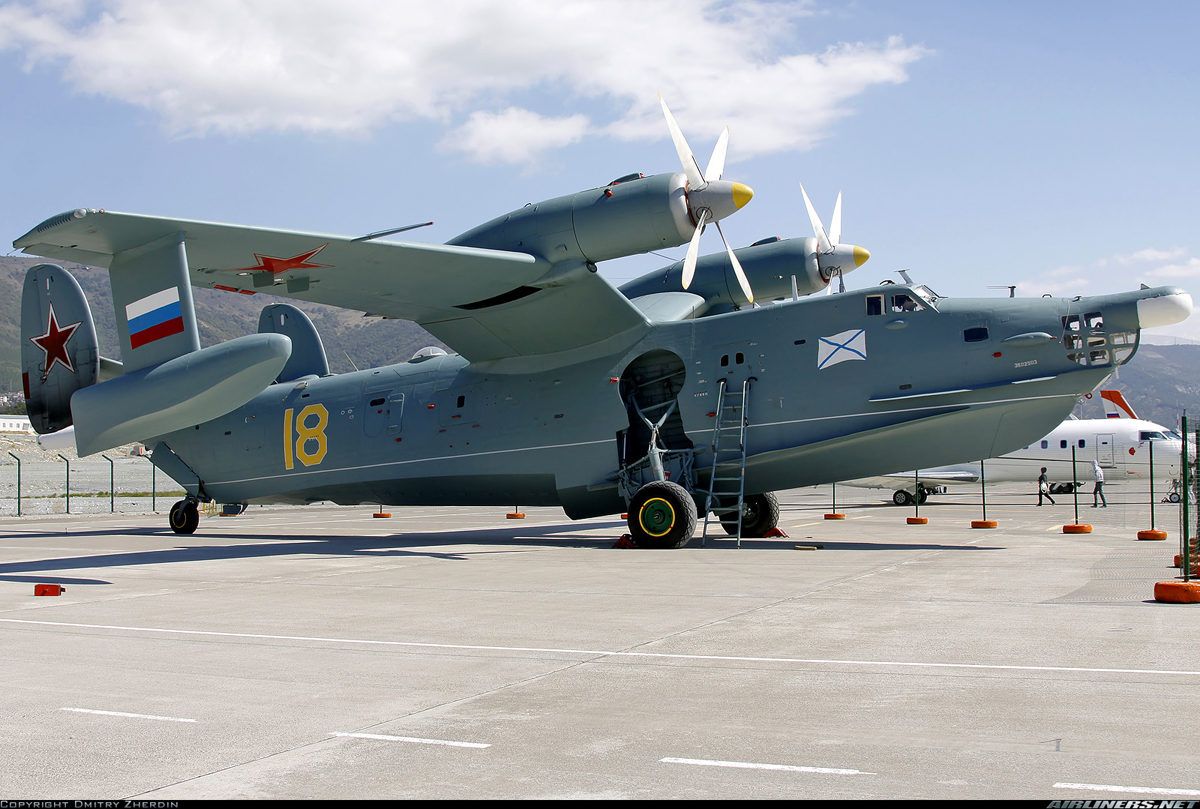
Crash of a Beriev Be-12PS Chayka at Kacha NAS: 3 killed

Date & Time: Oct 12, 2012 at 1740 LT
Type of aircraft:
Operator:
Registration:
18 yellow
Flight Type:
Survivors:
Yes
Schedule:
Kacha NAS - Kacha NAS
MSN:
3602903
YOM:
1969
Country:
Region:
Crew on board:
4
Crew fatalities:
Pax on board:
0
Pax fatalities:
Other fatalities:
Total fatalities:
3
Circumstances:
The crew was performing a training mission off the Crimea coast on behalf of the Black Sea Fleet. En route, an engine failed, forcing the crew to return to Kacha NAS. On short final, the airplane descended fast and landed hard, got airborne and climbed to several meters before stalling and crashing near the runway, bursting into flames. The captain, the copilot and the navigator were killed and the radio operator was seriously injured. The aircraft was destroyed by impact forces and a post impact fire. The antisubmarine seaplane was also registered RF-12008.
Probable cause:
Engine failure for unknown reasons.

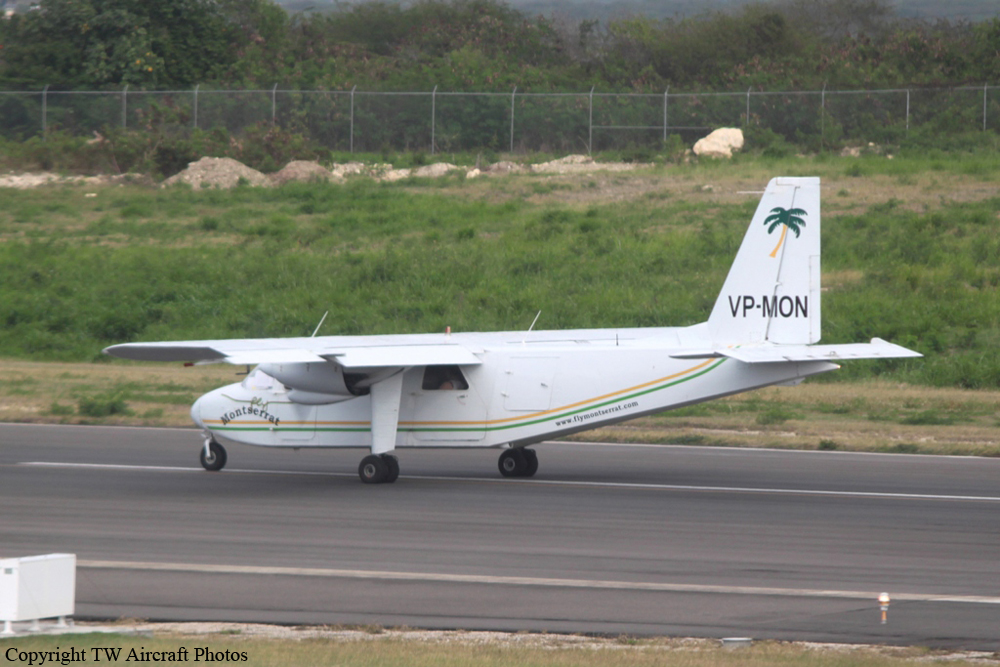
Crash of a Britten-Norman BN-2A-26 Islander in Saint John's: 3 killed

Date & Time: Oct 7, 2012 at 1610 LT
Type of aircraft:
Operator:
Registration:
VP-MON
Flight Phase:
Survivors:
Yes
Schedule:
Saint John’s – Montserrat
MSN:
82
YOM:
1969
Flight number:
MNT107
Country:
Crew on board:
1
Crew fatalities:
Pax on board:
3
Pax fatalities:
Other fatalities:
Total fatalities:
3
Captain / Total flying hours:
710
Captain / Total hours on type:
510.00
Aircraft flight hours:
22064
Aircraft flight cycles:
55851
Circumstances:
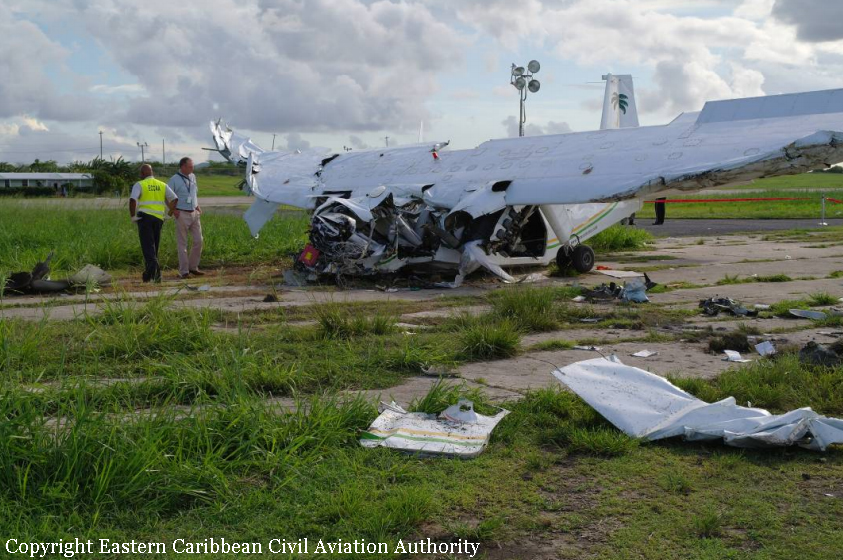
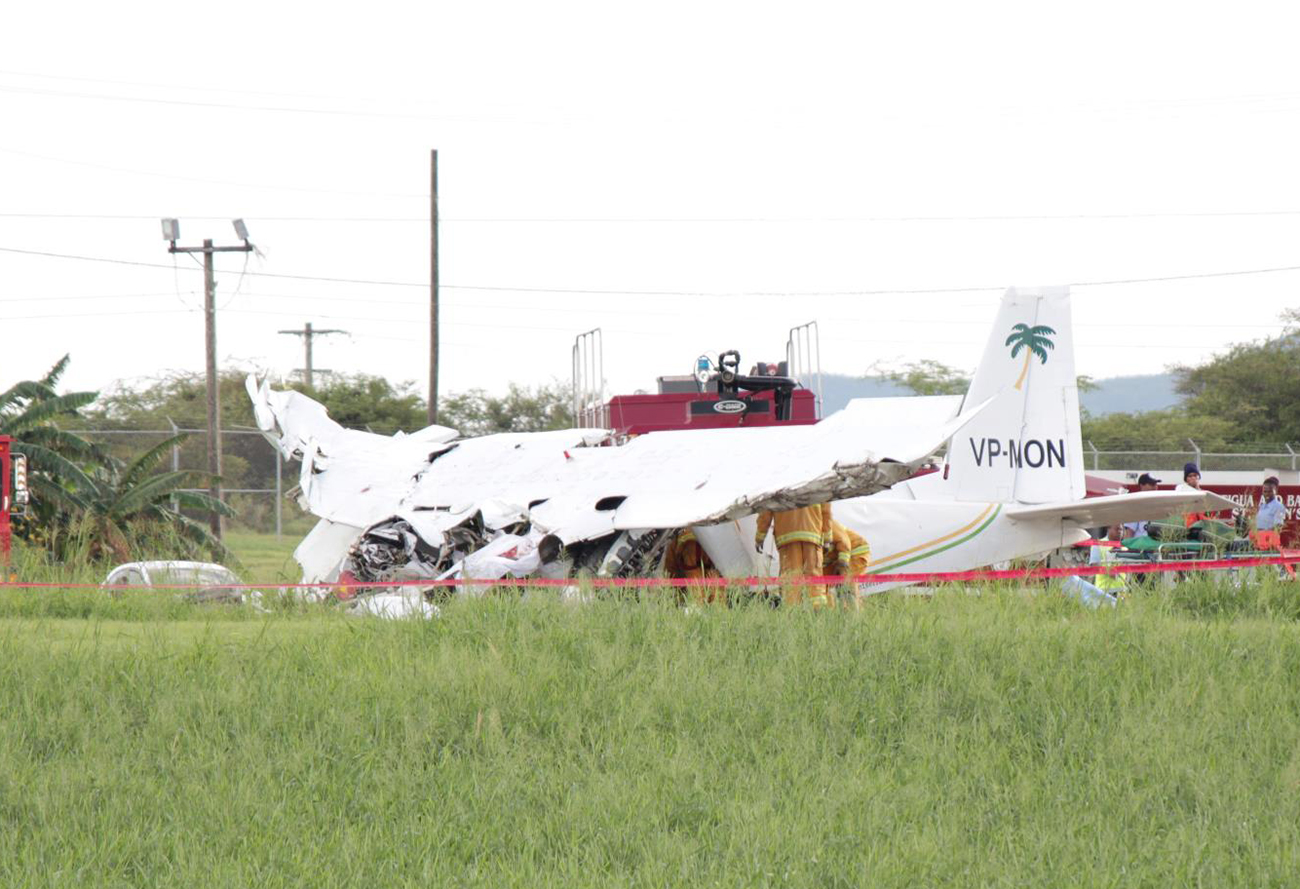
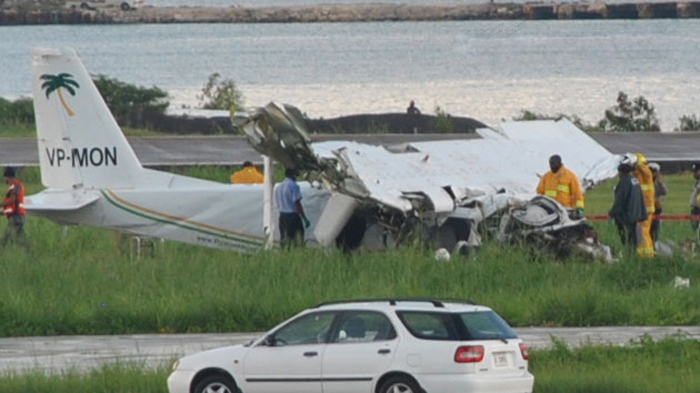
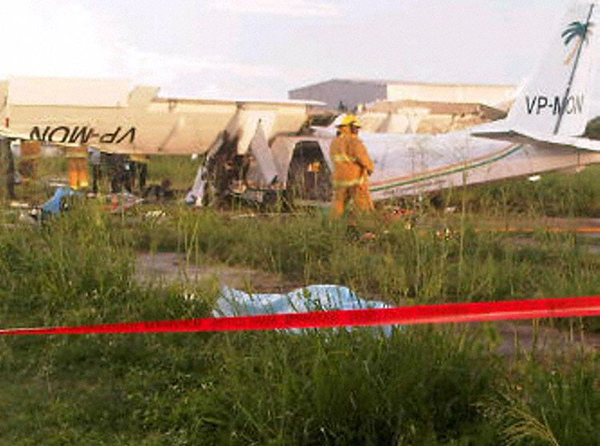
The aircraft was operating a VFR scheduled commercial air transport flight from VC Bird International Airport, Antigua (TAPA), to John A Osborne Airport, Montserrat (TRPG). The accident occurred during the aircraft’s fourth sector of the day. Prior to the accident flight, another pilot had flown two sectors in it, from John A Osborne to VC Bird and return, before going off duty. The accident pilot reported for duty at 1130 hrs, completed pre-flight preparations, and operated the aircraft to VC Bird. After the aircraft’s arrival at VC Bird, the airport closed to VFR traffic because of cumulonimbus activity and heavy rain. The airport re-opened for VFR operations shortly before the aircraft’s departure. A cumulonimbus cloud was present on the approach to Runway 07, and although the surface wind was westerly, Runway 07 was in use for departures. On board the aircraft were the pilot, three passengers, and bags weighing 150 lb. The fuel load on departure was 65 USG of AVGAS. The takeoff mass was shown on the load sheet as 5,540 lb, which was below the structural maximum takeoff weight of 6,600 lb; the performance-regulated takeoff weight at the ambient temperature of 24 °C was greater than the structural limit. The passengers and pilot travelled in a bus from the airport terminal to the aircraft. The passengers boarded the aircraft, and the baggage was loaded into the compartment behind the rear-most seats. The pilot then boarded the aircraft. The pilot was not observed to carry out a drain of the fuel system’s water traps (the operations manual did not stipulate that a drain check should be carried out). The pilot called the VC Bird Ground Movement Control (GMC) controller for permission to start engines, and was instructed to wait while the controller contacted Montserrat ATC to enquire about the weather there. The pilot then asked for surface wind information for VC Bird and was informed it was from 240° at 10 kts. The controller gave permission for start and passed the Montserrat weather, which was suitable for the operation. The pilot was instructed to taxi to holding position Bravo. The pilot contacted the Tower controller and was instructed to enter, backtrack, and line up on Runway 07. The controller described the weather observed from the Tower to the pilot, and the pilot requested a left-hand turn-out after departure. The surface wind was transmitted as from 270° at 10 kts and the aircraft was cleared for takeoff. The aircraft entered the runway at Bravo but did not backtrack. No power checks were carried out (other evidence indicated that power checks were routinely not carried out other than on each pilot’s first flight of the day). The aircraft took off, and the early part of the climb appeared normal. Analysis of the eye witness reports, and consideration of their locations and fields of view, led to a deduction that this normal climb continued to a height of between 200 and 300 ft above the ground. The aircraft then appeared to ‘sink’, losing a small amount of height without yawing or rolling, before yawing to the right, then rolling to the right, and pitching nose down into an incipient spin to the right. The surviving passenger recalled that the stall warning sounded, and its accompanying red light (which was mounted on the right-hand side of the instrument panel and in his line of sight) illuminated throughout this period and until impact. Witnesses described that the (incipient) spin continued until the aircraft struck the ground. ATC staff in the visual control room activated the airport’s crash alarm. The rescue and fire-fighting service (RFFS) responded promptly from their station; the crew of one RFFS vehicle, working on the airport, observed the accident and responded directly to it. The pilot and one passenger were fatally injured on impact. Another passenger succumbed to her injuries before she could be extricated from the wreckage, and the third passenger, who had sustained serious injuries, was taken to hospital.
Probable cause:
The investigation identified the following causal factors:
1. Significant rainfall, and anomalies in the aircraft’s fuel filler neck and cap, led to the presence of water in the right-hand fuel tank,
2. Shortly after takeoff, the water in the right-hand fuel tank entered the engine fuel system causing the engine to stop running,
3. Control of the aircraft was not retained after the right-hand engine stopped.
Contributing factors:
1. No pre-flight water drain check was carried out; such a check would have allowed the presence of water in the right-hand fuel tank to be detected and corrective action taken.
2. It is possible that performance-reducing windshear, encountered during the downwind departure, contributed to a reduction in airspeed shortly before the aircraft stalled.
Final Report:

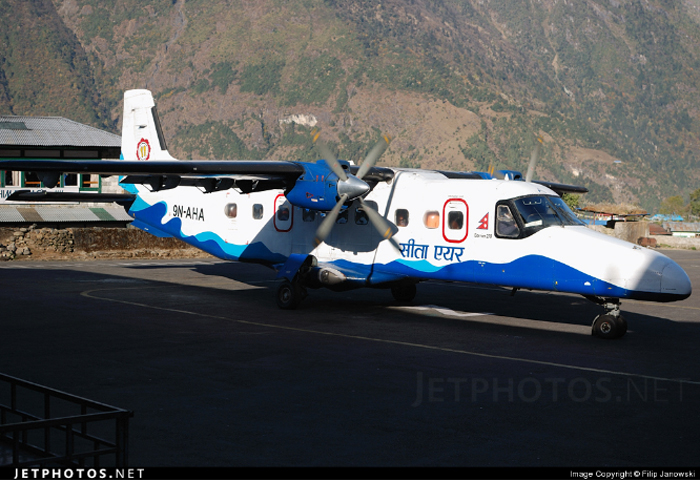
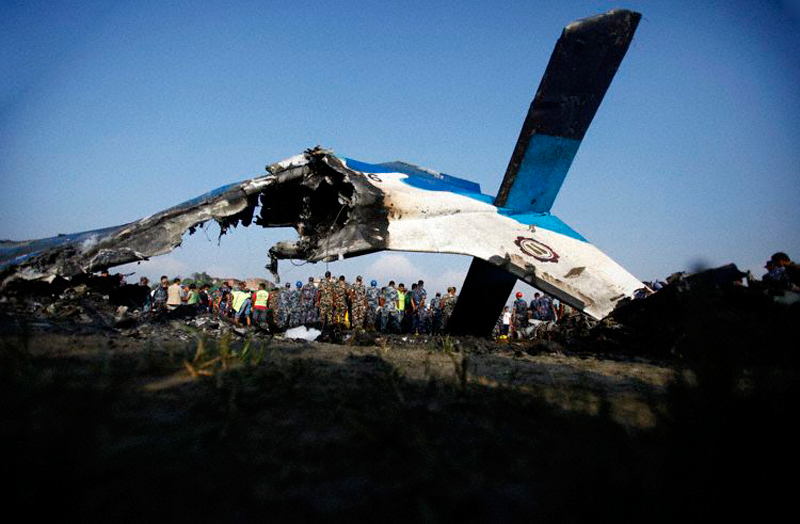
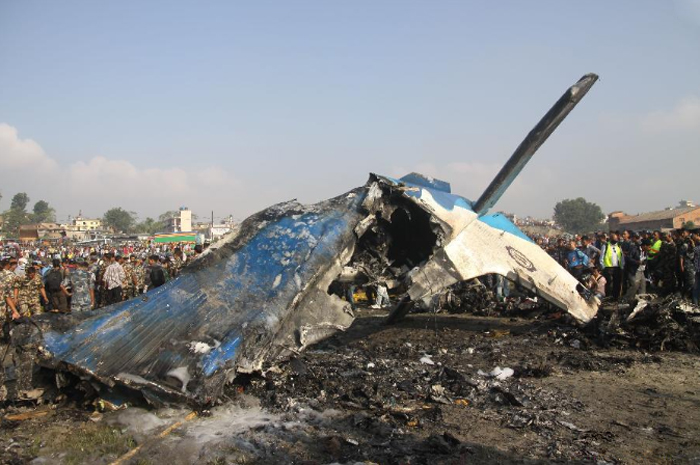
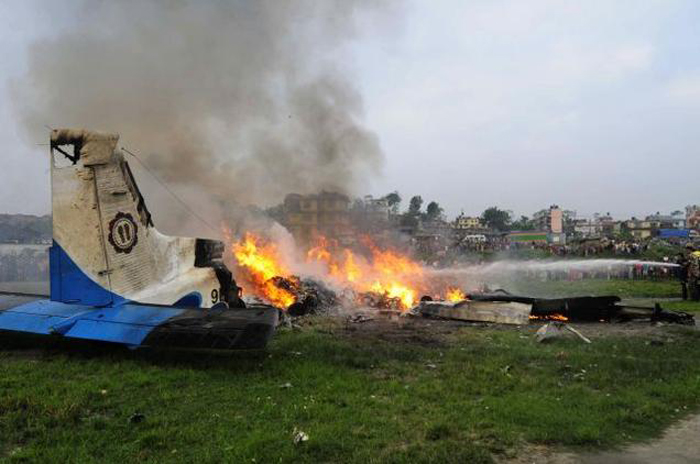
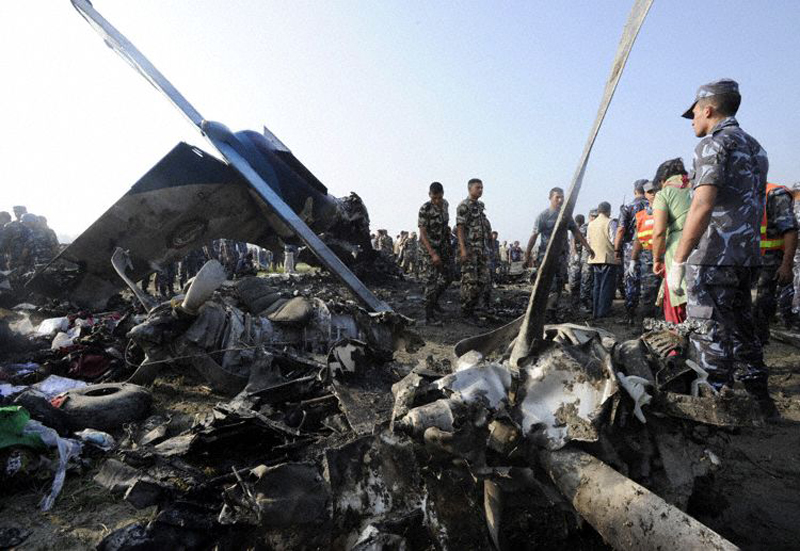
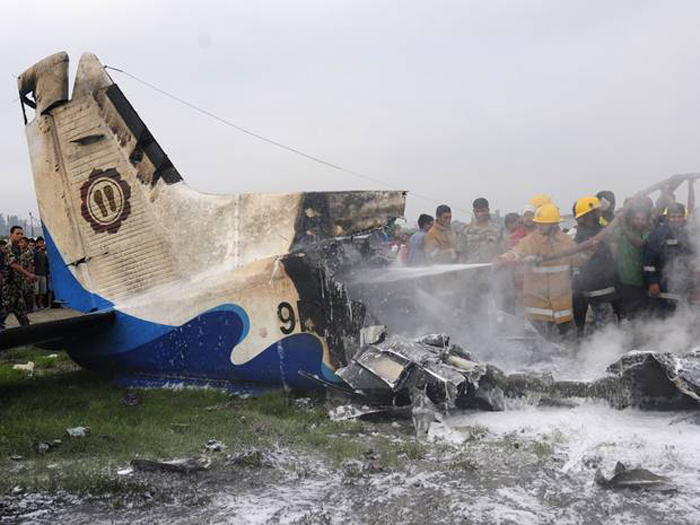
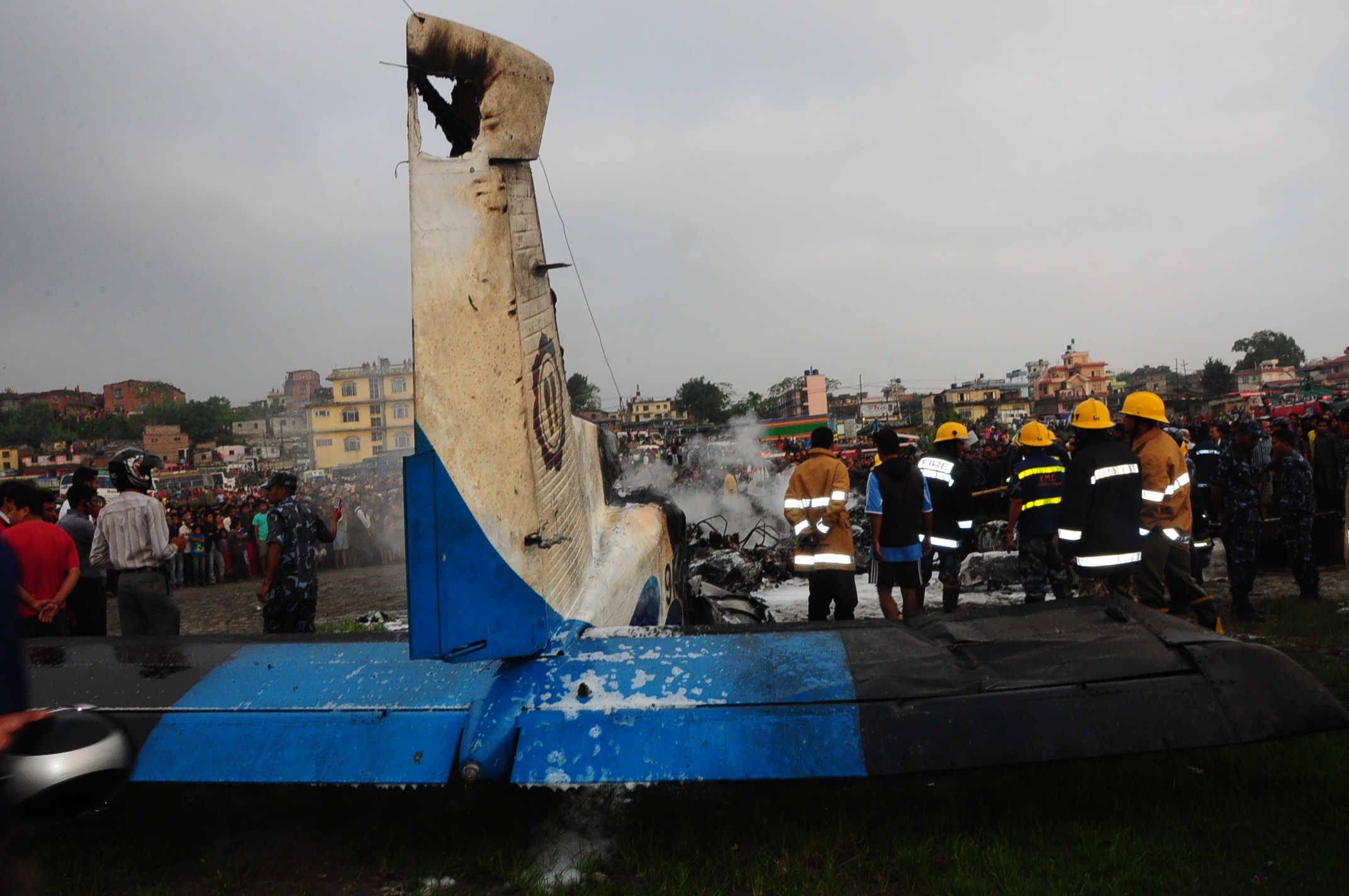
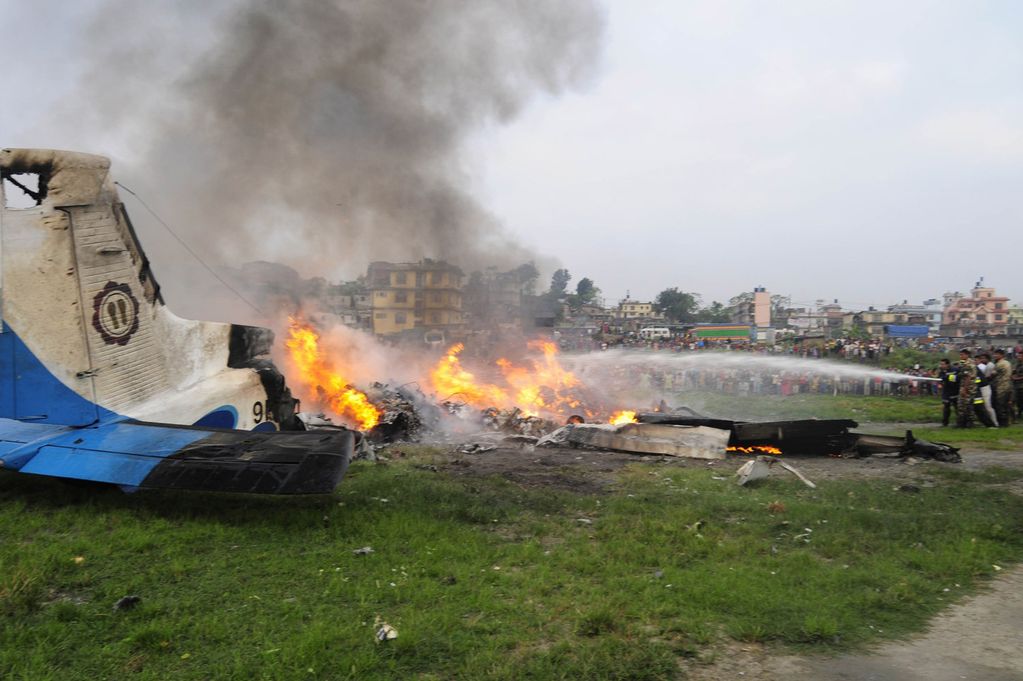
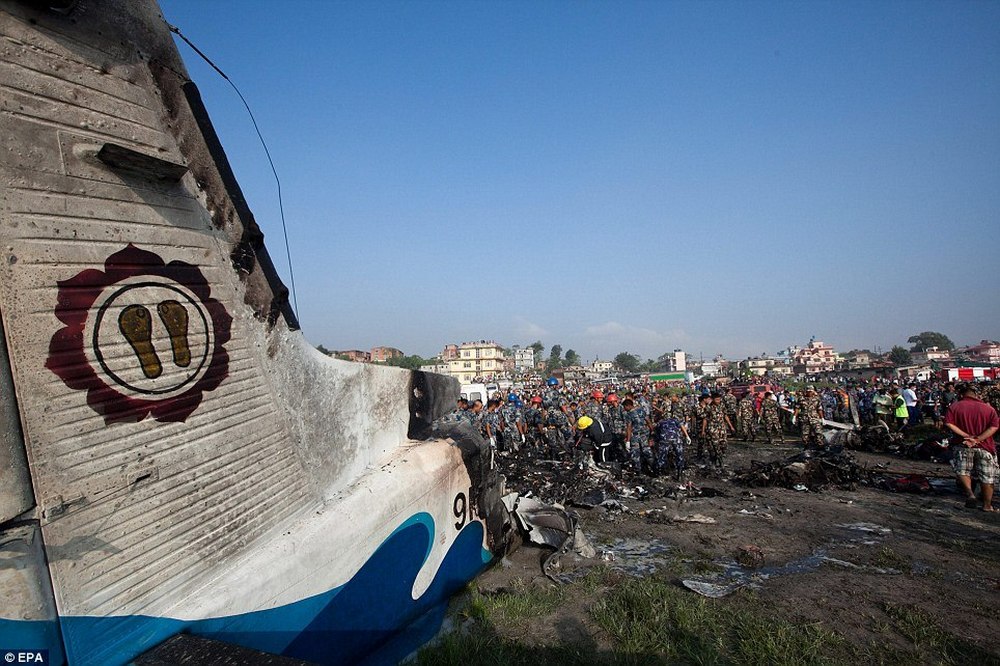
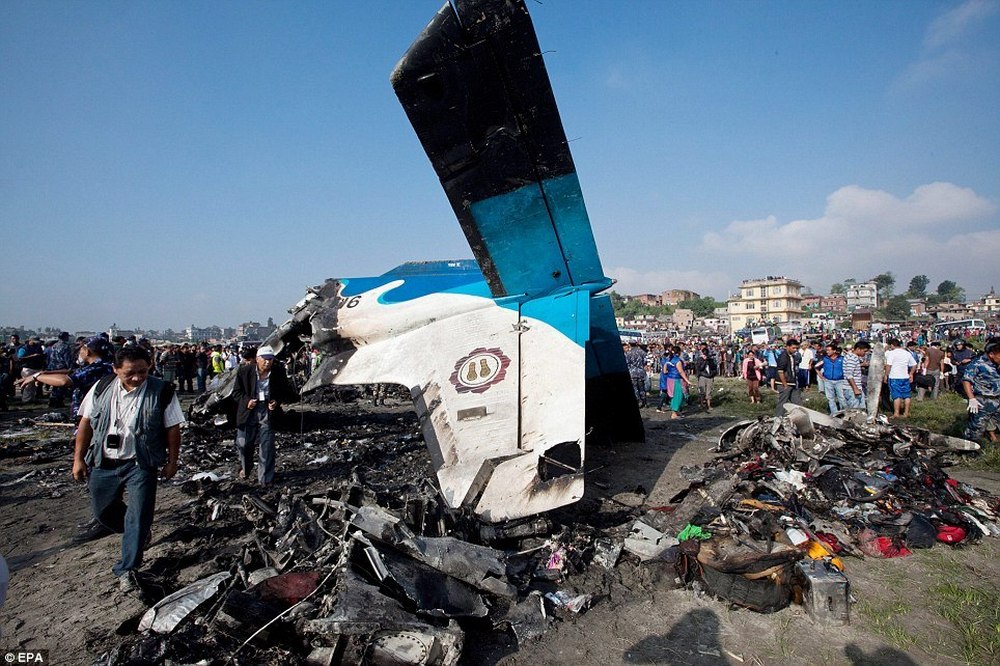
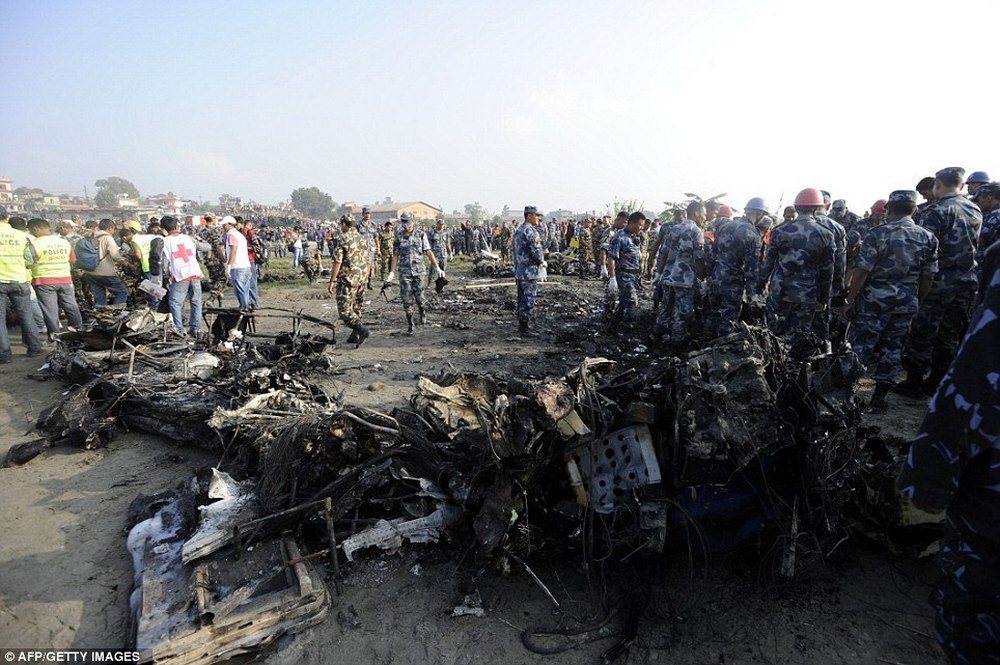
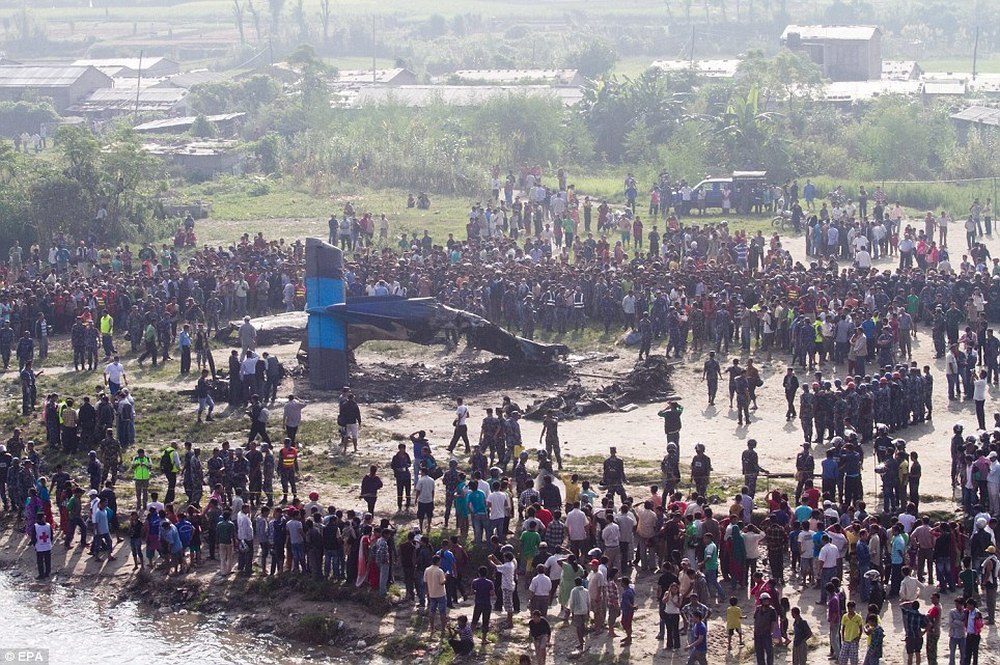
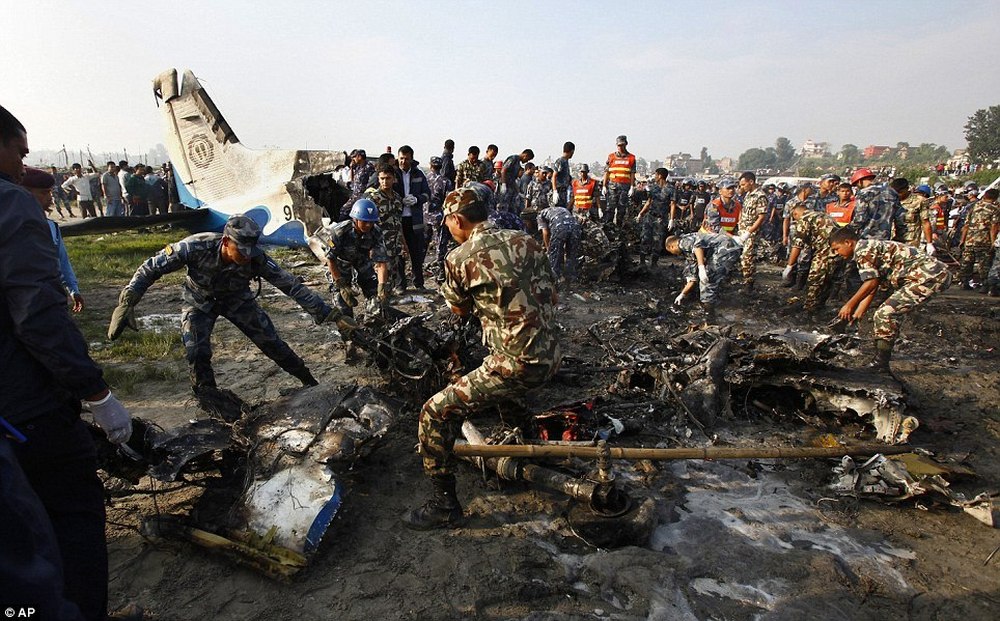
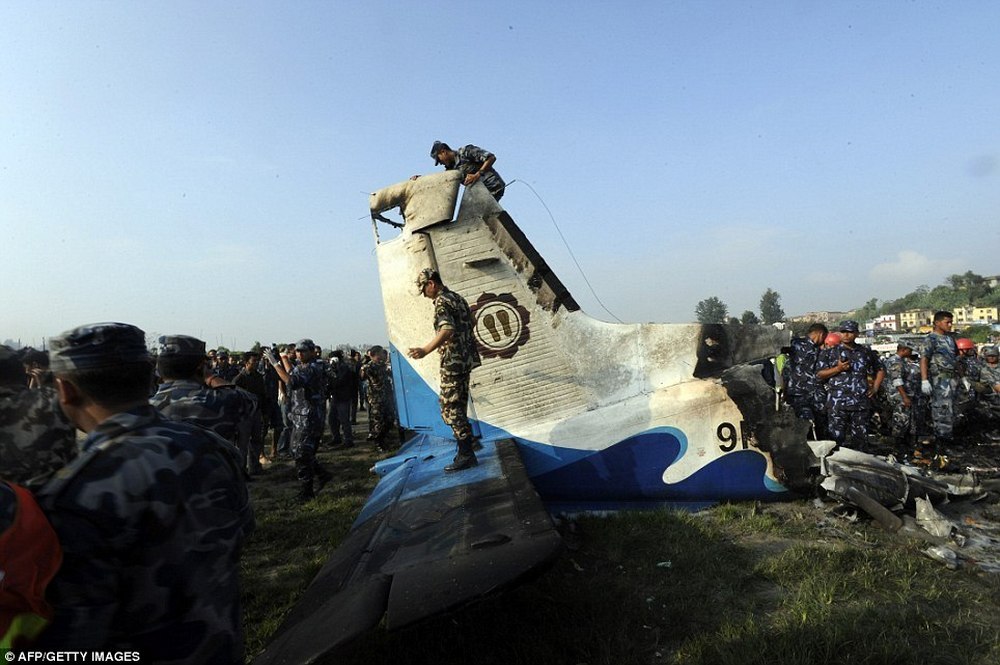
Crash of a Dornier DO228-202 in Kathmandu: 19 killed

Date & Time: Sep 28, 2012 at 0618 LT
Type of aircraft:
Operator:
Registration:
9N-AHA
Flight Phase:
Survivors:
No
Schedule:
Kathmandu - Lukla
MSN:
8123
YOM:
1987
Flight number:
SIT601
Country:
Region:
Crew on board:
3
Crew fatalities:
Pax on board:
16
Pax fatalities:
Other fatalities:
Total fatalities:
19
Captain / Total flying hours:
8308
Captain / Total hours on type:
7112.00
Copilot / Total flying hours:
772
Copilot / Total hours on type:
519
Circumstances:
A Dornier 228 aircraft, registration 9N-AHA, was planned to operate a flight from Tribhuvan International Airport (TIA), Kathmandu, to Tensing/Hillary Airport, Lukla with 16 passengers and 3 crews. The Commander was the Pilot Flying (PF) which was in accordance with common practice for flight crews operating this route. The 0020Z METAR for TIA reported calm wind, 3,000 m visibility in mist, scattered cloud at 2,000 ft AAL, broken cloud at 10,000 ft AAL, a temperature of 19° C and a QNH of 1017 HPa. ATC broadcast a change in the QNH to 1018 HPa at 0029 hrs. At 0028 hrs (0613 am), the Co-pilot asked ATC for taxi clearance and 9N-AHA taxied towards Intersection 2 for Runway 20. While taxiing towards the runway the flight crew carried out the before takeoff checklist during which the Commander confirmed that Flaps 1 was set and all four booster pumps were ON. There was no emergency brief or discussion about the reference speeds to be used during the takeoff. The flight crew changed frequency and contacted the tower controller who gave them clearance to enter Runway 20 from the intersection and wait for clearance to takeoff. The Commander asked for the line-up checks to be completed during which the Speed Lever was selected to HIGH. After lining up, the Commander said "THERE IS A BIRD" and, three seconds later "I WILL TAKE FLAPS TWO" which was acknowledged by the co-pilot. The aircraft was cleared for departure and began its takeoff run at 0032 hrs. Two seconds after beginning the takeoff roll, the Commander said "WATCH OUT THE BIRD". The Co-pilot called "50 KNOTS " as the aircraft approached 50 kt and the Commander replied "CHECK". Two seconds later, the co-pilot called "BIRD CLEAR SIR" as the aircraft accelerated through 58 kt. Approaching 70 kt, approximately 13 kt below V1 and Vr , the first officer called "VEE ONE ROTATE". The aircraft began to rotate but did not lift off the ground and the nose was briefly lowered again. As the aircraft reached 86 kt, it lifted off the ground and the landing gear was raised immediately. As the aircraft began to climb, it accelerated to 89 kt over approximately 2 seconds. It continued to climb to 100 ft above the runway over the next 11 seconds but, during this time, the speed decreased to 77 kt. The aircraft then flew level for 14 seconds during which time the following occurred: the speed decreased to 69 kt; the air traffic controller asked "ANY TECHNICAL?" to which the pilot replied "[uncertain]….DUE BIRD HIT"; it's heading changed slowly from 200 °M to approximately 173 °M; and the stall warning was triggered for three seconds as the aircraft decelerated through 71 kt. Two seconds after the stall warning ended, it was triggered again for approximately six seconds with the airspeed at 69 kt. The aircraft began a gentle descent at 69 kt with the stall warning sounding and the rate of turn to the left increased rapidly. It departed controlled flight, most probably left wing low, and crashed into a small open area 420 m south-east of the end of Runway 20. A runway inspection found the remains of a bird, identified as a "Black Kite", at a position 408 m from Intersection 2. No bird strike was reported in relation to any other departure.
Probable cause:
Causal Factors:
The investigation identified the following causal factors:
1. During level flight phase of the aircraft, the drag on the aircraft was greater than the power available and the aircraft decelerated. That resulted in excessive drag in such critical phase of ascent lowering the required thrust. The investigation was unable to determine the reason for the reduced thrust.
2. The flight crew did not maintain the airspeed above the stall speed and there was insufficient height available to recover when the aircraft departed controlled flight.
Contributory Factors:
The investigation identified the following contributory factors:
1. The flight crew did not maintain V2 during the climb and so the power required to maintain the level flight was greater than it would otherwise have been.
2. The flight crew did not maintain the runway centreline which removed the option of landing the aircraft on the runway remaining.
Final Report:

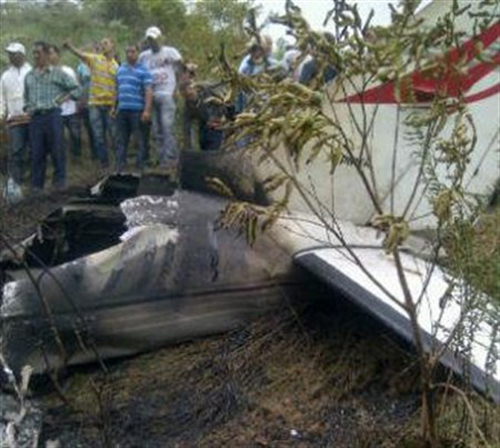
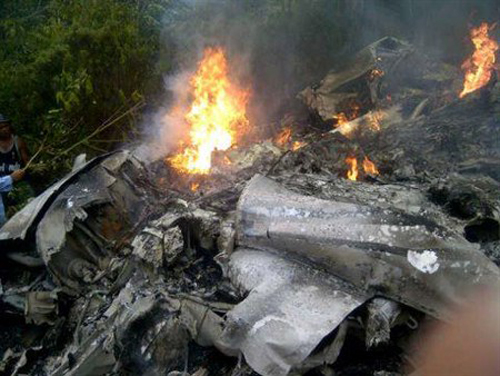
Crash of a Piper PA-31-350 Navajo Chieftain in Constanza: 2 killed

Date & Time: Sep 27, 2012 at 1545 LT
Registration:
N711WX
Flight Phase:
Flight Type:
Survivors:
No
Schedule:
Constanza - Santo Domingo
MSN:
31-7552131
YOM:
1975
Crew on board:
2
Crew fatalities:
Pax on board:
0
Pax fatalities:
Other fatalities:
Total fatalities:
2
Circumstances:
Shortly after takeoff from Constanza-14 de Junio Airport, bound to Las Américas Airport in Santo Domingo, the twin engine aircraft went out of control and crashed in a wooded area, bursting into flames. The burnt wreckage was found near the village of Tireo, about 3 km northeast of the airport. The aircraft was destroyed and both occupants were killed. The exact circumstances of the accident are unclear. It is believed that the flight was illegal and that a load of 11 of cocaine was found at the crash site.
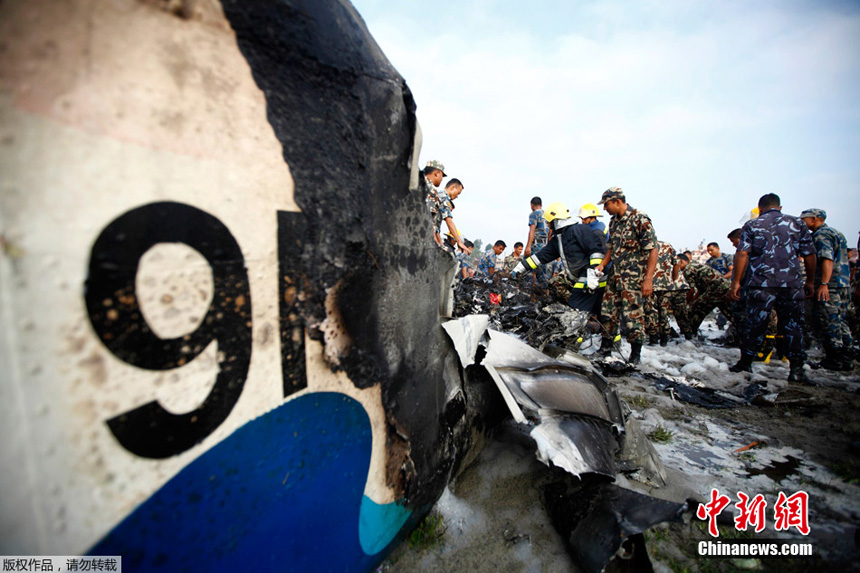
Crash of a Raytheon 390 Premier IA in New Delhi

Date & Time: Sep 22, 2012 at 1129 LT
Type of aircraft:
Operator:
Registration:
VT-UPN
Flight Type:
Survivors:
Yes
Schedule:
Lucknow - New Delhi
MSN:
RB-236
YOM:
2008
Country:
Region:
Crew on board:
3
Crew fatalities:
Pax on board:
3
Pax fatalities:
Other fatalities:
Total fatalities:
0
Circumstances:
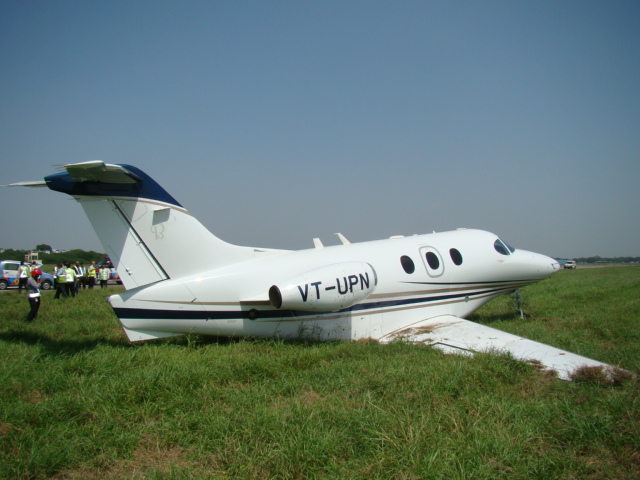
The aircraft departed Lucknow Airport in the morning on a flight to New Delhi-Indira Gandhi Airport with a crew of three (two pilot and a cabin crew) and three passengers, among them Shivpal Yadav, Minister by the Uttar Pradesh Government. Following an uneventful flight, the crew completed the approach to runway 27. After touch down, the left main gear collapsed and the aircraft slid on runway for about one km when the right main gear collapsed as well. Out of control, the aircraft veered off runway to the right and came to rest in a grassy area. All six occupants escaped uninjured while the aircraft was damaged beyond repair.

Crash of a Beechcraft Beechjet 400A in Macon

Date & Time: Sep 18, 2012 at 1003 LT
Type of aircraft:
Operator:
Registration:
N428JD
Survivors:
Yes
Schedule:
Charleston - Macon
MSN:
RJ-13
YOM:
1986
Location:
Crew on board:
2
Crew fatalities:
Pax on board:
1
Pax fatalities:
Other fatalities:
Total fatalities:
0
Captain / Total flying hours:
7000
Captain / Total hours on type:
4000.00
Copilot / Total flying hours:
2500
Copilot / Total hours on type:
450
Aircraft flight hours:
5416
Circumstances:
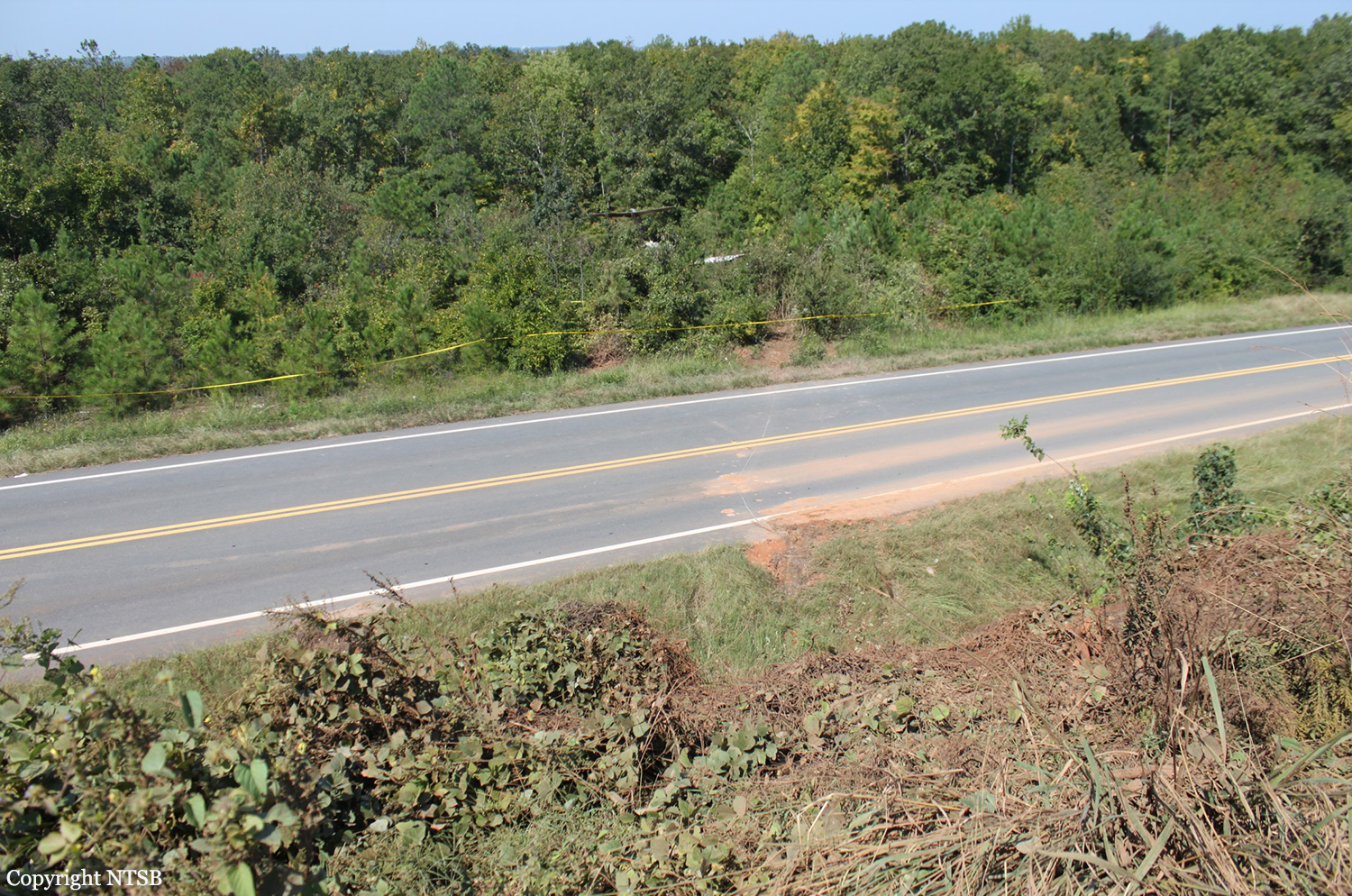
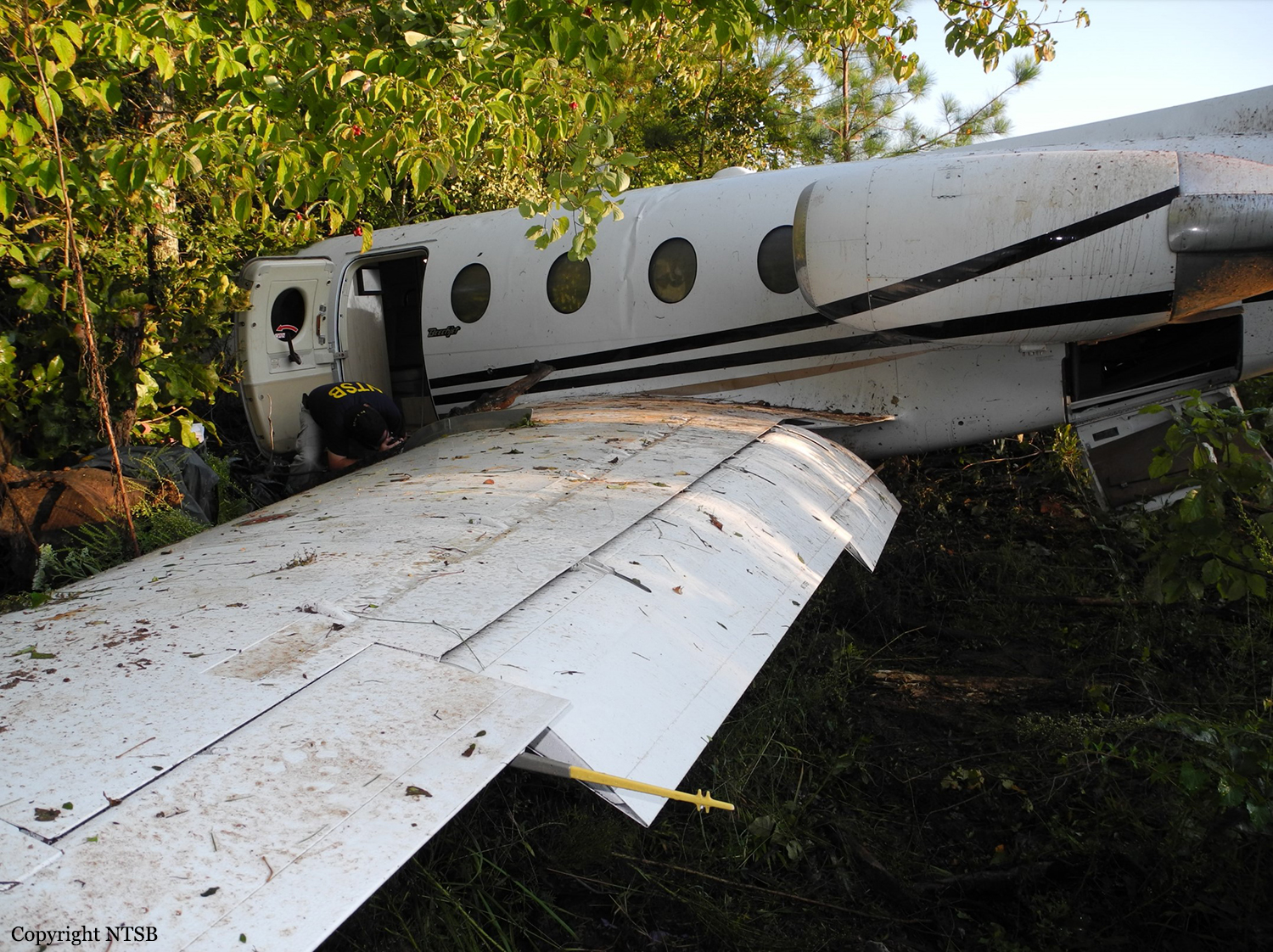
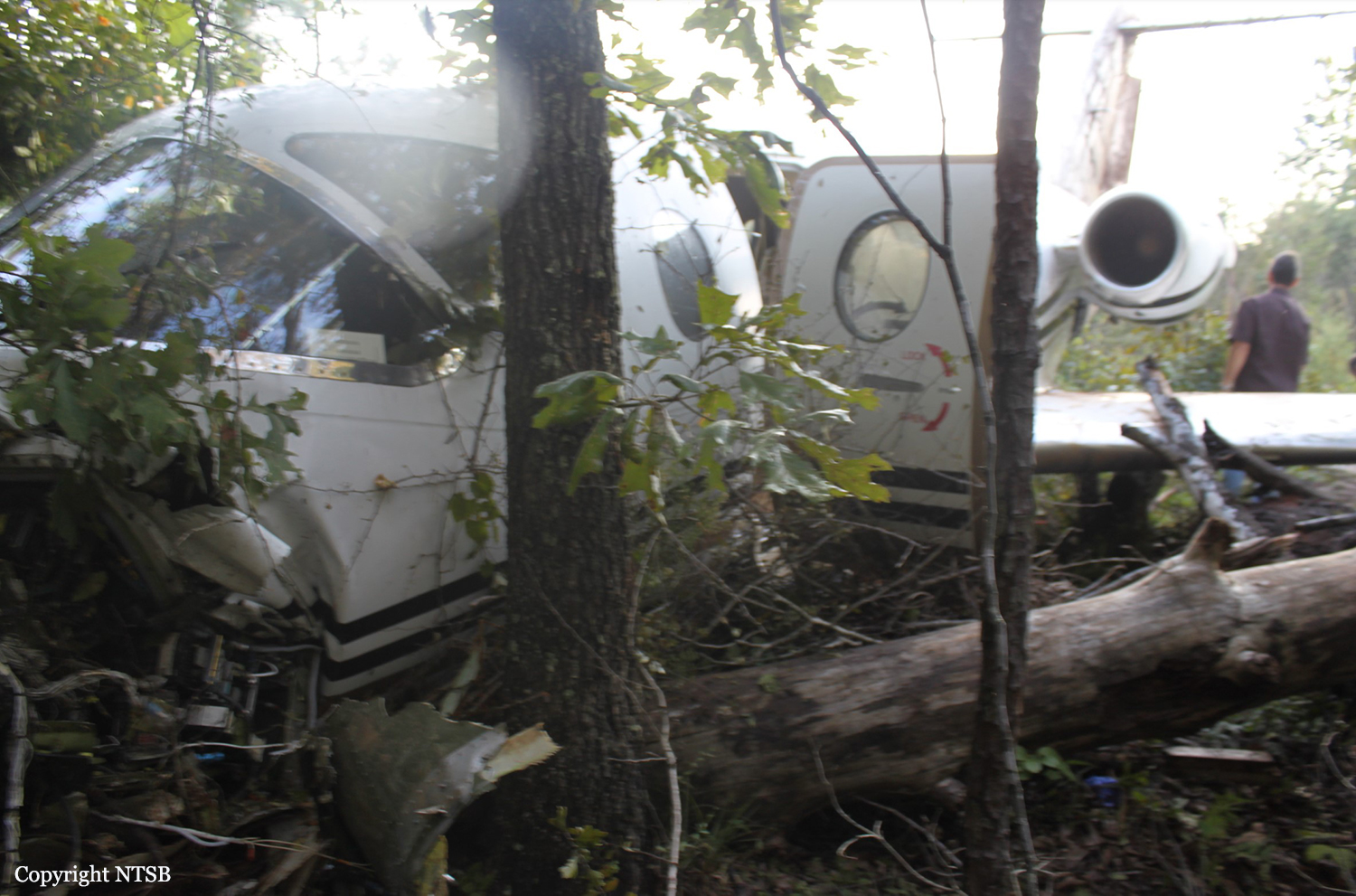
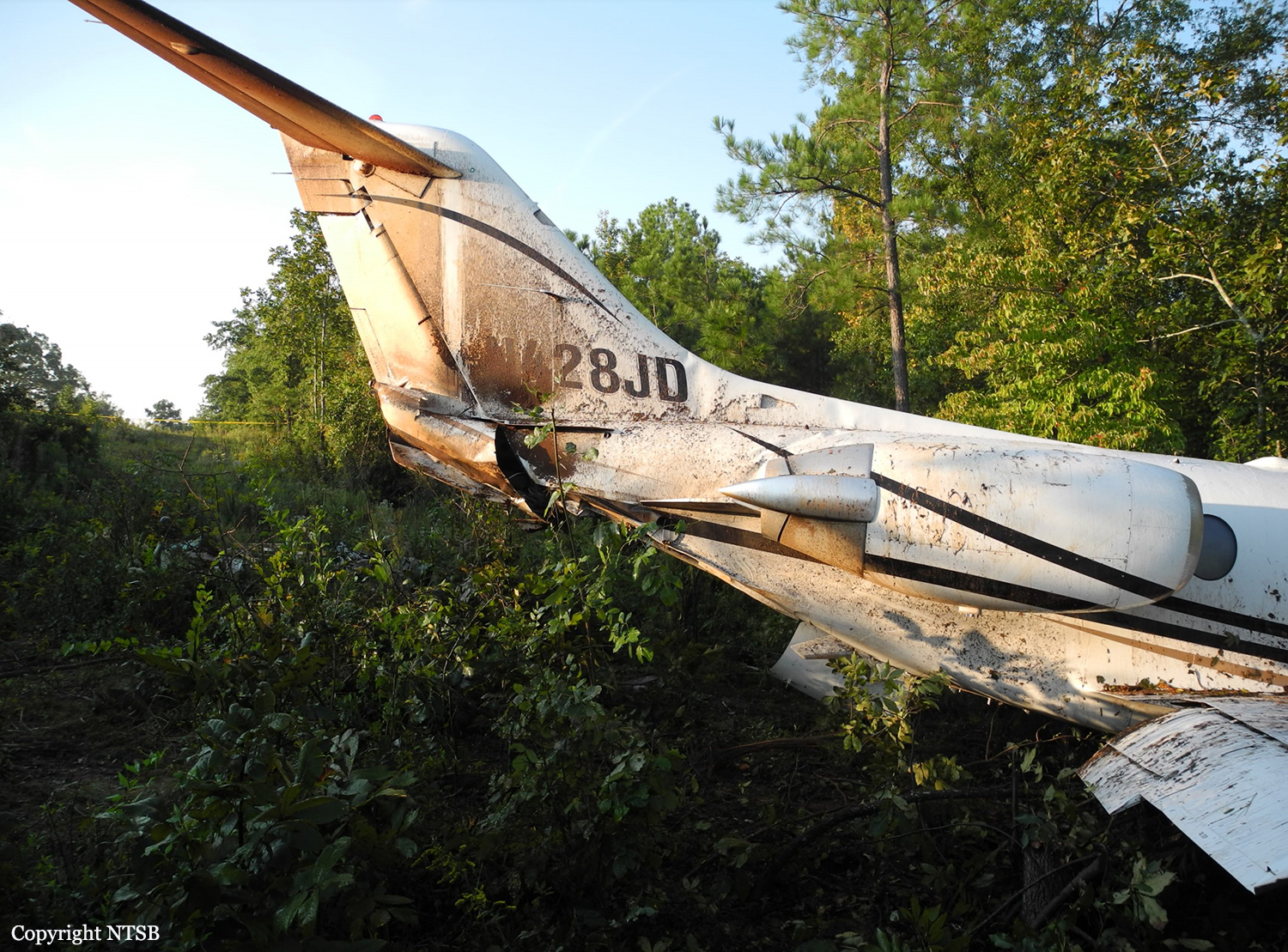
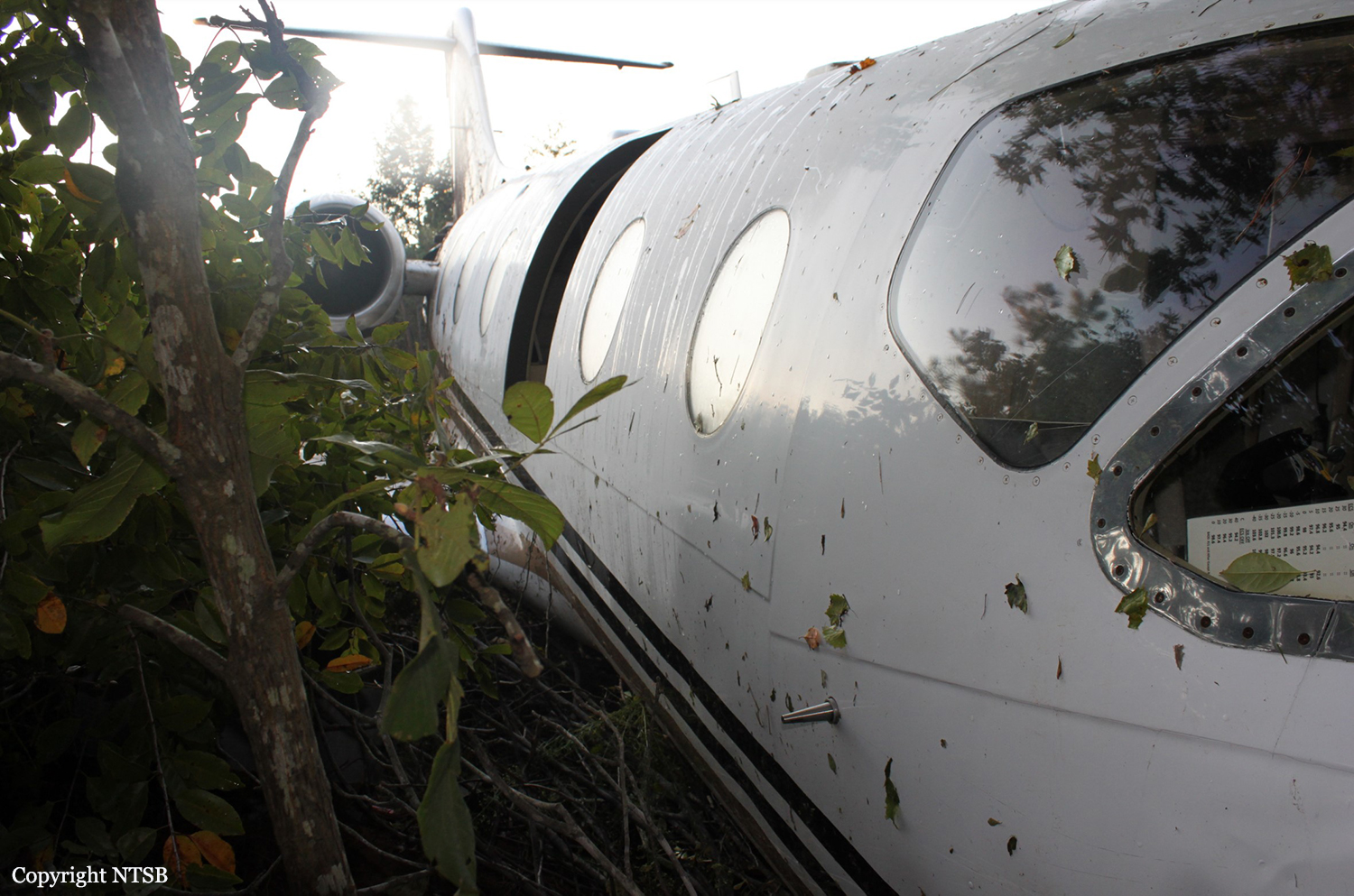
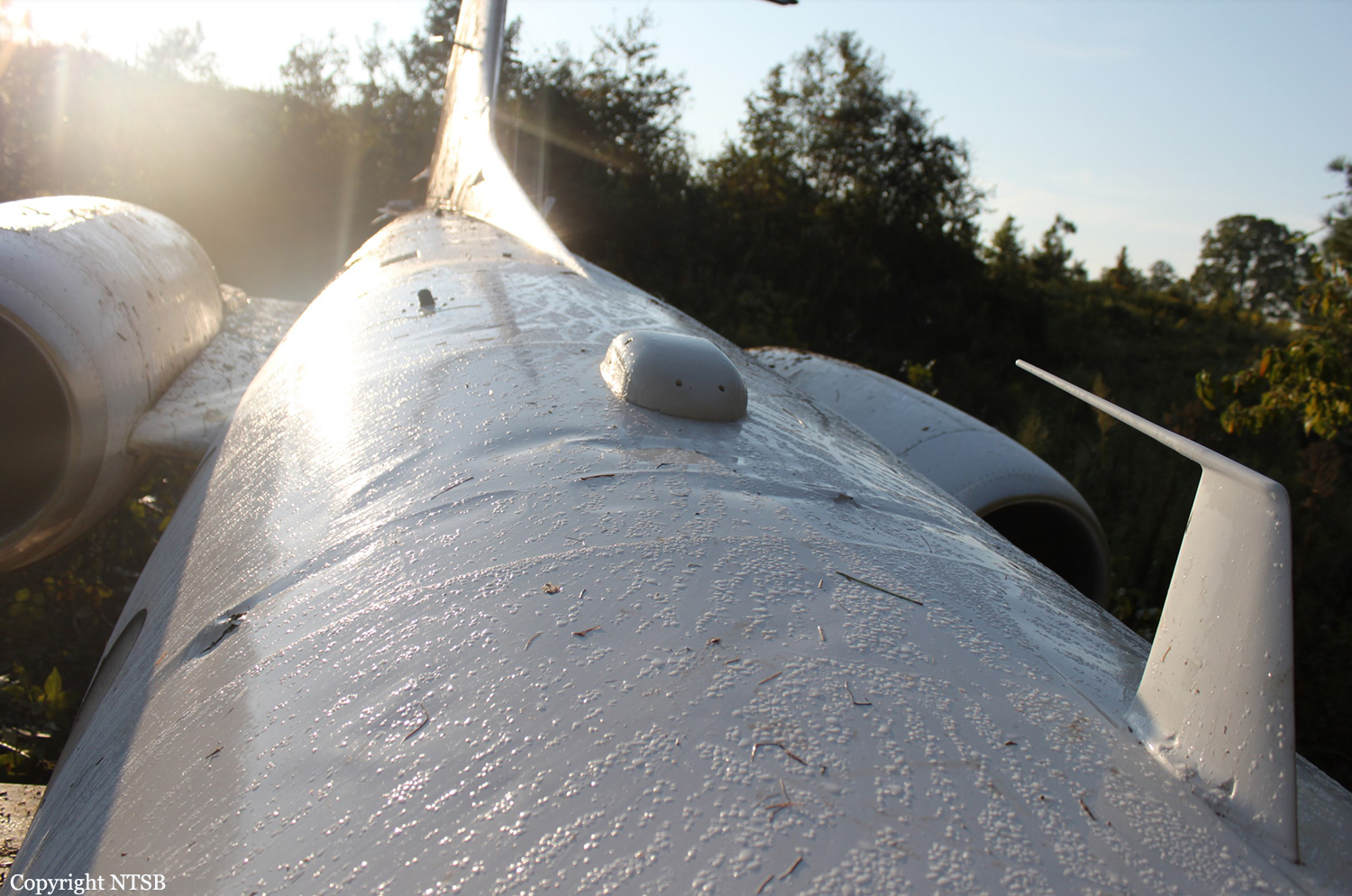
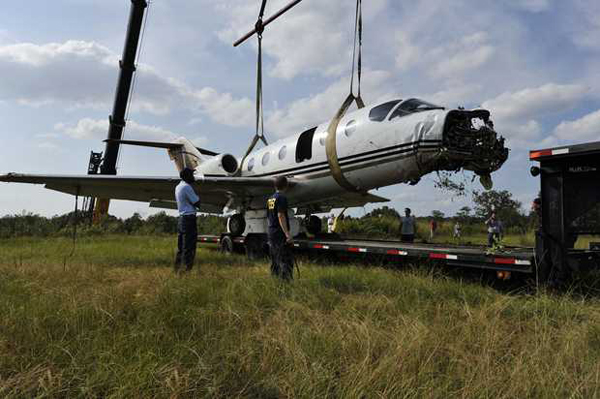
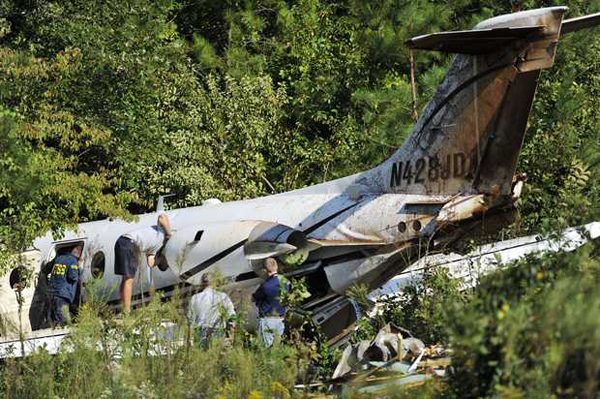
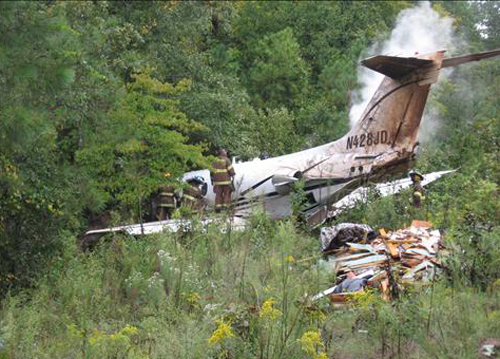
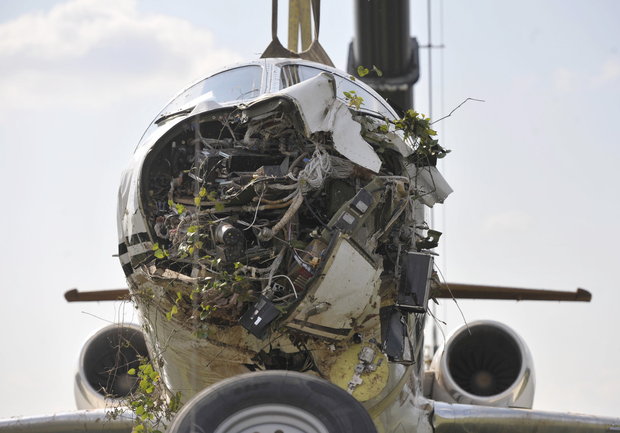
The aircraft was substantially damaged when it overran runway 28 during landing at Macon Downtown Airport (MAC), Macon, Georgia. The airplane departed from Charleston Air Force Base/International Airport (CHS), Charleston, South Carolina, about 0930. Visual meteorological conditions prevailed and an instrument flight rules (IFR) flight plan was filed. Both Airline Transport Pilots (ATP) and one passenger sustained minor injuries. The airplane was owned by Dewberry, LLC and operated by The Aviation Department. The corporate flight was conducted under the provisions of Title 14 Code of Federal Regulations (CFR) Part 91. According to an interview with the pilots, they arrived at DeKalb-Peachtree Airport (PDK), Atlanta, Georgia, which was their home base airport, about 0400, and then drove about 4 1/2 hours to CHS for the 0930 flight. The flight departed on time, the airspeed index bug was set on the co-pilot's airspeed for a decision takeoff speed (V1) of about 102 knots and a single engine climb speed (V2) on the pilot's side of 115 knots. The flight climbed to 16,000 feet prior to beginning the descent into MAC. When the flight was about 11 miles from the airport the flight crew visually acquired the airport and cancelled their IFR clearance with the Macon Radar Approach controller and proceeded to the airport visually. The second-in-command activated the runway lights utilizing the common traffic advisory frequency for the airport. Both crew members reported that about 3 seconds following activation of the lights and the precision approach path indicator (PAPI) lights, the PAPI lights turned off and would not reactivate. During the approach, the calculated reference speed (Vref) was 108 knots and was set on both pilots' airspeed indicator utilizing the index bug that moved around the outside face of the airspeed instrument. The landing was within the first 1,000 feet of the runway and during the landing roll out the airplane began to "hydroplane" since there was visible standing water on the runway and the water was "funneling into the middle." Maximum reverse thrust, braking, and ground spoilers were deployed; however, both pilots reported a "pulsation" in the brake system. The airplane departed the end of the runway into the grass, went down an embankment, across a road, and into trees. They further added that the airplane "hit hard" at the bottom of the embankment. They also reported that there were no mechanical malfunctions with the airplane prior to the landing. According to an eyewitness statement, a few minutes prior to the airplane landing, the airport experienced a rain shower with a "heavy downpour." The witness reported observing the airplane on approach, heard the engine thrust reverse, and then observed the airplane "engulfed in a large ball of water vapor." However, he did not observe the airplane as it departed the end of the runway. Another witness was located in a hangar on the west side of the airport and heard the airplane, looked outside and then saw the airplane with the reverse thrusters deployed. He watched it depart the end of the runway and travel into the nearby woods.
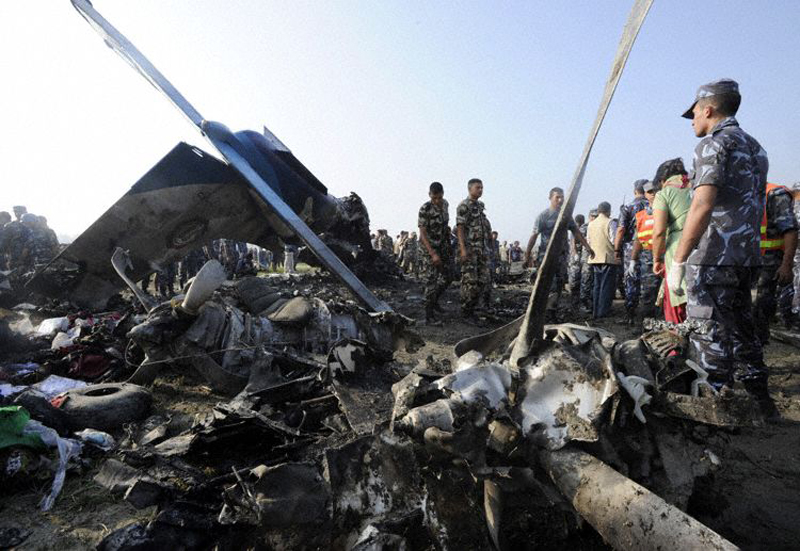

Probable cause:
The pilot’s failure to maintain proper airspeed, which resulted in the airplane touching down too fast on the wet runway with inadequate runway remaining to stop and a subsequent runway overrun. Contributing to the landing overrun were the flight crew members’ failure to correctly use the appropriate performance chart to calculate the runway required to stop on a contaminated runway and their general lack of proper crew resource management.
Final Report:

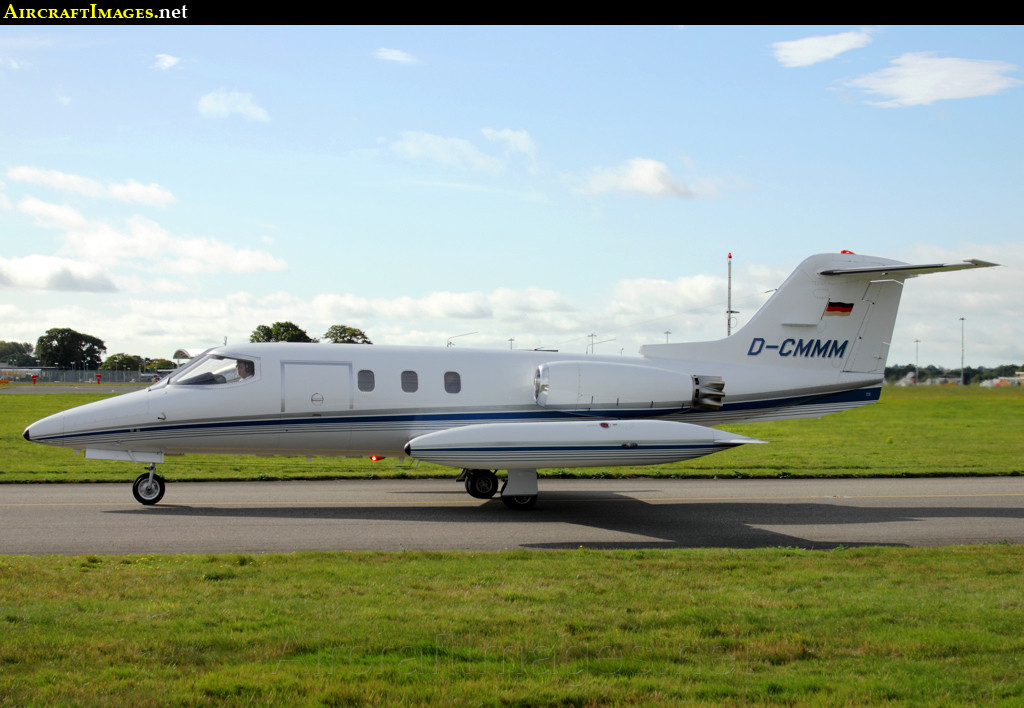
Crash of a Learjet 24D in Rønne

Date & Time: Sep 15, 2012 at 1340 LT
Type of aircraft:
Operator:
Registration:
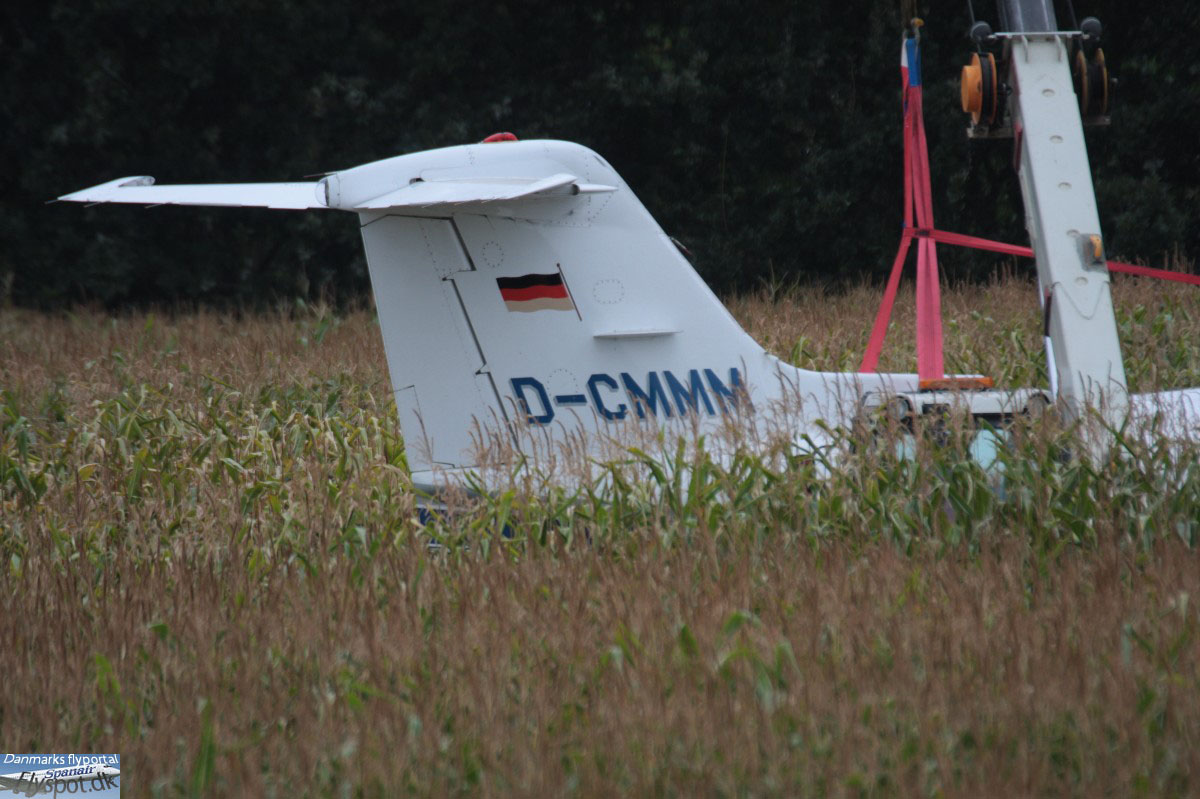
D-CMMM
Flight Type:
Survivors:
Yes
Schedule:
Strausberg - Rønne
MSN:
24-328
YOM:
1976
Country:
Region:
Crew on board:
2
Crew fatalities:
Pax on board:
0
Pax fatalities:
Other fatalities:
Total fatalities:
0
Circumstances:
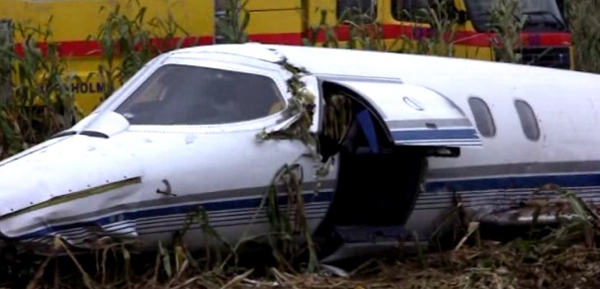
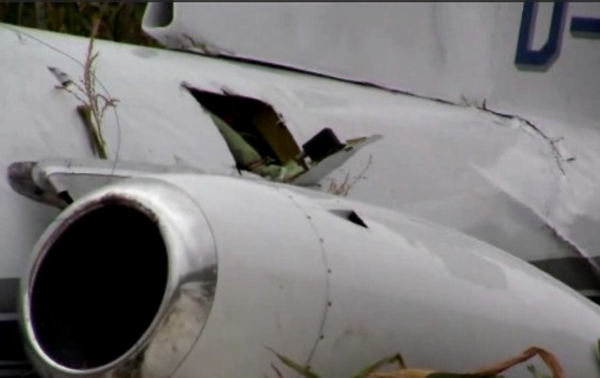
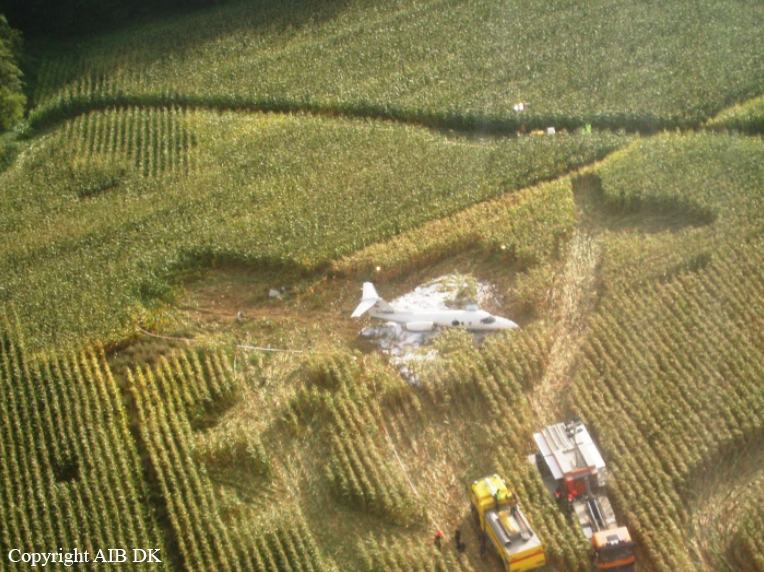
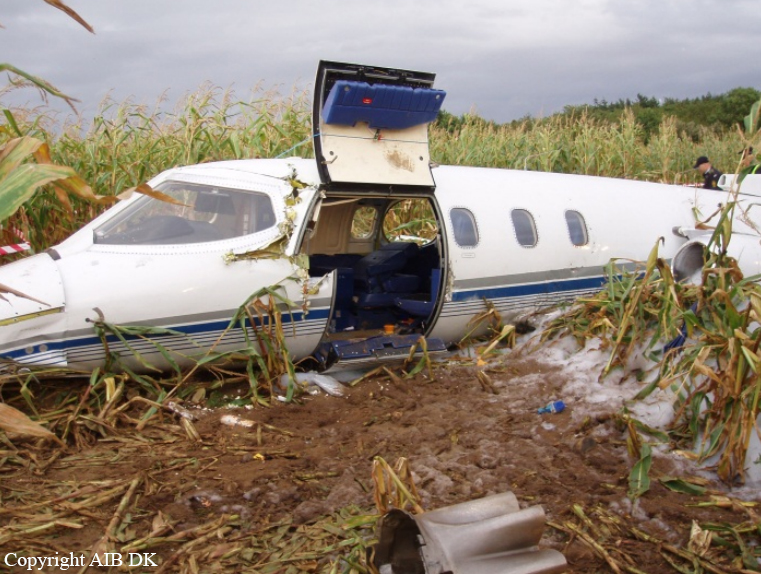
The accident occurred during a private IFR flight from Strausberg Airport (EDAY), Germany, to Bornholm Airport (EKRN), Denmark. Before the flight, an ATS flight plan was filed. Before takeoff at EDAY, the aircraft was refueled with 200 liters of jet fuel. According to the ATS flight plan, the pilot stated the total endurance to be 01:30 hrs and the Estimated Elapsed Time (EET) to be 00:30 hrs. The pilot informed the AIB DK that the estimated total endurance before takeoff at EDAY was approximately 01:00 hrs. The aircraft departed EDAY at 10:58. Enroute, the pilot observed a low fuel quantity warning light. Otherwise, the flight was uneventful until the approach to EKRN. At 11:32:00 hrs and at a distance of approximately18 nm southwest of EKRN, the pilot cancelled the IFR flight plan and continued VFR for a visual approach to runway 29. While descending inbound EKRN, the airspeed was decreasing. At 11:37:08 hrs, the pilot reported to Roenne Tower that the aircraft was turning final for runway 29. The aircraft was cleared to land. The wind conditions were reported to be 280° 19 knots maximum 29 knots. The aircraft was configured for landing (the landing gear was down and the flaps extended to 40°). On a left base to runway 29, both engines suffered from fuel starvation. At 11:39:18 hrs, the pilot three times declared an emergency. The aircraft entered a stall and impacted terrain in a field of sweet corn. A search and rescue mission was immediately initiated.
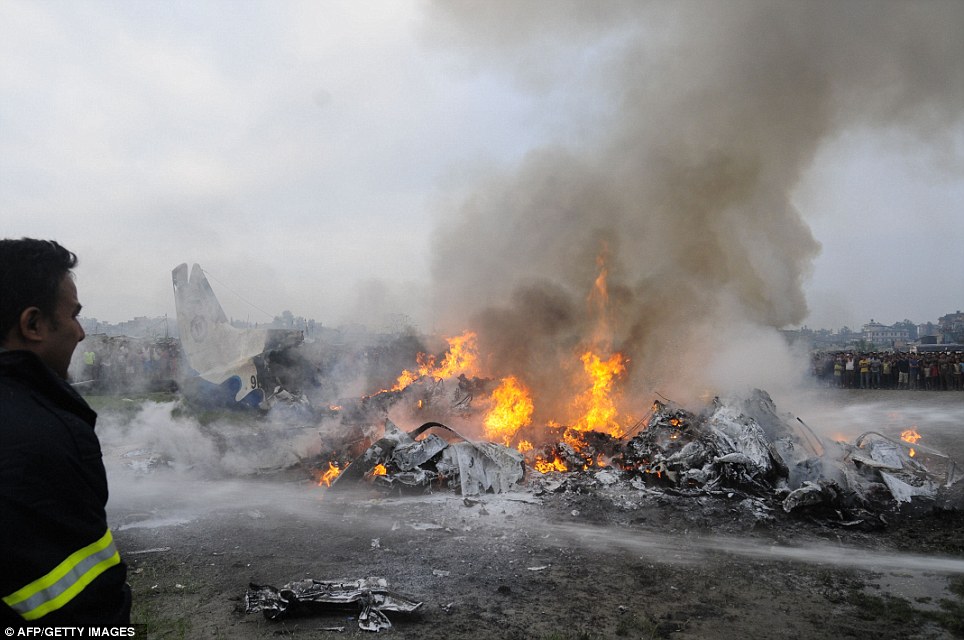
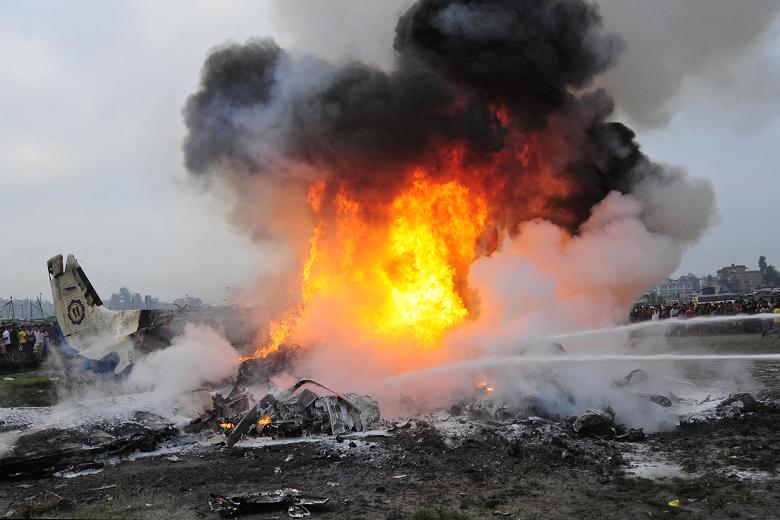
Probable cause:
CONCLUSION:
Inadequate en route fuel management resulted in fuel starvation of both engines, while the aircraft was flying at low altitude and the airspeed was decreasing. The dual engine flame out and the subsequent aircraft speed control led to an unrecoverable stall and consequently caused the accident.
FINDINGS:
On board the aircraft in the pilot’s personal belongings, the AIB DK found 2 Airline Transport Pilot Licenses (ATPL) issued by the US Federal Aviation Administration (FAA). The 2 US ATPL licenses had the same FAA license number but the names of the license holders were different. The names of the license holders were inconsistent with the pilot’s Iranian identity.
The BFU informed the AIB DK that the pilot was neither in possession of a valid German pilot license nor a German validation of an US license, which was required to operate a German registered aircraft.
The NTSB informed the AIB DK that the pilot was not in possession of a valid US pilot license.
It has not been possible for the AIB DK to determine whether or not the pilot was in possession of valid pilot license issued by another state.
The BFU informed the AIB DK that the certificate of aircraft registration was cancelled in 2009. Later on in the investigation, the BFU corrected this information. On February 2nd , 2012 and due to a missing airworthiness certificate, the Luftfahrt-Bundesamt (CAA - Germany) revoked the certificate of aircraft registration.
The latest valid airworthiness certificate was issued on the 8th of March 2004 and expired on the 31st of March 2005.
At the time of the accident, the aircraft was not recorded to be maintained by a JAR 145 maintenance organization, a maintenance program or a Continuing Airworthiness Management Organization (CAMO).
Final Report:

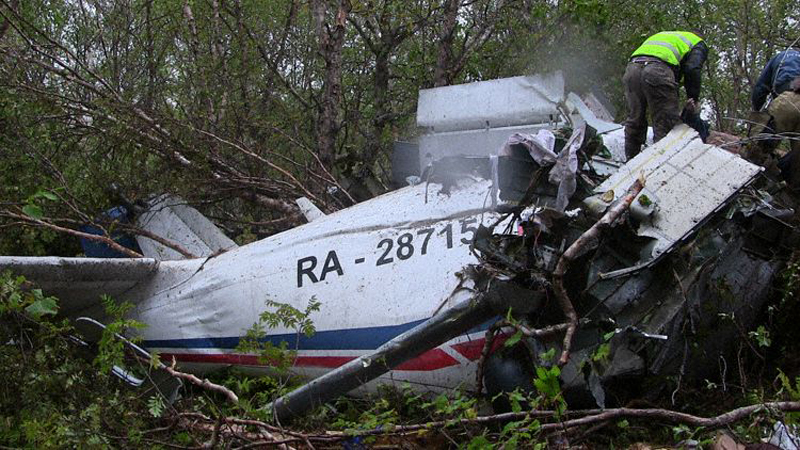
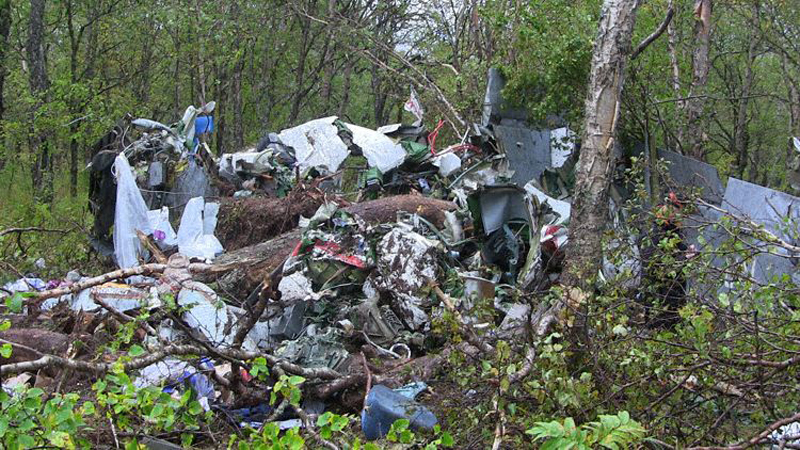
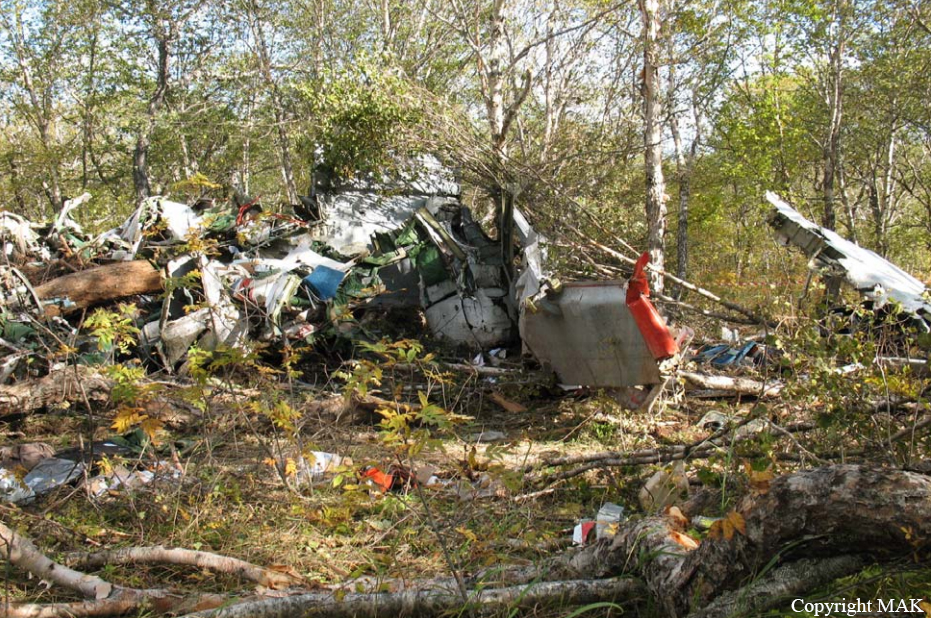
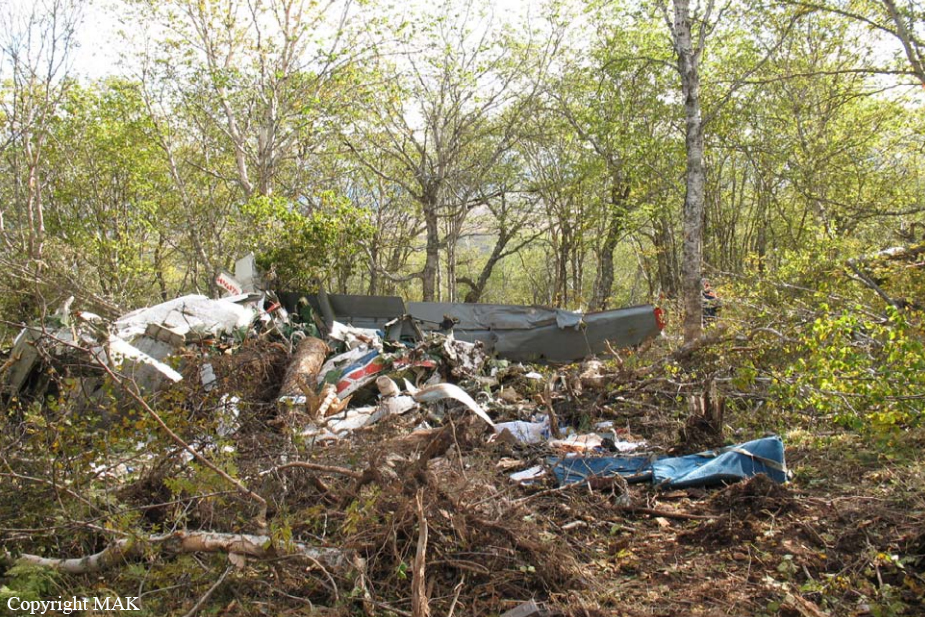
Crash of a PZL-Mielec AN-28 in Palana: 10 killed

Date & Time: Sep 12, 2012 at 1220 LT
Type of aircraft:
Operator:
Registration:
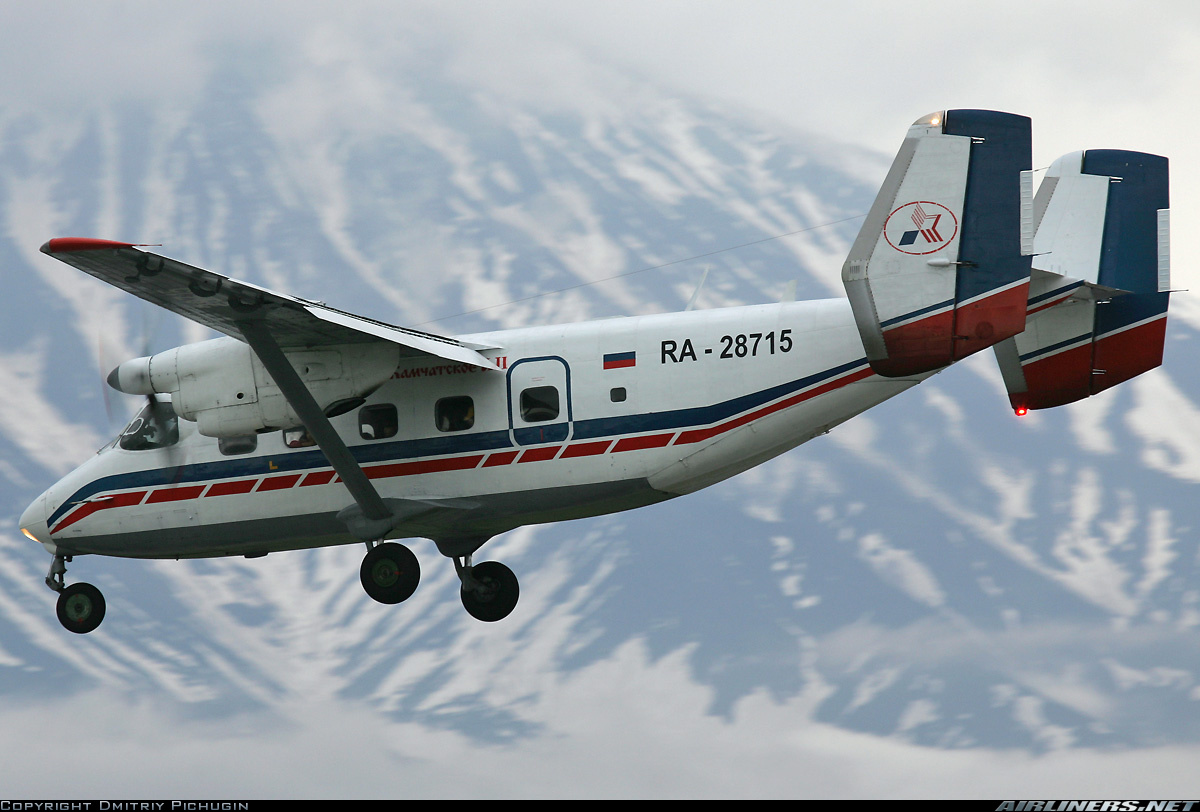
RA-28715
Survivors:
Yes
Schedule:
Petropavlovsk-Kamchatsky - Palana
MSN:
1AJ006-25
YOM:
1989
Flight number:
PTK251
Country:
Region:
Crew on board:
2
Crew fatalities:
Pax on board:
12
Pax fatalities:
Other fatalities:
Total fatalities:
10
Captain / Total flying hours:
8955
Captain / Total hours on type:
7732.00
Copilot / Total flying hours:
6543
Copilot / Total hours on type:
6347
Aircraft flight hours:
11947
Aircraft flight cycles:
8891
Circumstances:
Following an uneventful flight from Petropavlovsk-Kamchatsky, the crew started the descent to Palana Airport Runway 11 from the south. In marginal weather conditions, the twin engine aircraft descended too low, impacted trees and crashed in a wooded area located on Mt Pyatibratka. The wreckage was found at a height of 216 meters some 10 km south of the airport. Both pilots and 8 passengers were killed while four other passengers were seriously injured. Thea aircraft was destroyed by impact forces.
Probable cause:
The fatal accident with An-28 RA-28715 aircraft was caused by violation of specified approach pattern in Palan Airport resulted in outbound track and premature descending up to unauthorized low altitude performing flight in mountainous terrain in weather conditions excluding sustained visual reference with ground references resulted in aircraft collision with mountain slope, its destruction and crew and passengers fatality. Alcohol was detected in blood of both crew members.
Contributing factors were:
- Low level of discipline of personnel in Petropavlovsk-Kamchatsky Air Enterprise and inadequate flight methodical work in enterprises in a part of crew preflight training and approach patterns monitoring.
- Crew inaction when the radio altimeter altitude alert was actuated.
- Ground Proximity Warning System at An-28 aircraft could probably prevent the accident.
Final Report: