Crash of a Shaanxi Y-8F-200W in Lengpui

Date & Time: Jan 23, 2024 at 1019 LT
Type of aircraft:
Operator:
Registration:
5821
Flight Type:
Survivors:
Yes
Location:
Country:
Region:
Crew on board:
6
Crew fatalities:
Pax on board:
8
Pax fatalities:
Other fatalities:
Total fatalities:
0
Circumstances:
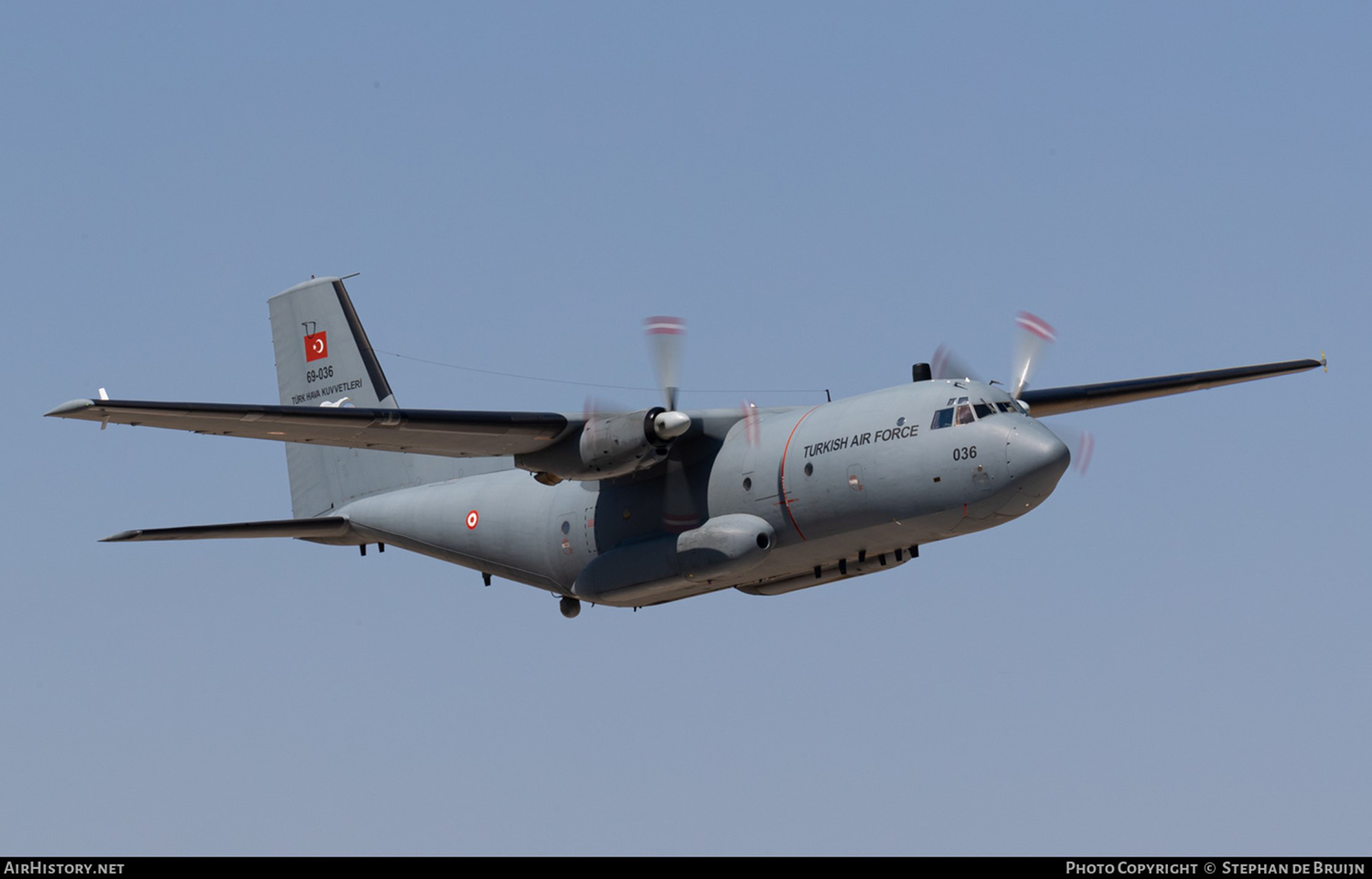
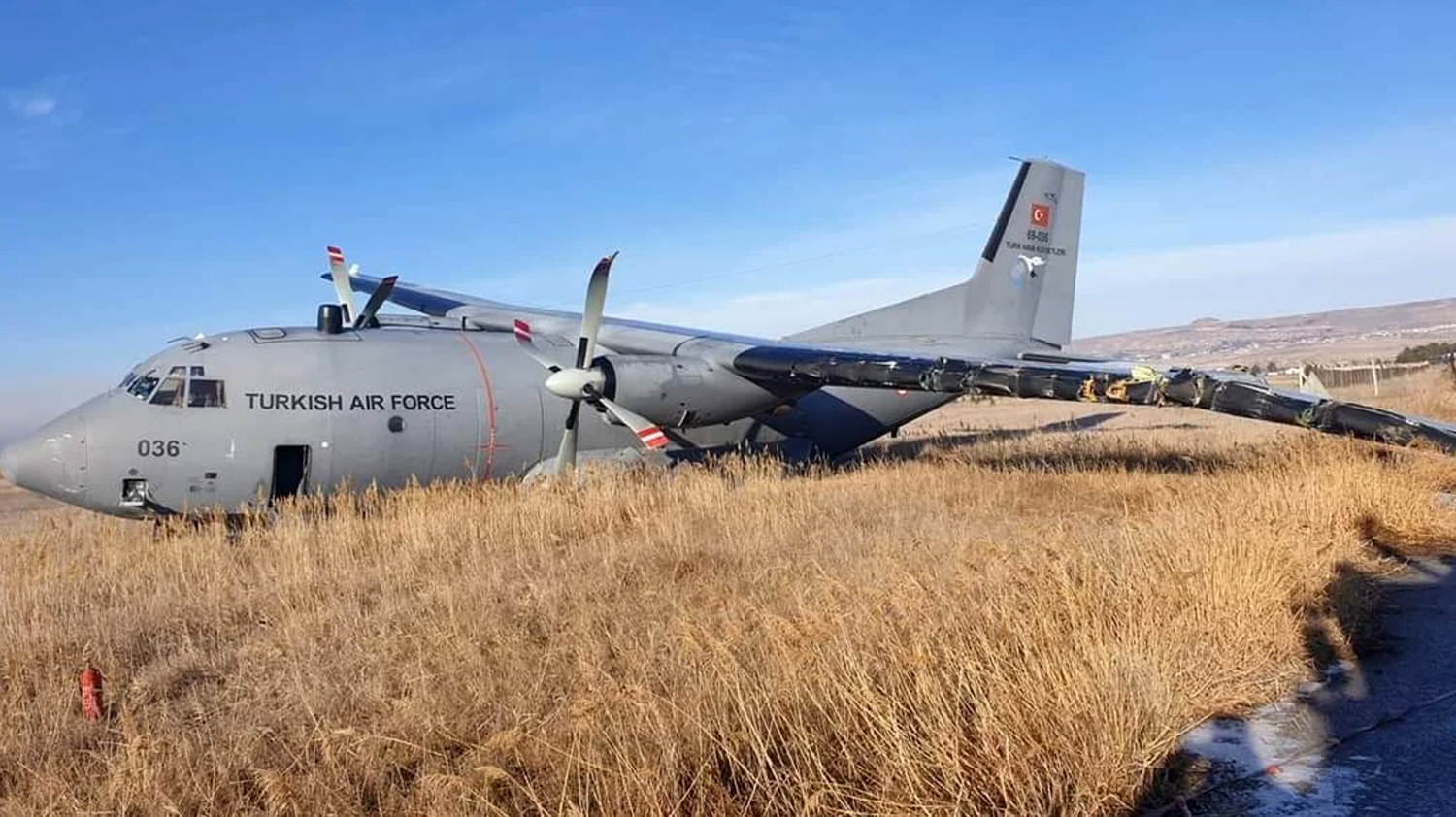
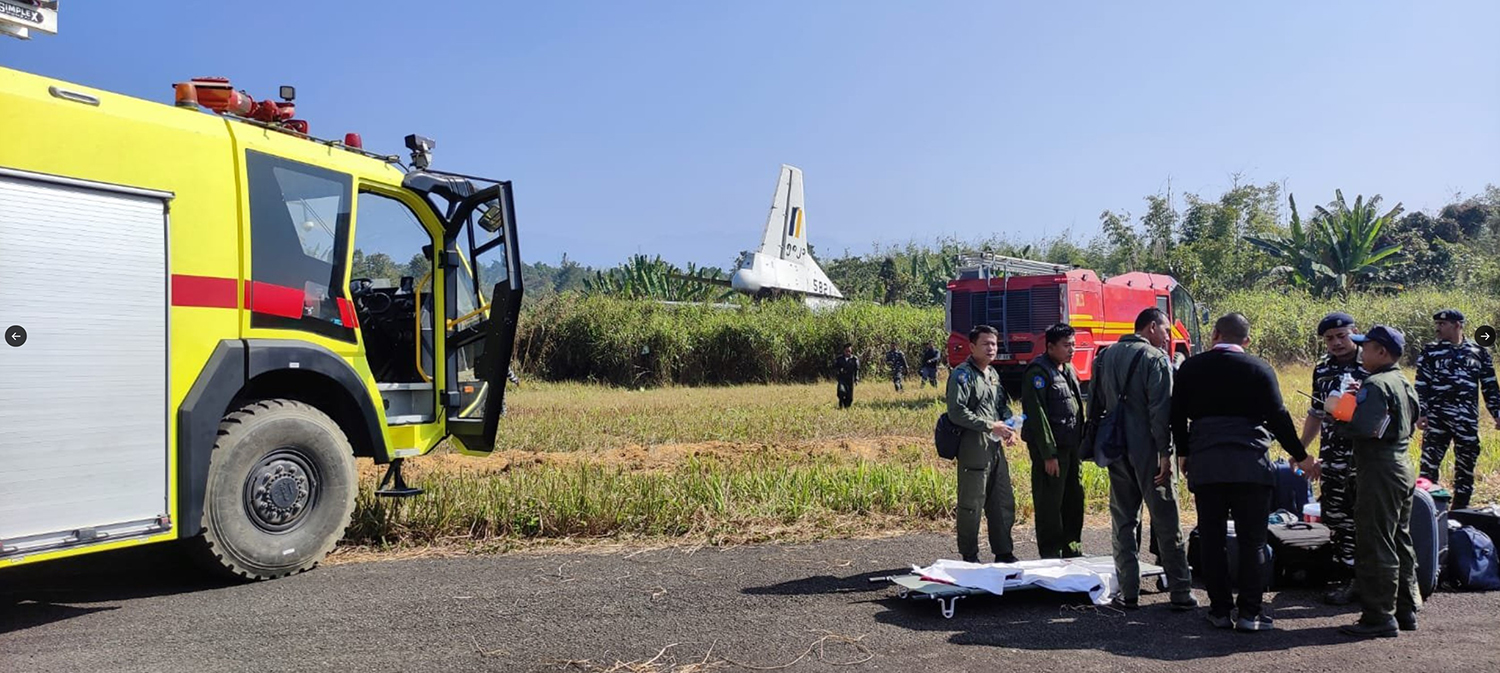
After touchdown on runway 35 at Lengpui Airport, the four engine airplane encountered difficulties to stop within the remaining distance. It overran, rolled through bushes, went down an embankment and came to rest, broken in two. All 14 occupants were rescued, among them eight were injured. The plane was dispatched to Lengpui to pick up 92 soldiers from the Myanmar Army who should be repatriated to Myanmar on behalf of the 7th Squadron. These Myanmarese soldiers crossed over to India last week, following gunfights with ethnic insurgent group 'Arakan Army'.

Crash of a BAe 3212 Jetstream 32 in Fort Smith: 6 killed

Date & Time: Jan 23, 2024 at 0642 LT
Type of aircraft:
Operator:
Registration:
C-FNAA
Flight Phase:
Survivors:
Yes
Schedule:
Fort Smith – Diavik
MSN:
929
YOM:
1991
Country:
Crew on board:
2
Crew fatalities:
Pax on board:
5
Pax fatalities:
Other fatalities:
Total fatalities:
6
Circumstances:
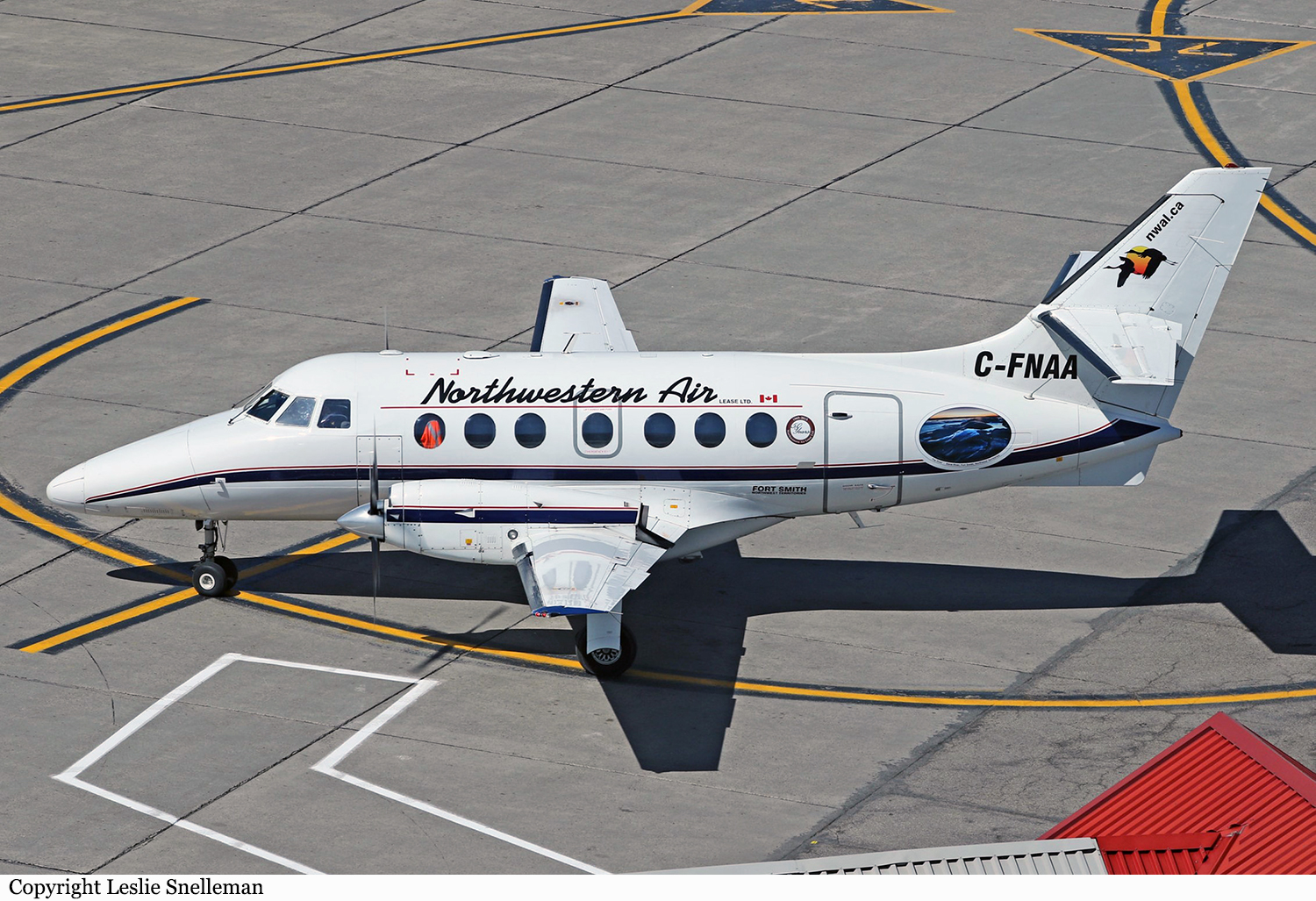
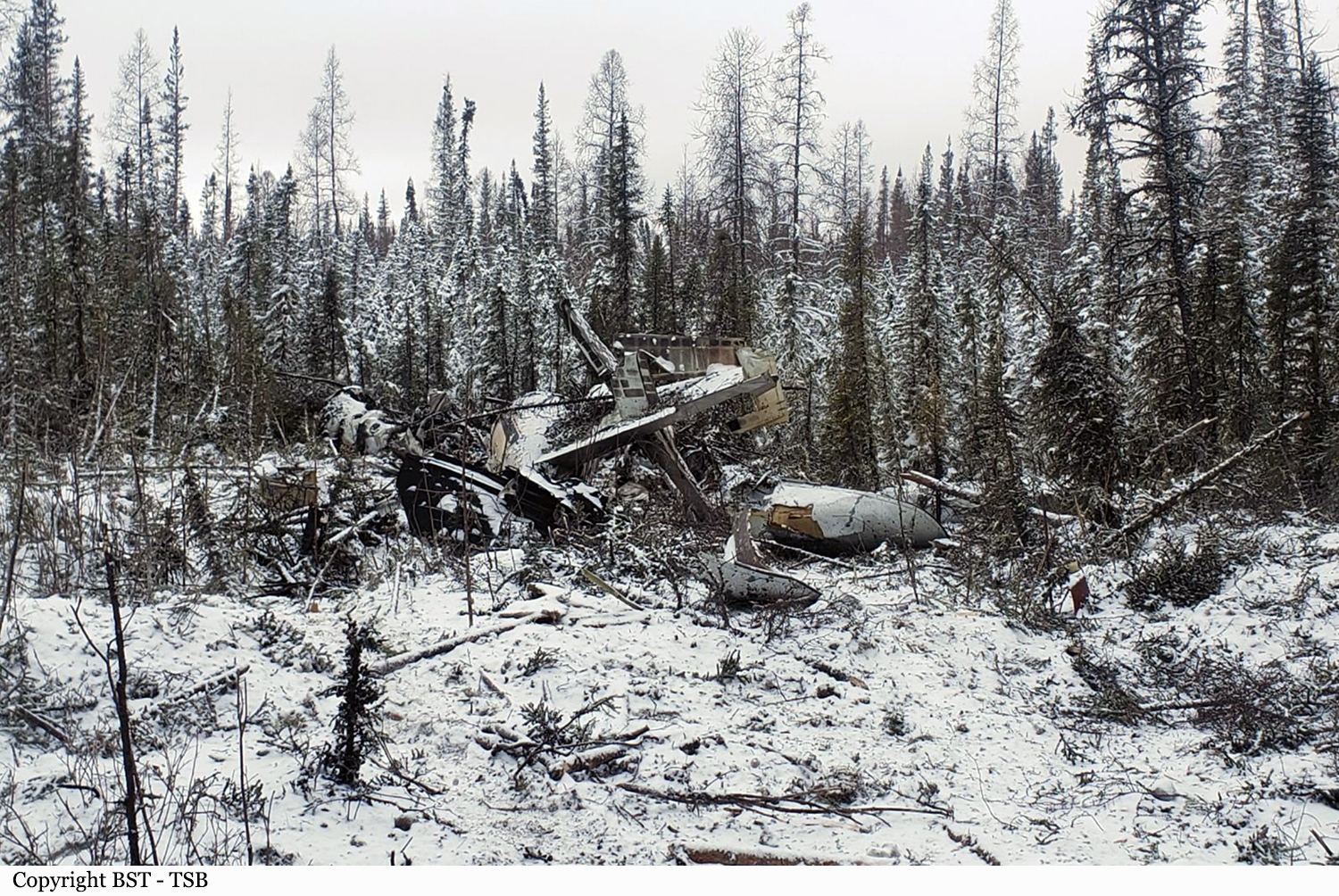
Shortly after takeoff from Fort Smith Airport Runway 30, while in initial climb, the twin engine airplane lost height and crashed in a wooded and snow covered area, bursting into flames. A passenger was seriously injured while six other occupants were killed. The airplane was on an on-demand charter flight to the Diavik Diamond Mine located about 500 km north of Fort Smith.

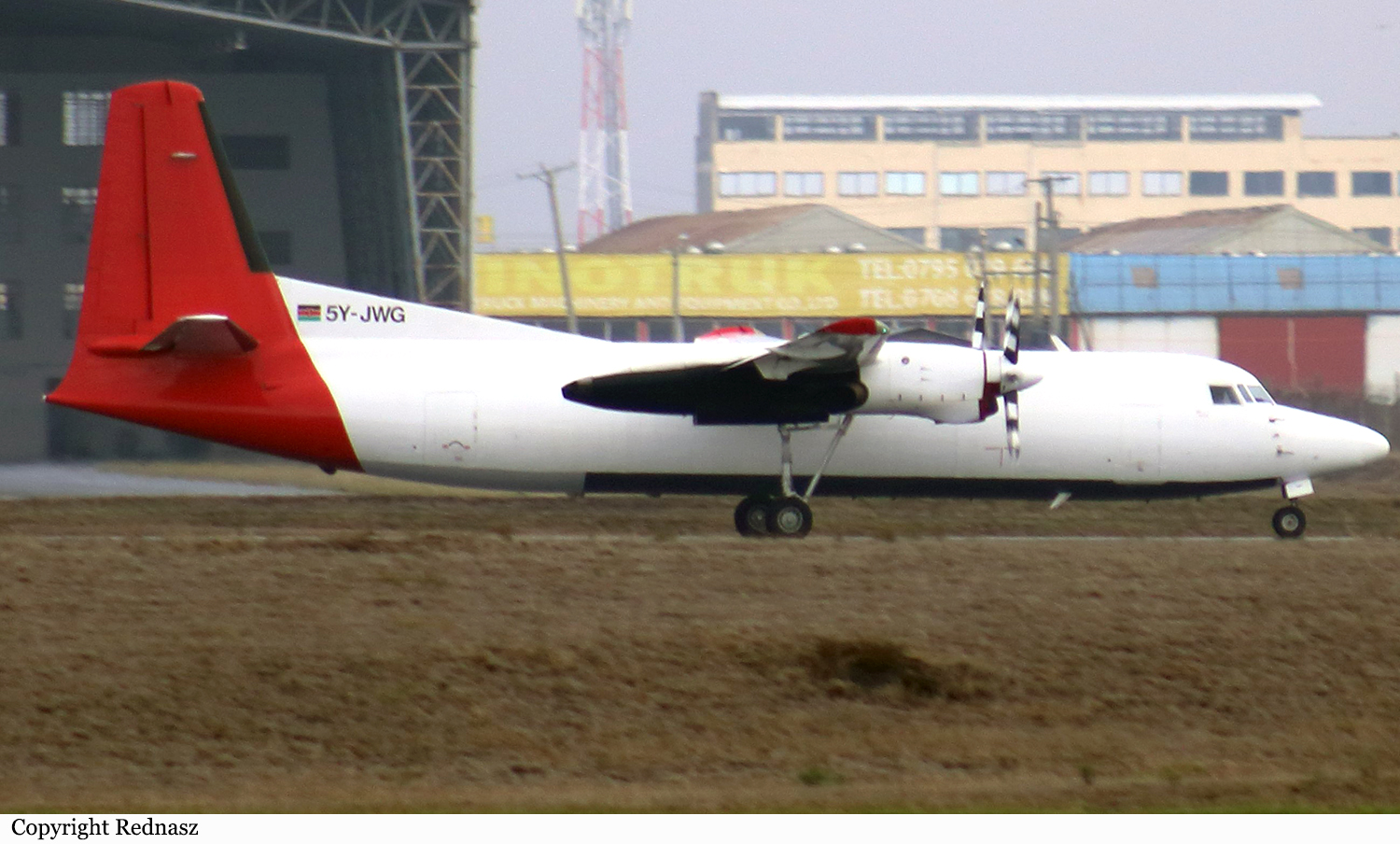
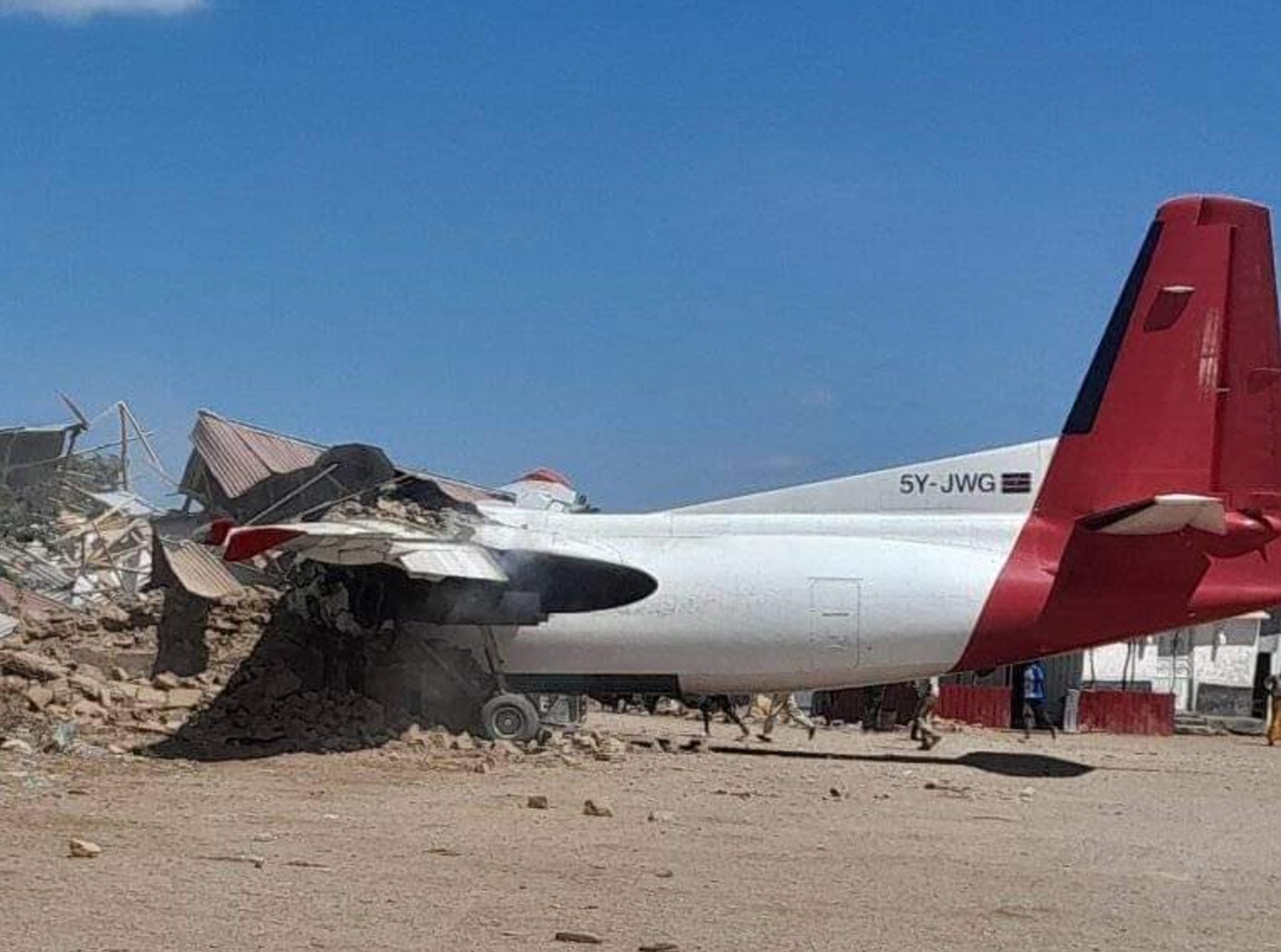
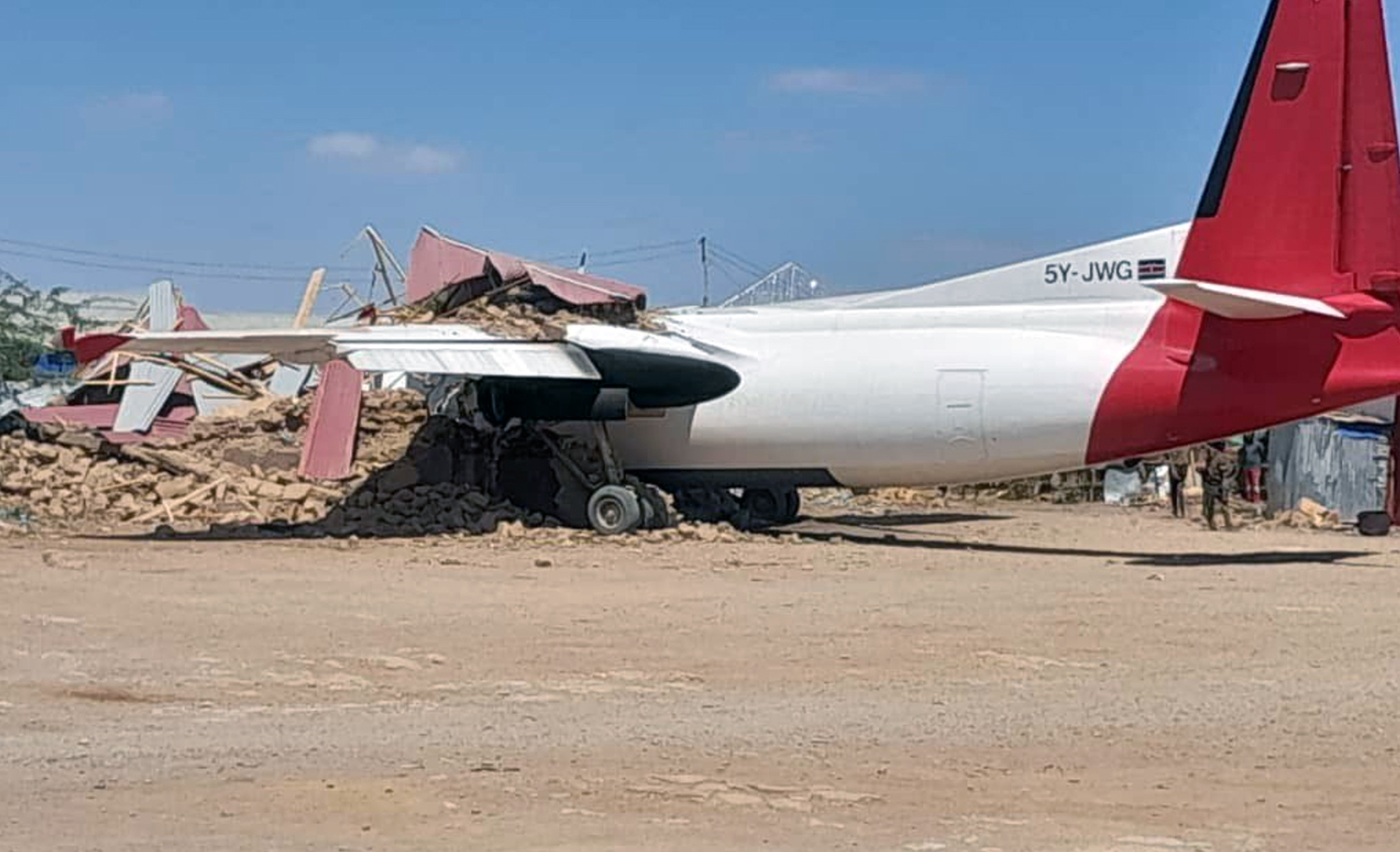
Crash of a Fokker 50 in Eelbarde: 1killed

Date & Time: Jan 18, 2024 at 1130 LT
Type of aircraft:
Operator:
Registration:
5Y-JWG
Flight Type:
Survivors:
Yes
Schedule:
Mogadishu - Eelbarde
MSN:
20191
YOM:
1990
Country:
Region:
Crew on board:
4
Crew fatalities:
Pax on board:
0
Pax fatalities:
Other fatalities:
Total fatalities:
1
Circumstances:
The airplane departed Mogadishu-Aden Adde Airport on an humanitarian flight to Eelbarde, carrying four crew members and a load of various aids on behalf of the World Food Program of the United Nations. After landing on a dirt runway, the airplane failed to stop in time and eventually crashed into a house. The captain was killed and the copilot was seriously injured. Both other crew members escaped uninjured and the house was empty at the time of the accident.

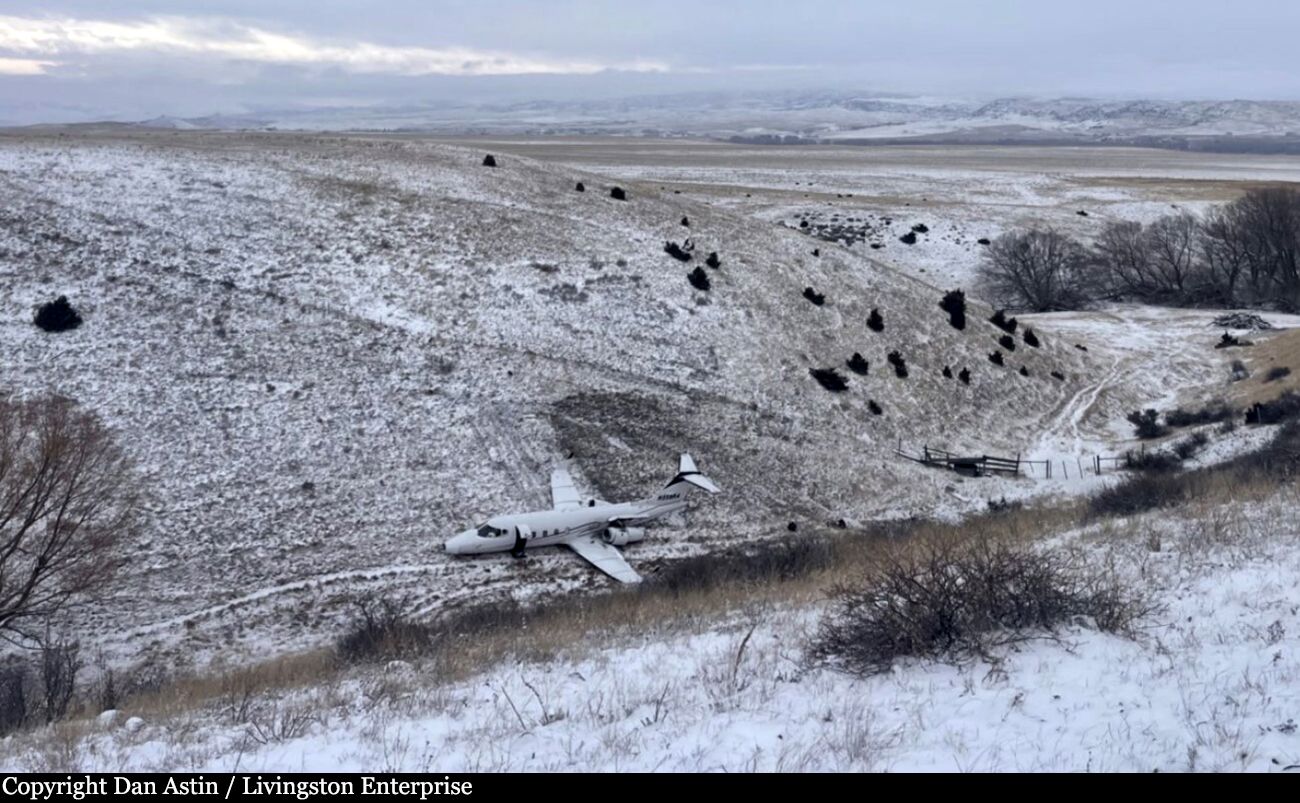
Crash of a Learjet 55 Longhorn in Livingston

Date & Time: Jan 11, 2024 at 0837 LT
Type of aircraft:
Operator:
Registration:
N558RA
Flight Type:
Survivors:
Yes
Schedule:
Pontiac - Livingston
MSN:
55-086
YOM:
1983
Flight number:
RAX698
Crew on board:
2
Crew fatalities:
Pax on board:
0
Pax fatalities:
Other fatalities:
Total fatalities:
0
Captain / Total flying hours:
31800
Captain / Total hours on type:
800.00
Copilot / Total flying hours:
1726
Copilot / Total hours on type:
9
Aircraft flight hours:
14135
Circumstances:
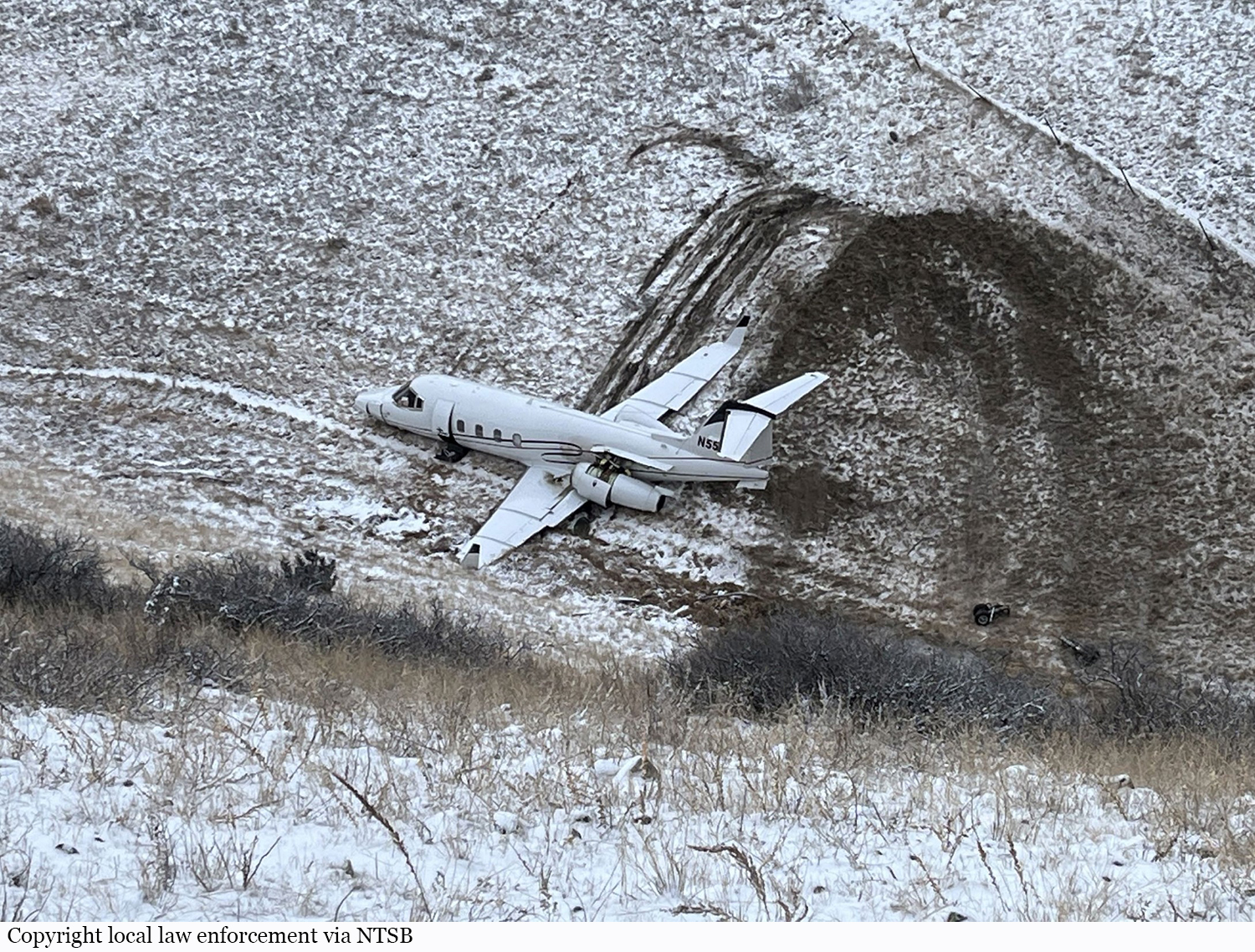
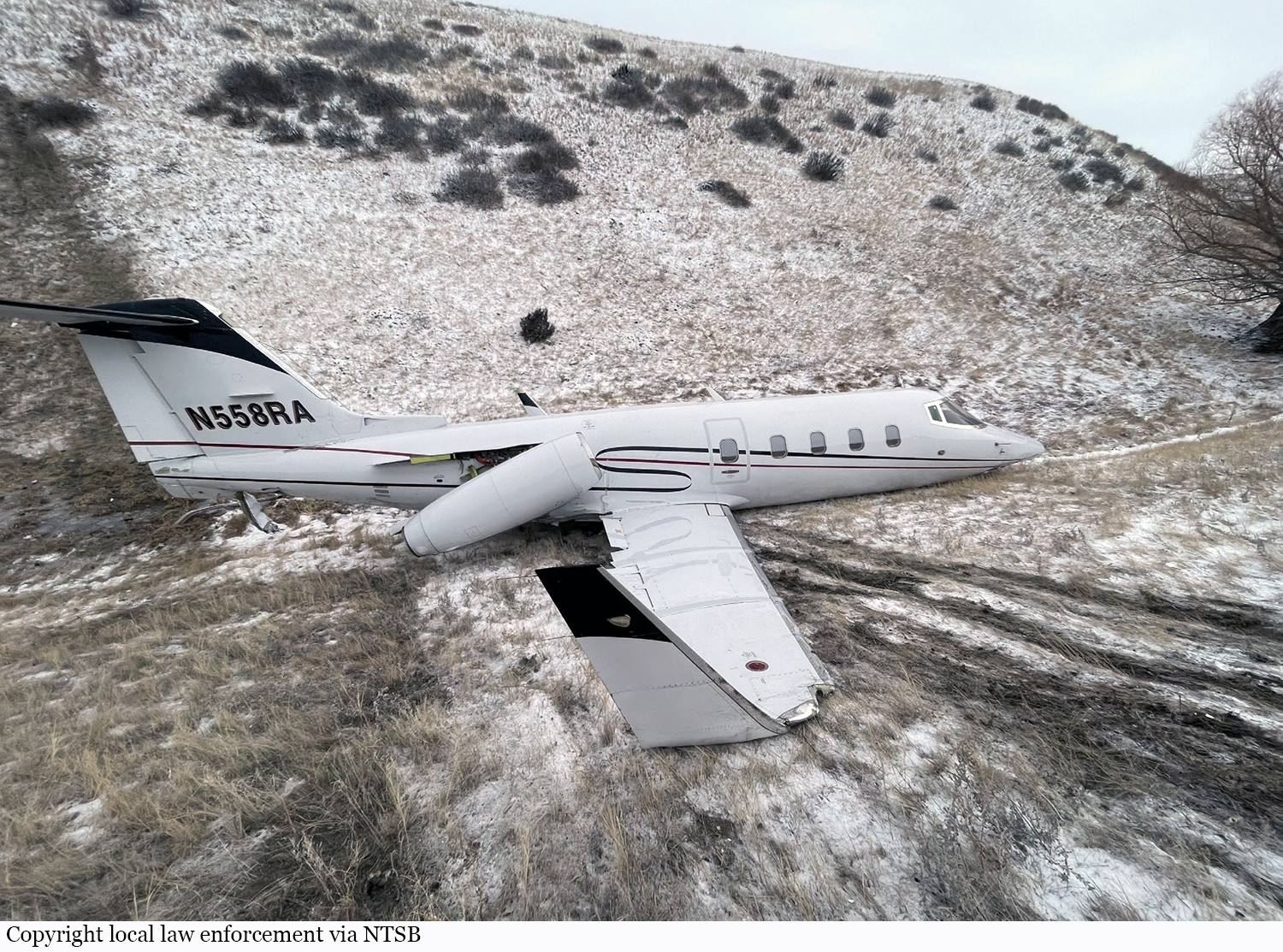
The pilot in command of the airplane reported that, while on an instrument GPS approach, they listened to the automated surface observing system several times and determined that they would be landing with a “light quartering tailwind” on an upsloping runway. Once clear of clouds and with the runway in sight, the pilot canceled the instrument flight rules clearance, announced their position over the airport’s common traffic advisory frequency and received a reply with a report of 1/4 inch of dry snow covering the runway, unplowed. During the landing roll, they applied brakes, extended spoilers, and thrust reversers. Initially the airplane slowed; however, about halfway down the runway, the airplane’s antiskid system was functioning continuously, and the airplane’s rate of deceleration decreased. The pilot was unsure if the thrust reversers deployed, and he cycled the thrust reversers and did not feel any effects. The pilot stated that, in his experience, the airplane’s thrust reversers do not feel very effective. The pilot considered aborting the landing, started to clean up the airplane but thought it was too late. The airplane overran the departure end of the runway, onto a grass covered area and into a deep ravine, resulting in substantial damage to the fuselage and both wings. The pilot reported that there were no preaccident mechanical failures or malfunctions with the airplane that would have precluded normal operation. The automated weather observation station located on the airport reported that, about 44 minutes before the accident, the wind was from 090° at 12 knots. The same automated station reported that, about 16 minutes after the accident, the wind was from 090° at 12 knots. The airplane landed on runway 22. The fixed based operator owner reported that, on the day of the accident, his review of the runway conditions at the airport appeared to be around an inch of snow on the runway surface. Additionally, plowing at the airport so far this year had been “abysmal.” Big windrows and ice chunks have been left; taxiway corners had been built up to the point there could be an occurrence should an airplane be taxiing by. Earlier this year, several departures were delayed due to the runway not being plowed. According to the chairman of the airport board, there is no formal process to conduct runway assessments. However, an airport board member lives in the area and routinely visits the airport to conduct runway assessments. The runway assessments and frequency of the observations are not documented but are conveyed verbally to the airport board via cell phone. To the best of his knowledge, there is no formal snow or ice removal plan. When the runway is required to be cleared, a board member will use county provided equipment to clear the runway. The frequency of the snow removal is not documented. The airport snow removal equipment is limited to clear substance to ½ inch of the runway surface. On the day of the accident, he was not aware of a Notice to Air Misson (NOTAM) issued for the conditions of the runway environment. According to the airplane manufacturer, the estimated landing distance on a dry runway was about 3,350 ft, with loose snow and no tailwind the estimated landing distance was about 6,700 ft, and on loose snow with tailwind, the estimated landing distance was 7,531 ft. According to the Federal Aviation Administration, the airport is not required to have a snow and ice control plan. However, the airport was provided federal funds (grant) to purchase/acquire a snowplow to maintain the airport surfaces during inclement weather conditions. There may be times where issues arise, and action is delayed. In that case it is expected that a NOTAM be issued as outlined in the grant agreement.
Probable cause:
The flight crew’s decision to land on a snow-covered runway with a tailwind, resulting in a runway excursion and subsequent impact with terrain. Contributing to the accident, was the failure of the airport authority to plow the runway.
Final Report:

Crash of a Cessna 208B Grand Caravan on Lizard Island

Date & Time: Jan 8, 2024 at 0700 LT
Type of aircraft:
Operator:
Registration:
VH-NWJ
Survivors:
Yes
Schedule:
Lizard Island - Cairns
MSN:
208B-2161
YOM:
2010
Country:
Region:
Crew on board:
1
Crew fatalities:
Pax on board:
9
Pax fatalities:
Other fatalities:
Total fatalities:
0
Captain / Total flying hours:
3706
Captain / Total hours on type:
2431.00
Aircraft flight hours:
8765
Circumstances:
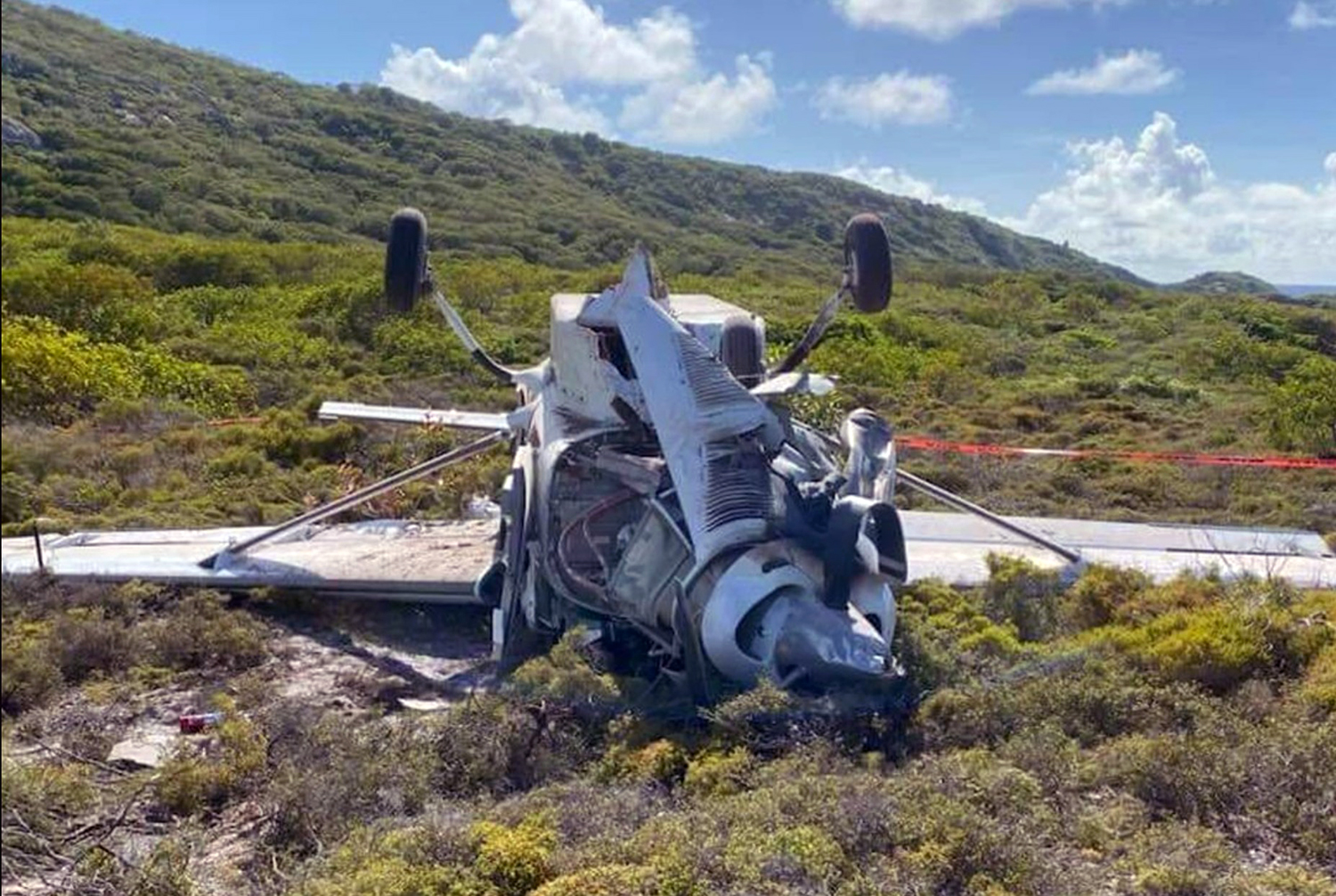
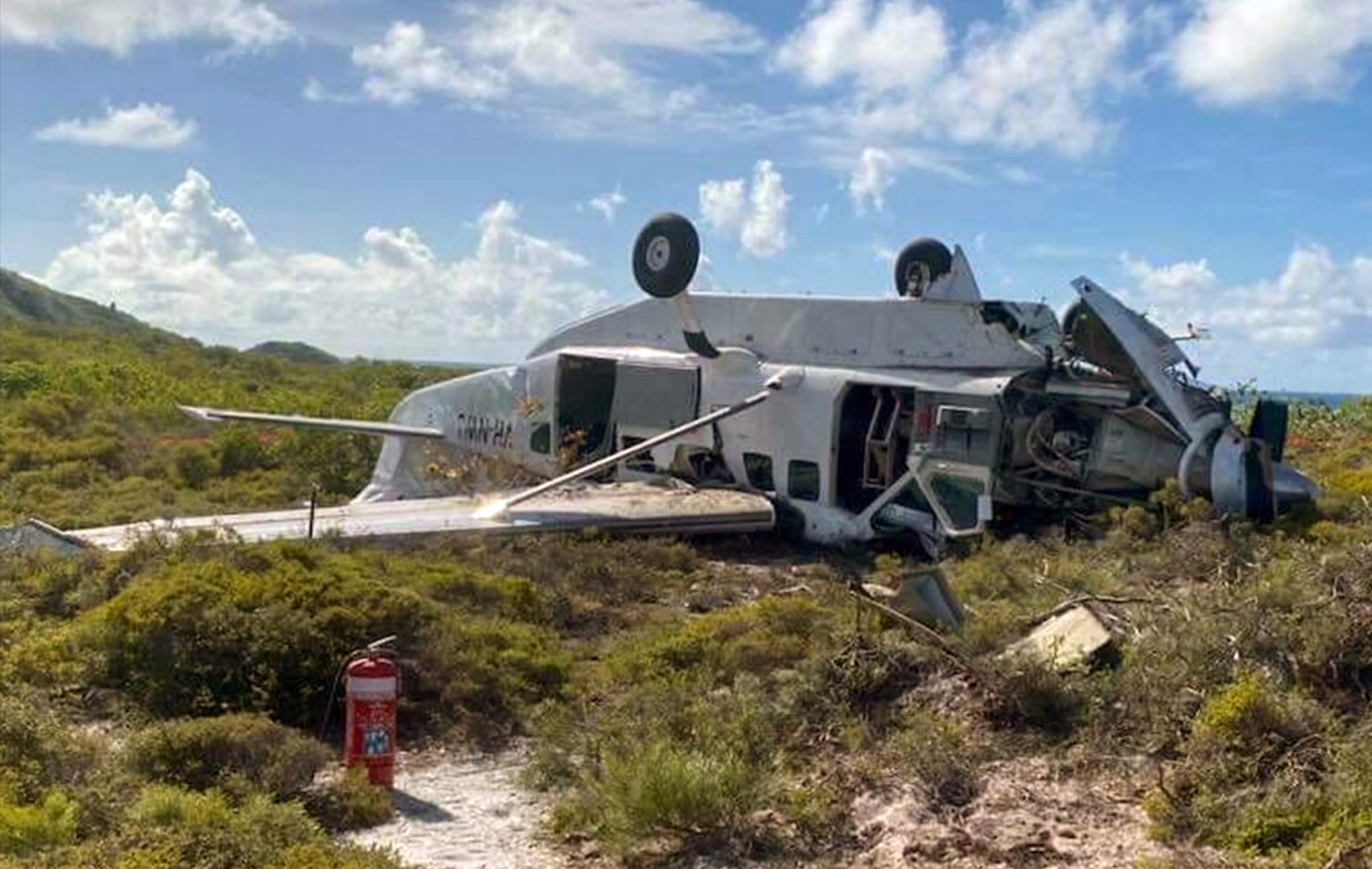
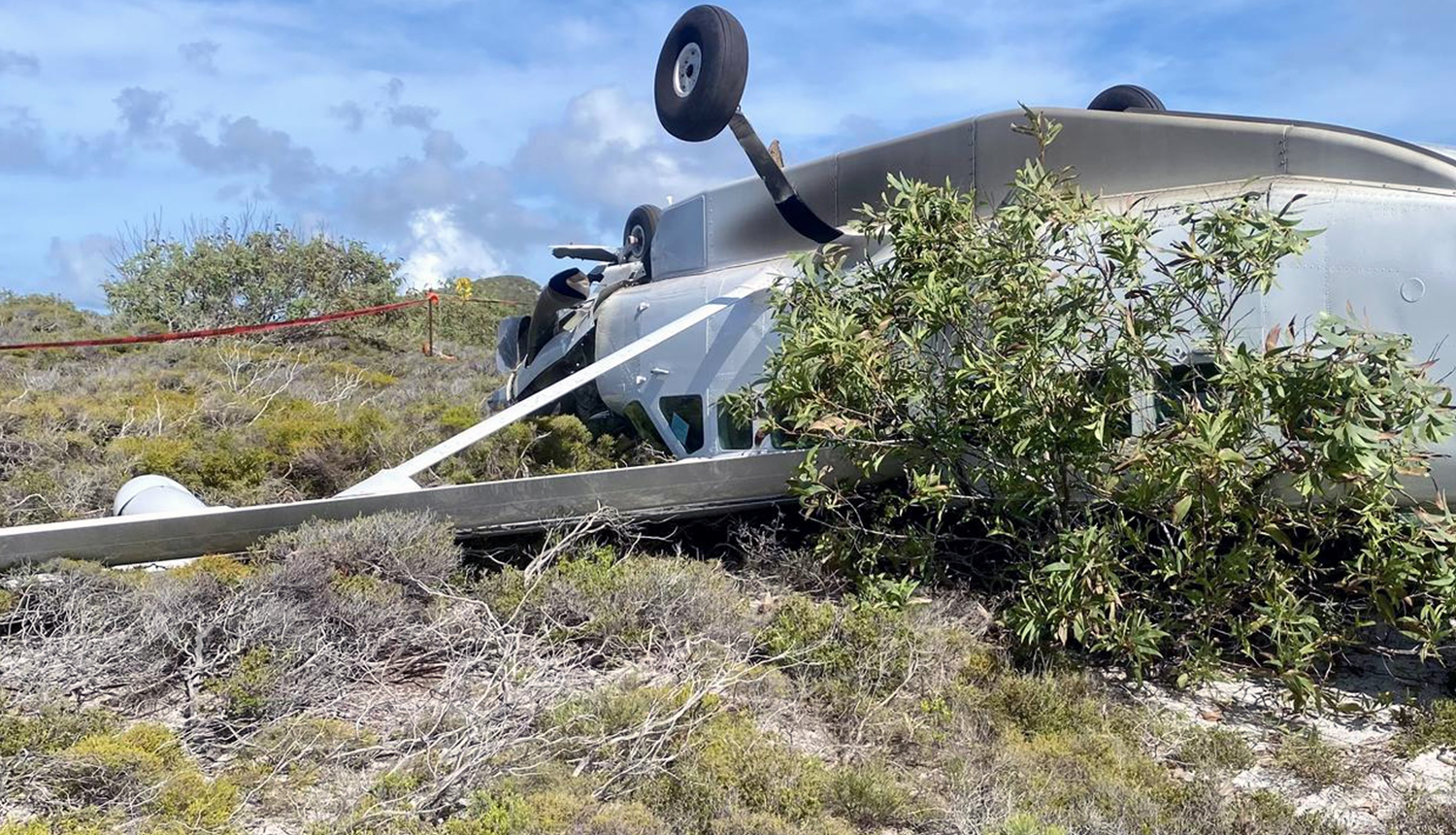
At 0646LT, the single engine airplane departed Lizard Island Airport on a non-scheduled passenger service to Cairns. On board were the pilot and 9 passengers. After takeoff from runway 12, the pilot turned right, tracked south-southwest and made a departure call to Brisbane Centre air traffic control (ATC). At 1,750 feet above mean sea level, the pilot turned left onto the departure track in a cruise climb and engaged the autopilot. At 0652LT, passing 3,400 feet at an indicated airspeed of 102 kt, the pilot noted a change to the engine sound and that the aircraft was accelerating. The pilot checked the engine gauges on the Garmin G1000 multifunction flight display. They noted the values indicated on both the engine torque and interstage turbine temperature gauges were above the redline and the gas generator speed and fuel flow were not indicating, being marked with a diagonal red cross through the gauge locations. The propeller revolutions per minute was high but within the green operating range. Within 10 seconds, the pilot initiated a left turn with the purpose of returning to Lizard Island and broadcast a PAN PAN call on the area frequency advising their intentions. Despite trying to arrest it, the aircraft continued to climb and accelerate over the next 2 minutes reaching 4,000 feet and 166 kt. The pilot started troubleshooting the issue by moving the power, propeller control and emergency power levers with the only response coming from the propeller control lever. The pilot also partially moved the fuel condition lever through the gate from low idle to cut-off and noted the engine power cutting in and out and returned the condition lever to low idle. At the same time, the pilot conducted a large orbit around the island attempting a shallow descent while the engine continued to produce excessive power. Further manipulation of the propeller control lever somewhat reduced the engine thrust. The pilot updated ATC on their situation and progressively deployed the flaps to create drag in an attempt to slow the aircraft. After one orbit of the island, the pilot felt they were low enough to attempt a landing with a 2 NM (4 km) final approach to runway 12 and notified ATC of their intentions. The pilot reported they were concerned with the populated resort accommodation and maintenance buildings on the approach end of the runway and the possibility of injury to those on board and on the ground if the aircraft did not have the energy to make the runway. To ensure they cleared potential obstacles, the pilot elected to perform a powered-on approach. The pilot continued to adjust the propeller lever in an attempt to reduce the engine thrust. The final approach was started at 147 kt (the pilot operating handbook stated the normal approach speed with full flaps was 75–85 kt). The pilot was able to reduce the airspeed to 123 kt by the runway threshold and reported attempting to shut down the engine. The aircraft floated along the down-sloping runway, bouncing and touching down at around 100 kt, an estimated two-thirds of the way along the runway. The pilot applied maximum braking, but the aircraft exited the end of the runway at 92 kt. The aircraft continued across undulating sandy soil and low vegetation before the left wingtip struck the ground, which spun and flipped the aircraft, coming to rest inverted, 127 metres from the end of the runway. All 10 occupants escaped with minor injuries and the airplane was damaged beyond repair.

Probable cause:
The accident was the consequence of the following:
- Shortly after departure, the fuel control unit very likely malfunctioned resulting in an uncommanded engine acceleration event beyond limits, necessitating a return to the airport.
- The engine power was unable to be reduced and the engine was not successfully shut down on final approach. As a result, the aircraft could not be slowed sufficiently to prevent a runway overrun.
The following contributing factor was identified:
- While uncommanded engine acceleration or inability to reduce power events occur at a higher rate than any other type of fuel control unit malfunction in Pratt & Whitney Canada PT6A single-engine aircraft, there were no flight manual procedures addressing this type of occurrence. Consequently, there was limited awareness by pilots and operators on how to identify and safely respond to an uncommanded engine acceleration event.
Final Report:

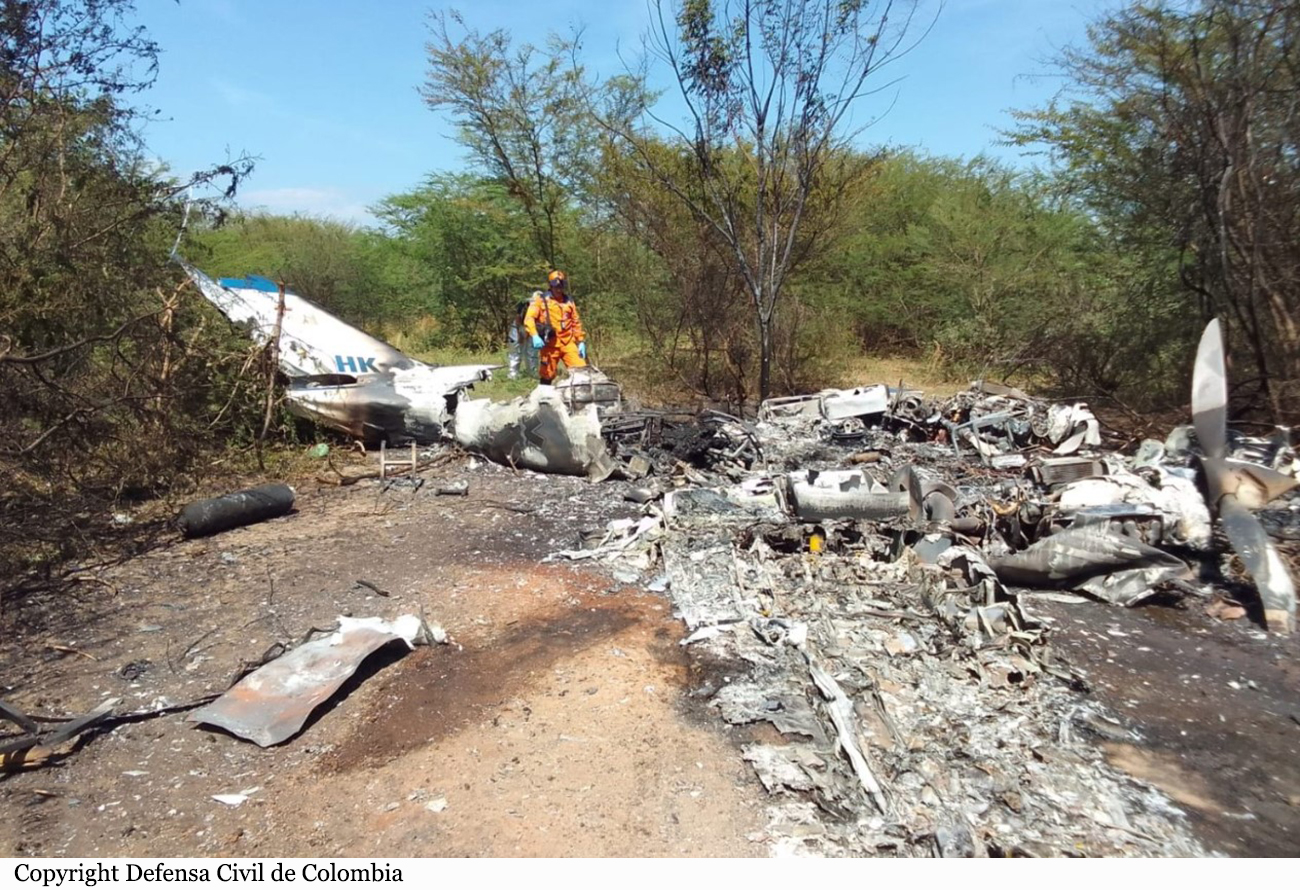
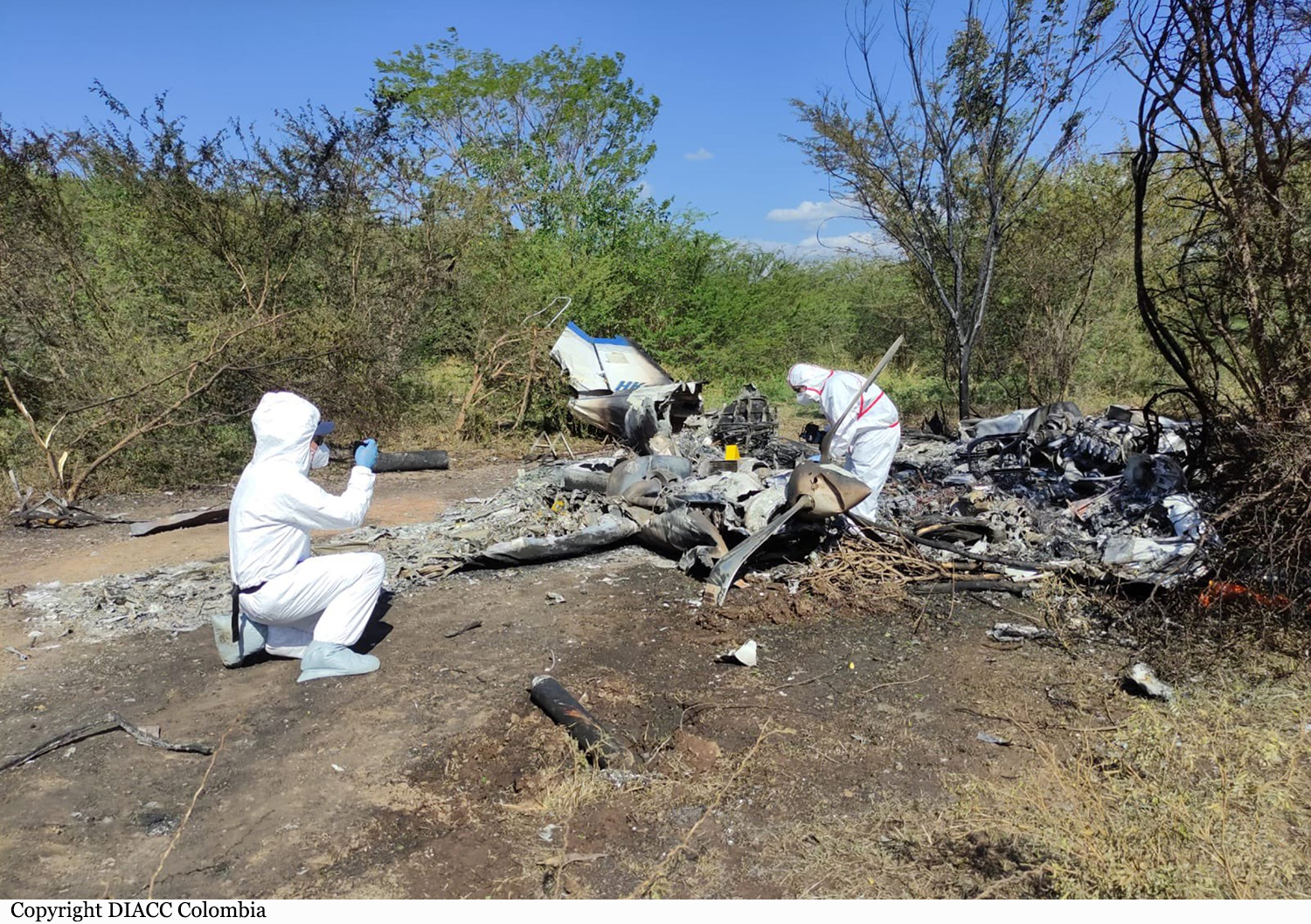
Crash of a Cessna 421C Golden Eagle III in Valledupar: 1 killed

Date & Time: Jan 7, 2024 at 1140 LT
Operator:
Registration:
HK-4983
Flight Phase:
Flight Type:
Survivors:
Yes
Schedule:
Valledupar – Bogotá
MSN:
421C-0346
YOM:
1977
Country:
Crew on board:
2
Crew fatalities:
Pax on board:
4
Pax fatalities:
Other fatalities:
Total fatalities:
1
Circumstances:
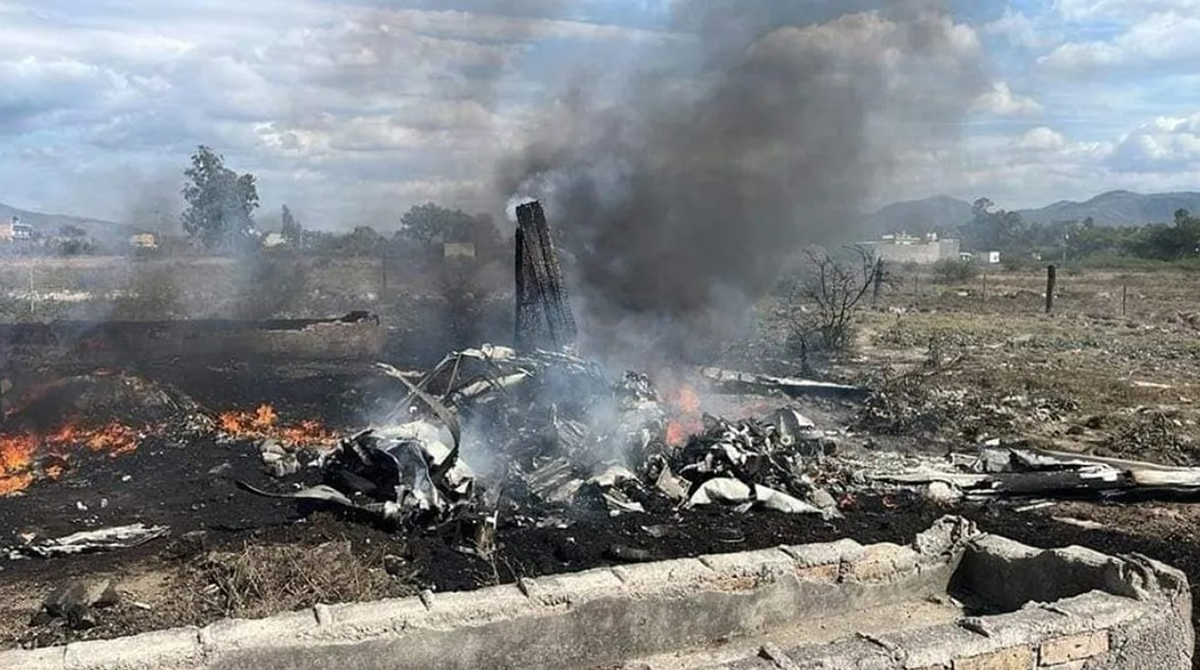
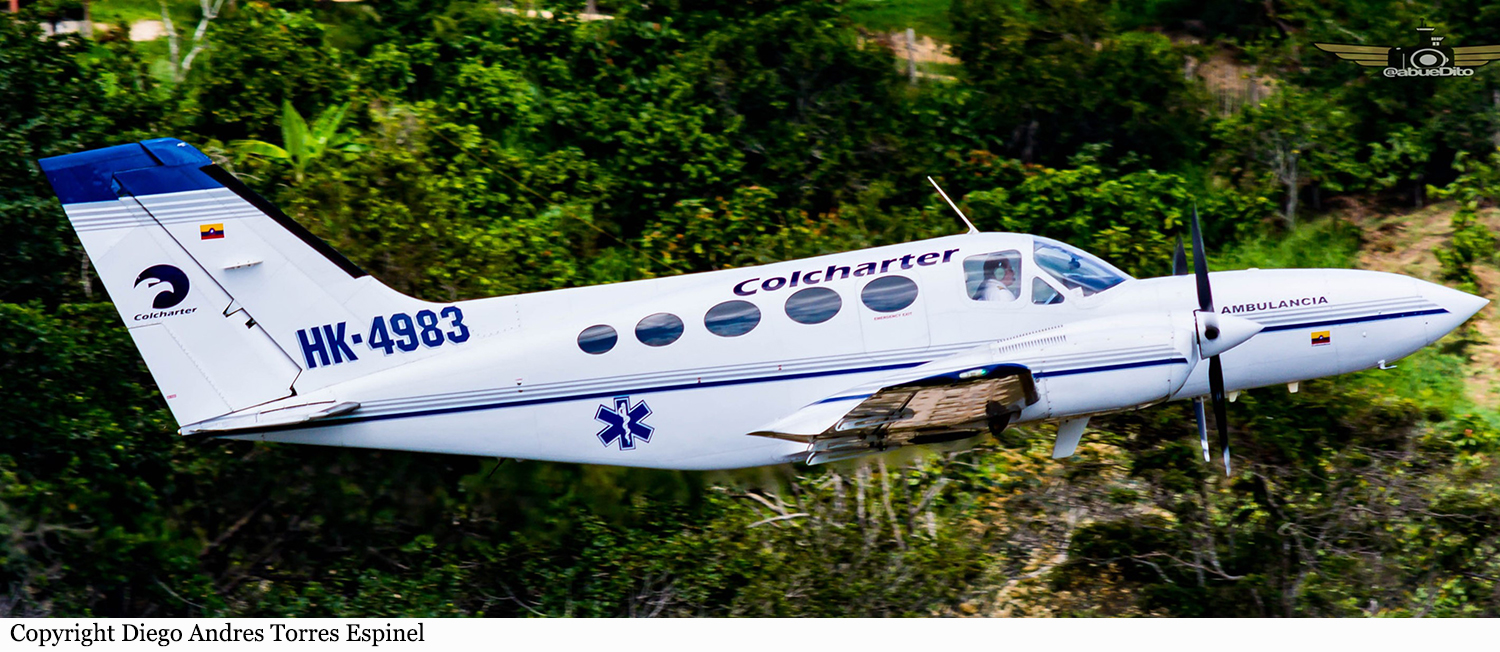
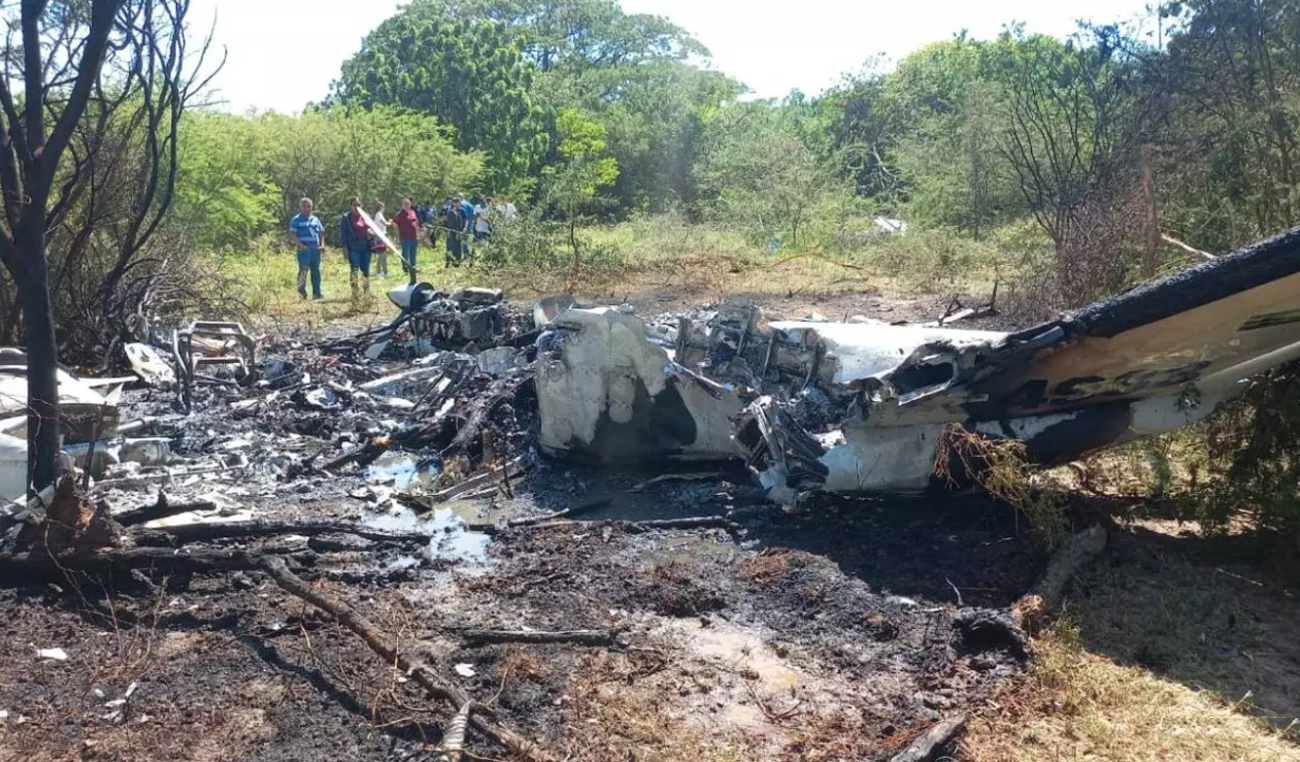
The airplane was operated on an ambulance flight from Valledupar to Bogotá-Guaymaral Airport, carrying six people, a mother and son, a doctor, a nurse and two pilots. After takeoff from runway 02/20, the airplane reached the altitude of 50 metres then stalled and crashed near trees, bursting into flames. Five occupants were injured and the doctor was killed. The airplane was destroyed by a post crash fire.

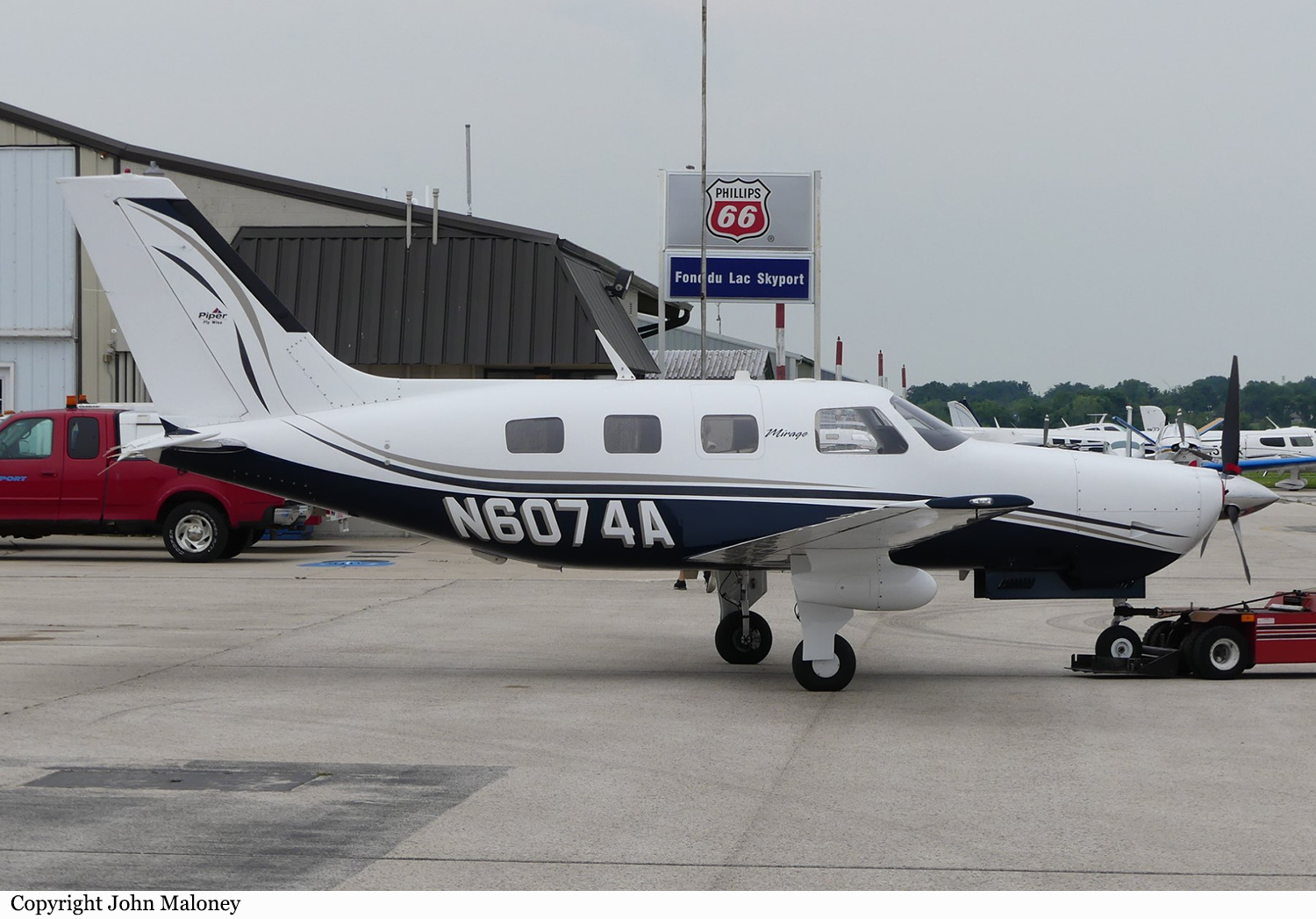
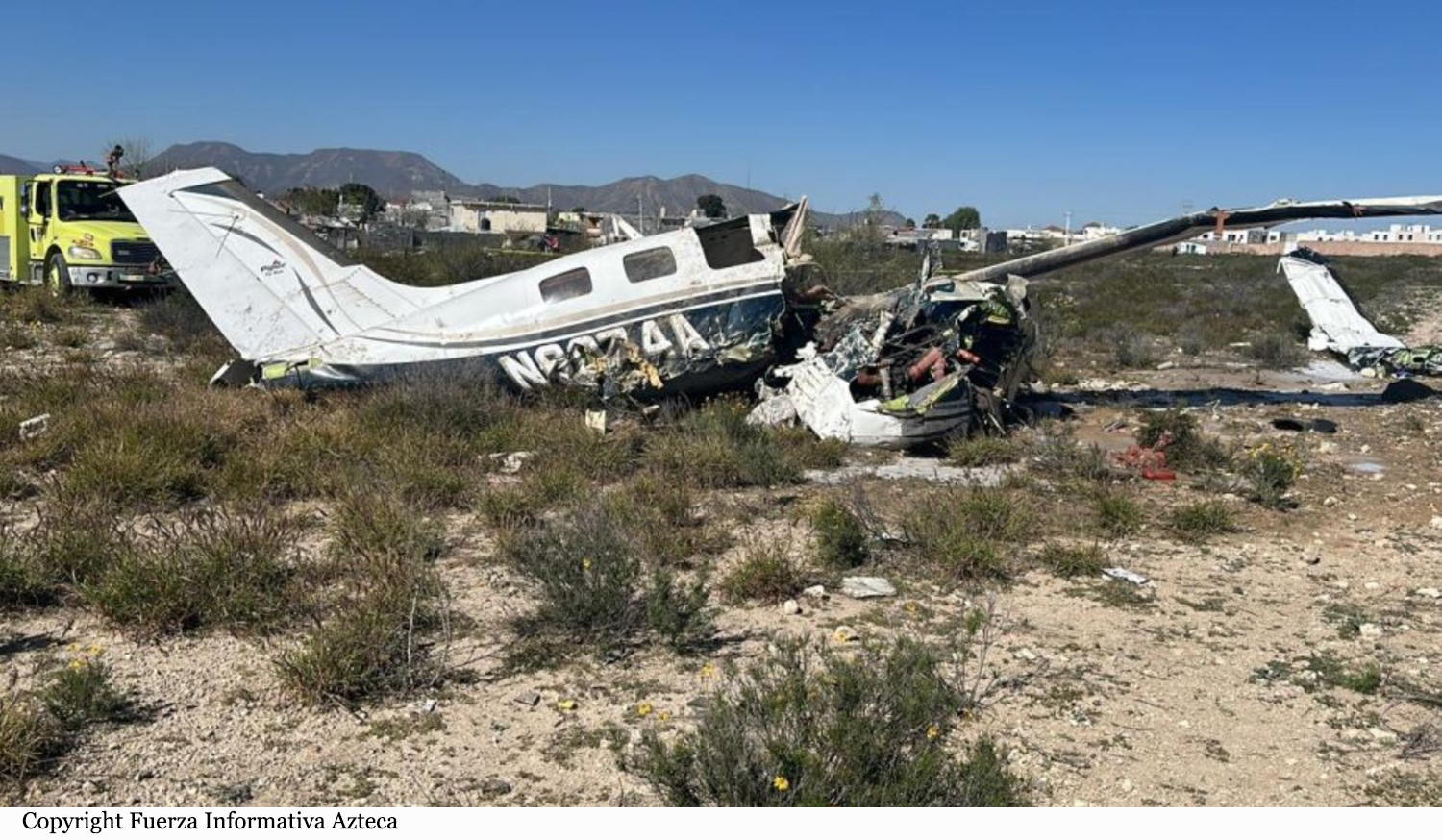
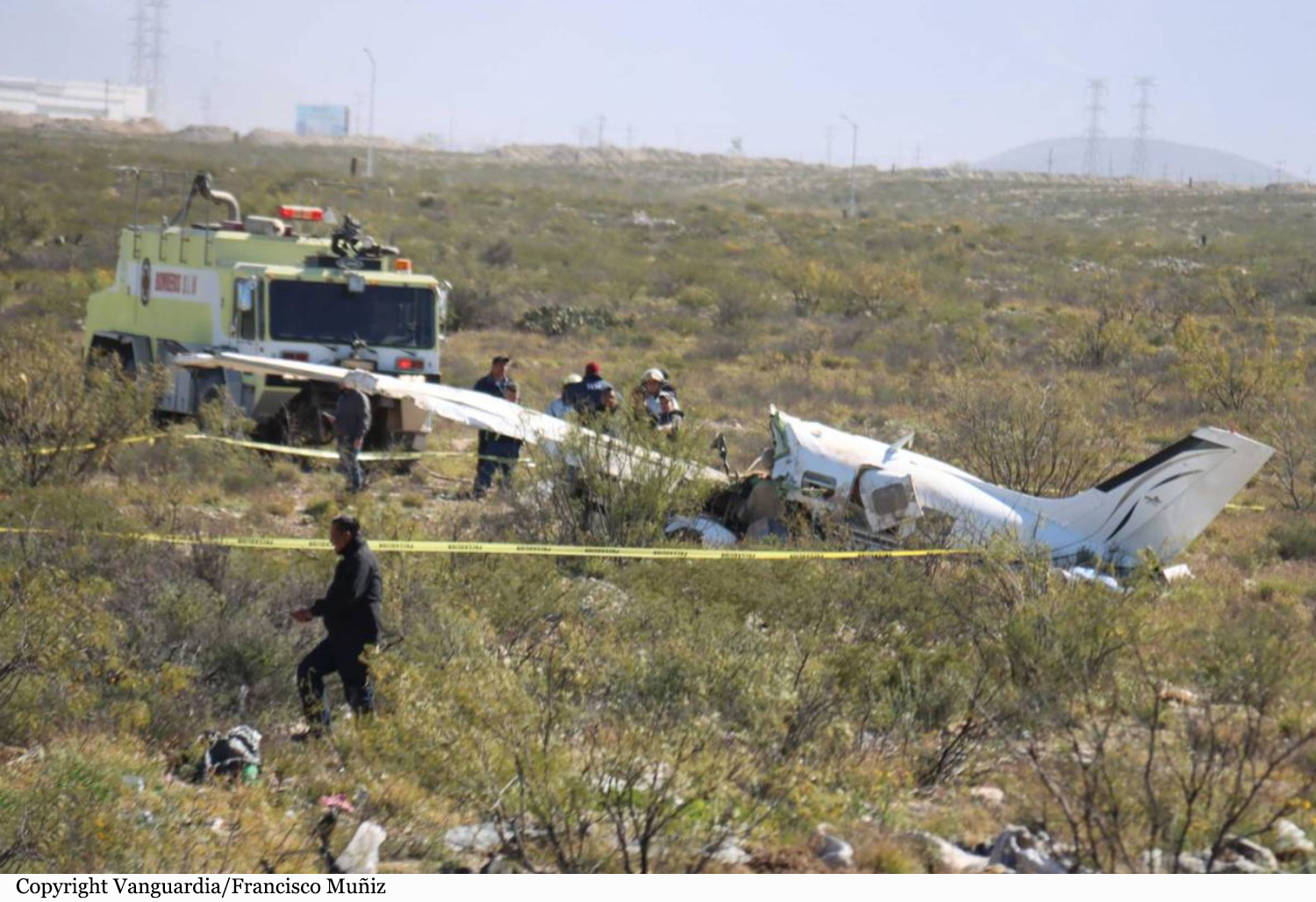
Crash of a Piper PA-46-350P Malibu Mirage in Saltillo: 4 killed

Date & Time: Jan 5, 2024 at 1149 LT
Operator:
Registration:
N6074A
Flight Type:
Survivors:
No
Schedule:
Matamoros - Saltillo
MSN:
46-36451
YOM:
2008
Country:
Crew on board:
1
Crew fatalities:
Pax on board:
3
Pax fatalities:
Other fatalities:
Total fatalities:
4
Circumstances:
On final approach to Saltillo-Plan de Guadalupe Airport Runway 35, the single engine airplane entered a sudden left turn, impacted the ground and crashed in an open field. The wreckage was found about 200 metres short of runway threshold. The airplane was destroyed upon impact and all four occupants were killed.

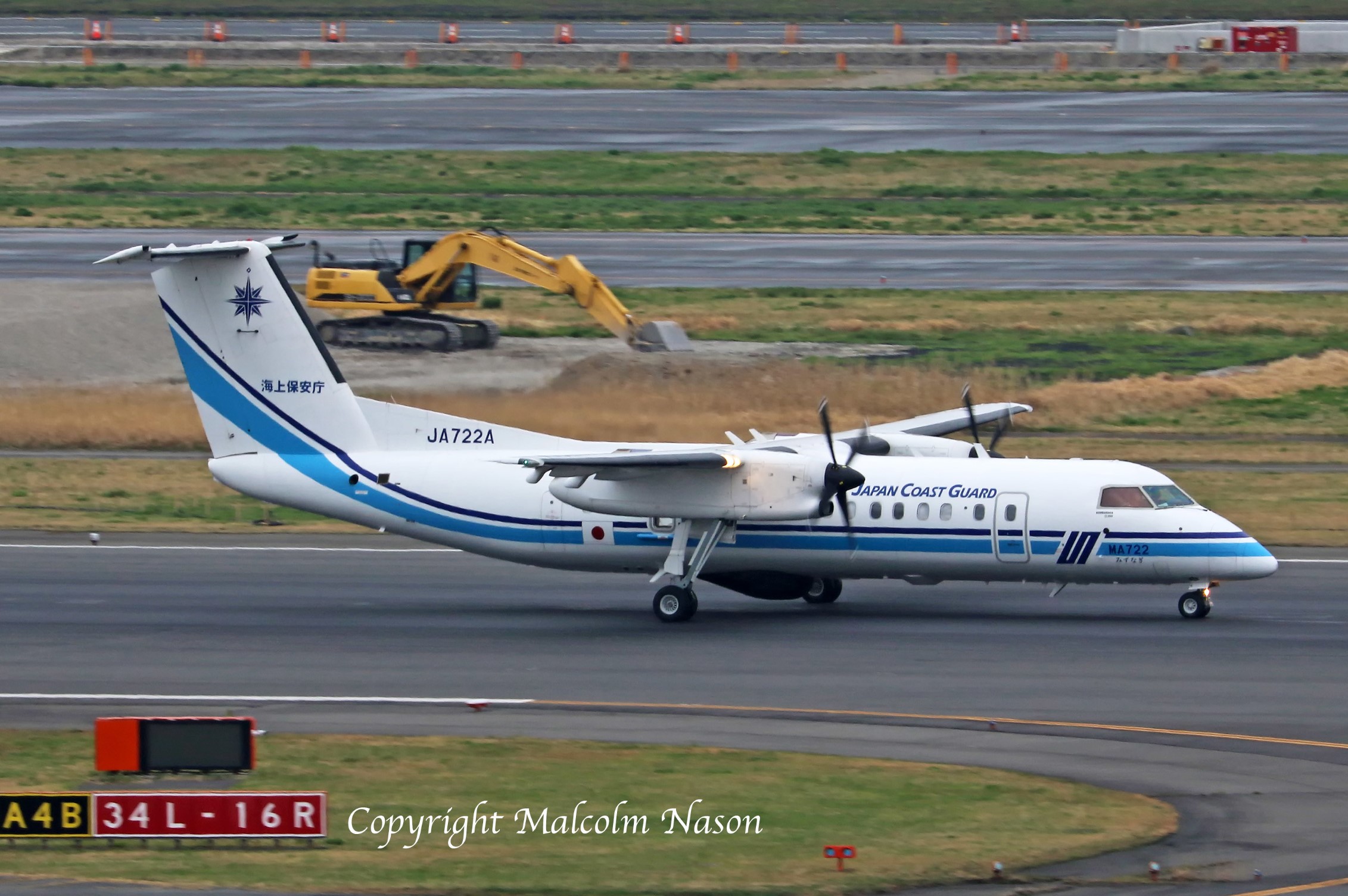
Crash of a De Havilland DHC-8-315Q in Tokyo: 5 killed

Date & Time: Jan 2, 2024 at 1747 LT
Operator:
Registration:
JA722A
Flight Phase:
Flight Type:
Survivors:
Yes
Schedule:
Tokyo - Niigata
MSN:
656
YOM:
2007
Country:
Region:
Crew on board:
6
Crew fatalities:
Pax on board:
0
Pax fatalities:
Other fatalities:
Total fatalities:
5
Circumstances:
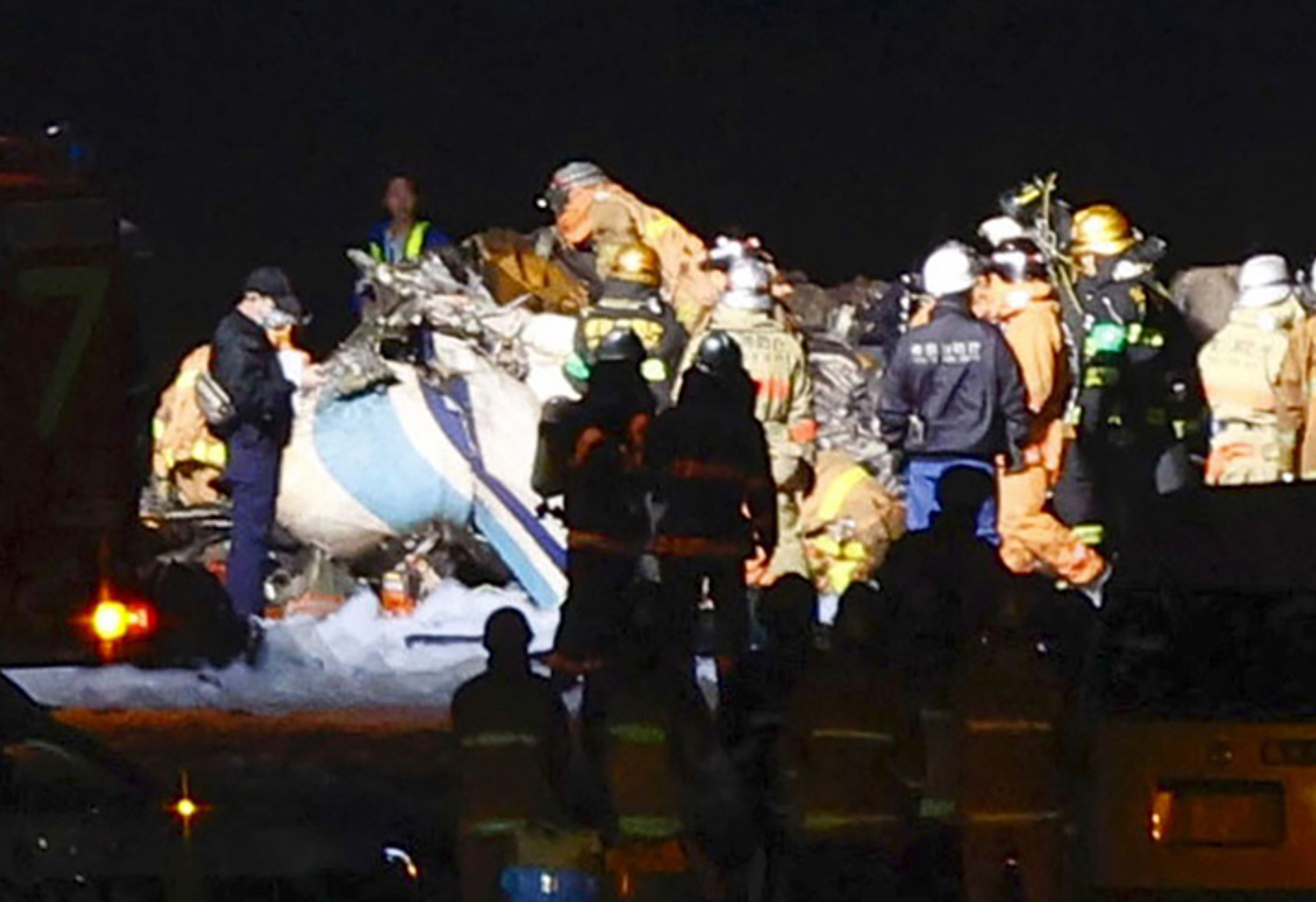
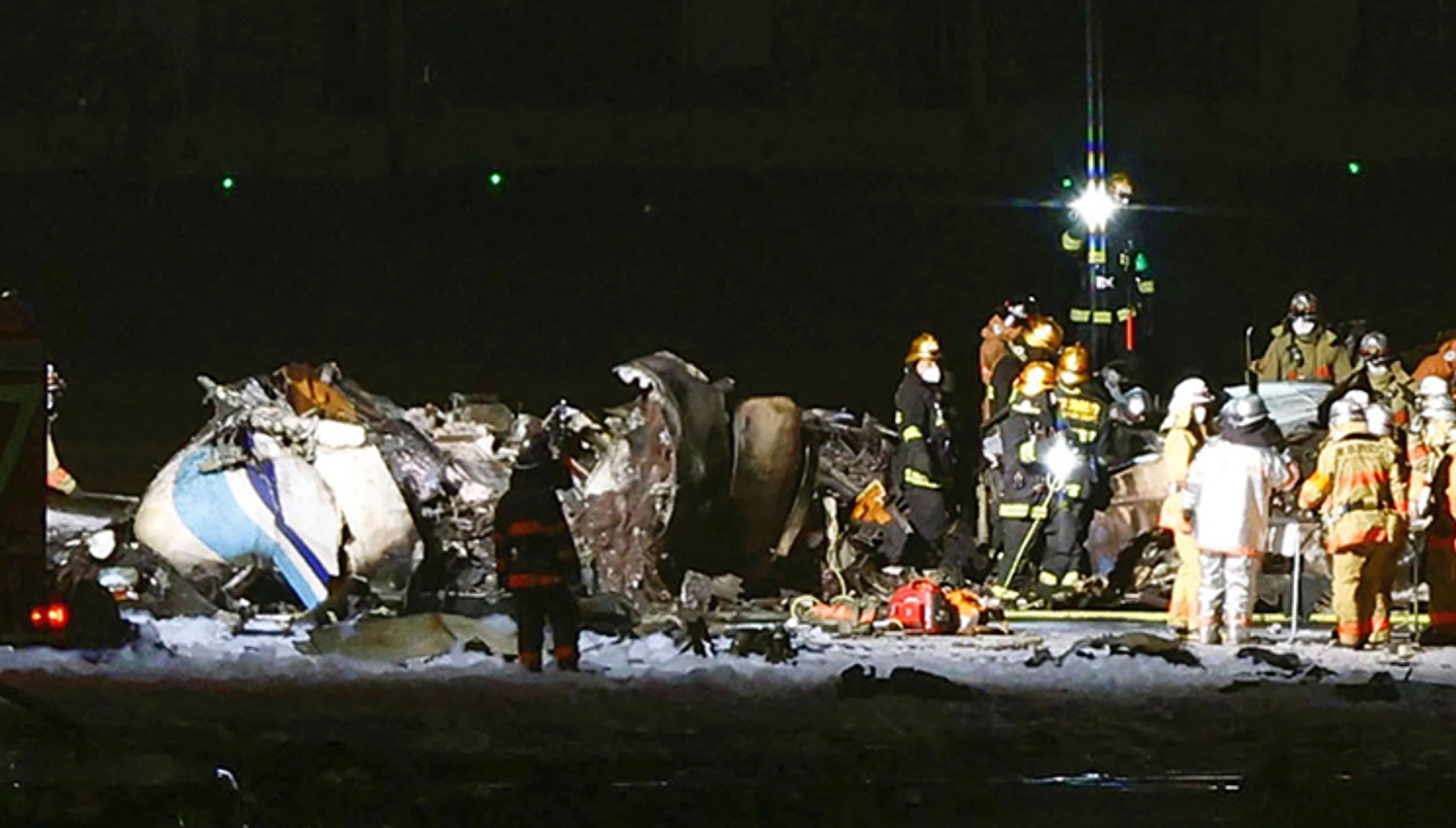
The crew of flight JL516 from Sapporo-New Chitose Airport was on a night approach to Tokyo-Haneda Airport Runway 34R when he was informed about traffic holding by taxiway C5. Weather conditions were considered as good. A De Havilland DHC-8-315Q MPA of the Japan Coast Guard was dispatched from Tokyo to Niigata, carrying a crew of six who were on a support mission of the victims of the recent earthquake in the north Peninsula. This crew was instructed by ground ATC to hold short at taxiway C5. After touchdown on runway 34R, the Airbus A350 collided with the Dash-8 that was aligned on the runway centerline. Upon impact, the nose gear of the Airbus was torn off and a violent explosion occurred. The Airbus caught fire, slid for approximately 2,400 meters then veered to the right and came to rest in a grassy area located near taxiway C11, about 200 meters from runway 16L threshold, bursting into flames. All 379 occupants evacuated the airplane, among them 15 were injured. The Airbus was later consumed by fire and totally destroyed. The Dash-8 was also totally destroyed by impact forces and a post crash fire. Among its crew of six, only the captain survived, critically injured. The five other crew members were killed. According to preliminary report released by the Japan Minister of Transport, the crew of JL516 have been cleared to land on runway 34R and the crew of the Japan Coast Guard Dash-8 have been instructed to hold short at taxiway C5. It was also reported that the stop bar lights for taxiway C1 to C14 were unserviceable since December 25 as per Notam published.

Crash of an Airbus A350-941 in Tokyo

Date & Time: Jan 2, 2024 at 1747 LT
Type of aircraft:
Operator:
Registration:
JA13XJ
Survivors:
Yes
Schedule:
Sapporo - Tokyo
MSN:
538
YOM:
2021
Flight number:
JL516
Country:
Region:
Crew on board:
12
Crew fatalities:
Pax on board:
367
Pax fatalities:
Other fatalities:
Total fatalities:
0
Circumstances:
The crew of flight JL516 from Sapporo-New Chitose Airport was on a night approach to Tokyo-Haneda Airport Runway 34R when he was informed about traffic holding by taxiway C5. Weather conditions were considered as good. A De Havilland DHC-8-315Q MPA of the Japan Coast Guard was dispatched from Tokyo to Niigata, carrying a crew of six who were on a support mission of the victims of the recent earthquake in the north Peninsula. This crew was instructed by ground ATC to hold short at taxiway C5. After touchdown on runway 34R, the Airbus A350 collided with the Dash-8 that was aligned on the runway centerline. Upon impact, the nose gear of the Airbus was torn off and a violent explosion occurred. The Airbus caught fire, slid for approximately 2,400 meters then veered to the right and came to rest in a grassy area located near taxiway C11, about 200 meters from runway 16L threshold, bursting into flames. All 379 occupants evacuated the airplane, among them 15 were injured. The Airbus was later consumed by fire and totally destroyed. The Dash-8 was also totally destroyed by impact forces and a post crash fire. Among its crew of six, only the captain survived, critically injured. The five other crew members were killed. According to preliminary report released by the Japan Minister of Transport, the crew of JL516 have been cleared to land on runway 34R and the crew of the Japan Coast Guard Dash-8 have been instructed to hold short at taxiway C5. It was also reported that the stop bar lights for taxiway C1 to C14 were unserviceable since December 25 as per Notam published.

Crash of a Piper PA-46R-350RT Malibu Matrix in Lake Norman Airpark: 1 killed

Date & Time: Dec 31, 2023 at 1215 LT
Operator:
Registration:
N539MA
Flight Type:
Survivors:
No
Schedule:
Lake Norman Airpark - Lake Norman Airpark
MSN:
46-92139
YOM:
2010
Crew on board:
1
Crew fatalities:
Pax on board:
0
Pax fatalities:
Other fatalities:
Total fatalities:
1
Circumstances:
The pilot departed Lake Norman Airpark Runway 32 at 1152LT on a local flight. After takeoff, he continued to the northwest for about 10 minutes then initiated a turn to the left and a descent back to the airfield. On short final, the single engine airplane crashed nearby a wooded area located near Adrian Lane, about 1,200 metres short of runway 14. The airplane was destroyed and the pilot, sole on board, was killed.