


Date & Time:
Jan 23, 2024 at 0642 LT
Type of aircraft:
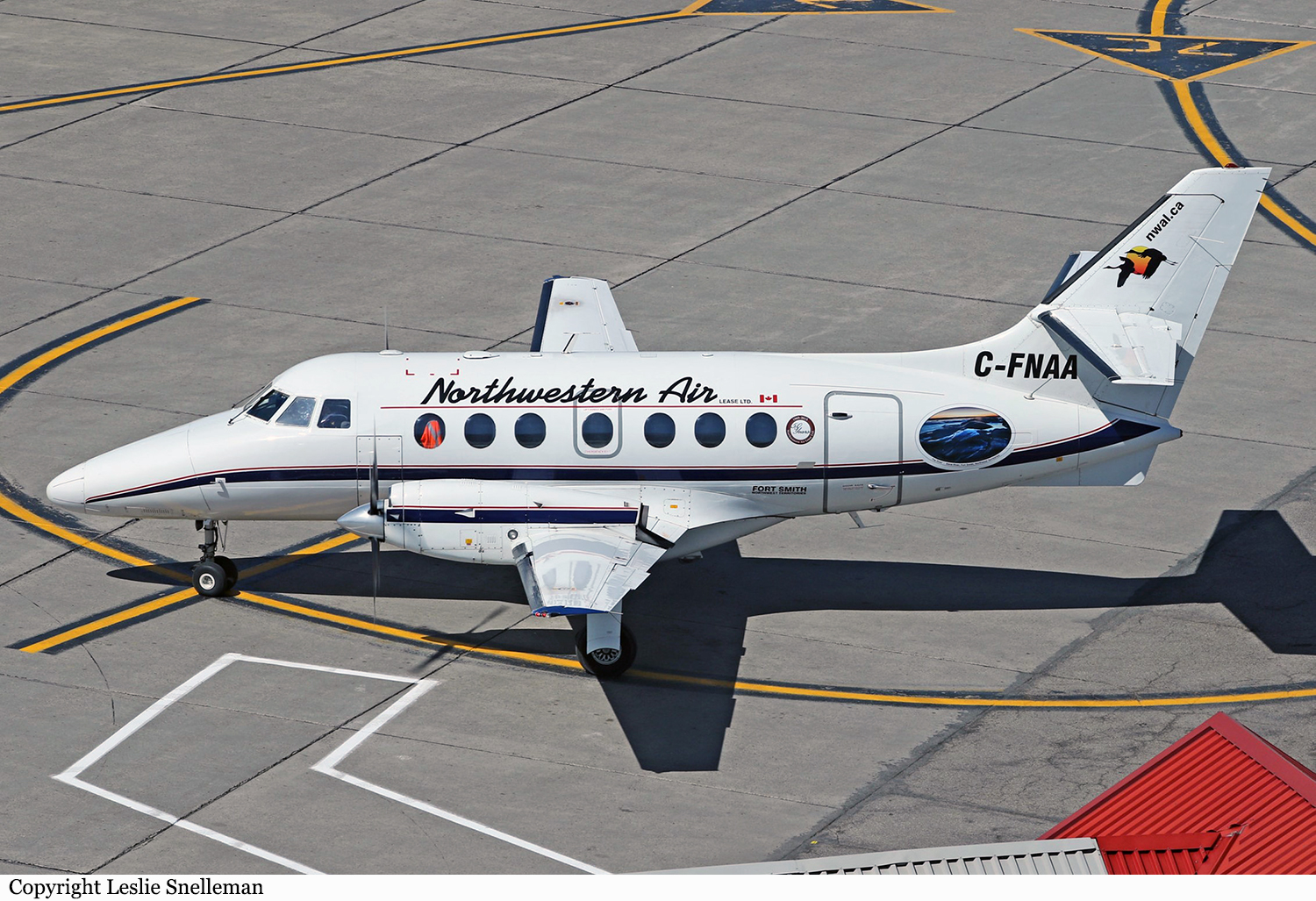
BAe Jetstream 31
Operator:

Registration:
C-FNAA
Flight Phase:
Takeoff (climb)
Flight Type:
Scheduled Revenue Flight
Survivors:
Yes
Schedule:
Fort Smith – Diavik
MSN:
929
YOM:
1991
Flight number:
PLR738
Country:
Canada
Region:
North America
Crew on board:
2
Crew fatalities:
2
Pax on board:
5
Pax fatalities:
4
Other fatalities:
0
Total fatalities:
6
Captain / Total hours on type:
627
Copilot / Total hours on type:
467
Aircraft flight hours:
24405
Circumstances:
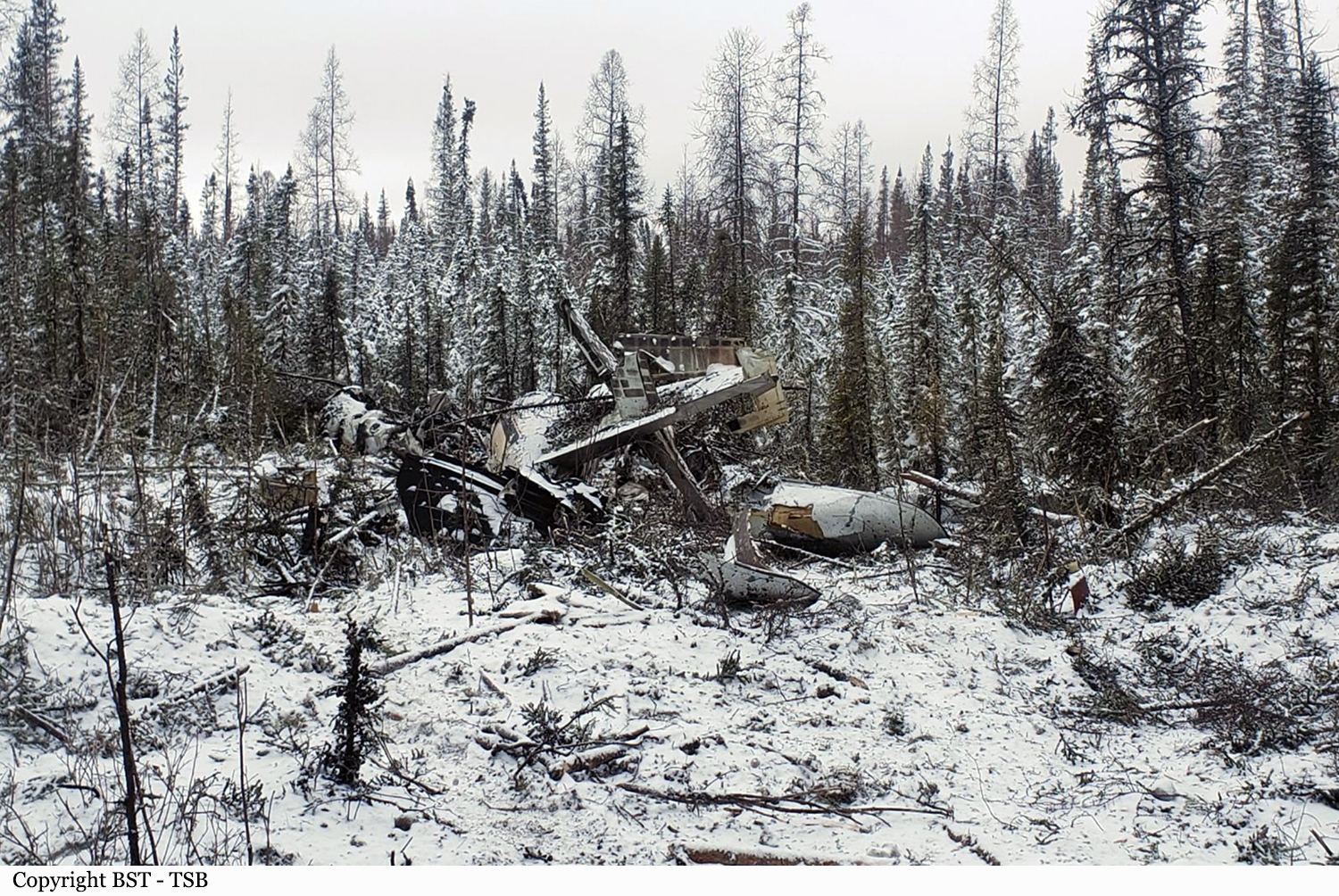
At 0641LT, during the hours of darkness, the takeoff run on Runway 30 commenced. Eight seconds after liftoff, at a height of approximately 100 feet above ground level (AGL), the copilot (FO) observed an abnormal landing gear indication and notified the captain. Two seconds later, the FO called for the captain to reduce the speed; the captain acknowledged, and two brief changes in propeller rpm occurred within six seconds. During the initial climb, the captain maintained a shallow climb angle and attitude, the aircraft’s speed increased to approximately 165 knots indicated airspeed (KIAS), and the aircraft reached a maximum height of approximately 140 feet AGL. At this point, the aircraft began a shallow descent. Six seconds later, the FO observed that the aircraft was losing altitude and called “Descending”. One second later, the terrain awareness and warning system (TAWS) began to produce an aural alert and, simultaneously, the aircraft impacted trees 0.5 nautical miles (NM) past the end of Runway 30. During this impact, the left-wing structure was compromised, resulting in a fireball. Approximately three seconds after the aircraft’s initial collision, the aircraft impacted additional trees and then terrain 0.6 NM from the end of Runway 30 and 0.1 NM left of the extended runway centreline. During the final portion of the accident sequence, one passenger was ejected from the aircraft (the seat and safety belt remained in the aircraft) and received minor injuries. All six other occupants were killed and the airplane was destroyed.
Probable cause:
These are the factors that were found to have caused or contributed to this occurrence:
- During departure, the captain intentionally kept a low pitch attitude and a high airspeed to remove possible snow accumulation on the aircraft. As a result, the aircraft’s departure profile was closer to the ground than it would be on a standard departure.
- When the captain and first officer attempted to raise the landing gear, the combination of an outside air temperature colder than approximately −20 °C and the air load on the landing gear from the increased speed resulted in one of the main landing gear units, likely the left unit, not fully retracting.
- Following the first officer’s call to reduce airspeed, the captain reduced engine power to reduce the aircraft’s speed and allow the main landing gear to fully retract. As a result of the decreased power, the aircraft entered an inadvertent descent at 140 feet above ground level.
- The captain and first officer were likely preoccupied with the abnormal main landing gear indication and the aircraft’s airspeed and did not notice the aircraft’s loss of altitude until immediately before impact. As a result, the aircraft impacted trees and terrain 10 seconds after the descent began.
- During departure, the captain intentionally kept a low pitch attitude and a high airspeed to remove possible snow accumulation on the aircraft. As a result, the aircraft’s departure profile was closer to the ground than it would be on a standard departure.
- When the captain and first officer attempted to raise the landing gear, the combination of an outside air temperature colder than approximately −20 °C and the air load on the landing gear from the increased speed resulted in one of the main landing gear units, likely the left unit, not fully retracting.
- Following the first officer’s call to reduce airspeed, the captain reduced engine power to reduce the aircraft’s speed and allow the main landing gear to fully retract. As a result of the decreased power, the aircraft entered an inadvertent descent at 140 feet above ground level.
- The captain and first officer were likely preoccupied with the abnormal main landing gear indication and the aircraft’s airspeed and did not notice the aircraft’s loss of altitude until immediately before impact. As a result, the aircraft impacted trees and terrain 10 seconds after the descent began.
Final Report:
C-FNAA.pdf1.58 MB

