Crash of a Boeing E-3C Sentry at Nellis AFB

Date & Time: Aug 28, 2009 at 1800 LT
Type of aircraft:
Operator:
Registration:
83-0008
Flight Type:
Survivors:
Yes
Schedule:
Tinker AFB - Nellis AFB
MSN:
22836/962
YOM:
1983
Crew on board:
4
Crew fatalities:
Pax on board:
28
Pax fatalities:
Other fatalities:
Total fatalities:
0
Circumstances:
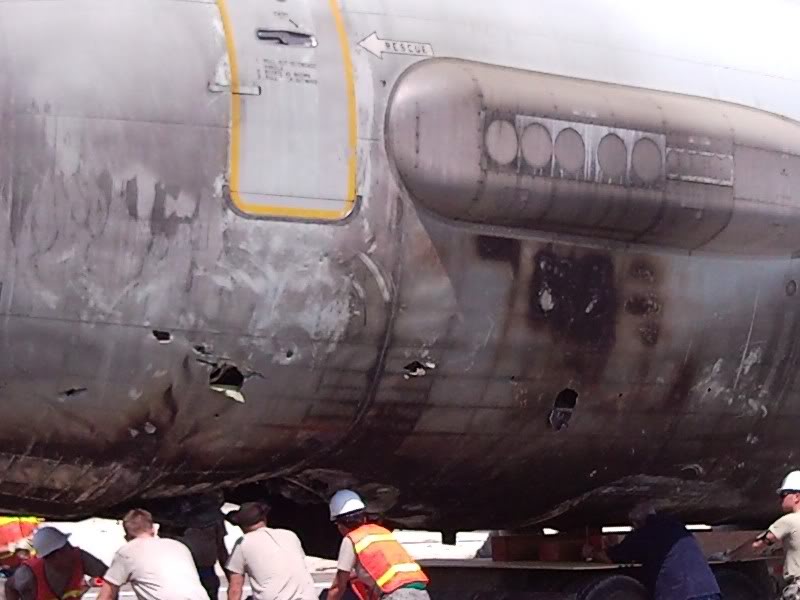
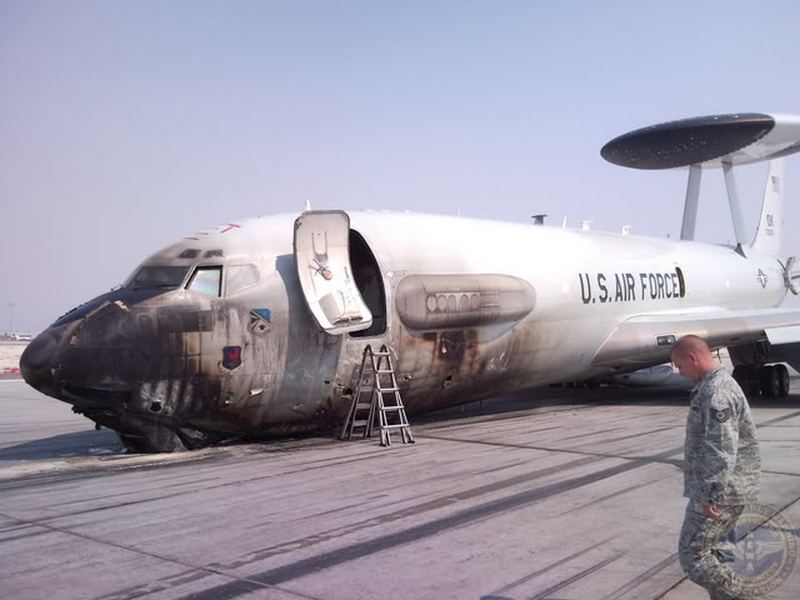
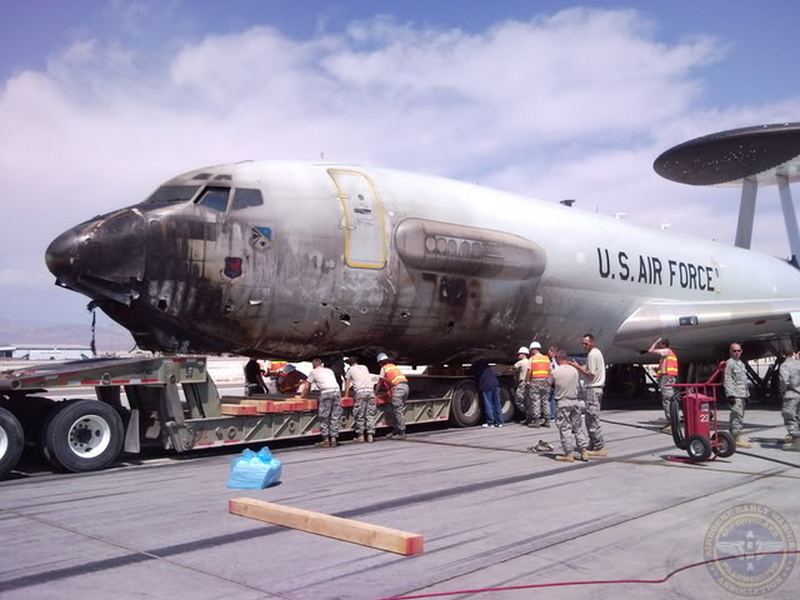
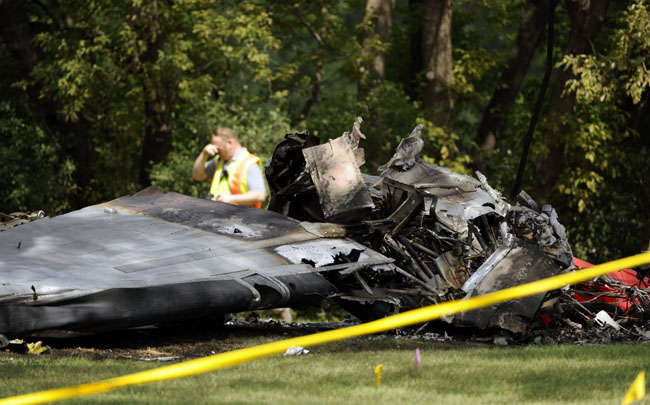
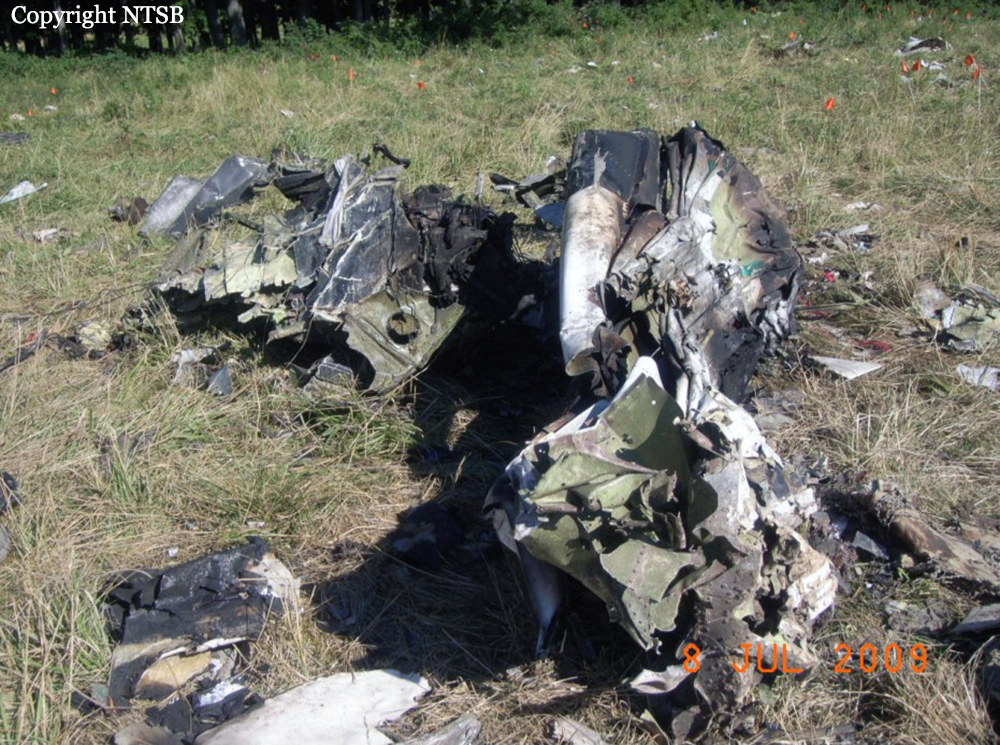
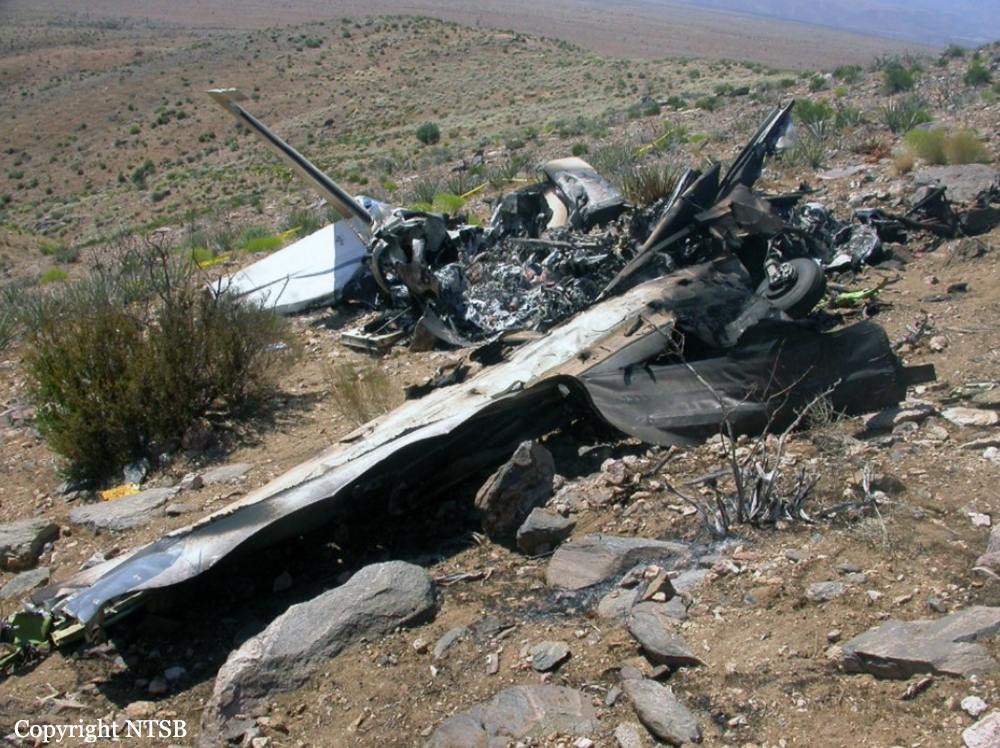
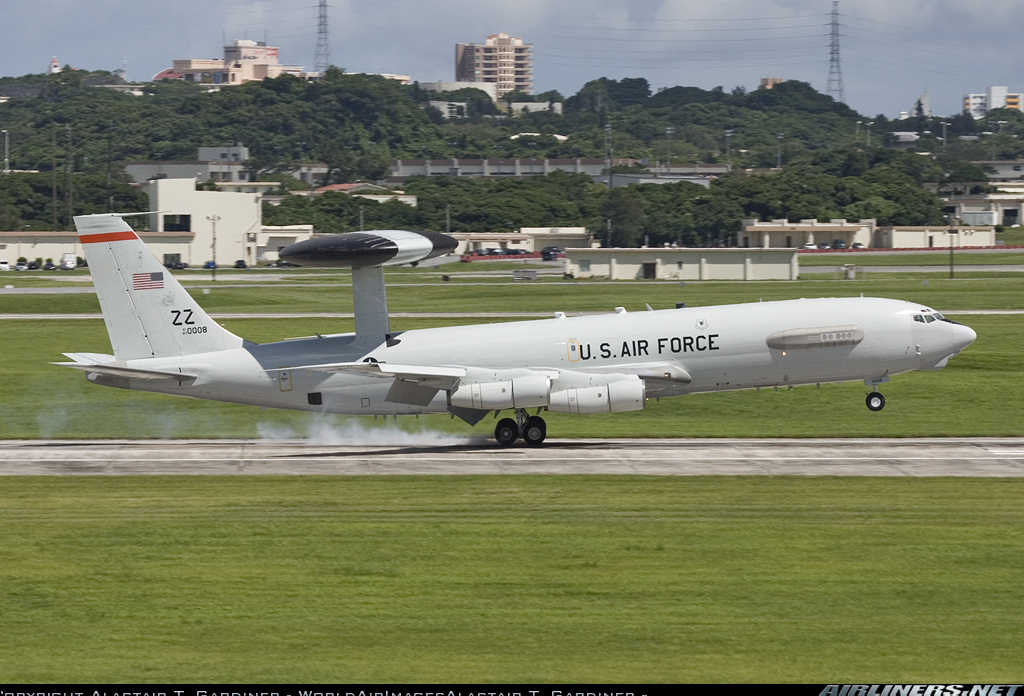
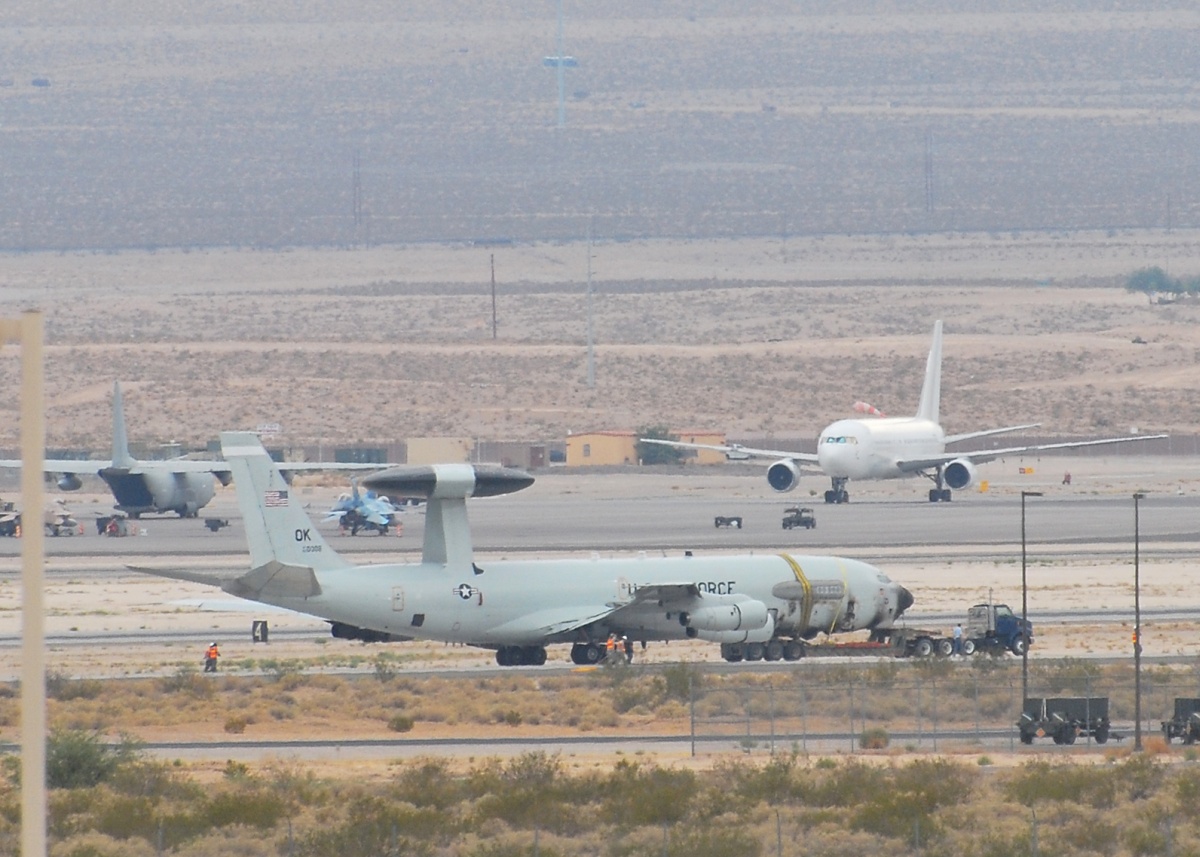
Following a Red Flag exercice from Tinker AFB, the aircraft was returning to Nellis AFB. Upon landing, the nose gear collapsed and the aircraft slid on the runway for few dozen metres before coming to rest, bursting into flames. All 32 occupants escaped uninjured while the aircraft was damaged beyond repair.
Probable cause:
The nose gear collapsed upon landing for unknown reasons.
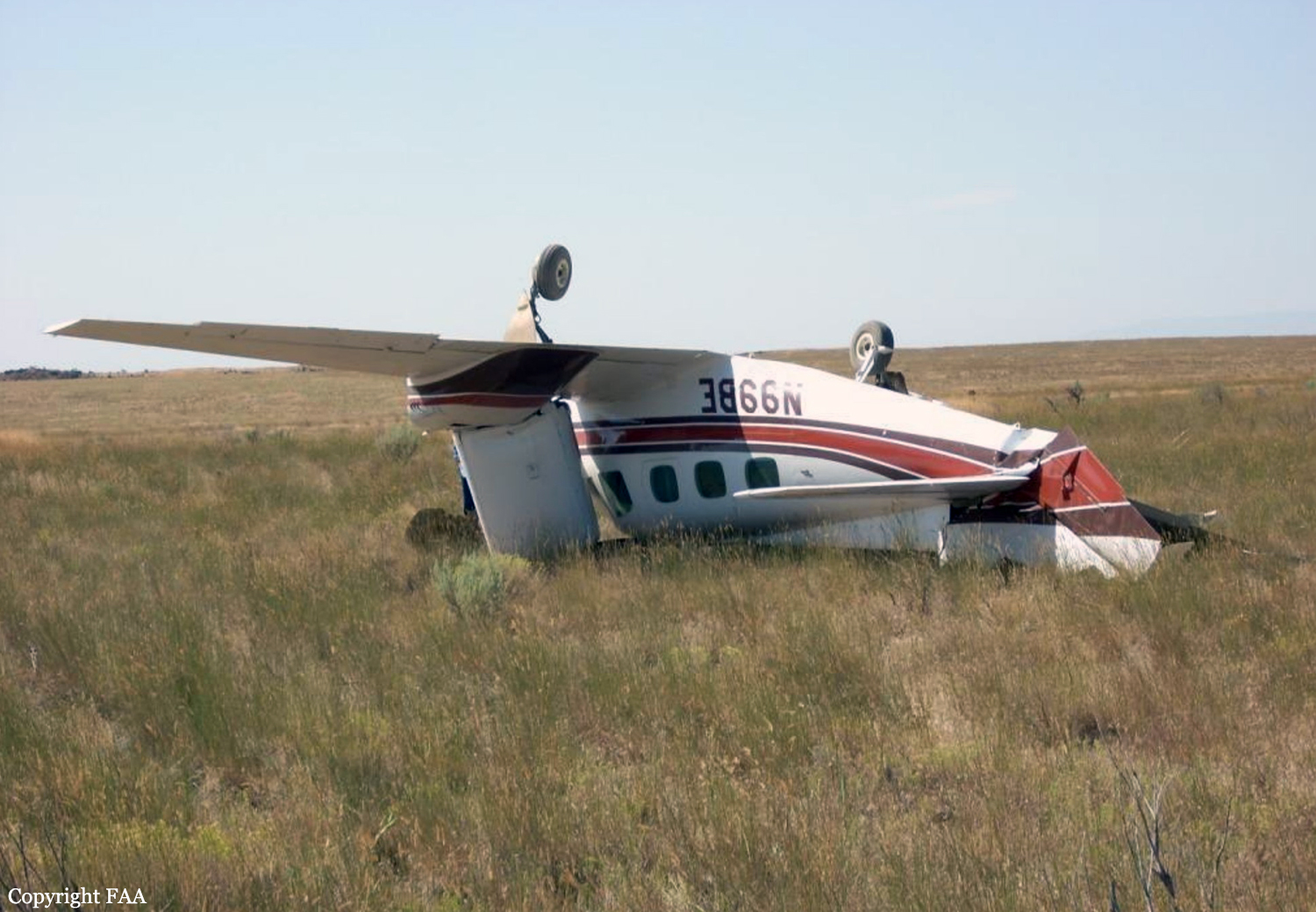
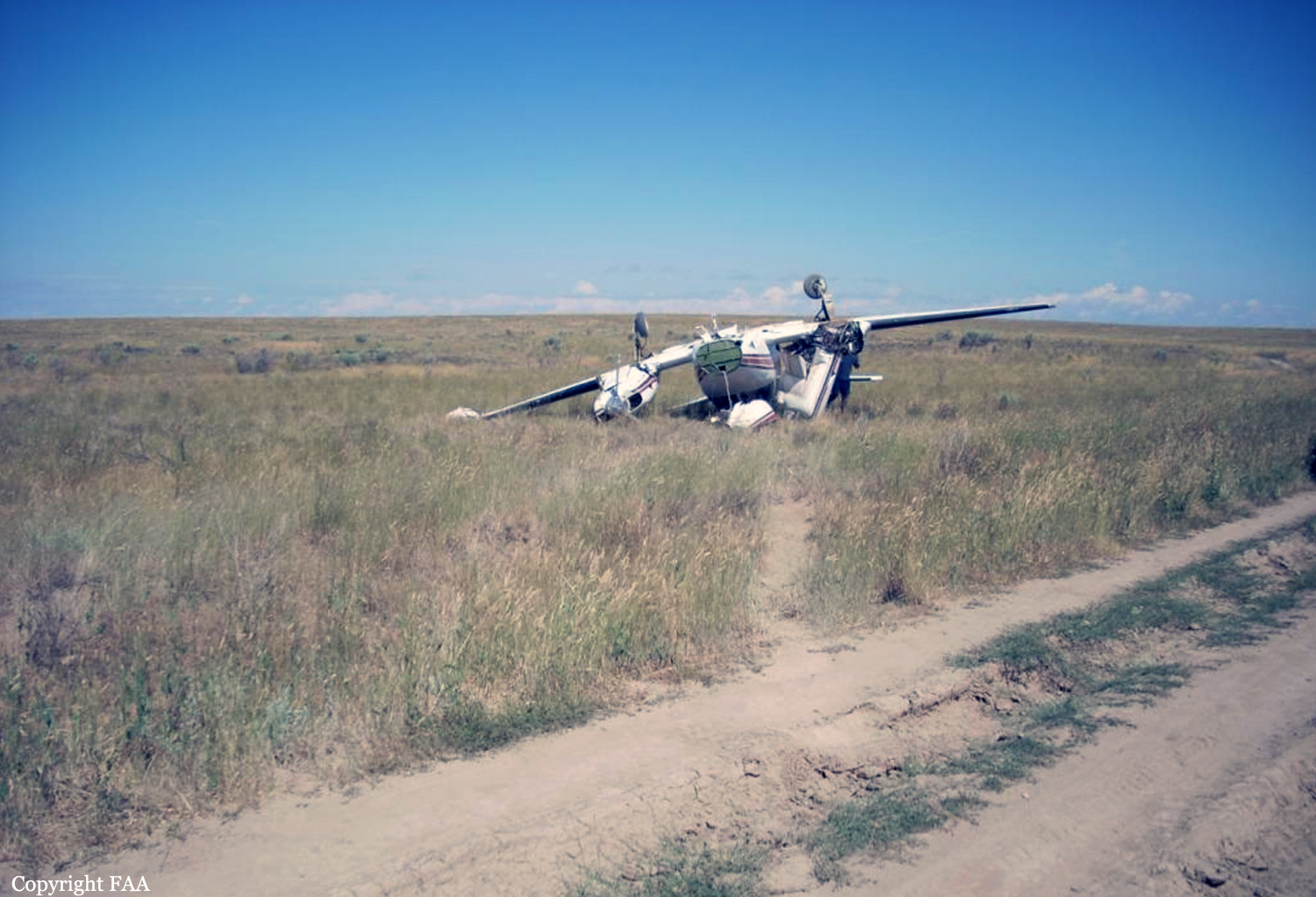
Crash of a Beechcraft A60 Duke in Minidoka

Date & Time: Aug 13, 2009 at 1541 LT
Type of aircraft:
Registration:
N99BE
Flight Phase:
Flight Type:
Survivors:
Yes
Schedule:
Pocatello – Boise
MSN:
P-132
YOM:
1970
Location:
Crew on board:
1
Crew fatalities:
Pax on board:
1
Pax fatalities:
Other fatalities:
Total fatalities:
0
Captain / Total flying hours:
2000
Captain / Total hours on type:
800.00
Aircraft flight hours:
3120
Circumstances:
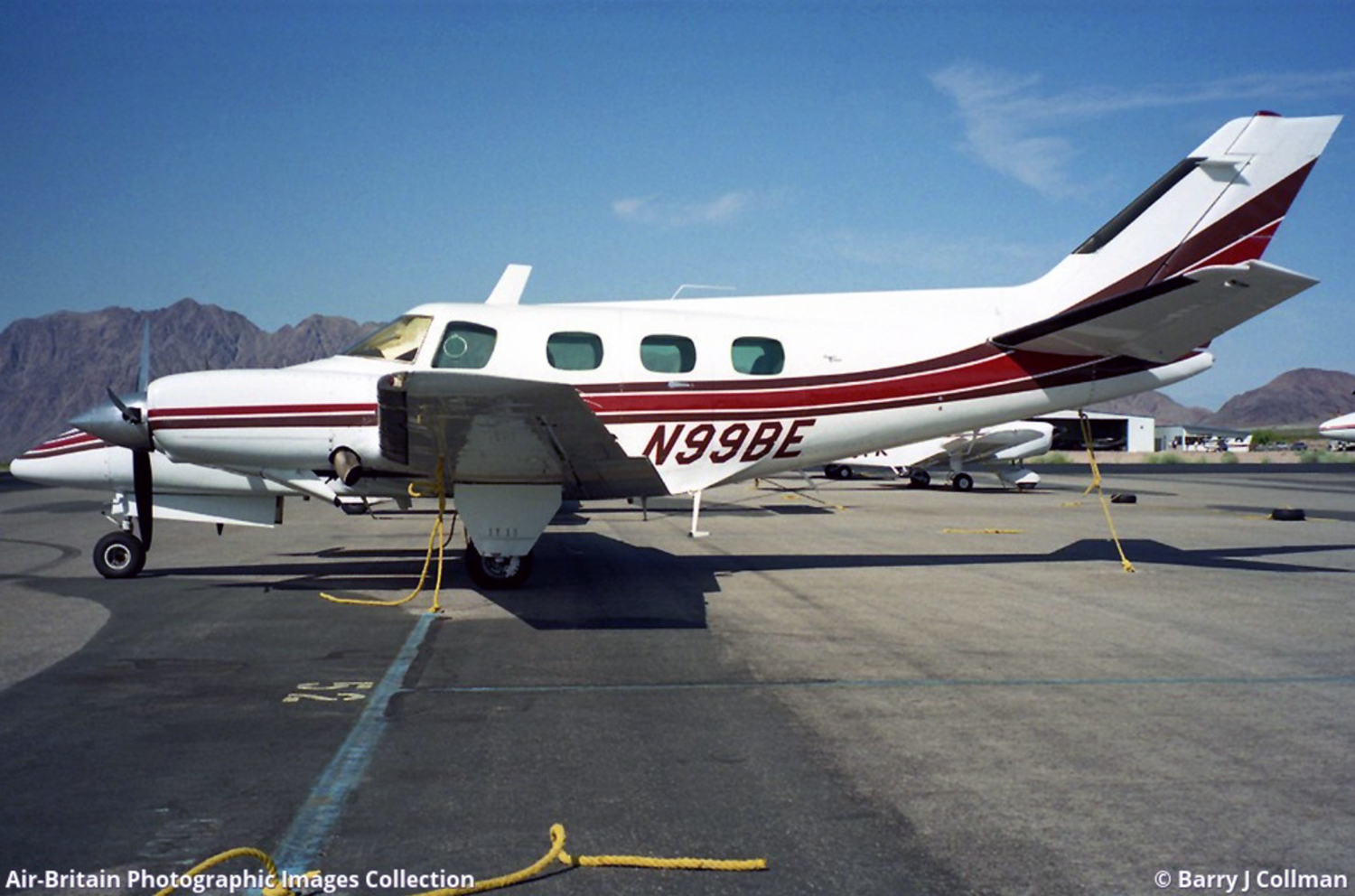
The pilot reported that he planned to fly a round trip cross-country flight. Prior to takeoff, he ascertained the quantity of fuel on board based upon the airplane's fuel totalizer gauge indication, which indicated 89 gallons. The flight to the destination was uneventful, and upon landing, 20 gallons of fuel was purchased. Thereafter, the pilot departed for the return flight back to his originating airport. According to the pilot, on takeoff the fuel tank gauges indicated the tanks were between 1/3 and 1/4 full. While cruising, the pilot contacted an air traffic control facility and notified them that he had lost power in one engine. About 5 minutes later, the pilot broadcasted that both engines were without power. Unable to reach the nearest airport, the pilot landed on soft, uneven terrain. During rollout, the airplane nosed over and was substantially damaged. The calculated post accident fuel burn-off for the round trip flight was about 106 gallons. During the post accident inspection, an FAA inspector reported finding an estimated 2 gallons of fuel in one tank. The other tank was dry. No fuel was observed in the main fuel lines to the engines, and no mechanical malfunctions were reported by the pilot.
Probable cause:
A loss of engine power due to fuel exhaustion as a result of the pilot's inadequate fuel planning.
Final Report:

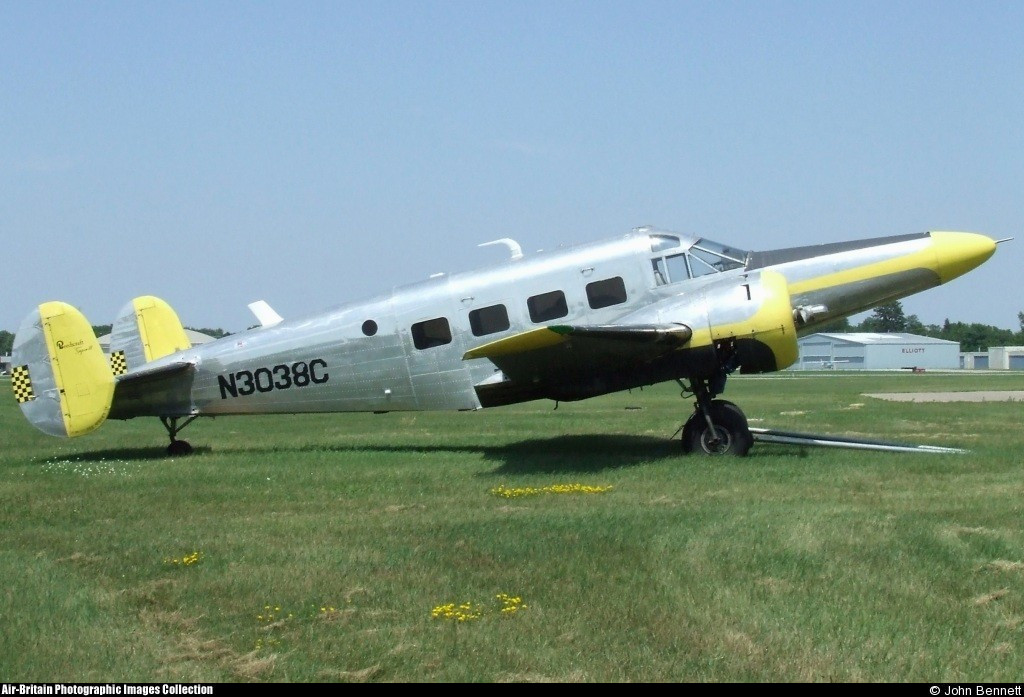
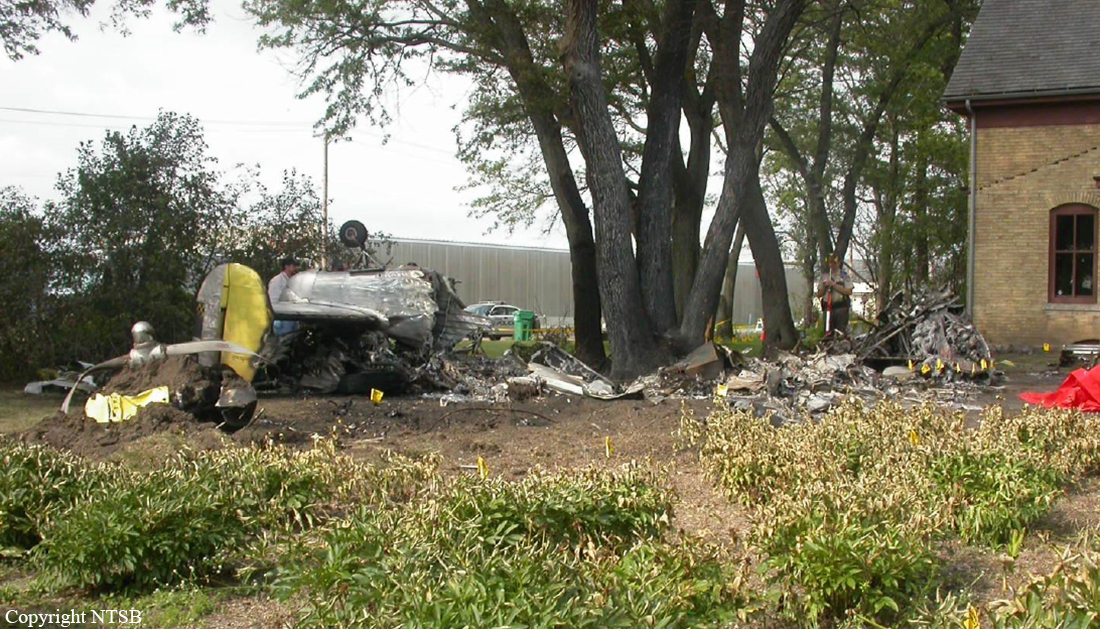
Crash of a Beechcraft E18S in Eden Prairie: 2 killed

Date & Time: Aug 12, 2009 at 1145 LT
Type of aircraft:
Registration:
N3038C
Flight Phase:
Flight Type:
Survivors:
No
Schedule:
Eden Prairie - Osceola
MSN:
BA-374
YOM:
1958
Crew on board:
1
Crew fatalities:
Pax on board:
1
Pax fatalities:
Other fatalities:
Total fatalities:
2
Captain / Total flying hours:
1150
Captain / Total hours on type:
0.00
Aircraft flight hours:
10626
Circumstances:
The pilot purchased the airplane approximately one year prior to the accident with the intention of restoring it for flight. The airplane had not been flown for approximately five years and had been used for spare parts. The pilot was flying the airplane to another airport to pick up passengers prior to returning. The pilot was cleared for takeoff and to circle the airport at 2,500 feet prior to departing the area. Witnesses reported that after taking off the airplane seemed to “wobble” at a slow airspeed in a nose-high attitude and that it never got higher than 500 feet. Some witnesses reported the engine(s) sputtering, and another stated that the airplane was loud and "didn't sound good," although other witnesses reported that the engines sounded normal. One witness reported seeing white smoke coming from the left engine and hearing the engine "popping" as the airplane took off. The airplane made three left turns and it appeared as if the pilot was attempting to return to land. Witnesses described the left wing rising prior to the airplane banking hard to the left and the nose dropping straight down. The airplane impacted the ground just northeast of the airport property and a postimpact fire ensued. Flight control continuity was established. The right side of the elevator/tailcone structure exhibited black rub marks and scrapes. Grass and nesting material was found inside the left wing. The left fuel valve was found in the OFF position and the right fuel valve was positioned to the rear auxiliary tank. Neither the fuel crossfeed valve nor the fuel boost pump switch was located. The left engine sustained substantial fire and impact damage. The right engine sustained heavy impact damage. The airplane was last fueled one month prior to the accident with 120 gallons of fuel. About 20 engine test runs in addition to high-speed taxi tests had been conducted since then. A Special Flight Permit had been obtained but had not been signed by the mechanic, who did not know that the pilot was going to fly the airplane on the day of the accident. The pilot reportedly did not have any Beech 18 flight experience.
Probable cause:
The pilot’s lack of experience flying the accident make and model of airplane, which led to a loss of control while maneuvering to return to the airport. Contributing to the accident was a partial loss of engine power for undetermined reasons.
Final Report:

Crash of a Piper PA-46-310P Malibu in Kamsack: 2 killed

Date & Time: Jul 19, 2009 at 2124 LT
Registration:
C-GUZZ
Flight Phase:
Flight Type:
Survivors:
Yes
Schedule:
Kamsack – Saskatoon
MSN:
46-8508108
YOM:
1985
Country:
Crew on board:
1
Crew fatalities:
Pax on board:
3
Pax fatalities:
Other fatalities:
Total fatalities:
2
Captain / Total flying hours:
1000
Captain / Total hours on type:
300.00
Circumstances:
The aircraft departed Kamsack, on an instrument flight rules flight to Saskatoon, Saskatchewan. The pilot and three passengers were on board. At takeoff from runway 34, the aircraft began rolling to the left. The aircraft initially climbed, then descended in a steep left bank and collided with terrain 200 feet to the left of the runway. A post-impact fire ignited immediately. Two passengers survived the impact with serious injuries and evacuated from the burning wreckage. The pilot and third passenger were fatally injured. The aircraft was destroyed by impact forces and the post-impact fire. The accident occurred during evening civil twilight at 2124 Central Standard Time.
Probable cause:
Finding as to Causes and Contributing Factors:
1. The pilot was unable to maintain aircraft control after takeoff for undetermined reasons and the aircraft rolled to the left and collided with terrain.
Finding as to Risk:
1. The manufacturer issued a service bulletin to regularly inspect and lubricate the stainless steel cables. Due to the fact that the bulletin was not part of an airworthiness directive and was not considered mandatory, it was not carried out on an ongoing basis. It is likely that the recommended maintenance action has not been carried out on other affected aircraft at the 100-hour or annual frequency recommended in FAA SAIB CE-01-30.
Other Findings:
1. Due to the complete destruction of the surrounding structure, restriction to aileron cable movement prior to impact could not be determined.
2. The use of the available three-point restraint systems likely prevented the two survivors from being incapacitated, enabling them to evacuate from the burning wreckage.
Final Report:

Crash of a Beechcraft UC-45J Expeditor in Verdel: 1 killed

Date & Time: Jul 18, 2009 at 1905 LT
Type of aircraft:
Registration:
N6688
Flight Phase:
Flight Type:
Survivors:
Yes
MSN:
7085
YOM:
1944
Location:
Crew on board:
1
Crew fatalities:
Pax on board:
1
Pax fatalities:
Other fatalities:
Total fatalities:
1
Circumstances:
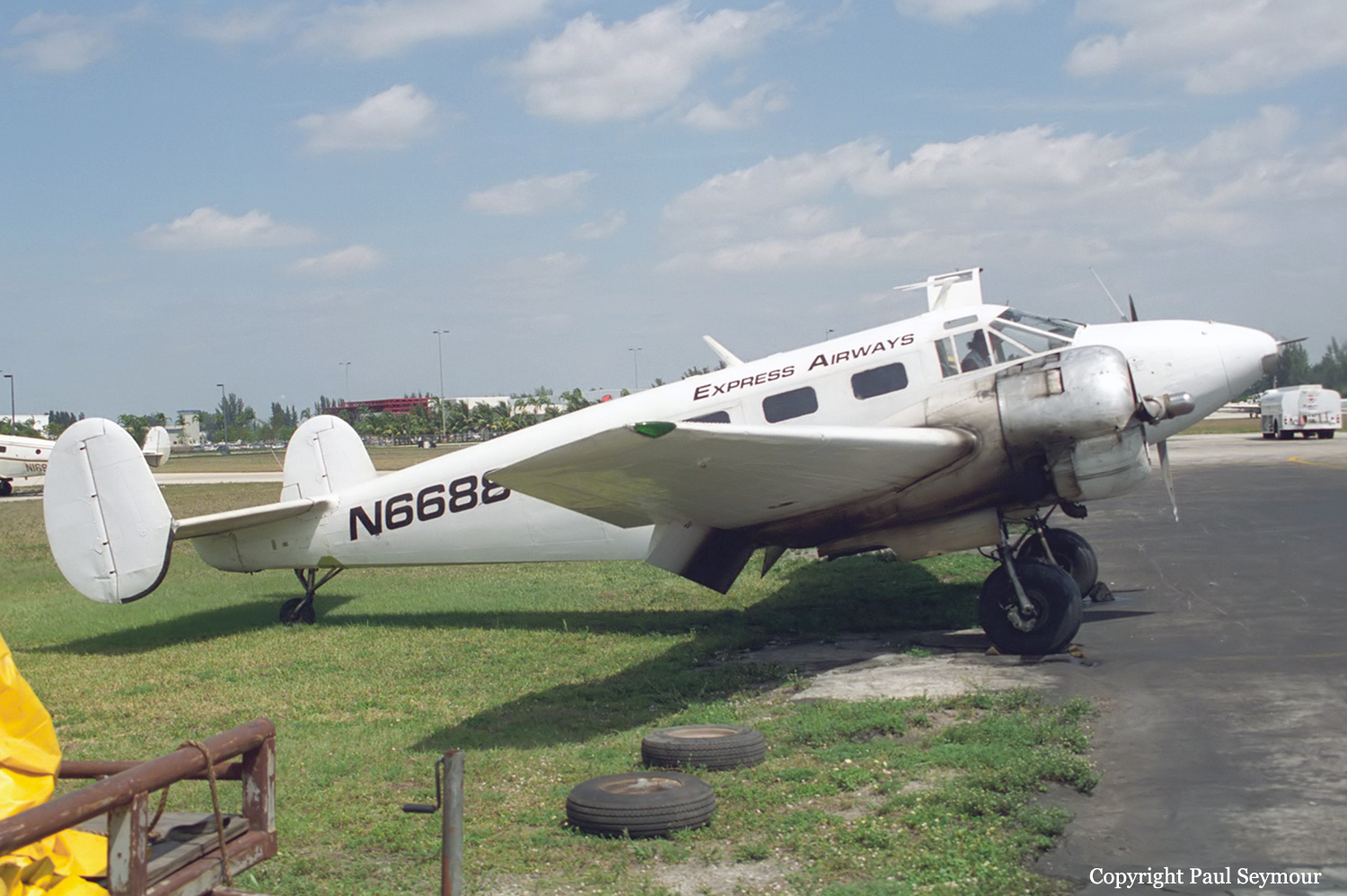
The private pilot/owner and a passenger were transporting the pilot's multi-engine airplane to another airport so it could undergo an annual inspection. Shortly after departure, the right engine began to vibrate violently and the pilot elected to make a forced landing to a pasture. The airplane caught on fire and both radial engines separated from the airframe and sustained impact damage. The pilot was not rated by the FAA to operate multi-engine airplanes and he had not received any formal training in the airplane. The accident flight was his first time flying the airplane by himself. The airplane had not received an annual inspection in approximately 8 years prior to the accident. Examination of the right engine revealed extensive mechanical damage possibly due to a connecting rod failure.
Probable cause:
The pilot's improper decision to fly an airplane that was not airworthy and for which he was not properly rated to operate, and his failure to maintain control of the airplane during a forced landing to a field following an engine failure. Contributing to the accident was the failed cylinder connecting rod.
Final Report:

Crash of a Noorduyn Norseman IV in Akiachak

Date & Time: Jul 11, 2009 at 1300 LT
Type of aircraft:
Operator:
Registration:
N225BL
Survivors:
Yes
Schedule:
Bethel – Tuluksak
MSN:
542
YOM:
1944
Location:
Crew on board:
1
Crew fatalities:
Pax on board:
1
Pax fatalities:
Other fatalities:
Total fatalities:
0
Captain / Total flying hours:
8500
Captain / Total hours on type:
100.00
Aircraft flight hours:
15729
Circumstances:
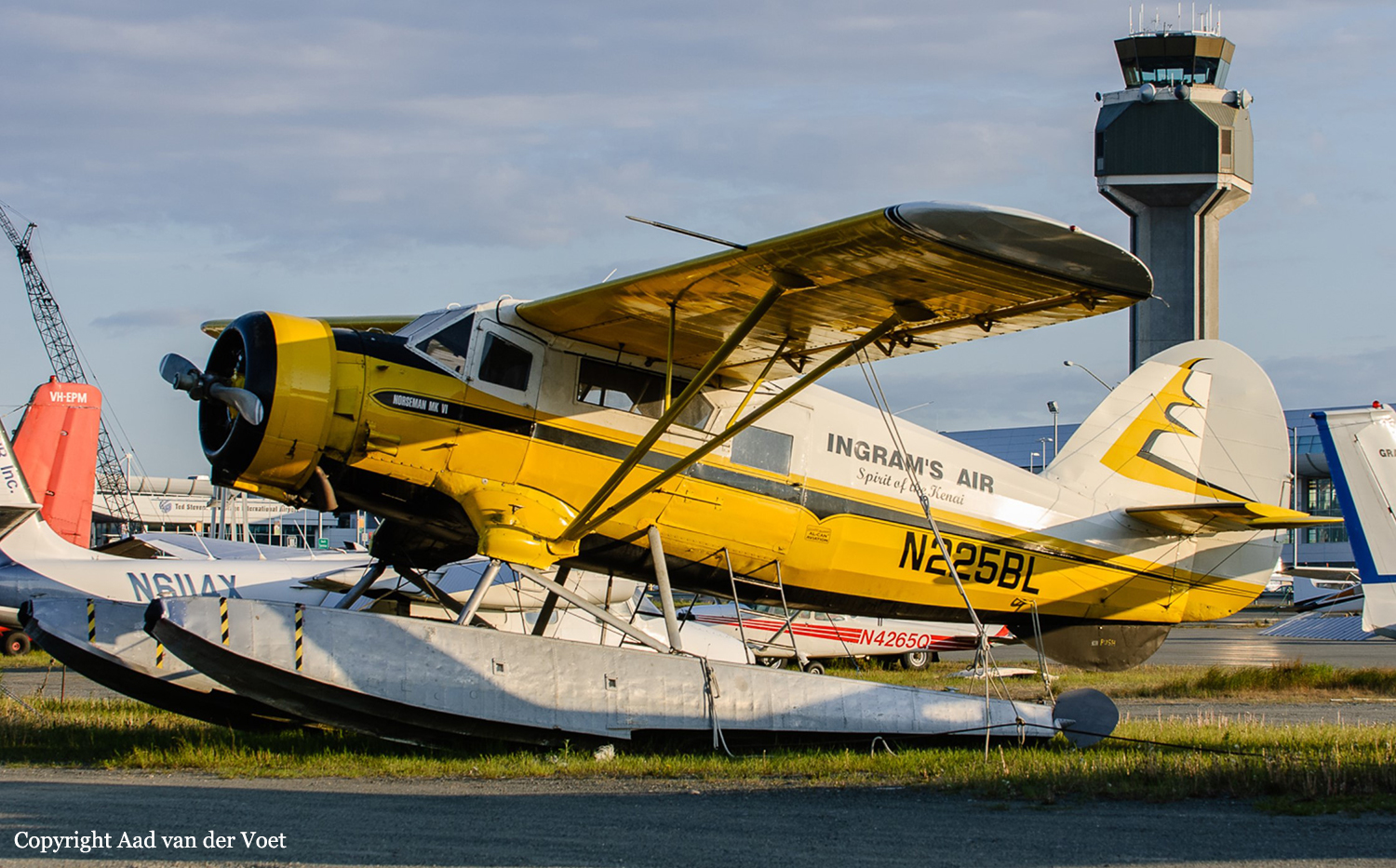
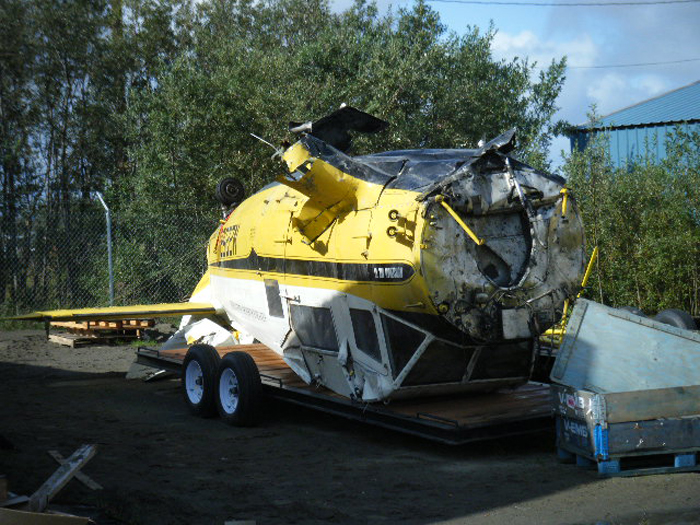
The airline transport pilot was on a Title 14, CFR Part 135 passenger flight. The pilot said during cruise flight he heard a loud bang, and the engine started running rough. He said he diverted to the nearest airport, but the engine quit completely, and he was unable to reach the runway. The airplane subsequently collided with terrain, sustaining substantial damage to both wings and the fuselage. An examination of the engine revealed that a locking screw had backed out of one of the anti-vibration counterweights on the crankshaft, scoring the interior back surface of the engine case. The unsecured counterweight then moved from its position in the crankshaft, and was likely struck by the engine's master rod, which shattered the weight, and liberated it from its normal location. The liberated counterweight was struck by internal moving parts, creating several component failures, and ultimately an engine seizure.
Probable cause:
The loss of engine power due to the failure of a crankshaft component, resulting in an off airport landing.
Final Report:

Crash of a Piper PA-31-350 Navajo Chieftain in Vancouver: 2 killed

Date & Time: Jul 9, 2009 at 2208 LT
Operator:
Registration:
C-GNAF
Flight Type:
Survivors:
No
Schedule:
Vancouver – Nanaimo – Victoria – Vancouver
MSN:
31-8052130
YOM:
1980
Flight number:
APEX511
Country:
Crew on board:
2
Crew fatalities:
Pax on board:
0
Pax fatalities:
Other fatalities:
Total fatalities:
2
Captain / Total flying hours:
2300
Copilot / Total flying hours:
400
Circumstances:
The Canadian Air Charters Piper PA-31-350 Chieftain (registration C-GNAF, serial number 31-8052130) was operating under visual flight rules as APEX 511 on the final leg of a multi-leg cargo flight from Vancouver to Nanaimo and Victoria, British Columbia, with a return to Vancouver. The weather was visual meteorological conditions and the last 9 minutes of the flight took place during official darkness. The flight was third for landing and turned onto the final approach course 1.5 nautical miles behind and 700 feet below the flight path of a heavier Airbus A321, approaching Runway 26 Right at the Vancouver International Airport. At 2208, Pacific Daylight Time, the target for APEX 511 disappeared from tower radar. The aircraft impacted the ground in an industrial area of Richmond, British Columbia, 3 nautical miles short of the runway. There was a post-impact explosion and fire. The 2 crew members on board were fatally injured. There was property damage, but no injuries on the ground. The onboard emergency locator transmitter was destroyed in the accident and no signal was detected.
Probable cause:
Findings as to Causes and Contributing Factors:
1. APEX 511 turned onto the final approach course within the wake turbulence area behind and below the heavier aircraft and encountered its wake, resulting in an upset and loss of control at an altitude that precluded recovery.
2. The proximity of the faster trailing traffic limited the space available for APEX 511 to join the final approach course, requiring APEX 511 not to lag too far behind the preceding aircraft.
Findings as to Risk:
1. The current wake turbulence separation standards may be inadequate. As air traffic volume continues to grow, there is a risk that wake turbulence encounters will increase.
2. Visual separation may not be an adequate defence to ensure that appropriate spacing for wake turbulence can be established or maintained, particularly in darkness.
3. Neither the pilots nor Canadian Air Charters (CAC) were required by regulation to account for employee duty time acquired at other non-aviation related places of employment. As a result, there was increased risk that pilots were operating while fatigued.
4. Not maintaining engine accessories in accordance with manufacturers’ recommendations can lead to failure of systems critical to safety.
Other Finding:
1. APEX 511 was not equipped with any type of cockpit recording devices, nor was it required to be. As a result, the level of collaboration and decision making discussion between the 2 pilots remains unknown.
Final Report:

Crash of a Cessna 421C Golden Eagle III off New Port Richey: 5 killed

Date & Time: Jul 8, 2009 at 1352 LT
Operator:
Registration:
N4467D
Flight Phase:
Survivors:
No
Schedule:
McKinney - Tampa
MSN:
421C-0634
YOM:
1979
Crew on board:
1
Crew fatalities:
Pax on board:
4
Pax fatalities:
Other fatalities:
Total fatalities:
5
Captain / Total flying hours:
1940
Aircraft flight hours:
4326
Circumstances:
Prior to the accident flight, the pilot indicated that he was aware of the thunderstorm activity along his route of flight and that he anticipated deviating around the weather as necessary. While enroute to his destination, the pilot requested and was provided both weather information and pilot reports from other aircraft by air traffic control (ATC). Upon encountering an area of thunderstorm activity that extended east-to-west across the route of flight, the pilot reported encountering significant turbulence, and then downdrafts of 2,000 feet per minute. He then requested a course reversal to exit the weather before he declared an emergency and advised ATC that the airplane was upside down. There were no further transmissions from the pilot and radar contact with the airplane was lost. Review of radar data revealed that the pilot had deviated south and then southwest when the airplane entered a strong and intense echo of extreme intensity. Visible imaging revealed that the echo was located in an area of a rapidly developing cumulonimbus cloud with a defined overshooting top, indicating the storm was in the mature stage or at its maximum intensity. Two debris fields were later discovered near the area where the cumulonimbus cloud had been observed. This was indicative that the airplane had penetrated the main core of the cumulonimbus cloud, which resulted in an inflight breakup of the airplane. Near the heavier echoes the airplane's airborne weather radar may have been unable to provide an accurate representation of the radar echoes along the aircraft's flight path; therefore the final penetration of the intense portion of the storm was likely unintentional.
Probable cause:
The pilot’s decision to operate into a known area of adverse weather, which resulted in the inadvertent penetration of a severe thunderstorm, a subsequent loss of control, and in-flight breakup of the airplane.
Final Report:

Crash of a Pilatus PC-12/45 in Raphine: 4 killed

Date & Time: Jul 5, 2009 at 1002 LT
Type of aircraft:
Registration:
N578DC
Flight Phase:
Flight Type:
Survivors:
No
Schedule:
Teterboro - Tampa
MSN:
570
YOM:
2004
Crew on board:
1
Crew fatalities:
Pax on board:
3
Pax fatalities:
Other fatalities:
Total fatalities:
4
Captain / Total flying hours:
1873
Captain / Total hours on type:
715.00
Aircraft flight hours:
723
Circumstances:
While in instrument meteorological conditions flying 800 feet above the airplane’s service ceiling (30,000 feet), with no icing conditions reported, the pilot reported to the air traffic controller that he, “...lost [his] panel.” With the autopilot most likely engaged, the airplane began a right roll about 36 seconds later. The airplane continued in a right roll that increased to 105 degrees, then rolled back to about 70 degrees, before the airplane entered a right descending turn. The airplane continued its descending turn until being lost from radar in the vicinity of the accident site. The airplane impacted in a nose-down attitude in an open field and was significantly fragmented. Postaccident inspection of the flight control system, engine, and propeller revealed no evidence of preimpact failure or malfunction. The flaps and landing gear were retracted and all trim settings were within the normal operating range. Additionally, the airplane was within weight and balance limitations for the flight. The cause of the pilot-reported panel failure could not be determined; however, the possibility of a total electrical failure was eliminated since the pilot maintained radio contact with the air traffic controller. Although the source of the instrumentation failure could not be determined, proper pilot corrective actions, identified in the pilot operating handbook, following the failure most likely would have restored flight information to the pilot’s electronic flight display. Additionally, a standby attitude gyro, compass, and the co-pilot’s electronic flight display units would be available for attitude reference information assuming they were operational.
Probable cause:
The pilot's failure to maintain control of the airplane while in instrument meteorological conditions following a reported instrumentation failure for undetermined reasons.
Final Report:

Crash of a Piper PA-46-350P Malibu Mirage near Saint George: 1 killed

Date & Time: Jun 30, 2009 at 0708 LT
Registration:
N927GL
Flight Phase:
Flight Type:
Survivors:
No
Site:
Schedule:
North Las Vegas – Cedar City
MSN:
46-36400
YOM:
2006
Crew on board:
1
Crew fatalities:
Pax on board:
0
Pax fatalities:
Other fatalities:
Total fatalities:
1
Captain / Total flying hours:
782
Circumstances:
Radar data indicated that the airplane departed for a cross-country flight, climbed to a cruise altitude of 9,700 feet msl, and maintained a northeasterly course of 050 degrees magnetic direct to its destination. About 11 minutes after takeoff, the airplane entered a 1,000 foot-per-minute descent. The airplane continued to descend at this rate until it impacted terrain at an elevation of 4,734 feet. Examination of the accident site revealed that the airplane was still on its northeasterly course towards the destination at impact. Ground scars at the initial point of impact were consistent with the airplane being wings level in a slight nose-down pitch attitude. No mechanical anomalies with the airplane or engine were identified during the airplane wreckage examination. A postimpact fire destroyed all cockpit instrumentation, and no recorded or stored flight data could be recovered. Weather conditions at the time were clear, and light winds. The pilot had some moderate heart disease that was noted during the autopsy. He also had a history of stress and insomnia, which was documented in his FAA medical records. Toxicology findings noted the use of a sedating and impairing over-the-counter medication (chlorpheniramine) that was taken at some undetermined time prior to the accident. The investigation could not conclusively determine whether the pilot’s conditions or medication use were related to the accident. The reason for the airplane’s descent to ground impact could not be determined.
Probable cause:
The pilot's failure to maintain terrain clearance during descent for undetermined reasons.
Final Report: