Crash of a Lockheed C-130H Hercules off San Clemente Island: 7 killed

Date & Time: Oct 29, 2009 at 1909 LT
Type of aircraft:
Operator:
Registration:
1705
Flight Phase:
Survivors:
No
Schedule:
McClellan AFB - McClellan AFB
MSN:
4993
YOM:
1984
Crew on board:
7
Crew fatalities:
Pax on board:
0
Pax fatalities:
Other fatalities:
Total fatalities:
7
Circumstances:
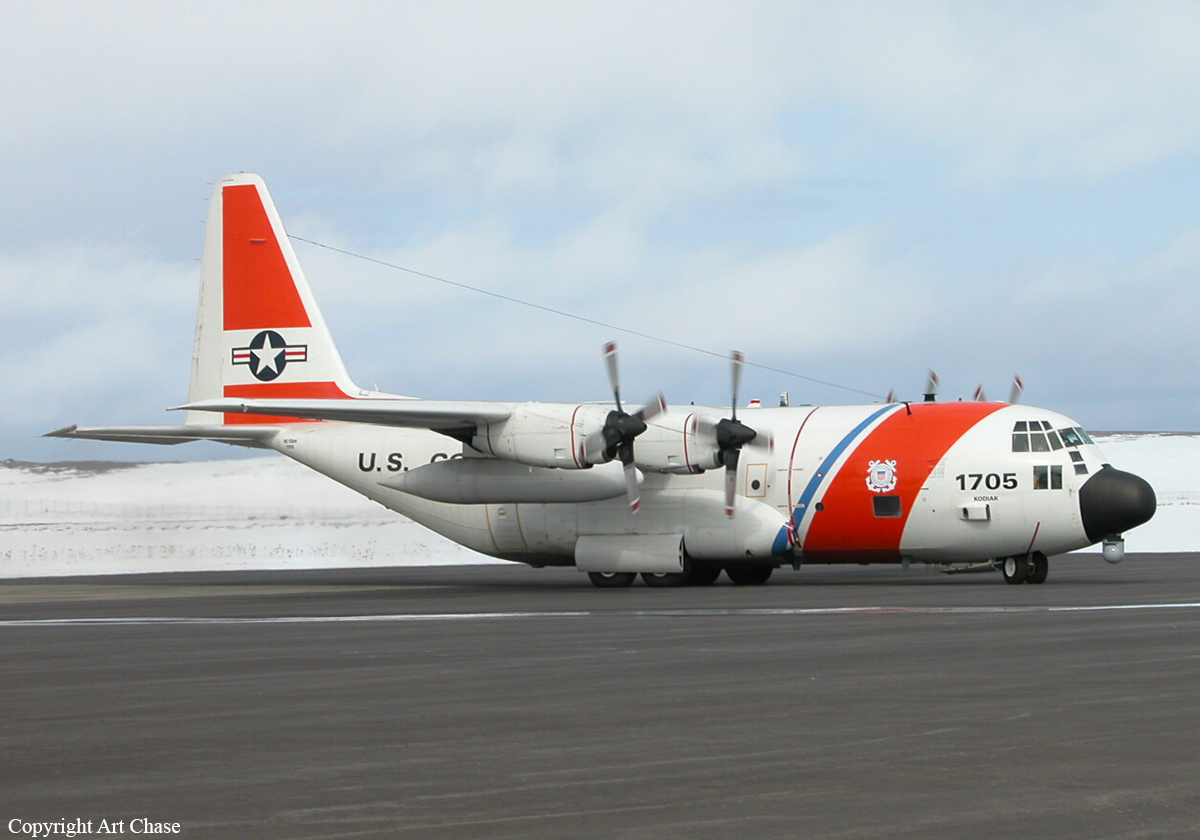
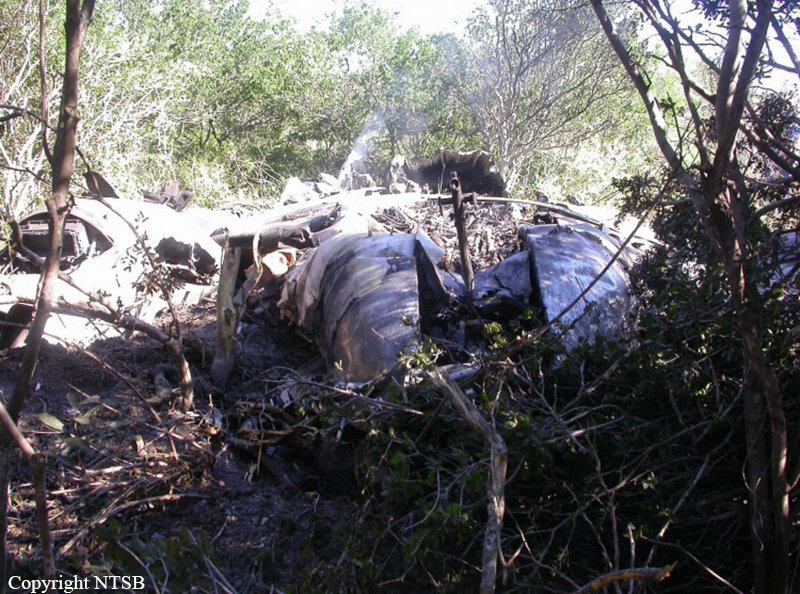
While performing a SAR mission for a 12 foot boat that was missing since two days, the aircraft collided with a Bell AH-1 Suber Cobra operated by the US Marine Corps. Both machines crashed into the sea some 24 km off the San Clemente Island and all occupants were missing. SAR were abandoned on 01NOV2013 as no trace of the Hercules and the Cobra were found. It appears that the Cobra's crew was taking part of an exercise in an area reserved for training missions. At the time of the accident, the Cobra had its anticollision lights and IFF transponder switched off.
Probable cause:
USAF and US authorities concluded that no single factor or individual act or omission was the cause of the collision. Investigations concluded that it was the consequence of a tragic confluence of events, missed opportunities, and procedure/policy issues in an airspace where most aircraft fly under a "see-and-avoid" regime. A contributory factor was that FACSFAC San Diego did not provide operational priority to the crew of the Lockheed Hercules.
Crash of a Beechcraft B100 King Air 100 in Benavides: 4 killed

Date & Time: Oct 26, 2009 at 1143 LT
Type of aircraft:
Registration:
N729MS
Flight Phase:
Flight Type:
Survivors:
No
Schedule:
Uvalde - Leesburg
MSN:
BE-2
YOM:
1976
Location:
Crew on board:
1
Crew fatalities:
Pax on board:
3
Pax fatalities:
Other fatalities:
Total fatalities:
4
Captain / Total flying hours:
550
Circumstances:
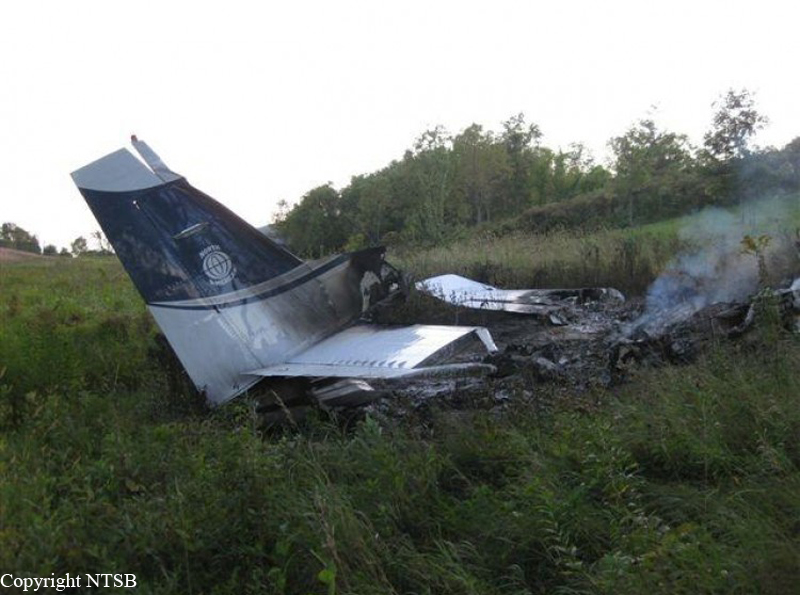
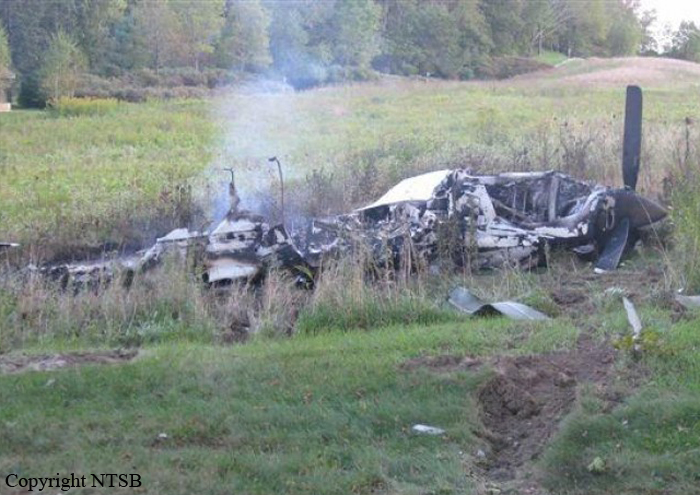
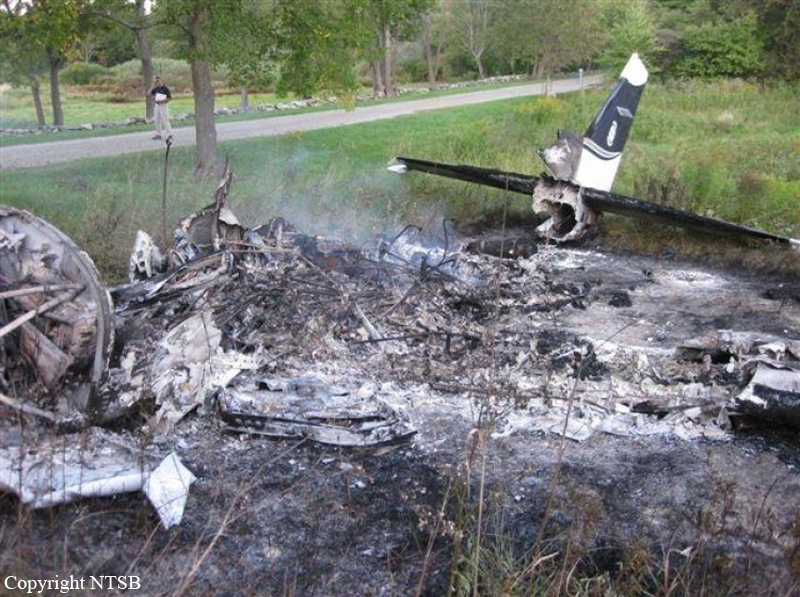
The pilot obtained three weather briefings before departure. At that time, the current weather along the route of flight showed significant convective activity and a moving squall line, and the forecast predicted significant thunderstorm activity along the planned route of flight. The pilot was concerned about the weather and mentioned that he would be looking for "holes" in the weather to maneuver around via the use of his on-board weather radar. He decided to fly a route further south to avoid the severe weather. Radar data indicates that, after departure, the pilot flew a southerly course that was west of the severe weather before he asked air traffic control for a 150-degree heading that would direct him toward a "hole" in the weather. A controller, who said he also saw a "hole" in the weather, told the pilot to fly a 120-degree heading and proceed direct to a fix along his route of flight. The airplane flew into a line of very heavy to intense thunderstorms during cruise flight at 25,000 feet before the airplane began to lose altitude and reverse course. The airplane then entered a rapid descent, broke up in flight, and subsequently impacted terrain. Review of recorded precipitation data showed that there was substantial information available to the controller about moderate to extreme weather along the aircraft’s route of flight. While the controller stated that he saw a hole or clear area ahead of the aircraft, this is contradicted by both the recorded data and the statement of a second controller working the D-position at the time of the accident. The first controller did not advise the pilot of the severe weather that was along this new course heading and the pilot entered severe weather and began to lose altitude. The controller queried the pilot about his altitude loss and the pilot mentioned that they had gotten into some "pretty good turbulence." This was the last communication from the pilot before the airplane disappeared from radar. Review of recorded precipitation data showed that there was substantial information available to the controller about moderate to extreme
weather along the aircraft’s route of flight. The controller did not provide advisories to the pilot regarding the adverse weather's immediate safety hazard to the accident flight as required by Federal Aviation Administration Order 7110.65. Examination of the recovered sections of flight control surfaces revealed that all of the fractures examined exhibited signs consistent with overstress failure. There was no evidence of preexisting cracking on any of the fracture surfaces examined and no preaccident anomalies were noted with the engines.
Probable cause:
The pilot's failure to avoid severe weather, and the air traffic controller's failure to provide adverse weather avoidance assistance, as required by Federal Aviation Administration directives, both of which led to the airplane's encounter with a severe thunderstorm and the subsequent loss of control and inflight breakup of the airplane.
Final Report:

Crash of a Piper PA-46-350P Malibu Mirage in Zephyrhills: 3 killed

Date & Time: Oct 23, 2009 at 2017 LT
Registration:
N98ZZ
Flight Type:
Survivors:
No
Schedule:
Gainesville – Lakeland
MSN:
46-36169
YOM:
1998
Crew on board:
1
Crew fatalities:
Pax on board:
2
Pax fatalities:
Other fatalities:
Total fatalities:
3
Captain / Total flying hours:
2750
Captain / Total hours on type:
110.00
Aircraft flight hours:
1893
Circumstances:
The pilot fueled the airplane prior to departure and flew uneventfully for approximately 30 minutes. The airplane then descended to 2,000 feet on approach to the destination airport, during night visual meteorological conditions. About 30 seconds after being cleared for a visual approach, the pilot declared an emergency to air traffic control and requested assistance to the nearest airport. The controller provided a vector to divert and distance to the nearest suitable airport. The pilot subsequently reported "engine out, engine out" and the airplane impacted wooded terrain about 4 miles northeast of runway 22 at the alternate airport. A post crash fire consumed a majority of the wreckage. Examination of the wreckage, including teardown examination of the engine, did not reveal any preimpact mechanical malfunctions; however, the fuel system and ignition system were consumed by post crash fire and could not be tested.
Probable cause:
A total loss of engine power during a night approach for undetermined reasons.
Final Report:

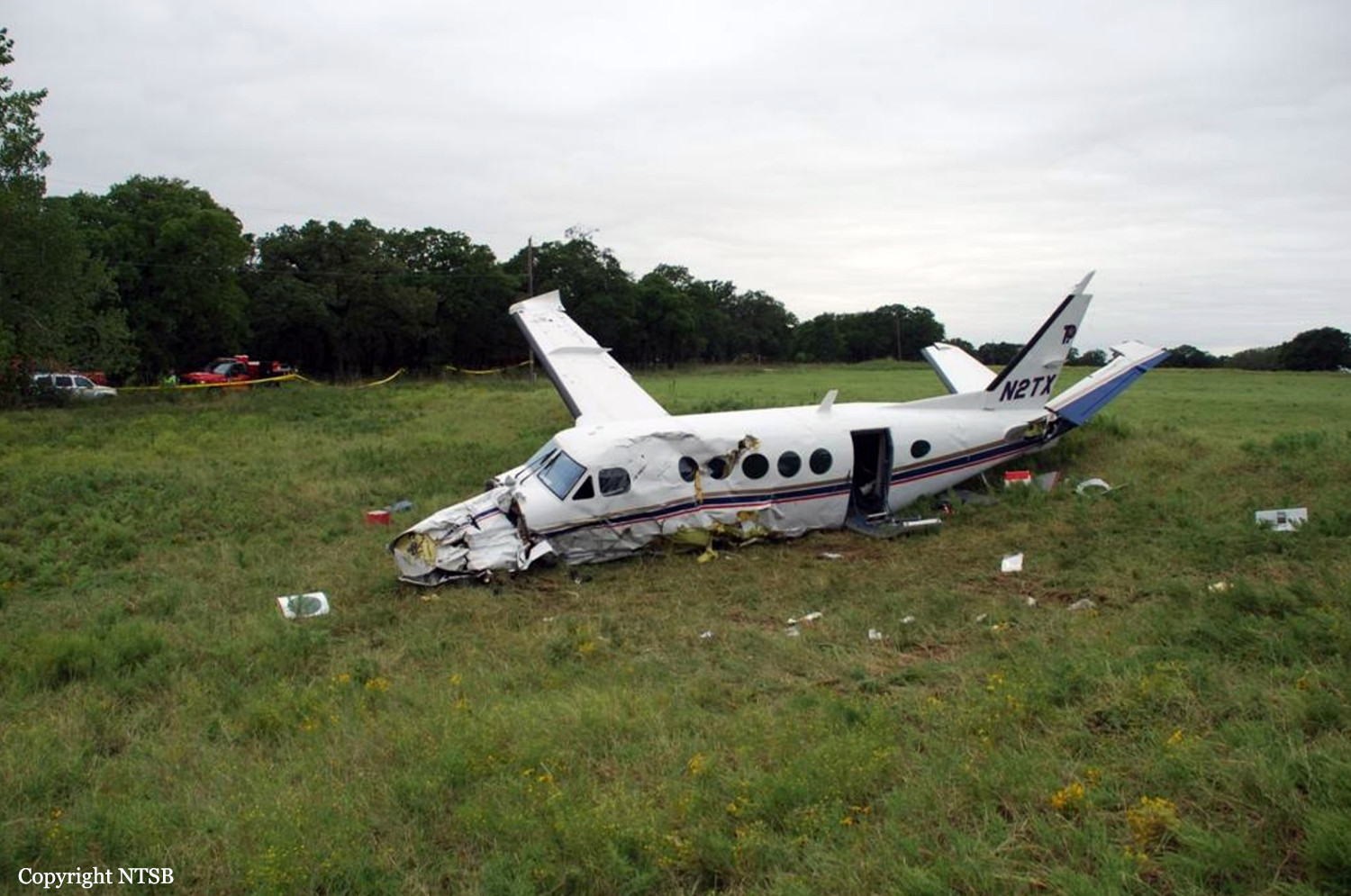
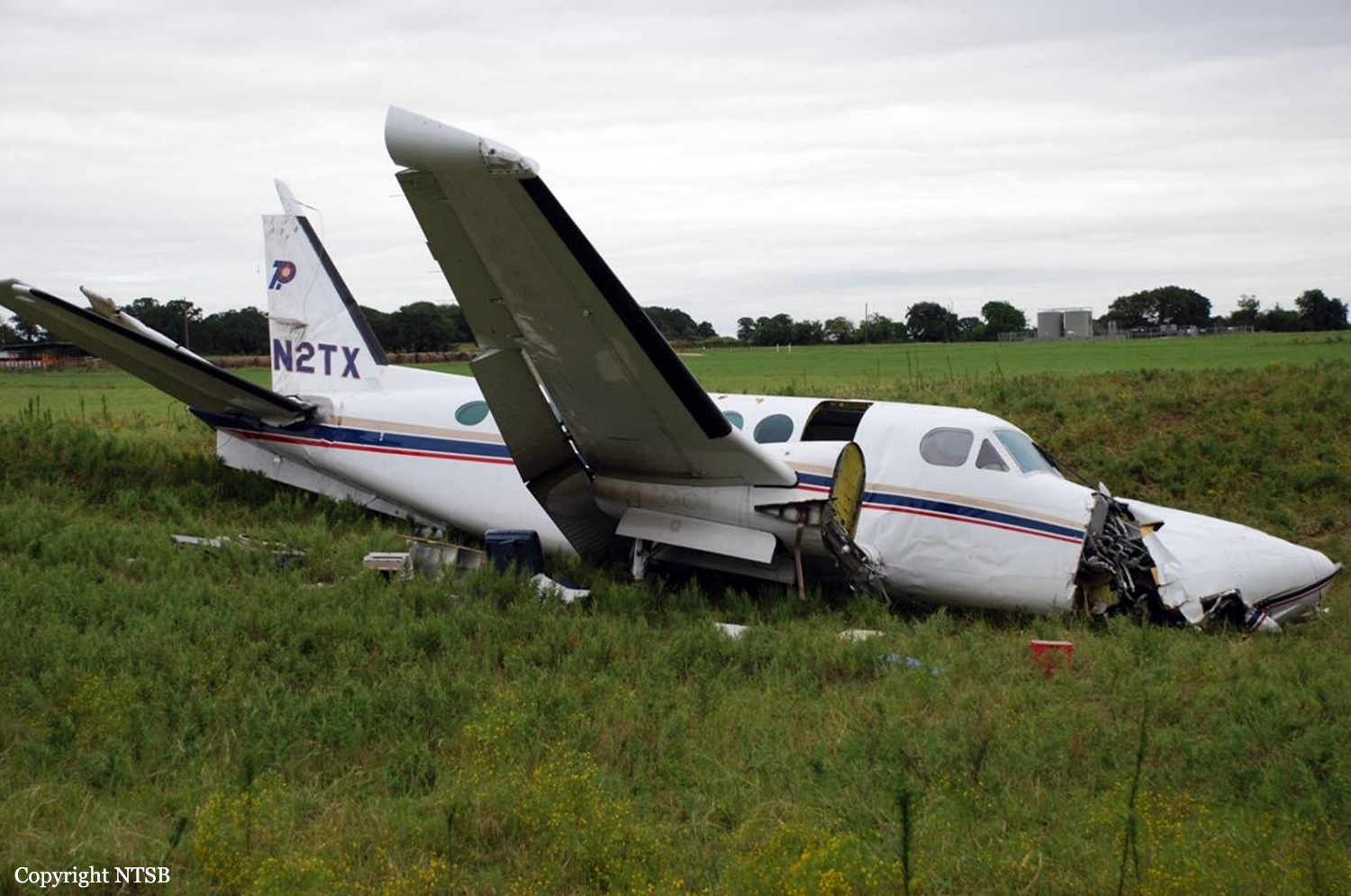
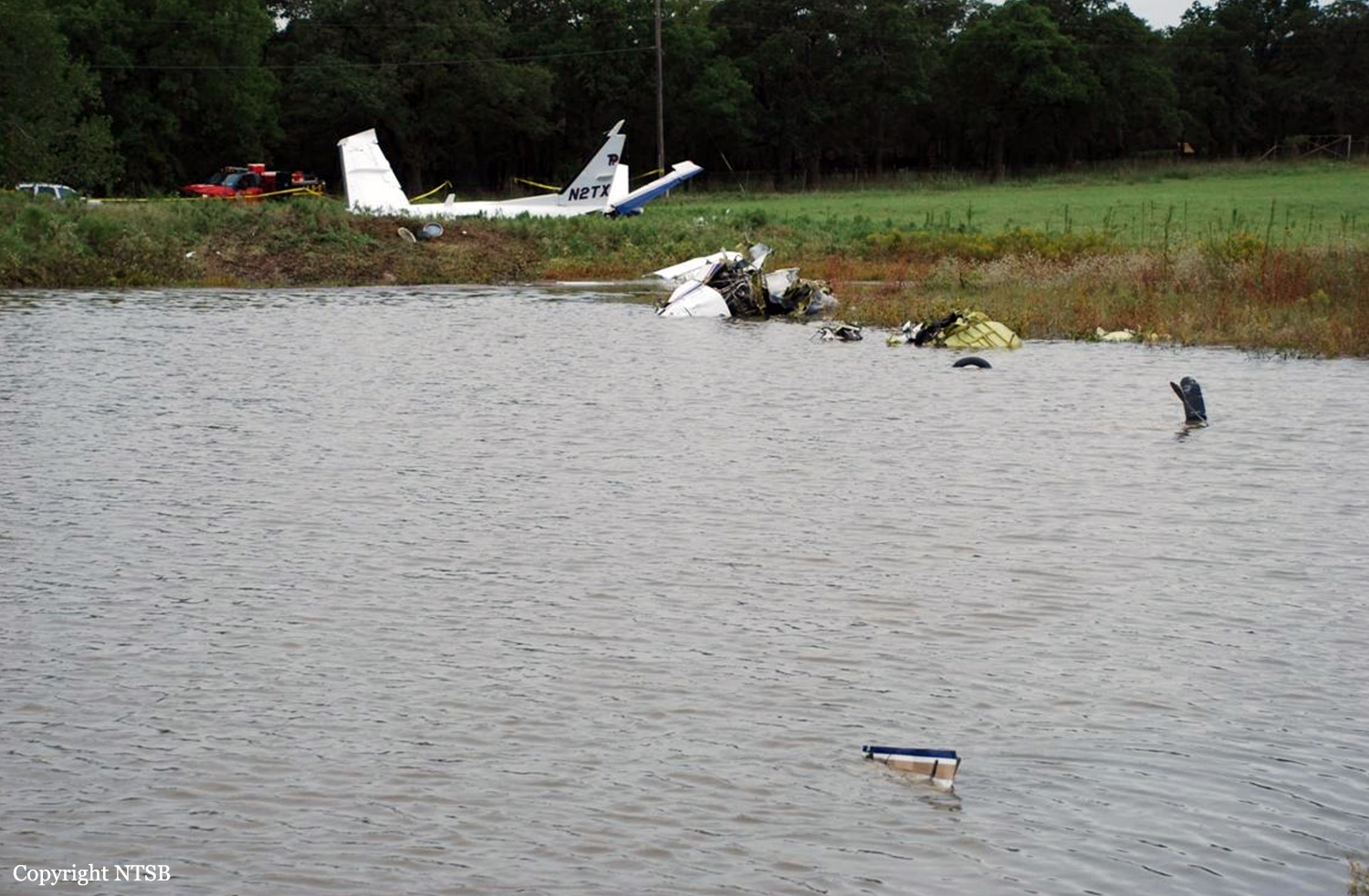
Crash of a Beechcraft B100 King Air in Aurora

Date & Time: Oct 6, 2009 at 1450 LT
Type of aircraft:
Registration:
N2TX
Flight Phase:
Flight Type:
Survivors:
Yes
Schedule:
Oklahoma City - Fort Worth
MSN:
BE-103
YOM:
1981
Location:
Crew on board:
1
Crew fatalities:
Pax on board:
3
Pax fatalities:
Other fatalities:
Total fatalities:
0
Captain / Total flying hours:
4120
Captain / Total hours on type:
103.00
Aircraft flight hours:
1063
Circumstances:
The pilot added fuel to the multi-engine airplane prior to departure. While en route to the destination airport, the pilot noted that the fuel gauges indicated that the right main-tank appeared to be almost empty and the left tank appeared half full. The pilot initiated the crossfeed procedure in an effort to supply fuel to both engines from the left main tank. Shortly after beginning the crossfeed procedure, both engines experienced a total loss of power. The pilot notified air traffic control (ATC) and selected a field to perform a forced landing. Prior to touchdown, the right engine produced a surge of power and, in response, the airplane rolled to the left. The surge abruptly ended and the pilot continued the forced landing by lowering landing gear and extending the flaps. The airplane impacted the ground, coming to rest in an open field. A postimpact examination did not reveal any anomalies with the airframe or engine that would have precluded normal operation. Although both fuel tanks were ruptured, the accident scene did not contain a large amount of residual fuel. A small fuel slick was found on the surface of a nearby pond; however, the grass area underneath both wings did not contain dead grass; this would have been expected if there was more than a negligible amount of fuel in the tanks at time of impact.
Probable cause:
The loss of engine power due to fuel exhaustion as a result of the pilot's inadequate fuel management.
Final Report:

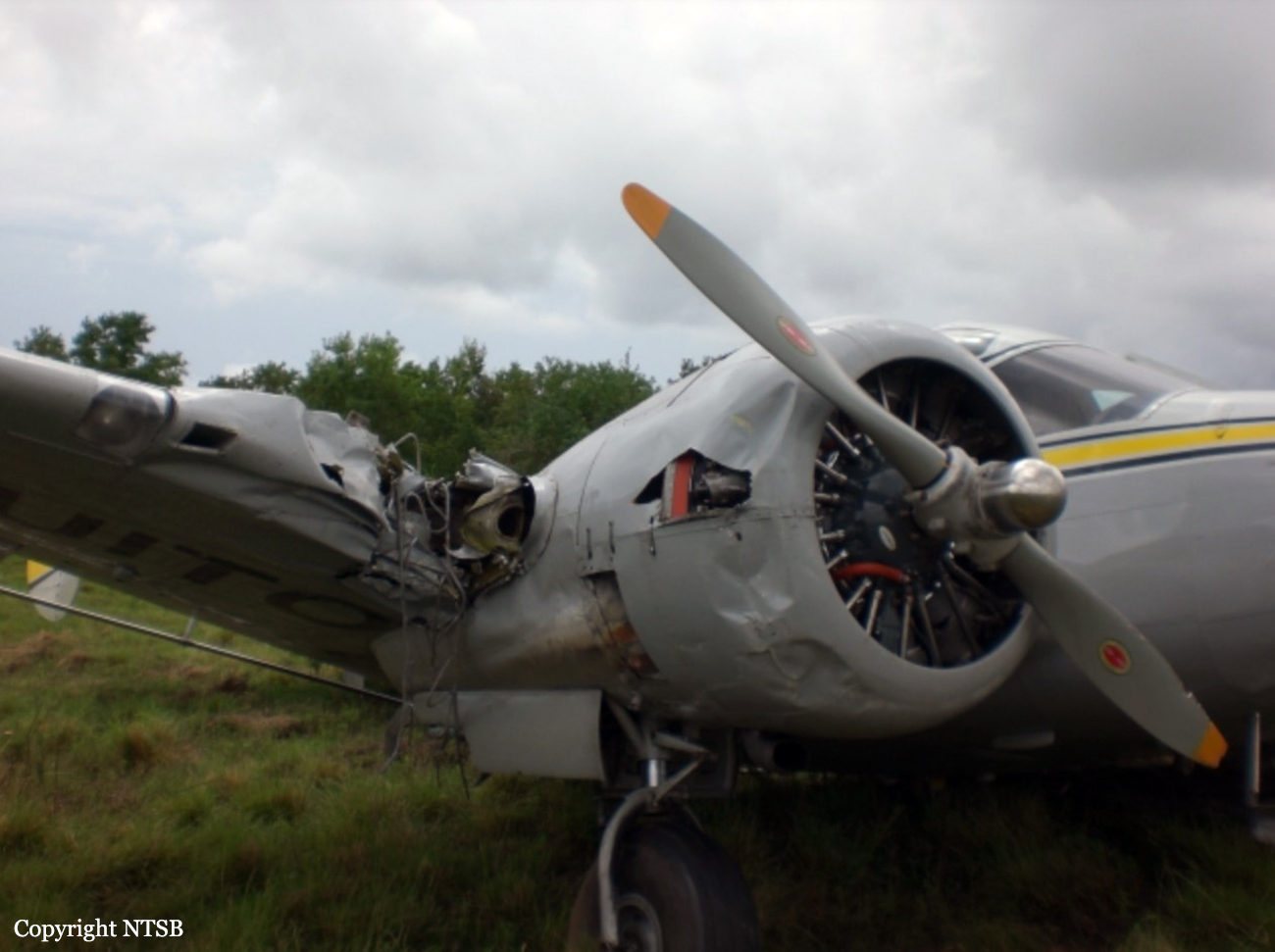
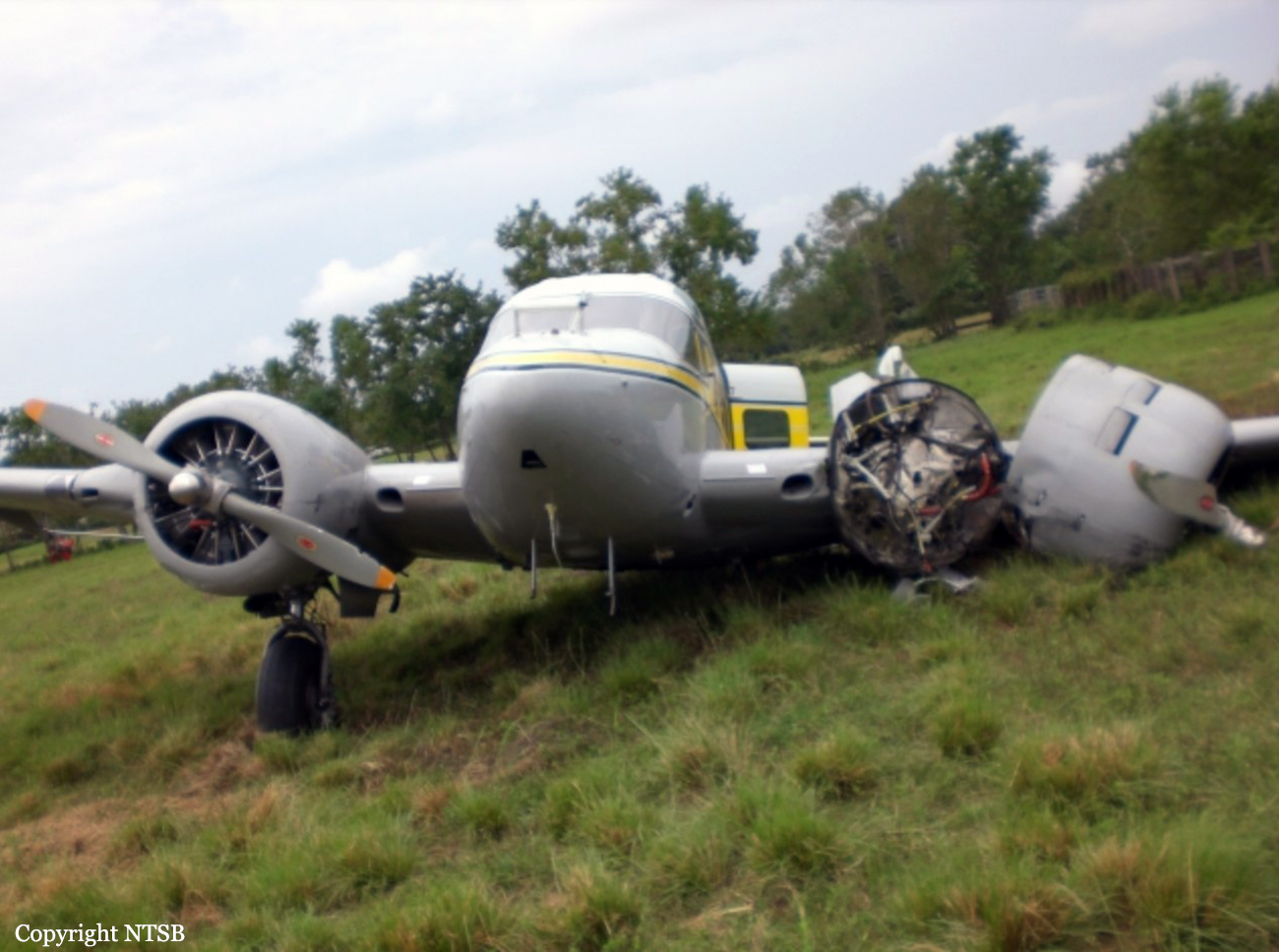
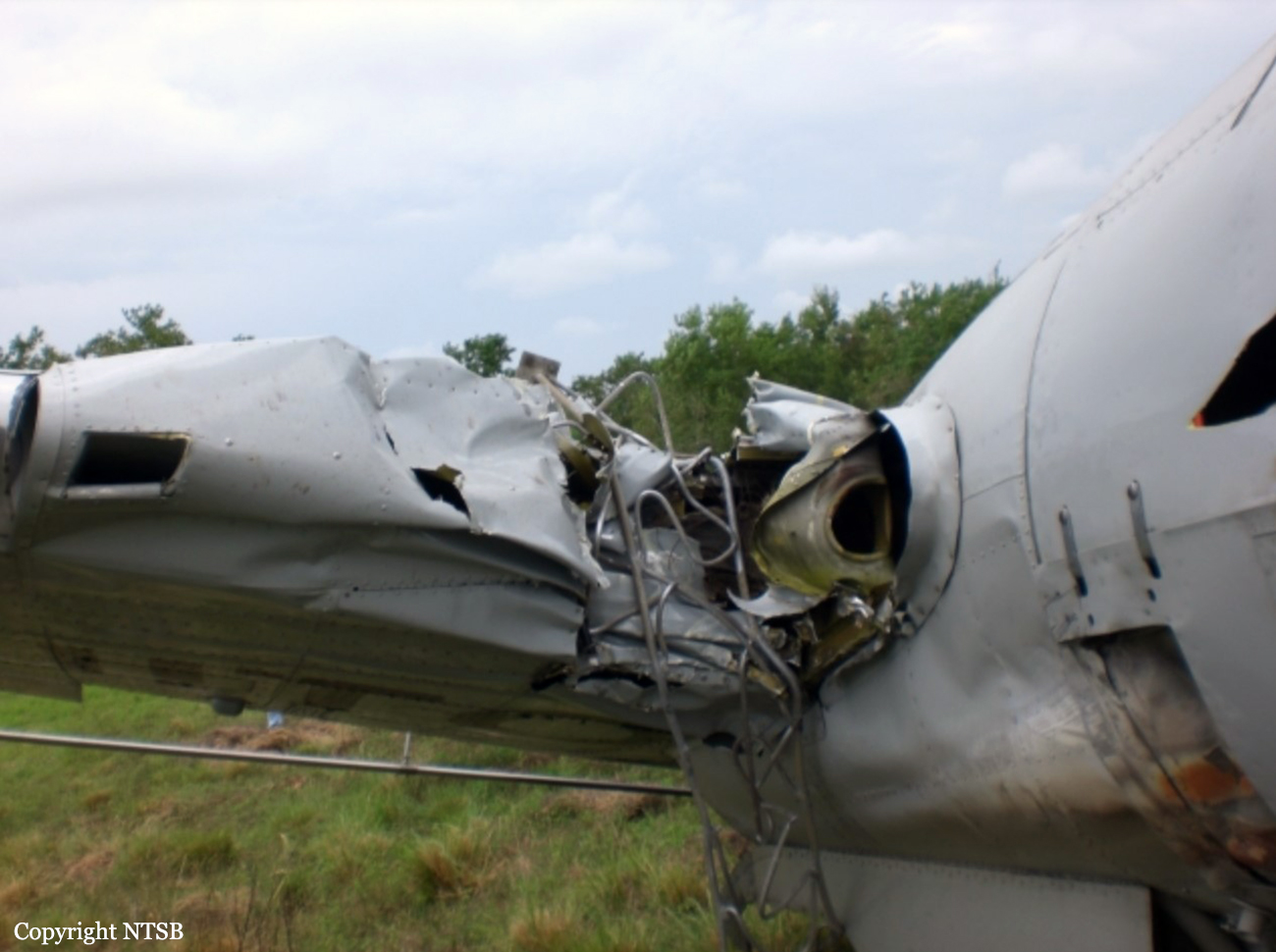
Crash of a Beechcraft E18S in Jones Creek

Date & Time: Oct 3, 2009 at 1030 LT
Type of aircraft:
Operator:
Registration:
N797SB
Flight Phase:
Survivors:
Yes
Schedule:
Angleton - Angleton
MSN:
BA-172
YOM:
1956
Crew on board:
1
Crew fatalities:
Pax on board:
0
Pax fatalities:
Other fatalities:
Total fatalities:
0
Captain / Total flying hours:
1832
Captain / Total hours on type:
37.00
Circumstances:
The pilot was spraying a marshy area for mosquitoes. After making a spray pass, he made a right 180-degree turn to an easterly heading and the right wing struck a radio tower. The pilot didn't know the extent of the damage and there appeared to be a "controllability issue." He elected to land in a pasture. During the landing, the airplane struck and killed a cow and a bull, then collided with a pile of wood, resulting in substantial damage. The unlit 100-foot radio tower was within the walls of a correctional facility, was used for ground communications, and has been there for several years. It was not marked on sectional charts.
Probable cause:
The pilot's failure to see and avoid the radio tower.
Final Report:

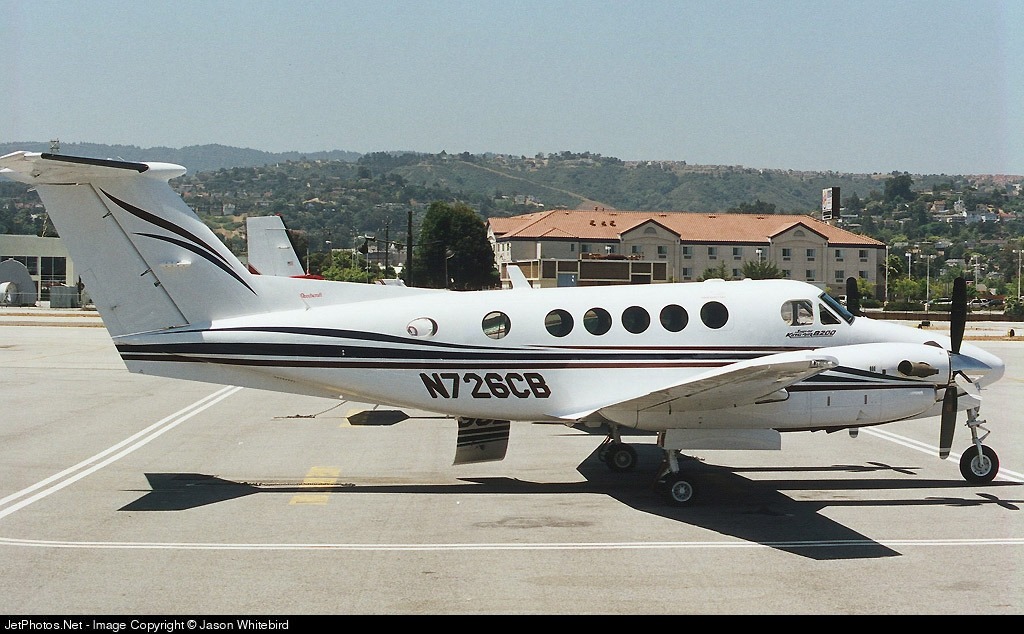
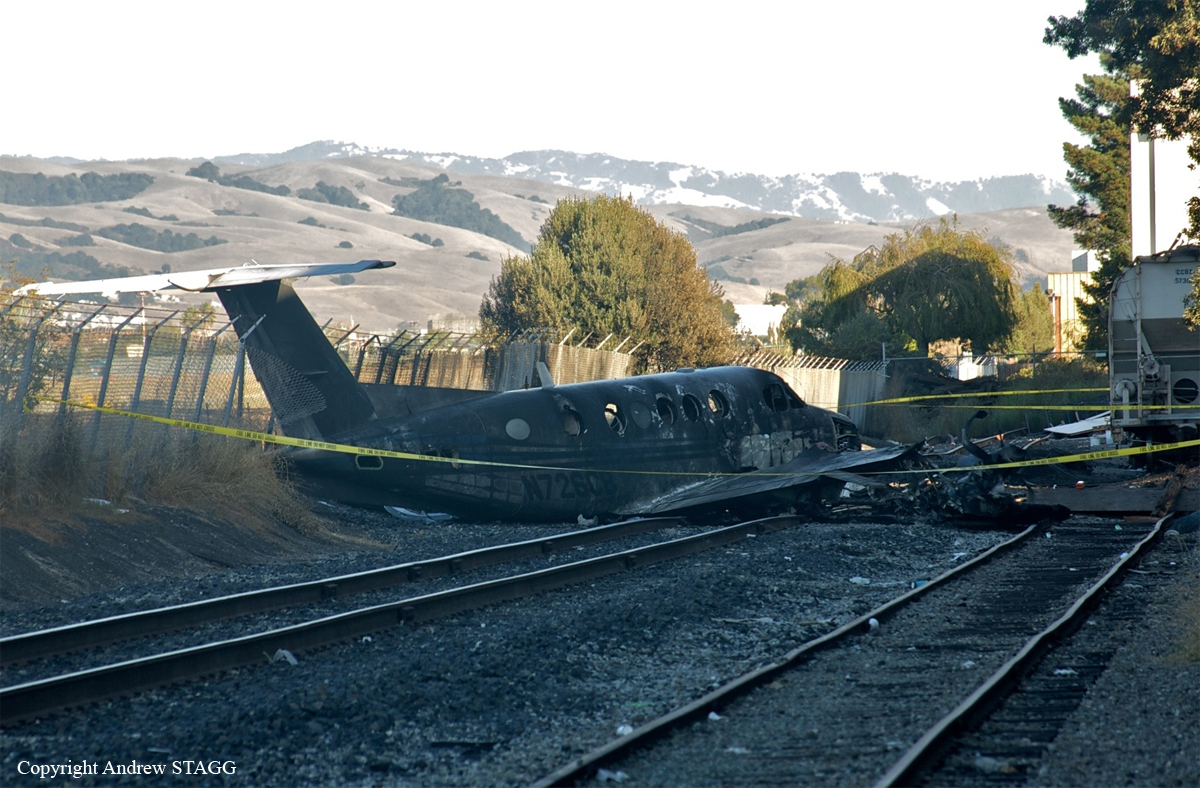
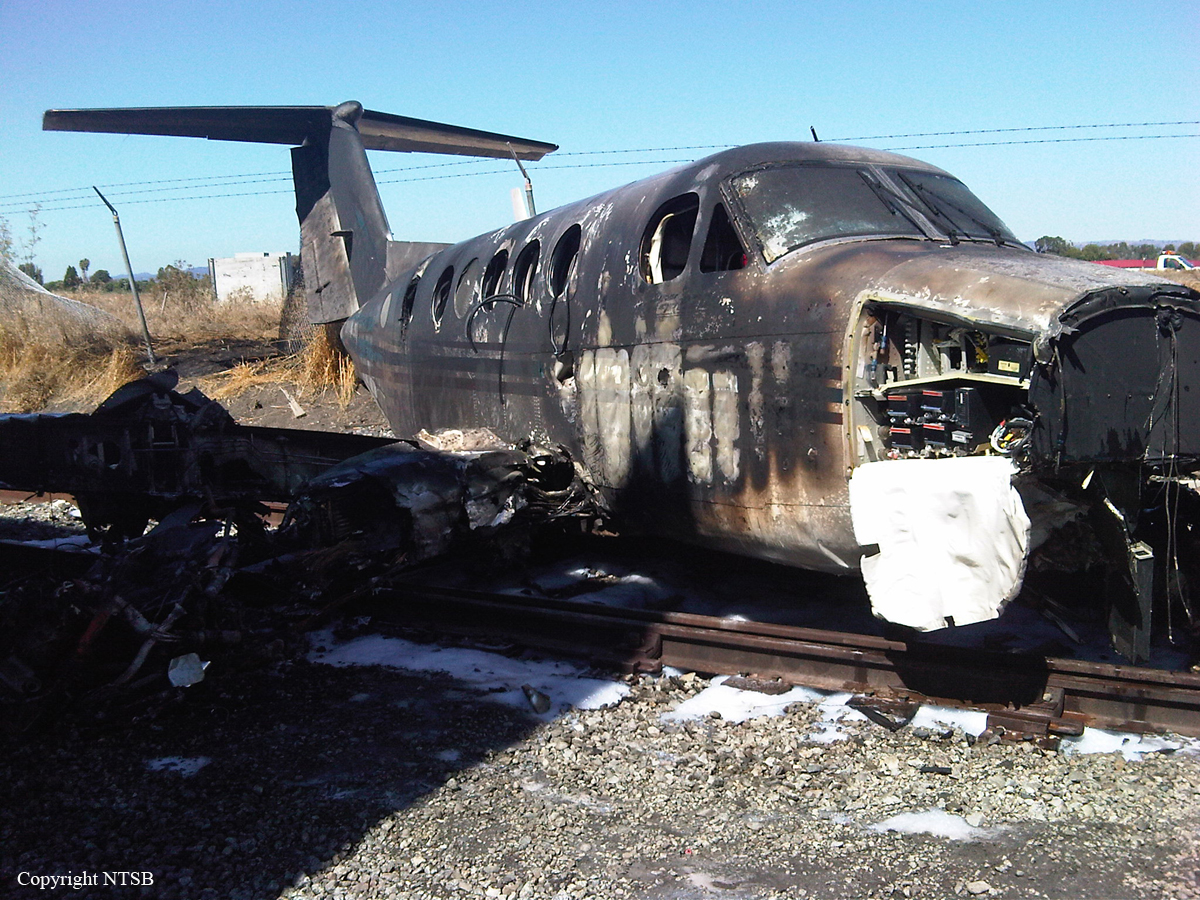
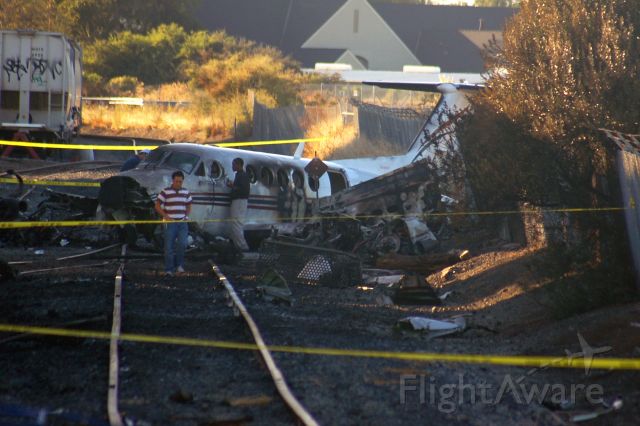
Crash of a Beechcraft B200 Super King Air in Hayward

Date & Time: Sep 16, 2009 at 1215 LT
Registration:
N726CB
Flight Phase:
Flight Type:
Survivors:
Yes
Schedule:
Hayward - San Carlos
MSN:
BB-1750
YOM:
2001
Crew on board:
1
Crew fatalities:
Pax on board:
0
Pax fatalities:
Other fatalities:
Total fatalities:
0
Captain / Total flying hours:
2913
Captain / Total hours on type:
1707.00
Aircraft flight hours:
1229
Circumstances:
The airplane just had undergone a routine maintenance and this was planned to be the first flight after the inspection. During the initial climb, the pilot observed that the airplane was drifting to the left. The pilot attempted to counteract the drift by application of right aileron and right rudder, but the airplane continued to the left. The pilot reported that, despite having both hands on the control yoke, he could not maintain directional control and the airplane collided into a building. The airplane subsequently came to rest on railroad tracks adjacent to the airport perimeter. A post accident examination revealed that the elevator trim wheel was located in the 9-degree NOSE UP position; normal takeoff range setting is between 2 and 3 degrees NOSE UP. The rudder trim control knob was found in the full left position and the right propeller lever was found about one-half inch forward of the FEATHER position; these control inputs both resulted in the airplane yawing to the left. The pilot did not adequately follow the airplane manufacturer's checklist during the preflight, taxi, and before takeoff, which resulted in the airplane not being configured correctly for takeoff. This incorrect configuration led to the loss of directional control immediately after rotation. A post accident examination of the airframe, engines, and propellers revealed no anomalies that would have precluded normal operation.
Probable cause:
The pilot's failure to maintain directional control after takeoff. Contributing to the accident was the pilot's inadequate preflight and failure to follow the airplane manufacturer's checklist to ensure that the rudder trim control and right propeller control lever were positioned correctly.
Final Report:

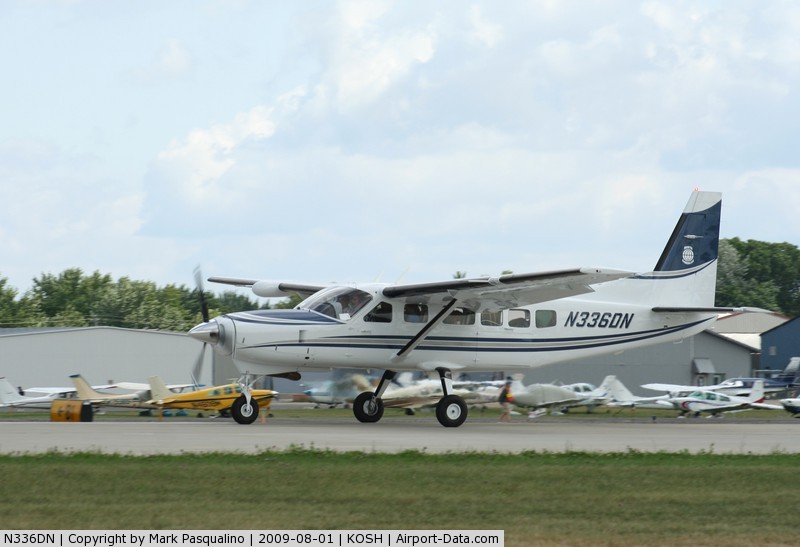
Crash of a Cessna 208 Caravan I in Sheffield

Date & Time: Sep 15, 2009 at 1435 LT
Type of aircraft:
Operator:
Registration:
N336DN
Flight Phase:
Survivors:
Yes
Schedule:
Farmingdale - Saratoga Springs
MSN:
208-0001
YOM:
1985
Crew on board:
1
Crew fatalities:
Pax on board:
5
Pax fatalities:
Other fatalities:
Total fatalities:
0
Captain / Total flying hours:
3100
Captain / Total hours on type:
25.00
Aircraft flight hours:
10182
Circumstances:
The pilot and the five passengers, who were employees of an industrial services company, were returning from a job site with hazardous materials used for blasting operations. The airplane was in a climb, at an altitude of 8,500 feet, when it experienced a catastrophic engine failure. The pilot declared an emergency and subsequently performed a forced landing to a field. During the landing, the airplane's right wing struck a tree and separated. All occupants exited the airplane without injury; however, the airplane became fully engulfed in fire, which consumed the majority of the airplane. The airplane was equipped with a turbine engine that, at the time of the accident, had been operated for about 7,620 hours since new and 65 hours since it was overhauled about 19 months prior to the accident. Impact damage was observed to the interior of the engine exhaust duct. In addition, the exhaust duct contained portions of a fractured power turbine blade. Additional examination of the engine revealed damage consistent with a distressed 1st stage sun gear, and associated compressor turbine and power turbine damage. Examination of the sun gear teeth output splines revealed that they were too damaged to determine the cause of their deterioration. It was noted that the sun gear found on the accident engine was previously removed from another engine due to "spalled gear teeth" about 7 years prior to the accident. The condition of the sun gear when installed on the accident engine could not be determined.
Probable cause:
A total loss of engine power due to a failure of the 1st stage sun gear output splines for unknown reasons, which resulted in a power turbine overspeed condition, with subsequent blade distress/release.
Final Report: