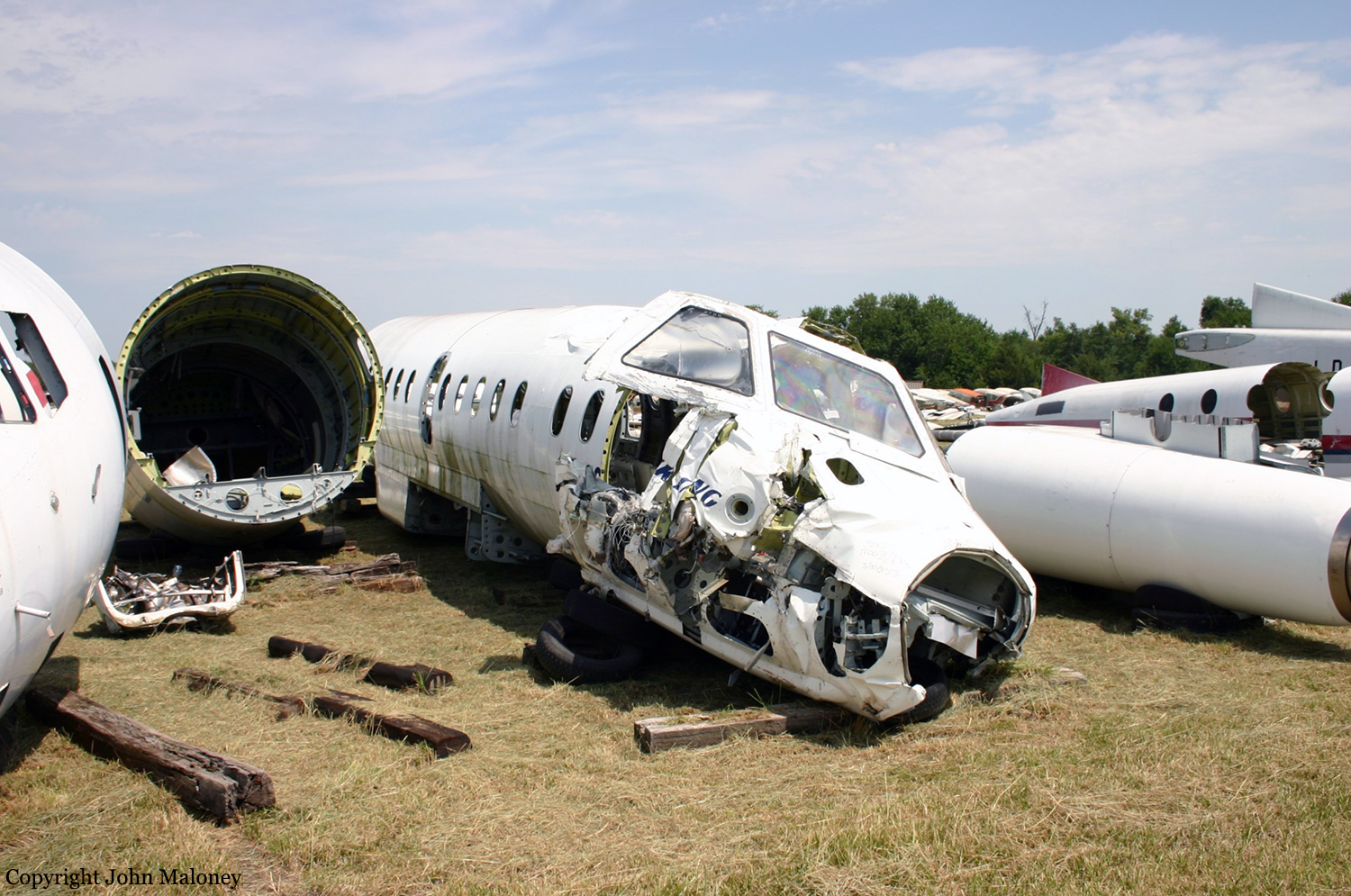
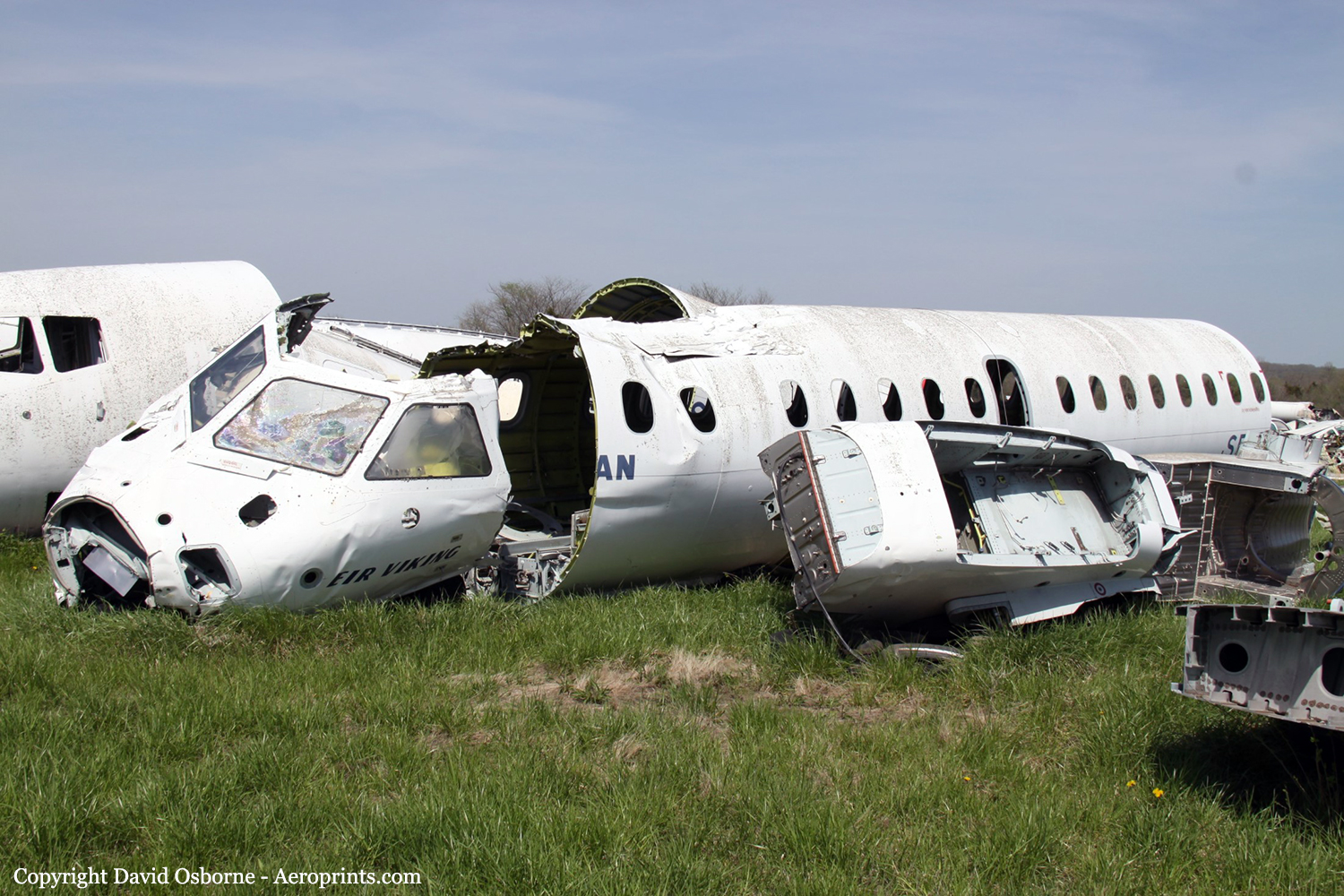
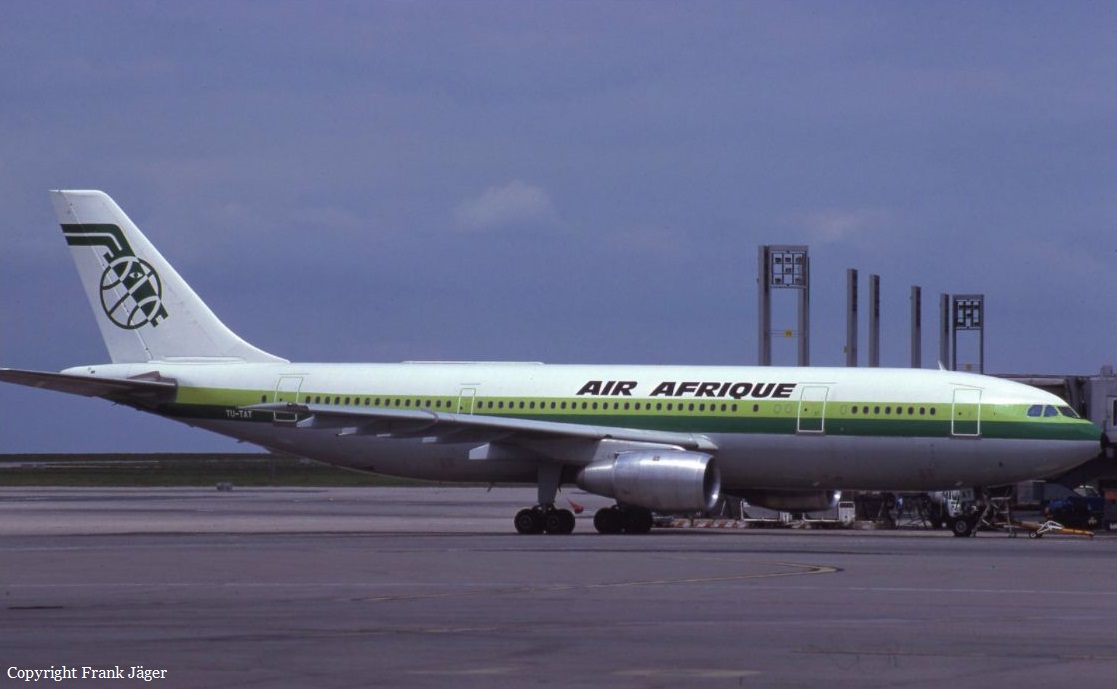
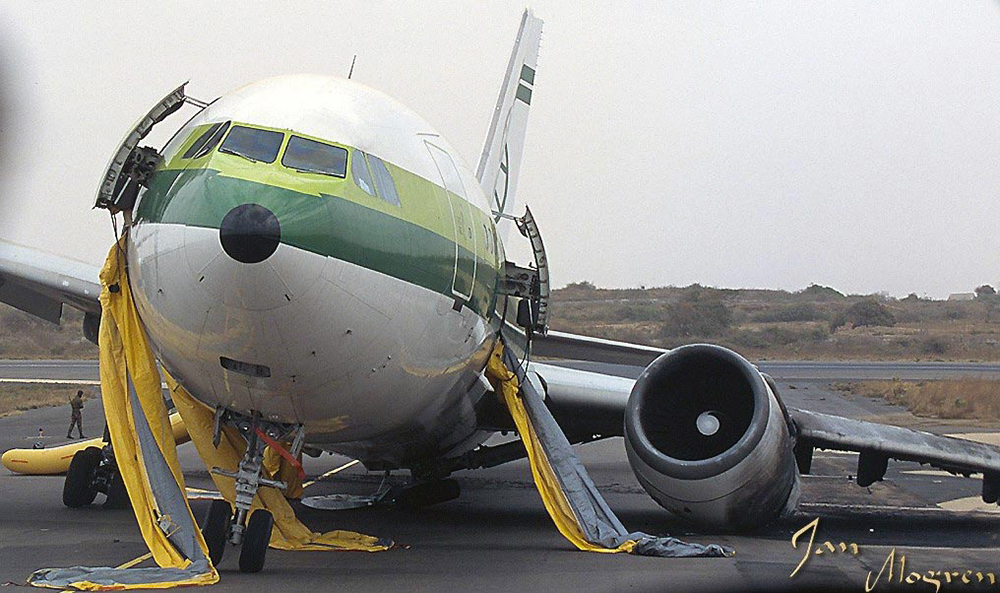
Ground accident of an Airbus A300B4-203 in Dakar

Date & Time: Feb 12, 2000 at 0056 LT
Type of aircraft:
Operator:
Registration:
TU-TAT
Flight Phase:
Survivors:
Yes
Schedule:
Dakar - Paris
MSN:
282
YOM:
1983
Flight number:
RK304
Country:
Region:
Crew on board:
11
Crew fatalities:
Pax on board:
171
Pax fatalities:
Other fatalities:
Total fatalities:
0
Aircraft flight hours:
38400
Aircraft flight cycles:
19600
Circumstances:
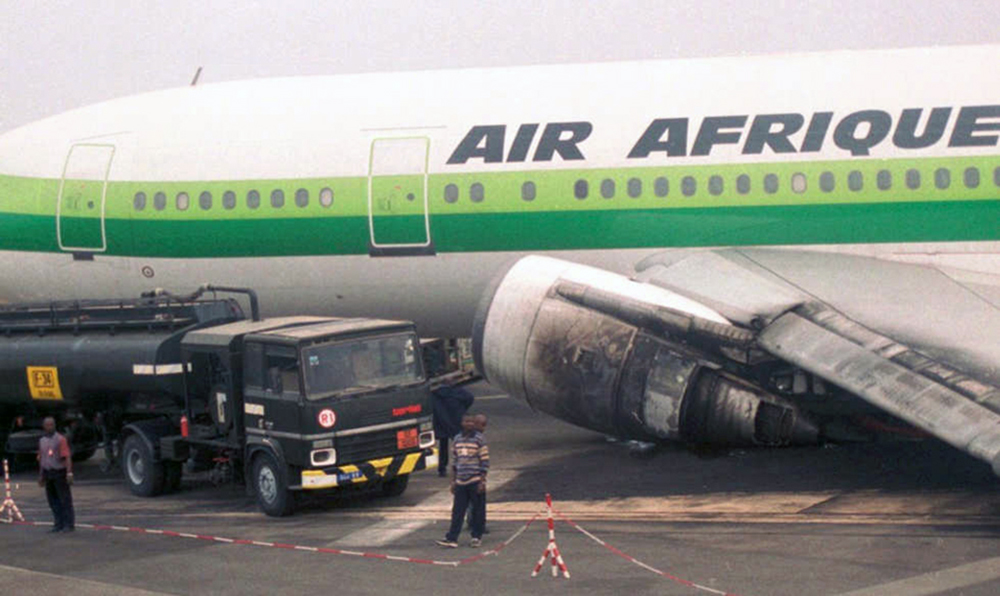
While taxiing for departure at Dakar-Yoff Airport, the left main gear unsafe alarm came on in the cockpit panel. The captain decided to return to the apron to proceed to an inspection when the left main gear collapsed. The engine n°1 struck the ground and partially torn off. A fire erupted and quickly spread to the left wing. All 182 occupants evacuated safely but the aircraft was considered as damaged beyond repair. It just came out from a C Check maintenance program.
Probable cause:
A crossing of the flexible tubing of the hydraulic connection controlling the locking of the left gear failed, causing the left main gear to retract.
Ground fire of an Airbus A300B2-203 in Tehran

Date & Time: Feb 1, 2000 at 1030 LT
Type of aircraft:
Operator:
Registration:
EP-IBR
Flight Phase:
Survivors:
Yes
MSN:
61
YOM:
1979
Country:
Region:
Crew on board:
3
Crew fatalities:
Pax on board:
0
Pax fatalities:
Other fatalities:
Total fatalities:
3
Aircraft flight hours:
33700
Aircraft flight cycles:
28100
Circumstances:
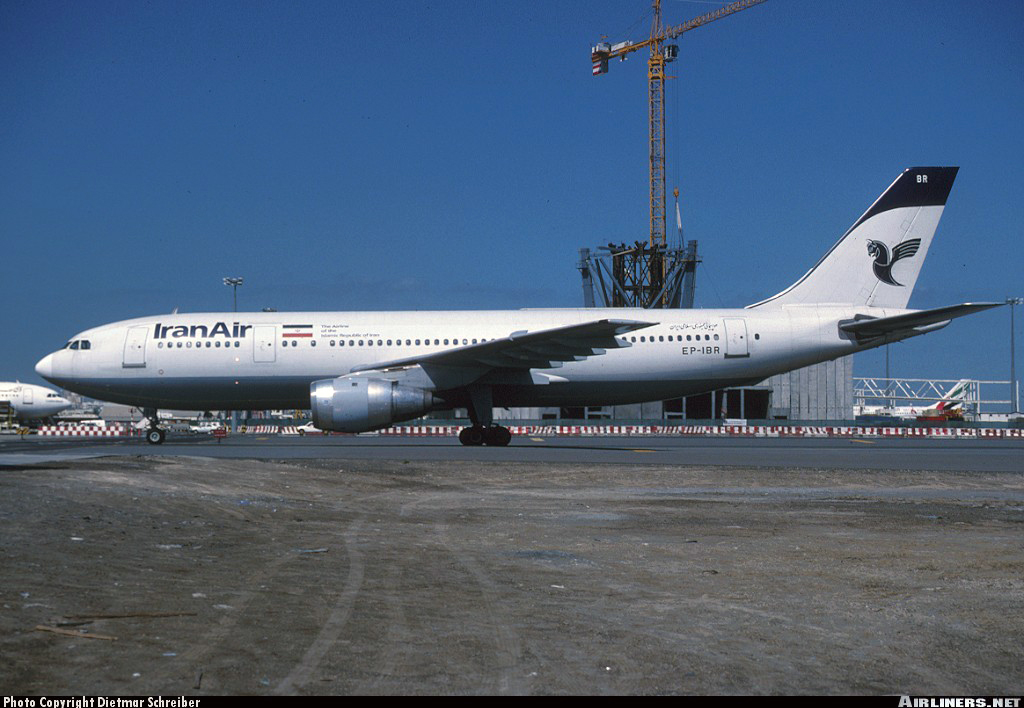
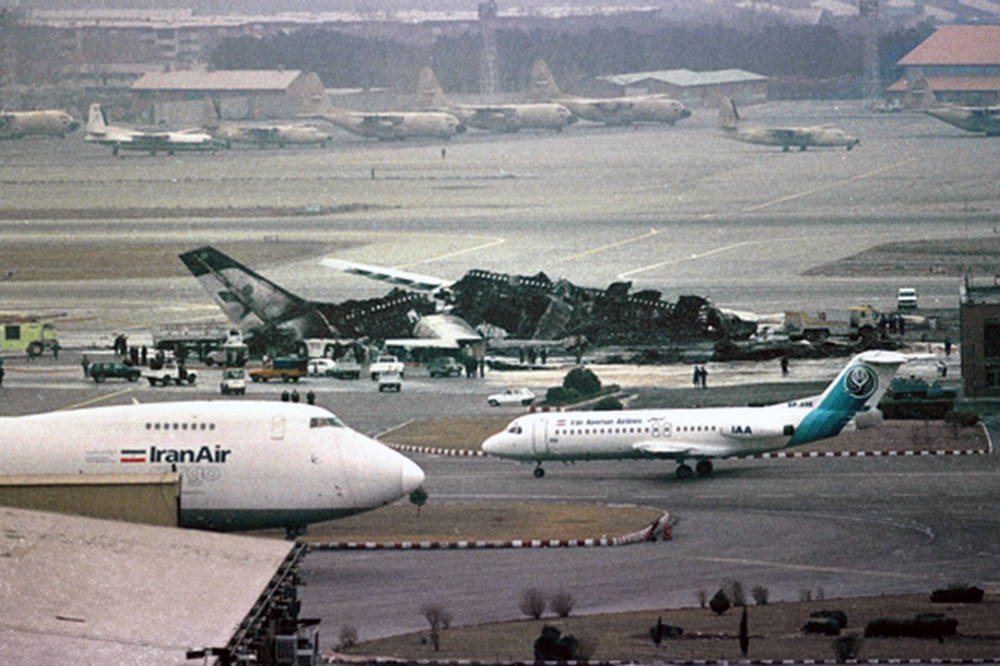
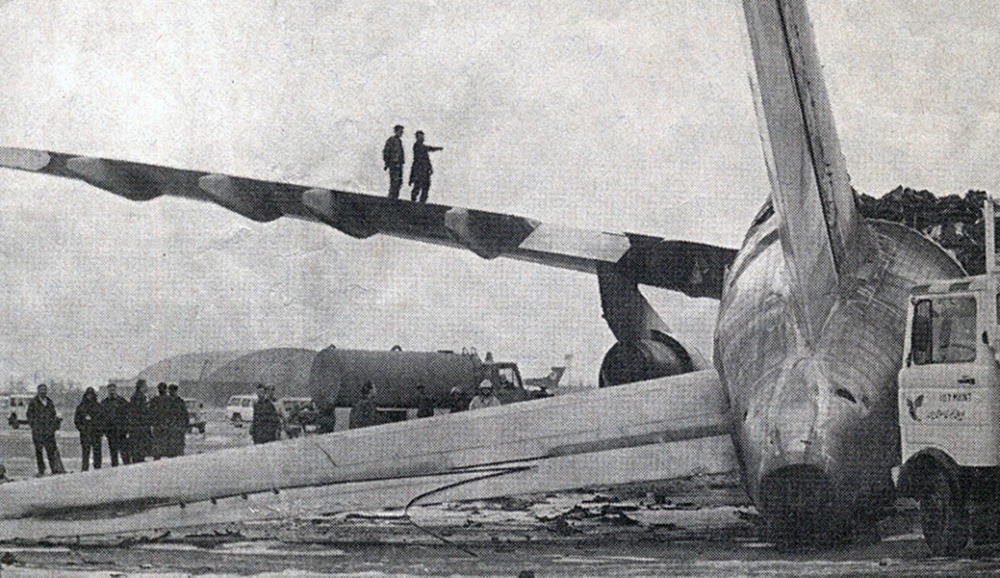
The aircraft was towed at Tehran-Mehrabad Airport when it was struck by a IRIAF Lockheed C-130 Hercules that crashed on takeoff. At impact, both aircraft exploded and were totally destroyed by a post crash fire. All six crew members on board the Hercules were killed as well as three people who were on board the Airbus.
Probable cause:
It is believed that the Hercules went out of control upon takeoff following an engine failure.

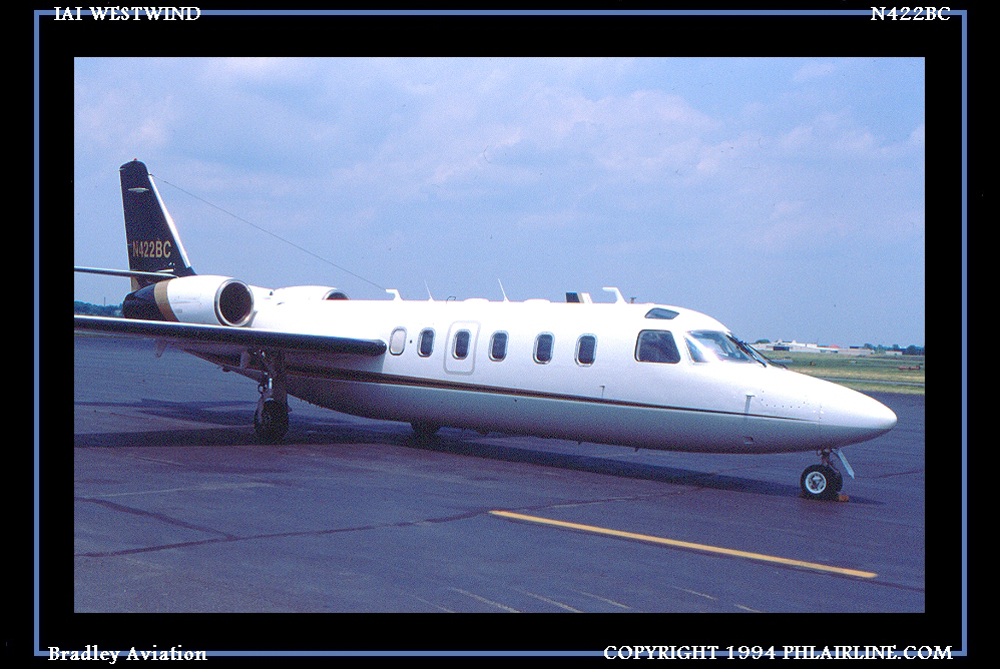
Ground fire of an IAI-1124A Westwind II in Milwaukee

Date & Time: Dec 26, 1999 at 0715 LT
Type of aircraft:
Registration:
N422BC
Flight Phase:
Survivors:
Yes
Schedule:
Milwaukee - Waukesha
MSN:
302
YOM:
1980
Crew on board:
2
Crew fatalities:
Pax on board:
4
Pax fatalities:
Other fatalities:
Total fatalities:
0
Captain / Total flying hours:
14363
Captain / Total hours on type:
2024.00
Aircraft flight hours:
7975
Circumstances:
During the activation of the crew oxygen system a fire erupted which consumed the entire pressure vessel. Representatives from the National Aeronautics and Space Administration's (NASA) Johnson Space Center (JSC), White Sands Testing Facility (WSTF), Las Cruces, New Mexico, examined the retained oxygen system components. Examination of these components revealed that the fire's initiation location was the first stage pressure reducer located in the oxygen regulator assembly.
Probable cause:
The failure of the first stage pressure reducer in the oxygen regulator assembly.
Final Report:

Ground explosion of an Antonov AN-12 in Mbandaka: 6 killed

Date & Time: Nov 10, 1999
Type of aircraft:
Operator:
Flight Phase:
Flight Type:
Survivors:
No
Region:
Crew on board:
6
Crew fatalities:
Pax on board:
0
Pax fatalities:
Other fatalities:
Total fatalities:
6
Circumstances:
The aircraft was engaged in a military transport, carrying six crew members and a load of bombs and ammunitions. While taxiing at Mbandaka Airport, the aircraft exploded for unknown reasons and was totally destroyed. All six crew members were killed.

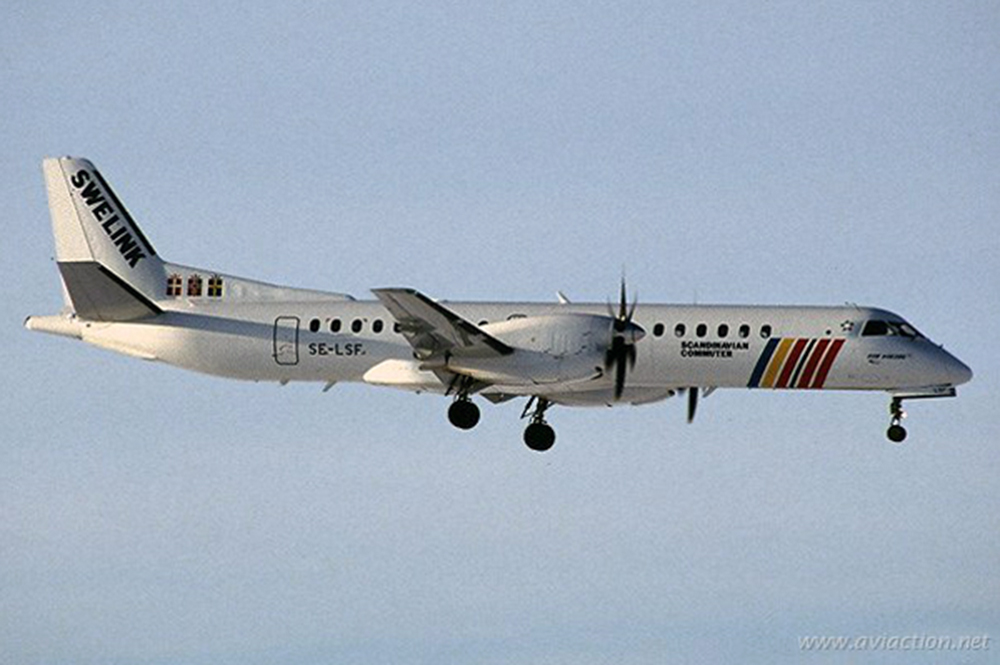
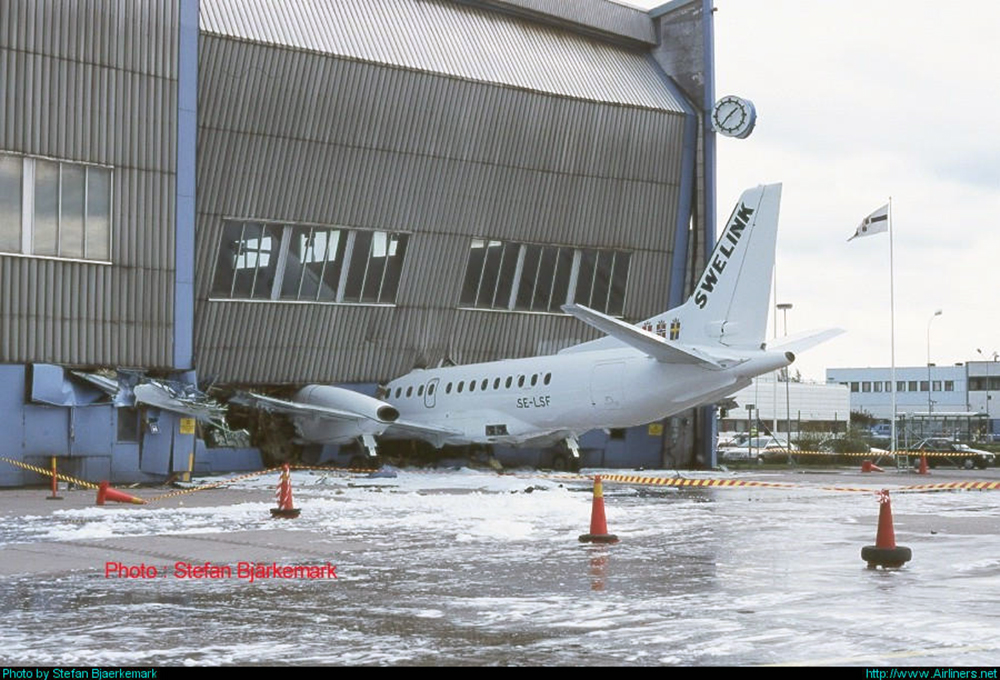
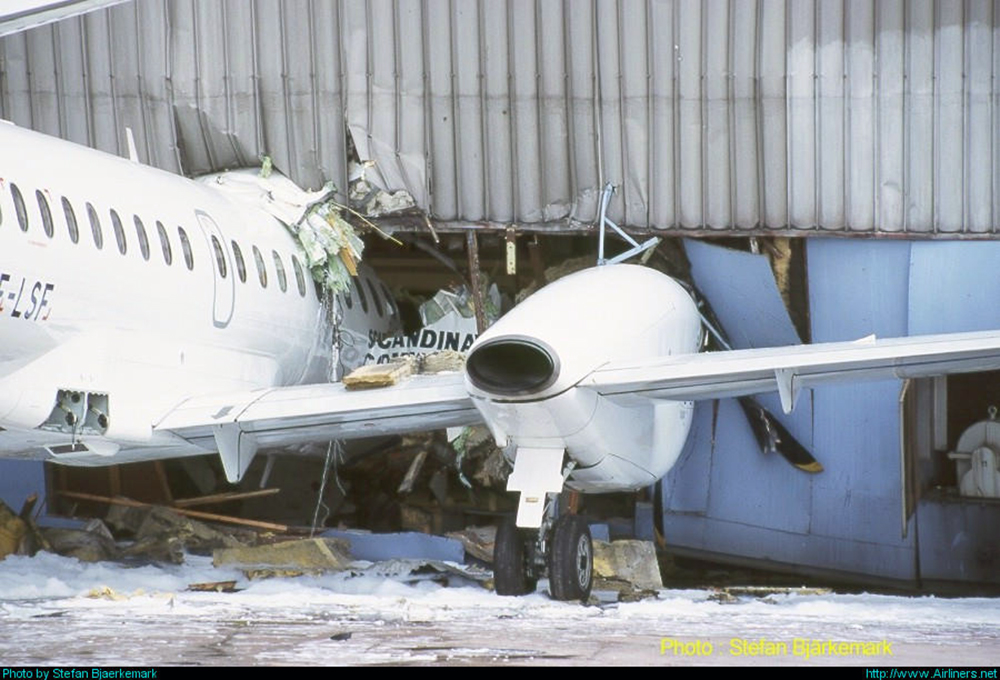
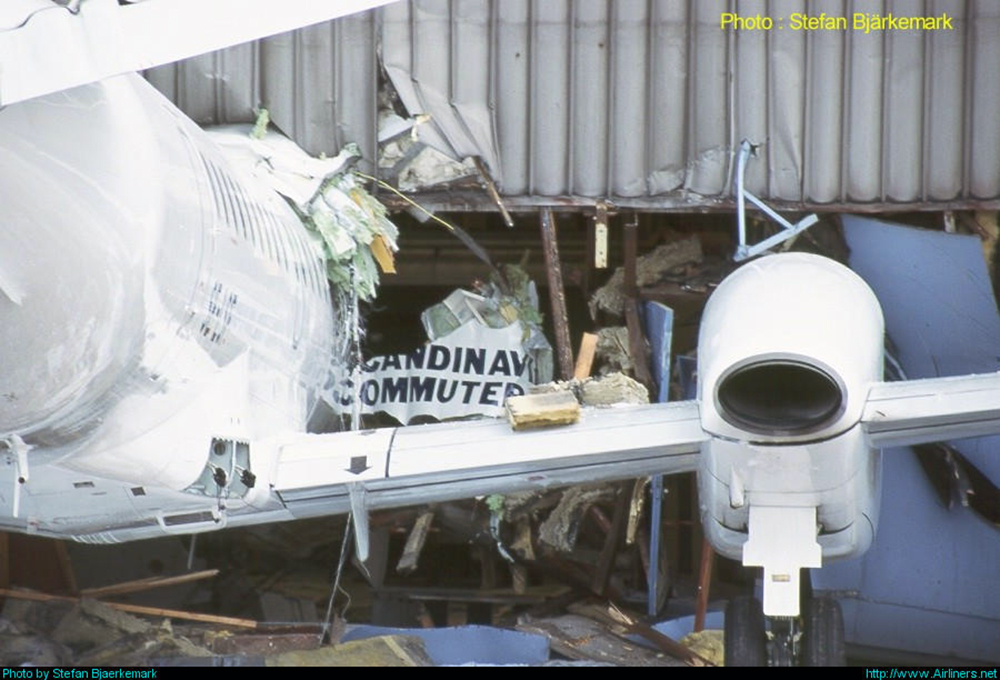
Ground accident of a Saab 2000 in Stockholm

Date & Time: Oct 8, 1999
Type of aircraft:
Operator:
Registration:
SE-LSF
Flight Phase:
Survivors:
Yes
MSN:
053
YOM:
1997
Country:
Region:
Crew on board:
2
Crew fatalities:
Pax on board:
0
Pax fatalities:
Other fatalities:
Total fatalities:
0
Circumstances:
While being taxied by two engineers at Stockholm-Arlanda Airport, the aircraft went out of control and collided with a hangar door. Both occupants escaped uninjured while the aircraft was destroyed.

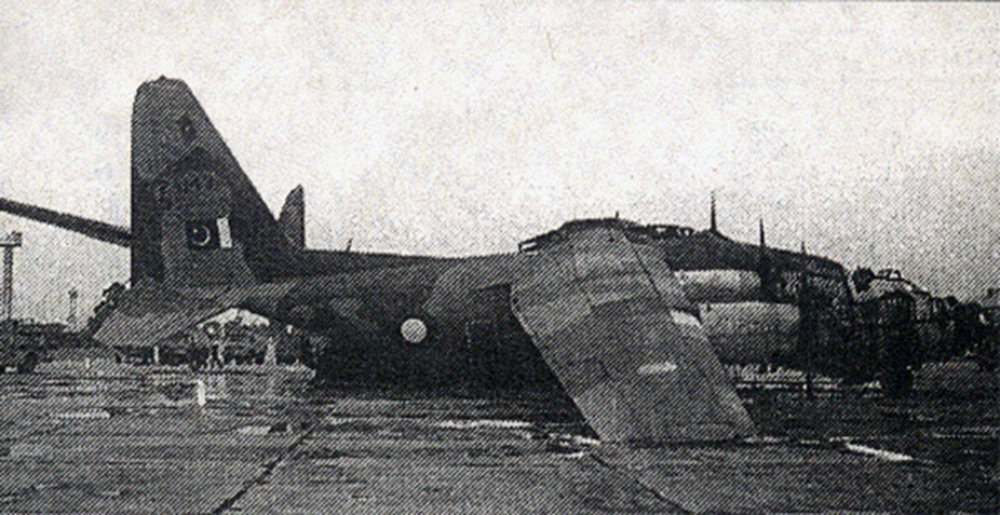
Ground accident of a Lockheed C-130B Hercules at Chaklala AFB: 5 killed

Date & Time: Sep 10, 1998
Type of aircraft:
Operator:
Registration:
24143
Flight Phase:
Flight Type:
Survivors:
No
Schedule:
Chaklala - Chaklala
MSN:
3781
YOM:
1963
Country:
Region:
Crew on board:
5
Crew fatalities:
Pax on board:
0
Pax fatalities:
Other fatalities:
Total fatalities:
5
Circumstances:
The crew was engaged in a local post maintenance test flight. While taxiing, the crew lost control of the airplane that collided with a parked Pakistan Air Force C-130. A major fire occurred, destroying both aircraft. All five crew members were killed while the second aircraft was empty.
Probable cause:
It is believed that the loss of control was the consequence of brakes failure (brakes overheated).

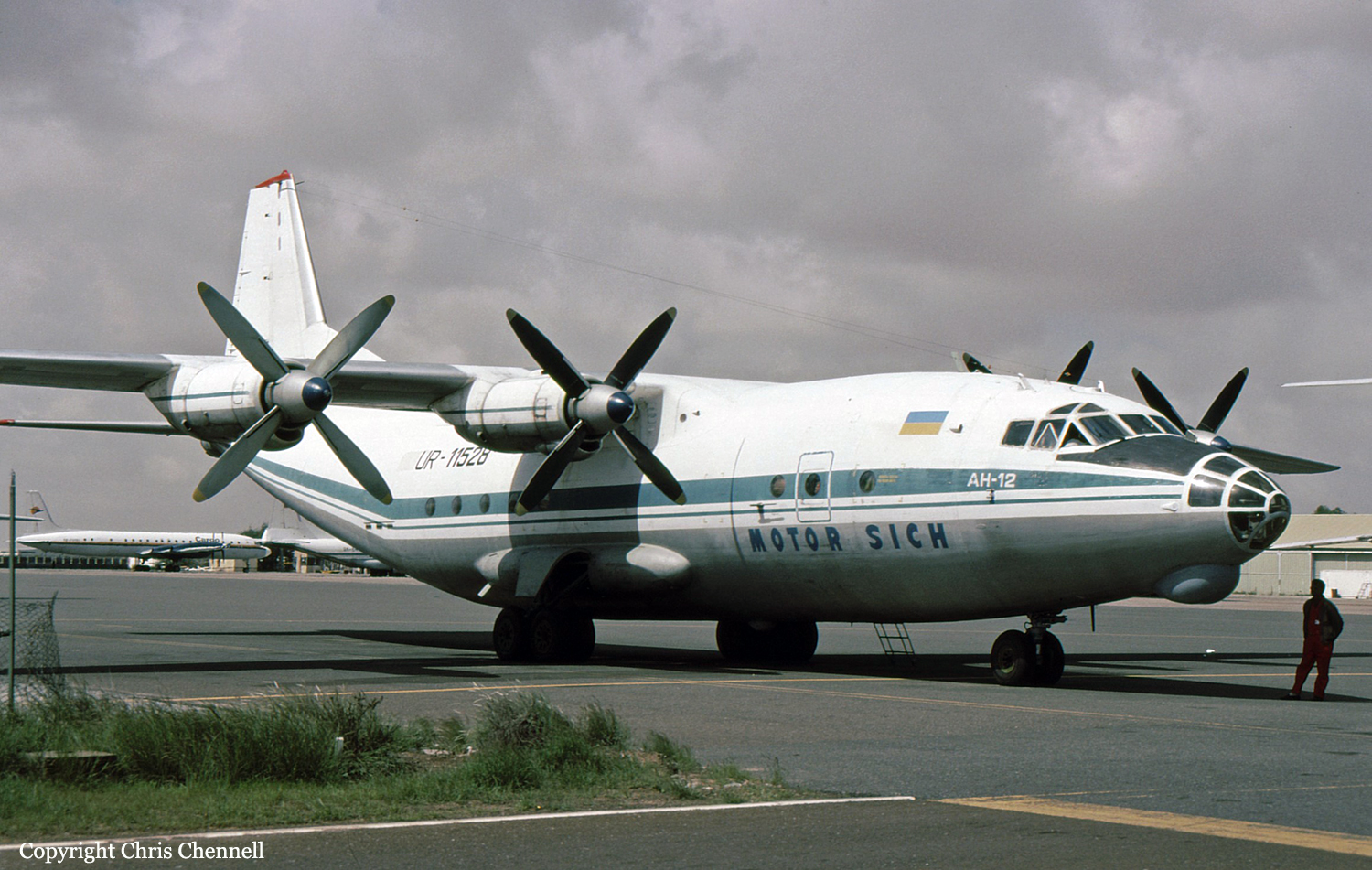
Ground accident of an Antonov AN-12BP in Batam

Date & Time: Aug 19, 1998
Type of aircraft:
Operator:
Registration:
UR-11528
Flight Phase:
Flight Type:
Survivors:
Yes
MSN:
3 34 10 05
YOM:
1963
Country:
Region:
Crew on board:
0
Crew fatalities:
Pax on board:
0
Pax fatalities:
Other fatalities:
Total fatalities:
0
Circumstances:
Suffered an accident while taxiing at Batam-Hang Nadim Airport. There were no casualties but the aircraft was damaged beyond repair.

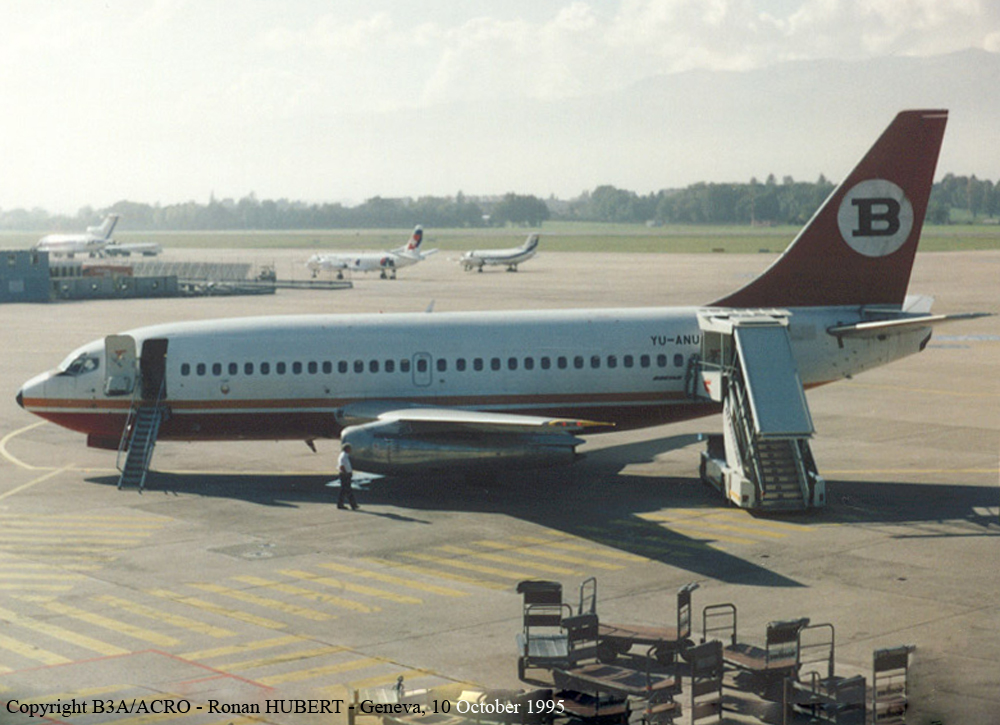
Ground fire of a Boeing 737-2K3 in Kaduna

Date & Time: Feb 23, 1998 at 1623 LT
Type of aircraft:
Operator:
Registration:
YU-ANU
Flight Phase:
Flight Type:
Survivors:
Yes
Schedule:
Kaduna - Kaduna
MSN:
24139
YOM:
1988
Country:
Region:
Crew on board:
3
Crew fatalities:
Pax on board:
21
Pax fatalities:
Other fatalities:
Total fatalities:
0
Circumstances:
The Boeing 737 completed a flight from Lagos (LOS) through Abuja (ABV) to Kaduna (KAD) and was parked for over an hour. At 14:45 UTC, the Chief Pilot of Chanchangi Airline approached the Air Traffic Controller stating that he would like to fly around the circuit for a training flight. He was told that the visibility was 600 meters which was below the landing minima and was then advised against it. The pilot then suggested that he would carry out a "Rejected Takeoff" training. Additional persons boarded the flight to witness the exercise. At 15:37 UTC the pilot requested a take off clearance which was granted, and was directed to proceed to the holding point of runway 05. The prevailing visibility was 600 meters and the wind was 090 at 10 knots. Four rejected take off training runs were carried out within an interval of twelve minutes. In the conditions at Kaduna, a single exercise of a rejected take off would have required a cooling period of at least ten minutes. At the end of the fourth run, the left main landing gear number 2 brake unit had started to burn. The pilot steered the airplane off the runway into the last taxiway. Fifty meters from the runway 05 threshold the left inner wheel failed and leaving a molten rubber footprint on the taxiway and at the same time the hydraulic fluid of the brake units started to spill tracing an oily track along. Pieces of broken wheel rim were randomly shed for a distance of 150 meters when the rims appeared to undergo a major collapse. The footprint of the two left wheels became more pronounced for a distance of 120 meters when there was a positive turn to the left indicating a total failure in roll from the left wheel assembly. The zigzag motion continued for about 699 meters until the aircraft could no longer be easily moved and the pilot called for the fire trucks. The aircraft burnt to ashes on the spot.
Probable cause:
The decision of the instructor pilot to carry out four rejected take-off exercises within a time interval of twelve minutes was the main cause of the accident. His estimate of reducing the brake temperatures by avoiding the use of brakes was a fabrication which is contradicted by the fact that the brake units on the left main landing gear did heat up and started the fire.

Ground accident of a Boeing 727-51C in Denver

Date & Time: Oct 1, 1997 at 0436 LT
Type of aircraft:
Operator:
Registration:
N414EX
Flight Phase:
Flight Type:
Survivors:
Yes
Schedule:
Denver – San Francisco
MSN:
18899/256
YOM:
1966
Flight number:
RYN607
Crew on board:
3
Crew fatalities:
Pax on board:
0
Pax fatalities:
Other fatalities:
Total fatalities:
0
Captain / Total flying hours:
15020
Captain / Total hours on type:
7305.00
Aircraft flight hours:
47098
Aircraft flight cycles:
45215
Circumstances:
As the cargo jet was taxiing for takeoff in a non movement area, it was struck by an airport employee shuttle bus. The airplane captain was seriously injured. Visual meteorological conditions prevailed, and the collision occurred during predawn hours. The bus driver said he stopped at the stop sign, turned on the 4-way flasher lights, and looked both ways. He saw one inbound aircraft to the right that had stopped. He did not see the airplane approaching from the left as he started across the cargo ramp. The airplane crew stated they did not see the bus until seconds before impact. Airplane skid marks, measuring 22 and 24 feet in length, were noted on the taxiway. No bus skid marks were noted on the roadway.
Probable cause:
Failure of the bus driver to yield the right of way to oncoming traffic due to his inadequate visual lookout. Factors were visibility restrictions, inadequate driver training by management, and the flight crew's inadequate visual lookout due to their attention being diverted by performing the pre takeoff checklist.
Final Report:

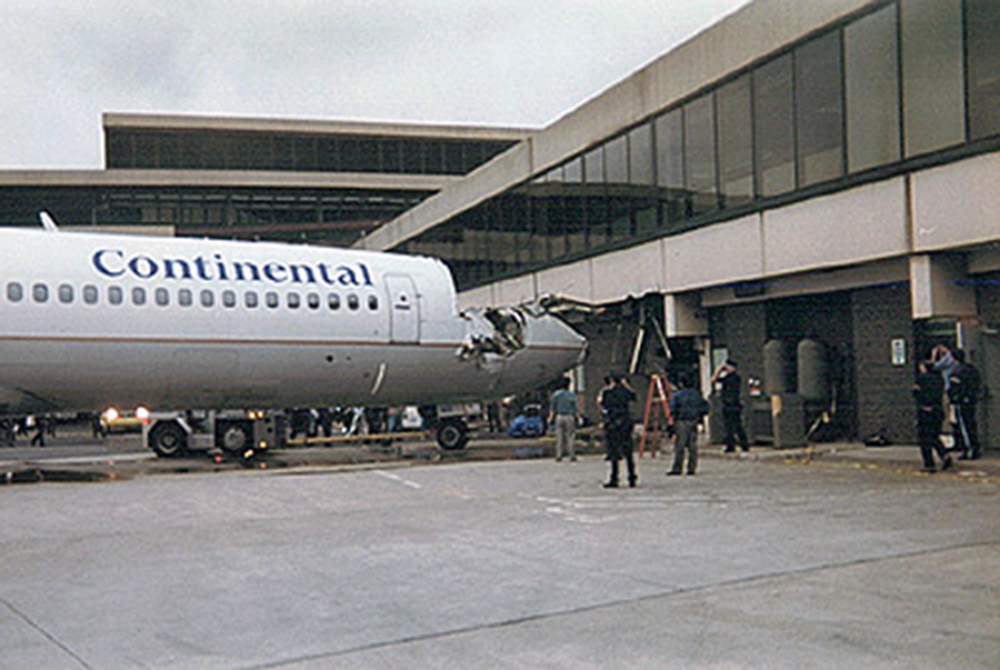
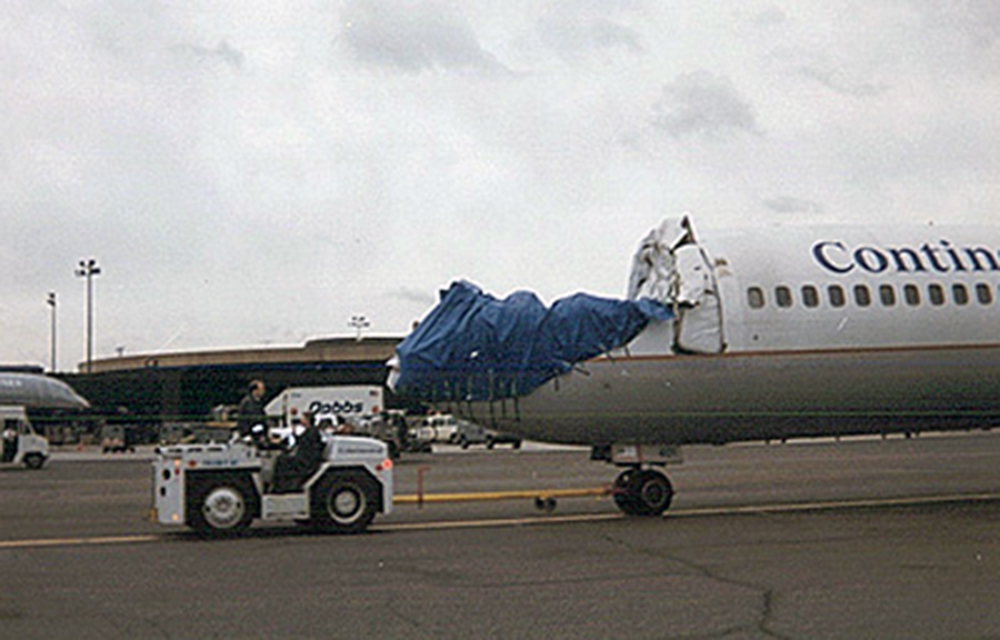
Crash of a Boeing 727-227 in Newark

Date & Time: Jun 7, 1997
Type of aircraft:
Operator:
Registration:
N571PE
Flight Phase:
Survivors:
Yes
MSN:
21264
YOM:
1976
Crew on board:
2
Crew fatalities:
Pax on board:
0
Pax fatalities:
Other fatalities:
Total fatalities:
0
Circumstances:
The aircraft was transferred from the maintenance facilities to the main terminal by a technical crew when control was lost. The airplane collided with the USAir Terminal and the cockpit was destroyed.