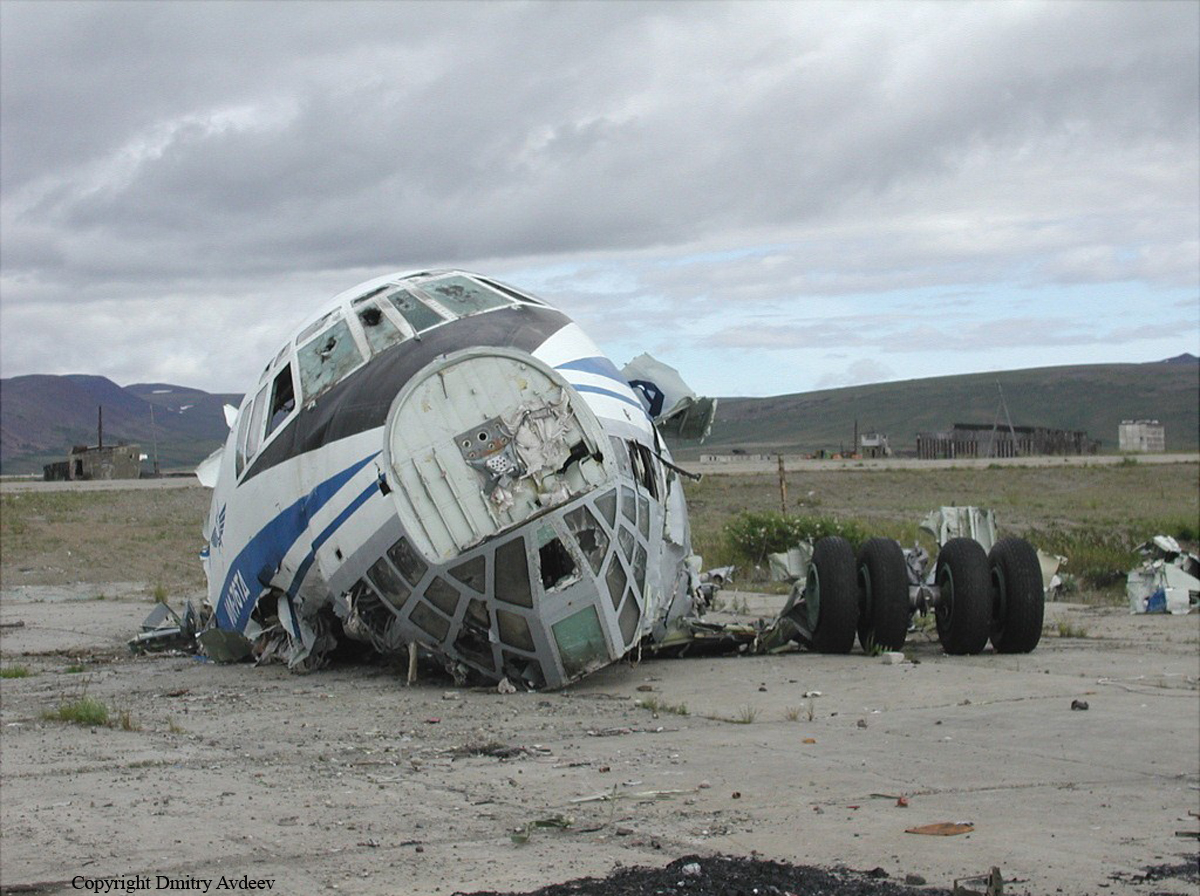
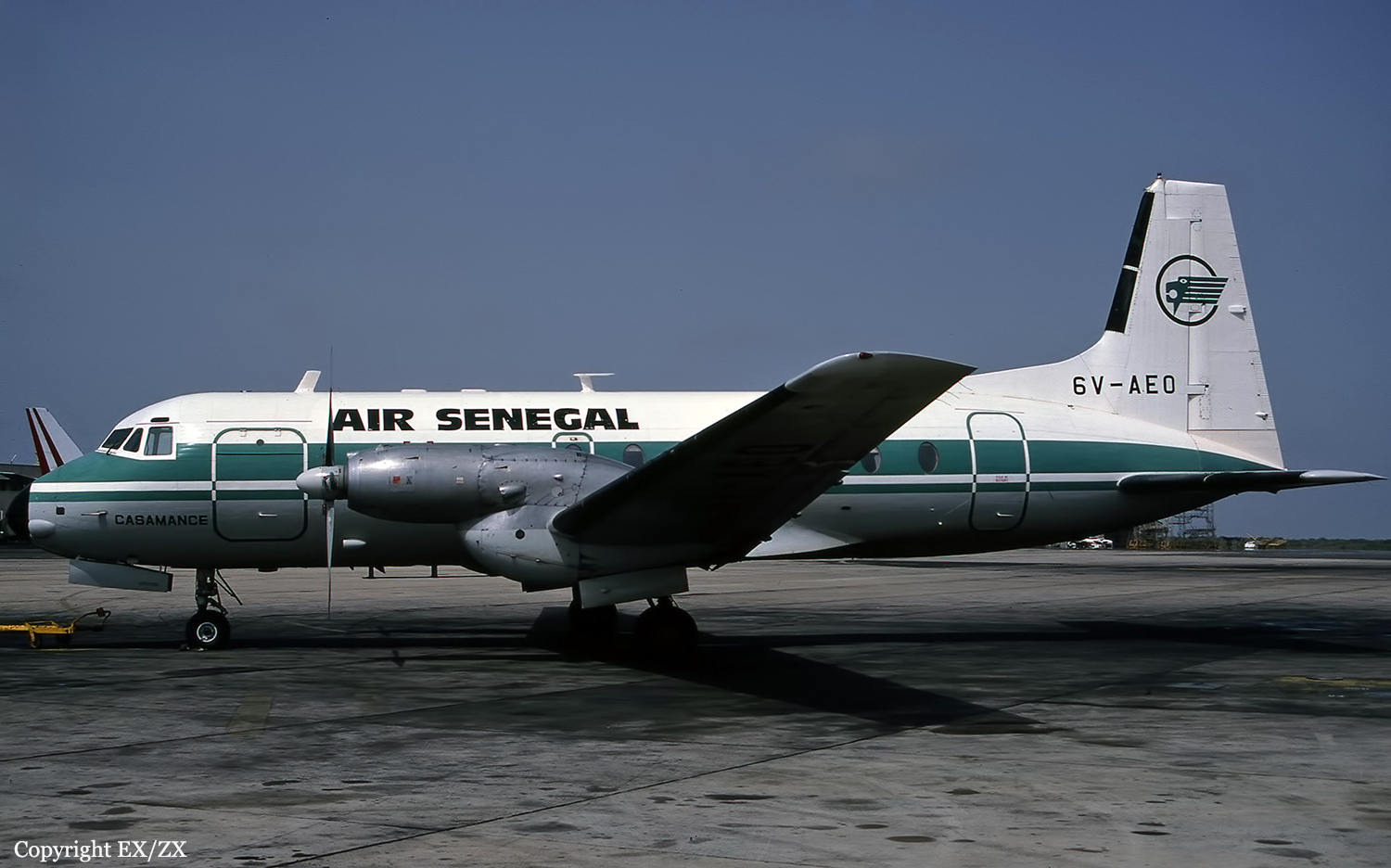
Crash of an Avro 748-353-2A in Tambacounda: 23 killed

Date & Time: Feb 1, 1997 at 1438 LT
Type of aircraft:
Operator:
Registration:
6V-AEO
Flight Phase:
Survivors:
Yes
Schedule:
Tambacounda - Dakar
MSN:
1769
YOM:
1979
Country:
Region:
Crew on board:
3
Crew fatalities:
Pax on board:
49
Pax fatalities:
Other fatalities:
Total fatalities:
23
Circumstances:
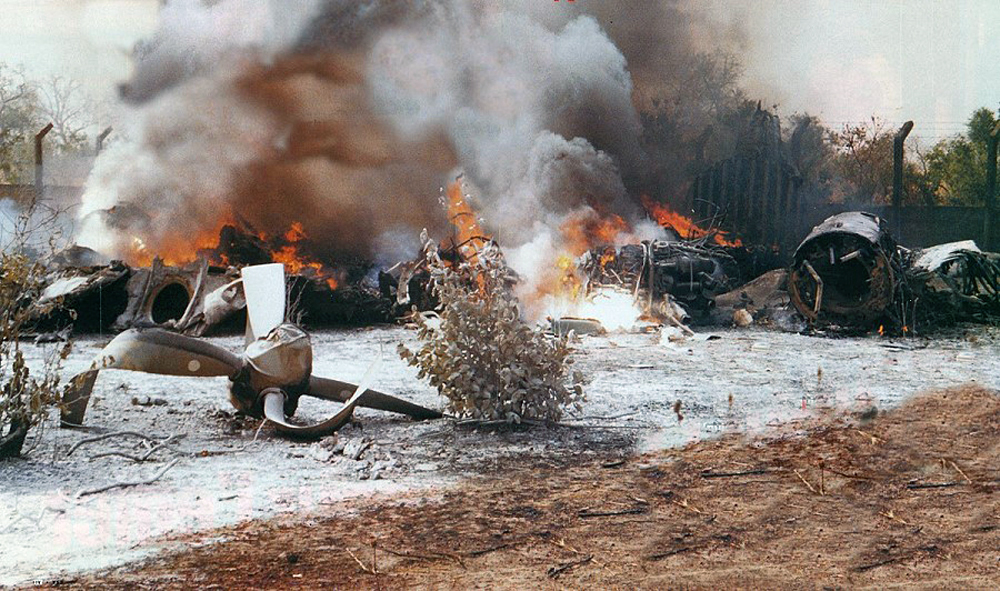
The departure was delayed due to overbooking. Passengers and crew were nervous and few passengers should disembark. Following a normal takeoff roll, the pilot-in-command started the rotation. About 30 seconds later, while climbing to a height of about 100 feet, the left engine failed. The aircraft stalled and crashed less than 100 metres past the runway end, bursting into flames. The aircraft broke in two and most of the survivors were found in the rear part of the cabin while the front one disintegrated on impact. Twenty-nine people survived while 23 others, including all three crew members, were killed.
Probable cause:
The exact cause of the accident could not be determined and the official accident report was not published by the Senegal Government. Nevertheless, The determination of the causes of the accident is therefore based on the expert reports ordered by the French investigating magistrate and the position of the locking pin of the left supply valve observed after the accident. Experts conclude that the left engine has stopped due to the closing of the fuel supply valve. The poor quality of the fuel was also blamed, which, before the accident, led Air Senegal to ask a chemical engineer from Shell-Senegal to test the fuel and the refueling operations. The engineer, while noting the poor quality of the fuel, came to the same conclusions as the experts. In France, operational tests were carried out on a similar aircraft and, moreover, fuel analyzes were carried out by the Accident Investigation Bureau. To these different expertises were added those of the government of the United Kingdom, the country of the manufacturer of the aircraft, and the results of a test carried out by British Aerospace with the same aircraft. The various analyzes carried out on the drums used for refueling showed that water was not present in the drums but in the pump used for refueling. It appears that the pump had been disassembled and the filters removed before filling the aircraft's tanks. As a result, the tiny amount of water that could have been found in the tanks would not have allowed the fuel to be considered contaminated and therefore unfit for consumption. The court, considering itself sufficiently informed by all these expertises, refused to grant the civil parties a further investigation 12 years after the facts. For the magistrates, there is no doubt that the determining cause of the accident was the closure of the left fuel isolation valve. The various investigations finally made it possible to determine that a ground mechanic had carried out a technical intervention under the left wing before the departure, at the level of the engine, but the exact nature of this intervention could not be established with precision. In its judgment, the court recognized that various indirect causes may have played a role in the occurrence of this air disaster: anomalies in the storage and distribution of fuel, nervousness and intense stress generated around the aircraft due to overbooking, irritability of the captain who, impatient to take off, did not consider certain checks useful. However, the magistrates have ruled, the determining cause perfectly defined by the various experts is the closing of the isolation valve of the left engine of the aircraft. On May 14, 2009, more than 12 years after the incident, Senegalese mechanic Moustapha Diagne was sentenced to 30 months' imprisonment with a 15-month suspended sentence. The length of the firm prison sentence is the length of the pre-trial detention that the defendant, after being extradited, had already served.
Crash of a Beechcraft 200 Super King Air in Seven Islands

Date & Time: Jan 28, 1997 at 1700 LT
Operator:
Registration:
C-GCEV
Flight Phase:
Survivors:
Yes
Schedule:
Seven Islands - Montreal
MSN:
BB-153
YOM:
1976
Country:
Crew on board:
2
Crew fatalities:
Pax on board:
9
Pax fatalities:
Other fatalities:
Total fatalities:
0
Captain / Total hours on type:
1300.00
Circumstances:
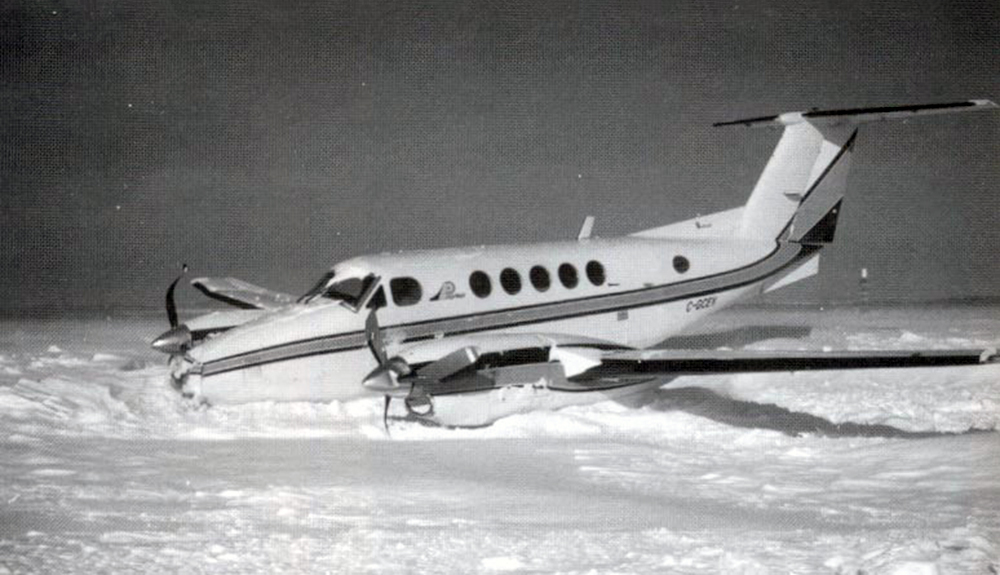
The Propair Inc. Super King Air 200 (serial number BB-153), with two pilots and ten passengers on board, was preparing to make a charter flight under instrument flight rules from Sept-Îles to Dorval, Quebec. At 1700 eastern standard time (EST), the co-pilot, in the left seat, began the take-off roll on runway 09. At an indicated airspeed of about 90 knots, 5 knots below rotation speed (VR), the aircraft began to drift to the left, toward the runway edge. The copilot attempted unsuccessfully to correct the take-off track using the rudder. At around 100 knots, just before the aircraft exited the runway, the co-pilot pulled the elevator control all the way back and initiated a climb. At about the same moment, the pilot-in-command throttled back, believing that a collision with the snowbank at the runway edge was inevitable. The aircraft descended until it struck the snow-covered surface to the north of the runway and slid on its belly before coming to rest on a heading opposite to the take-off heading. The pilot-in-command was slightly injured. The aircraft sustained considerable damage. The occupants used the main door to evacuate the aircraft.
Probable cause:
The aircraft crashed as a result of the lack of cockpit co-ordination when the pilot-in-command took control of the aircraft as the aircraft was airborne. The following factors contributed to the occurrence: marginal environmental conditions; contaminated runway surface; poor cockpit management; ineffective briefing; and, inadequate training for rejected take-offs.
Final Report:

Crash of an Ilyushin II-76TD in Anadyr

Date & Time: Jan 25, 1997 at 1454 LT
Type of aircraft:
Operator:
Registration:
RA-76834
Flight Phase:
Flight Type:
Survivors:
Yes
Schedule:
Anadyr – Magadan – Moscow
MSN:
10234 09319
YOM:
1992
Country:
Region:
Crew on board:
9
Crew fatalities:
Pax on board:
16
Pax fatalities:
Other fatalities:
Total fatalities:
0
Aircraft flight hours:
3309
Aircraft flight cycles:
1083
Circumstances:
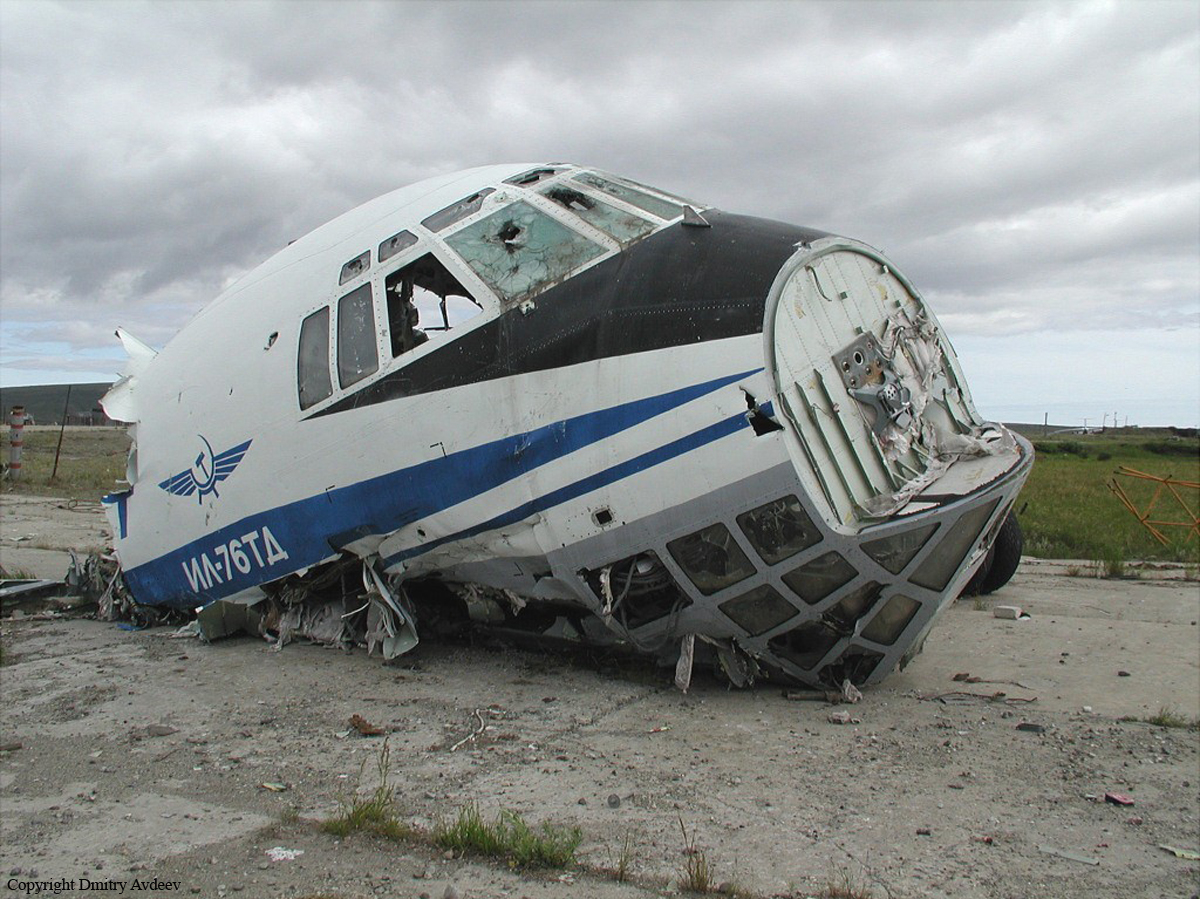
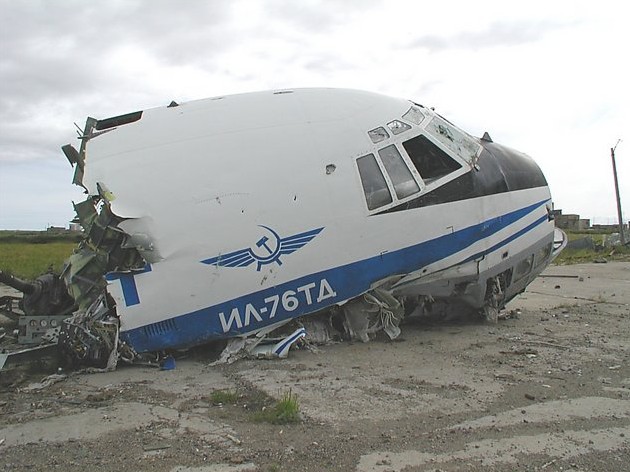
During the takeoff roll, at a speed of 290 km/h, the copilot started the rotation. The aircraft lifted off, reached a height of 7 metres then entered a left bank of 3,5°. Following a course of 665 metres, the aircraft entered a critical angle of attack, nosed up to 35° then landed back on the runway while the undercarriage have just been retracted. The aircraft slid on its belly and came to rest 270 metres further, about 120 metres to the left of the runway centerline. All 25 occupants were rescued, among them two were seriously injured. The aircraft was damaged beyond repair.
Probable cause:
It was determined that the captain decided to seat on the right front seat, letting the command to the copilot seating in the left front seat, which was against the published procedures because the copilot was not authorized and did not have sufficient experience. The copilot forgot to extend the flaps in an appropriate angle for the takeoff procedure, which caused the aircraft to adopt a critical angle of attack after liftoff and to stall. Successives errors and poor crew coordination were considered as contributing factors as well as the fact that the crew failed to follow the pre-takeoff checklist and failed to identify that the aircraft was not properly configured for the takeoff procedure.

Crash of a Cessna 401 in Crystal

Date & Time: Jan 22, 1997 at 1326 LT
Type of aircraft:
Operator:
Registration:
N5AS
Flight Phase:
Survivors:
Yes
Schedule:
Crystal – Lansing
MSN:
401-0208
YOM:
1969
Crew on board:
2
Crew fatalities:
Pax on board:
1
Pax fatalities:
Other fatalities:
Total fatalities:
0
Captain / Total flying hours:
3745
Captain / Total hours on type:
409.00
Circumstances:
After landing at the airport, the airplane was taxied to a fixed base operator to pick up a passenger. Rime ice, as thick as two inches was seen on the airplane, and the pilots of the airplane attempted to manually remove the ice. The airplane was topped off with fuel before departure. During departure from runway 31R, the airplane collided with a fence. Numerous areas of ice were found on the airplane following the accident. Both propellers had similar damage. The pilots had reported to the FAA that the left engine had sustained a loss of power. The passenger reported that he did not notice any loss of power from either engine. No preimpact part failure or malfunction of the left engine was found.
Probable cause:
Failure of the pilot-in-command to ensure adequate removal of airframe ice from the aircraft during preflight.
Final Report:

Crash of a Cessna 208B Grand Caravan in Nakina

Date & Time: Jan 3, 1997 at 1110 LT
Type of aircraft:
Operator:
Registration:
C-FTZF
Flight Phase:
Flight Type:
Survivors:
Yes
Schedule:
Nakina - Fort Hope
MSN:
208B-0389
YOM:
1994
Location:
Country:
Crew on board:
1
Crew fatalities:
Pax on board:
0
Pax fatalities:
Other fatalities:
Total fatalities:
0
Captain / Total flying hours:
3200
Captain / Total hours on type:
1300.00
Circumstances:
At approximately 1110 eastern standard time (EST , the pilot commenced a scheduled cargo flight from Nakina, Ontario, to Fort Hope in a Cessna 208B Caravan, serial number 208B0389. The pilot reported that he selected the flaps to 20°, lined up on runway 09, and set the power at around 1,600 to 1,700 foot-pounds of torque. The torque redline is 1,865 foot-pounds. About 3/4 of the way through the take-off run, the aircraft began to yaw to the right, which the pilot initially compensated for by applying left rudder. As the airspeed increased and the nosewheel lifted off the runway, the right yaw became more pronounced, and the aircraft became more difficult to control. The aircraft became airborne at about 85 knots indicated airspeed (KIAS), with the pilot using left rudder and left aileron in his attempt to compensate for the yaw; however, he was not able to gain control of the aircraft. The aircraft touched down briefly on the runway, then became airborne again as the take-off continued. While flying at less than 20 feet above ground level over a small, frozen lake immediately off the end of the runway, the aircraft descended and struck the snow-covered surface of the lake. The aircraft was in a nose-high, right-wing-low attitude when it struck the ice. The aircraft flipped over and came to rest in an inverted position, approximately 1,000 feet past the end of the runway and 200 feet to the right of the extended right edge of the runway. The pilot received only minor injuries. He exited the aircraft and walked back to the flight office.
Probable cause:
The pilot experienced directional control difficulties during the take-off run, probably because the rudder trim was set at the near full left position. Because the rudder trim indicator could be moved without affecting the actual rudder trim, it is probable that it did not reflect the actual position of the rudder trim.
Final Report:

Crash of a Piper PA-61P Aerostar (Ted Smith 601P) in Chesapeake: 4 killed

Date & Time: Jan 2, 1997 at 1937 LT
Operator:
Registration:
N3CD
Flight Phase:
Flight Type:
Survivors:
No
Schedule:
Chesapeake – Atlanta
MSN:
61-0353-108
YOM:
1977
Crew on board:
1
Crew fatalities:
Pax on board:
3
Pax fatalities:
Other fatalities:
Total fatalities:
4
Captain / Total flying hours:
2100
Aircraft flight hours:
1949
Circumstances:
The airplane departed the airport and crashed shortly thereafter. Before departure, the airplane was fueled with 120 gallons of 100LL aviation fuel. According to the refueler, the airplane had full fuel tanks. The refueler also indicated the pilot had stated he wanted to be airborne prior to the arrival of bad weather. After the accident, the engines and propellers were disassembled and examined. No engine or propeller discrepancies were noted, except (post impact) heat damage.
Probable cause:
Failure of the pilot to maintain proper altitude/clearance above the ground after takeoff. A related factor was the pilot's self-induced pressure to depart before the arrival of bad weather.
Final Report:

Crash of a Cessna 441 Conquest II in Lakeland

Date & Time: Jan 2, 1997 at 1121 LT
Type of aircraft:
Registration:
N441MS
Flight Phase:
Flight Type:
Survivors:
Yes
Schedule:
Lakeland - Lakeland
MSN:
441-0056
YOM:
1978
Crew on board:
2
Crew fatalities:
Pax on board:
0
Pax fatalities:
Other fatalities:
Total fatalities:
0
Captain / Total flying hours:
6511
Captain / Total hours on type:
533.00
Aircraft flight hours:
4697
Circumstances:
During the takeoff roll the pilot stated the right engine had an over torque condition and he was unable to control the aircraft. The aircraft went off the runway to the left and crashed coming to rest upright. A post crash fire erupted and destroyed the aircraft. The mechanic rated passenger stated he was observing the right engine gauges during this maintenance test flight and did not observe any over torque indications. When he looked up from the instruments at about the time the aircraft should lift off, the aircraft was drifting to the left. The pilot, who was looking at the engine instruments, looked up, saw the aircraft was about to drift off the runway, and retarded both power levers. The passenger/mechanic (who was also a pilot) reported that the pilot placed the propellers in reverse. Six thousand feet of runway remained at the abort point. The aircraft pitched up and then crashed on the left wing and nose. Cessna Service Newsletter SLN99-15 and AlliedSignal Operating Information Letter OI 331-17 report an abnormality that may affect the model engine in which an uncommanded engine fuel flow increase or fluctuation may occur, resulting in an unexpected high torque and asymmetric thrust. The condition is associated with an open torque motor circuit within the engine fuel control. A system malfunction resulting in engine acceleration to maximum power would produce an overtorque of about 2,288 foot-pounds (ft-lb). This power output is restricted by a fuel flow stop in the engine fuel control. Normal takeoff power is 1,669 ft-lbs; therefore, one engine accelerating to the stop limit while one engine continued to operate normally would cause a torque differential of 619 ft-lbs. The total loss of power in one engine during takeoff while one engine continued to operate normally would result in a torque differential of 1,669 ft-lbs. The Cessna 441 Flight Manual states that at 91 knots indicated airspeed, the airplane is controllable with one engine inoperative (that is, with a torque differential between engines of up to 1,669 ft-lbs). However, if an electronic engine control failure occurs on one engine and the other engine is retarded to idle, the fuel flow to the failed engine will not be reduced, and a torque differential of about 2,288 ft-lbs will occur, at which point the airplane is uncontrollable by the pilot.
Probable cause:
Failure of the electronic engine control, which caused an overtorque condition in the right engine that made directional control of the airplane not possible by the pilot when the power to the left engine was retarded to idle during the takeoff roll.
Final Report:

Crash of an Antonov AN-12RR in Andreapol: 17 killed

Date & Time: Dec 17, 1996
Type of aircraft:
Operator:
Registration:
21 red
Flight Phase:
Flight Type:
Survivors:
No
Schedule:
Saint-Petersburg – Andreapol – Krasnodar
MSN:
3 34 14 04
YOM:
1963
Country:
Region:
Crew on board:
6
Crew fatalities:
Pax on board:
11
Pax fatalities:
Other fatalities:
Total fatalities:
17
Circumstances:
The aircraft was completing a cargo flight from St Petersburg-Levashovo to Krasnodar with an intermediate stop in Andreapol, carrying 11 passengers, six crew members and a load of construction materials and the personal car of General Sergei Seleznyov who was building a private cottage in the region of Krasnodar. During initial climb, the aircraft became unstable and started to pitch up and down. When the crew retracted the flaps, the aircraft nosed down, entered an uncontrolled descent and crashed in a wooded area located some 8 km from the airport. All 17 occupants were killed, among them the General and his wife.
Probable cause:
It was determined that the aircraft weight was 1,5 ton above MTOW at the time of the accident. Also, it was reported that wings surfaces were contaminated with frost and snow, which was considered as a contributing factor.

Crash of a De Havilland DHC-2 Beaver I in Port Johnson: 1 killed

Date & Time: Dec 12, 1996 at 0905 LT
Type of aircraft:
Operator:
Registration:
N67694
Flight Phase:
Survivors:
Yes
Schedule:
Port Johnson – Ketchikan
MSN:
924
YOM:
1956
Crew on board:
1
Crew fatalities:
Pax on board:
1
Pax fatalities:
Other fatalities:
Total fatalities:
1
Captain / Total flying hours:
17800
Captain / Total hours on type:
8500.00
Aircraft flight hours:
20640
Circumstances:
According to the passenger, he and the pilot had just taken off, and as they were climbing out over an open water portion of a bay, the pilot said, 'here comes a gust.' Reportedly, the pilot added engine power, and the airplane began descending. The right wing started to dip, and the nose started to drop. The pilot had the control yoke turned all the way to the left, then yelled that they were going in. The airplane crashed in the water, and the passenger exited the airplane through the windshield. He did not see the pilot. The deceased pilot was found still strapped in his seat several days later, when a portion of the wreckage was recovered.
Probable cause:
The pilot's inadequate compensation for wind conditions, and failure to maintain adequate airspeed, which resulted in an inadvertent stall and collision with terrain (water). A factor associated with the accident was the gusty wind condition.
Final Report:

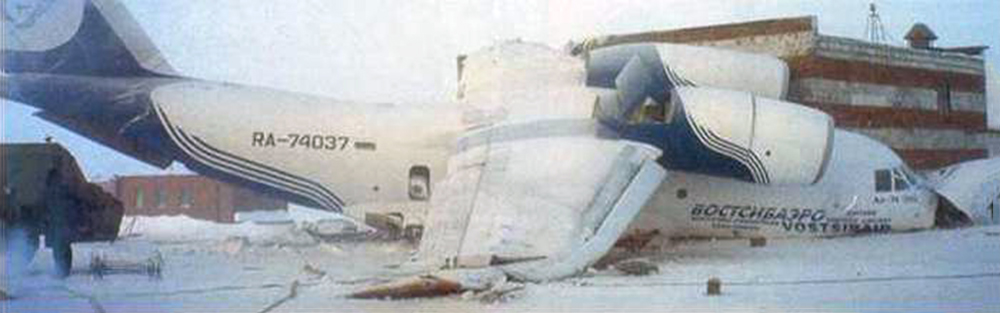
Crash of an Antonov AN-74-200 in Mirny

Date & Time: Dec 10, 1996 at 2357 LT
Type of aircraft:
Registration:
RA-74037
Flight Phase:
Flight Type:
Survivors:
Yes
Schedule:
Mirny - Irkutsk
MSN:
470 98 950
YOM:
1995
Country:
Region:
Crew on board:
9
Crew fatalities:
Pax on board:
3
Pax fatalities:
Other fatalities:
Total fatalities:
0
Aircraft flight hours:
369
Aircraft flight cycles:
176
Circumstances:
Just after liftoff from Mirny Airport, while in initial climb, the reverse thrust system deployed on the right engine. The aircraft banked right, causing the right wing tip to struck the runway surface. Out of control, the aircraft crash landed, veered off runway and came to rest against a building. All 12 occupants escaped with minor injuries while the aircraft was damaged beyond repair.
Probable cause:
It was determined that the reverse thrust system on the right engine accidentally deployed after takeoff due to a mechanical failure of unknown origin. Nevertheless, investigations confirmed that a warning light came on in the cockpit prior to departure but the crew failed to identify this warning because he did not follow the pre-departure checklist.