Country
Operator Image

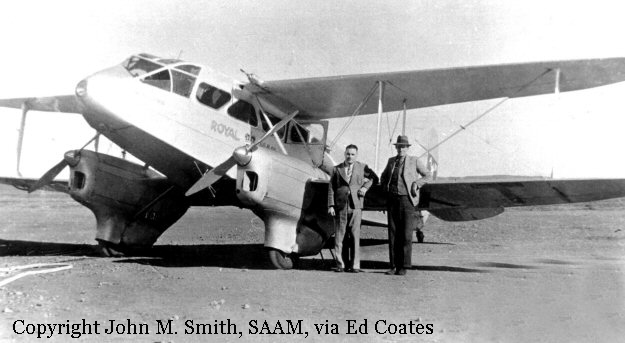
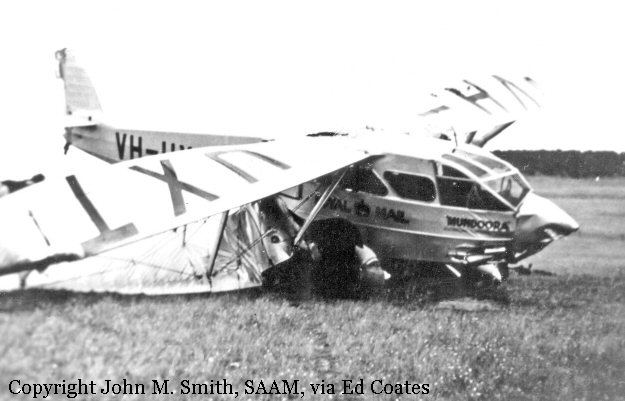
Crash of a De Havilland DH.89 Dragon Rapide in Wynyard

Date & Time: Aug 18, 1943
Operator:
Registration:
VH-UXT
Survivors:
Yes
Schedule:
Melbourne – Wynyard
MSN:
6346
YOM:
1937
Country:
Region:
Crew on board:
1
Crew fatalities:
Pax on board:
3
Pax fatalities:
Other fatalities:
Total fatalities:
0
Circumstances:
On touchdown at Wynyard Airport, the aircraft went out of control, veered off runway and collided with a ditch before coming to rest. While all four occupants were uninjured, the aircraft was damaged beyond repair.
Crew:
Cpt F. H. Dawson.

Crash of a Douglas DC-3-232A in Melbourne

Date & Time: Mar 19, 1943
Type of aircraft:
Operator:
Registration:
VH-ACB
Flight Phase:
Survivors:
Yes
Schedule:
Melbourne – Sydney – Brisbane
MSN:
2030
YOM:
1938
Country:
Region:
Crew on board:
3
Crew fatalities:
Pax on board:
12
Pax fatalities:
Other fatalities:
Total fatalities:
0
Circumstances:
Shortly after takeoff from Melbourne-Essendon Airport, the crew encountered technical problems with the engines. Unable to gain sufficient altitude, the captain decided to attempt an emergency landing. The airplane belly landed in an open field located 7 km north of the airport, slid for few dozen metres and came to a halt. All 15 occupants escaped uninjured. The airplane named 'Warana' was damaged beyond repair.
Crew:
Cpt D. E. Barker, pilot +2.
Probable cause:
Engine failure caused by carburetor problems.

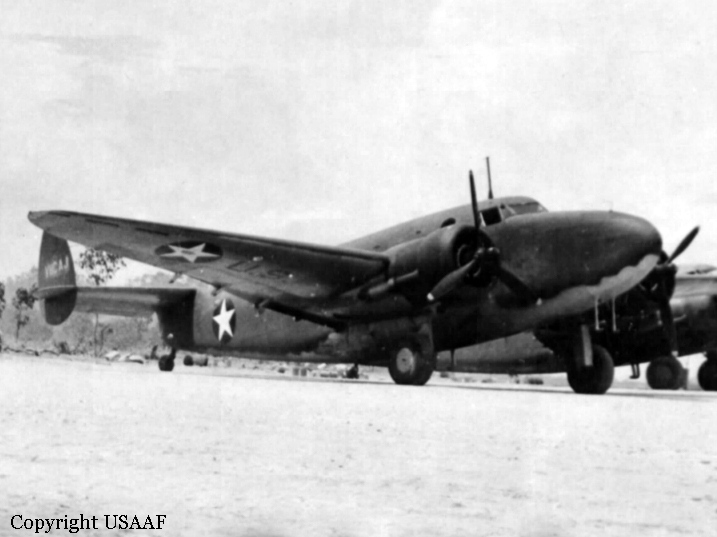
Crash of a Lockheed 18-40-11 LodeStar in Townsville

Date & Time: Feb 26, 1943
Type of aircraft:
Operator:
Registration:
VH-CAJ
Flight Phase:
Survivors:
Yes
MSN:
2128
YOM:
1941
Country:
Region:
Crew on board:
0
Crew fatalities:
Pax on board:
0
Pax fatalities:
Other fatalities:
Total fatalities:
0
Circumstances:
During the takeoff roll, one of the landing gear collapsed. The twin engine airplane went out of control, veered off runway and came to rest. There were no casualties and the airplane was damaged beyond repair.
Probable cause:
A landing gear collapsed during the takeoff roll.

Crash of a Lockheed 18-40-11 LodeStar in Dobodura

Date & Time: Nov 30, 1942
Type of aircraft:
Operator:
Registration:
VH-CAH
Flight Type:
Survivors:
Yes
MSN:
2125
YOM:
1941
Region:
Crew on board:
0
Crew fatalities:
Pax on board:
0
Pax fatalities:
Other fatalities:
Total fatalities:
0
Circumstances:
On final approach to Dobodura Airport, the twin engine airplane was hit by enemy fire while the airfield was bombed. The aircraft crashed short of runway and was damaged beyond repair. There were no fatalities.
Probable cause:
Shot down by enemy fire.

Crash of a De Havilland DH.89A Dragon Rapide off Tanners Bay: 4 killed

Date & Time: May 29, 1942
Operator:
Registration:
VH-UXZ
Flight Phase:
Survivors:
No
Schedule:
Whitemark – Melbourne
MSN:
6365
YOM:
1937
Country:
Region:
Crew on board:
1
Crew fatalities:
Pax on board:
3
Pax fatalities:
Other fatalities:
Total fatalities:
4
Circumstances:
The airplane named 'Marika' departed Whitemark Airport, Flinders Island, on a regular schedule service to Melbourne-Essendon Airport, carrying three passengers and one pilot. Few minutes after takeoff, one of the engine failed. The pilot elected to return to Whitemark but apparently attempted an emergency landing on a beach when the airplane went out of control and crashed into the sea off Tanners Bay, Flinders Island. All four occupants were killed. One of the engine was found 50 years later.
Crew:
Cpt Charles R. G. Weston, pilot.
Passengers:
Mr. Harry Selse,
Mr. Henry David Leaman,
Mr. Robert Gerald Giblin.
Probable cause:
The exact cause of the engine failure could not be determined.

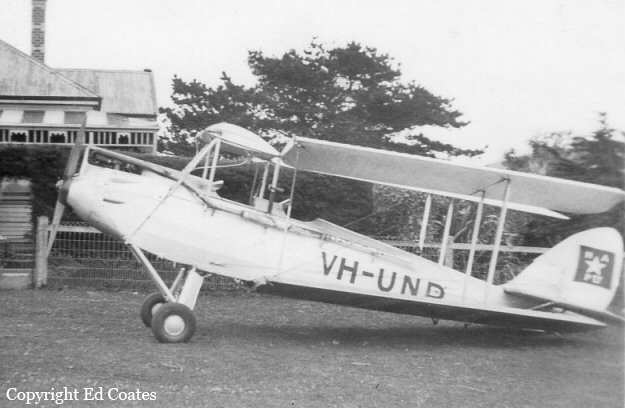
Crash of a De Havilland DH.60G Gipsy Moth in Melbourne

Date & Time: Jun 11, 1939
Type of aircraft:
Operator:
Registration:
VH-UNP
Flight Phase:
Flight Type:
Survivors:
Yes
Schedule:
Melbourne - Melbourne
MSN:
1407
YOM:
1930
Country:
Region:
Crew on board:
1
Crew fatalities:
Pax on board:
1
Pax fatalities:
Other fatalities:
Total fatalities:
0
Circumstances:
The single engine aircraft, owned by Australian National Airways, was piloted by Gertrude McKenzie who was taking boys from the St. Vincent de Paul Orphanage for joy flights. While preparing for take off, the aircraft collided with another De Havilland DH.60G Gipsy Moth. Registered VH-UHS, it was owned by the Royal Victorian Aero Club and piloted by Florence Wurts who was also taking boys from the St. Vincent de Paul Orphanage for joy flights. Both aircraft suffered an extensive fire and were destroyed. While both occupants of VH-UNP were slightly injured, the pilot of VH-UHS, Miss Florence Wurts was killed and the young passenger was injured.
Probable cause:
The exact causes and circumstances of the collision remain unknown.

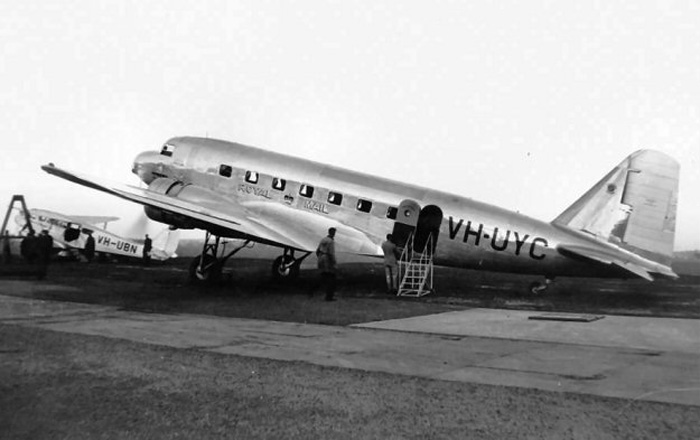
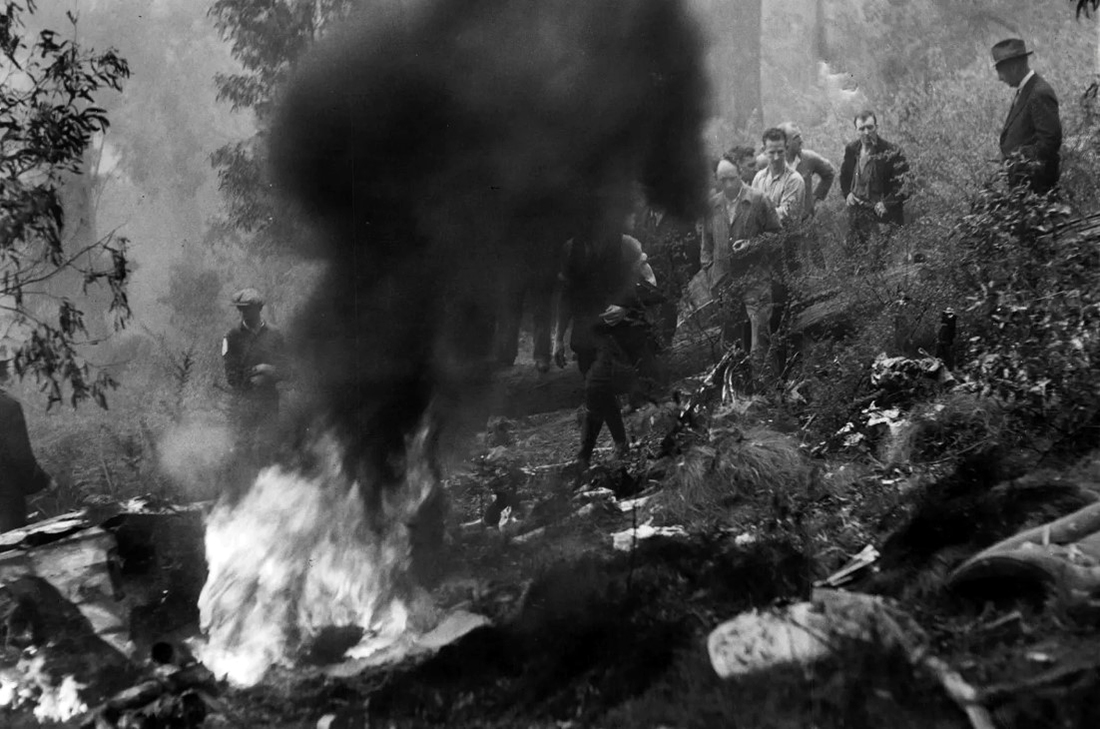
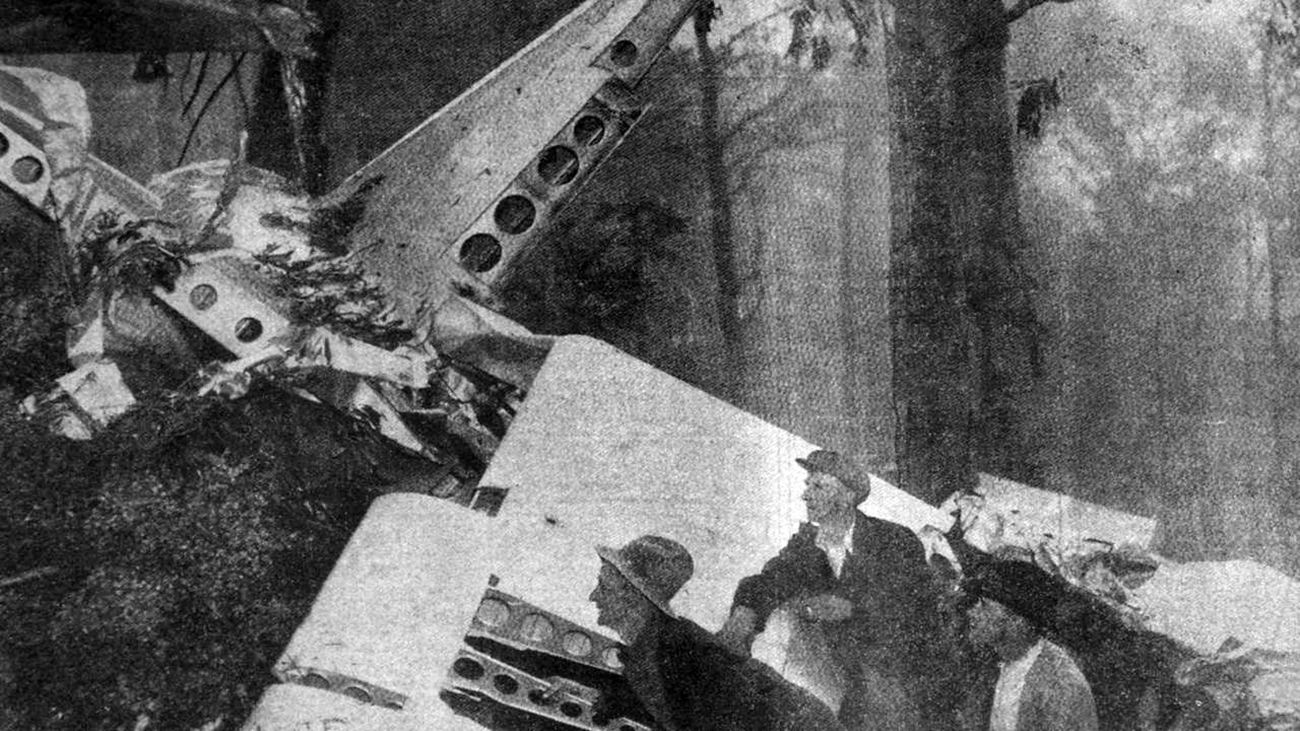
Crash of a Douglas DC-2-210 in Mont Dandenong: 18 killed

Date & Time: Oct 25, 1938 at 1345 LT
Type of aircraft:
Operator:
Registration:
VH-UYC
Flight Phase:
Survivors:
No
Site:
Schedule:
Adelaide – Melbourne
MSN:
1566
YOM:
1937
Country:
Region:
Crew on board:
4
Crew fatalities:
Pax on board:
14
Pax fatalities:
Other fatalities:
Total fatalities:
18
Circumstances:
While descending to Melbourne, the crew lost his orientation and was unable to locate the airport of Essendon. The pilot continued the descent and the aircraft named 'Kyeema' went through a thick layer of cloud when it impacted trees and crashed in a wooded and hilly terrain located in Mont Dandenong, some 40 km east of Essendon Airport. The aircraft was destroyed by impact forces and a post crash fire and all 18 occupants were killed.
Crew:
A. C. Webb, pilot,
A. J. Steen, copilot,
Phillip Pring, pilot, acting as radio operator,
Elva Jones, stewardess,
Probable cause:
The following deficiencies were identified as contributing to the accident:
1) The aircraft’s navigational log was either not kept or had not been properly utilized during the latter part of the flight, as required by the carrier;
2) The company’s procedure for descent through an overcast into this airport was not adopted, and
3) A request for a bearing from the aircraft was not received by the radio operator at the airport nor logged at any other operating station. Also noted in the investigative report was the lack in Australia of an ultra-high frequency (UHF) beacon network, and indeed, the crash of VH-UYC would prove pivotal in the development of the nation’s airway system.

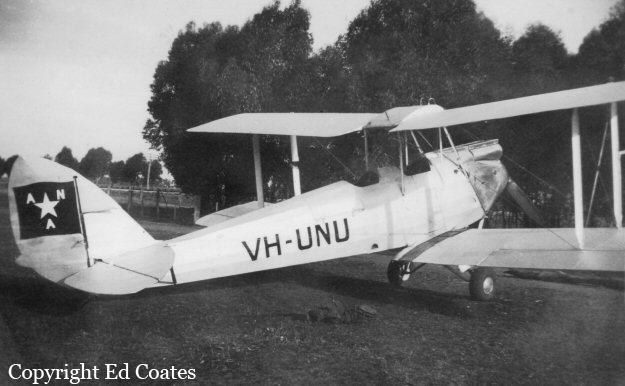
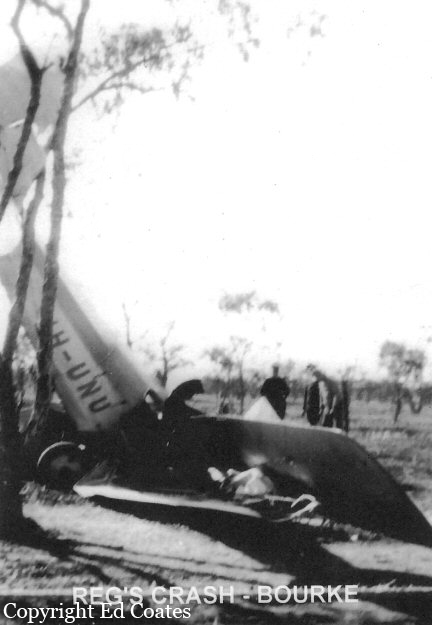
Crash of a De Havilland DH.60G Moth in Somerton: 1 killed

Date & Time: Mar 8, 1938
Type of aircraft:
Operator:
Registration:
VH-UNU
Flight Phase:
Flight Type:
Survivors:
No
Schedule:
Melbourne - Melbourne
MSN:
1444
YOM:
1930
Country:
Region:
Crew on board:
1
Crew fatalities:
Pax on board:
0
Pax fatalities:
Other fatalities:
Total fatalities:
1
Circumstances:
The pilot was performing a local solo training flight out from Melbourne-Essendon Airport. While making sharp turns exercises, he lost control of the aircraft that crashed in Somerton, 10 km northeast of Essendon Airport. The aircraft was destroyed and the pilot was killed.

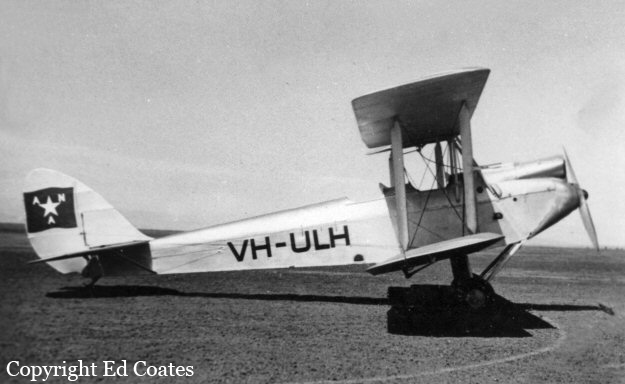
Crash of a De Havilland DH.60G Gipsy Moth in Malvern

Date & Time: Jun 9, 1937 at 1840 LT
Type of aircraft:
Operator:
Registration:
VH-ULH
Flight Phase:
Survivors:
Yes
Site:
Schedule:
Benalla – Melbourne
MSN:
Genairco 7
Country:
Region:
Crew on board:
1
Crew fatalities:
Pax on board:
1
Pax fatalities:
Other fatalities:
Total fatalities:
0
Circumstances:
The aircraft was being flown by Jack Macalister who was attempting a night landing at Essendon Airport, Melbourne. Due to heavy fog, he flew over the city looking for an alternate landing ground. Attempting to land at the Malvern Oval, he struck the spire of St. George's Anglican church and crashed. Both occupants were injured and the aircraft was destroyed.

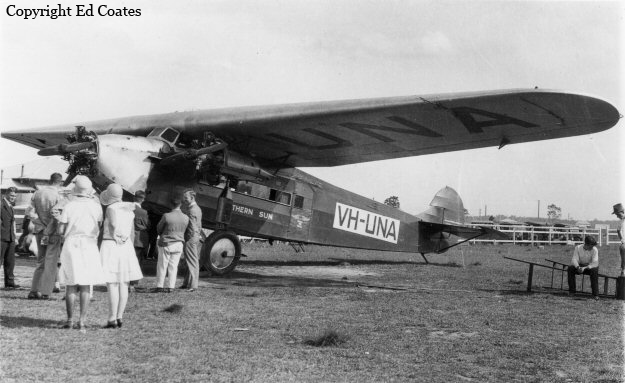
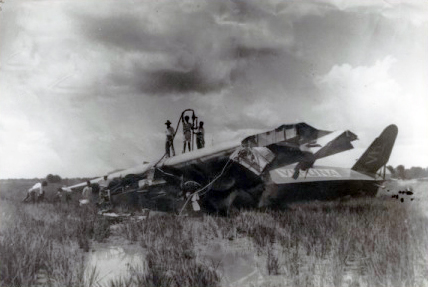
Crash of an Avro 618 Ten in Alor Setar

Date & Time: Nov 26, 1931
Type of aircraft:
Operator:
Registration:
VH-UNA
Flight Phase:
Flight Type:
Survivors:
Yes
Schedule:
Hobart – Sydney – Alor Setar – London
MSN:
388
YOM:
1930
Country:
Region:
Crew on board:
3
Crew fatalities:
Pax on board:
1
Pax fatalities:
Other fatalities:
Total fatalities:
0
Circumstances:
Shortly after takeoff, the three engine airplane encountered difficulties to gain height. It stalled and crashed in a rice paddy field located past the runway end. All four occupants escaped with minor injuries and the airplane named 'Southern Sun' was damaged beyond repair. It departed Hobart and a mail flight to London with intermediate stops in Sydney and Alor Setar, carrying a load consisting of 52,000 Christmas' letters for a total weight of 1,500 kilos.
Probable cause:
The exact cause of the accident could not be established. However, the takeoff roll has been completed from a terrain whose surface was soaked by recent rains. So, the performances of the aircraft may have been reduced until the rotation. A power loss of the center engine was also suspected.